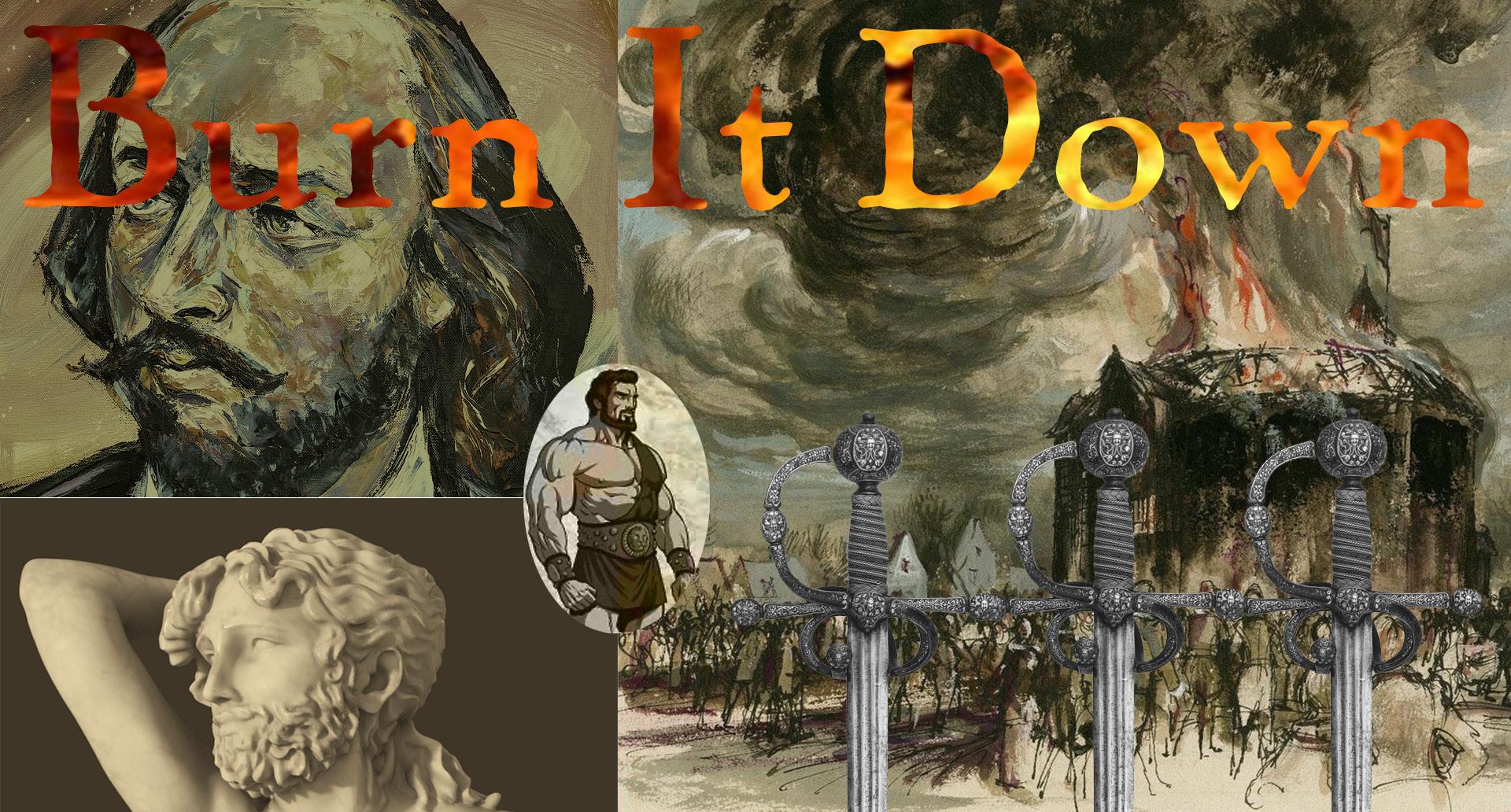
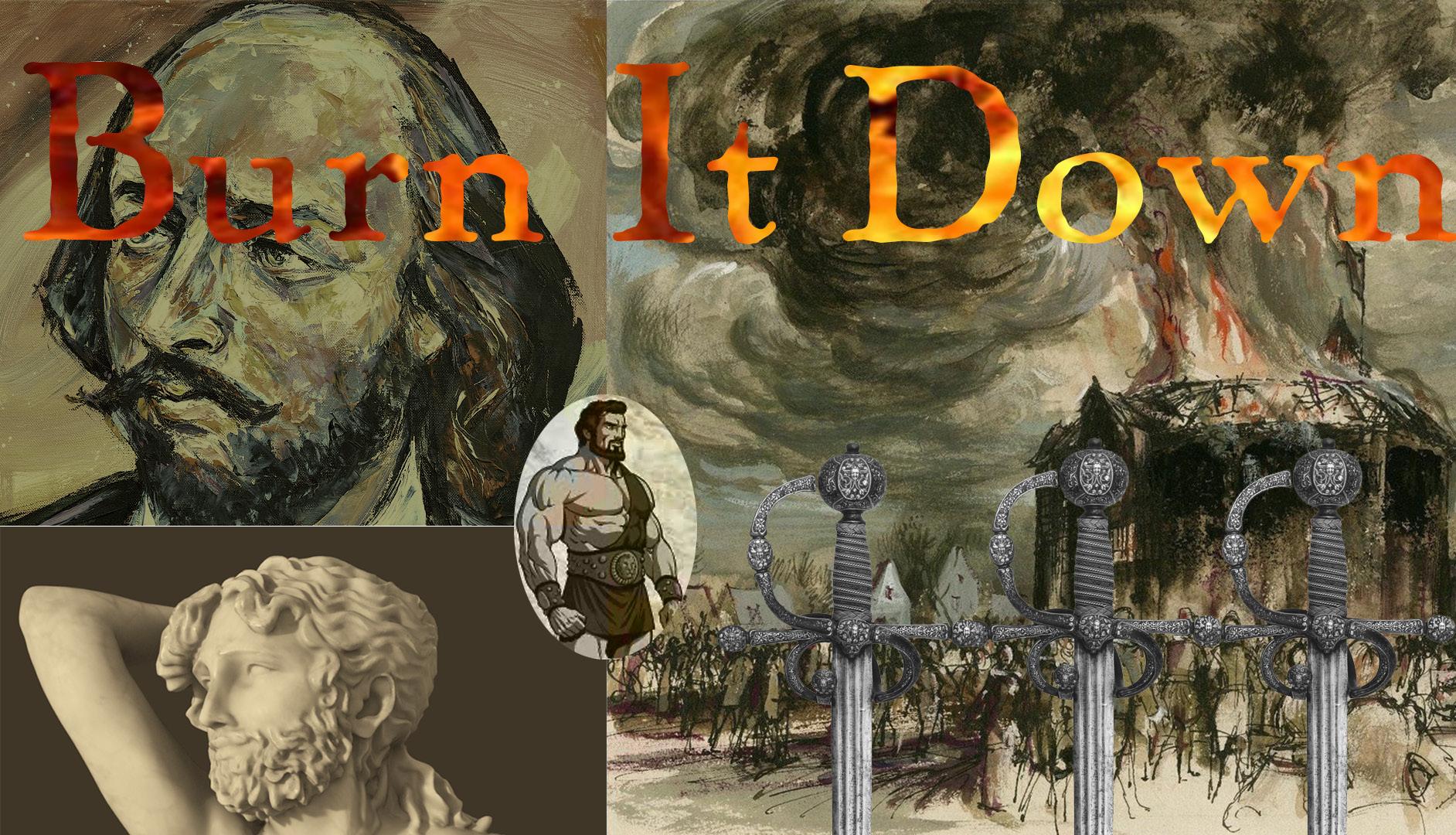
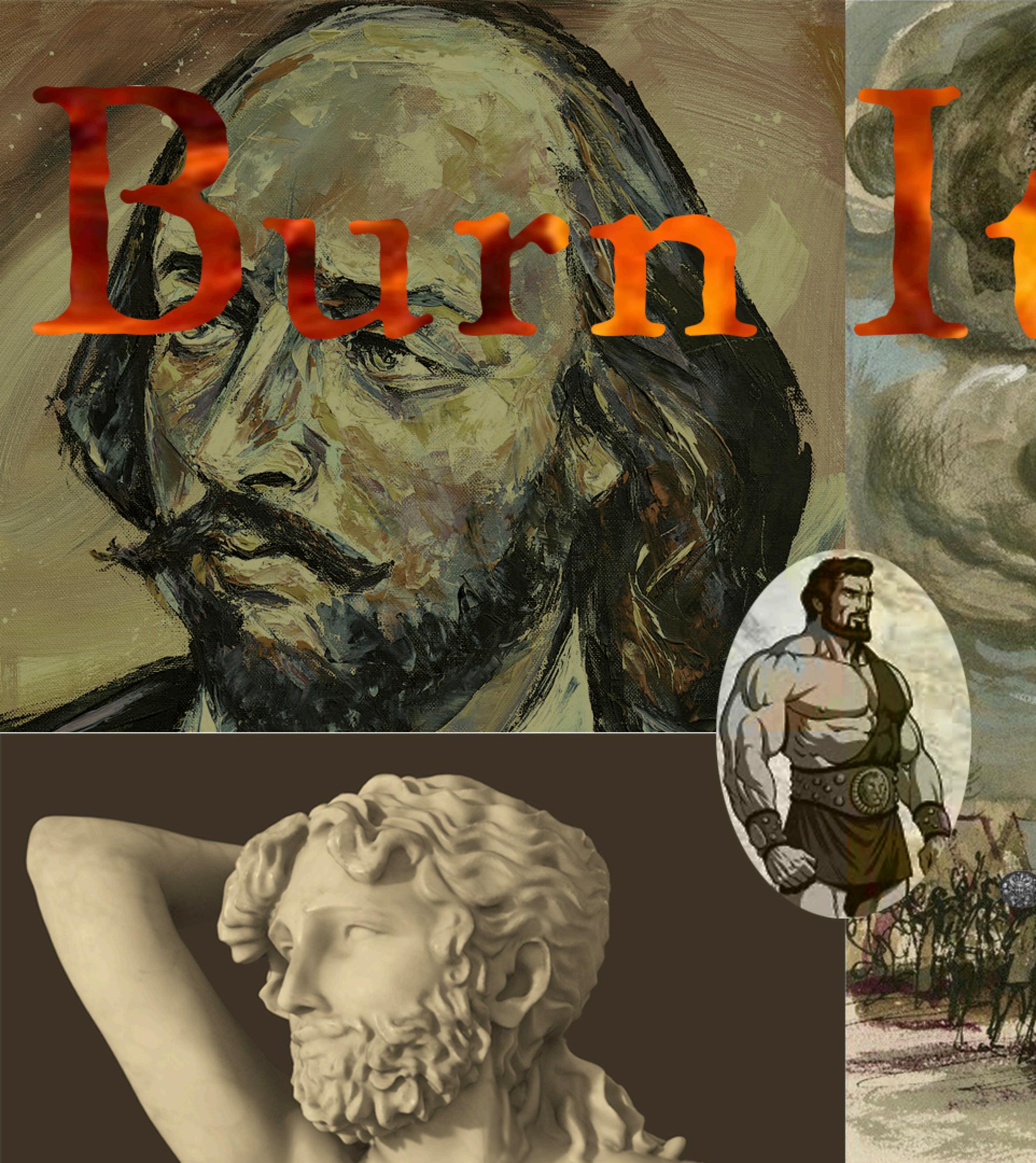
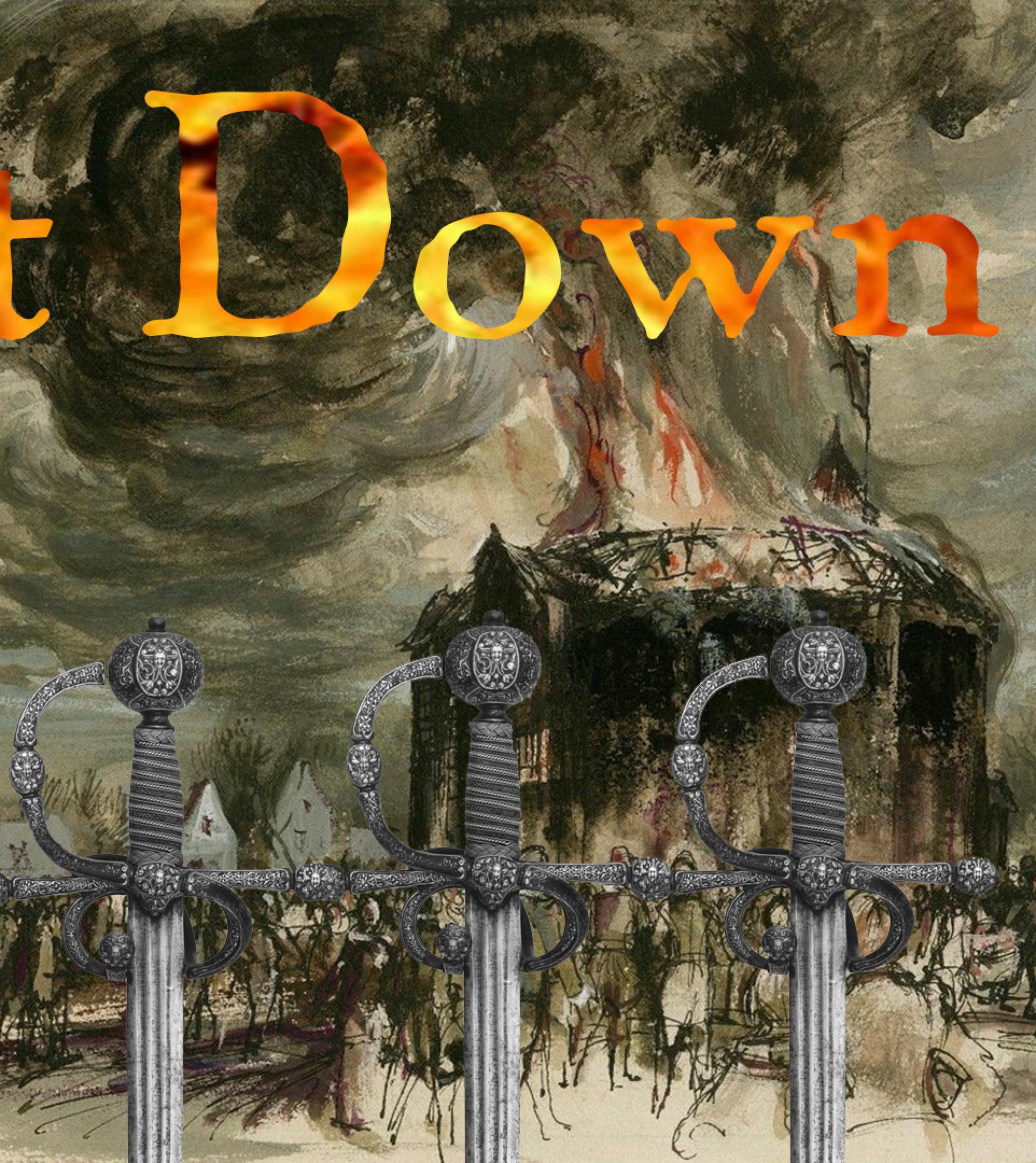
Burn It Down*
APRIL 2023 / 1 BURN IT DOWN VOL. 01 ISSUE 1 April 2023
A PRODUCTION DESIGN LOOKBOOK

Come alive, come alive
Go and light your light
Let it burn so bright Reaching up
To the sky
And it's open wide You're electrified
"Come Alive"+- The Greatest Showman
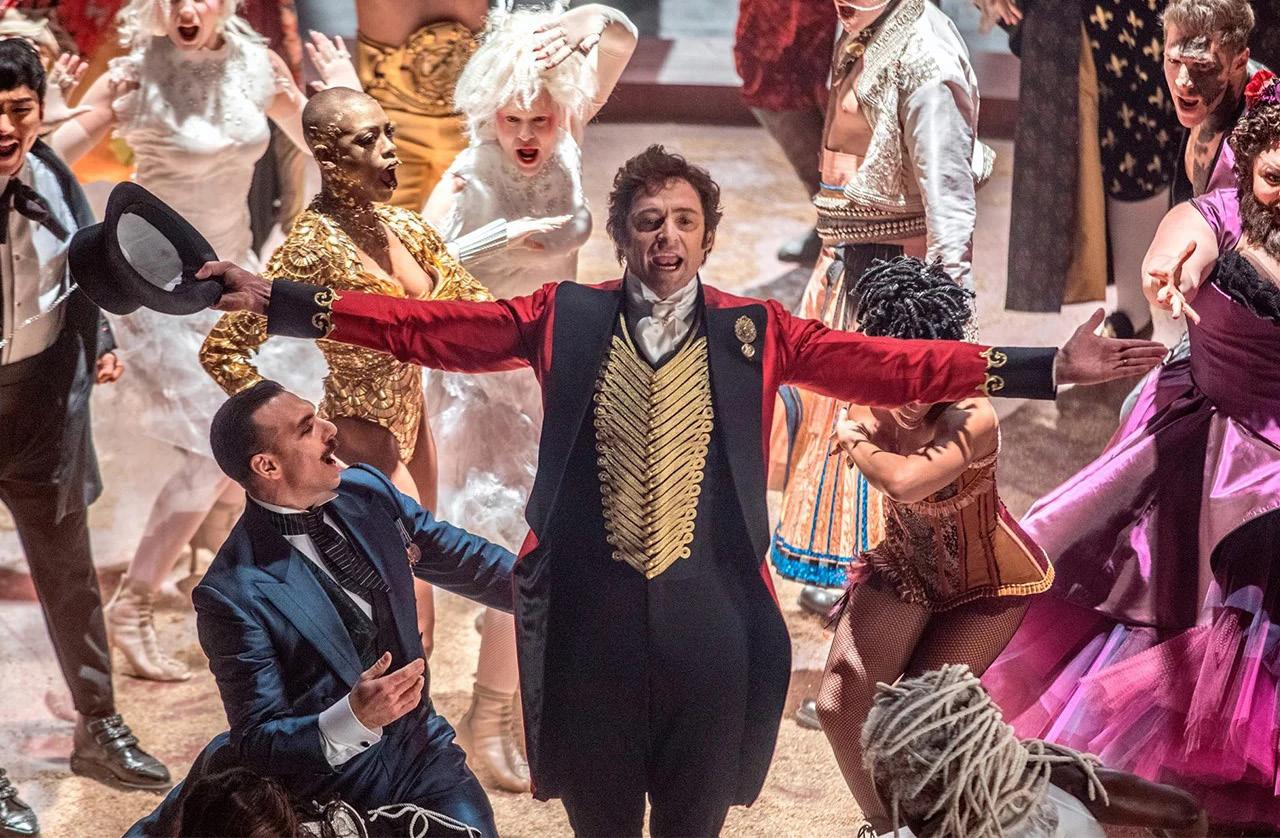
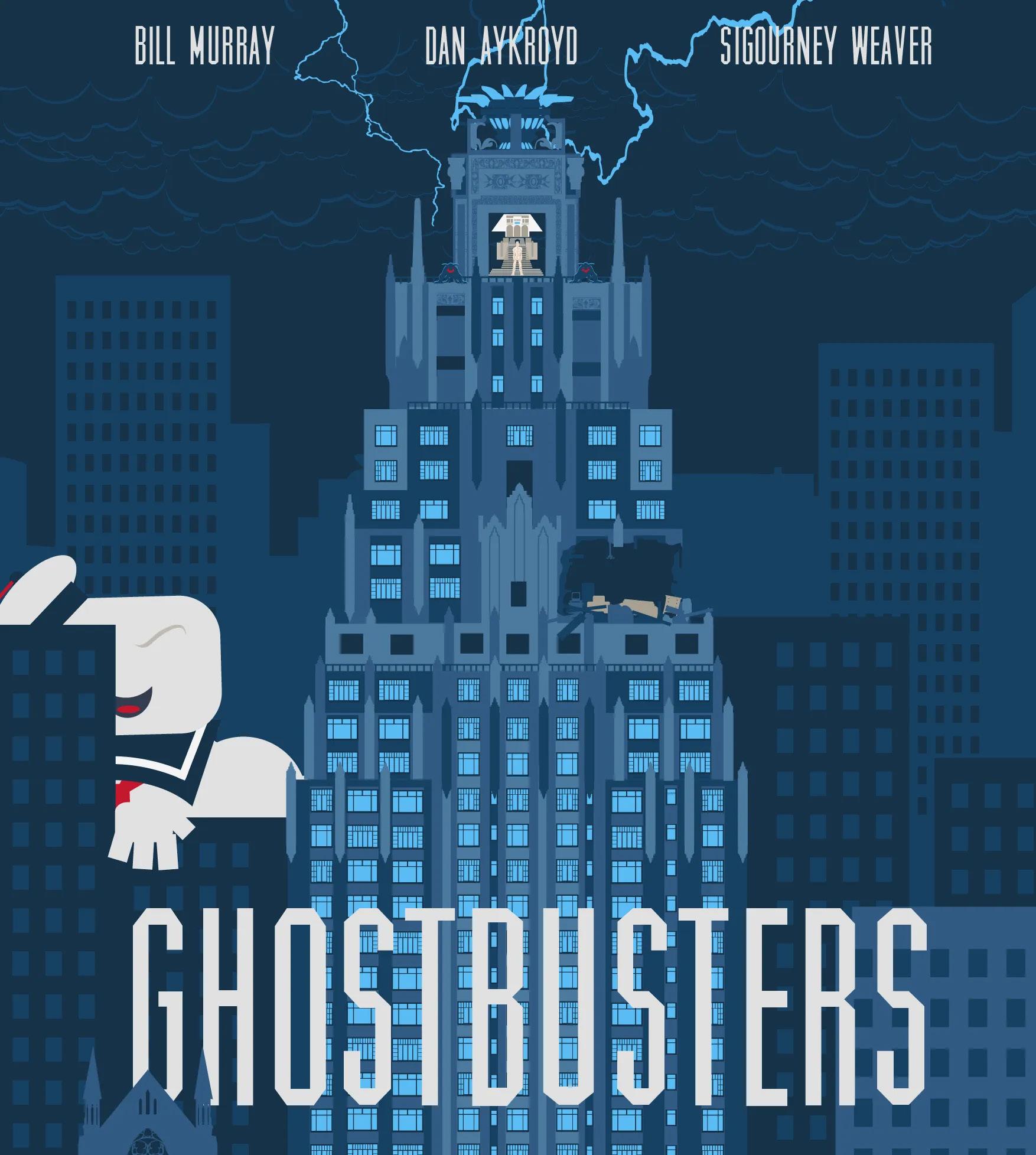
Power sets are critical environments that support the narrative mission. They are "owned" by a protagonist or antagonist. They play a visual role in surround this protagonists/antagonists as they fulfill their mission.
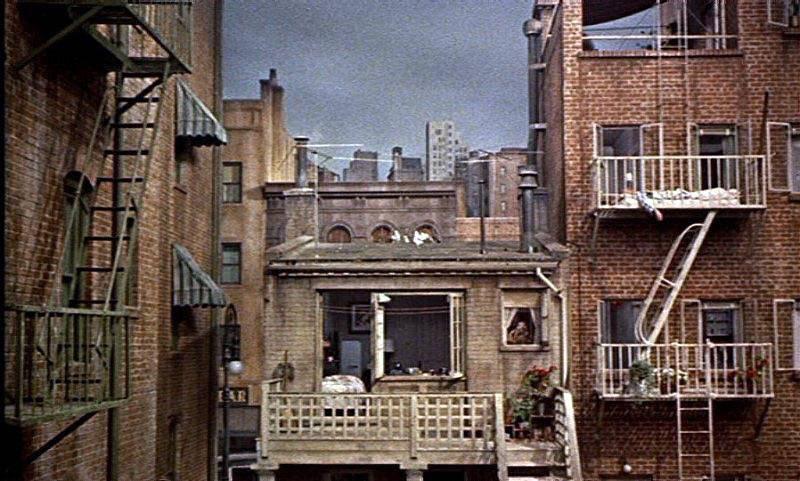
During Week 1 we learned about World Building and the Narrative Triangle. This would be to set the stage for the next seven weeks. The Narrative Triangle is made up of three parts which need to be balanced in order to make a good film. The first part is the protagonist. There needs to be a character which inhabits the world we build. Second is a mission. The protagonist needs some thing to do, some challenge to over come. And third is Environment. The character needs a place in which to accomplish his/her mission. We were asked to choose a film throughout the week that we could use as a foundation for the rest of the class. One that had a power set or had a strength in location. A power set is a set that is nearly a character unto itself. It is usually where a lot of the budget is devoted and the characters spend much of there time in that location.
"The Greatest Showman" is a captivating musical film that follows the rise of P.T. Barnum from a humble beginning to becoming a worldwide sensation with his circus, the Barnum & Bailey Circus. The film features Hugh Jackman as Barnum, who is determined to make a better life for his family and fulfill his dreams by creating a museum of oddities and curiosities. As the museum becomes a success, Barnum expands his enterprise by creating a circus with diverse performers who are considered "freaks" by society. The film explores the themes of acceptance, inclusion, and the pursuit of dreams as Barnum's circus becomes a worldwide sensation, attracting crowds and earning him fame and fortune. However, Barnum's ambition comes at a cost, and he struggles to balance his responsibilities to his family and performers.
Protagonist:
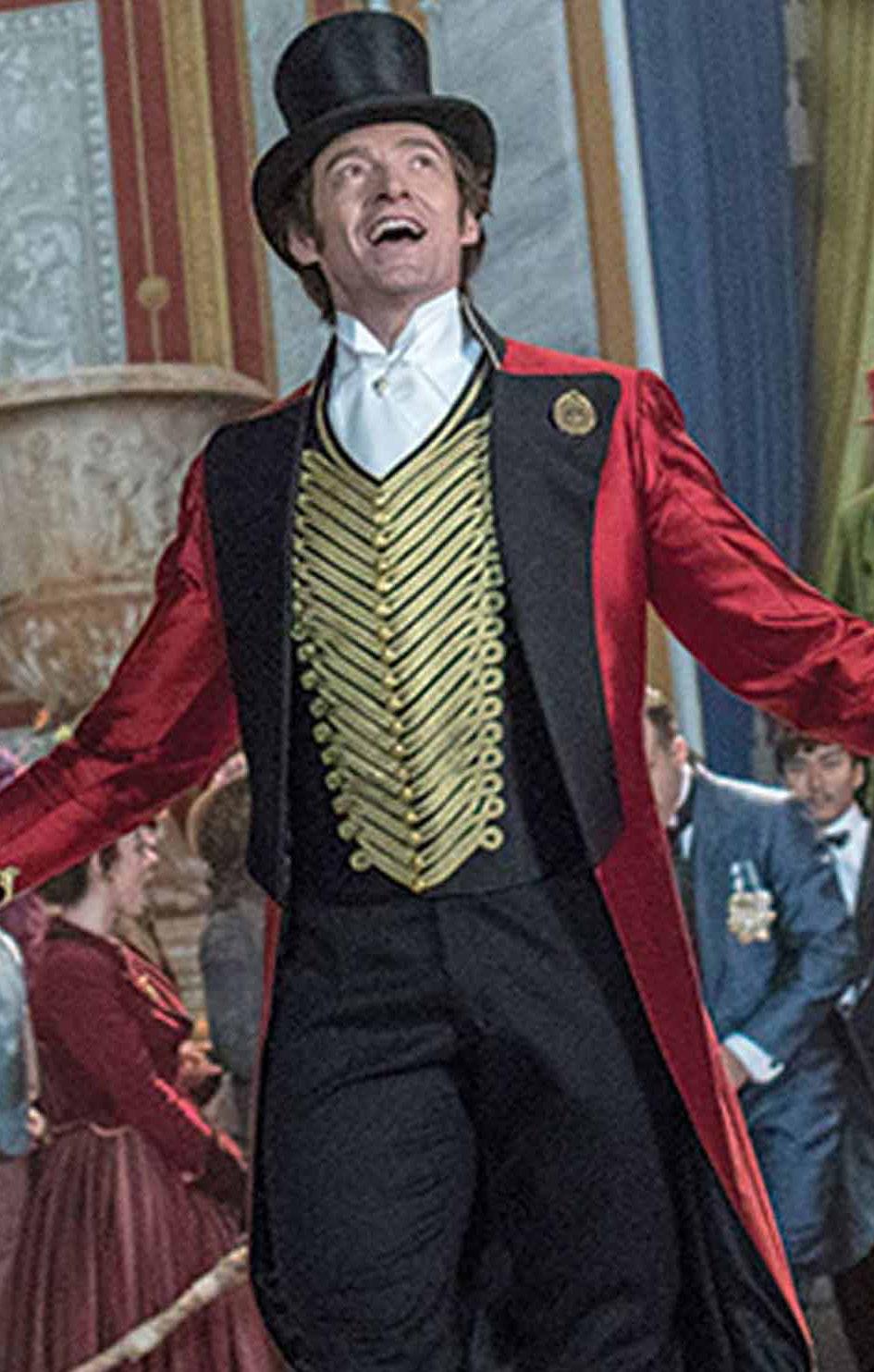
The primary protagonist in this film is a larger that life character name P.T. Barnum played by Hugh Jackman. Barnum was born as the son of a poor tailor. His father would create and modify clothing for the wealthy. He would go with his father to the homes of his clients. During some of these visits he became friend with a girl named Charity and fell in love with her. It became Barnum's life long desire to give Charity everything that was within his power, even at the cost of his relationship with her. Eventually Charity takes a break from their relationship and Barnum had a big wake up call where realizes what was most important to him.
Mission:
There are two main missions for Barnum in the film. The first is to create the "Circus" a show that displays the unique talents of extraordinary individuals. The performers are often looked at as freaks and the down trodden of society easily dismissed as something lesser. Barnum see's an opportunity to create a place the people can come together and find family and be celebrated for who they are.
The long and most important mission Barnum undertakes is to care for and demonstrate his love for his family. For the majority of the film this
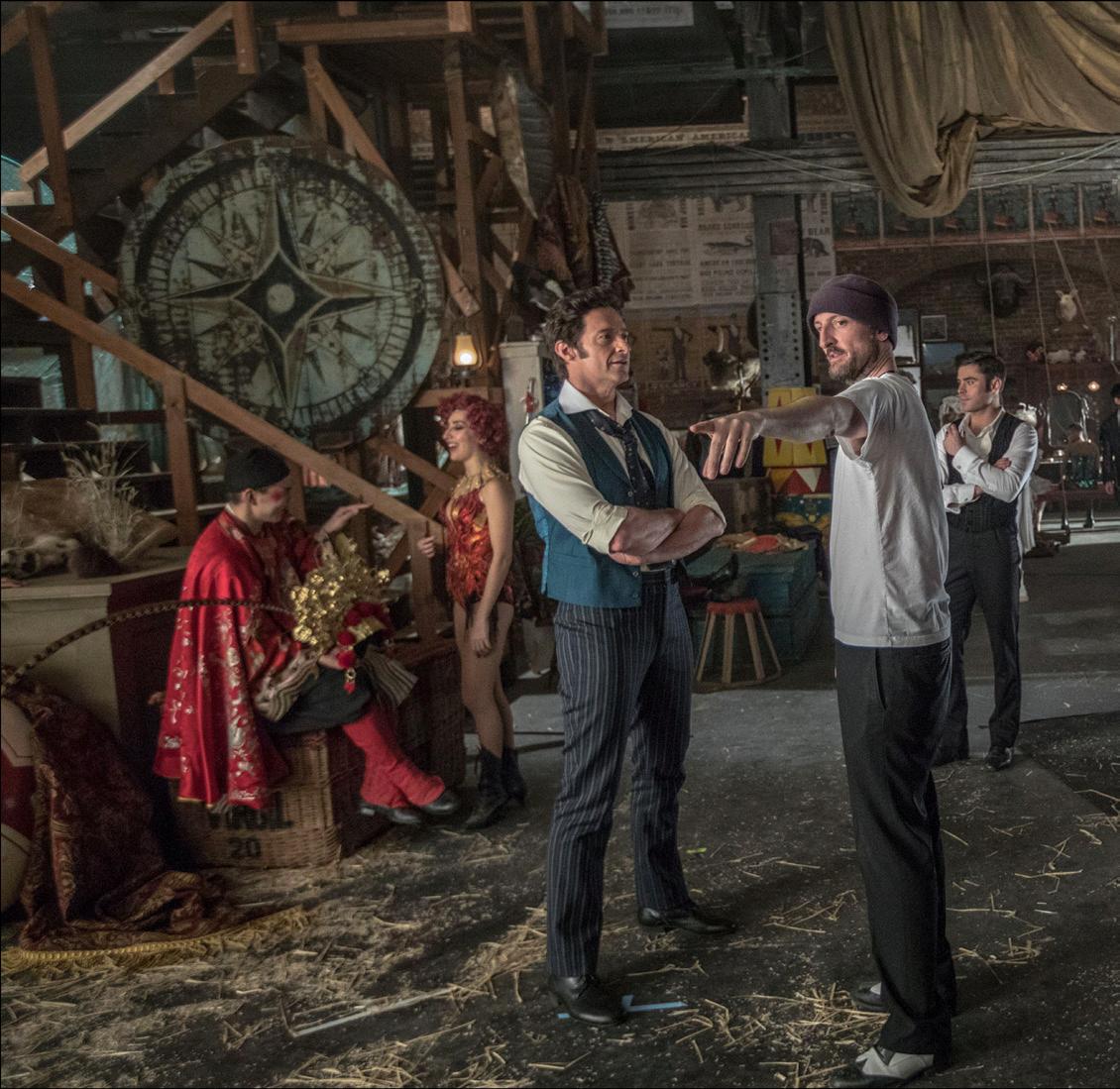
is displayed as his rise in influence amongst the people of the city and his unstoppable work ethic obsession with taking his empire to the next level even if it means abandoning those he is doing it for. This all comes to an end when he is accused of cheating with his wife and his reputation is tarnished.
Environment:
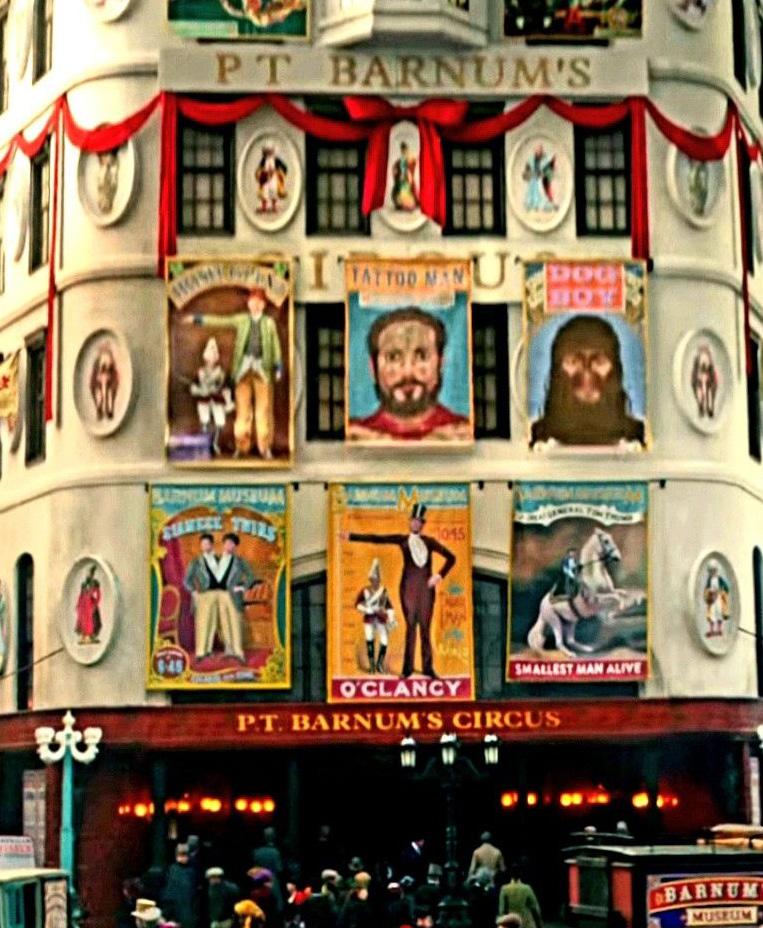
During The Greatest Showman the narrative environment become a key to the story being told. Through out the movie this set transforms from a strange museum to a beautiful theater. The theater is quite unique as it has be a space where are the performers can perform their unique acts. Acrobats, Lions and Elephants, Singers, Horsemen, and Strongmen are a few of the acts seen on that stage.
Scene:
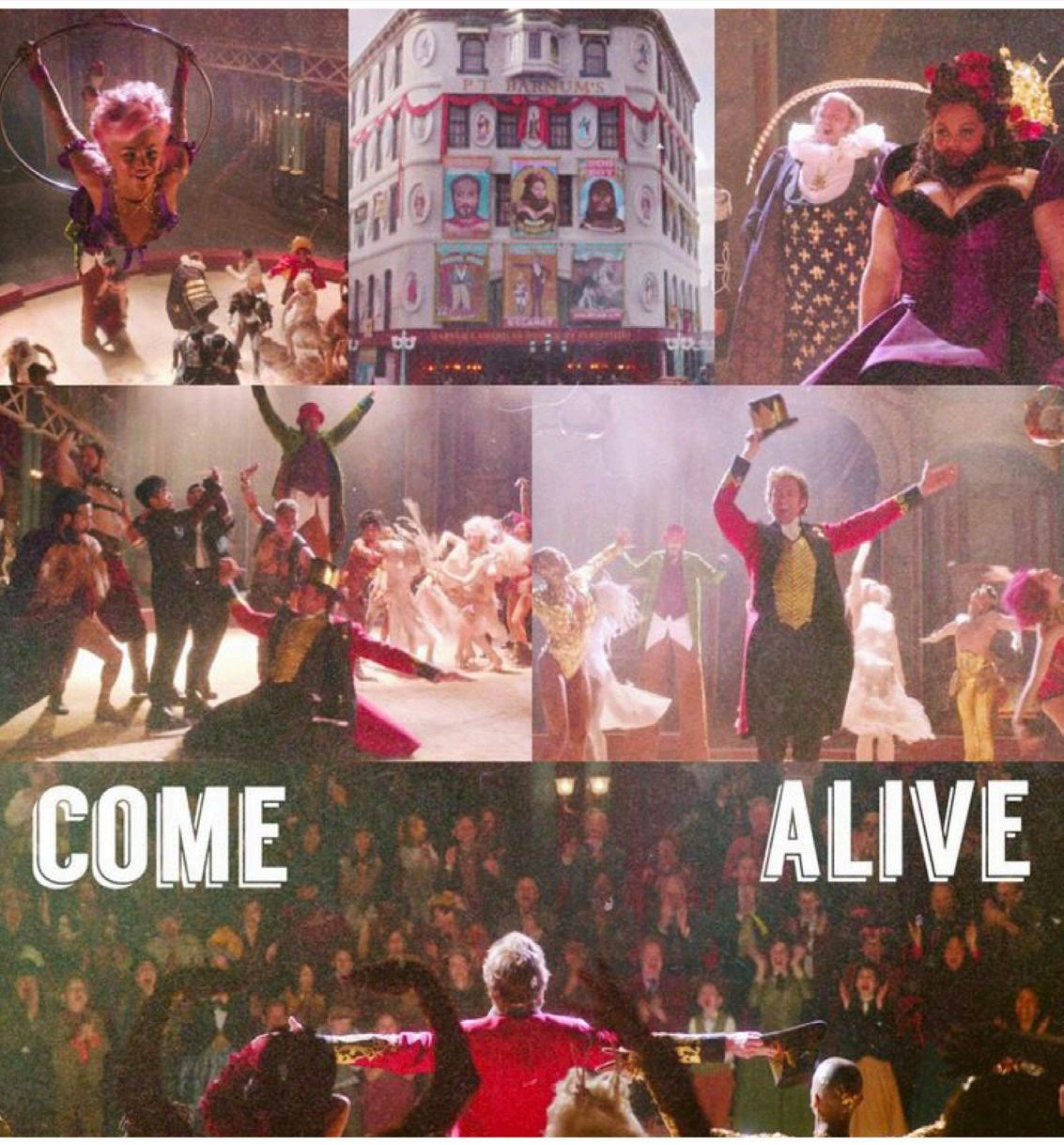
The scene I a chose for this project is the where they sing the song "Come Alive" This is when the troupe of performers has been assembled and we see them for together for the first time. It is a montage of their beginnings and their rise in fame but also their attraction of people who can't understand people who are different from the norm. It show's how they are able to defeat that scrutiny as a family-like group.
The concept of a narrative biosphere suggests that a sphere of influences surround the characters in any story and this biosphere or narrative environment not only reflects but reinforces and amplifies the interaction between actor (protagonist) and place (the set).
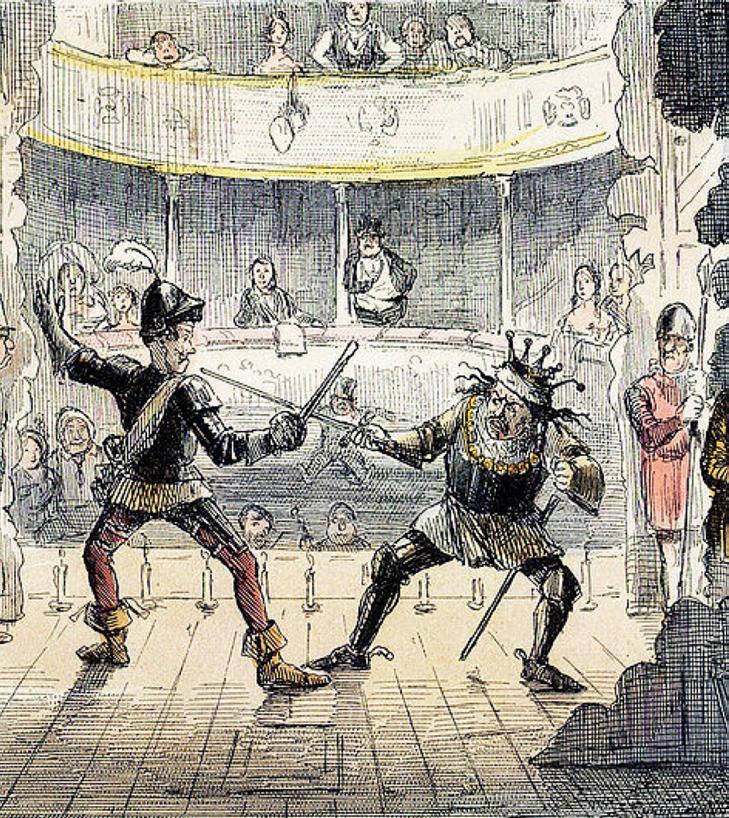
During week two we concentrated on the topic of the narrative biosphere. How do you represent all of the elements of the world you are creating. The narrative biosphere is propped up by three concepts. Backstory, Mise-en-scene, and Metaphor. Backstory is the history of the protagonist. It tells us why that character is in that environment to begin with. These backstory elements are not always visible to the person watching the film but the designer should have a good grasp of the back story so they can design the world the character belongs in. The term Mise-en-scene which "in French Cinema, refers to everything that appears before the camera and its arrangement, composition, sets, props, actors, costumes, and lighting. The designer must carefully acknowledge the choreography of the actors through the set so that the set compliments these movements. As such, the collaboration between the director, cinematographer and designer, is of utmost
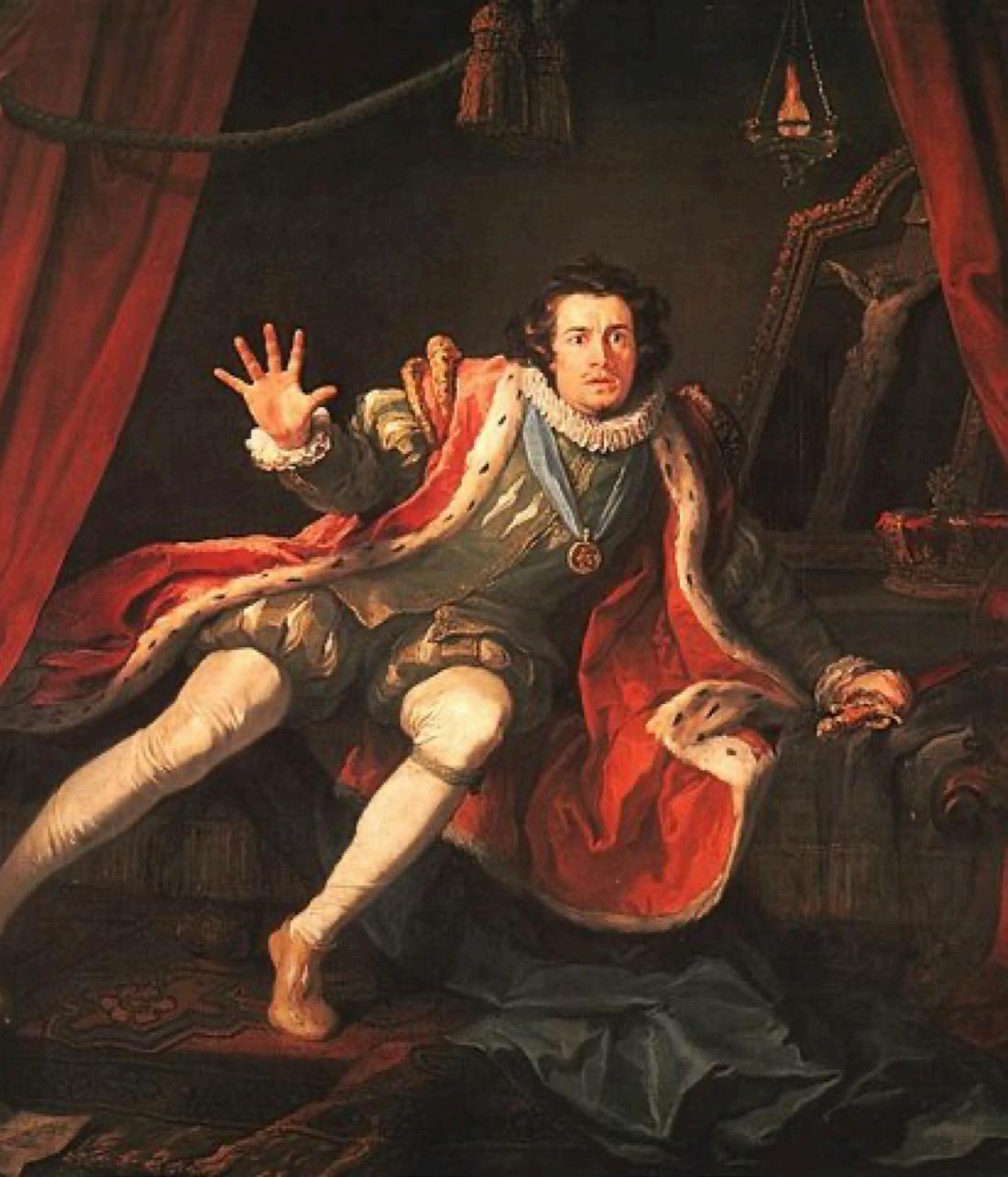
METAPHOR IS THE REASON BEHIND THE CHOICES WE MAKE. ALONG WITH THE ACTORS THE OBJECTS THOSE ACTORS ARE IN AND AROUND AND INTERACT WITH TELL A STORY...
importance." Lastly, Metaphor is the reason behind the choices we make. Along with the actors the objects those actors are in and around and interact with tell a story as well. How would the story change if Harry Potter didn't have a wand or a cloak. What would happen to Iron Man if he didn't have his suit. How would he show us that it doesn't matter if you are a normal person you can be great. Metaphor is the engine that keeps us subconsciously drawn to the characters. It we know that they matter and in turn we matter.
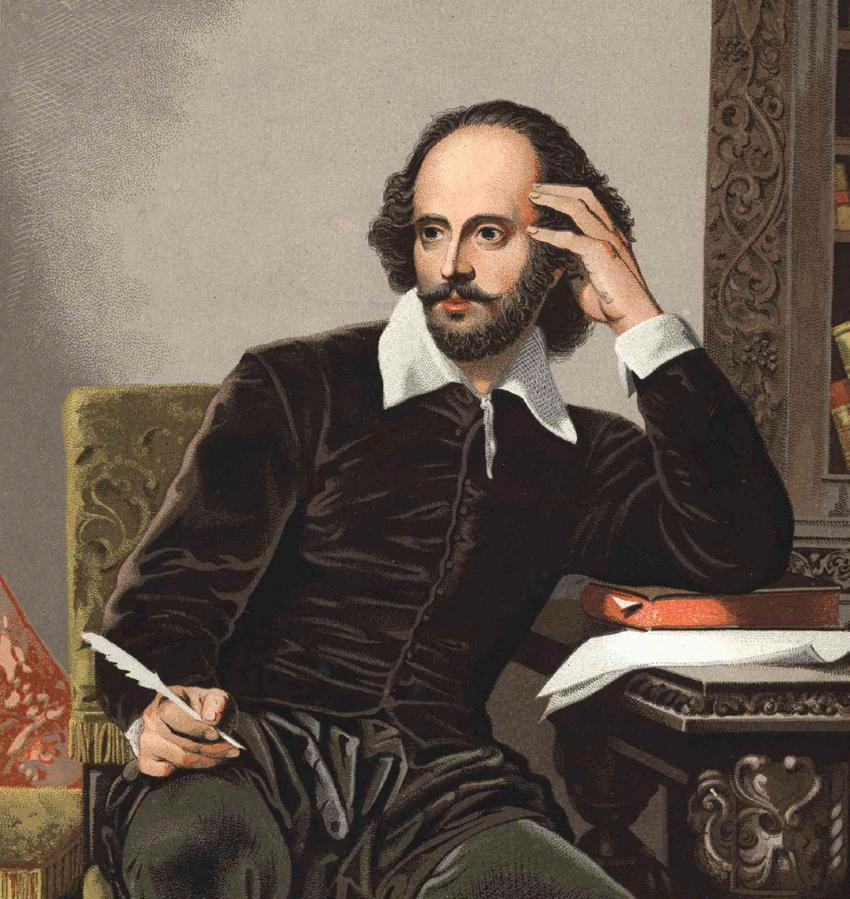
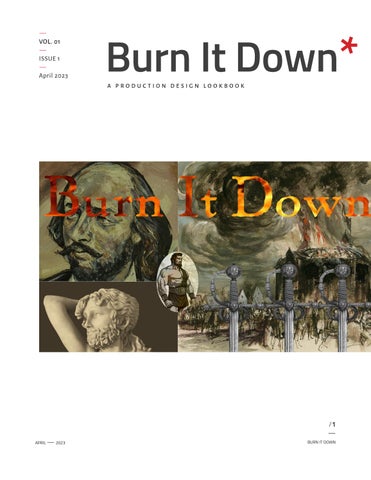
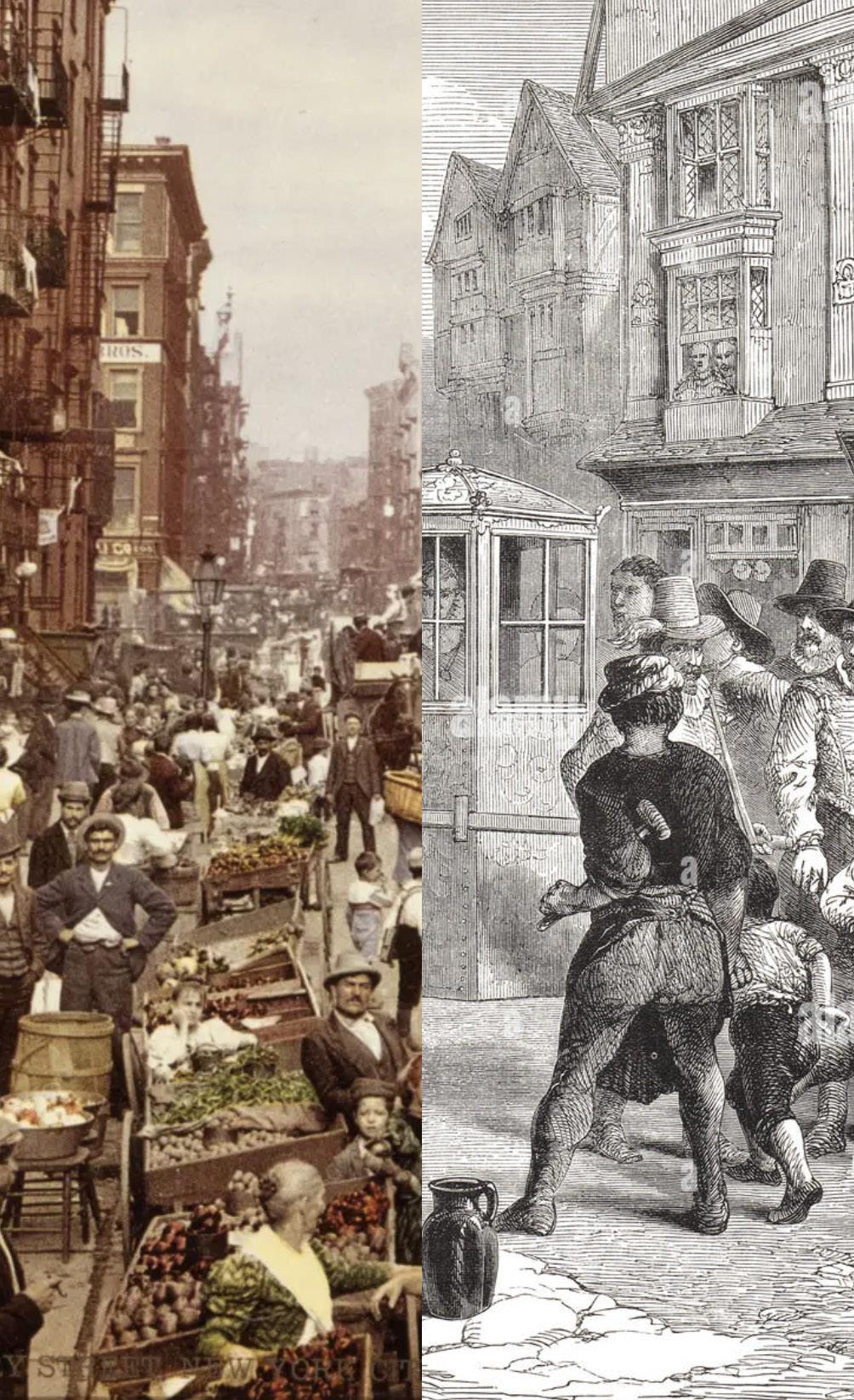
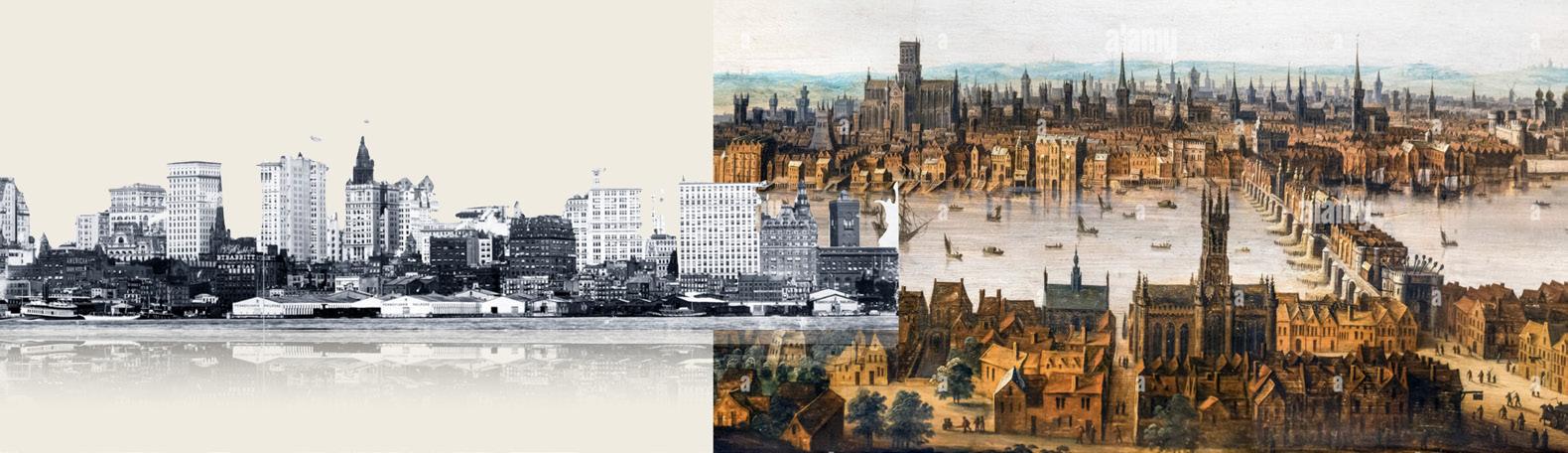
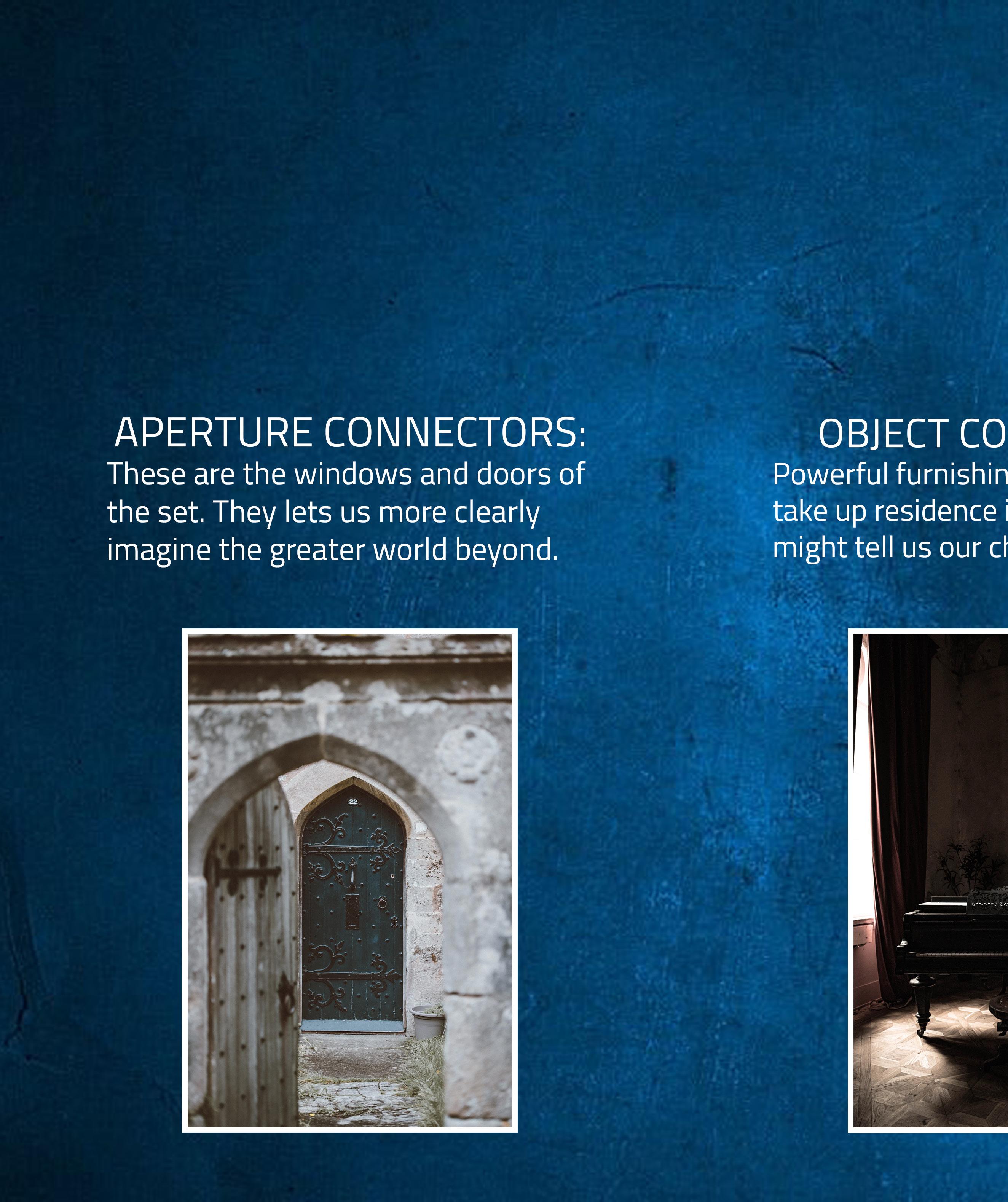
For my shift in time I am planning on changing 'The Greatest Showman" from 1900s century New York City to 1600s London. As I was looking through images to find comparisons like you see in this chapter I thought it was very interesting that even though there is about 300 years different both cities seem to be in a similar state. I thought that William Shakespeare would make a great analog to P.T. Barnum. Both men were showmen, and were maybe a little rough around the edges. There is a period of time where we don't know the history of William Shakespeare in his younger years. This is where I am going to make my hypothesis about what he is did with his life, and how he may have gotten his start in show business.
Metaphor is the engine that keeps us subconsciously drawn to the characters.
1585-1592 There is a period where historians cannot account for the life of William Shakespeare. That is until the journal of Nathan Bradshaw, was uncovered just this last year, a member of Shakespeare’s “Montague” Troupe. In this journal we learn the truth of Shakespeare’s start in theater, and the real first time that The Globe theater burned down. From a poor past and a desire to prove himself to the courtesans in London, our protagonist, William Shakespeare begins working for a small museum as a clerk. Tragically the museum owner, Lord Chamberlain, is lost at sea. Seeing this as an opportunity William claims ownership forging a few documents to make it a reality. Shakespeare begins the process of changing the museum artifacts to the odd and macabre as an attempt to attracts patrons. He continually seeks to add new attractions, so decides to add performing acts to the museum which he slowly renovates to a theater. Being virtually unknown to the current acting community he forms a troupe of unique individuals, the cast down, and deformed but each with a unique talent that he can use as an act in his show, they call themselves the Montagues and form a sort of family. They start seeing great success and sell out all their seats each night. Eventually his fame increases, and he attracts the talent of a well-known acting group, The Capulet’s. Shakespeare’s desire to become rich and famous see’s this as too much of a potential boon for him to pass up. He shuns the Montague’s in favor of the Capulet’s, causing much resentment. He has a grand time showing off the new talent and performs for the King and Queen, and Lords and Ladies all around England and Scotland. Eventually he feels sorrowful for what he has done and abandons the Capulets to head back to London for the Montague’s whom he left behind. The Capulet’s cannot let this stand, and a fight ensues between the two troupe. While all this is happening Lord Chamberlain miraculously returns from his ocean voyage and discovers the fraud and confronts him at the theater. During this confrontation Shakespeare is very contrite and agrees to pay for what he has done by working for the owner as a servant for 5 years. During this negotiation the Montague’s and Capulets fight reaches its climax and a lantern breaks which causes the theater to burn down. The original theater owner rebuilds the theater and Shakespeare works for him as a playwright for the rest of his days.
William Shakespeare, The lost years between 1585 and 1592. His father was well known and had a fair amount of power being raised to the status of Gentleman. Wanting William to develop a good work ethic and not to be a spoiled kid he cut William off of his social status and money and sent William off on his own to find his own way in the world. William having a taste of the Gentleman’s life has a strong desire to prove himself in the eyes of his father and to return to the status of Gentleman.
Short:
To find fame and fortune and return to the status of Gentleman.
Long:
Find a place of belonging, a family after having been removed from his own.
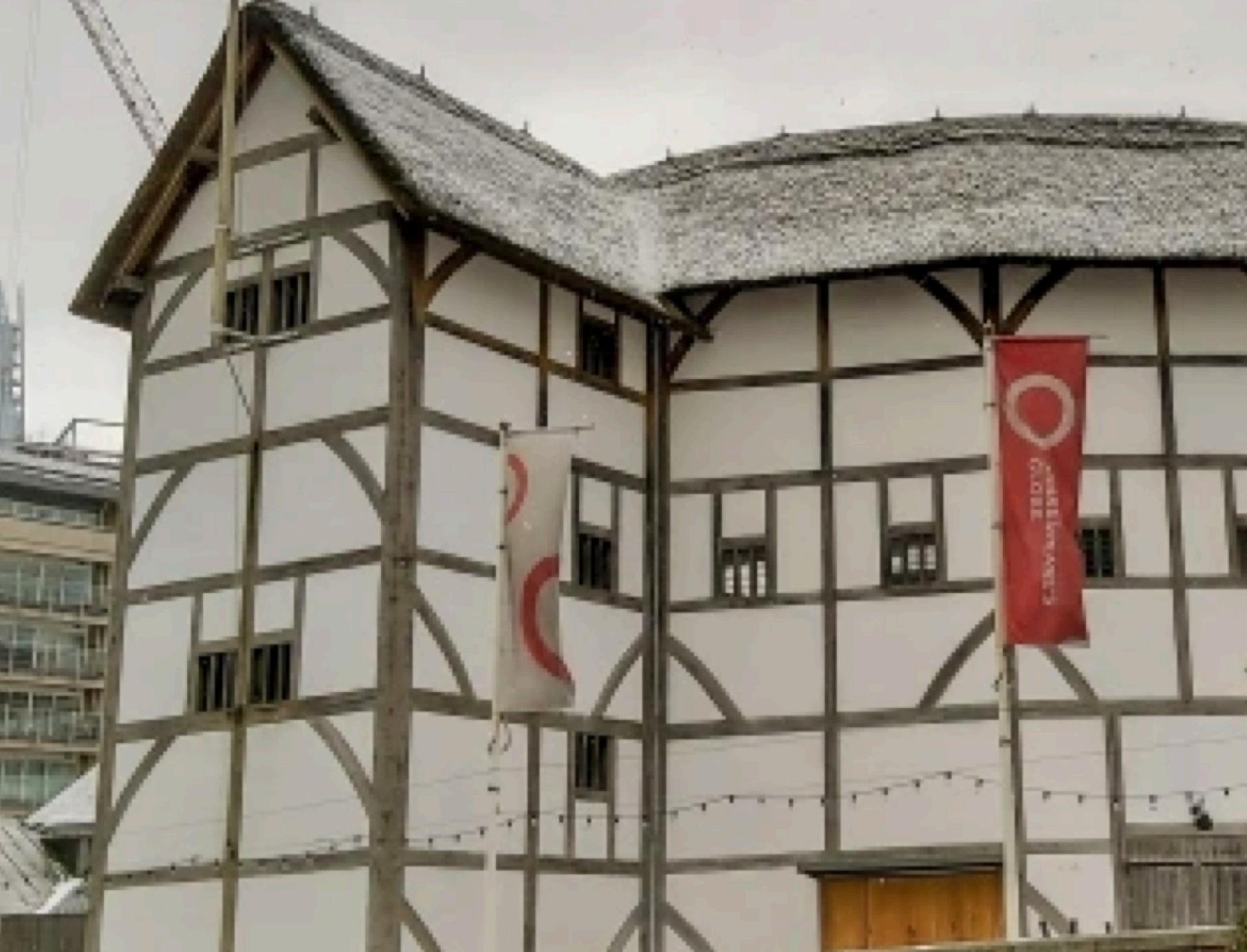
1600s London, The Globe Theater, Swords, 1600s London Costumes, Writing desk and instruments for writing.
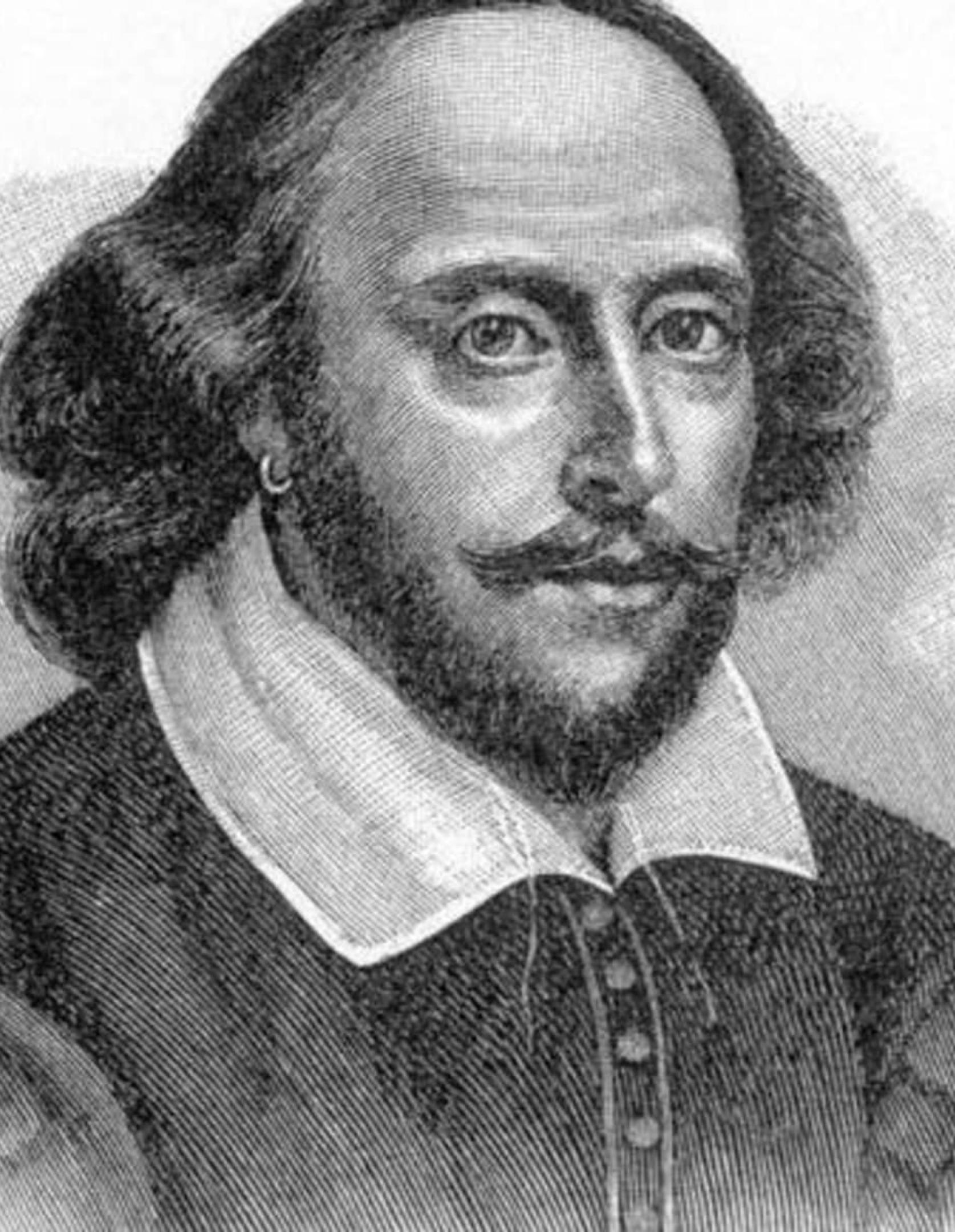
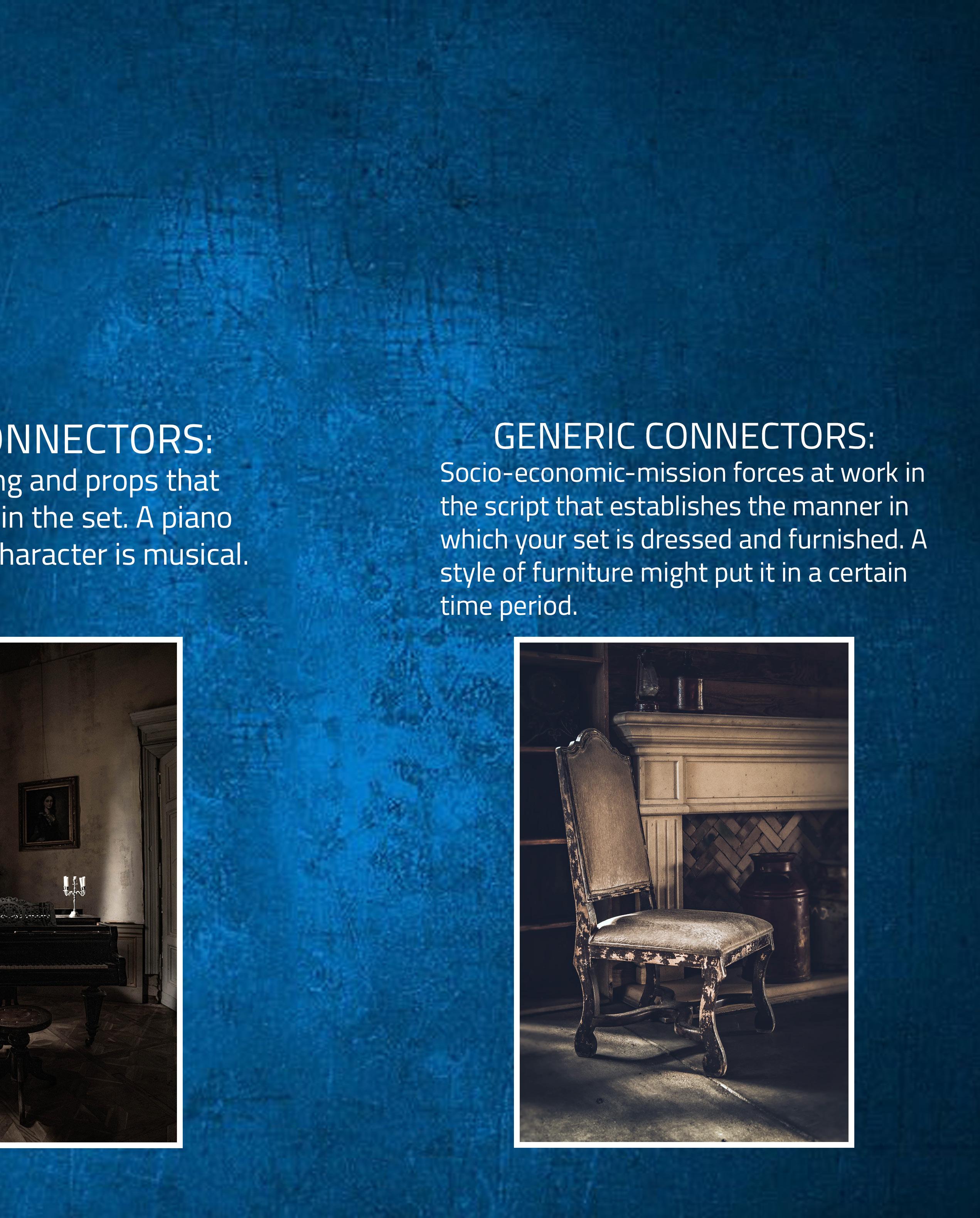
A set is surrounded by visual influences. Doors lead to rooms, windows establish a set's geography. Décor and ornament will tie a set of rooms together and a prop seen through a door can connect rooms. The more we diminish these connections the more we weaken the suspension of disbelief.
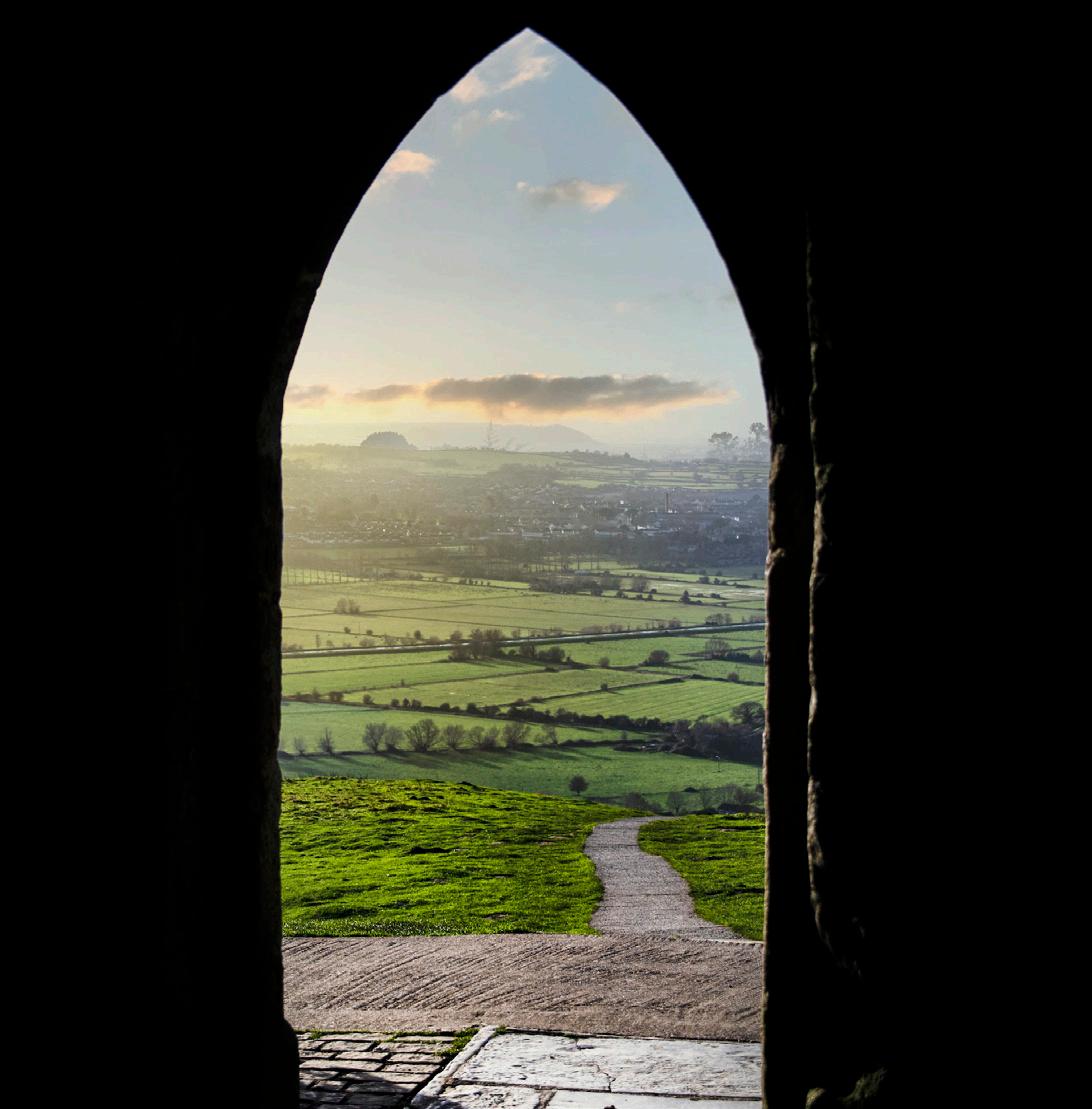
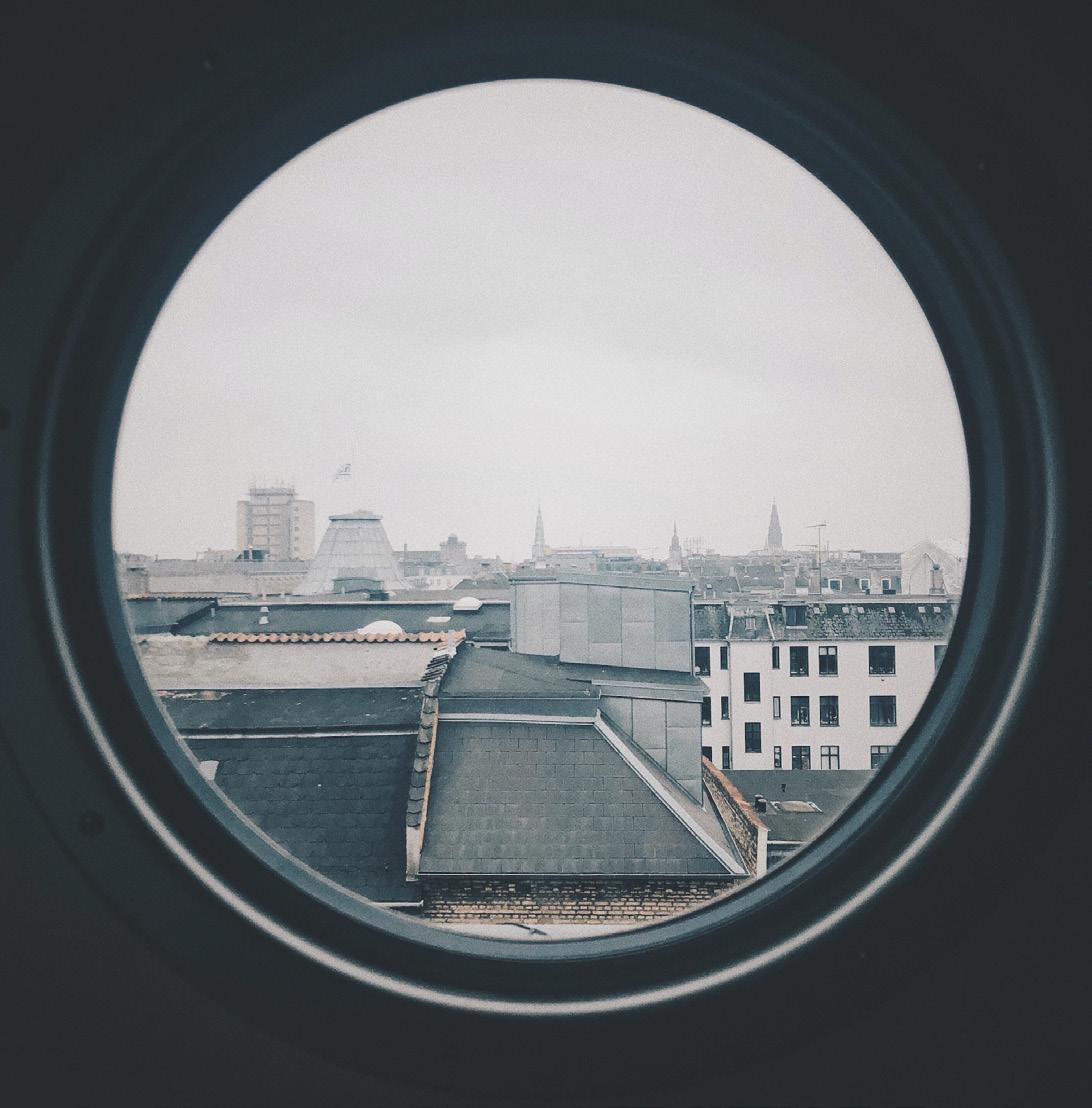
It's important to start thinking about how things connect and relate. Windows and doors imply a larger world outside the environment of our set. We would expect to see and hear something through those apertures. Windows and doors give us a glimpse that there is a larger world to our story. Stairs hint at vertical space that our characters live in. Props, decor, and ornamentation tie spaces together even if they are not connected in our physical world they maybe connected in our characters world.
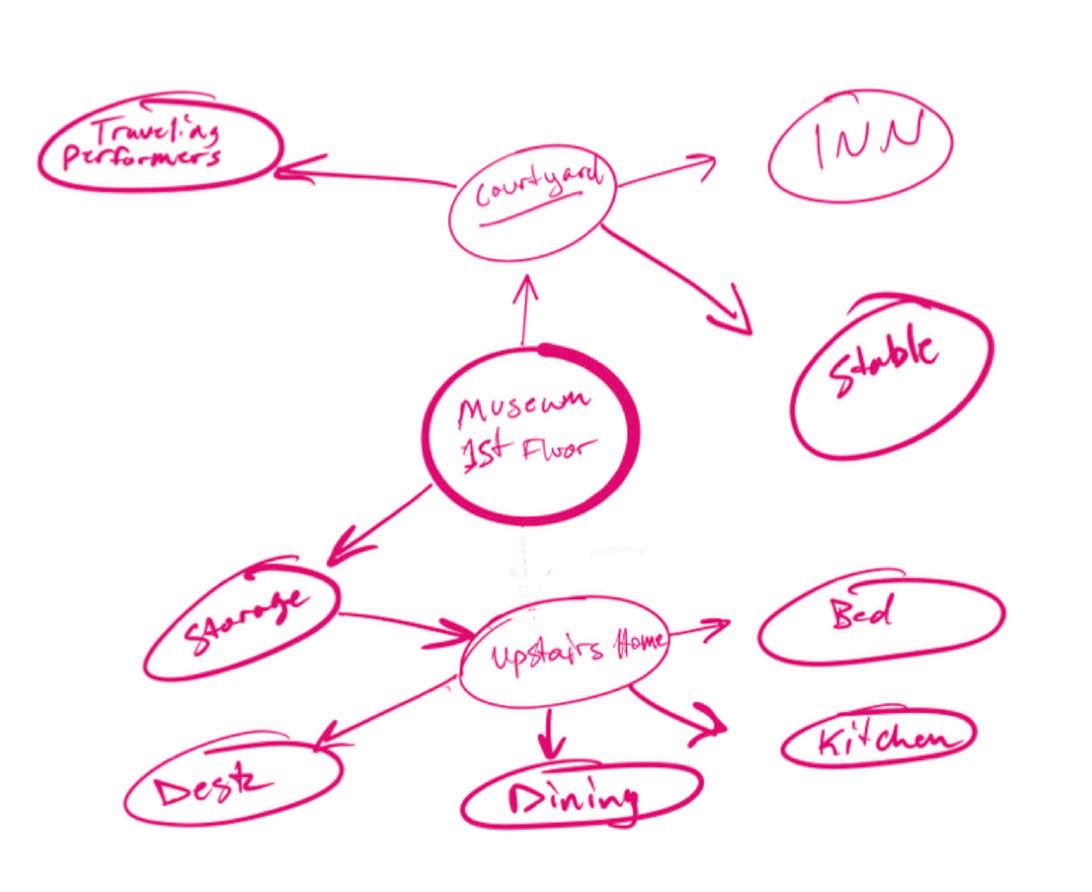
While thinking of the relation of the various places that interact with the set it can be very helpful to draw and diagram how the spaces of your set interact with each other. In that way you can create a map of sorts. Even if you don't end up using those spaces in your film it can be helpful to know what's beyond those windows and doors. This is taking us back to week 2 where we talked about metaphor, and suspending disbelief. We need to know what these spaces are so that our characters stay believable to our audience.
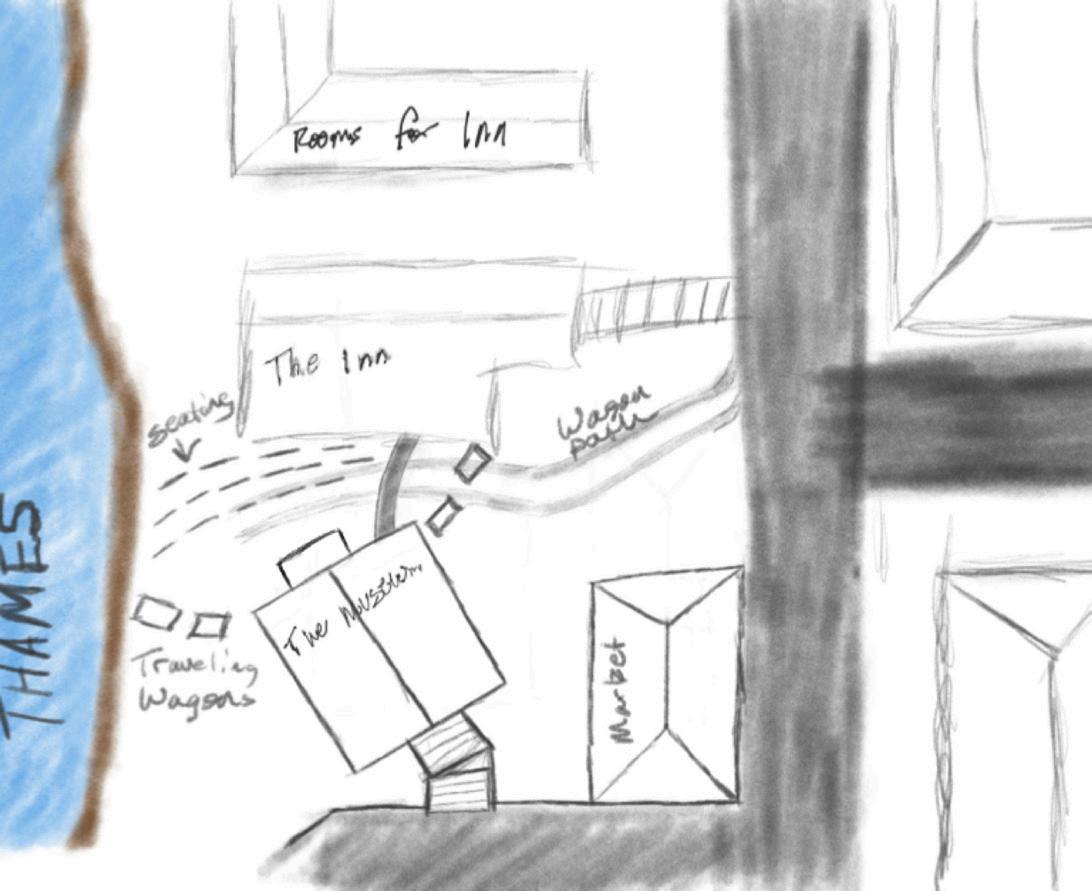
Burn it down is set in 1600s London during the early years of William Shakespeare. In that time historians cannot find a record of his life before he became the famous playwright we know today. This film is a fictional hypothesis of what those years were like and how he came into fame. In that time many of the play houses of London were located along the Thames River. Before the playhouses performing wagons would visit Inn's with performers acting out religious scenes. In our world Shakespeare capitalizes on these performing wagons but with a twist. With his control of the museum near the Inn he creates a semi permanent performing area that would eventually transform into what looks like The Globe Theater.
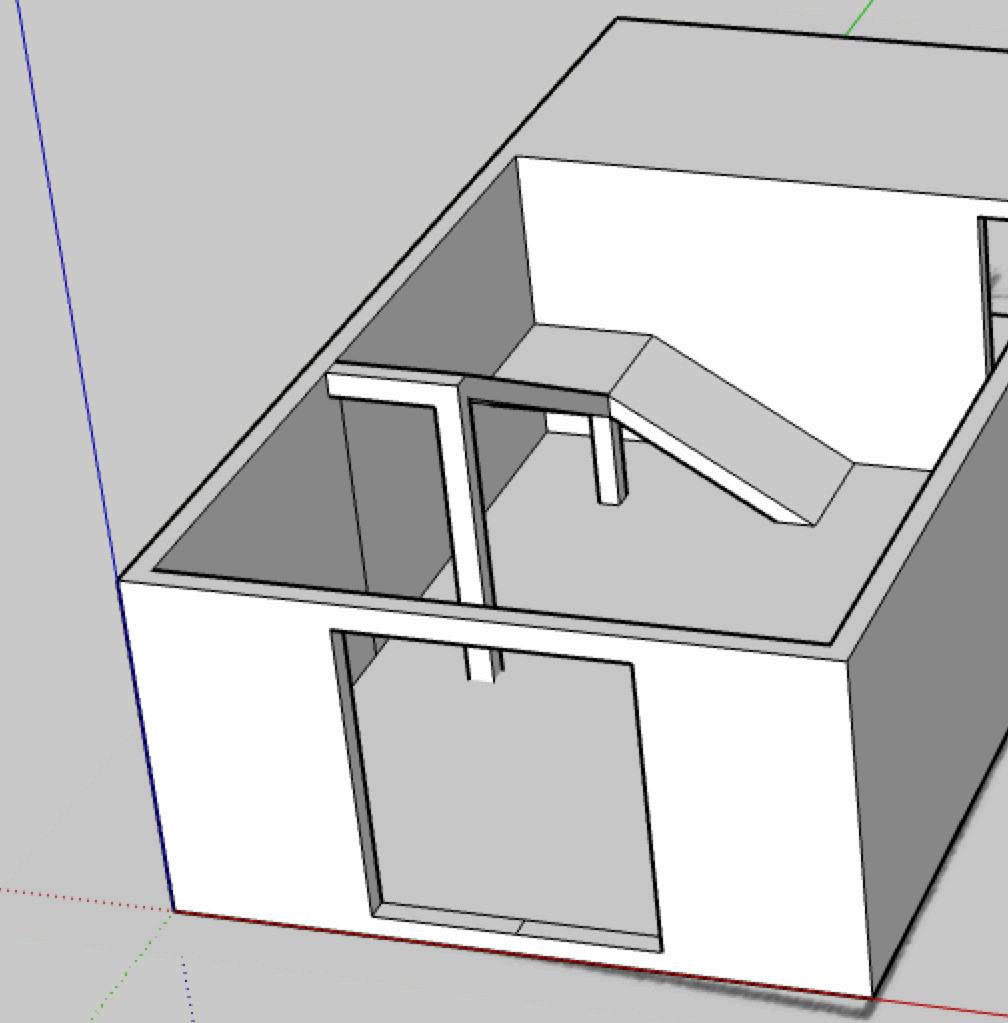
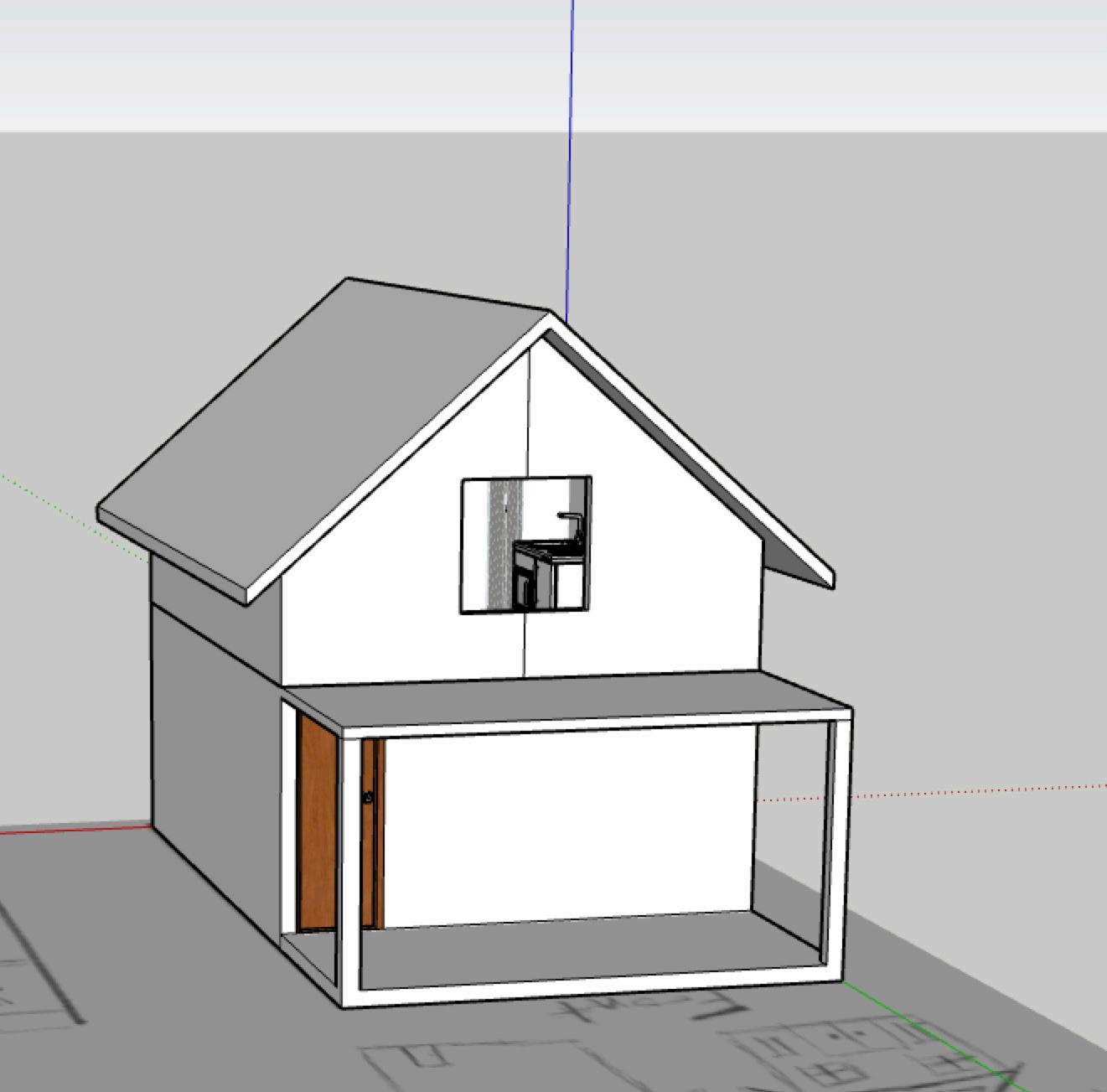
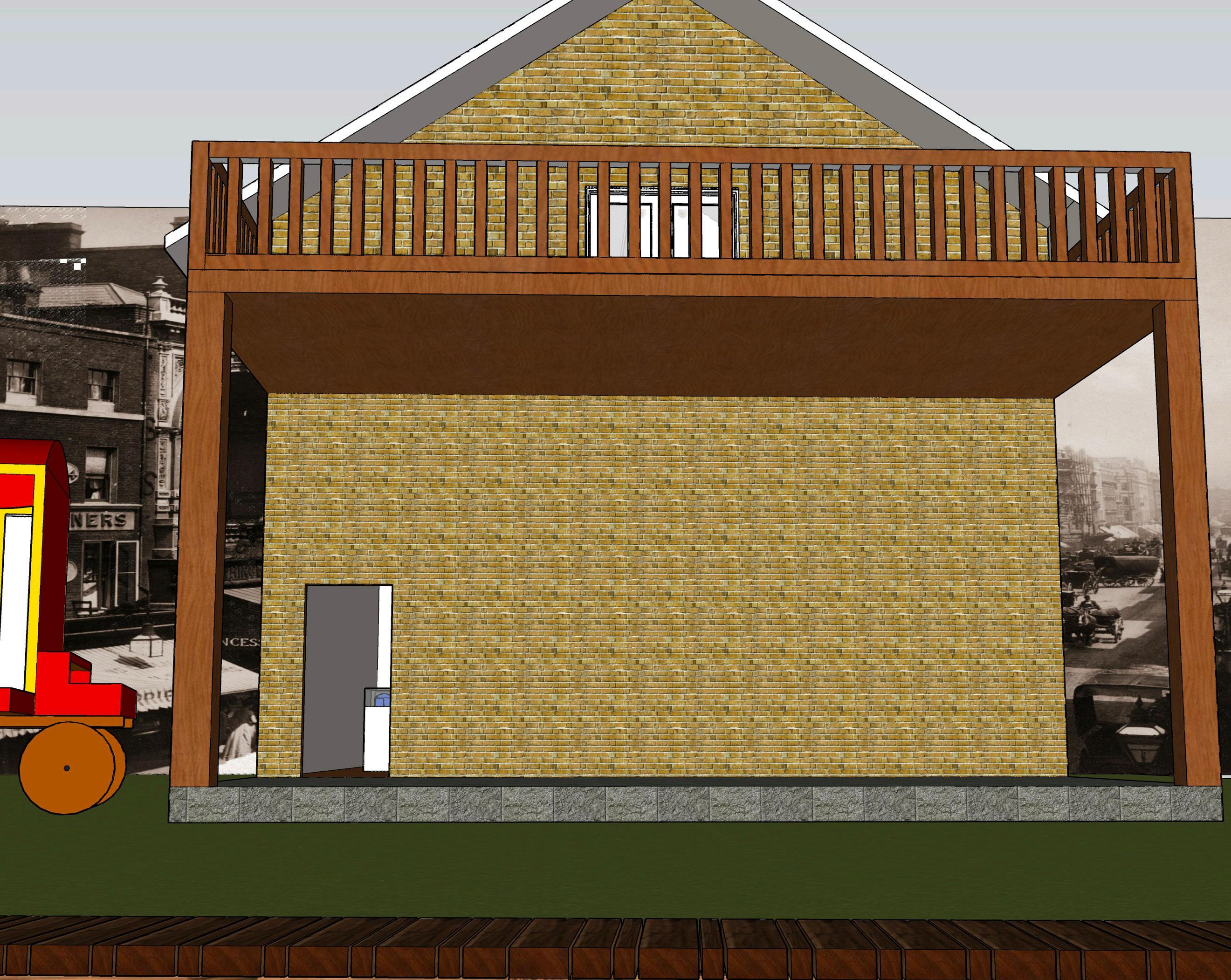
In our museum there are several connecting elements on our first floor. On the front we have a large front door that would enable large artifacts to be brought in to the museum, but it also enables us to connect to and use the front of the building as a place for people to congregate and connect with them but also create a private separation for the performers inside. Back on the first floor we have to important elements. We have the rear door which was intentionally left small this is not a massive museum but some back entry was needed for the people staying at the Inn. Also in the back we have the stairs, this helps understand the placement of the second floor and helps understand our vertical space. During the film we may see some come down or go up but we wouldn't follow them up. Even so, we can understand that relationship. The last major connecting point of the first floor is the stage. This was not what was typically seen in theaters of that time. I wanted it to feel like an add-on and kind of an afterthought to the original purpose of the museum.
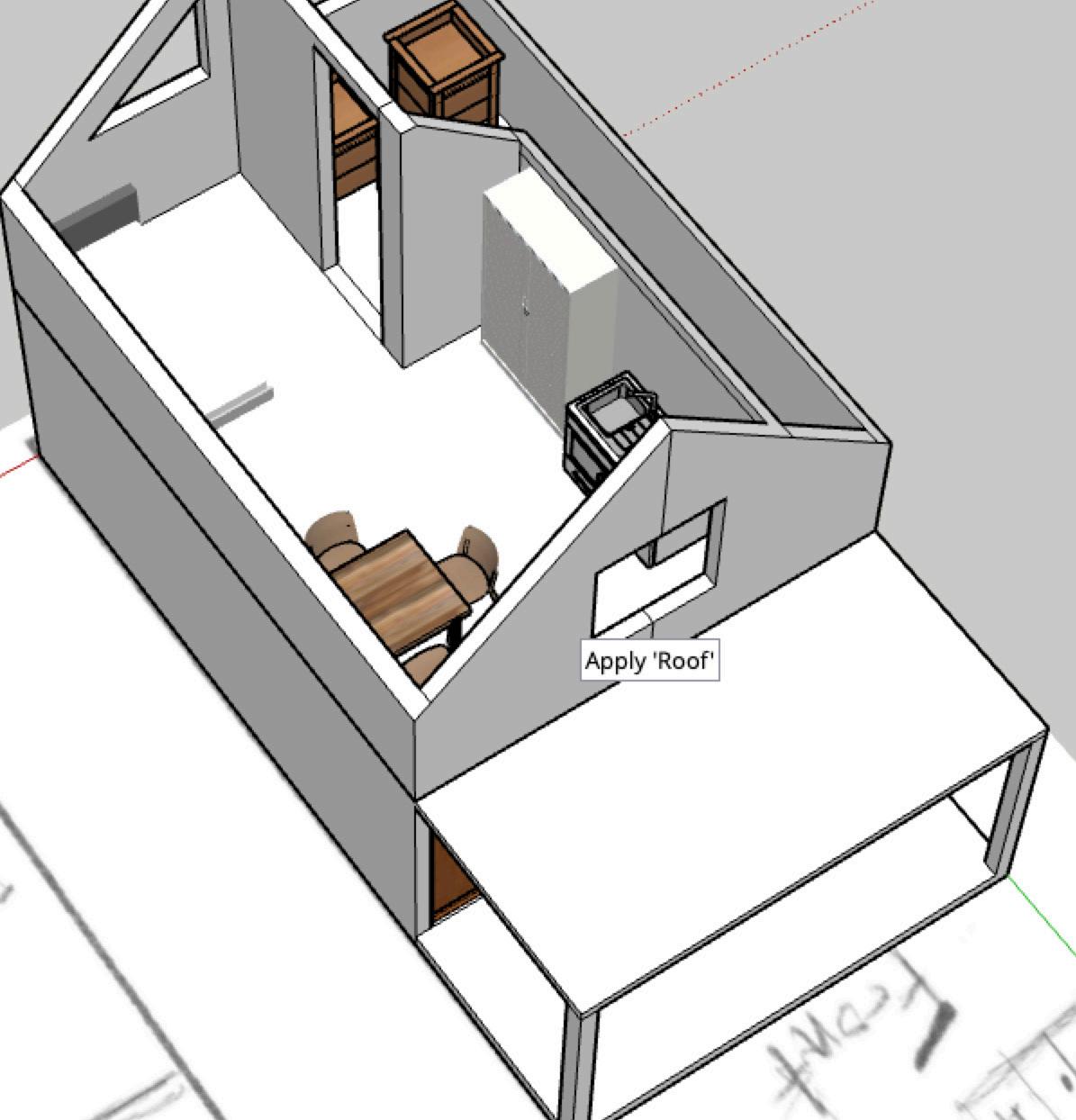
Some very important scenes happen in the second floor of the Museum. This is where Shakespeare lives and dreams up his ideas. This is where we would get a really good idea of who Shakespeare is as a person. This upper space also acts as an entrance and exit to a balcony stage. It is where the acrobats would come to climb up high for their acts. During our scene we would see this space when Shakespeare is learning about the initial review of the acts, and he learns that they are causing some drama amongst the upper class. He enjoys the publicity he is getting from people talking about his performers and wants everyone to know what they are saying so has the town crier shout the review of his play to the masses.
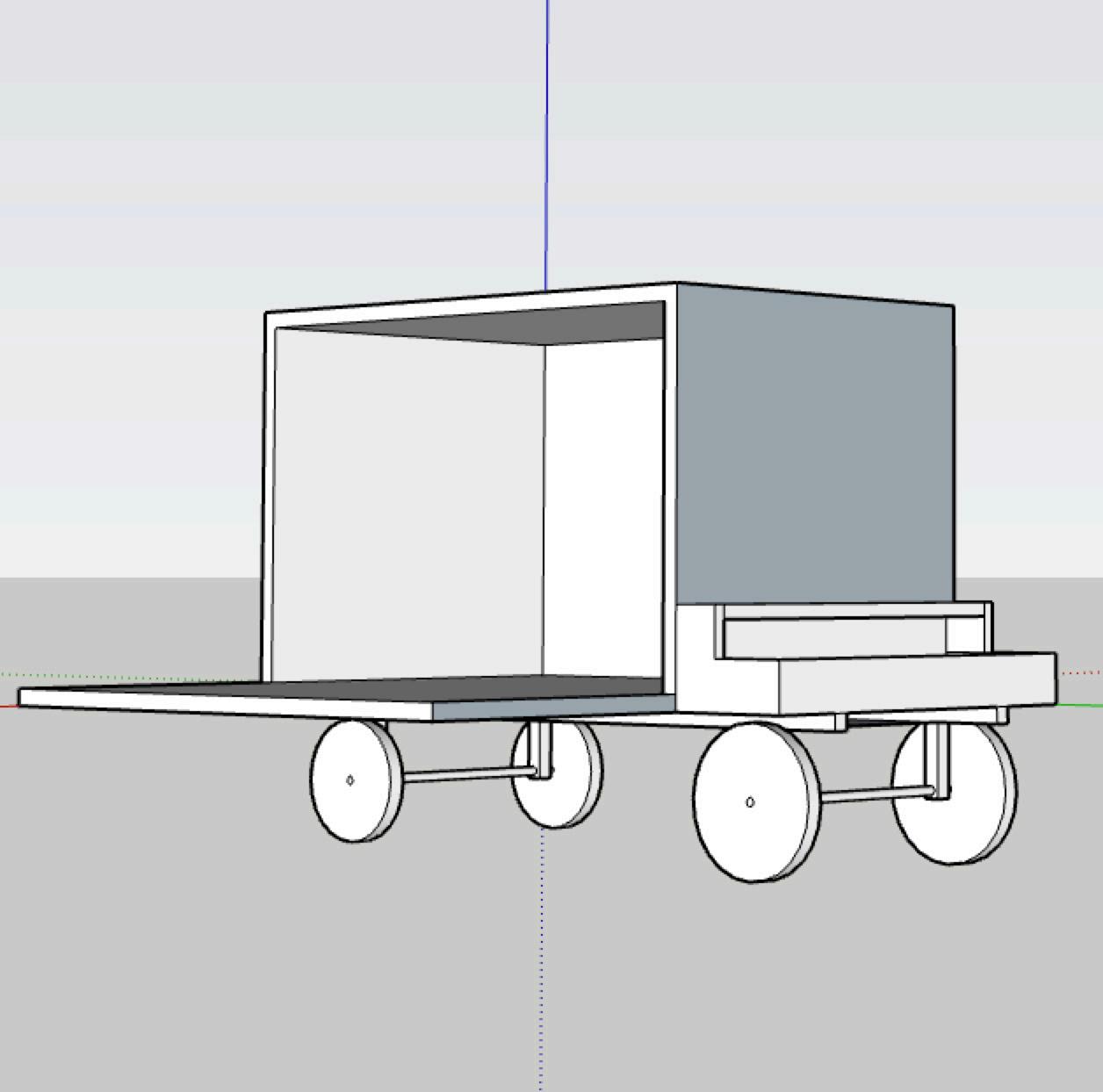
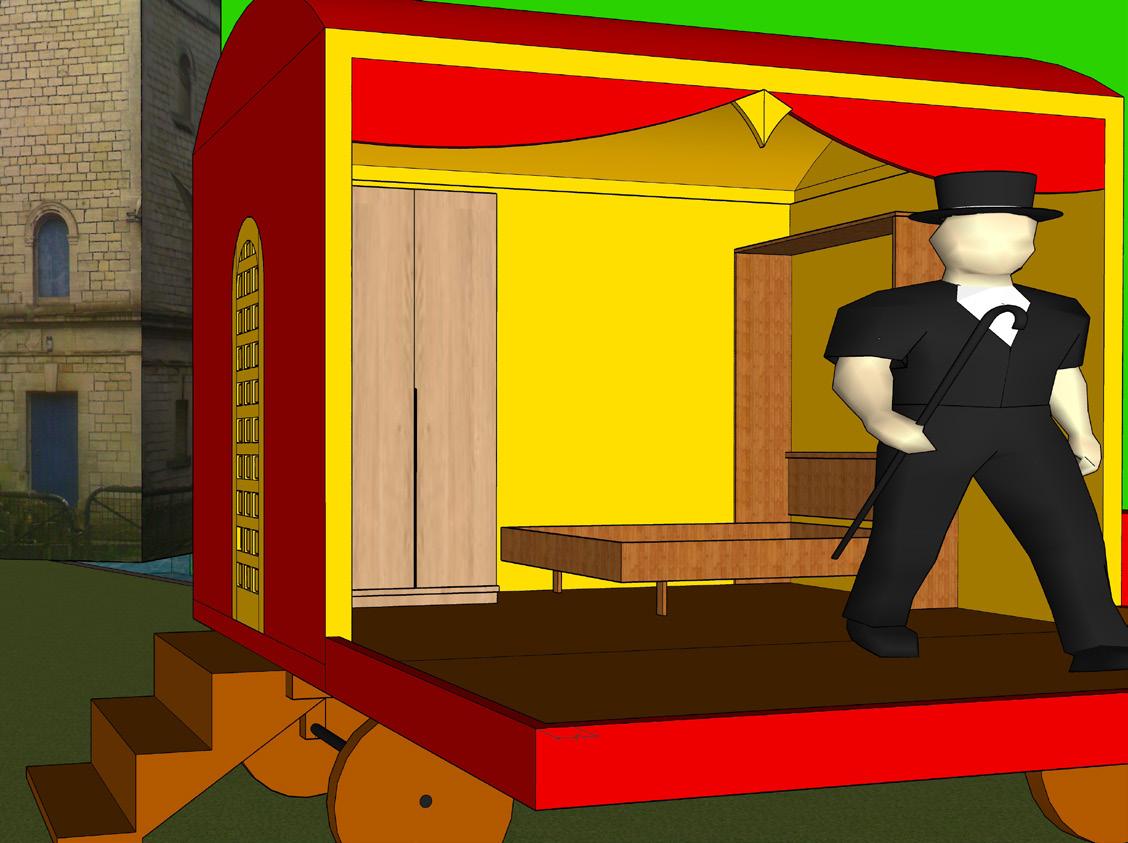
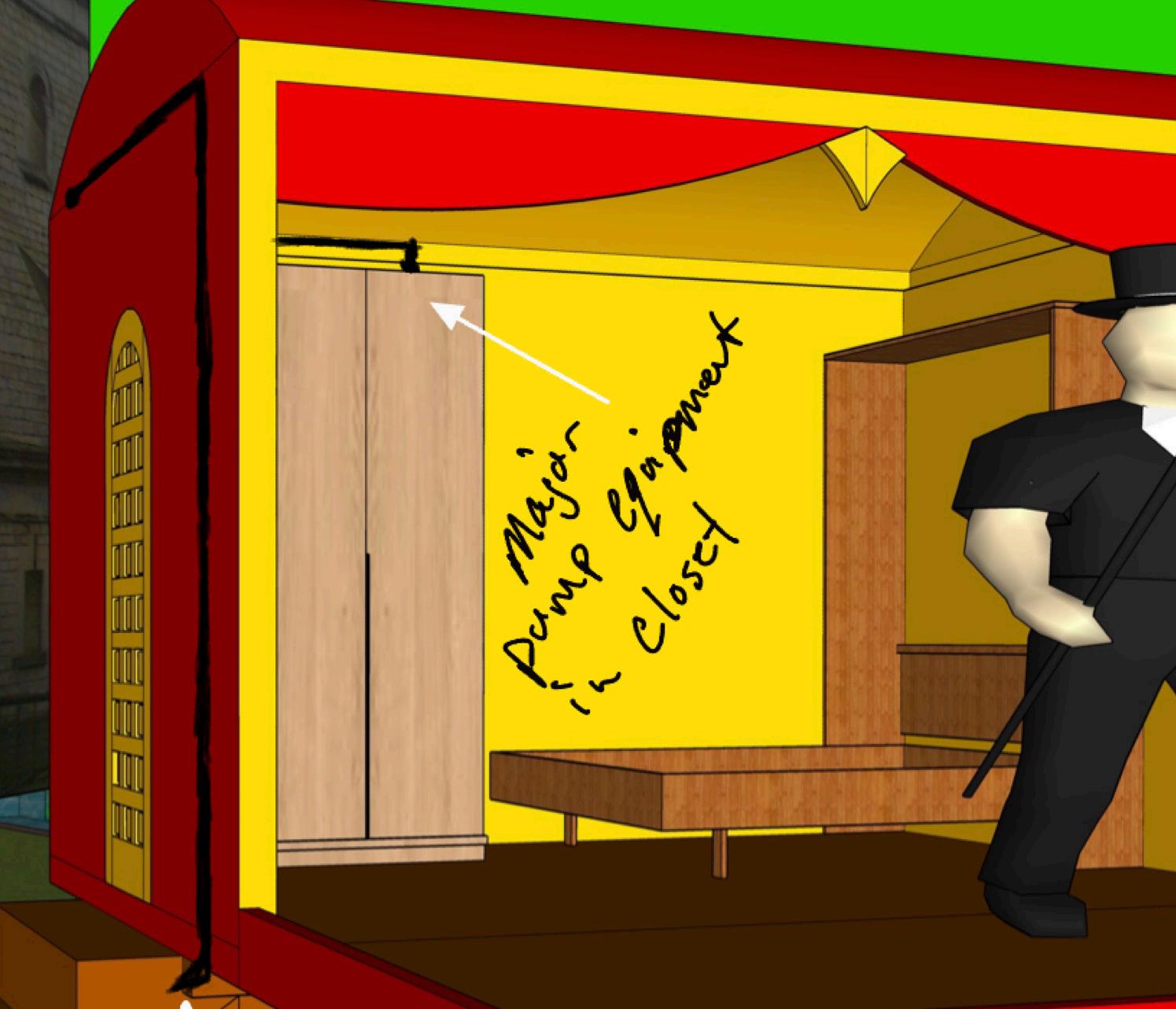
The wagon represents the main living and working space for the traveling performers Shakespeare gathering in. He uses these spaces to expand his stage to a bigger area than his small stage built on the back of the museum. During my design process I envisioned these to look more like a Gypsy wagon than the actual traveling performing acts to the time. This was to represent the uniqueness of the performers, and to represent how they do not fit in with the society of the time, that we were considered outcasts.
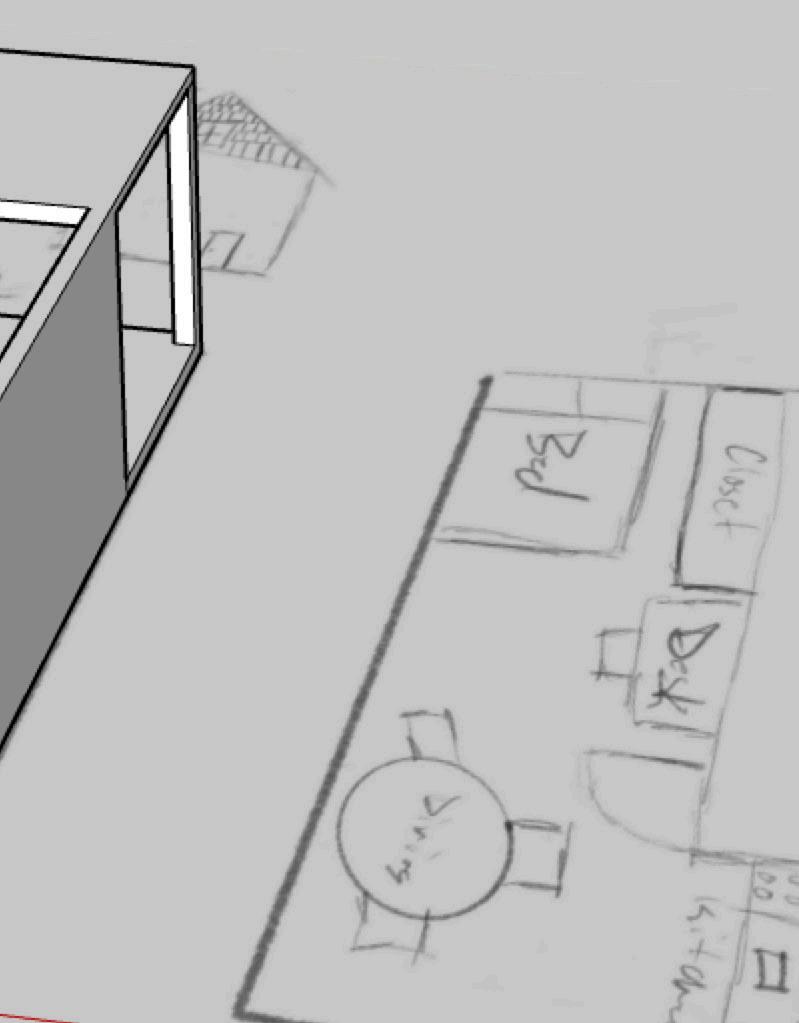
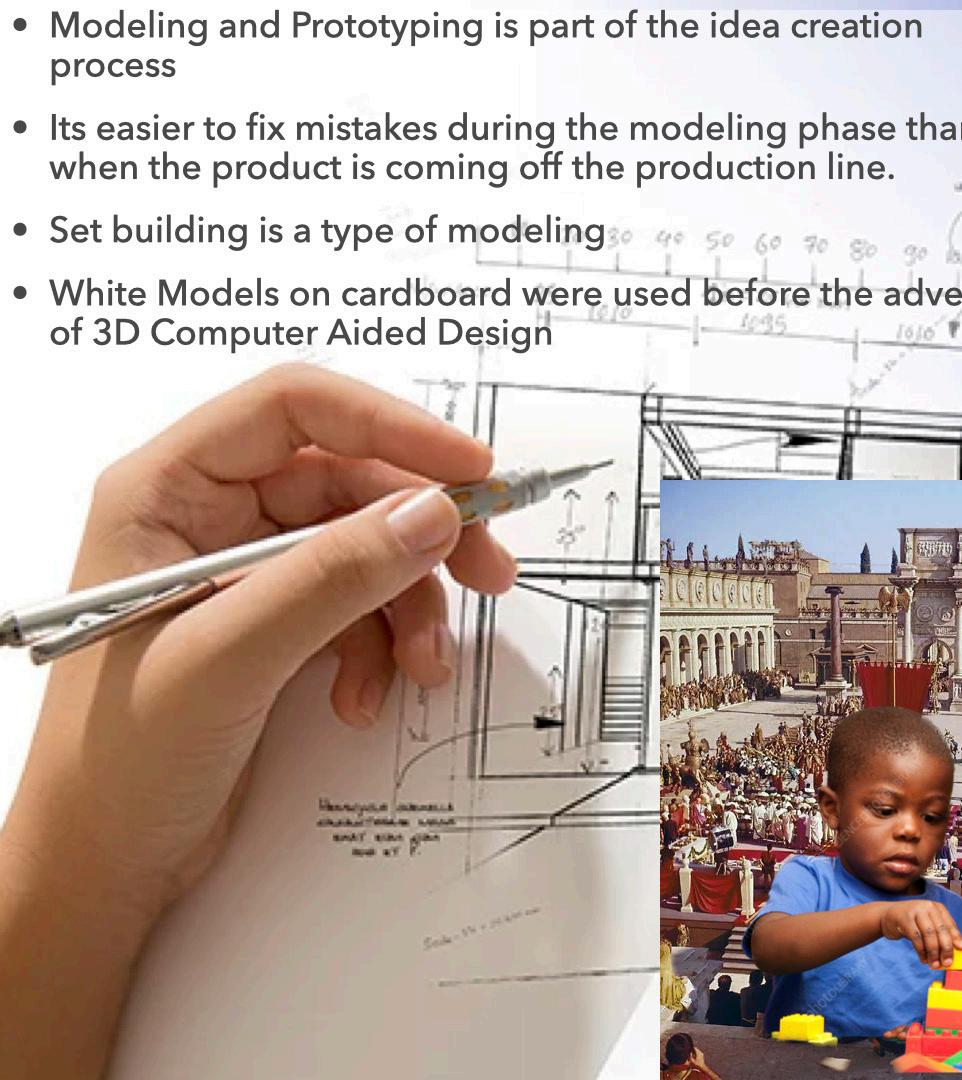
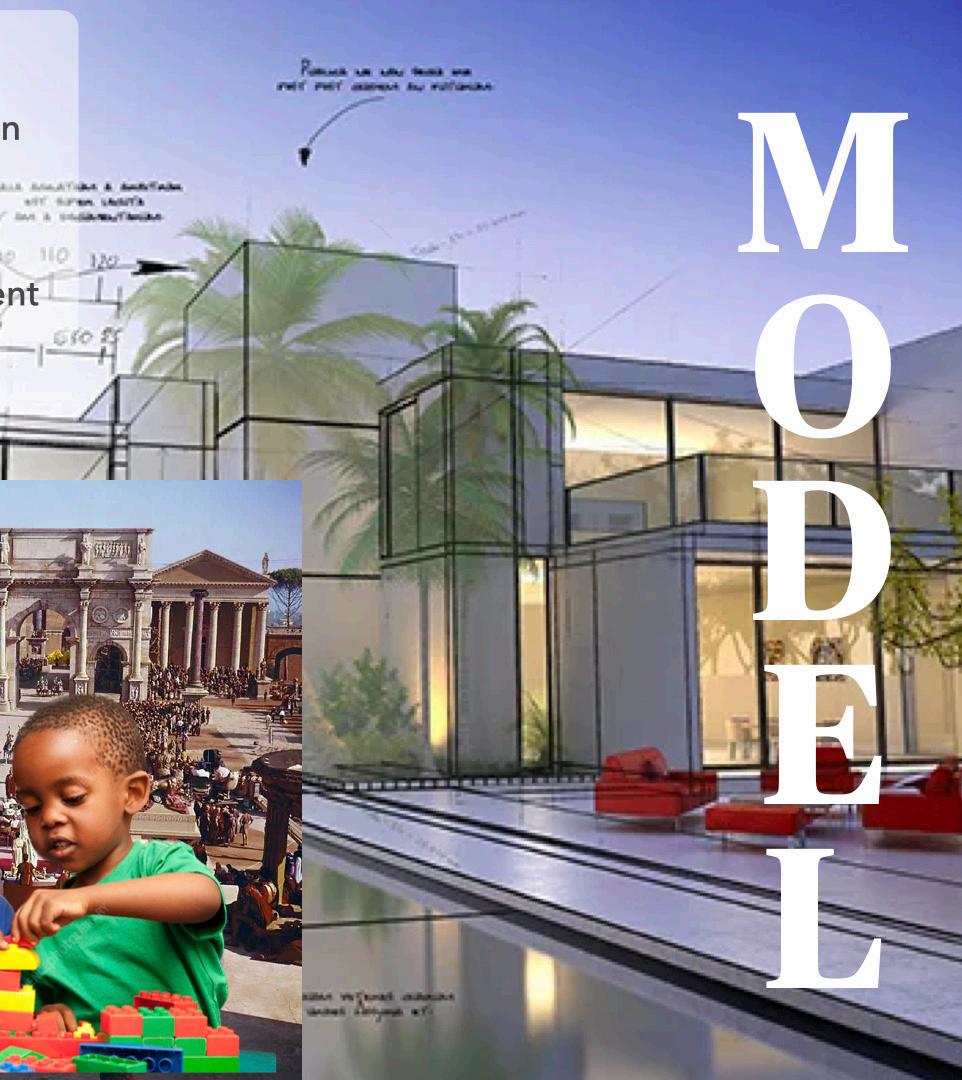
MODELING IS ABOUT UNDERSTANDING OUR WORLD IN A LOW RISK WAY. IT ALLOWS US TO TEST AND IMPROVE WITHOUT HUGE EXPENSE. MODELING CAN COME IN MANY WAYS. FROM A SIMPLE SKETCH TO 3D RENDERED VIRTUAL SPACE
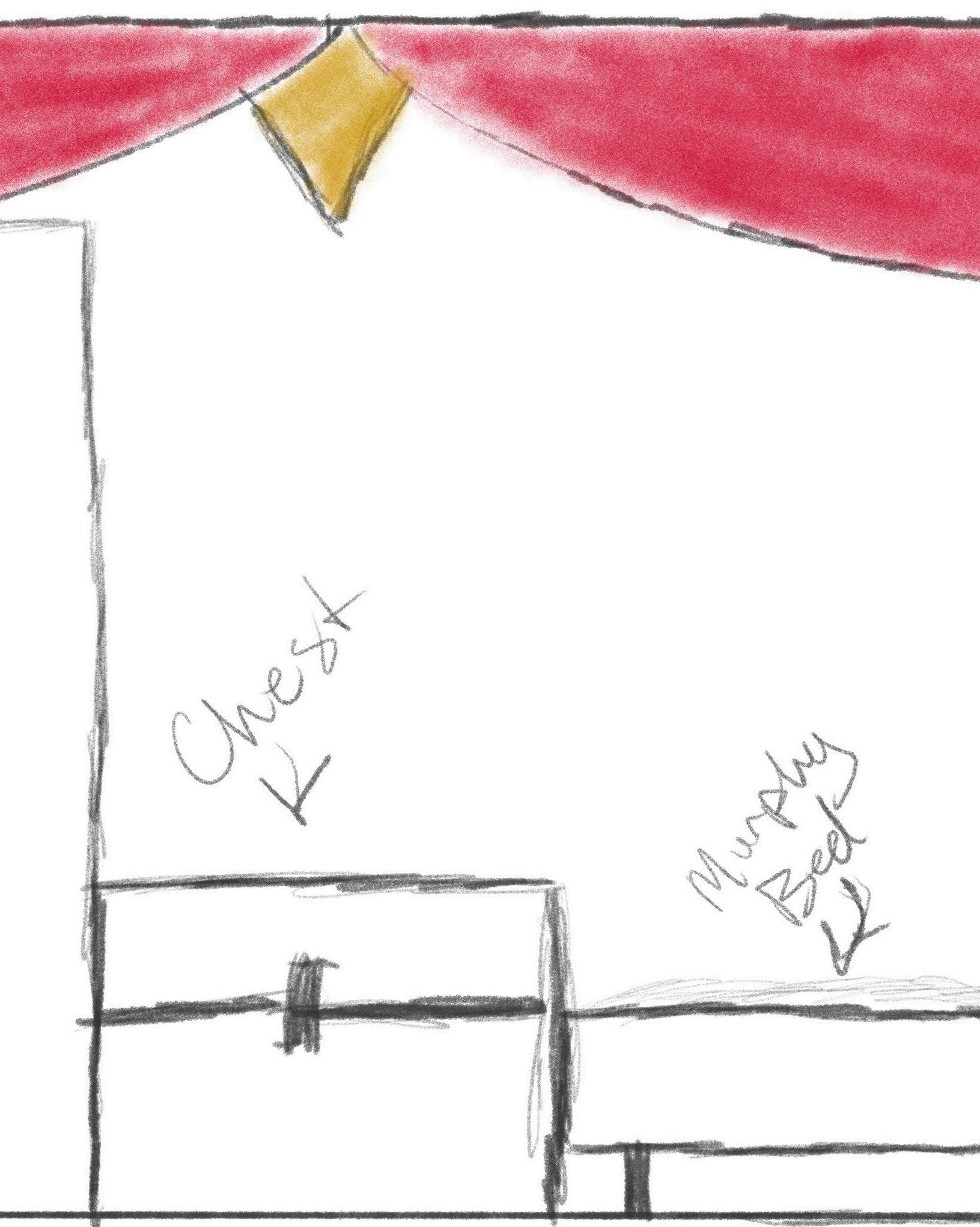
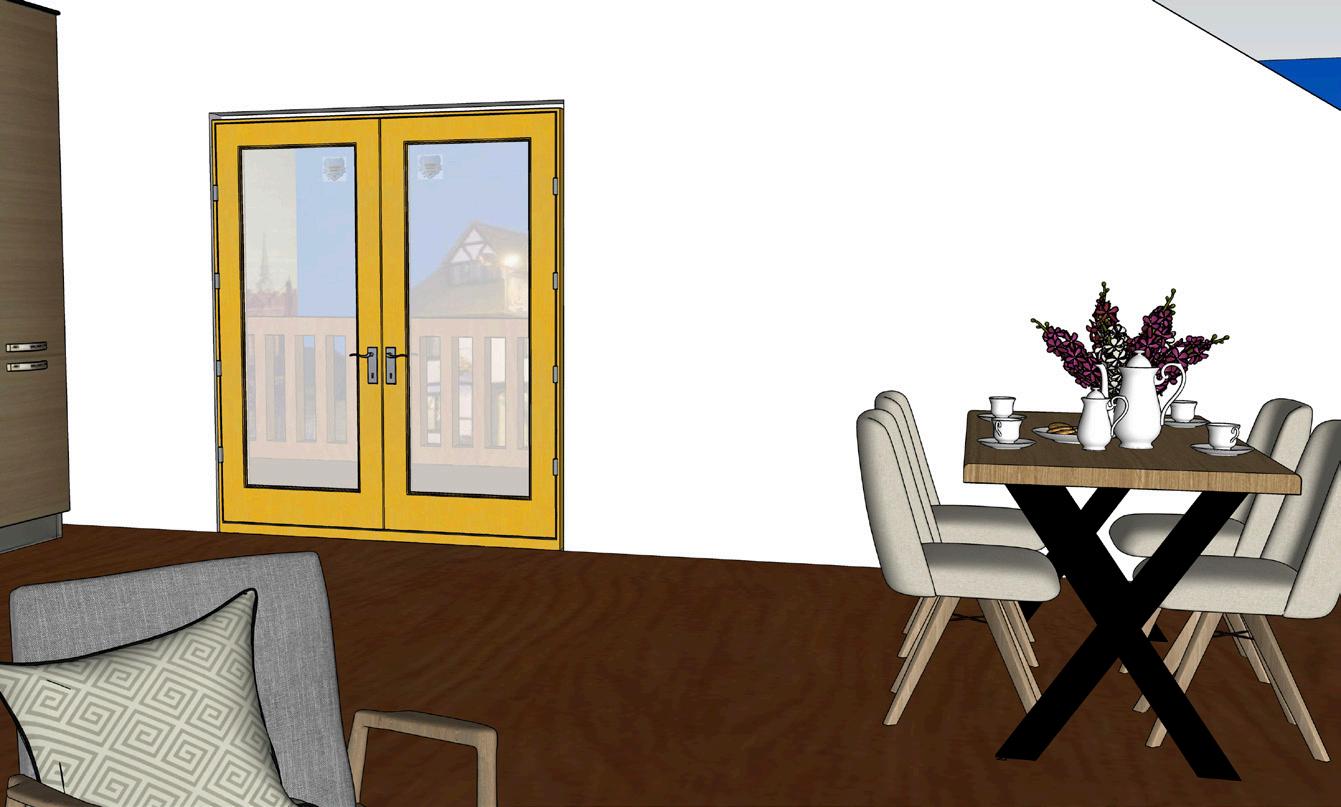
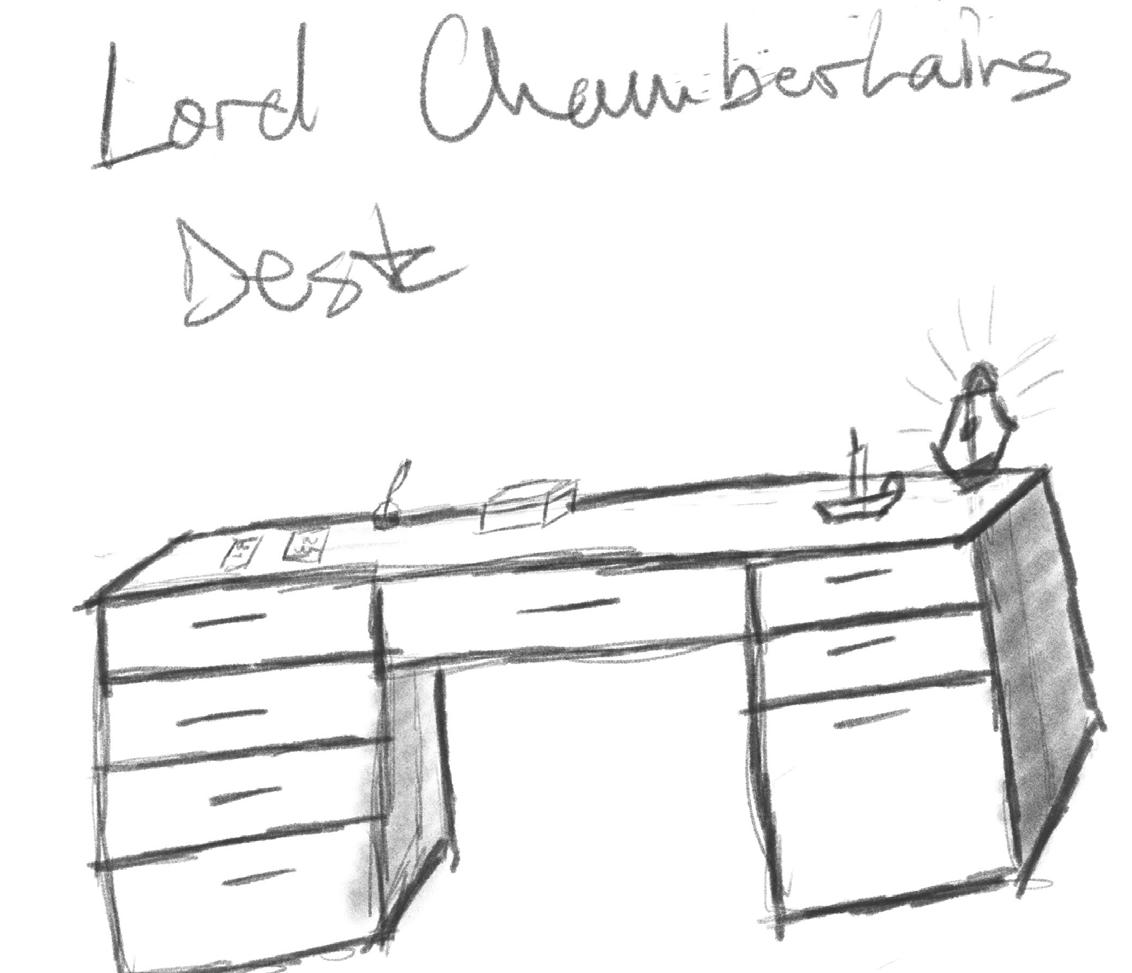
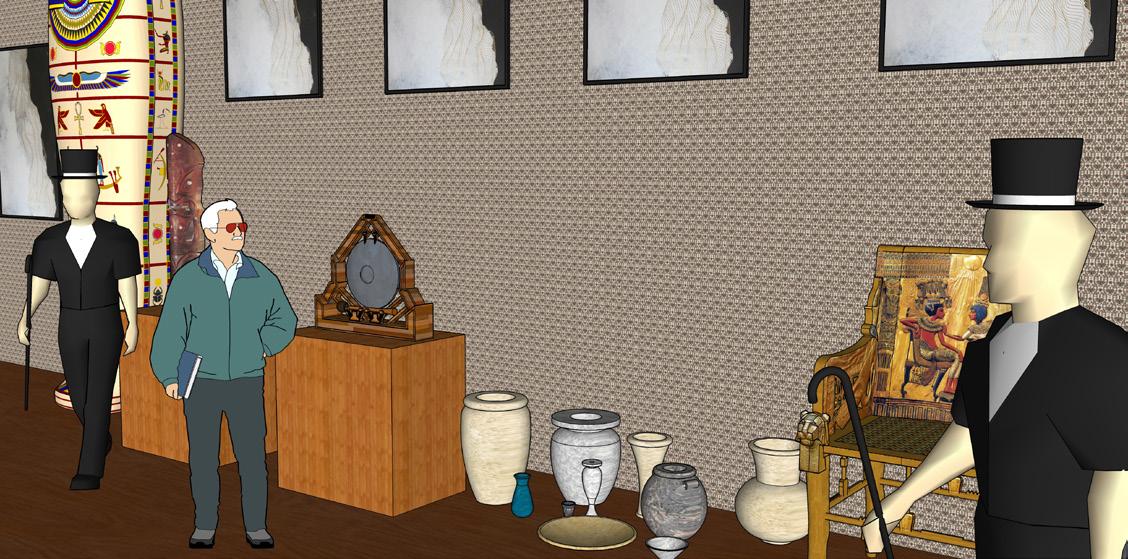
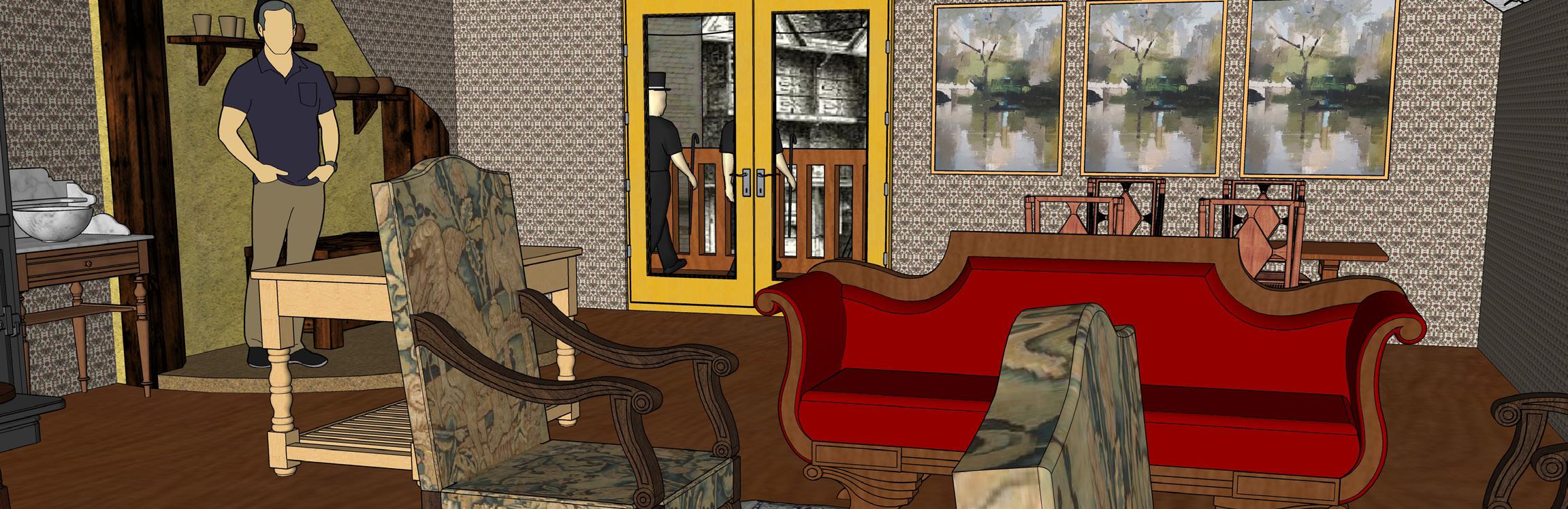
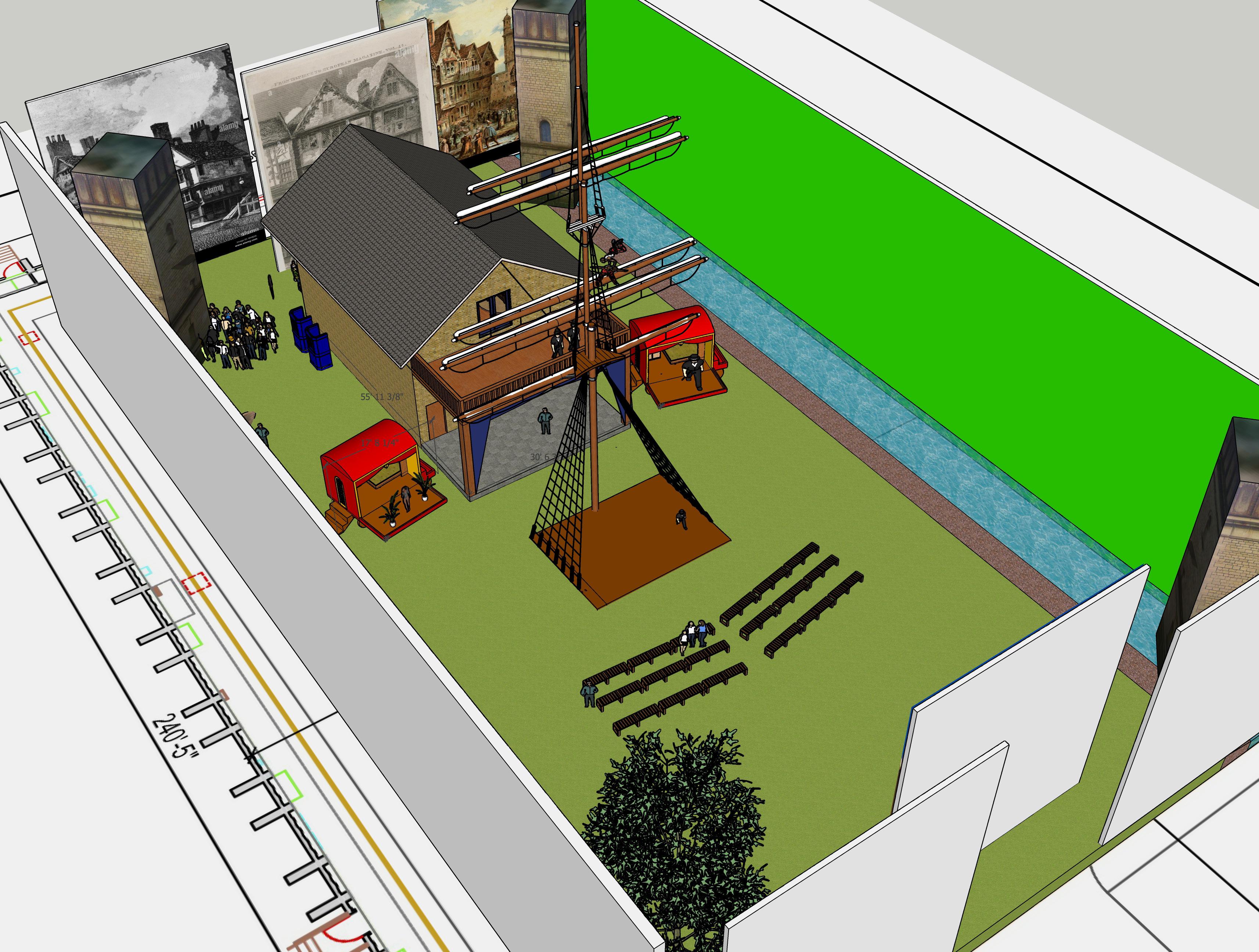
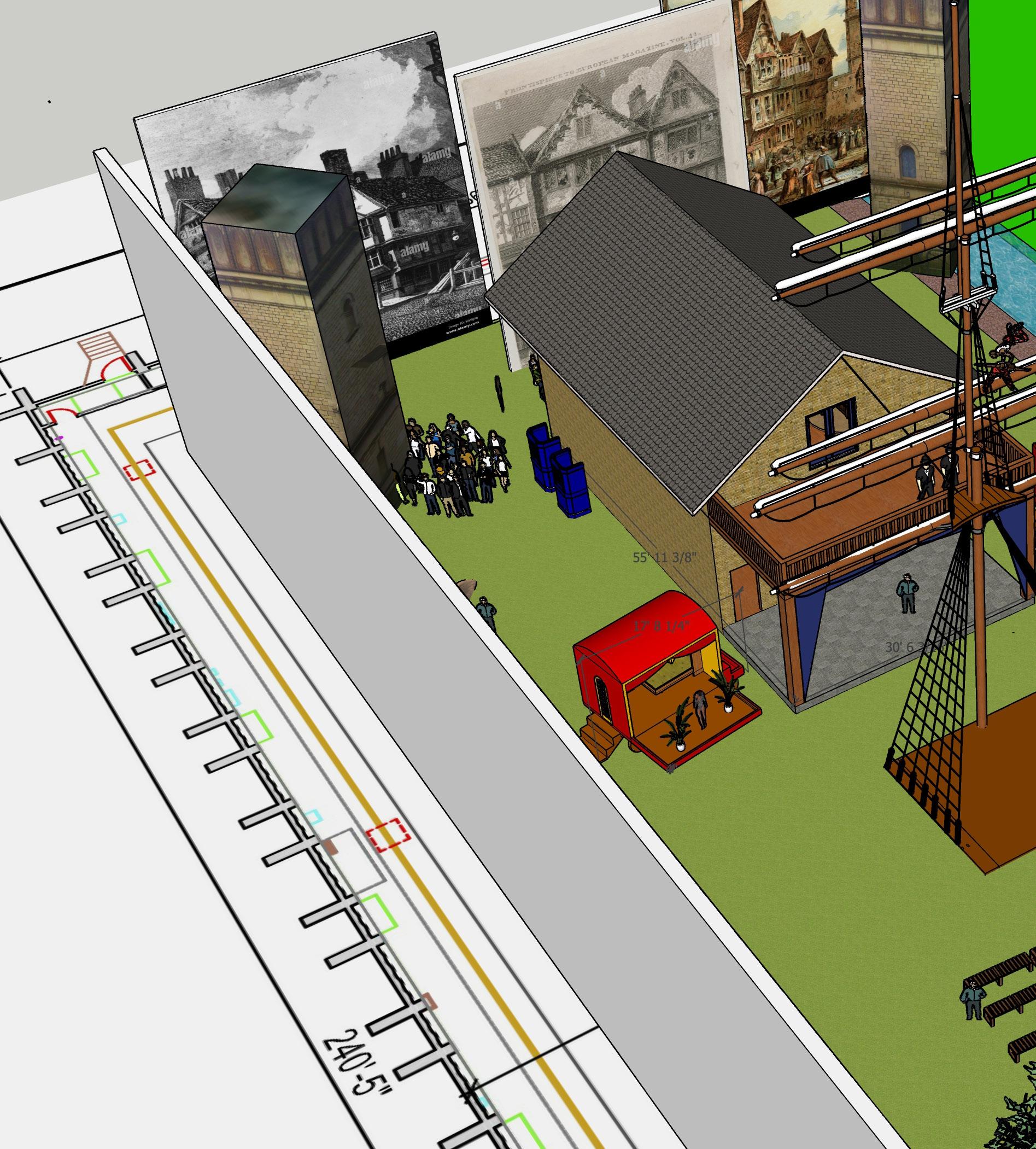
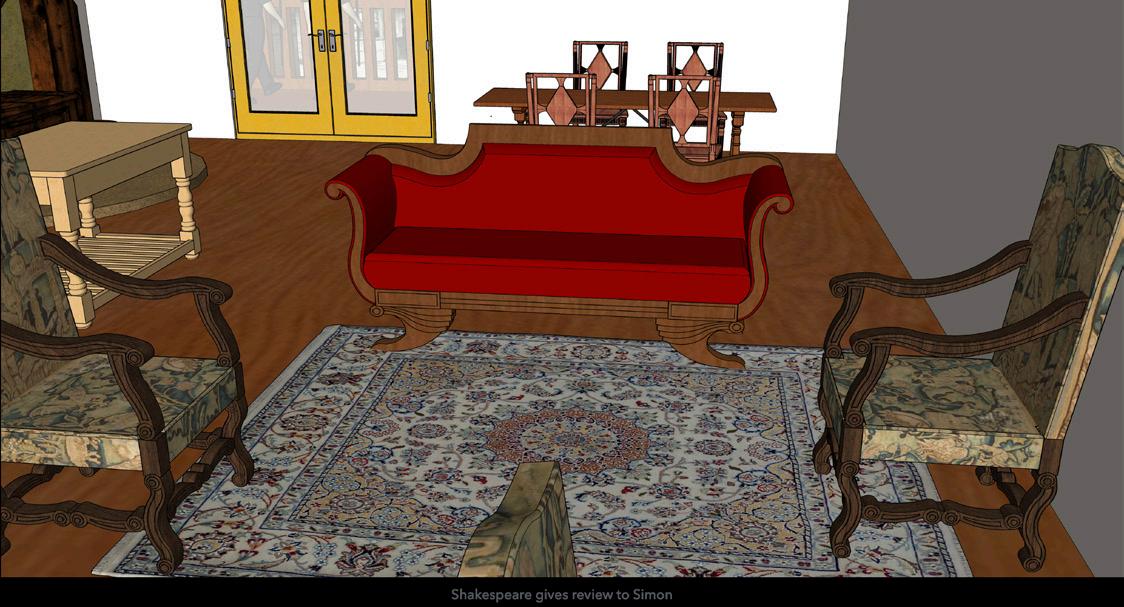
The museum is a utilitarian building 45' long by 30' wide with the stage on the back the museum reaches a length of 55'. There is nothing special about it's design and with he addition of the stage and balcony it looks rather odd like those features are out of place. Inside the apartment it is a single room with several separate spaces as if it was an after thought and not actually meant for that space. You will find a make-shift kitchen, a dining area fit for 6-8 people a living room/lounge area with a couch and a couple arm chairs. Next to the lounge area is Shakespeare's desk. This desk is an important collaboration area for Shakespeare and whoever he needs to work with. In the first floor of the museum you will find display cases with odd displays. Most of the displays you will find ancient Egyptian artifacts including a sarcophagus standing tall, a throne, and Canopic jars. There is also a tribal mask, an animal skull, a head in a jar. Around the walls of the museum you will find strange artwork for the time . These should be something that would controversial anywhere else.
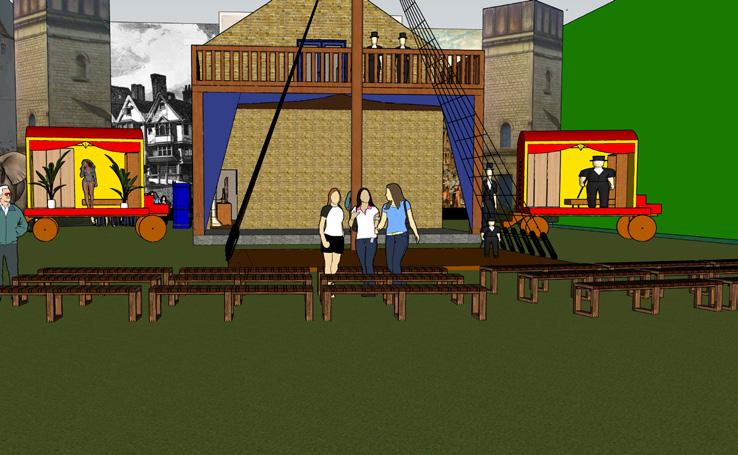
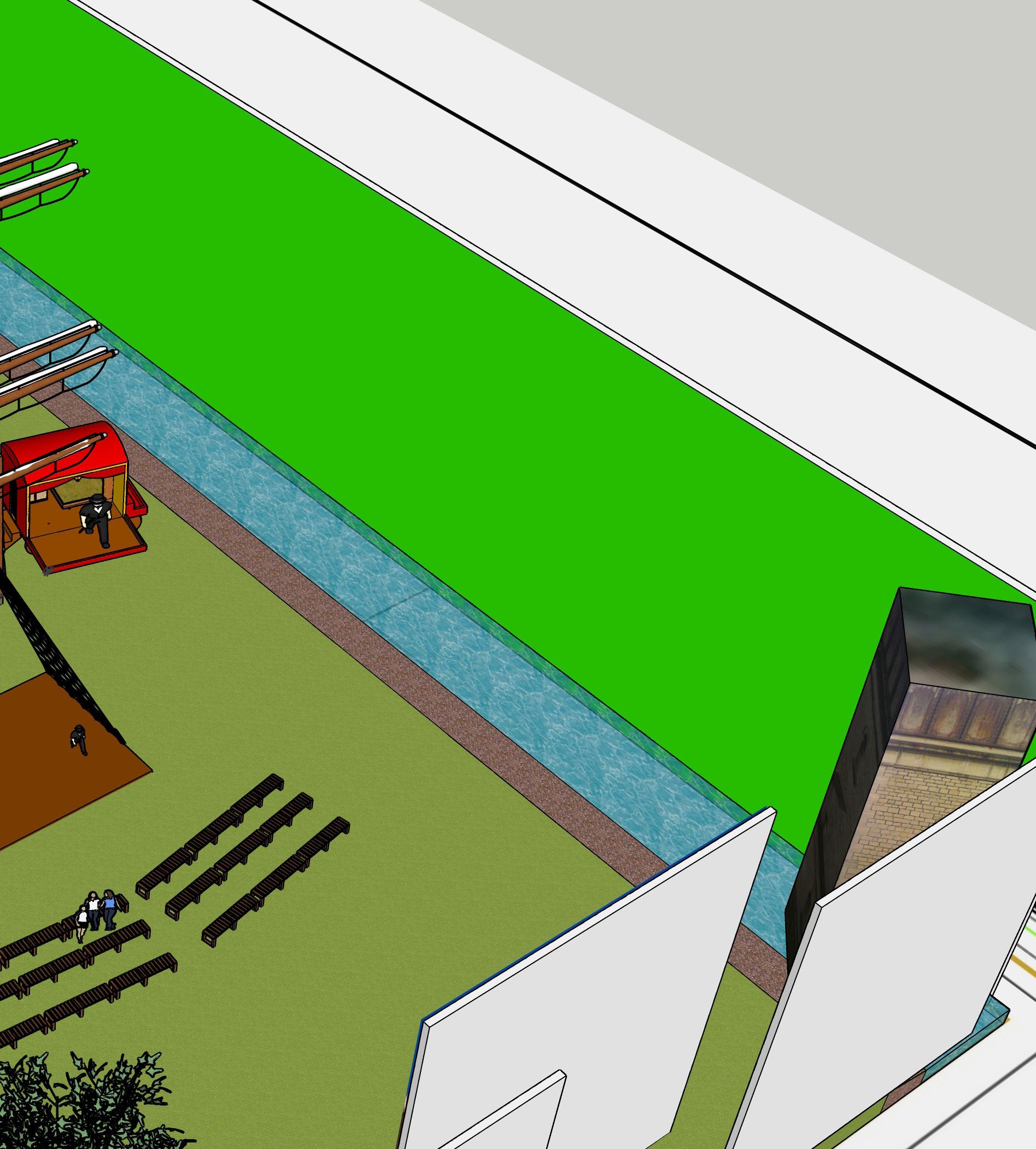
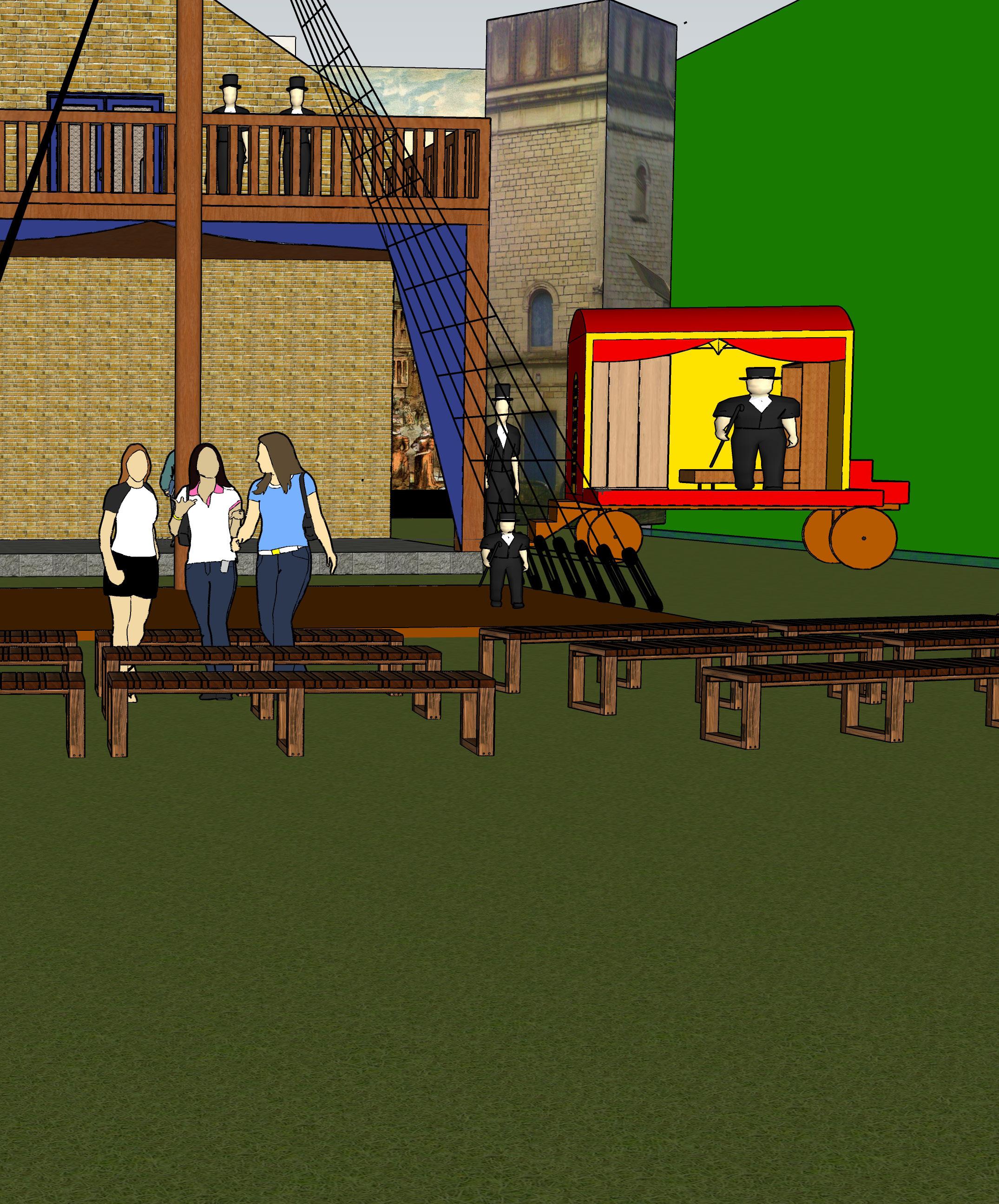
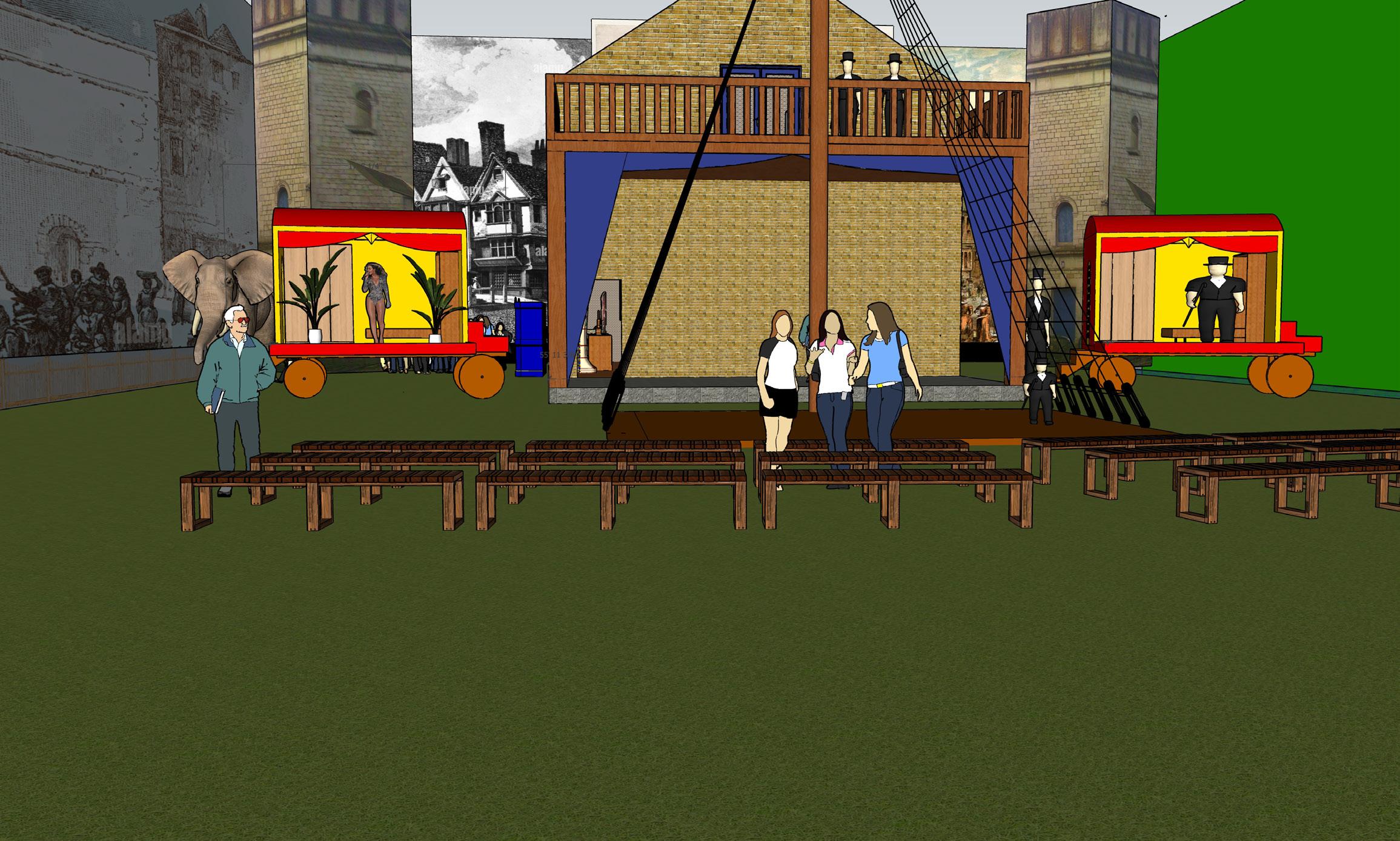
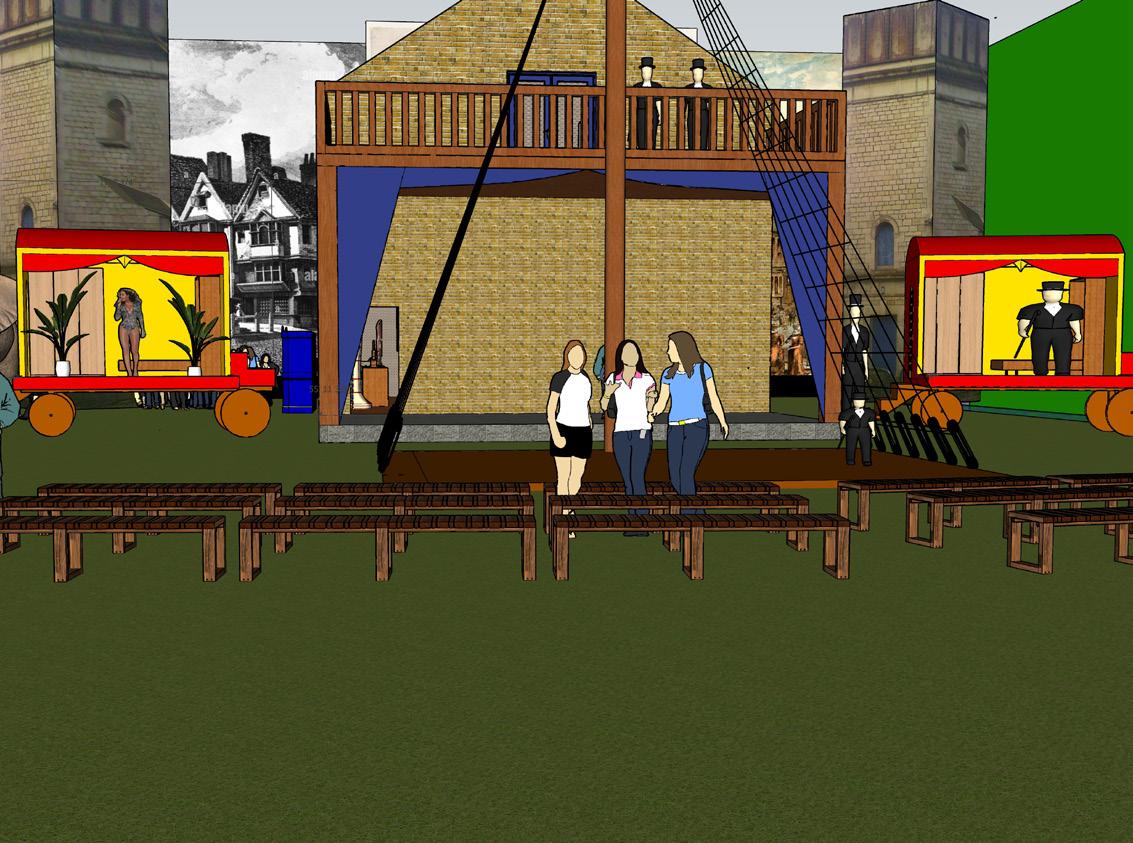
Behind the museum you will find the stage. This is the most key area of the set as this is where the actors spend their time entertaining the audience. One of the key areas of the set is a full sized ship mast that is use for death defying stunts. Acrobats climb high, swing on ropes, and walk a tightrope connected to the peak of the roof of the museum. In the picture to the left you can see how the seating is arrayed in front of the ship mast and how the stage is an addition to the museum building. There are a few elements like the blue curtains that help identify it as a stage. You can also see how the wagons might be arrayed to the side of the museum. Ideally if the set can be built large enough it would be valuable to have 2 on each side for a total of 4 wagons.
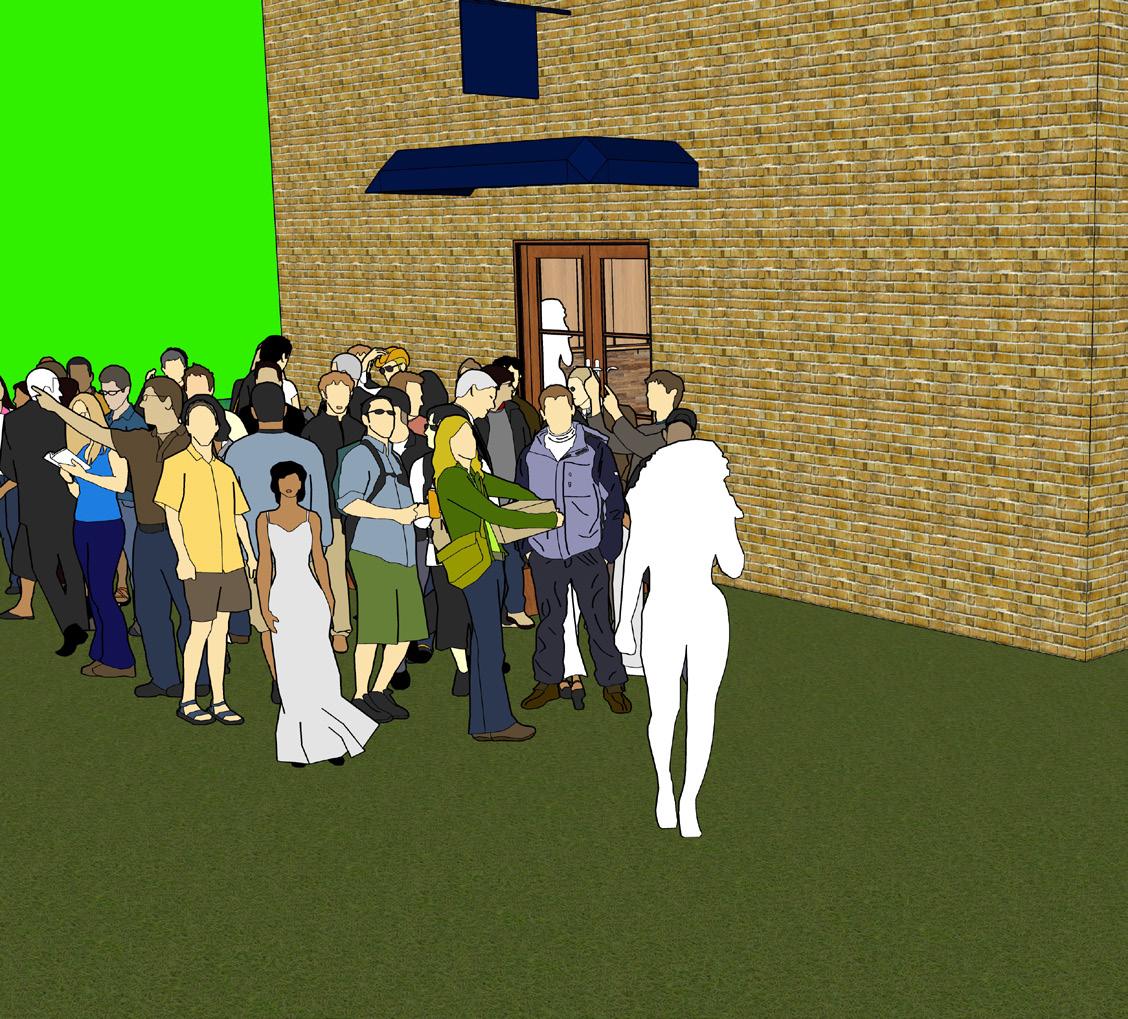
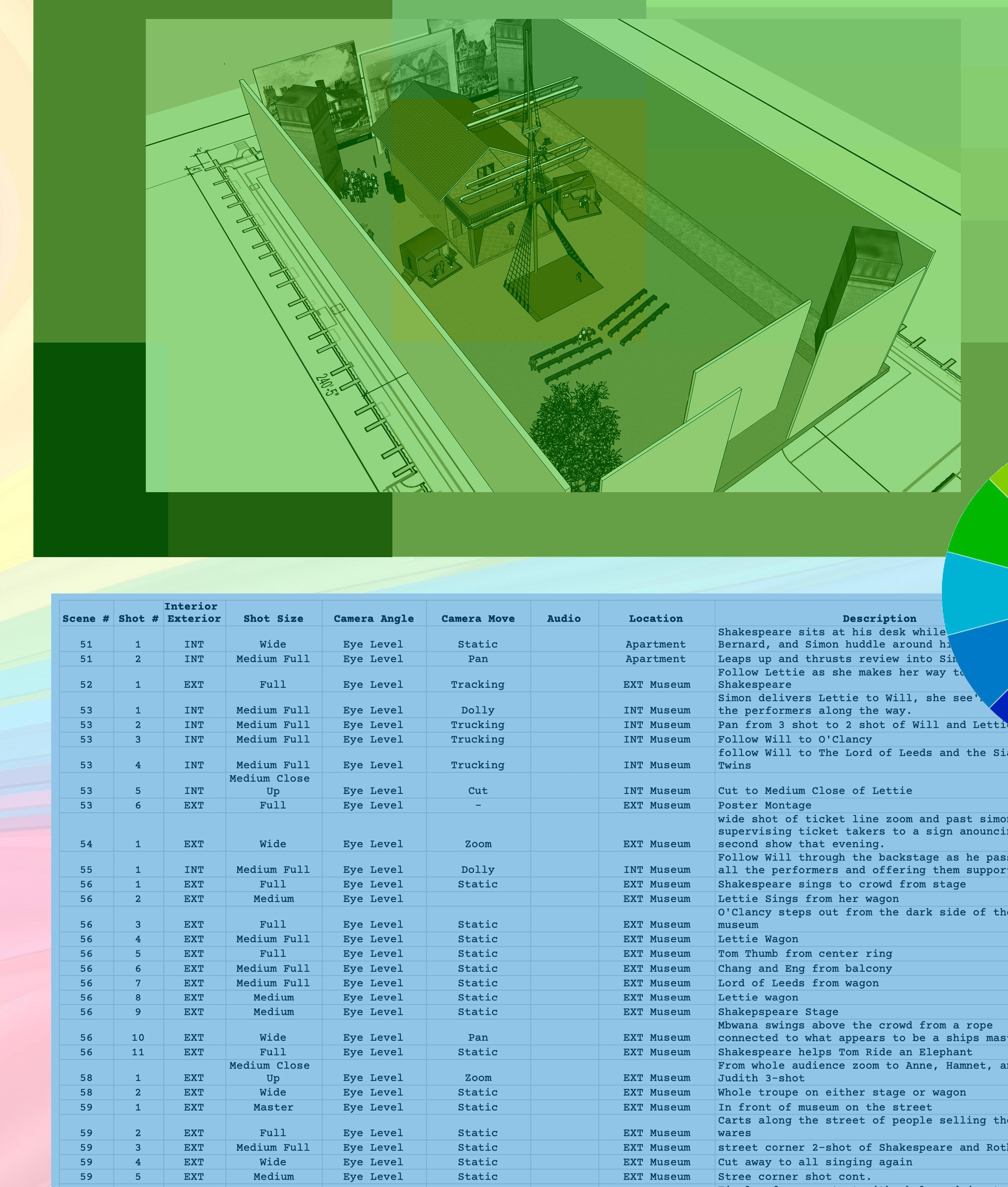
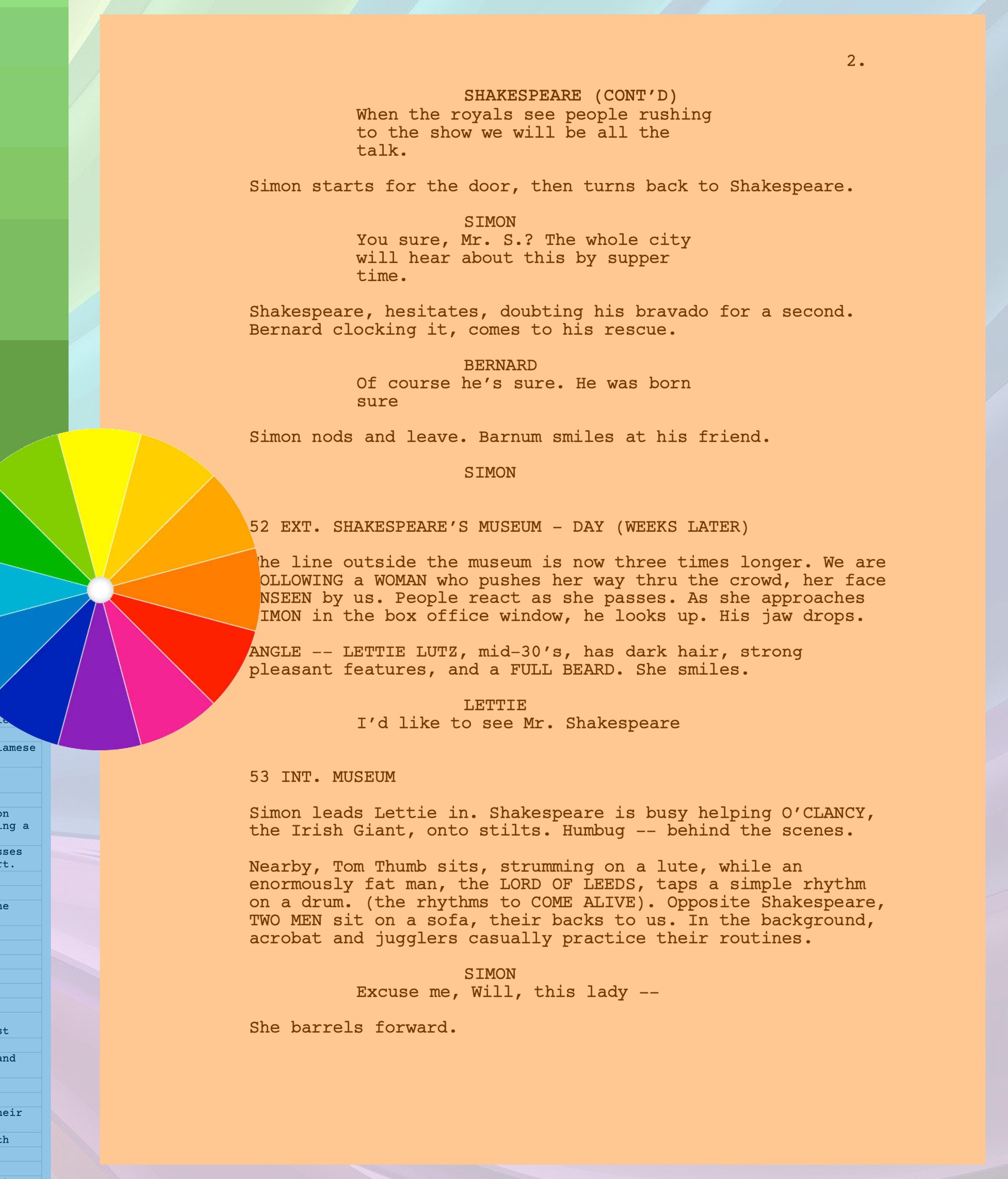
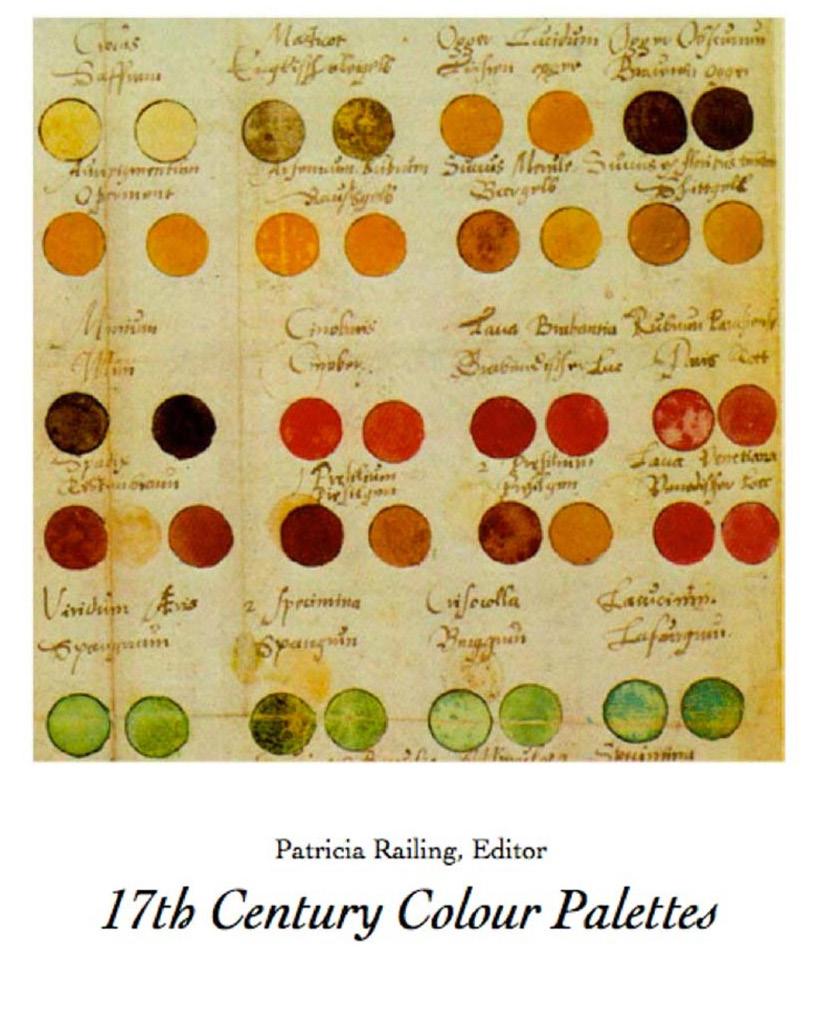
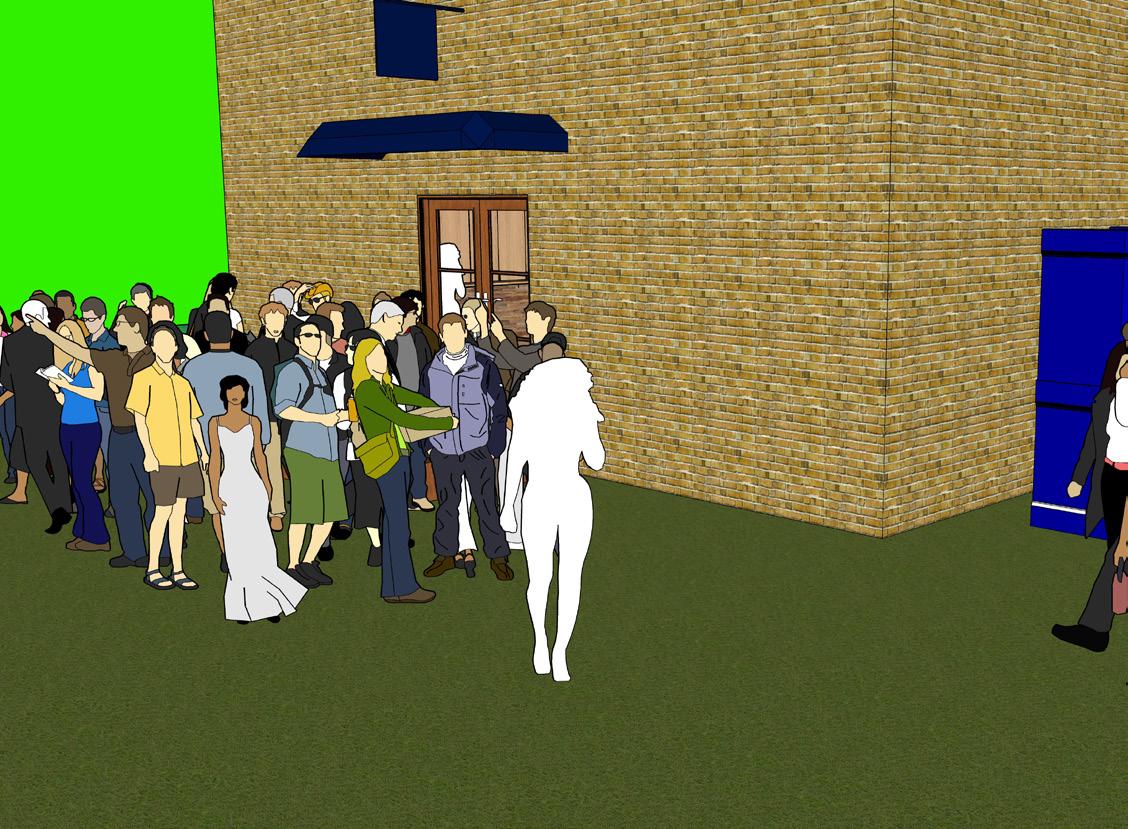
Principles of design harmony are one of those connecting elements. As we start think about windows and doors and how they connect the viewer to the world outside we need to also starting thinking about the colors that we use and how they will tie elements of our production together. Props and furniture also give us clues as to the time and place of our scenes. For our film "Burn It Down" we will take a look at a few of the proposed scenes and analyze the colors used and the props places to discuss their importance in the story being told.
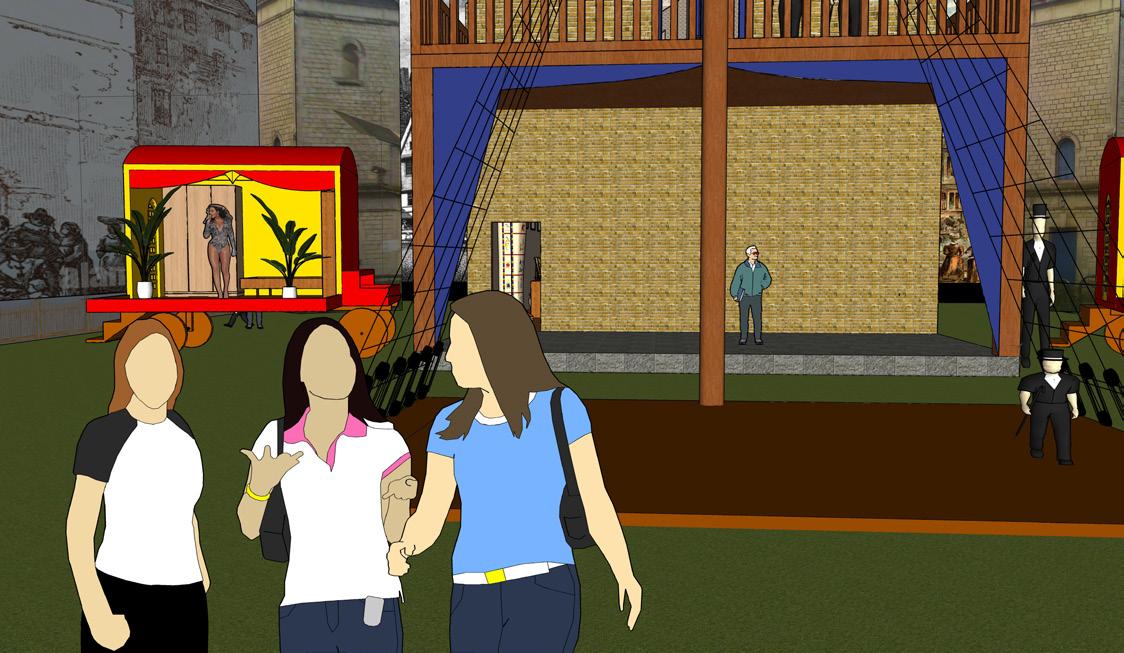
With this overview shot we can start to get a sense of the color scheme and the style of the surrounding area. The primary colors in the buildings on the painted flats we will see are beige's, browns, blacks, and whites. All neutral colors. This is also reflected in the museum itself. The wagons at this point have transformed from their boxy shape into more of Gypsy style wagon. This was more fitting for the type of person that would inhabit it and would allow for brighter colors to be used in contrast with the beige and brown of the landscape.
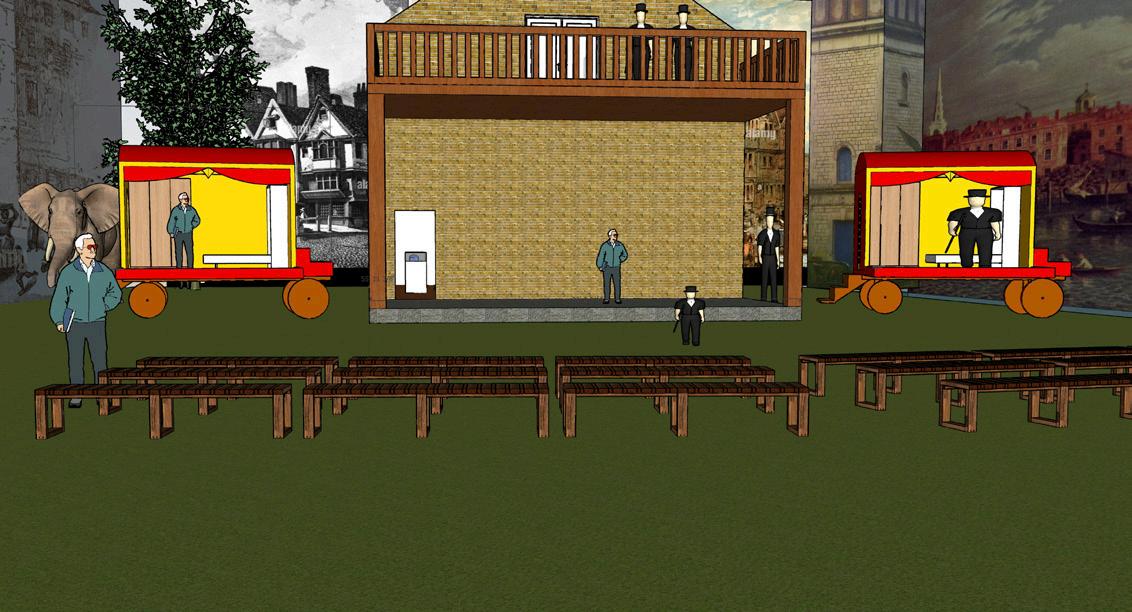
In this frame we can start to see a more detailed view of the stage. On our color wheel browns are of the similar hues as the yellows and reds used in the traveling wagons. In order to contrast with that and start to develop our stage more fully we added some bright blue curtains that would act as our proscenium. This was not typical design for a proscenium at this time but should still fit in our scene because of our emphasis of our oddities and out of place elements. In this shot we can also get a sense of the scale of this area.
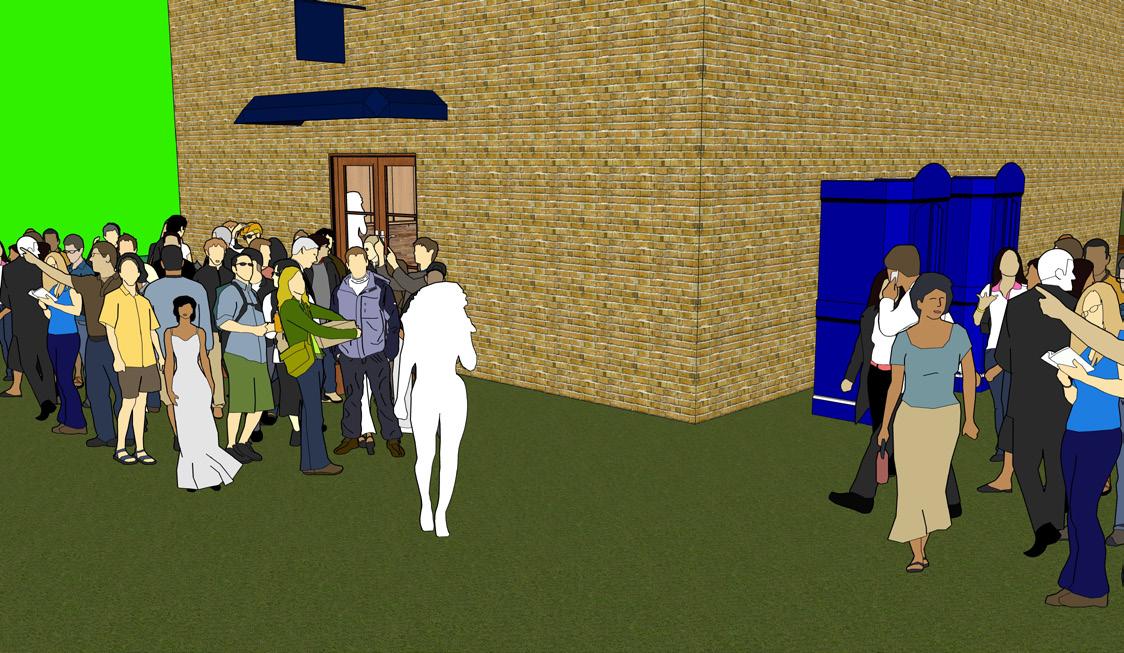
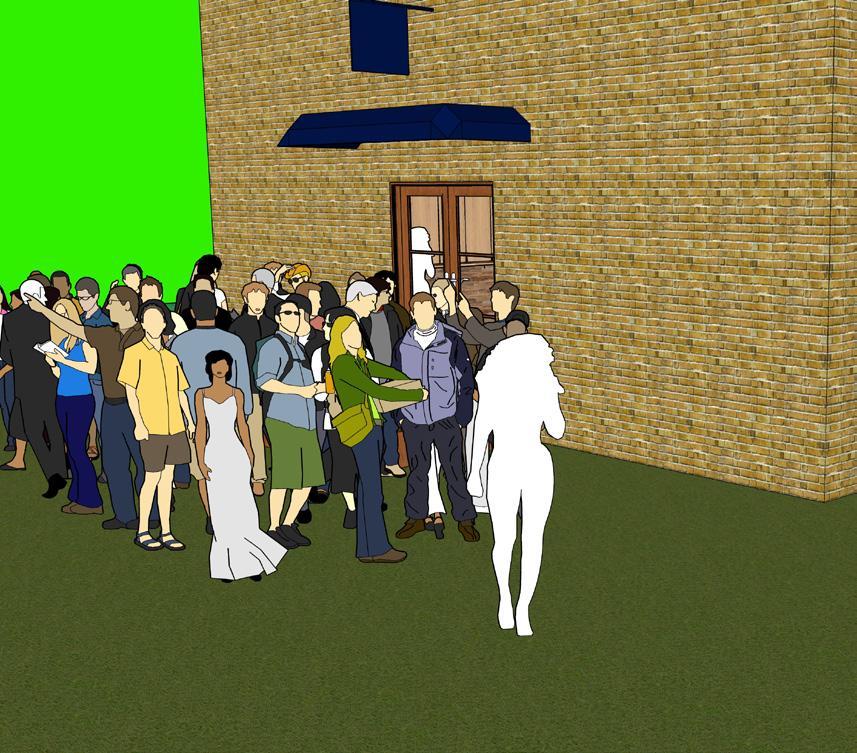
We see in this area an emphasis of the simple design of the building with large areas of beige but we can see a tie in of some of our color elements. We have the bright blue ticket booths. The blue really helps they stand out here and lend of the circus appearance. Above the door we can see a darker navy blue awning and a dark navy blue sign. These two elements are supposed to help bridge the design between the browns and the blues while also still adding a bit of contrast from our building in defining where the entrance to be building is.
In the apartment we see a somewhat more typical scene. We will have period furniture with tradition period colors, textures, and styles. This needs to feel like it is a comfortable place, separate from the uncomfortable odd museum artifacts. This is also where Shakespeare will bring is collaborators. So the space needs to be large enough for 6-8 other people and fit them comfortably. The apartment and the museum will feature a traditional style wallpaper. This is an important connecting element as it will provide color and texture that is common to both interior spaces.
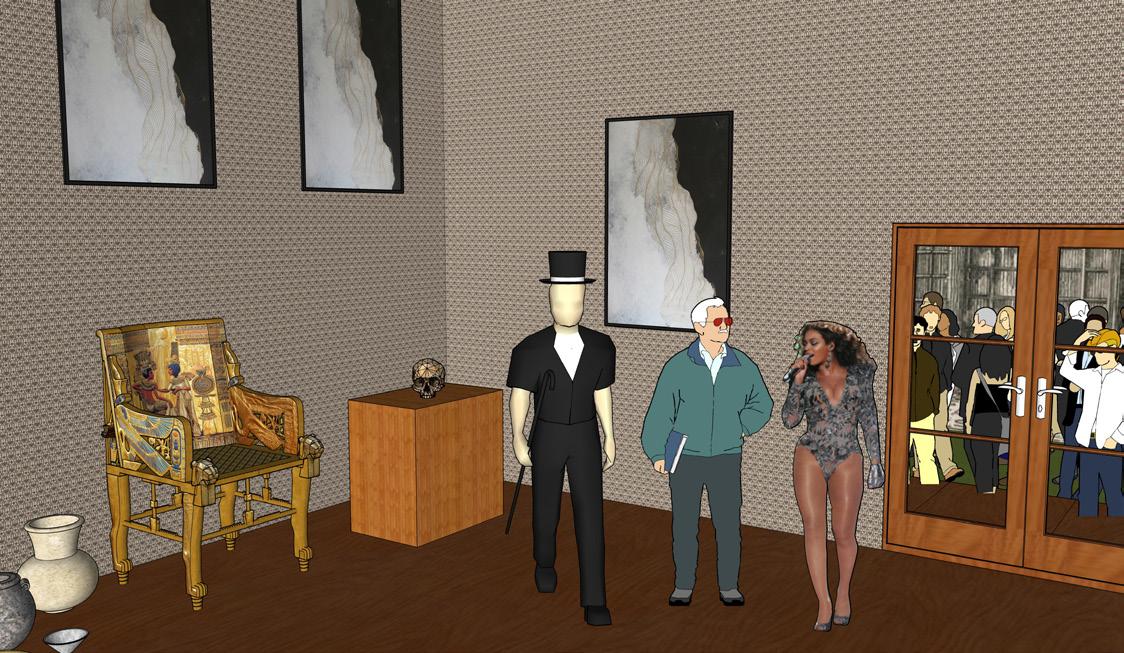
This is where we get to have a lot of fun. This is the space where the audience will get a feel for the type of show that Shakespeare is creating. It will also be one of the reasons that the general population will either love Shakespeare and his troupe or hate them enough for them to display their displeasure. There is unusual artwork on the walls. A variety a strange artifacts such as human skulls, Egyptian mummies and mummy artifacts, a head in a jar, an animal brain. The artifacts could also change over time as the museum changes to show it's a working museum.
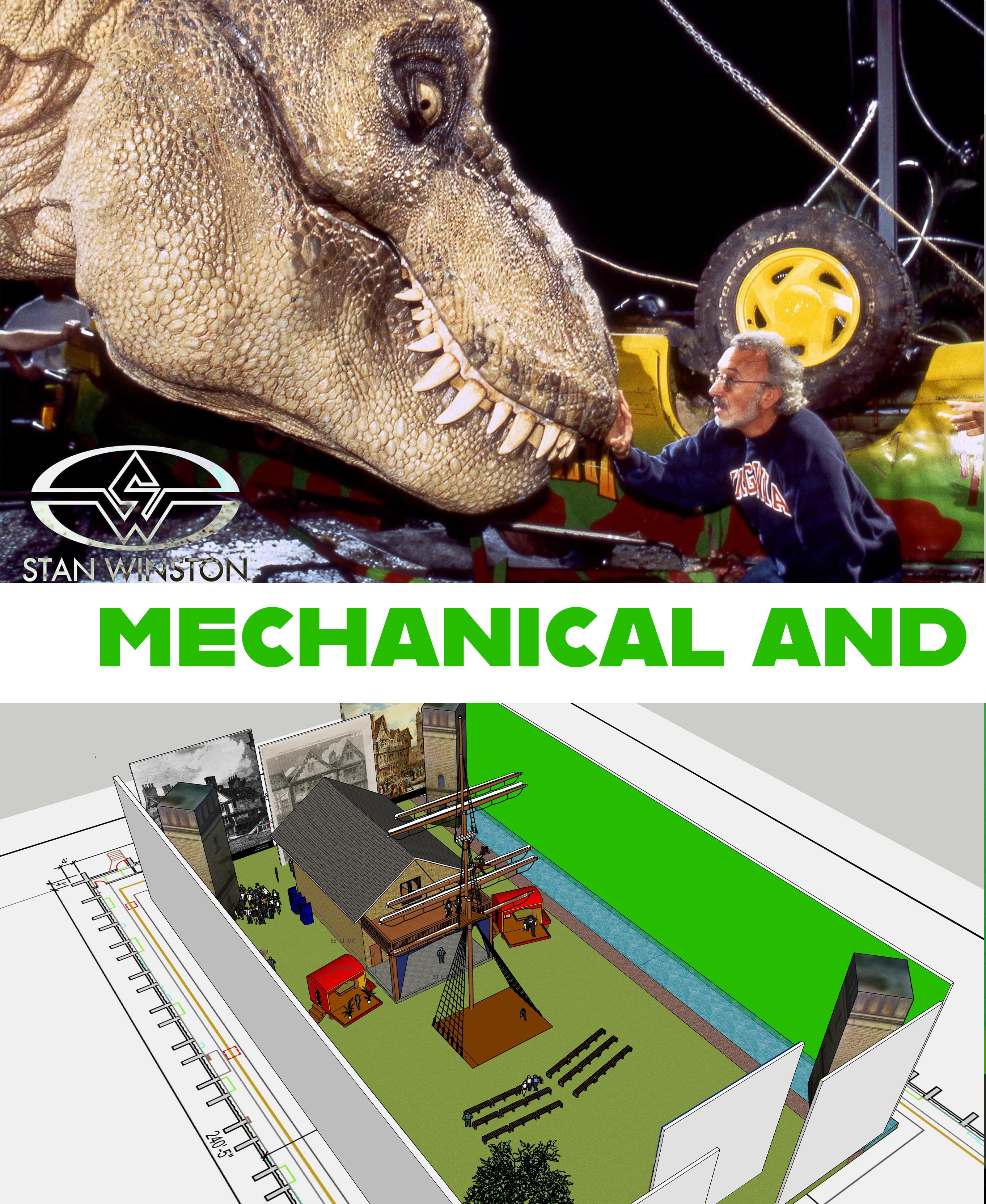
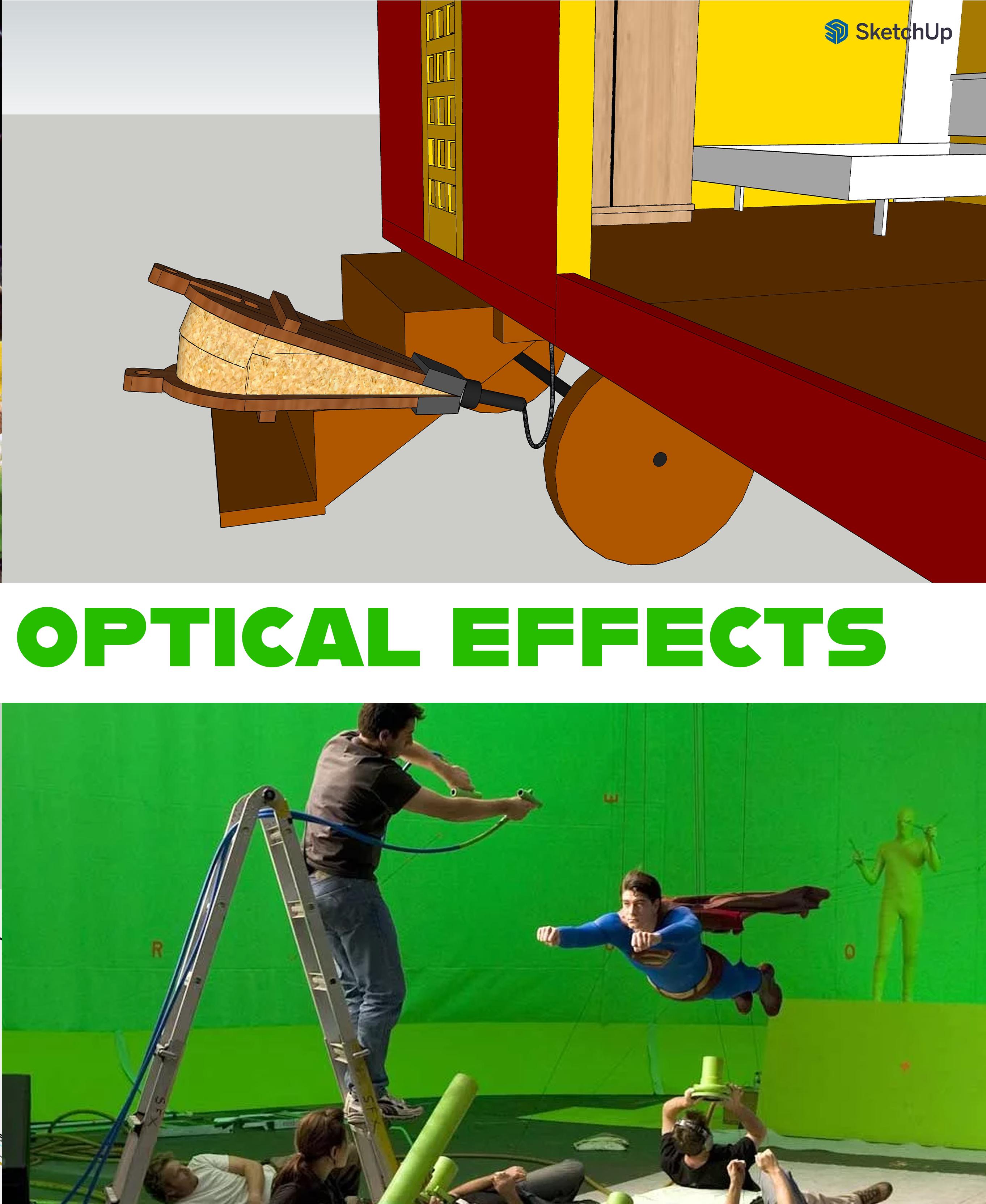
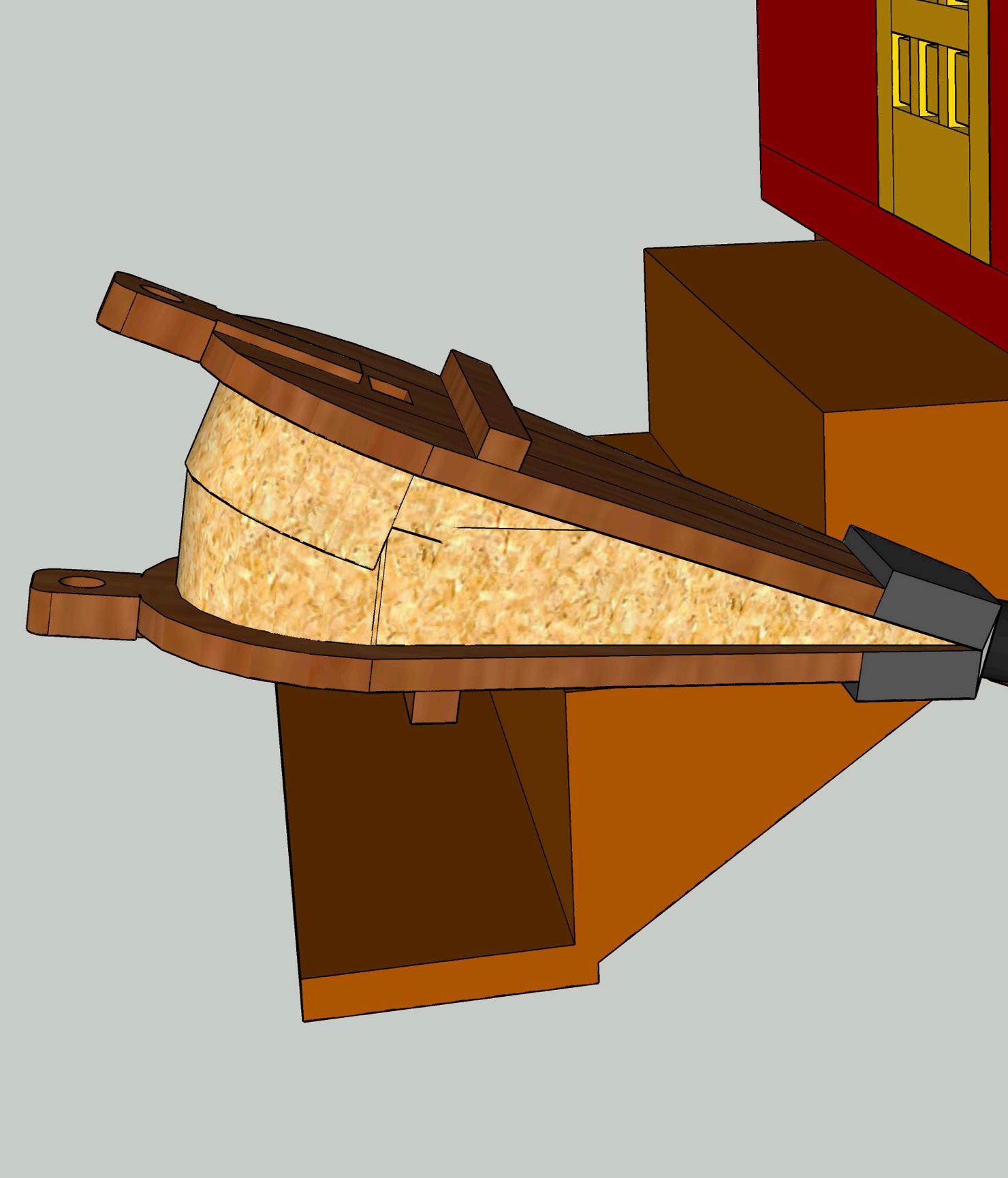
MODELING IS ABOUT UNDERSTANDING OUR WORLD IN A LOW RISK WAY. IT ALLOWS US TO TEST AND IMPROVE WITHOUT HUGE EXPENSE. MODELING CAN COME IN MANY WAYS. FROM A SIMPLE SKETCH TO 3D RENDERED VIRTUAL SPACE
The museum is a utilitarian building 45' long by 30' wide with the stage on the back the museum reaches a length of 55'. There is nothing special about it's design and with he addition of the stage and balcony it looks rather odd like those features are out of place. Inside the apartment it is a single room with several separate spaces as if it was an after thought and not actually meant for that space. You will find a make-shift kitchen, a dining area fit for 6-8 people a living room/lounge area with a couch and a couple arm chairs. Next to the lounge area is Shakespeare's desk. This desk is an important collaboration area for Shakespeare and whoever he needs to work with. In the first floor of the museum you will find display cases with odd displays. Most of the displays you will find ancient Egyptian artifacts including a sarcophagus standing tall, a throne, and Canopic jars. There is also a tribal mask, an animal skull, a head in a jar. Around the walls of the museum you will find strange artwork for the time . These should be something that would controversial anywhere else.