Karsh STEM Scholars Inaugural Report Karsh STEM Scholars Inaugural Report

Karsh STEM Scholars | Office of Undergraduate Education


Karsh STEM Scholars | Office of Undergraduate Education
The Karsh STEM Scholars Program is a transformative initiative at Duke University designed to support high-achieving juniors and seniors in Science, Technology, Engineering, Economics, and Mathematics (STEM) fields.
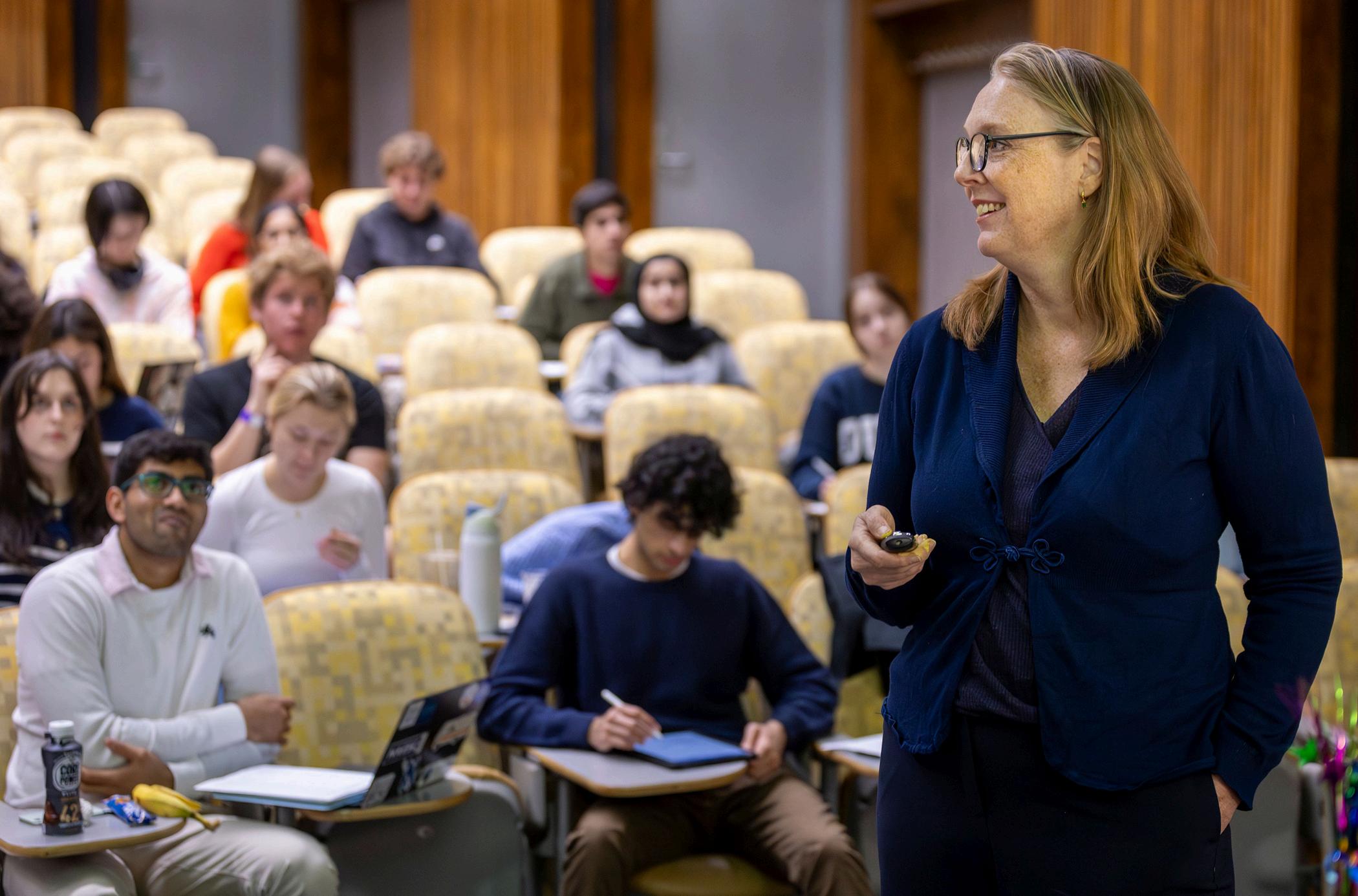
Made possible through a $25 million gift from Bruce ’77 and Martha Karsh, the program ensures that students from Trinity College of Arts & Sciences and the Pratt School of Engineering receive hands-on mentorship from faculty, immersive research experiences, and access to $3,000 in enrichment funding for academic and professional development.
The Karsh STEM Scholars Program is dedicated to fostering an inclusive community of scholars who will go on to make significant contributions in their fields. By integrating research, mentorship, and professional development, the program empowers students to reach new heights in their academic and career trajectories.
December 10, 2025
Dear Bruce and Martha,
As we move closer to the end of the year, we are reflecting on the remarkable generosity that has shaped Duke over this past year. The inaugural class of Karsh STEM Scholars is among the most exciting outcomes of that generosity, made possible entirely by your transformative gift. Your commitment to sustaining Duke as a place where all undergraduates can thrive is making a profound impact.
As STEM faculty who work extensively with undergraduates, we are certain that your gift successfully pinpointed an acute need in the community. This is abundantly evidenced by the extraordinary response to our first application cycle. Over 240 Duke students submitted applications during a two-week window this fall. From this very large pool, we interviewed candidates and ultimately selected 10 outstanding students as the first cohort of Karsh STEM Scholars.
These pioneer Scholars will develop and shape the program’s culture and future. Each student was chosen for their deep curiosity, commitment to challenging research, and clear potential as future leaders in their fields. Our inaugural cohort could not be better suited.
Through the Karsh STEM Scholars Program, students will receive:
An immersive faculty-mentored research experience: For the duration of their junior and senior years at Duke University, Scholars will be paired with a faculty mentor in a field closely aligned with their academic interests.
A vertically integrated community of scholarship: Scholars will engage across their cohort and the larger Karsh STEM Scholars community to share new skills and endeavor to make progress in understanding and solving some of the world’s most significant challenges and pressing problems. Together, our Karsh STEM community will celebrate successes and embrace the valuable lessons that come from constructive failures.
Enrichment funding: Students receive targeted professional development funds that support research needs and travel to present their work at scholarly conferences.
Through your generosity, you have opened a powerful new pathway for talented young people to fully realize their potential. All of us at Duke, especially the students whose lives you have already changed, extend our deepest thanks. We wish you and your loved ones a joyful and restful holiday season.

With warm regards,

Dorian Canelas, Ph.D.
Faculty Director, Karsh STEM Scholars
Department of Chemistry
Trinity College of Arts & Sciences
Maria Gorlatova, Ph.D.
Assistant Faculty Director, Karsh STEM Scholars
Department of Electrical & Computer Engineering
Pratt School of Engineering
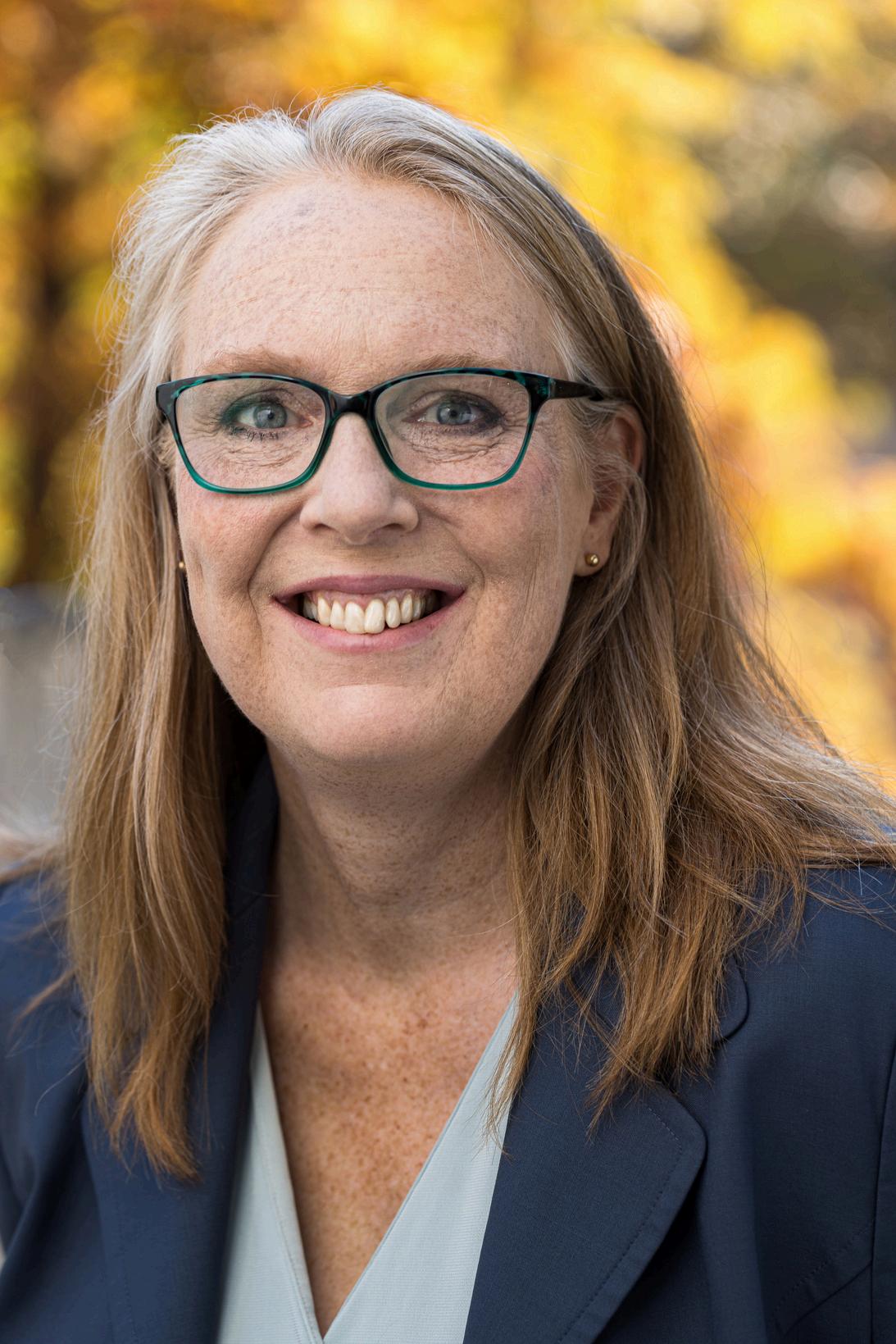
s been teaching chemistry for over twenty erous research, education, and leadership ntly the 2025 Judith Deckers Prize for excellence in undergraduate teaching.Research interests include the development of soft or transferable skills through science coursework, the study of best practices for students who have encountered barriers to science-careers and career retention in STEM fields,and the evolving status of online learning in higher education.
Her work has been funded by grants from the Gates Foundation, Howard Hughes Medical Institute, and the National Institutes of Health. Prior to joining the faculty of Duke University’s Department of Chemistry in 2009, she held research-intensive positions for several years in both academia and industry. Canelas received a B.S.In Chemistry from Northeastern University and a Ph.D.In Chemistry from the University of North Carolina at Chapel Hill.
Professor Maria Gorlatova is an Associate Professor of Electrical and Computer Engineering. Her research centers on pervasive computing technologies, with a focus on next-generation augmented reality and the Internet of Things. She is a dedicated champion of undergraduate research. At Duke, she has supervised and mentored more than 50 undergraduate researchers from a wide variety of majors, including ECE, CS, BME, MEMS, Neuroscience, Visual and Media Studies, and Mathematics. Undergraduate students affiliated with her lab have coauthored multiple publications that have appeared in top venues and received multiple prestigious awards for their work.
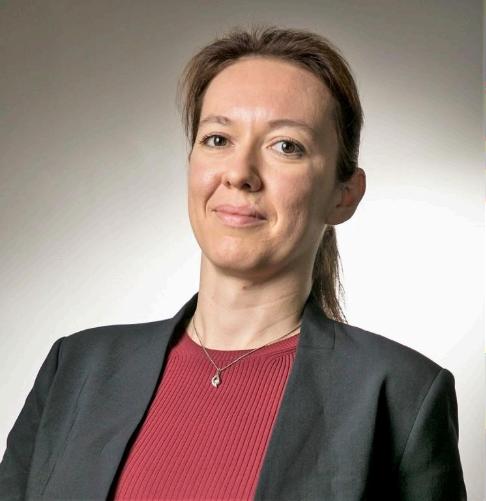
She received her Ph.D. in Electrical Engineering from Columbia University and her M.Sc. and B.Sc. degrees in Electrical Engineering from the University of Ottawa, Canada. She spent two years in Princeton University’s Electrical Engineering Department as an Associate Research Scholar and Associate Director of the Princeton University EDGE Lab. Professor Gorlatova was named one of the N2Women Rising Stars and has received multiple awards, including the NSF CAREER Award, DARPA Young Faculty Award (YFA), and Meta, Cisco, and IBM research awards.
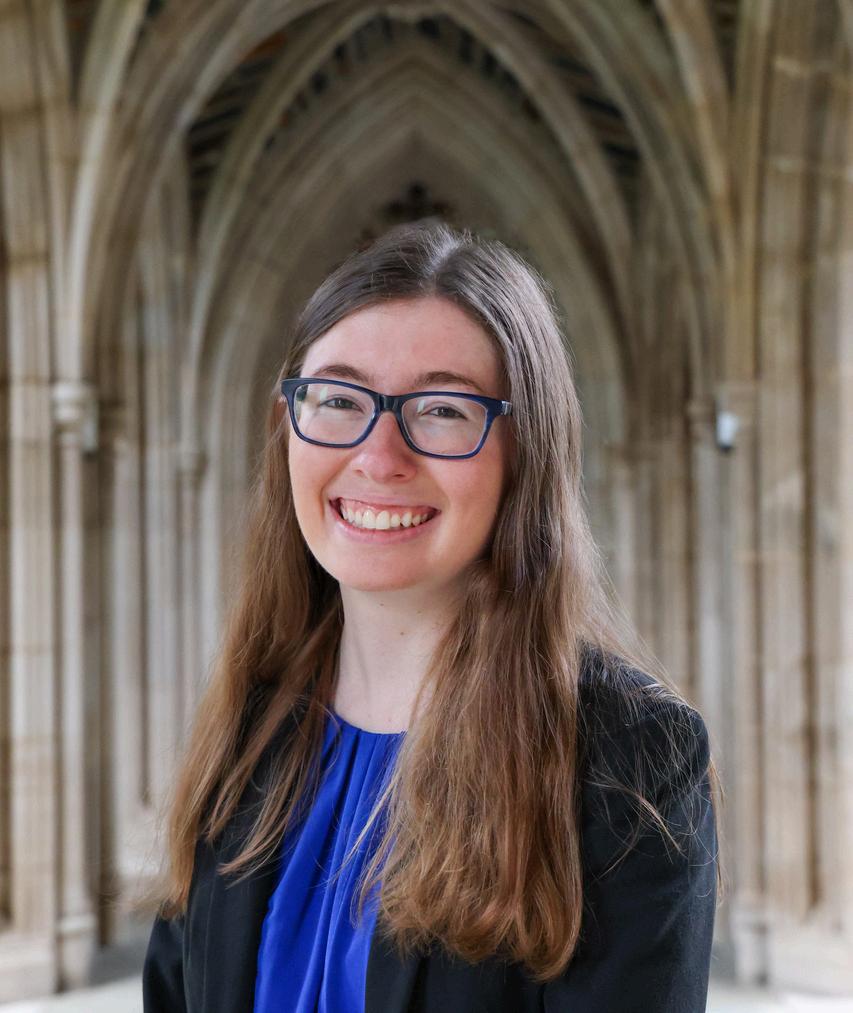
Statistical Science and Political Science
From Waxhaw, North Carolina, Kara plans to integrate her statistics background into her legal career, possibly specializing in Intellectual Property, Data Privacy, or Cybersecurity.
Assistant Professor of Biomedical Engineering
Professor Dunn’s lab aims to develop and test tools and infrastructure using biomedical and health data for early detection, intervention, and prevention of disease Their projects include improving health monitoring through personalized, real-time risk classification and tailored, remote intervention strategies.
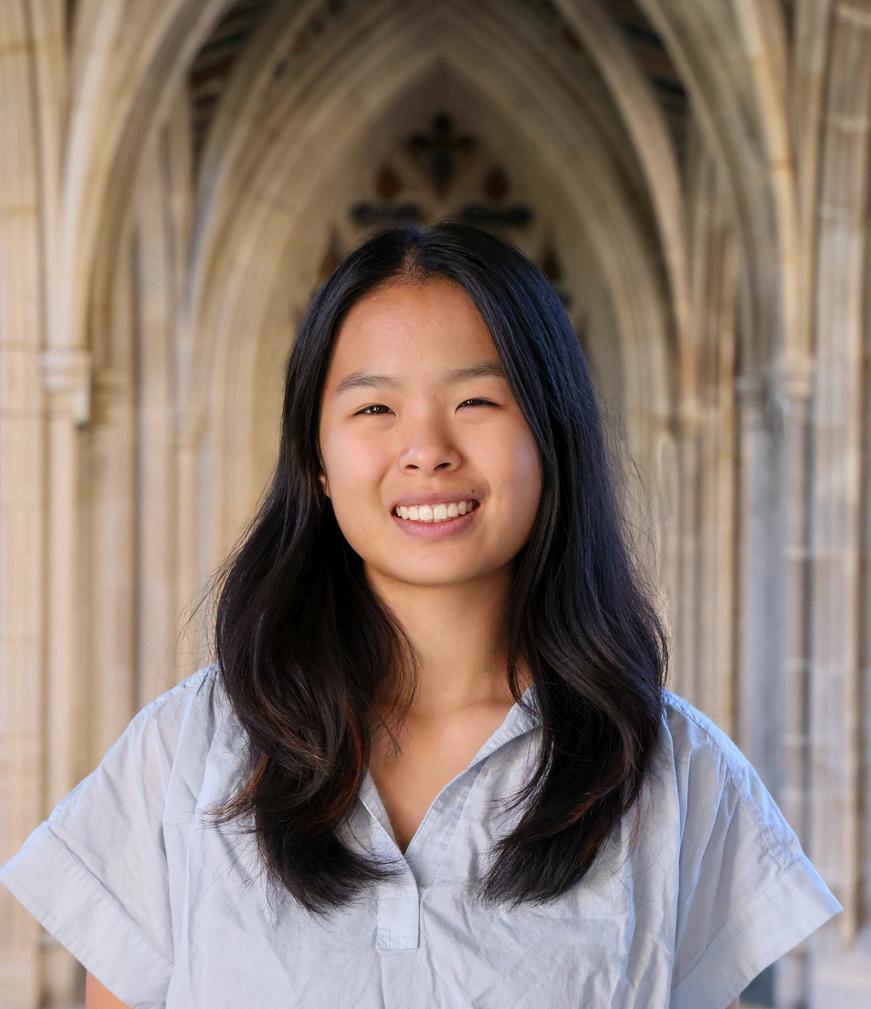
From Asheville, North Carolina, Erin is interested in using statistics as a tool to model and understand the seemingly random patterns in the field of ecology. She is involved in the Duke Campus Farm and will be at the Marine Lab next semester.
Professor Lipshutz conducts research on behavioral evolution, speciation, and anthropogenic change in songbirds and shorebirds. This work is highly integrative, combining techniques in population genomics, transcriptomics, neuroendocrinology, and field ornithology to understand the causes and consequences of diversity in animal behavior.
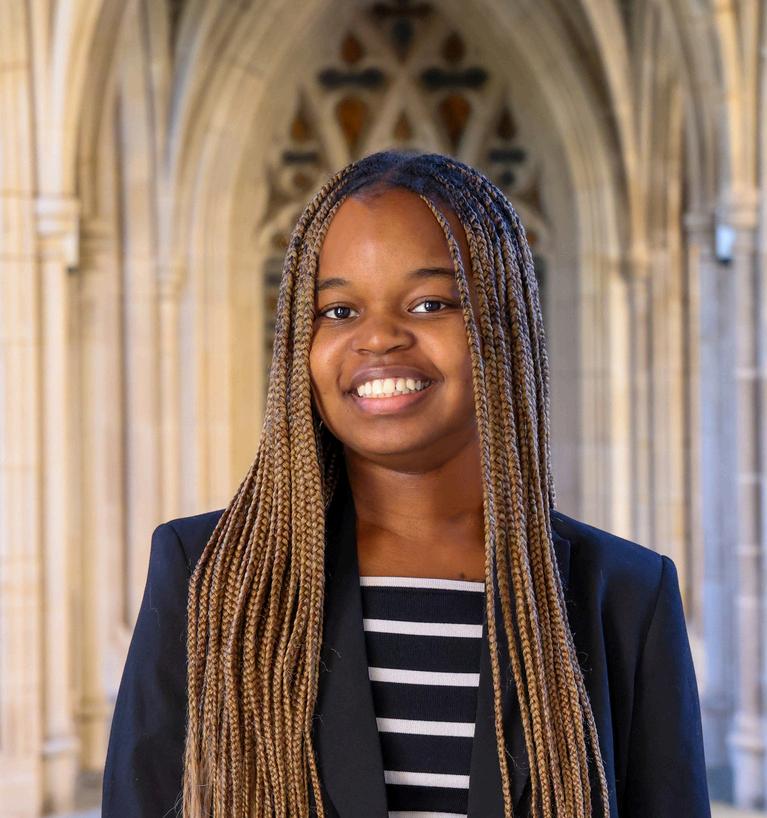
Mechanical Engineering Class of 2027
Born and raised in Nairobi, Kenya, Nadzua is interested in the medical engineering field, specifically in robotics and automation, materials science, and product design engineering.
Assistant Professor in the Thomas Lord Department of Mechanical Engineering and Materials Science
Professor Bertram leads research in medical robotics and strives to foster an interdisciplinary approach to medical robotics by collaborating with the university's world-class clinical and academic communities to develop innovative, life-saving robotic systems.
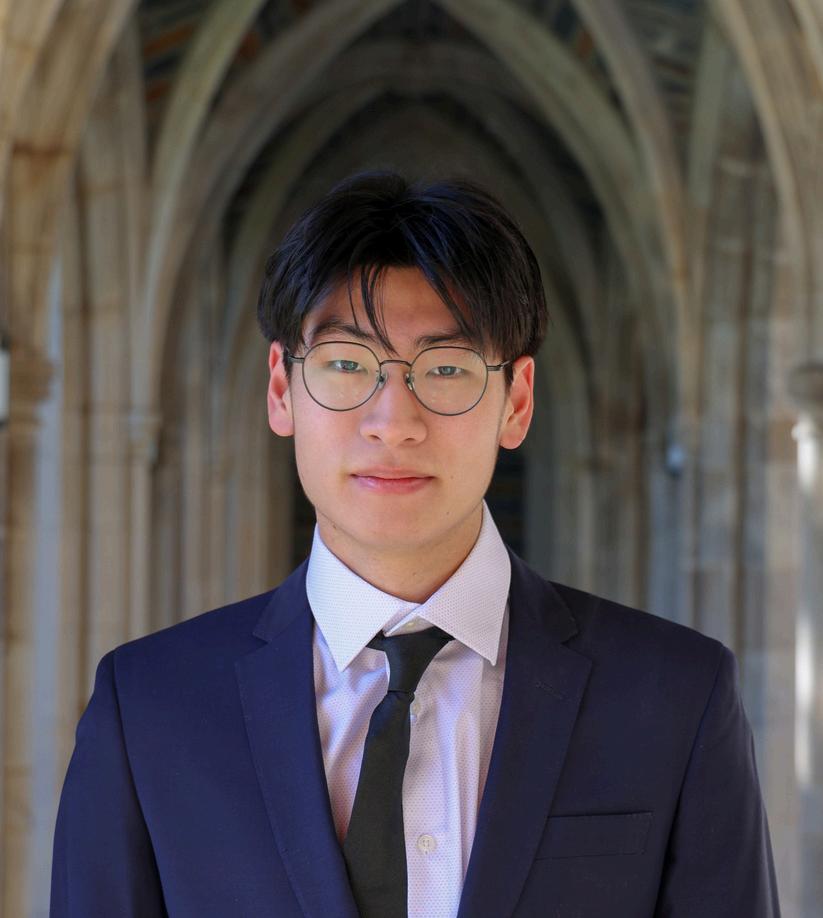

Mechanical Engineering; Aerospace Certificate Class of 2027
Proud to call both Potomac, MD and Durham, NC home, Junwoo is deeply interested in aerostructures, fluid dynamics, and flightvehicle design. Ultimately, he is motivated by the goal of contributing to next-generation aerospace systems that push the boundaries of efficiency and exploration.
Assistant Professor in the Thomas Lord Department of Mechanical Engineering and Materials Science
Professor Douglas’’s research develops theoretical and numerical methods to analyze, understand, and engineer the behavior of high-dimensional nonlinear systems where fluid motion couples with thermal, chemical, acoustic, elastic, and other physical effects.
Biomedical Engineering and Electrical & Computer Engineering
Class of 2027
Hailing from Colombo, Sri Lanka, Imadh has embraced several opportunities inside and outside the classroom. His goal is to leverage robotics and technology to leave a lasting impact on marine conservation and address climate change more broadly.
Randolph K. Repass and Sally-Christine Rodgers University Distinguished Professor of Conservation Technology in Environment and Engineering
Through joint appointments in the Nicholas School of the Environment and the Pratt School of Engineering, Professor Nowacek works in the novel area of Marine Conservation Technology His group combines research in marine mammal bioacoustics and behavioral ecology with the development of new tools for oceanographic research.
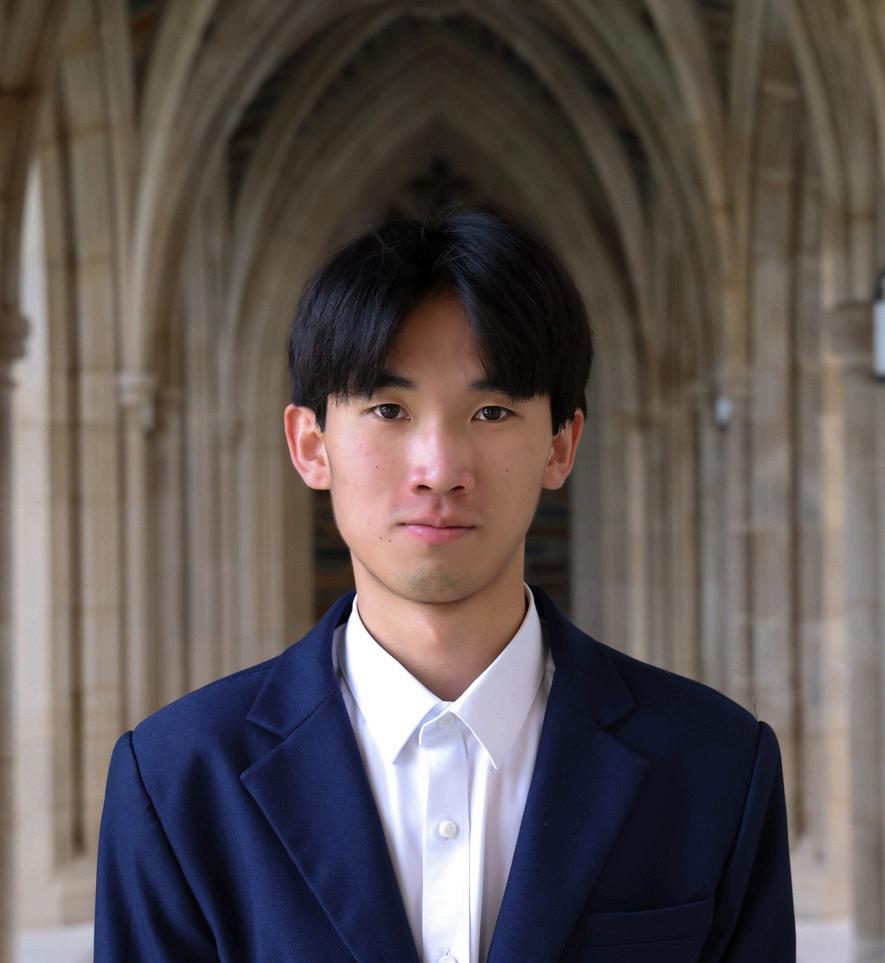
Economics and Mathematics
Class of 2027
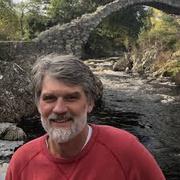
Growing up in Vietnam sparked Nguyen’s interest in understanding the economic forces that shape people’s lives in developing countries. He hopes to contribute research that can meaningfully inform policy and support broader economic opportunity.
Norb F. Schaefer Distinguished Professor of International Studies in Trinity College of Arts and Sciences
Professor Thomas investigates the inter-relationships between health, human capital, and socio-economic status with a focus on the roles that individual, family, and community factors play in improving levels of health and well-being across the globe.


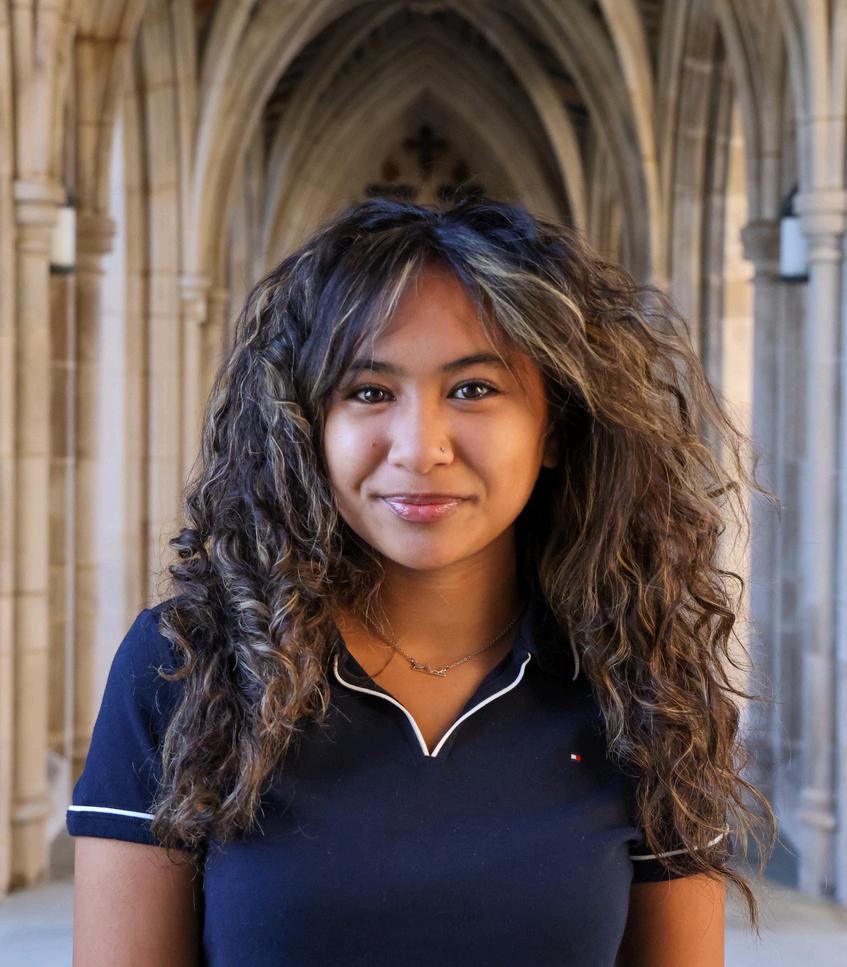
Originally from Spain, Samuel is interested in algebraic topology and field theory, and enjoys competitive mathematics He spends most of his time tackling math problems and coding projects
Professor Fang’s mathematical expertise lies in applied and numerical analysis of partial differential equations. Her current research focuses are the theory of quantum computing, numerical analysis for quantum algorithms, as well as classical algorithms and analysis for quantum systems.
From Lihue, Hawaii, Sanoe is particularly interested in the mental health implications within the Native Hawaiian population This includes issues related to drug addiction, social injustice, and adverse childhood experiences based on her own lived experiences of the challenges that the native population must face while pursing higher education
Professor Wilbourn explores how children learn language and how different modes of input, such as gestures, may influence early language and cognitive development. In addition, she is interested in how different cultural backgrounds and linguistic experiences influence children’s language learning.
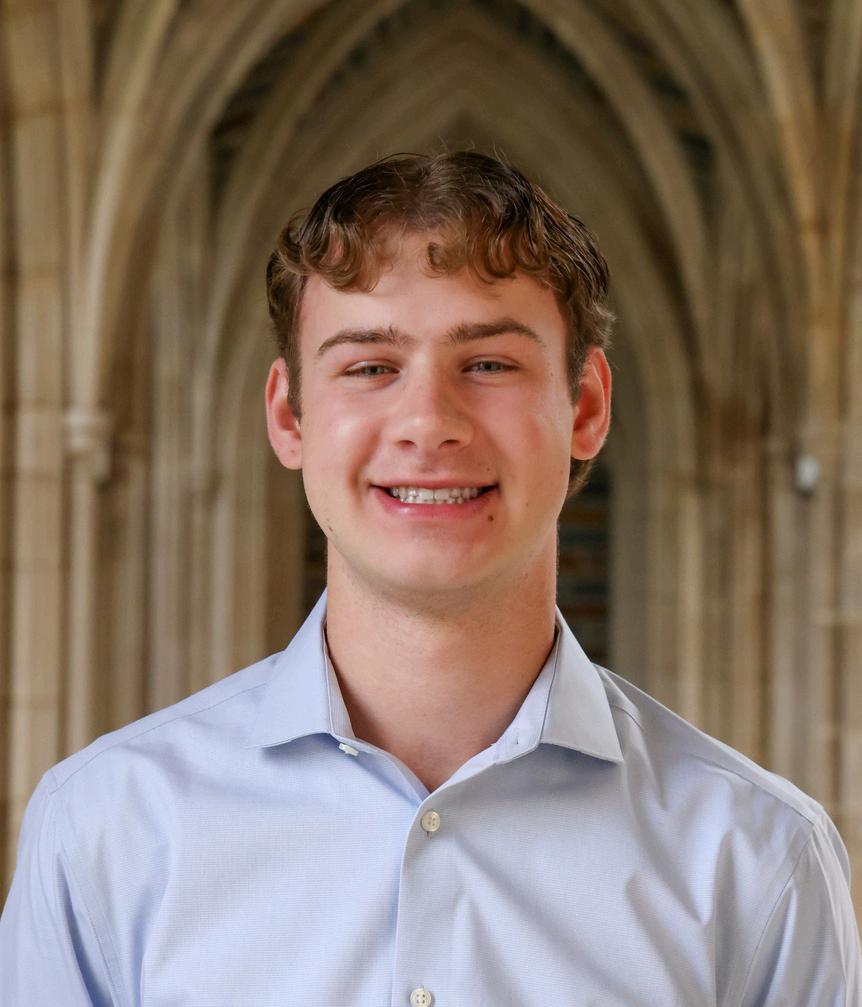
Electrical & Computer Engineering and Mathematics Class of 2027
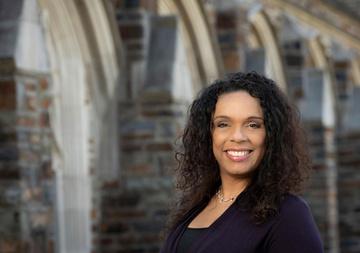
From the northwest suburbs of Chicago, Colton is particularly interested in the intersection of abstract areas of math with engineering and physics. After graduating, he hopes to continue his studies by pursuing a PhD in applied math or quantum engineering.
Assistant Professor in the Thomas Lord Department of Mechanical Engineering and Materials Science
Professor Douglas’’s research develops theoretical and numerical methods to analyze, understand, and engineer the behavior of high-dimensional nonlinear systems where fluid motion couples with thermal, chemical, acoustic, elastic, and other physical effects.
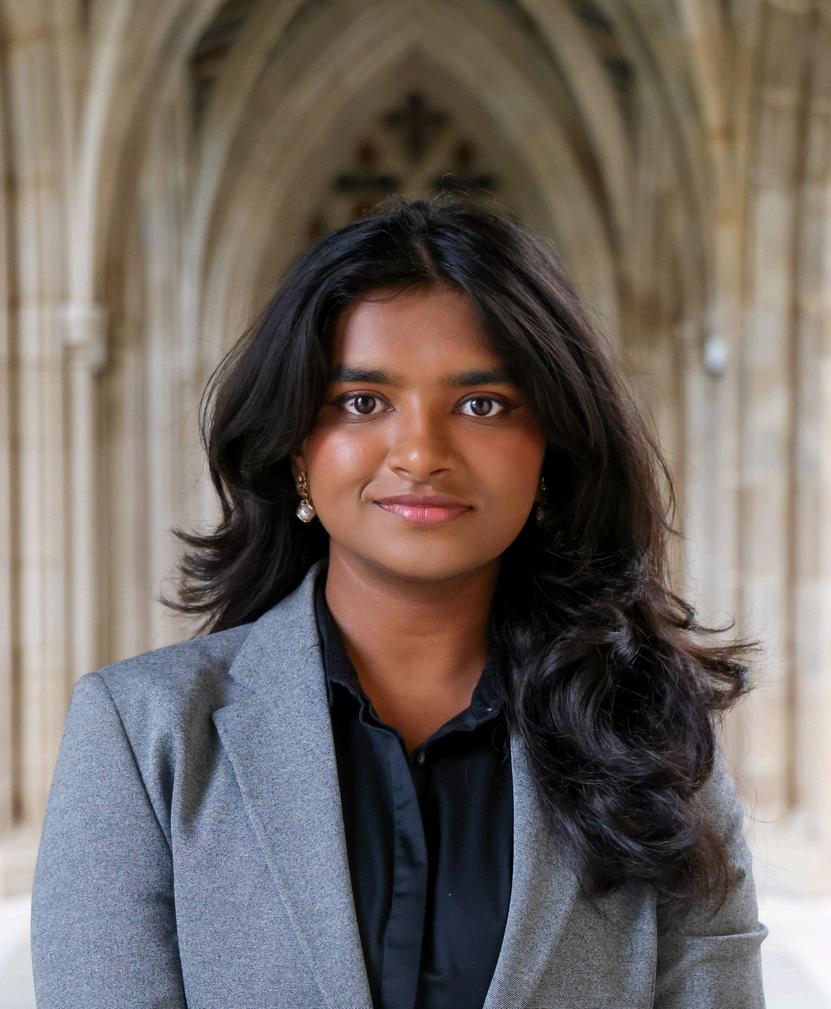
Mathematics, Computer
Class of 2027
Shambhavi, from Chandigarh, India, is deeply involved in interdisciplinary research bridging the vast applications of theoretical frameworks to challenging problems of the world. She is specifically interested in areas and contexts of innovation and asymmetry in emerging markets.
Assistant Professor of Economics
Professor Pollmann is an econometrician working on causal inference and machine learning. He focuses on the analysis of spatial data and provides essential support for interdisciplinary research by developing methods to aid other researchers in learning from their data