
SPRING CATALOG
Welcome to OLLI at DU
The Osher Lifelong Learning Institute at the University of Denver (OLLI at DU) offers a rich array of courses, lectures, webinars, and social and travel opportunities designed for adults 50+. With no tests and no grades, it’s learning purely for the love of it.
At the heart of OLLI at DU is a vibrant, welcoming community of curious minds. Whether you prefer the energy of a classroom or the convenience of logging in from home, you’ll find a place where you can explore new ideas, share your experiences, and connect with others who value lifelong learning as much as you do.
With multiple locations across the Denver metro area and robust virtual offerings, OLLI at DU makes it easy to stay engaged, inspired, and connected—wherever you are.
OLLI at DU is part of a national network of Osher Lifelong Learning Institutes endowed by The Bernard Osher Foundation.
OLLI at DU Staff
Visit our website at olli.du.edu/olli/about/#staff to learn more about the people behind OLLI at DU.
OLLI at DU Main Office
College of Professional Studies at the University of Denver University Hall, 2197 S University Blvd., Suite 323, Denver, CO 80210
Office Hours: Monday–Thursday, 9 AM–2 PM, Closed Friday Phone: 303-871-3181 Email: olli@du.edu
OLLI at DU In-Person Class Locations
Get Directions: Click here to view our locations on Google Maps.
Denver
First Universalist Church 4101 E. Hampden Denver, CO 80222
Golden Jefferson Unitarian Church 14350 W. 32nd Ave. Golden, CO 80401
Broomfield
Broomfield Community Center 280 Spader Way Broomfield, CO 80020
DU Campus
University of Denver, 2197 S. University Blvd. Denver, CO 80208 (On-campus locations may vary)
Littleton
Columbine United Church 6375 S. Platte Canyon Rd. Littleton, CO 80123

Before registering for courses and programs, you’ll need to create an account and purchase a 2025–2026 annual membership. It’s quick and easy!
New to OLLI? Start Here.
1. Go to olli.du.edu
2. Click the gold Member button in the top right corner and select Create Account 4. Complete the form and save your username and password for future use
Returning Member? Welcome Back!
1. Go to olli.du.edu
2. Click the gold Member button in the top right corner and select Sign In 3. Enter your username and password
After signing into your account, you’ll be directed to the OLLI at DU Registration Portal. You can also access the portal anytime by clicking Register on our homepage at olli.du.edu.
Purchase Your Annual Membership
To purchase your membership, scroll to the Membership and More section on the left side of the portal and click Purchase a Membership
Choose your Courses and Programs
To register for courses and programs, use the menu to search by day, subject, or location. To browse the full list of offerings at once, scroll again to Membership and More and click View All Courses Alphabetically. When you’re ready to register, click Add to Cart next to your selected course. When you are ready to check out, click Cart at the top of the screen and follow the prompts. You’ll receive a confirmation email once your registration is complete.
Having trouble registering? Call our office at 303-871-3181.

OLLI PROGRAMS
OLLI Courses
At the heart of OLLI at DU is an expansive lineup of engaging courses offered each year across eight subject areas and three academic terms. Courses are available both online and in person and are led by passionate facilitators who bring deep knowledge, lived experience, and infectious curiosity into the classroom. Whether you’re exploring something new or diving deeper into a longtime interest, OLLI courses are designed to spark learning, conversation, and connection.
Friday STEM Webinars
Friday STEM webinars are a member favorite—and free for OLLI at DU members. Held on Zoom Friday mornings from 10–11:30 am, these live presentations feature esteemed speakers exploring captivating topics in science, technology, engineering, and math. Join fellow members for thought-provoking ideas, fresh perspectives, and lively Q&A, all from the comfort of home.
OLLI Enrichment
OLLI Enrichment expands the OLLI experience with a curated collection of short courses, lectures, and evening or weekend programs—formerly part of DU’s Enrichment Program. Designed for curious learners seeking flexible, high-impact experiences, these offerings are open to the public and explore timely, creative, and intellectually engaging topics. As an added benefit, OLLI members receive discounted pricing on OLLI Enrichment programs. Pricing varies by course.
Osher Online
Take your learning beyond DU with Osher Online—an exclusive opportunity for OLLI at DU members. These six-week online courses are developed by the Osher National Resource Center at Northwestern University and taught by distinguished instructors from Osher Institutes across the country. Each course includes weekly 1.5-hour live Zoom sessions and offers the chance to connect with a national community of lifelong learners. OLLI at DU membership is required. Registration and course fees apply. Osher Online classes are non-refundable.
After registration, you’ll receive your Osher Online login credentials, access to course materials and discussion boards, plus an invitation to an important preclass orientation. We strongly encourage all participants to attend to familiarize yourself with the Vimeo platform used to deliver these courses. Sessions are live and not recorded, so plan to attend each week for the full experience.
OLLI Fit Classes
Stay active, energized, and connected with OLLI Fit classes—free for OLLI at DU members. These fun, dynamic Zoom-based classes are designed for adults who want to improve fitness, maintain mobility, and enjoy movement in a supportive environment. Classes are held Monday through Thursday mornings from 8–9 am.
OLLI Travel
OLLI Travel offers members-only group travel experiences designed for curious minds and adventurous spirits. From destinations across the U.S. to journeys around the globe, these thoughtfully curated trips blend cultural exploration, learning, and community. Travel with fellow members, deepen your understanding of the world, and create meaningful shared experiences along the way.
Shared Interest Groups
Shared Interest Groups (SIGs) are a vibrant and member-driven part of the OLLI community. Organized and facilitated entirely by OLLI members, SIGs bring people together around shared hobbies, passions, and interests—without the structure of a traditional course. Join a SIG to connect with others, explore what you love, and strengthen your OLLI experience.
OLLI on the Move
Take learning out into the community with OLLI on the Move—featured off-site courses held throughout the Denver area. These special offerings highlight local destinations, experiences, and expertise. OLLI membership is not required, so feel free to bring a friend. Registration and course fees apply.

Registration Fees (2025–2026)
8 week courses: $70
7 week courses: $65
6 week courses: $60
5 week courses: $55
4 week courses: $50
Special Events, OLLI Enrichment, Osher Online, and Webinars
Special Events, OLLI Enrichment, Osher Online, Fall Recess Webinars, and Summer Short Webinars are individually priced.
If financial hardship is preventing you from participating, please contact the office to inquire about tuition assistance.
Course Waitlist
If a course or event is full, a waitlist will open automatically during online registration. You may add yourself to the waitlist, and if a spot becomes available, you’ll receive an email notification. You’ll have 24 hours to register and pay before the spot is offered to the next person on the list. Waitlisted spots will only be offered through the first week of classes; after that, no additional seats will be filled. Please note that the course fee remains the same regardless of when a participant joins from the waitlist.
Refund Policy
Refunds are available based on the type of course or event. For multi-week courses, members are eligible for a full refund if they cancel before or during the first week; no refunds or partial refunds will be issued after that point. For one-day courses, a full refund is available if the cancellation is made at least three business days before the course date. Refunds for special events vary and are determined on a case-by-case basis—please refer to the specific event details on our website or contact the office for more information. If you have extenuating circumstances, please contact the office.
Weather Closure Policy for In-Person Classes
In-person OLLI classes follow the weather closure decisions of the local school district or the University of Denver (for DU-based classes). If the district or DU campus is closed, OLLI classes at that location are cancelled. If there’s a delayed start, OLLI classes will still begin at their regular time. On teacher in-service days when the weather is bad, closures may not be announced publicly—please check the OLLI website or call 303-871-3181 for updates.
Your safety is our top priority—please use your best judgment when traveling in inclement weather.
USING YOUR OLLI ACCOUNT

Need Info About Your Classes?
It’s All In Your OLLI Account!
Looking for your course location, Zoom link, syllabus, or facilitator bio? The fastest, easiest way to get the details you need—any time, day or night—is by signing into your OLLI account.
How to log into your OLLI Account:
1. Go to the OLLI at DU website: https://olli.du.edu
2. Click on the gold MEMBERS button on the top right of the homepage
3. When the menu opens, click SIGN IN
How to access course information and Zoom links:
Once you’re logged in, click on MY ACCOUNT at the top of the page, and you’ll have access to everything related to your courses and membership.
Here’s what you can do from your account:
• View your course info – Click on CLASS LIST to see in-person locations, Zoom links, and syllabi.
• Check your registration history – Click HISTORY to review past and current memberships and course registrations.
• Update your contact info – Use MY PROFILE to change your email or phone number.
• Update your login – Use USERNAME and PASSWORD to make changes to your login credentials.
• Make a payment – Click on MAKE A PAYMENT to settle any outstanding balance.
Still have questions or need help with registration or membership? Contact us by email at olli@du.edu or call our office at (303) 871-3181.
COURSES AT-A-GLANCE - SPRING 2026
MONDAY AM
3/30–4/20 OLLI on the Move Music is Poetry: Browne, Kristofferson, Lennon, McCartney, and Nelson
*This OLLI on the Move course is open to anyone, no OLLI membership required!
MONDAY PM
5/18
3/30–5/18
3/30–5/18
Legends: The Songwriters Who Defined
and Hollywood
TUESDAY AM
4/21
TUESDAY AM
COURSES AT-A-GLANCE - SPRING 2026

TUESDAY PM
COURSES AT-A-GLANCE - SPRING 2026
WEDNESDAY PM
COURSES AT-A-GLANCE - SPRING 2026
THURSDAY AM
5/21
Hanseatic League to European Union: Trade, Power, and Integration in Europe
4/2–5/21 History of the Rain by Niall Williams: An Irish Story of the Love of Family and Country.
THURSDAY PM
5/21 Come Read with Me: Apeirogon by Colum McCann (author of Let The Great World Spin
5/21 Understanding America’s Gun Violence: Should Regulation of Gun Possession and Use in America Be More Stringent?
5/7
FRIDAY AM
COURSES AT-A-GLANCE - SPRING 2026
WEBINARS
4/3 How Does America Maintain its Scientific and Technological Edge?
4/17 Fat and Brain Crosstalk: Avenues Underlying Health and Disease
4/24 Enhancing the Life of Seniors by Applying DIY AgeTech Remotely Supported by Family Caregivers
5/1 Sink or Swim: How the World Needs
5/8 Denver Zoo Conservation Alliance: Saving Wildlife Like Only a Zoo Can
5/15 The Curious Case of the Ultra-high Peaks in the Western United States
5/22 An Overlooked Potential Primary Energy
OLLI ENRICHMENT
Tue., March 3, 10, 17, 6:30-8:30 pm
Wed., March 4, 11, 6:30-8:30 pm
Thr., March 5, 12, 19, 26, 6:30-8:30 pm
Franklin to Gershwin and Beyond: America’s Classical Journey
Fri., March 6, 7:00-9:00 pm Spirits, Séances, and Skeptics: Colorado’s Curious History of Talking to the Dead
Mon., March 9, 16, 7:00-9:00 pm
March 18, 7:00-9:00 pm
OLLI ENRICHMENT
Sat., March 21, 28, 10:00-12:00 pm
Sat., March 21, 28 9:00-12:00 pm Mosaics: Ancient Craft, Modern Expression
Mon., March 23, 30, 6:30-8:30 pm
Wed., March 25, 6:30-8:30 pm
Choices About Supplements: Separating Facts from Fads
March 27, 7:00-9:00pm Chamberlin Observatory: Denver’s Victorian Gem of Science and Architecture
Mon., April 6, 13, 6:30-8:30 pm The Forensic DNA Journey: A Denver Perspective
Tue., April 7, 6:30-8:30 pm
Wed., April 8, 15, 22, 7:00-9:00 pm
Thr., April 9, 7:00-9:00 pm Whiskey Wisdom: Distilling History from Grain to Glass - Class 2
Tue., April 14, 21, 6:30-8:30 pm
Wed., April 15, 22, 29, 6:30-8:30 pm
the Bees, Birds, and Butterflies: Gardening for Biodiversity
COURSES AT-A-GLANCE - SPRING 2026
OLLI ENRICHMENT DATE
Thr., April 16, 30, 6:30-8:30 pm Newman Center performance, Thur., April 23, 7:30-9:30 pm
Sat., April 18, 25, and May 2, 1:00-3:00 pm
Wed., April 22, 6:30-8:30 pm
The Lighter Side of Opera – and Lamont!
Bonjour, Paris! Great Art Museums in the City of Light
The War on Cars: Rethinking Streets, Public Space, and Belonging
Mon., April 27, May 4, 11, 6:30-8:30 pm A Few Choice Words: The %$#@! Evolution of Swearing
Thr., April 30 and May 7, 7:00-9:00 pm Bird-Watching field trips, Sat., May 2, 9, 9:00-1:00 pm
Grandest Spectacle: The Spring Migration of Birds
Fri., May 1, 2:004:00 pm Penguins of Antarctica: How Do They Manage?
Tue., May 5, 12, 6:30-8:30 pm
Thr., May 7, 14, 6:30-8:30 pm
American Bandstand: More Than Just a Dance Show
Japanese-American Journeys: History, Identity, and the Future in Colorado
Sat., May 9, 16, 9:00-12:00 pm
Sat., May 9, 16, 2:00-5:00 pm
Introduction to Working with Glass: Class 2
Traditional Chinese Medicine and Artificial Intelligence: Ancient Wisdom Meets Modern Science
Dates: 3/30–4/20 Time: 1-2 pm
Facilitator: Joseph Brady
Location: Online Member Price: TBD
Explore how the ancient practices of Traditional Chinese Medicine (TCM) are being reexamined through the lens of cutting-edge artificial intelligence (AI) in this unique and timely course. With over 5,000 years of clinical tradition and more than 10,000 randomized controlled trials conducted since 1975, TCM remains one of the most widely practiced and studied systems of medicine worldwide.
Today, researchers at leading institutions like Harvard Medical School and the National Institutes of Health are leveraging AI to unlock the complex, whole-person effects of TCM. Unlike conventional approaches that focus narrowly on single conditions, TCM addresses the body, mind, and spirit as an interconnected system. Multifaceted interventions — such as acupuncture, herbal medicine, Tai Chi, and Qigong — impact multiple physiological and psychological domains at once, posing a challenge for traditional research methods.
Artificial intelligence offers powerful new tools to analyze these complex interactions, helping scientists better understand how TCM promotes prevention, resilience, and self-healing. We will explore how AI is transforming research in whole-person health and how universities, including the University of Denver, are pioneering studies that combine lifelong learning, integrative medicine, and advanced analytics to improve health outcomes in aging populations.
Whether you are curious about natural ways to enhance your well-being or eager to understand how ancient wisdom meets modern technology, this course will provide you with a rich foundation. Learn how TCM and AI together are shaping the future of health — and how these innovations can help you lead a healthier, more vibrant life.
Recommended Readings: Beinfield, Harriet, and Efrem Korngold. Between Heaven and Earth: A Guide to Chinese Medicine. New York: Ballantine, 1992.

Bioethical Perspectives on Health and Wellbeing
Dates: 3/30–5/4 Time: 1-3 pm
Facilitators: Dennis Ryerson/Mark Levine
Location: Online Member Price: $60
Participants will be engaged in wide-ranging discussions regarding how we can use medical ethics in dealing with such issues as epidemics, end of life care, the well-being of vulnerable and migrant children and commercial determinants of health. Participants will be in dialog with faculty members of the Center for Bioethics and the Humanities at the University of Colorado Anschutz medical campus. Readings will be circulated prior to each session to set the stage for moderated class discussion with the guest expert. The discussions will consider matters such as public trust, individual choice, public policy, changing social norms, and individual rights vs. the rights of the community. The class will not be a one-way street. This is an opportunity to voice your perspective on these important topics.
Practical Spirituality: Personal Wisdom for Life
Dates: 4/8–5/6 Time: 9:30-11:30 am
Facilitator: Paula Staffeldt
Location: Broomfield Community Center Member Price: $50
It’s the human condition to encounter life challenges and difficulties that we just don’t know how to solve. These days, it’s not uncommon to wake up uneasy and discouraged. “What do I do about this?!” Round and round we go, trying to figure out how to change the situations and circumstances that bedevil us. Enter Practical Spirituality. What is spirituality, anyway? How does a spiritual worldview or understanding (or lack of one) influence the way we navigate life? In this nonreligious class we look at the what, so what, and now what of our personal versions of spirituality and the practical wisdom and guidance they can offer us. You can find solutions to your human problems by discovering a map of your own wisdom and using it as a guide to a rich, meaningful life. Practical Spirituality is where you begin. No class 4/22.
The Peace Education Program: Discover Personal Peace
Dates: 4/8–5/6 Time: 1-3 pm
Facilitators: Rich Foster
Location: Online Member Price: $55
The Peace Education Program is an innovative series of video-based workshops that invite you to explore personal peace and your inner resources for wellbeing. The course includes short video excerpts featuring author and peace educator Prem Rawat’s international talks, facilitated reflection time, individual exercises and the opportunity for group interactions. The sessions cover ten themes, among them Peace, Inner Strength, Dignity, etc.
Rather than describing or defining personal peace, the program aims to empower participants to reach their own understanding.
The facilitators’ role is to support the activities, interactions and reflection times, helping each workshop to run smoothly.
This course will be offered over five weeks, in weekly two-hour sessions. A complimentary course workbook will be given to each participant. No class 4/1.
For more information about the Peace Education Program, please visit https://tprf.org/peace-education-program/
No Partner Needed: Line Dancing for Fun
Dates: 4/2–5/7 Time: 1-3 pm
Facilitators: Chris Meagher/Ellen Meagher
Location: Columbine United Church Member Price: $60
This course is for anyone who wants to add more energy, movement, interaction, and fun to their day. Line-dancing is one of the easiest dances to learn. Line dancing is versatile; you will be able to dance to multiple music genres, including Country, Rock, Pop, Bluegrass, R&B, and Blues. You will learn new steps by observing the facilitators, Ellen and Chris, and will practice first without music and then with music. We will demonstrate the steps from different locations in the room to boost visual cues. We recommend practicing between classes to enhance skills, confidence, and fun. You will receive video links to assist with your practice sessions at home. So, if you’d like to meet new folks, enjoy upbeat music, exercise lightly, and engage both your body and mind, come dance with us. No experience is necessary, just comfortable footwear.
Trails and Tours
Person Friday AM Register
Dates: 4/3–5/22 Time: 9:30-11:30 am
Facilitator: Jan Friedlander
Location: Off Site Member Price: $70 Additional Fees: $50
What better way to spend your Friday mornings than on a walk with your OLLI buddies in Colorado’s spring weather?! You’ll explore places like land trust properties, state parks, and maybe a private ranch.
We don’t need no stinkin’ sidewalks! Walks are curated for OLLI’s population by local, nature-related non-profits, rated easy to moderate with some elevation changes, and led by trained, volunteer guides who provide a fun and educational experience. Learn about plants, wildlife, geology, history, and our environment while getting in your steps!
You’ll travel to places that may be familiar to you, and likely some new ones. We’ll arrange meetup spots for those who want to carpool or caravan.
Wait, there’s more! A class favorite is the optional lunch after each walk, where we continue the fun and camaraderie.
Be an OLLI OUTSIDER!
Required: A $50 fee due at registration for donations to non-profits that provide tour guides.

History and Economics
The Wild West in American History and Culture
Dates: 3/31–5/19 Time: 9:30-11:30 am
Facilitator: Ron Yanosky
Location: DU Campus - Ruffatto Hall Member Price: $70
Gunfighter showdowns, horseback train robberies, and Indian-war last stands are among the most familiar devices in American culture. So are Western landscapes that signify both the heroic conquest of nature and its quiet contemplation. In this course, we’ll look at the history shaping these aspects of Colorado and the West, and their evolving cultural significance.
We’ll begin with Indian-white conflict in the post-Civil War era, focusing on the Great Sioux War of the 1870s. Next we’ll look at frontier violence, using gunfighters and outlaw gangs to explore what one historian called “the western civil war of incorporation.” We’ll then shift to how the West was reconceived from a place of hardship to one of inspiration and easy living. Besides historical scholarship, we’ll examine how writers and impresarios turned these western themes into new genres of entertainment and leisure that remain potent today.
Required reading: Elliott West, Continental Reckoning: The American West in the Age of Expansion (University of Nebraska Press, 2023); Ron Hansen, The Assassination of Jesse James by the Coward Robert Ford (Harper, 2007); free registration to JSTOR online journals repository; streaming of three movies (The Searchers, Little Big Man, The Missing)
The Woman Question: Women’s Struggle for Equity and Voice From Ancient Times Into the 21st Century
Dates: 3/31–5/19 Time: 9:30-11:30 am
Facilitator: Mary Caravalho
Location: DU Campus - Ruffatto Hall Member Price: $70
The Goddess was first. The God was second and subjugated the Goddess along with all women beginning in the Mesopotamian area around the 6th Century BCE. My class will explain how, when, and why this happened over millennia. We’ll travel through Classical Greece, the Bible and Greek Myth, which solidifies the subordination, continuing through the misogynistic Middle Ages to the Enlightenment, the New World, True Womanhood of the 18th and 19th Centuries to Suffrage and the second wave of feminism mid 20th Century. We will end with the exploration of gender roles within today’s Gender and Women’s Studies Departments of the 21st Century.
The Roads to the First World War
Dates: 4/7–5/19 Time: 9:30-11:30 am
Facilitator: John Bowen
Location: Jefferson Unitarian Church Member Price: $65
The First World War was the defining moment of European history in the 20th century. It led to the collapse of four empires: Russian, Austro-Hungarian, German and Ottoman. It greatly weakened the British Empire and hollowed France for the rest of the 20th century. It redefined the nature of European imperialism and led to the growth of communism, Nazism, fascism, and isolationism. It redefined national borders and led to the creation of numerous “national” states in the Balkans and central Europe. It was the precursor to World War II. Why was Europe so fragile that so much collapsed? And how did these catastrophic events come about? This course will address the antecedents of the war in the 19th century and the events in the 20th century that led to this conflict. Although this was a worldwide war, its main battlefields were in and about Europe. The course will focus on the European events that led to the war.

Dates: 3/31–4/21 Time: 1-3 pm
Facilitator: Dave Erickson
Location: Jefferson Unitarian Church Member Price: $50
In this four-week course we will briefly review why and how railroads arrived in Colorado and then delve into discussions about the lesser-known Colorado railroads and the towns they developed or influenced. The founders or financiers of these railroads and towns will also be discussed.
Colorado’s Railroads and Railroad Towns That May Not Ring a Bell
History and Economics
Making America: Stories Seldom Told – Four Dramatic Presentations of Historical Significance
Dates: 3/31–4/21 Time: 1-3 pm
Facilitator: Angel Vigil
Location: DU Campus - Ruffatto Hall Member Price: $50
Come join this class and immerse yourself in engaging presentations. Four separate shows feature first-person dramatic presentations of four historical characters who lived epic lives in America. The presentations will highlight each of their lives as well as discussions of their character’s historical importance. The performances also feature historically accurate costumes for the era, as well as accompanying historical props. The course will follow the Chautauqua format: firstperson presentation, Q&A of historical character, followed with Q&A of scholar. The four historical figures will be: #1: El Vaquero—America’s First Cowboy. The Origins of Ranch, Rodeo and Cowboy Culture. #2: Mariano Medina—Pioneer Mountain Man, Adventurous Trapper, Successful Businessman. The equal of Kit Carson. #3: Manuel Lisa—Northwest Explorer, Trapper, and Businessman—the equal of Lewis and Clark. #4: Casimiro Barela: Legendary Colorado Legislative Leader: The Father of the Colorado Senate, The Perpetual Senator.
Thinking About Technology: Past and Present
Dates: 3/31–5/12 Time: 1-3 pm
Facilitator: Kathleen Ochs
Location: Jefferson Unitarian Church
$65

Technology, humanity, and the planet have long interacted. In The Real World of Technology, Ursula Franklin shows that technology builds the house in which we live. This is an opportunity to discuss life experiences of technology in the ways we think and live. Franklin’s book is a well-respected source. A professor of engineering at the University of Toronto, a government advisor, and a promoter of STEM for women, Franklin’s historic and current examples include ways people interact with technologies, ranging from Chinese and Incan metallurgy to western industrialization and electronic communication. As a historian of technology and science, I will add my own brief commentaries and opinions. The class will include participants’ ideas and comments based on selections from Franklin’s book and/or podcasts (free: Canadian CBC Ideas program). The goal is to discover better understandings of the part technology plays in our lives through stimulating lecture and discussions.
Required readings: Ursula Franklin, The Real World of Technology or listen to CBC talks.
On the Home Front in World War II (Hybrid - In Person)
Dates: 3/31–5/19 Time: 1-3 pm
Facilitator: Mac McHugh
Location: DU Campus - Ruffatto Hall Member Price: $70
The “Arsenal for Democracy,” as President Roosevelt urged America to become. But wait…what was required to make this change? Unemployment in America was still at 4 million workers right before Pearl Harbor. Suddenly with Pearl Harbor, everything changed in America. Some of these changes lasted well after the war. We will look at these changes. We start with America’s reaction to the attack and the rush to enlist. We encounter involuntary internment of US citizens. Rationing affected everyone. Industry retooled to go on a war footing. Worker shortages added Rosie the Riveters and mass movements of people. Hollywood joined in with war-related movies, bond drives, and stateside and overseas USO tours. Finally, the GIs returned. How had they changed during their time overseas? How had America changed? Join us as we look back at America during the war and discuss what was going on “On the Home Front.”
On the Home Front in World War II (Hybrid - Online)
Dates: 3/31–5/19 Time: 1-3 pm
Facilitator: Mac McHugh
Location: Online Member Price: $70
The “Arsenal for Democracy,” as President Roosevelt urged America to become. But wait…what was required to make this change? Unemployment in America was still at 4 million workers right before Pearl Harbor. Suddenly with Pearl Harbor, everything changed in America. Some of these changes lasted well after the war. We will look at these changes. We start with America’s reaction to the attack and the rush to enlist. We encounter involuntary internment of US citizens. Rationing affected everyone. Industry retooled to go on a war footing. Worker shortages added Rosie the Riveters and mass movements of people. Hollywood joined in with war-related movies, bond drives, and stateside and overseas USO tours. Finally, the GIs returned. How had they changed during their time overseas? How had America changed? Join us as we look back at America during the war and discuss what was going on “On the Home Front.”
History and Economics
The Ancient Engineers: How Did They Do It?
Dates: 3/31–5/19 Time: 1-3 pm
Facilitator: Charles Holt
Location: Columbine United Church Member Price: $70
If you have ever marveled at the buildings, bridges, roads and water distribution systems of the Greco-Roman world, this is the class for you. Ancient technology is incredibly interesting and even astonishing. How did they do it 2500 years ago? Classical-era technology often reflects the social, political, and cultural context of these civilizations and has influenced our modern world in substantive ways. Lacking modern engineering tools and expertise, ancient engineers were exceptionally clever in designing their systems which often displayed the ingenuity of their creators with great clarity. The course will span a 1300 year period from 800 BC to 476 AD when the last Roman emperor was deposed. Join us in this fascination discovery as we ask the big questions: “How and why was it built? How did it work? How did it fit in that distant culture?”
Strolling Through DU’s Architectural Landscape
Dates: 3/31–5/5 Time: 1-3 pm
Facilitator: Mark Rodgers
Location: DU Campus - Ruffatto Hall Member Price: $60
This course delves into how a bastion of learning was stitched together across the last three decades. We will explore the development via a variety of architectural approaches, both obvious and subtle, that resulted in the campus being recognized as one of the most beautiful collegiate campuses. Reinforced by three short tours of new builds, renovations, and site projects, we will follow a course that explores lessons learned, reasons for the projects, and the commitment of four chancellors that has transformed the campus into one that our students and community show exceptional appreciation for. In-class discussions will be informed by the master planning history of the campus, the approach to design, and the alignment to core principles of durability, sustainability, and functionality. The final session will broaden to consider how DU compares and fits within the continuum of American collegiate campus planning and design.
Recommended readings: From the Rockies To The World by Allen D. Breck, Campus and An American Planning Tradition by Paul Venable Turner
Capitalism vs. Socialism: Comparing Economic Systems
Dates: 4/1–5/20 Time: 9:30-11:30 am
Facilitators: Stan Folker/Ira Rifkin
Location: Columbine United Church Member Price: $70
All of the tradeoffs in competing economic systems - capitalism, socialism, and communism are controversial. These systems and ideologies have shaped the way people view both the world today and modern history. But where does capitalism begin and socialism end? It’s about choice and compromise.
Understanding and endeavoring to solve these dilemmas is the job of comparative economics. This course will show you the many ways the most influential modern economic theories were developed, how they function (or don’t), and how they manage to cooperate, both together and in opposition to each other. This class will consist of videos, lecture, and discussion.
Varian Fry in Marseille: The Triumph of Moral Courage over Public Opinion and Inhumane Government Policy
Dates: 4/1–5/6 Time: 9:30-11:30 am
Facilitator: Natalie Baker
Location: DU Campus - Ruffatto Hall Member Price: $60
This course is centered on the stories of specific individuals: refugees, designated enemy aliens, and those that enabled their escape from France during WWII. Meet and learn about the unsung heroes who spirited Europe’s most prominent artists and intellectuals (among them, Marc Chagall, Max Ernst, Wanda Landowska, Heinrich Mann, Franz Werfel, Hannah Arendt) from under the nose of Nazi terror. In 1940, the private non-profit Emergency Rescue Committee sent the 32-year-old American journalist, Varian Fry, to Marseille with a list of two hundred people and $3,000. Fry’s charge: rescue these acknowledged giants of western civilization from imminent demise. Instead, Fry and an unlikely cast of characters rescued two thousand people via derring-do, subterfuge and unremitting courage. Moreover, the arrival of this wave of immigrants permanently changed the face of American culture. The magic and heroism of this drama is infectious.
Recommended prerequisite movie: Varian’s War: The Forgotten Hero; Recommended book: Andy Marino, A Quiet American: The Secret War of Varian Fry; (3) Facilitator’s Reference Guide (FRG), package of reference materials prepared and distributed electronically by facilitator. In Person Wednesday AM Register In Person Wednesday AM Register
History and Economics
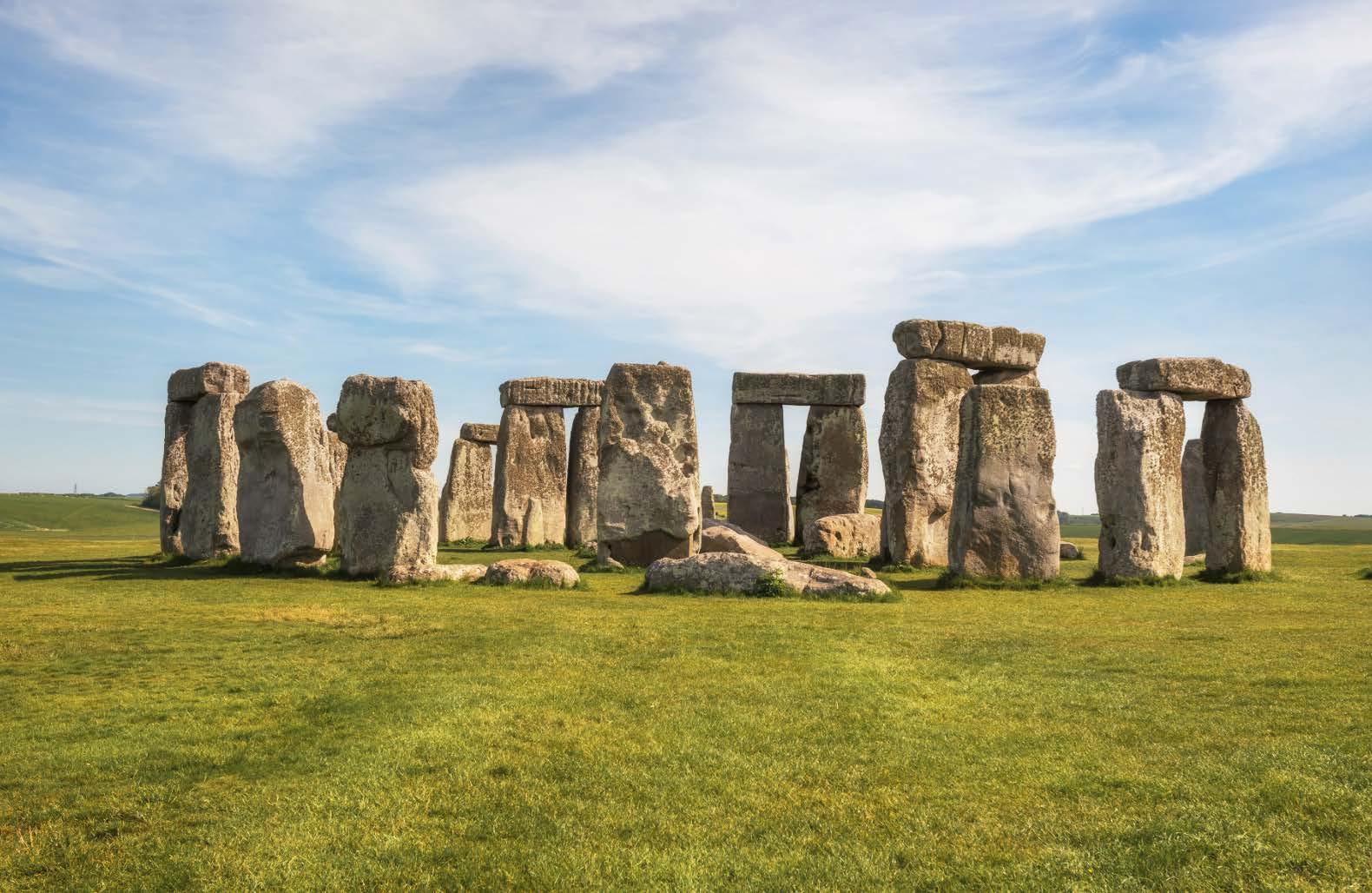
Ancient Britain: From Stonehenge to the Normans
Dates: 4/1–5/20 Time: 1-3 pm
Facilitator: Stuart Gentry
Location: Columbine United Church Member Price: $70
Long before England had monarchs, the island of Britain experienced the arrival of a succession of new peoples and traditions, one after another. Despite being cut off from the Continent, or perhaps because of it, the arrival of each new group changed the way the inhabitants lived, worked, and interacted with one another. These changes lasted until the next new group arrived.
In this class we will explore the impact of such early diverse cultures as the Neolithic farmers who built Stonehenge, the Beaker People with their bronze technology, and the famous Celtic culture. From there we will look at the Roman occupation, England’s unification by the Anglo-Saxons, and the Viking invaders. We will finish with the Norman Conquest.
While battles and war were part of this history, our class will downplay those elements. We will focus more on the way that peoples’ lives changed through this progression of cultures.
This class will be a combination of lecture and discussion.
Disobedient Wives, Spirited Spinsters, and Anxious Patriarchs: Creative Colonial American Women
In Person Wednesday PM Register
Dates: 4/1–5/20 Time: 1-3 pm
Facilitator: Becky Stout
Location: Columbine United Church Member Price: $70
Are you ready for America’s 250th birthday? Get acquainted with our little-known patriotic, colonial women and the roles they played moving us from a colony to a country all within the contexts of religion, history and politics. You’ll meet poets and printers, essayists and satirists and one very successful, hard-working, literate midwife. These disobedient wives and spirited spinsters made our founding fathers anxious patriarchs. Nevertheless, they persisted! In this course, you will discover those feminine voices from the kidnapped Mary Rowlandson, the Annes both Hutchinson and Bradstreet. You may know their writings, but do you know Susannah Wright, Coonaponkessa or Martha Daniell Logan? Did you know that Phillis Wheatley, an enslaved, educated woman, moved General George Washington with her poetry?
Through reading, discussing, and watching videos, participants will identify important colonial and revolutionary women, describe their daily domestic lives and hardships, and elucidate how they became activists for freedom.
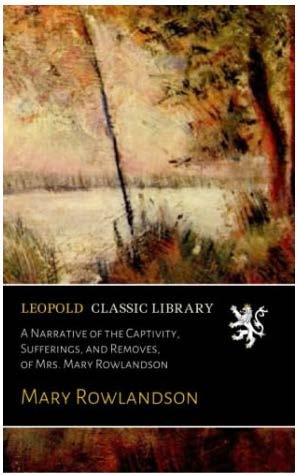
Required reading: A Narrative of the Captivity, Sufferings, and Removes of Mrs. Mary Rowlandson.
History and Economics
Current Economic Issues: Facts and Fallacies
Dates: 4/1–5/6 Time: 1-3 pm
Facilitator: Leonard Sahling
Location: Online Member Price: $60
This course will cover six major economic issues: the recent slowdown of US economic growth, economic inequality, the US’s mounting national debt, the US’s inefficient health care system, soaring prescription drug prices, and immigration. Here are some of the questions that will be addressed: What has caused the recent slowdown in the nation’s growth? Is faster growth a good thing? What is driving the US’s widening income inequality? Is the “American Dream” now just a pipe dream for all but the richest American? How critical is it for America’s national deficit to be reduced? Why does the US spend so much more on health care than other highincome countries, and is it getting its money’s worth? Why are pharmaceutical drug prices so much higher in the US than elsewhere? Can drug price inflation in the US be tamed? What are the benefits and costs of immigration to US citizens, and does one exceed the other?
The Road to Modernity: Innovation and Technology from the last Ice Age to AI
Dates: 4/2–4/23 Time: 9:30-11:30 am
Facilitator: Stephen Bennett
Location: Columbine United Church Member Price: $50
Human populations have grown ceaselessly since the last ice age. We now dominate almost every ecosystem on this planet. At first, the rate of growth was modest, but with each passing era the rate increased. Population growth has been accompanied by an even greater growth in both consumption and insatiable demands for energy.
Ingenuity and innovation have up to now created new ways to sustain, protect and grow human populations. For thousands of years human ingenuity found ways to ease the burdens of labor, create surpluses, make room for more people, kept innovating, met demands for more energy, but also unleashed the disruptive forces of change, such as migration, war, and genocide. We don’t seem to be done. This course is the first of a two-part series. Part II will follow as a separate class. It will deal with the social, economic and political aspects of Artificial Intelligence (AI).
From Hanseatic League to European Union: Trade, Power, and Integration in Europe
Dates: 4/2–5/21 Time: 9:30-11:30 am
Facilitator: Larry Walling
Location: Columbine United Church Member Price: $70
During the Middle Ages seafaring merchants plied their trade at ports primarily along the coasts of northern Europe, the North Sea and the Baltic Sea. Their focus was the trade of many goods and materials in demand in that region. They concentrated on trade; how to develop trade; how to promote trade; and how to protect trade in their sphere of influence and operation. Known as the Hanseatic League, their influence extends to today. The first half of this class will concentrate on the Hansa’s rise and fall. Many believe that the historical roots of the European Union may be found in this organization. Therefore, the last half of the class will examine those connections and contrasts including why the EU was formed, how it is formed, how it is organized and how it operates today.
Presentation will include power point, lecture, graphics, video, and discussion.
AI Update – What’s There to be Afraid Of?
Dates: 4/30–5/21 Time: 9:30-11:30 am
Facilitator(s): Stephen Bennett
Location: Columbine United Church Member Price: $50
Artificial Intelligence (AI) has insinuated itself into just about everything. It already has an outsized impact on our purchases, communications, finance, investments, software development, travel, workflows, and even our culture and politics. AI has been a long time coming but it is here now. It is imposing a new cultural paradigm, defining behaviors and setting out a new world order. We can only dimly see this next evolutionary era, an age that began with a steep decline of the industrial age from the middle of the last century.
This class will look at the current state of AI, its promises and pitfalls, and what is on the immediate horizon (2028-2030). It will include a deeper dive into where AI has been applied successfully (or not), what the big players are doing, and of course, all the new jargon. Discussion of related social and economic changes coming will also be included.
History and Economics
Borderlands, Living in Two Worlds – the Story of Hispanics in the American Southwest
Dates: 4/2–4/23 Time: 1-3 pm
Facilitator: Angel Vigil
Location: Online Member Price: $50
Borderlands tells the powerful history of the Hispanic Southwest, stretching from Spain’s earliest explorations of the Americas to Mexico’s settlement of the northern frontier that became today’s American Southwest. Through vivid storytelling, author Angel Vigil traces the evolution of Hispanic life—from the Mexican Revolution through the Bracero labor program to the rise of the United Farm Workers and the Chicano movement. It celebrates the culture’s deep traditions in art, music, food, and language, and the unbreakable value placed on family. It honors the patriotism of Latinos who have served our nation in every war and contributed leadership across every field. Borderlands showcases the lives of Hispanic leaders who through perseverance, resilience, and faith have contributed to America’s success. Interactive discussion will be encouraged.
Recommended reading: Borderlands, Living in Two Worlds – the Story of Hispanics in the American Southwest


The Art of Writing: Seven Different Author Journeys
Dates: 3/31–5/12 Time: 9:30-11:30 am
Facilitators: Jack Maher
Location: Jefferson Unitarian Church Member Price: $65
Seven Colorado Authors League writers will be sharing their unique paths to becoming published in this fascinating speakers series. Learn about their books, their techniques, their successes and their failures. Genres include science fiction, historical fiction, historical nonfiction, poetry, thriller, children’s and romantic comedy. There will be ample time for Q&A and an optional writing exercise. Please note these are all different League authors from those who led the fall session.
A Passage to India (1924): E. M. Forster and the Twilight of the British Empire
Dates: 3/31–5/12 Time: 1-3 pm
Facilitators: Lori Eastman
Location: DU Campus - Ruffatto Hall Member Price: $65
Mrs. Moore and her son’s fiancé Adela travel to India, determined to experience “the real India,” beyond the club-bound official British colony. While exploring the Malabar Caves, Adela suffers an ambiguous assault and their Indian friend Dr. Aziz is charged with the crime. The ensuing trial destroys friendships and questions the reliability of “truth,” especially when class and race are involved. In this subtle picture of India under the British Raj, well-meaning characters are doomed to find that cultural and sexual misunderstandings damage their own and others’ lives. In a novel considered one of the best of the 20th century, Forster, a member of the Bloomsbury Group, calls upon his own experiences in India. Although Indian independence is 20 years in the future, Forster exposes the imperial system as dangerous to people on both sides of the divide. Class discussion will allow us to explore current examples of similar misunderstandings.
Required reading: E. M. Forster, A Passage to India. Intro by Pankaj Mishra, Penguin Classics, ISBN 978-0-241-54042, or equivalent.
The Frozen River: A Midwife’s Challenge to Patriarchy and Puritan Morality
Dates: 3/31–5/19 Time: 1-3 pm
Facilitators: Carol Steele/Bob Steele
Location: Online Member Price: $70
The Frozen River is one heck of a good historical mystery novel. Author Ariel Lawhon takes us into the 18th century world of midwife Martha Ballard who cares for the women and babies of Hallowell, Maine. She also investigates a gruesome murder, protects rape victims, fights against a warped justice system, and challenges egotistical doctors.
This a well-written story of a real-life, smart, strong feminist in an era when women were treated as far less than equal. It’s also a cautionary tale about those men who demean, dishonor and try to destroy women.
Join us as we explore complex societal themes that are as vital today as they were 250 years ago during America’s infancy. Some scenes are very painful and some characters despicable. Yet there is great moral courage and heroism in this novel. We’ll read about 60 pages for each class and send out discussion prompts each week to help create respectful, spirited class conversations.
Required reading: The Frozen River by Ariel Lawhon
Tales Untold: A Short Story Writing Adventure
Dates: 4/1–5/20 Time: 9:30-11:30 am
Facilitator: Edward (Ned) Ford
Location: DU Campus - Chambers Center Member Price: $70
Short stories are fun, and they’re easy to write. The approach that Edward Ford uses is known as writing from life. A writer does not make up a story and then try to make it seem real. Rather, a writer writes about everyday life and then tries to make it seem magical. If a student can write a story about strolling down the sidewalk or riding a bus, then the student can write about anything. There will be no end to their stories. Each class, students will write two stories (when possible) about their own lives and then read them to each other. The facilitator will share some of his own stories as well. Class participants will get to know each other very well.
The Golden Age of English Detective Fiction
Dates: 4/1–5/20 Time: 1-3:30 pm
Facilitator: Anne Marshall Christner
Location: Online Member Price: $70
Agatha Christie, Dorothy L. Sayers, and G. K. Chesterton . . . or should we say Hercule Poirot, Lord Peter Wimsey, and Father Brown?
These authors and their famous detectives were all part of a period called “The Golden Age of English Detective Fiction.” The period covers the years between the two world wars, so this fiction was published after Arthur Conan Doyle’s Sherlock Holmes mysteries, but represented a unique trend all its own.
We will read short fiction by six authors and watch dramatizations of their detectives. That approach allows us to discuss and compare depictions by the authors vs. interpretations by subsequent screenwriters and directors.
The objective is to contemplate why the “Golden Age of English Detective Fiction” occurred when it did and produced the kind of fiction it did. We will be guided in that venture by reading mystery writer P.D. James’s book Talking About Detective Fiction.
Unplugged Voices Book #2: Bring Your Story to Print in the Colorado Sequel
Dates: 4/8–4/29 Time: 1-3 pm
Facilitator: Sara Frances
Location: First Universalist Church Member Price: $50
Add your voice to the Colorado sesquicentennial! This class invites you to workshop your short memoir, for possible inclusion in the illustrated, coffee table anthology Unplugged Colorado Voices, sequel to volume #1, which has won 10 book awards. Participants will share, beta read, and workshop everyone’s prepared draft of a 700-1000 word personal experience of the Rocky Mountain West — an issue, adventure, revelation, oddity, escapade, skill, or ordeal — each a valuable story that otherwise would never be heard. I present the background of the Unplugged Voices Project in a safe space to hone storytelling and word-smithing skills, and equally help others. Additionally, this class offers tips for good blogging and shows the way to work toward a collection your own experiential memoirs. You bring the stories; I do the rest. I need your help to make book #2 as fabulous as the first! Come prepared with a few sentences or rough draft of a real-life personal story.
Literature, Writing, and Language
History of the Rain by Niall Williams: An Irish Story of the Love of Family and Country.
Dates: 4/2–5/21 Time: 9:30-11:30 am
Facilitators: Don and Gracie Batt
Location: Online Member Price: $70
History of the Rain by Niall Williams, tells of a young woman trying to find out about her father through the library he left behind. The Time Literary Supplement calls it, “A multi-layered, mythological retelling of the making of a family and nation.” In this course, reading is treated as a collective process of discovery. Some reading will happen in class so we can experience the text together as a community. We use a reader-response approach, which centers the reader’s role in creating meaning, making discussion and analysis an ongoing part of the reading experience. To support this shared approach, please do not read the book before class begins.
Required reading: Please purchase a copy of History of the Rain by Niall Williams before class begins.
Mysterious Places: Dark and Stormy II
Dates: 4/2–5/21 Time: 9:30-11:30 am
Facilitator(s): Linda Lange/Thomas Corona
Location: Online Member Price: $70
More “dark and stormy nights”! Read mysteries that feature weather PLUS learn some of the science behind weather events. Tornadoes, floods, hurricanes, blizzards, drought... and murder, oh my! Some favorites, spiced up with some new selections for this topic. The usual wide-ranging book club discussions in the first hour; Tom Corona explains weather science in the second - an arts and sciences mix!
Writing for Wellbeing: Learning to Bend, Not Break
Dates: 4/30–5/21 Time: 9:30-11:30 am
Facilitator: Heather Martin
Location: Online Member Price: $50
Life brings change—sometimes gradual, sometimes sudden. Guided expressive writing offers a powerful way to build resilience during these transitions, helping us bend rather than break. Research shows that expressive writing can reduce stress, strengthen relationships, and support cognitive and emotional wellbeing. It has also been linked to improved physical health outcomes, including better sleep, reduced chronic pain, and improved lung function among people with asthma. Writing gives us a way to make meaning of life’s “lifequakes,” to remain flexible when circumstances change, and to find joy in everyday experiences. Over four sessions, you’ll dive into current research on writing and wellbeing, learning how writing practices—such as journaling, reflective writing, and expressive storytelling—can enhance your wellness. Guided by an experienced writing professor, you’ll experiment with these techniques in a supportive environment and develop a personalized wellness writing routine. The course design emphasizes the importance of community wellness. By sharing stories and reflections with classmates, you’ll connect with others, fostering compassion and collective wellbeing. Together, we’ll explore the healing power of shared experiences and build a supportive and thriving community.
Required materials: Notebook
Discovering Those Aha! Moments: Telling Life Stories
Online Thursday AM Register In Person Thursday PM Register
Dates: 4/2–4/23 Time: 1-3 pm
Facilitator: Connie Shoemaker
Location: Columbine United Church Member Price: $50
A visit to the past helps us to see both the bruises and the blessings of our lives. Reviewing our memories can help identify and evaluate the experiences we have had. It can lead to discovery of those revealing moments along the way. Using a workbook of life story questions, participants will journal, share experiences in small groups, and participate in interactive exercises.
Materials: Participants will need a journal notebook. The Life Story Workbook will be provided.
Literature, Writing, and Language
Come Read with Me: Apeirogon by Colum McCann (author of Let The Great World Spin)
Dates: 4/2–5/21 Time: 1-3 pm
Facilitator: Sally Walling
Location: Online Member Price: $70
Apeirogon, a shape with a countably infinite number of sides, tells an epic story rooted in the real-life friendship between two men united by loss. Bassam Aragon is Palestinian. Rami Elhanan is Israeli. When Bassam and Rami learn of each other’s stories, they recognize the loss that connects them and they attempt to use their grief as a weapon for peace. This compelling hybrid novel, published in 2021, is crafted out of a universe of fictional and nonfictional material. Colum McCann, renowned Irish writer, crosses centuries and continents stitching together time, art, history, nature and politics in a tale both heartbreaking and hopeful. If you enjoy a challenging, unforgettable read, join me as we look again at these incredibly complex issues that continue to haunt us all. Please come with an open mind and heart.
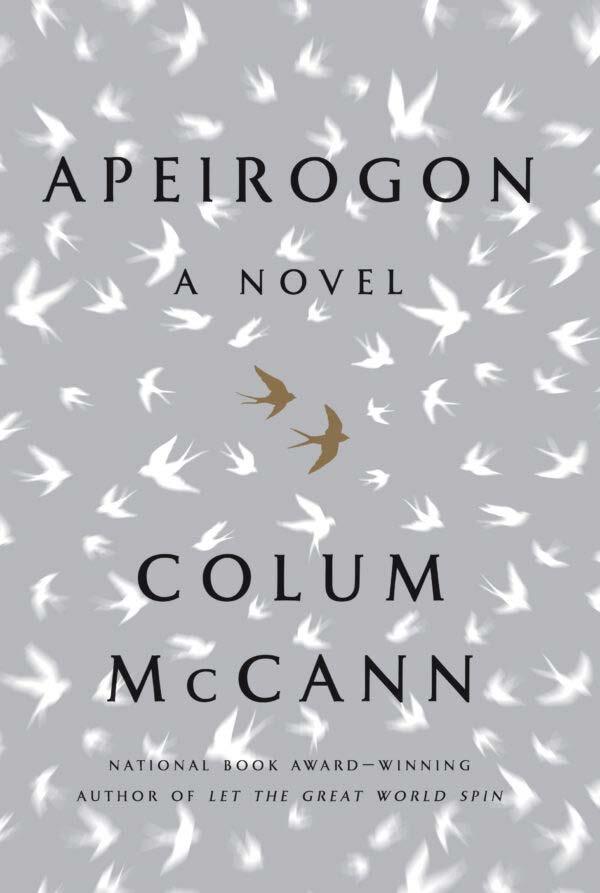
Required reading: Apeirogon, a novel by Colum McCann Online Thursday PM Register
This class will be a combination of lecture, video, and discussion, with discussion questions emailed each week.


On The Road to Facilitating an OLLI@DU Course
Dates: 3/31–5/5 Time: 9:30-11:30 am
Facilitator: Candace Hyatt
Location: First Universalist Church Member Price: FREE
Whether you are discovering OLLI at DU for the first time, or have taken several OLLI classes, if you’ve ever wondered, “Would I or could I ever facilitate an OLLI class?”, this course is for you! During our time together you will have an opportunity to: explore possible topics you might want to teach, investigate developmental characteristics of life-long learners, consider how to facilitate classes for life-long learners, develop skills in managing productive, inclusive classroom participation, discover current, research-based resources to enhance your topic, and build your understanding of the course proposal process. Also, classroom experiences with seasoned facilitators, peer critique of proposals, and optional class presentations will provide you with the confidence and expertise to begin your journey to a rewarding and renewing facilitation experience. This class is open to all OLLI members interested in facilitating a class and is provided at no cost to participants.
Person Tuesday AM Register
American Mahjong for Beginners
In Person
Dates: 3/31–5/19 Time: 1-3 pm
Facilitators: Wayne Cassell/Nancy Cassell
Location: Columbine United Church Member Price: $70 Additional Fee: $15
Ever notice players calling out tiles with unusual names while studying colorful cards? That’s American Mahjong—a captivating game of skill and luck where players race to complete hands using tiles.
This class teaches everything needed to confidently join experienced players. The objective is simple: be the first to create a matching hand from the card using all your tiles.
Weeks 1-4: Learn tile names and suits, game setup, dealing procedures, card reading, hand selection, tile passing, and the pick-and-discard process.
Weeks 5-8: Practice games with classmates while developing skills. Throughout the course, we’ll cover basic strategy and proper mahjongg etiquette, transforming that “interesting but hard to learn” impression into genuine competence and enjoyment at the table.
Required: Participants will need to order the 2026 card through The National Mahjong League at https://nationalmahjonggleague.org/. The card can be ordered as early as January 01, 2026, but will not be available until April. The cost is $15 and the card is good for the whole year.
Improving Your Bidding Judgment
Dates: 4/1–5/20 Time: 9:30-11:30 am
Facilitator: Michael Holmes
Location: Online Member Price: $70 Additional Fee: $20
Bridge Basics and Beyond (Mike Holmes) in partnership with Osher Lifelong Learning Institute (OLLI West) is offering “Improving Your Bidding Judgment.” This online course is for individuals with some bridge experience or those who have been absent from bridge for a while. The class begins on March 25, 2026. This is an eight-week course taught on Wednesdays starting at 9:30 a.m. and finishing at 11:30 a.m. There is not a textbook for this class and notes will be provided by the instructor. This course is designed to help the student make good decisions for opening the bidding in various positions at the bridge table. Classes will have lecture and discussion along with playing sample hands to demonstrate the topics covered. There is a $20.00 nonrefundable fee for this class due to the facilitator. The fee goes to offset the app fees so students can play bridge online and postage to mail a book to the students.
Baseball Potpourri: Colorado Baseball Roots, the Rockies’ Future, Baseball’s New Realities and Charlie Brown
Dates: 4/8–5/6 Time: 9:30-11:30 am
Facilitator: Greg Petty
Location: Online Member Price: $55
Baseball is back at OLLI! Each class session will have one or more guests talking about their area of baseball knowledge. The topics will vary widely, and there will always be time for Q&A. This will be an informative and entertaining class about our National Pastime. Separate from the class itself, class members will be able to go on a free private group tour of our outstanding Coors Field. While the class topics are subject to change depending on the availability of guests, these are the sessions currently planned:
• A panel discussing baseball in general and the Rockies’ evolving future
• Baseball, according to Charles Schulz and the Peanuts gang (this should be fun!)
• What “baseball analytics” is, and how it and technology have changed baseball
• Colorado-born players who made it to major league baseball; 117 and counting!
• The history of baseball cards (and do you still have yours?)
• Manny Randhawa discussing his book “The Blake Street Bombers.”

Bridge Play and Defense Clinic
Dates: 4/1–5/20 Time: 1-3 pm
Facilitator: Michael Holmes
Location: Online Member Price: $70 Additional Fee: $20
Mike Holmes is offering this multifaceted course that helps the bridge student to develop play of the hand techniques and defense strategy. This online course is for individuals with some bridge experience or those who have been absent from bridge for a while. Each class the students will engaged with supervised play on either play of the hand or defense strategy. After the hand has been played, the facilitator will lead a discussion and demonstration of the important strategies leading to success with each hand. This course is taught on Wednesdays at 1:00 p.m. to 3:00 p.m. There is a $20.00 non-negotiable or refundable fee for this class to be paid to the facilitator on the first day of class. The fee goes to offset the app fees so students can play bridge online and postage to mail a book to the participants.

Journeys: Learning Through Travel
Dates: 4/1–5/20 Time: 1-3 pm
Facilitator: Barbara Werren
Location: Online Member Price: $70
I love to share the beauty of our world with you! Whether you are eager to travel and want ideas about future trips, or you’re an armchair traveler who enjoys seeing the beauty of our world, you’ll enjoy this class. Furthermore, if you are as concerned as I am about current “overtourism’ you will share my concern and discuss the problem. Here we talk travel!


Foundations of Ethics in History and Today
Online Tuesday AM Register
Dates: 3/31–5/19 Time: 9:30-11:30 am
Facilitator: Dan Putman
Location: Online Member Price: $70
People often talk about “ethics” but the term is usually vague and unclear. This class will explore how various philosophers have analyzed ethics and how those ideas apply today. We will definitely bring up several ethical issues in class but it is important to note that this will not primarily be a “case study” course. It is a class designed to discuss different ways philosophers in history and today have thought about how we should live together on this planet. Discussion is encouraged in all classes.
Using Artificial Intelligence to Understand Human Stupidity
Dates: 3/31–5/19 Time: 9:30-11:30 am
Facilitator: Ralph Hughes/Alec Tsoucatos
Location: Jefferson Unitarian Church Member Price: $70
Something as ubiquitous and eternal as stupidity has naturally received formal consideration by many philosophers.
In this discussion course, we will load formal theories of irrationality into AI and then explore them using a chatbot. The goal will be to decide whether AI can help ordinary people avoid leading unexamined lives and falling into regret over their decisions.
With the participants setting the pace, weekly topics will range from Daniel Kahneman’s cognitive biases and Jonathan Haidt’s moral foundations framework to Frankfurt’s lying versus “BS” in public discourse and Dunning-Kruger’s warning that overconfidence is often a lack of self-awareness.
Throughout the course, we’ll use AI tools to spot propaganda in historical texts, distinguish between spin and lies in media, and find self-deceptive patterns in our own narratives.
We might even configure AI to speak in real time, taking the persona of each thinker we’ve studied, asking questions that let us consider AI’s analytical accuracy and its own biases.
The Story of Us: How Cultural Symbols Shape our World
Dates: 3/31–5/5 Time: 9:30-11:30 am
Facilitator: Sheila Jones
Location: Online Member Price: $60
Cultural symbols are everywhere—on our screens, in our politics, throughout our communities, and in our own stories. They’re ancient, powerful, and multiplying rapidly; they quietly shape our choices, identities, and collective imagination. Symbols guide, warn, inspire, and divide us—but they speak a language older than words.
This course examines cultural symbolism and uncovers how deeply it influences us. We’ll trace symbols from prehistoric markings and sacred icons to the high-speed imagery of the digital age and AI. In honor of America’s 250th birthday in 2026, we’ll spotlight iconic American symbols.
Through selected readings and guided discussions, we’ll unpack powerful symbols from business, politics, pop culture, and U.S. history, revealing why some images unite us while others divide us. Join me in decoding the language of symbols—and how they help us make sense of ourselves, each other, and the culture we share.
Online Tuesday AM Register
Building the Crucible of Faith
Dates: 3/31–5/12 Time: 1-3 pm
Facilitator: Stewart Jones
Location: Online Member Price: $65
Between the years 600 BCE and 50 CE, Judaism experienced a profound transformation: first from its exposure to Assyrian, Babylonian, and Persian culture, and next from the effects of Hellenization, including Greek philosophy and science. Alexander the Great conquered most of the Middle East by 320 BCE and his successors extended Greek language and culture throughout the region. These cultural shocks engendered such religious ideas as the struggle between heaven and hell, carried out by angels and demons, life after death, and new concepts of the cosmos. These ideas gave birth to new religious communities such as Qumran (of the Dead Sea Scrolls) and later Christianity. By 200 CE Judaism had purged most of these ideas, but they survived within Christianity, Gnosticism and Greek Mystery religions. This course will explore these events from earliest Israel and how they affected the development of Christianity.
Recommended reading: The Crucible of Faith, Phillip Jenkins
Tell Me a Story: Fairy Tales, Folk Tales, and Myths from a Jungian Perspective
Dates: 3/31–5/5 Time: 1-3 pm
Facilitator: Christine Chao
Location: DU Campus - Ruffatto Hall Member Price: $60
From earliest times, people have passed down stories of magic and mystery, of impossible deeds and heroic struggles. Jungian psychology sees these stories as meaningful maps that show us the good and the bad about ourselves, our “shadow” sides if you will, as well as the archetypal forces at play in our daily psychology. Fairy tales or folk tales are not just meant for children but hold universal truths clothed in metaphors and symbols. Myths grow out of a unique cultural psyche of a community, telling us the particulars of a culture. They have reached across time to speak directly to us. Jungian analyst Edward Edinger notes: “Myths are not simply tales of happenings in the remote past but eternal dramas that are living themselves out repeatedly in our own personal lives and in what we see all around us.” In this class we will explore selected fairy tales and myths.
No class 4/21.
Psychology, Religion, Philosophy, and Culture
Conspiracy Theory: Misinformation/Dsinformation, Legitimate Form of Societal Critique, or Something Else?
Dates: 3/31–5/19 Time: 1-3 pm
Facilitator: Dwight Smith
Location: DU Campus - Ruffatto Hall Member Price: $70
What is a “conspiracy theory?” Why has it become popular in recent decades? How do we understand its role in the culture and in politics? How does it relate to misinformation and disinformation? How has the term been used/misused? How do the social scientists, social theorists and the philosophers think about “conspiracy theory” and all that it means for our contemporary period? The course will explore these issues.
We will use the book Conspiracy/Theory, a book of critical essays by professors from different disciplines edited by Joseph Masco and Lisa Weeden. There will be a limited amount of supplemental reading to guide our discussions. The course will be in the form of a seminar which will require reading each week so that we can all benefit from an informed discussion.
Required readings: Conspiracy/Theory by Joseph Maasco and Lisa Weeden Duke University Press, 2024 ($28.98 paperback)
Understanding Islam: A Journey Through History and Faith
Dates: 3/31–5/19 Time: 1-3 pm
Facilitator: Michael Prevedel
Location: First Universalist Church Member Price: $70
Join us in exploring one of the world’s major religions. This course is designed for those who want to better understand Islam’s rich history, diverse traditions, and its role in today’s world. We will journey from 7th century Arabia to the present, discovering the life of Muhammad, the birth of a revolutionary faith, and how Islam has evolved. We’ll examine such questions as: What made Muhammad’s message so transformative? How did Islam spread so rapidly? What role have women played in Islamic history? What caused the Sunni-Shia division? How do Muslims today navigate tradition and modernity? Through guided discussions and thoughtful, participants will gain a nuanced understanding of history, theology, and current issues. This course provides a space for questions, reflection, and the sharing of perspectives.
Required readings: No God but God The Origins, Evolution, and Future of Islam by Reza Aslan. The Updated Version in Paperback $17.00
Who Are the Witches?: Contemporary Paganism History and Practice
Dates: 3/31–5/19 Time: 1-3 pm
Facilitator: Constance Wise
Location: Jefferson Unitarian Church Member Price: $70
This course will examine the rise of contemporary Paganism from the abolishment of the last anti-witchcraft law in England in 1952 through today. We will look at major figures and scholarship, and students will be urged to participate actively in discussions. But Paganism is an embodied religion, and learning about it also requires active engagement in its practices. Therefore, students will be invited to join, as participants or observers, in rituals based on Wicca, the largest contemporary form of Paganism. There will be no required readings, but the facilitator will provide resources for discussion and a list of Pagan events in Denver to attend if students wish.
Finding Joy, Discovering Happiness
Dates: 4/1–5/20 Time: 9:30-11:30 am
Facilitators: Chris Meagher/Janet Kester
Location: Columbine United Church Member Price: $70
This course explores both the aesthetics of joy--different categories of stimuli and events that prompt the joy response, and happiness. Examples of aesthetics (FetellLee, I.) include renewal (think baby chicks, spring flowers), freedom (think of riding in a convertible, or the start of summer vacation), and transcendence (imagine floating clouds or tree houses). Both “joy” and “happiness” refer to positive emotional states that motivate and energize people. “Happiness” also refers to the satisfaction humans experience from living well, specifically, living virtuously, meaningfully, and fully engaged. We’ll examine why happiness varies, how biology and culture shape our capacity for joy, and ways to make joyful living more common. Facilitators will rely on video clips, pictures, and music to help make both joy and happiness resonate. Discussions based on participants’ insights, experiences, curiosity, and questions should prompt a deeper understanding of joy and a greater commitment to living well. In Person Tuesday PM Register
Let’s Think Together About Adam Grant’s Book - Think Again!
In Person Wednesday PM Register
Dates: 4/8–4/29 Time: 1-3 pm
Facilitators: Janeen Galligan
Location: First Universalist Church Member Price: $50
Think Again by Adam Grant explores the ways we think and how we can challenge ourselves to reconsider our own perspectives. In this class, we will read the book Think Again by Adam Grant and discuss each section in depth in order for us to understand how we can challenge our own thinking and improve it by learning (or refining) how to “think like a scientist.” This class is highly interactive - we will break into smaller groups each week in order for people to connect with the material and each other.
50+ Years of Truly Mind-Blowing Research on Near Death Experiences and What Awaits Us After “Bodily Death”
Online Wednesday PM Register
Dates: 4/1–5/13 Time: 1-3:30 pm
Facilitator: Maria Arapakis
Location: Online Member Price: $65
What happens to human consciousness when we die? In 1975, Dr. Raymond Moody’s landmark book Life After Life reported on Moody’s investigation of 150 people who died clinically, were subsequently revived, and reported similar extraordinary experiences. His book started a revolution in popular attitudes regarding an afterlife and forever changed how we understand both death and life. Since then, with vastly improved resuscitation techniques, five decades of research on thousands upon thousands of NDEs reported around the world have brought us powerful evidence that yes, Virginia, there is “life” after physical death and, as frosting on the cake, what awaits us is both heart-warming and extremely comforting. Physicians and professors at prominent universities, medical schools, and hospitals worldwide continue to study this phenomenon with mind-blowing results. This course brings you up to speed on these findings and on what we now know about other exceptional paranormal phenomena like Out-of-Body and Shared Death Experiences.
Upswing: America’s Journey from Individualism to Social Cohesion and Back
Dates: 3/30–5/18 Time: 1-3 pm
Facilitators: Alice Howard/Barbara Lilly
Location: Online Member Price: $70
Robert Putnam’s book, The Upswing: How America Came Together a Century Ago and How We Can Do It Again” uses quantitative data and trusted economists such as Thomas Piketty and Raj Chetty to track four trends shaping America from 1900 to 2020. Exploring income inequality, political partisanship, social capital and cultural narcissism, Putnam offers at times counter intuitive insights to explain the unique transition from individualistic “I” to the communitarian “We” and back again in the past 120+ years. All of this is further complicated by the perpetual factors of race and gender. The book also explores the forces which cracked the cohesion starting in the mid-1960s. These began with increasing individualism and greed and evolved into tribalism. Still optimistic, Putnam encourages us to take inspiration and instruction from a period of despair much like our own.
Required reading: The Upswing: How America Came Together a Century Ago and How We Can Do It Again
Chaos and Collapse: Facing the Future of Civilization
Dates: 3/31–5/19 Time: 9:30-11:30 am
Facilitator: Kelly Beninga
Location: DU Campus - Ruffatto Hall Member Price: $70
All civilizations eventually collapse. Historically, the average lifetime of civilizations is about 250 years, the age of the United States. The life cycle of civilizations follow a similar pattern of 7 stages, with common factors contributing to eventual collapse. From climate change to economic turmoil to the rise of authoritarianism, current circumstances indicate that the US and much of the world are now in the crisis and decline stage, with collapse on the horizon.
In this course we will address the seven stages of civilizations, current trends that point to civilization collapse, the grief cycle as a model of the personal experience of collapse, practical steps you can take to survive and adapt to collapse, indigenous cultures as a model for sustainable communities, and how to be content and resilient in the face of collapse.
Public Affairs and Current Events
Current Events - 1
Dates: 3/31–5/19 Time: 9:30-11:30 am
Facilitators: Richard Reinish/Sydney Myers
Location: First Universalist Church Member Price: $70
This is a discussion of the current week’s events in the first hour. Dick will do the first week overview. Then the facilitators would like two people in class to volunteer each week to do an overview of the week before. The second hour will be a discussion of a specific topic.

Current Events - 2
Dates: 3/31–5/19 Time: 9:30-11:30 am
Facilitators: Terry Casey
Location: DU Campus - Ruffatto Hall Member Price: $70
This Current Events course will be a discussion-based course addressing a mix of international, national and local issues with general broad outlines and selections determined by a survey of class participants in the first class. Likely issues will include: International- the Gaza and Ukraine peace plans, climate change, immigration, threats to democracy; National- Congressional dysfunction, the role of the United States Supreme Court, healthcare costs and access, tariffs, “culture war” issues and free-speech, artificial intelligence, financial deregulation; Local-Colorado state budget issues, K-12 education, City of Denver sports stadium decisions. Issues to be discussed in the upcoming class will be identified at the conclusion of the prior week’s class; readings from national and local publications (2 to 3 readings) will be selected by the facilitator and electronically distributed so that each participant will have a common basis for discussion.

Understanding America’s Gun Violence: Should Regulation of Gun Possession and Use in America Be More Stringent?
Dates: 3/31–5/19 Time: 9:30-11:30 am
Facilitators: Gary Wyngarden/Patricia Paul
Location: Online Member Price: $70
Why do so many Americans love their guns? How do we reconcile the proliferation of firearms and their use with the trauma and death they cause? How did a nation built on muskets and expanding frontiers become a country awash in modern firearms? Why do efforts to enact gun control laws spark such emotional and political division? How did the one-sentence Second Amendment become a defining flashpoint of American identity?
These questions lead to the central one this course will explore: Should regulation of gun possession and use be more stringent? What might such a path forward look like?
This eight-week course draws heavily from Robert J. Spitzer’s The Politics of Gun Control (9th ed.), not required. Tom Mauser, father of Columbine victim Daniel Mauser and a gun safety advocate, will be a guest speaker. We will use lecture, video, guided discussion, and interactive learning to examine legal, historical, and cultural forces shaping America’s gun debate.
A National Issues Forum: Examining Perspectives
Dates: 3/31–5/5 Time: 9:30-11:30 am
Facilitator: Kent Epperson
Location: First Universalist Church Member Price: $60
Each week participants will consider a different critical or current issue. The group will analyze at least three perspectives or viewpoints for addressing this issue. We will use the Deliberative Democracy framework to thoughtfully review each of these ideas. Topics will be selected by the group in a survey in the first session. Class members are encouraged to bring open minds and analytical thinking to our discussion-oriented class.
Is Media Ruining America?
In Person Tuesday PM Register
Dates: 3/31–4/28 Time: 1-3 pm
Facilitators: Rebecca Winning/Beverly George
Location: Jefferson Unitarian Church Member Price: $55
The League of Women Voters of Jefferson County is partnering with Jefferson County Public Library to offer a series of workshops on media misinformation/ disinformation and how media is polarizing the country. We’re using the book True or False: A CIA Analyst’s Guide to Spotting Fake News by Cindy L. Otis as the basis for the workshops and modeling them on the Great Decisions format.
Workshops include:
Week One: The evolution of media and recent changes brought by deregulation and technology
Week Two: How to recognize and combat bias in ourselves and the media
Week Three: How to spot and avoid “fake news” and begin to bridge the political divide
Week Four: The dangers of AI
Week Five: A panel discussion with local experts to address the dangers of media disinformation and how to combat them
The workshops will include presentations and encourage audience participation through planned activities and discussions.
Recommended reading: True or False, A CIA Analyst’s Guide to Spotting Fake News, available at the News, available at the library or on Amazon.

Eyes on the Prize: A Videographic History of the American Civil Rights Movement
Dates: 3/31–5/12 Time: 1-3 pm
Facilitator: Arthur Jones
Location: DU Campus - Ruffatto Hall Member Price: $65
In this seminar-style course, participants will view and discuss together the entire PBS documentary film series Eyes on the Prize, Part 1: America’s Civil Rights Years, widely considered to be a masterful documentation of critical events in the Civil Rights Movement. Enrollees also will be required to read written reflections on the Movement by the late Dr. Vincent Harding, a renowned historian and speech writer for Dr. Martin Luther King, Jr., in his book Hope and History: Why We Must Share the Story of the Movement. Dr. Harding and Dr. Jones were close friends for more than 30 years. Accordingly, Dr. Jones will bring to class discussions much of what he learned during many conversations about Harding’s perspective on the Movement. Additionally, Dr. Jones will share his own experiences of the Movement during his high school and college years, impacting significantly his lifelong professional and personal development.
Required reading: Vincent Harding, Hope and History: Why We Must Share the Story of the Movement, Maryknoll, NY: Orbis Books, 1990.
Who Owns the News, and Why We Should Care
Dates: 3/31–5/19 Time: 1-3 pm
Facilitator: Bill Baird
Location: Online Member Price: $70
A New York hedge fund (Alden Global) purchased the Denver POST in 2010 and then began to systematically reduce its budget and sell the building it had occupied for over a hundred years. Another large corporation (Nexstar) owns a controlling interest in TV networks that offer local programming and may make changes with little concern for accurate reporting. Radio, TV, and print news media in Colorado will change over the next few years. A few large corporations may soon own and control news sources. Let’s explore what this could mean for our access to news.
What does the First Amendment say about protecting access to news sources? What is disinformation and misinformation? Does the truth still matter? Where do you get your news? How confident are you in what you read and hear? How much difference will it make to our grandchildren who owns and controls their news?
Public Affairs and Current Events
Current Events - 3
Dates: 4/1–5/20 Time: 9:30-11:30 am
Facilitators: Richard Reinish/Sydney Myers
Location: First Universalist Church Member Price: $70
This is a discussion of the current week’s events in the first hour. Dick will do the first week overview. Then the facilitators would like two people in class to volunteer each week to do an overview of the week before. The second hour will be a discussion of a specific topic.
Great Decisions 2026
Dates: 4/1–5/20 Time: 9:30-11:30 am
Facilitator: Dennis Brovarone
Location: DU Campus - Chambers Center Member Price: $70
Great Decisions is a course on United States foreign policy. Each week, we will focus on a specific topic related to that policy from a U.S. perspective. Other perspectives on that policy topic are valued and encouraged. In addition, each week the class will watch a video, prepared by the Foreign Policy Association, to further define the week’s topic. Students are encouraged to provide their thoughts and opinions on the presented materials and be ready to discuss with and learn from their classmates. Topics included are:
• America and the World: Trump 2.0 Foreign Policy
• Trump Tariffs and the Future of the World Economy
• U.S.-China Relations
• Ruptured Alliances and the Risk of Nuclear Proliferation
• Ukraine and the Future of European Security
• Multilateral Institutions in a Changing World Order
• U.S. Engagement of Africa
• The Future of Human Rights and International Law
Required text: Great Decisions Briefing Book 2026 available from the Foreign Policy Association.
Documentary Films
Dates: 4/1–5/20 Time: 1-3 pm
Facilitators: Richard Reinish
Location: First Universalist Church Member Price: $70
The Documentary Film class will cover a wide variety of films. Each will be shown in class and be followed by a discussion of the film. Class members are expected to stay for the discussion. The Facilitator likes to remain flexible as to what movies to show due to availability, the arrival of new films, or events that would make a film topical. If a film is repeated from an earlier class, it will not have been shown in class for 6 or more years.
Since films are of varying length, class may end at 2:45 or extend past 3 pm. The class will be informed in advance when a longer film will require class to go past 3 pm.
Understanding America’s Gun Violence: Should Regulation of Gun Possession and Use in America Be More Stringent?
Dates: 4/2–5/21 Time: 1-3 pm
Facilitators: Gary Wyngarden/Patricia Paul
Location: Columbine United Church Member Price: $70
Why do so many Americans love their guns? How do we reconcile the proliferation of firearms and their use with the trauma and death they cause? How did a nation built on muskets and expanding frontiers become a country awash in modern firearms? Why do efforts to enact gun control laws spark such emotional and political division? How did the one-sentence Second Amendment become a defining flashpoint of American identity?
These questions lead to the central one this course will explore: Should regulation of gun possession and use be more stringent? What might such a path forward look like?
This eight-week course draws heavily from Robert J. Spitzer’s The Politics of Gun Control (9th ed.), not required. Tom Mauser, father of Columbine victim Daniel Mauser and a gun safety advocate, will be a guest speaker. We will use lecture, video, guided discussion, and interactive learning to examine legal, historical, and cultural forces shaping America’s gun debate.
Foundations of Quantum Mechanics
Dates: 4/1–5/6 Time: 9:30–11:30 am
Facilitator: Edward Friedman
Location: DU Campus - Ruffatto Hall
Quantum Mechanics is arguably the most important invention of the human mind. Our standard of living has increased enormously due to the applications of computers and communications, education, entertainment, medical devices, navigation, energy production, travel safety, and other advances. Yet, many mysteries remain. Experiments show that the quantum world is weirder than science fiction. Scientists cannot agree on how to interpret its seemingly illogical predictions, even though the theory continues to explain the world of the atom and its components successfully. This class will present the history of quantum science, its key personalities, a non-technical explanation of its guiding tenets, what is and isn’t understood, and the exciting future it offers in computing and communication security. Professors usually say ‘Shut up and calculate’ to students who want answers about the foundations of quantum mechanics. We will expose those shadowy areas and offer the best current explanations.
Neuroplasticity Part III - Improving Brain Performance with Breathing Drills, Reducing Stress, and Cerebellum Work
Dates: 3/31–4/21 Time: 9:30-11:30 am
Facilitator: Steven (Dutch) Thomson
Location: Online Member Price: $50
Science has answered many questions, but we are still just scratching the surface on understanding the human brain. Nevertheless, one thing becomes clearer with each new discovery: the brain is massively powerful! This is the third part of Dutch’s Neuroplasticity series. In this 4 week course, participants will learn how breathing and stress affect our brains. We’ll learn several breathing drills and discuss ways to mitigate stress to improve brain performance. We will take a “deep dive” into the mighty cerebellum and explore concepts and drills to improve performance of this crucial brain area. We will also explore how the cerebellum helps with balance and learn cerebellum drills to improve balance. Each class is half lecture and half brain-based exercises. Modifications for exercises will be available to make them accessible for everyone. It is not necessary to attend these classes in order. You can start here with Part III!
Recommended reading: The Tell-Tale Brain by Ramachandran, and Breath: The New Science of a Lost Art, by Nestor

Emerging World Issues in Water Resources
Dates: 3/31–5/19 Time: 9:30-11:30 am
Facilitators: James Kunkel/Timothy Steele
Location: Jefferson Unitarian Church Member Price: $70
Overexploitation of groundwater aquifers occurs worldwide. The Atlantic and Coastal Plains Aquifer in the U.S. exemplifies recent trends to rely more on groundwater. Emerging topics include undersea freshwater aquifers, how groundwater pumping is altering the rotation of the earth, and geoengineering to mitigate climate change. As water scarcity becomes more acute—by 2030, freshwater demand may exceed supply by 40%. Water-supply contamination and water-management issues are affecting drinking-water supplies in rural areas. A case study in Guanajuato state in Mexico will involve water-supply contamination, regulatory conflicts, and frustrations by local community activists to resolve this issue. Mitigation of climate change using geoengineering may help reduce freshwater demands. Some proposed geoengineering methods include three broad categories: (1) carbon dioxide removal (CDR); (2) solar radiation management (SRM); and (3) earth surface interventions such as glacial geoengineering and ocean heat management.
Backyard Astronomy: What is in the Sky?
Dates: 3/31–4/21 Time: 1-3 pm
Facilitator: Ron Hranac
Location: DU Campus - Ruffatto Hall Member Price: $50
The four-week course will provide students with a high-level introduction to astronomy, emphasizing observing what’s in the sky. Through a combination of presentation, interactive discussion, and hands-on, students will learn what astronomy is, including key terms and concepts, common observing equipment, how to use it, and more. The first session will focus on the basics. The second session will cover how and what to observe, using the unaided eye, binoculars, and telescopes. A variety of observing aids to enhance the observing experience will be highlighted. The third session will look at meteorites from a collector’s perspective, and their importance in understanding the history of our solar system. Students will be provided with their own small specimen of a real meteorite at the end of the third session. The fourth session will be a tour of DU’s historic Chamberlin Observatory, open to students from the first three sessions.
Your Brain is You
Dates: 4/28–5/19 Time: 1-3 pm
Facilitator: Barbara Adams
Location: Jefferson Unitarian Church Member Price: $50
Why do you think the way you do, and how could reality be changed? Do you know, absolutely know, that you know the facts of something, and that it is immutable? How can your senses change things in your brain, and what is normal anyway? And what about my memory—I know it’s rock solid. Why can’t I remember some things and yet not remember other stuff? What about dementia and Alzheimer’s and how do you know if you might have it, especially since you may have it 20 or more years before your symptoms? Some of the newest findings in neuroscience will be discussed and how this affects your life.
Environmental Challenges Facing the Colorado Front Range
Dates: 4/7–4/28 Time: 1-3 pm
Facilitator: John Lanning
Location: Online Member Price: $50
The Colorado Front Range faces numerous environmental challenges that impact living in Colorado. The air we breathe, the water we drink, the products we use, and the recreation sites we visit all face environmental challenges we need to understand. This 4-week presentation-discussion course using a zoom format will provide a foundation for understanding the scientific principles, health impacts, and mitigation options for Front Range environmental challenges, including:
• Is the Suncor refinery the largest polluter in the Denver metro area?
• Is radon infiltration of homes a serious health risk?
• Why does the Front Range fail to meet federal air quality standards?
• Are ‘forever’ chemicals and microplastic contaminants a drinking water threat?
• How safe are Rocky Mountain Arsenal and Rocky Flats after Superfund cleanup? The course includes some general science; however, no science background is required or assumed. Discussions will also include how political and economic factors impact environmental perceptions.
Advanced NotebookLM / Hermeneutic Prompt Engineering
Dates: 4/1–5/20 Time: 1-3 pm
Facilitator: Ronald Knox
Location: Columbine United Church Member Price: $70
This course teaches Hermeneutic Prompt Engineering and Advanced NotebookLM to help users overcome AI’s limitations—avoiding generic responses and hallucinations. Drawing on Andrej Karpathy’s insight that “English is the hottest programming language,” participants learn structured prompting techniques rather than random commands.
Advanced NotebookLM supports up to 50 trusted source documents per notebook (up to 100 different notebooks), eliminating unreliable web searches. Users can explore personalized topics like dementia research, retirement planning, novel writing, etc. The platform offers nine key capabilities: deep research, customizable videos, audio overviews (podcasts), mind maps, chat interaction, reports (blog posts, study guides, briefing documents), flashcards, quizzes, infographics, and slide decks. This interactive, hands-on course transforms participants’ laptops into practical laboratories. Students select capabilities to explore, gaining real-world experience in advanced AI prompting and NotebookLM skills during class or afterward, unlocking AI’s full potential through masterful prompt engineering. Participants must have their personal laptop with NotebookLM access previously setup. NotebookLM can found by searching Google.com.
Meteorites: A Collector’s Perspective
Dates: 3/31-4/21 Time: 1-3pm
Facilitator:
Location:
Each of the first three in-person sessions will provide students with an introduction to meteorite collecting. Through a combination of presentation, interactive discussion, and hands-on, students will learn what meteorites are, where they come from, their basic composition, and why collectors and scientists alike have an interest in rocks from space. The classroom will feature a meteorite exhibit, and certain specimens will be circulated among attendees during the presentation. Tips about how to collect meteorites, start a collection, and helpful resources will be included. Attendees will be provided with their own small specimen of a real meteorite at the end of one of the two-hour sessions. During the fourth session on April 21, a tour of DU’s historic Chamberlin Observatory will be open to all registrants participating in the class.
Understanding Fracking: Close to Home and Beyond
Dates: 4/1–5/20 Time: 1-3 pm
Facilitator: Neil Bergstrom
Location: DU Campus - Ruffatto Hall Member Price: $70
What is “Fracking” and why is it controversial? Should it be allowed under the Aurora Reservoir as proposed? How is a horizontal well drilled and completed? What are the economics and geopolitics of oil and gas production, and how has horizontal drilling and hydraulic fracturing impacted these? What can go wrong? What are the long term consequences of burning fossil fuels, and what are the alternatives?
We will cover and discuss these questions and more, with examples of what can go wrong. The Santa Barbara oil spill offshore California (1969), the BP Macondo well offshore Louisiana (2010), and other incidents will be used to illustrate the drilling process, well control, and intercept and plugging of oil and gas wells.
Beginning Birding with Audubon Master Birders
Dates: 4/3–5/15 Time: 9:30-12 pm
Facilitators: Cynthia Kristensen/Curt Frankenfeld
Location: Off Site Member Price: $60 Additional Fee: $40
Fascinated by birds but not sure how to start birding? This course introduces systematic approaches to bird identification and provides hands-on field experience. Emphasis is placed on understanding how habitat and behavior are essential to developing birding skills. We cover key birding resources, including equipment, where to go, field guides, and online tools.
The course includes two Zoom classes featuring PowerPoint presentations and guided discussions, followed by field trips to local birding sites. 1–2-mile field trips walks, led by Curt, Cynthia, and other Master Birders, are a core part of the learning experience. Participants will practice identification techniques in real time, compare similar species, use binoculars, and field guides, and explore how season, habitat, and behavior influence bird presence. One field trip will include observation of bird banding (early start time).
Sessions are 2½ hours. Participants should have binoculars, though a limited number may be available to borrow.
Recommend materials: Binoculars. Additional fee of $40 due at registration, to be donated to Denver Audubon.
Music is Poetry: Browne, Kristofferson, Lennon, McCartney and Nelson
Dates: 3/30–4/20 Time: 9:30–11:30 am
Facilitators: Larry Tannenbaum/Pat Clisham
Location: Eisenhower Chapel, Lowry Cost: $50
Poetry has no single definition, but we believe that music with lyrics is a form of poetry, presented in a musical template. The intermingling of words and melody has historic potency and has been going on for centuries. In this course, we explore how iconic singer-songwriters use poetic devices to create powerful art. Through audio and video, we’ll dive into the work of four legendary 20th-century songwriters, Jackson Browne, Kris Kristofferson, John Lennon and Paul McCartney, and Willie Nelson, and examine how their lyrics function as poetry. Expect plenty of music as we discover the timeless connection between words and melody.
The Birth of Cinema: Origins of the Moving Image
Dates: 3/30–4/27 Time: 1-3 pm
Facilitator: Mark Robert Garrett
Location: Online Member Price: $50
This course explores the birth of cinema as a long, evolving process. Rather than beginning with the traditionally recognized start dates of film history, we will look back thousands of years to examine our earliest attempts to tell stories with moving pictures. From ancient caves and magic lanterns to optical experiments and precinematic devices, students will trace the technological and artistic developments that eventually gave rise to the movies—and to sound, color, and other foundational elements of cinematic language. No class 4/6.
Visual and Performing Arts
Matinee at the Bijou: Walter Matthau and Friends
Dates: 3/30–5/18 Time: 12:30-3 pm
Facilitator: Mac McHugh
Location: Online Member Price: $70
Walter Matthau, known for his “hangdog face” and playing world-weary characters, stars in eight dramas and comedies this quarter. We start with a confirmed bachelor with a wild girlfriend, a kindly widower helping a young lady in trouble, a bank robber on the run from the mob, an aging vaudevillian with a partner, a man exploring middle-aged dating, a horse track bookie with a problem, a liberal justice on the US Supreme Court, and an escaped mental patient with an equally crazy partner. All these movies show why Matthau won an Academy Award, a Golden Globe Award, two Tony Awards, and two BAFTA Awards. We will have a short discussion before and after the movie to discuss the stars, the plot, and why the movie was successful. Due to the length of the movies, the class will start at 12:30 p.m. We will have a 2:00 p.m. intermission.

String Fever: Meet the String Instrument Workhorses of Classical Music
Dates: 4/6–4/27 Time: 1-3 pm
Facilitator: Susan Lauscher
Location: Broomfield Community Center Member Price: $50
In this class we will shine the spotlight on the workhorse string instruments of classical music—the violin, viola, cello, and bass. We will explore the history of each of these instruments, the music they inspired, and the ways our musical world combines them to delight audiences. Along the way, we will learn how they are built, how they work, and why they have become such mainstays of the world of concerts. There will be live demonstrations of all four instruments as well as videos.
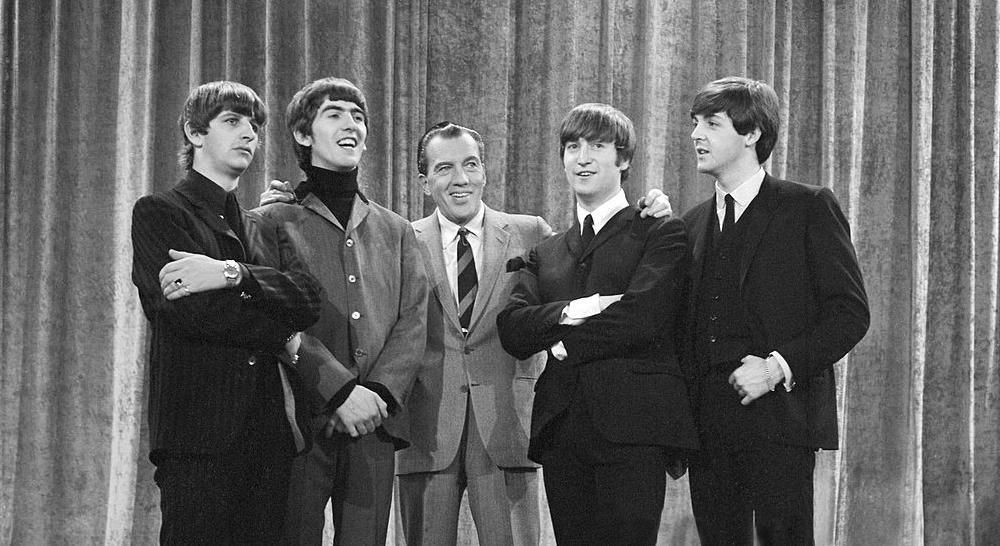
Ed Sullivan’s Really Big Show: Shaping American Culture 1948-1971
Dates: 3/31–5/19 Time: 9:30-11:30 am
Facilitators: Glenn Gravlee/Paul Simon
Location: First Universalist Church Member Price: $70
The Ed Sullivan show reflected - arguably defined - American entertainment culture for 23 years, spanning TV’s infancy to its adulthood. Families gathered around the TV set on Sunday nights year after year. Over time, recording artists developed the widespread belief that appearing on the show was essential to success. Performers covered the waterfront: rock-and-roll singers and groups, opera divas, crooners, torch singers, acrobats, animal acts, comedians, ventriloquists, and scenes from Broadway plays and musicals as well as movies. There were live interviews of news-makers (Fidel Castro!), hour-long biographies along the lines of “This Is Your Life,” and international road shows. The course will trace Sullivan’s pre-TV career and his heavy-handed oversight of production. It will feature abundant video clips (Elvis, Beatles, etc.) and segments of two excellent documentaries.
Recommended reading: A Thousand Sundays: The Story of the Ed Sullivan Show by Jerry Bowles In Person Tuesday AM Register
Visual and Performing Arts
For Brio, Breath and Brain - Sing!
Dates: 3/31–4/28 Time: 1-3 pm
Facilitator: Darcelia Beck
Location: First Universalist Church Member Price: $55
Experience the joy and energy of singing with others as you engage your body, brain, and breath in learning both new and familiar songs! Making music together creates an instant sense of community, connection, and camaraderie. In this spirited class, you’ll explore simple, empowering tools that strengthen your voice, sharpen your listening, and support healthy breathing. Together, we’ll build a vibrant shared knowledge of diverse musical styles and cultures—one song at a time. Only sing when you’re alone? Come feel the excitement of voices joining yours and the confidence that blossoms when we sing together! Think you can’t sing? If you can talk, you can sing—truly! This class is upbeat, welcoming, and full of fun. There is no music reading; we’ll learn by listening, repeating, and jumping right in. Bring your curiosity, your enthusiasm, and your voice, and discover how joyful group singing can be!
Required: This class includes several periods of standing or movement totaling at least 20 minutes over the two-hour session. Please bring a personal water bottle.
Great Leading Women in the Golden Age of Hollywood
Dates: 3/31–5/19 Time: 1-3 pm
Facilitators: Greg Petty/Larry Matten
Location: Online Member Price: $70
In our movie series, Greg and Larry have featured great male actors from the 1930s through the 50s. It is time to recognize female movie greats from the same era. We start with the original The Thin Man with Myrna Loy, followed by Rosalind Russell’s delightful performance in His Girl Friday, and then two of our favorites, Claudette Colbert from It Happened One Night and Ingrid Bergman from Casablanca. And then we will skip forward eight years into the 1950s and include three movies with spectacular actresses from a new generation.
Join us for a term of unforgettable stars and movies, where we show these movies and then discuss them.
1934: The Thin Man (Myrna Loy); 1939: It Happened One Night (Claudette Colbert); 1940: His Girl Friday (Rosalind Russell); 1942: Casablanca (Ingrid Bergman); 1950: All About Eve (Bette Davis, Anne Baxter, and Celeste Holm); 1953: Roman Holiday (Audrey Hepburn); 1958: Cat on a Hot Tin Roof (Elizabeth Taylor); and 1959: Some Like It Hot (Marilyn Monroe). Online Tuesday PM Register
Through Another Lens: Documentaries That Changed Us
Dates: 3/31–5/19 Time: 1-3:30 pm
Facilitator: Larry Howe
Location: Columbine United Church Member Price: $70
Since the birth of the documentary (Nanook of the North, 1922), filmmakers have invited us to witness the world’s uncomfortable truths — exposing injustice, inspiring reform, and reframing our view of reality.
In this course, you will explore powerful films that reveal the cracks in our environment, politics, and economies. Select documentaries, including An Inconvenient Truth, The Fog of War, Paris Is Burning, and Inside Job challenge what we think we know — and what we may choose to ignore.
Each week, short readings, film screenings, and guided discussion introduce us to storytellers who dared to speak truth to power. Together, we’ll ask: what did these documentaries change — and what still needs changing today?
We’ll also identify the documentary style each film used – was that effective or not? Would you use another technique?

Visual and Performing Arts
Decades of Sound: A Time-traveling Tour of Four Decades, Countless Classics
Dates: 4/1–5/13 Time: 9:30-11:30 am
Facilitators: Sue Bramley/Natalie Conklin
Location: Columbine United Church Member Price: $65
Sue Bramley & Natalie Conklin will take you on a musical journey! Step back in time and rediscover the soundtrack of four unforgettable decades, the 1940s-1970s.
In this lively, engaging class, we will explore the swing and big-band brilliance of the 1940s; the birth of rock ’n’ roll in the 50s; music of the 60s crackled with rebellion changing culture forever; then on to the funky, feel-good vibes of the ’70s and lots in between. Get ready to share memories, learn some fun musical history, and celebrate the songs that defined our generation!
Let’s Get Loose - With Watercolor
AM Register
Dates: 4/1–5/20 Time: 9:30-11:30 am
Facilitators: Peggy Winn/Becky Stout
Location: Columbine United Church Member Price: $70 Additional Fee: $30
Discover the joy and freedom of loose watercolor painting - a playful style that favors suggestion over precision and lets color glide and flow. In this class, we’ll happily wander outside the lines to create expressive, airy pieces that focus on feeling rather than perfect form.
Each session centers on a specific subject, with a little guidance up front and plenty of relaxed time to paint together. You’ll create pieces that can turn into cards, bookmarks, or frame-worthy art, and all the materials and support you need will be right there.
Along the way, enjoy the easy conversation and camaraderie that comes from making art in good company. This class is about connecting as much as painting. A quality watercolor set and paper will be provided for class use and is yours to keep. A $30 materials fee is due to the facilitators at the first class. Whether you’re brand-new or just new to this loose style, come ready to loosen up and explore.
A Day at the Opera
Online Wednesday AM Register
Dates: 4/1–5/6 Time: 9:30-11:30 am
Facilitators: Jan Friedlander/Neil Adelman
Location: Online Member Price: $60
Join Jan, Neil, and guest speakers for a journey through 298 years of opera, spanning beloved classics, hidden gems, and powerful contemporary works:
Perennial favorites: The Marriage of Figaro, Eugene Onegin, The Magic Flute, Madama Butterfly
Lesser-known gems: Rodelinda, The Ballad of Baby Doe
Recent operas: El Último Sueño de Frida y Diego (2022)* and Lili Elbe (2023)*
*Guest speakers featured
Many of these operas can be seen during or shortly after OLLI’s spring term— either via live Metropolitan Opera broadcasts at local movie theaters or on stage at Opera Colorado, Central City Opera, or the Santa Fe Opera.
In Jan and Neil’s class, you’ll dive deep into each opera, exploring the historical and social worlds in which they premiered, why they continue to resonate today, and— of course—plenty of fun opera nerdery. Through videos, engaging lectures, and lively discussion (there are no dumb questions!), you’ll feel right at home whether you’re a seasoned opera lover or a deer-in-the-headlights newcomer.

Visual and Performing Arts
Franklin to Gershwin and Beyond – America’s Classical Journey
Online Wednesday AM Register
Dates: 4/8–5/13 Time: 9:30-11:30 am
Facilitator: Betsy Schwarm
Location: Online Member Price: $60
In 2026, the Declaration of Independence marks its 250th anniversary, and Colorado its 150th. Music historian and frequent OLLI facilitator Betsy Schwarm presents a six-session survey celebrating both occasions. From Colonial Era songs familiar to George Washington to a recent symphony inspired by the beauties of Colorado, it’s music that says much about the American spirit. For generations, American composers have blended European traditions with influences as varied as folk, jazz, blues and popular song. They’ve created—and are still creating— works both refined and innovative, but still distinctly American. It’s music that speaks to what matters to the American spirit. American composers bring creative resilience, imagination and the particularly American conviction that music can express multiple viewpoints. What influences have shaped American music? What do those influences say about us? In Betsy’s course, explore how musical vision found an American voice—one suitable to everything from Harlem to Colorado.
Rock’s Vocal Revolution via California’s Laurel Canyon
Dates: 4/8–5/13 Time: 9:30-11:30 am
Facilitator: Paul Turelli
Location: First Universalist Church Member Price: $60
Laurel Canyon is a narrow strip running from Sunset Strip through Hollywood Hills. From this unusual location, and in a very short period of time, a great ‘west-coast music’ would be born. Performers like The Beach Boys, The Byrds, The Mamas and Papas, The Monkeys, The Doors, Buffalo Springfield, Joni Mitchell, Jackson Browne, The Eagles, and many more, would get their start right here in the ‘Canyon of Dreams.’ Come prepared to enjoy the music and experience the history unfold once again.

Soul Shakedown Party: Forty Years of Jamaican Music
Dates: 4/1–5/20 Time: 1-3 pm
Facilitator: Duke Weiss
Location: DU Campus - Ruffatto Hall Member Price: $70
Come join a fun and joyful journey through 40 years of Jamaican music, designed to trigger dopamine and create a sense of well-being. You will explore the magical waters of Jamaican music and its ability to connect and unify people across cultures. The course will feature 120 unique Jamaican singers, instrumentalists, producers, and DJ Toasters, but will not include Bob Marley. It will explore genres from the 1940s to the 1990s, including Mento/Calypso, Ska, Rock Steady, Reggae, and Dancehall.
The format will be similar to a live radio show or DJ session, with 85% of the time dedicated to listening. You’ll also participate in discussions and provide feedback on tracks and videos. Come catch the beat and dip your toes into this rich musical history.
Visual and Performing Arts
Who Portrays Agatha Christie’s Hercule Poirot Best? You Decide
Dates: 4/1–5/20 Time: 1-3:30 pm
Facilitators: Alan Folkestad/Margie Folkestad
Location: Online Member Price: $70
Numerous actors have brought Agatha Christie’s Belgian detective, Hercule Poirot, to the screen. We will see Albert Finney, Peter Ustinov, David Suchet, and the latest to join the ranks, Kenneth Branagh. Tony Randall and John Malkovich’s performances will also be covered. There are various attempts to choose who best portrays the Belgian detective. Now it’s your turn to join the dispute. In this class, we will view and discuss 15 of Agatha Christie’s 40 Poirot creations. Near the conclusion of our eighth week adventure, your vote will be cast to decide the contest.
Riot at the Rite: How Five Guys Made A Noise That Boomeranged Around the Music World for Over a Century!
Dates: 4/15–5/20 Time: 1-3 pm
Facilitator: John Parfrey
Location: DU Campus - Ruffatto Hall Member Price: $60
Stravinsky’s The Rite of Spring caused an actual riot in the audience at its first performance in May 1913. Its loud dissonances and wild roars of sound carried with it a raw, visceral power that still leaves audiences astounded and breathless. It’s no understatement to say that The Rite created a tidal wave through the arts that we are still experiencing today. In this course, prepare, pack up your things and go on a journey to an era when all the arts were in revolt, rules were being thrown out the window, Paris was at the epicenter of it all, and five brilliant men -- Diaghilev, Stravinsky, Nijinsky, Roerich and Monteux -- would bring to life a ballet, the likes of which had never been seen. On that May night, they would forever change the world of music and dance. The class will include documentaries, interviews, lots of music and dance, and PLENTY of discussion!
24 Movies of the Last 80 Years by Genre
Online Thursday AM Register
Dates: 4/2–5/21 Time: 9:30-12 pm
Facilitator: Robert Magnani
Location: Online Member Price: $70
In the abbreviated format I have developed for Oscar Movies, I have selected some 24 of those same films spanning 1940 to 2018 to recap and discuss, three movies per session. These will be organized in mini-genre groups rather than by year so we can see and compare love stories, family struggles, society issues, making it, show biz behind the scenes, war, musicals, and life on the wrong side. The syllabus details which films, which weeks. We can muse over how Hollywood has evolved in its storytelling in these areas and whether the lessons have changed over time.
That Wascally Wabbit: The History and Cultural Impact of Looney Tunes!
Online Thursday AM Register
Dates: 4/2–5/21 Time: 9:30-11:30 am
Facilitator: Gregory Moody
Location: Online Member Price: $70
A deep dive into a shallow pond—Wham!—to explore the creation of the greatest cartoon characters in American history (Pow!). Not even Mickey Mouse could hold a candle to the loud, rough, rude, scatter-shot, machine-gun humor of Bugs, Daffy, Elmer, Porky, Taz, Yosemite Sam, Road-Runner, Coyote, Tweety, Sylvester, Speedy, Witch Hazel, Foghorn Leghorn, and more. The most extraordinary talents in the business (Need Proof? Chuck Jones, Friz Freleng, Tex Avery, Bob Clampett, Frank Tashlin – ALL CERTIFIABLY MAD AS HATTERS!!!) developed the most fantastic characters in animation. They changed the very face of American comedy ** Crash! ** from vaudeville patter to rapid-fire machine-gun action, wisecracks, biting sarcasm, and outrageous fun. Join the Wascally Wabbit on Michigan J. Frog’s eightweek wild ride!
Visual and Performing Arts
Fundamental Techniques of Watercolor
Dates: 4/2–5/21 Time: 1-3 pm
Facilitator: Mitra Verma
Location: Online Member Price: $70
Explore the expressive and flowy world of watercolor. This 8-week course is designed for those who are new to watercolor or would like to strengthen their foundational skills. Participants will learn essential watercolor techniques through step-by-step demonstrations and hands-on practice. Topics include washes, wet-on-wet and wet-on-dry techniques, layering, blending, and creating textures. You will also gain a deeper understanding of how water, pigment, and paper work together—key to painting with confidence. Each class encourages experimentation, creativity, and personal expression. No prior watercolor experience is required. Come ready to relax, explore, and enjoy the process while discovering the joy of watercolor painting.
Required materials: 100% cotton 140lb Paper, Brushes round fine tip #2, #6, #10 or #12, watercolors, Paper Towels, Pencil, Eraser, Sharpener, Ruler.
Golden Age Legends: The Songwriters Who Defined Broadway and Hollywood
Dates: 4/2–5/21 Time: 1-3 pm
Facilitator: Lee Kaufman
Location: Online Member Price: $70
The music of Broadway and Hollywood musicals is an art form in and of itself. It takes a team of multi-talented performers and an orchestra to produce these entertainment extravaganzas. At the heart are creative geniuses who set the whole thing in motion: the songwriters! In this multimedia course, we will cover: Stephen Sondheim, Kander & Ebb, Frank Loesser, Harnick & Bock, Irving Berlin, Burt Bacharach, Jerry Herman, Gilbert & Sullivan, Rado & Ragni, Stephen Schwartz, Charles Strouse, Elton John, Alan Menken and Meredith Willson. Lee will share many videos to demonstrate the songs as they appear on stage and screen.
Great TV Sitcoms that Changed America
Dates: 4/2–5/21 Time: 1-3 pm
Facilitator: Jim Sieke
Location: Columbine United Church Member Price: $70
“Yada, yada, yada.”
“Stifle it.”
“I hate spunk.”
“Lucy, I’m home.”
Do you recognize these catch phrases? Can you identify the sitcom? This course will examine eight great American sitcoms: I Love Lucy, The Honeymooners, The Mary Tyler Moore Show, All in the Family, M*A*S*H*, Cheers, The Golden Girls, and Seinfeld. Each week we will tackle a sitcom, view a full episode, and analyze and discuss how these sitcoms impacted American culture. We will review the creative minds and environment that helped develop these memorable programs. Why were we ready for an Archie Bunker or a bedroom setting or the humor of a war? Join me as we take an informative look at the role these TV sitcoms played in shaping our society, while we laugh and have fun with the memories.
Heart, Humor, and Conviction: The Films of Rob Reiner
Dates: 4/2–5/21 Time: 1-3:30 pm
Facilitators: Dixie Vice/John Lungerhausen
Location: Online Member Price: $70
In this class, we’ll take a retrospective look at the remarkable career of a filmmaker whose work brought laughter, insight, and emotional depth to audiences around the world. From the razor-sharp satire of This Is Spinal Tap to the nostalgic tenderness of Stand by Me, and from the moral urgency of A Few Good Men to the enduring charm of When Harry Met Sally, Reiner’s films balanced entertainment with humanity. In the wake of his tragic death in December 2025, this course celebrates his legacy across eight screenings, exploring how his warmth, wit, and storytelling conviction continue to resonate with viewers and enrich the art of cinema. In each session, we will screen the entire film with English subtitles followed by a lively discussion. Participants are encouraged to share their insights, making this a collaborative and enriching experience.
Place, Memory, and Environmental Psychology
Online Tuesday AM Register
Dates: 4/7-5/12 Time: 11-12:30 pm
Facilitator: Fernanda Blanco Vidal
Location: Online Member Price: $60
How much of who we are is shaped by the places we live and experience? This course invites reflection on the psychological and emotional relationships between people and their environments. Drawing on psychology, geography, architecture, and design, we will explore environmental psychology and how physical environments shape behavior, cognition, identity, and memory. Using place-based methods, we will discuss concepts such as place attachment, identity, and cognitive maps. We will reflect on memory, home, trauma, displacement, and nature’s role in well-being.
JFK’s Quest for Peace: Lessons for Turbulent Times
Online Thursday AM Register
Date: 4/2-5/7 Time: 11-12:30 pm
Facilitator: Charles Blum
Location: Online Member Price: $60
Throughout his 1000-day presidency, John Kennedy pursued peace through a broad spectrum of initiatives. He saw a connection between learning and leadership and sought to use military deterrence, diplomacy, and soft power in novel ways. In this course, we will explore how his character and life experiences were the origins of those efforts. We will evaluate his powers of persuasion by listening to key speeches, and we will assess his successes and failures and their relevance to today’s world.
Frank Lloyd Wright and Modern Architecture
Online Tuesday PM Register
Date: 4/21-5/26 Time: 5-6:30 pm
Facilitator: Jennifer Gray
Location: Online Member Price: $60
Frank Lloyd Wright designed nearly 1,000 buildings and helped define modern architecture. This course explores highlights of his practice, from Prairie houses to Fallingwater and the Guggenheim Museum, alongside lesser-known projects like affordable housing and city planning. We’ll examine how Wright’s work reflected cultural shifts in technology, science, and politics, offering a deeper understanding of his lasting influence on architecture and modern design.

Great Science Stories
Date: 4/9-5/14 Time: 1-2:30 pm
Facilitator: Johnnie Hendrickson
Location: Online Member Price: $60
Science is full of surprises. Dyes, accidentally discovered, launched the modern pharmaceutical industry. A failed experiment opened the door to new physics. Discoveries are never just facts. They are moments of creativity, struggle, and chance with far-reaching consequences. In this course, we will explore the human side of science, tracing breakthroughs in biology, chemistry, physics, and more. We will ask not only what was found, but how and why it matters.

AI for Regular People
Date: 4/2-5/7 Time: 5-6:30 pm
Facilitator: Melba and Hod Kurman and Lipson
Location: Online Member Price: $60
Back by popular demand, this updated course offers a clear, engaging introduction to Artificial Intelligence (AI) and how it’s rapidly transforming our world. From self-driving cars to chatbots and precision medicine, we will explore how AI works, where it’s headed, and what it means for society. No tech experience needed—just curiosity! With fresh examples and timely updates, participants will gain a solid understanding of the opportunities and challenges AI presents today. Online Thursday PM Register
Siberia: Russia’s Frozen Wasteland or Economic Heartland?
Date: 4/1-5/6 Time: 11-12:30 pm
Facilitator: Asya Pereltsvaig
Location: Online Member Price: $60
Siberia covers three quarters of Russia’s territory but is home to only a quarter of its population. Yet its role in shaping Russia as a vast and wealthy empire is profound. In this course, we will explore Siberia’s economic significance, indigenous cultures, and history as a penal colony, along with its importance for climate change, environmental issues, and Russian-Chinese relations. We will also consider Siberia’s role in both the rise and possible fragmentation of Russia.
A History of Street Art
Date: 4/1-5/6 Time: 9-10:30 am
Facilitator: Heather Shirey
Location: Online Member Price: $60
Art in the streets (including graffiti, murals, stickers, and paste-ups) gives voice to marginalized communities, shapes urban environments, and challenges institutional norms. This course explores graffiti and street art in the U.S. and around the world, examining their histories, motivations, and social impact. Participants will consider the rise of global mural movements, efforts to preserve and present street art, and its evolving role in activism, community identity, and social change.

Meditation in Motion: The Art and Science of Tai Chi
Dates: 3/30-5/18 Time: 8-9 am
Facilitators: Joseph Brady/Jacqui Shumway
Location: Online Member Price: FREE
Experience for yourself the accumulated wisdom of centuries with the timeless exercise of T’ai Chi. According to the Harvard Medical Health Publication “Tai Chi is often described as meditation in motion, but it might well be called medication in motion”. Designed to be a hands-on learning experience, this class will explore the principles and basic exercises in T’ai chi and the growing body of evidence of it’s value in treating or preventing many health problems. This introduction to T’ai Chi Ch’uan is both practical and participative, the course introduces you to the basics of T’ai Chi Ch’uan, the skills and principles involved. These exercises can be a powerful complement to medical intervention. Modern studies have reported positive effects of Tai Chi on balance and falls reduction, hypertension, diabetes, arthritis, osteoporosis, cancer, COPD, heart disease, depression and even schizophrenia. Many more studies are underway to explore the medical benefits of this mind/body exercise. Topics for discussion will include the global health care implications of Tai Chi as well as applications in daily life.
Recommended reading: The Harvard Medical School Guide to Tai Chi: 12 Weeks to a Healthy Body, Strong Heart, and Sharp Mind (Harvard Health Publications)
Gentle Hatha Yoga
Dates: 3/31-5/19 Time: 8-9 am
Facilitator: Lisa Theis
Location: Online Member Price: FREE
This movement oriented class will combine seated, standing & kneeling postures. Modifications will be given for most postures - the point of this hour is more about giving yourself time to breathe and move with your body than it is about doing a posture in a particular way. We will combine dynamic & static movements, simple mobility exercises with postures that help to build strength & stability. Props are highly encouraged - blocks, blankets, chairs, & straps, in addition to mats will help give you great success if you find you have limits in a posture. Instruction on how to use these props will also be provided, so you can get comfortable enough to focus on your breath, the most powerful part of practice. Join us for a beautiful session connecting body, mind & spirit.
Required materials: Mat Recommended materials: 2 blocks, a blanket
Medical Qigong: Healing Exercises from China
Dates: 4/1-5/20 Time: 8-9 am
Facilitators: Joseph Brady/Jacqui Shumway
Location: Online Member Price: FREE
Medical Qigong: Healing Exercises from China In traditional Chinese medicine the patient is expected to be an active participant in their own healing, and not just a victim of their disease. Strong believers in the idea that exercise is medicine Qigong evolved over centuries to become the primary form of exercise therapy used in traditional Chinese medicine. Medical Qigong exercises are considered superior to herbal medicine and acupuncture because patients learn to keep themselves healthy by using exercises designed to cultivate a strong mind and a strong body. With over 3600 psychophysiological exercises developed over centuries, medical Qi-gong provides the tools for everyone to become an active participant in their own health. This course will give students an introduction to a variety of the most popular sets of exercises in a safe and progressive way. Qi-Gong exercise modalities include therapeutic gymnastics, equipment, massage, natures treatment and recreational exercise. Learn from two of the top professors of traditional Chinese medicine here at the University of Denver and at the Colorado Chinese Medicine University. This class will discuss a wide range of evidencebased therapeutic exercises that you can use in your own life.
Recommended reading: Chinese Medical Qigong Paperback – May 28, 2013 by Tianjun Liu (Editor), Xiao Mei Qiang (Editor)
Breath, Meditation, and Community
Dates: 4/2-5/21 Time: 8-9 am
Facilitator: Lisa Theis
Location: Online Member Price: FREE
Something magical happens when we harness the power of our breath. The mind slows, the body relaxes & we remember that we are part of something so much greater. This class will serve as a way to remember, as we combine these 3 powerful aspects of life - breath, meditation, & community. Each class will begin with a breathing exercise connected to simple seated movements to prepare the body & the mind for a guided meditation practice. Meditation will last about 20-25 minutes, after which, we will have time to share our experience with one another in breakout rooms. Sharing is an important part of the process, for meditation is different for everyone & no one experience is the same, nor is there a right or wrong way to meditate. This class offers a unique way to connect to your fellow human, realizing we all share much more in common than we think.

How Does America Maintain its Scientific and Technological Edge?
Date: 4/3/2026 Time: 10-11:30 am
Facilitator: Charles Holt
Location: Online Member Price: FREE
The entire R&D structure in this country helps us stay technologically advanced as a nation. It’s a very complex process that most Americans know nothing about. However, it is vital for our economic and social well-being. Many essential actors in this process help the nation develop capabilities and skills for the future. It includes the universities, Not-for-Profit research institutes, numerous government entities, including state and federal executive branches, as well as their legislative branches. It includes the national laboratories, the various defense department research institutes, and the universities both in their R&D and educational roles.
Fat and Brain Crosstalk: Avenues Underlying Health and Disease
Date: 4/17 Time: 10-11:30 am
Facilitator: Kristy Townsend
Location: Online Member Price: FREE
In this talk, Dr. Townsend will share the state of research understanding around fat (adipose) and brain crosstalk, through both the circulation and the peripheral nerves, and how these avenues of communication impact on our health, including as we age, or our risk for conditions like obesity, diabetes, peripheral neuropathy, and cardiometabolic diseases. She will share original research, as well as a synthesized view of the field and where research is going next to improve human health.
Enhancing the Life of Seniors by Applying DIY AgeTech
Remotely Supported by Family Caregivers
Date: 4/24 Time: 10-11:30 am
Facilitator: Frank Engelman
Location: Online Member Price: FREE
While the necessity of Senior Age Tech is well-documented, the current discourse often lacks specifics required for effective implementation and remote support. This session transcends standard product reviews, offering a practical, Do-ItYourself (DIY) approach to aging in place. Tailored for professionals navigating these challenges personally or for loved ones, we will examine how to use existing technologies to mitigate vision loss, hearing impairment, dexterity issues, and cognitive decline. Join us to move beyond high-level theory and master the specific “how-to” of creating innovative, supportive solutions for independence.
Sink or Swim: How the World Needs to Adapt to a Changing Climate
Date: 5/1 Time: 10-11:30 am
Facilitator: Sussanah Fisher
Location: Online Member Price: FREE
Heatwaves, wildfires, hurricanes and flooding caused by climate change are already impacting people and nature. Adaptation until now has been incremental with governments and institutions tinkering around the edges of current systems. This will not be enough. In this talk drawing on her new book Sink or Swim, Susannah Fisher explores the hard choices that lie ahead to adapt to a changing climate. She lays out the ways we can still have a livable planet later in this century and beyond, and how we can get there. Will we choose to sink or swim?
Denver Zoo Conservation Alliance: Saving Wildlife Like Only a Zoo Can
Date: 5/8 Time: 10-11:30 am
Facilitator: Brian Aucone
Location: Online Member Price: FREE
Denver Zoo Conservation Alliance is in a unique position to save wildlife through connection, education, and science, both at the zoo and around the globe. Hear about how a modern zoo approaches saving wildlife and why this work is more important than ever.
The Curious Case of the Ultra-high Peaks in the Western United States
Date: 5/15 Time: 10-11:30 am
Facilitator: Vincent Matthews
Location: Online Member Price: FREE
More than 1,100 ultra-high peaks in the conterminous, western United States rise to heights between 13,000 and 14,505 feet above mean sea level (AMSL). What you and I learned in school concerning when and how these peaks formed—isn’t true. They are tens of millions of years younger, and they formed in the exact opposite way than we were told (and in many places, are still being told). This new knowledge came from a combination of 20th-century field studies and 21st-century tools and techniques.
An Overlooked Potential Primary Energy Resource
Date: 5/22 Time: 10-11:30 am
Facilitator: Geoffrey Ellis
Location: Online Member Price: FREE
Although the presence of natural hydrogen in the subsurface of the Earth is well documented in a variety of geologic environments, economic accumulations have generally been assumed to be non-existent. Recent discoveries in Africa and elsewhere have challenged this notion, and there is a growing acknowledgement that geoscientists have not looked for native hydrogen in the right places with the right tools. This webinar will discuss what is known about the global resource potential for natural hydrogen, and what new knowledge and technologies are needed to improve our understanding of this previously overlooked potential lowcarbon energy resource.
The Art and Science of Persuasion
Tue., March 3, 10, 17, 6:30-8:30 pm
Instructor: Krista Kafer
Location: DU Campus Member Price: $60 Non-Member Price: $75
Imagine if you could persuade family, friends and even acquaintances to consider your perspective in an election year. What if you could change their minds? Persuasion is both an art and a science; more importantly, it can be learned. Join Denver Post columnist and communications specialist Krista Kafer as she unveils the secrets of how to converse with others on religion, science, public policy, even 2026 politics and candidates. Gain an understanding of the psychology behind persuasion and influence. See how stories and humor persuade better than facts. Practice pivoting to gain common ground. Learn how to spot the difference between facts, spin, and deceit. Discover how advertisers and other influencers get you to buy their products and adopt their ideas. What can we learn from them? Get the scoop on concepts like psychological reactance, confirmation bias, motivated reasoning, and cognitive dissonance. See how trust impacts influence. Kafer pulls from communication masters of past and present: Jonathan Haidt’s moral reasoning; Robert Cialdini’s six principles of persuasion; Vance Packard’s compelling needs; Robert Reich’s cultural parables, and Aristotle’s insights on the art of persuasion. Feeling persuaded?
Unlocking the Secrets of the Cosmos: A Journey Through Space Telescopes
Wed., March 4, 11, 6:30-8:30 pm
Instructor: Greg Wirth
Location: DU Campus Member Price: $40 Non-Member Price: $55
Imagine being able to see the Universe in previously inconceivable ways, or witnessing the birth of the first generation of galaxies 13 billion years ago. In this captivating course, Dr. Gregory Wirth, astronomer and systems engineer at Boulder-based BAE Systems, leads a journey through the fascinating world of space telescopes—tools that have transformed our understanding of the cosmos. Over the past century, astronomers have made incredible progress in uncovering our place in the universe thanks to one simple yet powerful invention: the telescope. Explore four NASA observatories that are revolutionizing astronomy— the legendary Hubble, the cutting-edge James Webb, the upcoming Roman Space Telescope, and the future Habitable Worlds Observatory.
Review the basics of astronomy and discover how telescopes derived from (cont’d)

the original designs of Galileo and Newton have shaped our knowledge of the universe. Examine the technology behind space telescopes, understand why we need them, and learn how they make new discoveries possible. Take a deep dive into groundbreaking science from the James Webb Space Telescope and preview the coming era of “big data” astrophysics. “By exploring the wonders revealed by these space telescopes,” says Dr. Wirth, “we gain a deeper appreciation for the universe, understand our place within it, and gather new perspectives on the biggest outstanding questions in astronomy.”
From Franklin to Gershwin and Beyond: America’s Classical Journey
Thr., March 5, 12, 19, 26, 6:30-8:30 pm
Instructor: Betsy Schwarm
Location: Online Member Price: $80 Non-Member Price: $95
As the Declaration of Independence marks its 250th anniversary, so too does the story of American classical music. From colonial-era songs familiar to George Washington to the bluegrass-infused energy of Mark O’Connor’s Americana Symphony, this tradition reflects a nation’s evolving identity and its contributions to the global conversation of great music. In this four-session online survey, classical music historian and frequent Enrichment Program instructor Betsy Schwarm guides you through works spanning centuries—from Boston Symphony premieres that defined a national style to the jazzy brilliance of Gershwin and Ellington. Even Benjamin Franklin steps into the spotlight with a surprising musical creation of his own. Along the way, enjoy vivid stories, historical context and musical excerpts that bring each era to life. What set American composers apart from their European contemporaries? Perhaps a fresh perspective on freedom, a spirit of experimentation and a willingness to draw on the nation’s diverse cultural tapestry. By blending European traditions with influences as varied as folk, jazz, blues and popular song, American composers created works both refined and innovative. Together, these compositions embody resilience, imagination and the uniquely American conviction that music can express multiple voices at once. Join us to discover how 250 years of creativity established an American voice in classical music—one that continues to resonate powerfully around the world today.
Online Register
Spirits, Séances, and Skeptics: Colorado’s Curious History of Talking to the Dead
Thr., March 5, 7:00-9:00 pm
Instructor: James Lopez Location: Broderick Bar
Member Price: $20 Non-Member Price: $35 Additional Fee: $35
Can people really talk to the dead—or have séances simply offered one of the most enduring illusions of the last 150 years? In booming Western cities like Denver, spiritualist mediums, lecturers, and stage magicians turned “spirit circles” into both a source of comfort and a profitable public spectacle, drawing believers, doubters, and outright debunkers into the same candlelit rooms.
In this class, explore how the séance emerged from the 19th-century spiritualist movement and spread across the American West, including Colorado’s own lively culture of mediums, spirit guides, and “spook exposers” working the newspapers and theaters of Denver. Trace key moments in American and Colorado history when people turned to séances—from post-Civil War grief to Gilded Age showmanship—and consider why the idea of speaking with the dead has remained so compelling.
Together, you’ll examine famous séance participants and scandals, analyze how performers blend psychology, technology, and stagecraft to create “otherworldly” effects, and discuss the ethical line between comfort, entertainment, and exploitation. Then, participate in a demonstration séance in a Denver venue with its own stories of “spirits and spirits,” using your new knowledge to decode what you’re experiencing in real time.
How to Use AI in Your Everyday Life
Mon., March 9, 16, 7:00-9:00 pm
Instructor: Dave Taylor Location: Online
Member Price: $40 Non-Member Price: $55
Just about everywhere you look today you can see artificial intelligence (AI) in products and services, from cars to cameras, TVs to shopping and crafts to education. But once you’re done with the demos, the question remains: How can AI actually improve your daily life? In this course, tech expert and DU professor Dave Taylor shares how you can use AI to improve almost everything in your life. The class is broken down into four areas: texting with AI, talking to AI, creating images with AI and using AI for creative writing. If you attended this course in a previous session, you’re encouraged to join us again—there will be new tools, (cont’d)
examples and hands-on practice to deepen your skills. If you’re worried about AI and privacy, Taylor covers that too, along with ethical implications of using AI for creative work. “Our primary focus is on how to continue with your regular daily activities, but have them be AI infused, smarter and more streamlined,” Taylor says. “One key skill you learn is how to use AI to fact check your own communications, whether text messages, email or articles. Join us to go beyond demos and master AI in no time.”
Please note: Students are asked to sign up for a ChatGPT, Microsoft Copilot, or Google Gemini account prior to class. “There are hundreds of AI systems, but those are the tools we focus on in this course,” Taylor says.
Whiskey Wisdom: Distilling History from Grain to Glass - Class 1
Wed., March 18, 7:00-9:00 pm
Instructor: Ryan Stoltzfus Location: Bear Creek Distillery Member Price: $20 Non-Member Price: $35 Additional Fee: $5
Author Mark Twain reportedly said, "Too much of anything is bad, but too much good whiskey is barely enough." This class invites you to belly up to the bar for a good portion of whiskey, a look at whiskey’s history, its business in Colorado and how it’s made.
“This class goes well beyond the typical distillery tour,” says bourbon steward Ryan Stoltzfus. “The Bear Creek Distillery (BCD) experience delves into whiskey’s past, it offers an in-depth tour of our production facility, and ends with a guided and generous whiskey tasting. I like to call it an elevated, in-depth educational whiskey experience.”
Stoltzfus, the course instructor, covers the following production topics: grain selection, mashing, fermentation, distillation and the science behind barrel maturation. During the tasting, you’re given a flight that includes all of BCD’s expressions as well as a limited release expression that’s no longer available to the public. The limited release could be one of the company’s beer or wine barrel finishes or perhaps one of its inline whiskies with more age. Plus, enjoy a light charcuterie as you learn about the sensory techniques used when tasting.
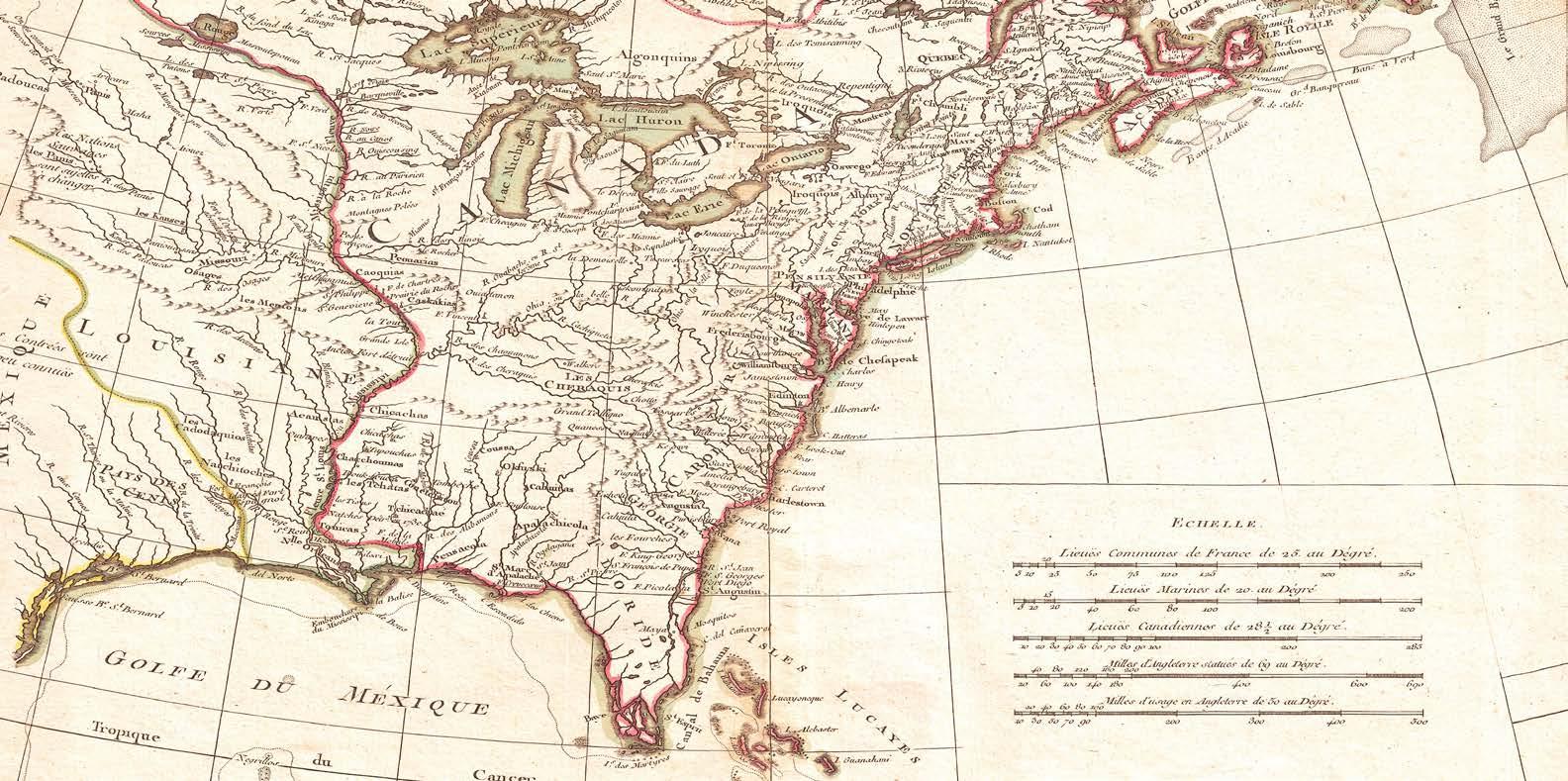
Missions, Myths and the Missouri: 1776 in Continental Context
Online Register
Sat., March 21, 28, 10:00-12:00 pm
Instructor: Judy Okun
Location: Online Member Price: $40 Non-Member Price: $55
In 1776, while the 13 colonies were rising up against Britain, the rest of North America was a patchwork of empires clashing and competing through an interconnected web of conquest, exploration, settlement and trade. Geography instructor Judy Okun guides this sweeping view across the continent to reveal how Spanish missionaries, Native American traders, explorers and imperial rivals defined an age of extraordinary change. From Spanish missions in the Southwest and California to Native American trade centers on the Missouri River, Captain Cook’s voyage up the Pacific Coast in search of the Northwest Passage, Russian forays to Alaska for sea otter pelts, the Hudson Bay Company’s quest for fur-trade dominance, and the expanding Plains empire of the Comanche, this course explores how diverse peoples shaped a continent in flux. Together, we’ll trace geography, history and myth across a landscape of shifting alliances and ambitions. How did these powers claim vast lands beyond the colonies? And how would their influence endure in the growing American nation? We’ll also consider how competing ideas of sovereignty, environment and spiritual mission converged—and sometimes collided—across frontiers stretching from the near Arctic to the Rio Grande. Maps, archival images and first-hand accounts illuminate 1776 as both a revolutionary and continental turning point in the story of the Americas.
Mosaics: Ancient Craft, Modern Expression
Sat., March 21, 28, 9:00-12:00 pm
Instructor: Pam Farris Location: DU Campus
Member Price: $50 Non-Member Price: $65 Additional Fee: $20
Mosaics are one of humanity’s oldest art forms, adornments that once decorated temples, palaces and city streets. Today, mosaics are still thriving as a medium that combines timeless craftsmanship with contemporary creativity. In this introductory, hands-on course, instructor Pam Farris says “mosaics have a long history but they can also reflect very personal ideas and events.”
Begin by exploring the basics: mosaic vocabulary, examples from Roman and Byzantine traditions, and a chance to test out tools. From there, design a small work of art that reflects your own vision. Using an assortment of provided materials including a wood base, glass and ceramic tile, grout, adhesive and hanging hardware, you’ll create a mosaic step by step, learning the essential techniques of cutting, fitting and gluing tiles.
On the second day, you’ll see how grout brings depth and cohesion to a design, then finish your piece with paint and hardware so it’s ready to display. You’ll also gain insight into how artists across cultures and centuries have used mosaics to tell stories, evoke meaning and transform ordinary materials into enduring works of beauty.
Whether you’re a beginner curious about trying something new or an art lover drawn to history’s enduring legacies, this course offers a chance to bring an ancient craft to life your way.

Dancing is Healing
Mon., March 23, 30, 6:30-8:30 pm
Instructor: Paige Fraser-Hoffman
Location: Online Member Price: $40 Non-Member Price: $55
Dance is Healing is an inclusive movement workshop, founded by Paige FraserHoffman. This program blends ballet and modern dance with a deep focus on awareness and wellness. Participants will learn the foundations of Modern dance technique, while also prioritizing breath work, mobility, and alignment.
Participants can expect a supportive space where and personal expression are prioritized over perfection. Ms. Fraser brings together her contemporary dance training and her perspective as a scoliosis advocate to create a class that’s inclusive of all bodies and movement abilities. Whether you’re returning to dance or stepping into it for the first time, this class offers an opportunity to move with freedom, awareness, and care.
You will learn foundational modern dance techniques while incorporating breath work, alignment practices and mobility exercises. Rather than seeking perfection, this class emphasizes self-expression, body positivity and creative engagement. Drawing from her extensive professional training (at The Alvin Ailey School) and her journey as a scoliosis advocate, Fraser-Hoffman designs each session to meet the needs of all bodies and movement levels.
Participants will engage in visual modeling, verbal cues and real-time feedback. A complete warm-up, guided movement phrases, and a calming cool-down are included. Journaling prompts will be offered to deepen personal insight and integration—so please bring a journal along with a yoga mat. Wear clothing that allows ease of movement. No dance experience is required—just a willingness to explore and connect.
Discover or rediscover the joy of movement in a vibrant, expressive and embodied way. Come as you are. Move how you feel. Let’s dance toward deeper connection—in body, breath, and community.
Smart Choices About Supplements: Separating Facts from Fads
Register
Wed., March 25, 6:30-8:30 pm
Instructor: Jessie McGinty
Location: Online Member Price: $20 Non-Member Price: $35
Are supplements essential for good health, or are many simply marketing hype? In this engaging two-hour workshop, Registered Dietitian Jessie McGinty helps you make sense of the confusing supplement industry by providing clear, evidencebased guidance. Designed for adults of all backgrounds, this session is especially valuable for those looking to take a more proactive and informed approach to lifelong wellness.
“With so much conflicting information online and in the media, it’s easy to feel unsure about which supplements are truly beneficial, which may be unnecessary and how to tell the difference”, says McGinty. We’ll cut through the noise to examine commonly used supplements such as vitamin D, B12, calcium, omega-3s and magnesium. We’ll also explore when supplementation can be helpful, when a balanced diet may be enough, and what red flags to watch for in marketing claims. This workshop blends expert explanation with interactive discussion and Q&A so that you can apply what you learn directly to your own choices. Along the way, you’ll gain practical strategies for evaluating products, identifying credible information sources and making decisions that align with your individual health needs. Whether you currently take supplements, are considering them or simply want to stay informed, you’ll leave with greater clarity, confidence and the ability to make smart, personalized decisions about your health.

Chamberlin Observatory: Denver's Victorian Gem
of Science and Architecture
Fri., March 27, 7:00-9:00pm
Instructor: Bill Kast
Location: DU Campus
Member Price: $50 special pricing Non-Member Price: $65
To better understand the University of Denver’s Chamberlin Observatory, the quintessential hub for astronomical activities in Denver, it helps to go back to the 19th century when Victorian England dominated Western culture. “Britannia was the preeminent world leader in commerce, military might, manufacturing, technology and social change,” says Bill Kast, a lifelong astronomy buff. “And the Queen's consort, Prince Albert, was a passionate advocate of the sciences at a time when astronomy was entering a golden age, and towering observatory domes were becoming the new status symbols of cutting-edge universities.” Across the pond, Denver University was founded in 1864. An early friend of the fledgling university was British-born Humphrey Chamberlin. A wealthy real estate promoter, he wanted to elevate Denver to the Victorian Era’s cultural standards. He was also an avid student of astronomy and the natural sciences. In 1888, he pledged $50,000 to DU for the construction of a world-class observatory. Just six years later, Chamberlin Observatory opened with a 20-inch Alvan Clark refractor telescope that ranked among the largest instruments in the world. Join Bill Kast as he explores the beginnings of the observatory and offers a guided tour of the building. And weather permitting, enjoy a peek through the historic Clark telescope to view the Moon and Jupiter.
The Forensic DNA Journey: A Denver Perspective
Mon., April 6, 13, 6:30-8:30 pm
Instructor: Mitch Morrissey; Gregg Laberge
Location: DU Campus Member Price: $40 Non-Member Price: $55
From the early days of DNA testing in the 1980s to the advanced investigative tools used today, Denver has played a pioneering role in shaping forensic science. Join two of Colorado’s leading experts, Greggory LaBerge and Mitchell Morrissey, for an insider’s view of how DNA technology transformed criminal justice and changed lives. Through two interactive sessions, explore the evolution of DNA analysis— from its courtroom debut and early scientific challenges to the development of national databases such as the Combined DNA Index System. Discover how these innovations revolutionized the investigation of violent crimes including (cont’d)
homicide and sexual assault. In the second session, delve into new frontiers such as familial searching and Forensic Investigative Genetic Genealogy, which have helped solve decades-old cold cases. Learn how Denver became a national model for applying cutting-edge science to public safety and engage directly with professionals who built that foundation. This course combines lecture and roundtable discussion, inviting participants to ask questions, analyze real examples and better understand how science, law and ethics intersect in modern criminal investigation.

Explore the World with the DU Pioneer Journeys Travel Program
Online Register
Tue., April 7, 6:30-8:30 pm
Instructor: Sarah Doody
Location: Online Member Price: $20 Non-Member Price: $35
We invite you to join us for a preview of the 2026 and 2027 Pioneer Journeys alumni travel portfolio. In this Zoom webinar, we will walk you through a curated collection of small-group adventures—from the Norwegian fjords, Alaska, Madagascar, Cuba, Costa Rica, Antarctica and more. These programs, traditionally offered to DU alumni, parents and friends, are now being introduced to OLLI Enrichment as an exciting new travel option.
You’ll see how each itinerary is crafted for curious travelers, with rich educational content, well-located hotels and ships, built-in free time, and chances to connect with your travel companions. We’ll also outline pricing basics, what’s typically included, how faculty hosts enhance the experience, and what kind of traveler is the best fit for each departure.
Bring your questions; there will be time for Q&A, plus guidance on how to choose the right journey, when to book, and how you can sign up and find detailed itineraries on the Pioneer Journeys website. If you’re thinking about a big trip in 2026 or 2027, this is where you start.
The Great Folk Music “Scare”—and Why It Mattered
In Person
Wed., April 8, 15, 22, 7:00-9:00 pm
Instructor: Marc Shulgold
Location: DU Campus Member Price: $60 Non-Member Price: $75
The early '60s witnessed the explosion of a charming social phenomenon—a guitar-strummed sing-along known as the hootenanny, inspired by such folk singers as the Kingston Trio, Joan Baez, Peter, Paul and Mary, Pete Seeger and some kid from Minnesota named Dylan. But let's also remember the pioneers: Woody Guthrie, Cisco Houston, Leadbelly, Ramblin' Jack Elliott and others. Centered in New York City's Greenwich Village, this craze soon led to a rash of guitar and banjo sales here and in England. Everyone wanted to learn to play and add their voices to old standards and hip new songs from such young singer-songwriters as Donovan, Paul Simon and Joni Mitchell. Even the Beatles and Stones would add acoustic-guitar songs to their albums. Folk was in and it produced more than laid-back campfire ditties. It gave us influential protest songs, Top 40 hits, legendary artists (many still with us!) and who knows how many guitars still being played in American homes. In this fun participatory class, led by Marc Shulgold (armed with his 6- and 12-string guitars) we'll revisit the music and musicians of that era through videos and recordings, as we learn about the role that folk music has played in pop and world culture.
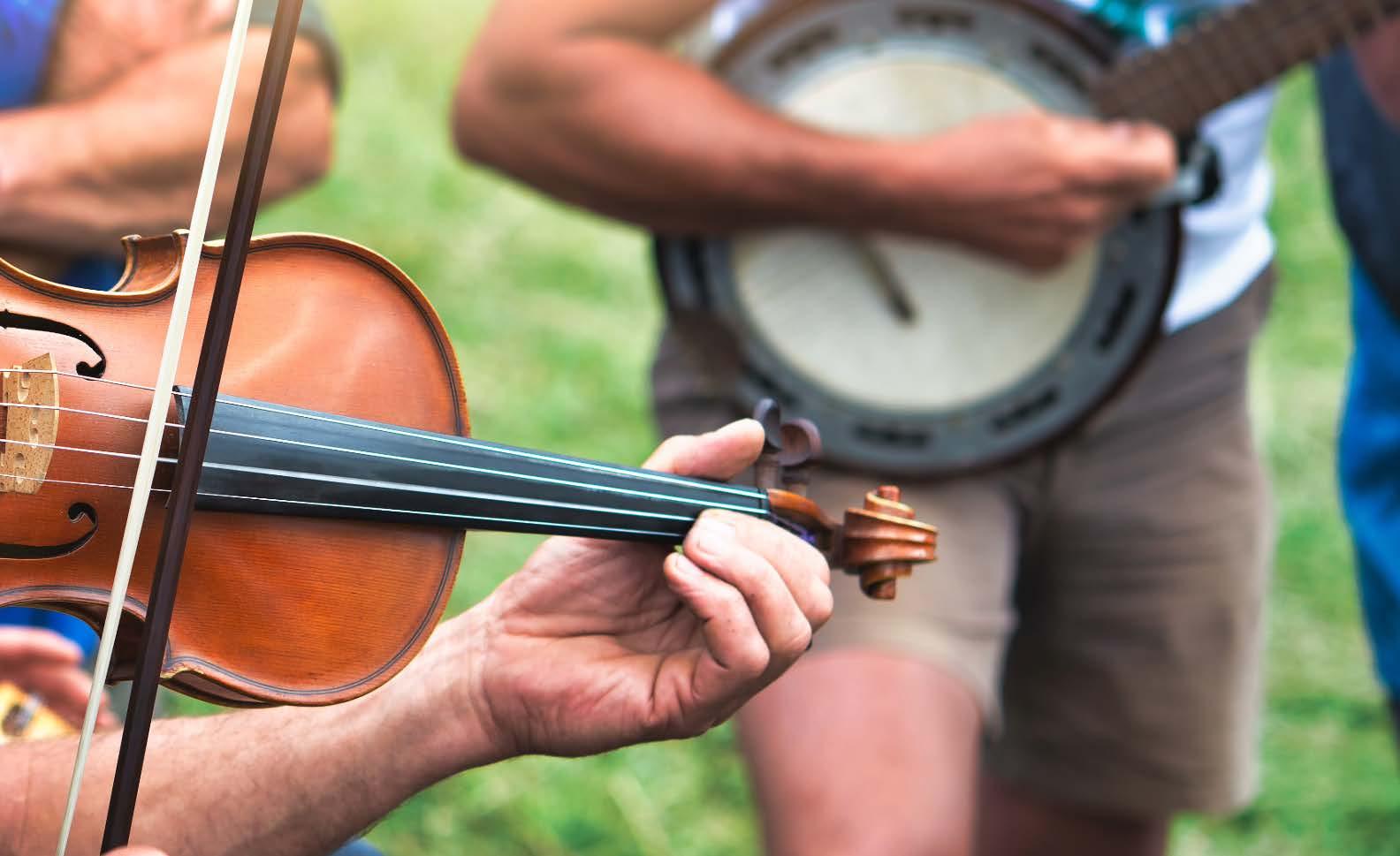
Whiskey Wisdom: Distilling History from Grain to Glass - Class 2
Thr., April 9, 7:00-9:00 pm
Instructor: Ryan Stoltzfus Location: Bear Creek Distillery Member Price: $20 Non-Member Price: $35 Additional Fee: $5
Author Mark Twain reportedly said, "Too much of anything is bad, but too much good whiskey is barely enough." This class invites you to belly up to the bar for a good portion of whiskey, a look at whiskey’s history, its business in Colorado and how it’s made.
“This class goes well beyond the typical distillery tour,” says bourbon steward Ryan Stoltzfus. “The Bear Creek Distillery (BCD) experience delves into whiskey’s past, it offers an in-depth tour of our production facility, and ends with a guided and generous whiskey tasting. I like to call it an elevated, in-depth educational whiskey experience.” Stoltzfus, the course instructor, covers the following production topics: grain selection, mashing, fermentation, distillation and the science behind barrel maturation. During the tasting, you’re given a flight that includes all of BCD’s expressions as well as a limited release expression that’s no longer available to the public. The limited release could be one of the company’s beer or wine barrel finishes or perhaps one of its inline whiskies with more age. Plus, enjoy a light charcuterie as you learn about the sensory techniques used when tasting.

Save the Bees, Birds, and Butterflies: Gardening for Biodiversity
Tue., April 14, 21, 6:30-8:30 pm
Instructor: Jared Del Rosso
Location: Online Member Price: $40 Non-Member Price: $55
Across Colorado, gardeners are saving water, supporting biodiversity and beautifying their yards with native plants. But what does it really mean to garden for pollinators and wildlife? In this two-session course, you will explore the growing “native plant” movement and how to be part of it.
In our first session, we’ll debunk common myths about pollinator-friendly gardening and discover why native plants are essential to local ecosystems. We’ll also review flowers, shrubs and trees you can add this spring to provide three seasons of blooms and year-round habitat. In our second session, we’ll dig deeper into landscaping practices that sustain the full life cycles of bees, butterflies and birds. Along the way, you’ll meet some of the common—and not so common— species you might encounter in your own garden. Time permitting, we’ll also discuss how to elevate your practices by participating in citizen-science projects that contribute to broader conservation efforts.
As both a gardener and sociologist, Jared Del Rosso believes that what we cultivate matters—to other species, our communities, and the future of biodiversity. Whether you’re a seasoned gardener or just beginning, you’ll come away with practical, inspiring strategies for creating a thriving, sustainable yard. While the course focuses on CO native plants, much of what it covers is adaptable to other places.
Contemporary Geopolitics: Understanding a World in Transition
Wed., April 15, 22, 29, 6:30-8:30 pm
Instructor: Scott McLagan; Amanda Cahal
Location: DU Campus Member Price: $60 Non-Member Price: $75
If there was ever a moment to sharpen your understanding of global affairs, today is that time. Around the world, geopolitical pressures are reshaping economies, alliances, and the daily realities of nations and people. In this course, Scott McLagan, emeritus professor of management and Amanda Cahal, Director of Global EMBA Programs at DU’s Daniels College of Business, offer a clear, engaging, and practical look at the forces driving global change in 2026. (cont’d)
The class features three, two-hour sessions where we explore the big-picture macro trends of globalization—from shifting power dynamics and demographic pressures to energy transitions, technological competition, and new patterns of trade. Participants will learn a geopolitical analysis framework that provides a structured lens for interpreting global events, assessing risk, and understanding the interdependence between politics, markets, and national interests.
We will then apply that framework to today’s most consequential hotspots. Topics include the evolving trajectory of the Russia–Ukraine war, the humanitarian and regional implications of the Gaza conflict, the strategic competition surrounding China and the Indo-Pacific, political and economic instability in Venezuela, and the worldwide ripple effects of tariffs and protectionism.
Whether you follow world events regularly or want to deepen your global fluency, this course delivers the insights needed to navigate an increasingly complex world.
The Lighter Side of Opera – and Lamont!
In Person
Register
Thr., April 16, 30, 6:30-8:30 pm
Newman Center performance, Thur., April 23, 7:30-9:30 pm
Instructor: Betsy Schwarm Location: DU Campus
Member Price: $60 Non-Member Price: $75 Additional Fee: $35
Opera isn’t all tragic sopranos and bombastic baritones. Sometimes, it’s a lighthearted, danceable blend of singing and spoken dialog. Welcome to operetta! More than just light opera, it’s an art form of its own: predecessor of modern musical theater.
In late April, DU’s Lamont School of Music will present the most popular of all classic operettas. J. Strauss Jr.’s Fledermaus (1867) blends flirtation, song and dance, practical jokes, and much champagne, all leading to an ebulliently happy ending. Frequent DU Enrichment instructor and music historian Betsy Schwarm celebrates the occasion with a three-session course on operetta and Fledermaus. One session is a live performance of the Lamont production. First, we’ll consider operetta before Fledermaus, then delve into Strauss’ most popular work. Next comes the performance itself. In the final session, we’ll share impressions of the experience, as well as explore where operetta went as it entered a new century. Strauss Jr.’s work anticipated what Stephen Sondheim would be doing a century later.
Bonjour, Paris! Great Art Museums in the City of Light
Sat., April 18, 25, and May 2, 1:00-3:00 pm
Instructor: Molly Medakovich
Location: DU Campus Member Price: $60 Non-Member Price: $75
Pining for Paris? Jonesing for a bite of good art (along with a fresh pain au chocolat)? Take an imaginative journey to the great museums of the French capital with art historian and Denver Art Museum educator Molly Medakovich. For centuries, Paris has been a cultural darling of Europe and an international center for art, and its famous museums house some of the most treasured masterpieces in the world. Explore the backstories of the Louvre’s Venus de Milo and Mona Lisa (how’d they get there, anyway?), Monet’s water lilies at the Musée de l’Orangerie, the dazzling “unicorn tapestries” at the Musée Cluny, and other must-see paintings, sculptures, and decorative arts housed in the city’s museums. Brush up on the long, fascinating history of the Louvre (did you know it served as the palace of the French kings for centuries?) and jump head-first into the once-shocking Centre Pompidou, a center for modern and contemporary art whose radical design was pejoratively described as an “oil refinery” by some critics when it debuted in the l970s. Discover some of the hidden gems on Paris’s map of museums with virtual visits to the Musée Rodin and its verdant gardens, the intimate environment of the Musée Jacquemart-André, a wonderland of 18th-century decorative arts and painting, or the new kid on the block in the Bois de Boulogne, La Fondation Louis Vuitton. In addition to savoring these art historical highlights, learn how Paris’s museums shed light on the rich, layered history of this dynamic city of art and culture.
The War on Cars: Rethinking Streets, Public Space and Belonging
Wed., April 22, 6:30-8:30 pm
Instructor: Jill Locantore
Location: DU Campus Member Price: $20 Non-Member Price: $35
Across the U.S., city streets are dominated by cars—but what if we reimagined them for people instead? This course explores the growing "War on Cars" movement, which seeks to reclaim public space, reduce car dependence and prioritize community over congestion. Join Jill Locantore, Executive Director of the Denver Streets Partnership, to examine how limiting vehicular traffic, reducing parking availability and encouraging alternatives like walking, biking and transit can help create safer, healthier and more equitable urban environments. (cont’d)
More than a critique of cars, this class is a hopeful look at what’s possible when we center courage, inclusiveness and joy in our public planning. Learn how cities are fostering authentic relationships between residents and urban space by emphasizing shared streets and vibrant public life. Consider the health, environmental and social impacts of current transportation norms—and what a bold, human-centered future might look like instead.
Learn ways that we (you!) can help make Denver more pedestrian-, bike-, transit-, and micromobility-friendly. We don’t have to get rid of cars, we just need to put them in their place and make the other options safer and more efficient. Whether you’re a city planner, cyclist, curious urbanist or concerned citizen, come explore how your community can move forward—together.
A Few Choice Words: The %$#@! Evolution of Swearing
In Person
Mon., April 27, May 4, 11, 6:30-8:30 pm
Instructor: Geoffrey Stacks
Location: DU Campus Member Price: $60 Non-Member Price: $75
Taboo language can reveal a culture’s ideals and history. From Roman graffiti to Clark Gable’s famous “damn,” studying cussing opens a window onto values, religion, gender expectations, and social power. “When I got my mouth washed out with soap as a kid,” says instructor Geoffrey Stacks, “I learned firsthand that taboo language is about more than words, it’s about what a culture values and fears.” As author Melissa Mohr observes, “People swear about what they care about,” so tracing taboo words over time uncovers evolving societal values.
We begin with a historical overview of swearing and how its meanings have shifted. Ancient Roman insults reveal what they prized; a medieval medical text uses the c-word before it became obscene; and Victorian prudery over piano “legs” shows how culture shapes and censors language.
Next, the course examines swearing and law. From the FCC’s obscenity rules to George Carlin’s Seven Words routine and today’s media landscape, we explore how societies regulate speech.
Finally, Stacks investigates what swearing reveals about the human brain. Why do some people with Tourette’s utter taboo words? Why can people with aphasia lose speech but still curse? Through the lens of taboo language, you’ll gain insight into our biological and cultural relationship with words.
Register
Nature’s Grandest Spectacle: The Spring Migration of Birds
Thr., April 30 and May 7, 7:00-9:00 pm
Bird-Watching Field Trips, Sat., May 2, 9, 9:00-1:00 pm
Instructor: Ted Floyd
Location: DU Campus Member Price: $80 Non-Member Price: $95
Prairies, forests and wetlands at our latitude come alive in April and May with a rich diversity of birds that only weeks earlier were wintering in habitats ranging from the southern United States and Mexico to Central America and northern South America. Who are they? Join Colorado birding expert Ted Floyd for two evening lectures and two field sessions covering the whys and wherefores of one of nature’s grandest spectacles: the spring migration of birds. Start your birding journey in the classroom where Ted discusses the questions we’ve all asked since childhood: Why do birds migrate in the first place? How do they know where to go? He’ll also explore birds’ amazing physical feat of flying hundreds or even thousands of miles in a relatively short time. Discover modern resources for enjoying bird migration that contribute to basic science about avian biology, including digital recorders and cameras, smartphones, apps, and software such as eBird and iNaturalist. In the field, at destinations within a 60-minute drive of campus, experience direct contact with scores of bird species, many of them on migration layovers or in the process of actually migrating. In addition to watching and listening, record your sightings and upload your data to global databases used by scientists to monitor and protect bird populations. Come away with a new understanding of one of nature’s most magnificent and mind-boggling annual spectacles.
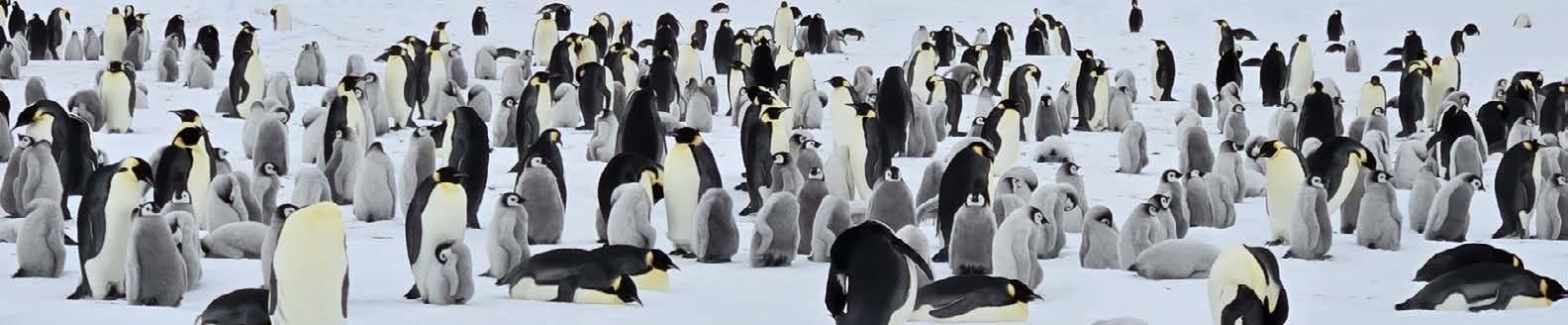
Penguins of Antarctica—How Do They Manage?
Fri., May 1, 2:00-4:00 pm
Instructor: Jean Pennycook
Location: Online Member Price: $20 Non-Member Price: $35
There are 18 species of penguins in the world. We will explore 7 species that have accepted the frigid waters and icy shores of the Antarctic region as home. (cont’d)
What life strategies have made them successful in this harsh and unforgiving environment? How do they find their mates, secure enough food to raise their chicks and protect themselves from predators? These penguins, and a host of other birds and animals have relied on the environment, food supply and protection of Antarctica to survive for millions of years. Man discovered Antarctica barely 200 years ago. In that short time man’s presence on this remote continent has affected the penguin population as well as the other creatures that call Antarctica their home. How has climate change, commercial fishing, large scale hunting, and ocean pollution contributed to stress on the population and existence of these Antarctica natives? What will their future be like? Lots of fun stories and recent research findings will be presented to help answer these questions.
American Bandstand: More Than Just a Dance Show
Tue., May 5, 12, 6:30-8:30 pm
Instructor: Barbara Kreisman
Location: DU Campus Member Price: $40 Non-Member Price: $55
What made American Bandstand more than just a dance show? From its debut in 1952 to its final broadcast in 1989, the program shaped teen identity, influenced fashion, broke racial barriers, and launched music careers. In this lively twopart course, educators Barb Kreisman and Jack Kronser will explore the show’s enduring cultural legacy, share behind-the-scenes stories, and reflect on how Bandstand influenced them while growing up. As they recall, “Watching every afternoon, we felt connected to something bigger—Bandstand shaped our tastes, our dancing, and our sense of belonging as teenagers.”
Part one examines Bandstand as a cultural time capsule. Experience the excitement of the opening theme and vintage title cards, then revisit how the show introduced a national teen culture long before social media. We’ll discuss the program’s role in spotlighting Black performers and interracial dancing on national TV, while tracing the rise of dance crazes from the Stroll and the Twist to the Hustle and the Moonwalk. Through music clips, Rate-a-Record activities, and audience reflections, we’ll uncover why Bandstand became a symbol of American youth. Part two takes you backstage to discover insider stories about the move from Philadelphia to Los Angeles, teen dancer fan clubs, and the controversy of lipsync versus live performances. We’ll examine Dick Clark’s influence on the record industry, including the “payola” scandals and his reputation as a music mogul. Comparisons with Soul Train, MTV, and TikTok reveal how media culture has evolved—and what might make Bandstand work today. Add in fashion-throughthe-decades show-and-tell, trivia challenges, an audience-voted Bandstand Hall of Fame, and we’ll close with a finale dance party worthy of “Bandstand Boogie.”
In Person
Japanese-American Journeys: History, Identity and the Future in Colorado
Thr., May 7, 14, 6:30-8:30 pm
Instructor: Cody Walizer/Derek Okubo Location: Sakura Square
Member Price: $40 Non-Member Price: $55 Additional Fee: $15
How did Denver’s Japanese-American community take root, and what lies ahead for its future? Join Cody Walizer, PhD, assistant teaching professor at the University of Colorado Boulder, and civic leader Derek Okubo for an on-site exploration of history, culture and identity at Sakura Square in downtown Denver. Through storytelling, historical analysis and guided experiences including a walking tour, food tastings and cultural exchange, you’ll encounter the layered past and evolving future of this vital community.
Together we’ll explore the lived experiences of pre-war migrant workers, the wartime incarceration of Japanese-Americans and the resilience of post-war generations. Walizer brings academic depth and lived perspective on JapaneseAmerican identity and cultural belonging, while Okubo shares community-based insights drawn from his decades of civic engagement and leadership. The course also looks ahead to pressing challenges and preserving sites like Amache, while reflecting on how Asian-American voices are situated in today’s civic landscape. Along the way, participants will gain opportunities to connect historic struggles with contemporary conversations about race, belonging and civic participation. Come away with a deeper appreciation for the Japanese-American community’s enduring influence in Colorado and an understanding of how its traditions, struggles and contributions shape the future.
An Introduction to Working with Glass: Class 1
Sat., May 9, 16, 9:00-12:00 pm
Instructor: Jon Wade Location: Glass Class Denver
Member Price: $60 Non-Member Price: $75 Additional Fee: $30
Glass blowing, a time-honored art form with roots tracing back to 27 BC in ancient Babylon, is experiencing a renaissance in recent times thanks to popular TV shows like Blown Away, which features artisans taking part in glass-blowing competitions. In a groundbreaking addition to the Enrichment Program, glass-blowing expert Jon Wade instructs this special hands-on course in borosilicate lampworking over two, three-hour sessions. This class is structured for the total beginner and no prior knowledge or experience is expected. Wade helps you develop a basic (cont’d)
understanding of the torches and tools used to shape glass as well as some fun, artistic techniques. The course also covers the history of glass, shop safety, proper kiln usage, and creating both hollow and solid objects.
With your own torch, you complete multiple projects that include a pendant depicting a reflective space scene, a beautiful blown holiday ornament, as well as some fun surprises. Plus, learn how to add color to the clear glass using crushed pieces of colored glass called frit. You’re given a vibrant spectrum of colors of glass frit to mix and match for your project as well as silver powder for your space pendant. All torches, safety equipment and other required materials are provided courtesy of the course’s sponsors.
An Introduction to Working with Glass: Class 2
Sat., May 9, 16, 2:00-5:00 pm
Instructor: Jon Wade Location: Glass Class Denver
Member Price: $60 Non-Member Price: $75
Additional Fee: $30
Glass blowing, a time-honored art form with roots tracing back to 27 BC in ancient Babylon, is experiencing a renaissance in recent times thanks to popular TV shows like Blown Away, which features artisans taking part in glass-blowing competitions. In a groundbreaking addition to the Enrichment Program, glass-blowing expert Jon Wade instructs this special hands-on course in borosilicate lampworking over two, three-hour sessions. This class is structured for the total beginner and no prior knowledge or experience is expected. Wade helps you develop a basic understanding of the torches and tools used to shape glass as well as some fun, artistic techniques. The course also covers the history of glass, shop safety, proper kiln usage, and creating both hollow and solid objects.
With your own torch, you complete multiple projects that include a pendant depicting a reflective space scene, a beautiful blown holiday ornament, as well as some fun surprises. Plus, learn how to add color to the clear glass using crushed pieces of colored glass called frit. You’re given a vibrant spectrum of colors of glass frit to mix and match for your project as well as silver powder for your space pendant. All torches, safety equipment and other required materials are provided courtesy of the course’s sponsors.

Facilitators/Instructors
OLLI Facilitators
Barbara Adams | Dr. Barbara Adams is a neuroscientist of renown who is also active in aviation and aerospace. She has become an Ambassador for NASA and JPL (Jet Propulsion Laboratory), and speaks throughout Colorado, as well as being active at the JPL campus in California. She is the Colorado Aerospace Officer for Civil Air Patrol, and the Chief Administrator for Sci-Terra and the Soaring Together Conference, and is active on the Metro Airport Advisory Board. Barbara is a pilot and flies helicopters in her spare time.
Neil Adelman | Co-facilitator Neil Adelman is an experienced opera lecturer. He is a retired Chicago attorney who recently moved to Denver. He has spoken about opera in the Chicago area, including 11 years in Lyric Opera of Chicago’s community lecture program, and in Naples, Florida, as well as DU’s OLLI program. Neil was active in Northwestern University’s OLLI program for 18 years, where he facilitated courses on opera, history, law, film, and religion.
Maria Arapakis | Maria Arapakis is a psychologist, international trainer, speaker, and author with over 45 years of experience training people around the world. Maria has been teaching at OLLI since 2010 and is currently a Diamond Facilitator. For the past 15 years, she has helped seniors become more adept with the remarkable powers of All Things Apple technologies. More recently, she is focused on sharing what 50+ years of research on Near Death Experiences ("NDEs") are teaching us about human consciousness, what awaits us when we die, and what matters most in life. She moved to Denver from San Francisco 30+ years ago and built her Cherry Creek home where she happily resides with her precious kitties, Koko and Koko's son, Simba. Maria has always been a "teacher at heart" and deeply appreciates OLLI for giving her the opportunity to continue doing what she most loves: teach what can help and support others.
Bill Baird | Bill Baird is a grandfather, a returned Peace Corps Volunteer and an Auburn University Professor Emeritus. He recently co-facilitated The Secret Life of Groceries online at OLLI. He is a Master OLLI Facilitator and has led 27 classes over the past 16 years. He enjoys getting accurate news and hearing others' opinions on things.
Natalie Baker | Natalie Baker holds a PhD in Public Affairs (public policy track) and Master of Public Administration from the University of Colorado Denver and Master of Business Administration from The Denver University. She has designed and taught graduate courses in the Policy Sciences of Democracy at UC Denver. Additionally, Natalie's professional experience spans three decades in communications and information technology; notably in regulatory and government affairs. Relevant here, the multi-disciplinary policy sciences instruct
that the 'present and the future have nowhere to come from but the past.' Thus, public policy, including immigration policy, exists on an historical continuum whereby certain underappreciated actors can be brought to life to provide insights that, in turn, inform the on-going pursuit of a liberal world order.
Don and Gracie Batt | Don and Gracie Batt, retired high school English and theatre teachers in the Cherry Creek Schools, have facilitated courses on Irish literature and literature of the American West with OLLI for several years.
Darcelia Beck | Darce Beck's first career in theatrical stage management opened her world to a rich mix of cultures and creativity, as did her volunteer work reading and evaluating scripts for an arts organization. Her second career in public school media centers brought literature into vibrant focus. Mentoring ESL students revealed something invaluable: learning songs powerfully supports learning a language while creating camaraderie. Over 30 years, Darce has rekindled her lifelong passion for singing, both with and without accompaniment, through immersive weekly classes, weekend retreats, and week-long singing gatherings. Through these experiences, she realizes how deeply community singing enriches her life. Now, at OLLI, she offers to share that joy with others, in a welcoming, safe space for all - the cautious, the curious, the brave - to explore the myriad benefits of singing in community.
Kelly Beninga | Mr. Beninga is a futurist who brings his background in renewable energy, climate change, history, and psychology to provide an insightful perspective on the future of civilization. Beninga holds a bachelor's degree in engineering from Colorado State University and a master's degree in transpersonal psychology from Naropa University. Kelly Beninga spent much of his career in the field of science and high technology, holds several patents, and was recently the President and CEO of SkyFuel, Inc., a company engaged in solar power technologies. He is currently a psychotherapist in private practice in Lakewood, CO. Beninga is the author of the book The Enlightened Ego: Discover Your Ego's Purpose and the Path of Transcendence, and has written many articles integrating the viewpoints of science, psychology, and spirituality.
Stephen Bennett | Stephen Bennett has an undergraduate degree in Architecture from Iowa State University, is registered as an engineer in Colorado and California and received his MBA from University of Colorado - Denver. Work and personal travel have taken him to China, South Korea, India, Europe, and the UK. Travel made it possible for him to augment his study of cultures and the emergence of humans as the dominant species on this planet. His focus most recently has been on the impact of the creative and disruptive forces of the digital age on work, population growth, energy usage, and global economic trends.
Facilitators/Instructors
Neil Bergstrom | Neil Bergstrom has a Bachelor's degree in physics from Colorado College. Neil is retired as a licensed Petroleum Engineer and holds a US Patent in Measurement While Drilling. He has worked in a variety of industries making holes in the ground, including groundwater, environmental contamination, minerals, and petroleum. Project locations include Saudi Arabia, Africa, Europe, and North America, both on and offshore. His most recent experience is wellbore navigation and surveying, underground wellbore collisions both unplanned and intentional, and oil well blowout control.
John Bowen | John Bowen is a long-time observer of international affairs with particular interest in Eastern Europe. After practicing law for many years in unrelated areas, he now has time to study international relations in greater depth and keeps abreast of military technological developments.
Joseph Brady | Joseph Brady MSTCM, L. Ac. Dipl. O.M. RAND REACH Scholar and nationally board certified practitioner of Traditional Chinese Medicine. Joe taught on healthy aging issues and coordinated the Gerontology program at the University of Denver for twenty years. He also taught classes in Tai Chi, Qigong, and Traditional Chinese Medicine at the University of Colorado Health Sciences Center, Metropolitan State College of Denver, and he currently teaches Tai Chi and Qigong at the Colorado School of Traditional Chinese Medicine. Joe wrote many articles on healthy aging for the Rocky Mountain News, and has presented at many scientific conferences, and has lectured and presented research at Harvard Medical School's Osher Institute for Integrative Medicine and at the Oxford Union Debating Hall and Harris Manchester College, Oxford University, U.K.
Joseph Brady | Joseph Brady MSTCM, L. Ac. Dipl. O.M. RAND REACH Scholar and nationally board certified practitioner of Traditional Chinese Medicine. Joe taught on healthy aging issues and coordinated the Gerontology program at the University of Denver for twenty years. He also taught classes in Tai Chi, Qigong, and Traditional Chinese Medicine at the University of Colorado Health Sciences Center, Metropolitan State College of Denver, and he currently teaches Tai Chi and Qigong at the Colorado School of Traditional Chinese Medicine. Joe wrote many articles on healthy aging for the Rocky Mountain News, and has presented at many scientific conferences, and has lectured and presented research at Harvard Medical School's Osher Institute for Integrative Medicine and at the Oxford Union Debating Hall and Harris Manchester College, Oxford University, U.K.
Sue Bramley | Sue Bramley is a lifelong lover of sound, her musical passions stretch from the swagger of the 1950s Rat Pack to the driving energy of rock, jazz, blues, pop, and the precision of marching bands. With an ear for timeless classics and a flair for storytelling, she invites class members on a rhythmic journey
across decades where every era leaves its unmistakable mark. Expect nostalgia, discovery, and a whole lot of swing along the way.
Dennis Brovarone | Dennis has been practicing business law in Colorado for almost 40 years. He graduated from CU with a degree in Political Science in 1978 and DU Law in 1986. He raised three Millennials and still enjoys age-appropriate cycling, hiking, skiing, and horseback riding.
Mary Caravalho | Mary Caravalho lived for the past 45 years in California, moving to Denver three years ago after her husband died. She now lives happily in downtown Denver at Writer Square. Mary was an OLLI member in San Clemente and Santa Cruz, CA. She was happy to learn that DU also had an OLLI and has taken several classes each session since moving to Denver. Mary enjoys learning and meeting other OLLI members, and she has volunteered her services to several OLLI committees. Mary has a degree in literature from Gonzaga University in Spokane. She worked for Apple Computer, was a school librarian, and taught citizenship for seven years in the San Juan Capistrano School District. After retirement, Mary was in charge of welcoming new members for OLLI Santa Cruz. Mary finds that women's history/issues from ancient times to today are of particular interest. She hopes to bring a fuller understanding and appreciation of the steps women have taken to bring themselves equitably into the 21st Century.
Monica Casco | Monica Casco is a retired lecturer from Queens College, City University of New York, recognized for her commitment to education and advocacy for peace. Notably, she has made significant contributions to peace education through her collaboration with The Prem Rawat Foundation, where she has been instrumental in developing the Peace Education Program.
Terry Casey | Terry has a BA from St. Anselm College (Manchester, NH), a MA in History from UConn, and a Master's in Urban Affairs & Policy Analysis from The New School for Social Research (NYC). He was a County Administrator in New Hampshire and, since 1986, was a Managing Director in the Capital Markets office of Dain Bosworth, which became RBC Capital Markets in the early 2000s. His clients over the years included the states of Colorado and Wyoming, many of the major K-12 school districts in Colorado, Colorado Springs Memorial Hospital, Wyoming Medical Center (Casper), Cheyenne Memorial Hospital, Aspen Hospital, and the Wyoming Student Loan Corporation. He retired from RBC in 2011.
Nancy Cassell | Nancy Cassell grew up playing games with her siblings and cousins. Game time could mean being challenged at Scrabble, entertaining younger sisters with Candyland, or playing Yahtzee with the family. Her family also played Pinochle and other card games on a Sunday afternoon. She has more recently picked up mahjong and enjoys learning new games.
Facilitators/Instructors
Wayne Cassell | Wayne Cassell is a former US Army armor officer having served during the mid to late '70s, primarily in Germany. During the 1980's he was a tactical training consultant for the army before moving to Colorado and becoming a technical illustrator and graphics artist. An avid amateur military historian, he finds his passion for history is useful in his hobbies, which include building historically accurate models and playing board and computer strategy wargames. His current area of interest is Russian and Soviet history.
Christine Chao | Christine M. Chao, Ph.D., is a licensed clinical psychologist and Jungian analyst in private practice and a past clinical director and executive director of the Asian Pacific Development Center in Aurora. She is currently a board member of the C.G. Jung Institute of Colorado where she serves on the training committee. She has been an adjunct clinical supervisor at DU and has taught at the Iliff School of Theology and the University of Colorado at Denver. Dr. Chao's interests—reflected in her clinical practice, in a variety of publications, and in numerous professional presentations and workshops—include multi-racial identity formation, Asian mental health, and the significance and function of ancestral altars and myths. She also has conducted many workshops on cultural diversity.
Natalie Conklin | Natalie has enjoyed taking and facilitating classes at OLLI since retiring from a career in education, from special education, to classroom, to media specialist, to reading teacher. Most classes she has facilitated have been in the visual and performing arts, but also in history and literature. How the social, economic, and cultural events in history affect our daily lives has always been of great interest to her, and she enjoys sharing with OLLI participants what she has learned doing her research on a wide variety of topics.
Thomas Corona | As a meteorologist for over 45 years, Tom Corona knows the challenges and satisfactions of accurately predicting the weather and studying climate issues. He earned a Master’s degree in Atmospheric Science from Colorado State University, and he was a member and chase team coordinator for the NOAA/PROFS program that developed and tested the current National Weather Service Forecasting System. Tom also taught meteorology courses at Metropolitan State College/University in Denver for 27 years including introductory weather courses and theoretical courses in the dynamics of the atmosphere. In retirement, Tom enjoys facilitating these OLLI courses and has devoted his time and efforts to volunteer activities and music performance, writing, and production.
Lori Eastman | Gloria (Lori) Eastman enjoys bringing alive the historical and cultural backgrounds of classic literature and making the readings relevant to our 21st-century lives. She particularly delights in encouraging the varied responses of the participants as we explore the readings together. She taught high school English and journalism for 26 years in the Jefferson County Public Schools, while also earning her Ph.D. in 19th-century British literature from CU-Boulder. Recently retired, she is Professor Emerita at Metropolitan State University, where she taught British literature and English education.
Kent Epperson | Kent Epperson is a graduate of Denver East High School and the University of Colorado Boulder. He worked at all levels of public education and in three Denver-area school districts. He maintains an interest in history and current events. Kent strives to facilitate courses rather than lecture. Classes are structured to promote a respectful exchange of ideas.
Dave Erickson | Dave Erickson volunteers at the Colorado Railroad Museum, where he provides guided tours and assists with the maintenance and repair of railroad track. Museum tours cover a variety of subjects, including locomotives, dining on the rails, railroad-related machines, and Colorado Railroad history. He is a retired environmental scientist, current birder, and volunteer for Jefferson County Open Space.
Stan Folker | Stan is an Auburn University engineering graduate. He is a former US Naval aviator and retired as a captain for Continental Airlines. He later worked as a financial consultant for AXA Equitable. He has had a longtime interest in economics, personal investing, and history.
Alan Folkestad | A student of history almost his entire life, Alan Folkestad is keen on delving into the unintended consequences of history. Alan has lived abroad in three different countries and he always found the culture and history fascinating. He received a BA degree at the University of Minnesota and earned a master's degree from Texas Christian University.
Margie Folkestad | Margie has been a teacher most of her life. She operated her own ballet school for 15 years. Upon graduating from the University of Denver, she taught for the Littleton Public Schools as a secondary social studies and English teacher. She worked with a team developing a new secondary curriculum for English, which was used by the district for twenty-five years. She received a master’s in psychology from Texas Woman's University. Later she taught college courses on western civilization for Troy State University and statistics for Park College. Margie is passionate about writing and involved with both poetry and prose writing groups.
Facilitators/Instructors
Edward (Ned) Ford | Edward Ford is the author or translator of 19 books, as well as many pieces in literary journals. He has taught at Newbury College, Massachusetts Bay Community College, and the Boston Center for Adult Education. His M.A. in English is from the University of Massachusetts, Boston. His M.A. in French is from Tufts University. He also studied at the University of Bergen in Norway and the University of Pau in France.
Rich Foster | Rich Foster is a trained Peace Education Program facilitator who has led 30 sessions with retirees, enjoying seeing them benefit from the program. He retired in 2019 after a 40-year career in warehouse management and marketing.
Sara Frances | Sara Frances self-defines as a photojournalist-poet. Her MA (Comparative Literature) and Poetry Collective of Lighthouse Writers Workshop combine uniquely with photographic title Master Photographic Craftsman. Her published books combine art monographs and memoir or poetry. Unplugged Voices: 125 Tales of Art and Life from Northern New Mexico, the Four Corners and the West is a 324-page, illustrated, four-color coffee table collection of verbal narratives from the West, each a 5-minute read—winner of 10 book awards. Her ongoing Unplugged Voices Project is currently in curation and edit of Colorado and Four Corners stories for the 250-150 sesquicentennial. Her photographic memoir, Fragments of Spirit: 60 Years: A Photographer's Recollections of Taos Pueblo, the Region and its Arts, was published in January 2021. A regular OLLI presenter, she coaches photojournalism with text; poetry, and memoir workshops; and tech photo. She has two new poetry/image books in process.
Curt Frankenfeld | Curt Frankenfeld is a retired corporate executive. He is a graduate of the Denver Audubon Master Birder program, a volunteer naturalist in Douglas County, and a volunteer with the Bird Conservancy of the Rockies. He is the President of the Denver Audubon Board of Directors and involved with planning and implementation of the Master Birder program.
Jan Friedlander | Jan’s classes are infused with knowledge, research, humor, and infectious enthusiasm for whatever subject she presents. If you’re considering taking one of her classes this term, the following will provide a glimpse into her experiences in these areas. Jan enjoys hiking locally as well as adventure travel (e.g., Antarctica with National Geographic), and has a deep appreciation for our interconnected world. Jan began playing trumpet at age eight and continued performing throughout college, concentrating on classical music, including opera. Did you know that Juilliard invited her to audition for a scholarship when she was a junior in high school? OLLI’s motto, “Curiosity Never Retires”, is perfect for Jan. Her Potpourri or Speaker Series classes continue to cover a wide array of topics presented by a variety of knowledgeable facilitators. Jan left high school after her
junior year to start college. She has earned credits from five universities, including La Universidad de las Americas. She holds a BS in Spanish and French Education (with additional classes in Latin, German, Russian, and Italian) and an MEd in Higher Education Administration from the University of Oklahoma. Whichever of Jan’s classes you choose, you’ll feel welcome while learning in a fun and friendly community.
Ed Friedman | Dr. Ed Friedman holds a Ph.D. in physics and is an active lecturer on topics in physics and cosmology. He worked in for-profit and nonprofit science organizations that focused on astrophysics and space science, consulted with NASA and the National Academy of Sciences, and authored four optical engineering books and 79 professional journal articles. He was successful in guiding the work of two aerospace engineering PhD candidates. He lectures on science to adult education students at two universities, on cruise ships, and to community groups. He has extensive experience in the Osher program, including frequently teaching cosmology at the University of Denver.
Janeen Galligan | Janeen Galligan is an experienced educator with a strong foundation in teaching college-level courses focused on helping people improve their communication—and, in turn, their relationships both professionally and personally. Her career has centered on fostering connection, clarity, and growth, whether in the classroom, through technology, or in partnership with clients. Janeen moved to Colorado to attend graduate school at the University of Denver and never left—putting down roots with her husband and raising their two children in a community that reflects their shared values of learning, connection, and service. She holds a graduate degree from the University of Denver and is a lifelong advocate for learning, equity, and innovation.
Mark Robert Garrett | Mark Garrett is a filmmaker, critic, and educator based in Santa Fe, New Mexico. After graduating from the University of Colorado--Denver with an English and Film major and French minor, he studied and taught English in France. While his focus is on experimental, French, and horror cinema he prides himself in an indiscriminate love of all forms of film. He is currently working on a short film and a collection of film criticism.
Stuart Gentry | Stuart Gentry spent the first 20 years of his professional career in the chemical industry. He then became a professor of chemistry at La Salle University in Philadelphia for 10 years. Since his retirement, he has pursued his interests in science and technology in the world around us, as well as his interest in the historical development of society and cultures.
Beverly George | Beverly George, also a volunteer member of the Jeffco League, moved to Colorado with her husband Tom in 2022 from Naperville, Illinois, where she taught AP Chemistry and Physics at the high-school level. A graduate of
Facilitators/Instructors
Duke University, Beverly is passionate about news sources delivering hard facts and informed voters being the key to securing American democracy for future generations.
Glenn Gravlee | Glenn Gravlee is Professor Emeritus of Anesthesiology at the University of Colorado School of Medicine and is a Master Facilitator for OLLI at DU. He is a retired subspecialist in cardiothoracic anesthesiology. Glenn has cofacilitated approximately 20 courses for OLLI at DU on a range of topics including popular music history (1950s and 1960s), military history, movies, the Berlin Wall, the Eisenhowers in Colorado, France in World War II, and others.
Michael Holmes | Dr. Michael Holmes worked in public education for 37 years. He has taught the game of bridge for over 19 years and is a Certified ACBL Online Bridge Teacher and Audrey Grant Bridge Teacher, Gold Life Master, ACBL Certified Club Director and ACBL Certified Tournament Assistant Director, and board member of the American Bridge Teachers Association (ABTA).
Charles Holt | Charlie Holt is a Platinum Facilitator with a career as an engineer in R&D and R&D management for over 35 years. He has a strong interest in science and technology as well as history and diplomacy, with a focus on key personalities shaping science and history. He holds a PhD in Theoretical and Applied Mechanics, an MS, and a BS in Aeronautical Engineering. He served in the U.S. Army in Vietnam.
Alice Howard | Alice Howard is a long-distance OLLI member having joined several years ago from Charlottesville, VA. She has taken courses in History, Public Affairs, Literature, and Music. She is a retired academic information technology support specialist at the University of Virginia.
Larry Howe | Larry Howe's career reflects a passion for cultural dynamics and the power of information technology. With degrees in American Studies (BA), Communications (MA), and an MBA, he blends insight into culture, media, and business. His global outlook began with Peace Corps service in postindependence Kenya. In media, he worked with NBC News (KNBC-TV) and Public TV (KCET-LA) producing documentaries, news and public affairs shows, and then the cable industry, managing video programming, launching broadband ventures, and advising organizations in the early internet era. Larry's commitment to cultural resilience includes social enterprise work in India, Mozambique, and Indonesia, plus involvement with arts and environmental groups Sound of the Rockies and Trout Unlimited, and now OLLI@DU. His early fascination with documentaries started with film studies at Stanford (MA, Communications), where he viewed Nanook of the North (1922), a ground-breaking feature-length film showing Inuk family life in the Canadian Arctic.
Ron Hranac | Ron Hranac is a past President of Denver Astronomical Society (www.denverastro.org), a member of its Board of Directors, and has been interested in astronomy since elementary school. Ron lectures about meteorites, solar observing, and other topics at the University of Denver's historic Chamberlin Observatory during DAS's Astronomy Night outreach program. He has been a guest lecturer in DU's astronomy program, and has lectured at the Denver Museum of Nature and Science, various area schools, nature centers, and other venues. Ron has enjoyed sharing his passion about astronomy and star gazing with the public for many years. Professionally, Ron is a retired telecommunications engineer, having worked in that field for more than 50 years. Ron's industry activities include the publication of hundreds of articles and papers. He has been a speaker at numerous international, national, regional, and local conferences and seminars. Ron is a Fellow of the Society of Cable Telecommunications Engineers, was inducted into SCTE's Hall of Fame in 2010, and became a member of the Cable TV Pioneers in 1997.
Ralph Hughes | Ralph Hughes is a Stanford-trained economist and a retired business analytics consultant. Alec, his co-facilitator, is a retired professor of economics who earned his doctorate at CU Boulder. They have facilitated discussion classes on political economy for several years now and thoroughly enjoy the lively conversations that such topics stimulate. Ralph is also sponsoring the Epic Skiing Special Interest Group (SIG). He has nearly 40 years of ski experience including two instructor bootcamps by Vail Corporation, two seasons as an instructor, over 40 hours of in-person lessons from professional trainers, and is continuing to study with a Level 4 Trainer/Examiner.
Candace Hyatt | A graduate of Elmira College (BA) and University of Denver (MA), Candace (Candy) Hyatt has been an educator, pre-K through adult, for over 50 years. Her roles have included middle school teacher and principal, elementary school principal, professional development central office administrator, and leadership and English language acquisition consultant in an educational research and development non-profit setting. Her work is characterized by a mission to provide access to high-quality educational opportunities for learners of all ages, cultures, and abilities in a wide variety of both formal and informal settings. She's a long-time Colorado resident with a love of reading and the outdoors.
Arthur Jones | Arthur C. Jones is Professor Emeritus of Music, Culture and Psychology at the University of Denver's Lamont School of Music.. He received a Ph.D., in clinical psychology from the University of Iowa, Iowa City in 1974. He is currently a licensed psychologist in Colorado and he previously held licenses in Illinois and Ohio. At the University of Denver, he has held a variety of teaching and administrative positions since 1991, culminating in a year as Interim Vice
Facilitators/Instructors
Chancellor for Diversity, Equity and Inclusion before his formal retirement in 2020 Over the years, Dr. Jones has been the recipient of numerous local and national awards for his work as a clinical practitioner, teacher, scholar, and community worker, including his consistent work on culture and social justice. In the early 1990s, his expertise in African American and multicultural psychology merged with a revival of his childhood love of singing, leading to sustained efforts to help revitalize the music and wise teachings of the songs called spirituals, created and first sung by African peoples enslaved in America in the 18th and 19th centuries. He is the founder of the award-winning Spirituals Project, which is now an official program of DU's Lamont School of Music. Dr. Jones' groundbreaking book, Wade in the Water: The Wisdom of the Spirituals, was released in a revised, 30th anniversary edition in June, 2023.
Sheila Jones | Sheila Jones, a Senior Facilitator, brings a lifelong passion for literature, media, and communication to the classes she facilitates with OLLI. She enjoys exploring the critical issues shaping today's complex world and engaging OLLI members in thoughtful conversations about meaning in our fast-paced, everevolving communication landscape. A retired high school English and journalism teacher with a master's degree in Communications/Journalism, Sheila continues to be deeply involved in education. In retirement, she has mentored high school advisers through the Journalism Education Association, and for OLLI, facilitated classes, and presented workshops and a webinar. Recently, she designs and helps write "SnapShot", Olli South's bi-monthly facilitator profile features, as part of a three-person team. At heart, Sheila still loves the classroom, where the pursuit of knowledge opens doors to understanding the past, navigating the present, and imagining the future.
Stewart Jones | Stewart Jones has been an Episcopal priest for fifty-seven years and has served several parishes and missions in the Denver area during that period. He has also been a systems and software engineer for thirty-nine years with the Gates Rubber Company and Martin Marietta, where he was a Senior Staff Engineer. He is currently a volunteer at the Denver Museum of Nature and Science. He holds a BA in mathematics from Northwestern University and a Masters in Theology from Seabury Western Theological Seminary in Chicago. He has a lifelong association with the Episcopal Church.
Lee Kaufman | Lee Kaufman has taught music courses in continuing education for 24 years. This includes classical music listening courses in the Parkway School District and at St. Louis Community College and Chautauqua Institute. Film score composers have been included in Music of the Movies as well as separate courses on Broadway and Hollywood songwriters. He was founder and secretary of the North American Chapter of the Elgar Society and co-produced with Hershey Felder three plays with music: George Gershwin Alone, Monsieur
Chopin, and Beethoven as I Knew Him. He had his own company for 33 years in the flooring contracting business and graduated from college with bachelor's and master's degrees in business. He lives in St. Louis, where he is married with two daughters and five granddaughters.
Janet Kester | Janet Kester has lived a relatively joyful life and wants to share that joy with others. She is a retired special education teacher who tried to bring as much joy as possible to her students as they struggled with the academic world. Janet thinks she is quite clever to have integrated her greatest joy, gardening, into her work as a teacher as she developed a thriving and educational gardening program both inside and outside the classroom. For her, joy jumps out everywhere on a daily basis in the form of grandchildren, flowers, pretty colors and friendships. Watch for her car license plate that says "JOYFORU."
Ronald Knox | Ron Knox has a BS in mathematics and chemistry from CSU with 40+ years managing software and data systems for banking, telecommunications, military & aerospace contractors, government, electronics, computer and utilities industries. These systems were utilized by Arrow Electronics, Honeywell, Citicorp, AT&T, IHS, DOD and McDonnell Douglas. Ron directed the development of Expert/AI systems, including the Telecommunications Engineering and Asset Management Systems, completed in 5 years by a staff of over 120. TEAMS assigned telephone numbers used by Pacific Bell and other telephone companies. This system consolidated 27 telecommunications engineering functions into one system for Pacific Bell/AT&T.
Cynthia Kristensen | Cynthia Kristensen is a retired physician. She is also a graduate of the Master Birder program and involved with the Master Birder program. She volunteers with various Audubon programs and with her local wildlife committee.
James Kunkel | James R. (Jim) Kunkel, Ph.D., P.E. is a semi-retired engineer with 57 years of domestic and international experience in hydrology and water resources. He has worked on water resources projects in 32 states and 22 foreign countries. He has lived in Mexico, Peru, Colombia, and Chile during his career. His academic experience includes 17 years as an adjunct associate professor at Colorado School of Mines (CSM), where he taught graduate hydrologic engineering courses in the Department of Geological Engineering. Dr. Kunkel is the coauthor of the university textbook Unsaturated Zone Hydrology for Scientists and Engineers published by Prentice Hall. He has given presentations, professional technical lectures, and short courses to news media, government agencies, and professional societies in the U.S., Colombia, Ecuador, Peru, and Mexico. Dr. Kunkel has given lectures and courses previously at OLLI East, Central, West, Online, Onthe-Move, and OLLI Webinars.
Facilitators/Instructors
Linda Lange | Voracious reader of mystery and science fiction and enthusiastic gardener, Linda Lange is retired from teaching finance and accounting at Regis University. She created the first Mysterious Places class in 2019 to enthusiastic response and has built the series since, choosing different themes for each term and occasionally revisiting a popular theme to update author choices.
John Lanning | John Lanning is a retired chemistry professor from the University of Colorado Denver where he taught courses in general, analytical, and environmental chemistry. His research included atmospheric chemistry and indoor air quality. John has a passion for active learning and the science principles that provide the foundation for environmental science. John has lived in Denver for 50 years. John is an avid bicycle rider, amateur photographer and amateur radio operator. John has taught adult education science classes with the Academy for Lifelong Learning, the DU Osher Lifelong Learning Institute, and the DU Enrichment Program.
Susan Lauscher | Sue Lauscher is a retired lawyer and has been playing the cello for over 60 years. She's played in symphonic orchestras, opera orchestras, show orchestras, and ballet orchestras. While there are few orchestral works that she wishes she had played, for the last 20 years, she's exclusively played chamber music. She's most recently co-facilitated an OLLI course on Austrian music and art from 1888 to 1938. This course is an abbreviated version of the course she cofacilitated in 2022.
Mark Levine | Mark A. Levine is a semi-retired internal medicine physician with an enduring interest in medical ethics and professionalism. A veteran facilitator of adult education programs, he remains active in activities at the University of Colorado's Anschutz Medical Campus where he is Professor Adjoint of Medicine and Public health and Faculty Associate at its Center for Bioethics and Humanities. He previously served as the chief medical officer for the Denver regional office of the Centers for Medicare and Medicaid Services (CMS) and is currently active on the Arapahoe County Board of Health and committees for Colorado Medicaid and the Colorado Commission on Aging.
Barbara Lilly | Barbara Lilly has facilitated more than a dozen OLLI at DU courses, primarily in the Public Affairs area. She is an avid reader, a mystery buff and a pragmatic political junkie.
John Lungerhausen | John Lungerhausen, Master Facilitator, joined OLLI soon after he retired from CenturyLink in 2016, where he enjoyed a 17-year career (including US West and Qwest) as a software developer, Team Lead, and Development Manager. John and his longtime partner, Dixie, have been living in Golden with their bevy of cats since 1987. They have collaborated in putting together a number of film classes for OLLI and share a deep enjoyment
of independent and foreign films, which frequently offer a far more engaging perspective than most of the typical Hollywood fare. John received his Bachelor of Business Administration degree from the University of Michigan.
Robert Magnani | Bob Magnani has attended over 130 OLLI courses and facilitated 55 classes both online and at 4 Colorado locations. His courses include Movies and Movie Making, Acting, Comedy, and Chess. He has Arts and Engineering degrees from Columbia; PhD work at NYU; telecommunications design and management at Bell Laboratories and US West Advanced Technologies; and Product Management at AT&T. Bob has seen several thousand U.S. and foreign films in his lifetime, loves theater, chess (was a member of the Manhattan Chess Club) and acting. He is delighted to be able to pursue these interests at OLLI. Bob is a Platinum Facilitator and has been an OLLI member since 2010.
Jack Maher | Jack Maher is a published author and president of the Colorado Authors League. He was inspired to curate a unique seven-speaker series this fall, The Art of Writing: Seven Different Author Journeys. He is bringing together a diverse group of experts to share their insights on becoming published authors. Here is the author information: Lenore Mitchell, Mystery Writer, Botanist, Former OLLI South Facilitator https://www.lenoremitchell.com/ Robert Williscroft, Science Fiction Writer, Former Submariner https://robertwilliscroft.com/ Patricia Eagle, Memoir Writer, Animal Lover https://patriciaeagle.com/ John Be Lane, Science Fiction Writer, 2025 Colorado Book Award Honoree, Instructional Designer https://www.amazon.com/stores/author/B0CSVG16BF/about?ccs_ id=9e268d47-4048-4081-ad0f-93d1d7c3c894 Susan McKeel, Poet, Poetry Workshop Leader https://www.goodreads.com/author/show/22572865.Susan_ Rocco_McKeel Joan Jacobson, Non Fiction Writer, Historian https://www.amazon. com/stores/Joan-Jacobson/author/B079J6HGKN?ref=dbs_a_mng_rwt_scns_ share&isDramIntegrated=true&shoppingPortalEnabled=true&ccs_id=a6ce3891ffc3-4fc0-9169-f9e6c66bc9d7 Jack Maher, Historical Fiction Writer, CAL President https://www.sandgoatmanorpublishing.com/
Anne Marshall Christner | Anne Marshall Christner, Platinum Facilitator, enjoys sharing her love of cultural history. An avid mystery reader, Anne appreciates historical mysteries, as well as those set in other countries.
Heather Martin | Award-winning writing professor Dr. Heather N. Martin, University of Denver Writing Program, empowers individuals to harness writing for reflection, healing, and growth. Across decades of experience as a coach and a teacher, Heather has guided students, teachers, first responders, middleschoolers, and corporate leaders in wellness writing activities - helping thousands worldwide lead more intentional lives through writing.
Facilitators/Instructors
Larry Matten | Larry Matten, Botanist, Paleobotanist, Elder Law Attorney, Spellbinder, Rotarian, OLLI Platinum Facilitator, has been doing movie courses since 2014. He has facilitated 24 movie courses over the years. Larry has also facilitated courses in science fiction literature, dinosaurs, human evolution, mass extinctions, evolution, fossil stories, Darwin, Fitzroy, baseball, and botany. While at The Academy, he also did courses in Estate Planning and chess. Music is one of Larry's true loves and he hopes to share it with others. Larry and his wife, Susan, enjoy traveling and visiting with their 6 children, 14 grandchildren, and 6 greatgrandchildren.
Mac McHugh | Mac McHugh, Platinum Facilitator, joined OLLI Denver in 2011. Mac spent 38 years with the Department of Defense in the areas of accounting, auditing, and systems development. He is a lifelong movie buff and a World War II history buff and has facilitated numerous courses on technology, film, and history at OLLI.
Chris Meagher | Chris Meagher is a retired high school and university instructor. His prior and current areas of study and teaching include history, religion, philosophy, psychology, anthropology, soccer, and swimming. Chris attended Boston College, the University of Maryland, and the University of Colorado. His passions include spending time with family and friends, reading, biking, hiking, dancing, skiing, and learning.
Ellen Meagher | For more than thirty-five years I enjoyed the people, teamwork, and problem-solving connected to my work in accounting and finance operations. Retirement has meant rejuvenation for me because it has allowed me to resume my passion, dance! In addition to dance, I spend as much time as possible enjoying my family and friends, playing pickleball, traveling, and golfing. I began dance classes at age five and continued studying, teaching, or performing Tap, Jazz, and Modern Dance until college. With my husband and co-instructor, Chris, I have taken an array of dance classes--Country Western, Ballroom, Swing and more, recently, Line Dancing. We dance locally at line-dancing specific venues, live music venues, at home, and wherever we travel. Over the past year we’ve taught line dancing to family, strangers, and friends in Colorado (New Castle, Denver), Minnesota, Massachusetts, and Rhode Island. I will continue sharing my passion for dance with others.
Gregory Moody | For the past 50 years, Greg Moody has been a media reporter, critic, and historian in all news radio, newspapers, online, and television. He has covered film, Hollywood history, Broadway theater, music, books, television, and news media extensively. He is the author of five novels, all available on Amazon, as well as two produced plays. He is a 1974 graduate of Western Michigan University in Theater and English. Moody is an eight-year United States Naval Reserve
veteran and a former stand-up comedian. While those two career paths seem to have very little in common, he has made a number of admirals laugh at Navy dinners.
Sydney Myers | Sydney Myers, OLLI Platinum Facilitator, is a former retail executive who lived in Mexico for seven years. She returned to Denver in 2006.
Kathleen Ochs | Professor Kathleen Ochs has over 40 years of experience with Islam and its contemplative tradition, Sufism. Dr. Ochs is a historian of technology and science, which she taught for over a quarter century at the Colorado School of Mines. She has also taught classes on Islam and Sufism at Naropa Institute (Boulder). She brings to classes a long study of traditional and contemporary, scholarly and popular Islamic and Sufi writings. She also shares her experiences of living with Muslims and Sufis in the United States, Canada, and Turkey, as well as visits to India, Saudi Arabia, Kuwait, and Syria. Interactions with ordinary Muslims add to the class. Her interests include spreading information about traditional Islam and new ways that today's Muslims and Sufis are thinking about and practicing their religion. She is completing her book, which is an introduction to Islam/Sufism from the perspective of an American woman.
Terry Ortlieb | Terry Ortlieb started in technology by putting engineering changes on IBM computers in high school. Then, after attaining his degrees in Philosophy, he moved on to start his own process and systems engineering company, which he built and then sold. Now he is combining his two interests into facilitating classes that integrate technology and philosophy. This will be his 26th class on Harari's thoughts and he feels that this course does bring almost all of the ideas together.
John Parfrey | John Parfrey has been a musician all his life. He grew up in a musical family and was an accomplished oboist and English horn player, playing in orchestras in the early part of his career. At the University of Wisconsin, he presented his senior recital on English horn featuring two commissioned premieres. Parfrey served on the music faculty of Concordia University - Wisconsin and the University of Wisconsin - Milwaukee. He founded and was music director of the Concord Chamber Orchestra in Milwaukee, which is celebrating its fiftieth anniversary this year. Later in his musical career, he developed an interest in music and affect based on the work of pioneering music therapist, Dr Helen Lindquist Bonney, and he presented his work at various universities and music therapy conventions. He holds two degrees in music, one of them in conducting. Long retired from performing, Parfrey now enjoys concertgoing and score study among his other varied interests.
Facilitators/Instructors
Patricia Paul | Patricia Paul, a retired educator, taught from sixth grade through Master's level classes in literature, composition, American studies, and education. A member of OLLI South since its organizing committee, she has now facilitated for OLLI longer than any single job during her career and currently serves on the Executive Advisory Committee, the Core Curriculum Committee, and the South Curriculum Committee. At the time of Columbine, Paul was teaching at a nearby Jeffco high school. Standing surrounded by her own horrified students, Paul watched the tragedy unfold on television in her classroom and spent much of the remainder of the school year supporting them as they worked through their fear and grief.
Greg Petty | Greg Petty is a Diamond Facilitator and has offered OLLI baseball and movie courses for the past 10 years. He has co-facilitated 18 movie courses with Larry Matten on 14 different topics. He has also offered 9 innings of OLLI baseball courses. His career was primarily in administrative positions at a notfor-profit and at colleges and universities in Illinois and Colorado. He is a Board member of Rocky Mountain SABR (Society for American Baseball Research) and his home town Mt Carroll (IL) Community Foundation. His passions are family, ancient and new friends, baseball, bridge, and mental health/suicide issues.
Michael Prevedel | Michael is a retired educator at the high school and college levels. He has a B.A. in History and an M.A. in International Relations. He has offered numerous classes for OLLI, mostly in the realm of religion. His passions and interests are reading, fly fishing, biking, and being a grandfather to twins. In addition, on a part-time basis, a friend and Mike had a stained glass business called the Lucky Horseshoe Company. Their biggest commission was windows for a chapel in Crestone, Colorado.
Dan Putman | Dan Putman is Professor Emeritus of Philosophy. He received his BA from Marquette University, his MA from the University of Wisconsin-Madison, and his PhD from the University of Southern California. Dan taught Philosophy for 37 years at the University of Wisconsin-Fox Valley, a freshman-sophomore branch of the UW. (Since his retirement in 2011, UW-Fox Valley has become part of UW-Oshkosh.) Dan has published over 40 articles in Philosophy. He and his wife, Elaine, have two children, one in New York City and the other in Boulder. Dan started teaching OLLI courses in winter 2013 for OLLI-UA in Green Valley, Arizona. In 2014, he and Elaine moved from Wisconsin to Colorado to be near the grandchildren. He has facilitated courses for OLLI at DU since 2015.
Richard Reinish | Dick Reinish, OLLI Platinum Facilitator, is a retired antitrust lawyer, which required that he learn about various industries from nuclear power to cat litter. Dick has given several classes on both documentary and foreign films, as well as current events, with an abundance of positive comments about both his film selections and his current events discussions.
Ira Rifkin | Ira Rifkin is a physician who had been in private practice in Metro Denver as well as on staff of the University of Colorado Health Sciences Center for over 30 years until his retirement in 2009. He has had a lifelong interest in economics, political science, and history.
Mark Rodgers | Mark Rodgers, University Architect from 1999 until 2025, first stepped foot on DU's campus in November of 1991. As he crossed mud puddles on 2x10s and noted a few boarded-up windows, he knew that the University needed help. Over the last 34 years, 70% of DU's built square footage has benefited from his commitment, effort, and architectural design leadership. Recognized by Princeton Review as one of the 25 most beautiful campuses, DU is now seen as an exceptional place for learning. Mark and his wife, Valerie, recognized this strength by trusting key parts of their three kids' education to DU. His undergraduate degree is from Bowdoin College where he completed majors in Physics, History, and Visual Arts. He earned his master's in architecture at the University of Pennsylvania and was awarded the Harry E. Parker prize. Mark has served as President of the Board of Directors of the Denver Brass, Boy Scouts of America Pack Cubmaster, as well as been elected twice to the Brewery Collectible Club of America Board of Directors.
Dennis Ryerson | Dennis Ryerson knew he would be a journalist growing up in rural Iowa and he has lived out that dream. He was a senior editor for newspapers in Des Moines, Indianapolis and Denver and more. He began reading The Des Moines Register when he was in the third grade as a refuge from farm work. His career took him far from his Iowa farm upbringing to reporting projects in Africa and China, moderating presidential debates, judging Pulitzer Prizes and overseeing large newsrooms. He was an observer who appeared on Meet the Press, Hardball, and several network morning news shows. He is past president of the National Association of Opinion Writers and a founding member and board chair of the Indiana Debate Commission. He currently is on the boards of the contemporary dance company, Wonderbound; Cherry Arts which produces the annual Cherry Creek Arts Festival; and the community board of the Center for Bioethics and the Humanities at the University of Colorado Medical School. He is co-facilitating a Spring class on how medical ethics ties into health, well being, and current health issues. He also is co-facilitating a class on issues related to celebrations and shortcomings as our country observes its 250th birthday.
Leonard Sahling | Leonard Sahling earned a PhD in Economics from the University of Michigan. His first job was as a macroeconomist at the Federal Reserve Bank of New York. His second job was as a macroeconomist at Fannie Mae in DC. From there, he reinvented himself as a real estate economist/REIT analyst and started up a real estate research group at Merrill Lynch in New York City. Then, after 9/11, Leonard took a job as an economist and started up a real
Facilitators/Instructors
estate research operation at ProLogis, an industrial Real Estate Investment Trust based in Denver, CO. When ProLogis was acquired by another REIT, he reinvented himself once again as an agricultural economist and accepted a job at CoBank, where he started up and then managed a research group. He is now retired and, among other things, enjoys teaching an OLLI class on economic issues.
Betsy Schwarm | With a background in classical radio, pre-performance talks, and university teaching, Betsy Schwarm has developed a user-friendly approach to sharing her enthusiasm for great music. The Colorado Symphony declared her an "icon" of the business, and she has been Opera Colorado's performance speaker for over twenty years. Listeners to the vintage KVOD Radio 99.5 FM, The Classical Voice of Denver, came to value what she said and how she said it. Music lovers who wish to know more of what goes on behind the notes, how this great music came to be, and how to listen to it more effectively regularly find that Betsy Schwarm is exactly what they need.
Connie Shoemaker | Connie Shoemaker is an award-winning author and international educator. She is the author of four books focusing on life stories, including Ma'alesh: An American Family in Cairo, 1971-1975, published in October.
Jim Sieke | Jim Sieke grew up in the suburbs of Philadelphia and graduated from the University of Delaware with a degree in Speech-Communication and a minor in Broadcasting. After spending 3 years working in television advertising in New York and Chicago, he came to KMGH-TV Channel 7 in Denver where he worked for 34 years in sales and sales management. Jim joined OLLI after retiring and has facilitated Comedy Appreciation numerous times as well as classes on The Great Silent Film Comedians and Great Sitcoms in the Denver-Boulder area.
Paul Simon | Paul Simon is a retired longtime journalist and manager for the Associated Press and the Denver Post. He is a Master Facilitator and has held several management positions for OLLI at DU, including site manager at OLLI Central and at OLLI East, and more recently Community Outreach Manager. Paul has co-facilitated multiple OLLI at DU and OLLI On the Move courses on various aspects of history, performing arts, and public affairs.
Dwight Smith | Focusing on history and philosophy with broad interests in the social sciences, Dwight has been interested in politics, culture and the issue of knowledge and mis/disinformation for many years. He has worked in small nonprofits as a volunteer, board member and administrator. During his educational pursuits he worked as a farm hand/mechanic, auto mechanic, outdoor education/recreation instructor, and salesperson. He holds: a M.Div., Iliff School of Theology; a B.S., Bethany Nazarene College; and an A.A., Oklahoma State Tech.
Paula Staffeldt | In a few words: Wisdom teacher. Modern mystic. Dedicated to creating conscious communities where people can experience what it is to be at ease in their lives and in the world. In more detail: Paula is a retired mental health professional and organizational development specialist with over 30 years experience in counseling, corporate training, leadership development, and coaching. A graduate degree in Counseling Psychology, with an emphasis in Theology, led to ordaination as a ministerial counselor, where she saw the connection between the spiritual and psychological nature of life. A transformative spiritual experience led Paula to further training in non-dual psychology and contemporary wisdom studies. Drawing on both professional expertise and experiential wisdom, Paula now invites people into an understanding of their true nature and of how life works: a shift in consciousness that makes all the difference in the way you see (and live in) the world.
Bob Steele | OLLI gives Bob Steele the opportunity to explore complex societal issues as well as intriguing people, places and cultures. He has taken dozens of classes over the past decade and facilitated over 25 OLLI courses through wonderful literature – both fiction and non-fiction – and strong journalistic storytelling. Bob is co-facilitating two courses this Spring. He and his wife Carol are leading a discussion class on the compelling historical novel The Frozen River It’s a fictionalized account of true-to-life midwife Martha Ballard. She was a smart, strong woman in the 1780s in Maine who pushed back against a corrupt justice system that persecuted women. This is an excellent novel creating substantive insights for both men and women. Bob is also co-facilitating a course on “America at 250: A Celebration of a Work in Progress,” with David Lippman and Dennis Ryerson. Please join the three of us for a meaningful historical journey with presentations and discussion.
Carol Steele | As a long-time afficionado of mysteries written by the likes of Louise Penny and Tanya French, Carol Steele perked up when a bookstore owner in a favorite bookstore in Portland, Maine suggested she read, The Frozen River. When the owner described the story as a fictionalized version of the life of Martha Ballard, a mid-wife in the 1700s/1800s in Hallowell, Maine,she really grabbed Carol's attention. Many years ago, Carol had read the non-fiction book, A Midwife's Tale by Laurel Thatcher Ulrich, which skillfully focuses on the life and diary of Martha Ballard. It remains one of her all-time favorite books. The Frozen River gives Martha more color and adds to our understanding of those times, with realistic and well- developed characters and a gripping mystery story. Carol would look forward to sharing that with you. Note: This is a book for both men and women - it's not just a story for women!
Facilitators/Instructors
Timothy Steele | Dr. Steele's career encompasses 59 years in water-quality hydrology and regional assessments of water resources. During 40 years as a consultant, he has managed many multidisciplinary projects and has directed hydrologic baseline and modeling studies for water-resources planning and management studies, as well as coal mining, oil-and-gas properties, minerals mining, and several oil-shale projects. He has consulted on numerous projects dealing with groundwater contamination, aquifer and lake/reservoir restoration, tailings disposal, hazardous waste management, design and evaluation of hydrologic monitoring networks, pollution-control plans, water-quality stream standards and total maximum daily loads (TMDLs) assessments, and regional/ international groundwater planning and integrated water-resources management (IWRM). His professional career has included overseas experience in 13 foreign countries. Over a recent period (2000-2006), Dr. Steele conducted numerous block (short) courses dealing with concepts of integrated watershed approaches, global water issues, and climate change at two German universities and through OLLI in Denver and Ann Arbor (invited).
Becky Stout | From her childhood days when she read under the covers with the help of a flashlight, Becky Stout has been enamored with literature. As an avid consumer of literature, Becky began facilitating its various iterations for OLLIfrom Grace, Paul Lynch's coming of age novel to British Colonial Women writers to Hamnet to the dark and stormy nights of the mystery novel and magical realism short stories and those independent artistic women of the west (the last three with her partner in crime, Patty Smilanic). Her courses include not just the main subject of the written word or novel but art, poetry, music, and essays, among other features. She loves bringing more focus to her classes by rounding out discussion with historical, cultural, scientific, religious, and political ideas of the time in question. As you can tell, the arts in general, are a growing interest. Becky has participated in a Niall William's writing workshop in Ireland as well as local author Sandi Ault's classes, started watercolor during the pandemic, and just completed a watercolor retreat in Scotland with Harriet de Winton. Singing in a local choral group rounds out Becky's artistic life at the moment.
Steven (Dutch) Thomson | Dutch is a Neuroplasticity Coach and Trainer. He holds 15 certifications in brain-based training. As owner of MP3 (Move Past Pain to Performance), Dutch helps people realize their potential at work and play. At MP3, Dutch also helps people suffering from various neurological issues including strokes, physical and emotional trauma, chronic pain, concussions, and ADHD/ ADD. Dutch's passion for Neuroplasticity comes from his personal experience overcoming numerous obstacles and setbacks. Dutch is an endurance athlete, and has completed two Ironman races, as well as many other endurance events. He loves all things outdoors, and hiking the mountains of Colorado is one of his favorites. He has climbed 48 of Colorado's highest mountains/14ers.
Alec Tsoucatos | Alec Tsoucatos, PhD, was born to Greek parents in Alexandria, Egypt, a day before Pearl Harbor in 1941. He attended a primary British school in Alexandria and finished junior and senior high school in Athens, Greece. Alec has lived in Egypt, Greece, England, and America. He received his bachelor's and master's degrees in economics from UC Berkeley and his PhD from CU Boulder under the tutelage of Kenneth Boulding. Alec's main interests are in new economics, progressive politics, integrative medicine, positive psychology, and mystical Christianity.
Paul Turelli | Paul Turelli holds master's degrees in history and education. He has taught classes in American Cultural History, The Beatles, Laurel Canyon, Bob Dylan, The Blues, Bruce Springsteen, among many others at Littleton Public School, OLLI, Lifelong Learning Academy, Regis University, and the University of Denver. His collection of albums, memorabilia, and books on various musicians is also a lifelong hobby. He brings a great deal of passion to the understanding of those who have written the songs of our time.
Mitra Verma | Mitra Verma is an art educator, artist, and craft designer. She received a Bachelor's in Fine Arts (BFA) and completed her master's from a distinctive handicraft design institute in India. Mitra creates because she loves and wants to feel colors, forms, and nature in her creations. Working in various mediums, she creates paintings celebrating the Indian culture and tradition with distinctive, colorful designs, which are treated with religious and mystical motifs and patterns. Mitra is a self-motivated, conscientious, passionate artist, and for the past twelve years she has held classes and workshops in painting and crafts. She is eager to share her love of art with students who want to venture into new areas.
Dixie Vice | Dixie Vice, Master Facilitator, retired in 2015 from state and federal government where she worked as a computer programmer/analyst and has been taking OLLI classes in Music, Literature, and Film ever since. Her background includes a degree in Anthropology from CU with an effective minor in Film Studies. Her interest in Foreign Films began at 16 when she was finally old enough to be admitted to the art film theatres in Indianapolis. She lives with her longtime partner, John, and their 3 orange kitty boys, Jimmy, Eddie, and Sparky.
Angel Vigil | Angel Vigil is an award-winning author and historian. His awards include the Heritage Artist Award and the Master Artist Award from the Colorado Council on the Arts. He has also received the Governor's Award for Excellence in Education and the Mayor's Individual Artist Fellowship Award. He received the Colorado State Theatre Educator of the Year Award as well. He is the author of seven award-winning books on Hispanic and Western culture and arts. His books have won the prestigious New York Public Library Book for the Teen Age National Award, the Border Library Association Southwest Book of the Year Award, and the Colorado Book of the Year Special Recognition Award. His latest
Facilitators/Instructors
book is Borderlands, Living in Two Worlds - the Story of Hispanics in the American Southwest. Angel is a Colorado Heritage Artist storyteller whose specialty is the oral traditions of the Hispanic Southwest. He is an educator for the History Colorado Center and a member of the Colorado Endowment for the Humanities Chautauqua program for his historical presentations.
Larry Walling | For over 30 years Larry planned, designed and constructed infrastructure projects for many of the more than 400 units of the National Park System. In addition to the National Park System his educational passions include international protected areas (especially those of the countries of Georgia and Tanzania) of both cultural and natural resources. He is a Senior Facilitator.
Sally Walling | A long-time middle school and high school English instructor, Sally Walling has a lifelong passion for diversity in Art in all its guises, whether it be painting, movies, and all forms of literature. By studying the greats of the past and the present with others, she hopes to find the light at the end of the tunnel that will guide us to a way to live peacefully together!
Duke Weiss | Duke Weiss is a music lover who enjoys sharing music. He is a recording and archival film researcher with over 50 years dedicated to the study of Jamaican music. Duke has 40 years of experience appearing on radio and the internet in Southern California and performing as a live DJ, including symposiums at Tiki Oasis in San Diego. He is lucky enough to have seen many top Reggae artists in live performances. He holds a Master's Degree from Cal State, Dominguez Hills. Duke retired seven years ago from teaching students with disabilities, focusing on Community Based Instruction and running an eBay business in a school district setting. His other musical expertise includes Soul Music, Latin (Cuban and Boogaloo), Blues, Black Gospel and Bluegrass. His hobbies are volunteering at Swallow Hill Music, speaking Jamaican patois, watching comedy, making Spotify playlists and swimming. He co-facilitated an OLLI class with Dr. Arthur Jones on Black Music in Spring 2025.
Barbara Werren | Barbara Werren was born in New Orleans. She moved to Colorado when she was 14 and rapidly adopted the Colorado lifestyle, becoming an avid skier, hiker, biker, and traveler. She has hiked on all 7 continents and traveled to 100 countries. She has been on both sides of the travel business, having been a hiking and skiing guide for adventures in the mountains of the world and, more recently, a participant in less strenuous journeys with Overseas Adventure Travel (OAT - 33 trips), Roadscholar, Viking, Vantage, etc. Barbara has combined her passion for travel with her passion for photography. She is a noted travel journalist, giving travel presentations to groups throughout Colorado. As much as she has seen the world's most beautiful and interesting places, she realizes her great fortune in living in the very best place, our beautiful state, Colorado!
Peggy Winn | Peggy Winn has been exploring watercolor for nearly a decade, drawn to its spontaneity, looseness, and the way it invites play. She's just as passionate about gathering people as she is about painting, and she believes creativity flourishes best in community. Peggy's classes are warm, welcoming spaces where students can relax, connect, and discover the joy of letting watercolor flow. Whether you're brand-new or returning to your artistic side, she's excited to paint alongside you.
Rebecca Winning | Rebecca Winning is a professional writer and communicator and an avid volunteer with the League of Women Voters of Jefferson County, where she currently serves as co-chair of the Voter Service Team. Prior to joining the League, she spent 30 years leading Investor Relations for large public companies, including Coors, US West, MediaOne, AT&T and a number of smaller software start-ups. For the last 10 years of her career, she led strategy and community engagement for Jefferson County Public Library. She has received Bachelor degrees in English (DePauw University, 1974) and Finance (Regis University, 1989) and a Master's degree in Creative Writing (University of Denver, 1979). Now retired, she spends her time advocating for voting rights, an informed citizenry and fair and balanced elections.
Constance Wise | Constance Wise has forty years' experience as a practicing Pagan covering a broad spectrum of Pagan traditions. In addition to her extensive engagement in Paganism, she has a PhD in Religion and Theological Studies and wrote her dissertation on Feminist Wicca and Process Thought, a philosophy that arose in the 20th century out of new discoveries in quantum physics. The scholarly book that presents these ideas, Hidden Circles in the Web: Feminist Wicca, Occult Knowledge, and Process Thought, was published y Rowman and Littlefield in 2008. Wicca is the most popular from of Paganism in the U. S. today, and Dr. Wise's focus is on its woman-centered tradition, Feminist Wicca. She has helped found two covens in the Denver area and is now the "crone" of an emerging Feminist Wiccan circle. She has led sessions on Wiccan practices in a number of settings from a Quaker children's Sunday School class to graduate school classes.
Gary Wyngarden | Gary Wyngarden has a BA from the University of Illinois and an MBA from Loyola University. His career was spent in the health care industry and included tenure as CEO of a $2 billion company. He is a Diamond Facilitator with OLLI, co-chair of the OLLI South Curriculum Committee, and a member of the Executive Advisory Council.
Facilitators/Instructors
Ron Yanosky | Ron Yanosky holds a PhD in American history and was an assistant professor at Harvard University in the 1990s, where he taught courses on the Gilded Age and the American West. Following his teaching career, Ron worked in a variety of research and consulting positions serving higher education. In 2024, he retired from the education research and technology firm EAB Global, where he was a research director. He is a lifelong amateur astronomer and enjoys traveling and hiking around the West. Ron lives with his wife Rene in Littleton.
Osher Online Instructors
Fernanda Blanco Vidal, Osher Online Instructor | Fernanda Blanco Vidal is a PhD Candidate in Environmental Psychology at the Graduate Center, CUNY. She holds degrees in Psychology and Sociology from the Federal University of Bahia, where she published Nostalgia, but not Sadness – Psychology, Memory and Forced Displacement. Her dissertation explores how people’s sense of place shifted during the COVID-19 pandemic. With over a decade of higher education experience in Brazil and the US, she develops place-based methodologies linking psychology, memory, and displacement.
Charles Blum, Osher Online Instructor | Charles Blum served as a US diplomat and trade policy official for 17 years before launching a consulting firm that operated in Washington DC and Central Europe. He has developed more than four dozen courses focusing on global politics, war and peace, and international cooperation. He earned degrees in history from Eastern University and in international relations from the University of Pennsylvania.
Jennifer Gray, Osher Online Instructor | Jennifer Gray, PhD, is vice president of the Taliesin Institute at the Frank Lloyd Wright Foundation. Her research explores how modern architects used design to advance social change at the turn of the 20th century. She has curated major exhibitions, including Frank Lloyd Wright at 150 at MoMA and The Imperial Hotel at 100, which toured Japan. Gray has taught at Columbia, Cornell, and MoMA, and formerly served as Curator of Drawings and Archives at Avery Architectural & Fine Arts Library.
Johnnie Hendrickson, Osher Online Instructor | Dr. Johnnie Hendrickson is a Teaching Professor in the School of Molecular Sciences at Arizona State University; he holds a PhD in chemistry, and is the author of the textbook Chemistry in the World. His academic work focuses on science communication, the reciprocal relationship between science and society.
Melba Kurman and Hod Lipson, Osher Online Instructors | This course is co-taught by Hod Lipson, PhD, Professor of Engineering and Data Science at Columbia University, and author and technology analyst Melba Kurman. Dr. Lipson directs Columbia’s Creative Machines Lab, where his team builds artificially intelligent robots that can design, create, and express emotion. One of the world’s most-cited academic roboticists, his work has been featured in The New York Times, NPR, TED, and Quanta. Melba Kurman has held roles at Microsoft, Cornell University, and several tech startups. She writes about emerging technologies and their societal impact. Together, they co-authored Driverless and Fabricated: The Promise and Peril of 3D Printing, and are frequent speakers on AI and innovation. They divide their time between New York City and the Berkshires.
Asya Pereltsvaig, Osher Online Instructor | Asya Pereltsvaig received a degree in English and History from the Hebrew University of Jerusalem and a PhD in Linguistics from McGill University. She taught at Yale and Stanford, and has been teaching in lifelong education programs since 2010. Her expertise is in language and history, and the relationship between them. Her most recent book, Languages of the World: An Introduction, 4th edition (2023) was published by Cambridge University Press. Asya is a popular instructor for several OLLI programs around the country and was the faculty host for the OLLI trip to the Baltic countries and St. Petersburg in July 2017.
Heather Shirey, Osher Online Instructor | Heather Shirey, PhD, is a Professor of Art History at the University of St. Thomas in Minnesota. Her research explores race and identity, migration and diasporas, and the role of monuments, memorials, and street art in shaping public space. As part of the Urban Art Mapping team, she co-created the George Floyd and Anti-Racist Street Art Database. Her work examines how street art documents collective experience and functions as activism, healing, and critical engagement.
Facilitators/Instructors
OLLI Fit Facilitators
Joseph Brady | Joseph Brady MSTCM, L. Ac. Dipl. O.M. RAND REACH Scholar and nationally board certified practitioner of Traditional Chinese Medicine. Joe taught on healthy aging issues and coordinated the Gerontology program at the University of Denver for twenty years. He also taught classes in Tai Chi, Qigong, and Traditional Chinese Medicine at the University of Colorado Health Sciences Center, Metropolitan State College of Denver, and he currently teaches Tai Chi and Qigong at the Colorado School of Traditional Chinese Medicine. Joe wrote many articles on healthy aging for the Rocky Mountain News, and has presented at many scientific conferences, and has lectured and presented research at Harvard Medical School's Osher Institute for Integrative Medicine and at the Oxford Union Debating Hall and Harris Manchester College, Oxford University, U.K.
Jacqui Shumway | Having researched and taught T’ai Chi Chuan and Medical Qigong for over 25 years, Jacqui is dedicated to the joy of active living. She combines western therapeutic kinesiology (preventive physical therapy) with Medical Qigong healing exercises from China and the meditational martial art of T’ai Chi. An old Chinese saying is that “The greatest healer is a teacher” and Jacqui is a master teacher... who also loves to have fun! Dedicated to providing students with compelling information on health issues coupled with ancient wisdom, Jacqui inspires students to have fun taking control of their own health through her compassionate attention to mindful healing through physical movement.
Lisa Theis | Lisa has been a student of yoga since 2000 and has been teaching yoga in the Denver area since 2008. She has taught in numerous studio settings as well as corporate offices, gyms, and fitness centers. She owns and operates Third Eye Yoga in Littleton, CO and leads trainings, retreats, and workshops domestically and internationally. Her classes are a beautiful combination of appropriate body alignment in asana (postures) and the deeper wisdom of yogic thought she has learned from her studies with myriad master teachers. She encourages everyone to find their own unique way to practice, as yoga is meant to be an exploration of the body, mind, and spirit. She is most influenced by the teachings of Para Yoga and the Sri Vidya tradition. Lisa's most heartfelt intention is to use the teaching of yoga to help point you back to your inner light and wisdom, which is the source of all understanding and knowing.
Webinar Instructors
Brian Aucone | A herpetologist by training, Brian has worked for 30 years in zoos, starting his career in the Tropical Discovery habitat at Denver Zoo Conservation Alliance. Having been a child who was able to experience wildlife from around the globe at the zoo, he realized the importance of how a zoo can connect people to wildlife and dedicated his career to having an impact on wildlife and people. From the work on the zoo campus, the desert southwest of the United States, and the jungles of Vietnam, Brian has participated and led a wide array of wildlife conservation efforts around the globe for the positive benefit of people and wildlife.
Geoffrey Ellis | Dr. Geoffrey Ellis is a research geologist and the project chief of the Potential for Geologic Hydrogen Resources project within the Energy Resources Program (ERP) of the US Geological Survey. He is also an affiliated faculty member in the Department of Geology and Geological Engineering at the Colorado School of Mines. He holds an A.B. in Geological Sciences from Cornell University, an M.Sc. in Geochemistry from the Colorado School of Mines, and a Ph.D. in Marine Geology and Geophysics from the University of Miami. Prior to joining the ERP, he worked as a staff scientist in the Division of Chemistry and Chemical Engineering at the California Institute of Technology, as a research chemist in the Water Resources Division of the USGS, and as a consultant in environmental and resource exploration geochemistry. His research interests include the potential for natural hydrogen resources, organic-inorganic interactions in geologic settings, and gas isotope geochemistry.
Frank Engelman | Frank Engleman earned an M.S. in electrical engineering from California State University Sacramento and retired in 2011 after a career in hardware and software design at GE Medical and Intel. His final corporate assignment focused on smart home solutions for older adults at the Intel Innovation Centre. Now 81, Frank applies this engineering background to design accessible technology for seniors, a mission driven by the loss of his wife, mother, and sister-in-law to Alzheimer's. He actively develops apps for the Apple, Amazon, and Samsung ecosystems and publishes practical DIY guides for vision, hearing, and cognitive challenges. His solutions are rigorously field-tested through a network including his sister (a retired RN) and his 99-year-old aunt. Crucially, Frank personally utilizes these automations daily, utilizing his own home as a lab to validate their real-world efficacy for aging in place.
Facilitators/Instructors
Sussanah Fisher | Susannah Fisher is a Principal Research Fellow at University College London and works as a researcher and advisor supporting governments, cities, climate funds and communities to adapt to climate change. She has worked on adaptation projects with communities across Europe, South Asia and Africa and was a Senior Researcher at the International Institute for Environment and Development.
Charles Holt | Charlie Holt is a Platinum Facilitator with a career as an engineer in R&D and R&D management for over 35 years. He has a strong interest in science and technology as well as history and diplomacy, with a focus on key personalities shaping science and history. He holds a PhD in Theoretical and Applied Mechanics, an MS, and a BS in Aeronautical Engineering. He served in the U.S. Army in Vietnam.
Vincent Matthews | Dr. Vince Matthews retired as State Geologist and Director of the Colorado Geological Survey at the beginning of 2013. Vince received B.S. and M.S. degrees in Geology from the University of Georgia and a Ph. D. from the University of California, Santa Cruz and holds Outstanding Alumnus Awards from both institutions. He taught at seven institutions of higher education and served as an executive in four natural-resource companies. Matthews is a Senior Fellow in the Geological Society of America where he served as General Chair of the 125th Anniversary Meeting in Denver. He is the 2014 recipient of the Pioneer Award from the American Association of Petroleum Geologists. He authored two books that won awards from the Colorado Center for the Book. In 2024, the Rocky Mountain Association of Geologists honored him with their “Outstanding Scientist Award.”
Kristy Townsend | Dr. Kristy Townsend is Professor in the Department of Neurological Surgery at The Ohio State University and Associate Dean for Research Operations and Compliance in the College of Medicine. The Townsend Lab for Neurobiology & Energy Balance (ktownsendlab.com) investigates how the brain and peripheral nervous system impact metabolic health or disease through neuroplasticity or neurodegenerative processes, and conducts research across the basic/foundational, translational and clinical research spectrum. Dr. Townsend holds a PhD in Neuroscience from Boston University and was previously faculty at Joslin Diabetes Center & Harvard Medical School, and University of Maine, where she first received tenure.
OLLI Enrichment Instructors
Amanda Cahal | Amanda Cahal, Director of Global EMBA Programs and Assistant Professor of Global Leadership Director, has a background in international development and higher education. She approaches geopolitics
through historical, political, cultural, and social equity lenses.
Sarah Doody | Sarah Doody is a consultant, hired by DU University Advancement to launch and oversee their Pioneer Journeys Travel Program. As the Program Coordinator, her role focuses on the implementation and management of Travel Program, as well as acting as the DU liaison between the University, alumni and travel providers.
Jared Del Rosso | Jared Del Rosso is a professor of sociology and criminology at the University of Denver and an avid wildflower gardener. His yard hosts more than 130 native Colorado plants. He also writes about birds for Audubon, The Conversation and the Center for Humans and Nature, and is authoring a book for NYU Press.
Pam Farris | Pam Farris has been creating mosaics since 2014, exhibiting at Next Gallery, Colorado Mosaic Artists and 40 West Gallery. Drawing inspiration from Roman and Byzantine traditions as well as contemporary themes, her work blends history and concept. She is dedicated to sharing the enduring beauty and creative possibilities of mosaics.
Ted Floyd | Ted Floyd is the long-time editor of Birding, the flagship publication of the American Birding Association, and the author of many articles and books, including How to Know the Birds (2019), Field Guide to Birds of Colorado (4th printing, 2025) and National Geographic Field Guide to Birds of the Western U.S. & Canada (8th edition, 2025). He has taught college courses in ecology, evolution, entomology, conservation biology and other topics.
Paige Fraser-Hoffman | Paige Fraser (Bronx, NY) is a Fordham/Ailey BFA and Princess Grace Award-winning dancer. She’s performed with Ailey II, Visceral Dance Chicago, and The Lion King Broadway. Fraser directs Turning the Paige Collective, serves as Chief Artistic Officer for her foundation, and holds an MA in Art Management from the University of Denver.
Krista Kafer | Krista Kafer is a weekly columnist at The Denver Post and regular contributor to Denver PBS Channel 12’s Colorado Inside out. She also teaches public speaking, persuasive writing, rhetoric, and media and politics at Regis University, University of Colorado (Denver and Boulder) and University of Denver. She honed her love of public policy while working for Members of Congress and a DC-based think tank. Krista Kafer can say hello in 40 languages.
Facilitators/Instructors
Bill Kast | Bill Kast’s interest in astronomy was sparked in 1957 by the launch of the Sputnik satellite and the early days of space exploration. He got his first telescope at age 10 and has been looking up ever since. He has served as a trustee on the Denver Astronomical Society’s executive board for the last four years, and is a Chamberlin Observatory docent and certified operator of the historic Clark refractor telescope.
Barbara Kreisman | Barbara Kreisman, PhD, former associate dean of the Daniels College of Business Executive MBA program, and Jack Kronser, a seasoned educator and musician, grew up with American Bandstand and now share its cultural impact through a modern elder’s lens. Together they bring expertise in business, education and music to this nostalgic exploration.
Greggory LaBerge | Greggory S. LaBerge, PhD, directs the Denver Police Department’s Forensics and Evidence Division and serves as Adjoint Professor at the University of Colorado Anschutz Medical Campus. A molecular geneticist and forensic scientist, he has led national research initiatives, advised federal boards, and taught internationally on human genetics and forensic innovation.
Jill Locantore | Jill Locantore is Executive Director for the Denver Streets Partnership, which advocates for the cultural and systemic changes necessary to reduce Denver’s unsustainable dependence on cars and to design communities that put people first. Previously, Jill was the Executive Director of the pedestrian advocacy organization WalkDenver, and also worked for the Denver Regional Council of Governments and the Metropolitan Washington Council of Governments, where she supported regional efforts to coordinate land use and transportation planning.
James Lopez | James Lopez is a professional magician and experience designer based in Denver, Colorado. Through his company, The Exposure Project, he explores magical theory as applied to interactive theatrical pieces that blend illusion, narrative, technology, and multisensory design. His work investigates how spiritualism, belief, and deception have shaped popular entertainment from the 19th century to the present, inviting audiences to question what they see, what they feel, and why they are tempted to believe. In addition to performing, he collaborates with cultural and educational organizations to create experiences that illuminate the history, methods, and psychology behind “impossible” phenomena.
Scott McLagan | Scott McLagan, an emeritus professor of the practice in management, has 40+ years of global experience in both the corporate and academic sectors. His expertise in geopolitics focuses on business opportunities and risks.
Jessie McGinty | Jessie McGinty, MS, MPH, RDN, is Director of Health Promotion at the University of Denver. A registered dietitian, she has worked as a community dietitian, diabetes educator, global nutrition manager at Google and adjunct faculty. She holds advanced degrees from Tufts University and UNC Chapel Hill.
Molly Medakovich | Molly Medakovich is a teaching specialist for adult programs at the Denver Art Museum, an affiliate faculty member of DU’s School of Art & Art History and an independent art historian. A lifelong Francophile, she has a PhD in 18th- and 19th-century European art history with a focus on French painting and sculpture.
Mitch Morrissey | Mitchell R. Morrissey, Esq., served three terms as Denver District Attorney and co-founded United Data Connect, a leader in forensic genetic genealogy. Internationally recognized for advancing DNA technology, he pioneered the Denver Cold Case Project and Colorado’s first prosecutor-led DNA exoneration program, training law-enforcement and legal professionals worldwide.
Derek Okubo | Derek Okubo is a civic leader and public servant with expertise in governance, race and sustainability. He serves on boards including the Japan America Society of Colorado and the Sakura Foundation.
Judy Okun | Judy Okun teaches geography at West Chester University (WCU) in Pennsylvania and leads history and geography workshops for teachers and adult groups around Philadelphia and the U.S. She holds master’s degrees in history and environmental conservation. In 2020 and 2024, Okun won WCU’s outstanding teaching award.
Jean Pennycook | Jean Pennycook has been going to Antarctica since 1999. Her love of nature and birds led her to work with the Adélie penguins at Cape Royds on Ross Island monitoring changes in the colony over time. In 2016 she began working as the Ornithologist to share her passion with guests on expedition boats going to both the Antarctic and Arctic regions. She earned her degree in Wildlife and Fisheries Biology from the University of California, Davis and her MS from Fresno State.
Betsy Schwarm | Classical radio host – music professor – pre-performance speaker – author of 10 books on classical music: Betsy Schwarm is an established figure in Denver’s music community. The Colorado Symphony has called her “a celebrated Denver icon.” In her courses, she focuses on helping listeners get the most out of their musical experiences.
Facilitators/Instructors
Geoffrey Stacks | Geoffrey Stacks earned his Ph.D. in American literature and has been teaching writing, rhetoric and composition at the University of Denver for 20 years. His degrees are in American modern and postmodern fiction, literary theory and philosophy.
Ryan Stoltzfus | Ryan Stoltzfus is a distilled spirits professional with a passion for agriculture and using whiskey as a catalyst for community. He has worked across all aspects of the whiskey business, most recently developing tour programs focused on delivering memorable and educational experiences.
Marc Shulgold | Marc Shulgold has long been teaching courses on various subjects in classical music, inviting guests such as Marin Alsop, Pinchas Zukerman, Jeffrey Kahane and others. He served as music and dance writer at the Rocky Mountain News for 22 years, before that working at the Los Angeles Times.
Ryan Stoltzfus | Ryan Stoltzfus is a distilled spirits professional with a passion for agriculture and using whiskey as a catalyst for community. He has worked across all aspects of the whiskey business, most recently developing tour programs focused on delivering memorable and educational experiences.
Dave Taylor | Dave Taylor is an adjunct professor at the University of Denver who teaches courses in public speaking, digital marketing and media. He has been involved with the online world since the early days of the internet. He also runs AskDaveTaylor.com, a tech help site.
Kaitlyn Tucek | Kaitlyn Tucek lives in Denver, CO. Originally from New York, she holds a BFA from Pratt Institute and a master’s from CUNY Queens College. Tucek’s work has been showcased in New York, Aspen, and Denver, including exhibitions at The Dairy Arts Center, Black Cube Nomadic Museum, Leon Gallery, and K Contemporary Gallery. She has appeared in *SW Contemporary Magazine*, *Hyperallergic*, *The Aspen Times*, and *CPR's Denverite*.
Cody Walizer | Cody Walizer, PhD, is an assistant teaching professor of rhetoric and technology at the University of Colorado Boulder. A multiethnic shin-nikkei, he shares personal insights on identity and belonging.
Jon Wade | Jon Wade is the head instructor and the owner of Glass Class Denver. With industry recognition and over a decade of experience, Wade has a deepseated expertise in sharing his love of hand-blown glass and inspiring new students. He’s known for his ability to simplify the process of making glass art to the most basic level.
Greg Wirth | Dr. Gregory Wirth is an astronomer and systems engineer at Boulder-based BAE Systems, where he has supported the Roman Space Telescope and served on the team that commissioned the optical system on the James Webb Space Telescope.
THANK YOU FOR ALL YOU DO
OLLI at DU is strengthened by the committee volunteers who generously share their time, expertise, and experience to guide our organization. Your dedication makes a meaningful difference. Thank you.
OLLI at DU Core
Curriculum Committee
David Lippman
Mitch Stewart
Patty Smilanic
Michael Prevedel
Patricia Paul
Linda Lange, Ad Hoc
Shelly McHugh, Ad Hoc
Central Campus Curriculum Committee
Susan Lauscher, Curriculum Chair
Kent Epperson
Barbara Holme
Mike Prevedel
Myra Rick
Jon Young
South Campus
Curriculum Committee
Bob Steele, Curriculum CoChair
Gary Wyngarden, Curriculum Co-Chair
Bill Baird
Anne Bennett
Anne Christner
Karen Dvorchak
Jan Friedlander
Larry Howe
Sheila Jones
Janet Kester
Pat Paul
Patty Smilanic
Ralph Winn
Marketing Committee
Gary Burandt
Mark Gale
Janet Kester
Linda Lange Sue Lepping
Executive Advisory Council
Tom Bieging
Gary Burandt
Fran Fraser
Jean Friedberg
Penny Friedberg
Janet Kester
Susan Lauscher
Patricia Paul
Mike Prevedel
John Rough
Jim Ruden
Bob Steele
Alec Tsoucatos
Gary Wyngarden
Member Engagement Committee:
Gordon Appell
Anne Bennett
Penny Friedberg
Glenn Gravlee
John Rough
Anne Wormley
Finance Council
Tom Bieging
Jean Friedberg
John Rough
Gary Wyngarden