2025 DTU SKYLAB


Foreword
Partners & Projects
Next Generation [ ] Action & Ramboll
OpenInnovation & Catapult Projects
MiniSprint & Nordic Women’s Health Hub
Diversity & Inclusion
2025 in Numbers
DTU Skylab Journey
Startup Cases
Agrobiomics
NDURE
Mensis Green Indigo
Scaling DTU’s Innovation Capacity
Foreword
13 Years of Nurturing Technology
DTU Skylab has always been, first and foremost, the users’ place. It is defined by the student testing a prototype at 2 a.m., the researcher stepping out of the lab to find a business partner, and the corporate mentor offering a guiding hand. In 2025, that community once again proved just how powerful it can be. We see this in the high activity levels at the hub, but numbers alone don’t tell the full story.
People do.
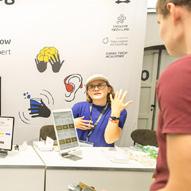
In 2025, our community received national recognition in the form of a diversity award for our ‘Technology Leaving
No One Behind’ initiative. This is a great honour and an accolade to every student and staff member who has embraced universal design and asked the hard questions: “Who is this technology actually for?” and “Are we sure we’re creating solutions that can be used equally?”
we are contributing to the creation of more robust, and ultimately better, engineering solutions that benefit not just a few, but everyone. We see the impact of this mindset in the more than 5,000 students engaged at DTU, and through the integration of our tools into curricula reaching thousands of students and graduates.
I am proud that DTU Skylab has helped shape the way future engineers from DTU perceive the world.
Next Steps
On the European stage, the year 2025 was the year where Europe started answering the wake-up call of the Draghi Report on the urgence of strengthening European competitiveness. This applies also to the innovation and entrepreneurial ecosystem at DTU, as we and many other similar institutions have a key role to play in building European sovereignty.
By insisting that technology must leave no one behind,
For our part, that relies on the work with innovative deep-tech startups from the many tech disciplines and areas present at DTU.
In 2025, scaling deep-tech startups became a top priority. This focus has led to a change of scenery for me, as I have been entrusted with building DTU SkyFactory, a new unit dedicated to helping deep-tech ventures scale. With the launch of DTU SkyFactory, we are shifting gears to help our startups grow into global players. Consequently, the launch of DTU SkyFactory also marks my departure from the role of Director of DTU Skylab. In 2026, I will hand over the keys to the innovation hub to serial entrepreneur and Director of DTU Entrepreneurship Jes Broeng, an already familiar face in the deep-tech and startup community.
Even under new management, the recipe behind DTU Skylab remains the same: DTU Skylab exists to support the earliest stages of innovation, to help the untrained become trained, and to turn new solutions into realworld impact.
Thank you all for an amazing ride.

Mikkel Sørensen Director of DTU SkyFactory and Former Director of DTU Skylab
Partners & Projects
At DTU Skylab, we are open to external partnerships that drive meaningful change. By collaborating with our community, partners engage in cross-disciplinary problem-solving to tackle complex global challenges. These partnerships provide direct access to diverse talent and fresh perspectives, fostering an environment built on trust, accelerated learning, and strengthened innovation capacity.
This collaborative framework allows partners to align their strategic objectives with real-world experimentation.
As a result, DTU Skylab serves as a platform for mutual growth, long-term synergies, and sustained competitive advantage through value co-creation.
We are dedicated to launching new collaborations that align with DTU’s mission of creating value for society at large. Simultaneously, we strive to deepen our existing partnerships to further strengthen community engagement and innovation. Below we present selected examples of projects where partners have collaborated with DTU Skylab to create tangible impact.
Next Generation [ ] Action & Ramboll
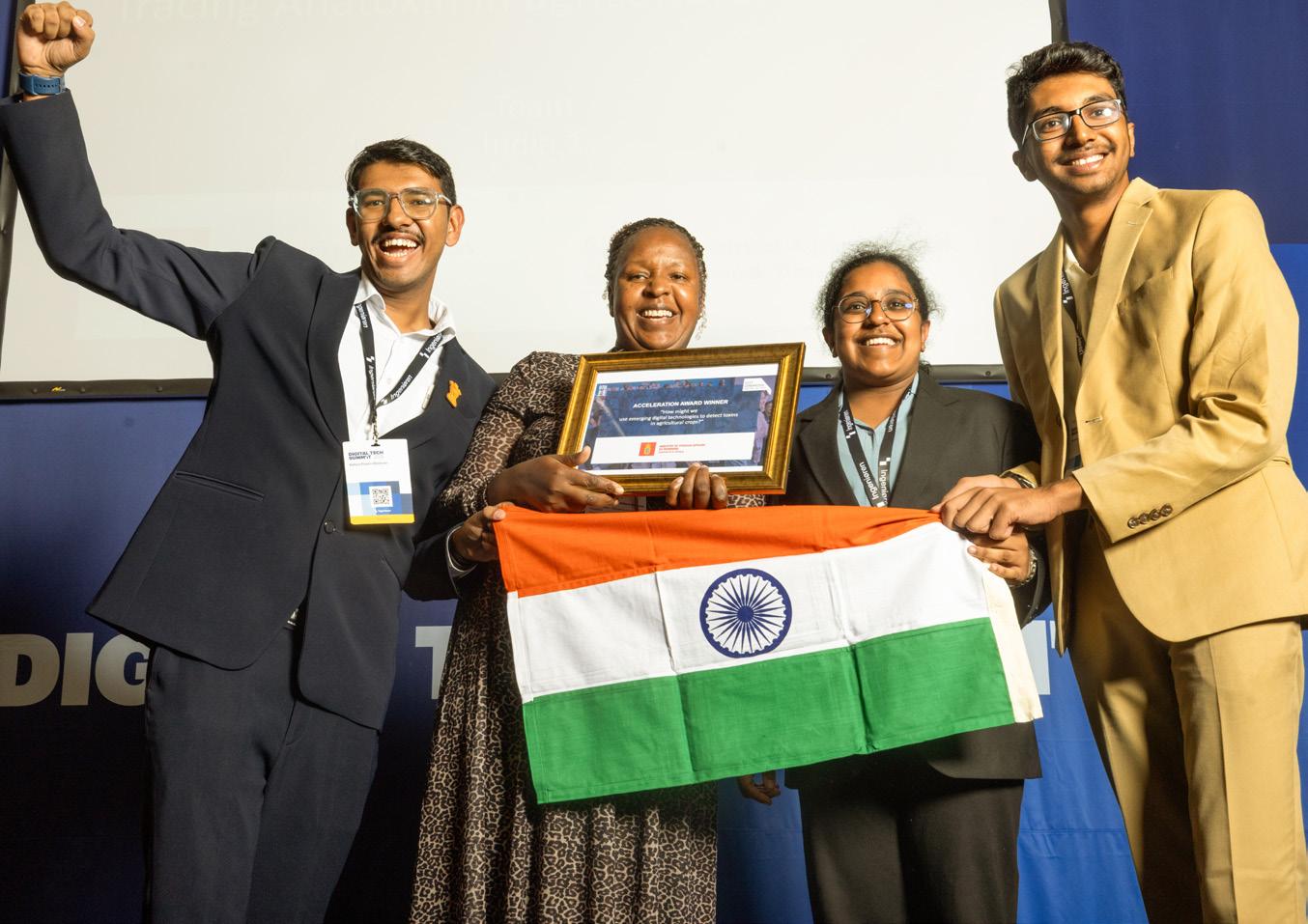
Through Next Generation [ ] Action, Ramboll engages in intergenerational student collaboration to tackle global challenges and gain fresh ‘outside-in’ perspectives on digital sustainability. Solving complex societal issues requires a combination of technology, academic expertise, and youth-led action. This is at the core of Next Generation [ ] Action (NG[ ]A), a flagship initiative empowering students and entrepreneurs from across the globe. Supported by partners like Ramboll and the Danida Fellowship Centre, the programme can best be described as a hybrid innovation journey. It enables participants to bridge the gap between academia and industry, transforming digital technologies into solutions that ensure no one is left behind. For corporate partners, the initiative provides a platform for co-creating inclusive service concepts through the ‘Double Diamond’ innovation process.
Curiosity and Courage
“Innovation forces us to use our minds in a different way
than we usually do,” explains Sara Toustrup Kristensen, Head of Exploration and Client Engagement at Ramboll. She emphasizes that the process is about curiosity and the courage to explore creative processes together with external stakeholders. By participating as a challenge partner, Ramboll gains unique insights from crossnational perspectives. As Kristensen notes, participants draw on the the contexts of their daily lives to address the challenges, leading to highly diverse solutions.
This engagement provides Ramboll with a valuable ‘outside-in’ perspective while generating significant momentum for the company’s own staff. Employees participating as mentors find the experience transformative, discovering that corporate learnings can be directly applied to help grow early-stage ventures. By leveraging the partnership with DTU Skylab, Ramboll remains at the beat of the industry, fostering a culture of continuous learning aimed at creating a sustainable and inclusive society.
“Innovation forces us to use our minds in a different way!”
– Sara Toustrup Kristensen, Head of Exploration and Client Engagement at Ramboll.
Read more about Next Generation [ ] Action
OpenInnovation & Catapult Projects
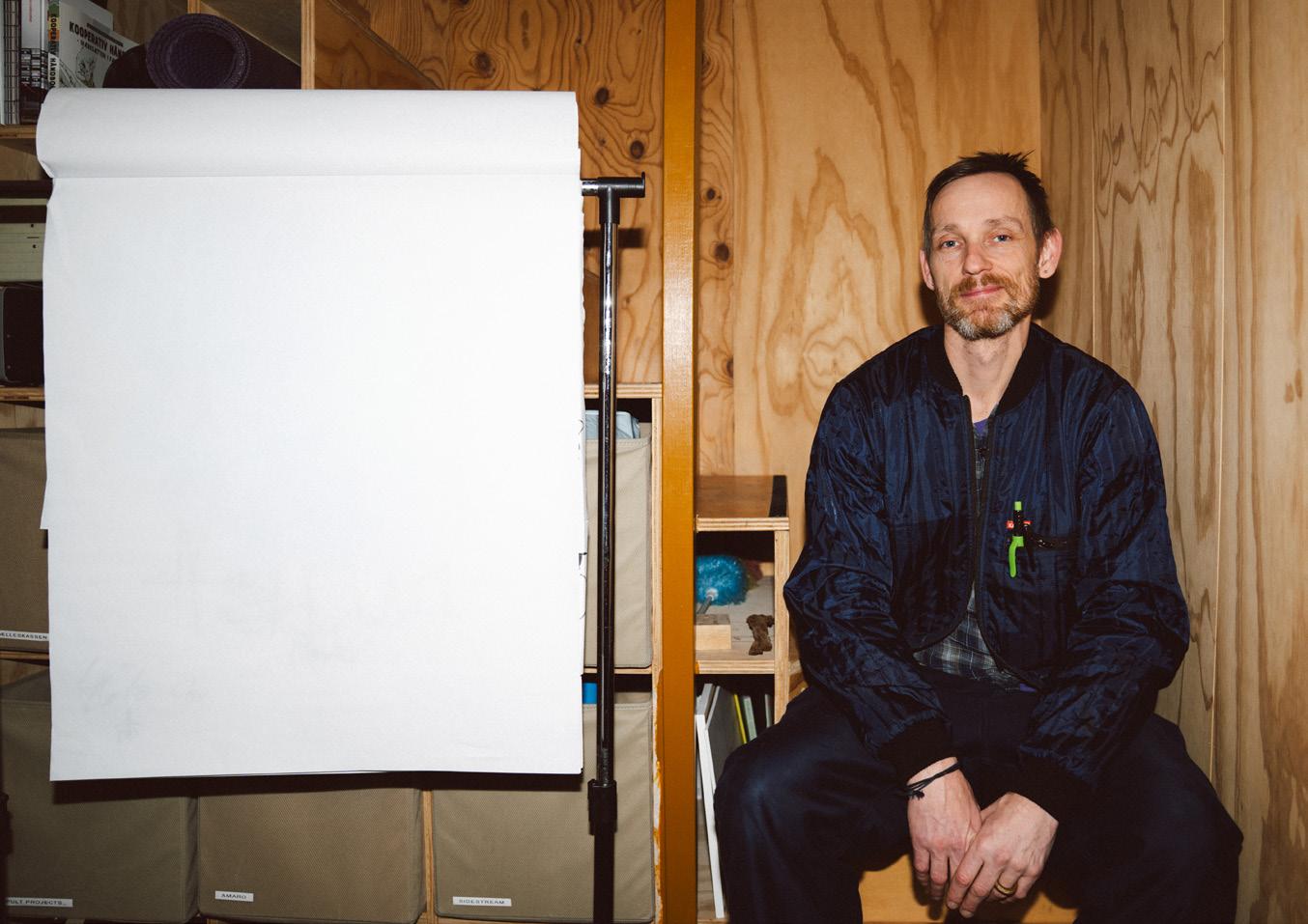
“Innovation is the democratization of design processes”.
By bringing together the community at DTU Skylab and partners like Catapult Projects, OpenInnovation bridges the gap between academia and industry to solve complex societal challenges.
OpenInnovation is a cross-disciplinary student challenge that unites DTU, the University of Copenhagen, and Copenhagen Business School. Collaborating under one roof, students from diverse academic backgrounds tackle hands-on challenges across various sectors, and which change from year to year. The initiative serves as a platform for sustainable innovation, bridging the gap between academic theory and practical, real-world applications through circular strategies.
A key partner in 2025 was Catapult Projects, a Copenhagen-based design studio focused on urban
development, and which challenges the overconsumption of resources and energy. For Catapult Projects, innovation is deeply tied to ‘the democratization of design processes’ and a commitment to corporate transparency.
The partnership provided Catapult Projects with highlevel professional inspiration. The student teams were exceptionally quick to research and prioritize data to develop scenarios addressing complex issues like climate adaptation and social inclusion. Their updated knowledge of emerging technologies proved valuable to the studio’s design process. “Their perspectives and very updated knowledge of technologies brought them far into the work during that one week, and all their ideas were at a high professional level,” Kruse explains. By facilitating these interactions, OpenInnovation ensures that diverse talent and corporate experience merge to create tangible impact for society at large.
“Innovation comes from being very honest about what you can and cannot do as a company, and then acting on it,”
– Jens Peter Kruse, Co-founder of Catapult and Architect
Read more about OpenInnovation
MiniSprint & Nordic Women’s Health Hub
MiniSprint provides a high-intensity platform for developing immediate solutions to urgent societal issues through one-day design challenges.
MiniSprint is a fast-paced innovation format letting students dive into real-world problems presented by external partners. By moving from problem analysis to solution sketching in just a few hours, the programme addresses diverse fields ranging from climatefriendly sea infrastructure to women’s health. Rapid prototyping allows partners to gain immediate access to fresh academic perspectives and agile strategies that bridge the gap between theory and action.
One of the collaborators in 2025 was the Nordic Women’s Health Hub (NWHH), an NGO dedicated to advancing innovation and awareness within the women’s health sector. NWHH works to improve health equity by addressing the historical lack of data and specialized research dedicated to female biology. By
bringing these systemic challenges to DTU Skylab, NWHH aims to inspire a new generation of innovators to create solutions that are inclusive by design and which address the underserved needs of women globally. “Innovation is about recognizing opportunities for improvement,” explains Sara Al-Dafaee, CEO and Cofounder of Nordic Women’s Health Hub. “As an NGO, we aim to inspire future change-makers to explore and innovate within women’s health. Introducing participants to real-world challenges in collaborative and inspiring environments creates meaningful learning experiences for everyone involved.” Through this partnership, MiniSprint demonstrates how a single day of focused collaboration can spark the critical ideas needed to drive long-term societal change.
“Innovation is about recognising opportunities for improvement”
– Sara Al-Dafaee, CEO and Co-founder at Nordic Women Health Hub

Read more about MiniSprint
Diversity & Inclusion
Innovation and Societal Transformation Accessible to All
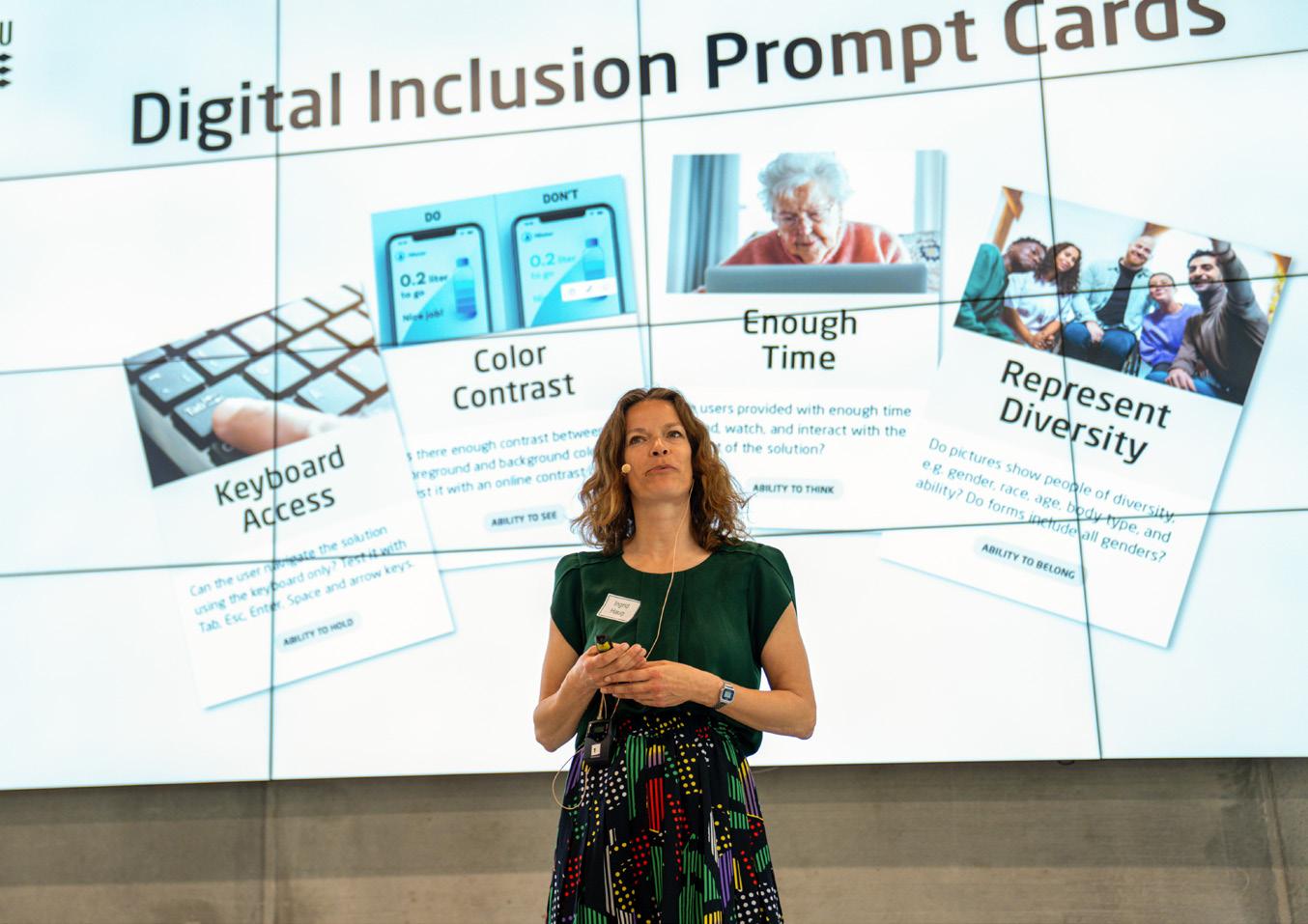
At DTU Skylab, diversity and inclusion are at the heart of everything we do. We believe that initiatives centered around diversity and inclusion are key to unlocking value potential, and to driving societal transformation.
Our award-winning ‘Technology Leaving No One Behind’ partnership initiative seeks to make inclusion and universal design a natural part of engineering and sustainable technological solutions.
‘Technology Leaving No One Behind’ supports and drives education, entrepreneurship, and strategic initiatives with a focus on diversity and inclusion as a driver of innovation and improved technologies for all.
The initiative is a partnership with Bevica Foundation, Disabled People’s Organisations Denmark, Association of Youth with Disabilities, DTU Entrepreneurship, and DTU Management. More than 5,000 DTU students have been introduced to universal design through their collaboration with educators and course collaborations across study lines. Since the creation of this project in 2019, we have offered a myriad of workshops, guest lectures, and design tools, providing support for hundreds of student projects and startups.
In 2025, the initiative won the Fonden for Entreprenørskab’s ‘Diversity Award’ for its work integrating diversity, accessibility and universal design into engineering education and entrepreneurship.
Read more
7.305
83 events
70 delegations/visits
25 7 courses from 2.432 lecture hours & 2.037 students, departments
204.798 visitors (door count)
32k followers
58 companies/ organizations in larger collaborations
ACADEMIA
STARTUP SUPPORT
1.8 billion DKK Funding raised by DTU startups (dilutive and debt investment)
35% startups with female founders
414
prototypes
432 startup teams supported
190 unique teams in startup programmes
117 new DTU startups incorporated
7.305
968
70 door registrations & unique users from study lines
LABS & WORKSHOPS
DTU Skylab Journey
From Idea to Launch: The Skylab Startup Journey
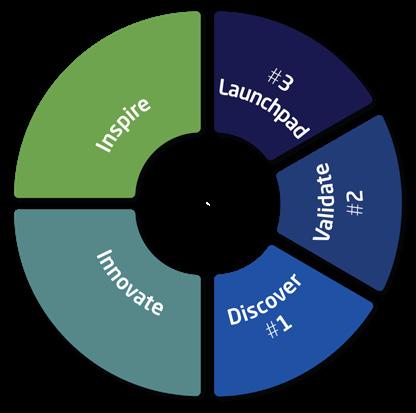
The path from breakthrough discovery to marketready startup is rarely linear. In 2025, we evolved our support model, transitioning from fixed, semester-based programmes to a single, agile framework. The modular approach allows teams to navigate three distinct stages, accessing specialized support tailored to their specific maturity level along the way. By combining dedicated business coaching with a flexible curriculum, we ensure that every venture receives the exact tools needed to accelerate its development.
Stage One: Discover
Every great venture begins with a question, an idea, and a discovery. At the Discover stage, researchers and students move beyond the lab to explore the commercial potential of their idea and validate their assumptions. The stage provides up to six months of businessfocused modules, technical and business support. Teams work to validate their initial concepts through dialogue with external experts and potential clients and users. By the end of this stage, the teams have tested their initial hypotheses about their market and use case with potential customers and users.
Stage Two: Validate
With a validated use case, the teams are ready to start building a business around their idea or solution. In the Validate stage, the focus shifts to business consolidation and technical maturation. Teams at this stage are expected to reach Technology Readiness Level 3 (TRL3) or higher, while building out a co-founder team with complementary skills. The Validate stage also provides additional access to advanced business modules and technical facilities, a dedicated working space, and ondemand coaching, with the goal of creating a functional MVP (Minimal Viable Product) demonstrating an accurate product market fit.
Stage Three: Launchpad
The final stretch of the Skylab journey is the Launchpad stage. This is where selected teams prepare for the reality of the market. The programme is designed to develop each startup with tailored support as they seek to raise seed funding or generate their first substantial revenue. By the time they exit the Launchpad stage,
they are investor-ready startups fit to continue their journey into the wider innovation and entrepreneurial ecosystem at DTU, such as DTU SkyFactory, PSV, or DTU Science Park.
Early Engagement: Gateway to Innovation
Beyond startup incubation, DTU Skylab serves as a crossdisciplinary hub where students and researchers meet to explore innovation. We facilitate this engagement through two primary pillars designed to integrate entrepreneurial thinking into the academic journey.
Skylab Inspire: Academic Osmosis
Innovation begins with presence. Through Skylab Inspire, many DTU students get to engage with our environment through, for instance, integrated curriculum courses hosted in collaboration with DTU departments. The courses include hands-on prototyping in our workshops and labs under the guidance of expert staff. While inhabiting the hub during their studies, students are naturally exposed to, for example, our in-house startups, non-curricular innovation and entrepreneurial events, and entrepreneurial student-led ‘BlueDot projects’.
Skylab Innovate: Strategic Impact
As students move deeper into the innovation funnel, they transition to Skylab Innovate, which focuses on structured programmes and high-intensity hackathons designed to tackle real-world challenges. We act as a strategic facilitator by bridging the gap between academic talent and external industry partners. Participants apply their technical knowledge to commercial and societal hurdles within a professional framework.
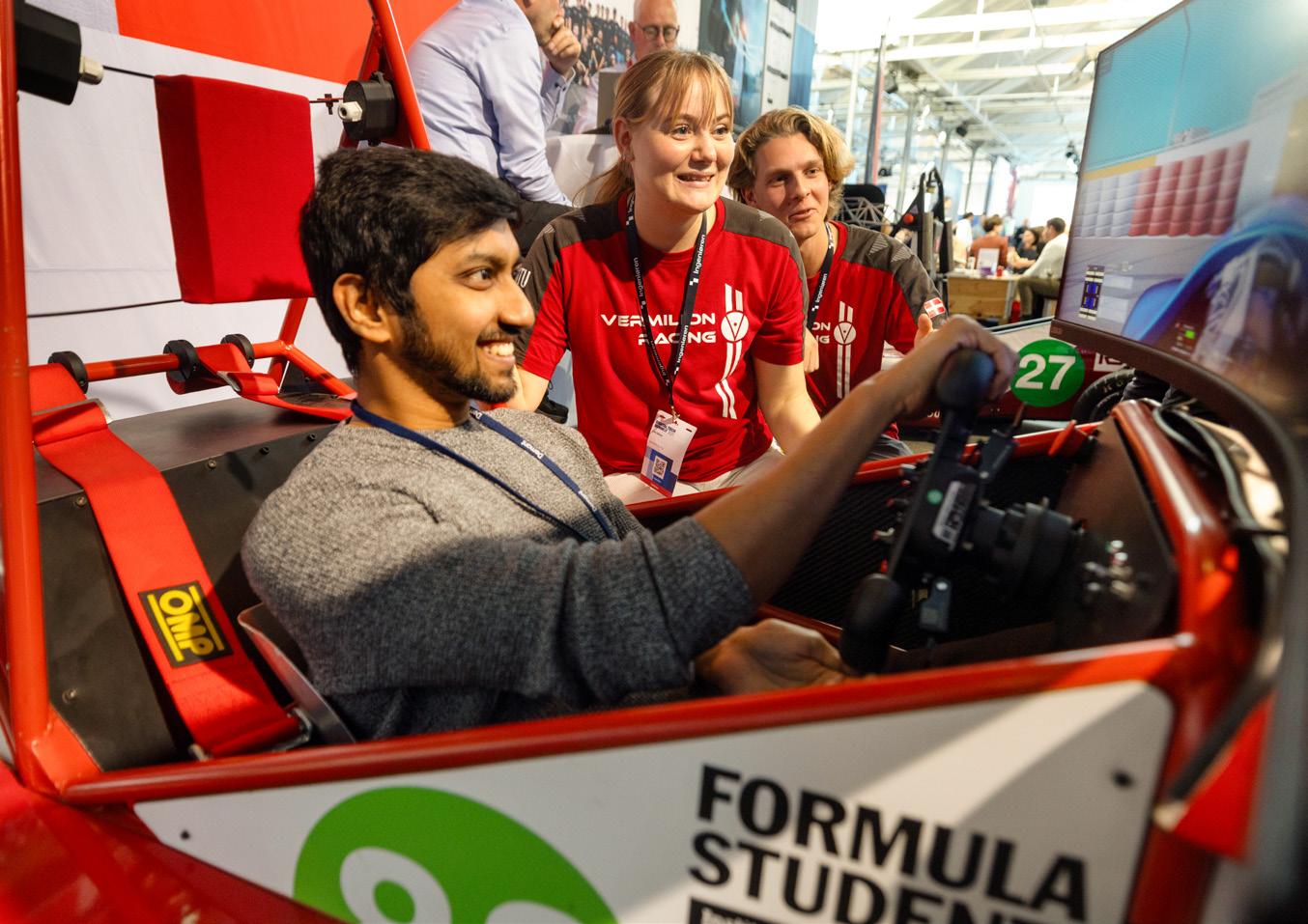
Read more about BlueDot Projects

Startup Cases

Agrobiomics
Scaling Biological Resilience for Global Agriculture
DTU startup Agrobiomics is transforming crop survival with a cost-effective biological solution designed to combat the escalating threats of drought and soil salinity.
As climate change intensifies, farmers worldwide are facing the devastating effects of abiotic stress. Drought and salinity deplete soil health, disrupting nutrient cycling and compromising global food security. To address this, Agrobiomics has developed a scalable technology that enables crops like rice and tomatoes to withstand extreme environmental pressure, increasing yields by up to 20%.
The solution originated from Founder and DTU researcher Ling Ding’s PhD research into Streptomyces and their symbiotic relationship with plants. Her discovery of a specific metabolite produced through fermentation led to a breakthrough: a biological ‘shield’ for crops. Unlike many competitors in the bio-fertilizer market, Agrobiomics
stands out for its data-driven efficiency. The technology requires unprecedentedly low application rates per hectare, making it a viable tool for both large-scale industrial farming and smallholders in developing economies. The journey from research project to market-ready startup was fuelled by the innovation and entrepreneurial ecosystem at DTU. Access to advanced instrumentation, expert collaborations, and proof-of-concept grants allowed the team to build the necessary evidence for commercialization. For Ling Ding, this environment was crucial to ensuring her research had a tangible impact.
By bridging the gap between microbiology and the market, Agrobiomics ensures that groundbreaking research does not remain a ‘sleeping patent’ but instead solves real-world problems for society as a whole.
“Good science always leads to good innovation. If you have good data, you believe in yourself, you have more confidence to reach out”
– Ling Ding, Co-founder of Agrobiomics

Read more about Agrobiomics
NDURE
Decoding Metabolic Stress with Real-time Lactate Wearables
By digitizing lactate tracking, DTU-based startup NDURE is replacing painful blood tests with continuous data to optimize human performance and recovery.
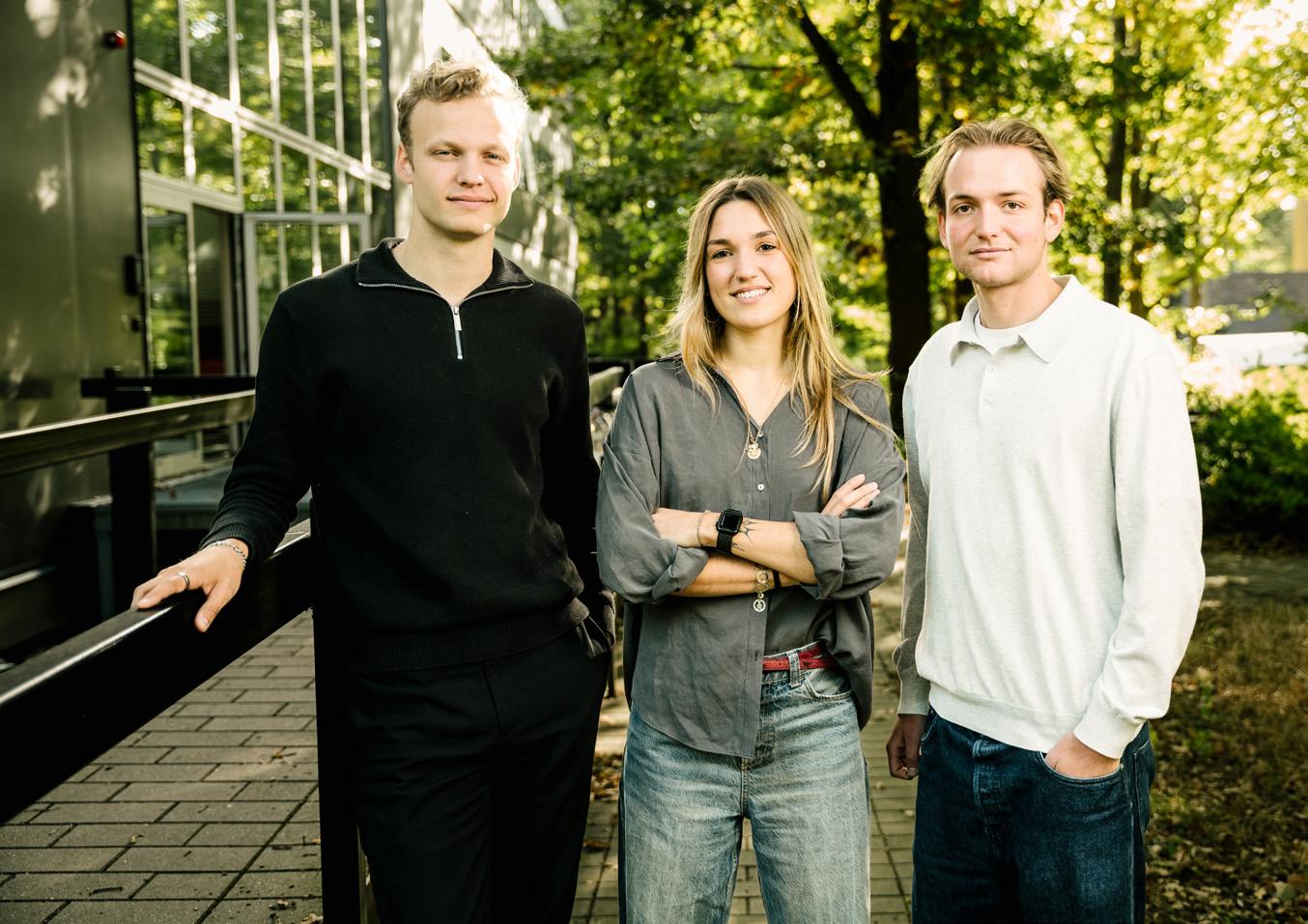
Optimal recovery is key to elite performance. Yet, for many athletes, poor recovery leads to cardiovascular strain, metabolic imbalance, and injury. Understanding metabolic health is essential, but current methods for tracking lactate, the primary indicator of highintensity physiological stress, are invasive, tedious, and expensive. “Lactate gives us the real story, not just a snippet of what’s going on,” says Co-founder Thomas Olsen. NDURE’s mission is to replace blood tests with a wearable solution that provides real-time data, helping athletes find and maintain their ‘sweet spot’.
The impact of this innovation extends beyond the elite arena. By providing accessible insights into endurance thresholds, NDURE’s technology can enable the wider population to exercise more effectively. In an era where metabolic health is a growing concern, real-time monitoring of physiological stress can prevent overexhaustion and chronic fatigue for anyone pursuing an active lifestyle. This technology transforms complex biological data into actionable guidance for everyday health.
NDURE’s development has been accelerated by the DTU Skylab community. Beyond funding, the hub provided a vital safety net where founders could exchange knowledge. “You learn quickly as a startup, but you don’t learn everything,” Olsen explains. Being part of a network where a peer might have the answer to a complex question has been essential in moving from a studentled idea towards a professional health-tech venture. By leveraging this collective experience, NDURE is better equipped to navigate the challenges of bringing a new medical wearable to market.
“You learn quickly as a startup, but you don’t learn everything”
– Thomas Olsen,
Co-founder of
NDURE
Read more about NDURE
Mensis
Closing the $1 Trillion Global Women’s Health Gap
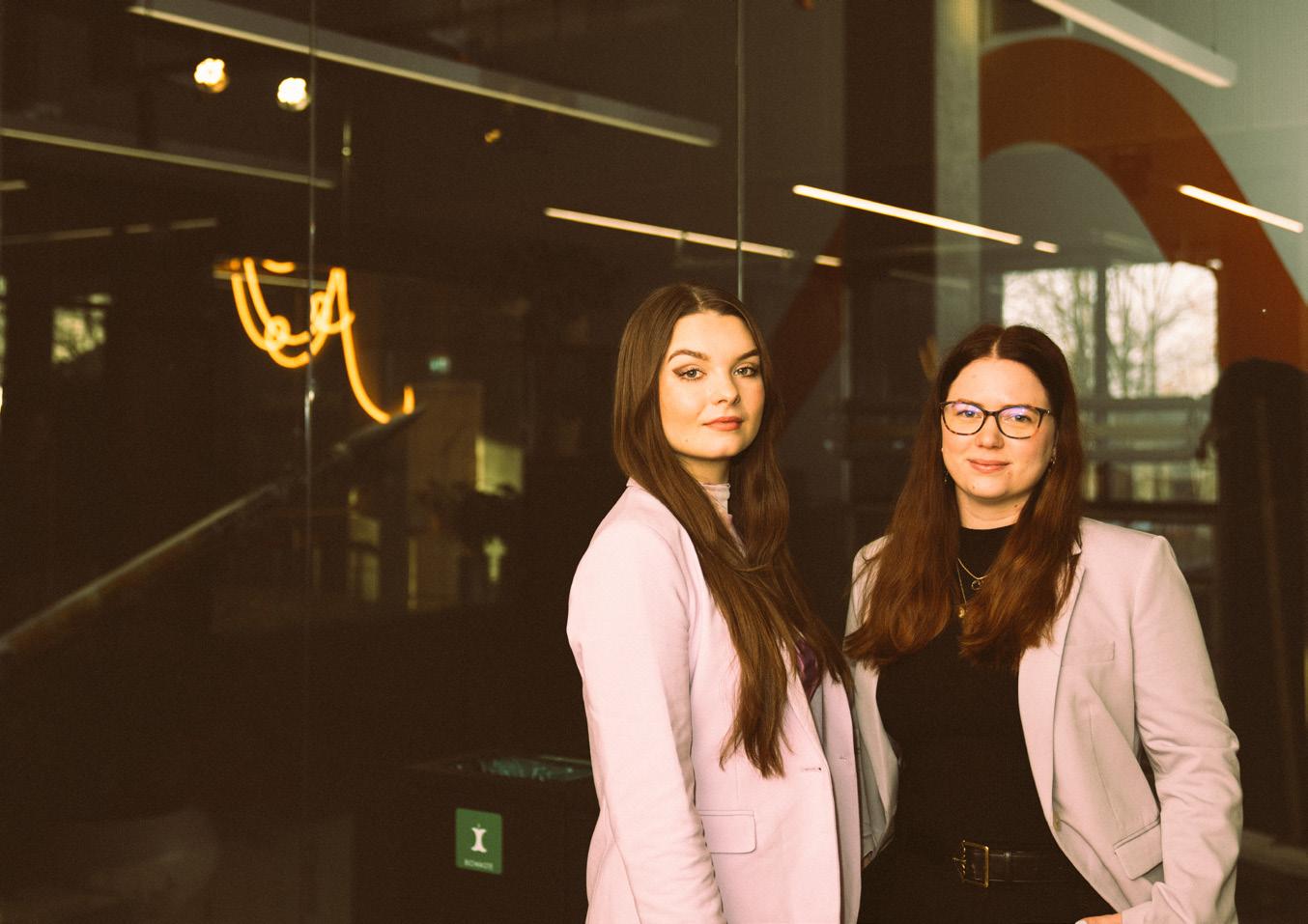
By developing wearable biosensors for continuous hormone tracking, DTU startup Mensis provides the data needed to revolutionize women’s health and workplace productivity. Despite being a major economic driver, women’s health remains underserved. Data gaps and the normalization of conditions like PCOS and endometriosis lead to delayed diagnoses and reduced productivity. According to the McKinsey Health Institute, closing this ‘women’s health gap’ could add $1 trillion annually to the global economy by 2040. Founded by DTU students, Mensis tackles this challenge through an innovative device using biosensors for continuous hormone tracking.
Currently, monitoring relies on static blood tests that offer only a snapshot. Mensis provides longitudinal data. “Why do we take just one [blood] sample when we’re at the doctor’s, when we could build something
that can continuously measure hormones?” asks Cofounder Katerine Komárková. This insight allows women to connect hormonal fluctuations with their daily lives, from sleep to overworking, enabling greater autonomy and precise care.
Beyond health, Mensis aims to address the socio-cultural taboos that have so far hindered research on the topic.
The founders emphasize that women’s health is a societal and economic issue that impacts everyone.
The development process has been shaped by the DTU Skylab community, where the team finds essential peer-to-peer inspiration. Being ‘in the same boat’ as other sensor-tech entrepreneurs provides a support system during the challenging process of hardware development. For Mensis, this environment was key to transitioning from a personal challenge to a data-driven health solution with global potential.
“Why do we take just one [blood] sample at the doctor, when we could build something that can continuously measure hormones?”
– Kateř
ina Komárková, Founder of Mensis
Read more about Mensis
Green Indigo
Light over Chemistry: Revolutionizing Global Denim Production
By replacing toxic chemicals with light-activated biology, the DTU project Green Indigo is developing a sustainable exit strategy for one of the world’s most polluting industries. In Xintang, China, the so-called ‘denim capital of the world’, the local river flows blue and smells of sulfur. This is the visible cost of synthetic indigo, which relies on petroleum and toxic chemicals like aniline. Traditional dyeing is an environmental burden because indigo is not naturally water-soluble; it requires harsh reducing agents to bond with fabrics. Now, Professor Katrine Qvortrup from DTU Chemistry is spearheading a biological solution: the photolytic indigo process. This breakthrough replaces the ‘chemical cocktail’ with a natural precursor called indican and simple light. By using light to activate the colour directly on the fibre, the process eliminates toxic stabilizers and significantly
reduces water consumption. The project has gained significant momentum through the DTU Proof-of-Concept Grant and the Novo Nordisk Foundation’s Distinguished Innovator Grant. In 2026, the team is looking to establish their base of operations in the Developer Hall at DTU Skylab while getting a commercial lead onboard.
From research to incorporation, researchbased startups are typically categorized as ‘projects’ until they reach formal incorporation. The journey from lab to market is complex, and the road towards incorporation varies depending on technical maturity and the specific requirements of each case.
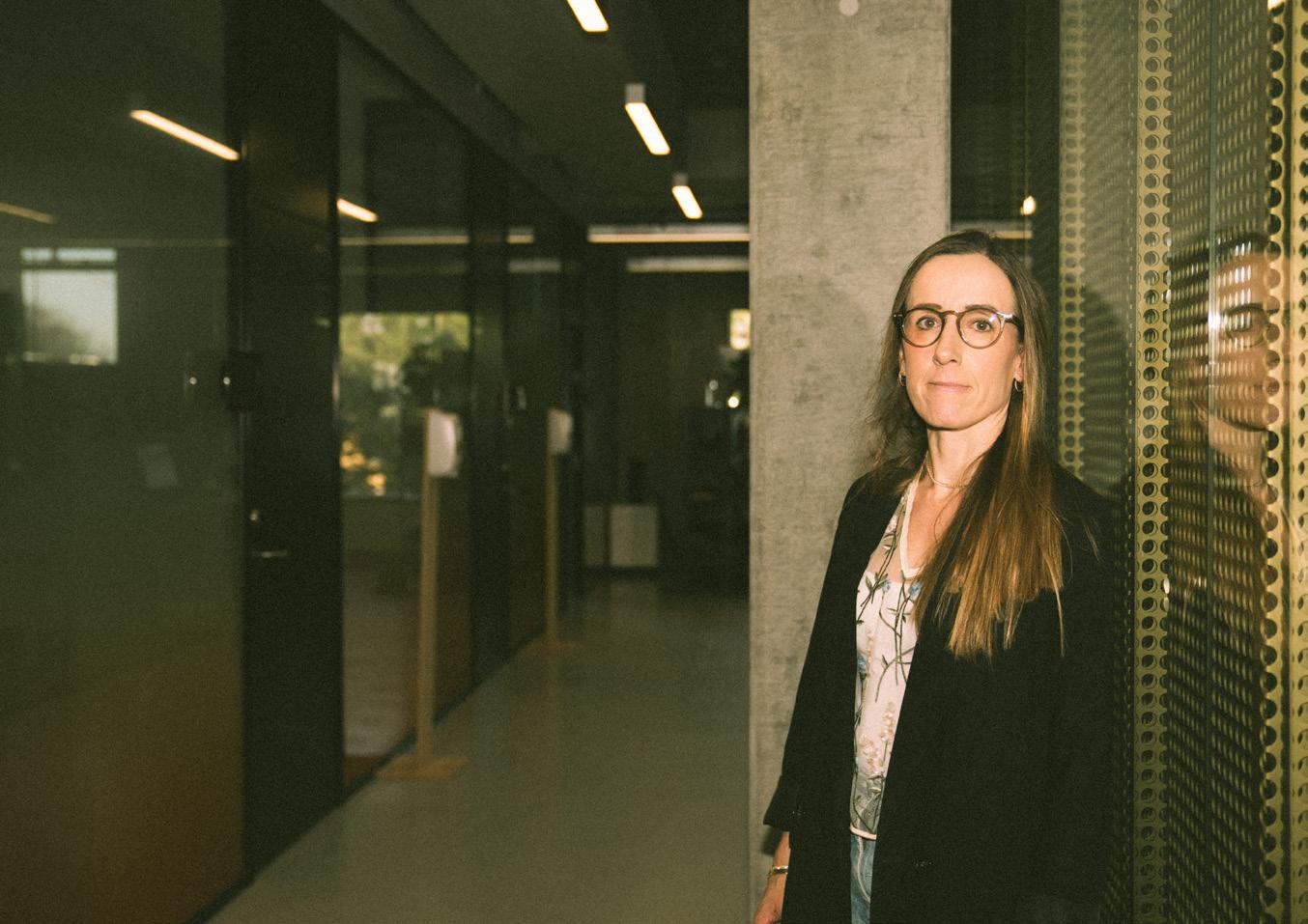
“The idea behind this project is heavily inspired by the nature around us. If nature by itself is able to, for instance, dye leaves or plants, why don’t we replicate those processes?”
–
Katrine Qvortrup, Founder of Green Indigo
Scaling DTU’s Innovation Capacity
In 2026, we will continue to build on DTU’s strong innovation foundation by scaling our innovation capacity and further strengthening a coherent entrepreneurial culture where great ideas translate into startups and scaleups with societal impact.
Strengthening the Startup Pipeline
During 2025, we tested and developed our overall startup programme. We aimed to create more flexibility, increase the intake of startups, and at the same time create a new structure that enables us to spend our internal resources more effectively. We are confident that the revamping of the programme will prove successful, while we—to stay true to the nature of innovation and entrepreneurship— will continue to tweak elements where needed.
Innovation Beyond Lyngby: Technical University Hospital Makerspace
A major milestone in our 2026 action plan is expanding our reach beyond the Lyngby campus. In collaboration with Capital Region of Denmark and Rigshospitalet, DTU is establishing an Innovation Hub and Makerspace
driven by DTU Skylab. This satellite facility will act as a ‘prolonged arm’ into the hospital, enabling engineers and clinicians to co-create medtech solutions in close proximity to patients.
By providing a pilot environment for prototyping, innovation, and entrepreneurship, we ensure that the technological solutions developed through the partnership, will benefit both the healthcare sector and society in general.
Co-Create the Future with Us
The path towards 2026 is an open invitation to join a growing entrepreneurial culture. We continuously invite external partners and industries to engage with the immense talent pool and cutting-edge technology available at DTU. By establishing a partnership with DTU Skylab, organizations gain direct access to future leaders and new problem-solving strategies. Together, we can make the most of our facilities and diverse perspectives and turn global challenges into actionable innovation, creating long-term value for society.





Kai Houmann Nielsens Fond















Kræftens Bekæmpelse Prevention Lab
Johan Heinrich Hoffmann og Hustrus Mindefond ELLAB FONDEN