Computational Design, Geographic Visualizations, Design-Build, etc.
pgs. 22-25
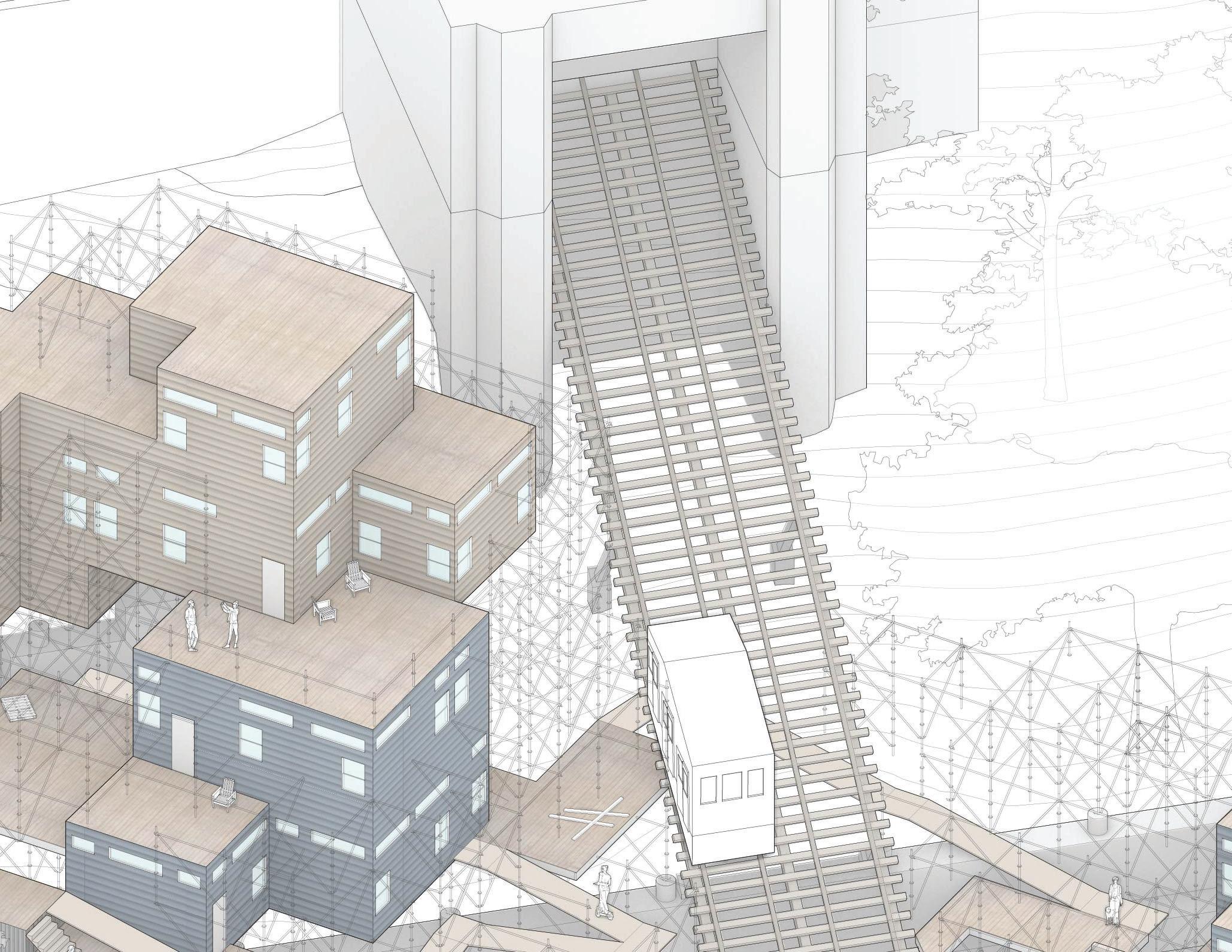
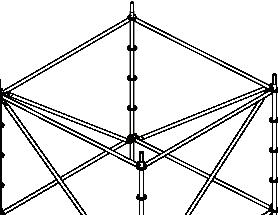
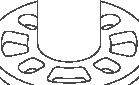
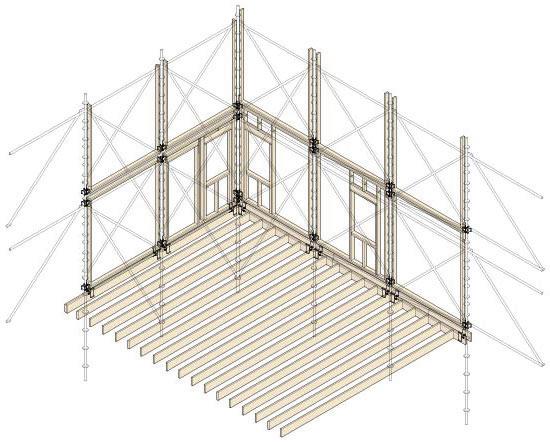
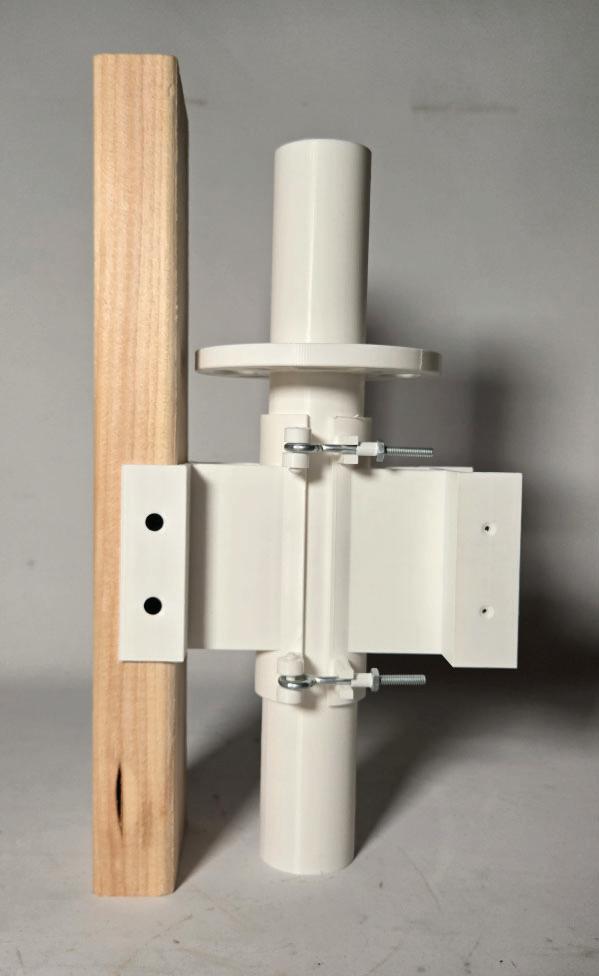
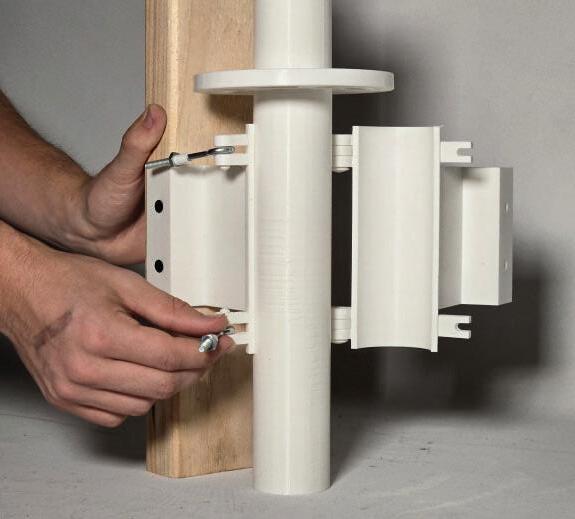
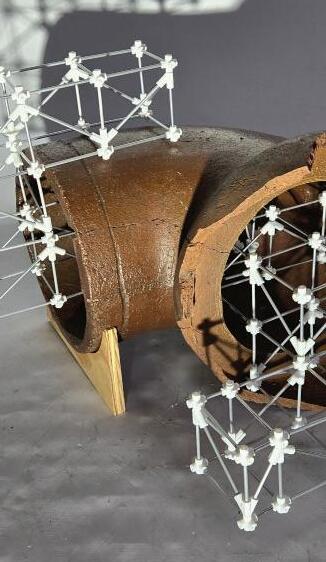
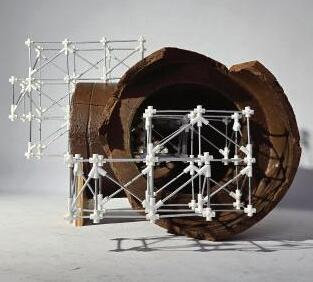
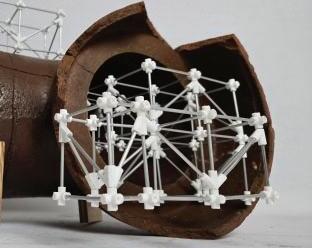
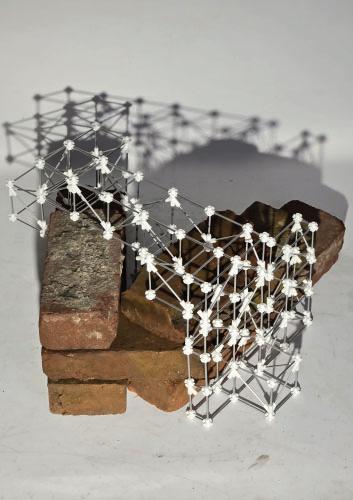
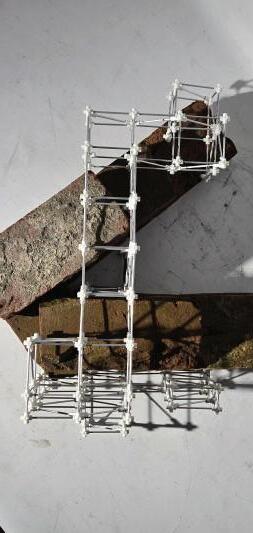
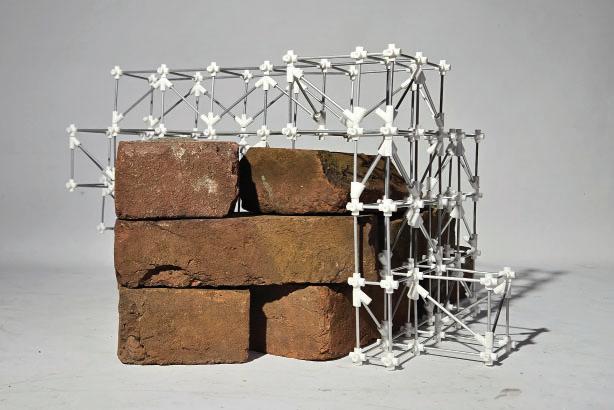
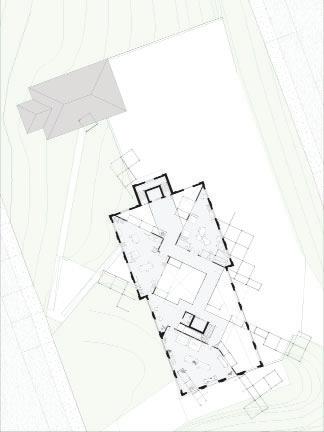
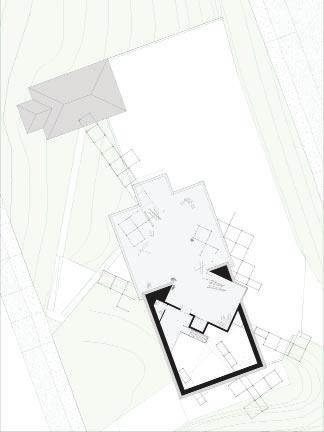
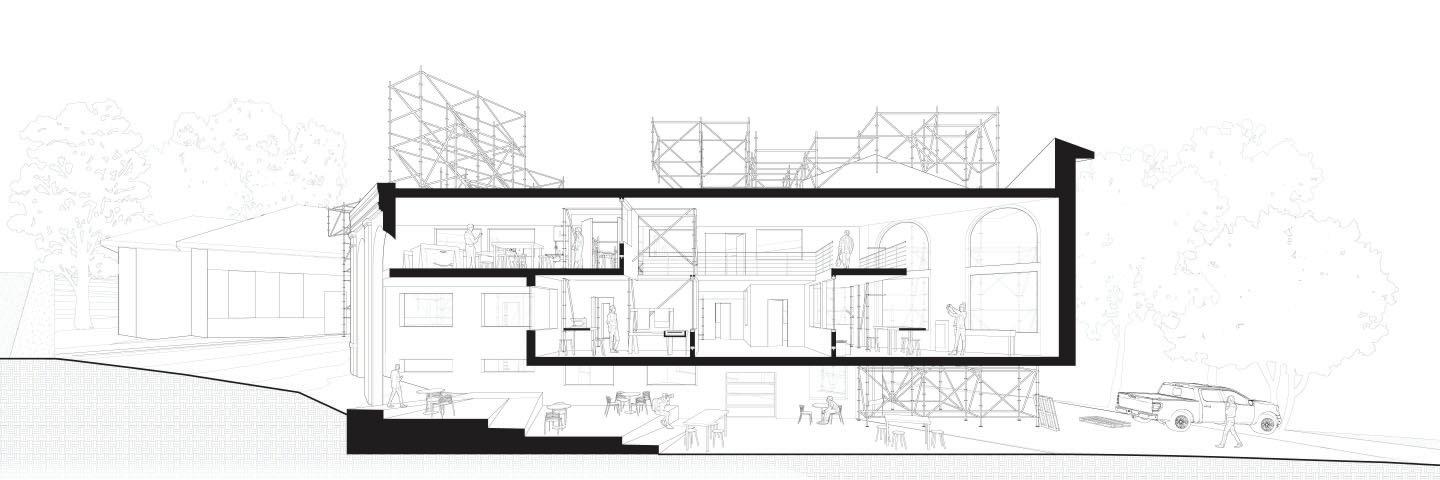
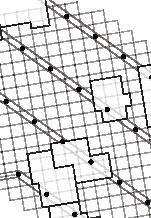
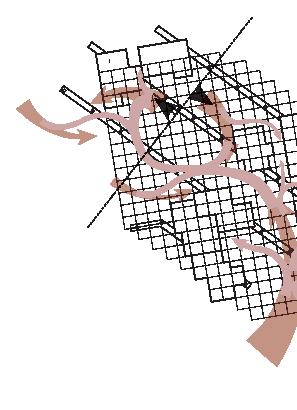
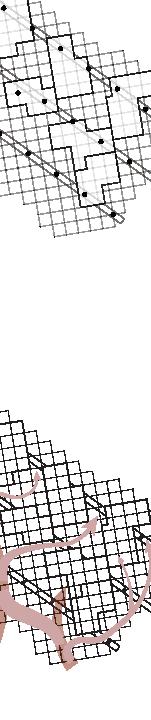
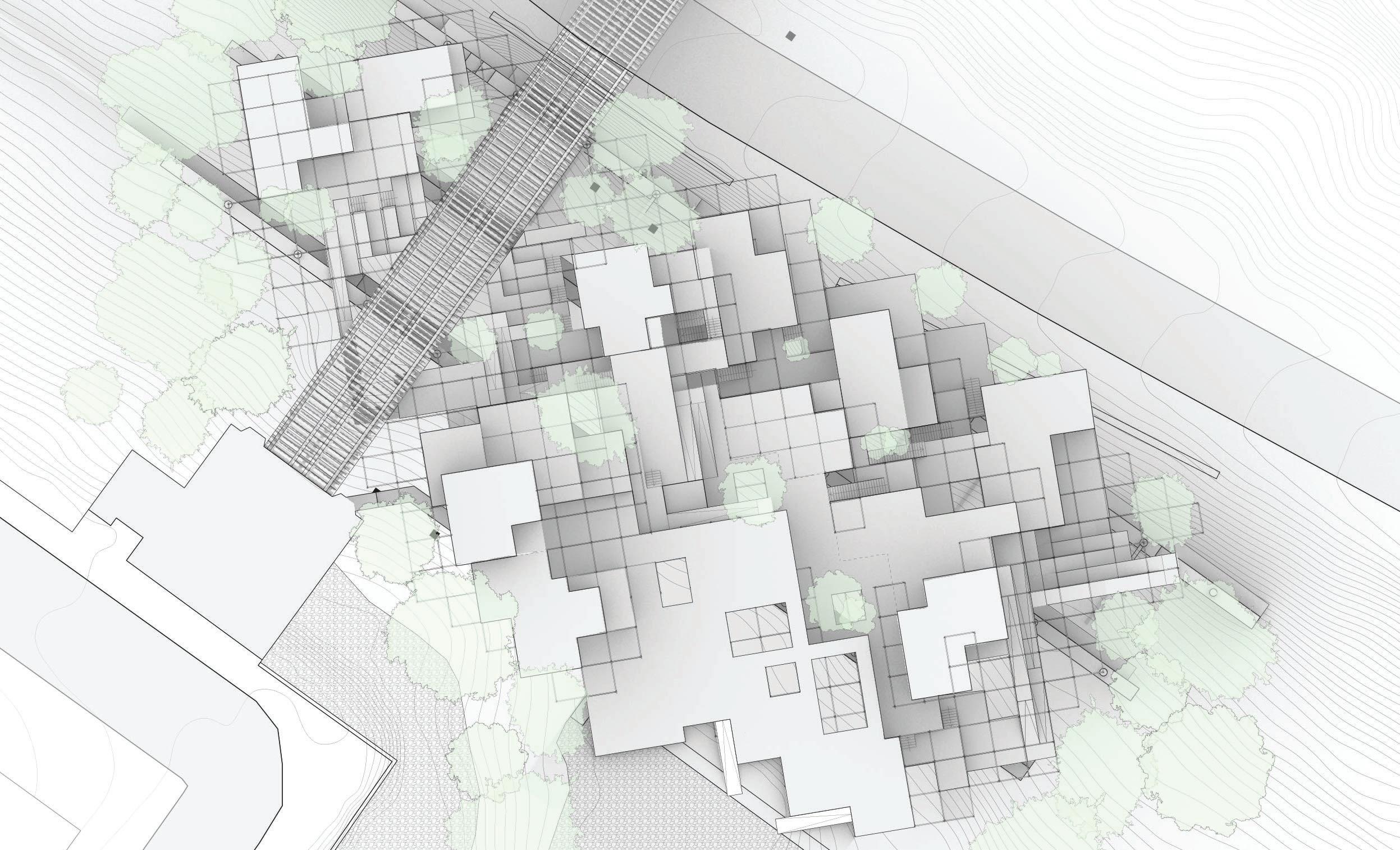
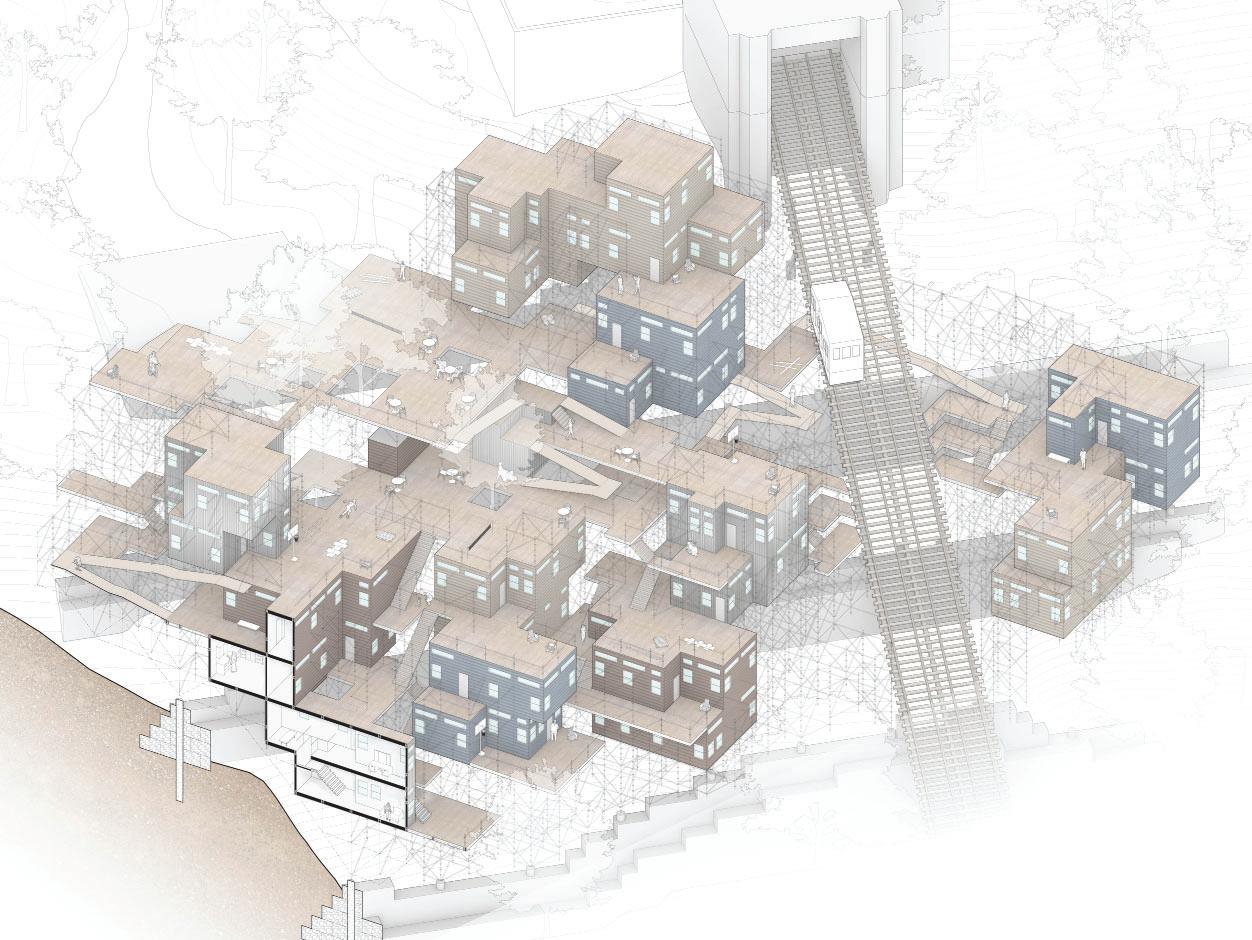
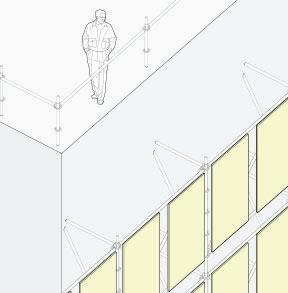
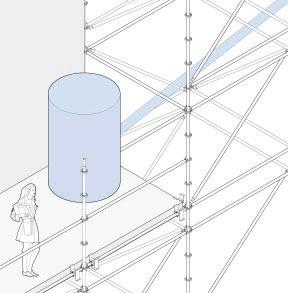
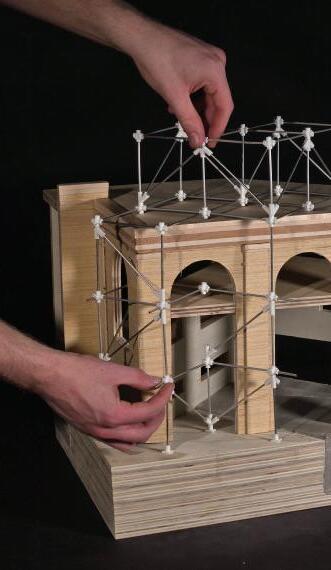
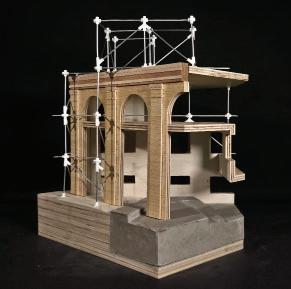
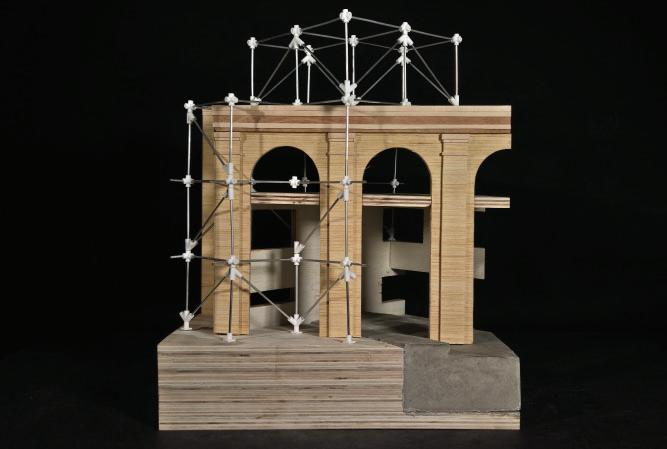
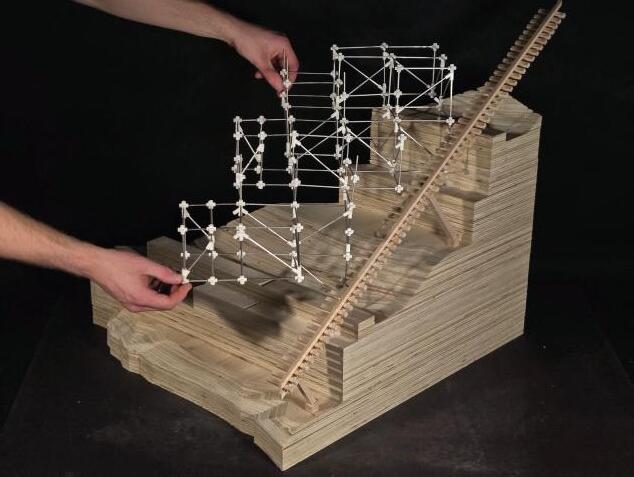
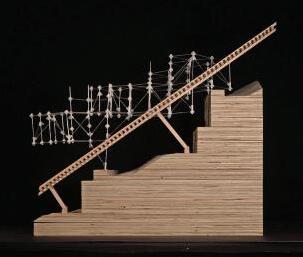
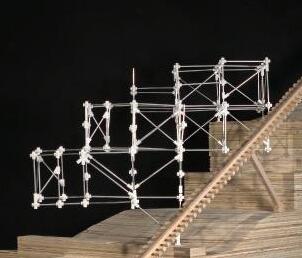
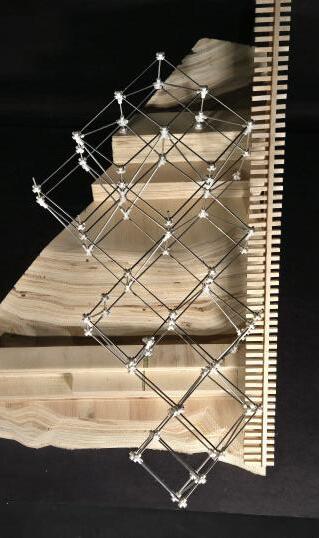
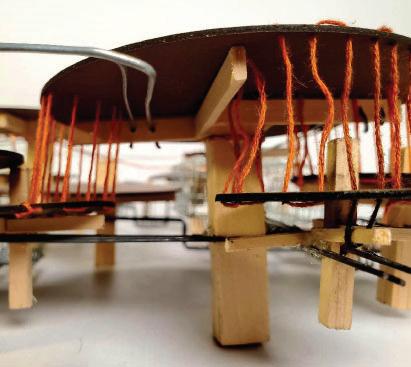
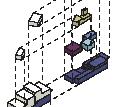
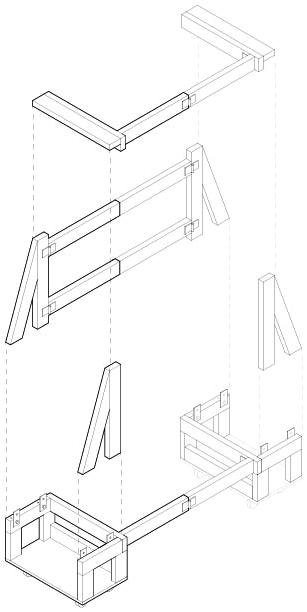
Scaffolding Components and Proposed Coupling System
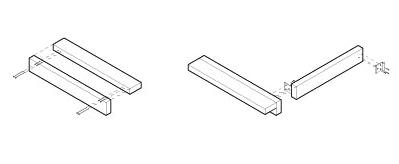
Construction Mock-UpCoupling Model
David Decker, Nathan Cottrell
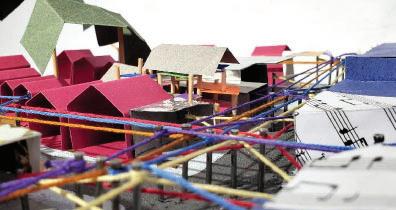
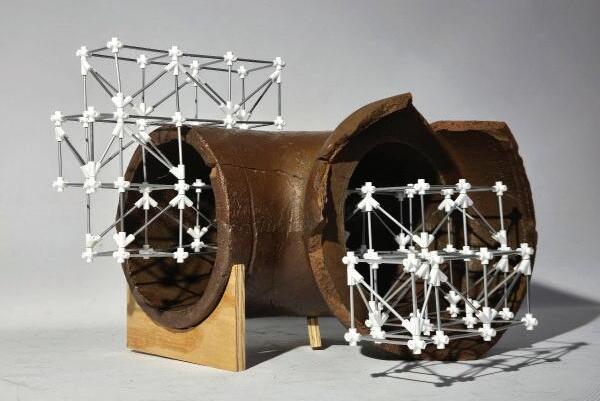
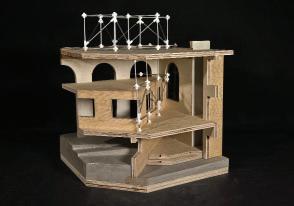
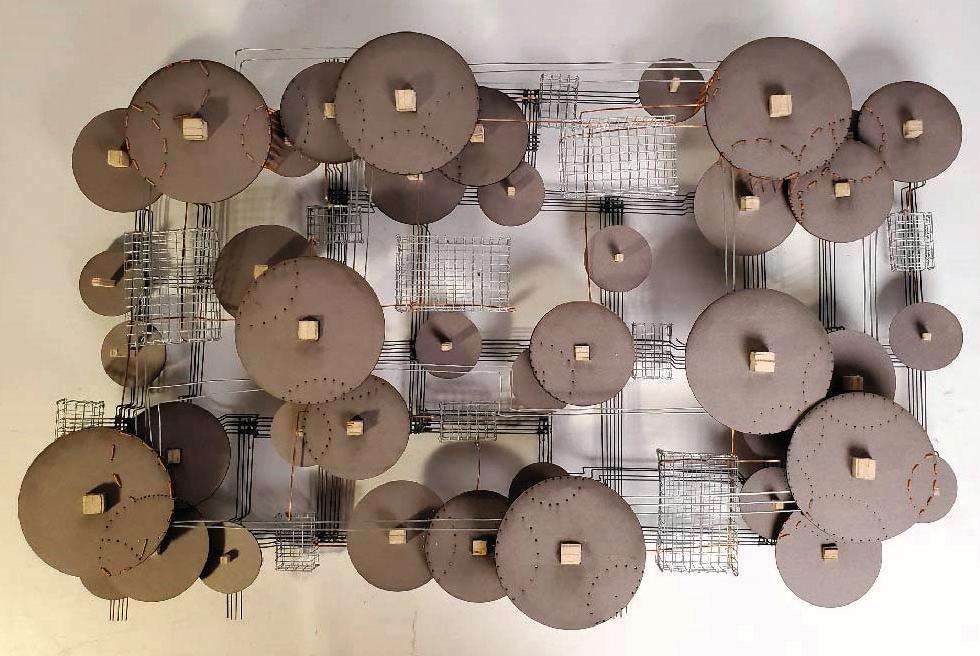
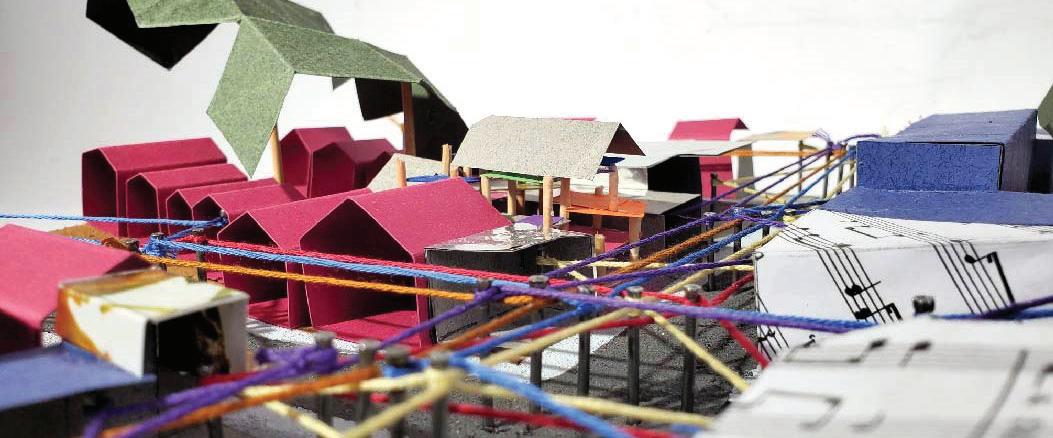
Concept Models with found site artifacts
Praxis I Studio | Fall 2024
David Decker, Nathan Cottrell
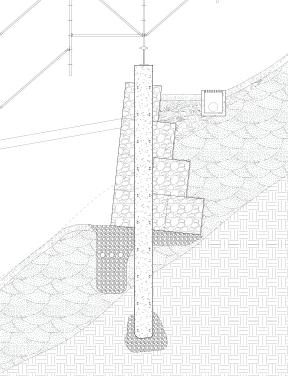
Gabion Footings
Decker, Nathan Cottrell
02 Farmers | Market
Studio: Poiesis III | Second Year, Fall 2023
Coordinator: Laura Garófalo
Section Instructor: Manuel Rodriguez Ladrón de Guevara
In Collaboration with Eva Chen
Site Location: Schenley Park Pittsburgh, Pennsylvania 15217
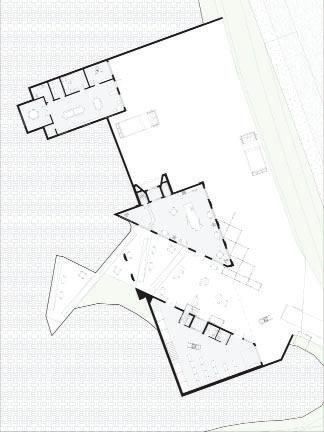
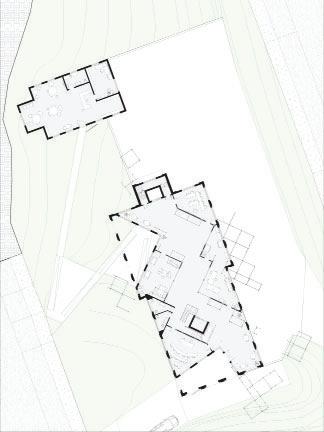
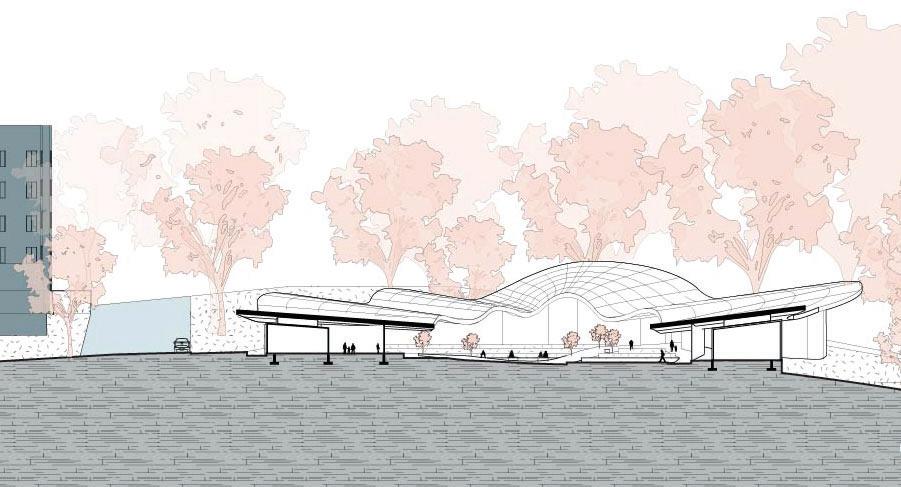
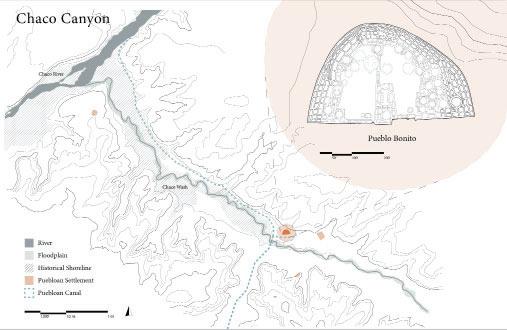
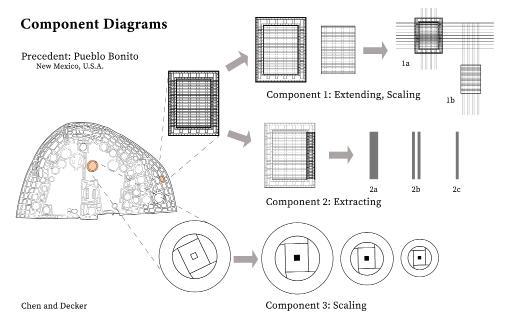
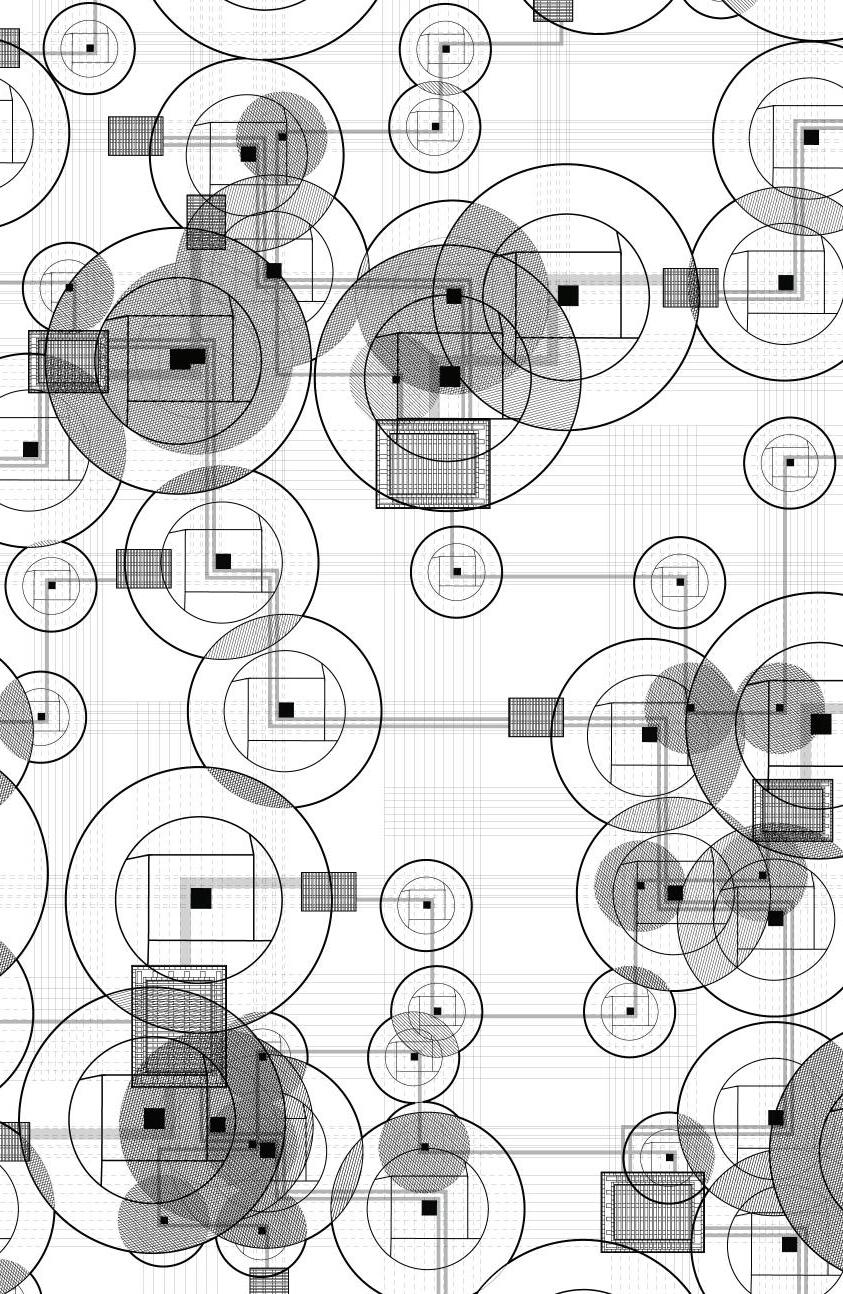
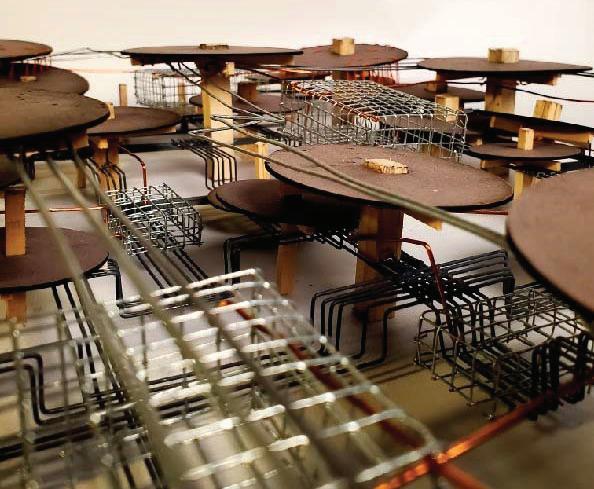
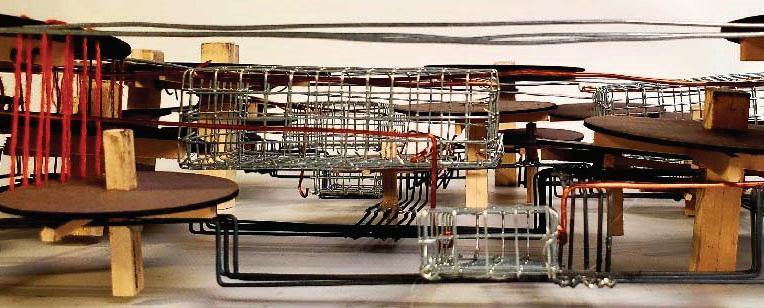
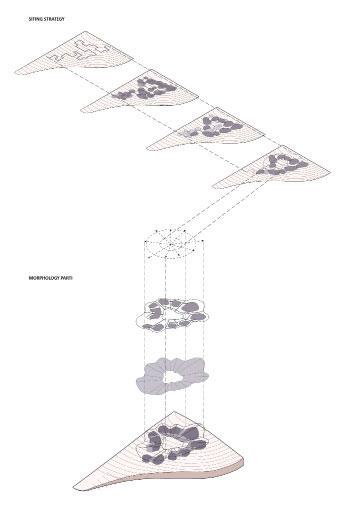
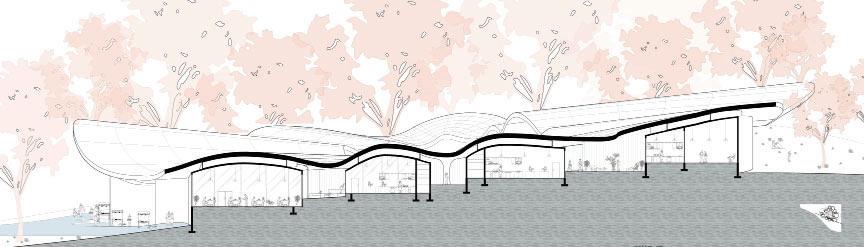
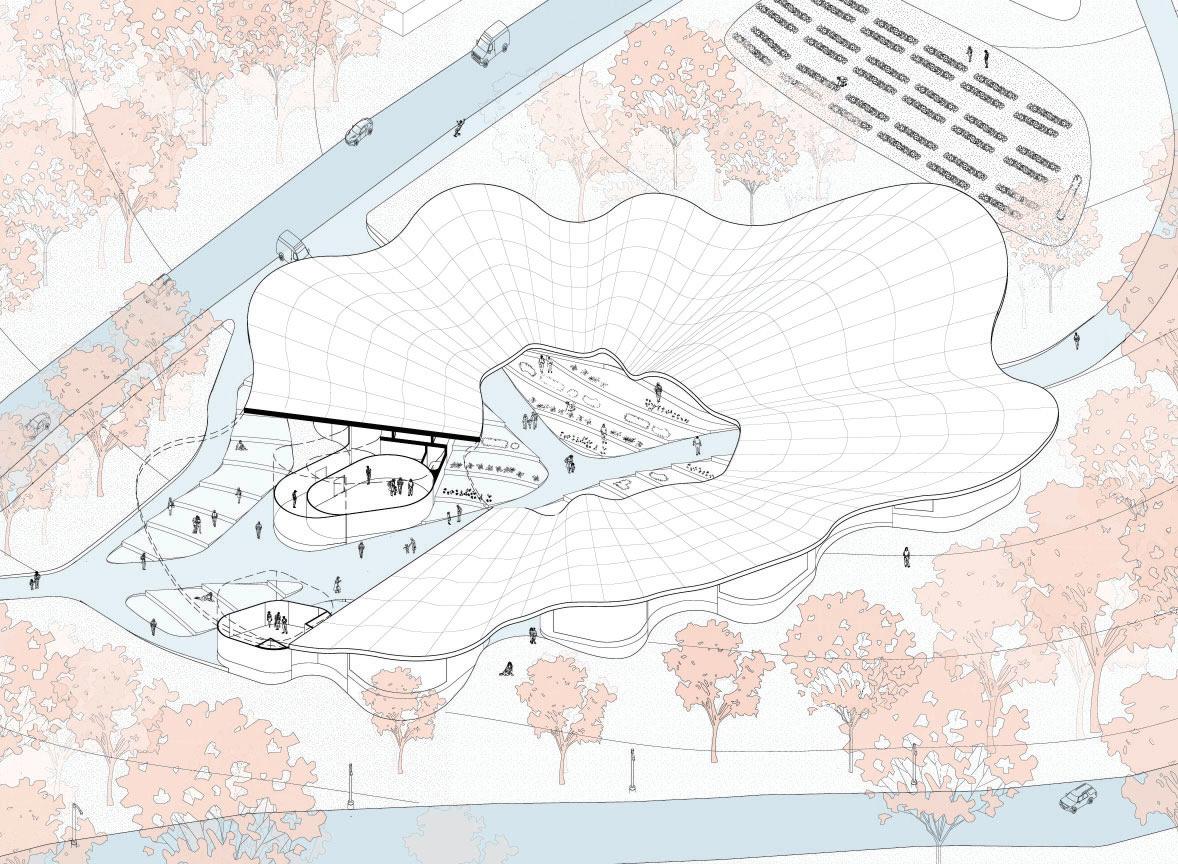
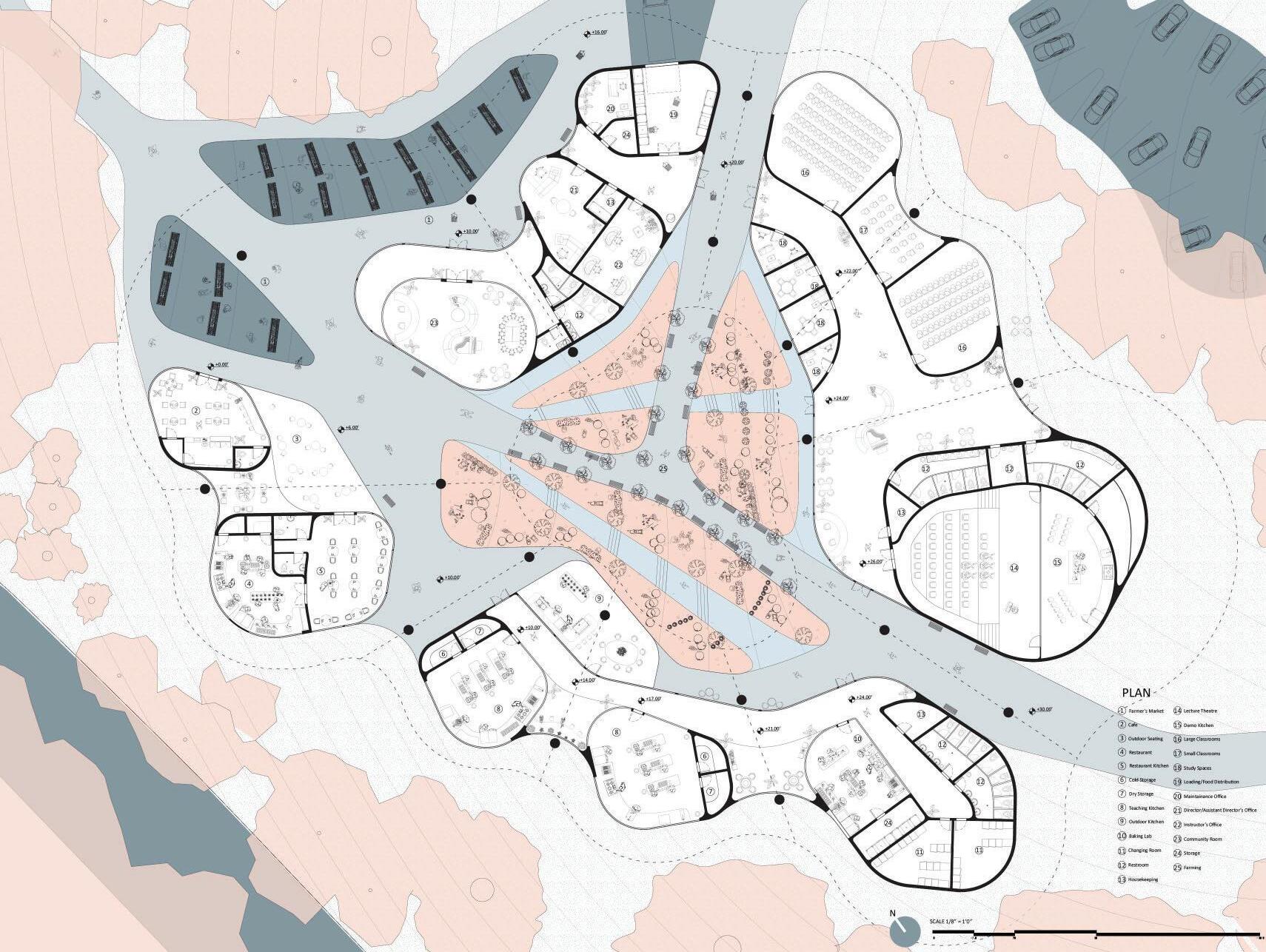
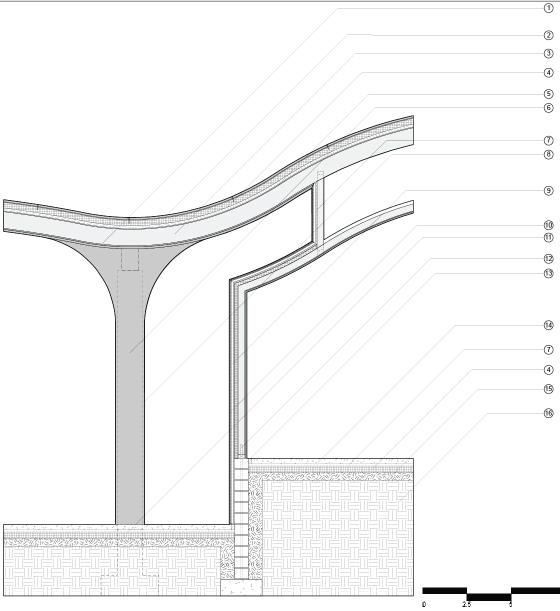
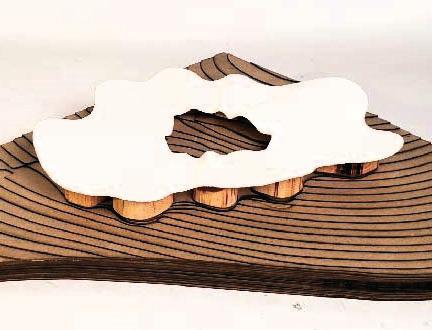
During this collaborative, 12-week project, my partner and I proposed Farmers | Market as a dynamic culinary institute for the synthesis of food production with the knowledge and technology of the community. We were first tasked with deriving a morphology based off the philosophies of chefs Dominique Crenn and Grant Achatz, in addition to a desert-biome precedent study and subsequent field drawing and model. The teachings from our chefs and from the Pueblo Bonito in New Mexico stressed the importance of a circular organization for community programs, both in their spatial layout and the overall material design.
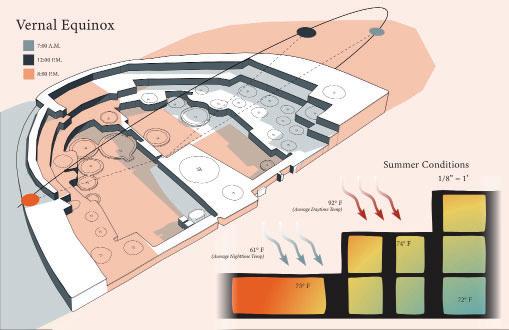
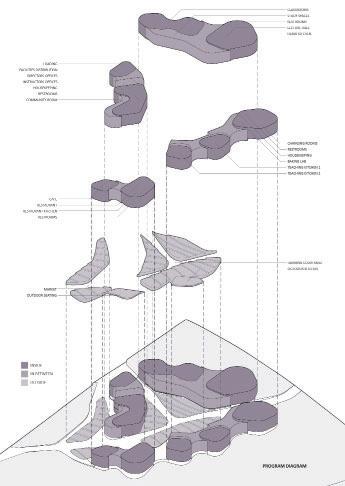
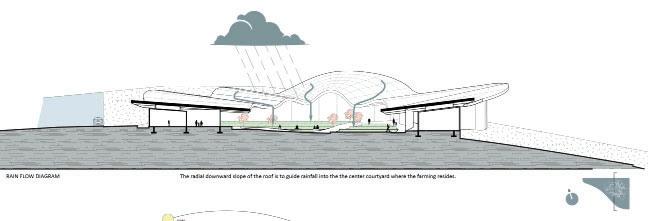
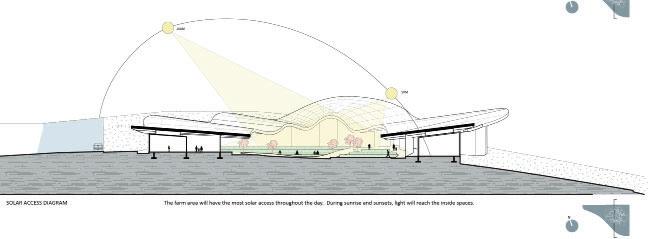
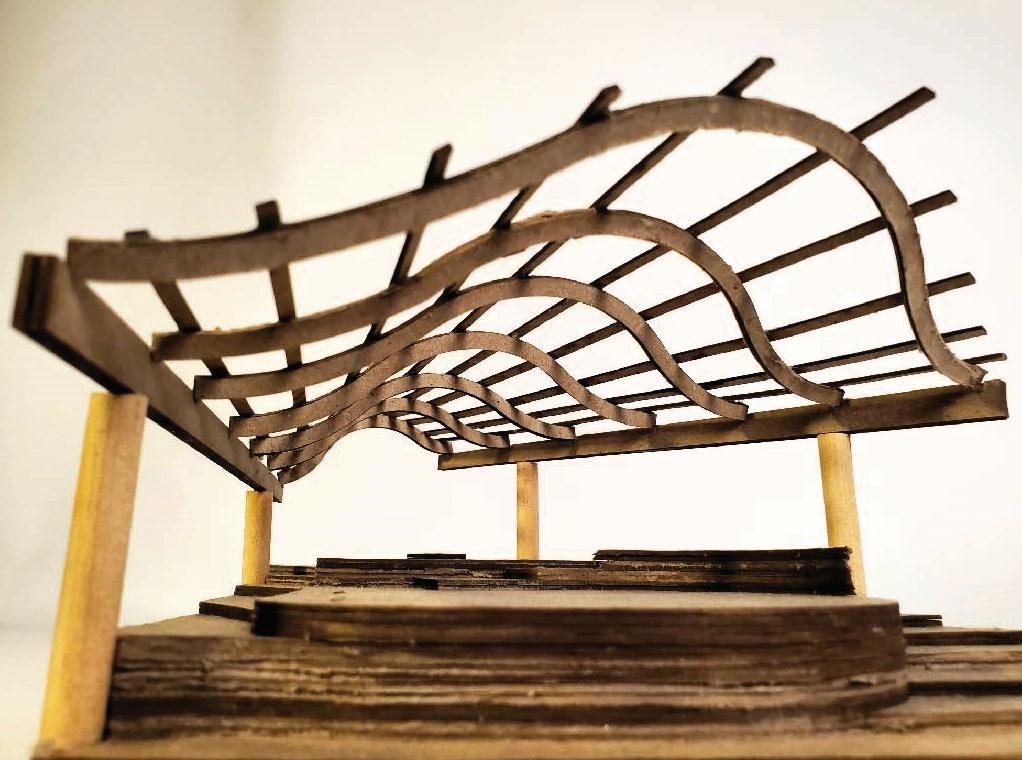
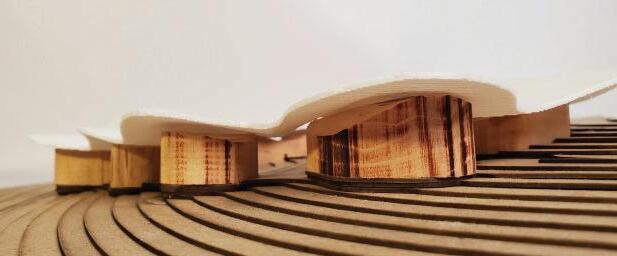
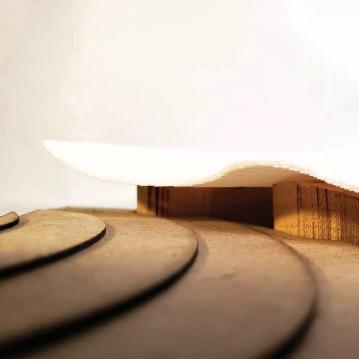
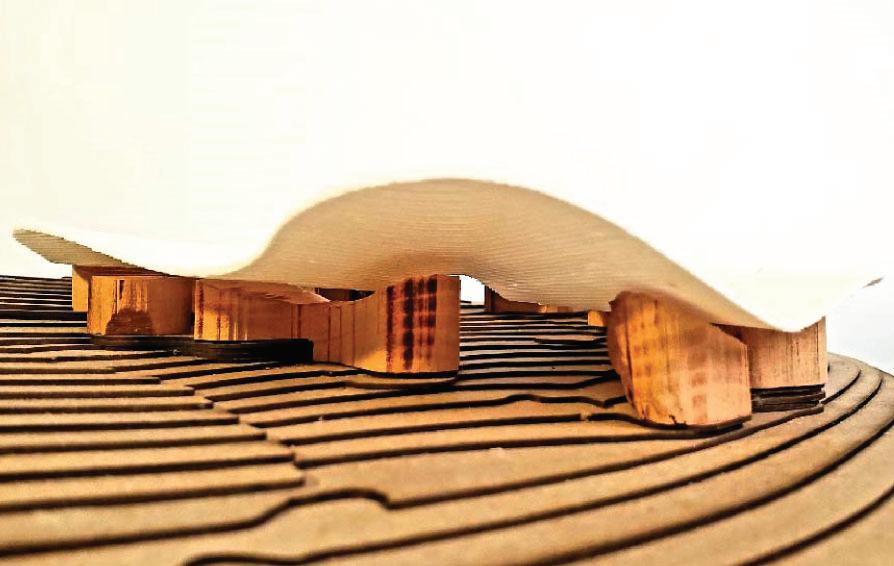
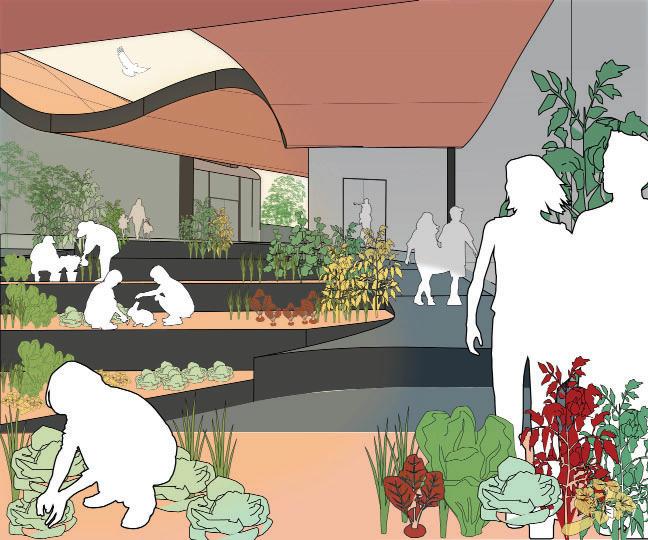
Thus, our culinary institute developed into a radial form, where the central farming courtyard cultivates an immersive learning environment connected between the students of the culinary institute and the public. The students’ classrooms and kitchens are ordered along the east side of the site according to their daily schedule, while the public is drawn to the site from the west side first to attend community farmers markets and then invited into the student courtyard. Following the curvilinear form in plan view, glass curtain walls on the inner side of the student facilities invite public discovery while students showcase their own work in the farmers markets. Mirroring the slope of the site, the roof condition resembles the cyclical, interwoven nature of this community togetherness, while also enabling the sun and water-catching features of the courtyard.
Poiesis III Studio | Fall 2023
David Decker, Eva Chen
Poiesis
David Decker, Eva Chen
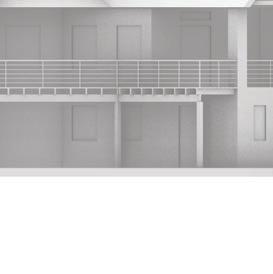
Section
Poiesis
Decker, Eva Chen
Structural Section and Model
Rain Flow DiagramSolar Access Diagram
Experiential Drawing
Poiesis III Studio
Decker, Eva Chen
03 Squirrel Hill Jazz Club
Studio: Poiesis II | First Year, Spring 2023
Coordinator: Tommy CheeMou Yang
Section Instructor: Ginger Brooks Takahashi
Site Location: 2219 Murray Ave Squirrel Hill, Pittsburgh, Pennsylvania 15217
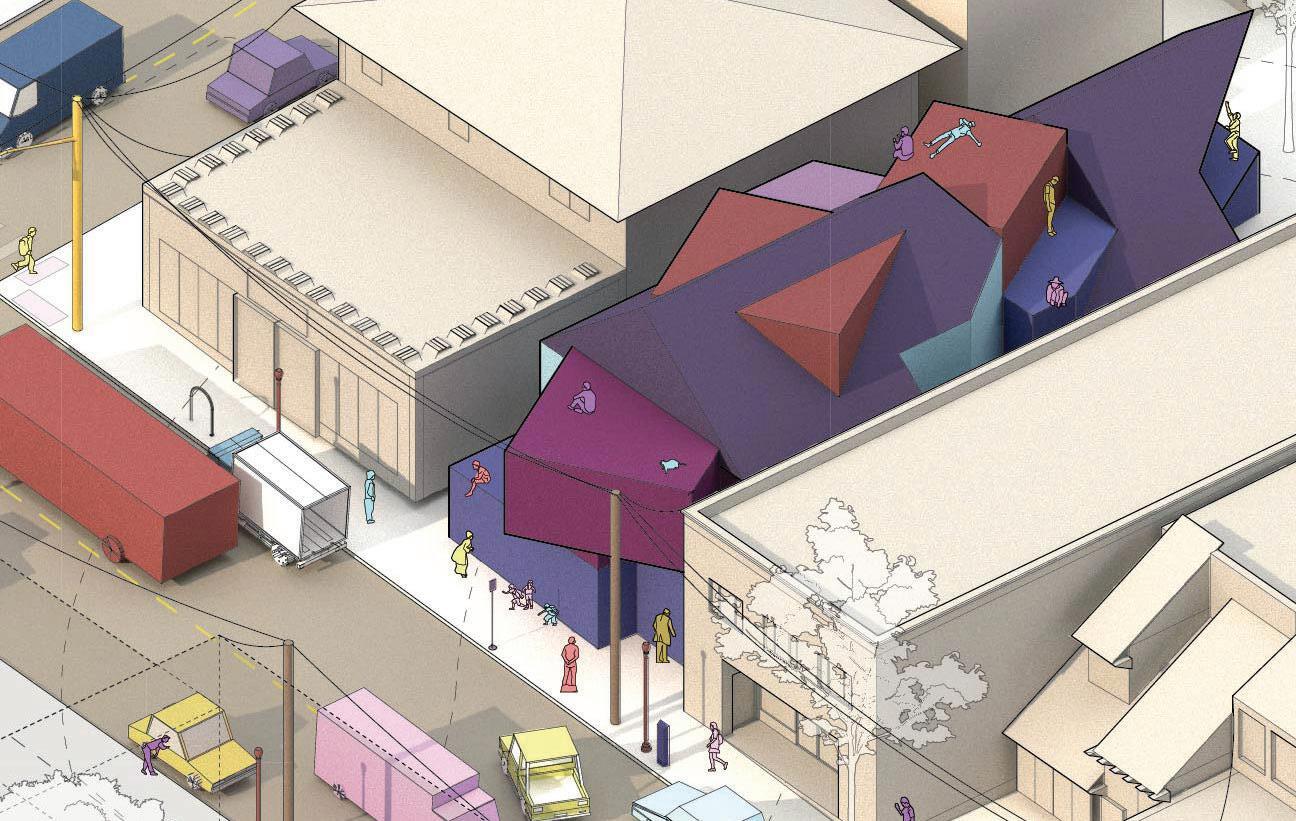
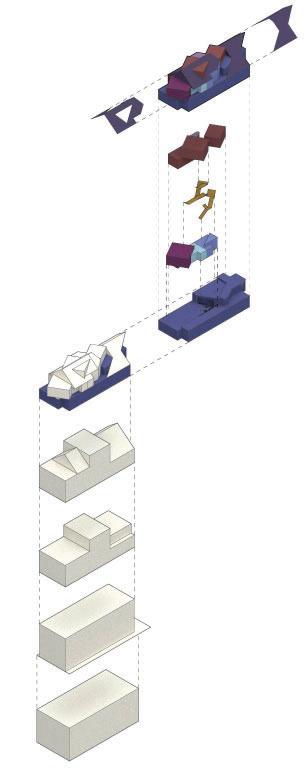
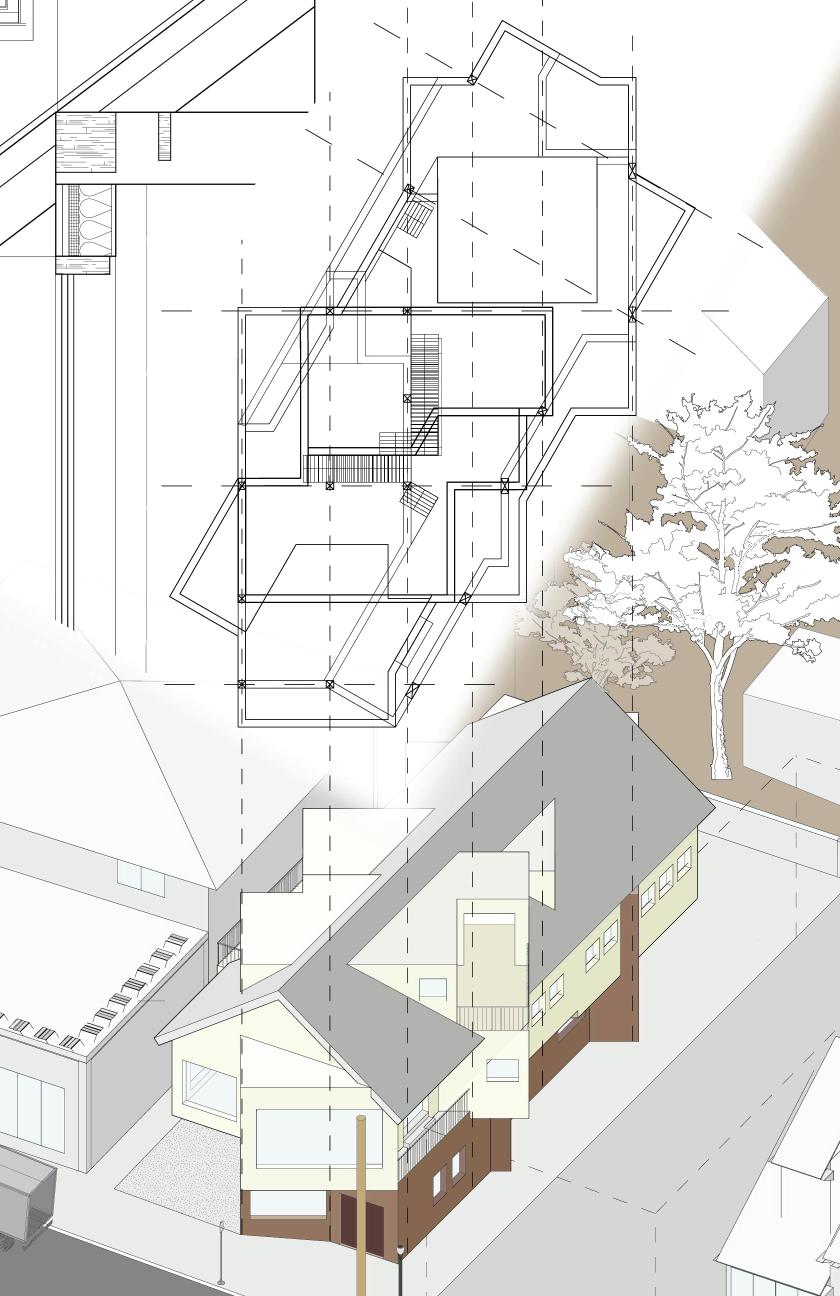
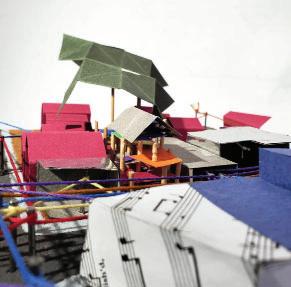
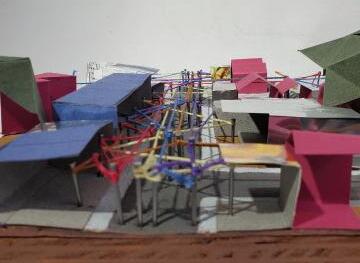
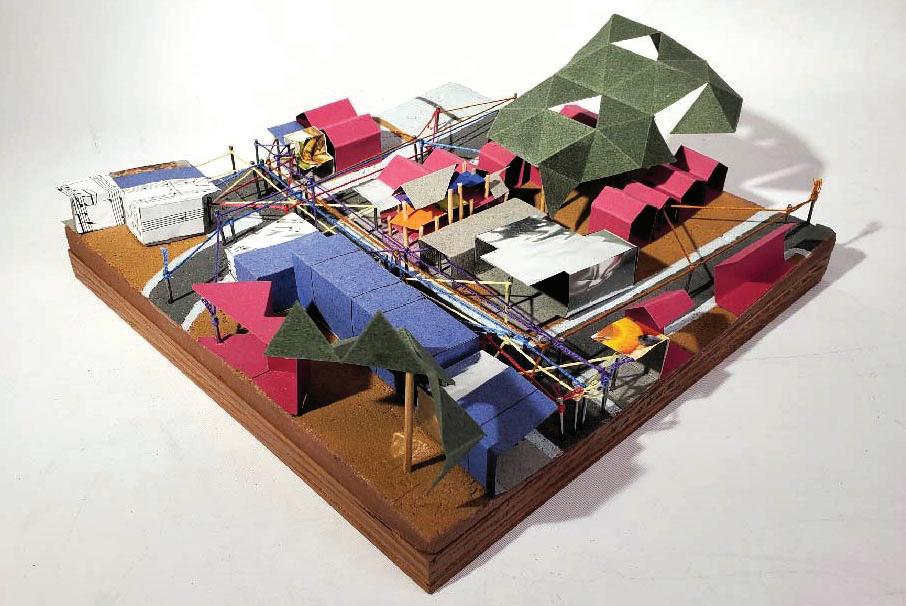
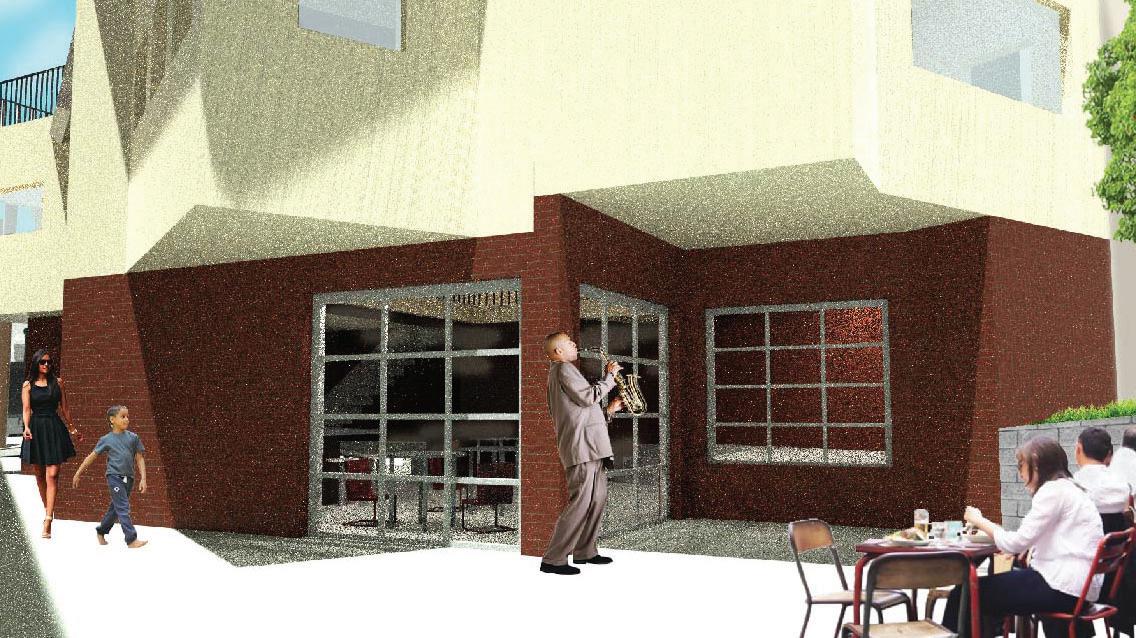
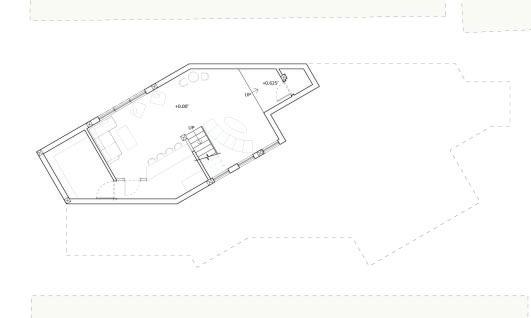
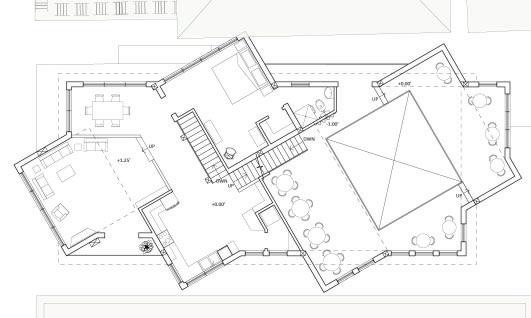
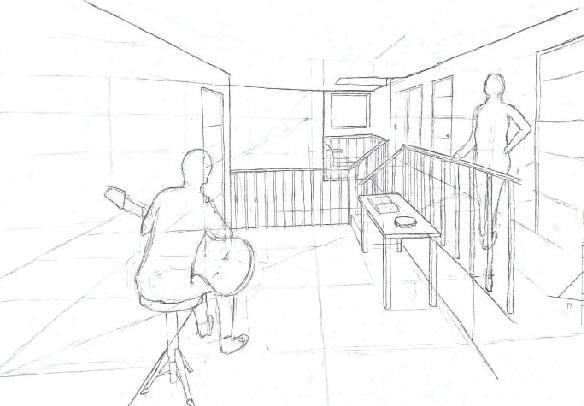
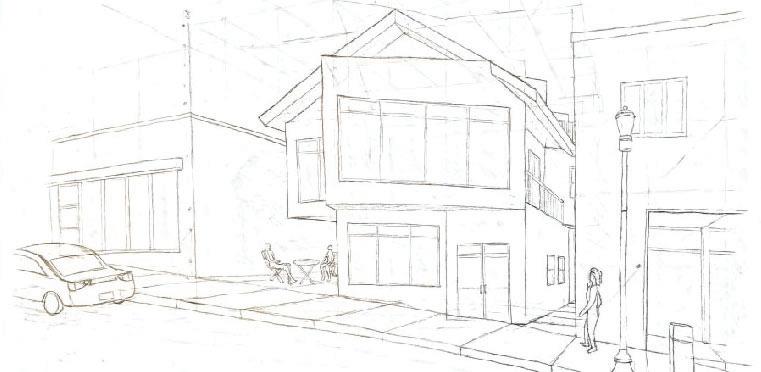
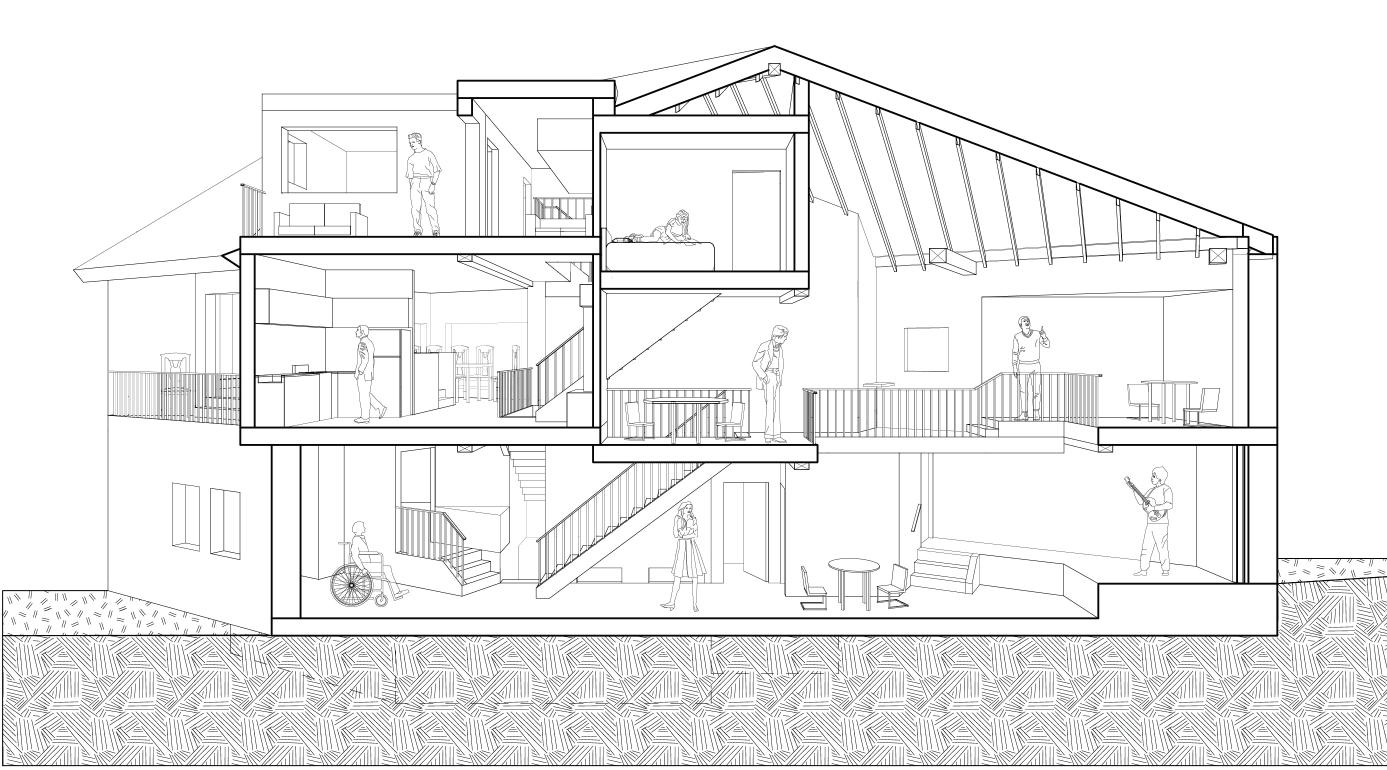
This semester-long project encompassed the exploration of forms and representation through a parti based on a program and project narrative. After electing to design a jazz club in the Pittsburgh neighborhood of Squirrel Hill, I was tasked to craft a narrative about the family who would operate the club and live in the residential space above. Through several weeks of site analysis and fieldwork around the neighborhood, I illustrated a couple who grew up in the Hill District of Pittsburgh during the Jazz Age, and who returned to the city to reestablish the style in the name of free musical expression and a found family.
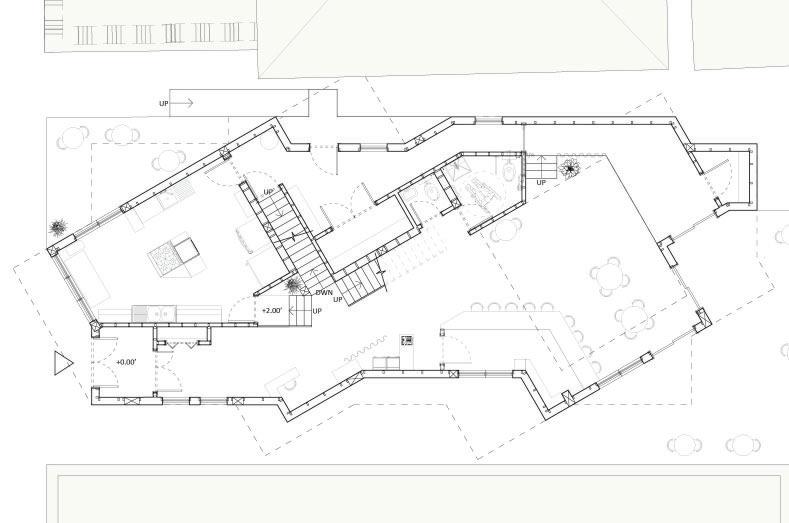
My design reflects the collage of building styles found in Squirrel Hill by interlocking organizational grid systems which derive the form. The result is a series of jut outs at 30 degree angles, resembling the nature of jazz as having never conformed to the normal. These crevasses draw visitors in to explore the inside, only to be welcomed into the hearth of the stage and multi-story gathering space. The unique forms enabled by the grid system allow for the merging of inside and outside, and the creation of an array of different spaces for both the public and the residents, thereby crafting a space of community empowerment through the musical and material language of jazz.
Fundamentals of Computational Design | Spring 2024 | David Decker, Nathan Cottrell, Ashley Jauregui
04 Computational Design
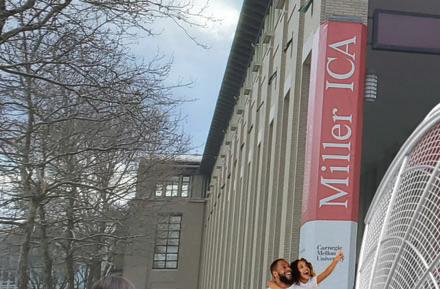
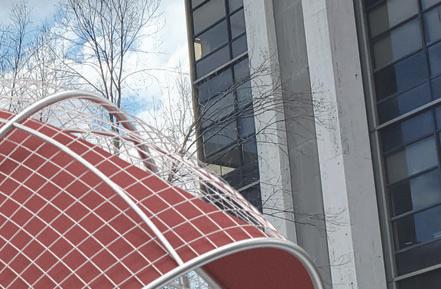
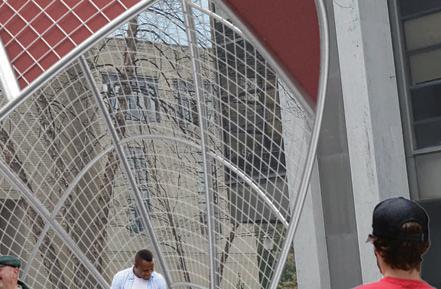
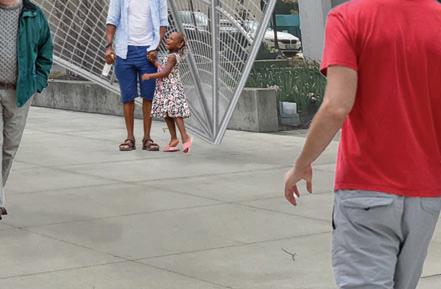
Computational design and its principles are one field currently at the forefront of my interests and education. The practice of defining a ruleset and parameters to generate overall forms or a dynamic building facade has remained present in my practice since my introduction to this topic. For this project, a parametric generation of forms were initiated by conic sections, in order to construct a gateway pavilion for the entrance of Carnegie Mellon’s main campus in Pittsburgh, PA.
In Collaboration with Nathan Cottrell, Ashley Jauregui
Elevations
Conic SectionsAxonometric
Plan
04 Geographic Visualizations
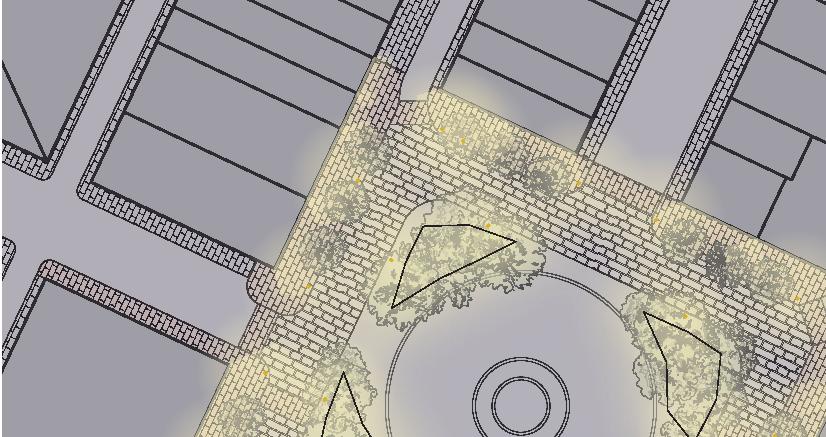
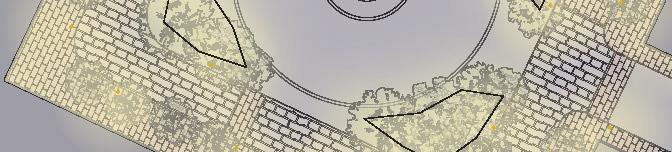
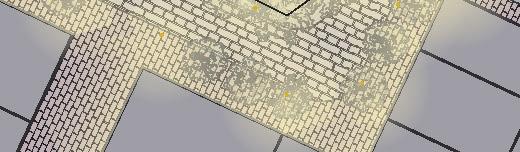
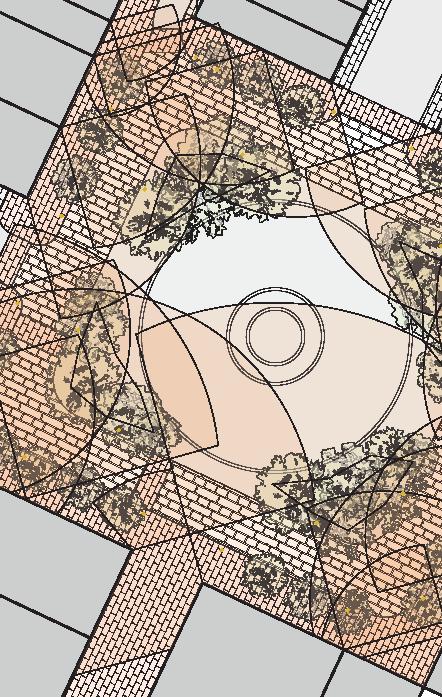
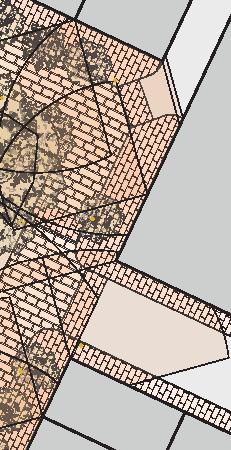
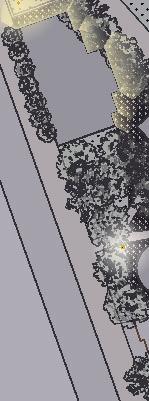
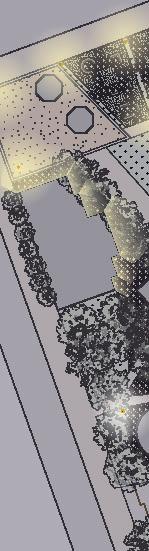
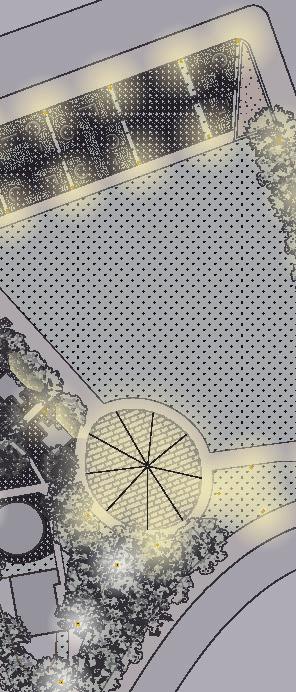
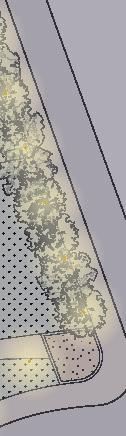
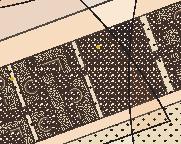
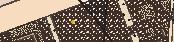
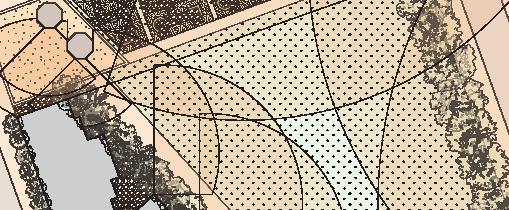
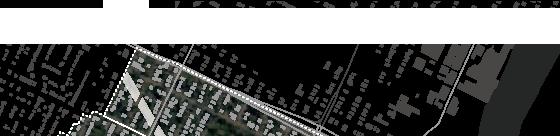
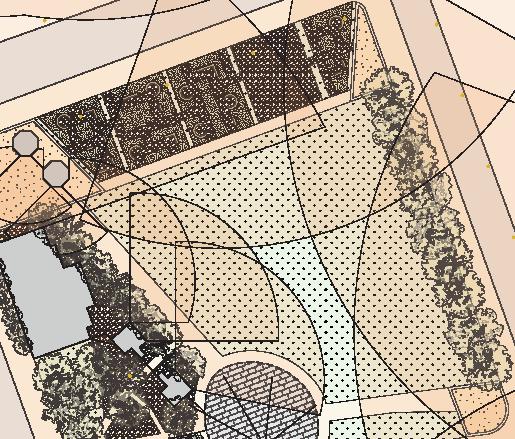
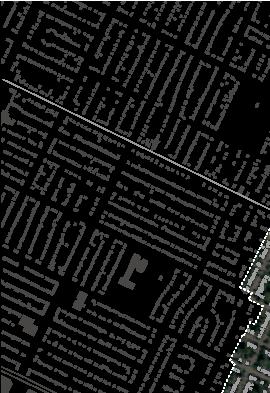
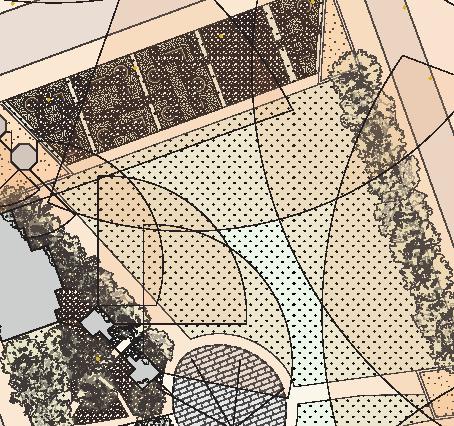
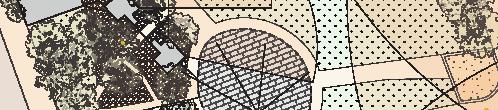
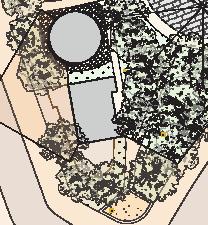
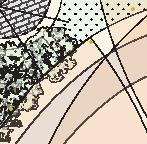
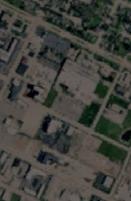
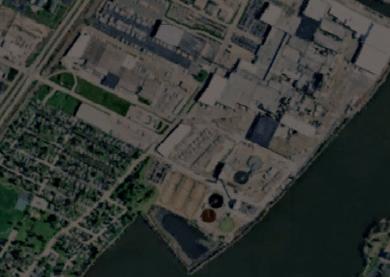
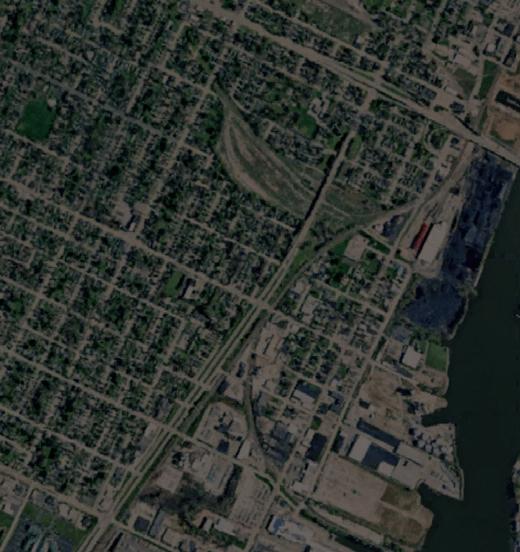
Another design topic I am currently intrigued by is geographic data analysis and visualizations. In recent months, I have been learning both the analysis of raw data through GIS programs, along with its synthesis and post-processing to uncover urban trends and spatial qualities. These two projects looked at the open spaces which compose urban environments, analyzing the overall safety of public plazas in Pittsburgh through their nighttime lighting and sightline strategies, and the prevalence of vacant space between three up-and-coming neighborhoods in Green Bay, WI.
Vacant Urban Space Analysis: Green Bay, WI
Nighttime Lighting: Market Square vs Schenley Plaza, Pittsburgh, PA
Sightlines: Market Square vs Schenley Plaza, Pittsburgh, PA
04 Technical Applications
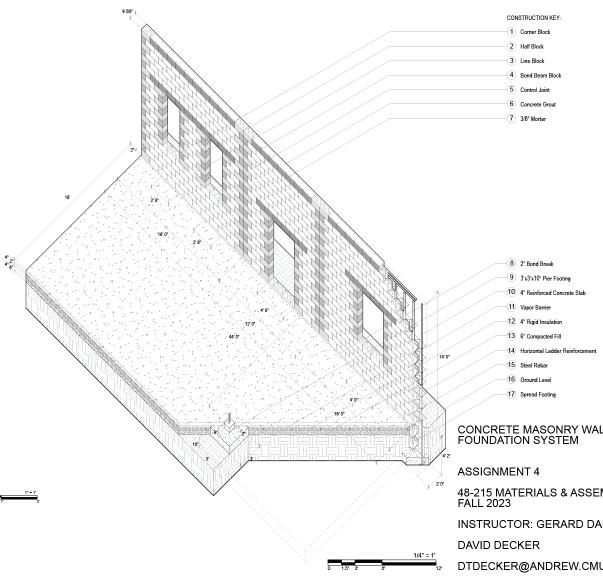
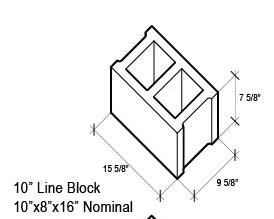
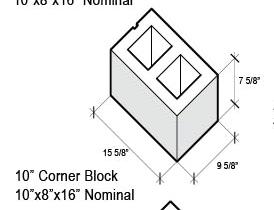
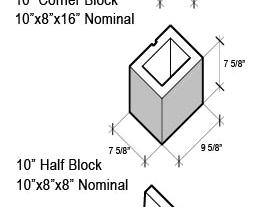
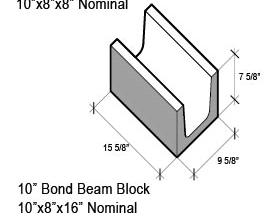
I feel fortunate to possess technical understandings of materials and assembly, along with experience in real-world applications in my architectural education thus far. The left shows my draftings of the components and assembly of a Concrete Masonry Unit wall and its foundation. The right displays a site plan and elevations I completed for use by an architecture firm in the construction of a lakeshore craftsmen house in Northern Wisconsin, based on client needs and desires.
8, Boat Landing 6 Rd, Crivitz, WI 54114
04 Community Design-Build
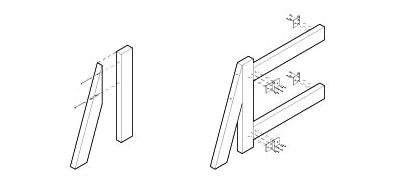
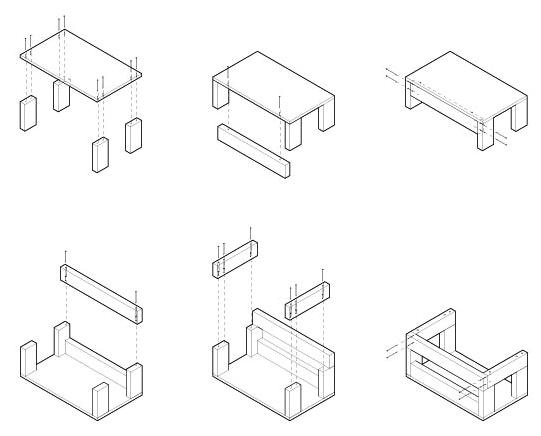
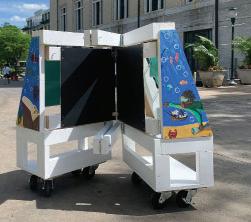
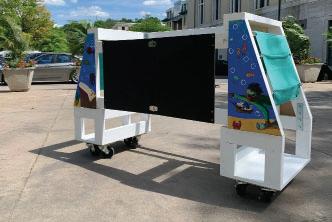
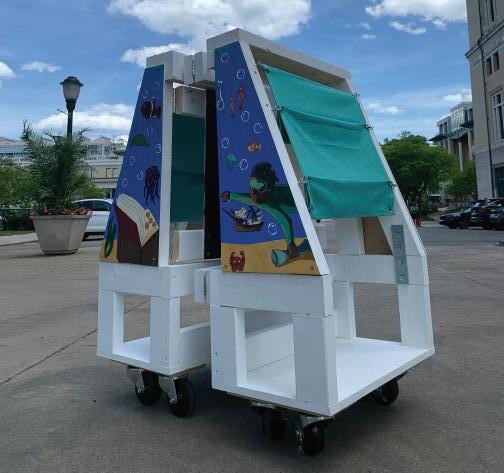
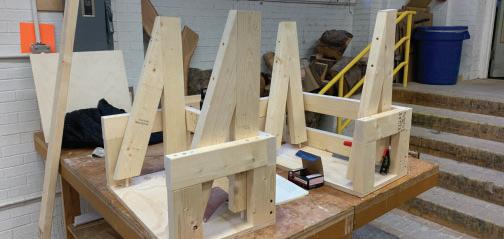
As part of our annual Spring Design-Build project, Carnegie Mellon Freedom By Design completed an original design and construction of an accordion-style mobile library for the nonprofit organization Reading Ready Pittsburgh. Our challenge with this design was that it had to be structural to move around on rough terrain, while also lightweight for easy transportation. Therefore, we made it disassemble into 8 pieces so that it could be stowed in the trunk of a car. The structure’s accordion fashion, along with its side murals and chalkboard allow for children to interact and harness excitement for reading, while the bottom shelves double as book storage while the structure is being transported.
In Collaboration with Nathan Cottrell, Gabrielle Benson, Hannah Haytko-Desalvo, Zoe
Side Wing Assembly
Botta, Youstina Riad
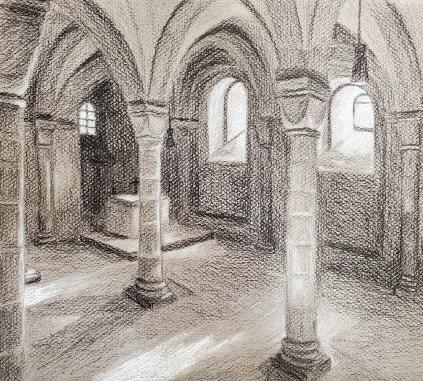
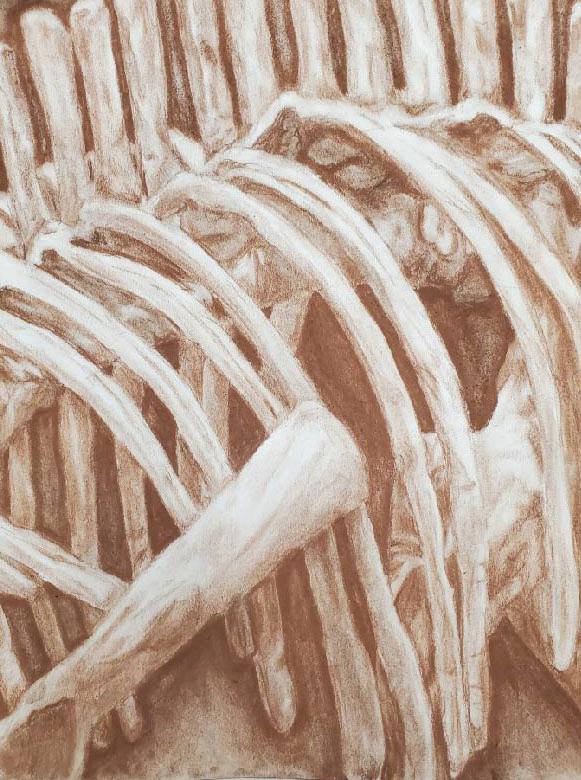
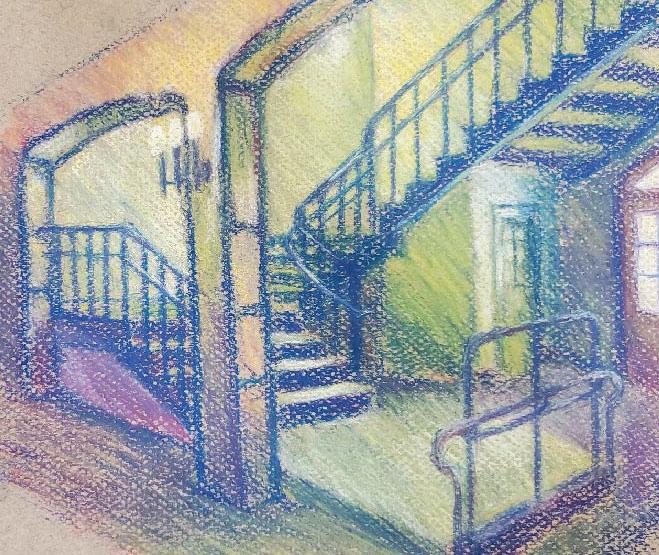
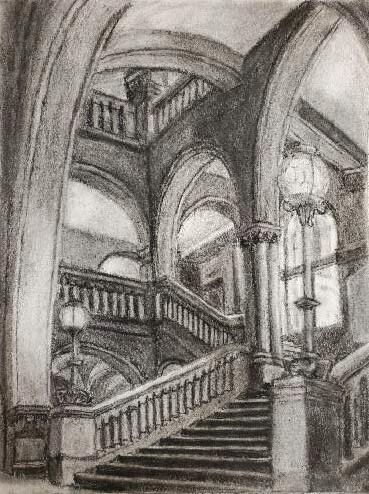
04 Drawing
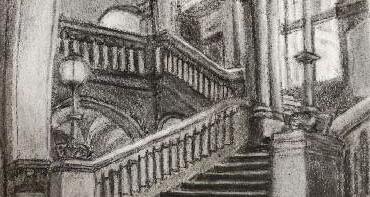
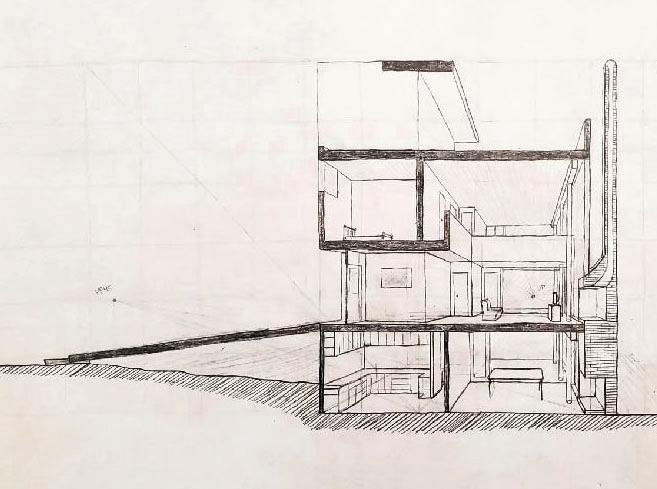
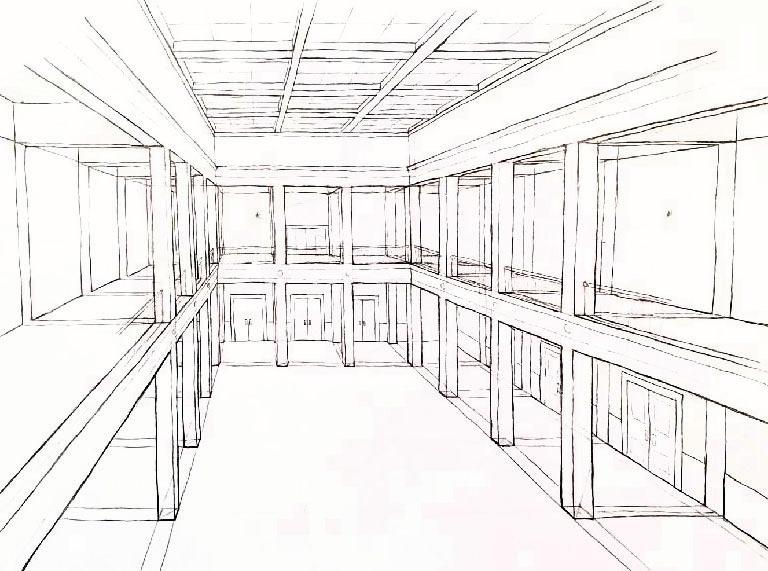
One of my most fundamental forms of spatial expression, which I strive to keep utilizing throughout my education is freehand analog drawing. Showcased on this page are different examples of my freehand work, striving to express different architectural views and spatial qualities. The left column is comprised of freehand pencil one-point perspectives, while the right are freehand drawings composed via the replication of observed scenes.