PORTFOLIO
DARA-SHAE TABRY-SALINAS
SELECT WORKS

OAA Intern Architect
(647) - 867 - 8462
darashae.ts@gmail.com
Markham, ON
Adaptable recent graduate with over 7 years of hands-on experience in customer service, design, and management. Having worked in a variety of roles across different industries in addition to 6 years of formal education, this arsenal of skills makes me a versatile asset. Recognized for a strong work ethic by peers, I am committed to leveraging my skills and knowledge to contribute effectively and efficently to your firm’s success.
Laurentian University
McEwen School of Architecture
Masters of Architecture, M.Arch 2023 - 2025
Laurentian University
McEwen School of Architecture
Bachelors of Architecture, B. Arch
Cum Laude + Deans List 2019 - 2023
SOFT
AutoCAD
Revit
Rhino 7
Sketchup
Blender
Grasshopper
Adobe Suite (Photoshop, Illustrator, InDesign)
V-Ray
Enscape
D5 Render
OTHER
Conceptual Innovation
Design Research
Time Management
Verbal Communication
Analytical Thinking
Attention to Detail
3D Visual Rendering
Prototyping/Model Making
Sketching
CLADinc - Architectural Intern
Bathurst, NB January 2024 - August 2024
• Conducted zone studies and developed documentation for approval by various municipality boards
• Designed detailed floor plans and 3D renders for commercial and residential projects
• Submitted inspection reports to consultants, ensuring building standards and quality were met
• Created as-built documents for projects of various sizes, reflecting completed construction
• Attended and assisted in bi-weekly construction meetings for multiple largescale projects
• Participated in client meetings throughout the design process, incorporating feedback into project revisions
Ballantrae Golf Course - Gardener + Maintenance
Stouffville, ON
April 2022 - September 2024; May 2025 - November 2025
• Implemented and maintained a comprehensive landscape management plan, ensuring the golf course greens, fairways, and landscaping consistently meet high aesthetic standards
• Operated and maintained a variety of landscaping equipment and machinery, ensuring proper functioning and safety standards
• Executed efficient garden management practices, including mowing, edging, and fertilization, resulting in improved overall health and appearance of the 420 acre property
LASA - Senior/Junior Events Coordinator
Laurentian Architecture Student Association 2021- 2023
Led the planning and execution of the first Formal Dance event since the pandemic, coordinating between outside vendors and other members of the student association
• Organized and hosted biweekly student game nights to increase community involvment between the architecture student community
• Coordinated fundraising initiatives, including a bake sale, to generate revenue for the student association
• Assisted in the planning an facilitation of Frosh Day, supporting and running events during the day
school
Northern Living
Sudbury, ON 2023
The Trillium Center
Ajax, ON 2025


Regenerative Learning
Dijak, Senegal 2026
07 14 23
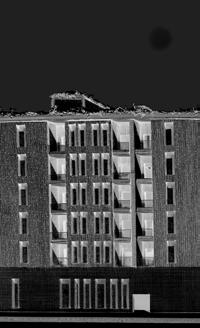
NB 2024 Logement
NB 2024
NB 2024
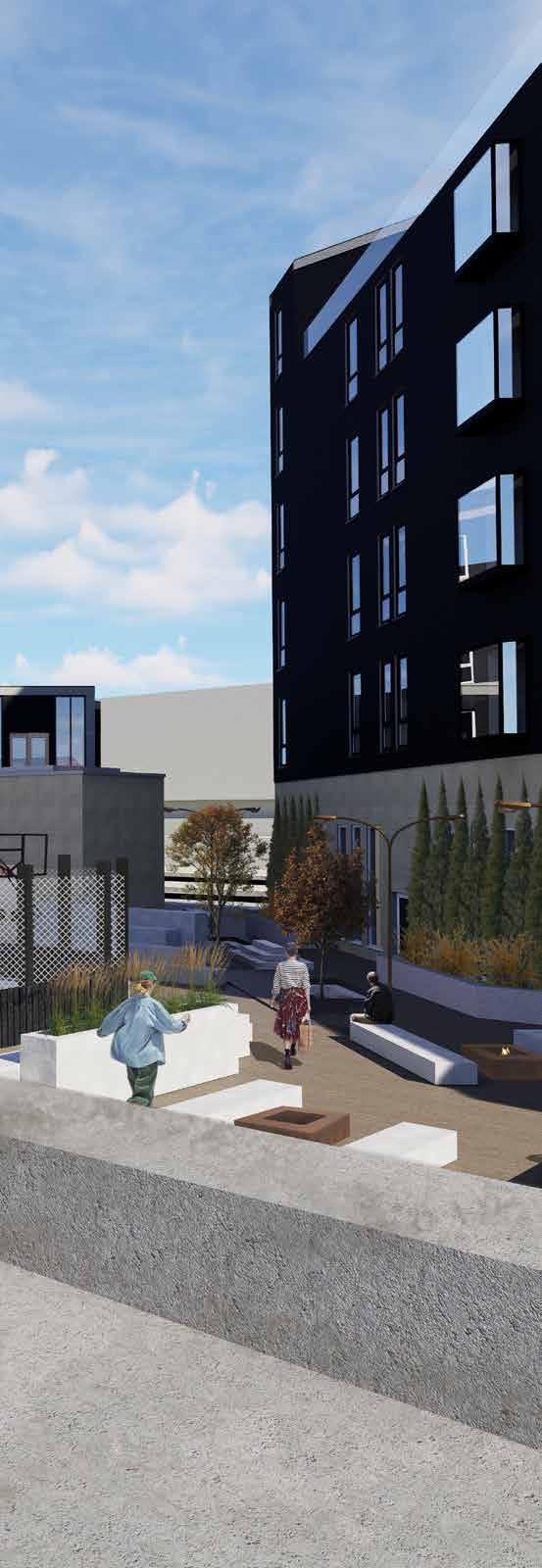
Year 4 | Mixed-Use Residential Sudbury, ON
Advisor | Breana Chabot, Professor Group Work | 2 people
revit \ lumion \ illustrator \ photoshop
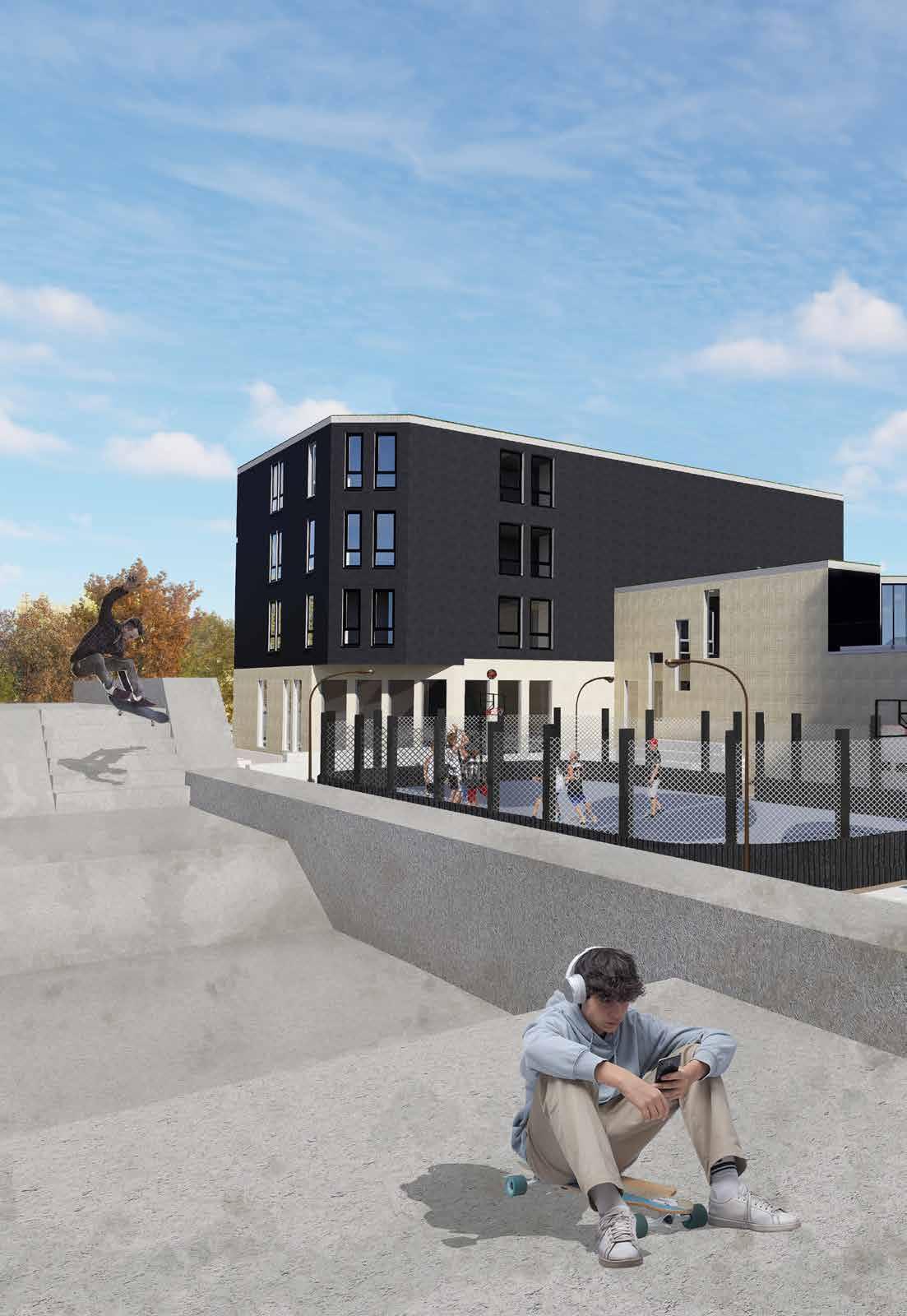
This mixed use development targets students and young adults, combining 79 residential beds with ground floor commercial spaces including a grocery, café, and wellness sauna. Two parallel buildings frame active urban spaces such as a skatepark, hockey and basketball court, and rooftop patios, encouraging community interaction. Residential units vary from studios to four bedroom layouts, while structural systems using mass timber (CLT and glulam) and concrete cores support efficient modular design. Thoughtful integration of shared spaces balances privacy, accessibility, and connection to the surrounding downtown environment.
Recognizing the disconnect between students and the working population, the design emphasizes shared activity spaces that connect residents with the broader downtown community. The massing was strategically shaped and carved to create exterior spaces that support northern urban programming. These outdoor and semi-public areas foster interaction between students and the existing urban population, strengthening community integration through intentional programming and form.
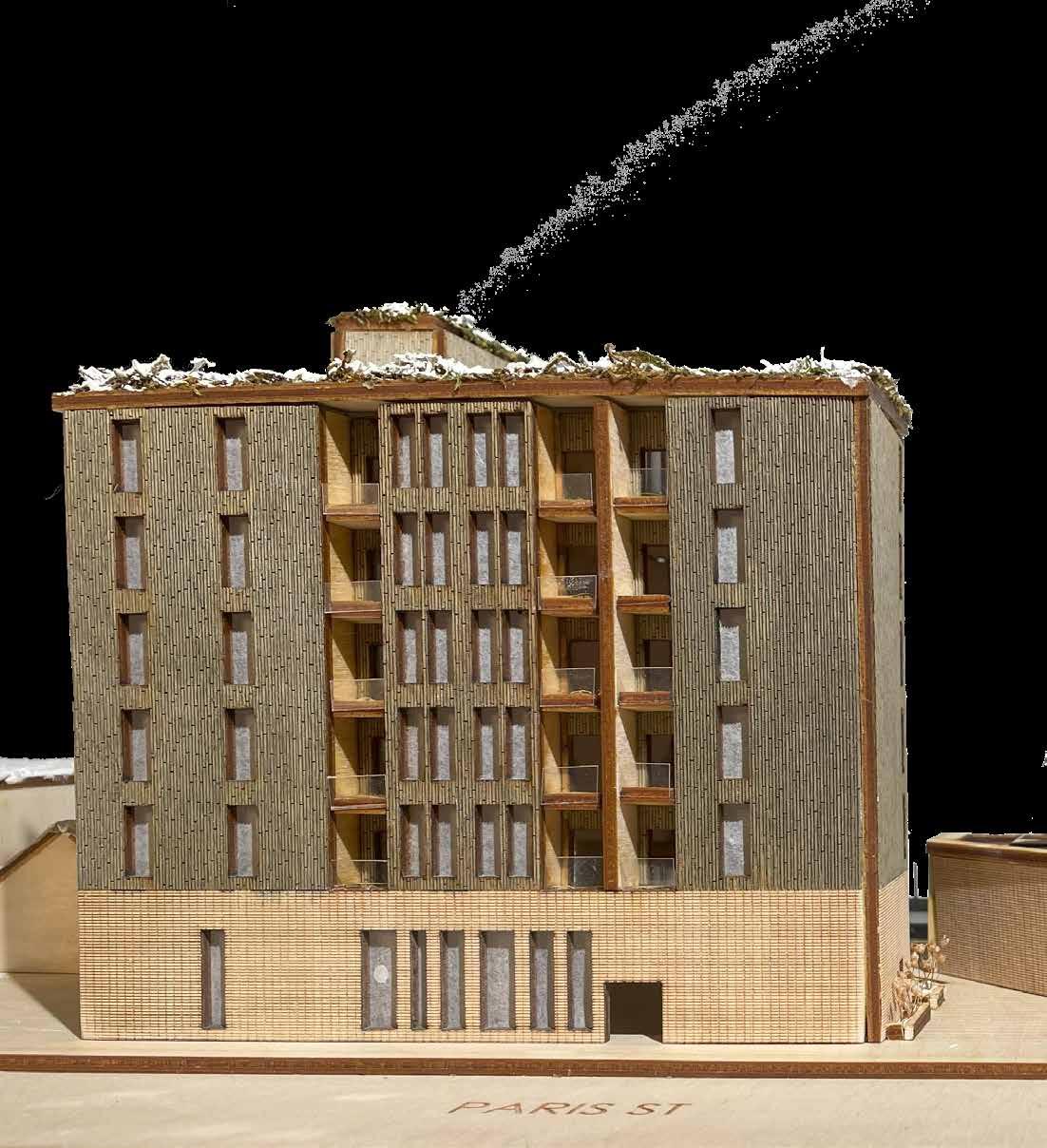
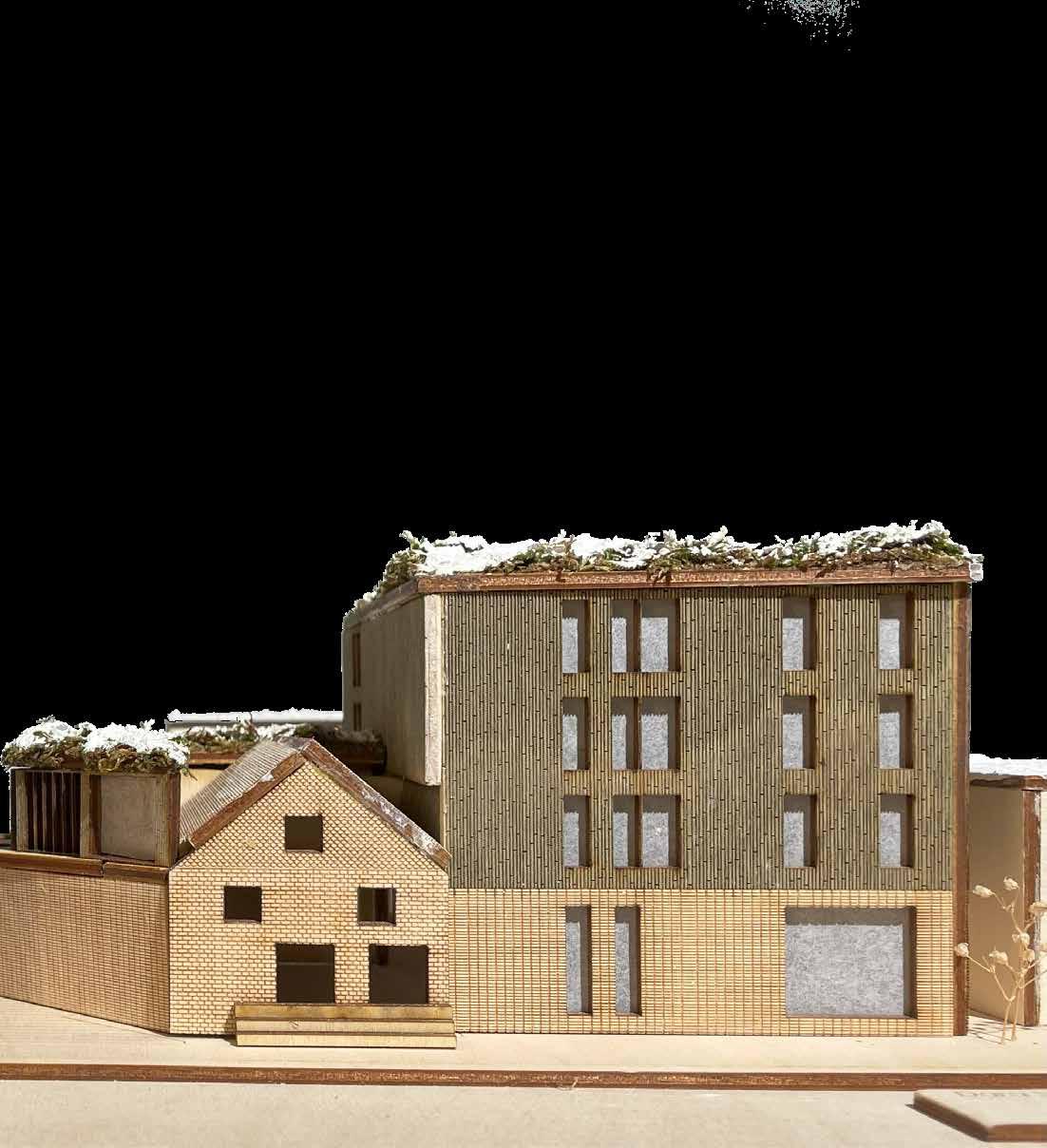
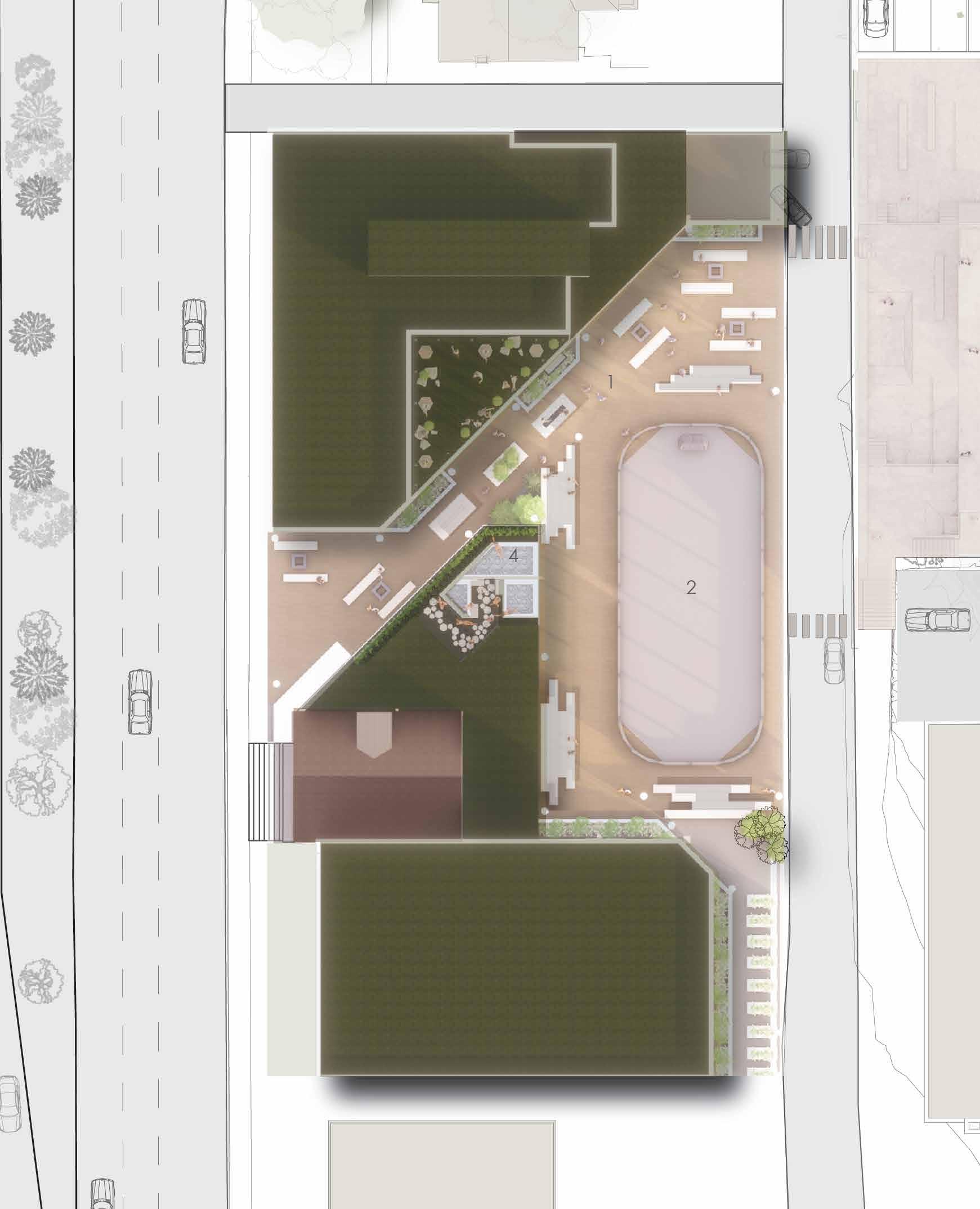
This project focuses on student-centered building programming that supports both private living and community engagement. The design includes four-bedroom, two-bedroom, one-bedroom, and studio units, totaling 79 beds, to accommodate varying levels of independence and affordability. Informed by site analysis identifying a strong 20–29 demographic, the program is tailored to students and recent graduates, balancing density, flexibility, and social connection.

The structural system consists of mass timber framing with
concrete composite floor assemblies, allowing exploration of largescale mass timber construction. The project examined how different cladding systems, including brick and wood paneling, connect to the primary structure and how these connections influence wall assembly design.

Masters Year 2 | Thesis Project Ajax, ON
Advisor | Thomas Strickland, Professor Independent Work
rhino \ grasshopper \ D5 render \ illustrator \ photoshop
Part of my thesis “Back to Normal: A Salutogenic Approach to Remission Spaces for Childhood Cancer Survivors,” the Trillium Center explores how thoughtfully designed remission spaces can support healing for children recovering from serious medical conditions. The project illustrates design strategies that foster well-being, growth, and recovery through intentional spatial, material and programmatic choices.
Advances in childhood cancer research within Ontario and Canada have allowed for an increase in the 5-year survival rate. While the guidelines and care for treating the disease in its active state are well established, once in remission quality of care decreases significantly. Existing remission clinics only monitor for the physical symptoms of adverse effects from cancer treatment and not the psychological and psychosocial difficulties that affect the quality of life of these survivors and their families. Due to the increasing population of survivors and the likelihood of adverse effects, remission care should be restructured to not only address existing late effects but also enhance the survivors’ health before treatment is needed. This shift from a pathogenic approach to a salutogenic one not only addresses the gap within the pediatric oncology space but also creates a new precedent for health care for survivors of childhood cancer.







“the instrument or behavioral dimension, defined as the degree to which one feels that there are resources at one’s disposal that can be used to meet the requirements of the stimuli one is bombarded by”
“the cognitive dimension, [and









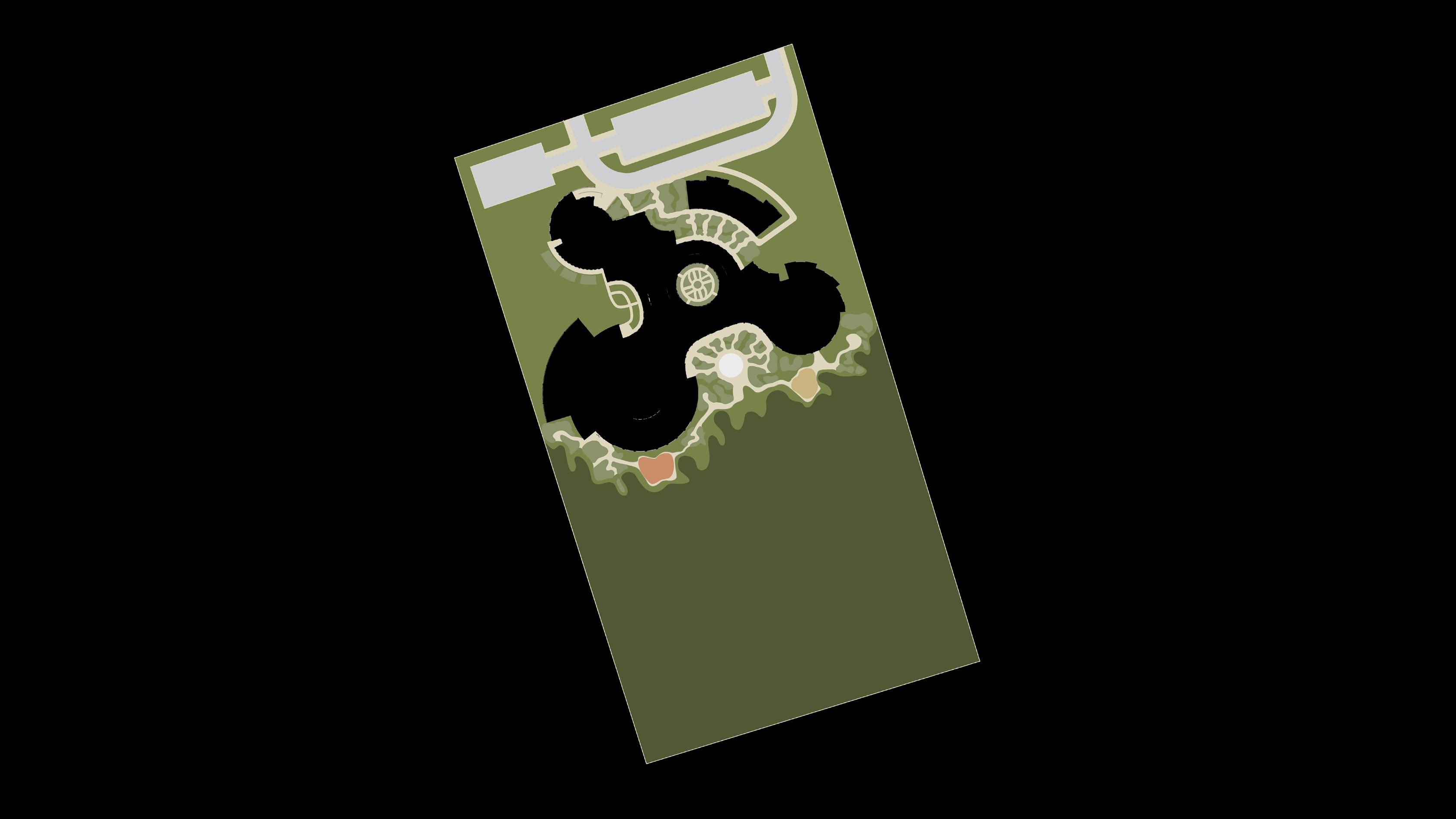

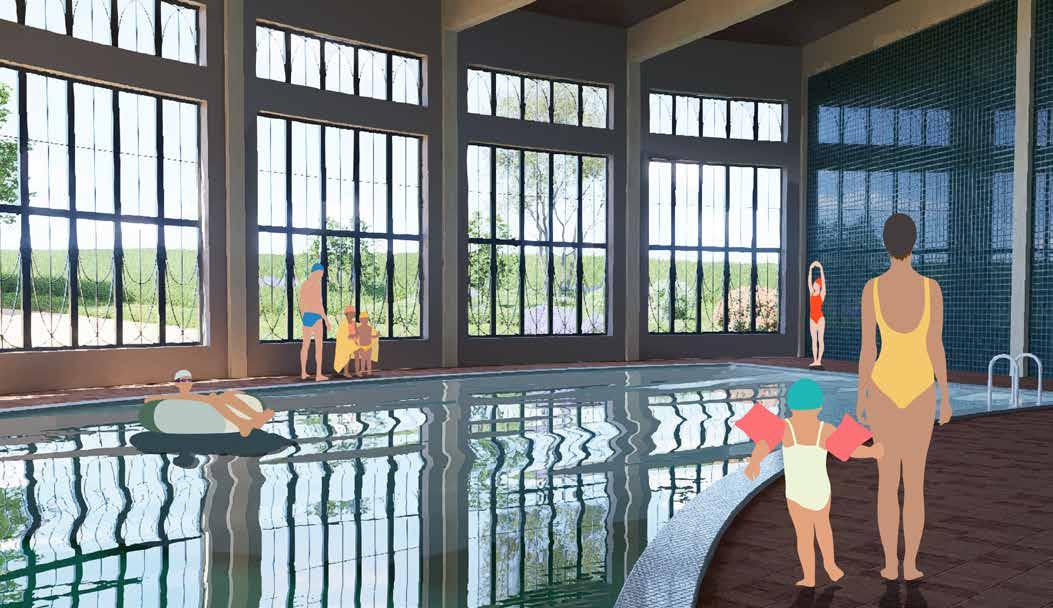
The facility offers educational resources, specialized healthcare support addressing psychological and psychosocial needs, and creative outlets that help children express emotions in nonverbal ways. Key elements include accessible accommodations for families traveling from northern communities or facing financial hardship, along with overnight stay options.
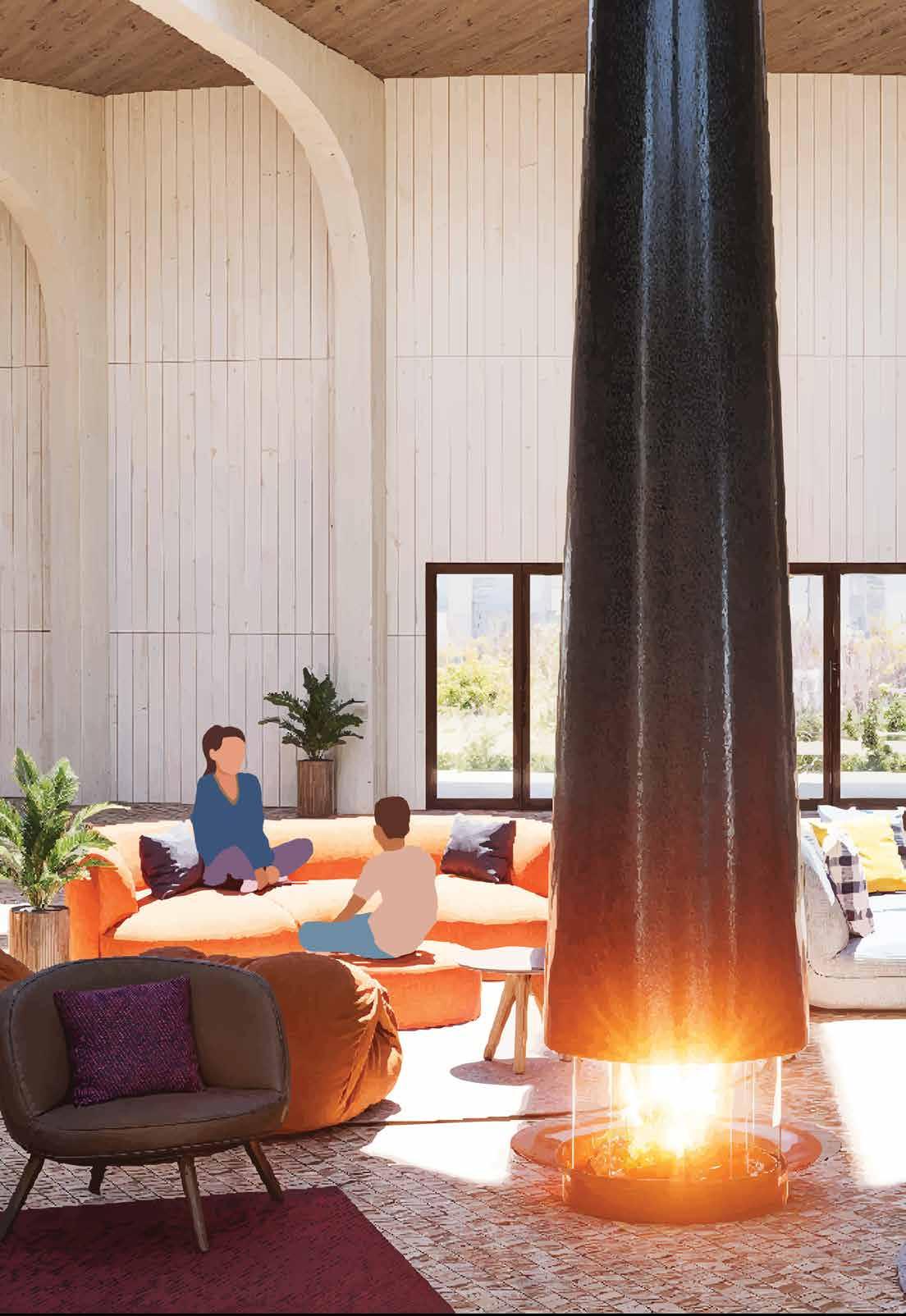
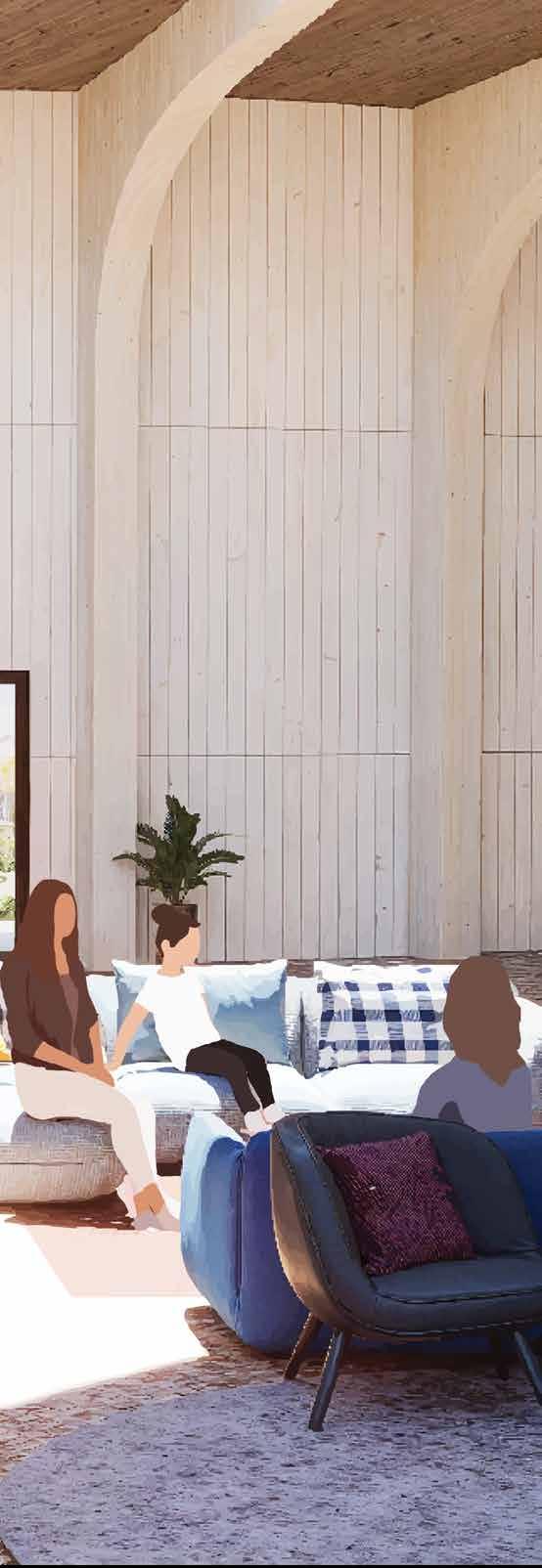
Grounded in salutogenic principles of comprehensibility, the programming centers on several central gathering spaces promoting interactions between users and staff within the center. Additional features such as walking paths throughout the property encourage reflection and connection to the landscape.


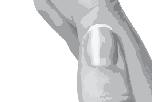
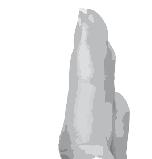
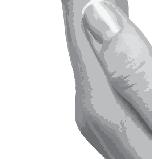









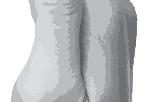






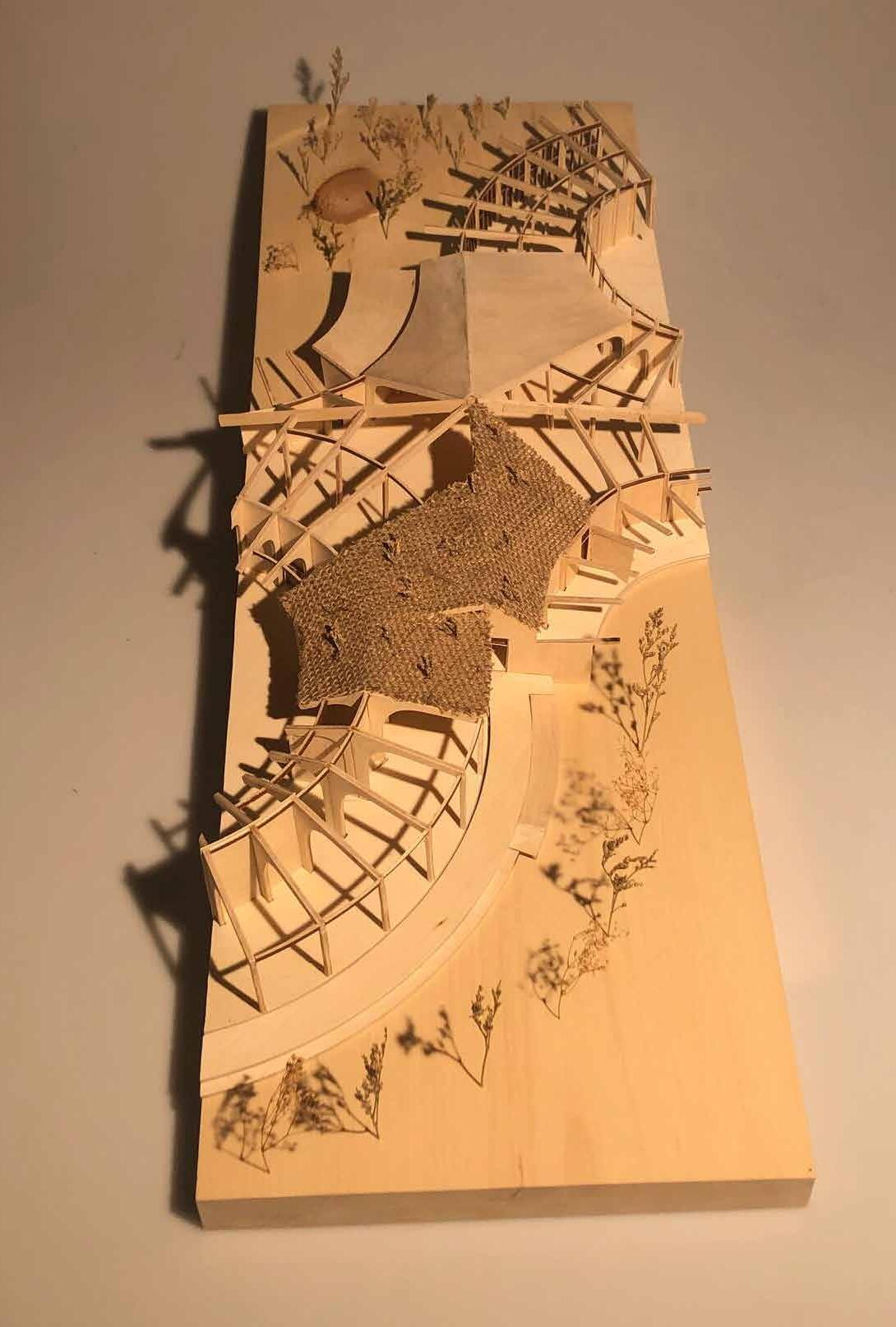
Because the building’s form is central to expressing the thesis’s theories and ideologies, structure and materiality were the starting points for determining its massing.
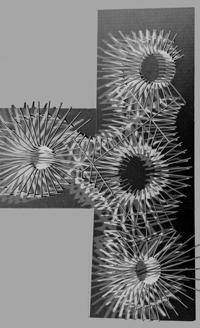
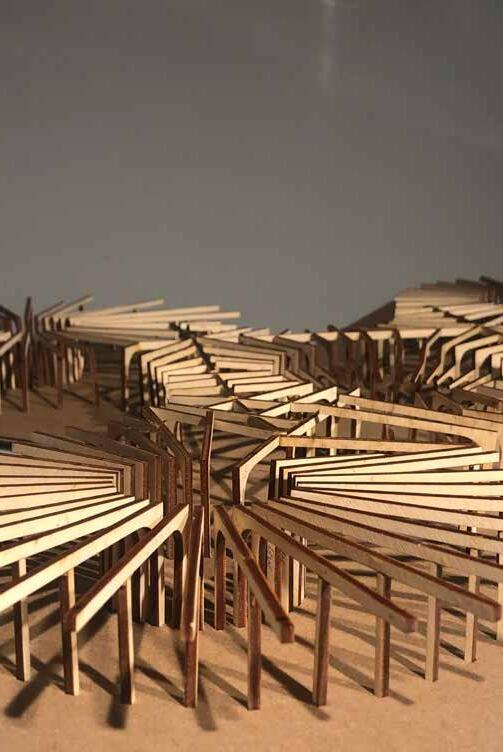
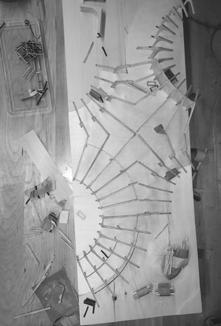
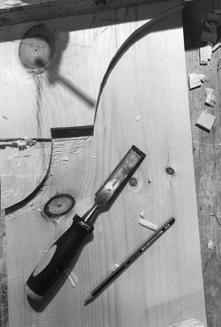
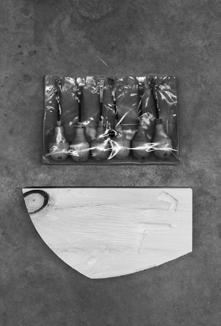
An iterative model making process guided this exploration. Digital 3D models were translated into laser cut components and assembled physically to better understand the structural system and spatial relationships. Multiple attempts were made to develop a spiral beam system that could successfully generate gathering spaces at the intersections of the structural arcs.
The final sectional model emerged after studying how interior heights could vary to reinforce program. Central gathering areas were given higher ceilings to enhance openness and light, while more intimate spaces such as offices, classrooms, and the courtyard were defined by lower ceiling heights to create a sense of enclosure and comfort.

Secondary School Djilakh, Senegal
International Competition Group Work | 4 people
rhino 7 \ grasshopper \ photoshop \ illustrator \ lumion
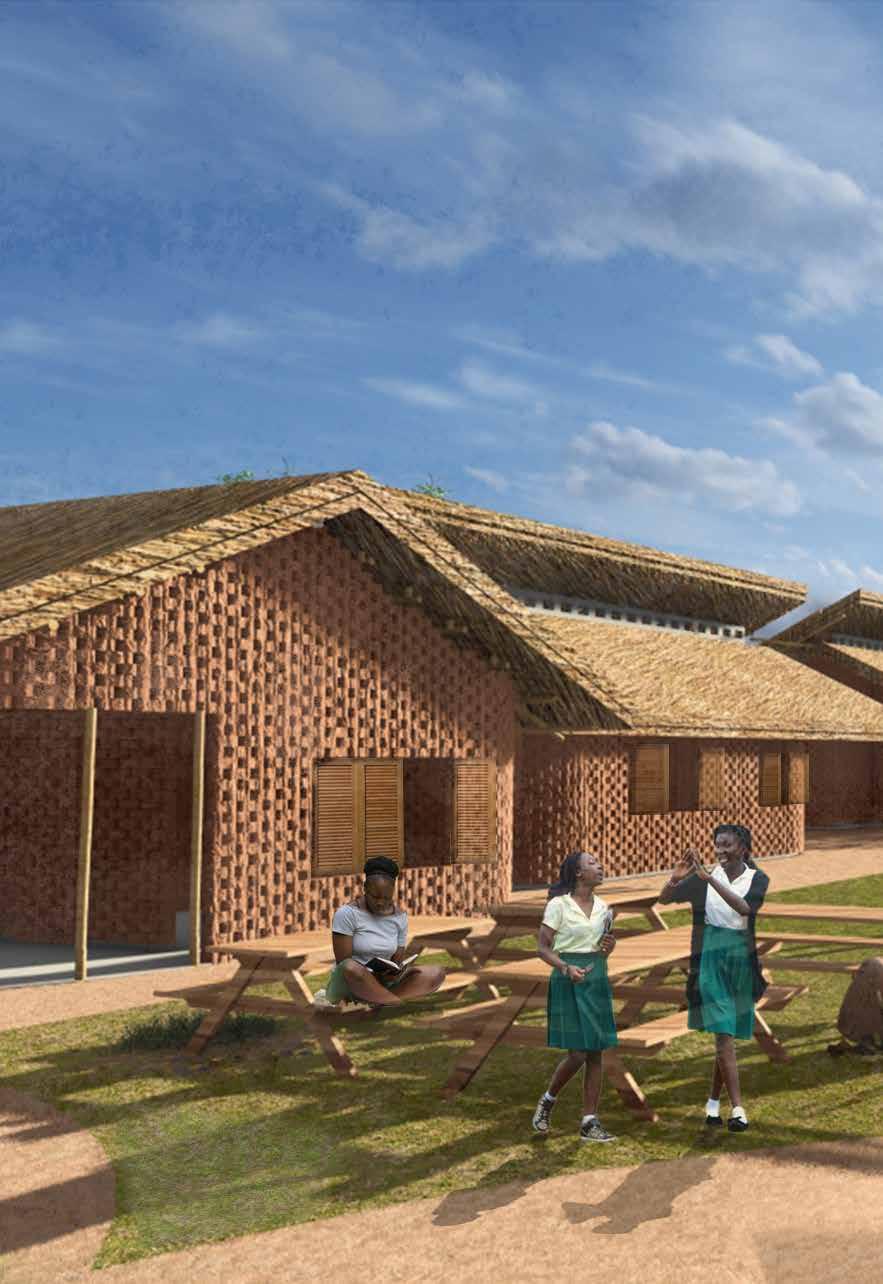
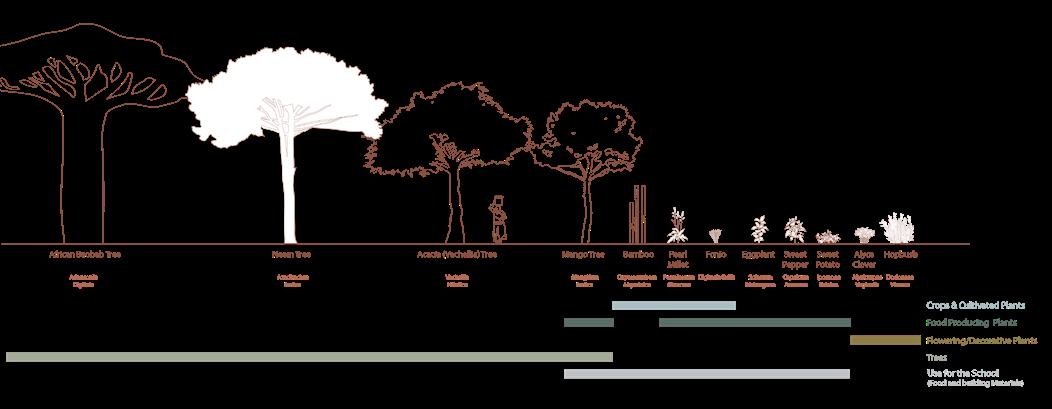
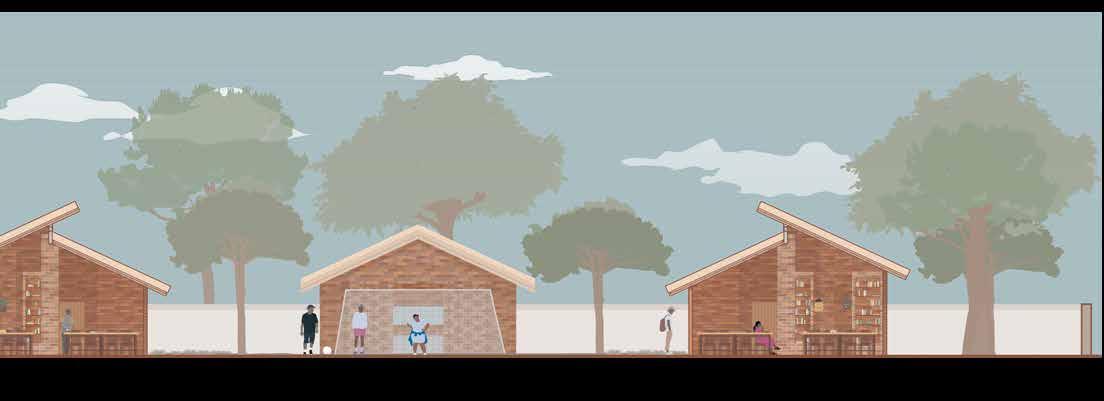
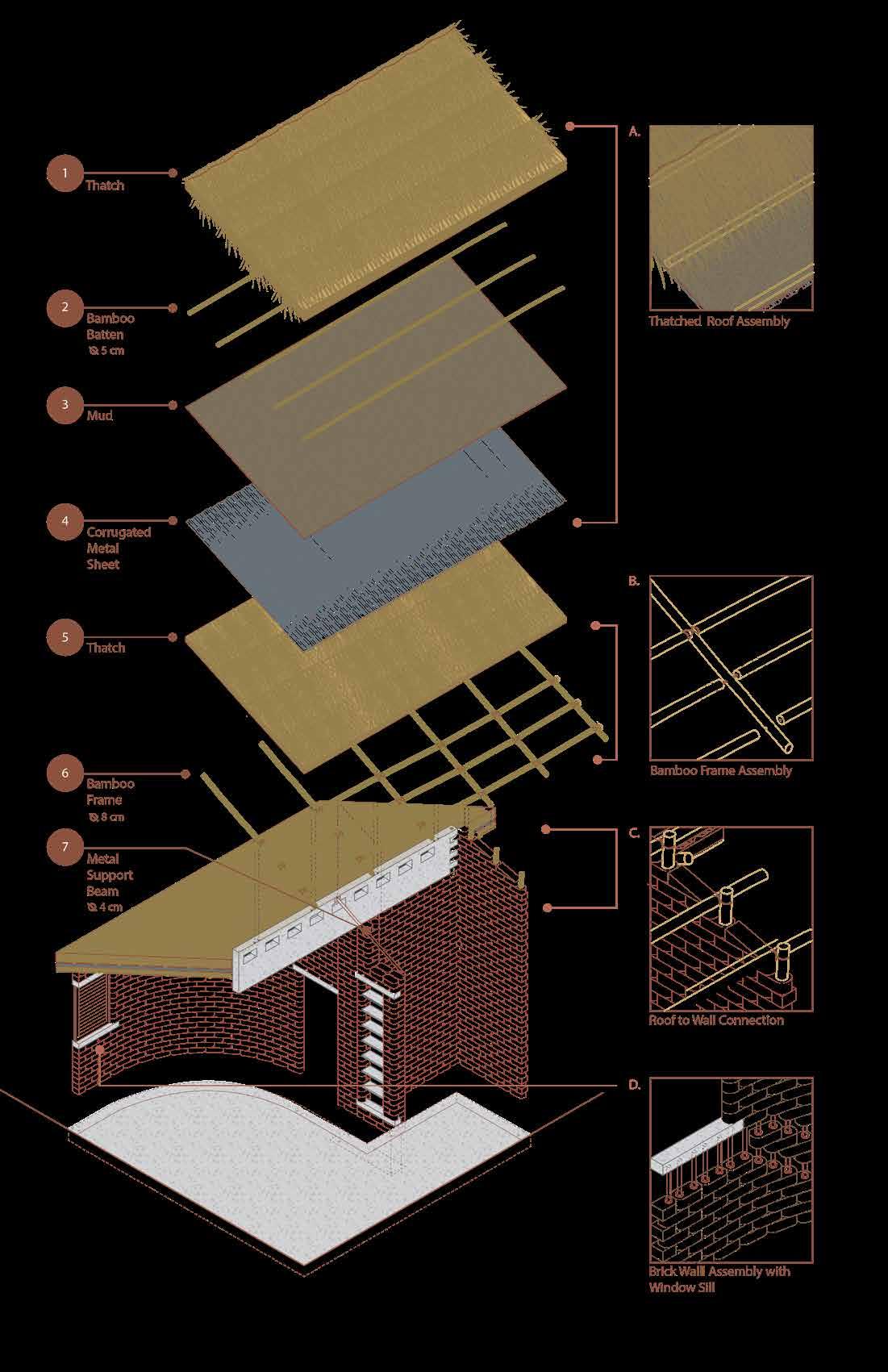
The project proposes a modular school designed in direct response to climatic conditions of Senegal. The buildings are organized around a central courtyard and conversaion pit which enhances the passive design conditions while also offering informal gathering and play spaces for students. The design prioritizes passive strategies, with thermal comfort achieved through the use of locally sourced materials such as bamboo, thatch, and adobe brick. These materials provide a high thermal mass, helping to regulate indoor temperatures and keep the classrooms cool throughout the day.
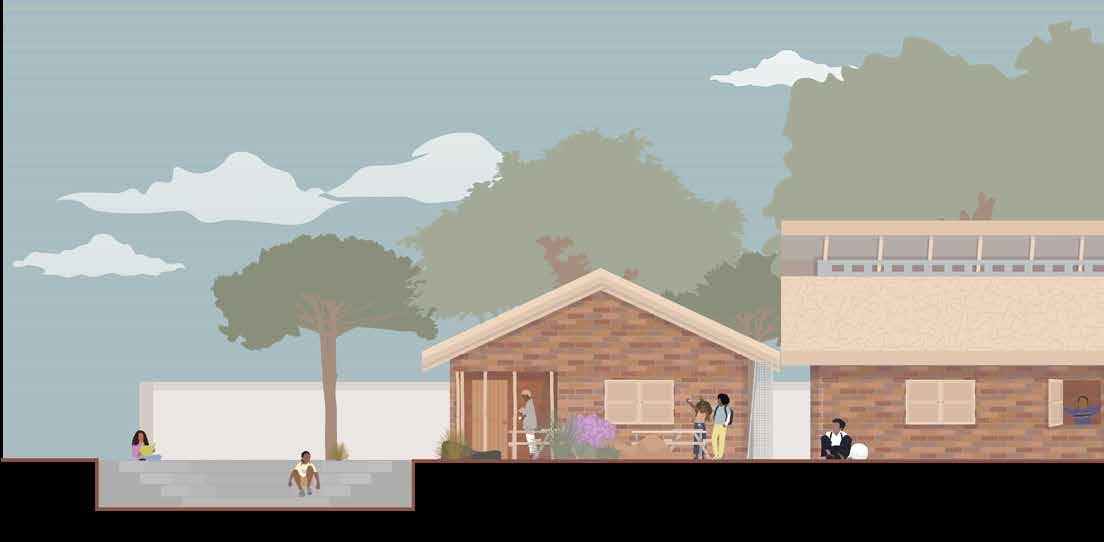
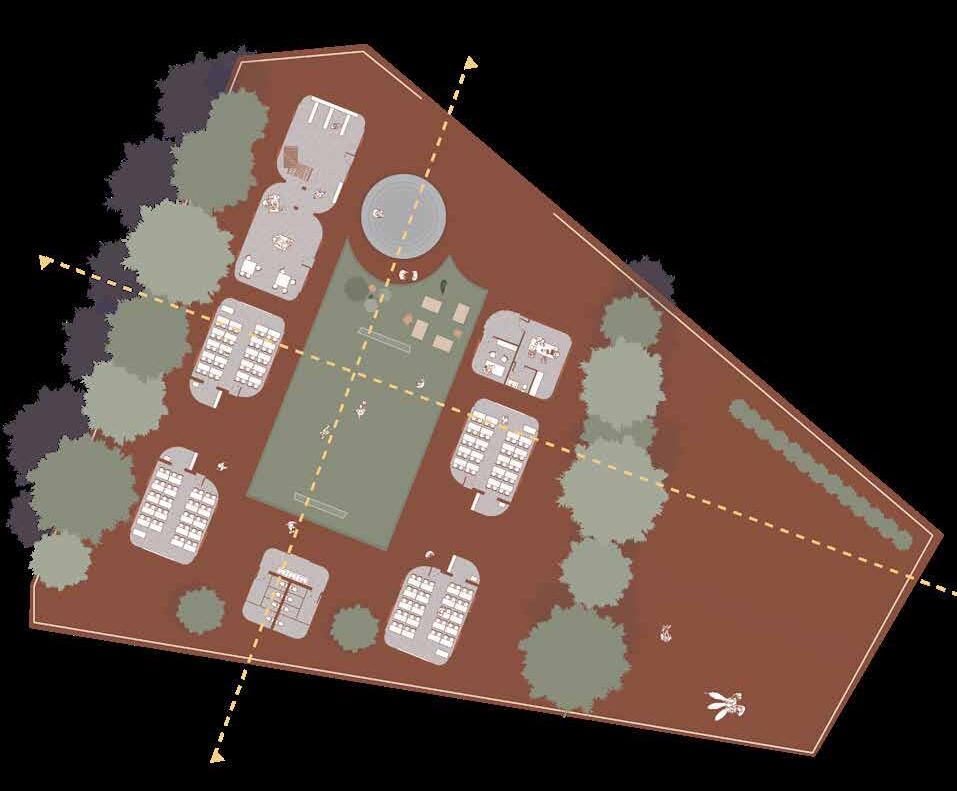

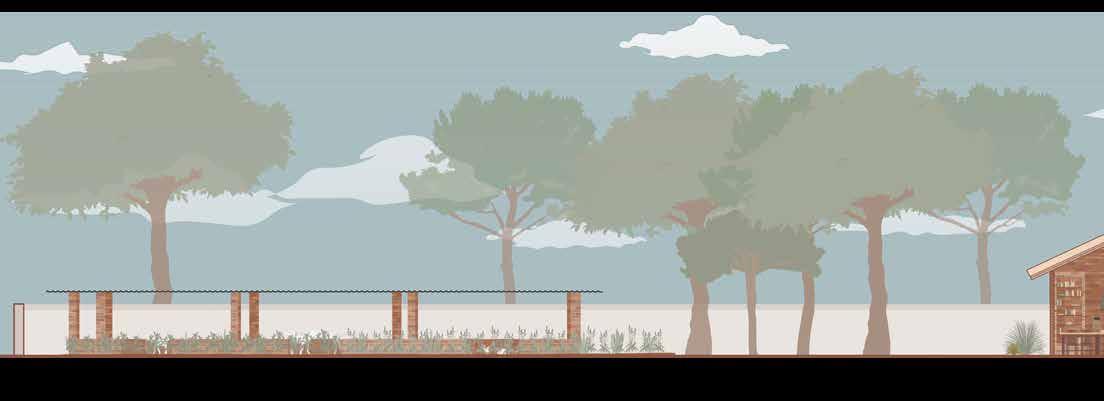
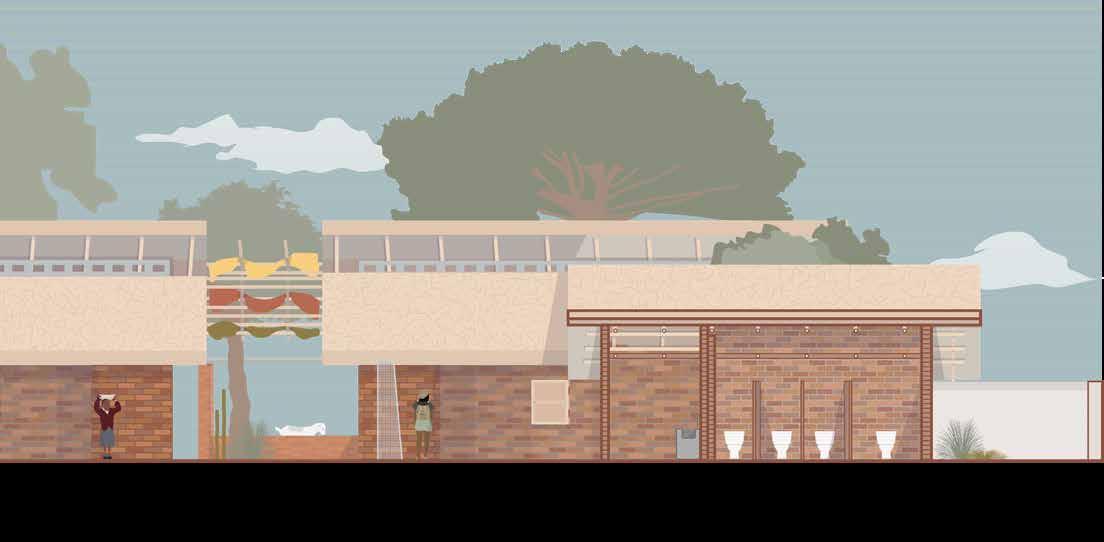
Regenerative Learning proposes a climate responsive school in Djilakh, designed to support the education of students who suffer the absence of a secondary school education.The challenges addressed in this project include overheated classrooms, the limited access to construction materials, and the need for simple designs that can be constructed by the local inhabitants. The proposed modular design allows the school to be adaptable and expand over time, supporting both academic and self-sustaining needs. The programs include four classrooms for each grade, an administrative office, a multipurpose hall, outdoor play areas, and a supporting farm.
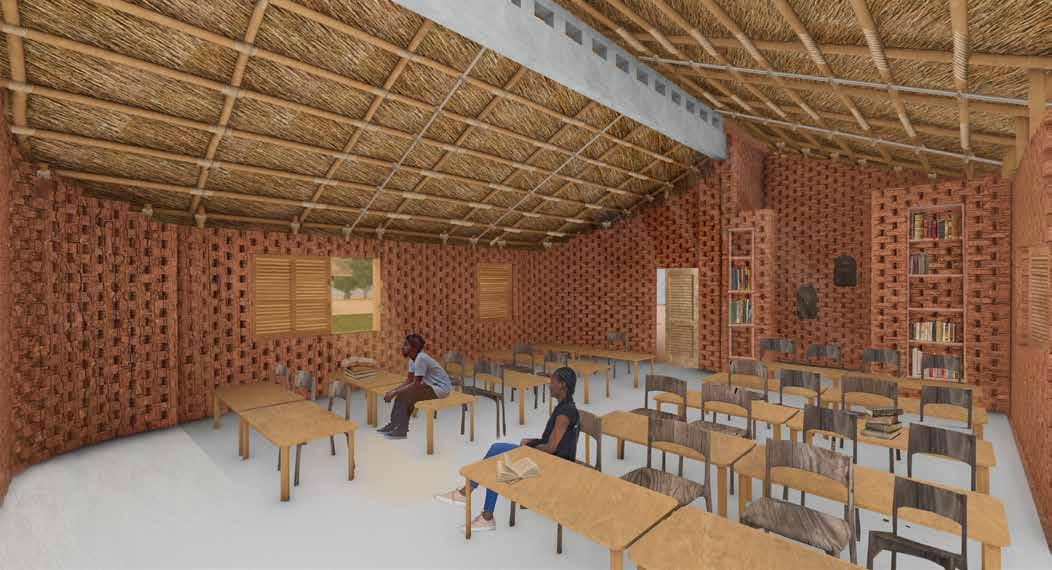
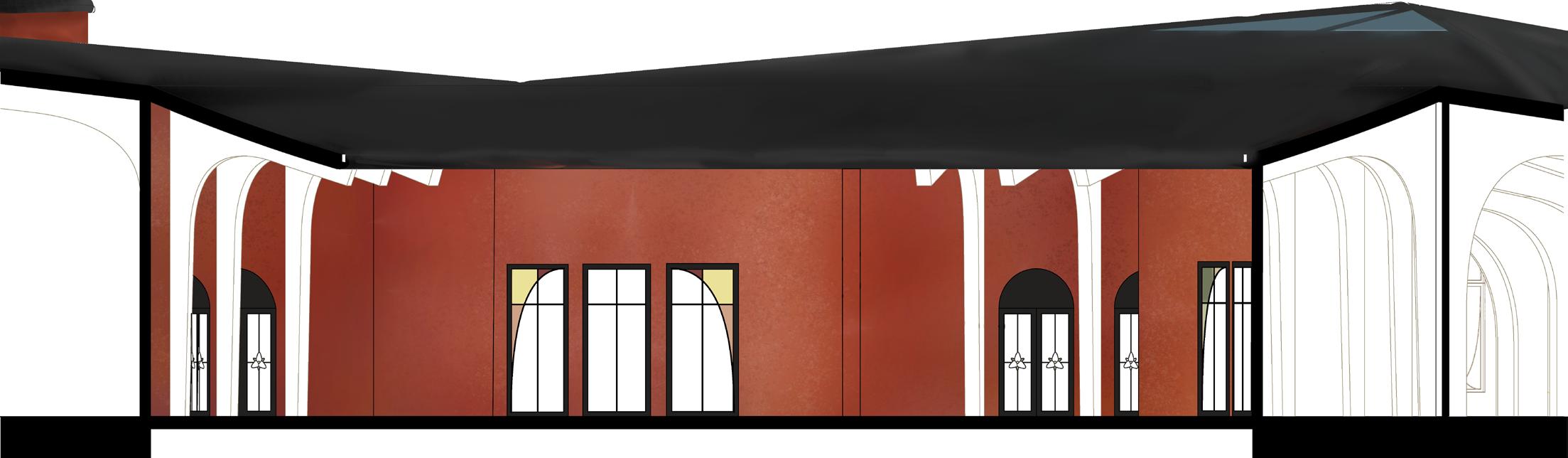
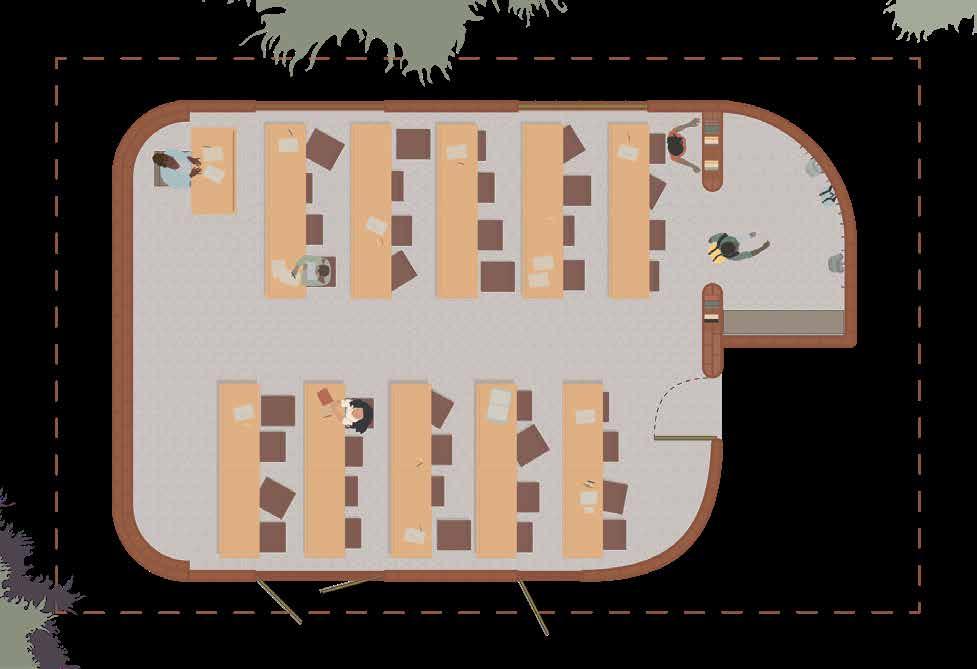
The roof is designed to be climate responsive through passive strategies that prioritize thermal comfort, shade, and natural ventilation. Rather than relying on mechanical systems, the roof improves the building’s overall performance with its insulated layering, and material composition, while protecting the interior spaces from heavy rainfall and overheating.
The roof’s open form enables stack ventilation, allowing hot air to rise and escape while drawing cooler air through the classrooms below. This is reinforced by deep overhangs which shade and minimize direct solar gain on walls and openings, resulting in a spatial layout and roof system that improves the quality of space by promoting natural ventilation, diffused daylight, and thermal comfort without reliance on mechanical systems.
Group C - Student Resident Bathurst, NB
Advisor | Carole Caron, Principal Architect Independent Work
sketchup \ autocad \ v-ray
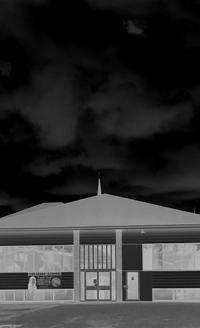
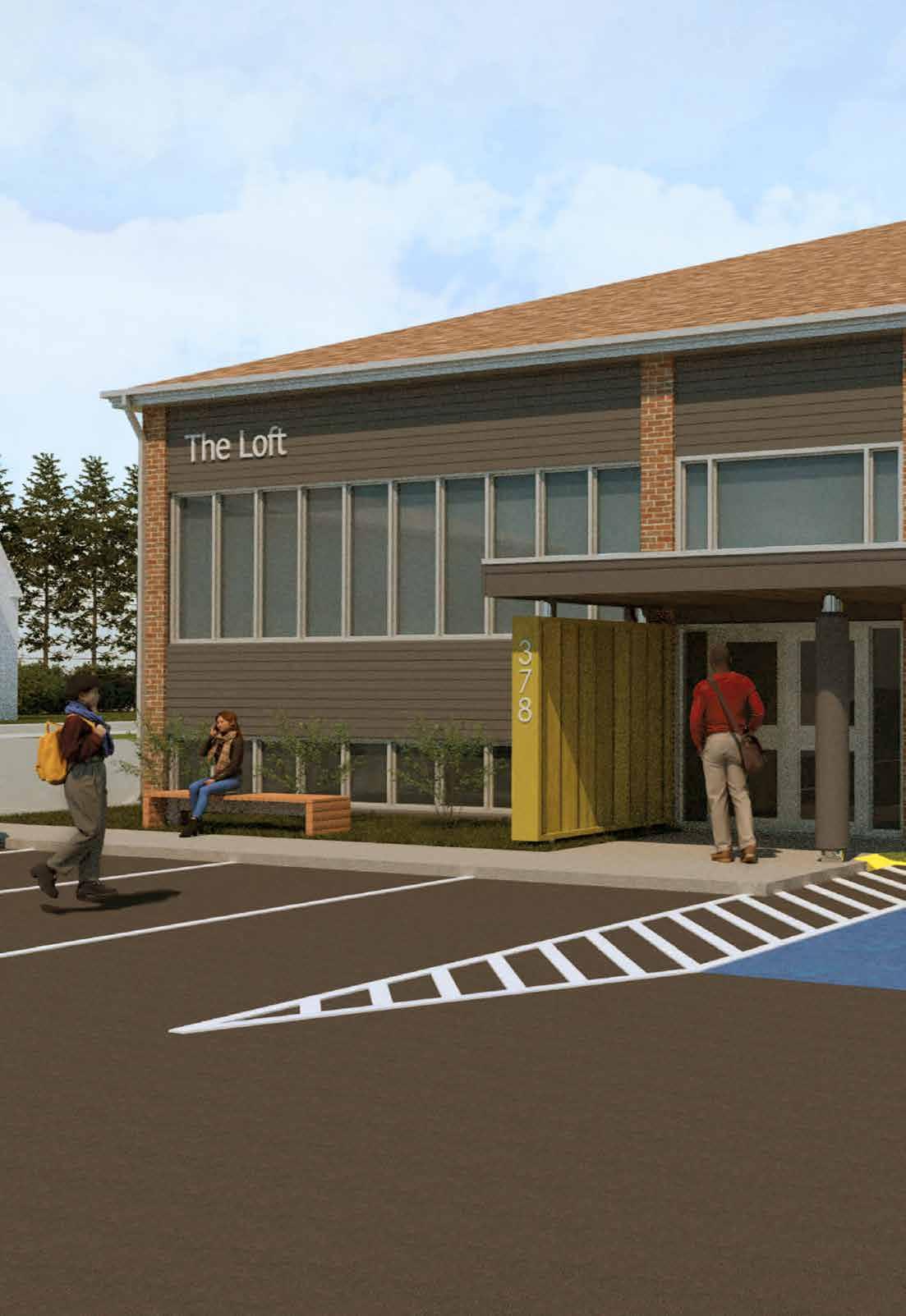
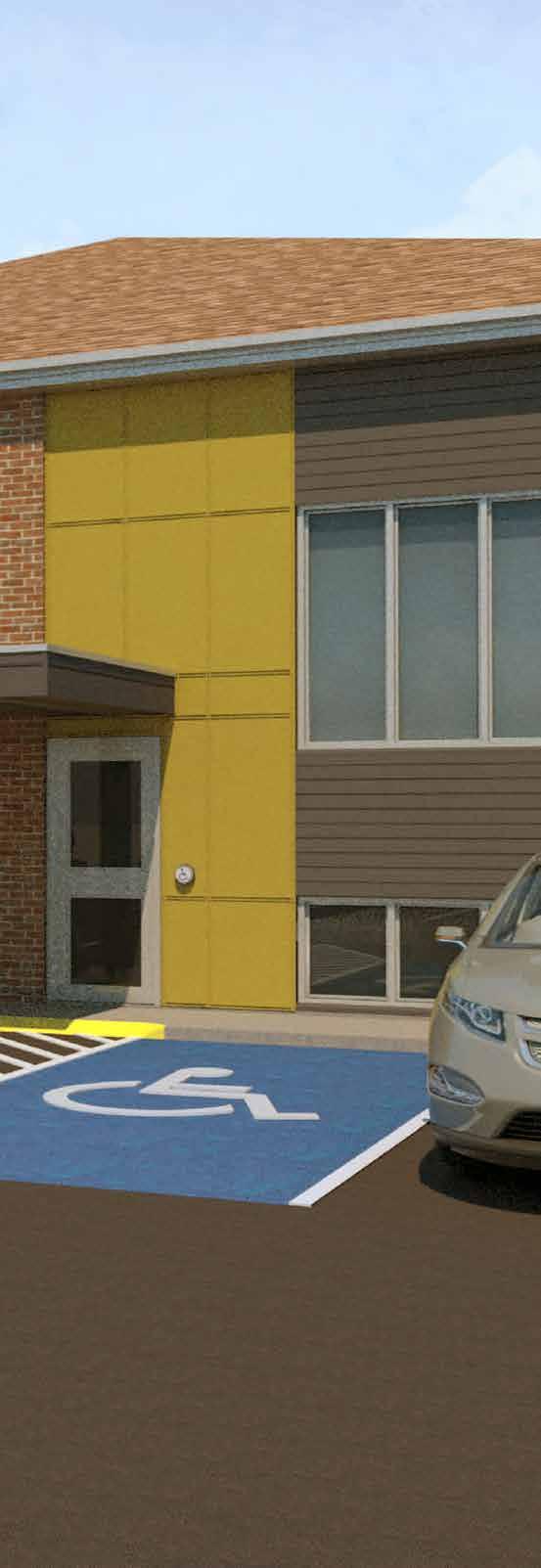
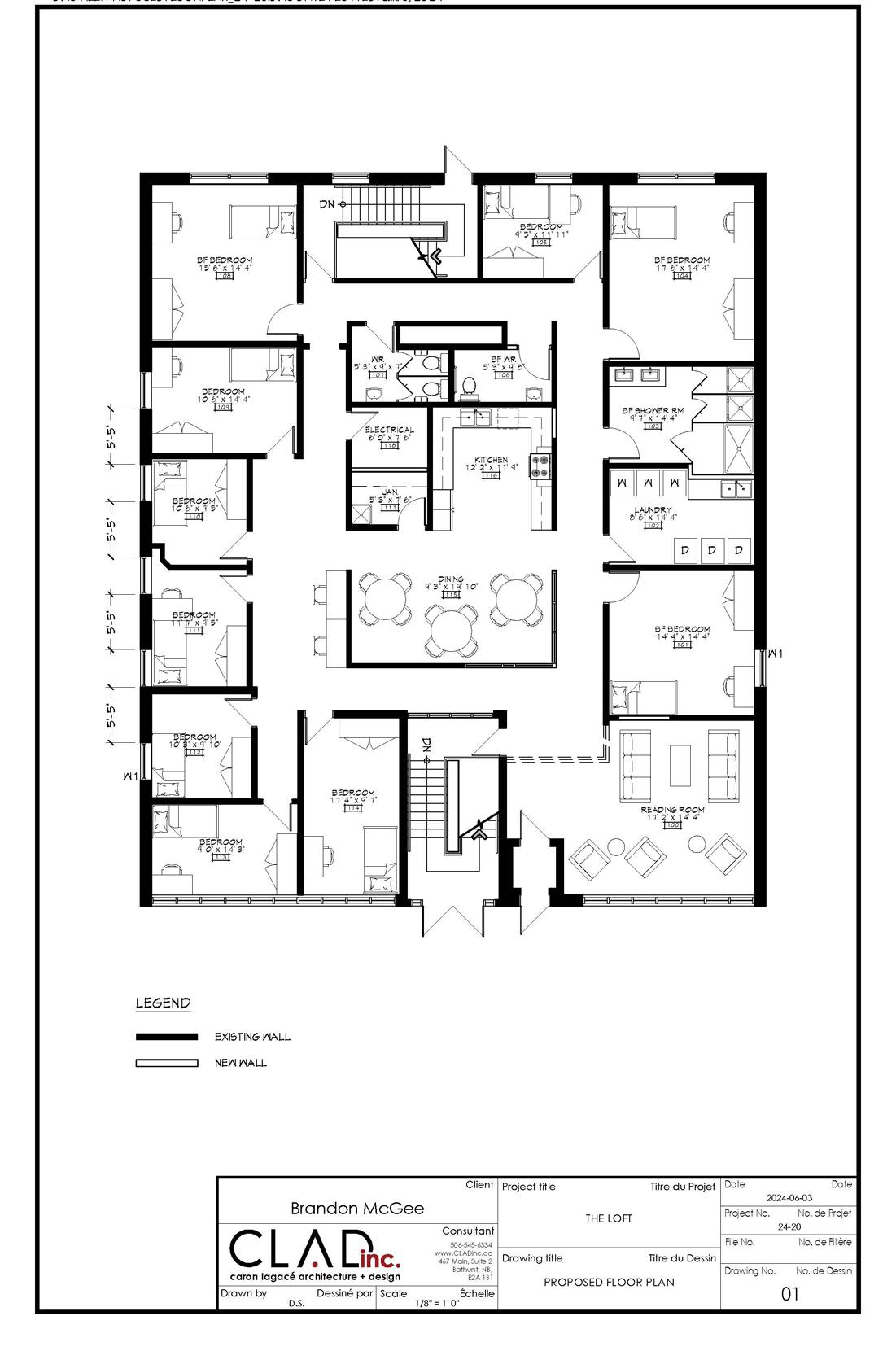
This project is an adaptive reuse of a former medical clinic on King Street in downtown Bathurst. The primary floor, previously a doctor’s office, is being converted into a dormstyle residence with private bedrooms and shared kitchen, washroom, and laundry facilities. To reduce costs, the client requested minimal alterations to existing walls. Aside from integrating a new barrier-free shower room, the layout remains largely unchanged. Code compliance required the addition of new bedroom windows where none existed. Room sizes vary due to the existing clinic layout, offering both spacious, barrierfree compliant rooms and tighter spaces with limited casework flexibility.
Group C + E - Mixed Residential Petit-Rocher, NB
Advisor | Carole Caron, Principal Architect Independent Work
sketchup \ autocad \ v-ray
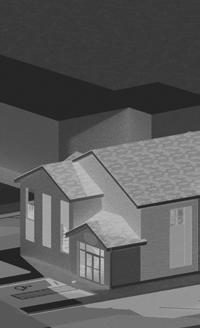
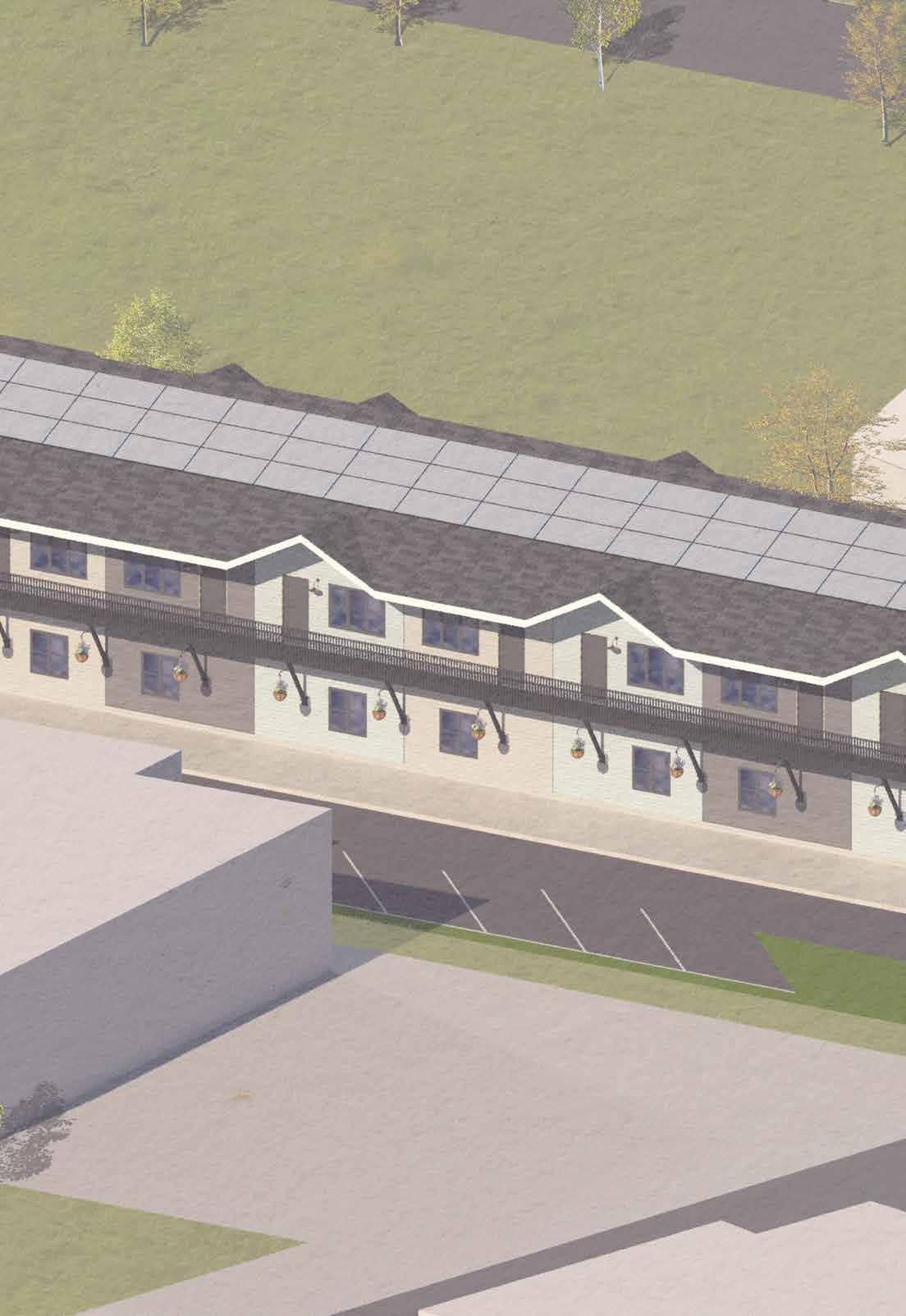
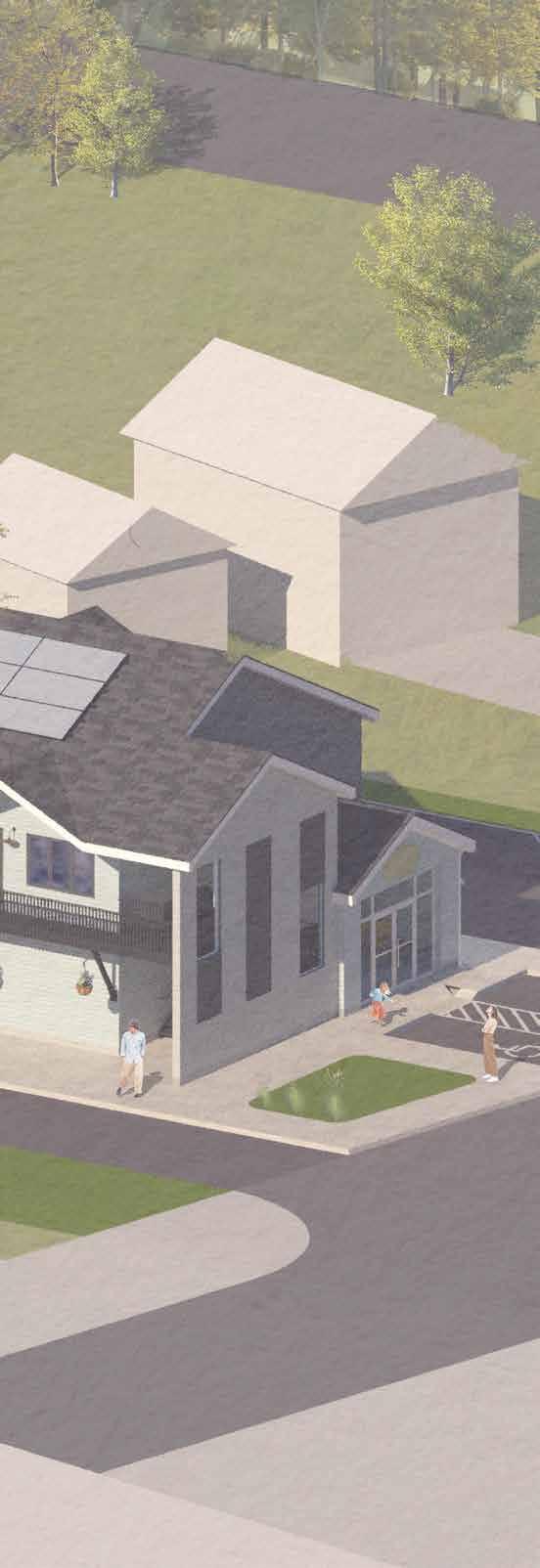
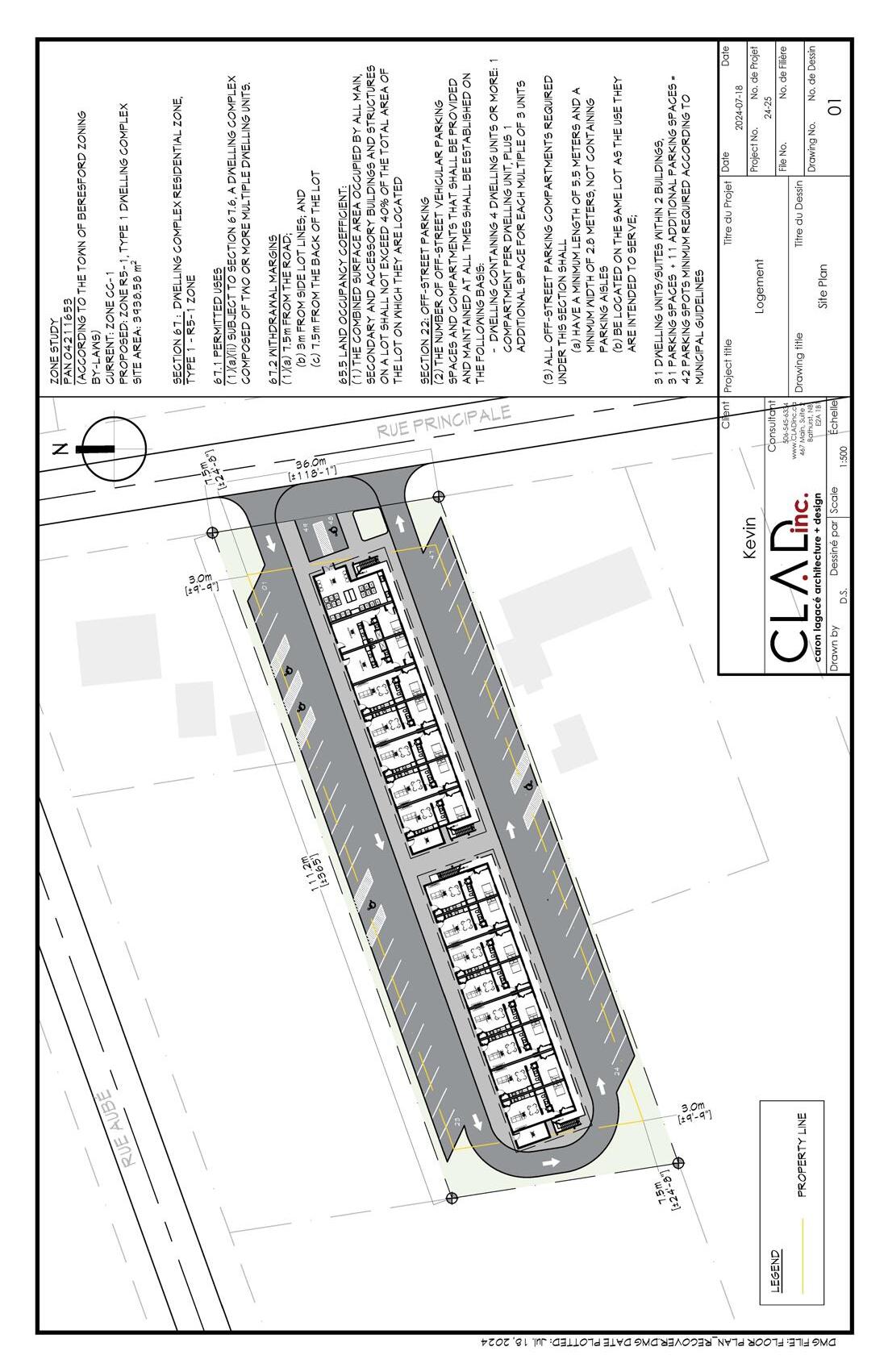
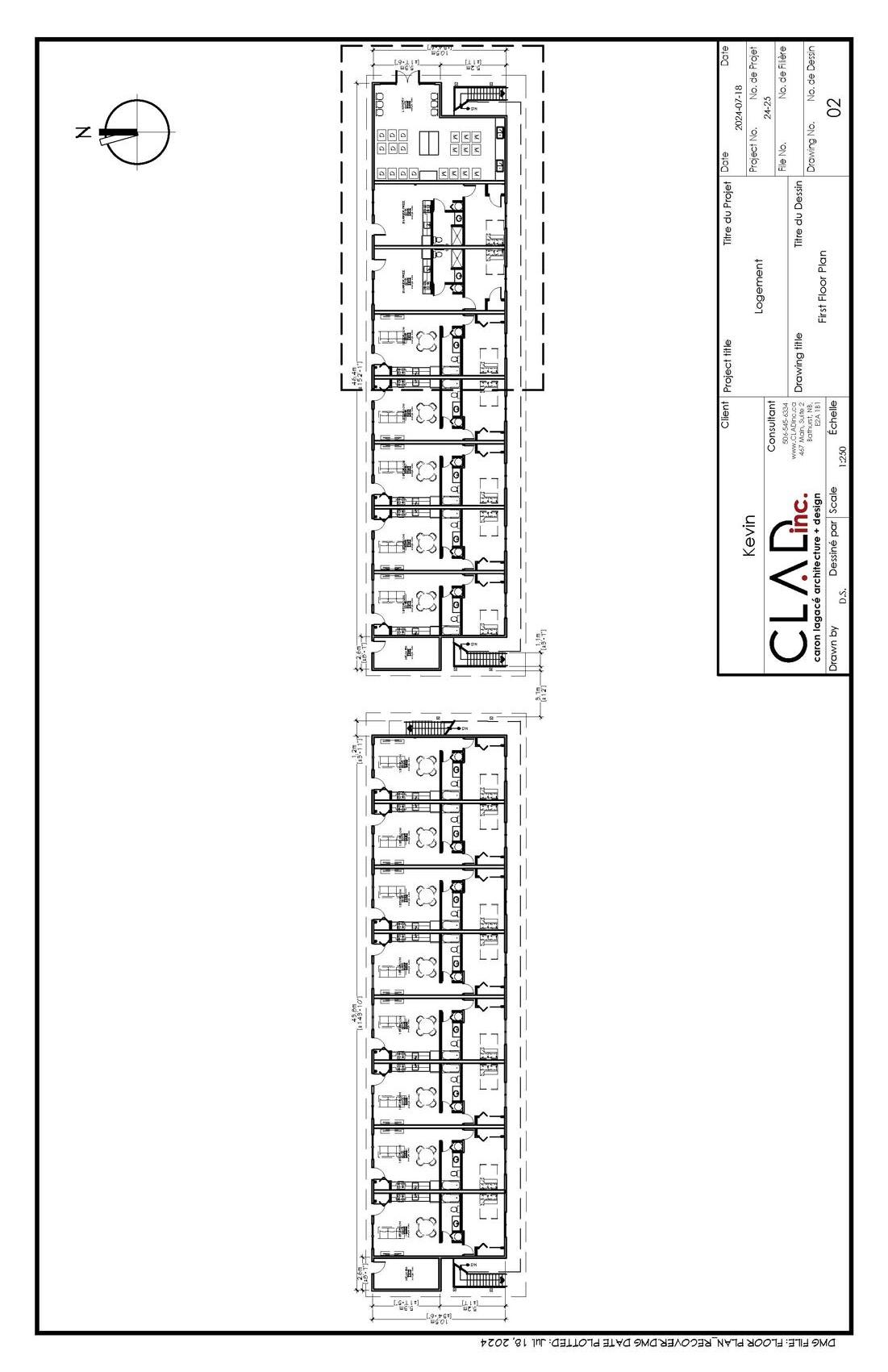
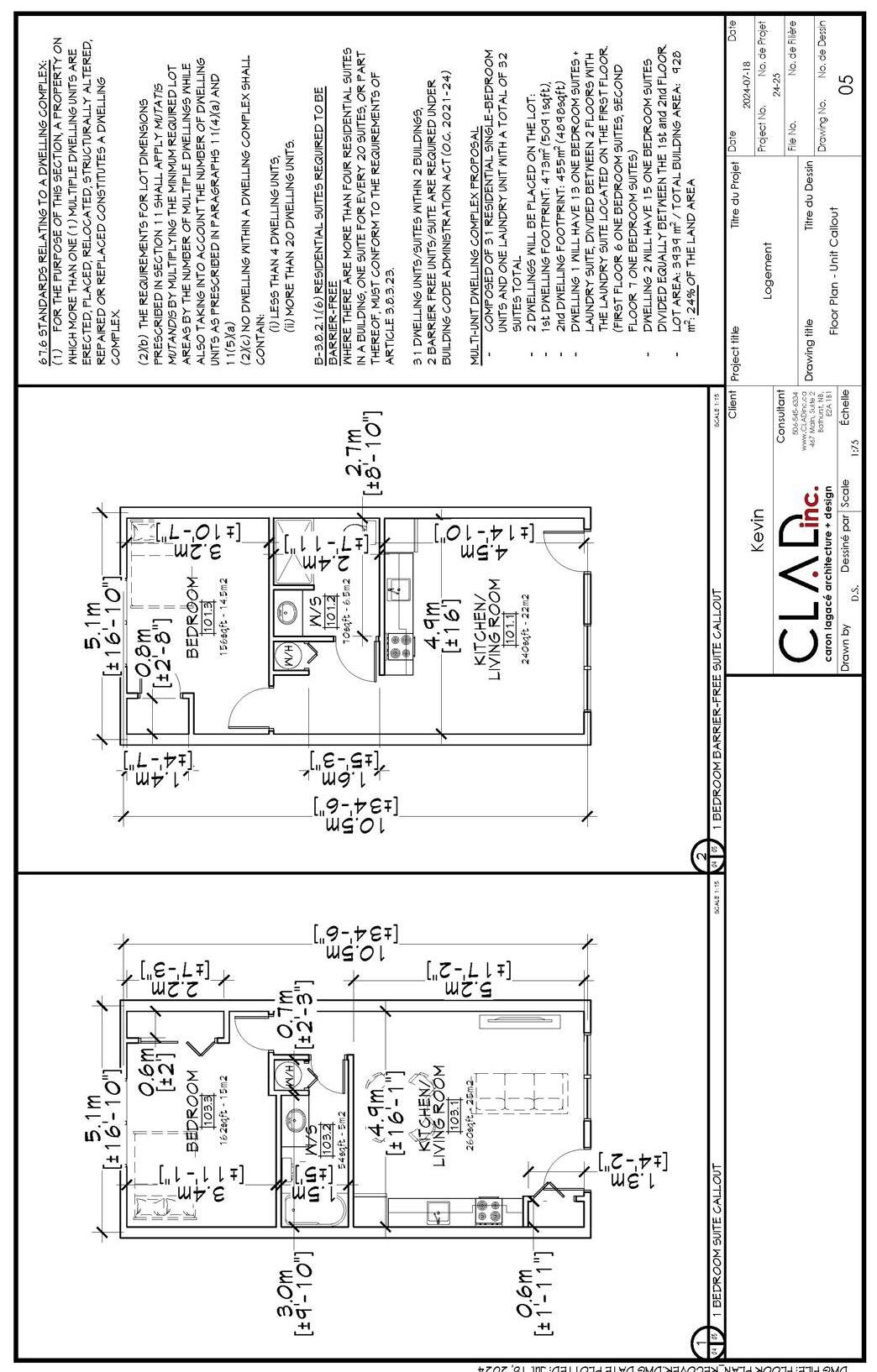
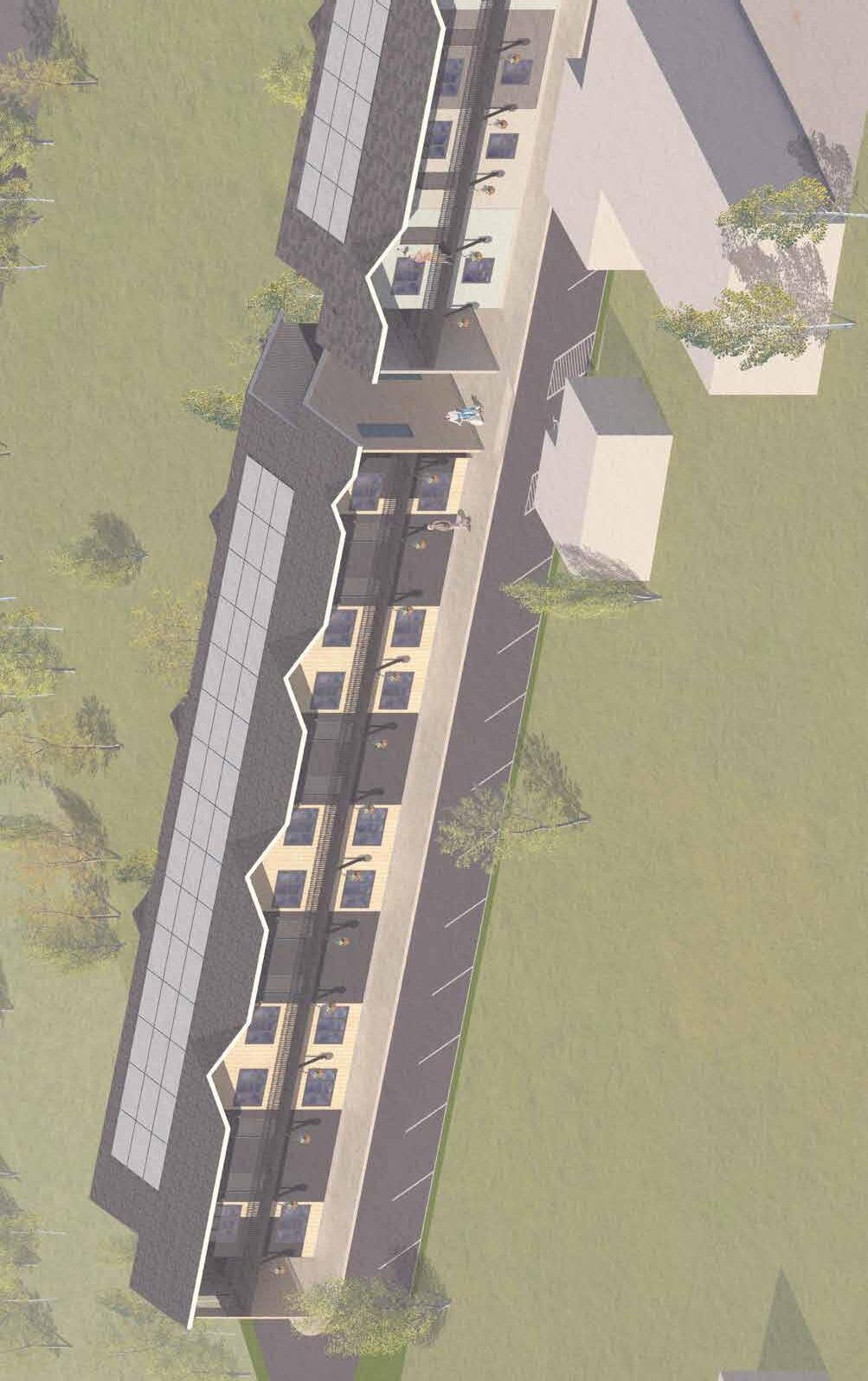
This project is a 31-unit, medium-density apartment complex designed under Part 9 of the National Building Code. All units are one-bedroom layouts, with barrier-free units located at ground level to ensure accessibility and cost efficiency. While maintaining equal square footage, barrier-free suites follow modified layouts to meet provincial accessibility requirements A shared laundry suite will serve both residents and the public, strategically positioned in relation to accessible units. Client requirements include south-facing living rooms, integrated solar panels, and a 12-foot clearance between buildings for snow removal. Exterior renderings, exploring both neutral and vibrant cladding options, were prepared for the clients approval



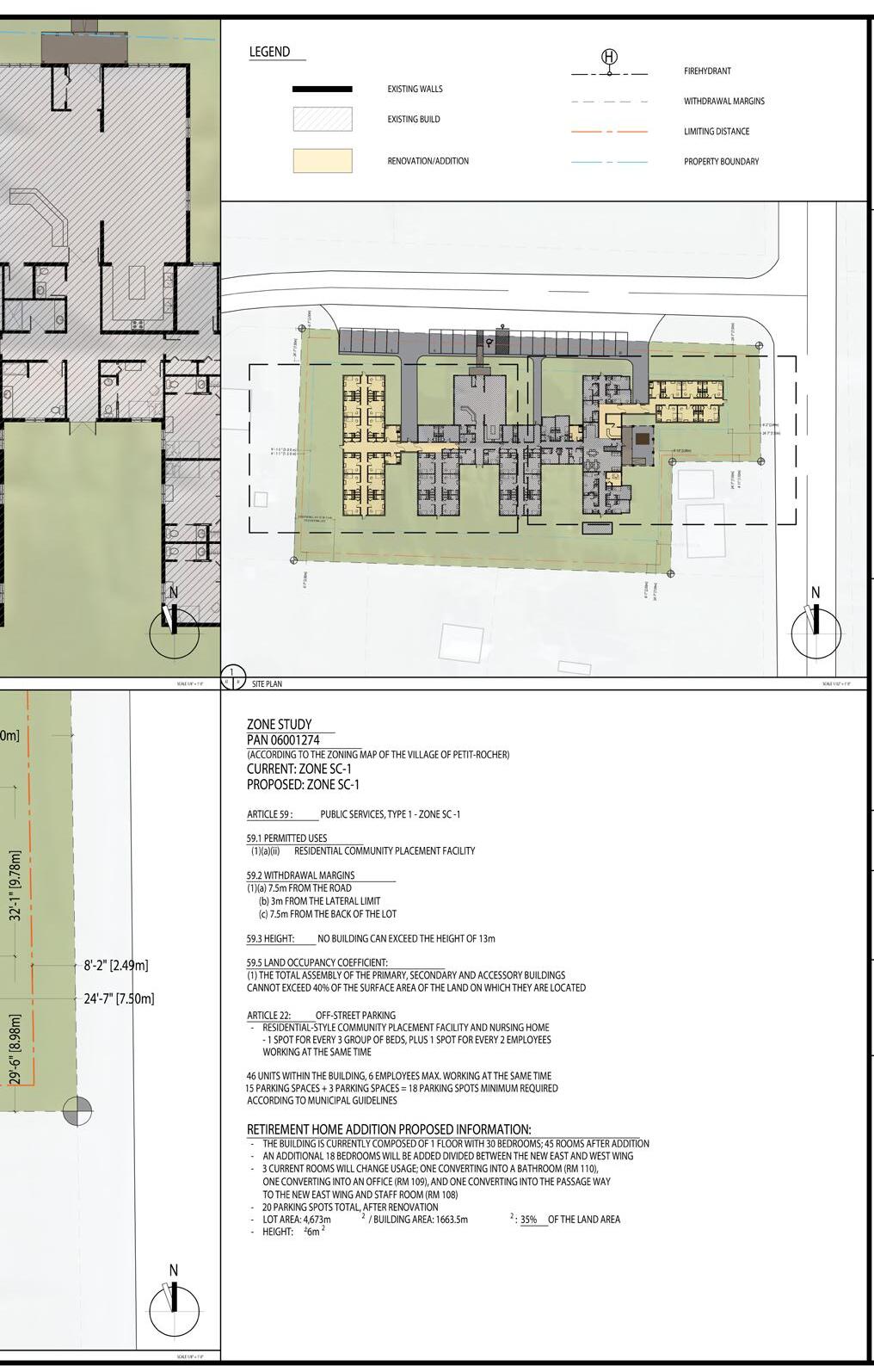
Group B, Division 3 - Retirement Home Petit-Rocher, NB
Advisor | Carole Caron, Principal Architect Independent Work photoshop \ autocad \ surveying
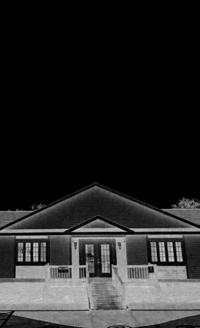
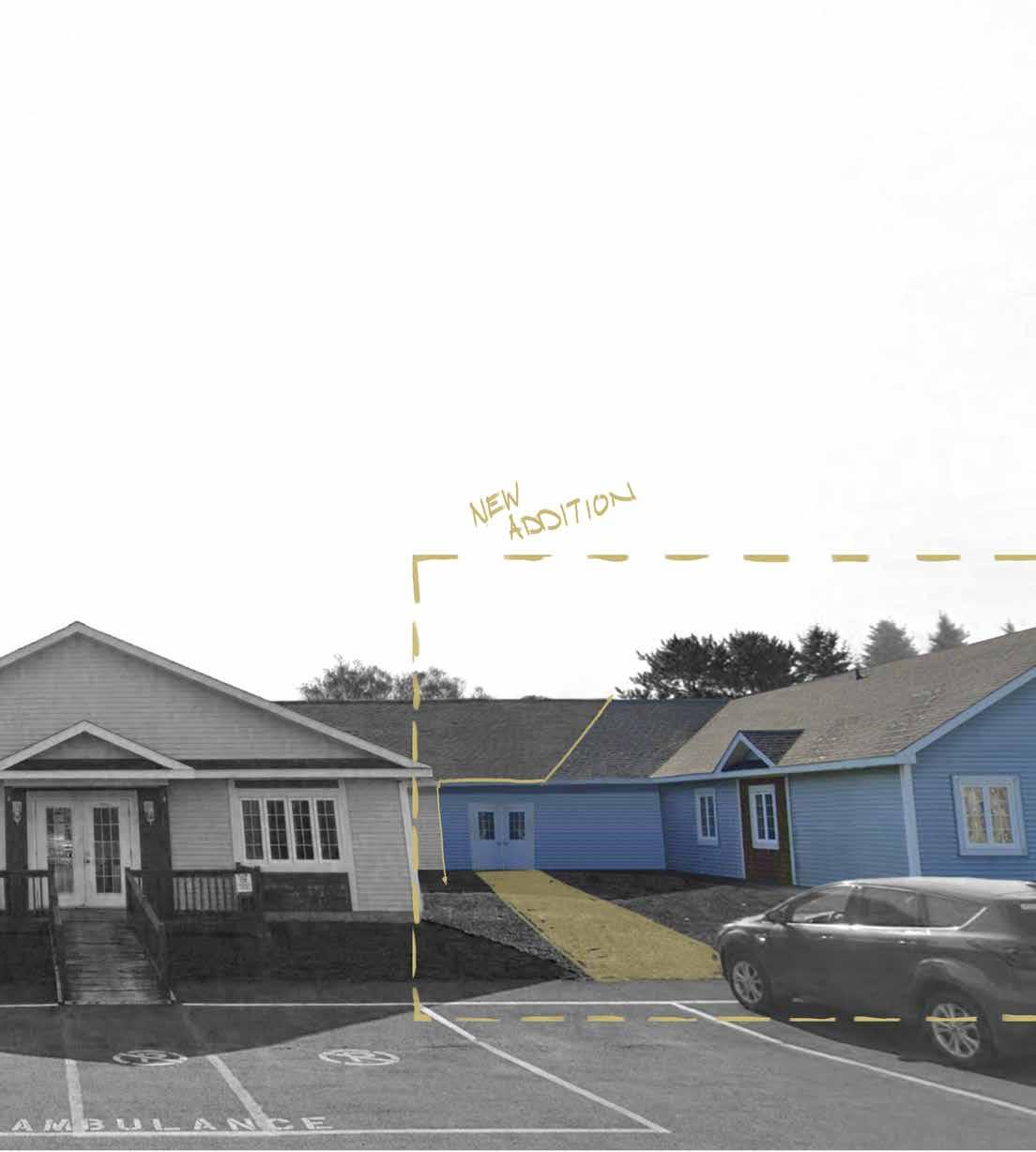
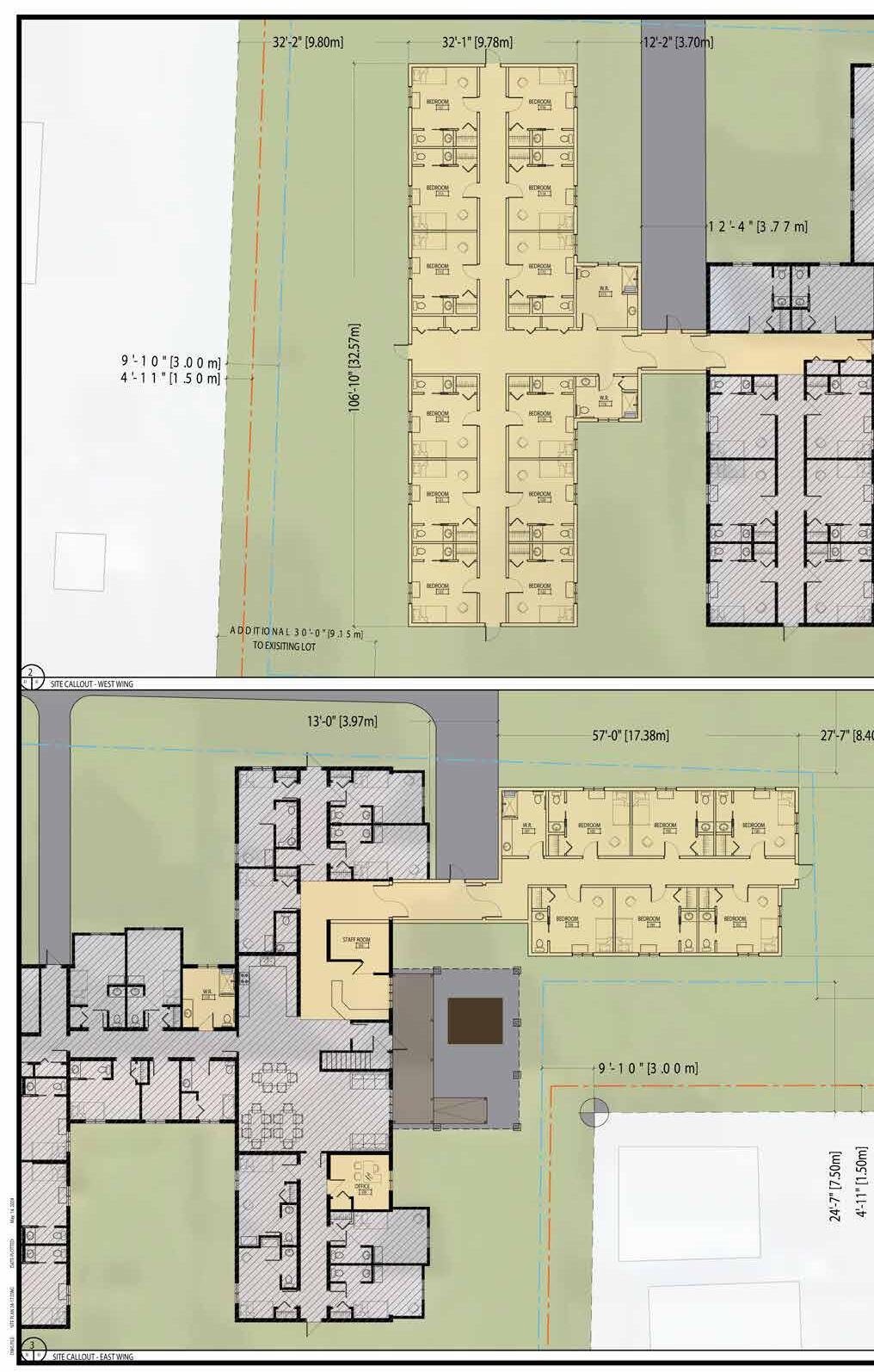
This project is a proposal for two new wings to an assisted living residence in Petit-Rocher, adding 15 bedrooms to the existing facility. The recent acquisition of the adjacent lot allowed the expansion to meet setback and distance requirements while comfortably accommodating the additions. Site constraints, including existing electrical infrastructure identified through a site visit informed entrance placement and potential placement of a secondary access.Interior modifications to the existing building were minimized to control costs, with new connections repurposing select rooms. Added bedrooms and washrooms replicate the existing layouts for consistency. The project required detailed review of local bylaws to determine appropriate building placement on the site.
Thank you.