

The Boardroom Blind Spot: Why Packaging Strategy
is Now an Executive Priority
From a basic necessity to a business-critical consideration, explore the operational drivers that have put packaging center stage. Discover how leading global brands manage risk, protect margin, and boost competitive advantage with future-ready packaging strategies.



Packaging: The New Board-Level Topic

For years, packaging was treated as a procurement line item rarely discussed at the executive level. Today, packaging sits at the intersection of margin pressure, ESG scrutiny, regulatory risk, and brand accountability. It influences cost volatility, carbon reporting, legal exposure, and customer perception. Here’s why packaging strategy has become a board-level priority and how you can proactively manage risk while unlocking operational and commercial value.
Cost Volatility
80%
In volatile markets, focusing only on “price per ton” exposes the P&L to commodity swings, logistics disruption, and fuel volatility. What looks efficient in procurement can quietly increase systemic risk. of executives admit their packaging strategy is not fully optimized for efficiency and cost performance.1
LESSONS LEARNED
Procurement should prioritize the Total Cost of Supply. This means evaluating packaging not only in terms of material cost, but also transport efficiency, warehousing impact, carbon footprint, risk exposure, and operational stability.
Organizational Complexity
80%
of Consumer Packaged Goods companies planned to adopt personalized packaging.2
Governance gaps often create greater risk than material selection alone. When procurement, marketing, operations, and sustainability teams act independently, organizations face avoidable compliance exposure and costly late-stage redesigns.
LESSONS LEARNED
Effective packaging strategies require structured, cross-functional decisionmaking. Clear frameworks align commercial objectives, regulatory requirements, operational feasibility, and ESG targets before finalizing design choices.

Through a collaborative PackRight session with DS Smith, Mondelēz International demonstrated how packaging optimization can unlock measurable supply chain and financial benefits. The main objective was to redesign the packaging to move from manual operations to automated production lines. The initiative improved pallet stackability and line efficiency, reducing operational costs and increasing throughput. 20% line efficiency increase
Regulatory Exposure
LESSONS LEARNED
Regulatory developments are fundamentally reshaping packaging strategy across Europe. The PPWR introduces stringent recyclability and design-for-recycling requirements – areas where high-performing fiber-based materials offer a distinct competitive advantage. PPWR obligations will apply across all 27 EU member states. Delaying compliance will threaten market access. New regulations affect product design, reporting, and long-term investments. It is crucial to integrate regulatory foresight into packaging design through a crossfunctional collaboration between procurement, sustainability, and R&D teams.
ESG Reporting & Scrutiny
Packaging is nowadays directly tied to investor-facing metrics. It shapes brand reputation and influences customer trust. It is also crucial for achieving Net Zero targets, as it often accounts for a significant portion of Scope 3 emissions. of consumers say sustainability is more important to them than it was two years ago.1
LESSONS LEARNED
To ensure packaging decisions meet regulatory, operational, and ESG requirements, organizations must involve a multi-disciplinary team, including sustainability, procurement, and operations, early in the design process.
How we cut corners on ESG compliance
When a leading European beer producer encountered corner deformation on traditional corrugated boxes, the issue extended beyond aesthetics and product presentation. The recurring defects compromised pallet stability. Through hands-on workshops, the company implemented the DS Smith Round Wrap, replacing sharp edges with smooth, rounded corners .
The optimized design enhanced in-store presentation and improved line performance and pallet integrity while contributing to broader ESG targets.
to 20% less material 33 tonnes of CO2 saved per year
of consumers prefer to be associated with brands that reflect their values.2 77%
of consumers declare themselves “anti-plastic.”3 25%

Brand, Retailer & Customer Relationship
Consumer behavior has shifted from passive consumption to active scrutiny. Shoppers increasingly assess packaging practices – a tangible expression of a brand’s commitment to quality, sustainability, and compliance. Companies that fail to meet expectations face PR exposure, reduced loyalty, and lost sales.
LESSONS LEARNED
A company-wide packaging strategy — shaped by procurement, marketing, sustainability, and R&D — must ensure that ESG commitments are credible, aligned with retailer sustainability targets, and consistent with consumer expectations for transparency and circularity.
The Packaging Playbook: 4 Strategic Dilemmas of Enterprise Packaging
Packaging decisions carry a multidimensional impact across cost, compliance, performance, and brand perception. Unsurprisingly, across decades of work on complex, multinational packaging programs, we have observed recurring strategic trade-offs that challenge even the most sophisticated organizations. Here are the most pressing enterprise packaging dilemmas with inspiring examples of leading brands and retailers addressing these issues proactively.
THE HARMONIZATION DILEMMA
Should packaging be centralized to maximize supply chain scale or diversified to accommodate brand differentiation and varied packing formats? Fragmented packaging portfolios often drive unnecessary complexity, inflating warehousing costs, increasing production changeovers, and limiting material efficiency. Strategic harmonization, by contrast, enables operational scale, cost control, and measurable sustainability gains.

MATERIAL STRATE GY AND SCALING OPERATIONS
40% better material use
22% lower carbon footprint
Optimized to perfection.
At one point, an Austrian snack manufacturer used two packaging designs with six heights across 12 distinct brands. By consolidating the portfolio to a single design with the help of DS Smith packaging experts, the brand streamlined production and warehousing, improved material utilization, and significantly reduced its carbon footprint.
Is it possible to meet aggressive plastic reduction targets and PPWR mandates without compromising product protection or transit stability? Large-scale material transitions frequently fail when supply chain stress and production realities are underestimated. Effective replacement of plastic packaging on store shelves requires reliable fiber-based alternatives that outperform traditional materials.
42% carbon reduction
up to 200 tonnes less plastic per year
Future-ready packaging.
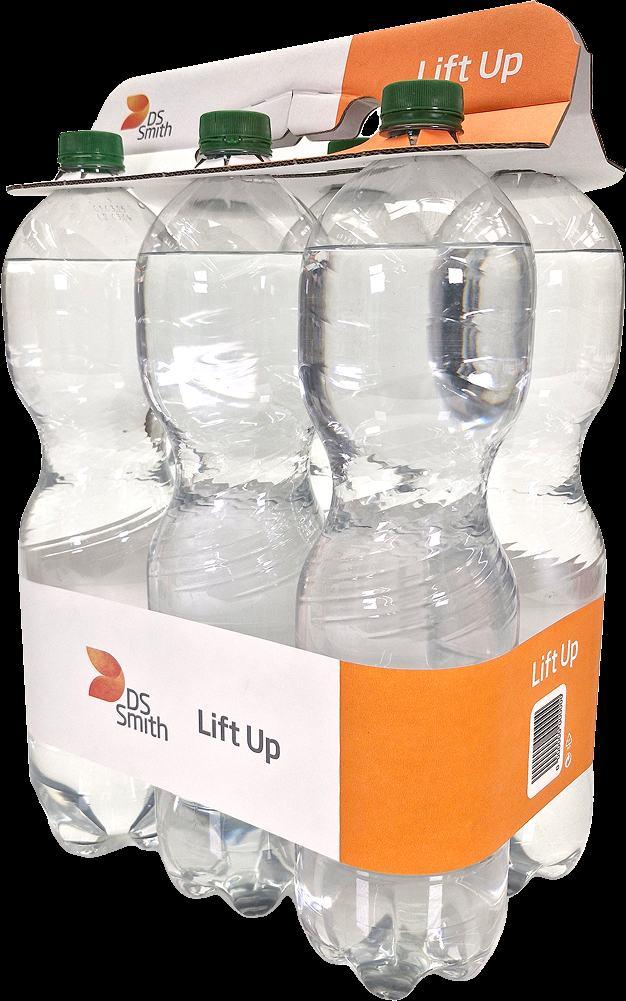
When a top global soft drinks manufacturer transitioned away from plastic shrink wrap, it implemented DS Smith Lift Up a 100% recyclable fiber-based solution designed for high-volume distribution environments. The solution is expected to eliminate hundreds of tonnes of plastic annually. It has proven to be twice as stable as traditional RSC boxes during transit testing and enables a reduction in pallet shrink film thickness by up to 20%, generating additional secondary plastic savings.

The Packaging Playbook: 4 Strategic Dilemmas of Enterprise Packaging
Does environmental compliance mean operational disruption, compromised quality, and inflated cost? Organizations that treat regulatory requirements as an afterthought risk market access barriers and last-minute adjustments. Proactive integration of regulatory foresight into packaging design transforms compliance from a cost driver into a competitive safeguard.
100% fiber-based packaging
100% compliance readiness
From compliance to profit.
Amid rapidly evolving European legislation restricting single-use plastics, a leading Hungarian retailer turned to DS Smith to redesign its fruit and vegetable packaging portfolio to comply with a nationwide ban. By selecting fiber-based formats, our client achieved regulatory alignment, reduced logistics costs, maintained reliable on-time deliveries, and improved pallet efficiency and warehouse compatibility.


Do accelerated product rollouts always expose the brand to compliance risks, transit damage, or quality failures?
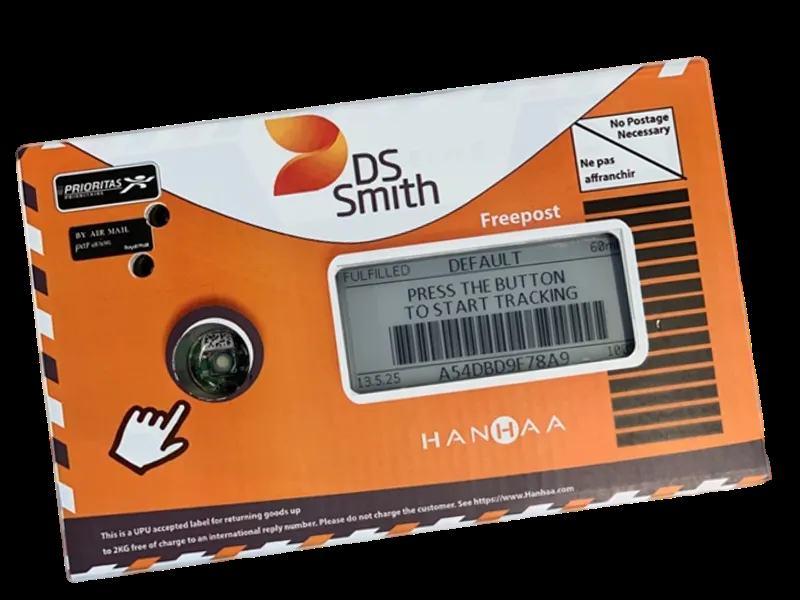
Blind spots in the supply chain directly threaten revenue and brand integrity. To mitigate these risks, companies are deploying advanced analytics and real-time monitoring solutions to track packaging conditions throughout transit and pinpoint disruption points before they escalate.
58% of consumers say they would not buy a product with damaged packaging
Supply chain with no weak links.
The DS Smith ParceLive multi-sensory tracker travels inside shipments, capturing live data on temperature, humidity, shock forces, and drop events. It enables brands to identify specific carriers causing damage and determine the precise stage in the supply chain where incidents occur, helping ensure rapid corrective action and minimize operational and financial impact.
Making a Difference: Packaging Design Toolkit
Our approach bridges the gap between boardroom strategy and factory-floor execution. By combining engineering expertise with advanced analytics, we help organizations translate ESG ambition into measurable operational performance.
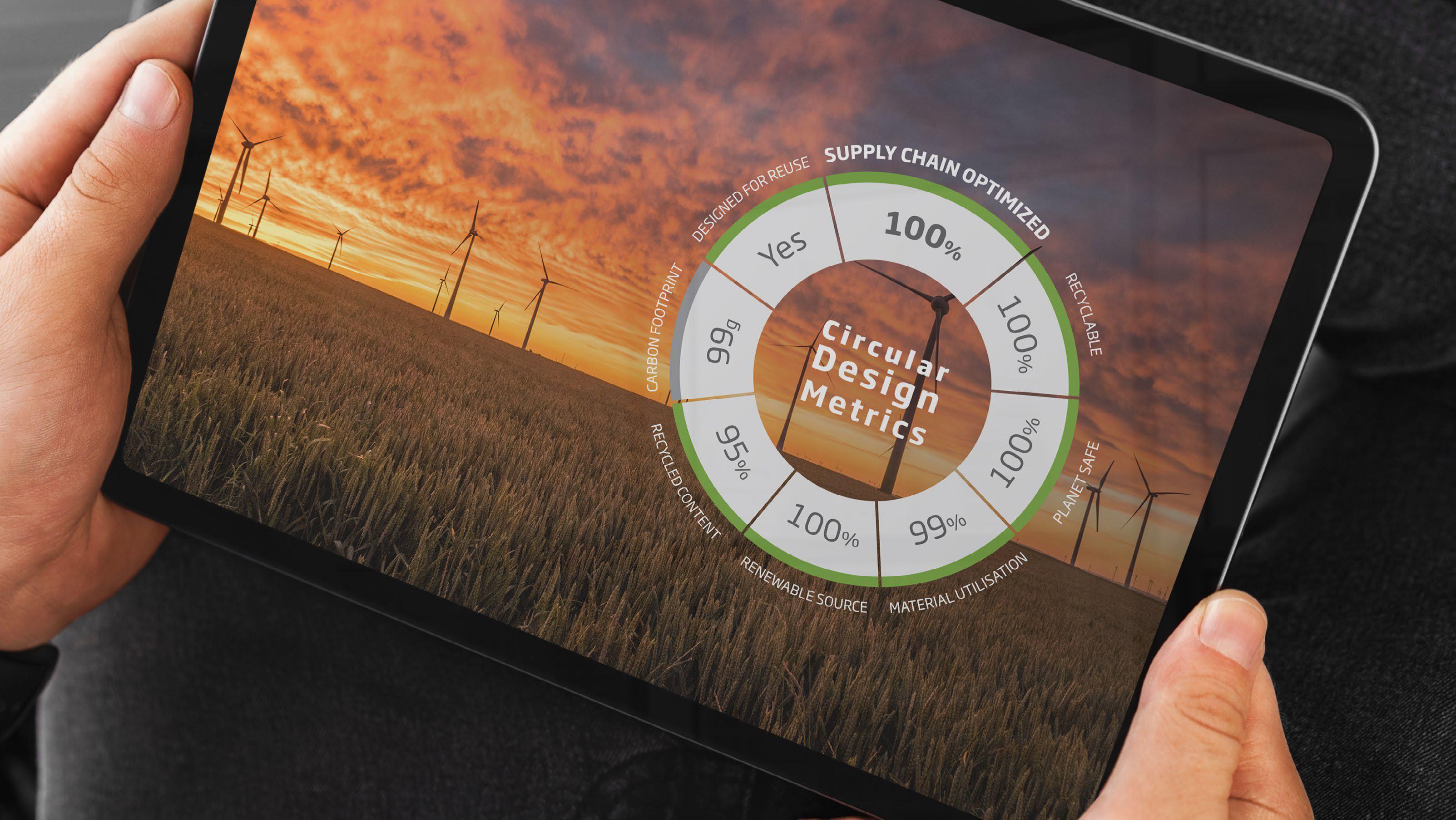
The Circular Design Metrics (CDM) quickly highlight and quantify all opportunities for potential improvement and shows just how circular our customers’ packaging.
Chris Else Head of Design
Circular Design Metrics is a data-driven tool that provides a clear, visual comparison between legacy packaging formats and proposed innovations. It allows cross-functional teams to evaluate performance across eight indicators, supporting credible ESG reporting and informed decision-making.
31,000+ packaging decisions influenced by CDM since launch.
~3,000 CDM-based solutions presented monthly.
The data behind Circular De sign Metrics




Supply Chain Optimized
Assesses how effectively the packaging design is tailored to a specific supply chain.
Recyclable
Evaluates the extent to which the packaging solution can be recycled.
Planet Safe
Measures biodegradability or compostability under recognized environmental conditions.
Material Utilization
Measures excess material and structural waste of the design.




Renewable Source
Indicates the proportion of non-renewable raw materials within the design.
Recycled Content
Calculates the percentage of recycled material per corrugated component.
Carbon Footprint
Measures the CO₂ impact of the packaging across its lifecycle.
Designed for Reuse
Assesses whether the packaging has been engineered for multiple use cycles.
Making a Difference: Packaging Design Approach
Today, packaging is a complex engineering challenge rather than a back-office expense as it directly influences Total Cost of Ownership (TCO), operational efficiency, and supply chain resilience. To address this complexity, we deploy proprietary, data-driven methodologies that evaluate packaging as a strategic asset.

Optimizing the bottom line
Many packaging decisions are stalled by a simple question: "What is the actual business impact?" The Value Tool is an advanced diagnostic and simulation software that translates structural packaging changes into measurable operational and financial outcomes for informed decision-making.
HOW IT WORKS
By mapping the full supply chain, the Value Tool quantifies cost-saving opportunities across transport, warehousing, material efficiency, and damage reduction. It identifies hidden cost drivers and calculates precise financial and environmental gains, providing transparent lifecycle visibility.

The PACE Program
PACE represents a revolutionary shift from traditional paper-weight specifications to datadriven, performance-based standards. Rather than defining packaging by material thickness alone, PACE establishes rigorous structural requirements based on real-world transport conditions, stacking loads, and handling stress. The result is packaging engineered to meet precise performance thresholds.
THE pace program BENEFITS
Eliminates unnecessary fiber usage. Maintains structural integrity.
Minimize empty space and material waste.
Ensures right-sized design for optimal product fill.
Delivers maximum pallet and shelf efficiency. Reduces shipment volume and CO2 emissions.

Future-proof your packaging strategy! Visit www.dssmith.com to learn more about our proprietary tools and methodologies.