




DECEMBER 2025


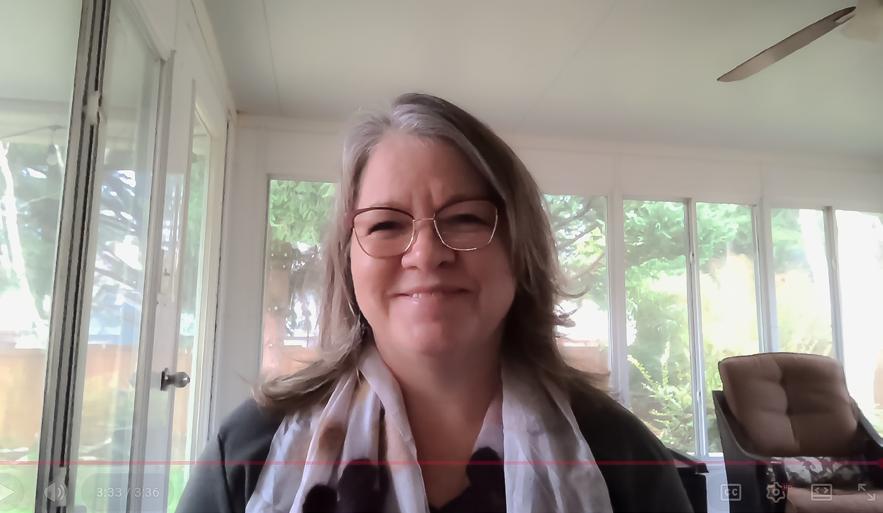

This message from Bea offers gratitude, recognition, and encouragement as we reflect on a year of change and look ahead with hope.
Click to watch Bea's Video

Open to read Bea's Message.
Hello HCLA family,
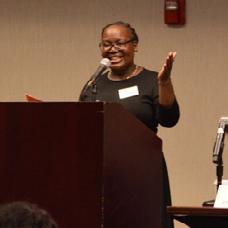
Is it just me or did 2025 feel like a blur? As I reflect back on the year, it has been an experience full of ups and downs in my personal and professional life. Through it all, I feel grateful for the people who’ve continued to check-in on me and stayed connected throughout these times of uncertainty.
I’m reminded of the importance of expressing my gratitude for amazing colleagues and giving them their flowers while they’re still here. One person that comes to mind is my own SEA team member, Teddy Kemirembe.
Teddy’s advocacy for Intellectual and Developmental Disability and immigrants rights is an example of how supporting a diverse workforce that mirrors the communities that we serve brings value to HCLA. The many hats she wears as a social worker, equity professional, immigrant, mother raising children with disabilities, and adult caretaker are unique & diverse lived experiences that help inform our legislature and policy makers how to craft culturally responsive policies.
“We are not invisible,” Teddy said. “We are families who crossed oceans and borders with hope. We are raising children who defy expectations every day. But we need policies that reflect our realities—not just our resilience.” I have enjoyed witnessing Teddy’s passion for uplifting others and advocating for real change. I encourage you to read more about her recent experience at the King County Legislative Forum.
Thanh V. Tran
As we recognize Universal Human Rights Month, let's take a moment to highlight both the importance of our work and the very real dangers vulnerable adults continue to face. A recent case in South Carolina serves as a stark reminder. Law enforcement discovered several vulnerable adults living in a basement in deplorable and unsafe conditions. Reports indicate they had limited access to food, basic hygiene, medical care, and freedom of movement. The individual overseeing the home is accused of taking their monthly benefit checks for personal gain. According to investigators, some of these adults may have been kept there for years, isolated from the outside world and without any meaningful ability to seek help. Read the story here.
Situations like this remind us why our work matters. Across HCLA, we strive to promote safety, respect, choice, and belonging for every person we support. These values guide our daily decisions even when they are not explicitly named. Whether you are responding to an intake, conducting a home visit, supporting a provider, or coordinating services, you are part of a system designed to prevent precisely the kind of exploitation seen in this case.
During Universal Human Rights Month, I encourage each of us to renew our attention to the early signs of trafficking and exploitation: unexplained financial changes, isolation, third-party control, restricted access to communication, or conditions that don't match a person's stated living situation. Your eyes, your instincts, and your compassion can change the trajectory of someone's life.
Thank you for your unwavering dedication to protecting Washington's vulnerable adults. Your commitment reflects the very heart of our mission. Kathy Morgan

Please take a few minutes to read this great article The Neuroscience of Gratitude & Its Effects on the Brain where you will learn about the psychological and physiological effects on your brain of practicing gratitude, how you can leverage gratitude for your own wellbeing, as well as how to use it in coaching others.
The article also discusses the correlation between gratitude and resilience, highlighting Christina Costa’s TED Talk, Kiss Your Brain: The Science of Gratitude (10:44) which I found inspirational.
As we wrap-up 2025, I encourage you to take time to reflect on your accomplishments, big and small. Lean in with gratitude for your growth, your moments of joy, love and peace, your grit, determination, and effort, and your “lessons learned” (some easier than others). Celebrate the fact that you got through 100% of your hardest days. Remind yourself you helped people you don’t even know by showing up, working hard, and focusing on “better.” In 2025, you made the world a better place by just being you. For that, I am truly grateful. Here’s to moving into 2026 with intention, curiosity, and gratitude, together.
Amy Besel
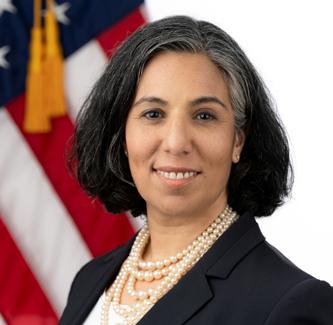
DSHS Secretary Angela Ramirez is conducting a virtual tour of our regions with each Administration.
Purpose:
Highlight unique regional accomplishments, differences, and challenges.
Provide an opportunity to learn about our new Secretary, her leadership, and her vision.
Sign up
HCLA Sessions: Join one of two Teams Webinar opportunities with Secretary Ramirez on Tuesday, December 16: 1:00 – 1:55 PM – Register Here 3:00 – 3:55 PM – Register Here
Details:
• Sessions will be recorded
• Interpreters will be present
• Pre -registration required by COB December 15
• Once registered, you’ll receive a unique calendar invitation to join
If you can’t attend live, recordings will be available afterward.
Reflecting on 2025, there are moments many of us recall with unease, then tuck away, hoping never to face them again. Between the budget crisis, layoffs, and the recent federal shutdown it can start to feel like nothing has gone well this year. However, as we set out to write this article regarding achievements of RCS in 2025, it became apparent how resilient and resourceful we are. Even in the tough times we can accomplish great things. The following are just a few of the many RCS successes for 2025:
a. Created a revised licensing process for the Adult Family Home program. This will assist in responding to the licensing backlog created by COVID.
b. When the federal survey process was halted with the shutdown, we were able to quickly create a licensed only review process to ensure we continue meeting state licensing guidelines.
c. Using grant funds, RCS sponsored a day long Nursing Home conference focusing on Infection control.
d. Held our first day long virtual staff forums for each Long Term Care program, offering RCS staff a day of collaboration with both field and headquarter team members across the state.
e. Through many challenges, transitioned the Centers for Medicare and Medicaid federal database and the Survey Process to the new CMS Internet Quality Improvement and Evaluation System (iQIES).
f. Successfully implemented a Facility Reported Incident pilot in the Nursing home program to address facility reported complaints with increased efficiency.
g. Implemented an independent panel review process to address occasional complainant dissatisfaction with complaint outcomes.
h. The RCS Behavioral Health Support Team and LTC Quality Improvement Program were able to create a new process for working with providers after it was determined the current process could not be utilized.
i. Added a “Coffee Chat with Director and Deputy Director” to allow RCS staff the opportunity to drop in and ask questions or discuss RCS/HCLA related topics.
Way to go RCS! We look forward to another great year with a great team!
Amy Abbott & Miriam Mina
We’re launching the WA Cares pilot program to begin offering benefits on a limited basis before our statewide rollout in July 2026. The pilot marks an important milestone in delivering long-term services and supports to Washington workers.
We’ll start accepting applications from a small group of people who live in Lewis, Mason, Spokane and Thurston counties starting Jan. 6, 2026. Pilot participants (or someone helping them) will apply online or call us to complete their application. We will accept applications through Feb. 28 or until we reach the maximum number of pilot applicants.
To qualify for benefits, pilot participants must meet the contribution and care needs requirements. Both requirements are the same for the pilot program as when benefits become available statewide.
As soon as the application is approved, pilot participants can use their benefits to get covered services and supports from a WA Cares provider; including in-home care, home-delivered meals, adaptive equipment and more.
"The pilot is our opportunity to test every step of our customer journey, from potential applicants’ first impression of the program all the way to beneficiaries receiving the services and supports they choose the lessons we learn will help us identify improvements to ensure all Washingtonians can easily access benefits” said Ben Veghte, WA Cares Fund Director.
After years of hard work and dedication our team is excited to launch the pilot and begin learning from this important step forward. Find more information and resources you can share with people who may be interested in participating at wacarefund.gov/pilot.


Watch our webinar recordings, follow us on Facebook, LinkedIn and Instagram or subscribe to our newsletter for updates.
The Medicaid Alternative Care and Tailored Supports for Older Adults program which provides support to unpaid family caregivers and care receivers across Washington state has experienced an unprecedented increase in new enrollments and expenses. As a result, the program is expected to overspend this demonstration year’s budget limit, therefore new enrollments have been paused beginning December 1, 2025. A statewide waitlist has been implemented for those interested in enrolling in the program.
During the enrollment pause potential enrollees can continue to contact the Area Agency on Aging and Home and Community Services to discuss options regarding available home and community-based programs, services, and supports. The full range of available programs, services, providers, and settings will be reviewed with the potential enrollee,
and they will be informed that there is a pause in enrollments for the MAC and TSOA programs. Those currently enrolled in the MAC or TSOA programs will maintain their enrollment status.
MAC or TSOA PE participants enrolled prior to the start of the waitlist will continue receiving services under PE until their PE period ends or their final eligibility determination is completed, whichever comes first. If determined both fully functionally and financially eligible, services will continue. Enrollment will reopen when program expenditures fall below the budgeted forecast for the demonstration year. Due to many variables, there is no set timeline for when the enrollment pause will end.
The waitlist is on a first-come, first-served basis, upon their request date. This is outlined under Washington Administrative Code 388-106-1975.
This past year has brought uncertainty at nearly every level of our work. We navigated organizational changes, staffing reductions, shifting expectations, and challenges that affected every part of our division and beyond. Through it all, your resilience has been unshakable.
Even in difficult moments, you continued to show up for the people we serve and for one another. Your steady commitment, professionalism, and compassion made it possible for us to move through a complex year while keeping our mission as our guiding focus.
I am grateful for all you have endured and everything you continue bring to this work. As we look ahead, I am confident in our ability to meet whatever comes next with the same strength and dedication that brought us through this year. Thank you for your continued service to our clients and the residents of Washington.
Whether or not you celebrate any of the upcoming holidays, please take time to step away from work, take care of yourself, and spend some time with the people you love.
With gratitude,
Cathy Kinnaman

Want to make your community more inclusive and supportive for those living with dementia? Join us for a free, 75-minute Dementia Friends Information Session and discover how small actions can make a big difference.
What You’ll Learn:
• What dementia is and the most common type.
• Key messages and communication tips.
• Brain health basics.
• Simple ways to support dementia-friendly communities.
• Helpful resources.
This session is sponsored by HCS and facilitated by the University of Washington as part of the global Dementia Friends movement. It’s not a clinical training—it’s for anyone who wants to better understand dementia and be a kind, informed neighbor, friend, or family member.
Presenter Bio
Katie Zeitler is the Program Manager for Dementia Friends Washington at the University of Washington Memory and Brain Wellness Center. She has worked with people living with dementia and their caregivers and care partners in different capacities since 2013 and has a varied background in direct patient care, public health, and nonprofit work. Katie also currently serves on the Dementia Action Collaborative’s Public Awareness and Community Readiness subcommittee.
Learn more: www.dementiafriendswa.uw.edu
Date/Time: Dec 17, 2025 – 10:00am – 11:15am
Location: Virtual Meeting Information below
Join the meeting now
Meeting ID: 294 478 646 004 80
Passcode: HN9hm9aU
Washington state is taking meaningful steps to become more age- and dementia-friendly — and we need your help to ensure every voice is heard. DSHS is partnering with the Department of Health and Health Care Authority to gather input from older adults through the Age- and Dementia-Friendly Washington Survey. The survey closed December 7.
Insights from this survey will guide how we plan for more inclusive, supportive communities where people of all ages can thrive. It’s part of Washington’s participation in the AARP Network of Age-Friendly States and Communities and Dementia Friendly America.
You can support the effort in two ways.
1. Take the survey yourself.
2. Encourage people across Washington to take the survey, especially those 60+ or adults with disabilities.
For more ways to share information about the survey, you are welcome to use the Survey Outreach Toolkit, available in English and 8 other languages. Go to this link - Services for older adults (55+) | Washington State Health Care Authority, the Toolkit is located in the yellow box near the top of the page.
Together, we can make Washington a place where everyone can age with dignity, purpose, and connection.
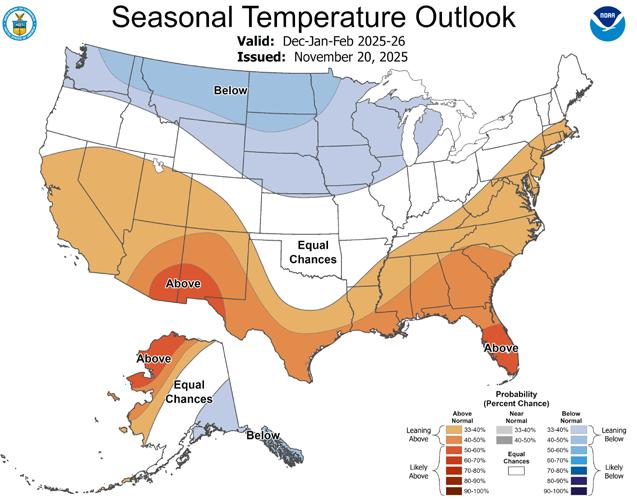
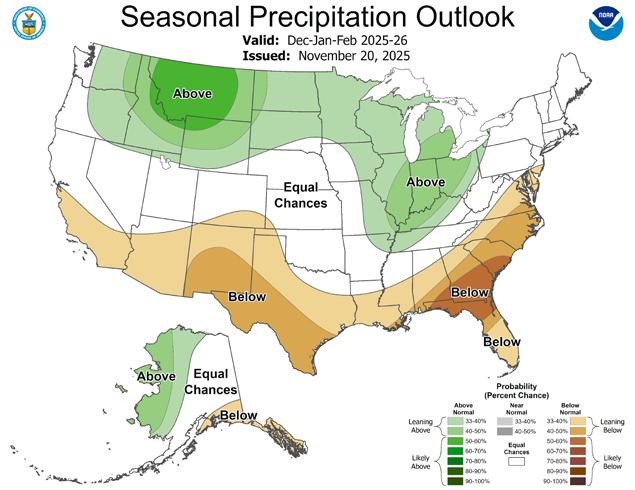
Much like last year, a slow developing La Niña will impact conditions for the coming winter. In the PNW, this usually means wetter-than-average and colder-than-average conditions with a more northerly storm track. NOAA models for the three-month outlook from December through February predict that we will see slightly lower seasonal temperatures than normal and precipitation that is above average (graphic below).
In Washington, winter weather hazards are windstorms, snow, ice storms, avalanches in the mountains, and extreme cold. We can be impacted in any number of ways, disruptions to transportation routes, school and office delays and closures, and power outages are just a few. We can all prepare for inclement winter weather by making sure we:
9 Have 2 weeks’ worth of supplies on hand (food, water, medication, pet needs).
9 Refresh the supplies in our first aid kits.
9 Install or change batteries in smoke and carbon monoxide sensors.
9 Remove branches and trees that could come down during a storm.
9 Weather-proof our homes to keep out the cold and have an emergency candles & blankets ready.
9 Ensure our cars have emergency kits.
9 Clarify our emergency communication plans with family, friends, and our supervisors.
9 NEVER use generators or grills inside or near windows.
9 NEVER heat our homes with a gas stovetop.
Resource Links:
• DSHS AP 09.16 Emergency Closures, Delayed Openings, and Suspension of Operations
• NOAA Climate Prediction Center
• Ready.gov – Winter Weather
• Department of Health Fact Sheets on Disasters
• Vehicle Safety and Preparedness PDF
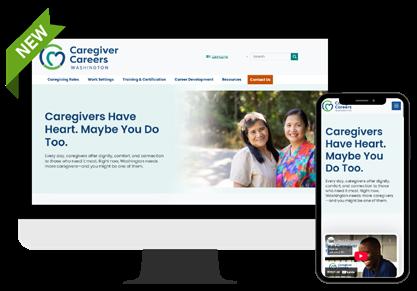
After nine months of collaboration, the updated Caregiver Careers Washington website is live, thanks to the Workforce Development Team and the Workforce Communications and Marketing Manager.
This is more than a refresh. The site has grown from a single landing page into a full resource hub designed to make caregiving careers visible, accessible, and supported across Washington. With plain-language content and mobile-friendly design, it helps future caregivers feel valued and respected for the essential role they play.
The site now offers:
• Easy-to -navigate pages with improved accessibility.
• Information about Home Care Aide, Nursing Assistant Certified, and Paid Family Caregiver roles.
• Links to trusted DSHS resources and training opportunities.
• Access to past issues of our newsletter and caregiving resources.
• A substantial resource page that will continue to expand.
The launch is a major milestone in Washington’s effort to strengthen long-term care by investing in the people who provide it. Special thanks to the local caregivers who generously participated in the photography and videography featured on the site—their presence brings authenticity and heart to this resource.
Visit caregivercareerswa.com to explore the new site and share it with someone who may be ready to start their journey in care.
Submitted by Cat Braid
Earlier this year, a Non-Paid Services client (who I’ll refer to as N.J.) was referred to a Case Resource Manager in Developmental Disabilities Community Services for an assessment. Amie Starr completed the initial assessment and learned N.J. had been isolated to her apartment, with limited supports. Amie contacted community partner agencies including the Arc, payee agencies, food banks and ACCESS (a King County transportation service), to get the client’s benefits reinstated, find a payee, and support with transportation and housing needs. Amie staffed for the Enhanced Case Management Program, and the case transferred to Kelsey Kitchen.
APS became involved due to alleged misuse of N.J.’s benefits. N.J. had no income or waiver, only food stamps that her sister used in exchange for room/board. There were barriers to starting care, including insects in the home, no support for follow-up, and an inconsistent response from N.J.. Kelsey made frequent visits to N.J., building trust and rapport. Kelsey supported N.J. to access DDCS services, food benefits, and an ID. Additionally, she assisted with hiring a caregiver and with a hospital discharge.
In July, N.J. and her sister were evicted. N.J.’s sister found an apartment but there was no room for N.J. Kelsey called AFH’s to find any willing to meet N.J. During this process, N.J. lost her ID and her money. Kelsey worked with our PQIS team to get the AFH inspected quickly. When the AFH couldn’t pick her up due to an emergency with another client, Kelsey used the state car to transport her. Kelsey called and found her wallet at Safeway. They recovered her ID and wallet on the way to the AFH.
Huge thanks to all involved. In under six months, N.J. found a secure home, with consistent access to food and personal care. We are grateful for the above and beyond work of our team in assisting N.J. and other clients!
If you know any of these folks, please take a moment to send them a RAVE review which will be cc’d to their supervisor! Or send them a Teams message to thank them for their service. Either way, peer recognition matters, and is one more way we all contribute to HCLA being the culture we want it to be and our Employer of Choice!
45 Years
Perry Kinney
35 Years
Amy Chen
Julie A Long
Sheila M Simpson
30 Years
Maria D Loera
Alex Oommen
Mark R Smith
25 Years
Seng Chankorngsin
Gerilyn C Gabalis
James C Holden
Jerrold J Mullin
Steven C Peck
James O Sherman
Kelly Dawn
Temby-Sturtevant
20 Years
Francis Michelle Bean
Tammy May Brionez
Rachel Cathrine Harris
Patrick P Kdep
15 Years
Maya Cristine Black
Jeri L Jones
Sharon A Judie
Gwyn M Maynard
Lizbeth Ann Radosevich
Tammy L Sterling
Kori Jean Taylor
10 Years
Gisela Almanzar
Sarah M Cornell
Paula J Costa
Sopha L Danh
Amanda Drey
Katie Colleen Flom
Summer Nicole Gallagher
Michael A Gardner
Jamie Lorraine Hanson
Steven B Hauge
Robin Melony Johnson
Angela L Jones
Crystal Renee Marsh
Kara J Mitchell
Greg M Monek
Jose Santos Nungaray
Brittany E Sergent
Teri Leigh Thompson
Jutta Wabinga
Michael Kinichi Wiggins
Anne Kathryn Williams
Timothy J Wolfe
5 Years
Kareem Askar
Nicholas Austin Boyce
Joseph Gale Follansbee
Maria De La Luz Gutierrez
Yelena Ilynichna Husman
Krista Rae Kleinfelder
Marisol Lozano
Amie Fidele Bekofe Makolo
Crystal Felicia Parker
Ashlyn L Pisano
Tyler C Ragsac
Anthony Levi Roberts
Anna Soukhaseum
Jacob I Stevens
Harrison N Udoye
Oksana Wilson
Bertha Rosalba Zanotti
Cassie Oeun
Cassie has managed to both help in the BCC training the new specialists all while herself learning a new role in Intake. She continues to be a wealth of knowledge and experience as well as a kind heart that welcomes all of our new staff. She is truly a servant leader at heart, and I am grateful I get to work with her.
- Diana Argeris
Denna Steinmetz
Denna has been an amazing member of out team during her short time with the Ellensburg unit. She has been there to help out team members when additional tasks are needed to complete investigations She has brought to this team insights and knowledge of working for APS in another state. Denna will be missed in the Ellensburg office and team meetings as she continues with APS, joining the team in Union Gap. That you for being part of our team.
- Michael Derrey
Take time to appreciate others by sending them a RAVE Review! Bookmark the link! It’s so easy and can really impact a sense of connection and belonging for both the sender and receiver!
Stephanie Canterbury
Stephanie helped her unit move 14 cases through R1 IRT on 11/13/2025. She readily agreed to assist her teammates by conducting systems searches and lifting work from the Supervisor and Investigator tasked with bringing the cases to IRT. Thanks in good part to Stephanie and her "we're a team" collaborative approach, the cases moved through IRT to protect the vulnerable adult from further harm.
-Valerie Nafe
Cheryl Anderson
As we are in the process of hiring an AA3, Cheryl has been instrumental in setting up interviews for Region 2 while managing her ongoing duties for Region 1. Thank you Cheryl for contacting the candidates, coordinating interview panels, sending out the questions, and for all you do to keep us organized!
-Michelle Joseph,
Gladys Musau
Gladys recently joined the WA Cares Intake team as a supervisor, having previously served the WA Cares BCC team. Despite their transition to this new work, Gladys has cheerfully continued to support their peers and colleagues on the WA Cares BCC team to provide thorough and robust trainings to over 25+ new hires on the WA Cares BCC team. Gladys is not only a SME in their work, but joyfully continues to go above and beyond in support of their peers and clients.
-Clayton Haycraft
Check out our new Focal Points for 2026 on our updated Focal Point SharePoint site! These trainings are free growth and development opportunities created just for you on topics you tell us are important to you. All staff are encouraged to invest in themselves by prioritizing time to participate in sessions that speak to their interests and needs. Registration through the Learning Center is required.

Monthly Newsletter
Highlights relevant articles, training, and connection opportunities for everyone.
Click to Read
HCLA Organizational Development SharePoint
HCLA Wellness note highlights a different dimension of well-being and provides a one-page resource. December's topic is Transcendence.


Human Resources SharePoint
EAP offers confidential support and tools to help you navigate personal or work-related challenges during uncertain times. Learn more at www.eap.wa.gov or 877-313-4455.


Microsoft Word Step by Step Instructions Checklist
PowerPoint Video: Slides Reading Order PowerPoint Checklist
Adobe Acrobat Verify PDF Accessibility Instructions
Adobe Checklist
ALT Text Resources: Writing Effective Text
WebAIM: Alternative Text
Alt Text Decision Tree Section508.gov
Quick Links: Accessibility Resources Plain Talk Policy
DSHS Templates
DSHS Logos
Word Style Guide
Your voice is critical in the reimagining process. Please share your questions and offer feedback by contacting us at Reimagine@dshs.wa.gov. Share your idea by completing the Reimagine DSHS Idea form.
Visit the Reimagine DSHS SharePoint Page
You can donate your leave to a coworker in need. Visit Shared Leave site.
If you have:
• Over 80 hours of Annual Leave.
• Over 176 hours of Sick Leave.
• A Personal Holiday available.