Advancing Craniosynostosis Surgery: Safer Solutions for Faster Pediatric
Recovery by Dr. Timothy Vogel
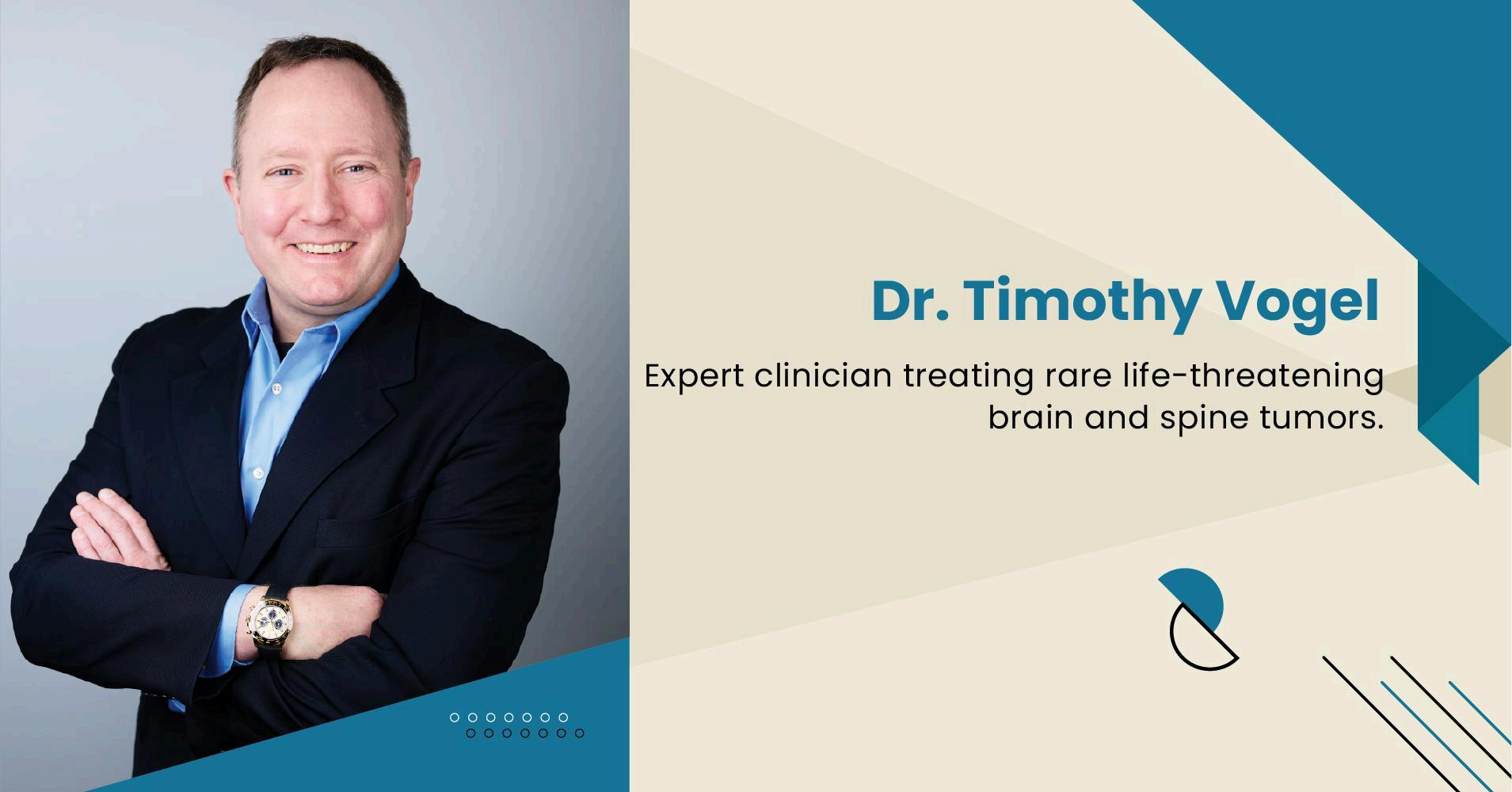
Dr. Timothy Vogel explained that craniosynostosis, a condition in which a baby’s skull sutures close too early, can affect head shape and, in some cases, brain development Traditionally, treating this condition involved open surgery, which, while effective, often required large incisions, longer hospital stays, and extended recovery periods. Today, advances in craniosynostosis surgery are changing the landscape, offering safer procedures and faster recovery for children.
One of the most significant innovations is the development of minimally invasive techniques
Using small incisions and specialized instruments, surgeons can carefully correct fused sutures with less disruption to surrounding tissue This approach reduces the risk of complications such as infection and blood loss, while also minimizing scarring Families appreciate that children experience less postoperative discomfort and a shorter hospital stay compared to traditional open surgery
Endoscopic surgery, in particular, has become a preferred option for many infants. By guiding tiny instruments with a small camera, surgeons can precisely release fused sutures, often allowing children to return home within a day or two. After the procedure, cranial molding helmets may be used to help shape the skull naturally as it grows This combination of surgical
precision and gentle postoperative therapy ensures excellent aesthetic and functional results, while supporting healthy development.
Another key advancement is early intervention. Minimally invasive surgery is most effective when performed during the first few months of life, taking advantage of the natural flexibility of a baby’s skull Early treatment not only improves cosmetic outcomes but also helps reduce the risk of potential complications associated with increased intracranial pressure. Families benefit from quicker recoveries and less intensive follow-up care, which makes the overall treatment process less stressful
Technology and technique continue to evolve, providing pediatric patients with safer, more efficient options for craniosynostosis correction These advances reflect a broader commitment in pediatric neurosurgery to improve outcomes while prioritizing the child’s comfort and growth. Children can now undergo less invasive procedures, recover faster, and achieve excellent long-term results, while parents can feel reassured that the latest medical innovations guide their child’s care
With these developments, craniosynostosis surgery is no longer just about correcting skull shape it’s about improving safety, accelerating recovery, and supporting a healthy start for children who need it most