





CannonDesign
Interior Architecture & Design Intern | May - Aug 2024 | Dallas, TX
Assisted project team in design development, documentation, and research
Created drawings, renderings, plans, and client presentation content
Developed understanding of process and procedures of professional projects
Fay Jones School of Architecture & Design
Course Assistant | Aug - Dec 2023, 2024 | Fayetteville, AR
Ľ Assisted the professor of Materials, Resources & Assemblies for Interior Design
Curated course content and graded assignments
Facilitated one-on-one student guidance and mentor-ship
CycleBar Premium Indoor Cycling
Customer Experience Associate | Aug 2020 - June 2023 | Southlake, TX
Promoted sales of memberships and merchandise
Planned and coordinated community outreach events
Greeted, assisted, and trained members on proper form and equipment use
Technical: Autodesk Revit, Rhino, Enscape. Adobe Creative Suite, Bluebeam, Revu, Construction Documentation
Personal: Collaborative, Ambitous, Forward-Thinking, Dependable, Communicative
Jennifer Webb P: 479-422-4211 E: jwebb@uark.edu
Lucky McMahon P: 479-530-9149 E: lmcmahon@uark.edu
Kimberley Furlong P: 512-579-9532 E: kfurlong@uark.edu
University of Arkansas - Fay Jones School of Architecture & Design Fayetteville, AR
Bachelor of Interior Architecture & Design | Expected May 2025 | GPA: 3.9
University of Arkansas - Rome Center Rome. Italy
Interior Design Study Abroad Program | Summer 2023
University of Arkansas Honors College | 2021 - Current
American Society of Interior Designers Student Member | 2021 - Current
Alpha Omicron Pi Sorority | 2021 - Current Membership Selection Committee
Banner Committee
Habitat for Humanity - Build Team Member | 2023
HONORS & AWARDS
Semi-Finalist: Program Submission to the Steelcase Student Office Design Competition | 2023
3D Printing Awardee for ‘Unique Staircase Design’ Fay Jones School Faculty | 2023
Dean’s List & Chancellor’s List University of Arkansas | 2021 - Current
Hello! I am currently a 4th Year Honors student in the Interior Architecture and Design Program at the University of Arkansas. My perspective on design is inspired by my passion for creating dynamic and effective spaces that not only fulfill client needs, but facilitate an engaging user experience. When bringing a space to life, I aim towards standards and considerations for key design factors such as sustainability, welfare , accessibility, and inclusion. REFERENCES
Fay Jones School of Arch. & Design (Education)
Fay Jones School of Arch. & Design (Education)
Fay Jones School of Arch. & Design (Employment)
COMMON
COFFEE & MUSIC HOUSE ARCHITECTURE FIRM EARLY LEARNING CENTER SR. LIVING COMMUNITY
HOSPITALITY
Fall 2024
4th Year Advanced Studio
Professor: Charles Sharpless
CORPORATE WORKPLACE
Fall 2023
3rd Year Workplace Studio
EDUCATION
Summer 2024
CannonDesign Intern Project
COLLECTIVE
TOOL LIBRARY/WORKSHOP
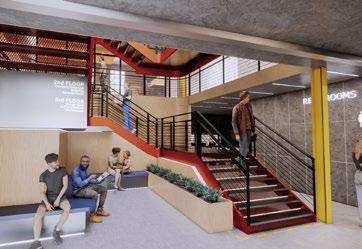
MIXED-USE LIBRARY
Spring 2024
3rd Year Adaptive Reuse Studio
2nd Year Adaptive Reuse Studio Professor: Lynn Fitzpatrick 02 03 04 05

MIXED-USE RESIDENTIAL
Fall 2024
Professor: Jinoh Park
Selected Works: 2nd - 4th Year
Advisor: Joshua Evans
Professor: Jennifer Webb

Hospitality - Adaptive Reuse
4th Year Studio - Fall
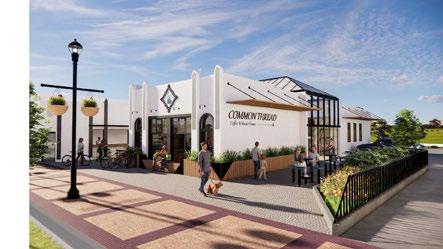
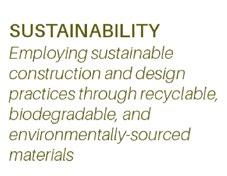
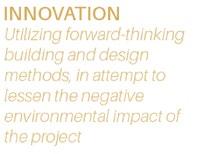
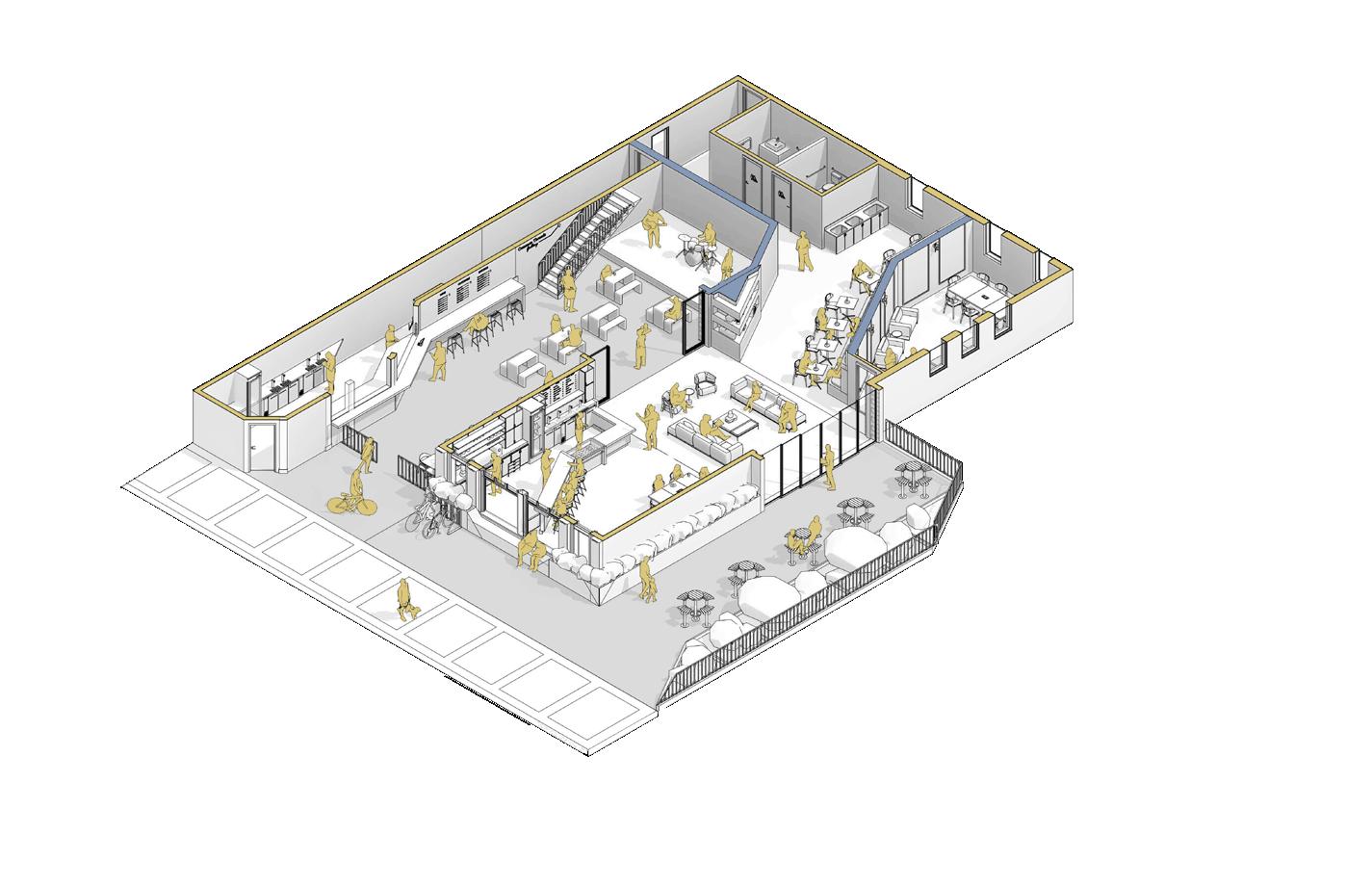
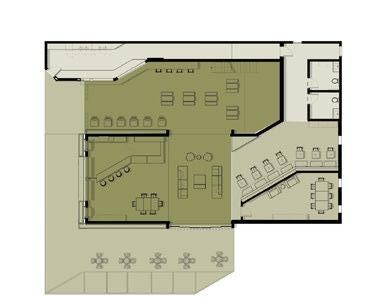
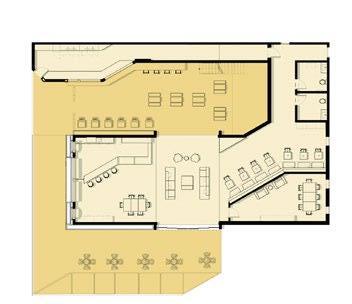
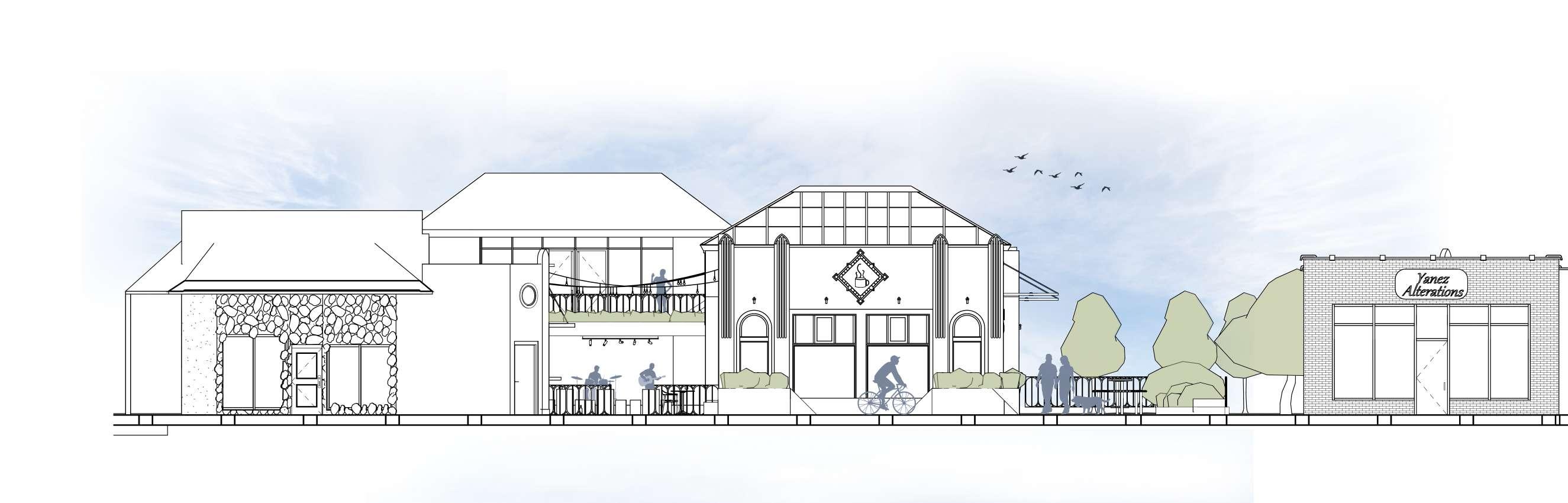
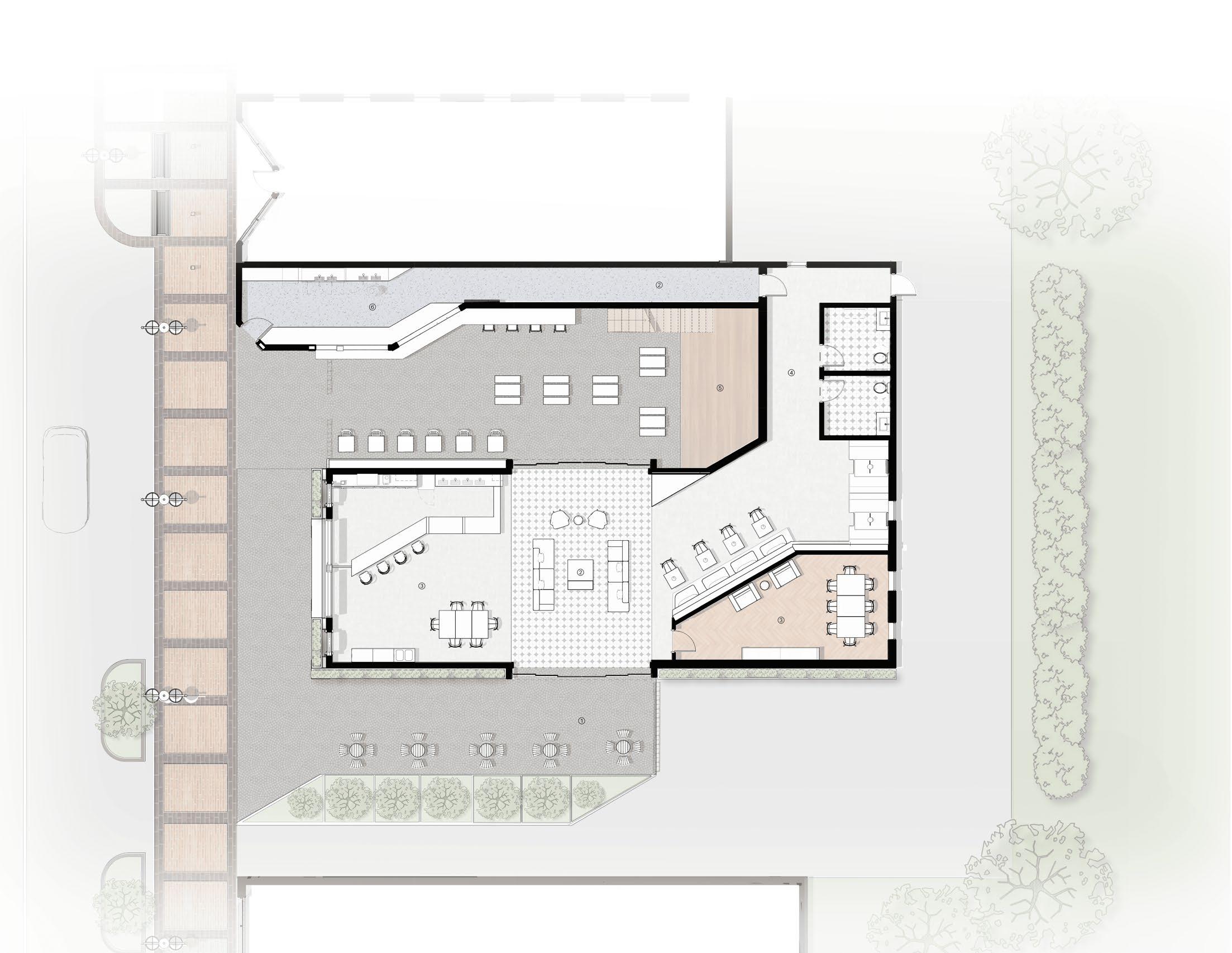
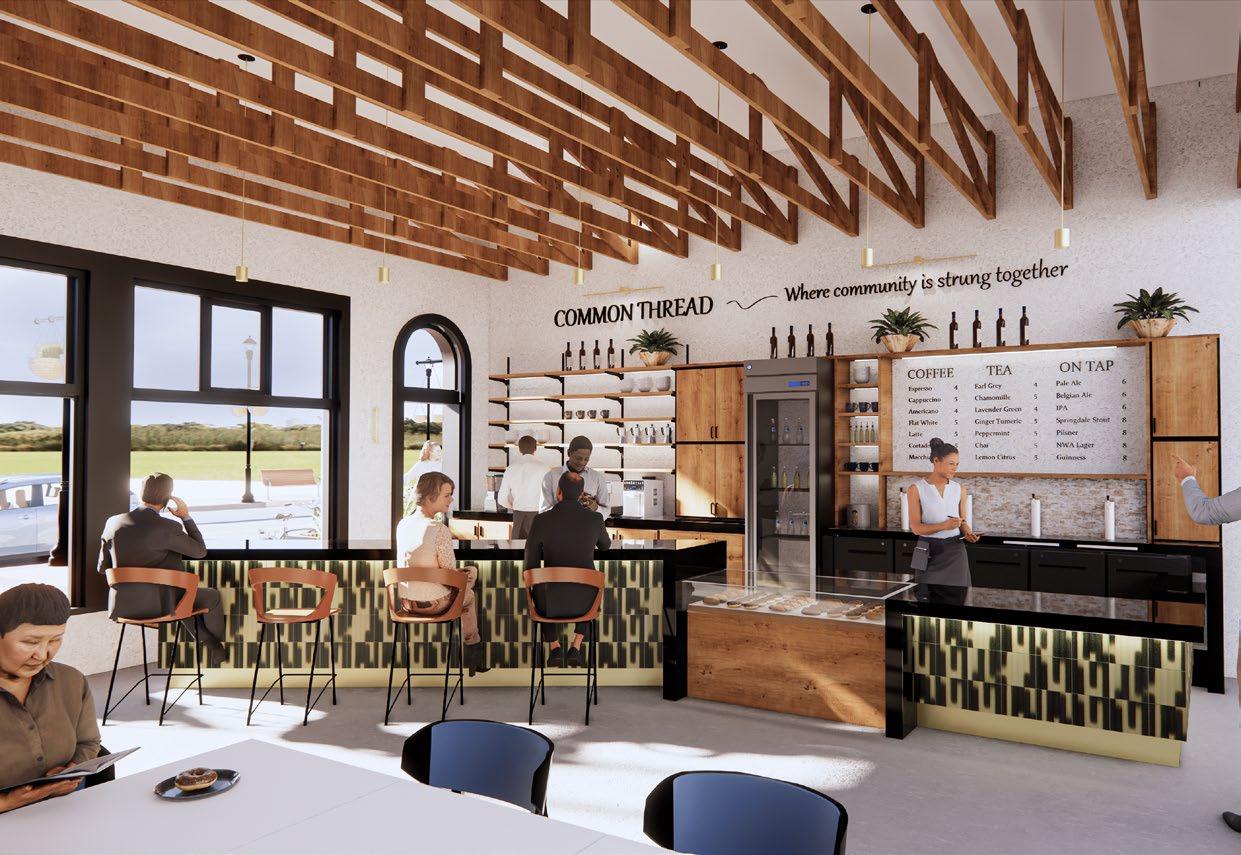
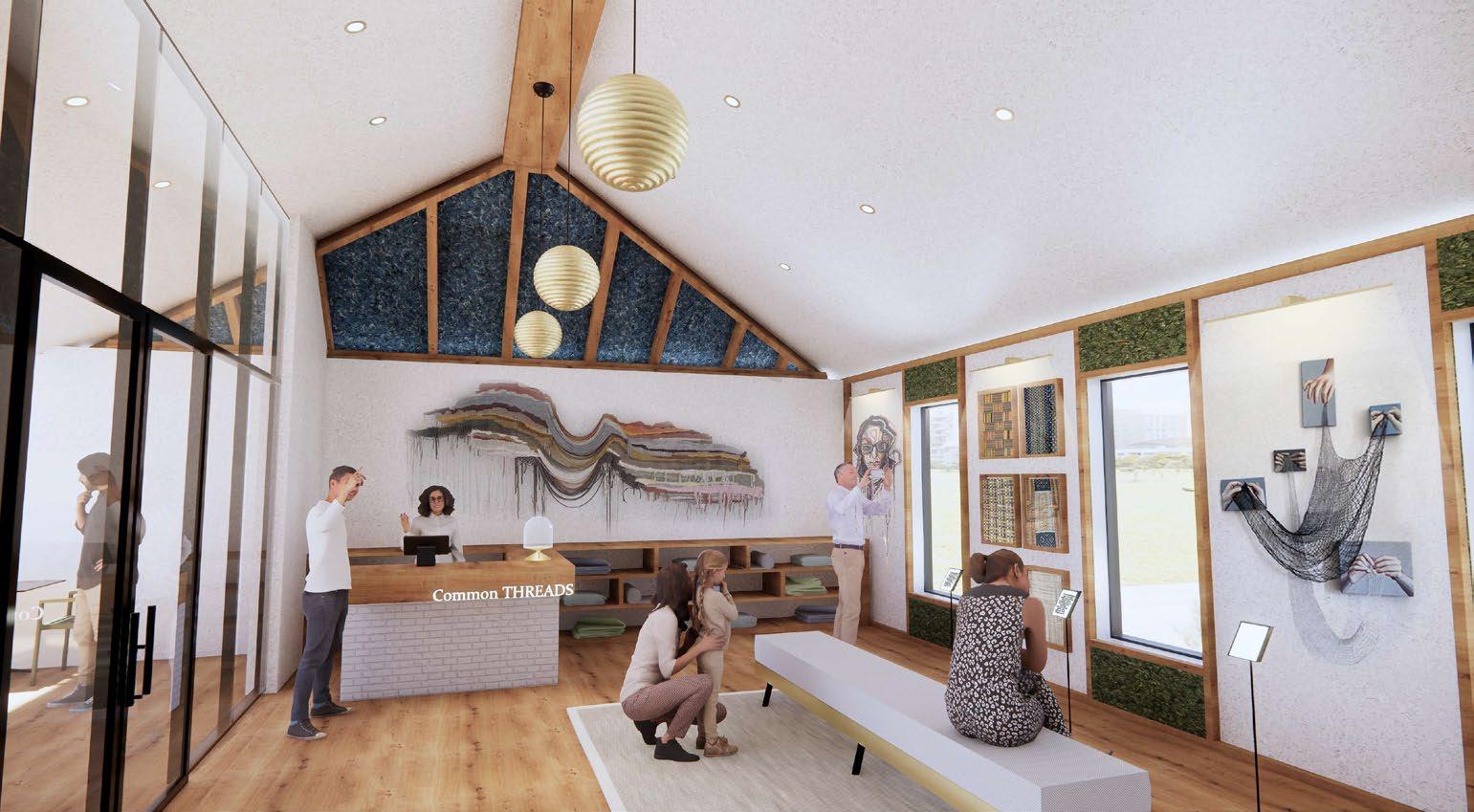
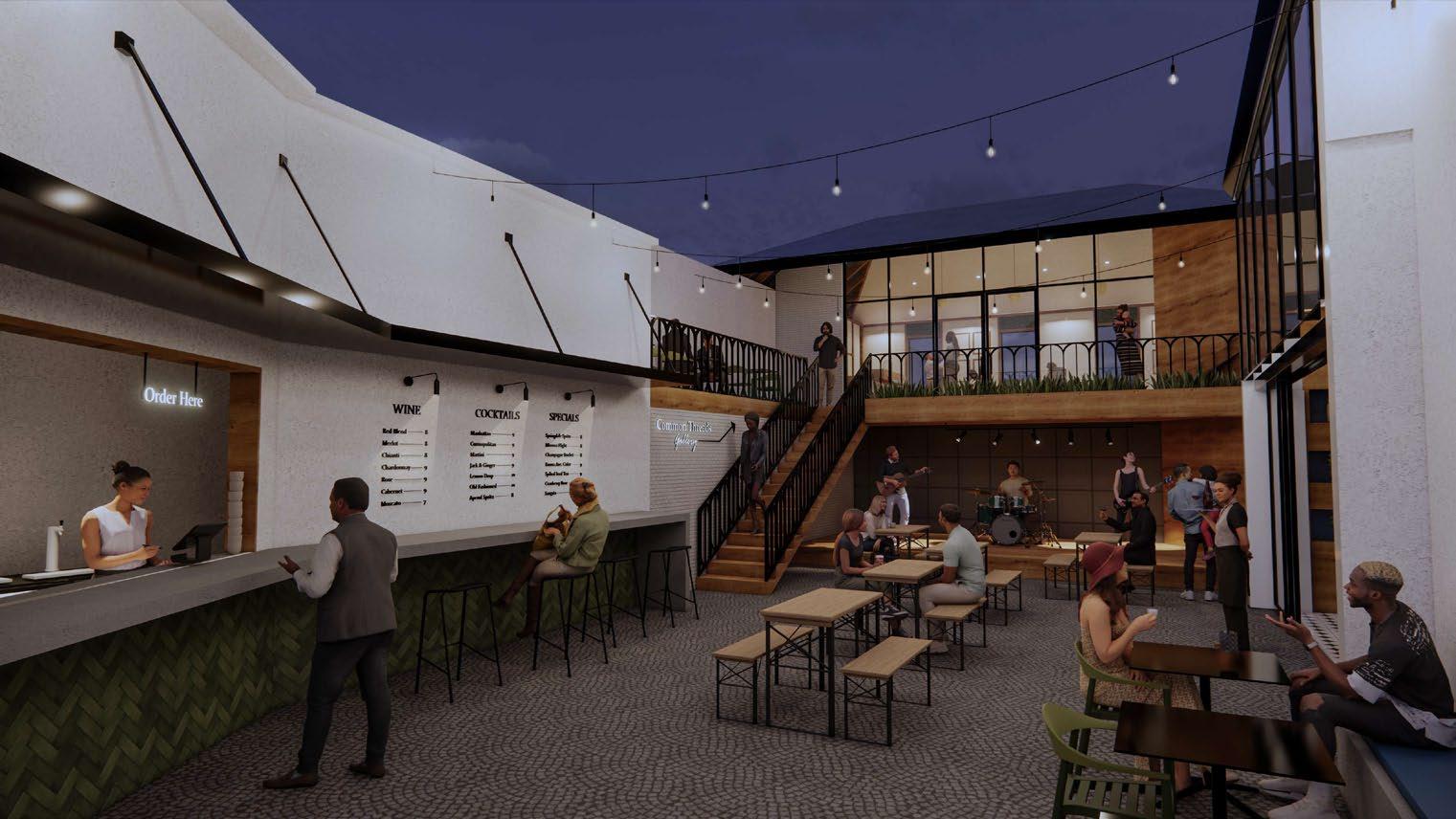
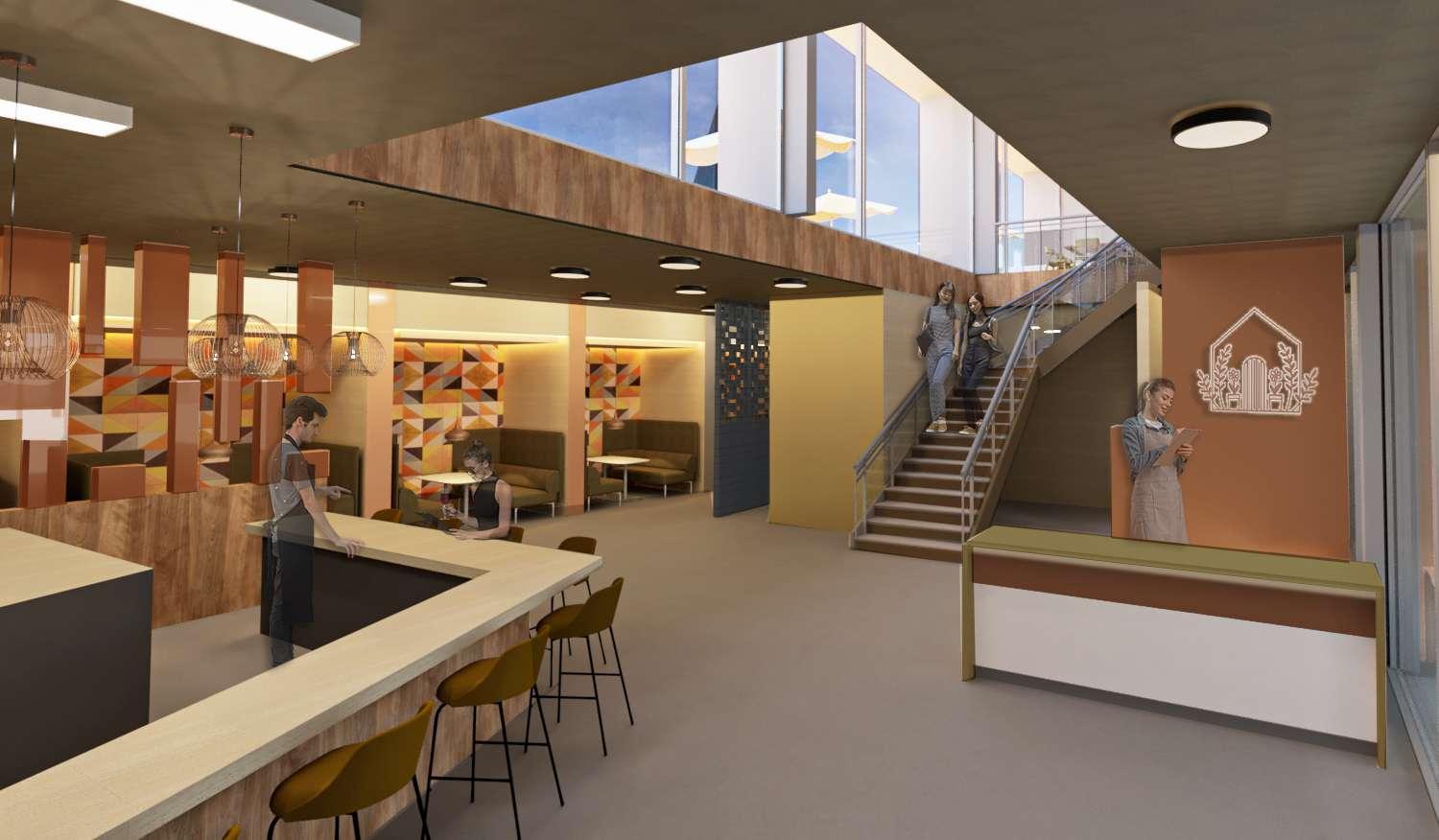
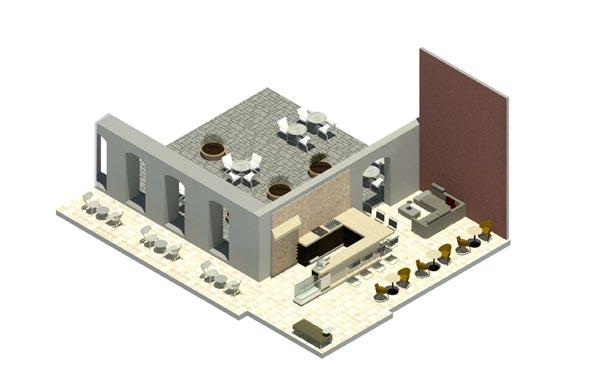
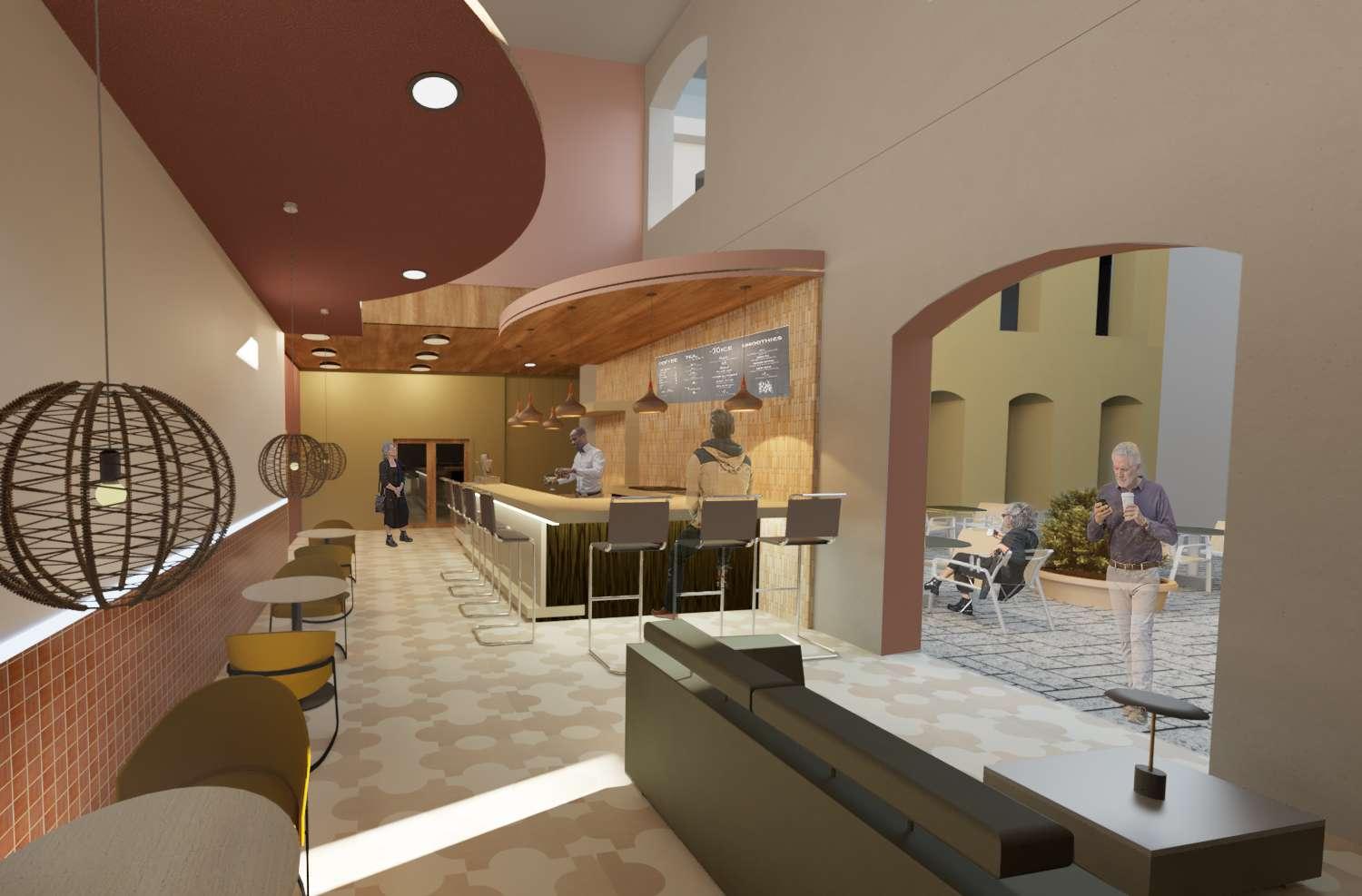
“Common Thread”is an adaptive reuse Coffee and Music house that aims to revitalize the face of Emma Avenue in downtown Springdale, Arkansas. As a result of in-depth research and experimentation, the project embraces forwardthinking and sustainability by integrating recycled materials and up-cycled designs into its aesthetic and functionality.
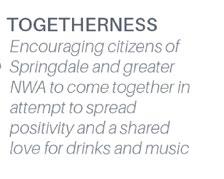
It seeks to bring together a diverse market of coffee, wine, and music lovers in an effort to provide a ‘common’ space outside of home and work/school. Common Thread’s motto is “Where community threads together” which promotes the collaboration of minimalist aesthetic with bold design decisions to holistically merge the sounds and sips of Springdale’s community.

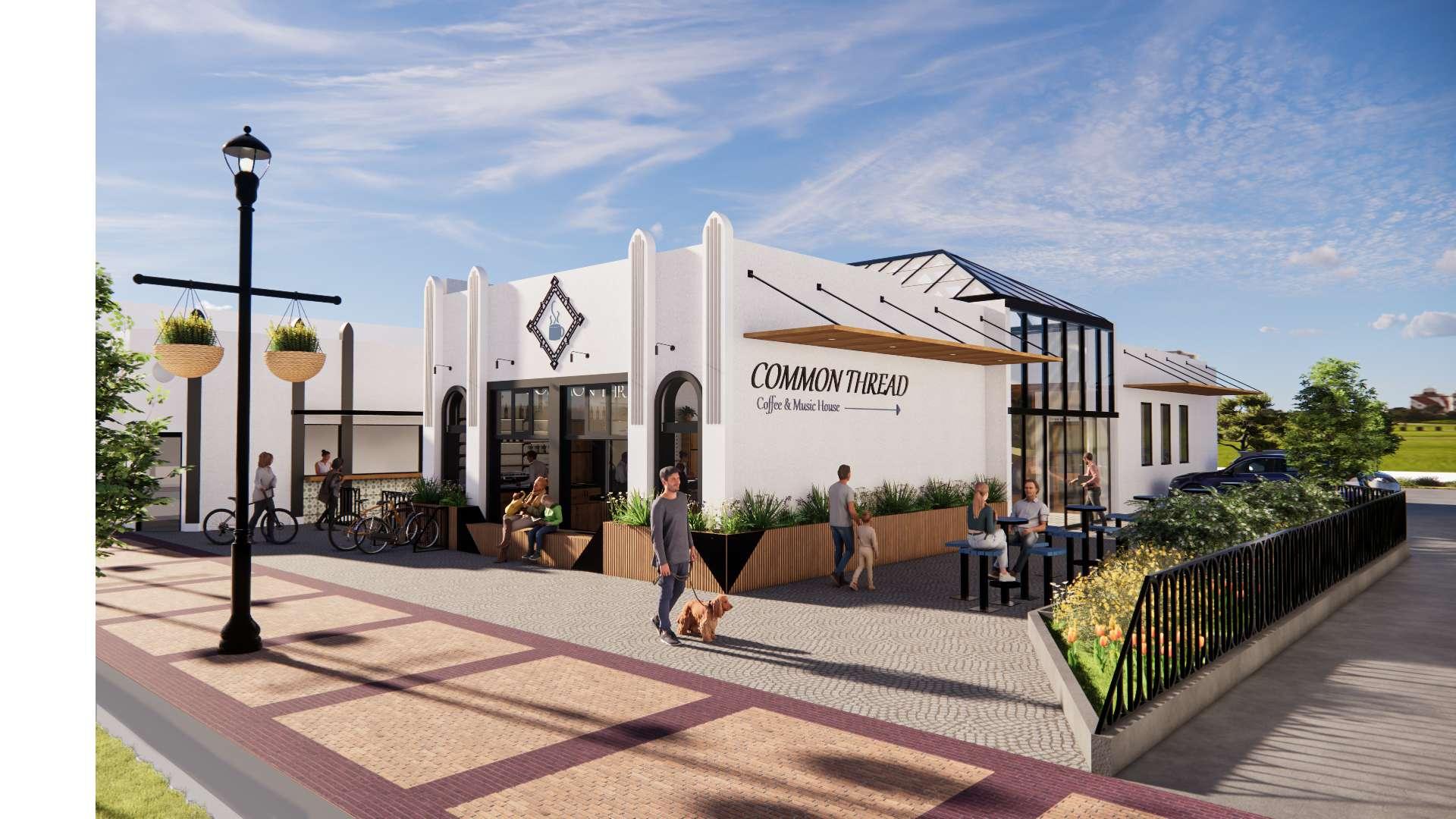

The symbol of a thread represents the design concept in two ways, first it establishes a connective pathway for all members of the community to join together, regardless of their origin. Second, it highlights a sustainable initiative through the natural material of cotton, specifically cotton threads and fibers, which has been centralized throughout the project. These two topics join together to form a “Common Thread” which is defined as “a theme or characteristic found in various stories or situations.” That being said, the overall goal for inhabitants of the coffee and music house it to find something in common with fellow members of their community.
SITE
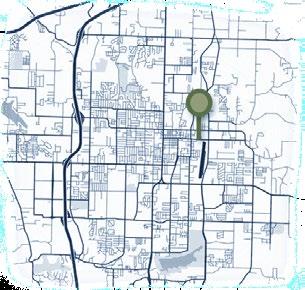
413 E. Emma Ave. Springdale, AR 72701

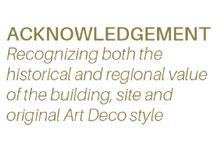
“Common Thread” exists in a charming Art Deco style building built in 1934. This building was one of the 1st sites to establish Emma Avenue’s community in Springdale, Arkansas. The existing building is listed on the National Register of Historic Places.
Springdale’s population stands around 90 thousand residents and is in the Top 3 fastest growing cities in Arkansas, thanks to its thriving abundance of art, culture, education, and nature



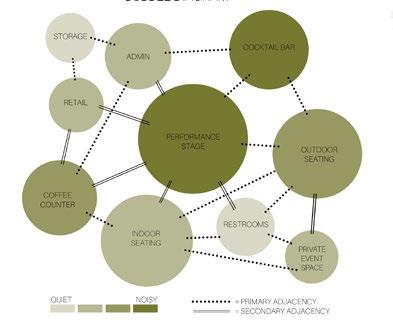
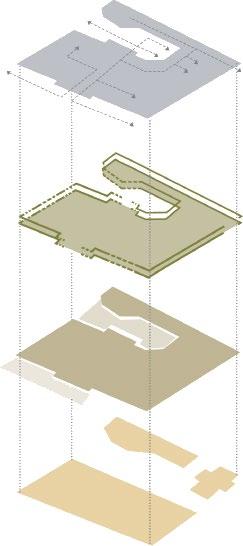
CIRCULATION
ENCLOSURE
SOLID/VOID EXISTING




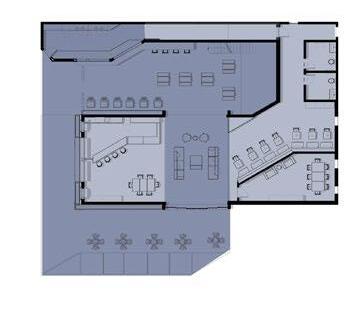

DAYTIME/NIGHTTIME
INDOOR/OUTDOOR

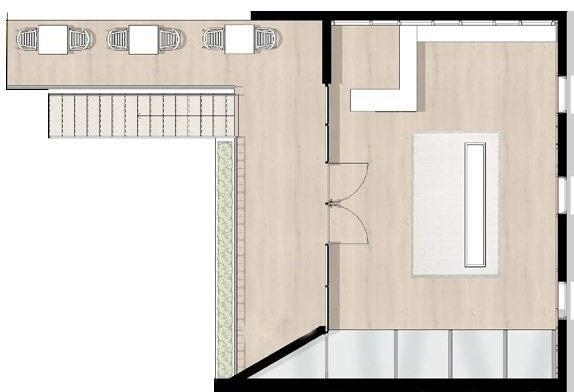

The material focus of Common Thread is cotton, which is soft, fluffy staple fiber that grows in a boll, or protective case, around the seeds of the cotton plant. It is composed primarily of cellulose, glucose, and fiber. Cotton is most commonly used in architecture and design through upholstery, drapery, or acoustic solutions. This adaptive reuse project seeks to push boundaries of cotton in construction by utilizing both its organic and recycled forms.
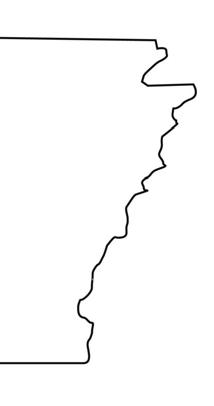
The cotton plant thrives in the Arkansas Delta Region along the Mississippi River, and is one of the states most abundant and land-devoted crops.
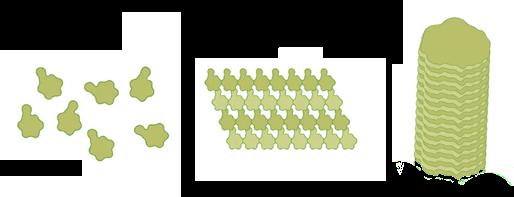
RECENT STATISTICS OF COTTON PRODUCTION

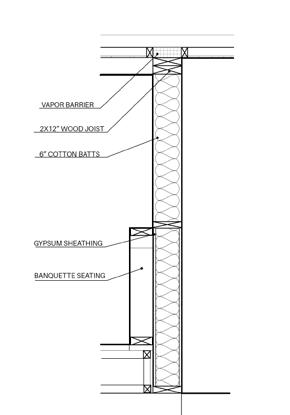
Organic, un-chemically modified cotton retains innate structural, acoustic, and insulative properties of the fiber and is highly recyclable and regenerative. Processed cotton is less biodegradable, but can still be recycled and given a second life through construction. Cotton recycling can save up to 20,000 liters of water per kilogram of cotton, and greatly decrease the amount of textile waste that ends up in landfills
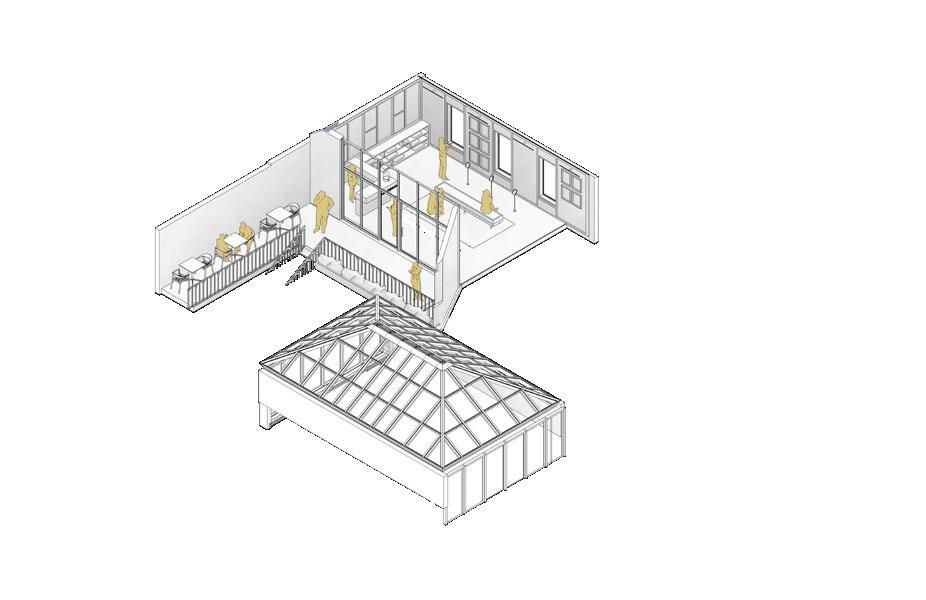
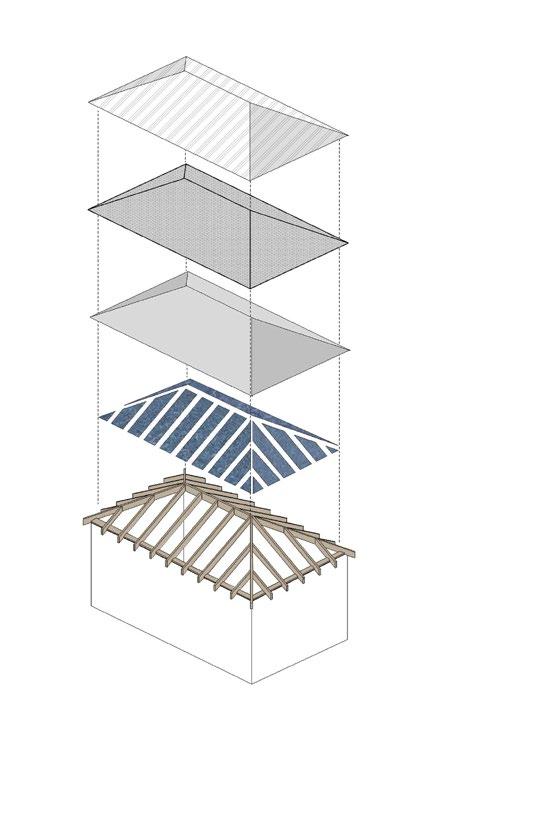
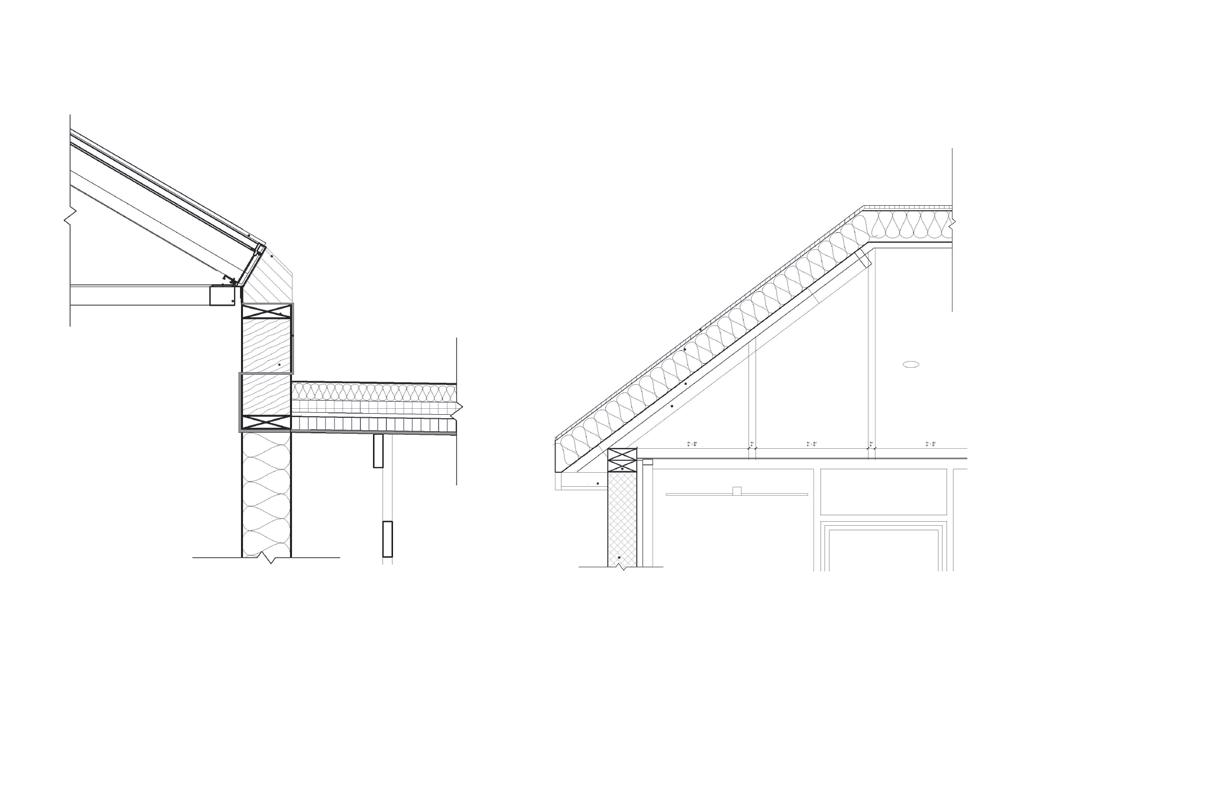
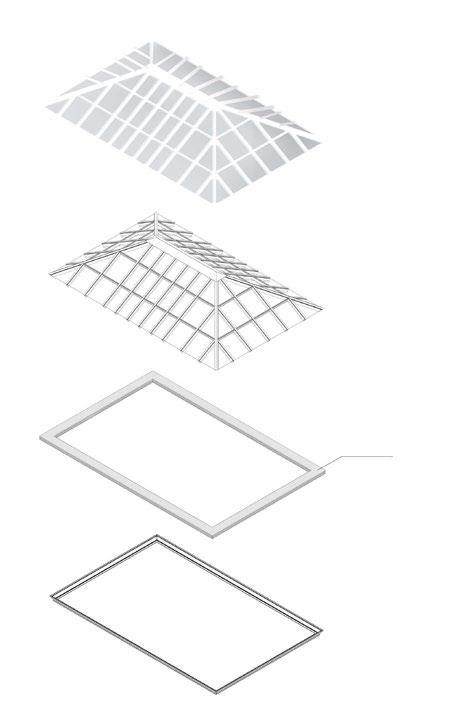
HIPPED ROOF CONSTRUCTION


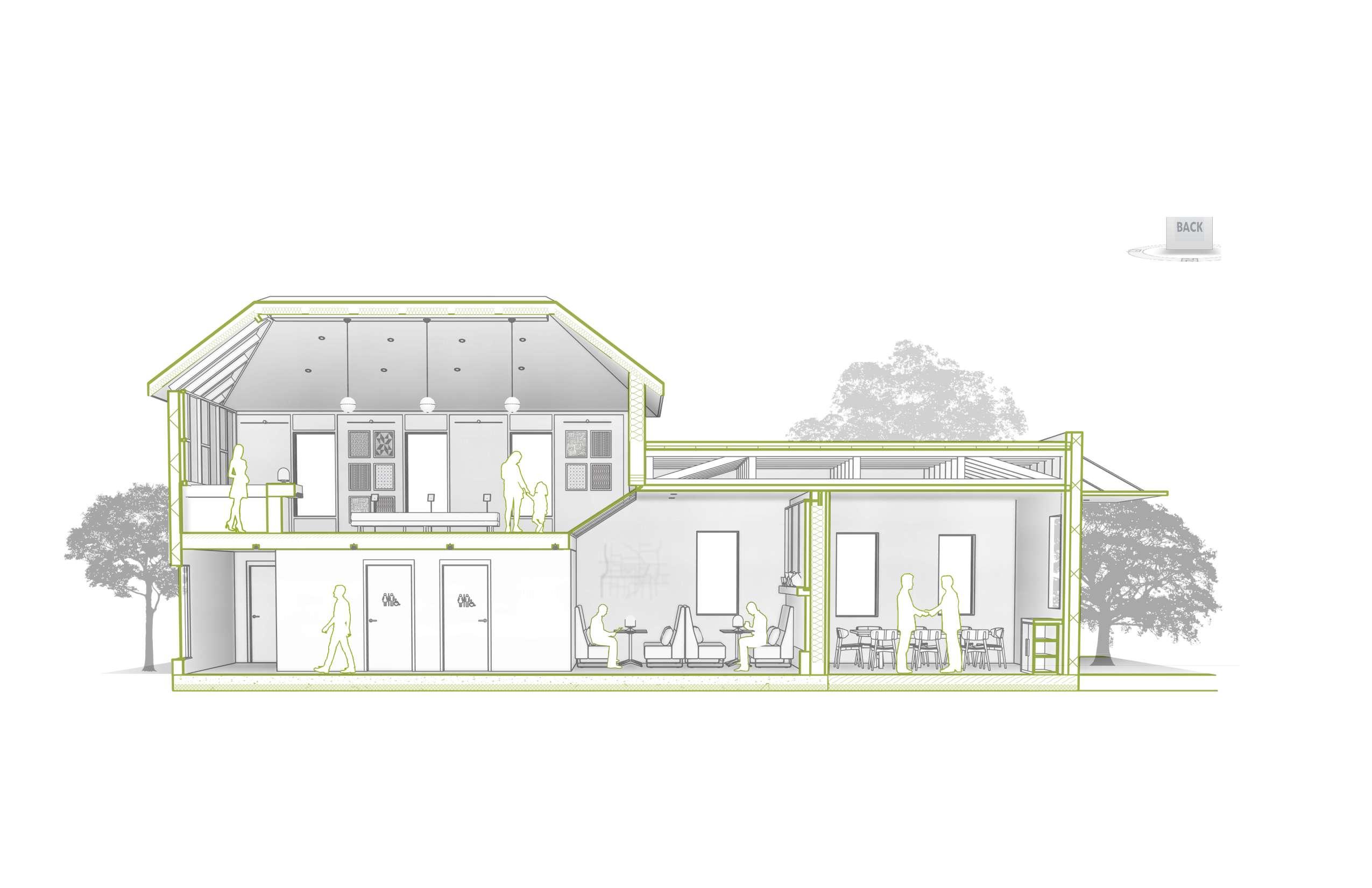



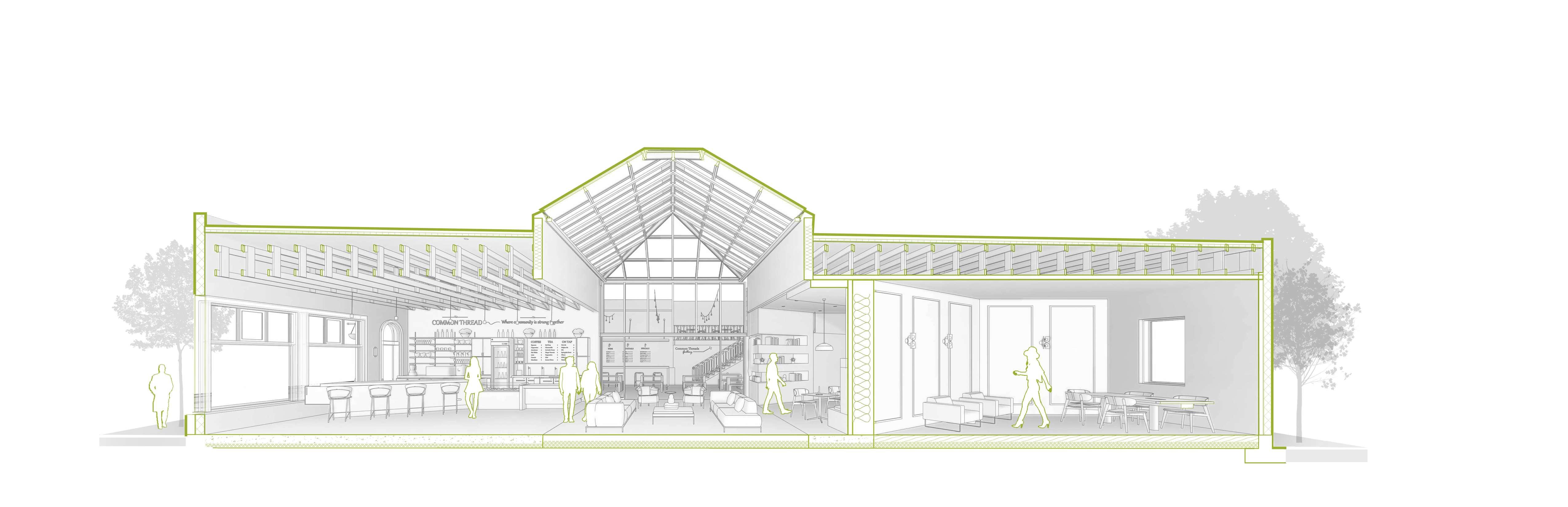
TRANSVERSE SECTION PERSPECTIVE



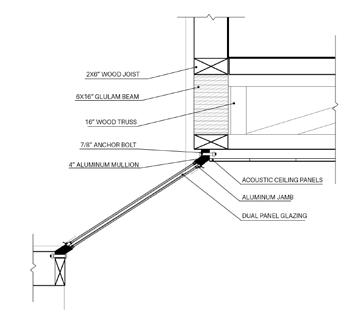
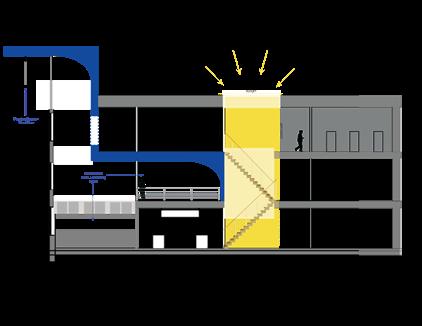
In an effort to solve the lack of natural light and air ventilation in the existing structure, Common Thread proposes an angled skylight that extends its glazing down the adjacent E and W walls and into accordion-style sliding glass doors.
A geometric system of dual-glazed panels comes together with aluminum structural mullions. 2 new support beams were installed to provide an adequate framing assembly, taking place of the 9 trusses that were removed in the adaptive reuse process.
This skylight provides 30% more natural light to the existing structure, and creates a flexible and dynamic focal point of the building that interconnects each zone of activity.



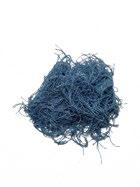
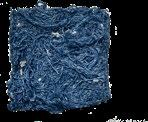
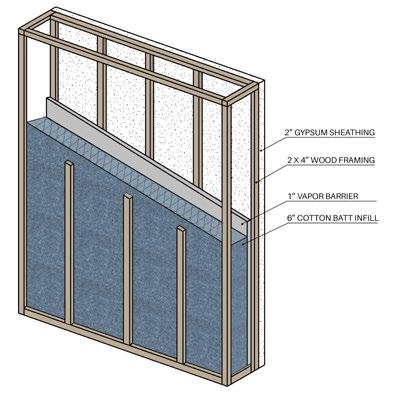
Common Thread utilizes recycled textile waste and transforms it into an environmentally-considerate and fully biodegradable material solution to waste produced by both the construction and textile industries. An iterative process breaks down recycled cotton fabrics into threads and fibers, then combined with a non-toxic binding agent to form small flexible panels. When implemented at a large scale, these panels innovatively blend sustainably sourced organic and recycled cotton fibers to re-invent the way we design and insulate buildings.


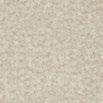
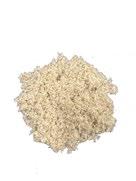


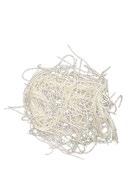


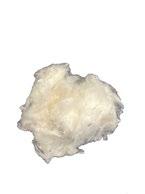
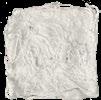

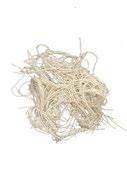
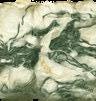

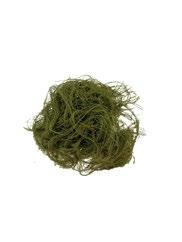

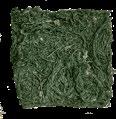
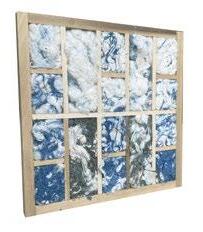
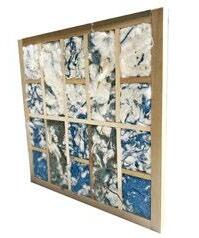
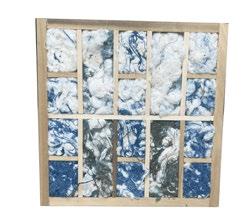



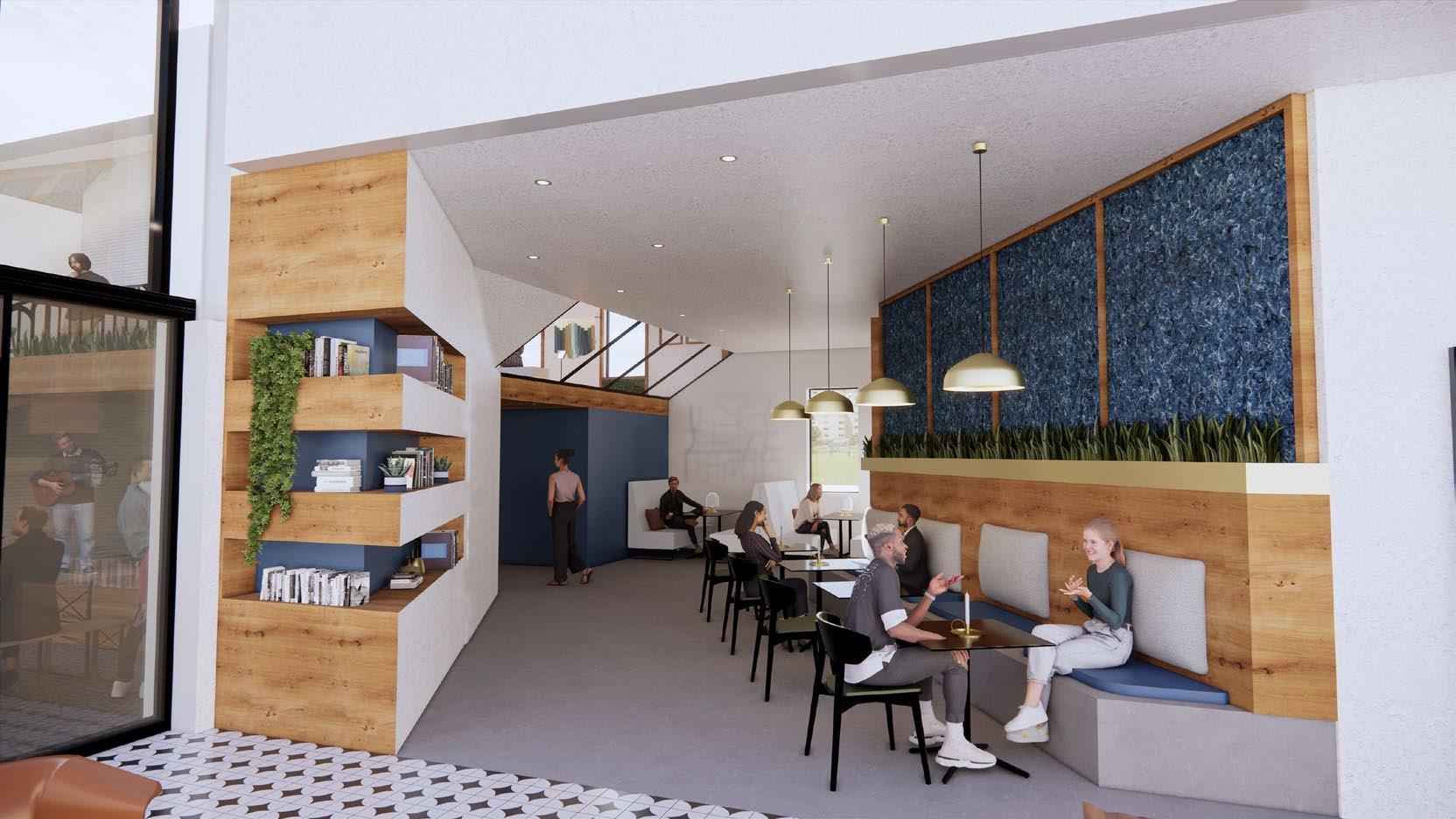

Material selection and use played a starring role throughout Common exploration of cellulose-based materials within the project. These materials, biodegradable and regenerative. To contrast the softness of these materials, marble, and ceramic create more rigid surfaces
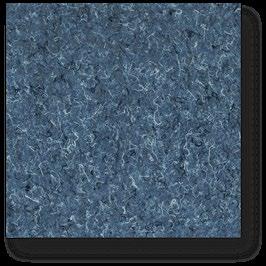
Recycled Cotton Batts
Source: Arkansas Delta Region (230 mi from site)
Application: Insulation, Acoustic Panels
Woven Cotton Fabric
Source: Bentonville, AR (17 mi from site)
Application: Upholstery

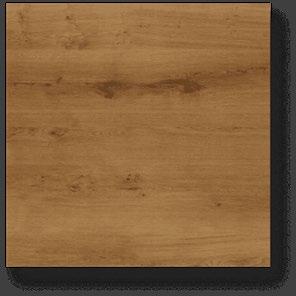
Yellow Pine Lumber
Source: Mulberry, AR (65 mi from site)
Application: Flooring, Casework, Framing, Cabinetry

Arkansas Yucca Plant
Source: Springdale, AR (2 mi from site)
Application: Indoor & Outdoor Planting
To further the goal of sustainability, sourcing materials from within the state of Arkansas to reduce both cost and emissions from the transportation process became a priority as well.
Thread’s entire design process. Cotton became the forefront for an materials, such as cotton fabric, wood, infill, and plants, are all highly materials, a collection of earth-based materials such as concrete, stone, for surfaces such as floors and countertops.
Poured-In Place Concrete
Source: Lowell, AR (5 mi from site)
Application: Flooring, Foundation
6x6” 100% Marble Stone Tiles
Source: Lowell, AR (5 mi from site) Application: Bar Counter Finished
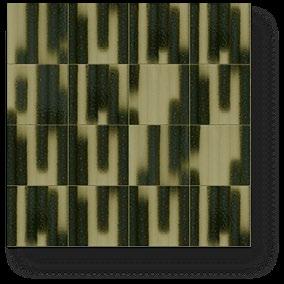

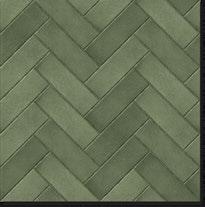
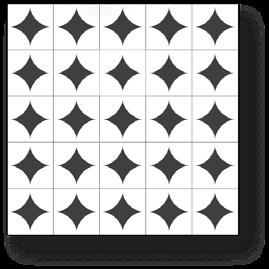
6x6” Ceramic Floor Tiles
8x8” Medina Ceramic Tiles
Source: Little Rock, AR (197 mi from site)
Application: Bar Counter Finishes

Source: Little Rock, AR (197 mi from site) Application: Flooring
Manufacturing and transportation of these materials has been reduced to 230 miles or less within the state’s borders, with the furthest being organic cotton sourced from the Mississppi River Delta Region

Steelcase Student Workplace Design Competition
Corporate Workplace
3rd Year Studio - Fall
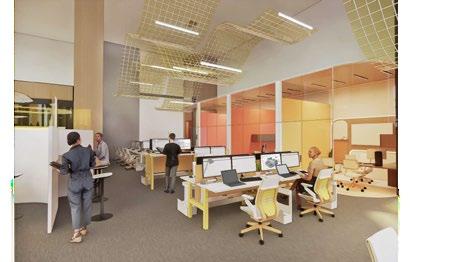
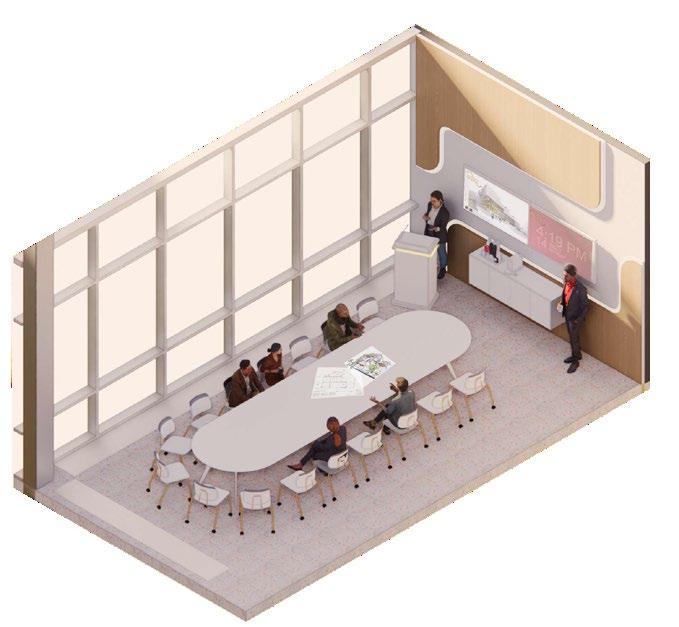
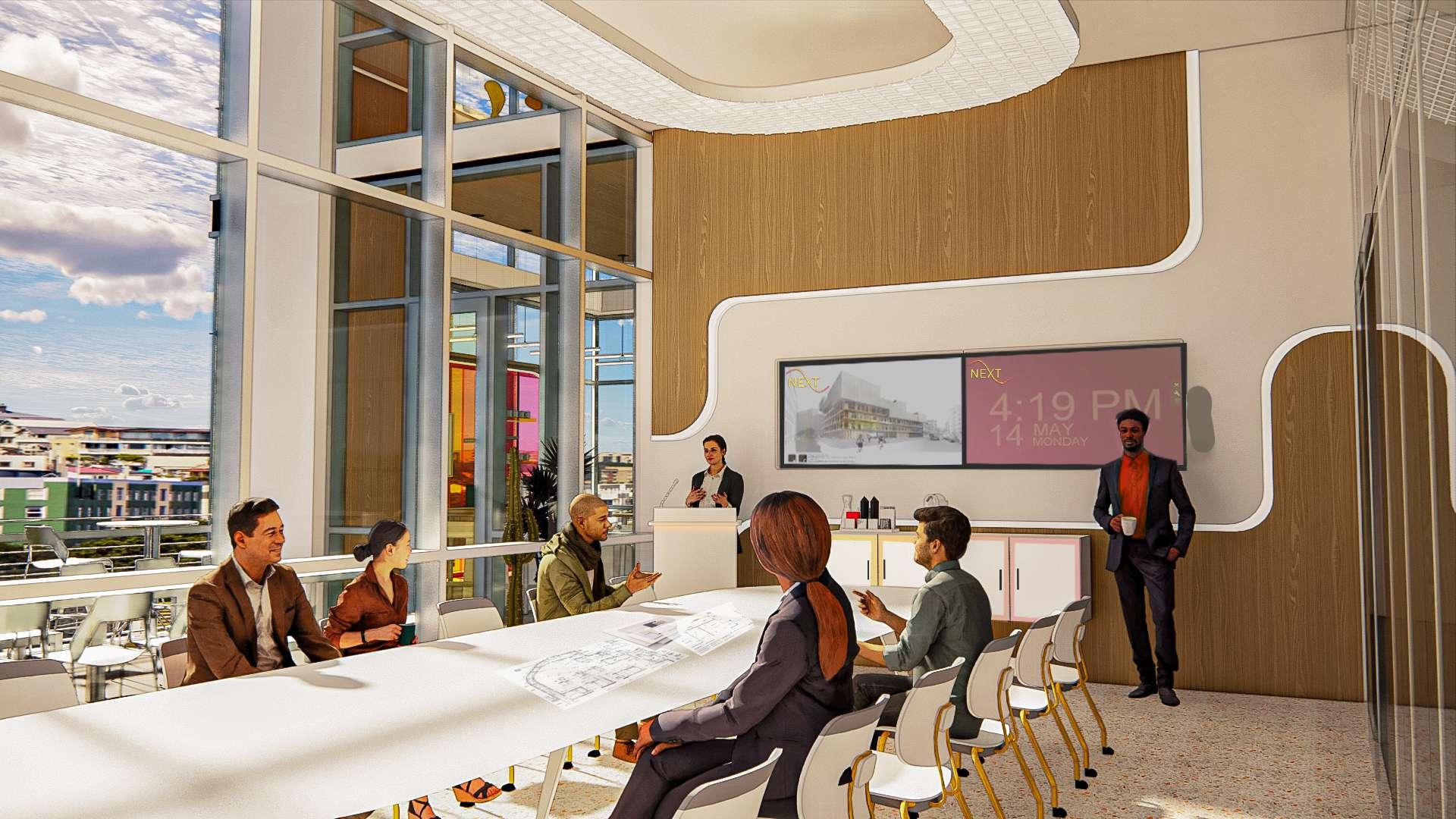
NEXT, a global architecture and interior design firm based in LA is expanding their company to Dallas, TX. The allotted space for this project is approximately 11,000 square feet. The office is so be located on the 3rd floor of Victory Commons I: a modern live-work complex. The space has 30ft tall ceilings and looks towards the lively Victory Avenue of Dallas. The vastly diverse and urban environment of Dallas seeks so foster ambitious and innovative work through tightly-connected client/team relationships. Spatial layout in this firm should encourage collaboration and communication between all inhabitants while maintaining a focused and functional work environment.
NEXT has communicated 5 key goals for this space: recruit and retain top design talent, encourage cross-generational mentoring, increase employee wellbeing, experience, engagement, and collaboration, utilize technology integrations to address seamless connectivity. Inherently, this project aims to consider the personal experience of each inhabitant which includes promoting inclusion, recognizing barriers , creating equitable experiences , and overall designing to accommodate and empower all.



The concept of this project describes the space as a "Harmonious Hearth." A hearth is a symbol of home , comfort , and connection. It is a place that facilitates meaning, passion, and serves as a hub for innovation. Harmonious describes all things coming together as a unified whole. A harmonious environment is one that promotes inclusivity and support through purposeful interaction between its inhabitants. This concept not only sets a precedent for NEXT’s company culture, but the central connectivity of the spatial design as well.
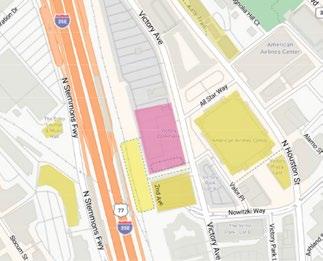
2601 Victory Ave, Suite 300 Dallas, TX 75201
32.8 N -96.8 W

Dallas is a densely populated urban city with a diverse and active population. The building that NEXT is located within is a corporate office building called Victory Commons I. It is just south of the DART rail station, a popular public transportation system downtown. American Airlines Center and Victory Park are also adjacent to the site, endorsing a highly active surrounding community.



program admission to the Steelcase Office Design Competetition
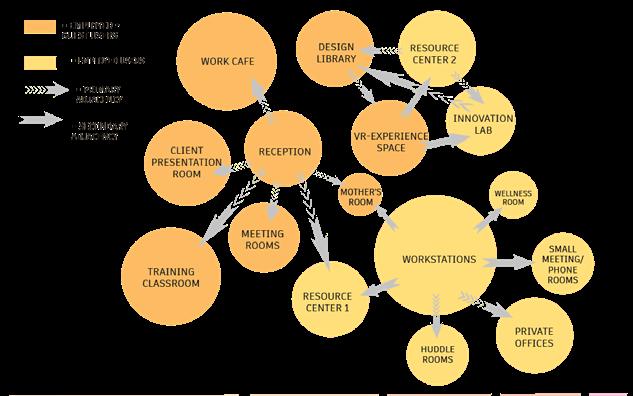
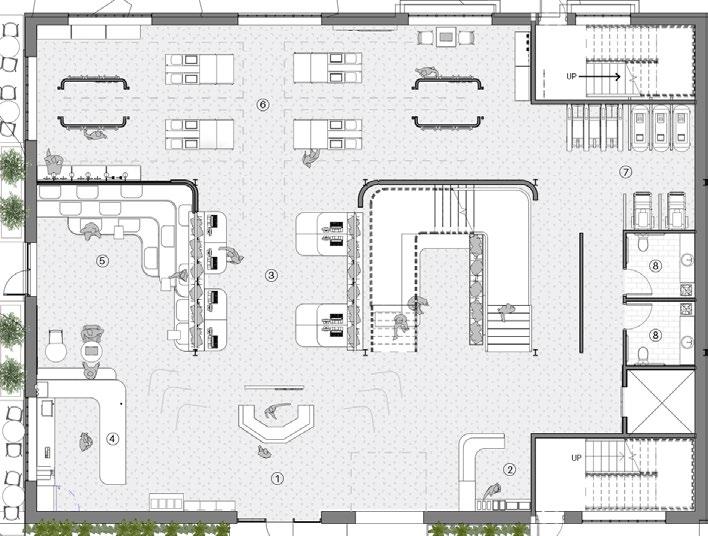
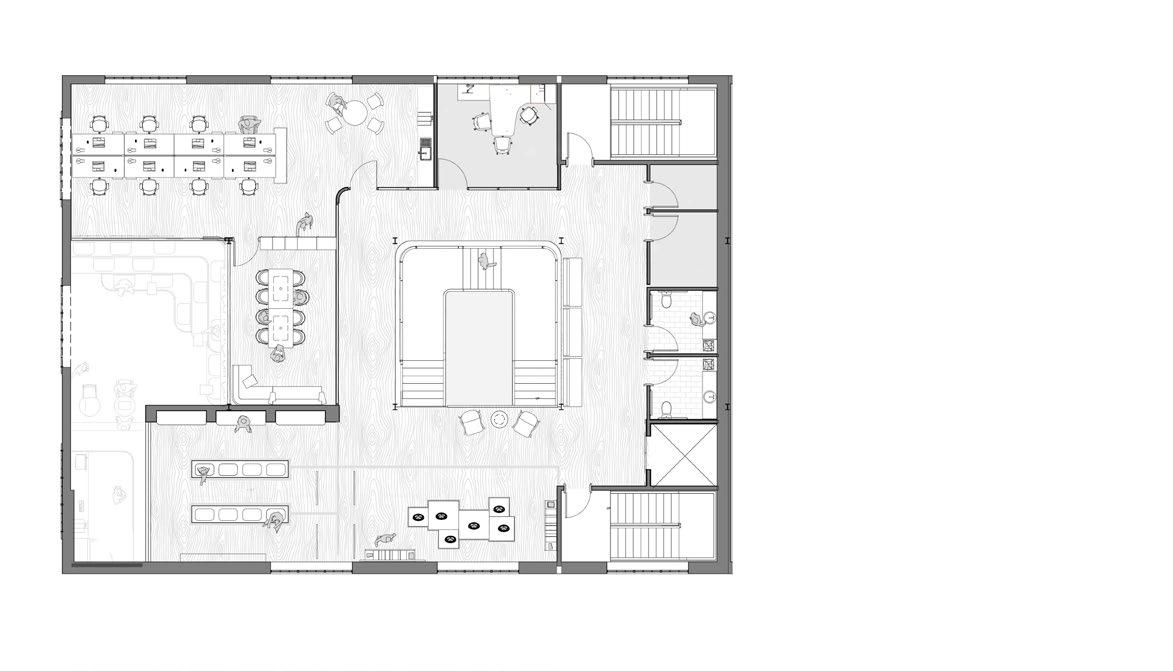
Four distinct activity zones: Connect , Collaborate , Create , and Concentrate have been identified within the NEXT office. Recognizing these different zones benefits each space by facilitating aduqate light levels, acoustics, material selection, visibility, and spatial adjacencies.
• 2,500 sq. ft. mezzanine located on east side.
• Creative +Client Interactive spaces

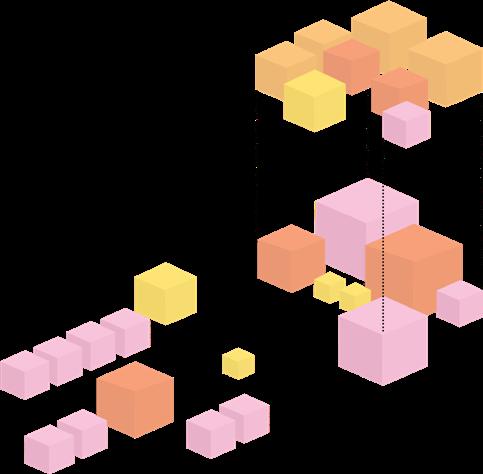
• Joines the main level and mezzanine
• Serves as the “HEARTH” of the office
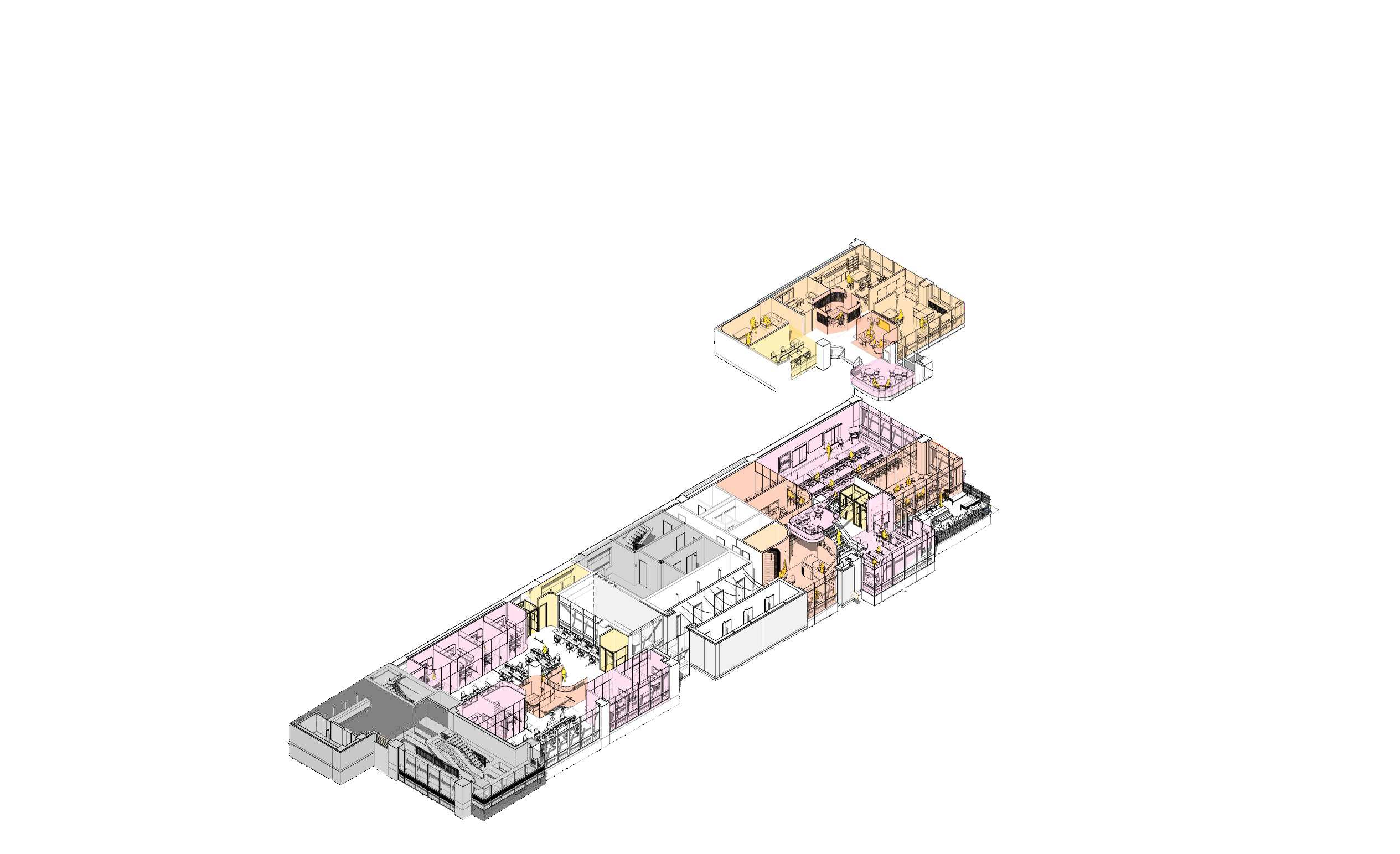


• Project Scope = 3rd floor
• 11,000 Sq. Ft.
• 30-foot ceilings
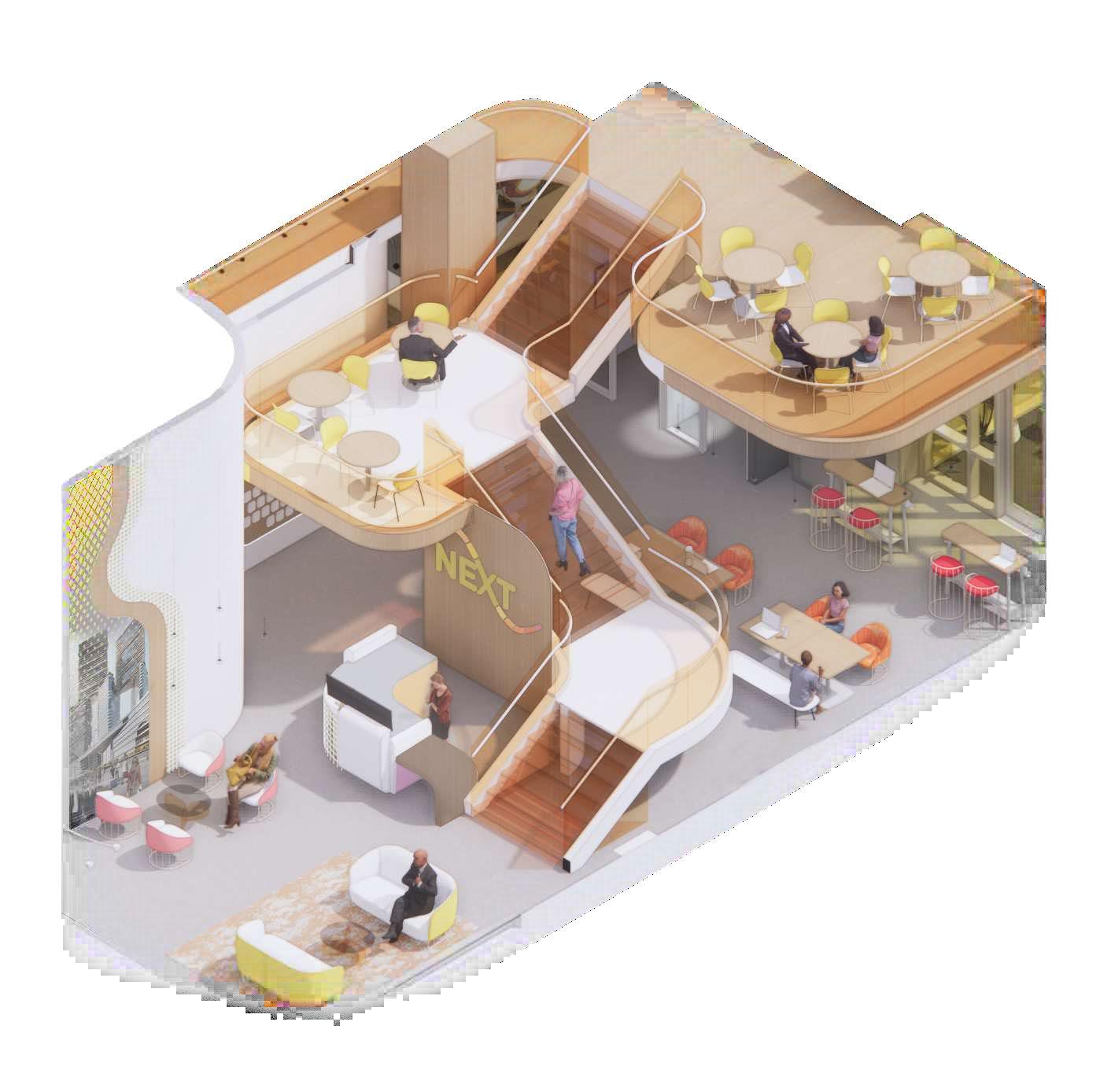
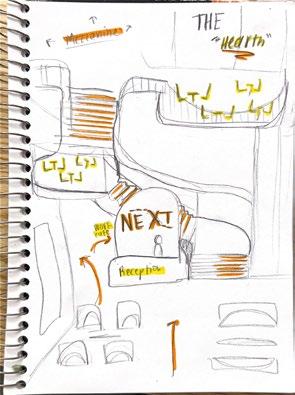
A centralized hearth within a space is an idea that was popularized by Frank Lloyd Wright in the mid- 20th century. It was derived from the role of a fireplace within residential spaces, and has since expanded it terms of application, context and building typologies. Within the conceptual development of NEXT Dallas, the idea of a hearth within a corporate workplace sparked the initiative regarding spatial organization. The organic division between employee and guest spaces joined together by a connective staircase that joins




46 emerging designers are coming together to establish 3 new design teams involved in corporate workplace, healthcare, and education design.
The space facilitates this taskforce which includes 8 directors, 31-person architecture and design staff, and a 7-person support team.

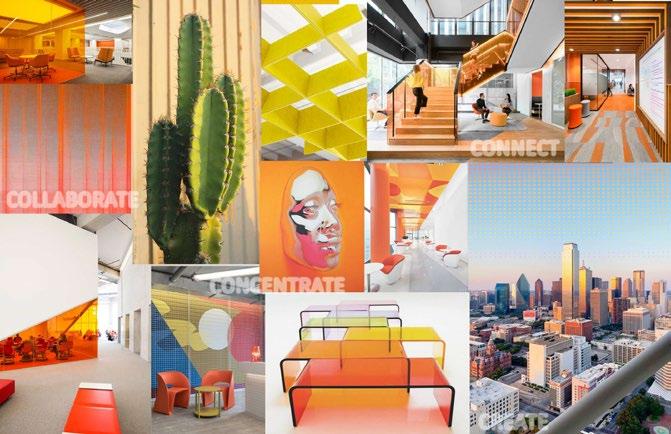


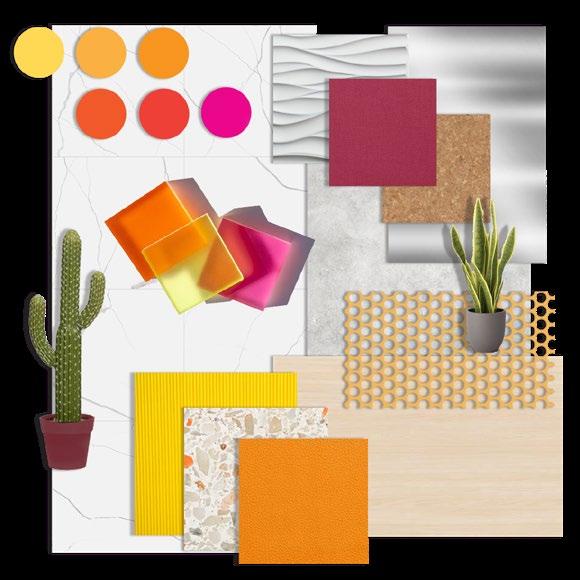


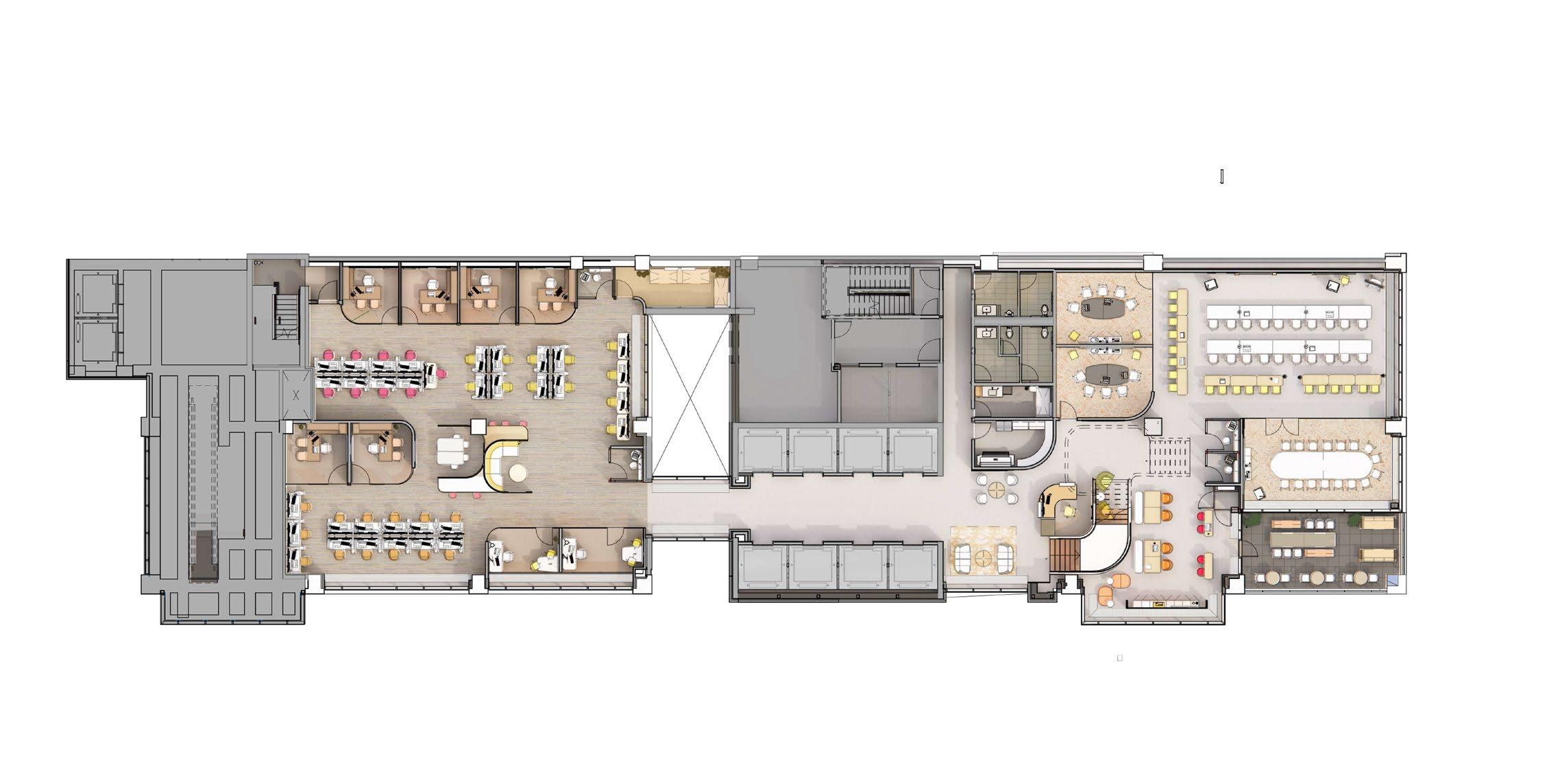


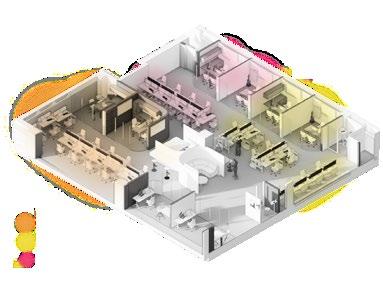


Adjacency of employees to their prospective leaders is a vital element of effective and functional communication.
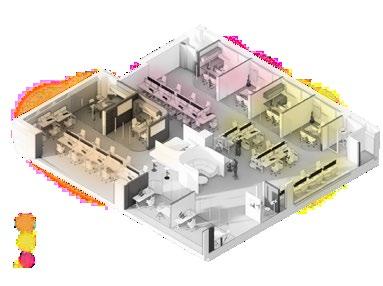
Establishing 3 separate yet connected studio work spaces allows for concentrated collaboration within and between the office

The key spatial separation between inhabitants of NEXT is between actively employed user, and guest users. This provided the best division of circulation paths throughout the space, allowing for a logical and functional plan when considering the diverse work-flows, paths of travel, and overall user experiences throughout.
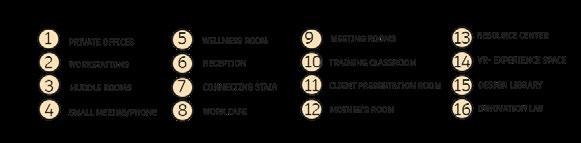
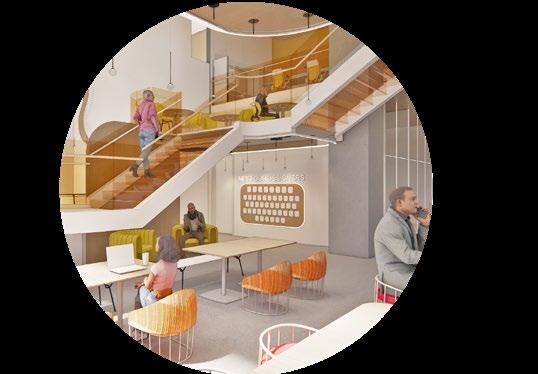

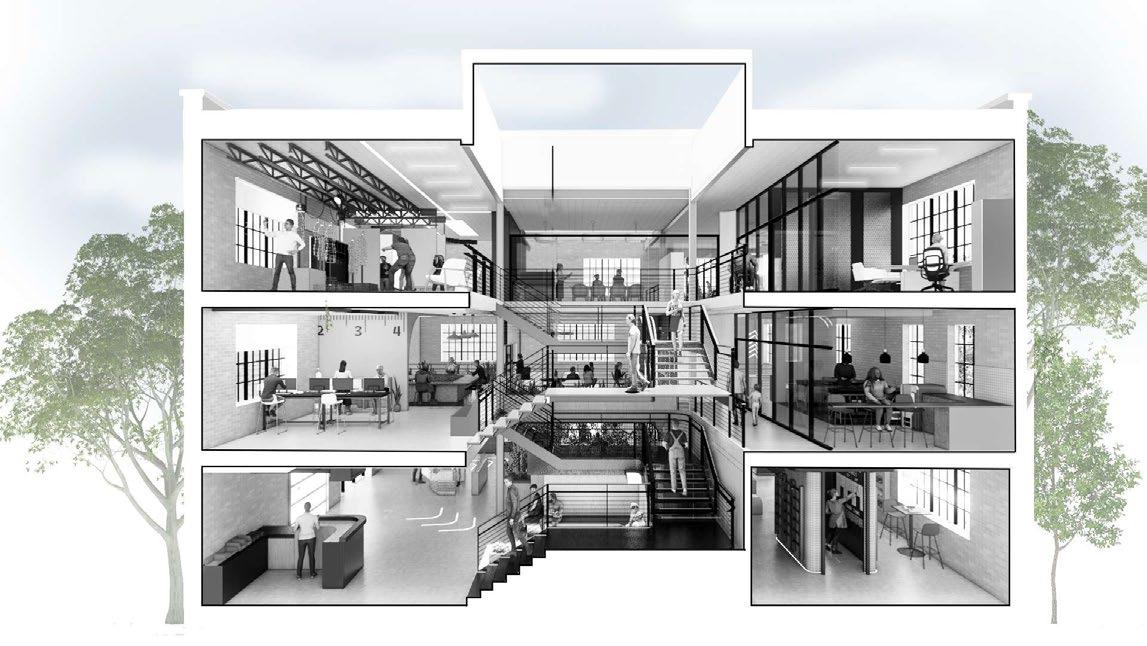
HEARTH (staircase) serves as the central link between all user zones within the office by facilitating circulation, connectivity, and harmony





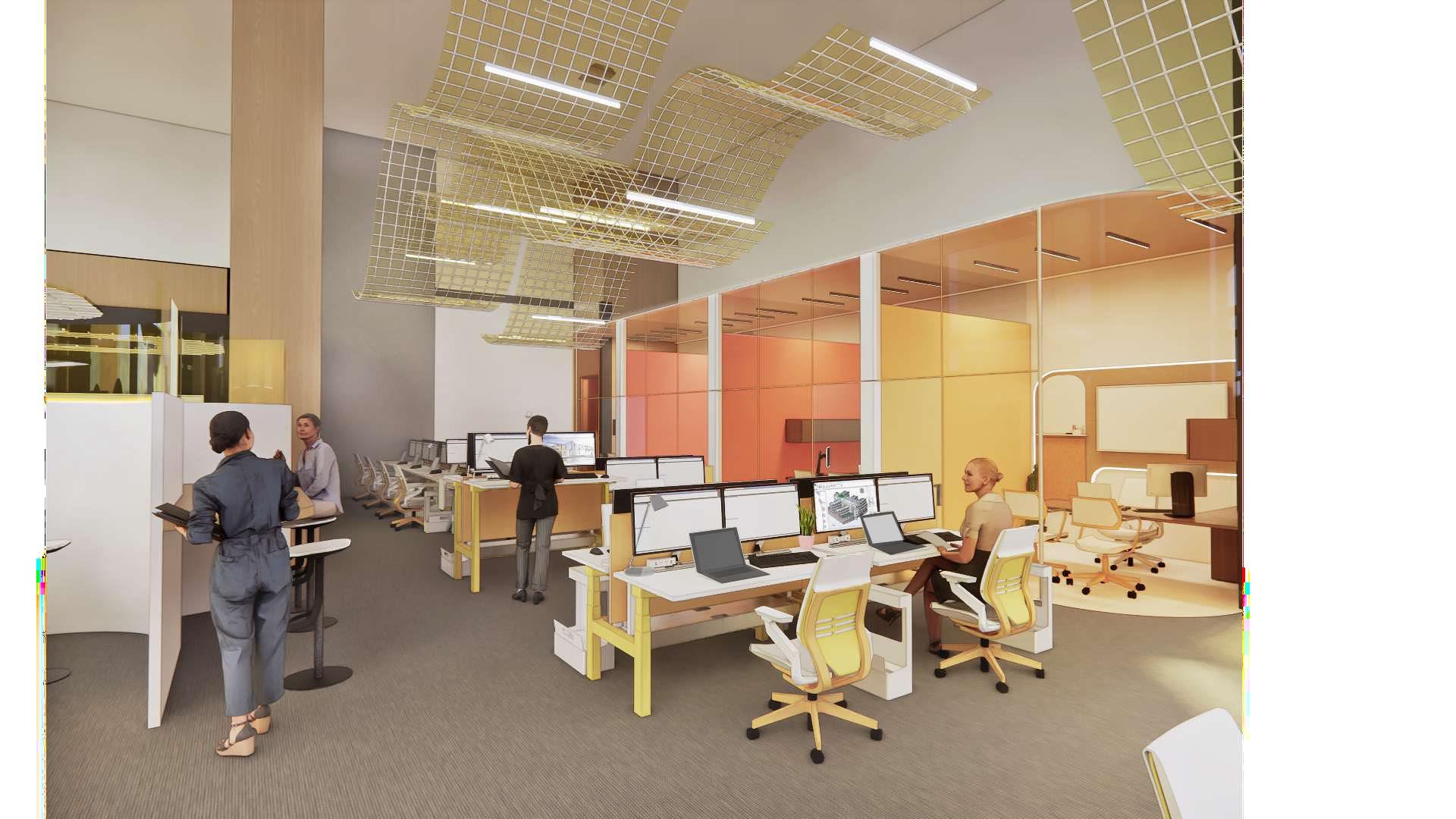
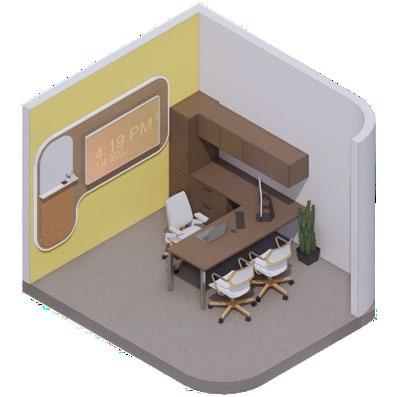

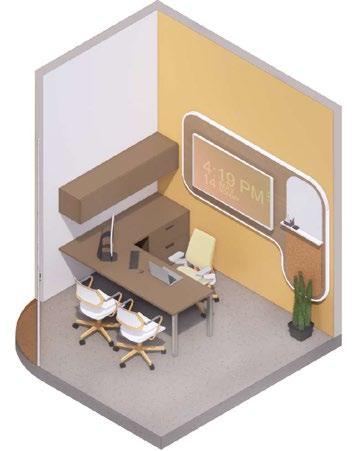

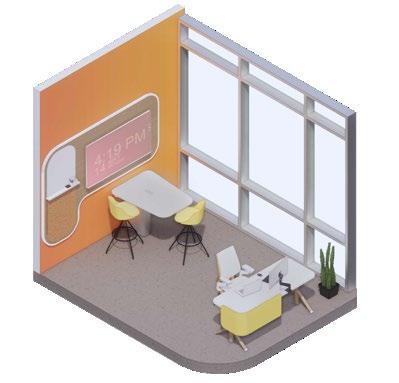

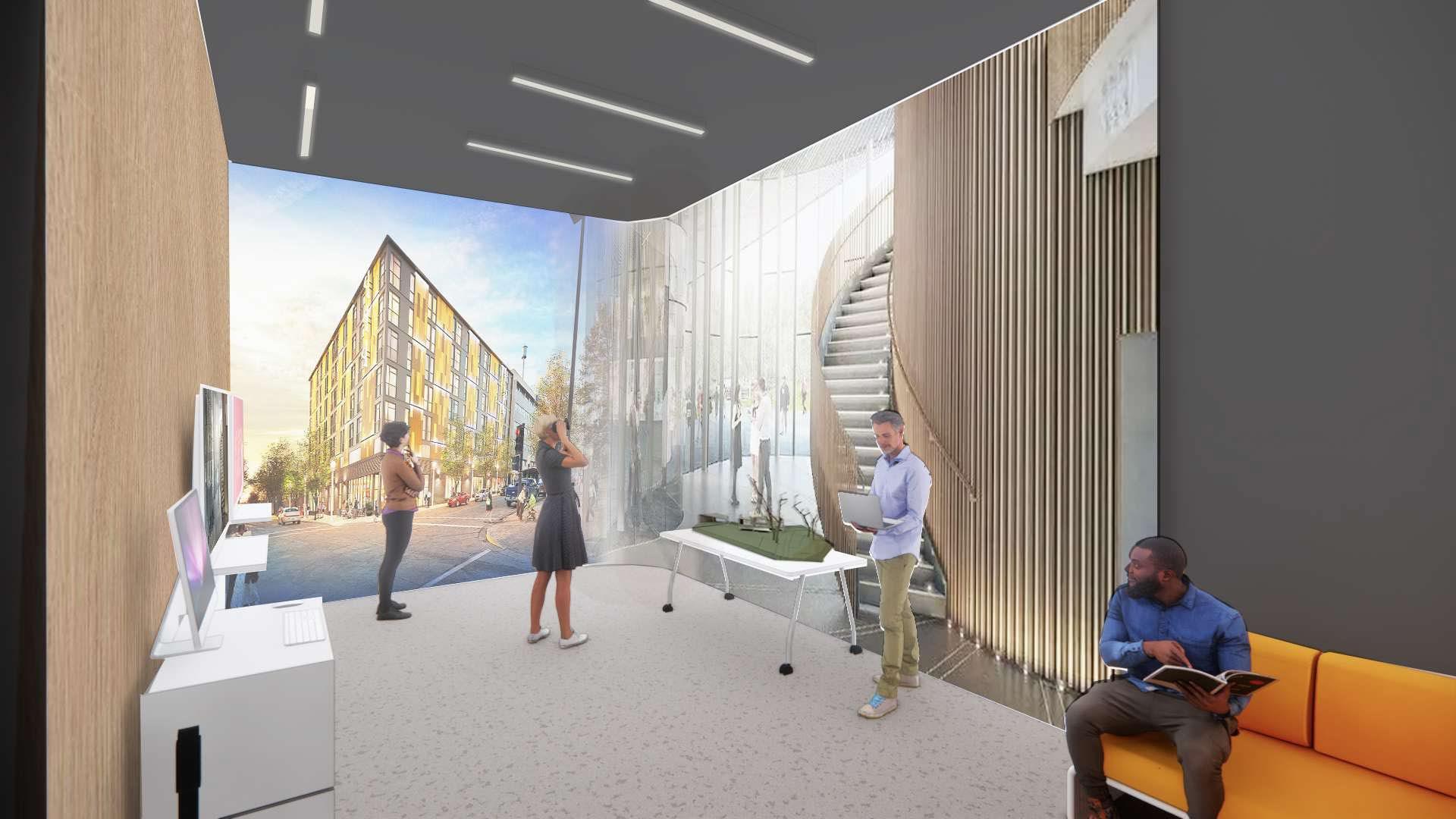
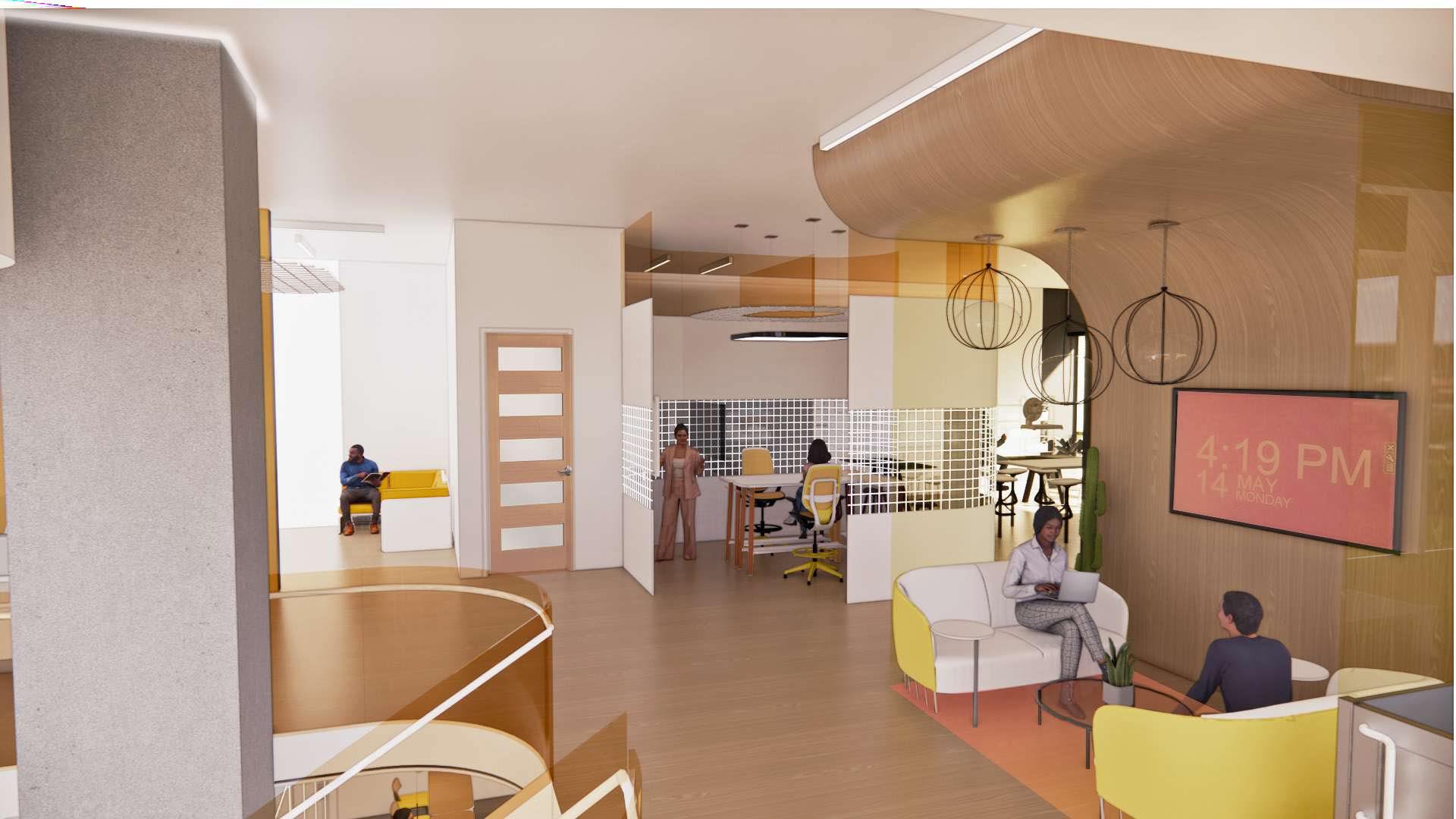
NEXT has a strong initiative to pursue advanced technology and software within its design practices. This allows for employees to create the most accurate and forward-thinking projects.
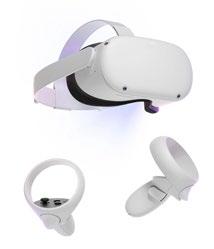
The installation of a Virtual Reality Experience Space lets both designers and clients comprehend the scale and feeling of space during and after a project is designed.
V-R Technology


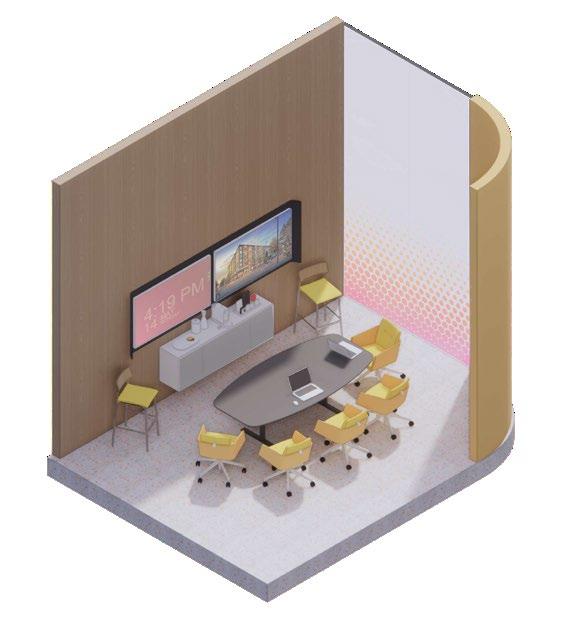
Inner-team meetings
Group project space
Small client presentations

HUDDLE SPACES:
Small-group collaboration
Touch-down workspace
One-on-One communication










CannonDesign OneTexas Internship Project
Education - Summer 2024
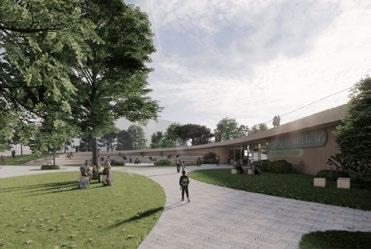
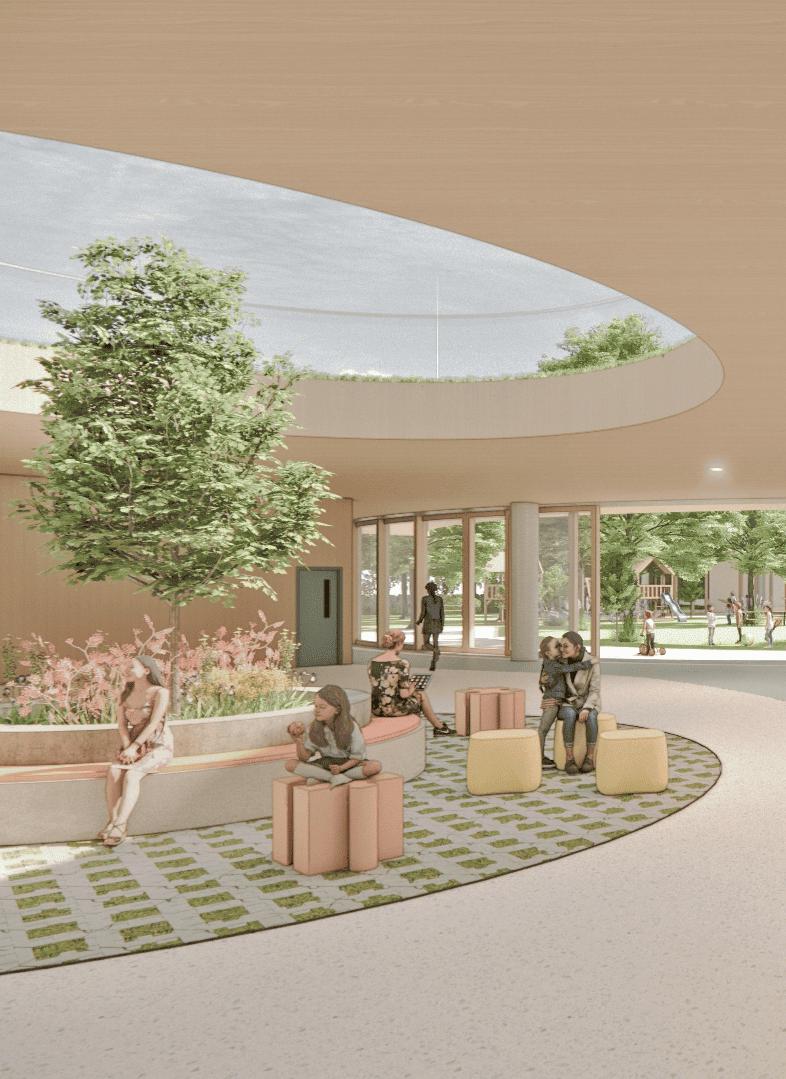
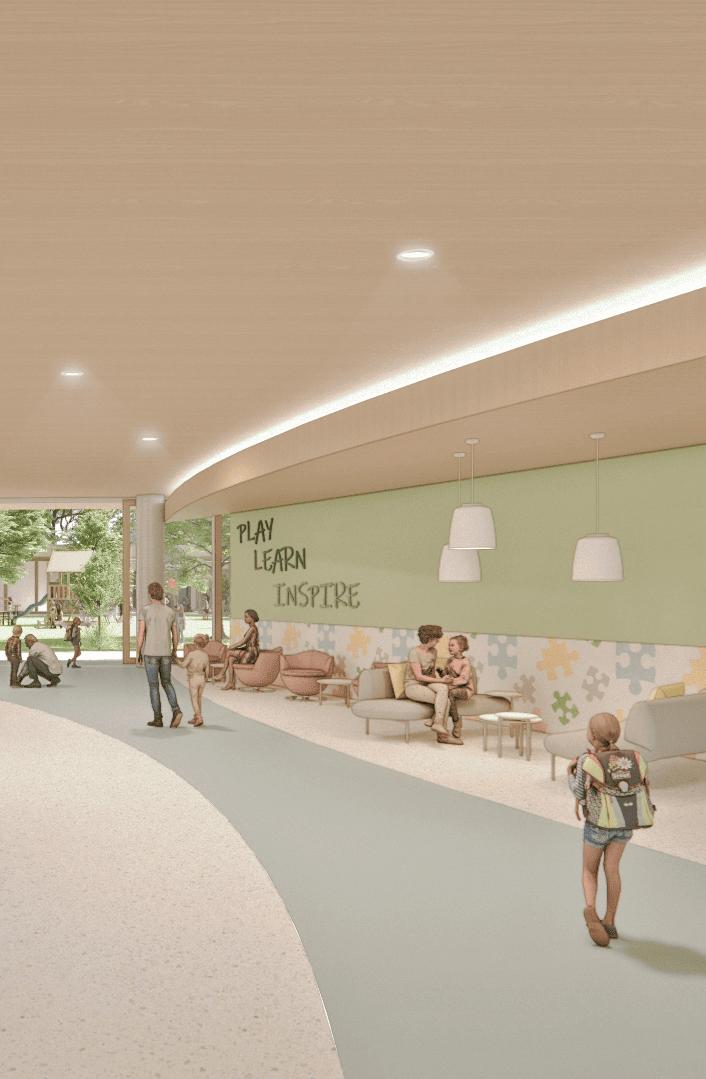
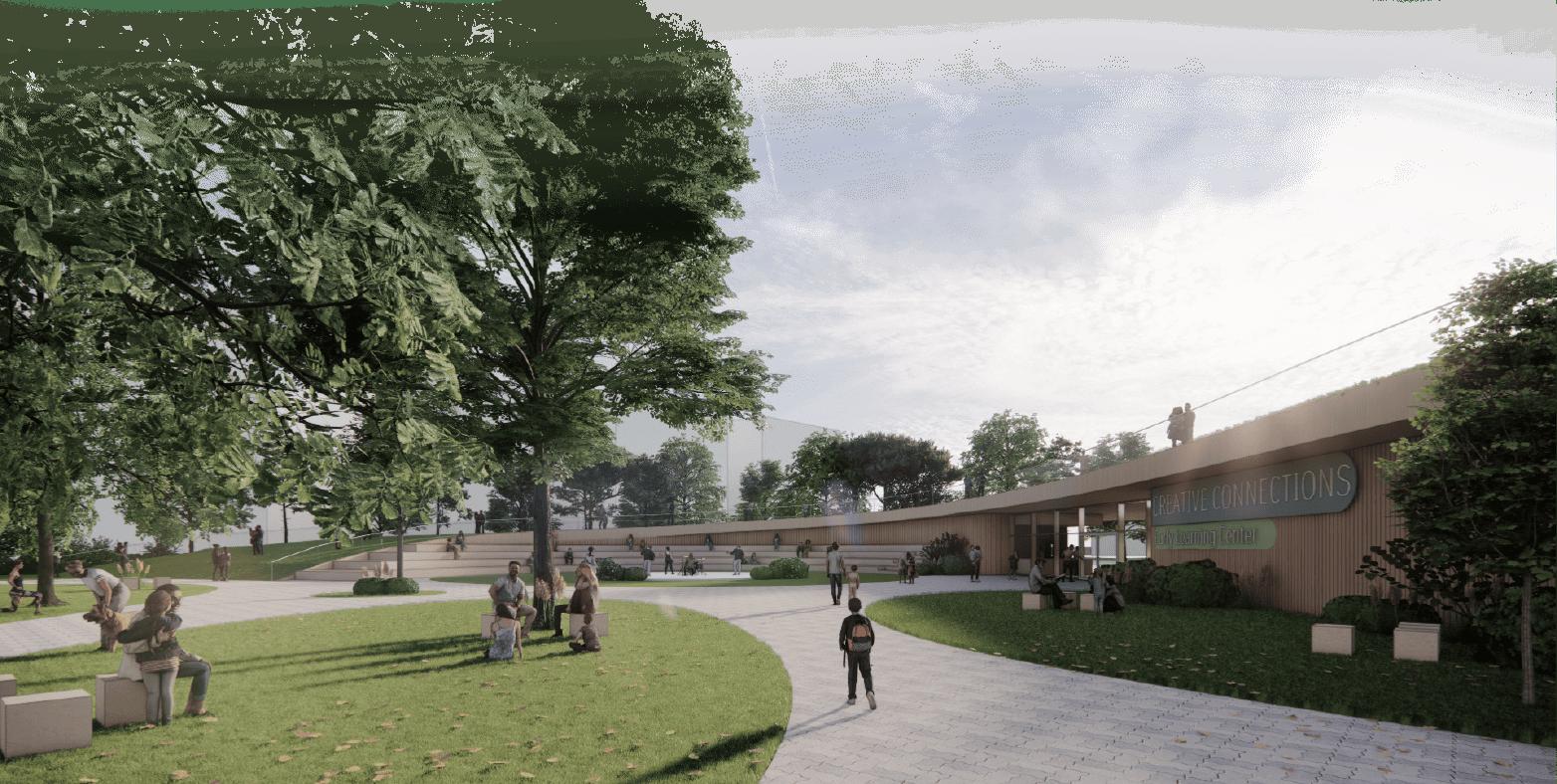
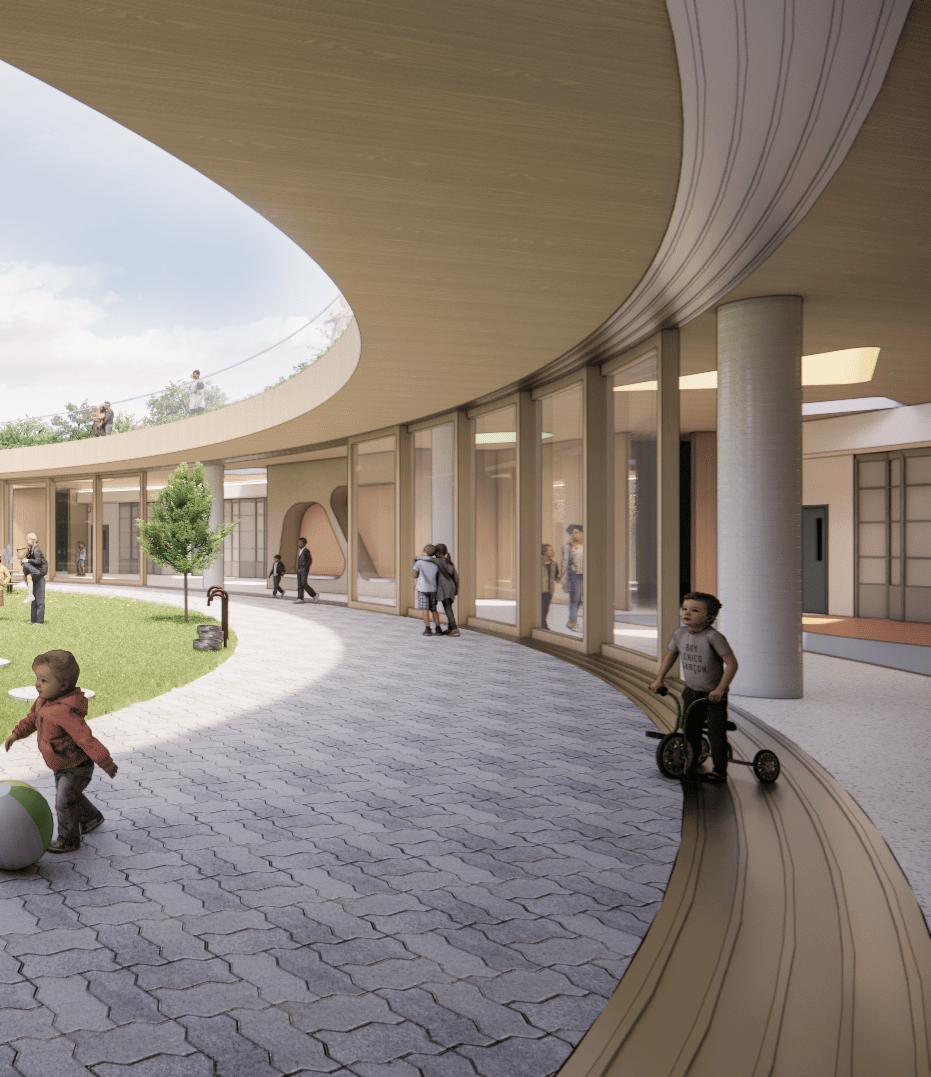
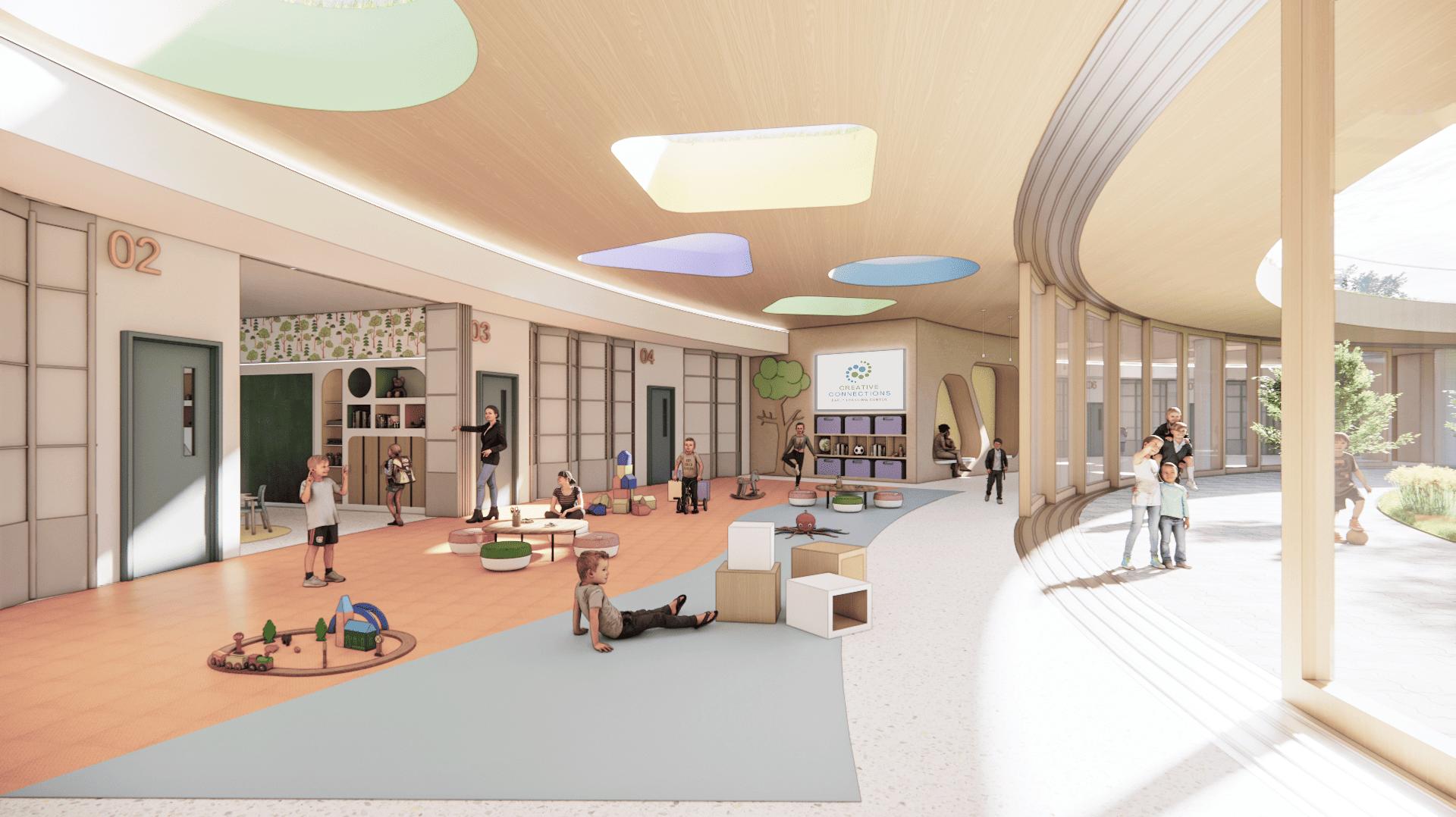
KINDERSPACE is an innovative approach to early childhood education that seeks to build a program that fills in all of the learning gaps present within its community.
In order to fulfill this goal, KINDERSPACE has a strong initiative to not only teach, but to nurture the growth and development of children by recognizing the impact that physical spaces have on learning, and re-imaging how architectural design can create a stimulating, safe, and inclusive space.
The design of this project prioritizes everyday actions and encounters between students and faculty, all the way from within the classroom to community events.
KINDERSPACE was a group project that was completed in conjuction with two fellow interns from the architecture team during a summer internship program.
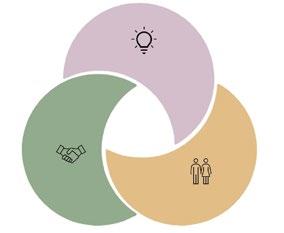
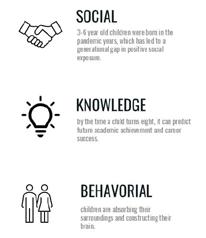
The concept phrase “Bridging the Gap” stemmed from the identification of three main categories in which statistics revealed a lack of experience in children ages 3-6 years old. The categories include Social, Knowledge, and Behavioral gaps, all of which are developed through different strategies of education that Kinderspace seeks to identify and effectively develop.
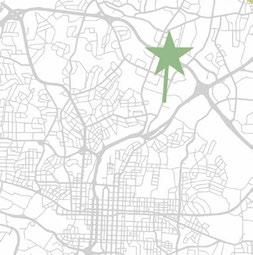
Raleigh, NC is the selected site for this project, due to identified systematic issues within the Wake County School System, along with a diverse community and large population of young children and families
Wake County, Raleigh, NC
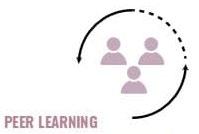
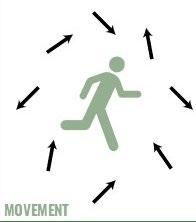

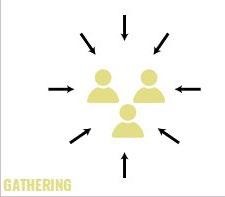
Issues include:
1.) Decline in preschool enrollment + low performance due to lack of good pre-school programs
2.) Lack of infrastructure for inclusive and diverse needs
3.) Low attendance following difficulties adjusting to school after being in lockdown during toddler years
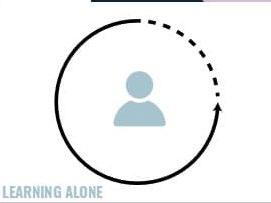
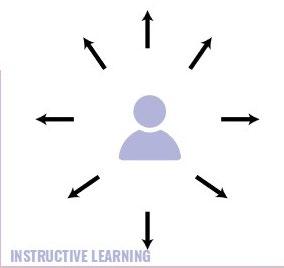

Students of KinderSpace range from 3 to 6 years of age, taking place of traditional preschool and kindergarden programs
KinderSpace puts an emphasis on faculty roles within the school, providing adequate spaces and resources for educational success

This project has been designed to accommodate not only families of students, but entire community gatherings and events
If we have an influx of children in kindergarden class next year, that should be in first grade, its going to change the dynamics within my classroom, and will likely create more obstacles for effective learning ”
-
Stefanie Piner, Kindergarden teacher in Raleigh, NC school system
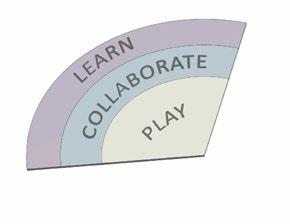
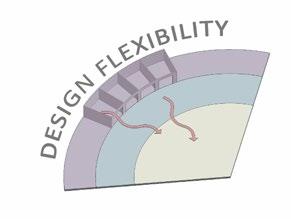
ACTION FLOW DIVISION
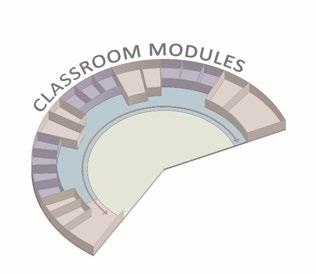
CAPACITY AND AGE PROPORTION
CIRCULATION
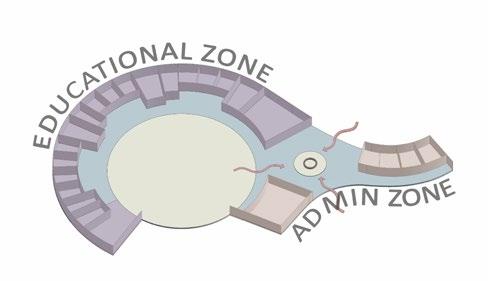
AGE 3-4: 40 CHILDREN (4 GROUPS OF 10 CHILDREN)
AGE 4-5: 30 CHILDREN (3 GROUPS OF 10 CHILDREN)
AGE 5-6: 30 CHILDREN 3 GROUPS OF 10 CHILDREN)
INTEGRATION
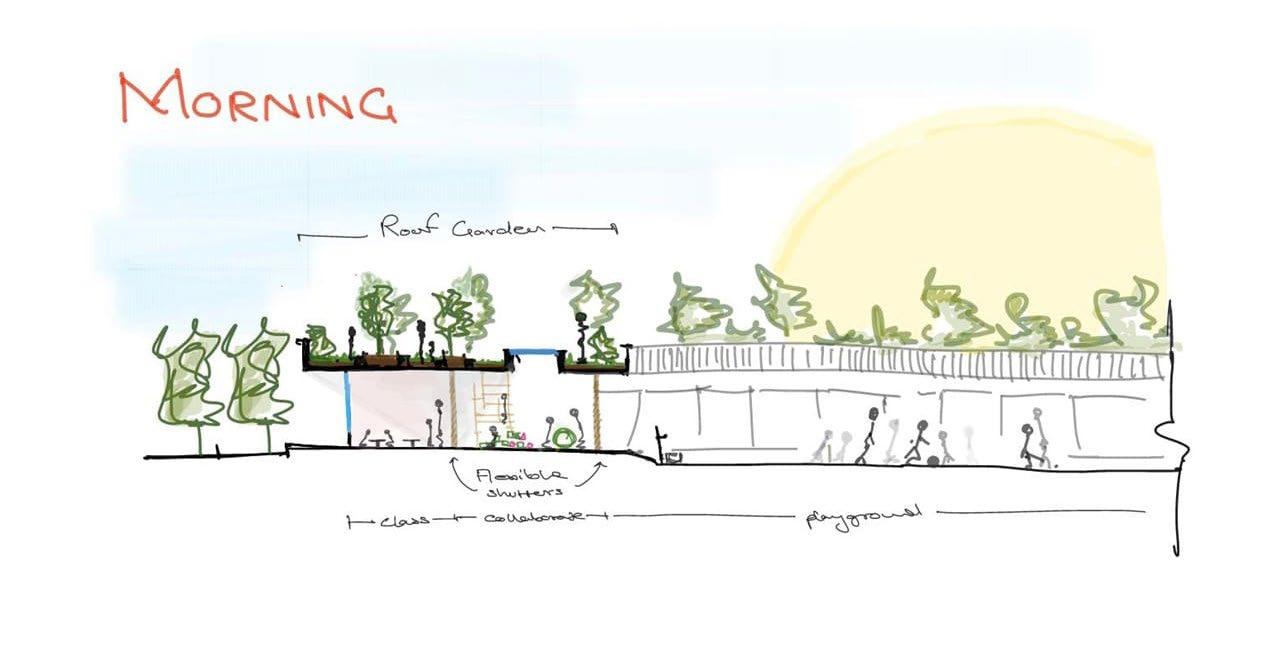
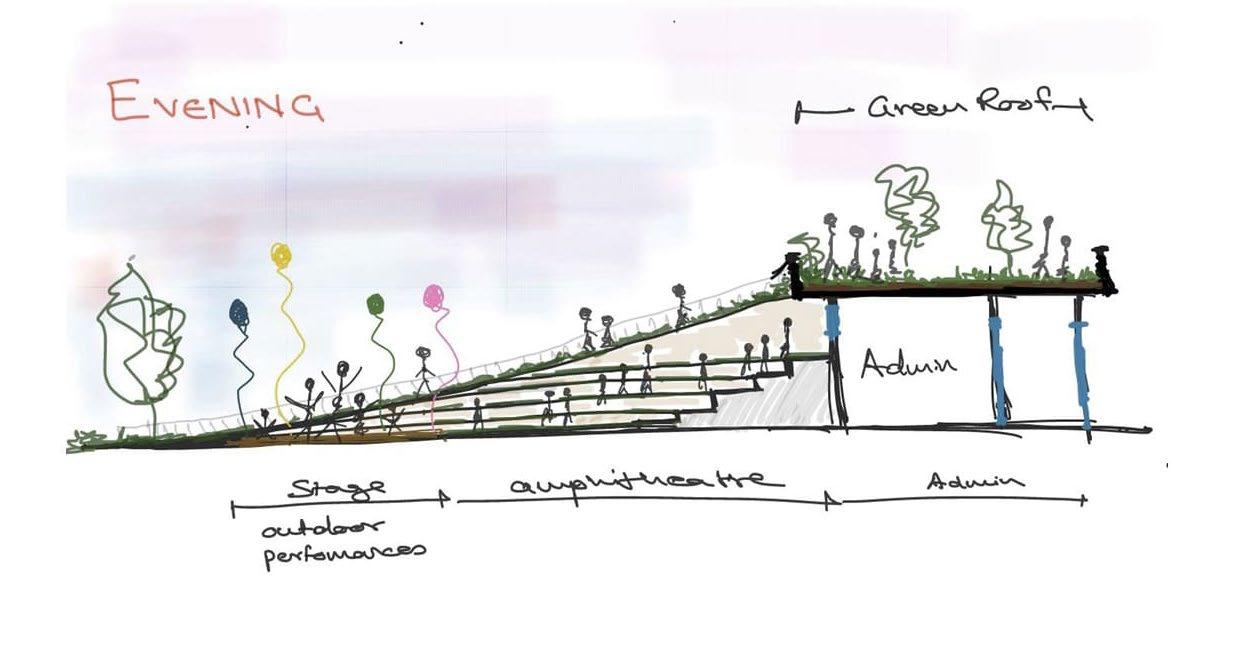
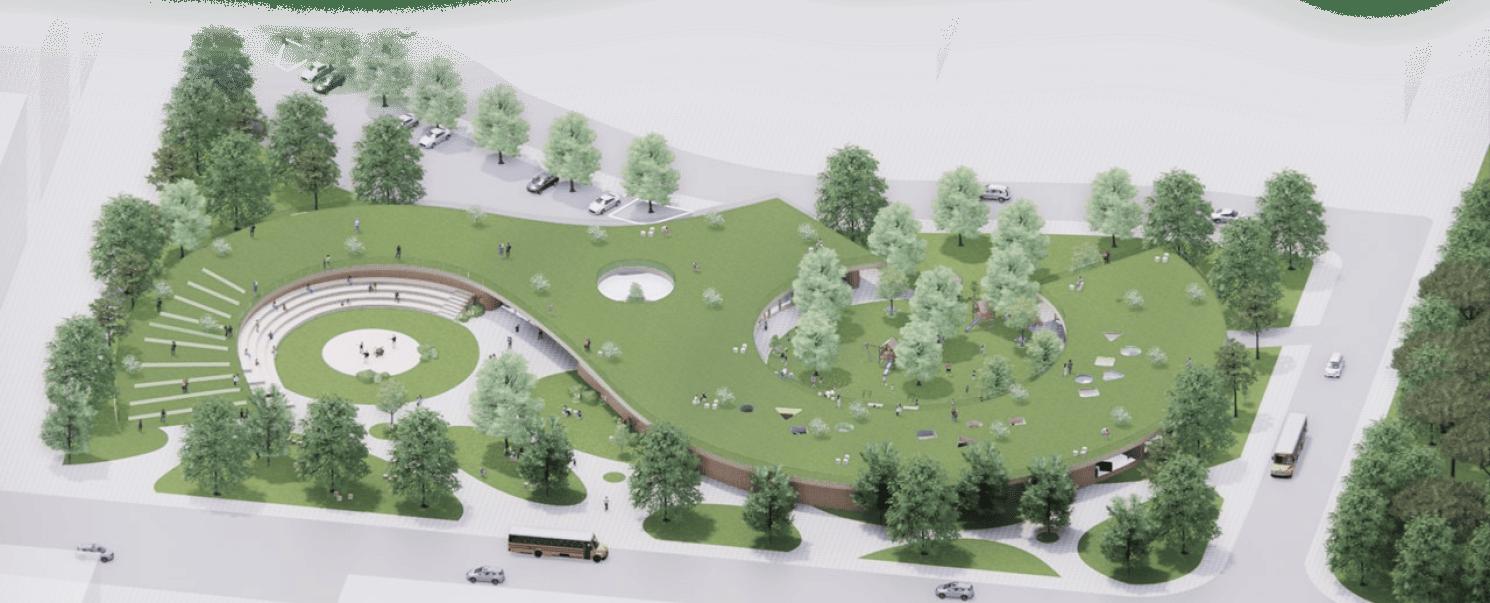
SUSTAINABLE INITIATIVE - GREEN ROOF
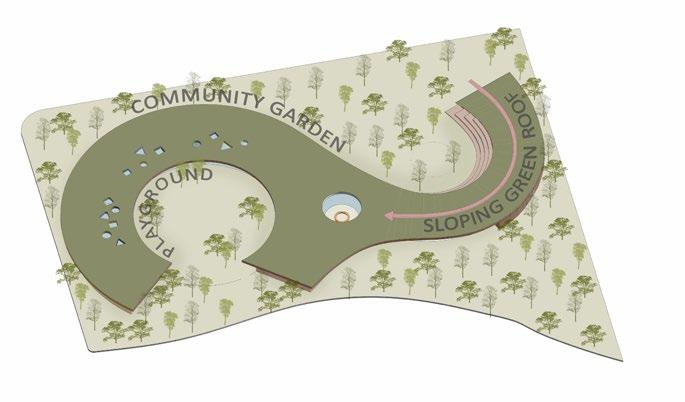
A green roof has been built into the architectural design of KINDERSPACE in order to improve air quality, reduce energy costs, and to create an enhanced outdoor experience for students and faculty


Focus + Attention
Comprehension
Patience ADHD
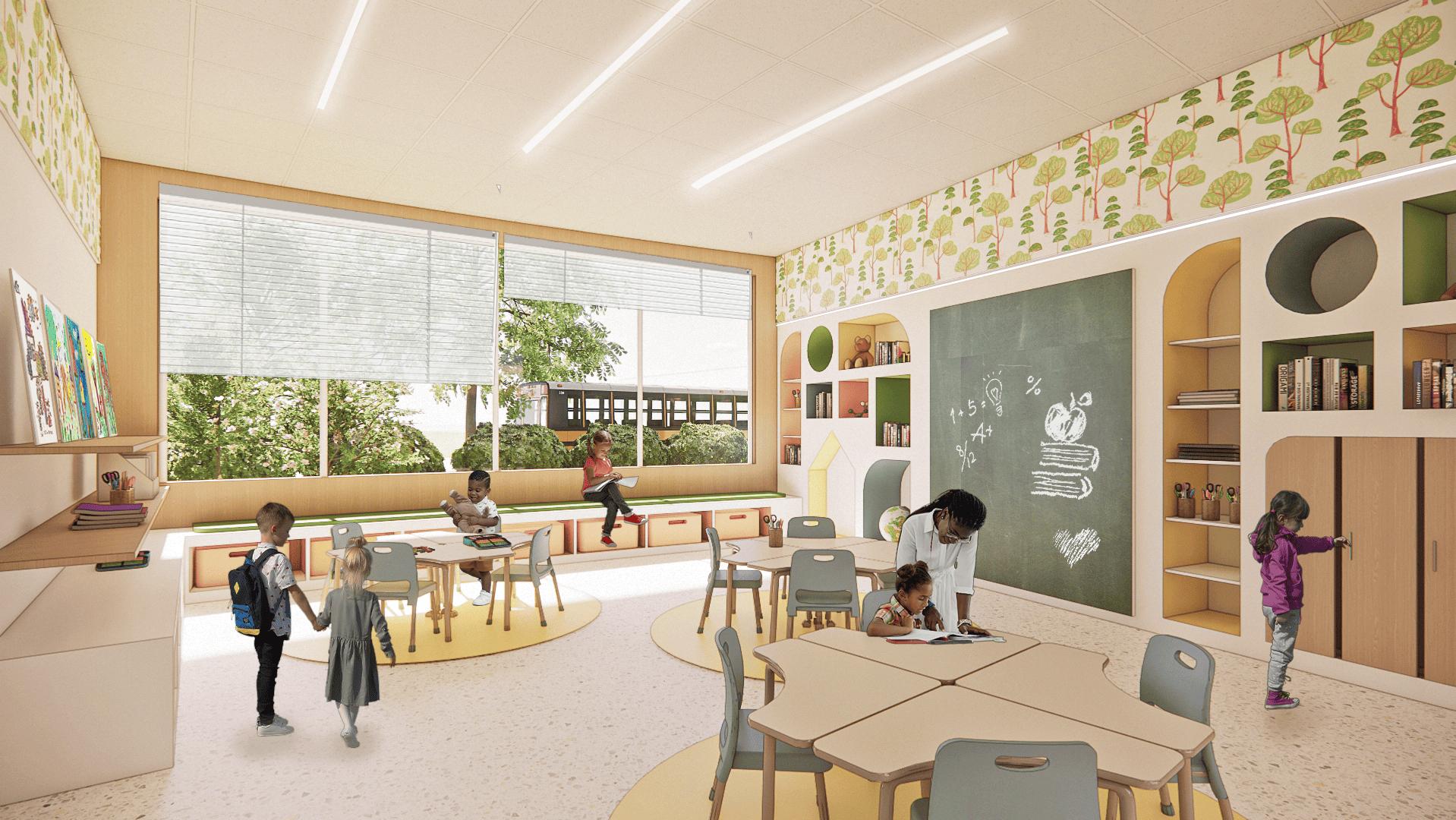
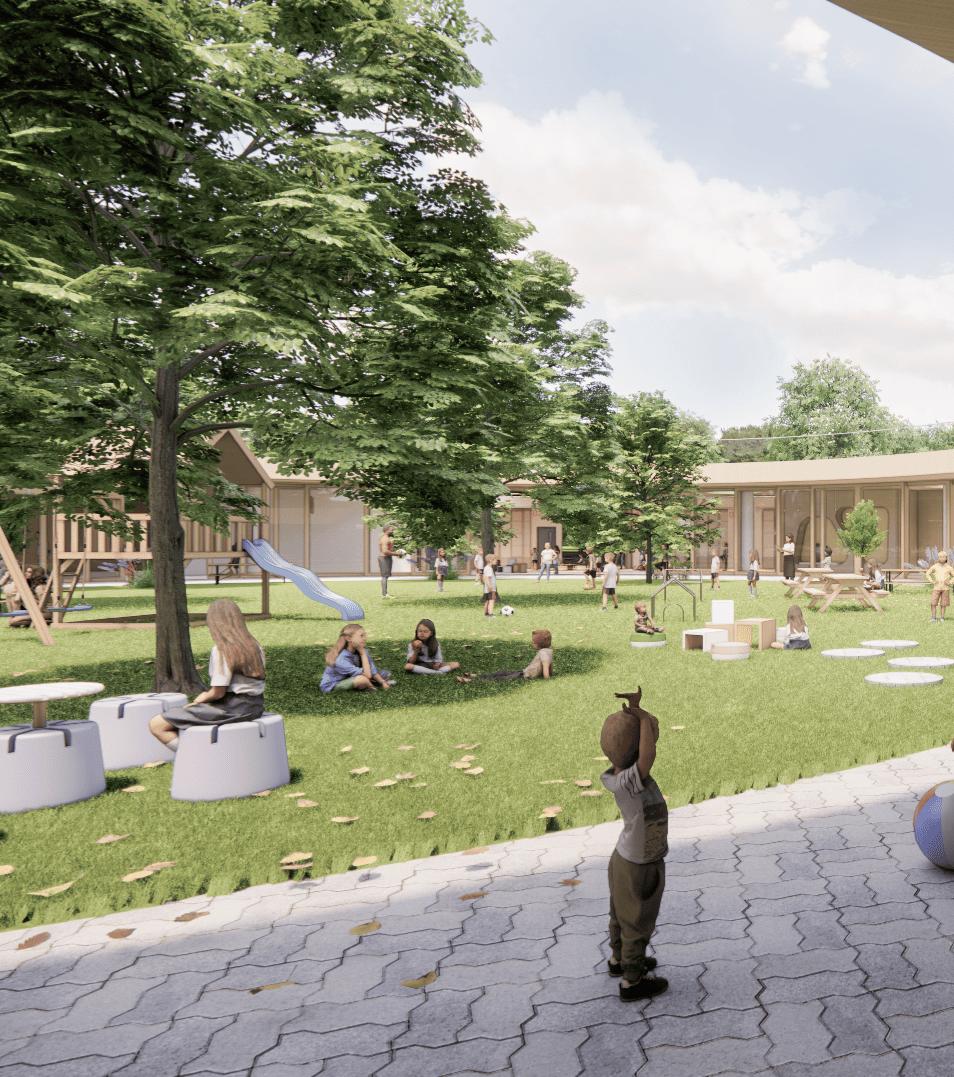
CLASSROOM PLAYGROUND COURTYARD
Child development is a DYNAMIC and INTERACTIVE PROCESS that is not pre-determined.


Management
Development
Sharing
Communication
Confidence
Empathy
pre-determined. It occurs in the context of relationships, experiences and environments.


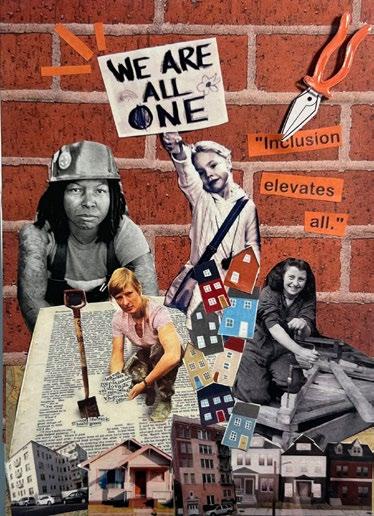
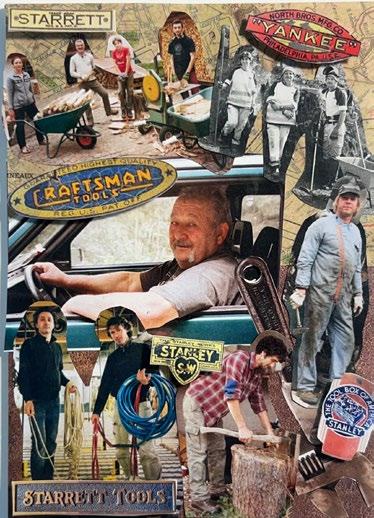
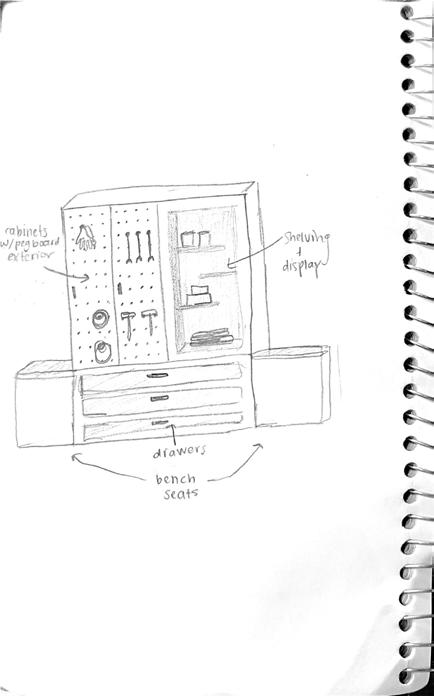
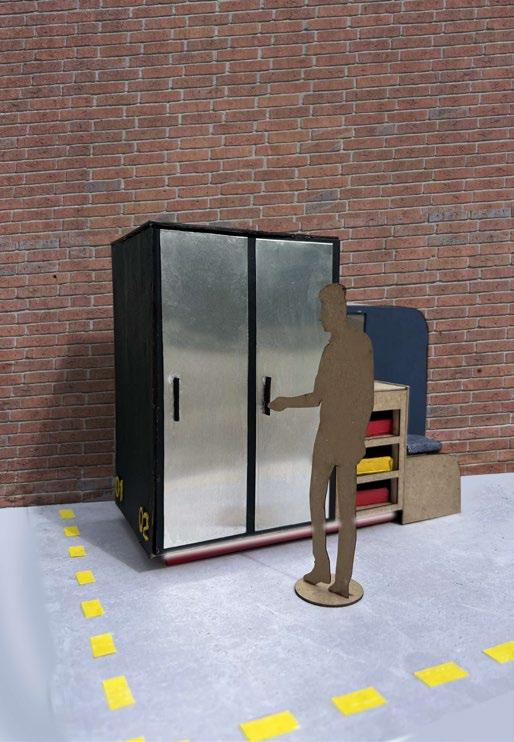
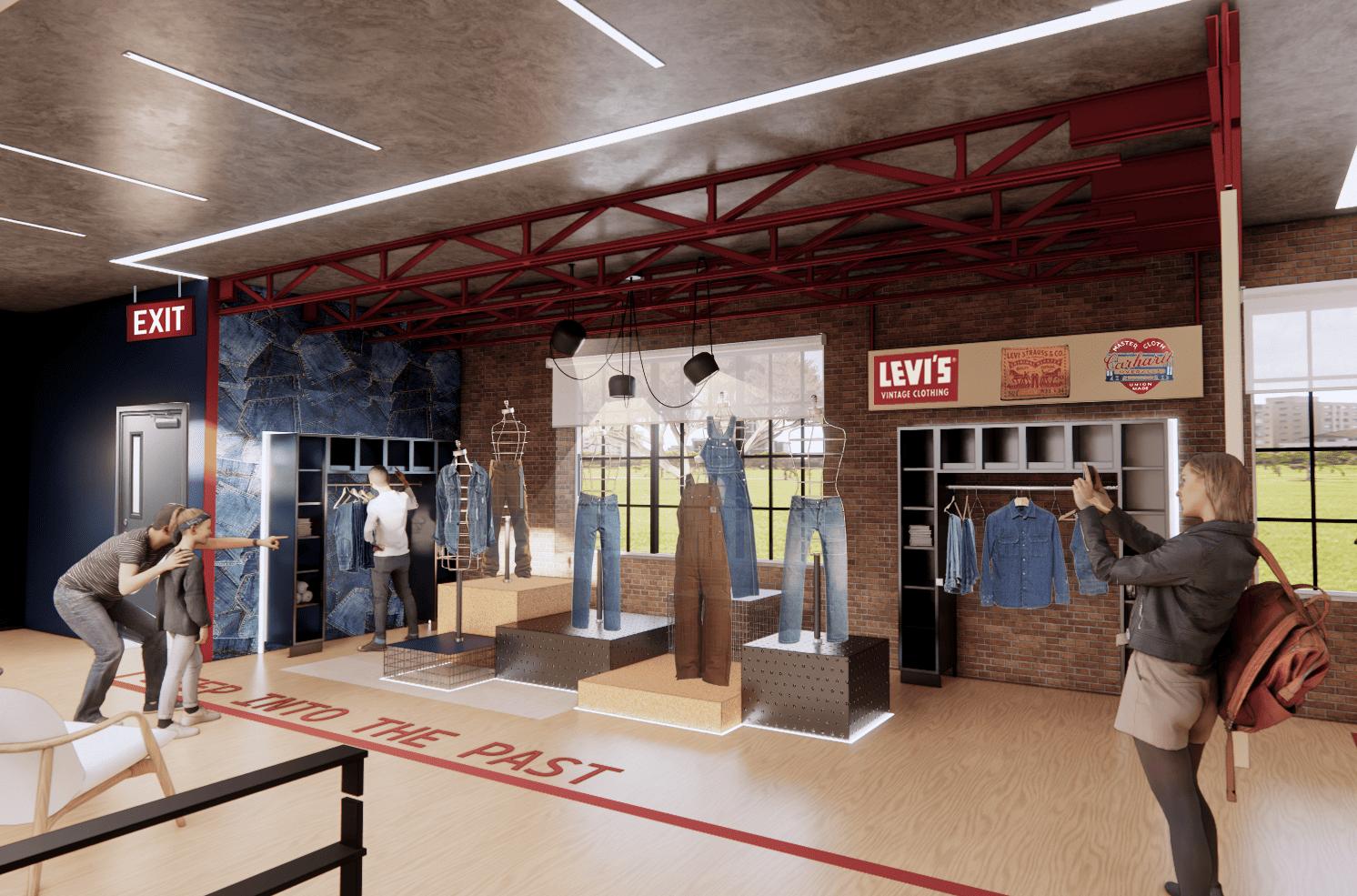
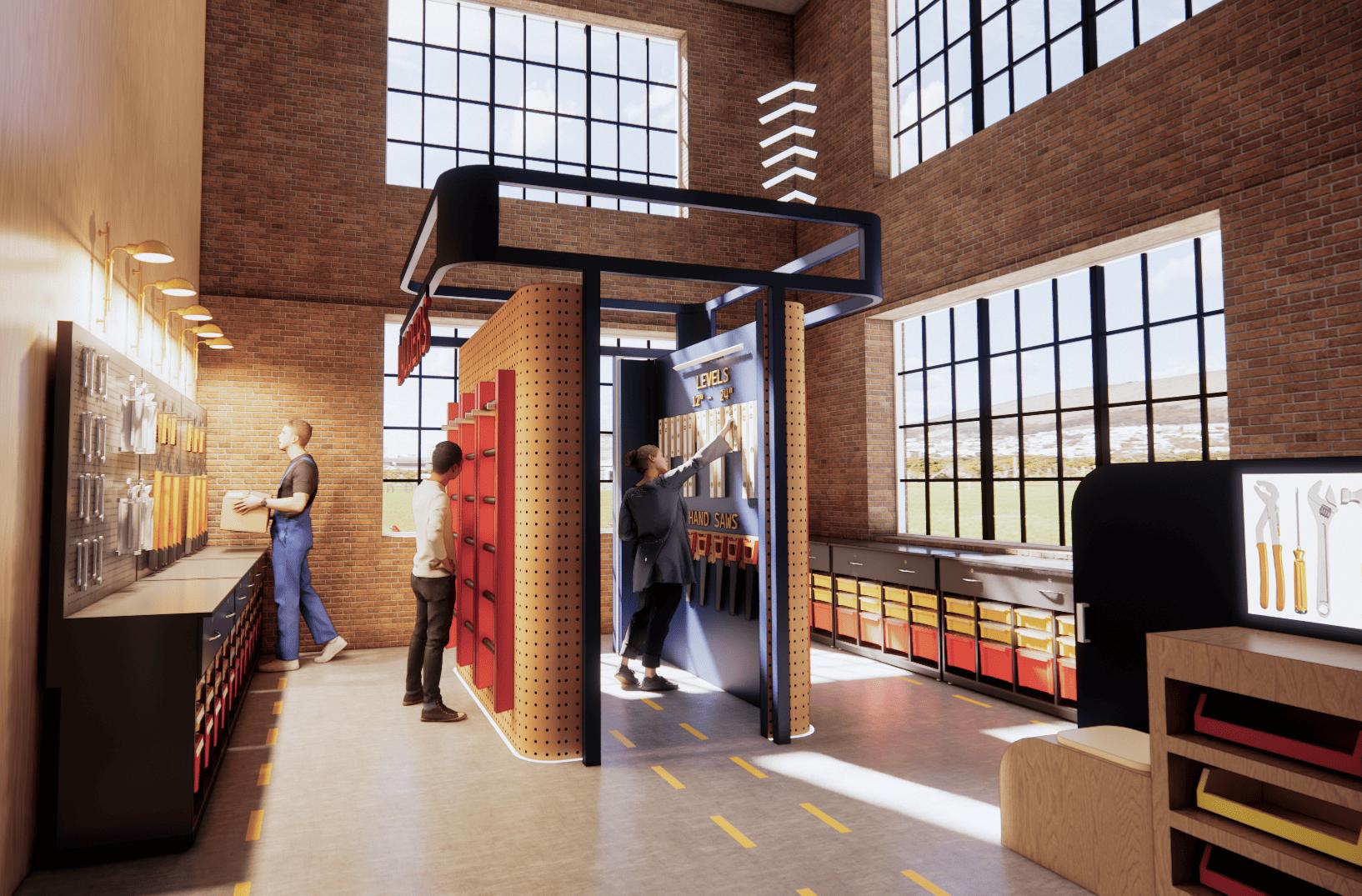
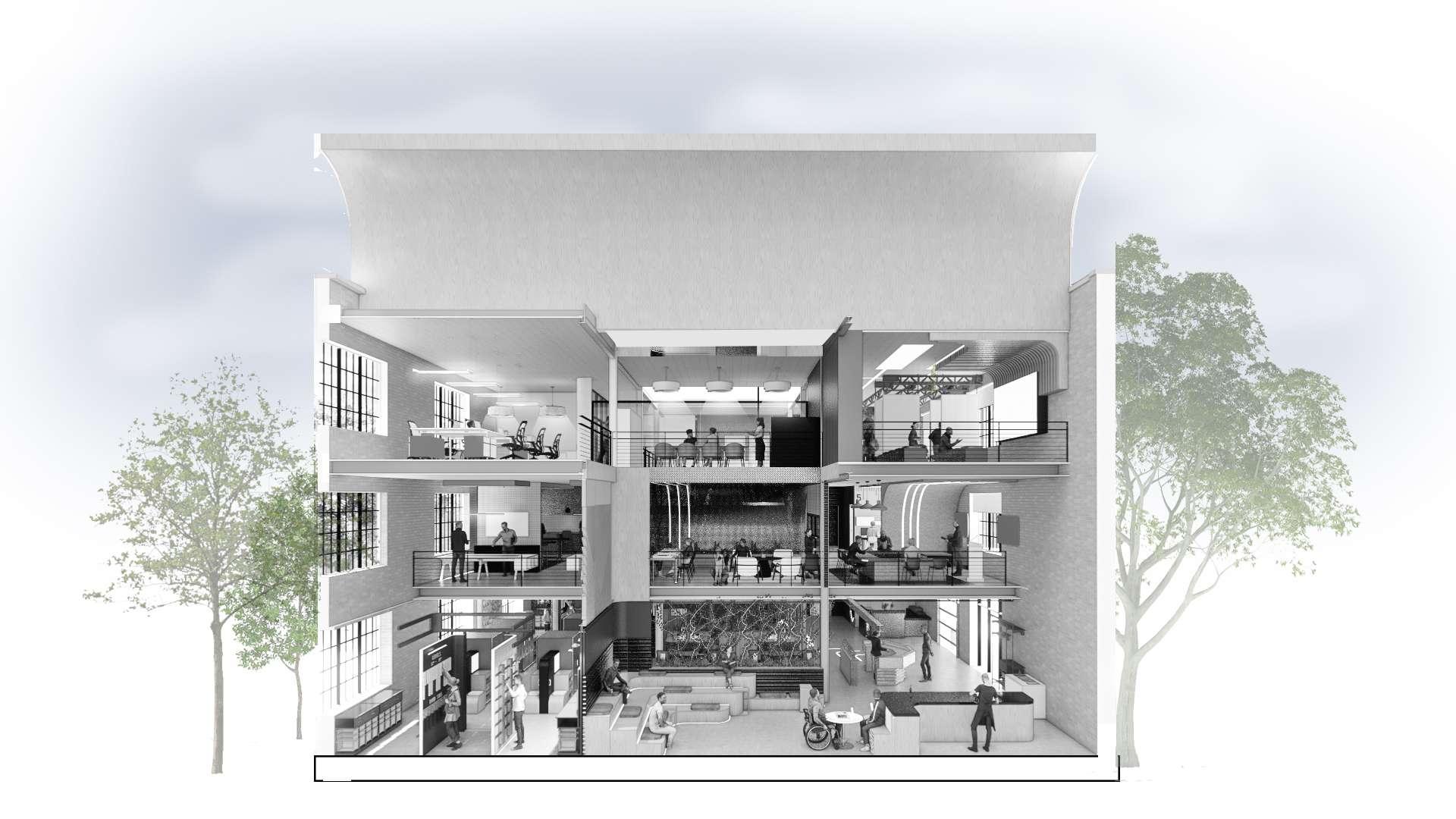
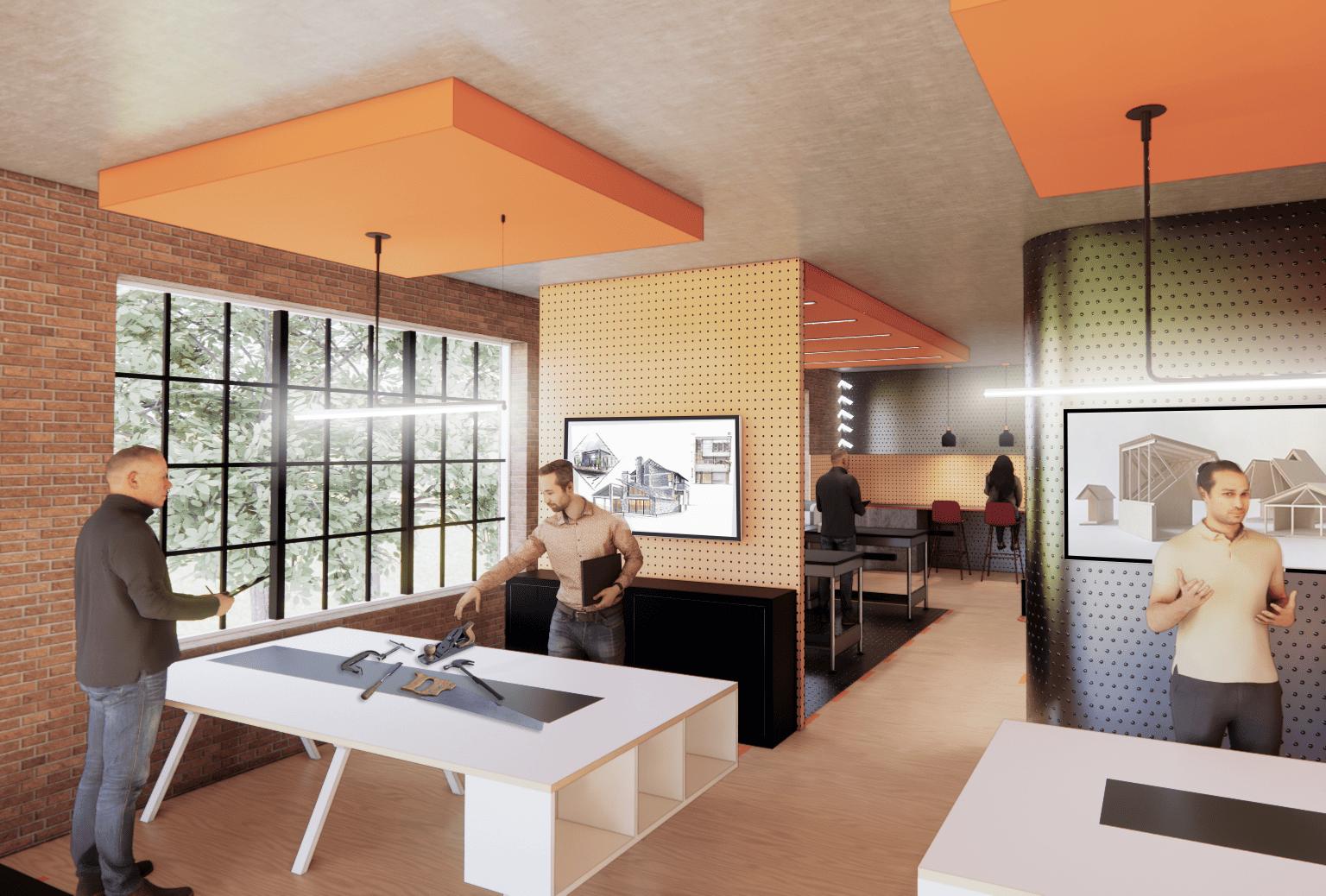
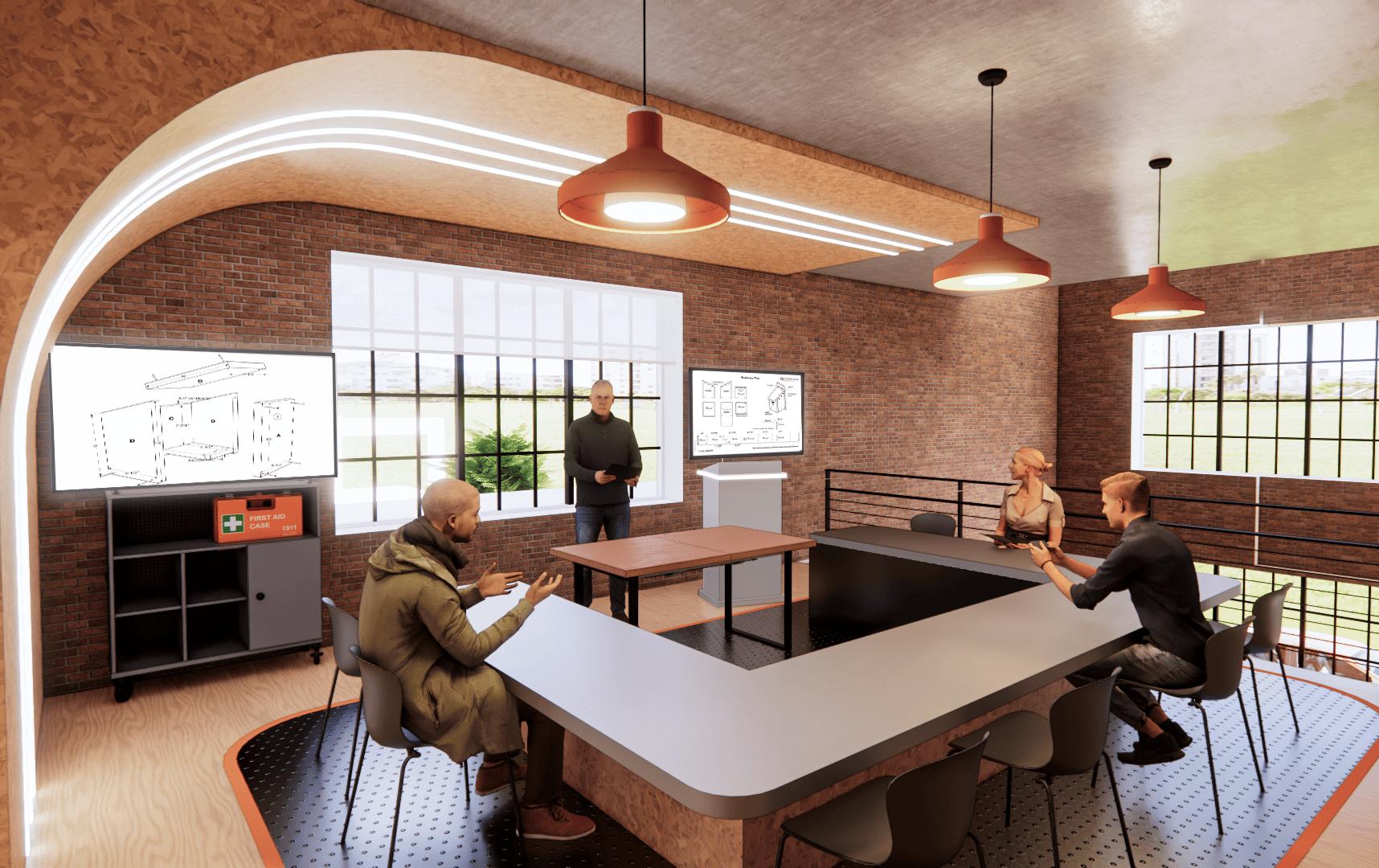
The Craftsman’s Collective Tool Library is a check-out and return-based building typology that facilitates a wide range of tools, hardware, and equipment to empower its users. The goal to decrease consumption and encourage shared-use of items promotes sustainable and environmentally conscious practices. The exchange of resources and information aims to foster convenience and accessibility to a community of diverse abilities, ages, incomes, and backgrounds.

The client of this project is the Fayetteville Public Library, a 190,00 sq. ft. community building whose mission is to “strengthen the community and empower our citizens through free and public access to knowledge.”
The library’s team of developers are looking to pursue a remote expansion project that extends the reach of their impact into the realm of tools, hardware, and equipment. Their goal is to extend knowledge and access beyond the resources available at their current location.
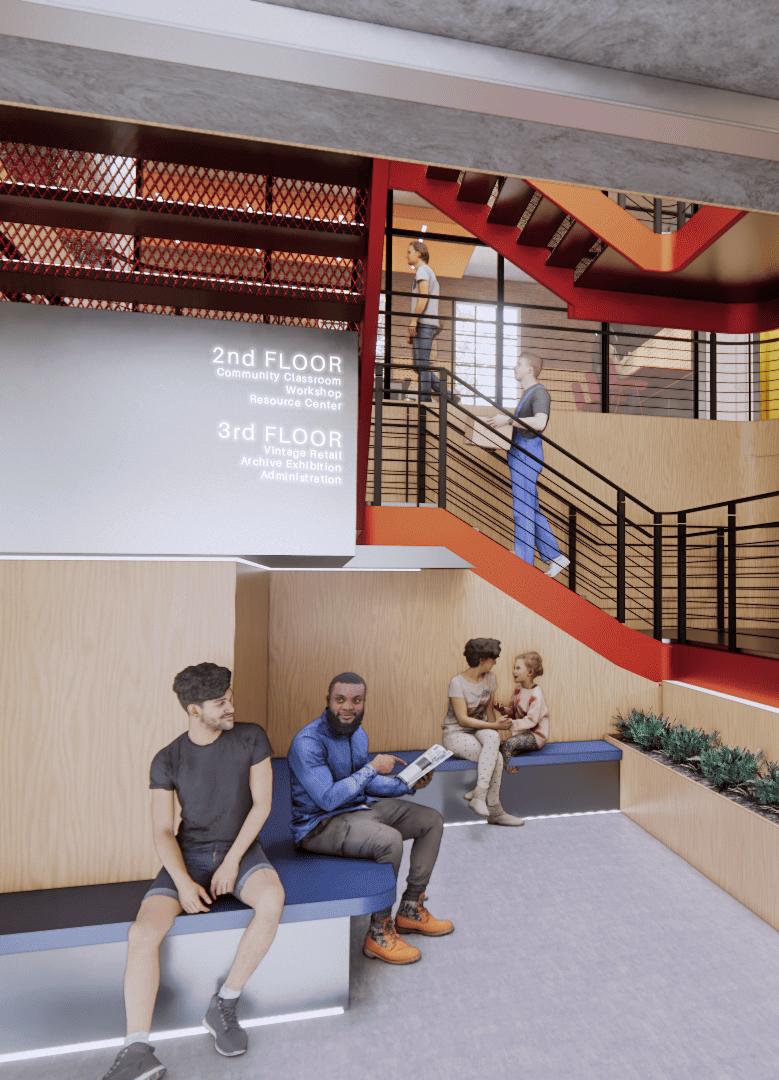
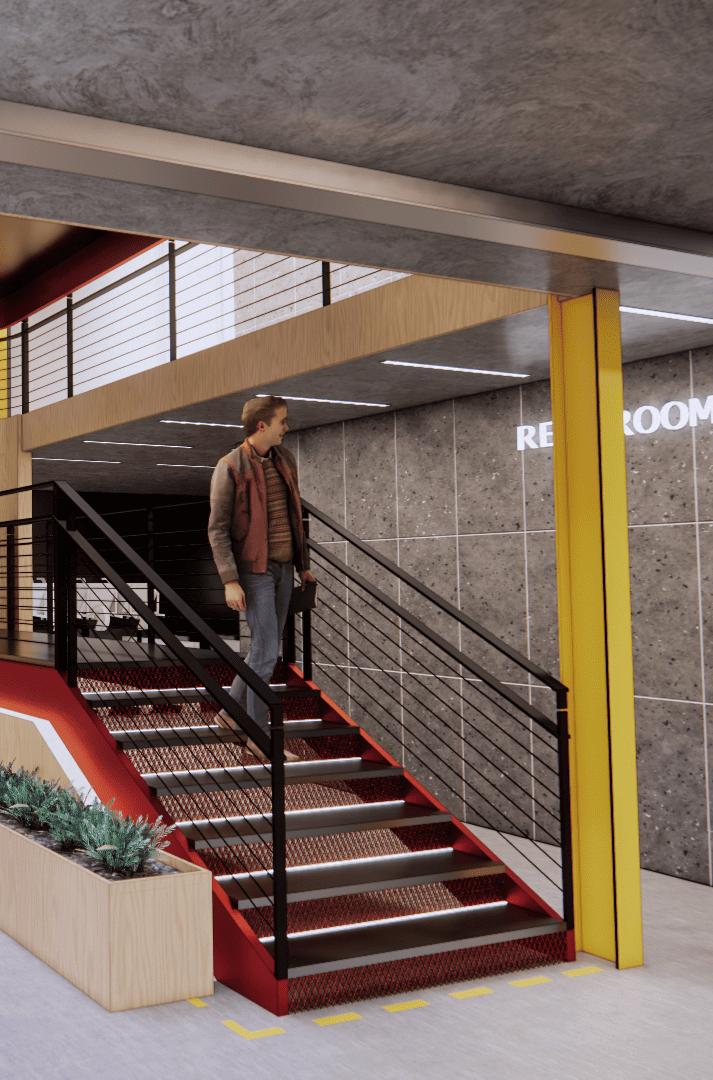
The concept of : ”Beauty through Utility” recognizes the natural design elements + principles within utilitarian objects allows for their innate beauty to reveal itself. The Craftsman’s Collective specifically embraces color, texture, pattern, unity, and harmony throughout each phase of the design process, as well as within design decisions of each space. The spatial and material choices seek to highlight the historical use of the building while facilitating an adaptive reuse for the current and future generations of craftsmen and women.
346 N. West Avenue Fayetteville, AR


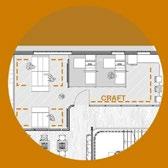
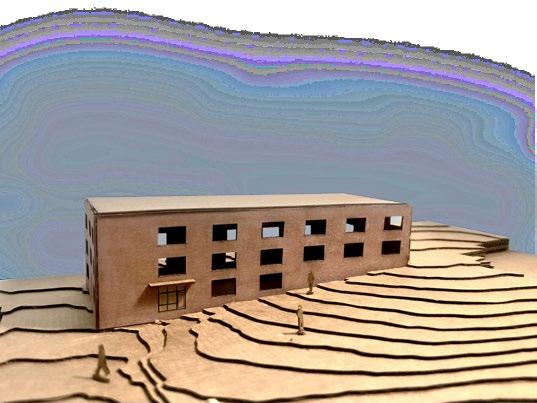
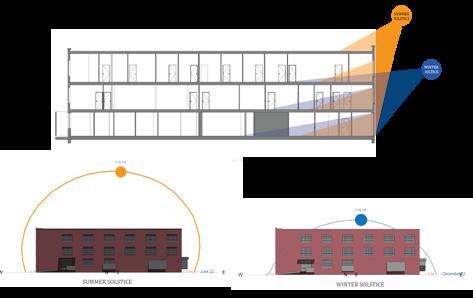
The site of The Craftsman’s Collective is adjacent to the University of Arkansas - Fayetteville Campus. The building is a 3-story brick structure that totals 25,200 sq. ft. and was build on a sloped plane
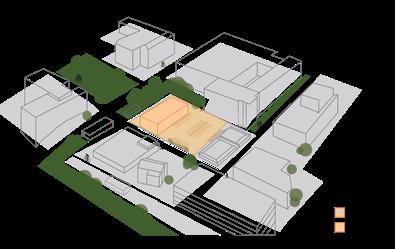
The concept of : ”Beauty through Utility” recognizes the natural design elements + principles within utilitarian objects allows for their innate beauty to reveal itself. The Craftsman’s Collective specifically embraces color, texture, pattern, unity, and harmony throughout each phase of the design process, as well as within design decisions of each space. The spatial and material choices seek to highlight the historical use of the building while facilitating an adaptive reuse for the current and future generations of craftsmen and women.
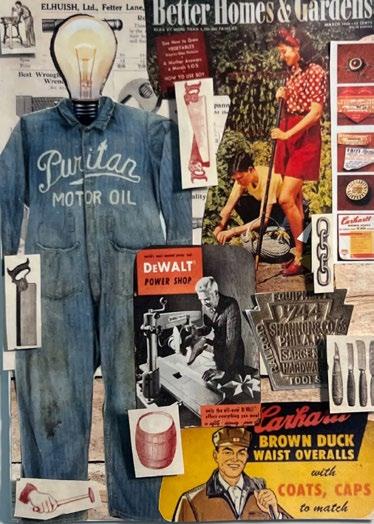
The existing building was constructed in the 1940s and remains around 85& in its original built condition. Its original use was an Oberman & Co. Clothing factory for Levi’s jeans and workwear . Its current use is an educational , university-owned building for STEM learning and faculty space.
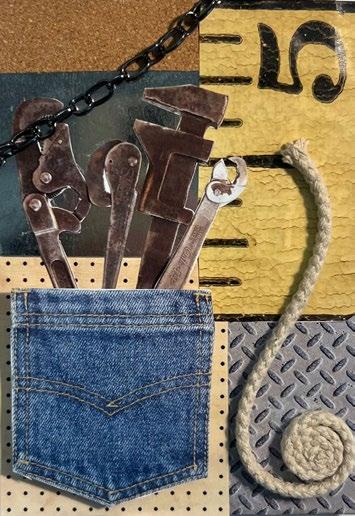
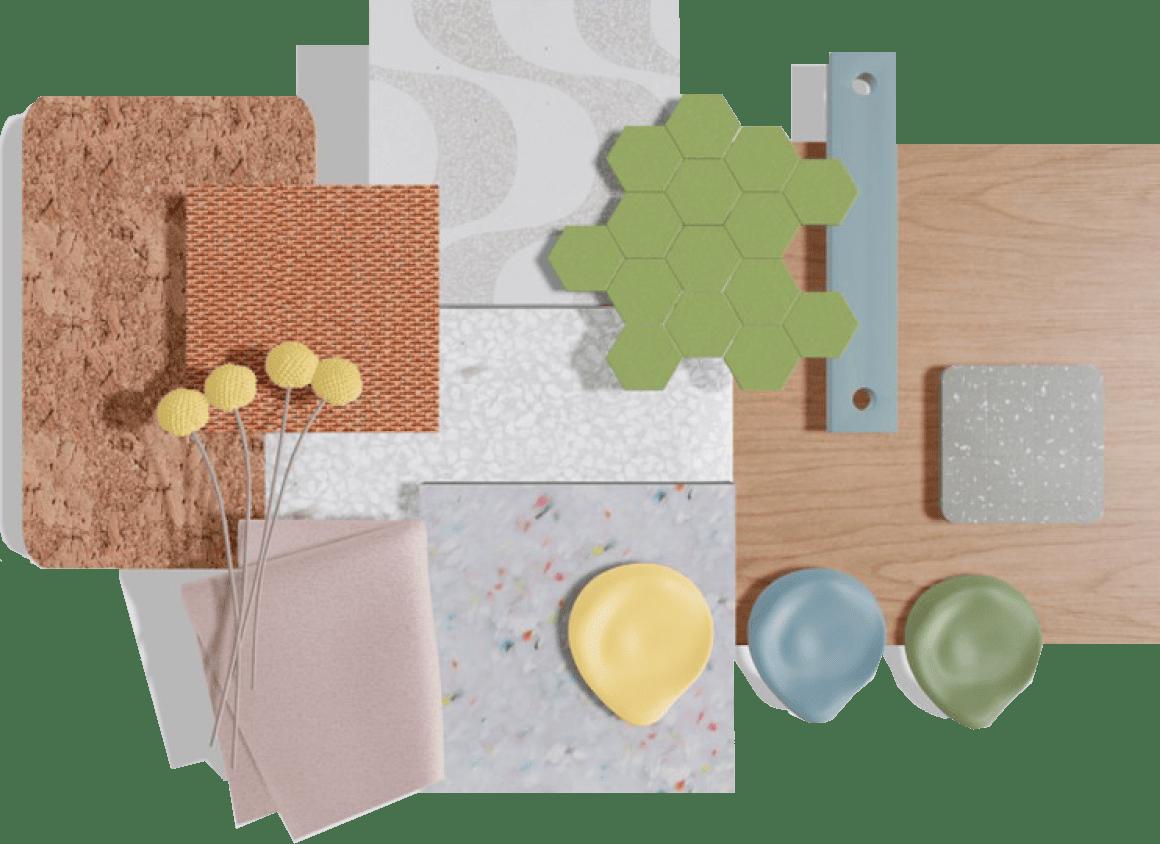
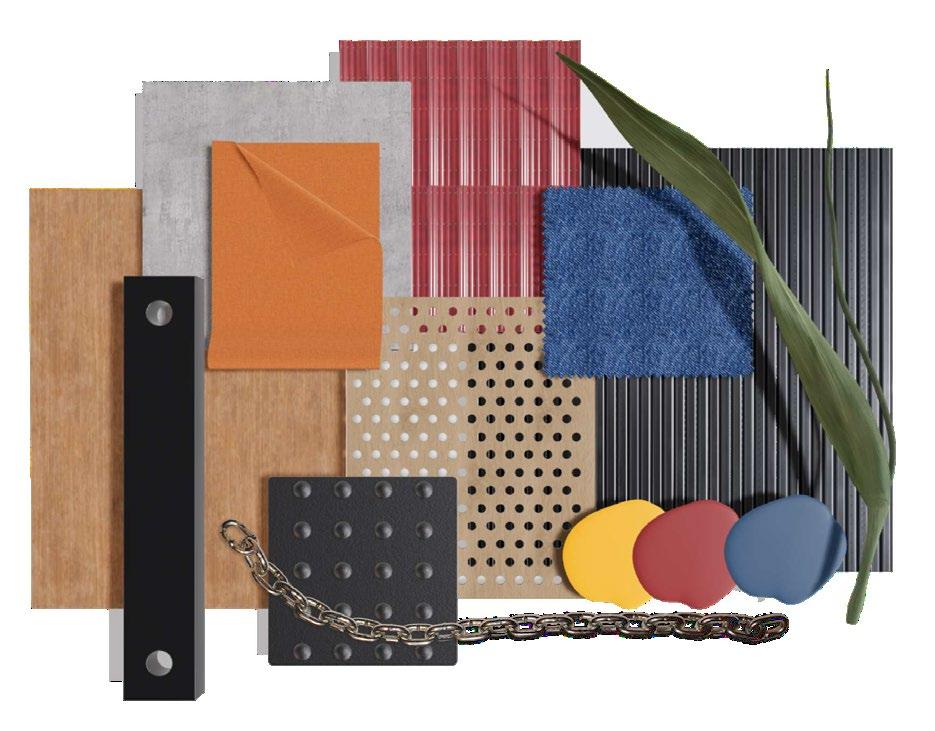
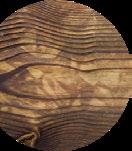
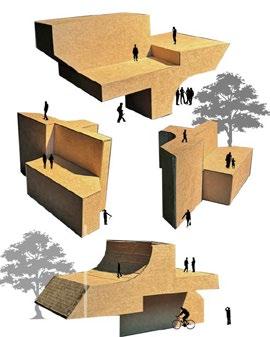
PHYSICAL THEMATIC COLLAGES

Postconsumer








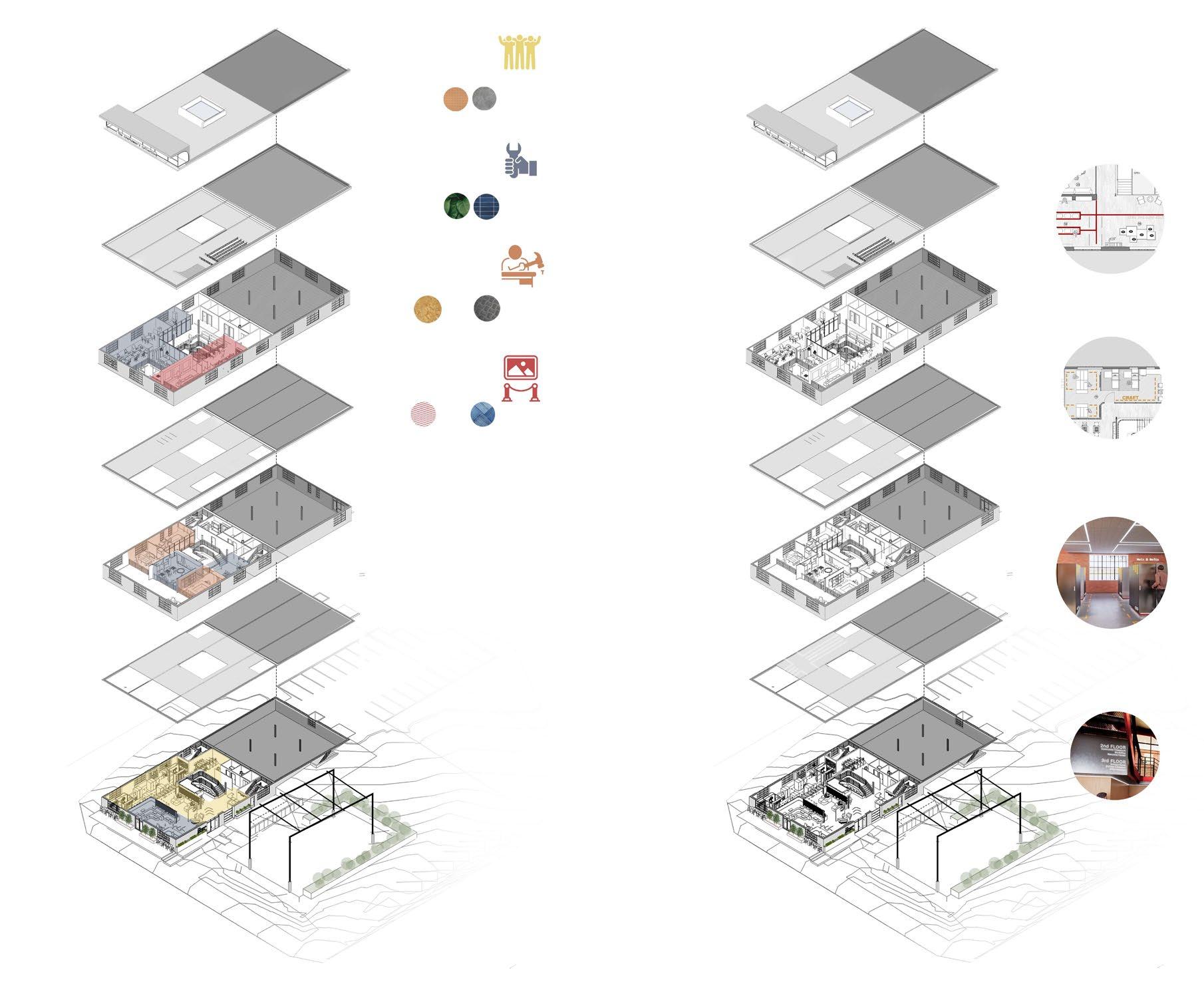

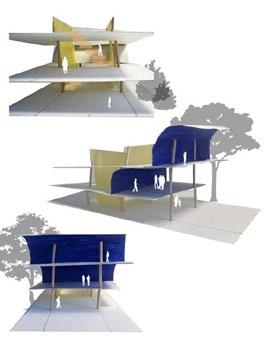
CONNECT FLOOR NOISE LEVEL : 3
ENGAGE FLOOR NOISE LEVEL : 2
FOCUS FLOOR NOISE LEVEL : 1





CONCEPT SKETCH
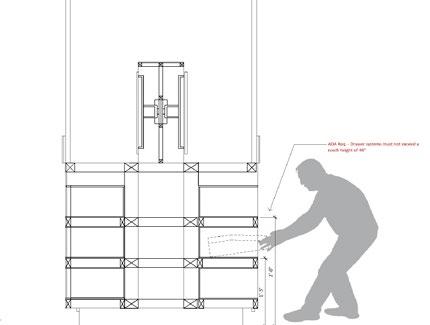
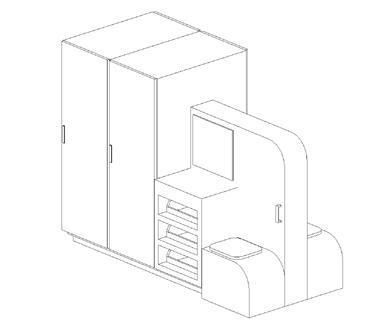
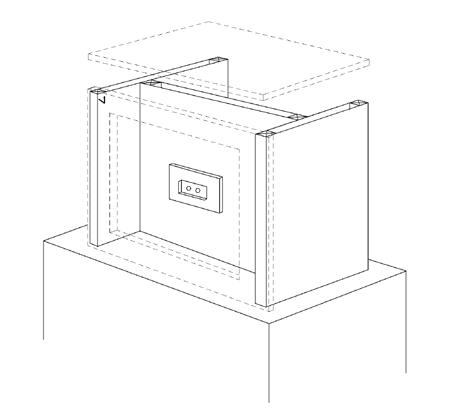
DIGITAL MODEL - LINEWORK
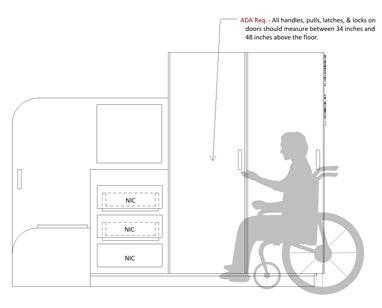
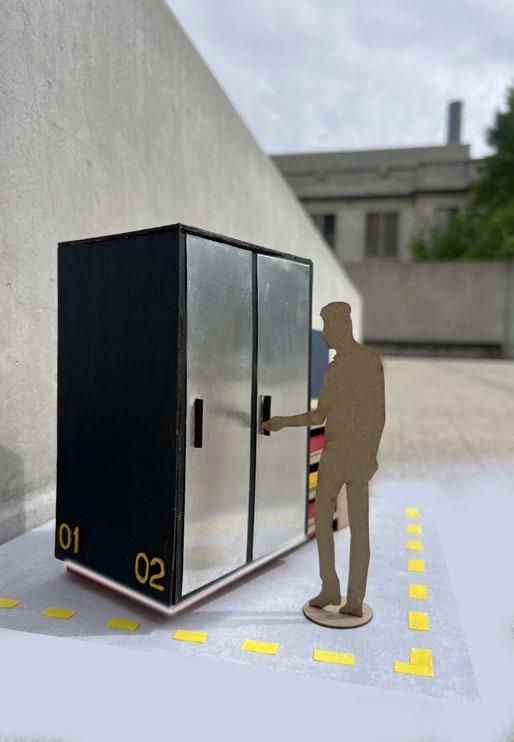
PHYSICAL MILLWORK MODEL
SCALE: 1/8” = 1’-0”
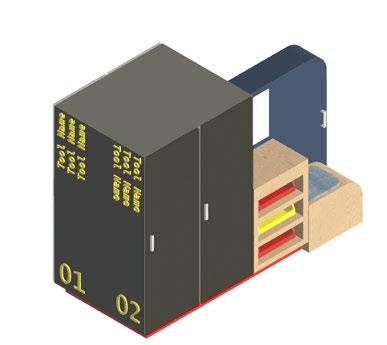
DIGITAL MODEL - RENDERED
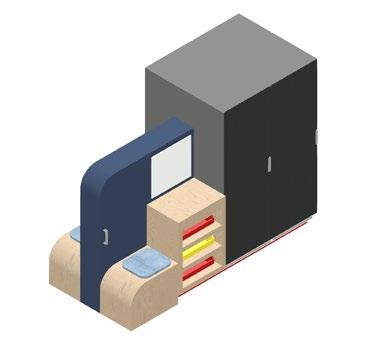
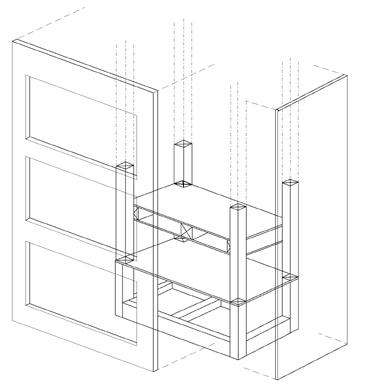
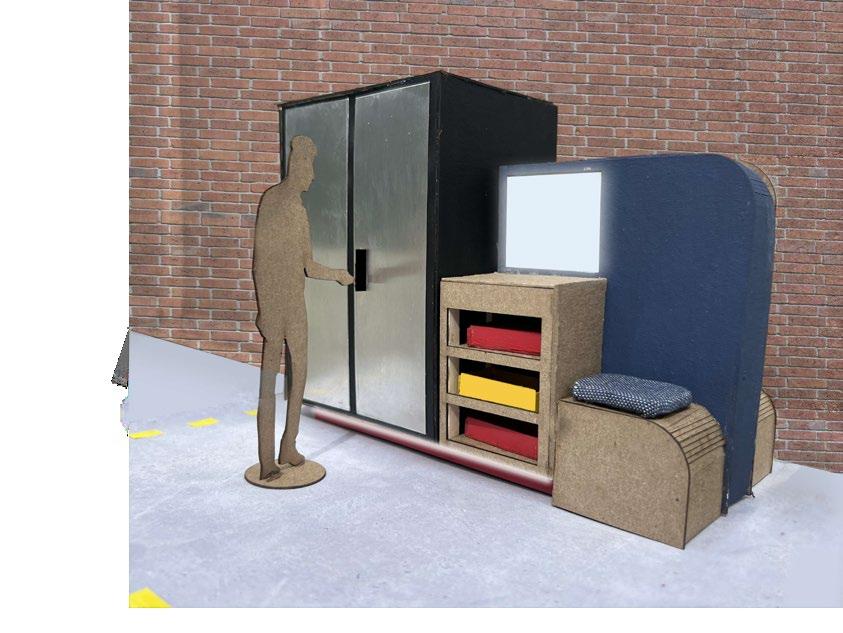
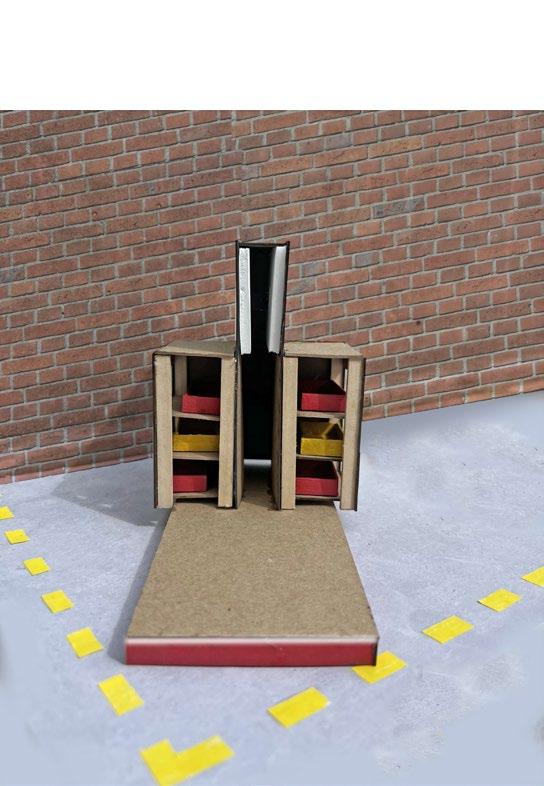
TOOL COLLECTION






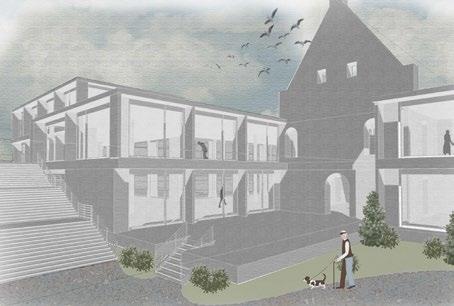
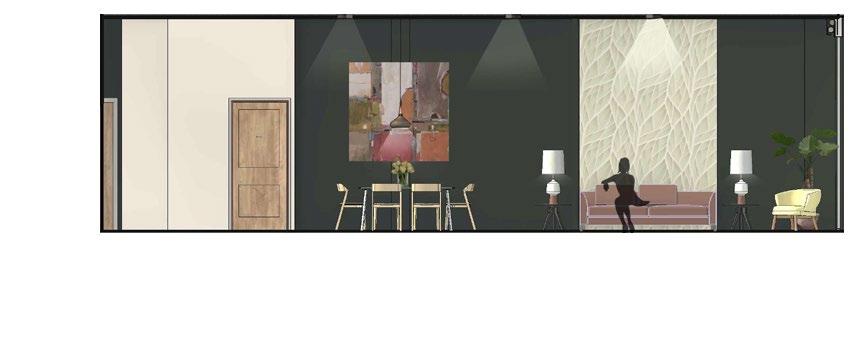
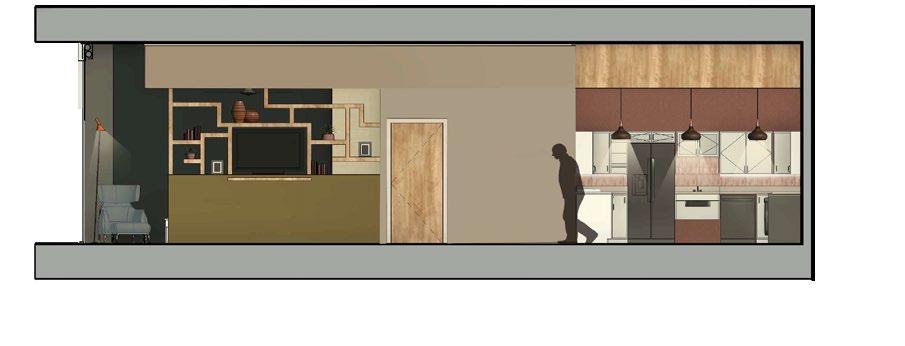
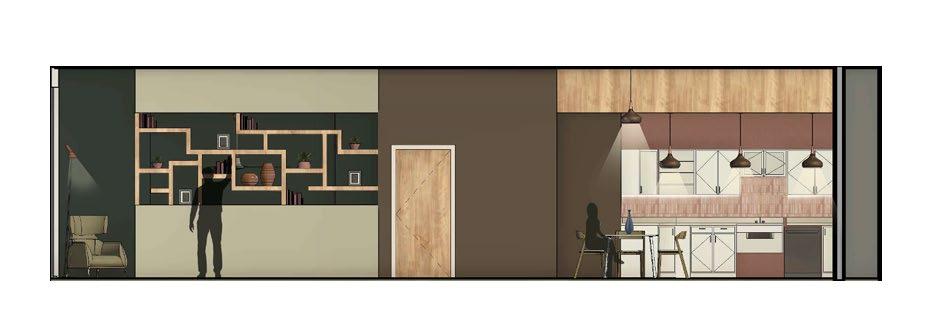
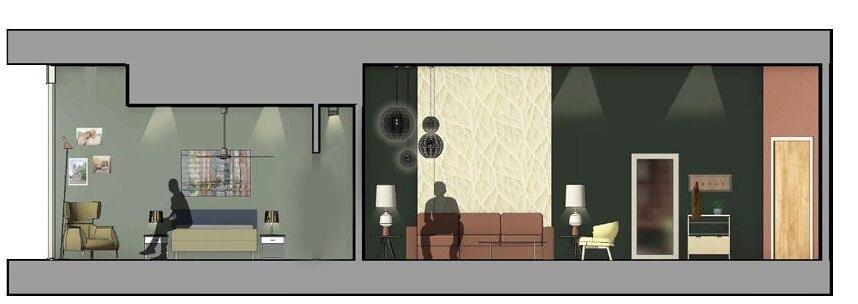
An old monastery located in the heart of Paderborn, Germany is undergoing an adaptive reuse renovation with the goal of establishing an independent senior living community. The main mission of this project is to support and encourage independent and holistic lifestyles through design.
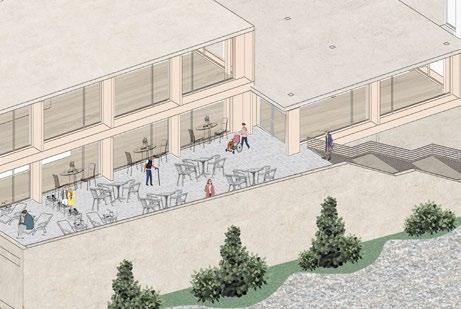
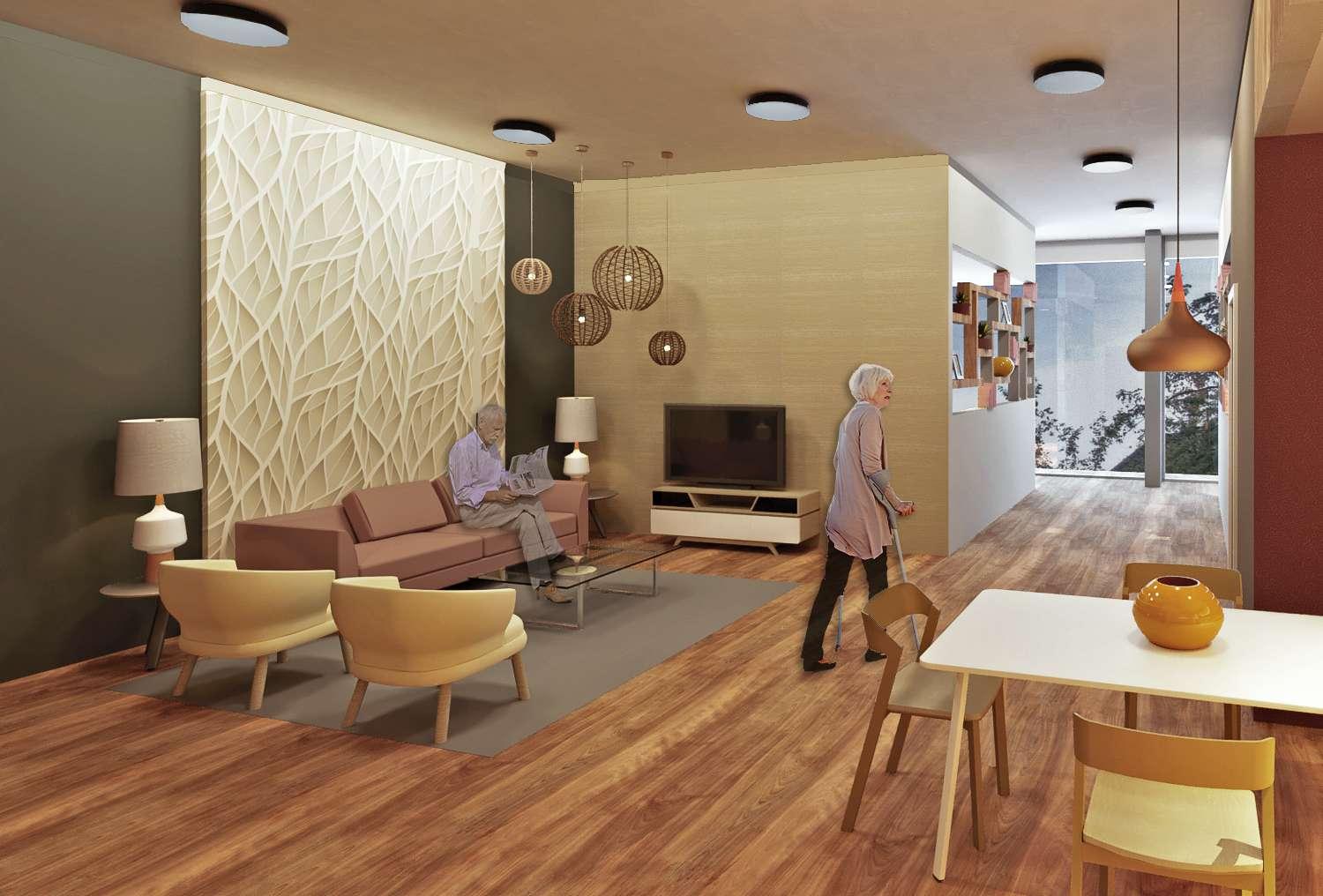
Lebensweise Senior Living Community is an approach at combining comfortable yet dynamic living experiences for adults over the age of 55. The central design strategy of this project was to promote an active lifestyle for residents that is accessible and feasible. Through this strategy, spaces within the community that are to be used and inhabited by all residents have been deeply thought out and dispersed purposefully throughout the site.

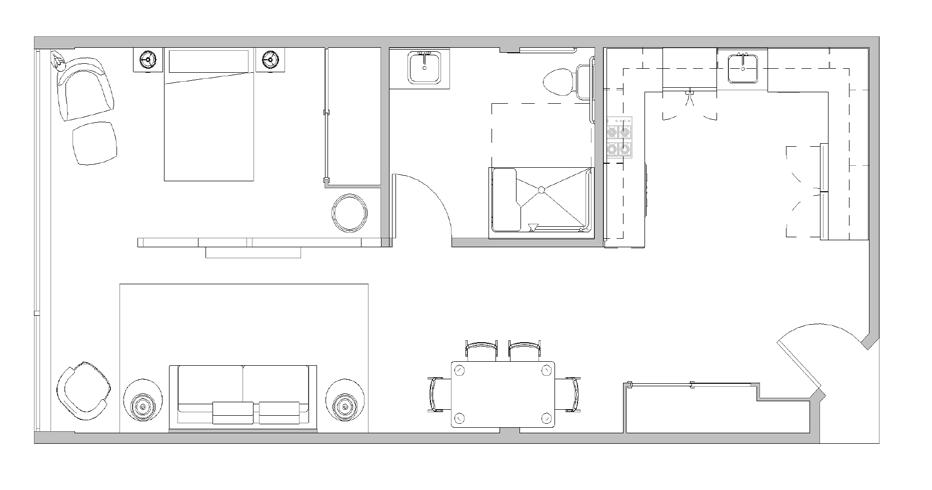
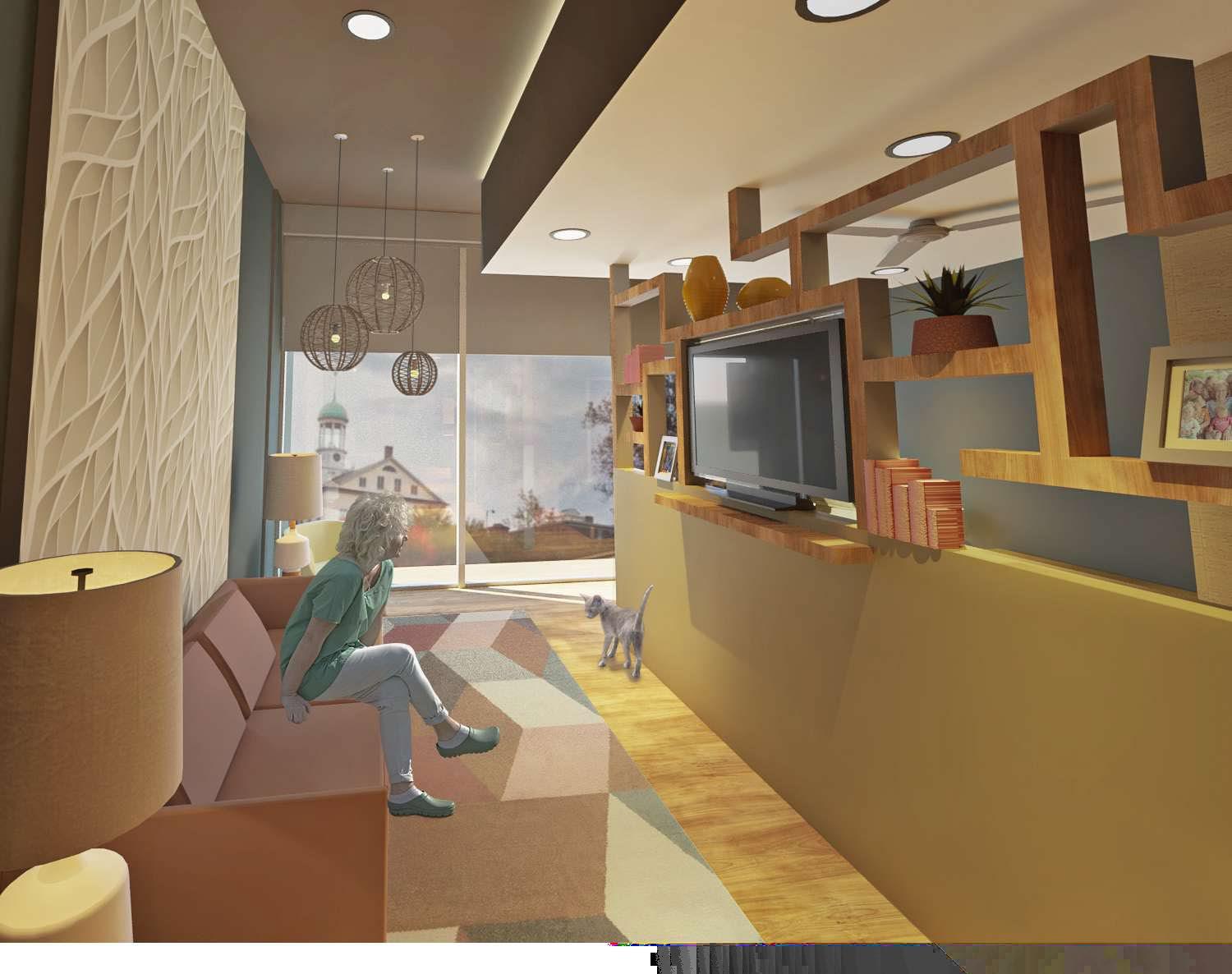
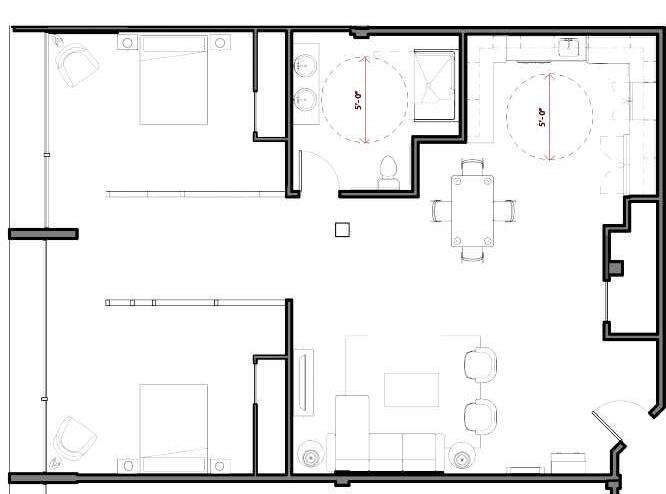
The ‘active adult’ is encouraged heavily in this project with many amenities that offer space for residents to be inspired, social, and entertained. On the contrasting end of the project, private resident units are have been thoroughly planned to maximize space, light, privacy and overall living experience. The residence’s accessible and flexible layout offers comfort and personality for any inhabitant it may account for. The varying floor plans of residence units allows for choice and adaptability.
With these design choices, Lebensweise offers an enlightened perspective on senior living with hopes of accommodating its residents in the most effective and functional way possible.

Kisau 16, 33098 Paderborn, Germany
51.7 N, 8.7 E
Paderborn is located at the base of the Pader river and is a very active German city. The population consists of around 150k citizens, mostly from European descent. Paderborn has lots of students (Paderborn University) and is an overall quickly developing middle-class city.
Lebensweise is a community for adults ages 55+ that are looking for a positive environment to age in-place as an“active adult”
They seek to foster a diverse resident population in terms of needs, wants, goals, and abilities
Lebensweise keeps in mind the middle-to-upper-class income levels of Paderborn citizens, as well as the native German population surrounding the community.
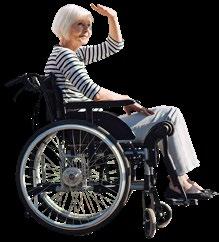
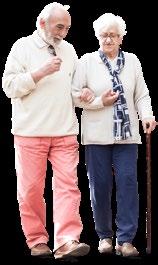
With an emphasis on accessibility. Lebensweise caters to individuals with mobility aids and devices such as wheelchairs and medical equipment
“Willkommen zu Hause!”
First impressions play a key role in choosing the place you want to live. Precedent sites I visted on a studio field trip to Denver, CO taught me that the main exterior spaces, entrance hall, and front-desk experience set the tone and character for the rest of the community.
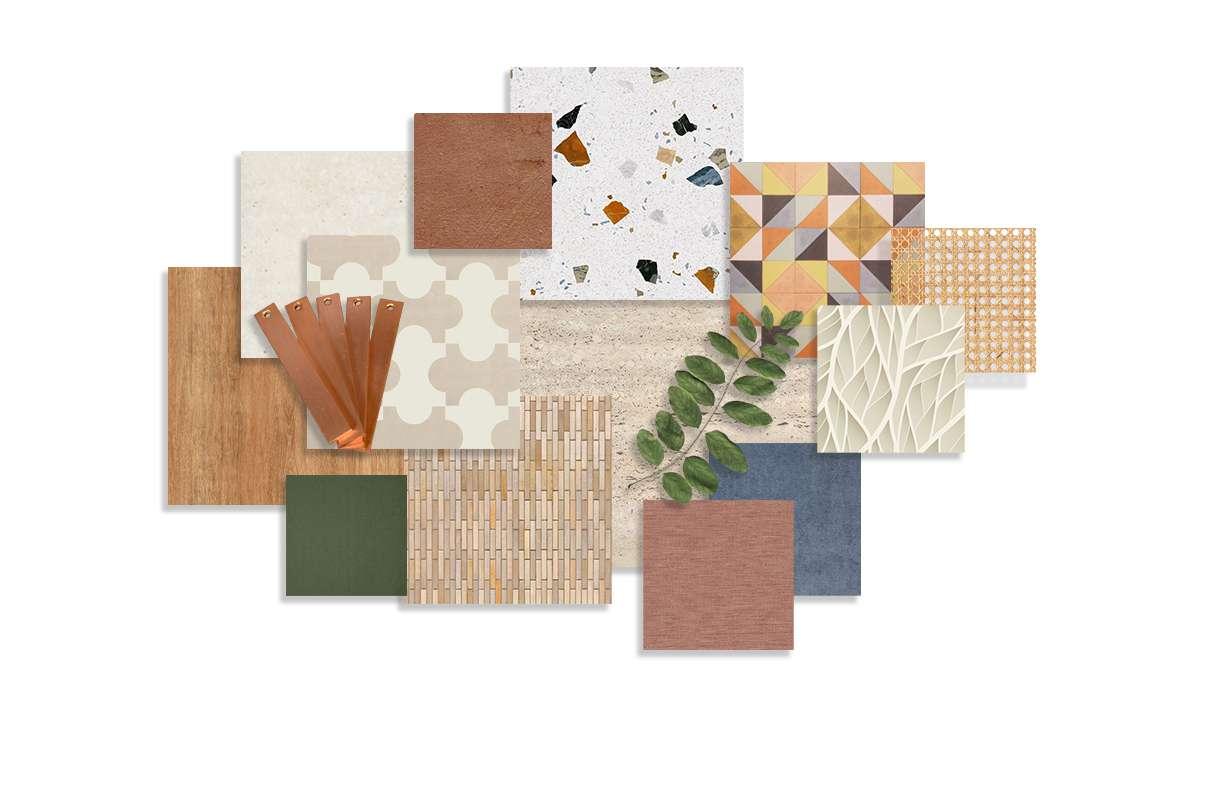

BOARD
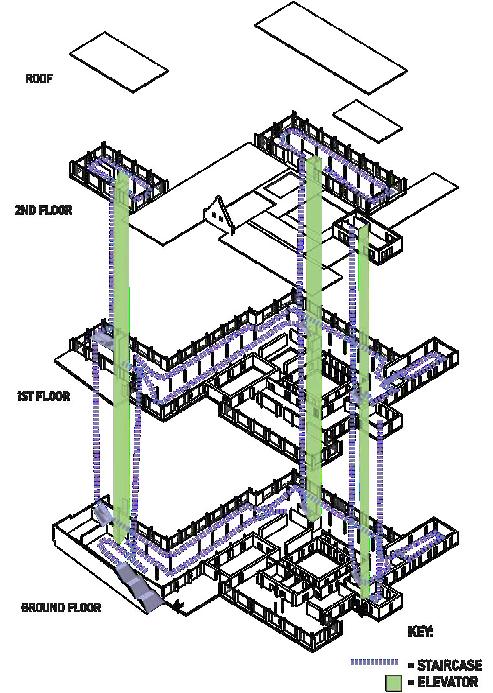




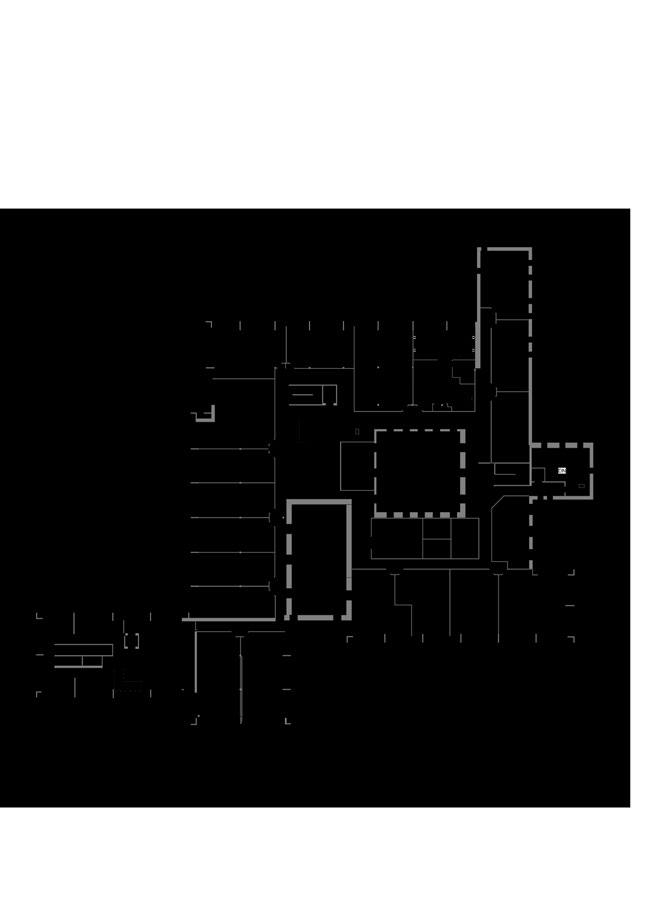
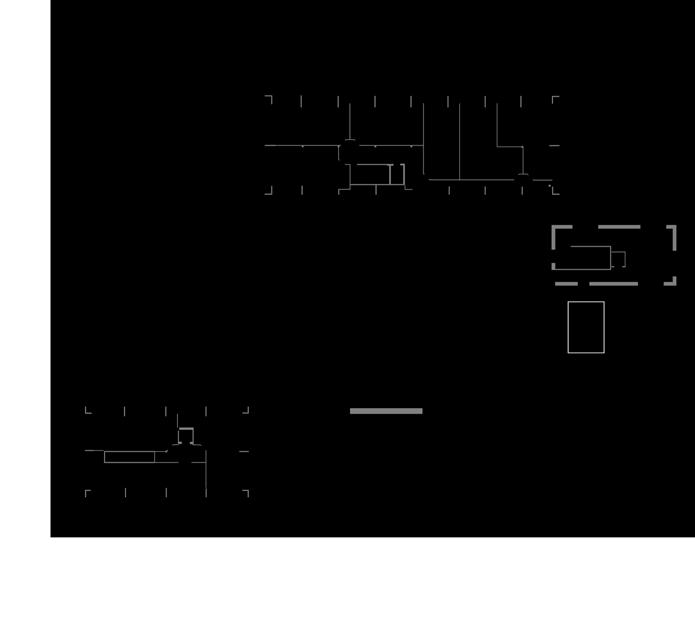
With adaptive reuse and accessible design being at the forefront of this project, space planning plays of the biggest roles in creating a user-friendly community.
Adapting to and working around the existing structure was equally challenging and enlightening part of the design development process.
This project helped me to understand the importance of Universal Design Principles and the Americans with Disabilities Act in the architecture and design industry.
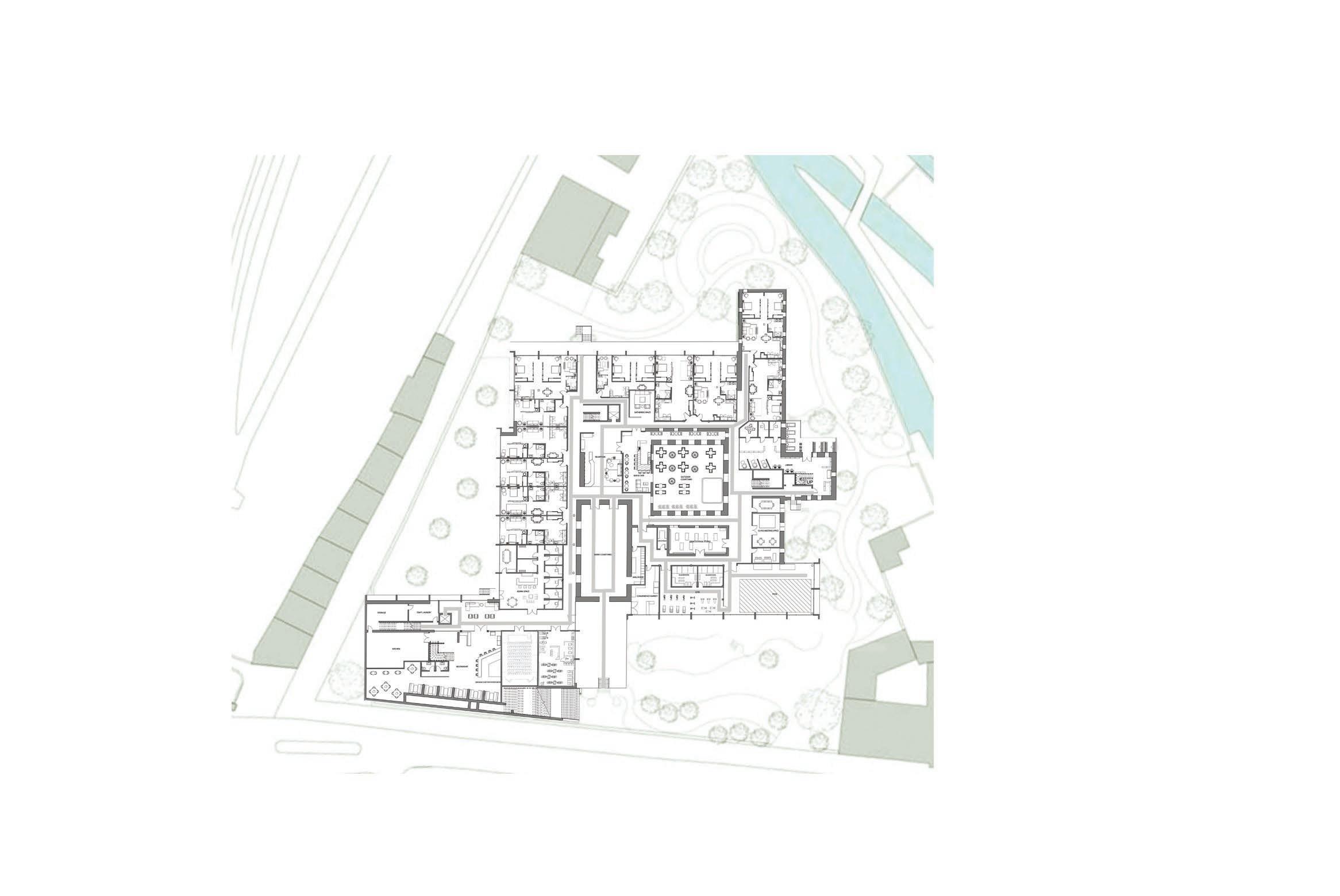







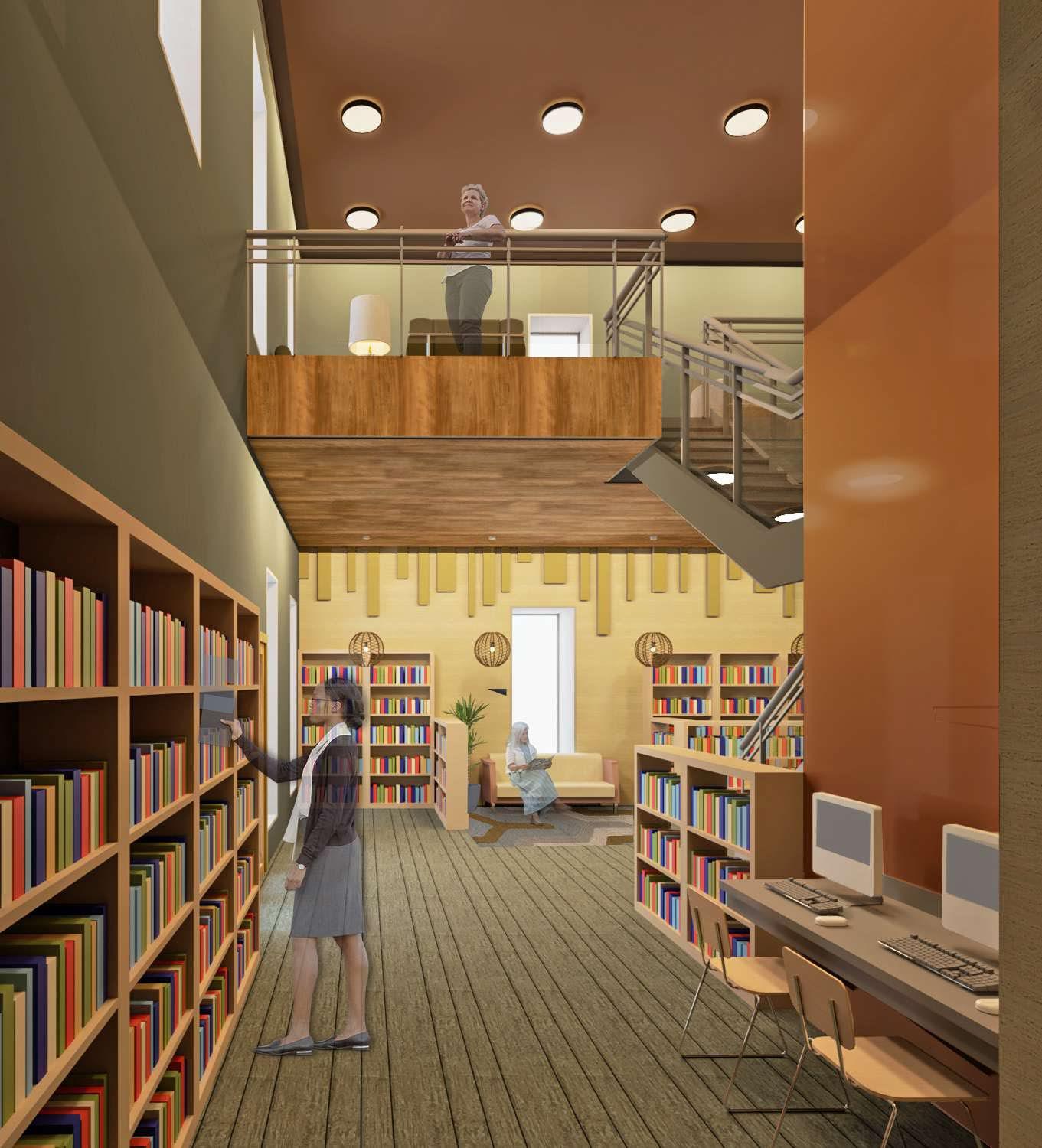
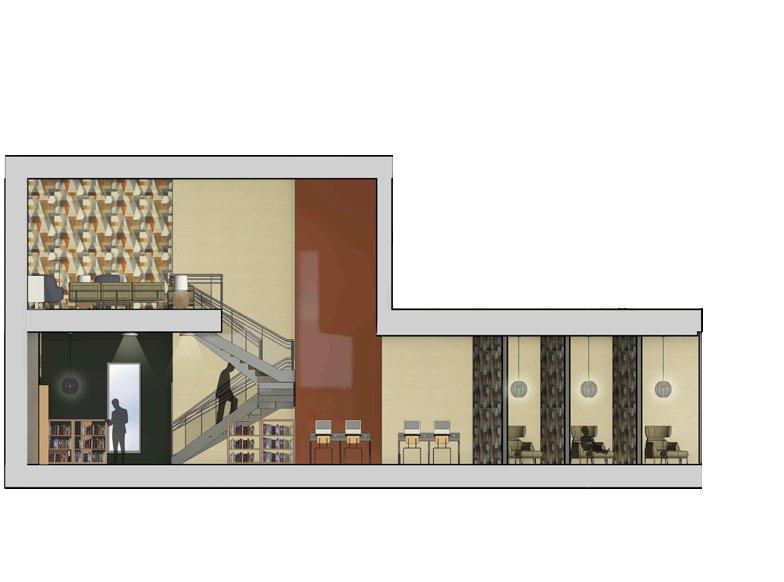
Continuing to challenge and grow your mind is crucial to living a long accessibility, but mental as well. Spaces have been designed for residents
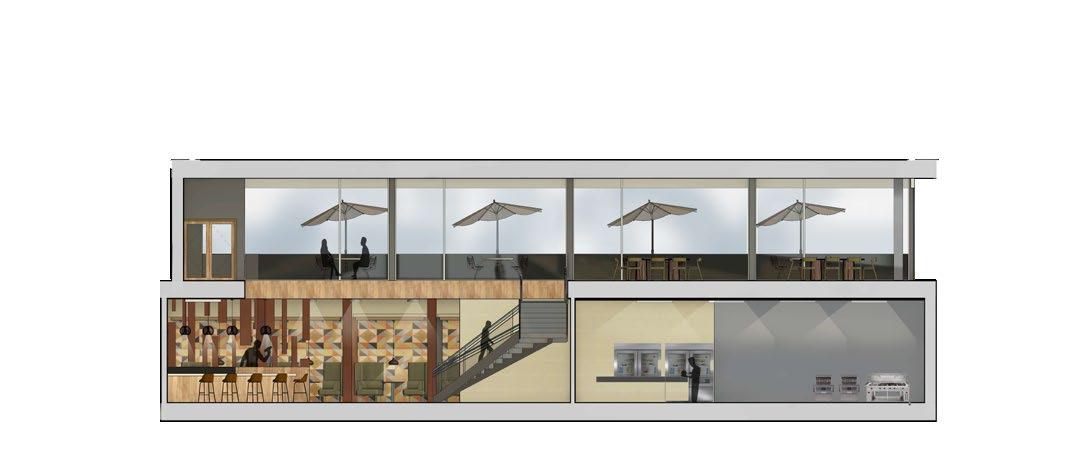
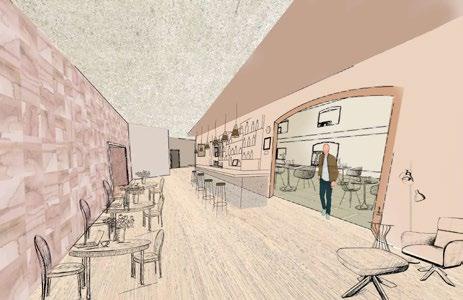
Lebensweise recognizes the importance of positive social interaction within a restaurant, and bar/cafe are open to not only residents, but the community

long and fruitful life. Lebensweise aims to accommodate not only physical residents to learn new skills, hobbies, and activate their brain everyday
within a healthy lifestyle. In the public spatial sector of this project, spaces like community of Paderborn as well, in hopes of fostering supportive relationships.






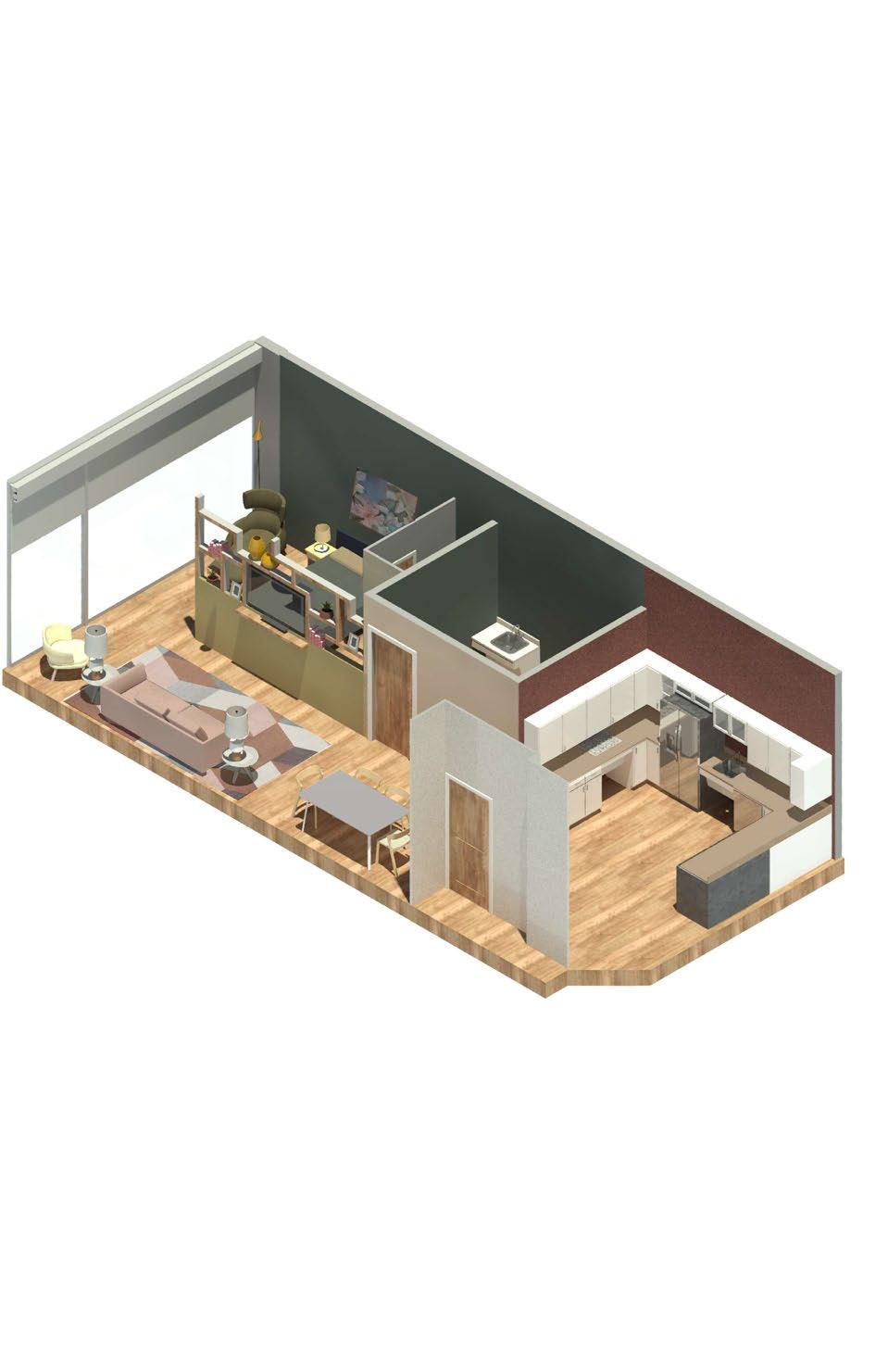
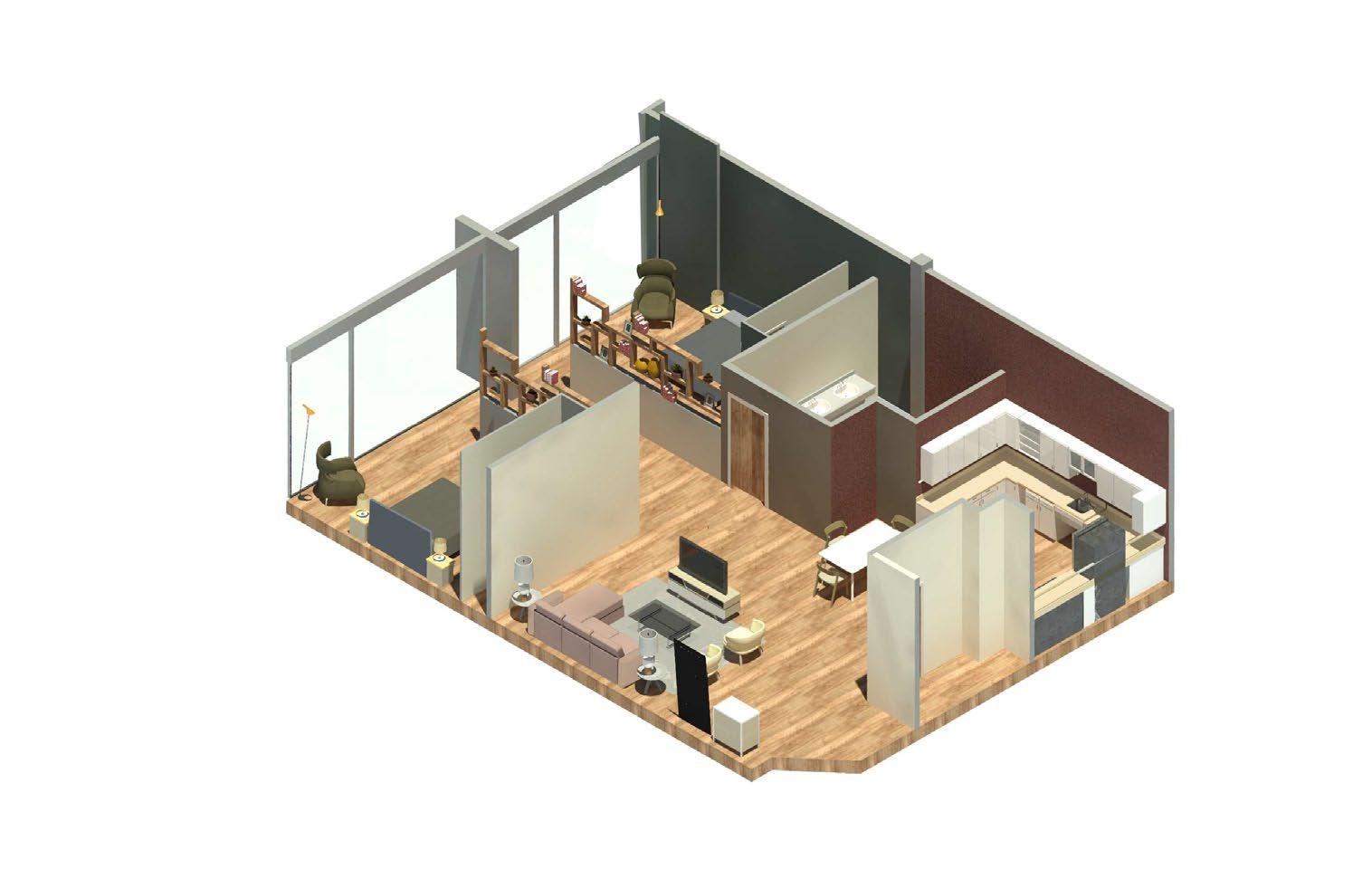
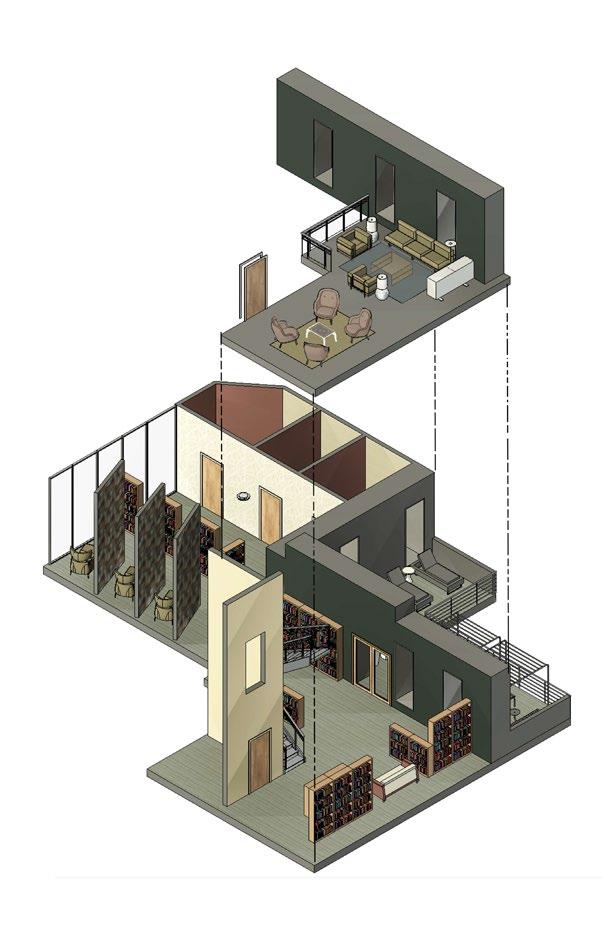
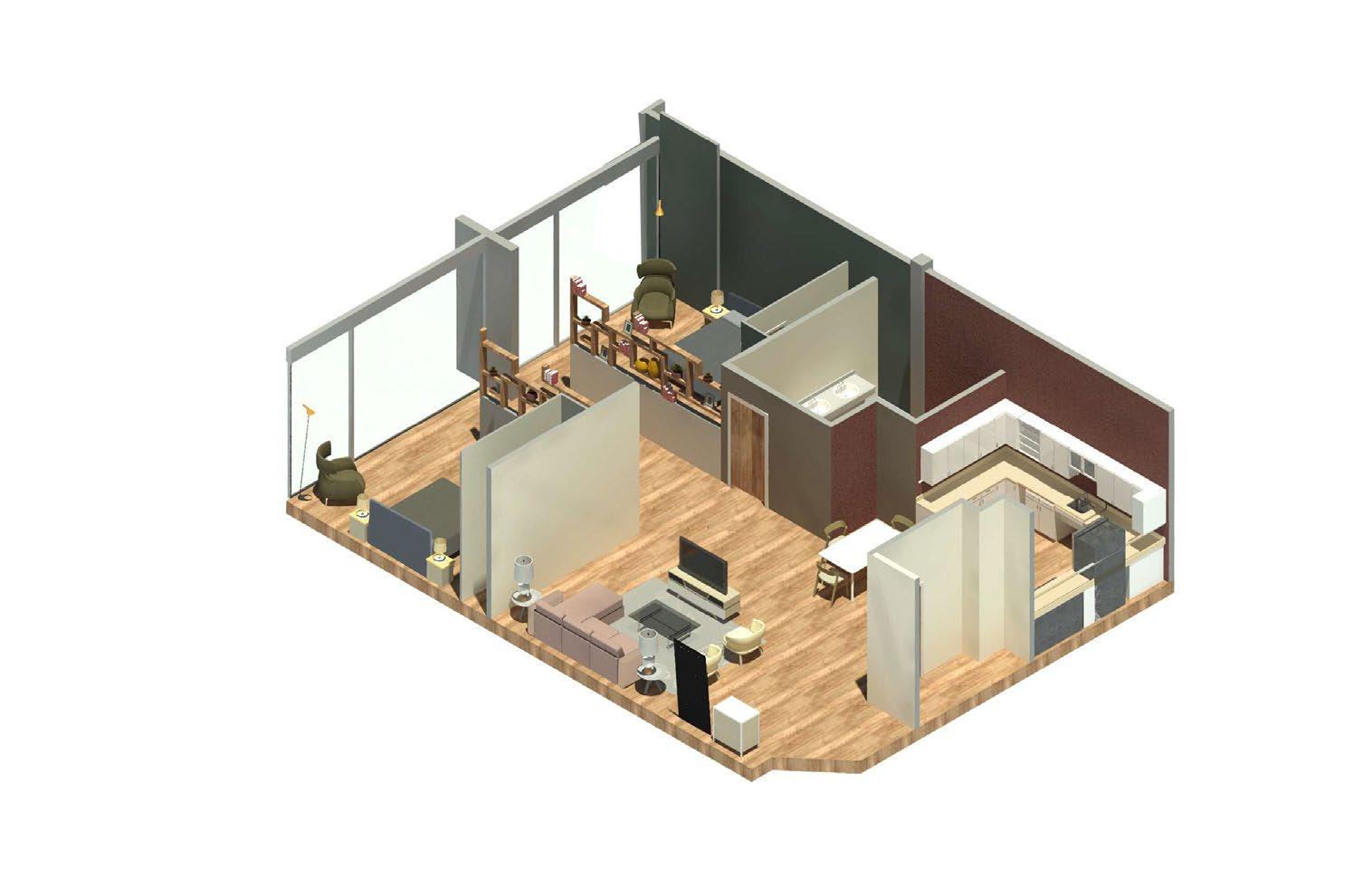
AXONOMETRIC


“We create our buildings and then they create us.” - Frank Lloyd Wright


FOR VIEWING
To see more work & learn more about me:
Issuu: https://issuu.com/drewgobbi
LinkedIn: www.linkedin.com/in/drew-gobbi-349348293