



What do you do when faced with hardship? Truly I think some of us need ideas Myself included
Stress seems to be a constant companion with the state of the world’s affairs acting as gasoline on an already existing flame But it is my opinion that these are the times that teach us the most They teach us patience Grace Compassion Resiliency Empathy
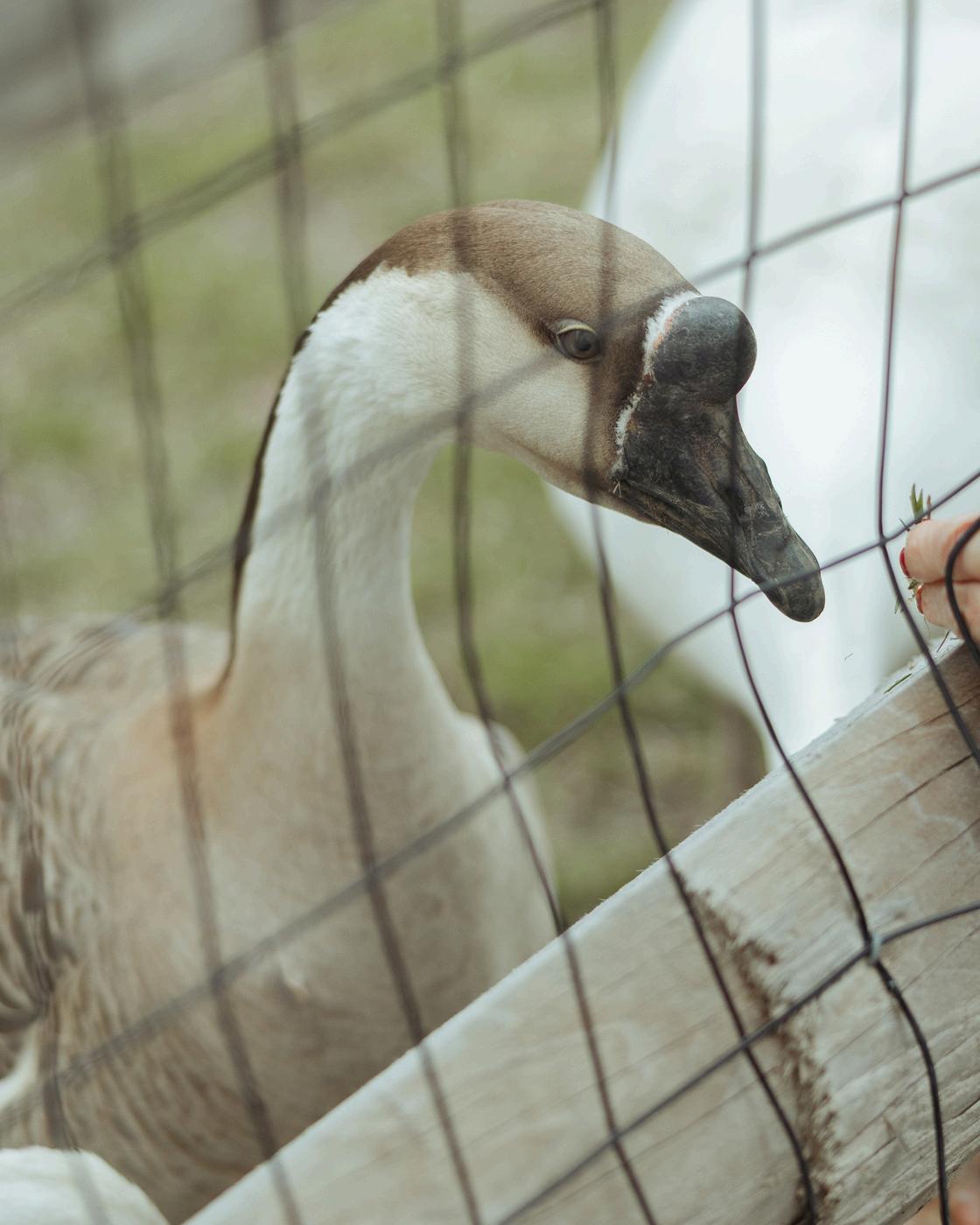
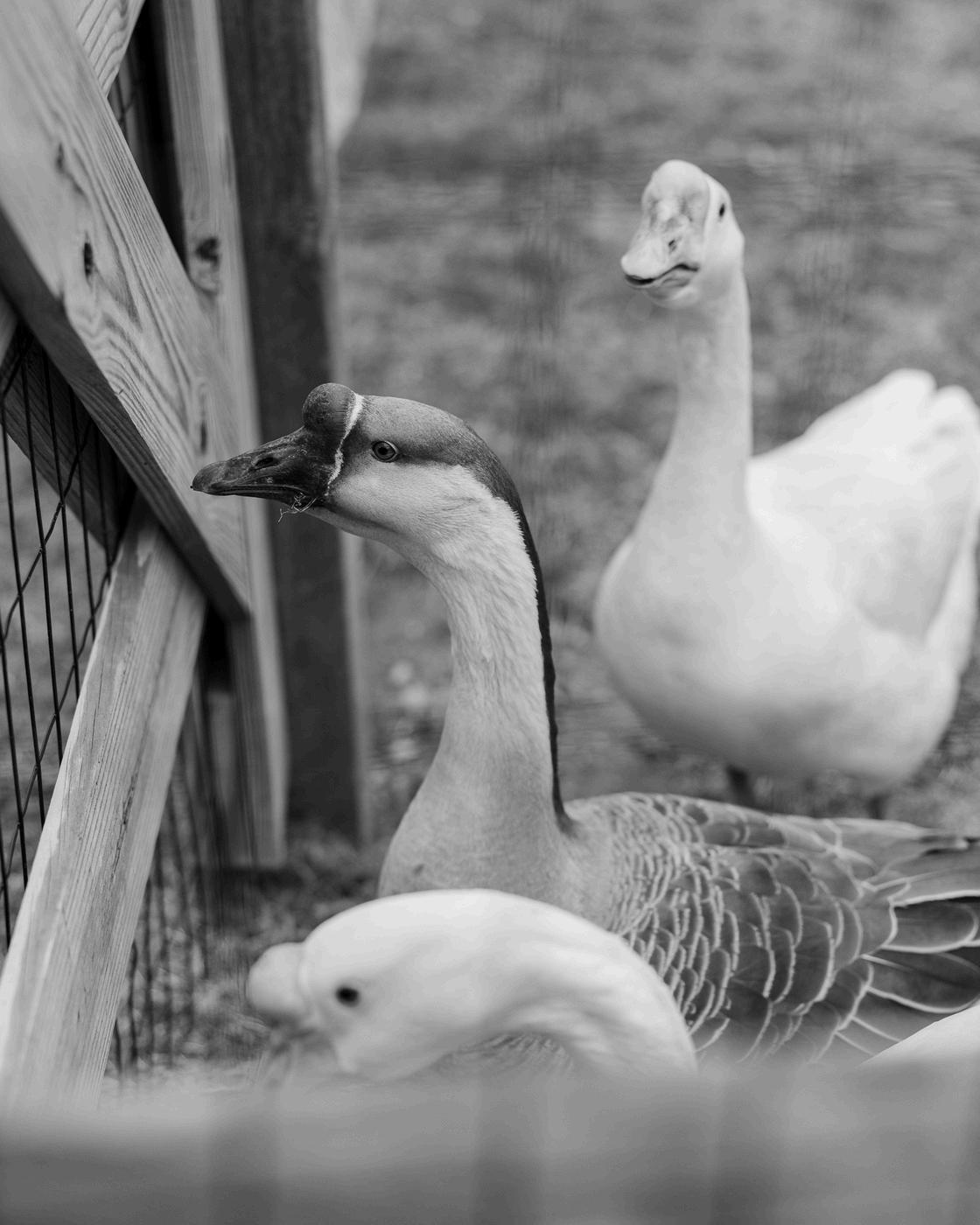
I know that there are a great many critics of the “Everything works out for the best,” or “Everything always works out” mentality And to those who don’t believe it to be true, I urge you to take a look at farms to look at nature How many times have plants taken root in the remnants of war or violence? How many times have rivers and creeks cut themselves paths through age-old stone? How many times have species of animals returned to rebuild homes in the nethers of human existence? How many times have beings adapted, whether quickly through intelligent thought, or slowly through evolution
evolution? The earth naturally gravitates towards balance, so, as bad as it may seem, eventually, we will know it again
I will never forget watching the beautiful documentary "The Biggest Little Farm " where a family moves from a big city to pursue a life on a country farm Through their journey, they discover that nature has a stunning way of achieving equilibrium, where one problem turns into another problem’s solution Infestation of slugs? No problem! Bring in the ducks and the chickens Have pests eating your produce? Plant aromatic plants nearby that not only deter the pesky critters but also enhance the nutritional density of the produce you grow!
In watching this documentary, you bear witness to the discovery and creation of an ecosystem, where everything complements each other, and every problem gives birth to a solution that improves rather than hinders Even the wildfires make stronger forests


This is the kind of philosophy and approach we aim to bring to everything we do at Burr Hall Farm Even as we face internal trials, we are still moving toward a more balanced future
Thank you for being here!
Until next month!
With love, light, and gratitude,
Publisher Michael Ennis
Eleonora Fogg EDITOR-IN-CHIEF eleonora@svvl
net
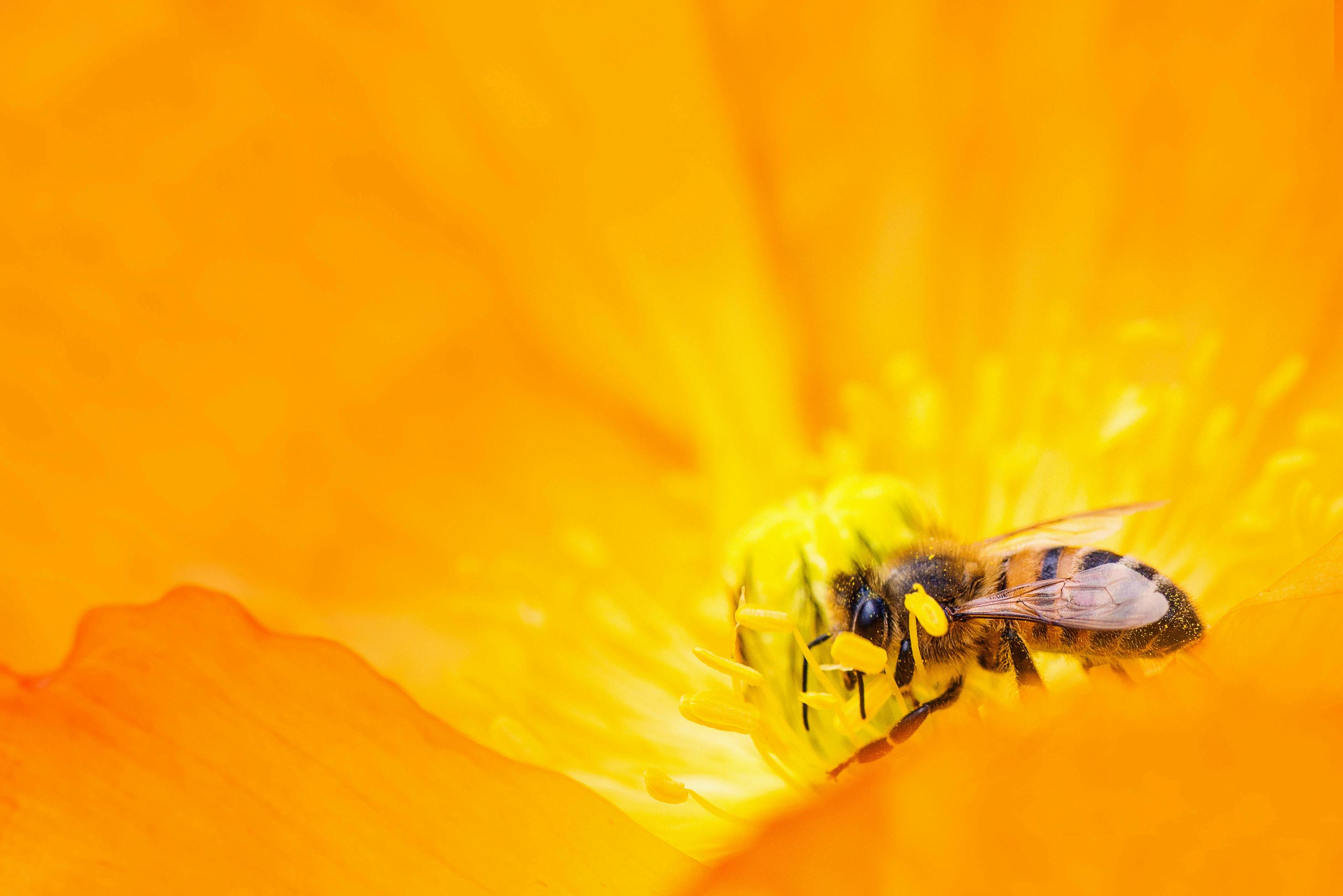
When we say Burr Hall Farm is a magical place, it isn’t just a marketing line; it’s true The past winter season has been one of the worst years for honeybee colony collapse since 2008, which was the first year the honeybee colony crisis became significant enough to garner widespread attention Farmers in our area, including our direct neighbors, have lost 100% of their hives, resulting in substantial losses to their livelihoods
We asked our beekeeper, Ryan, “Why?”
“I honestly have no idea why your bees survived,” he responded. “I mean, I do great work for you guys, but I don’t want to give myself all the credit when I don’t even know how it’s possible ” Although we don’t have a definitive answer, there are several possible contributing factors to this immense success. Aside from having a very strong and skilled beekeeper, Burr Hall Farm seems to be in a pocketed little oasis, where our hives are semi-isolated from other bees This semi-isolation is beneficial because bees will explore other hives, which can result in the spread of disease from one hive to another.
We entered winter with 43 hives and exited with 41; that’s a loss of only two colonies, resulting in a 95% survival rate. Our survival rates far exceed the national average expected rate of 60%
These truly incredible survival rates have given our bees a significant advantage, as the chances of survival for the next year have increased Additionally, we are way ahead with our honey production! Our bees started producing honey a little over two weeks ago, which is a bit early for the typical start of the season, usually in June or July
We, at the farm, are exploring the possibility of engaging with the USDA and other agricultural institutions and research initiatives to study what makes our apiary at Burr Hall so unique Hopefully, it is a mix of factors that different areas can replicate to preserve our pollinator and honeybee populations.
Given that the annual U.S. Beekeeper Survey is conducted through April, all the concrete numbers haven’t been released. However, according to research by Washington State University, commercial honey bee colony loss in the U S may reach rates upwards of 60-70%. That’s a 30-40% increase from the average rate we ’ ve been seeing since the Bee Informed Partnership survey was instituted
So, what can you do to protect bees? Well, for starters, support local farms and apiaries! Buy their honey, flowers, and beeproduct based goods. Educate yourself on the various diverse kinds of pollinators. Buy and grow organically. Start your own apiary practice Donate to research efforts Or plant pollinator friendly plants in your city, garden, or backyard No matter how small it seems, an impact is an impact, and our farmers and honeybees need every last drop they can get.
Auburn University College of Agriculture (2024, May 15) National survey indicates highest bee colony losses in 14 years https://agriculture.auburn.edu/news/national-survey-indicates-highest-bee-colony-losses-in-14-years/.
Martinez, V. (2025, May 12). Honey bee colonies face 70% losses in 2025, impacting food supply. ABC News. https://abcnews go com/US/honey-bee-colonies-face-70-losses-2025-impacting/story?id=120191720
North Carolina State University College of Agriculture and Life Sciences (2024, May 15) Deciphering all the buzz about honey bee loss https://cals ncsu edu/news/deciphering-all-the-buzz-about-honey-bee-loss/ Washington State University (2025) 2025 colony losses https://bees wsu edu/2025colonylosses/
Say what you will about the incredibly successful platform that recently joined the upper ranks of the social media ecosystem, but it has, in many ways, restored faith in humanity Many individuals, including founders of nonprofits and small businesses, as well as those in need, have been turning to the platform to raise awareness and funds for their respective causes
One older man in particular has been asking viewers to stay on for five seconds to help save his animal shelter by staying on the page and selling cat and animal slippers on his storefront Other animal shelters do something similar, running fundraising campaigns in addition to participating in the TikTok Creator Fund program
Comments flood their posts, their comment sections filled with people trying to generate as much engagement as possible, prompting other users to comment with prompts like “Can we get a hello from every country?” liking other comments or posting long paragraphs chock full of popularly searched topics and keywords
How funny that we live in such polarizing times, and that a place that generates a safe environment for cowardly people to express their hate and negativity is also a platform where strangers uplift each other by commenting, liking, sharing, and posting something silly just to boost the post Is there a philanthropic future in this platform, or is still a performative or even deceptive way to make money?

A sensorial evening of movement & aromatherapy.
Join us at Wellness+ Studio for a transformative scented moving meditation with Eduardo Martinez-Diaz, founder of Form + Space: Awareness Through somatic movement, breath work, and body work, you will awaken your senses to the power of WA:IT scents
WA:IT is a holistic, luxury, slow beauty and wellness brand that harmoniously blends Japanese mindfulness with Italian craftsmanship
Founded by Raffaella Grisa, WA:IT emphasizes sustainability, offering vegan, cruelty-free, and carbon-negative products crafted from natural ingredients inspired by traditional Japanese medicine Their offerings including perfumes, skincare, incense, and candles are designed to transform daily routines into mindful rituals, fostering a deeper connection between body, mind, and spirit
Start June with us and attend!
TUESDAY JUNE 3rd 2025 at 6:00 pm at Wellness+ Studio:
980 Madison Ave Suite 203 New York, NY 10075
Space is limited – please RSVP info@wellnessplusstudio com
Yup, you read that right As a Drax Digest reader, you have privileges.
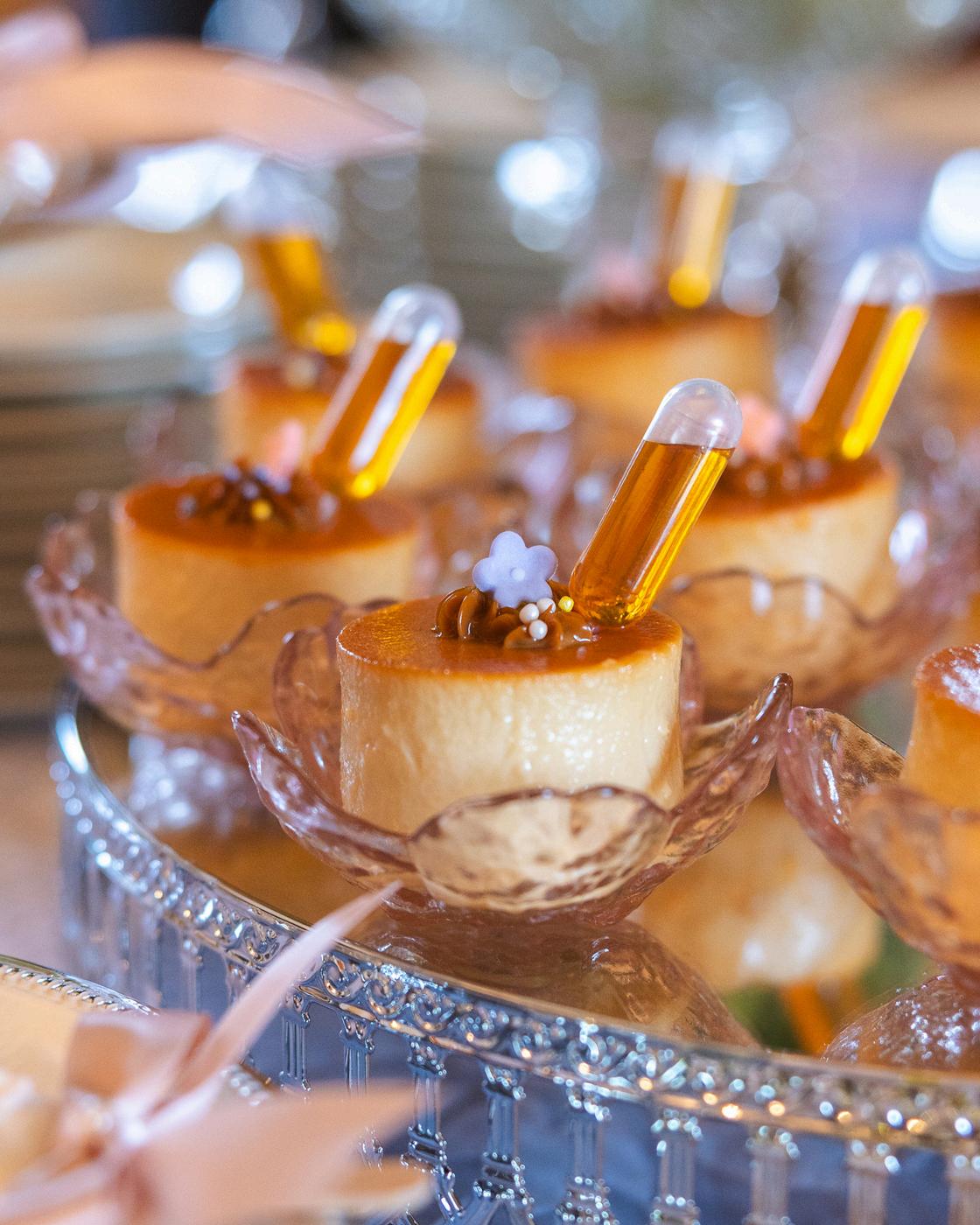
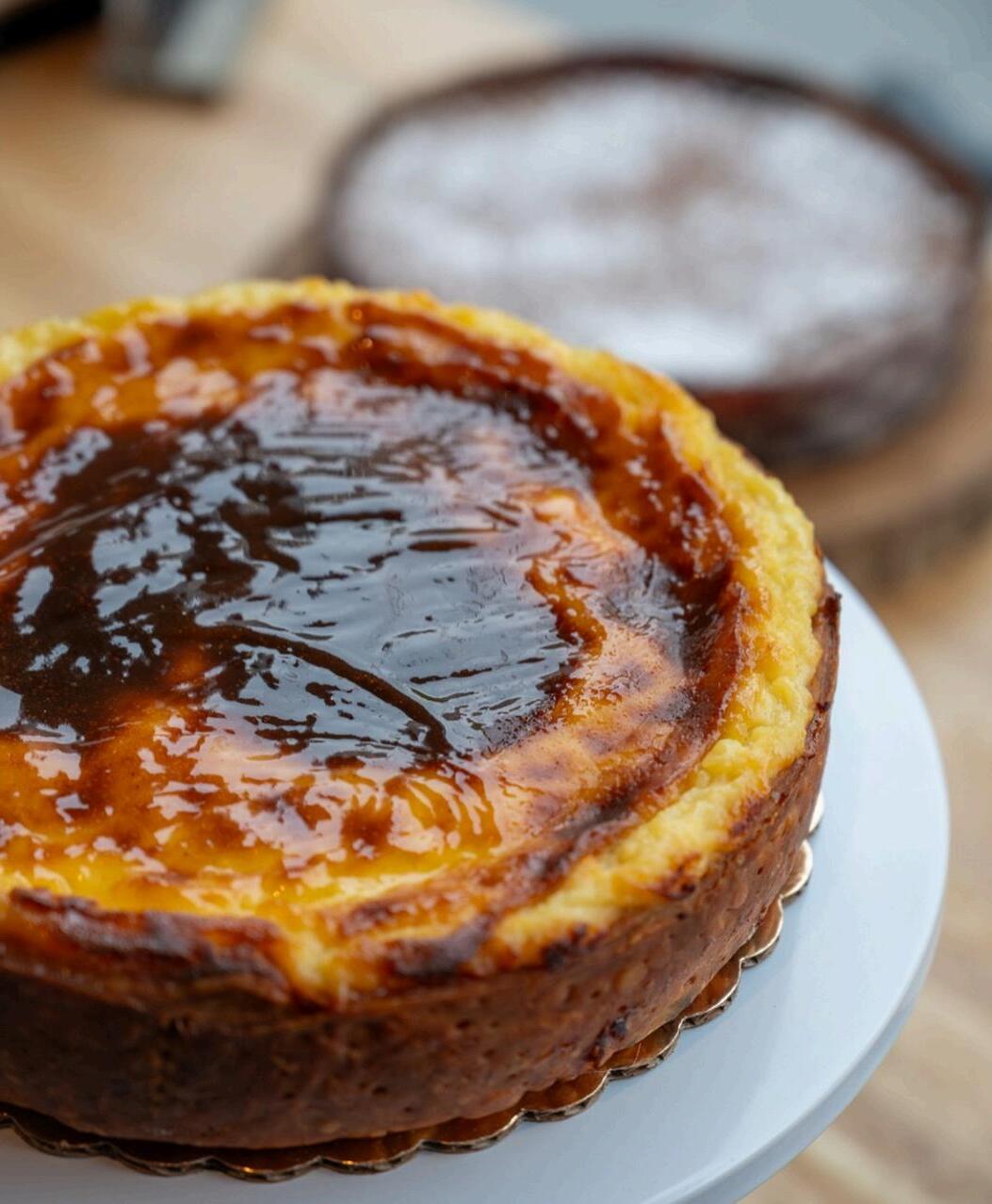
Le Flan a decadent and satisfying dessert made from rich yet light pastry cream on a bed of flaky pastry crust is appreciated by people from many countries and cultures
But where does it come from?
The actual beginnings of flan are challenging to pinpoint starting somewhere in the Roman Empire, followed by developments in France Spain Italy and Latin America
The origin of French pastry flan however dates back to the 13th century when the dessert, then named “Dariole,” made of corn flour, eggs, sugar, milk, and vanilla, was tasted in the time of kings, including England's very own Henry the IV's coronation
Today, le Flan is a popular dessert worldwide, with almost every country harboring its own version From the puff pastry Pastel de nata of Portugal and the sweet crust Dantà” of China to the “custard tart” of Great Britain and France's “Flan Pâtissier,” the taste, texture, and even shape of le Flan has been adapted to various customs and traditions It is eaten in individual portions in China and Portugal, while France and Great Britain eat it in a large shareable pie
It's unclear whether the pastry inspired the expression «en faire tout un flan,» which translates to “making a [whole] flan out of it” a colloquial phrase meaning blowing something out of proportion
With its rich history and timeless flavor, it is no wonder that this beloved dessert has stood the test of time At BreadStory, we make a fantastic gourmet Flan with flaky puff pastry and vanilla bean custard, so if you ' ve never tried one before, come by!
~ A Brief Story of Le Flan | A Bread Story written by Eleonora Fogg

Empowering Artists and Inspiring Audiences
Recipe by Christopher Varroux-Renaud
Makes 4 Servings
2 pineapples
1 lb. chicken breasts, seasoned and cut into cubes
1 green scallion, sliced
1 TB soy sauce
1 TB honey
1 clove garlic, crushed
1 tsp crushed red pepper flakes
1 bunch cilantro
2 cups cooked rice
Neutrally flavored oil
Peanuts, sesame seeds, and Bang Bang sauce (optional for serving)
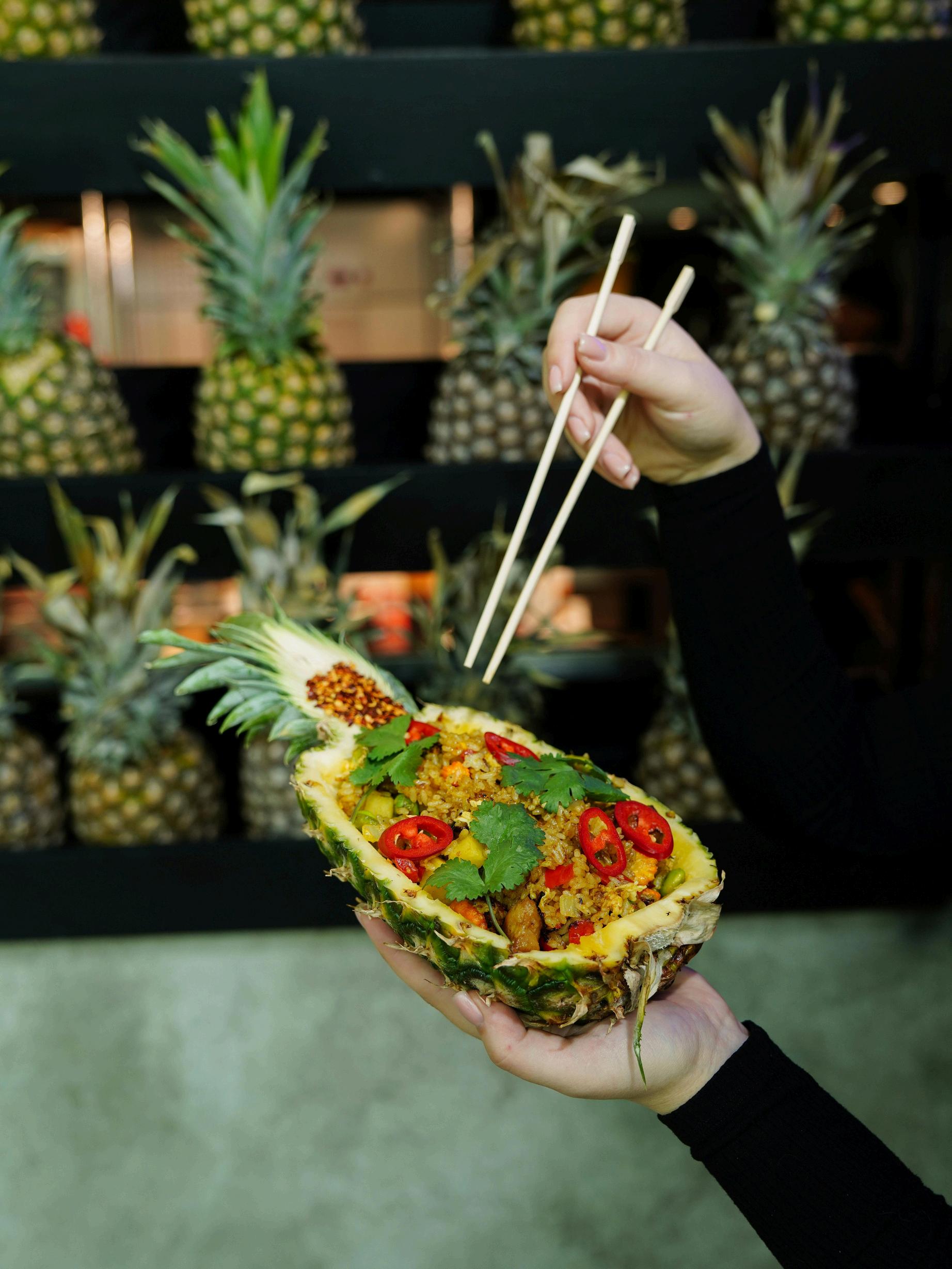
1 Cut the pineapples in half, vertically, keeping the leaves Gently scoop the flesh out of the pineapple, keeping the skin intact Remove the hard core in the center, and dice the remaining pineapple flesh
Set aside for later
2.Mix the garlic, soy sauce, honey, and crushed red pepper flakes in a little bowl and set aside.
3.Heat a bit of neutral-flavored oil in a skillet over high heat, and sear the seasoned chicken cubes until fully cooked. Set aside.
4 In the same pan, unwashed, heat an extra TB of oil and add the cooked rice. Stir continuously on high heat until rice begins to crisp up. Add the pineapple, scallions, and soy sauce mixture. Put the chicken into the pan and add some chopped cilantro.
5 Evenly distribute the fried rice into the pineapple boats, topping with fresh cilantro leaves and maybe some toasted peanuts or sesame seeds, and a side of Bang Bang sauce
6 Enjoy :)