





Exploring Advanced Surgical Procedures for Colorectal Disorders










• This presentation delves into the intricate world of colorectal surgery, highlighting advanced procedures, tailored treatment options for disorders, and the expertise at the Senadhipan Institute.

















Colorectal surgery focuses on surgical treatments of conditions affecting the colon, rectum, and anus. This includes procedures for cancer, inflammatory bowel disease, and other disorders. Understanding the indications, techniques, and postoperative care are essential for optimal patient outcomes.





• Minimally invasive techniques in colorectal surgery, such as laparoscopic procedures, offer reduced recovery times and less postoperative pain. These techniques utilize small incisions and advanced imaging technology, allowing for precise surgical interventions while minimizing the impact on surrounding tissues.
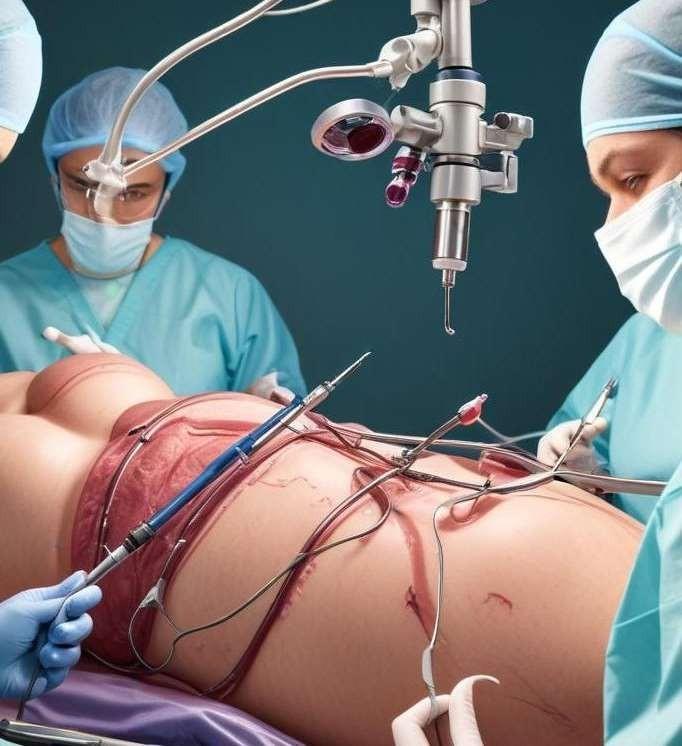
Open surgery remains a crucial option for complex colorectal conditions. This approach involves larger incisions and direct access to the abdomen, allowing surgeons to navigate challenging anatomical areas. It is often utilized in cases where minimally invasive techniques are not feasible, necessitating careful preoperative planning and skilled execution.
• Management of colorectal cancer typically involves a multi- modal approach, including surgical resection, chemotherapy, and radiation therapy. Early-stage tumors may be removed laparoscopically, while advanced cases may require open surgery. Ongoing surveillance and patient education on lifestyle modifications are essential components of posttreatment care.

Patients with inflammatory bowel diseases such as Crohn's disease and ulcerative colitis may require surgical interventions when medical management fails. Procedures range from resections of affected sections of the bowel to creating stomas. Personalized treatment plans focus on managing symptoms while aiming to preserve bowel function.
Surgical treatment for diverticulitis may involve resection of the affected segment of the colon, especially in recurrent or complicated cases.
Laparoscopic techniques are preferred when possible, minimizing recovery time and hospital stay. Patient counseling regarding dietary changes and preventive strategies is crucial for long-term management.
In conclusion, colorectal surgery encompasses a range of sophisticated techniques tailored to individual patient needs. At the Senadhipan Institute of Medical Sciences, Dr. Senadhipan and his team are dedicated to providing state-of-the-art care for common and complex colorectal conditions, ensuring the best possible outcomes for their patients.