Florida Coastal Colors – 11 t h glennon Co – pg 28
timber ridge equipment – pg 23
MulCh SuPPlierS ohio Mulch – pg 13
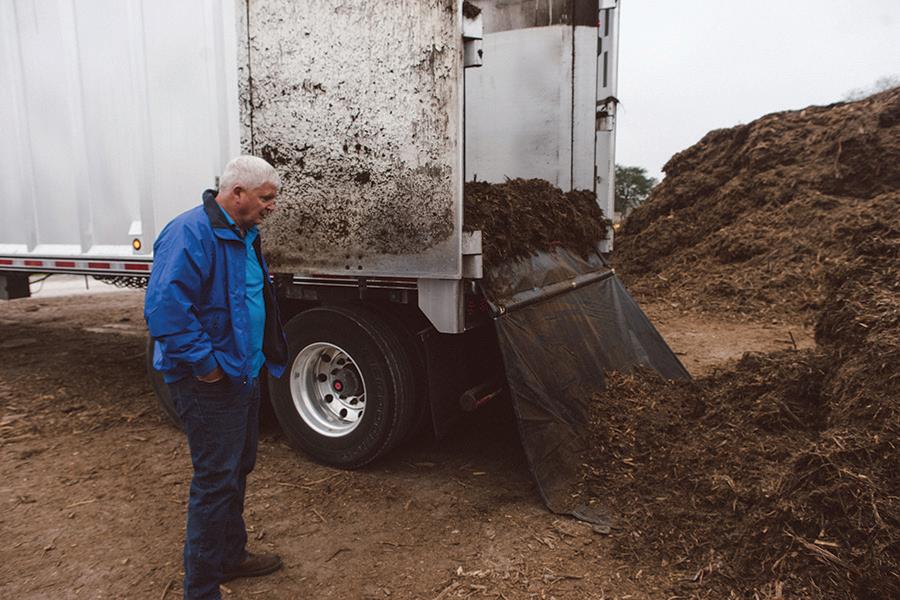
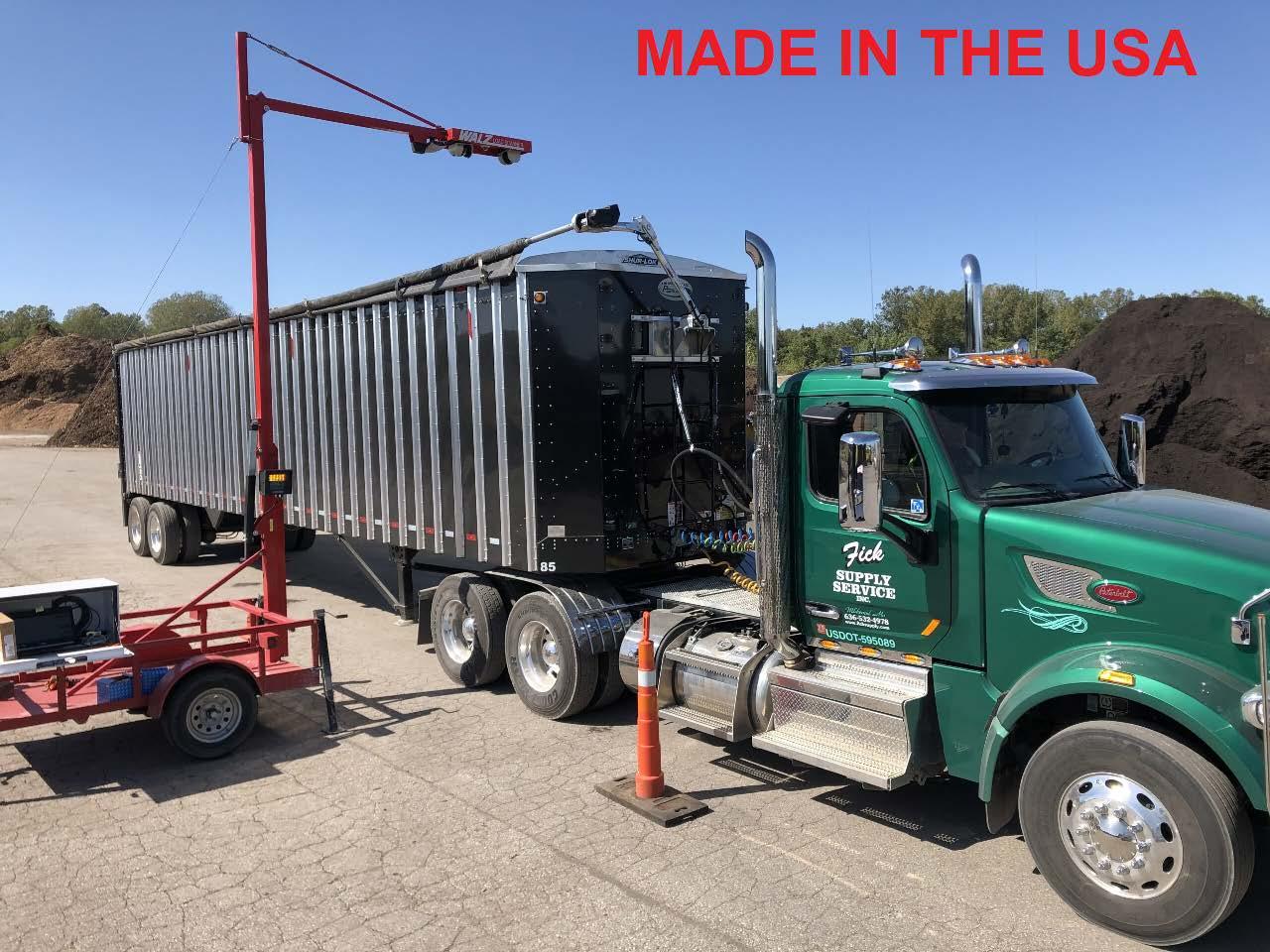
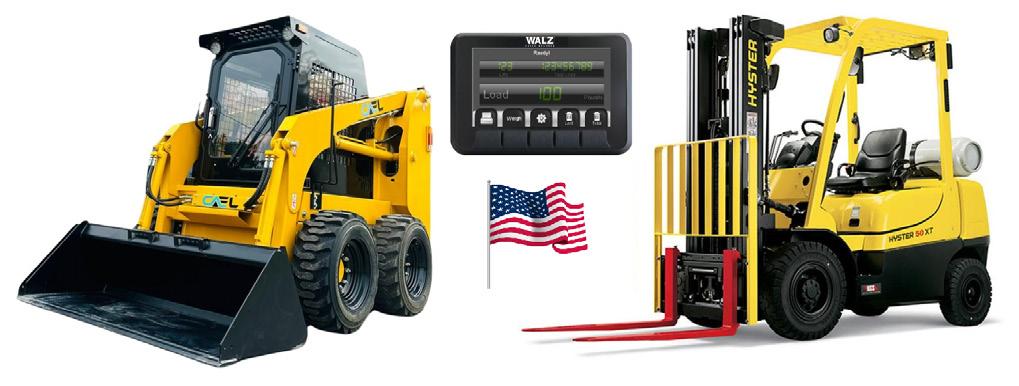
PAyloAd WeighiNg & MeASuriNg SySteMS Walz Scale – pg 20
Soil AMeNdMeNt green Solutions llC – pg 21
trAilerS Weaver Systems – pg 21
troMMel BruSheS Power Brushes inc – pg 26
WeAr PArtS Armorhog – pg 19
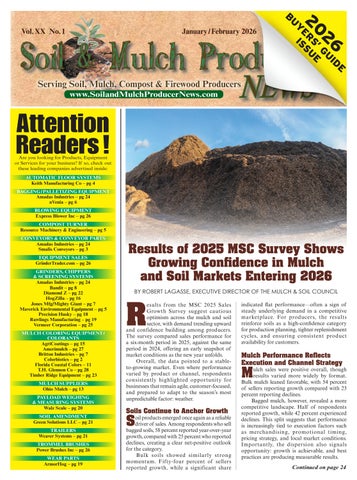
Results of 2025 MSC Survey Shows Growing Confidence in Mulch and Soil Markets Entering 2026
By RoBeRt LaGasse, executive DiRectoR of the MuLch & soiL counciL
Results from the MSC 2025 Sales Growth Survey suggest cautious optimism across the mulch and soil sector, with demand trending upward and confidence building among producers. The survey compared sales performance for a six‑month period in 2025, against the same period in 2024, offering an early snapshot of market conditions as the new year unfolds.
Overall, the data pointed to a stable to‑growing market. Even where performance varied by product or channel, respondents consistently highlighted opportunity for businesses that remain agile, customer focused, and prepared to adapt to the season’s most unpredictable factor: weather.
Soils Continue to Anchor Growth
Soil products emerged once again as a reliable driver of sales. Among respondents who sell bagged soils, 58 percent reported year over year growth, compared with 25 percent who reported declines, creating a clear net positive outlook for the category.
Bulk soils showed similarly strong momentum. Fifty four percent of sellers reported growth, while a significant share
indicated flat performance—often a sign of steady underlying demand in a competitive marketplace. For producers, the results reinforce soils as a high confidence category for production planning, tighter replenishment cycles, and ensuring consistent product availability for customers.
Mulch Performance Reflects Execution and Channel Strategy
Mulch sales were positive overall, though results varied more widely by format. Bulk mulch leaned favorable, with 54 percent of sellers reporting growth compared with 23 percent reporting declines.
Bagged mulch, however, revealed a more competitive landscape. Half of respondents reported growth, while 42 percent experienced declines. This split suggests that performance is increasingly tied to execution factors such as merchandising, promotional timing, pricing strategy, and local market conditions. Importantly, the dispersion also signals opportunity: growth is achievable, and best practices are producing measurable results.
And it’s more brilliant than ever.
High-caliber colorant, profit-piling machines, mulch know-how that drives efficiencies — these things run deep. And now, with the support that comes with being a Sika brand, what makes us Colorbiotics will only flow stronger and brighter.
See how we do it by subscribing to Mulch Matters.
News From The Mulch & Soil Council
By RoBeRt LaGasse, executive DiRectoR
Announcing a New MSC Member Service!
For the past few years, the MSC has reported new state and federal legislative activities on a weekly basis to help members avoid being blindsided by new laws in their business areas. The Council has also reported regulatory activities as they occur but only on the MSC website without the ability to help members sort the latest events on a weekly basis.
A change in our monitoring system now allows us to report REGULATORY activities on a weekly basis, the same as our legislative reports. Regulatory changes and updates may not happen as frequently as legislative proposals, but we will report actions as either NOTICES, PROPOSALS, or REGULATIONS issued at the state and federal level. We hope this new report will make it quicker and easier for members to:
• Be aware or respond to proposed or new proposed regulations that impact your business
Soil & Mulch Producer News is published bimonthly by Downing & Associates. Reproductions or transmission in whole or in part, without written permission of the publisher, is prohibited.
Annual subscription rate U.S. is $19.95. Outside of the U.S. add $10 ($29.95). Contact our main office, or mail in the subscription form with payment.
• Avoid penalties for not complying with new regulations you did not know were passed.
Our new regulatory report will be scheduled for distribution every Thursday of each week, while the legislative report will continue to be distributed on Tuesdays each week. Every member who is currently receiving the weekly legislative report will be automatically enrolled in the regulatory report distribution as well. If you would like to opt out of either report at any time, contact Robert LaGasse or Shelli Williams at membership@mulchandsoilcouncil.org.
MSC Meets With Ohio EPA
On November 14, Ohio EPA representatives met with Mulch & Soil Council staff and industry stakeholders to address regulatory interpretations following a recent inspection at a member facility. The meeting was convened in response to a statement made by Ohio EPA representatives during that inspection indicating that acceptance of yard waste materials could require a compost site registration. Given recent amendments to Ohio’s composting and materials management regulations in October 2025, the Council requested clarification on regulatory intent and applicability.
Ohio EPA explained that acceptance of yard waste alone does not automatically trigger composting classification. Composting is defined as the active, managed pursuit of aerobic decomposition to intentionally produce a humus like product. In contrast, wood recycling facilities that process clean, untreated woody materials—such as leaves, branches, bark, and wood chips—into mulch or other wood products are not composting when materials are moved and processed within a short timeframe and without intent to promote decomposition.
The agency emphasized that the distinction hinges on material type, operational intent, and time. Yard waste transfer facilities are expected to move materials before decomposition or leachate formation occurs. Facilities that stockpile mixed yard waste for extended periods, particularly months, may be deemed composting operations subject to Class IV registration. However, Ohio EPA stated that short term piling necessary for operational logistics does not, by itself, constitute composting.
Based on site observations and standard industry operational practices at an Ohio mulch facility location, Ohio EPA concluded that the facility functions as a wood recycling operation rather than a composting facility and compost registration was unnecessary.
Continued on page 23
America’s Long History of Weather Control— and Why It’s Back in the Spotlight
For more than a century, scientists, governments, and private companies have pursued an audacious goal: controlling the weather. What began with early “rainmakers” promising relief from drought has evolved into sophisticated cloud seeding programs, military experiments, and emerging geoengineering proposals aimed at cooling the planet. While these efforts are real and well documented, they remain largely unfamiliar to the public—and, in much of the United States, lightly regulated.
A recent article in Just The News explores that the lack of oversight has recently drawn renewed attention, as weather extremes intensify and debates grow over how much human intervention is already taking place in the skies above.
A Modern Flashpoint in Texas
The issue came into sharp focus last summer after catastrophic flooding in central Texas. Following years of drought, parts of the region received more than a foot of rain in a short period. Rivers rose with astonishing speed, killing dozens of people and causing widespread destruction.
Around the same time, a private company, Rainmaker Technology Corporation, reported conducting cloud seeding operations roughly 130 miles away, using silver iodide to encourage rainfall from two small clouds. Some critics quickly suggested a connection. Geoengineering watchdog Dane Wigington publicly claimed the intervention may have intensified or redirected the storm, arguing that the disaster was not entirely natural.
The company strongly rejected those assertions. Its CEO, Augustus Doricko, stated that cloud seeding cannot produce rainfall on the scale seen in the Texas floods, noting that even the most effective operations generate amounts of precipitation that are negligible compared to a major storm system.
See us at Booth #S62518
The disagreement highlights a broader tension: while most scientists say cloud seeding has limited and localized effects, public skepticism remains strong, fueled by the long and sometimes troubling history of weather modification in the United States.
When Rainmaking Went Wrong
America’s first major weather modification controversy dates back to 1916, when San Diego hired a self styled rainmaker named Charles Hatfield to end a drought. Hatfield dispersed a secret chemical mixture from towers near a reservoir—and rain did come. It kept coming for nearly two weeks.
The resulting floods destroyed bridges, railways, and crops. A dam collapse unleashed a massive wall of water through surrounding valleys, isolating the city and leaving lasting damage. It remains the wettest period ever recorded in San Diego and one of the city’s worst disasters.
Hatfield never collected his fee, and the episode became an early cautionary tale about unintended consequences.
Government Experiments, Open and Secret
Despite such risks, interest in weather control only grew. In the late 1940s, the U.S. military and General Electric launched Project Cirrus, an effort to weaken hurricanes by dropping dry ice into storm systems. In at least one case, a hurricane changed course and intensified, later striking Georgia with devastating results.
During the Cold War, the idea of mastering the weather captured the imagination of political leaders. President John F. Kennedy spoke at the United Nations about international cooperation in weather prediction and eventual control. President Lyndon Johnson went further, suggesting that the ability to control weather could shape global power.
Continued on next page
Continued from previous page
That ambition carried into Project Stormfury, which seeded hurricanes throughout the 1960s and 1970s, with mixed and inconclusive outcomes.
More controversially, the U.S. secretly weaponized weather during the Vietnam War. Operation Popeye, conducted from 1967 to 1972, used cloud seeding to prolong monsoon seasons and disrupt enemy supply routes. When the program was exposed, international outrage followed, eventually leading to a United Nations treaty banning hostile uses of weather modification.
Weather Control Today
Today, weather modification continues on a smaller and more commercial scale. Cloud seeding is practiced in at least nine states, primarily to increase snowfall or rainfall and suppress hail. Federal agencies also catalog a wide range of potential techniques, from fog dispersal and lightning steering to more experimental ideas involving sound waves, lasers, or chemical sprays.
The most controversial proposals fall under the banner of geoengineering, particularly Solar Radiation Management. These concepts aim to cool the planet by reflecting a small portion of sunlight back into space, either by injecting reflective particles into the upper atmosphere or by brightening marine clouds. While still largely theoretical, such ideas are increasingly discussed as “climate change” accelerates.
Minimal Oversight, Growing Debate
Despite the scope of these activities, regulation remains limited. A federal law passed in 1972 requires weather modification efforts to be reported, but enforcement relies largely on self disclosure. In most states, no permits, audits, or limits are required, allowing private actors to attempt weather modification for profit with little external scrutiny.
This regulatory gap has prompted a wave of state level responses. Several states have recently passed or proposed restrictions on weather modification, including bans targeting certain practices. Meanwhile, public debate has intensified around aircraft contrails, which federal agencies say are not used for weather control, even as some states move to restrict related activities.
At the federal level, officials are now considering whether new legislation is needed or whether oversight should fall under a specific agency.
Looking Ahead
As “climate change” drives more extreme weather, interest in weather modification—and concern about its risks—is likely to grow. Supporters see potential tools for managing water shortages and reducing climate impacts. Critics warn of unintended consequences, ethical dilemmas, and the dangers of altering natural systems without broad public consent.
What is clear is that weather control is no longer the stuff of science fiction. It has a long history, a complex present, and an uncertain future— one that may soon demand far more public attention than it has received in the past.
To read the full article visit: https://justthenews.com/nation/technology/ weather-control.
If you have an important announcement about your company that you would like us to consider for publication, email it to rickdowning@oh.rr.com or call Rick at 440 257 6453.
Vermicomposting Emerges as a Tool to Reduce Antibiotic Resistance in Manure Management
Earthworms may play an unexpected but increasingly important role in addressing one of agriculture’s most pressing biosecurity challenges: the spread of antibiotic resistance. An article on www.miragenews.com reports that new research indicates that vermicomposting—a low‑energy, biologically driven manure treatment process— can significantly and consistently reduce antibiotic resistance genes (ARGs) while producing a high value organic fertilizer that supports soil health and sustainable farming systems.
Compared with conventional composting, vermicomposting has demonstrated greater stability and effectiveness in suppressing resistance markers, positioning it as a promising
option for livestock producers, manure processors, and regulators seeking safer nutrient recycling pathways.
Antibiotic Resistance: A Farm-to-Field Risk
Antimicrobial resistance is recognized by the World Health Organization as a major global threat to public health, and livestock production remains a significant contributor. Antibiotics administered to animals are often only partially metabolized, allowing resistance genes to accumulate in manure. When untreated or inadequately treated manure is applied to agricultural land, these genes can migrate into soils, waterways, crops, and ultimately the human food chain.
Traditional thermophilic composting can reduce some resistance markers, but results are inconsistent. In some systems, ARGs and mobile genetic elements rebound during composting, undermining treatment reliability and raising concerns about long term environmental exposure.
Earthworms as Biological Process Engineers
Vermicomposting uses earthworms and their associated microbial communities to convert raw manure into a stabilized product known as vermicast. Operating under mesophilic conditions with controlled moisture and aeration, the process functions as a “living bioreactor,” combining physical transformation with biological and biochemical controls.
According to studies summarized in a recent review, vermicomposting can reduce the total abundance of antibiotic resistance genes by approximately 70–95 percent and mobile genetic elements by as much as 68 percent— often outperforming conventional composting systems.
“Earthworms are not simply decomposers,” said corresponding author Fengxia Yang of the Agro Environmental Protection Institute, Ministry of Agriculture and Rural Affairs, China. “They actively reshape microbial communities and disrupt pathways that allow resistance genes to persist and spread.”
Multiple Mechanisms of Resistance Reduction
Researchers describe vermicomposting as a multi barrier system that integrates physical, chemical, and biological mechanisms:
� Aeration and structure: Earthworm burrowing increases porosity and oxygen availability, suppressing anaerobic bacteria commonly associated with resistance traits and accelerating antibiotic degradation.
� g ut-level processing: Within the earthworm digestive tract, mechanical grinding, digestive enzymes, and a specialized microbiome damage resistant bacteria and degrade both intracellular and extracellular DNA.
� Microbial community restructuring: Vermicomposting shifts microbial populations away from fast growing, resistance prone bacteria toward more stable functional groups involved in decomposition and nutrient cycling.
Crucially, the process also reduces mobile genetic elements such as plasmids and integrons, limiting horizontal gene transfer—the primary mechanism by which resistance genes spread between bacteria.
Continued on next page
The Role of Earthworm Mucus and Biochemistry
Beyond physical processing, earthworm mucus and coelomic fluid exert powerful biochemical effects. These secretions contain antimicrobial peptides, lysozymes, and DNases capable of damaging bacterial cell membranes, generating oxidative stress, and directly degrading resistance genes.
Laboratory studies cited in the review show that earthworm coelomic fluid can reduce multidrug resistant Escherichia coli populations by several orders of magnitude within hours and eliminate more than 90 percent of extracellular resistance genes through DNA cleavage. Additional evidence suggests these secretions interfere with bacterial communication and gene expression, weakening the association between resistance genes and their microbial hosts.
Enhancing Outcomes with Functional Additives
Performance can be further improved by integrating vermicomposting with functional materials such as biochar, zeolite, or clay minerals. These additives adsorb residual antibiotics and heavy metals, reducing selective pressure for resistant bacteria while improving earthworm health and system stability.
Trials combining earthworms with biochar or mineral amendments have shown faster organic matter degradation, improved humification, increased earthworm growth, and higher removal rates for both antibiotic and heavy metal resistance genes.
Scaling Up: Opportunities and Constraints
Despite its promise, vermicomposting is not a plug and play solution. Earthworm species vary in tolerance to antibiotics, temperature, and moisture, and operating parameters such as stocking density, feedstock composition, and reactor design must be tailored to specific waste streams.
Large scale deployment will require advances in system automation, climate control, and population management. Questions also remain about the long term behavior of residual resistance genes once vermicompost is applied to fields, particularly under stressors such as heavy metal exposure or renewed antibiotic inputs.
The authors call for long term field trials, risk assessments, and integrated treatment approaches that combine pretreatment, vermicomposting, and targeted polishing steps using enzymes, phages, or other emerging technologies.
A Practical Path Forward
“Antibiotic resistance is a system wide problem, and no single technology will eliminate it,” Yang noted. “However, vermicomposting offers a practical, scalable pathway to make manure recycling safer while delivering agronomic and environmental benefits.” Continued
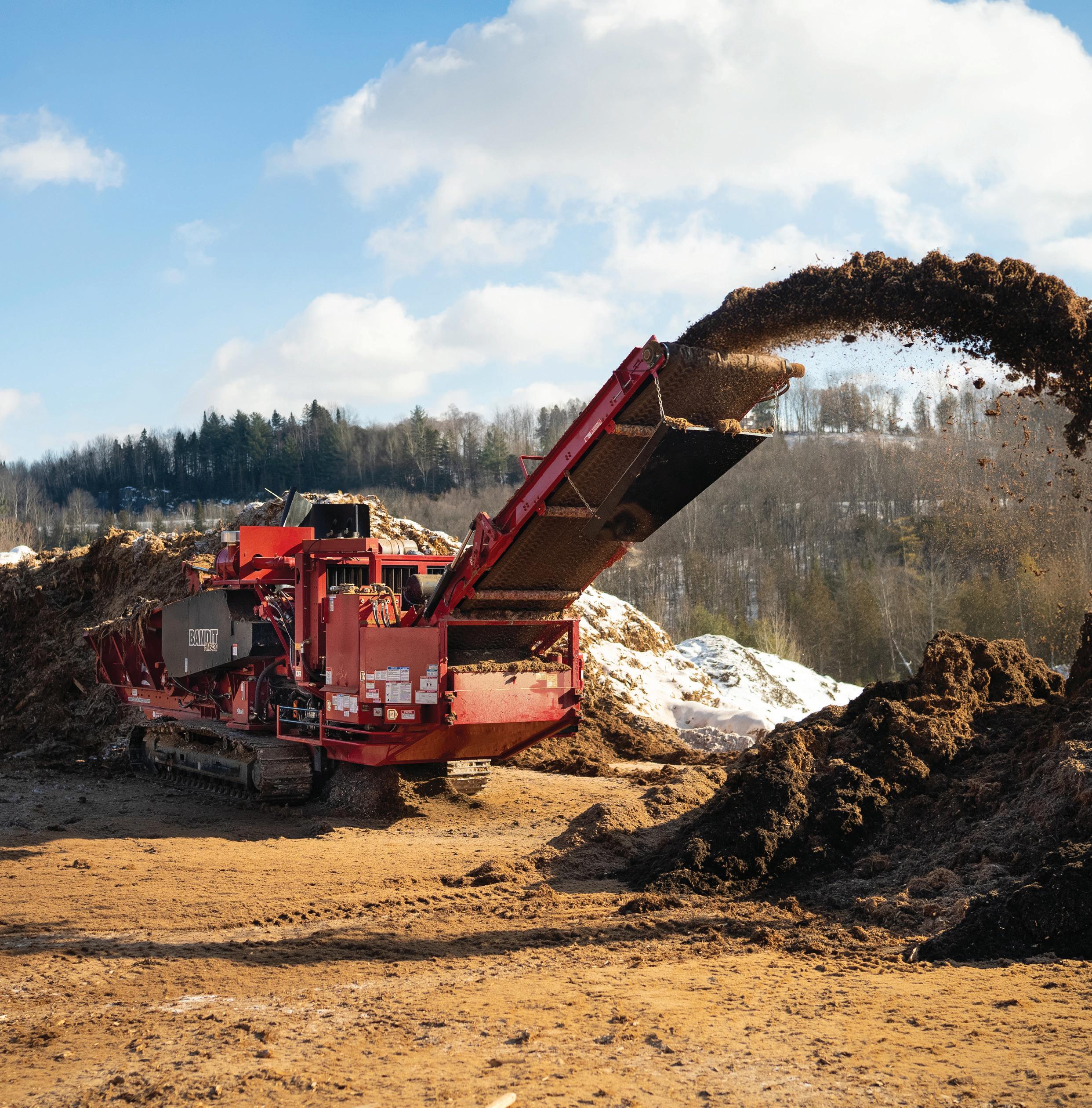
» 40” diameter capacity
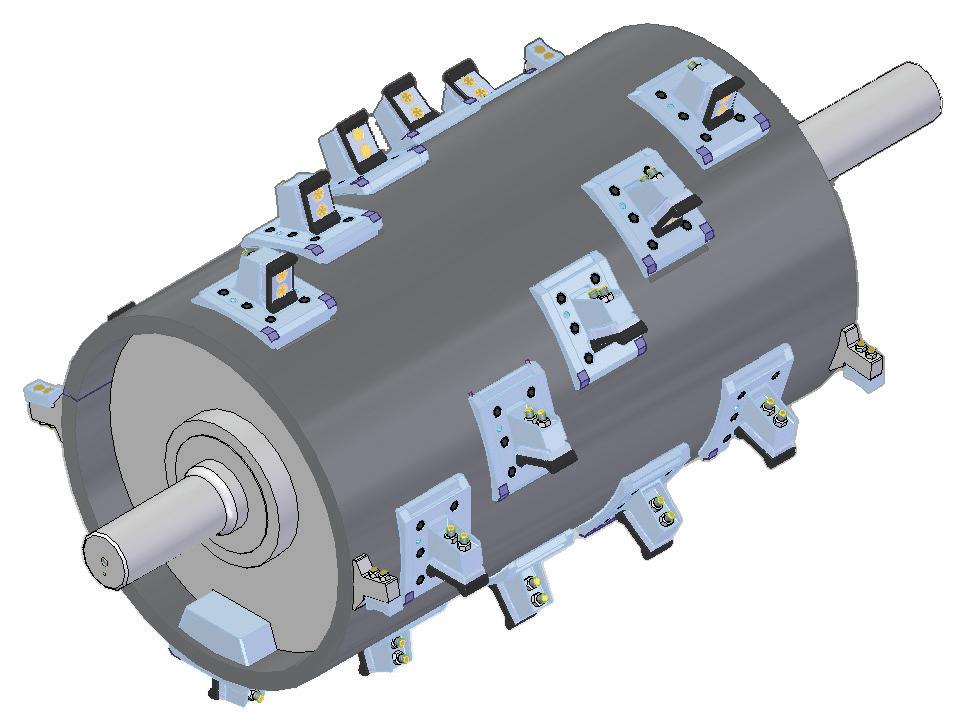
» Heavy-duty 50” diameter x 66” wide hammermill
» 20 hammer inserts
» Caterpillar C32, 1,200 horsepower engine
» Standard impact detection system
If you haven’t tried a Bandit unit for your operation, please contact a local Bandit dealer, email marketing@banditchippers.com or visit our website www.banditchippers.com and we will be happy to assist you!
MODEL HM6420
40” Capacity Hammermill Grinder
HM6420
Systems)
Amadas Industries
Johnson & Sons Mfg, Inc
Kuhn North America
Lachenmeier
Mollers North America
nVenia
NEWS 2026 BUYERS’ GUIDE Directory
Nova Automation
Premier Tech
Rethceif Packaging
Rotochopper, Inc
SPR Packaging
Broadcast (Lawn) Spreaders
Earth & Turf Products LLC
Ecolawn Applicator
Coloring Systems & Colorants
AgriCoatings / Div of American Colors Inc
Alvar Inc
Amerimulch
Bandit Industries
BASF Corp / Biodegradables
Britton Industries
Colorbiotics
Faltech Industries, Inc
Florida Coastal Colors
Milagro Rubber Inc
MÜNZING
Rotochopper, Inc
T.H. Glennon Company
Timber Ridge Equipment
Resource Machinery & Engineering
Smalis
Cutting Tools & Attachments
Quadco USA
Dust &
Odor
Control Equipment & Products
Buffalo Turbine
MobyDick Equipment Distributors (New & Used)
EarthSaver Equipment, Inc
Ecoverse LLC
GrinderCrusherScreen Inc
GrinderTrader.com
Kimball Equipment Co
Maverick Environmental Equipment
McCourt Equipment
Fabric Buildings
ClearSpan Fabric Structures
Fire Detection & Suppression
Kronebusch Industries
Morbark, Inc
Neustarr Equipment LLC
Peterson / Div of Astec
Precision Husky Corp
Rawlings Waste Wood Hogs
Resource Machinery & Engineering
Rotochopper, Inc
Stringer Industries Inc
Sundance Machinery
Timber Ridge Equipment
Vermeer Corporation
Viably
West Salem Machinery
Measuring / Monitoring Systems
Firmatek, LLC
REOTEMP Instrument Corp
Stockpile Reports
Mulch & Soil Producers
Green Vision Materials
Hickory Grove Garden Products
Ohio Mulch
Woodbed Corp
Mulch Blower Trucks
Express Blower, Inc
Screening Equipment & Plants
Action Vibratory Equipment
AEI - Aggregates Equipment, Inc
Amadas Industries
CBI – A Terex Brand
Edge Innovate
Fecon, Inc
Lake Erie Portable Screeners
McCloskey International
Orbit Screens, Inc
Premier Tech
Resource Machinery & Engineering
Rotex Group
Screen Machine Industries, Inc
Screen USA
Spaleck USA LLC
Timber Ridge Equipment
Viably
Vermeer Corporation
West Salem Machinery
Skid Steers & Wheel Loaders
Bobcat Company
Komatsu America Corp
Trade
Associations & Organizations
Mulch & Soil Council
U.S. Composting Council
Tree & Stump Splitters
U.S. Pride Products
Trucks, Trailers & Automatic Floor Systems
Dakota Peat & Equipment
Hallco Industries, Inc
Keith Mfg Co
Smith Co Side-Dump Trailers
Weaver Systems
Western Trailers
Wear Parts & Replacement Screens
A GrinderCrusherScreen Inc
ArmorHog®
DZ Grinders
Duragrind
DynaHog®
Kennametal, Inc
King Kong Tools LLC
Rawlings Waste Wood Hogs
AgriCoatings /
A Division of American Colors Inc 909 Tennessee Blvd Lebanon, TN 37087 (615) 443-0345
Jim Hallock jihallock@americancolors.com www.agricoatings.com
The landscape industry demands systems that are dependable, durable, and color consistent from batch to batch. And, today, these systems must be economical. Our water-based dispersions offer the industry a vast selection of vibrant colors with excellent binding characteristics that will enhance the beauty of any landscape See ad on pg 15
Alvar Inc Washburn, IL (309) 248-7523 www.alvarinc.com
BUYERS’ GUIDE 2026
the horticultural and recycling industries. See ad on pg 24
Amerimulch
7555 E Pleasant Valley Rd, Suite 100 Independence, OH 44131 (888) 421-0010 service@chromascape.com www.chromascape.com
As a pioneer in the colored mulch industry, Amerimulch’s® colorant blends and precision equipment make it possible for landscapes to come alive with vibrant color. We continue to be an innovator so you can provide more options and better results for your customers. See ad on pg 27
to best suit grinding applications. See ad on pg 19
B
Badger Shredding Algoma, WI (920) 487-8035 https://badgershredding.com
Bandit Industries is a leading equipment manufacturer of recycling and waste reduction equipment. A complete line of horizontal grinders is available ranging from 14” to 45” capacity. Additionally, Bandit and its dealer network are the exclusive North American representatives for ARJES Impaktor slowspeed shedders. Each machine in Bandit’s lineup has the full support of our employee-owned factory workforce and dedicated world-wide dealer network. See ad on pg 8
ClearSpan
Fabric Structures
South Windsor, CT (866) 643-1010 www.ClearSpan.com/ADSMPN
1 East M-Y Ln Morrisville, PA 19067 (856) 985-8245
Jim McNellis colorantorders@ brittonindustries.com https://brittonindustries.com Britton Industries is a leading manufacturer of 100% recycled mulches, soils and composts. Our colorant division provides premium liquid colorant and dry pigment products that ensure consistent, long-lasting color. We operate three high-efficiency bagging lines in a dedicated 45,000 sq ft plant, producing millions of bagged products annually for Britton and our co-packing partners. See ad on pg 7
Buffalo Turbine Springville, NY (716) 592-2700 www.buffaloturbine.com
Colorbiotics
1725 Dayton Ave
Ames, IA 50010 (888) 663-6980
www.colorbiotics.com
With more than 25 years of experience at the forefront of science and service, Colorbiotics continues to pioneer the technology behind the most popular coloring systems on the market and the largest palette of colorant in the world. See ad on pg 2
CBI - A Terex Brand Newton, NH (603) 382-0556 www.terex.com/cbi
D
Dakota Peat & Equipment
East Grand Forks, MN (701) 746-4300 https://dakotapeat.com
Pat Crawford, VP Products diamondz@diamondz.com www.diamondz.com
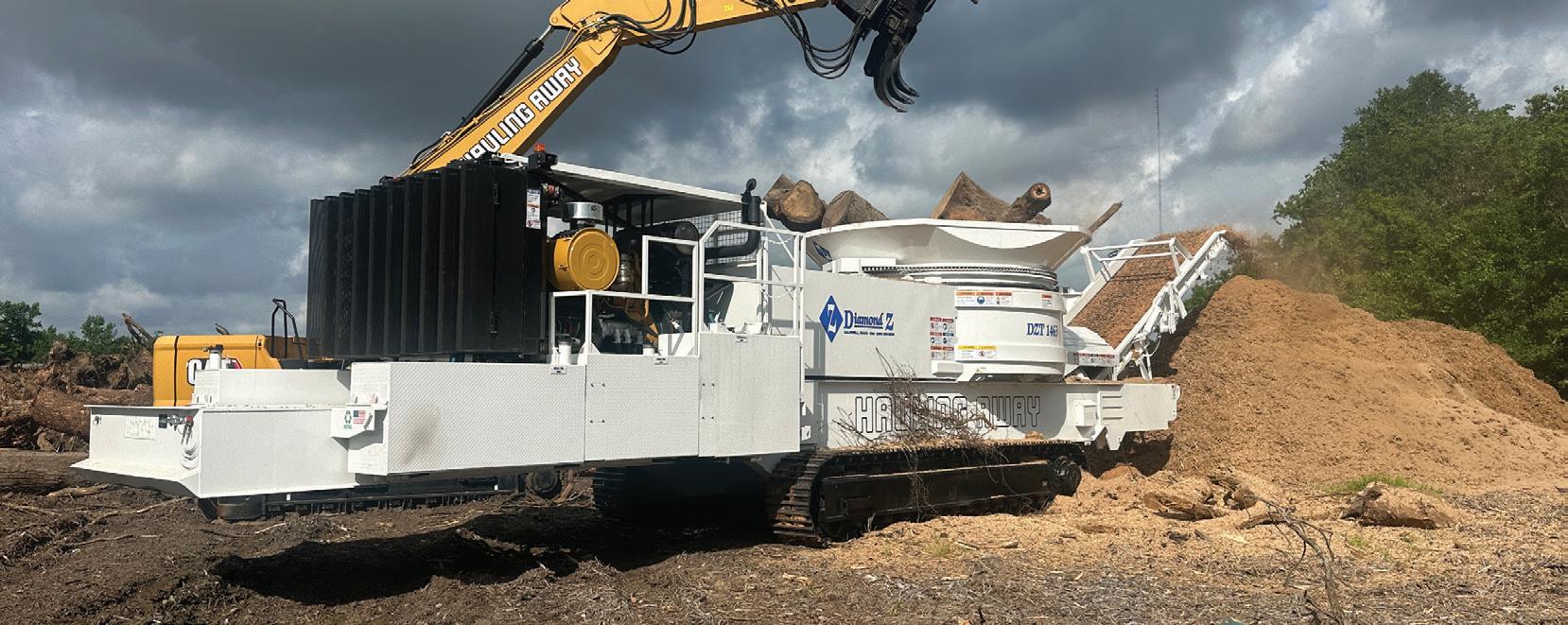
Diamond Z is a manufacturer of industrial waste reduction products including both tub and horizontal grinders ranging in sizes from 30,000 to 180,000 lbs and in horse powers from 440 to over 2400. All models available with diesel or electric power and tracked, wheeled or stationary. See ad on pg 22 C
Charter Next Generation (CNG) Hudson, OH (330) 283-8941 www.cnginc.com
experience, our staff maintains the utmost in the latest technology, bypassing all other antiquated Coloring Systems & Forestry Equipment on the market. Join the Quantum Revolution & make work life a lot easier!
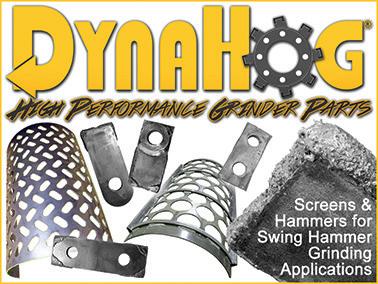
DynaHog® offers high performance grinder parts for your S WING H AMMER S TYLE Tub Grinder, Horizontal Grinder, and other Hammermill applications. Grinder service, rotor repair or replacement and digital hammermill balancing is available for all brands.
BUYERS’ GUIDE 2026
E D GE Innovate 30 Farlough Rd Dungannon Co. Tyrone BT71 4DT Northern Ireland +44(0)2887 740525 North American Sales Mgr (205) 777-9987 info@edgeinnovate.com www.edgeinnovate.com
EDGE Innovate is a global leader in designing and manufacturing high-quality machinery for the organic processing sector. With a strong presence in North America, EDGE products boost efficiency and productivity across various applications. Our extensive distributor network ensures dedicated support and after sales service. For organic processing, we offer slow-speed shredders, trommel screens, 3-way screeners, classifiers, picking stations, compost turners, and conveyors. Built for performance and durability, EDGE is the top choice in North America’s organic processing sector.
them win bigger, higher-margin work with faster installs and fewer labor hours. You don’t need more people … you need more machine. See ad on pg 26
Faltech Industries, Inc
Port Murray, NJ (908) 453-3050 www.faltechusa.com
Fecon Inc
Lebanon, OH (800) 528-3113 www.fecon.com
Finn Corporation
Fairfield, OH (800) 543-7166 www.finncorp.com
Firmatek, LLC
San Antonio, TX (210) 651-4990 www.firmatek.com
ATTENTION
ADvERTISERS !
Schedule your 4-color logo/photo listing in next year’s Buyers’ Guide Issue! For details, call 440-257-6453.
capability as well as mixers. See ad on pg 11
Green Solutions LLC
30 New Lane Cromwell, CT 06416 (860) 368-7309
John Wynne johnwynne@gsigreen.com www.gsigreen.com
Green Solutions LLC is the global distributor of Stockosorb 660 by Stockhausen Superabsorbers LLC. Stockosorb 660 holds up to 300 times its weight of water and nutrients and helps manage water use in drought - like conditions, then this superabsorbent polymer releases the water and nutrients back to plant roots in the soil as needed. StockoPam is an erosion control product for agriculture and for use in hydroseed applications to hold the hydroseed onto slopes. Green Solutions has products to address dust control, erosion control, and water and soil management. We serve: Soil Blending Operations, Wholesale Greenhouse Growers, Large Wholesale Nurseries, Agriculture, Forestry, the Lawn and Garden market, and many more. See ad on pg 21
Tim Wenger, VP/Sales Mgr hogzilla@cwmill.com www.hogzilla.com
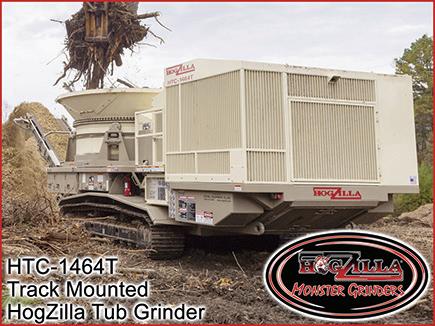
Diesel or electric powered HogZilla® MONSTER Tub & Horizontal Grinders ranging from 565-2000HP. Options including self-propelled track drive and self-loading units available. HogZilla® MONSTER Grinders provide the highest production rates for solid waste reduction, wood recycling, land clearing, construction demolition debris, mulch production, tire processing, or any other tough grinding application. Over 20 standard models available.
See ad on pg 16
BUYERS’ GUIDE 2026
Inteplast
Engineered Films
9 Peach Tree Hill Rd Livingston, NJ 07039
CustomerCare@inteplastef.com
www.inteplastef.com
A business unit of Inteplast Group, Inteplast Engineered Films (IEF) supplies industry-leading plastic films for a variety of uses, including heavy-duty mulch and soil packaging and stretch hooder. Our InteGreen® family of sustainable films supports brands looking to switch to more sustainable flexible packaging. IEF services its customers via its six North American locations.IEF services its customers via its six North American locations.
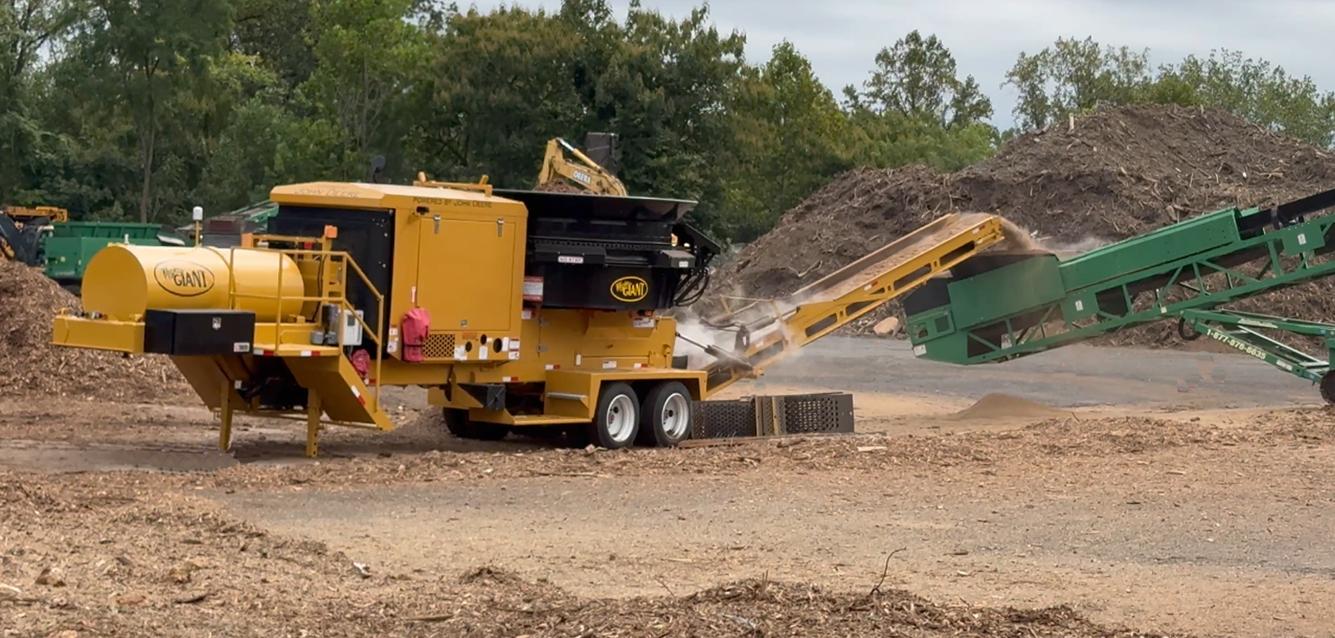
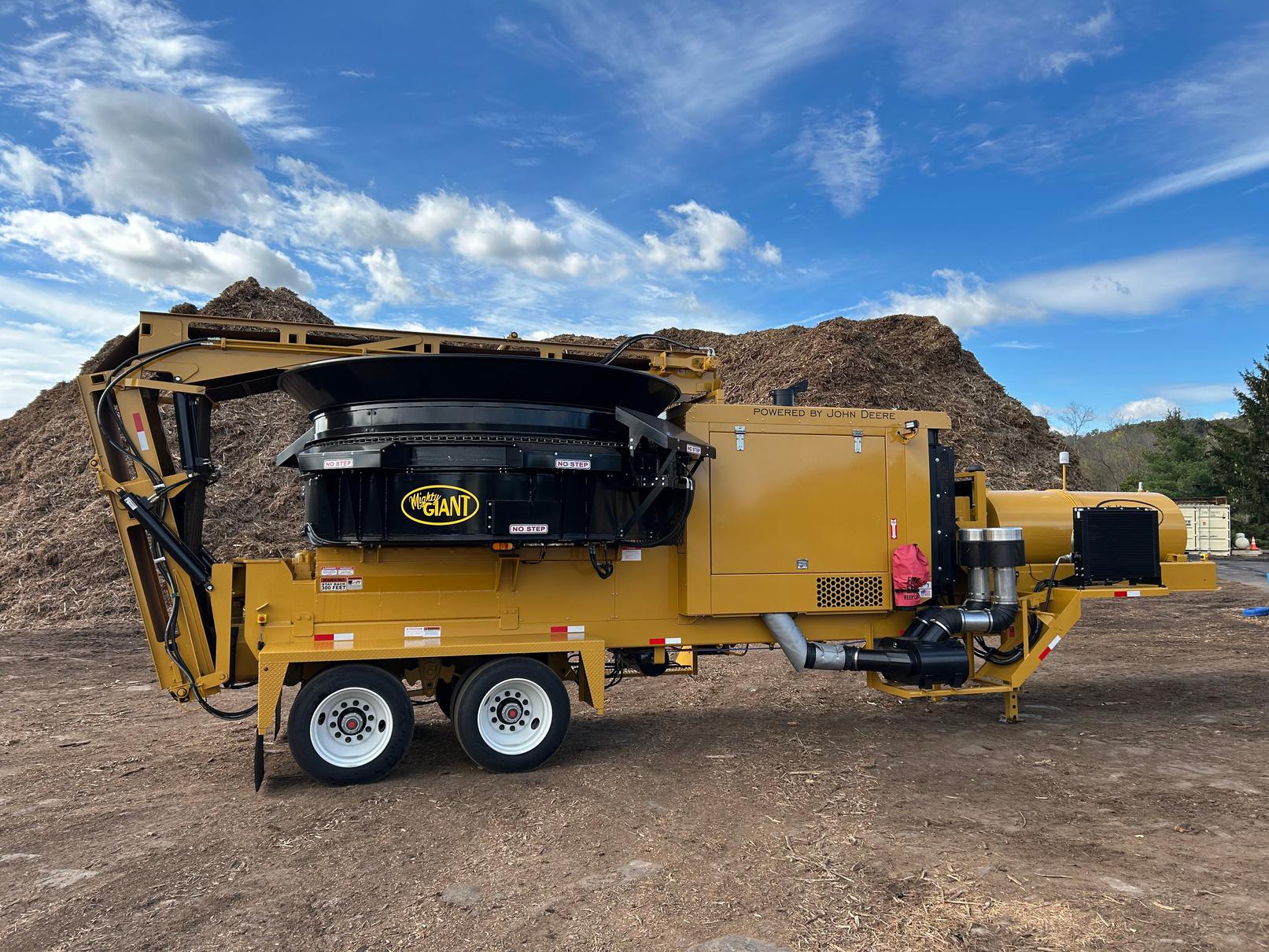
Jones Manufacturing Company 1486 12th Rd Beemer, NE 68716 (402) 528-3861 mightygiant@mightygiant.com www.mightygiant.com
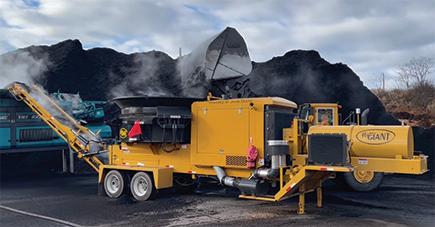
Mighty Giant manufactures heavy duty, commercial grinders designed for the wood industry. Choose from either a John Deere JD18 or CAT engine, both with extended warranty. Each model has a hydraulic opening tub for easy access, eliminating the need to climb in and out of the tub for service or repairs. See ad on pg 7
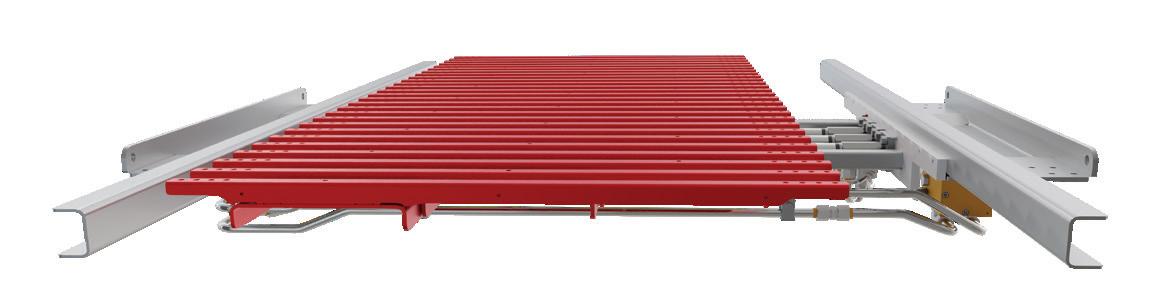
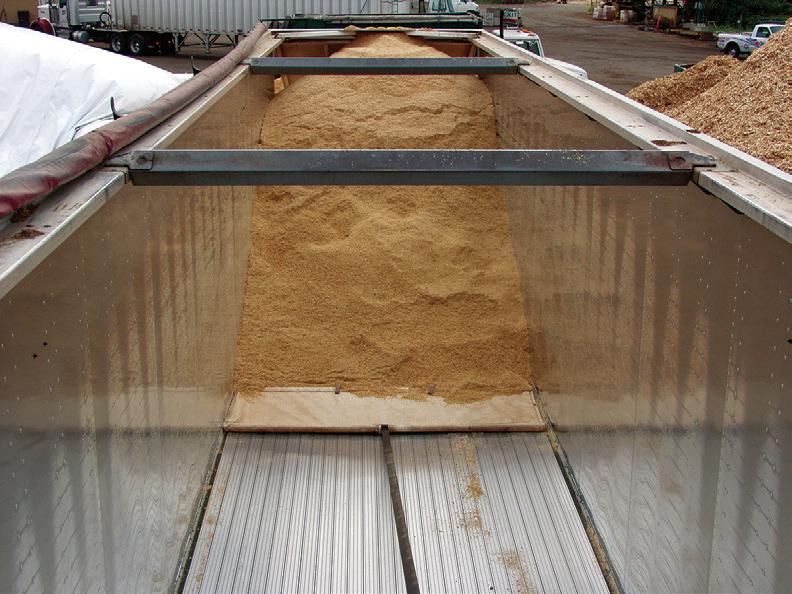
The KEITH® WALKING FLOOR® system is a horizontal trailer unloading solution that eliminates the need for tipping. Installed directly in the trailer, sequentially moving floor slats safely unload material, making it ideal for operations where dump trailers are impractical— such as under utility lines, near trees, or inside storage buildings. Coming in 2026, KEITH introduces the nextgeneration. RX Technology offers a drive unit engineered for simplified operation and maximum uptime. A version designed specifically for organics, agriculture, and wood products features faster unload speeds. See ad on pg 4
King Kong Tools LLC 753 Church St Buford, GA 30518 (678) 765-7930
info@kingkong-tools.com www.kingkong-tools.com
King Kong Tools is a Germanbased supplier of highest quality grinder tips for virtually all models of wood grinders and shredders. Our innovative KingPact grinder tip design has revolutionized the industry. It combines high cutting performance with extreme impact and wear resistance. More Grinding - More Profit!
Brodhead, WI (608) 897-2131 www.kuhnnorthamerica.com
L
Lachenmeier Glenview, IL (877) 859-7205 www.lachenmeier.us
Lake Erie Portable Screeners Lake City, PA (888) 448-2486 www.pitbullscreeners.com
LOADSCAN Limited (800) 747-2973 www.loadscan.com
BUYERS’ GUIDE 2026
Maverick Environmental Equipment
3901 N Bend Rd
Ashtabula, OH 44004 (440) 214-7000
Tim Smith www.maverickenvironmentalequipment.com
Maverick supplies the mulch, soil, and compost industries as a dealer of heavy equipment. Our brands include McCloskey, Morbark, and Ecoverse, with products ranging from screeners and stackers to shredders, compost turners, grinders, and mulchers. We pride ourselves on our team and the level of support we commit to our customers.
See ad on pg 5
McCloskey International
Keene, ON Canada (651) 829-7883 www.mccloskeyinternational.com
McCourt Equipment
Ft. Worth, La Grange, Odessa, TX Lakeland, FL Hammond, LA (888) 838-9252 www.mccourtequipment.com
Milagro Rubber Inc
Austin, TX (512) 330-9352 www.e-milagro.com
MobyDick
Downingtown, PA (610) 458-9151 www.us.mobydick.com
Mollers North America
Grand Rapids, MI (616) 942-6504 www.mollersna.com
Morbark, Inc
Winn, MI (800) 831-0042 www.morbark.com
Mulch & Soil Council (MSC) 7809 FM 179
Shallowater, TX 79363 (806) 832-1810
Robert LaGasse, Executive Dir execdir@mulchandsoilcouncil.org www.mulchandsoilcouncil.org
The mission of the MSC is to define quality products and promote an open marketplace for producers of horticultural mulches, consumer soils and commercial growing media. Join with the industry’s leading companies to expand the market for consumer and commercial mulch and soil products.
MÜNZING
1455 Broad St Bloomfield, NJ 07003 (973) 279-1306
info@munzing.us www.munzing.com
MÜNZING offers a comprehensive product portfolio of specialty additives including Additives for Water Based Mulch Colorants:
• Defoamers eliminate foam during grinding and post processing
• Wetting & Dispersing Agents promote excellent dispersion stability, high color strength and high pigment loading
NuFiber® / Product Division of Nutrient Control Systems, Inc
Chambersburg, PA (717) 261-5711
www.nufibersoil.com
nVenia HAMER Brand Solutions
750 N Wood Dale Rd
Wood Dale, IL 60191 (800) 253-5103
info@nVenia.com www.nVenia.com
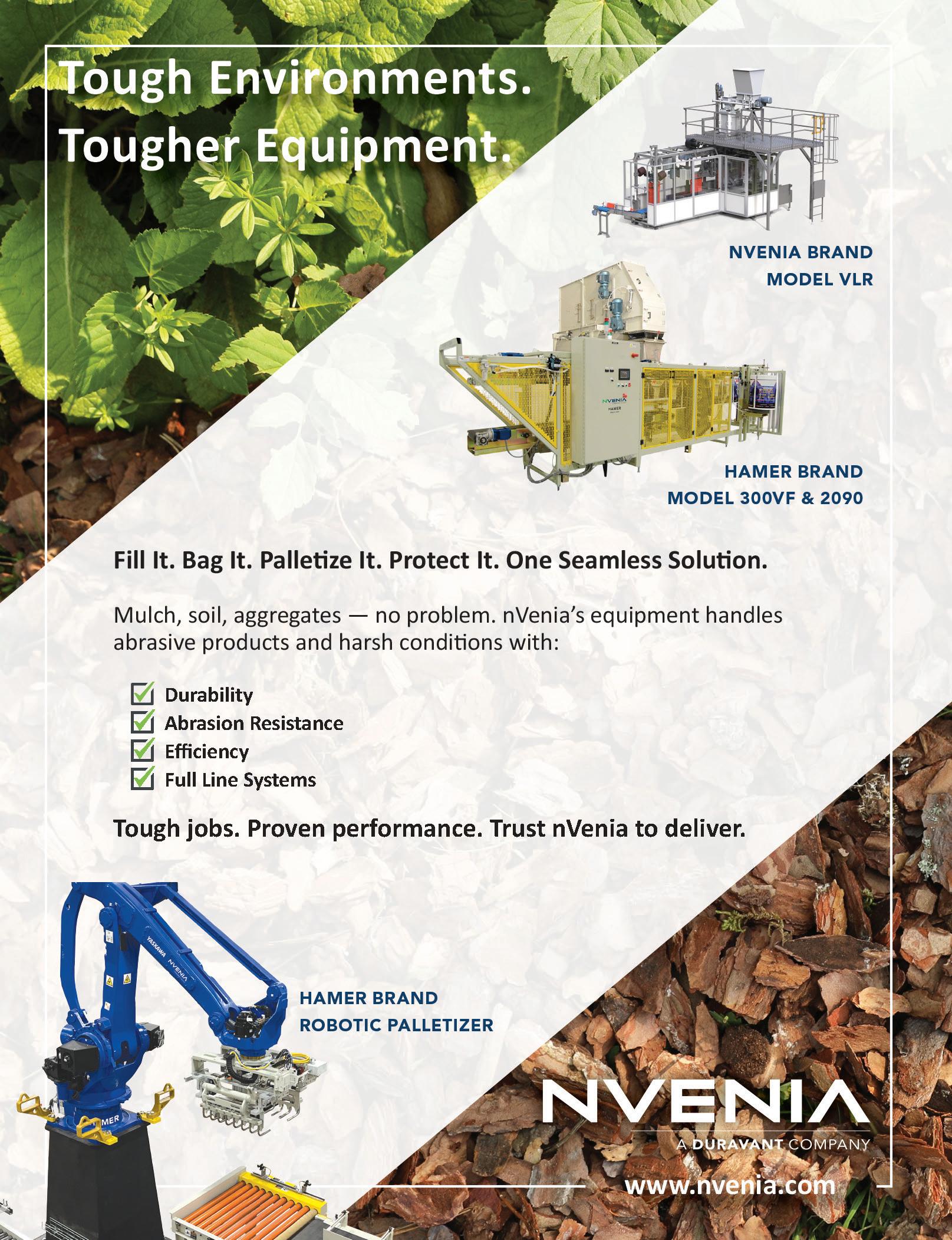
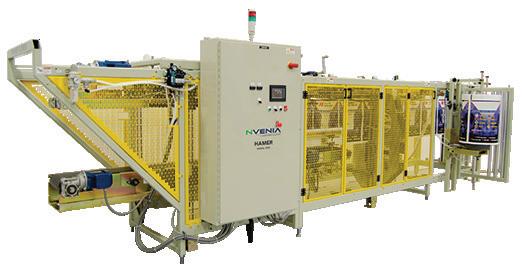
nVenia’s HAMER Brand 2090 Form, Fill & Seal Machine is the most capable and flexible industrial bagging machine available. Extensive updates have improved uptime and reduced annual maintenance costs by nearly 60 percent. Paired with our industryleading 300VF volumetric filler, the 2090’s high speeds, easy operation, and simple maintenance make it the industry’s first choice for bagging automation.
See ad on pg 6
Schedule your 4-color logo/photo listing in next year’s Buyers’ Guide Issue! For details, call 440-257-6453.
Neustarr Equipment LLC Liverpool, NY (864) 606-9830
www.neuenhauserna.com
NOVA Automation Denver, CO (303) 495-5010 www.novaautomation.com
Ohio Mulch is a landscape supply company that has been providing innovative products and services to satisfied customers for over 40 years. We produce and sell more mulch in Ohio than any other manufacturer. Our top- quality products are certified by the national Mulch and Soil Council. When choosing a product our dedicated sales team has the information you need. We have the capability to deliver our product right to your door with a proven record of on-time deliveries. See ad on pg 13
Orbit Screens, Inc
Delhi, IA
(563) 922-9230 www.orbitscreens.com
Organic Mechanics
Soil Co
Kennett Square, PA (610) 380-4598 www.organicmechanicsoil.com
Precision Husky Corporation
PO Box Drawer 507 Leeds, AL 35094-0507 (205) 640-5181
P.V.P. Industries
9819 Penniman Rd N Bloomfield, OH 44450 Toll Free: 1-800-255-4801
Local: (440) 685-4701
Fax: (440) 685-4709 info@pvpind.com
Since 1984, P.V.P. Industries has been a leading supplier of perlite, vermiculite, and soil/soilless mixes. We also offer contract packaging services to help industry partners expand markets and reduce costs. Trusted for quality and innovation, we proudly serve as a key partner in the central United States.
Peterson / Division of Astec Eugene, OR (541) 689-6520 www.petersoncorp.com
Portable Stackers LLC
Pittsburgh, PA (412) 855-6240 www.portablestackers.com
Power Brushes Inc
2840 N Centennial Rd Toledo, OH 43617 (906) 290-4121
Kim Duffrin kmd@powerbrushes.com www.powerbrushes.com
We manufacture trommel brushes for: McCloskey, Powerscreen, Wildcat / Vermeer, ReTech, Rotoscreen and more as well as custom trommel brushes. Our customers can expect quality products, excellent service and competitive pricing every time they place an order with Power Brushes Inc. We also have replacement brush wafers for Doppstadt Trommel Screens. See ad on pg 26
Steve Briscoe, ProGrind Sales Mgr steveb@precisionhusky.com www.precisionhusky.com Precision Husky Corporation is an International Manufacturer of Wood Waste Tub Grinders, Horizontal Grinders, Whole Tree Chippers, Debarkers, and Husky Knuckleboom loaders. ProGrind grinders are available with diesel engines from 150HP to 1200HP with electric models as an alternative. See ad on pg 18
Prism Corporation St Paul, MN (651) 488-4250 www.prismpigments.com
Quadco USA Inc Lexington, SC (800) 668-3340 www.quadco.com
Whether
Exceptional Throughput
Smart Reporting
Stay
Durability
Invest
Bid
BUYERS’ GUIDE 2026
Rawlings
Mfg Inc
1780 Idaho St
Missoula, MT 59801
(406) 728-6182
Judi Tyacke, Sales/Project Mgr
judi@rawlingsmanufacturing.com
www.wastewoodhogs.com
Rawlings Super Hi-Inertia™ Hogs are the most productive and cost-efficient wood grinders available. For over 45 years our machines have proven track records in some of the toughest applications that exist. Rawlings offers a complete line up of seven different sizes of both vertical and horizontal hogs to fit any application. Add a wide variety of available options, and you’ve got the flexibility to customize the perfect wood processing system. Each system can be designed with work platform decks, choice of belt, chain or vibrating in-feed and out-feed conveyors.
See ad on pg 19
Rethceif Packaging
Ossian, IN (260) 622-7200
www.rethceif.com
280 W Stanley Ave, Unit A Ventura, CA 93001 (805) 641-0991
info@resourcemachinery.com
www.resourcemachinery.com
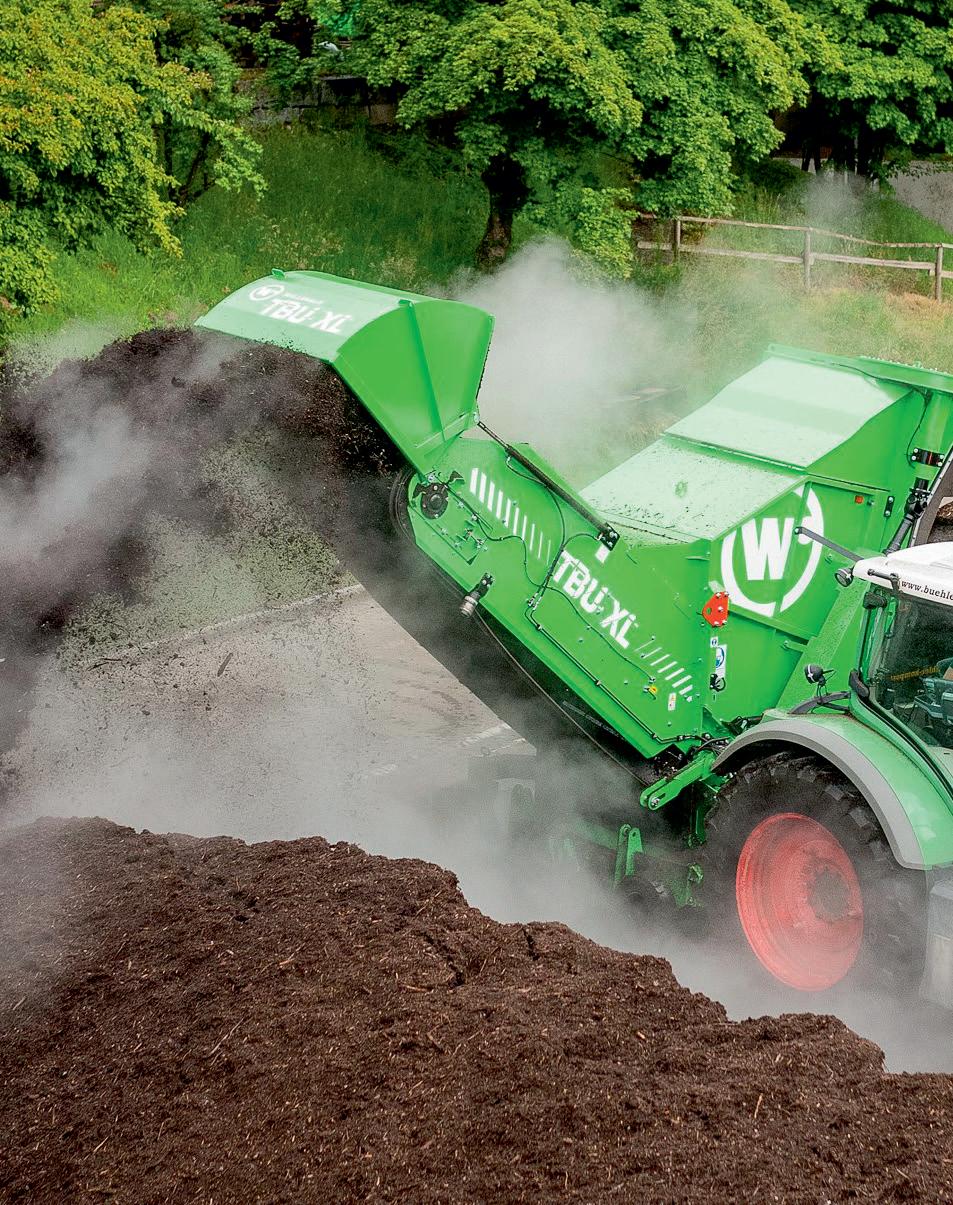
Sales and Service of portable and stationary screening, shredding, composting, material handling and recycling equipment. Distributor for Twister Food Waste Depackager and Promeco BioExtruder, with applications in organics recycling, production of wood fiber and pre-treatment AD feedstock. Distributor of Willibald Trapeziodal heap turner and shredders. See ad on pg 5
Rotex Group (BM&M Screening Solutions) (513) 541-1236
info@rotex.com
Rotex Group specializes in innovative screening and separation solutions for industries worldwide. With over 180 years of expertise, we deliver durable, high-performance equipment, OEM parts, and expert support to maximize efficiency and reliability in your operations.
Rotochopper Inc
St Martin, MN (320) 875-9950
www.rotochopper.com
RPM Equipment Sales
Punta Gorda, FL (833) 862-7874
www.rpmcrushersandscreens.com
SSCARAB Mfg
White Deer, TX (806) 883-7621
www.scarabmfg.com
Screen Machine Industries
Etna, OH (800) 837-3344
www.screenmachine.com
Screen USA Inc
Smyrna, GA (770) 433-2440
www.screenusa.net
ATTENTION ADvERTISERS !
Selene North America, LLC
191 Main St, Suite 244
Port Washington, NY 11050
(877) 220-0483
info@selene-na.com
www.selene-na.com
Selene is one of the leading industrial flexible packaging manufacturers in the world. Selene Power stretch Hood is ideal for mulch, Compost, Peatmoss and top soil. Selene N.A. manufacturer of stretch hood. It has high stretch ratio, protect your products inside and outside storage, excellent UV protection, printing option, 100% recyclable. Our Poly bag is made from Low - density Polyethylene, low-slip, and a oneyear UVI protection. Custom-made high - quality printing. Ideal for mulch, topsoil, gravel, and similar products.
BUYERS’ GUIDE 2026
U.S. Composting Council
Raleigh, NC (301) 897-2715
www.compostingcouncil.org
U.S. Pride Products 1516 110th Ave Hammond, WI 54015 (715) 760-0907
Charlie VanDusartz
Charlie@usprideproducts.com
www.usprideproducts.com
1210 East Vermeer Rd Pella, Iowa 50219 (641) 628-3141
www.vermeer.com
minutes from I-70 and PA Turnpike Stanton Exit. See ad on pg 3
SmithCo
Side-Dump Trailers
Le Mars, IA (800) 779-8099 www.sidedump.com
Spaleck USA
Perryopolis, PA (412) 294-2494 www.spaleck-us.com
SPR Packaging
Rockwell, TX (469) 267-9429 www.sprpackaging.com
Stockpile Reports
Redmond, WA www.srmeasure.com www.stockpilereports.com
Stringer Industries
Tylertown, MS (601) 876-3376 www.stringerind.com
Sundance Machinery
Virginia Beach, VA (757) 524-2811 www.sundancemachinery.com
producing richly colored mulch. We have invested in our own tractor trailers to ensure on-time deliveries, while providing outstanding service and support. For excellent colorants and great service call T.H. Glennon. See ad on pg 28
The Bulk Bag Company
La Mirada, CA (866) 517-4699 www.thebulkbagcompany.com
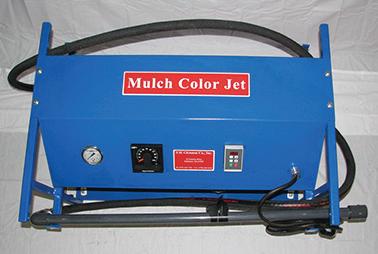
Timber Ridge Equipment specializes in serving the wood and recycling industry. We sell our own line of Chameleon coloring machines, as well as mulch colorant systems and dye pumps. Timber Ridge is also the mid-Atlantic dealer for the Eggersmann line of shredders and screeners. Our fully outfitted repair shop and service truck are here to provide you with quality repairs, along with our parts department which stocks parts for many lines of grinding & recycling equipment. See ad on pg 23
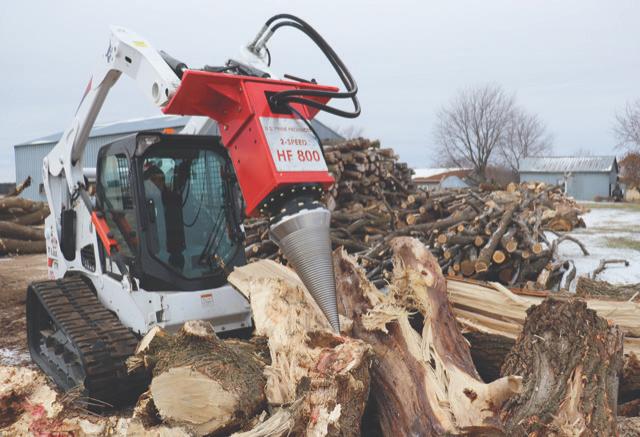
U.S. Pride Products offers the only American made Cone Style Tree and Stump splitter attachment for any size carrier from mini skid steer to full size excavator.
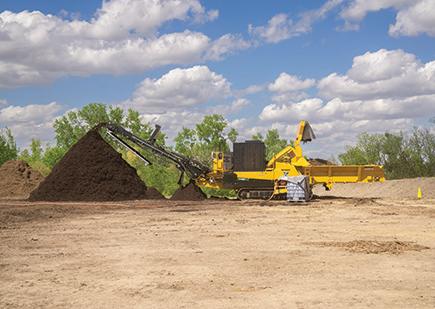
For more than 30 years, Vermeer has led the recycling industry with innovative equipment engineered with customers in mind. Our lineup is highly specialized, designed to push through long days and take on tough materials. And every machine comes backed by knowledgeable, experienced dealer support. See ad on pg 25
Viably (formerly Komptech Americas) Denver, CO (720) 890-9090 www.thinkviably.com
Verbruggen Palletizing Solutions, Inc
5804 Road 90, Suite D Pasco, WA 99301
Matt Craycraft, Account Mgr (509) 531-7350
www.verbruggen-palletizing.com
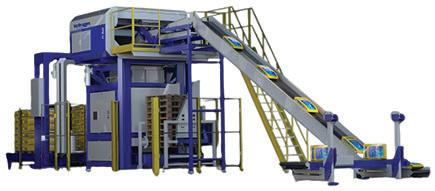
For over 30 years, Verbruggen has led the global palletizing industry with Dutch innovation. We provide customized, durable systems for bags, boxes, and crates, supported by worldwide service. From design to longterm maintenance, our familyowned business delivers precise, sustainable solutions that help companies across the globe stack smarter and move faster.
Walz Scale Company
656 High Point Ln East Peoria, IL 61611 (309) 694-3200
Matt Walz, President mwalz@walzscale.com www.walzscale.com
Walz Scale has been supplying weighing and measurement equipment to the mulch and agriculture industry for over 50 years. The Walz Scanner is the first NTEP Certified volumetric measurement technology in the USA. This dynamic system is ideal for operations looking to increase vehicle throughput and track material loads by volume. Our family-owned business also specializes in truck scales, industrial scales and onboard scale systems. Walz Scale is your single source for weighing and measurement solutions. See ad on pg 20
Weaver Systems LLC 5160 Martin Dr Gap, PA 17527 (717) 407-4835 ash@weaversystems.co www.weaversystems.co
Weaver Systems LLC specializes in manufacturing bulk commodity trailers equipped with the scrolling floor belt system. This system is fast and efficient, solving your delivery challenges and allowing you to get more done in less time. Scroll-Tek -- Rigid. Reliable. Robust. Innovating and perfecting since 1997. See ad on pg 21
West Salem Machinery Salem, OR (800) 722-3530 (503) 364-2213
www.westsalem.com
Western Trailer Co Boise, ID (888) 344-2539 www.westerntrailer.com
Woodbed Corp St. Marys, PA (800) 247-5522 www.woodbed.com
Precision Husky Corporation leads the forest products industry, building the highest quality, most rugged equipment available since 1964. Our H3060T horizontal grinder carries on that proud tradition.
Our horizontal grinders are the most powerful, easiest to use grinders in the industry. They are designed with innovative features and advanced technologies to give you the power and production needed to tackle the most demanding grinding operations.
You can invest in our equipment with confidence, and know it will do the job for many years to come. Call us today to discuss your needs and learn more about our high-performance products.
• Triple Shear Protection for Hammermill
• Remote Control
• Magnetic Head Pulley for Metal Separation
• Steel Infeed Belt
• HPTO Wet Clutch
• Enclosed Engine Cover with Dual Access Doors for Ease of Maintenance
ProGrind Horizontal Grinders
Product / Equipment Profiles
KEITH Highlights CleenSweep® System
KEITH Manufacturing Co. recently introduced the CleenSweep ® System—an automated solution designed to improve trailer cleanout, safety and turnaround time for bulk handling operations.
The CleenSweep® system automates the entire cleanout process, replacing manual tarps, leaf blowers and brooms. By keeping operators out of the trailer, it significantly reduces the risk of falls, sprains and other workplace injuries that typically occur during manual cleanout. The system helps crews stay productive while maintaining a safer working environment.
Powered by the same hydraulic system that drives the KEITH WALKING FLOOR® system, the CleenSweep® winch is engineered to adapt to a wide range of trailer configurations. During unloading, the tarp travels smoothly along the inside of the trailer, sweeping residual material toward the discharge point for consistent, thorough cleanout. Once the load is discharged, operators simply retract and
reset the tarp at the push of a button, saving time and supporting faster route cycles.
The CleenSweep ® system performs especially well with materials such as agricultural commodities, wood shavings, soil, compost, and manure, working seamlessly with the KEITH WALKING FLOOR® system to reduce crosscontamination between loads. By eliminating the need for drivers to install manual tarps or enter the trailer during cleanout, the system lowers exposure to potential accidents— including the risk of accidental burial if loading begins while someone is inside the trailer. These safety advantages can also contribute to reduced workers’ compensation exposure and insurance costs.
For WALKING FLOOR ® trailers used on tipping platforms, an optional lock kit secures the tarp inside the trailer during tipping. A spring-brake design simplifies ongoing adjustments, helping maintain proper tension and long-term dependability.
With its fully automated, push-button operation, the CleenSweep® system provides reliable, repeatable cleanout with every
unload—helping operators protect their workforce while improving overall efficiency.
For more information, visit www.KeithWalkingFloor.com.
advertiser NeWs
Maverick environmental equipment expands service Capabilities at alma Headquarters
alma, MI – Maverick Environmental Equipment, a leading provider of environmental and recycling equipment solutions, recently announced an exciting expansion at its company headquarters in Alma, Michigan. The Alma location recently completed a major cleanup and renovation of a building on its property, transforming it into a dedicated Equipment Service facility.
This new Service space will allow Maverick to better support customers with expert maintenance and repair services for a wide range of environmental and recycling equipment. By enhancing its headquarters with a specialized service area, Maverick reinforces its commitment to providing comprehensive solutions that keep customer operations running efficiently.
“Our goal has always been to deliver exceptional service and support,” said Charlie Stahl, EVP –Equipment & Operations, at Maverick Environmental Equipment. “By investing in this new facility at our Alma headquarters, we’re ensuring that our customers have access to the resources and expertise they need—right here in Michigan.”
The renovated building will house advanced tools and equipment, along with a team of skilled technicians dedicated to minimizing downtime and maximizing performance for Maverick’s customers.
UC riverside Pilot Facility turns agricultural and Forestry Waste into High-value Fiber Feedstocks
researchers at the University of California, Riverside (UCR) have completed construction of a multi‑kilogram scale biomass processing facility that converts agricultural and forestry waste into high quality pulp suitable for fiber and textile production, reports techxplore.com . The two story pilot system demonstrates a pulping approach that could help growers, forest managers, and land agencies turn costly waste streams into marketable products.
The facility, housed at UCR’s Center for Environmental Research and Technology
(CE CERT), showcases a patented process known as co solvent enhanced lignocellulosic fractionation, or CELF. Developed by Charles Cai, associate research professor of chemical engineering, the technology offers a cleaner and less energy intensive alternative to conventional kraft pulping.
“CELF is milder, uses significantly less energy, and avoids many of the environmental drawbacks of traditional pulping,” Cai said. “It doesn’t compete with lumber production because it can convert low grade or substandard biomass into an on spec, high value pulp.”
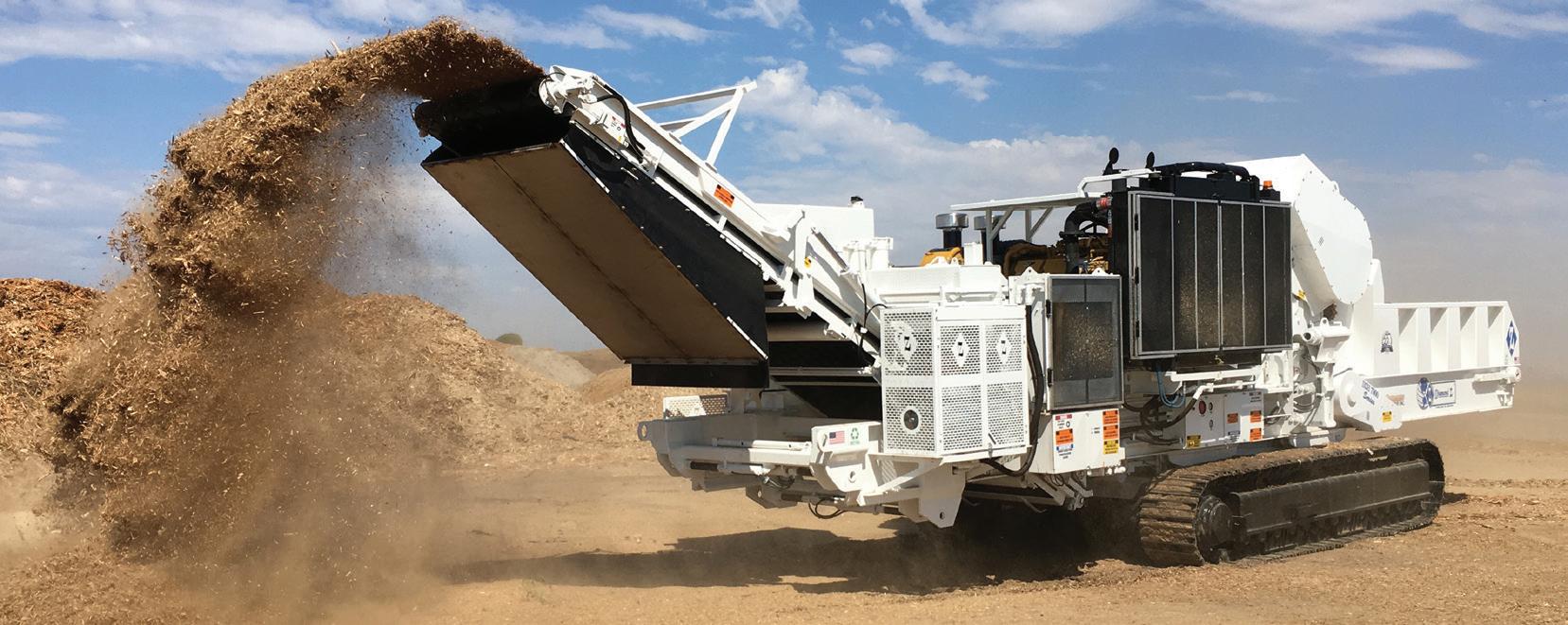
The BIGGEST, BADDEST Grinders In The World!
The industry’s largest, most powerful, most productive Horizontal and Tub Grinders — only from Diamond Z!
Check them out at your Diamond Z Dealer or diamondz.com
textile-Grade Pulp From Waste streams
the pulp produced by the CELF system has qualified as textile‑grade dissolving pulp—the highest value category of pulp used to manufacture cellulose based fibers such as rayon and lyocell. These fibers are widely used in performance apparel and undergarments by sustainable fashion brands, including Patagonia and Lululemon.
Unlike conventional kraft mills, which rely on whole logs harvested from forests and operate under high heat, pressure, and caustic chemical conditions, the CELF system processes low grade biomass using approximately 50% less energy. Feedstocks include forest thinning debris, orchard trimmings, and agricultural residues such as corn stalks—materials that are often burned, landfilled, or left to decay, contributing to air pollution and disposal costs.
eliminating Black Liquor and Capturing Co-Products
a
key advantage of the CELF process is what it avoids producing. Traditional kraft pulping generates “black liquor,” a toxic and highly caustic byproduct that poses significant risks to air and aquatic ecosystems. CELF, by contrast, yields non toxic dissolving pulp along with several usable co products, including purified lignin, fermentable sugar syrups, and gypsum.
Lignin extracted through the CELF system can be used to manufacture biopolymer products such as bio polyurethane foam panels for building insulation. The gypsum byproduct is the same material commonly used in drywall, creating potential interest from construction materials manufacturers as well as textile producers.
“The process is gentle enough that it doesn’t destroy the material,” Cai said. “That means the byproducts remain clean and usable rather than hazardous.”
From Wildfire Mitigation to activewear
the pilot facility recently began processing shredded forest debris, or “slash,” from California forest thinning projects aimed at reducing wildfire risk. Its first commercial collaborator is The Hurd Co. of Santa Monica, which is evaluating the technology’s ability to convert almond orchard waste into dissolving pulp that can be spun into lyocell for activewear applications.
The Hurd Co. also provided equipment donations that helped complete the pilot system after more than $1 million in federal grant funding originally allocated to the project was suspended.
With the pilot facility now operational, UCR is seeking additional business services
Continued from previous page agreements and licensing opportunities with companies interested in developing biomass‑based fibers and other materials using CELF technology.
enabling distributed Pulp Production
Because CELF can operate effectively at a smaller scale than conventional pulp mills, it opens the possibility of distributed pulp production—potentially located near the source of the biomass itself. Farms, forest management agencies, or regional cooperatives could install compact systems to process their own waste streams rather than transporting material to centralized facilities.
“This isn’t about inventing a new fiber,” Cai said. “It’s about making existing materials in a cleaner, cheaper, and more sustainable way — using what was previously considered waste.”
In many cases, he added, the technology addresses two challenges at once: reducing disposal and pollution problems while creating new revenue opportunities from agricultural and forestry byproducts. For industries under increasing pressure to decarbonize supply chains and reduce environmental impacts, CELF offers a practical pathway to higher‑value, lower‑impact fiber production.
Continued from page 3
News From MSC
Additional discussion addressed definitions of clean and untreated wood, exclusion of treated or painted materials, alignment with industry certification and heavy metals testing standards, and emerging concerns such as PFAS, for which no current regulatory limits exist. Ohio EPA indicated that revised composting rules would become effective in early December and reaffirmed that wood recycling facilities fall outside the composting regulatory program.
FMCSA’S New CDL Rules
The Federal Motor Carrier Safety Administration (FMCSA) has issued an Interim Final Rule (IFR) sharply tightening the issuance of non domiciled commercial driver’s licenses (CDLs) and learner’s permits after discovering widespread failures in State licensing systems and a series of fatal crashes linked to improperly vetted drivers. The rule, effective September 29, 2025, is designed to restore the integrity of the CDL program and reduce safety risks on U.S. roadways.
FMCSA’s 2025 Annual Program Reviews revealed systemic problems in multiple States, including incomplete checks of immigration status, expiration dates far beyond authorized presence, and incorrect classification of foreign domiciled applicants. Recent crashes involving non domiciled CDL holders—some lacking lawful status or with prior violations—further elevated FMCSA’s safety concerns.
Under the IFR, only individuals lawfully present in specific employment based visa categories— H 2A, H 2B, and E 2—are eligible for non domiciled CDLs. Applicants must present an unexpired foreign passport and Form I 94, and States must verify status through DHS’s SAVE system at every issuance, renewal, or upgrade. Licenses must expire within one year or upon the end of the driver’s authorized stay, whichever is sooner. States must also downgrade a CDL within 30 days if a driver loses lawful status.
While most States are working toward compliance, several have pushed back or struggled with implementation. California, Texas, Washington, Colorado, South Dakota, and Pennsylvania were all identified by USDOT for problematic issuance patterns, with some initially resisting federal directives to pause or correct their processes. Critics argue the IFR will reduce available drivers, while FMCSA maintains the safety benefits outweigh short term labor impacts.
Results of 2025 MSC Survey
Continued from page 1
Weather Remains the Dominant Variable
When respondents were asked to rank factors influencing sales, weather emerged as the most frequently cited top driver. While forecasts remain outside anyone’s control, the survey results also underscore the importance of customer related dynamics, including customer gains or losses and shifts in consumer demand.
Together, these factors reinforce the value of strong service levels, dependable supply, and long term customer relationships as key differentiators—particularly in seasons shaped by uneven weather patterns.
Survey Participation Provides a Strong Market Read
The majority of respondents were Producer members, offering a clear view from the production side of the market. Facilities were represented across multiple regions, with the Central region most heavily represented, alongside strong participation from the Northeast, Mid Atlantic, and Southeast.
Taken together, the survey results indicate a market that is holding steady to growing, led by soils and supported by solid bulk mulch performance. Bagged mulch remains competitive, rewarding companies that execute well and stay close to their customers.
As a new year begins, the message is clear: reinforce customer retention, plan for weather driven volatility, and position inventory to capture demand spikes when they occur. The fundamentals of the category remain strong, and companies that stay responsive and market facing are well positioned for continued success in 2026.
The Mulch & Soil Council began in 1972 and is the national association of producers of horticultural mulches, consumer potting soils and commercial growing media. Its mission is to define quality products and promote an open market and fair competition. For more information about MSC, visit www.mulchandsoilcouncil.org or call 806-832-1810.
an Old antibiotic May Offer a New Way to Fight Lyme disease
an antibiotic that has been on pharmacy shelves for decades may hold surprising promise against Lyme disease—one of the fastest growing infectious illnesses in the United States. According to an article in The Epoch Times, new research suggests the drug could clear Lyme infections at extremely low doses while offering fresh clues about why symptoms sometimes linger long after treatment.
In two recent studies published in , researchers found that piperacillin, an antibiotic already approved by the U.S. Food and Drug Administration for other infections, was able to eliminate Lyme disease in mice at doses up to 100 times lower than those typically used for doxycycline, the standard treatment today.
What makes the finding especially notable is how targeted piperacillin appears to be. Unlike doxycycline, which can disrupt a wide range of bacteria in the gut, piperacillin zeroes in on , the bacterium that causes Lyme disease. That specificity could mean fewer side effects and less harm to the beneficial microbes that play an important role in digestion and immune health.
Researchers say the antibiotic interferes with a unique process the Lyme bacterium uses to build its cell wall—a structure essential for its survival. Because this process differs from that of many other bacteria, piperacillin can be effective at doses low enough to leave most other microbes untouched.
Continued on next page
Continued from previous page
Beyond treatment, scientists are also exploring whether piperacillin could be used preventively. The idea is simple but potentially transformative: a single dose given shortly after a tick bite might stop the infection before it takes hold. Early diagnosis of Lyme disease is notoriously difficult. Tick bites often go unnoticed, symptoms may not appear for weeks, and standard tests rely on antibodies that take time to develop, leading to false negatives early on.
While the research is still in its early stages and limited to animal models, the possibility of a targeted, low dose treatment has generated cautious optimism. Human clinical trials will be required before piperacillin could be prescribed for Lyme disease, and experts emphasize the need to balance benefits against broader concerns about antibiotic resistance.
Why symptoms Can Linger
the studies also shed light on a long standing medical mystery: why some people continue to experience fatigue, pain, and cognitive difficulties months or even years after completing antibiotic treatment for Lyme disease. This condition, known as post treatment Lyme disease (PTLD), affects an estimated 10 to 15 percent of patients.
The researchers found that fragments of the Lyme bacterium’s cell wall can remain in the body even after the infection itself has been cleared. These remnants—specifically a substance called peptidoglycan—can persist in tissues such as joints and the liver, continuing to provoke the immune system and potentially driving chronic inflammation.
Unlike similar components in other bacteria, Lyme related peptidoglycan appears to be unusually resistant to breakdown. Scientists suspect this durability may be linked to the bacterium’s life cycle inside ticks, making it harder for the human body to fully eliminate the debris once infection occurs.
There is currently no single approved treatment for PTLD. Care typically focuses on managing symptoms through supportive therapies, lifestyle changes, and, in some cases, additional medical interventions.
a Broader view of Prevention and recovery
as research continues, many clinicians who specialize in Lyme disease emphasize prevention and whole body recovery. Prompt tick removal, careful monitoring after exposure, and early treatment remain critical. Cleaning tick bites with soap and water and removing ticks with fine tipped tweezers—pulling straight upward without twisting—can reduce the risk of infection.
Doctors also stress the importance of identifying possible co infections carried by ticks, which can complicate recovery if left untreated. Supporting immune health through adequate sleep, gentle physical activity, and reducing exposure to environmental toxins is
often part of a comprehensive approach to healing.
Lyme disease is now the most common vector borne illness in the United States, with an estimated 500,000 people diagnosed and treated each year. As tick populations expand and cases rise, the need for better treatments—and better prevention—has never been greater.
While piperacillin is not yet ready for routine use against Lyme disease, the new findings point toward a future in which
treatment could be more precise, less disruptive to the body, and possibly even preventive. For patients and clinicians alike, that represents a hopeful step forward in the ongoing effort to outsmart a stubborn and increasingly common disease.
To read the full article visit: https://www.theepochtimes.com/health/old-antibiotic-showspromise-against-lyme-disease-at-ultra-low-doses-5846568.
study evaluates Food Waste Compost as Growing Media
anew study from the University of Arkansas System Division of Agriculture finds that compost made from food waste offers sustainability benefits but is not yet suitable as a standalone replacement for commercial potting mixes.
With an estimated 30 to 40 percent of the U.S. food supply wasted, researchers are exploring ways to divert food scraps from landfills into productive agricultural uses. In this study, horticulture and food science specialists evaluated whether food waste compost could function as a growing substrate for seedling production.
Published in HortTechnology as “Assessing Food Waste Compost as a Substrate Amendment for Tomato and Watermelon Seedlings,” the research compared seedling performance in 100 percent food waste compost, a commercial peat based potting mix, and blends of the two. The compost was produced using food scraps from a commercial partner combined with wood chips from a tree service company.
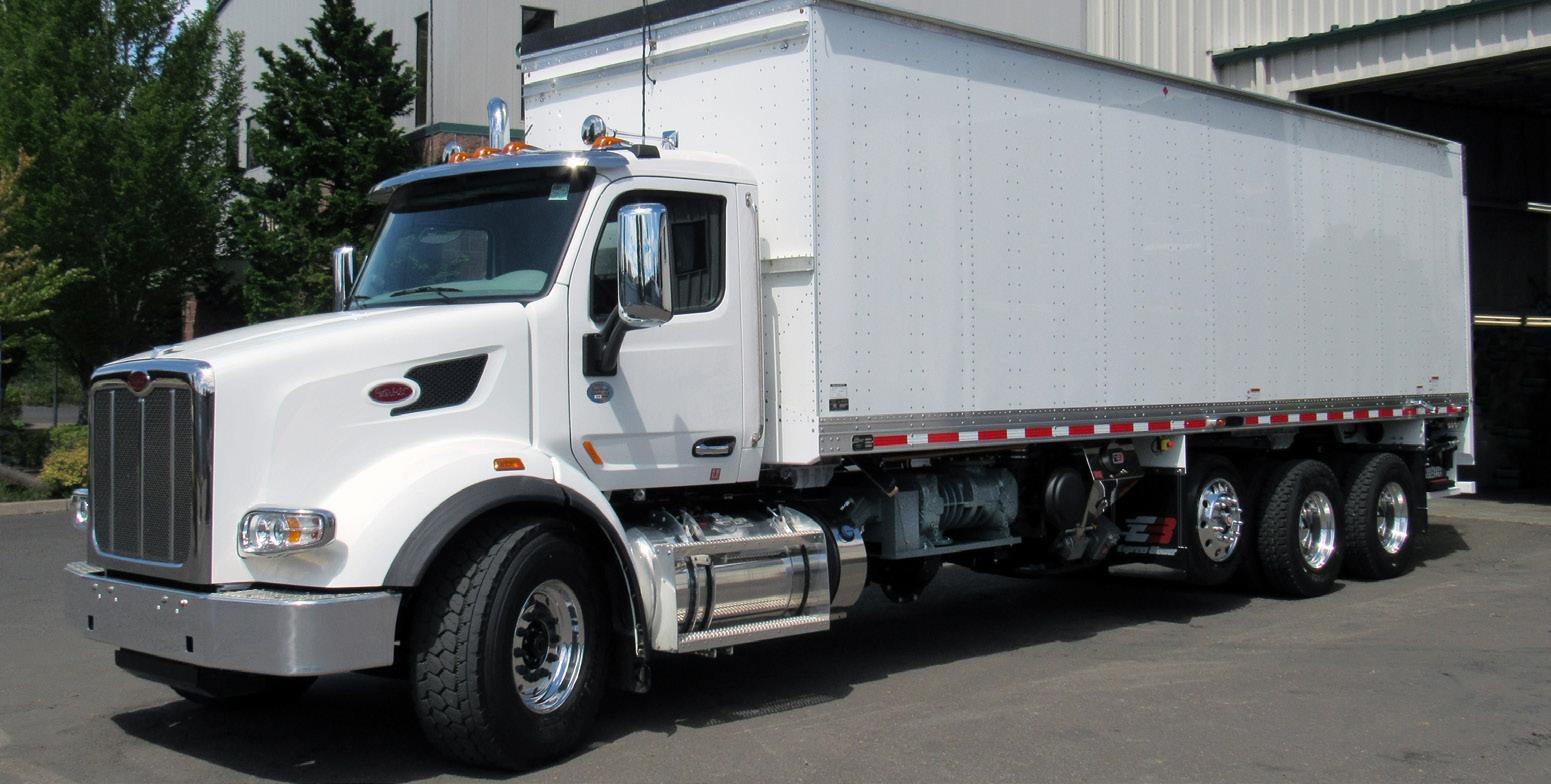
INNOVATION. The most powerful of our PTO configured machines, the High Output (HO) models have similar blowing power as our MD machines. Lighter weight than any MD model and with greater capacity than a TM45MD, the EB-60HO gives you better payload which means more money in your pocket!
“Capturing food waste that would otherwise go to landfill and produce greenhouse gases is a clear environmental benefit,” said Matt Bertucci, assistant professor of sustainable fruit and vegetable production. “The question was whether we could turn that waste into a reliable organic substrate for propagating seedlings.”
Researchers measured germination rates, growth, biomass accumulation, and nutrient uptake in tomato and watermelon seedlings across the different treatments. Seedlings grown in pure food waste compost performed poorly compared with those grown in the commercial potting mix. However, blends containing less than 50 percent food waste compost showed improved emergence, stronger growth, and greater biomass than the compost alone.
The findings suggest that food waste compost has potential value as a partial amendment rather than a complete substitute for traditional substrates. For growers and propagators, this points to possible cost savings and sustainability gains when compost is blended carefully with established growing media.
Despite its limitations, Bertucci emphasized the broader importance of composting. “Compost is the sweet spot for sustainability,” he said. “It keeps waste out of landfills and creates a useful byproduct that can support agricultural production when used correctly.”
The study was conducted by a multidisciplinary team from the University of Arkansas and funded through an Arkansas Specialty Crop Block Research Grant, with additional support from the USDA National Institute of Food and Agriculture.
www.chromascape.com
Pages 9-17
Results of 2025 MSC Survey Shows Growing Confidence in Mulch and Soil Markets Entering 2026 PAGe 1
America’s Long History of Weather Control— and Why It’s Back in the Spotlight PAGe 4
Vermicomposting Emerges as a Tool to Reduce Antibiotic Resistance in Manure Management PAGe 6
An Old Antibiotic May Offer a New Way to Fight Lyme Disease PAGe 24
Study Evaluates Food Waste Compost as Growing Media PAGe 26