MINE Bouquet
Healing landscape on post mine site
from the core design studio 4 at Washington University in St. Louis
Completed in Spring 2022
Instructor: Irene L. Compadre
Location: Colombia, Missouri, the U.S.

Toxic Farming (state wide analysis)
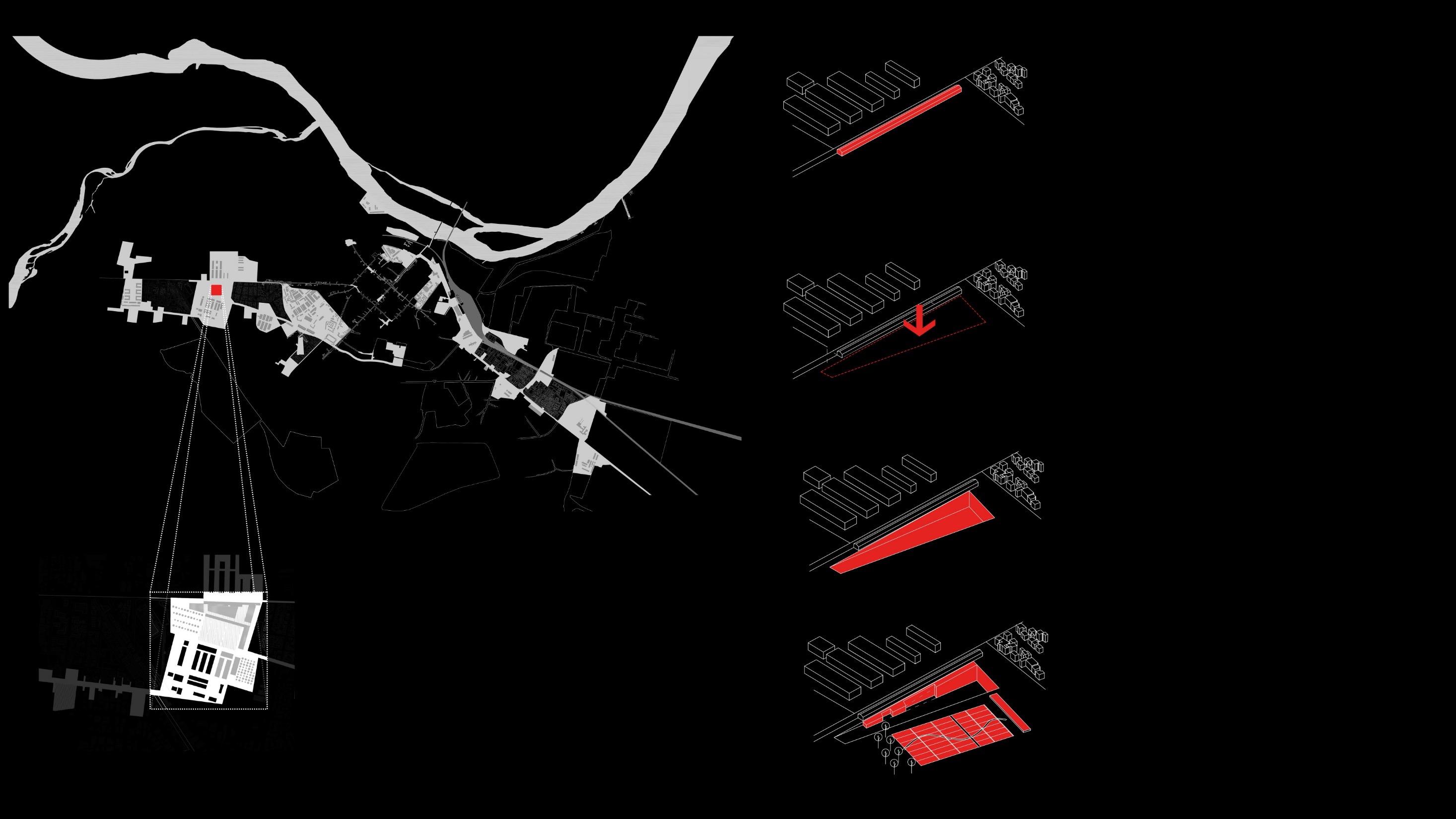
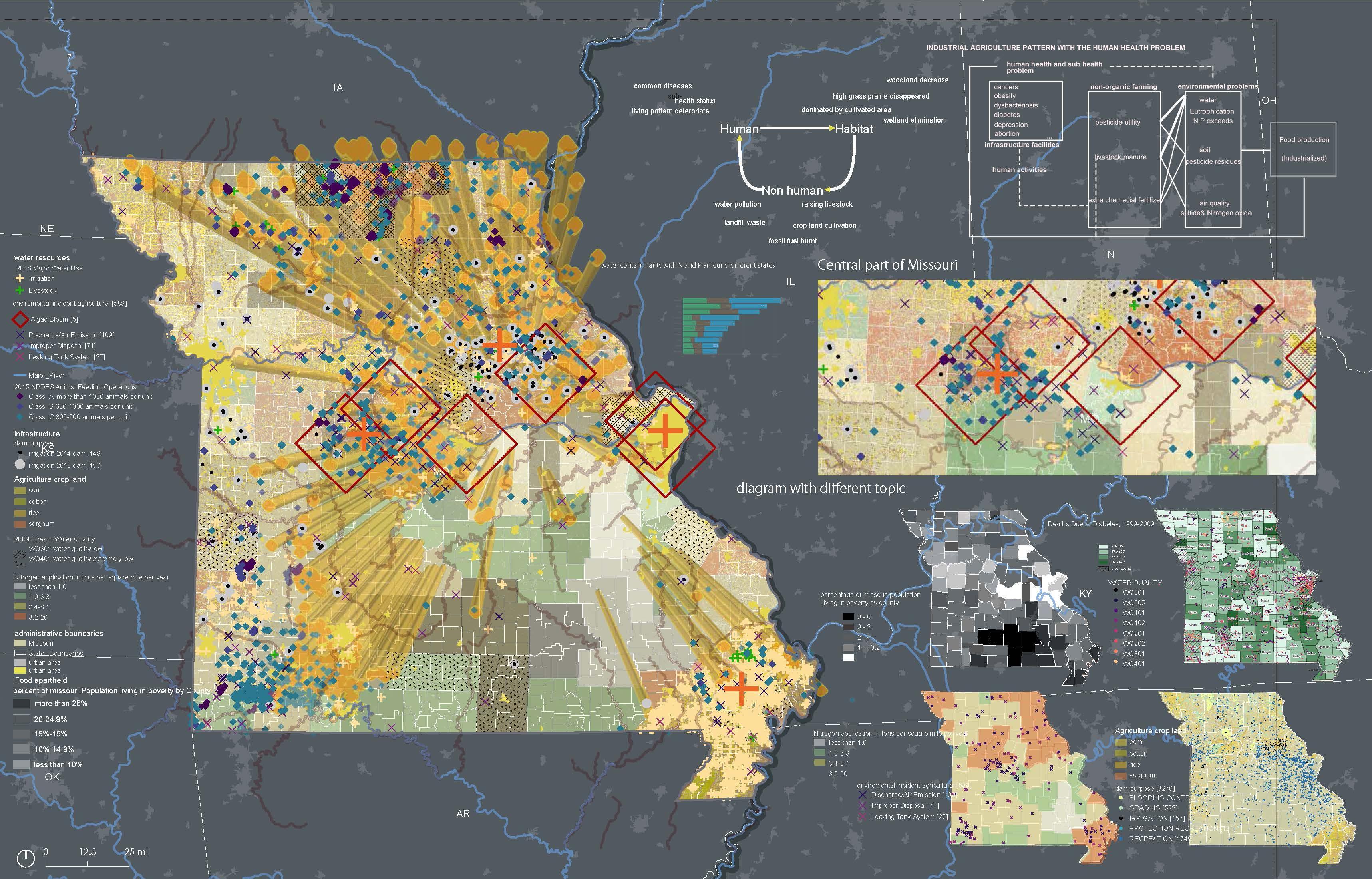
The farmland around the Mississippi River is highly productive, providing cheap crops and meat to the world. However, there are negative consequences. The use of fertilizers and manure containing nitrogen and phosphorus on these farms can pollute waterways, resulting in tainted drinking water and harmful algae blooms that harm marine life. The issue is exacerbated by intense rains and flooding in the spring. A diagram based on geospatial analysis of industrial agriculture patterns in the Midwest aims to identify links between human health and environmental problems caused by agriculture.
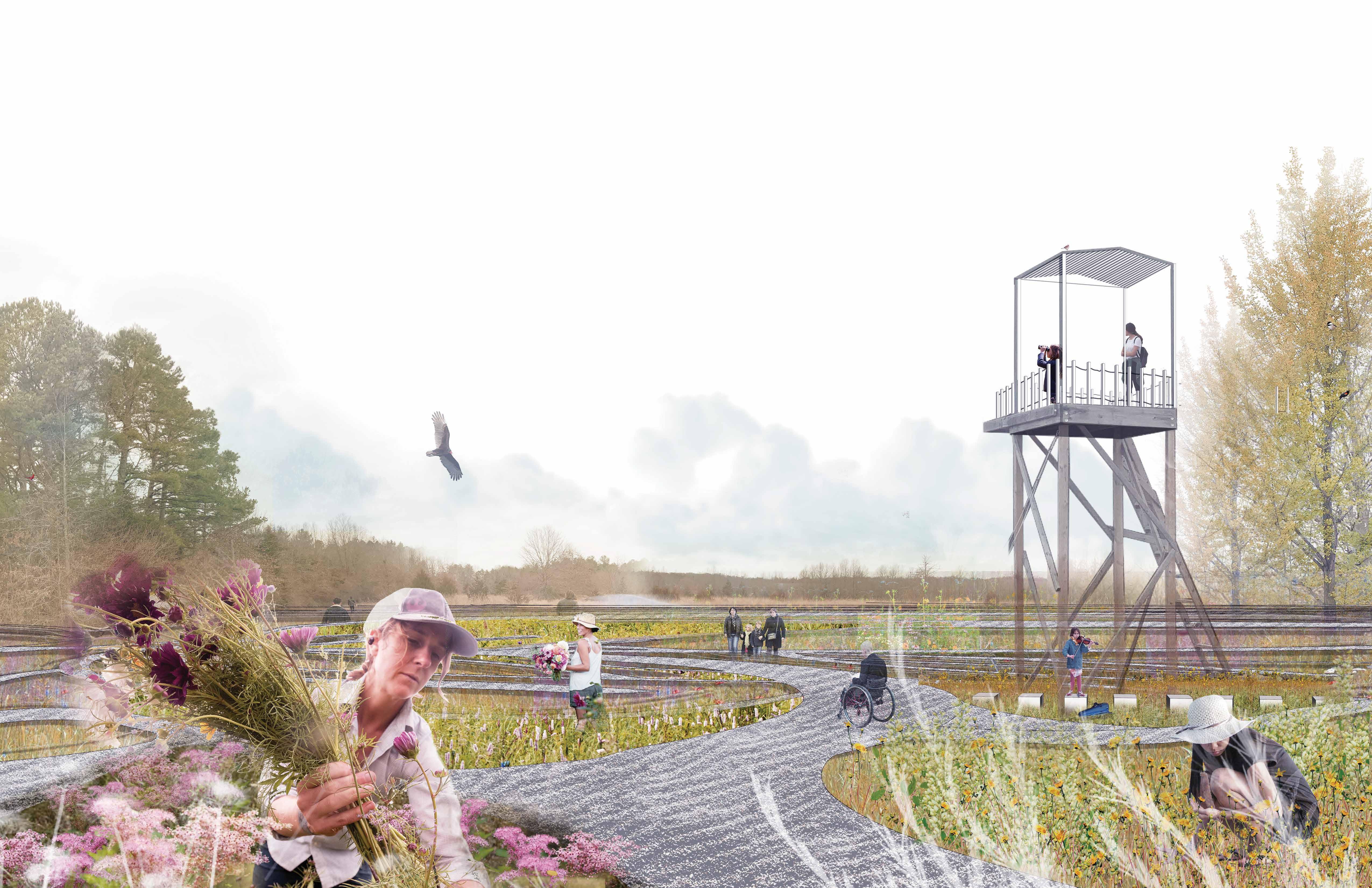
Approximately 80% of all flowers in the US are imported from countries such as Columbia, Ecuador the Netherlands, and Canada. While the import flower industry has historically thrived, poses environmental challenges such as carbon dioxide emissions. To address this issue, local flower industries have emerged. Missouri’s diverse landscape and nurturing Mississippi river basin make it an ideal location for cultivating a variety of flora and fauna.
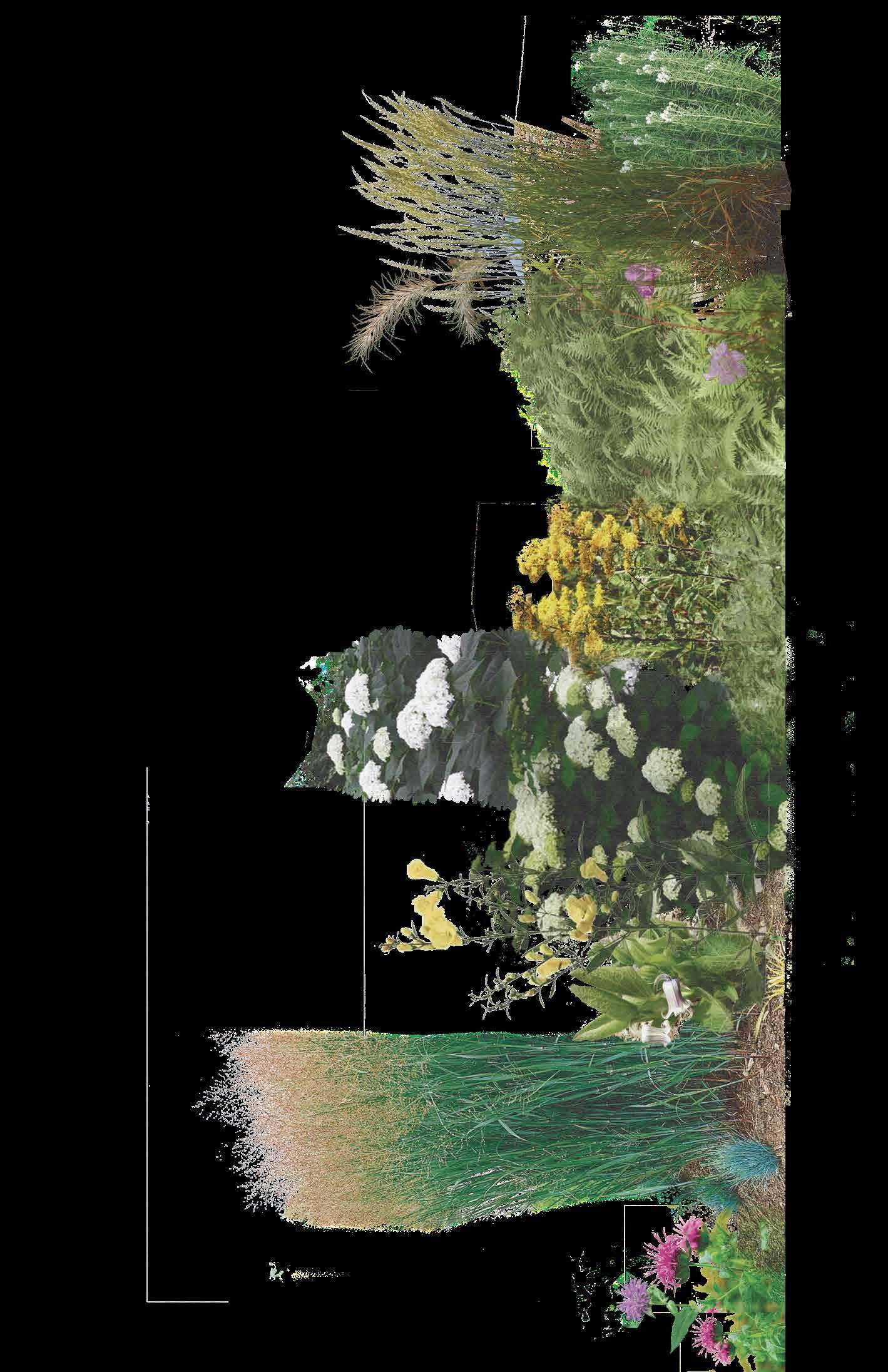
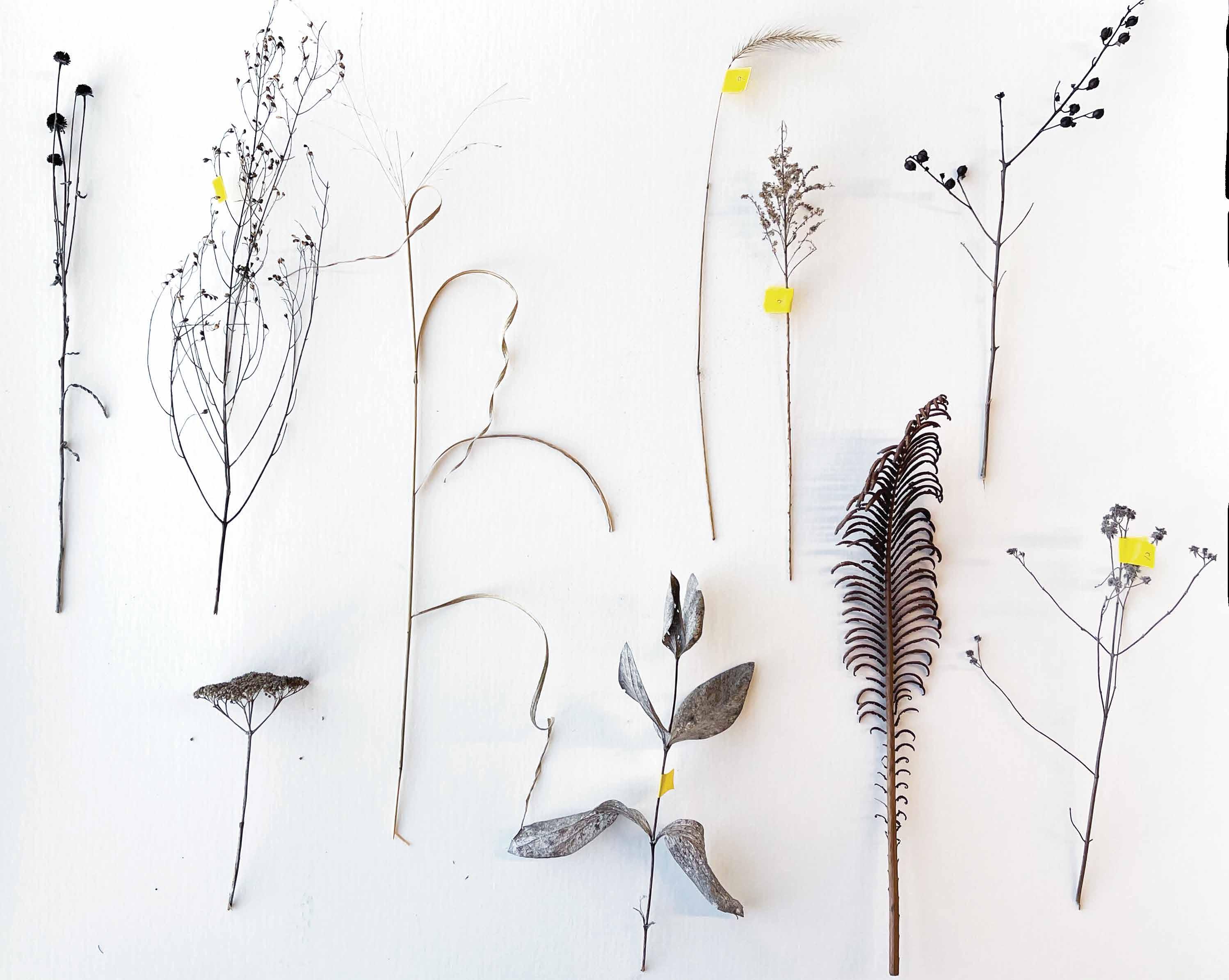
In my project, we grow specialty cut flowers that are often heirloom, have high economic value, and are difficult to transport. This initiative contributes to environmental and ecosystem health, encourages community participation, and creates job opportunities. Additionally, it promotes a healthy lifestyle on-site through phytoremediation and serves as a green space for visitors and residents to enjoy on both weekdays and festive occasions, connecting urban and suburban areas.





Sharing BRIDGE
Memorial landscape in the John Deere Headquarter
from the core design studio 5 at Washington University in St. Louis
Completed in Winter 2022
Instructor: Peter Osler
Location: Moline, Illinois, the U.S.
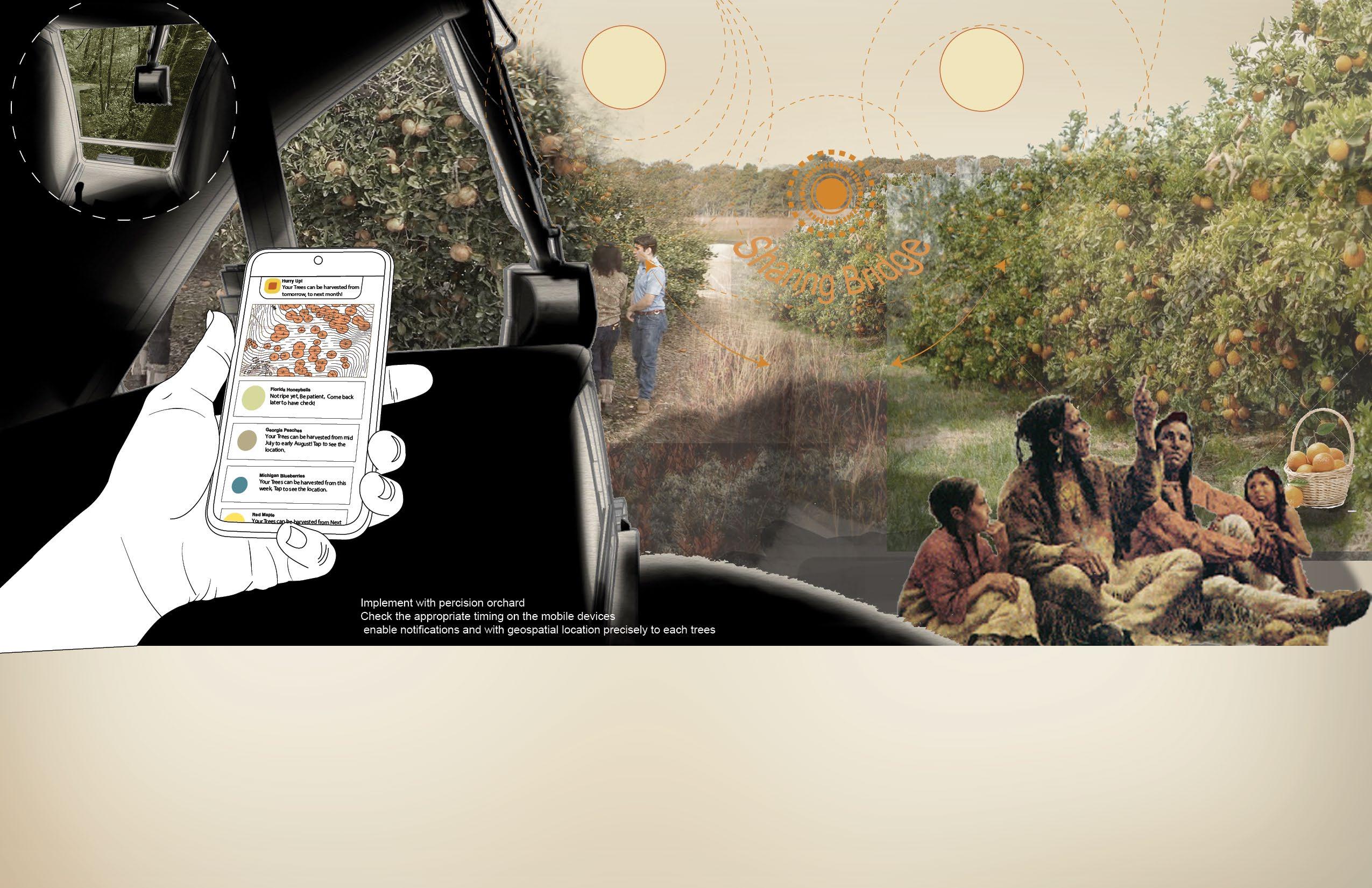
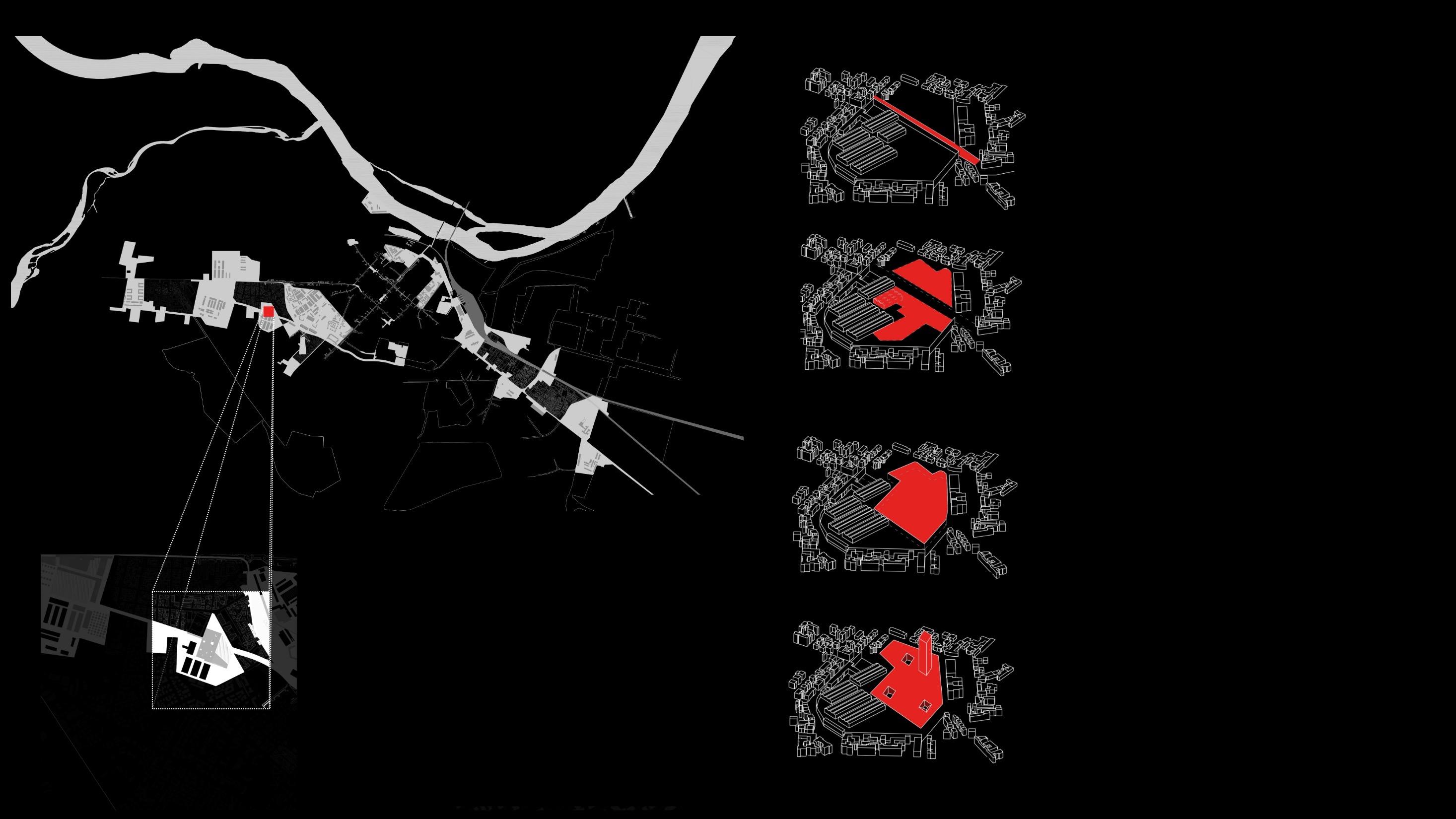
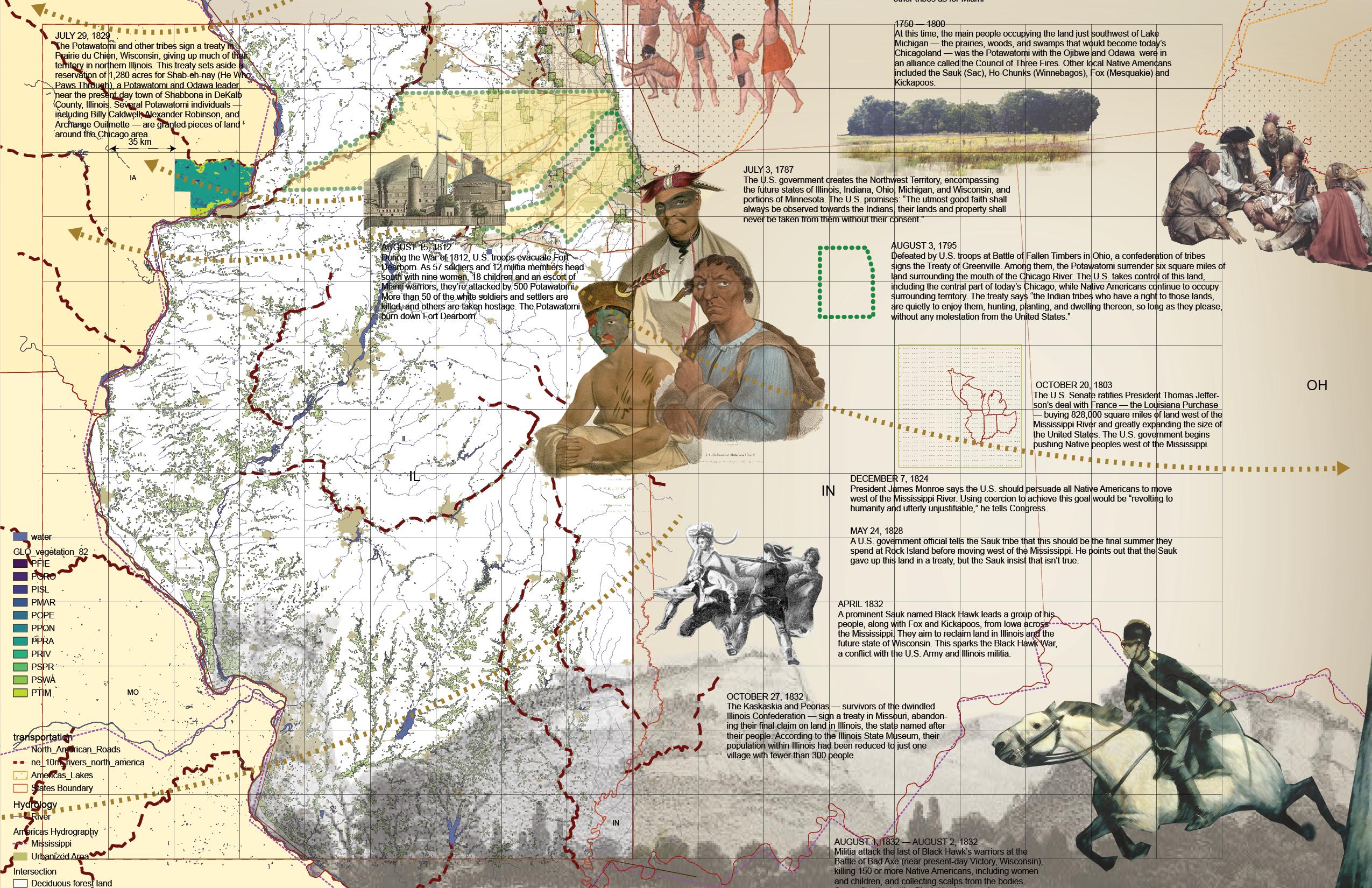
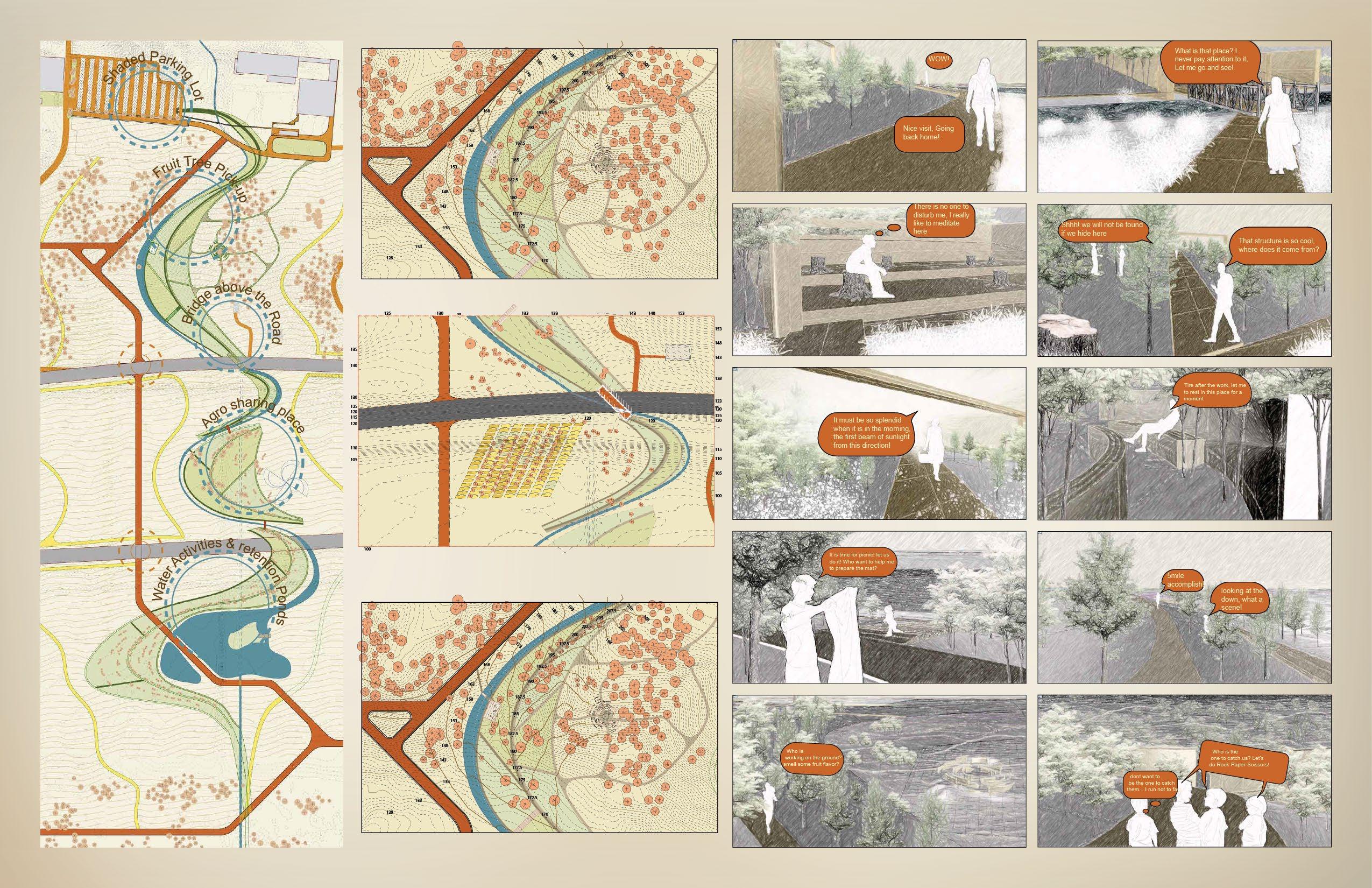
We live in a shared umwelt, sharing information, sharing resources and even time and space. The land we are on right now were shared by primitive communities, is the embodiment of the efforts of our ancestors for generations.
The project is about sharing space, knowledge and culture between the Modern American and Indian by planning and design the fringe area in the south of Headquarter of John Deere, full of experimental practise take place with all kinds of space sensation.



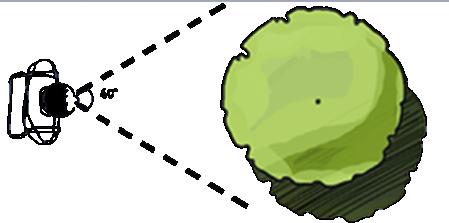
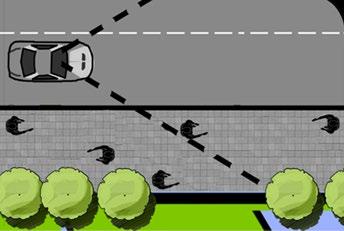
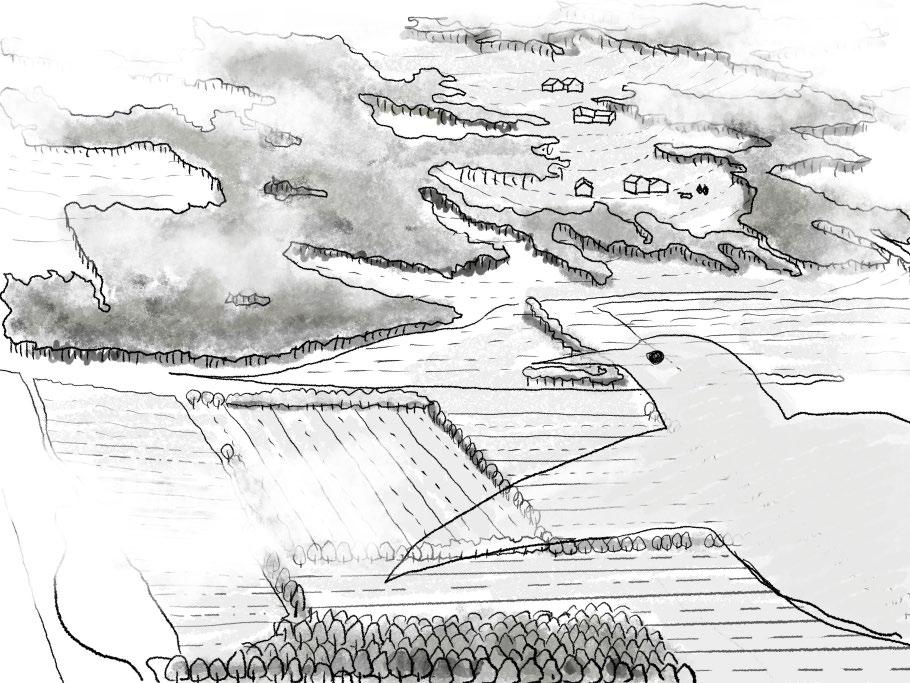
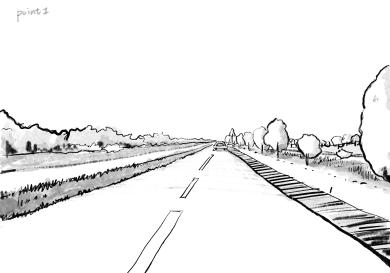
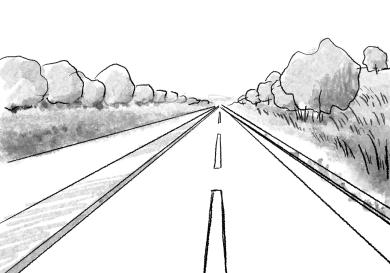
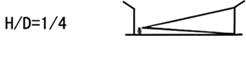
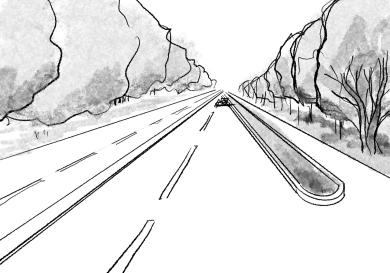
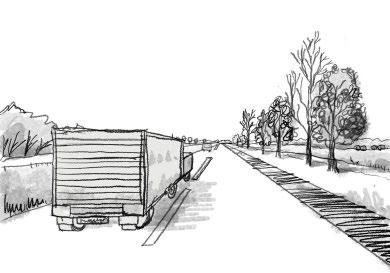
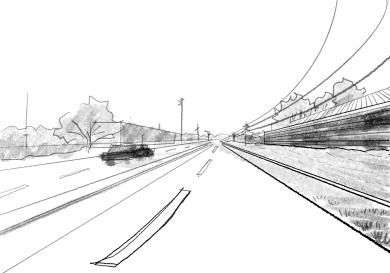
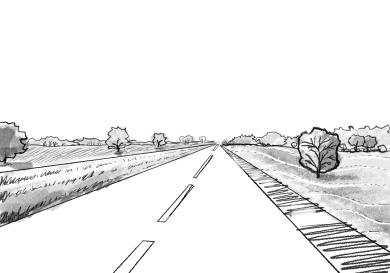
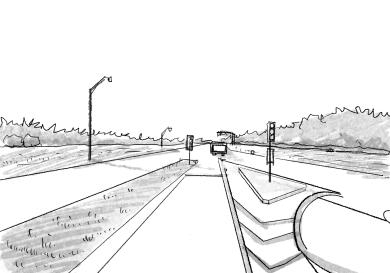
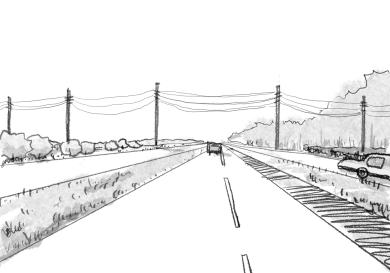
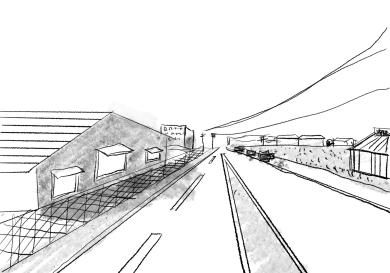
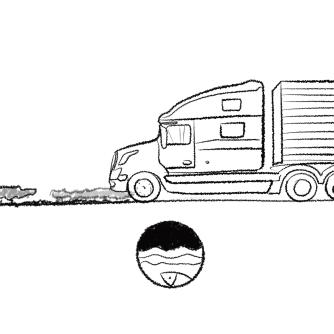
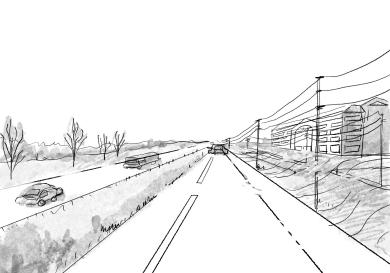
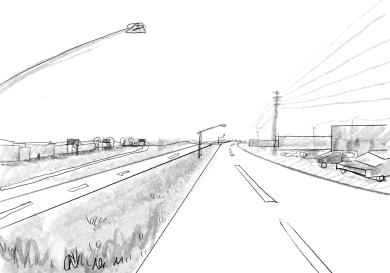
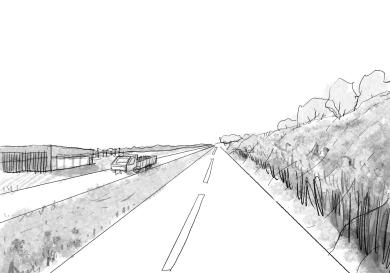
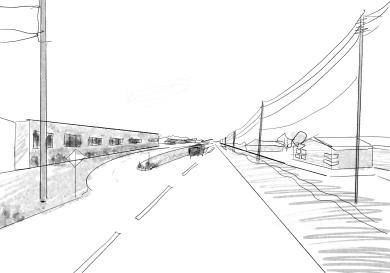
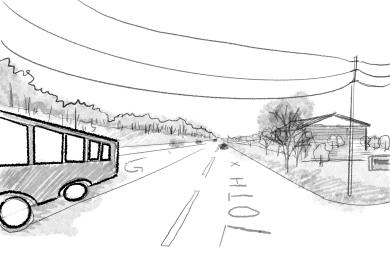
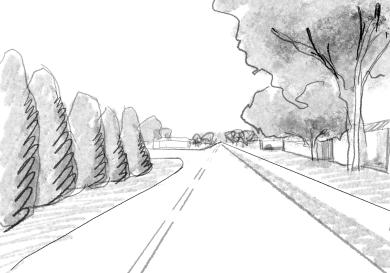
Observers see clearly the outline of the buildingEmpty sense of space
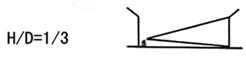
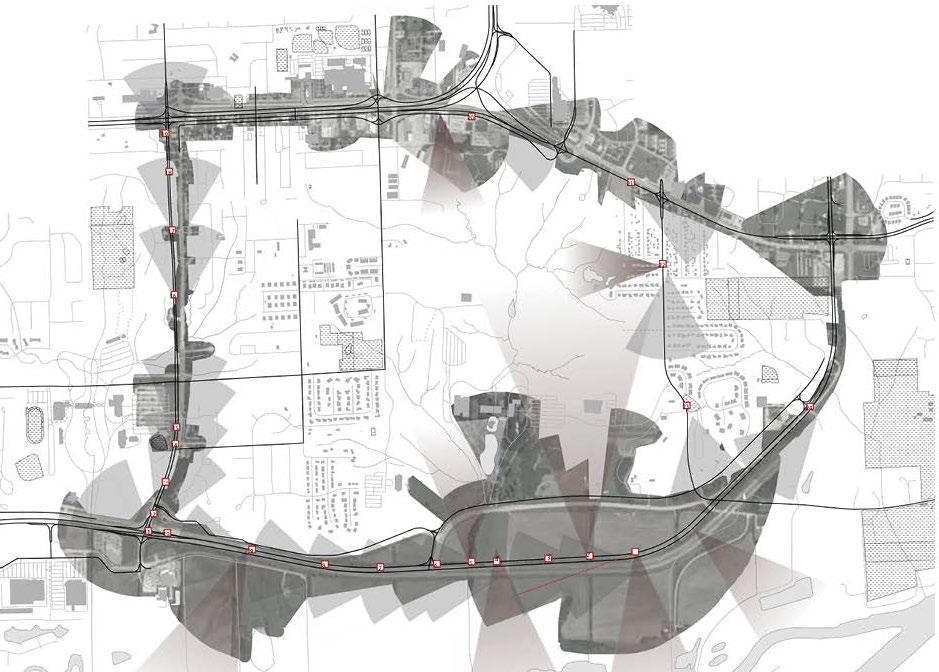
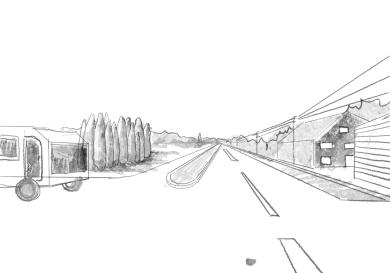
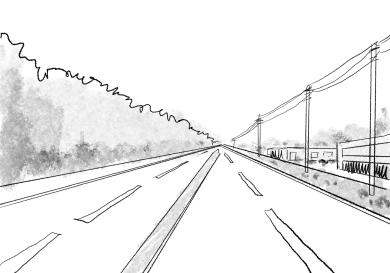
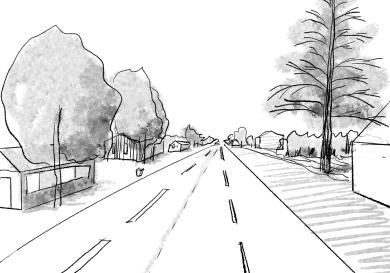
One can observe the whole picture of the building community and have sufficient distance to observe the spatial composition of the building
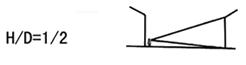
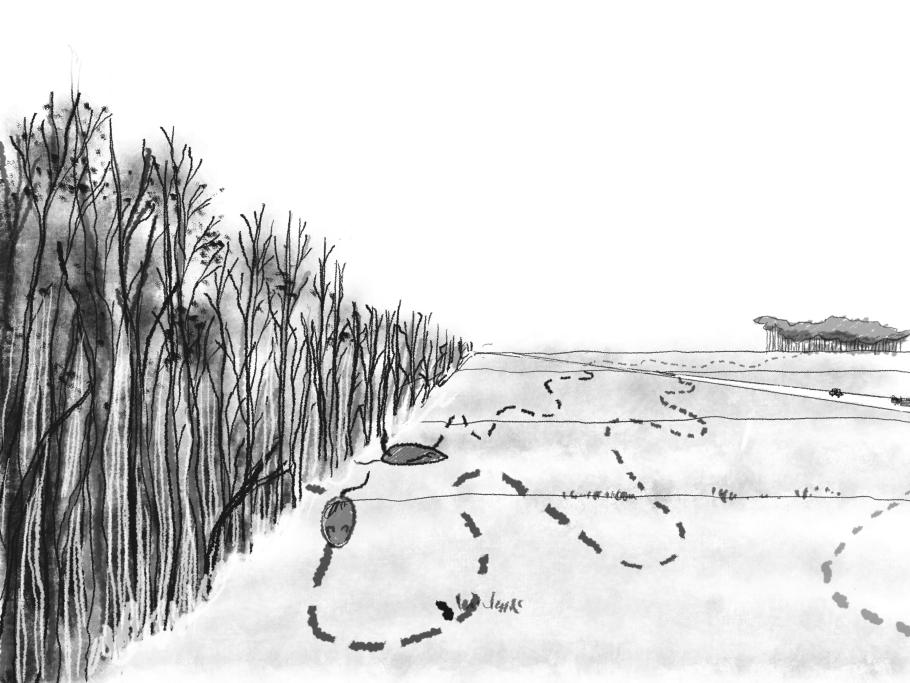
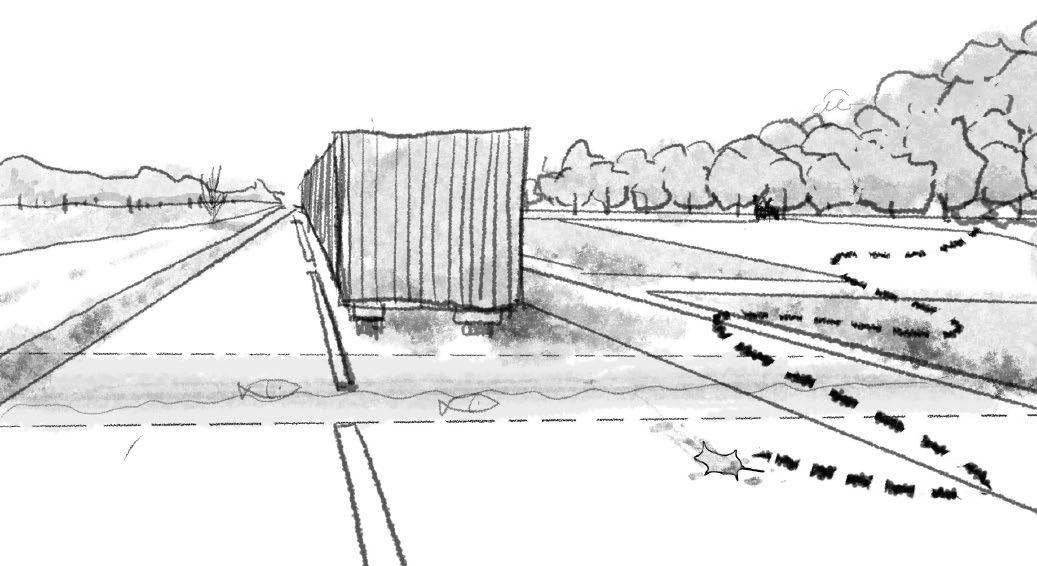
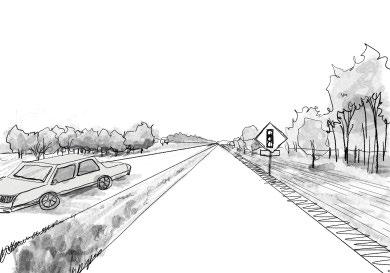
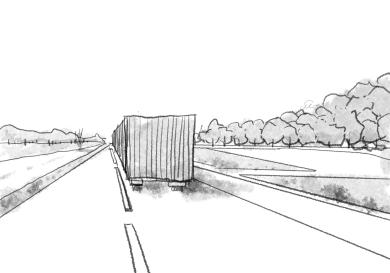
One can observe the whole picture of a single building Open sense of space
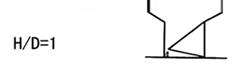
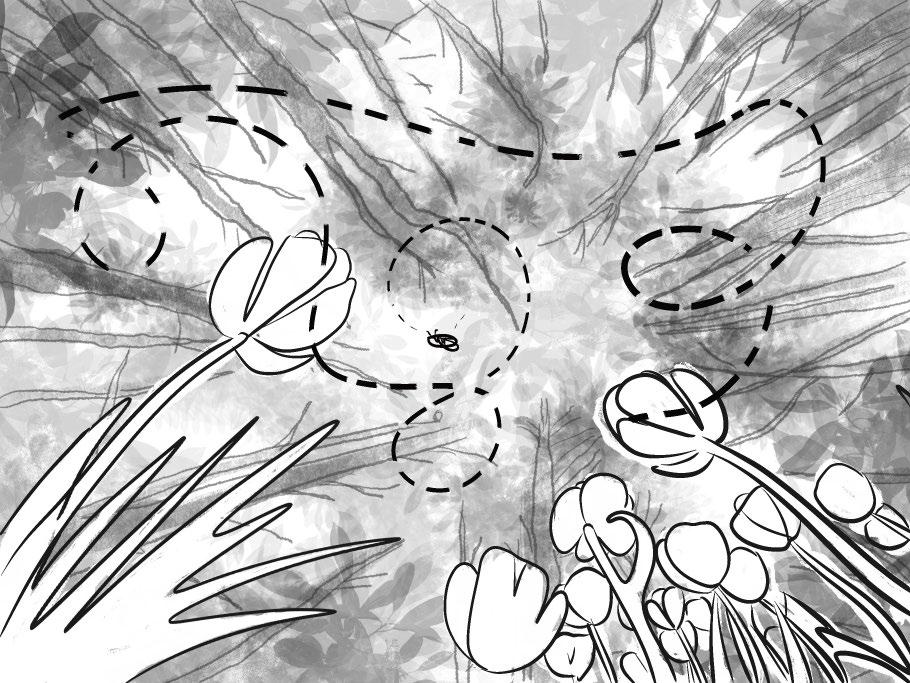
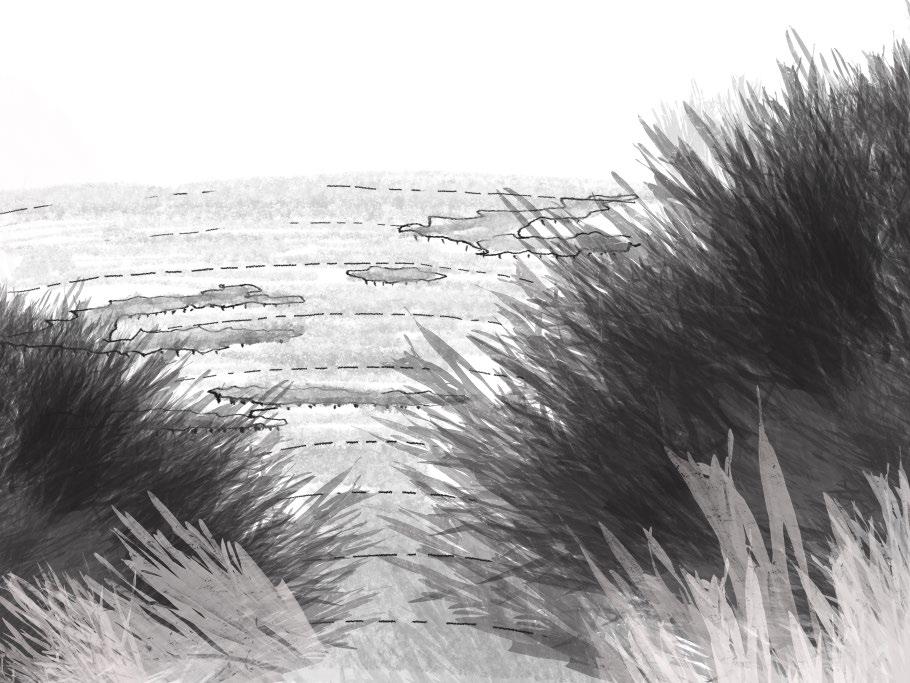
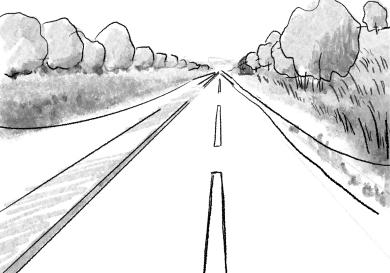
People’s attention is
details and
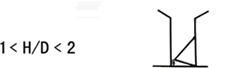
One can
the
of


Ejido 2.0
sustainable water and land management
from the core design studio 6 at Washington University in St. Louis
Will complete in Spring 2023
Instructor: Seth Denizen
Location: Texcoco, Mexico City, Mexico
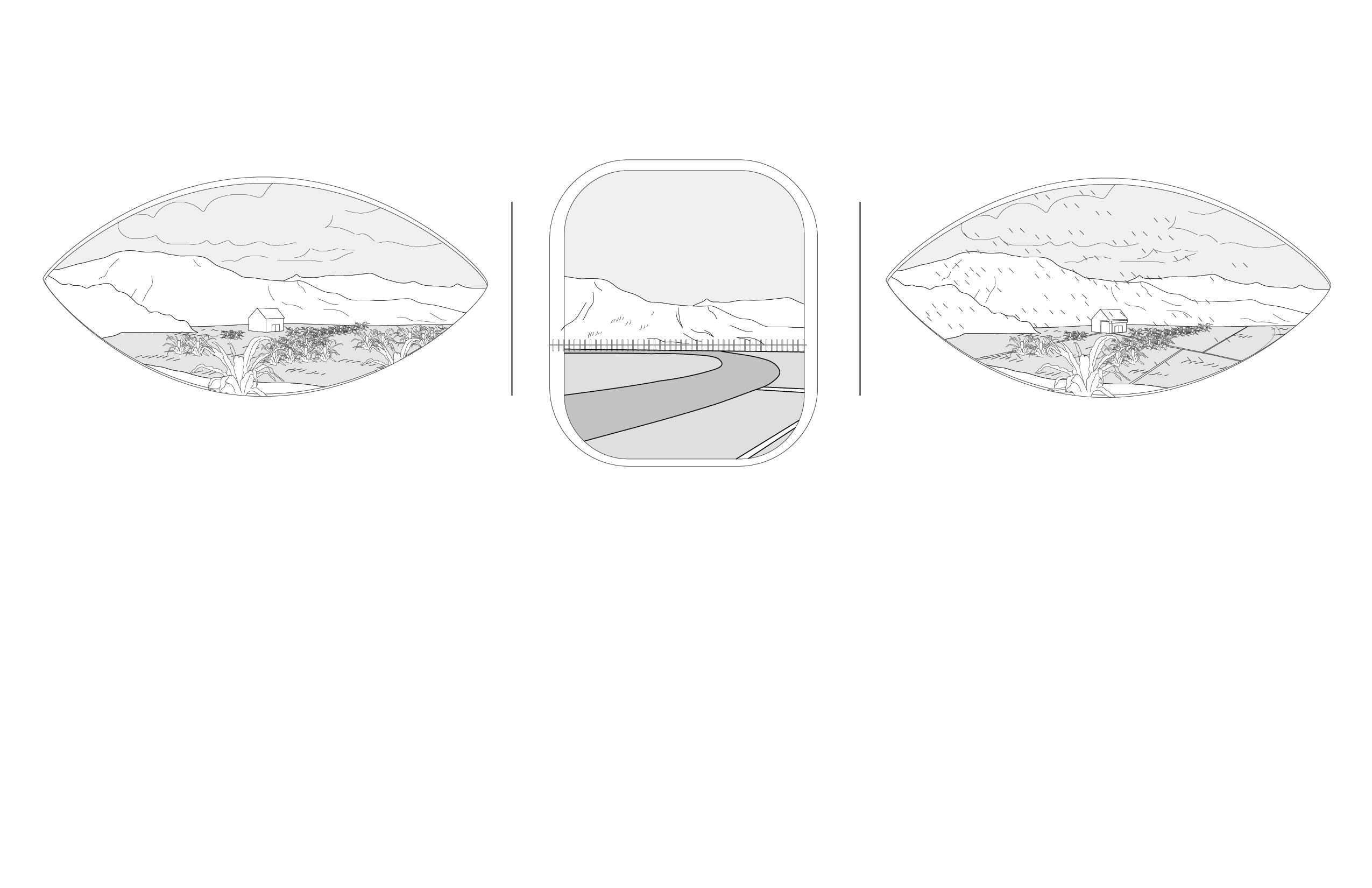
Texcoco is a complex site with tremendous harzard and disaster. The Airport has eract on this land once and then stop construct on the half way, which taken the ejido land and leave the unsolved problems to the local communities.
In this project, a new way of surviving and thriving for the farmers was provided by remanage the sewage water from the adjacent site, which benefits not only for people who live in the urban but the texcoco whole communities that they are able to reuse the water for different purpose as for multicropping and algae farming, in the meantime, the lost ejido has been brought back.
SOIL PROFILE
THE AGRICULTURE HISTORY IN MEXICO (Texcoco)
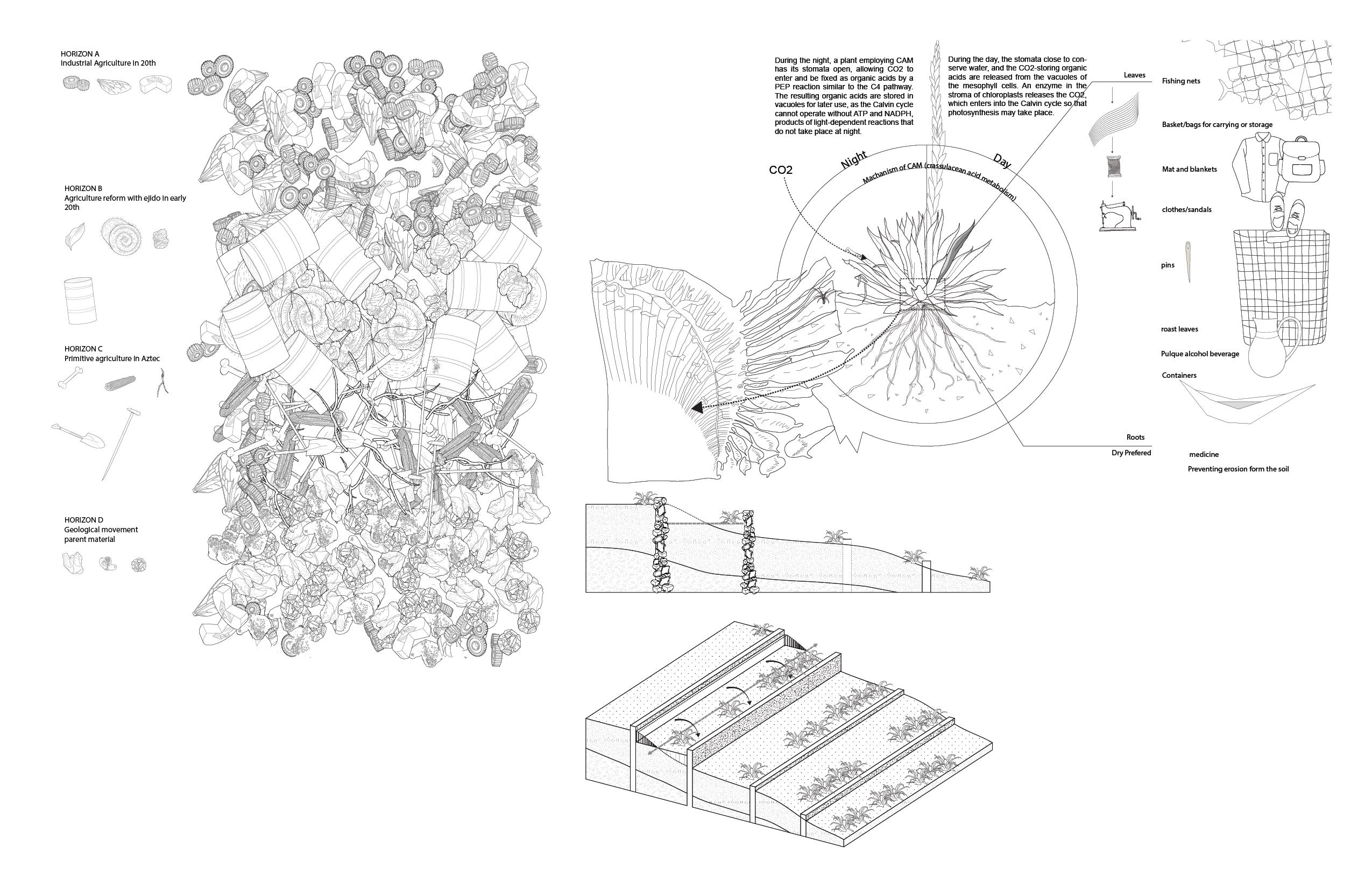
Agriculture has been important historically and politically in Mexico, although it now accounts for a small part of the GDP. Texcoco's soil profile, shaped by volcanic eruptions, is dense, slowly permeable, and contains a high clay content, leading to extensive subsidence. The Aztecs relied on hunting, fishing, and irrigation for cultivation, while the Spanish introduced new crops such as wheat. Most Mexicans were subsistence farmers until the Ejido system was established during the Mexican Revolution. Today, commercialized agriculture has resulted in soil degradation due to the heavy use of pesticides and fertilizers.
Today, terrace farming is still practiced in some parts of Mexico, particularly in the southern states of Oaxaca and Chiapas. Farmers in these regions use a similar technique to the Aztecs, building terraces along the contour of steep hillsides and filling them with soil, compost, and other organic matter. These terraces are used to grow crops such as corn, beans, and squash, which are staples of the Mexican diet. Terrace farming allows farmers to make the most of hilly or mountainous land, preventing soil erosion and allowing for more efficient use of water resources.
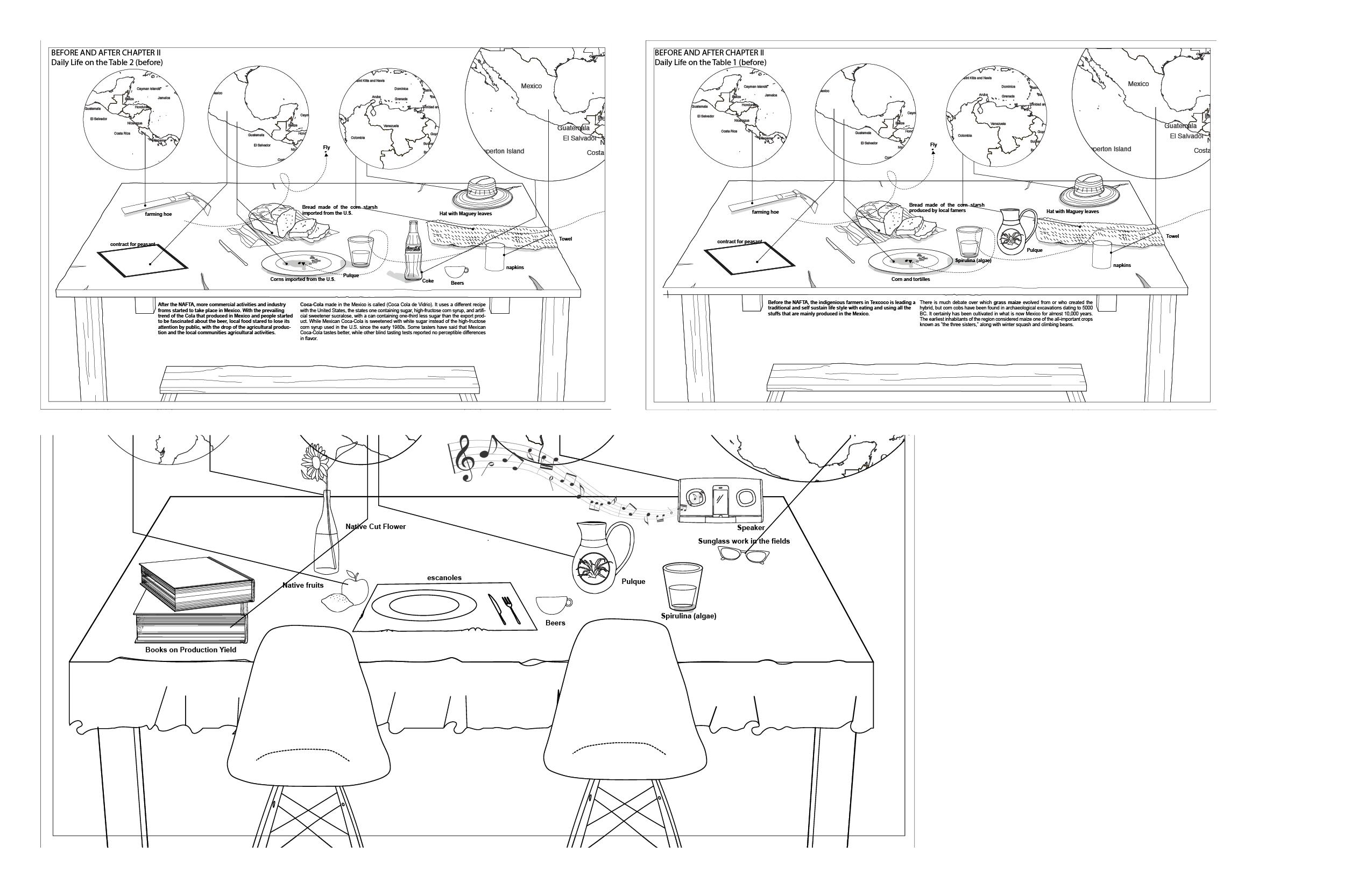
It is widely debated which grass maize evolved from and who created the hybrid, but archaeological evidence shows that corn has been cultivated in Mexico for almost 10,000 years. The earliest inhabitants of the region considered maize one of the all-important crops known as "the three sisters," along with winter squash and climbing beans.
In Mexico, Coca-Cola is made using a different recipe than in the United States. The Mexican version, known as Coca Cola de Vidrio, is sweetened with white sugar instead of high-fructose corn syrup. Some people find the Mexican version to taste better, while others notice no difference in flavor in blind taste tests.
Before NAFTA, indigenous farmers in Texcoco led a traditional and self-sustaining lifestyle, relying on local resources for food and materials.
After the proposed scenario, the local ejidarian are get there daily food not from the international wide, but also from the local producer, for example, the cola, the pulque, the corn and the cut flowers are made by themselves, but some products then can get from the U.S. or South America. Farmers can have high automacy of their land what to grow rather than have the decision made by the government.
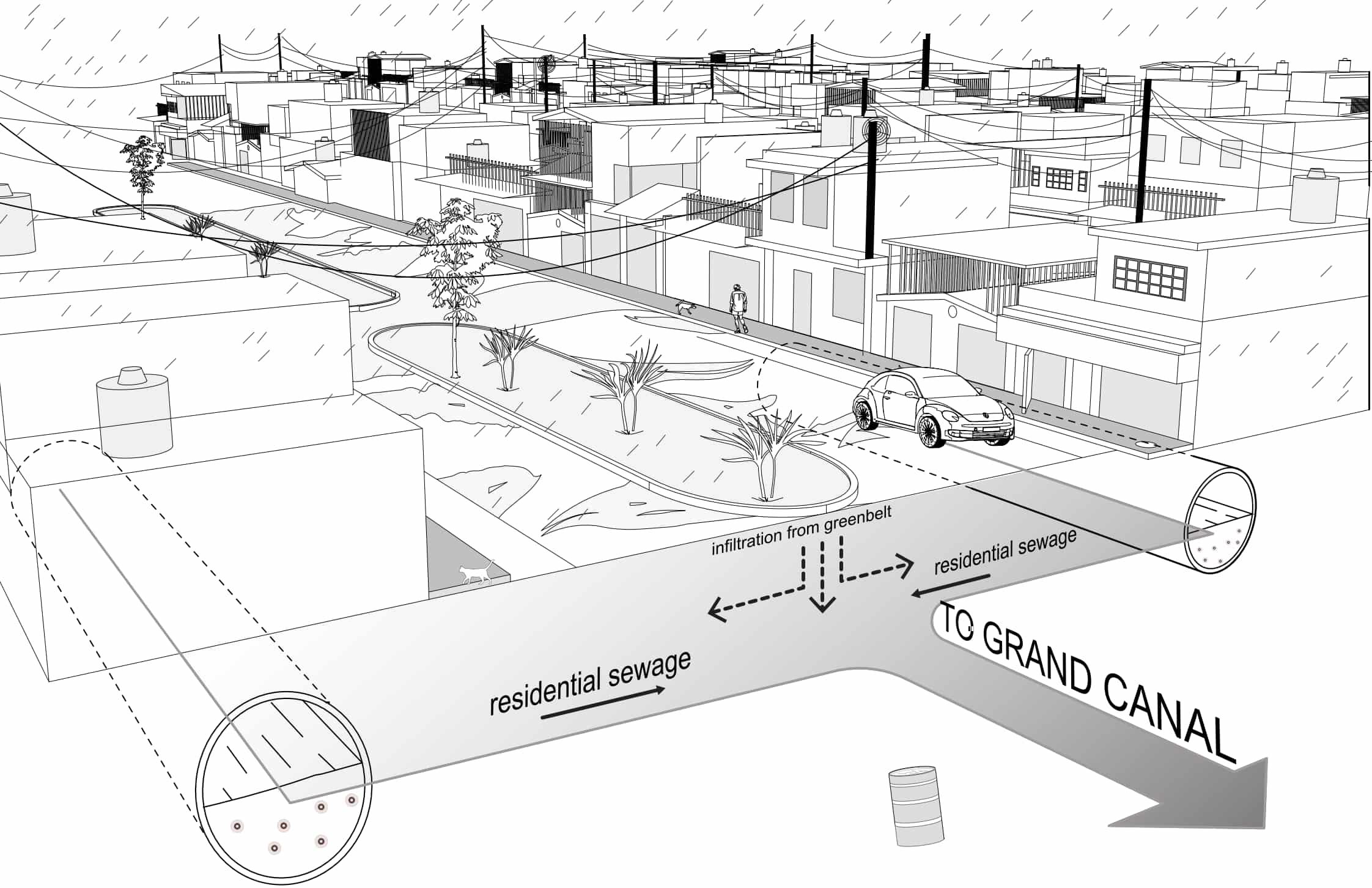
Greater Mexico City is served by a singled combined sewer system, collecting municipal wastewater, industrial wastewater and storm water.
1000 L
Mexico City urban area generates a significant amount of sewage water on a daily basis. In 2021, it was estimated that Mexico City generated around 12,600 liters of sewage water per second, which amounts to roughly 1.09 billion liters of sewage water per day.
X100,0000 times
From Scratch
Traditional Chinese fiction sentiment in tourism landscape
from the design studio at Sichuan Agriculture University
Completed in Winter 2017
Instructor: Xiao Wang
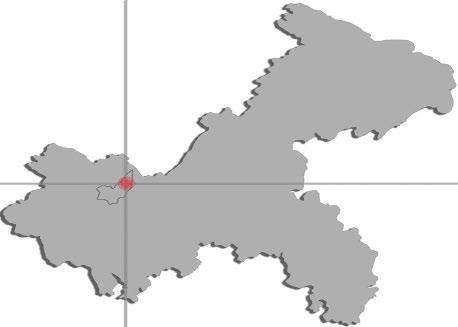
Location: Jindao Vally, Chongqing, China
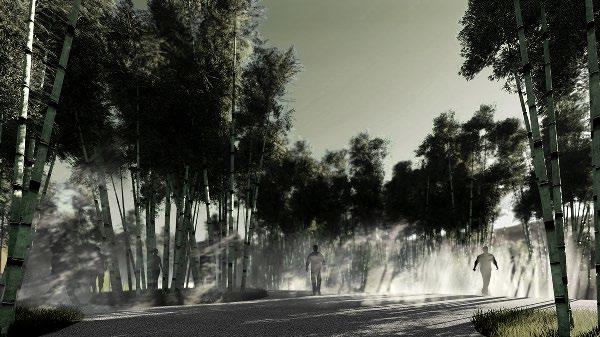
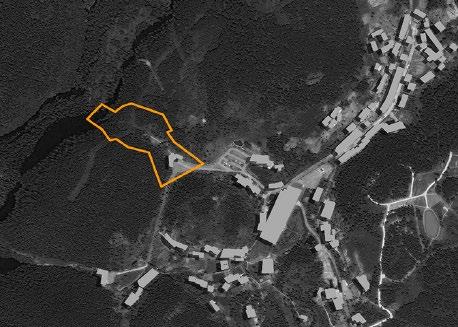
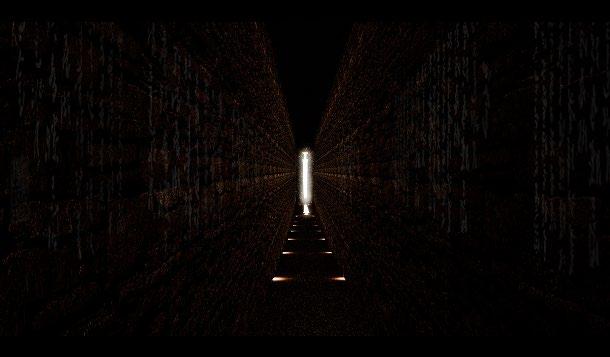
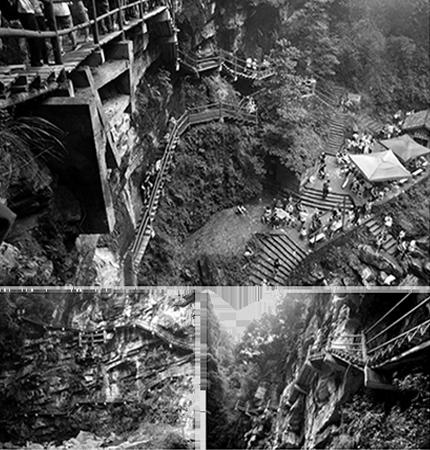
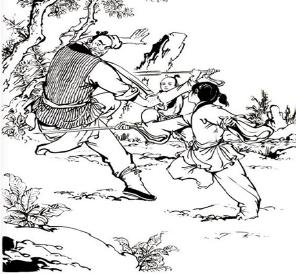
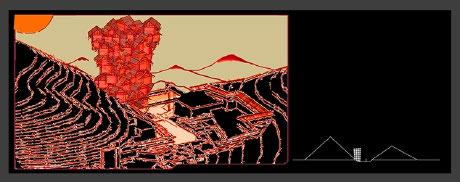
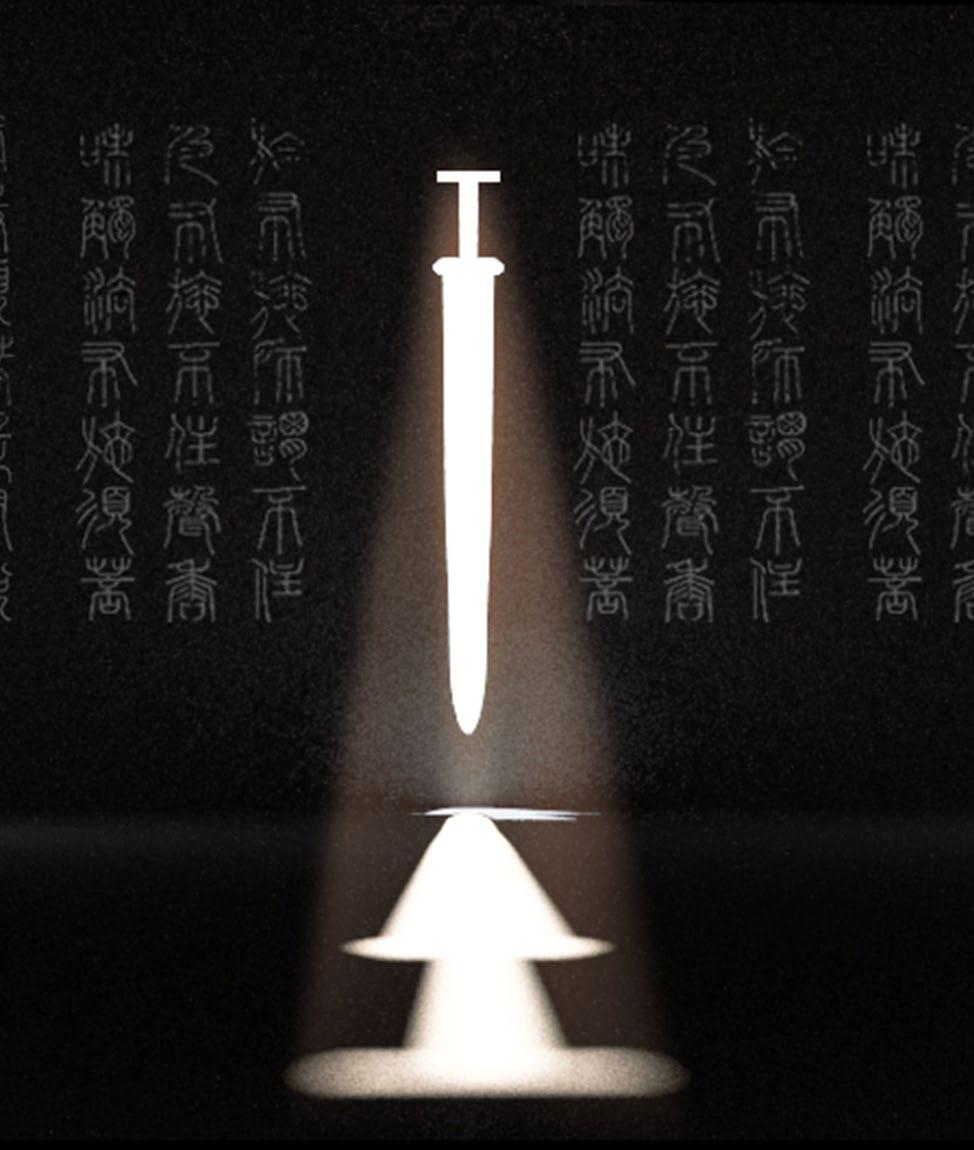
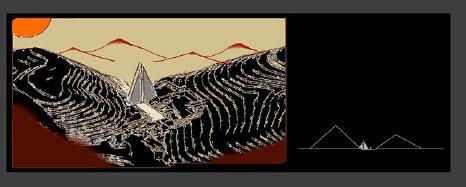
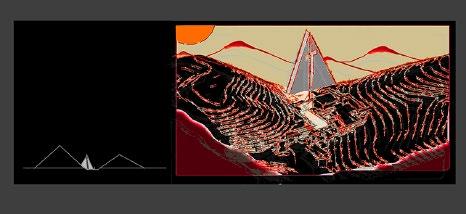
Jindao Valley is a well known tourist attraction with a fiction mystery in China of which suffer problems that the tourists decreased with the visiting route is unresonable that the older people are not capable of covering all the distance on the way They would have rest halfway and cannot go further up to experience thrilling valley scenary.
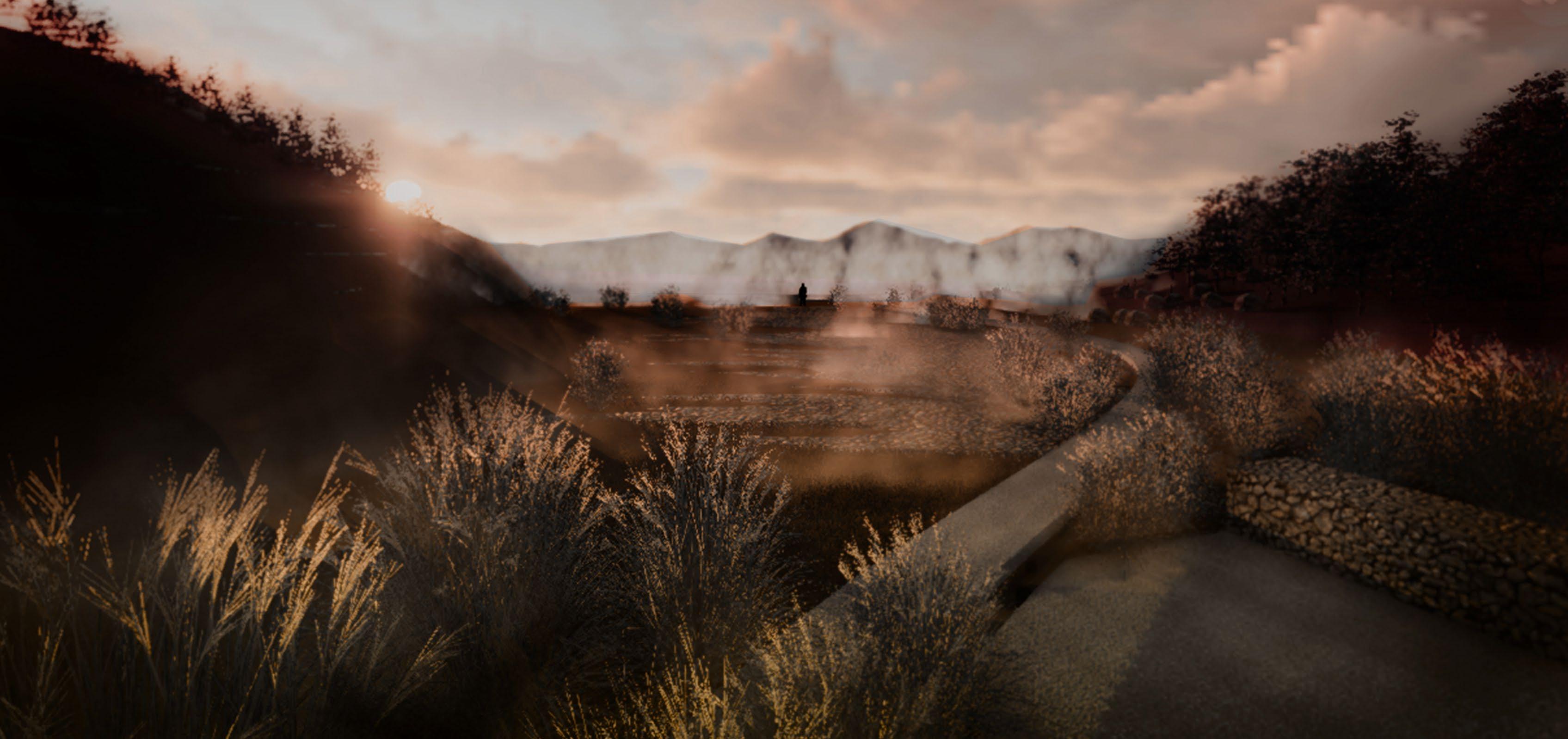
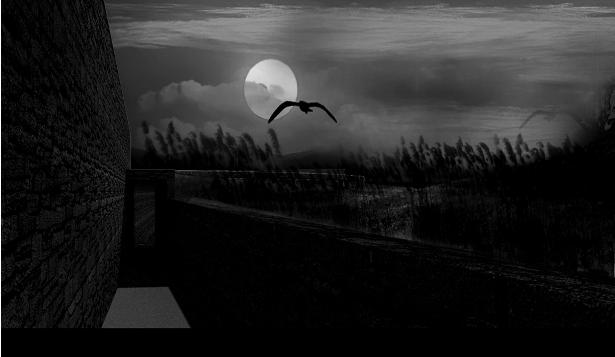
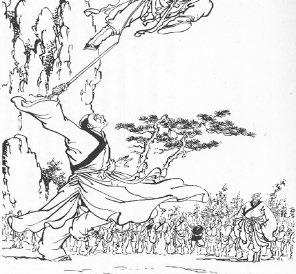
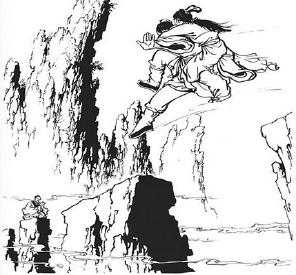
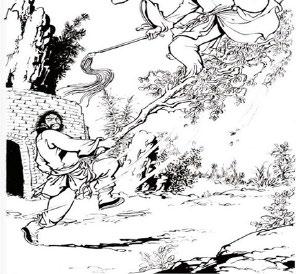
A new way of having the Valley as a incarnation of this fiction to amplify the martial art sentiment into this valley, shaping the valley, in the meantime shape the visitors a sublime sworsman in their mind. Leveraging the original terrain and the sunlight, a tall and imposing martial arts figure, along with his broad-mindedness, presents an extremely magnificent scene at the moment of the last sunset.
This is the turning point to me that as a designer, it is really vital for reduce less desire in the final result “less is more” is the essence. How to make choices and let go of desires in one’s heart is the necessary path for me to become a designer


















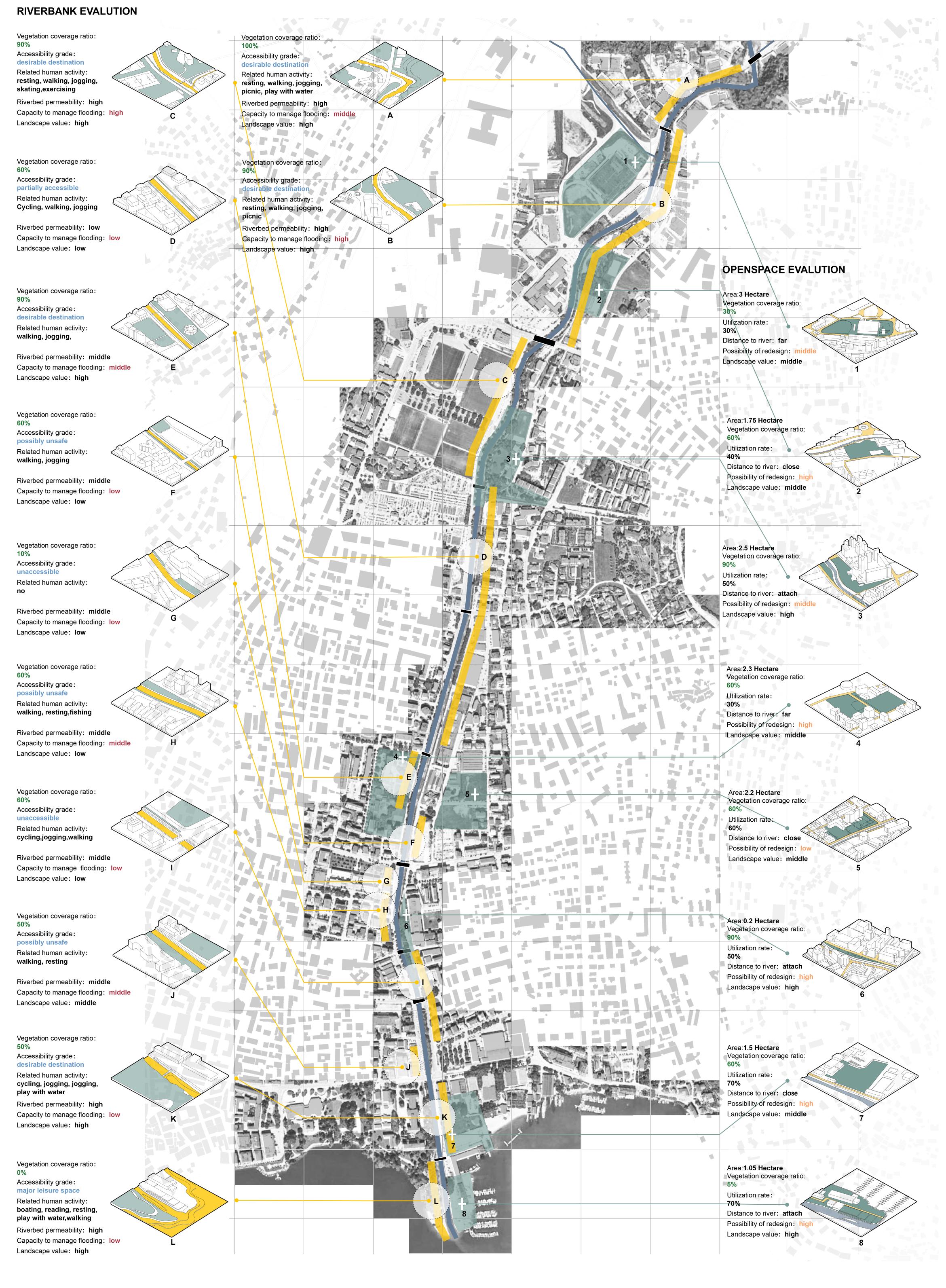
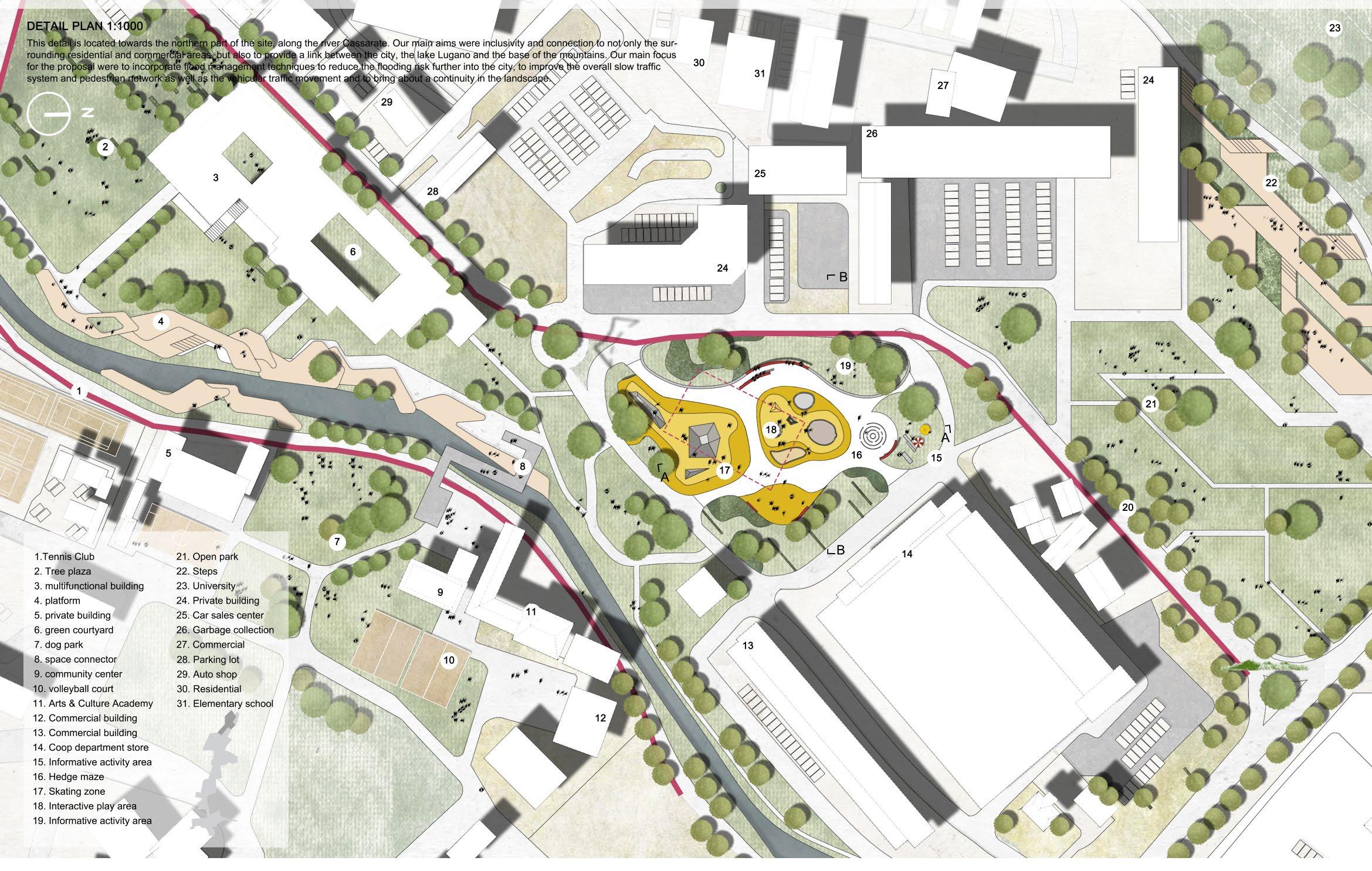
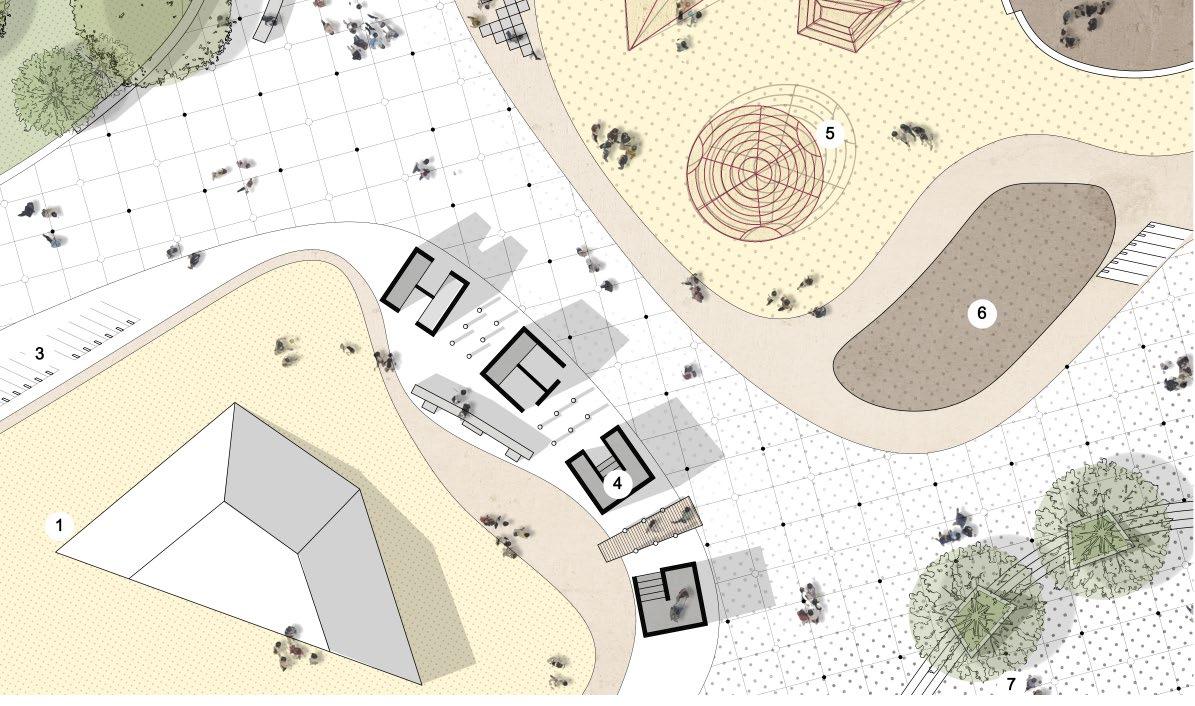
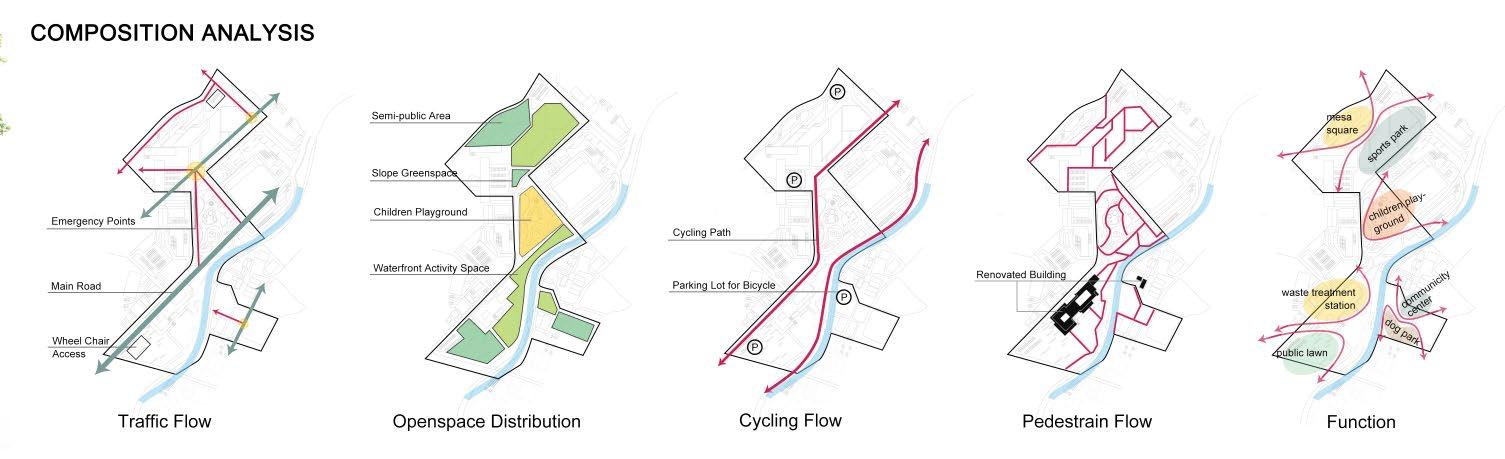
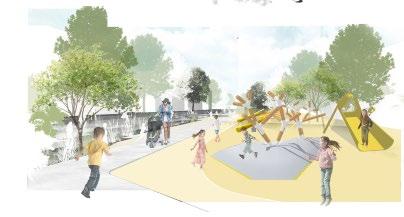
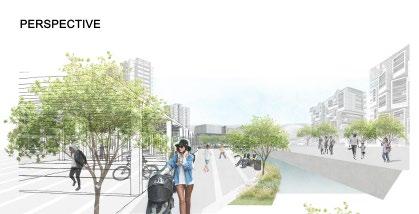
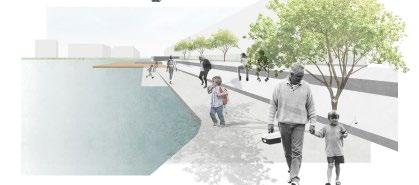
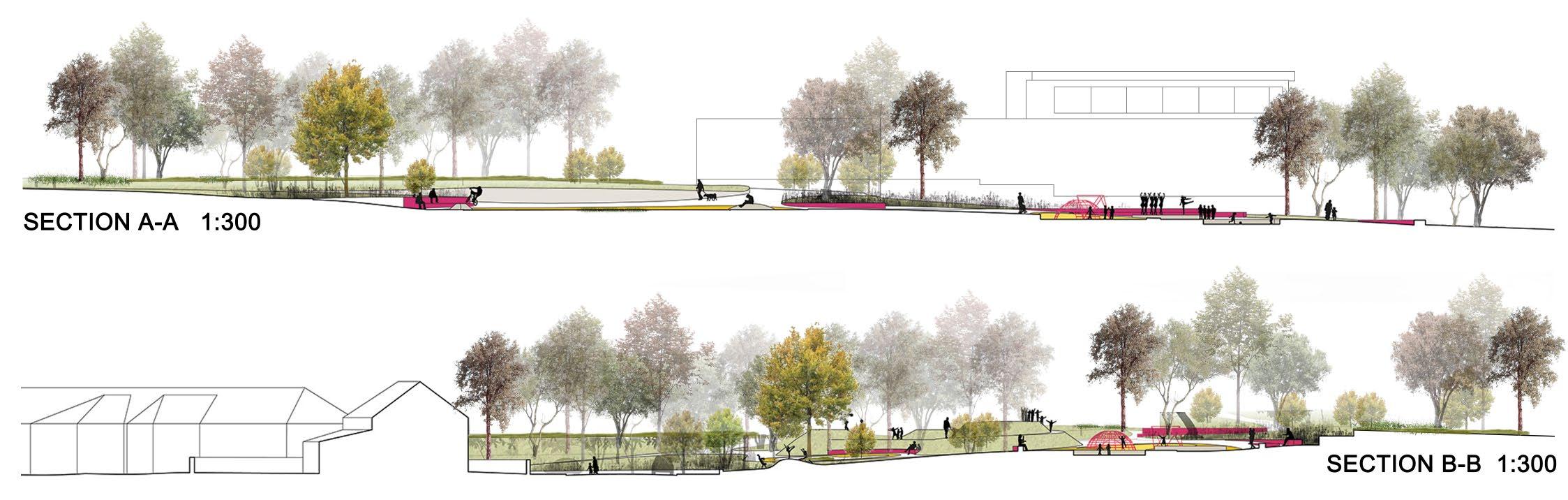
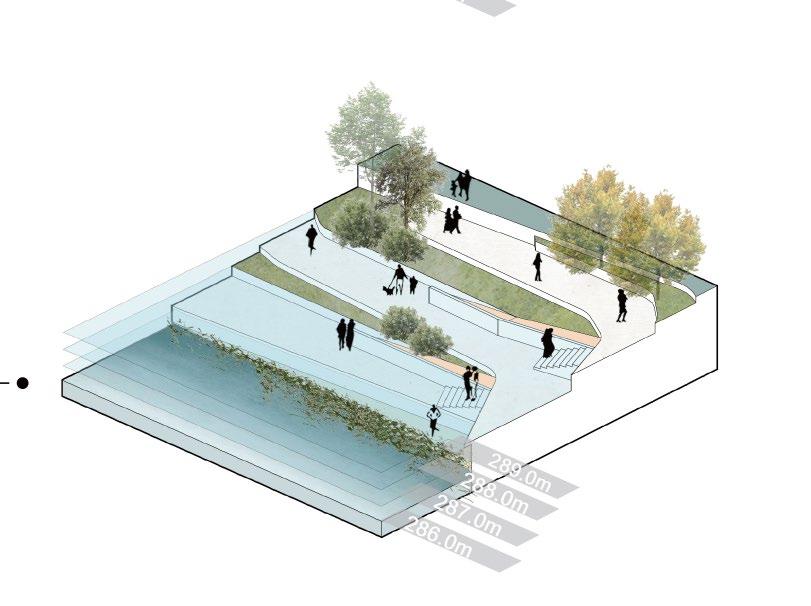
River Restoration
Break boundary under urban context
from the design studio at Politecnico di Milano
Completed in Winter 2020
Instructor: Poli, Bozzato
Location: Lugano, Ticino, Swizterland
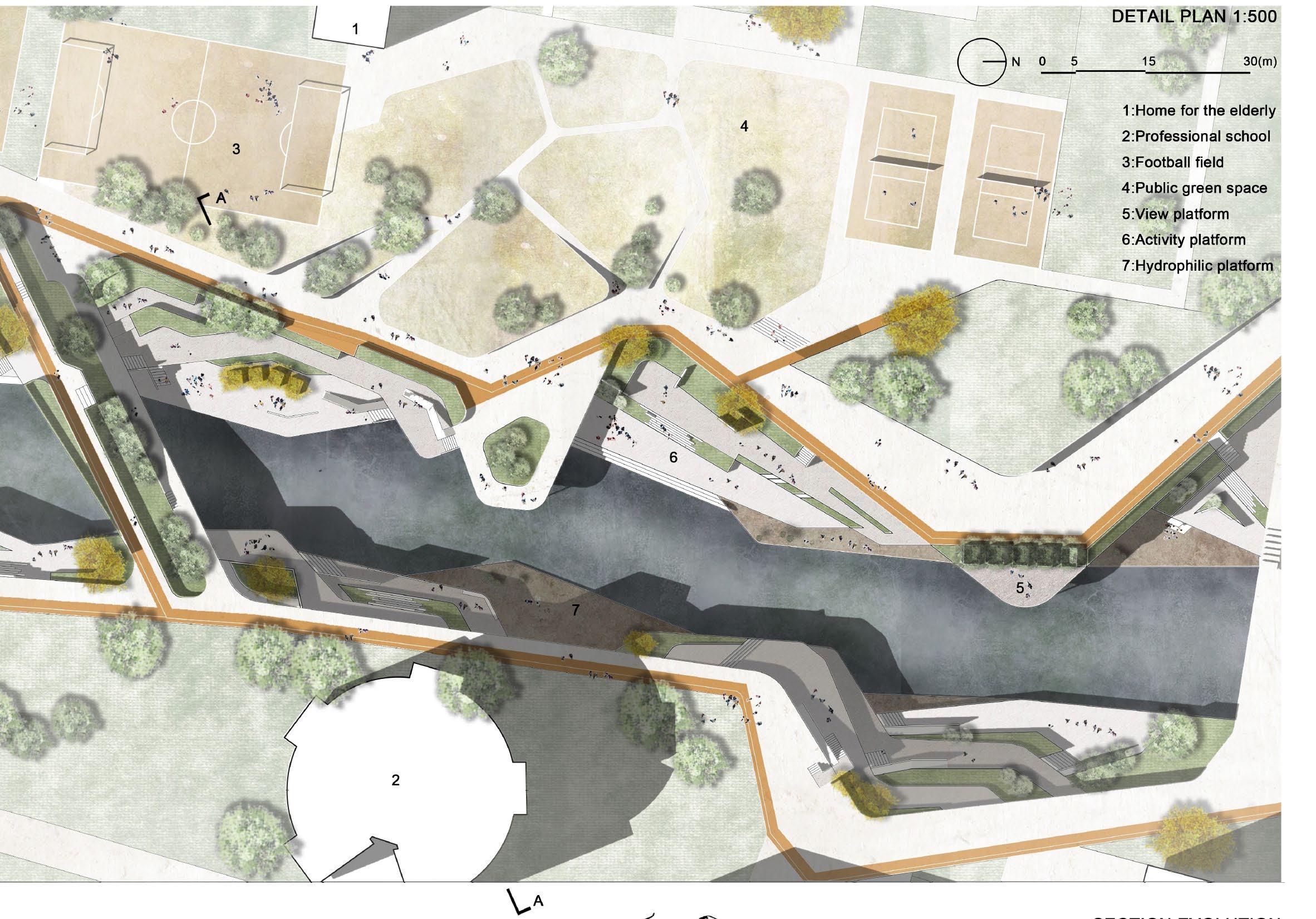
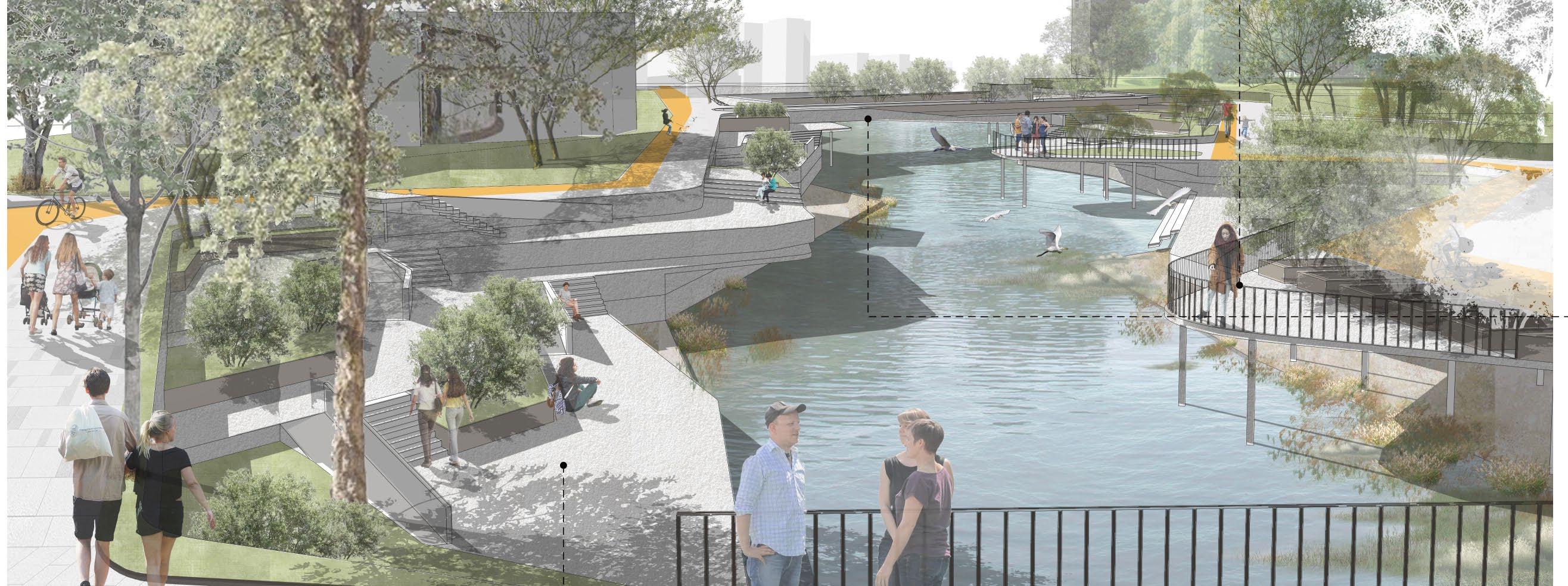
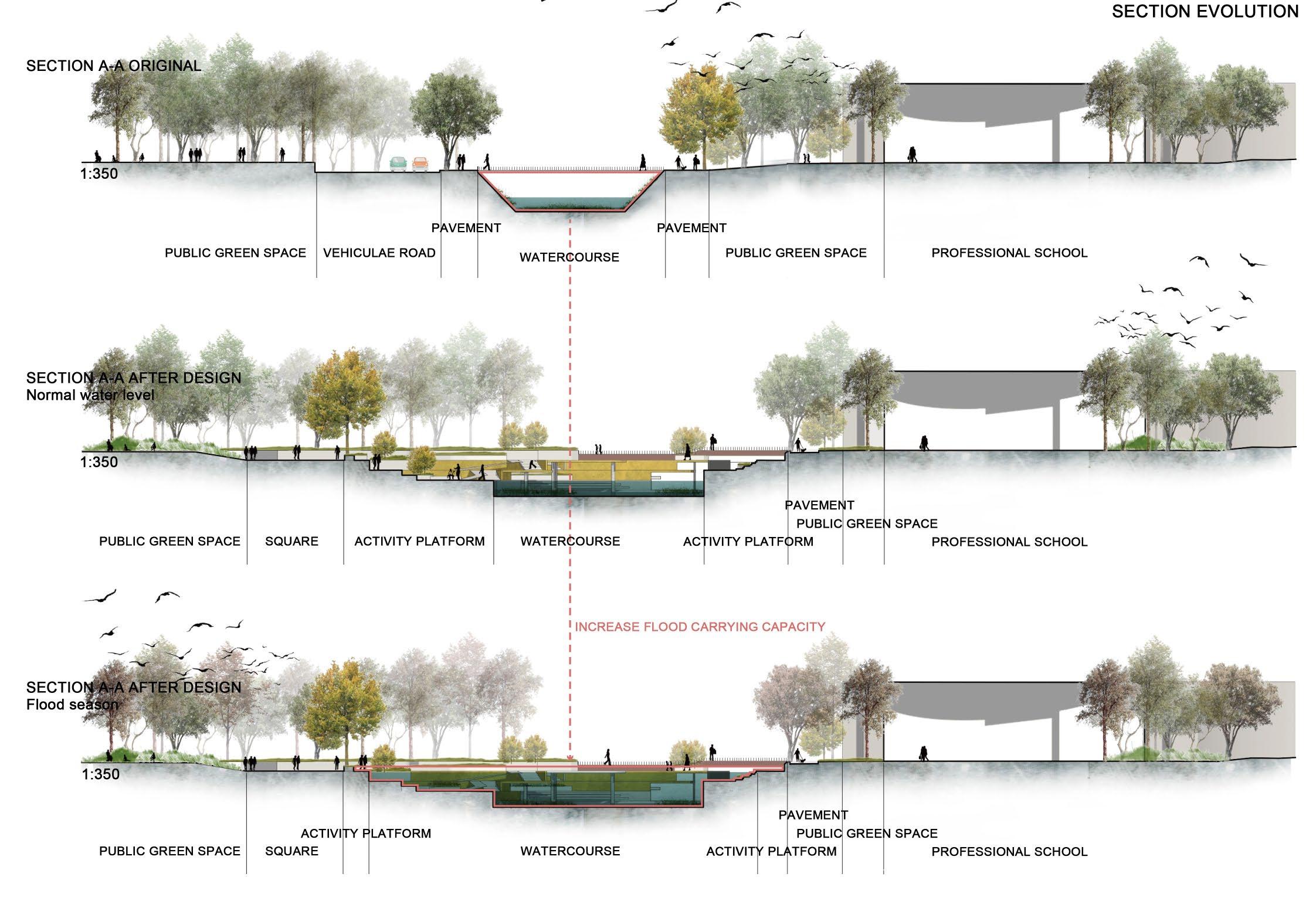
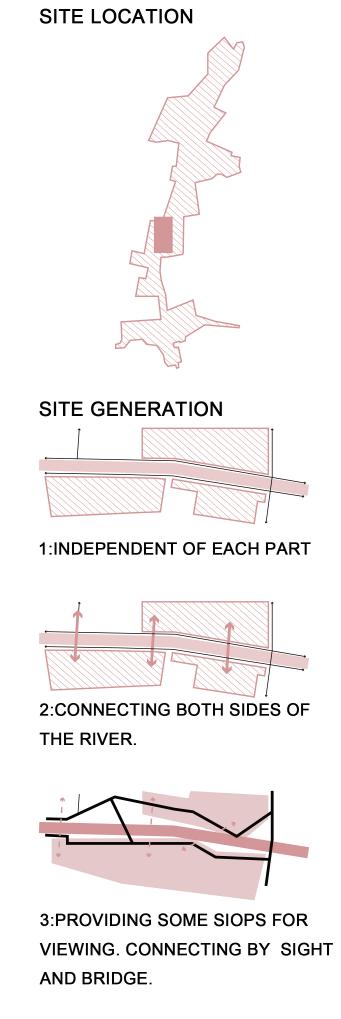
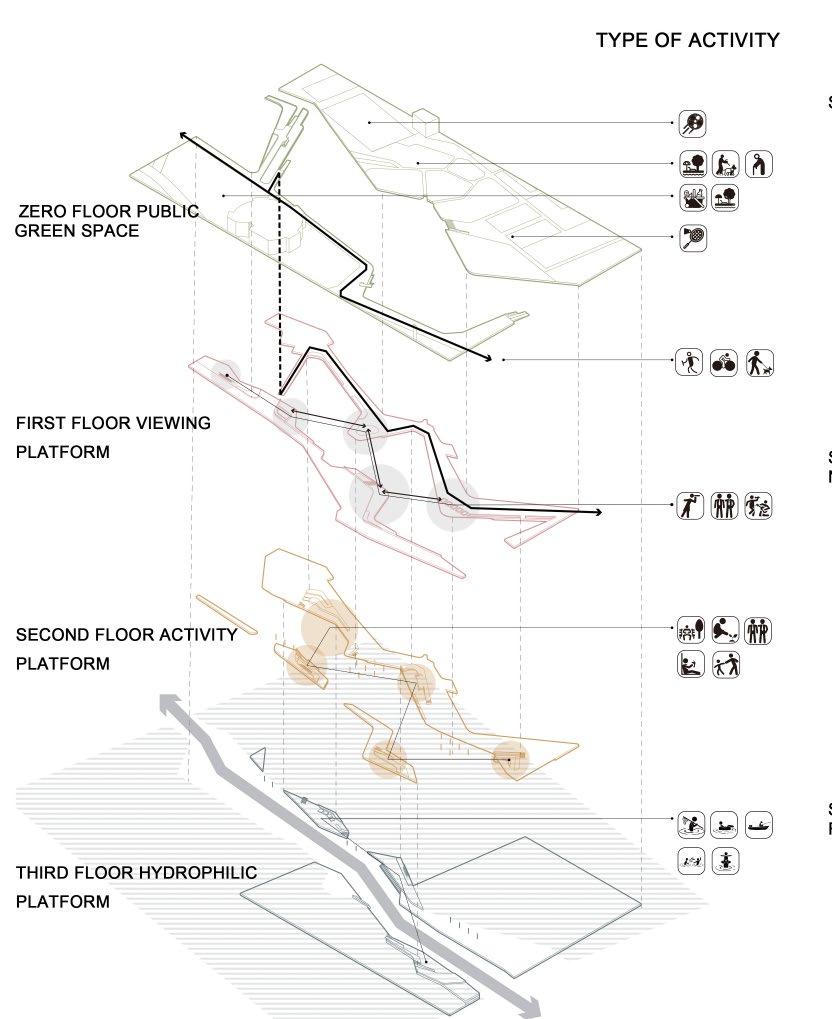
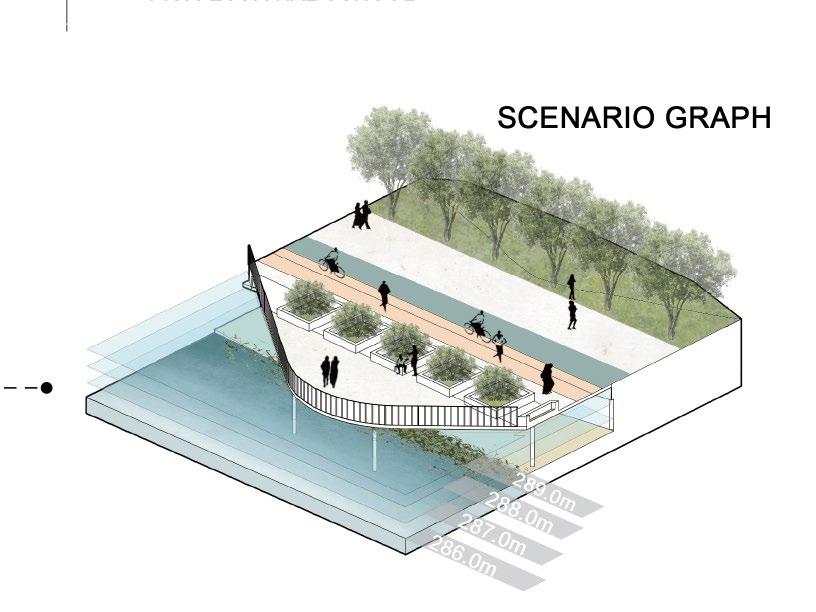
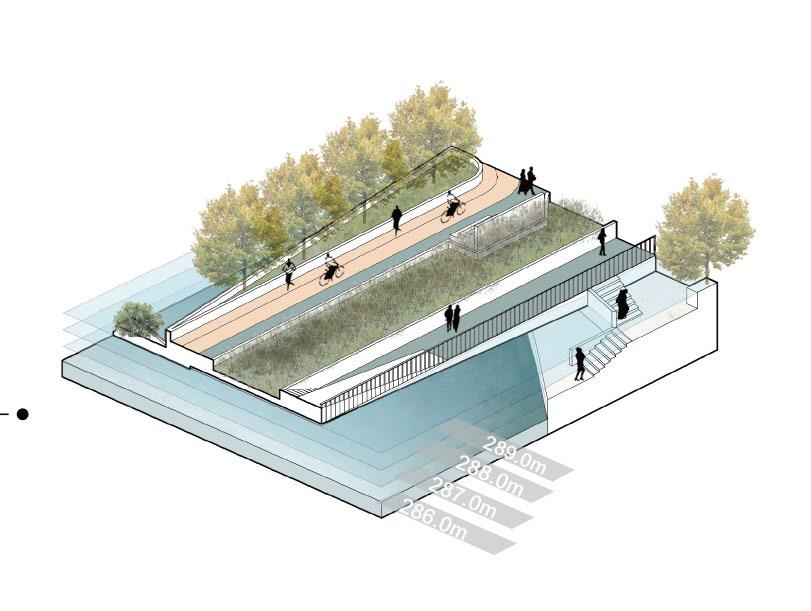
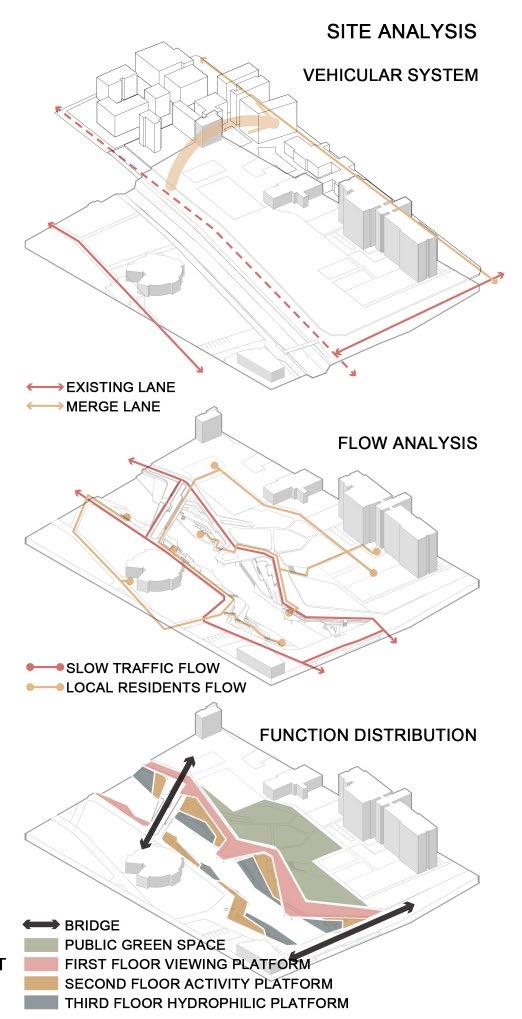
Fragile City
city public place planning from the Competation in OC summer school
Completed in Autumn 2020
Instructor: Guya Bertelli etc.
Location: Piacenza, Italy
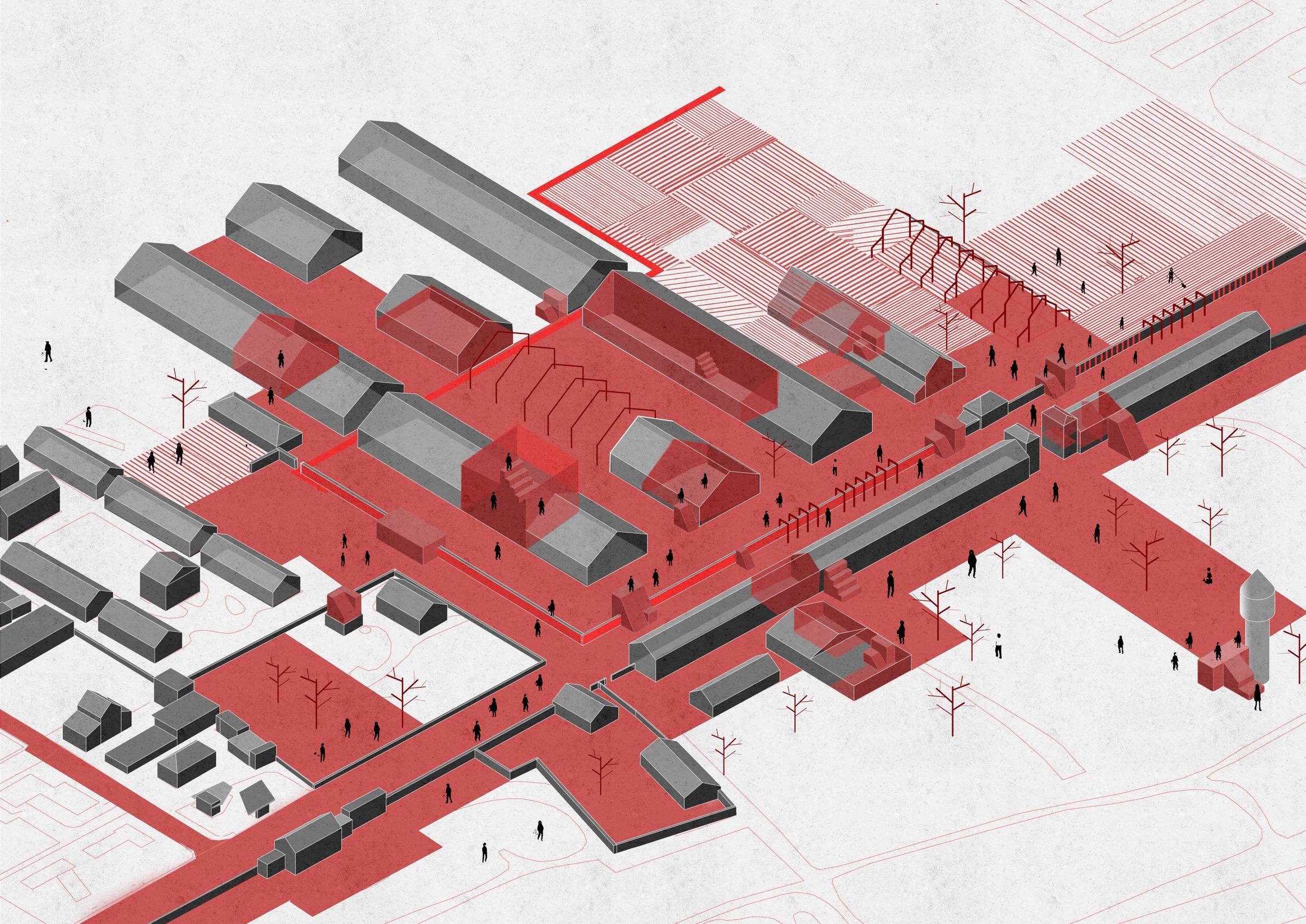
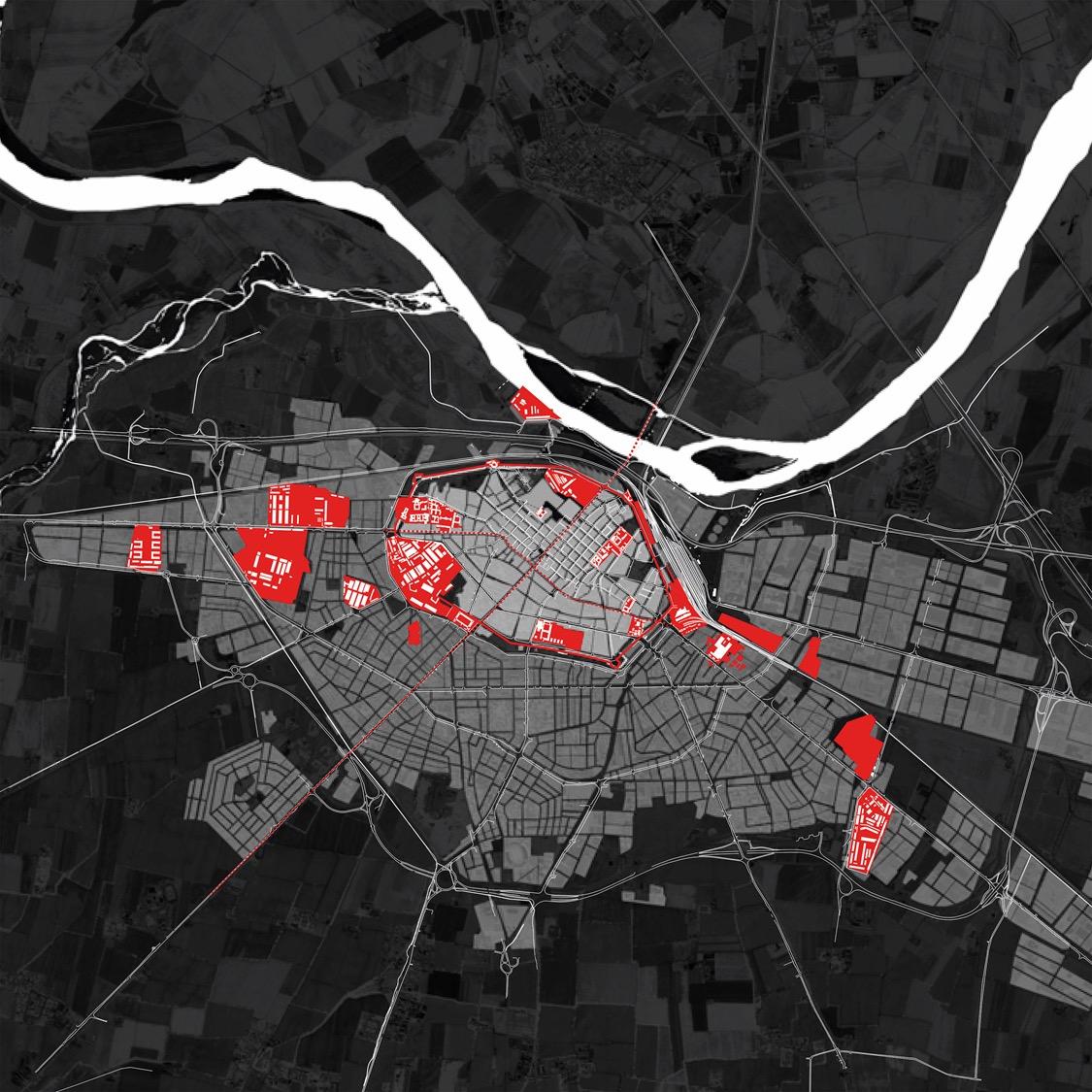
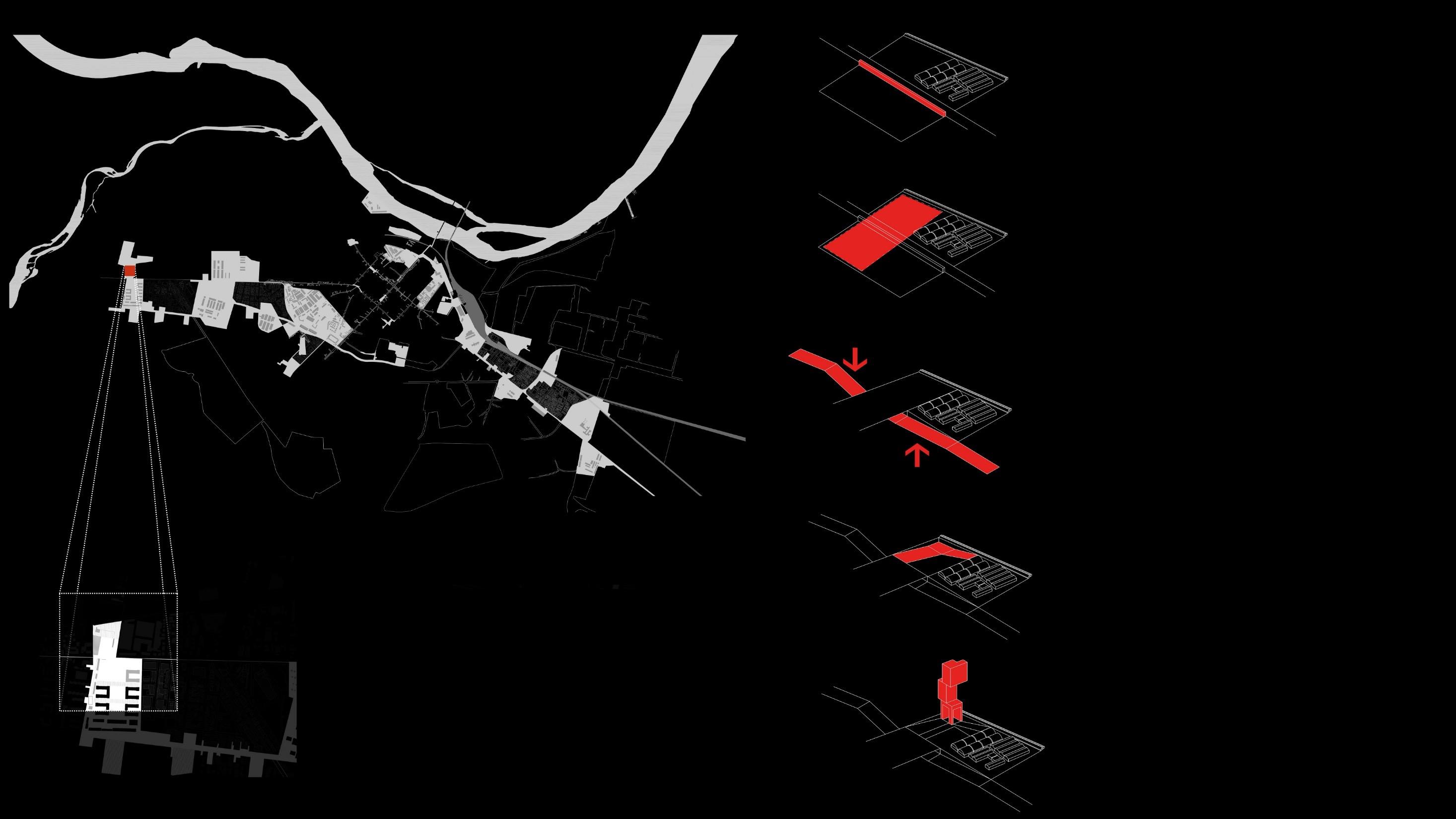
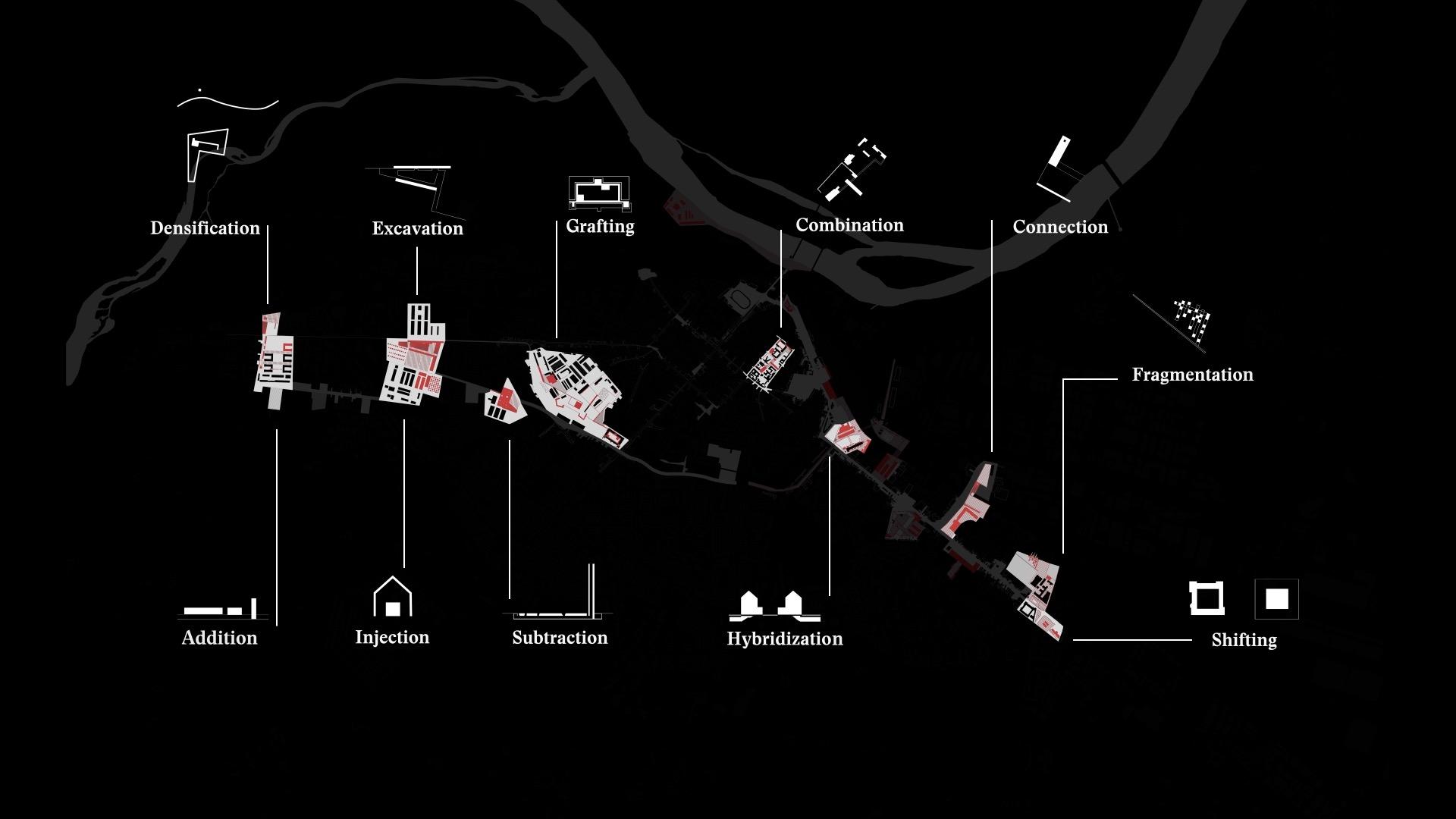
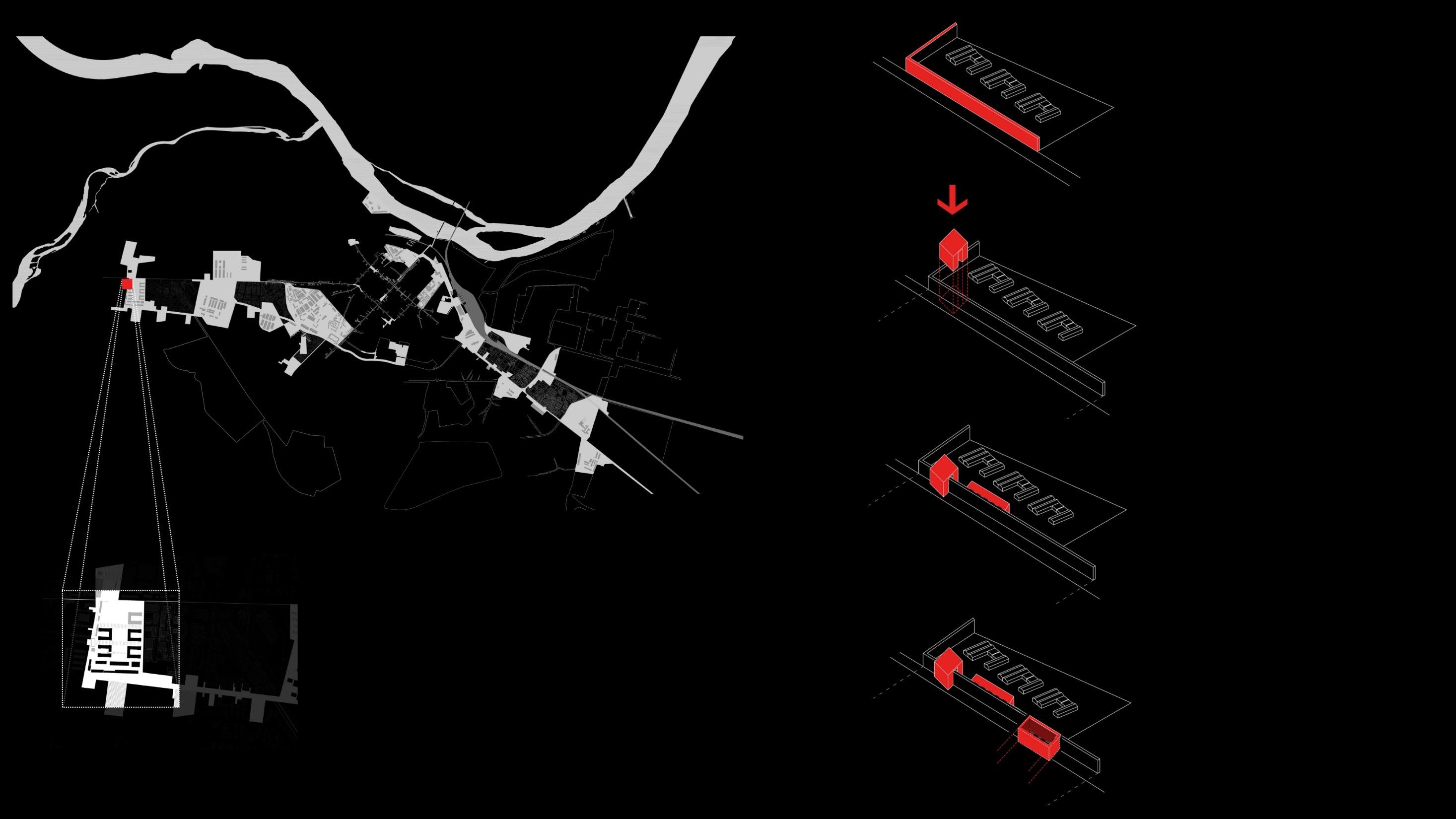
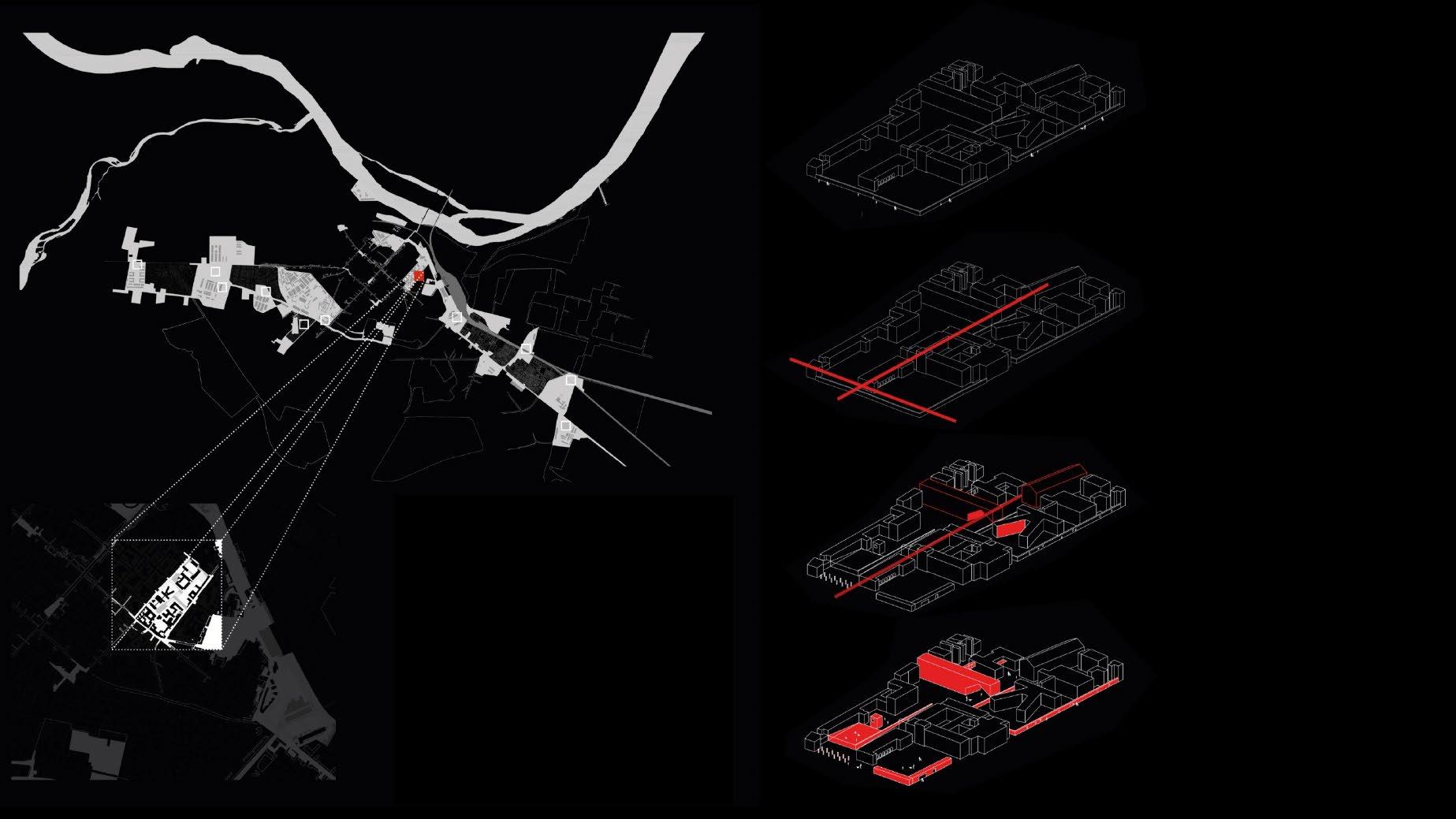
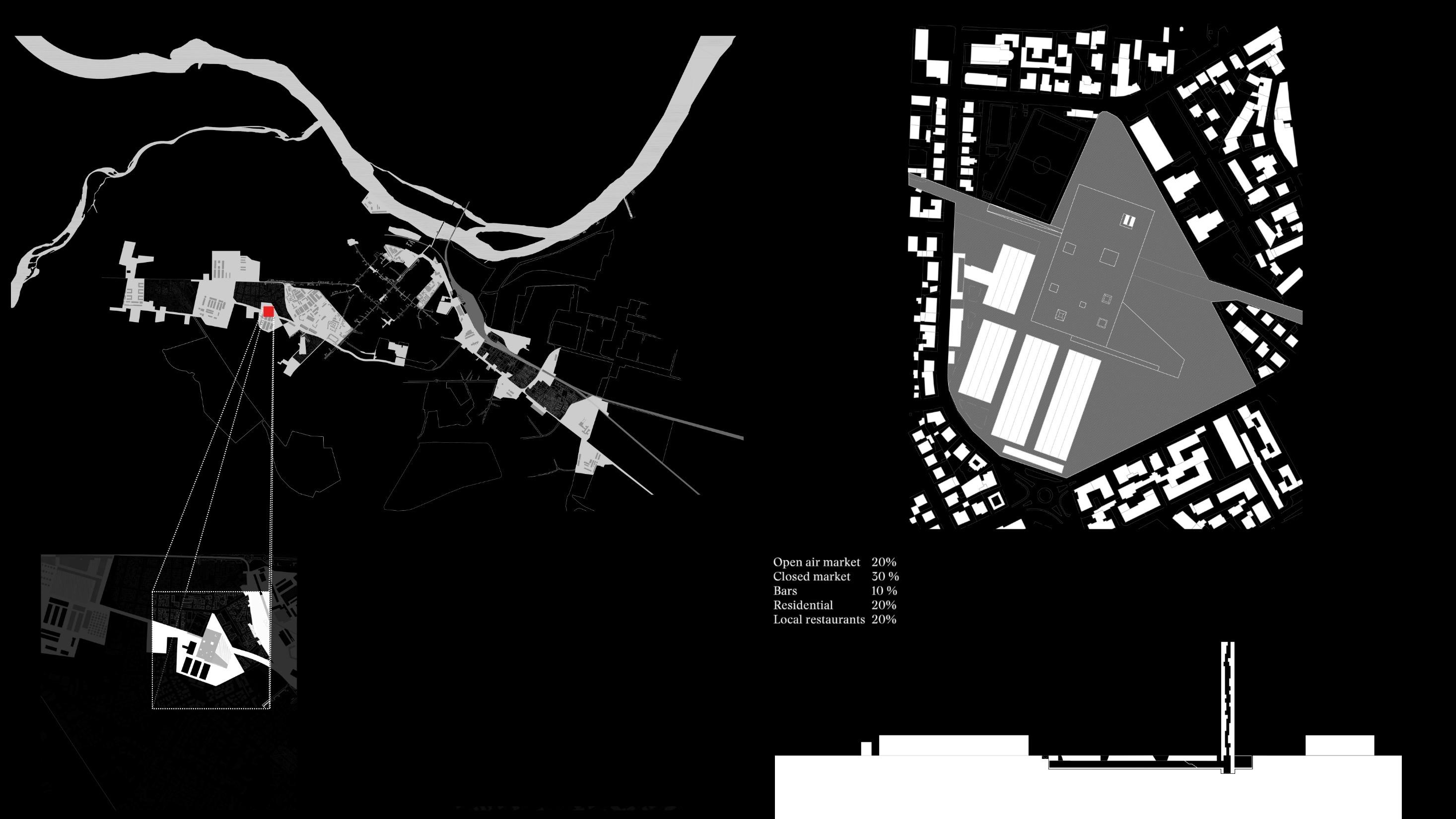
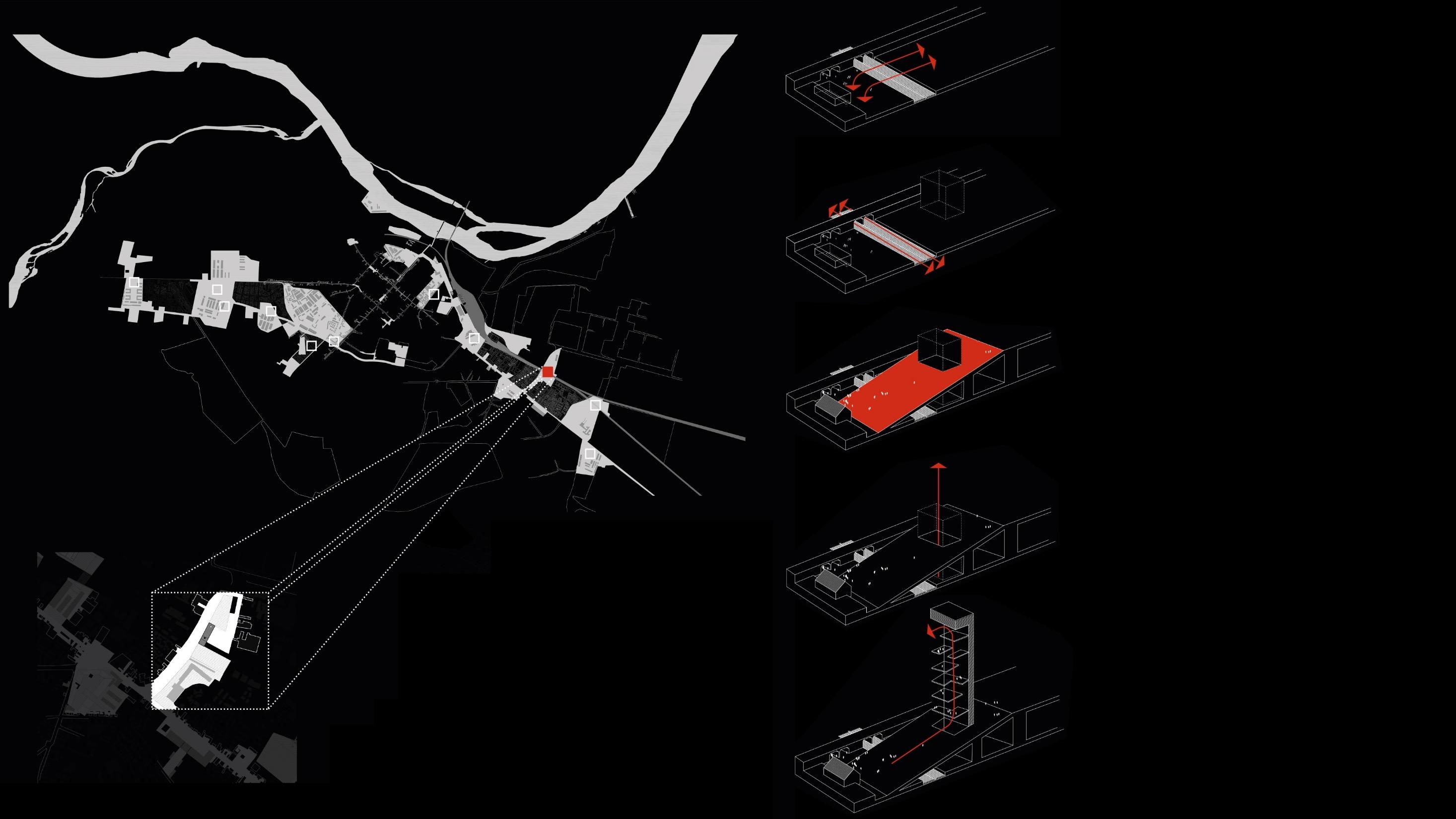
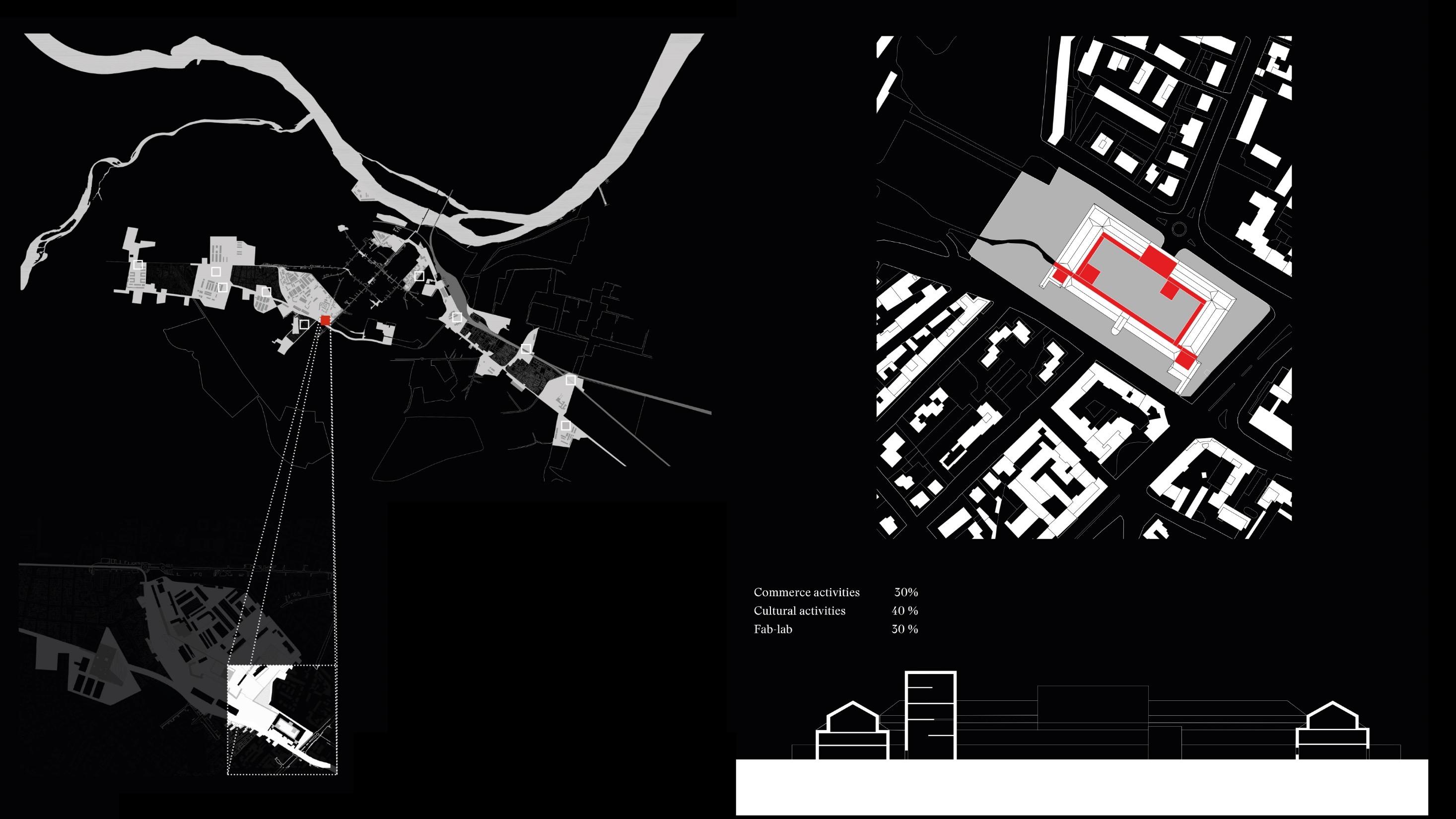
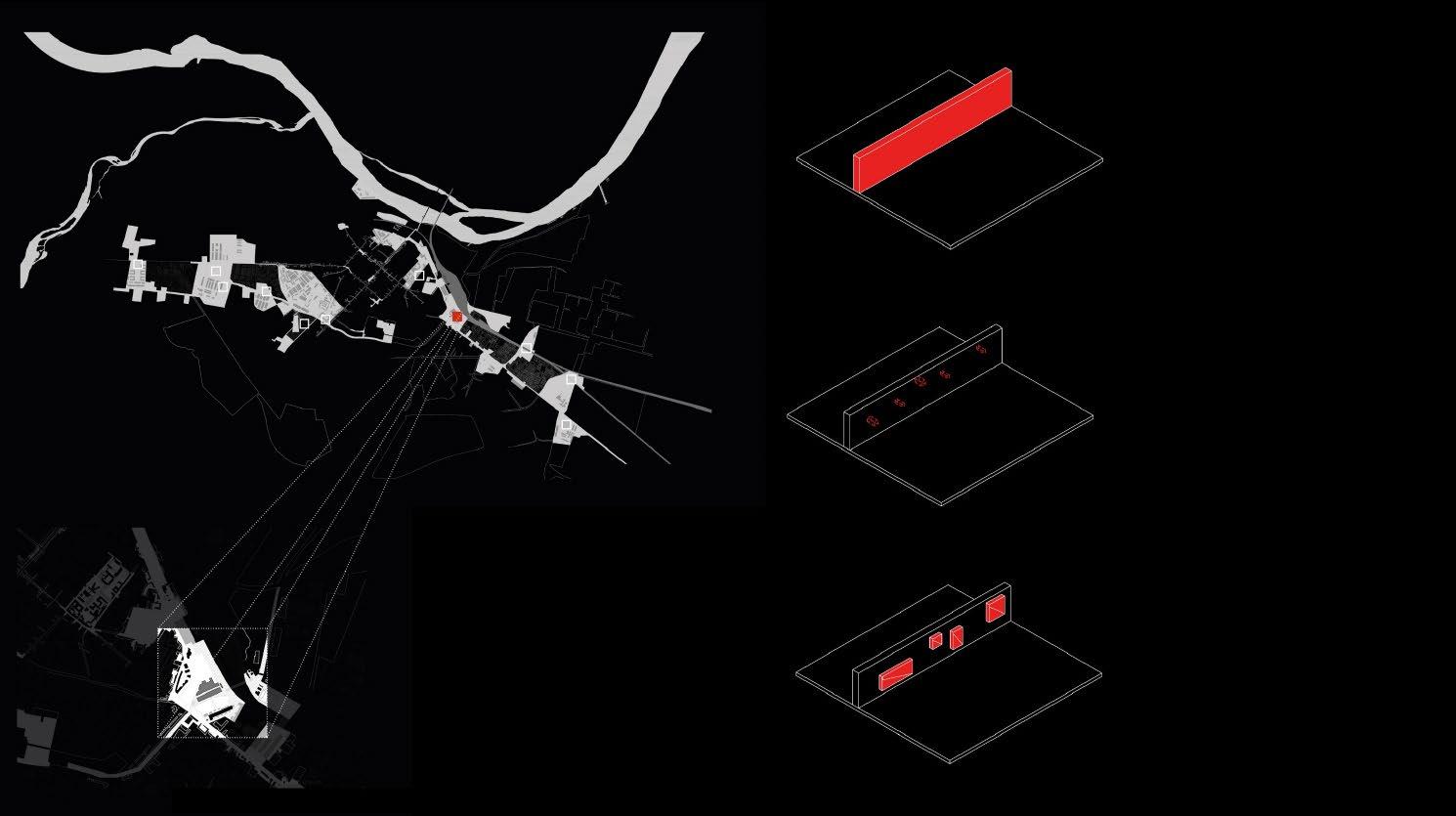
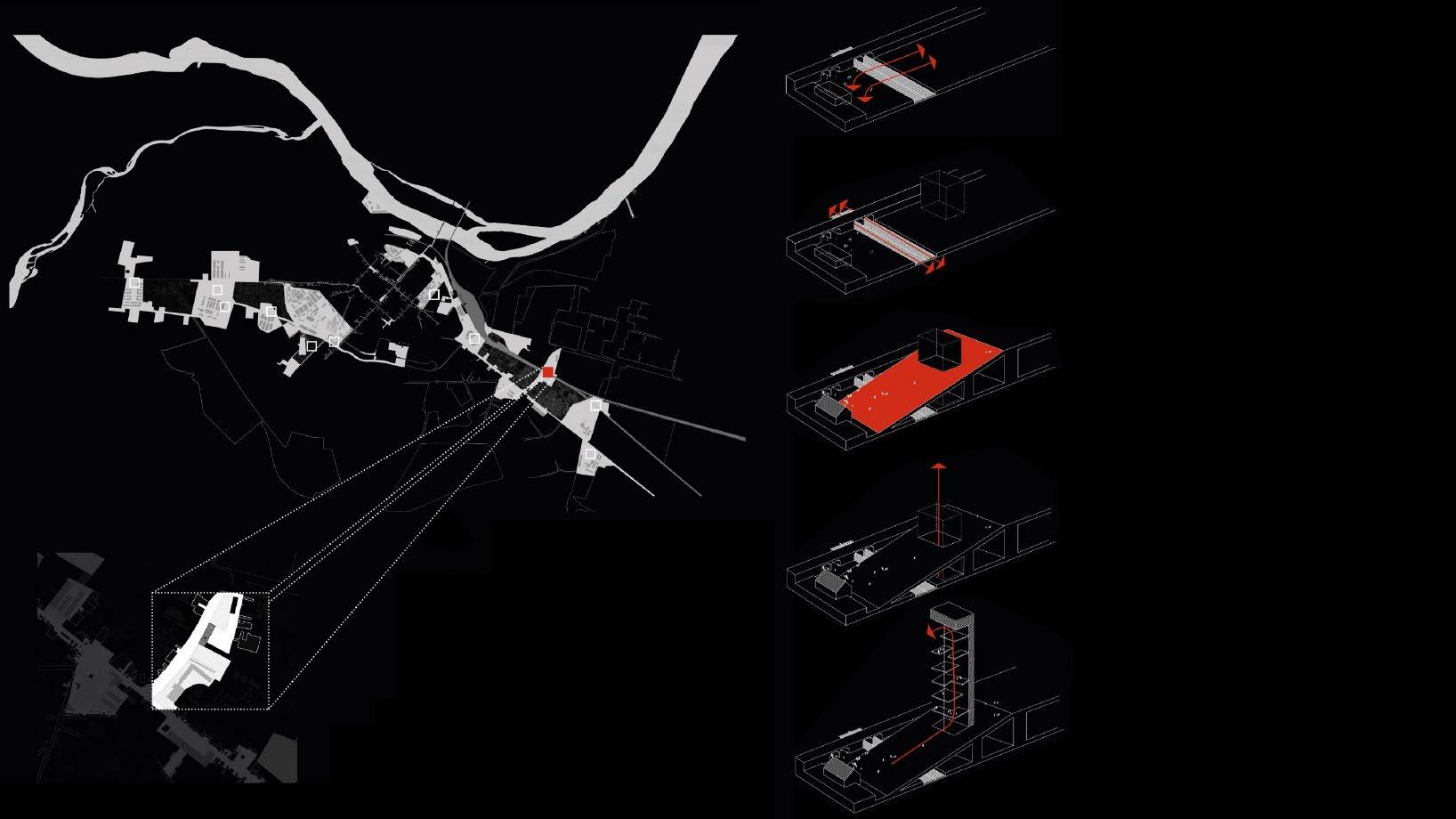
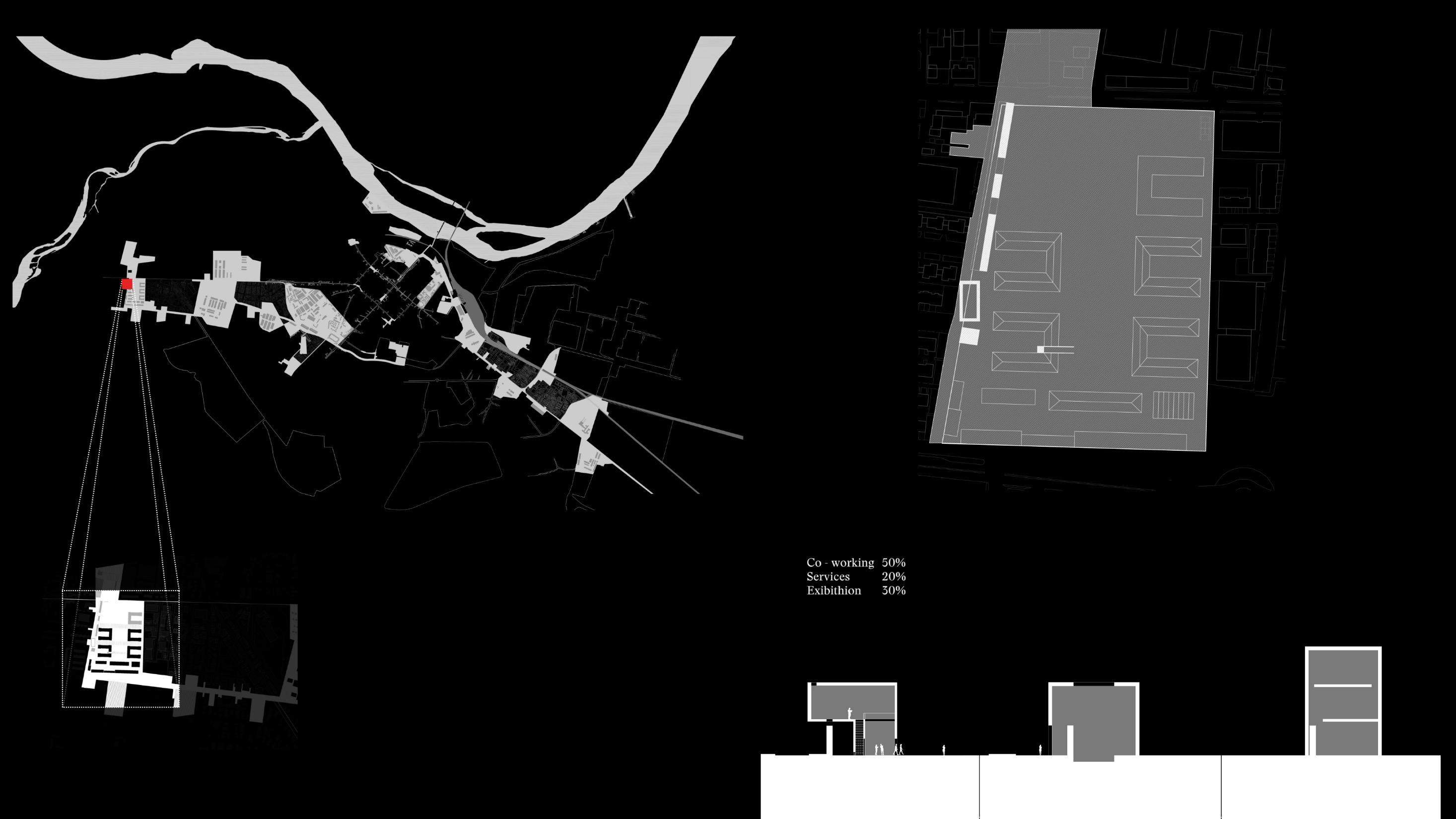
This project is based on the historical problematic development in Piacenza, Italy. How to build a common and shared vision, also capable of involving new inhabitants is the target.
By strongly integrated with the urban and territorial dynamics (“the city is the landscape and the landscape is the city"), giving a series solutions with different urban void as sharing space for different stakeholders.
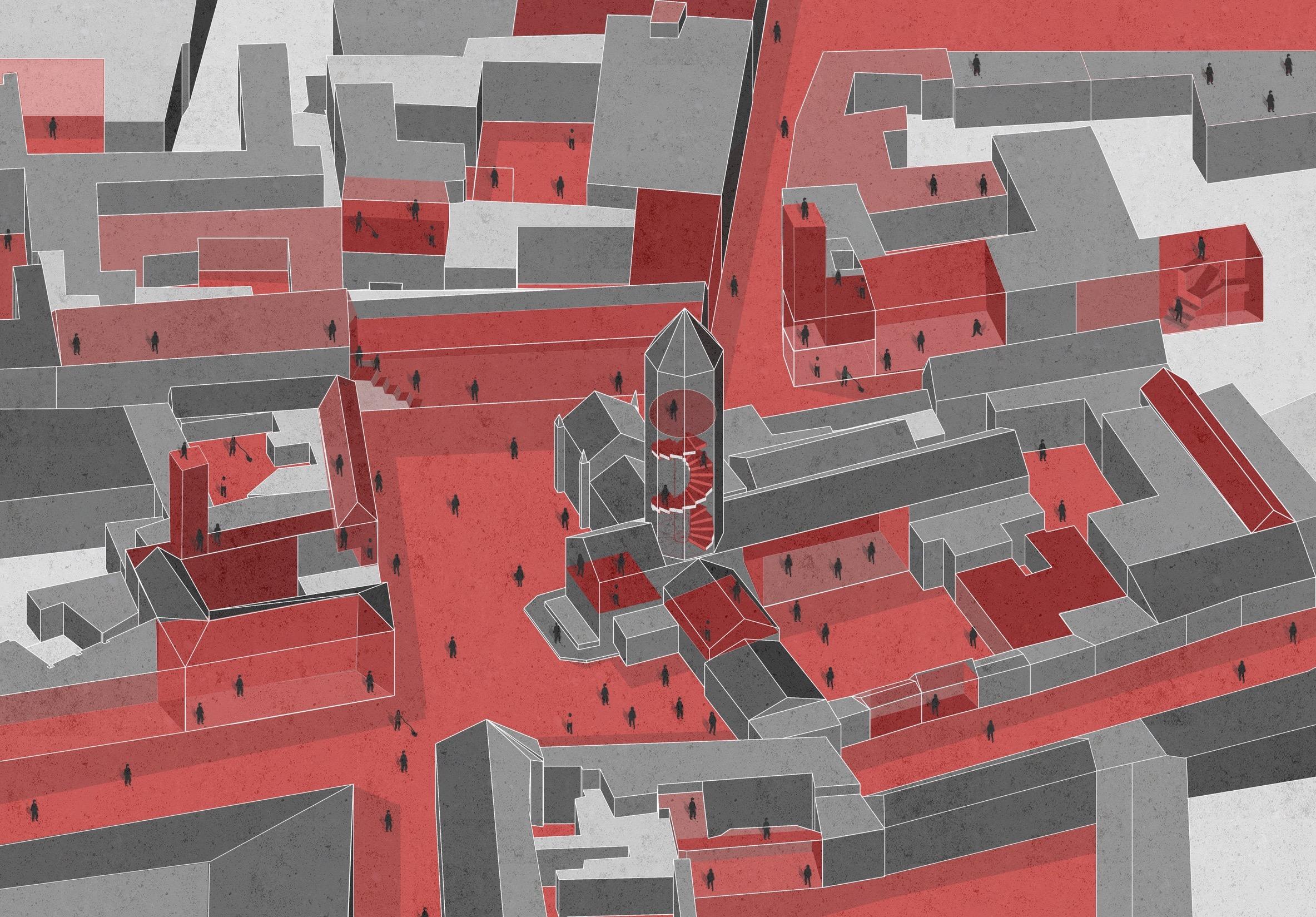
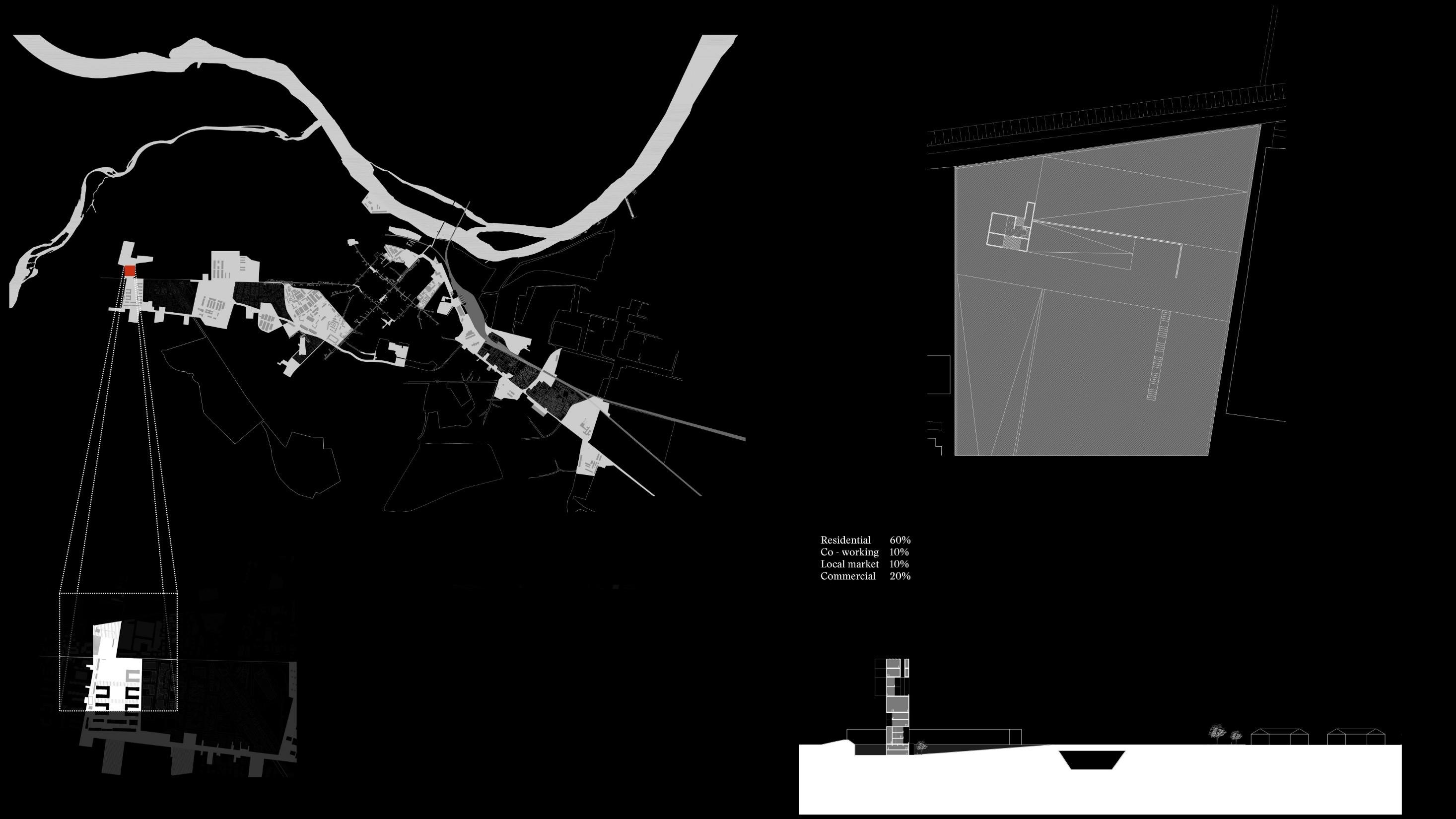
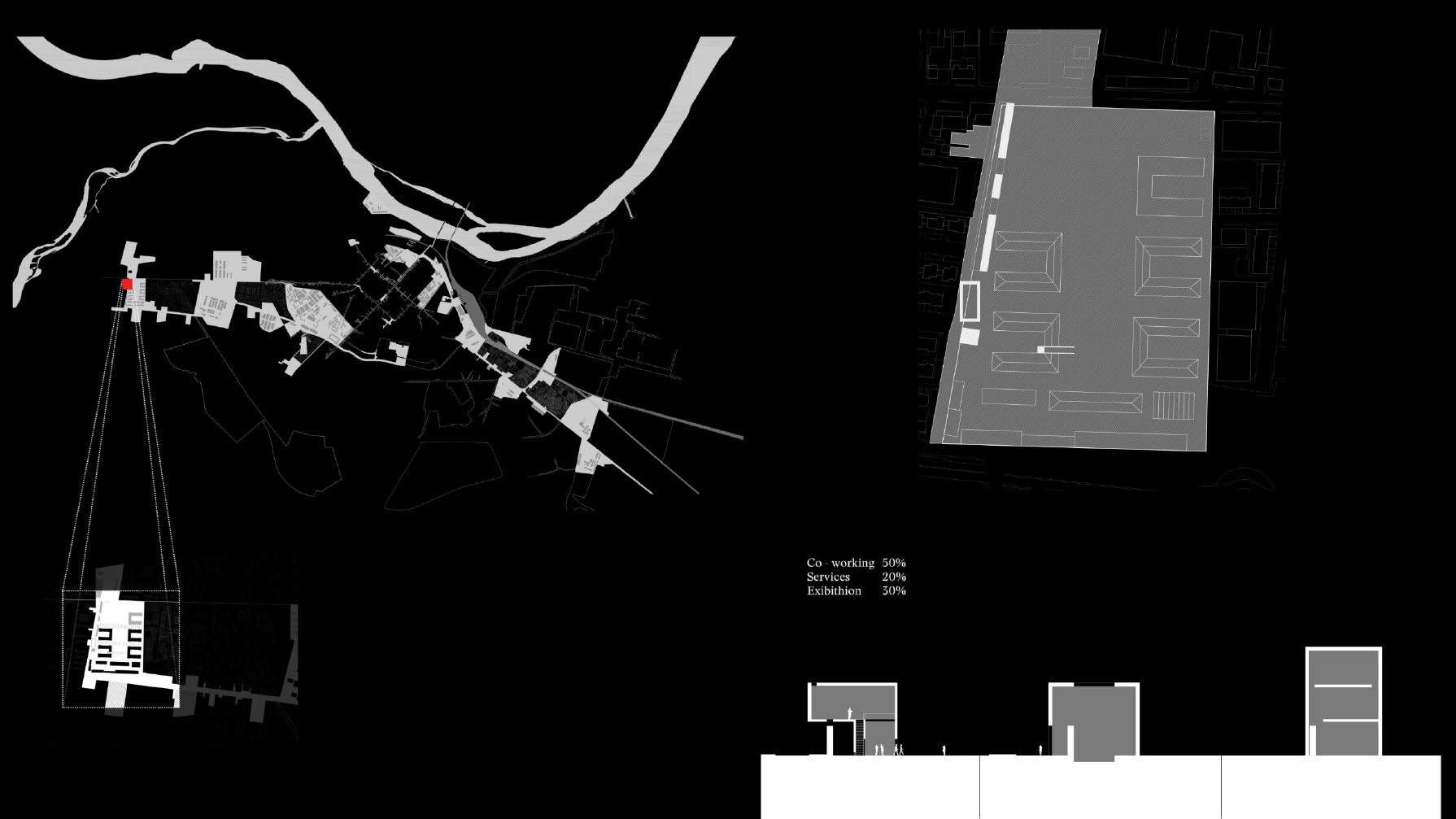
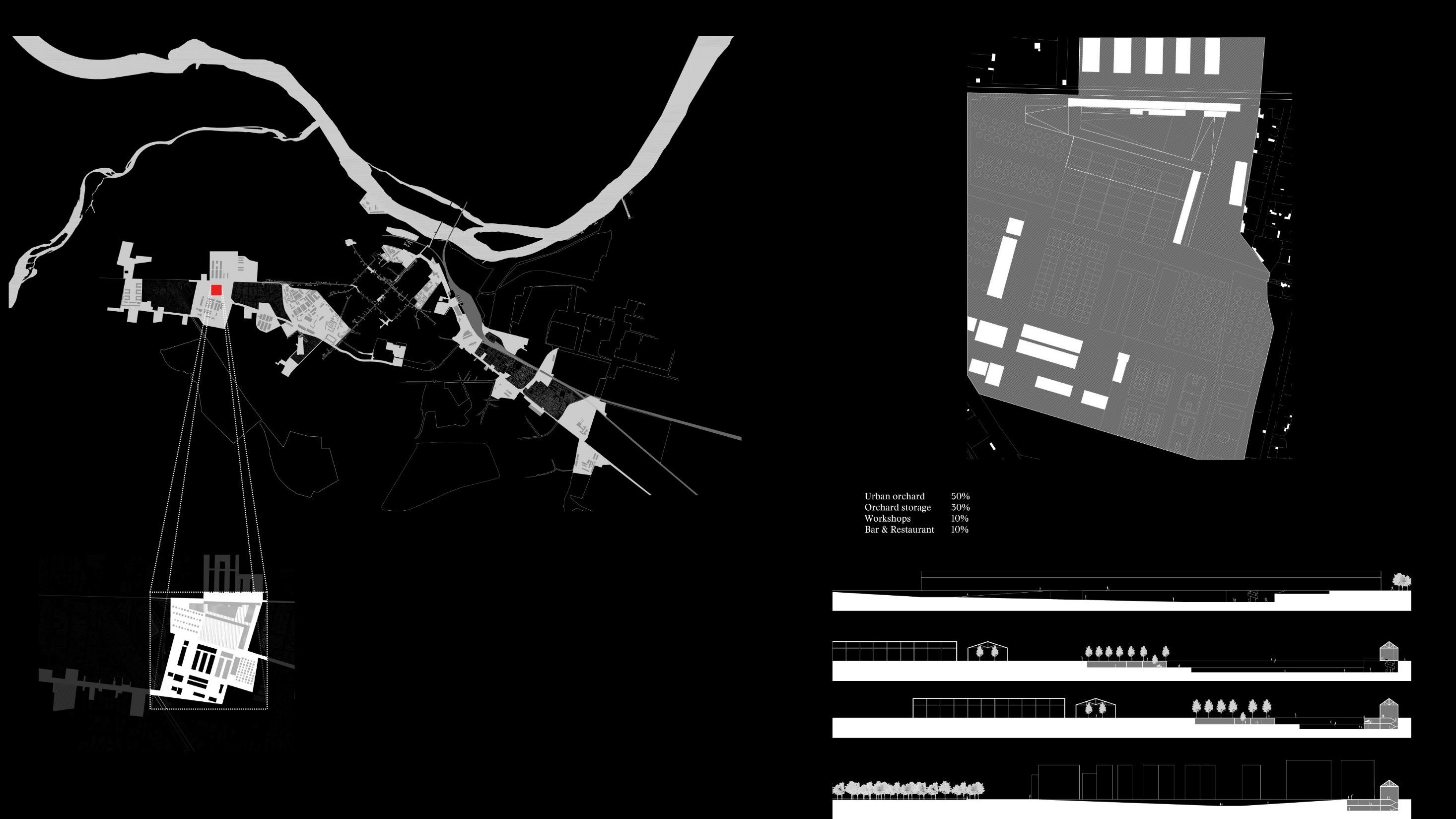
After World War II, the development of the city stagnated. Some military service buildings and their ancillary spaces left in the war were well preserved, but they were not fully utilized, and due to the economic downturn, many citizens went out to work thereby the population in the city is very small.
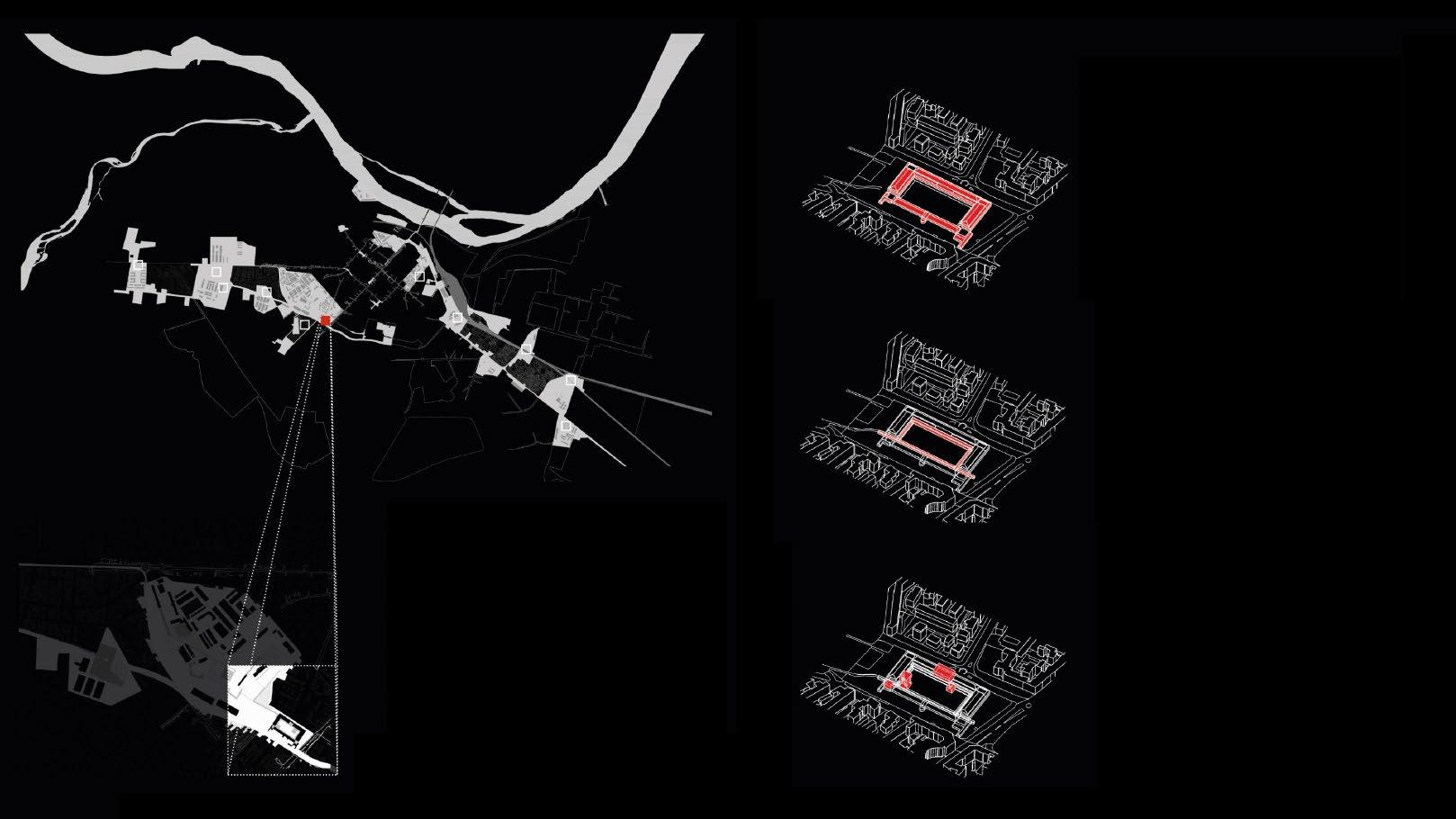
A. main private residential apartments and military facilites with large fringe green area which are equipped with the high desity fence which the accessibility are quite low and the building are now no longer in its appropriate function.
B. within the narrow city boundaries. Most of the space is a military service space and an abandoned church. For example, the prison and the the hospital inside.
C. This area was developed afterwards main with some economical value as well as cultural context as for the logistic center and former vegetable markets.