



The United States’ first cooperatively-owned business was founded by Benjamin Franklin in 1752: a consumerowned mutual insurance company that still exists today. Over 250 years later, Start.coop is building on that legacy as North America’s only equity-based accelerator for shared ownership.
From January through April 2019 we ran our inaugural cohort, accelerating five cooperatives working to address economic inequality in housing, transit planning, industry consulting, the healthcare sector, and human resource management. We’re excited to share the results of our progress.

2 START.COOP

www.start.coop Contents 04 | Why Share Ownership? 06 | Start.coop Accelerator 07 | Our Model 08 | Lean Co-op Approach 10 | Selection Criteria 12 | 2019 Cohort 14 | Cohort Profiles 24 | What We Learned 26 | Measuring Our Impact 27 | Financial Model 3 2019 COHORT REPORT
Why Share Ownership?
Economic inequality occurs when ownership and wealth are concentrated.
A major driver of economic inequality is the gap in ownership itself. As new wealth is created from business growth, those income gains are primarily going to the top 1%, consolidating wealth even further.
What if we could share the wealth created by entrepreneurship? A new generation of entrepreneurs are seeking business models that share prosperity among the many, not just the few.
Cooperative ownership shares profit by design, creating a pathway to wealth generation for populations traditionally excluded from ownership. Unfortunately, business accelerators, start-up resources, and investment vehicles are not designed to accommodate cooperative ownership models. As a result, entrepreneurs who want to start cooperatively owned businesses lack access to the resources and mentors available to their more traditional peers.
START.COOP 4
1%


The richest 1% of US households own more wealth than the bottom 90% combined.
Shared
More than 1/2 of Americans have less than $1,000 combined in their checking and savings accounts.
 WHITE HISPANIC BLACK
The median white family has 41x more wealth than the median black family, and 21x more wealth than the median Hispanic family.
Why aren’t there more shared ownership businesses?
of consumers are more likely to purchase from a business they know is a cooperative.


76% 72%
of employees would prefer to work for an employeeowned company.



Misperception
Most people have heard the word cooperative, but only 11% can define what a “cooperative” is. That’s why we also use the terms “shared ownership” and “shared equity.”
Access to Financing

Entrepreneurs who are considering launching shared ownership businesses say access to financing is the primary obstacle holding them back.
Business Know-How
Cooperative entrepreneurs lack the startup ecosystem that provides the mentorship practical business experience needed to grow and scale.
2019 COHORT REPORT 5
vs.
ownership businesses build collective prosperity and reverse wealth inequality.
Start.coop Accelerator
We accelerate ownership that shares wealth.
Start.coop exists to build a better eco-system that will lift up, support, and accelerate cooperative entrepreneurs on their business journey. Our accelerator selects the most promising teams and provides them with training and support through our rigorous business curriculum and world-class mentor community.
Start.coop is supporting a new generation of entrepreneurs who are using tech platforms to expand ownership in business sectors ranging from healthcare to the gig economy.
We believe that a more robust ecosystem for co-op startups will create more shared ownership businesses succeeding at scale - which means more jobs, shared profits, and stronger community.
OUR FOCUS:
ENTREPRENEURS
MENTORS RESOURCES


6 START.COOP
Our Model
Lean startup Cooperative values
MENTORSHIP
We bring together the brightest minds in the co-op and startup communities to provide strategic guidance and support.
CURRICULUM
Our curriculum focuses on building our entrepreneurs’ real world business skills so they can succeed and scale.

PLATFORM SERVICES


Our cohort saves time and money with access to the highest quality business management tools and services, including legal, accounting, CRM and marketing tools.
ACCESS TO FINANCING

We invest $10,000 cash into each co-op and advise teams on how to leverage co-op loan programs, social impact investors, and traditional investors.

+ 2019 COHORT REPORT 7
Lean Co-op Approach

START.COOP 8
Problem & Vision Product Development Value Proposition
The 5-year survival rate for co-ops is significantly higher than traditional businesses (64 vs. 36%)

Market Fit
Business Model Fit Scale

2019 COHORT REPORT 9
44%
Selection Criteria

As Start.coop works to lift up each year’s most promising entrepreneurs, our planning team uses the following criteria to evaluate applicants:
SOCIAL IMPACT FINANCIAL VIABILITY


Does the business create a social impact? If so, what is it?
Does the business model make sense? Is it viable long-term?
ENTREPRENEUR PASSION SCALABILITY
Can the business scale? How large and how quickly?


Are the founders passionate and dedicated? What skills do they bring?
INDUSTRY EXPERIERNCE ABILITY TO EXECUTE

Does the founding team have relevant industry experience?
Can the founding team execute on their vision?
START.COOP 10
As we work towards our vision of creating broad prosperity through shared ownership, we recognize that many populations have been excluded from the wealth generated by the U.S. economy. We believe one of the many ways our society can narrow the wealth equity gap is by building companies that have an explicit intention to share equity with marginalized communities. The cooperative model empowers these communities to unlock economic leverage, create network effect, and drive results. That’s why Start.coop prioritizes accelerator applicants that share wealth with people of color, women, immigrants and other marginalized populations who have been historically excluded from wealth generation.

2019 COHORT REPORT 11
Start.coop opened applications for our inaugural cohort in June 2018 with limited promotion. We received nearly 100 accelerator applications and conducted interviews with the top 15 teams.
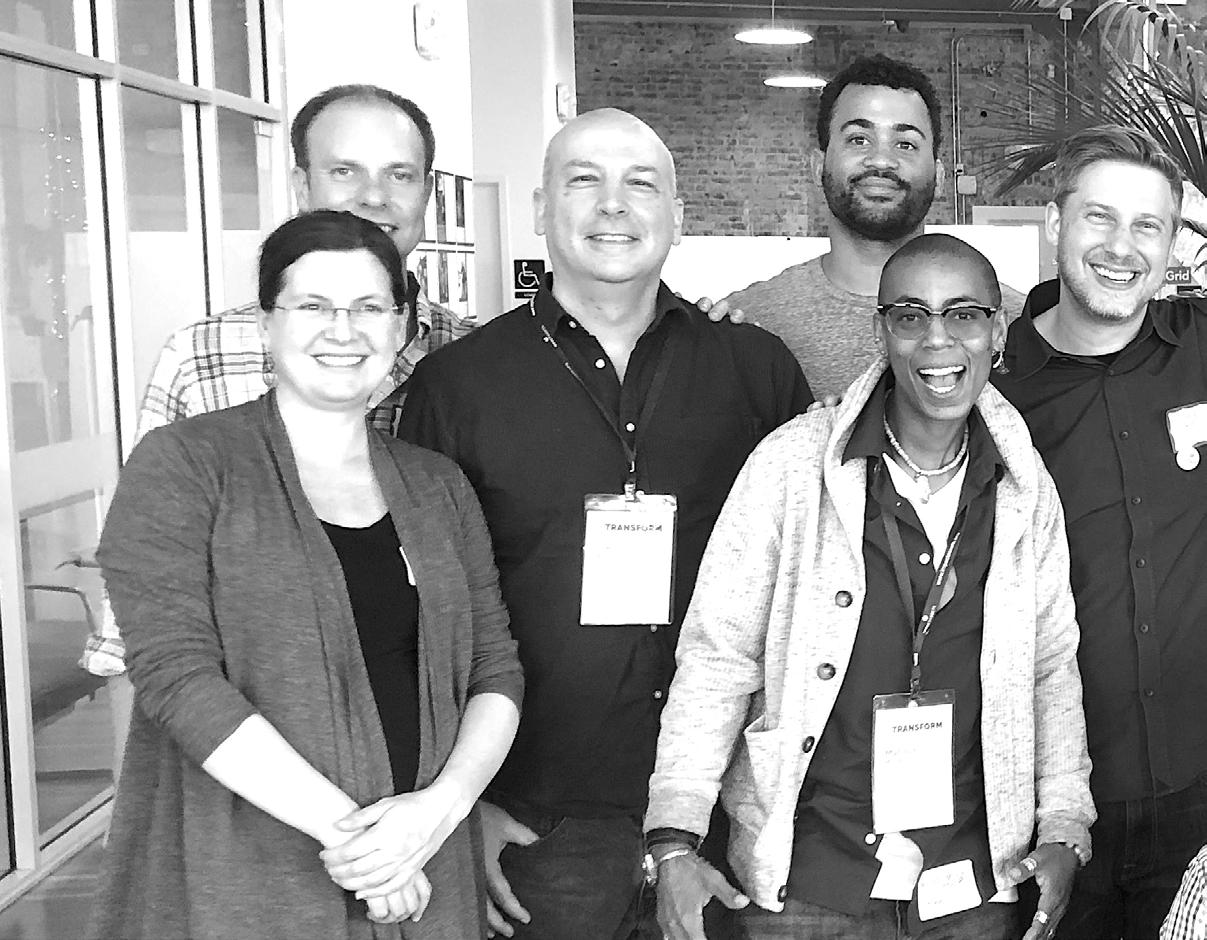
Our 12-week accelerator pilot ran January through April 2019, with four weeks of faceto-face engagement and eight weeks of virtual programming. The 2019 cohort took a milestone approach that focused on sales growth and assisting teams in developing a complete investor package, including:
Executive summary of the business
Specific business goals set by each team
Financial proformas for 5 years of business
12-14 slide pitch deck
Ability to present in 1 min, 3 min, 5 min, and 7 min formats
2019 Cohort START.COOP
12
Our Graduates


ROOTS & RETURNS EXPERT COLLECTIVE DRIVER’S SEAT


SAVYY CO-OP
STAFFING CO-OP 2019 COHORT REPORT 13
PROGRESS DURING ACCELERATOR:
During the Accelerator, Arizmendi improved their initial feasibility study by partnering with mentors from IDEO and others on product development.


It’s so exciting to have an accelerator focused on just cooperatives. This was far and away the most deep dive on the actual business side, how to be a successful business and how to raise money.
ASHLEY ORTIZ Founder, Arizmendi Roots & Return
14 START.COOP
Arizmendi

ROOTS & RETURN CO-OP
Affordable housing built and managed by worker-owners.
FOUNDED: 2018 LOCATION: OAKLAND, CA


TEAM SIZE: 3
Building on their 30 year history of creating worker-owned bakeries across the Bay Area, Arizmendi Association’s newest project Roots & Returns is working to build more affordable housing.
Targeting homeowners who want to monetize their unused yard space, Roots & Returns builds modern backyard apartments and manages them as rentals. Affordable housing is developed while homeowners receive a share of tenants’ rent. Surplus profits from Roots & Returns benefit the cooperative’s worker-owners.

Learn more: Arizmendi.coop



FOUNDERS:
 TIM HUET MAHASIN MUNIR ASHLEY ORTIZ
INNOVATING IN HOUSING
15 2019 COHORT REPORT
PROGRESS DURING ACCELERATOR:
During Start.coop, Driver’s Seat gained skills in pitching, developing their business plan, and connecting with potential investors. By graduation, they had signed a pilot agreement with a San Francisco planning authority.

Our mentors really pushed us on both our business model and how to think about unit economics. We also learned how to be true to ourselves and still build a great business.
HAYS WITT Founder, Driver’s Seat
START.COOP 16
Driver’s Seat
People-powered rideshare analytics.

FOUNDED: 2018

LOCATION: PORTLAND, OR
TEAM SIZE: 2
Driver’s Seat is a data aggregation platform owned by gig drivers. By collecting and analyzing aggregate rideshare data, the Driver’s Seat app empowers gig workers to make informed driving decisions and earn more money. The data that Driver’s Seat collects is anonymized and sold to local governments for transportation planning, generating dividends for driver-owners.
Learn more: DriversSeat.co

FOUNDERS:
 MATT SCHUMWINGER HAYS WITT
INNOVATING IN TRANSIT
CO-OP 2019 COHORT REPORT 17
DATA
PROGRESS DURING ACCELERATOR:
During the Start.coop accelerator, Enrique and his team refined Expert Collective’s governance structure, marketing, and onboarding process.

Through Start.coop, I gained a deeper understanding of what it means to be a co-op. We are in very good shape right now, receiving inbound inquiries from potential clients like Siemens and Anheuser Busch.
ENRIQUE SHADAH
Founder, Expert Collective
18 START.COOP
Expert Collective
A platform connecting academic experts to private-sector projects.

FOUNDED: 2018

LOCATION: CAMBRIDGE, MA
TEAM SIZE: 2
Expert Collective is a web-based consulting platform that is cooperatively-owned by academic experts. The company’s cooperative model enables member-owners to achieve collective visibility and access to consulting projects outside of academia. Expert Collective aims to capture a share of the $241 billion market of management and technology consulting services in the U.S.
Learn more: ExpertCollective.org

19 2019 COHORT REPORT

FOUNDERS: INNOVATING IN CONSULTING
ABRAHAM FRENCH ENRIQUE SHADAH
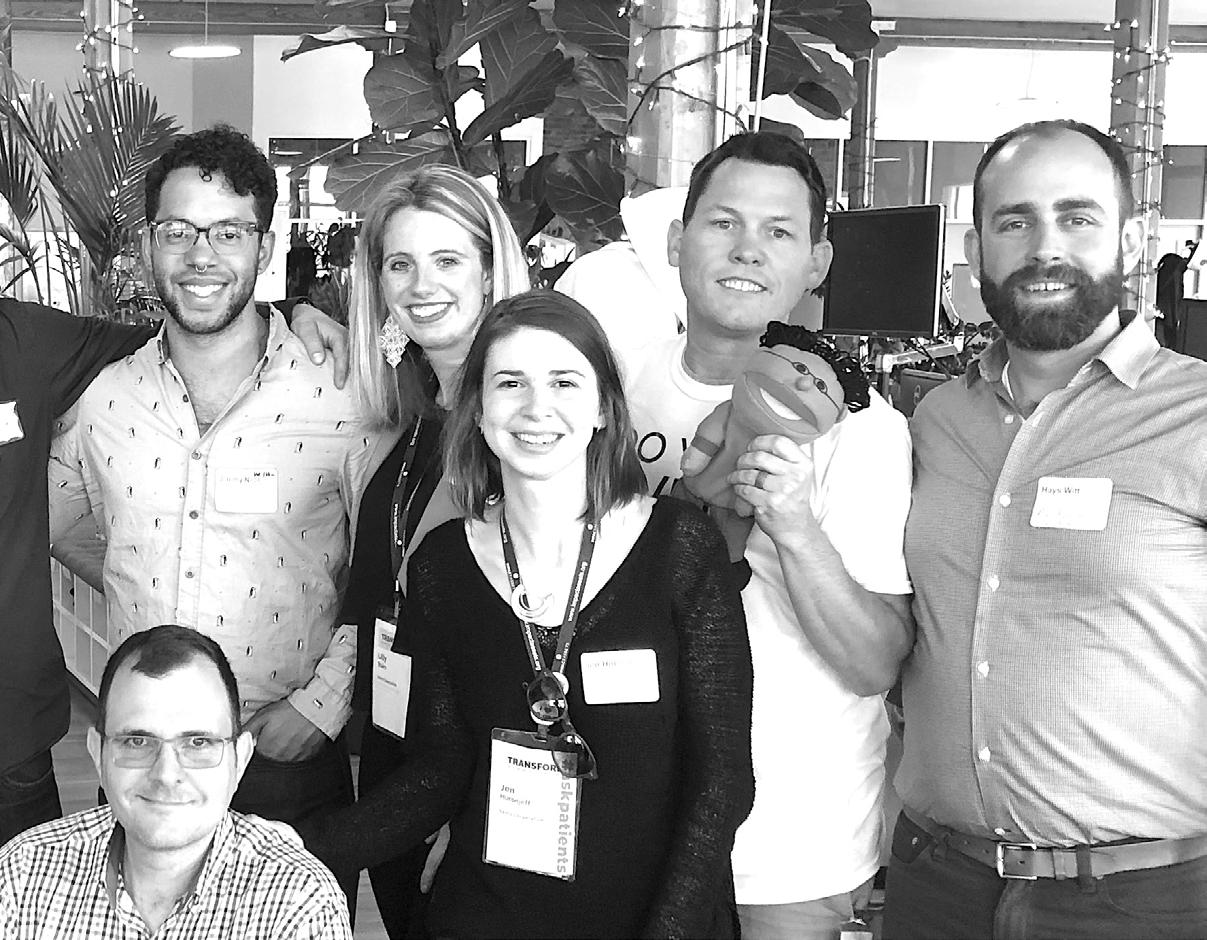
When we started the program, we were less sales focused, doing gigs for free. Now sales have been doubling monthover-month for the past six months. We are on pace now to double that again!
JEN HORONJEFF Founder, Savvy Co-op
PROGRESS DURING ACCELERATOR:
After joining Start.coop, Savvy’s team created a successful white paper based on client interviews, gained a deeper understanding of their business model and rolled out a new subscription model.
START.COOP 20
Savvy Co-op
The first patient-owned health insights platform.


FOUNDED: 2016

LOCATION: NEW YORK, NY
TEAM SIZE: 3
Savvy Co-op is improving the healthcare sector by deepening researchers’ understanding of the patient experience. Through the Savvy platform, pharmaceutical clients and health researchers get connected with patients who participate in surveys, studies, and other research activities. Savvy patients receive company voting rights and earn dividends based on company profit. Featured in:


Learn more: Savvy.coop
FOUNDERS:
INNOVATING IN HEALTHCARE
JEN HORONJEFF RONNIE SHARPE 2019 COHORT REPORT 21
PROGRESS DURING ACCELERATOR:
During the accelerator, the Staffing Co-op refined their business model, met multiple investors leads, and developed their sales funnel.

We really solidified how to talk about our business and our narrative. The cadence of this program allowed us to do the work while also preparing to get investment, which was a healthy balance for us.
JOSEPH CURETON Founder, The Staffing Co-Op
START.COOP 22
Staffing Co-op
A staffing platform for the future of work.

FOUNDED: 2017 LOCATION: BALTIMORE, MD

TEAM SIZE: 7
The Staffing Cooperative is the first worker-owned holding company. The Cooperative currently has two brands: Core Staffing, an agency for returning citizens (formerly incarcerated individuals); and Tribe Works, an on-demand platform for tech and creative workers.


As a worker co-op, all members have a voice in company decisionmaking and every worker shares in year-end profits regardless of subsidiary.
Learn more: Staffing.coop
COORDINATORS:
INNOVATING IN STAFFING
23
2019 COHORT REPORT
JOSEPH CURETON JEREMY NEAL
What we learned:

START.COOP 24
We are meeting a validated and underserved need

Based on initial applications and continued inquiries, we know there is a new generation of co-op entrepreneurs who are looking for business curriculum, mentorship, and investment.
The cohort approach brings more value
Throughout the cohort, our participants highlighted how much they valued learning from each other, sharing knowledge and support during their journey.
Business growth is our unique value proposition

Entrepreneurs in the cohort reported that practical, hands on business knowledge was their most valued asset from the accelerator.
Tighter selection = better resources

Start.Coop exists to rally the best mentors, business leaders and cooperative resources we can find around each year’s most promising cooperative teams.


Scale has needs, regardless of sector
Building a business to operate at scale requires different capital, operational support, and technology. By focusing on scale - not sector - Start. coop entrepreneurs felt the diversity of business models represented catalyzed the cohort’s progress overall.

Entrepreneurs need better access to financing
Start.coop entrepreneurs, in particular platform cooperatives without traditional collateral, are not being served by available financing. Securing risk-aligned capital is the largest hurdle impeding our entrepreneurs from taking their businesses to the next stage of growth.
2019 COHORT REPORT 25
Measuring Our Impact
Start.coop’s first cohort of six businesses included five women and seven men between the ages 28-54 who represented six states, and diverse backgrounds and ethnicities.

2019 Cohort Demographics

Start.coop measures accelerator impact by evaluating the following cohort data:
Applicants per year
Selection rate
Graduation rate
Percentage women/ men
Percentage entrepreneurs of color

Investments raised by each team
Yearly sales revenue generated
Teams Applied 82 Teams Selected 6 Selectivity Rate 7% Total Entrepreneurs 12 Women 5 Men 7 Percentage of Women 42% Entrepreneurs of Color 3 Percentage of POC 25% Businesses Graduated 5 Graduation Rate 83%
START.COOP
26
Financial Model
1. 2. 3.
Each business participating in the Start.coop accelerator receives $10,000 cash investment.
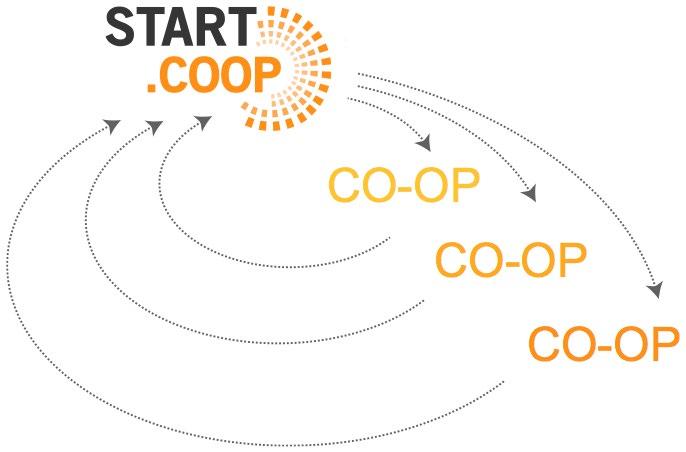
Businesses agree to return a small percentage of future revenue back to the accelerator in exchange for the seed investment and services they receive.
Through revenue-sharing, Start.coop graduates fund future cohorts, creating a sustainable business model for the accelerator.
2019 COHORT REPORT 27