



THE GAP BRIDGING






Blending physical and digital design tools for next-gen vehicles






Blending physical and digital design tools for next-gen vehicles

We call it the Imagination Component— the fluoroelastomer you know as Viton™. It’s the original, genuine fluoroelastomer that lets creative engineers and designers conjure up the latest breakthroughs. Viton™ makes whatever you make tougher, more resistant, and more durable. It does the same thing for ideas, always there at the start, to spark inspiration.
www.viton.com









While much of the UK enjoys the current heatwave sweeping across the country, predictions of another plunge in temperatures throws into sharp reality the tumultuous impacts of climate change on weather systems across the globe. As extreme weather events become increasingly common, pressure will continue to mount on industry to implement cleaner, more environmentally-friendly products and manufacturing practices as the world races to achieve Net Zero before it’s too late.
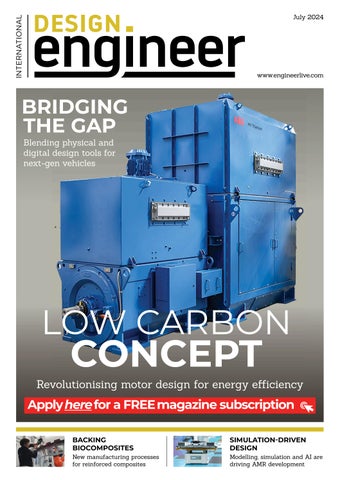
Our cover story for this issue focuses on one such innovation from ABB, whose new speedcontrolled motor concept promises to improve energy efficiency by up to 40% across a wide range of industries. Elsewhere, we investigate how 3D printing is reducing material use and carbon emissions in construction (page 14), the development of a new manufacturing technique for biocomposites (page 32) and how simulation-driven design is optimising the lifecycle of Autonomous Mobile Robots (page 40). In a special feature for this issue, we also speak to the President of Engineers Without Borders, Sanjiv Indran, about how the organisation is tackling the most pressing issues of our time – of which climate change is the number one priority – through engineering (page 44).
To help our readers keep up to date with the latest trends and advancements across the spectrum of engineering, this issue’s show preview focuses on Advanced Engineering 2024, which returns to the NEC in Birmingham in October.
Hayley Everett Editor

STORY
Low carbon concept
World-first speed-controlled motor offers greater energy efficiency
AUTOMOTIVE DESIGN
08 Bridging the gap
Blending digital and physical tools for vehicle design 11 Lamination leap
Optimising the design of battery module cell contacting systems
ADDITIVE MANUFACTURING
12 Medical marvel
Enhancing patient care with a novel 3D printing approach
14 Cutting carbon
How is 3D printing revolutionising construction?
17 Post-process progress
Enhancing patient care with a novel 3D printing approach
INSTRUMENTATION • ELECTRONICS
18 Printed sensor empowerment Could printed sensors offer the key to mass digitisation?
8
23
New standard in power supply
New power supply solution benefits demanding applications
COATING TECHNOLOGY
24 True colours
Introducing a new technique to coat plastic particles for 3D printing
MATERIALS, PROCESSES & FINISHES
27 Forming new opportunities
Novel hybrid approach to titanium manufacturing boosts UK aerospace manufacturing
30 Fundamentals first
The fundamental pillars of systems engineering COMPOSITES
32 Backing biocomposites
Introducing a new manufacturing process for reinforced composites
34 Going hypersonic
New high-temperature materials for hypersonic vehicles
PUBLISHER
Jerry Ramsdale
EDITOR
Hayley Everett heverett@setform.com DESIGN
Dan Bennett, Jill Harris
GROUP HEAD OF MARKETING
Shona Hayes shayes@setform.com HEAD OF PRODUCTION
Christine Flaxman +44 (0)207 062 2573
BUSINESS MANAGER
John Abey +44 (0)207 062 2559
SALES MANAGER
Darren Ringer +44 (0)207 062 2566
ADVERTISEMENT EXECUTIVES
Paul Maher, Iain Fletcher, Peter King, Adam Croft, Marina Grant Setform Limited 6 Brownlow Mews, London, WC1N 2LD, United Kingdom
t +44 (0)207 253 2545
FASTENERS & SEALING
36 Performing in plastic Advancing screw performance in plastic materials
38 Connecting concrete Fulfilling the requirements of wood-to-concrete fastening applications
MOTORS, DRIVES & CONTROLS
40 Simulation-driven design
SPECIAL FEATURE
44 Engineering the future Engineers Without Borders President Sanjiv Indran shares in an exclusive interview how the organisation is addressing the most pressing global engineering challenges of our time
SHOW PREVIEW
46 Advanced Engineering Engineering and innovation meet manufacturing at Birmingham's NEC in October. Find out what to expect from this highly anticipated event
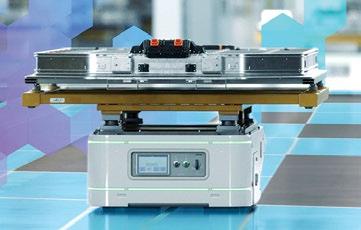
How modelling, simulation and AI are paving the way for automated AMR development 32
Setform’s international magazine for engineers is published quarterly and distributed to senior engineers throughout the world. Other titles in the company portfolio focus on Oil & Gas, Process, Transport, Mining, Energy and Power.
The publishers do not sponsor or otherwise support any substance or service advertised or mentioned in this book; nor is the publisher responsible for the accuracy of any statement in this publication. ©2024. The entire content of this publication is protected by copyright, full details of which are available from the publishers. All rights reserved. No part of this publication may be reproduced, stored in a retrieval system, or transmitted in any form or by any means, electronic, mechanical, photocopying, recording or otherwise, without the prior permission of the copyright owner.

Revolutionising motor design for energy efficiency

Introducing a world-first medium voltage, speed-controlled motor concept that promises huge strides in energy efficiency

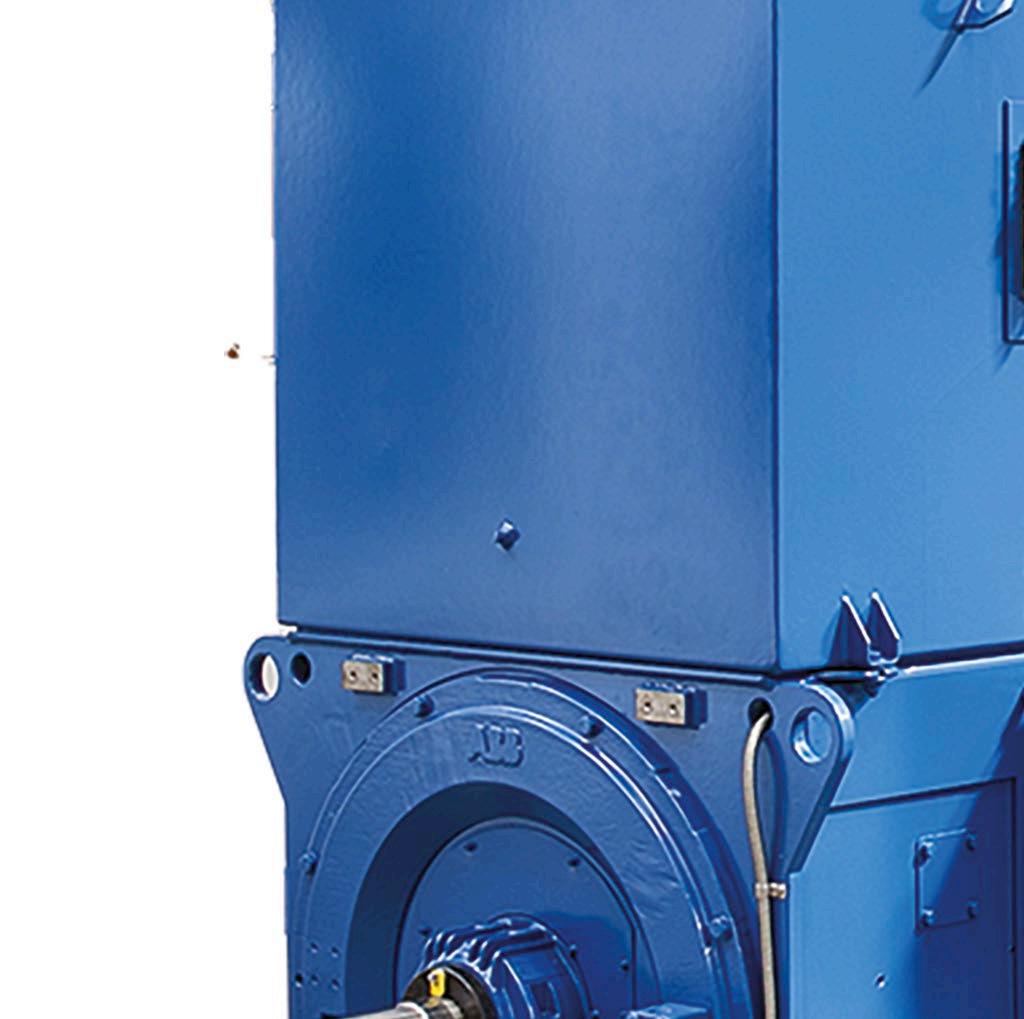
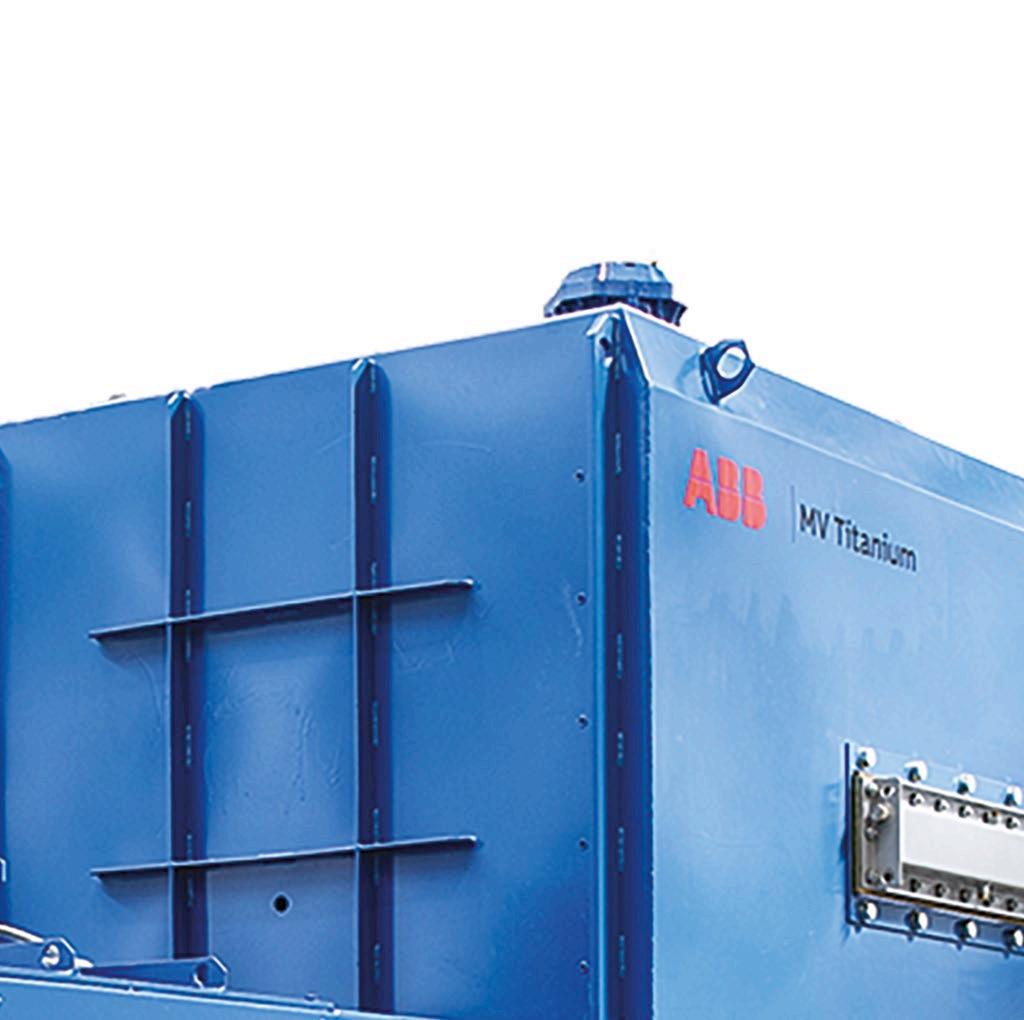
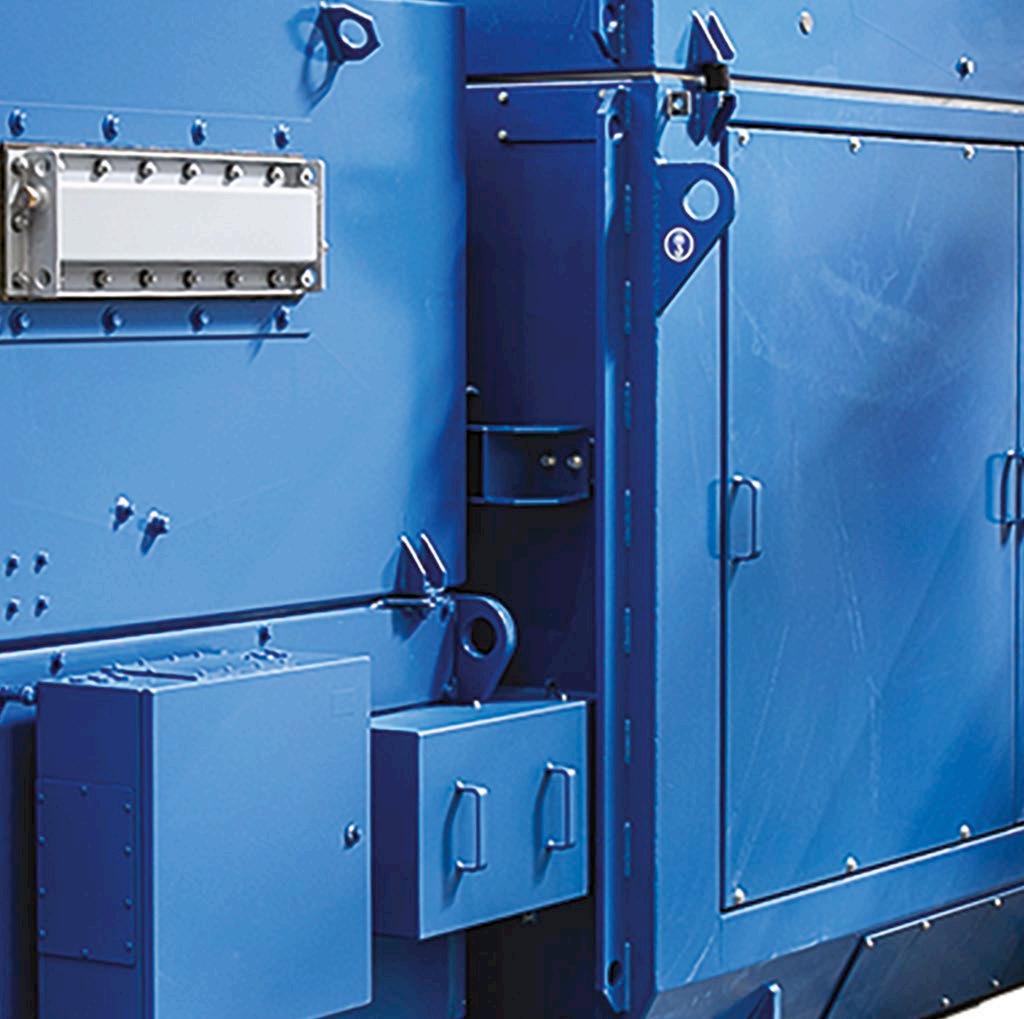
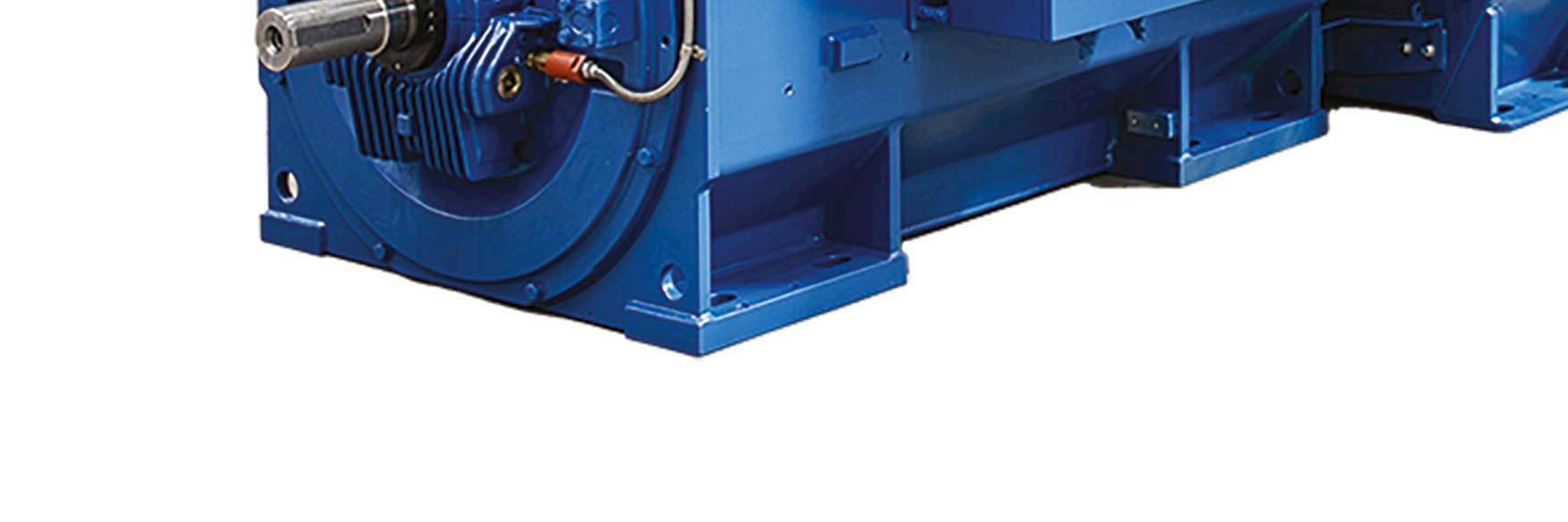


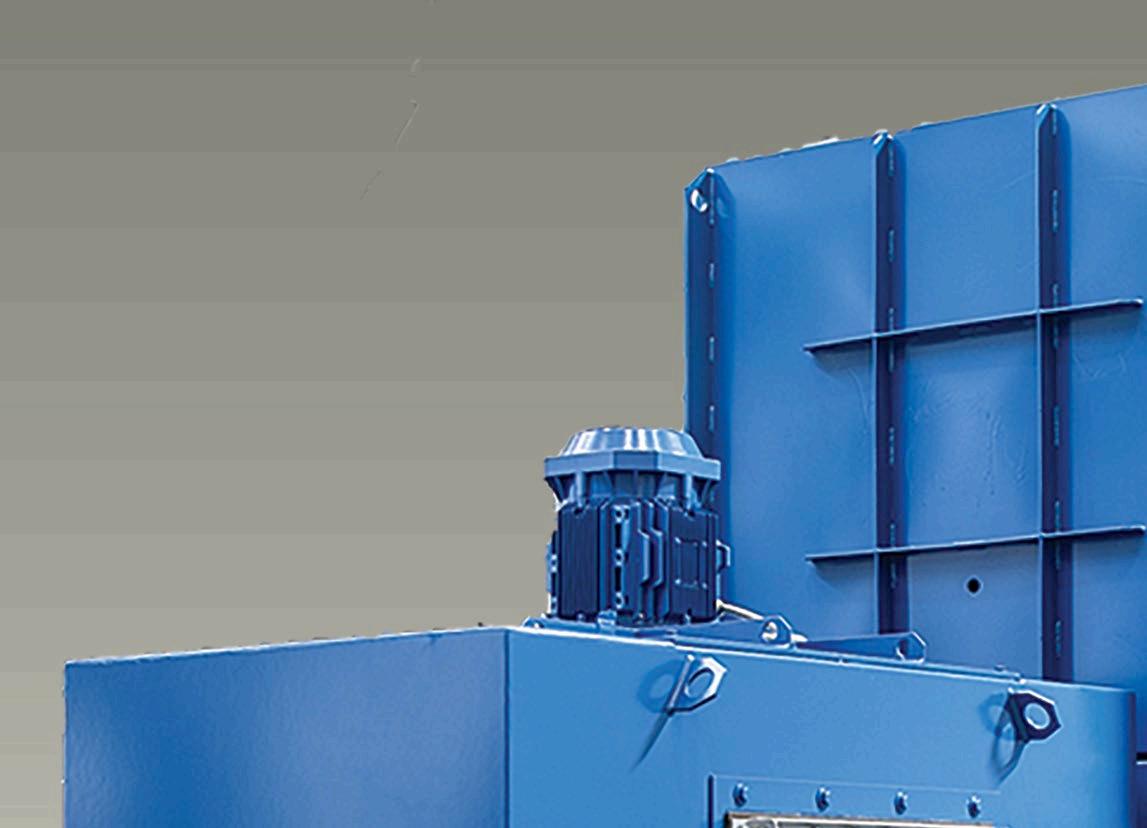
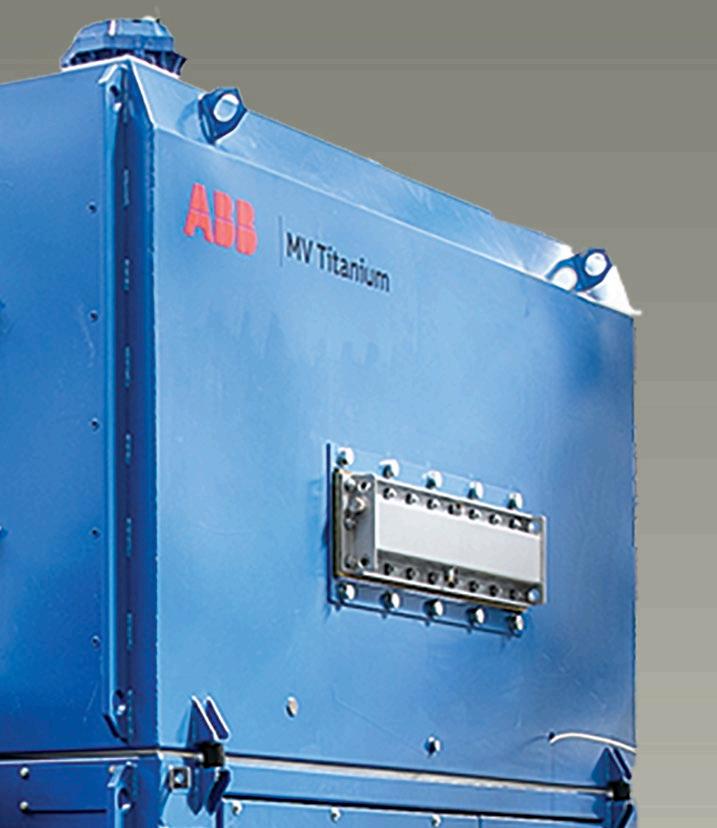
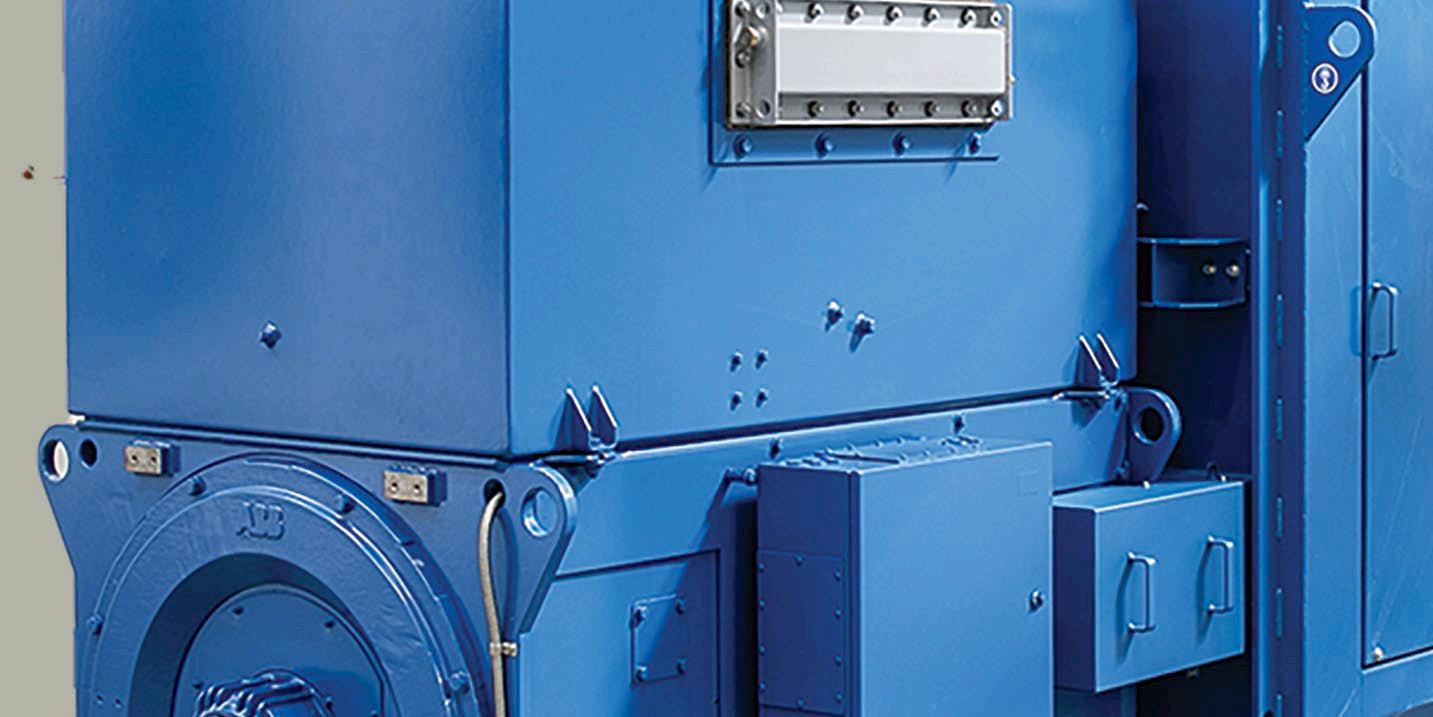
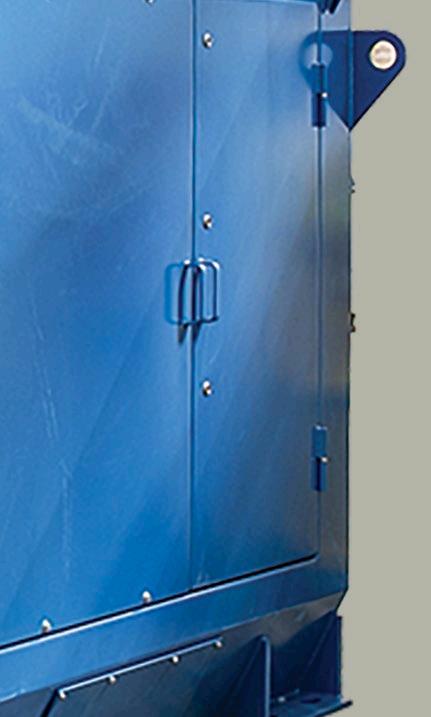
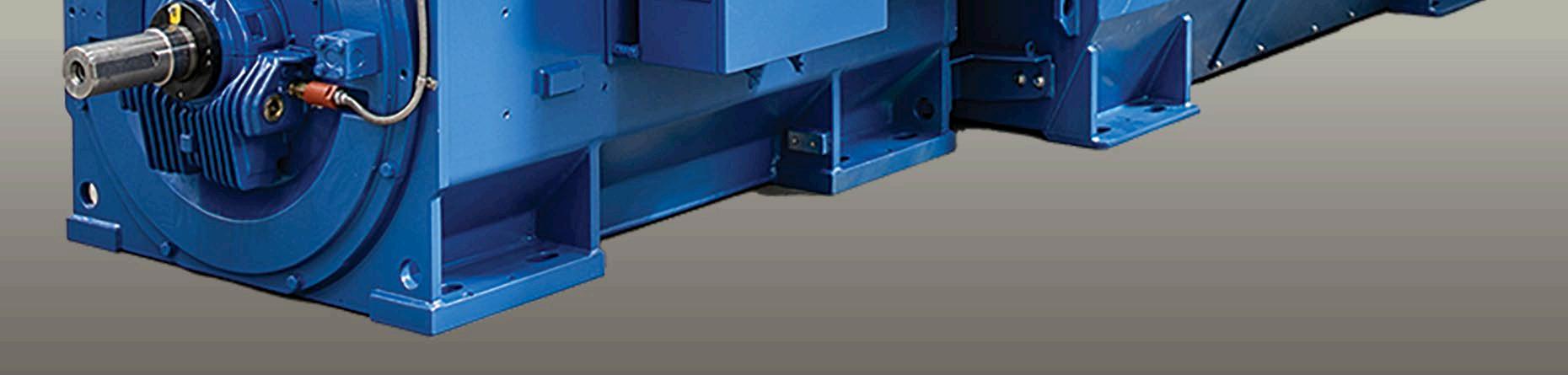
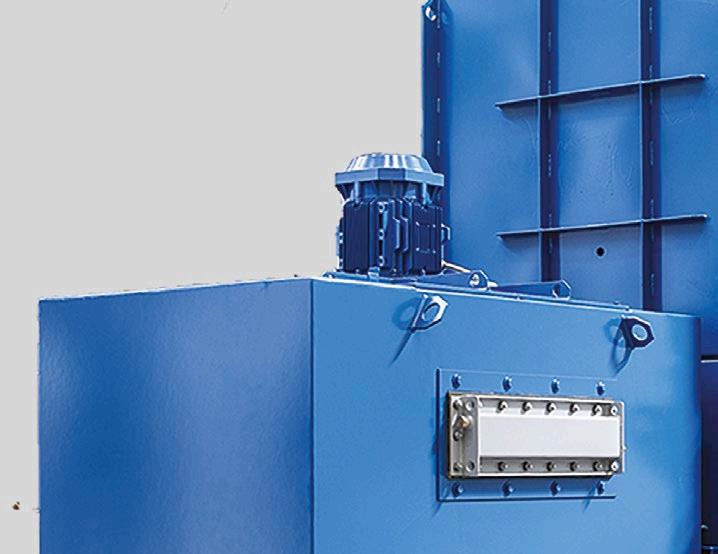
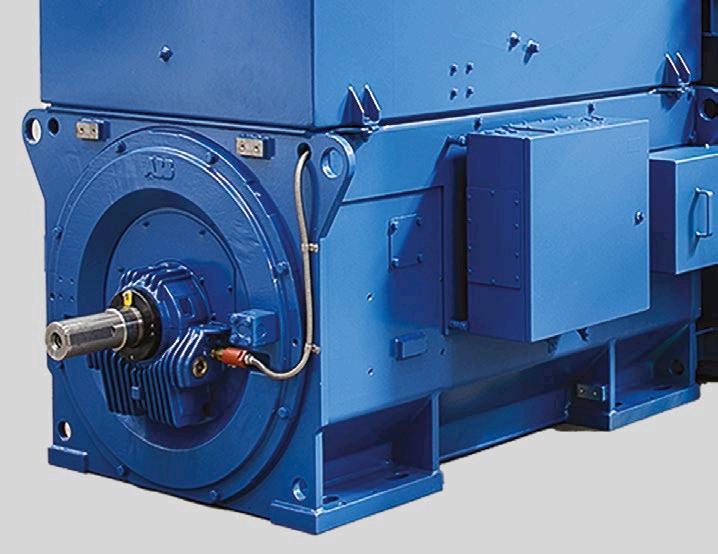
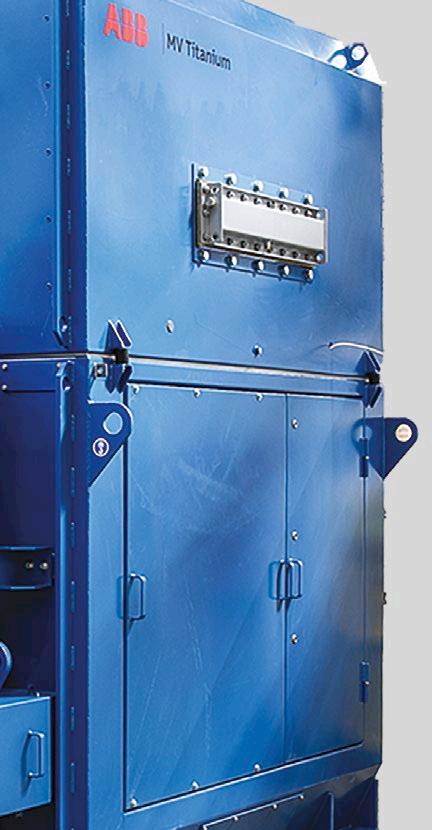
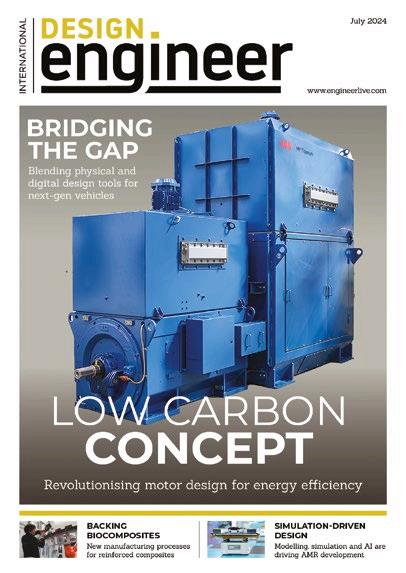
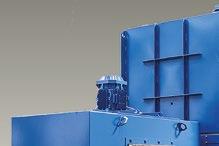
The MV Titanium medium voltage, speed-controlled motor concept

With global electricity energy demand growing 10 times faster than any other form of energy demand, it is vital for industries to address the way existing energy is consumed as we shift towards a more sustainable, low-carbon world. One area that holds huge potential for improving efficiency is electric motors, which currently consume around 45% of the world’s electricity.
Less than 20% of all electric motors around the world – roughly 300 million – are connected to a drive that enables variable speed control.
“Think of it like driving your car with the full throttle on and only controlling your speed by braking –this is not very energy efficient,” says Heikki Vepsäläinen, President of ABB Large Motors and Generators. “If you put this in perspective for electric motors, there is huge opportunity for energy efficiency improvements. Energy efficiency measures of
retrofitted the entire installed base, it would be like taking just over 1,000 coal-fired power stations offline.”
With 140 years of motor design and half a century of drives technology experience at its back, ABB is one of the leaders in the motion field. Taking this responsibility seriously, the company has emboldened its mission to help not only its customers, but also the industries in which they operate, to embrace the journey towards a Net Zero carbon-free society.
Two years in development, the MV Titanium concept is the result of an overhaul of thinking at ABB to offer a completely new approach to the power conversion process. Led by Technology Manager Jari Jäppinen, the team began the design from a customer and process point of view to create a totally new motor concept that addresses the main perceived obstacles related to
MV Titanium is changing the entire philosophy of motor design and control by rethinking topology
speed-controlled motors have gained significant traction in small size motors for low voltage applications. But large motors have so far been left behind, due to initial cost and complexity.”
To address this challenge, ABB Motion, a global leader in motors and drives, has introduced a new medium voltage (MV), speed-controlled motor concept that could deliver energy savings of up to 40% for pumps, compressors, fans and other applications across multiple industries.
“Our new MV Titanium concept makes it cost-effective and straightforward to install a suitable matched motor with increased control, monitoring, and connectivity in a single package,” Vepsäläinen says. “It is the right upgrade solution for existing direct-on-line motors, and the potential savings in energy costs and CO2 emissions are huge – if we
installing a drive with a large motor.
These challenges include not only the initial cost of a separate drive, but also its associated electrical house, transformers, switchgear and cabling that increase both cost and complexity of installation. The MV Titanium consolidates all of these aspects into a single, easy to install package that offers enhanced connectivity and control features for MV motor-driven processes. As a result, the motor can be seamlessly integrated into existing systems to provide software libraries and interfaces for process monitoring and optimisation.
“MV Titanium targets a gap in the marketplace by making it feasible for end users to invest and receive economical payback,” Vepsäläinen explains. “We now have the capability to upgrade existing installations and offer huge benefits not only for
our customers but for society as a whole with the energy efficiency potential. MV Titanium is changing the entire philosophy of motor design and control by rethinking the whole topology and structure of the motor and its components.”
“One of the big challenges today is awareness of the technology and what’s possible,” says Jäppinen. “The retrofit market will be a huge focus for us as we bring MV Titanium to market. With the opportunity for customers to save energy consumption by 40%, there is a lot of interest in the technology from end users across multiple industries. Many customers are interested in pilot set ups because they can see the value for money.”
MV Titanium is currently in prototype stage and undergoing testing at ABB’s Helsinki factory, with Jäppinen expecting the first sales to take place in 2025. Initial sales will most likely be for retrofitting and upgrading existing installations and systems, with the new build market developing later on, he says. While engineered with standardised components, the MV Titanium can be customised to suit specific customer and application requirements, ensuring a seamless integration across a wide range of industries, from power and renewables to mining, processing, cement and water.
Offering significant energy efficiency and operating expense (OPEX) savings for customers looking to retrofit their operations, MV Titanium promises to deliver substantial return on investment (ROI) especially for existing sites where space is at premium.
“Beyond its technical progress, this next-generation motor concept represents a significant step towards productivity in a low carbon world,” Vepsäläinen adds. “It puts ABB well on the road to support changing large, fixed speed motors to fully electrically controlled motors, one by one.”
For more information visit www.new.abb.com/about/ourbusinesses/motion
Louise Davis discovers how an automotive design firm is deploying “phygital” tools that blend physical and digital design elements for a forward-thinking approach to vehicle development
When well-known automotive design expert Lowie Vermeersch opened his own studio in 2011, he adopted a future-focused approach from the off. What the ex-Pininfarina design director perhaps couldn’t have predicted back then was the rapid pace of digital transformation that would occur over the following years and that Vermeersch has since embraced as an enabling solution to set his company’s work apart from other players in the field.
Vermeersch is CEO and Design Director of Granstudio. He explains that his work today involves a focus on two distinct areas: “For some automotive design projects, we act as a turnkey design supplier, taking responsibility for the design process from start to finish. The Lightyear 0 (a long-range solar electric car) and the Drako Dragon (a new type of hypercar) are recent examples of this kind of collaboration,” he says. “In other projects, we collaborate more like a creative partner, working almost as an integrated part of our clients’ team, adding value, capacity and competencies where needed. Our latest collaboration with Lynk&Co is a good example of this integrated way of collaborating. Together, we created a mixed team to work on a conceptual family car.”
Working on such a range of different projects means that Granstudio is adept at following the latest trends and helping its clients respond to these. Andrea Berardi, the firm’s Automotive Design Director, says that: “Right now, the automotive industry is undergoing considerable transformations driven
by technological advancements, environmental concerns and changing consumer preferences. It follows that the approach to design changes as well.” Berardi says the biggest trends now include electric vehicles, where designers are increasingly focusing on combining aerodynamics with aesthetics to create vehicles with good-looking shapes while improving range and reducing drag. “Sustainability is another substantial matter that is changing not only the conception of vehicles and mobility but also the vehicle design process itself,” Berardi notes. “And connectivity is also a big one. Cars are becoming more like smartphones on wheels. Cars are always connected, always updating and always improving. This means designing interfaces that are intuitive and engaging, ensuring drivers (and passengers) can easily interact with the car’s tech without getting overwhelmed. Life on board and interiors look
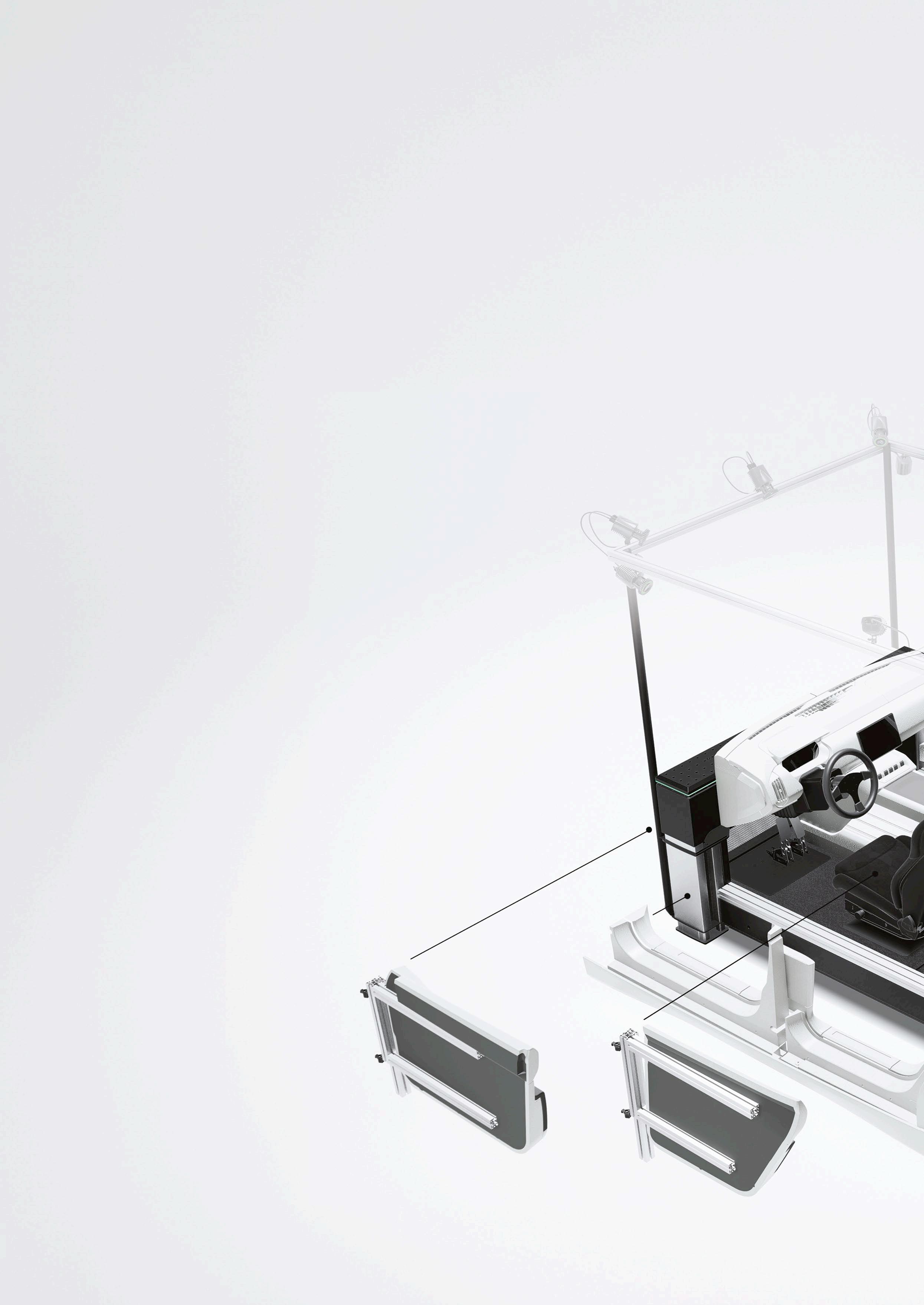
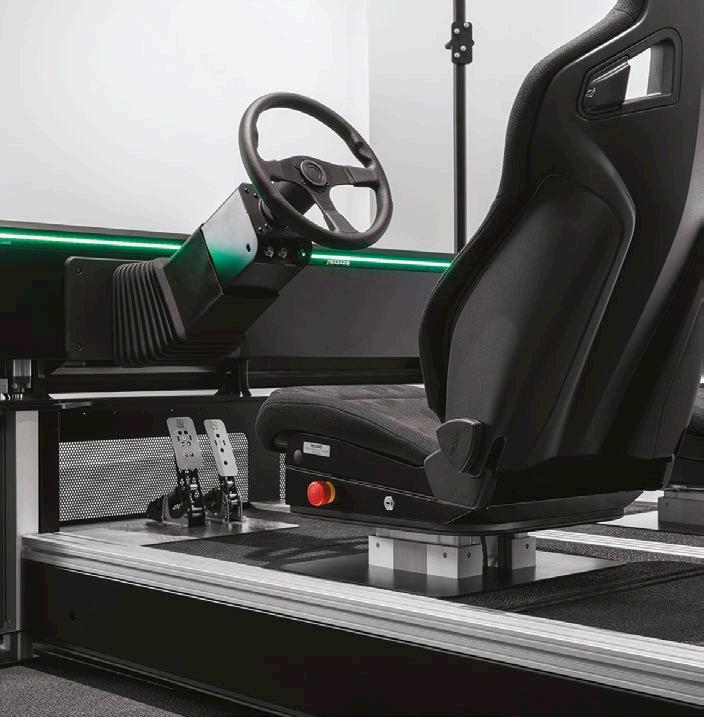
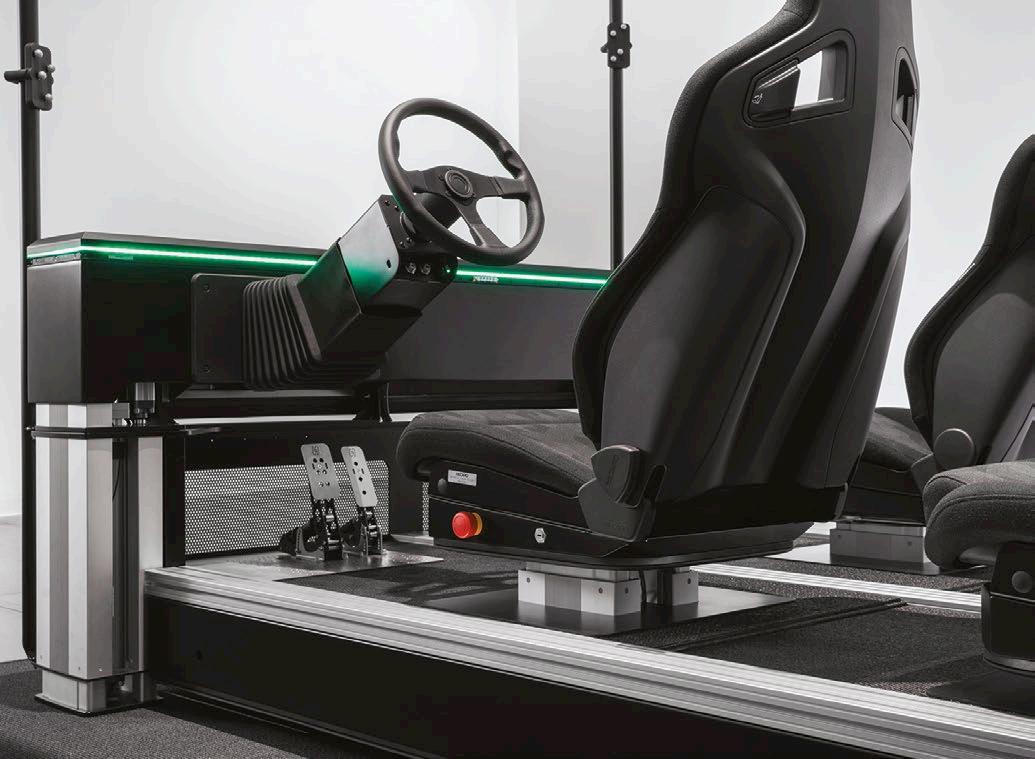
DigiPHY provides an interactive XR design environment
Over the years, car design has undergone a multitude of changes, with new technologies and materials continually transforming the way cars are created. While traditional tools – such as clay modelling – still retain a place in the car design landscape of today, the emergence
of Extended Reality (XR) is assisting in a leaner and more User Experience (UX) driven design process.
XR is an umbrella term for VR, Augmented reality (AR) and Mixed Reality (MR). While VR is fully immersive, AR is an overlay to the real world, and MR is the combination of these
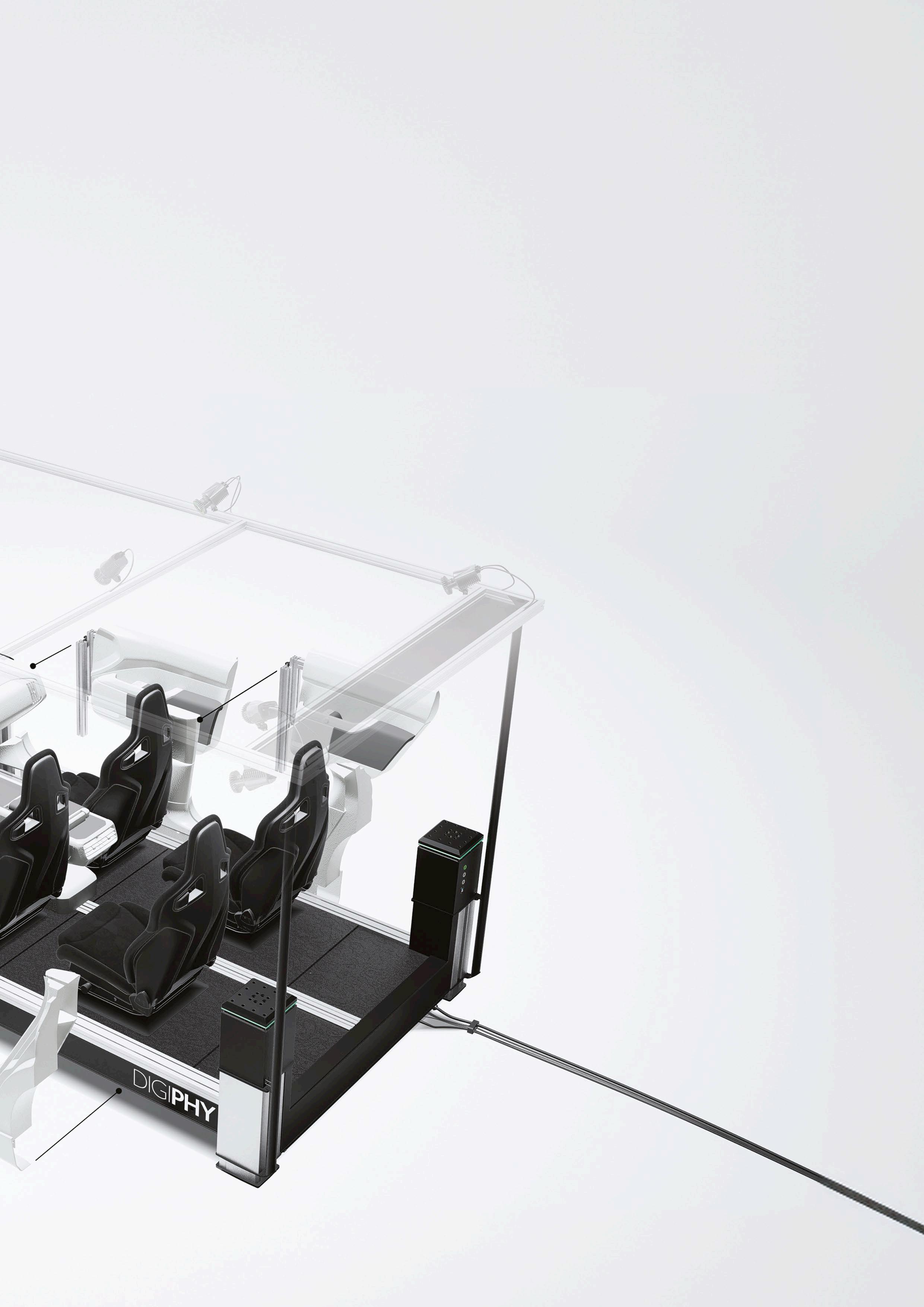
real and virtual worlds. By developing and combining all of these technologies to form a UX-driven design approach, Granstudio is able to create holistic vehicle experiences for designers, from research and concept all the way to ‘Phygital’ interaction models and XR prototyping.
more like lounges than the drivercentric setups we’re used to.” Berardi also cites autonomous driving as a key trend, along with the growing focus on shared mobility, which is not something automotive designers previously gave much thought to. “Shared mobility is a rising trend that is impacting automotive design. As customers look for more multimodal and on-demand mobility options, designers are focusing on the overall context in which mobility takes place to create the best vehicles that suit both users’ and contextual needs,” he details.
Granstudio applies what it describes as “phygital” tools to address the abovementioned trends. Explaining what this terms means, Lukasz
When asked to assess how AI will impact Granstudio’s work, Andrea Berardi says that, “There’s no doubt that AI is having a considerable impact on companies’ design workflows, potentially enhancing creativity and efficiency in the process.” He explains that through generative AI, designers can produce and explore a range of options based on
Czekanowski, Chief of Interaction Design, says: “Phygital tools refer to the combination of physical and digital elements, specifically designed to enhance our extended reality (XR) prototyping for vehicle design. These tools enable us to create holistic vehicle experiences by seamlessly integrating physical models with digital simulations.
“In our work, phygital tools play a crucial role in various stages of the design process. They allow our team to interact with vehicle prototypes in a more intuitive and immersive manner. During the design phase, these tools help us refine and iterate on concepts quickly, ensuring that both form and function are optimised.”
specific parameters, allowing them to explore more design directions quickly and efficiently. “Additionally, AI offers the opportunity to predict how designs will perform under various conditions, further increasing efficiency. Finally, it is valuable for analysing market trends, consumer preferences and competitive products, enabling a more data-driven

approach aligned with market demands,” he observes.
“AI can be highly valuable in fostering innovation, increasing efficiency and optimising the design workflow. Some collaborative platforms further facilitate team collaboration, and with machine learning, teams can collaborate effectively to achieve the highest quality output.”
Czekanowski also observes that phygital models are invaluable for customer testing, providing potential users with a realistic and interactive experience. “This feedback is essential for making data-driven design decisions and enhancing user satisfaction. Additionally, these models serve as effective presentation tools, offering stakeholders a tangible and engaging way to visualise and understand design proposals,” he states. “By leveraging phygital tools, we can bridge the gap between physical and digital realms, leading to more innovative and usercentred vehicle designs. Our patented invention, DigiPHY, is a mixed-reality seating buck that perfectly exemplifies these capabilities.”
It’s evident that the team always has one eye on the future, so what’s next for Granstudio? Lowie Vermeersch reveals that he and his colleagues are currently involved in a “wide array of design activities”, ranging from designing exterior and interiors of electric cars, designing a new range of electric buses, developing car HMI systems and ideating innovative urban vehicles. “And we continue developing new features for DigiPHY, which we intensively use in all of these projects,” he adds.
Historically, the assembly of a cell contacting system (CCS) on battery cells has relied on cumbersome methods like moulded plastic trays and foams for positioning. Despite proving effective for the positioning of cells and collectors, these techniques introduce unnecessary weight and complexity to the process, especially as module sizes increase. Recognising these limitations, electric vehicle (EV) system solutions provider Ennovi has introduced an innovative CCS lamination approach that eliminates the need for trays or foams.
“Our move towards lamination signifies a major leap in our ability to position collectors with precision, without the mechanical constraints imposed by conventional methods,” says Till Wagner, Product manager for Energy Systems at Ennovi. “By curating a database of pre-tested PET foils and adhesives, we not only accelerate CCS design but also simplify the assembly process, opening up new possibilities for material and energy savings.”
Ennovi’s ability to offer hot or cold lamination processes positions the company uniquely in the market, providing both flexibility and efficiency to its global OEM and Tier 1 customers.
“The process involves removing liners and positioning of the sheets and other subcomponents, like alu current collectors,” Wagner explains. “Secondly, there is a step to activate the adhesive. This can be done by pressure, pressing down or rolling over, in the case of cold lamination. In the case of hot lamination, which involves adhesive that requires pressure and heat to activate, it can be done using the process mentioned before with the addition of heat. Lastly, positioning has to be secured for curing time. Once this is done, the product can be moved onto the next process step.”
Lamination technology optimises current collectors in EV batteries
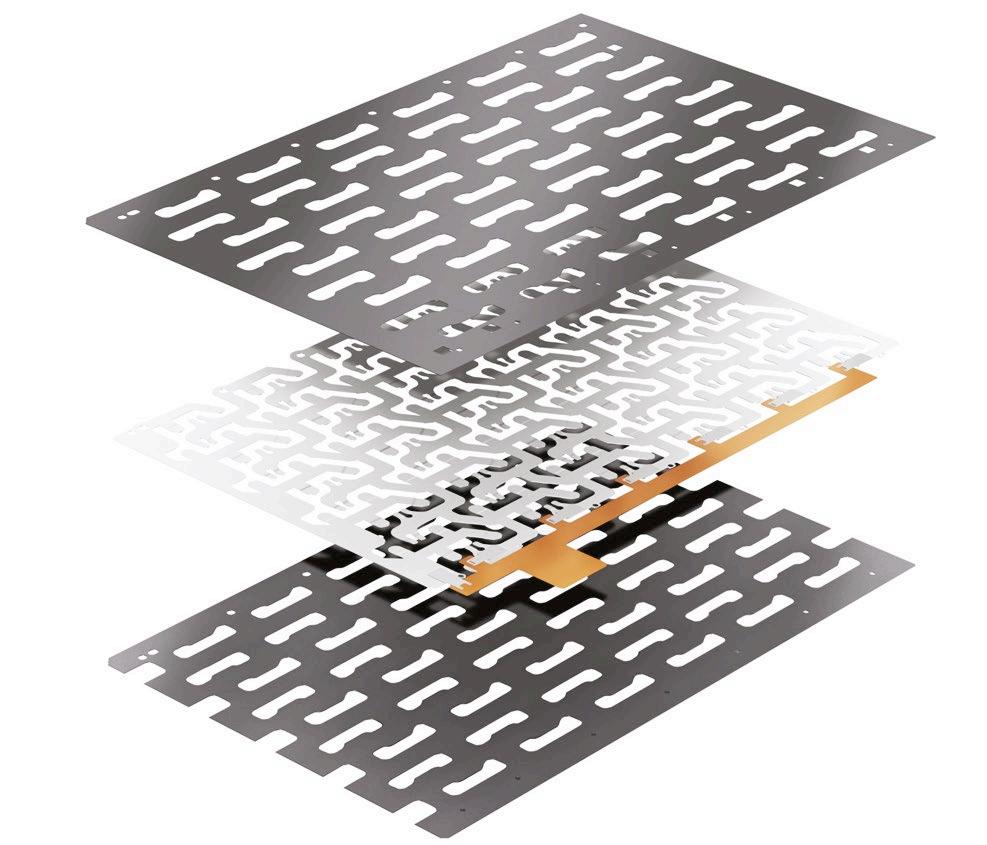
As part of its lamination approach, Ennovi has qualified polyethylene terephthalate (PET) insulation foils and adhesives from multiple suppliers in order to amass a database of recommendations for the most effective material combinations. By testing the foils and adhesives for their bond strength, durability and environmental impact, the firm is bypassing the trial-and-error approach that has long been a staple of the industry.
“We can use all kinds of foils and thicknesses,” Wagner adds. “A commonly used foil is PET, due to its lower price point. The choice of foil has to be validated for mechanical, thermal and electrical strength to meet the application requirements. The lamination works to bond other subcomponents and materials like aluminium, PI layers, plastic parts, and so on.”
By optimising the selection of PET foils and adhesives, the structural integrity and lifespan of EV battery modules can be significantly improved, while manufacturing cycle times and environmental footprint can be reduced. Working to lead the charge in next-generation EV battery module design and assembly, Ennovi is focusing on developing methods that reduce or eliminate the need for glue, thereby addressing concerns over longevity, environmental impact, and manufacturing efficiency.
“Our goal is to move beyond traditional adhesives, leveraging cutting-edge techniques to achieve a stronger, more sustainable bond,” Wagner adds.
For more information visit www.ennovi.com
Ever since inventor Chuck Hull filed the first patent for stereolithography (SLA) in the late 1980s, 3D printing has evolved significantly. Today, tailored pharmaceuticals and even the potential for organs crafted from living cells are possible to the imagination, with the potential of 3D printing promising further groundbreaking developments in medicine.
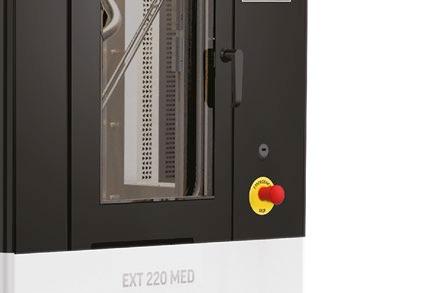
In fact, this April, the Food and Drug Administration (FDA) gave additive manufacturing solutions provider 3D Systems – which Hull also co-founded – 510(k) clearance for its 3D-printed, patient-specific cranial implant solution: VSP PEEK Cranial Implant. Such clearance enables widespread adoption of the company’s self-contained, cleanroom environment-based printing system, the EXT 220 MED, with implantgrade PEEK (polyetheretherketone) materials to deliver patient-specific cranial reconstruction solutions.

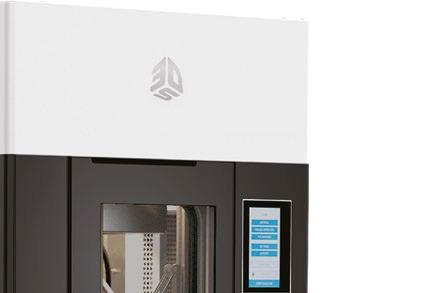

A novel 3D printed implant solution has emerged, poised to enhance patient care in the field of neurosurgery.
By Siobhan Doyle
According to the Director of Medical Devices at 3D Systems, Stefan Leonhardt, the technology can produce patient-specific cranial implants with up to 85% less material than similar implants produced by traditional machining, which can lead to significant cost savings for expensive raw materials such as implantable PEEK. The cleanroombased architecture of the printer, combined with simplified postprocessing workflows, also makes it an ideal technology for producing patientspecific medical devices at the hospital site with faster turnaround, while keeping the overall cost under control.
The VSP PEEK Cranial Implant is the first FDA-cleared, additively manufactured patient-specific PEEK implant intended for cranioplasty procedures to restore defects in the skull. This implant-grade, highperformance polymer has a wellknown clinical history in medical device applications as it possesses properties close to that of the human bone. In addition, PEEK has great biocompatibility, resistance to bodily fluids, and stability in a wide range of temperatures, making it an ideal choice for many medical device applications. Moreover, the durability and strength of the material and the implant’s contoured fit make it an ideal choice for reconstruction. 3D printing in PEEK is also quicker than using traditional milling processes and is more compatible with diagnostic imaging. Meanwhile, the material is lightweight and eliminates temperature sensitivity, improving patient comfort.
The EXT 220 MED is the only extrusion platform that features an integrated clean room and is validated by leading medical device manufacturers and hospitals worldwide
Leonhardt explains the process in creating the implant, stating that it all starts with a CT scan. “Based off that CT scan done at a hospital, the next workflow step is segmentation,” he says. “Here, we use software called D2P to create a three-dimensional model of the skull and the defect. In a second software called Freeform the implant is designed to fill the patient’s skull defect.” 3D Systems also offers guidelines to help users of the system design an implant to ensure it perfectly fits the patient at the end of the process. Medical experts can then import the model onto 3D Systems’ EXT 220 MED open filament 3D printer to print the implant. Formerly known as Kumovis R1, the printer is equipped with a global laminar air flow which allows users to heat the build chamber homogenously up to 250°C. The additional local airflow helps users improve the mechanical properties of the device. The platform is also designed to control temperature during production.
“High-performance polymers such as PEEK need to be processed at extremely high temperatures, as we have to ensure that each layer shows a good bonding to the next layer ,” Leonhardt explains. “The layer bonding is determining the mechanical properties of the final part. Our proprietary temperature management system ensures that we are processing PEEK at optimal conditions to produce printed parts that show mechanical properties comparable to machined implants.”
The EXT 220 MED printer includes a filter system which creates a cleanroom environment inside the build chamber. Particle measurements show that an environment equal to an ISO class 7 cleanroom can be achieved. “This filtration system ensures that there’s no contaminations
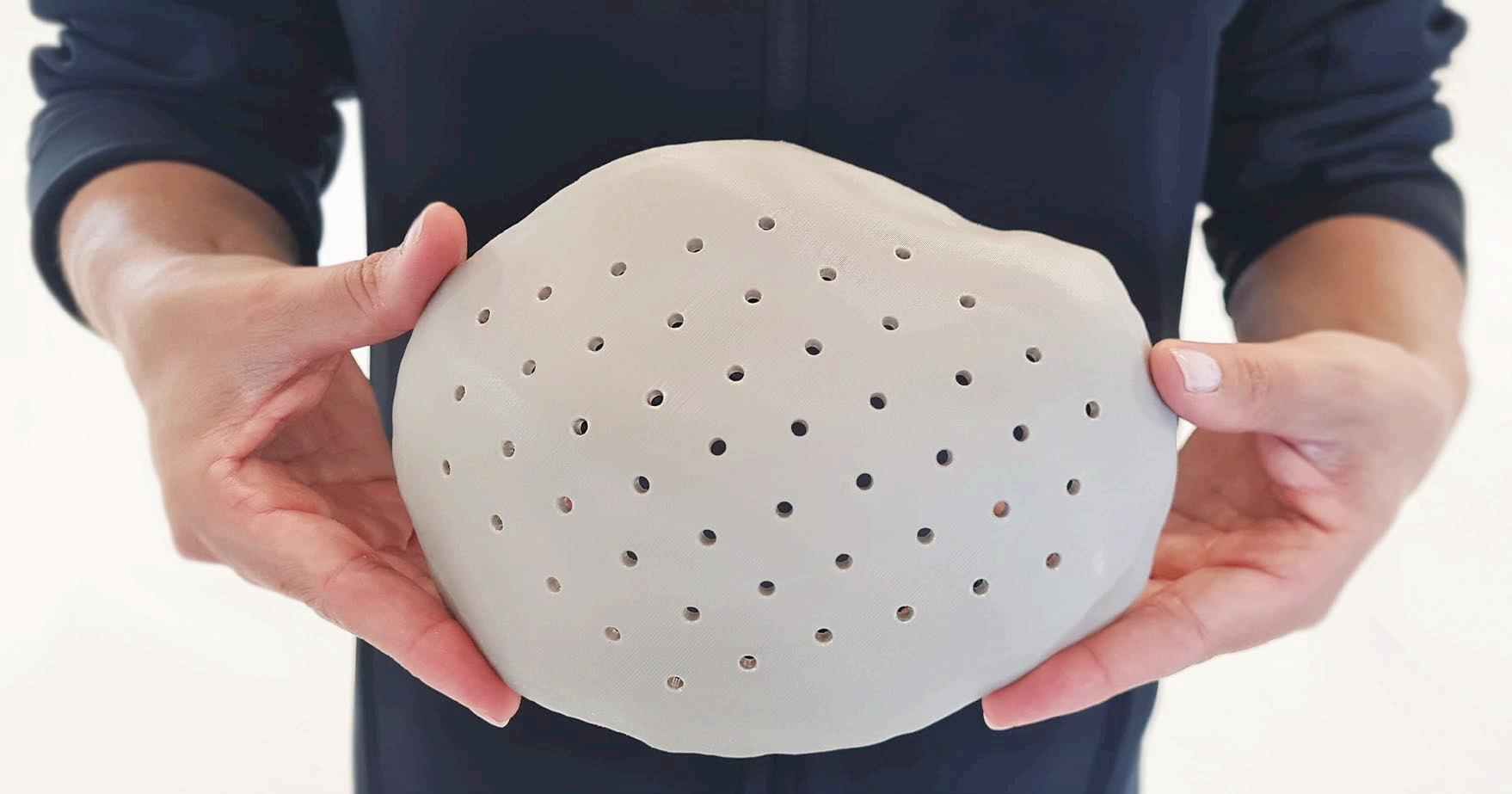
Rainer Trummer from Salzburg, Austria, embodies the transformative impact of 3D printing in medicine. Born with a skull anomaly, Trummer faced prohibitive costs and technological limitations hindering corrective surgery. However, Salzburg University Hospital leveraged additive manufacturing, utilising 3D Systems’ point-of-care printing technology, to create
or particulates between the layers that are printed – that is a major advantage of our machine,” Leonhardt says. Moreover, depending on the size of the implant, the printer can print an implant in up to four hours, with capabilities to print a smaller implant within an hour, he adds.
Leonhardt states that the company sees growing interest in the technology from hospitals directly. To date, the solution provided by 3D Systems has been used to enable nearly 40 successful cranioplasties in Switzerland at University Hospital Basel, in Austria at Salzburg
a custom skull implant for Trummer – this marked the first use of the hospital’s own EXT 220 MED 3D printer for such a purpose.
The implant development involved using an expander. And over several months, the expander was filled with a total of 260ml of saline solution over one and a half years to stretch the scalp for full implant coverage. The surgical procedure entailed
University Hospital, and in Israel at the Tel-Aviv Sourasky Medical Center.
“We also see the FDA thinking about how we [3D Systems] can do point-ofcare printing in hospitals in the US,” Leonhardt adds. “We are also seeing more traction from industry partners across Europe as well as patients with skull defects.”
Leonhardt envisions that the FDA clearance will herald in a new era of implant technology. “With this technology, we can enhance implants with features like bone or lattice structures, tailored to each patient,” he explains. “Moreover, we’re able to achieve this while reducing costs, shortening lead times, and revolutionising the supply chain by
expander removal, fixation with mini plates and screws, and wound care, culminating in the formation of a natural tissue layer for added stability. Throughout the process, Trummer reported minimal discomfort, primarily from the expander. Post-surgery, his physical and psychological wellbeing significantly improved, bolstering his selfassurance and overall quality of life.
enabling on-site printing in hospitals.”
Placing 3D printing systems within hospitals fosters closer collaboration with surgeons, Leonhardt notes, while ongoing innovation expands the array of medically compliant materials available. “This technology empowers us to craft cutting-edge implants, democratising access to advanced healthcare,” he emphasises. “Ultimately, patients benefit from faster, more affordable, and highquality implants, enhancing their quality of life.”
How 3D printing is revolutionising construction by reducing material use and carbon emissions for a more sustainable and resilient future
Traditionally conservative, the construction sector must now demonstrate innovation given the climate emergency in order to improve the sustainability of the built environment. To achieve carbon neutrality, conventional construction methods must be transformed through innovative techniques including automation and robotics. 3D printing of concrete is an emerging technology with an immense potential to address sustainability challenges in the modern construction sector with carbon footprint reduction through design optimisation and use of lowcarbon inks, as well as enhanced circularity and service life.
3D printing technology in construction offers a unique ability to minimise material use and create complex geometries that are difficult or impossible to achieve with traditional methods. The ability to print components with these geometries and properties tailored to specific load requirements enhances the overall performance of the structure while minimising material use. This approach ensures that the material is used only where it is needed, reducing both weight and embodied carbon.
One such design innovation was used in the Striatus, a pioneering example of 3D printed infrastructure. Unveiled at the Venice Biennale of Architecture in 2021, Striatus was the first 3D printed masonry bridge, in partnership between ETH Zürich – Block Research Group, Zaha Hadid Architects, Incremental3D and Holcim. In this prototype, the funicular block shapes naturally follow the paths of compressive forces and thus require less material to

The Pheonix bridge is designed with a specially-developed ink for carbon reduction
achieve the same structural integrity. As these vault structures are purely under compression, the use of steel reinforcement is not necessary. Additionally, the modular nature of 3D printed components facilitates easier disassembly and recycling at the end of their lifecycle. This modularity means that parts of a structure can be upgraded without the need for extensive demolition, and no sorting of parts as the rebars have been removed from the project, further reducing waste and associated emissions. The lessons from this project provided Holcim with enough insights to launch a second iteration, the Phoenix bridge. Built in 2023 at the Innovation Centre in Lyon, France, the new bridge applies the same structural principles, combining them with specially-developed ink that aims for even further embodied carbon reduction through the application of circular design principles.
The concrete ink used for Phoenix has been specially tailored to its application, while also minimising its carbon footprint. Structural tests used to validate the material performance of Striatus revealed that the new bridge required ink strength of ‘only’ 50 MPa instead of the earlier 90 MPa. Avoiding the trap of over-design helped Holcim save materials but also lowered the carbon footprint of the construction project. These low carbon concrete inks can also incorporate fly ash, slag, or ground granulated blast furnace slag (GGBS), which not only divert waste from landfills but also reduce the need for energyintensive Portland cement. They may also include construction demolition waste and recycled aggregates for circular projects. In the case of the Phoenix bridge, the TectorPrint ink was composed of 40% of recycled

material. These included a 100% recycled binder, and also demolition sand from the former project Striatus. Additionally, coarser sand used in the ink was sourced locally, further increasing the project’s circularity.
Advancements in 3D printing technology have opened new avenues for sustainable infrastructure development. By optimising material use, developing low-carbon concrete
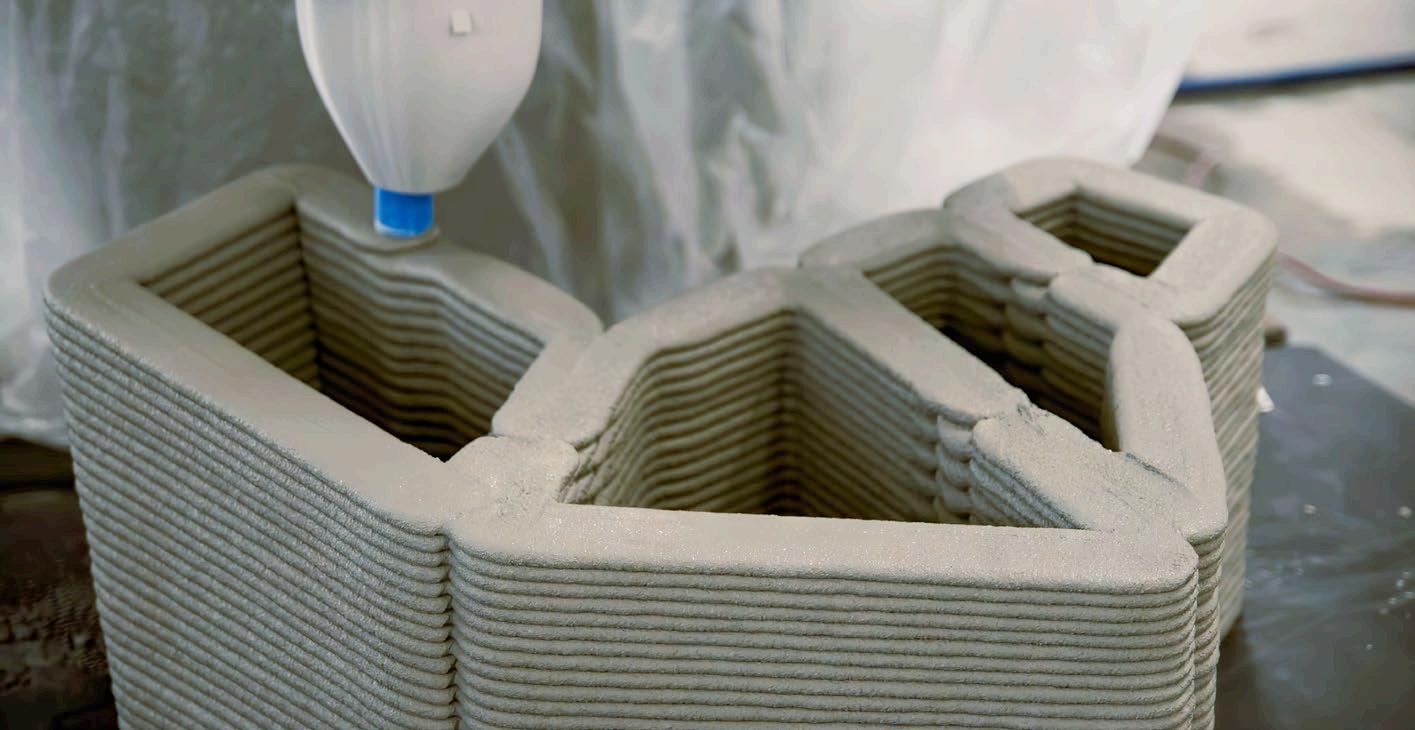
inks, and enabling innovative structural designs, 3D printing addresses many of the environmental challenges associated with traditional construction methods. Combining funicular design and an arch in pure compression, the use of materials can be significantly reduced: by 35% for concrete and 50% for steel. Furthermore, a single material design allows for easier recycling and enabling circularity.
As this technology continues to evolve, it promises to play a crucial role in creating sustainable and resilient infrastructure for the future. The innovative techniques and materials being developed today are setting the stage for a new era of environmentally responsible construction, demonstrating that with the right approach, it is possible to significantly reduce the carbon footprint of our built environment.
Edelio Bermejo is Global Head of R&D at Holcim.
www.holcim.com
Addressing the challenges of post processing metal 3D printed parts with innovative digital robots
Post-processing metals parts can be a labour-intensive, time-consuming, filthy and even sometimes dangerous process, usually involving the removal of metal supports with hand tools. This manual process also poses additional challenges around repeatability, quality control, long lead times and high costs. Despite these drawbacks, this approach is currently the prevailing standard for post-processing most metal parts when they come off an additive manufacturing (AM) system.
However, a new innovative project is looking to offer an alternative approach. Led by Rivelin Robotics, Project CAMPFIRE (Certified Additive Manufactured Parts Finished with Intelligent Robotics Engine) is an Innovate UK funded initiative to deliver a complete digital postprocessing solution for the automated finishing of flight parts, orthopaedic implants and gas turbine components produced using metal AM processes.
Founded in 2018 to combat the challenges of post-processing metal AM parts, Rivelin Robotics has since developed and commercialised its own Netshape Robots capable of providing truly autonomous postprocessing capabilities. Built upon the company’s Netshape software, the robots have received huge interest from companies utilising metal AM processes for production applications at increasing scale.
“Leading Project CAMPFIRE is a significant milestone for Rivelin robotics,” says CEO Robert Bush. “While we have been delivering and installing Netshape Robots to key customers since last year, this project is a brilliant way to demonstrate the capabilities of Netshape across industries and applications. Users of metal AM for production are unanimous in their demand for an automated solution for support
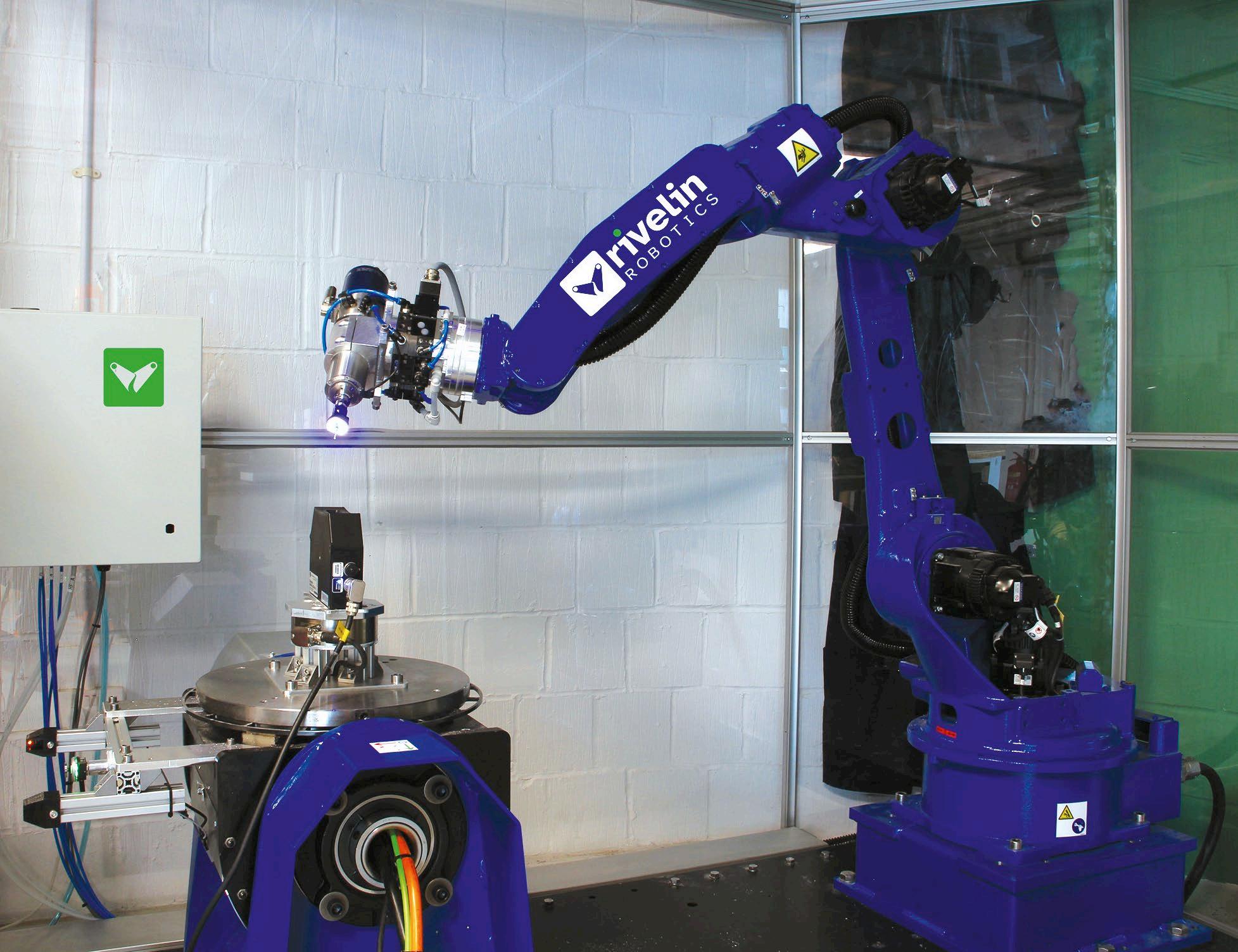
removal and finishing. Regardless of the parts and how or where they will be used, the shared pain in getting those parts from the AM machine to the point of use is prevalent and engenders collaboration to solve the issues. This is exactly what Project CAMPFIRE aims to do and in the coming weeks and months we look forward to sharing deeper insights and key results.”
Among those showing a keen interest are GKN Aerospace, Materials Solutions and Attenborough Dental and Medical. Going forwards, Project CAMPFIRE will provide a creative and collaborative way for the three companies to test and implement the Netshape robots for their own applications.
“Through the CAMPFIRE programme, GKN Aerospace is collaborating with Rivelin Robotics to explore the use of robotic systems to automate the process of removing support material from complex aerospace products,” says Brad
Hughes, Principal Research Engineer
– Additive Manufacturing at GKN Aerospace. “The Rivelin technology offers many attractive features to aerospace end users: the opportunity to remove human interactions, improve repeatability and productivity. Working with Rivelin, we will assess the performance of their current system on site at GKN Aerospace’s Global Technology Centre in Bristol, UK, and through feedback we will specify upgrades and modifications that can be incorporated into future systems. This will ensure the technology has a route to scalable adoption in the aerospace sector, meeting the needs of end-users. The upgrades will be validated by the consortium, through a joint technology demonstrator enabling us to quantify the benefits of the technology against the rudimentary manual removal methods.”
Could printed sensors offer the key to meeting the demands of mass digitisation?
From personalised user experiences to warehouse inventory management, data-driven insights are accelerating demand for smarter sensors – and lots of them. Printing sensors could offer an avenue to meet this demand, as the technique enables sensors capable of measuring force, touch, light, gas, temperature and more to be manufactured in large areas at high volumes. However, printed sensors have traditionally struggled to compete with conventional sensing solutions in terms of cost. With mass digitisation demanding greater digital integration, though, the tide could be about to turn.
International Design Engineer asked IDTechX Technology Analyst Dr Jack Howley, author of the market intelligence firm’s recent report “Printed and Flexible Sensors 2024-2034: Technologies, Players, Markets,” whether large-area printed sensors could be the silver bullet to empower the next generation of smart sensing solutions.
“In industrial applications, cost is an important driver for the adoption of new sensing solutions,” says Howley. “While printed sensors are poorly positioned to compete on price alone, proactive maintenance and increasing
process efficiency are emerging as addressable opportunities. IDTechX predicts that emerging structural integrity monitoring and testing applications will benefit the most from printed sensors.”
So, what real-world application examples could we see leveraging the benefits of printed sensors?
“A great example of this is flexible X-ray photodetectors targeting weld inspection in non-destructive testing,” Howley offers. “Existing photodetector technology is rigid and bulky, prohibiting use in confined spaces. By conforming to pipes, printed X-ray sensors image the entirety of a joint at once, reducing testing time and
realising cost savings. Future sensing solutions will see sensors embedded within infrastructure to enable passive monitoring. Key smart infrastructure applications include high sensitivity pressure sensors to detect carbon fibre hydrogen storage tank failure during operation, and non-linear displacement sensors to predict when aging buildings and bridges require decommissioning.”
According to IDTechX’s report, mass digitisation will see data captured across more surfaces, with large-area sensors offering a logical solution. This is due to the mapping surface interactions of these types of sensors
offering greater spatial information and enhanced data granularity than using single-point sensors alone. “To obtain sufficiently large-area sensors, printing becomes somewhat necessary,” the report states, “offering production in vastly expanded dimensions.”
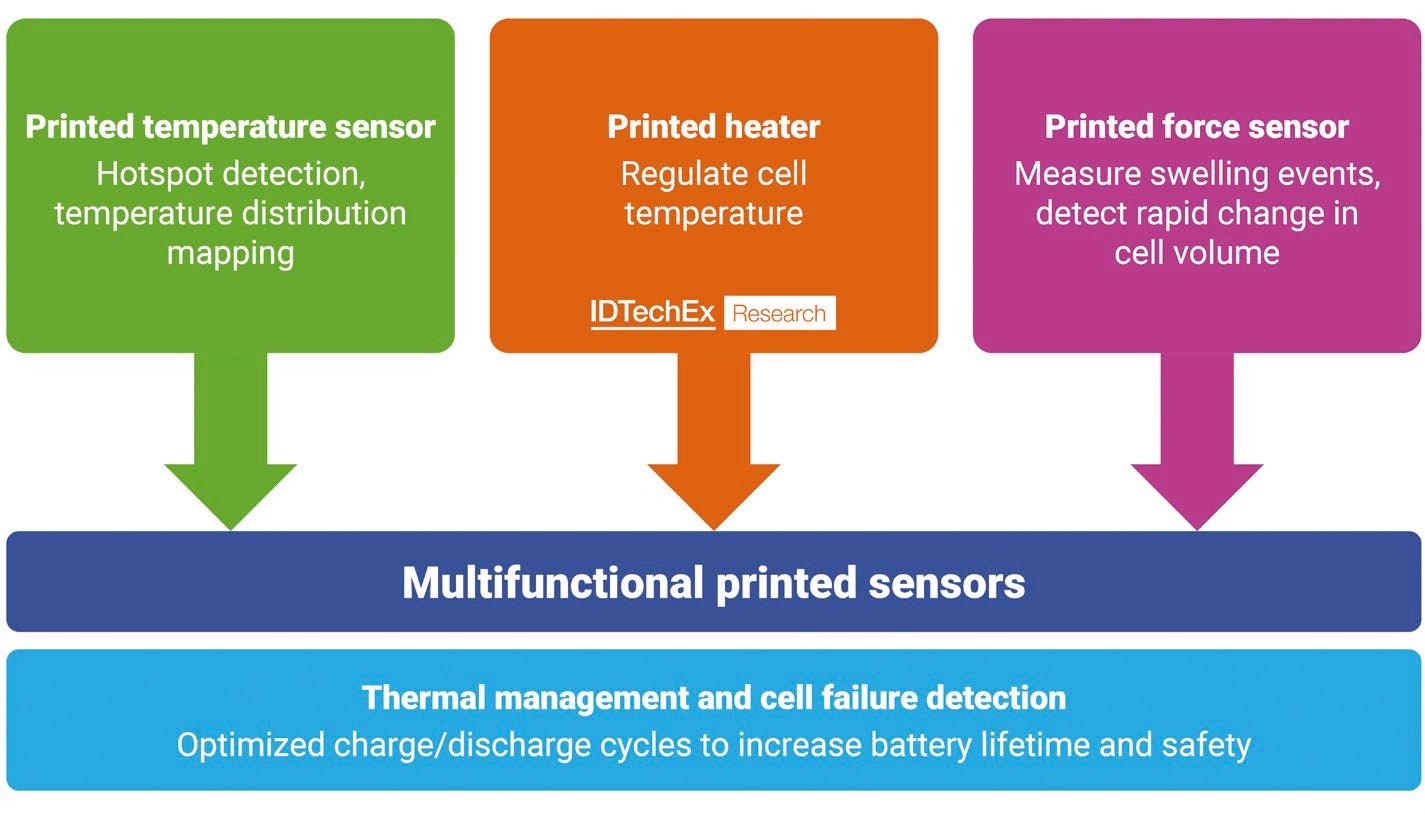
The ability to measure more than one metric at a time is required for many sensing applications. Printing sensors as sheets allows different sensing layers to be stacked and combined with minimal impact on form factor or weight, offering a relatively straightforward way of integrating multifunctional sensing into existing products.
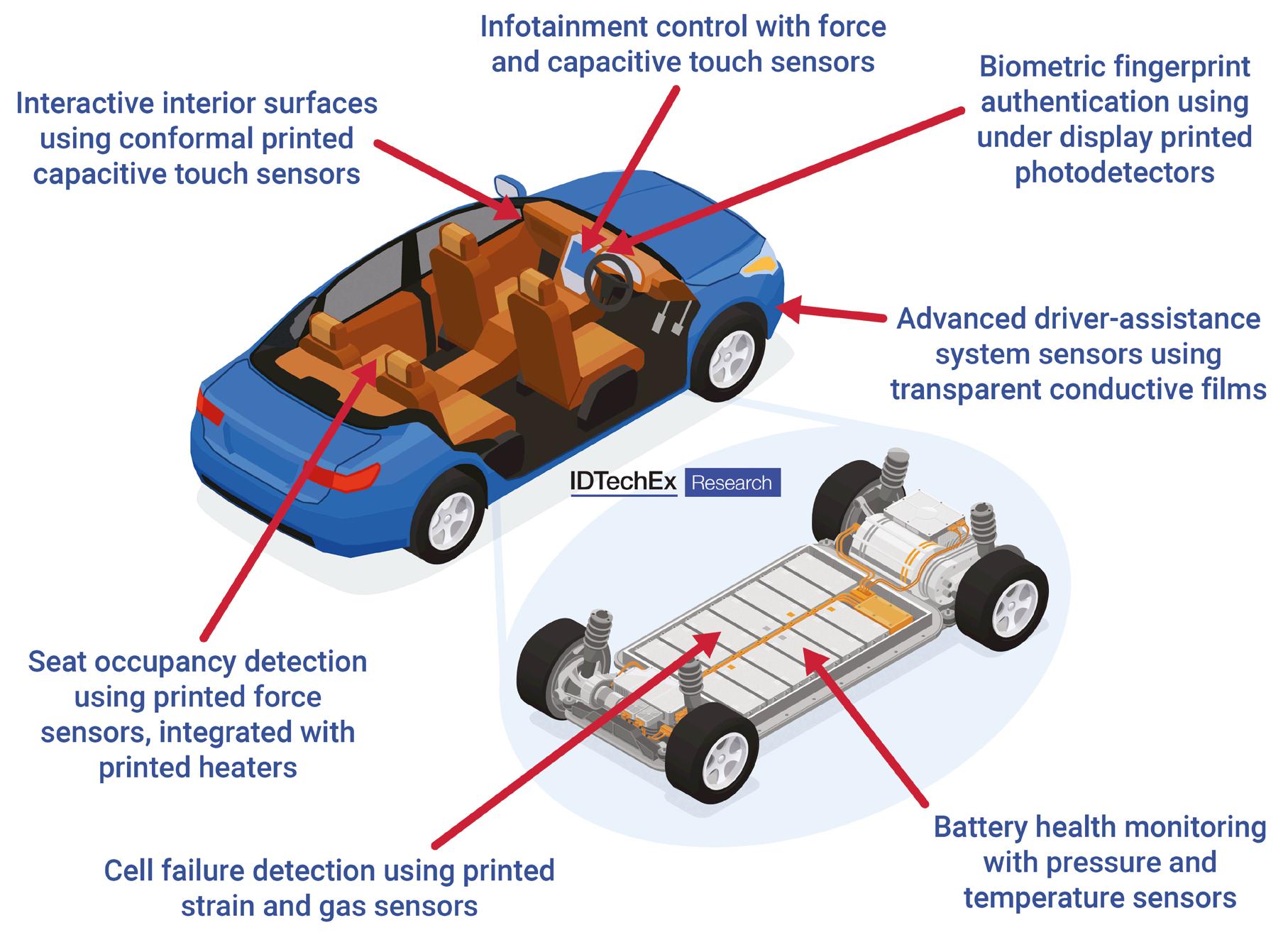
The automotive sector, in particular, is currently showing interest in multifunctional printed sensor growth

for applications such as the thermal management of electric vehicle (EV) batteries, the report reveals. Hybrid printed temperature sensors can detect cell hot spots, while pressure sensing layers monitor battery swelling indicative of cell failure and heater layers can provide the means to address these measurements, offering a complete active thermal management solution. In the report, Howley estimates that deployment, charging and discharging optimisations to increase battery capacity and prolong lifetime could be worth up to $3,000 in savings per vehicle.
However, this opens the door to another debate concerning the disruptive threat posed by hybrid printed sensor technologies to existing sensor industries, as Howley explains.
“Hybrid printed sensors pose the biggest threat where granular and multifunctional performance is as important as the cost of the component,” he says. “Key physical metrics such as touch, pressure, temperature and photodetection are easily combined in slim or flexile form factors using printing methods. Printing enables seamless integration of diverse sensing capabilities with minimal additional spatial requirements. The disruptive potential of hybrid printed sensors is strengthened when delivered alongside complementary printed electronic technologies to offer all-inone active monitoring solutions. Printed heaters, actuators and haptic elements may be combined with printed sensing layers to afford innovative stimuliresponse operation modes.”
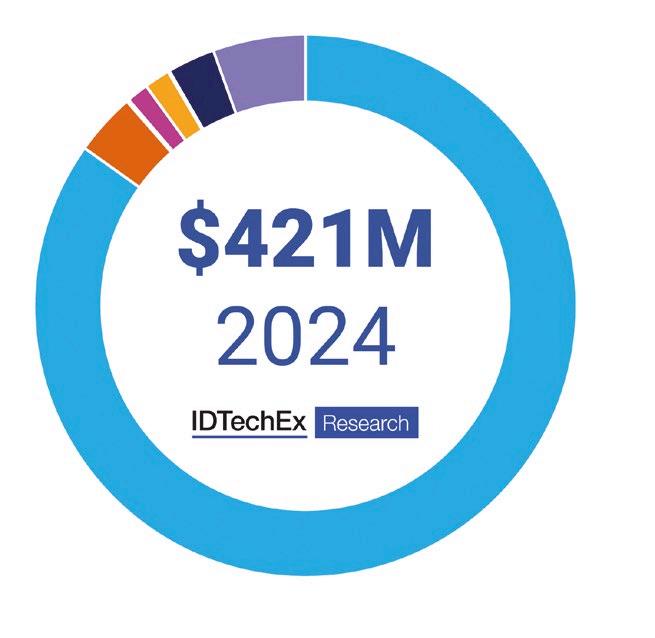
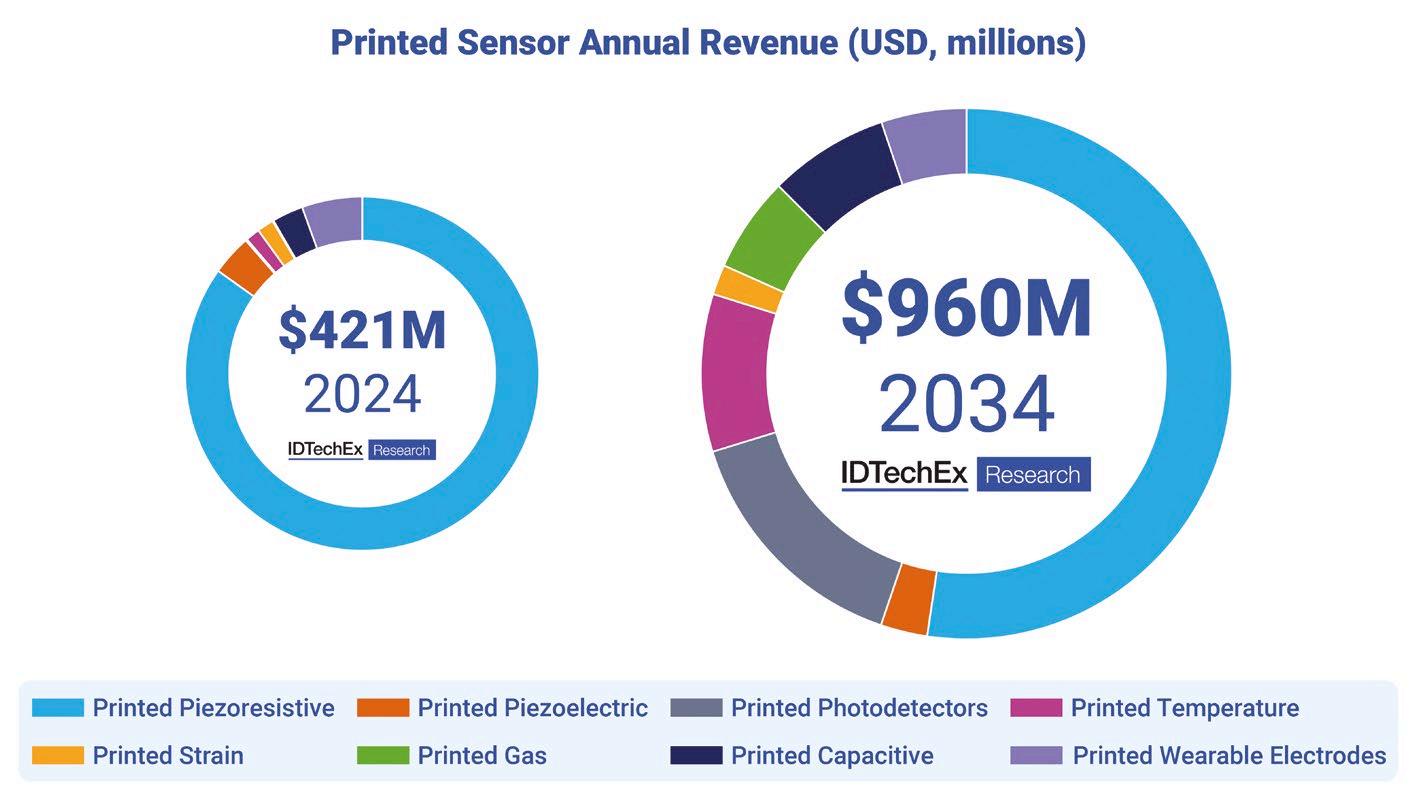
In its report, IDTechX predicts that automotive and consumer electronics industries will be most impacted by printed technology, driving the printed sensor market to $960 million by 2034.
“Printed sensors have the greatest potential to disrupt the automotive industry, with large area sensors poised to capitalise on electrification and autonomy trends redefining mobility,” Howley continues. “Printed sensors have the potential to empower the car of the future, from optimised electric battery deployment, augmented and enhanced proximity sensing, to fully interactive and personalised passenger experiences.”
According to Howley, material options are vital in the development of printed sensor technologies and processes. Naturally, innovation in material composition, from metals, polymers, ceramics, nanomaterials, and composites used in sensing layers, to adhesives and flexible substrates, will enable the production of highly tailored sensing solutions.
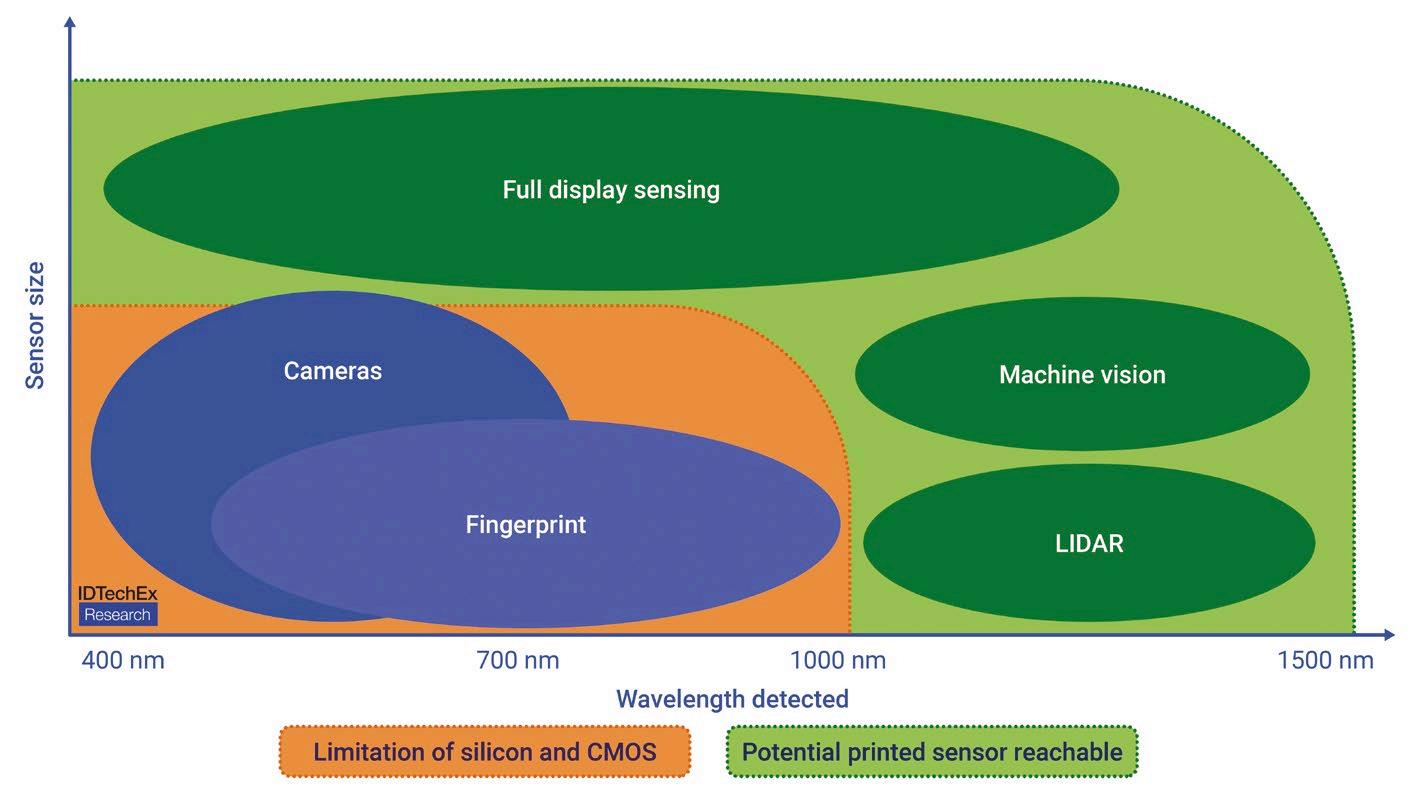
“Material success in non-sensing applications has an increasing influence on the development of printed sensor technologies and processes,” Howley adds. “Semiconductive polymers used in OLED displays are being leveraged for use in optical and infrared sensing. The successful commercialisation of quantum dots (fluorescent nanoparticles) and in display panels will likely drive similar impact for their use in printed photodetector applications. A prominent target application for printed photodetectors remains on-cell and incell fingerprint sensing for whole-display biometric authentication and represents a key growth market behind our 8.6% CAGR forecast for the printed sensor market by 2034.”
Previously, the inability of printed sensors to meet critical cost, performance, size and reliability thresholds dampened the technology’s progress in key markets. However, as laid out in IDTechX’s report, with mass digitisation driving the need to capture data across more and more surfaces, large-area sensing is “quicky emerging as the higher-valued market differential for printed sensor technology.”
Meanwhile, multifunctional and flexible printed sensors are increasingly desirable for use in the medical and EV industries, and with the most efficient way to combine these properties with largearea sensing being via printed sensors, the outlook for the technology looks favourable indeed. The $960 million anticipated growth in printed sensors will, the report predicts, be largely driven by new opportunities in applications such as battery health management, biometric authentication on flexible displays, and even flexible X-ray medical and industrial imaging.
Printed sensors have the potential to empower the car of the future.























































Internet-connected smart devices must now meet minimum security standards by law, but what does this mean for manufacturers?
As of April, ‘World-first’ laws have been brought into force to protect UK consumers and businesses from hacking and cyber-attacks. Manufacturers of all internetconnected ‘smart’ devices are now required to implement minimum security standards against cyber threats, marking a significant step towards boosting the UK’s resilience to cyber crime.
“As everyday life becomes increasingly dependent on connected devices, the threats generated by the internet multiply and become even greater,” says the UK Minister for Cyber, Viscount Camrose. “Consumers will have greater peace of mind that their smart devices are protected from cyber criminals, as we introduce world-first laws that will make sure their personal privacy, data and finances are safe. We are committed to making the UK the safest place in the world to be online and these new regulations mark a significant leap towards a more secure digital world.”
The laws have come into force as part of the Product Security and Telecommunications Infrastructure (PSTI) regime, which has been designed to improve the UK’s resilience from cyber-attacks and ensure malign interference does not impact the wider UK and global economy.
The new measures will introduce a series of improved security protections to tackle the threat of cyber crime. Manufacturers will have to publish contact details so bugs and issues can be reported and dealt with, and they will also be required to be open with consumers on the minimum time they can expect to receive important security updates.

Cade Wells, Business Developpment Director at CENSIS – Scotland’s innovation centre for sensing, imaging, and IoT technologies – says of the legislation: “The new Product Security and Telecommunications Infrastructure Act underscores the UK’s Government’s commitment to strengthening the security of consumer-connectable devices […]. Manufacturers, importers and distributors of most Internet of Things (IoT) devices being sold in the UK are affected, and there are potential penalties for those who fail to comply. In the most severe cases, a penalty of either £10 million or 4% of the company’s global revenue – whichever is greater – may be imposed.”
To introduce this raft of protections, the UK government has worked closely with industry leaders. Going forwards, manufacturers will have to publish information on how to
report security issues to increase the speed at which they can address these problems. The government is also beginning the legislative process for certain automotive vehicles to be exempt from the product security regulatory regime, as they will be covered by alternative legislation.
“This move highlights the emergence of cyber security as a fundamental aspect of product design and business strategy, marking a significant step towards creating a safer and more reliable IoT ecosystem,” Wells adds. “We will likely see further regulatory change in the future, so businesses must remain vigilant to ensure they maintain compliance and protect consumers.”
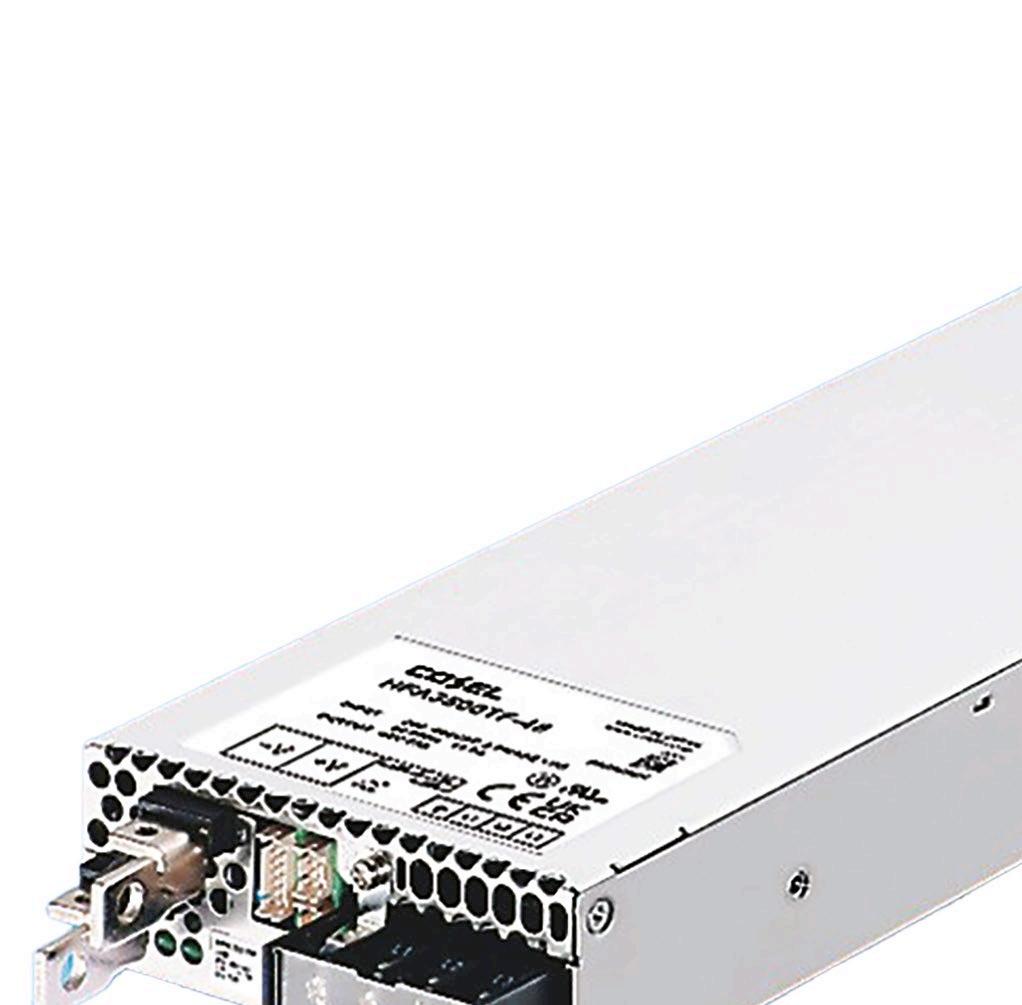
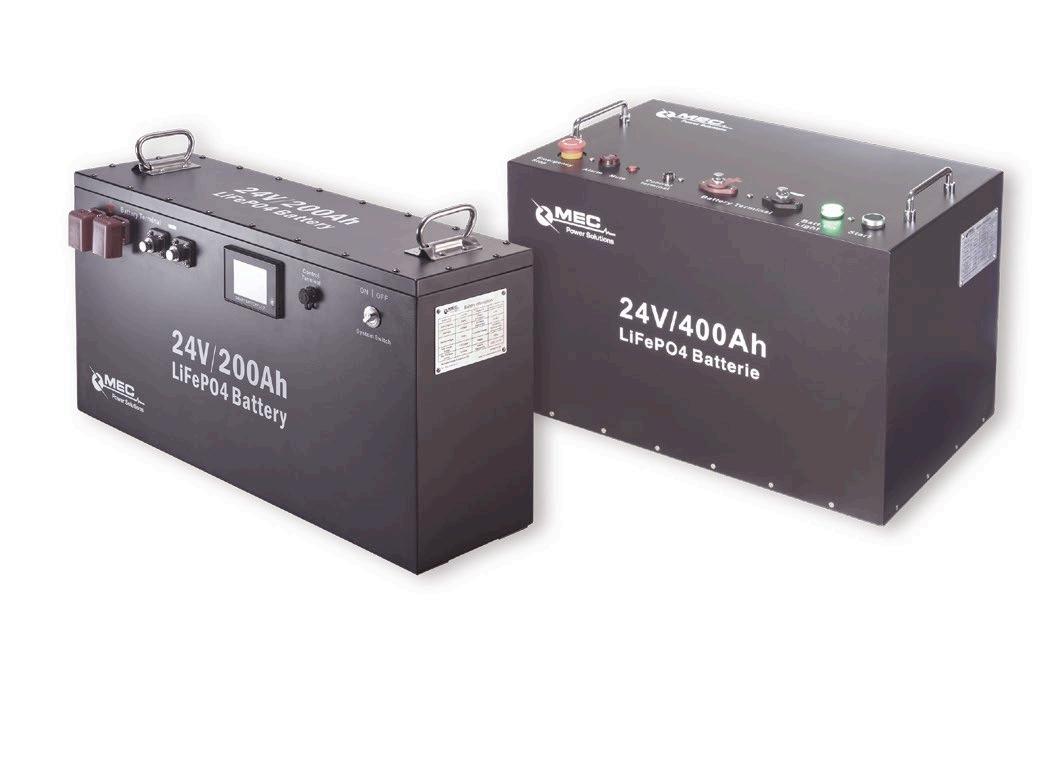
An innovative power supply solution stands to benefit demanding industrial applications
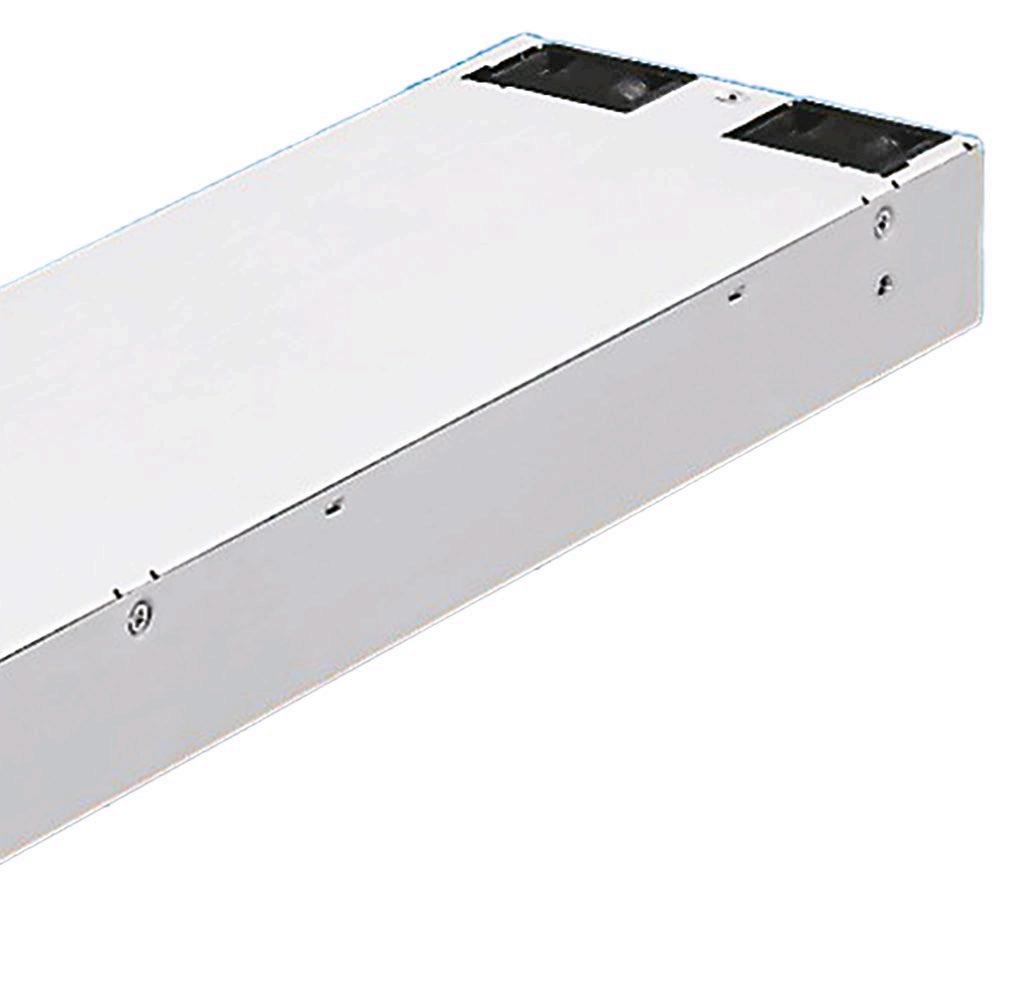
The key product features of the HFA3500TF include:
• Low profile design (41mm in height)
• Wide input voltage ramp
• Built-in ORING MOSFET
• SEMI F47 compliance
• Parallel and N+1 redundancy operation
• High efficiency (up to 94% at 400VAC input and 65VDC output)
• Built-in alarm
• Built-in AUX power (12V 1A)
Cosel, a UK-based manufacturer of power supply products, has introduced its latest offering to the market: an innovative low-profile 3-phrase 3,500W AC/DC enclosed power supply designed specifically for demanding industrial applications such as semiconductor manufacturing, laser processing machines, robotics and instrumentation.
AND VERSATILITY
According to Cosel, the HFA3500TF is designed to set a new standard in power supply technology. With its wide input voltage range of 180VAC to 528VAC, the product accommodates both 3-Phase Delta and 3-Phase Star networks. This
adaptability ensures seamless integration into various industrial environments across the globe.
Despite its compact size, the HFA3500TF delivers robust performance with output voltages available at 48VCD and 65VDC, adjustable via a trim function from -50% to 15%. The integrated variable speed cooling fans ensure optimal thermal management, enhancing the longevity and reliability of the power supply.
The 48VDC output HFA3500TF-48 is suitable for a wide range of applications, including measurement and analysis equipment, machine tools, and semiconductor manufacturing equipment, meeting the sag immunity
conditions specified by the SEMI F47 standard. The 65VDC model HFA3500TF-65 is ideal for powering radio frequency power amplifiers (RFPA) and 60V lithium-ion battery chargers.
The HFA3500TF is suited to highdemand industrial applications, providing a reliable, high-efficiency power solution that meets the rigorous standards of modern industrial environments, whether in semiconductor fabrication, laser machining, advanced robotics, or precision instrumentation.
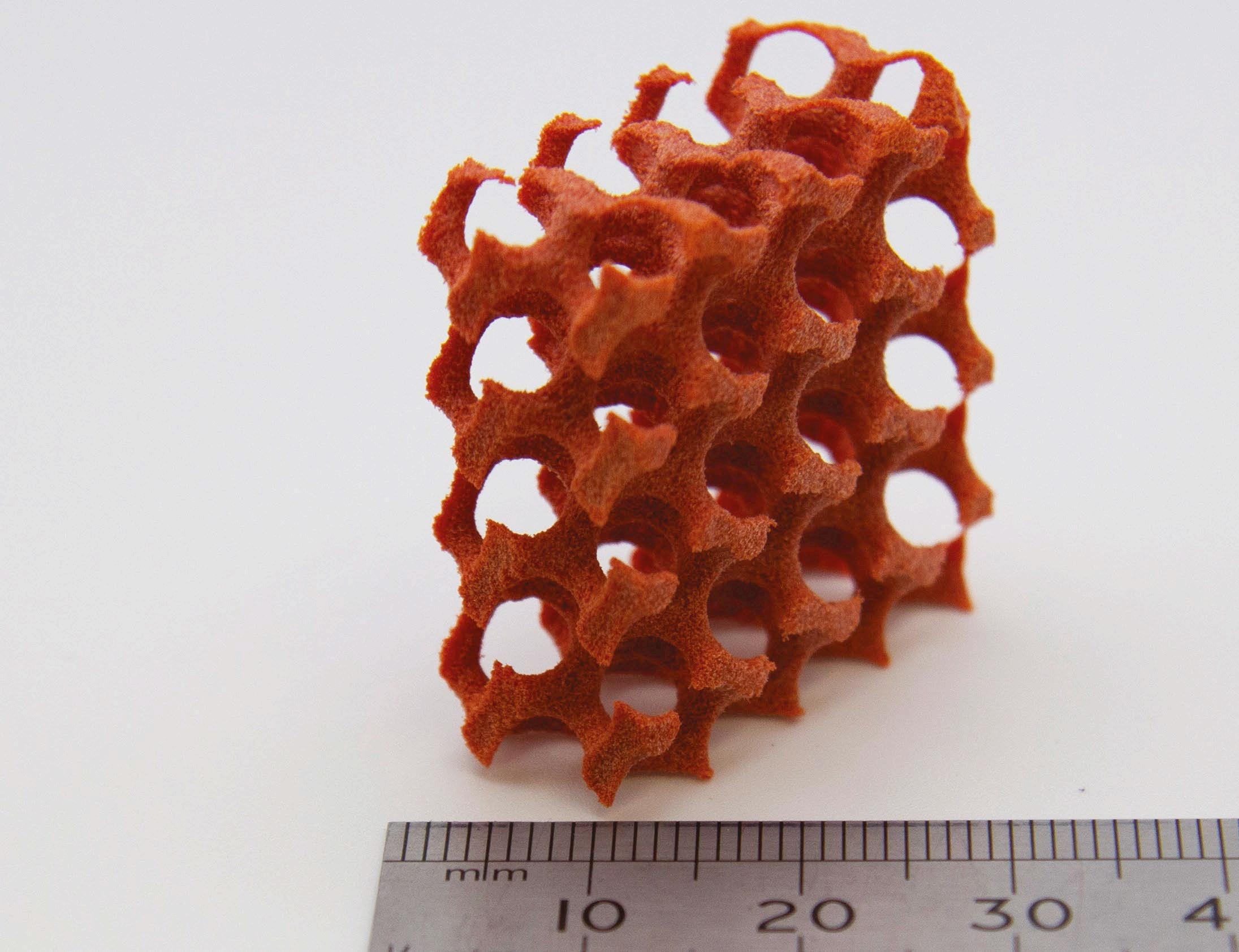
The new technique enables colour to be added within the printing process
A new technique to coat plastic particles for 3D printing overcomes material and colour palette limitations
Powder Bed Fusion (PBF) or laser sintering is one of the most common commercial 3D printing techniques, where a layer of free-flowing polymer powder is deposited and melted into a desired shape layerby-layer. Polyamide-12 (PA-12) is a strong plastic that is often used in during this process to print complex and detailed parts used in automotive and aerospace applications.
However, designers have thus far been limited to colour options at the printing stage, with grey or white
powders requiring colour to be added afterwards in an additional step. Until now, that is, as a team of researchers from the University of Nottingham’s School of Chemistry and Faculty of Engineering have recently developed a method to coat plastic polymer particles to add colour and antimould and fungal properties to the printing process.
Eduards Krumins, PhD Student in the School of Chemistry, explains how the technique works: “The coating process was designed in such a way that it
would be one-step, sustainable, and scalable. The key to the process is the use of supercritical CO2 as a solvent. This solvent has unique properties which allows us to coat each PA12 particle in a uniform manner by adding a monomer and an initiator along with the PA-12 particles into our reaction vessel. Then, we achieve reaction conditions which are 3,000psi and 65ºC, at this point the polymer starts to form and simultaneously coats each particle. After the reaction is finished, we simply remove the supercritical CO2 and collect the polymeric particulate powder.”
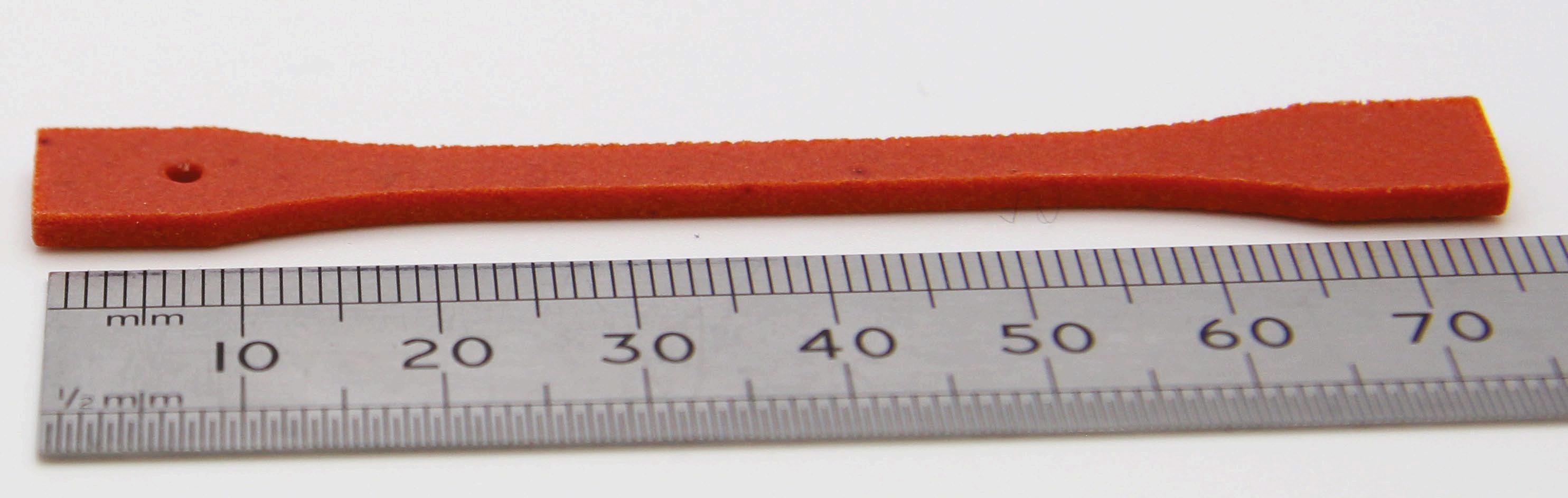
The coating process was designed in such a way that it would be one-step, sustainable, and scalable. The key to the process is the use of supercritical CO2 as a solvent.
For the coloured materials, the researchers used Isobornyl methacrylate and dye methacrylate monomers to form the coating, chosen because the resulting polymer is coloured and has similar thermal properties to PA-12. The simple yet effective approach provides added functionality to the coating, with the coloured shell polymer able to be designed to match the mechanical and thermal properties of the printing polymer.
“The coating process does not inhibit the printing process,” Krumins adds. “After our production process is finished we get polymeric powder that is dry and ready to use. In terms of printing resolution we think that we are within standard printing resolution, same with accuracy and time, hence our materials can be used with little to no change to the overall printing process.”
So, why does it benefit manufacturers to add colour during the printing process as opposed to afterwards?
“The dyeing process currently necessitates large machinery which can be expensive and can take up a large amount of space,” explains Krumins. “Additionally, the process can last anywhere from several
hours a day, meaning that the user is adding considerably to their overall production time. Companies that do not have the machinery needed for their dyeing needs can send them to post-processing services, however this can take even longer considering the parts need to be posted. With our materials, these steps in the production process can be skipped.”
In addition to the aesthetic colour benefits for printed components, the new technique also delivers other desirable properties, in particular, anti-mould and fungal properties. Currently, objects made using PA-12 cannot be used in moist environments due to the growth of mould and fungi. The new shell coating can be used to develop coatings that prevent this from happening, opening up new possibilities for the use of 3D printed objects in new areas.
“The anti-mould and anti-fungal properties of our materials could open a wide range of applications for SLS,” Krumins explains. “For example, we think that this could be used in food packaging situations such as factory tooling, maritime applications like interior and exterior polymer-based
parts in ships and buoys, and in healthcare. These would all have to be separately tested but currently PA-12 is readily ‘biofouled’ in many waterborne environments meaning that bacteria, fungi and so on grow on PA-12 very rapidly. Our materials will allow users to have all the benefits of SLS along with the knowledge that bacteria and fungi will grow to a much lesser extent on the parts that they produce.”
According to Krumins, the team’s coated materials can be easily used in commercial printers, with only very minor changes needed, such as laser power, which is expected. And, the next steps for the project are promising.
“We are currently in talks with a few potential industrial partners,” Krumins says. “The next steps towards commercialisation are to form an agreement or partnership with a materials or printer manufacturer, scale up production to pilot plant level, and to continue developing new functionalities for SLS materials.”


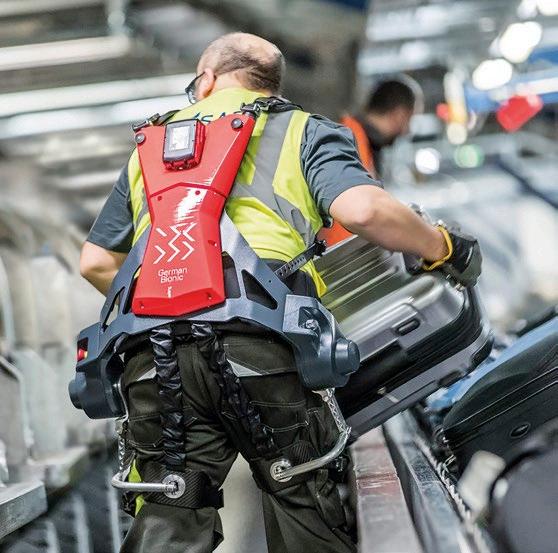








The hybrid SPF process could slash forming times by 50%
Superplastic forming (SPF) is a near net shape manufacturing method for producing thinsheet metallic components, and is typically used to create complex-shaped titanium parts used within the aerospace sector. Now, a new hybrid approach to the manufacturing process is poised to boost capability in the UK market and increase manufacturing efficiency for key aerospace components.
The project forms part of the National Aerospace technology Exploitation Programme (NATEP), and is led by Shropshire-based lightweight
engineering firm SDE Technology. Supported by the Advanced Forming Research Centre (AFRC) within the National Manufacturing Institute Scotland (NMIS) Group and industry collaborators Boeing and Timet UK, SDE Technology is leading the development of a new hybrid SPF process that makes use of innovative new tooling to enable a significantly reduced process time.
SPF is a specialised manufacturing technique used to mould highly ductile metals, such as aluminium, titanium
and certain steel alloys, into complex shapes by exploiting their superplastic behaviour.
“In this process, a metal sheet is heated to a high temperature where it becomes extremely malleable, typically between 40-70% of its melting point,” explains Les Gill, member of SDE’s Technical Advisory Group and principal consultant at TaBA Associates. “The softened metal is then placed into or over a mould and shaped using controlled, pressurised gas to stretch and form it to the desired contours. Once formed, the metal is cooled under
pressure to maintain its new shape. The economics and precision of this manufacturing approach is highly valued in industries such as aerospace, defence and even in automotive for creating lightweight, intricate components that are structurally robust, reducing material waste and assembly requirements.”
SDE’s new hybrid technique is estimated to shorten the forming cycle time by over 50% and cut the manufacturing cost by as much as 25% when compared with traditional superplastic forming processes. In terms of applications, the manufacturing method is capable of streamlining the production of a wide range of critical aerospace parts.
“SPF is an ideal manufacturing method for aerospace components, especially suited to create intricate, lightweight parts that offer enhanced structural integrity and performance,” Gill says. “Typical applications include fuselage panels, which benefit from seamless, aerodynamic surfaces; wing components like skins and flaps that require precise, lightweight shapes for efficient flight; and engine components such as fan blades and inlet cones, made from heat-resistant alloys. SPF is also used for creating robust door frames, internal structures like bulkheads and brackets, and even seat frames, all of which contribute to

reducing overall aircraft weight while maintaining strength and durability.”
According to Gill, the method streamlines production by integrating multiple features into single components, significantly reducing assembly requirements and material waste.
While SDE’s hybrid SPF technique promises many benefits in terms of shortened forming times and
reduced material waste, like any manufacturing technique it is not without its limitations.
“SPF does has size limitations on the parts it can produce, primarily dictated by the capabilities of the equipment used and the physical properties of the materials,” Gill explains. “The limitations are in common with other material processes where the size of the furnace is a critical factor. Also, the larger the parent sheets then the
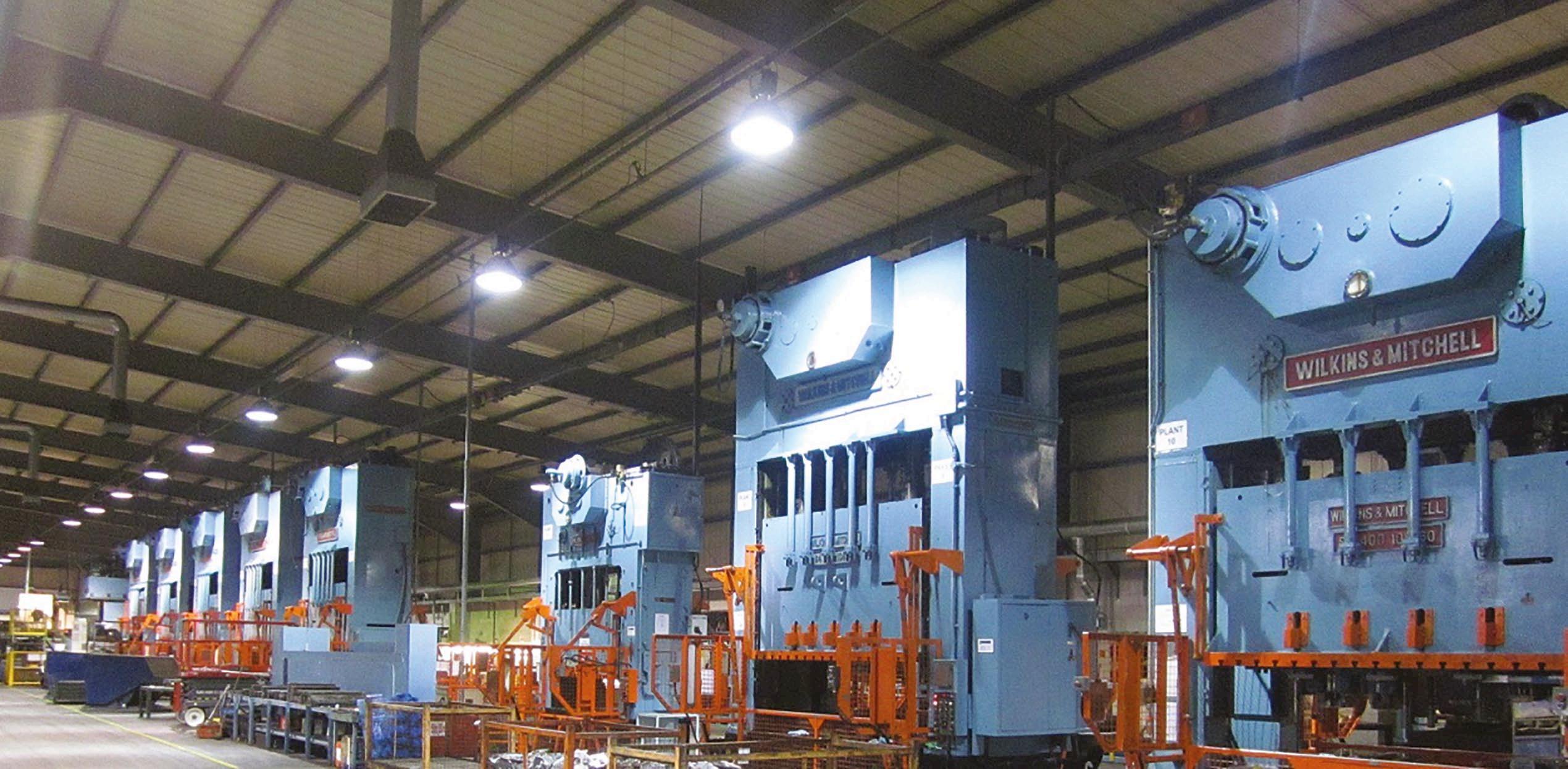
more complex and robust machinery is needed to handle and maintain uniform temperatures and prevent material tears. Additionally, ensuring even pressure application across large surfaces necessitates advanced control systems, and the size of the tooling and dies also sets limits on the part dimensions. However, technological advancements are continually pushing these boundaries, enabling the production of increasingly larger components and should be reviewed on a case-by-case basis.”
As part of the NATEP project, further funding has been secured to evaluate the carbon footprint of the new process, which could be cut significantly due to shortened heating and forming times, as well as using lower temperatures of around 800°C. Additionally, when exposed to high temperatures during SPF, an oxide layer is formed on titanium components – known as alpha case
– which requires powerful acids to remove. The new SPF approach uses less heat and, therefore, also reduces the layer thickness and associated time spent to remove it.
Project partner AFRC has previously investigated the hybrid technique, and now this latest collaboration is exploring how the process can be scaled up for the aerospace sector’s industrial needs.
“Our team has a combined 200 years of experience in material science, modelling, and SPF, which makes us well-placed to support the development of new techniques that could make a big impact on the entire aerospace industry,” says Evgenia Yakushina, Forming Team Lead at AFRC. “This work has the potential to unlock opportunities for manufacturers to offer improved, quicker methods of producing key parts for aircraft. So far, the research has demonstrated huge potential with important parallels between the new hybrid method and the traditional approach already evident.”
The commercialisation process of the hybrid SPF technique has already begun, with SDE leading the industrialisation of the manufacturability of components using this process. This has fine-tuned the SPF process for a variety of materials and applications, and seen it protected by intellectual property rights.
“Market analysis identified key industries, such as aerospace and automotive, where SPF’s unique capabilities offer significant advantages,” says Gill. “SDE has started to communicate the unique benefits of this SPF, such as the cost effectiveness of the process versus the non-SPF process, bringing in scope much needed economies whilst delivering superior quality and design capabilities, ensuring a strong market presence.”
For more information visit www.sde.technology

As product design processes continue to evolve at unprecedented speed, engineers must not forget the fundamental pillars of systems engineering

Phase where detailed requirements are defined and documented.
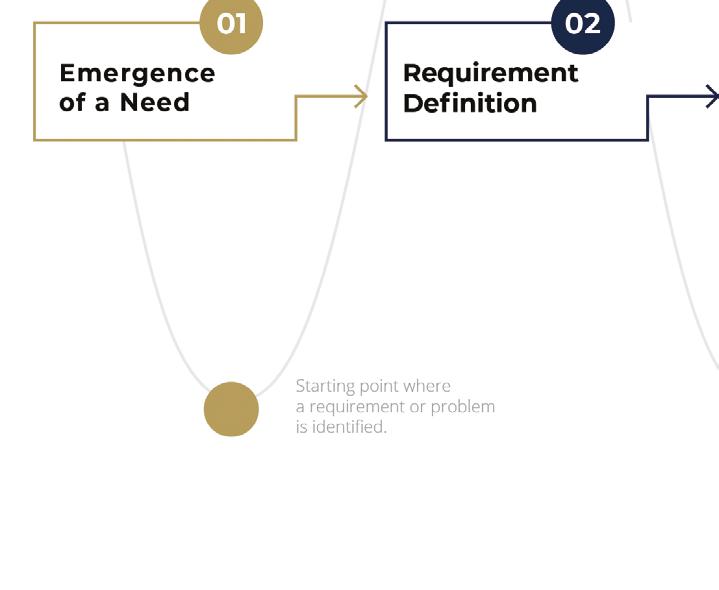
Starting point where a requirement or problem is identified.
Stage where the product is tested to ensure it meets the requirements.
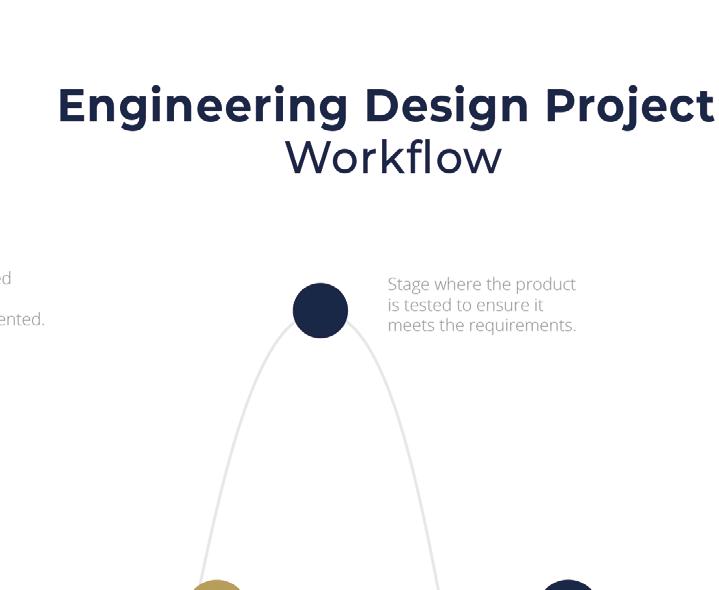
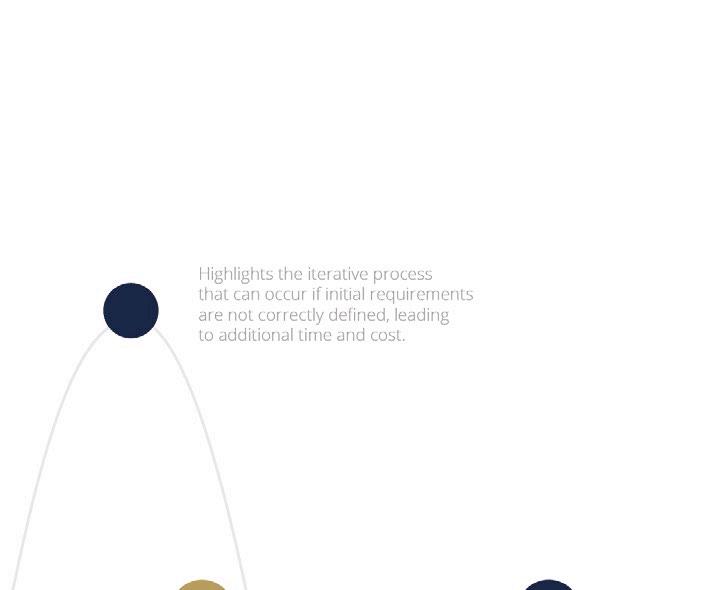
Highlights the iterative process that can occur if initial requirements are not correctly defined, leading to additional time and cost.
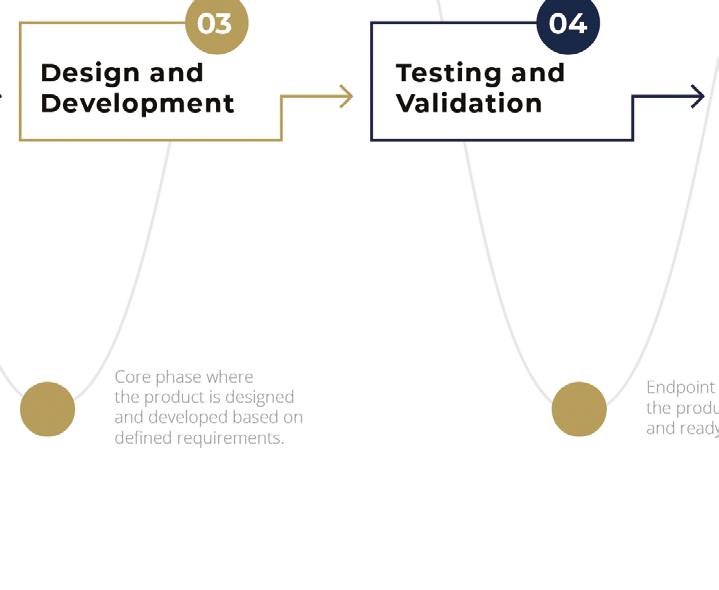
Core phase where the product is designed and developed based on defined requirements.
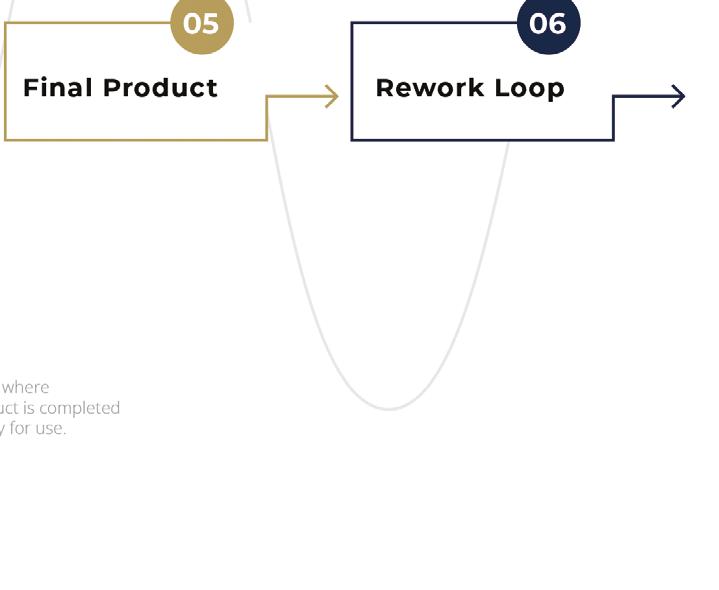
The engineering design project workflow explained
longside the rapid pace of technology development and increasing complexity of the design process, getting a product to market quickly is paramount. Whilst engineering design tools have evolved quickly in line with technology, however, the basic principles of robust engineering have not changed.
Saying this, dependencies on tool sets and the emergence of new project delivery frameworks have in someways distracted focus from the fundamentals, driving a need for a conscious grounding at an organisational level.
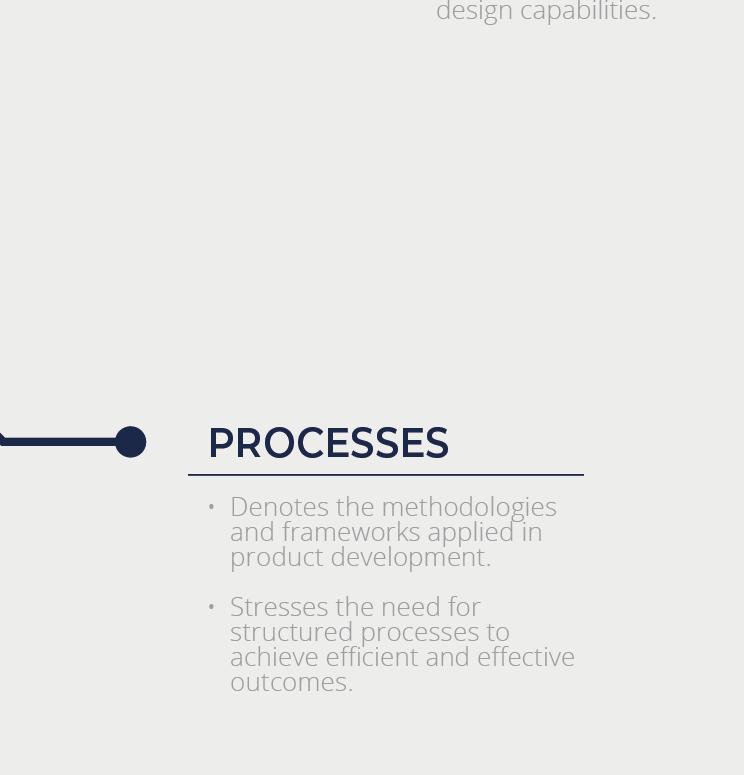
The fundamental three pillars of systems engineering – people, tools, and processes – remain constant and all need to be developed together to realised engineering goals and
Endpoint where the product is completed and ready for use.
outcomes. Dependency on one or neglect of another can create an inefficient system. The real world is far from perfect, however, and a pragmatic approach towards this ideal end goal is more realistic. A conscious understanding of this compromise enables engineers to take action to improve and evolve, so long as a growth and creative mindset is embraced.
One example of a tool that can upset this balance is the implementation of Model-Based Systems Engineering (MBSE) toolsets, which deliver advanced capabilities in terms of manipulation and visualisation of information that - as the volume of data continues to grow - prove invaluable. They are a blank canvas, though, and need a structure or framework to be applied to enable successful integration into an organisation.
As such, there are fundamental outputs that an organisation requires from an implementation of an MBSE system for the rest of the product development efforts to be successful: The people and process pillars need to be integrated properly.
Systems engineering is certainly not new, yet it still has an air of speciality about it. As an engineering consultancy, Hallmark Engineering Group believes that systems engineering principles are aligned with general robust engineering principles and the two should not be viewed differently. Systems engineering processes and techniques support product development of both simple and complex systems, and if viewed as a set of tools that can be consciously selected as appropriate for the project in hand, the scale of activity can be set accordingly. To this end, these fundamental skills and toolsets should be accessible to all.
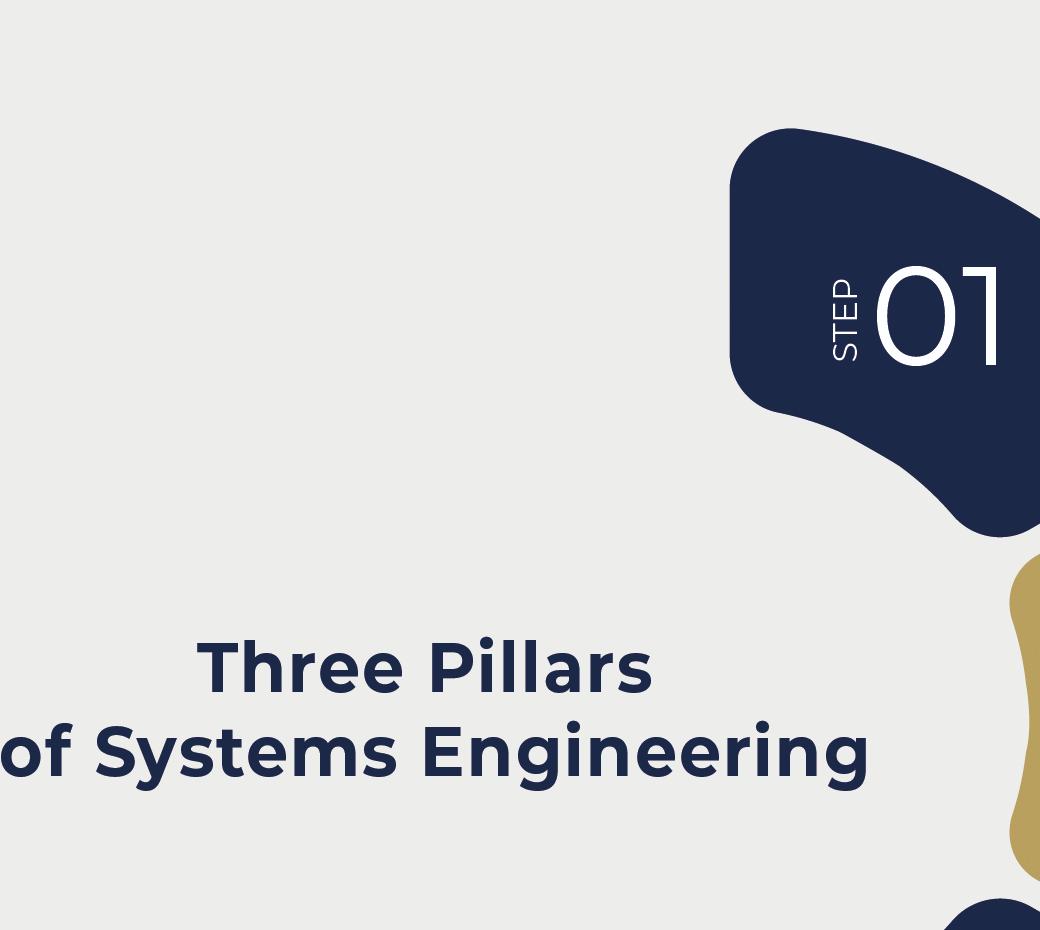

The three pillars of systems engineering
Simplistically, the key aim of an engineering design project is to get from ‘A’ to ‘B’ as quickly and efficiently as possible, with ‘A’ being the emergence of a need, and ‘B’ being a functional product used effectively to fulfil this need. Rework is the biggest challenge as iterations cost time and money.
With almost two decades of experience in product development, Hallmark Engineering Group has seen first-hand the true cost of
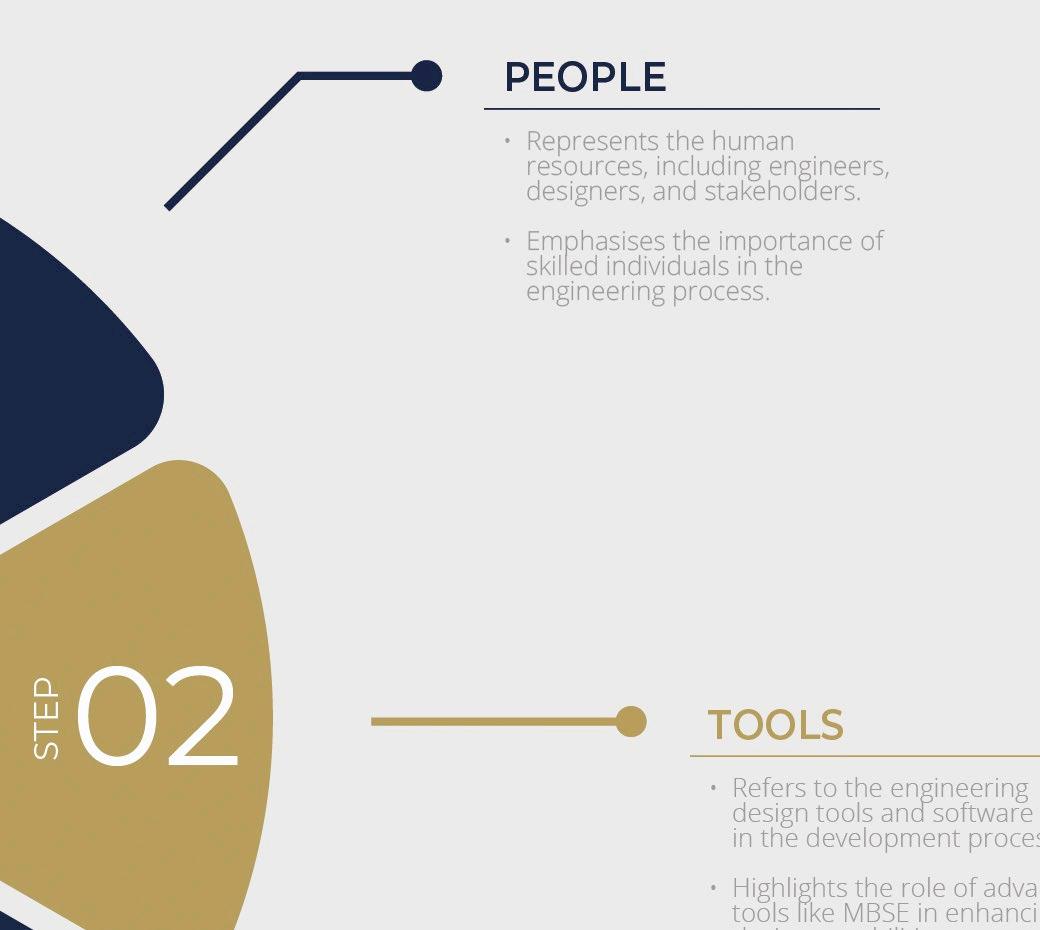
• Represents the human resources, including engineers, designers and stakeholders.
• Emphasises the importance of skilled individuals in the engineering process.
• Refers to the engineering design tools and software used in the process.
• Highlights the role of advanced tools like MBSE in enhancing design capabilities.
rework, with incorrect or incomplete product definition being the biggest contributor. If engineers do not understand completely what problem the product is trying to solve, this will inevitably result in a product that does not completely resolve the problem. This involves all stakeholders throughout the lifecycle of the product to understand its requirements and how they interact with others, understand how a product can and should fail, and documenting this accurately in a way that can be verified. It is far more efficient to
The fundamental three pillars of systems engineering – people, tools, and processes – remain constant.
• Denotes the methodologies and frameworks applied in product development.
• Stresses the need for structured processes to achieve efficient and effective outcomes.
make the effort to do this robustly than to have a complete redesign later down the line.
One challenge with this approach is the tendency to over-polish the requirement set and not progress to the design and development phase. It is important to maintain project governance and an understanding of risk to enable a pragmatic approach and maintain the desired outcome. Balancing all three pillars is the key to success, and a pragmatic approach in applications with a growth mindset is the only way to achieve it.
Spencer Thomas is the CEO of Hallmark Engineering Group and Managing Director of EES Solutions. www. hallmarkengineeringgroup.co.uk
Developing new manufacturing processes for composites reinforced with natural fibres and biological resins
Composites reinforced with biological materials are emerging as a more sustainable and economical alternative to synthetic components like carbon fibre and glass, however their use within structural applications still presents significant technical challenges.
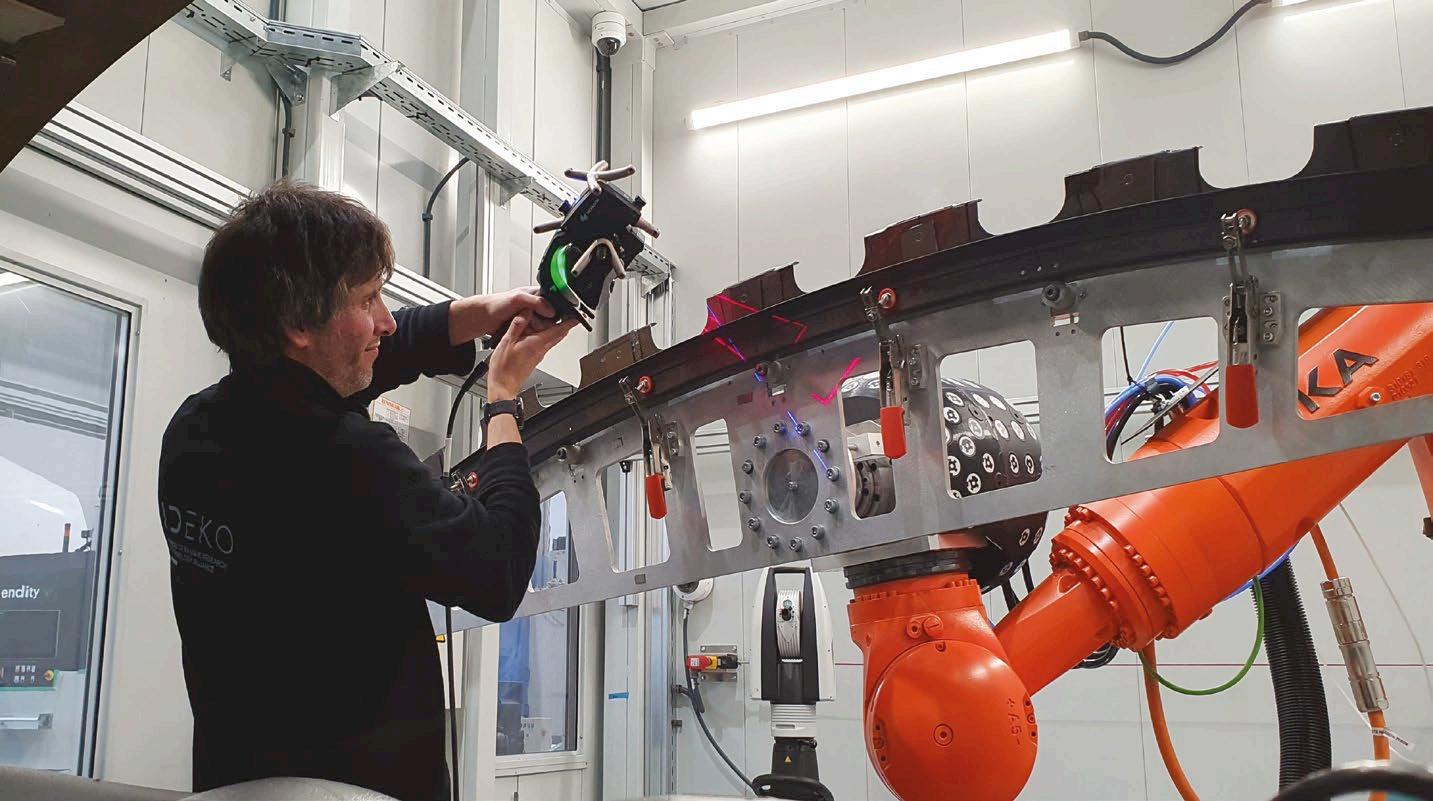
The European BioStruct project is on a mission to solve some of these technical problems through the development and validation of new manufacturing processes for bio-based composites in industrial applications within sectors such as wind energy and maritime. Research centre IDEKO is a prominent participant in the project, contributing
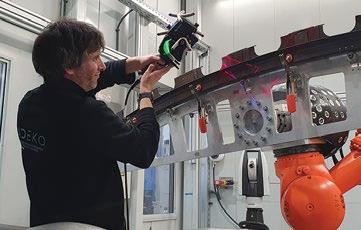
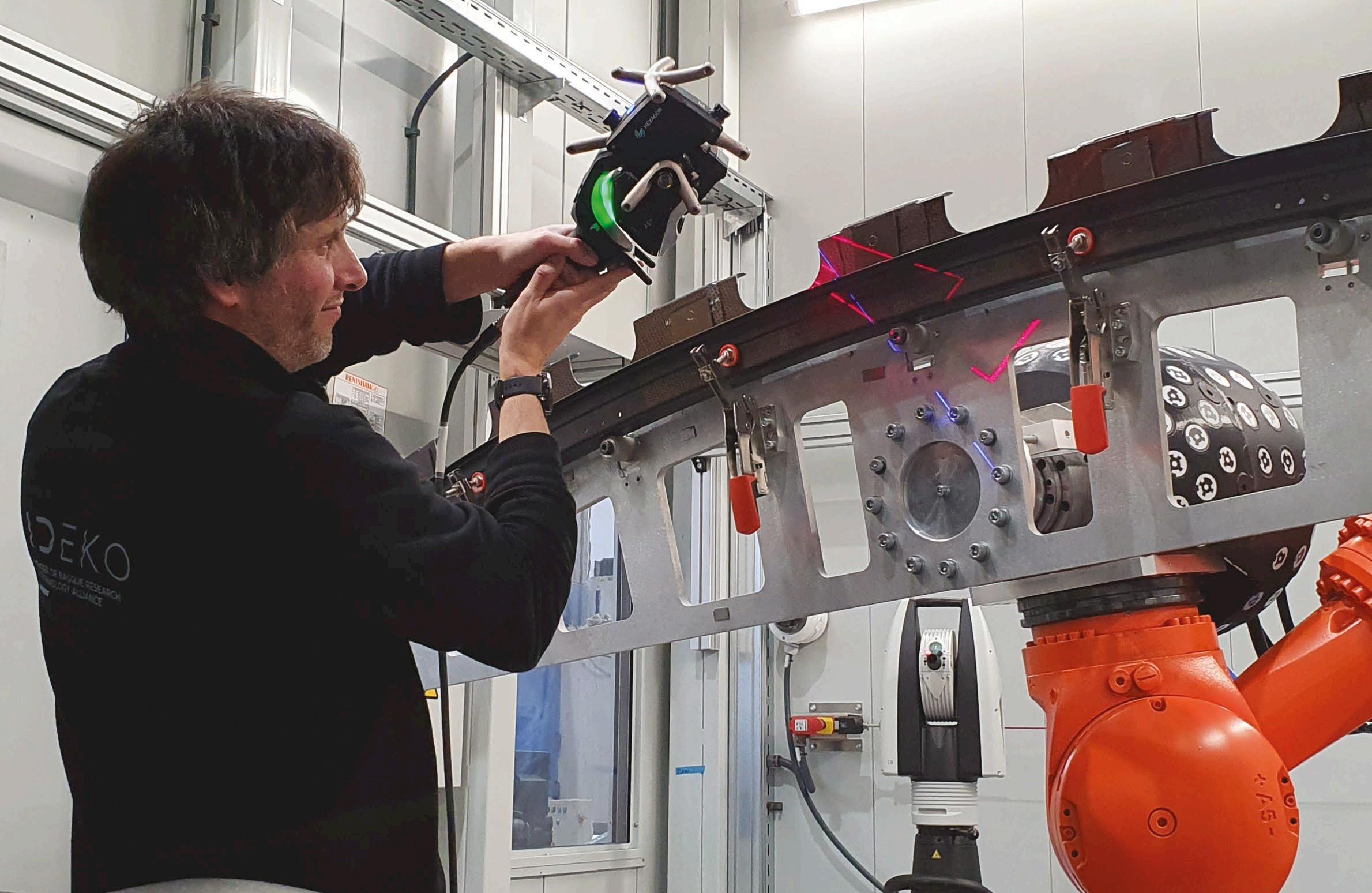
its know-how in advanced 3D measurement and vision technologies to improve the precision of production using biocomposites.
Biocomposites are materials that combine natural fibres such as wood, hemp or flax, and offer several advantages over synthetic materials, explains Ibai Leizea, expert in vision technologies in precision engineering at IDEKO.
“Biocomposites have been increasingly gaining ground in providing more sustainable and environmentally friendly solutions compared to synthetic materials,
resulting in a lower carbon footprint,” he says. “They are generally lighter than synthetic materials, and this weight reduction can be beneficial in some applications where weight saving is critical. Some biocomposites are biodegradable, which provides an advantage over synthetic materials in terms of disposal at the end of their life cycle.”
Despite their promise, biocomposites also pose their challenges from a manufacturing perspective, particularly in the case of structural applications due to their less regular and solid properties.
“The variability of natural fibres makes it difficult to achieve consistency in the final product, while hygroscopicity can compromise dimensional stability and mechanical properties,” Leizea explains. “Additionally, ensuring effective adhesion between the fibres and the matrix, adapting processing methods to the properties of natural fibres, and guaranteeing durability against environmental factors are complex tasks.”
The main objective of the BioStruct project is to develop new manufacturing processes to boost the use of biocomposites in industrial applications such as a ship’s hull or a wind turbine blade.
“Precision is crucial when handling fabrics made from natural fibres, especially during the cutting and draping of composite parts,” Leizea continues. “This project will provide a deeper understanding of the mechanical properties of bio-based materials to accurately design structural components and enable their use in such applications.”
The draping manufacturing process is a common method used to produce biocomposite material parts, beginning with the preparation of materials consisting of natural fibres and a matrix material, usually a polymer resin. A mould is prepared according to the desired shape and dimensions of the final composite part, then the natural fibre fabric or mat is cut to the required shape and size and carefully laid up in layers onto the mould. The matrix resin is applied or infused into the fibre layers and then cured to solidify the part. Finally, the part is demoulded, excess material is trimmed, and any necessary additional finishing is carried out.
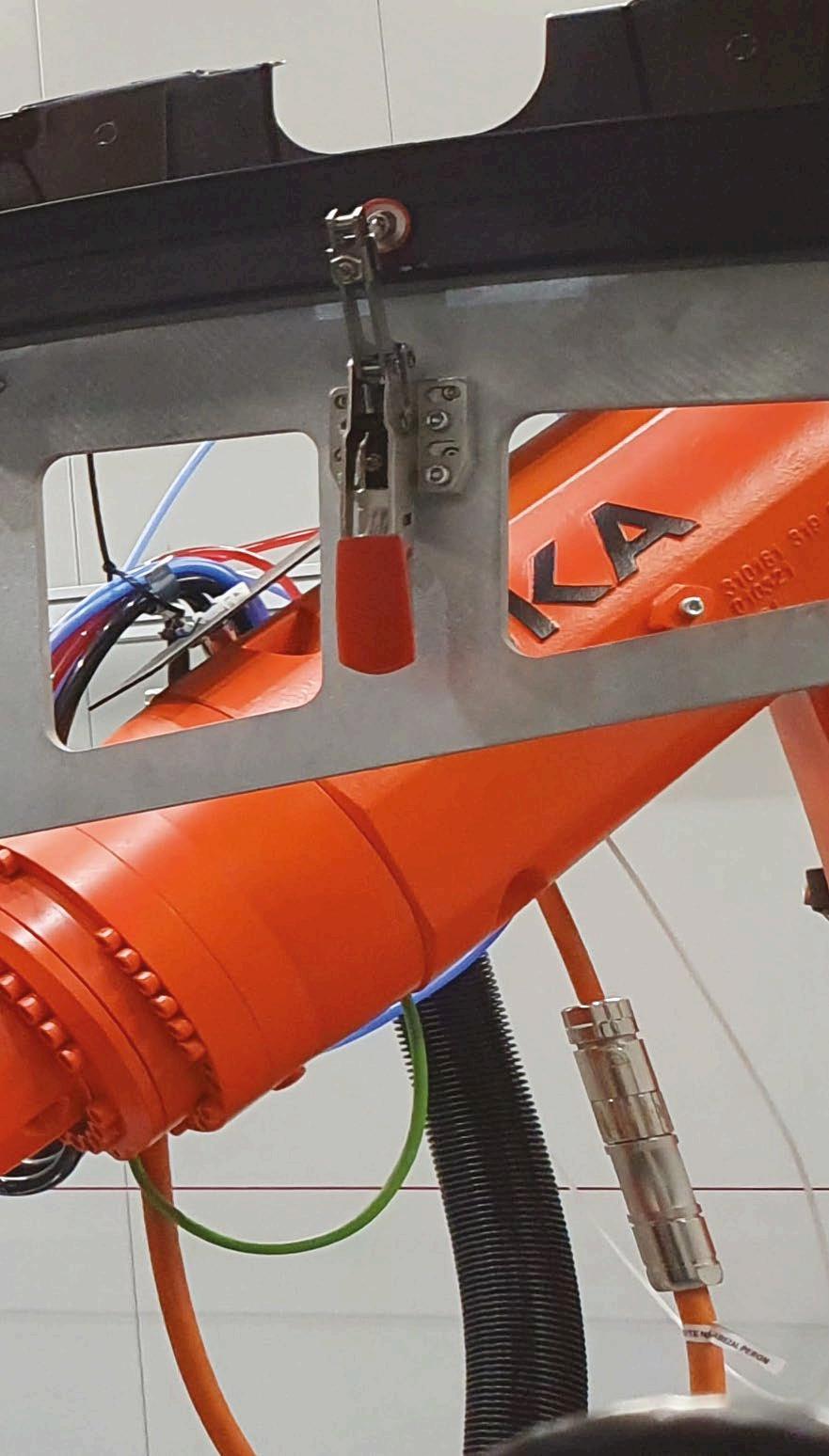
“Being a new type of fibre with properties different from conventional ones, it requires new inspection methodologies to ensure the quality of these materials,” Leizea explains. “At IDEKO, we leverage artificial vision techniques developed in recent years to perform precise measurements, aiming to provide a response to dimensional control of the parts in this project.”
IDEKO possesses various technologies and sensors to study and determine which can offer the best precision results. “One of the biggest challenges in vision systems is the lighting or reflectivity of materials,” says Leizea. “Therefore, we will seek the best alternatives to provide a solution for end users. Ultimately, the goal is to validate that the geometries of the parts manufactured in this project are correct with this new manufacturing methodology.
The manufacturing process proposed by the project will be validated through two use cases: the manufacturing of a hull for a six-metre electric boat and the production of rotor blades for wind turbines. In both cases, natural fibres and bio-based resins will be used as construction materials, paving the way towards a greener and more sustainable industry.
“Biocomposites are an attractive alternative for the wind energy and maritime industries for several key reasons,” Liezea says. “firstly, their lightweight nature makes them ideal for applications where weight reduction is critical, such as in wind turbine manufacturing and shipbuilding, which can improve efficiency and reduce structural loads. Additionally, their corrosion resistance makes them durable in marine environments, lowering maintenance costs and extending the lifespan of components.”
The success of the project will be measured through several key indicators, including the quality and performance of the manufactured biocomposite parts, their costeffectiveness, properties, and precision compared to synthetic compounds. The project is due to run until 2026, envisioning a market potential for biocomposites of around €100 million by 2030, which would lead to a significant reduction in greenhouse gas emissions from composites production, estimated at between 2.54.3 million tonnes of CO2 per year.
The development of new high-temperature materials for use in hypersonic vehicles receives a funding boost
The last decade has seen a resurgence in hypersonic vehicle development, driven by the desire to increase flight performance and reusability. Hypersonic refers to flight and aerodynamic phenomena that occur above Mach 5 – five times the speed of sound. However, several technological gaps remain in the development of novel, high-speed materials and structures, notably the variety of materials capable of withstanding extreme temperatures and extended flight times.
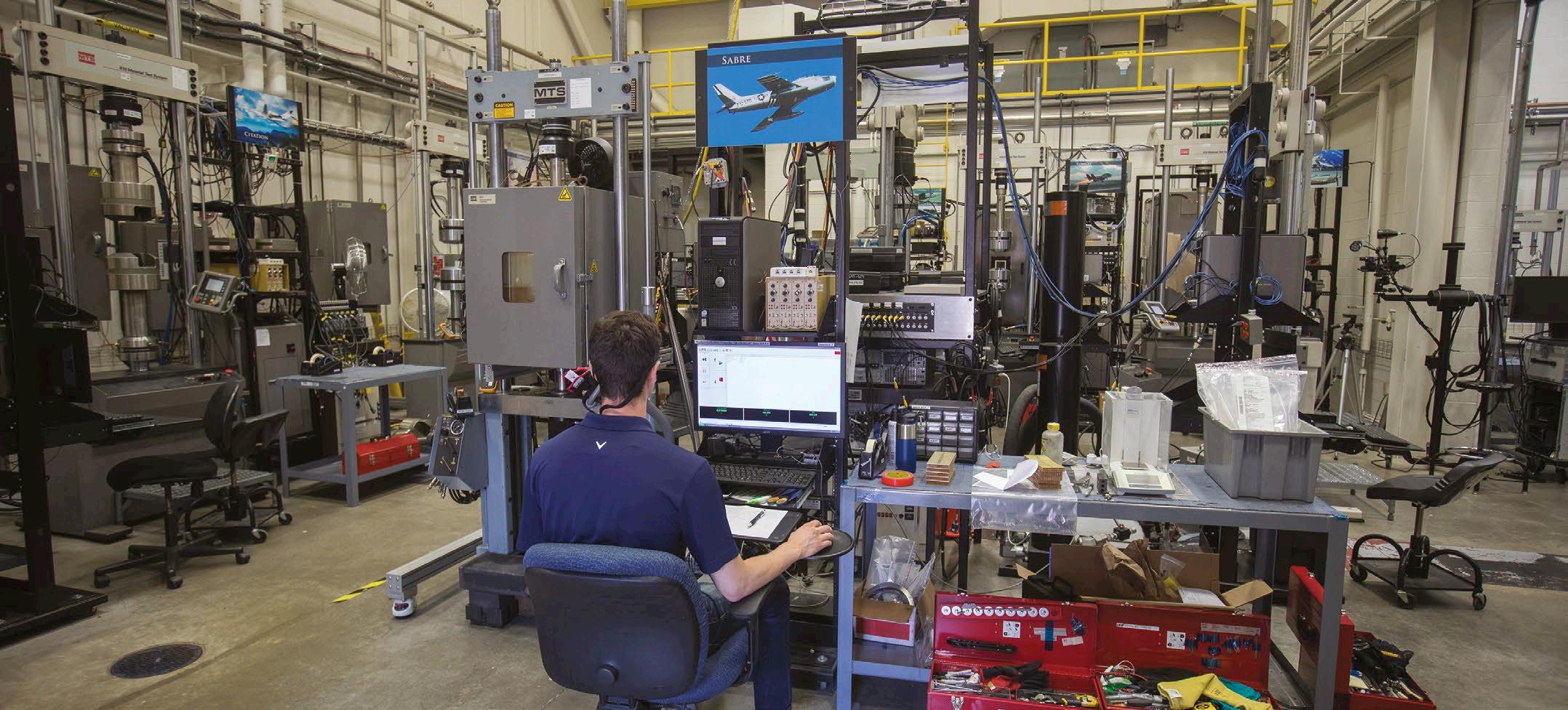
However, this could all be about to change with a $10 million funding boost from NASA delivered to Wichita State University’s (WSU) National Institute for Aviation Research (NIAR). The funding will boost the centre’s research into the development, maturation and implementation of high-temperature advanced materials, including composites, for use in hot structures and thermal protection systems (TPS) in hypersonic vehicles.
In particular, NIAR and NASA are aiming to create high-fidelity data for these materials, which the two organisations view as a crucial step in the process of successfully integrating emerging materials into critical space applications. The materials developed during the project must be proven to perform in extremely challenging environments, while also being sustainable and demonstrating manufacturability.
“Our collaboration with NASA Aeronautics will continue to advance through the Hypersonics technology Project, focusing on sustaining hypersonic competency for national needs while advancing applied hypersonic research,” says John Tomblin, WSU senior vice president for industry and defence programmes and NIAR executive director.
NIAR’s project will involve procuring equipment focused on automated fabrication, processing and densification, characterisation, design and analysis, and testing
refractory materials and structures. The programme will complement resources available through Wichita’s National Defense Prototype Center (NDPC), a collaboration between NIAR and aerospace manufacturer Spirit AeroSystems. The partnership provides a secure space for hightemperature materials testing, development, prototyping and industrialisation.
“NIAR plays an important role in the advancement of hypersonic capabilities,” adds Senator Jerry Moran, member of the Appropriations Committee on Commerce, Justice and Science, and who requested the programme funding from NASA on behalf of Wichita State. “Over the past several years, I have been working to grow NASA’s footprint in Kansas, including hosting the NASA Administrator and several NASA leaders in Wichita.”
Advancing screw performance in plastic materials with an optimised thread profile
Efficient and effective operations, whether this be across automotive applications, domestic appliances or industrial machinery, depend on the need for reliable screws, bolts, washers, clips and more. As manufacturing firms continue to innovate and expand their technical offerings to these industries, technological advances in highperformance fasteners are crucial.
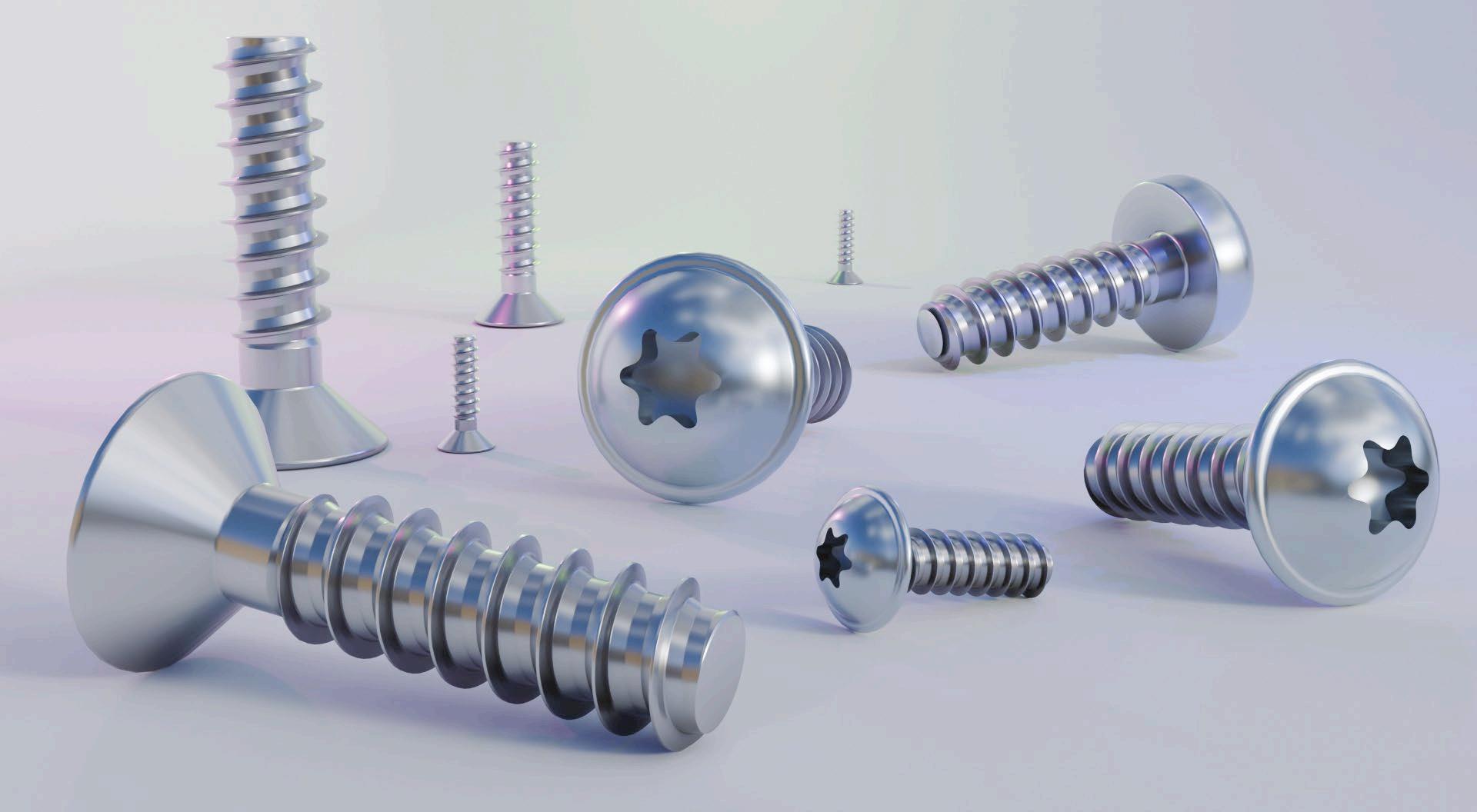
One company expanding its product range to meet these demands is TR Fastenings, which has launched its new Plas-Tech 30-20 screws to the market to provide advanced fastening performance in a wide variety of plastic materials. Developed in-house, the new screws have been added to the company’s established Plas-Tech range which caters to the global automotive, technology and infrastructure, and health and home markets.
The new Plas-Tech 30-20 screws have been designed with an optimised thread profile to give enhanced performance in plastic materials when compared to conventional thread-forming screws. The screws have been specially developed to offer several advantages over such conventional screws in plastic, featuring a 20% finer pitch and lower flank angle to improve axial resistance. Meanwhile, a reduced thread angle lessens axial displacement and an up to 25% higher thread fill improves maximum joint strength. Additionally, the screws have been engineered to deliver smoother installation that heightens resistance to vibration.
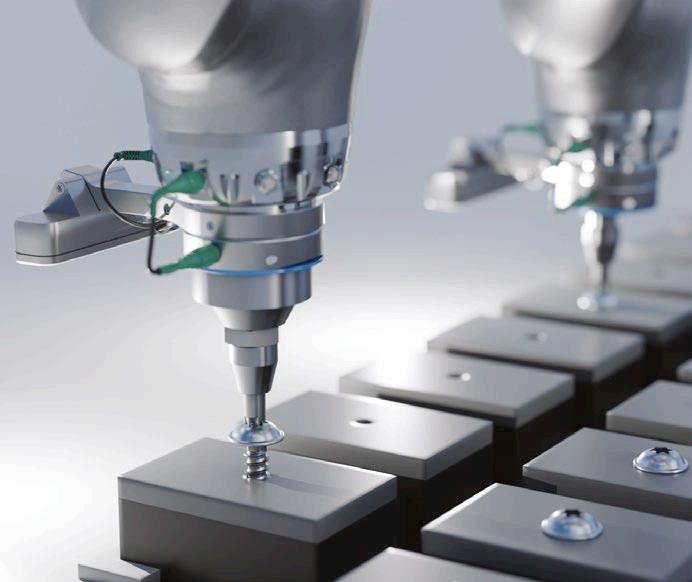
“The TR engineering team worked as a single unity with our manufacturing sites in Europe and Asia to optimise the production process to achieve consistently highquality products, true to the intended design,” says Sven Brehler, Director of Engineering at TR Fastenings. “This enables our high-volume customers to
create dependable joint performance, especially when using high-speed automated or robotic installation.”
Looking at the key features of the screw, the Plas-Tech 30-20 offers minimal radial stress thanks to a faceted thread profile which directs material flow. The full engagement of the screws’ self-locking angled thread design avoids loosening and delivers enhanced vibration resistance, while a large core thread profile provides high torsional and tensile strength. The screws’ optimal thread pitch ensures fastener engagement with a minimum number of rotations, keeping installation times to a minimum. Additionally, the screws are reusable, and can be removed and reinstalled several times.
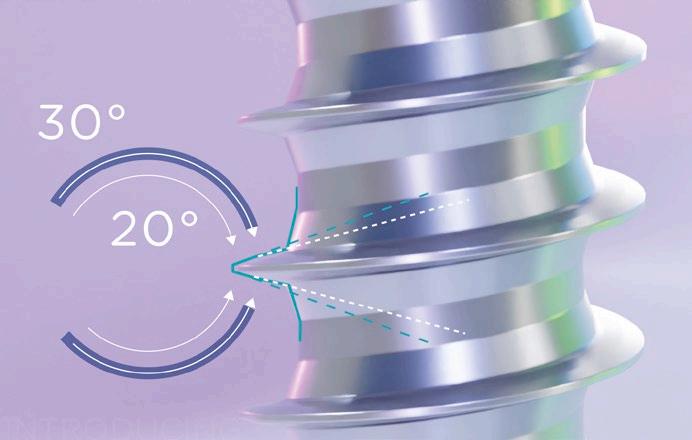
An optimised thread profile delivers enhanced performance
The Plas-Tech 30-20 range includes pan head, flange head and countersunk screw varieties, enabling customers to choose the ideal option for individual applications. Thread diameters are 3mm, 4mm, 5mm and 6mm, while available lengths range from 6mm to 30mm. The screws’ innovative design allows for the screw threads to displace the surrounding plastic and strengthen the fix in the process.
The screws can be installed with a calibrated pneumatic or electric driver and are particularly suited to robotic assembly processes. With standard drivers, installation is quick and stress-free.


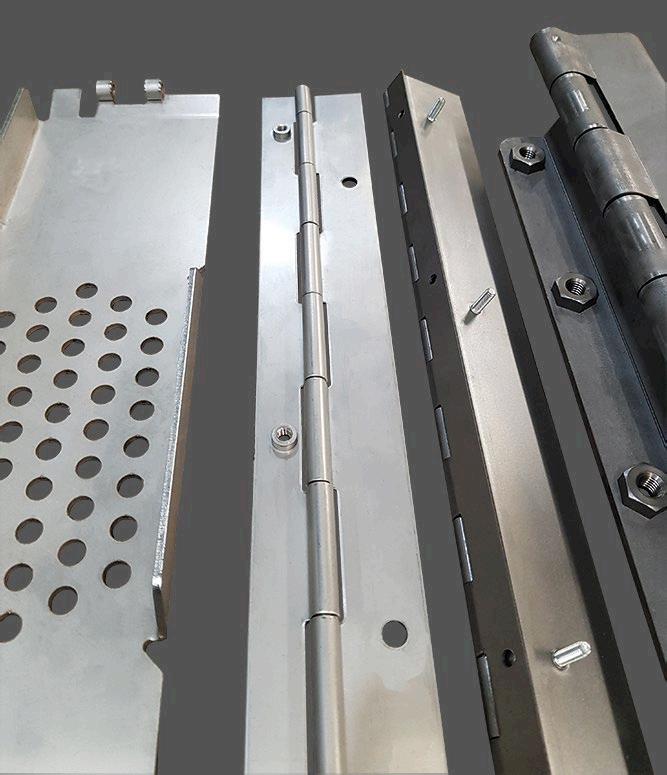
Fulfilling the demanding requirements of wood-to-concrete fastening applications
Reliable anchorages that are also easy to install are crucial for carpenters and wood construction specialists looking to fasten wood components to concrete. As well as providing the structural strength necessary to transfer loads, welldesigned connectors can also mitigate adverse effects of moisture ingress as well as minimising the potential for excessive tension perpendicular to grain stresses.
Fischer’s UltraCut FBS II concrete screws fulfil these high requirements, covering multiple applications in roof and timber construction, complete with a European Technical Assessment (ETA) for added safety. The company offers 29 versions of the screw in zinc-plated carbon steel as well as stainless steel with long usable lengths and ETAs for applications like beam anchorages, timber facades and other wood structures.
Carpenters can adjust beams and joists more easily with fischer’s new FSW adjusting washer combined with it’s the company’s 10mm zincplated Ultracut FBS II hexagon head US – a clever solution for evenly aligning purlins spirit levels on uneven surfaces while erecting roof trusses and prefabricated houses.
The adjusting washer can be fastened to concrete together with the Ultracut FBS II, before a second FSW with a downward-facing notch is placed over the head of the FBS II and fastened to the wood beam with two Power-Fast FPPF-PT 5.0x40 ZPF screws to enable precise adjustment.
The concrete screw’s patented thread geometry and large core diameter support high shear and tensile loads in concrete, which allows numerous
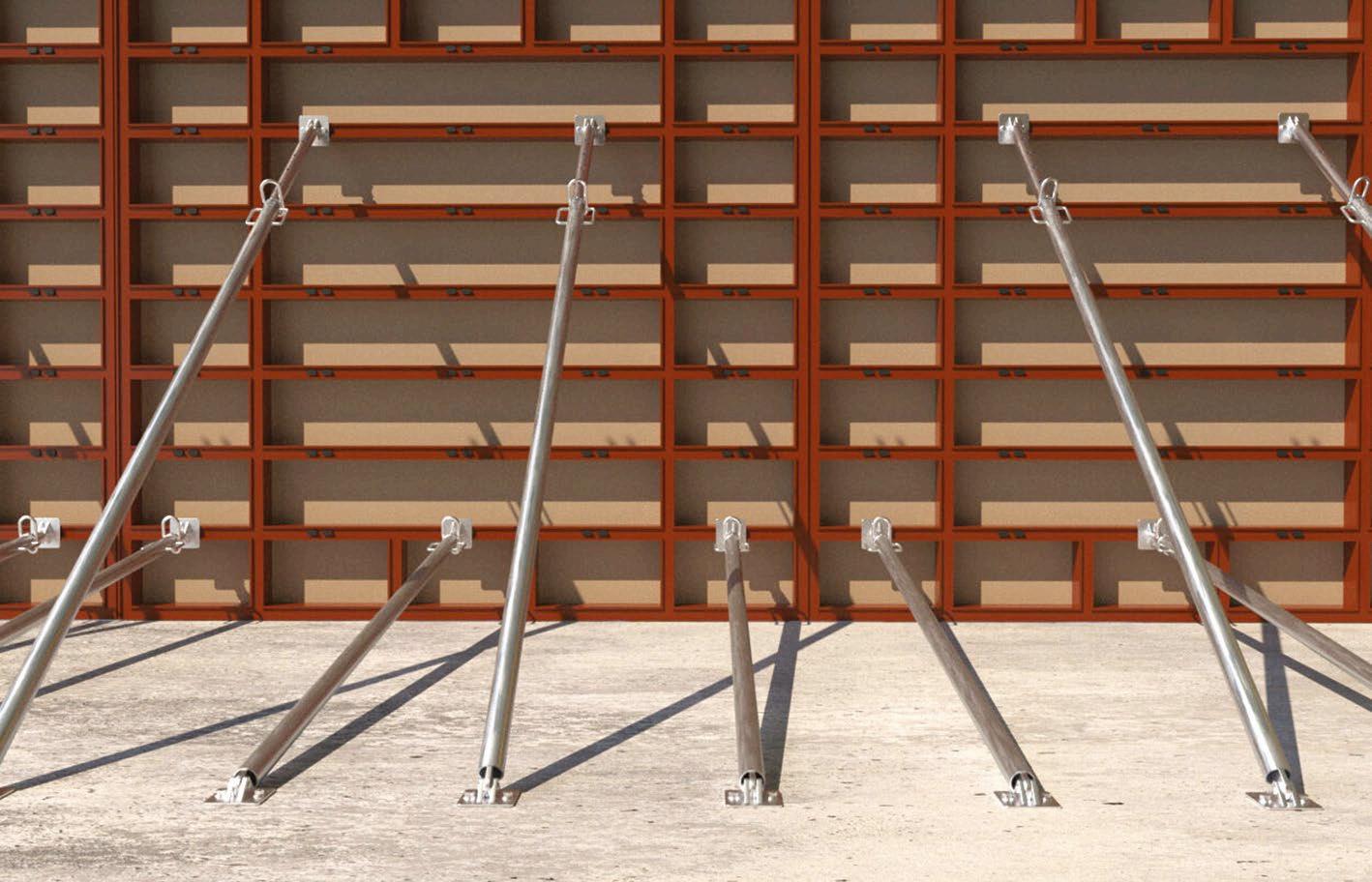
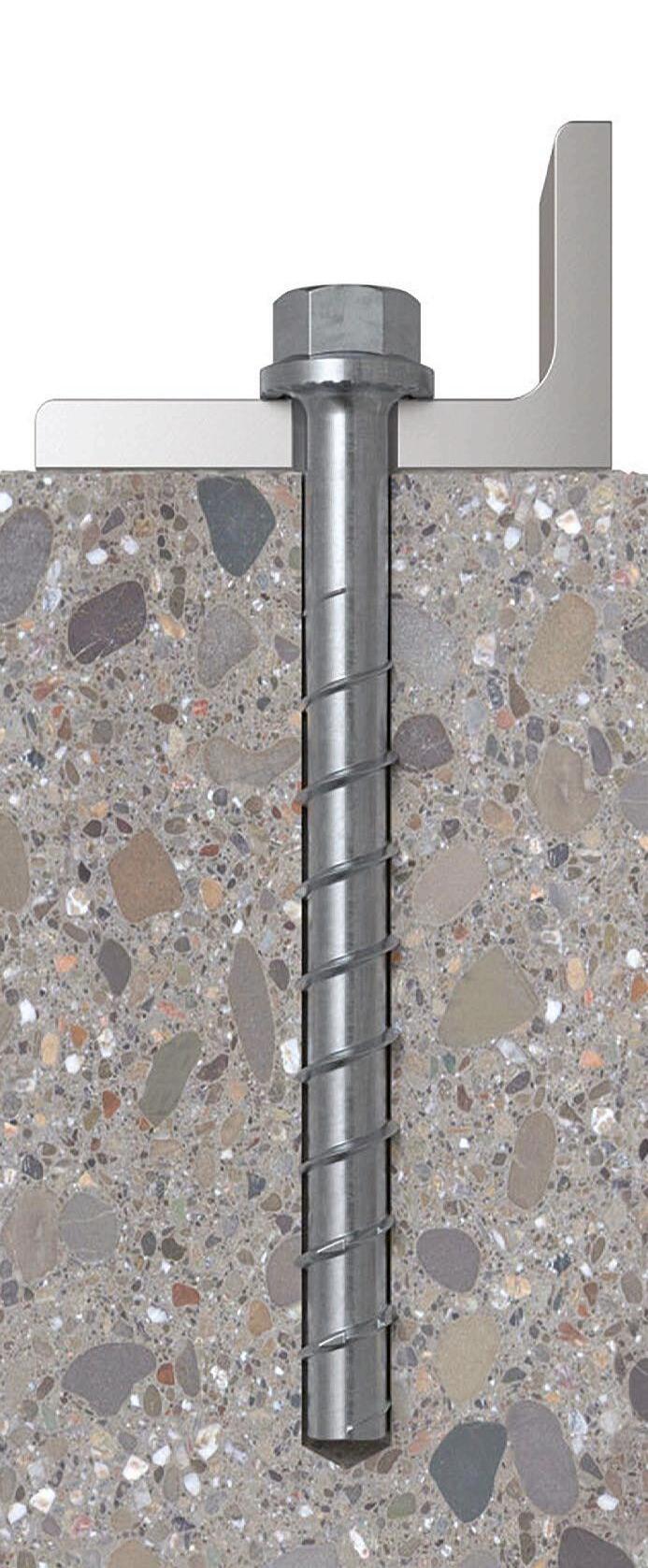
applications to be carried out with fewer fastening points. The FBS II’s flanks cut deep into the concrete as it is inserted to provide an optimum fit that ensures reliable force transfer, anchorages free of expansion, and low edge and axial spacing for simple and safe installation. Ribs under the screw’s head prevent it from unintentionally loosening.
The FBS II can be unscrewed, lined and readjusted up to two times without being damaged, and can be reused to temporarily anchor inclined formwork supports in fresh concrete that hasn’t fully set. The concrete screw’s ETA for concrete applications covers fire resistance class R 120 and, in most cases, seismic applications in performance categories C1 and C2.

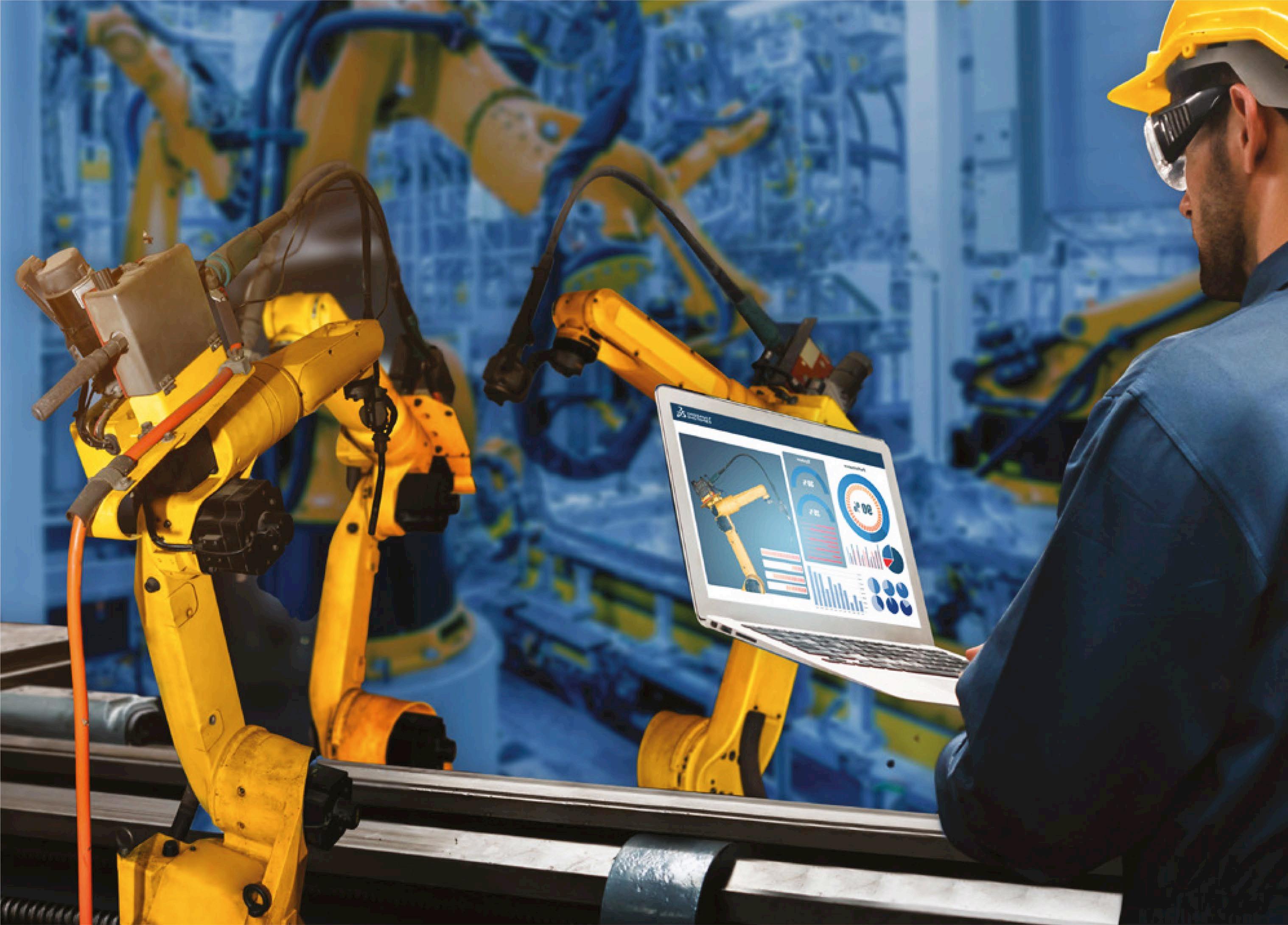
How integrating modelling, simulation and AI is paving the way for automated product development and intelligent systems engineering
Sustainability is becoming more and more embedded into product design processes across a multitude of industries, from cleaner vehicles and more efficient industrial equipment to advanced materials engineering. A combination of modelling, simulation, artificial intelligence (AI) and machine learning (ML) is helping this evolution on its way in the form of autonomous mobile robots (AMRs). But while great strides are continually being made using these innovative technologies, there is still untapped potential waiting to be unleashed, believes Philippe Bartissol, VP of Industrial Equipment at Dassault Systemes.
How am I going to service, maintain and retrofit the new range once it reaches the market?
“Product and machine design is evolving through what we call MODSIM AI, which is modelling, simulation and AI all together in one platform – 3DEXPERIENCE – also with sustainability calculations and Lifecycle Analysis (LCA) added in,” he says. “When you develop a new product, you should also think from a service engineering perspective: How am I going to service, maintain and retrofit the new range once it reaches the market? It is not only product design engineering that matters, but also the system, production and service engineering processes you offer throughout that product’s lifecycle.”
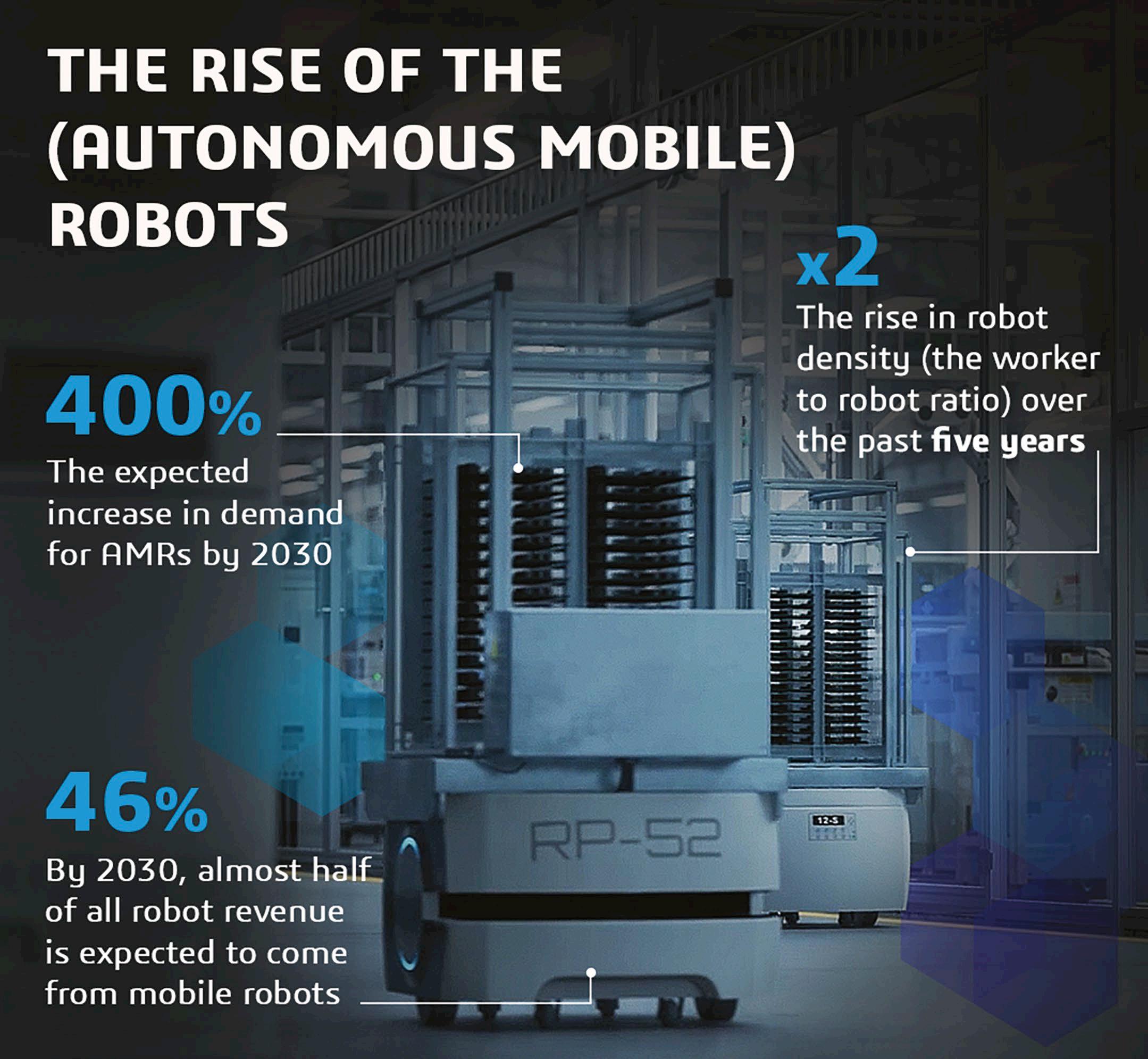
MODSIM CAPABILITIES
MODSIM unifies modelling and simulation on a common data model within the 3DEXPERIENCE platform to allow engineers to consider the entire product development process for an AMR in one place. More than just simulation-driven design, MODSIM enables simulation to drive the entire product development cycle from beginning to end, including requirements, validation, certification, development, programme management, design processes and automation.
“We have plugged the largest database of CO2 emissions calculations into the 3DEXPERIENCE platform, so that engineers can
explore all aspects of the product design process,” Bartissol explains.
“Engineers can simulate design and material options, manufacturability, modularity for disassembly later on, and for the calculations there is an LCA capability built into the platform that, when engineers are generating design, material and manufacturing alternatives, the system will tell them immediately what the CO2 impacts will be. Then, from a sustainability perspective, engineers must look at longer life pieces of equipment and future product lines.”
This is where designing for retrofit comes into the conversation, he adds. “Putting together the business case of
retrofitting versus new, engineers need to consider how much value they can increase if they retrofit, and what is the cost. Looking at this like an infinity loop, you would have in the beginning design engineering, manufacturing, service engineering then selling, producing and installing. Then, during the life of the equipment, there will be a value for certain costs. When the value is not enough in operation while using the piece of equipment, engineers have two possibilities: either to retrofit or to buy a new product. So, by working on the after sales of the retrofit possibilities, engineers can extend the life of a machine or product with less of an impact on the environment.”
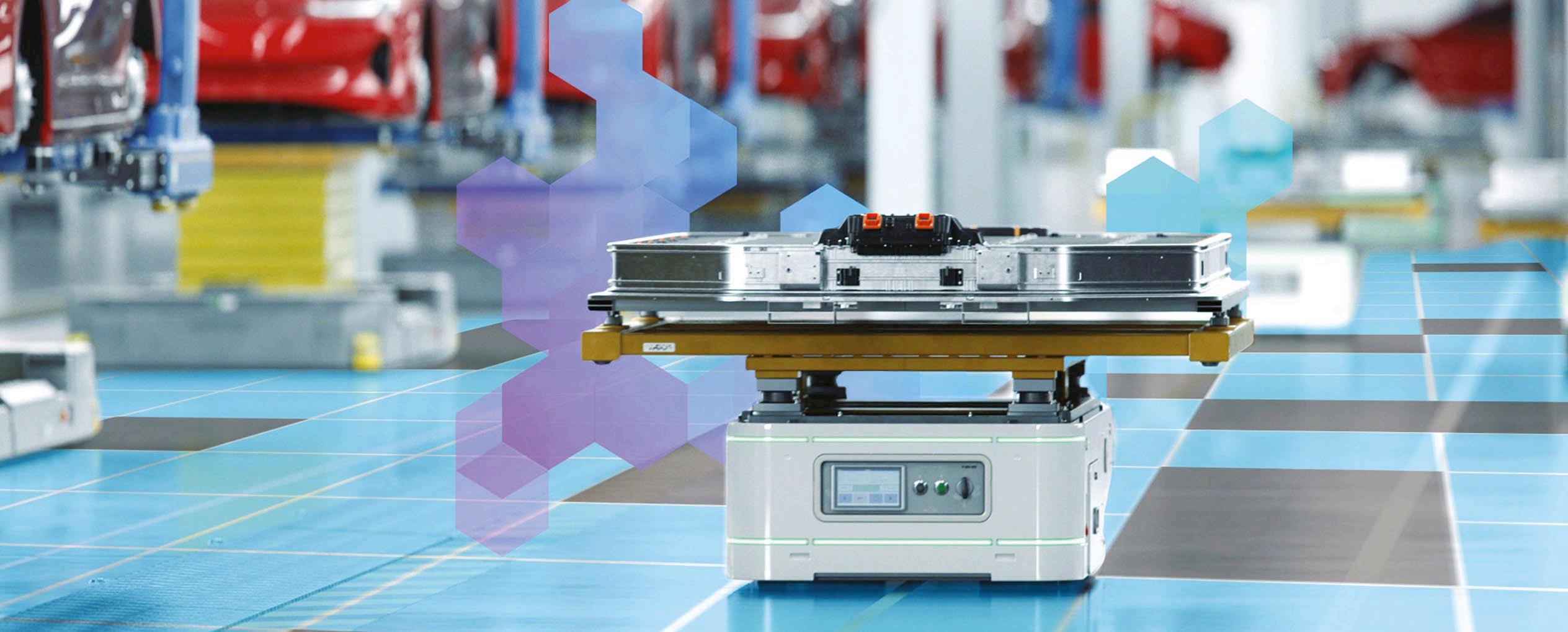
Designing AMRs for retrofit applications delivers multiple benefits
To enable greater retrofit possibilities, designing AMRs and other machine equipment for modularity from the start is crucial, Bartissol says.
“We have all these initiatives to design for cost, for service, for simulation driven design, but this is not enought. We should be designing for retrofit and that should be the primary goal for design right now,” he explains. “Engineers need to take the view: what will this piece of equipment become over the next 10, 20, or 50 years? This is important on two counts, for the environment and sustainability but also for profitability.”
A modular product range demands advanced design software capabilities, such as modelling and simulation.
“You need to have a software or PLM simulation platform that sustains modularity,” Bartissol adds. “With this,
you can carry out configuration, define modules, interfaces and so on. This is what we are striving for. With these capabilities, you can choose your reason for retrofitting: to consume less energy, to save water, to reduce noise, to be more agile, or to be IoT capable, for instance.”
“Due to the current skills and worker shortages across production industries, we will see more and more automation,” Bartissol predicts. “We used to have very long runs in production lines but now these have shortened, meaning we need to work in a more agile mode to rapidly adapt to changes. We now see a new domain emerging called intralogistics, which is the merging of robots, AMRs, forklifts, conveyors and automated storage capabilities, among other things. All these elements are connected by a
global controller PRC or MES to create wholly automated warehouse systems.”
Looking to the near future, Bartissol foresees the combination of AMRs and AI to be adopted effectively in logistics centres and production lines, with humans playing their part at the beginning and end of the product development and manufacturing process, but not in the middle.
“Most of this will be robots working together with human beings in a safe and optimised system,” he says. “The actors are transforming themselves, and we see more and more integration capabilities and layers all in one place. The ones who are investing now and investing heavily are the ones who will likely win in the future.”
As Bartissol says, simulation-driven design is closely interlinked with digital twins, where engineers can model and simulate various scenarios and designs of machines in order to capture and feed data into the AI algorithms on the 3DEXPERIECE platform.
“Engineers can adapt the digital twin of a machine to optimise different simulations and analyse the data, such as the event of a machine crash or failure,” he explains. “Through this, you can see the cause and understand how to prevent this. Also, by observing the behaviour of the equipment over time, you will be able to predict the next failure. Simulation of models helps you to not only understand the past, but also navigate into the future and improve overall equipment efficiency.
“Now, some of our customers are asking us to create specific twins of each machine: an engineering twin, a manufacturing twin, and in the future a field twin. This allows the opportunity to switch to an equipmentas-a-service business model. MODSIM AI will serve not only during new product development, but also when the equipment is in operation and requires maintenance.”




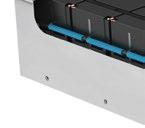
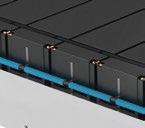



and

Charging forward to make zero-emission transportation work We make power last longer. Our

Engineers Without Borders is on a mission to deliver critical development across the global engineering sector. Newly-appointed President Sanjiv Indran shares the organisation’s plans to address the most pressing challenges of our time
Humanity continues to face many significant global challenges, from lack of access to clean drinking water and adequate sanitation facilities, to safe housing and reliable energy. With the climate crisis posing the greatest threat to life we have ever faced, it has never been more important for the engineering sector to help build a world where everyone –and the planet – can thrive.
Engineers Without Borders (EWB) is a community of engineers that has been working for more than 40 years to address global inequity and injustice
through engineering solutions. Today, the organisation’s presence reaches across all major global regions, with more than 37 member associations established around the world.
Most recently, EWB International (EWB-I) appointed Sanjiv Indran as its new President, who co-founded EWB Malaysia in the hope of inspiring and empowering the next generation of Malaysian and international engineers to help build a more sustainable future.
“We all have a common goal to use engineering and engineeringorientated products to help disadvantaged communities and
people through our projects,” Sanjiv Indran says. “Over the years, our member organisations have coalesced into this global movement with the shared theme of helping underserved communities and bringing together engineers, professionals, academics and students to work to build a better, more sustainable world.”
“The one issue that is always first and foremost is the climate crisis,” says Sanjiv Indran. “There’s been a lot of talk around this, and many organisations have commonly identified that this is
something we need to tackle urgently, but yet we still haven’t met the targets that have been set at COP, and so we’re still very far behind on this. So, this prompts the question how can we as engineers try to make this change, and what are the impacts going to be on society as a whole? I think that is one of the most pressing things that we need to come together as a collective of engineers to address.”
In addition, water and sanitation are recurring challenges due to changing urban environments, population growth and land use. “Access to water, food scarcity, environmental degradation – all of these are topics that are also linked to climate change, but on a very local level. The people suffering most are often the poorest and most underserved among us, and that’s where EWB organisations aim to help where necessary,” he adds.
With so many EWB organisations established around the world, Sanjiv Indran believes there is a huge opportunity to bring the movement together to make a tangible collective impact to accelerate progress in tackling these issues.
“The driving force of EWB is to represent the global engineering movement,” he explains. “We’ve identified several key drivers to achieve this. The first is to identify and build the global identity of EWB and the brand itself to implement a collective ownership structure, so that all EWB members no matter their size or resources can find their footing and have an impact in their own communities. This leads to having a collective voice on a much larger scale, giving us the ability to effect significant change.”
Sanjiv Indran’s home country of Malaysia will host the EWB’s first Global Summit in November, which will bring together representatives of EWB organisations from across the globe to identify actionable impact initiatives for the global EWB movement. The summit will address several key topics, such as critical infrastructure for underserved communities, research and innovation for relevant engineering solutions, building engineering capacity, and

growing the global EWB network as a powerful force.
“We want to bring as many EWB organisations together to stand in one voice, deliver what we stand for, and discuss how we will move forwards in addressing these key global challenges,” Sanjiv Indran says.
“We are really excited about what the future may bring for all of us as we find our footing and place in the world. This is testament to what all our founders worldwide in the different organisations have brought to the table in terms of making a difference. That has led to where we are at this point, and now it is up to us
as the new standard-bearers to carry that journey onwards to make real a difference to people’s lives.”
The timing of EWB’s Global Summit is notable, as 2024 signifies the halfway mark to achieving the United Nations Sustainable Development Goals (SDGs). With 37% of goals currently stagnating or even regressing, there is an urgent need for global collaboration and to combine resources to prevent future climate disasters.


Advanced Engineering will once again return to the NEC in Birmingham this October to bring together the entire engineering and manufacturing supply chain. Taking place between 30-31 October, the event will connect manufacturers and suppliers looking to discover new products and technologies, expand their networks and gain insight into the latest advancements and insights across a wide variety of industrial sectors.
More than 400 suppliers will display their latest innovations and services during the two-day event, which expects to welcome in excess of 9,000 engineering professionals from an array of specialisms. Visitors can expect to discover innovative solutions from sectors ranging from additive manufacturing, automotive, composites and automation, to
electronics, material innovations, product design and aerospace, among many others. Attendees will also be able to explore exciting new solutions and products that have come to market through the exhibition’s enabling Innovation Zone, Innovation Trail and Sustainability Trail.
As always, Advanced Engineering will offer a comprehensive conference programme alongside the exhibition, featuring more than 150 expert speakers across five specially targeted forums: The Main Stage, Composites, Aerospace, Automotive and Advanced Metal & Tech. Attendees will benefit from invaluable knowledge-sharing, networking and learning opportunities throughout the two-day programme, covering all sectors and points of the global engineering and manufacturing supply chain.

Last year’s edition of the show welcomed representatives from global names such as Airbus, Rolls-Royce, Boeing, McLaren, BAE Systems, Catapult HVM Jaguar Land Rover and many more, and offered visitors a new crossindustry floor layout to allow for a more diverse range of exhibitors from various industries, including newly added sectors such as marine, motorsport, construction, medical, rail and sport.
With its Net Promoter Score (NPS) soaring to an impressive 48.24 yearon-year, Advanced Engineering 2024 promises to offer yet another busy and successful event for all levels of the engineering and manufacturing supply chain.

1935
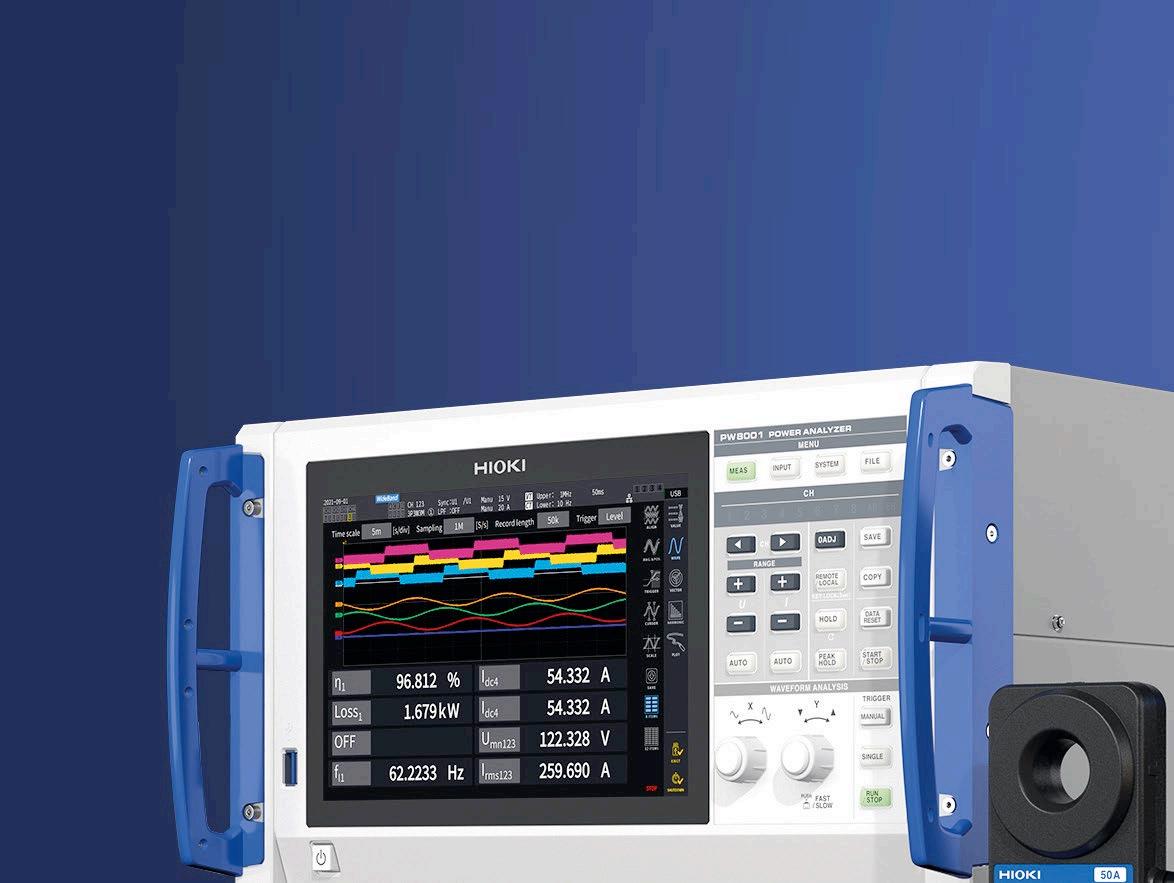
If your power inverter measurements show an efficiency of more than 100 % or if the measured values simply sound too good to be true then the reason is very likely a measurement error caused by phase shift.
Every current sensor produces a gradually increasing phase error in the high-frequency region which can make precise measurements on SiC & GaN based applications quite difficult.
HIOKI products can compensate this phase error because we make both power analyzers as well as the specially designed current sensors. This ensures that your power measurements at high currents and high frequencies are as precise as you can expect them to be.
Check our website to find out more about phase error compensation with HIOKI power analyzers and current sensors. Or simply contact us:
hioki@hioki.eu www.hioki.eu