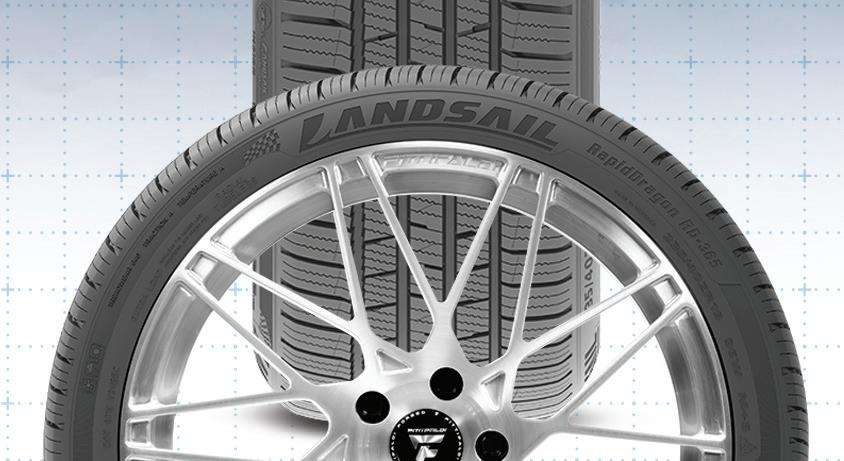
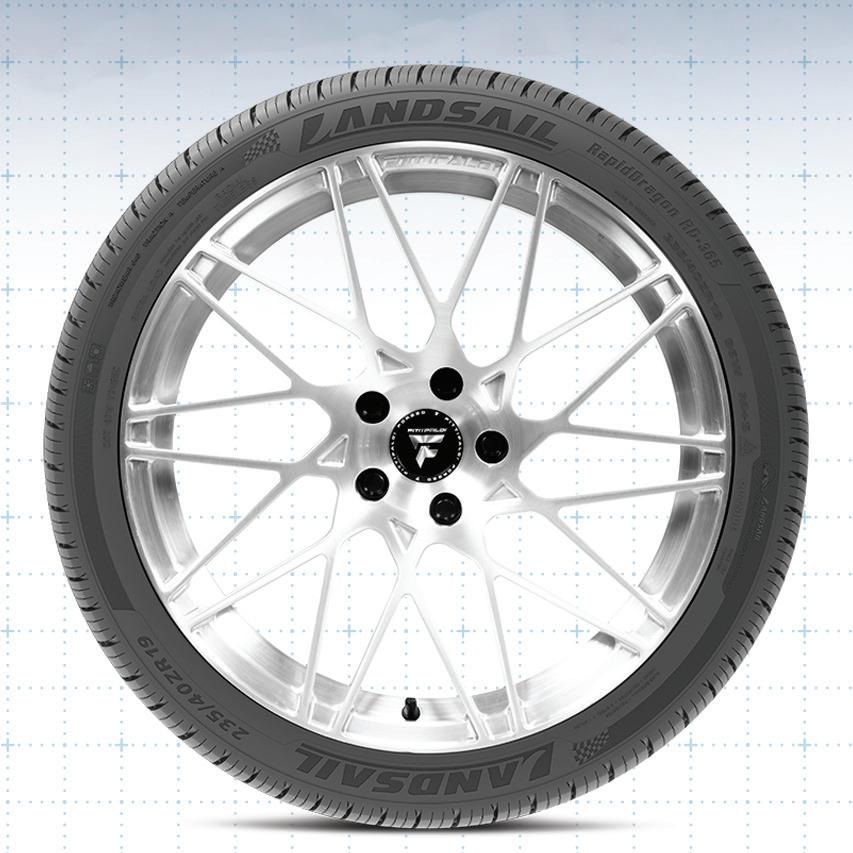
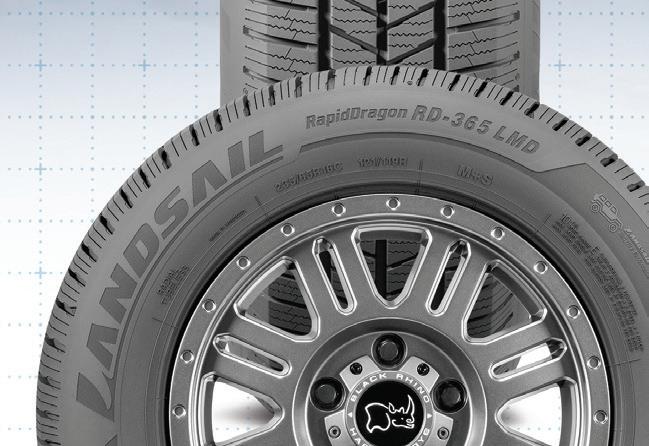
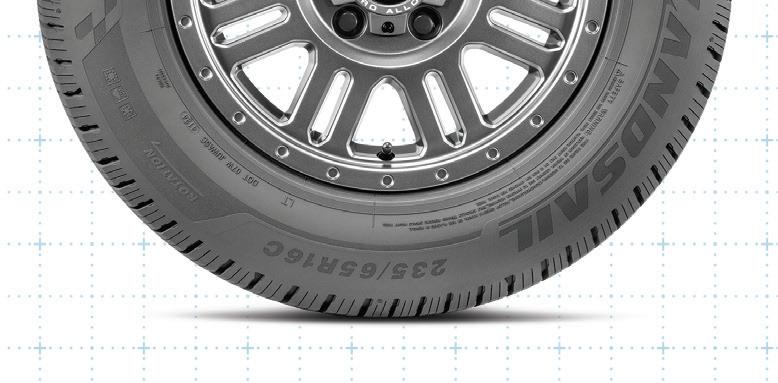
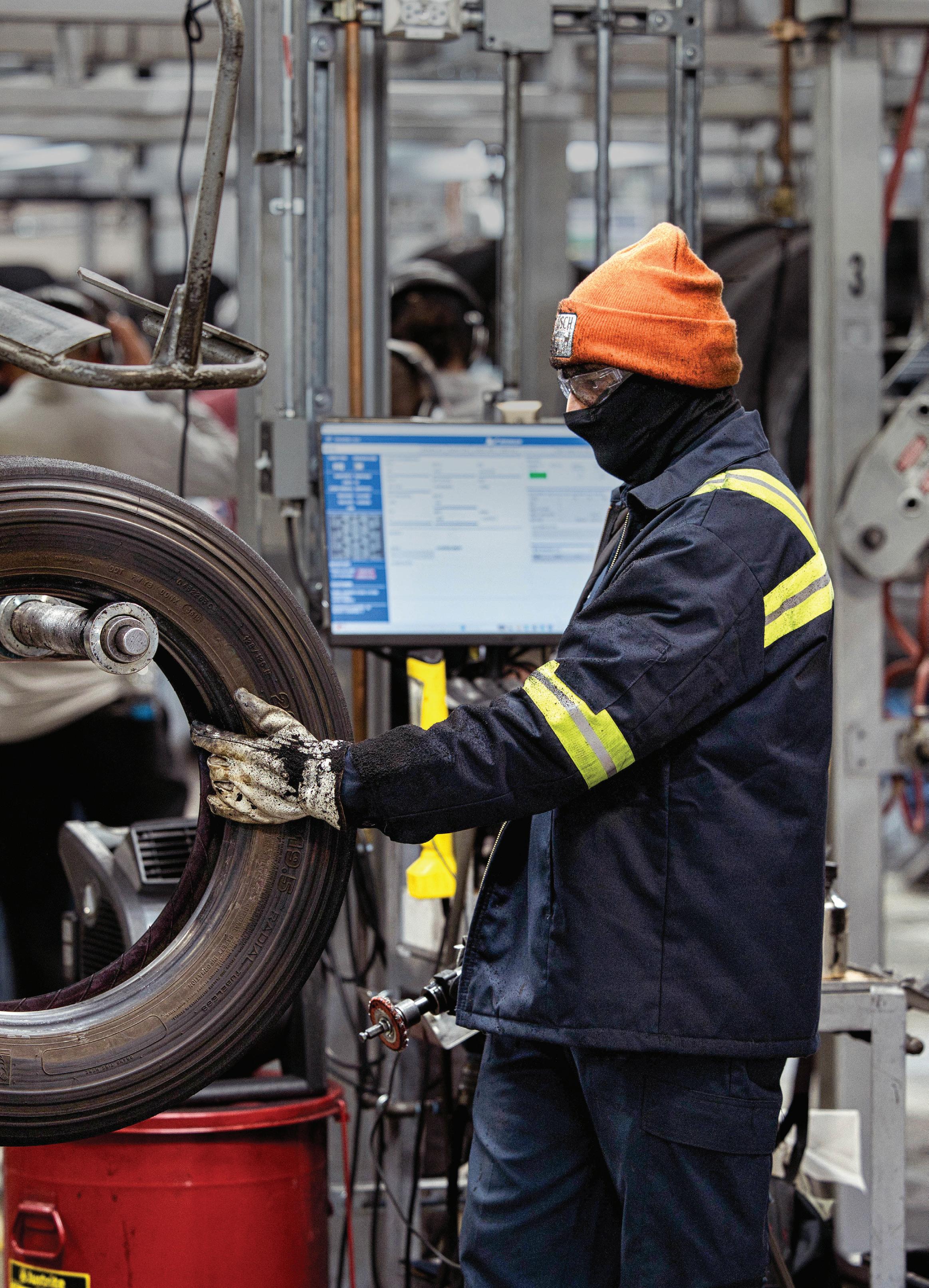
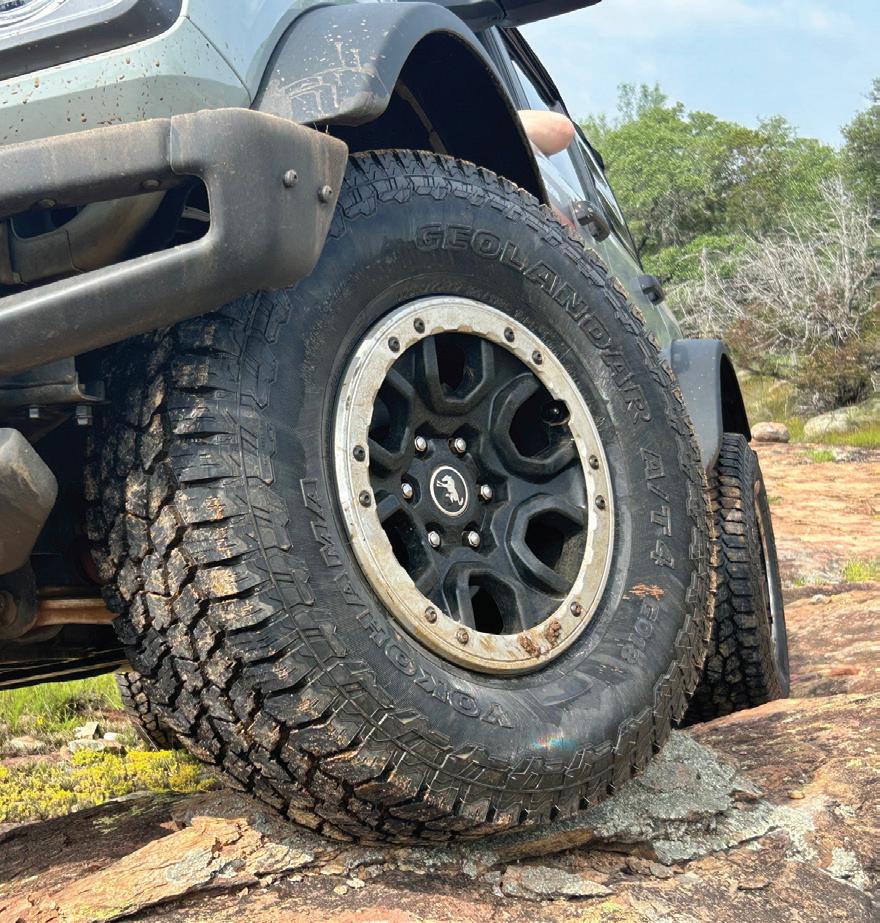
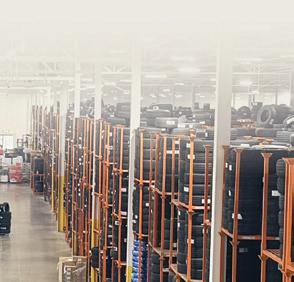
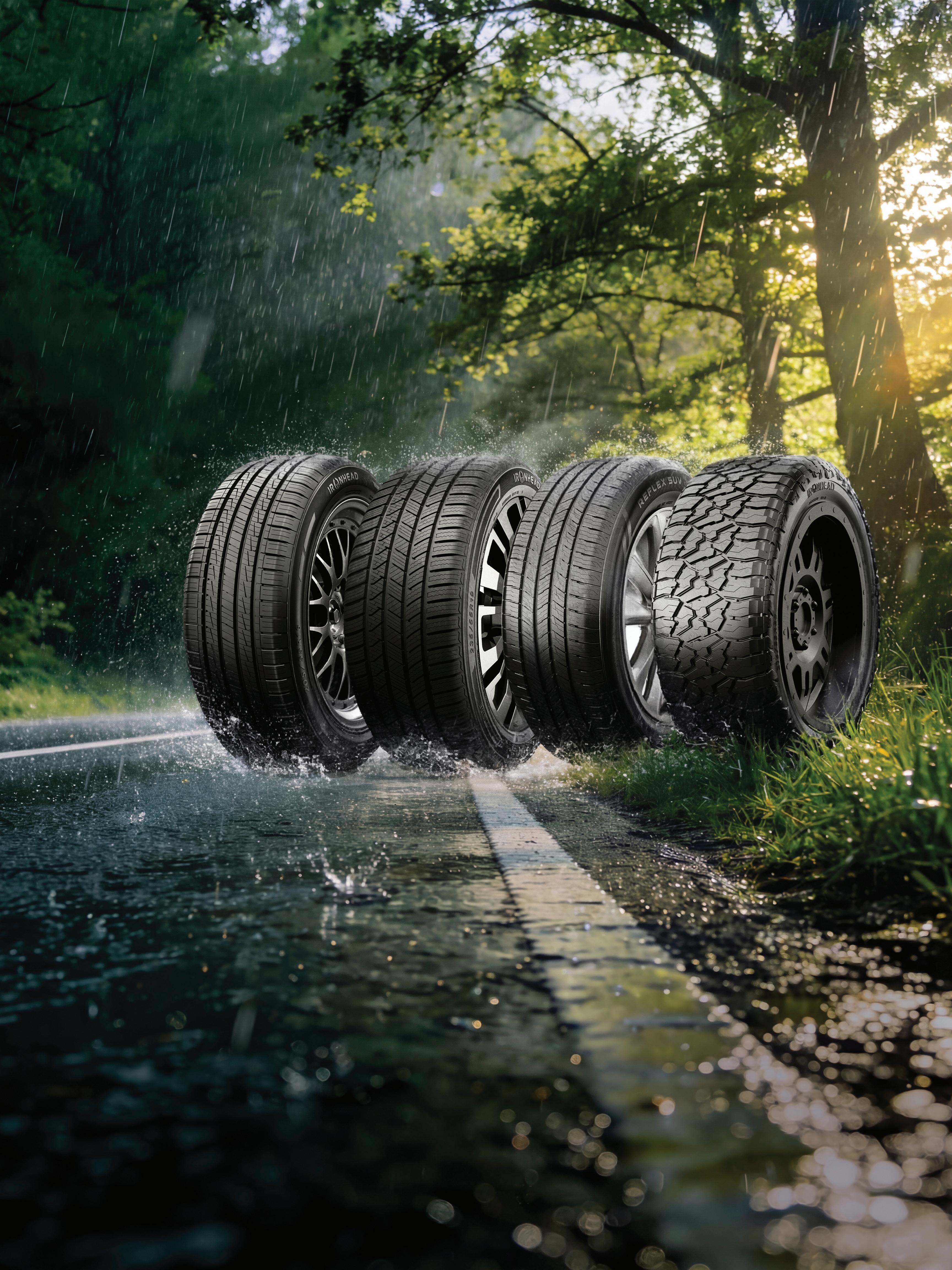
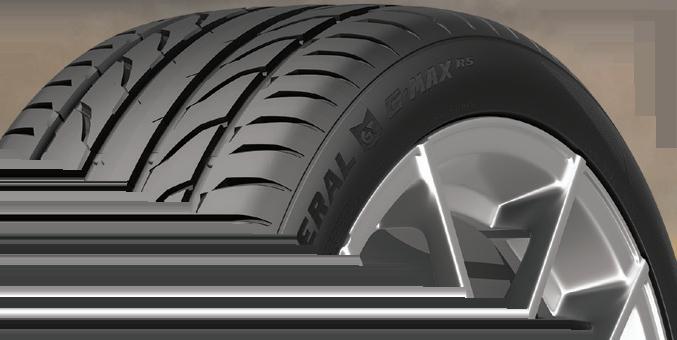
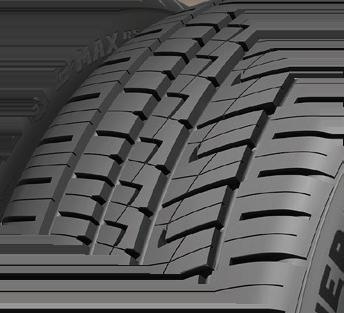
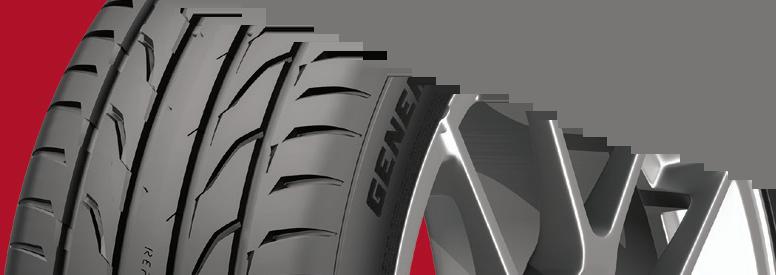
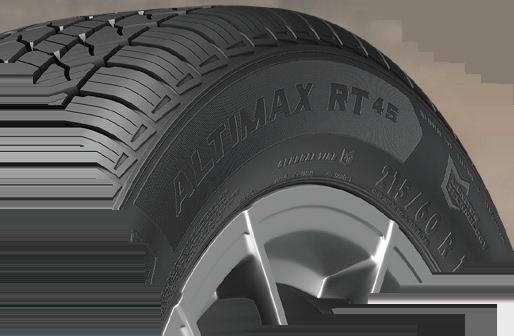
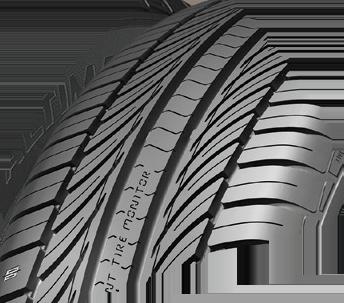
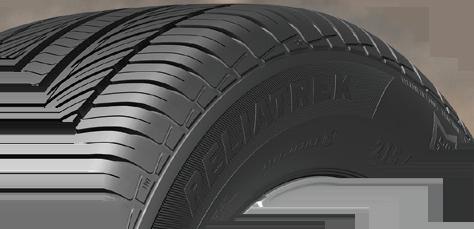
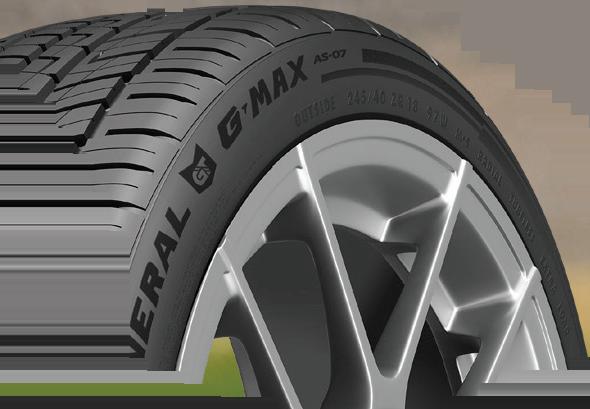
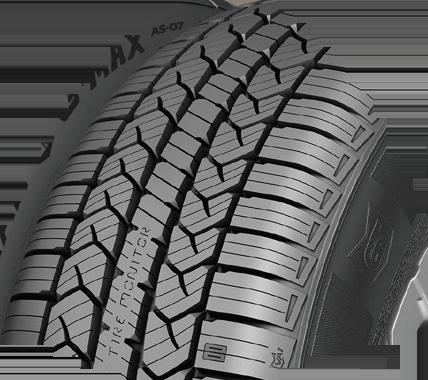
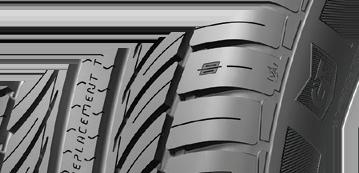
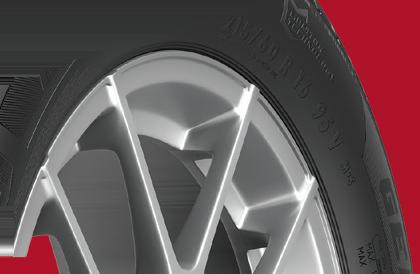
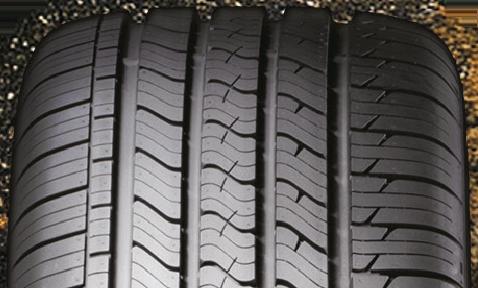
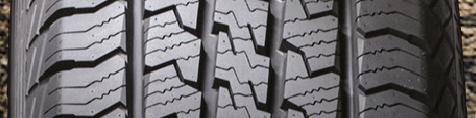
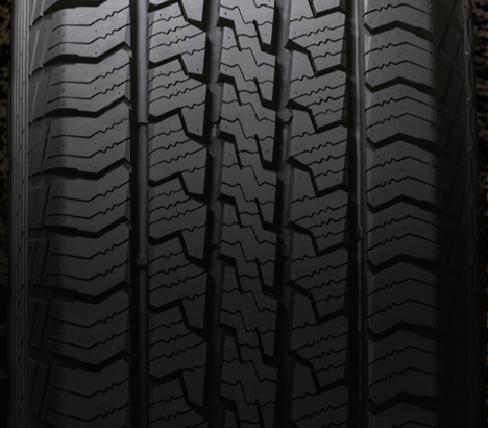
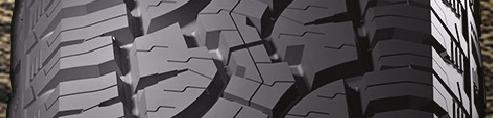
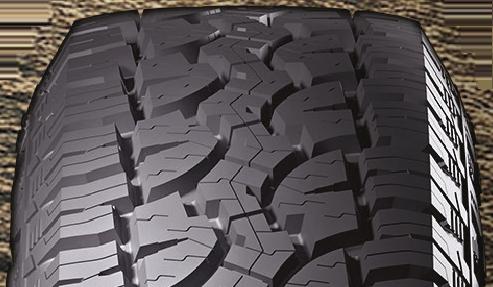
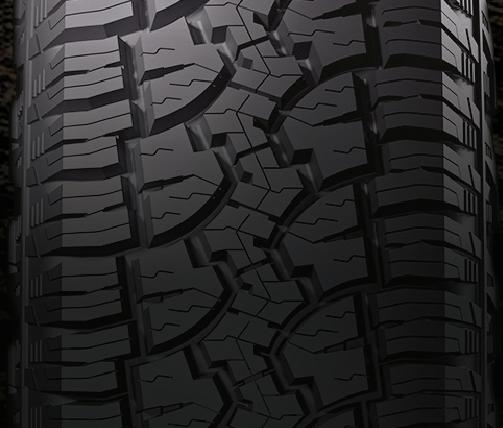
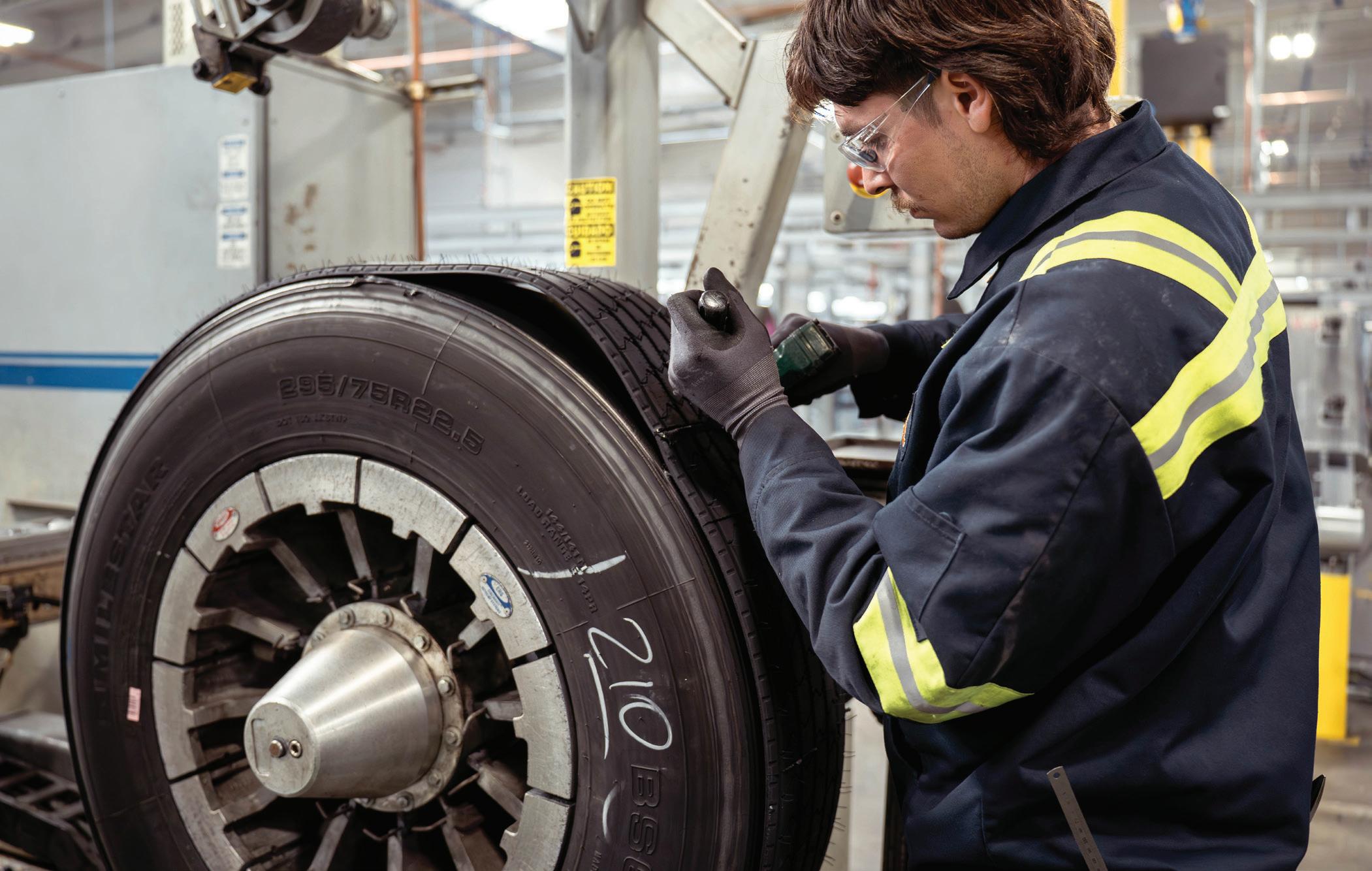
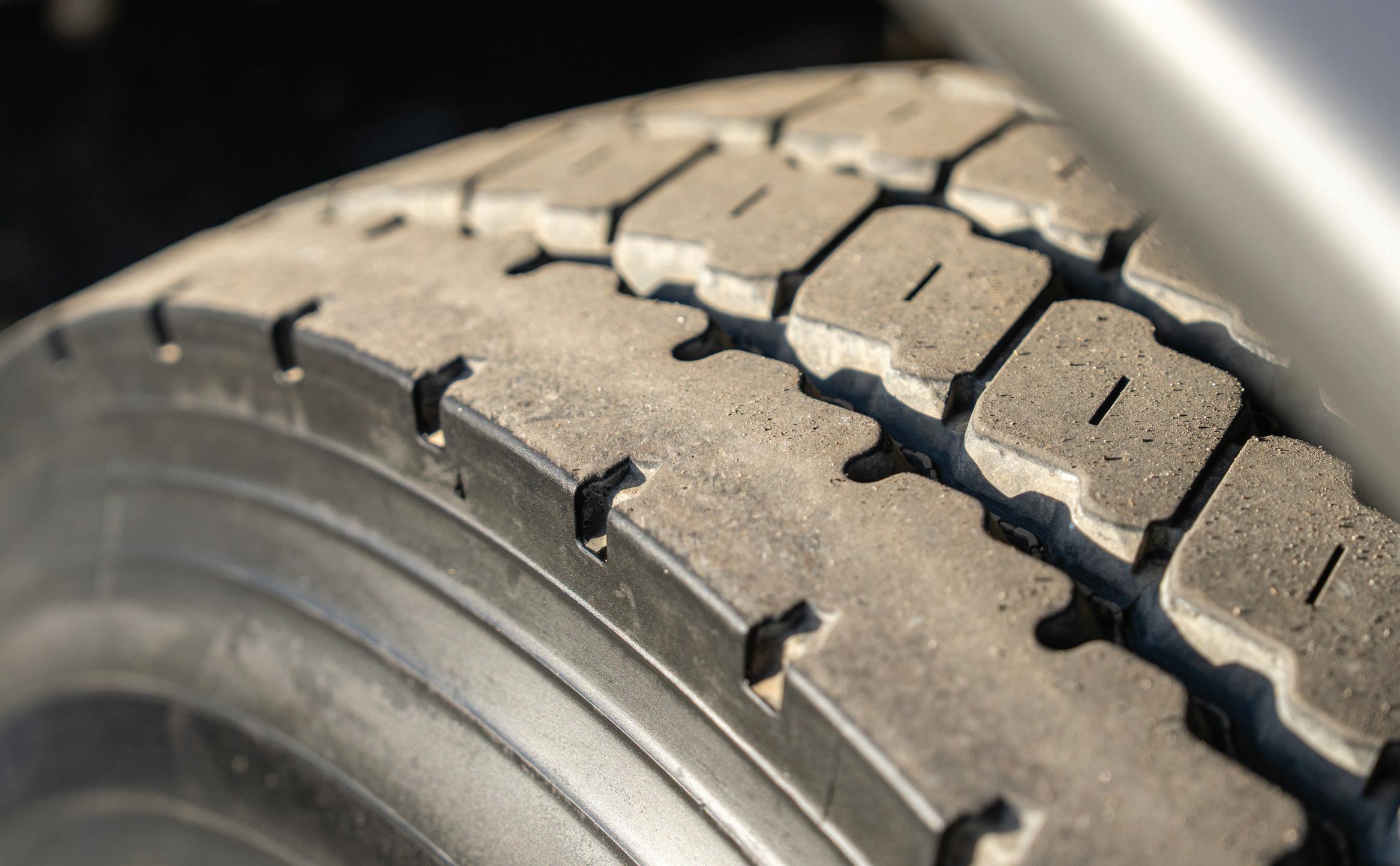
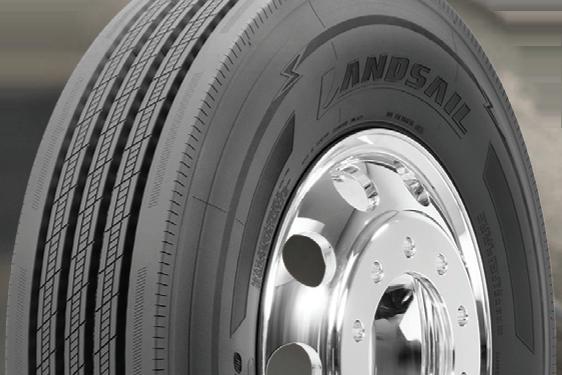
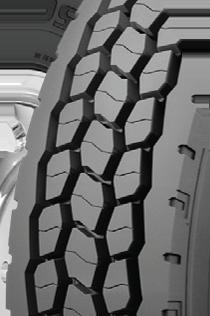
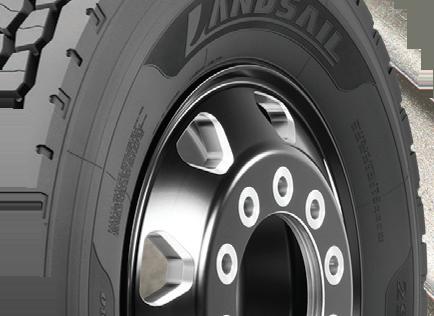
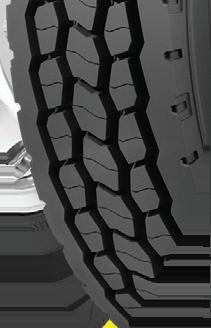
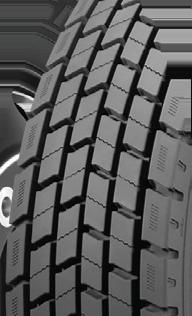
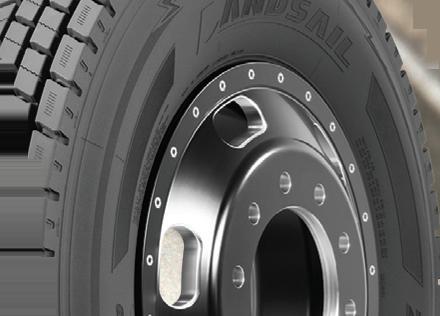
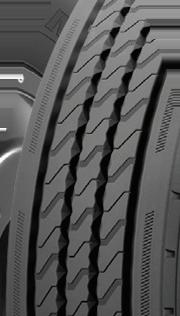
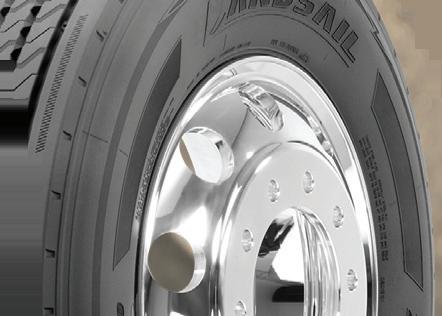
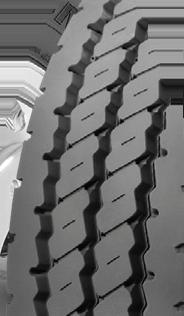
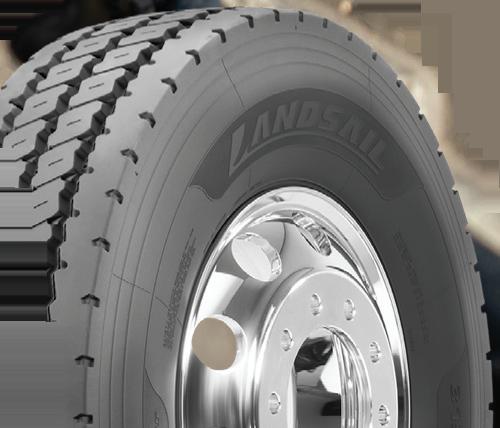
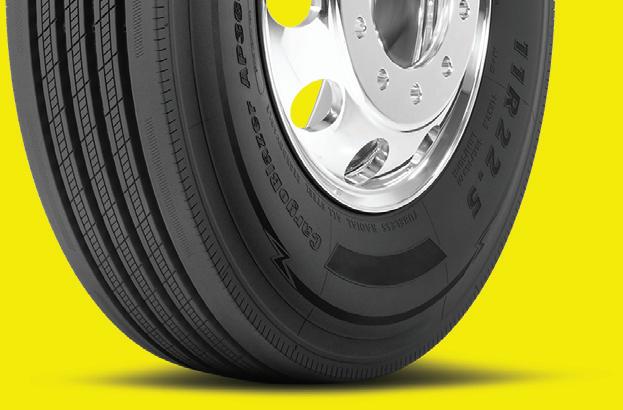
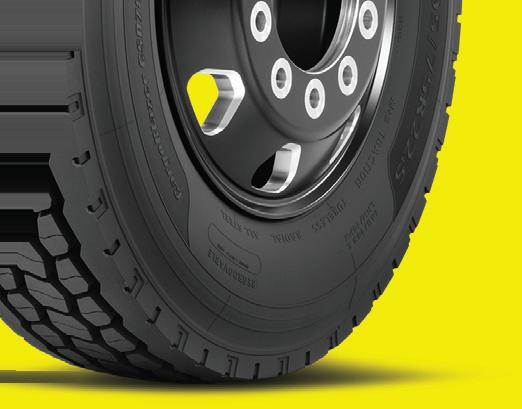
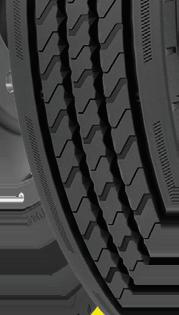
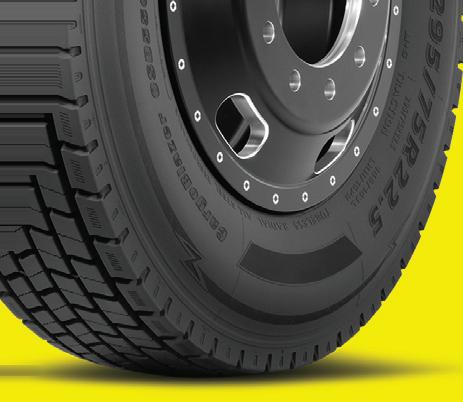
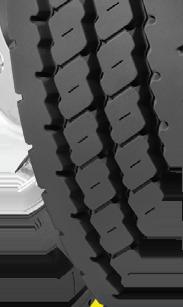
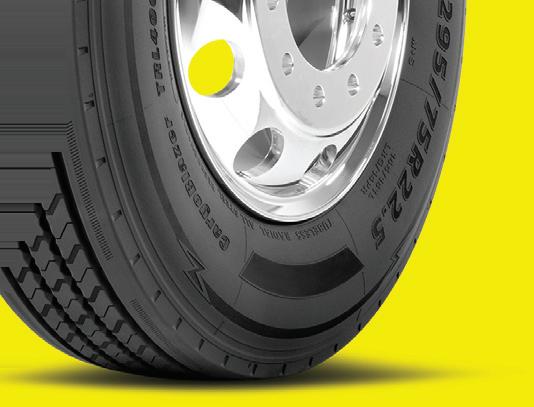
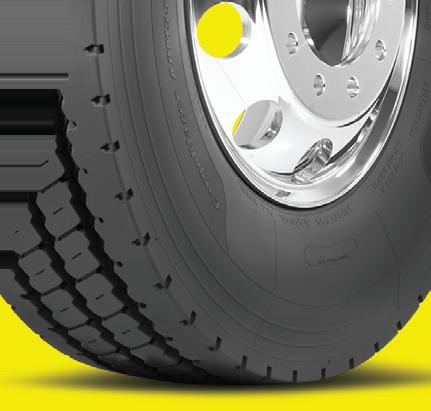
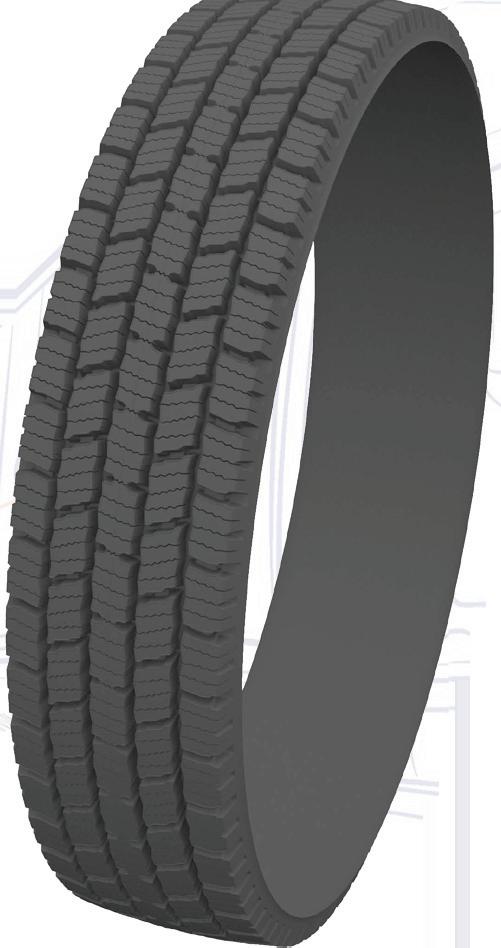
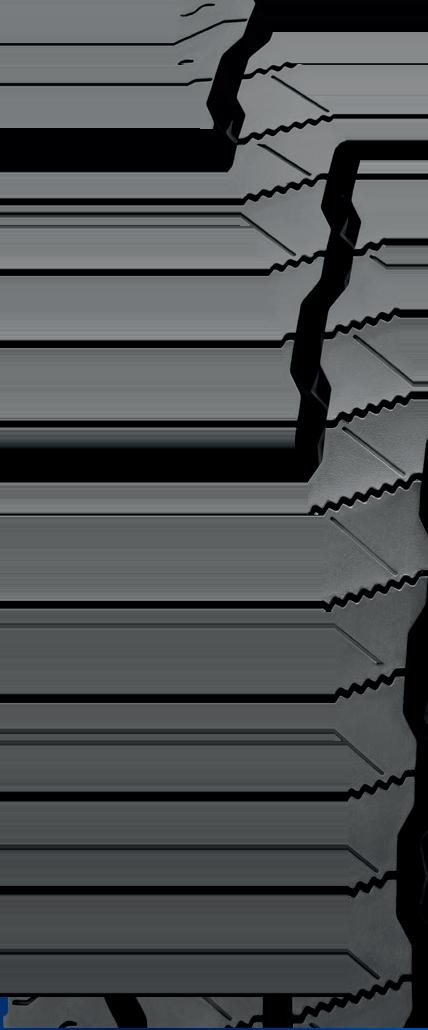
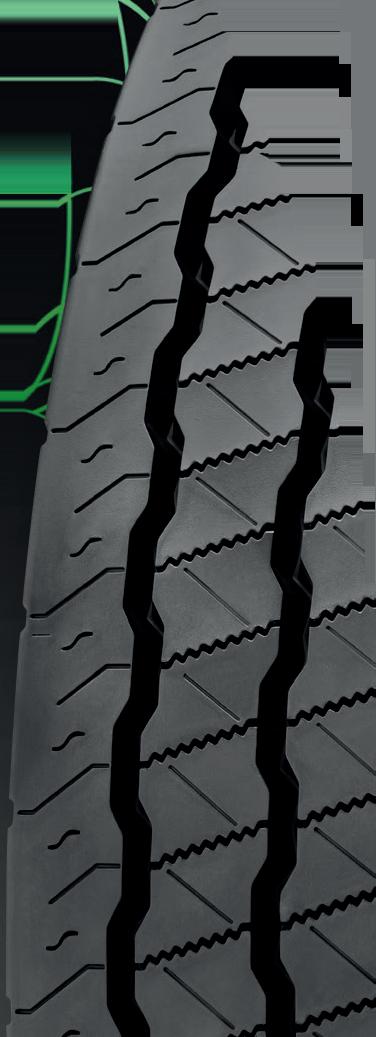
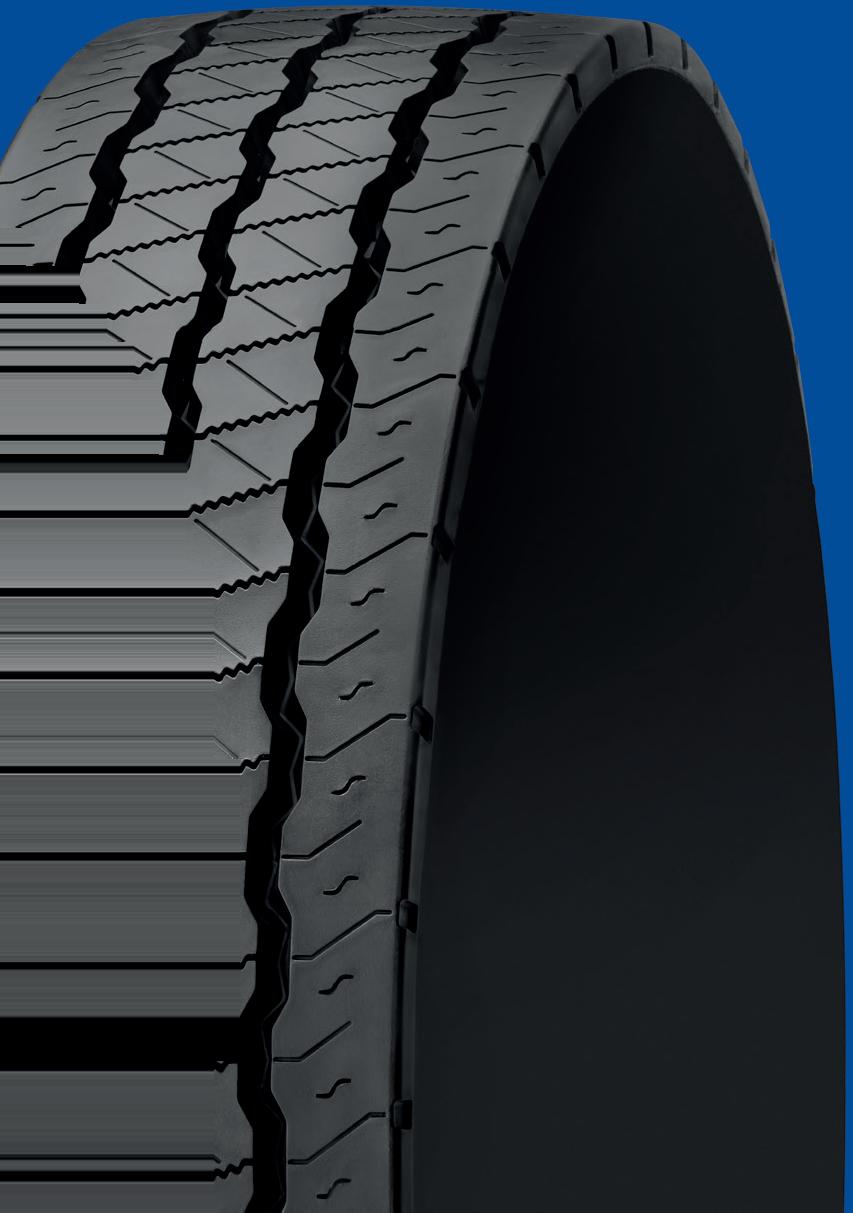
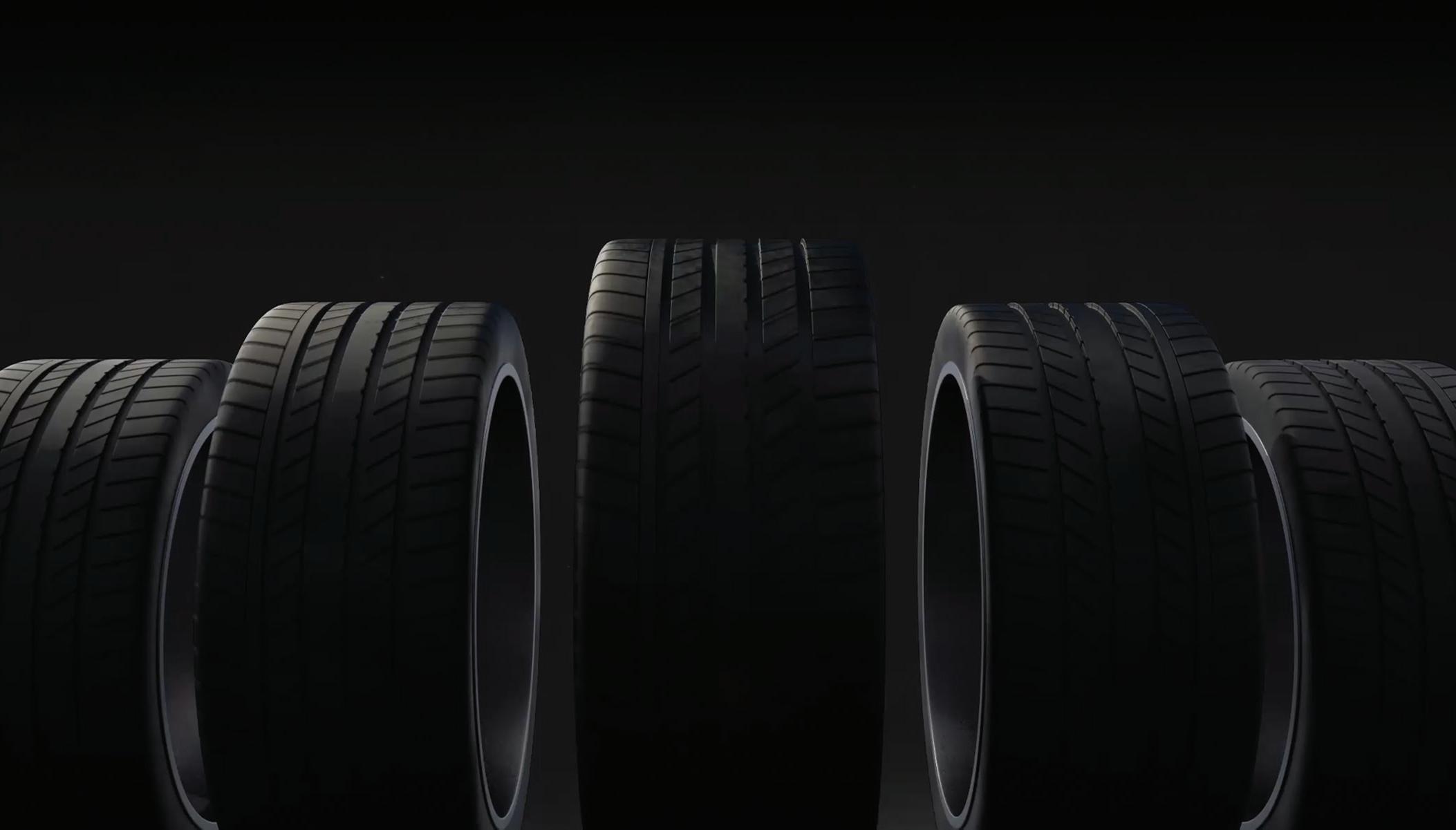
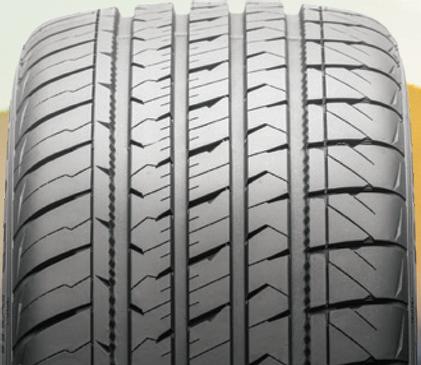
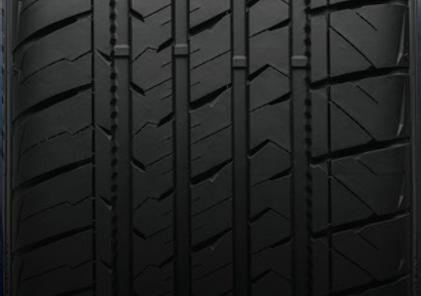
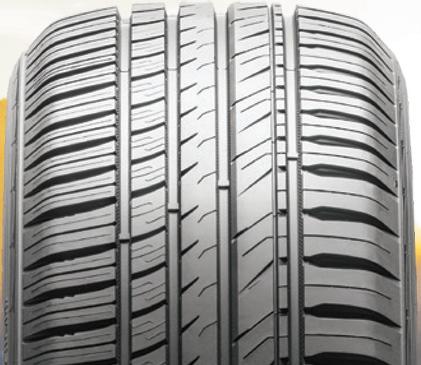
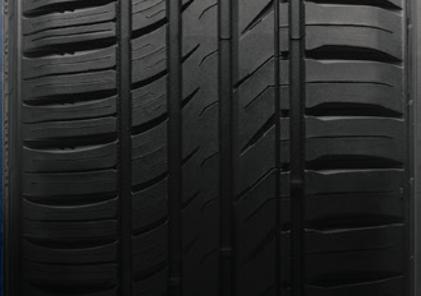
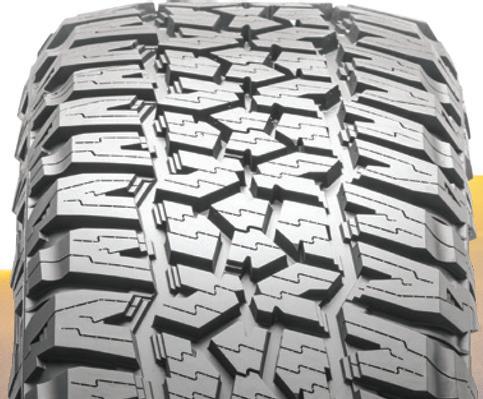
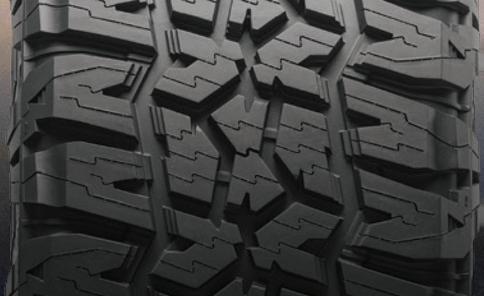
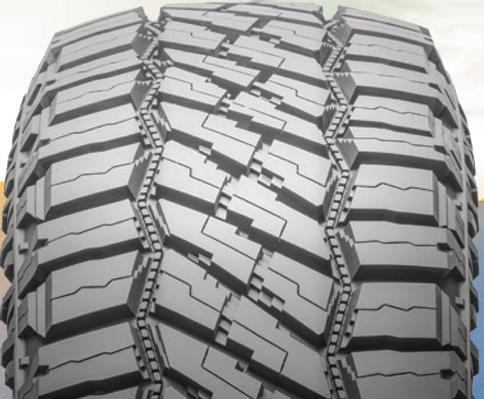
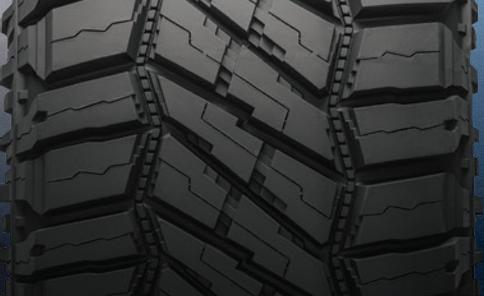
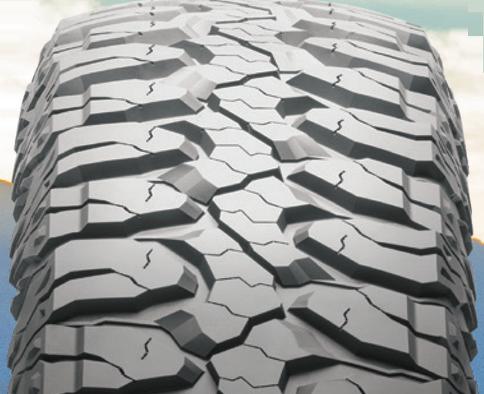
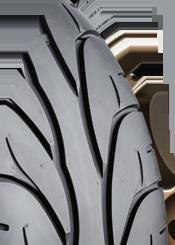
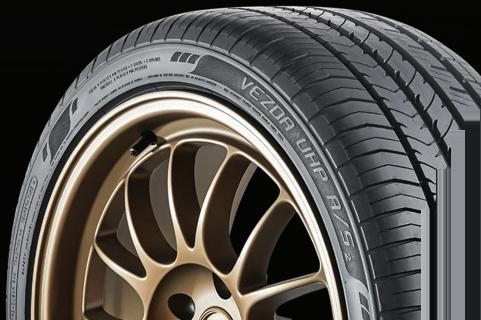
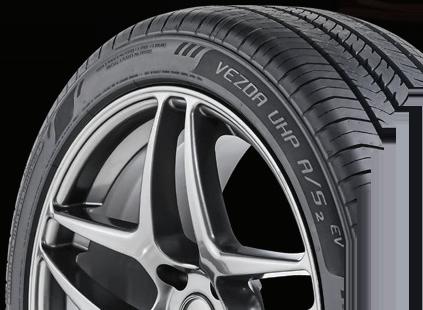
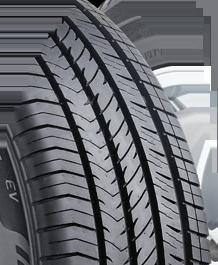
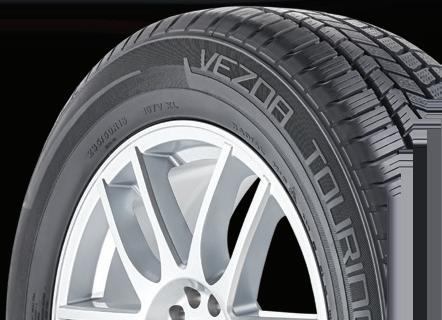
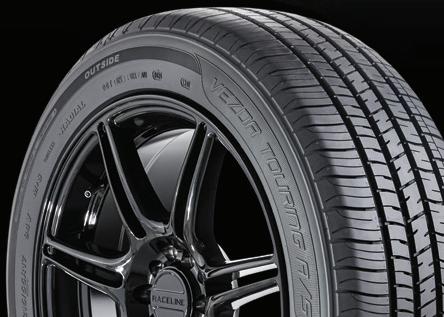
Advanced Technology for Multi-Season Performance by Landsail
Tires
Sun//Rain//Snow
Multiple seasons, multiple features and benefits — all in one formula.
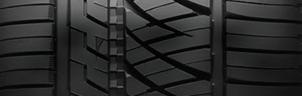
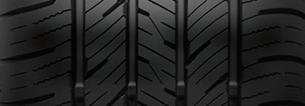
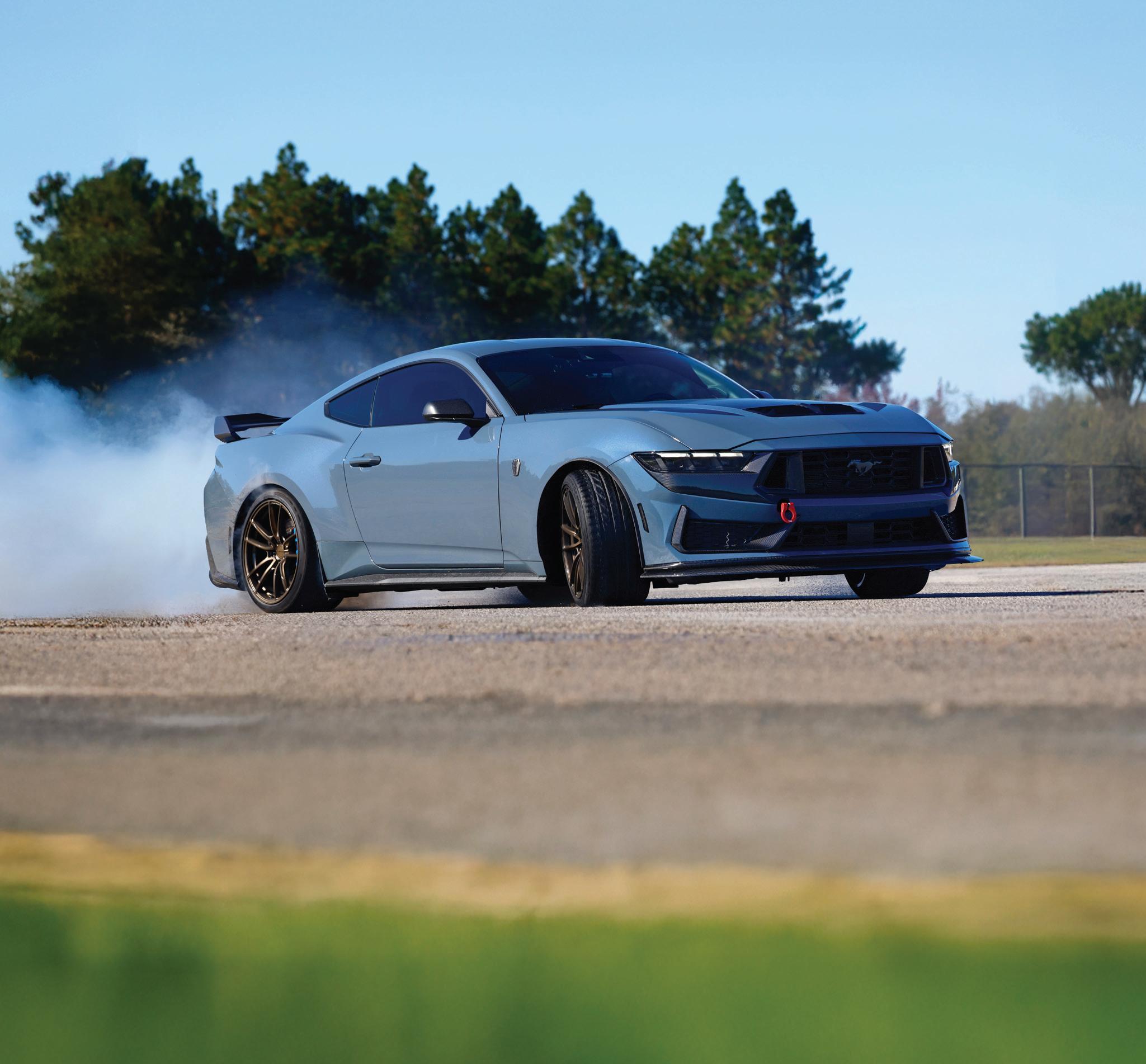
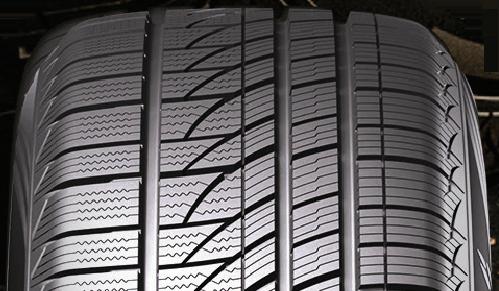
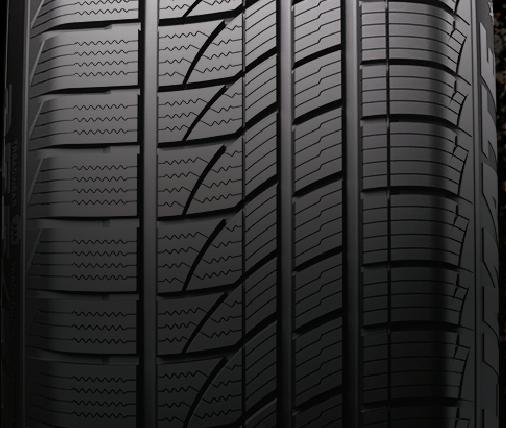
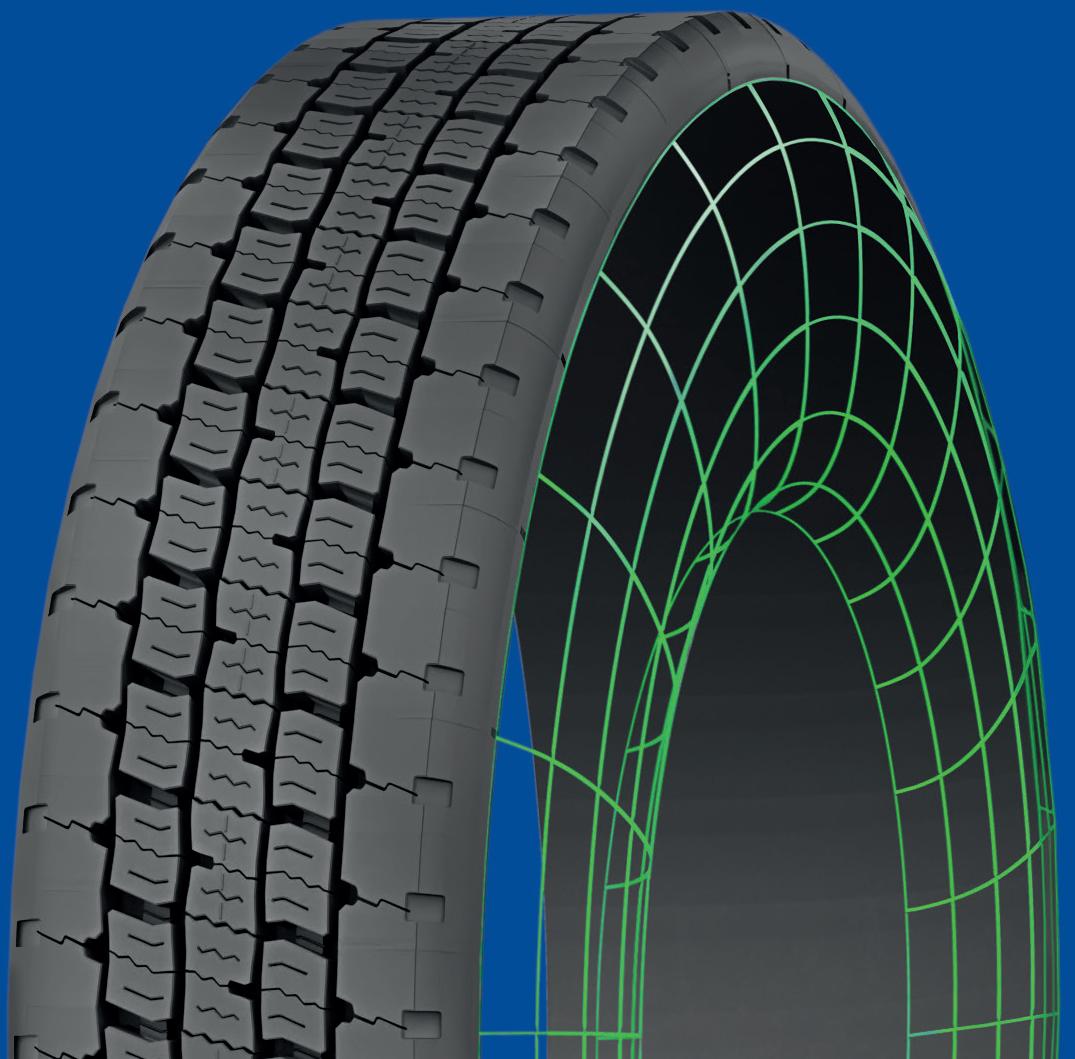
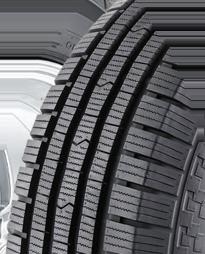
Engineered to equip drivers and fleets with year-round driving confidence in changing seasons and road conditions. In sun, rain, or snow, axisA3™ raisesthe bar.
Sun//Rain//Snow
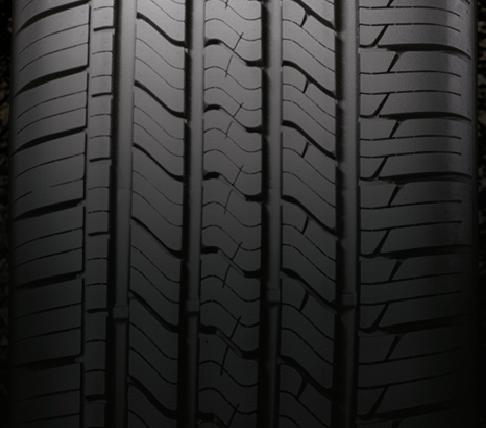
axisA3™ — Advanced Technology for Multi-Season Performance
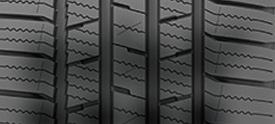
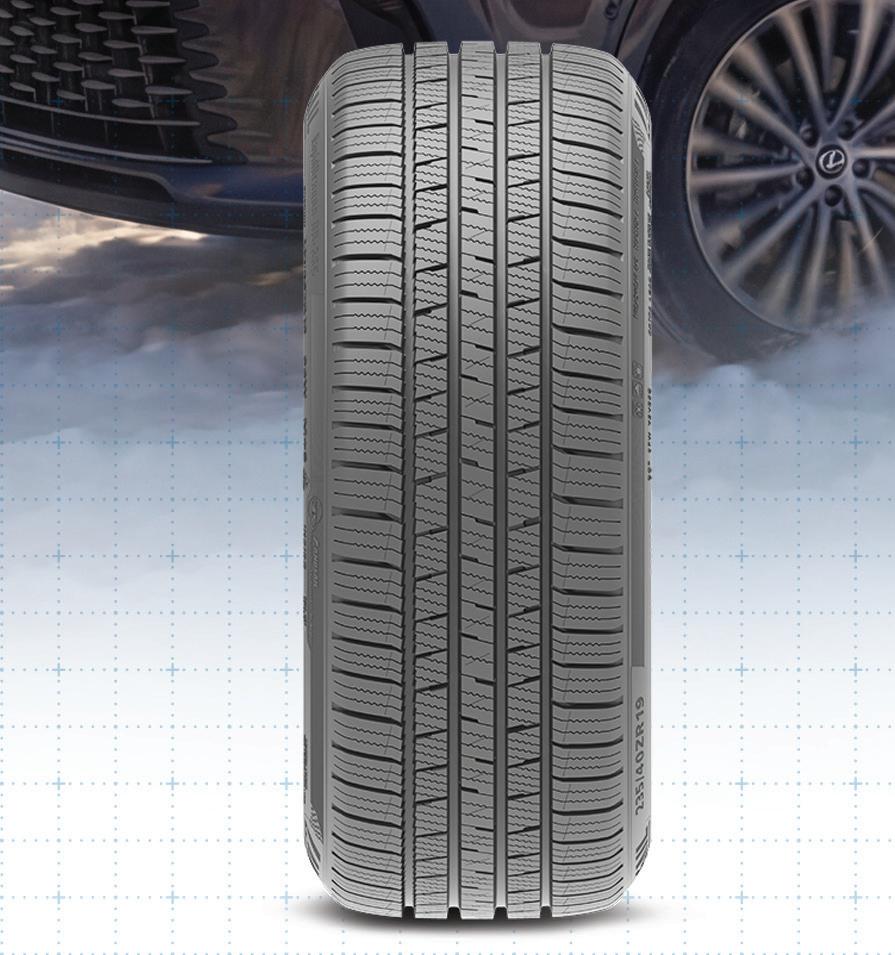
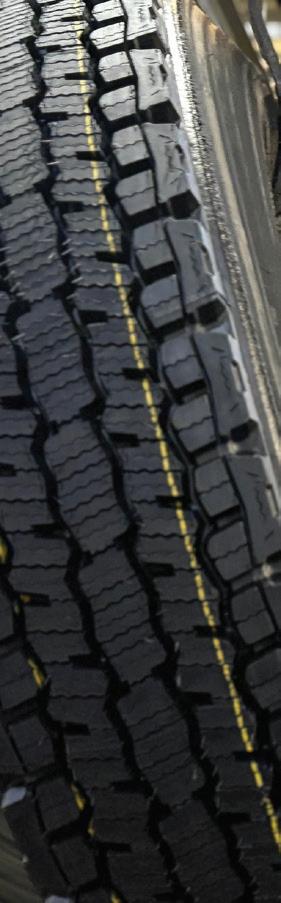
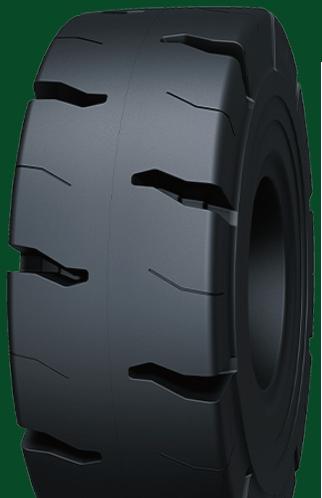
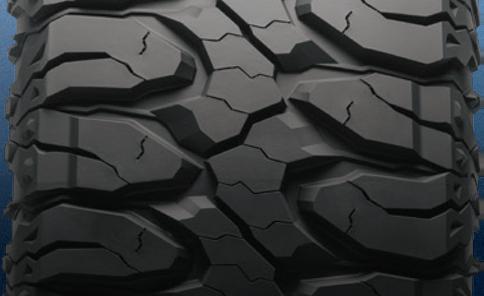
Computer-optimized tread features promote even tread wear and extended tire life.
Enhanced tread design reduces rolling resistance for improved fuel economy.
Precise engineering enhances ride comfort for a smoother, quieter drive.
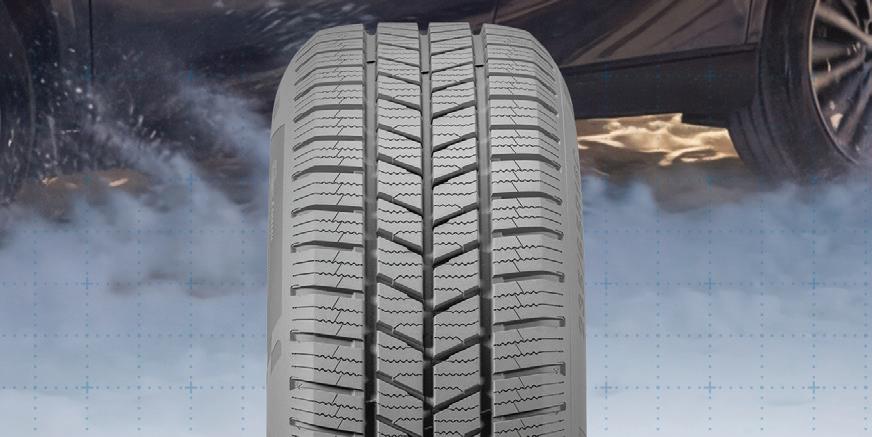
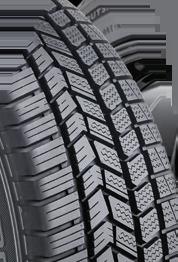
Formulated axisA3™ silica compound for traction in low temperatures and all surface conditions. Three-Peak Mountain Snowflake Rated (3PMSF) for reliable control in severe snow and ice.
PASSENGER/CUV/SUV
MTD’S TOP 50 RETREADERS LIST
BIGGER, BETTER AND BOLDER PROGRAM GROUPS ADD MEMBERSHIP PERKS IS AI COMING FOR YOUR JOB?
GROWTH MINDSET
INVEST
Photo: Tire Group International LLC
By
Mike Manges
TStill
essential TIRE DEALERS, WE NEED YOU MORE THAN EVER!
hink back six years ago to the early days of the COVID-19 pandemic. As federal, state and local governments took extraordinary actions to minimize the spread of COVID-19 in the form of shelter-in-place orders and other mandates, many within our industry asked, “Will we be forced to shut down, too?”
It was easy to understand why. Several tire manufacturers, as a precautionary measure, had closed plants. Miles driven, a reliable determinant of tire consumption, had plummeted. Many of you were wondering if your dealership would be allowed to stay open. At the time, one dealer told me, “This represents uncharted waters for us.” He wasn’t alone in feeling that way.
Fortunately, a ray of light emerged in the form of a federal memorandum stating that auto repair and maintenance facilities were considered essential and would be exempt from closing, allowing you to serve the needs of people in other essential industries.
The Merriam-Webster Dictionary defines the word “essential” as “something necessary and indispensable.” That’s what you — as an independent tire dealer — were during the COVID-19 pandemic. And that’s what you are in 2026.
It’s easy to forget just how integral tire dealers are to keeping our country running as it should. I’d like to spend a few minutes reminding you, accompanied by some numbers.
Let’s look at public safety. According to the American Ambulance Association, there are 48,384 ground ambulance vehicles in the United States that together carry 840,669 emergency medical service personnel — and countless patients — to their destinations.
As of November 2024, there were 27,166 registered fire departments operating out of 52,309 fire stations throughout the U.S. and around 1.2 million active firefighters nationwide, according to the National Fire Department Registry. In addition, there are an estimated 250,000 to 300,000 police vehicles in operation across the country, working out of nearly 18,000 police agencies.
Let’s take a deeper dive into the medical profession. According to the Federation of State Medical Boards, there are slightly more than one million licensed physicians in the U.S. The American Association of Colleges of Nursing tells us there are nearly 4.7 million registered nurses nationwide.
According to the U.S. Census Bureau, there are 337,400 pharmacists in the U.S. (The latest data from the American Hospital Association reveals there are 6,100 hospitals from coast to coast.)
How about those people who keep the lights on and provide heat and drinking water for us? According to the U.S. Department of Transportation, there are nearly 3,000 electric utilities in the country. There are 1,000 public natural gas facilities in the U.S. More than 50,000 drinking water systems operate in the U.S., with 90% of them serving fewer than 10,000 people, according to the National Association of Water Companies.
Where would we be without public sanitation? As of February 2026, the waste and remediation industry employed around 528,000 people, according to the U.S. Bureau of Labor Statistics. What about the vehicles they use? It’s estimated that Waste Management, North America’s biggest waste services provider, alone operates around 24,000 waste collection and transfer vehicles.
Let’s examine the general transportation and delivery of goods. There’s an old saying in the trucking industry that “if you bought it, a truck brought it.” According to the American Trucking Associations (ATA), trucks moved 72.7% of U.S. freight during 2024. There are nearly 580,000 active motor carriers registered with the Federal Motor Carrier Safety Administration that own or lease at least one tractor. In total, nearly 3.6 million truck drivers are employed across the U.S., according to the latest numbers from the ATA.
What do all of the above people, industries, entities and vehicles have in common? They rely on tires to get them to where they need to go, so they can help the rest of us.
Going one step further, they rely on you and the expertise and services that you provide, which in many cases, they can’t find anywhere else and certainly not to the level of professionalism, care and consistency that you exhibit.
In other words, you — and your business — are still essential, not just to the customers you specifically serve but to our society, at large.
This is something you and your employees should be exceedingly proud of — and it’s something you should celebrate.
Thanks for all that you do to make our world a safer, better place. ■
If you have any questions or comments, please email me at mmanges@endeavorb2b.com.
You — and your business — are still essential, not just to the customers you specifically serve but to our society, at large.
Photo: MTD
ModernTireDealer.com
DIGITAL RESOURCES FOR THE INDEPENDENT TIRE DEALER
Stay tuned to MTD’s podcast!
The Modern Tire Dealer Show is available on Apple Podcasts, Spotify, iHeart Radio, Amazon Music, Audible and MTD’s website.
Sign up for Modern Tire Dealer ’s eNewsletters to receive the latest tire news and our most popular articles. Go to www.moderntiredealer.com/subscribe
Community Wholesale Tire has sold its wholesale distribution assets to U.S. AutoForce LLC, Les Schwab Tire Centers Inc. has picked a new CEO and the Supreme Court recently ruled on the legality of the Trump tariffs. These were among the most-read stories on www.moderntiredealer.com this past month.
1. U.S. AutoForce to acquire Community Wholesale Tire’s distribution assets
2. Les Schwab chooses its next CEO
3. S&S Tire opens D/C in Georgia
4. McCarthy acquires Henise Tire’s commercial business
5. Haris Nadeem leverages youth to lead USA Wheel & Tire Outlet
6. Supreme Court rules on Trump tariffs
7. Steve Shannon Tire continues to expand
8. Yokohama to close Salem plant on March 18
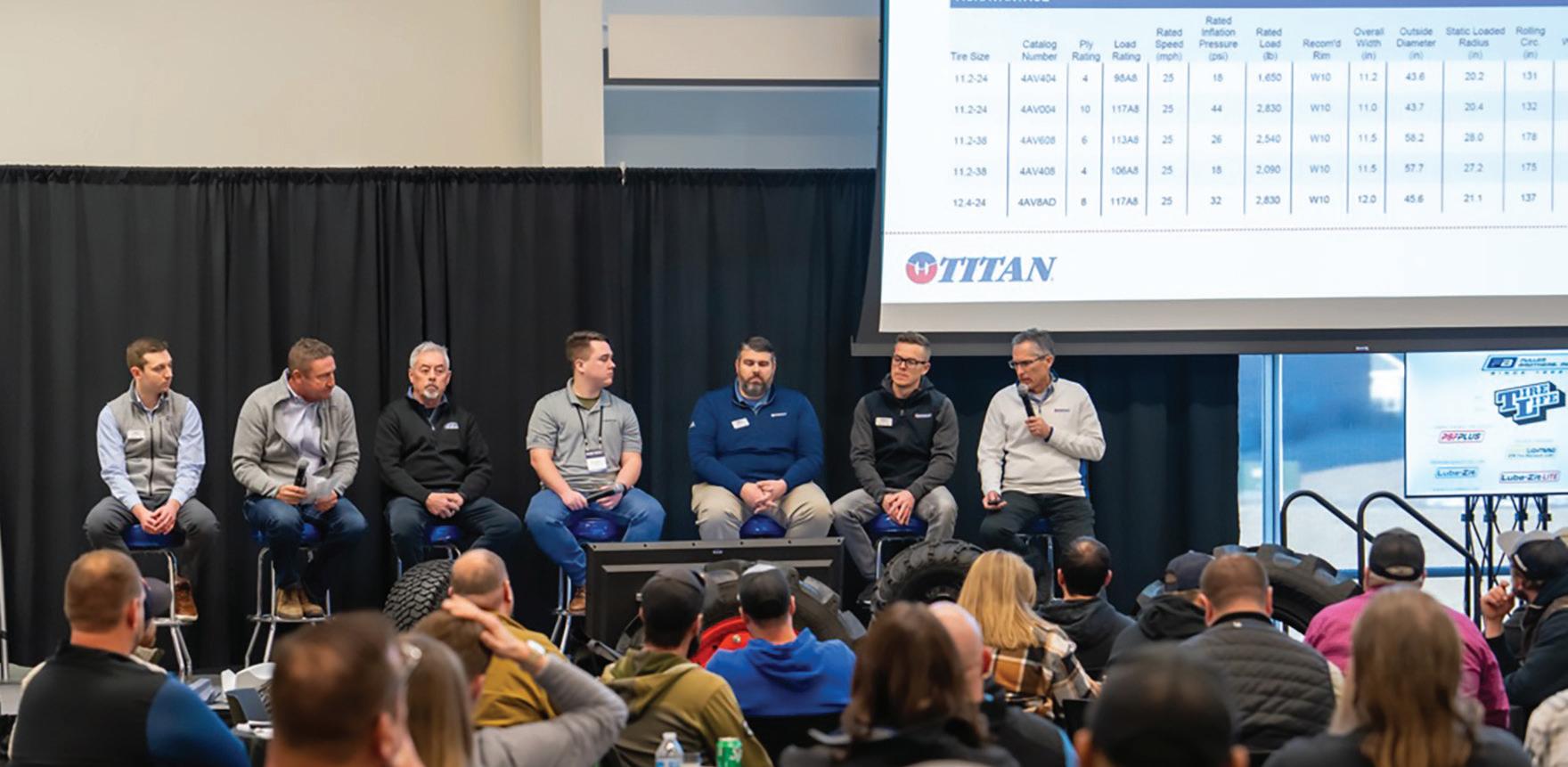
9. Inside the 2026 OTR Tire Conference
10. Dobbs Tire & Auto Centers makes acquisitions
DIGITAL EDITION
Check out MTD ’s digital edition at www.moderntiredealer. com/magazine
us Facebook: facebook.com/ModernTireDealer Follow us X: x.com/MTDMagazine
3515 Massillon Rd., Suite 200 Uniontown, OH 44685 www.moderntiredealer.com
PUBLISHER
Greg Smith gsmith@endeavorb2b.com (330) 598-0375
EDITORIAL
Editor: Mike Manges (330) 598-0368, mmanges@endeavorb2b.com
Managing Editor: Sara Welch swelch@endeavorb2b.com
Production Manager: Karen Runion (330) 736-1291, krunion@endeavorb2b.com
ACCOUNT EXECUTIVES
Darrell Bruggink / dbruggink@endeavorb2b.com
Marianne Dyal / mdyal@endeavorb2b.com
Mattie Gorman-Greuel / mgorman@endeavorb2b.com
Cortni Jones / cjones@endeavorb2b.com
Diane Johnston / djohnston@endeavorb2b.com
Sean Thornton / sthornton@endeavorb2b.com
Kyle Shaw / kshaw@endeavorb2b.com
Lisa Mend / lmend@endeavorb2b.com
Chad Hjellming / chjellming@endeavorb2b.com
MTD READER ADVISORY BOARD
Rick Benton, Black’s Tire Service Inc.
Jessica Palanjian Rankin, Grand Prix Performance
John McCarthy Jr., McCarthy Tire Service Co. Inc. Jamie Ward, Tire Discounters Inc.
CUSTOMER/SUBSCRIPTION SERVICE (877) 382-9187 moderntiredealer@omeda.com
ENDEAVOR BUSINESS MEDIA, LLC
CEO: Chris Ferrell
COO: Patrick Rains
CDO: Jacquie Niemiec
CALO: Tracy Kane
CMO: Amanda Landsaw
EVP Transportation Group: Chris Messer
VP of Content Strategy, Transportation Group: Josh Fisher
VSRG Editorial Director: Chris Jones
at moderntiredealer@omeda.com for magazine subscription assistance or questions. Printed in the USA. Copyright 2026 Endeavor Business Media, LLC. All rights reserved. No part of this publication may be reproduced or transmitted in any form or by any means, electronic or mechanical, including photocopies, recordings, or any information storage or retrieval system without permission from the publisher. Endeavor Business Media, LLC does not assume and hereby disclaims any liability to any person or company for any loss or damage caused by errors or omissions in the material herein, regardless of whether such errors result from negligence, accident, or any other cause whatsoever. The views and opinions in the articles herein are not to be taken as official expressions of the publishers, unless so stated. The publishers do not warrant either expressly or by implication, the factual accuracy of the articles herein, nor do they so warrant any views or opinions by the authors of said articles.
Industry News
‘Your success is our success’
CONTINENTAL PLAYED UP PARTNERSHIPS AT GOLD MEETING
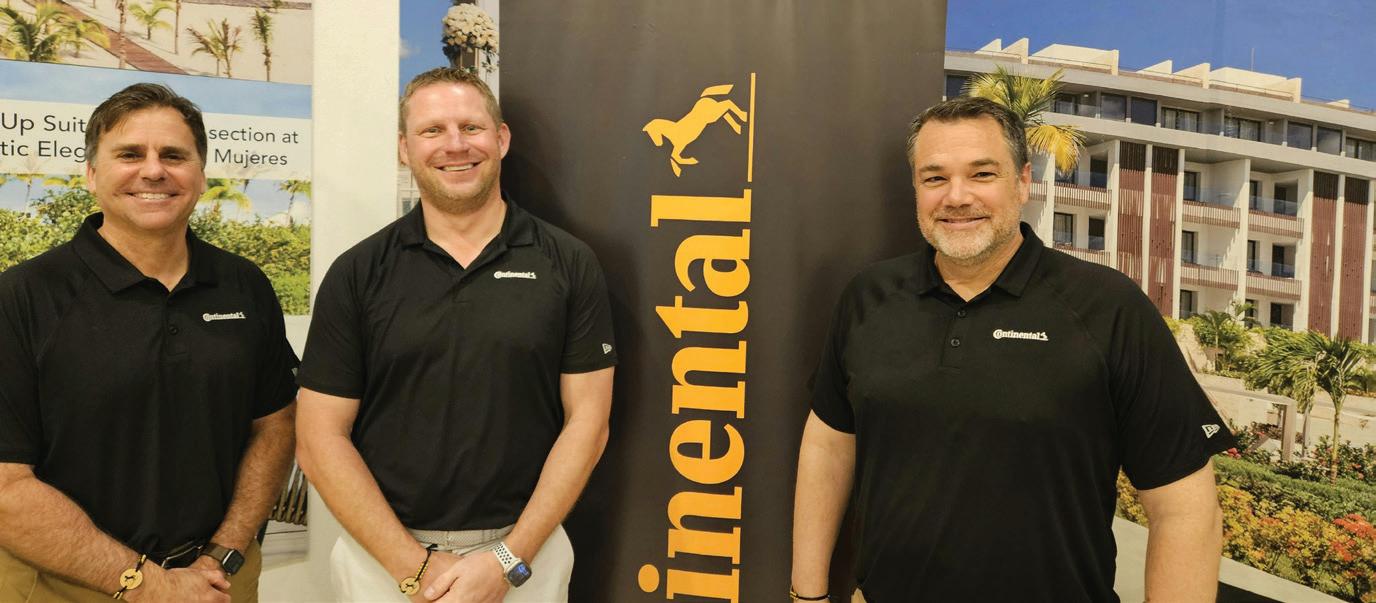
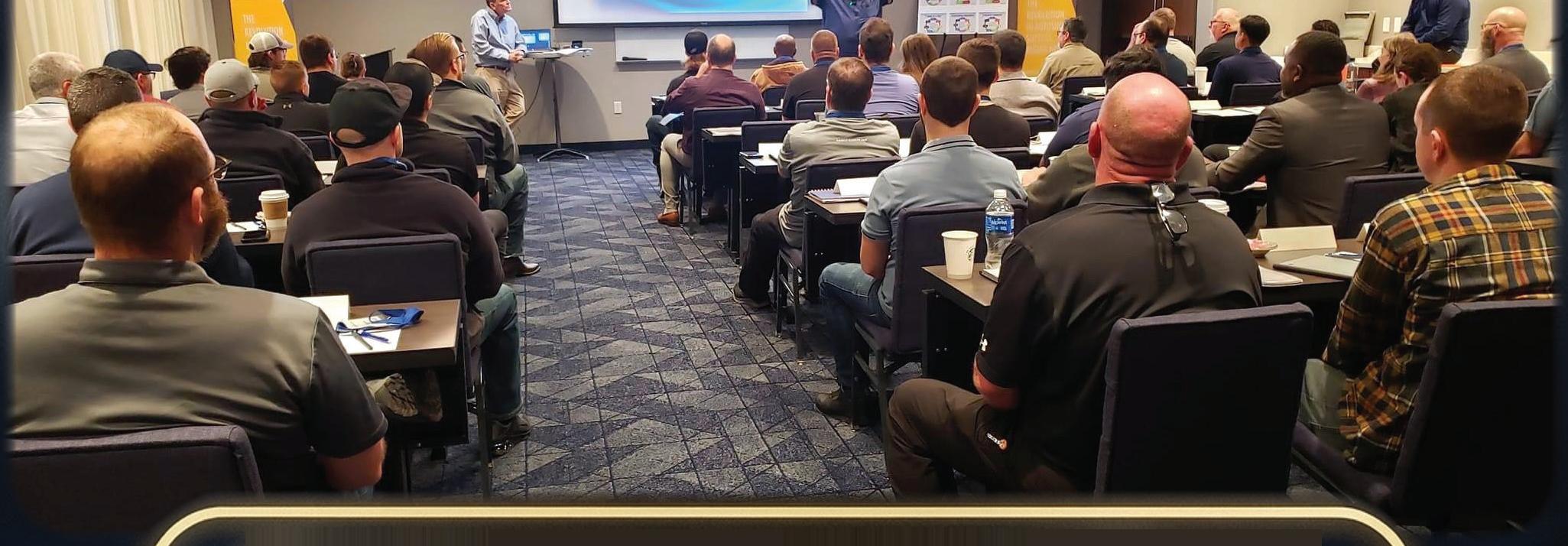
The recurring theme at Continental Tire the Americas LLC’s recent GOLD dealer meeting was partnership.
Chris Charity, senior vice president of sales and marketing for Continental, set the tone early in the meeting, which took place in Costa Mujeres, Mexico, by telling attendees, “We absolutely understand you have a choice of who you do business with, how you do business on a daily basis and that does not go unnoticed by anybody in Continental.”
According to Charity, “about 765 GOLD dealers from across the country” attended the multi-day event, including 80 first-time attendees. (Last year, 735 dealers attended the GOLD meeting.)
Ron Sinclair, sales, marketing and operations executive at Continental, told GOLD dealers “at a high level, our strategy is built on four pillars and they all center on you, our customers. The first pillar is people. We believe investing in our teams is also an investment in your growth because it helps us show up better, support you better and ultimately helps you build your business. The second pillar is products and our overall value proposition.
“The third pillar is partnership and that’s where the GOLD program comes in. Many of you know GOLD well. It’s a cornerstone of how we partner with independent tire dealers and with our distribution partners.
“Products and value propositions go hand in hand,” said Sinclair. “It’s not only what we develop. It’s how we bring it to market. When we talk about value proposition, we’re talking about taking globally developed products and making sure they succeed here in the U.S. and specifically, in your locations. That includes performance. We do extensive testing to validate how the product performs in the real world. It includes marketing. We invest significant resources in building brand because awareness and consumer preference matter. We want customers walking into your stores asking for our products.
“And as you know, we’re different from some competitors,” he told attendees. “We don’t operate company-owned stores and we don’t operate company-owned distribution. Your success is our success. GOLD is one of the primary ways we support both our distributors and our dealer partners.
“Over the past few years, we’ve increased GOLD enrollments without lowering requirements just to drive participation. We’ve stayed consistent in our go-to-market approach and that consistency, paired with strong distribution partners and exceptional dealer partners, has helped fuel growth. We’re not a partner that changes direction dramatically year to year. We aim to be reliable and predictable. We believe that consistency is part of what’s driven results.
“If you’re successful, we’re successful. If you’re growing, the GOLD program grows, as well. And we’ve been fortunate to grow over the past few years, even in softer markets, which tells us we’re doing many of the right things and that you continue to choose us.”
Brian Beierwaltes, head of marketing, U.S. PLT replacement, Continental, told GOLD dealers that Continental’s “mantra within marketing is, ‘At the end of the day, is this selling tires?’ A lot of people can look at marketing and go, ‘Oh, it’s fun and you guys get to do cool things.’ But it’s got to deliver a return on investment. It’s got to help sell tires and it’s got to help drive traffic to our dealers’ stores.
Dave DeRonne, vice president of sales for Continental Tire the Americas LLC (pictured left, with fellow Continental executives Brian Beierwaltes and Chris Charity), said the Continental GOLD program “is designed to deliver meaningful value.”
Photo: MTD
“When we go back to the communications portion of it or the advertising portion of it, we’re really trying to do two things — one is making sure that when customers enter your store, they know who our brand is and two, driving people into your store.”
He said the company will continue to invest in its General brand. “One of the key ways that we’re doing this is we’re continuing in 2026 with ARCA. We are the official tire of the series. We’ve been there for a while now. We have four race entitlements across the United States.”
Dave DeRonne, vice president of sales, Continental, wrapped up the meeting by telling dealers, “If there is one message I want to leave with you today, it is this: The GOLD Program is designed to deliver meaningful value to your business so that you can, in turn, deliver greater value to your customers. At Continental, we firmly believe that partners win together and that philosophy guides everything we do. You have a choice in who you partner with and the fact that you choose Continental means a great deal to us. We are honored to work with you and look forward to celebrating the days ahead.”
Industry News
Bites
USTMA calls shipments
The U.S. Tire Manufacturers Association (USTMA) predicts that 338.9 million total tires will be shipped in the United States this year. According to the USTMA, 41.6 million passenger tires, 6.5 million light truck tire units and 4.7 million medium truck tires will be shipped at the original equipment level. USTMA predicts that 223.3 million passenger tires, 38 million light truck tires and 24.7 million medium truck tires will be shipped in the U.S. during 2026 via the replacement channel.
Sun shines in Colorado
Sun Auto Tire & Service Inc. has entered the Colorado market through the acquisition of 23 DAS Drive Automotive Services stores in Colorado and Arizona. “The acquisition establishes Sun Auto’s first locations in Colorado, creating a strong presence in the greater Denver market,” say Sun Auto Tire & Service officials.
Dobbs adds locations
High Ridge, Mo.-based Dobbs Tire & Auto Centers now has 19 locations in Wisconsin thanks to two recent acquisitions. Dobbs Tire & Auto Centers has acquired Schierl Tire & Auto Service, an eight-location dealership, and two Al Huss Auto locations.
More for Steve Shannon
Bloomsburg, Pa.-based Steve Shannon Tire Co. is closing in on 60 total locations with its recent acquisition of Al’s Tire & Auto. Al’s Tire & Auto had two locations — one in North Cambria, Pa., and another in Ebensburg, Pa. Al’s Tire & Auto was established in 1948.
Titan will close plant
Titan International Inc. says it’s consolidating production and will close its manufacturing facility in Jackson, Tenn., later this year. Titan officials say production at the plant will be transferred to other Titan facilities.
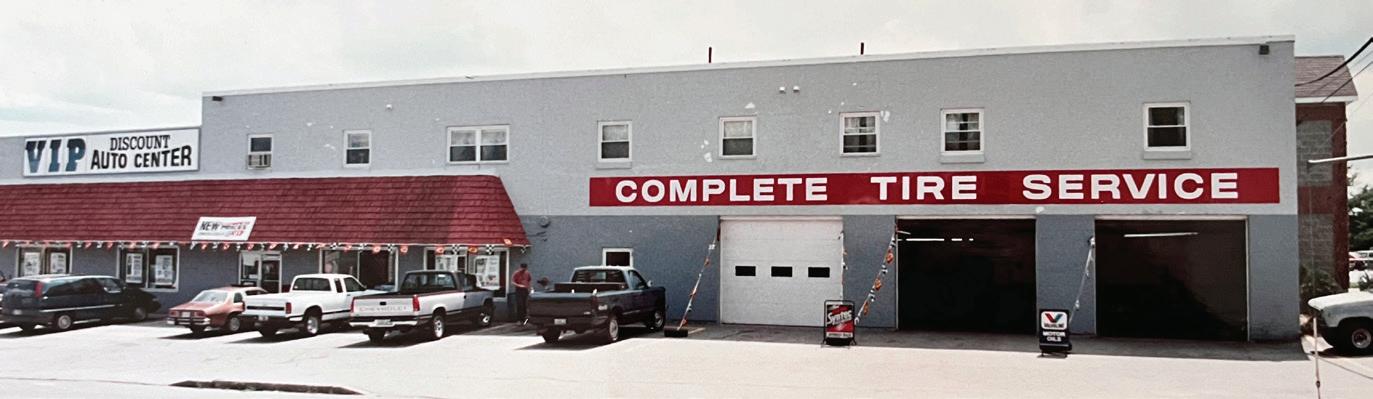
VIP Tires kicks off centennial
Auburn, Maine-based VIP Tires & Service has announced the start of its 100th anniversary celebration, commemorating the dealership’s founding in 1926.
“Since VIP’s founding as Quirk Tire by Edward S. Quirk Sr. in Watertown, Mass., VIP has expanded across New England” and now serves customers in Maine, New Hampshire, Vermont, Connecticut and Massachusetts, according to VIP Tires & Service officials.
“To highlight VIP’s century in business, the company’s website will be updated with contests, videos and other celebrations throughout the year, with more event details to come.
“The new website will also include a timeline of the most important moments involving Quirk Tire and VIP Discount Auto Centers — founded by Thomas Auger in Lewiston, Maine, in 1958 — which was acquired by Quirk Tire in 2001 and then rebranded as VIP Tires & Service in 2012.
“This is a tremendous milestone for VIP Tires & Service and the communities we serve,” says Quirk, who now serves as the dealership’s executive chairman.
“To celebrate a century of success in business, especially in such a competitive field and navigating various economic situations dating back to the 1920s, is something we don’t take lightly. It is an honor to have gained so much trust from so many generations of customers over the decades and we are humbled by the opportunity to keep earning that trust over and over again.”
With nearly 80 locations, VIP Tires & Service is one of the largest tire dealerships in the United States, according to the 2025 MTD 100.
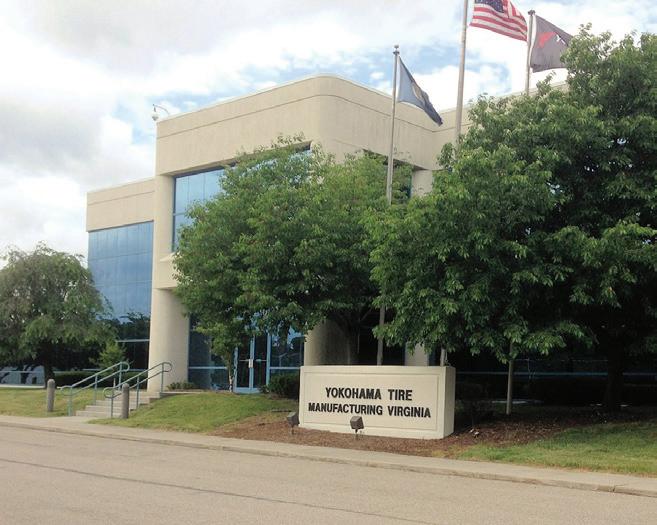
Yokohama closes
Salem plant
Yokohama Tire Corp. closed its consumer tire manufacturing plant in Salem, Va., on March 18, months ahead of schedule. Previously, Yokohama had announced that the plant would reduce production in March and that production could cease in July 2026.
The Salem facility had the capacity to produce 25,700 passenger tires and 1,100 light truck tires per day, according to MTD’s 2026 Facts Issue. The factory opened in the 1960s and had built tires for Yokohama since the company’s acquisition of Mohawk Rubber Co. in 1989. “The decision to close is in response to the expiration of certain product lifecycles and reduced demand for other products” made at the plant, say Yokohama officials.
Auburn, Maine-based VIP Tires & Service is celebrating its centennial this year.
Photo: VIP Tires & Service
Yokohama Tire Corp. closed its consumer tire manufacturing plant in Salem, Va., last month.
Photo: Yokohama Tire Corp.
A LONG WAY TOGETHER
WHEREVER YOU ARE, BKT IS WITH YOU
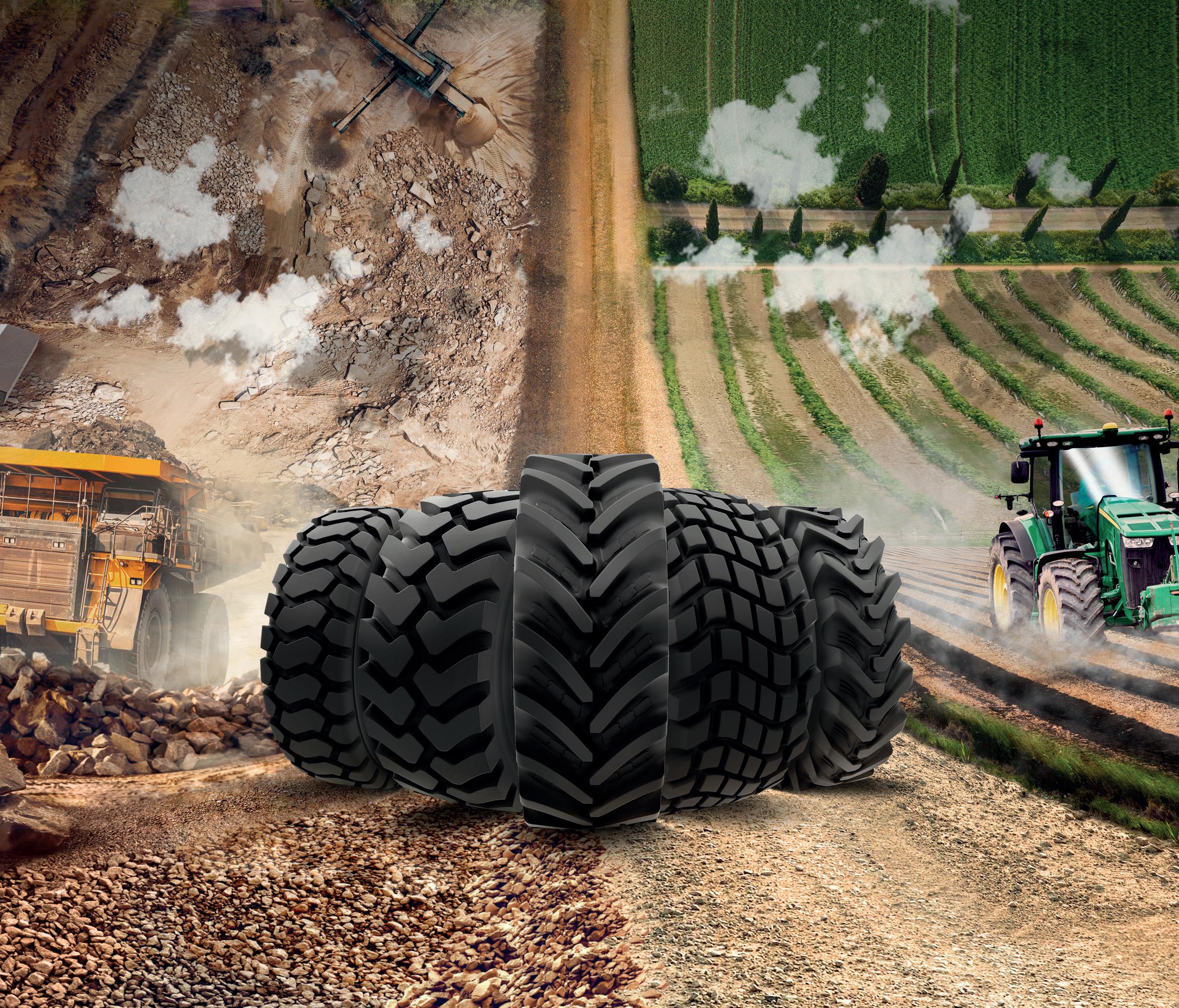
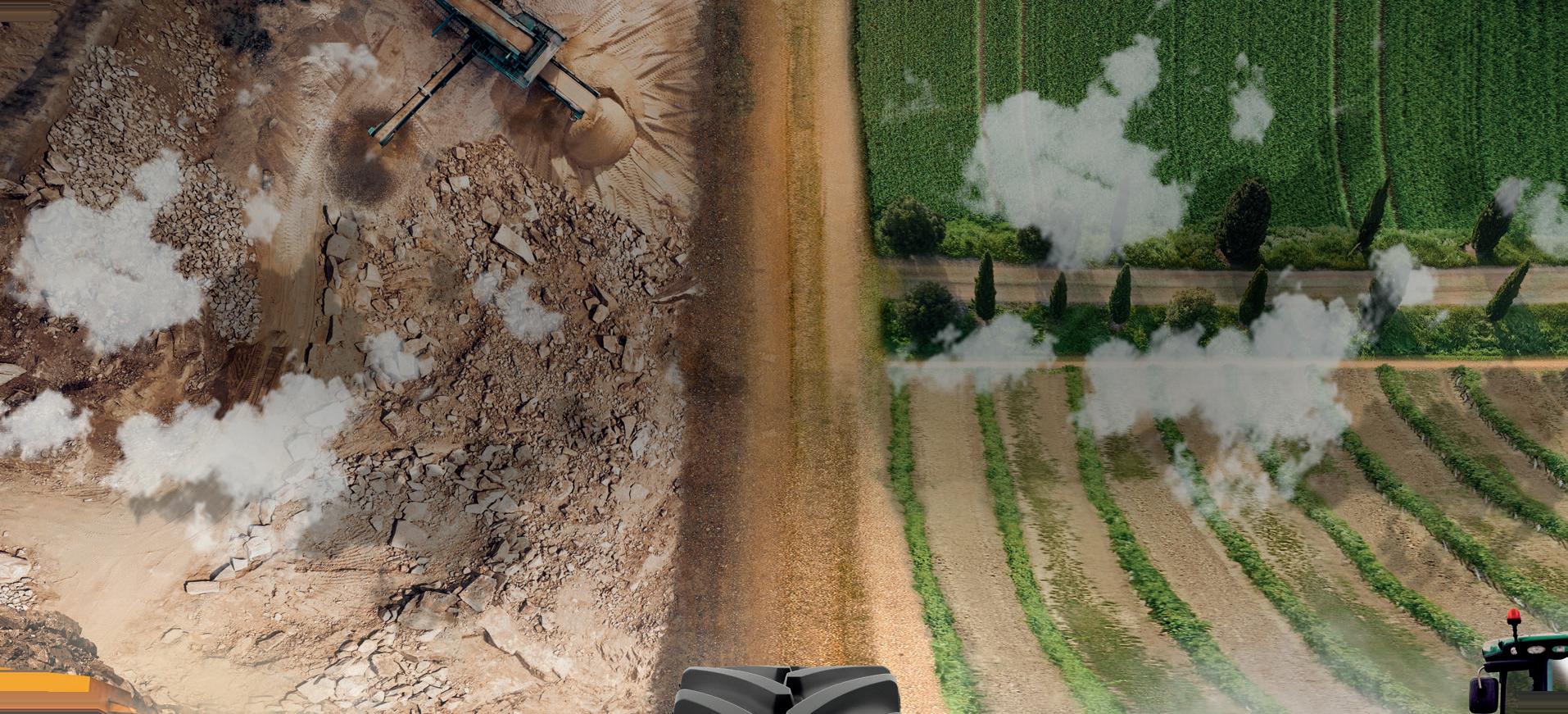
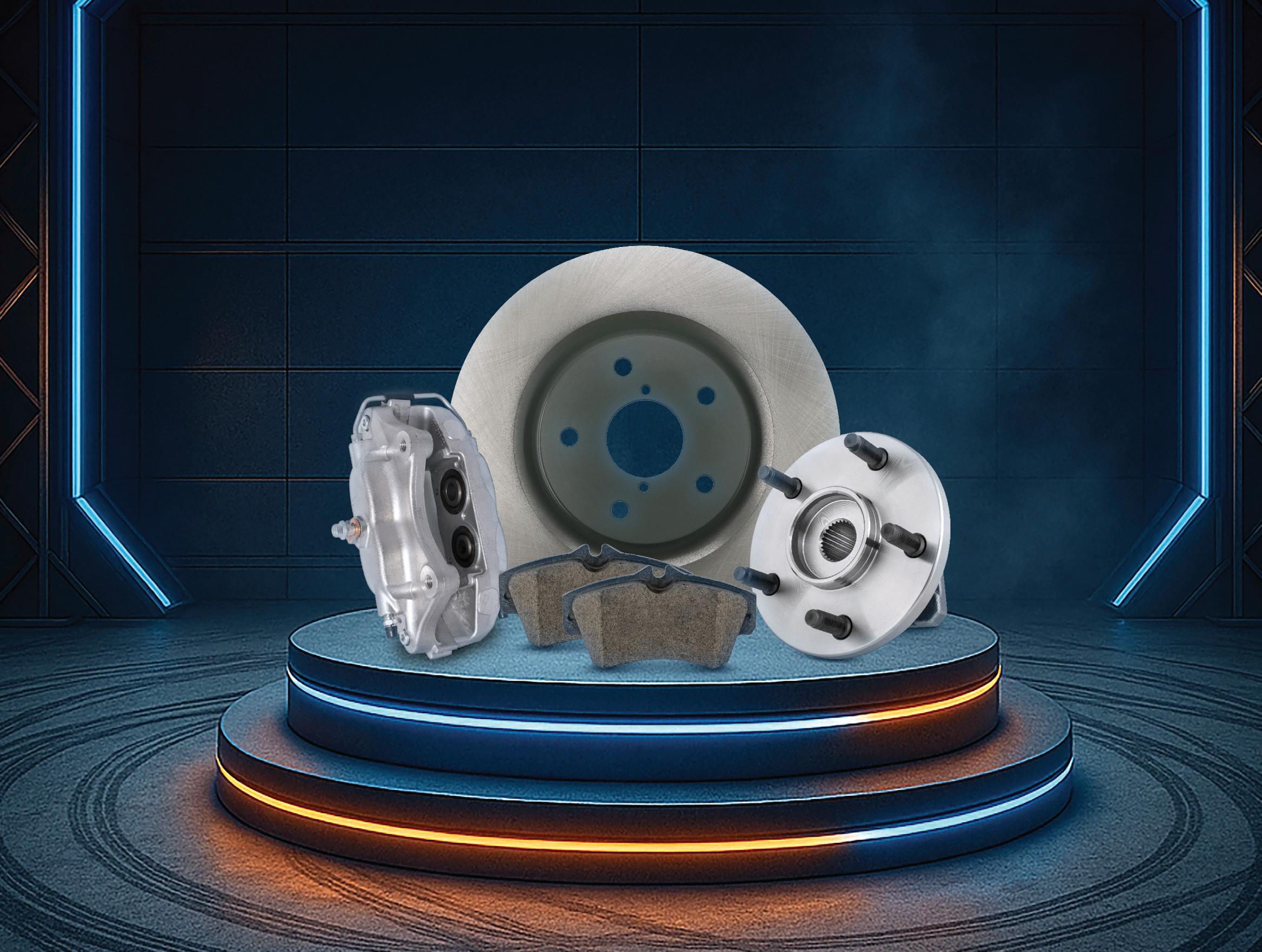
No matter how challenging your needs, BKT is with you offering an extensive product portfolio for every field such as agriculture, OTR and industrial applications.
KT provides concrete, reliable and high-quality solutions to your requests and working needs.
Wherever you are, BKT is with you.
Office: (+1) 330-836-1090
Bites
U.S. AutoForce acquires
U.S. AutoForce LLC has acquired the wholesale distribution assets of Community Wholesale Tire, which has warehouses in Missouri, Iowa and Illinois and billed itself as “one of the Midwest’s largest family-owned and operated tire distributors.” Terms of the deal, which was finalized in early-April, have not been disclosed.
Big O store opens
Tanveer Grewal and Mandeep Singh have opened their sixth Big O Tires location, a five-bay store in Grass Valley, Calif. The new outlet spans 4,500 square feet. Grewal and Singh’s other Big O stores are located in Chico, Red Bluff, Placerville, Tracy and Jackson, Calif.
Michelin tracks trailers
Michelin North America Inc.’s Connected Fleet business has launched a new trailer tire monitoring solution designed to enhance fleet management. Smart Predictive Tire, intended for trailers hauled by Class 7 and Class 8 fleets, was created to “help fleet operators proactively manage tire health, reduce costs and improve uptime,” according to Michelin officials.
New Bridgestone portal
Bridgestone Americas Inc. unveiled its new Fleet Portal platform at last month’s Truck Maintenance Council (TMC) Annual Meeting in Nashville, Tenn. The new solution aims to simplify fleet management on a single platform, giving commercial fleets the digital infrastructure they need to operate more efficiently, according to Bridgestone officials.
Kumho overhauls website
Kumho Tire U.S.A. recently redesigned its website, which features an enhanced digital experience for customers. “The newly redesigned website marks a significant step in Kumho Tire’s journey to solidify its position as a premium brand alternative,” says Ed Cho, CEO of Kumho Tire U.S.A.
Les Schwab names new CEO
Les Schwab Tire Centers Inc. has named Tom Nolan its new CEO and chairman of its board, effective earlier this month.
Nolan, who is also a member of the Les Schwab Tire Centers’ board of directors, replaces Mike Broberg, who is stepping down after nine years with the com pany, including the last three as its CEO.
“Nolan brings more than two decades of consumer and retail leadership experience across brand‑driven, customer‑centric businesses,” according to Les Schwab Tire Centers officials. “Most recently, he served as chief executive officer of Kendra Scott, a leading jew elry and lifestyle brand. While there, Nolan led the expansion of the company’s retail business to more than 165 stores, drove significant e commerce and wholesale growth and repositioned the brand around experiential retail, community engagement and philanthropy.”
“Tom has an entrepreneurial mindset and a proven track record of scaling iconic consumer brands and we are thrilled to welcome such an accomplished leader to Les Schwab,” says Jack Cuniff, a fellow member of Les Schwab Tire Centers’ board.
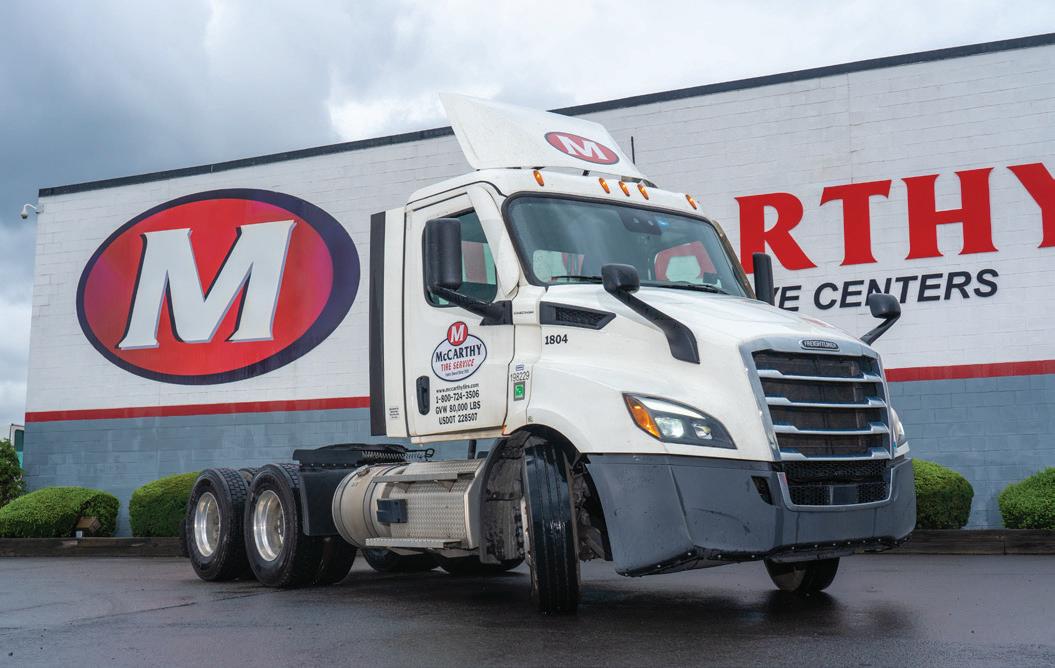
McCarthy Tire Service Co. Inc. recently acquired Henise Tire Service’s commercial operations.
McCarthy Tire makes acquisition
Wilkes Barre, Pa. based McCarthy Tire Service Co. Inc. has acquired Henise Tire Service Inc.’s commercial tire operations. The deal includes Henise Tire Service’s Bandag retread plant.
The acquisition, which also includes Henise Tire Service’s commercial fleet tire sales and shop services, comes during a landmark year for McCarthy Tire Service as the dealership celebrates its 100th anniversary.
McCarthy Tire says it will continue to operate two key Henise Tire Service locations in Allentown, Pa., and Bensalem, Pa.
Henise Tire Service will continue to independently own and operate its core wholesale and retail consumer tire businesses at all of its current locations, except in Bensalem, Pa.
“Beyond product continuity, Henise Tire Service’s commercial fleet customers will now gain access to McCarthy Tire’s robust, commercial 24/7 emergency roadside assistance, featuring in house dispatchers and dedicated technicians,” say McCarthy Tire officials. McCarthy Tire is one of the largest tire dealerships in the United States, according to the 2025 MTD 100.
Tom Nolan (pictured) is the new CEO of Les Schwab Tire Centers Inc.
Photo: Les Schwab Tire Centers Inc.
Photo: McCarthy Tire Service Co. Inc.
Bites
BMW picks Nexen
The Nexen N’Fera Sport premium sport performance tire will be original equipment (OE) on the new BMW iX3. Nexen officials say the new fitment expands the tire manufacturer’s OE partnership with vehicle manufacturers, which started in 2012.
UPS approves IMI
UPS has approved IMI’s Equal Flexx product as part of its 2026 tire solutions program following a two-year field evaluation. “The evaluation included more than 10,000 tire and wheel assemblies — including 19.5inch package car tires and 22.5-inch Class 8 tractor tires — tested under real-world operating conditions,” say IMI officials.
Martins buys Wessel
Martins says it has acquired the Bruno Wessel and Road Grip tire stud brands. Both brands “offer a complete range of high-quality tire studs addressing the needs of passenger cars, light trucks, heavy-duty trucks, highway tractors, snowplows and mining equipment,” say Martins officials.
Omnisource names VP
Omnisource, which makes and markets Radar brand tires, has named Mika Lahtinen associate vice president, raw materials and compounding. Lahtinen most recently worked for Nokian Tyres. His appointment further strengthens “the company’s technical capabilities and innovation roadmap for its flagship brand, Radar Tires,” say Omnisource officials.
New Conti ambassador
Continental Tire the Americas LLC’s new brand ambassador is a bobblehead that conveys a “nod of confidence.” The company “is introducing an innovative way to reinforce that confidence with its new ‘Nod of Confidence’ ambassador. The ambassador embodies the moment customers experience when choosing Continental tires.”
S&S Tire opens new D/C
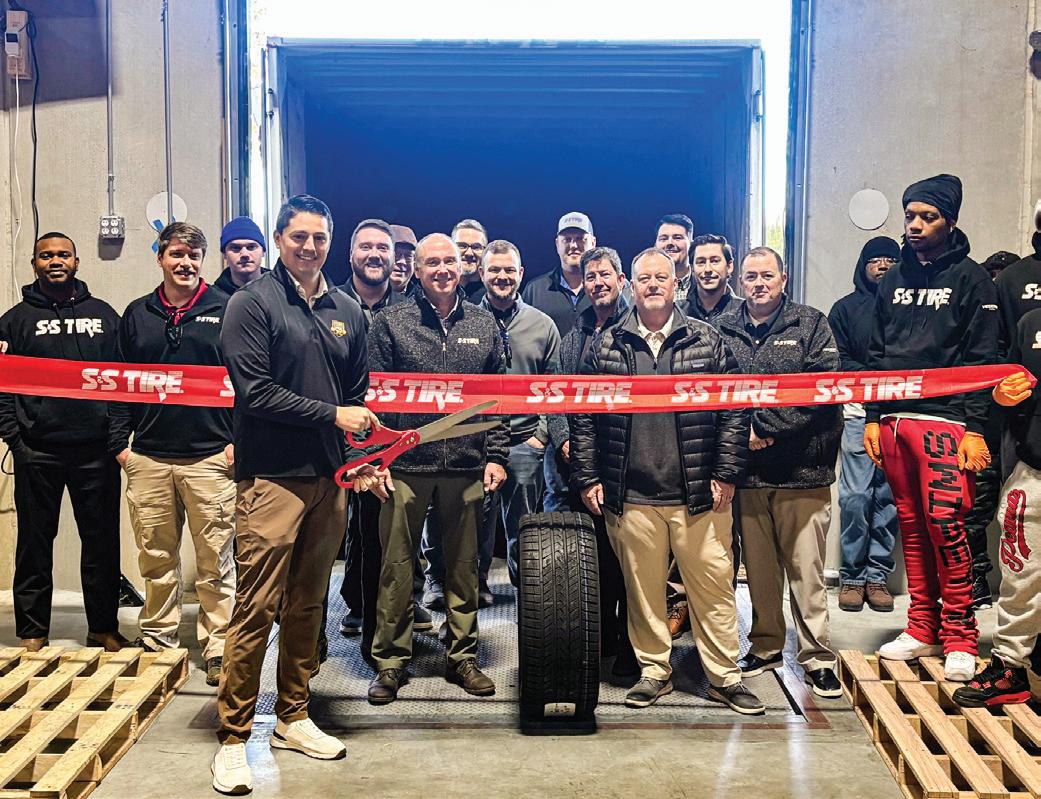
LLexington, Ky.based S&S Tire has added a new distribution center to its network.
exington, Ky.-based S&S Tire has opened its 14th distribution center, a 135,000-squarefoot facility in Acworth, Ga.
The new distribution center “significantly expands inventory and product offerings to Atlanta-area customers with increased delivery capabilities to the surrounding markets and an onsite customer pickup option for local customers,” according to S&S Tire officials.
“Now customers serviced by one of the surrounding S&S Tire warehouses in Birmingham, Ala.; Columbia, S.C., and Knoxville, Tenn., will benefit from an additional next-day transfer option for products housed in the larger Atlanta-area warehouse,” says Jay Yenter, director of S&S Tire’s wholesale operations.
In addition to 14 distribution centers across a multi-state area, S&S Tire also operates 14 commercial truck tire centers, plus two retreading plants.
Performance Plus Tire adds to portfolio
Long Beach, Calif.-based Performance Plus Tire has acquired Lucas Classic Tires, a premier supplier of classic and antique tires.
“The acquisition brings two Long Beach institutions together under one roof, extending the legacy of Lucas founder Stan Lucas, who devoted 70 years to the classic and antique car community before passing away in 2025,” say Performance Plus Tire officials.
“The deal expands Performance Plus Tire’s portfolio as a leader in the specialty and vintage automotive aftermarket, which also includes the classic wheel brand Boyd Coddington Wheels.
Performance Plus Tire promises “a seamless transition,” with customers of both businesses continuing “to work with familiar products and where possible, familiar people.”
Stellar promotes Formanek to director
Stellar Industries Inc. has announced a promotion, a retirement and the addition of two regional sales managers.
Tom Formanek has been promoted to director of sales, tire trucks and manipulators, while Travis Glidden, who has held a wide range of roles at Stellar over the past 33 years, will retire this summer.
Meanwhile, Dylan Rycroft and Jeremy Edds have joined Stellar as regional sales managers for the Garner, Iowa-based company’s Central and Southeast territories, respectively.
Photo: S&S Tire
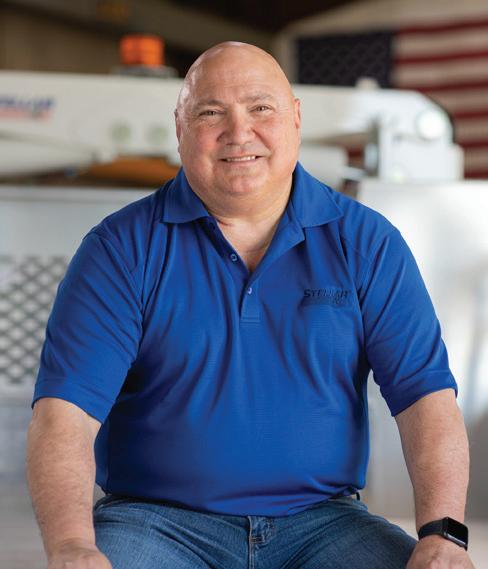
Stellar Industries Inc. has promoted Tom Formanek.
Photo: Stellar Industries Inc.
Numbers ThatCount
Relevant statistics from an industry in constant motion
14 MILLION
e number of passenger tire units shipped to the United States in January, which outpaced January 2025 imports by 1.5% or more than 200,000 units.
Source: U.S. Census Bureau: Economic Indicators Division USA Trade Online
54%
Overall OE consumer tire brand loyalty, according to the 2026 JD Power U.S. Original Equipment Tire Customer Satisfaction Study.
Source: JD Power
4.7%
e compound annual growth rate at which the OTR tire a ermarket is expected to expand through 2030.
Source: Michael Bennett of the Automotive Training Institute
338.9 MILLION
e total number of tires the U.S. Tire Manufacturers Association predicts will be shipped in the United States this year.
Source: USTMA
Photo: MTD
$39.2 BILLION
e total value of the U.S. replacement passenger tire market in 2025.
Source: MTD’s 2026 Facts Issue
Photo: USA Wheel & Tire Outlet Inc.
Photo: Purcell Tire & Rubber Co.
Photo: MTD
Photo: Michelin North America Inc.
HYPERDRIVE
CALLING ALL DEALERS. ARE YOU READY TO HYPERDRIVE YOUR BUSINESS?
Delinte Tire’s NEW HYPERDRIVE Associate Dealer Program™ is here to give independent tire dealers an opportunity to put some extra cash in their pockets.
Join the HYPERDRIVE Associate Dealer Program today and start earning up to $3 per tire.
IT’S EASY. NO OPENING ORDER REQUIRED. JUST PRE-ENROLL>SELL>START EARNING.
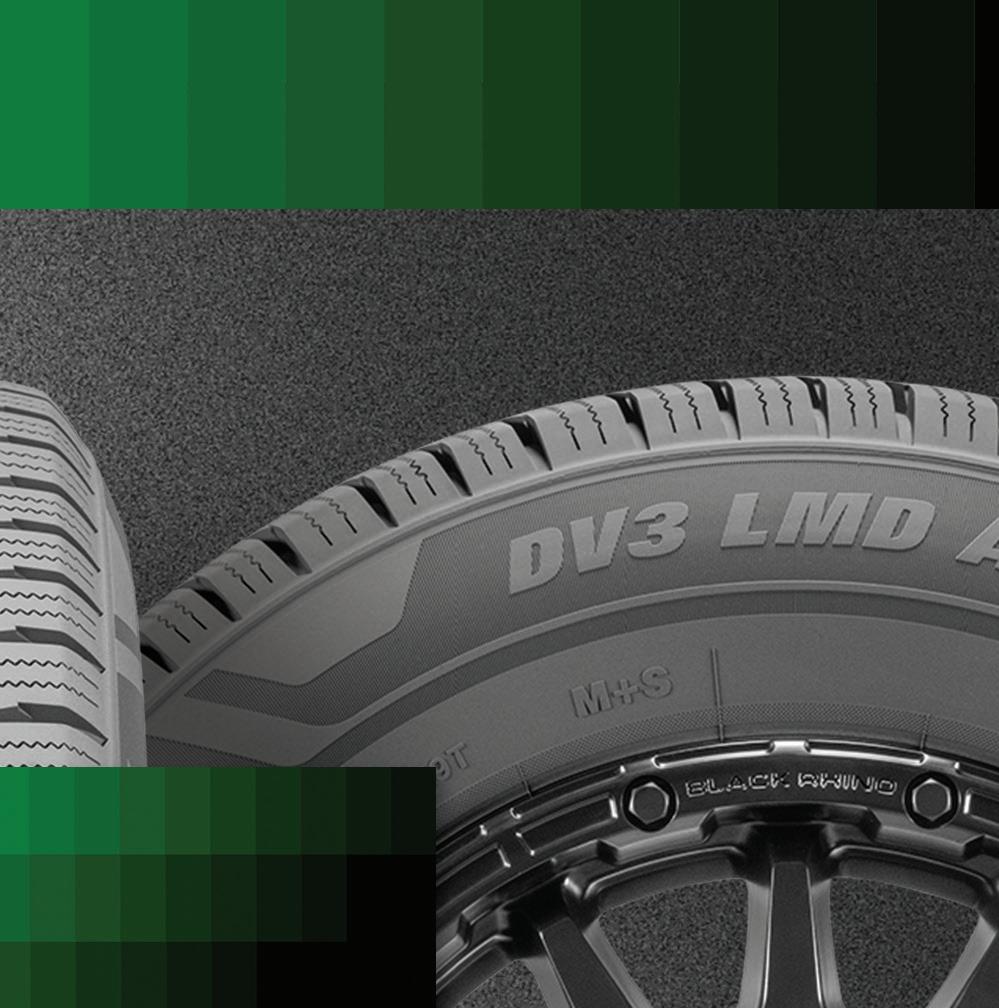
All Delinte PCR and LTR tire models, including the new DV3 LMD AS Last-Mile Delivery tire are eligible for the rewards.
EASY MONEY HYPERDRIVE REWARDS LEVELS:
LEVEL 1 Buy 48 units - GET $1 per tire [ $192 per year ]
LEVEL 2 Buy 120 units - DOUBLE your rewards to $2 per tire [ $960 per year ]
LEVEL 3 Buy 240 units - TRIPLE your rewards to $3 per tire [ $2,880+ per year ]
YES! YOU CAN EARN OVER $2,880 DOLLARS A YEAR WITH HYPERDRIVE.
DISTRIBUTORS:
IF YOU WANT TO SELL DELINTE TIRES AND OFFER HYPERDRIVE REWARDS TO YOUR DEALERS, CONTACT US TODAY ON OUR WEBSITE AT DELINTETIRES.COM/ DEALER-INQUIRIES.
ENROLL TODAY TO START RECEIVING REWARDS SCAN TO ENROLL
Your Marketplace
John Healy By
OKeep an eye on the price of gas
CONSUMERS ARE STARTING TO FEEL IMPACT OF HIGHER PRICES
ur recent check-ins with tire dealers indicate that retail sellout trends were on the softer side during the month of February. While we have been waiting for Mother Nature to provide a boost to the industry from a demand perspective, we have not yet seen it. We note dealer feedback suggests unit levels have been roughly down low-single digits year-over-year.
Specifically, tire dealers who responded to our survey highlighted average sellout declines of 1.7% in February 2026, which was moderately below the 1.1% decrease that was observed in January.
Looking more closely at volume for the month of February on a regional basis, the Southeast region was the lone region to see positive volumes, which were likely driven by consumer tire placement deferment. Other regions saw flat or negative volume trends, with the Northwest region seeing the weakest trends, down roughly 3.8% year-over-year. Sales trends that strengthened through the back half of 2025, highlighted by positive sellout last fall, have not carried over into the start of 2026.
We also note dealer feedback from a year ago suggested a tough retail environment. Given this, the comparison for today could be somewhat easier for dealers. That said, we would be remiss if we didn’t consider the recent conflict in Iran and how that may influence consumer behavior and driving patterns. In addition, dealer
commentary suggests consumer demand for PLT replacement tires was down low-single digits year-over-year on a net basis compared to February 2025.
GAS TRENDS
Given volatile industry conditions that are being driven by cost inflation and broader macroeconomic factors, we continue to monitor several data points to assess the health of automobile travel demand, which closely correlates with tire usage and wear. Gas prices have recently moved higher across the country, rising roughly 35 cents since March 5, with current levels now similar to what we saw during the spring of 2024.
As seasonal demand for gasoline begins to pick up around spring break travel, consumers are starting to feel the impact of higher prices at the pump.
Crude oil prices also remain an important driver of fuel costs, with the price of a barrel of oil surpassing the $100 mark multiple times.
The recent move in fuel and energy prices could affect driver behavior as we move into spring. Gasoline demand data from the U.S. Energy Information Administration suggests miles driven have remained steady to start 2026. Weekly finished motor gasoline through the first week of March has stayed within its typical range and recently moved slightly higher, pointing to stable driving activity early in 2026.
In sizing input/raw material cost movements, the basket of raw materials to make a basic replacement tire increased 2% on a year-over-year basis during February. We note this follows a 4% yearover-year average decrease during the last quarter of 2025. In analyzing specific input costs, natural rubber costs fell 0.4% year-over-year this past February as supplies increased. Oil prices fell an average of 8% year-over-year, but grew 7% monthover-month in February.
Data shows synthetic rubber costs were up 4.4% year-over-year, carbon black prices were down 5.3% year-over-year and due to February tire fabric/cordage costs not being released, we are keeping this input constant from prior-month levels, suggesting costs would be up roughly 19.4% on a year-over-year basis.
While these raw material costs are down, it is important to note that they are backward-looking. Recent conflict in the Middle East should not be ignored as it relates to the tire industry. While all tires are not created with the same chemical and raw inputs, we note many of these inputs have a cost dynamic that is relatable to prices in the oil market, potentially around 70% of the cost to build a tire from a raw material basket standpoint.
Where are prices going? The outlook remains dynamic. Given this, we think it’s prudent for all to keep a close eye on the commodity market and to think about what oil prices could mean as it relates to costs for tires as we move through the calendar year. While monitoring oil prices and input costs is a smart idea, we also think dealers should be calibrating this into their expectations for miles. ■
John Healy is a managing director and research analyst with Northcoast Research Holdings LLC, based in Cleveland, Ohio. Healy covers a variety of subsectors of the automotive industry. If you would like to participate in the monthly dealer discussions, contact him at john.healy@ northcoastresearch.com.
QUALITY ALWAYS WINS
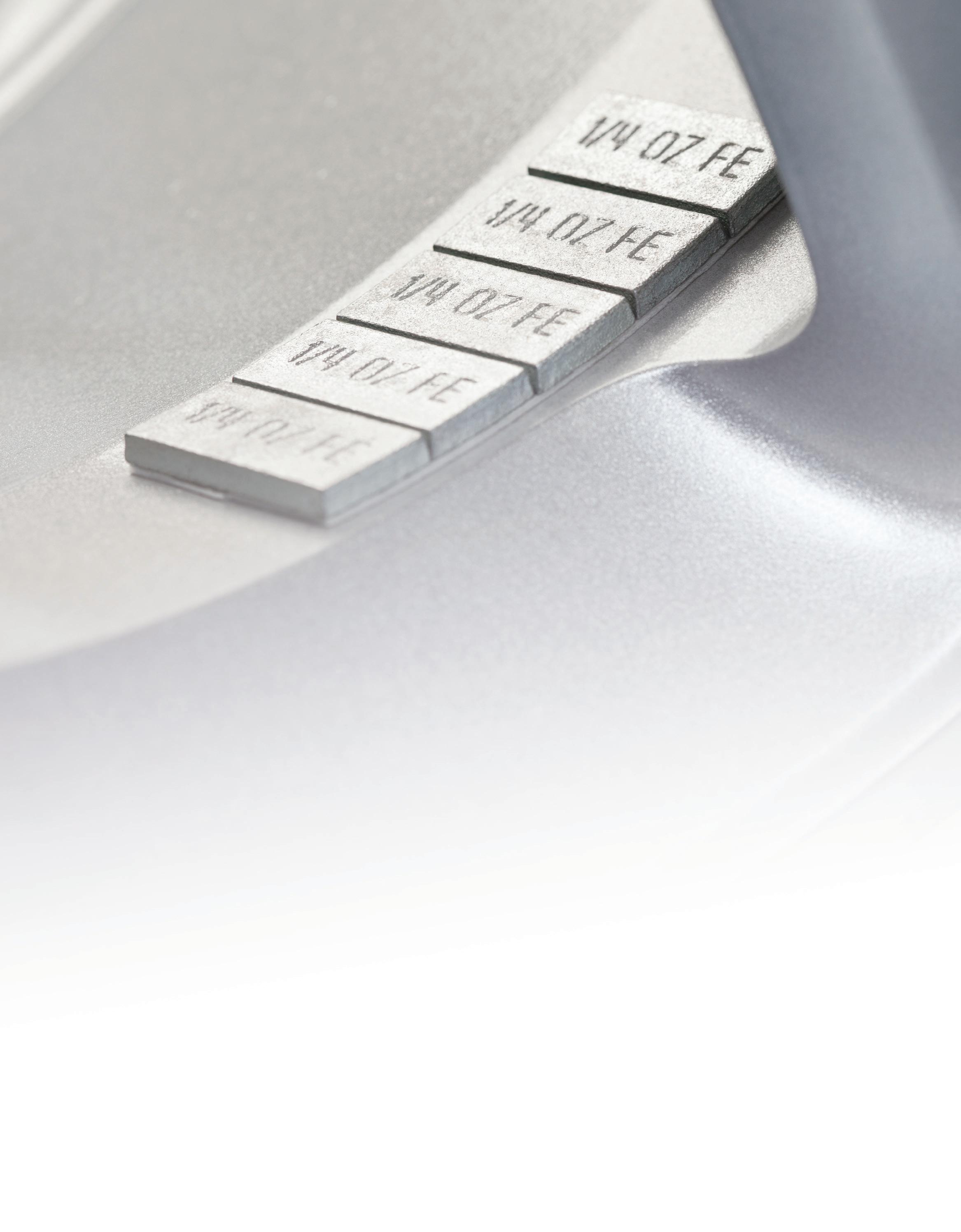
Every tire gets balanced. What are you using? Choose the perfect weight. Choose Perfect.
Dealer program groups
Bigger, better and bolder
PROGRAM GROUPS ADD MEMBERSHIP PERKS IN 2026
Aden Graves By
Many independent tire dealers are able to leverage buying power, invest in their training, boost their marketing campaigns and find camaraderie with other dealers by joining program groups. According to MTD’s 2026 Tire Dealer Program Groups list, there are nearly 50 different national, regional, tire manufacturing and franchise program groups available to independent tire dealers in the United States.
In this MTD exclusive, representatives from a variety of program groups — in their own words — detail what they’re offering to their members in 2026. Many also preview products they plan to introduce.
NATIONAL INDEPENDENT GROUPS
ATD COMMERCIAL FLEX (American Tire Distributors): This is a new program that launched in January 2026. This is a totally new commercial program that expands from ATD proprietary brands to all brands carried by ATD. ATD has introduced its new Commercial Flex program to give dealers even more reasons to consolidate their commercial tire purchases with ATD. As ATD continues to expand its brand and product offerings in the commercial space, the program rewards dealers who source their full range of commercial tire needs through ATD. The program also offers additional
“We also plan to increase the number of Kat Kash distributors so that we can expand our network of Cosmo retailers nationwide,” say Tire Group International LLC officials.
Photo: Tire Group International LLC
incentives for ATD proprietary brands and ATD-aligned Tire Pros dealers.
COSMO TIRES KAT KASH ASSOCIATE RETAILER PROGRAM (Tire Group International LLC): Last year, we introduced 85 new SKUs, taking us to 260 SKUs in our Cosmo portfolio of products. This year, we plan to add an additional 200 SKUs to our line-up. We also held a dealer trip in Peru this past year to launch our new Grip It XT tire. In the second half of last year, we launched our Retail Partnership Program, with 15 dealers participating. With this program, Cosmo Tires is collaborating with our dealers to do a complete makeover of their showrooms and exteriors. We call this the Cosmo Kool Up and we pay 100% of the expense for these makeovers and are looking to expand this program nationally in 2026. We also plan to increase the number of Kat Kash distributors so that we can expand our network of Cosmo retailers nationwide. We will also introduce a new suite of digital assets to help our dealers optimize profitability and inventory productivity and attract new customers to their businesses.
Dealer program groups
HERCULES POWER (American Tire Distributors): Two new products were added to the program in 2025: the TIS RT1 by Hercules and the Ironman All Country AT-X. The 2026 Hercules Power Program includes optimized quarterly bonuses, simplified unit goals and a flat payout on all active Hercules passenger and light truck products. Dealers who meet their attainment targets on Hercules tires also earn incentives on Ironman brand passenger and light truck products.
INDEPENDENT TIRE DEALERS GROUP
(Independent Tire Dealers Group LLC): As part of this program, we are offering private and exclusive brands. Additionally, we are growing our expansion to Canada.
LEXANI
IGNITE ASSOCIATE DEALER PROGRAM (Turbo Wholesale Tires LLC): One of our newest additions, started last year, is the Lexani Shop (www.LexaniShop.com). As dealers advance through the Lexani Ignite Program, they earn promotional dollars that can be redeemed in the Lexani Shop for point-of-sale materials
“We will recognize associate dealers who have been part of the TSSAD (Titan Strong Seller Associate Dealer) program since its inception,” say representatives from
such as banners, tire stack covers and tire inserts. This program is designed to support our dealers’ in-store marketing efforts and help drive brand visibility at the retail level. Dealers can also purchase branded apparel for their teams, including polos and hats. Our newest Lexani, Lionhart and Rolling Big Power tires that are eligible for rewards include the RBP Conveyor ST (trailer tire), Lexani Quattro Tempo Tour All-Weather, Lexani Freccia GT-S (summer tire) and others. The 2026 Lexani Ignite program offers dealers a more refined tiered structure, including the new Inferno Level, designed to reward
brand commitment. We also offer greater flexibility for product-specific promotions throughout the year. This year, we’re also introducing several new product expansions, including the RBP Distributor from Van Tire, the Lexani RFX Max, our newest run-flat tire offering and size extensions for several existing product lines.
MILESTAR MOMENTUM (Tireco Inc.):
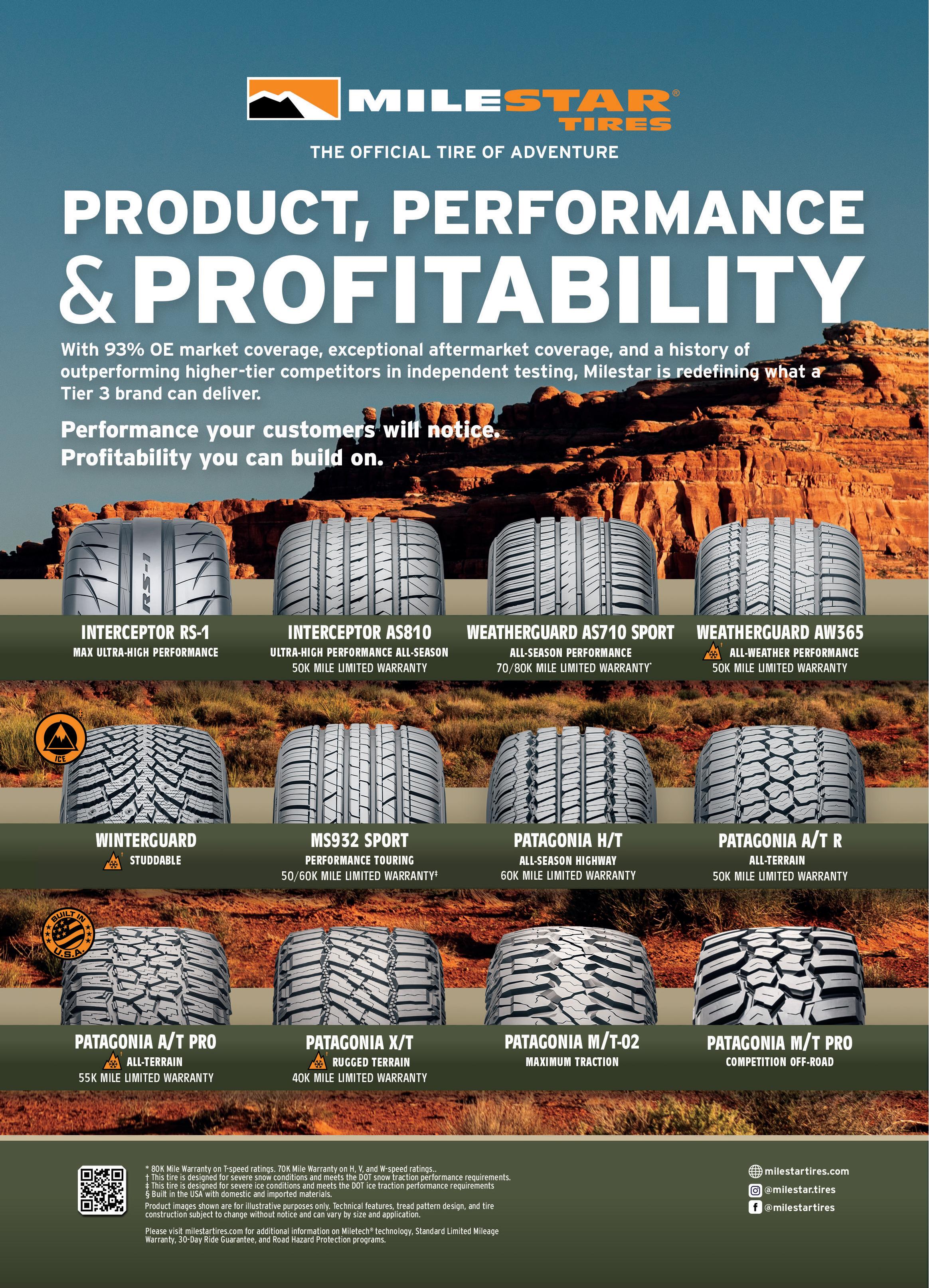
Over the past year, our team has focused on strengthening dealer profitability and accelerating sell-through with two major initiatives. We expanded the Milestar Momentum Program, providing dealers
Titan International Inc.
Photo: Titan International Inc.
Dealer program groups
“We also announced the Big O Scholarship program designed to support franchise owners and dealers, their immediate family members and their employees,” say TBC Corp. officials.
Photo: TBC Corp./Big O Tires
with a more structured, performance-based rewards platform that aligns sell-in and sellout incentives across key product lines. In parallel, we enhanced our Quarterly Consumer Rebate Program, delivering consistent, market-relevant promotional support designed to drive retail traffic. From a product standpoint, we also introduced Milestar Winterguard, expanding our portfolio to address growing demand for cold-weather and severe-service applications. We also have next-gen TBR products launching this year. In addition to product innovation, we will debut a new Milestar website in 2026, featuring improved navigation, enhanced product information and stronger dealer-focused tools.
POINT S USA: In 2026, Point S USA is focused on expanding its footprint ... enhancing member support and driving consumer engagement through key initiatives. This year, we’re launching a robust promotional calendar featuring multiple promotional sales with our Platinum Partners throughout the year. We’ve also expanded our Platinum Partner Program by strengthening exclusive relationships with key tire manufacturers, offering Point S USA-exclusive promotions, enhanced rebates and increased marketing support. In addition, we’ve enhanced our retail website functionality through new e-commerce and online appointment booking features to drive in-store and online sales. Point S USA is also adding simplified
tire warranty processing, a streamlined digital warranty system for easier postsale support. Finally, we’ve continued an aggressive geographic expansion through rapid growth into new states, expanding the Point S footprint nationwide.
TIRE PROS (American Tire Distributors): Tire Pros has introduced a comprehensive, hands-on training program designed to elevate store performance, strengthen leadership capabilities and enhance the customer experience across our network. Our curriculum includes courses specifically built for the unique challenges of running and managing a tire and automotive shop, as well as technician-focused tracks that strengthen technical skills and service consistency. These programs give owners, managers and technicians practical, real-world training they can apply immediately, helping every franchisee show up with greater confidence, deliver a more consistent Tire Pros experience and drive stronger profitability. In 2026, we will continue to strengthen and expand the programs that help our owners grow profitably, operate efficiently and compete with confidence. We deliver consultative business support to help enhance operational efficiencies, provide effective marketing strategies through our in-house marketing agency to drive traffic in-store, as well as offer an industry-leading consumer warranty suite and training programs to sustain longterm profitability in our growing portfolio of resources designed to help independent operators thrive.
REGIONAL INDEPENDENT GROUPS
BTS PARTNERS PROGRAM (BTS Tire & Wheel Distributors): We are offering new partner dealer training opportunities as a part of our BTS Partners Plus program, including quarterly Dealer Connect events by open invitation for training for any independent tire and auto service locations. We are also launching family and next-generation training and partnering with the Black’s Tire Service network, plus equipment and tire supply programs to support our BTS Partner Dealer Network. There are also open in-house training opportunities in our network of stores. Our BTS Family openbook policy, succession planning training and new business transition training.
XPRESS TIRE & AUTO SERVICE (Conrad’s Tire Service Inc./Dobbs Tire & Service Centers): The earn-back opportunities that we offer based on average monthly volume have expanded to our additional product lines.
TIRE MANUFACTURER PROGRAMS
ADVANTAGE (Yokohama Tire Corp.): The Advantage program continues to be highly regarded for being a simple and comprehensive associate dealer program. In the first quarter of 2026, Advantage associate dealers could earn double cash rewards on their Yokohama purchases. Additionally, our popular Insider Rewards spiff program continues in 2026.
ALLIANCE (Michelin North America Inc.): In 2025, we launched numerous new products, including the Michelin Agilis CrossClimate2, Michelin Agilis HD All-Season, Michelin e.Primacy A/S, BFGoodrich g-Force Phenom T/A, BFGoodrich Advantage Control HT, BFGoodrich HD Pro and BFGoodrich g-Force Rival+. To deliver best-in-class value and experience, the 2026 (Alliance) program brings eligible dealers discounts and business development funds, streamlined accounting, growth incentives and more.
BKT EDGE ASSOCIATE DEALER PROGRAM (BKT USA Inc.): In 2025, BKT added several tire patterns to the Associate Dealer Program and updated program incentives to create additional earning opportunities for dealers. The newly eligible patterns included AgriMaxFactor, EarthMax SR 22, EarthMax SR 22 AS, EarthMax SR 30, EarthMax SR 31 and SR 713. In 2026, BKT will introduce several enhancements to the new BKT EDGE Associate Dealer Program to support dealers and program growth. Planned updates include new tools to enable year-round participation and performance visibility, expanded incentive opportunities tied to commitment and growth and rewards to support sell-through. Additional incentives will be introduced to support new associate dealer enrollment and field-level sales involvement. These enhancements are intended to further develop the BKT EDGE Associate Dealer Program as a scalable platform for dealers and distributors.
BRIDGESTONE AFFILIATED RETAILER NATIONWIDE NETWORK (Bridgestone Americas Inc.): We continue to introduce new and relevant products into the market, with five new products launched in 2025. In 2026, we plan to bring seven new products to the market.
COOPER MASTERCRAFT CENTURY (Goodyear Tire & Rubber Co.): In the last 12 months, we launched our Courser Trail RT and Courser All-Weather tires. In 2026, there will be an increase to the base program for our Courser tires.
DELINTE HYPERDRIVE ASSOCIATE DEALER PROGRAM (Sentury Tire USA): Delinte Tires is launching the new Centurion line of light truck radials in 2026. The line includes the Centurion H/T All-Season Highway Terrain, Centurion A/T All-Terrain, Centurion X/T Crossover-Terrain LTR and Centurion R/T Rough-Terrain. In addition to the new LTR tires, Delinte is also introducing the Centurion 365 multi-season UHP tire to its passenger tire line-up and the new
Centurion 365 LMD commercial van tire for the last-mile delivery market.
DRIVEN (Toyo Tire U.S.A. Corp.): Our program offers dealers the opportunity to grow their business and grow their profits while selling passenger, light truck and commercial Toyo Tires, which are known for their quality and performance. The Driven program rewards associate dealers with cash-back, Toyo-branded merchandise and more. The program is open to dealers not currently buying direct from Toyo. Dealers must purchase 50 units to enroll, then 60 PCR/LTR units or 50 commercial/ TBR units per quarter to qualify for payouts. Cash rewards are earned based on five levels for PCR/LTR or four levels for TBR and received via a reloadable debit card or direct deposit. Driven dealers who receive a quarterly payout for each quarter in a calendar year will qualify for the annual volume bonus. Payouts are earned when designated volume tiers are achieved. Dealers receive a POP kit after achieving level one for the first time with 60 PCR/LTR units or 50 commercial/TBR units and each quarter
Toyo rewards top performers with ‘Driven Dough’ to purchase branded merchandise on the (point-of-purchase) site.
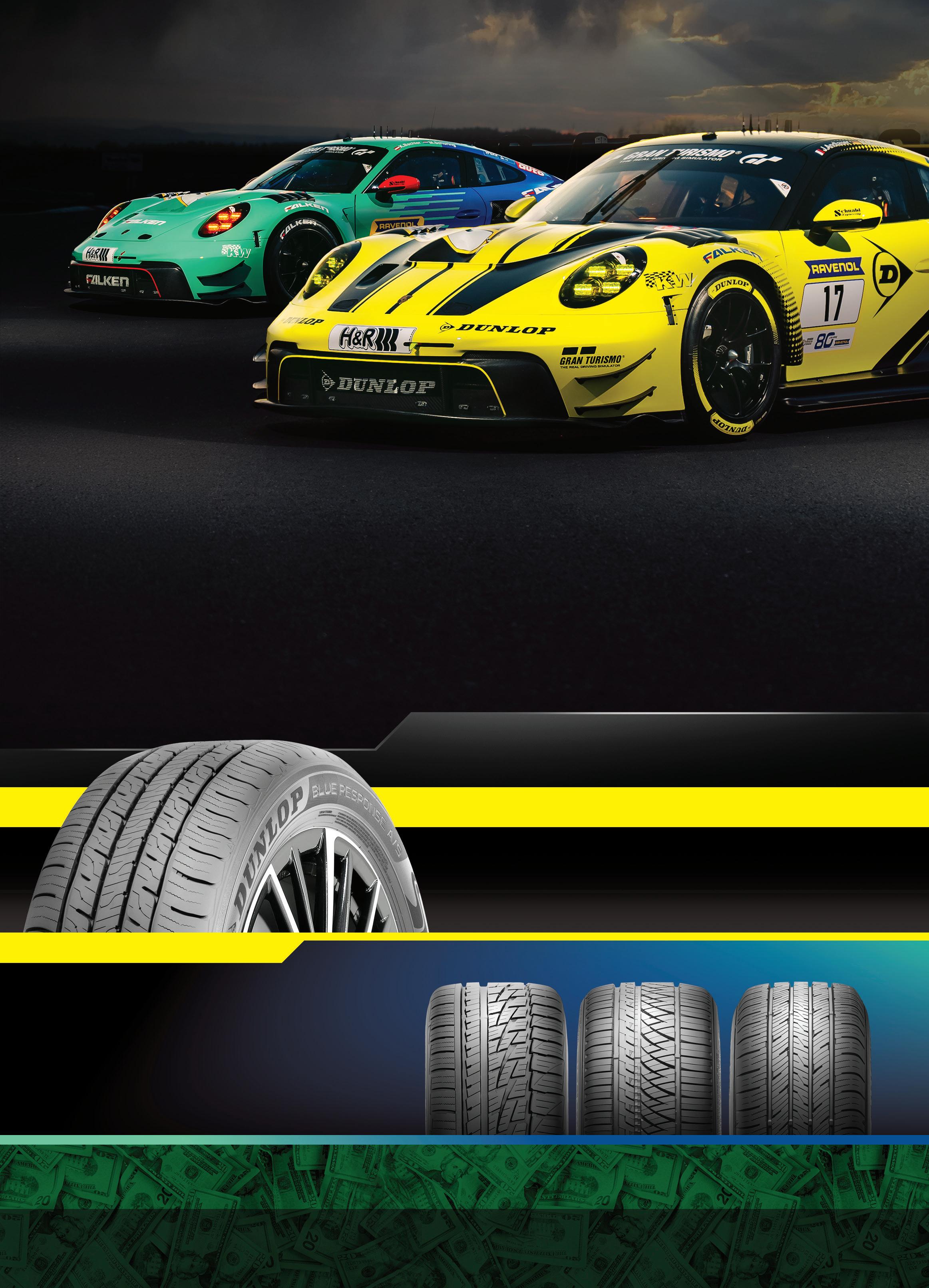
FALKEN FANATIC (Dunlop Tires North America): We are continuing to integrate new Dunlop replacement products, including the Blue Response A/S. As new Dunlop and other replacement products roll out, we are planning to keep integrating them into our programs.
GOLD
RETAILER
PROGRAM
(Continental Tire the Americas LLC): The Continental GOLD Program is proud to be able to extend our value through partnerships with exclusive suppliers. The Dealer Business Suite is available to all GOLD dealers and gives them access to our partners that offer exclusive pricing, discounts and products. We reaffirm our commitment to creating happier, healthier dealers by helping to lower their operating costs, in addition to providing lucrative rewards. The Continental GOLD Program is designed to be the independent tire dealer’s best choice in a competitive
Dealer program groups
landscape of dealer programs. Our goal is to offer a program that provides dealers with the best opportunity to grow their business by offering a top-tier product, backed by knowledgeable and passionate people. The success of our dealers is paramount to the success of the program. With that in mind, Continental is always looking to adapt and evolve to meet the needs of today’s dealers while offering lucrative incentives.
GOODYEAR VELOCITY (Goodyear Tire & Rubber Co.): This is a newly launched program for 2026, which combines the Goodyear and Cooper brands.
GT RADIAL SMART (Giti Tire USA Ltd.):
The 2026 GT Radial Smart Program now includes a quarterly volume bonus, giving associate dealers lower volume goals and the opportunity to earn rewards sooner throughout the year. We’re also adding two new tire lines to the program — the GT Radial Adventuro ATZ and Adventuro RT — both made 100% in the United States.
HANKOOK ONE (Hankook Tire America Corp.): The Hankook One program offers dealers expanded tiers with lower minimum requirements and an improved warranty plan and process with our SureTire Plan. We are also offering platform enhancements, a more targeted and increased promotional synergy and new incentives for higher tiers. Our new tires offered include our Ventus Evo products, the Dynapro Evo AS, Dynapro HT2 and the iON HT. We are also launching new products, such as the iON AT, Laufenn X Fit AT2 and Dynapro AT Rogue.
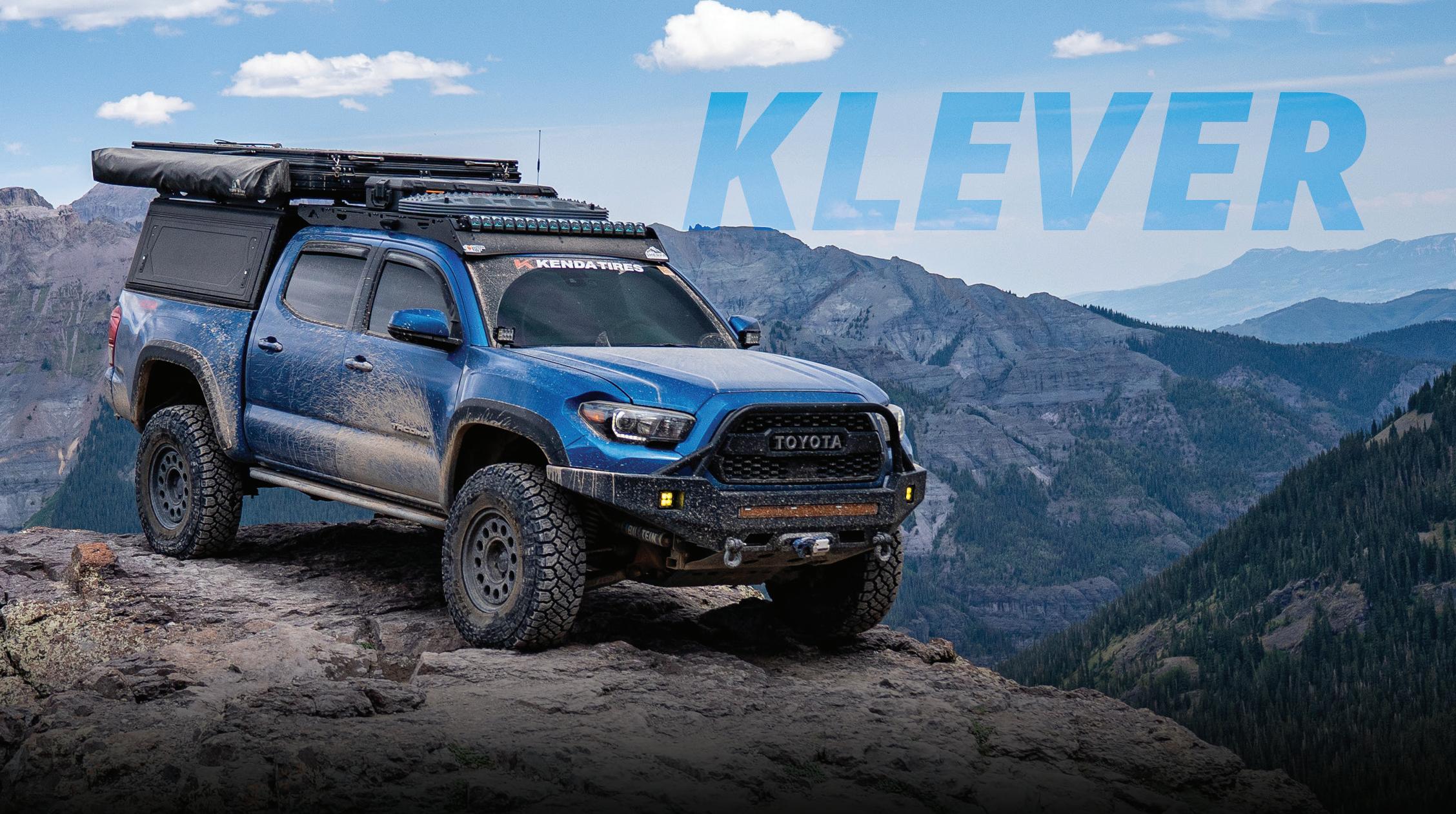
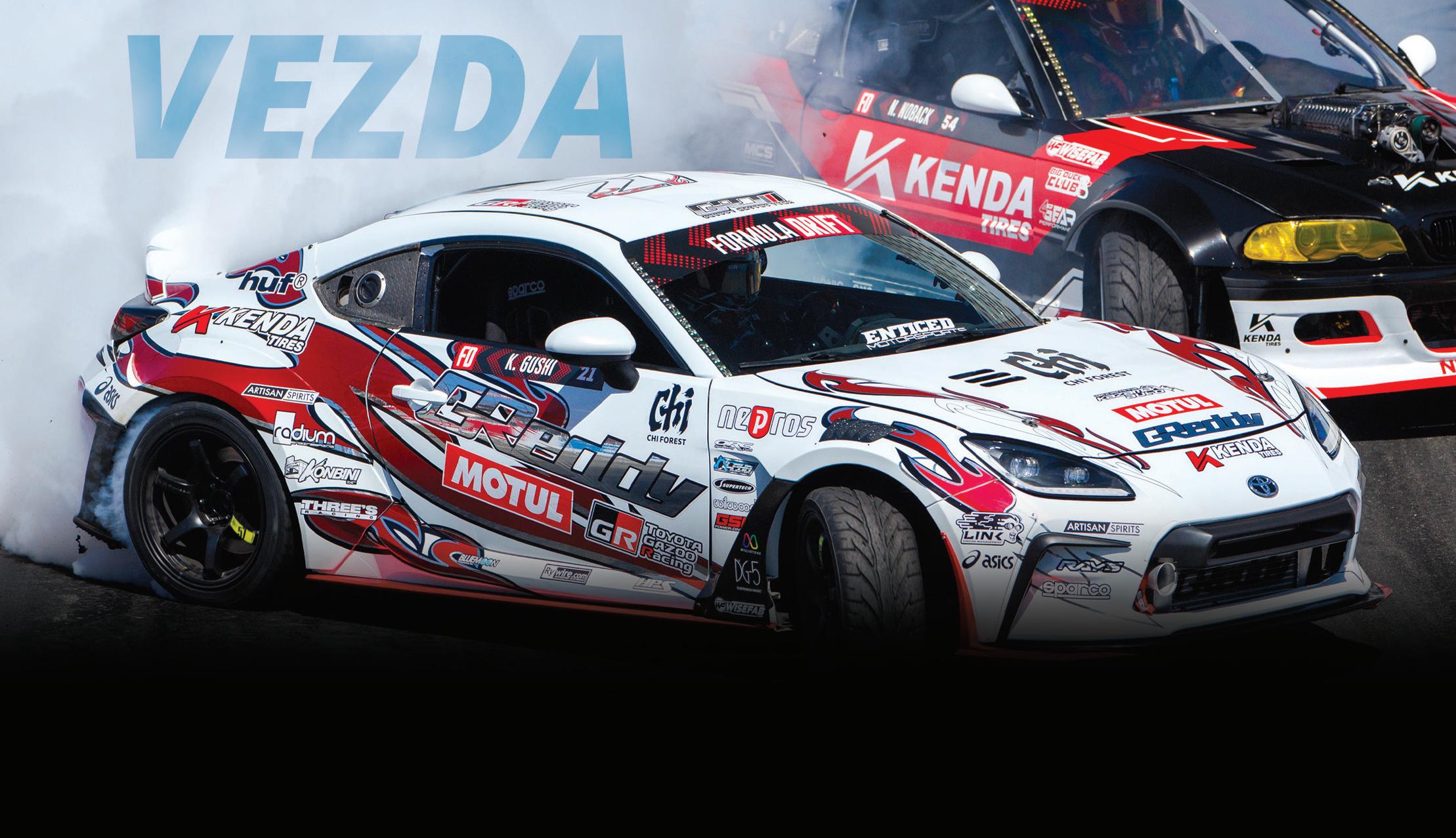
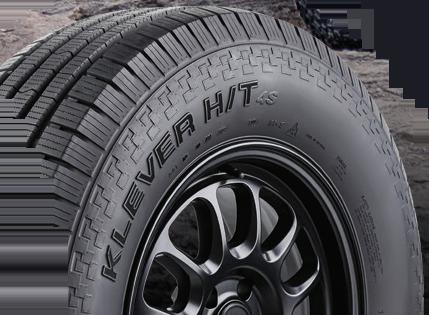
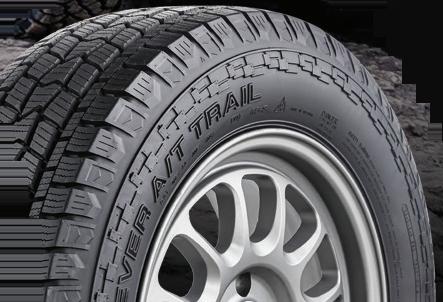
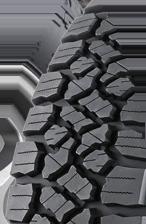
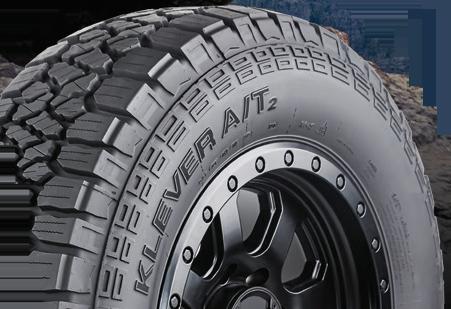
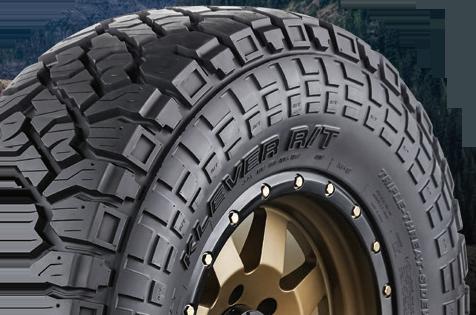
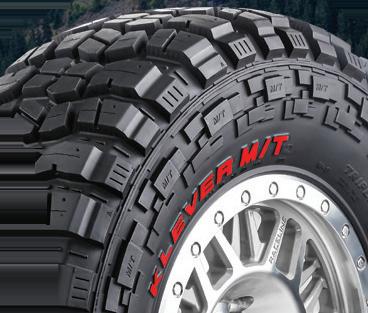
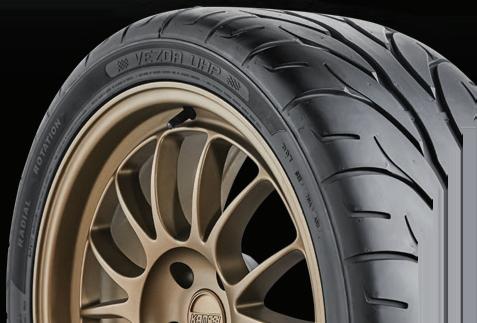
KENDA TRACTION (American Kenda Rubber Ind. Co. Ltd.): New features to the Kenda Traction program include a dealer dashboard for easier progress tracking, placement on Kenda’s dealer locator, mobile access, an additional payout tier and lower minimum qualifying units. This program also offers dealers a secondary distributor option for 10% of purchases, an annual true-up and a welcome kit. Special products in this program include all-terrain and off-road Klever brand tires, such as the Klever A/T Trail and Klever R/T, as well as ultra-high performance and touring Vezda brand tires, such as the Vezda UHP MAX+ and Vezda Touring A/S.
KUMHO TIRE PREMIUM FUEL PROGRAM (Kumho Tire U.S.A. Inc.): In 2025, Kumho Tire introduced several new products to the market, including the PA71 and PS72, both launched in late-spring, and the RT51, which debuted in late fall/early winter. In February 2025, we launched EDGE Training, a new dealer training portal available to all Kumho dealers and distributors, not exclusive to FUEL dealers. EDGE provides educational product videos for Kumho partners to gain a deeper understanding of Kumho tires and technologies. Upon completing training modules, participants are rewarded with Kumho merchandise or gift cards, which motivates engagement while strengthening product knowledge at the dealer level. In 2026, Kumho will continue expanding its product portfolio with the launch of the Road Venture HT in June, followed by the Crugen GT Pro in September, further strengthening our offerings in key consumer categories. We also launched a major upgrade to the Premium FUEL Dealer Portal this March. This enhancement will extend current capabilities and deliver a more modern, intuitive and powerful user experience for dealers, distributors and internal teams. This year, we will also introduce support for a secondary distributor for new and growing FUEL dealers, providing greater flexibility and expanded participation opportunities within the program. Kumho is also expanding our reporting and analytics tool portal, significantly enhancing reporting visibility and usability on a self-service platform. Users will gain access to advanced analytics, such as year-over-year growth insights, dealer and product mix performance, promotion effectiveness and ROI, tier and bonus progress tracking and compliance and engagement metrics. Additionally, we’re announcing a new platform designed to issue faster dealer payouts. Finally, Kumho launched a newly redesigned website.
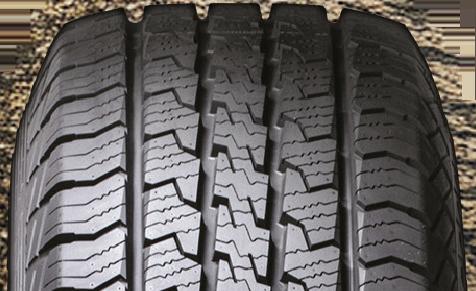
LANDSAIL ELYTE ASSOCIATE DEALER PROGRAM (Sentury Tire USA): Landsail Tires launched a new website featuring intelligent tire search methods and responsive technology. Landsail launched the new RD-365 All-Season tire and RD-365 LMD AS Last-Mile Delivery tire, featuring AxisA3 technology. Landsail Tires has unveiled its new AxisA3 tire technology, a branded representation of the company’s existing advanced tire engineering.
MICKEY THOMPSON MARKETING ALLIANCE (Goodyear Tire & Rubber Co.): In (the first quarter) of 2025, we introduced the eMTMA program, which is geared toward dealers that focus on e-commerce only. This program offers up to $15/unit. In 2026, we are launching the Baja Belted II tires, with 17x14 and 17x16 forged wheels, and also our new UHP tire, the Street Comp GHT. We are also putting a focus on different training options, incentives and trips to different types of events within a dealer’s region. We also offer one of the highest payouts per unit at $20/unit for our premium line. If dealers hit 200-plus units in a single quarter, they can earn up to $20/unit for purchasing our premium lines.
NEXT LEVEL (Nexen Tire America Inc.): As part of the Next Level Launch program, dealers can earn from the very first unit. We are also kicking off our new N’Fera Sport and N’Priz S at a new payout level.
NITTO ENTHUSIAST Circuit (Nitto Tire U.S.A. Inc.): We are expanding sizes of Nitto’s Terra Grappler G3 all-terrain tire. Dealers and consumers have asked for large-diameter flotation metric sizes and the products will be released starting in the first quarter of 2026. The new products will also qualify for the Q1 Enthusiast Circuit program promotion.
NOKIAN PIONEER PROGRAM (Nokian Tyres Inc.): We have added sales incentive trips for high-performing dealers, including a special tour of our Dayton, Tenn., factory and events at destinations such as Puerto Rico and Mexico. Our Pioneer program has grown and is now available through select distributors nationwide. We plan to introduce streamlined quarterly volume incentive payouts, using an enhanced program-specific platform with updated tracking of units and payouts.
PARTNER UP (American Omni Trading): American Omni Trading is adding new products, such as the Americus AllWeather tire and Americus RT tire. We are also adding new sizes to the Americus Rugged MT and the Americus Recon Sport.
RADAR ELITE DEALER (RED) PROGRAM (Omnisource): Launched in January 2025, Radar RED is our new associate dealer program designed to reward and
elevate our partners. RED dealers earn cash rewards, receive exclusive point-ofsale materials to make their stores stand out, gain featured placement on our dealer locator and unlock special promotions throughout the year.
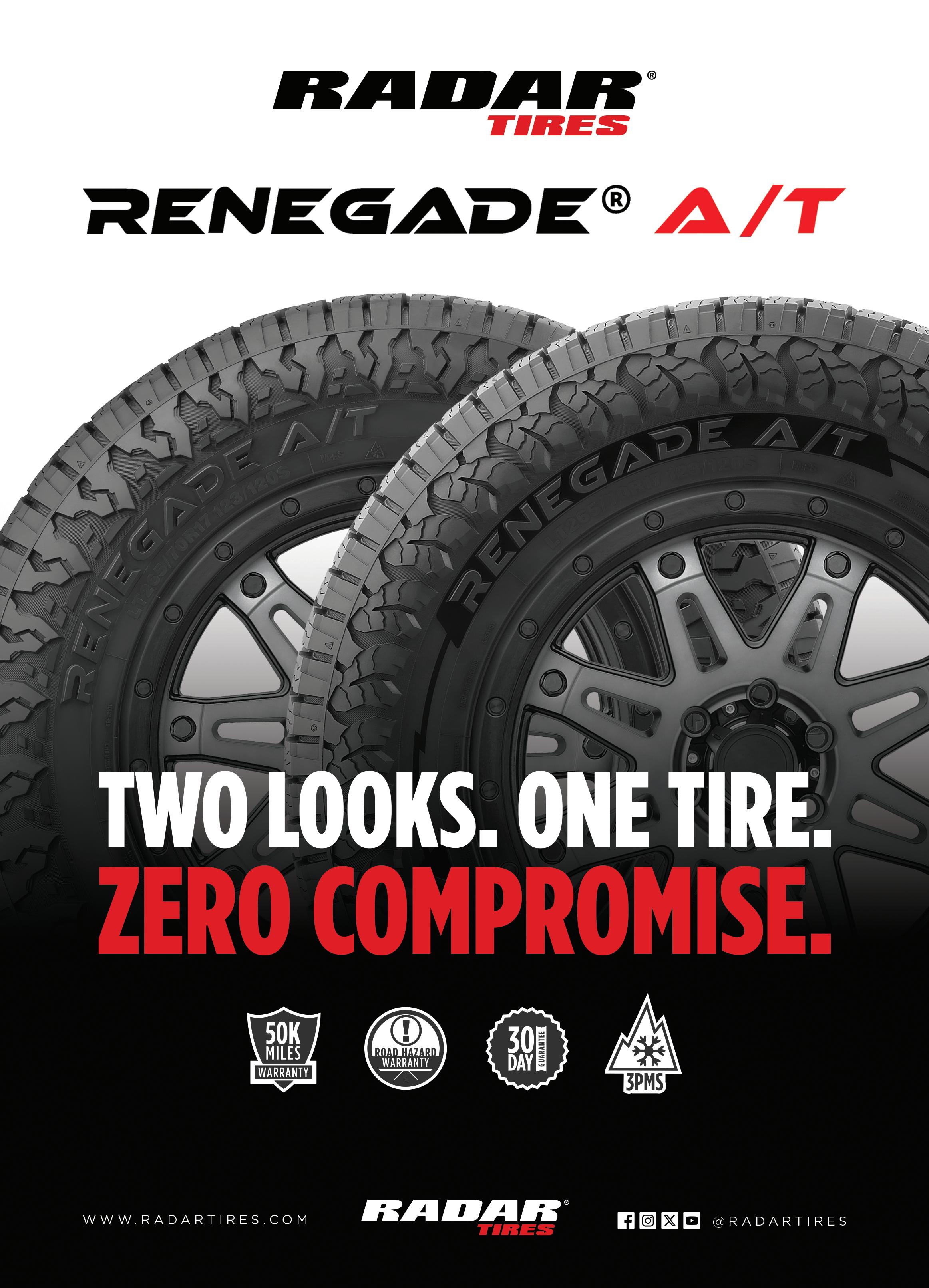
In 2026, Radar raises the bar with the launch of our next-generation AT and AT Trail tires, engineered to lead the segment through innovative design and proven testing. We’re also introducing the Dimax Sport A/S, a premium high performance all-season tire. Alongside these launches, Radar is accelerating growth of the RED program and expanding our presence across every market.
TITAN STRONG SELLER ASSOCIATE DEALER PROGRAM
(Titan International Inc.): Over the past year, Titan has continued to strengthen its dealer offerings through expanded dealer programs and ongoing product innovation. Titan marked the 10th school year of Titan University, while continuing to provide Titan U On-The-Road trainings and Tire Industry Association Safety Training, reinforcing
Stop Guessing. Start Scanning.
the company’s long-term commitment to dealers’ success. Additional dealer support includes the Titan Rewards Program and access to the company’s exclusive dealer portal, The Hub. In 2025, Titan also announced an expansion of its Goodyear licensing rights into additional product segments — including light construction/industrial, ATV, lawn and garden and golf tires — broadening the range of Goodyear-branded specialty tire solutions available to dealers and end users. From a product innovation standpoint, Titan introduced the new ITP-branded Savage tire line, engineered for extreme terrain applications. Additionally, Titan launched the Titan Trac Loader II, developed to deliver outstanding stability, durability and performance for compact and utility tractors. As the Titan Strong Seller Associate Dealer (TSSAD) program enters its 10th year, we’re announcing that it has been refreshed with updated materials and a newly introduced Decade of Strength emblem, which will appear throughout 2026 across program communications, banners and marketing collateral. Titan is
also introducing an important enhancement in 2026 to further strengthen participation. The first-tier incentive level has been lowered to $30,000 annually, creating greater opportunity for associate dealers to qualify for the annual volume incentive and benefit from the program earlier in the year.
FRANCHISE GROUPS
BIG O TIRES LLC (TBC Corp.): We have launched expansions of our Big O-branded tires, such as a wider range of sizes for the Big Foot All-Terrain II and Legacy AS Plus tires. In January, we also rolled out a new advertising campaign, ‘No Big Deal,’ which featured targeted ads across social media, television and streaming platforms. We also announced the Big O Scholarship program.
RNR TIRE EXPRESS (SPF Management Co. LLC): RNR Tire Express will expand its offerings to include brakes and other front-end services that will utilize our flexible payment options at select locations only. ■
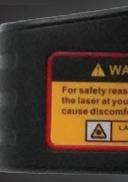
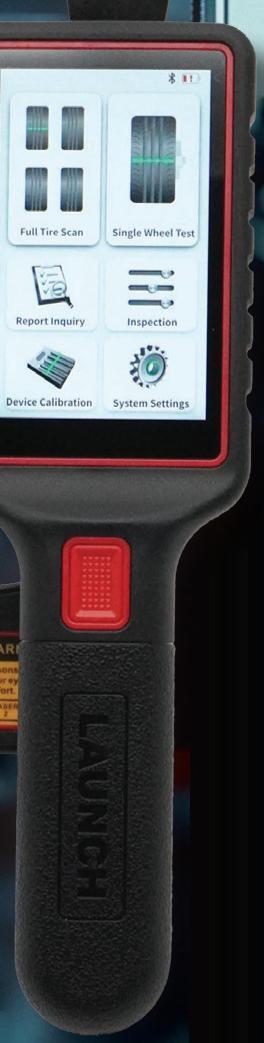
Laser-precision tire inspection that helps shops detect wear faster and sell tires with confidence.
Tire inspections shouldn’t rely on guesswork. The Tread Master 2.0 uses advanced laser scanning technology to measure tire tread depth with 1/32” accuracy, giving technicians a fast and reliable way to identify uneven wear and tire replacement needs. With the ability to scan a full tread or individual grooves, the Tread Master 2.0 provides clear, data-driven insights that help shops improve inspection efficiency and build trust with customers. Designed for tire dealers, repair shops, and fleet service operations, the Tread Master 2.0 helps turn every tire inspection into a smarter service opportunity.
(clintyoung@pointstire.com)
(jimnasoulis@tirealliance.com)
(kevin.speroff@tirehub.com)
(jnapoli@usautoforce.com)
Tire Manufacturer Programs
Dealer/program groups
THE MR. TIRE AND BIG 3 TIRE PROGRAMS ARE DESIGNED TO HELP YOU STRENGTHEN YOUR INDEPENDENT TIRE DEALERSHIP WITH THE TOOLS NEEDED TO REACH YOUR MAXIMUM POTENTIAL WITHOUT SURRENDERING YOUR IDENTITY.
Employee motivation
The motivation multiplier
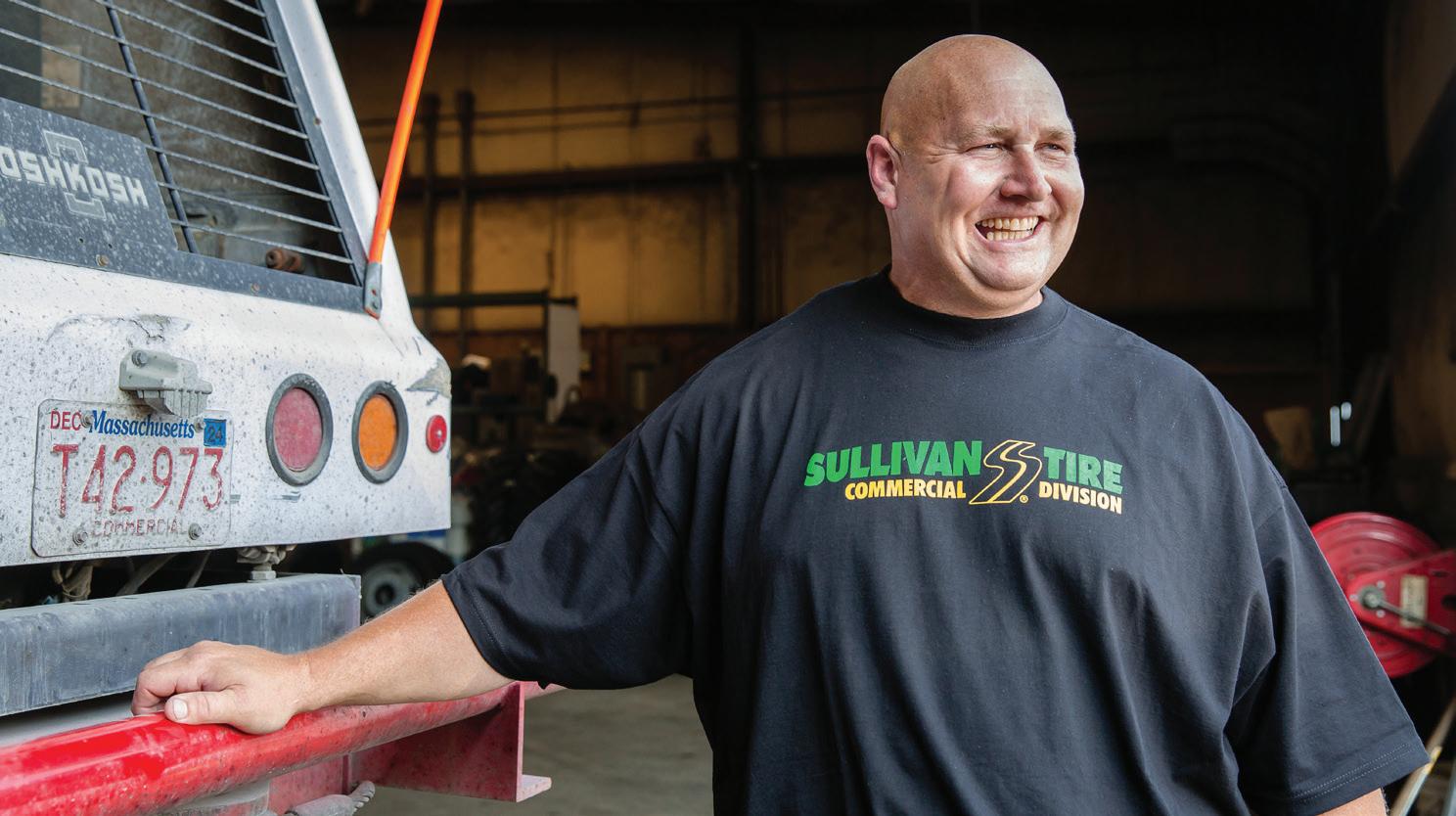
SULLIVAN TIRE’S ESOP IS DRIVING ENGAGEMENT, EFFICIENCY AND RETENTION
Sara Welch By
On a recent Saturday afternoon, a customer walked into a Sullivan Tire Co. Inc. location with what felt like a “semi-emergency.” Their daughter, who was visiting, arrived with a low tire and a “very weird sound” coming from her car.
The situation was resolved quickly and Sullivan Tire’s staff were “so accommodating and helpful, from the first person who answered our call through the pickup and payment process,” the customer later wrote. What stood out even more was the relief and confidence Sullivan Tire provided on the fly, in the customer’s own words:
“Fixing a tire on a Saturday afternoon, last-minute. So grateful for the service and the peace of mind knowing our daughter wouldn’t be driving home on a bad tire. Big thank you.”
For Joe Zaccheo, Sullivan Tire’s president and CEO, that kind of feedback isn’t new. What is new — nearly two-and-ahalf years after the company became employee-owned — is a renewed sense of urgency and intensity displayed by the dealership’s employees.
“We had that type of culture before, but it’s more intensified now,” says Zaccheo. “There’s a sense of ownership — really going the extra mile — and that’s a clearcut example.”
AMPLIFYING COMPANY CULTURE
Since implementing its employee stock ownership plan (ESOP) in late-2023, Sullivan Tire hasn’t reinvented its culture. It’s amplified it and this shows up across the company’s retail stores, commercial tire centers, retread plants and warehouses.
“I’d say the level of engagement has increased and there’s a sense of urgency,” says Zaccheo. “There’s more teamwork.”
Teamwork has been especially visible in the company’s distribution operations, where efficiency is always improving.
“You can see that when you walk through” any of the dealership’s distribution centers, says Zaccheo, pointing to tighter coordination, which ensures “tires get loaded correctly and get to the right store at the right time.”
At the retail store level, technicians are staying late to finish jobs, employees are stepping in to help one another and
Jim Fitts is one of the 1,400 employees enrolled in Sullivan Tire Co. Inc.’s employee stock ownership plan.
there’s a shared willingness to push a little harder. “I think it’s going the extra mile,” says Zaccheo. “Whether it’s staying a little longer to complete a repair or tire installation on a vehicle, being more cautious on watching expenses … or taking care of one another… I think it’s just caring for one another that has intensified.”
THINKING LIKE OWNERS
One of the most significant shifts has been in how employees think. “They want to understand the cause and effect of revenue, expenses and how does that impact the share price of the stock, so they’re asking more business-like questions.”
Employees are beginning to think more like owners and that mindset shift is central to how Sullivan Tire frames ownership internally. Employees aren’t just participants in a retirement plan thanks to the company’s ESOP. “They’re stewards of resources,” says Zaccheo. “You want to make sure you’re making the right decisions with the funds available.”
That philosophy is influencing dayto-day decisions and it’s reshaping how teams collaborate across locations.
“It’s about sharing best practices, trying to be better every day, learning more from each other (and) sharing what works, so that in the long run, if we’re all doing better each day, that will eventually lead to a higher share price.”
MEASURABLE IMPACT
While cultural shifts can be hard to quantify, Sullivan Tire is seeing data that demonstrates the ESOP’s impact. Employee turnover has dropped significantly.
“Our turnover was reduced by 10% last year,” says Zaccheo. “That’s a big percent to change in one year.”
For Sullivan Tire, the ESOP has also become a powerful differentiator in recruitment conversations, especially with younger technicians and managers.
“It’s definitely a differentiator with us versus the competition,” says Zaccheo. “We’re able to offer young technicians ownership in a growing company.”
And the long-term impact is easy to communicate. “The stats are (that) employees who retire from an ESOP-run
Photo: Sullivan Tire Co. Inc.
Employee motivation
company retire with two-and-a-half times the retirement savings than working for a non-ESOP company.”
MAKING OWNERSHIP REAL
If ownership is the goal, understanding is the prerequisite. Sullivan Tire has invested in ensuring employees not only participate in the ESOP but also understand it.
“At a high level, it’s a relatively easy concept, but when you start digging into the layers and the details of it, it does get a little bit complicated,” says Zaccheo. “So it’s just an ongoing communication strategy we have here to make sure people understand.”
Sullivan Tire has built a multi-layered communication strategy that includes an ESOP communications committee that visits stores annually, human resource department-led sessions reviewing individual ESOP statements, monthly company videos with ESOP updates, a frequently asked questions resource and a dedicated email inbox for employee questions.
How the dealership talks about its workforce also plays a role in bringing the ESOP to life. “When we address
our employees, we address them all as employee-owners,” says Zaccheo.
A COMPETITIVE ADVANTAGE
Beyond internal impact, Sullivan Tire’s ESOP is beginning to influence how the dealership is perceived externally.
“Frequently, we have customers comment and say, ‘I want to support employee-owned businesses,’” says Zaccheo. “They like the concept.”
Sullivan Tire has leaned into that perception by incorporating “employee-owned” into its branding, advertising and communications.
At the same time, competitors and industry peers are asking questions. “We’ve had a couple (of) competitors ask about the ESOP and then we’ve also heard from companies that we do business with,” says Zaccheo. “They’re curious about the basics. How does it work?”
For many, the appeal goes beyond motivation.
“It’s a succession planning mechanism,” he says. “It’s a great way to maintain the culture of your company (and)
keep the values in place. A lot of times, it’s the employees who have made the company successful, so it’s a way of rewarding them for their hard work.”
MORE THAN A RETIREMENT PLAN
At its core, Sullivan Tire’s ESOP is a retirement plan. But it’s also more.
“It’s not like the 401(k) where you put your own money in,” says Zaccheo. “You put your time, your commitment to the company, your contribution, your productivity (in).”
Employees don’t invest their own money. They earn shares over time based on their contributions to the business.
Nearly three years in, the ESOP’s impact is being felt far beyond long-term financial planning. It’s changing how employees show up each day, serve customers, collaborate and think about the business.
“I would say yes,” Zaccheo says when asked if the company has achieved what it set out to do. “The ESOP’s in place. It’s working. We’re on our third valuation and statements for this year and we’re having great success with the concept.” ■
McArthur Tire
“Consistent
leadership is so important and consistent leadership that’s comprised of empathy — realizing and recognizing the importance of your employees, their contributions,” says McArthur Tire President Mary McArthur.
Carrying McArthur Tire’s legacy
MARY MCARTHUR LEADS MCARTHUR TIRE INTO ITS 75TH ANNIVERSARY, BALANCING FOUNDATIONAL VALUES WITH MODERNIZATION
Sara Welch By
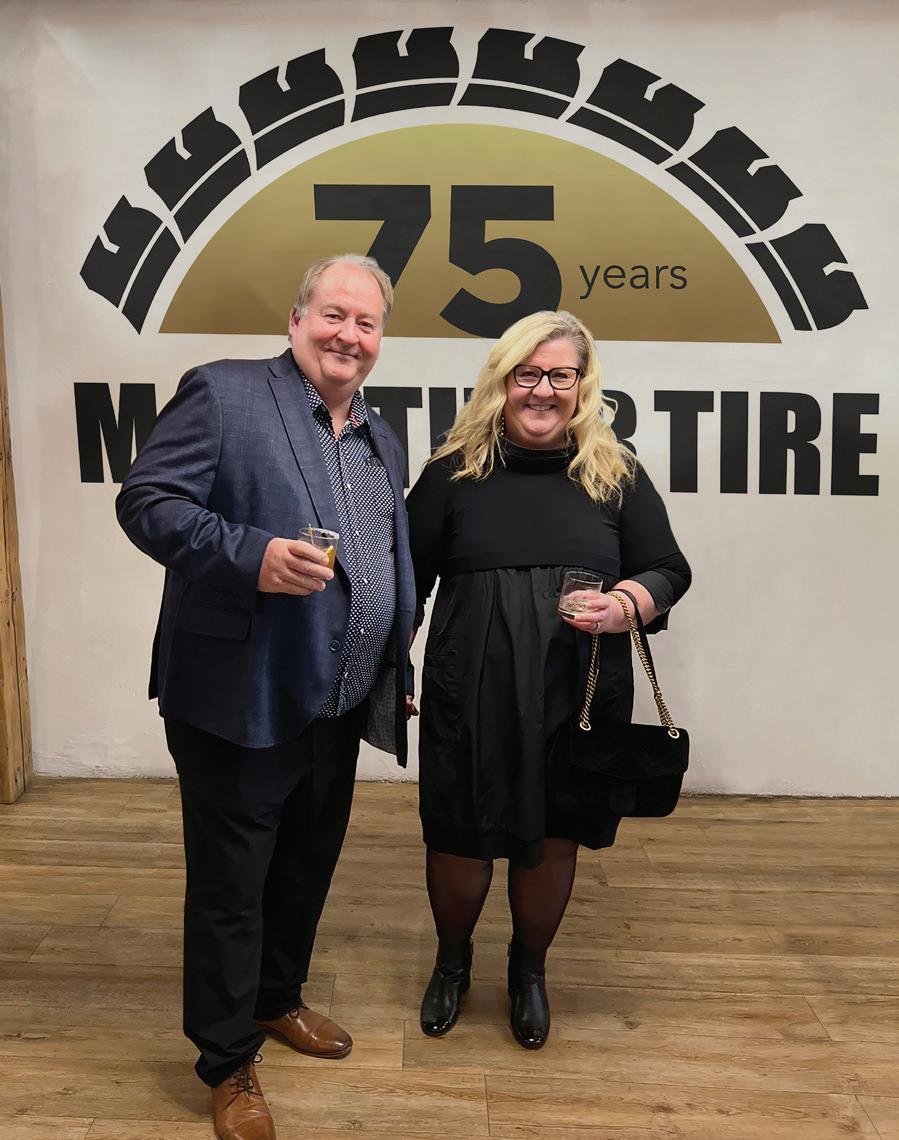
As McArthur Tire approaches its 75th anniversary, the milestone means more to President Mary McArthur than longevity alone.
For her, it is evidence that the values her father built into the company over seven decades ago still matter — and still work.
“It means a great deal to myself and my family, both professionally and personally,” says Mary. “It’s so meaningful to see those foundational roots that my father ingrained survive. We continue to serve our customers that way — with that original cornerstone of honesty and integrity intact.”
That foundation has carried McArthur Tire a long way since J.D. McArthur opened the company’s first location in Owen Sound, Ontario. What began as a single store has grown into a business that today includes three locations, a Bandag retread plant and retail and commercial tire
sales and services. As the business and the tire industry have changed over the years, McArthur Tire’s central philosophy has remained consistent — treat customers and employees well, communicate clearly, invest in people and keep improving.
A LEAP OF FAITH
McArthur Tire’s origin story still resonates today, as the values that define the business can be traced back to its beginnings.
Mary says her father returned home to Owen Sound after a successful hockey career in the American Hockey League and saw an opportunity to build a stronger regional tire service. And he was willing to take a risk to provide it.
At the time, Mary says her parents were living with her maternal grandparents and her father couldn’t find a bank willing to finance his vision. Instead, a
local businessman in the shipping industry took a chance on him.
“My dad could not get a bank to lend him the money or even look at his business plan. But a local businessman here who had been extremely successful in the shipping industry took a chance on my dad (and) lent him the money personally to get started and my father never forgot that.”
That act of faith stayed with J.D. McArthur throughout his career. It shaped how he treated others and reinforced his instinct to pay kindness forward.
One story shared with Mary after her father’s funeral has stayed with her. A woman told her that years earlier, she had applied for an accounting position at McArthur Tire, but lacked both experience and money for further schooling. Rather than turn her away, J.D. McArthur
Photo: McArthur Tire
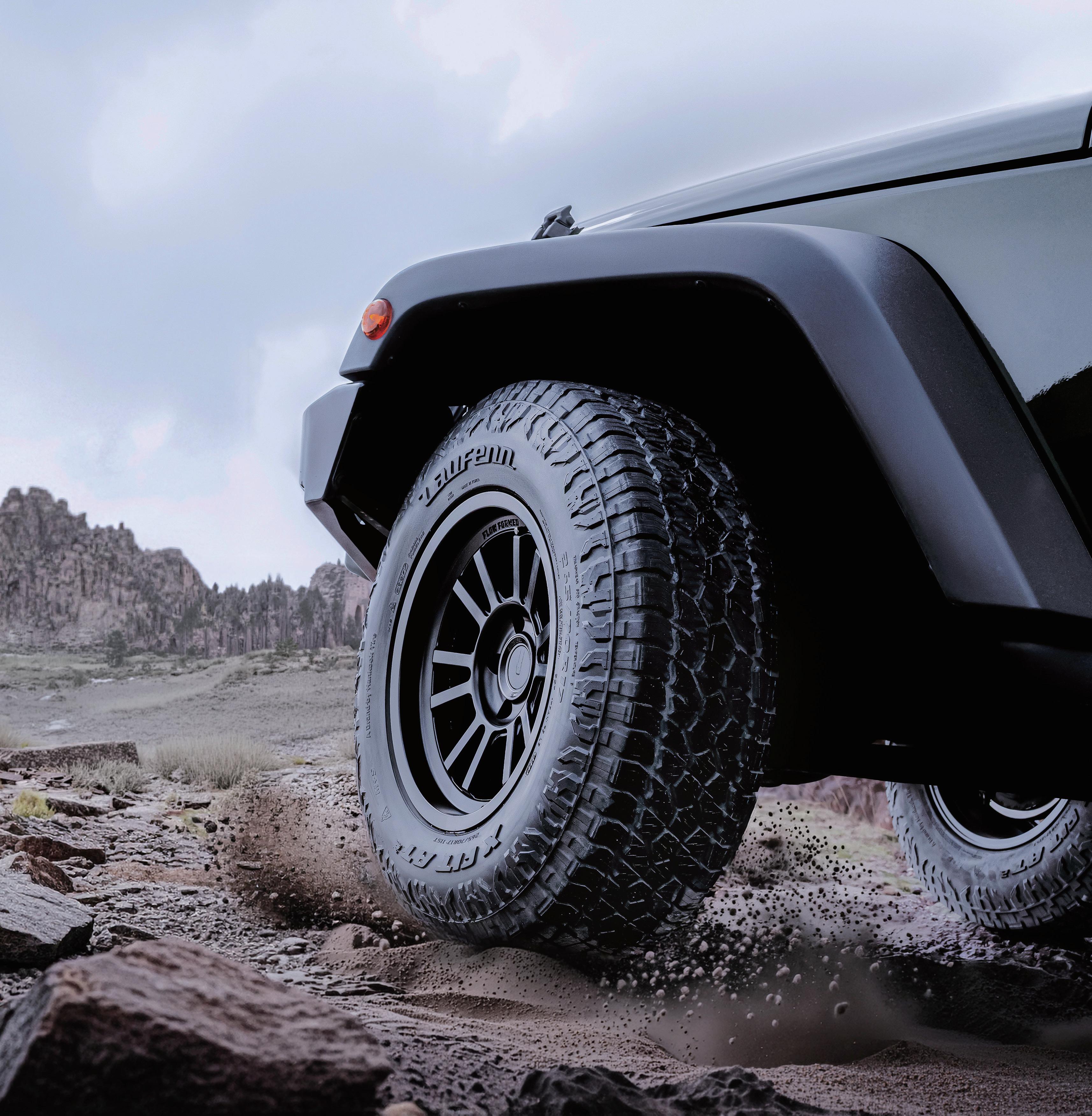
On-road or off-road, the X FIT AT2 delivers dependable performance that keeps you safe and ready for adventure.
McArthur Tire
told her to get the education she needed and promised to help. When she returned after completing her training, he forgave the debt she had accrued and she went on to have a successful career.
“He paid it forward with the kindnesses that have been given to him,” says Mary.
For Mary, the story captured something essential about the company her father built: Service isn’t limited to selling tires.
AHEAD OF ITS TIME
From the beginning, McArthur Tire was built to provide the best possible service. The original Owen Sound location was considered one of the most advanced tire shops north of Toronto, according to Mary. At the time, there was limited commercial tire service available in the region, so J.D. McArthur built a large facility, stocked deep inventory and invested in equipment and service capabilities that customers couldn’t easily find elsewhere.
He worked closely with Goodyear Tire & Rubber Co., a primary supplier, to ensure the business was equipped to operate at a level comparable to larger dealerships. The company put two boom trucks and four service trucks on the road and maintained strong inventory across the passenger, ag and commercial tire segments. The goal was to create a dependable destination where customers could get quality service without delay. That mindset still shapes the business today.
“We’re known for that service and for that trust in our service,” says Mary.
LEADING THROUGH TRANSITION
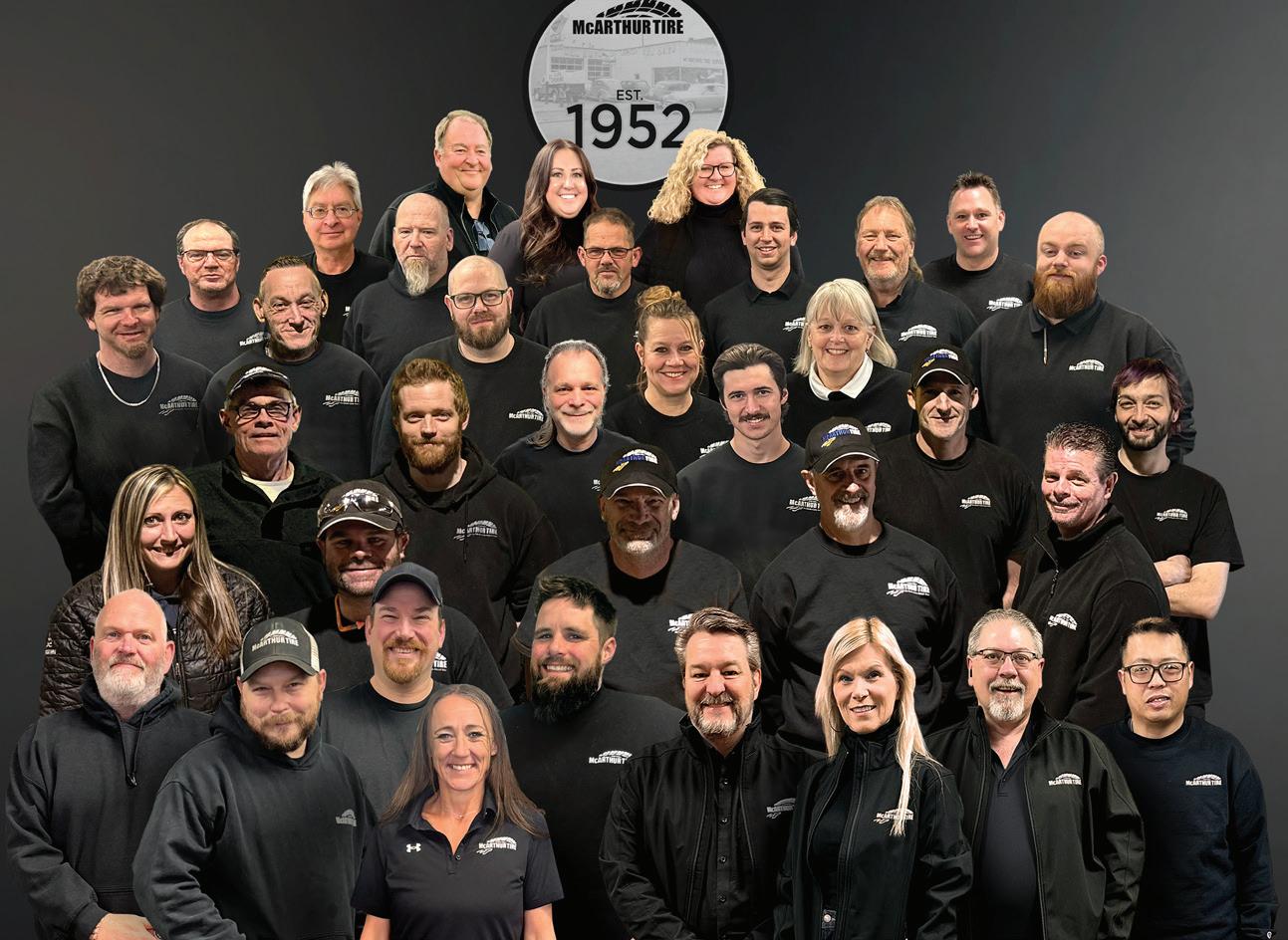
After her father’s passing in 2002, Mary began guiding the company, determined to preserve the values that already existed. The loyalty of veteran staff members helped maintain continuity during the ownership transition and that loyalty is one of McArthur Tire’s defining traits today.
Mary credits McArthur Tire’s high employee retention rate to consistent leadership and a culture of empathy, respect and support. “Consistent leadership is so important and consistent leadership that’s comprised of empathy — realizing and recognizing the importance of your employees, their contributions.”
For Mary, building culture means more than offering thanks once in a while. It means celebrating life events, supporting employees through difficult times,
recognizing the value of skilled labor and ensuring every team member understands the impact of their contributions.
“We’re like family because we … try to make sure if anyone’s going through a hardship, they’ve got support,” she says.
That people-first approach extends to how the company talks internally about technicians and service staff. Mary says the company makes a point of ensuring employees have the resources they need to succeed.
“I think each member of our team recognizes the importance of our technicians and them having every tool that they need to be successful at their job, because otherwise there is no tire business,” says Mary.
BUILDING ON THE FOUNDATION
Mary’s leadership philosophy comes down to consistency and communication, which have helped guide McArthur Tire as it has evolved.
Mary and her husband, Jeff Armstrong, have worked to strengthen communication, accountability and transparency throughout the company — not to reinvent the business, but to build on its foundational values and give employees a clear roadmap for growth.
Today, those initiatives show up in regular staff meetings, close collaboration with managers and a strong emphasis on shared responsibility.
“The most challenging (thing) is making sure that you’ve set your communication out and coordinated it well so that everyone can see the vision, buy into the vision and be part of shaping that vision, as well, because it takes their input to make it all work,” she says.
MODERNIZATION
While Mary has preserved the company’s culture, Armstrong has played a major role in modernizing its operations.
As a former civil engineer who owned his own company, Armstrong brought a new perspective when he joined McArthur Tire. Today, he serves as the dealership’s CEO.
Armstrong’s background helped push the dealership toward new technologies, more efficient systems and stronger longterm planning.
His efforts have been especially visible in the retread operation, where McArthur Tire has focused on equipment upgrades, data-driven production improvements
and closer integration with Bridgestone/ Bandag, its tread rubber supplier. “Jeff’s engineering background brought a fresh perspective on how McArthur Tire could go forward in a different direction to be stronger and to have more longevity.”
McArthur Tire became the first pilot company in Canada to use BASys Global, Bridgestone/Bandag’s software platform for tracking customer work orders, plant inventory and casing location within the retread process.
That reporting capability has been valuable for fleet customers and has helped support growth in larger markets.
CELEBRATING 40 YEARS
The company’s retread plant will mark its 40th anniversary in 2027. It began after a former business partner of J.D. McArthur’s encouraged him to consider the retread business as a growth opportunity. Today, Mary describes the plant as a medium-sized facility with room to grow. Its primary customers include local fleets, regional long-haul carriers, bus operators, waste haulers and construction accounts.
The plant has benefited from staff longevity and collaboration with Bridgestone/Bandag in equipment and training. It has earned high marks in Bridgestone audits and maintains a retread failure rate of less than 1%, according to Mary.
A LASTING LEGACY
When asked what has enabled McArthur Tire to succeed for nearly 75 years, Mary’s answer circles back to relationships. “People do business with people,” she says.
Community engagement will be a big part of McArthur Tire’s anniversary celebration. Although the official anniversary date is Nov. 20, 2027, the celebrations will stretch across the year, with events for employees and their families, customers and affiliates and the communities it serves, which include Brampton, Hanover and Owen Sound, Ontario.
The retread plant will also receive its own recognition as part of the milestone year.
As McArthur Tire looks ahead, Mary says she is focused on what comes next.
“How can we be better again? How can we make it better for everyone who works for us and for our customers?
“It’s a lofty thing, but you can’t lose sight of that or what keeps you ticking,” she says. ■
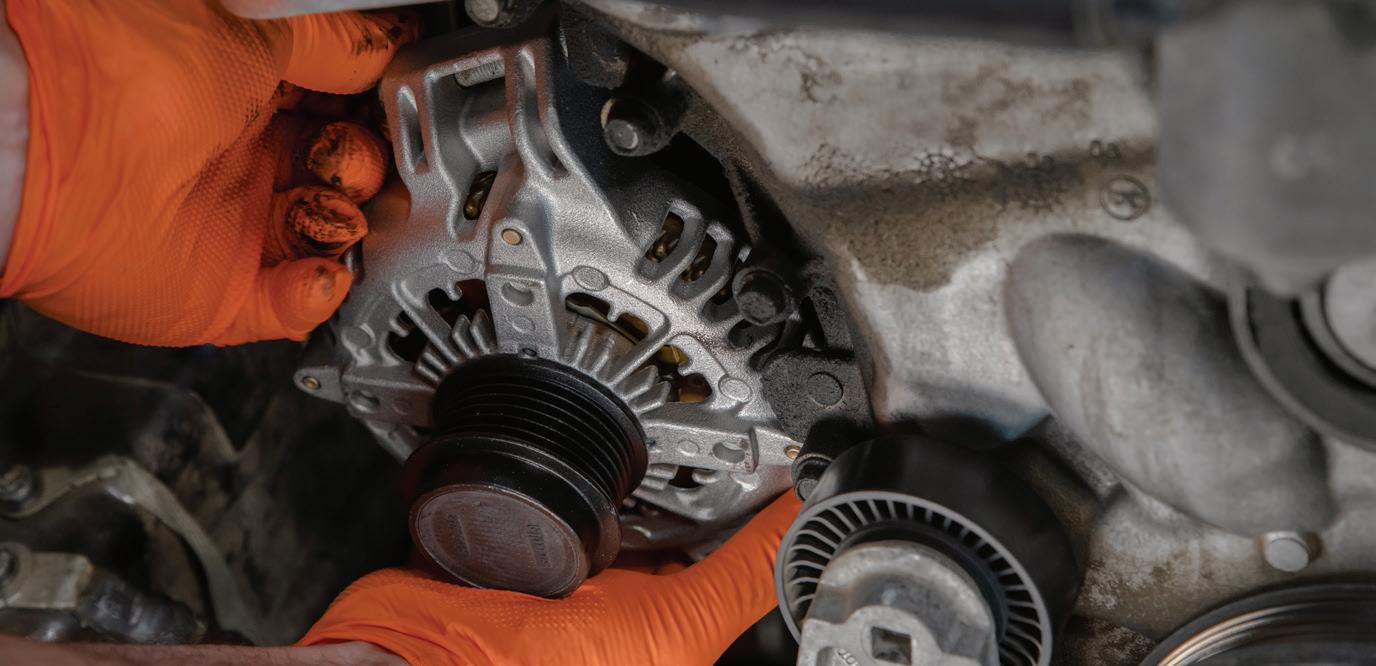
Over the last decade, “smart charging systems have become the norm,” says Cody Hicks, AutoZone’s director of merchandising, customer satisfaction.
Photo: AutoZone
VEHICLE CHARGING SYSTEMS CONTINUE TO EVOLVE
Vehicle charging systems contin ue to evolve and in order to stay current, technicians’ skills must advance accordingly, according to Cody Hicks AutoZone’s director of merchandising, customer satisfaction.
“Back in the early 2000s, we started to see manufacturers move toward com puter‑controlled charging to keep up with growing electrical demands,” he says. “Since then, vehicles have added more sensors, more comfort features and more electronics overall, which increases the importance of proper system diagnosis and having the proper diagnostic tools readily available.”
Over the last decade, “smart charging systems have become the norm. One of the biggest shifts has been toward LIN‑controlled alternators. These units don’t just generate power. They’re con stantly talking to the vehicle’s ECU.
“That communication lets the sys tem fine‑tune voltage output, protect the battery and even helps improve fuel efficiency by adjusting the alternator load, depending on system requirements needed at the time.
“These systems typically run in two modes: a full‑charge mode and an effi ciency mode,” says Hicks. “The ECU uses feedback from the alternator and battery current sensors to decide what the vehicle needs at any moment. And because the sys tem actually learns the battery’s condition,
installing a new battery usually requires an ECU reprogramming — or system relearning — so the charging strategy resets and adjusts properly.
“While the technology is still relatively new, we’re now entering a phase where more of these systems are reaching the age where failures, repairs and replace ments are becoming more common.
“The biggest thing to keep in mind is that quick visual checks aren’t enough anymore,” says Hicks. “If a customer shows up with a weak battery or a battery warning light, you really need to hook up an advanced diagnostic scan tool to get an accurate read on what’s going on.
“Modern charging systems rely on mul tiple sensors and smart components, which means there can be several different failure points and not all of them are obvious. A diagnostic scan tool can help pinpoint whether the issue is the battery, the alter nator, a sensor, a control module or even if a software‑related update is needed.”
Hicks adds that it’s important “to check your shop management system or service information before installing a replace ment battery/starter or alternator. Many newer vehicles require battery registration or a relearn procedure after the install.
“Skipping that step can lead to under charge or a no charge situation, which could lead to customer comebacks, even if the battery/alternator has just been replaced.”
Growth mindset
RETREADERS GEAR UP FOR ANOTHER BIG YEAR
Mike Manges By
Rising operating costs. Continued volatility in the fleet market. A still-shallow labor pool. These and other market forces compelled many of the largest retreaders in the U.S. to up their game during 2025. And that’s exactly what they did.
In this exclusive lead-in to MTD’s 2026 Top U.S. Retreaders List, executives from six prominent retreaders discuss how they overcame last year’s challenges and have positioned their businesses for continued success.
JIM RUSSELL, executive vice president, Border Tire LLC (El Paso, Texas): “2025 for Border Tire was a consolidation year. We opened our new retread plant in Redlands, Calif. We had three plants and now we have one. We’re trying to capitalize on the efficiencies you get in being in a larger, more productive facility with newer equipment. There’s a lot of pressure from the competition, like low-cost imports, and then obviously the pressures of just the rising cost of business. Some of the other challenges are volatility in the fleet market and the challenges they face. I think our large retread customers have not changed their strategy. I think the challenge comes more in the local market with low-cost imports. This causes more price-conscious fleets to maybe go back and forth between retreading and new tires and I think as long as those pressures are still there, it will continue to be a challenge. A lot of fleets are asking for more data. We have
“Our goal is to capitalize on the investment we’ve made over the last few years,” says Jim Russell, executive
the ability to provide them with more of that data. They’re starting to look at what casings are retreading at a higher rate. I think data is important and they just want more of it. Our goal is to capitalize on the investment we’ve made over the last few years and be able to take advantage of that to not only provide better retreads in a timely manner, but to be more competitive in the market, as well. I think there’s still a challenge with perception … the retread shops of old that were dirty, dingy — all of that. When (customers) come through our facility, they see it’s truly a manufacturing process that is very efficient, controlled and produces a high-quality product.”
vice president, Border Tire LLC, which is based in El Paso, Texas.
Photo: Border Tire
Commercial Tire Dealer ®
JEFF LECKLIDER, president, Gem City Tire (Dayton, Ohio): “Last year, we had a really strong retread business, in general. Demand for retreads remains very strong in our region. One thing we’ve been able to really push is a second-tier retread with Goodyear, (which is) more of a price point retread. Goodyear UniCircle is our premium brand and then we have … an economy-level precure
retread that we’ve had some success with to combat the imported new tire situation that we’re all dealing with. The way we’ve been able to have success, quite honestly, is (our ability) to show up and service the account. That’s really been the way we’ve been winning more business and it’s become more difficult to do that. The labor market is still extremely tight — not only in the plant. There’s more
“Our sales team has done a really nice job of keeping up and keeping production flowing into our plants,” says John Ziegler III, regional sales and operations manager of Ziegler Tire & Supply Co., based in Massillon, Ohio.
THE NO-SPLICE RETREAD
to retreading than just the guys on the plant floor. There’s a lot that has to happen to gather up those tires and get them to the plant — route drivers, people who mount and dismount tires and so forth. But demand is good. With the economy being such, people are watching their Ps and Qs on what they spend, which is good for the retread industry. A lot of our customers are really welcoming the data that we can provide — as far as the age of their casings, whether they have been retreaded before or not, how many repairs it takes in the casings to get them back to firstline quality, their scrap rate, how successful there tire program is — so we’ve been able to win a lot of new business by just being able to help the customer improve their tire management program. We see a very robust 2026. There’s a lot of opportunity for us.”
NOAH HICKMAN, president, H&H Industries Inc. (Oak Hill, Ohio): “2025 was an unexpected year for us. Operating costs continued to rise — labor, insurance, equipment — it all increased and it forced myself, and I believe a lot of other retreaders, to tighten up. With that being said, it also created opportunities for companies like us, who focus on process control. It seems like every year continues to be a little bit more of an effort, but we’re being proactive about it because today that’s all you can do. And so instead of reacting to national account pricing or price wars, we focused on strategy and efficiency. It’s all about educating service providers and end users. When dealers and retreaders partner up, everybody wins. The service provider grows their market share, the fleet improves their cost-per-hour and the program becomes predictable, instead of reactive. Transactional thinking is under pressure when it
Photo: MTD
comes to retreads. Program-based thinking is gaining traction and that’s what it’s all about. Retreading doesn’t work well as just a transaction. It works best as a program. That’s where I believe it’s going. The market is probably more competitive than it ever has been, but with end users and service providers starting to think more about lifecycle-based programs, I feel our business will continue to increase and our partnerships will continue to strengthen. OTR retreading is really not a fallback option. Done correctly, it’s an engineered solution.”
JASON ROANHOUSE, vice president of manufacturing, McCarthy Tire Service Co. Inc. (Wilkes-Barre, Pa.): “It feels like there’s a lot of uncertainty and in some ways, that’s helped the retread industry and in some ways, that’s created challenges for everyone — whether it’s economic uncertainty or volatility due to tariffs and how fleets are thinking about their business. Even so far as some of the more common casing sizes that have to be imported from other places, that impacts the price of casings on a global basis versus just the domestic (market). A lot of low-profile 22.5-inch (tires) come in from different parts of the world. So a lot of this is hedging on the economic environment we find ourselves in. 2024 was probably the first year where I feel like we saw the market return to some kind of equilibrium. Of course, you had all the influences on things that have to move via truck — construction starts and interest rates. 2025 was a continuation of 2024 — continued stabilization, normalization (and) fleets looking at what’s
going to drive their equipment decisions. A lot of fleets that are making decisions on replacement of equipment are large fleets and retreading is a huge component of their tire program. Currently, there are no availability challenges or shortages for any inputs to the retread industry and I think fleets are continuing to want to get as much out of each casing as possible. We have seen some of
our larger customers try to enhance and improve their retread programs to extend the life of their casings, looking hard at their specs and how they can continue to invest in maintenance to drive more value out of the casing. And that bodes well for the retread side of our business. We’re going to have to grow through competition. Our services are going to really matter. Being in the right place at
Thermacure® Cushion Gum = Retread-Ready: Withstands multiple retread cycles | no failures, no comebacks.
Backed by TECH University: Train your team for fast, consistent, no-rework repairs.
Trusted by Top OEMs: Meets global tire brand standards for proven, retread-safe performance.
TECH Tire Repairs and Chemicals are Proudly Made in Johnstown, Ohio USA
Commercial Tire Dealer ®
the right time with our assets… that’s where we’re going to win and if we win there, we win on the retread front and on the new tire front.”
MIKE JACOBSON, vice president of manufacturing, Purcell Tire & Rubber Co. (Potosi, Mo.): “You have the truck tire retreading market and the OTR tire retreading market. Truck tire retreading
during the first half of the year was soft and kind of a challenge for us and a challenge for our stores. The second half of the year turned out much differently. It felt like we were starting to get a little bit of a rebound. Most of our (truck tire) retreading is coming from our stores and now, with the purchase of Jack’s Tire & Oil, (we have) a lot of national account business and that helps, especially out
west. (Editor’s note: Purcell Tire acquired Logan, Utah-based Jack’s Tire and Oil Management Co. Inc. in 2024.) In 2026, right now, so far, we’re up 6% ahead of last year’s numbers. (In OTR tire retreading), the first half of 2025 was very tough. We have two plants — one in Potosi, Mo., and one in Portland, Ore. — and both were struggling to try to stay busy. Our biggest competitor is off-brand (OTR) tires … tier-three and tier-four. Everybody is buying by price and they’re bringing tires into the market at sometimes below our cost. We’ve tried to stay away from buying tier-three and tier-four casings. But in the second half of the year, we picked up more casings and we’re selling more cap and casings. That’s driven a good part of our business. In the first three months of this year, we’ve capped a huge amount of OTR casings. We have to show the customer why they should be spending money on a quality casing and a quality new tire (up front), so it can be retreaded and repaired. It really starts with that initial tire purchase.”
JOHN ZIEGLER III, regional sales and operations manager, Ziegler Tire & Supply Co. (Massillon, Ohio): “2025 overall was a pretty successful year on the retread side. We certainly had growth in our plants. We had success with the lower- to mid-tier fleets. Our sales team has done a really nice job of keeping up and keeping production flowing into our plants. There were years not too long ago where it wasn’t uncommon for our plants to run four days a week. We were running five to six days a week most of last year, just to keep up with production. Staffing continues to be an issue. Turnover is still not where we want it to be. The amount of training that goes into getting something ready (for retreading) … it’s not something you learn in an hour. We continue to fight that battle. But (2025) was certainly a solid year. We’ve continued to expand our company. We opened two new locations last year, which is going to help production. We’re going to generate some additional retread business off of that. The casing market right now is plentiful. We’re hopeful that upward trajectory continues. I don’t think we’re looking at a 5% to 10% increase (during 2026), but if we increase another 2%, 3% or 4%, I think we’ll be successful. We’re optimistic about the year. We’re looking on the positive side.” ■
3/23/26 2:48 PM
Top 50 Retreaders
2026 MTD Top 50 Retreaders in the U.S.
Tony May’s dedication has earned him the honor of TIA’s 2026 Marvin ozarth Tire Technician of the Year. We couldn’t be prouder.
Through decades of service, technical excellence, and mentorship, Tony has helped shape Purcell’s mining tire programs and train the next generation of technicians.
Top 50 Retreaders
FOOTNOTES
* estimated
Here’s how the points are calculated: Each April, Modern Tire Dealer ranks the “Top 50 Retreaders in the U.S.” based on the average amount of tread rubber used to retread different types of tires. Twelve pounds of rubber, on average, are used to produce one light truck tire retread, while 24 pounds are used to produce one medium/heavy truck tire retread. An average of 324 pounds is used to build one OTR tire retread. MTD awards one point for every 7 pounds of rubber used per retread. Each light truck tire retread equals 1.7 points, each truck tire retread equals 3.5 points and each OTR retread equals 46 points. The point total does not include industrial tires. Numbers are rounded to the nearest point.
OTR tires
‘The top of the top’
OTR TIRE PROFESSIONALS TALKED MARKET, TRAINING AT CONFERENCE
Mike Manges By
More than 500 OTR tire professionals from 40 states and 15 countries attended the recent Tire Industry Association (TIA) OTR Conference in Orlando, Fla.
The event featured a trade show, various panel discussions and several presentations, including one in which Michael Bennett, MasterMind CEO program manager for the Automotive Training Institute, provided an overview of the mining and construction markets and opportunities for OTR tire dealers.
The health of the OTR tire market “doesn’t depend on perfect growth,” Bennett told attendees. “It depends on ongoing utilization of equipment and sustained industrial activity.
“The U.S. economy is still growing. Consumers remain resilient. Indicators point to continued expansion across the next decade. The environment isn’t flat. It’s simply shifting.
“The next decade of OTR won’t be won by who sells the most tires, but by who owns uptime, data and cross-border capability and most specifically, those who can adapt across different market segments.”
In North America, construction and mining remain the core drivers of OTR tire demand, said Bennett.
“Ultimately, the aftermarket dominates the total market at 73.2%,” with the original equipment channel making up the difference, as OTR tire customers choose “to upgrade existing fleets rather than purchase new units.”
According to Bennett, the OTR tire replacement channel is expected to expand at a compound annual growth rate of nearly 4.7% through 2030.
Training was another hot topic at the OTR Tire Conference. Kevin Rohlwing, TIA’s chief technical officer, revealed that TIA is adding several modules to its Certified ETS (Earthmover Tire Service) program in 2026.
Service truck maintenance will be an
area of focus, Rohlwing told attendees. “What are the basic maintenance practices that need to take place? Why do they matter?”
Additional subjects will include hydraulic tool maintenance. Rim part identification also will be covered.
“A certified tech should be able to look at a rim part and refer to a rim manual and determine the appropriate part” that’s needed, said Rohlwing.
In addition, emphasis will be placed on proper job site planning. “What are the factors you have to consider before lifting? OTR service is not golf. We don’t play it where it lies.”
The goal of enhancing TIA’s Certified ETS program “is to create a network of TIA-certified OTR technicians. It’s going to raise the bar.
“You can’t just be a tire buster in OTR. You need to be the top of the top — the best of the best.”
Excellence in tire service was also celebrated during the event as TIA honored Tony Mays of Purcell Global Mining Group with its Marvin Bozarth ETS Technician of the Year Award.
The award honors OTR tire technicians “who exemplify excellence, dedication and leadership in their field,” according to TIA officials.
TIA President Russ Devens presented the award to Mays. “Your dedication represents the very best in the OTR (tire) industry,” Devens told Mays.
Eric Matson, director, global quality and field engineering, Yokohama OTR, and AJ Amburn, sales director, North America, Yokohama OTR, encouraged tire manufacturers and dealers to elevate their service standards.
“Customers aren’t just buying tires anymore,” said Matson.
“They’re buying confidence, insight and trusted advisors. The more we help customers anticipate issues before they become problems, the better.” ■
Tony Mays (second from right) of Purcell Global Mining Group received the Marvin Bozarth ETS Technician of the Year Award.
Photo: MTD
TIA announced several enhancements to its popular Certified Earthmover Tire Service (ETS) program.
Photo: MTD
Westlake Premium Solid Tire Line
Premium 3-stage construction design
One stop supply, from 8 inch to 35 inch, with more than 500 SKU
The choices of more than 10 premium OEM brands
Continue service more than 160 countries for 30 years plus
WESTLAKE
AG
Tread squirm — and how to fix it
A LOOK AT CAUSES AND REMEDIES
Modern Tire Dealer has partnered with AG Tire Talk to provide answers to insightful questions that farm tire dealers have about farm tire technology. This is the next installment in our ongoing series, which is designed to help farm tire dealers better connect with their customers. A trending question, followed by answers, will appear in our Commercial Tire Dealer section every other month. For complete answers, visit www.agtiretalk.com.
QUESTION: What is ag tire tread squirm, what issues can this cause for end users and what are tire manufacturers’ remedies for tread squirm?
DAVE PAULK, manager, field technical services, BKT USA Inc.: As the tread lugs on ag tires wear down (i.e., the tread depth decreases), the lugs become harder and stiffer, resulting in a firmer ride and improved handling. This generally happens at about one-fourth wear to wear-out. The (operator) has become used to the ride and handling that the stiffer lugs on the old tire provide. When the old tires are replaced with new tires, the
handling and feel are different because of the lug squirm — the flexibility in the new rubber.
With new tires, the tread is deeper, the lugs bend — or squirm — and the ride can feel unstable. Once the tread wears down somewhat, the squirm will diminish and disappear as the lugs become stiffer. This is normal when going from tires that are almost wornout to new tires. Deep tread is good, but tires need a breaking-in period to get optimal handling and for the user to get reacquainted with the feel.
Tire squirm is not as noticeable at slow speeds and lower air pressures in
‘Tire squirm is not as noticeable at slow speeds and lower air pressures in the field.’
Dave Paulk, manager, field technical services, BKT USA Inc.
Photo: BKT USA Inc.
• Deep E-4 Tread Design
Provides extended wear life and consistent traction across harsh, mixed surfaces.
• Application-Specific Compounds
Available in CRC, REG, and HRC options to help fleets choose the right tire for their specific operating conditions.
• All-Steel Radial Construction
Enhanced casing strength and puncture resistance for maximum durability.
• High Turn-Up Ply Construction
Improves lateral stiffness and load stability in heavy haul applications.
• Expanded Radial OTR Coverage
Now available in the 24.00R35 and 18.00R33 sizes, with CRC, REG, and HRC compounds --opening access to a broader range of rigid dump truck platforms in mining and quarry operations.
RTSR 400 E-4
THE PERFORMANCE YOU’VE BEEN MISSING
For fleets demanding durability, traction, and long-term value in rigid dump truck applications, the RTSR 400 delivers.
With the introduction of the RTSR 400 in 24.00R35, Galaxy expands into the next tier of rigid dump truck applications—bringing proven performance and value to a broader range of mining and quarry operations.
Designed for rigid dump trucks operating in mines, pits, and quarries, the RTSR 400 positions Galaxy alongside the industry’s leading OTR players. Built with deep E-4 tread, advanced compound technology, and reinforced all-steel casing construction, this tire is engineered to perform in the most demanding haul environments
Galaxy continues to expand its radial OTR lineup—delivering more coverage, more opportunity, and more value to fleets ready to compete at a higher level.
Contact your Galaxy representative today to learn more about the RTSR 400 and available compound options.
the field. It becomes more prominent at higher speeds and at higher air pressures when on the road. Tires must have the correct air pressure to carry the weight at the speed they are running, whether slow or fast. This not only gives the tractor a better ride, but also helps the tire to dissipate the heat to eliminate tire failures. Tire squirm causes friction, which causes heat. If the tire can’t dissipate heat, it will cause degradation of the tire’s carcass and can cause belt edge separations and/ or sidewall separations. This is especially true for R-1Ws used on top-heavy equipment, such as sprayers. With the deep lugs and the spacing between lugs, tire squirm is amplified. R-1Ws are used on sprayers, especially in the spring.
R-1Ws and R-2s, in some areas, are widely used on tractors and combines. R-2s are more susceptible to lug squirm on the road as their tread depth is deep. Most tractors and combines don’t run at the speeds of sprayers and high-speed tractors. The faster the speed, the more likely tire squirm is felt. However, once the tire wears a little, tire squirm diminishes and goes away.
The end user needs to be aware that when they replace tires, there is a breaking-in period until the tires wear a bit and the ride and handling return to what they expect.
GREG GILLAND, vice president of global agriculture, Maxam Tire North America: Every ag tire is engineered and designed to provide the best possible ride, deliver the traction required to move machinery, ensure long-term serviceable life and reduce the impact of compaction and soil damage to increase crop yields.
Tire tread squirm is a phenomenon that occurs when excessive movement of the tread blocks or lugs results in irregular wear, loss of traction, higher slip rates with increased fuel consumption or premature wear resulting in tire removal. There are several factors that can influence the impact of tread squirm, such as tire design, proper inflation and the mechanical aspects of the affected vehicle.
The use of proper inflation air pressure based on the vertical load on the tire ensures the tire’s tread or lug squirm will be minimized. The following should be considered when accounting for the impact of air pressure on the tire:
AG Tire Talk
• Underinflation of a tire can lead to over-deflection in the sidewalls, increasing the lateral forces acting on the tire;
• The harder the working surface, the more underinflated tires can increase tread squirm, resulting in greater tread wear or irregular wear;
• Tire overinflation results in a smaller tread footprint, which will reduce the tire’s stability, leading to tread squirm as the load concentrates into a smaller contact patch.
Operation requirements or field/road work conditions can also impact the incidence of tread or tire squirm, such as:
• Proper tire mounting and bead seating on the tire rim to ensure correct tread placement;
• Overload conditions exceeding or straining the casing through excess sidewall deflection, resulting in more tread squirm;
• Vehicle mechanical issues like poor wheel alignment, wheel assembly, excessive camber, poorly maintained suspension or worn components;
• Excessive speed on a firm surface or paved roads, which can also increase tread squirm;
• Repeated use on hard surfaces, like paved roads or hard surfaces when transporting or roading;
• Unique vehicle dynamics, like small tire contact patches on high-clearance sprayers operating at high air pressures, which can exacerbate tire squirm or irregular wear if not managed correctly
The best any tire dealer can do is to manage and review all the variables to ensure the following:
• Proper tire mounting and alignment to minimize any additional mechanical forces acting on the tire tread;
• Verification that the tractor, harvester or sprayer is weighed correctly to ensure that the resulting axle loads and required air pressures are set to the right setting;
• Setting the right or best working inflation cold inflation pressure for a given load that meets the speed required for both field and transport (roading) needs;
• Regular verification that vehicle suspensions are not worn or not set correctly.
Some tire squirm is normal with new tires as the tread stabilizes and the beads seat over time within the mounted wheel. Understanding tread squirm and learning how to manage it is a great asset for tire dealers to help farmers and growers get the best from their tires. Newer tread designs with tighter lug designs, less lug-to-void ratio and more tread blocks can also minimize excessive tread squirm as the tires’ contact patch is enhanced.
DAVID GRADEN, strategic business development manager, agriculture, Michelin North America Inc.: When we think about ag tires, traction in the field is usually the first thing that comes to mind. But what happens when that same tire leaves the field and hits the road at 30 mph with a full sprayer load? That’s where tread squirm becomes a real concern, for us — and if you’ve ever felt a machine “wander” down the highway, you’ve experienced it. Tread squirm is the lateral movement or twisting of the tread lugs under load, especially on hard surfaces like pavement. Agricultural tires are designed with deep, widely spaced lugs to maximize grip in soil. On firm ground, those same lugs flex and shift, creating instability and heat. This isn’t a design flaw. It’s a trade-off inherent in many tires built for traction in loose soil.
Operators often describe squirm as a vague, wandering feel during transport or spraying. Steering feels less precise and the machine may feel unstable at higher speeds. Over time, this flexing generates heat, which accelerates rubber fatigue and shortens tire life. It also stresses the carcass, potentially leading to ply separation or sidewall fatigue.
While you won’t usually see squirm with the naked eye, uneven tread wear or rapid wear on hard surfaces is a clear indicator. Certain applications amplify the problem:
• Sprayers. High center of gravity, narrow tires and high speeds make squirm more noticeable and more dangerous;
• High-speed roading. Heavy loads at high speed increase lug flex and heat, impacting safety and tire longevity.
Ignoring squirm doesn’t just affect comfort. It can also shorten tire life and compromise machine stability.
• Gain $10 per acre in affected pinch rows
• Avoid the $140,000 premium required for a comparable tracked tractor
• Better weight distribution across a large footprint provides reduced soil compaction, less ponding, and stronger root systems.
• Lower cost of ownership with a shorter return on investment timeline
• Backed by free nationwide field support
CHRIS NEIDERT, ag marketing, training and development manager for Trelleborg and Mitas Tires, North America, Yokohama TWS: I always like to define the subject we are discussing. I define ag tire tread squirm as the flexing or bending of the tread lugs when a tire is under a lateral or vertical load. This adversely affects the tire’s life, performance and stability. Deep tread depths above 60/32 and air pressure mismanagement are the main causes. But there is hope. These effects can be minimized with proper tire management and selection. Here are some, but not all, causes of ag tire tread squirm:
Tread depth. New tires with deep, stiff treads naturally have more squirm as the thick rubber flexes under load. This lessens as the tire is broken in and the tread starts to wear down. A good example is R-1 versus R-1W tread depth tires. The tire with the shallower tread, 49/32 versus 72/32, will have less squirm, but the application may call for or need the deeper tread depth. A tractor that performs deep ripping or has to work tough soil will require that deeper-tread tire. You can’t get away from that deeper tread. However, if your customer’s application involves more roading or less traction is needed — think of a sprayer — you can get away with a shallower tread. In the tire world, there are going to be trade-offs:
Lug-to-void ratio. The tire lug-to-void ratio describes the amount of tread versus
‘Improper air pressure is a primary cause of excessive and uneven tread squirm.’
Chris
Neidert, ag marketing, training and development manager for Trelleborg and Mitas tires, North America, Yokohama TWS
open space in a tire’s design. A low ratio — more rubber, less void — minimizes tread squirm. It’s better for hard surfaces like roads, as it maximizes the contact patch for grip and durability. Maximum traction may not be needed. A high ratio — less rubber, more void — will create more tread squirm. It’s better for soft or loose surfaces, like muddy or wet soil. The wider spaces allow the tread to selfclean by expelling debris and providing better traction.
Incorrect inflation pressure. Improper air pressure is a primary cause of excessive and uneven tread squirm. Underinflation causes increased sidewall deflection and a larger contact patch, leading to the shoulder or outer edges carrying most of the load and flexing excessively — generating heat and accelerated wear on the edges. Overinflation causes the center of the tread to bulge and carry the entire load, increasing wear in the middle of the tire and reducing the overall contact patch, which are things to avoid.
Tire design. Using the tread pattern with the least amount of lug-to-void ratio will minimize tread squirm. Remember, there is always a trade-off. Depending upon your application, you may need the design for maximum traction.
Here are some issues caused by tread squirm:
• Uneven and premature wear. Irregular wear patterns appear on the lugs. These significantly shorten the tire’s lifespan;
• Heat build-up. Here, the tire’s internal structure gets damaged. Excessive heat is generated by the friction and constant bending of the rubber components;
• Reduced stability and performance. Traction, stability and handling are compromised by the negative effects of tire squirm on the contact patch. This is very critical in a sprayer operation. Vehicle stability is particularly important when a tractor operator is driving down the road at 40 mph;
• Decreased fuel efficiency. The machine’s engine works harder and uses more fuel because the tire’s underinflation causes excessive flexing.
To mitigate tread squirm, maintain proper inflation pressure. To ensure an optimal contact patch, consult the tire manufacturer’s load/inflation tables to check and adjust tire pressure based on application (road versus field use). And choose the right tire type and tread design for your customer. Select tires designed for specific conditions. ■
Business Insight
By
IIs AI coming for your job?
THE ABILITY TO COMMUNICATE WITH CUSTOMERS WILL PROVIDE PROTECTION
Dennis McCarron
f your job is mostly using a computer and attending — not leading — a lot of meetings with a large number of people in them, artificial intelligence (AI) is coming for your job first. If you work for a larger-than-most company, the handwriting is already on the wall — written in code.
AI is a computer science that attempts to simulate human thinking. It uses patterns and historical examples to draw conclusions. It is — or will shortly be — much faster and able to comprehend more variables than humans, all by itself.
Large companies are already laying off thousands of people due to AI, trying to blunt the news. Make no mistake about it, the closer you work on a computer, with a computer and around a computer — and the larger your current employer is — the sooner you’re going to be laid off. This isn’t fearmongering. It’s a warning.
If you rely on a computer for work and not the other way around, a computer is going to find very little use for you fairly soon. How many meetings take place in corporate America with more than 10 people and at the end of the meeting, everyone ends up logging into their devices and completing their tasks? “A lot of them” is a fair answer. How many meetings could have been a simple email? Same answer.
What jobs are safe from AI? The ones that require guiding people in decision-making. Humans do not want to talk to computers — not yet, at least. Humans need the empathetic connection of another human to help them navigate the emotional side of decisions and work through big, strong, negative emotions derived from affordability concerns, time constraints and juggling priorities. Humans need advice. Computers can tell you what your options are, but they can’t connect to your emotional intelligence.
Another place where jobs are safe? Humans who think with their hands and their brains. Take the idea of a robot performing a task as complicated as an oil change. Sure, technology could advance to where an oil change is comprised of a self-contained sealed box. The old oil and filter are simply removed like a pail of water and replaced with fresh ingredients. Maybe lubrication itself changes so dramatically that it renders changing oil obsolete? Those fantasies are a long way away from mass market vehicles.
Should you be worried? No — not if you enjoy your job. The very definition of a good employee is one who has a positive attitude toward their work first. Then we assess their skills. Attitude is a fixed asset. It does not change, save for an internal reprogramming of the person themselves. Attitude is a function of internal thinking and values, based on the external environment. That’s a fancy way of saying “Do they like being here or not?” Paycheck increases don’t change attitudes — ever.
What does the future hold for independent tire dealers as it pertains to AI? Fewer employees at the counter, for sure, but that’s because data entry to build and estimate tickets is the largest human and time resource waste in a shop. But the conversation at the hand-off of the diagnosis from technician to advisor in order to build a job estimate is massively complex, from a systems point of view. Nonetheless, the data entry part of the job is going to have to go away. The hunt and peck to find the right part, at the right local inventory, at the right price, will be automated, for better or for worse. It’s not worth paying an expert in human-to-human communication to scavenge the internet for five minutes to find a $100 part. Computers are already faster. Soon, they won’t need a human to click “save” and transfer to ticket. Current AI programs can already do this. Humans just need to check for errors.
‘Those skilled in repairing a vehicle and those skilled in communicating with customers — specifically across the emotional spectrum of communication — are and will be in high demand.’
The good news? The human factor in tire and automotive repair isn’t going away anytime soon. Those skilled in repairing a vehicle and those skilled in communicating with customers — specifically across the emotional spectrum of communication — are and will be in high demand. Mid-grade advisors who rely on good/better/best or the old school “ask three times” technique will find themselves obsolete. A computer screen can replicate those things easily. The tire dealership of tomorrow will have both humans and touch screens — less of one, more of the other. Current claims of AI integration are premature on the front end of customer service. But when it hits, the implementation will be faster and more severe than any other paradigm-changing event in our industry. Traditionally, we’ve been slow to adapt to change. Actual AI implementation won’t allow for that. The key will be how and where you implement it — not if you do. For those of you still using paper ticketing, the next two years are going to be an expensive lesson. ■
Dennis McCarron is a partner at Cardinal Brokers Inc., one of the leading brokers in the tire and automotive industry (www.cardinalbrokers.com.) To contact McCarron, email him at dennis@cardinalbrokers.com.
Mergers & Acquisitions
Cole Strandberg By
NStay, lead or step away? LOOKING
AT NEXT-GENERATION OWNERSHIP
ot long ago, I heard from a sharp, young, second-generation, multi-store tire dealer who had been following some of my recent articles. He asked a simple question: “Why don’t you talk more about succession planning within families?”
It’s a great question and one we don’t spend enough time on as an industry. We talk about consolidation, we talk about private equity and we talk about growth. But we don’t talk enough about what might be the most important decision a family business will ever face: Who’s next?
The reality is that succession within a family is both one of the greatest advantages and one of the most complicated challenges in the automotive aftermarket and family-owned businesses in general. On one hand, you have built-in trust, long-term alignment and a deep understanding of the business that can’t be taught overnight. On the other, expectations can be unclear, roles can blur and pressure can quietly build. And then there’s the part that doesn’t get discussed enough: Sometimes the passion simply isn’t there.
I’ve lived a version of that decision myself. I grew up around a family business, an automotive equipment distribution business, but my parents encouraged me to go get experience elsewhere first. That was their advice and it was what I wanted, as well. I didn’t want to step into the business and become a slightly worse version of my father. I wanted to bring something new to the table — a different perspective, a broader skillset and ideally, a way to help the business evolve. So I left, learned and built that perspective before eventually coming back.
But the most important moment for me came later. When the opportunity arose to sell the business to private equity — an outcome that would set my parents up for life — I had to ask myself a very real question: Did I have enough passion to justify putting that opportunity on hold? For me, the answer was no. That’s not the right answer for everyone, but it was the right answer for me. And that’s the point. These decisions are deeply personal.
There is a very real case for the next generation stepping in and leading. The automotive aftermarket, including the tire dealership space, remains essential, fragmented and full of opportunity and second-generation operators often have a unique advantage. They understand the business at a foundational level, they’ve grown up around it and if they’ve gained experience elsewhere, they can bring modern thinking into a proven model. Some of the most successful operators we see today are second-generation leaders who have professionalized operations, implemented better systems and scaled their businesses in ways the first generation never could. There is a real opportunity to take what was built and make it bigger, better and more valuable.
At the same time, there’s a very real case against it. Running
a tire dealership is demanding. It requires constant problem solving, the ability to manage people and the discipline to think strategically in an environment that is only getting more complex. And more than anything, it requires genuine interest — not obligation, not expectation and not a sense of duty, but real interest. Without that, it becomes difficult to lead effectively or to justify passing up other opportunities, including the chance to sell a business at an attractive valuation. Forcing the wrong person into leadership can do more harm than good, both for the business and for the family.
‘The industry is at a unique moment. Many firstgeneration owners are approaching retirement, while the next generation is deciding whether to step in.’
When a second-generation transition does make sense, the best outcomes tend to follow a similar pattern. The next generation brings outside experience, returns with a fresh perspective and earns their role within the organization over time. Leadership isn’t handed down. It’s built through credibility, relationships and results. Families who navigate this well tend to have open, honest conversations about the future, including growth ambitions and exit options, rather than assuming things will simply work themselves out.
The industry is at a unique moment. Many first-generation owners are approaching retirement, while the next generation is deciding whether to step in. At the same time, buyers — from regional consolidators to private equity — are as active as ever. That creates real optionality: continue building, partnering and growing or selling and realizing the value that’s been created. When family is involved, those decisions carry even more weight.
There is no universal right answer — only the right answer for your family. For some, the next generation will take the business to new heights. For others, the right move will be to transition the business and capture the value that’s been built. Both outcomes can be successful. In both cases, the right answer often makes itself apparent following some tough, real conversations.
If you’re a second-generation operator — or thinking about becoming one — the question to ask yourself is simple: “Do I want to build this?” Not because it’s expected, not because it’s available, but because you genuinely want to. ■
Cole Strandberg is a managing director with Focus Investment Banking’s automotive aftermarket team, specializing in mergers, acquisitions and capital raising for multi-location tire dealerships and automotive service businesses. Email him at cole.strandberg@focusbankers.com.
One of the biggest growth opportunities in the market.
TIER 2 FEATURES & PERFORMANCE TIER 3
MILESTAR ALLOWS YOU TO GROW YOUR MARKET SHARE AND MARGIN
Dealer Development
Randy O’Connor By
WLetter to a future boss WHAT EMPLOYEES NEED FROM YOU TO SUCCEED
hat are employees looking for? Check out this letter from a prospective employee to a prospective boss:
“Dear Future Boss, I hope you don’t mind me writing candidly. I’ve been thinking a great deal about what it would mean to join your team — not just as another entry-level hire, but as someone who intends to build a career, contribute meaningfully and grow into greater responsibility over time. I’m genuinely excited about the possibility of working under your leadership and I want to share both my enthusiasm and my honest perspective on what it would take for me to be invested in and succeed in your organization.
“There’s a common standard in our industry: $15 or $16 an hour for an entry-level sales or technician position. On paper, it seems straightforward. But in practice, it sets a tone. If that’s what we put out there, that’s often what we get back: an entrylevel effort, entry-level engagement and entry-level results. I don’t believe that’s what you want for your business, especially if your goal is to build something customers are loyal to and proud to recommend.
“When I look at that wage practically — $15 an hour at even 50 hours a week — the math tells a tough story. It’s break-even living, at best. It’s survival, not growth. It’s hard to imagine someone pouring their heart into a job, taking ownership of responsibly servicing customers’ vehicles, building customer relationships or pushing themselves to learn new skills when they’re simply trying to stay afloat. I’m not saying that money is everything. It isn’t. But compensation communicates value. It signals whether someone is seen as temporary labor or as a future leader.
“I’ve also seen the lifecycle of spiffs and commission programs. They start with energy and good intentions, but they often fade. They can become short-term motivators instead of long-term development tools. They reward specific metrics, often at the expense of broader growth. If I’m going to commit to a company and trust it with my time, effort and loyalty, I’d be hoping for something more sustainable than a bonus structure that may or may not last.
“What excites me most about the possibility of joining your team is the idea that we could do things differently. Instead of viewing an entry-level role as a placeholder, what if it were the beginning of a structured path? If you identify someone capable and trustworthy — someone whose work directly affects customers’ safety, satisfaction and loyalty — why not bring that person into the fold in a serious way from day one?
“If I were to join you, I would want my role to include more than a basic job description. I would want education and a visible future — formal training, clear benchmarks and access to
mentorship. I want to understand the numbers, the strategy, the customer journey and the standards you expect. The more I understand, the more ownership I can take. I don’t want to feel like I’m just clocking hours. I want to feel like I’m helping build something — for you and for me.
“What I would need from you to succeed is clarity, consistency and belief. Clarity about what success looks like in the first 90 days, six months and year. Consistency in feedback, both when I’m doing well and when I need correction. And belief that investing in me is worthwhile.
“I also need room to fail safely. If I’m stretching into new responsibilities, there will be mistakes. Knowing that those mistakes are part of training — not grounds for dismissal — would allow me to push myself harder and develop faster. Constructive coaching instead of silent disappointment makes all the difference in whether someone plateaus or progresses.
“In the long term, my career goals include stepping into leadership, mentoring others, helping shape processes and maybe even managing a team. I don’t expect that to happen overnight. I’m prepared to earn it. But I want to know there’s a path. If the only future is ‘stay at this level and hope commissions are good,’ then it’s difficult to see how I can build a sustainable future at your business. If instead the path includes education, increasing responsibility and financial growth aligned with contribution, then I’m all-in. But I need your partnership and commitment, too.
“I believe customers can feel the difference between a team that’s just working for a paycheck and a team that feels invested. If you choose to elevate the standard, both in pay and in development, you won’t just get better output. You’ll get loyalty. You’ll get pride. You’ll get people who think twice before cutting corners because they see themselves as part of something meaningful.
“I want to be that kind of team member. I want to learn the trade thoroughly, represent your company with integrity and grow into someone you can trust with bigger responsibilities. If you’re willing to build an environment that treats entry-level talent as future partners rather than temporary labor, I would be honored to be part of it.
“Thank you for considering my perspective. I’m eager for the opportunity to contribute — and to grow — under your leadership.”
Sincerely, Your Prospective Employee ■
Tire and auto industry veteran Randy O’Connor is the Owner/Principal of D2D Development Group (Dealer to Dealer Development Group.) He can be reached at randy@d2ddevelopmentgroup.com. For more information, please visit www.d2ddevelopmentgroup.com.
Thinking about
offering EV service?
HERE’S WHAT YOU NEED TO KNOW
Craig Van Batenburg By
Who knows when you will make the decision to enter the world of EV tires and EV repair? Let us assume all the columns I have been writing for MTD make sense to you and today, as you read this column, is the day. I have worn you down, your tire store needs a boost in sales, your staff has been briefed and it looks like you have a chance at being the go-to shop for EV service in your area. Here is a checklist to get ready:
1. Stock EV tires and make sure you have access to all of the popular sizes;
2. Get your staff ready to engage in a positive way;
3. Create a new website with a regional or city name on it (www.WorcesterEVs.com is our website);
4. Stock some preventive maintenance parts;
5. Check with your local suppliers and see what they keep on hand;
6. Produce a short video about your services;
7. Know where the D/C fast chargers are in your area;
8. Install a level II 240v 50-amp EVSE charger at your dealership;
9. Make sure your marketing campaign is ready to launch;
10. Buy a company EV for deliveries and wrap it.
Once these things are in place, it’s time to train your techs and launch your advertising campaign while they are at school. Once back, they will need to practice what they learned. Start with the basics, but be willing to say yes to jobs you have never done, like a high-voltage battery replacement. Make sure you have tech support in place as you move deeper into the driveline of the high-voltage system.
A month ago, I stopped at a tire store in central Massachusetts to let them know there was free training at Automotive Career Development Center, my training company. The place was top-notch, with a fireplace in the entrance way, leather couches, clean and well-lit. Once inside, I talked to the person at the counter about the program. An older man could see me from this office partway down a hall. The receptionist suggested I speak with him. About 10 seconds into my explanation, he cut me off with, “But the owner is 70 years old. He will never let an EV in this building”. It looked like it was time for me to leave. He seemed angry, but composed. I answered, “I am 75 and love EVs!” And with that, I left and got into my EV and drove to the next shop, which enrolled in our two-week class. Was it the previous shop owner’s age? Was he afraid of something new? Could it be something else? I will never know. Did he miss an opportunity? Yes, for sure.
If electrical skills are low at your tire store, get your techs to school. There are many good training providers that can help with basic-to-advanced electrical/electronic classes. Hands-on classes are always the best, but do what you can.
Is this a big leap into the future? I assume you are all working with advanced driver assistance systems (ADAS). This came out of hybrid technologies. Getting to self-driving cars will take a while, but it will happen eventually. Tire dealers whom I meet with have legitimate concerns about EV service: “How can I make a profit? How do we keep up? Is training available?”
‘Tire dealers whom I meet have legitimate concerns about EV service.’
Overall, new car sales are down in America through February 2026 and one big reason is the slow sales of EVs. The war in Iran is driving up the price of oil and therefore, gasoline and diesel. Some shops are seeing less business. Where will all this end up? As a business owner going into our 49th year, I have seen a lot. One thing that I have learned is that when things look bleak, stop watching the news. Run your business like the world is fine. Do not lower your prices or have too many sales. If you do that, you will only make less money. Think positively and keep your staff informed of your plans to make things better.
One more suggestion: If you did not get a college degree in business but need to know more about running your tire store, you can audit classes, typically at half price. Check with your local community college and see what they offer. I was lucky to start my automotive shop in Worcester, Mass. We have over eight institutions of higher learning right here. (You will not get a diploma and you will not have to take French — or any subject you will not need!)
As the world’s automotive engineers continue to add more electronics and more capable software, the evolution of vehicle mechatronic systems will continue. High- and low-voltage systems will push their way forward. And we must all adapt. ■
Craig Van Batenburg is the CEO of Van Batenburg’s Garage Inc., dba Automotive Career Development Center (ACDC), which is based in Worcester, Mass. A 50-year automotive service industry veteran, Van Batenburg provides training for facilities that service — or want to service — electric and hybrid vehicles. For more information, see www.fixhybrid. com or email him at craig@fixhybrid.com.
Focus on Dealers
Brimfield Tire & Auto looks ahead
TEN YEARS HAVE GONE BY SINCE DAN DELONG TOOK A LEAP OF FAITH
Aden Graves By
Ten years have gone by since Dan Delong took a leap of faith and decided to take over a local tire dealership in northeast Ohio.
Growing Brimfield Tire & Auto Repair, a small, independent tire dealership in Kent, Ohio, wasn’t a solo job. He brought his family along for the ride.
“It’s a family affair,” says Andrea Delong, Dan’s wife of 33 years, who runs the business side of the shop. Their sons, Aidan and Alex, lead the daily operations with their dad.
The business has come a long way from when the family first opened Brimfield Tire & Auto Repair at its old location, the site of a rundown gas station.
A FRESH START
Dan got involved in the tire industry while serving as a manager at a local tire store over a decade ago. After gaining more experience, he opened Brimfield Tire & Auto Repair.
“Our first place was very small,” says Dan. “We didn’t even have a big four-post lift like we have here and it was just too tight.”
Despite working in tight quarters, the Delong family moved ahead, positioning their dealership as a one-stop shop for tires and auto service.
Around last October, they made the move to a larger building a mile up the street after 10 years of building their reputation and customer base.
The new space — which includes a waiting area and front desk, an office and a garage for service work — has allowed the business to scale up and increase the number of jobs it completes each day.
Dan says creating long-term relationships and having a service-focused approach have made Brimfield Tire successful. “If you’re honest, if you treat people well, you ask questions and do a good job, people will want to come back.”
It’s Dan’s infectious energy and warm presence that draws customers, say Andrea and Aidan.
“People call here and they’re like, ‘Is Dan there? Let me talk with Dan.’ Everybody wants to talk to him,” says Aidan. “He’s everybody’s buddy.”
The family says they’re staying focused on meeting people where they are, educating drivers about their vehicle and tire needs and treating customers with kindness.
“If there’s an elderly lady or a customer who needs extra help and they live nearby and it’s going to take a while, we’ll take them home, pick them up and bring them back when their job’s done,” says Andrea.
LEVELING UP
Allowing Aidan and Alex to bring their talents to the family business has taken Brimfield Tire to the next level, Dan and Andrea say.
Aidan, who now mostly takes the lead on auto service repairs, worked at the shop off and on as a teenager. After going to college for graphic arts and design, he decided to bring his skills to his dad’s dealership full-time.
“I was able to build our website and we started being able to have an online scheduling software,” says Aidan. “Before that, we were still writing things out oldschool style, so we were able to modernize things and it’s worked out.”
In another effort to set its dealership apart, Brimfield Tire offers free installation with every tire purchase. It will also rotate any set of four tires purchased for free for the tires’ lifetime.
“When people are looking to buy tires, they want them installed,” says Dan. “If you go to bigger tire chains, (some) list the tire price, disposal price and all these extra charges. But here, that’s all included and it’s not confusing.”
LOOKING AHEAD
As the Delongs continue to expand, they hope to move into the larger unit in the back of their current building in the near future. Brimfield Tire also hopes to grow its team by eventually hiring more technicians.
As they set new goals, the family says they appreciate the friends and lifelong customers they’ve made over the years.
“We’ve been around here a long time and we know a lot of people,” says Dan. “The town of Kent is also growing, so there are plenty of opportunities to keep us working.” ■
Dan and Andrea Delong, along with their two sons, Aidan and Alex Delong, operate Brimfield Tire & Auto Repair in Kent, Ohio, as a family.
Photo: MTD
Muscle
The BendPak RWS-200WL batterypowered wheel lift is engineered to tackle the heavy lifting of tires and wheels, significantly reducing technician fatigue and workplace injuries. With a robust 200-lbs . of lifting capacity, precision lithium-ion powered actuator, and rugged steel construction, it offers cordless freedom, quiet operation, and unmatched safety, ideal for tire shops, fleet facilities, and EV service bays.
• Rechargeable 24V lithium-ion battery
• Ideal for removing and installing heavy wheels on vehicles raised on car lifts or floor jacks
• Integrated smart charger that accepts 110–240V AC input
• Onboard 12V accessory outlet
$1,975* FREE SHIPPING**
Ford Ranger ■ 2024
Place the wheel and tire assembly on the turntable of the tire machine with the valve stem at the 11:30 position and the machine arm at the 12 o’clock position and dismount the outer bead from the wheel. Courtesy of FORD MOTOR COMPANY
DESCRIPTION
When the vehicle begins to move, switches inside the tire pressure monitoring system (TPMS) sensors activate the tire pressure measurement and signal sending function of the TPMS. At about 20 mph, the sensors begin measuring the pressure every 30 seconds and transmit the results once each minute to the control module.
e sensors transmit tire pressure data to the control module at 315 MHz or 433 MHz, depending on the vehicle model year. Trailer TPMS and most export vehicles use 433 MHz.
A er in ating the tires to the recommended in ation pressure, the vehicle must be driven at 20 mph or more for a few minutes for the light to turn o .
REMOVAL
WARNING: e TPMS sensor battery may release hazardous chemicals if
exposed to extreme mechanical damage. If these chemicals contact the skin or eyes, ush immediately with water for a minimum of 15 minutes and get prompt medical attention. If any part of the battery is swallowed, contact a physician immediately. When disposing of TPMS sensors, follow the correct procedures for hazardous material disposal. Failure to follow these instructions may result in serious personal injury.
e TPMS sensors cannot be removed without the disassembly of wheels and tires.
DISASSEMBLY
NOTE: Failure to follow the instructions below may result in damage to the TPMS.
NOTE: e TPMS sensor is mounted to the valve stem. Removal of the valve stem requires dismounting the tire from the wheel and removing the TPMS sensor.
NOTE: Use only the digital tire pressure gauge anytime the tire pressures are measured to be sure that accurate values are obtained.
1. Remove the wheel and tire.
2. e valve stem is connected to the TPMS sensor. Do not pull the valve stem from the wheel or damage to the sensor will occur. If a new TPMS sensor is being installed, remove and discard the valve stem-to-sensor screw and the sensor. Remove the valve stem core and fully de ate all air from the tire.
3. Do not allow the tire beads to move beyond the wheel mid-plane (middle of the wheel) when separating the beads from the wheels or damage to the TPMS sensor may occur. Tire and valve stem position are critical to prevent damage to the TPMS sensor when using a paddle-type bead separator. Some machines may have a nylon roller bead separator at the 12 o’clock position instead of the paddle-type bead separator at the 3 o’clock position.
1. For a paddle-type tire machine, position the valve stem at the 12 o’clock or 6 o’clock position and the paddle at the 3 o’clock position. 2. For a roller-type tire machine, align the valve stem with the roller at any position.
Pictured above are the individual components of the TPMS: cap (1), valve stem (2), valve air port (3) and bolt (4). Courtesy of FORD MOTOR COMPANY
4. Index-mark the valve stem and wheel weight positions on the tire. Place the wheel and tire assembly on the turntable of the tire machine with the valve stem at the 11:30 position and the machine arm at the 12 o’clock position and dismount the outer bead from the wheel.
5. Reset the wheel and tire assembly on the turntable of the tire machine with the valve stem at the 11:30 position and the machine arm at the 12 o’clock position and dismount the inner bead from the wheel.
6. A new valve stem must be installed whenever a new tire or wheel is installed.
1. Remove and discard the TPMS sensor-to-valve stem screw.
2. Separate the TPMS sensor from the valve stem.
7. Using a suitable valve stem remover/ installer, remove and discard the valve stem. Use the General Equipment: Wooden Block. Use care not to damage the wheel surface when removing the valve stem.
NOTE: When installing a new wheel, always install a new valve stem and sensor screw. Reuse the TPMS sensor from the previous wheel if possible. e TPMS will not have to be trained if the sensor is reused. If the TPMS sensor is being reused, inspect the TPMS sensor for damage and install a new sensor as necessary.
8. To prevent TPMS sensor and valve stem damage, the valve stem must be installed onto the TPMS sensor and then installed into the wheel as an assembly. Position the new valve stem onto the TPMS sensor and install the new screw. Torque: 1.5 Nm.
INSTALLATION
NOTE: Damage to the TPMS sensor may result if the tire mounting is not carried out as instructed.
NOTE: It is important to pull the valve stem and TPMS sensor assembly through the wheel rim hole in a direction parallel to the valve stem hole axis. If the assembly
Position the new valve stem onto the TPMS sensor and install the new
1.5 Nm. Courtesy of FORD
is pulled through at an angle, damage to the valve stem and sensor assembly may occur.
NOTE: Use care not to damage the wheel surface when installing the valve stem and TPMS sensor assembly.
NOTE: Lubricate the valve stem with soapy water and install the valve stem and TPMS sensor assembly into the wheel
screw.
Torque:
MOTOR COMPANY
using a block of wood and a suitable valve stem installer.
1. Using a suitable valve stem installer, install the new valve stem and TPMS sensor assembly. Use the General Equipment: Wooden Block.
2. Lubricate the tire beads using a suitable fast-drying, corrosion-inhibiting tire bead lubricant. Do not mount the tire at this time. Position the wheel on the turntable of the tire machine, then lubricate and position the bottom bead of the tire on the wheel.
3. Position the wheel to align the valve stem with the machine arm, at the 6 o’clock position, and mount the bottom bead of the tire.
4. Reposition the wheel to align the valve stem with the machine arm at the 6 o’clock position, and mount the top bead of the tire.
5. Use only the digital tire pressure gauge anytime tire pressures are measured to be sure that accurate values are obtained. Inflate the tire to the pressure specified on the VC
label located on the driver door or door pillar. Proceed to the next step if the tire beads do not seat at the specified inflation pressure.
6. WARNING: If there is a need to exceed the maximum pressure indicated on the sidewall of the tire in order to seat the beads, follow all steps listed below. Failure to follow these steps may result in serious personal injury. The following steps should only be carried out if the tire beads cannot be seated by inflating the tire up to the maximum inflation pressure listed on the tire sidewall.
1. Relubricate the tire bead and wheel bead seat area.
2. Install a remote valve and pressure gauge.
3. Wear eye and ear protection and stand at a minimum of 12 feet away from the wheel and tire assembly.
4. Inflate the tire using the remote valve and tire gauge until the beads have seated or until the pressure gauge is 20 psi more than
the maximum inflation pressure on the tire sidewall. If the beads have not seated, deflate the tire and proceed to the next step.
5. Place the wheel and tire assembly in an OSHA-approved tire safety cage.
6. Inflate the tire using the remote valve and pressure gauge until the beads have seated or until the pressure gauge is 276 kPa (40 psi) more than the maximum inflation pressure on the tire sidewall. Do not exceed 276 kPa (40 psi) above the maximum pressure on the tire sidewall. Install a new tire if the beads do not seat at this pressure.
7. Install the wheel and tire. Torque: 135 Nm. ■
Information for this column comes from the tire pressure monitoring systems data in ProDemand, Mitchell 1’s auto repair information software for domestic and import vehicles. Headquartered in San Diego, Mitchell 1 has provided quality repair information solutions to the automotive industry since 1918. For more information, visit www.mitchell1.com.