MAGAZINE, PROVIDING INSIGHTS ACROSS ALL MAJOR SECTORS.
Momentum returns: Australia’s hotel investment cycle strengthens
Raising the bar: Australia’s pub sector evolution
Discipline is the new advantage in property debt
Australia’s position as a global destination for real estate capital
Capital, confidence and constraint: Australia’s property markets into 2026
From vacancy to vibrancy: Embedding culture into commercial property
5 Questions
For Hayley Manvell
Q-on-Q pacific barometer Q4 2025
Capital spotlight
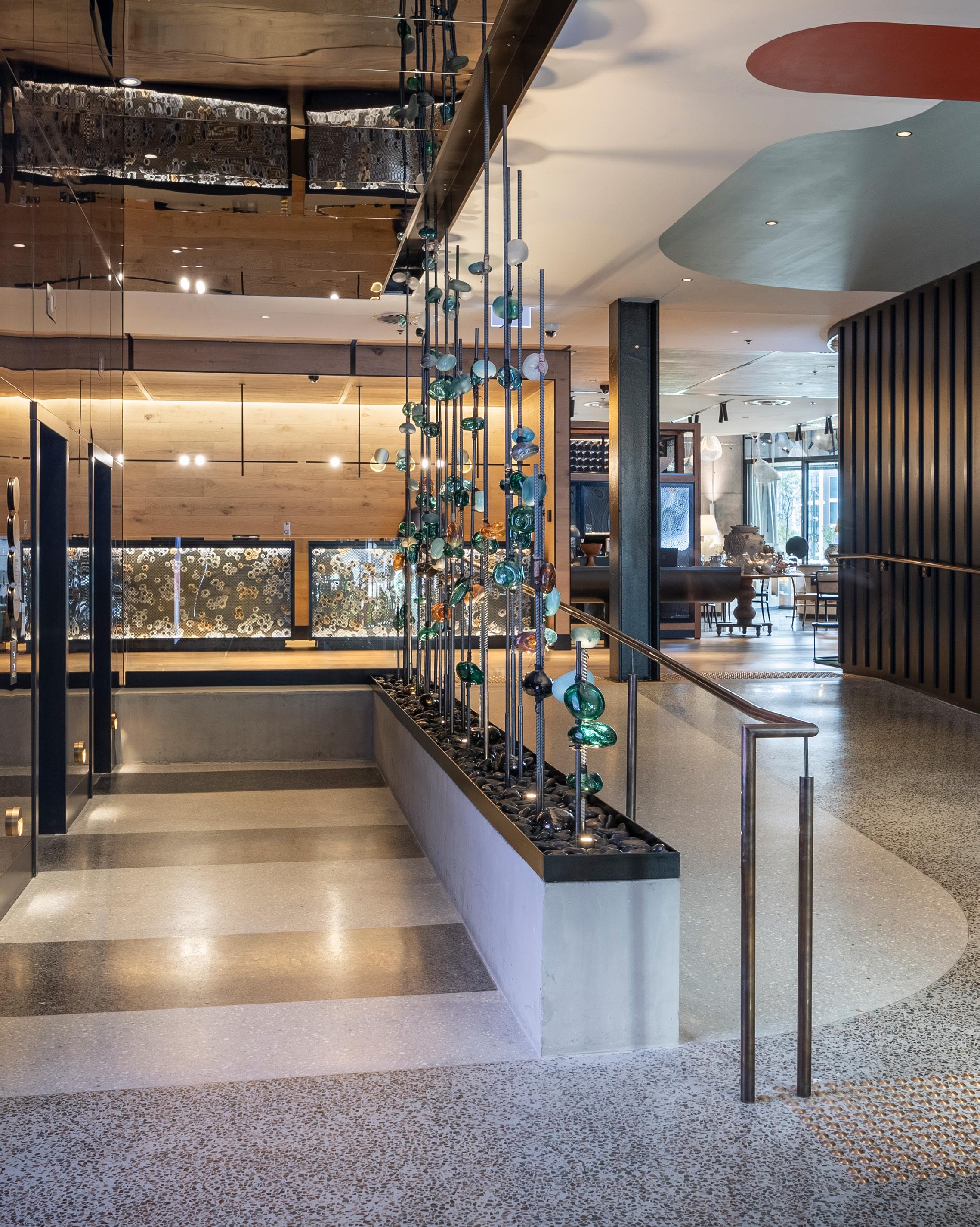
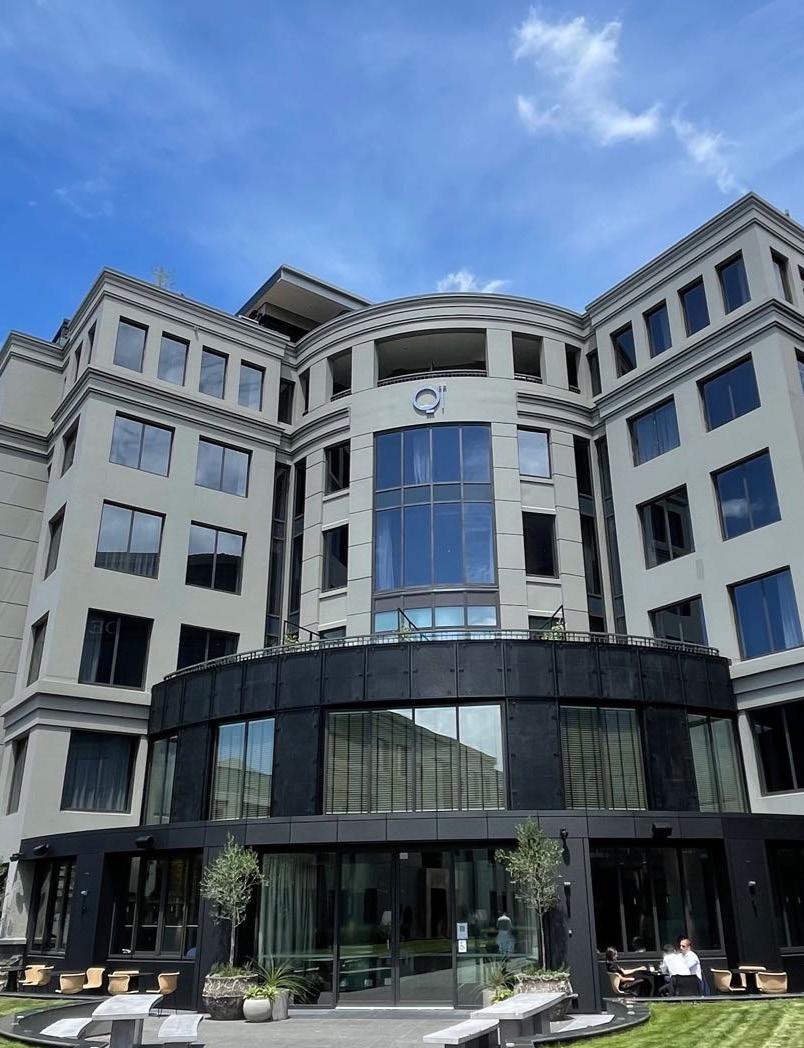
The QT, Auckland: Where brands become landmarks
Sector spotlight on Hotels: Momentum returns
From Michael Simpson
Intelligent investment
Raising the bar: Australia’s pub sector evolution
Property spotlight
Mooloolaba Wharf & George Williams Hotel
Intelligent investment
Why Australia’s pub sector is winning with capital, customers and community
Sector spotlight on Debt & Capital 2026 Outlook
Deal spotlight 118 Mount Street & Aliro North Sydney
Talking property
Capital, confidence and constraint: Australia’s property markets into 2026
Sector spotlight on Office: 2026’s window for smart capital
From James Parry
Capital spotlight O’Connell Precinct sale: New era for premium office
Intelligent
From vacancy to vibrancy
Welcome to the tenth edition of Capital Edge
2026 has begun where 2025 left off, following a particularly strong December quarter of transactions across all sectors. While it is common to see a quieter first quarter after such elevated year end activity, a substantial volume of deal flow is expected to close over the next six weeks.
Market activity, while improving, remains selective. The recent RBA rate increase, though widely anticipated, is a timely reminder that the recovery continues to face challenges. In particular, further upward pressure on bond yields has the potential to weigh on sentiment and, ultimately, pricing. For now, however, the transactions currently underway indicate that the market is willing to absorb these movements and maintain buying conviction.
This resilience is reflected in CBRE’s recently released Investor Intention Survey. Drawing on insights from 420 respondents across the region, the survey highlights a growing pool of capital seeking deployment into the Australian market, with Sydney ranked as the second most favoured investment destination. From a sector perspective, office has emerged as the most preferred asset class for the first time in six years, followed by industrial and living sectors.
In this tenth issue of Capital Edge, we highlight three themes shaping the year ahead. Our Hotels feature captures renewed momentum across key Pacific markets. Our Debt and Capital insights explore how increasing lender appetite is influencing funding conditions. Finally, our Office Spotlight examines the improving fundamentals that are beginning to restore confidence in the sector.
I hope you find this issue clear, relevant, and useful. The year ahead presents meaningful opportunities for those who act with focus and conviction.
MAJOR REPORT
Pacific real estate market outlook 2026
THERE IS NO ALTERNATIVE: 2026 PACIFIC MARKET OUTLOOK AT A GLANCE
The headline from CBRE’s 2026 Pacific Market Outlook is clear: there is no alternative (TINA) to high- quality, well-located real estate. With new development throttled by elevated construction costs and a thinner pipeline, existing assets, especially the ‘next best’ after premium, are primed to outperform. Australia and New Zealand enter 2026 with below-trend but positive GDP growth (circa 2%), stable policy rates, and recovering transactional confidence, conditions that favor disciplined buyers and active managers.
MACRO PULSE
Australia’s economy is ‘paddling along’: GDP growth around 2.1% in 2026, unemployment edging toward 4.6%, and policy rates on hold, with scope for bond yields to compress into 2027. New Zealand, having front-loaded 325 bps of easing since late 2024, is set for a 2026 rebound, with occupier demand strengthening into 2027–2028. Population remains a durable demand driver on both sides of the Tasman, reinforcing needs across housing, logistics, retail and social infrastructure.
SUPPLY SHORT, DEMAND RESILIENT
CBRE expects new development to undershoot historic norms by 20%–50%. Economic (replacement) rents sit well above market in many segments, 40%–90% higher and still 20%–30% above achieved levels, making ‘buy over build’ the rational choice in most cases. Construction costs are growing at 4%–5% per year, labor remains
tight, and insolvencies are shaping a more cautious contractor landscape. Against this backdrop, incentives are near cyclical peaks, setting the stage for net effective rents to stabilise in 2026 and improve from 2027 as vacancy tightens.
INVESTMENT PLAYBOOK
Transaction volumes are forecast to grow ~5%–10% in 2026 (with Office leading), underpinned by greater price discovery and lender appetite to expand books. Nearly half of the prime investable universe is projected to deliver double - digit total returns over the next three years, with income dominating in retail and capital growth leading in apartments. CBRE sees cap rates tightening 20–40 bps to 2028, shallow by past cycles, but meaningful where fundamentals are improving. Notably, multiple assets traded in 2025 at ~30% below replacement cost, supporting the ‘buy existing, not build’ thesis.
WHERE TO LEAN IN
Returns are set to lift as valuations reset and minimal new CBD supply over the next five years tightens vacancies and pushes NERs higher. Brisbane and Canberra lead return prospects, with Sydney Core also strengthening.
Industrial & Logistics: Demand remains elevated, with national vacancy peaking in 2H26 yet staying below equilibrium. Super-prime assets retain pricing power, while AI and hyperscale data centres intensify competition for industrial land, particularly in Sydney and Melbourne. Adelaide and Brisbane are positioned to outperform.
Retail: Food-anchored strategies continue to drive visitation, with shopping centre and LFR vacancy below 5%. Constrained development economics are limiting new supply, supporting rental uplift and further yield firming, especially in Sydney and Melbourne’s Regional centres.
Living: Severe undersupply persists, with 2026 apartment completions well below the 75,000 to 85,000 dwellings needed annually. Forecasts point to +24% rent growth and +28% capital growth to 2030. Student housing remains undersupplied, and newer land-lease communities are increasingly achieving premium pricing.
Hotels: Market performance is broadening as corporate and MICE travel normalises. Supply is easing (rooms under construction down ~14% YoY), with Sydney leading on occupancy, ADR and RevPAR, and Brisbane, Perth and Melbourne continuing their recovery.
“Investor focus shifts to high-quality, major opportunities...”
RESEARCH
— Supply is constrained, making existing assets more valuable — Returns are improving across sectors as fundamentals tighten — Macro conditions favour stability and recovery
INFRASTRUCTURE TAILWINDS
A significant infrastructure wave, metro rail, airports, roads and AUKUS-linked defence, continues to reshape locational advantage. New Metro precincts in Sydney and Melbourne are catalysing higher- density living, faster commutes and logistics efficiency, benefitting apartments, offices and last-mile industrial alike. For investors, proximity to emerging infrastructure is a defensible differentiator against technological disruption risk.
RISKS TO WATCH
Policy remains the wild card. Real estate - specific taxes could rise in upcoming budget cycles; construction and regulatory costs are sticky; and a stubborn inflation pulse could yet extend the ‘higher for longer’ rate backdrop. Occupiers are assessing AI, automation and robotics, factors that could reshape headcount and footprints over the 2030s rather than abruptly in 2026.
The 2026 playbook favours conviction over consensus: buy quality income where replacement costs bite; prioritise Brisbane and Canberra in Office; lean into Adelaide and Brisbane in Industrial; target Sydney/Melbourne Regional shopping centres; and back under- supplied Living formats, from apartments to PBSA and select land lease communities. With supply scarce, incentives peaking, and cap rates beginning a measured re -tightening, the next leg of performance should be led by sharp market selection and asset-level execution. In short, intelligent investment wins when there is no alternative.
See what’s ahead for commercial real estate in 2026 by scanning the QR code for CBRE’s Pacific Market Outlook.
5Questions for: Hayley Manvell
Hayley Manvell
Director of Hotels
+61 400 622 452 hayley.manvell@cbre.com
Director, Capital Markets, Hotels
What inspired your path into hotels and capital markets, and what has defined your journey?
I grew up in motels and restaurants, so the industry really has been coursing through my veins since birth. In 2008, I moved to Switzerland to study a Bachelor Degree in Hotel Management. Hotel brokerage however wasn’t something I ever considered, until I joined CBRE as an analyst in the hotels team in 2014, led by Wayne Bunz. Wayne has been my greatest mentor over the years, initially offering me the role but then inspiring me to move from analyst to broker.
It’s hard to beat your first deal that you list, run and close solo. Mine was a cute boutique hotel on the Sunshine Coast during COVID, and ultimately selling the hotel to a group sight unseen who lived in Sydney, it was quite an incredible time. Completing your first real deal is an unmistakable thrill, and you really keep chasing that feeling.
What defines the Australian hotel investment market today, and which trends will shape 2026?
The national hotel market is definitely moving at different speeds. The Melbourne hotel market is facing headwinds with an oversupply of new hotels and underperforming hotels for sale, while most other markets are chronically undersupplied and we are finding it hard to get hold of stock. We are having to be a lot more creative with off market deals through long-term relationships.
Brisbane and Queensland are number one on many investors lists, with population growth, infrastructure investment and the build-up to the Olympics setting Brisbane up for a golden decade ahead. The regional motel market is also having an incredibly strong run after being undervalued for so long.
Constructing new hotels continues to be cost-prohibitive, which means existing hotels are looking more and more attractive to investors and records are continuously being set.
What is the key opportunity in today’s hotel sector, and which risks matter most?
The biggest opportunities right now sit in counter-cyclical markets like Melbourne, where oversupply has created genuine buying opportunities at attractive entry points. There is also strong opportunity in existing assets that are underperforming operationally and can be repositioned. If you can get into Brisbane, it’s hard to go wrong in this market with the supply demand fundamentals.
The key risk continues to be development. Construction cost inflation, planning risk and financing constraints make new projects difficult to justify in the current environment.
What core principles guide your approach to client relationships and successful outcomes?
I think hard work and persistence outstrips talent 99% of the time. It’s also a team effort and surrounding yourself with the best people who won’t accept mediocrity, and in our team our philosophy is certainly centred around one goal and that’s to consistently overservice our clients. Delivering on our commitments is a non-negotiable, if a client is promised something by a certain time, it happens.
What recent project are you most proud of, and why?
The recent sale of Quest South Brisbane for $26 million is one that really stands out for me. It was a complex transaction from the outset, involving the collapse of a lease structure so the asset could be sold unencumbered, but the big issue was late in due diligence, the buyer’s financier pulled out. The deal was all but dead. At the eleventh hour, a longstanding relationship with an alternate lender helped get things back on track. It was stressful, but a great reminder of how much persistence and relationships really matter in this business.
Capital Spotlight
The QT, Auckland
QT Auckland changes hands as investor confidence builds in Auckland’s hotel sector.
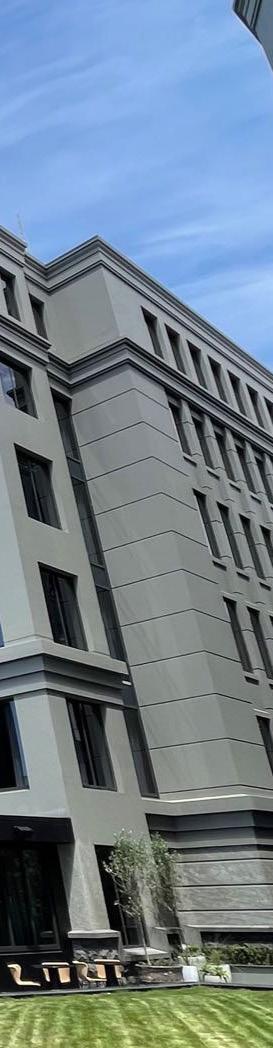
EVT has expanded its footprint in New Zealand’s premium hotel market with the acquisition of QT Auckland from NZ Hotel Holdings (NZHH), marking a strategic growth move for the ASX-listed entertainment, hospitality and leisure group. The transaction was facilitated by CBRE Hotels’ Michael Simpson, Peter Hamilton and Nick Hill. Situated in Auckland’s Viaduct Harbour, QT Auckland is recognised as one of the city’s leading lifestyle hotels. The property includes 150 guestrooms and suites, an award-winning rooftop bar, the signature restaurant Esther, and contemporary conference facilities, reflecting its strong positioning in the luxury boutique segment.
EVT CEO Jane Hastings said the acquisition reinforces the company’s long-term strategy to grow its owned hotel portfolio and strengthen the QT brand across key tourism markets. She highlighted that securing ownership of QT Auckland supports EVT’s plan to convert its Queenstown property to the QT brand, an important step given Auckland’s role as a major gateway for international travellers heading to Queenstown. Hastings emphasised that the transaction aligns with EVT’s broader ambition to expand its portfolio of owned assets and enhance earnings from strategically located hospitality properties.
CBRE’s Michael Simpson noted the sale demonstrates sustained confidence in Auckland’s hotel market, with premium CBD assets continuing to attract strong investor interest. He said high-quality hotels in prime locations remain highly sought-after, reflecting optimism in Auckland’s long-term growth trajectory. NZHH Chief Executive Marcus Reinders also welcomed the transaction, describing it as a positive signal for New Zealand’s tourism sector as international arrivals continue to improve.
The sale supports NZHH’s strategy to recycle capital into future developments and further strengthen its portfolio. Formed in 2019, the NZHH partnership has focused on delivering high-quality urban and regional hotel assets that contribute to New Zealand’s long-term tourism growth.
Where brands become landmarks
HOTELS OUTLOOK 2026
Momentum Returns: Australia’s Hotel Investment Cycle Strengthens
— Strong demand meets tight supply
— Transaction momentum is building — 2026 outlook remains positive
Australia’s hotel sector enters 2026 on the back of strong momentum, with transaction activity expected to lift further as international investor interest accelerates and a jam-packed events calendar supports demand. These dynamics are reinforcing confidence in the asset class and positioning the market for another year of growth, particularly for gateway markets and high-quality assets.
STRONG VISITATION TRENDS SUPPORT ROBUST HOTEL PERFORMANCE
Strategic expansion in international air capacity continues to underpin demand growth across Australia’s hotel markets. More than 60 new international routes were launched during 2025, supporting a recovery in short-term international arrivals, which increased by approximately 7% year-on-year. Volumes remain slightly below 2019, but ADR and RevPAR are well above pre-pandemic levels. A full recovery is now expected in 2026.
The composition of demand has strengthened. International visitors are staying longer and spending more, with total international expenditure reaching a record $37.5 billion in 2025, an increase of approximately 18% over the prior year.
This has translated into a meaningful flow-through to hotel performance, particularly in gateway and event- driven markets, with occupancy and ADR
recording year- on-year gains of around 3%, and RevPAR rising by approximately 6.7% for the nation.
Events continued to play a significant role in supporting demand. Major sporting, entertainment and cultural events, including the British and Irish Lions Tour, contributed to occupancy and rate growth across several markets. This momentum is expected to continue into 2026, supported by a strong forward events calendar and ongoing government investment in tourism, transport and destination infrastructure.
POSITIVE TRADING OUTCOMES ACROSS AUSTRALIA’S MAJOR HOTEL MARKETS
Hotel performance across Australia’s major markets continued its positive trend in 2025 with Sydney leading national performance, achieving the highest occupancy, ADR and RevPAR on the back of its gateway status and a strong recovery in international visitation. Brisbane saw accelerated growth, supported by major infrastructure projects, a robust events calendar and limited new supply ahead of the 2032 Olympics. Perth remained a standout performer, driven by resource-sector corporate demand and rising leisure visitation. Melbourne continued its recovery with growing air capacity and events, though additional supply tempered rate growth. Adelaide and Hobart posted steady gains, with higher occupancy translating into RevPAR growth.
HOTEL DEVELOPMENT ACTIVITY REMAINS CONSTRAINED
New hotel supply continued to moderate through 2025, reflecting ongoing feasibility and delivery constraints. Approximately 1,700 rooms across 12 projects were delivered during the year, down from 2,117 rooms across 13 projects in 2024.
The number of rooms under construction remains constrained, with the national pipeline now approximately 14% lower than a year ago, with around 5,500 rooms currently under construction nationally and delivery expected over the coming two to three years.
Development activity continues to be held back by elevated construction costs, tight lending conditions and ongoing skilled labour shortages, which are weighing on project viability and timing. As a result, new development is largely concentrated in the luxury and upper-upscale segments, which account for around 55% of rooms currently under construction. The strength of the residential real estate market is driving competition for development sites, presenting a further challenge to new hotel development. In this context, mixeduse hotel and branded residences projects are proving attractive to developers, improving feasibility, diversifying risk and delivering more attractive returns.
IMPROVING CONFIDENCE DRIVES HOTEL INVESTMENT ACTIVITY
The capital markets are showing renewed positivity. Historically, hotel investment activity tends to loosely correlate to transaction trends in the office sector. After a period of low office transaction volumes, we are now seeing a broadening depth of liquidity in that sector with growth in institutional office transactions such as Sydney transactions 55 Pitt Street ($1.4bn), 135 King St ($631.5m), 10-20 Bond Street ($589.5m), 388 George St ($460m for 50%), and 225 George Street ($860m). We are seeing this momentum translate into heightened activity within the hotel sector and expect this to increase in 2026 as global investor sentiment and conviction continues to improve.
While the two asset classes are not directly linked, improved sentiment in core real estate asset classes often lifts overall investor sentiment.
Hotel investment activity rebounded strongly in 2025, with transaction volumes increasing materially from a subdued 2024. The uplift reflects improving investor confidence, a narrowing of buyer–vendor pricing expectations and greater clarity around interest rates.
Transaction activity this year spanned CBD, metropolitan and regional markets. However, activity was led by large capital- city assets, contributing to tightening yield profiles through 2025. The return of institutional-grade assets reflects continued investor appetite for landmark CBD assets, particularly within key gateway markets.
FAVOURABLE CONDITIONS TO SUPPORT HOTEL SECTOR GROWTH IN 2026
The outlook for Australia’s hotel sector in 2026 is positive, supported by continued recovery in international visitation, a robust events calendar, and limited new supply, which are expected to drive further gains in occupancy and rate, particularly in Sydney and Brisbane. Transaction activity is likely to be focused on existing assets given the limited pipeline of new hotel developments. Sydney and Brisbane are likely to remain focal points for investor interest, with transaction volumes closely tied to the availability of quality hotel assets brought to market.
“As interest rates stabilise and cap rates compress, investor demand is returning, supporting asset values and reshaping how capital views the pub and hospitality sector.”
INTELLIGENT INVESTMENT
Raising the bar: Australia’s pub sector evolution
SHIFTING CONSUMER EXPECTATIONS
Consumer preferences are increasingly moving toward flexible, experience led venues, placing pressure on traditional pub models to evolve. CBRE’s Research Analyst Katya Ezhova notes that pubs risk falling out of alignment with modern patrons if they overlook atmosphere, events and personalised service. Regulatory reforms, including cashless gaming, are adding another layer of complexity for operators who are already adapting to heightened expectations.
INSIGHTS FROM THE RAISING THE BAR REPORT
These themes feature prominently in CBRE’s new report titled Raising the Bar, which explores investment trends and innovation across the Australian pub sector. The report investigates food and beverage strategies, population movements, buyer interest and the key risks and opportunities shaping the market. It also considers the resilience of the sector in the face of economic shifts and regulatory uncertainty.
FINDINGS FROM THE PUB GRUB INDEX
CBRE’s Pub Grub Index provides a detailed look at pricing trends across one hundred and five pubs in Victoria, New South Wales and Queensland. The index highlights that Victoria is currently the most expensive state for classic pub meals, reflecting a strong dining culture and a willingness among patrons to pay for elevated pub favourites. New South Wales follows closely, while Queensland remains more affordable, supported by greater price sensitivity. Ezhova notes that venues with higher menu prices are often those that have undergone recent refurbishments, pointing to a connection between capital investment and premium food offerings.
CHANGING INVESTMENT DYNAMICS
Investment sentiment is shifting as interest rates stabilise and capital values begin to strengthen. Institutional groups and syndicate backed investors are returning to the market, with particular focus on venues that offer strong gaming entitlements or redevelopment potential.
CBRE’s Senior Director of Hotel Valuations Kire Georgievski highlights a renewed interest from traditional bank lenders, especially for assets with reliable gaming revenue and consistent cash flow. This increase in credit availability is strengthening buyer confidence and encouraging more competitive bidding across the sector.
CHALLENGES
ACROSS THE SECTOR
The pub industry faces significant operational challenges. Labour shortages, especially in regional locations, rising household costs, margin pressures and rapidly evolving consumer behaviours are all placing strain on operators. Regulatory uncertainty in New South Wales is also affecting sentiment, with concerns focused on compliance costs and unclear implementation timelines associated with gaming reform. Georgievski notes that these factors contribute to a cautious outlook within an already demanding operating environment.
A FRAGMENTED BUT RESILIENT INDUSTRY
The Australian pub landscape remains fragmented but resilient. Midsized venues employing between five and nineteen staff represent the largest share of the market, providing a balance of food, beverage, entertainment and gaming while maintaining strong local roots. Owner operated pubs make up more than one quarter of the industry, while very large venues account for only a small proportion. This structure supports diversity and community presence while creating complexity in policy implementation and standardisation.
REGIONAL GROWTH AND EMERGING OPPORTUNITIES
Population shifts are also influencing pub performance. Regional areas recorded strong growth in the period from 2023 to 2024 as lifestyle relocations and decentralisation trends strengthened. Local pubs in these areas are experiencing increased visitation from both new residents and domestic tourists. Venues that align with tourism initiatives, including those positioned along pub trails, near natural attractions or offering boutique experiences, are particularly well placed to capture growing demand. Ezhova notes that operators who adapt to these regional trends are positioned for long term success.
SCAN TO LISTEN TO THE PODCAST
Listen to the full podcast to explore how Australia’s evolving pub sector is reshaping the market, and what it means for investors.
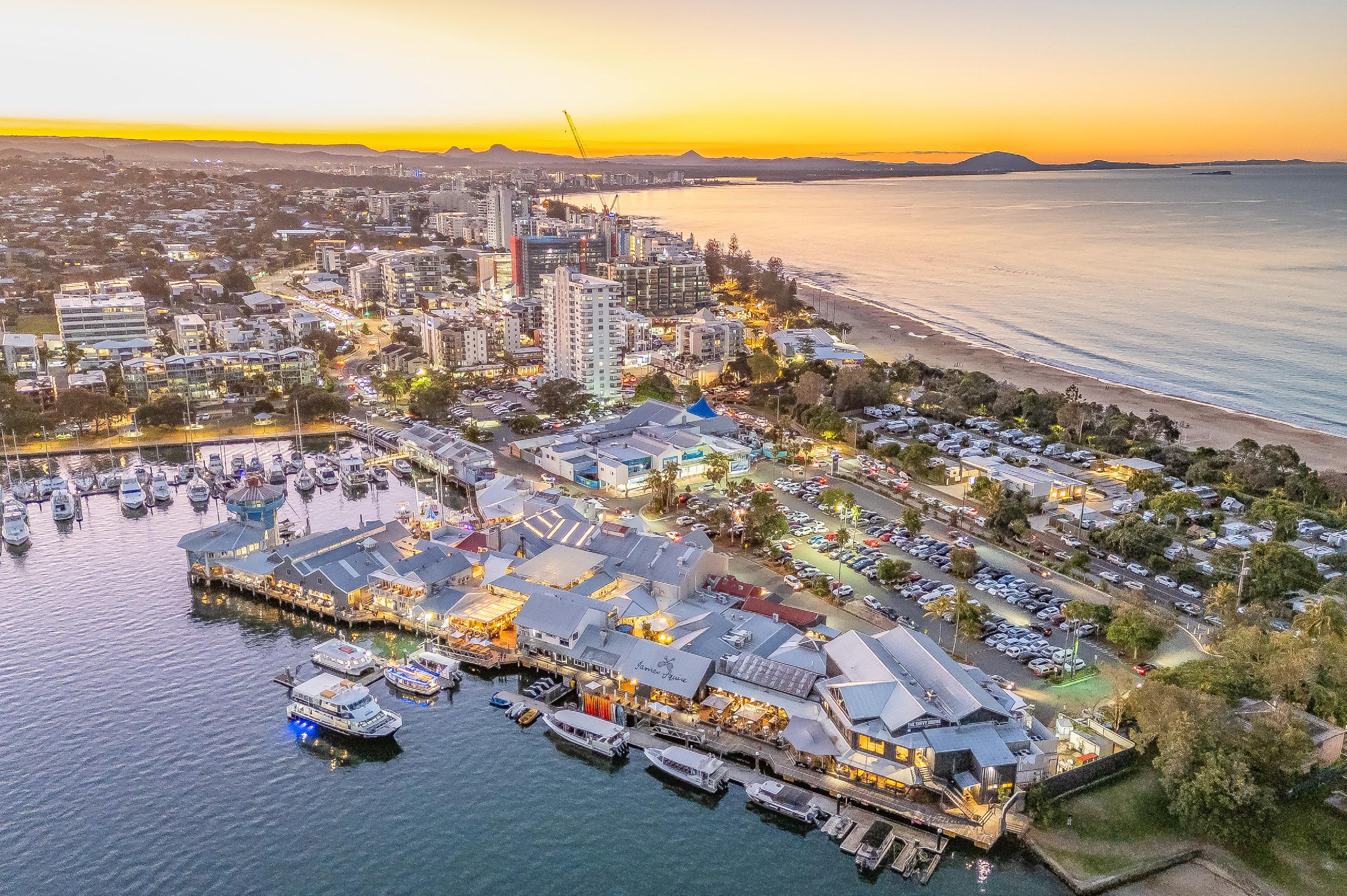
An opportunity has emerged on the Sunshine Coast, with The Wharf Mooloolaba coming to market. As one of Queensland’s established waterfront destinations, the asset offers scale, income security and strategic potential.
The Wharf includes thirty one tenancies across 7,507 square metres of gross lettable area and is anchored by hospitality operators and retailers. The investment is supported by a weighted average lease expiry of 7.6 years by income and 12.5 years by area, plus a fifty seven berth marina.
Over the past decade, The Wharf has been transformed into a tourism, dining and lifestyle precinct. This renewal has strengthened income performance and broadened the tenant mix. Further rental uplift potential remains, including reversion within the ALH tenancy, which pays no base rent until 2045.
The Wharf attracts more 2.2 million visitors annually and forms part of the Mooloolaba destination, which welcomes over 10.8 million
visitors a year. Visitor numbers are expected to rise as two major projects progress nearby, including Arias three hundred and fifty million dollar hotel and the two hundred and fifty million dollar Avani development.
Located near Sunshine Coast Airport and accessible from Brisbane and Noosa, the precinct benefits from a trade area where retail expenditure is forecast to reach fifteen point four billion dollars by two thousand and forty six. With fully leased net income of $4,562,380 per annum plus GST, The Wharf Mooloolaba is a highly consistent strong coastal investment opportunity.
GEORGE WILLIAMS HOTEL, GEORGE STREET, BRISBANE CBD
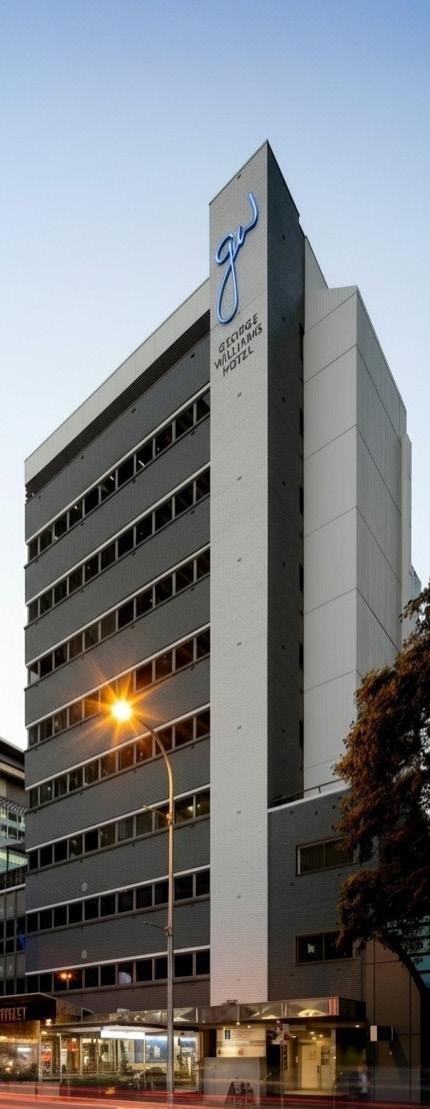
High Street Holdings has expanded its Australian hotel portfolio with the acquisition of the George Williams Hotel in Brisbane’s CBD, adding to its assets across Perth, Sydney and Brisbane. Partner David Marriott said the purchase reflects a strategic opportunity in a tightly held market, with plans to reposition the hotel through targeted brand and operational improvements. The property will be rebranded as George Hotel Brisbane.
The transaction demonstrates the increasing depth of capital targeting Brisbane. Completed off-market in eight days, the deal was negotiated by CBRE Hotels’ Wayne Bunz and Hayley Manvell following an Expression of Interest process that quickly advanced to exclusive discussions, highlighting the scarcity of quality hotel assets in the CBD.
Set on a 680 square metres freehold site, the 102-room hotel is close to Queen Street Mall, Queen’s Wharf, South Bank and Roma Street Station. Recent upgrades exceeding $1.2 million support its repositioning potential.
Why Australia’s pub sector is winning with capital, customers and community
DRAWING ON CBRE’S “RAISING THE BAR” RESEARCH AND FRONTLINE OPERATOR INSIGHT, AUSTRALIA’S PUB MARKET IS DEMONSTRATING RARE RESILIENCE, DISCIPLINED GROWTH AND EVOLVING CONSUMER RELEVANCE.
THE SECTOR’S ENDURING RESILIENCE
Australia’s pub sector continues to demonstrate remarkable resilience, evolving from traditional drinking venues into diversified hospitality hubs with strong community connections. Operators are actively managing pricing, format and labour levers to navigate shifting economic cycles, making pubs more adaptable than passive real estate assets. As CBRE Hotels valuer Adam Nadile notes, pubs are “uniquely Australian” and “dynamic… able to shift and meet whatever the community needed at that point in time.”
INVESTMENT MOMENTUM AND LENDER CONFIDENCE
Transaction activity accelerated through the second half of 2025, with the top ten deals totalling around A$580 million. This highlights renewed investor appetite and growing lender confidence, particularly from major banks seeking exposure to high- quality assets. Nadile points to “increased appetite with the traditional banks” and competitive sales processes driven by limited A- grade supply. “There isn’t a lot of A- grade on the market. When it does become available, unsatisfied demand and competition are delivering very strong outcomes,” he says.
BARRIERS TO ENTRY AND THE ADVANTAGES OF SCALE
The pub market remains tightly held and operationally complex, creating natural barriers for new entrants. Shane Richardson, Joint Director at Laundy Hotels, highlights three major hurdles: high entry costs, higher operating costs and increased regulation. These pressures amplify the importance of scale. “Economies of scale in our sector bring a better return… we can roll programs across the group and really drive operational efficiency,” he says.
BRAND, FOOD AND EXPERIENCE NOW DRIVE PERFORMANCE
Consumer expectations have lifted significantly. Danielle Richardson of Laundy Hotels says success now depends on matching each venue’s offer to its community and brand DNA. “You have to connect with what your consumers are looking for and we put that lens over every pub.” Strong
brand positioning and relevant menus are increasingly decisive, with food now a core competitive battleground. “Food is critical… we’re competing with restaurants now,” she adds.
EVENTS, VIBRANCY AND THE NIGHT-TIME ECONOMY
Programming remains a powerful demand driver, from major precinct activations at Accor Stadium to community-focused events such as Anzac Day at The Log Cabin. NSW vibrancy reforms and the revival of live music are strengthening performance across the sector. “Sydney is rebuilding a world- class night-time economy,” says Shane Richardson.
COASTAL AND REGIONAL OPPORTUNITIES
Selective regional and coastal assets continue to draw capital due to diversified income profiles and appealing initial yields. Nadile notes that coastal pubs benefit from a “halo effect,” while regional assets can offer stronger returns for operators priced out of metropolitan areas. Laundy Hotels remains active in both markets, often in partnership with local operators.
OUTLOOK: DISCIPLINED GROWTH AND STABLE YIELDS
CBRE expects continued buyer depth, limited investment- grade supply and solid operating fundamentals. Nadile anticipates stable yields moving forward, with strong competition when premium assets enter the market.
SCAN TO READ NOW
Read the full article to explore how elevated pub grub, market fragmentation, population shifts and rising credit availability are reshaping Australia’s pub sector.
From Andrew McCasker
Head of Debt & Structured Finance
+61 438 947 780
andrew.mccasker@cbre.com.au
Why discipline is reshaping property debt
— Debt markets remain disciplined, with banks favouring strong residential, industrial and retail assets.
— Non-bank lenders gain traction by offering flexibility at higher cost. — Stable or rising interest rates will keep debt expensive in 2026.
Sector Spotlight
As Australia heads into 2026, the debt market for property borrowers is steady but more disciplined than it was a few years ago. Inflation has come off its highs but is still sitting above the Reserve Bank of Australia’s (RBA) 2–3% target band. That’s keeping interest rates elevated and shaping how lenders price and structure both term debt and development finance.
Domestic banks remain the main source of funding for stabilised property assets. They’re active in lending against well located residential, industrial and neighbourhood retail assets with strong tenancy profiles. However, they’re being far more selective on offices, secondary locations and projects with higher leasing or valuation risk. Tighter capital rules and a more conservative credit stance mean lower loan to value ratios, higher interest coverage requirements and less appetite for speculative construction.
That said, lender appetite is beginning to improve. CBRE’s latest lender sentiment indicates that around 50% of lenders plan to grow their commercial real estate exposure in 2026, with credit margins remaining broadly stable.
This is increasing competition for high-quality transactions, particularly for assets with strong fundamentals and experienced sponsors. This tighter bank approach has opened the door wider for offshore banks and private credit funds. Offshore lenders are increasingly active in larger commercial property deals, logistics assets and residential build to rent projects, particularly where sponsors have a strong track record.
Their pricing is often competitive for senior term debt, although documentation and hedging requirements can be more complex than with local banks. Private credit funds are now a core part of the property finance landscape. They’re filling the gap in development finance, transitional assets and higher leverage term debt that banks no longer want to fund.
These lenders are willing to move quickly and offer more flexible structures, including higher LVRs, interest capitalisation and bespoke covenants. The trade off is cost: margins are materially higher, and fees are more front loaded.
For development borrowers, funding conditions remain tight. Banks are generally sticking to pre sales, high equity contributions and fixed price building contracts, especially for residential projects. Construction cost volatility and builder insolvencies have made lenders more cautious, pushing some developers toward non bank lenders despite higher pricing.
Interest rates remain the key swing factor. Inflation is expected to keep easing through 2026, but not fast enough to entice any further rate cuts. Most forecasts point to the RBA holding rates steady for much of the year, however if inflation does not ease in the short term RBA may have little option but to kick-start an interest rate rise cycle. For property borrowers, this means debt costs are likely to stay at the current level with a possibility of becoming more expensive throughout the year.
In 2026, quality projects will continue to attract competitive debt, with experienced capital advice playing a critical role in securing the best outcomes.
Australia’s position as a global destination for real estate capital
— Australia is an attractive destination and should see disproportionate inflows.
— Will interest rate outlook drive investors up the risk curve?
— Industrial & Logistics, Living and Retail top priorities for investment in 2026.
AUSTRALIA REMAINS AN ATTRACTIVE
DESTINATION FOR INVESTORS
Against a backdrop of increasing political volatility in the US, and the geopolitical environment more broadly, Asia-Pacific is screening well for both foreign and domestic investment. Within APAC the investible universe for real estate is getting smaller, with deployment primarily focused on Australia and Japan. We are of the view that investors will continue to re-weight portfolios towards APAC and that Australia will disproportionately benefit from this diversification leading to strong demand and price support, particularly in highly sought sectors with scarce opportunities to invest.
WHAT IS THE RBA’S NEXT MOVE?
In 2025, the RBA initiated a cycle of interest rate cuts (25bp cuts in February, May and August) driven by moderating inflation. On the back of strong economic growth and inflationary pressure some market participants are leaning towards rate hikes in 2026. With all-in funding costs in the mid 5% range, the focus will be on growth rates, particularly where cap rates are at or below these levels.
WHERE IS THE INTERNATIONAL MONEY COMING FROM?
Total offshore capital reached $9.3bn in 2025, up 12% over the prior period. The US ($2.9bn) and Japan ($2.3bn) maintained strong interest. Singapore ($1.6bn) and Canada ($1.0bn) rebounded after a relatively subdued 2024.
WHERE IS THE INTERNATIONAL MONEY COMING FROM?
Industrial & Logistics, Living and Retail are the top priorities for investment in 2026. 2025 saw a resurgence of core capital; however, with a more uncertain rate outlook we may see a shift up the risk curve to higher returning core + / value-add strategies, noting development remains challenging unless it is significantly de-risked. The preferred investment structure for indirect capital remains JV/clubs; however, we have seen an uptick in fund investment from certain investors during 2025.
VIC Strategic refinance strengthens southbank
— Purpose: Refinance — Term: 36 months
— Transaction Debt Value: $129,500,000
CBRE successfully arranged a $129.5 million refinancing facility with a major domestic bank for a valued client in Southbank, Melbourne. The Prime grade 34,011sqm office tower features strong multi tenant income, a 3.84 year WALE, and high-quality building services, reinforcing lender confidence in the asset.
The facility settled on 30 May 2025, supporting ongoing capital optimisation for the client, underpinned by the asset’s stable performance and institutional grade profile.
Andrew McCasker
+61 438 947 780
andrew.mccasker@cbre.com.au
Will Edwards +61 439 541 452 will.edwards@cbre.com.au
CBRE has successfully completed the recapitalisation of Aliro Group Industrial Vehicle (AGIV). Public Sector Pension Investment Board (PSP Investments) has joined the initial cornerstone investor, CBRE Investment Management (CBRE IM), to convert Aliro’s flagship industrial vehicle into an open-ended club structure. PSP Investments, one of Canada’s largest pension investors, has committed a significant investment of up to $800 million AUD, providing AGIV with substantial capacity for new acquisitions in the Australian industrial sector.
CBRE IM and Aliro partner
As Australia’s commercial property market closes out 2025, investor behaviour has been defined by selectivity rather than scale. While total transaction volumes softened, the year delivered clear signals around returning offshore capital, improving lender confidence and tightening supply, setting the foundations for a more balanced 2026.
SELECTIVE TRANSACTION ACTIVITY
Total transaction volumes across the major commercial sectors declined around 10% year- on-year to $32.7 billion. Retail was the standout, rising 13% to $10.6 billion, its strongest result since 2021. Industrial & logistics activity moderated, while office volumes fell more sharply as owners held assets into an improving rental cycle.
“As you’re seeing in Sydney in particular, people are recognising the upswing coming through,” said Flint Davidson, Pacific Head of Capital Markets.
“There’s potential for strong rental growth, so a lot of owners are choosing to hold rather than sell just yet.” Several large transactions are expected to roll into early 2026, providing a solid platform for the year ahead.
OFFSHORE CAPITAL RE-ENGAGES
Offshore investment increased 12% year- on-year to $9.3 billion, led by the United States, Japan and Singapore. Office and industrial assets attracted the majority of offshore capital, reflecting investor appetite for scale and long-term income growth.
“Even though total volumes were down, offshore investment being up proves Australia remains a key destination for capital within the Asia-Pacific region,” noted Tom Broderick, Australian Head of Office and Capital Markets Research.
Market depth has also improved.
“When a foreign buyer is successful, we often have another offshore group that misses out and immediately pursues the next opportunity,” Davidson added. “That depth is a really healthy sign for the market.”
LENDING CONDITIONS SHIFT IN FAVOUR OF BORROWERS
CBRE’s latest Lender Intentions Survey points to a more supportive debt environment, with around half of lenders looking to grow their loan books. Industrial remains the preferred sector, followed by residential, retail and office.
“We’ve seen a very strong willingness from lenders to participate even more in the market than previously,” said Andrew McCasker, Pacific Managing Director of Debt & Structured Finance.
“Domestic banks in particular are pushing leverage higher, reducing pre -sale requirements and sharpening pricing.” As banks compete to regain market share from private and offshore lenders, borrower-friendly conditions are expected to persist into 2026.
“When a foreign buyer is successful, we often have another offshore group that misses out and immediately pursues the next opportunity. That depth is a really healthy”
SUPPLY CONSTRAINTS SUPPORT EXISTING ASSETS
While lender appetite has improved, construction costs remain elevated due to ongoing labour shortages.
“While raw material prices have stabilised, labour is still very difficult to manage,” McCasker said. “That inevitably feeds into delivery costs.”
With development pipelines shrinking, supply constraints are strengthening the outlook for existing stock.
“There just isn’t going to be enough new product to meet occupier and capital demand,” Davidson noted. “Well-located assets that are still modern are likely to perform above expectations.”
RETAIL: BENEFITING FROM IMBALANCE
Retail’s strong performance has been underpinned by minimal new supply and improving fundamentals.
“We’ve got continued population growth, very little new retail stock coming through and, as a result, rents have to move,” Broderick said.
“A lot of investors are already baking that future rental growth into their assumptions.”
This imbalance continues to attract both domestic and offshore capital to neighbourhood and sub -regional retail.
LOOKING INTO 2026
While 2025 fell short of a broad-based recovery in volumes, it marked a clear turning point in confidence. Offshore capital has re - engaged, lenders are competing aggressively and constrained supply is sharpening the focus on asset quality.
As 2026 begins, Australia’s capital markets appear poised for a more balanced phase, driven by strategic deployment, disciplined capital structures and long-term conviction, rather than urgency alone.
Scan
to listen to the full podcast
OFFICE OUTLOOK 2026
From James Parry
Head of Capital Markets, Office
+61 408 553 000
james.parry@cbre.com
Office markets re - energised: 2026’s window for smart capital
— 2026 marks a clear turning point with stabilised values and tightening supply.
— High construction costs limit new builds, creating a strong buy‑over‑build window.
— Investment volumes expected to rebound driven by the bid/sell gap narrowing
RENEWED CONFIDENCE IN THE OFFICE MARKET
As we move into 2026, the office sector is entering a markedly stronger position. After several years of uncertainty, pricing has stabilised, confidence has returned, and investors are re - engaging with conviction. With supply constrained and values aligned to market reality, Australia is emerging as one of the most attractive office investment destinations globally. Scarcity of investible stock, particularly high- quality CBD assets, is supporting pricing and driving renewed interest across domestic and offshore capital sources.
INVESTMENT ACTIVITY STRENGTHENS
Sector Spotlight
Transaction activity is set to lift meaningfully as investors shift from caution to action. Office returns have become more compelling relative to other sectors, supported by rising rents and early yield tightening. We are now seeing deeper bidding pools, with interest from domestic institutions, offshore capital, family offices and high-net-worth groups. With liquidity improving, long-term holders who paused divestments in recent years are preparing to re - enter the market, positioning the sector for its most active period since before the pandemic.
FLIGHT TO QUALITY AND FLIGHT TO VALUE
Leasing dynamics continue to be defined by a strong flight to quality. Tenants are prioritising well-located, amenity-rich, sustainable buildings that support workplace experience and talent strategies. These assets are materially outperforming, with tightening conditions expected to place downward pressure on incentive levels. Conversely, lower- grade stock will remain challenged unless repositioned or priced competitively, as expectations around ESG performance, amenity and flexibility continue to rise.
LIMITED SUPPLY AND GROWING WITHDRAWALS
The development pipeline remains exceptionally constrained, with elevated construction costs impacting project feasibility. As a result, new supply will stay limited through 2026 and beyond. At the same time, we expect an increase in office withdrawals, particularly assets suited to residential or student accommodation conversions. With national housing and PBSA demand at record highs, these repurposing opportunities are accelerating, reducing secondary office stock and supporting rental growth across the market.
DIVERSE OPPORTUNITIES ACROSS AUSTRALIA
Australia’s office markets offer a broad spectrum of opportunities. Sydney CBD, near- CBD precincts and Brisbane continue to attract growth-focused capital, while Canberra, Adelaide, Perth and suburban Sydney provide compelling yield-based strategies. Melbourne presents a counter- cyclical opportunity for investors positioned for recovery. Together, these dynamics signal an office sector entering 2026 with renewed momentum, greater stability and meaningful upside for early movers.
QLD Major portfolio sale highlights strengthening capital markets momentum in Queensland
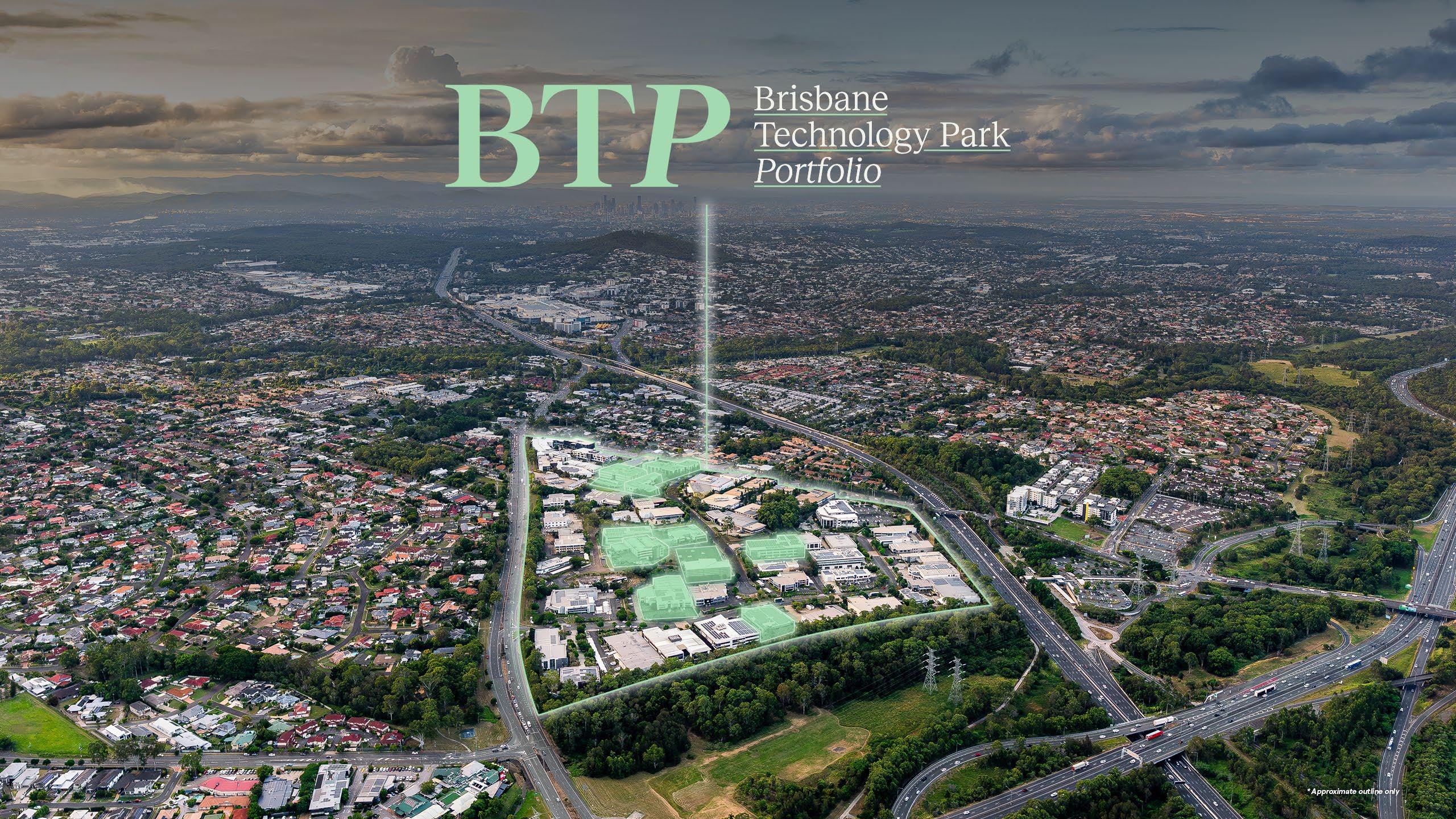
BRISBANE TECHNOLOGY PARK PORTOLIO, EIGHT MILE PLAINS
One of the most significant office transactions conducted in 2025 was Dexus divesting its holdings in the Brisbane Technology Park for $161 million. Located in Eight Mile Plains, 15km South of the Brisbane CBD the portfolio consisted of 12 individual commercial buildings and one development site all located in the established Brisbane Technology Park. Negotiated by CBRE, the transaction saw Corval acquire 11 of the assets in one line in cooperation with local syndicator Exceed Capital who purchased the largest individual asset within the portfolio in 17-19 McKechnie and 8 Clunies Ross Court. Execute on the strategy of divesting all their office assets in one transaction.
The landmark transaction followed an expansive marketing campaign that saw the entire portfolio offered individually or in one line, attracting strong interest from a range of local and national syndicates, fund managers as well a host of clubcapital investors and is testament to the return of strong demand for quality office opportunities.
The competitive process uncovered strong interest from groups looking to acquire the entire portfolio with 7 individual groups bidding for the portfolio in one line, a preferred outcome that provided a streamlined path to conclusion. The leasing fundamentals for Brisbane business parks have been robust, buoyed by many of the similar drivers as the CBD and near city such as constrained supply and surging economic rents for new development and have benefitted from the enormous population and workforce growth in the Brisbane outer regions.
2025 was a year that saw a strong rebound in transaction volume in the Queensland office market, recording circa $1.9bn in office transactions above $20 million. This momentum is expected to continue in 2026 and transactions such as the sale of the Brisbane Technology Park Portfolio underpin the demand for suburban and near city office assets in Brisbane. CBRE extend congratulations to our client Dexus and to purchasers Corval and Exceed Capital.
NSW O’Connell Precinct Sale Signals a New Era for Premium Office
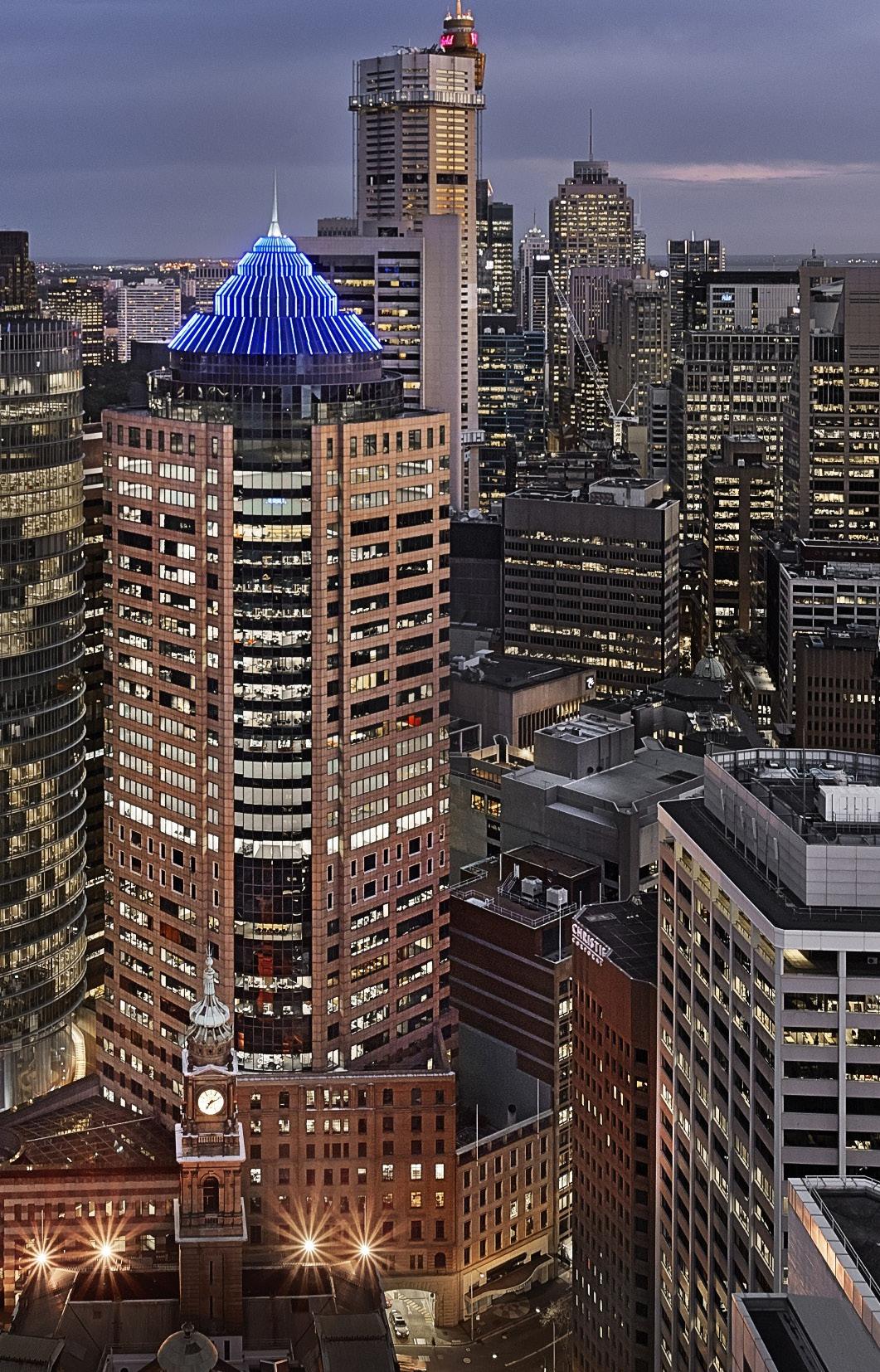
1 O’CONNELL STREET, SYDNEY CBD
The landmark sale of The O’Connell Precinc signals renewed confidence in Sydney’s office market, one of Sydney’s most significant commercial transactions in recent years has officially closed, with Abu Dhabi Investment Authority (ADIA) completing the sale of its 50% interest in The O’Connell Precinct to Charter Hall for $529.5 million. The transaction represents the one of the most significant Australian office sales in several years and underscores the rising appetite for high - quality core assets among domestic and offshore capital.
The landmark sale followed an extensive global marketing campaign that generated strong interest from major fund managers and institutional investors. The competitive bidding process highlighted the enduring appeal of premium Sydney CBD opportunities, despite broader market recalibration. Ultimately, Charter Hall secured the precinct and will now hold joint ownership alongside Lendlease’s Australian Prime Property Fund Commercial, marking a strategic expansion of its flagship office platform. The O’Connell Precinct is the result of nearly a decade of strategic land amalgamation, bringing together five complementary assets across O’Connell, Bent and Spring Streets. The centrepiece being the iconic 1 O’Connell Street tower, a premium - grade office building long regarded as one of Sydney’s most recognisable commercial landmarks. In total, the precinct spans a freehold site area of 6,177 square metres, offering a generational opportunity for long - term value creation in the CBD core.
Beyond the scale of the transaction, the sale reflects renewed momentum in Sydney’s prime office sector. Investors are increasingly targeting assets that combine strong fundamentals, blue - chip tenancy profiles and long - term development potential, qualities that have made The O’Connell Precinct a standout institutional - grade offering, CBRE extended its congratulations to both ADIA and Charter Hall on the successful completion of this milestone deal. The transaction not only reaffirms the resilience of Sydney’s premium office market but also highlights the depth of global capital seeking exposure to high - quality Australian commercial real estate.
Flint Davidson
+61 411 183 061 flint.davidson@cbre.com.au
James Parry
+61 408 553 000 james.parry@cbre.com
Stuart McCann
+61 498 052 208 stuart.mccann@cbre.com
OPPORTUNITY FOR ACTION: UNDERUTILISED OFFICE SPACE AND EMERGING PRECINCTS
The post- Covid shift to hybrid work has reshaped Australia’s office market. As firms right- size and prioritise premium, well-located offices to support employee experience, a strong “flight-to - quality” has emerged, lifting performance in top CBD assets while leaving many fringe and suburban offices underutilised.
CBRE Associate Director of Office Research, Thomas Biglands, notes that this has created a split market. “The perception that the office sector has broadly struggled is only half true. The slowdown and flight-to - quality have produced a sharply bifurcated market, where the best assets outperform and others face challenges.”
With vacancy rates at cyclical highs, a unique opening has emerged for the creative sector. As corporates release space and landlords seek activation strategies, underused office buildings can be reimagined. “This is an ideal moment to consider the next life cycle of office assets,” Biglands says. “Beyond conversions to residential or data centres, adapting parts of buildings for creative use is an under- explored opportunity.”
From vacancy to vibrancy: Embedding culture into commercial property strategy
While offices recalibrate, retail is rebounding. NSW retail turnover climbed to $11.4 billion in May 2025, Sydney CBD footfall rose with the opening of Sydney Metro, vacancy fell to 7.1%, and super-prime rents grew 1.5% in Q2.
Sydney’s renewed focus on connectivity and amenity is revitalising precincts, but infrastructure alone is not enough. Vibrancy depends on cultural activation, supported by clear frameworks, trusted operators and incentives that make creative tenancies viable.
Scan
AUCTION RESULTS
CBRE’s Private Wealth closed out Q4 2025 with a strong finish, recording a 78.07% success rate and achieving $283.31 million in total auction volume. Across the quarter, 75 properties were sold, underscoring the continued depth of activity in the private investor market despite an environment of selective supply. The average yield of 5.96% reflects stable pricing and consistent demand for well-located, income - generating assets.
The results cap off a year marked by resilience and sustained engagement from both new and established buyers. Investor appetite remained firmly aligned with essential services, defensive income streams and long-term tenancy profiles, trends that shaped auction activity throughout 2025. With momentum carrying through to the new year and a growing pipeline already forming, the sector enters 2026 with solid foundations and clear evidence of confidence across the private capital landscape.
Needle Movers
A selection of recent needle-moving transactions from CBRE.
Hyperdome Shopping Centre, QLD (100% Interest)
Purchase Price:
$678,700,000
Vendor: QIC
Purchaser: MA Financial
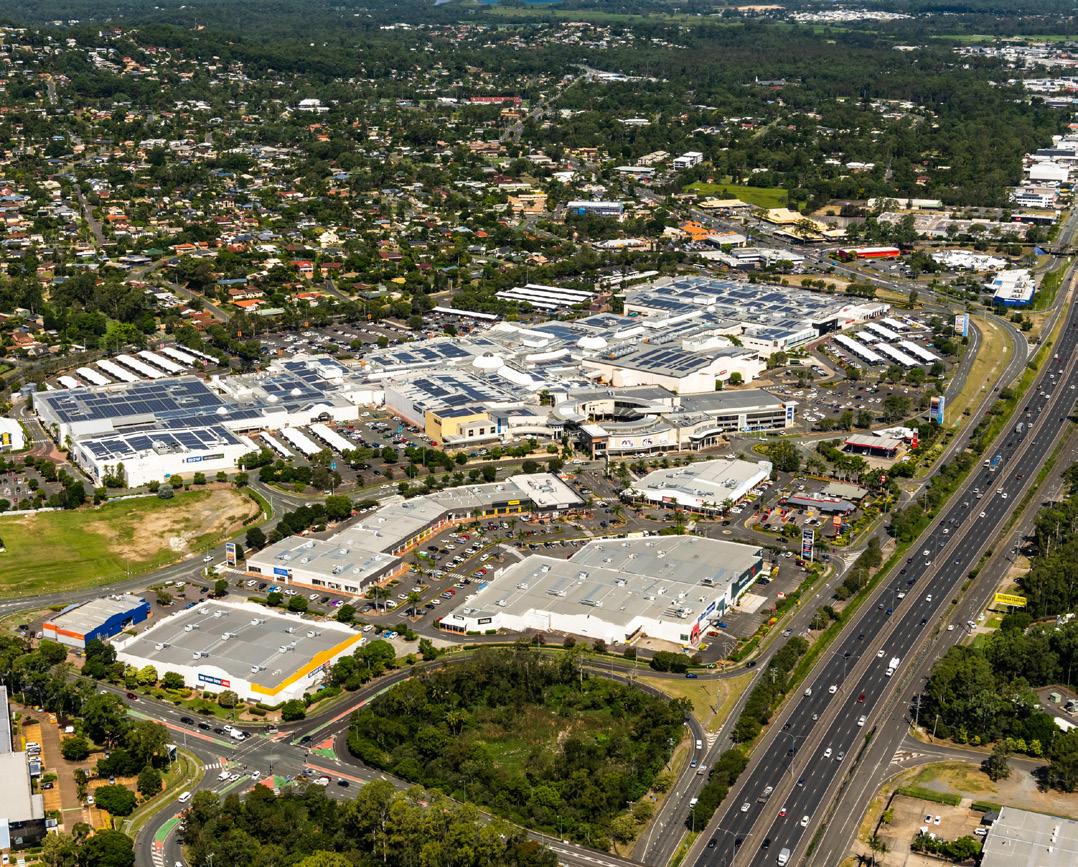
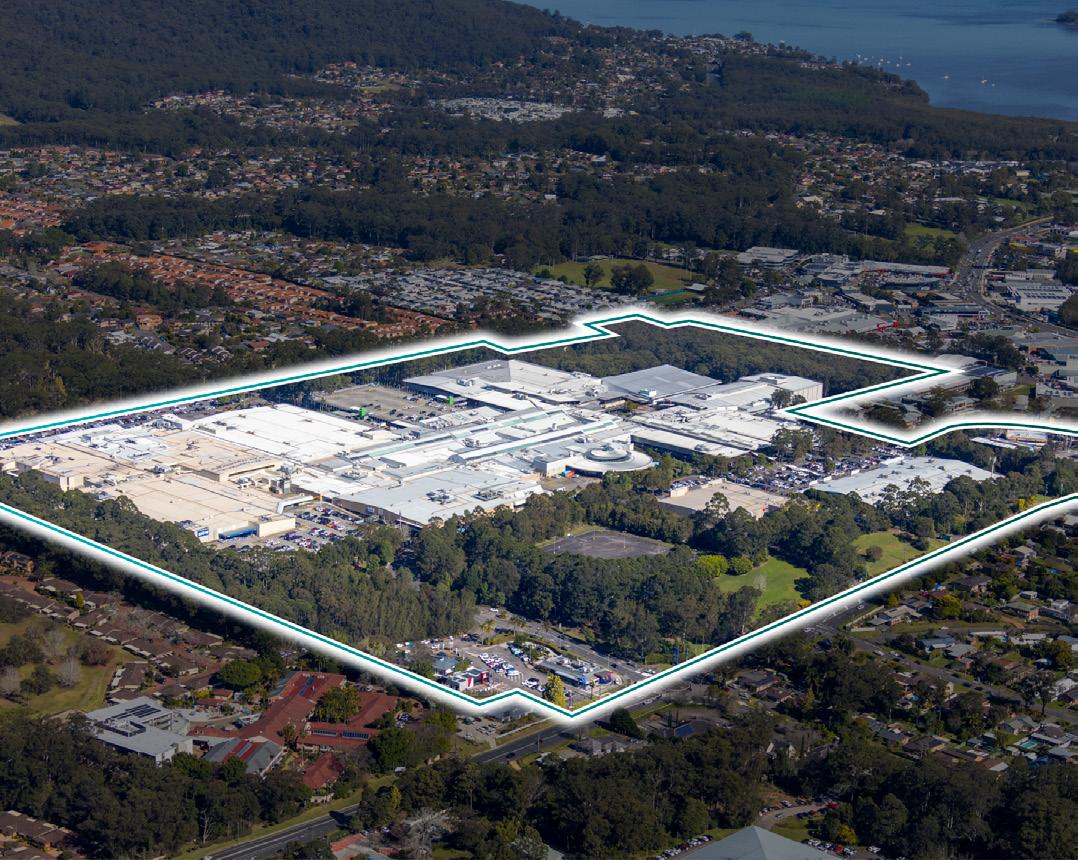
This major off-market deal marks the largest-ever sale of a 100% interest in a Queensland regional shopping centre. The 44ha acquisition includes Hyperdome Shopping Centre, Hyperdome Home Centre, several surrounding properties and around 9ha of surplus land.
The transaction is the largest ever sale of a 100% interest in a single -asset shopping centre in Australia. Erina Fair, the Central Coast’s leading retail destination, spans circa 114,598sqm, ranks in the national top 25 by MAT, and sits on a landmark 40.8ha site offering major future value -add potential.
Keepsafe Self Storage Portfolio
Purchase Price:
$150,000,000
Vendor: Blackstone
Purchaser: BlackRock
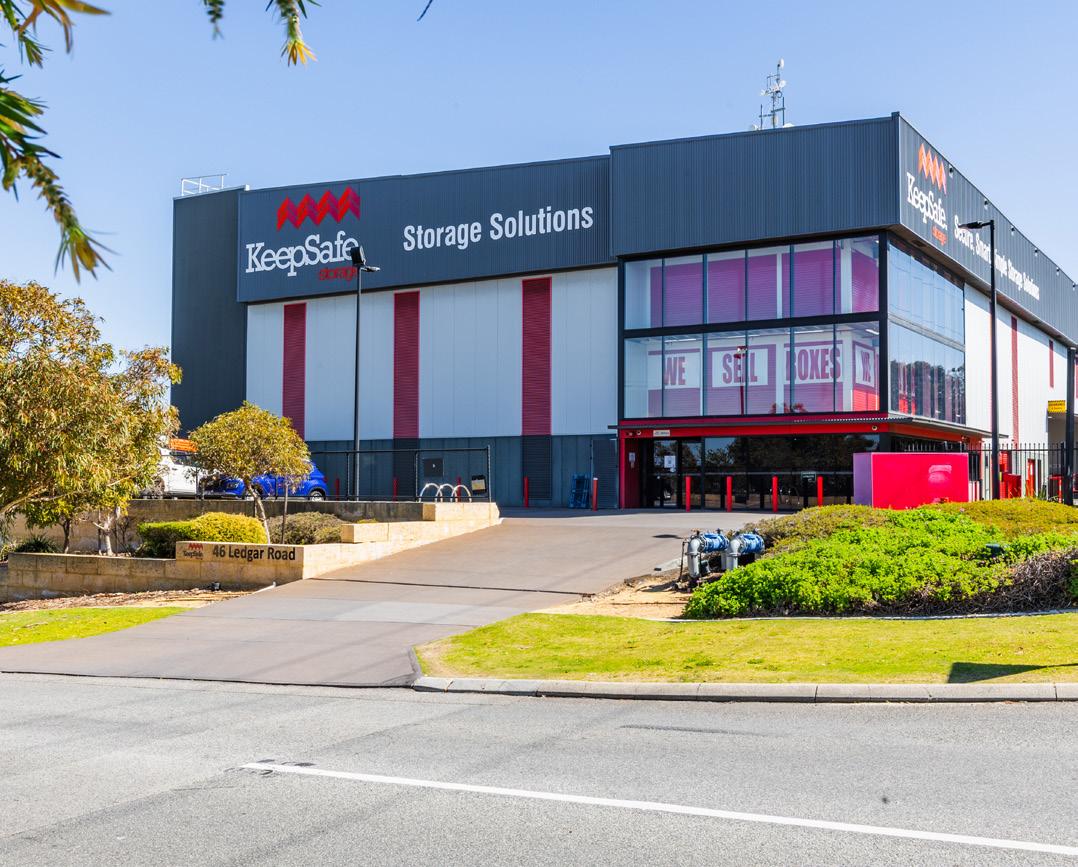
Blackstone’s Keepsafe Self Storage portfolio, WA’s largest privately owned self-storage offering, was brought to market as a five -asset, purpose -built platform that drew interest from domestic and international investors, supported by its asset quality, established locations and scale potential.
The Plaza, 84 The Square, Palmerston North
Purchase Price:
$118,900,000 (NZD)
Vendor: Kiwi Property (NZ Listed)
Purchaser:
NZRPG (NZ Private)
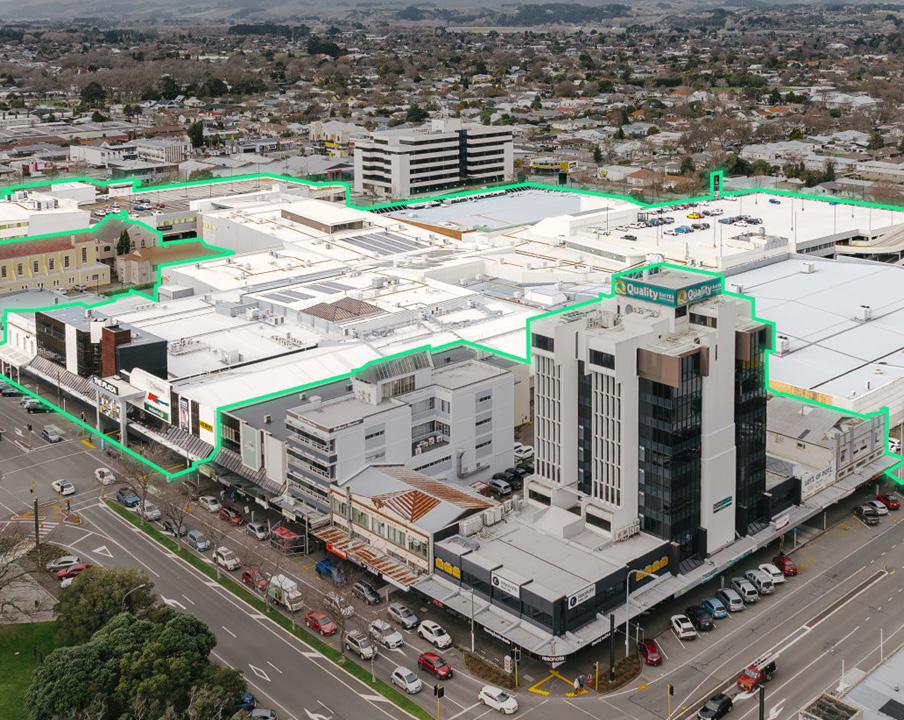
The Plaza is a leading regional NZ enclosed centre anchored by Kmart, Farmers and Woolworths (circa 59% of GLA) and supported by strong national tenants. It offers near-term leasing and capital works opportunities, and a discreet off-market campaign generated four competitive domestic and offshore bids.
Frasers
Gross Asset Value:
Circa $300,000,000
Parties:
Frasers & Morgan Stanley
Asset Type: Industrial & Logistics
A capital raise undertaken for Frasers resulted in the establishment of a joint venture with Morgan Stanley, comprising a portfolio of industrial and logistics assets with an approximate gross asset value of $300 million.
40 Mount Street, North Sydney
Purchase Price: Confidential
Vendor: M&G
Purchaser: Soilbuild/Realmont
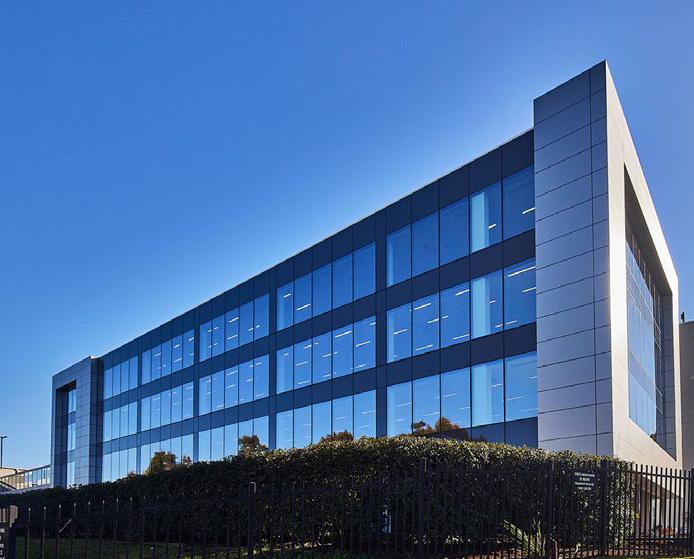
A landmark A- grade North Sydney tower with panoramic harbour views, efficient floorplates and a strong blue - chip tenant profile. Supported by a favourable Co - owners agreement and resilient income fundamentals, the asset attracted significant investor interest and achieved a premium result.
Connect With Capital Markets
INVESTMENT PROPERTIES
Flint Davidson
Head of Capital Markets & Office, Pacific flint.davidson@cbre.com.au
Ingrid Filmer
Head of Private Wealth ingrid.filmer@cbre.com
Mark Granter Head of Alternatives mark.granter@cbre.com.au
John Harrison Head of Agribusiness john.harrison@cbre.com
Trent Hobart Head of Development trent.hobart@cbre.com
Chris O’Brien
Head of Industrial & Logistics chris.obrien@cbre.com.au
James Parry Head of Office james.parry@cbre.com
Andrew Purdon
Head of Living Sectors andrew.purdon@cbre.com
Simon Rooney Head of Retail Investments simon.rooney@cbre.com
Michael Simpson
Head of Hotels michaelj.simpson@cbre.com
Stuart McCann Head of Capital Advisors, APAC stuart.mccann@cbre.com CAPITAL ADVISORS
Paul Ryan Head of Capital Advisors, Pacific paul.ryan@cbre.com
DEBT & STRUCTURED FINANCE
Andrew McCasker Head of Debt & Structured Finance andrew.mccasker@cbre.com
Brent McGregor Head of New Zealand Capital Markets brent.mcgregor@cbre.co.nz NEW ZEALAND