How to Choose Between Air and Ocean Freight for Efficient Global Shipping
How to Choose Between Air and Ocean Freight for Efficient Global Shipping
Introduction: Understanding Global Shipping Methods
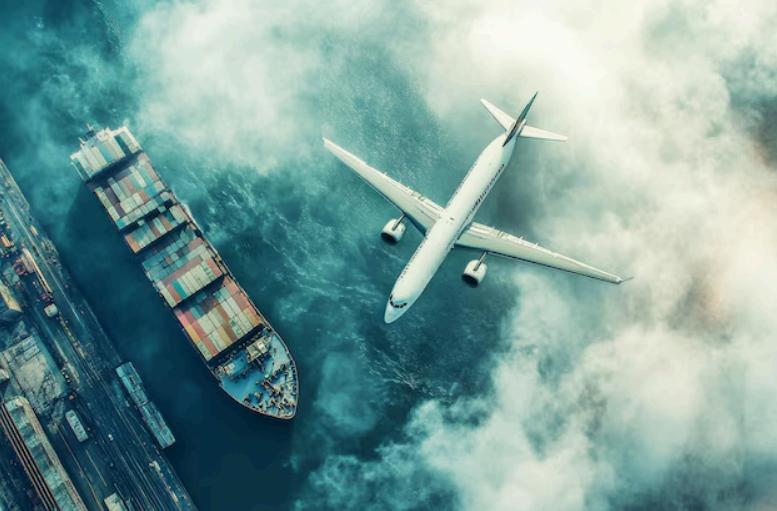
Global shipping has evolved into a complex and sophisticated industry, offering multiple transportation options to suit different business requirements Among these, air and ocean freight remain the two most widely used methods for international cargo movement Air freight involves transporting goods via airplanes, while ocean freight uses cargo ships to move containers across seas and oceans Choosing the right method requires careful consideration of factors such as delivery speed, cost, cargo type, and supply chain reliability. By understanding these factors, businesses can optimize logistics strategies, reduce costs, and ensure timely deliveries
The decision between air and ocean freight is not always straightforward. It depends on a combination of urgency, cargo volume, and the value of goods For instance, high-value products requiring fast delivery may be better suited for air freight, while bulk commodities with flexible timelines are often more cost-effective via ocean freight In the sections that follow, we will explore the features, benefits, and considerations of both air and ocean freight to help you navigate the logistics landscape effectively.
Section 1: Air Freight – Speed, Efficiency, and Reliability
Air freight is renowned for its speed and reliability, making it the preferred choice for businesses that require rapid delivery It is particularly advantageous for shipping time-sensitive goods, including perishable items, electronics, pharmaceuticals, and high-value products.
Key Advantages of Air Freight
1. Fast Transit Times: Air freight significantly reduces shipping times compared to ocean transport For international shipments, delivery may take only 1 to 5 days depending on the destination, while ocean freight can take weeks This speed allows businesses to respond quickly to market demands and maintain lean inventory levels.
2 High Reliability: Airlines follow strict schedules, which reduces the risk of delays Additionally, air freight offers advanced tracking systems, enabling real-time updates and better supply chain visibility This reliability is crucial for businesses that depend on precise delivery timelines.
3 Enhanced Security: Airports implement rigorous security protocols, reducing the risk of theft or damage. Cargo is often handled less frequently than in ocean freight, minimizing
4 Flexible Service Options: Air freight offers multiple service levels, such as express delivery and standard cargo services, allowing businesses to select the option that best fits their budget and schedule.
Considerations and Limitations
Despite its advantages, air freight comes with higher costs compared to ocean shipping The price is influenced by factors such as weight, dimensions, fuel surcharges, and destination. Moreover, large or heavy shipments may not be cost-effective to transport by air Certain hazardous materials may also face restrictions or require special handling
Businesses must weigh the need for speed against the cost implications. For example, small, high-value shipments with tight deadlines are ideal for air freight, while bulky goods that can tolerate longer transit times may be better suited for ocean transport. Ultimately, understanding the trade-offs will help businesses optimize their logistics strategy.
Section 2: Ocean Freight – Cost-Effective
and Versatile for Bulk Shipments
Ocean freight remains the backbone of global trade, handling the majority of international cargo. It involves transporting goods in containers aboard cargo ships, making it an ideal option for large and heavy shipments. Ocean freight is particularly suitable for industries such as manufacturing, retail, and agriculture, where bulk transportation is more economical
Key Advantages of Ocean Freight
1. Cost Efficiency: Shipping by sea is generally more affordable than air freight, especially for large volumes or heavy cargo Ocean freight rates are based on container size rather than weight alone, which allows businesses to maximize their shipping budget.
2 Capacity and Versatility: Cargo ships can carry massive volumes, including oversized or non-standard goods. Whether you are transporting machinery, furniture, or raw materials, ocean freight accommodates a wide range of cargo types
3. Environmental Considerations: Ocean shipping produces a lower carbon footprint per ton of cargo compared to air transport Companies seeking sustainable logistics solutions often prefer ocean freight for its environmental benefits.
4 Global Reach: Major ports around the world are equipped to handle ocean freight efficiently, ensuring access to international markets. With the right port connections and
logistics partners, businesses can reach nearly any destination
Considerations and Limitations
While ocean freight offers cost savings and capacity, it also comes with longer transit times, typically ranging from 10 to 40 days depending on the route Delays due to weather conditions, port congestion, or customs procedures are more common than in air freight Additionally, ocean shipping requires careful planning for packaging and container loading to avoid damage during transit
Businesses should factor in these limitations when planning their supply chain. Ocean freight is ideal for non-urgent deliveries, bulk shipments, and industries where cost savings outweigh the need for speed
Section 3: Factors to Consider When Choosing Between Air and Ocean Freight
Choosing the right shipping method requires a comprehensive evaluation of multiple factors Understanding these considerations ensures that businesses make decisions that align with operational goals, cost efficiency, and customer satisfaction
1. Delivery Time Requirements
Time-sensitive shipments, such as perishable goods or urgent medical supplies, typically benefit from air freight. Conversely, products with flexible delivery timelines, including raw materials or seasonal goods, can take advantage of the cost savings offered by ocean freight
2. Cargo Type and Volume
The nature of your cargo plays a significant role in the decision-making process Lightweight, high-value items are more suited for air transport, while bulky or heavy goods are better transported by sea. Additionally, fragile items may require specialized packaging and handling regardless of the mode of transport
3. Budget and Cost Considerations
Budget constraints often dictate the choice of shipping method While air freight provides speed, it is more expensive Ocean freight is more economical for large shipments but involves longer transit times. Businesses should balance speed, cost, and inventory management when determining the most suitable option
4. Reliability and Risk Management
Air freight offers higher reliability and lower risk of damage or theft, but may be affected by factors such as weather or flight availability Ocean freight can be less predictable, but selecting reputable shipping lines and logistics partners can mitigate many risks.
5. Customs and Regulatory Compliance
Both air and ocean freight require compliance with international shipping regulations, including customs documentation, tariffs, and import/export restrictions Businesses should work with experienced freight forwarders to navigate these complexities efficiently
Section 4: Integrating Air and Ocean Freight for a Hybrid Logistics Strategy
Many businesses adopt a hybrid approach, combining air and ocean freight to optimize their supply chain. This strategy leverages the advantages of both modes while mitigating their limitations
Benefits of a Hybrid Approach
1 Speed and Cost Balance: Combining air and ocean freight allows companies to expedite urgent shipments via air while sending non-urgent bulk goods by sea This
approach optimizes costs without compromising delivery timelines
2 Improved Inventory Management: Businesses can maintain leaner inventories by using air freight for replenishment while relying on ocean freight for regular stock deliveries. This reduces storage costs and minimizes the risk of overstocking.
3. Flexibility and Scalability: A hybrid strategy offers flexibility to respond to changing market demands, seasonal fluctuations, or unexpected disruptions It allows businesses to scale operations efficiently while maintaining consistent service levels
4 Enhanced Supply Chain Resilience: By diversifying shipping methods, companies reduce dependency on a single mode of transport, improving resilience against delays, strikes, or logistical challenges.
Implementing a Hybrid Logistics Strategy
To implement a hybrid logistics strategy effectively, businesses should:
● Analyze shipment patterns and identify items requiring fast delivery versus bulk shipments
● Collaborate with freight forwarders and logistics providers for tailored solutions.
● Track performance metrics such as delivery time, cost per shipment, and customer satisfaction.
● Continuously refine shipping routes and schedules to maximize efficiency and minimize disruptions
Section 5: Choosing the Right Freight Forwarder
Partnering with a reliable freight forwarder is crucial for successful air and ocean freight operations Freight forwarders act as intermediaries between shippers and carriers, handling documentation, customs clearance, and cargo tracking.
Key Attributes to Look For
1 Experience and Expertise: Choose a forwarder with extensive experience in your industry and expertise in both air and ocean freight. Their knowledge can streamline operations and prevent costly delays
2. Global Network: A strong network of carriers, agents, and ports ensures seamless shipments across multiple countries This is particularly important for businesses with diverse international markets.
3 Technology and Tracking: Modern logistics relies on digital tools for real-time tracking, automated documentation, and data analytics. Selecting a forwarder with advanced technology enhances visibility and efficiency
4. Customer Support: Effective communication and responsive support are essential. A forwarder should provide guidance on regulations, shipping options, and contingency planning
For businesses seeking a dependable logistics partner, Terra Logistics offers ocean freight, road freight, air freight, warehousing, customs clearance, and project logistics. By combining multiple services under one provider, companies can simplify supply chain management, reduce operational complexities, and ensure timely deliveries.
Section 6: Cost Comparison Between Air and Ocean Freight
Understanding the cost implications of each shipping method is crucial for financial planning. While air freight charges are generally higher, they are calculated based on weight and volume, with additional surcharges for fuel and handling Ocean freight charges depend on container size, route, and terminal fees, making them more predictable for large shipments.
Factors Affecting Air Freight Costs
● Weight and dimensions of cargo
● Fuel surcharges and airport fees
● Urgency of delivery and service level
● Special handling requirements
Factors Affecting Ocean Freight Costs
● Container type and size
● Port charges and terminal handling fees
● Seasonal demand and shipping routes
● Customs duties and documentation costs
Businesses can optimize shipping costs by analyzing shipment patterns, consolidating cargo, and negotiating rates with carriers and forwarders A strategic approach ensures cost-effectiveness while maintaining delivery reliability.
Section 7: Environmental Impact of Air and Ocean Freight
Sustainability is becoming an essential consideration in global logistics Air freight consumes more fuel per ton of cargo, resulting in higher carbon emissions compared to ocean freight.
Companies committed to environmental responsibility often prefer sea transport for bulk shipments. However, combining modes and optimizing routes can reduce environmental impact while maintaining operational efficiency
Strategies for Sustainable Shipping
1 Consolidation: Combine shipments to maximize container or aircraft space, reducing emissions per unit
2 Eco-Friendly Packaging: Use recyclable and lightweight materials to minimize waste and fuel consumption.
3 Hybrid Logistics: Utilize ocean freight for bulk shipments and air freight only when necessary to balance speed with sustainability.
4 Green Freight Partners: Collaborate with logistics providers committed to carbon reduction and renewable energy initiatives.
Section 8: Common Challenges and How to Overcome Them
Despite the advantages of air and ocean freight, businesses may face challenges in international shipping These include delays, customs issues, cargo damage, and regulatory compliance. Anticipating these challenges and partnering with experienced logistics providers can mitigate risks effectively
Strategies to Overcome Shipping Challenges
● Conduct thorough documentation and customs preparation
● Choose reputable carriers with proven track records.
● Implement proper packaging and cargo insurance.
● Monitor shipments using tracking technology and maintain open communication with freight partners.
Conclusion: Making the Right Choice for Your Business
Choosing between air and ocean freight is a strategic decision that influences cost, delivery speed, and overall supply chain efficiency. Air freight offers speed, reliability, and security, making it ideal for urgent and high-value shipments Ocean freight provides cost-effectiveness, large capacity, and environmental benefits, making it suitable for bulk cargo and non-urgent deliveries. Combining both methods in a hybrid strategy offers businesses the flexibility to optimize operations, reduce costs, and enhance resilience
To ensure success, work with experienced freight forwarders like Terra Logistics, which offers ocean freight, road freight, air freight, warehousing, customs clearance, and project logistics Their comprehensive services simplify the shipping process, allowing businesses to focus on growth and customer satisfaction.