committed
committed
By Rebecca Angel
By Rebecca Angel
Deanna Beyer
Deanna Beyer
Ruth Ann Smalley
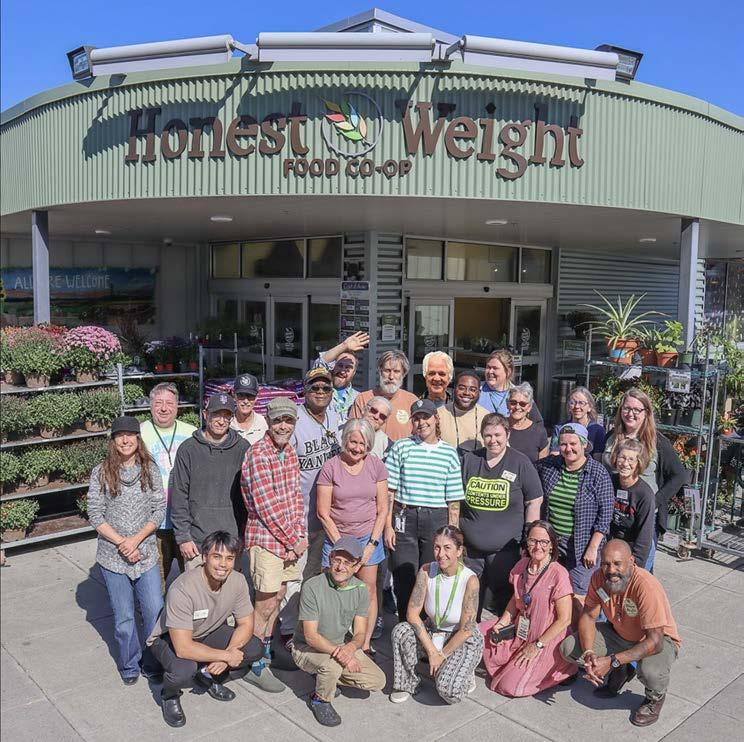
Natalie Criscione remembers shopping at the Quail St. Honest Weight location. She wears many hats: educator, writer, artist, musician, property manager, advocate, volunteer. She loves being part of the Coop Scoop team!

Pat Ellis has been a shopper at HWFC for years and became a member a year ago. She enjoys participating in the creative energy of the Scoop’s editorial team and is excited about contributing more in the future.
Lucia Hulsether is a teacher and writer currently based in Saratoga Springs, NY. Her first book, Capitalist Humanitarianism, is available from Duke University Press. www.dukeupress.edu/capitalist-humanitarianism


daughter, and beagle-mix pup She joined her first co-op at sixteen (The Outpost, Milwaukee). When not tending the HW Blog, she can be found weeding her garden.
Anastasia Rodgers is the Community Outreach Specialist at Honest Weight. They will be transitioning away from their role as Staff Editor on the Coop Scoop after this issue, and are thrilled to pass the torch to Sarah Rosenthal, the new Education & Engagement Specialist at HWFC! Anastasia appreciates how much the Coop Scoop Team of Editors has helped them grow as a writer, and have loved being able to connect with our readers!
By Leona Palmer
As we sink down into cozy hibernation, dreams of spring swirl in the air. Traditionally, the wintertime is a natural season of respite, reflection, and rumination. Usually we think of “ruminating” in a negative context, to be fixated, overanalyzing, caught up in some loop of thought. But a friend who has recently begun to care for two sister sheep, reminding me that they are “ruminating” mammals, highlighted the positivity of all that chewing. That, gifted with multiple stomachs, they chew something over and over until it is fully digested.
All of it is happening right now, as the Buddhist teacher Pema Chödrön would say, “Now, now, now… The more you can be completely now, the more you realize that you’re in the center of the world, standing in the middle of a sacred circle. It’s no small affair, whether you’re brushing your teeth or cooking your food or wiping your bottom. Whatever you’re doing, you’re doing it now.”
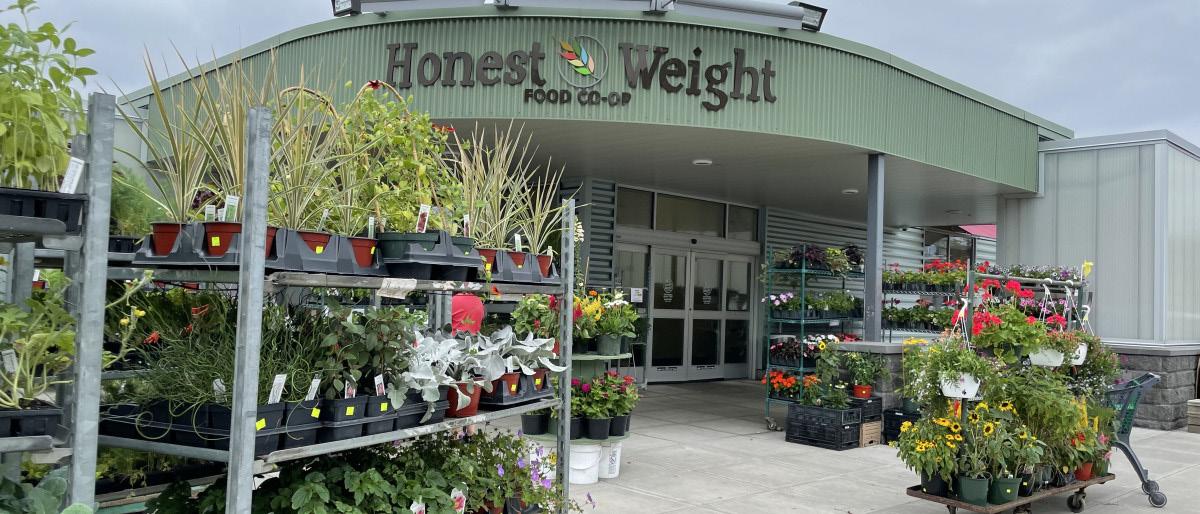
So, right now, whatever winter mood this issue finds you in, we offer you a variety of ideas—from practical tips and guides to more philosophical considerations. If your winter needs more coziness, look to some hygge inspiration to increase your comfort. If all your time spent indoors and cooking has you realiz ing you may need some time-saving or updated tools, our editors have shared their most prized and appreciated kitchen appliances. If you feel a need for more nourishment, consider starting your growing season indoors and early by growing some densely nutrient-packed micro greens. If the darkness, cold, or holiday hangover is bringing you to terms with grief or loss, old or new, perhaps you can find some healing or comfort with the herbs. If you’re looking to balance your energies and mood with some teas or essential oils, check out our recipes for Ayurvedic remedies. If you’re looking to prepare for springtime and gear up, check out some of the work gloves featured in the Producer’s Profile or High Mowing Seeds in What’s Fresh. If you’re already prepared and starting your garden/landscape planning, consider leaving some room for the bolting of your plants to engage the whole family in seed-saving this year for next. Or if you are garden-curious, look to some contemplations on “garden gateways”. If you're wondering how to mow less grass this coming season and better support your backyard ecosystems, check out our guide on native plants.
Ruth Ann Smalley PhD, is our Content Editor. An educator and writer, with a 4-digit Co-op member number from the early 90s, Ruth Ann offers wellness, writing, and creativity coaching through her practice at www.vibrant-energies.com or www.ruthannsmalley.com.
Mathew Bradley is an Art Director for a record label based out of Troy, NY. At HWFC, he severs as the Coop Scoop’s Layout Editor. When not at the computer, he sets aside time to make music with his two bands, lounges on his couch with his cat (Alene Lee), walks Peebles Island with his dog (Cricket), or tries out a recipe from one of his many cookbooks.

Winter can be a time to fully digest the year behind us as we look to the year ahead. Perhaps instead of with resolutions–so easily overwhelming, so quickly discarded–perhaps with a heartier resolve. What is a new year for? We mark time to mark cycles, patterns, growth, and new beginnings. To turn and face forward, with resolve and hope, toward goals and desires. Some of us relish a good composting of self, turning over our thoughts and feelings or pursuing inquiries of the heart and mind, with a good blanket and candle lit. And some of us are restless, reaching forward for the longer days and making plans for all we will do.
As we transition from winter to spring and welcome the light and longer days back, all of us at the Co-op Scoop wish you a happy 2026, filled with kindness, generosity, care, connection, good health to you and your loved ones, good food (of course!), and loads of joy and laughter. Here’s to brighter days ahead!
Excerpted from: The Wisdom of No Escape: And the Path of Loving-Kindness by Pema Chödrön, p. 32
By Ruth Ann Smalley
the actual impacts. The phrase “Local Multiplier Effect” refers to the fact that a single dollar spent at a locally-owned business circulates powerfully within your community. While it varies by business, “your dollars recirculate through your local economy 2-4 times more than money spent at a non-local company” (https://amiba.net/project/local-multiplier-effect/)
This is due to what the Civic Economics organization calls the “four components of local advantage: labor, profit, procurement, and charity.” In other words, local businesses use your dollar to pay employees and to reinvest in the community through their own purchases, including locally-sourced inventory and support for local non-profits. A recirculation rate of double to quadruple is nothing to sniff at, and for a food co-operative like ours, with a deep network of local producers, that rate is probably even higher.
We hear “buy local” reiterated so often that by now we have a general sense of its importance. The American Independent Business Alliance (AMIBA) puts it simply: “spending locally creates more local wealth and jobs,” and “even modest changes in purchasing habits can produce meaningful impacts.”
Civic Economics and the American Booksellers Association teamed up over twenty years ago to begin tracking and analyzing the market effects of a certain gigantic online retailer. Their latest findings in a 2022 report entitled “Unfulfilled” are informative. They report that in the case of independent bookstores, “approximately 29% of all revenue . . . immediately recirculates in the local economy.” This amounts to “a massive 405% local impact advantage over Amazon.”
And there’s another element we don’t hear as much about—infrastructure
“ongoing displacement of retail activity from traditional commercial spaces to outlying industrial parks is an emerging crisis for American cities and towns.”
The numbers here are pretty eye-popping: “Amazon displaced 136,000 shops occupying 1.1 billion square feet of traditional commercial space with its 2021 retail sales. Moreover, the replacement of 1.7 million retail employees with only half as many jobs in fulfillment means there are ever fewer jobs associated with retail.” The authors warn that “American cities have been slow to grasp the challenge posed by this movement.”
Our online and chain purchases are not just happening “out there, somewhere in the digital realm, of no concern to me.” The problem of non-local ownership is very local because it affects more than employment rates—it involves issues around land development, transport, and taxation. Add this to your calculation the next time you make a choice about where to purchase something: “These [industrial park] facilities require entirely new, invariably publicly funded infrastructure in order to move workers and an endless stream of trucks and vans to and from those locations. And even as local governments struggle to develop that infrastructure, the legacy investment in existing commercial districts goes underutilized and loses the tax basis that supported it.” The ripple effect is huge. When you buy local, you are making a positive difference.
WBy Pat Ellis
By Pat Ellis
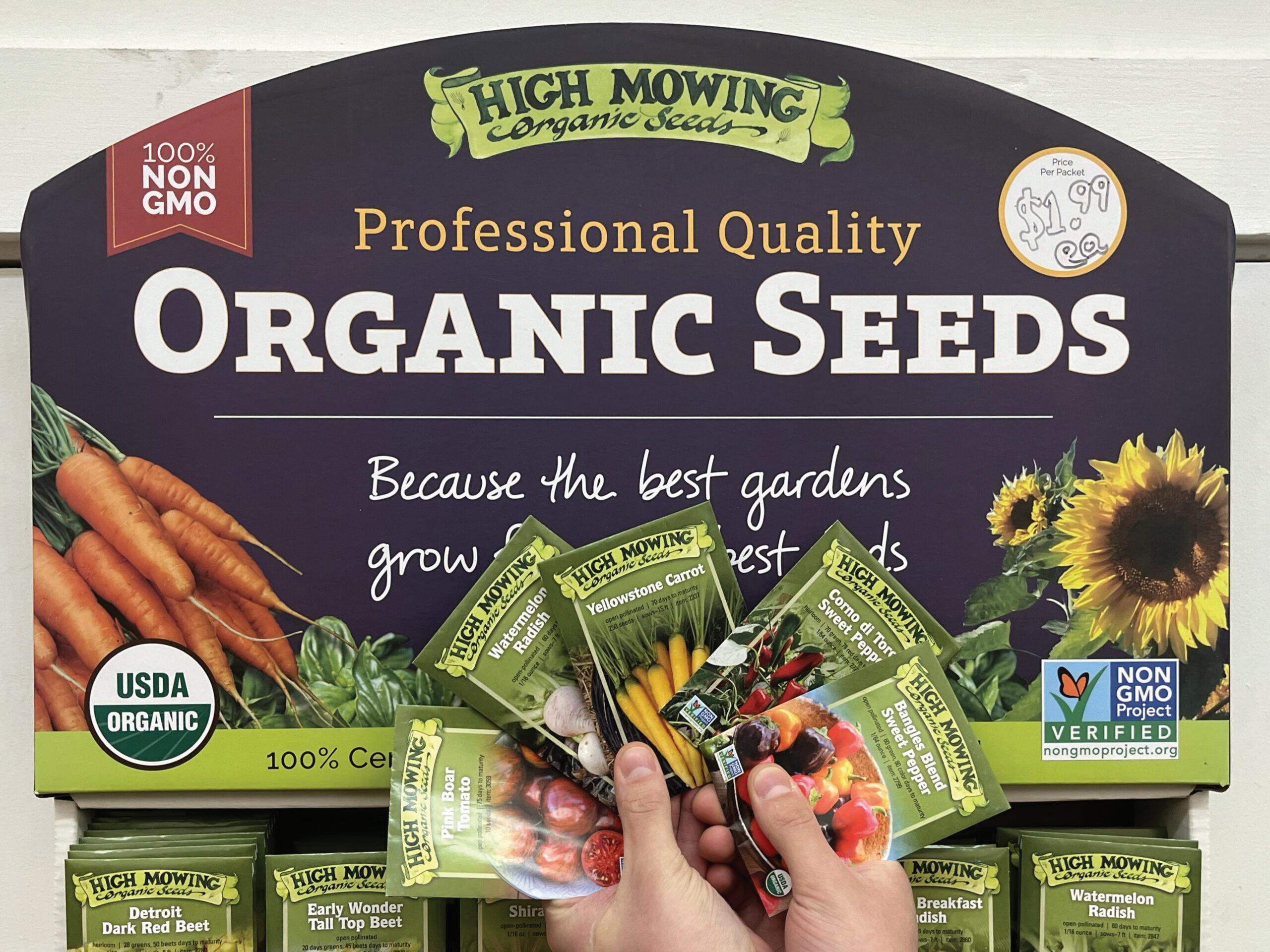
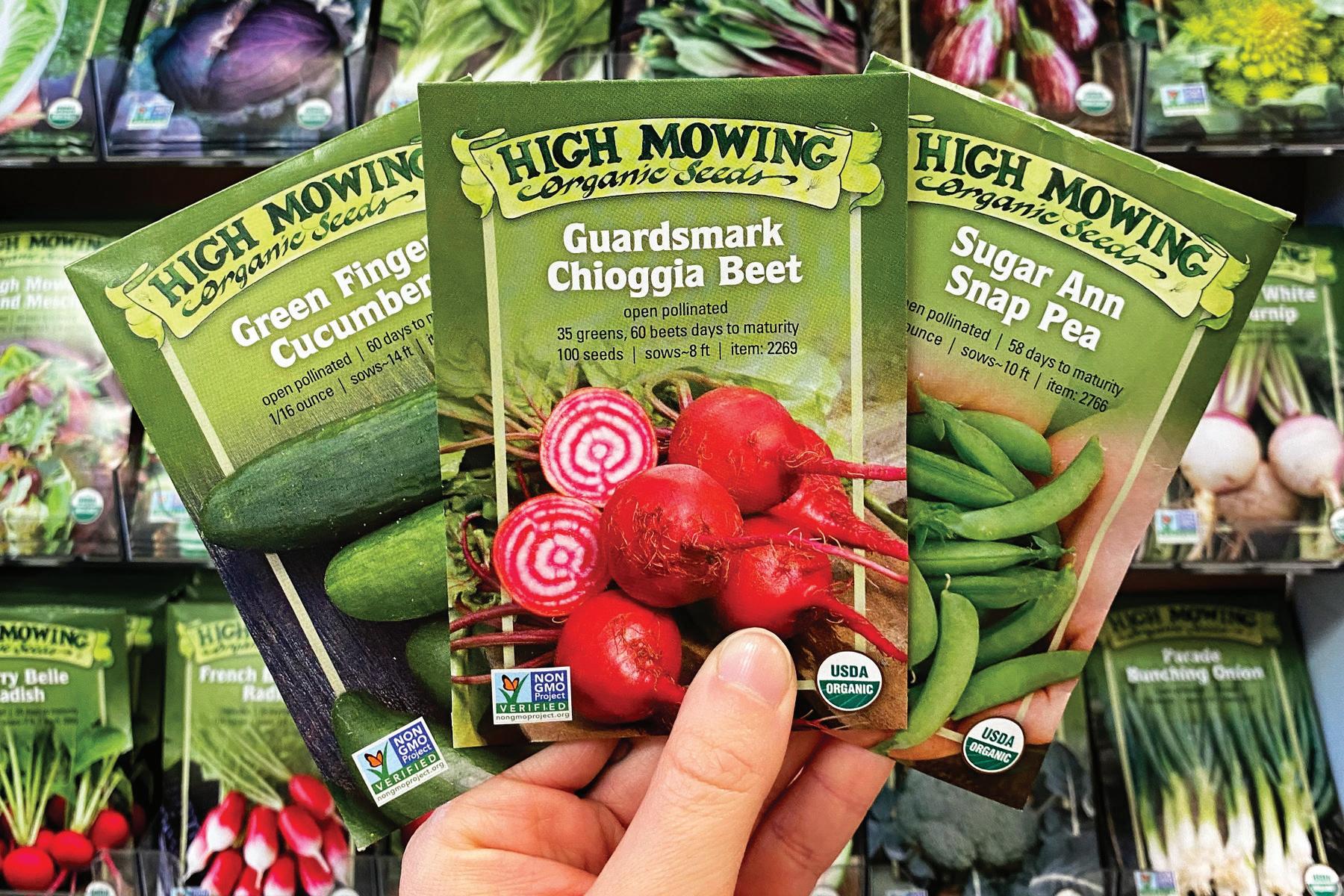
hat’s Fresh turns its attention to a fundamental part of our gardens…..the Seed. High Mowing Organic Seeds to be precise!
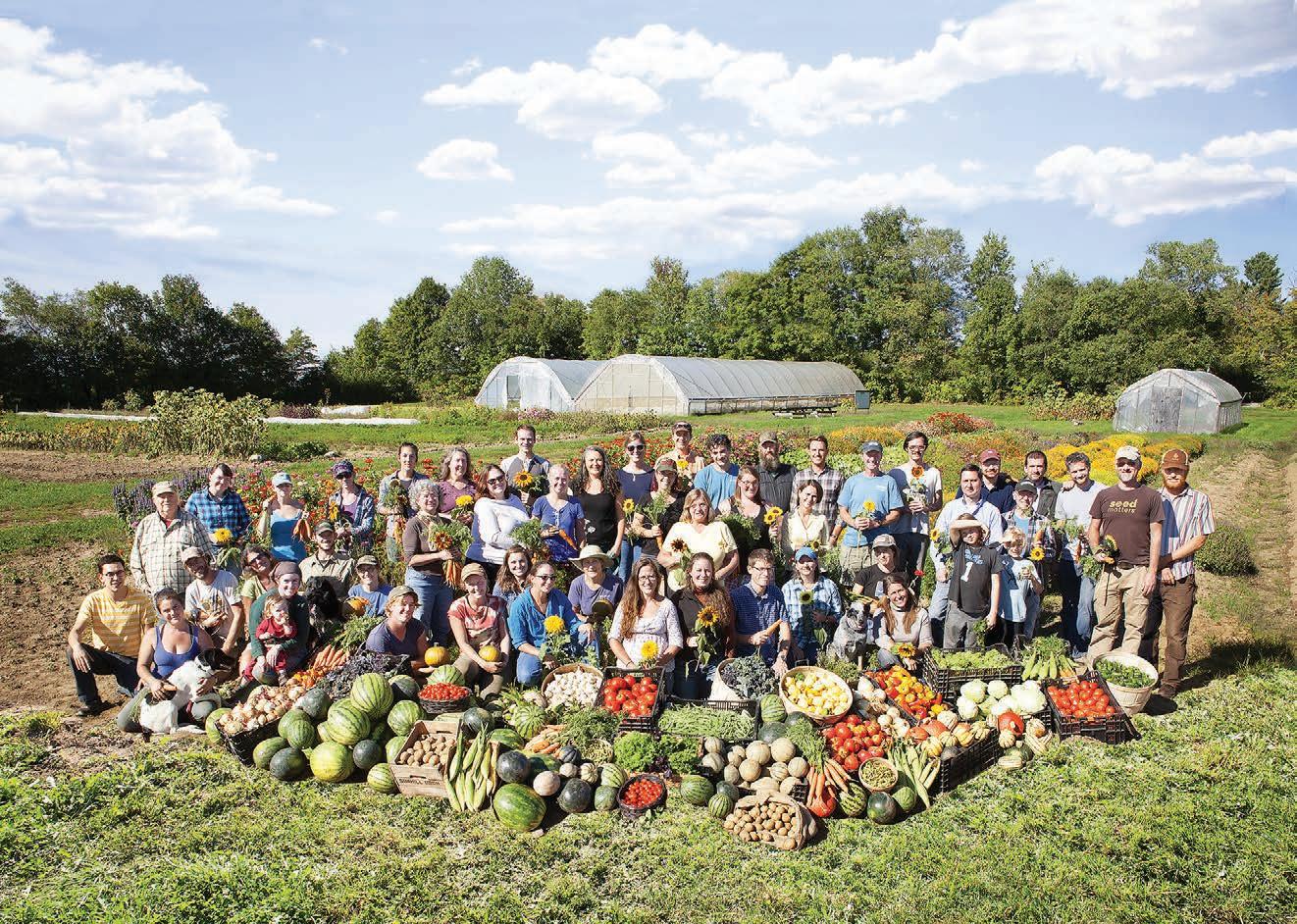
Celebrating their 30th Anniversary next year, High Mowing began small with about 28 original varieties and has thrived and blossomed to today’s offerings of more than 700 heirloom, open-pollinated, and hybrid varieties of vegetables, fruits, herbs, and flower seeds. All varieties at High Mowing are selected to perform in organic growing conditions so, as gardeners, we can enjoy and share our efforts. In the pursuit of the best in organic varieties, High Mowing has a Product Development & Trials Team whose tasks include identifying organic varieties that have vigorous productivity, flavor, and visual appeal. There is a Quality Assurance Team that performs germination and purity testing. If you run into a challenge and you need help within a growing season, High Mowing also has a knowledgeable Customer Service Team ready to help you.
They’re a holistic organization where people care about farming and the environment. Their crops are managed under strict regulations designed to protect the native environment. They are grown without harmful synthetic fertilizers and pesticides typically used in conventional seed production. Ever mindful of community, High Mowing established a program to donate over 100,000 seed packets to organizations that teach and empower people about food security.
You can find an excellent selection of High Mowing’s seeds
By Pat Ellis
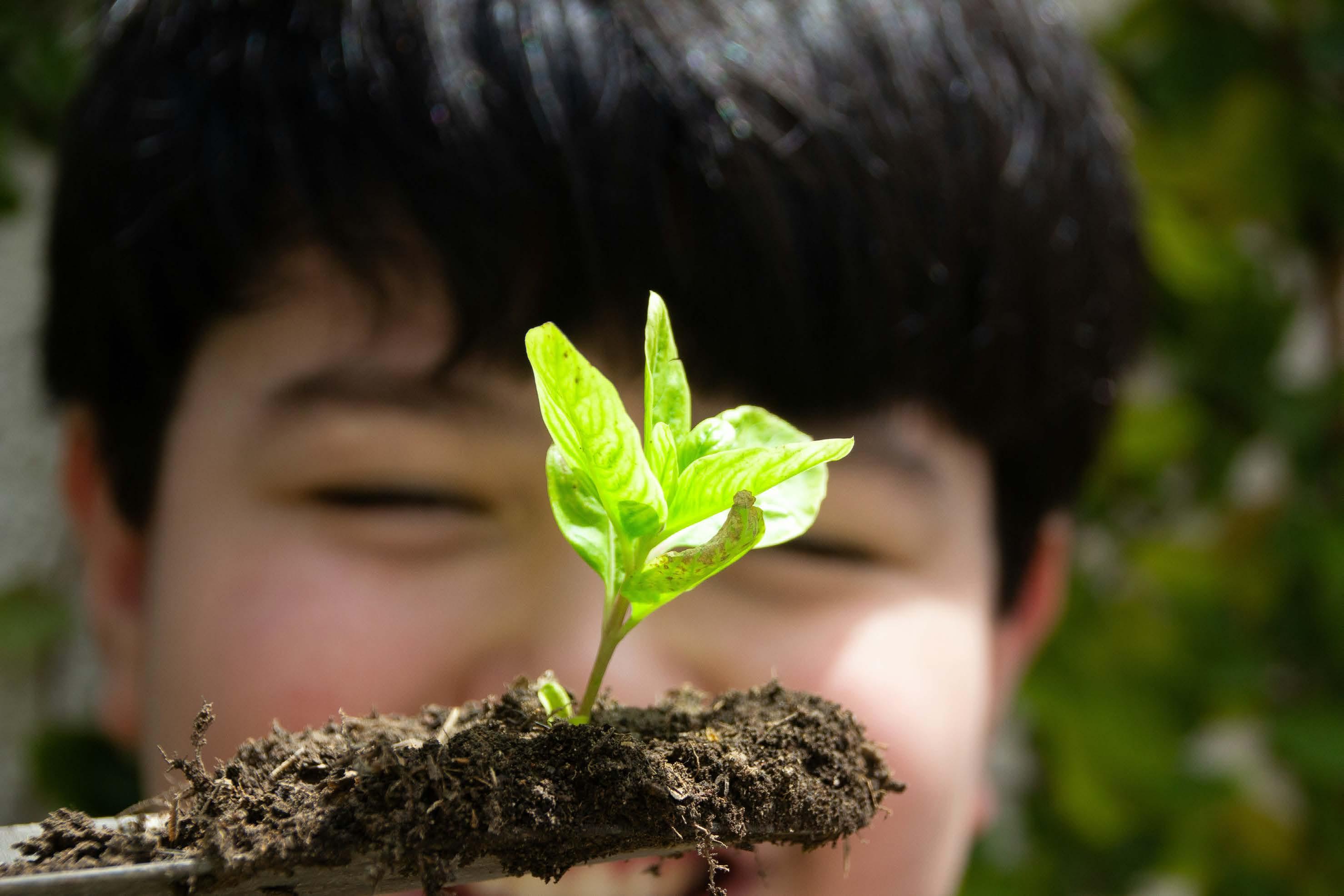
The use of young greens, precursors to modern microgreens, can be found in ancient Egyptian and Chinese cultures. The modern concept of using these young, edible vegetable and herb seedlings as culinary ingredients began in the 1980s in California, where chefs such as Alice Waters incorporated them as garnishes in thier upscale restaurant creations. They continued to gain a broader place in the food industry through the 1990s until the present day, when we have gained a fuller understanding of their value in terms of flavor and nutrition as well as aesthetic appeal.
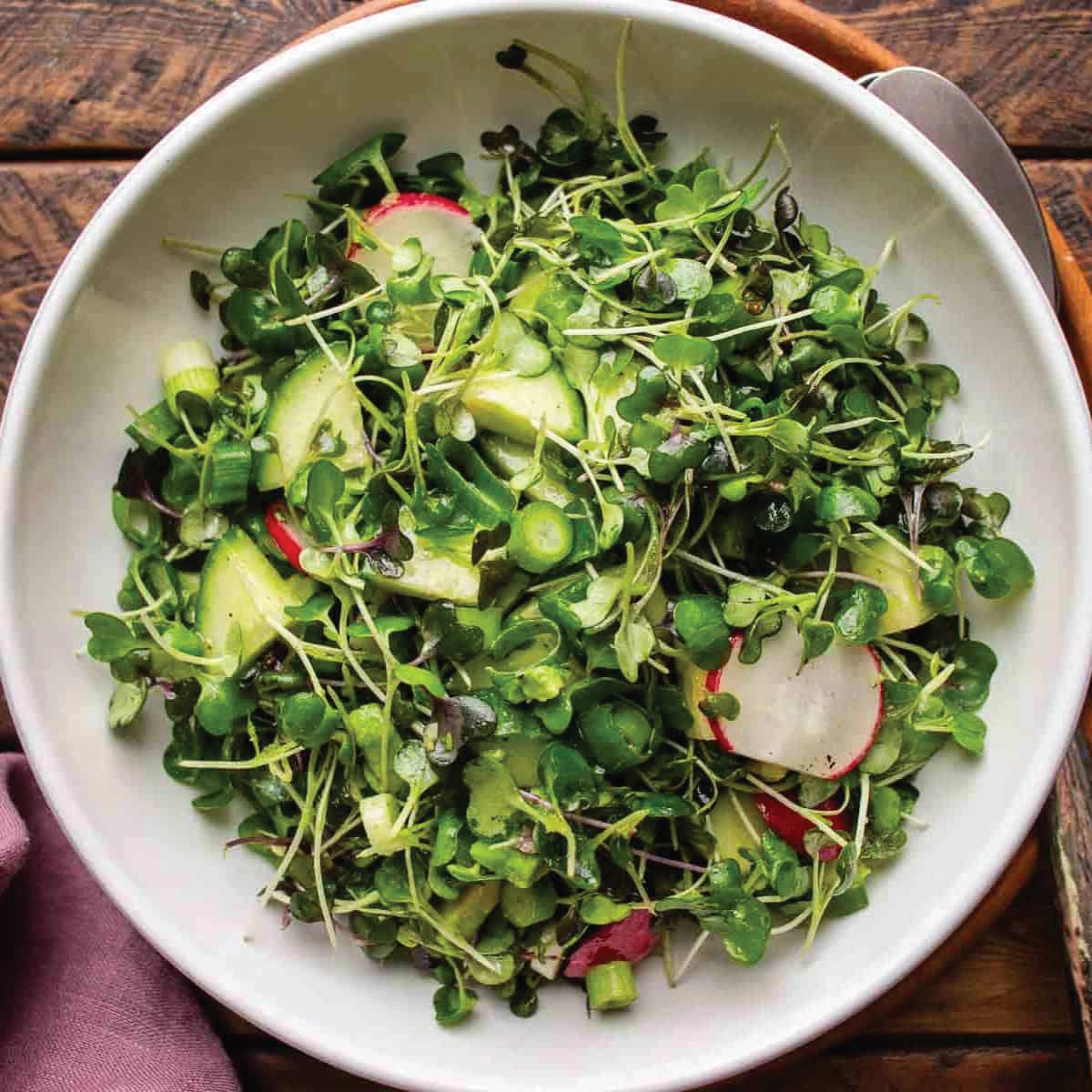
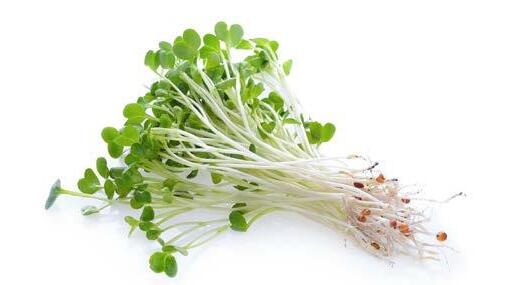
Microgreens are generally more nutrient-dense than their smaller cousins, sprouts, containing higher levels of vitamins, minerals, and antioxidants. Unlike sprouts, microgreens are grown in soil and sunlight for 7-21 days, depending on the variety. They can be grown from many different types of seeds. The most popular varieties are produced from the plant family Brassicaceae, which includes broccoli, cauliflower, cabbage, arugula, kale, and radishes. Pea Shoots (Fabaceae) and Sunflowers (Asteraceae) are also widely consumed varieties. An additional benefit of microgreens is that they can be bought whole, allowing them to be kept alive until they are ready to be consumed.
While the initial appeal focused on the richness of flavor and attractive appearance, we have now discovered the nutritional punch these mighty minis bring to any dish. There have been more than 3,000 scientific papers published in the last eight years attesting to their nutritional prowess. Studies over the last decade have uncovered that these small, generally 1-3 inch tall plants are packed with vitamins, minerals, and antioxidants that are often at higher levels than the same quantity of mature greens. That same study showed that while levels varied, the concentration of Vitamins C, A, K, and E; antioxidants such as anthocyanins, quercetin, beta carotene; and power ful cancer-fighting glucosinolates can be up to 40 times higher than those recorded for more mature leaves.
One study compared the mineral profile between microgreens and mature lettuces and found the micro greens were higher in calcium, magnesium, iron, and zinc. The same study indicated that they were also lower in the nitrates that can have a detrimental effect on our bodies.
What does all this mean for our continuing health? Let’s look at six benefits attributed to microgreens by the Cleveland Clinic:
Help in the management of Type 2 Diabetes by improving insulin resistance.
Improve Brain Function: The polyphenols found in microgreens may improve how well you think and reason, and even prevent or delay the beginning of neurodegenerative diseases.
Helps in Cancer Fight: The Brassicaceae family, which includes broccoli and cabbages, contains “sulforaphane,” an antioxidant whose many benefits include cancer prevention.
Several studies have confirmed that broccoli microgreens can have as much as 100 times the amount of sulforaphane as the mature vegetable.
Protects Vision: Lutein, an antioxidant found in spinach, broccoli, dandelion and cress microgreens, is very beneficial for eye health in older adults.
Reduced Risk of Anemia: Many microgreens are a rich source of iron.
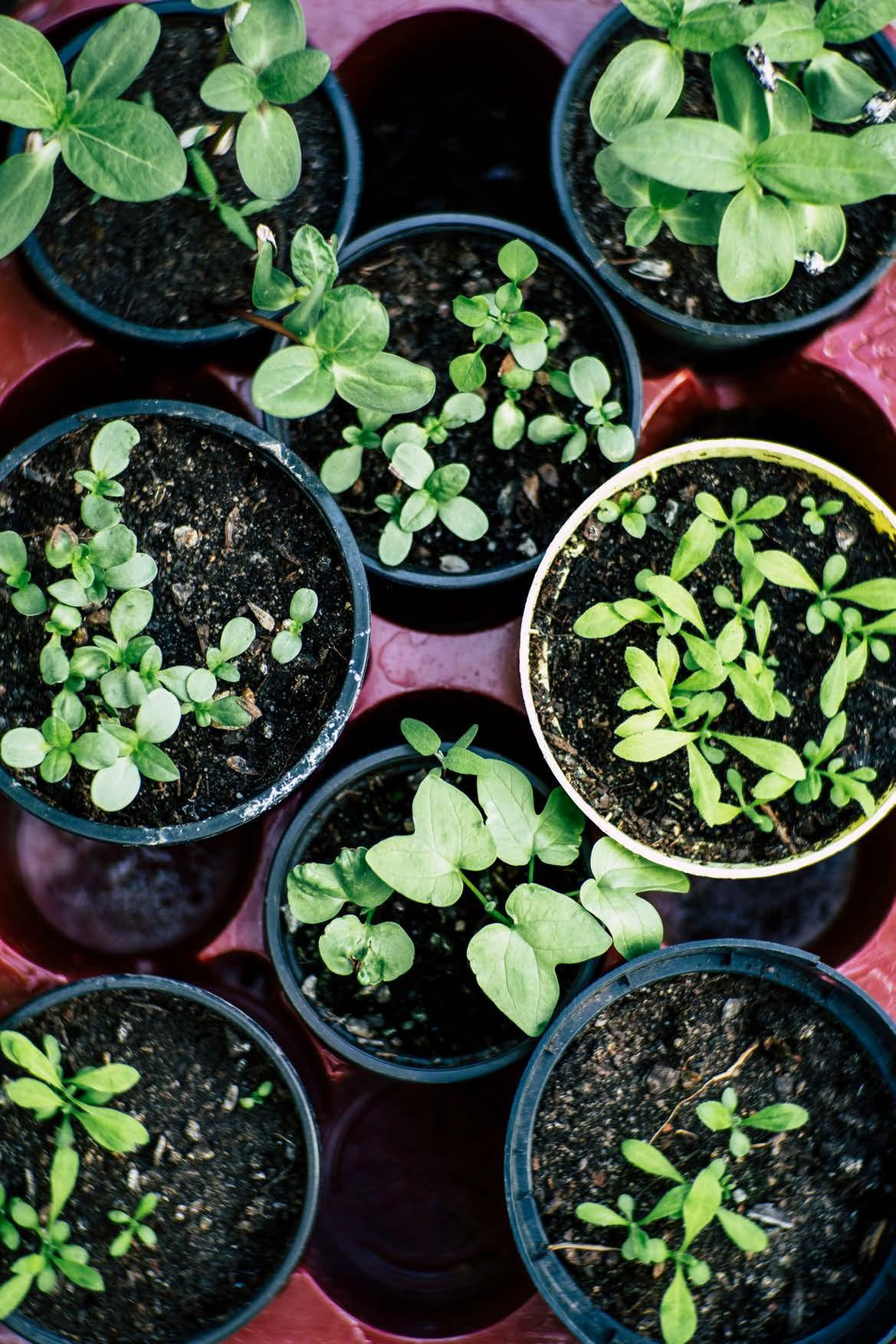
This list is not all-inclusive but does give a picture of how powerful microgreens are as an addition to a healthy diet. HWFC carries some varieties of microgreens ready for your consumption, and if the variety you want is not there, consider growing your own. It’s a great way to bring the garden indoors in the winter months! You could have a harvest in as little as seven days.
Whichever option suits you, remember that for microgreens: Great things do come in small packages.
Enjoy!
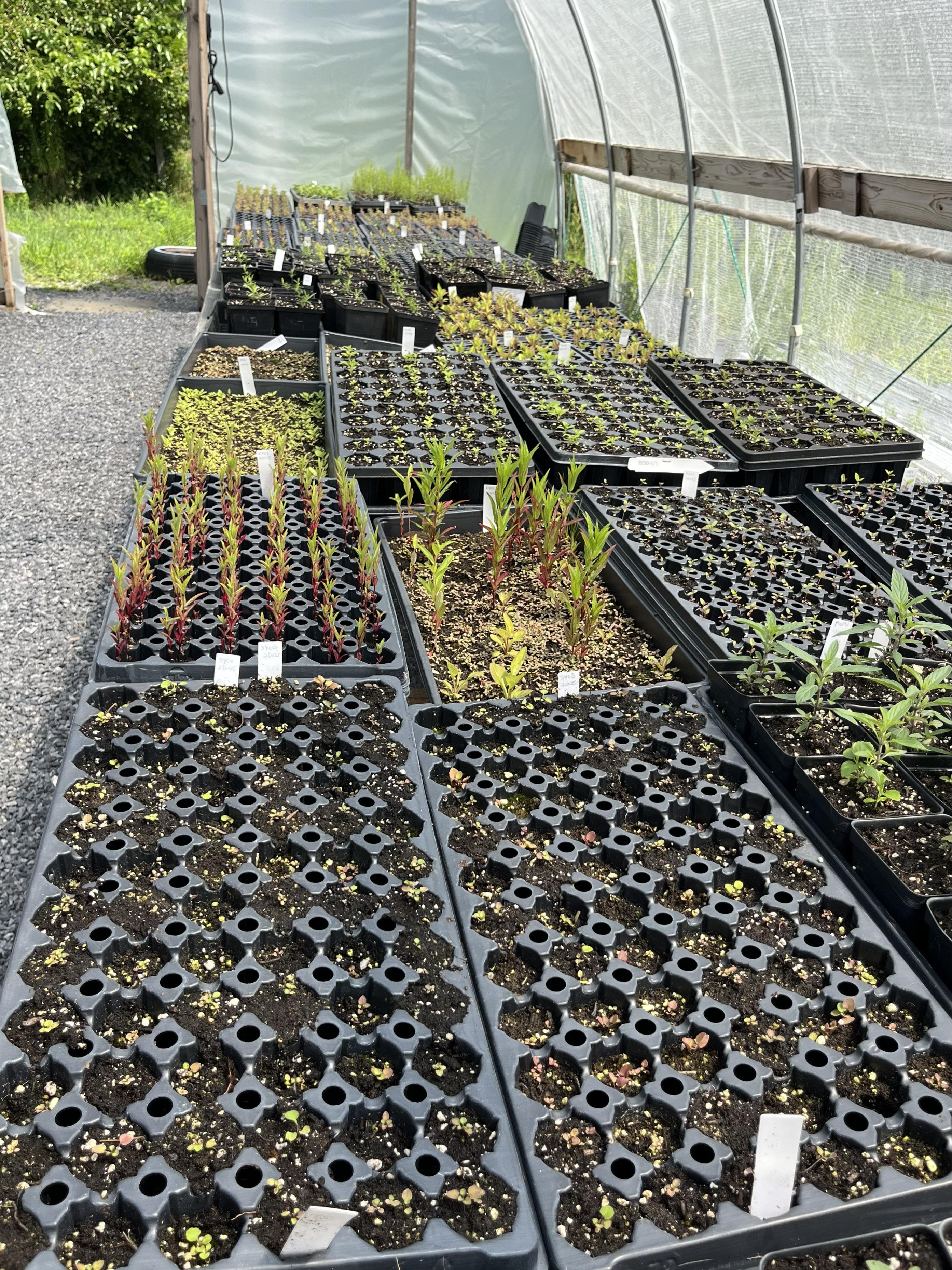
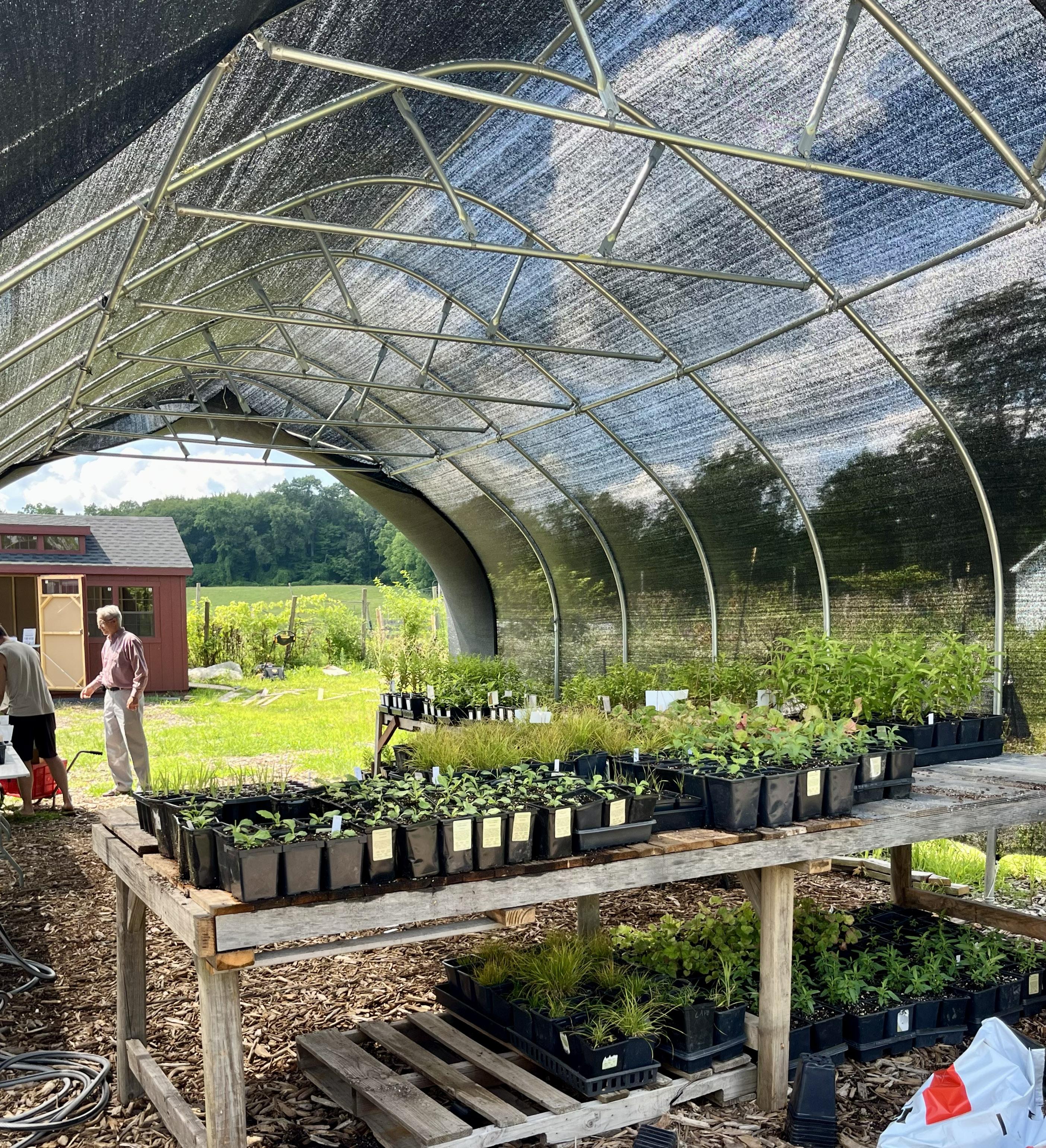
Many native plants need a period of cold before they will germinate, which provides a simple science lesson about seasonal rhythms. Seeds from milkweed, coneflower, and many woodland flowers have adapted and evolved to expect winter. Adults and children can mimic this naturally through cold-stratifying seeds in the refrigerator or by winter sowing. For cold stratification, seeds can be wrapped in a slightly damp paper towel, sealed in a bag, and refrigerated for several weeks—kids love checking in to see if any tiny roots appear as the seed breaks open. Winter sowing is even more child-friendly: using jars, empty milk jugs, or juice bottles, you fill them with soil, sow the seeds, water them, and place them outdoors in mid-winter. Children can decorate the containers, watch snow collect on them, and then notice the first sprouts emerging in early spring. Winter-sown seedlings tend to be tougher and more resilient, which makes them perfect for young gardeners.
When planting time arrives, children can help choose a place for their “pollinator patch.” This is where the ecological connections deepen! Growing milkweed leads to conversations about monarch butterflies; coneflowers attract goldfinches that kids can watch tugging at the seed heads; bee balm brings in hummingbirds and native bees. These small interactions help children understand that their efforts matter and that they are actively creating habitat, not just tending a garden.
Seed-saving with kids is ultimately about more than gardening. It helps cultivate patience, observation skills, a sense of reciprocity with the land, and, above all else, it teaches that cycles continue, life persists, and humans can have a beneficial role in nurturing it. Through the simple act of collecting and planting seeds, adults and children grow not only next year’s garden but a deeper connection to place, one that they can carry forward for years to come.
By Ruth Ann Smalley
It may not seem like your green space can be a place to enact change, but every green space is now the front line against climate change and habitat degradation" (Summers and Brittenham, Designing Gardens with Flora of the American East, 193)
Prioritizing in-season, locally-grown food and favoring local producers and businesses when purchasing other items are familiar practices for Honest Weight shoppers. We may also have been working for years to reduce our turf lawns, eschew dangerous lawn treatments, and even avoid buying plants treated with neonicotinoids. These choices are often part of our individual efforts to “be the change” we want to see in the world.
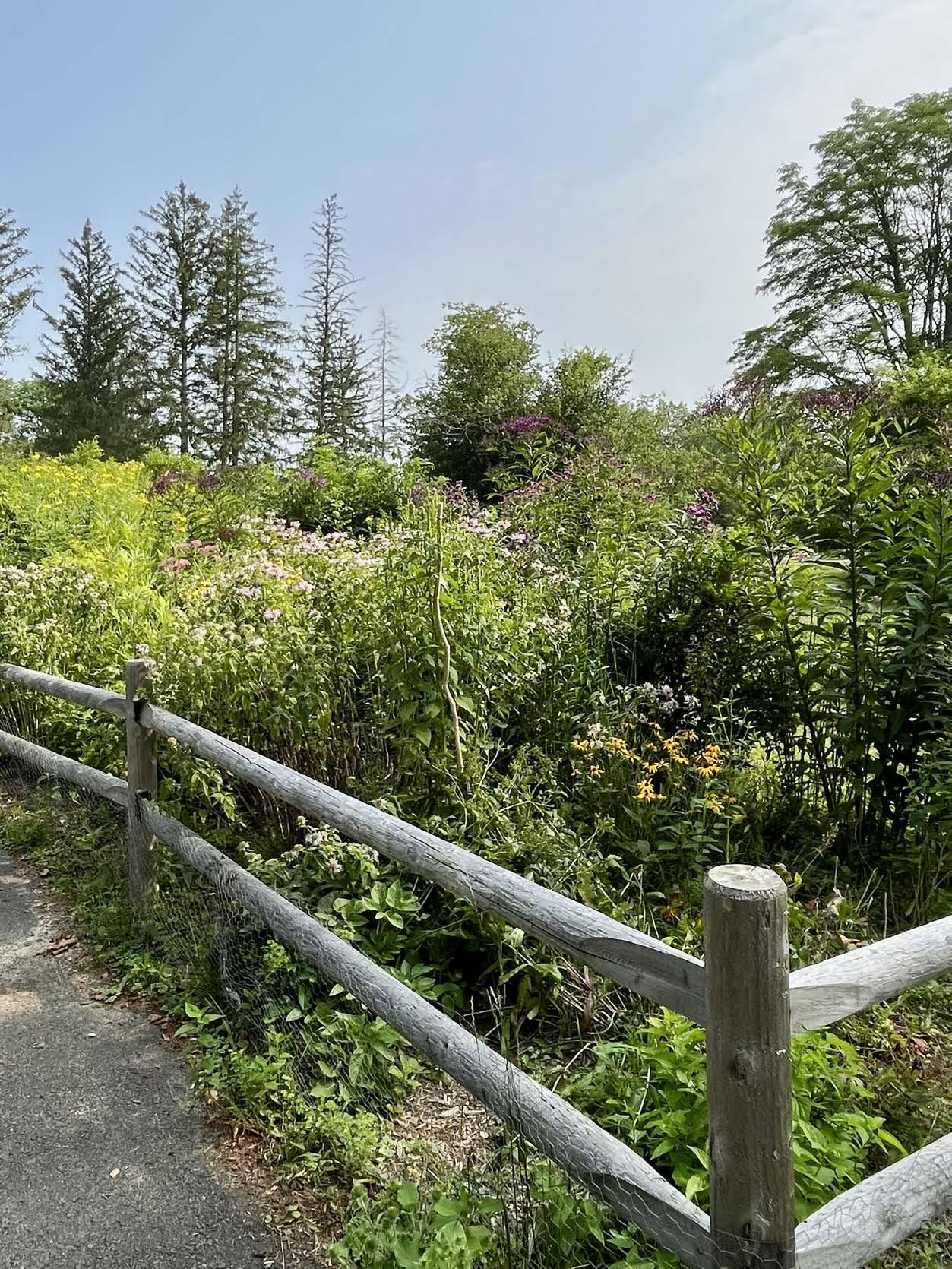
In recent years, some of us have been exploring the notion of taking “healthy and local” even further, into the realm of gardening with native plants. We have lovely models for this in the flowerbeds right outside Honest Weight. Restoring these plants to our habitat is more urgent than ever.
By now, many of us have heard about the issues created by introduced species such as Japanese knotweed and garlic mustard, which cause damage and crowd out natives. A growing body of research into these dynamics is helping people pay much more attention to the importance of native plants. But it may also cause non-specialists to feel overwhelmed or uncertain about how they can play a role.
The good news is that it is getting easier to find reliable sources for both information and the plants themselves. You don’t need to be an expert to begin: you can start a native plant garden or convert to a larger percentage slowly, plant by plant, as you gain knowledge and observe your results.
Even small shifts in your yard—or front steps, in container gardens—can make an important difference, especially when multi plied across the residential land scape. This is the brilliance of the work of Doug Tallamy, an ecologist and entomologist who co-founded the Homegrown National Park organization. As he explains in the foreword to A Northern Gardener’s Guide to Native Plants and Pollinators,
"Private landowners hold enor mous conservation potential because there are so many of them. In the United States, 135 million acres are now in residential land scapes. The good news is that hundreds of millions of people live in, and thus manage, those landscapes. With a little education, all of us can come to realize that sustainable earth stewardship is not something we can ignore or practice only if we feel like it. It is essential" (viii).
Get that? You, too, could be a landscape manager and make your environment part of a homegrown national park, even if you only have a couple of pots or windowboxes.
“The practice of flooding our yards and gardens with nonindigenous plants that cannot interact with our natural landscapes is unsustainable.”
(141) Summers and Brittenham
Sustainable is a key word here. Once we begin to delve into the wonders of the food web and realize how much of its foundation has been threatened and outright removed by our landscape “malpractices,” we can be even more inspired to make changes. There is joy to be found in participating in the restoration of healthy relationships between the flora and fauna of our areas.
Interact is another key word. Everything we plug into the ground, whether it is a plant, a shrub, or a tree, begins to affect the surrounding environment. We may be aware of “beautiful baddies” such as purple loosestrife and Callery pear trees. But we may be less clear on how other common landscape plants such as forsythia or English ivy have low
plantings have an opportunity cost: there could be something much more beneficial living on the real estate they occupy. And, while people have become interested in planting for pollinators, the implications for the broader food web are even larger.
As Tallamy points out in his book, How Can I Help?: Saving Nature with Your Yard, “caterpillars transfer more energy from plants to other animals than any other plant eater” (83). Think about that for a minute. When was the last time you saw any caterpillars in your yard? Caterpillars are incredibly important to habitats, and habitats are incredibly important to caterpillars. Tallamy explains: “everywhere you go, just 14 percent of our native plants support 90 percent of the caterpillars that drive local food webs” (96). When turf grass dominates, fallen leaves are swept away, and gardens mainly favor food for humans, that’s a recipe for depletion and disaster.
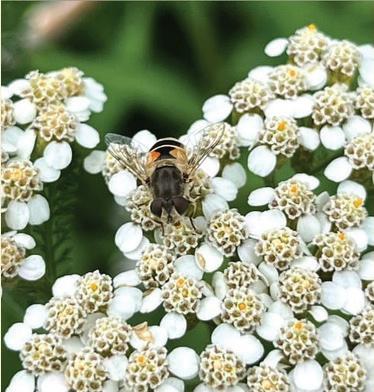
People have embraced milkweed plants, understanding their importance to monarchs. But countless other insects also desperately need native plants to
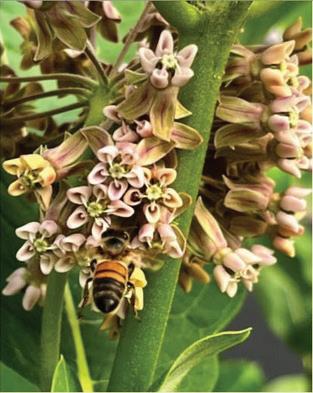
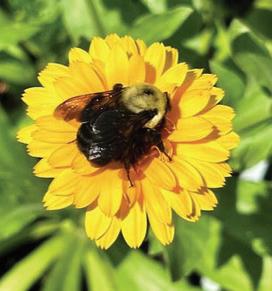
survive. Lorraine Johnson and Sheila Colla note that “more than 90 percent of herbivorous insects (those that directly consume plants for sustenance) are specialists on native plants. By growing habitat gardens full of native plants, you’ll be supporting these crucial, co-evolved relationships, such as the one between monarchs and milkweeds” (A Northern Gardener’s Guide to Native Plants and Pollinators, 21).
When it comes to choosing trees, this is an especially important consideration. Summers and Brittenham point out the long-term effects of our choices:
“Along with other insect larvae, the butterfly and moth caterpillars feeding on indigenous trees are themselves food for the chicks of over 96 percent of bird species. Before choosing a new tree , consider how many life forms, in addition to humans, will be able to use it over the next one hundred years.” (69)
Yep, the next hundred years. Just imagine all of the good you can do!
There are other ways that health–that of other life-forms or our own—can be impacted by the plants in our locales. For instance, native plants don’t simply provide food for the insects they’ve co-evolved with, but also act as medicine: "bumblebees infected with a common intestinal parasite self-medicate with plant chemicals found naturally in nectar and pollen. When . . . infected . . . they seek out white turtlehead flowers containing the highest concentrations of these chemicals" (Northerner's Guide, 15). Conversely, non-natives can be reservoirs for unwelcome critters: a study in Connecticut led to a surprising discovery that “Japanese barberry has been found to harbor abnormally high levels of lyme-infected ticks” (Summers and Brittenham, 98).
If you’d like to discover more such fascinating facts, Designing Gardens with Flora of the American East and A Northern Gardener’s Guide to Native Plants and Pollinators are both excellent, up-to-date places to start. Like reference guides and coffee table books rolled into one, both are lushly illustrated with photos and/or botanical paintings. They offer
offer garden plans as well as extensive resources and appendices.
The two books differ a bit in their focus, however. A Northern Gardener’s Guide is just that: it is organized primarily around individual plant species. It helps acquaint you with their seasonal patterns and needs; the specific insects they support; and their contribution to the garden. There are simplified planting suggestions included at the end, for things like rain gardens, balcony gardens, a “public patch,” and high-density residential plots.
Because of the way it’s laid out, even just browsing this book will help you get to know and appreciate how many gorgeous native plants are available in this area. I took it with me when I went to a native plant sale in October, to help me make my selections. It could even help you recognize more of the wildflowers and plants you encounter in local nature preserves and forests.
That’s a less-recognized gift native plants can give us: a stronger feeling of connection to history and place. Henry David Thoreau acknowledged it in his considerable botanical collections from around Concord and various parts of New England. As Ray Angelo remarks in the book, Thoreau’s Wildflowers, “his efforts arose from a desire to distinguish more clearly the textures with which Nature clothed his native town, and his New England, since he felt himself to be part of the same fabric: ‘I am interested in each contemporary plant in my vicinity, and have attained to a certain acquaintance with the larger ones. They are cohabitants with me of this part of the planet, and they bear familiar names’” (xliii).
Sadly, many of Thoreau’s familiars have vanished. Researchers comparing today’s native plant populations found that “many of the species observed by the Walden author in the 1850s were either no longer present in Concord or very hard to find. They concluded that 27 percent of the species recorded by Thoreau and other botanists were no longer present in Concord at all, and a further 36 percent of formerly common species were now rare” (Scientists use Thoreau's journal notes to track climate change | Grist).
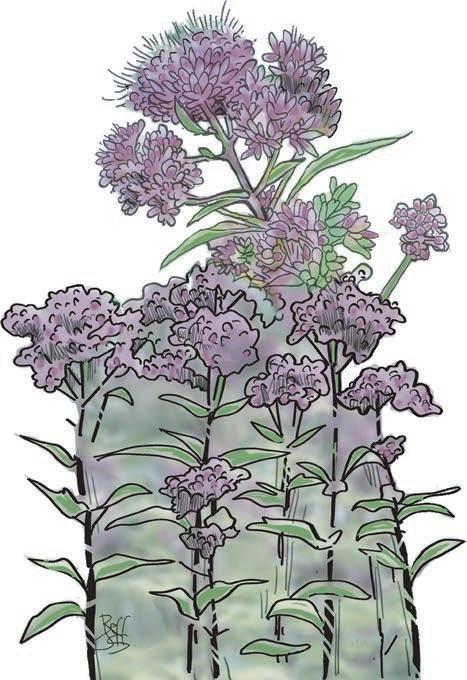
Thoreau carried home a Joe-Pye plant he’d found in Miles’ Swamp in August of 1854, recording all of its measurements in his journal and remarking on its hollow stem. “Probably the Indians knew and used it,” he noted (Thoreau’s Wildflowers, 188). Here are some of their admirable qualities:
Joe-Pyes are, in Johnson and Colla’s words, “butterfly and moth magnets,” and their flowers provide pollen and nectar for bees (108-9).
Have specialist relationships with a long list of insects; they are the larval host for nearly twenty species.
Develop large flower heads, and can be quite tall: Spotted Joe-Pye has a 2-5 foot height range, while Sweet Joe-Pye reaches 3-7 feet. Thoreau claimed his specimen was over 10 feet, and could reach 12.
Grow in sun to partial shade
Have showy blooms, from mid-summer to early fall
Are hardy and drought-tolerant
Furthermore, the Joe Pye plant offers a fascinating example of how native plants can enrich our understanding of where we live. This plant seems to have been named after Joseph Shauquethqueat, whom white settlers knew as Joe Pye.
Thanks to the scholarly detective work of R.B. Pearce and J.S. Pringle, we now know that he was “an 18th and early 19th century Mohican sachem, who lived successively in the Mohican communities at Stockbridge, MA and New Stockbridge, NY” and who, among his other roles, “served as a captain under George Washington in the Revolutionary War” (135, Summers and Brittenham). Pearce and Pringle show how the plant is part of a fascinating history of relationships among numerous native groups and white settlers in our region during this period (The History And Eponymy Of The Common Name Joe-Pye-Weed For Eutrochium Species” (Asteraceae)).
”
Everything we plug into the ground, whether it is a plant, a shrub, or a tree, begins to a ect the surrounding environment.
“Physically displaces other wildflowers in the ground layer of closed canopy forests,”
Resembles other host plants for butterflies but fails to support their caterpillars once they hatch, and, the kicker,
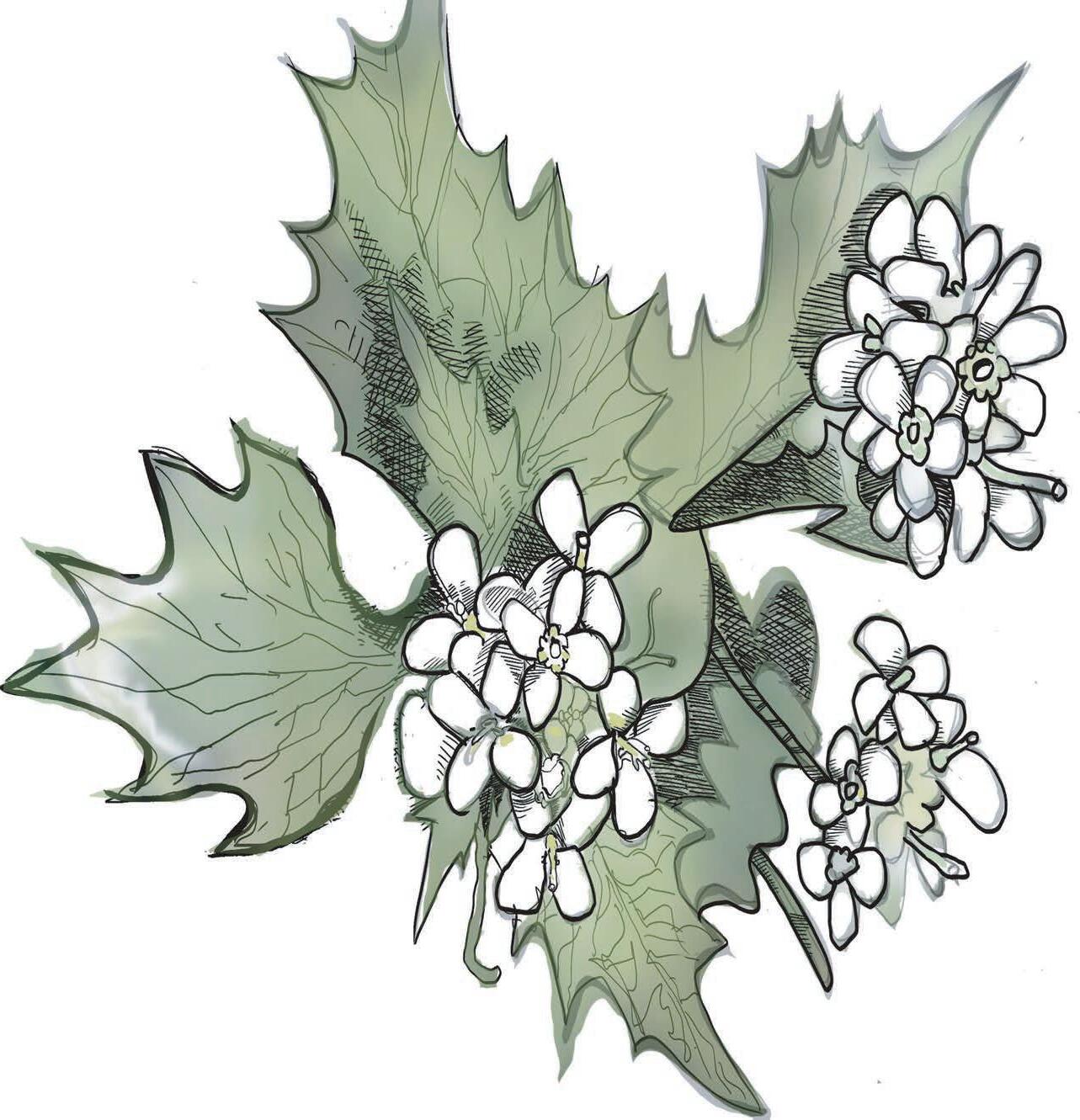
Disrupts beneficial relationships between trees and the mycorrhizal fungi that deliver all sorts of nutrients and “medicines” to them. Garlic mustard ‘secretes toxic phytochemicals that kill off the fungi and prevent it from colonizing tree roots” (8).
Had I been more on top of things, I could have made a pesto with the flowering tops and leaves. In her book, Foraging and Feasting, Dina Falconi suggests mixing ½ cup garlic mustard, 1 cup wild bergamot leaf, and 1 ½ cups of violet leaf in a food processor with ½ cup grated hard cheese, about ½ cup olive oil, a garlic clove, and ½ cup sunflower seeds.
Designing Gardens was authored by a mother-daughter team of gardening expert and landscape designer. It contains similar information about individual plants, their care, and characteristics. The authors apply this information in more depth to strategies for garden layout, and offer many sample plans. They also describe the science of ecosystem damages done by nonindigenous plants when their growth is unchecked. For example, they explain the propensity of English ivy for "killing trees from the bottom up, leaving them looking somewhat like giant stalks of broccoli" (113). I especially like their helpful advice about "appropriate alternatives"—plants to replace problematic but popular landscaping choices such as butterfly bush, forsythia, and burning bush. Whether you are setting out to plan and plant a native garden, or simply dreaming of gardens during a dark, northeastern winter, these two books have much to offer.
I hope you’ll dream up some new ways to include native plants in your life this summer. Remember, even your windowbox could be a boon to pollinators! You can start small, using this list of container-friendly plants—Keystone Plants - Homegrown National Park - Native Plants—or go big by converting parts of your yard, garden or street strip. The birds and the bees will thank you.T
Books and Resources:
Lorraine Johnson and Sheila Colla, A Northern Gardener’s Guide to Native Plants and Pollinators: Creating Habitat in the Northeast, Great Lakes, and Upper Midwest
Carolyn Summers and Kate Brittenham, Designing Gardens with the Flora of the American East
Nancy Lawson’s books, The Humane Gardener and Wildscape, and her website: Humane Gardener
Doug Tallamy’s many books and his Homegrown National Park project: The website is a chock full of resources https://homegrownnationalpark.org/! They also offer kits to help you get started: https://homegrownnationalpark.org/buy-native-plants/.
Xerces Society for Invertebrate Conservation: This organization offers a variety of resources, and
”There is joy to be found in participating in the restoration of healthy relationships between the ora and fauna of our areas.
”focuses on “pollinator conservation, endangered species conservation, and reducing pesticide use and impacts.” https://xerces.org/
Groups you can follow on Facebook:
Native Plants of the Northeast Capital District Pollinator Allies Wild Ones Capital Region NY Home Earth Alliance (and on Instagram @homeearthalliance)
ECOS: the Environmental Clearinghouse ( also Instagram @ecosny2)
Local organizations and people who can help you learn more and access plants:
Richard Daley at Sunray Sustainability: Richard contributes to the Coop Scoop and leads the Kids’ Gardening and Nature Club at Honest Weight. He has collaborated on many community-based projects related to green space, including gardens, insect and wildlife habitat, and sustainable land use initiatives. He and the Home Earth Alliance collaborated to create the Wilbur Woods native pollinator garden. https://www.sunraysustainability.com/
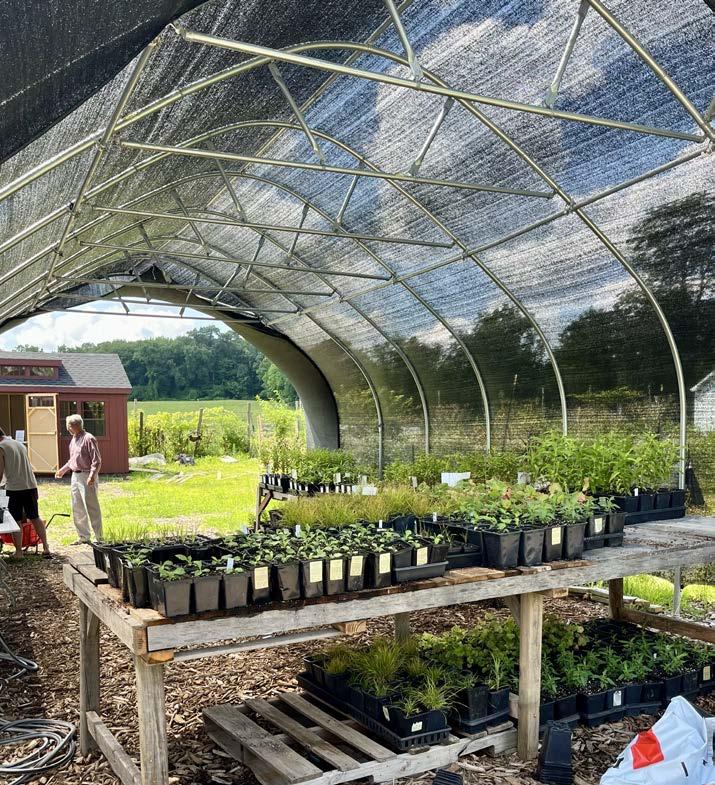
Home Earth Alliance: This dynamic, recently-established nonprofit is working hard to provide resources, education, and plants to our area. Visit their 5,000 square foot Ecological Landscape Exhibit at the Capital Region Flower and Garden Expo March 27-29 at Hudson Valley Community College for information and kids’ activities. Their IMAGINE Native Plant Farm in Glenmont, NY started in 2024, and should be high on your list for a visit when it reopens in April. They are committed to “Wild seeds ethically collected from and native plants lovingly grown for this ecoregion.” https://homeearthalliance.org/
Cornell Cooperative extension: Very cool events and offerings,
including native plant sales, and gardening activities for children can be found at this wonderful center in Schenectady’s Central Park. https://schenectady.cce.cornell.edu/sustainable-living-center https://schenectady.cce.cornell.edu/sustainable-living-center/childrens-learning-garden
ECOS: the Environmental Clearinghouse: This local organization has been promoting environmental stewardship for over fifty years. They offer guided walks, trail cleanups, and garden tours and workdays, as well as educational programming, including their Healthy Yards campaign. They are maintaining three model pollinator gardens in high visibility areas, including the Niskayuna high school and the town pool. They have partnered with Jessecology.com to create plans for the ECOS Model Pollinator garden kit for shade or sun, as well as a Butterfly Garden Starter kit. https://ecosny.orgHealthy YardsECOS: The Environmental Clearinghouse
Jessecology.com offers residential landscaping and has a native wildflower farm nursery.
Capital Region Wild Ones offers workshops, webinars, and events like their spring plant sale and fall annual native plant seed exchange, as well as great lists of local plant and tree nurseries, landscapers, and designers https://capitalregionny.wildones.org/.
Wild Ones also has a wonderfully browsable reading list, complete with titles for kids, and book reviews, linked to bookshop.org and a discount: https://bookshop.org/shop/wildonesnativeplants
Round up to the nearest dollar to support this quarter’s Be the Change Recipients.
United Tenants of Albany (utalbany.org)
Family Promise of the Capital Region (familypromisecr.org)
February

Legal Aid Society (lasnny.org)
Unity House (unityhouseny.org)
March
Albany Social Justice Center (savethepinebush.org)
Capital Region
Sanctuary Coalition ( dec.ny.gov/places/five-rivers-center)
September 2025
By Natalie Criscione
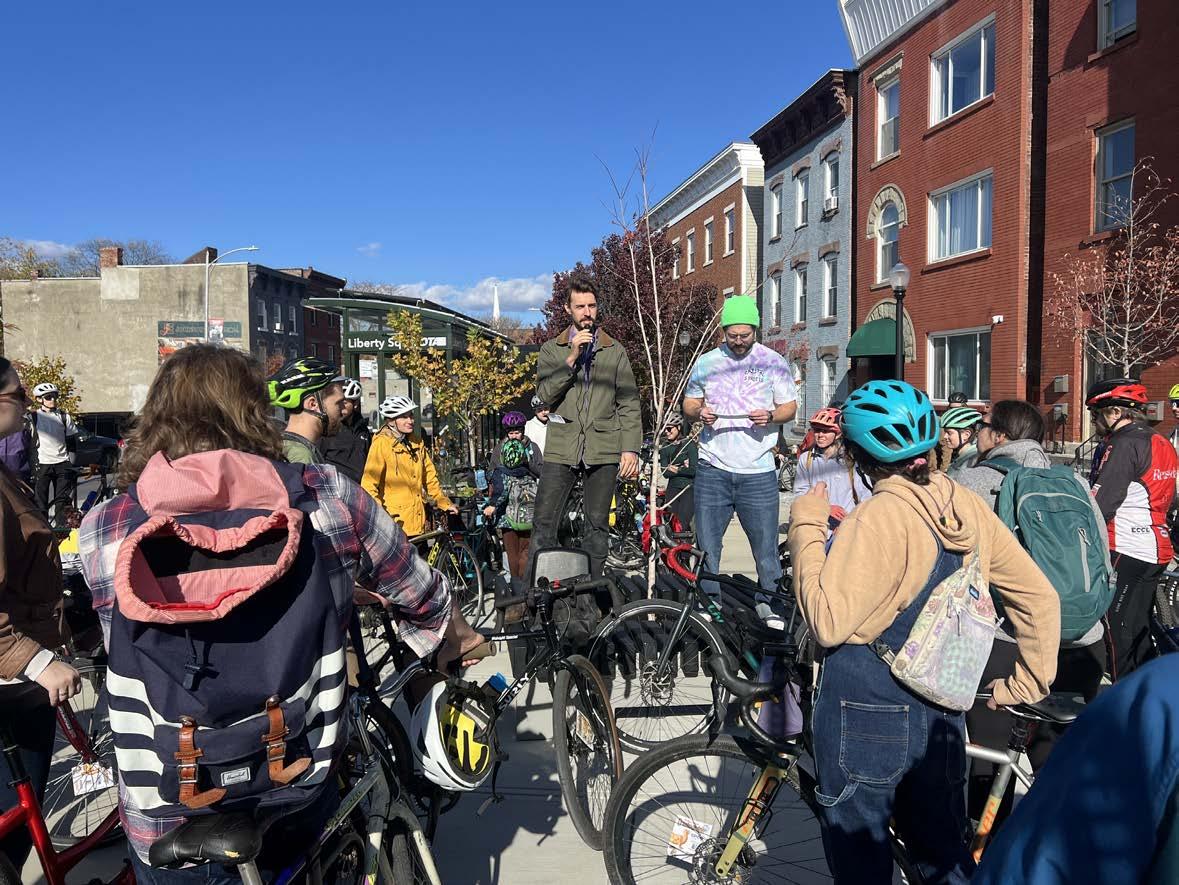
Each time you pay for your groceries at Honest Weight you have the option to round up to the nearest dollar. Those rounded-up funds are then donated to the two featured nonprofits for the month.
This quarter’s Coop Scoop takes a look back at September 2025 to Capital Streets, one of the Be the Change recipients for that month. Capital Streets is an organization launched in 2023, whose goal is to enhance city life through its focus on improving roadways and access to transportation. As the website states, it “is a 501c3 dedicated to building a more vibrant Capital Region for people of all ages and abilities through grassroots action and advocacy.” Capital Streets is one of the organizations behind policy changes such as Albany’s 25 mph speed limit, and they’ve been vocal advocates pushing for safety improvements around school zones. They also work with municipalities in the region to advance roadway reconfiguration (that aims to improve safety for pedestrians, cyclists, and drivers) and similar infrastructure projects.
Throughout the Capital Region, “There is a lot of space given to fast-moving traffic and that does not serve our communities,” says Rath, the Executive Director and one of the organization’s founders. “People want to be able to go outside and enjoy their community, live their lives; they need clean, safe streets.” Rath is hopeful about the future of our cities. His concerns around traffic safety are shared by
Mayor Dorcy Applyrs. The two spoke at Albany’s World Day of Remembrance on November 14th, an event dedicated to remembering victims of traffic violence. At the event, Applyrs committed to addressing traffic safety on Albany’s streets as a public health issue, something that Rath views as a big step forward.
James Rath and co-founder Kyle Hatch bring their expertise as urban planners not only to meetings with city engineers and public officials but also in their interactions with the public as they make information accessible. Although their work is primarily focused on transportation and city streets, their goals are further reaching, which means thinking about the health of the city. “What is important,” says Rath, “is that we put our families and the enjoyment of living in our neighborhoods first again.” This involves getting people outside, providing spaces where they feel safe, and prioritizing community. It also means providing outdoor alternatives to screen time and similarly sedentary activity. “I think about being civically engaged,” says Rath, “and how much easier it is when we are outside interacting with one another.” There are a multitude of examples throughout the state and country in which policies and infrastructure have given rise to stronger communities. “Whether you’re passionate about local business and the economy, public health, environmentalism and sustainability, or public safety, this is an issue that affects everyone,” says Rath.
Rath is looking forward to upcoming Capital Streets projects, including the effort to create a trail or greenway from the State University at Albany to RPI. This involves an investment “in filling out the networks, even near where there is existing infrastructure” to create not just a one-way path but hopefully a loop that will provide an enjoyable outdoor experience for walkers, runners, and bicyclists.
Capital Street’s involvement with Honest Weight’s Be the Change program echoes the sentiments of nearly all the organizations that have been involved since its inception in October of 2021. As Rath says, the Be the Change program is particularly beneficial for his and other similarly structured organizations because “the funds are unrestricted” and can therefore be used where they are most needed. Like most non-profits, the concept of a shoe-string budget is a reality, so fundraising and donations are essential for the continuation of their work.
To learn more about Capital Streets, other projects they are advocating for, and how you might become involved, visit their website at capitalstreets.org, and mark your calendars for their 3rd anniversary party on March 26th at Lark Hall.
By Dr. Madeline
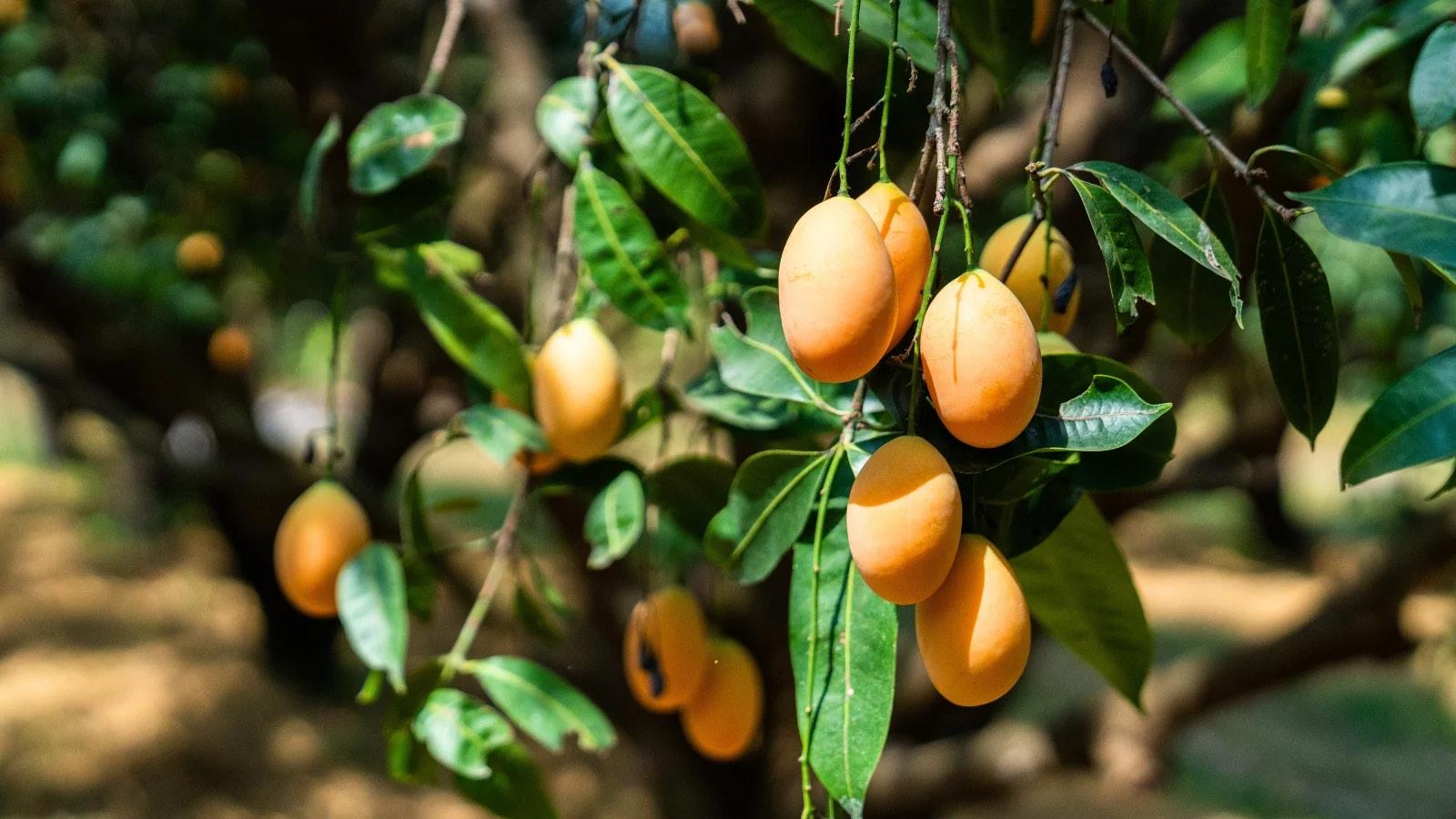
s a young girl I lived in the tropical country of Singapore. More than forty years later, I can still remember one hot day when my friend’s mom, Mrs. Kim, climbed a mango tree for us and opened up the ripe, juicy fruit. Sweet heaven. The ancestral hunter-gatherer likely gorged themselves when a bush or tree was discovered laden with its annual sweet fruit. Sugar yields cellular energy, allows us to store excess for lean winter months, and is satisfying in a primal, pleasurable way.
There are few humans who don’t love the taste of “sweet,” but most people don’t consume their sugar from natural sources and instead grab a donut, a cookie, chips, or a soft drink. Processed sugar can be hidden within many foods such as pasta sauce, crackers, pickles, breads, and even meat and meat alternatives. Today, the majority of people consume processed sugar at every meal. This is not sustainable for maintaining human health and vitality. We were not meant to eat sugar at all meals, let alone every single day.
Back in the 1970’s there was a group of people (probably some founding members of The Honest Weight Food Co-op) who understood that constant sugar was not sustainable for the health of a human body. While our food co-op encouraged a lifestyle of traditional farming and whole-food eating, many communities were not as blessed with such an awesome organization. Instead, with the emergence of food engineering, coupled with the great marketing of the 20th century, the age of artificial sweeteners was launched and various colorful packets were found on dinner tables and these sugar “alternatives” became ingredients in all sorts of processed foods. Consumers were encouraged to decrease sugar consumption by eating processed foods containing artificial sweeteners; these promised the same great taste without the “harm” (sugar overconsumption outcomes such as obesity, type II diabetes, lipid problems, and coronary heart disease).
But are artificial sweeteners less harmful than sugar? To answer this question, there are many molecular avenues we could talk about. In this article, I focus on three key hormones that are affected by relentless sugar and/or artificial sweetener consumption: ghrelin, insulin, and leptin. These hormones work together to cause one to feel hungry, allow consumed food to arrive at the proper place, and signal one to stop eating.
Ghrelin is the “I’m hungry” hormone. Think of the grrrr sound your stomach makes when you are hungry. Ghrelin gets us to eat so that we feed our cells. When we consume sugar or any carbohydrates, the human body breaks them down into the sugar molecule glucose. Glucose is released into the blood, but cannot initially enter most body cells because there is an outer cellular lock, a receptor through which glucose must enter to get into the cell. Insulin is a hormone that acts as a “key” that opens up the cellular receptor. Once the glucose is inside cells, it can be used to produce energy. Now, cells are satiated and the hormone leptin comes into action. Leptin is the “I’m full” hormone. It is produced by fat cells, turns off the production of ghrelin, and tells the brain that one is full and to stop eating.
So, how can eating too much sugar and/or artificial sweeteners disrupt this hormonal set of signals? Insulin is a hormone released by the pancreas in response to a sweet taste sensed on the tongue, whether from sugar or an artificial sweetener. Before one even swallows, taste receptors send a message to the brain, which sends a message to the pancreas that something sweet is being consumed. The pancreas responds and releases insulin into the blood. Besides acting as a “key” to let glucose into cells, insulin has many other hormonal roles. One of those is to enhance fat storage.
Fats, or lipids, often get a bad rap, but they are an important component of anatomical integrity and physiological function in a human body. Fats play essential roles such as creating cellular boundaries, acting as hormones, providing insulation, acting as fuel for cells, and protecting vital organs, to name a few.
Depending on genetics and lifestyle, we store fat in three possible ways. The most commonly thought of fat is called adipose tissue, which accumulates under the skin. Although someone with a lot of adipose tissue may be at risk for various ailments, it is not always the
case. We can not judge the health of others by their adipose tissue. There is a medical term called Metabolically Healthy Obese (MHO) which describes someone who deposits excess adipose, yet is as healthy as can be.
The second way one might store fat is as visceral fat. This is when the fat is confined to the belly region. Finally, the most dangerous form of fat storage is actually invisible to the eye. The medical term for it is TOFI-Thin-On-the-Outside-Fat on-the-Inside. This person may appear thin; however, usually due to consumption of processed foods containing various engineered forms of sugar (like high-fructose corn syrup), their liver cells (called hepatocytes) become packed with fat. This renders the vital liver cells useless. The condition is called Non-Alchoholic-Fatty-Liver-Disease (NAFLD). Each form of fat storage is not exclusive; a person might have one or all three.
Decreasing excess fat from any of the three storage areas listed above is nearly impossible when consuming sugar. When we consume sugar insulin is released; this puts us in fat storage mode, not fat burning mode. To compound the difficulty, sugar is pervasive in our processed food supply and often hidden. Avoiding it takes knowledge, dedication, and persever ance.
Although a “diet” label option may have market appeal, it usually means an artificial sweetener is substituting for sugar. Artificial sweeteners create a different problem when it comes to hormonal balance and weight loss: they do not provide cellular fuel. Yet body cells will expect glucose due to the sweet taste hitting the tongue. Insulin is released, but the body cells will still be hungry because no fuel was consumed. The person is left hungry, causing them to eat more. Artificial sweeteners thus initiate the insulin-induced process of body fat storage and because body cells were not fed fuel, ghrelin reigns and one is still hungry. But wait, there is another problem that occurs with long-term use of artificial sweeteners.
Have you ever heard the idea, “if you don’t use it, you lose it?” Imagine a body that senses sweet on the tongue from an artificial sweetener, releases insulin into the blood to prepare, but then finds no glucose? One theory suggests that if cells’ insulin receptors go long enough without being used to take in sugar, they stop being made by the cells. The doorway for glucose into the cells disappears. This is called insulin resistance.
Insulin resistance can develop from a lifestyle that includes overconsumption of sugar and is expedited by the use of artificial sweeteners. While there are many other theories as to why insulin resistance occurs, the bottom line is that cells lose insulin receptors and can no longer take up glucose.
When one has a blood test that reveals high blood glucose due to the body losing insulin receptors, the diagnosis may be pre-diabetes, gestational diabetes, or type II diabetes. In these conditions, even if real sugar is consumed and insulin is secreted, the cells still can’t get the glucose because there is no receptor for the insulin to dock on to open up cells. This causes high blood glucose levels, a dangerous situation that the body will remedy by sending glucose to fat cells for storage. Why is this possible? Fat cells don’t need an insulin receptor to take in glucose.
For the record, muscle cells also don’t need an insulin receptor to take in
derive it from the blood, thus bringing blood glucose levels down. Even going for a gentle walk after a meal can decrease blood glucose.
So what happens to our other two hormones when there is insulin resistance? Unfortunately, this leads to leptin resistance as well, meaning there is a loss of the cellular receptors for leptin. Now the brain can’t receive the signal to feel full. Insulin and leptin resistance often mean that the person is always hungry. This can lead to a host of metabolic dysfunctions and chronic disease.
What is one supposed to do? For one, stop eating synthetic artificial sweeteners. I have not even delved into the other negative aspects of these chemicals, but suffice it to say that many have been shown to be carcinogenic.
Can insulin and leptin resistance be reversed? In other words, can body cells start making insulin and leptin recep
ing consumption of processed sugar and other carbohydrates, seeking organic, whole fresh vegetables and fruits, eating healthy fats from meat, dairy, and olive oil, and eating fermented foods to rebuild a healthy gut.
While you may not have Mrs. Kim to climb a mango tree for you, The Honest Weight Food Co-op is the place to go to find whole, organic, and locally grown fresh foods that will help to support ghrelin, insulin, and leptin and promote hormonal balance.
The Mad Health Doc has a Ph.D. in molecular cellular and developmental biology. She works at a local college where she teaches in the biology department specializing in Human Anatomy, Physiology, and Nutrition. When not at work, she can be found with her awesome family (which includes a flock of chickens). Have a question or a suggestion for a future topic?
Email: MadHealthDoc@gmail.com
By Pat Ellis
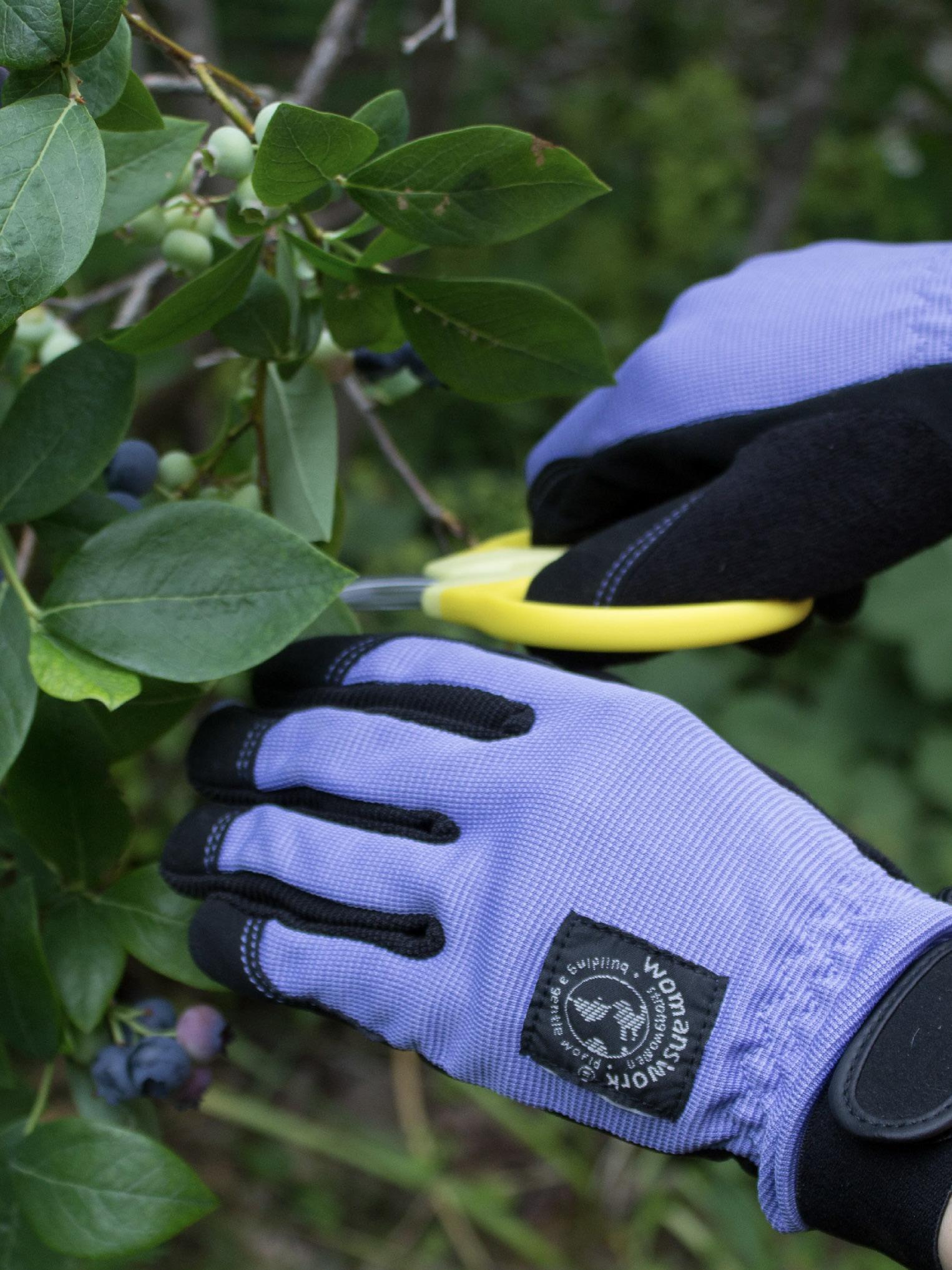
Following our garden theme, our Producer’s Profile spotlights a woman-owned business located in Pawling, New York: WOMANSWORK Gloves, founded in 1985 by Dorian Winslow.
WOMANSWORK is woman-owned and to a great degree women-managed, organization whose mission is: “STRONG WOMEN, MAKING A LASTING IMPACT. We carefully design gloves that fit women’s hands, empower their work, and celebrate their stories.”
WOMANSWORK Gloves’ core belief is that women should have work and garden gloves specifically designed for them, not just smaller versions of men’s gloves. The company offers a variety of gloves tailored to the job at hand. From simple weeding gloves to goatskin gauntlet gloves for tough garden tasks, there’s something for every woman. The product line also includes work gloves and even a special design for the beekeepers among us.
Whatever the task, WOMANSWORK gloves are craft ed with comfort, durability, and heritage design at the forefront. Their leather gloves are made in a small factory in Arkansas, while others in the product line come from a woman-managed plant in China that Winslow has personally visited to ensure that work ing conditions are satisfactory and meet or exceed international standards.
WOMANSWORK also offers gardening tools and supplies that are favorable to a woman’s hand, appar el such as garden clogs and sunhats, and their own line of hand creams to soothe the skin after a long day in the garden. Through the years, they have been highlighted in magazines such as Southern Living, Better Homes and Gardens, and Vogue, and they were selected for inclusion in Oprah’s annual list of the best gifts.
Look for a selection of their gloves at HWFC and incorporate them into your Spring Gardening. WOMANSWORK contributes a percentage of their


By Michelle Polacinski
I want to start this off by saying that there is no quick fix for grief. There is no magic pill, one-size-fits-all cure that is going to make you “feel better” when you are grieving. Grief is a process with no rules, no stages, and no predictability.
The best way to process grief is to allow yourself to feel it as it comes, whether that’s when you’re by yourself, on public transportation, at work, or in the comfort of loved ones.
As we grieve, we feel it in our physical bodies, which can result in chest pain, fatigue, headaches, muscle tension, and a variety of other sensations. That said, plant energies can help work through that grief. Here are some plants that may help:
Hawthorn: Hawthorn is one of my favorite plant medicines. Heart-based, it has been empirically shown to heal cardiac tissue in a variety of studies. However, it can also support a metaphorically “broken” heart. What plants do physically can also support us spiritually, and hawthorn is no exception.
Motherwort: This plant is known as holding a “motherly” supportive energy. A bitter plant found growing along paths in the woods, it’s also a nervine that can help provide support for anxiety and depression, as well as the heart.
Star of Bethlehem: This flower extract is typically used for grief as per Bach’s rescue remedies. It provides comfort for shock and trauma and can also act as a sleep aid.
Lavender: A calming herb, found just about every- where! Great in a tea or to smell as an essential oil for relaxing the nervous system
Chamomile: Great as a tea or added fresh to a hot bath to reconnect to the body and add a sense of calm.
Lemon Balm: A subtle herb that smells just like lemon, this plant can bring some energy and relief to your nervous system after feeling the fatigue of grief.
Rose: This flower of love can help you reconnect to your heart and your loved ones during this time. It can help you feel supported and keep your heart open.
Valerian: My favorite herb for a nervous system reset, valerian is best taken multiple times a day as a tea or tincture. Make sure to steep it in water that is not actively boiling for approximately 5 to 10 minutes.
Personal plants: If there is a plant that reminds you of your loved one, this can be the greatest medicine for grief. If, for example, you remember the peonies growing in your late grandmother’s garden, having cut peonies in a vase might help you remember her and process the loss.
Grief is hard for everyone. Although losing people is a natural part of life, that doesn’t make it any easier. In this instance, plant allies can help.
Please
By Natalie Criscione
id you know that even a small garden can benefit our health?” said Violet, looking at her friend over the top of the tablet.
“I’ve heard that,” said April, “but unfortunately, I don’t have any outdoor space at my apartment.”
“It says here that you just need a window—it doesn’t even have to be a sunny window; there are plants that don’t need a lot of sun, you know.”
“Hmmm,” said April, sipping her tea and glancing out the cafe window at the snow that was now falling steadily, “Like what kinds of plants?”
“Flowers like impatiens and begonias, for instance, don’t need direct sunlight,” said Violet.
“What about plants that need a sunny window?”
“Well, that might be a good place to grow some herbs— basil, parsley, cilantro, and microgreens; or vegetables like tomatoes and peppers.”
“And how does that benefit my health?” April took another bite of the dense, oat-filled breakfast bar they were sharing.
“Research is showing that connecting with nature, even if it is inside your living space, can lower blood pressure, reduce anxiety, and improve your mood. Just having the responsibility of caring for a small box of flowers, vegetables, or herbs requires daily responsibility and it gets you thinking about how you’re eating! Oh, and this is interesting…” said Violet, pointing to the screen, “It says here that you gain a bond with your plants because you’re caring for them and this intensifies your connection with nature, which has been shown to ease stress.”
“That’s me! I want to bond with my plants!” said April. She winked as she leaned forward to better see the tablet screen. “Does it say anything about what you need to get started?”
“Yes…starting with a box planter or container with drainage holes is important. The bottom can be filled with small stones, gravel, or even broken-up clay pots to promote drainage. Then, fill the rest of the pot with potting soil and a little compost mixture. Plant some seeds—directions are usually on the seed packet. Keep the container away from drafts and vents. And then add water.”
“That’s it?” asked April.
“Well, you should probably check the soil every couple of days. Add a little water if needed—not too much, though. And then wait, watch, and be awed.”
“What about cloudy days? Or, snowy days like this one?”
“There is always an option for a grow light which can cast sunshine on your plants all day and night long if you want,” said Violet, “but if you have a sunny window, that is probably not necessary.”
“What a great idea,” said April. “Where can I get the supplies?”
“You can find most of them right here at Honest Weight,” said Violet.
“Of course! I love this place. It is my gardening gateway!”
“Here’s to all the lovely gardens, inside and out,” said Violet, raising her teacup to April’s.
“Cheers!”


garden grow…”
I guess everyone needs a gardening gateway. That was mine. I was nine at the time. What better way to hum along in the garden than with Mallet’s lyrics: “Pulling weeds and picking stones, man is made of dreams and bones…” It is hard not to become philosophical as one can imagine growing not only food but deeper connections with the earth, the seeds, and the harvest.
The “dreams and bones” are the things we bring to a garden each spring—our imaginings and our bodies. Even for those whose gardens cannot be outside but exist instead on a windowsill or in a well-lit corner, there are lessons to be learned in taking one’s garden “inch by inch.” It doesn’t have to be large or spectacular to be beautiful. Like each of us, a garden is an experiment. It presents us with a chance to try new things each year. An indoor garden is a perfect way to start. Keep it small and simple: earth, light, water. Every gardener is an imperfect explorer, pulling together some simple materials and trusting that “Mother Earth will make you strong if you give her love and care.”

By Ruth Ann Smalley
The greatest threat to capitalism is everyone feeling happy enough that they no longer need to buy anything to make them so. Which means that staying at home and finding comfort and joy in what you already have is an act of rebellion.” Meik Wiking, My Hygge Home
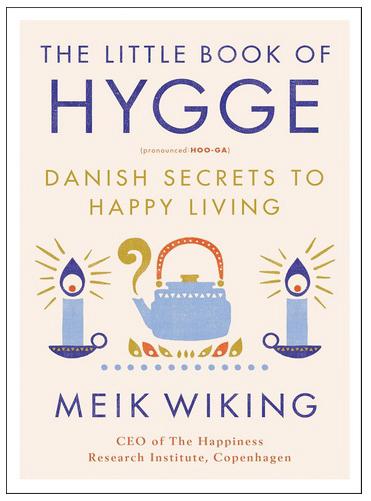
Hygge, pronounced hoo-guh. If you are not Scandinavian yourself, you may have stumbled across this word several years ago. Not too long after Meik Wiking’s The Little Book of Hygge: The Danish Way to Live Well made a splash in this country, a stream of related books and articles followed, and the marketplace tried to capture the term. Hygge was quickly deployed as a “brand,” meant as a label for trendy accessories for a certain kind of experience. An experience that many in the U.S. seemed hungry for when Wiking’s book came out in the fall of 2016. It is no longer the latest fad, but the turbulence of our times might suggest it's a good moment for a reprise.
If you type in hygge as a search term—and I suggest that you don’t—you will be awash in images of wooly socks, fuzzy blankets, cushy couches, pottery mugs, and candles, so many candles. All staged in othe
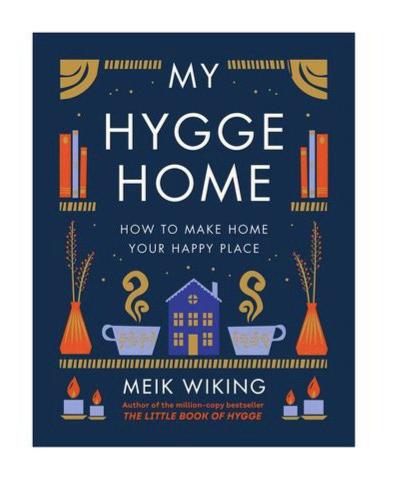
wise minimalist rooms full of pale neutral colors. In his follow-up book in 2022, called My Hygge Home: How to Make Home Your Happy Place, Wiking reflects on this problem of “hygge washing.” He notes that “when hygge went beyond Denmark, a few things got lost in translation.” He recalls a question from an American journalist that exemplifies this: “If I want to get hygge, what’s the first thing I should buy?” As Wiking points out throughout his books, hygge is not something you buy, but more of an atmosphere that you create.
A concept of coziness from a society living in colder, darker northern climes, hygge is a multi-layered value system and the word works as both a noun and a verb. It refers to calm, comfort, and conviviality: a warm, friendly ambience and mood. As a practice, it can encompass anything from hot beverages and books enjoyed in solitude to simple, shared food with a gathering of friends. And while in spirit it can take place in public places or outdoors, Wiking centers it in our most fundamental dwellings, as a way to make our residences act as homes rather than just housing. According to Wiking, hygge is not about what we have but how we relate to our belongings, and that includes frugality: “It is about repairing our clothes rather than buying new ones. It is about using the food we have in our fridge and not letting it go to waste.”
After reading both Wiking’s hygge books, I’d boil down the recipe for designing your hygge space to these ingredients (that are both literal and metaphorical): light in dark times, warmth to stave off chill, and cushioning as a buffer against harsh elements.
Winter is, of course, the perfect time for hygge. If you can make your hygge arrangements while adding friends and family into the mix, all the
better. Merely recognizing the importance of these three simple aspects will help you assemble a little home island, which might also spur you to expand hygge into more parts of your life.
You can start with hyggekrog: a cozy nook. I love how Wiking illustrates this term with a simple line drawing of a wingback chair. You may already have a suitable spot, and may simply wish to spruce it up a bit. If so, yay. But it may take a little more planning if you are newly moved into a space, perhaps without a lot of furnishings; are frazzled and super-busy; or overwhelmed with taking care of other people and lacking your own space of refuge.
Years ago, when I was sandwiched between the needs of children and the demands of eldercare, I took a winter wellness workshop. The first suggestion was to create an area to retreat to in the home. For me, that meant decluttering a small corner of the bedroom. I found it made an outsized difference. Having learned about hygge and no longer in caregiving mode, I’ve taken more territory: I now also have a couch corner and a bookshelf-lined corner (yes, I find corners cozy, but for some, windows are more appealing. Mine are too drafty).
You probably already have most of what you need to set up a hyggekrog, or could supplement from a thrift shop or yard sale. It’s just a matter of pulling it together into a good spot. Light, either natural or from a lamp or candle; a blanket or throw (or maybe a robe, hot water bottle or heating pad, and/or slippers); and cushy, supportive seating. That’s it. Having some houseplants in sight will amp up the effect, as will things like natural fiberarea rugs to create a feeling of a comfort zone.
It also helps to have a small side table to put your books, cool rocks, craft supplies, and steaming hot mugs on. Oh, and snacks. Wiking’s books offer some fun suggestions for hygge food, and lots of other tips for the hygge life, but I’d just like to share a couple of my favorite recipes for easy finger food for your hyggekrog.
Preheat oven to 325 degrees.
1. Combine 1 cup raw walnuts or pecans, 1 cup almonds or hazelnuts, and ¾ cup of raw pepitas on a baking tray, lined with parchment.
2. Pour 1 Tbsp olive oil and 1 Tbsp maple syrup (or more, to taste) over nuts and stir to distribute thoroughly. Add salt to taste, and if you wish, a little cayenne or rosemary for additional flavor.
3. Stir after 10 minutes, and then every 5 minutes until nuts are golden brown, around 25 minutes. Let cool.
Preheat oven to 360 degrees.
1. Rinse and drain one 400 g can of chickpeas, and blend in food processor until it starts to form a smooth ball.
2. Add 1 cup of rolled oats and blend thoroughly together.
3. Mix in 2 cloves of garlic and 1 Tbsp lemon juice, add salt at your preference.
4. Slowly add ¼ cup olive oil, while blitzing the blender, until a well-mixed ball forms.
5. Press dough onto parchment-lined baking sheet and begin flattening it by hand.
6. Spread the dough evenly with a rolling pin, using another sheet of parchment on top. Roll to about ¼ inch thick, and then cut into cracker shapes.
7. Now, if you wish, you can get creative, adding pepitas, sunflower seeds, poppy seeds, additional salt or other spices, pressing lightly into the tops of the crackers.
8. Bake until golden, about 40-50 minutes, and then allow to cool.
By Melanie Pores
yurveda, the more than 5000-year-old life science from India, emphasizes eating in harmony with the seasons (Ritucharya) and using food as medicine to nourish the body, mind, and spirit. The springtime is the season of Kapha*, when earth and water elements predominate. Therefore, as you enter the transition into springtime, your body benefits from consuming cleansing beverages and dishes. These incorporate foods with pungent, bitter, and astringent flavors that are dry, and light, to help counter the wet and heavy nature of the elements of this season.
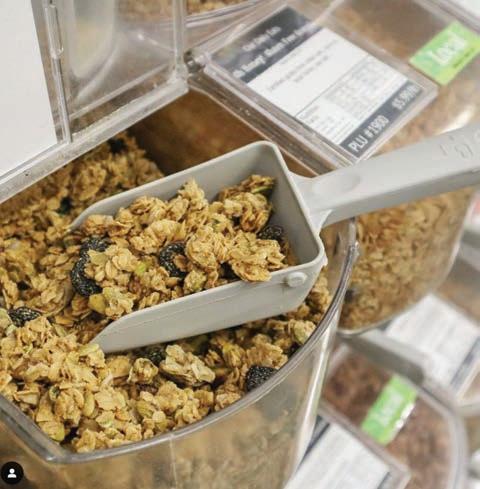
Honest Weight Food Coop has an extensive collection of dried flowering plants in the bulk department—including dried lavender, chamomile, and rose petals—along with a collection of healthy dried herbs/aromatics such as fennel seeds, cardamom pods, and dried licorice chips.
Here’s a brief synopsis of the Ayurvedic taste profile (rasa) of the ingredients in my recipe below:
In Ayurveda,
-Rose petals are considered to have a complex taste profile that is a combination of sweet, bitter, and astringent.
-Chamomile is pungent, astringent, and drying.
-Lavender is pungent, astringent, and sweet.
-Grated fresh ginger is light and initially pungent and spicy, with a sweet aftertaste. It balances Kapha due to its heating, pungent, and stimulating qualities.
-Cardamom is primarily sweet, but also pungent.
-Fennel is sweet, pungent, bitter.
-Licorice is sweet and has a mildly bitter taste.
To the right is a simple Ayurvedic tea for spring that supports the transition from winter's heavy foods to spring's light, fresh bounty, and helps make a nice winter connection to our dreams of summer gardens.
Floral essential oil blends are another lovely way to uplift your spirit is to envision that you are working in your garden, surrounded by flowers.
Our Wellness department has an amazing variety of essential oils and also carrier oils (jojoba, almond, fractionated coconut oil, etc.) needed to create essential oil blends. The recipe to the right is a lovely springtime flower blend that you can apply on your wrists and inhale. This essential oil blend is great for helping bring down stress levels as well.
Close your eyes, and you will be surrounded by a lovely, enchanted garden of fragrant blooms!
This warm, light, and grounding tea helps balance Kapha by using dried flowers along with a touch of ginger, cardamom, fennel, and licorice to assist in kindling your digestive fire, known as agni in Ayurveda.
1 tsp dried rose petals
½ tsp dried chamomile petals
¼ tsp dried lavender buds
1 tsp fresh ginger, grated
3 cardamom pods
¼ tsp fennel seeds
½ tsp licorice chips
2 cups water
Sweetener to taste
1. Bring water to a simmer, just below boiling.
2. Combine dried flowers and grated ginger, licorice chips, fennel seeds, and cardamom pods in a tea strainer or tea ball or a muslin tea bag (available in the spice aisle) set inside a teacup.
3. Pour the hot water over the petals and spices to cover.
4. Steep for AT LEAST 10 minutes.
5. Strain and stir in sweetener to taste, if desired.
1. Fill a 10 mL glass roller bottle with the following essential oils:
4 drops rose absolute
3 drops jasmine
2 drops lavender
2 drops ylang ylang
2. Fill the remaining space in the roller bottle with your carrier oil of choice and shake well. I like to use fractionated coconut oil.

A Winter Recipe from the Archives (March 1989)
2 tbls olive oil
2 cups onions, chopped
2 large cloves garlic, crushed
½ cup chopped celery
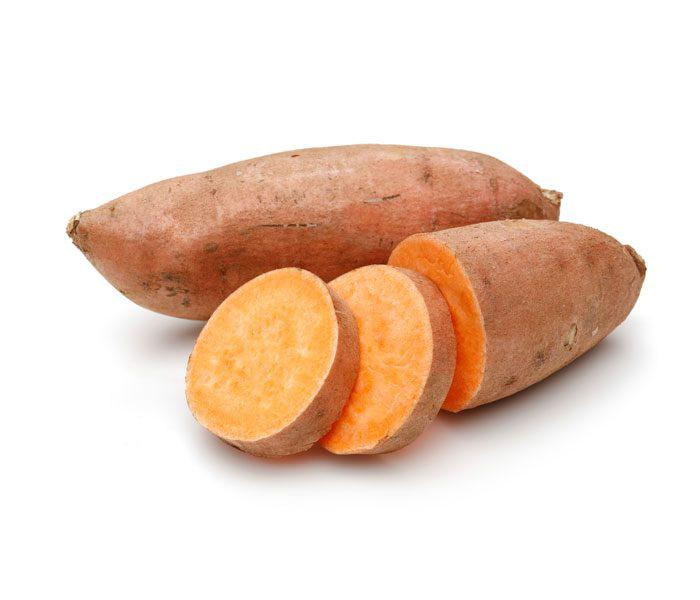
2 cups peeled, chopped sweet potatoes or winter squash
3 cups bean stock or water
1 bay leaf
2 tsp paprika
1 tsp tumeric
By The Editors
Named by Andy Rooney on a 1984 60 Minutes episode as a “magic” and “life changing” kitchen gadget, Wilbur Blanks’s plastic citrus peeler, also known as the Quik Orange Peeler, became an overnight sensation. And why not? What is a life without it? (If you don’t already know, you’ll find out if you try it!) Perhaps we all have one or two such items in our kitchens that make life just a little easier and magical. The Coop Scoop Editors shared a few of their own. Perhaps you have a favorite gadget or appliance you’d like to share with us? Drop us a line, we’d love to hear from you.
1 tsp dried basil
Salt to taste
Dash of cinnamon and cayenne
1 cup chopped fresh tomatoes
¾ cup chopped green pepper
1 ½ cup cooked chickpeas
1 Tbls tamari or reduced
sodium soy sauce
1. In a large pot, heat the oil and sauce the onions, garlic, celery and sweet potatoes for about 5 minutes
2. Add the broth, bay leaf, paprika, turmeric, basil, salt, cinnamon, and cayenne.
3. Bring the soup to a boil, reduce the heat, cover the pot and simmer the soup for 15

Natalie
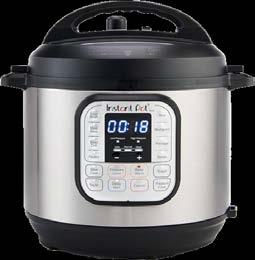
Instant Pot Pressure Cooker
I use my Instant Pot Pressure Cooker almost daily. It’s great for basics like cooking oatmeal, rice, beans, pasta (yes, pasta!). It is essential for many of my favorite soup recipes. I even use it without the pressure function for proofing bread dough and making yogurt.
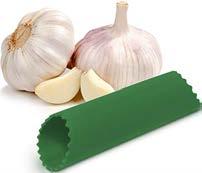
Joseph Joseph Garlic Rocker
Is it a tool, or a sculpture? I consider it both, especially since I splurged on it years ago at the Massachusetts Museum of Contemporary Art and I still keep it where I can see it on an open kitchen shelf. As a tool it is so easy to use and clean, and it absolutely will rock your garlic.
& Ruth Ann
Cuisinart Chef’s Convection
Toaster Oven
(Especially for the microwave-free household!)

Like Leona, I also love the Cuisinart Convection toaster oven and have no microwave. Powerful and energy efficient, it has a modest countertop footprint is big enough to roast a whole chicken or bake a good-sized pizza. During the early pandemic when we were all at home cooking constantly, we completely switched over to this and a portable induction cooktop, in order to stop using our old fume-emitting gas stove. Now that we have an induction range we still use the Cuisinart for most baking, because it heats up so quickly.
- Ruth-Ann