Portfolio
Natsume Sawada

2019-2022 Rakuhoku High School - General Academic Course
2022-2026 Kyoto Institute of Technology - Bachelor course of Architecture
Kutsuki Lab (architectural theory laboratory)
2026- Kyoto Institute of Technology - Master course of Architecture
Architectural Design
StudioⅠ Collective Housing Project Selected for Final Review
Architectural Design
StudioⅢ School Conversion Project Selected for Final Review
Architectural Design StudioⅢ School Landscape Project Selected for Final Review
Graduation Project Selected for Final Review
Internship
KimuraMatsumoto architects office
01, City Corner, Forest of Books
Conversion and Landscape Design Project ‒ Pre TAIKEN Elementary School
02, Moti-base
commons & cabins
Motidono NEXT+ Competition for Mochiidono Center Street, Nara
Designed in Collaboration with Kutsuki Lab
03, Regenerative Soil Connections
he 18th HASEKO Housing Design Competition
04, Aalto Project & WorkShop
Third Year, Fall Semester Laboratory Work / Fourth Year, Summer Semester
05, A Large Garden for Small Gatherings
Graduation Project
06, Other Project
-1 Built Project Iwatoyama Project Gion Festival 2025
-2 Built Project 2024 Pop-up Stall for School Festival
-3 Sales Event by a Student Creative Group cocon
City Courner, Forest of Books
Conversion and Landscape Design Project - Pre TAIKEN Elementary School
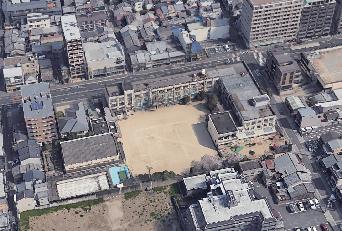
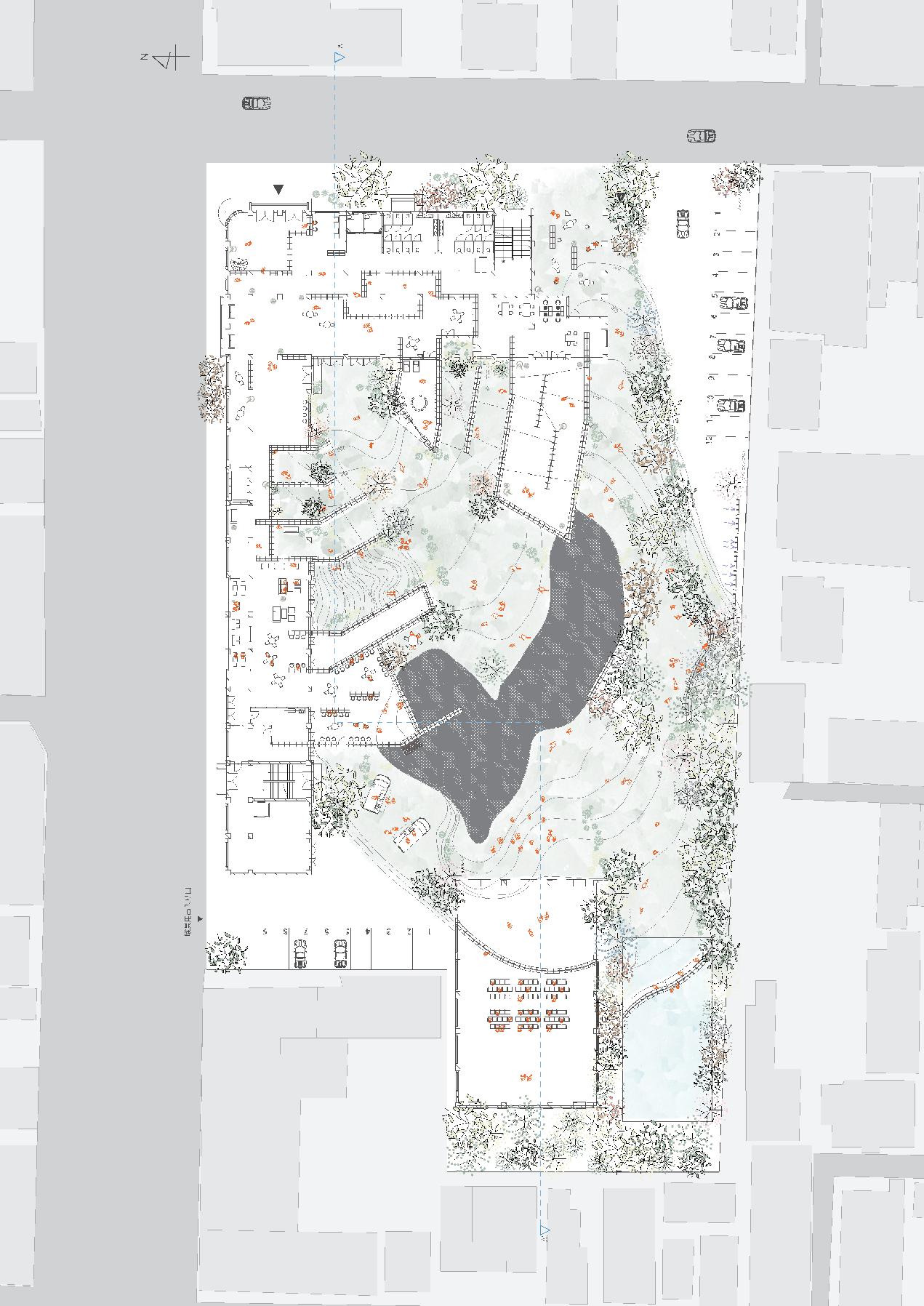
An Evolving Elementary School Pre TAIKEN Elementary School has been preserved even after fulfilling its original role, by continuously accommodating a variety of new functions. The layers of its past have accumulated over time, and are now beginning to extend beyond the building itself, spilling out into the schoolyard. The volume of bookshelves̶symbolizing the accumulation of media in the past̶overflows from the interior of the school building. In an era where forms of information are shifting away from printed media, these bookshelves are no longer merely for storage, but are reinterpreted as expanded, multifunctional elements.
Here, the bookshelf is treated as an architectural element that accumulates activities over time.
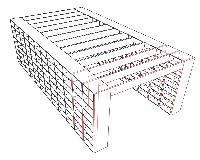
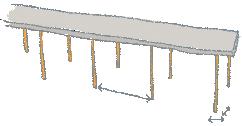
By integrating a beam with a depth of 303 mm̶equivalent to one shelf level̶and a width of 50 mm, matching the thickness of the partition, a slab can be supported above, allowing the system to function structurally. Moreover, as both the shelf height and partition width can be freely adjusted, the
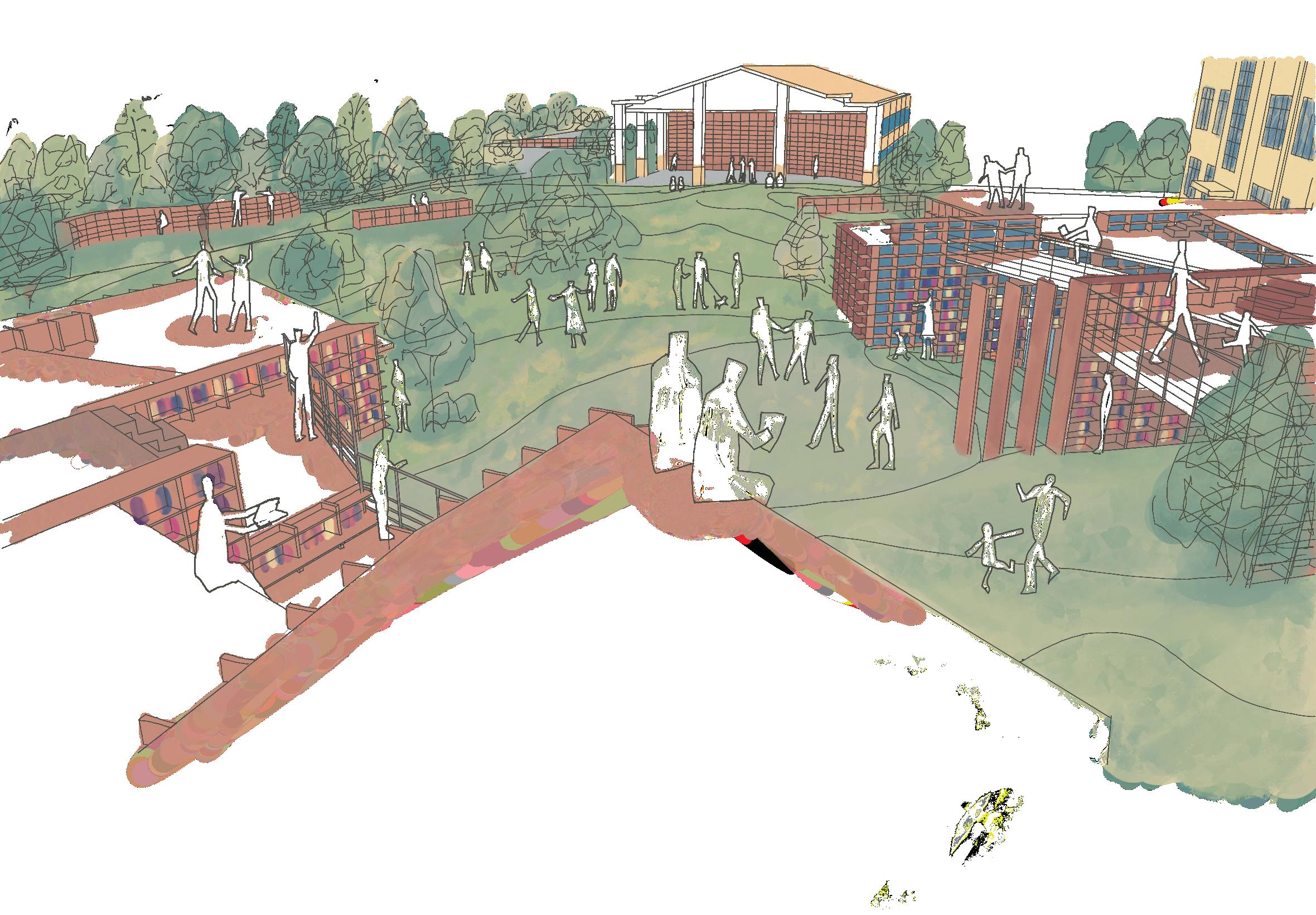
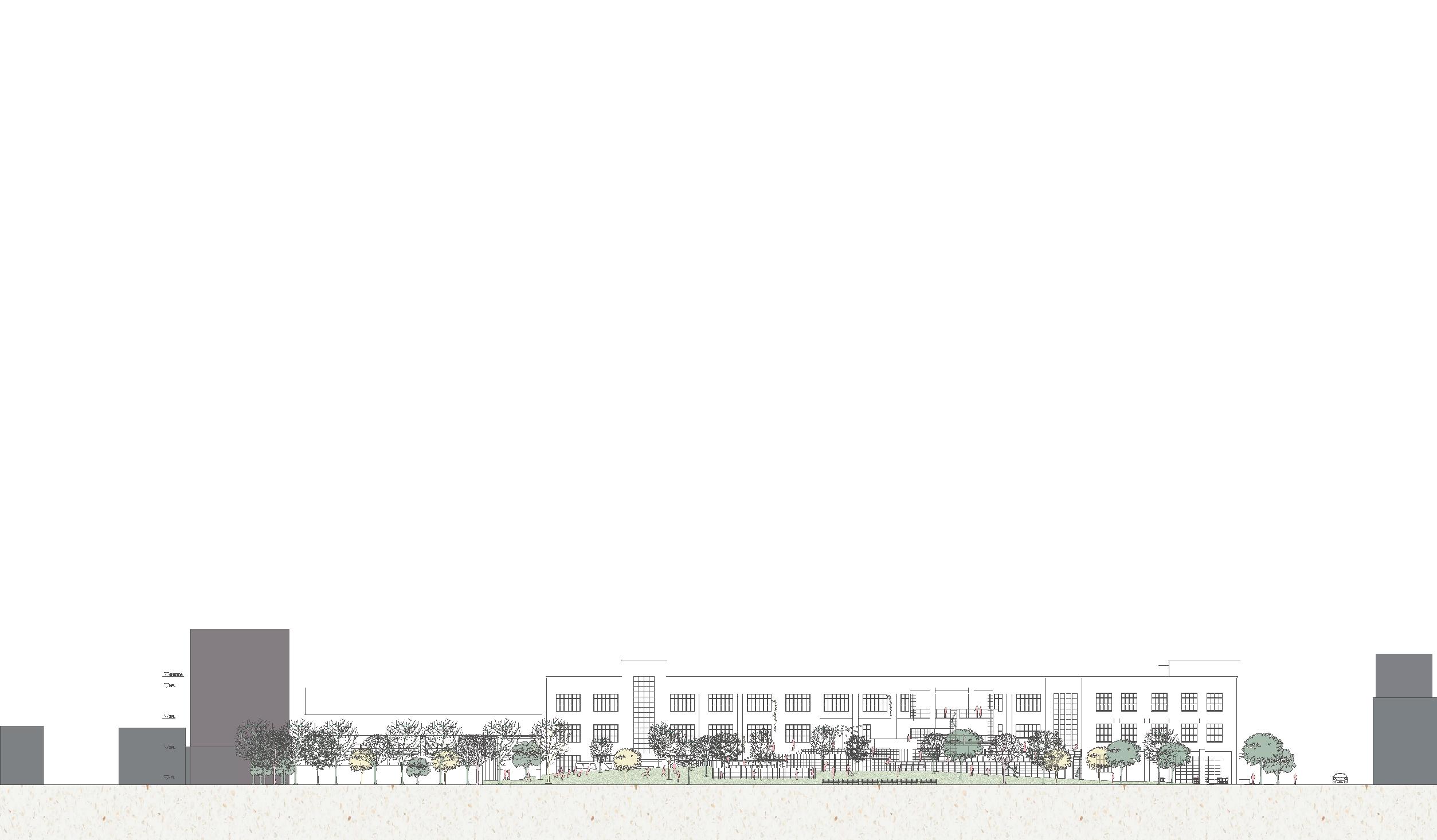
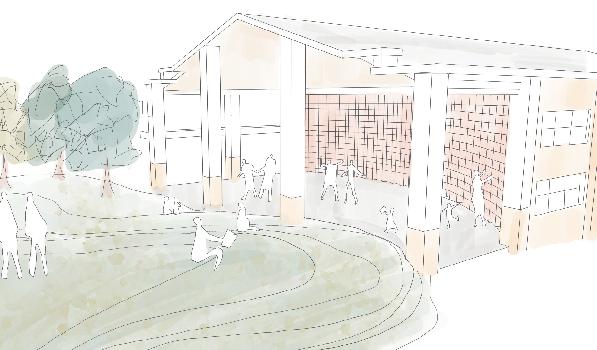
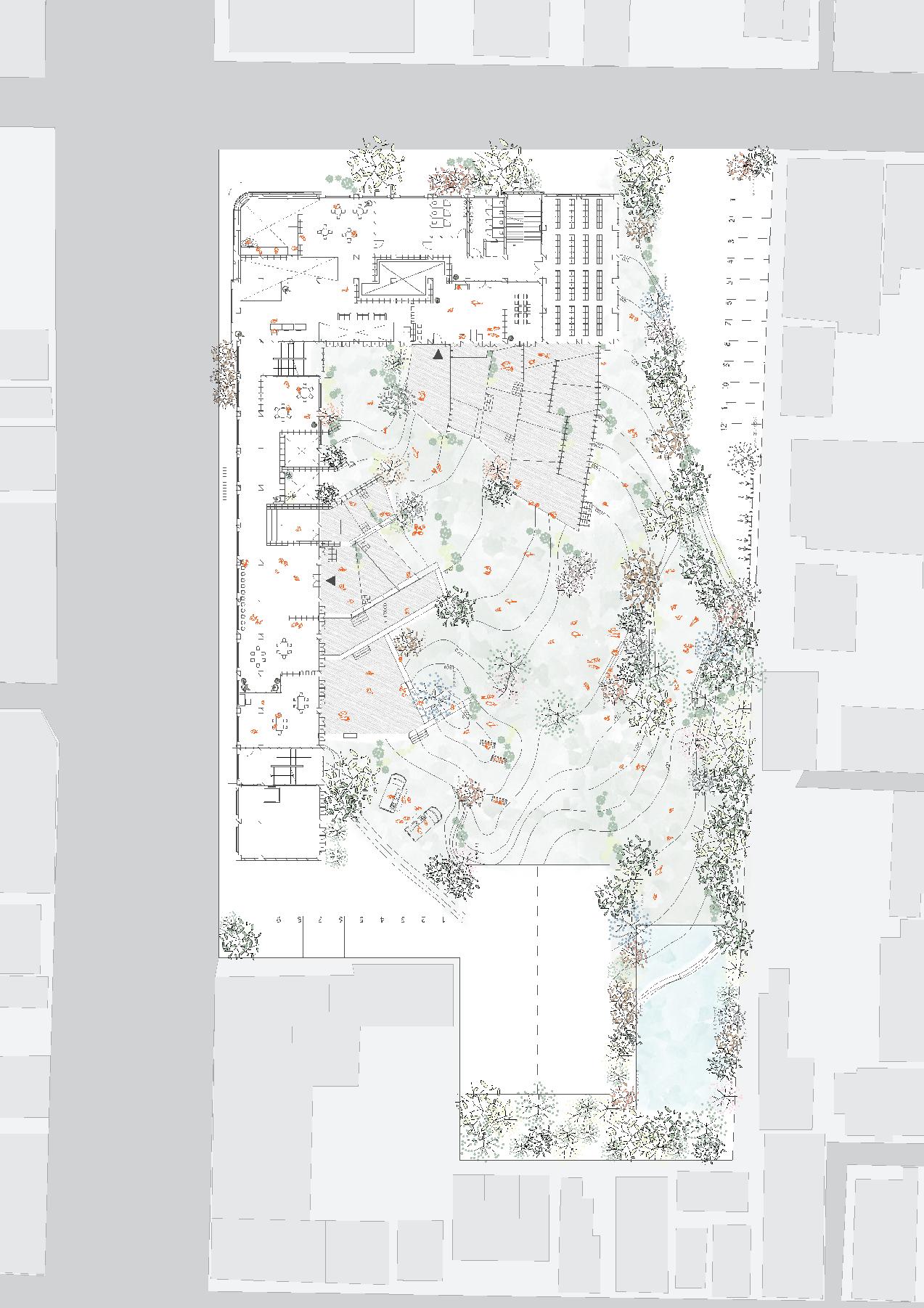
Extending from the school building, the bookshelves create new places to inhabit within the schoolyard.
Intertwining with the trees, they invite people to climb, sit, and lie down. In this process, the distance between people and greenery is reduced, this schoolyard forms a free and diverse forest for everyone.
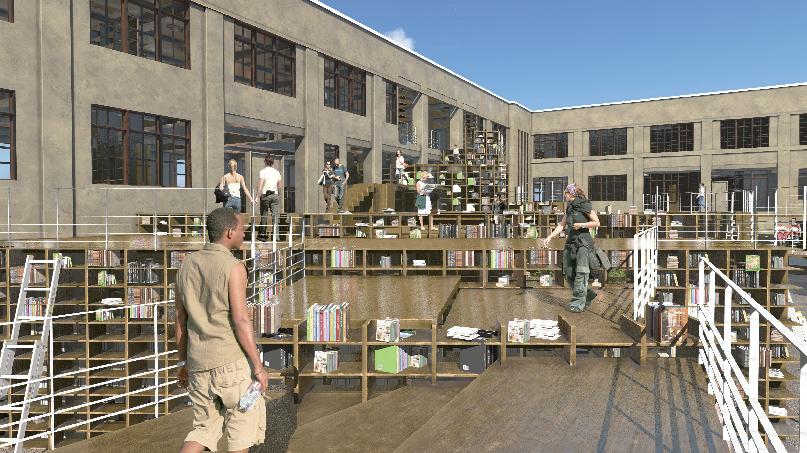
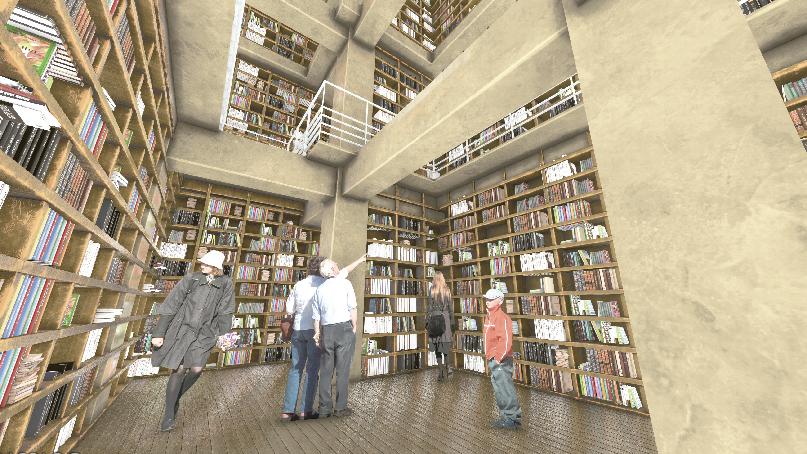
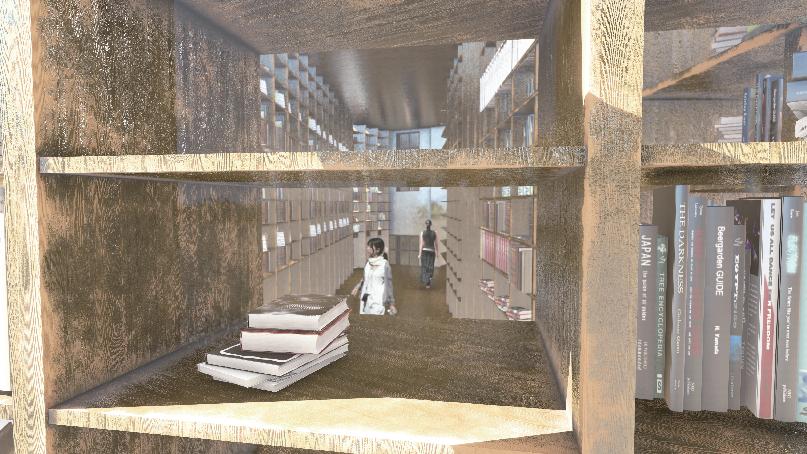
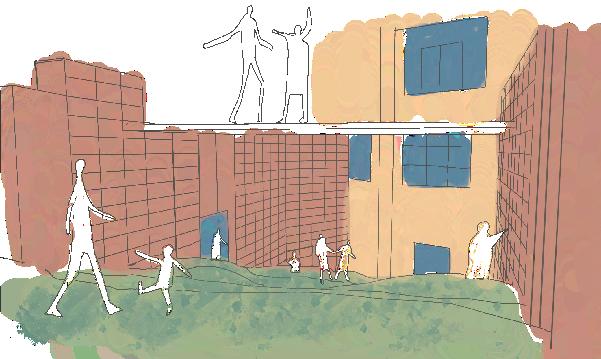
View to the East from the Skip Floor
The different heights of the slabs allows for multiple uses̶as bookshelves, stairs, and seating. This freedom of movement invites diverse paths, leading to rich and unexpected spatial experiences.
Entrance
Like in a library where bookshelves stand as a classical architectural element, the shelves extend vertically through the atrium, creating a strong impression at the entrance.The slab at the mezzanine level is also accessible, inviting visitors to climb and engage with the space.
Looking into the Bookstore from Outside
A narrow interior extends deep into the space, lined with an abundance of books.
Changing Distance to the Bookshelves Through the Slope
The sloping approach leads to the entrance of the bookstore.
Visitors use this slope to the bookstore.
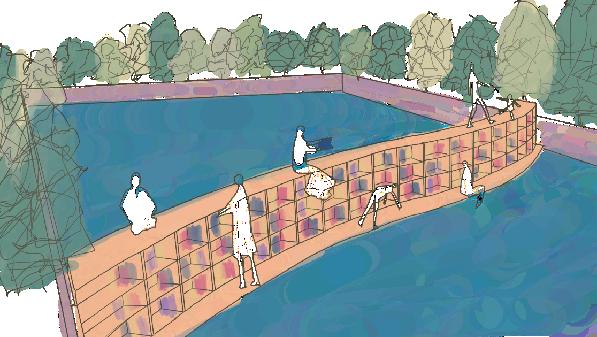
Extending toward the pool, the bookshelves invite people to sit with their feet in the water, reading while enjoying the coolness. The proximity of water and vegetation allows their relationship to be experienced up close.Surrounded by seasonal trees, the space changes throughout the year, while evergreen trees continuously reflect on the waterʼs surface.
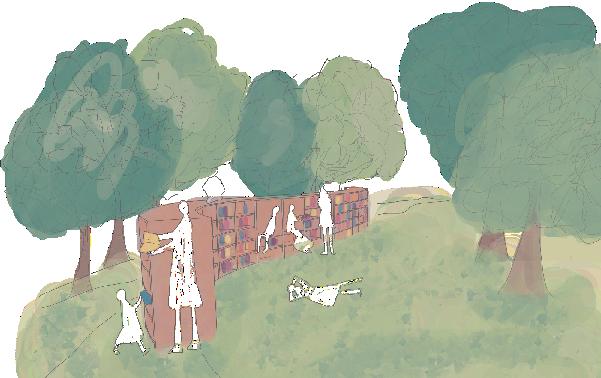
Forest Plaza
Trees views toward the north, creating a sense of enclosure.
The curved bookshelves function as benches and tables, forming a calm and inviting place for people to gather.

Moti-base
commons & cabins
Motidono NEXT+ Competition for Mochiidono Center Street, Nara
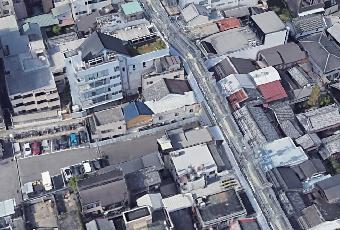
One of the oldest shopping streets in Nara, Mochiidono has faced decline in recent decades while shifting toward tourism-driven activity. In response, the proposal envisions “Mochiidono NEXT+” as a next-generation model for the street.
Rather than a conventional commercial facility, it redefines the district as a platform for nurturing emerging entrepreneurs and as a hub that connects the surrounding urban fabric. The project transforms an entire block into an open and inviting environment̶ one that attracts visitors even without the intention to purchase, while also functioning as urban infrastructure in times of emergency.
The design aims to evoke a sense of anticipation, where new ideas and activities continuously emerge, creating a vibrant and hospitable place beyond a mere collection of shops.

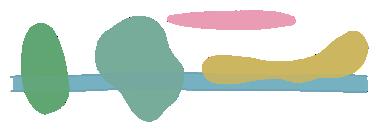

The proposal introduces a series of evolving “commons” as the core spatial framework. Detached “cabins” are arranged in connection with these spaces, accommodating retail, services, and food programs to generate diverse outdoor environments and support different operating hours.
Extending the historic Shinoshitsu alley, a new east‒west passage runs through the site, forming an alley-like pedestrian space that encourages spontaneous encounters with activities and shops spilling out beneath the eaves.
Open spaces, both indoors and outdoors, function as shared commons for tenants while also serving as a disaster-response hub in coordination with the adjacent parking area. Flexible partitions within the cabins allow adaptable spatial configurations, fostering interaction, creativity, and new business ideas.
Mochiidono / Nara
Moti-base
commons & cabins
Designed as a food-service‒exclusive tenant space, the food court layout reduces barriers for young entrepreneurs while supporting delivery operations on the parking side, allowing for diverse service possibilities The space allows for flexible use, from terrace seating in the courtyard to full indoor‒outdoor party events.
In times of disaster, it can operate in coordination with the emergency storage, enabling food distribution by connecting the parking area and the kitchen.
Emergency Storage for Batteries and Supplies
Facing the adjacent parking area, it can also support emergency food distribution. できます。
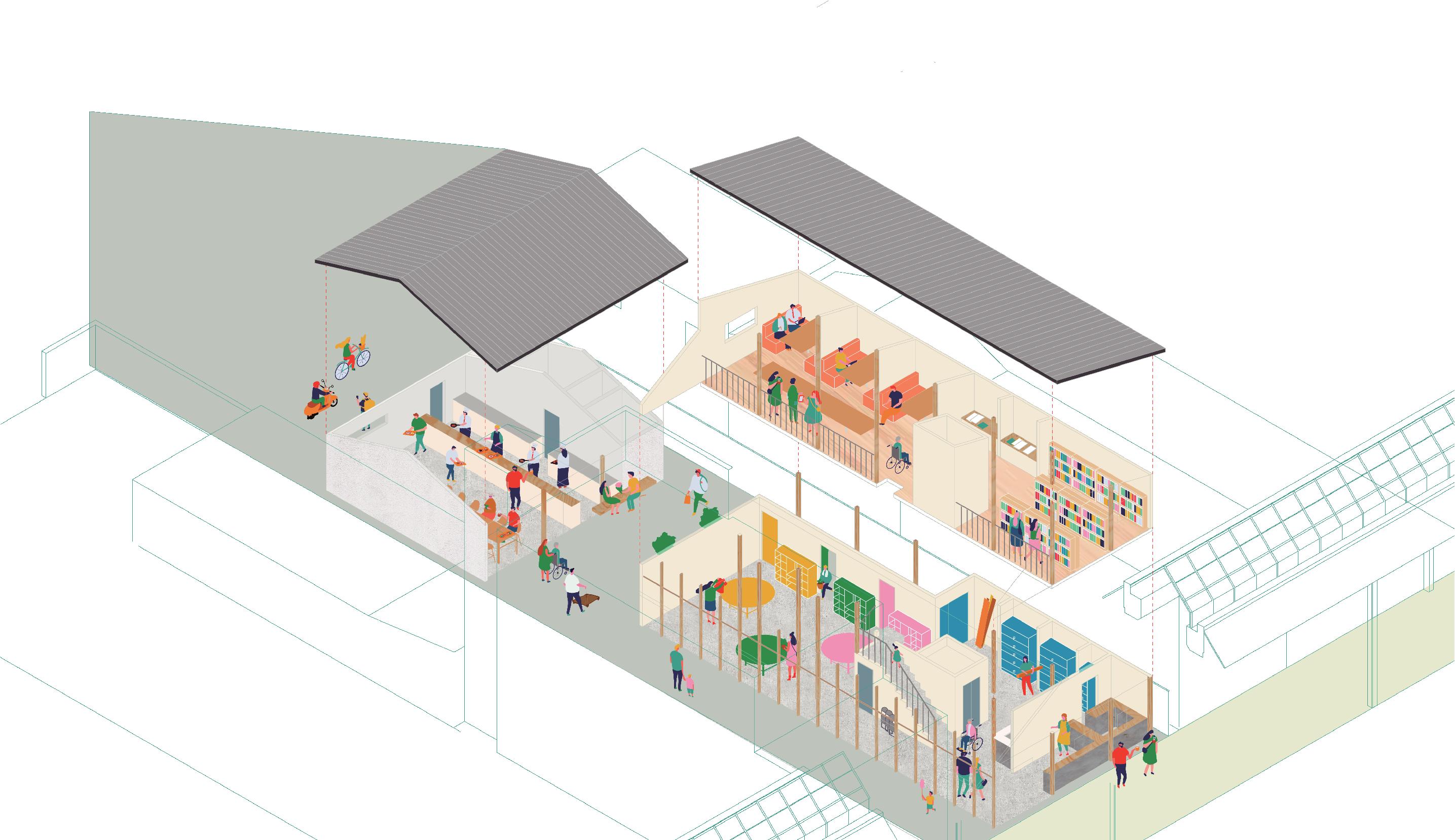
On a narrow site, a courtyard is introduced to secure ventilation and daylight , while also serving as a pocket park for visitors from the shopping street and adjacent parking area.
A semi-outdoor back-of-house area is provided behind the shop spaces.
In addition to functioning as a delivery route from the parking area, it offers a shared space for tenant interaction and outdoorcompatible production activities .
The retail space supports the sale of products, including those made in the craft lab, while movable partitions enable flexible configurations tailored to various scales, budgets, and business models. Collaboration with other businesses is also possible.
The enlarged entrance hall enables multiple uses, from community interaction to tenant-led workshops and events
“Tsuziko” (Commons)
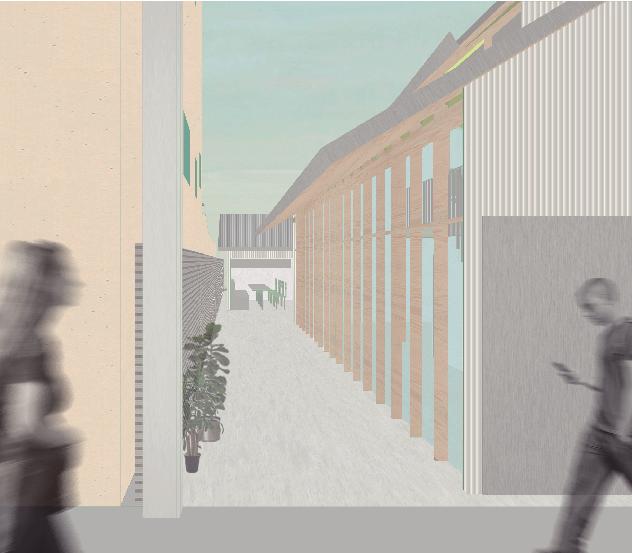
An alley connecting the parking area and the shopping street. Extending pedestrian circulation while incorporating the scale of the existing alley, the design fosters the vibrancy of the street.
Positioned to allow access from both the shopping street and the parking area.
Also intended for use by wheelchair users from surrounding facilities.
A spacious environment is organized around large shared tables, providing a workspace for members such as nomadic workers and students for study.In addition, rentable private booths are incorporated, offering a
flexible office environment that accommodates diverse working styles.
In plots located closer to the activity of the shopping street, water supply and drainage systems are provided, enabling the accommodation of tenant units including light food services.
A lab equipped with a wide range of digital fabrication tools
It enables the production of goods for sale, as well as the hosting of community-oriented workshops in collaboration with tenant businesses
as a shopping tenant. like a shopBot.
A tenant space suitable for both food service and retail.It can also accommodate takeoutoriented shop formats
connected to the shopping street. as it is directly
Beyond serving as the reception for Moti-base, it also functions as a tourist information center for the surrounding area, establishing itself as an information hub for the shopping street
Kitchen Cabin
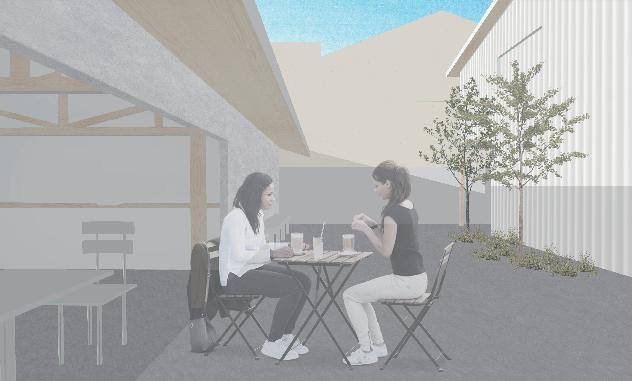
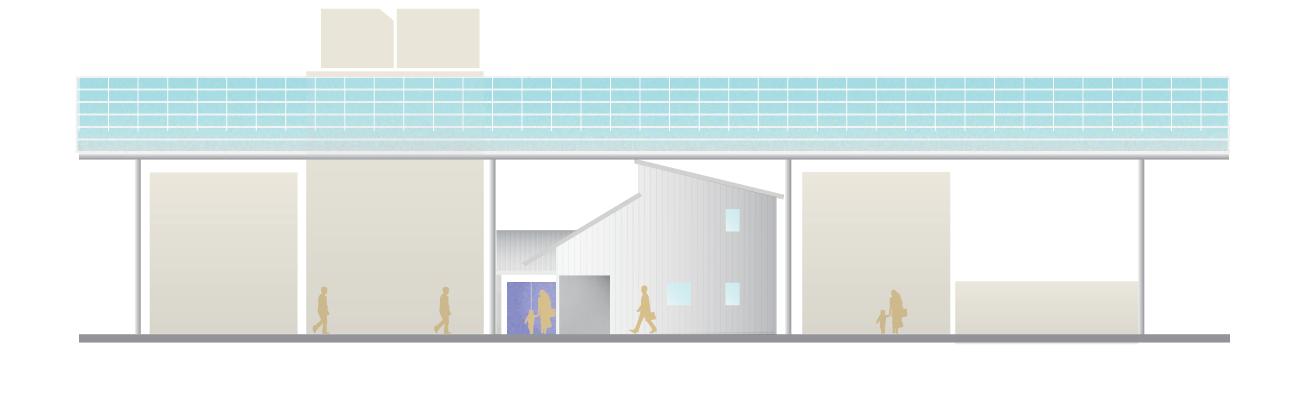
Enjoying meals at the food court.
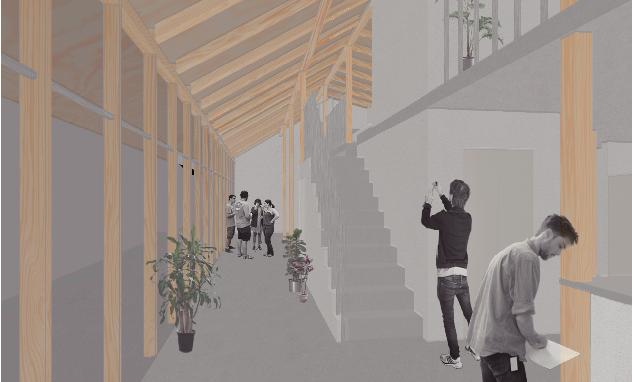
View along the length from the Craft Hall.
View to the “Tsuziko” from arcade.
Aalto Project & WorkShop
Third Year, Fall Semester Laboratory Work / Fourth Year, Summer Semester
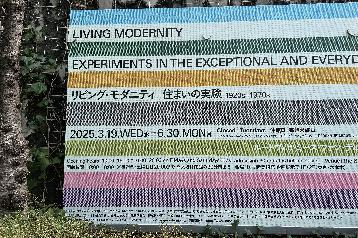
The Aalto Project, conducted in the second semester of the third year, was a collaborative studio between the Kutsuki, Viray, and Kinoshita laboratories. The project began with research into Alvar Aaltoʼs design methods and his perception of nature, leading to a deeper understanding of the “Koetalo” (Experimental House) through the study of shared characteristics found in his works in Finland. Based on this research, precise 1:50 and 1:100 scale models were produced and exhibited at the Living Modernity exhibition at The National Museum, Tokyo.
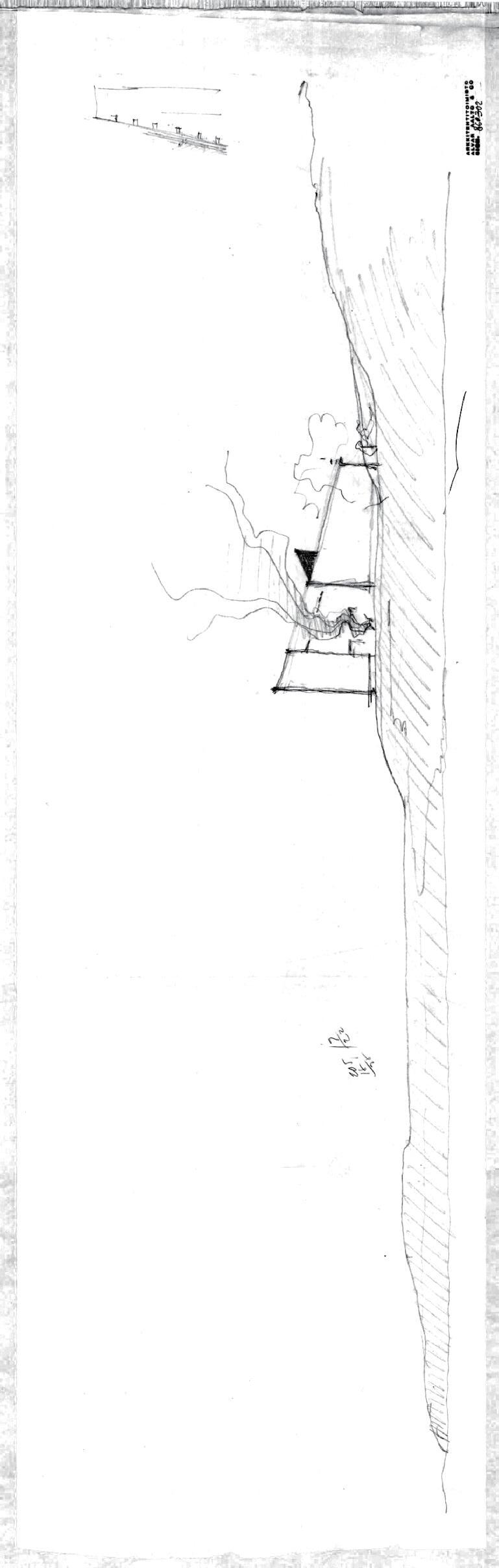
Aalto
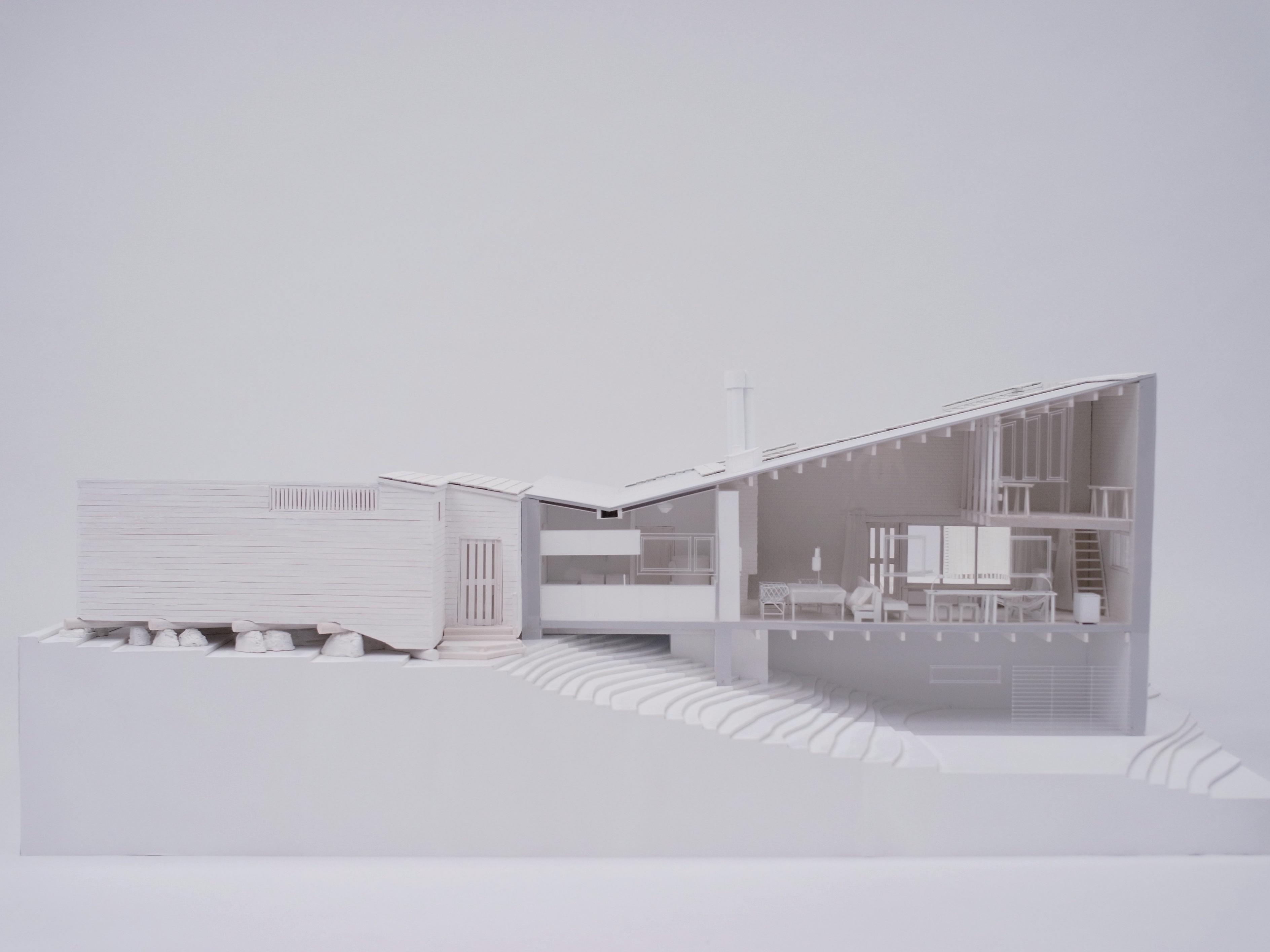
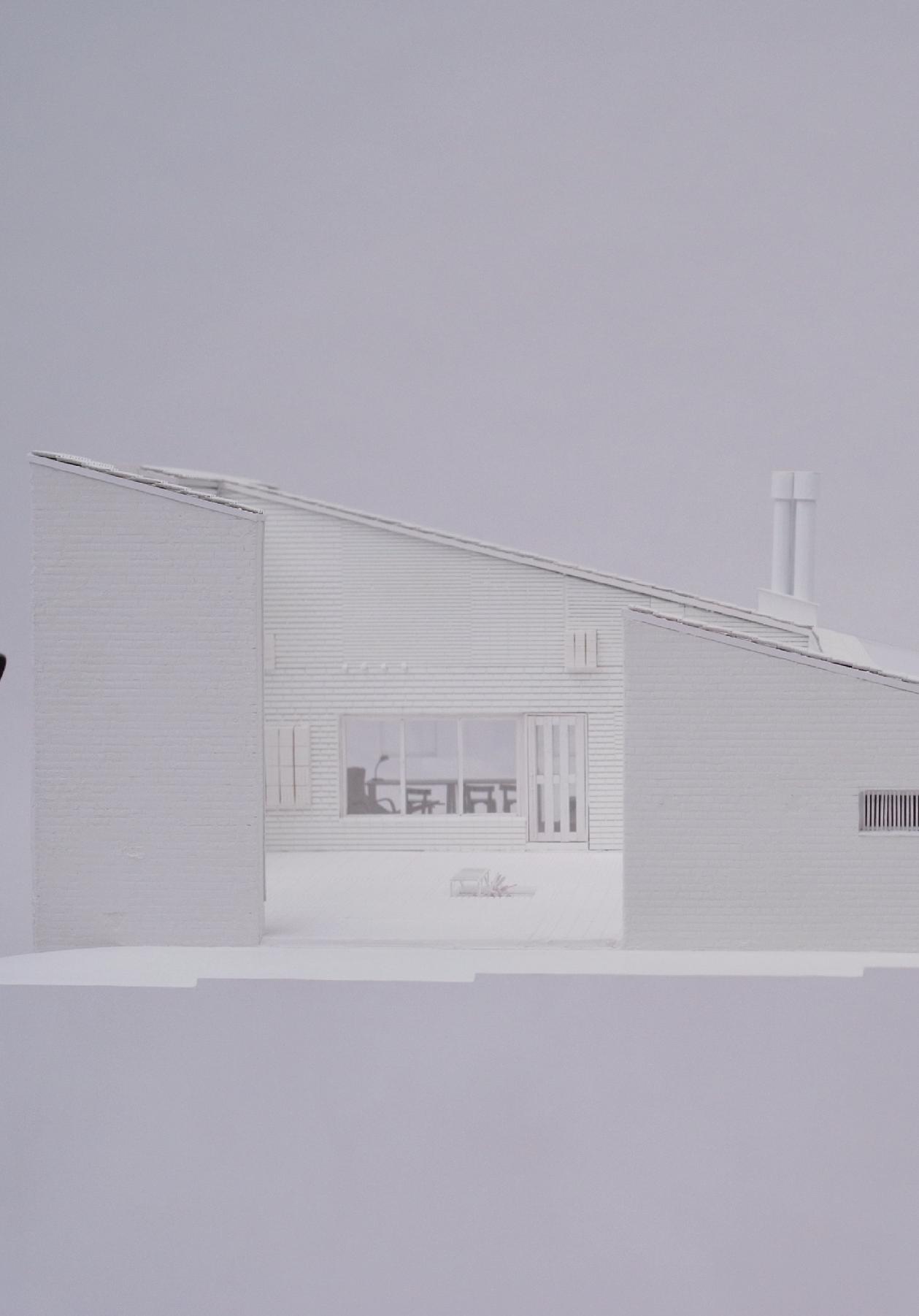
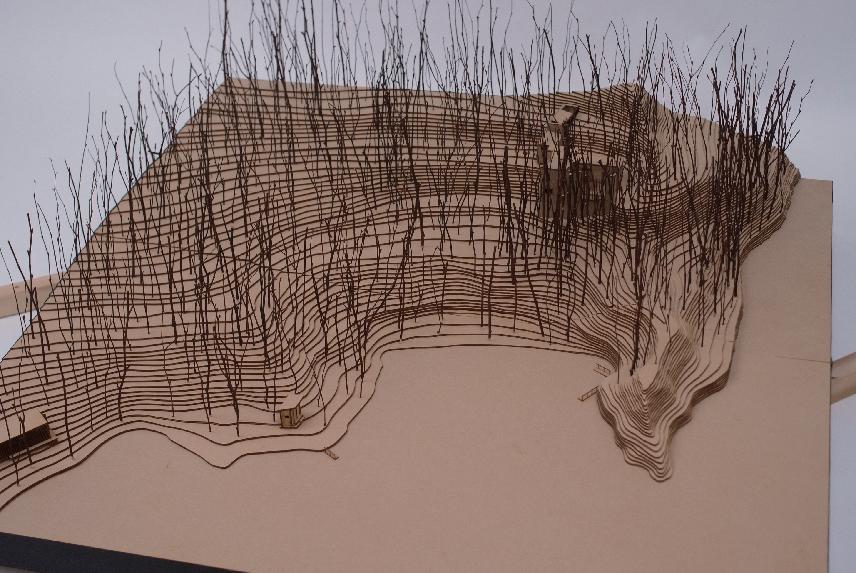
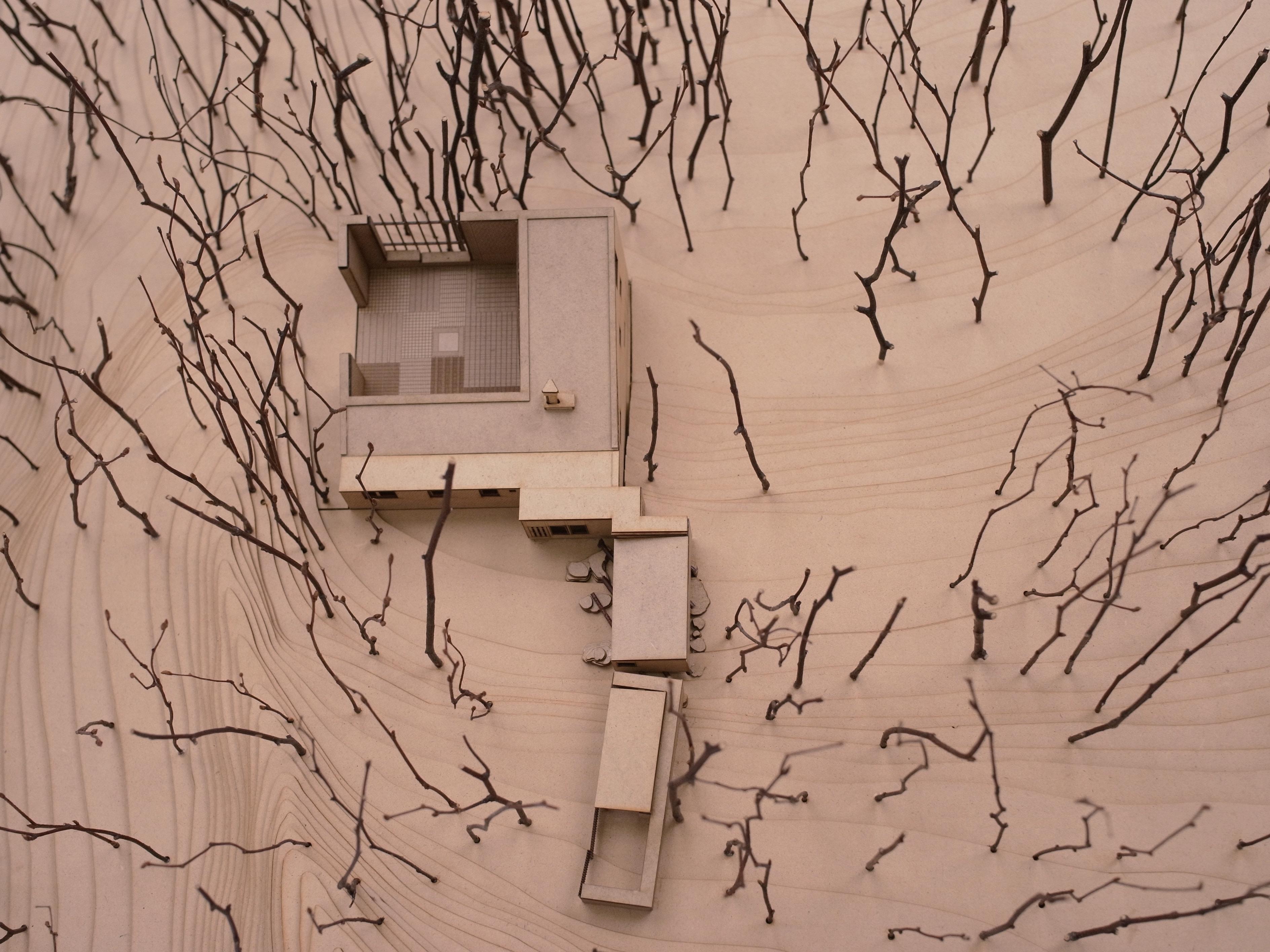
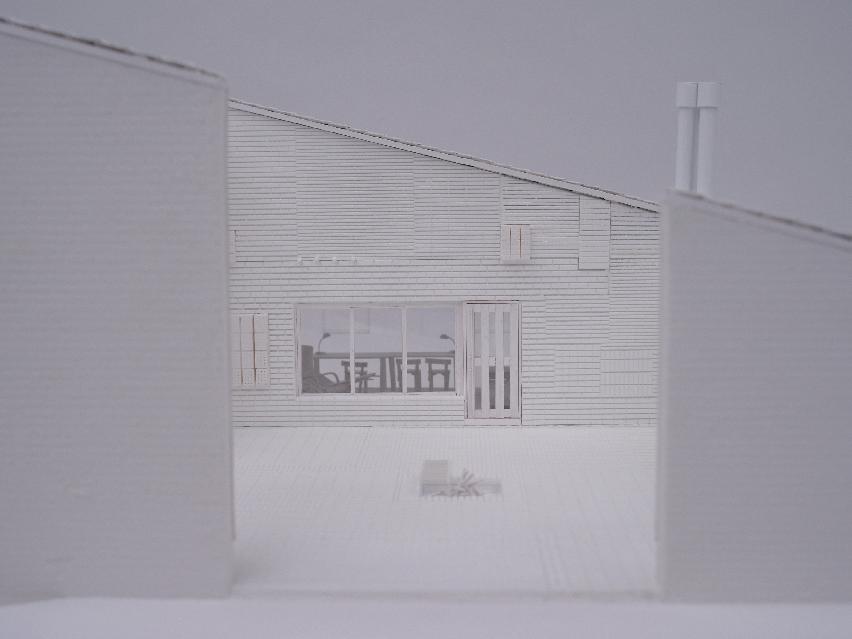
Koetalo 1/100 Model
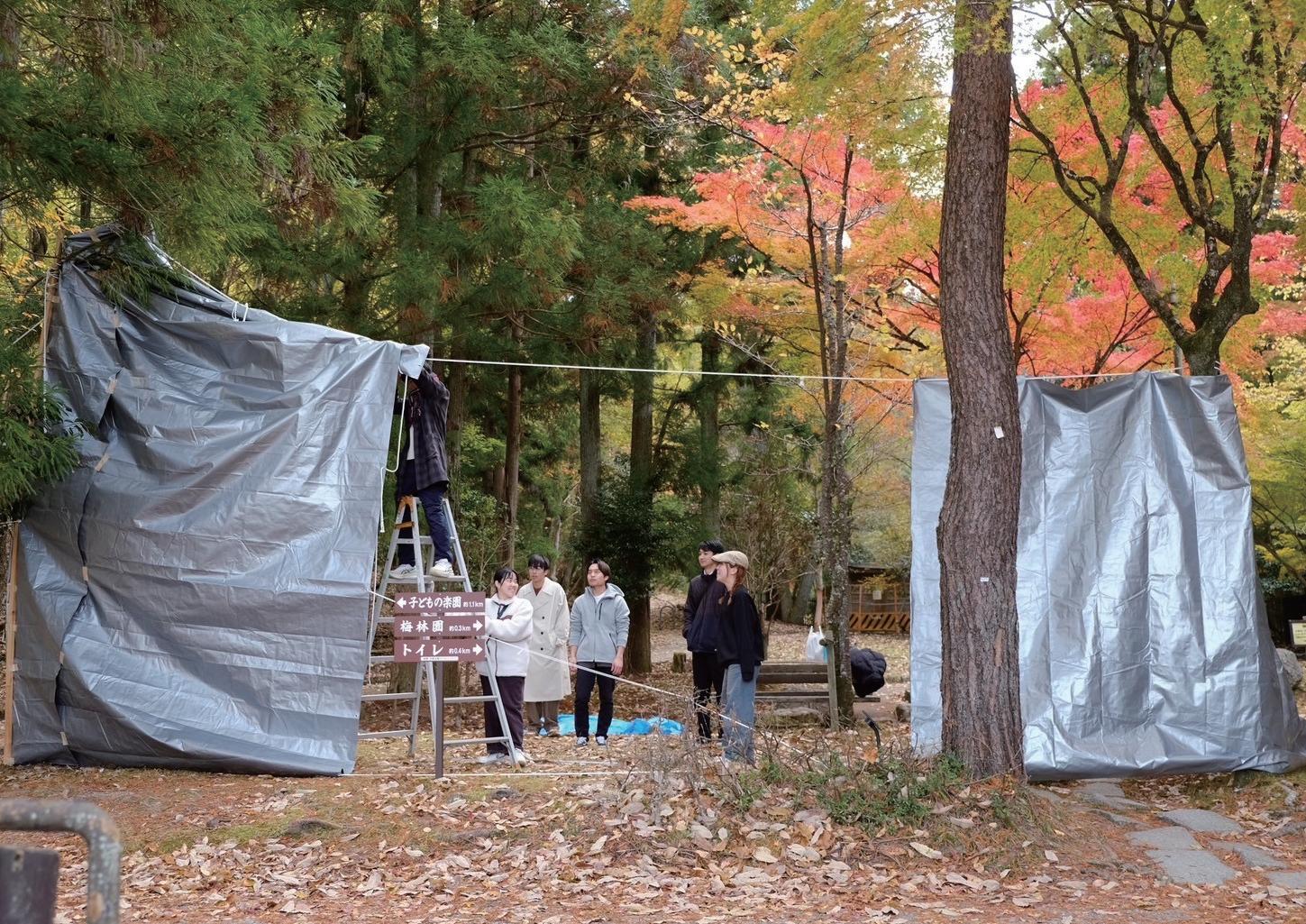
A full-scale wall, matching the dimensions of the courtyard, was built to explore
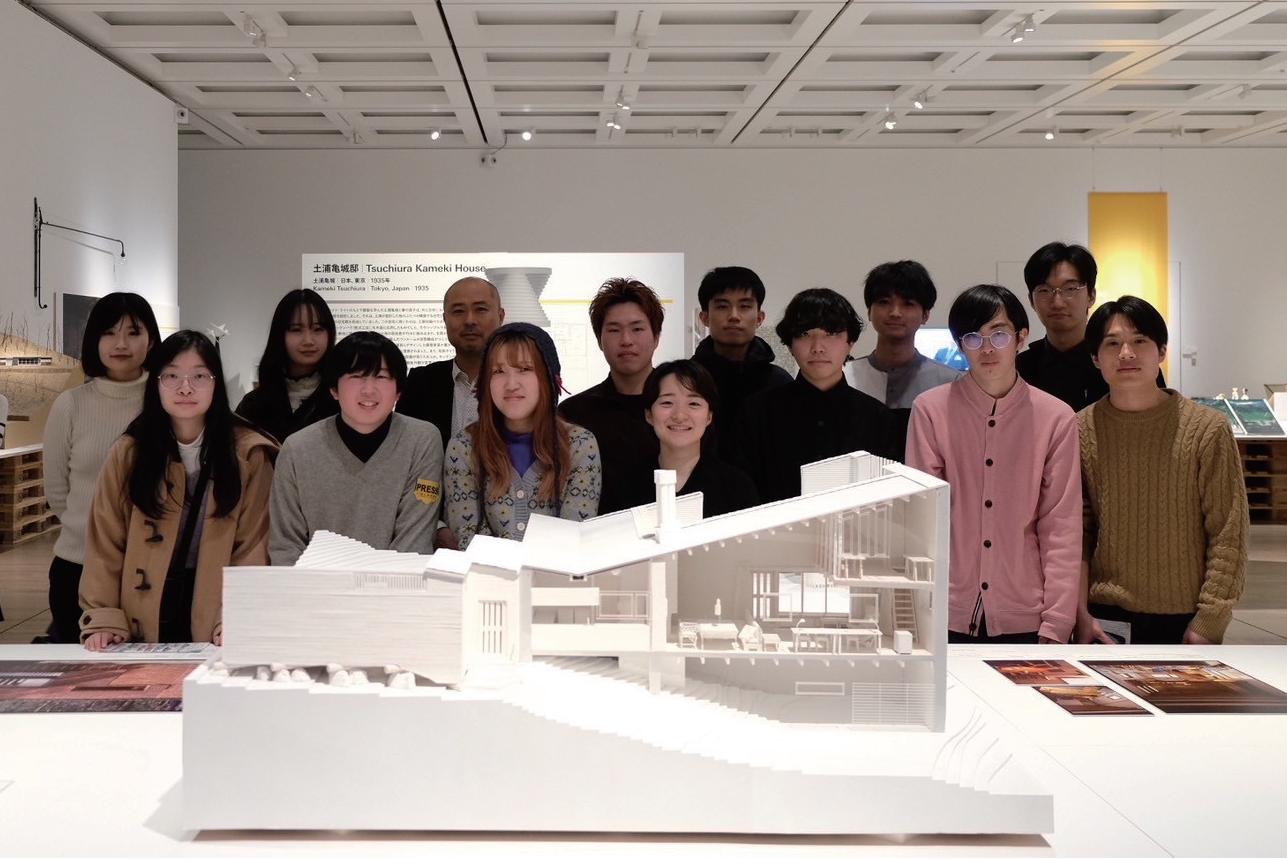
At the National Museum
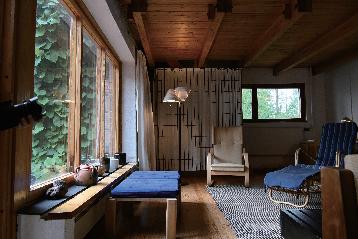
workshop in Finland
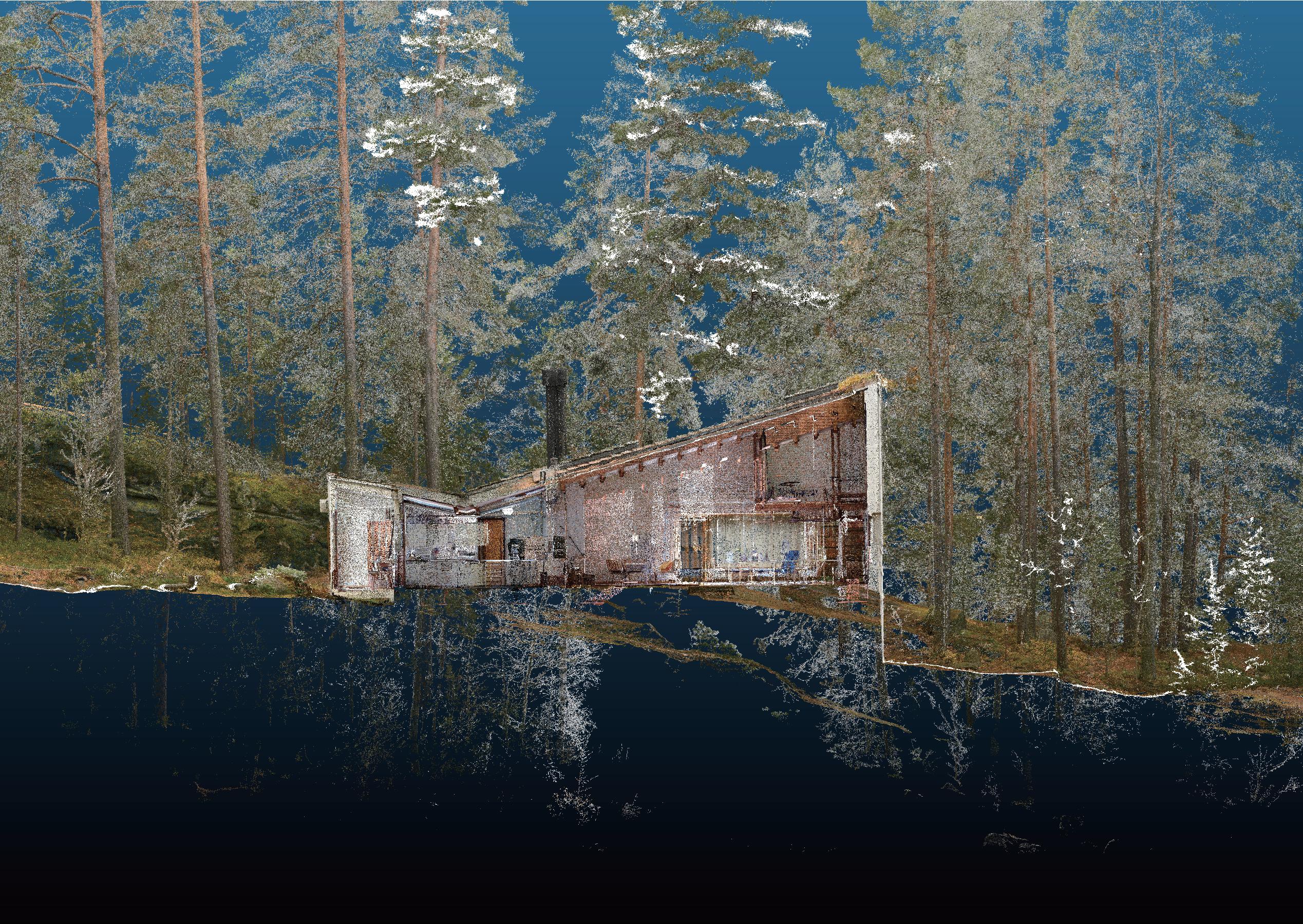
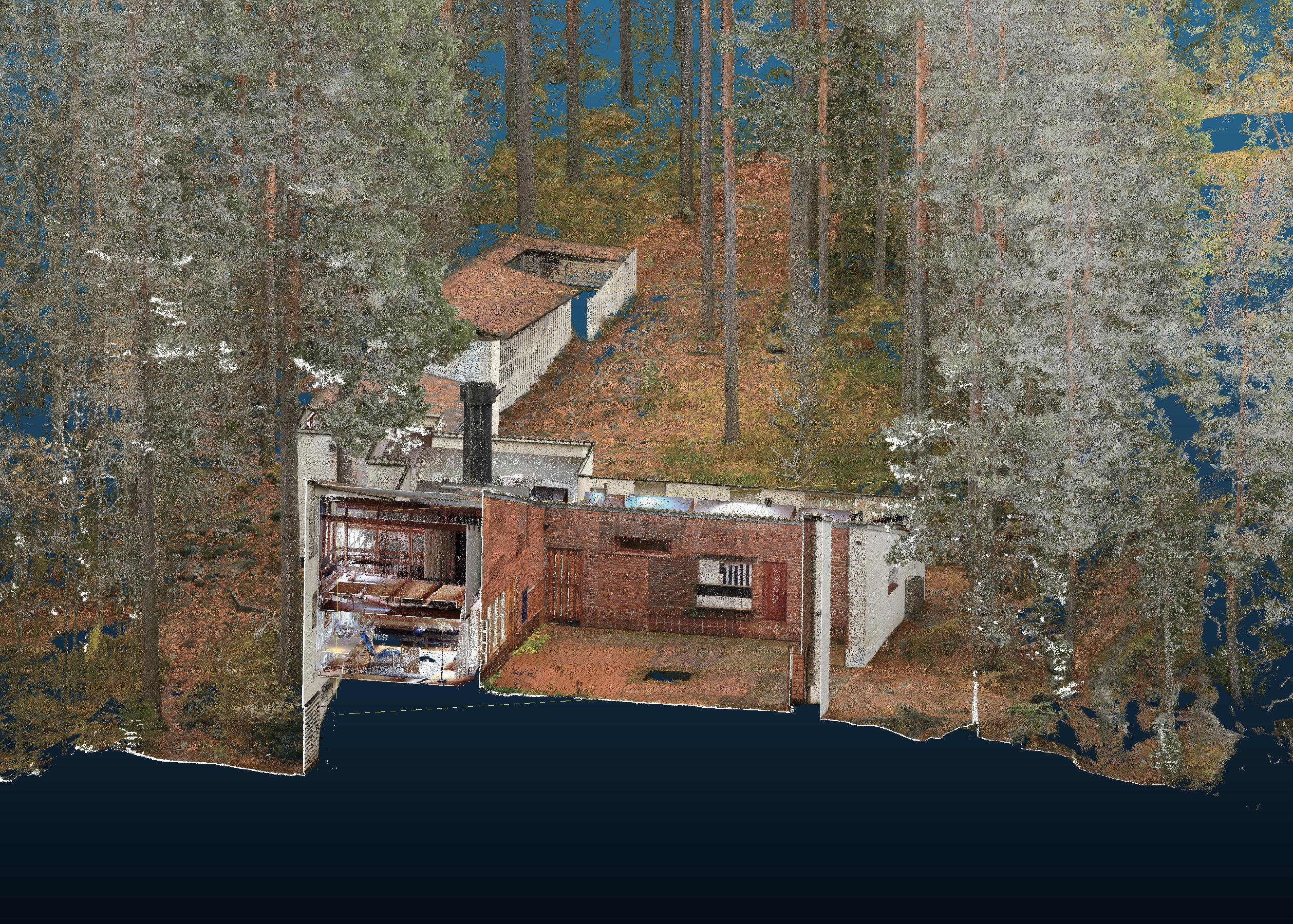
A workshop was conducted in collaboration with Aalto University in Finland. Focusing on the close interaction between architecture and landscape, the project employed laser scanning technology to reveal the dynamics of interactions across multiple perceptual dimensions. Through the collection and manipulation of point cloud data̶guided by the concept of “threshold”̶the project developed new methods of research and representation while engaging with local students.
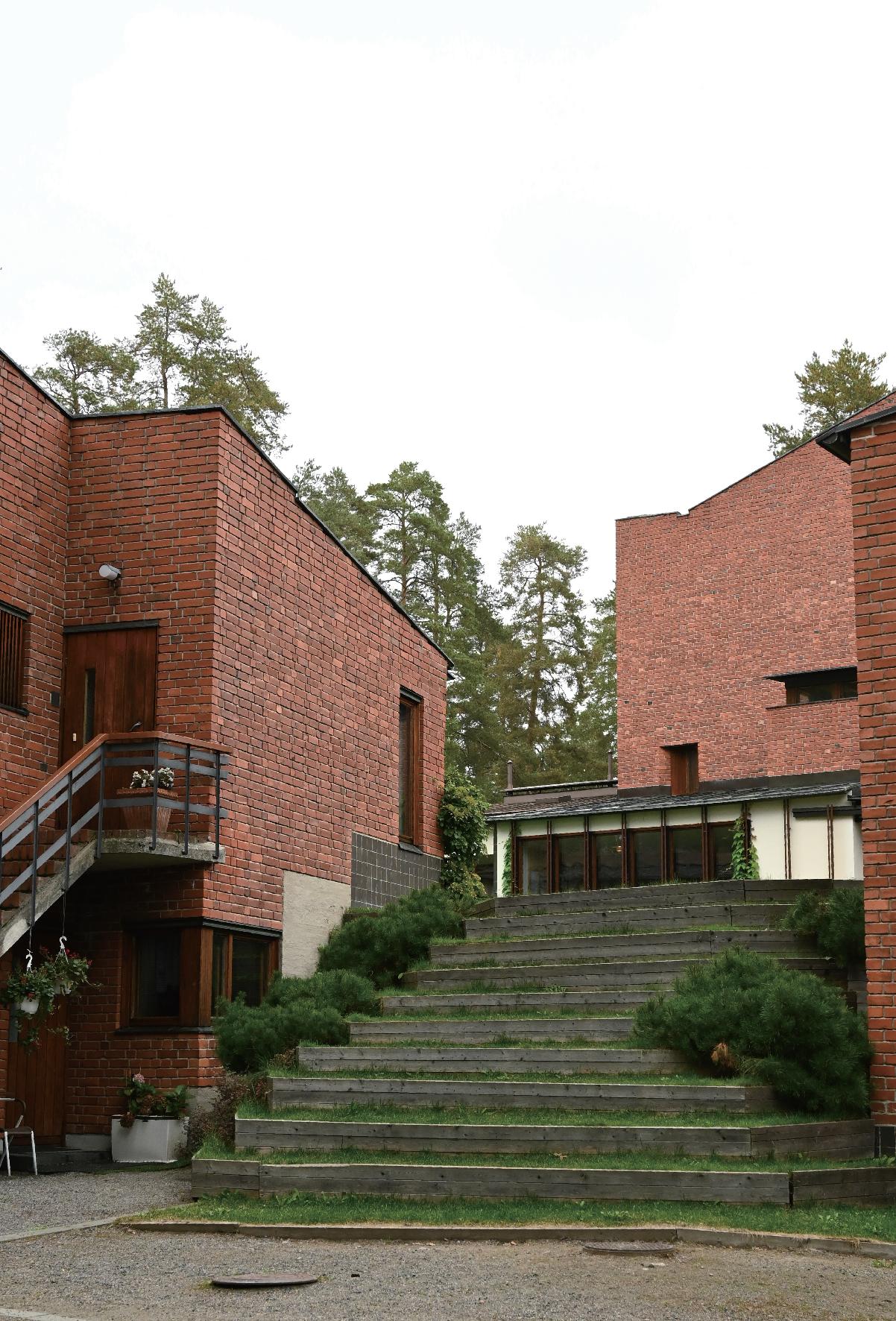
During the stay, several buildings designed by Alvar Aalto were visited, and fieldwork was conducted at the Experimental House (Koetalo), building upon prior research.
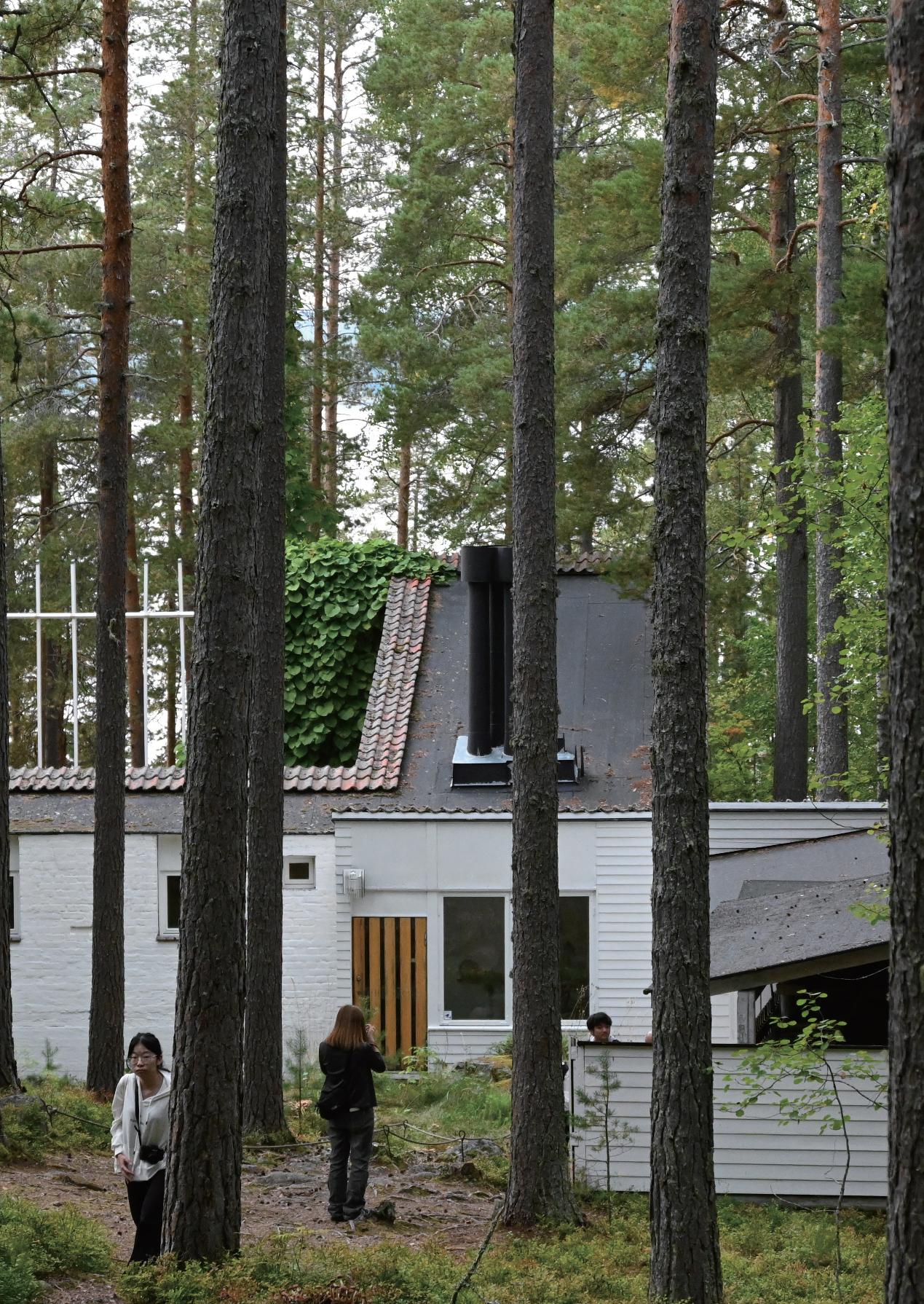
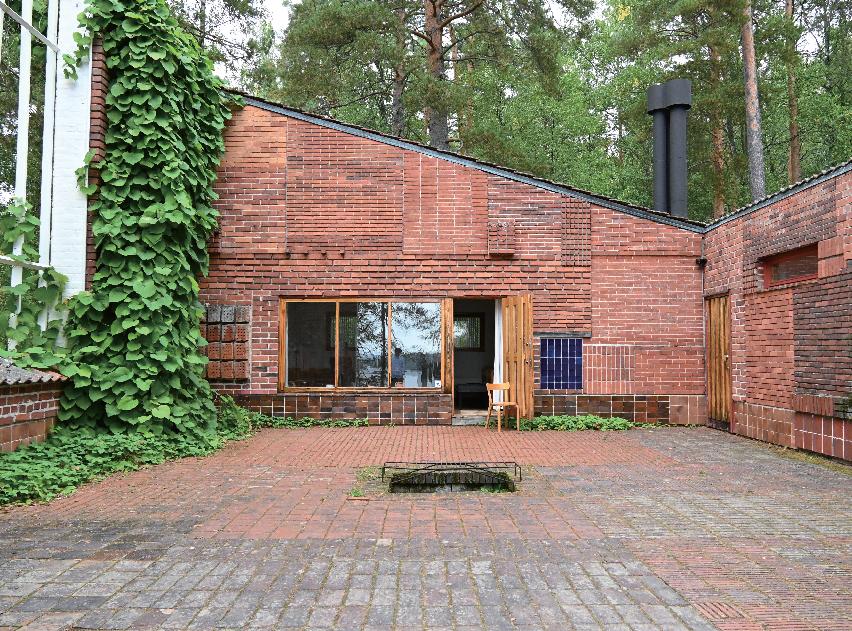
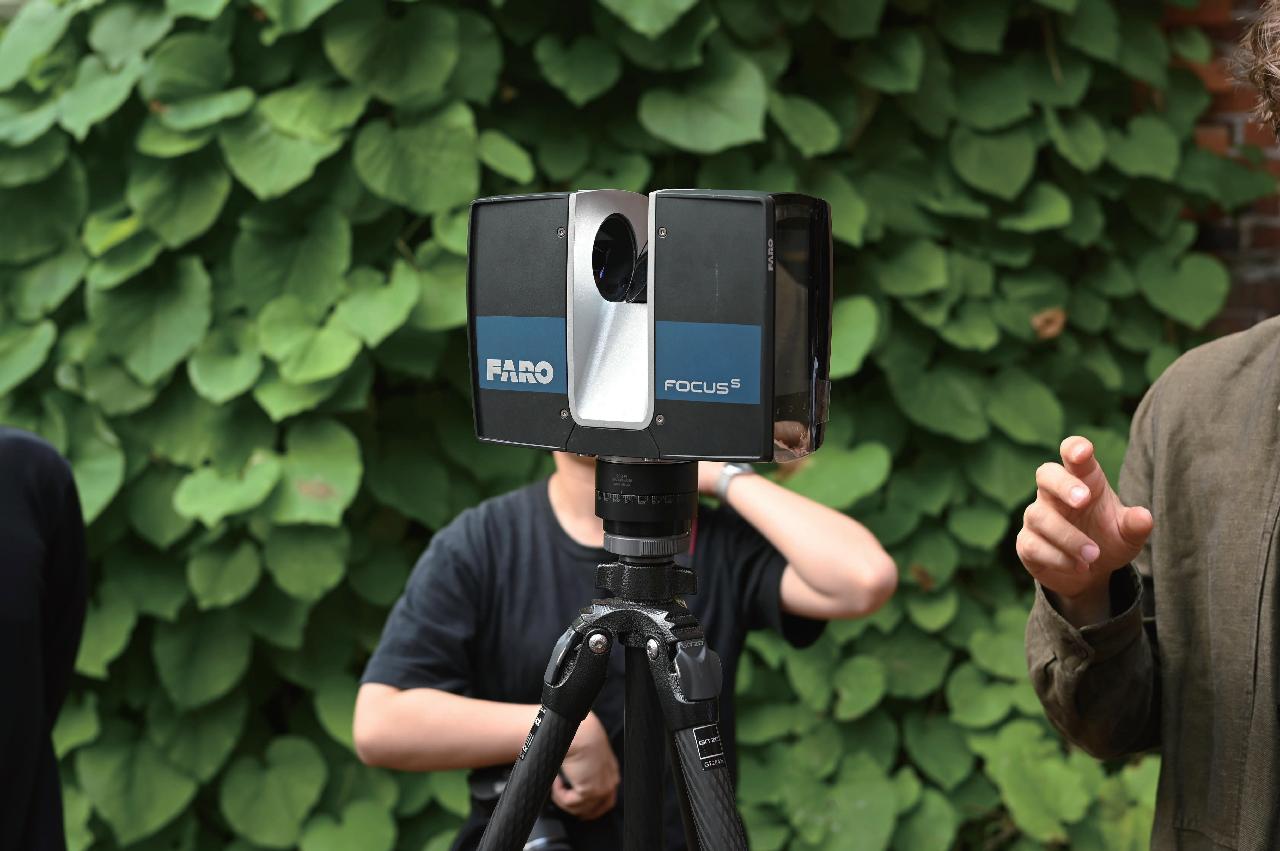
FAROを使用して点群データを撮影したほか、音撮りやフォトグラメトリ用の撮影等も行った
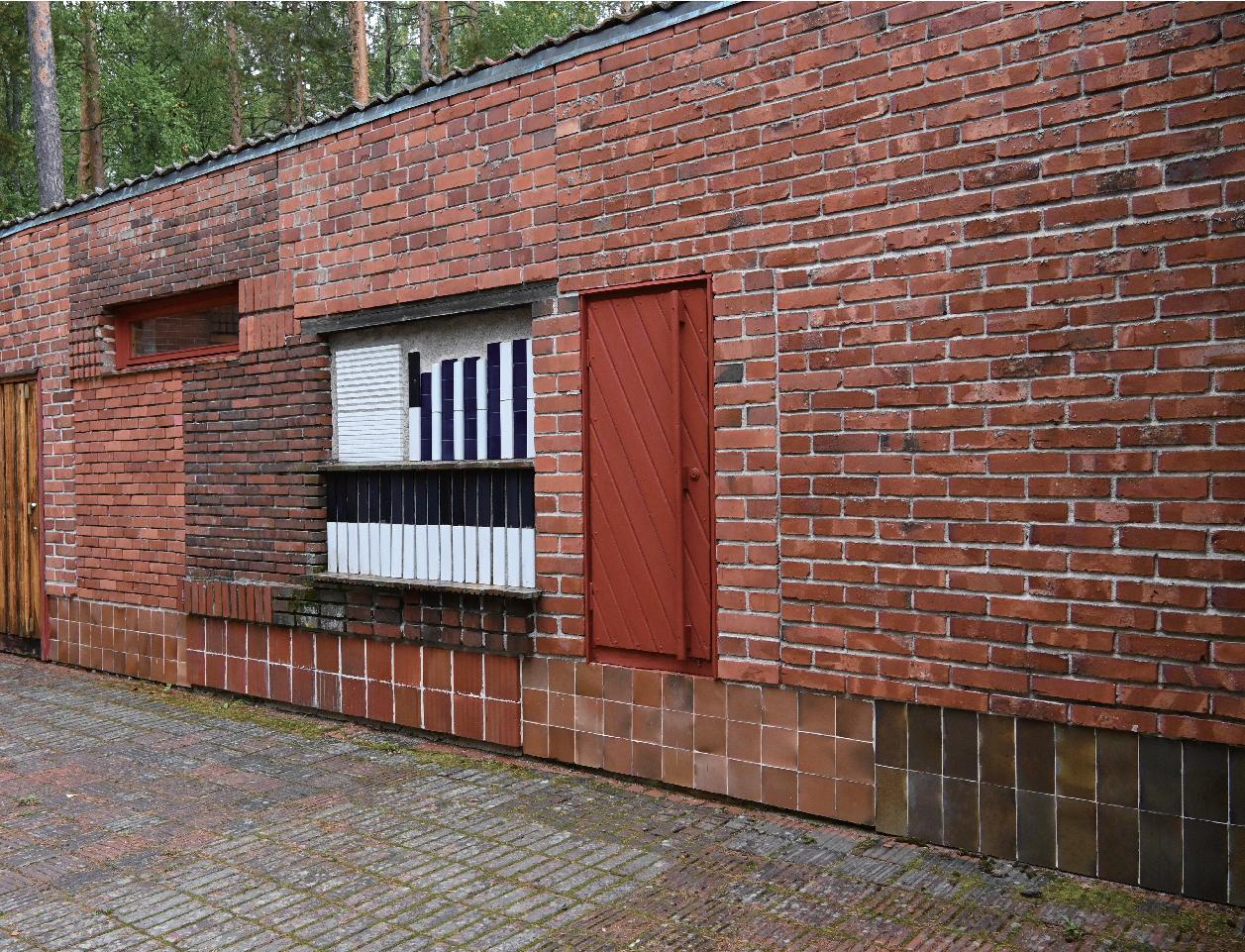
The 1:50 model accurately reproduces the brick joints based on detailed research.
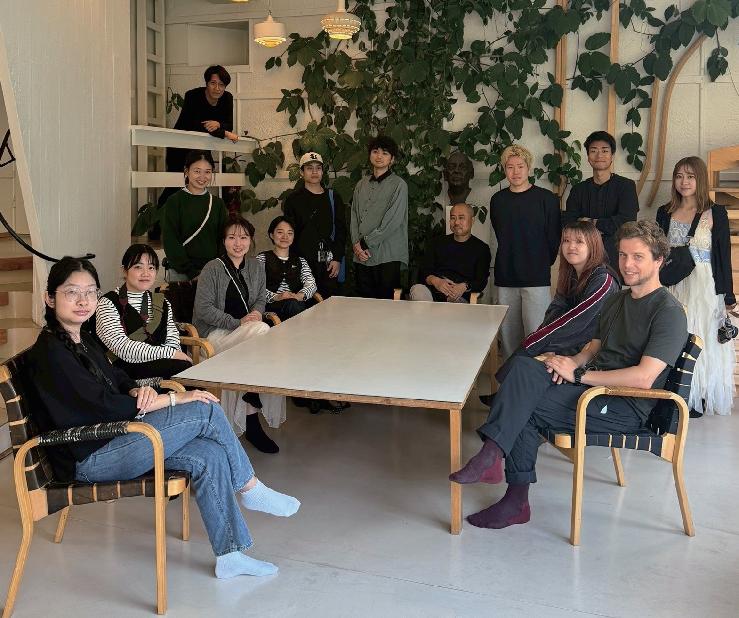
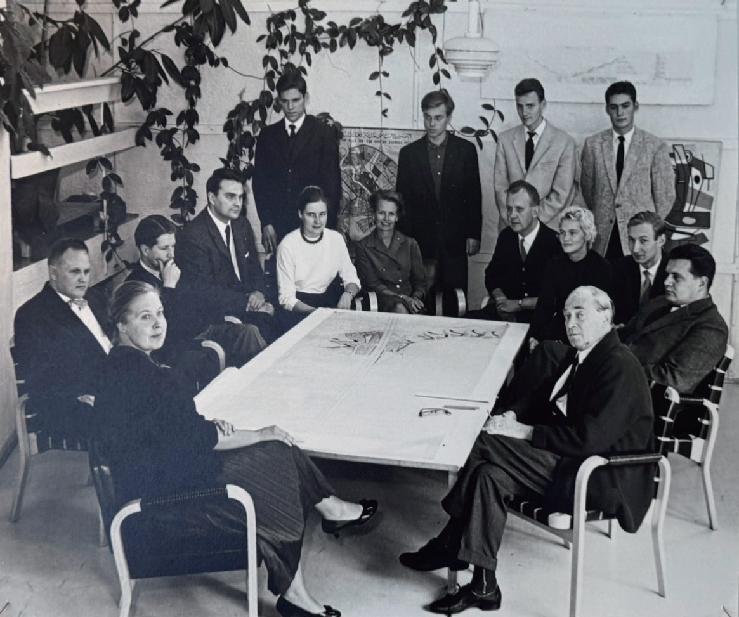
At Aalto Studio
Säynätsalo Town Hall
A Large Garden for Small Gatherings
A Small-Town Housing Complex Centered on a Schoolyard
京都市京北区域内における建築物の制限に関する条例適用範囲内
京北小中学校
京北合同庁舎
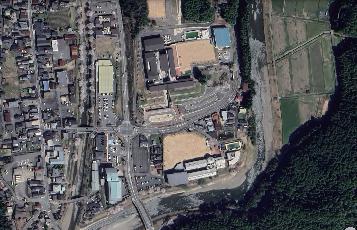
In recent years, population decline and aging in rural areas have led to the loss of local hubs for education and community interaction. As student numbers continue to decrease, school consolidations have increased, resulting in a growing number of disused school buildings In depopulated regions, the reuse of these sites has become a critical issue, calling for new frameworks that integrate education, welfare, and intergenerational exchange to support community-based living.
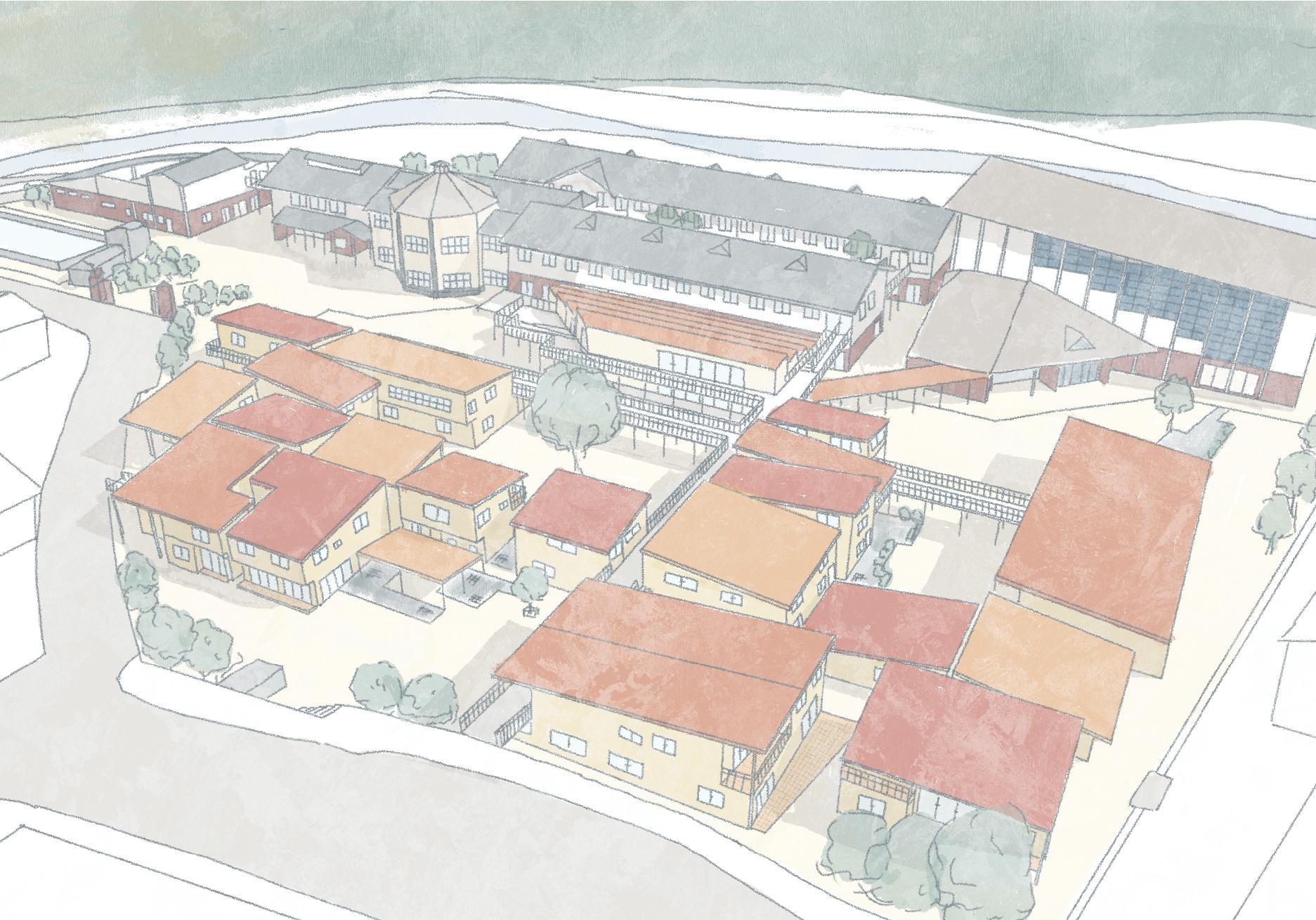
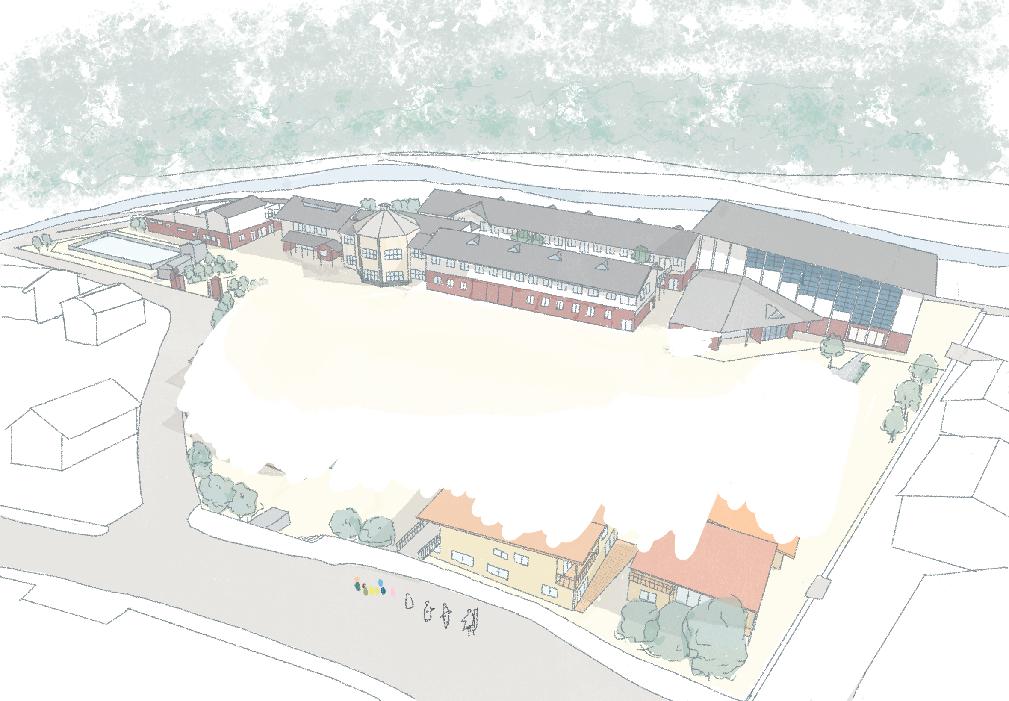
The project site, the former Keihoku Elementary School, is located in Keihoku, Ukyo Ward, Kyoto̶ approximately one hour from the city center. Designated as a depopulated area, Keihoku has experienced a steady population decline. The school was closed in 2020 following the consolidation of three elementary schools and a junior high school, and
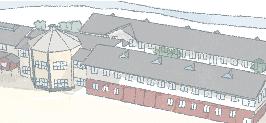


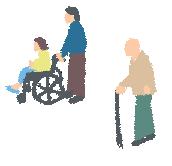

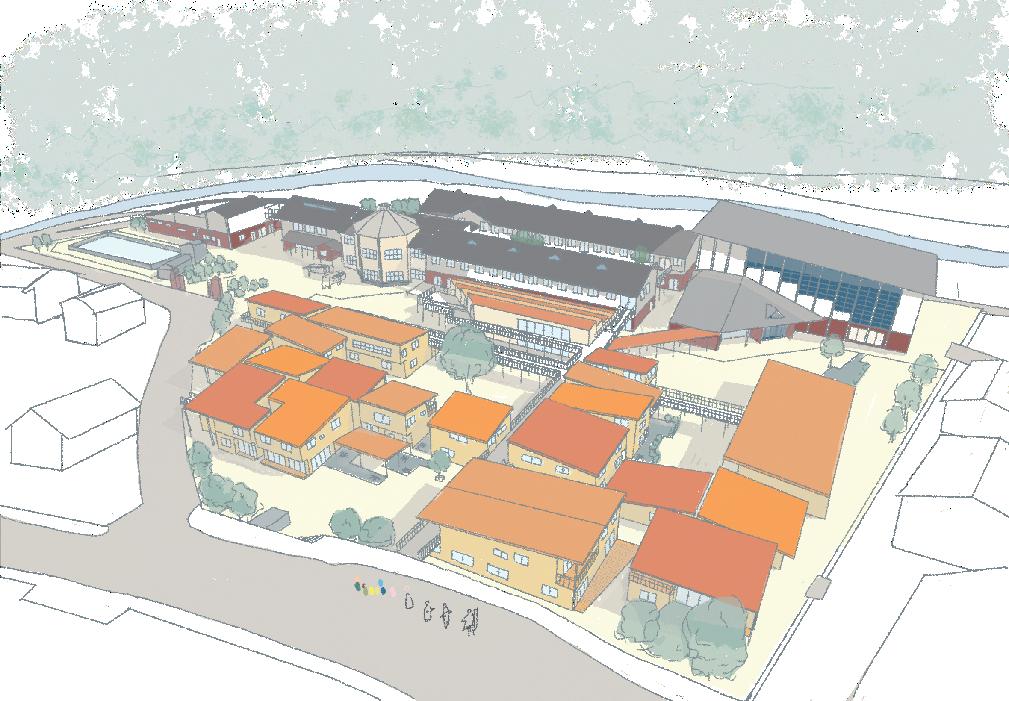
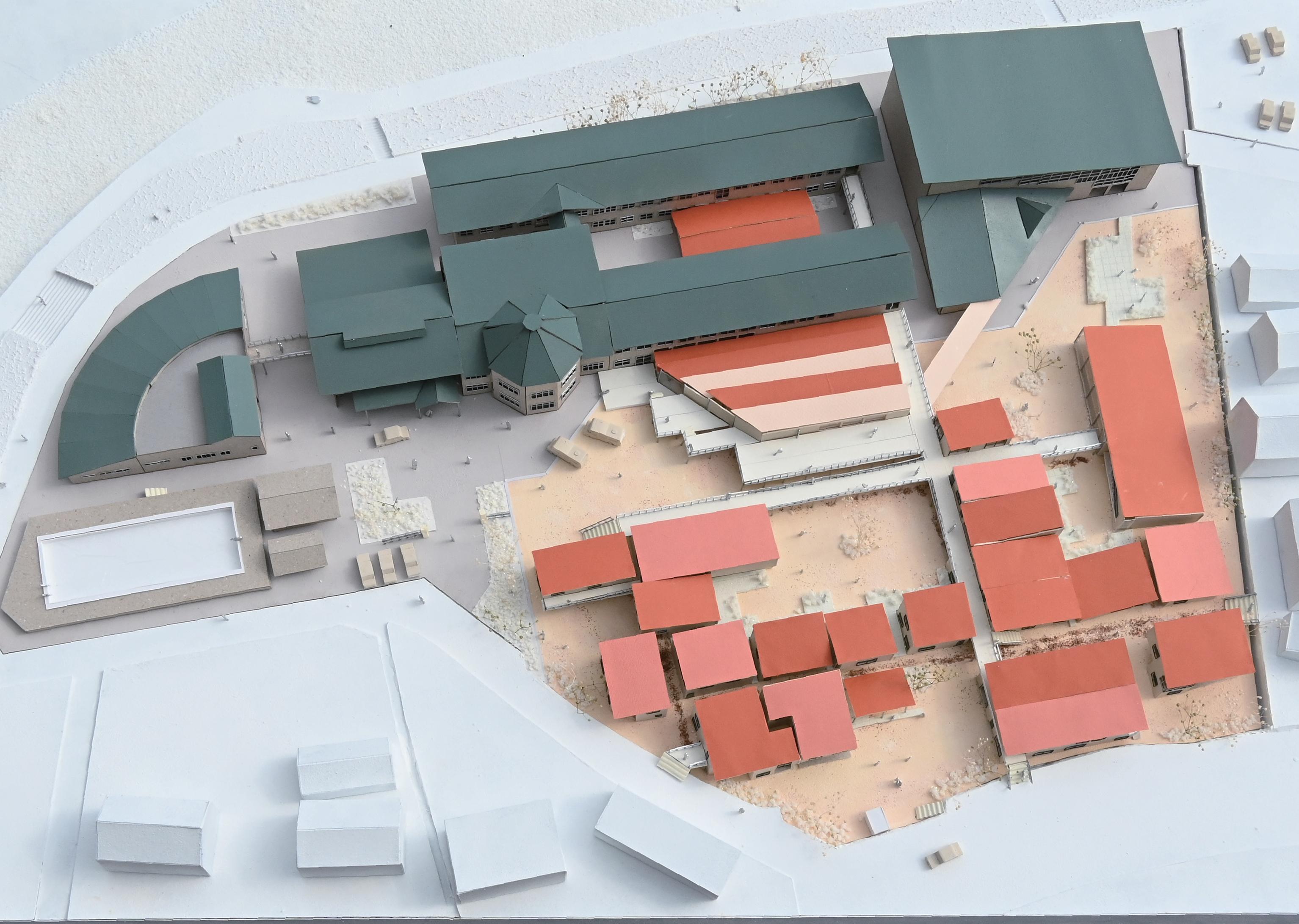
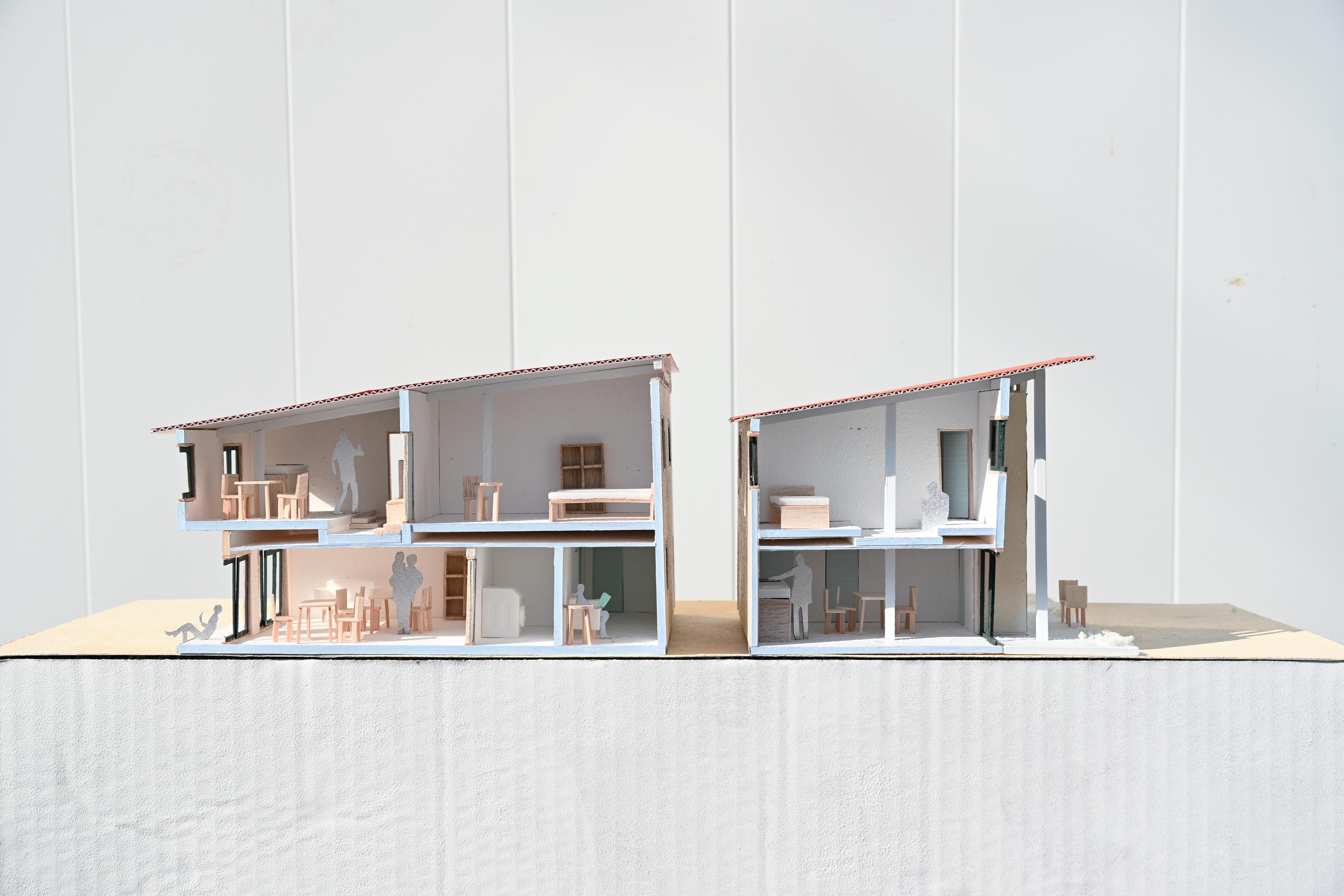
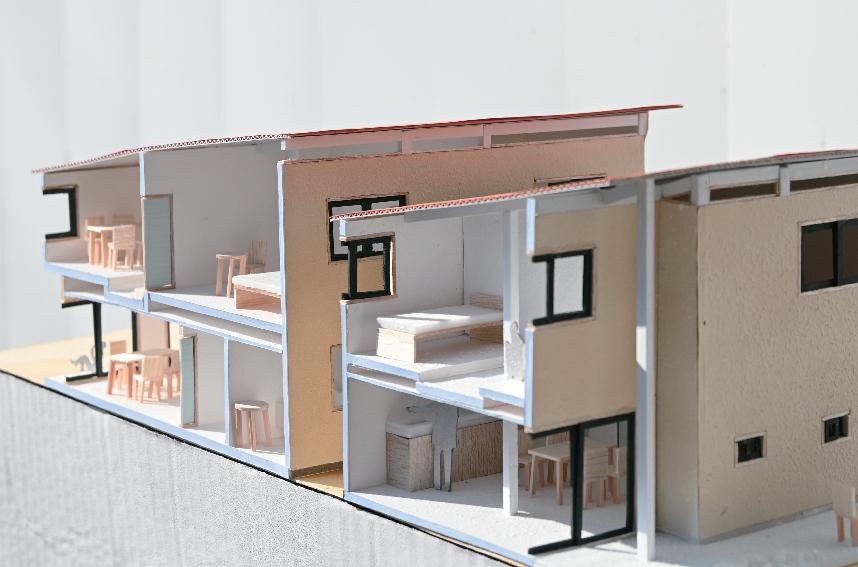
This proposal reimagines a disused elementary school as a living and social hub to support the formation of a small-town model in a depopulated region. By reorganizing and modestly consolidating dispersed local functions, it aims to take a step toward establishing a sustainable community framework The project also introduces small-scale programs that attract visitors from outside Keihoku, fostering interaction with local residents. It combines housing suited for families and the elderly with functions that engage the wider community.
A disused school building Aging Population, Single-Person Households Hotel
Artist in Residence Hospital, Senior Care Facility Public Bathhouse
Local functions and small-scale programs that attract people to Keihoku
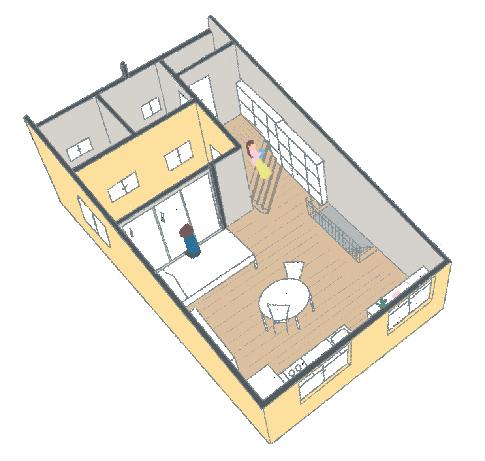
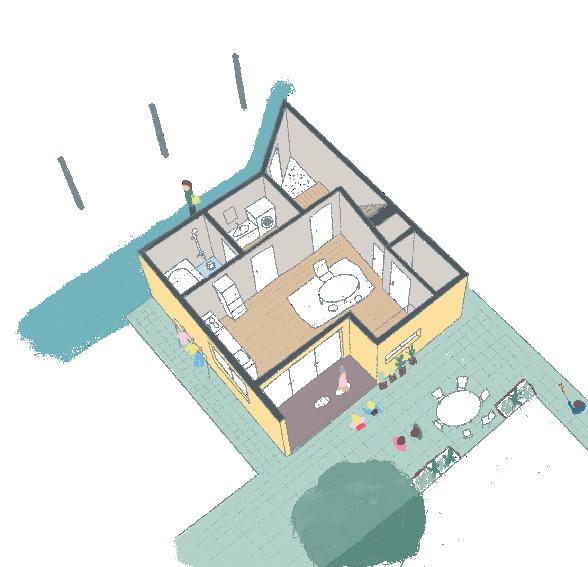
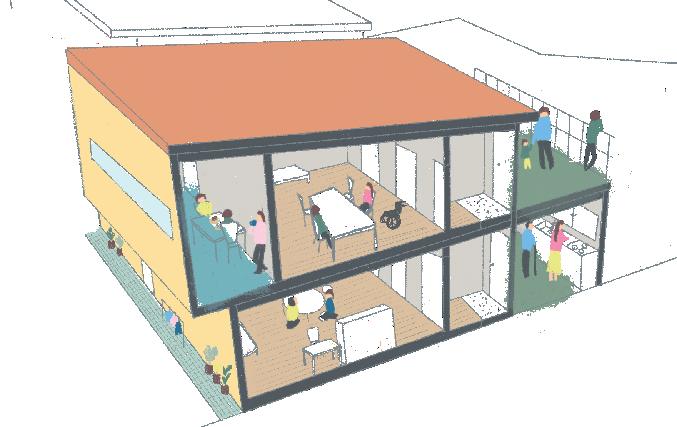
1-1 The
In regions facing population decline, it is considered rational to base development in areas where daily functions and public facilities are already concentrated, ensuring accessibility and long-term sustainability.Based on this approach, the site was selected for its centrality within the region.
Building on the inherent nature of the school as a place where people gather, new programs are introduced to attract and accommodate diverse users. With minimal intervention, the existing structure is reactivated as the core of a small-town framework.The regular classroom layout and wide corridors are repurposed to accommodate functions such as a senior care facility and lodging, alongside public
The
small center within the town acts as a node that reorganizes flows and activities, while also serving as a key junction connecting the new housing and the existing school.
1-2 Interaction Emerging in a “Gathering Town”
While centered on the daily lives of residents, the proposal introduces lodging functions and an artist-in-residence program̶offering large, affordable spaces̶to invite temporary engagement from outside visitors. Rich in natural resources, the area attracts people for activities such as river play and timber-related use. The design maintains the integrity of the small-town community while remaining open enough to accommodate external connections.
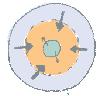
2-1 Corridor Typology and Spatial Development
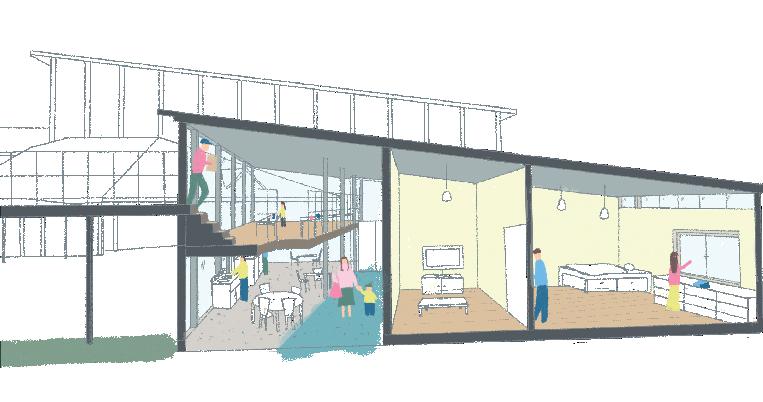
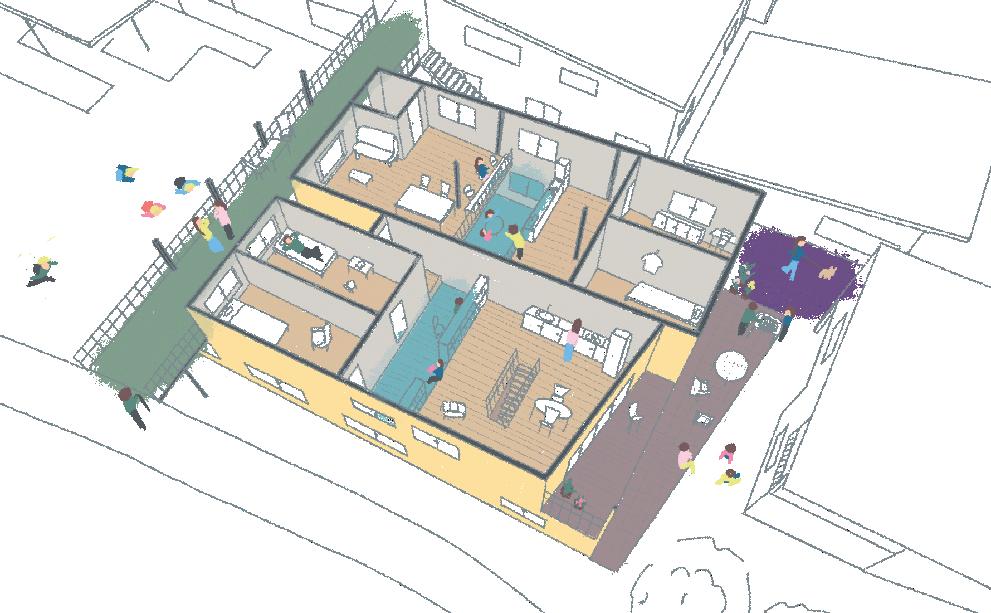
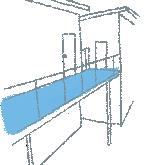
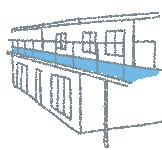
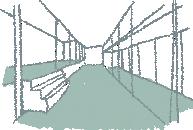
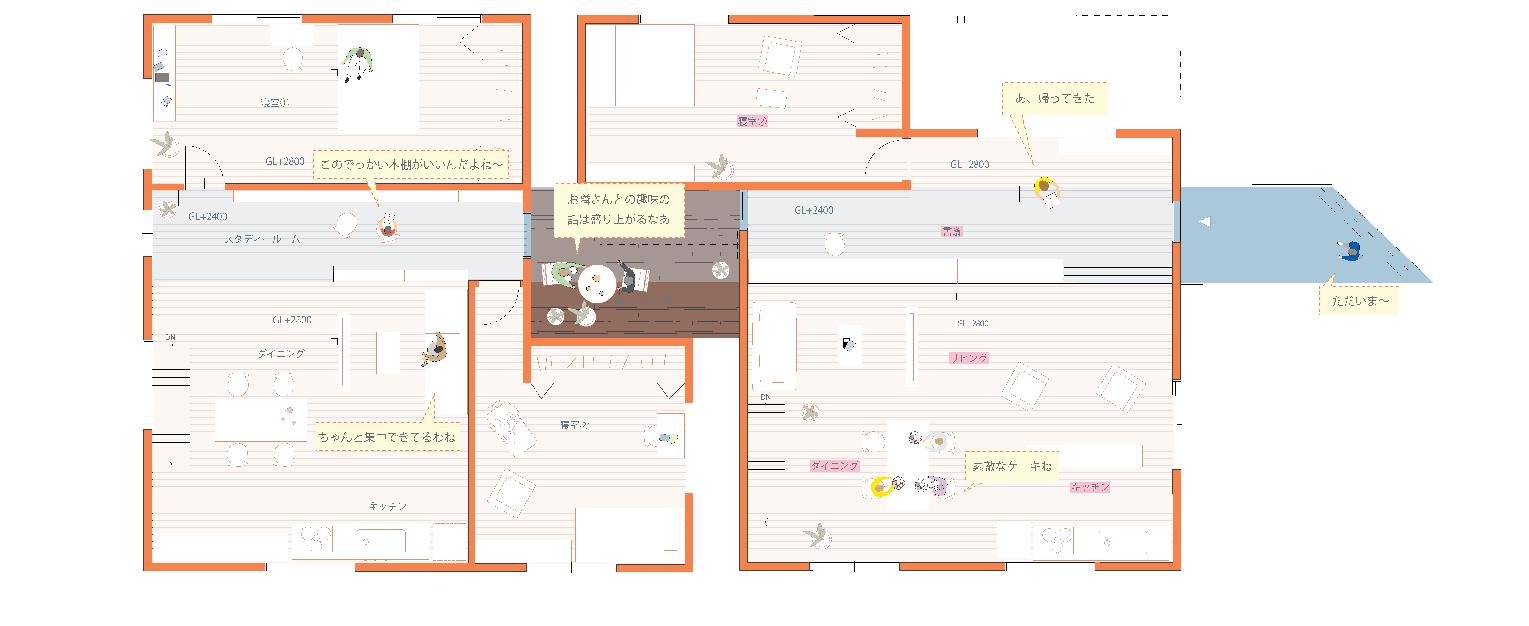
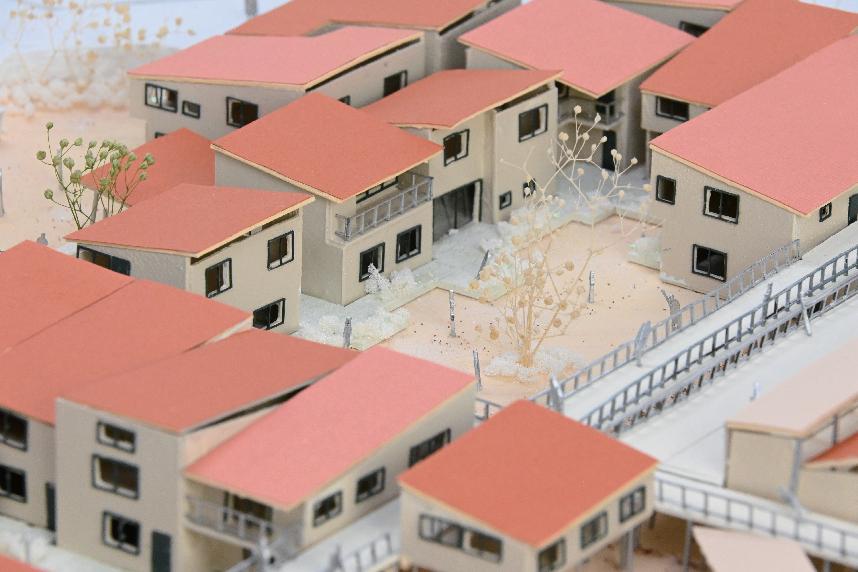
By interpreting the school “corridor” and the urban “street” as a shared element, the housing units are organized along lines of movement.By drawing these circulations into the schoolyard, the project creates a continuous connection between architecture and town.
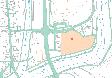
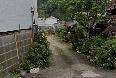
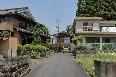
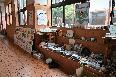
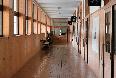
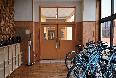
By overlaying the “corridor” inherited from the school with the “street” extended from the town, the corridor is redefined not as a mere circulation space, but as a place where traces of surrounding activities and everyday life permeate.While maintaining their individuality, the housing units are loosely connected through this shared circulation.
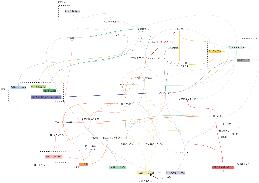
Diagram: Corridor Emerging in Everyday Life Movement Diagram
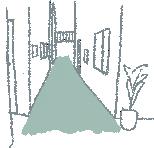
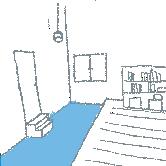





Together. Living Nearby.
Living Nearby
The
Through
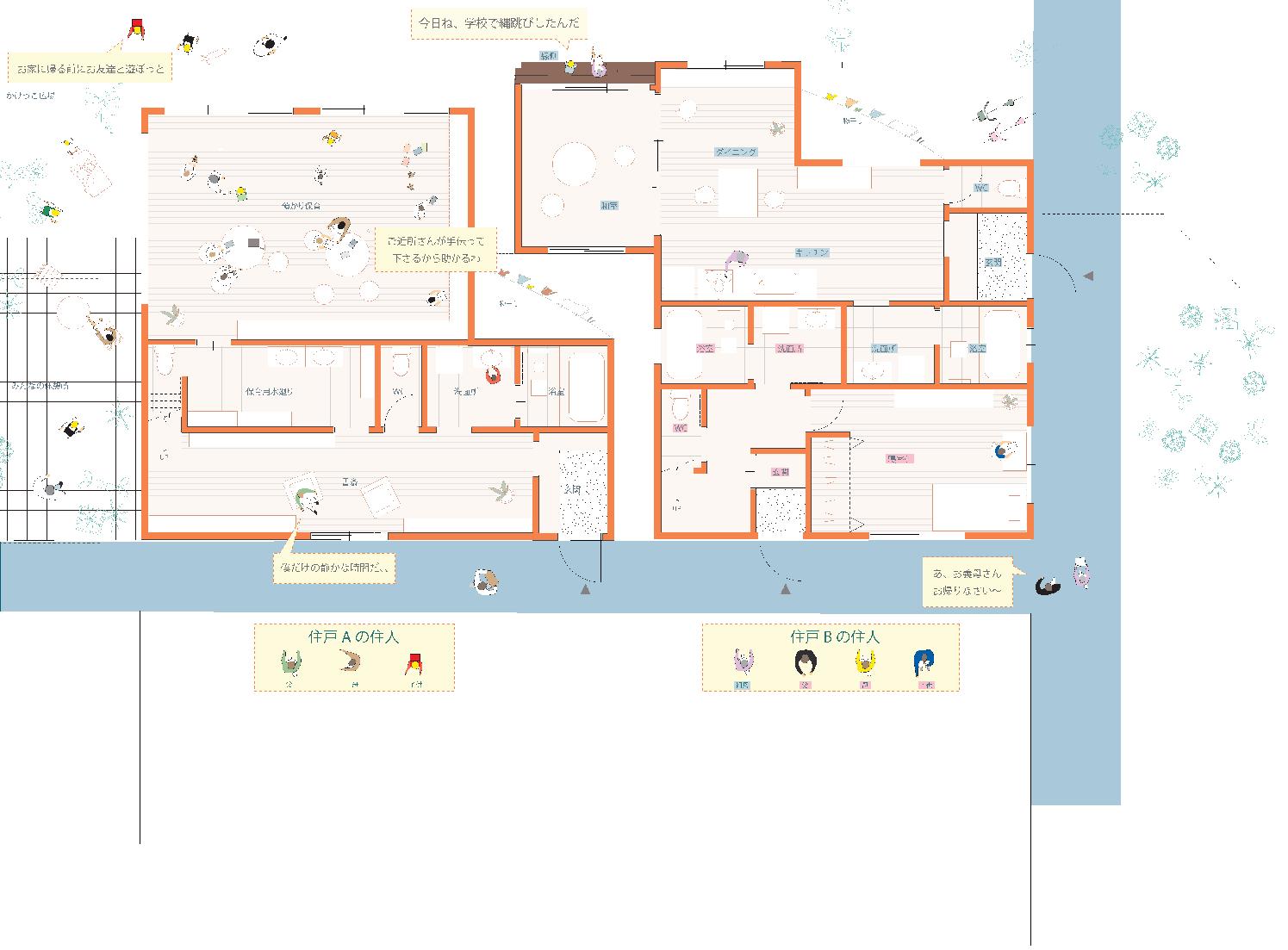
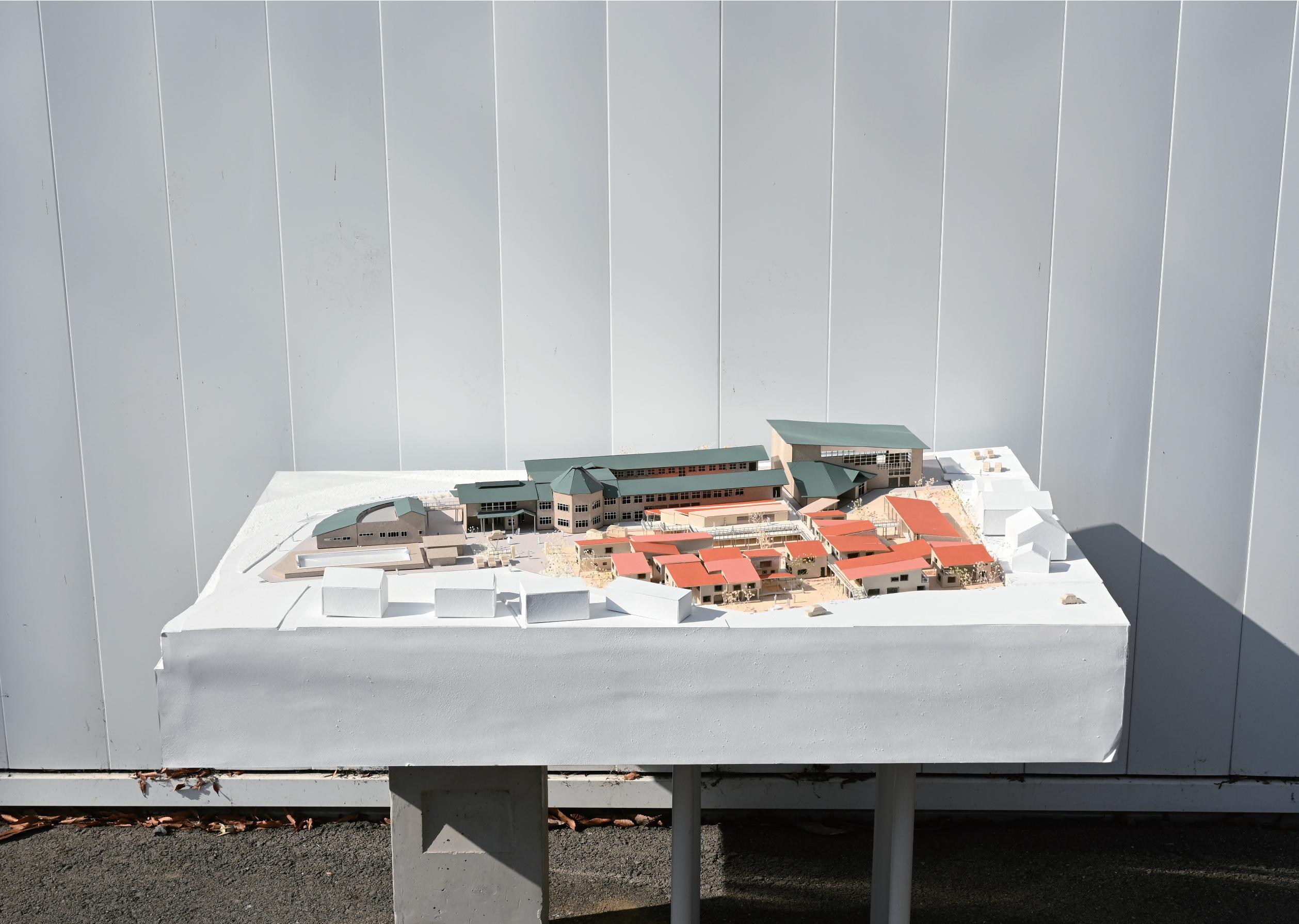
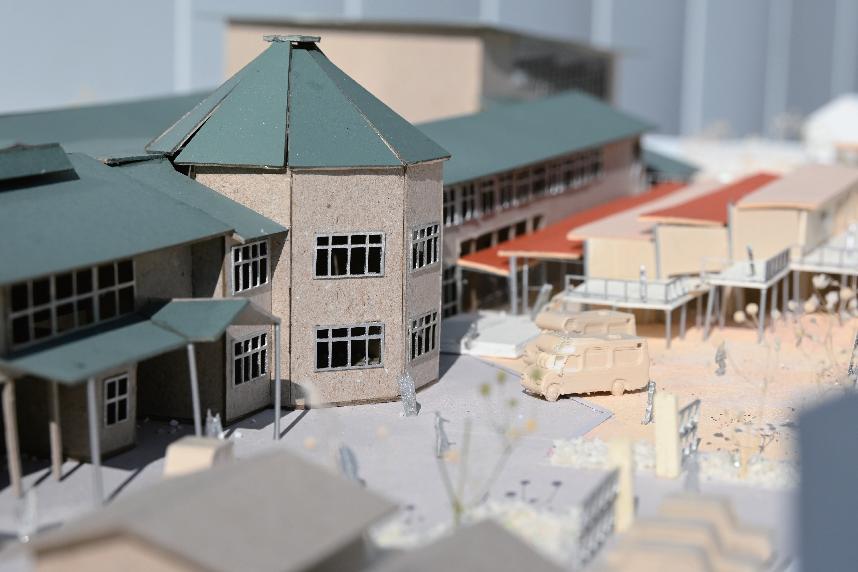
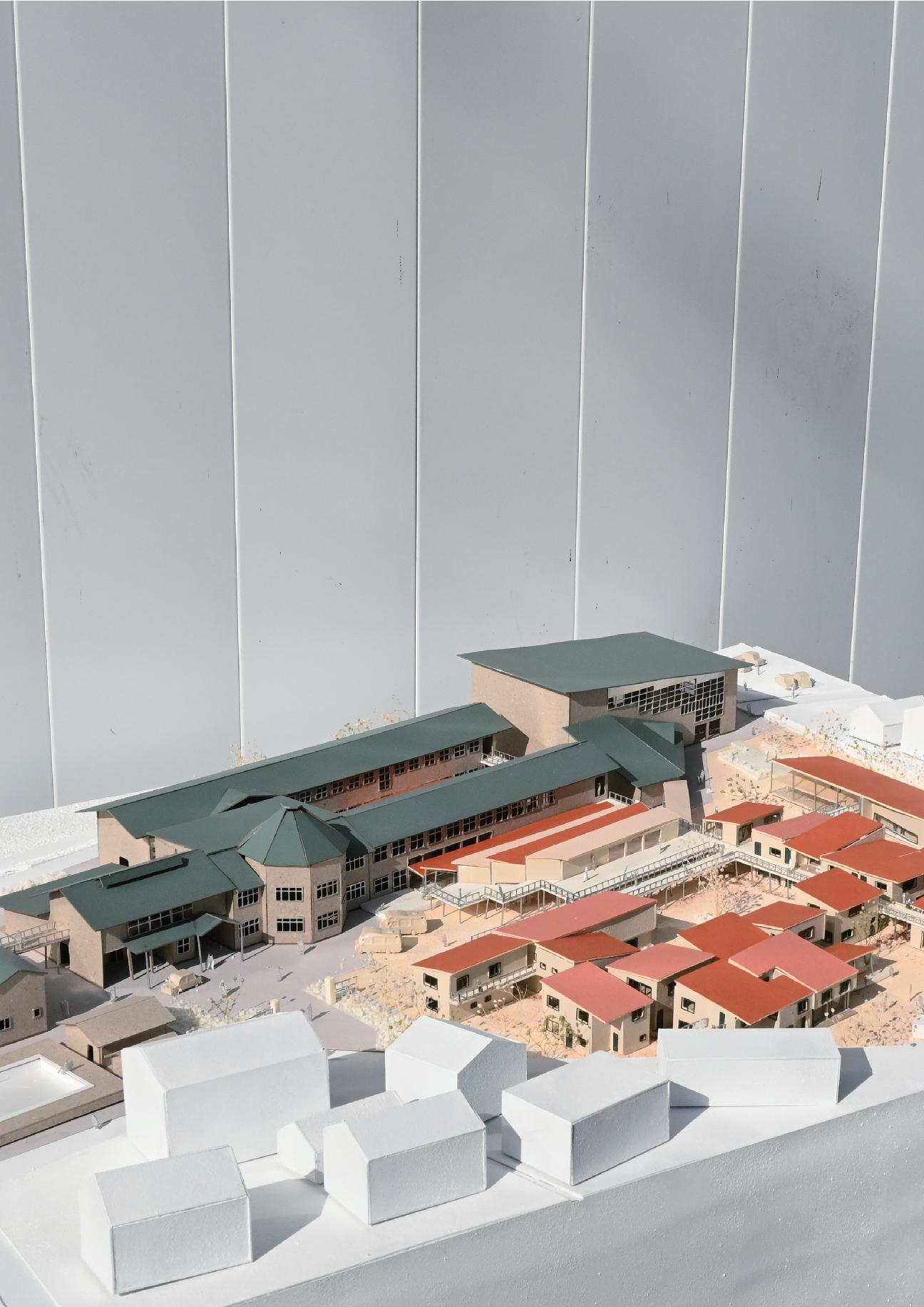
A partially deconstructed school building that welcomes visitors entering through the gate.
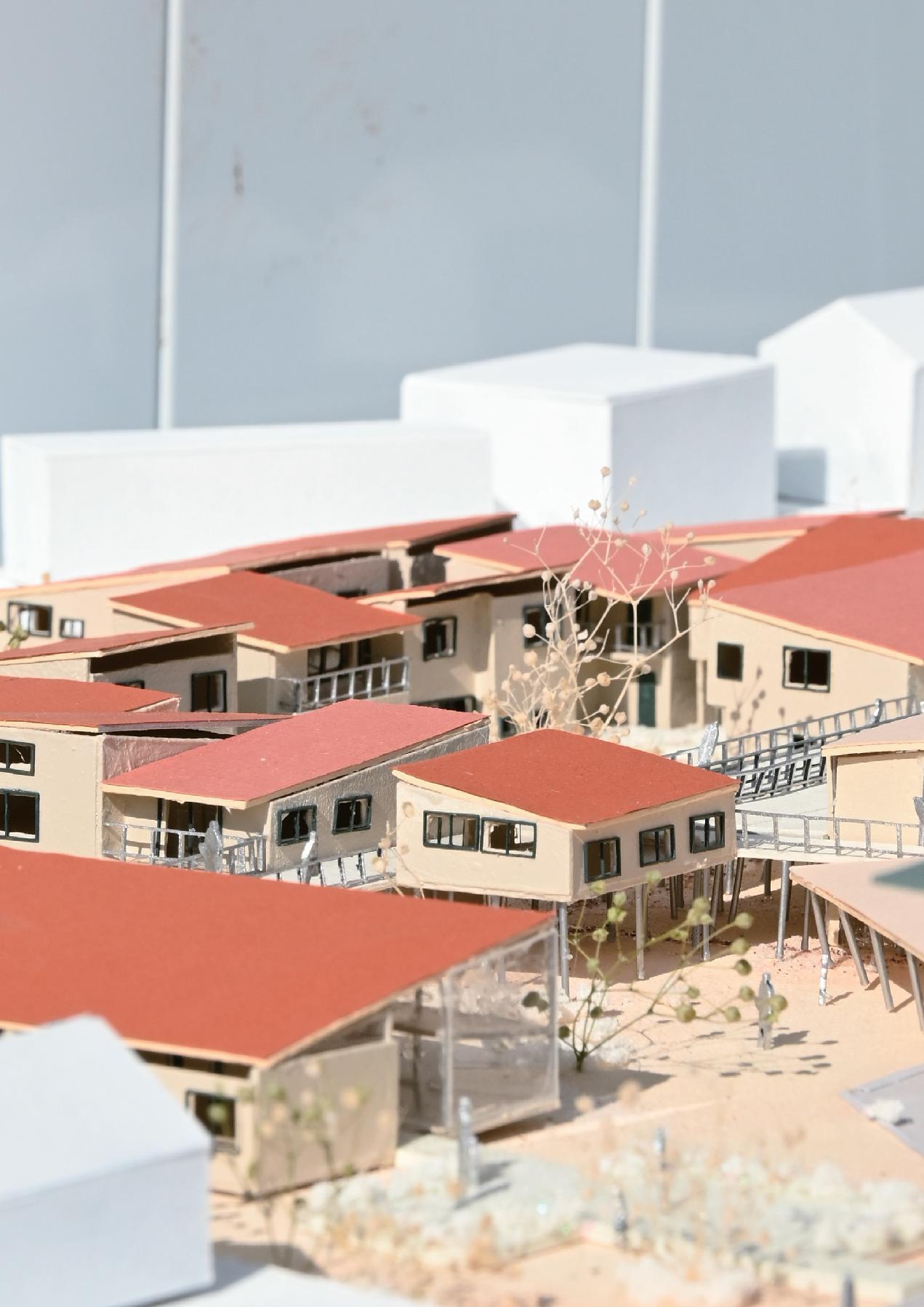
Shared Plaza
The boundary between public and private is articulated through corridors and planting.
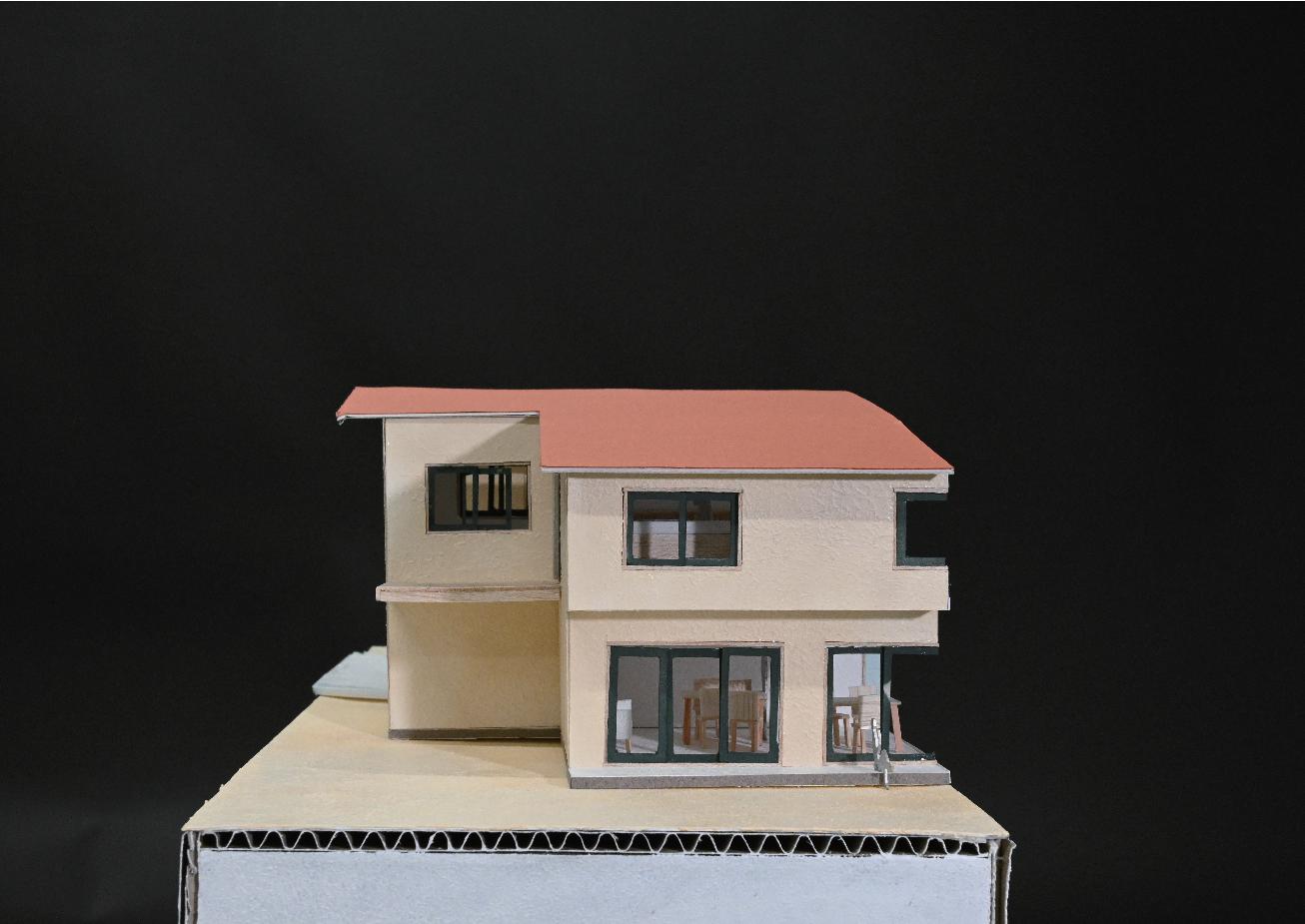
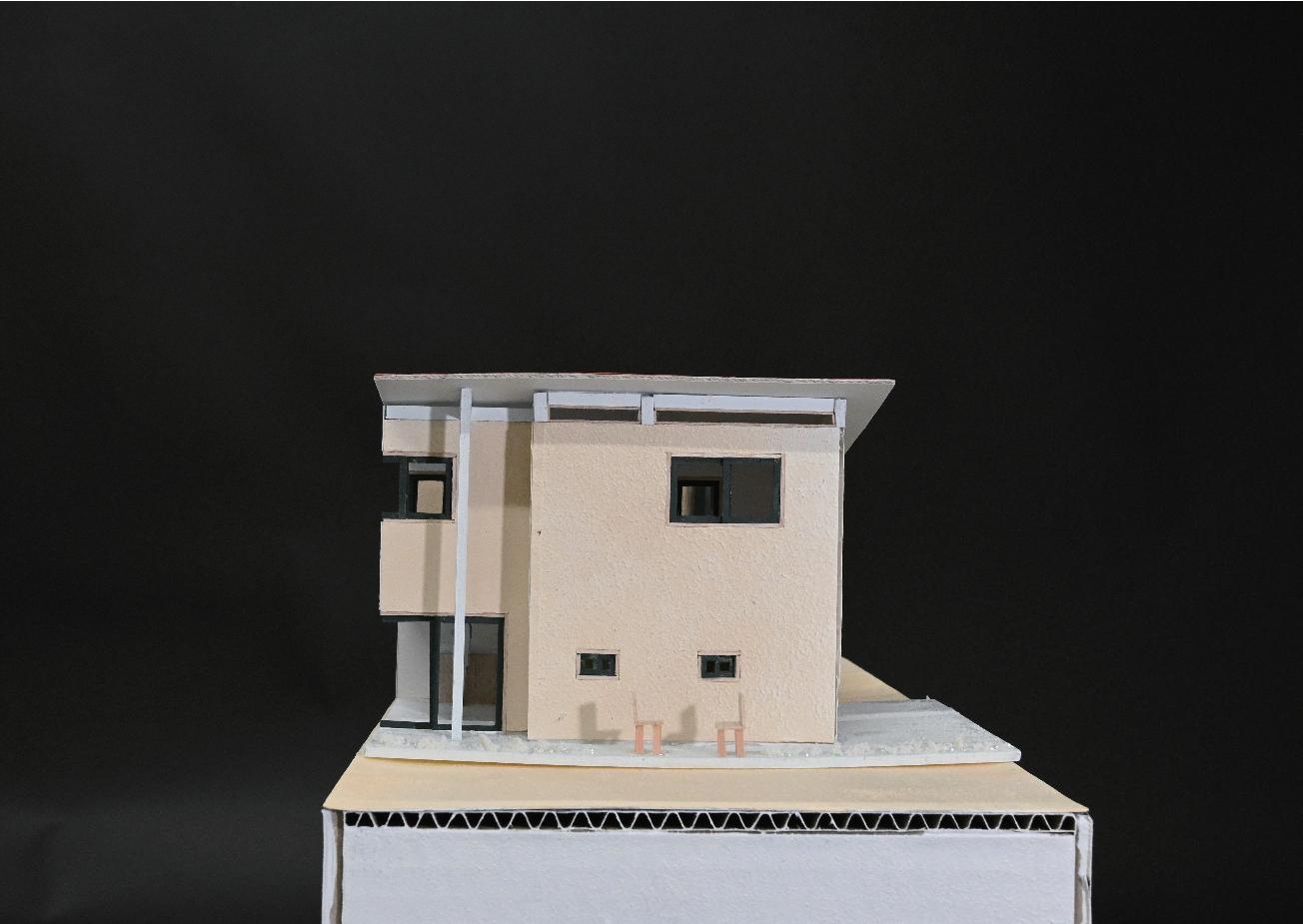
Others
-1 Built Project Iwatoyama Project Gion Festival 2025
-2 Built Project 2024 Pop-up Stall for School Festival
-3 Sales Event by a Student Creative Group cocon
project
For the Iwatoyama float of the Gion Festival, a rest tent was designed for musicians, as no dedicated resting space previously existed. The project required a structure that could be assembled within approximately one hour after the float is installed, using readily available materials, with the intention of eventual transfer to the local community.
Positioned on the south side of the float, the plan adopts a trapezoidal form to help disperse pedestrian flow. The structure can be assembled by hand-tightened bolts, and its self-supporting modular units allow construction by a small number of people.
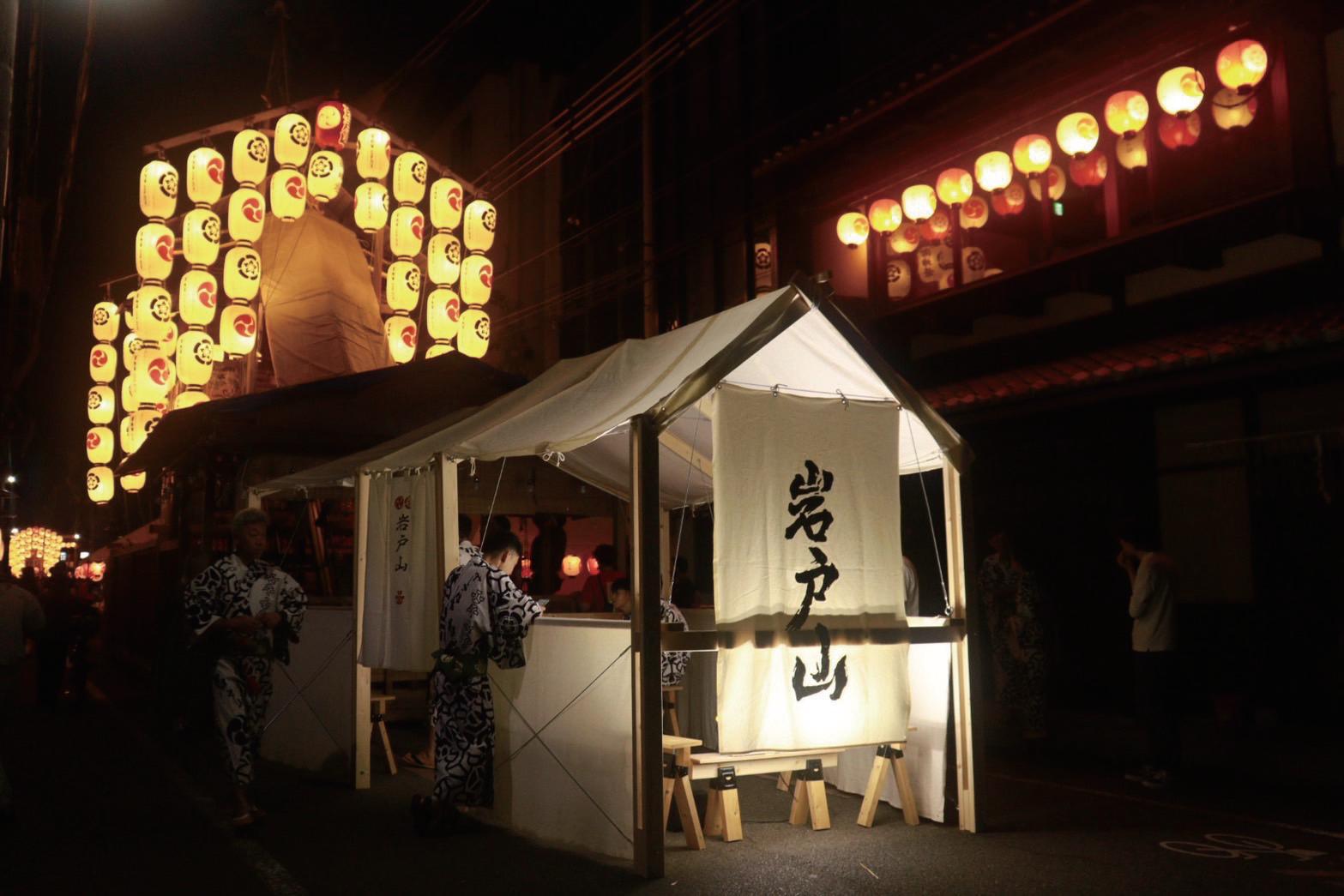
A rest area adjacent to the south side of the float, with a trapezoidal plan.
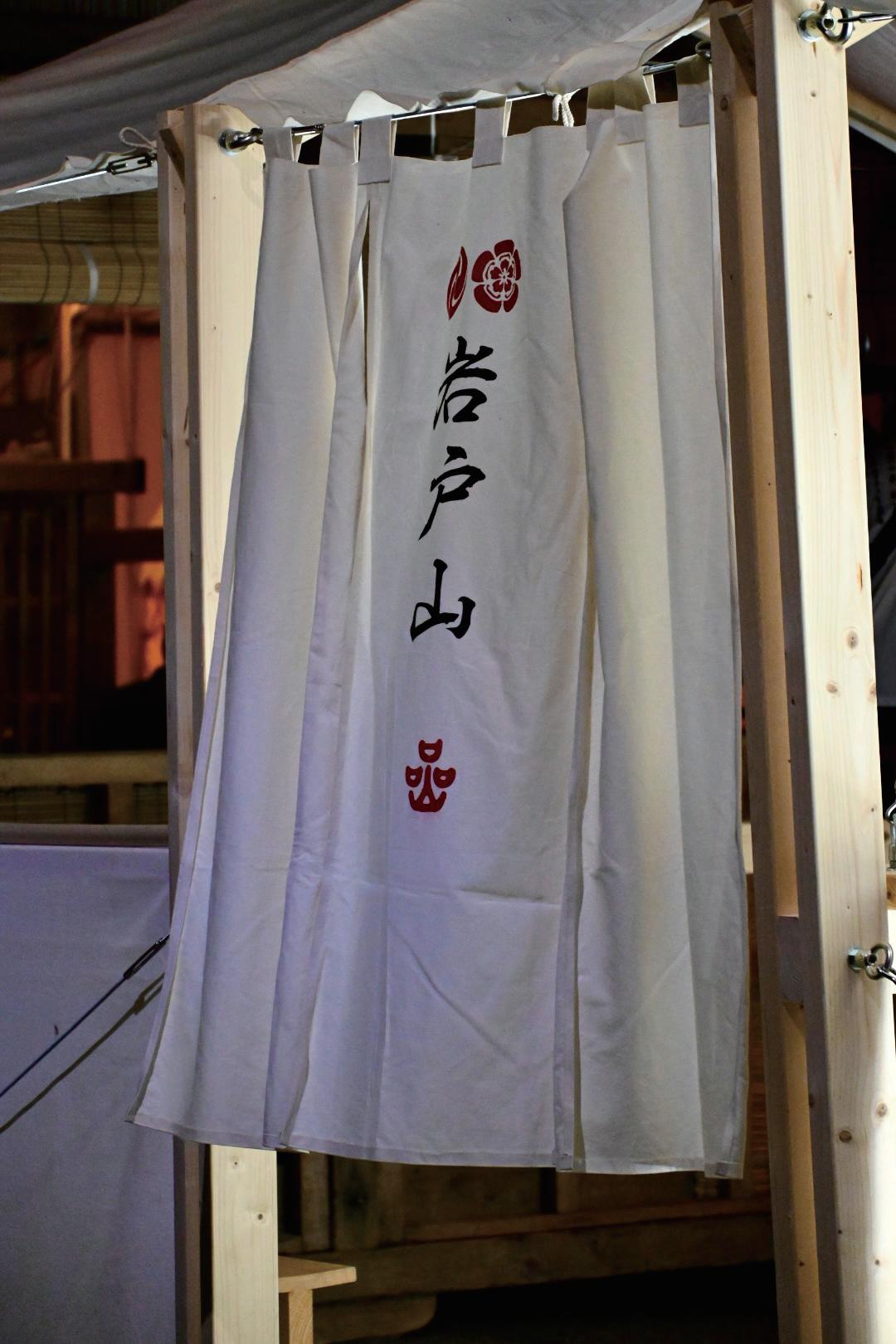
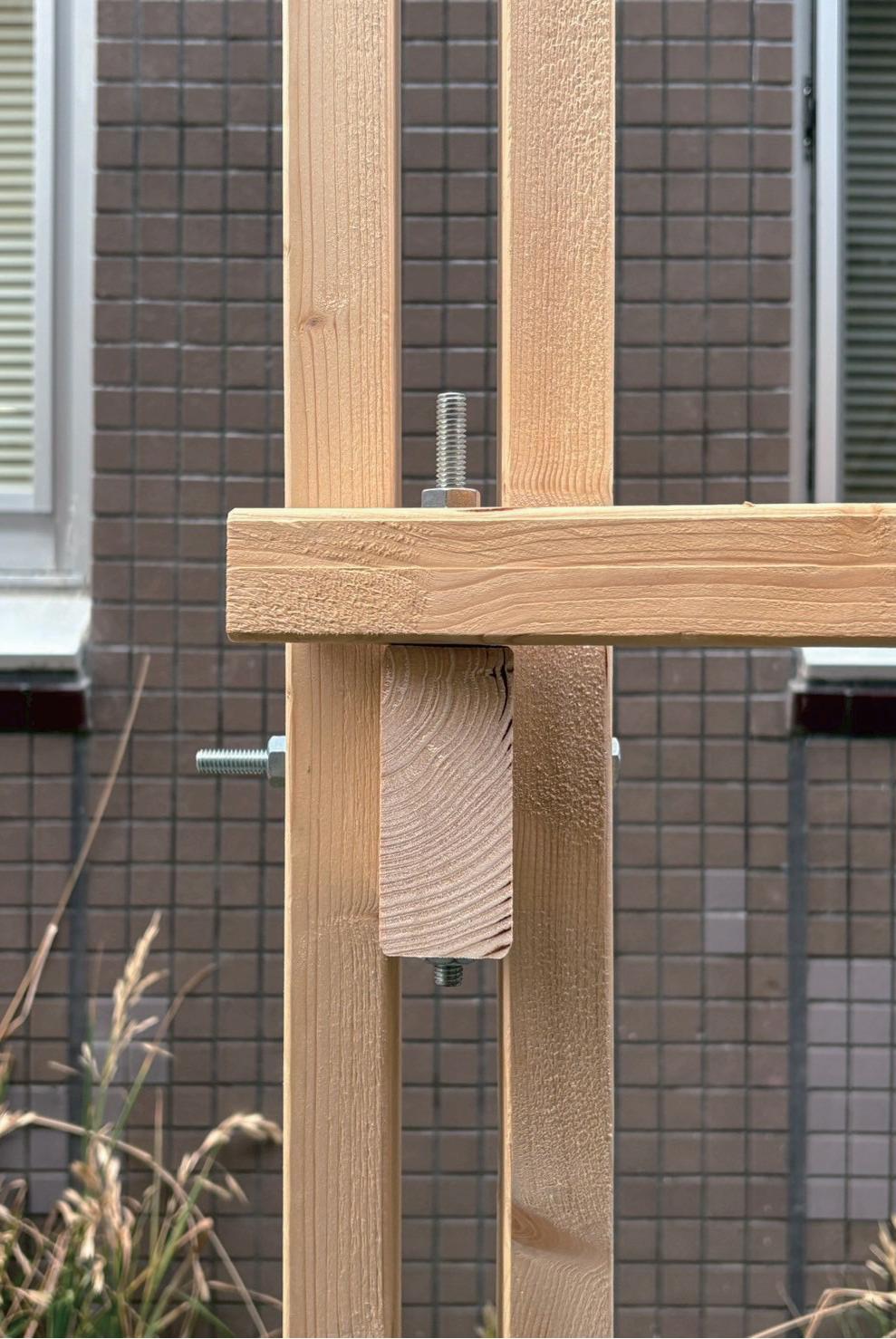
Without the use of screws, the structure can be assembled by anyone using only bolts and nuts.
Pop-up Stall for School Festival
project
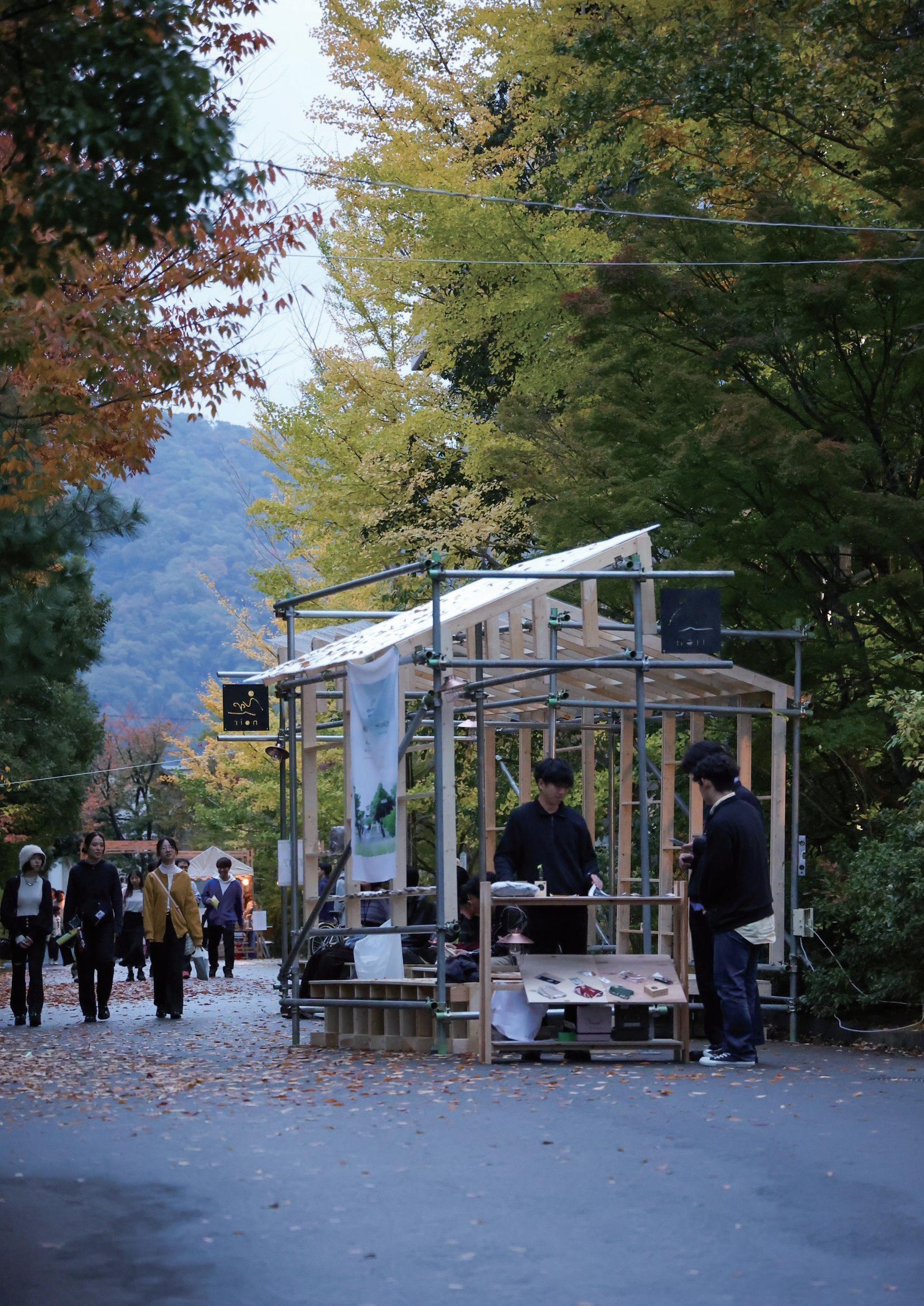
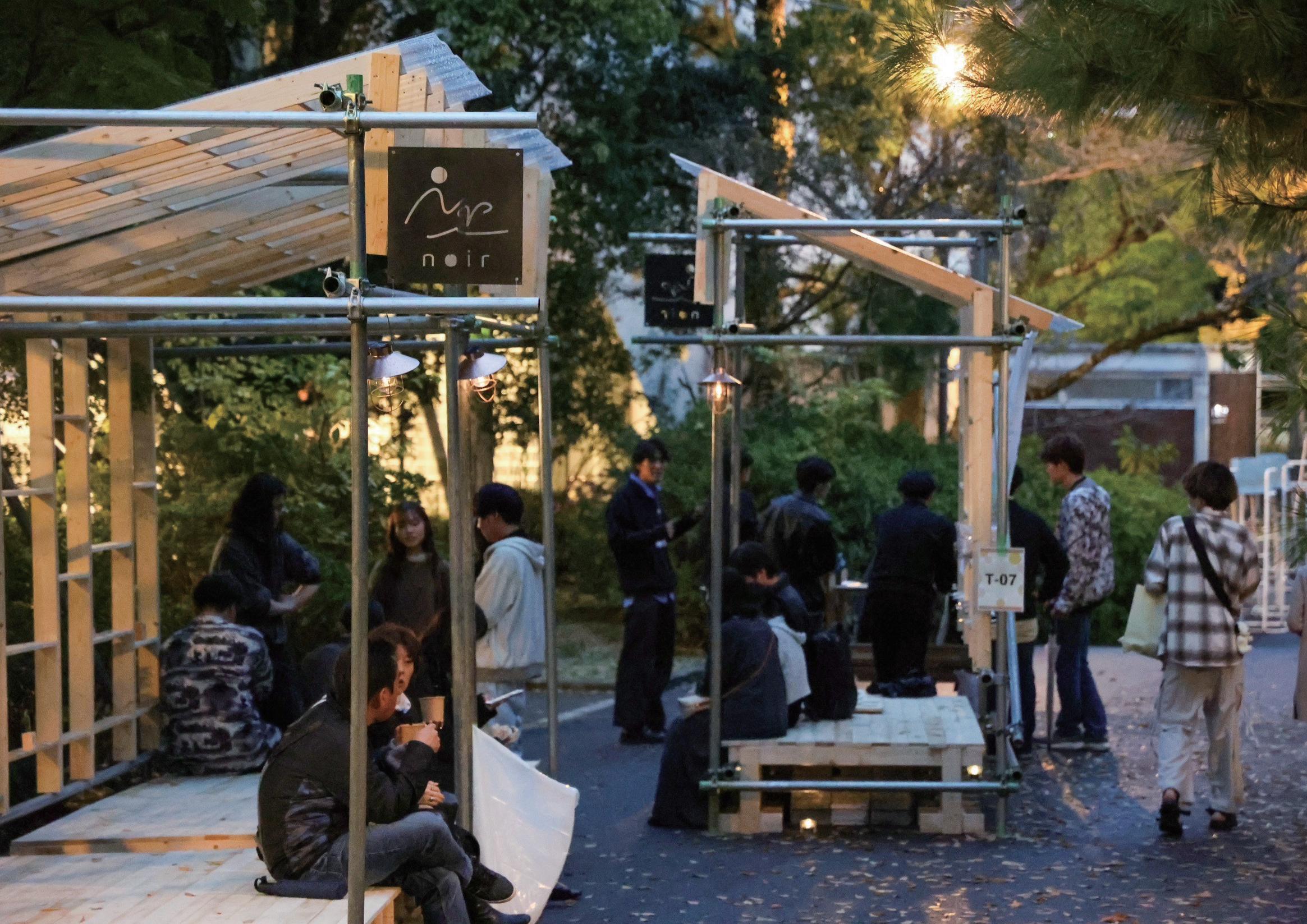
For the university festival held on November 16‒17, 2024, a handmade tent was designed for both merchandise and food sales.
The design creates an engaging space that draws in passersby, featuring an engawa-like edge where visitors can sit and enjoy their food.
Throughout the two-day event, circulation for both customers and staff, as well as sales flow and food preparation processes, were carefully managed through prior planning and on-site adaptability.
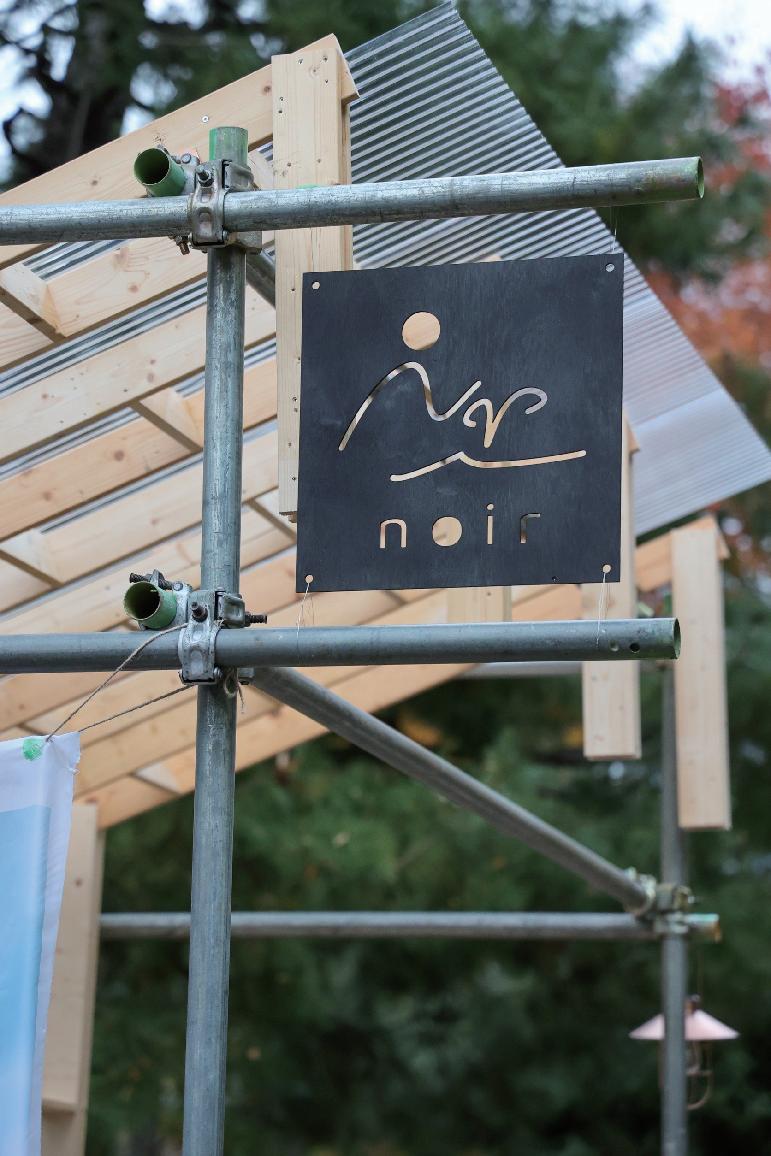
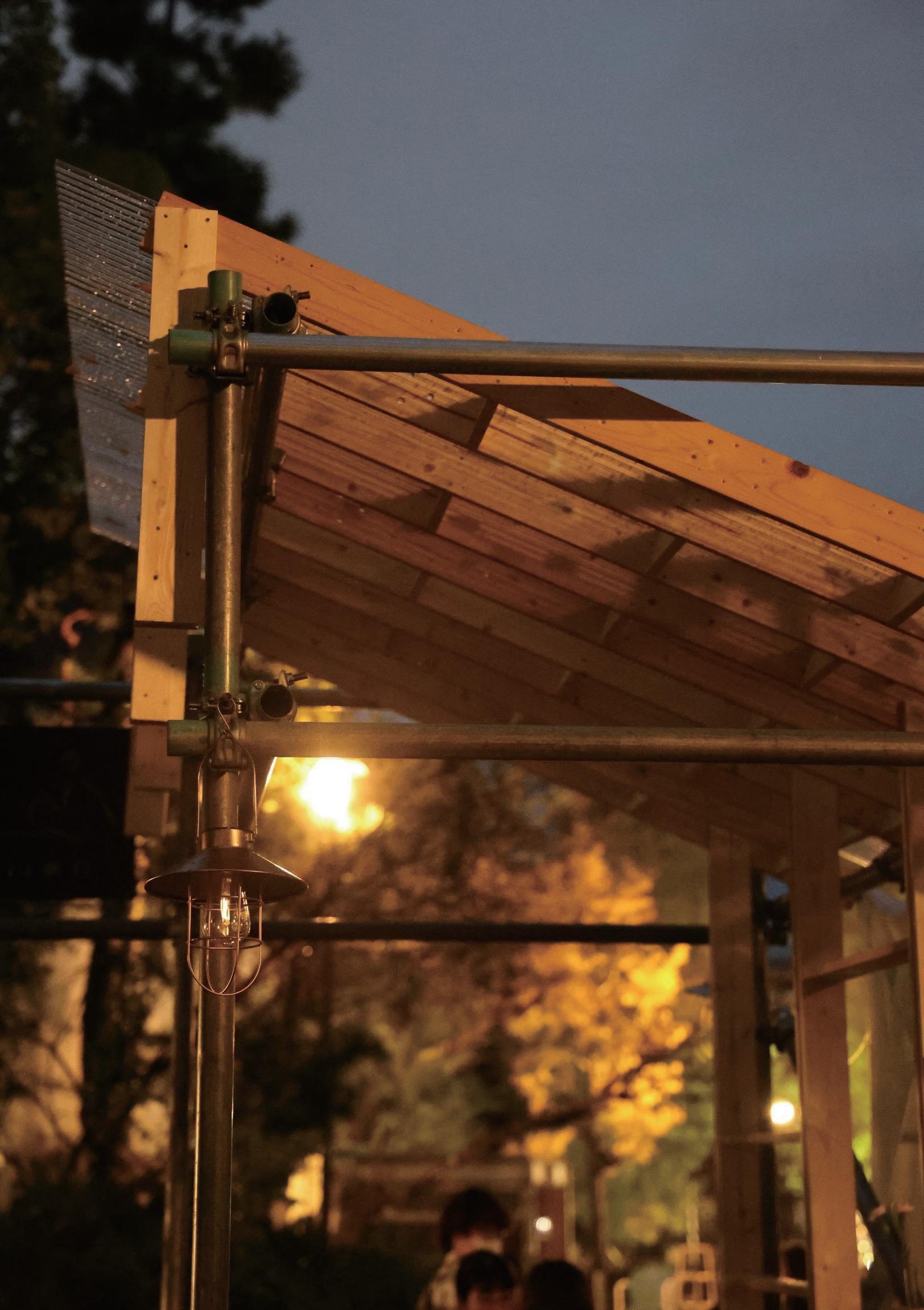
The structure was built using leftover materials from previous years, embracing an “eco” theme by utilizing standard scaffold pipes and the dimensions of existing 1×4 lumber.
co-production
Yudai Urabe
Yusuke Ozaki
Kento Wakisaka
Miin Sai
Ryosuke Shinohara
Nanaka Yonezu
Kentaro Hagiwara
Hana Nakashima
Marina Hayashi
Syohei Yukawa
Rina Kiyose
Ryota Iwata
Seiitiro Ozawa
Art Club “Noir”
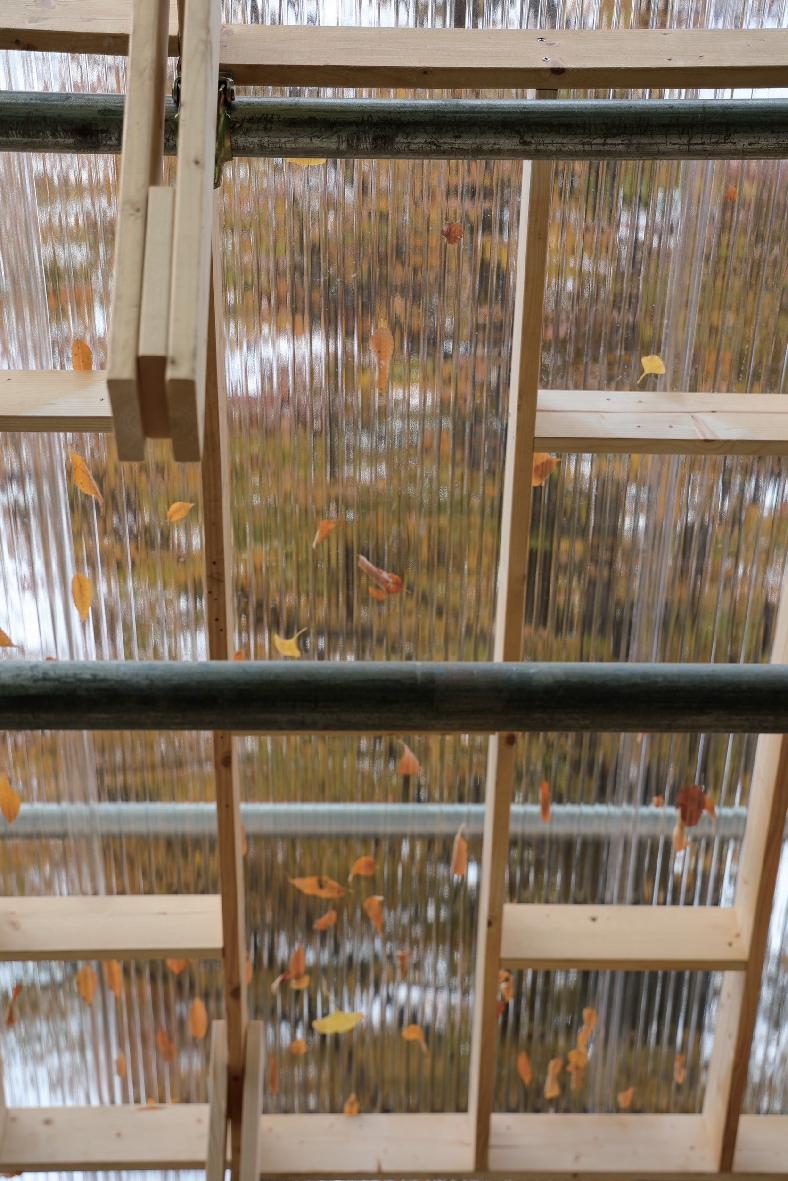
Lying down, one can see leaves̶such as autumn ginkgo̶falling above through the translucent corrugated roof.
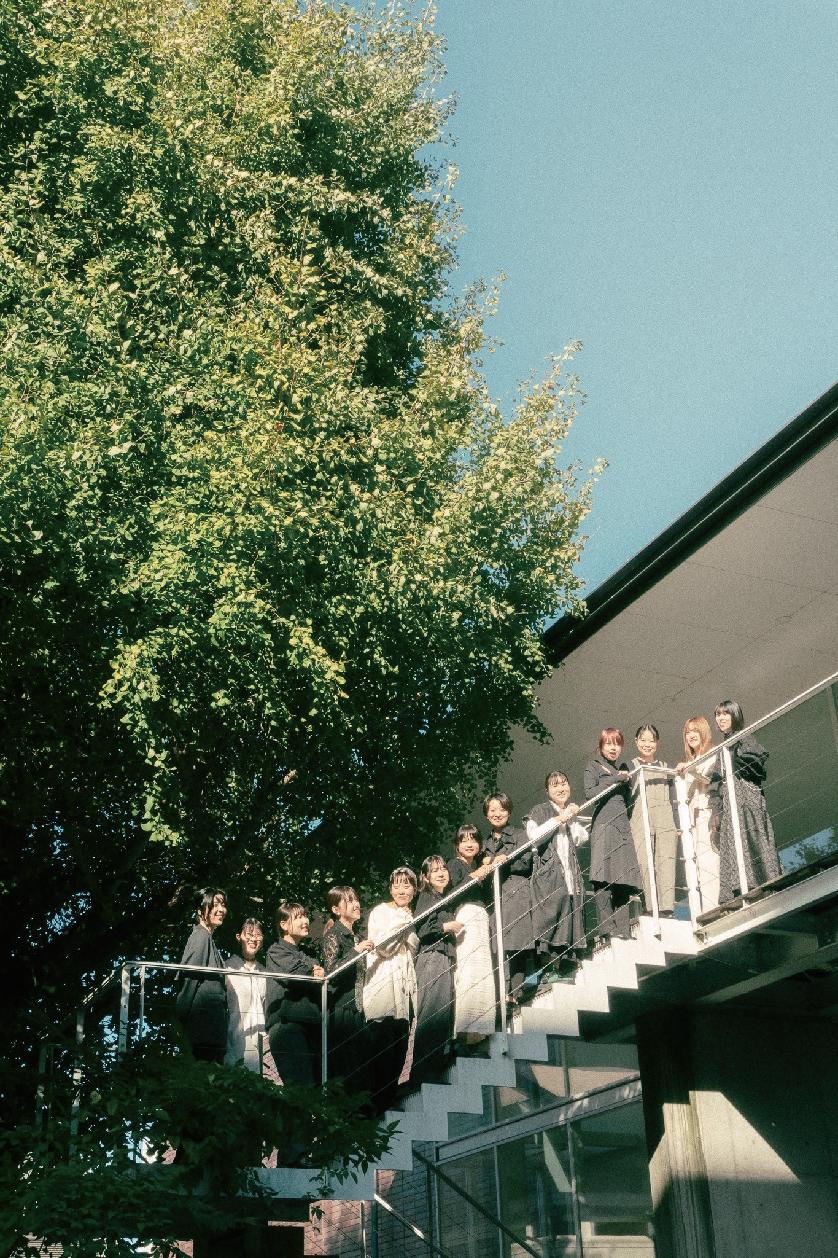
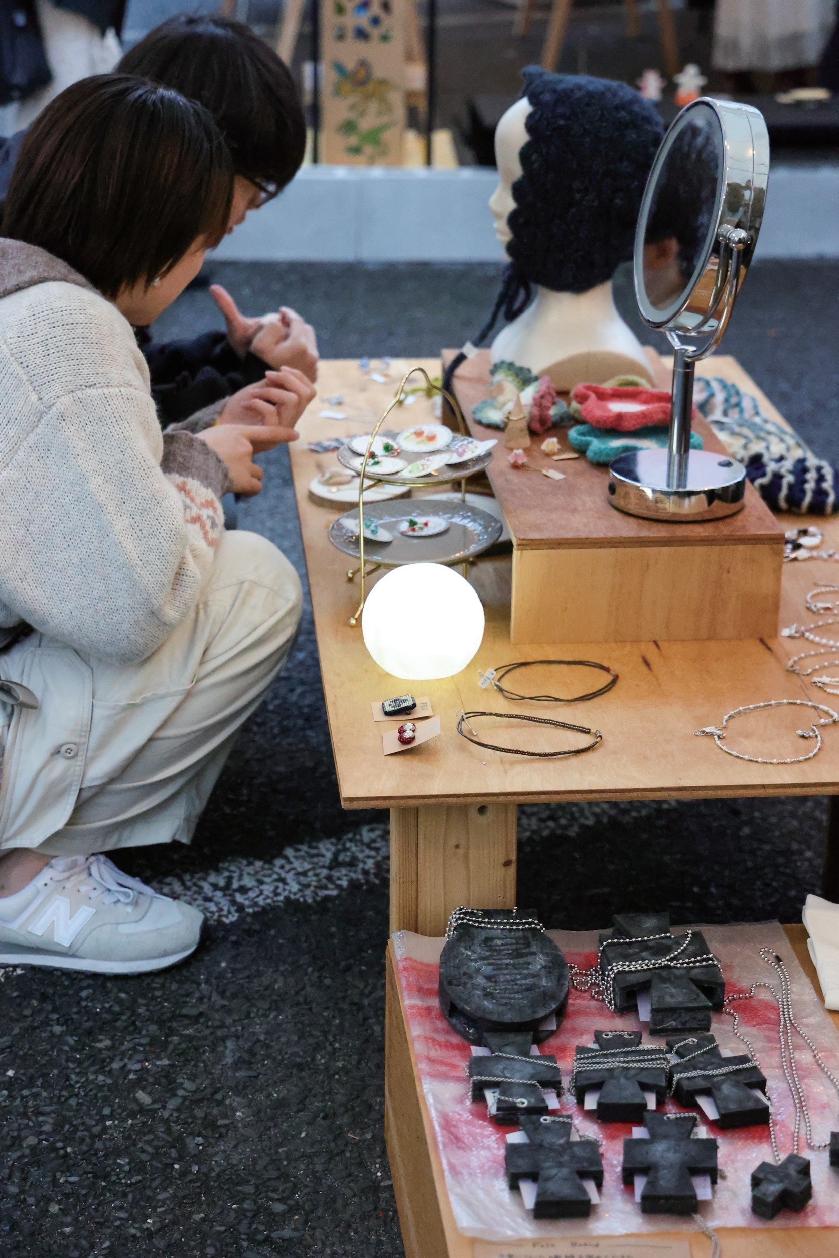
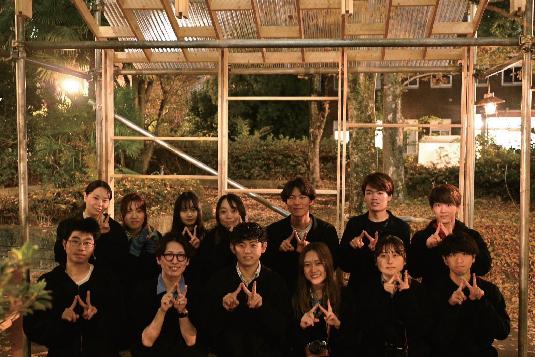
A team of 13 members has been operating a stall since the 2023 school festival.
Each member sells their own creations, while the tent design and furniture were developed collaboratively.