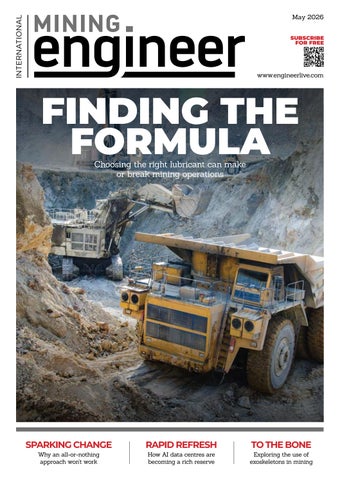
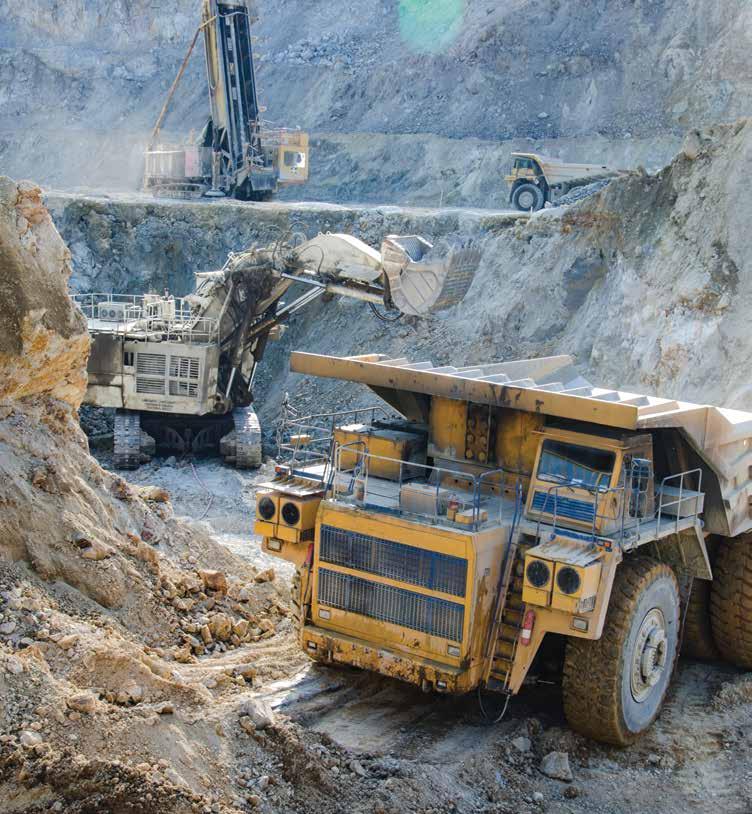
FINDING THE FORMULA

With spring finally in the air, at least in the UK, enough time has passed to stop and reflect on what the mining industry has experienced so far in 2026. This issue is teeming with ways that mining companies are combatting price increases, approaching green solutions and keeping safety and productivity at the forefront during unpredictable times.
Our cover story, Finding the formula (p6), highlights how seemingly innocuous choices in lubricant can add up to unexpected downtime and equipment costs – and addresses how to avoid those pitfalls.
An emphasis on water reduction underscores the pressure mining companies are experiencing to tighten both their purse strings and their environmental impact.
A case study from Sealryt (p28) explores the infamously thirsty nature of slurry pumps and how a single installation reduced water consumption by nearly half. Another piece from Bunting Magnetics (p42) outlines the benefits of dry magnetic separation in iron ore processing.
In terms of recycling, a Q&A (pg 24) tackles the topic of sourcing much-needed critical minerals from old hardware systems.
It is difficult to ignore the industry’s ageing workforce for much longer. However, there are ways to ease the transition and encourage young workers. Our Skills Zone article (p50) focuses on specialised programmes to attract underrepresented groups in mining. The potential for exoskeletons (p34) to preserve young musculoskeletal systems and boost old ones could help workers accomplish more while straining their bodies less.
Saskia Henn Editor
High pressure, low stakes
A new line of hydraulic high-pressure pumps
Tailoring your approach
The ways digital tool diversity can aid the transition
A structural necessity How sensor technology measures shocks and vibration events
Thinking outside the box
Reducing slurry pump water usage doesn’t have to break the bank
A green solution
A fully electric demolition site is revealing electric mining potential
Drill deep
A new hands-free surface coring drill delivers more speed and power
To the bone How exoskeletons could prevent injury
Milliseconds matter
A Windows-compatible tablet supports underground and surface operations
Part one: Transfer points Why maintaining conveyor belt transfer points is critical
PUBLISHER
Jerry Ramsdale
EDITOR
Saskia Henn shenn@setform.com
DESIGN – Dan Bennett, Jill Harris
HEAD OF PRODUCTION
Luke Wikner production@setform.com
HEAD OF SALES & PARTNERSHIPS
David Pattison
ACCOUNT DIRECTORS
John Abey | Peter King
SENIOR ACCOUNT MANAGERS
John Davis | Darren Ringer | Roy Glasspool
ACCOUNT MANAGERS
Paul Maher | Iain Fletcher | Marina Grant e advertising@setform.com
of dry magnetic separation in iron ore processing
Don’t be fooled The reasons behind conveyor belt price differences
The selectivity challenge How targeted mica recovery can improve circuit efficiency
The age-old question Ways to inspire a new generation of mining operators
Euro Mine Expo
This crucial meeting point for the industry will explore the rapid transformation of the mining on an international scale
Hillhead
Held in an actual quarry, this event will feature extraction and recycling technologies important for the mining industry

Setform’s international magazine for mining engineers is published four times annually and distributed to senior engineers throughout the world. Other titles in the company portfolio focus on Process, Design, Transport, Oil & Gas, and Power.
The publishers do not sponsor or otherwise support any substance or service advertised or mentioned in this book; nor is the publisher responsible for the accuracy of any statement in this publication. ©2026. The entire content of this publication is protected by copyright, full details of which are available from the publishers. All rights reserved. No part of this publication may be reproduced, stored in a retrieval system, or transmitted in any form or by any means, electronic, mechanical, photocopying, recording or otherwise, without the prior permission of the copyright owner.
Setform Limited | 6 Brownlow Mews, London, WC1N 2LD, United Kingdom t +44 (0) 207 253 2545 e mail@setform.com

asc-sensors.de
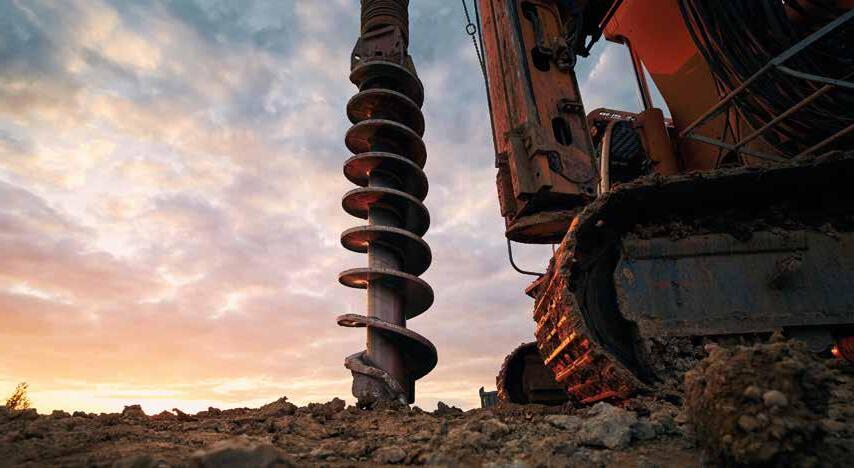
Precision Drilling: from Mining to Geothermal Energy
Drilling down several thousands of meters requires high-tech tools and equipment. Equally crucial is the appropriate sensor technology, to keep to the exact drilling path for precise results. So are shock and heat resistance to prevent strong vibrations and high temperatures from skewing measurement outcomes while drilling through the rock strata.
For the geothermal energy industry, this is enabled by ASC inertial sensor technology. Our portfolio includes high-end JAE quartz-based JA-5 and JA-25 accelerometers particularly suitable for this purpose. In addition, MEMS-based ASC OS-series accelerometers conduct accurate, stable vibration analyses on machines like hydraulic deep drilling vibrators for soil inspection and preparation, to keep them running smoothly and prevent damage.
When can we convince you?
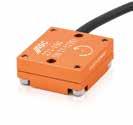
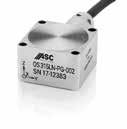
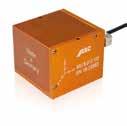
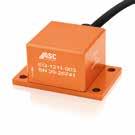
Examples of our product portfolio:

Lubricants amount to 2-3% of running costs, but poor lubrication causes 40-60% of maintenance costs
FINDING THE FORMULA
Your lubricant choice can make or break mining operations
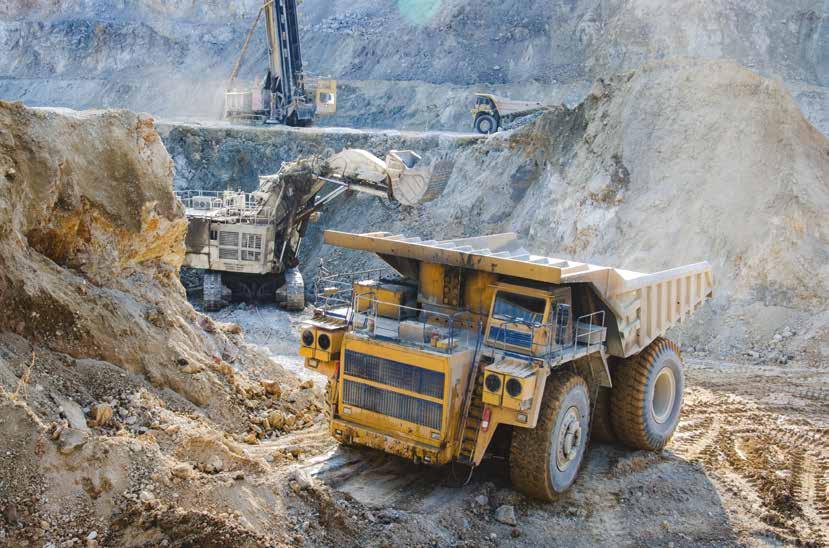
Reliable lubrication is vital to successful mining operations, aiding in excavation, haulage, materials handling and processing. Using a suitable lubricant for equipment such as drilling rigs, haul trucks, conveyor systems and crushers can help prevent equipment failure and extend machine life, thereby avoiding downtime and unnecessary costs.
Despite its critical role in mining, lubricants are easily misunderstood. In mining machines, lubricants amount to 2-3% of running costs, but poor lubrication causes 40-60% of maintenance costs1
Mining companies may use the same lubricant across different machines or even mix incompatible lubricants. This can lead to increased friction in machinery, faster component wear, stability and seal issues and equipment failure.
Knowing what lubricant is needed can turn into a superpower against harsh mining environments.
WHAT TO CONSIDER
Lubricants offer many distinct benefits to mining equipment that can
vary depending on the application and environment.
“Several key factors must be considered to ensure reliable performance under severe operating conditions,” says David Turner, senior technical services representative for lubricants at Citgo Lubricants.
Citgo is a refiner and transporter of lubricants in addition to other fuels and petrochemicals and Turner has worked there for the last decade.
Turner is the senior sector manager for industrial oils and grease at Citgo and has over 44 years of experience in the lubricants industry.
“The first consideration is the application, including whether the lubricant will be used in bearings, gears, or heavily loaded sliding components such as pins and bushings,” he says. Geometry, size, speed and motion, particularly oscillating or slow-speed, high-load movement, are critical in mining and construction equipment and impact lubricant type.
Characteristics of the mining environment also play a key role in understanding the lubricant needed. Mining equipment often operates in volatile conditions that are dusty and
filled with gritty materials such as rock fragments, mineral ore, slurry and sand. Moisture can also impact equipment performance in mining environments, where washdowns, rain and mud exposure and high-humidity conditions are all common occurrences.
“Operating temperature range is also important, as mining equipment is often exposed to wide ambient temperature swings, from cold starts to sustained high operating temperatures during long duty cycles,” says Turner.
“The lubricant must maintain proper viscosity across these conditions.”
Lastly, load and shock loading are significant factors, especially in mobile mining equipment such as haul trucks, excavators, dozers, and loaders, where vibration and impact loading are common. In these situations, lubricants must carry high loads without film failure.
LUBRICANT CHARACTERISTICS THAT HELP
Greases containing molybdenum disulfide (moly) are particularly well suited for mining and construction
environments because they perform effectively under high loads, shock loading, vibration, and sliding contact. Typical applications include pins and bushings, oscillating joints, and slowspeed, high-load components where maintaining a full hydrodynamic lubrication film is difficult.
“Moly forms a solid lubricating film that helps prevent metal-tometal contact during boundary lubrication conditions,” says Turner. “This is especially important in mining environments where abrasive contaminants such as dirt and dust can disrupt grease films. Even when grease is disturbed, moly continues to provide protection.
Additionally, lubricants with a highviscosity index are generally better for mining equipment. It allows lubricants to maintain more consistent viscosity during cold starts, which helps to extend operating hours and withstand changing ambient conditions.
“Viscosity plays a key role in a lubricant’s ability to form and maintain a protective film under load. Equipment manufacturers specify appropriate viscosity grades to ensure sufficient film thickness without
excessive friction or heat generation, and those recommendations should always be followed,” says Turner.
AN EXAMPLE FOR MINING EQUIPMENT
One lubricant suitable to the mining industry’s severe conditions is the Mystik JT-6 Heavy Duty SynBlend 460 Moly Plus #2 (HD460 Moly Plus #2).
“HD460 Moly Plus #2 was developed for equipment operating in dirty, wet and high-load environments common in the construction and mining industries,” says Braden McElroy, general manager of Citgo. The lubricant is formulated specifically to handle high loads, abrasive contamination and frequent moisture exposure.
HD460 Moly Plus #2 uses a lithium complex thickener system combined with polymeric additives to resist particulates and water, and to enhance adhesion. “The inclusion of moly and synergistic solid additives increases load carrying capability, particularly in heavily loaded and oscillating components,” says Turner.
The lubricant has an ISO 460 viscosity base oil and NLGI #2
consistence, making it suitable for slow-speed, high-load applications. Thermal stability is enhanced through the inclusion of a synthetic-blend base oil system that provides a high viscosity index. This supports consistent viscosity as operating temperatures fluctuate. Low oil separation prevents excessive bleeding.
SO WHAT?
When selecting a lubricant for mining equipment, operators have several factors to consider. A one-size-fits-all approach could lead to unexpected downtime and repair costs. However, choosing an appropriate lubricant for a specific mining task and environment could help to extend equipment life, increase operating hours and provide better protection for machinery.
[Resources]
1. https://www.skf.com/my/industries/miningmineral-processing-cement/lubrication
For more information visit: www.mystiklubes.com
Moly forms a solid lubricating film that prevents metal-to-metal contact even in grimy conditions
Weighbridges for haulage trucks are facing stricter regulations and expectations of intelligent capabilities
WEIGHING THE BENEFITS
As the mining industry evolves, so do the tools that support it
Mining operations are increasing worldwide, driven by critical minerals required for the energy transition, the depletion of existing ores and competition for resources. As operations increase, so does the need for equipment, such as weighbridges.
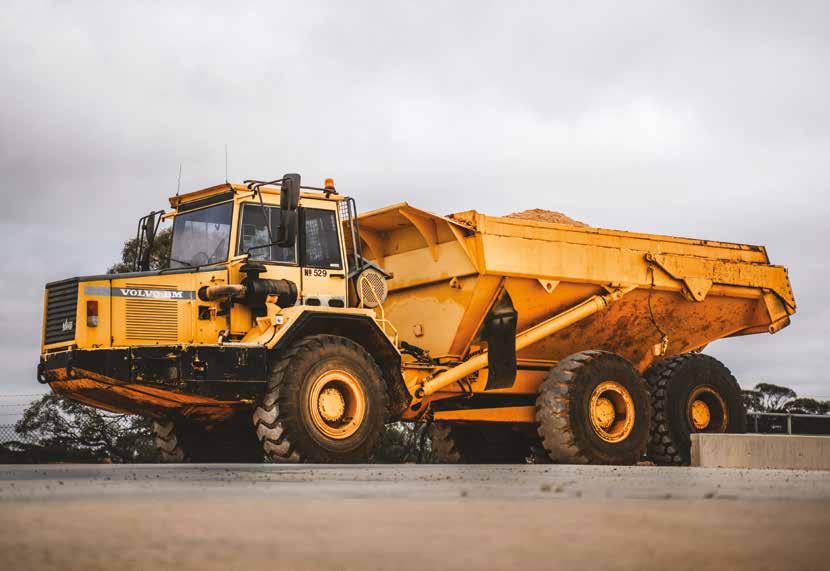
Weighbridges, or truck scales, are used in mining to obtain precise measurements of raw materials, ore, waste and machinery transported by mining trucks. Weighbridges help to prevent overloading and ensure compliance with safety regulations.
In 2025, the industrial weighing equipment market was valued at USD 5.2 billion. Based on Future Market Insights’ analysis, demand for industrial weighing equipment is estimated to grow to USD 5.5 billion in 2026, with truck scales accounting for a significant portion.
WHY THE INCREASE?
In addition to increased mining activity, the evolving industry landscape is also responsible for increased weighbridge demand and
Basic mechanical scales are no longer the norm
new manufacturing expectations. Fleet operators must now accommodate stricter overload regulations, which if breached, can result in fines, greater accident risk and excessive vehicle and road wear. Some regulatory trends include high-frequency calibration, stringent accuracy limitations for static and
dynamic weighing and automated data logging to prevent tampering. It benefits mine operators more now to obtain accurate measurements of raw materials.
Additionally, basic mechanical scales are no longer the norm in the industry, the digitisation of mining equipment has resulted in a need for
scales that can be incorporated into warehouse management software and cloud-based platforms. These scales are expected to be more precise while also including sensors or imaging equipment undamaged by dust and debris from open-pit mines.
KEEPING UP WITH THE TIMES
To accommodate the need for intelligent technology and remote operations, weighbridge manufacturers are integrating new systems. For example, load cell technology has become more refined. A load cell is a transducer that converts force, such as tension or compression, into a measurable electrical output. In the volatile environment of a mine site, load cell technology can be disrupted by temperature fluctuations, moisture and mechanical shock. To minimise the impact of these variables, load cell technology is increasingly being made from highgrade alloy steel and stainless steel to support a longer service life and more stable readings. Digital load cells,
which convert the weight signal at the sensor rather than at the indicator, have reduced signal interference and improved measurement resolution. Remote operations are also more common in mining now, and weighbridge manufacturers are accommodating this through the development of unattended weighing systems. These systems use RFID tags, license plate recognition cameras, barrier gates and automated software to weigh materials without an on-site operator. Remote diagnostics and cloud-based monitoring enable users to check scale status, calibration records and transaction logs from any internet-connected device.
CURRENT CHALLENGES
While demand for weighbridges is surging, manufacturers face many challenges. Price volatility is compressing margins and manufacturers are considering the resulting risk increase. Structural steel, in particular, has experienced fluctuations due to high production costs, economic uncertainty,
geopolitical instability and regional supply chain tensions. This has created difficulties for manufacturers, since steel usually represents 50%-60% of the total material cost in weighbridges. As a result, manufacturers have had to optimise structural designs to reduce material usage. Accomplishing this without compromising load capacity can be a difficult test for many companies. Going hand in hand with the challenge of raw material costs is the fierce competition weighbridge manufacturers now face. As manufacturers look to cut costs, it is possible some choose to cut corners too. Mine operators seeking a more affordable deal may opt for weighbridges that do not meet international accuracy standards. Although industry associations and regulatory industries aim to promote mandatory verification and typeapproval requirements, current price cutting practices could lead to problems for mine operators and the mining industry, which relies on the accurate measurement of raw materials.
EFFICIENT SOLUTIONS FOR MINING


Adjusting structural designs to accommodate reduced material usage also takes a skillset that is currently scarce. Specialised knowledge is required to install and calibrate a haulage truck scale, and a shortage of skilled workers is becoming a growing issue due to an aging workforce and a lack of interest in mining from younger generations.
LOOKING FORWARD
Data analytics will continue playing an important role in mining, driving a shift in how haulage is approached by manufacturers and mine operators. The integration of weighing data with broader logistics and compliance platforms will solidify data’s place within the larger haulage ecosystem. Data will also be useful when exploring affordable and sustainable
Modular construction methods could encourage extended product life through partial replacements, rather than full-system replacements
options. As steel prices fluctuate, manufacturers may turn to recycled steel. Modular construction methods could encourage extended product life through partial replacements, rather than full-system replacements.
Intelligent and robust weighbridges are becoming an increasingly vital tool for the mining industry, due to policy pressures, evolving practices and growing demand for critical minerals and rare earth elements. If manufacturers can accommodate the industry’s new needs, weighbridges will continue playing a key role.
For more information visit: www.futuremarketinsights.com/ reports/industrial-weighingequipment-market
Manufacturers may turn to recycled materials and modular construction strategies
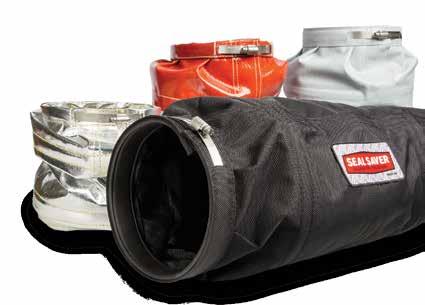
Protect your hydraulic cylinders from abrasive wear and premature failure with Seal Saver.
THE LIFE OF YOUR EQUIPMENT UP TO 3X LONGER
Seal Saver designs custom-fitted, lightweight flexible protective boots to keep your hydraulic equipment running efficiently in tough mining conditions. Each protective boot is resistant to debris, minerals, abrasions and installs in minutes.
Minimize Rod Scoring
Prevent Chemical Wash Pitting
Protect Cylinder Seals
Four Material Options Including Kevlar & Ballistic Nylon
10 Minute Install - No Disassembly Required

THE CRITICAL COMPONENT
Condition
monitoring
is increasingly essential to smooth mining operations, reports Michael
Harbrink, ZF head of product management
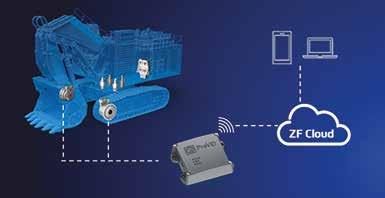
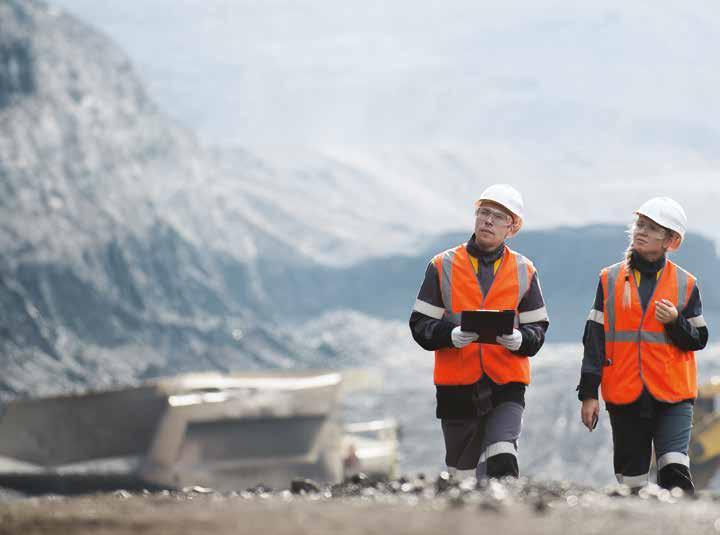
Every component along the mining value chain must be monitored to minimise downtime
In the mining industry, machine availability is key to operating efficiency and maintaining high productivity. Therefore, minimising unplanned downtime is essential. To achieve this, the condition of every component along the mining value chain – from the quarry to the processing plants – must be monitored continuously. Planetary gearboxes play a crucial role in these operations, as they are installed in most types of mining machinery and equipment, including hydraulic or electric shovels, trucks, conveyor belts, crushing and sizing machines and fine-grinding equipment.
As machine requirements have evolved and engineering technologies have advanced, today’s gearboxes have become more compact while transmitting significantly higher torques. At the same time, mining applications demand highly robust gearboxes due to harsh environmental conditions such as continuous
operation – day and night – heavy loads, abrasive dust, moisture, and extreme temperatures. These factors make the gearboxes particularly susceptible to wear and potential malfunction or failure.
A SOLUTION FROM ZF INDUSTRIAL DRIVES
ZF Industrial Drives has been developing and manufacturing various planetary gearboxes for decades and has delivered more than 25,000 mining gearboxes worldwide. The ZF product portfolio for the mining industry includes travel and swing gearboxes, as well as pump drives for a wide range of mining machinery such as hydraulic and electric shovels, drills, excavators and stationary equipment like apron feeders or grinding mills. ZF has been a reliable supplier of these applications for many years and continuously advances its products using stateoftheart design and manufacturing technology, along
with integrated digital services.
In this context, condition monitoring systems have emerged as a critical component, enabling operators to detect developing issues early and maintain continuous production by avoiding unplanned downtime. The system was originally designed for ropeways, such as ski or urban transportation systems, with dozens of installations already operating successfully. Since then, the technology has been transferred to other applications and gearbox types, including thruster drives for marine applications; mobile waste recycling machines; and stationary mining equipment such as apron feeders and grinding mills.
As market demands have grown, the proVID system is now also available for ZF mobile mining gearboxes. A recent installation on a large mining shovel has been completed and delivered to the customer. In this installation oil quality and torque is monitored.
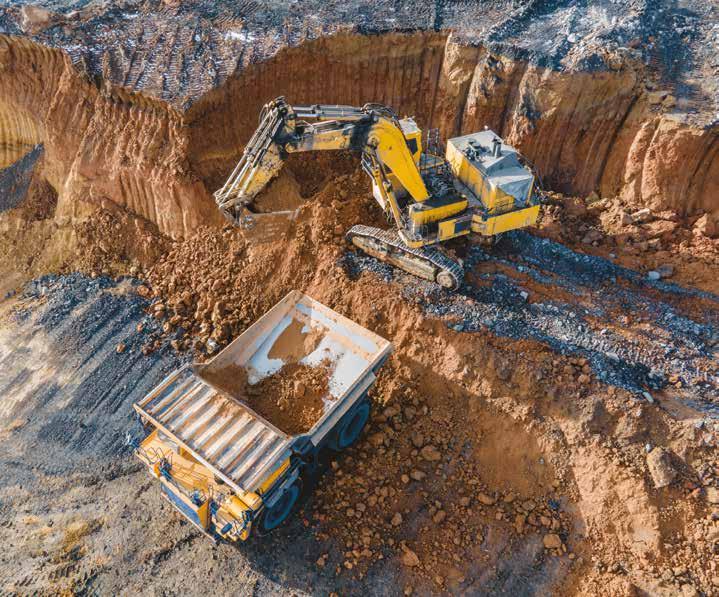
The oil quality is evaluated based on actual operation and uses torque analysis to calculate the remaining service life of the system. Instead of relying on fixed service intervals, maintenance can now be performed at the right time and with the appropriate intensity, reducing downtime while taking seasonal operating patterns into account. The solution supports early resource planning and extends component life. All collected data is stored centrally in a cloud system and can be accessed via the ZF Dashboard, allowing operators to optimise maintenance intervals. Nevertheless, other options to integrate into customers’ systems or clouds are also available.
Successful implementation of condition monitoring, however, requires more than just technology.
It depends on a clear understanding of equipment behaviour, the establishment of reliable baseline data, and the integration of monitoring results into maintenance decision-making processes. Equally important is the selection and installation of robust sensors capable of withstanding the demanding conditions of mining operations.
GROWING WITH THE INDUSTRY
The ZF condition monitoring system proVID enables mining operators to precisely assess the current condition of ZF mining gearboxes, improve their maintenance schedules, and avoid unplanned downtime. As the industry continues to evolve, the importance of condition monitoring for maintaining planetary gearbox performance will
only increase. In an environment where even short periods of downtime can result in significant financial losses, the ability to anticipate and prevent failures represents a decisive competitive advantage. By combining proven monitoring techniques with emerging digital tools, mining operators can ensure that these critical components continue to perform reliably – even under the most challenging operating conditions.
This growing global demand is supported by ZF’s extensive worldwide service network, providing local support to customers in all major mining regions.
With proVID, mine operators can precisely assess ZG gearbox condition
SPARKING CHANGE
Loading and haulage solutions are getting greener, but it’s a marathon, not a sprint
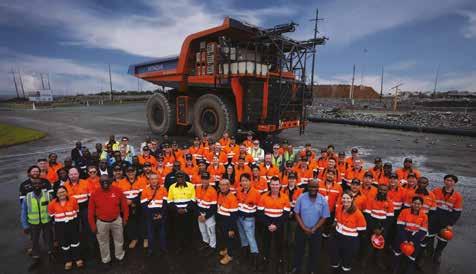
As mining companies increasingly consider sustainable solutions, manufacturers are seeking to accommodate all levels of energy transition. Mining companies are making changes, but most will evolve gradually, considering what they can afford and which machinery is compatible with their existing operations. Many OEMs are accounting for this, releasing flexible and hybrid models of equipment.
For example, Komatsu Germany Mining Division has globally launched a hydraulic mining excavator, the PC9000-12. The excavator supports companies in various stages of the energy transition, compatible with diesel or electric drive. The PC900012 aims to minimise fuel consumption by featuring double-sided loading and integration with Komatsu’s FrontRunner Autonomous Haulage system. Integrating automation into operations enables companies to become more sustainable through minimised idling and optimised driving patterns for reduced fuel emissions.
GOING ALL THE WAY
While hybrids and flexible drive options are key to aiding the energy
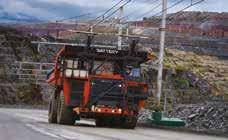
transition, some companies have their eyes set on projects featuring more electrification. Hitachi recently held a technical demonstration for its full battery dump truck at First Quantum Minerals’ Kansanshi Copper Mine, in Zambia’s North-Western Province. The Hitachi truck is designed to maintain manoeuvrability and stability without changing its gross vehicle weight when loaded.
This demonstration followed a successful technological feasibility trial conducted by Hitatchi in cooperation with First Quantum, which occurred from June 2024 to August 2025. Since over 90% of Zambia’s power supply is hydroelectric, it was a particularly suitable environment for the renewable project. The trial used existing trolley line infrastructure and technology, ultimately achieving zero CO2 emissions while improving acceleration and reducing noise levels. The full battery dump truck covered a total haul road distance of over 4,000km and transported over 30,000t.
“The real-world operating data obtained from this technological feasibility trial demonstrates the full battery dump truck’s capability for continuous operation in actual mine sites, enabling us to propose
optimal operational plans and trolley line designs,” said Hitachi’s Hiroshi Kanezawa, construction machinery executive officer and VP of the company’s Mining Business Unit.
At the demonstration, customers from about 25 companies observed the full battery dump truck operating and charging under overhead trolley lines.
FLEXIBILITY IS THE KEY
Every mining company and manufacturer is at a different stage of the energy transition. While the idea of transitioning to all-electric operations is desirable and often pushed by policymakers, it is not the most realistic picture of sustainable decision-making.
That said, the mining industry has reached a point where fully green solutions are possible, and as manufacturers continue innovating, current electrification processes will likely continue expanding at varying speeds.
For more information visit: www.hitachicm.com/global/en
The Hitachi full battery dump truck can run while charging
Participants of Hitachi’s technical demonstration were able to board the stationary truck


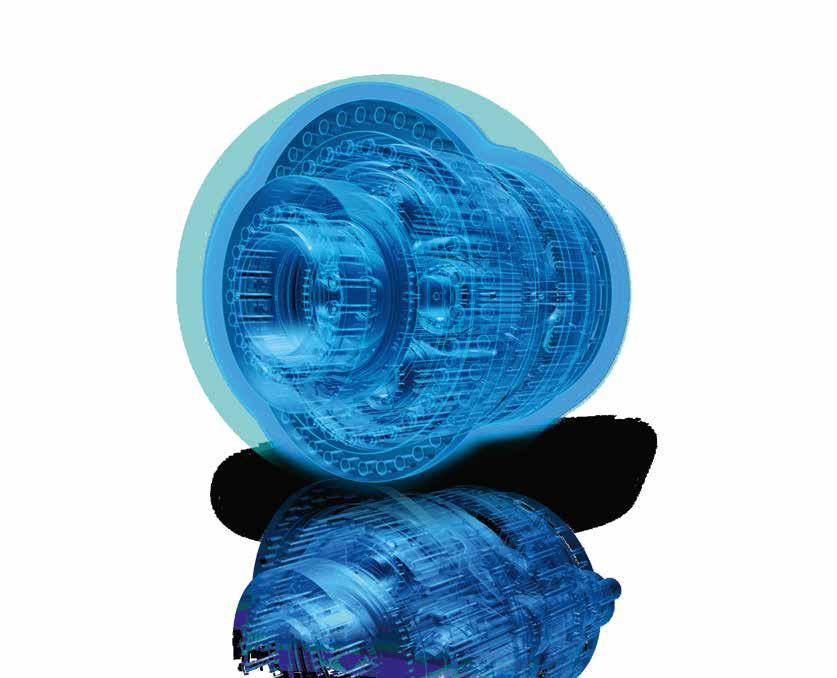
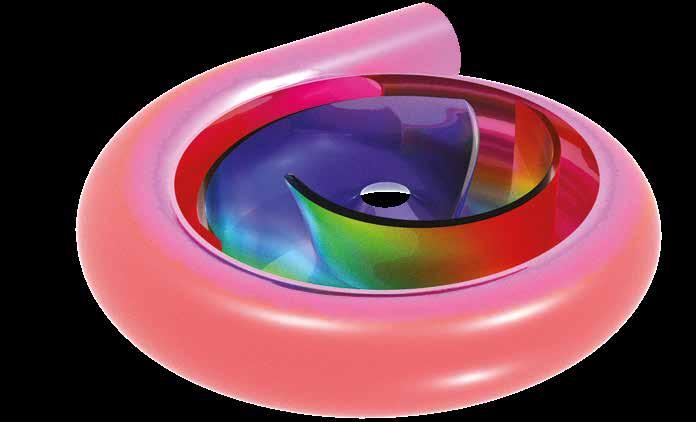
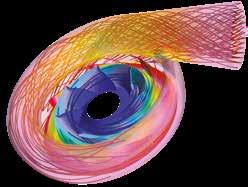
3D optimised wastewater pump stage geometry created in TurboDesign Suite
DEMOCRATISING DATA
How a software platform applies ML and 3D inverse design methodology to optimise turbomachinery
Optimising mining turbomachinery helps to improve operational efficiency and sustainability, lower costs and support a safe working environment. However, optimising a specific piece of equipment – a compressor, fan or pump, for example – within a specific set of constraints can be tricky.
DIFFICULTIES OPTIMISING MINING TURBOMACHINERY
Data availability for turbomachinery is often limited and proprietary. OEMs have done different testing and simulations that are not accessible to the wider industry. Historic CAD/CFD data is inconsistent across software versions, meshes, boundary conditions, turbulence models and users. To populate datasets, high fidelity simulation data is needed, but difficult to find and costly to generate.
“This has been the main blocker
The TurboDesign Suite software platform applies 3D inverse design methodology and machine learning to the optimisation of turbomachinery applications
to running ‘traditional’ optimiser studies for turbomachinery stages,” says applications engineer Rich Evans, from turbomachinery design software company Advanced Design Technology (ADT)
“Both gradient search methods and genetic methods require large (>1000) numbers of high-fidelity CFD runs which consume hardware and licence resources, whilst a lot of the solution runs are just ‘background’ or ‘mutants’ that give no real value – they just tell the optimiser what not to do.
“That data, if generated, is most definitely not freely available, and is always very specific to the problem at hand.”
ADT offers a solution. The TurboDesign Suite software platform applies 3D inverse design methodology and machine learning to the optimisation of turbomachinery applications, including mining industry equipment such as pumps, fans and compressors.
The upcoming version, v2026.1, will extend support for direct CAE integration to ANSYS Fluent. There will also be a new functionality which enables application of Reactive Response Surface to any customer owned CAE systems enabling application of other CAE products such as Lattice Boltzmann for broadband noise calculations in fans.
TURBODESIGN SUITE IN ACTION
However, it is possible to deploy machine learning for specific applications in mining equipment with ADT’s Turbodesign Suite.
For example, one recent project ADT consulted on was for ventilation in a dust-laden mining environment. Consultants had to consider how the volatility of the mine site could affect the shape of fan rotors to avoid excessive fouling.
ADT’s technology enables users to represent the equipment - pumps, fans, compressors or ventilators, for example – parametrically. By defining, analysing and controlling a model based on a set of variables specific to a certain mine site, it is possible to relate the variables to a shared independent parameter. Mine operators might consider flow path and blade angles, and other variables that could impact how the equipment performs.
A webinar hosted by ADT chief
Complete pump stage optimisation in TurboDesign Suite
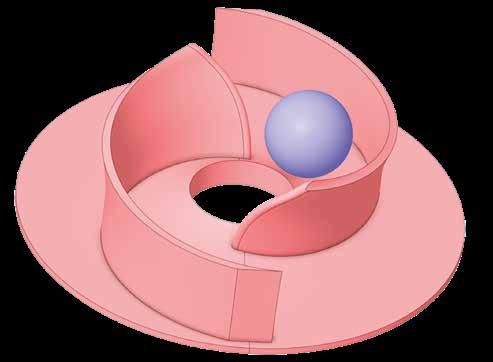
TurboDesign1 understands the concept of solid particle passing and can be directed to create blade passages that will pass a maximum particle size during the design phase
operating officer Lorenzo Bossi and presented by Evans featured the use of TurboDesign Suite for designing a wastewater pump, a feature frequently used in dewatering operations and tailings management.
Evans demonstrated how the user can place a constraint on the design to avoid clogging by specifying a that material must pass through a maximum of 50mm diameter solid. This type of optimisation can be done without the
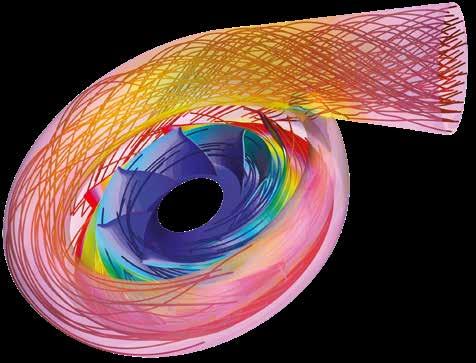
many inconsistent and proprietary datasets traditionally required.
“The required performance is the input, and the blade geometry that delivers that performance is the output. So the geometry is parameterised in terms of bladeloading – that is, direct control of the physics of the flow in the blade passage,” says Evans. “It takes very few control parameters on the bladeloading distribution (eight to 10) to generate a huge design space of unique and almost certainly neverbefore-considered blade shapes - all of which meet the basic performance requirements, such as pressure ratio, flow and head, specified at the outset.”
In short, a high accuracy surrogate model can be generated using small datasets, democratising ML dataset generation for mining companies at any level of analysis capability.
TurboDesign offers automatic integration with all major CAE platforms such as Ansys CFX, Siemens STAR-CCM+ and Cadence Fine Turbo. This enables automatic calculation of all CFD performance data with little user input.
HIGH PRESSURE, LOW STAKES
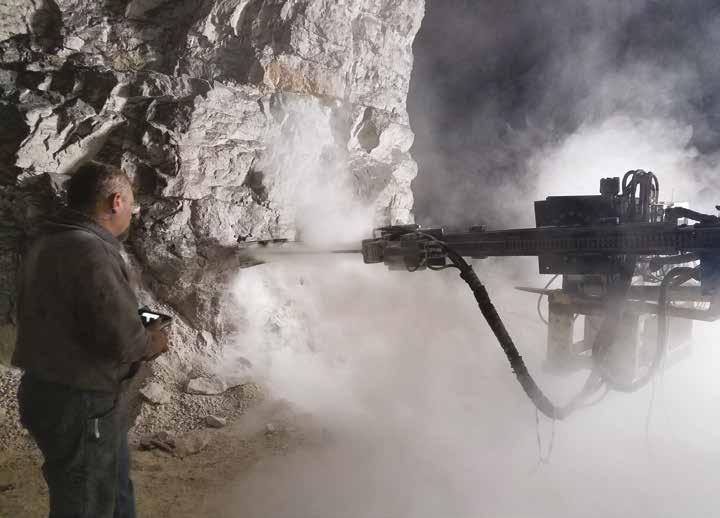
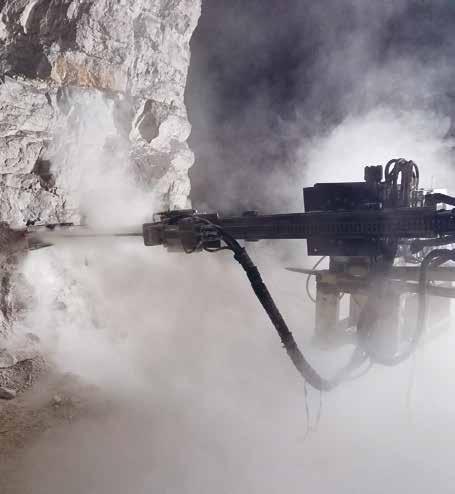
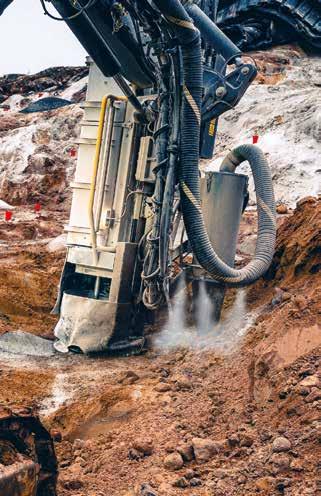
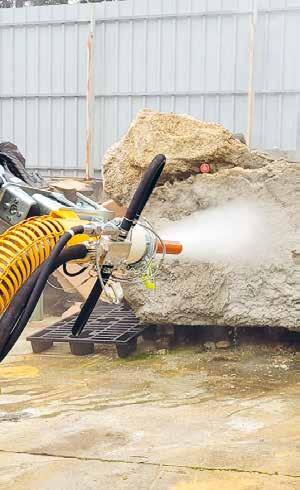
Dynaset HPW hydraulic highpressure pumps convert the hydraulic power of a mobile machine, vehicle or vessel into high-pressure water for a variety of applications. Available in a range of models, these pumps offer versatile options to meet the needs of the mining industry. With minimal water consumption, they save time and are cost effective, featuring efficient, powerful performance in a compact form.
Dynaset is now launching three models to expand its HPW hydraulic high pressure pump product line: The HPW230, the HPW310 and the HPW600. These new models provide enhanced performance for cleaning applications, particularly in demanding hydro-scaling projects.
The new pumps are based on Dynaset technology, featuring industry-leading power-to-size and power-to-weight ratios, minimal maintenance requirements, easy installation on all hydraulic systems and always ready for use.
Dynaset’s new line of hydraulic high-pressure pumps can saving mining companies time and money
HPW230 HYDRAULIC HIGH PRESSURE PUMP
The first of Dynaset’s new models is the HPW230, a powerful and compact pump for medium and large-scale cleaning applications. It is particularly suitable for large-scale dust suppression systems, medium-sized washing tasks, pipe cleaning and property maintenance. The pump offers a higher flow rate than the HPW250 pump, making it suitable for medium and large-scale washing applications.
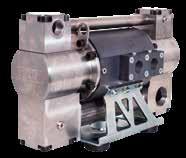
The new models offer enhanced performance for mining applications
HPW310 HYDRAULIC HIGH PRESSURE PUMP
This model introduces higher pressure for removing stubborn dirt during street and area cleaning. It is particularly suitable for highefficiency cleaning applications requiring high operating speed or coverage of large areas, washing industrial areas and maintenance and servicing. Greater washing power ensures effective removal of challenging dirt, enabling either faster operation or a larger washing area to be covered in a single pass.
HPW600 HYDRAULIC HIGH PRESSURE PUMP
The HPW600 offers a new power class designed for tough cleaning and hydro-scaling jobs. It is particularly suitable for hydro-scaling, industrial and heavy-duty surface cleaning, and other applications requiring extremely high pressure.
The new line is suitable for many mining tasks, including hydro scaling, dust suppression and pressure testing
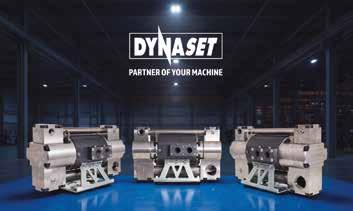
The pumps are availabe in a range of models to support the needs of the mining industry
HPW230 TECHNICAL SPECIFICATIONS:
• Maximum water pressure: 230 bar (3,336psi)
• Water flow: 180L/min (47.56gpm)
• Operating pressure: 280 bar (4,061psi)
• Oil flow: 185L/min (48.88gpm)
• Weight: 72kg (159lbs)
HPW310 TECHNICAL SPECIFICATIONS:
• Maximum water pressure: 310 bar (4,496psi)
• Water flow: 150L/min (39.63gpm)
• Operating pressure: 280 bar (4,061psi)
• Oil flow: 210L/min (55.48gpm)
• Weight: 80kg (177lbs)
HPW600 TECHNICAL SPECIFICATIONS:
• Maximum water pressure: 600 bar (8,702psi)
• Water flow: 90L/min (23.78gpm)
• Operating pressure: 280 bar (4,061psi)
• Oil flow: 250L/min (66.05gpm)
• Weight: 84kg (185lbs)
HYDRAULIC HIGH PRESSURE PUMP MODELS FOR DIVERSE MINING APPLICATIONS
The new pump models complement Dynaset’s HPW hydraulic high pressure pump range by presenting more precisely dimensioned solutions for high-pressure washing, maintenance and demanding hydro-scaling applications. The high-pressure water pumps are used in the mining industry for applications such as hydro scaling, dust suppression, pressure testing, pressure washing, and hydraulic fracturing. Due to their compact size, easy installation, and reliable performance, they are effective tools for a wide range of industry needs.
For more information visit: www.dynaset.com
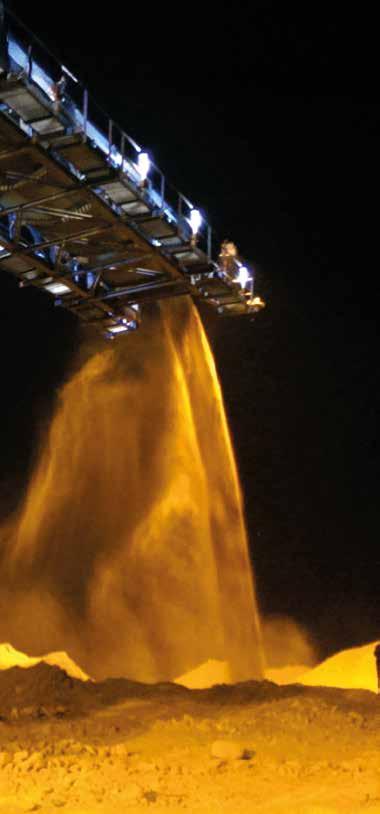

TAILORING YOUR APPROACH
Instead of wondering whether to digitalise, mining companies should examine where digitisation shows its value
Digitalisation is often presented as a fully integrated, minewide transformation. In reality, not many operations are fully digitalised yet, with implementation sometimes seen as technically difficult or economically unjustified. This can be due to the misconception that digitalisation is simply about automation. Automation normally focuses on doing the same things faster and more safely. Digitalisation fundamentally changes how operations are understood, managed and optimised by turning data into insight and connecting processes across the value chain.
THE KEY QUESTION
For engineers and operators, the key question is not whether to digitalise, but where digitalisation delivers measurable value and how to implement it. Mine life, production profile, capital constraints, software and IT maturity in operations, among other things, shape the business case. A short-life operation, for example, may not justify large-scale investment in fully integrated systems. Instead, a targeted, modular approach may be more effective.
Digitalisation requires a combination of operations and OEM expertise on several levels, including data acquisition, process automation, and system integration. While full integration offers long-term potential, many sites can achieve meaningful gains by focusing on high-impact areas, particularly within materials handling.
THE BENEFITS
Conveying systems, stockyards and loading systems are critical interfaces where inefficiencies and unplanned downtime directly affect performance. Introducing digital tools such as realtime material tracking, automated load control and condition monitoring can improve throughput, reduce variability and enhance operational visibility without requiring a complete system overhaul.
The benefits can be significant. In one instance, a stockyard machine failed to start due to a hydraulic fault in the hoisting mechanism. Traditionally, resolving the fault would have required a site visit, incurring more than 70 hours of downtime. Because the operation was digitalised, remote diagnostics and intervention enabled the issue to be identified
Sites can achieve meaningful gains by focusing on high-impact areas
DIGITALISATION CAN ASSIST WITH...
and resolved in three hours, with no production downtime and no need for anyone to travel to the site.
Digitalisation can enhance performance at multiple points in the value chain through targeted, high-impact interventions. However, identifying the right starting point and ensuring that individual solutions contribute to a coherent long-term strategy requires both process expertise and digital capability. FAM Minerals & Mining, a member of Beumer Group, combines deep knowledge of bulk materials handling with advanced digital and diagnostic services. Its diagnostic support portfolio, including data analytics, remote monitoring, cybersecurity and 24/7 hotline support, enables mine operators to translate data into actionable insight and focus investment where it matters most.
Ultimately, digitalisation in mining is not a single-step transformation. It is a continuous process, defined not by how much technology is deployed, but by how intelligently it is applied.
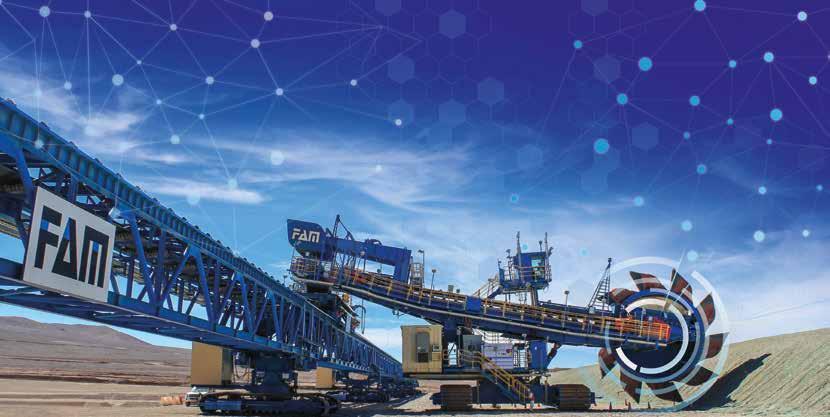
CONVEYOR SYSTEMS
- Condition monitoring and data analytics for belt health, drive performance, load conditions, slippage prevention.
- Digital twins for overland and pipe conveyors.
PROCESSING & HANDLING
LOAD & HAUL
- Improving accuracy and efficiency with real-time wagon identification, load measurement, process control to reduce time and material loss.
- Intelligent routing and material tracking to optimise flow paths, balance capacities and maintain consistent product quality.

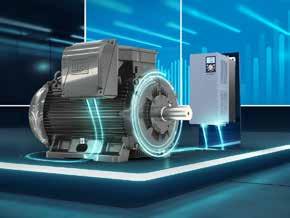
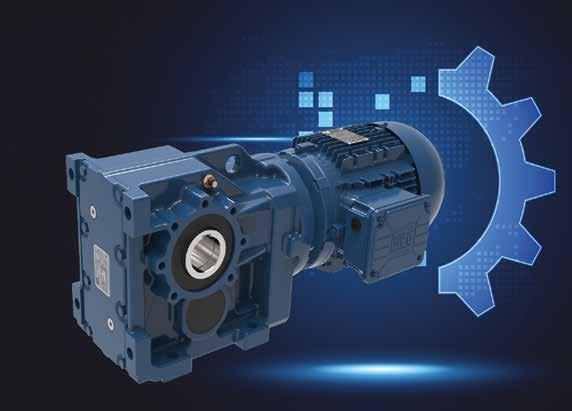
Boost Your Efficiency with WEG

We offer a wide range of solutions to improve performance, efficiency and reliability for your application.
• Gear boxes up to 290,000 Nm and smaller helical, helical bevel, parallel shaft and worm gear options to 18,000 Nm.
• WEG Sync+, with an anticipated efficiency rating up to IE6, this is the most efficient industrial motor on the market.
• Motion Fleet Management, scans and monitors the performance of assets using cloud based technology for preventative and predictive maintenance.
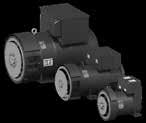
• Synchronous Alternators designed to deliver reliability, versatility and high levels of efficiency up to 78.8 kVA. Learn more at www.weg.net
Visit us on stand PB24, Hillhead Quarry 23rd - 25th June
A STRUCTURAL NECESSITY
ASC QBA quartz accelerometers aim for accuracy, precision and safety for mining and drilling
The accelerometers can detect and monitor a wide range of shocks and vibration events
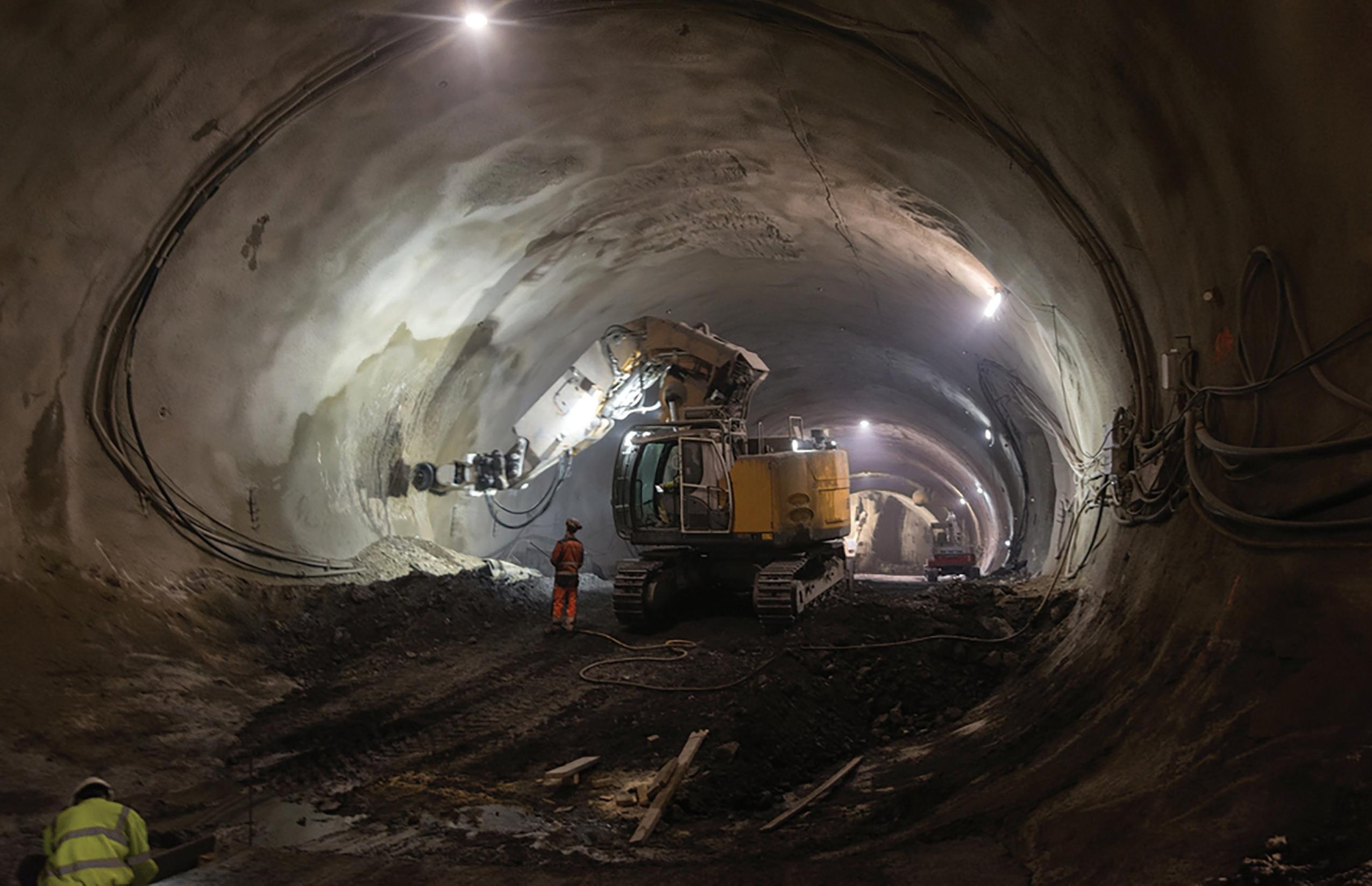
Vibration measurement technology in underground mining is critical to the structural integrity of mines, tunnels, shafts and caverns. It involves the use of precise sensor technology to monitor vibrations caused, for example, by blasting, tunnel drilling machines or passing trains. In addition, underground
structures can be sensitive to subtle vibrations occurring over long periods of time, often unnoticed by humans, like ongoing seismic activity, rock and ground pressure.
ASC QBA quartz accelerometers combine the benefits of a wide measuring range, ultra-low resolution and outstanding long-term stability
in compact, flexible housing. They are ideal for detecting and monitoring a variety of diverse shocks and vibration events that can impact drilling and mining operations. By doing so, they ensure the stability of pits, protect people and machinery and keep operations profitable.
WHERE ACCURACY MEETS PRECISION
In sensor technology, accuracy ensures that measurements are close to the true physical value to maintain the correctness of results and provide reliable data for control and decision-making. Meanwhile, precision secures consistent, repeatable readings leading to low random deviations, low noise and high resolution.
Combining both criteria – paired with a strong focus on customer need and short delivery timelines –the German specialist ASC Sensors launched the customisable ASC QBA series: premium level servobalanced quartz accelerometers designed for accuracy and precision, to help solve a wide range of high-
end measurement, monitoring and position control challenges.
THE ASC QBA SERIES
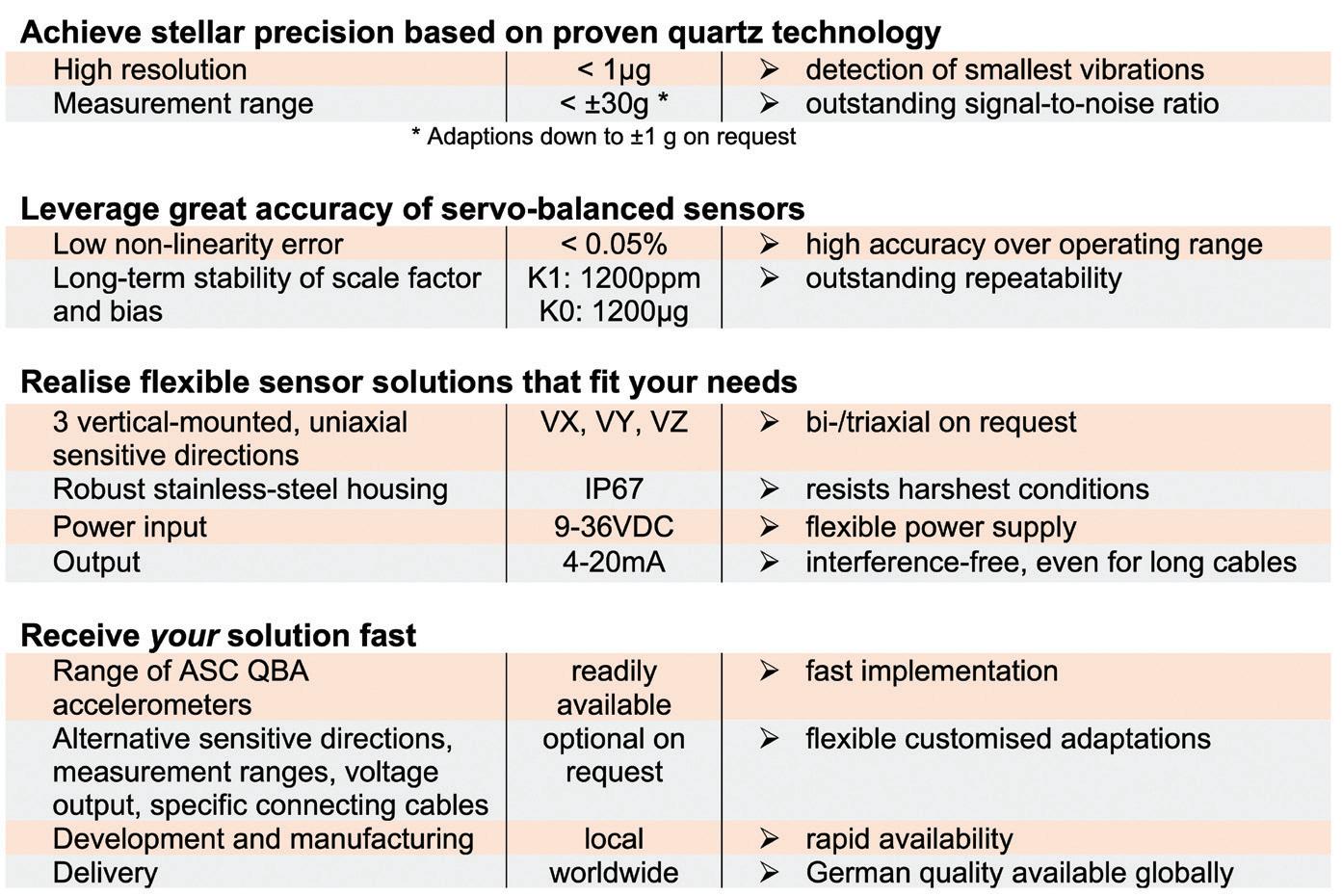
ASC QBA series accelerometers are based on navigation grade servobalanced quartz sensing elements that feature a measurement range of ±30g. They offer a resolution of better than 1μg to detect even the smallest vibrations, as well as outstanding long-term stability of the scale factor (K1: 1200ppm) and bias (K0: 1200μg).
With an operational temperature range of -40 to +70°C, high shock and vibration resistance (250g survival) and compact IP 67 stainless steel housing, ASC QBA quartz accelerometers are robust to withstand harsh conditions. All features combined make them particularly suitable for inclination measurement and other challenges typically faced in drilling and mining applications.
FLEXIBLE SOLUTION FOR DIVERSE SETTINGS
Servo or force-balanced quartz sensors rely on an active feedback loop to maintain a “null” position. A coil is attached to a quartz pendulum suspended in a magnetic field of permanent magnets. This coil acts as
a feedback actuator. The current in the magnetic field generates a force that is equal in magnitude and opposite to the inertial force, returning the pendulum to its original equilibrium position. Because the quartz remains virtually stationary, the sensor avoids mechanical errors like hysteresis and fatigue, while the restoring current provides a highly linear and stable measurement of the input force.
Readily available in vertical-mounted, uniaxial VX, VY or VZ sensitive directions, the ASC QBA series can be adapted to include customised biaxial and triaxial sensors. Also feasible, on demand, are even smaller measuring ranges of up to ±1g as well as an optional voltage output signal.
Flexibility is key to achieving reliable, superior measuring outcomes across diverse applications, terrains, geological and environmental conditions. So are adjustable power supply, housing and the opportunity to integrate connecting cables of configurable length. The upgraded electronic circuitry utilises flexible power input of 9-36VDC and a 4-20mA analogue current output for reliable data transmission. The housing can be adapted by application and equipped with a customised connecting cable so that these sensors can be used
at appropriate depths and over long distances in mines, tunnels or mountains.
ENABLING MINING, DRILLING AND MORE
ASC QBA accelerometers are optimal in more than just monitoring and safeguarding diverse underground mining and drilling projects such as complex industrial inclination and orientation (tunnel, oil, gas, geothermal drilling, conveying systems). They are also ideal for the monitoring of safety-critical buildings, components and infrastructure (structural health monitoring, seismic detection, semiconductor industry, railway) or sophisticated navigation and guidance systems (commercial aviation, aerospace). All these applications require reliable sensor technology that combines a wide measuring range with low resolution and enhanced long-term stability – to achieve superior results that ensure progress, help mitigate issues proactively and keep operations running smoothly.
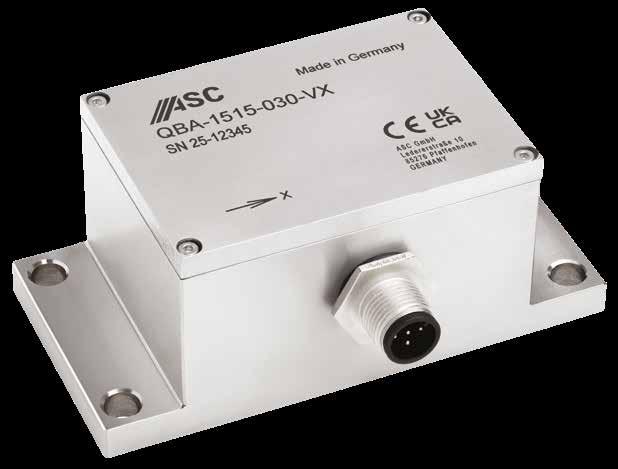
The customisable ASC QBA series offers a resolution that detects even the smallest vibrations
RAPID REFRESH
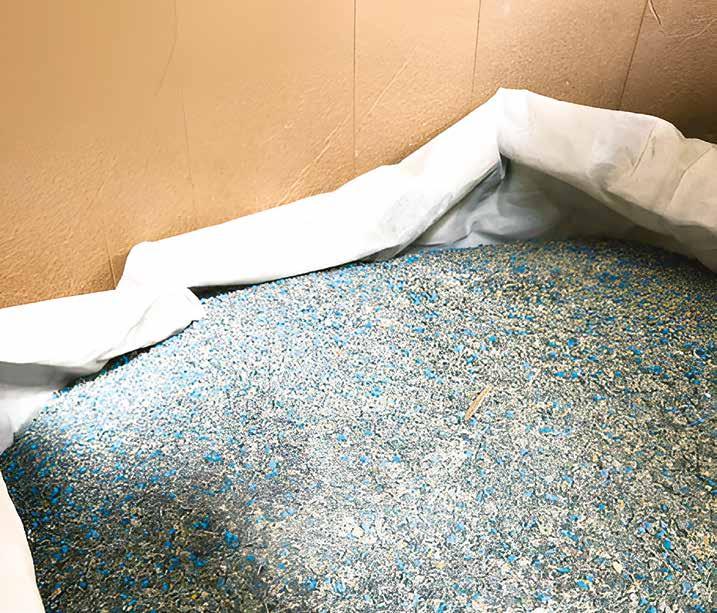
Disassembled servers, accelerators and supporting infrastructure can contain high-value materials
Can hardware offer a solution to the turbulent supply chains of critical minerals and rare earths? Linda Li, chief strategy officer of material recovery company Li Tong Group, provides her insights
Global demand for critical minerals and rare earth elements is surging, and the world is struggling to maintain stable supply chains amid geopolitical turbulence. However, one of the richest, most rapidly refreshing deposits is being overlooked.
AI data centres are becoming a rich above-ground reserve, as companies are recovering significant mineral and component value. One such company is LTG Re-Teck, a subsidiary of Li Tong Group, which specialises in asset recovery, repair and electronics recycling for technology. LTG Re-

Teck has been recovering material and component value from electronic hardware for over two decades
LTG’s chief strategy officer, Linda Li, has been at the company for 15 years. During this time, she has advanced the company’s reverse supply chain strategy and pioneered and co-developed closed-loop reclamation programmes with leading OEMs to recover critical metals and rare earth materials. As emerging innovations redefine technological lifecycles, Li addresses e-waste and recycling challenges associated with GPU-dense data centres.
Linda Li has been at LTG for 15 years
WHAT MATERIALS DOES LTG RE-TECK RECOVER FROM GPU-DENSE SYSTEMS?
LTG Re-Teck’s work in GPU-dense systems and broader ITAD streams is centred on recovering highvalue critical minerals embedded in servers, accelerators and supporting infrastructure. These include copper and aluminium from power and thermal systems; precious metals such as gold, silver and palladium from circuit boards; battery and magnet materials like cobalt, nickel, and lithium; and rare-earth elements, including neodymium, dysprosium and praseodymium.
One tonne of GPU-dense hardware can contain between 100g and 300g of gold, along with kilograms of copper and smaller quantities of silver and palladium. By comparison, traditional gold mining typically extracts only 1g to 5g of gold per tonne of ore, making PCB recycling nearly 50 times richer in recoverable gold than natural mining.
Volumes are increasing over time as vendors recognise the inherent value of e-waste – the potential for metal recovery from the e-waste market is currently valued at around $37 billion – and the growing scarcity of required metals.
WHAT SPECIALISED PROCESSES DOES LTG RE-TECK HAVE TO TARGET SPECIFIC COMPONENTS AND MATERIALS?
At the front end, the company employs granular triage and demanufacturing protocols, where assets such as servers, storage devices and networking equipment are carefully disassembled into highvalue subcomponents. For storage devices, this includes certified data sanitisation and physical destruction pathways that meet strict security standards, while still enabling the recovery of reusable enclosures, controllers and rare materials. Servers and GPU-dense systems are processed through dedicated workflows that prioritise component harvesting for refurbishment, redeployment, or resale in the secondary market.
For PCBs, we use advanced
segregation and downstream refining partnerships to target precious metals, as well as copper and other base metals. High-grade boards are separated from lower-grade material streams to ensure optimal recovery yields. Power components and thermal systems are processed to recover copper, aluminium, and increasingly rare earth elements.
In parallel, the company has pioneered closed-loop reclamation programmes with OEM partners, enabling the recovery of engineering plastics, battery materials (such as cobalt-bearing “black mass”), and other difficult-to-recycle inputs. These programmes are often tailored to specific product architectures,
ensuring materials can be reintegrated directly back into manufacturing supply chains.
WHAT ARE SOME TRENDS YOU HAVE NOTED OVER TIME ABOUT MINERAL RECOVERY AND COMPONENT VALUE FROM HARDWARE?
The most fundamental shift has been in how the industry thinks about end-of-life hardware. Just five years ago, recovery and recycling remained an afterthought for most OEMs because companies were rushing to get products out and worrying about environmental response later.
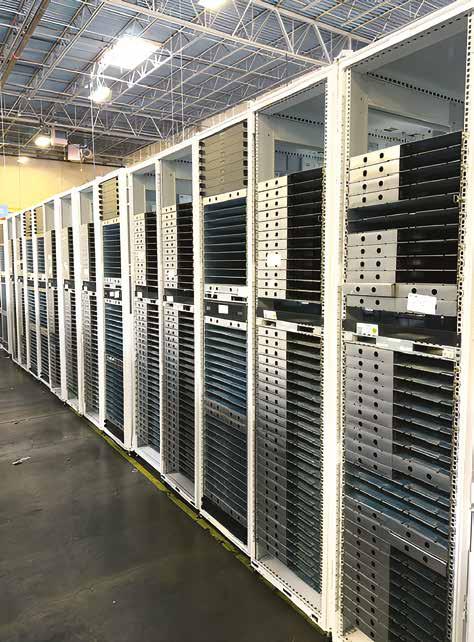
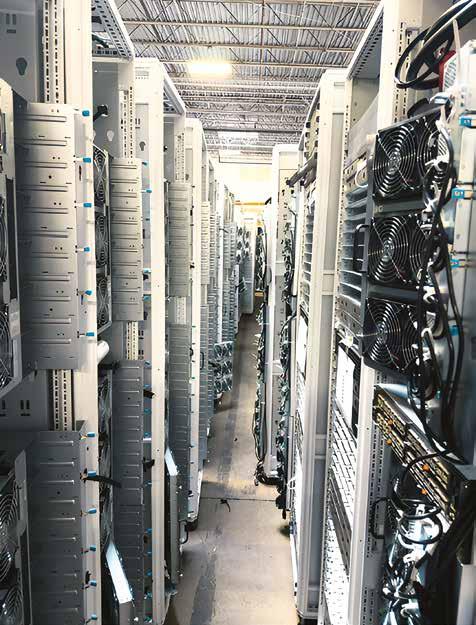
Server racks from the Re-Teck Dallas facility
SPECIALIST EQUIPMENT
When that response came, the default approach was to collect large volumes of devices, let them sit and auction them to a scrap dealer – a method that erodes component value during the holding period and turns materials into a liability rather than an asset. A second notable trend is the growing sophistication of value assessment at the point of recovery. LTG Re-Teck’s engineering teams now evaluate three layers of value simultaneously: the aftermarket value of whole devices, the primary market value of individual components such as switches and chips and the recycling value of underlying metals.
HOW ARE RECYCLING AND RECOVERY STRATEGIES IMPORTANT FOR E-WASTE MANAGEMENT AND MINERALS RECOVERY?
The United States remains heavily reliant on foreign sources for many essential minerals, such as rareearth elements, cobalt, and processed lithium. As demand surges due to AI infrastructure, this dependency creates economic vulnerability.
Recovery from end-of-life electronics and data centre hardware effectively creates a domestic, renewable supply of critical materials. It reduces exposure to trade disruptions, export controls, and price volatility while strengthening domestic capabilities. Unlike mining, which is environmentally challenging and geopolitically constrained, recovering materials from existing products can be scaled more quickly and sustainably.
Equally important is the shift from linear to circular supply chains. Global e-waste generation is on track to reach 82 million metric tonnes by 2030.
By enabling reuse, refurbishment and component harvesting alongside material recovery, these strategies extend the life of valuable resources and reduce the need for virgin extraction. This is particularly relevant in GPU-dense environments, where refresh cycles are accelerating and creating a growing stream of high-value end-of-life equipment.
WHAT PLANS DOES LTG RE-TECK HAVE FOR 2026?
We’re expanding into markets where hyperscale buildouts, enterprise refresh cycles, and tightening ESG regulations are converging. In 2026, we’re opening facilities in the UK, Taiwan, South Africa and Malaysia, positioning ourselves along the major data centre corridors where large-scale AI and cloud decommissioning programmes are already taking shape. In Europe, our focus is on compliance-driven recovery solutions built around the circular-economy directives that are reshaping how the region thinks about end-of-life hardware.
Recovery from end-of-life electronics and data centre hardware effectively creates a domestic, renewable supply of critical materials
The server racks include GPUs and CPUs


Tough on stone. Big on performance.
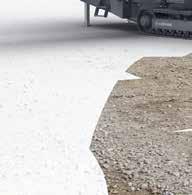
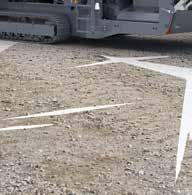
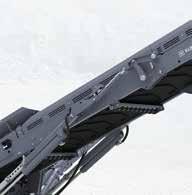
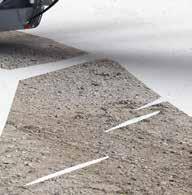
MOBISCREEN MSS 1102 PRO









23 – 25 June 2026

Powerful, rugged, versatile: The MOBISCREEN MSS 1102 PRO stands out with its exceptionally robust design. It was developed mainly for use in natural stone and for high feed capacities of up to 750 t/h. The coarse screening plant excels with its easy operation – including SPECTIVE CONNECT. For greater sustainability, the MSS 1102 PRO can be operated 100% electrically thanks to its optional dual power drive. The MOBISCREEN MSS 1102 PRO – a genuine powerhouse.



www.wirtgen-group.com/mss-1102-pro-kleemann

MSS 1102 PRO
We look forward to seeing you!
WIRTGEN GROUP live in Hillhead, Buxton, UK Booth – Q1
THINKING OUTSIDE THE BOX
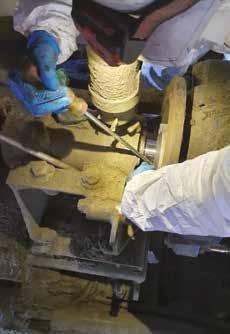
A slurry pump case study from Sealryt shows how reducing water usage doesn’t have to break the bank
In mineral processing, slurry pumps are among the most waterintensive and maintenance-heavy assets in operation. Maintaining adequate flush water to protect sealing systems often comes at the cost of excessive water consumption, accelerated wear, and frequent maintenance interventions. A recent field installation on a Warman slurry pump demonstrated how a change in sealing support technology can significantly reduce water usage while improving reliability.
THE CHALLENGE
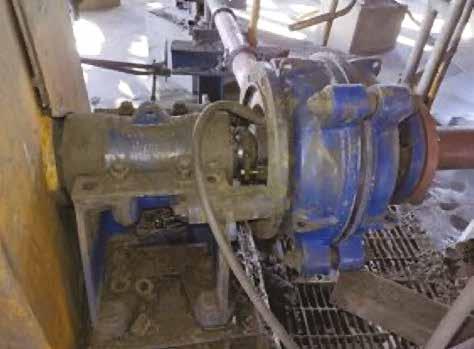
The pump in question was operating under typical abrasive slurry conditions, requiring continuous flush water to
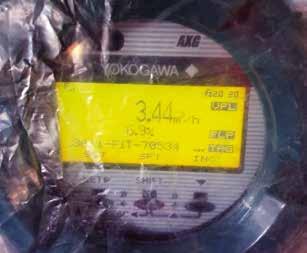
prevent solids ingress into the stuffing box. Prior to intervention, the system consumed approximately 3.44m3 of water per hour. Over a 75-day operating period, this translated to a total consumption of 6,192m3 of water.
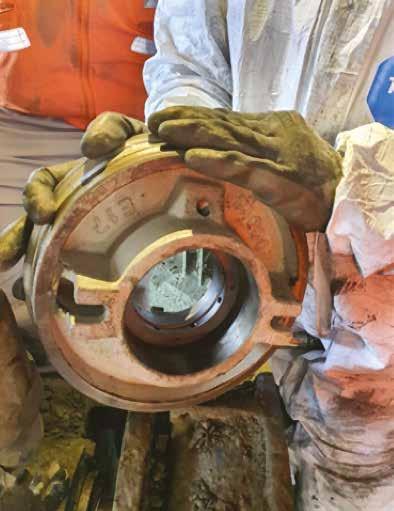
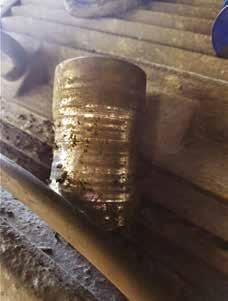
Despite this high flush rate, the pump required frequent maintenance. Critical components – including shaft sleeves, packing sets and lantern rings – were being replaced every eight days. Each maintenance cycle required significant labour input, contributing to operational downtime and increased cost.
THE SOLUTION
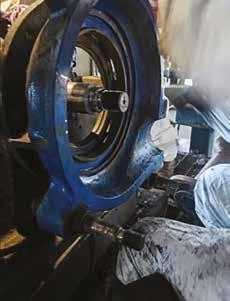
To address these issues, a composite bearing support system was introduced into the stuffing box. The
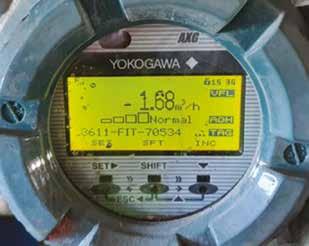
The flow rate AFTER support system installation
Stuffing box with composite bearing support system
The support system could be installed without any modification to the existing pump
The flow rate BEFORE support system installation
bearing was designed to stabilise the shaft and restrict the migration of solids into the sealing area, allowing for more efficient use of flush water.
A key advantage of this approach was that the system could be installed without any modification to the existing pump. The bearing was engineered to fit within the standard stuffing box configuration, enabling a straightforward retrofit using existing equipment. This eliminated the need for machining, redesign or extended downtime, allowing the upgrade to be implemented quickly during a
routine maintenance interval. Following installation, flush water requirements dropped to 1.68m3/hr. Over the same 75-day period, total water consumption was reduced to 3,022m3
RESULTS
The reduction in flush water usage resulted in a total savings of 3,170m3 over the evaluation period — representing nearly a 50% decrease in water consumption. In operations where water availability and cost are critical, this level of reduction
has meaningful environmental and economic implications.
Equally important were the improvements in equipment reliability and maintenance frequency. Prior to the upgrade, the pump required eight full maintenance cycles within the 75-day window. Each cycle involved the replacement of liners, packing kits, and lantern rings, along with approximately 100 man-hours of labour for disassembly, installation, and reassembly.
Since the installation on 25th August, 2022, the system has remained in continuous operation without requiring the same level of intervention. This represents an approximate eightfold increase in component service life.
OPERATIONAL IMPACT
The stabilisation of the shaft within the stuffing box reduced dynamic movement and minimised wear pathways for abrasive solids. As a result, the sealing environment became more controlled, allowing operators to reduce flush rates without risking packing failure or excessive leakage.
This case highlights a broader trend in slurry pump optimisation: rather than relying solely on increased flush water to compensate for instability and wear, addressing the root mechanical conditions within the pump can yield more sustainable results.
CONCLUSION
The introduction of a bearingsupported sealing approach in this Warman slurry pump delivered measurable benefits across multiple performance metrics. Water consumption was reduced by over 3,000m3 in just 75 days, while maintenance frequency and associated labour were dramatically decreased.
For mining operations seeking to reduce water usage, improve equipment reliability, and lower total cost of ownership, this case demonstrates the value of rethinking traditional sealing strategies in favour of more stable, mechanically supported systems.
The pump was restarted following installation of the support system
The pump required frequent maintenance due to wear
Stabilisation of the shaft within the stuffing box minimised wear pathways
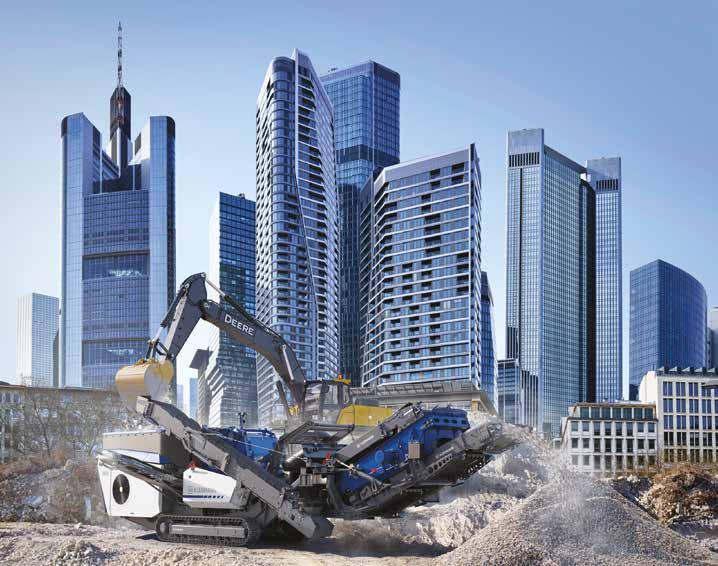
All-electric mine sites are increasingly becoming a reality, and Erlangen demolition site shows how this is possible
A GREEN SOLUTION
An all-electric demolition site is introducing a low-noise, high-impact approach
Erlangen in Franconia is home to a very special building site: On the site of a former administrative building, two buildings with a surface area of around 3,300m2 are being demolished. The extraordinary feature? All vehicles and machines, from excavators and wheel loaders through to the crushing plant, are operated electrically. Volvo claims this is the first fully electric demolition site in the world.
No diesel, exhaust gases, hardly any noise. Instead, electric motors hum quietly, powered by a specially constructed power infrastructure. An
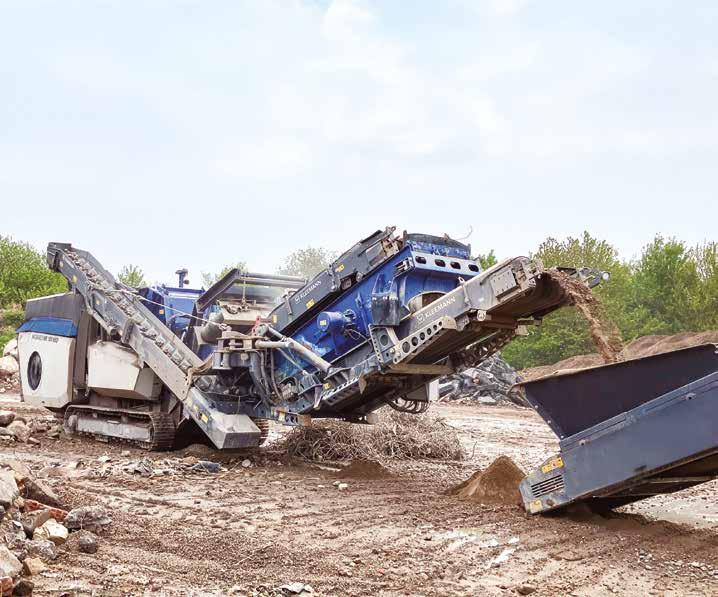
all-electric impact crusher Mobirex MR 100 NEOe from Kleemann is used for material processing on site.
“In our eyes, the crushing plant differs significantly from others –especially with regard to its low starting currents,” says Michael Metzner, managing director of Metzner Recycling and worksite manager. “This feature was a decisive factor in choosing to deploy the plant”.
INFRASTRUCTURE AS THE KEY
To implement the idea of an “electric building site” that arose during the
ongoing project, the energy supply first had to be expanded. “We had to set up a new transformer station, underground cables and charging stations,” says Metzner. Although basic power was available on site, it was not sufficient to operate all machines simultaneously. The power source is green electricity from the Erlangen municipal grid. The aim is to achieve significant CO2 savings compared to conventional demolition sites using electric machines and optimised recycling of materials on site. In addition, noise and particulate emissions on site are significantly reduced.
FACTS AND FIGURES ON THE MOBIREX MR 100 NEOE
Feed material: Recycling mixture of bricks, concrete, asphalt, cast concrete
Feed size: 0–300mm
Final product: 0–45mm
Output: 170–210t/h
Power supply: Fixed connection via transformer station, operation via underground cables
Equipment: Magnetic separator, wind sifter
EFFICIENT PROCESSING, HIGH-QUALITY FINAL PRODUCT
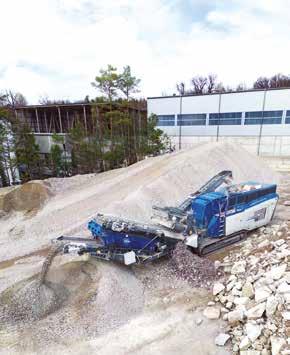
The impact crusher Mobirex MR 100 NEOe on the work site processes a recycling mixture of bricks, concrete, asphalt and cast concrete with a feed size of 0mm to 300mm. The result is a pure grain mixture. “The material produced has a lower content of fines than with other impact crushers known to us. This significantly improves recyclability and makes an important contribution to the production of high-quality recycled building materials,” says Metzner. The produced fractions, 0mm-4mm and 4mm–16mm, can be used, among other things, as aggregates for new concrete. Around 96% of the demolition material should be reused directly. Important and helpful special equipment at the
crushing plant includes a wind sifter and a magnetic separator.
STRONG SIGNAL FOR THE INDUSTRY
Demand for all-electric crushing and screening plants is increasing, especially in urban areas. The advantages are obvious: fewer emissions, less noise and less lorry traffic, thanks to the reuse of recycled material directly on the work site. “We see this as the future of the building industry,” Metzner says. “Emissionsfree demolition, in particular, will open up new avenues, especially for innercity projects.”
For more information visit: www.wirtgen-group.com
Above: The crusher is compact and has a low transport weight
The Mobirex MR 100 NEO can operate in tight spaces
DRILL DEEP
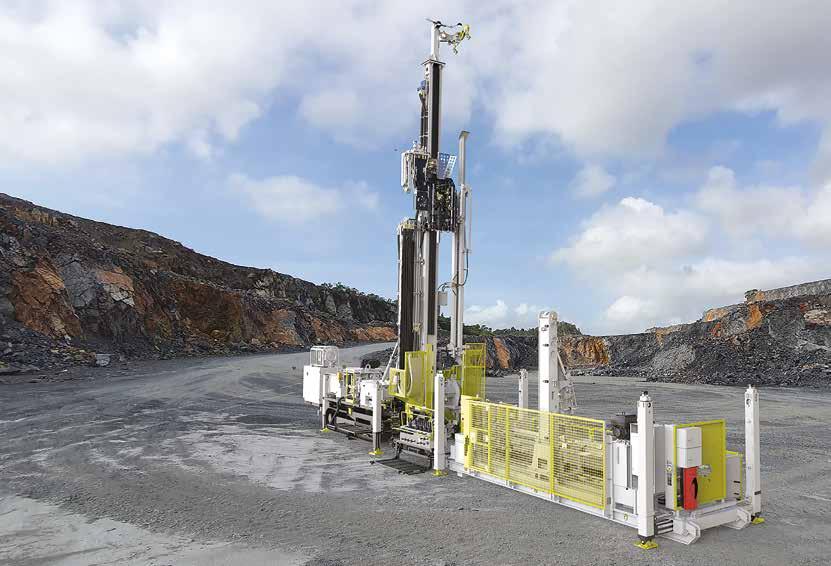
How a new surface coring drill delivers 45-second, hands-free rod tripping
Core drilling is essential for mineral exploration and resource assessment, providing teams with key insights into geological structures, mineral grades, and rock strength. Core drilling data is often used during many project stages for hydrogeological testing, geotechnical investigations, deposit modelling and pit design.
Boart Longyear, an American mining exploration company which specialises in drilling services, has recently introduced the LF300 surface coring drill, an exploration rig designed to improve safety and productivity through hands-free rod handling and faster rod trips.
MORE SPEED AND POWER
When paired with the Freedom Loader FL262, the LF300 enables full 6m rod pulls in 45 seconds. The Freedom Loader FL262 is a rod loading system that requires no intervention from the driller’s assistant to trip and align rods or connect to the top drive head. Mine site testing demonstrated reductions in bit-change time and improved
efficiency during deep-hole coring programmes.
Since exploration holes often extend thousands of metres, small time savings per rod can significantly impact revenue during a project.
The LF300 delivers up to 255kN (57,325lbf) of pullback, feed speeds of 62m per minute down and 54m minute up and supports 6m innertube handling via a tilt-out head and kick-out tray.
The LF300 is powered by a 272kW (365hp) engine, to deliver increased torque and pullback for demanding deep-hole projects. This enables the surface core drill to offer up to 3,000m of NRQ W-Wall. Powerbalancing hydraulics allow operators to scale torque, depth, and diameter without sacrificing productivity.
A SAFER SOLUTION
Traditionally, core drilling involves many safety risks, including silica dust inhalation, physical strain, entanglement, electrocution and violent kickback from rotating equipment. A hands-free solution minimises these risks by keeping team members at a distance during critical runs.
With the LF300, the driller’s assistant is not required to manually align or cycle rods, and inner-tube handling is automated to prevent injury. The main hoist is also eliminated, removing risks associated with wire fatigue and hoist plug management.
Safety features also include PLCcontrolled interlocks, pilot-operated hydraulic controls, interlocked safety café and compliance with CE and EN ISO 16228 standards. There are also digital drilling data displays for weight on bit, RPM, mud flow, wireline depth and engine performance.
BETTER FEATURES FOR BETTER RESULTS
Precision drilling provides valuable insights into subsurface structure but needs to be safe and efficient as well. Incorporating automated features and hands-free components is a step towards a more secure and productive mining environment.
Mine site testing revealed reductions in bit-change time and improved efficiency
INTRODUCING THE
DURAPACK™ System PUMP PACKING
Innovative hybrid bearing and lantern ring sealing system.
• PackRyt® BRG Bearing for shaft stabilization
• SealRyt’s patented SLR™ (Structural Lantern Ring)
Servistar Industrial Way | Westfield, MA 01085 | Phone: 413-564-5202 | Fax: 413-564-5203
• Resists clogging and is removable for easy cleaning and maintenance Non-collapsible design won’t crush or shift inside the stuffing box
Servistar Industrial Way | Westfield, MA 01085 | Phone: 413-564-5202 | Fax: 413-564-5203 Servistar Industrial Way | Westfield, MA 01085 | Phone: 413-564-5202 | Fax: 413-564-5203
Servistar Industrial Way | Westfield, MA 01085 | Phone: 413-564-5202 | Fax: 413-564-5203
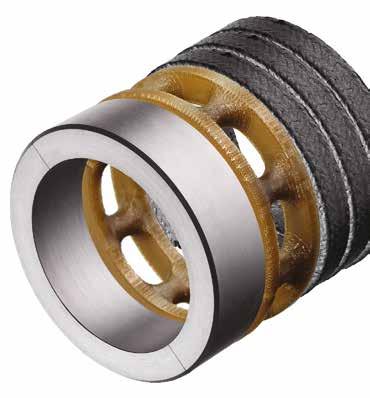
PACKRYT® BRG and STRUCTURAL LANTERN RING (SLR™) with PACKING
Patented Product

TO THE BONE
How the use of exoskeletons could prevent injury
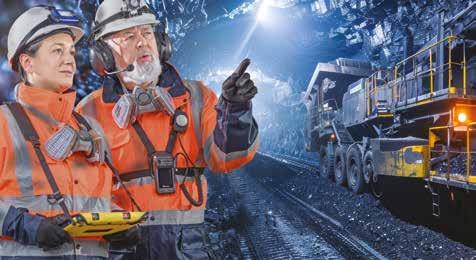
Mine workers are frequently exposed to vibrations, heavy loads and underground environments requiring them to bend or kneel. These environmental characteristics are a recipe for the development of musculoskeletal disorders.
Musculoskeletal disorders are often caused by repetitive motions, forceful exertion, heavy lifting and awkward posture – all everyday actions for those working in a mine.
AN OVERLOOKED SOLUTION
Designed for high-risk sectors such as mining, exoskeletons are wearable, robotic or mechanical suits worn by workers that are designed to enhance physical capabilities. They can increase strength and endurance and assist with rehabilitation and mobility.
Recent research examining the how technologies can improve safety for mine workers found that the potential of exoskeletons to protect mining workers is potentially being overlooked.
The research stated: “Despite the growing number of scientific publications on exoskeletons, their use in mining remains a rarely covered topic. Nevertheless, the utilisation of exoskeleton technology within the domain of mining engineering has materialised as a transformative advancement intended to enhance worker safety”.
By enhancing physical capabilities, exoskeletons mitigate musculoskeletal risks and improve ergonomics by providing physical assistance. Active exoskeletons can adjust to a variety of tasks to adapt to different aspects of an active mining environment.
A research review found that significant muscle activity reductions of about 80% with active exoskeletons1
A POTENTIAL OPTION
While exoskeleton use in mining is still in its infancy, there are exoskeletons that could assist operations.


Exoskeleton specialist Mawashi offers the Uplift Exoskeleton, which is designed to address musculoskeletal disorders by increasing physical endurance by up to 40%.
The Uplift Exoskeleton offers customisable support levels to accommodate changing needs and has a simplified donning and doffing system for transitions to different tasks.
“As exoskeleton usage is relatively new in the industry, we believe it is essential to regularly monitor users. Therefore, we track the integration of our exoskeletons to unlock their full potential and encourage retention,” said Simon Pesant, Mawashi customer experience director.
The exoskeleton does not require
an external power source, making it easier for workers to move without losing their physical capabilities.
A SOLUTION TO THE AGE PROBLEM
While the use of exoskeletons in mining is not yet common, it could accommodate many of the specific challenges the mining industry sets. Especially as much of the workforce is currently ageing and seeking younger people, exoskeletons could help to ease ageing injuries and preserve young bodies.
RESOURCES
1. https://www.tandfonline.com/doi/full/10.1080/0 0140139.2015.1081988
For more information visit: https://www.researchgate.net/publication/395535453_
Uplift Exoskeleton provides physical support to workers, boosting their performance while keeping them safe


Windows 11 IoT Enterprise LTSC – Long-term support until 2034
Familiar environment – Accelerated deployment, reduced training costs
Enterprise security built-in
Arm64 efficiency – 5G-enabled edge computing with AI (and minimal heat generation)
Maximum compatibility – Seamless integration into Windows infrastructure

MILLISECONDS MATTER
A Windows-compatible tablet from i.safe Mobile supports surface and underground operations
WINDOWS
11 IOT ENTERPRISE LTSC ON ARM64: THE IS945.M1 REDEFINES MOBILE COMPUTING IN MINING
Android-based tablets have proven their value across a broad range of mining workflows, from digital inspection rounds and permit-to-work processes to operator communications and sensor data capture. Yet a significant part of the software landscape remains Windows-native, such as fleet management platforms, geological modelling suites, mine planning tools and process control systems. The IS945.M1 from i.safe Mobile complements existing Android deployments with a purpose-built Windows alternative.
WHERE WINDOWS CAPABILITY MATTERS UNDERGROUND AND ON THE SURFACE
Dispatch and fleet management systems run Windows-native clients requiring direct OPC or proprietary protocol connections to on-board machine electronics. Operators cannot use a browser workaround when milliseconds matter for collision avoidance. The IS945.M1 runs the full dispatch client natively, connecting directly to the mine’s LAN or private 4G/5G network.
Surveyors capturing underground
measurements with total stations or LiDAR scanners routinely transfer data into mining software suites onsite. These applications demand full Windows environments with maximum operator system compatibility. With a Qualcomm ARM SoC integrating GPU and AI engines, the IS945.M1 handles this workload without fans, without excessive heat, and without draining a battery mid-shift.
At metallurgical plants, operators monitoring crusher throughput, mill performance or flotation circuits interact with HMI screens via Remote Desktop or Citrix sessions. The IS945. M1 supports these workflows natively, without emulation layers that degrade performance or introduce security vulnerabilities.
THE ARM64 ADVANTAGE IN A MINING CONTEXT
Mining shifts run 10 to 12 hours. ARM-based architecture eliminates the cooling mass and power draw of x64 processors, enabling shift-long operation without a battery swap. Fanless design removes a critical point of failure in dusty, high-humidity underground environments.
Local AI inference runs directly on the SoC, enabling real-time image analysis for ore grade estimation, anomaly detection on ventilation or dewatering sensor streams, and

voice-to-text report generation in noisy environments. These capabilities work without cloud dependency. Local inferencing matters in deep underground workings where connectivity is intermittent.
LONG-TERM STABILITY FOR CAPITAL-INTENSIVE ENVIRONMENTS
Mining infrastructure investments operate on decade-long cycles. Windows 11 IoT Enterprise LTSC 2024 delivers a 10-year support commitment through October 2034. It provides security updates without disruptive feature changes that would require revalidation of safety-critical software. IT departments benefit from predictable patch cycles and centralised management through Intune or SCCM.
A PURPOSE-BUILT PLATFORM FOR A DEMANDING INDUSTRY
The IS945.M1 combines Ex certification for potentially explosive atmospheres with a Windows platform that integrates into existing IT and OT infrastructure on day one. Mining companies replacing ageing ruggedised laptops or fixed terminals gain a device that survives harsh physical conditions while running the exact software their operations depend on. For an industry where unplanned downtime carries a measurable cost per hour, that compatibility is not a feature. It is a requirement. Much
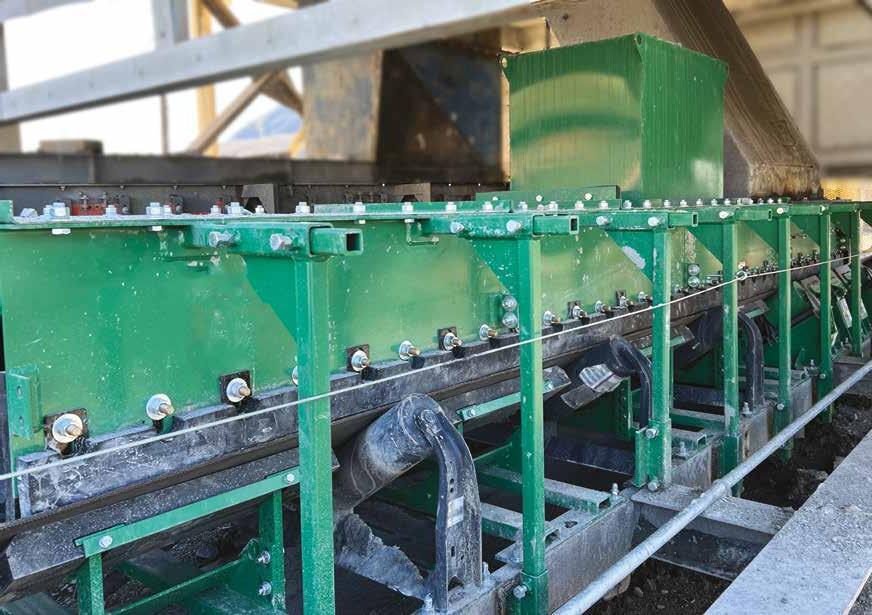
Control dust and spillage.
For over 40 years, the largest mining companies in the world have put their confidence in Richwood’s innovative material handling solutions.
When it comes to solving problems with dust and material containment, Richwood achieves success with engineered passive dust containment systems. Application-specific solutions optimize efficiency through sealed and protected load zones without the need for vacuums, filters or other additional equipment. The reduced wear and tear on equipment and controlled dust and spillage create a safer and more productive work environment. Worry-free load zones are designed and built by Richwood every day.
What would it mean for your productivity if dust and spillage issues were eliminated? Contact Richwood today for a review of your application.
Rely on Richwood!
PART ONE: TRANSFER POINTS
John Barickman of Martin Engineering begins his twopart
series on conveyor belt transfer point maintenance
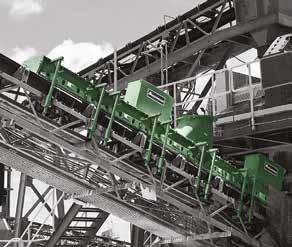
The conveyor system from the Bou Craa mine in Western Sahara to an export point on Africa’s Atlantic coast is widely considered to be the longest in the world.
Spanning almost 100km (61mi) of the Sahara Desert, and carrying around 2,000t of phosphate every hour, the conveyor is well known for being ‘visible from space’. But on closer inspection, it’s not the vast conveyor that’s identifiable from far above the earth; it’s the trail of pale
dust that lies up to around 2.4km (1.5mi) to the south of the structure, blown by persistent northerly winds.
Beyond dust emissions, there are many logistical and maintenance considerations for long conveyors. Built to address inefficient, expensive, slow and sometimes dangerous road haulage, long conveyors are critical arteries in the minerals supply chain, especially for transport between two fixed points. With lower maintenance, less labour, continual throughput and better safety, they carry a lot of weight
– both literally and figuratively – with high performance expectations, often in harsh environmental conditions.
“We’ve observed that a fleet of trucks involves several logistical factors such as the need for experienced drivers, trained mechanics, safe roads and a lot of fuel,” says Andrew Timmerman, global engineering manager at Martin Engineering.
“Long conveyor systems are designed to reduce some of the cost and safety issues. But like any solution, they have their challenges, too.”

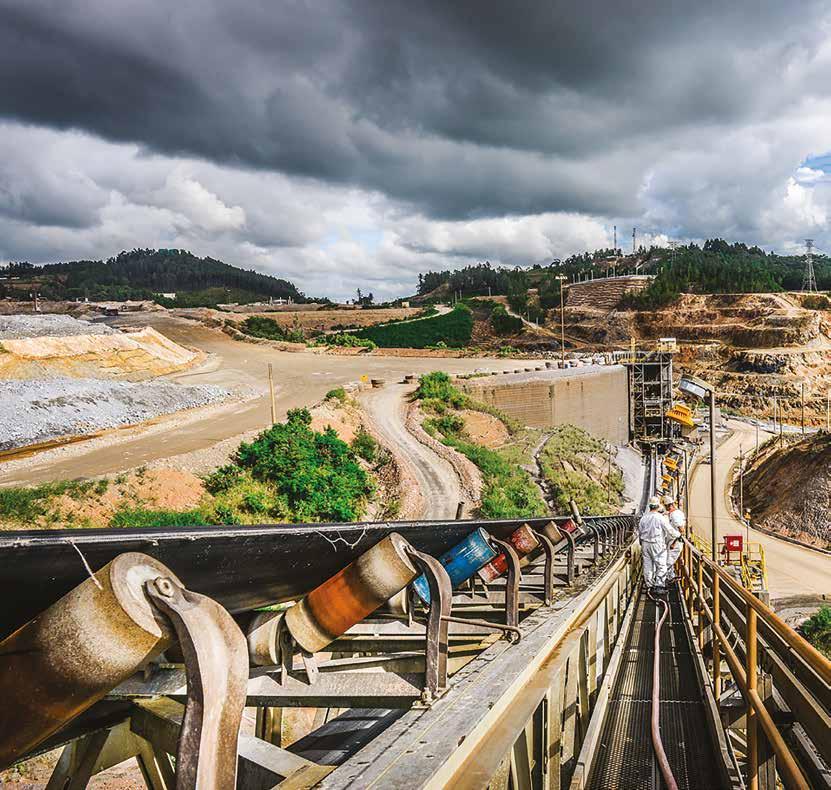
Above: There are many considerations for long conveyor belt systems
MOVING MATERIALS SAFELY
A priority for any bulk handling operator should be workplace safety and mitigating or eliminating possible hazards. Vehicle transport relies on a fleet of trucks and competent drivers – often sharing public roads – and is directly affected by weather conditions. These, and other risk factors, mean that even the most conservative workplace safety statistics reveal that there are 15 times more fatalities using
ON LONG CONVEYORS, A TRANSFER POINT IS REQUIRED IN SEVERAL SITUATIONS:
• Change in direction: Belt conveyors are generally straight lines. To circumvent obstacles, reach road access points, or avoid unauthorised areas, materials must be transferred onto another belt traveling to pivot to a new direction.
• Change in belt type or speed: Some systems require transfer to a cleated belt for steep angles or a faster belt to increase tonnage.
• Max load limit: A long conveyor may be split with one drive at the head pulley and another at the tail pulley to share the power load. Even when booster drives are used, additional transfer points are needed.
• Split or redirected cargo: Some operations need to separate bulk materials to other processes (different crushers, mills, or for stockpiling).
• Final discharge: Often the final point of discharge will involve further handling and stockpiling before the next stage of processing, loading or transportation.
road transport compared with the equivalent long conveyors. For reasons of safety alone, long conveyors are the right choice wherever appropriate.
TRANSFER POINTS AND SERVICING
“Access is critical with virtually any conveyor,” Timmerman says. “No matter how well the system is running, transfer points need to be inspected and serviced at least every six months.” Transfer points give rise to the greatest potential for spillage, with fugitive materials quickly piling up and encapsulating the belt and moving parts. Commonly, it’s the
responsibility of maintenance teams to first clear away accumulated material before taking steps to remedy the root causes of carryback, spillages, buildups and blockages.
However, properly engineered material transfer includes belt cleaning, sealing, chute clog prevention, impact management, tracking and monitoring to control the need for unplanned maintenance and unscheduled downtime. This is especially critical for remote transfer points on long conveyors where the goal should be to minimise the number of service visits and address all of the maintenance issues in a single visit.
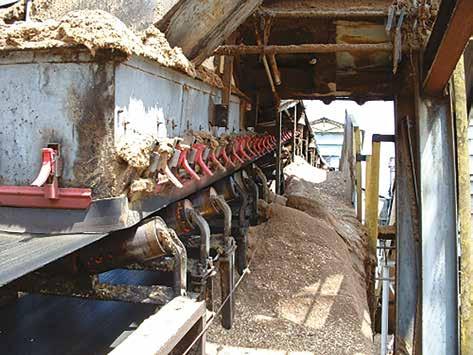
Maintenance teams are all too often tasked with clearing spillages before they can get to work on addressing root causes
TRANSFER POINT MAINTENANCE
Even the best designed transfer points can take some care to maintain. The most common ongoing transfer point maintenance tasks include:
• Primary and secondary belt cleaner blade replacement
• Belt cleaner performance monitoring and tensioner adjustments
• Inspection and servicing of rollers and other moving parts
• Transfer hopper and chute maintenance as well as blockage mitigation
• Belt tracking, signs of misalignment and general condition
• Spillage cleanup (in cases where the control of fugitive materials is inadequate)
When today’s conveyor belt cleaner designs and configurations (primary, secondary and in some cases tertiary) are well maintained, the systems are highly effective at removing material stuck to the belt, controlling the amount of carryback and spillage.
Belt cleaning is essential, because loose cargo pressure and material moisture content on the carrying side can cause the material to cling to the belt after discharge, especially for conveyors exposed to the weather. This fine material drops off releasing dust and fines during the return run. Fascinating as it might be to see a conveyor from space, no operator wants that visibility to be the result of fugitive dust.
Further, having to frequently maintain a primitive belt cleaner to make sure it is adequately tensioned and cleaning properly is costlier in labour over the long run than installing quality belt cleaning equipment from the start. This is known as Return on Performance (ROP), which differs from Return on Investment (ROI) in that it calculates the savings in labour for maintenance and equipment life over the long term, instead of merely the period in which the initial capital investment is recovered regardless of increased costs and replacements afterward. At a transfer point located miles away from a service team, having a reliable belt cleaner tensioning system that is self-adjusting and/or low maintenance drastically reduces the cost of operation.
On a busy mine processing plant,
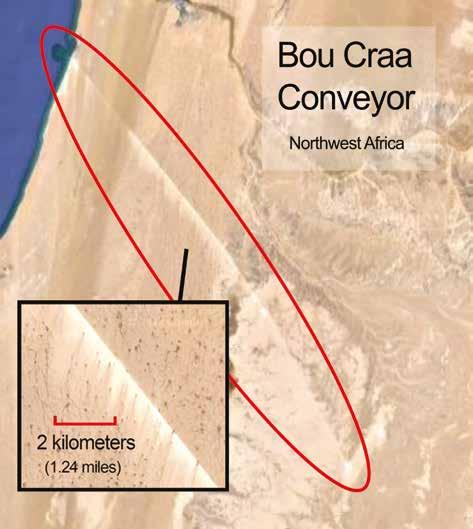
Having a reliable belt cleaner tensioning system that is self-adjusting and/or low maintenance drastically reduces the cost of operation
shovelling away spillage can be done daily, but for remote transfer points where fugitive material has built up over time, the job requires
transporting people and equipment to the site. Allowing volumes of spillage to build up between visits may lead to serious production issues, as well as environmental permit violations, so sealing transfer points to mitigate spillage saves in more ways than one. Transfer chutes can also experience build-up due to material properties, such as particle size, moisture content, temperature, abrasiveness and corrosiveness. When clogs happen, production stops fast and backflow fouls components in the discharge zone and spills over the edges of the system. If that happens on a major plant, teams can be on hand quickly to fix the issue. But on extended conveyor lengths, due to the transport and equipment needed, unscheduled downtime can become very costly.
A trace of the conveyor belt system from the Bou Craa mine is visible from space

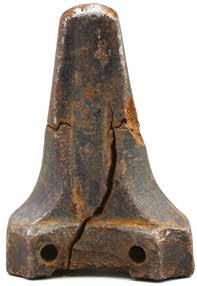
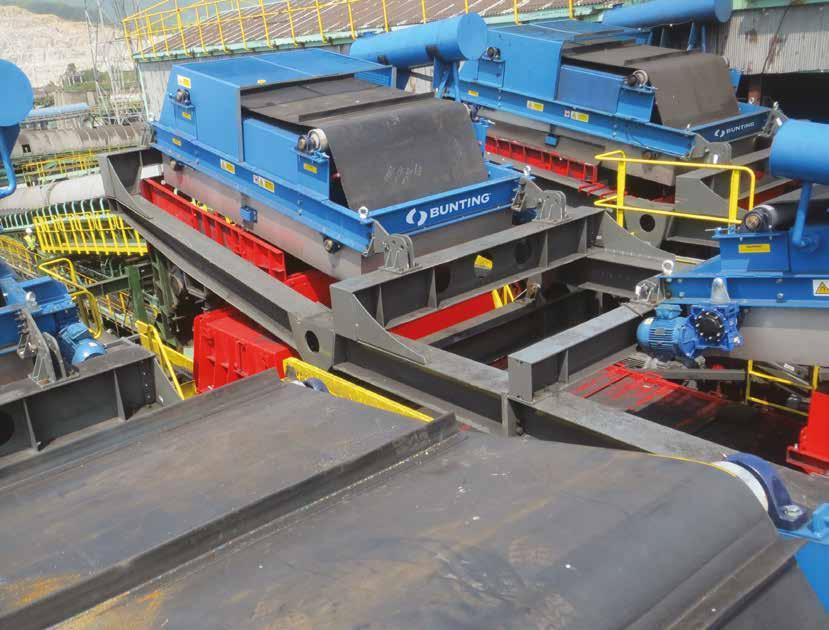
A FRESH PERSPECTIVE
Bunting Magnetics highlights the potential of dry magnetic separation in iron ore processing
Magnetic separation plays an important role in iron ore processing, particularly as the mining industry looks to improve efficiency while reducing environmental impact. From tramp metal removal to dry beneficiation, developments in highintensity magnetic separation enable new approaches to ore upgrading without reliance on water.
At the front end of iron ore processing, tramp metal removal is critical. Large ferrous objects such as digger teeth or hand tools can cause catastrophic damage to jaw and cone crushers. High-powered electro overband magnets are commonly used ahead of crushing stages to capture this material, protecting downstream equipment, maintaining operational continuity and reducing the risk of costly unplanned maintenance.
Another major driver for innovation in iron ore processing is water reduction. An estimated 2,000-5,000L of water is used per tonne of iron ore produced. A
significant portion of this consumption occurs during concentration and beneficiation. As water scarcity and environmental pressures increase, dry processing flowsheets are emerging as a viable alternative.
Recent work with global mining
companies and research institutions has focused on developing dry processing flowsheets using highintensity magnetic separation. Test work conducted at Bunting’s customer experience centre in Redditch, UK, has involved concentrating ores
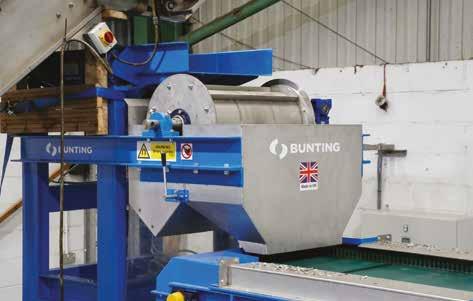
Test work at Bunting’s customer experience centre has demonstrated the technique’s size fraction flexibility
Tramp metal removal is critical in iron ore processing
and tailings across a range of size fractions using multi-stage magnetic separation, allowing assessment of where individual separator technologies perform most effectively.
APPROACHING COARSE MATERIAL
For coarser material in the 25–50mm size range, a combination of a rare earth permanent drum magnet and a highintensity separation conveyor (HISC) has proven effective as a pre-sorting stage. This approach increases the iron content of material sent for further size reduction. The rare earth drum utilises a permanent magnet system mounted within a rotating stainless-steel drum, with a 180° magnetic arc creating distinct magnetic and non-magnetic zones. In testing, top feeding enabled clean separation of magnetic material.
Material then passes to the HISC, which uses a high-powered permanent magnetic head pulley with a specialised pole arrangement to generate high magnetic peaks on the belt. A thin, robust belt design keeps the product stream close to the magnet, maximising separation efficiency. Across all samples tested at this size range, this method improved iron content and reduced the volume of inert material reporting to further comminution. The same approach was also effective in tailings applications, separating higher iron content material from lower-grade streams.
A SOLUTION FOR INTERMEDIATE SIZES
For intermediate sizes between 1-5mm, a multi-step process using a rare earth drum followed by a rare earth roll separator was applied. The rare earth roll is a conveyor-based separator featuring a tightly spaced pole configuration that produces a steep magnetic field gradient. Combined with a thin Kevlar belt, this design is well suited to separating weakly magnetic and paramagnetic materials.
Rare earth rolls are widely used in silica sand processing to remove fine iron contamination and paramagnetic minerals. Testing has shown that they are also effective in iron ore beneficiation, particularly as reduced particle size improves mineral liberation but demands higher magnetic field strengths for efficient separation.
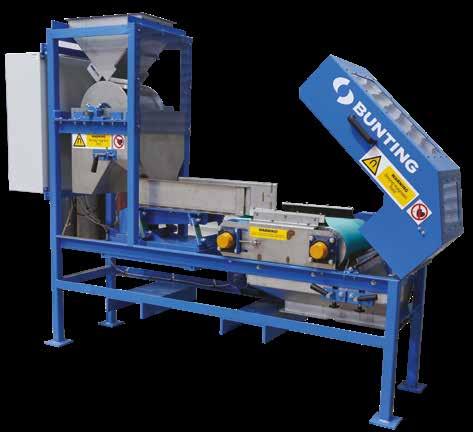
Dry magnetic separation supports sustainable water reduction practices
EVEN THE FINEST PARTICLES
At below 1mm, testing focused on two electromagnetic separator types that delivered similar performance, allowing flexibility in equipment selection depending on application requirements.
The first is the magnetic disc separator, where material is conveyed beneath up to three rotating discs. Each disc is energised by two electromagnetic coils, inducing a magnetic field that lifts weakly magnetic and paramagnetic particles from the belt. These particles are discharged once the disc rotates out of the magnetic field. The dual-coil design and adjustable configuration allow highly selective separation, with up to seven distinct product streams possible depending on disc arrangement. This technology is widely used in mineral processing, particularly for mineral-rich sands, and is increasingly applied in the separation of rare earth minerals such as monazite. Testing with a single-disc unit produced three product streams with clearly differentiated iron content.
The second option for this size range is the induced roll separator, another electromagnetic system that uses a high-powered coil to induce a magnetic field into a castellated roll.
The castellations generate a very high field gradient. Material is top-fed onto the roll, where weakly magnetic and paramagnetic particles are attracted and discharged from the magnetic field, while inert material falls away immediately. Induced roll separators are well established in the mineral processing industry, particularly in silica sand applications. Test work demonstrated the ability to produce iron-rich and predominantly inert product streams in a single pass, with multi-roll configurations enabling multiple passes within one machine.
A SUSTAINABLE FUTURE
As the iron ore industry continues prioritising sustainability, dry magnetic separation can reduce water consumption while maintaining or improving beneficiation performance. Ongoing test work and flowsheet development demonstrate how different magnetic technologies can be applied across particle size ranges to support more efficient and environmentally responsible iron ore processing.
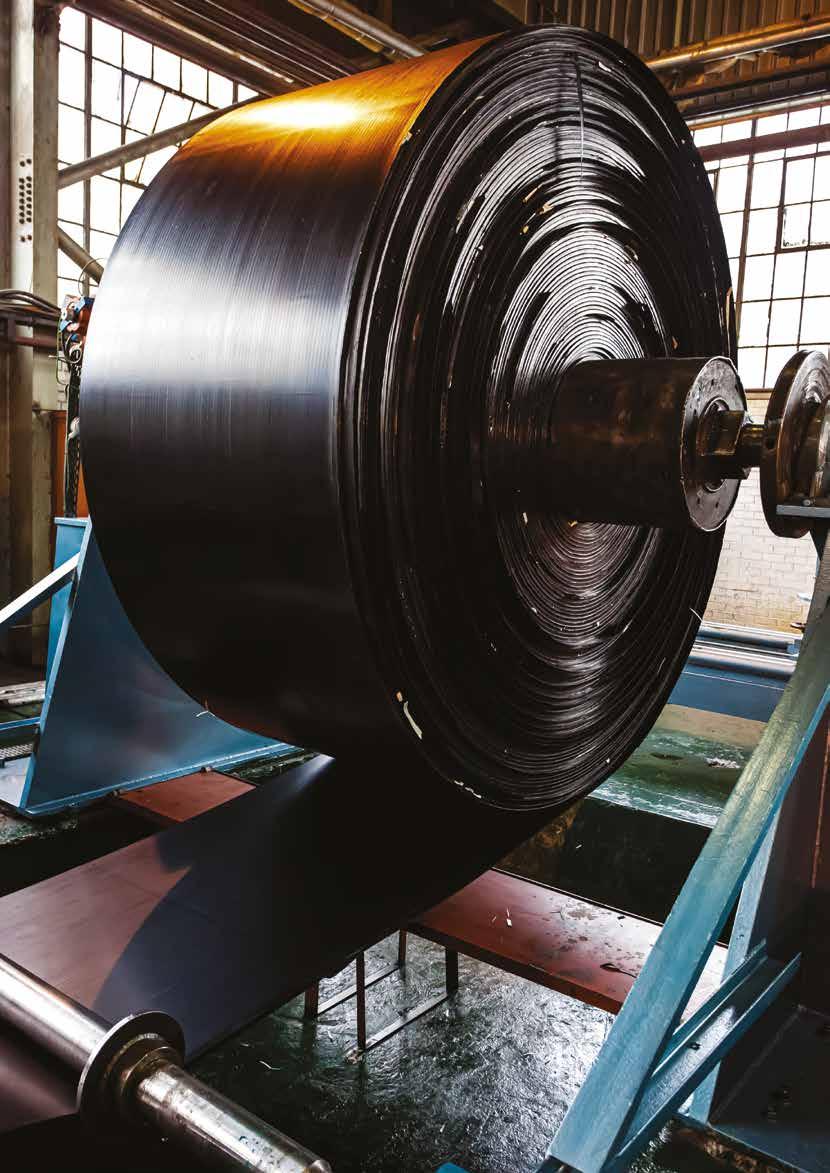
DON’T BE FOOLED
Why does one conveyor belt have a different price than its twin? It could be a reflection of cost cutting practices, reports Bob Nelson
The market for industrial conveyor belts has always been competitive but recent years have seen what was healthy competition become fiercer than ever, with mind-boggling price differences between belts that are claimed to be of an identical specification. Although many mine and quarry operators may not concern themselves with possible adverse consequences, if they looked deeper into the real reasons for big price differentials then they might very well begin to feel differently. Here’s how and why:
THE RUBBER
When trying to establish the reasons for a huge difference in the price of one conveyor belt compared to another, the starting point is the rubber because it forms some 70% of the volume mass and more than 50% of the production cost. Consequently, it is the prime target for cost-cutting.
The vast majority of conveyor belt rubber is synthetic. Dozens of different, often very costly, additives and chemical substances are used to create compounds that can cope with the different demands placed upon them. Using low-grade, unregulated chemicals at the absolute minimum quantities or, in some cases, not using them, all contributes towards the ‘lowest possible price’ objective.
A good example of these omissions are the antioxidants needed to protect against the serious damage caused by exposure to ozone (O3) and ultraviolet light (UV). They are regarded by most manufacturers as an unnecessary cost, which explains why more than 80% of belts sold in Europe, Asia and Africa have no ozone & UV protection. Again, a saving for the manufacturer and a significant cause of accelerated wear life for the end-user.
CARBON BLACK
Carbon black polymer is not a colourant as some might believe but actually a critically important component of rubber, typically making up around 20% of its mass. Amongst many key functions, it prolongs belt life by slowing the ageing process and also acts as an important reinforcing compound. But despite this crucial role, it is seen as
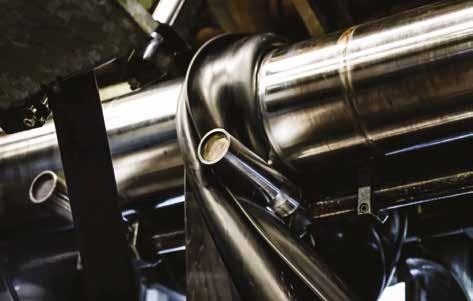
yet another cost-cutting opportunity. Good quality carbon black is costly, especially since Russia invaded Ukraine and a main supply source is now eliminated by embargoes. Belts offered at a significantly lower price almost certainly contain a low-grade version, which most likely was made by burning scrap car tyres rather than the much longer, more complex, scientific process needed to make high quality carbon black. A clue to its use can be a strong, pungent smell whereas good quality rubber should have little or no smell at all.
Even more seriously, low-grade carbon black can contain ‘forever chemicals’ including carcinogenic residues that are dangerous for people and the environment. Other cost reduction methods include using reject rubber of highly questionable origin and fillers such as chalk, to artificially boost the volume, despite imposing severe limitations on the day-to-day performance and the
working life of the belt.
Last but certainly not least are the cost-cutting practices used when producing rubber compounds that are most important to mining and quarrying such as abrasion, cutting, ripping & tearing and fire-resistant qualities. The special chemicals and additives needed are even more complex and costly so again, the temptation to minimise costs by minimising their use seems irresistible to those wishing to compete on the basis of lowest price. The consequence is belts that are much less capable of handling aggressive materials over long periods of time and potentially unsafe fire-resistant belts that do not self-extinguish quickly enough.
Shorter belt life does, however, create a ‘win-win’ situation for those who manufacture them and service providers who supply, fit and repair such belts while claiming them to be much more economical than the socalled ‘big name’ manufacturers.
The number one target – rubber represents more than 50% of the cost
Cracking up – the result of rubber not having inbuilt protection against ozone and ultraviolet light
Premature ageing – a consequence of poor quality rubber
THE CARCASS – NOT WHAT THEY CLAIM
The carcass is the backbone of any conveyor belt so, as with the quality of the rubber, when a low selling price is the driver then reliability, longevity, productivity and running costs become the proverbial ‘sacrificial lambs’. Most conventional construction rubber multi-ply and single-ply belts use a combination of polyester and nylon (polyamide) synthetic fabrics, referred to as ‘EP’. This is because it has the best balance of mechanical properties including allowing a conveyor belt to run straight, to trough, to flex round pulleys and drums, stretch, provide transversal rigidity, longitudinal strength and much more besides.
Unless the weave pattern has been specifically designed, as in the case of specialist, high-endurance single and dual-ply construction belts, such as Fenner Dunlop’s X Series range, totally polyester (EE) fabric plies can lower transverse elasticity, reduce troughability, impact resistance and also cause tracking issues.
Unfortunately, a common deception
DON’T BE FOOLED by the common misconceptions that the reasons for big price differentials are the lower cost of labour in South and East Asia and/or that you are merely ‘paying for the name’. Neither is true. Labour represents less than 6% of the cost of producing a conveyor belt while the profit margin on low-grade imported belting is substantially higher than the margins enjoyed by the premier brands.
employed by the less scrupulous manufacturers is to supply belts that have totally polyester (EE) fabric plies in a carcass that is claimed to be an EP (polyester/nylon mix) construction. The reason for this deception is that polyester costs some 30% less than nylon. This is significant because the fabric is the second highest cost component so using all-polyester fabric helps to achieve the perception of a lower ‘like for like’ price. The manufacturer, of course, knows that it is highly unlikely that the unsuspecting end-user will have laboratory tests carried out that would reveal their fraudulent behaviour.
In addition, inferior grade fabric plies can be prone to have an inconsistent longitudinal and/or transversal spread of tension, causing tracking, steering and handling problems. Such inconsistencies are problematic because the declared longitudinal tensile strength of a belt is the combined result of the individual fabric plies working together in tension.
For example, an EP 630/4 belt contains four layers of fabric
reinforcement and has a nominal overall tensile strength of 630N/ mm. Each ply has its own breaking strength, typically around 160N/mm. When the plies are bonded together to form the belt’s carcass, their individual strengths effectively ‘join forces’ so a consistent spread of longitudinal and transversal tension is required throughout every layer.
WHO SETS THE STANDARDS
Globally there are a number of different quality organisations who set standards for conveyor belting but the most widely accepted standards are those used in Europe. These are EN standards (European Norms) maintained by CEN (Committee European de Normalization), which are the most commonly used standards in Europe, and ISO (International Organization for Standardization) test methods. The ISO is an independent, non-governmental organization. It is the world’s largest developer of voluntary international standards and consists of the quality standards organizations of 168 member countries.
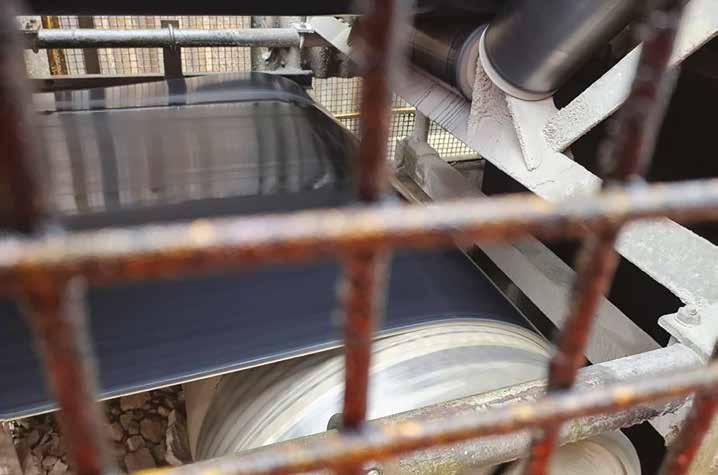
Mis-tracking can be caused by inconsistent tensions within the fabric plies
Globally there are a number of different quality organisations who set standards for conveyor belting but the most widely accepted standards are those used in Europe
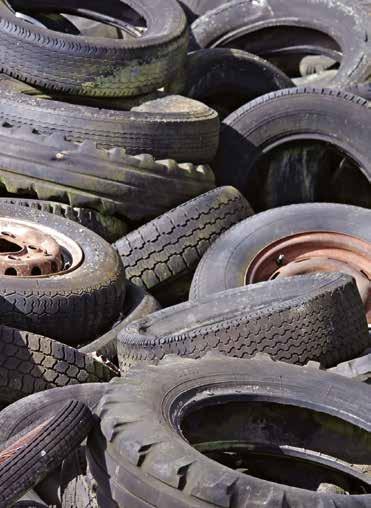
Although standards vary between different countries, members of CEN are obliged to implement EN (European standards) as their national standards without modifications and must withdraw any of their own standards that may conflict with them. Standards applied in non-CEN member countries are in most cases significantly inferior.
Some words of caution here because

Not what they claim – some belts are supplied totally polyester (EE) fabric plies in a carcass claimed to be EP (polyester/nylon)
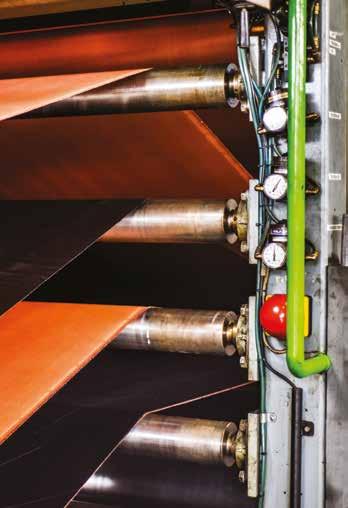
good quality DIN Y (ISO 14890 L) rubber often has a much better resistance to abrasive wear, cutting and gouging than an inferior quality DIN X (ISO 14890 H) or even DIN W (ISO 14890 D) grade rubber. Good quality rubber will also have superior tear strength (measured as eitherN/ mm2 or MPa).
Although compliance with CE quality standards is often stipulated
by purchasers of industrial conveyor belts, they do not apply because conveyor belts are not a product category that is subject to specific directives requiring CE designation. The “CE” used in the CE Marking represents “Conformité Européene”, meaning “European Conformity”.
Don’t be fooled - An almost identical mark is being used that many potential users mistakenly believe is a genuine CE mark of European quality conformity. In reality it actually stands for “China Export”, meaning that the product was manufactured in China.
TO CONCLUDE
There are a great many tricks and deceptions that explain why one belt has a much lower price than another. Don’t be fooled. Price is what you pay but the cost is what you spend.
On the left - the real thing. On the right - China Export.
Low-grade carbon black is most likely to have been made by burning scrap car tyres
THE SELECTIVITY CHALLENGE
Typical pegmatite ore consists of spodumene (LiAl(SiO3)2) with gangue minerals quartz, feldspar and mica. A fatty acid is used to recover spodumene; however, this collector also floats mica. To manage this, operations rely on a pre-flotation stage, where mica is removed using an amine collector ahead of spodumene flotation.
In practice, however, conventional amine collectors used in the prefloat are not selective, recovering not only mica but also significant amounts of quartz and feldspar.
This study evaluated the performance of a selective amine collector, designed to preferentially recover mica while limiting flotation of other gangue minerals.
A MORE SELECTIVE APPROACH
Flotation test work compared a novel amine-based collector (Nascol CZZ1) with a conventional amine (EDA). Tests were conducted on a representative lithium-bearing ore using standard rougher conditions (pH 2.5, 10-minute flotation, 2.5L Denver cell), across a range of collector dosages.
Nascol CZZ1 consistently improved mica recovery by approximately 6% relative to EDA. Notably, comparable mica recovery was achieved at 100g/t of Nascol CZZ1 to that obtained with 300g/t of EDA. This improved efficiency at lower dosage offers both a potential
DEVELOPING AN AMINE THAT IS SELECTIVE TOWARD MICA IN THE PREFLOAT IS BENEFICIAL BECAUSE:
1. Reduced mass pull
2. Potentially lower spodumene losses
3. Reduced potential amine carryover into the spodumene fatty acid circuit
Targeted mica recovery can improve circuit efficiency, reports Nasaco
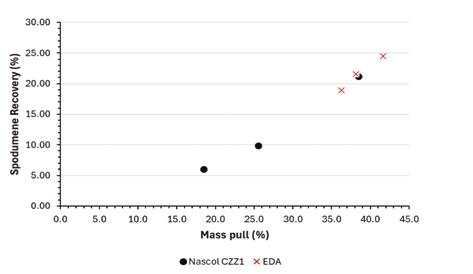
Spodumene recovery and mass pull at pH 2.5 for Nascol CZZ1 and EDA
cost advantage and reduces the risk of amine carryover into the downstream fatty acid circuit. Importantly, this improved recovery did not result in increased quartz and feldspar recovery.
Quartz and feldspar recovery were significantly reduced across all dosages (by up to 22% at 100g/t).
This demonstrates that the reagent preferentially targets mica while limiting the recovery of quartz and feldspar.
IMPACT ON SPODUMENE LOSSES IN PREFLOAT
The benefit of improved selectivity becomes evident when considering spodumene losses in the mica prefloat.
A strong relationship was observed between quartz/feldspar recovery and spodumene reporting to the prefloat. The figure demonstrates that spodumene recovery is largely due to entrainment and entrapment. Limiting quartz and feldspar recovery lowers mass pull, thus reducing the amount of entrapped spodumene particles.
Due to this relationship, spodumene losses in mica prefloat are approximately 13% less compared to EDA at 100g/t.
This improvement has important downstream implications. Cleaner performance is sensitive to both
solids loading and the extent of value mineral that needs to be recovered. By reducing mass pull and the carryover of entrained spodumene, the cleaner circuit operates under less constrained conditions, improving its ability to reject gangue and recover spodumene, making the cleaner more robust.
THE KEY TAKEAWAY
This work demonstrates that Nascol CZZ1 functions as a selective mica collector. By increasing mica recovery while limiting the recovery of quartz and feldspar to the prefloat, overall mass pull is reduced, thereby minimising entrainment and entrapment of spodumene. As a result, spodumene losses to the mica pre-float are significantly lower (approximately 13%).
Importantly, the increased mica recovery also suggests that similar or improved performance can be achieved at lower reagent dosages. This not only offers a potential cost advantage but also reduces the risk of amine carryover into the fatty acid circuit, supporting more stable and selective downstream flotation.
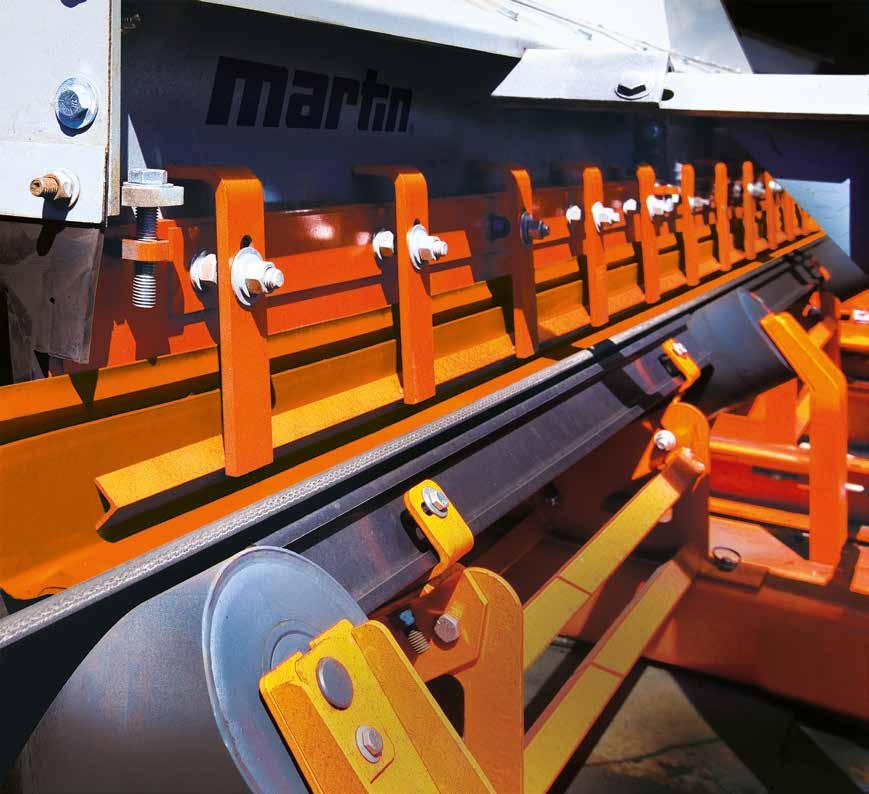
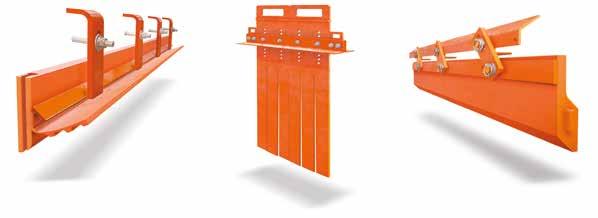
t mining operations around the globe, dust and spillage escaping from conveyor transfer points can create costly production and compliance challenges. But Martin's easy-to-install Modular Transfer Point Kits (with several loading, settling, and stilling zone configurations) combined with our enclosure-to-belt skirting options and dust curtains, effectively arrest fugitive material at the source while maximizing material flow. These field-proven Martin components control material loss, reduce dust emissions, and improve overall operation efficiency.
ApronSeal™ Skirting
GravitySeal™ Skirting
A.I.R ™ Control Dust Curtain
THE AGE-OLD QUESTION
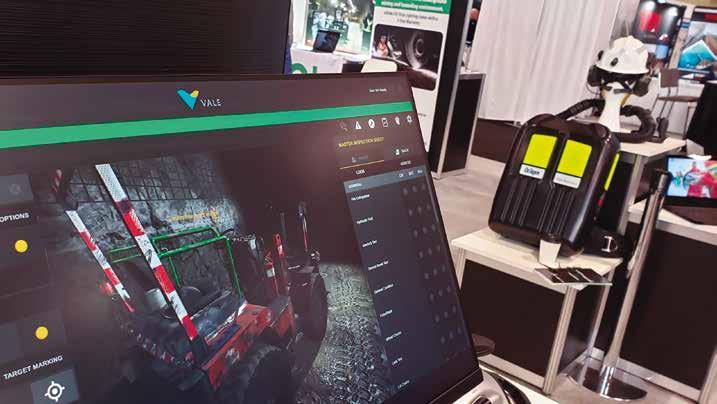
How can the mining industry inspire a new generation?
The mining industry is grappling with an ageing workforce, with over 72% being over the age of 35 across OECD’s 38 countries, which include Canada, the USA, Australia, Chile and Sweden1
While many people are ageing out of the mining workforce, younger people are not engaging as much with the mining industry as previous generations have. In Chile, for example, only 30% of new hires in 2022 were under the age of 302
Similarly, 2023 research determined that enrolments in mining-related higher education programmes have fallen by 63% in Australia since 2014, while mining-related graduations in the USA have decreased by 39% since 20163. In a 2020 survey of 15-to30-year-olds, 42% of respondents reported they “definitely would not” consider working in the mining industry, and 28% reported they “probably would not”4
WHY MINING LACKS LUSTRE
At first glance, mining is not an attractive industry to a generation that values safety, mental health support, sustainability and remote work options, as well as diversity,
equity and inclusion (DEI)5,
However, many mining companies are strengthening their focus on diversity, health, sustainability and digitalisation, both in training and practice. Up to 70% of mining companies are using or integrating AI into their operations to support sustainable practices and reduces dependence on manual labour8 Gen Z possesses digital literacy beyond older mining workforces that could contribute to an industry transformation, if the sector was seen as desirable.
A SPECIALISED APPROACH
An increasingly popular way to attract and train younger working populations is through company and government programmes that encourage diversity, digital tools training and a holistic view of the mining industry.
A project led by Canadian mining innovation company Norcat explored this avenue. The Leveraging Technology to Develop Modern Mining Skills project examined how the incorporation of augmented reality and virtual reality into Norcat’s training programmes could impact labour and safety challenges in mining.
The intention was to improve learning outcomes and provide safer, more accessible practice environments for new workers by incorporating simulations into core training programmes. 170 participants completed Norcat’s Hard Rock Miner training, and 145 completed its Confined Space programme. The initiative specifically sought out underrepresented groups in mining, including youth (46%), Indigenous Peoples (33%) and women (14%).
AR and VR technologies allowed the learners to practise in immersive, controlled environments to build muscle memory and gain confidence in hazardous scenarios before entering active mine sites.
Participants’ knowledge of mining practices improved dramatically, with test scores rising from 27% pre-training to 72% posttraining. Confidence levels also increased: only 15% of trainees felt confident operating load-hauldump machinery at the start of training compared to 98% by the end, while fire safety confidence rose from 51% to 88%. The results demonstrate that immersive learning can boost both skill acquisition and learner engagement among underrepresented groups of learners.
Around the world, fewer young people are showing an interest in the mining industry
6, 7
NORCAT’S PROJECT INTEGRATED SEVERAL AR AND VR LEARNING TOOLS INTO TRAINING PROGRAMMES, INCLUDING:
• a VR pre-operational inspection tool for mining vehicles (loadhaul-dump, forklift, scissor lift).
• an AR fire extinguisher simulator for fire safety training.
• mining equipment simulators for operating underground loaders.
• an AR confined space simulator for construction training.
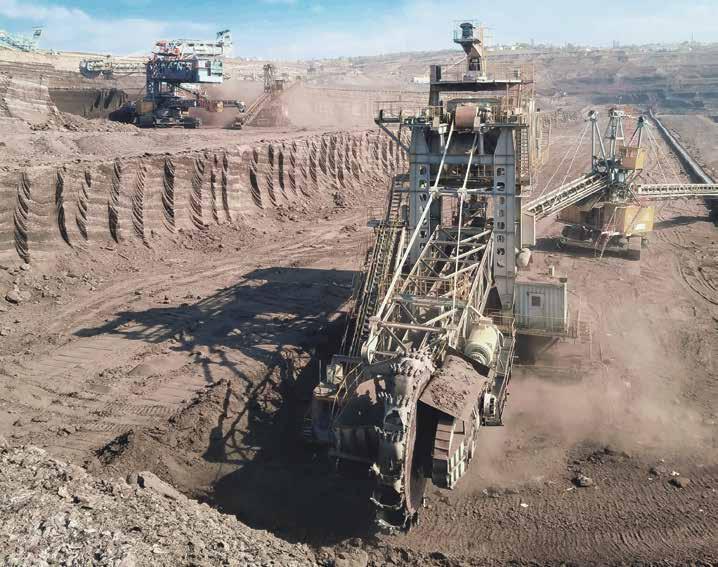
WHEN GOVERNMENT BACKING WORKS
A similar movement is the Minerals Council South Africa’s ‘MiningMatters’, which aims to increase investments and focus on skills development in youth.
“Mining continues to demonstrate that a positive impact on people is its greatest value creation now and in the future,” said the Minerals Council head of HR and skills development. “The training funded by mining companies are critical to developed skills at work and more broadly in host communities to shape a more resilient, inclusive future for employees and communities alike.”
In the five years to end-2025, more than R1 billion was spent on providing higher education bursaries. Training for mine employees more than doubled in 2024 from the previous year, with companies delivering nearly 860,000 training interventions, up
from 407,899 in 2023, according to a study by the Mining Qualifications Authority (MQA), an organisation that is a strategic partner to the South African mining industry and which is funded by companies’ contributions of skills levies.
Most of the training was short courses, with safety as the dominant theme. The training was focused on young people, with the provision of more than 12,800 bursaries in 2024 and nearly 10,800 short courses, which are designed to provide skills in a timeefficient manner. In total, 36,520 youth and 3,300 school children received training during 2024.
THE TAKEAWAY
Specialised training programmes that consider the needs of individual groups, such as younger, digitally savvy people, can making mining a more desirable industry to enter.
Specialised programmes targeting underrepresented groups can be effective
Resources:
(1) https://www.oecd.org/content/dam/ oecd/en/publications/reports/2025/06/ mining-for-talent_ca2ef39b/d89677f7en.pdf
(2) oecd.org/content/dam/oecd/en/ publications/reports/2025/06/miningfor-talent_ca2ef39b/d89677f7-en.pdf
(3) (4) https://www.mckinsey.com/ industries/metals-and-mining/ourinsights/has-mining-lost-its-luster-whytalent-is-moving-elsewhere-and-howto-bring-them-back
(5) https://www.eaglehillconsulting.com/ news/younger-workers-prefer-remoteflexibility/
(6) https://www.brookes.ac.uk/aboutbrookes/news/news-from-2024/12/ study-reveals-mental-health-diversityand-work-lif
(7) https://www.deloitte.com/global/en/ issues/work/genz-millennial-survey. html
(8) https://www.precedenceresearch.com/ ai-in-mining-market
Providing a holistic view of the mining industry helps garner interest
THE GOLD CITY: RICH IN MINERALS
It’s nearly time for the 2026 Euro Mine Expo, a biannual trade fair and conference that is a crucial meeting point for the mining industry.
Euro Mine Expo will be held in Skellefteå, a city in northern Sweden with a rich mining heritage. Also called The Gold City, Skellefteå is located in one of the most abundant mineral areas in the world.
The 2026 conference programme is built on three pillars: Innovation and Technology, Social Responsibility and Workplace Safety. A common thread throughout every session is the understanding that the mining industry is transforming rapidly, and that digitalisation and sustainability are no longer peripheral to the sector.
“Euro Mine Expo is where the future of mining takes form. Here, decisionmakers, researchers and technology companies meet to share experiences and create collaborations that drive
the industry forward,” said Euro Mine Expo project manager Sinnika Sjunnesson.
Boliden, Metso, Sandvik and LKAB are just some of the contributors to this year’s conference, which is
The Gold City, Skellefteå is located in one of the most abundant mineral areas in the world
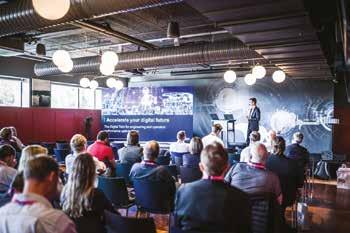

expecting at least 2,000 visitors from over 40 countries. The trade fair, featuring about 200 exhibitors, will give everyone the chance to connect with industry-leading corporations, subcontractors and suppliers, and explore new products, solutions and technological innovations.
Field trips to HYBRIT and Björkdalsgruvan will give participants the chance to dive deep into the companies’ operations. Networking will be supported through numerous social events featuring local cuisine and musical entertainment.
Euro Mine Expo will take place 2628th May at Skellefteå Kraft Arena.
To obtain your ticket, visit: https://events.euromineexpo.com/ events/euromineexpo2026
For more information visit: www.euromineexpo.com
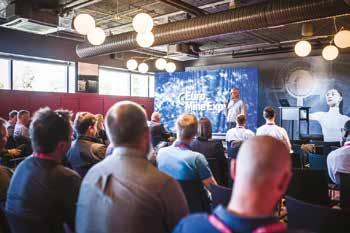

HILLHEAD: THE GREAT OUTDOORS
Hillhead, the UK’s largest quarrying exhibition is back and ready to welcome nearly 20,000 visitors from across the globe. The show, which will take place at a limestone quarry, will feature exhibitors such as Komatsu, Sandvik and Metso.
“We are delighted to have all the major OEMs confirmed for the show, and we are seeing that momentum spread across all areas of the showground as the appetite for both indoor and outdoor space continues to build,” said event director Richard Bradbury about the biannual event.
Hillhead launched in 1982 at Jackdaw Crag with a focus on
quarrying and extractive industries. Since then, it has expended to include the construction and recycling sectors. This year, the show will host three days of live demonstrations, over 600 exhibitors and thousands of products.
The 2026 show is offering an array of venue improvements, including upgraded Wi-Fi, phone service and facilities. The car park has been expanded to account for what Hillhead expects to be its largest show yet.
Hillhead will take place 23rd-25th June at Tarmac’s Hillhead Quarry near Buxton, Derbyshire.
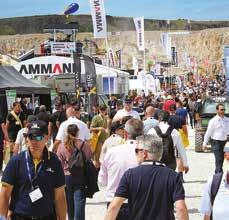
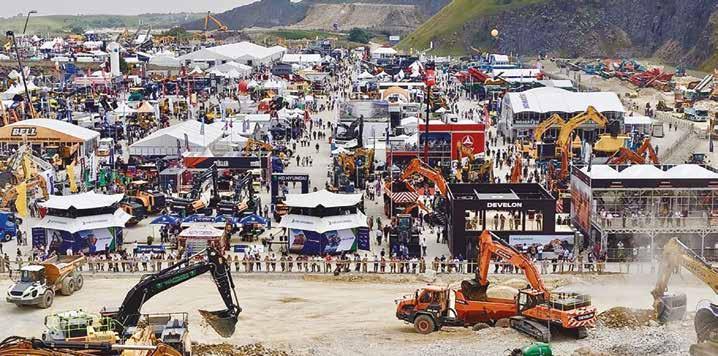
The sprawling show takes place at a limestone quarry in Derbyshire

CIRRUS RESEARCH
At Cirrus Research, we specialise in the design, manufacture, and distribution of high-quality noise measurement instruments and solutions.
T +44 (0)1723 891655
E sales@cirrusresearch.com
W www.cirrusresearch.com

CONN-WELD INDUSTRIES, LLC.
Conn-Weld Industries, LLC is an engineering firm and 400,000 sq. ft. manufacturing facility providing a full product line of vibrating screening equipment, sieves, and various components serving the mining industry.
T +1 304 487 1421
E sales@conn-weld.com
W www.conn-weld.com

HILLIARD
Hilliard offers a diversified product line for industrial applications in a wide variety of industries. Hilliard products are designed, manufactured and sold according to our customers' applications.
T +1 607 733 7121
E sales@hilliardcorp.com
W www.hilliardcorp.com
RICHWOOD
Richwood designs innovative solutions for the worldwide bulk material handling industry. Clean conveyors and sealed and protected load zones from site specific solutions mean lowered maintenance costs, safer work areas and more productive operations.
T 304-525-5436
E info@richwood.com
W www.richwood.com
J.H. FLETCHER & CO
Celebrates their 80th anniversary of serving the underground mining industry. Fletcher world renowned roof support, is accompanied by an entire product line, which serves the coal, industrial mineral, metal, and construction industries.
T +1 800 543 5431
E sales@jhfletcher.com
W www.jhfletcher.com
DIEMME FILTRATION
Diemme Filtration has the widest range of filter presses available on the global market in terms of size, design and technical characteristics. The equipment is tailor made and designed according to the needs of the specific application.
T +39 0545 20611
E info@diemmefiltration.com
W www.diemmefiltration.com

LabFacility
The UK’s leading ISO 9001-accredited manufacturer and supplier for the complete temperature chain. From Temperature Sensors, Thermocouple Connectors and Cabling to supporting instrumentation and components, we are the GO-TO people.
T +44 (0) 1243 871280
E Sales@labfacility.com
W www.labfacility.com





Control dust and spillage.
For over 40 years, the largest mining companies in the world have put their confidence in Richwood’s innovative material handling solutions.
When it comes to solving problems with dust and material containment, Richwood achieves success with engineered passive dust containment systems. Application-specific solutions optimize efficiency through sealed and protected load zones without the need for vacuums, filters or other additional equipment. The reduced wear and tear on equipment and controlled dust and spillage create a safer and more productive work environment. Worry-free load zones are designed and built by Richwood every day.
What would it mean for your productivity if dust and spillage issues were eliminated? Contact Richwood today for a review of your application.
Rely on Richwood!
Hägglunds Thunder
That’s more than a sound you hear. It’s expectations being shaken. One small change that sets the stage for so much more. When the new Hägglunds Thunder resonates with your needs, the result is electrifying. Learn what a difference a single difference can make at www.hagglunds.com.
Hägglunds is a brand of Rexroth. An electric start to a lasting boom.