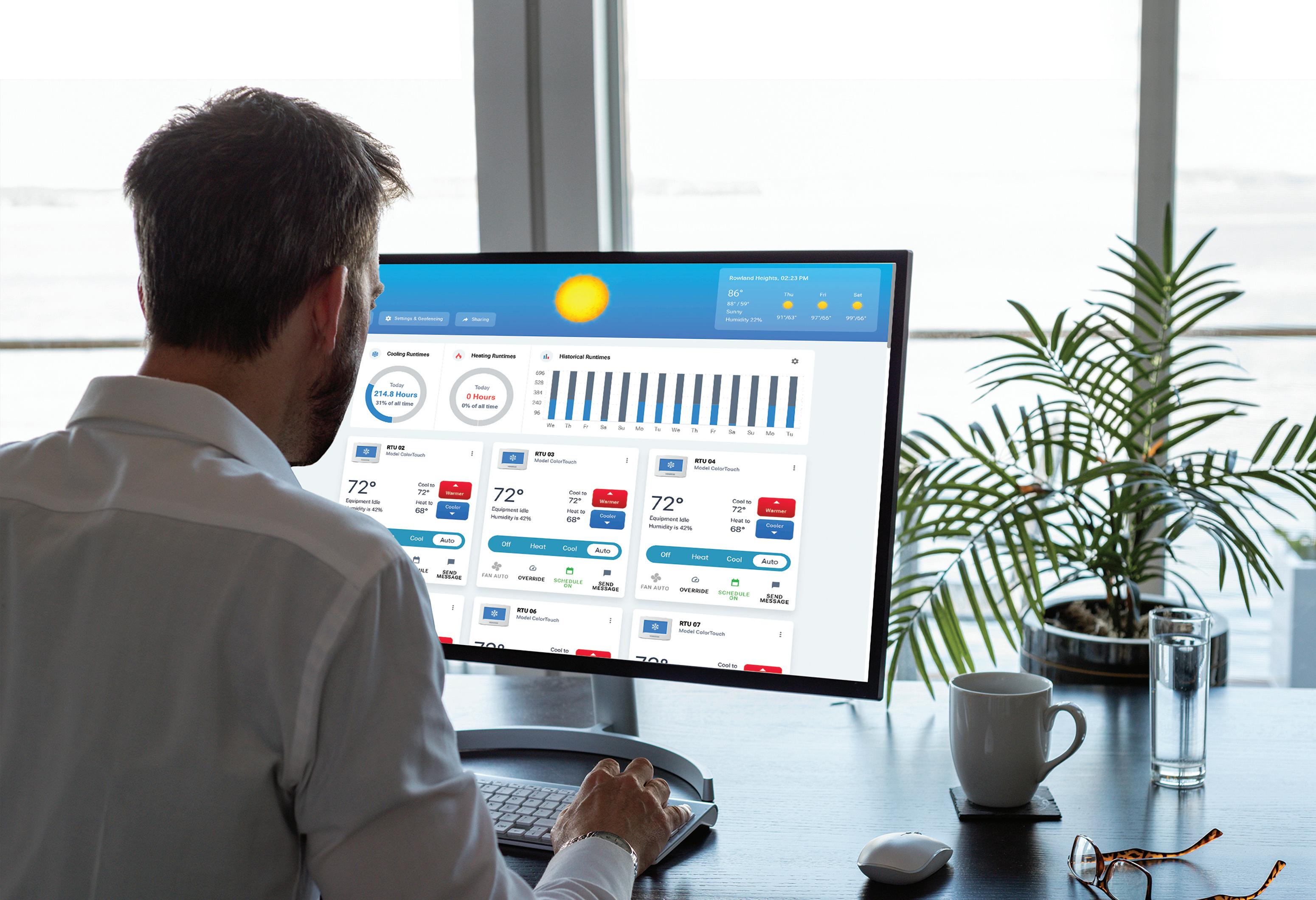
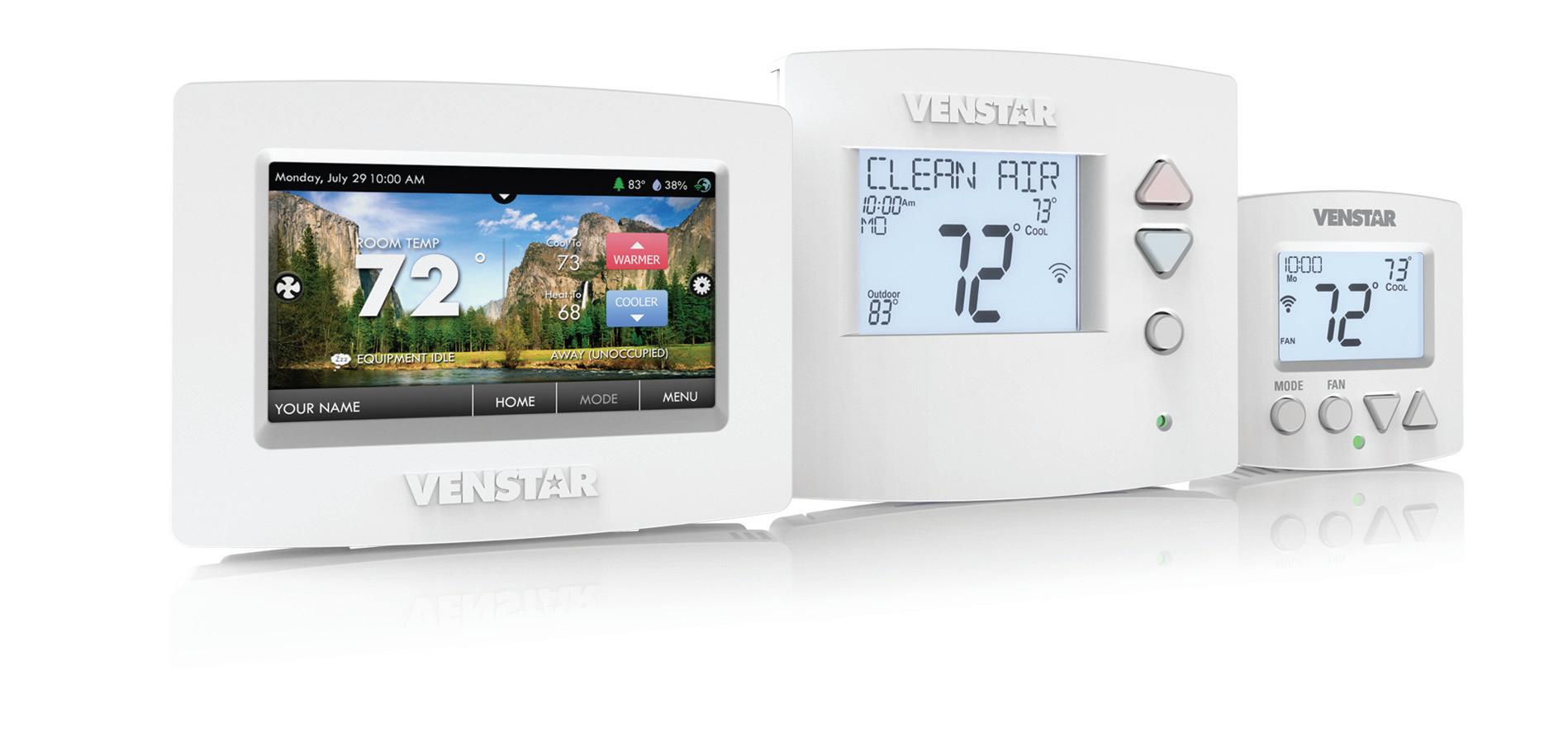
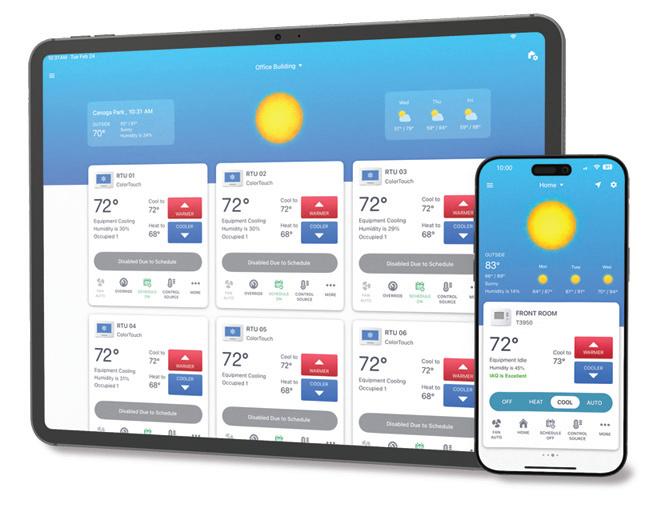
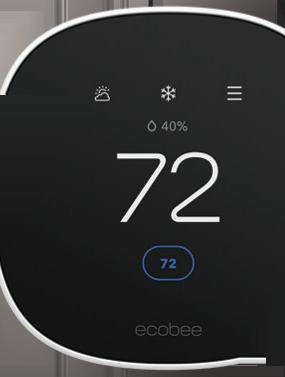
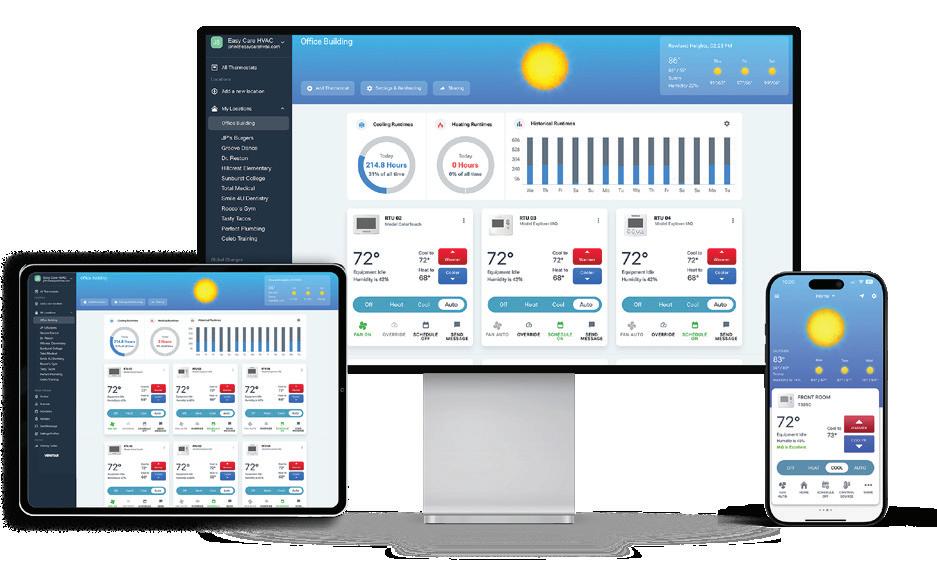
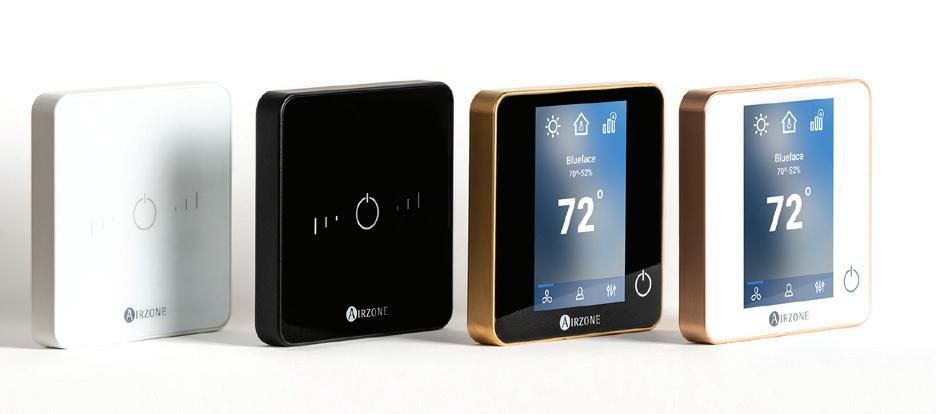
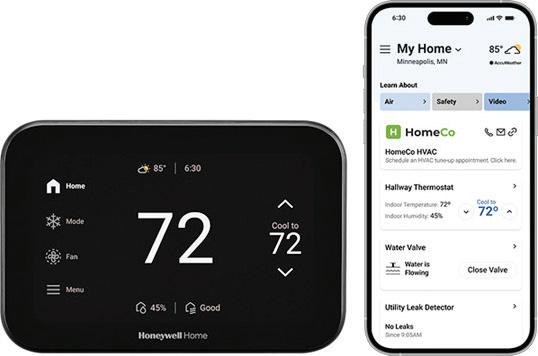
Remotely Manage HVAC Systems and Reduce Energy Usage With the Power of Skyport.TM
Skyport transforms Venstar thermostats into a centralized HVAC management platform, delivering real-time visibility and control across all locations from a single, intuitive dashboard. Monitor system performance, make instant adjustments, and respond to alerts before comfort issues escalate. From one thermostat to ten thousand, Skyport scales effortlessly, simplifying HVAC management.
• Instant System Visibility
• Real-Time Alerts
• Global Changes
• No Fees or Subscriptions
• Single Dashboard Control
• Fewer Truck Rolls, Faster Fixes
guide highlights the newest systems, technologies, and innovations designed to optimize installation, performance, and energy savings.
20 How HVAC Contractors Are Turning Indoor Air Quality Into a Steady Revenue Stream
The market for IAQ products is expanding, with contractors adopting integrated whole-home approaches to enhance IAQ and customer satisfaction.
& VENTILATION 22 Rethinking Ductwork: Turn Poor HVAC Installs Into Higher Profits and Healthier Homes
Addressing duct system problems can transform HVAC systems into air quality solutions, boosting service value and revenue.
24 The Smart Thermostat Strategy That Eliminated Return Trips for One HVAC Contractor
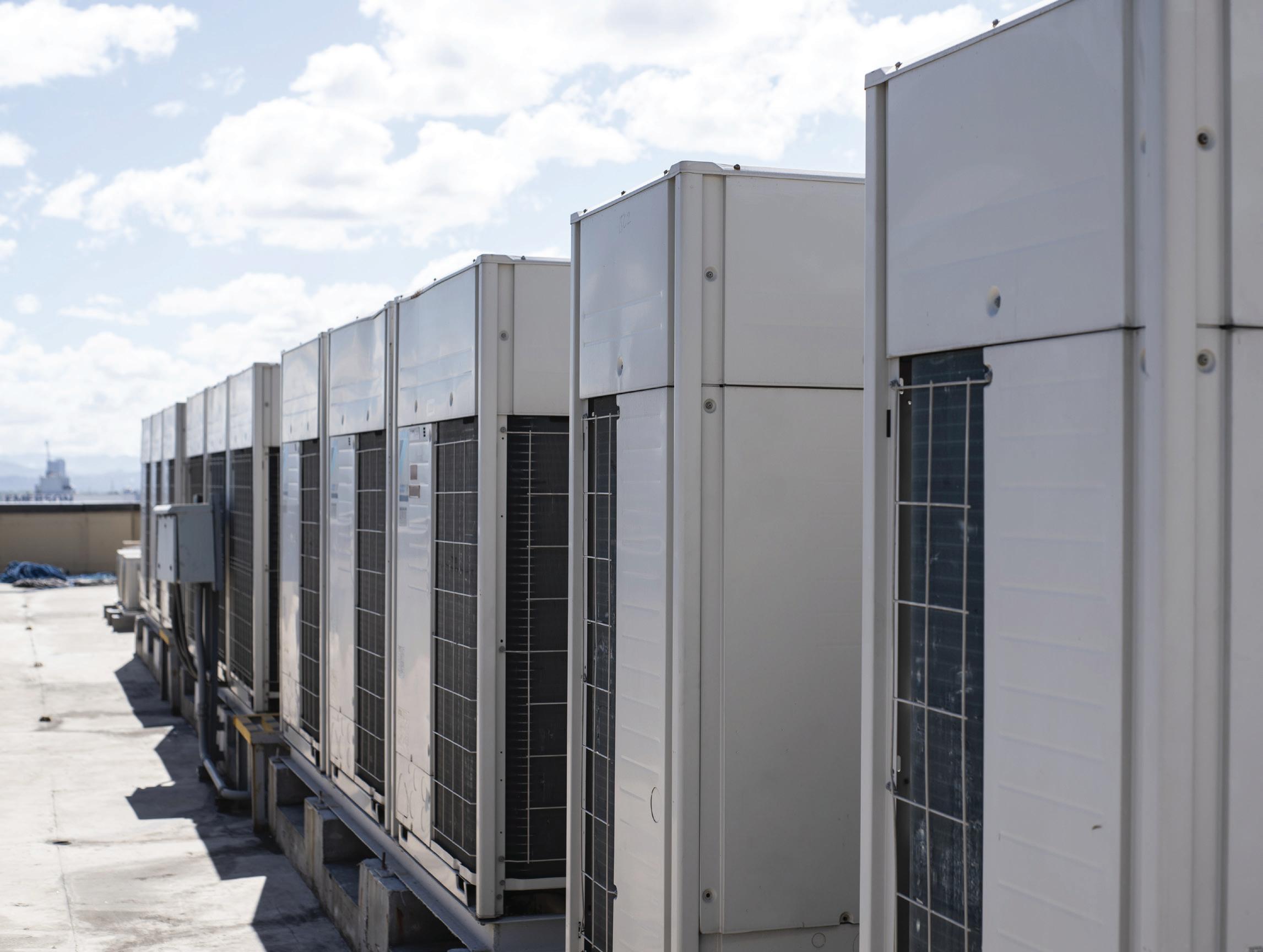
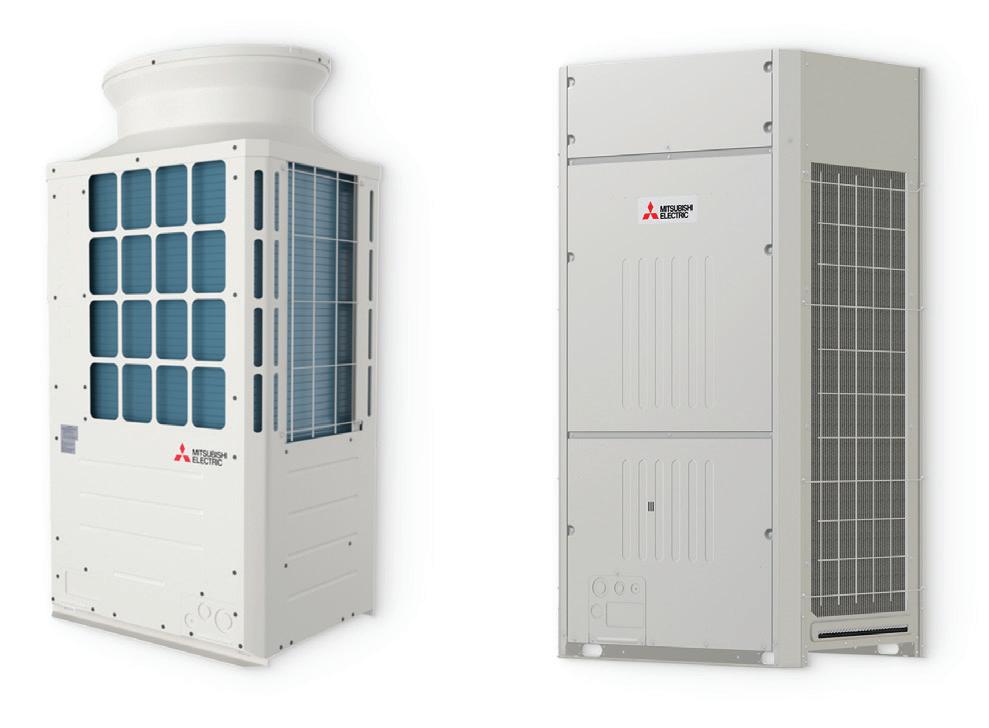
What the Commercial VRF Low-GWP A2L Shift Really Means for Contractors
As regulations phase out R-410A refrigerants, HVAC contractors must adapt and communicate with customers.
28 Adapting to A2Ls: How Flexible Evaporator Coils Enhance HVAC Efficiency and Service
Adaptable coil designs can be configured for different A2L refrigerants, streamlining operations and minimizing errors.
TOP STORIES ▶
Study Links Smart Thermostat Adoption
With Rising Privacy Concerns
Smart thermostat adoption is increasing, but trust in manufacturer data practices is declining. Worries about data privacy among smart thermostat owners increased from 26% in 2022 to 37% in 2026. www.contractingbusiness.com/55363724
The HVAC Pricing Mindset and Strategies to Drive Growth in 2026
Danielle Putnam shares insights and practical steps contractors can take to price for profit, protect margins, and build a sustainable business.
www.contractingbusiness.com/55359826
VP/Market Leader—Buildings & Construction Group, Mike Hellmann Editor-In-Chief, Nicole Krawcke, nkrawcke@endeavorb2b.com
Art Director, Julie Whitty
Production Manager, Sam Schulenberg Audience Development Manager, James Marinaccio, jmarinaccio@endeavorb2b.com
Ad Services Manager, Deanna O’Byrne
AI Search is Reshaping How Homeowners Find HVAC Contractors
Colleen Keyworth unpacks how AI-driven search is transforming digital marketing for home service businesses.
www.contractingbusiness.com/55363066
Technicians rely on combustion expertise daily. Test your skills and reinforce critical gas and oil heating concepts in this HVAC quiz.
www.contractingbusiness.com/55361082
CEO, Chris Ferrell
COO, Patrick Rains
CDO, Jacquie Niemiec CALO, Tracy Kane
CMO, Amanda Landsaw EVP Building & Construction Group, Chris Perrino
VP of Content Strategy— Buildings & Construction Group, Mike Eby
Contracting Business (USPS Permit 010-480, ISSN 0279-4071 print, ISSN 2771-652X online) is published monthly by Endeavor Business Media, LLC, 201 N. Main St., 5th Floor, Fort Atkinson, WI 53538. Periodicals postage paid at Fort Atkinson, WI, and additional mailing offices. POSTMASTER: Send address changes to Contracting Business , PO Box 3257, Northbrook, IL 60065-3257. SUBSCRIPTIONS: Publisher reserves the right to reject non-qualified subscriptions. Subscription prices: U.S. ($ 105.00); Canada/Mexico ($ 137.50); All other countries ($ 157.50). All subscriptions are payable in U.S. funds. Send subscription inquiries to Contracting Business , PO Box 3257, Northbrook, IL 60065-3257. Customer service can be reached tollfree at 877-382-9187 or at contractingbusiness@ omeda.com for magazine subscription assistance or questions.
Printed in the USA. Copyright 2026 Endeavor Business Media, LLC. All rights reserved. No part of this publication may be reproduced or transmitted in any form or by any means, electronic or mechanical, including photocopies, recordings, or any information storage or retrieval system without permission from the publisher. Endeavor Business Media, LLC does not assume and hereby disclaims any liability to any person or company for any loss or damage caused by errors or omissions in the material herein, regardless of whether such errors result from negligence, accident, or any other cause whatsoever. The views and opinions in the articles herein are not to be taken as official expressions of the publishers, unless so stated. The publishers do not warrant either expressly or by implication, the factual accuracy of the articles herein, nor do they so warrant any views or opinions by the authors of said articles.
[IAQ] shifts the conversation from reactive repairs to proactive health and comfort solutions— building trust and long-term customer relationships.
IAQ Is No Longer Just an Add-On
You may or may not know that I live in Michigan. We’ve had some wild weather lately —crazy temperature swings teasing warm weather days with temperatures ranging from 60-70° one day, then back to the low 20s with snow showers the next. Don’t even get me started on the thunderstorms, tornado warnings, and high winds!
Either way, as we head into April, I’m thrilled that spring is finally here. I’m not so thrilled about what comes with it. “April showers bring May flowers,” as the saying goes—but for those of us dealing with seasonal allergies, that beauty often comes with a fair share of misery. My allergies are so bad that I receive weekly allergy shots. I also have a portable air purifier in the bedroom. Needless to say, our next big HVAC purchase will be a whole-home air purifier.
I spoke to him recently about the topic for an upcoming episode of the “HVAC Chats” podcast, which will be released later this month. Here’s what he had to say:
And, I know I’m not the only one! Homeowners are paying closer attention to indoor air quality (IAQ) than ever before—and HVAC contractors are on the front lines of that shift. The pandemic raised awareness about airborne contaminants, but the concern has evolved into a broader focus on long-term health, comfort, and home performance.
Today’s homeowners are thinking beyond just germs—yes, they want cleaner air, but they also want fewer allergens, better humidity balance, and protection from pollutants like wildfire smoke and VOCs. It’s no secret that tighter building envelopes and energy-efficient homes can trap contaminants indoors, making IAQ solutions not just desirable, but necessary. The growing awareness reflects what’s going on in the market—according to a report from Dataintelo Consulting, the global IAQ market size was valued at approximately $20 billion in 2023 and is projected to reach around $35 billion by 2032, growing at a compound annual growth rate (CAGR) of 6.2%.
For HVAC contractors, this presents a major opportunity to position IAQ products not as addons, but as essential components of a complete comfort system that supports healthier living. In fact, Nexstar Network Business Coach Carlos Aponte strongly dislikes using the term “add-on sales” at all for these products because IAQ is a critical component that every contractor should be offering to every customer on every call.
“We can all agree that customers are holding on a little tighter to their money when it comes to discretionary spending. A couple of thoughts: the more we keep making it (IAQ) discretionary (as opposed to a necessary part of a comfort system), the more it becomes difficult. Think about it this way. If homeowners are going to be holding on to their systems longer, we’re going to have a harder time replacing it. Wouldn’t we want to be the ones who are there helping them make it last longer, helping them make it feel fresh? If my air’s a little cleaner, my system’s going to last a little longer. Be there for them. Speak to those things. It’s hard to predict, but at the end of the day, there are just certain things you have to bring up every single time, no matter what. You have to consider and use that angle, say, ‘I understand most homeowners are holding onto things a little tighter—I am in my own house. Here’s something that could help protect the system and make it last a little longer for you.”
And if you don’t take Carlos’s word for it (but you should because he knows his stuff), flip over to page 18 and learn how several HVAC contractors from across the country are successfully increasing revenue through selling IAQ products and services.
As homeowners stretch the lifespan of their existing HVAC systems to avoid the cost of full replacements, IAQ solutions offer contractors a timely and profitable path forward. Products like air purifiers, filtration upgrades, humidity control, and ventilation improvements can be integrated into existing systems with minimal disruption, creating new touchpoints for service and upsell opportunities.
More importantly, they shift the conversation from reactive repairs to proactive health and comfort solutions—building trust and long-term customer relationships. For contractors willing to lead with education and bundle IAQ into maintenance agreements or system enhancements, it’s not just an add-on sale—it’s a scalable, recurring revenue stream that aligns perfectly with evolving homeowner priorities. And it’s one that helps allergy sufferers—like me—breathe easier and no longer dread the arrival of allergy season.
PHCC Educational Foundation Crowns Winners of Redesigned National HVAC Apprenticeship Competition
DEADWOOD, South Dakota—The PHCC Educational Foundation launched its newly redesigned National HVAC Apprenticeship Competition that challenged technicians to demonstrate real-world installation and troubleshooting skills during a national event held in South Dakota.
Nine HVAC apprentices from across the U.S. competed in the new format, which replaced multiple technical stations with a single, high-stakes field installation designed to simulate a real-world jobsite.
Participants from Massachusetts, Pennsylvania, South Dakota, Tennessee, California, and Virginia were tasked with installing a complete split-system heat pump. The assignment required competitors to complete piping, wiring, and vacuum charging according to manufacturer specifications, replicating a factory start-up procedure.
According to the PHCC Educational Foundation, the updated format reflects the growing technical complexity of modern HVAC systems, including the increasing role of connected technologies, smart controls, and energy-efficient equipment.
The competition was organized as a pilot program led by South Dakota contractors Dan Hartman of Wolff’s Plumbing and Heating and Brett Kaltvedt of Midwestern Mechanical. The redesigned structure is intended to serve as a model that could be replicated by other PHCC chapters nationwide.
“Putting this competition together was no small feat, but we’re thrilled to have created such a strong blueprint for national HVAC competitions,” said Hartman, technical and project chair for the PHCC National HVAC Contest. “This type of state-to-state competition motivates technicians to sharpen their craft and raise the benchmark of the HVAC industry.”
Competitors were required to have field experience and certification to safely handle refrigerants, though they were not required to be their state’s competition winners.
The event ran alongside the South Dakota PHCC state convention in Deadwood.
“The national HVAC competition has notably improved and was a tremendous
success,” said Dan Quinonez, executive director of the PHCC Educational Foundation. “We are honored to host an event of this caliber, promoting growth and skills enhancement in HVACR while demonstrating to future generations the rewarding nature of a career in the trades.”
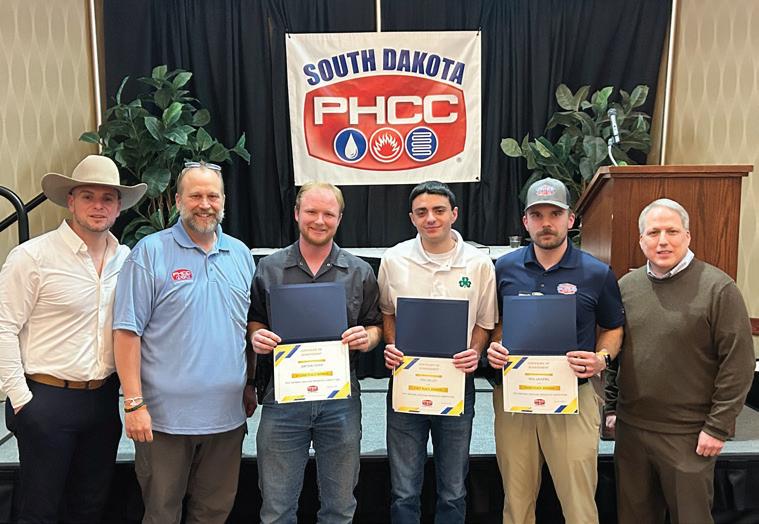
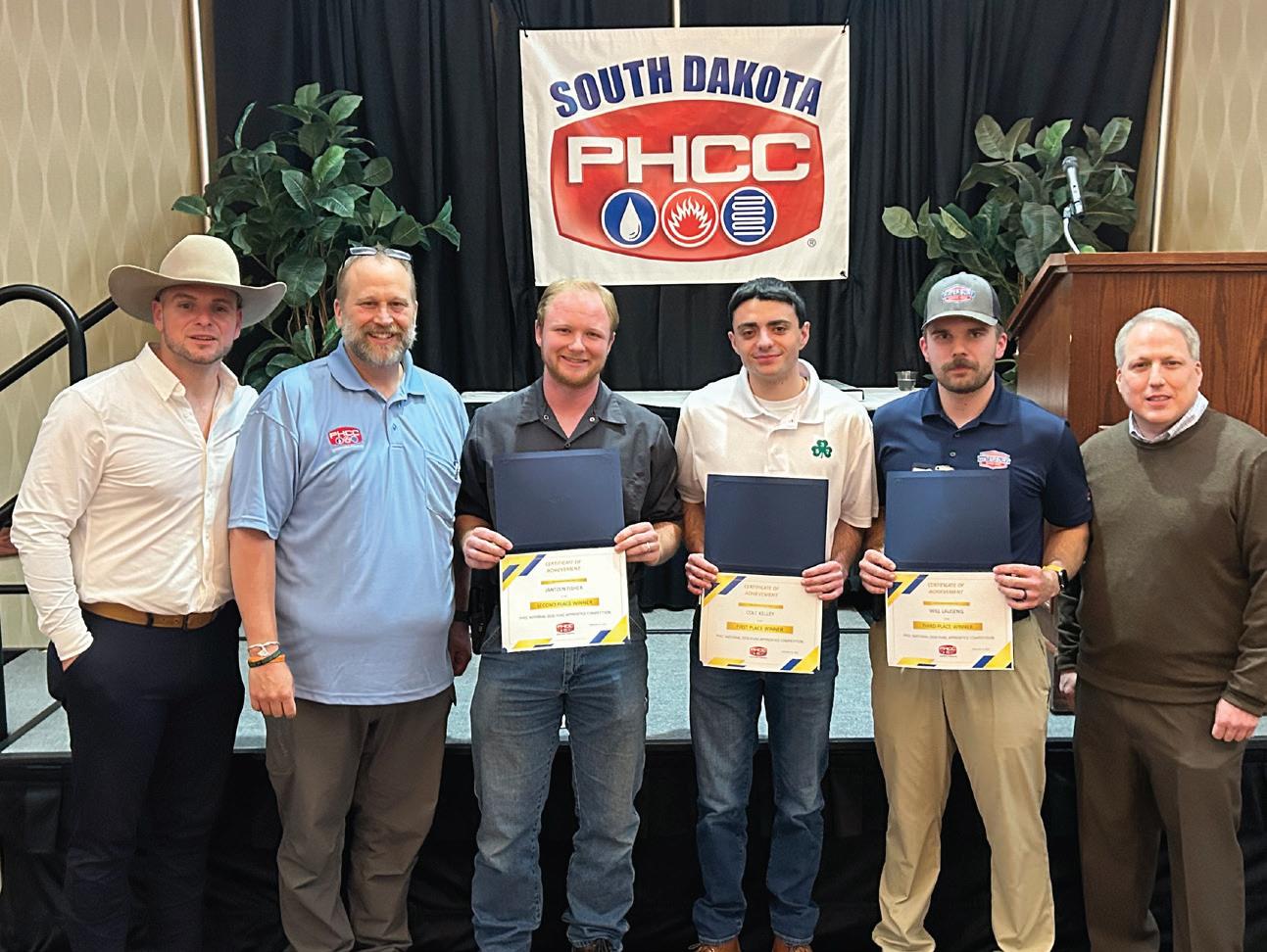
Winners of the 2026 National HVAC Apprenticeship Competition were:
• First Place: Cole Kelley, Pipefitters Local 537 Boston, Boston, Massachusetts;
• Second Place: Jantzen Fisher, Midwestern Mechanical, Rapid City, South Dakota; and
• Third Place: Will Lauseng, Waterbury Heating & Cooling, Sioux Falls, South Dakota.
The event was supported by several industry manufacturers and suppliers, including Rheem, Milwaukee Tool, Mueller Streamline Co., DSG, Energy Dynamics Inc., Johnstone Supply, Midwestern Mechanical, and Wolff’s Plumbing & Heating.
ACCA Welcomes Kurt Hudson as 2026-2027 Board of Directors Chairman
LAS VEGAS —The Air Conditioning Contractors of America (ACCA) announced its 2026-2027 Board of Directors Executive Committee, who officially assumed their roles during the ACCA 2026 conference in Las Vegas, Nevada, March 16-18.
ACCA’s volunteer contractor leaders bring a wealth of experience, insight, and dedication to the HVACR community. Together, they help guide ACCA’s mission to support contractors, champion professional standards, and advance the HVACR industry across the nation.
Kurt Hudson of LC Anderson, Inc. has stepped into the role of chair from senior vice chair. Hudson takes over for 2025–2026 Chair Eddie McFarlane of Sila Services, LLC.
“Serving alongside this board has shown me firsthand what ACCA members are made of. I’m grateful for the opportunity
This year’s HVAC contest winners included: First Place – Cole Kelley, Pipefitters Local 537 Boston, Boston, Masachusetts (middle); Second Place – Jantzen Fisher, Midwestern Mechanical, Rapid City, South Dakota (left); and Third Place – Will Lauseng, Waterbury Heating & Cooling, Sioux Falls, South Dakota (right). PHCC
HARDI Warns New York’s Refrigerant Ban Could Disrupt Food Supply, Cost $106M Annually
COLUMBUS, Ohio —A new report from HARDI warns that New York’s high-GWP refrigerant ban could disrupt food retail operations and strain service capacity for contractors.
The white paper examines the impact of New York’s regulation under 6 NYCRR Part 494, which will prohibit the sale of virgin R-404A and R-507A refrigerants beginning March 31. According to HARDI, the rule could create a significant gap between refrigerant supply and service demand.
to lead and energized by what we can accomplish together—for contractors, for the industry, and for the customers we serve,” said Hudson.
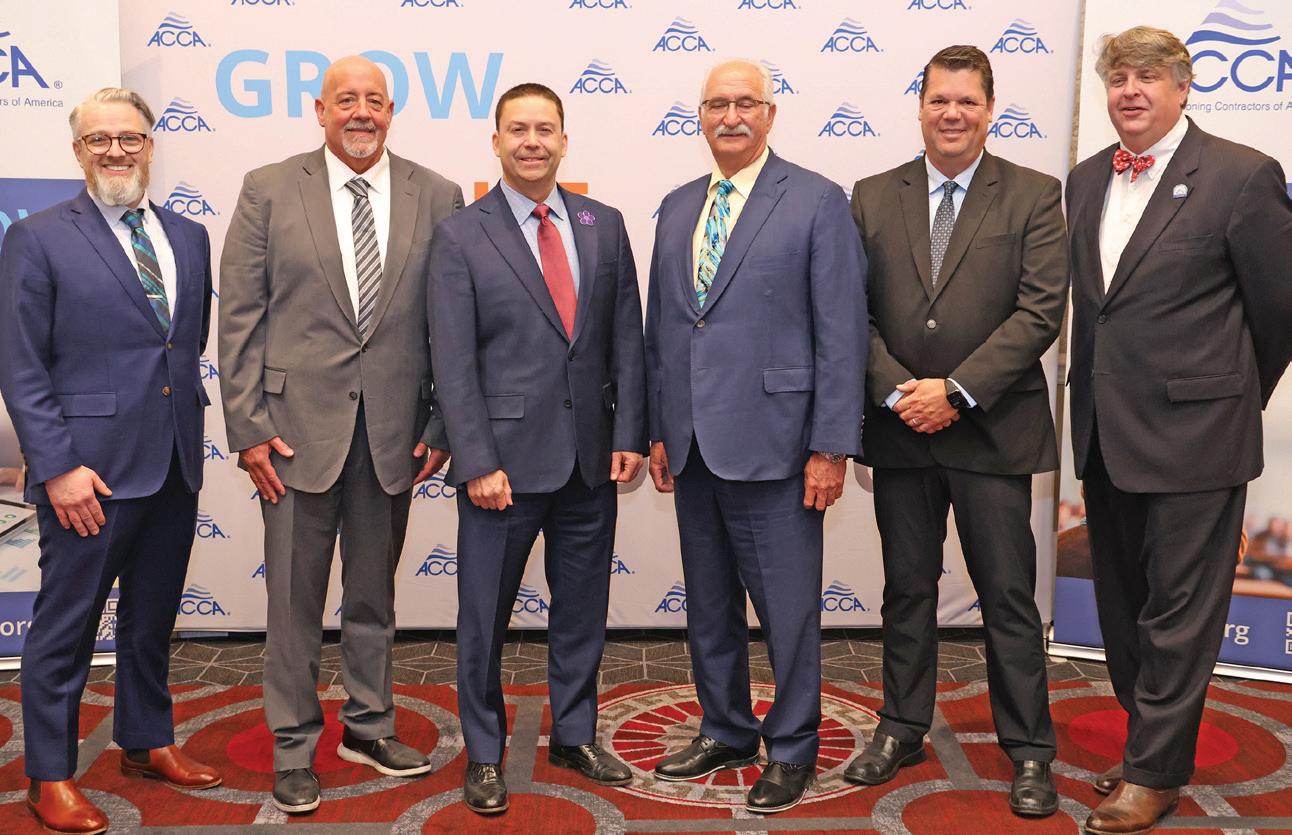
The 2026–2027 ACCA Board of Directors Executive Committee includes the following contractor leaders:
• Kurt Hudson, board chair, LC Anderson, Inc., Boston;
• Eddie McFarlane, immediate past chair, Sila Services, LLC,Lititz, Pennsylvania;
• Matt Marsiglio, senior vice chair, Flame Heating, Cooling, Plumbing, and Electrical, Warren, Michigan;
• Tim Cropp, secretary/treasurer, CroppMetcalfe,Fairfax, Virginia; and
• Vince Gillette, vice chair, Gillette Air Conditioning Company, Inc., San Antonio.
ACCA thanked outgoing board members Ed Lehr and Martin Hoover for their service and commitment to advancing the organization’s vision of quality and professionalism.
SupplyHouse Expands Ohio Fulfillment Center to Boost
Midwest Delivery Speed
MELVILLE, New York—SupplyHouse has expanded its Ohio fulfillment center, relocating operations from Columbus to a
larger distribution facility in Winchester, a suburb of Columbus, to increase capacity and improve delivery speed for customers across the Midwest and Plains regions.
The new distribution center, located at 6085 Winchester Pike Canal, increases the company’s Ohio operational space from about 289,000 square feet to 527,000 square feet. According to SupplyHouse, the expansion is intended to strengthen fulfillment operations and improve service for contractors and other trade professionals who rely on the company for plumbing, HVAC, and electrical supplies.
“This expansion is about making it easier and faster for our customers to get what they need,” said Nando Cunha, COO at SupplyHouse. “By increasing our inventory capacity and optimizing our fulfillment operations, we’re strengthening our
ability to deliver the right products, at the right time, so our customers can keep their projects moving without delay.”
The Ohio expansion is part of SupplyHouse’s broader effort to scale its fulfillment network to meet growing demand. The company expanded its New Jersey fulfillment center in late 2024 and previously opened distribution facilities in Dallas in 2021 and Reno in 2018.
The analysis estimates that approximately 18,130 refrigeration systems in grocery and convenience stores across New York rely on these refrigerants. Maintaining those systems requires about 1.16 million pounds of refrigerant annually. However, historical reclaimed refrigerant supply averages roughly 606,000 pounds per year nationwide, covering only about half of projected needs.
Under a moderate disruption scenario, HARDI projects a $106.2 million annual reduction in statewide economic output. The report links potential shortages to increased service delays, higher operating costs, and reduced system reliability.
According to HARDI, limited refrigerant availability could make routine maintenance and emergency repairs more difficult for contractors. Many retail refrigeration systems are designed to operate for 15 to 25 years, meaning a large installed base will remain dependent on legacy refrigerants during the transition period.
HARDI also points to proposed legislation—Assembly Bill A.9596 and Senate Bill S.9066—which would replace the statelevel prohibition with the federal refrigerant phasedown schedule. The organization states that aligning with federal timelines could help avoid supply disruptions and support a more gradual transition.
According to HARDI Vice President of Government Affairs Alex Ayers, restricting access to service refrigerants before adequate supply is available may create operational and economic challenges across the state.
The 2026-2027 ACCA Executive Committee. From Left to Right: Eddie McFarlane, Matt Marsiglio, Kurt Hudson, Vince Gillette, Tim Cropp, and ACCA CEO and President Barton James. ACCA
Carrier and Rheem Pass DOE Cold Climate Challenge Testing for Rooftop Heat Pumps
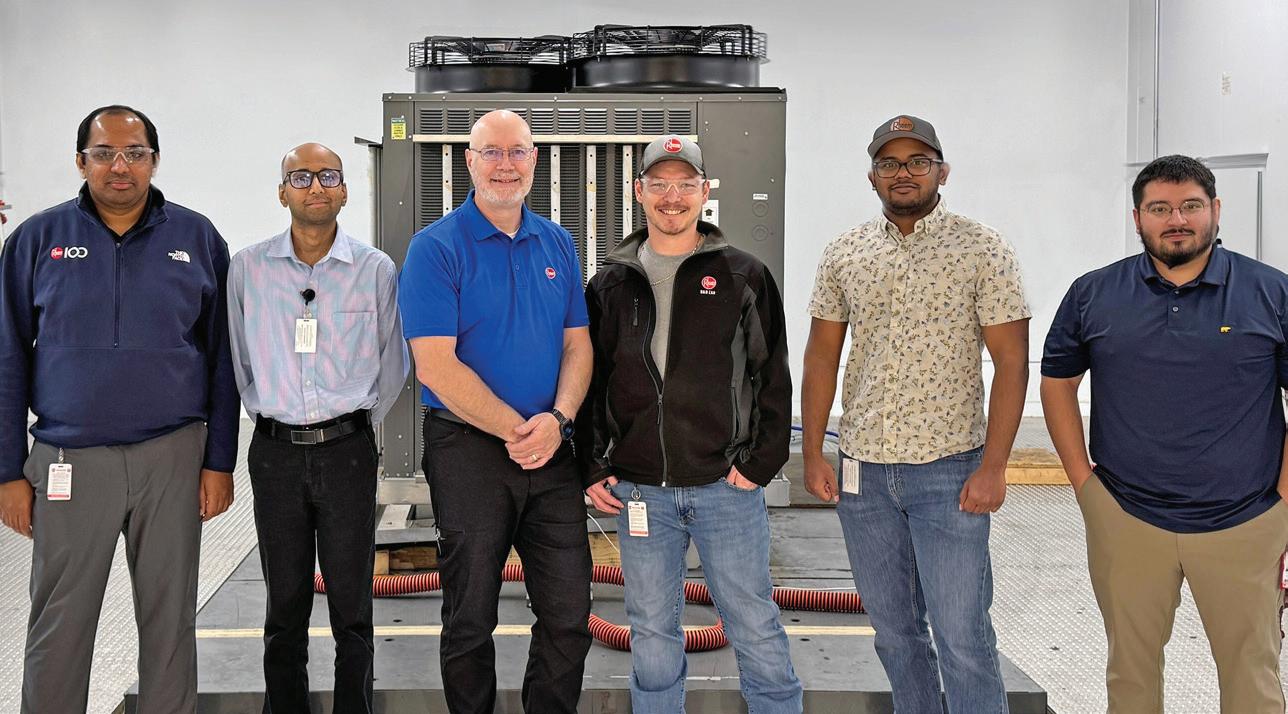
CHARLOTTE, North Carolina and ATLANTA—Carrier and Rheem both announced completion of the U.S. Department of Energy (DOE) Commercial Building HVAC Technology Cold Climate Challenge laboratory validation testing for commercial rooftop heat pumps.
Carrier has completed testing in both product categories included in the challenge: 10–14-ton and 15–25-ton light commercial rooftop units.
Carrier said both rooftop units demonstrated performance that meets or exceeds DOE challenge requirements during verification testing. The units delivered 100% heating capacity at 5° F and more than 70% heating capacity at -10° F while meeting DOE commercial HVAC efficiency thresholds.
Carrier’s testing for the next-generation rooftop units was conducted at Oak Ridge National Laboratory in Tennessee. Field trials for the equipment are now underway and are being monitored and verified by the National Laboratory of the Rockies.
Carrier reported that both rooftop heat pump units met or exceeded performance values for Integrated Variable Heating Energy Consumption (IVHEC), Integrated Variable Heating Efficiency (IVHEc), and
Coefficients of Performance (COPs) during independent testing conducted by the Department of Energy, Oak Ridge National Laboratory, and the National Laboratory of the Rockies.
Rheem’s testing covered commercial unitary equipment in the 10–14-ton rooftop heat pump category and verified that the system met or exceeded the DOE’s cold-climate performance and efficiency benchmarks. The results were validated by the Department of Energy and the National Laboratory of the Rockies.
According to Rheem, the rooftop heat pump delivered 110% heating capacity at 5° F and maintained 90% heating capacity at -10° F during testing. Rheem reported that the system also exceeded several Department of Energy efficiency benchmarks, including 55% higher Integrated Ventilation, Economizing, and Cooling Efficiency (IVEC); 20% higher Integrated Ventilation and Heating Efficiency for Cold Climate regions (IVHEc); and 25% higher Coefficient of Performance (COP2) at -10° F.
Rheem said the rooftop heat pump is built on its Renaissance Commercial HVAC platform, which is designed and manufactured in Fort Smith, Arkansas. The Renaissance Commercial Packaged Units are certified to meet Build America, Buy America, and Buy American Act requirements.
The Department of Energy’s Commercial Building HVAC Technology Challenge aims to accelerate adoption of high-efficiency
equipment that reduces energy use and operating costs while supporting grid reliability through lower energy demand. The program includes two equipment categories: 10–14-ton and 15–25-ton light commercial rooftop systems.
Mitsubishi Electric Trane HVAC US Announces CEO Transition to Andrew Kelso
SUWANEE, Georgia—Mitsubishi Electric Trane HVAC US LLC (METUS) announced that CEO Mark Kuntz will retire March 31. Andrew Kelso, the company’s chief operating officer, will succeed Kuntz as CEO.
Kuntz will remain in an advisory role during a transition period and will work with company leadership, customers, distributors, and partners to support the leadership change.
Kuntz concludes a 16year career with Mitsubishi Electric Trane HVAC US (METUS), during which the company expanded its presence in the U.S. market and advanced adoption of ductless, ducted mini-split, and Variable Refrigerant Flow (VRF) heat pump systems.
Among his initiatives, Kuntz helped secure the first Target store installation using CITY MULTI VRF systems and established the company’s first major national account with Kroger Co. He also oversaw the creation of the Mitsubishi Electric–Ingersoll Rand joint venture in 2018 that formed METUS.
Kuntz also led the development of the company’s Solutions Design Center to strengthen U.S.-focused engineering capabilities and helped establish the METUS Business Operating System as part of a values-based LEAN transformation.
Kuntz also represented the company in policy discussions in Washington, D.C., supporting initiatives that encourage adoption of all-climate, variable-capacity heat pump technology, including federal rebates and tax credit programs. He also worked with policymakers during the industry transition to A2L refrigerants.
Mark Kuntz METUS
Andrew Kelso METUS
Having worked alongside Kuntz during several of the company’s major milestones, Kelso brings operational and financial experience to the role. Kelso joined METUS in 2018 as chief financial officer and became chief operating officer in 2022.
Kelso said the company plans to continue building on its strategy and capabilities as demand grows for all-climate HVAC systems.
“METUS is entering its next phase from a position of strength,” Kelso said. “Thanks to Mark’s leadership and the work of our team, we have the right strategy, capabilities, and culture in place to continue expanding our leadership in all-climate HVAC solutions.”
The Malco Group Strengthens HVACR Portfolio With New Category Leaders
ANNANDALE, Minnesota—The Malco Group is expanding its HVACR and building construction product strategy with new category leadership focused on refrigeration, condensate management, and worksite solutions.
The company announced three appointments to support portfolio growth and develop bundled solutions designed to improve jobsite efficiency and simplify purchasing for distributors.
Garrett Wong was named category director of refrigeration. He brings more than 20 years of experience developing HVACR tools and will lead strategy for the refrigeration category, including the MalcoEdge line.
Jeff Ponce was appointed category director of condensate management. With experience at RectorSeal and Pentair, he will oversee the growth of the company’s condensate portfolio, including Aspen Mini Pumps and Beckett brands, with a focus on aligning product development with contractor needs.
Jim Brooks was named category director of worksite solutions. A former CEO
of Veto Pro Pac, Brooks will lead efforts to expand solutions that support jobsite productivity and efficiency.
According to The Malco Group, the leadership structure is designed to strengthen its position as a unified solutions provider across HVACR tools, condensate management, chemicals, refrigeration, and worksite products.
The company said the expanded focus will support several operational priorities, including simplifying distributor purchasing, increasing jobsite efficiency, expanding product offerings, and delivering integrated, trade-ready solutions.
CEO Rich Benninghoff said the appointments are intended to accelerate innovation and align product development with how contractors and distributors operate. He noted that the company is focused on building deeper category expertise to support long-term growth and performance across the trades.
Daikin Launches Energy Rebate Center for HVAC Contractors
WALLER, Texas —Daikin Comfort Technologies North America, Inc. introduced a new energy rebate platform designed to simplify how HVAC contractors access and apply for incentives tied to high-efficiency equipment.
The Daikin Energy Rebate Center consolidates rebate identification, application, and verification into a single process. The platform is intended to address ongoing challenges contractors face with navigating multiple state, local, and utility rebate programs, each with different requirements and eligibility rules.
According to Daikin, the tool enables contractors to quickly identify available energy-efficiency rebates, submit applications, and confirm eligibility in real time. The system is powered by Rock Rabbit and supports contractors working with Daikin, Goodman, and Amana brand equipment.
“The Daikin Energy Rebate Center addresses this challenge head-on by removing the complexity,” says Doug Widenmann, senior vice president of marketing for Daikin. “It gives contractors the power to up-sell to inverter side
discharge systems more effectively by lowering upfront costs and eliminating the hassle of paperwork and delayed payments commonly encountered with utility and government rebate programs.”
The platform currently includes more than 150 rebate programs across 37 states. It uses address-level data to match available incentives to specific projects and equipment. Contractors input project details, and the system determines eligibility, required documentation, and available incentives without requiring users to review individual program rules.
Daikin states that the process is designed to reduce administrative burden and improve application accuracy. Contractors receive immediate feedback if required information is missing, such as model numbers, receipts, or system details, before submission to rebate programs.
The company reports that the platform has achieved a 100% acceptance rate for contractor-submitted applications by validating entries prior to submission. The system uses automated checks and backend software to reduce errors that often lead to rejected applications.
The Energy Rebate Center is focused on supporting sales of high-efficiency systems, including inverter-driven, sidedischarge heat pumps such as Daikin FIT, Goodman SD, and Amana S-series products. By simplifying access to incentives, the platform aims to lower upfront costs and support customer adoption of energyefficient equipment.
Daikin says the tool is available to any contractor purchasing through its distribution network, regardless of company size or specific brand affiliation within the Daikin portfolio.
Garrett Wong Malco Group
Jeff Ponce Malco Group
Jim Brooks Malco Group
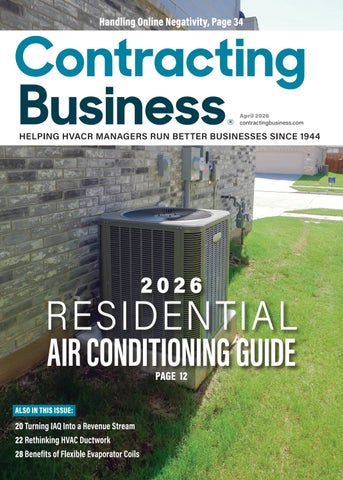
2026 RESIDENTIAL AIR CONDITIONING GUIDE
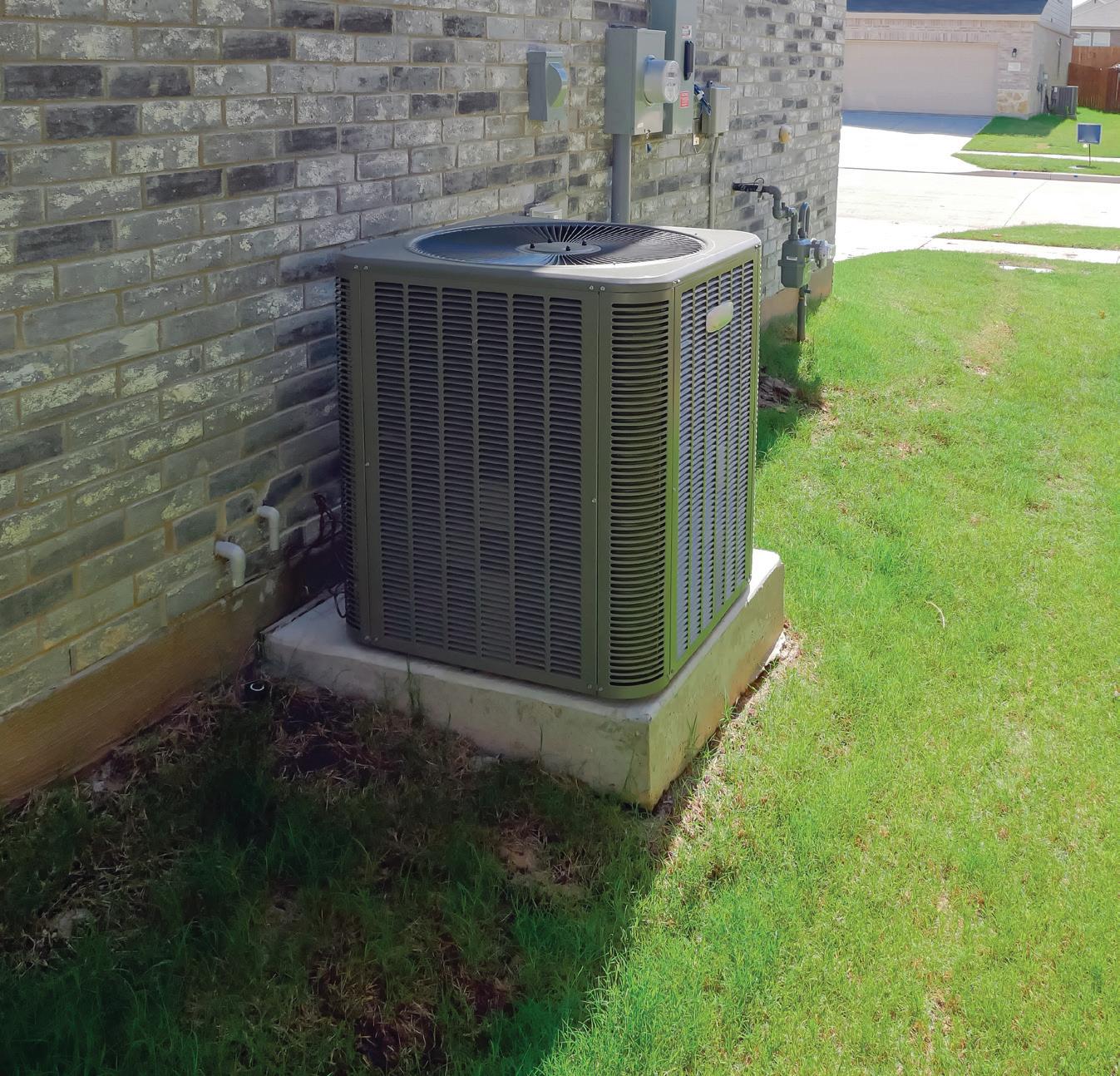
New AC Products
HVAC Contractors
Need to Know
As the residential HVAC market continues to rapidly evolve, staying on top of the latest air conditioning products is critical for contractors looking to deliver efficient, reliable, and modern solutions.
The 2026 Residential Air Conditioning Guide highlights the newest systems, technologies, and innovations designed to make installations faster, performance better, and energy savings greater. These new products not only improve comfort for homeowners but also help contractors stay competitive in an increasingly tech-driven market. Scroll through the photo gallery to see the full lineup.
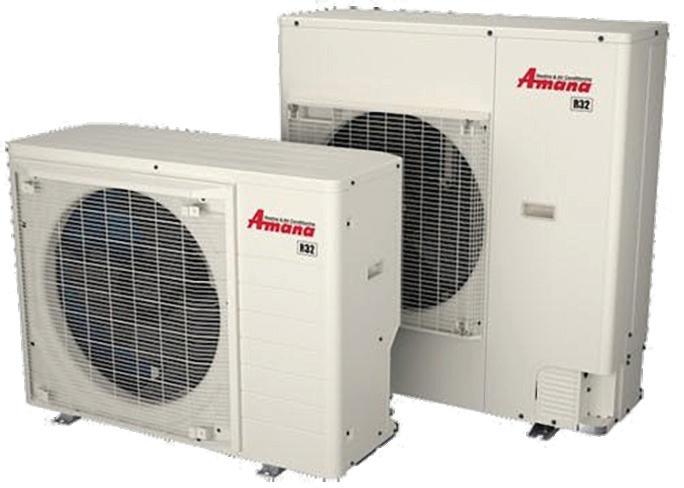
Amana
Engineered for traditional ducted applications, Amana brand S-series AXV6S split-system air conditioners simplify installation challenges, while delivering affordable indoor comfort that’s both energy-efficient and quiet. Slim, requiring only 4 inches of clearance, the Amana brand S-series is flexible in both design and installation to meet most project demands.
Digitally commutated fan motors enable quiet performance— down to 56dBA outside—allowing installation near noisesensitive areas. Inside, homeowners can choose up to three different sound levels, as low as 45dBA, like Quiet Mode for undisturbed sleep. Inverter technology, variable-speed swing compressors, and low-GWP R-32 refrigerant drive up to 17.2 SEER2 efficiencies. Humidification can be customized for regional needs.
Outdoor units feature Blue Fin anti-corrosion coating on the 500-hour salt-spray-rated coils. Features include proprietary control algorithmic logic, diagnostic indicator lights, sevensegment LED display, and fault code storage. Sweat connection service valves offer easy gauge-port access, while R-32 is easy to clean and reuse onsite, or reclaim and recycle.
Backed by a 10-Year Unit Replacement Limited Warranty and a 10-Year Parts Limited Warranty. For the original homeowner through years 11-99, One-Time Unit Replacement and One-Time Compressor Replacement warranties are available through an ASURE Extend Service Plan. Amana-hac.com
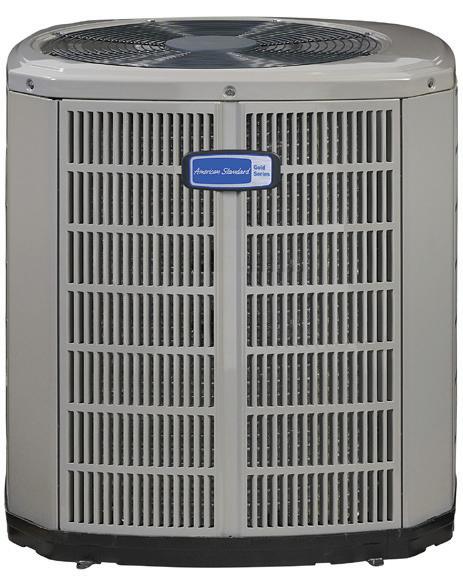
American Standard
The American Standard Gold 17 Multi-Speed Heat Pump features ComfortSeek technology, which dynamically adjusts compressor speed in response to outdoor temperature changes. The system works harder when conditions demand it and conserves energy when they do not, helping maintain
entries may have been edited for space considerations. Product performance claims are by each brand.
consistent indoor comfort while reducing unnecessary energy use. Its patent pending design enhances overall performance and efficiency, setting a strong standard for modern home climate control.
With a SEER2 cooling rating of up to 17.1, an EER2 of up to 12.5 for performance in extreme heat, and an HSPF2 heating rating of up to 11, the Gold 17 offers year round efficiency. It serves as an ideal bridge between a traditional two stage system and a premium variable speed system, providing advanced performance at a practical value.
The inverter driven, multi speed compressor continuously adjusts output to match the home’s heating and cooling needs. This precise modulation improves energy efficiency, delivers more consistent temperatures, and enhances humidity control. Its streamlined design eliminates failure prone components, supporting long term reliability and peace of mind.
Built to perform in colder climates, the Gold 17 is tested to maintain 100% heating capacity down to 27° F and a 70% heating capacity ratio at 5° F. For homeowners in especially cold regions, it can be paired with a gas furnace to create a dual fuel system for added flexibility and comfort. www.americanstandardair.com
Carrier
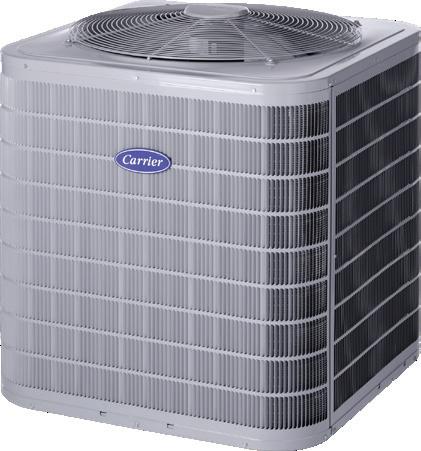
The Carrier Performance Series 27VPA9 Variable‑Speed Heat Pump is designed to deliver efficient, reliable comfort while making installation, service, and long‑term ownership easier for both homeowners and contractors. Built with a fully modulating variable‑speed compressor that operates from 25% to 100% capacity, it provides precise temperature control, enhanced humidity management, and improved energy performance across changing conditions.
With ratings of up to 19.0 SEER2 and 10.0 HSPF2, the system supports long‑term energy efficiency goals while maintaining consistent comfort. Quiet operation, as low as 57 dBA, is achieved through a variable‑speed compressor that ramps smoothly, along with optimized fan blade design, vibration‑reducing construction, and sound‑absorbing cabinet materials.
The 27VPA9 is equipped with InteliSense technology, enabling advanced diagnostics, remote system monitoring, and over‑the‑air updates when paired with a Carrier Smart Thermostat. These capabilities help contractors troubleshoot faster, reduce maintenance time, and keep systems optimized
without unnecessary service visits. Accessible service panels, simplified wiring connections, and adaptive controls further support efficient installation and serviceability.
Built for durability, the unit features WeatherArmor Ultra protection to withstand harsh climates and demanding outdoor conditions. It supports long‑line applications up to 250 feet and can be paired with Performance Series fan coils or gas furnaces for hybrid dual‑fuel configurations. www.carrier.com/us/en
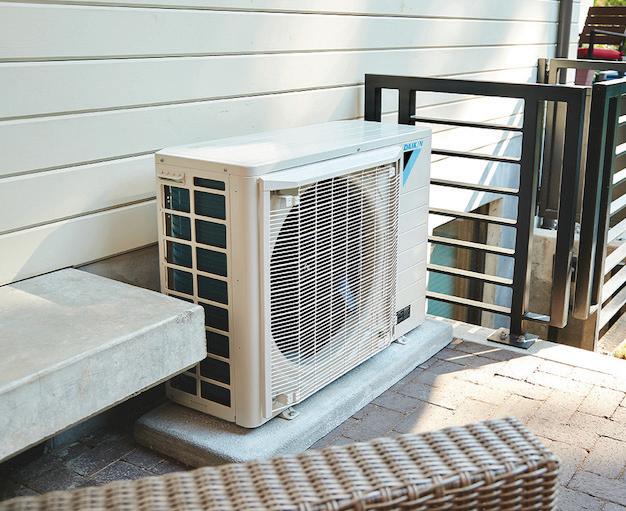
Daikin
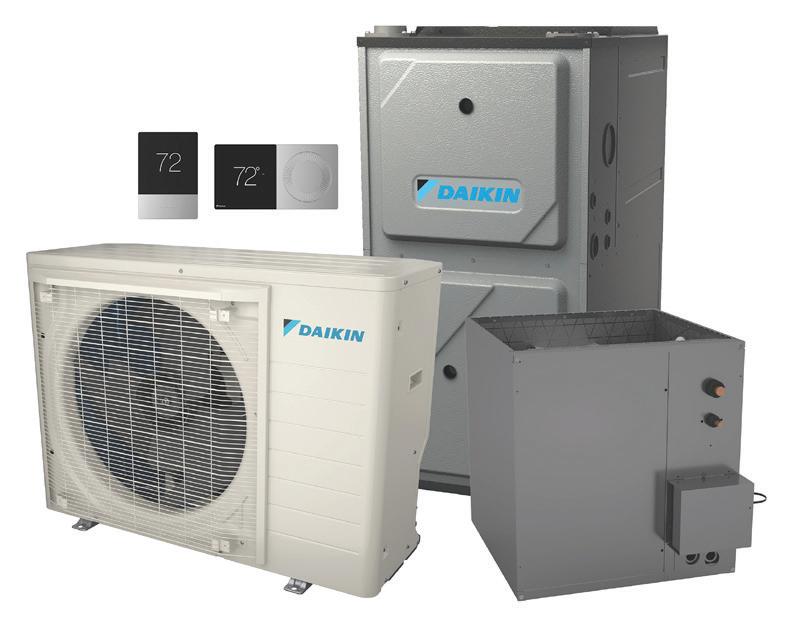
Side discharge, inverter driven Daikin FIT split system air conditioners solve contractor challenges while satisfying indoor comfort desires. The Daikin FIT, featuring low GWP R 32 refrigerant, delivers up to 19 SEER2 performance using Daikin inverter technology, variable speed swing compressors, and a quiet, digitally commutated fan motor. Pure, single component R 32 refrigerant is easy to clean and reuse onsite or reclaim and recycle with a simple cleaning process.
Compact, lightweight outdoor units require just 4” of clearance.
Mounted on a wall or pad, their slim design is ideal for homes with limited outdoor space.
Constantly fine tuning performance, inverter technology provides precise cooling, adjusting power consumption based on the home’s needs. By running at slower speeds for longer periods, Daikin FIT helps control humidity. Inverter technology also enhances system dependability by reducing the 100% on/ off cycle.
Contractor friendly features include Daikin control algorithmic logic; diagnostic indicator lights, seven segment LED display with fault code storage; Daikin Inside intelligence for diagnostics; coil/ambient temperature sensors; suction pressure transducer; and sweat connection service valves with easy gauge port access.
Compatible with the Daikin ONE+ Smart Thermostat. Using Daikin’s robust SkyportCare cloud tools, contractors—with homeowner approval—can remotely diagnose and control the system and send maintenance alerts.
Available in 2 to 5 tons, the Daikin FIT DC9VS is backed by a 12 year Unit Replacement Limited Warranty and a 12 year Parts Limited Warranty. www.daikinfit.com
Friedrich Air Conditioning
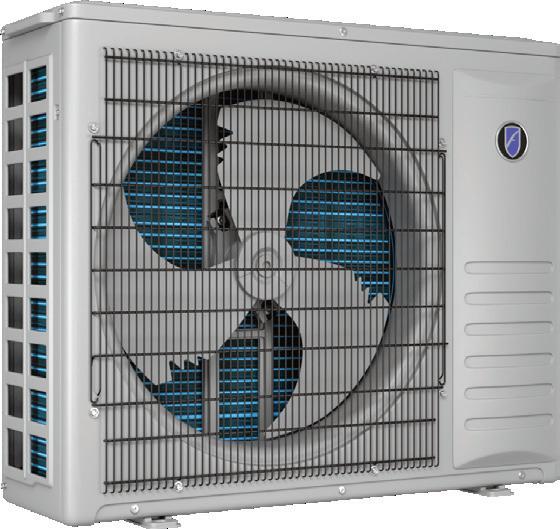
The Friedrich Breeze Inverter Driven Universal Ducted Heat Pump (FPHFR24A3D), launching in April 2026, is a 2 ton, 24,000 Btu/h system engineered to deliver high efficiency, inverter driven comfort with exceptional installation flexibility. Featuring a modulating rotary inverter compressor and ECM/
BLDC variable-speed motor technology, Breeze provides precise temperature control and consistent performance across a wide range of conditions.
The system achieves up to 19 SEER2, 11.7 EER2, and 10 HSPF2, with a COP of 3.7 at 47° F and 1.9 at 5° F, supporting reliable operation in colder climates. Utilizing low-GWP R-454B refrigerant, Breeze aligns with evolving regulatory and sustainability standards.
Universal compatibility allows seamless pairing with Friedrich Breeze air handlers or integration with many rated third-party indoor coils, furnaces, and air handlers. It is compatible with most 24V thermostats or BMS systems, offering added flexibility for contractors.
Breeze accommodates extended lineset runs up to 246 feet (Premier models) and height differentials up to 98 feet. Its footprint is up to 40% smaller than traditional top-discharge outdoor units, simplifying placement in tight spaces. Sound levels as low as 35 dB(A), achieved through advanced insulation and vibration-reduction design, ensure quiet operation.
Contractor-focused support includes comprehensive digital technical documentation, available print materials, onboarding resources, regional training assistance, and a dedicated sales team. A 7-year parts warranty (10 years with registration) and 10-year compressor warranty provide added confidence at install. www.friedrich.com
GE Air & Water
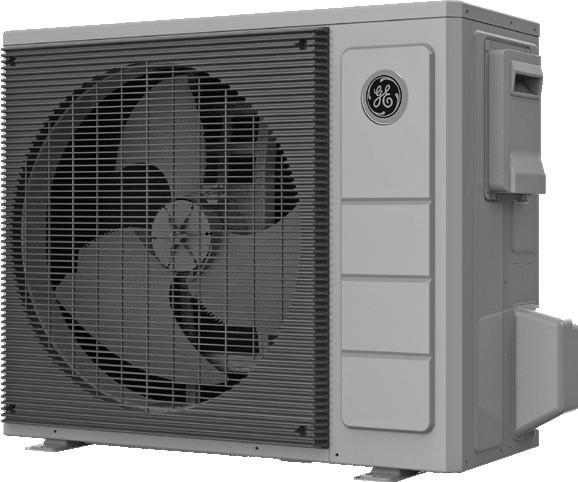
The new entry-level version of the GE Connect Series side-discharge heat pump gives contractors a way to offer high-efficiency inverter heat pump technology at an accessible price point, helping them win budget-conscious replacement jobs. As part of the broader Connect portfolio, it strengthens a contractor’s ability to present a tiered good, better, best offering while keeping customers within the GE brand family.
With ratings up to 16.2 SEER2 (24K model) and 9.0 HSPF2 (48K model), two dehumidification modes, and comfort heating, it delivers strong performance at a lower cost than premium systems. The inverter-driven operation supports more consistent comfort and improved humidity control. Its compact single-fan side-discharge design provides installation clearances, making it well-suited for tight lot lines and
space-constrained replacement jobs. Numerous AHRI matches allow for flexible indoor unit configurations, simplifying system selection and quoting.
24V thermostat compatibility, integration with external service valves, and options for mechanical or brazed line-set connections make it easy to install and service across a wide range of applications, helping contractors reduce complexity while delivering reliable performance. www.geappliancesairandwater.com
GENERAL HVAC Solutions America
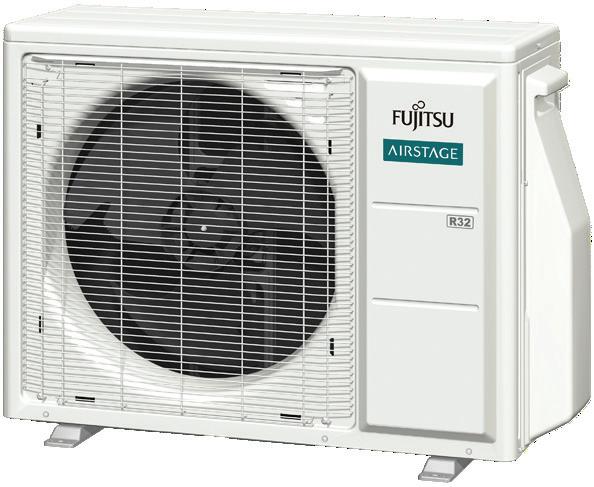
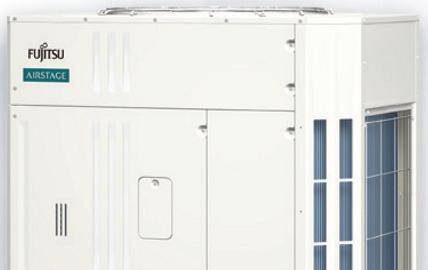
The GENERAL HVAC Solutions America, Inc. (formerly Fujitsu General America, Inc.) single-zone AIRSTAGE Centauri XLTH outdoor units are available in capacities between 30,000 and 48,000 Btu/h, and are compatible with existing CeilingSuspended, Multi-Position Air Handler, Mid-Static Ducted, and Large Cassette indoor units.
Designed for cold-climate applications, Centauri XLTH models feature a factory-installed base pan heater and provide low-ambient heating operation down to −15° F and cooling between -5° F to 122° F. Centauri XLTH offers performance up to 13.7 EER2, 4.2 COP2, 23 SEER2, and 11 HSPF2. All system combinations within the Centauri XLTH family are Energy Star-, Energy Star Cold Climate-, and Most Efficient-certified. The outdoor unit supports extended refrigerant line lengths of up to 246 ft, with factory pre-charged length of 98 ft. Centauri XLTH also includes self-diagnostics with error codes and corrosion-resistant coil coatings for durability. A base pan with drain ports/drainpipe prevents water buildup. Using R-32 refrigerant, the Centauri XLTH minimizes environmental impact while delivering efficient performance and ease of installation. An inverter-driven compressor enhances comfort, energy savings, and overall efficiency. www.generalww.com
Goodman Air Conditioning & Heating
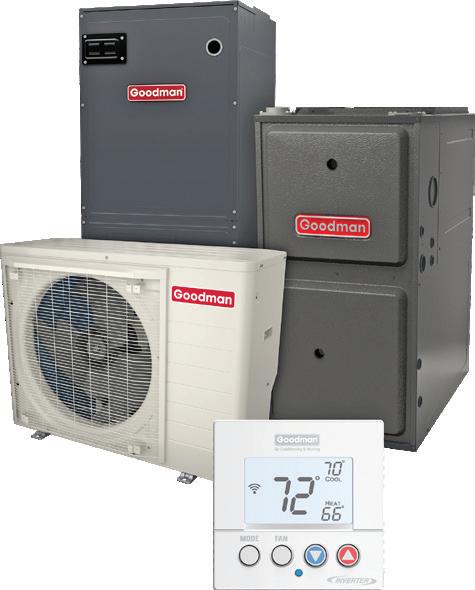
Driven by inverter technology, the split-system Goodman SD (side discharge) Air Conditioner (GSXS6) delivers up to 17.2 SEER2 performance with outstanding connectivity, in a compact, lightweight packaged unit. Available from 1.5 to 5 tons, Goodman SD requires only 4” of installation space, mounting on a wall or pad, freeing up valuable outdoor space—or solving space-limited challenges. Designed to use existing ductwork, Goodman SD systems can connect up to 100 linear feet of pipe for standard installations.
A variable-speed digitally commutated fan combined with proprietary swing compressor technology delivers high efficiencies and low sound levels—down to 56 dBA outdoors.
BOOST RECRUITMENT AND RETENTION WITH CARHARTT®
An Apparel+ workwear program gives your business an edge in attracting and keeping top talent with quality Carhartt® gear that makes your team feel valued. Plus world class service at a convenience you never knew existed.
Weekly laundry, repairs and delivery included
No upfront cost required
Inside, Quiet Mode provides enhanced acoustical comfort, as low as 45 dBA. Three levels of dehumidification satisfy regional or individual needs. The inverter board is cooled by refrigerant circuit, eliminating condenser fan pressure drop caused by heat sink used. There’s an advanced water-shedding drain pan, Blue Fin hydrophilic coil coating, and high corrosion-resistant (ZAM) steel bottom frame and legs.
Full of contractor-friendly features, including proprietary control algorithmic logic, diagnostic indicator lights with sevensegment LED display, and fault code storage, plus proprietary diagnostic Inside intelligence. For remote monitoring and control, systems are compatible with the Goodman GTST connected thermostat.
Backed by a 10-year unit replacement limited warranty, 10-year parts limited warranty, and one-time compressor replacement warranty (years 11-99, offered by Asure). goodmanmfg.com
Hitachi Cooling & Heating
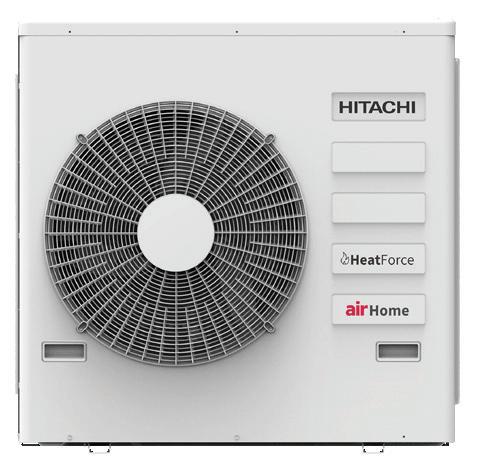
Hitachi’s airHome series is a portfolio of high-performance and environmentally sustainable ductless heat pumps that utilize low-GWP refrigerant R-32. The collection is designed to meet the various climates and needs in North America. Part of the collection is the airHome Multi Pro, which can power up to five indoor units using a single compressor while allowing independent operation and temperature output at each unit.
The airHome Multi Pro is designed to effectively face extreme temperatures with HeatForce, achieving continuous heating operation down to -22º F and up to 100% heating capacity at 5º F. Hitachi’s Adaptive Defrost Technology is available for the airHome Multi Pro and enhances the defrosting cycle by automatically activating the built-in heater in the unit’s outdoor base pan. The airHome Multi Pro has an embedded R-32 leak sensor, which will alarm in the case of a leak. To keep air fresh and maintain performance, the units are equipped with Hitachi’s FrostWash, the signature self-cleaning technology that sanitizes the heat exchanger coil and eliminates contaminants and mold, as well as filters to purify rooms against pollutants and VOCs.
Additionally, the airHome Multi Pro is engineered for quiet indoor comfort, with sound levels as low as 22–29 dB(A), making the system suitable for bedrooms, living rooms, and quiet commercial spaces. Providing year-round
comfort, cooling, heating ,and improved air quality in one system, the airHome Multi Pro ensures a healthy home environment while helping homeowners save on energy costs. www.hitachiaircon.com/us
LG HVAC
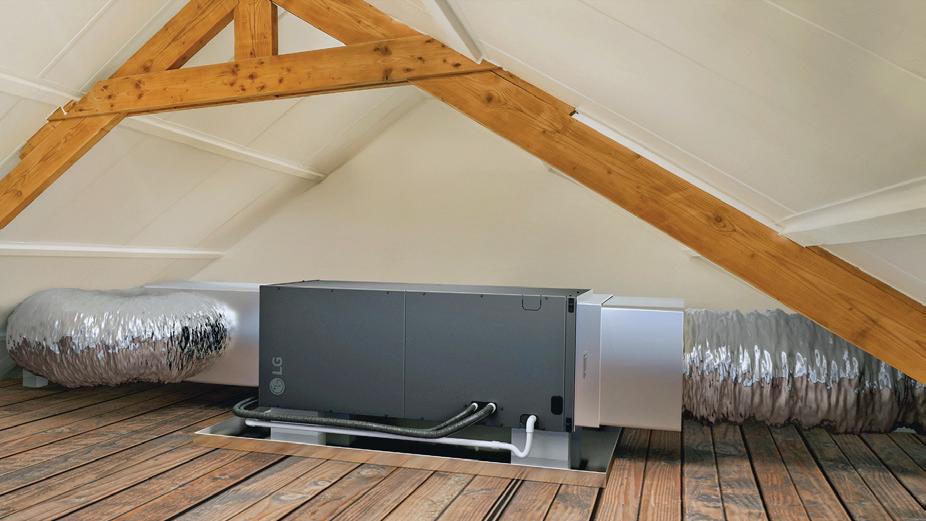
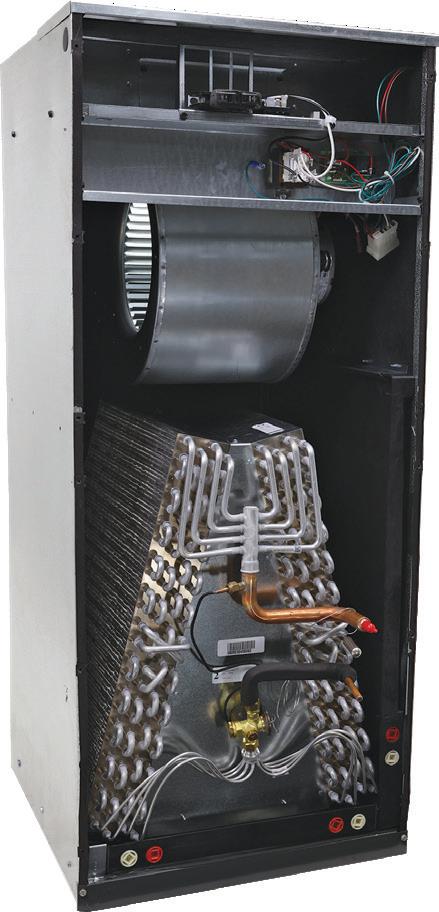
LG’s Multi-Position Air Handling Unit is a modern, energyefficient HVAC solution designed with HVAC contractors in mind. The unit serves as the indoor component of an inverter heat pump solution, offering a replacement for conventional furnaces that delivers year-round heating and cooling from a single source. Its versatile design supports vertical upflow, downflow or horizontal left/right discharge configurations, providing enhanced installation flexibility. Plus, the unit comes with a built-in Electronic Expansion Value (EEV), which allows contractors to reuse existing refrigerant piping to facilitate easier installs and front-facing access of major components for quicker handling during maintenance.
Featuring LGRED technology, it provides optimal temperature control, cooling in the summer, and heating in the winter. Paired with R1 compressor technology, it delivers year-round comfort while reducing costs and eliminating the need for supplemental fossil fuel heat sources.
The Multi Position Air Handling Unit provides an efficient system with lower energy consumption thanks to its simple installation, compact design and easily accessible piping connections. It can be integrated into system control networks, requires little clearance space, and does not require exhaust piping. Additionally, these units are Energy Star-certified for enhanced efficiency. lghvac.com
Mitsubishi Electric Trane US HVAC (METUS)
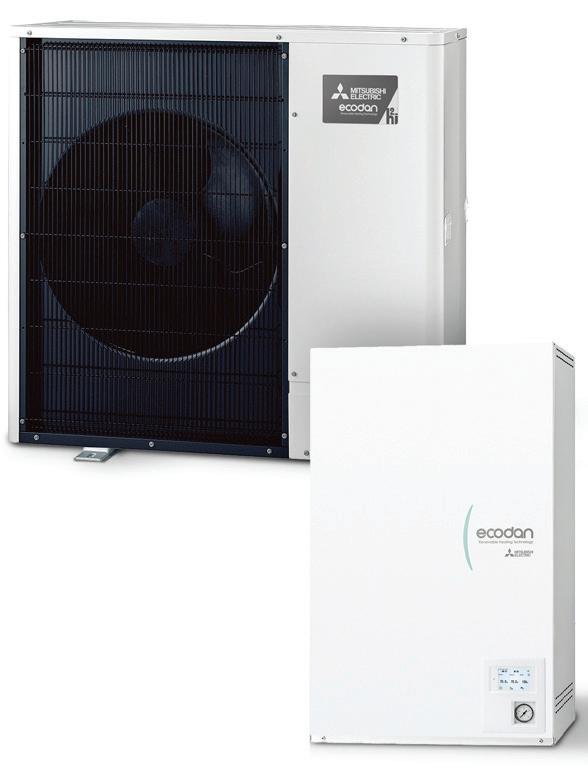
The ecodan air-to-water (ATW) heat pump product line from Mitsubishi Electric Trane US HVAC is designed for hydronic heating and cooling and domestic hot water (DHW) applications.
With a compact, discreet design harmonized for diverse spaces and quiet operation between 43 and 49 dB(A), ecodan units are designed for those seeking to reduce their carbon footprint and energy use without compromising on performance. The product line features hyper-heating technology for reliable operation even in low ambient temperatures, smart controls to reduce energy use, and an
installation and maintenanceconscious design with an all-in-one Hydrobox.
The ecodan ATW heat pumps use a hydronic distribution system to heat and cool the home through hydronic emitters. METUS will offer three Hyper-Heating INVERTER (H2i) WUZ outdoor models—with 2-, 3-, and 4-ton capacities. The all-climate heat pumps have a maximum flow temperature of 158° F and observable performance in low ambient temperatures.
The product line’s all-in-one indoor Hydrobox is compatible with all three outdoor units. The Hydrobox includes all key water circuit components, including the pumps, expansion vessel, magnetic filter, booster heater, and plate heat exchanger. A quick setup guide is included with the Hydrobox to facilitate installation.
Conventional hydronic systems employ water piping between outdoor and indoor units, which often requires glycol in low-temperature applications. Glycol can be messy, require extra componentry, and introduce additional leak points, resulting in more maintenance. ecodan systems instead use refrigerant piping to connect outdoor and indoor units, eliminating those maintenance requirements. www.mitsubishicomfort.com
Navien
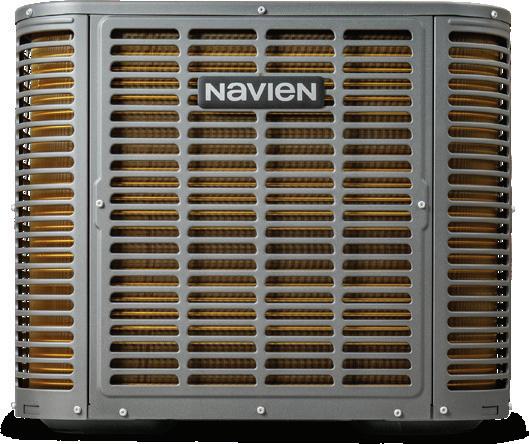
The Navien NAA Series is a high-efficiency air conditioner engineered around inverter-driven, variable-capacity technology. The NAA Series continuously modulates its output across a wide range of capacities—functioning more like a dimmer switch than a basic toggle. This approach allows the system to run longer at lower speeds, maintaining tighter temperature and humidity control while consuming less energy and operating quieter than conventional systems, the company says.
system uses R-454B low-GWP refrigerant, and is compatible with both single- and two-stage conventional thermostats. Capacity and airflow can also be independently adjusted to fine-tune performance for specific regional conditions. NAA also features built-in diagnostics and charging mode to simplify setup and maintenance.
The NAA Series is designed to integrate seamlessly within the broader Navien HVAC ecosystem, pairing optimally with Navien’s NAM cased coils, NPF Hydro-furnaces, and select NAS air handlers. When matched as a complete system, homeowners benefit from dependable, energy-efficient heating and cooling comfort year-round. www.navieninc.com
Samsung HVAC
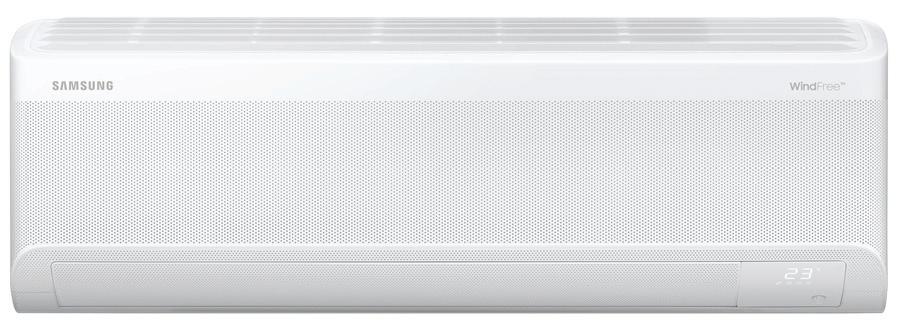
Samsung’s WindFree Premium mini-split system combines high-efficiency performance with advanced comfort control. Utilizing R-32 refrigerant, the system supports lower
Covering 1.5- to 5-ton applications across just two outdoor unit models, the NAA Series simplifies inventory management for contractors and reduces the complexity of system design. Rather than selecting from multiple fixed-tonnage models, installers can rely on the NAA’s broad capacity range to match a variety of home sizes and cooling loads.
The NAA achieves ratings of up to 18 SEER2 and is built to perform in outdoor temperatures ranging from 5° F to 124° F, making it a reliable choice across a wide range of climates. The
environmental impact while delivering strong heating and cooling performance.
WindFree technology distributes air gently through thousands of micro air holes, creating a consistent and comfortable indoor climate without the feeling of direct cold air blowing on you. This allows the system to maintain consistent room conditions while operating quietly and efficiently. In addition, the system’s Comfort Humidity Control helps remove excess moisture efficiently without overcooling the space.
High SEER performance paired with a built-in motion sensor that detects occupancy to optimize system operations allows homeowners to benefit from reduced energy consumption and potentially lower utility costs. Samsung’s WindFree mini-split systems offer an advanced and reliable solution for year-round comfort. www.samsunghvac.com
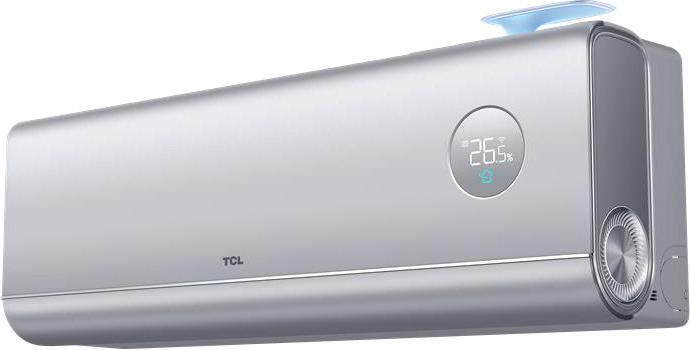
TCL
TCL’s FreshIN
3.0 Series next- generation air conditioner system delivers superior IAQ without sacrificing energy efficiency or performance. Powered by TCL’s patented FreshIN Technology, the system actively draws purified outdoor air into the home rather than simply recirculating indoor air. A distinctive liftable fresh-air inlet—extending a blue wing whenever fresh air is drawn in—provides a visible, intuitive confirmation of operation, transforming advanced engineering into a signature design statement.
This advanced air- exchange approach is supported by TCL’s QuadruPuri four- layer purification system—combining a prefilter, silver-ion antibacterial layer, HEPA filter, and high-density final filter to effectively remove odors, particulates, bacteria, and allergens to promote a cleaner living environment. A built- in TVOC air- quality sensor displays real -time readings directly on the indoor unit, giving homeowners immediate insight into the purity of the air they breathe.
Compatible with Google Assistant, Alexa and the TCL Home app, users can make remote temperature adjustments, view energy consumption, and manage air quality settings. Voiceenabled controls enhance convenience, while built-in energy tracking promotes more efficient operation and informed usage decisions.
Designed for reliable, year- round performance, the FreshIN 3.0 Series is Energy Star-certified and powered by a high - efficiency inverter compressor, delivering cooling at 150° F and heating down to -13° F. With ultra-quiet operation as low as 16 dB, it ensures powerful performance without compromising comfort. us.tcl.com/pages/hvac
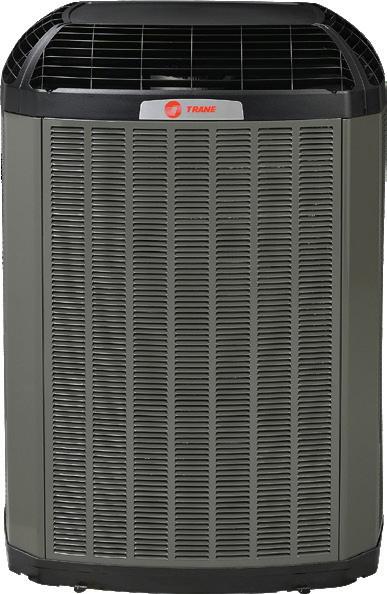
Trane
The Trane 20 TruComfort Variable Speed Air Conditioner with WeatherGuard uses R-454B, making it a more sustainable choice for home cooling. Designed for high performance and
efficiency, it delivers up to 24 SEER2 and 14 EER2, providing reliable, energy-efficient cooling even during periods of extreme heat.
Compatible with the Link Communicating System Controller and Smart Thermostat, the system seamlessly integrates into a connected home. This communication technology enables the system to automatically adjust settings to optimize overall performance, enhance comfort, and improve operational efficiency.
Equipped with TruComfort variable-speed technology, the unit operates at lower speeds for longer cycles to maintain consistent indoor temperatures. Rather than frequently turning on and off, it continuously adjusts output to match the home’s cooling needs. This precise operation helps reduce temperature swings, improve humidity control, and create a more comfortable indoor environment. By running at the exact level required to maintain comfort, the system maximizes efficiency and minimizes unnecessary energy consumption. The result is a quieter, more consistent cooling experience that supports long-term energy savings. www.trane.com/residential
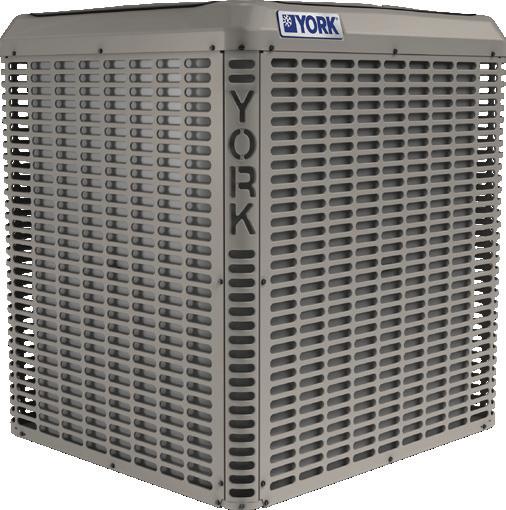
YORK
The YORK YH9 is a variable speed, 21 SEER2 heat pump that achieves excellent efficiency and precision comfort, even within colder climates. Available in 3- and 5-ton models, the YH9 offers unique dual capacity flexibility. Each unit can be adjusted by 1-ton increments from 2to 5ton capacities, allowing contractors to fine-tune equipment sizing to precisely match load requirements.
The YH9 is Energy Star-certified and features variable speed compressors that precisely modulate temperature output to maximize energy efficiency and comfort down to -10° F while maintaining up to 100% capacity at 5° F, exceeding the program’s requirements for cold climate performance. When paired with the latest SHC510 Smart Home Control communicating thermostat, the system auto-configures and enables free remote troubleshooting without subscription fees.
The YH9’s compact footprint is designed to streamline installation and commissioning. Units ship factory-charged for a 15-foot line set, reducing brazing and refrigerant charging time. In addition, the YH9 heat pump delivers smoother, more consistent runtime and comfort in residential installations. A variable speed inverter compressor supports quieter operation compared to cycling systems, and modulating output reduces frequent loud start/stop cycles. www.york.com
How HVAC Contractors Are Turning Indoor Air Quality Into a Steady Revenue Stream
The market for IAQ products is expanding, with HVAC contractors adopting integrated whole-home approaches to enhance indoor air quality and customer satisfaction.
Indoor air quality (IAQ) has been an increasing source of revenue for HVAC contractors for some time.
Marco Radocaj, owner of Balance HVAC in Vero Beach, Florida, says IAQ sales really started to surge during the COVID-19 pandemic around March 2020.
“People were all of a sudden very aware of what is actually in the air they were breathing. Additionally, people were spending significantly more time inside their homes during the day and were noticing humidity and/or comfort issues in areas
Cardinal Plumbing, Heating & Air Conditioning is careful about which IAQ products it recommends to customers, since they reflect on the company.
of their home they didn’t notice before,” Radocaj tells Contracting Business.
“Without question, COVID was a massive wake-up call for a lot of homeowners,” says Patrick Garner, director of operations at Cardinal Plumbing, Heating & Air Conditioning in Sterling, Virginia. “People were suddenly home all the time and started paying attention to the air they were breathing. Demand spiked fast. The problem was that it also opened the door to a lot of bad information and products that made big claims but didn’t actually do much. As a contractor, that put us in a spot where we had to be extremely careful. If we put something in someone’s home, our name is attached to it, whether it works or not. We focused on solutions that had real data, real testing, and a history of use in environments where performance actually matters.”
Fear played a role in IAQ sales growth during the COVID-19 pandemic, says Kyle Hagen, president of Pasco, Washingtonbased A-One Refrigeration & Heating Inc. “Folks were scared and stayed home a lot, which drove a rapid spike in demand. But the interesting thing is that the demand never dropped back to old levels. It settled into a steady curve because most families realized that clean air affects sleep, allergies, smells, comfort, and, honestly, even peace of mind. That shift stayed with them.”
Yes, residential demand for IAQ systems didn’t fall off after the COVID-19 pandemic, says Kyle Harrington, an HVAC technician at HVAC Alliance Expert that serves Los Angeles, San Diego, the San Francisco Bay Area, San Jose, and New York City. Harrington has completed
more than 5,000 projects in his six years of hands-on experience in heating and air conditioning services.
Customers are knowledgeable, Harrington believes. “During the pandemic, customers asked: ‘Will this kill germs?’ In 2026, they ask: ‘Will my home feel better to live in every day, and can you prove it?’” He adds that homeowners buy IAQ systems to solve real-life issues: allergy flare-ups, kids coughing at night, lingering odors, smoke headaches, and mold worry.
Harrington says technicians at HVAC Alliance Expert use three to four quick diagnostic questions and map to a clear solution. “This improved our IAQ close rate by about 9 points year-over-year,” Harrington estimates.
Pollutants in the atmosphere also worked to boost interest around IAQ, says Tim Alagushov, co-founder and CEO of IRBIS Air Plumbing & Electrical in San Jose, California. “People suddenly started paying attention to what they’re breathing at home. And in Northern California it lined up with heavy wildfire seasons, so homeowners were looking for better filtration and purification anyway. The timing just accelerated everything.”
Successfully Selling IAQ Solutions
In 2026, contractors can snag IAQ business when they use a clear strategy, says Hagen. “Today, the contractors who sell IAQ well are the ones who keep the message simple. Homeowners do not want confusing tech talk. They want to know what problem each product solves, and how quickly they will feel a change.”
Coaching is key, Hagen explains: “When we train our team, we teach them to start with the symptoms. For example, dry throats, dust settling too fast, lingering cooking odors, or allergy flare-ups. Then
we pair those with a focused solution. It sounds small, but this approach works in 2026 because people connect the dots quickly.”
How can HVAC contractors boost residential IAQ sales? Hagen advises: “Do not treat IAQ like an upgrade. Treat it like a core part of comfort. We bundle IAQ checks into every maintenance visit. We also show customers a quick before-and-after reading with a handheld meter. This is not fancy. It gives them something real to look at, and it builds trust. Sometimes I joke that the meter closes more sales than any brochure.”
On the subject of messaging, Radocaj of Balance HVAC offers this view: “We really like to try to stay away from acronyms as much as possible. While ‘IAQ’ is an everyday term used with HVAC people, most homeowners are not familiar. The phrase we like to use is ‘respiratory health.’ This helps start the same conversation that emphasizes the home as a system, humidity control, better filtration, etc. It also helps the homeowner feel comfortable at the beginning of the conversation.”
Contractors should keep it practical when talking about IAQ solutions with homeowners, advises Alagushov. “We explain how filters should really be checked monthly in this region, how smoke from wildfires impacts the system, and why a purifier or better filtration can actually make a difference. Showing before/after readings with an IAQ monitor is probably the most convincing thing we do.”
The IRBIS executive offers this piece of advice to contractors and technicians: “Don’t jump straight to products. Look at the ducts, ventilation, and equipment first. Most IAQ issues aren’t caused by just one
thing. And be specific to your region. For us in California, talking about smoke and smog resonates way more than generic ‘clean air’ messaging.”
Contractors should take a system-wide approach when suggesting an IAQ fix, says Sean Goddard, Coils & IAQ Product Manager for Trane. “The most effective IAQ strategies highlight how these products work in tandem with a homeowner’s HVAC system to freshen and clean indoor air while optimizing humidity levels.”
Why offer a whole-house solution? Goddard explains: “By positioning IAQ as an integrated, whole-home solution rather than a standalone add-on, contractors can help homeowners better understand the impact these products have on overall home comfort. Whole home IAQ solutions help reduce allergens, minimize the effects of pet dander, control dust, and create a more breathable living environment.”
IAQ Products Driving Contractor Revenue
Several IAQ products and services are drawing interest, notes Hagen. “The best
sellers for us right now are whole-home purification systems, high-quality filtration, UV- or UV-LED treatments, balanced ventilation, and real-time IAQ monitors. I will admit, subscription-style IAQ service plans have taken off more quietly than expected, but they help us stay in touch with customers, so we keep offering them. The rise of AI-driven IAQ tools is welcome, too, though homeowners mostly see them as add-ons rather than the main solution.”
“Every homeowner’s indoor air quality problem is unique, but the strategies to address them are often the same,” says Radocaj. His advice to contractors: “Start with the enclosure and make sure there aren’t any significant breaches or gaps or voids that would result in excessive communication between unconditioned spaces and the living space.”
Radocaj spotlights the following IAQ solution his team relies on: “Dehumidifiers are my favorite! They are suited for in-line or to condition an attic and/or crawlspace. While they aren’t inexpensive, they solve a myriad of problems and are very reliable when applied correctly.”
Goddard urges contractors to educate prospective customers. “Homeowners may not be aware that pesky household irritants can be easily addressed through HVAC solutions. Discussing local air quality and common ailments in your area can help introduce homeowners to IAQ options they may not have considered.”
The Trane executive offers this example: “Contractors might consider offering whole-home humidifying products in drier climates. This could lead to a better experience for the homeowner while increasing the ticket price for the HVAC contractor, ensuring that IAQ products are on every quote!”
Customers have adopted a new mindset since the COVID pandemic, says Garner. “Homeowners are smarter and more skeptical, and that is a good thing. They want to know why something works, not just hear marketing claims. Indoor air quality is no longer viewed as a luxury add-on. It is becoming a standard part of how people think about comfort, health, and the longterm livability of their home.”
Michael Keating is a freelance writer specializing in industrial and technology-related topics and trends.
IRBIS Air, Plumbing & Electrical educates customers on the importance of checking and changing filters, as well as the benefits of air purifiers. Showing before and after readings on a IAQ monitor is one of the best things the company can do, notes Alagushov.
Trane’s Goddard stresses the importance of positioning IAQ as a whole home solution.
Plumbing & Electrical
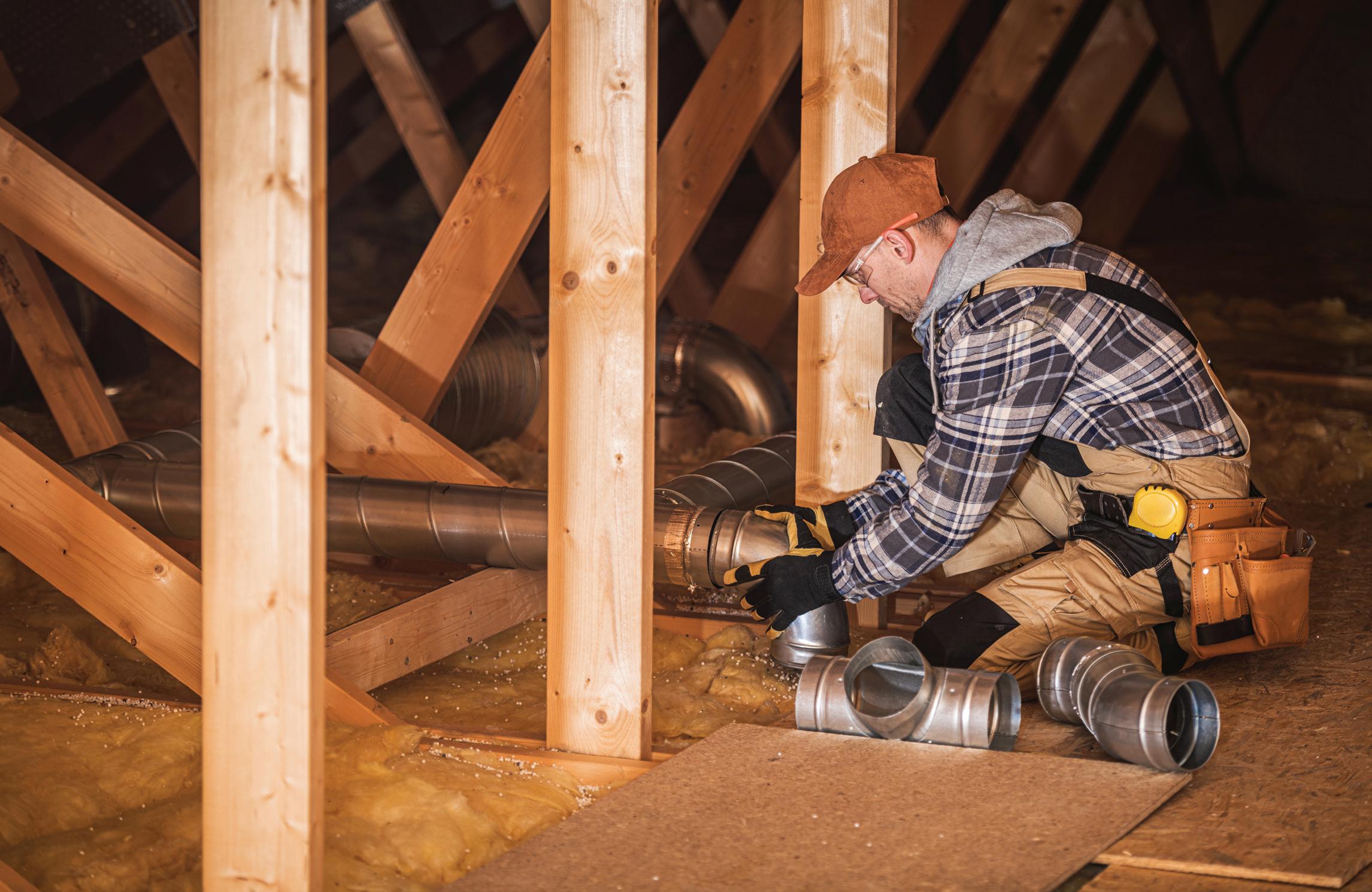
Rethinking Ductwork: Turn Poor HVAC Installs Into Higher Profits and Healthier Homes
Addressing common duct system problems like excessive turns, fiberglass contamination, and inadequate filtration can transform HVAC systems into health-promoting air quality solutions, boosting service value and revenue.
HVAC services are inherently among the more costly ones, and rightly so given their complexity. But is it possible to maximize your earnings even further by ensuring your clients are genuinely satisfied with their investments and fully understand exactly what they are paying for, and why?
Throughout my career, I have worked in energy efficiency, with much of my experience centered on luxury buildings, where a creative approach is key to solving complex challenges related to improving indoor climate, air quality, and more.
Since starting in the HVAC industry in New York five years ago, I have observed a systemic issue with the quality of air duct installations. This issue has a profound impact on the life of New York residents, since air ducts play a critical role in controlling indoor air quality and, when installed improperly, can be the source and cause of respiratory illnesses.
My extensive engineering experience helped me figure out the effective solution, which helped not only significantly
improve the quality of life of the clients of MainDuct but also raise the average bill for our services by providing comprehensive system maintenance.
The Importance of Air Duct Inspection
Inspection of the entire system to identify any vulnerabilities is easily performed together with the air duct cleaning.
The most common issues in the air duct configuration include:
1. Too many turns in the air duct.
An efficient air duct should have fewer than three turns, operate quietly, and have a smooth inner surface compliant with the NFPA standards 90A (primarily for commercial buildings) and 90B (primarily for residential buildings). The duct system must not cause significant air pressure loss and should adequately meet the airflow requirements of the serviced space.
The air duct must also be insulated externally and be airtight, meaning all joints should be treated with specialized sealants. This reduces heat loss and air
leakage through the insulation, which in turn prevents condensation, infiltration of contaminated air into the premises, and other related issues.
2. Fiberglass inside the air ducts.
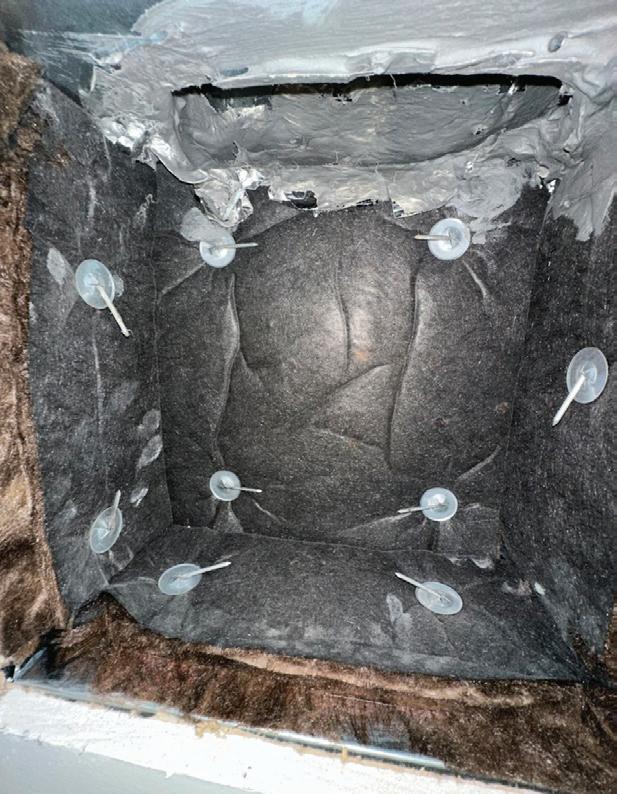
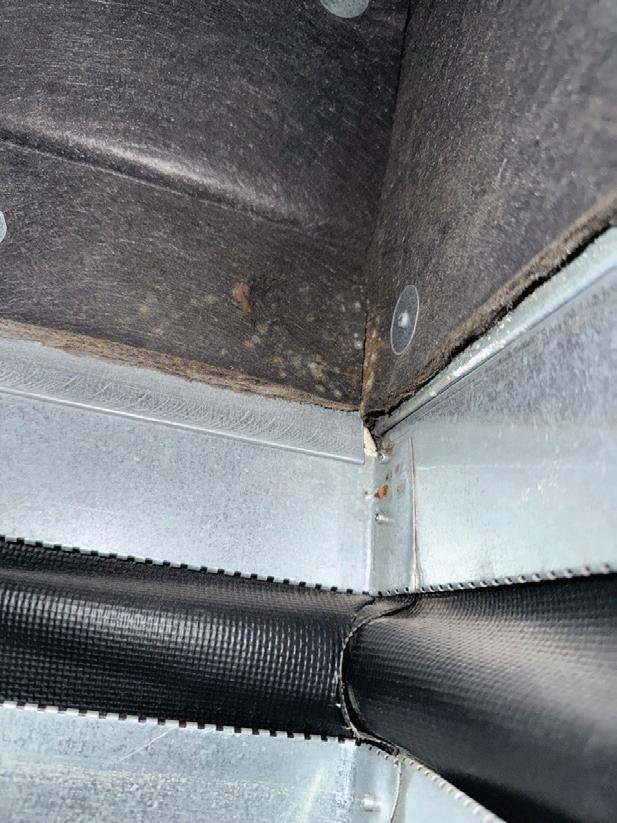
An important factor threatening a healthy living environment is the presence of fiberglass inside heating and cooling systems. If improperly installed or inadequately maintained, fiberglass can contaminate the indoor air with fiberglass particles and create an environment conducive to active mildew growth.
3. Wrong filter is installed.
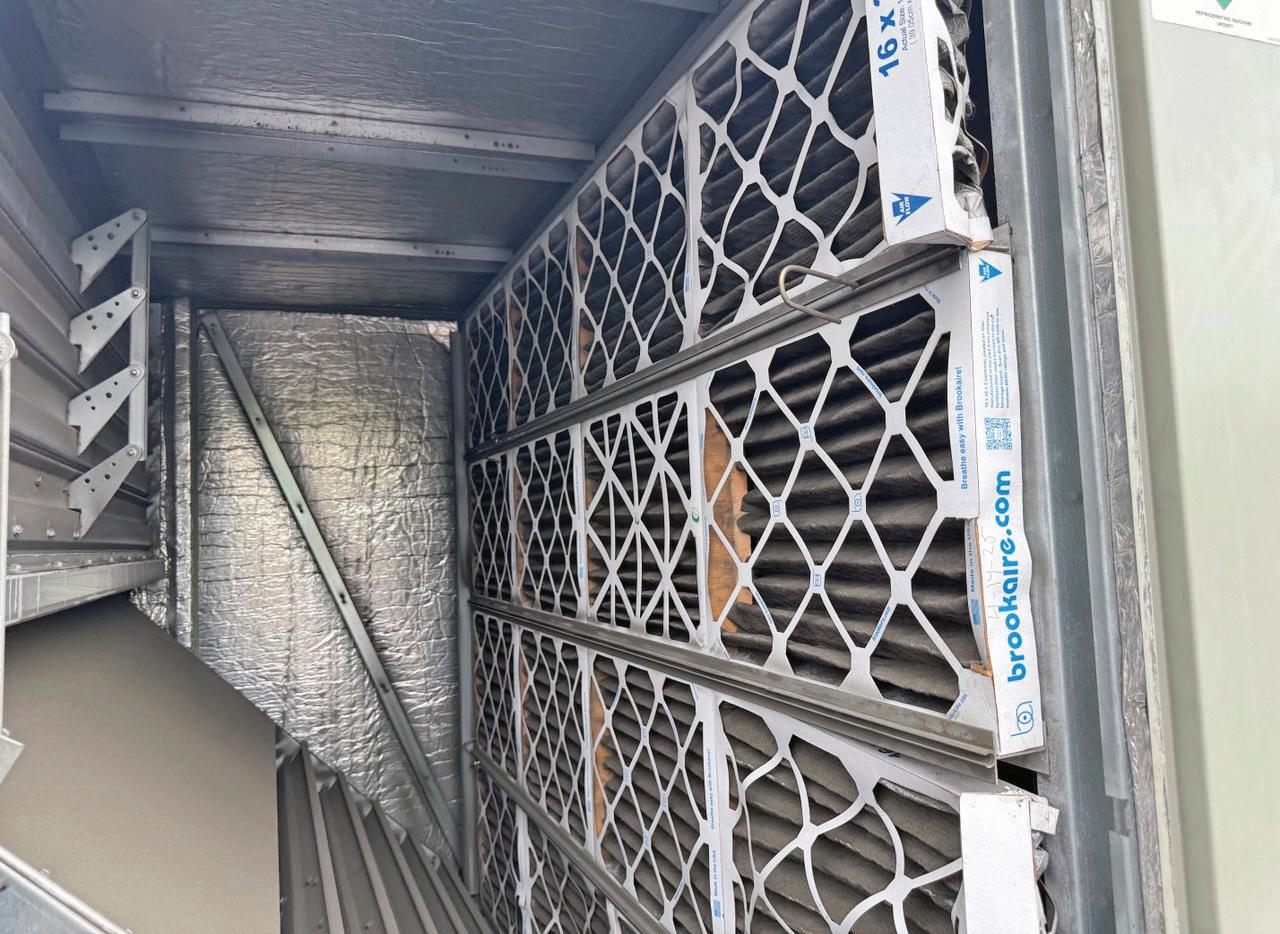
Most residential and commercial buildings lack adequate filtration systems that effectively clean the air. In most of the houses we have inspected, there are electrostatic filters that charge dust and dirt particles with static electricity as air passes through them. When these charged particles return to the room, they clump together with uncharged particles, become heavier, and settle on the floor. Simply put, a good filter
is one that captures small pollutant particles and prevents them from circulating inside the living space.
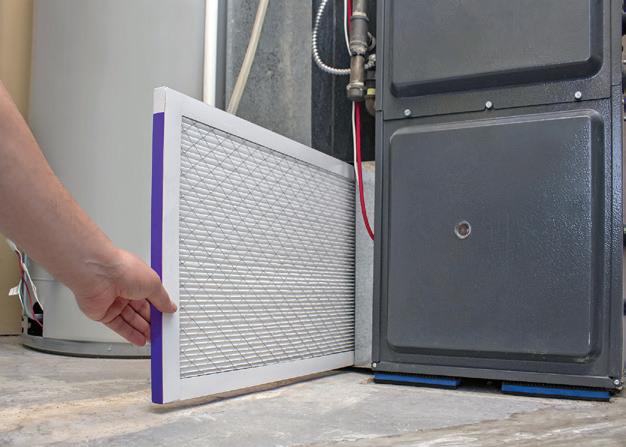
A proper filtration system means having a high-quality filter installed at the intake on the wall surface, arranged in such a way that the entire volume of air returning to the system passes exclusively through the filter. The filter’s efficiency rating should be no lower than MERV 11. Such a filter removes organic contaminants, dust, skin particles, pet dander, dust mites, and other similar pollutants from the air.
Therefore, if the air duct system is designed and installed correctly, the heating
Fiberglass used in air ducts can pose health risks when damaged or deteriorated, as it may release microscopic fibers into the air that irritate the skin, eyes, and respiratory system and negatively impact indoor air quality.
or cooling unit of any building can be transformed into an air quality improvement system, creating a healthy and comfortable indoor climate.
What Constitutes a Proper Air Duct
This is an air duct with fewer than three turns, ensuring quiet operation and a smooth interior surface compliant with relevant standards. It does not cause significant airflow loss and adequately meets the needs of each serviced space. The duct is externally insulated and airtight, with all joints sealed using specialized sealants. This reduces heat and air losses through the insulation, preventing condensation and the infiltration of contaminated air into the premises.
The system includes a filter at the intake that meets all filtration system requirements. The filter does not create significant airflow resistance while maintaining high filtration quality, with minimal air bypassing the filter. It is installed at the air intake point on the wall surface and allows for easy and quick filter replacement.
Additional Services:
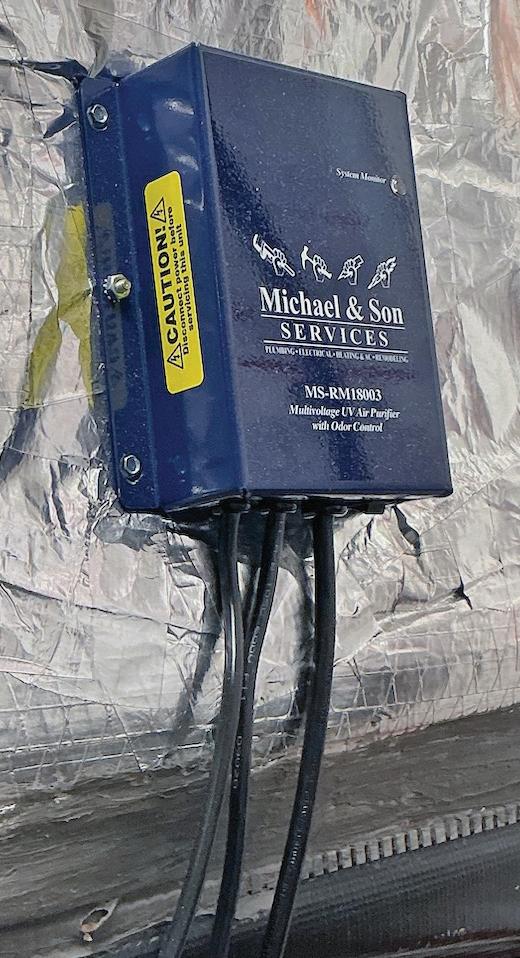
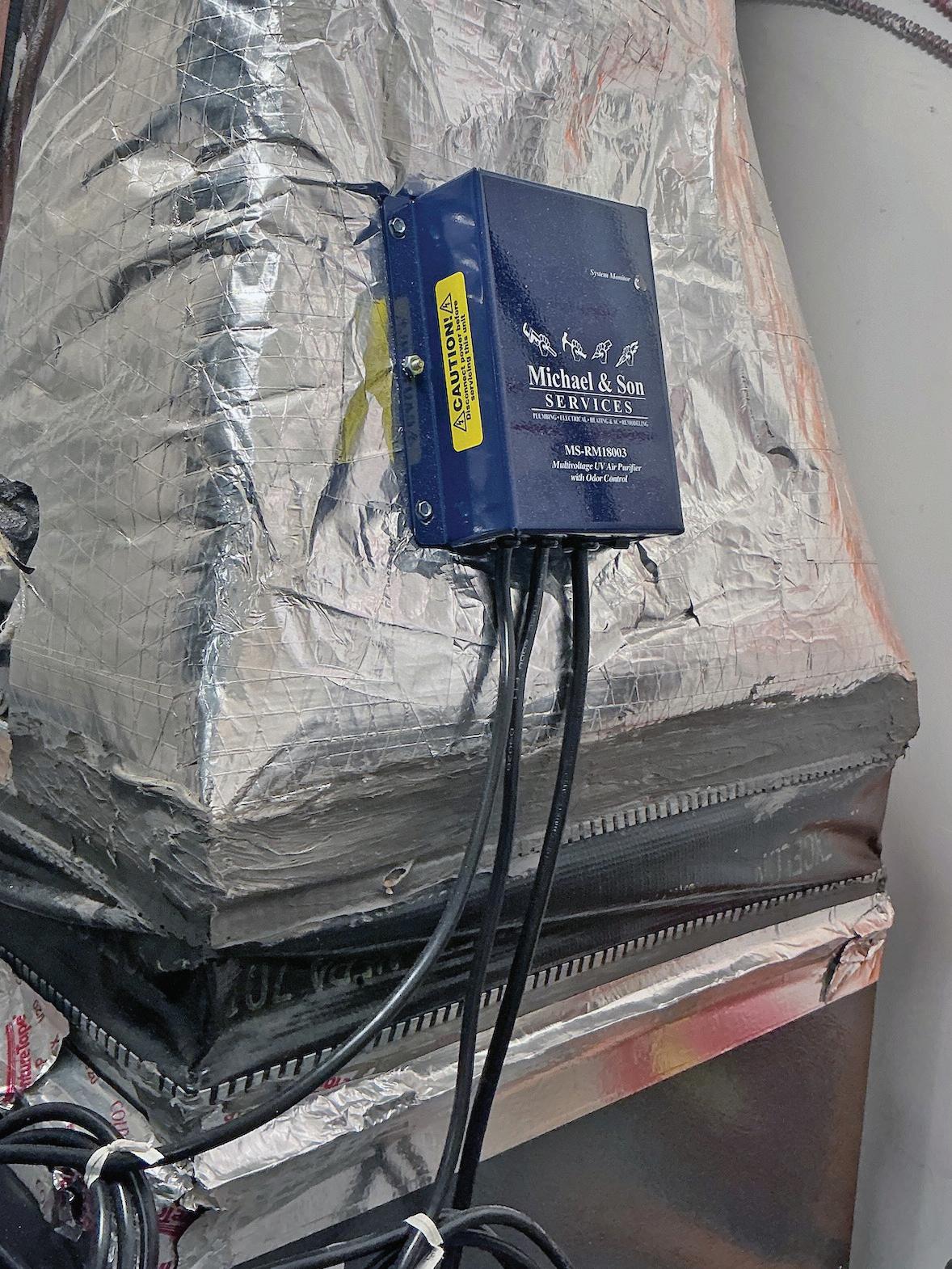
UV Lamps, Access Panel Installation
Also, offer the client ultraviolet air purification lamps, access panel installation, and other appropriate services that will enhance their system. The most important
thing is to communicate with the client— explain to them what they currently have and why it is inadequate, how to fix it, and what the long-term consequences and costs of ignoring the issue are. Tell them how to improve air quality and ask if they are experiencing any problems. Don’t just perform routine cleaning. Do more, and you will be rewarded.
Most homes in the U.S. have this potential for additional, actually necessary maintenance, yet it is rarely realized.
Instead of improving air quality, air duct systems often become sources of pollution, worsening the home’s ecosystem. Typical duct systems frequently contain fiberglass insulation that is not properly sealed, combined with low-quality filters or no filters at all.
By being a diligent service provider, you have a good chance of being chosen to bring clients’ systems up to standards, improve indoor air quality, and maximize your earnings simultaneously.
Aleksandr Berestovoi is an expert in energy systems and the founder and CEO of MainDuct Inc., a licensed HVAC contracting company specializing in diagnostics, cleaning, and modernization of ventilation and climate control systems in both residential and commercial buildings. He has over 20 years of hands-on experience.
Mildew in the fiberglass insulation.
Using improper filters causes air duct systems to perform inefficiently, become contaminated faster, and allow pollutants to circulate back into the indoor air, negatively impacting indoor air quality and potentially causing health issues.
The Smart Thermostat Strategy That Eliminated Return Trips for One HVAC Contractor
Facing challenges with complex thermostat SKUs and lengthy installs, Wilson Plumbing & Heating adopted Sensi Touch 2 thermostats, supported by expert training, leading to easier installations, better user interfaces, and increased efficiency across their fleet.
Ralph and Theresa Wilson started Wilson Plumbing & Heating in 1958. Now 60 years later, the company has grown from a two-person shop into a multi-division company with nearly 60 trucks serving residential and commercial customers. Known for their skills and professionalism, Wilson Plumbing & Heating strives to always deliver excellence and reliability, with 100 percent customer satisfaction.
Challenge: Wasted Time and Annoyed Customers
For a time, Wilson Plumbing & Heating had been installing a large brand’s thermostats, but it was becoming problematic. There were too many different SKUs. It was hard knowing which thermostats to carry on trucks—and which specific pieces and parts were required to install them.
Technicians often had to leave for additional items. So jobs took too long. Customers got annoyed. And revenue per truck was beginning to decline.
Making matters worse, the brand failed to step up as a go-to resource for questions or training. Ultimately, Wilson Plumbing & Heating needed an easier thermostat on their trucks.
Simplicity and Ease
According to Greg Griffin, service manager at Wilson Plumbing & Heating, it all started when he met his Copeland territory sales manager. “We sat down and discussed Sensi models and what Copeland’s capabilities are. And the capabilities are really great.”
Wilson Plumbing & Heating switched thermostats just as the busiest season was about to begin. Meaning the company had dozens of technicians to train on a brand new thermostat. So Copeland sent its renowned in-house trainer, Jim Fultz, to provide hands-on training and ongoing quick-touch responses to texts
Wilson Plumbing & Heating switched to Sensi smart thermostats as its primary offering after seeing the benefits. Images courtesy of Copeland
and phone calls.
“Now the Sensi Touch 2 is the primary thermostat we offer,” Griffin said, “and the experience has been absolutely fantastic. It’s a sleek model. I like the Touch 2 quite a bit. And so do our customers.”
The Result: Happy Customers, Zero Callbacks
Wilson Plumbing & Heating has experienced first call resolution on every Sensi product they’ve adopted. “They’re so easy to install and set up. Plus, our customers really enjoy the interface of the Sensi Touch 2. I think that’s the end-all thermostat for us.”
Today, Wilson Plumbing & Heating is rolling out Sensi smart thermostats in all its crews. “We have Sensi products in our packouts for every truck,” Griffin said.
But that’s not all.
He likes the Sensi Touch 2 so much that he’s installed one in his own home. “It’s made a huge difference,” he said. “Especially when taking advantage of room sensors.”
Sensi room sensors help balance temperatures throughout a home, reducing hot and cold spots. “I do notice less of a temperature difference between the first and second floor. The HVAC equipment hasn’t changed, so this improvement is definitely related to the thermostat,” Griffin said.
Wilson Plumbing & Heating is also bringing the new Sensi Equipment Interface Module (EIM) onto its trucks. It’s a wireless fix for applications where the wires aren’t available to connect a Sensi Touch 2 smart thermostat.
“The EIM is very versatile. It does a great job. And like everything Sensi does, it’s easy to configure,” said Griffin.
Tom Lorenz is the director of product management for thermostats at Copeland. In his role, Lorenz sets the vision and strategy for the entire Sensi smart and traditional thermostat portfolio. This entails both aligning product needs with business requirements and driving product teams to excel at solution development in cross-functional environments. He has more than 25 years of HVAC and managerial experience at Copeland.
WHERE FACILITY CHALLENGES FIND SOLUTIONS
NORTHWEST
April 29-30, 2026
Portland, OR
NORTHERN CALIFORNIA
October 2026
Santa Clara, CA
RENO
August 19-20, 2026
Reno, NV
NORTH TEXAS
October 14-15, 2026
Irving, TX
What the Commercial VRF Low GWP A2L Refrigerant Shift Really Means for Contractors
By David Archer
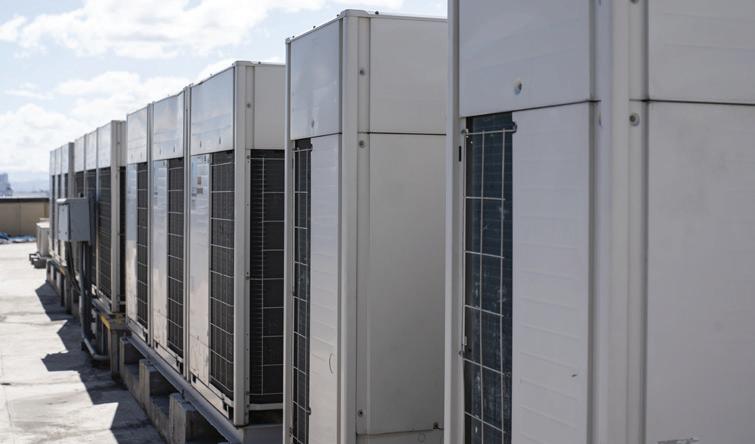
The commercial HVAC industry has entered a pivotal change. As of Jan. 1, manufacturers are no longer be able to produce or import commercial variable refrigerant flow (VRF) equipment using R-410A refrigerant. Instead, systems have shifted to lower-global warming potential (GWP) alternatives such as R-32, in line with global environmental goals to reduce the climate impact of HVAC systems.
This change raises several key questions for contractors, including how to manage day-to-day operations, preexisting projects, and customer communications. With the right planning and supplier coordination, contractors can keep projects moving and customers confident.
What’s Driving the Refrigerant Transition
The transition to low-GWP refrigerants is part of a broader strategy to phase down refrigerants with high GWP and adopt options that balance performance, safety, and regulatory compliance. R-410A, the previous industry standard VRF refrigerant, has a GWP of 2088. In comparison, R-32 has a significantly lower GWP of 675. This shift to low-GWP refrigerants began with residential systems and many commercial systems. Now, commercial projects using VRF equipment are following suit.
The core goal is straightforward: reduce emissions while maintaining or even improving system efficiency and customer comfort.
Understanding the Deadline
One of the biggest misconceptions is that Jan. 1, represents a “hard stop” for installing equipment that uses R-410A refrigerant. In reality, the regulation prohibits only the manufacture and import of new R-410A VRF equipment after that date. To ease the transition for contractors, a one-year sell-through period extends to Dec. 31, 2026.
That means in most areas of the country, HVAC contractors can still install and support R-410A VRF systems during the commercial VRF transition year—at least until the end of 2026. Warranties remain valid, replacement parts will be available, and manufacturers are planning their inventory strategies to ensure that equipment supply is available throughout the overlap period.
Navigating Supply with Confidence
Contractors may be wondering how the refrigerant transition will impact availability. While past supply disruptions raised valid concerns, many of those challenges were tied to cylinder shortages, not refrigerant production itself.
As larger commercial projects necessitate specific equipment submittal and approval processes, pre-ordering can be difficult. Commercial equipment is often shipped directly to the jobsite instead of into distribution warehouses, making frequent communication with distributors and manufacturers a must-have.
Proactive project planning gives contractors more choice and control, ensuring they can select the refrigerant path that best fits the job. The earlier the engagement, the more flexibility and confidence they’ll have to deliver for their customers.
Revamping Training and Code Updates
The refrigerant shift also introduces code changes. Because R-32 is classified as a low GWP A2L refrigerant, contractors may need to integrate safety sensors and, in some cases, additional ventilation into building designs.
Fortunately, training resources are becoming widely available. Manufacturers, distributors, and service groups across the industry are developing and providing education for contractors, engineers, and architects. Investing in such training ensures safe installation practices and compliance with transportation and storage requirements for multiple refrigerants.
For instance, many providers offer education and training on the refrigerant change, including installation training for contractors and building construction learning for engineers and architects. It is important to ensure engineers and architects understand how to design buildings with the new refrigerant in mind. For instance, VRF applications are expected to shift toward a greater number of smaller systems rather than fewer larger ones. This approach offers several advantages, including reduced refrigerant volumes per system, smaller and more contained zones, and generally easier installation.
Communicating with Customers
When talking to customers, contractors should consider framing the transition as a positive step forward. A few points to highlight include:
• R-410A systems remain viable. Equipment installed in 2025 or 2026 will continue to be supported with warranties, replacement parts, and service for at least 10 years.
• New R-32 refrigerants can bring reliability and safety benefits. R-32 A2L systems come with built-in leak detection sensors that can isolate affected zones, reduce refrigerant loss, and keep systems running while repairs are made. These sensors can save costs by preventing full refrigerant loss and extending equipment life. By detecting the location of refrigerant leaks and isolating them, the system helps minimize downtime and allows for faster repairs.
• Efficiency upgrades add value. Alongside refrigerant changes, manufacturers have introduced coil redesigns, improved heating and cooling performance, and longer component durability. These updates deliver tangible operational and cost benefits over time.
Taking Practical Steps Now
What should contractors do now to best prepare?
1. Plan ahead with distributors. Secure project timelines early and confirm equipment availability months in advance.
2. Stock knowledge, not just parts. Ensure staff are trained on installation practices, refrigerant handling, and code compliance.
3. Educate customers. Reassure them about R-410A VRF system viability while highlighting the benefits of new refrigerant technologies.
4. Stay flexible. Expect some overlap where certain equipment is only available in one refrigerant type. Being adaptable will keep projects moving.
Leaning into the commercial VRF refrigerant change now sets the stage for contractors to enjoy long-term success and deliver quality customer satisfaction.
As Vice President of Commercial Business, David Archer sets the strategy for METUS’ commercial line, including regional commercial business units and vertical markets. He manages all aspects of the commercial side of the company to achieve planned sales, market share and profitability. Archer is a licensed professional engineer (Georgia) and a LEED Accredited Professional. He earned a bachelor’s degree in business administration – finance, from the College of Charleston, Charleston, South Carolina.
Adapting to A2Ls: Flexible Evaporator Coils Enhance HVAC Efficiency and Service
By Riley Archer
As the HVAC industry continues to innovate in response to global sustainability goals, the shift towards A2L refrigerants with lower global warming potential (GWP) has become undeniable. One area where this transition is making a significant impact is in the design and performance of evaporator coils. Among the preferred A2L refrigerants gaining traction in these systems are R-32 and R-454B, both of which present exciting opportunities for greater efficiency, reduced environmental impact, and more costeffective operations.
However, refrigerant innovations can sometimes create headaches for HVAC technicians.
HVAC OEM engineers and contractors are now faced with the challenge of navigating evolving compatibility requirements, as each refrigerant presents its own unique set of pressures, thermodynamic properties, and handling considerations. Selecting the proper coil materials, expansion devices, and safety measures becomes paramount to ensuring not only regulatory compliance but also optimal evaporator coil performance.
Gone are the days when a one-size-fits-all approach dominated the market; the modern era requires adaptability and a deeper understanding of refrigerant chemistry and system integration.
Worse yet, it can lead to unhappy customers tarnishing your reputation. Imagine a technician leaving a customer’s location because they didn’t have the correct coil. Not only does that lead to a waste of time, but it might also infuriate a customer with a non-functioning HVAC system, especially on very hot days.
Currently, all major OEM HVAC manufacturers have selected their A2L refrigerant of choice, either R-32 or R-454B. As a result, their evaporator coils are designed to perform using their preferred refrigerant. That also means that HVAC contractors might be locked into the OEM evaporator coil.
Two Refrigerants, One Evaporator Coil
Already on the market from select independent evaporator coil manufacturers is a versatile coil that can be installed in either an R-32 or R-454B system. This evaporator coil can be factory- or field-converted to either refrigerant. The metering device must be matched, and a refrigerant detection system is needed, too. With either A2L refrigerant, the evaporator coil has an AHRI match and is ETL certified. Therefore, regardless of the HVAC system’s brand or refrigerant, only one evaporator coil is required
for virtually any installation. This allows HVAC contractors to avoid unnecessary inventory of multiple evaporator coils that are designed for a specific A2L refrigerant
Instead of complicating life for contractors and distributors, select independent coil manufacturers are rethinking the design of evaporator coils altogether. The goal: a flexible, factory- or fieldadaptable solution that eliminates the guesswork and inefficiency of stocking separate coils for each refrigerant.
These next-generation coils are engineered with adaptability in mind, reducing the risk of mismatched components and costly callbacks. Thanks to this evolution in coil design, contractors can approach new installations, service, or retrofit installations with far greater confidence.
The adaptability of a dual-refrigerant coil means one streamlined solution can be configured on the spot to match the needs of any compatible A2L system— without the worry of incompatible parts or frustrated callbacks. This reduces downtime and keeps service trucks stocked with universal coils, rather than an excess inventory of single-refrigerant options. These dual-refrigerant coils allow dealers to stock a single coil and be prepared for any A2L service and installation challenge they face in the field.
The universal evaporator coil stands as a testament to the power of engineering collaboration, merging the needs of technicians, distributors, and end-users into a single, adaptable solution. Instead of navigating the maze of OEM-specific requirements or worrying about future refrigerant transitions, contractors can now focus on delivering reliability and value to their customers. For distributors, the operational advantages are just as compelling. The risk and overhead associated with forecasting demand for specific refrigerant coils are minimized. Instead, the focus shifts toward providing faster turnaround and more reliable support to contractors, ultimately enhancing customer satisfaction throughout the entire supply chain.
While government regulations and HVAC OEMs may cause potential headaches regarding the ability to change out an evaporator coil regardless of the brand, select independent coil manufacturers have met the challenge and provided immediate relief.
In the end, the era of dedicated-refrigerant evaporator coils is giving way to a more innovative, more sustainable approach—one that embraces adaptability, empowers technicians.
Riley Archer is vice president of sales and marketing at Aspen Manufacturing.
Aspen Manufacturing
IAQ is no longer a thing to be feared.
Indoor Air Quality & Monitoring: The Foundation of Healthy, Sustainable Buildings
Indoor Air Quality is best known as IAQ. These three small letters can strike fear into the hearts of building operators. Why?
Often, when IAQ is mentioned, it’s because of a real or assumed problem that now demands attention. In many cases, it turns out to be something that could have been avoided or addressed much sooner with far less disruption.
Managing and monitoring IAQ has grown significantly in recent years through better understanding, advanced technology, and updated industry standards, which help to clear the fog around what to do about IAQ. With a better understanding, building operators are learning they can provide optimal IAQ for their occupants, and, at the same time, run the building more efficiently to promote a more sustainable property.
For many years, the U.S. Environmental Protection Agency (EPA) has stated three important factors to improving IAQ are source control, ventilation, and air cleaning. We can see in the modern built environment that these three factors are considered much more than in years past.
Many buildings are now monitoring and displaying their indoor air quality. More advanced IAQ platforms can show comparisons between indoor and outdoor air quality.
We have learned to control sources of pollutants—using fewer chemicals and materials that off-gas fewer Volatile Organic Compounds (VOC). We also pay more attention to people and activities which would produce indoor pollutants. It wasn’t that long ago when smoking was still allowed in offices!
Lessons learned from the COVID pandemic made ventilation and air cleaning critical considerations. Buildings increased their air exchange rates, improved filtration, and incorporated advanced air purification technologies like bi-polar air ionization and UV technologies to address bacteria, viruses, and molds, and provide a healthier indoor environment.
To this end, most buildings do provide particularly good indoor air quality. Many building operators are understanding this, and are monitoring and displaying their indoor air quality.
More advanced platforms can show a comparison of indoor to outdoor air quality and communicate that the air is better in the building than outside. This is a strong message in our age of transparency, where knowledge of IAQ for any building occupant is just a click away.
Following this movement, standards and guidelines have been adopted so buildings have
the guidance they need to operate healthier and more efficiently.
In 2023, ASHRAE (American Society of Heating, Refrigerating and Air-Conditioning Engineers) published Standard 241: Control of Infectious Aerosols, which was developed to help protect building occupants from the airborne transmission of illness.
A significant breakthrough of this standard was the development of ECA (Equivalent Clean Airflow). For many years, most IAQ standards were based on the concept of dilution or using volumes of outdoor air to lessen the concentration of indoor pollutants. While this may be effective, it doesn’t address all forms of contamination equally, and is a very costly approach to IAQ management, as outdoor air needs to be heated, cooled, and dehumidified for comfort.
Conditioning untreated outdoor air is the largest consumer of HVAC energy, and HVAC in a commercial building is the largest consumer of total energy. Standard 241 teaches us that using advanced air cleaning, like some of the technologies mentioned previously, and reducing outside air can result in an improved IAQ and lower energy usage. Also, as we have seen in many cases where wildfire issues and others exist, outside air can be undesirable to introduce into the indoor space.
There are many other groups that publish performance-based standards, like the International Well Building Institute’s WELL Standard, the Center for Active Design’s Fitwell Standard, and the United States Green Building Council’s LEED Standard. These groups all use a points-based rating system to certify the building. A common thread between them is that IAQ is a critical factor where many points can be achieved, and all use continuous air monitoring to ensure compliance with IAQ standards and provide some transparency to the building occupant.
IAQ is no longer a thing to be feared. It is something a building owner can use to ensure a healthy and efficient indoor environment and communicate this to occupants and visitors. Many studies and surveys have shown IAQ is especially important and well understood by building occupants. The modern built environment has all the tools and guidance needed, not only to address those concerns but to exceed expectations and make IAQ a shining attribute of any building.
Tony Abate is vice president and chief technology officer at AtmosAir Solutions, an indoor air purification and monitoring technology company in Fairfield, Connecticut.
The 3 Cs of Building an Engaged Sales Team
An engaged sales team can transform your business. From increased productivity and innovation to improved customer service and retention, engagement drives performance. Engaged employees care about the work they do — and it shows! They produce higher-quality results, create a more positive company culture, and contribute to your overall business growth. And when your team feels valued, supported, and connected, they stick around. That’s what we all want: happy teams and happy customers.
Enter the “three Cs”: Commitment, Consistency, and Care.
Commitment: Listen, Communicate, and Lead by Example
The simplest (and most overlooked) form of commitment is listening. Your team doesn’t need you to fix every problem on the spot, but they do need to feel heard. Listen more than you talk. Ask questions. Don’t get defensive when a concern is raised. Sometimes, being heard is the solution in itself.
Clear communication is another key aspect of commitment. Does your team know when and how to reach you? Do they hear from you regularly, especially if they work remotely? Are
When you’re walking into a meeting or a call, leave personal baggage behind. Don’t bring negative energy into your next interaction. Your emotional tone sets the temperature for the whole team.
you using the best communication style for them to absorb what you’re saying? Do what it takes—if that means calling in a supplier to help with product knowledge or a coach to help you brush up on your soft skills, take the plunge! Your team needs you to clearly communicate expectations and other important information.
Commitment also means walking your talk. If you roll out a new system or process, follow it yourself. Model the behaviors you want to see. Whether you’re reading a book to help yourself grow as a leader, blocking time to hop on a call with your coach, or attending training yourself, show your team you’re committed to your own improvement, too.
Things to ponder: Think of a time a leader showed (or didn’t show) commitment to your success. What impact did that have?
Consistency: Follow Through, Be Fair, and Stay Steady
Consistency builds trust. If you say you’ll do something, do it. Be reliable with everything from showing up for one-on-one meetings to delivering on promised spiffs or bonuses. Even remembering to grab someone a coffee or answer a question you committed to matters. Follow-through makes a leader dependable.
Be fair. That doesn’t mean treating everyone exactly the same, but it does mean holding everyone to the same standards and giving new hires the grace to learn. Avoid playing favorites, and give your team a stable, predictable environment.
And check your mood! In every Nexstar process, we talk about being mentally prepared. When you’re walking into a meeting or a call, leave personal baggage behind. Don’t bring negative energy into your next interaction. Your emotional tone sets the temperature for the whole team.
Even during high-performing seasons, stay consistent. Don’t let good times lead to lazy habits. Your systems, training, and values shouldn’t disappear when things are going well.
Nexstar Sales Leader Consistencies:
• 1:1s: Weekly 30-minute check-ins centered on the employee’s needs.
• Ride-Alongs: Time-intensive but powerful. Establish a realistic cadence and stick to it.
• Weekly Meetings: Ideally held first thing in the morning to review KPIs and include regular training.
• Call Debriefs: Ask: What went well? What needs practice?
• Daily Huddles: Quick 15-minute updates covering absences, goals, install dates, and other time-sensitive info. Things to ponder: What gets in the way of being consistent? How can you remove those blockers?
Care: Show Up, Be Present, and Invest in Your People
At Nexstar, we believe in direct conversations delivered with respect. If there’s an issue, don’t avoid it. How you say something matters, but saying it matters more.
Nonverbal cues speak volumes. Put your phone down. Close your laptop. Make eye contact. Shut your door. Let employees know they have your full attention.
Care also means connecting personally. Share your own learning curves. Saying things like, “Hey, I didn’t know how to calculate a heat load when I started, either,” makes people feel safe and supported.
Above all, invest in your team. Training, tools, time—all of it. Make sure your team members have what they need to thrive. Technology, process improvements, or even just scheduling regular check-ins—whatever the need is, meet it.
Ride-alongs, one-on-ones, and call debriefs aren’t just tasks. They’re moments to show you care. Use them to meet your team where they are and help them grow.
Final Thought
Your frontline team is the most important part of your business. When you lead with commitment, consistency, and care, you don’t just get better results — you build a team that wants to be at work. That’s where the real value lies.
Emily Sicks is a sales coach with Nexstar Network.
Venstar
The Venstar Skyport Cloud Services and the Skyport Mobile App deliver a powerful platform for HVAC dealers and contractors.
Skyport is a centralized HVAC management platform, delivering real-time visibility and control across all locations from a single, intuitive dashboard viewable from virtually any screen. With the Skyport platform or mobile app, contractors can monitor system performance, make instant adjustments, and respond to alerts before comfort issues escalate. From one to thousands of thermostats, Skyport scales effortlessly, simplifying HVAC management.
The Venstar Skyport Cloud Services platform enables HVAC professionals to monitor, control, and troubleshoot connected thermostats from virtually anywhere. Through the secure Web dashboard or Skyport Mobile App, contractors can remotely access system status, adjust settings and receive email alerts, enabling them to quickly identify and potentially solve issues before they become costly service calls. www.venstar.com
Resideo
Airzone
The Airzone thermostat is a smart device designed to optimize HVAC system performance, offering features like remote control, energy savings, and user-friendly interfaces. Airzone offers several thermostat models, including the Blueface,
Think, and Lite thermostats. Each model has unique features, such as color graphic touchscreens or low-energy electronic ink screens. Many Airzone thermostats can be controlled remotely via the Airzone Cloud app, allowing users to adjust settings from anywhere, enhancing convenience and energy management. The thermostats are designed to optimize energy consumption, helping users save on heating and cooling costs while maintaining comfort. The Airzone Blueface thermostat features a color touchscreen interface, making it easy to navigate settings and configurations. www.airzonecontrol.com
Hydrolevel Company
HydroZone is a versatile Single Zone Switching Relay designed for HVAC technicians. HydroZone controls circulator pumps via standard 24V room thermostats, simplifying zone control for heating systems. Equipped with an LED Zone Fault Indicator, HydroZone blinks if a zone call is not satisfied after 3 hours, alerting technicians to potential issues quickly. The built-in 2-second delay Automatic Circulator Short Cycle Protection helps avoid short cycling of zones.
The Honeywell Home ElitePRO smart thermostat helps contractors deliver comfort and convenience. With Resideo’s First Alert app, homeowners can set up energy-saving features, manage schedules and add optional Smart Room Sensors. Key features and benefits include a large, 5” customizable touchscreen; video doorbell streaming capability with FirstAlert or Ring doorbells; and IAQ monitoring and control.
Built on the Honeywell Home UWP wall-mounting plate, Honeywell Home ElitePRO smart thermostats are designed for seamless setup using the Resideo Pro App.
Available in bold black or classic white models, the ElitePRO smart thermostat supports a wide range of HVAC system configurations, has dual-band WiFi compatibility, is Matter certified, and compatible with Amazon Alexa, Google Assistant, and Apple Home for easy voice control. www.resideo.com/us
HydroZone includes a resistor, 10VA transformer, and C Terminal, powering popular smart thermostats and enhancing
energy efficiency. Its user-friendly 2-Option Test Button allows technicians to simulate a call for heat with a press and hold, or enter a 2-minute test mode with a double tap, simplifying system diagnostics and troubleshooting.
Installation and maintenance are made easier with Industry Standard Wiring Terminals ensuring compatibility with existing systems, a large wiring compartment accommodating various configurations, and an extra L2 Terminal for additional connection options. Two SPDT Relays and Fuse Outputs offer versatile control options while protecting against electrical overloads. The integrated 10VA Transformer powers the Hydrolevel AcuTemp Indirect Water Heater Control, eliminating the need for a separate power source. hydrolevel.com
Lennox
The Dave Lennox Signature Collection SLP99VK Gas Furnace is a high-efficiency residential heating system with an integrated Refrigerant Detection System (RDS). It achieves an efficiency rating of up to 99%, converting nearly all input energy into usable heat. The integrated RDS is built into the furnace cabinet, eliminating the need for a separate refrigerant detection installation kit and helping reduce overall installation costs.
Key features include dual fuel capability with the ability to be paired with an electric heat pump to alternate between fuel sources based on weather conditions; compatible with the Lennox S40 Smart Thermostat for system control, remote monitoring, and diagnostics; and is designed to connect with the PureAir S Air Purification System and other Lennox filtration products. www.lennox.com
RGF Environmental Group
The Microcon 150 Whole Home Media Filter is a highperformance filtration system designed to significantly improve IAQ while maintaining optimal HVAC system efficiency. The Microcon 150 provides advanced, whole-home particulate filtration using a deep 4-inch pleated media filter available in MERV 11 or MERV 13 ratings. This enhanced depth allows the filter to capture more airborne contaminants than standard 1-inch filters, including dust, pollen, mold spores, pet dander,
and other common indoor pollutants. The Microcon 150 is designed for low pressure drop with MERV 13 filter at 0.315” W.C.
The heavy-duty 22-gauge galvanized steel cabinet ensures longterm durability and corrosion resistance while multiple size configurations and installation orientations simplify integration into new or existing HVAC systems. Additionally, a magnetic access door allows for quick, tool-free filter replacement. Ideal for single-family homes, apartments, condominiums, and light commercial applications, RGF’s Microcon 150 provides contractors and homeowners with a reliable solution for cleaner indoor air. rgf.com
Sharp Corporation
The Airest Mini-Split Heat Pump from Sharp features built-in MERV 14 certified filters. A 2026 AHR Innovation Award winner, the MERV 14 certified main filter captures fine dust, allergens, and airborne particles, ensuring cleaner, healthier air. With advanced cooling and heating technology, it provides reliable comfort and a healthier indoor environment year-round.
Main features include 21.0 SEER2 and 10.5 HSPF2 V, powerful centrifugal fans, safe “Hot Gas Pipe” de-icing system, built-in Wi-Fi functionality and an air quality sensor. The system uses A2L Refrigerant R-32. global.sharp/products/hvac
Saniflo
Designed for mini-split and small HVAC systems where gravity drainage isn’t an option, the Sanicondens Clim Mini S from SFA Saniflo USA delivers quiet, reliable condensate removal in a compact form. Operating at just 21 dBA, the pump fits discreetly inside or alongside indoor units and automatically activates when condensate is detected. Rated for systems up to 27,000 Btu, it can move water up to 20 feet vertically or 150 feet horizontally, making it ideal for retrofit installations, interior walls, and basements. The lightweight, CSA-certified unit includes a ready-to-install kit for fast setup in residential and light commercial applications. www.sfasaniflo.com
Little Giant
Franklin Electric’s Little Giant VCMA-20-PRO Series features the slimmest footprint among Little Giant condensate pumps. It is designed for condensate removal from air conditioning, refrigeration, and dehumidification equipment. The pump is also suitable for high-efficiency oil- and gas-fired condensing furnaces and condensing boilers. The vertical-type pump measures 6.5” x 10.2” x 4.8”, supporting installation flexibility in confined areas.
Reviveaire LLC
Aireshield is an air filtration method combining airborne pathogen disinfection, particulate agglomeration/ collection, and cooling coil biofilm prevention inside residential and commercial HVAC system airstreams. The nonthermal plasma-based airborne contaminant filter resembles a one-inch-thick traditional HVAC media filter frame.
Key features include 3/8” outside diameter barbed discharge adapter with 1/4-turn quick-release locking mechanism; builtin check valve to allow servicing without removing tubing and help reduce water spills; three 1-1/8” diameter inlet openings, two fitted with removable cap plugs, for compatibility with multiple system types; external float-activated switch that automatically detects high water levels; rubber feet to absorb vibration and reduce noise on hard surface installations; and an optional anti-sweat sleeve for high-humidity applications where condensation may form on the tank exterior. www.littlegiant.com
SALES CONTACTS
SOUTH & WEST: SENIOR MANAGER, BUSINESS DEVELOPMENT
Randy Jeter
Office: 512-263-7280
Cell: 512-426-9145
Fax: 913-514-6628
rjeter@endeavorb2b.com
EAST COAST: SENIOR MANAGER, BUSINESS DEVELOPMENT
Brian Sack
Cell: 732-629-1949
bsack@endeavorb2b.com
ACCOUNT MANAGER MIDWEST
Bill Boyadjis
973-829-0648
bboyadjis@endeavorb2b.com
CLASSIFIEDS/INSIDE SALES: MEDIA ACCOUNT EXECUTIVE
Steve Suarez
Cell: 816-588-7372
Office: 941-259-0867
ssuarez@endeavorb2b.com
DIRECTOR OF SALES, BUILDINGS & CONSTRUCTION GROUP
Joe Agron 941-200-4778
jagron@endeavorb2b.com
Aireshield is available in all sizes. Aireshield’s plasmic field inactivates, neutralizes, and prevents replication beyond 99% as proven by third-party tests for SARS, influenza, and other biological contaminants in compliance with ASHRAE Standard 241. The ozone-free Aireshield also improves MERV 8 and MERV 13 media filters to MERV 13 and MERV 16 performances with maximum static pressure drops of 0.22-w.g. at 500 FPM. www.reviveaire.com
Leadership requires thick skin. Not because you stop caring, but because you care enough to keep going anyway.
When Your Company Becomes the Headline
There’s a different kind of breaking news that hits harder than anything you see on television. It is the day your company’s name becomes the headline on social media.
If you have been in business long enough, you know exactly what I’m talking about. A post. A complaint. A thread that starts gaining traction. Notifications lighting up your phone. And suddenly, the business you have poured blood, sweat, and tears into feels like it’s under attack.
The first time it happened to us, I felt like the world was ending.
A local citizen posted about Rogers and claimed we were taking advantage of an elderly homeowner. What he didn’t know was that her electrical system was unsafe and needed significant work. But the narrative was already forming before the facts had a chance. The post took off. Comments multiplied. Opinions flew. People who had never done business with us chimed in.
I remember thinking irrational thoughts like, “This is it. This is how the business goes under.”
It is amazing how loud negativity can feel when it’s directed at something you have built with everything you have. But that experience taught me lessons I wish someone had shared with me years ago.
1. It Doesn’t Get Easier — You Get Stronger
Social media gives anyone a microphone and an audience.
For a while, it felt constant. Even after we offered to help the homeowner at no charge, the narrative continued. At first, it devastated me. Over time, something shifted. The comments didn’t stop, but they didn’t hit the same. Still noticeable. Still uncomfortable. But no longer paralyzing.
Leadership requires thick skin. Not because you stop caring, but because you care enough to keep going anyway.
If you’re visible in your market, you are vulnerable. That’s the cost of growth.
2. Do Not Participate
This may be the hardest lesson of all.
3. Protect Your Team
The hardest part for me wasn’t what strangers were saying. It was knowing our team could see it.
The technician who ran that call knew he had done the right thing. Yet he began questioning himself. When your company is criticized publicly, your team can feel like they are under a microscope. As leaders, we cannot sweep that under the rug.
We gathered our team. We talked about it openly. We reassured them. We reminded them of our standards, our integrity, and the thousands of customers we have served well. We reinforced that doing the right thing doesn’t always mean being applauded for it.
Moments like this are defining leadership moments. Your team is watching how you respond. If you panic, they panic. If you steady the ship, they regain confidence.
4. It’s Smaller Than It Feels
Negativity online feels enormous. I was convinced everyone had seen “the post.” I felt like people were looking at me differently. The truth? Most people hadn’t even seen it. And many who had reached out privately to offer support.
We realized something important: we had far more supporters than critics. And many of the loudest voices online were not, and likely would never be, our ideal customers anyway. Don’t let a comment section distort your perspective.
5. Do Not Stop Showing Up
The world keeps moving. Customers still need service. The phone keeps ringing. The team still shows up ready to work.
The post that once felt catastrophic did not close our doors. It did not stop our growth. It did not define our reputation. What it did was refine us. It reminded us that visibility comes with responsibility and resilience.
Alyssa Rogers is vice president of Rogers Heating, Cooling, Electrical, with offices in Lynchburg and South Boston, Virginia.
When you feel attacked, your first instinct is to defend. To jump into the comments. To explain your side. To correct misinformation. But every comment extends the life of the post. Engaging publicly often turns a small fire into a bonfire.
Instead, we focused inward. We kept serving customers. We kept posting meaningful content. We kept showing up consistently and professionally. Silence is not weakness. Sometimes it is strategy.
The negativity hasn’t completely disappeared. It probably never will. But it no longer controls my emotions the way it once did. Now, when criticism surfaces, I remind myself: If you’re being talked about, you’re being seen. And if you’re being seen, your marketing is working.
To every contractor who has felt that knot in their stomach from a public complaint—hang in there. Do not engage in the chaos. Protect your team. Keep your standards high. Keep serving well.
And, most importantly, do not stop showing up. This too shall pass. And you’ll be stronger because of it.
Experience the benefits of an innovative virtual Building Management System with Fujitsu AIRSTAGE Cloud.
Don’t let upfront costs stretch your budget to the max. Fujitsu’s innovative AIRSTAGE Cloud virtual BMS, coupled with AIRSTAGE VRF products, allows facilities managers to install, control, troubleshoot, and reduce energy costs – all from a simple online platform. With an ROI in months, not years, you’ll see immediate benefits. Moreover, our full line of AIRSTAGE VRF solutions - backed by 45 years of HVAC expertise - delivers more flexibility, power and comfort in less space. Reach new heights of performance and efficiency without sticking your neck out…Fujitsu AIRSTAGE Cloud. Visit airstagecloud.com
OPTIONS THAT ADAPT TO YOUR APPLICATION
HOT GAS REHEAT*1 ELECTRIC HEAT
ECONOMIZER
STAINLESS STEEL HX (Gas/Electric units) POWERED AND NON-POWERED CONVENIENCE OUTLETS
INTEGRATED CONTROLS AND BACNET™ CONNECTIVITY*2
Daikin NEXIO rooftop units deliver scalable performance, innovative engineering, and flexible configurations designed to meet the evolving needs of light commercial buildings. Available in three performance tiers, NEXIO gives engineers, contractors, and building owners the freedom to select the right balance of efficiency, electrification, and control — without compromise.
Designed for new construction and retrofit applications, NEXIO units span 3 to 25 tons across multiple cabinet sizes, helping reduce installation complexity while delivering reliable comfort and long-term value.
NON-FUSED DISCONNNECT SWITCH LOW AMBIENT KITS
PHASE MONITORS
SMOKE DETECTORS (Return, supply, or both) HINGED PANELS
*1 Hot gas reheat available on NEXIO Plus (High Efficiency) and NEXIO Max (Inverter) models.
*2 Daikin iLINQ controls are available on select models, while NEXIO Max (Inverter) features native BACnet™ integration BACnet™ is a trademark of ASHRAE