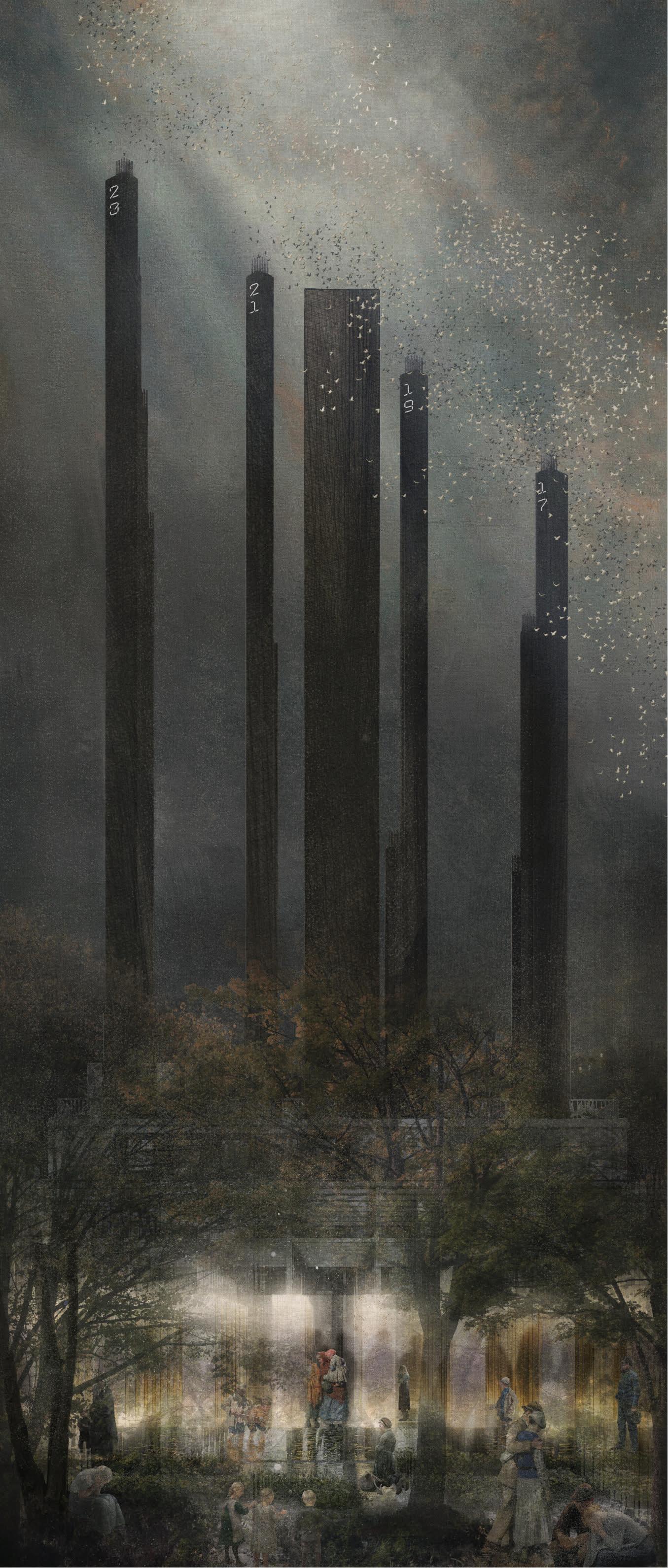
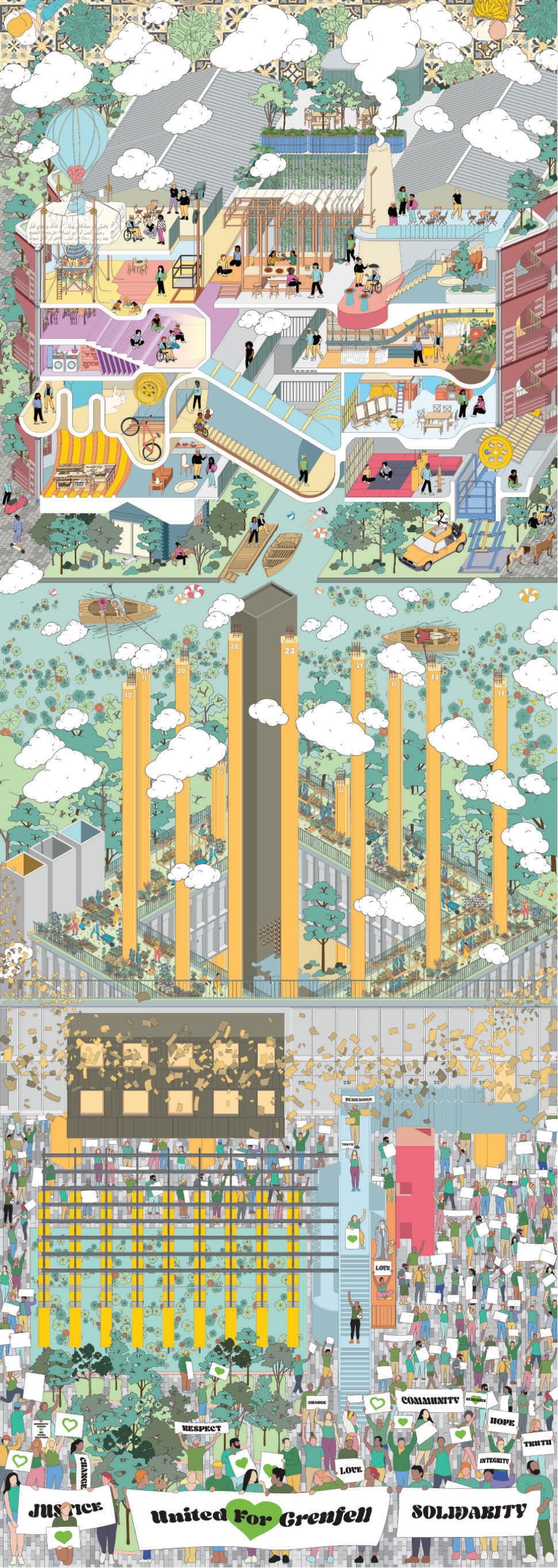
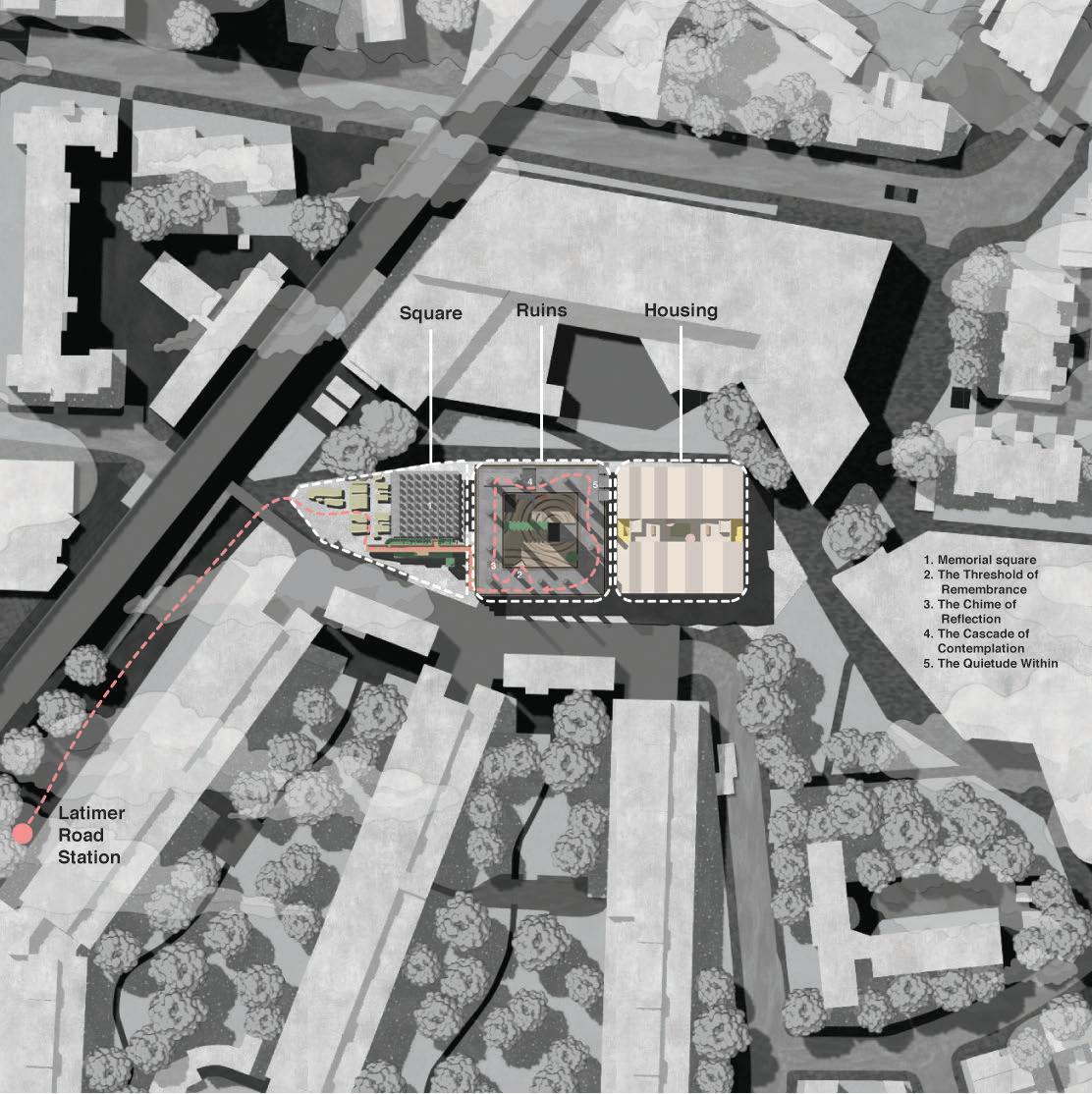
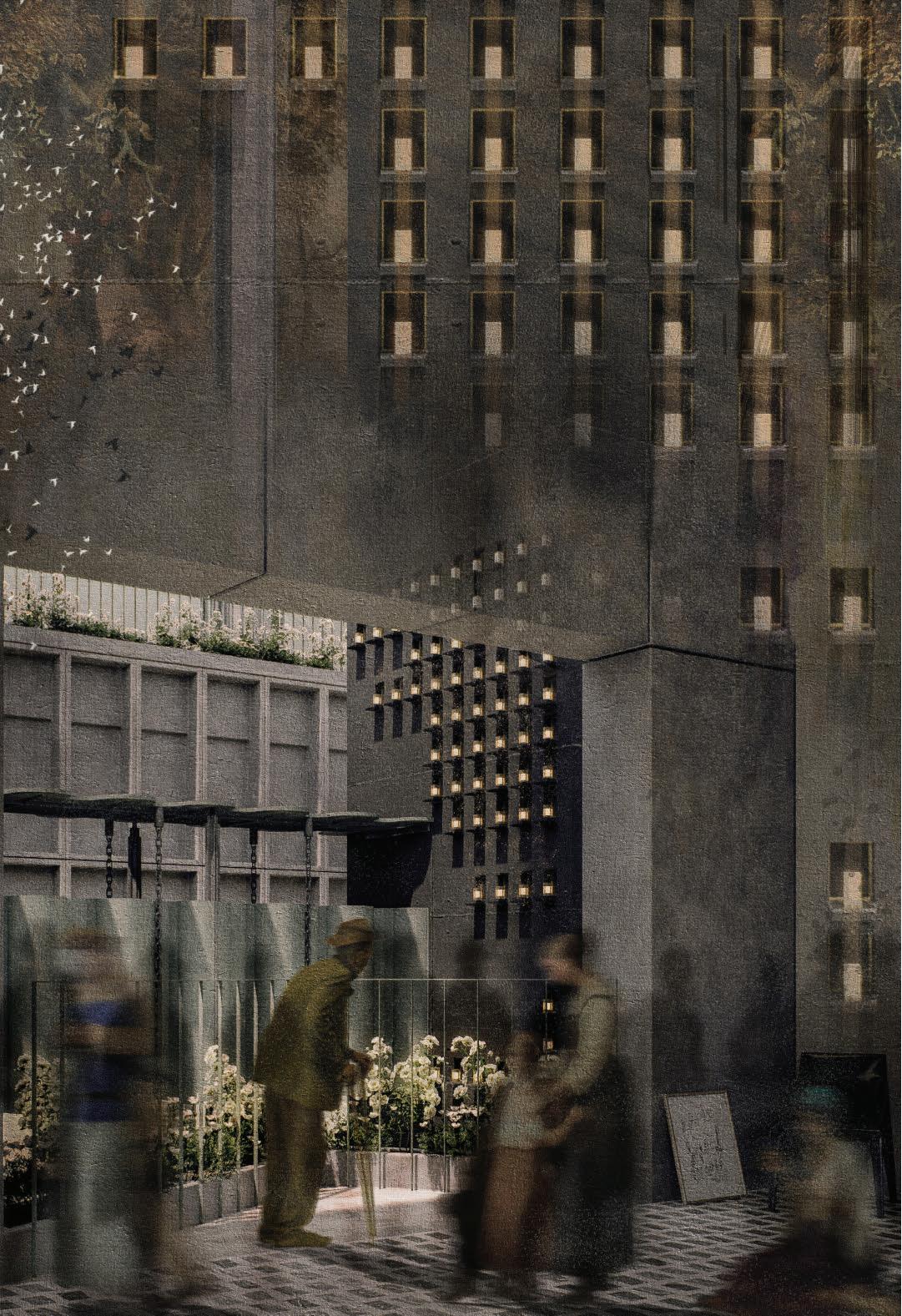
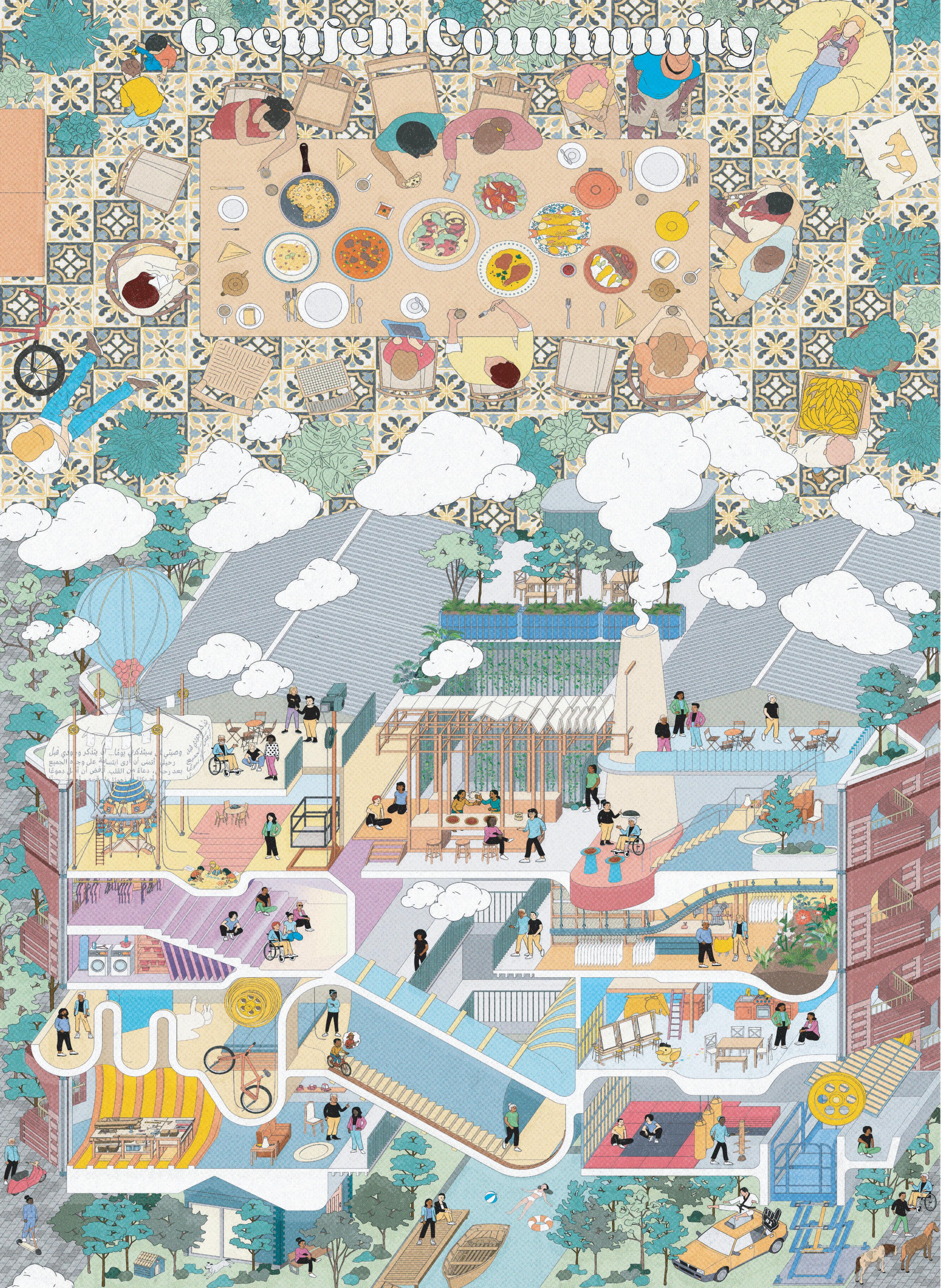
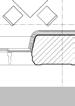
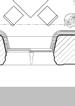
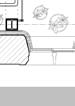
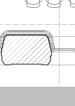
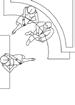
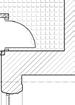
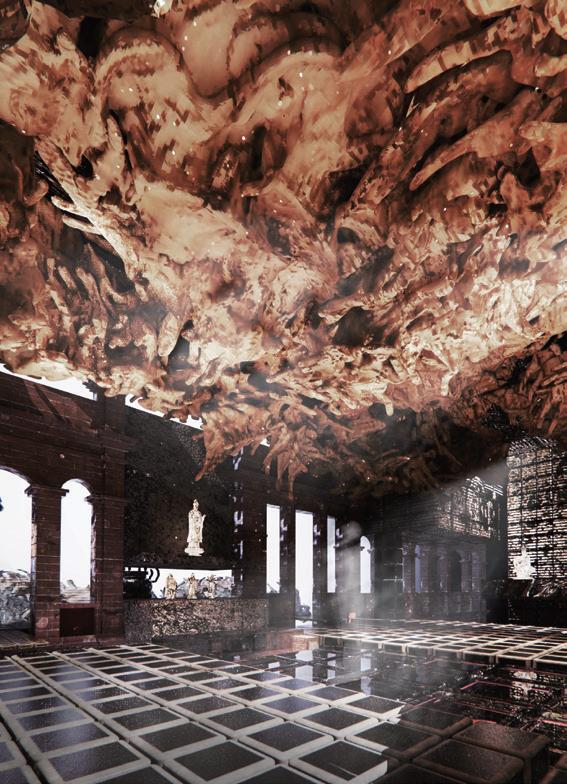
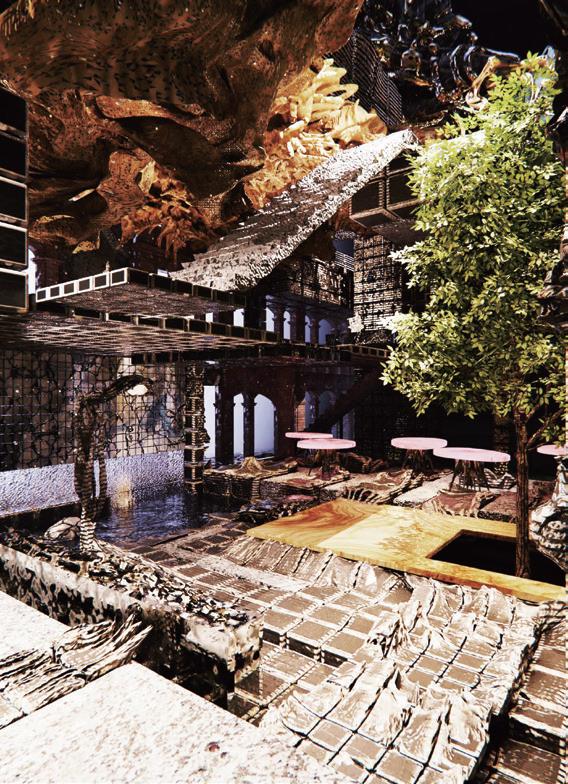
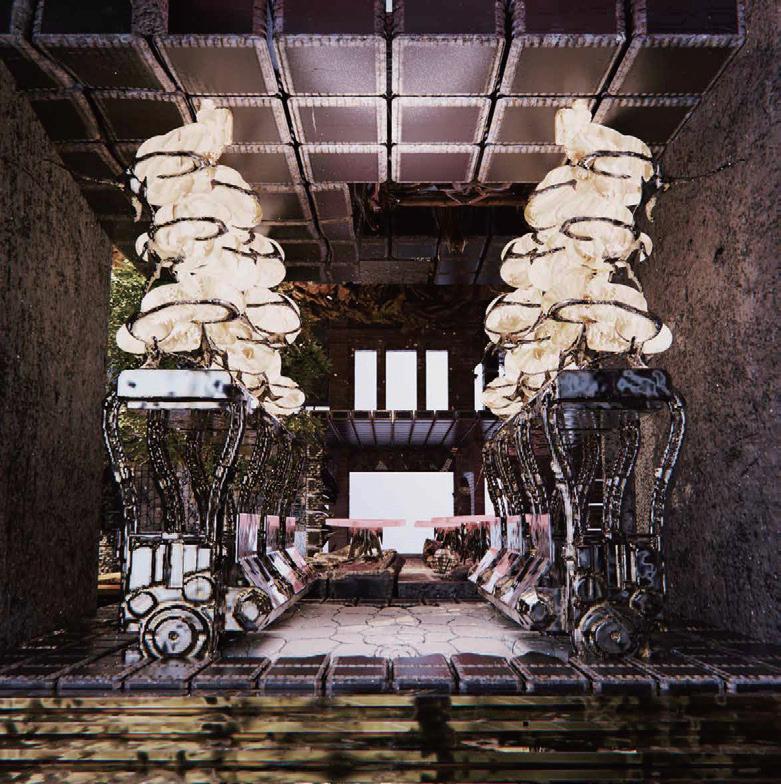
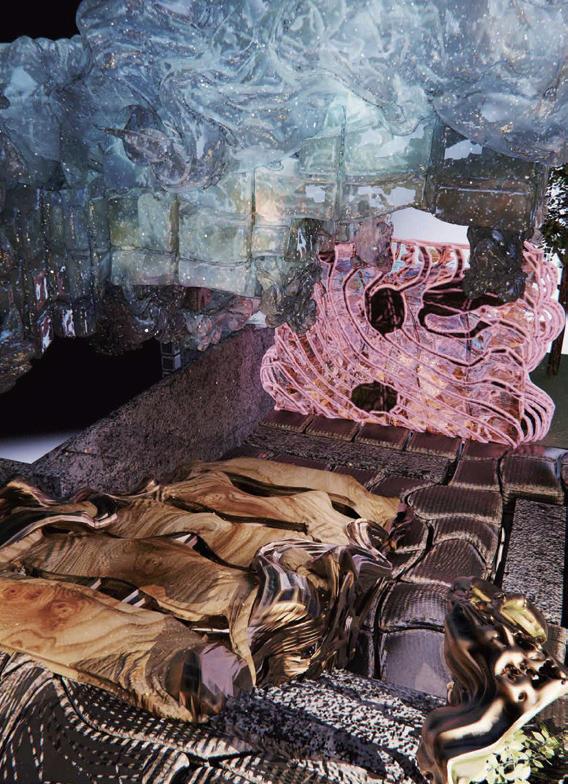
The "Remembrance and Recovery" presents a new form of memorial-housing driven by the recognition and revaluation of trauma and minority experiences.
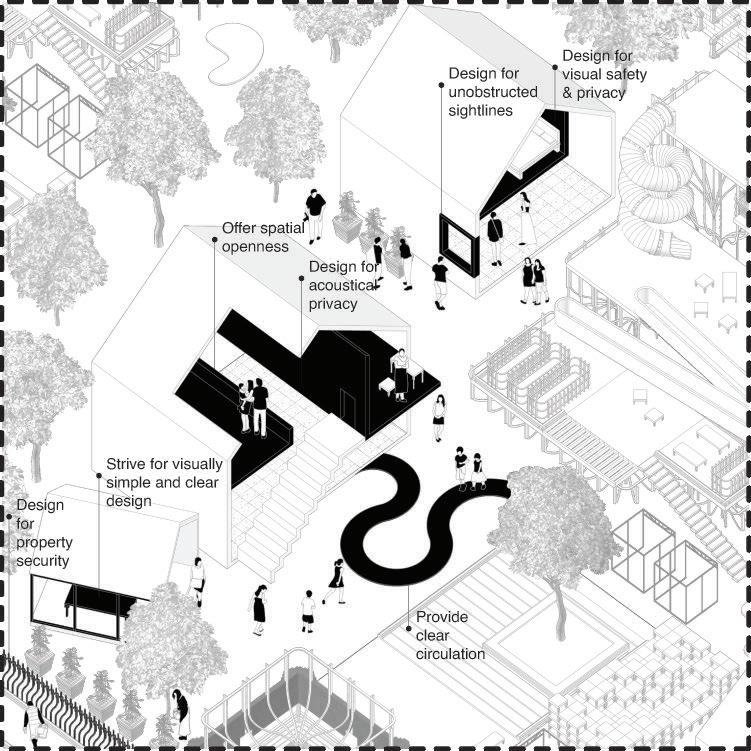
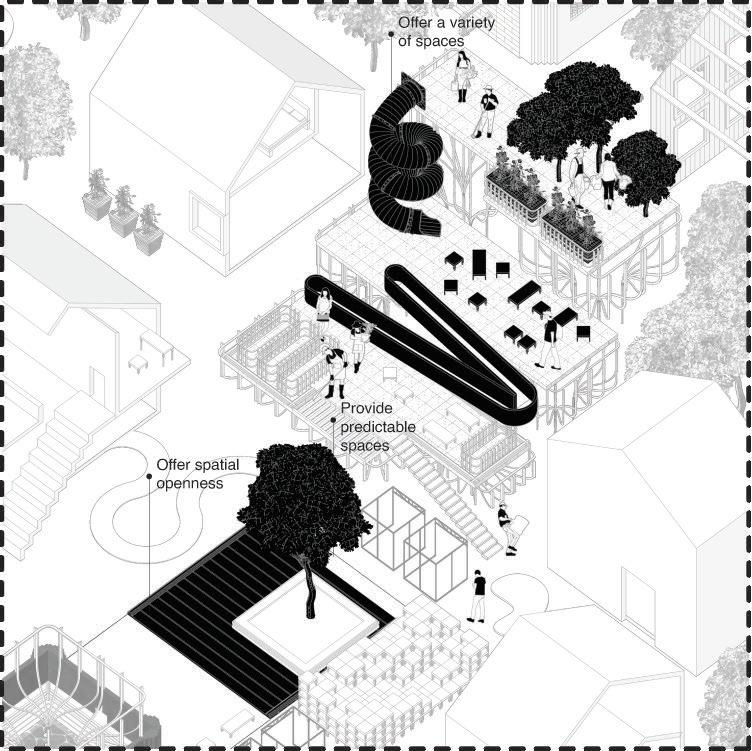
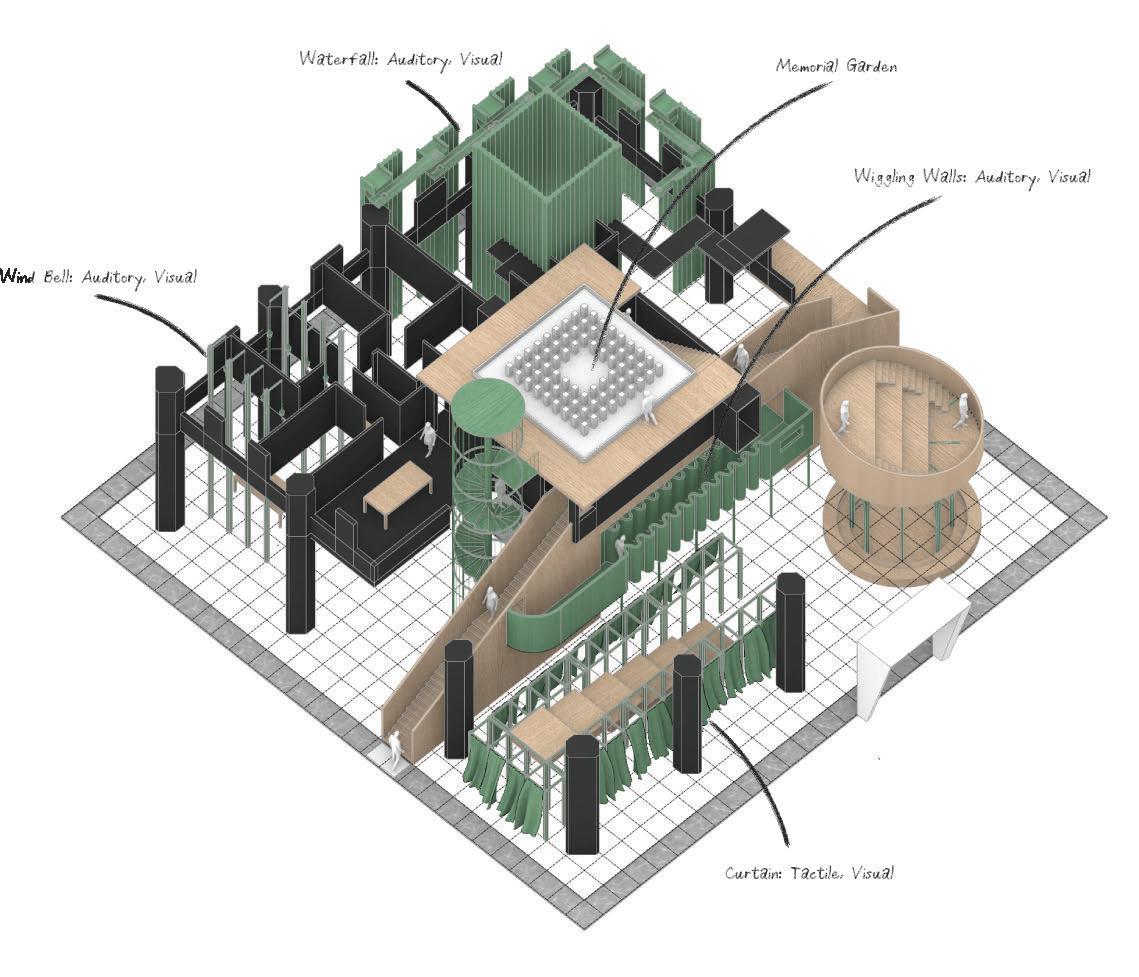
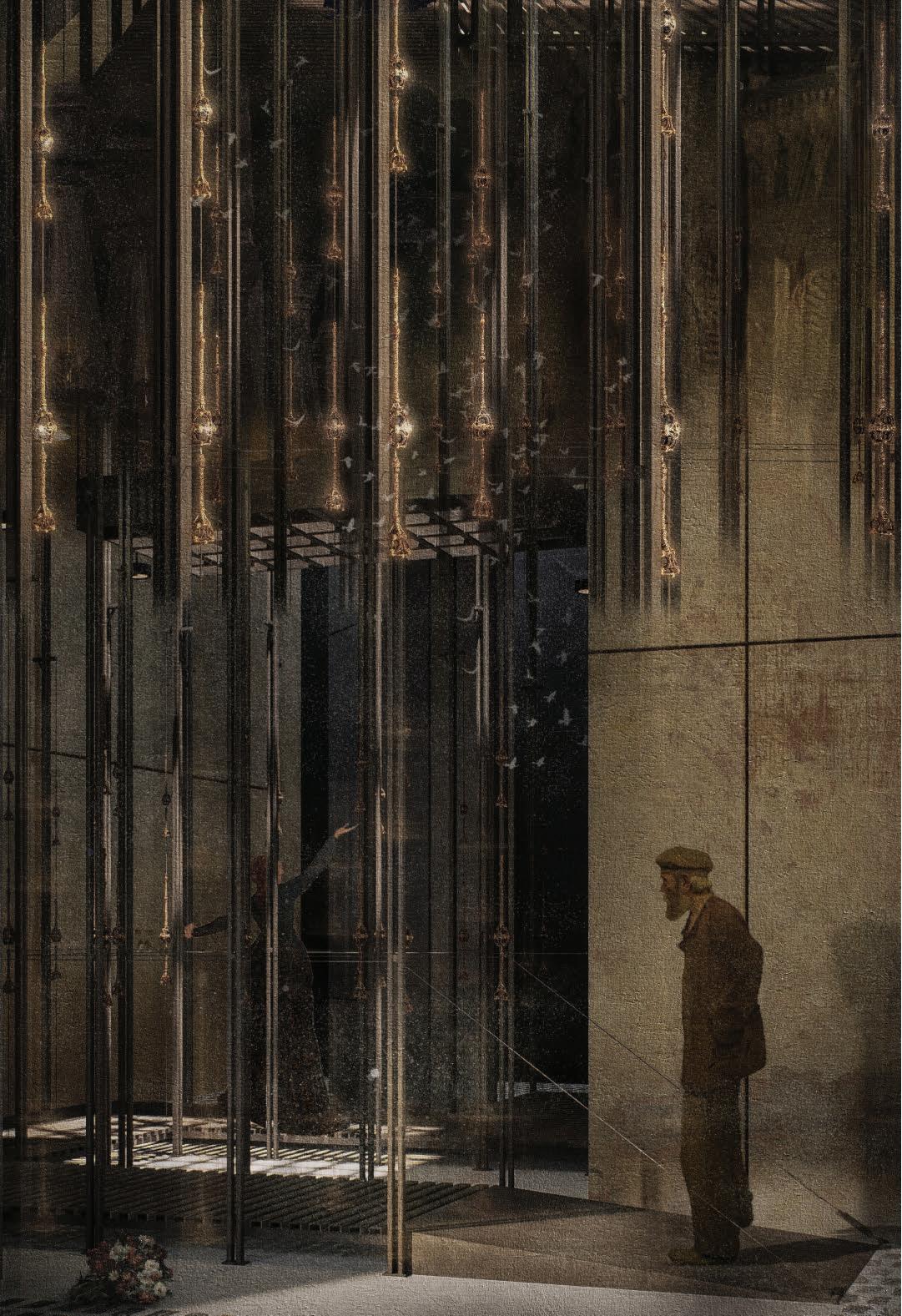
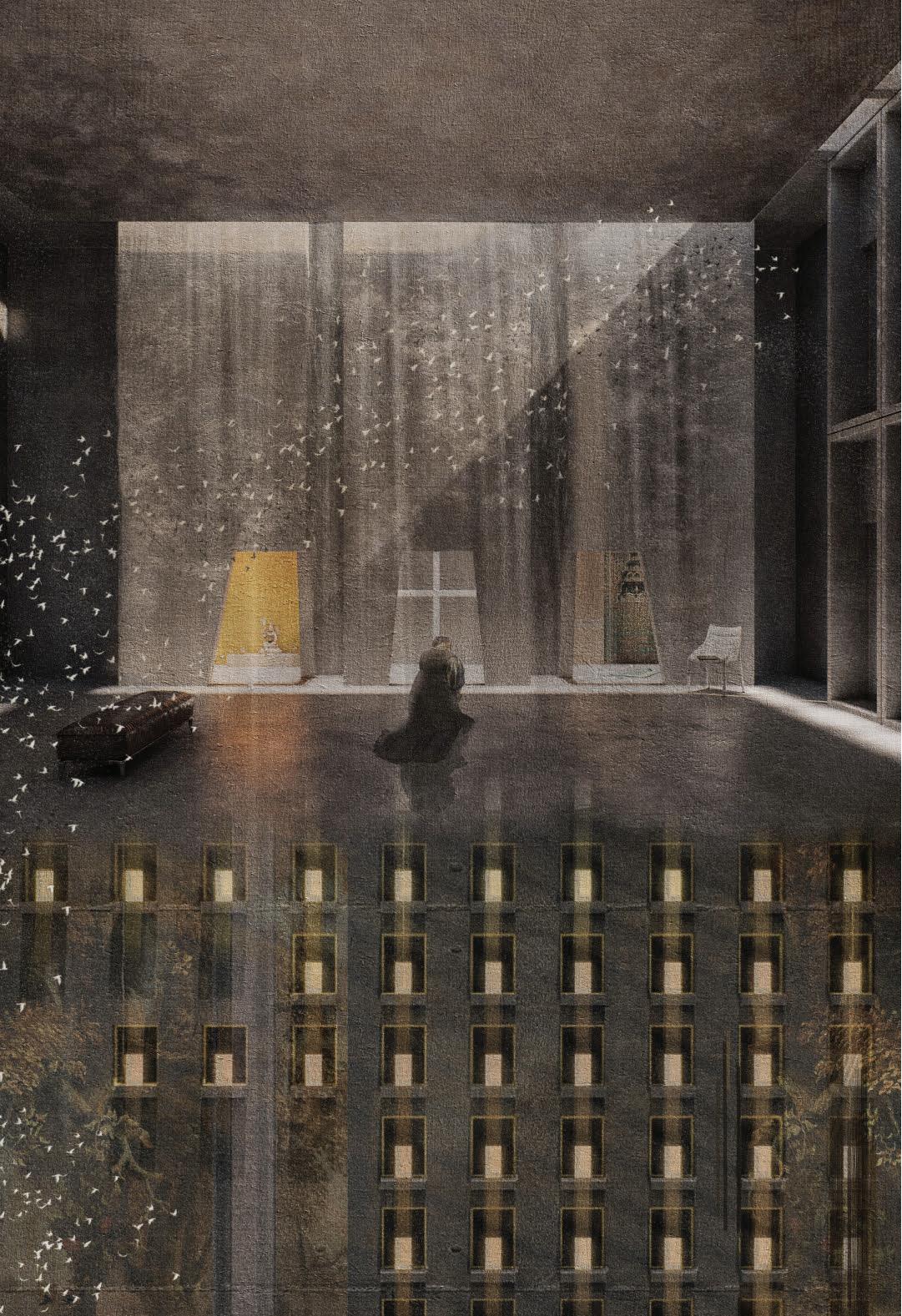
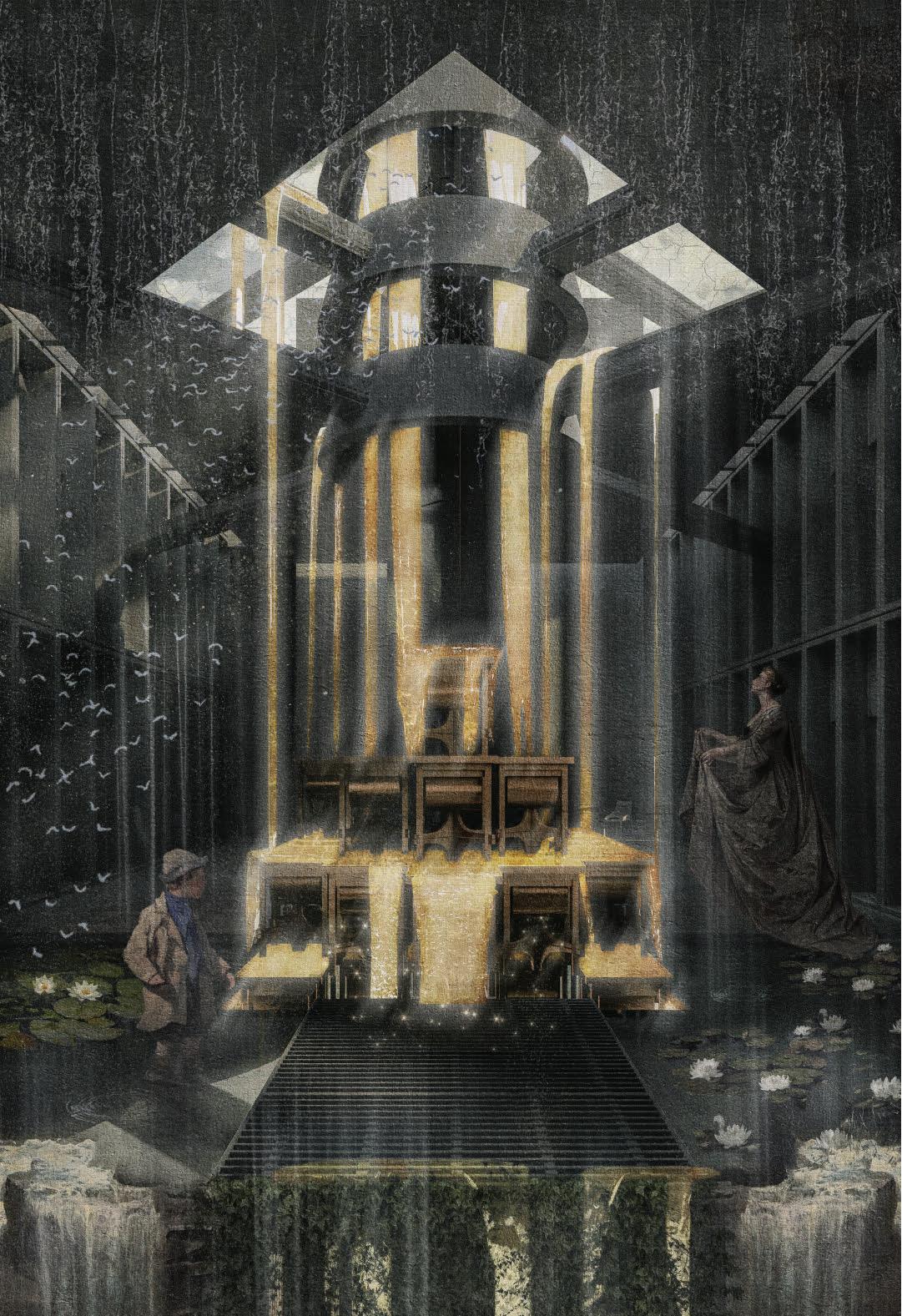
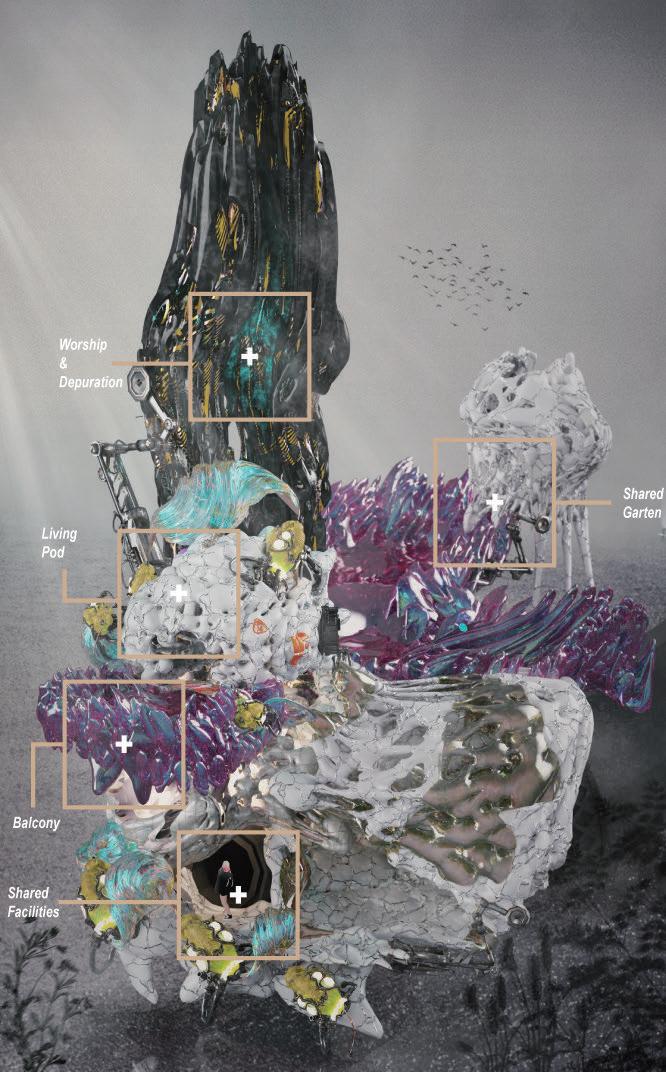
The Master 2 thesis, "Remembrance and Recovery," investigates the potential of design to address trauma and empower marginalised communities, specifically in the context of the Grenfell Tower fire and its enduring impact. This research-design project posits a new form of memorial-housing that transcends conventional approaches by actively integrating principles of trauma-informed design and the therapeutic spatialisation of Eye Movement Desensitisation and Reprocessing (EMDR). Through this lens, the thesis explores how architecture can foster healing, cultivate community, and amplify the voices of survivors and the wider affected population. By considering the individual's connection to the tragedy's remnants and environment, "Remembrance and Recovery" argues that architecture acts as a powerful spatial language, empowering vulnerable groups to articulate their experiences and shape their own narratives within the built realm. The design seeks to create accessible, welcoming spaces that prioritise safety, trust, choice, collaboration, and well-being, ultimately demonstrating architecture's capacity to dismantle systemic factors perpetuating trauma and cultivate truly inclusive and culturally relevant environments for remembrance and recovery.
EMDR-informed Spatial Concept
Cumbria Ark
Master 1 Office Building Cleator
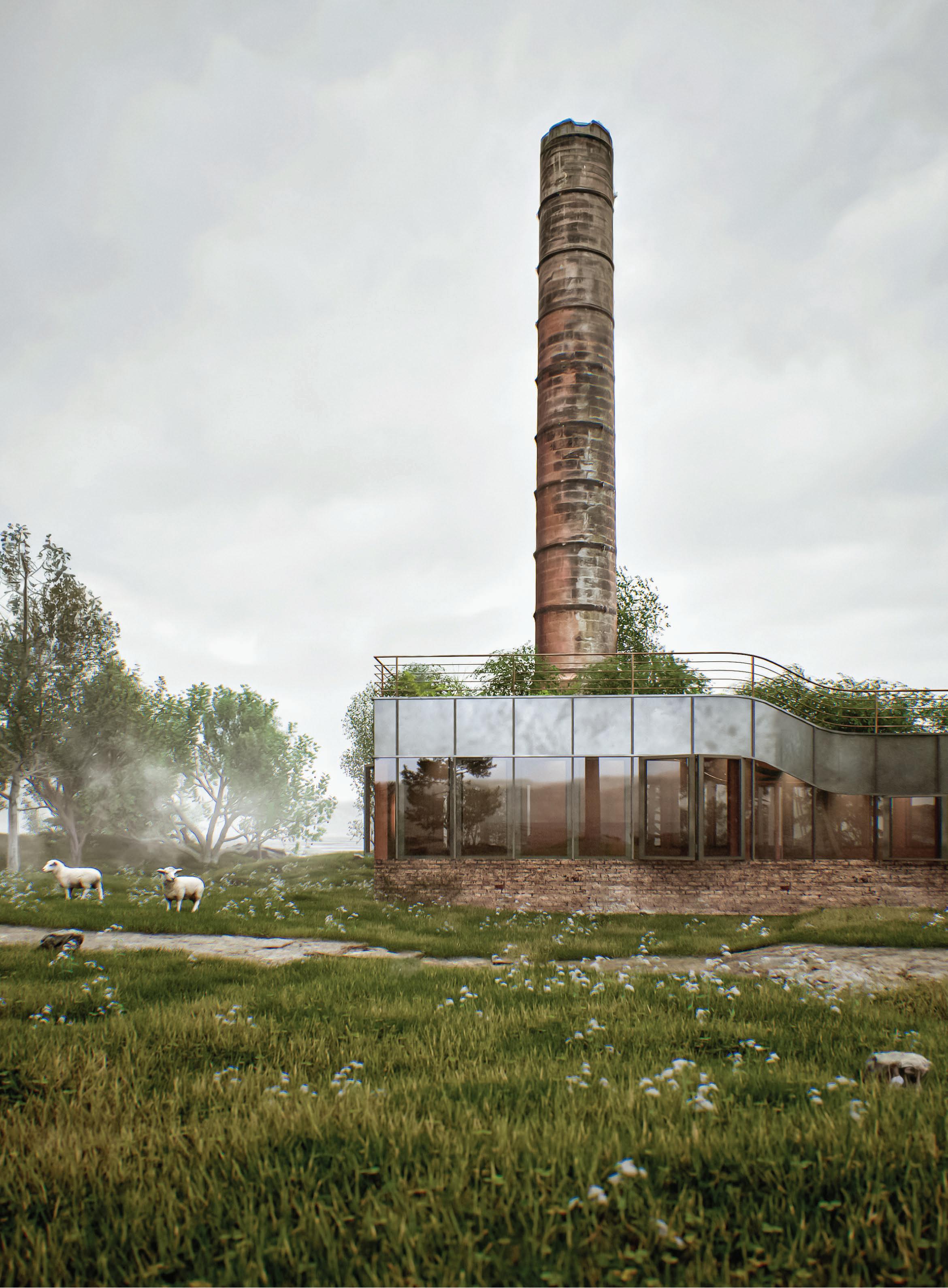
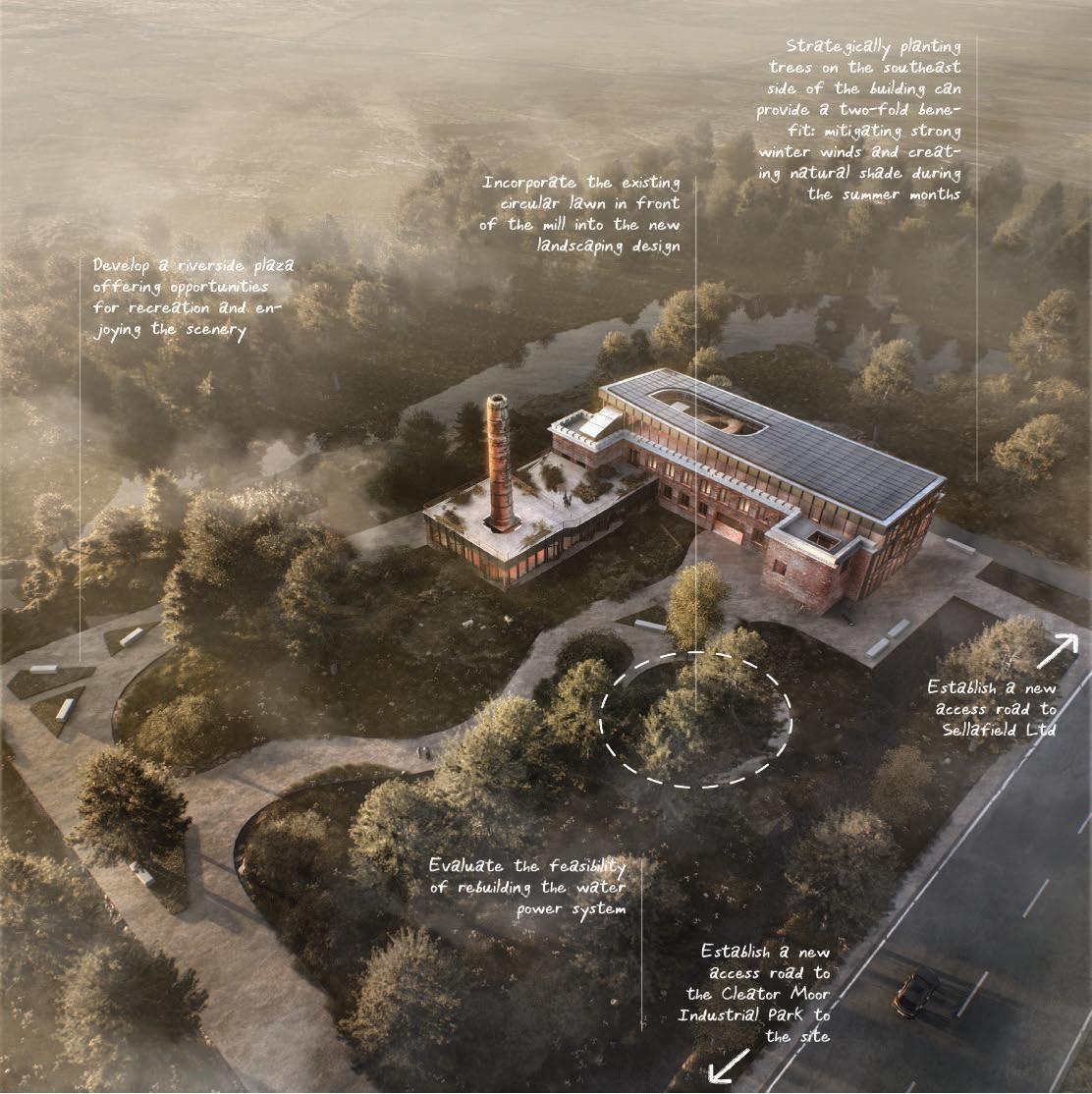
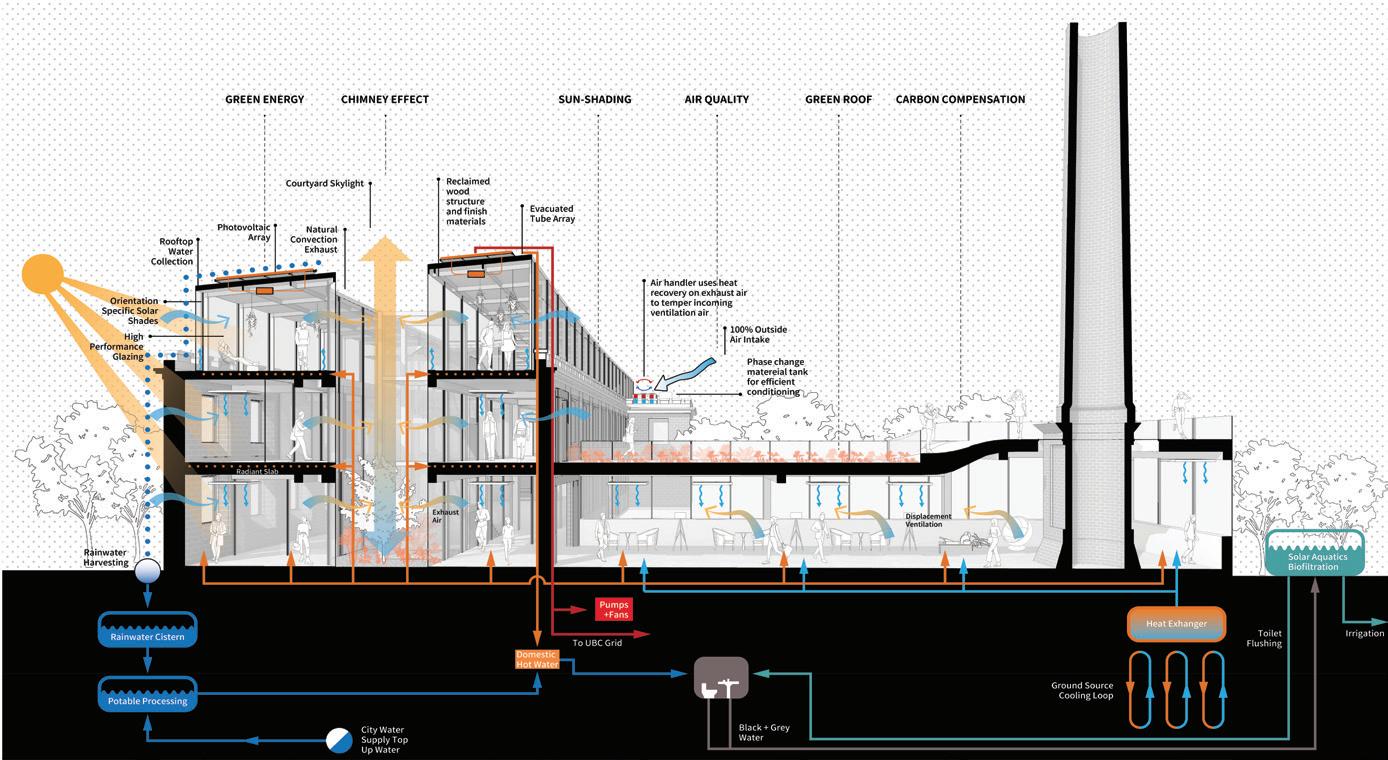
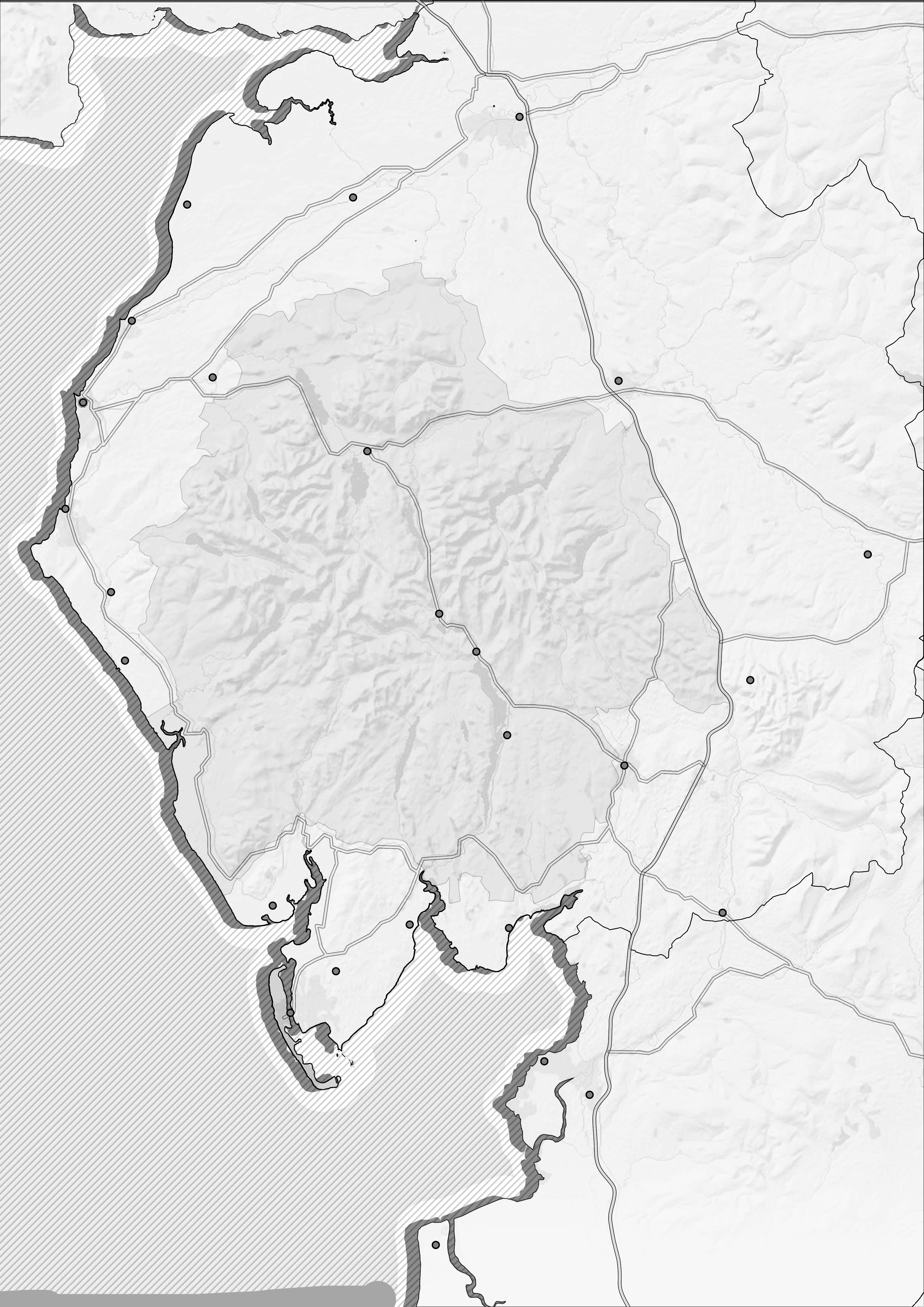
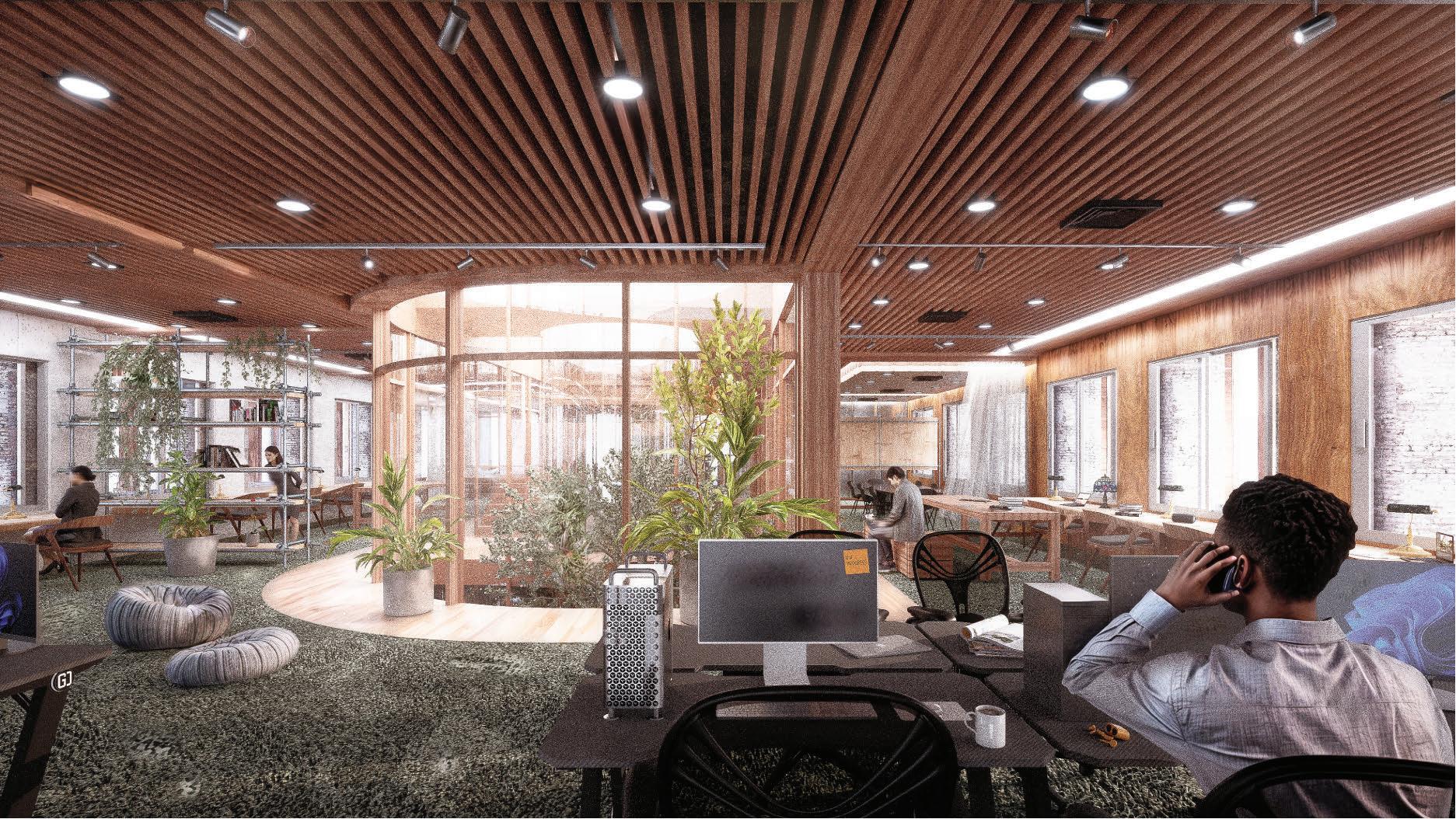
This project envisions the adaptive reuse of a redundant Cumbrian flax mill into a sustainable office space.
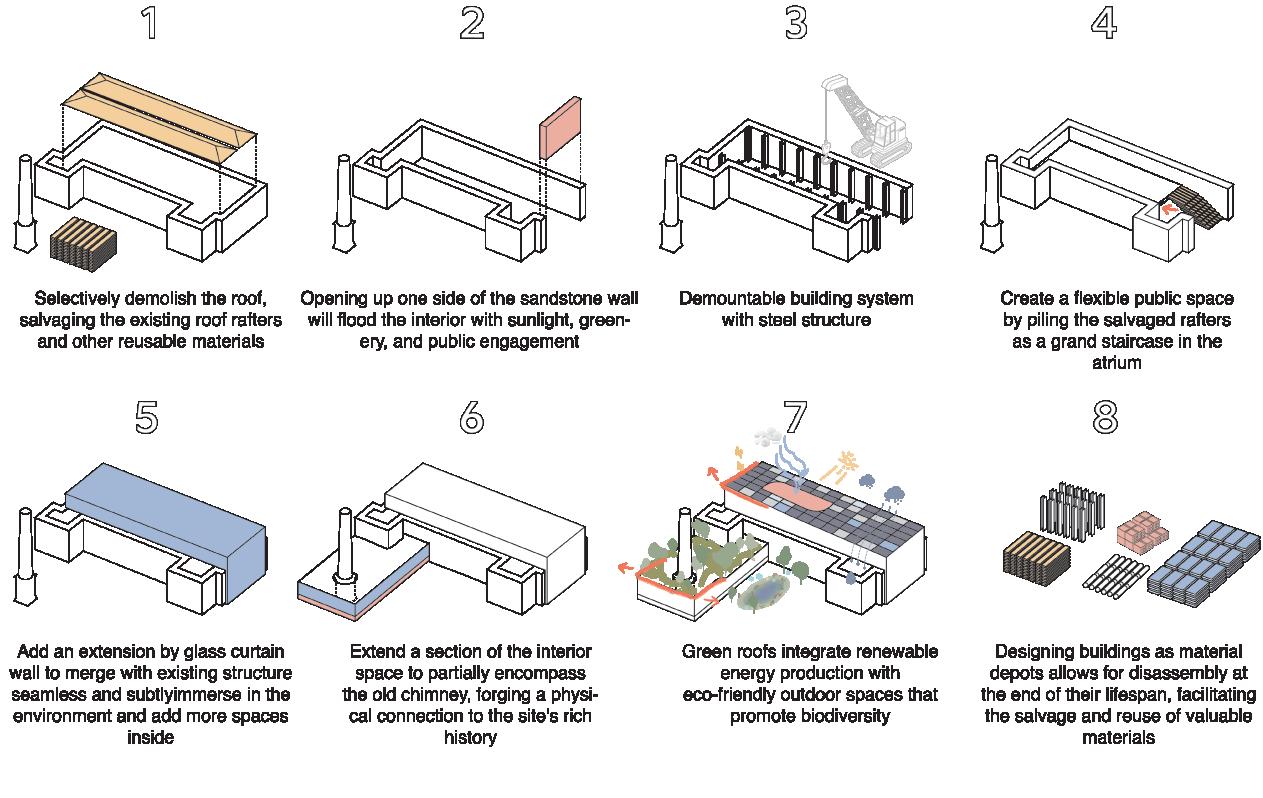
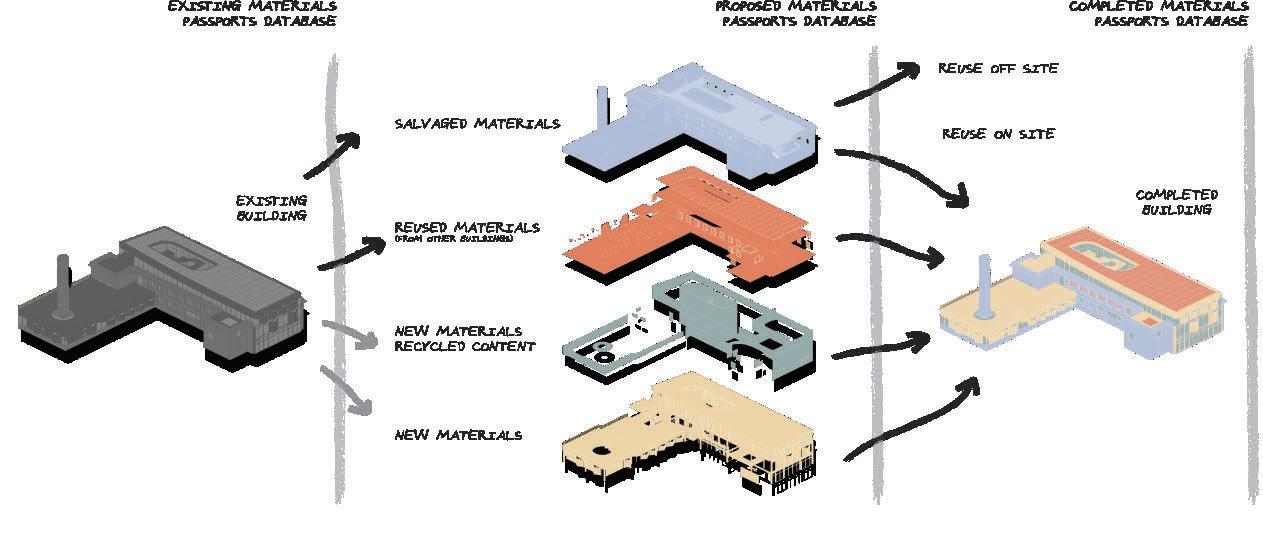
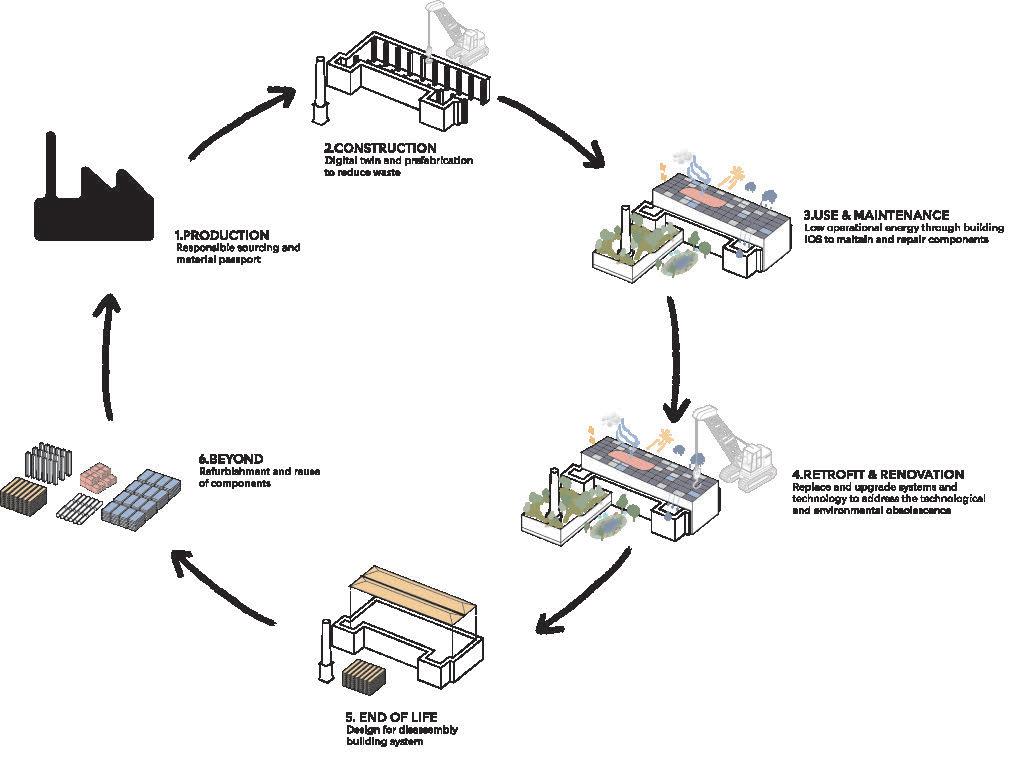
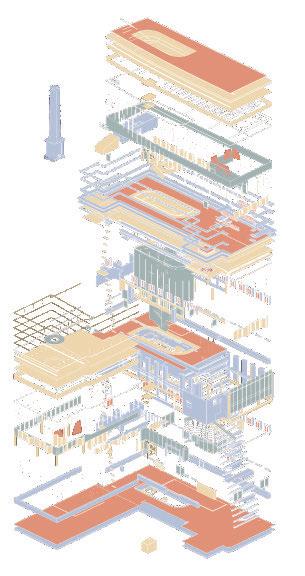
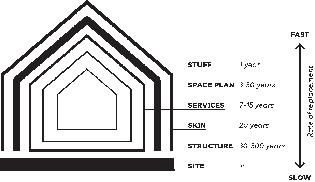
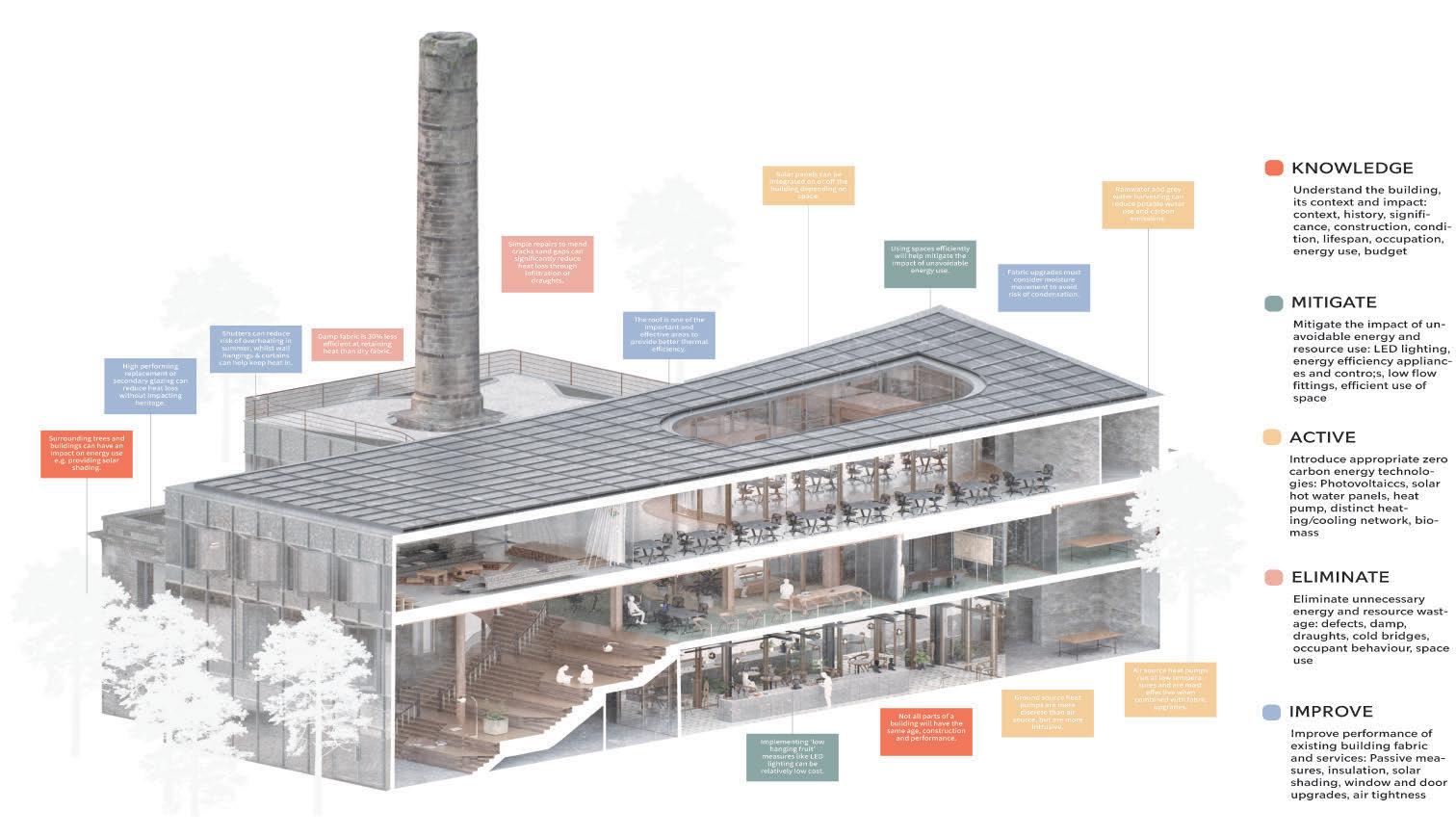
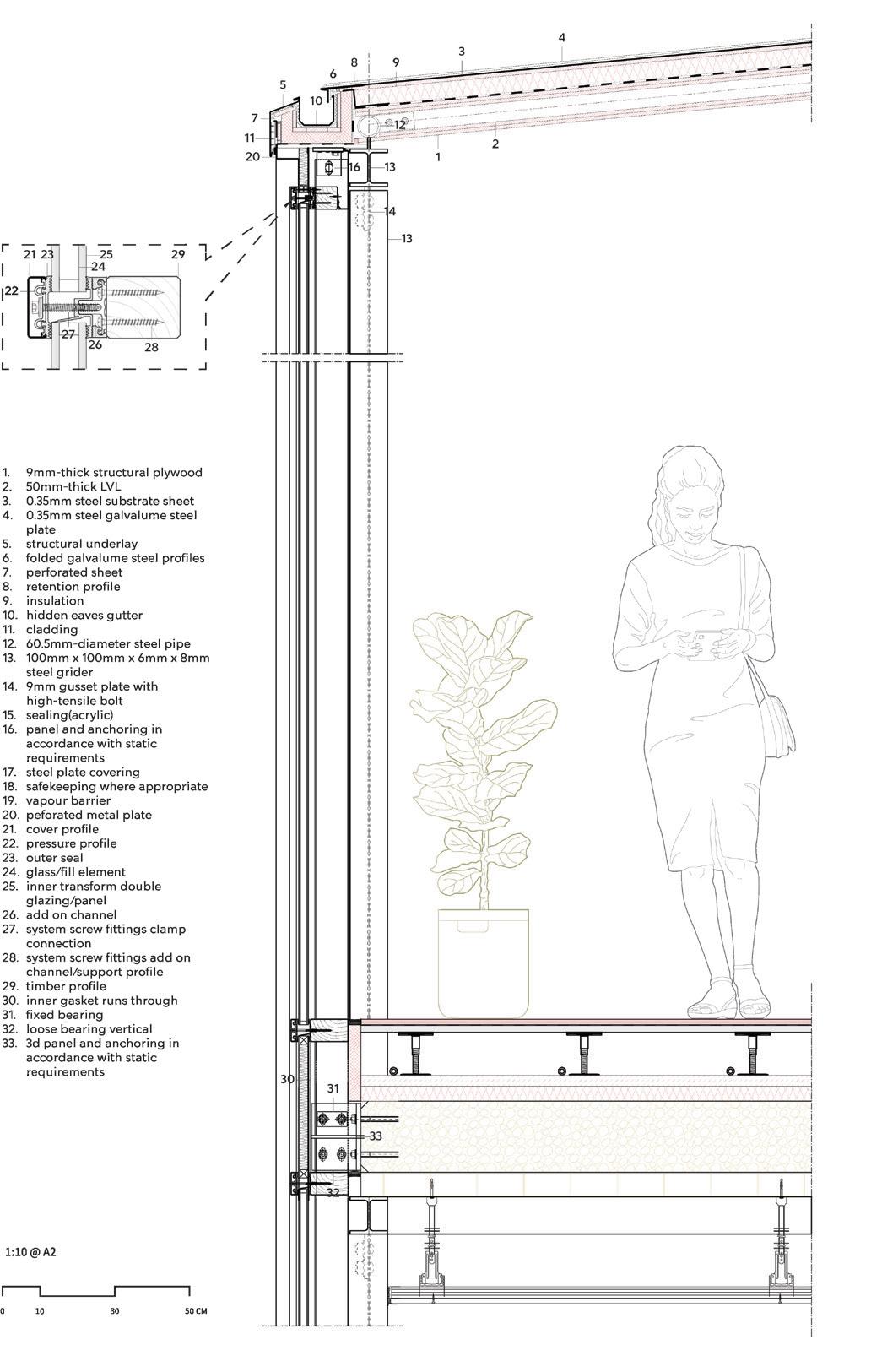
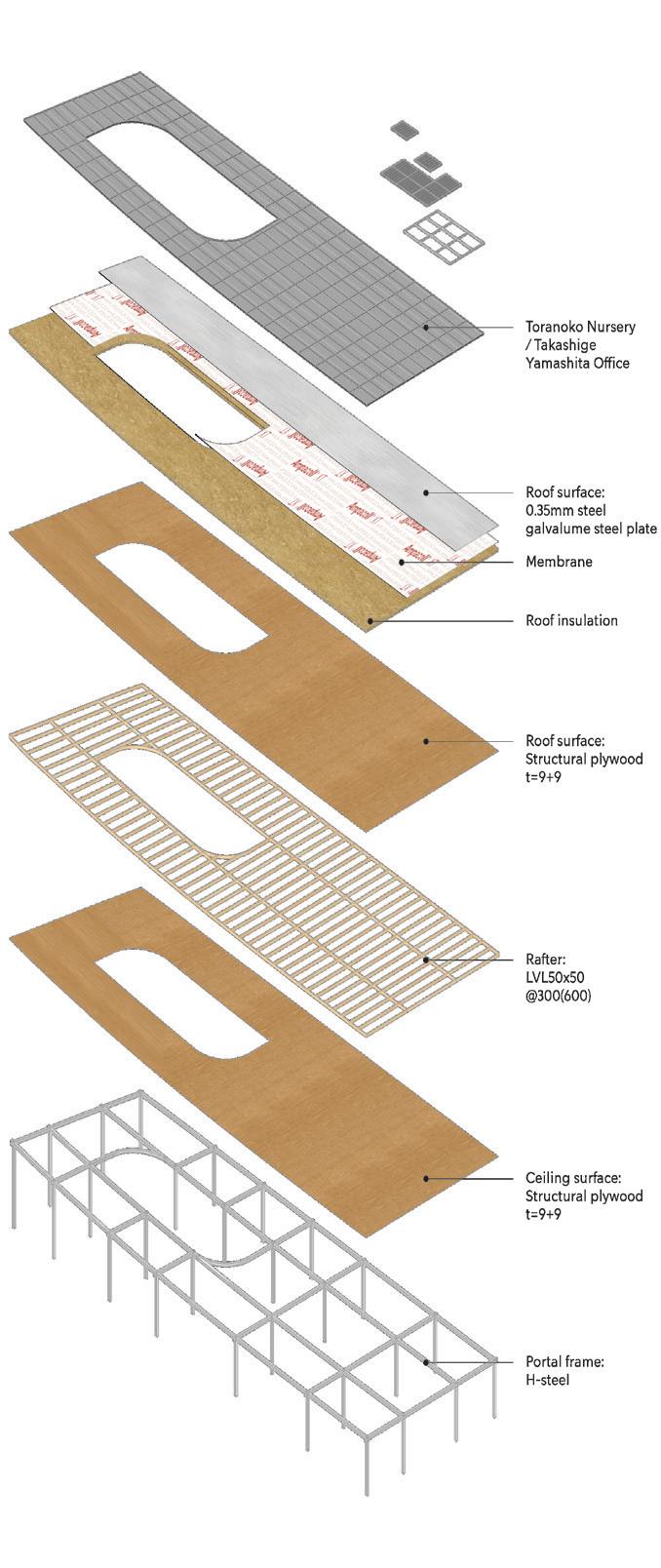
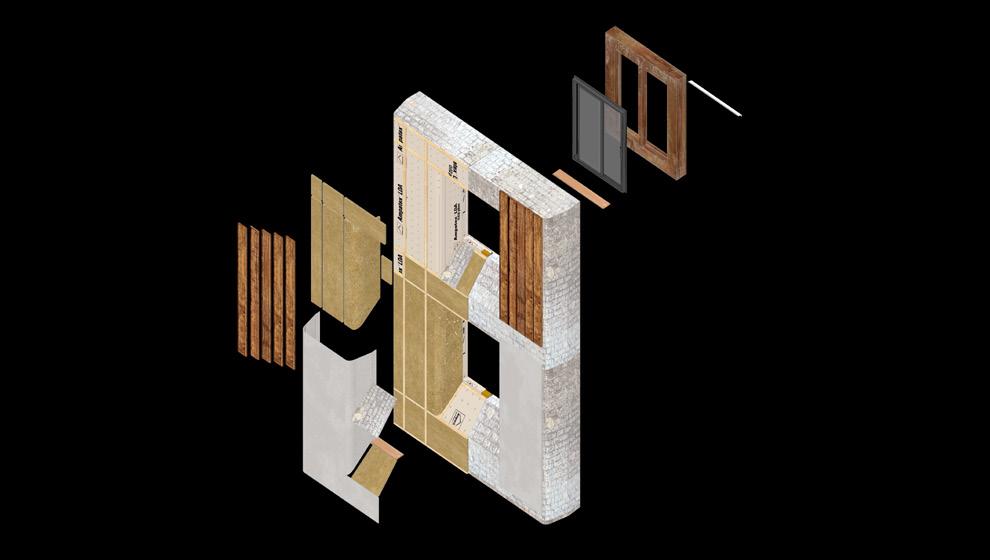
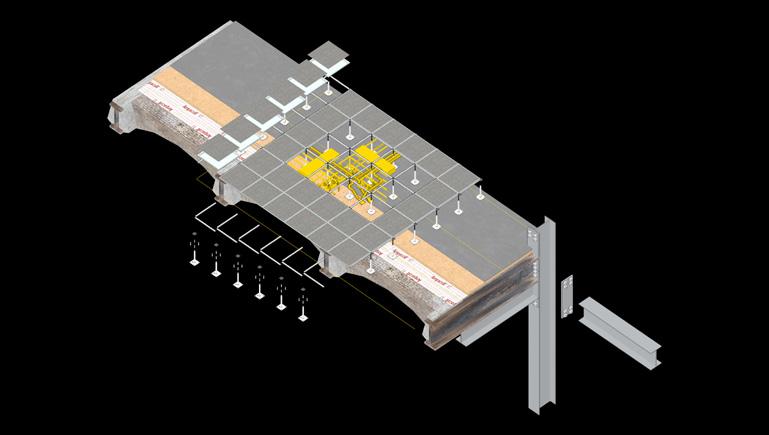
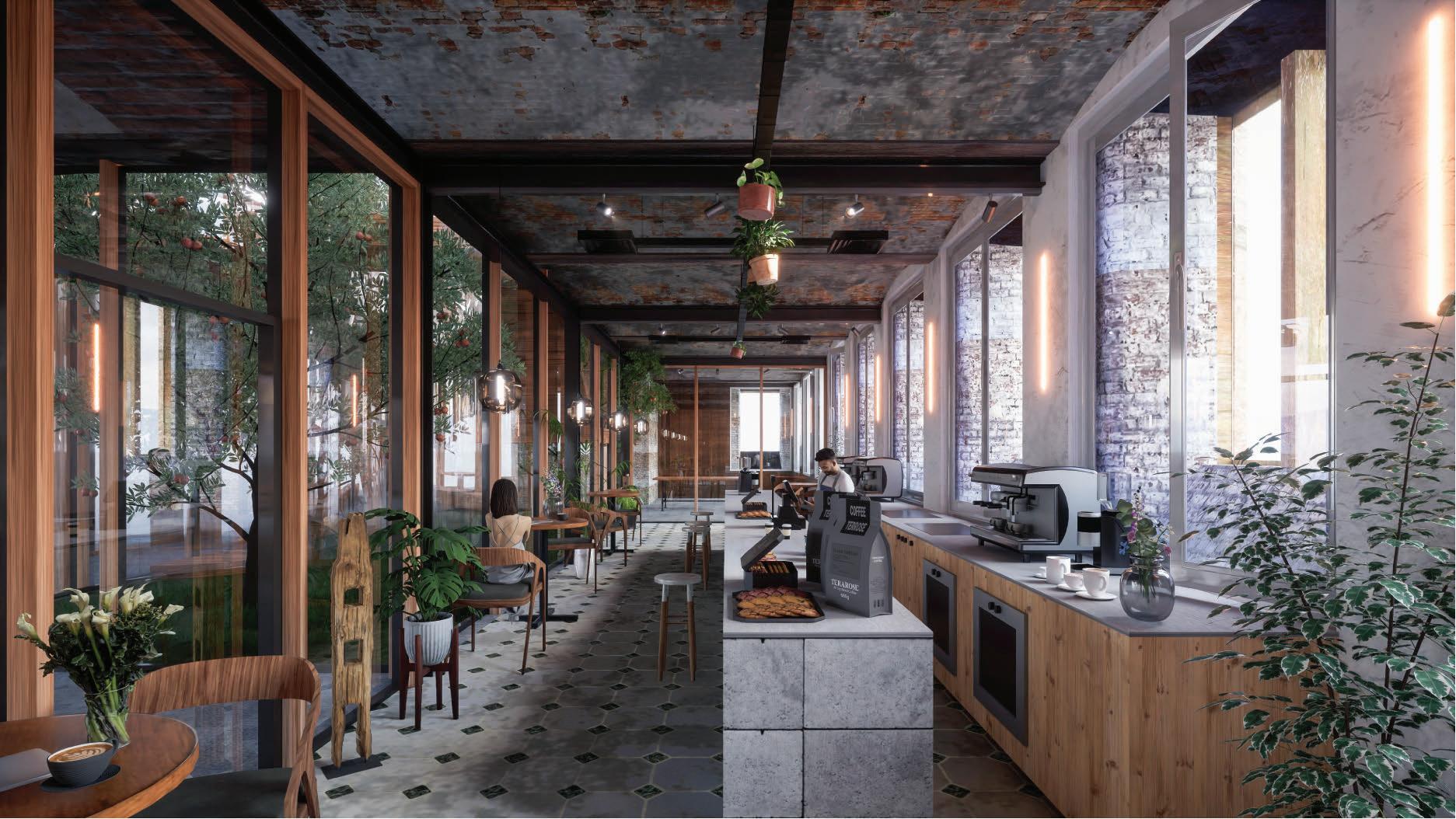
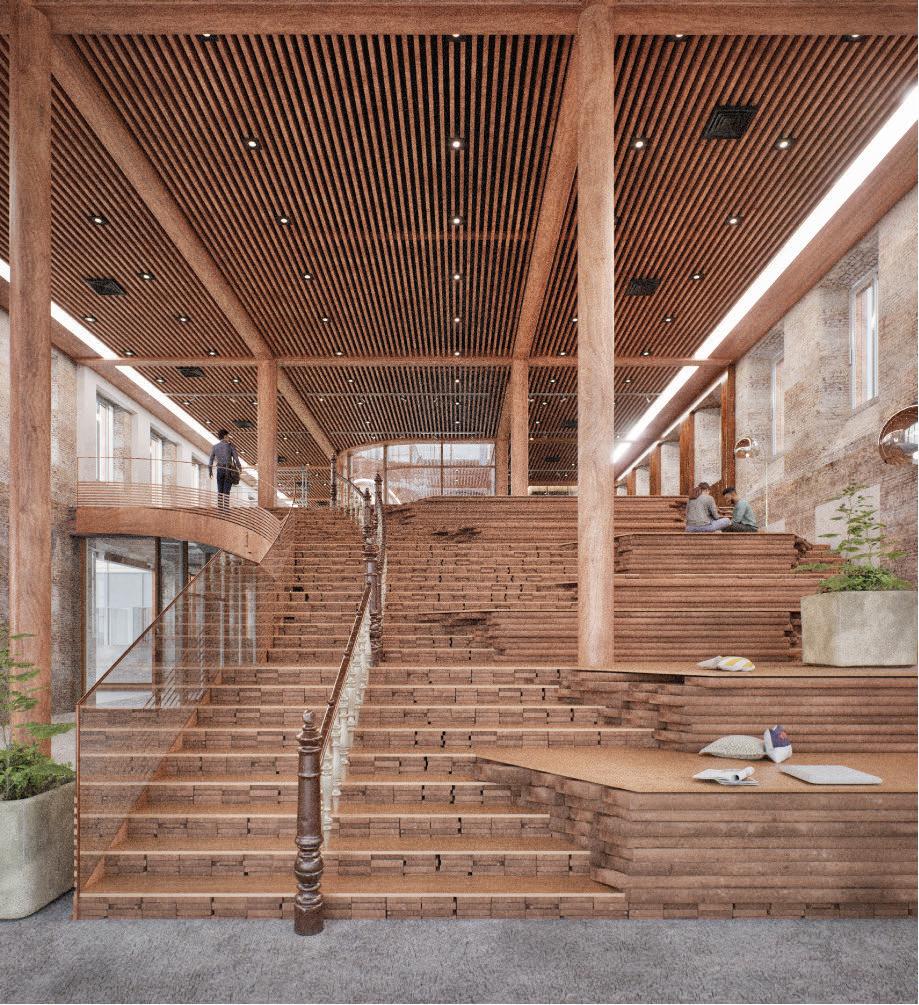
Embracing circular construction principles, the priority is the preservation of the remaining two-story mill building and chimney, respecting the site's industrial heritage. Salvaged materials from demolished structures will be strategically reintegrated into the design, minimising waste and creating a unique aesthetic. Energy-efficient systems and a focus on natural light will further minimise environmental impact. This first phase of a five-part master plan creates a vibrant hub, fostering economic activity that will pave the way for future residential development and a thriving ecological park. The surrounding landscape will be revitalised, promoting biodiversity and fostering a connection with the riverside setting. Ultimately, this project aspires to be more than just an office; through innovative design and a commitment to circularity, it will transform into a vibrant community hub, seamlessly integrating cultural venues, creative areas, retail opportunities, and collaborative work environments. Cumbria Mill: Reimagined represents a thoughtful and sustainable approach to breathe new life into a historic site, laying the groundwork for a thriving future.
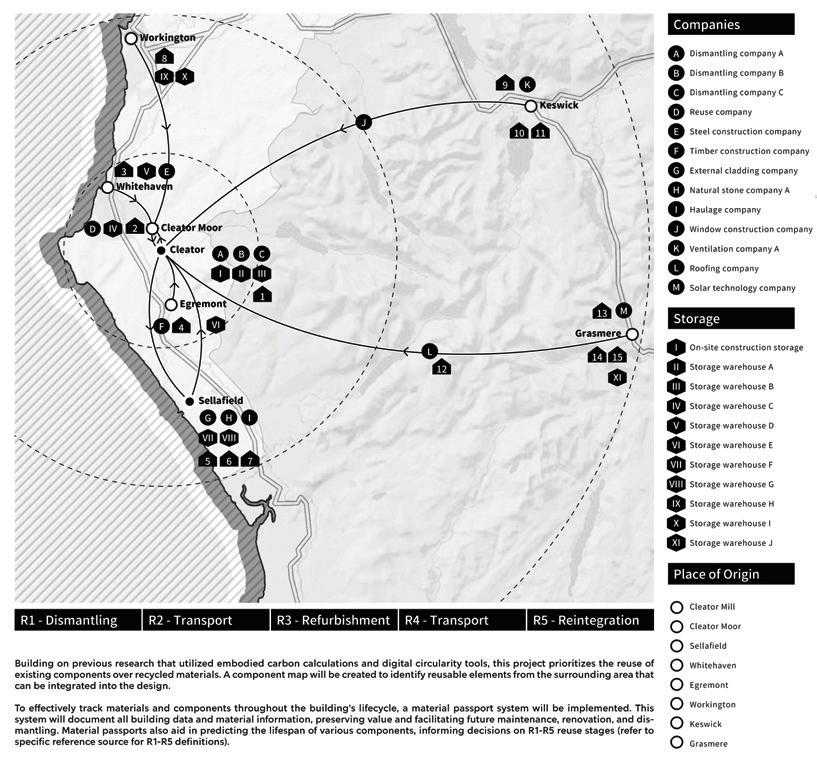
Circular Resource Model
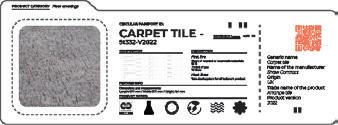
Material Passport System
Circular Construction Sustainable Retrofit
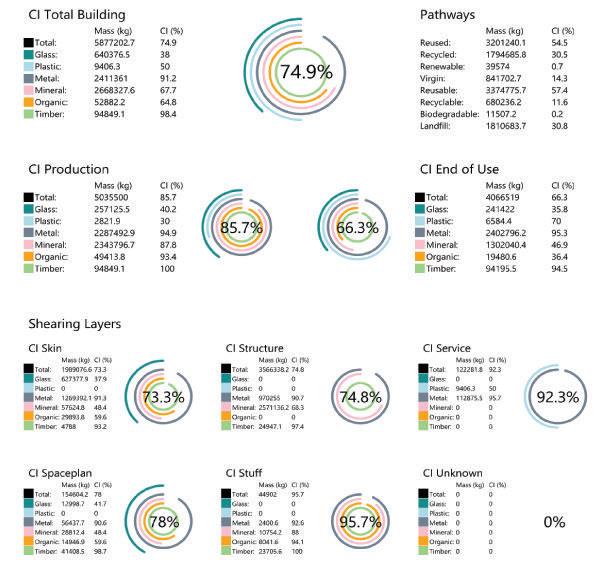
Circularity Index
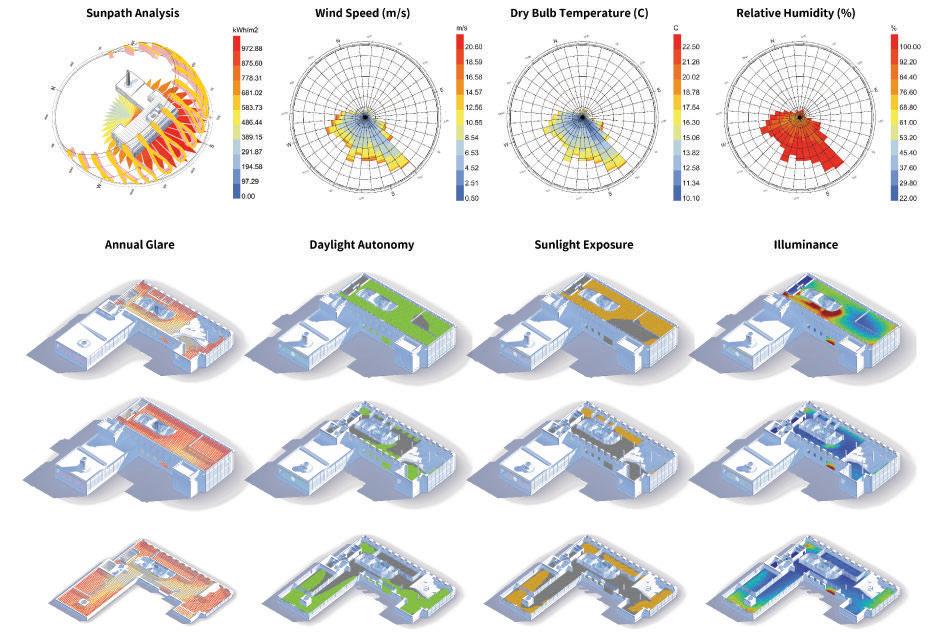
Environmental Strategy
Roof
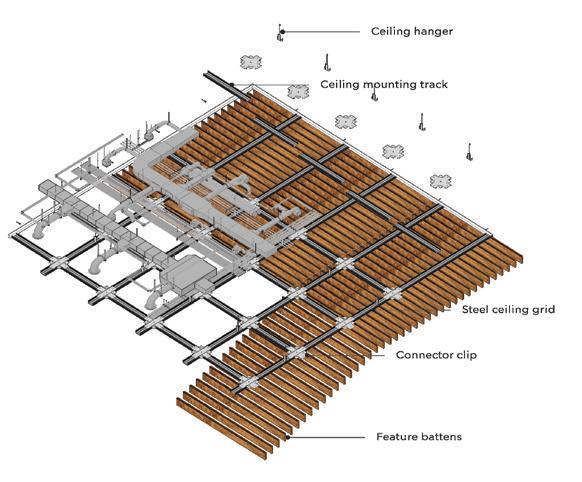
Ceiling
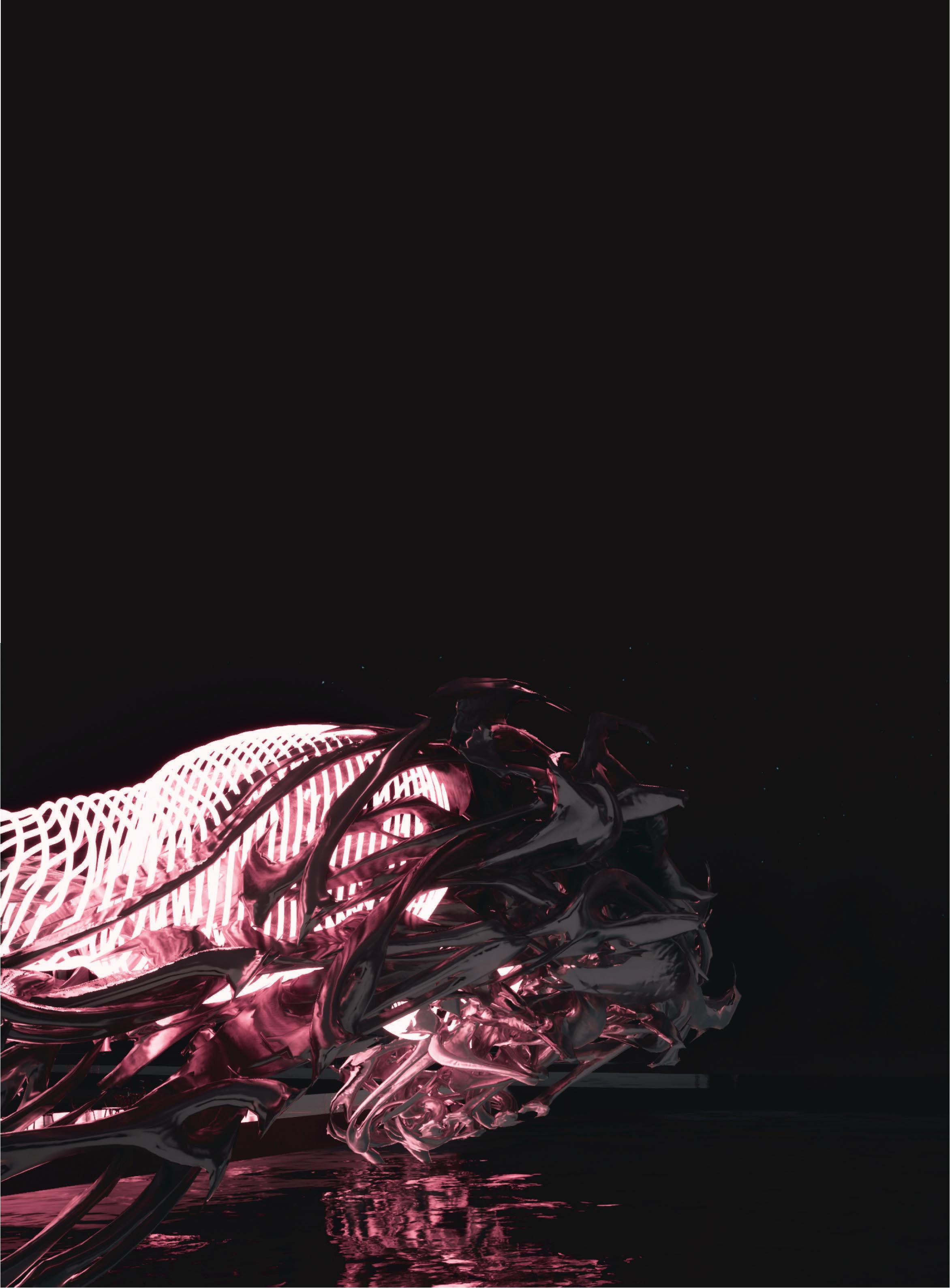
BioReef
Morphologies
Drawing upon my experience at nt-ar, where I contributed to projects like the mansion in Saudi Arabia and housing on Dubai Island, my responsibilities spanned conceptual design, general plan and section arrangements, competition diagrams, and visualizations. This background in diverse architectural projects provided a strong foundation for exploring innovative design methodologies.
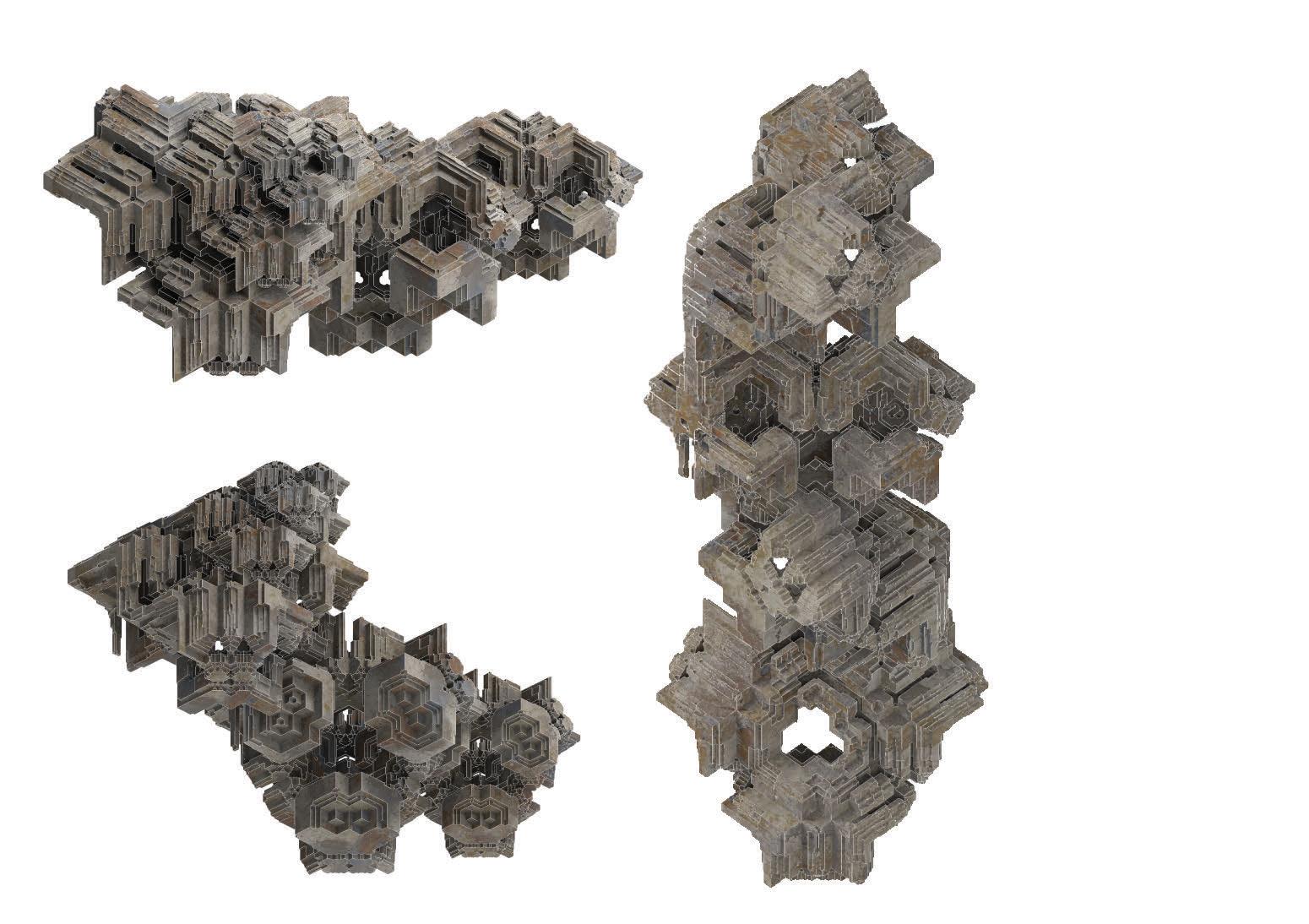
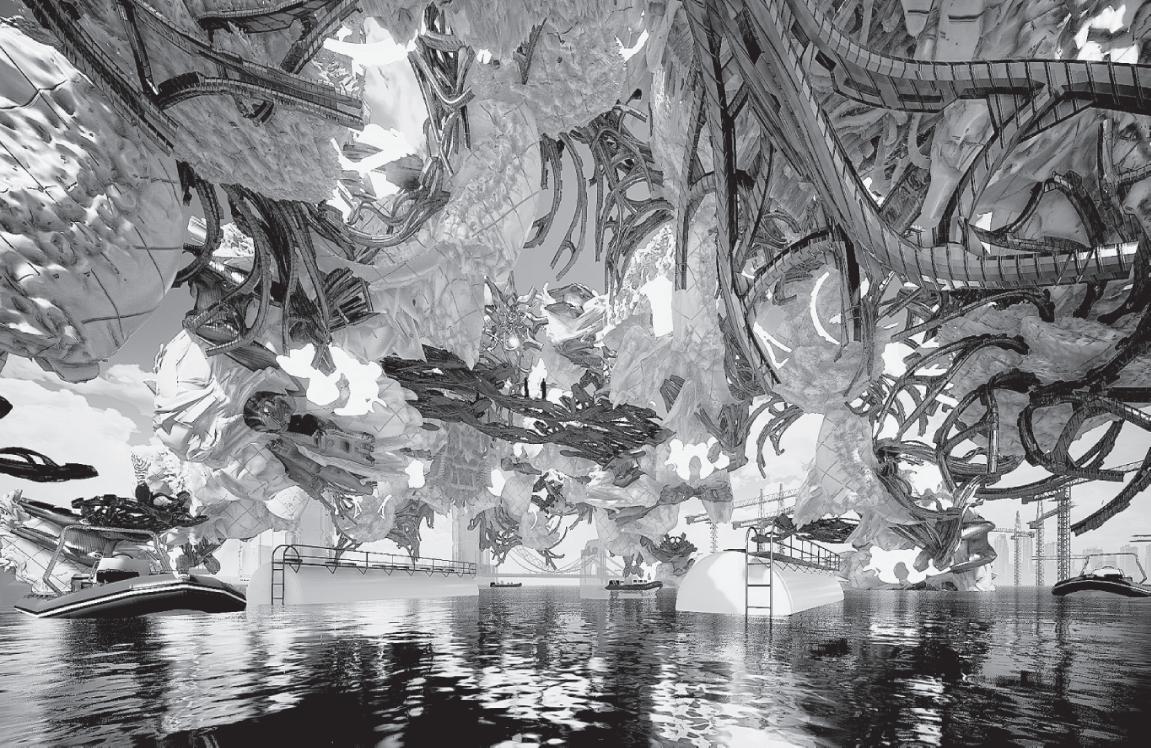
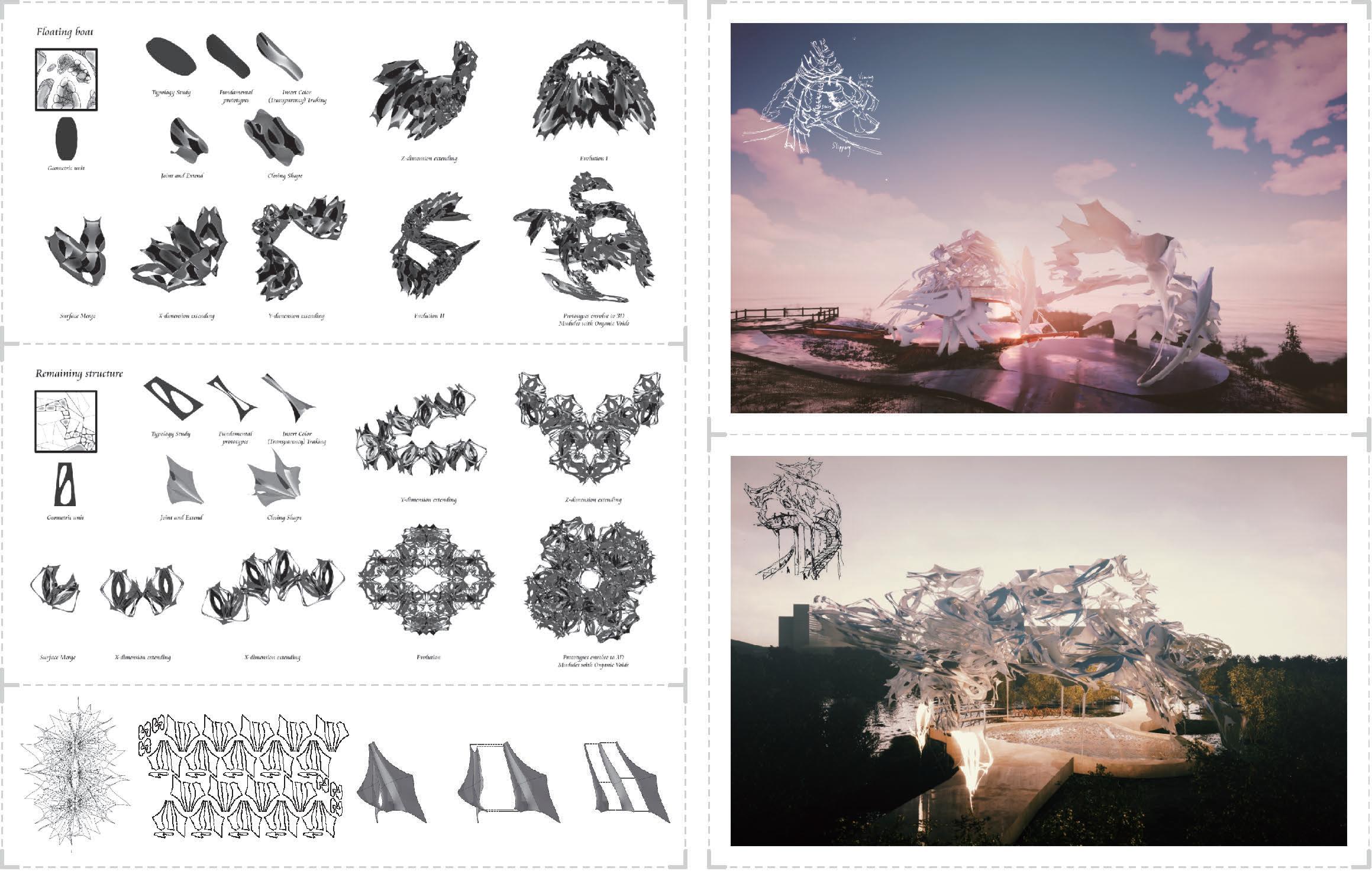
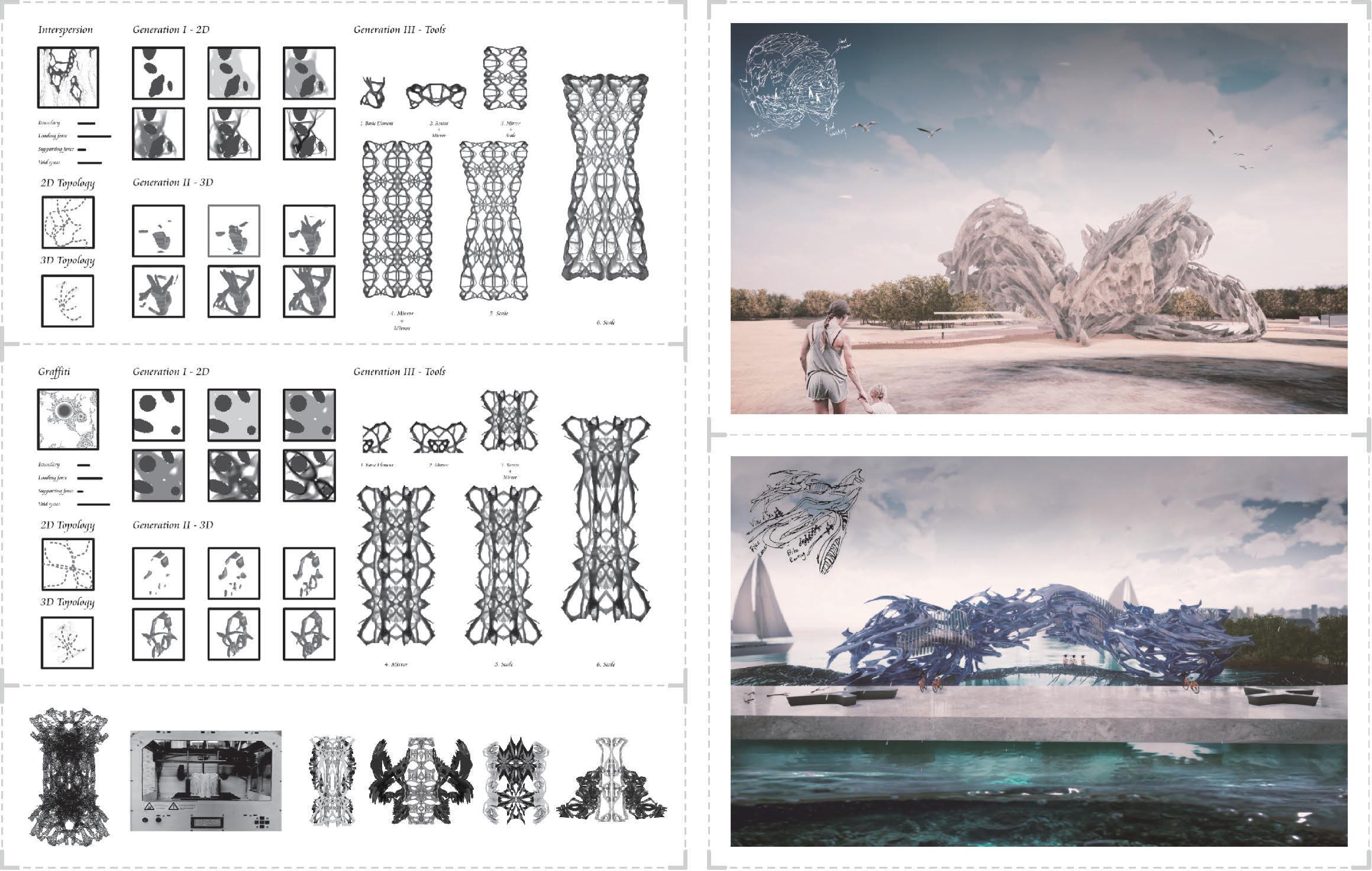
This project, "BioReef Morphologies," integrates generative design with Unreal Engine to address the critical issue of coastal resilience. It proposes the use of 3D-printed modular structures made from recycled concrete, inspired by fractal geometries, to combat erosion and foster marine biodiversity in vulnerable Italian coastlines. The bio-receptive nature of these adaptable elements aims to create dynamic, ecologically rich interfaces between land and sea, capable of evolving with rising sea levels.
Bachelor Religious Space
The Eidetic Temple 2021
Taipei
“In order to design buildings with a sensuous connection to life, one must think in a way that goes far beyond form and construction.” - Peter Zumthor
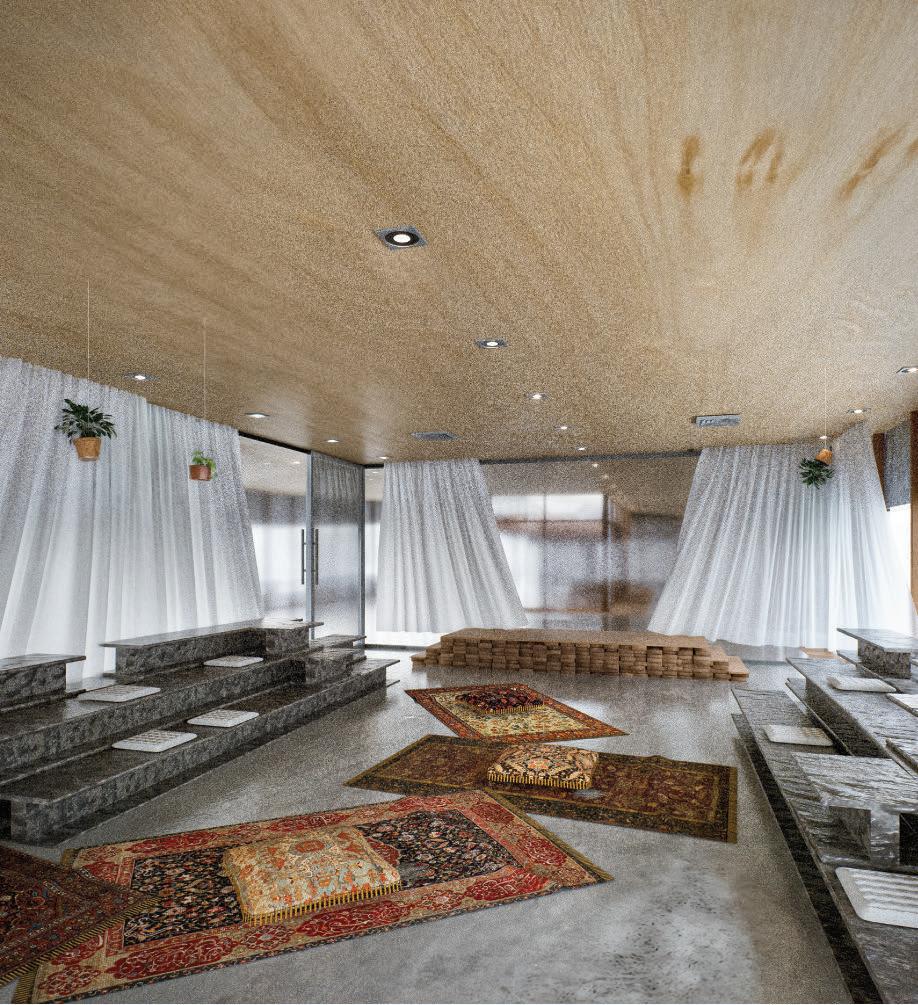
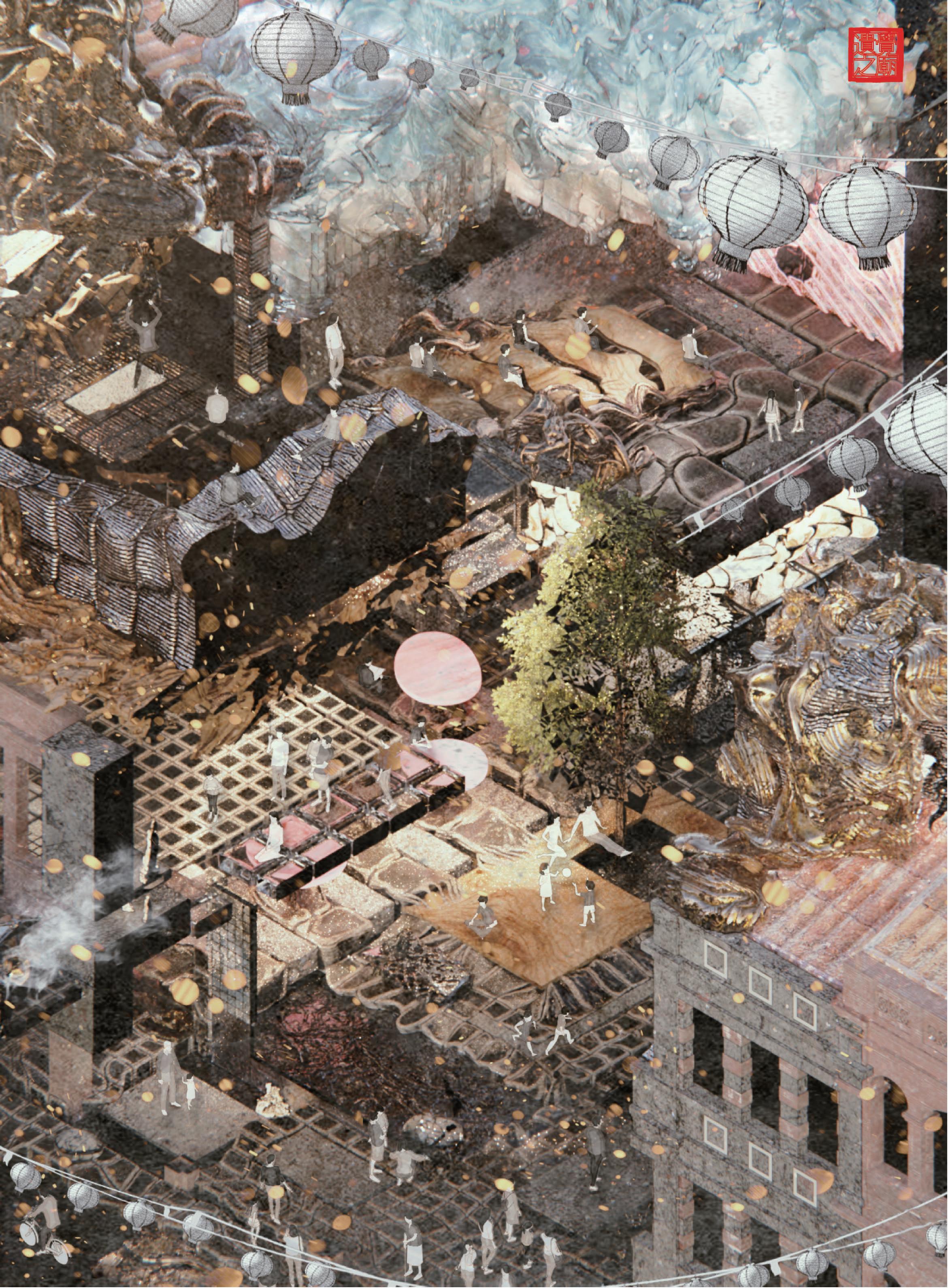
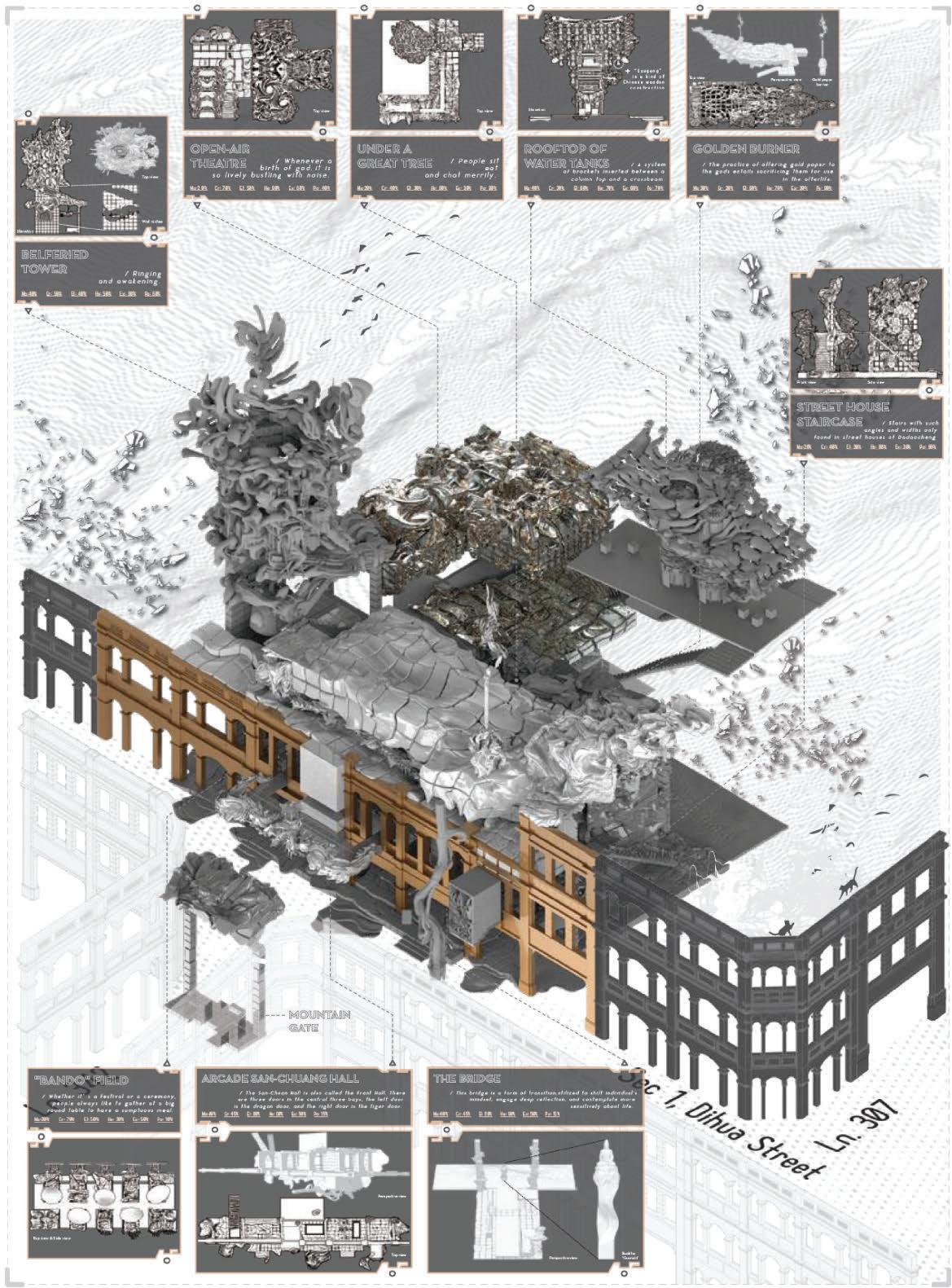
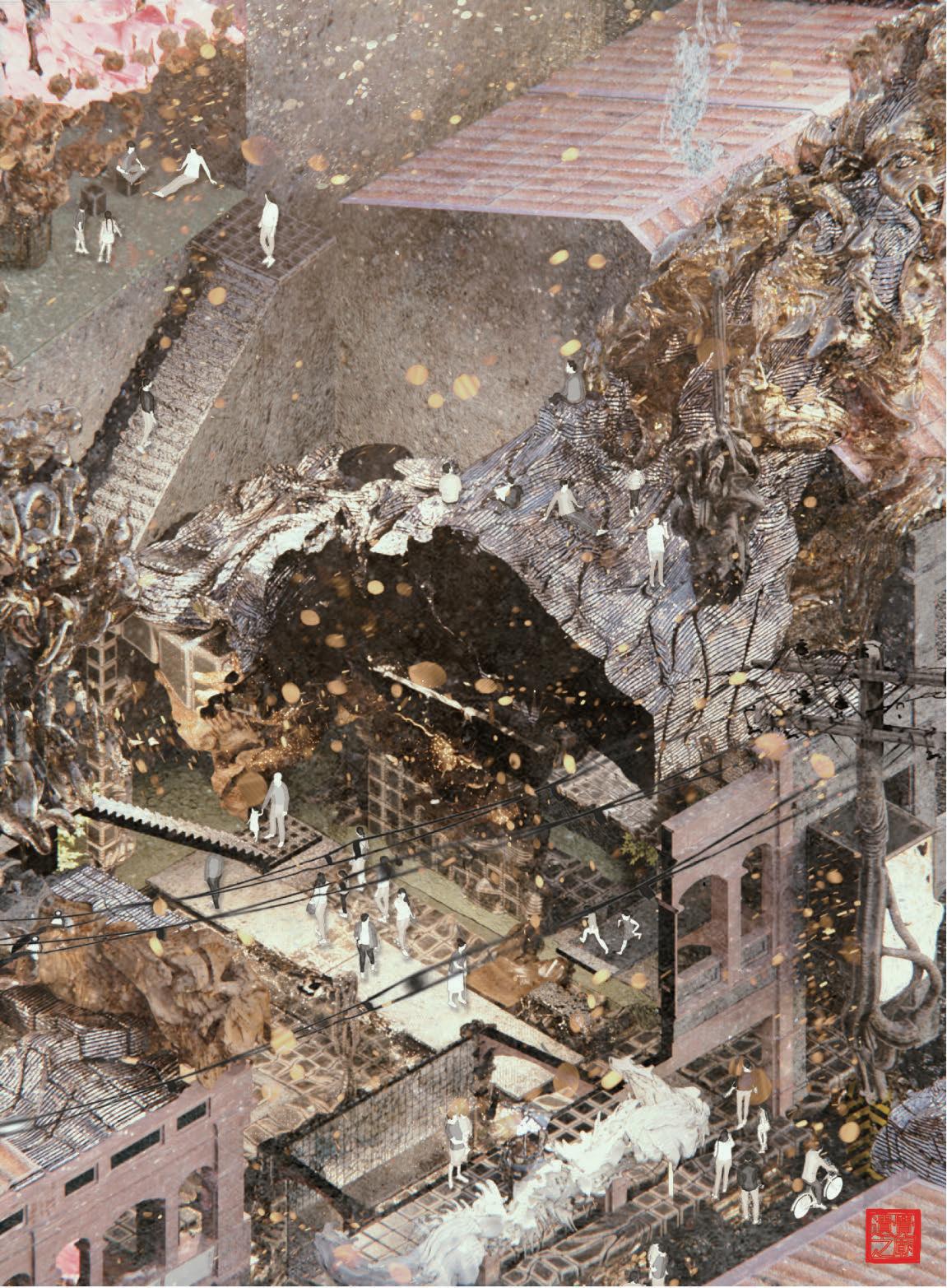
The intangible atmosphere of a city, a confluence of environment, communication, and place, constitutes the context of urban life, mirroring life itself as the essence of belief. Historically, temple form evolved from courtyards, adorned with auspicious narratives to inspire blessing and enlightenment. Worship is intertwined with daily life, leading to a "parasitic" accumulation of folk activities and a seemingly disordered yet satisfying spatial complexity.
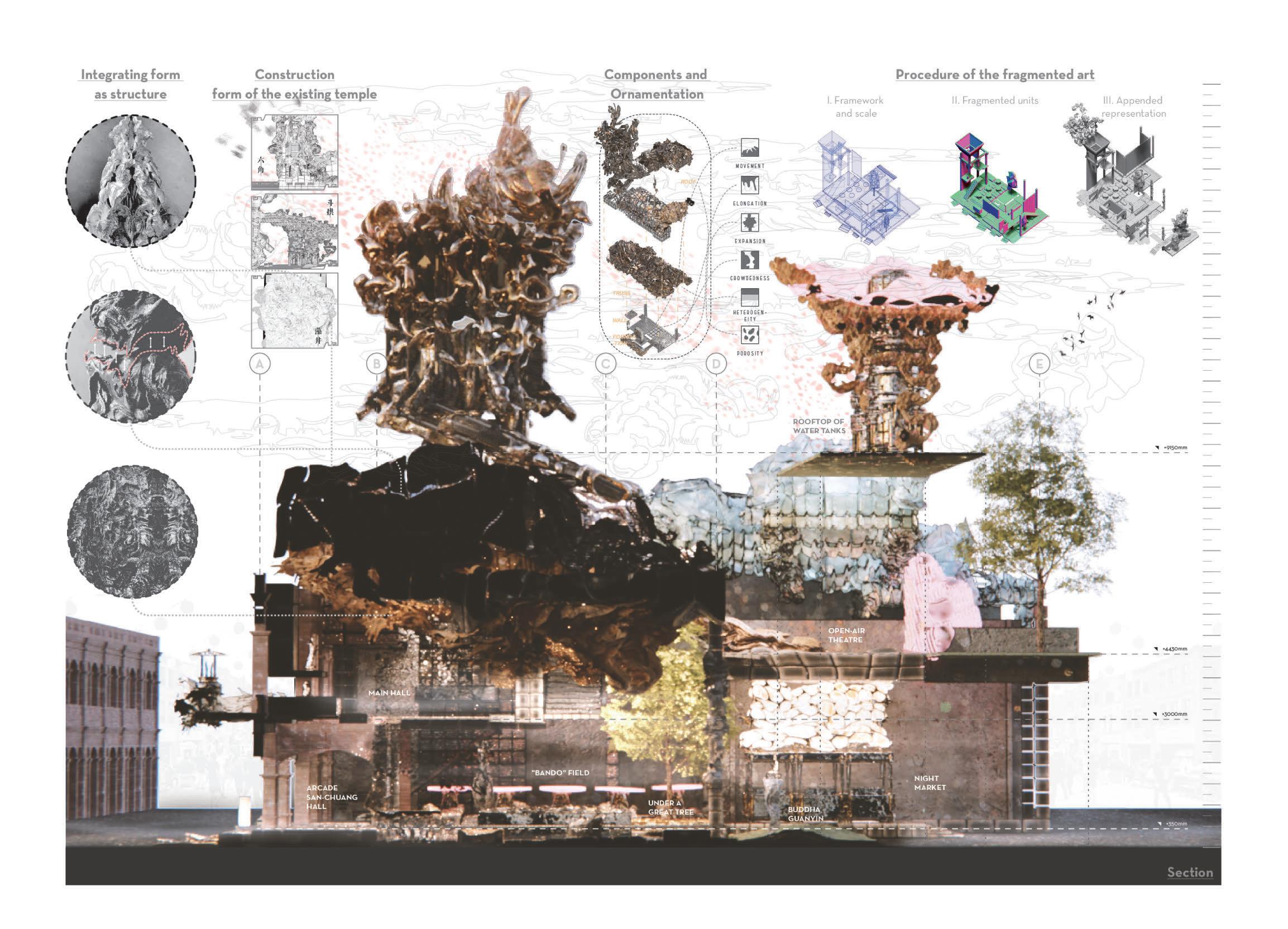
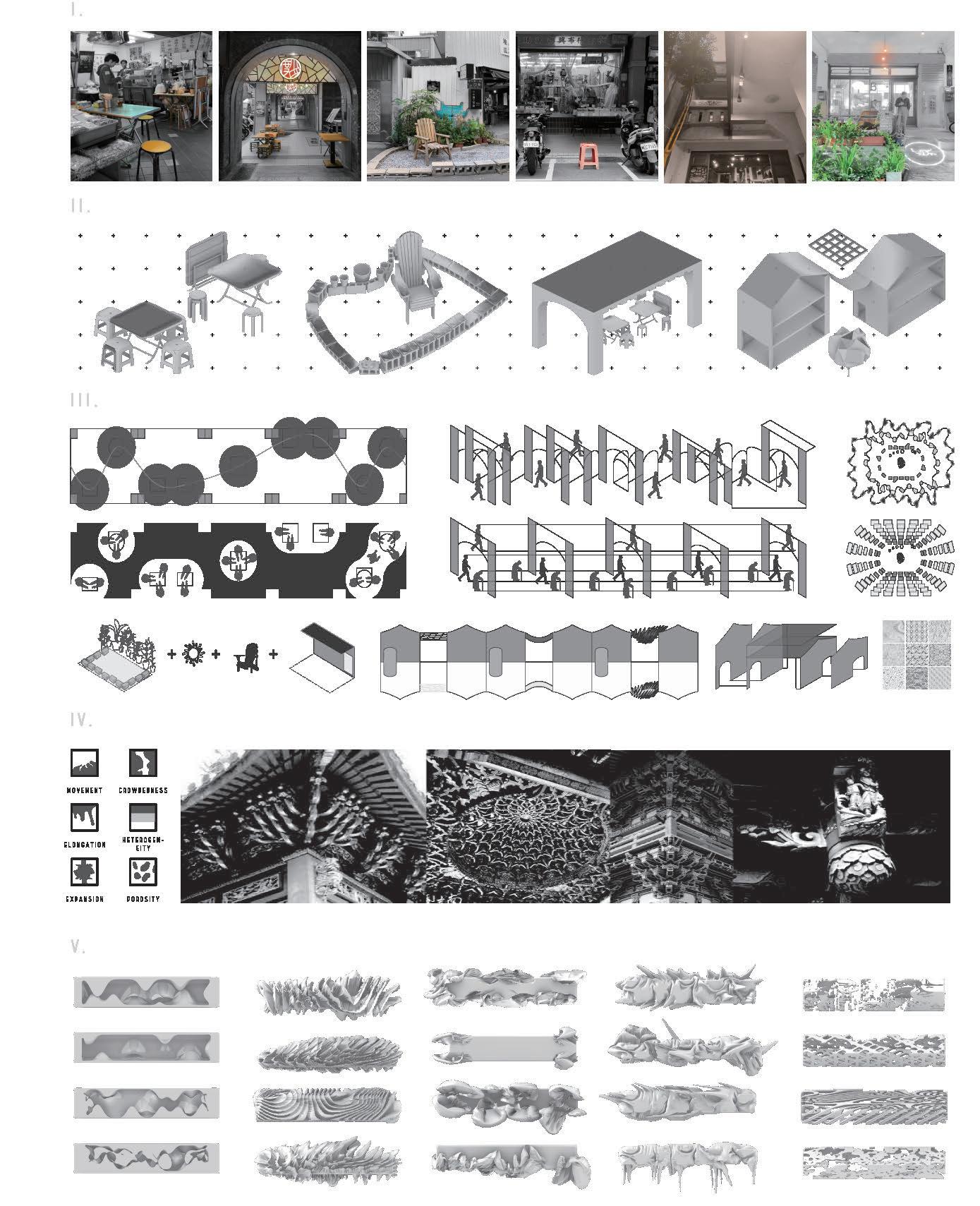
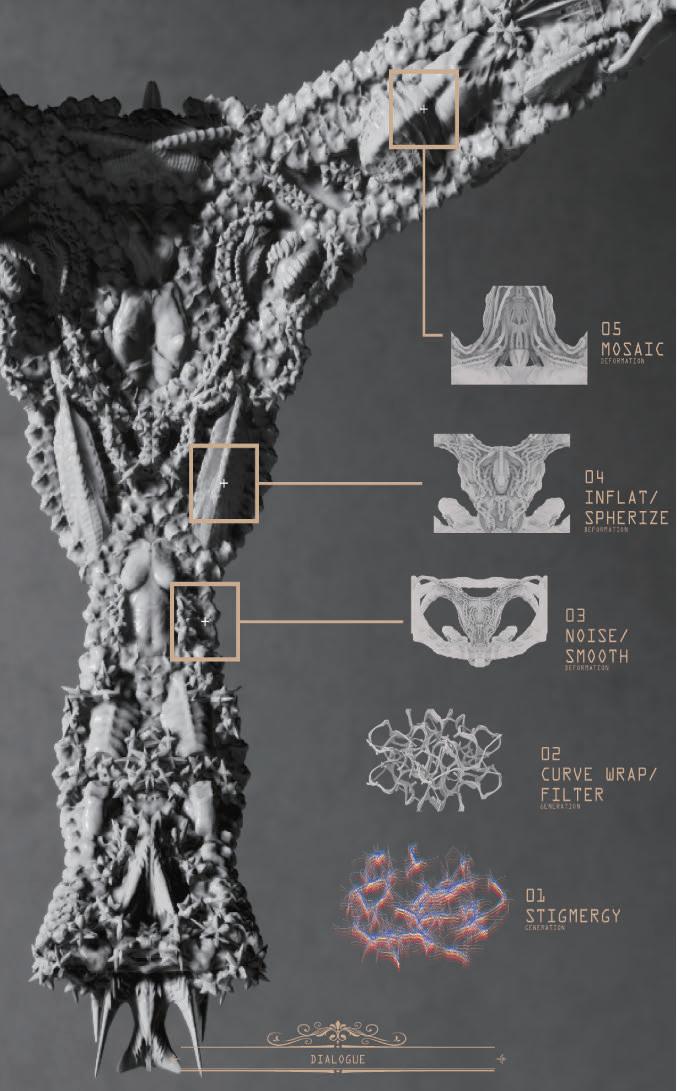
If traditional temple art fragmented historical narratives through craftsmanship, this project asks: what contemporary life feelings and technological tools can similarly inform sacred space? It proposes fragmenting ordinary life into the temple's decoration, structure, and function, seeking urban structure, daily atmosphere, and popular needs. Digital tools are employed to reimagine temples, aiming for an architecture that embodies "beautiful silence" connected with "warmth and senses."
From Site Relics to Spatial Dialogue: Translating Found Objects into the Atmosphere of Folk Religion
The Eidetic Temple
2020 Bachelor Conceptual Design London
Of Frost Odyssey Filtration Machinery
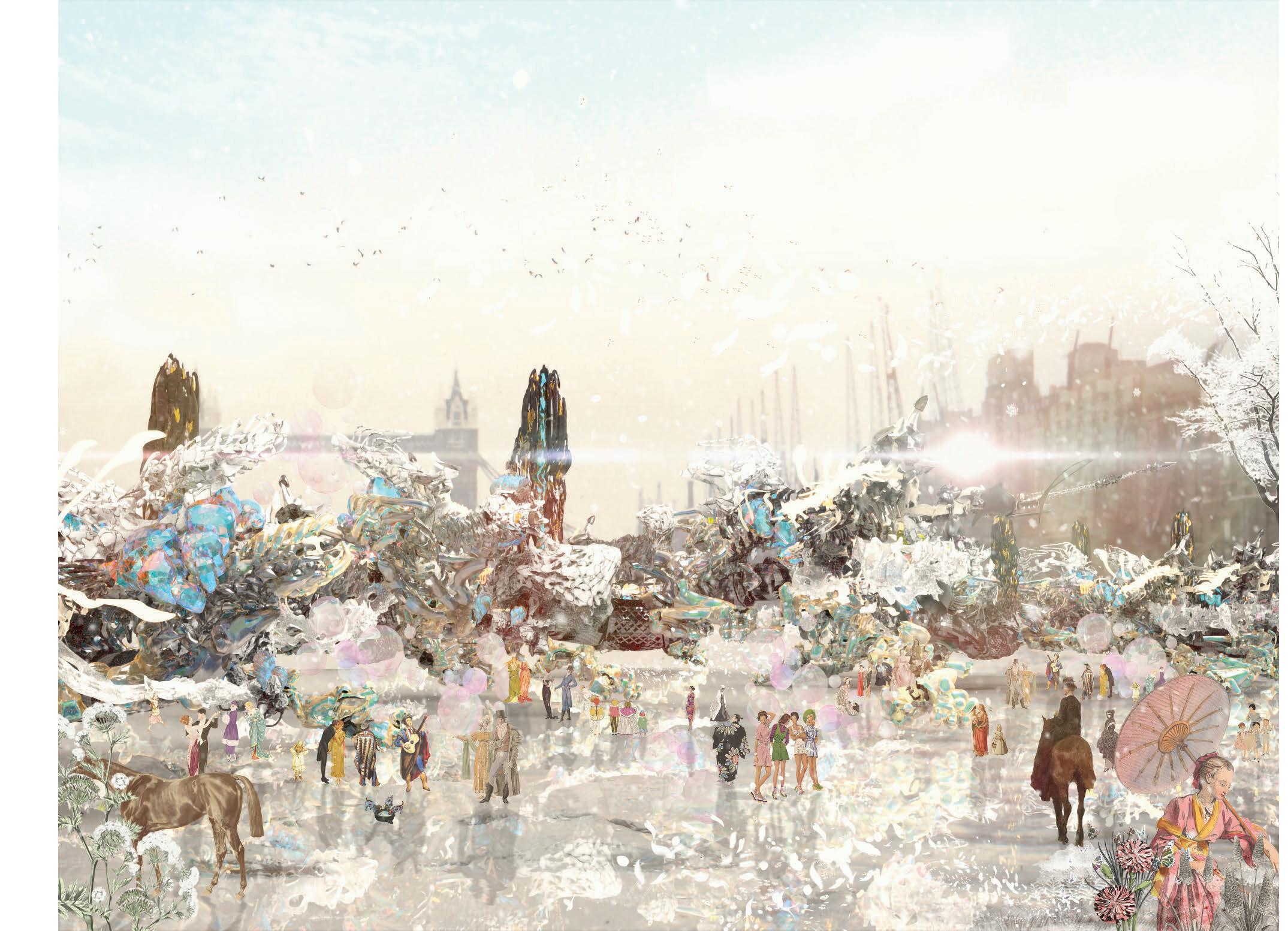
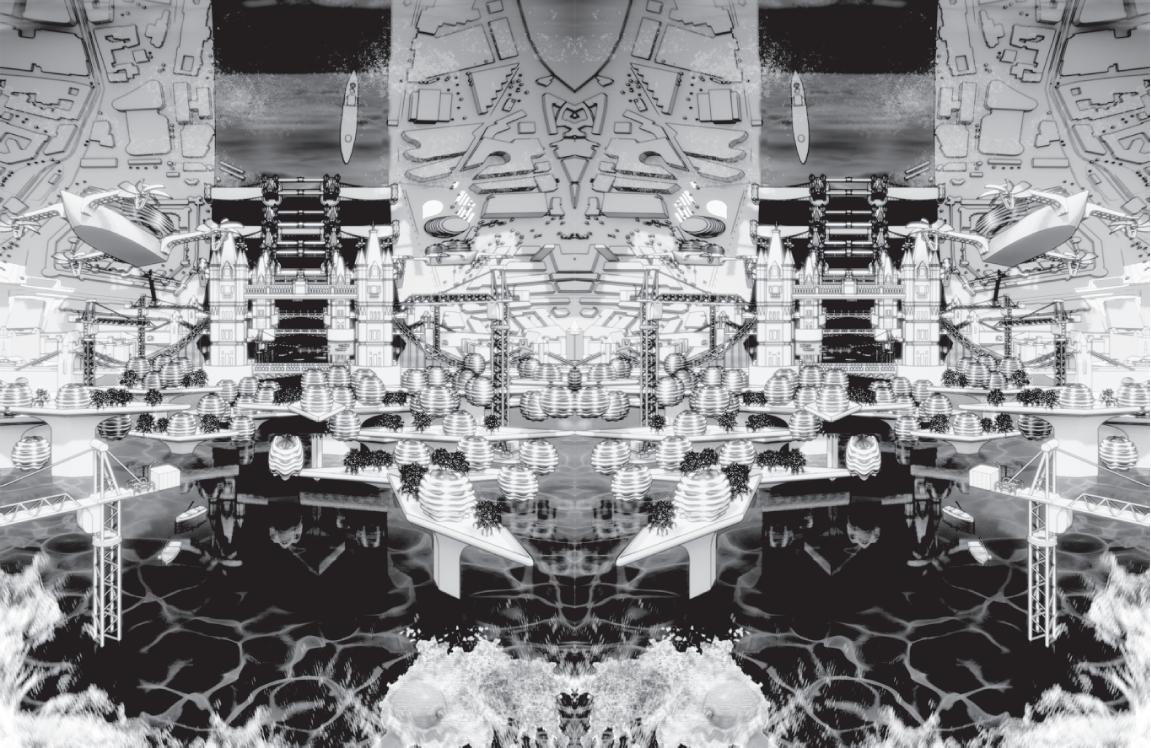
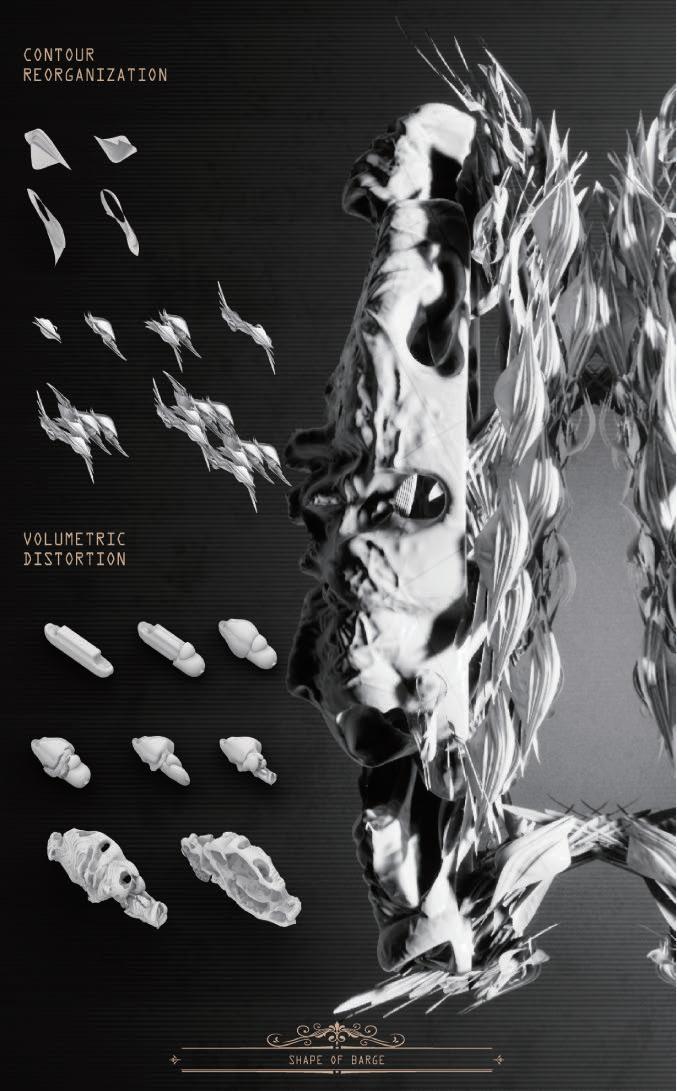
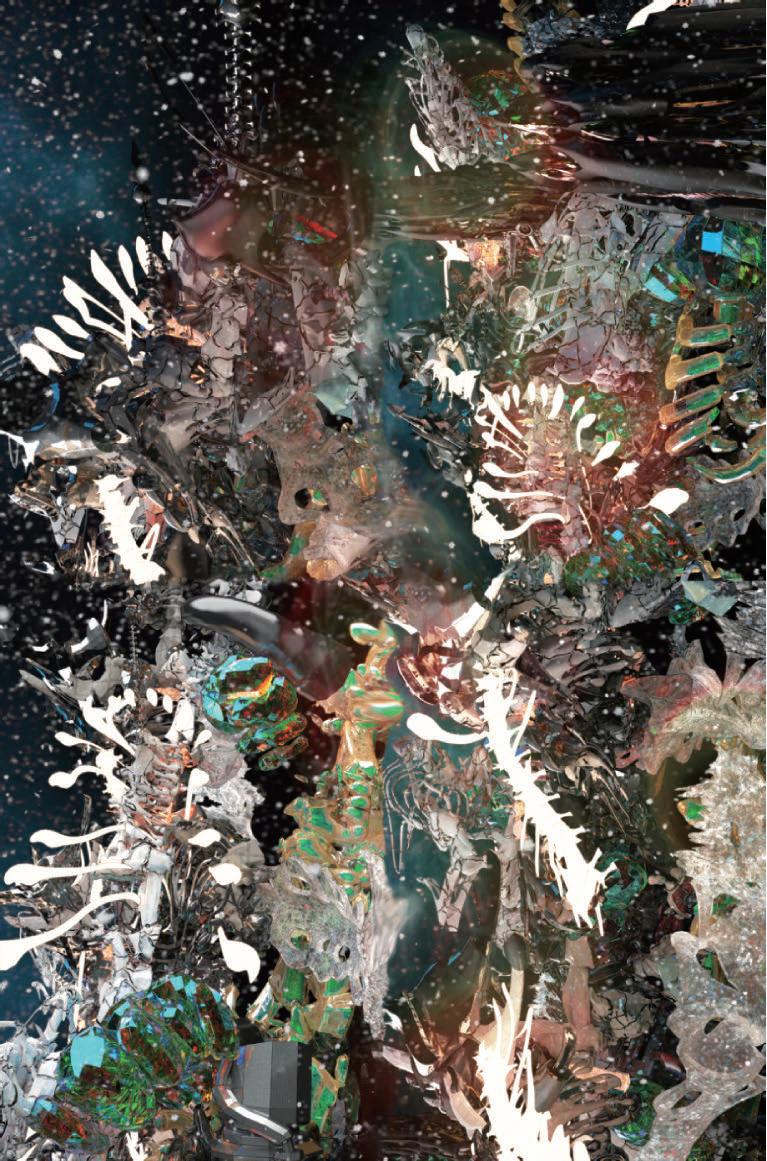
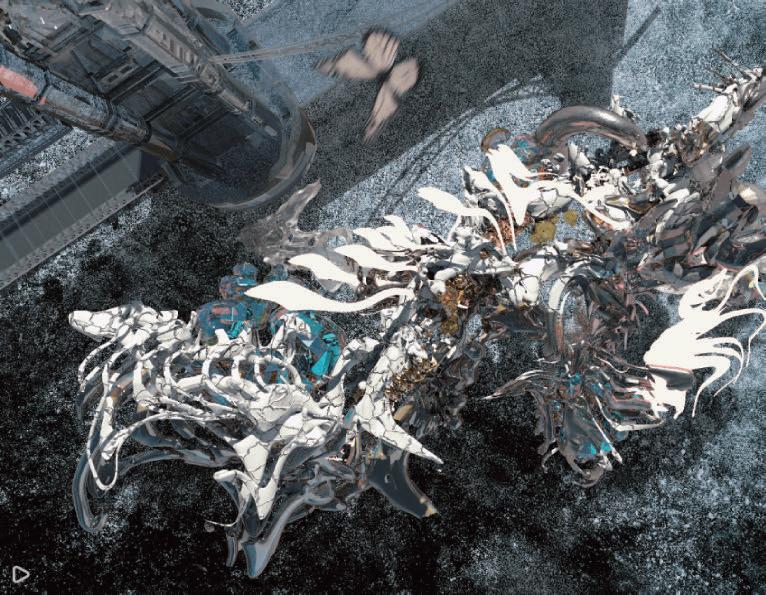
The contemporary urban landscape represents a layered accumulation of historical planning decisions, where enduring elements define civic identity alongside the fading imprints of past daily life. This research, drawing upon the "Metabolic" ambition to influence future urban trajectories, critically examines the challenges posed by rapid economic expansion, increasing population density, and the consequent strain on the metropolitan living environment. It investigates the potential for extending urban development beyond terrestrial constraints into aerial and aquatic domains through the lens of megastructural interventions, acknowledging the ambivalent role of advanced technology as both an enabler and a potential source of conflict within the human-nature relationship.
The design theory herein explores the principles of co-prosperity and dynamic interaction between humanity, technology, and the natural world. Conceptualising technology as an extension of human capacity, the research investigates its role in driving the evolution, metamorphosis, and transformation of architectural structure and urban space. Concurrently, it posits the development of a novel urban system and a theoretical social prototype that unfolds along a defined temporal axis as an integral aspect of the design process. The anticipated urban aesthetic, characterised by the inherent variability of technological application, the functional flexibility of urban components, and the heterogeneity of individual architectural elements, seeks to articulate an unconventional urbanity that may, through its innovative pursuits, inadvertently evoke or resonate with superseded urbanistic ideals.
2020
Bachelor
Conceptual Design Tamsui
Non-site
“Whereas a Site is scattered information, a place you can visit, experience, travel-to, a Non Site is a container, an abstract work about contained information.“ - Robert Smithson
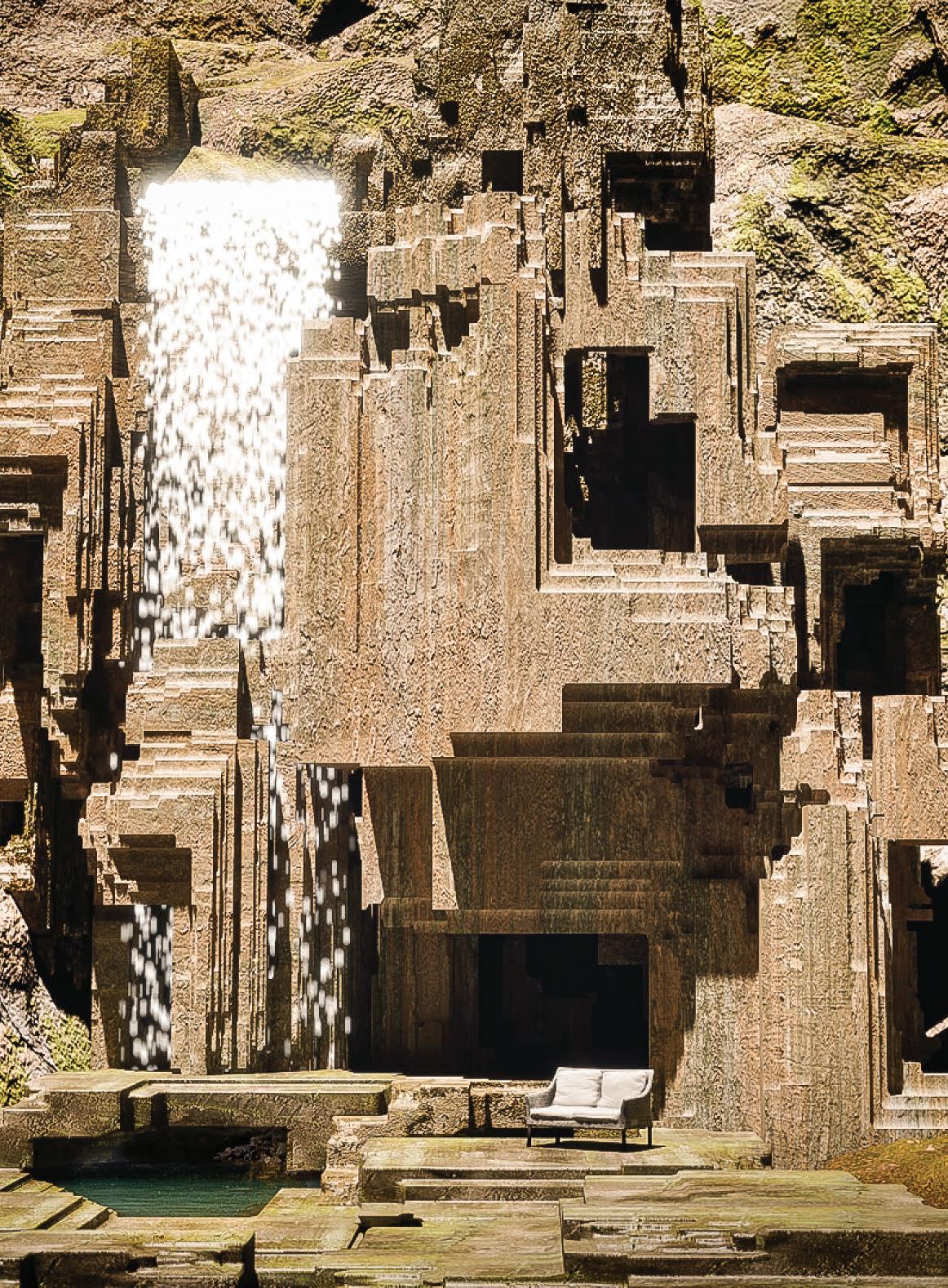
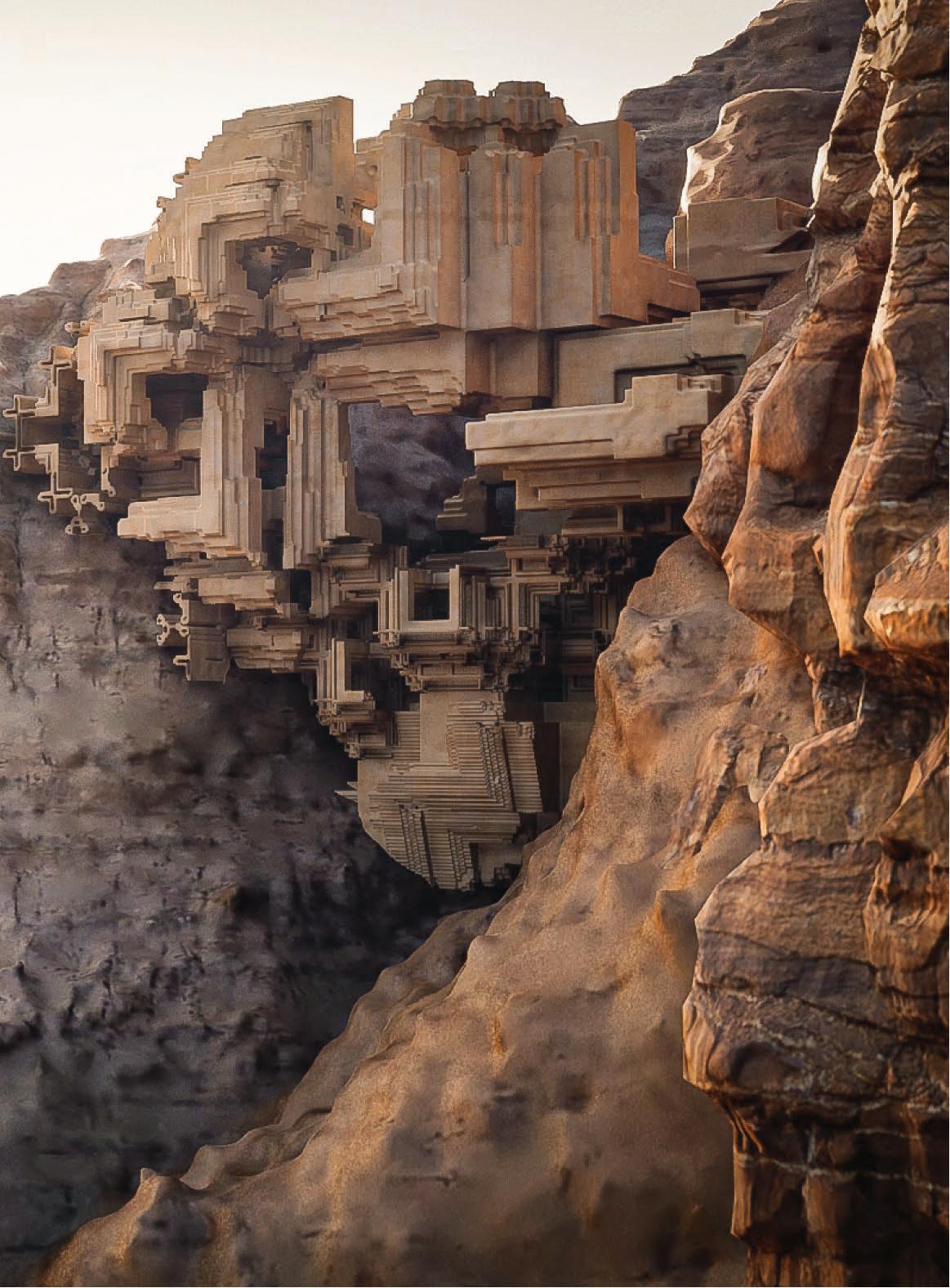
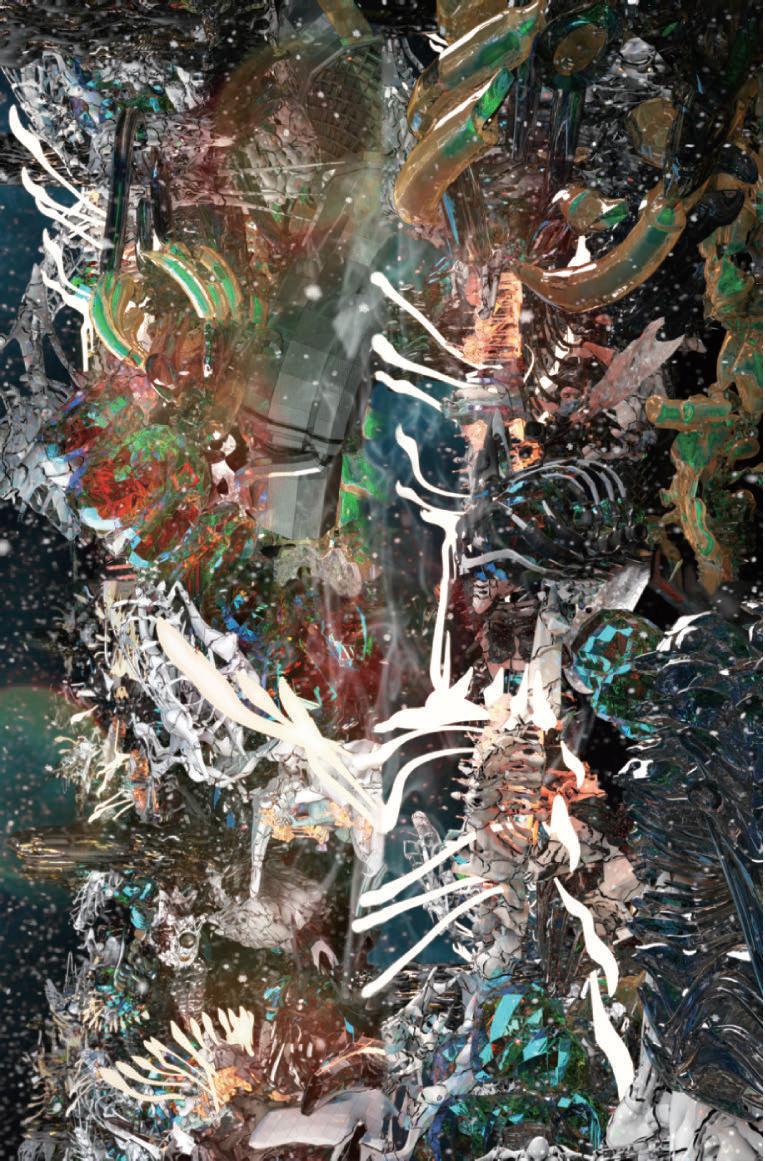
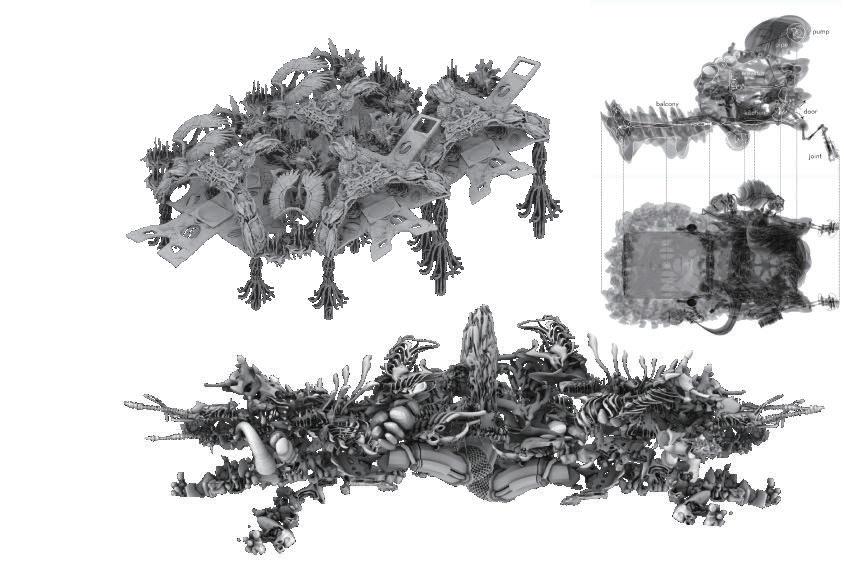
Drawing upon Smithson's distinction between the dispersed reality of the Site and the contained abstraction of the Non-Site, this design research employs the latter as a generative framework for architectural form. The process initiates by extracting fragmented reminiscences of place through visual and material traces, subsequently abstracting these into a continuous spatial system utilising fundamental elements. Employing a single image as a generative seed, layers of its inherent attributes are computationally amplified through algorithmic aggregation of basic geometric primitives. This methodology transforms the Non-Site into a self-referential locus of concealed internal morphogenesis and structural articulation. The resultant spatial morphologies, after a developmental sequence, are strategically deployed across four locations within the fishing harbour, re-engaging with the tangible realm. This fabrication of spatial syntax proposes an impact on the perception of physical and perceptual realities, extending beyond functional venues to become a nexus of multifaceted influences, mirroring the inherent cultural significance of architecture itself.