LUCY PIRTLE

interior architecture

I am currently a fourth year Interior Architecture student at the University of Tennessee Knoxville. I am a self-motivated and organized individual with a passion for applying my creativity to help others. I am driven by empathy and passionate about collaboration and dignity in all aspects of architecture and design.
TEACHING ASSISTANT | Knoxville, TN | 01/2024 - 12/2024
THE UNIVERSITY OF TENNESSEE KNOXVILLE
Assists the professor in grading assignments
Holds office hours for students to help
Provides clarity on class material and assignments
Attends the class to engage with students
FURNITURE DESIGN INTERN | Knoxville, TN | 06/2024 - 08/2024
CBI WORKPLACE SOLUTIONS
Assists with furniture selections and finishes
Creates organized and detailed product specification and solution pages
Interacts with clients and collaborates with fellow associates on design projects
SALES REPRESENTATIVE | Knoxville, TN | 06/2023 - 01/2024
THE DW DESIGNS
Welcomes customers into the store with a friendly and approachable attitude.
Handles purchases at the check out counter
Works on restocking items in store and shipping out online orders
CASHIER | Cleveland, TN | 06/2022 - 08/2023
CHICKEN SALAD CHICK
Welcomes guests into the restaurant
Kindly takes orders and delivers food to tables.
Helps assist in restaurant cleaning and organizing various systems
Bachelor of Science in Interior Architecture [BSIA]
University of Tennesse Knoxville
Jami S. High Memorial Scholarship
Dottie Sanders Interior Architecture Scholarship 2024-25 Beacon Scholarship
Tennessee Hope Scholarship UTK Dean’s List
ASID Student Member | 01/2022 - current
Architecture, Construction, Engineering Mentor Program of America 08/2020 - 02/2021
Student Team Member
Participate in an award-winning afterschool program that connects local architecture, construction, and engineer professionals with high school students to work on a designated local project throughout the school year. This year’s project is designing a COVID-19 mobile unit.
Problem Solving
Quick to Learn Organized Detail

Architecture and design shape the spaces where we live, work, and connect. As stewards of the built environment, we carry the profound responsibility to create spaces that honor human dignity and respond with empathy. Design should never neglect humanity as it seeks to problem solve. The connection between art, architecture and humanity is a relationship that transcends bricks and mortar, it encompasses the very essence of what it means to be human. This interplay transforms buildings into meaningful environments that tell stories of the people and communities they serve. As designers, we must never lose sight of the importance of designing with empathy and seeking to tell a story through spaces that have the power to foster a sense of community and belonging.

COLLECTIVE library + lounge | spring 2024 01 03 02 SCHOOL secondary school | summer 2024
A GRACEFUL STRIDE
women’s center | fall 2023
hands-on projects + photography + art MAKER CITY adaptive reuse | fall 2024 04 05 selected works | undergraduate portfolio
ADDITIONAL WORKS
Professor Javier Sanchez
adaptive reuse | fall 2024
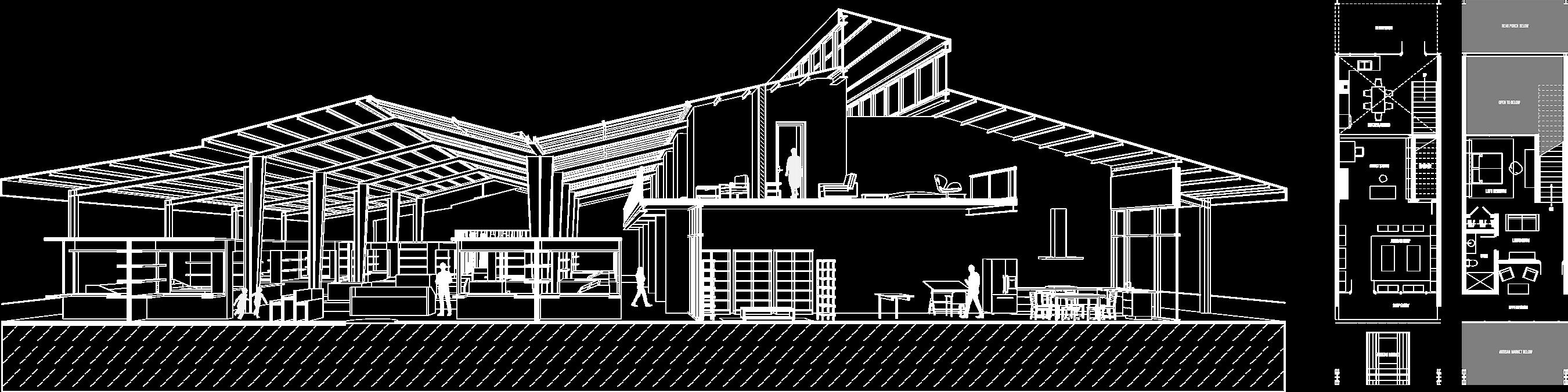
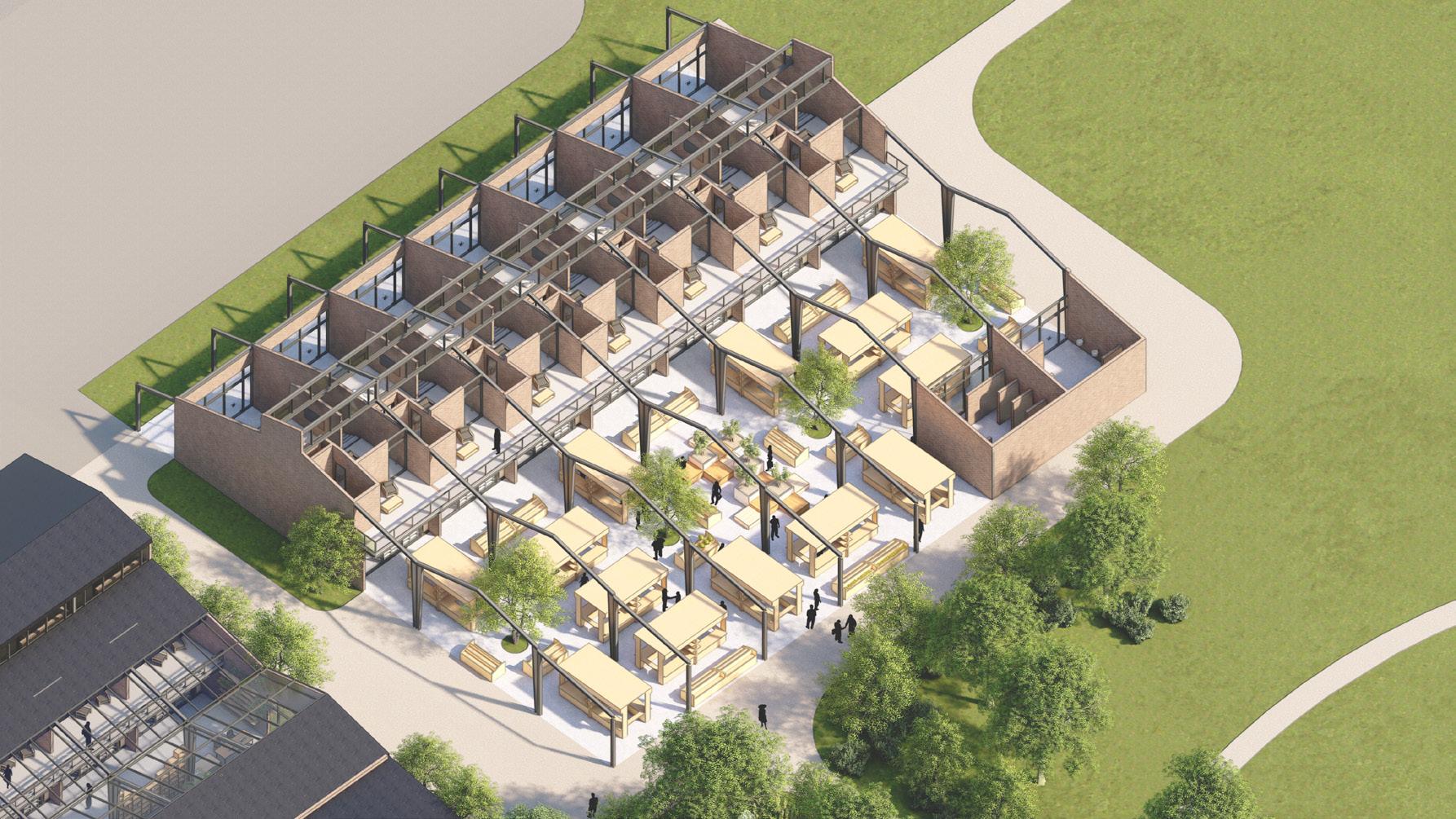
The General Shale site has left a rich legacy to Knoxville’s industrial history, reflecting the city’s roots as an East Tennessee river town. Once an important industry in Knoxville’s development, the factory has sat unused since the decline of brickmaking in this specific area along the river. This project aims to transform the General Shale factory into a community center celebrating Knoxville’s rich heritage while fostering artistic expression and public engagement. As part of the “Maker City” initiative, this site will serve as a hub for local artisans and craftsmen, particularly those in East Tennessee and the Appalachian region. By providing facilities for creation, display, and education, the center aims to export the unique arts and crafts of East Tennessee to a broader audience.
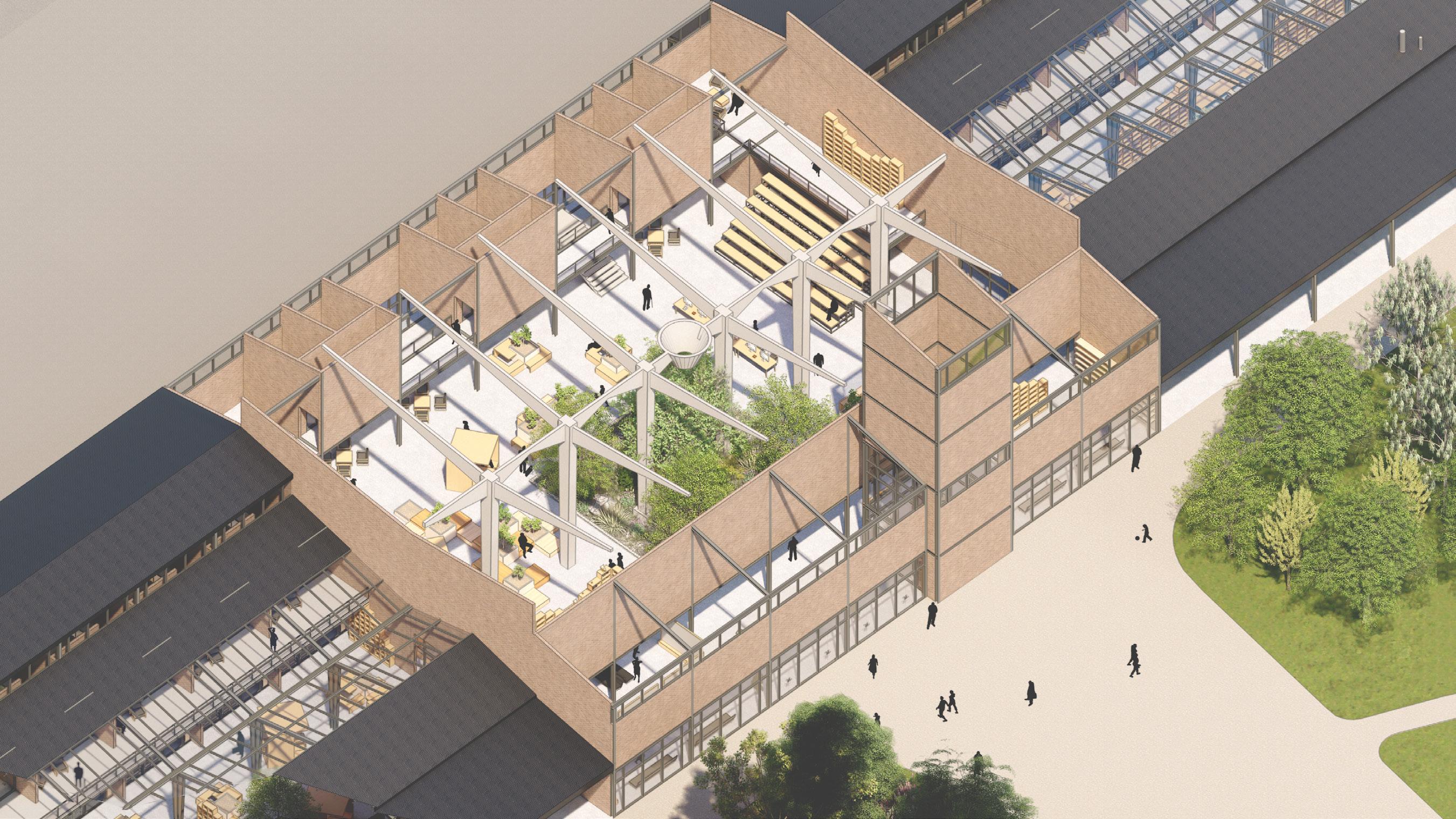
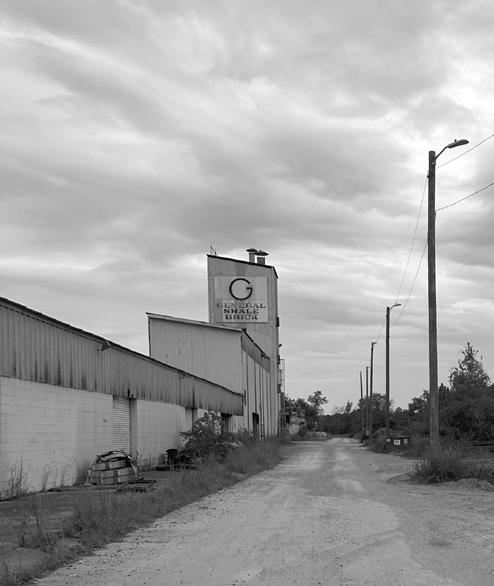
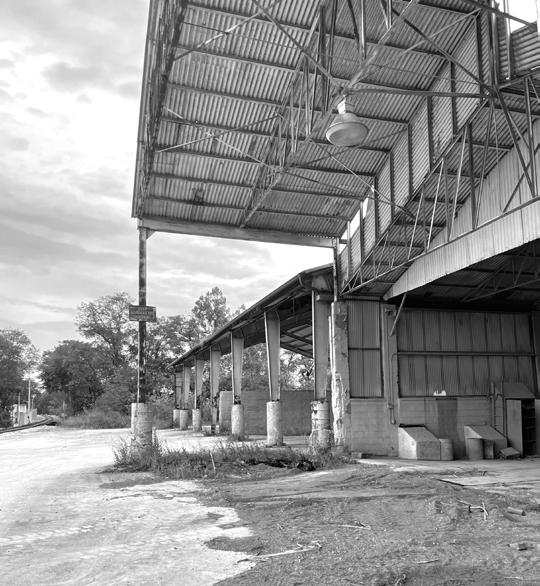
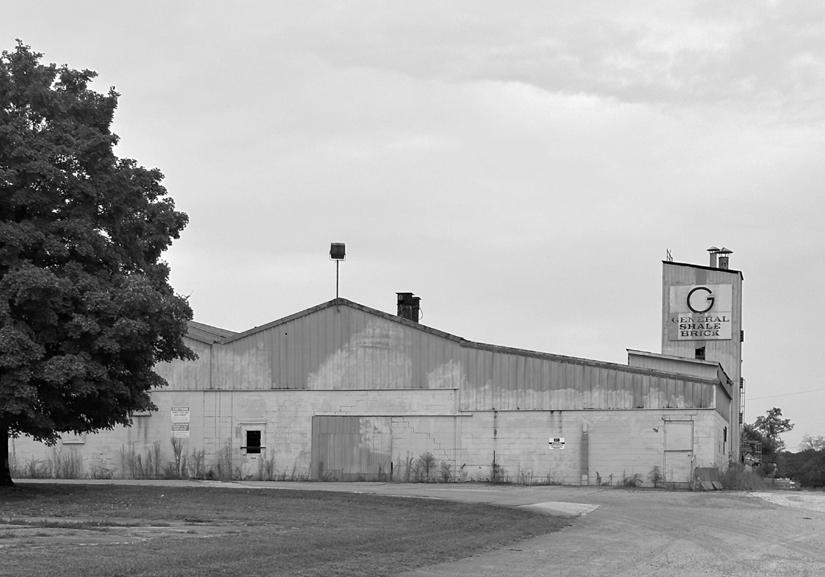
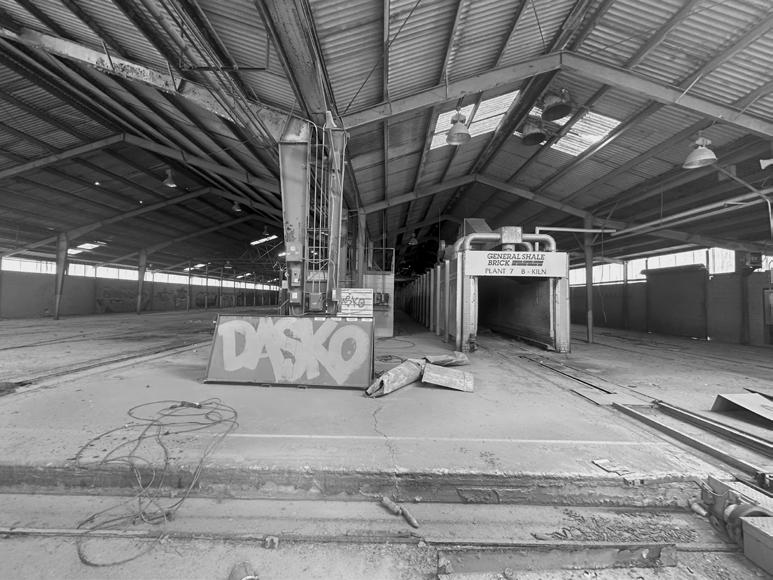
The site’s proximity to the river offers additional opportunities to integrate water features, enhancing its beauty and connection to nature. By creating a collaborative environment where multiple businesses and artisans can thrive side by side, General Shale has the potential to transform perceptions of the area beyond James White Parkway, fostering a vibrant community that celebrates the history and culture of Knoxville.
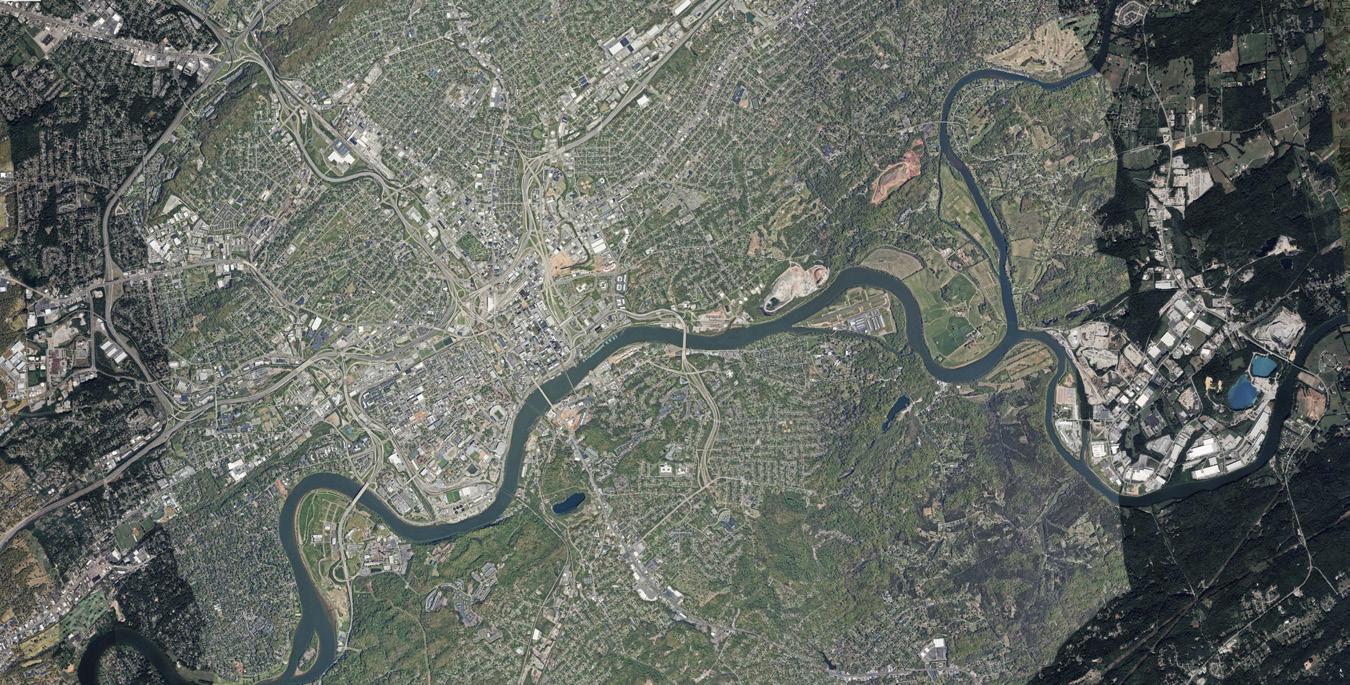
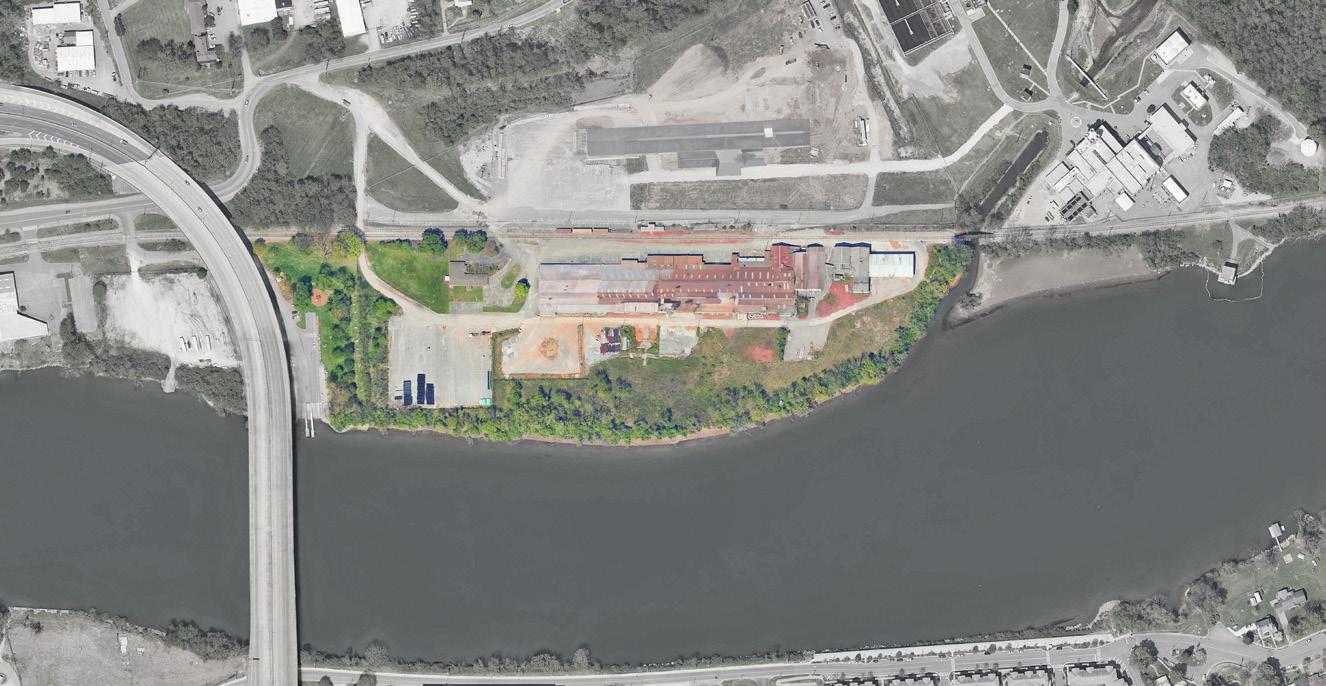
Along with other various sites in Knoxville, General Shale now presents an opportunity for adaptive reuse that honors its history and engages the community.
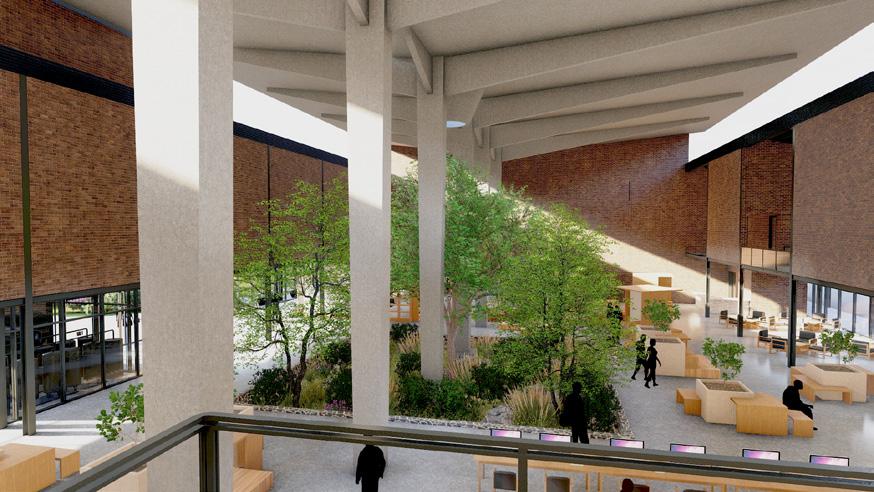
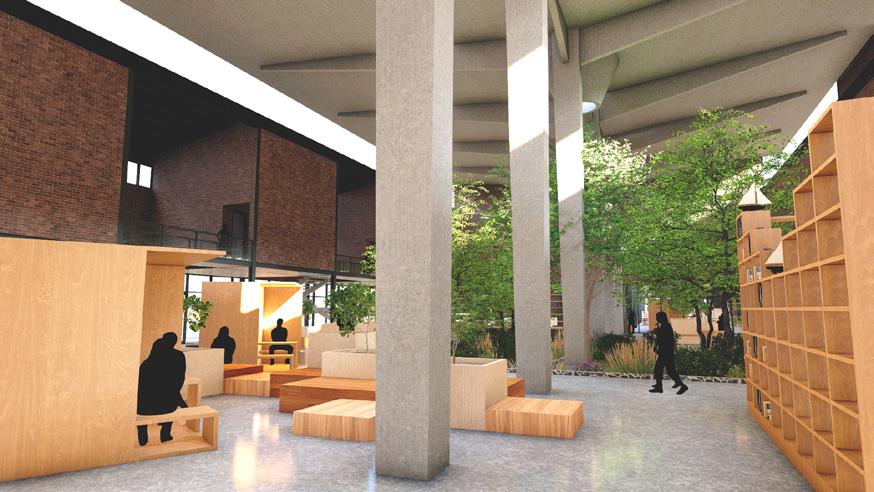
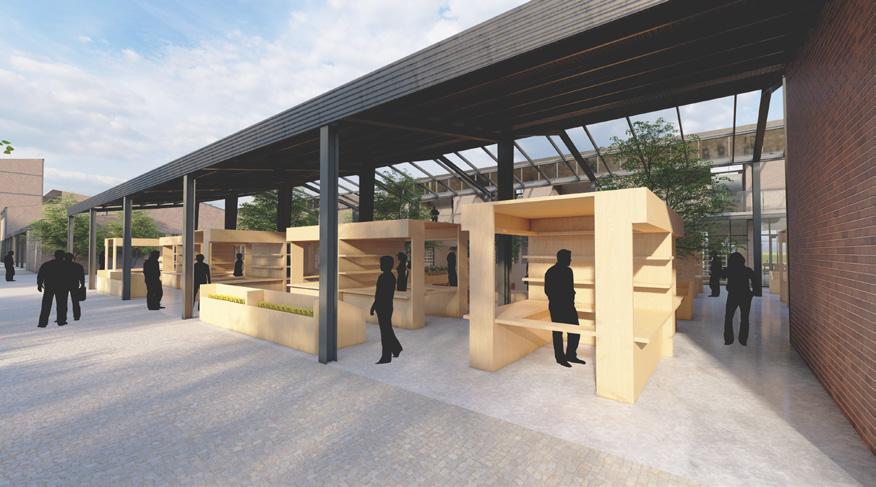
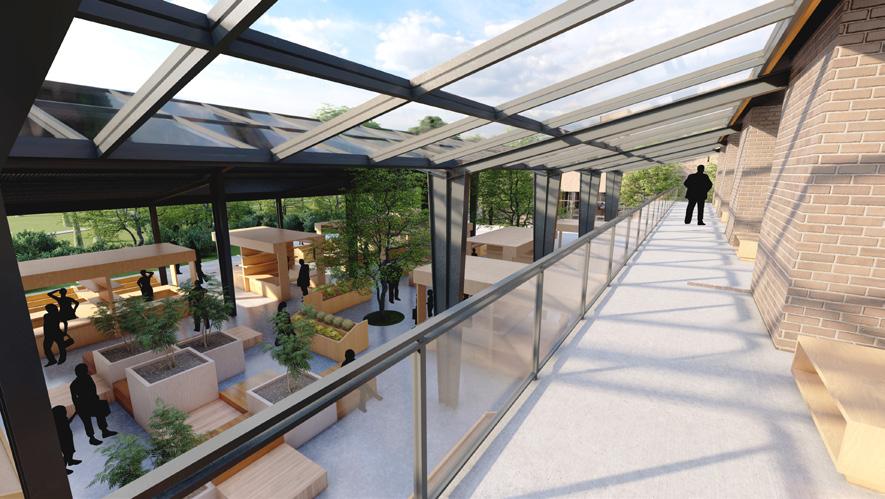
Efforts were made to preserve much of the existing structure, enhancing it with new architectural elements to create open, inviting public spaces. Interior streets and covered courtyards will blur the boundaries between the building and its natural surroundings.
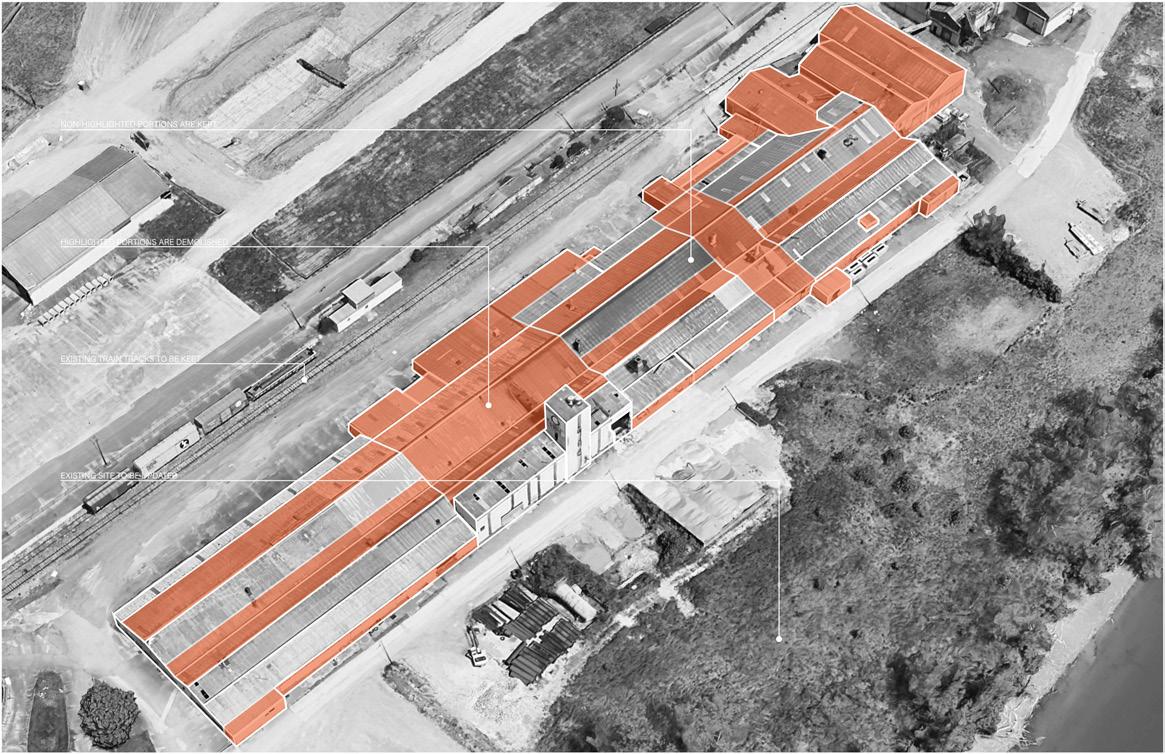
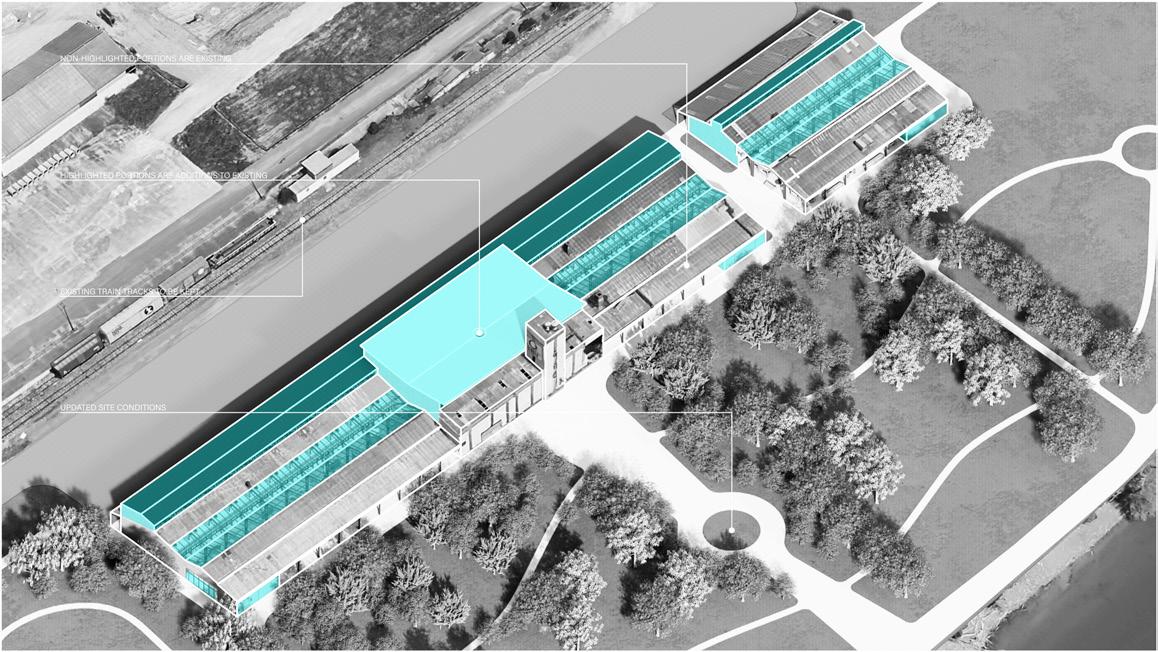
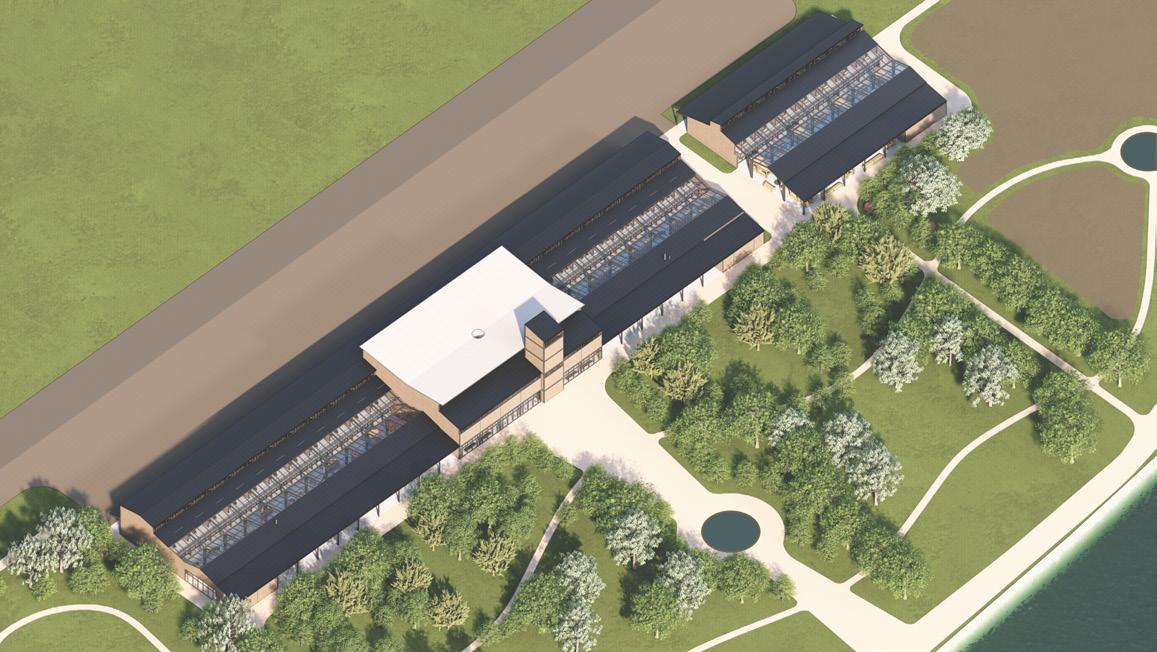
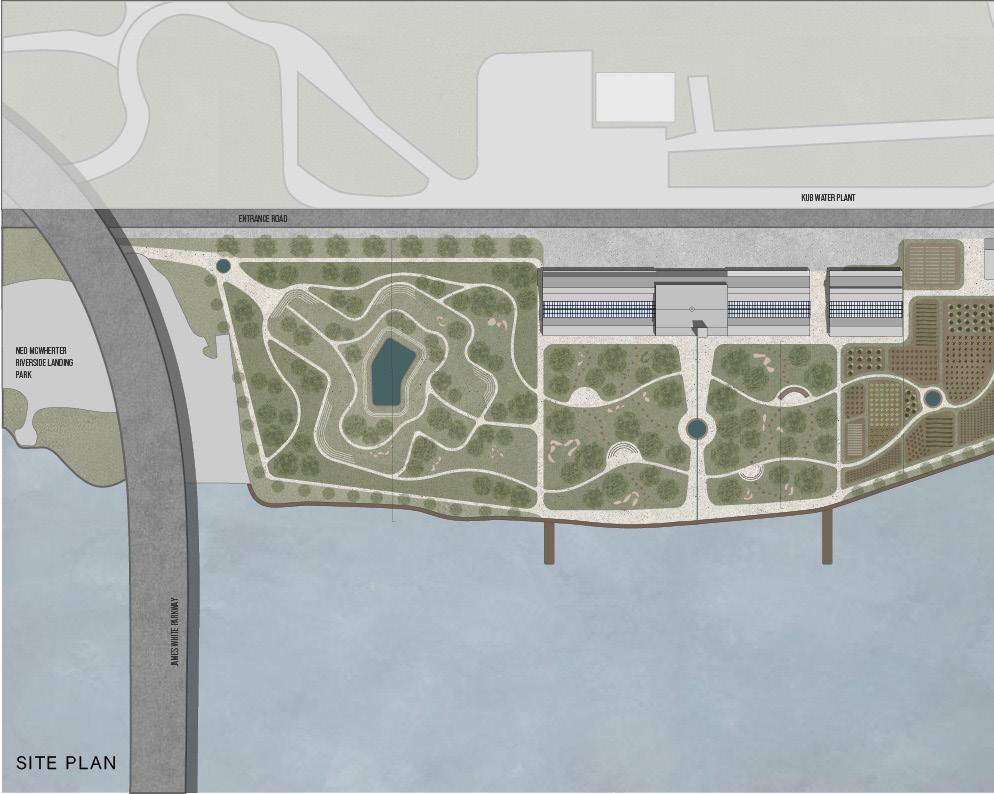
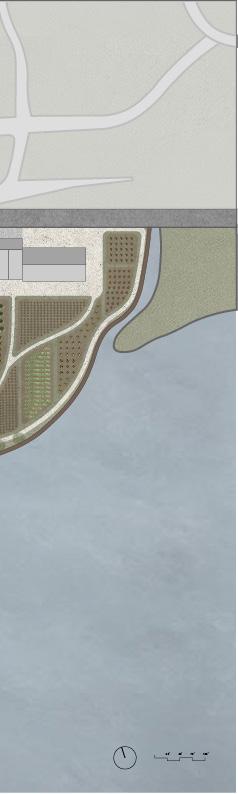
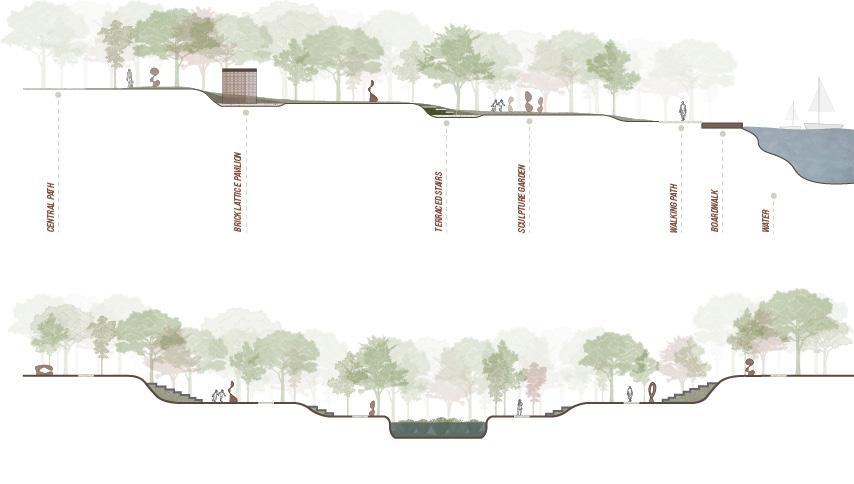
An aspect of the program for this site, is the importance of water due to its proximity to the Tennessee River. The facility will provide education and celebration of the importance of water by aiming for net-zero energy efficiency and incorporating natural ventilation systems. Water recycling will be a focal point, with the mechanics of these systems showcased as an artistic tribute to the city’s natural resources.
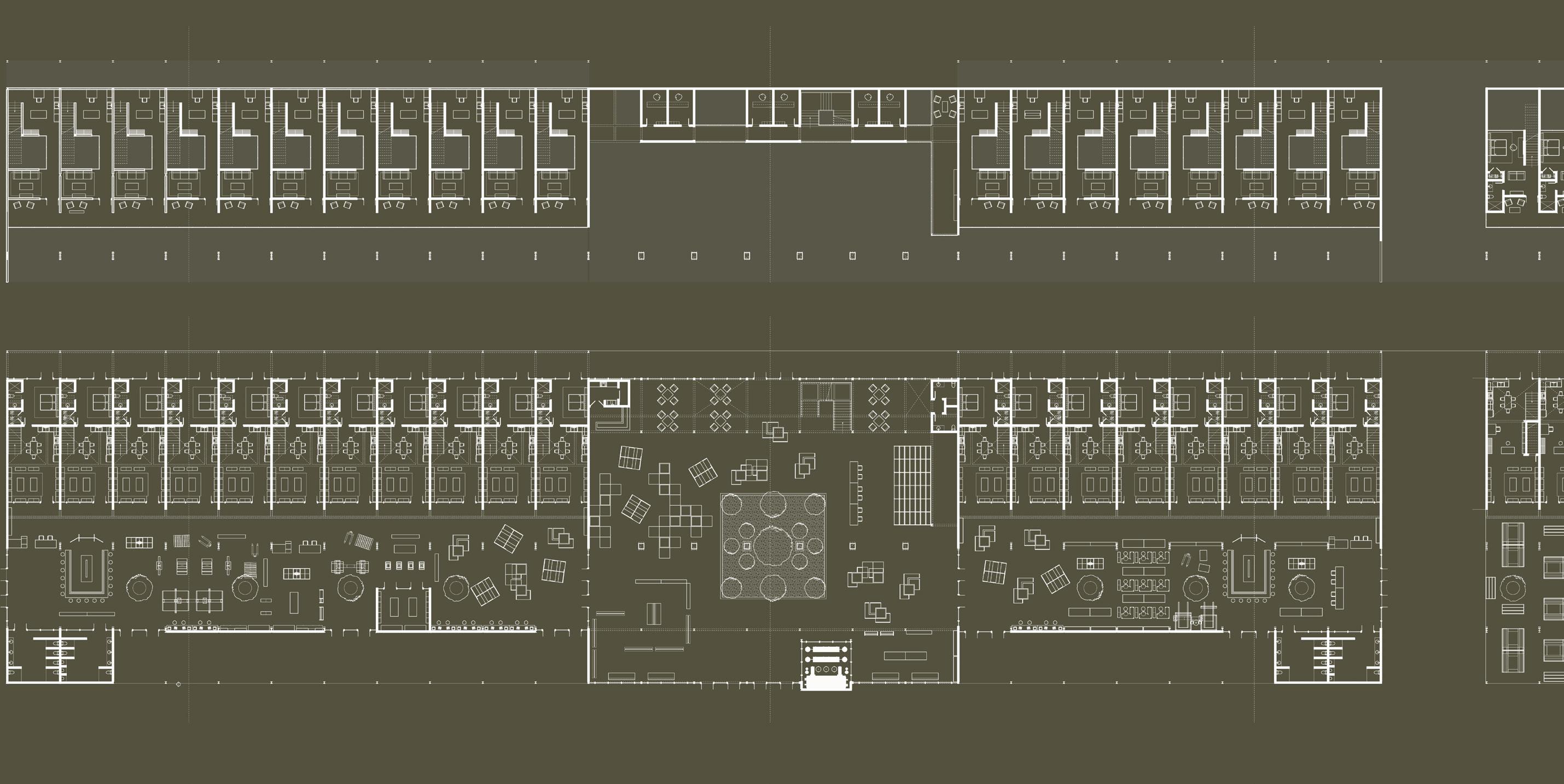

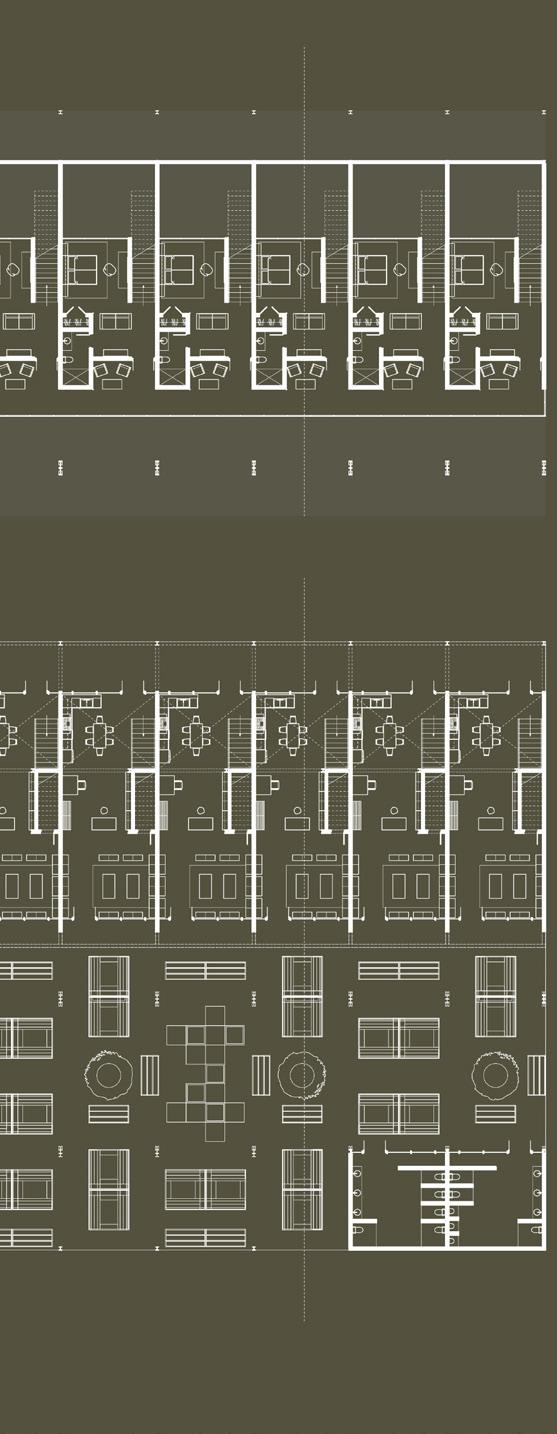
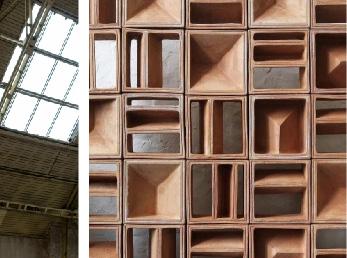
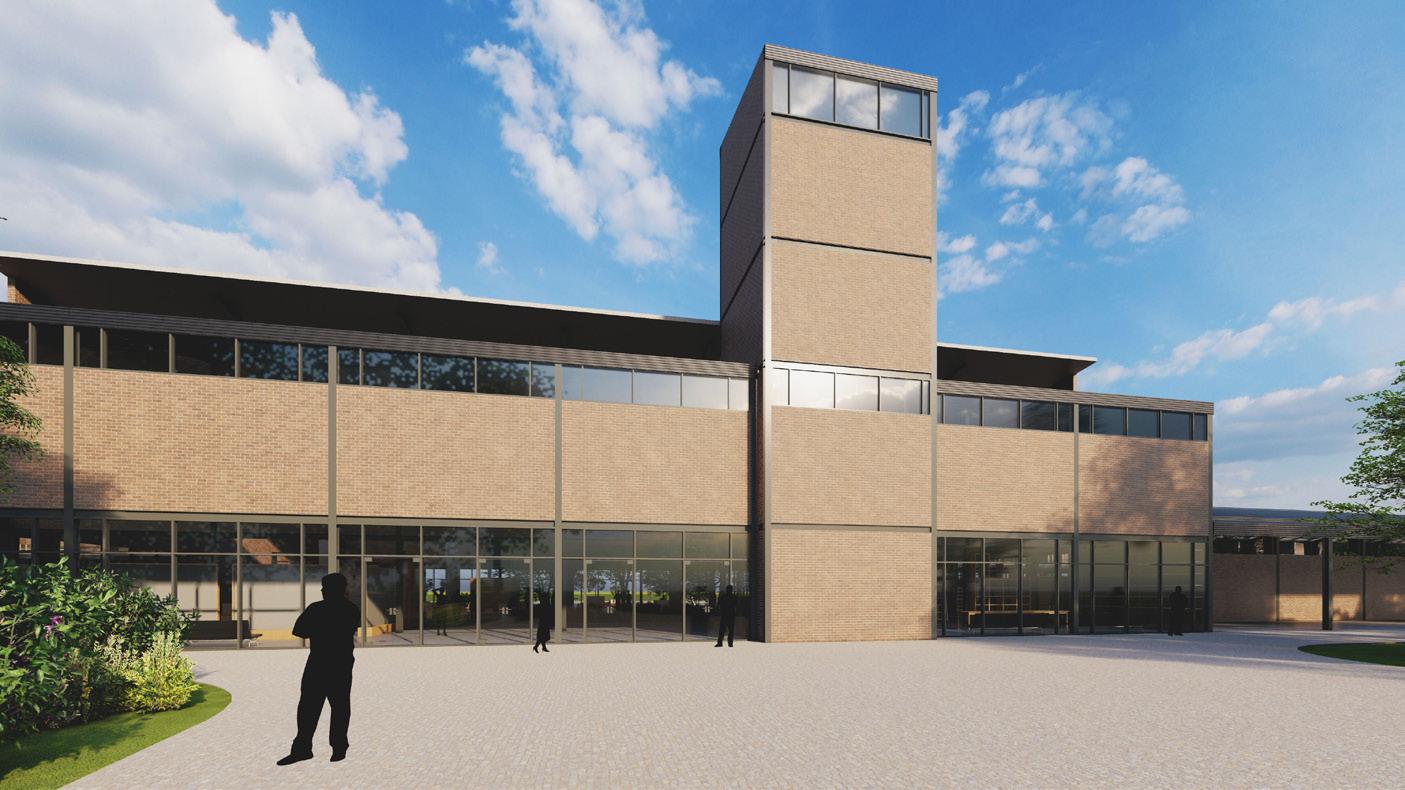
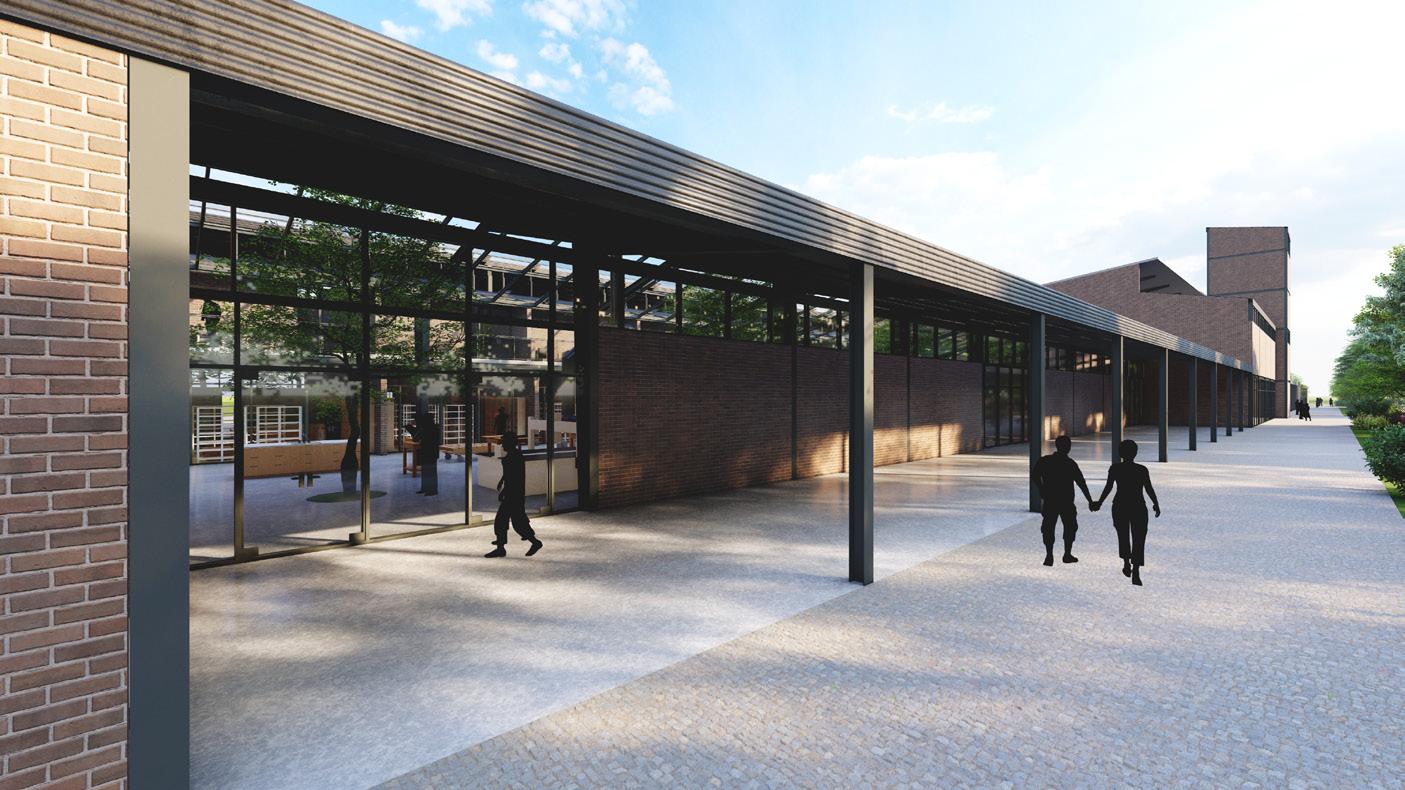
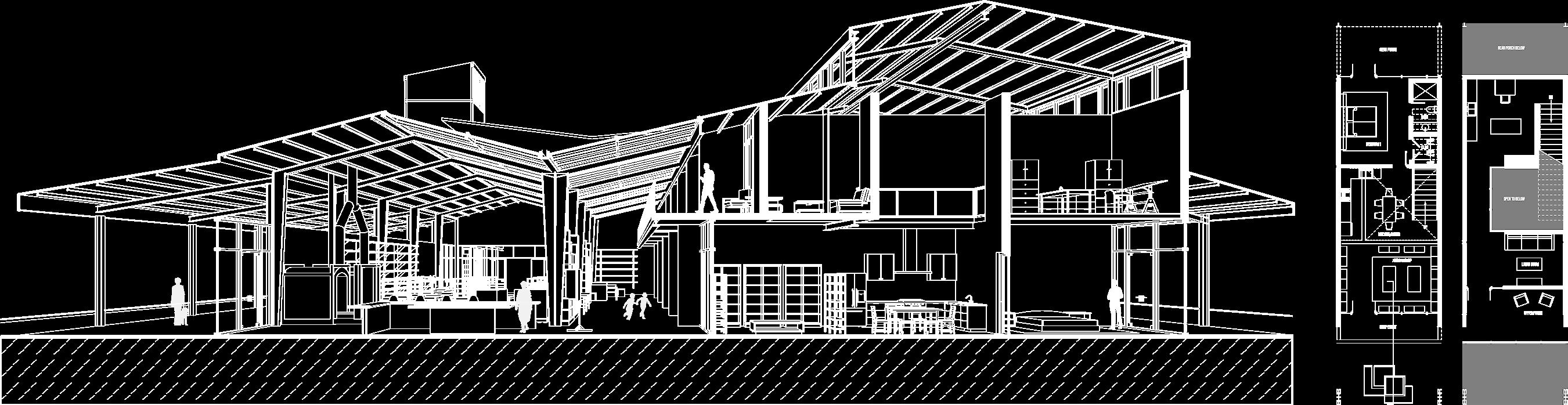
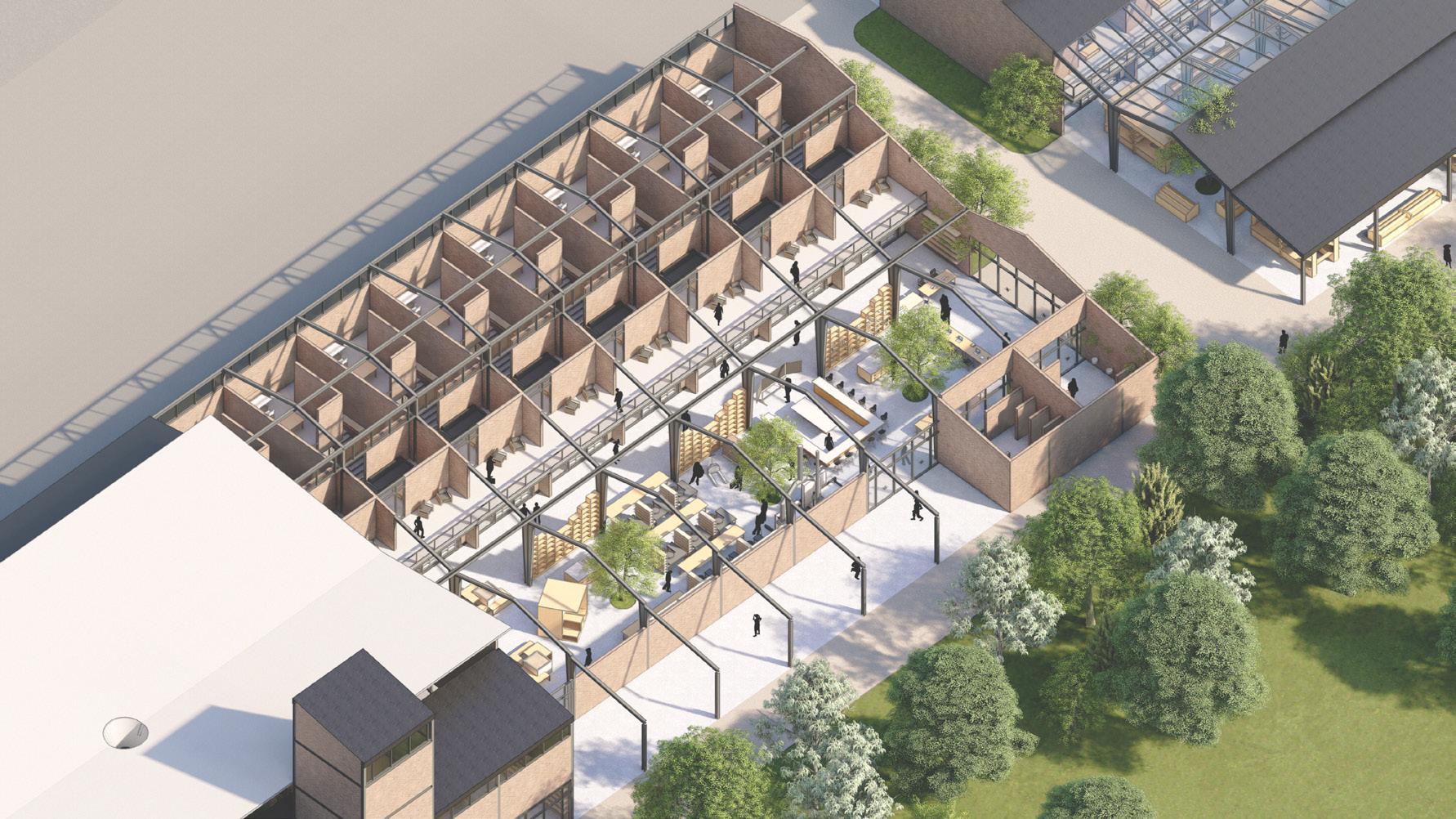
To encourage community involvement, the center will offer classes where residents and visitors can learn from local artists, ensuring that cultural traditions are passed down to future generations.
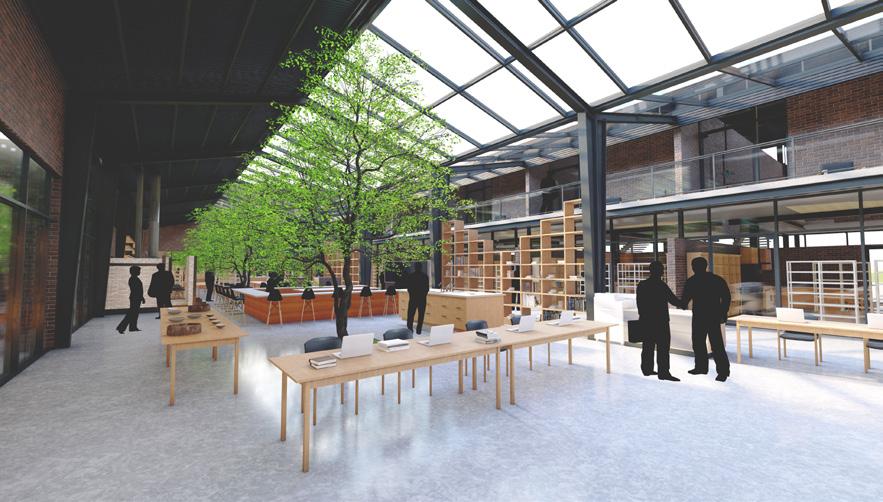
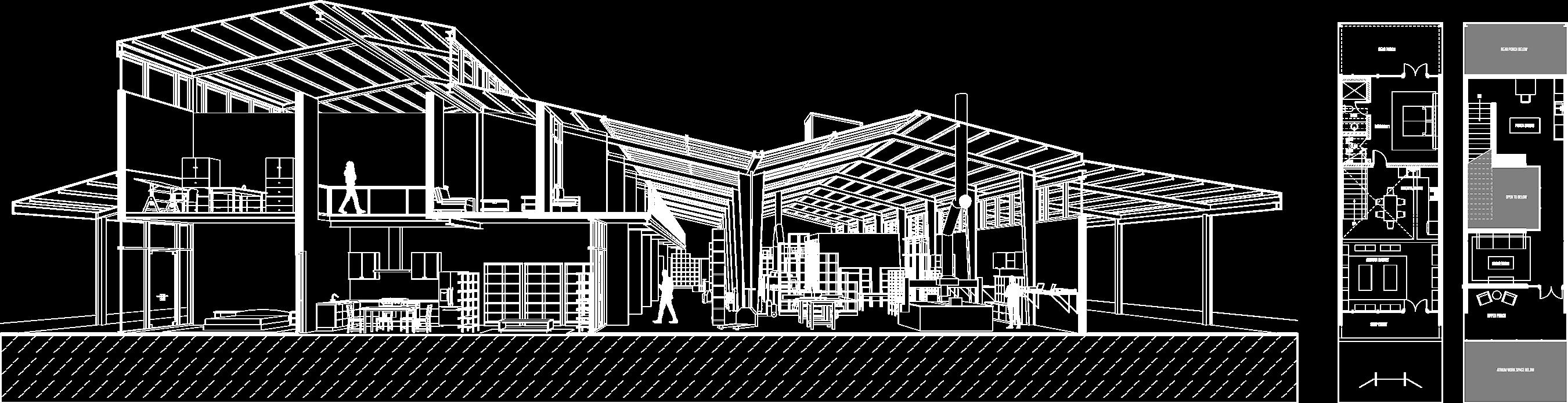
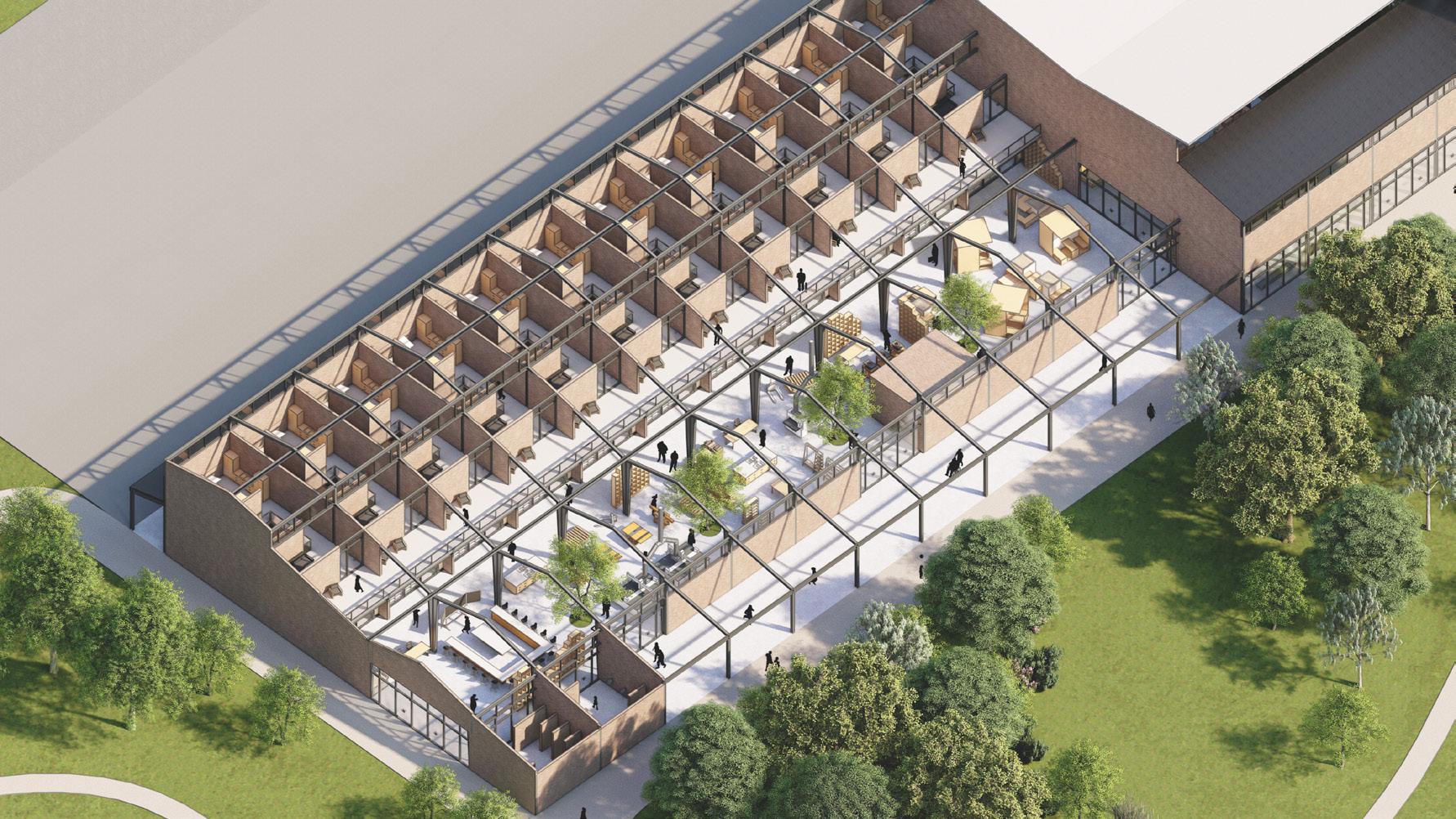
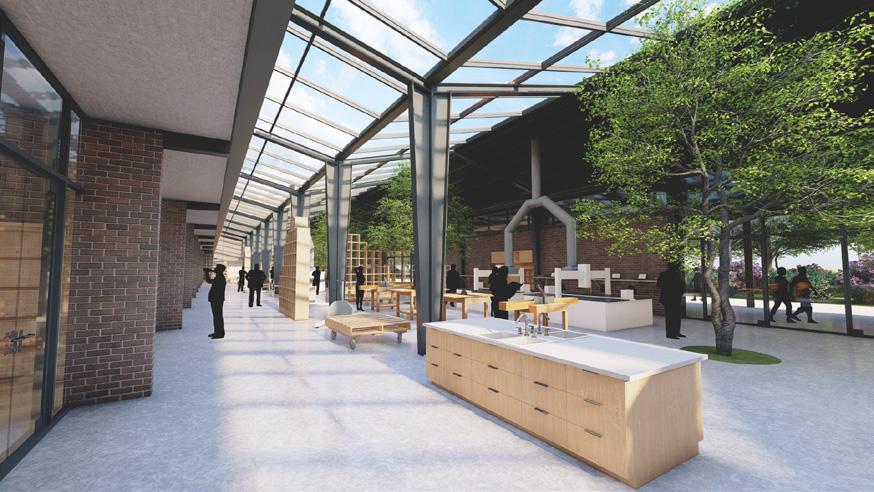
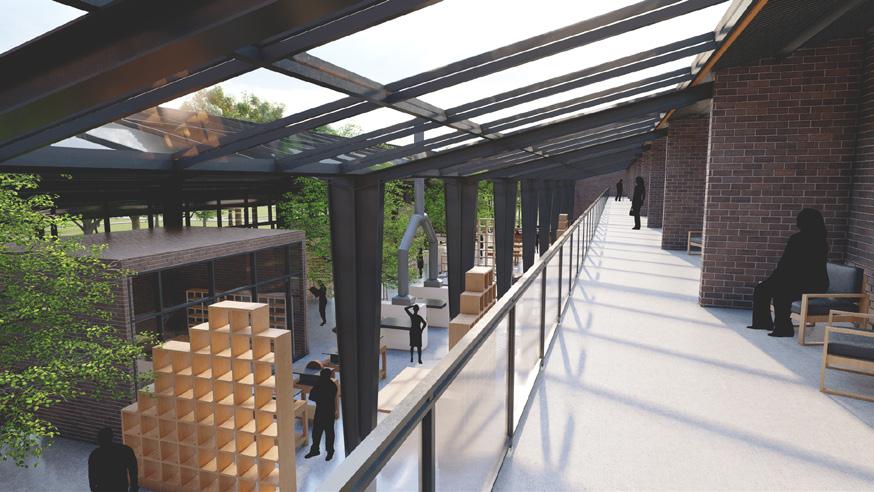
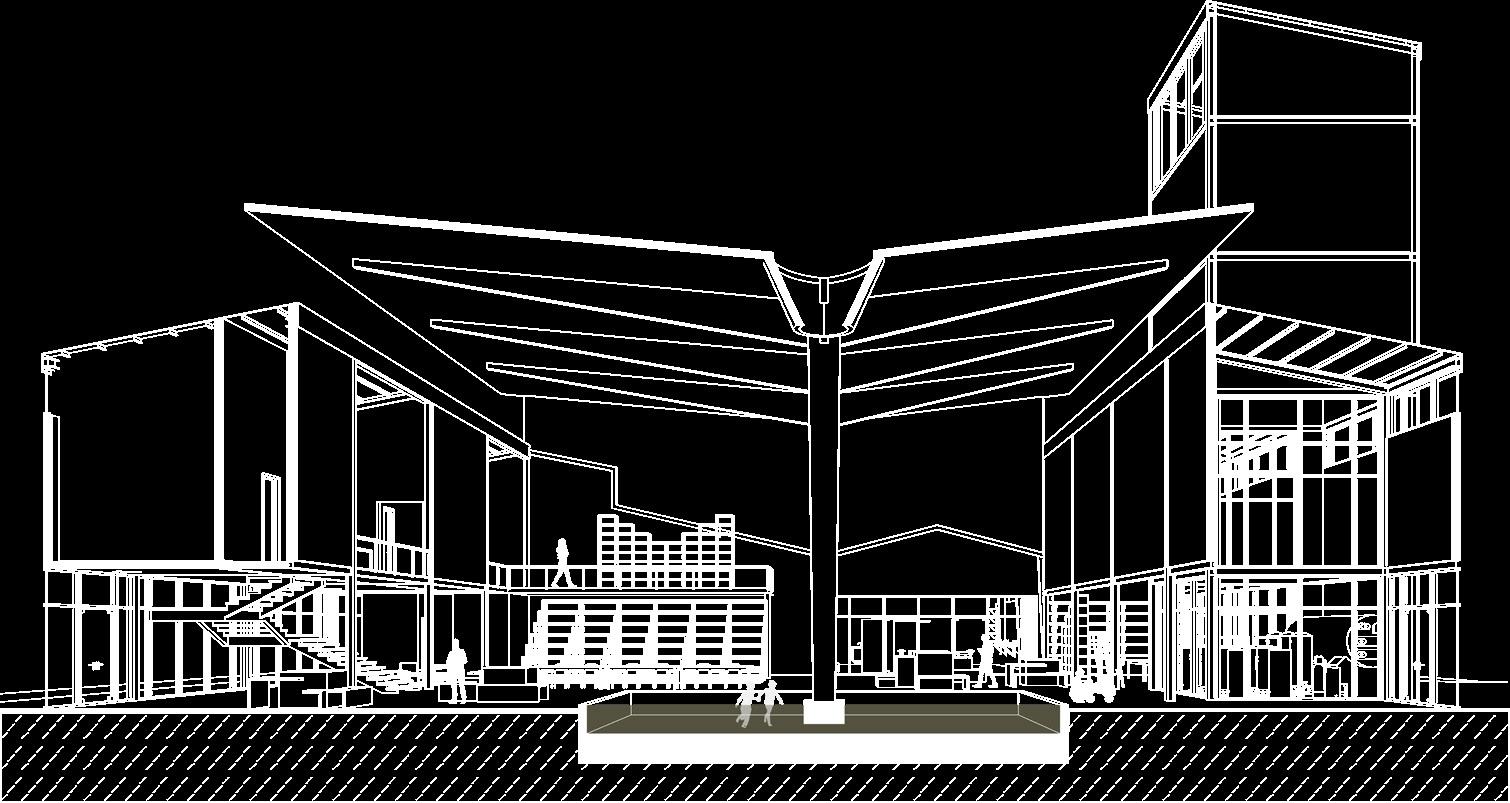
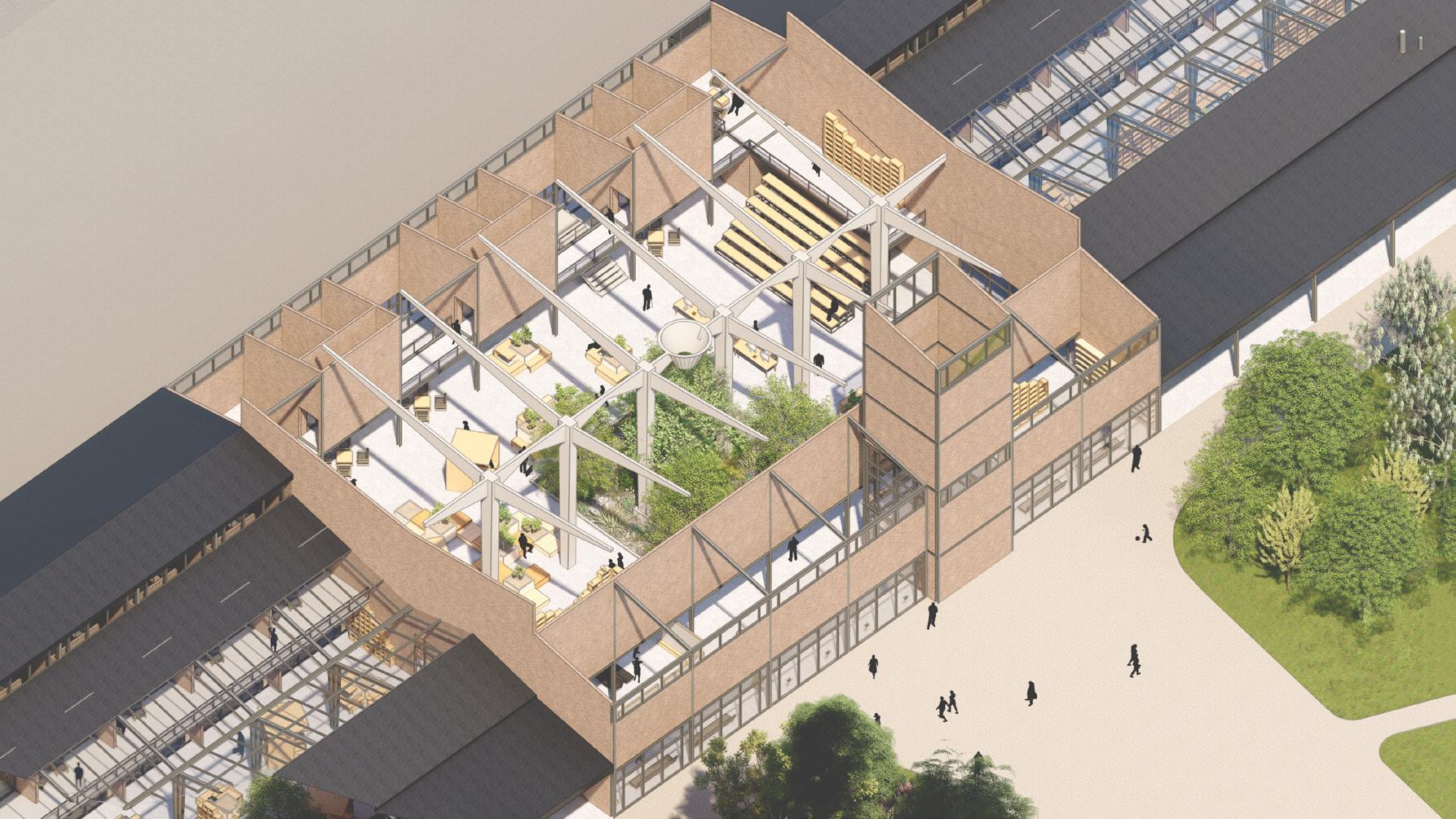
By providing facilities for creation, display, and education, the center aims to export the unique arts and crafts of East Tennessee to a broader audience. The Gallery and Central Entry space serves as a collection of all these activities.
library + lounge | spring 2024
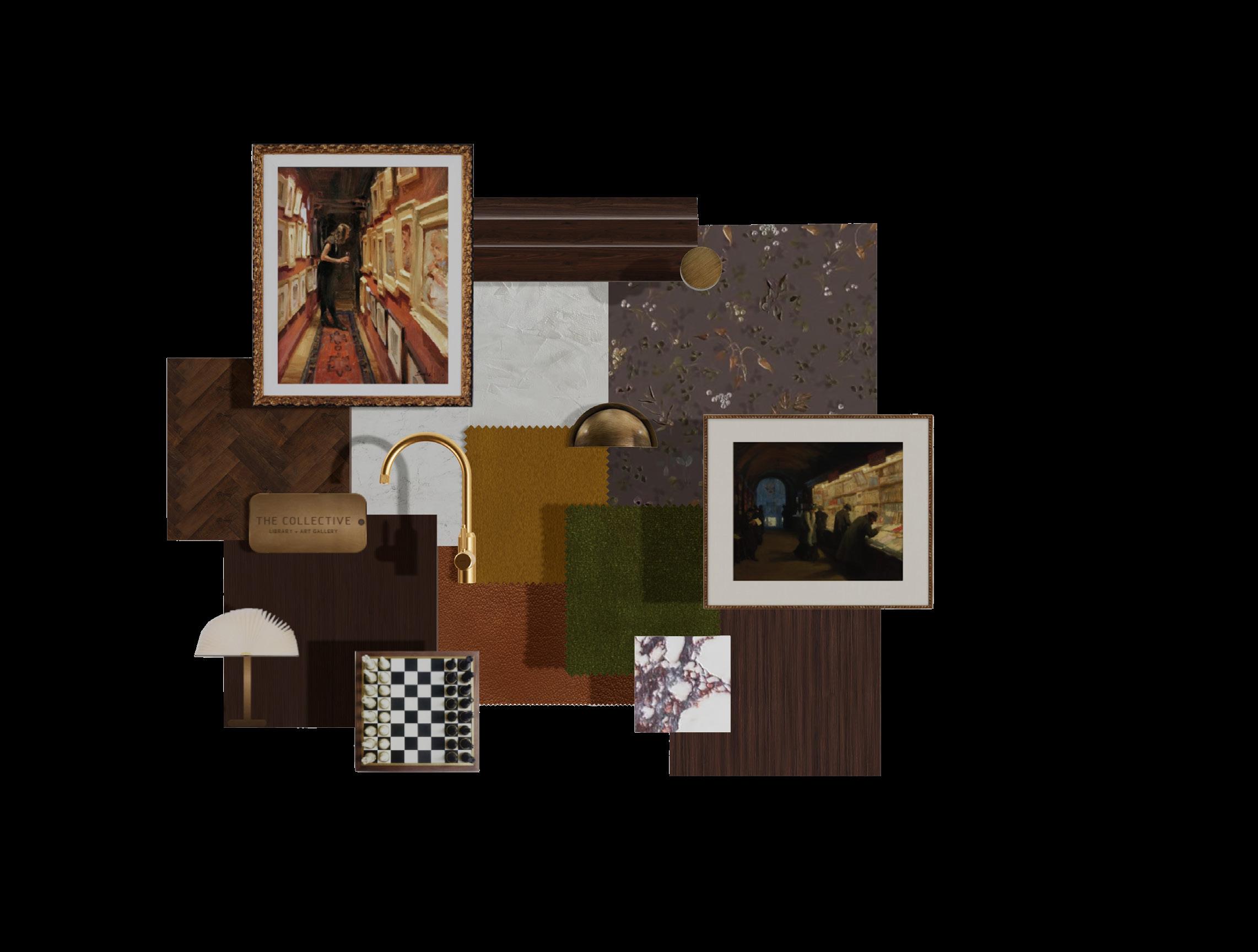
The Collective is a library and lounge space that features a coffee bar and an art gallery. Taking inspiration from the overall group project titled “Old City Underground,” which draws its narrative from the nostalgia of travel by train. Materials, forms, lighting, and paths of travel throughout the entire project emphasize the overall experience one has when traveling from one destination to another. The Collective aims to bring that a unifying concept of destination into the space by providing intentional moments of transition. By using rich, timeless materials and subtle lighting displays, The Collective embraces a darker and moody aesthetic reminiscent of the romance of train travel. The space is designed to transport visitors into a space of both nostalgia, intrigue and adventure.
The site location for this project is in the old Sanitary Laundry building in downtown Knoxville, TN. The upper floor, accessed from the street will be the home of a local architecture firm and other offices, while the second floor accessed from the back will be the entrance of Old City Underground. Various elements of this building such as arches and millwork details resemble the overall concept of travel by train and the timelessness of an old structure which once served a completely different purpose.
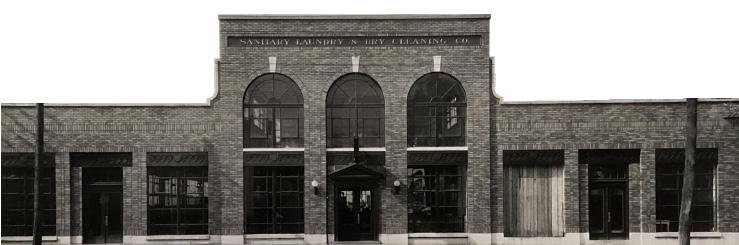
KNOXVILLE, TENNESSEE
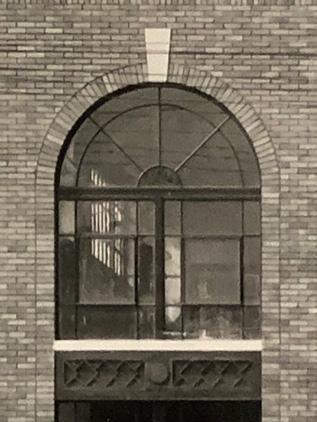
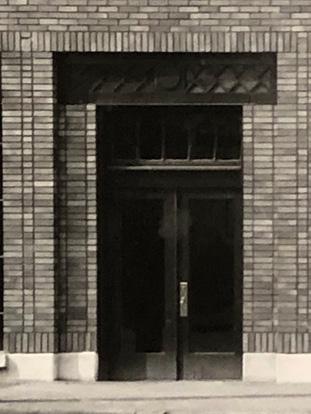

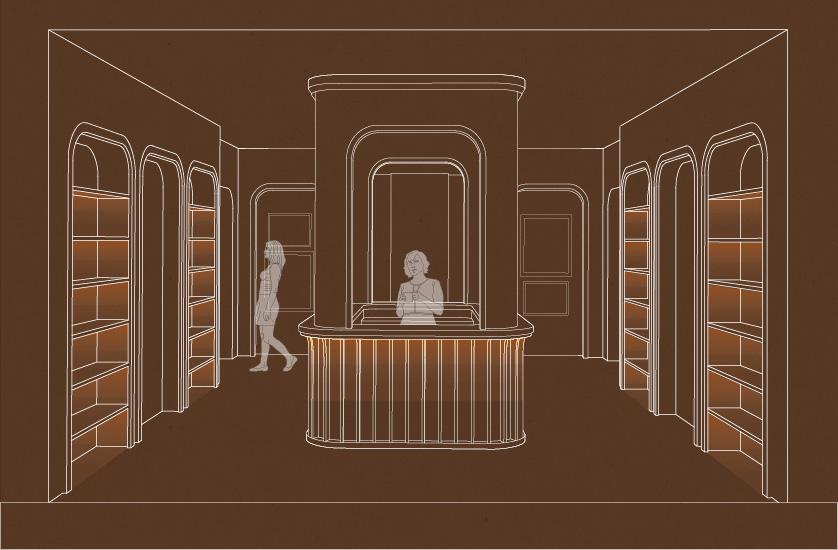
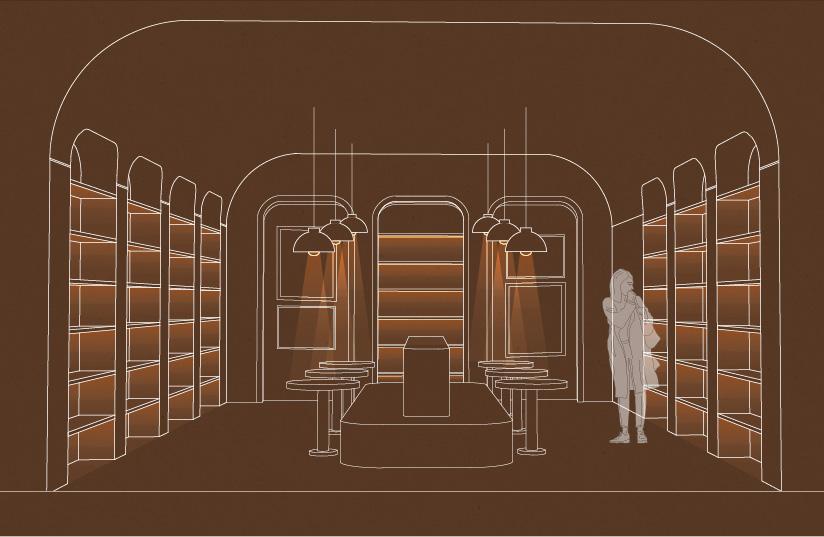
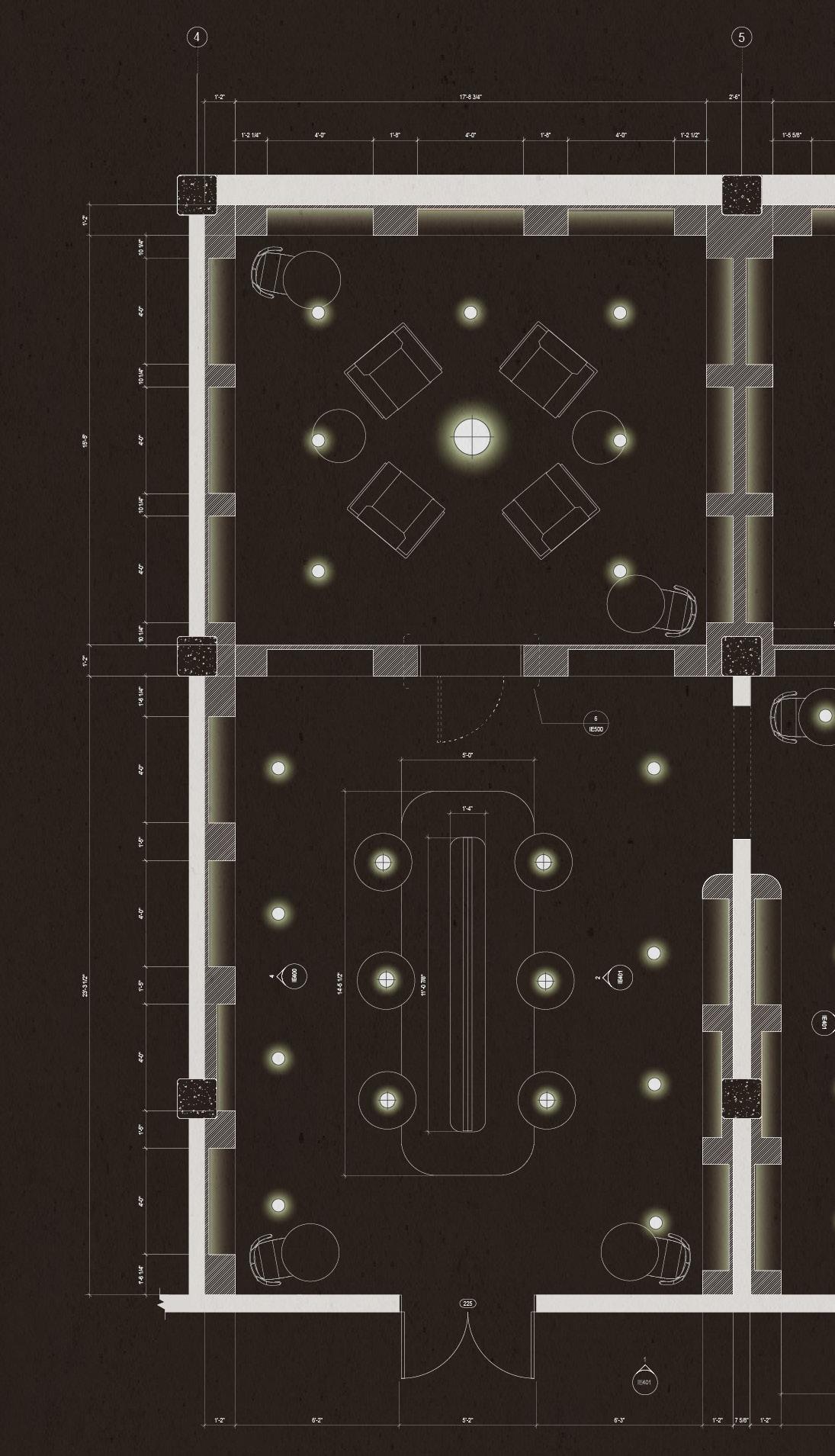
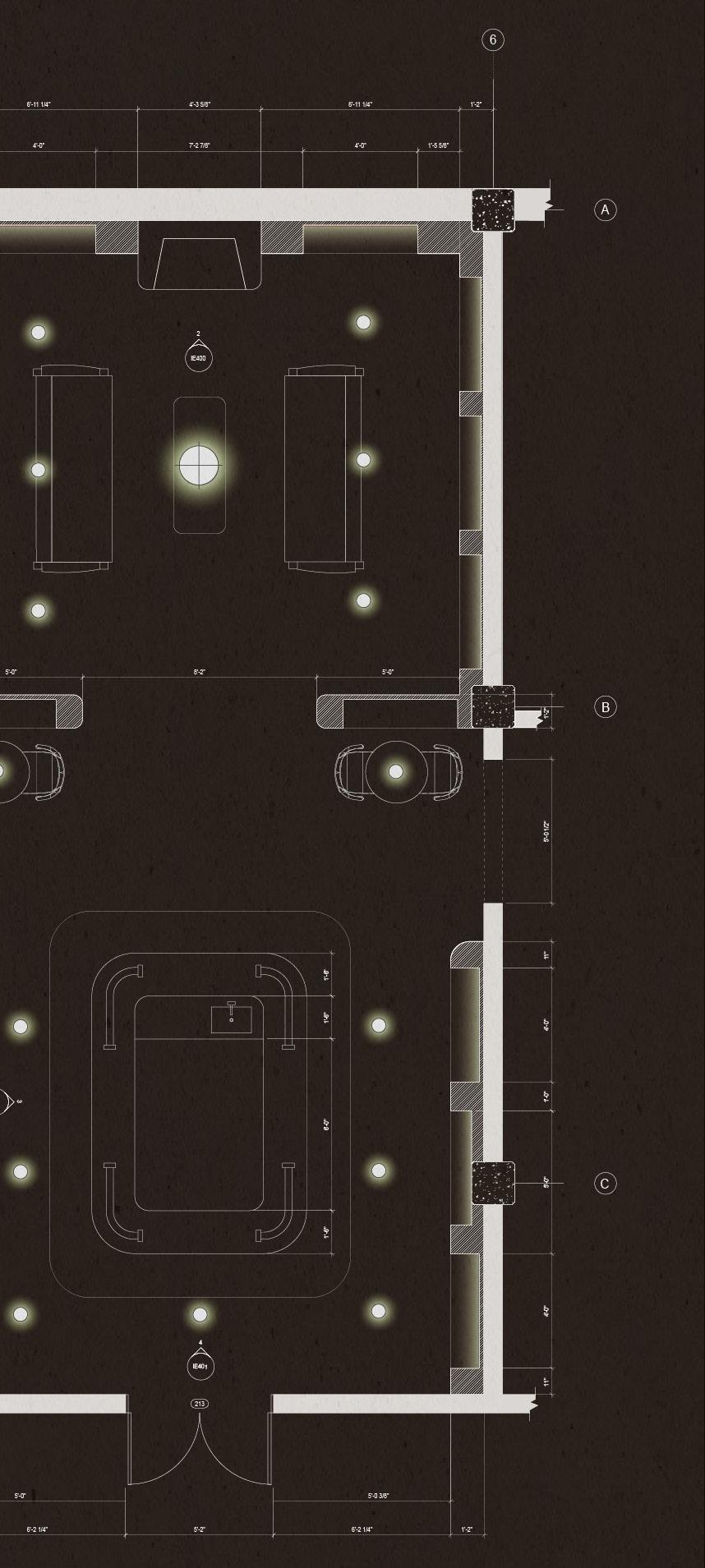
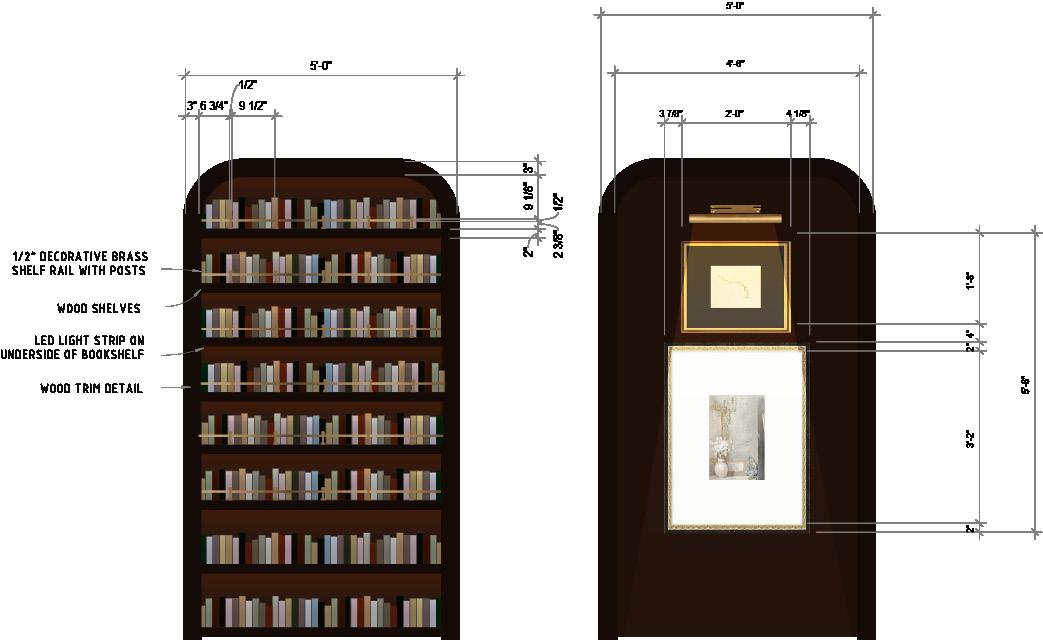
The rounded corner detail on the bookshelves draws it’s inspiration from similar arches found in millwork in trains. The library is curated with a diverse selection of literature, creating a haven for book enthusiasts to immerse themselves in a new destination. Adjacent to the library, the lounge offers a relaxed ambiance with comfortable sofas facing each other centered around small bistro tables, perfect for casual meetings or a quick read.
Following the original concept of destination and intentional transition moments, a hidden door is built into one of the bookshelves. One might travel from the workspace into the quiet, dark, and intimate reading room. This is meant to display an innovative expression of a new discovery. The door follows the same form as the bookshelves within the entire space to create unity as well as something unexpected amongst a highly organized spatial arrangement.
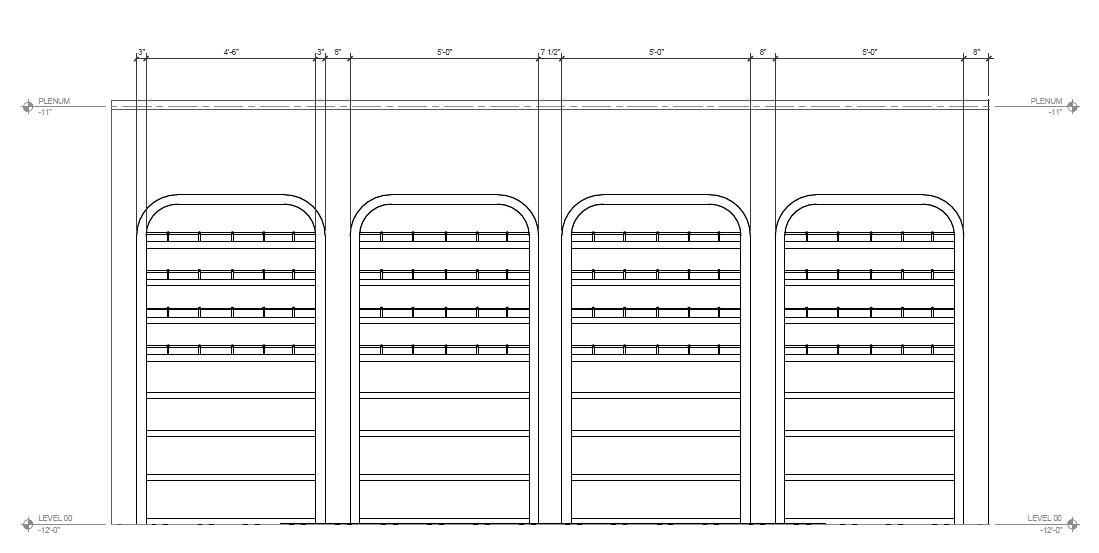
BOOKSHELVES ELEVATION




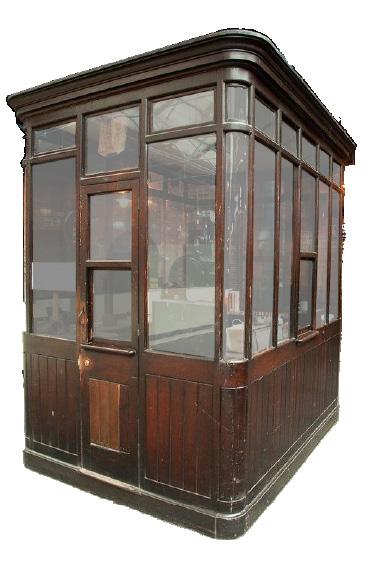
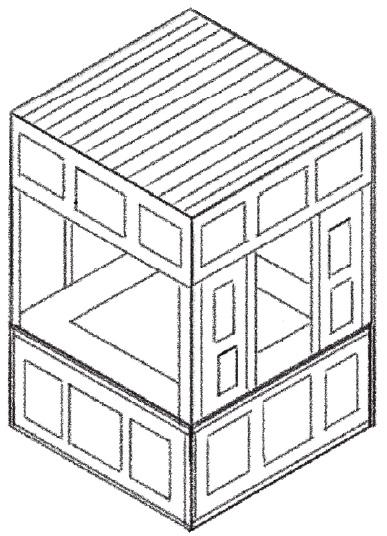
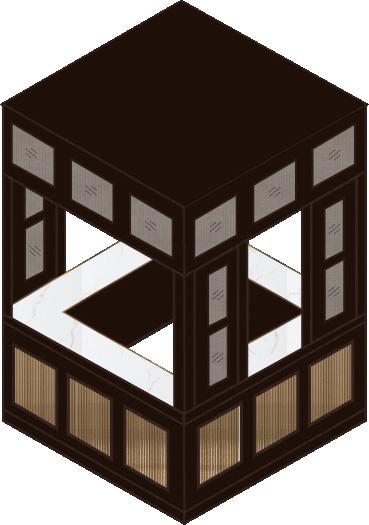
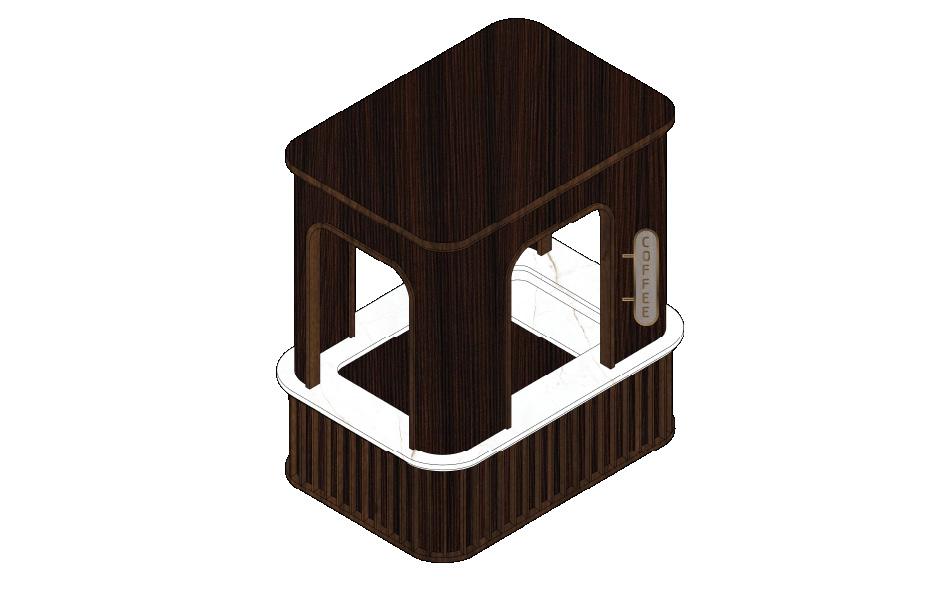
The Coffee and Conversation Bar is meant to encourage social interaction and creative exchange. This structure is inspired from ticket booths which served as a central moment in train stations for people from various places to seek direction and information about their arrival destination. It is meant to cultivate community over coffee and converations about the activites at The Collective as well as various destinations in Knoxville.
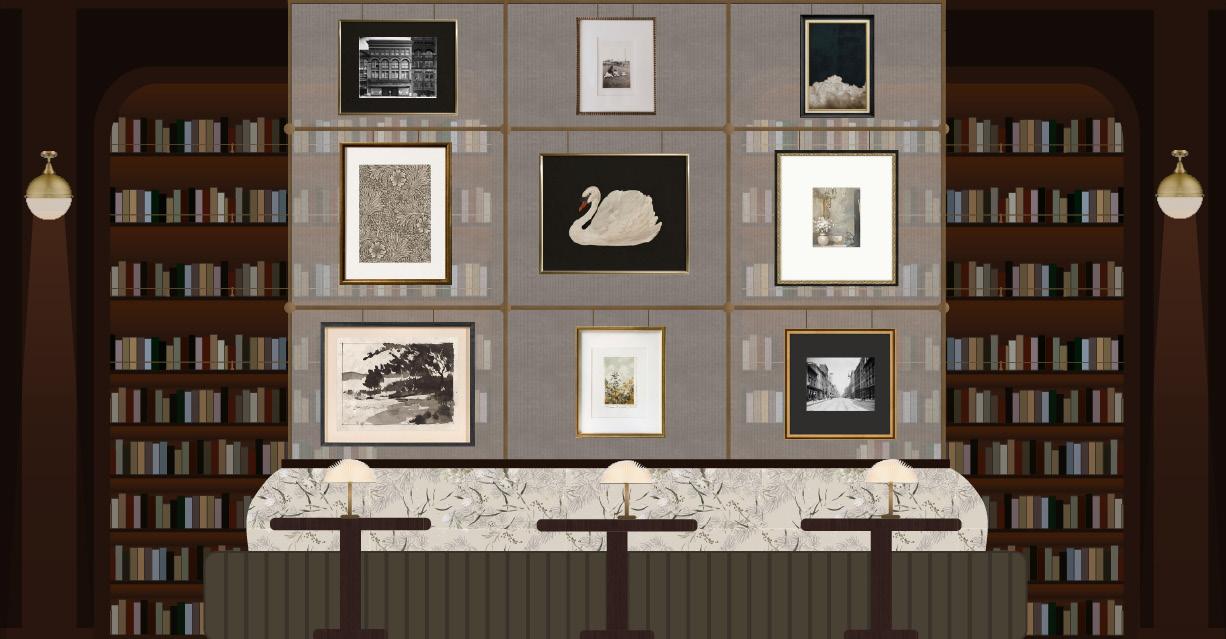
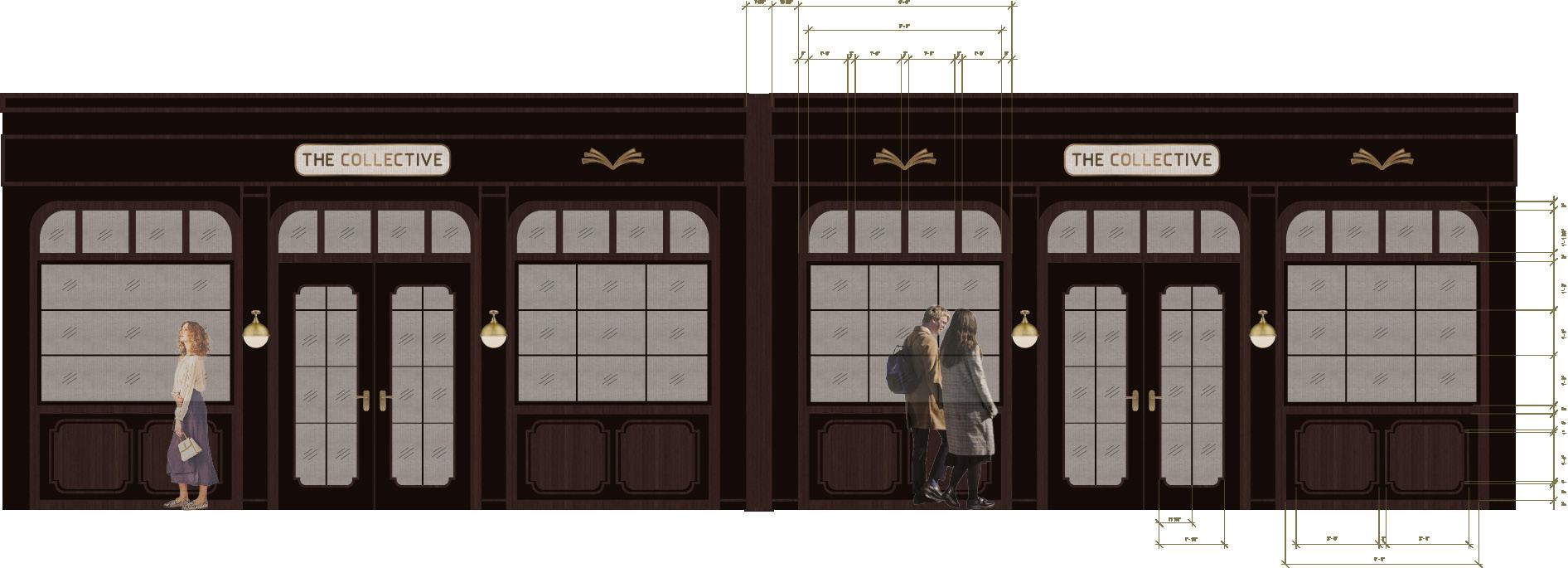
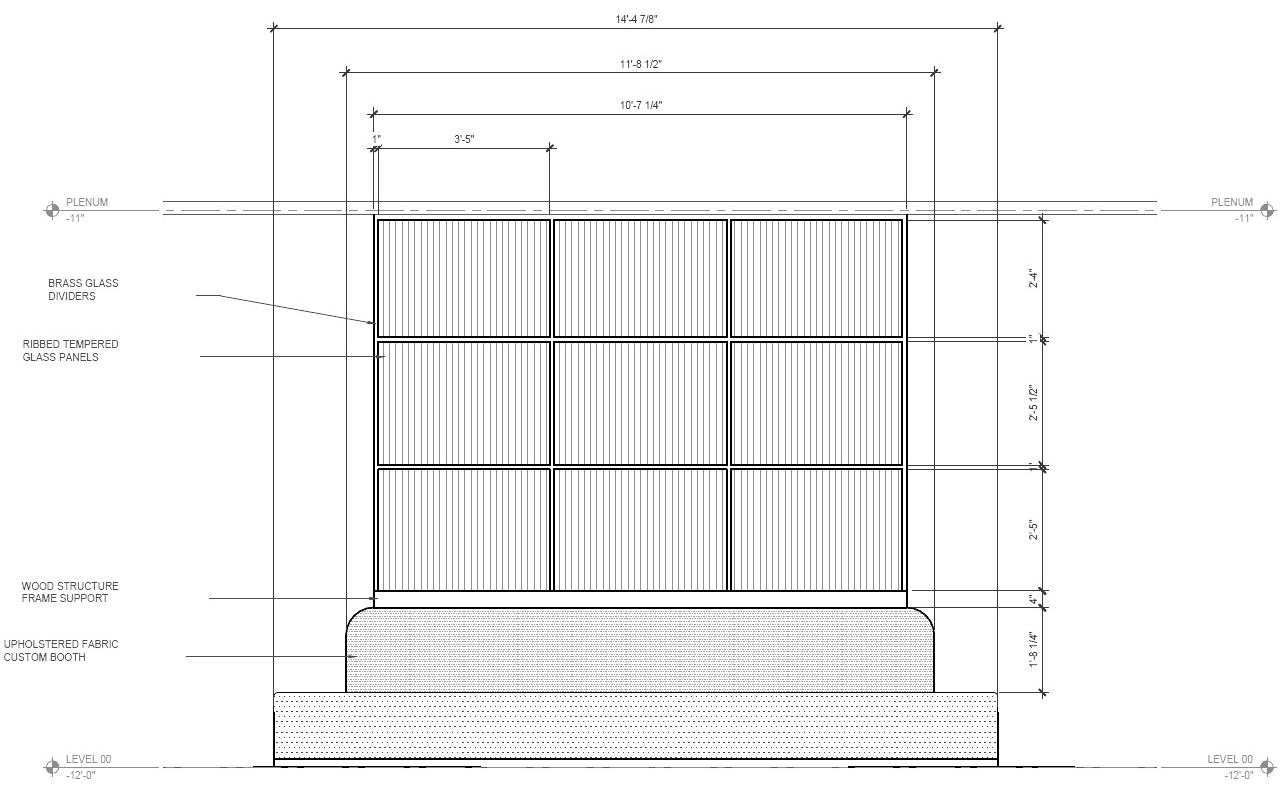
It serves as a hub for social interaction, where travelers and locals alike can gather to exchange stories and ideas in an ambiance that fosters community and creativity.
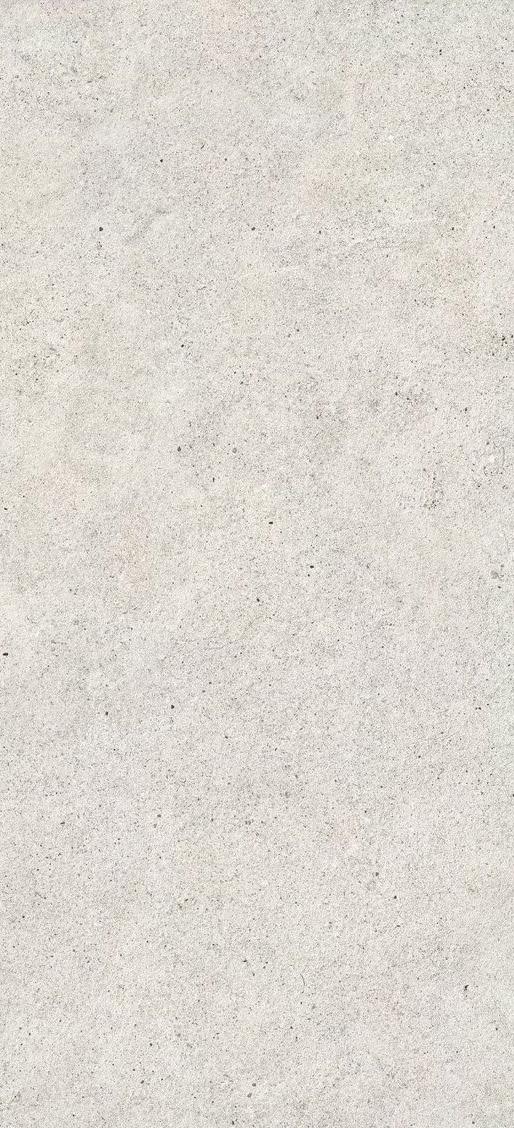
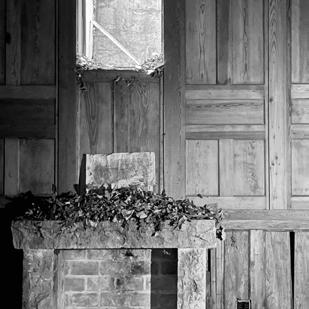
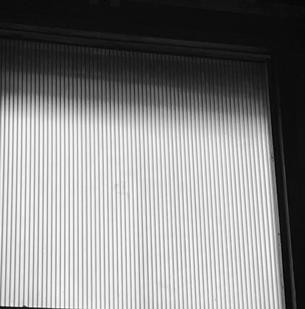
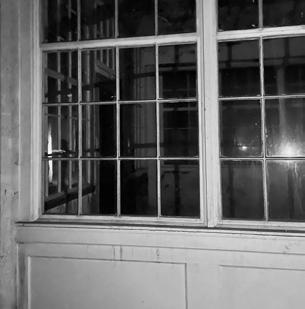
Architectural features such as wood molding, ribbed glass windows and detailed partitions walls were inspired from existing features in the existing structure.
Professor Ashley Coon
women’s center | fall 2023
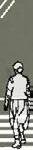
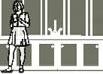
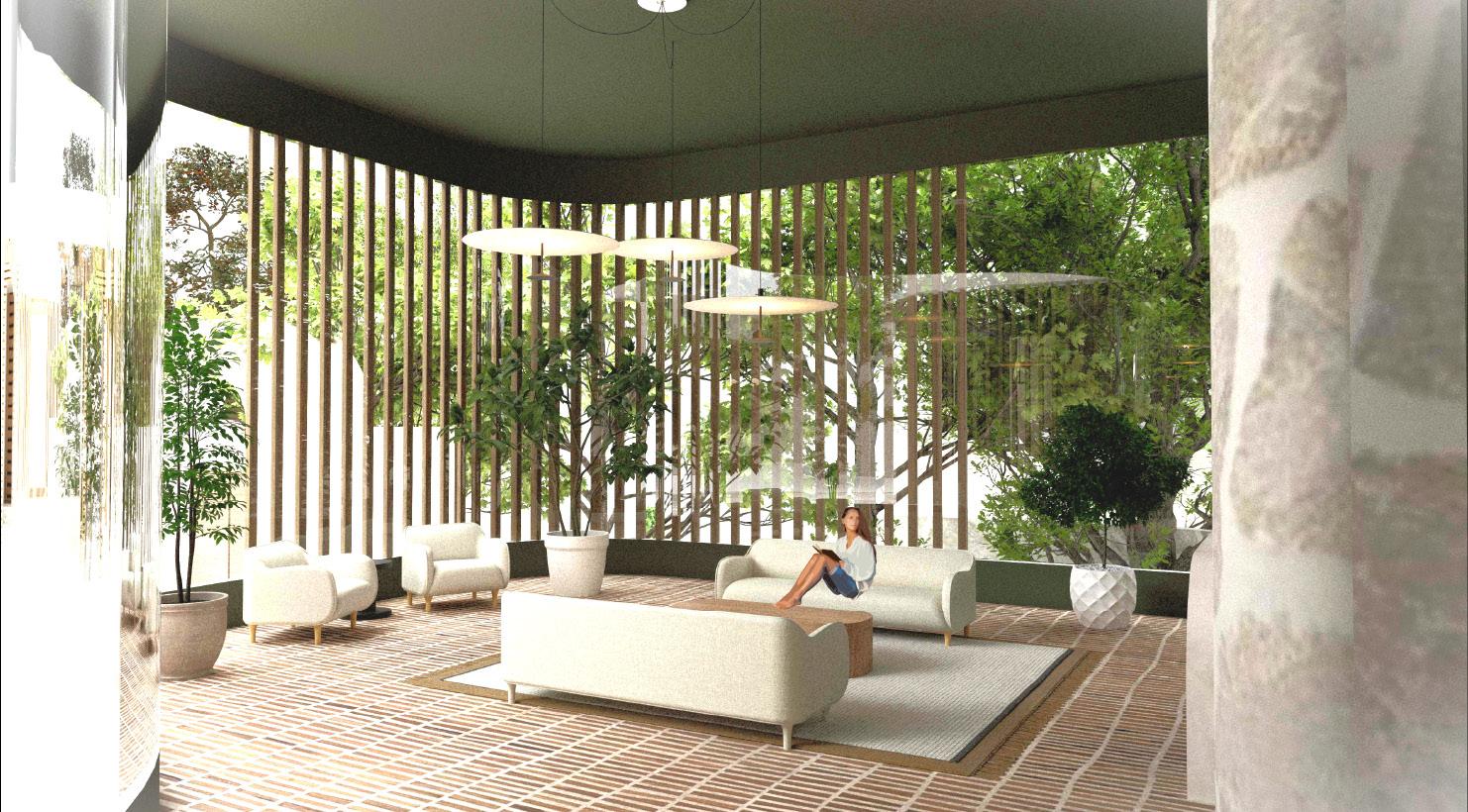
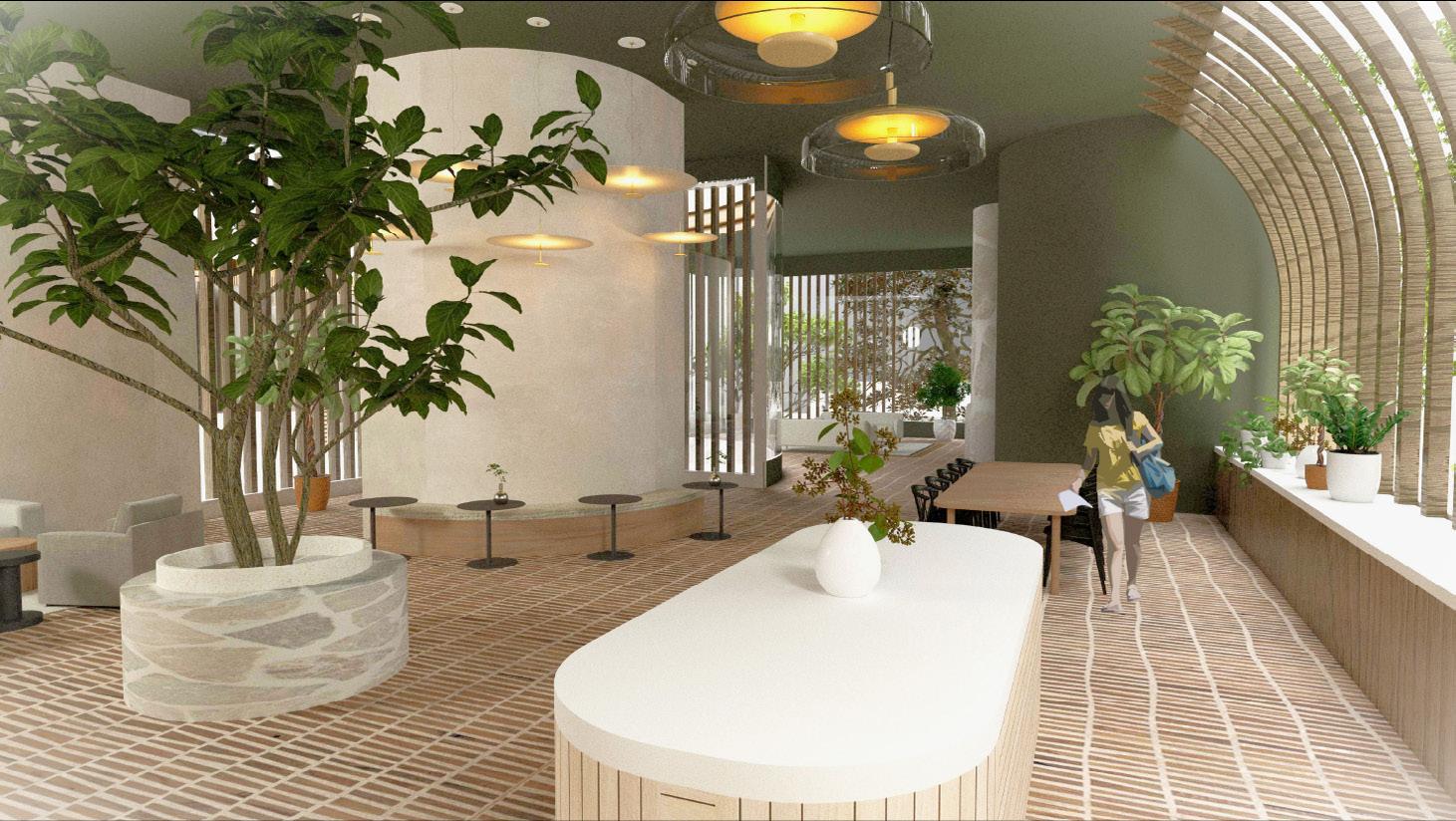
A Graceful Stride Women’s Center is a sanctuary designed for women in difficult situations which serves as a place of refuge and safety. The center provides opportunities to be counseled and begin taking small steps in a new direction. The center embraces personal identity and beauty found in an imperfect process of healing. This concept begins to unfold into the design, from the inclusion of a ceramic studio to specific material choices. It was designed to be a comfortable, calming and place of refuge for the women, but was not intended for permanent living situations. Overtime, these graceful and slow strides become a beacon of strength and hope for the women.
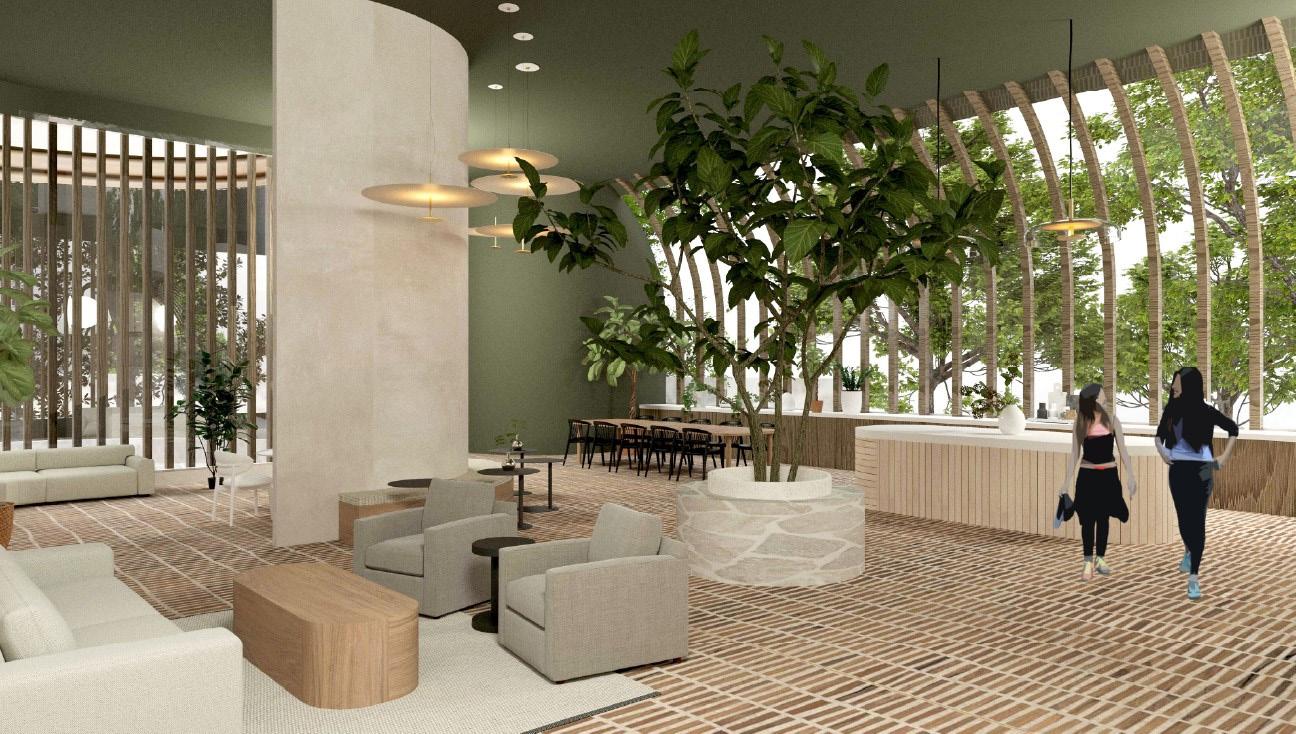

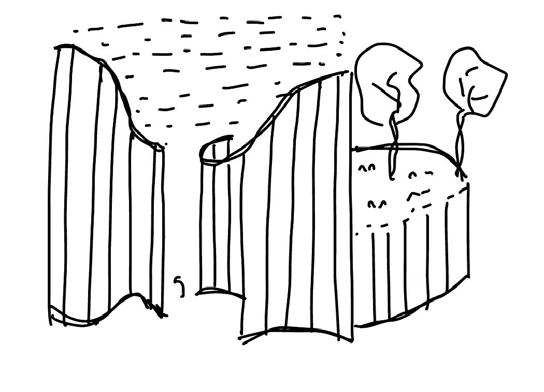
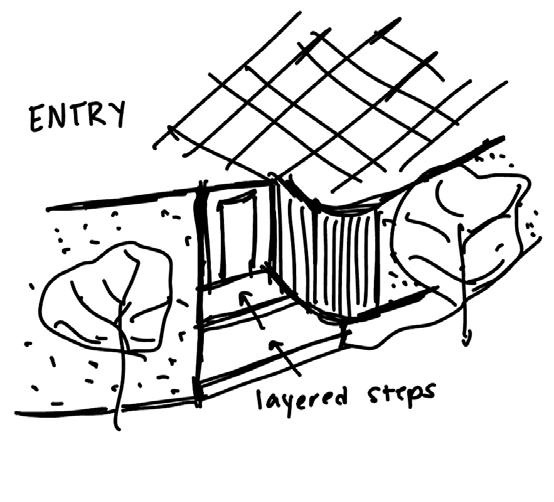
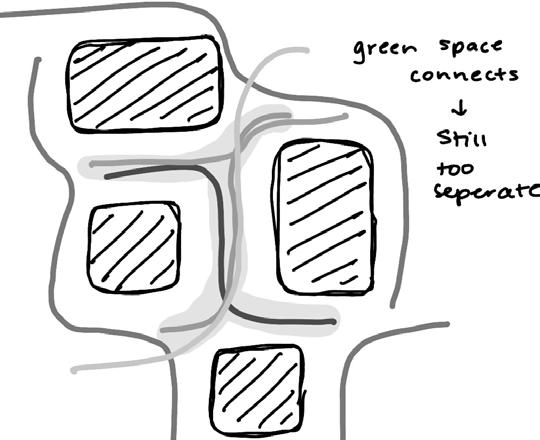
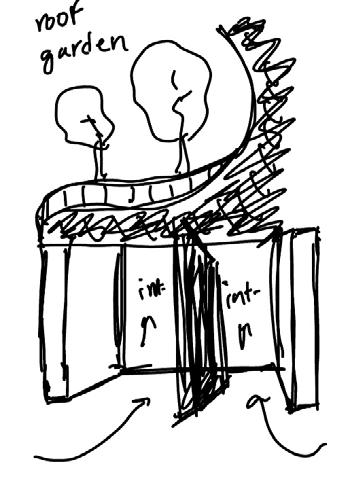
This studio explored how the use of various artificial intelligence tools could be used in the architecture and design process. Programs such as Midjourney, Prome AI and other various resources were used in early stages of the design process to explore ways of arranging spaces and representing a specific idea. Simple sketches were plugged into the programs to create an outcome which was covered in materials or had certain lighting conditions. In other cases, AI created an image based on a detailed sentence or two. AI was as helpful as it could be, but was also proven to have many faults.
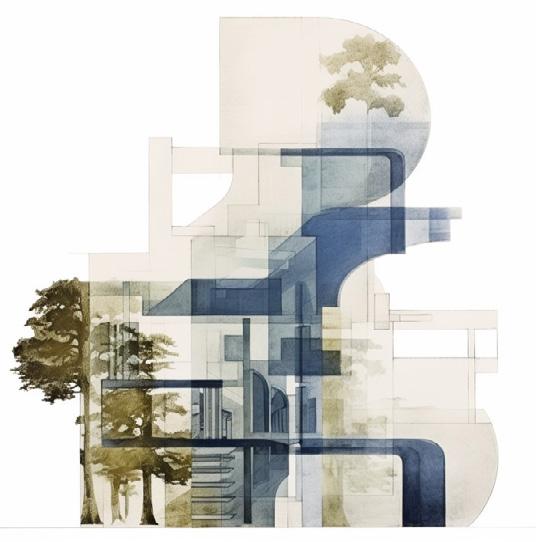
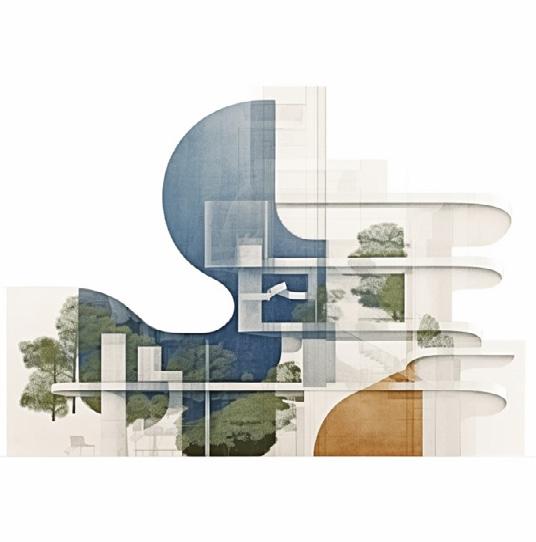
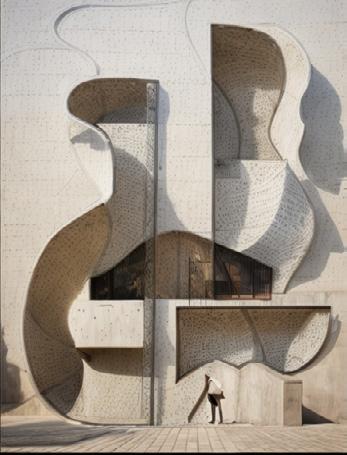
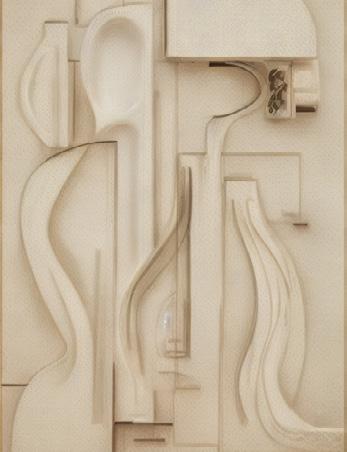

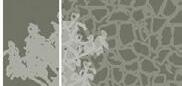
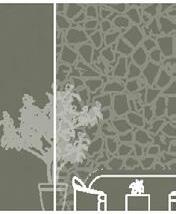
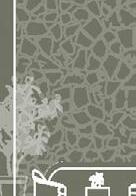
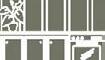
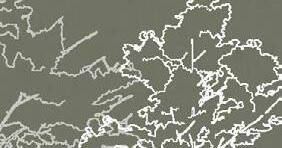
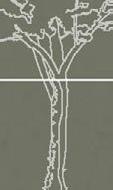
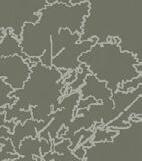
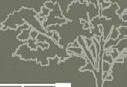
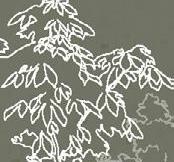
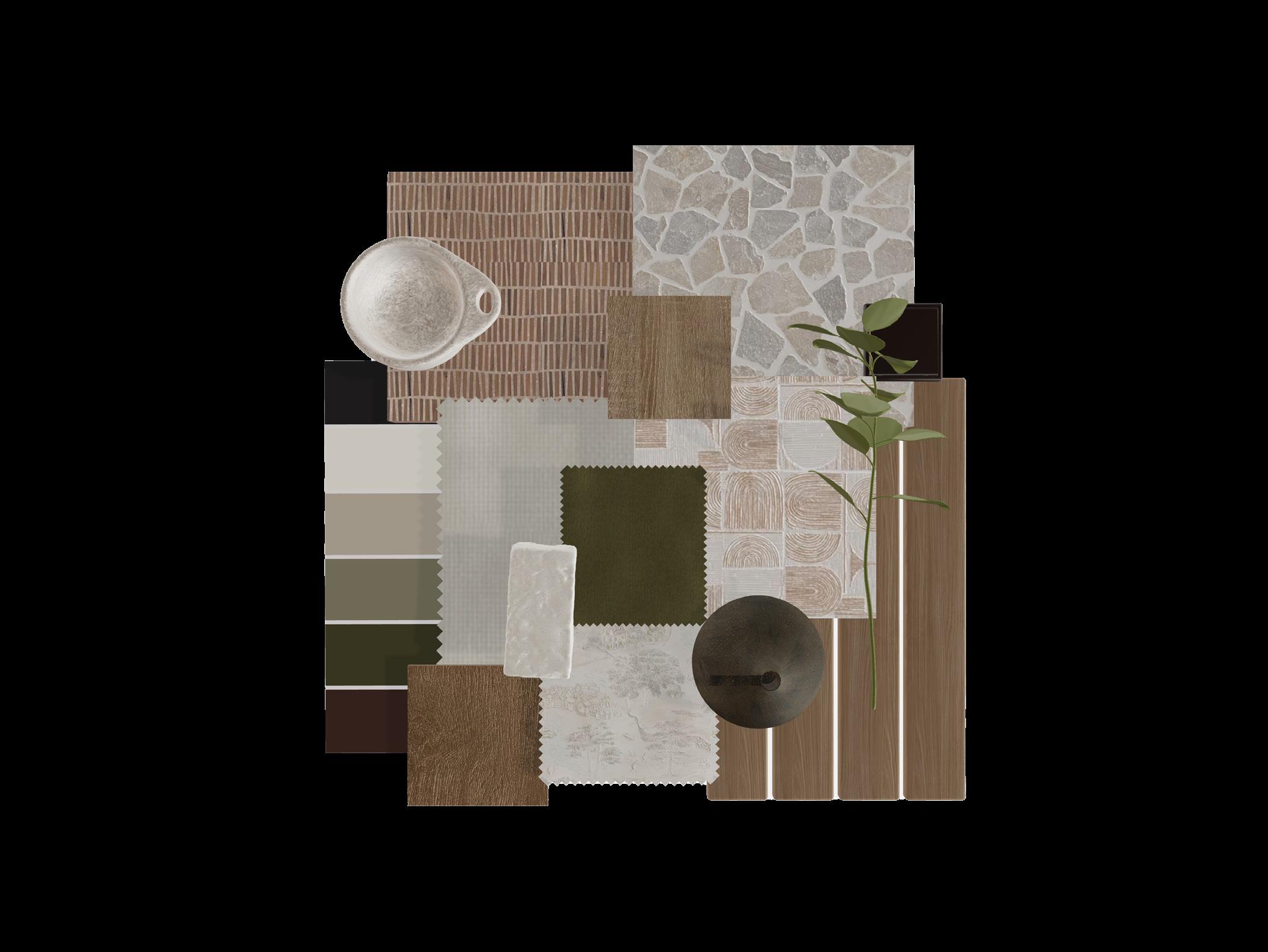
Various art forms were studied and explored as a way of arranging specific elements in order to create a feminine yet calming and soft interior experience. The architectural and interior design of the ceramic studio was inspired by pieces of art that presented variations in color, layers and shadow.
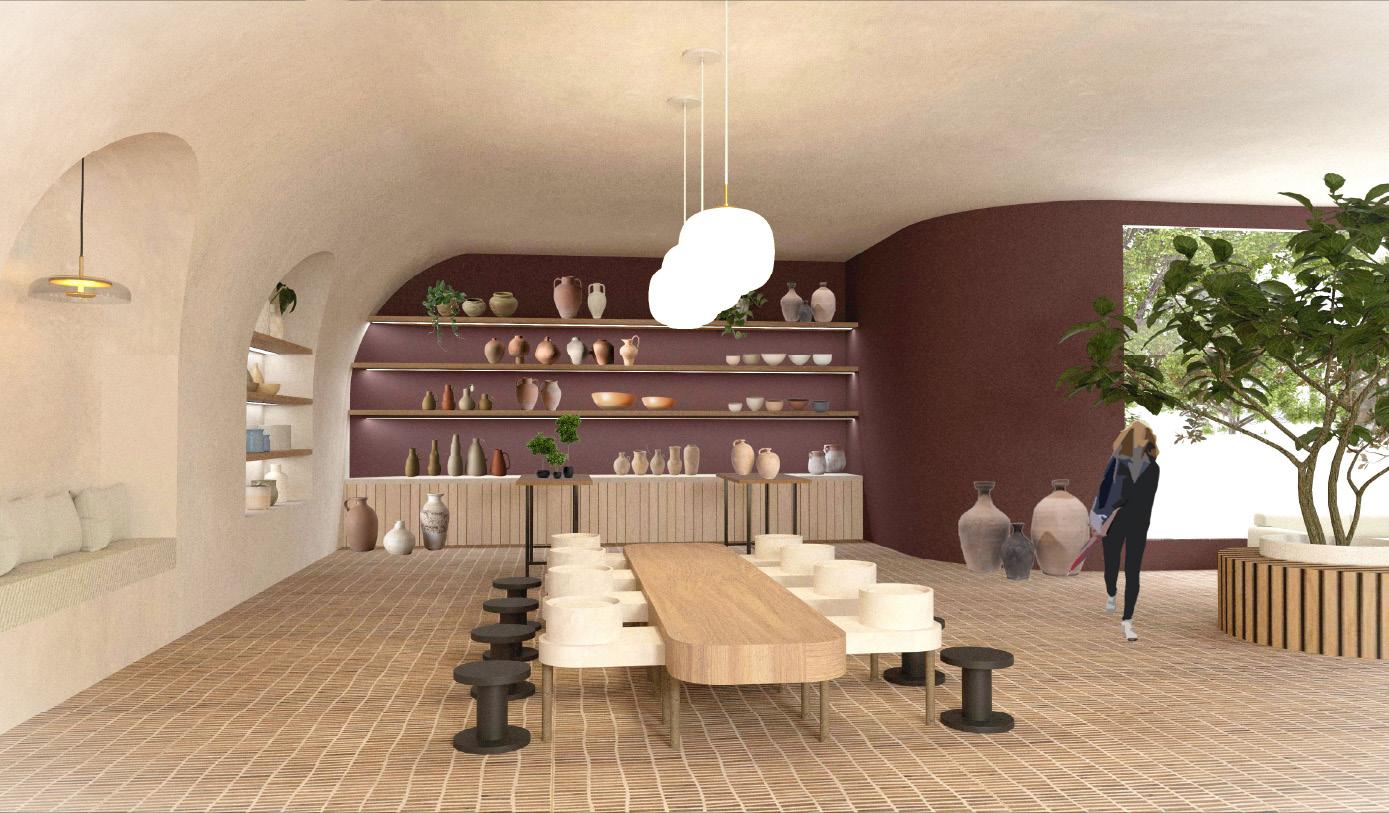

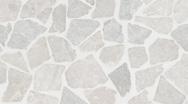
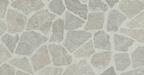
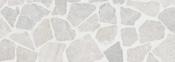
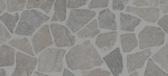
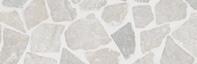
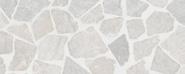
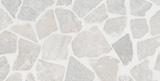
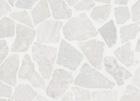
Materials such as various stones, woods, and plaster were chosen to create an inviting experience that does not expect perfection and celebrates the differences. Just as healing and growth are imperfect yet there is still beauty along the way, and how the making of pottery exposes imperfections in the form and clay, the materials which are used in the space are both natural and imperfect. Green was the primary color used because of it’s calming and soothing nature.



































































































































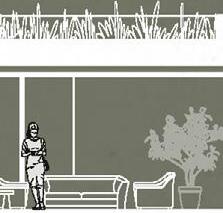


































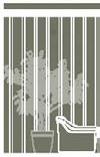
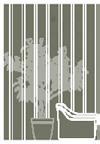
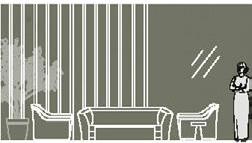











































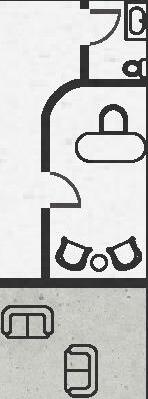
SCALE 1/6"=1'-0"













SCALE 1/6"=1'-0"

ROOM



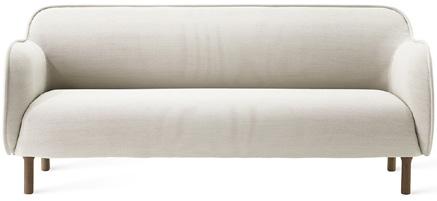
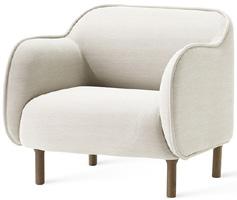
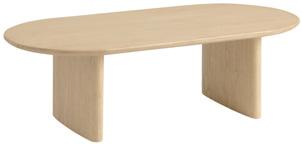
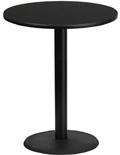



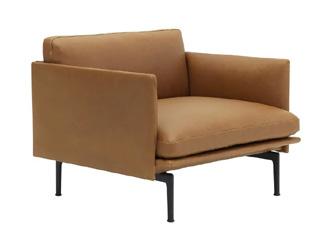
ROOM FURNITURE





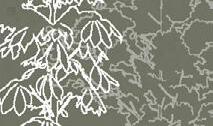


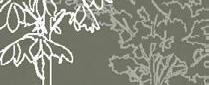














1/6"=1'-0"
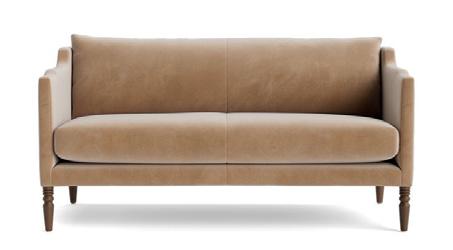
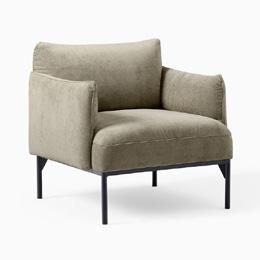


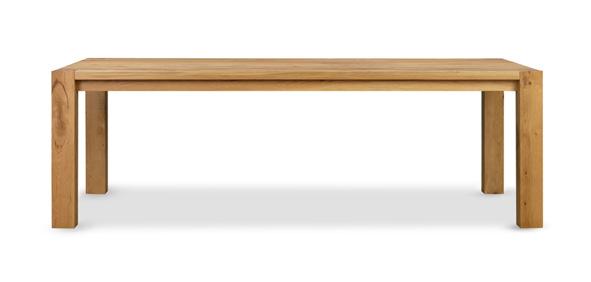




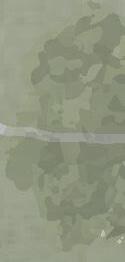


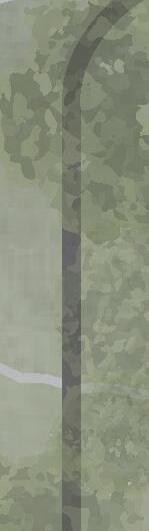


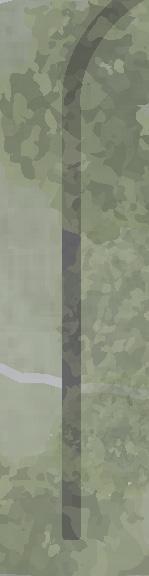





















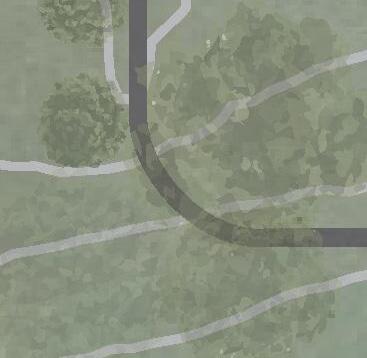






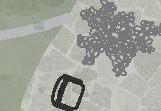
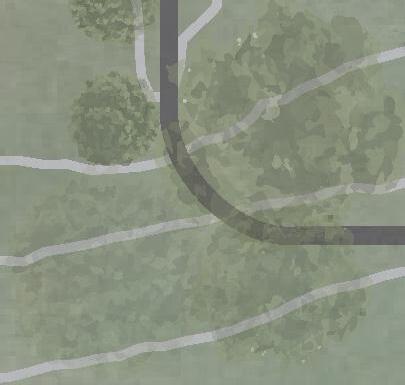
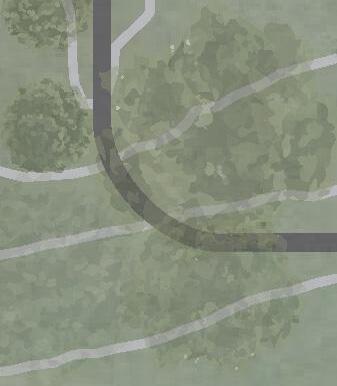
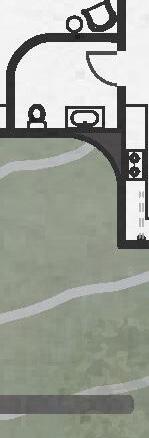


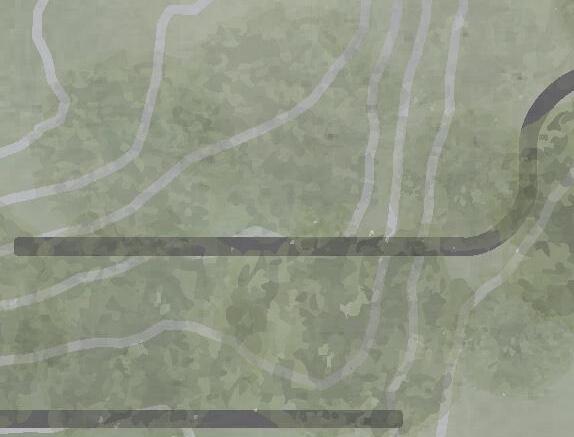











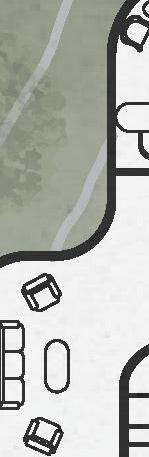



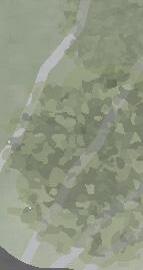
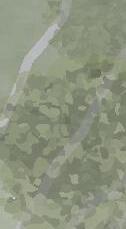













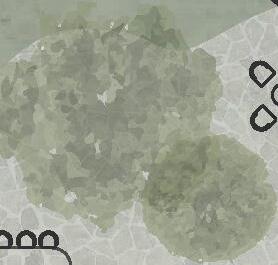
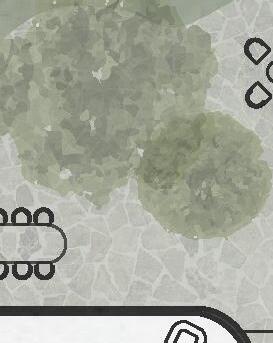

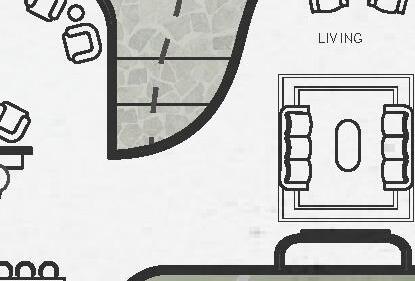































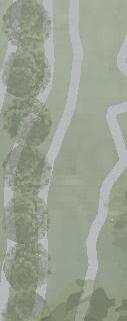







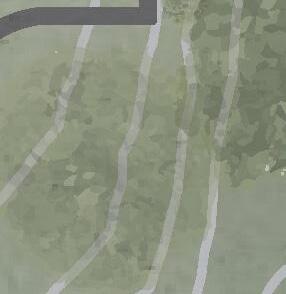
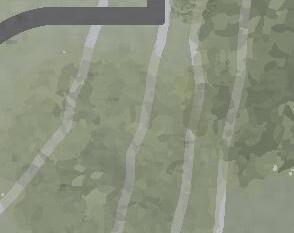




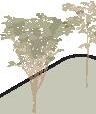
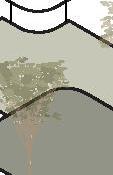
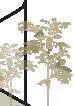


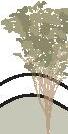
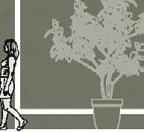
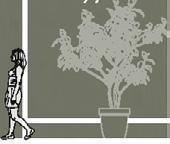
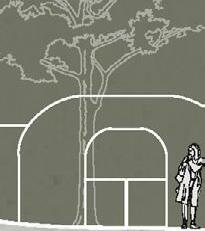
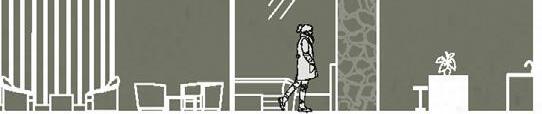
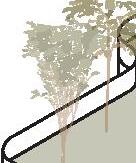
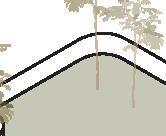
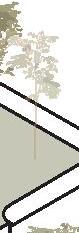
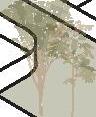
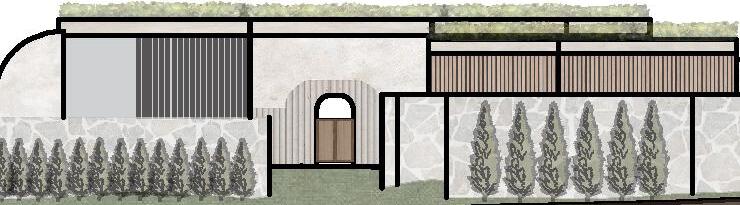
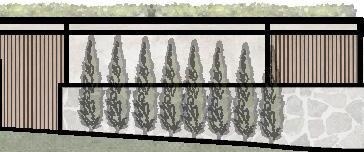
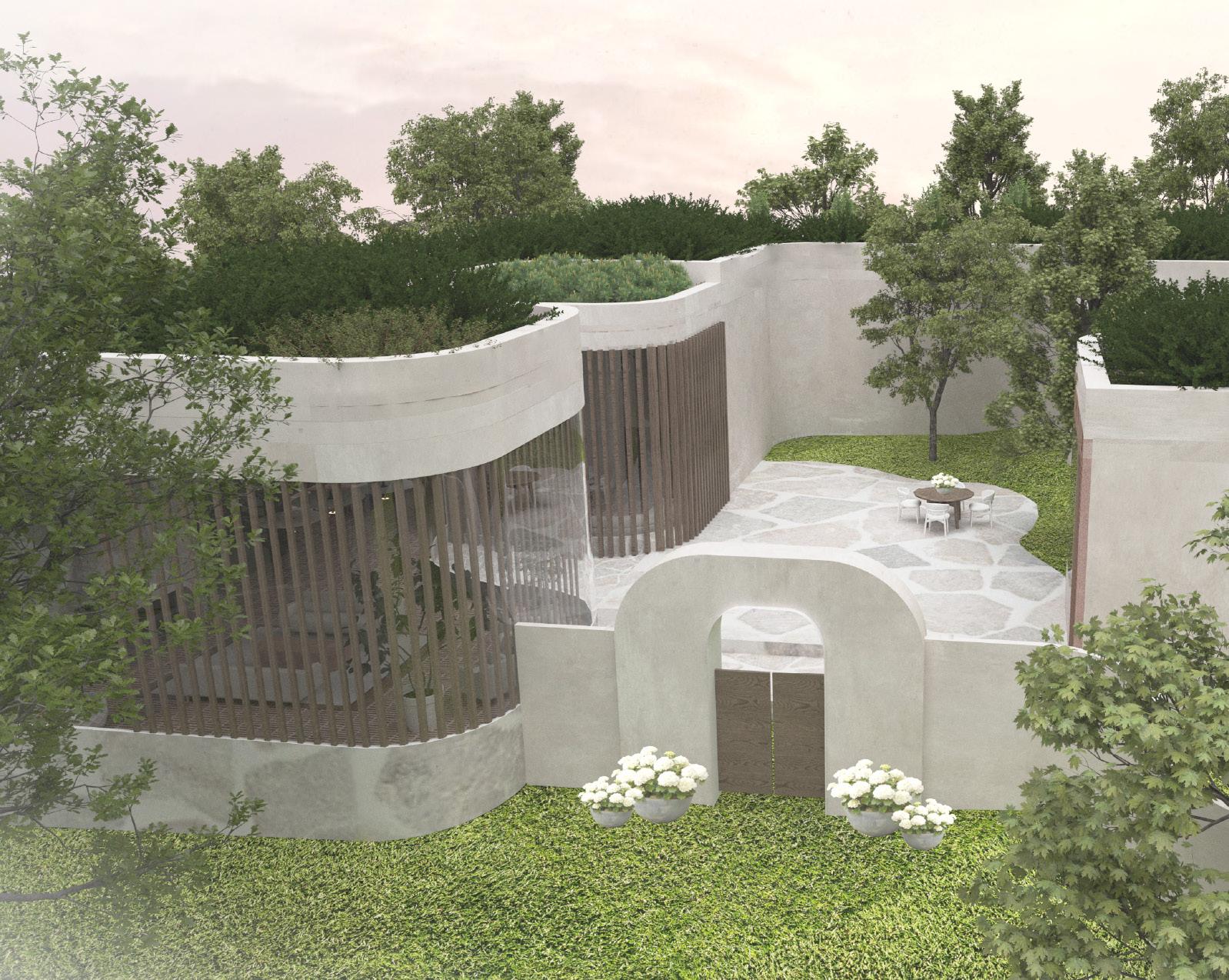
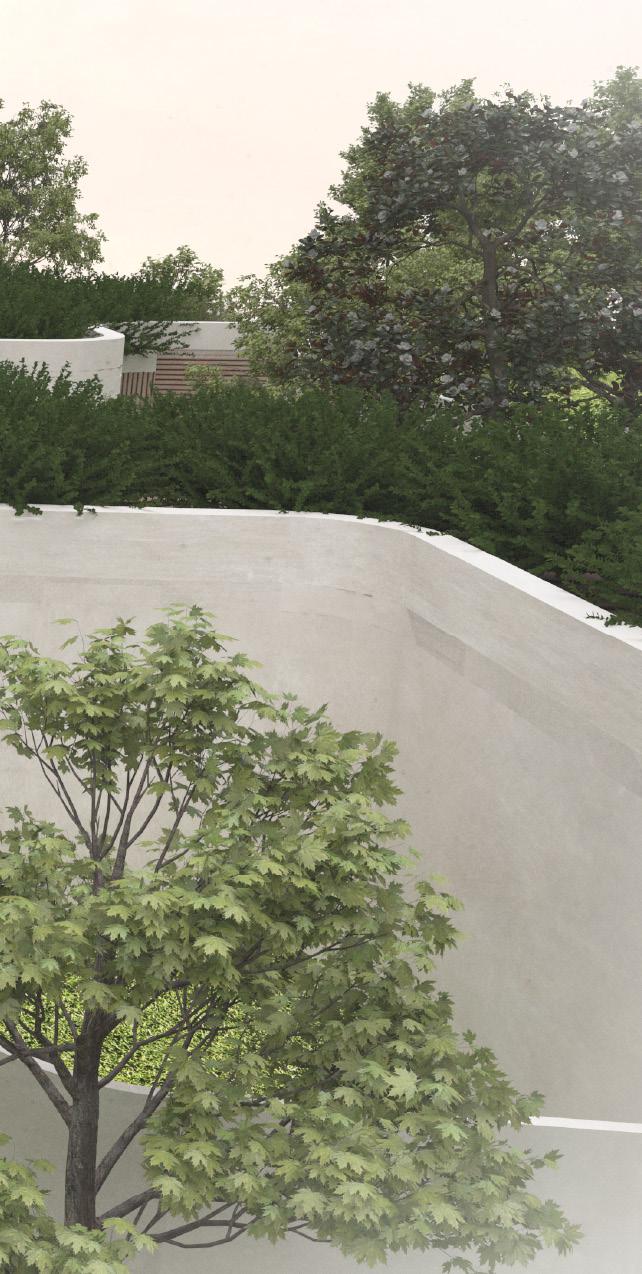
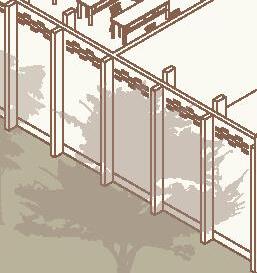
The center is surrounded by trees and various landscapes which enhances the sense of privacy, safety, and securty. There are various exterior moments throughout the site which allow the women to step away for a private moment and spend time in nature. Glass was used to separate the interior and exterior space, but still seek to unify them through mere visibility. The soft and natural materials continue to patio spaces and the walls surrounding the site.


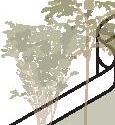
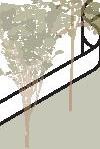































































Allows space to collaborate but individually reflect + heal.
For domestic abuse victims, “home” is the place for abuse.

How do you still create a sense of comfort + safety + refuge?
They naturally project their domestic ideas of home into a shelter environment.
Security, Shelter, Identity
Addresses the physical + psychological comforts.
PROSPECT + REFUGE
Private vs Public space
How can a space facilitate both with seamless transitions?
We heal when we sit + when we move.
What spaces ground someone but also encouraging growth + change?


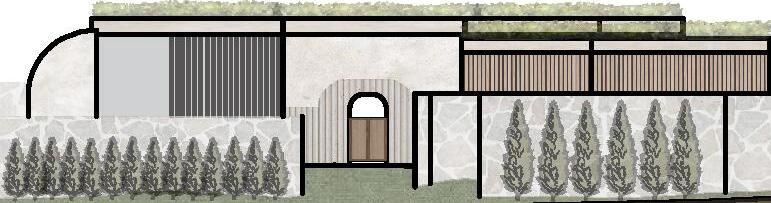




































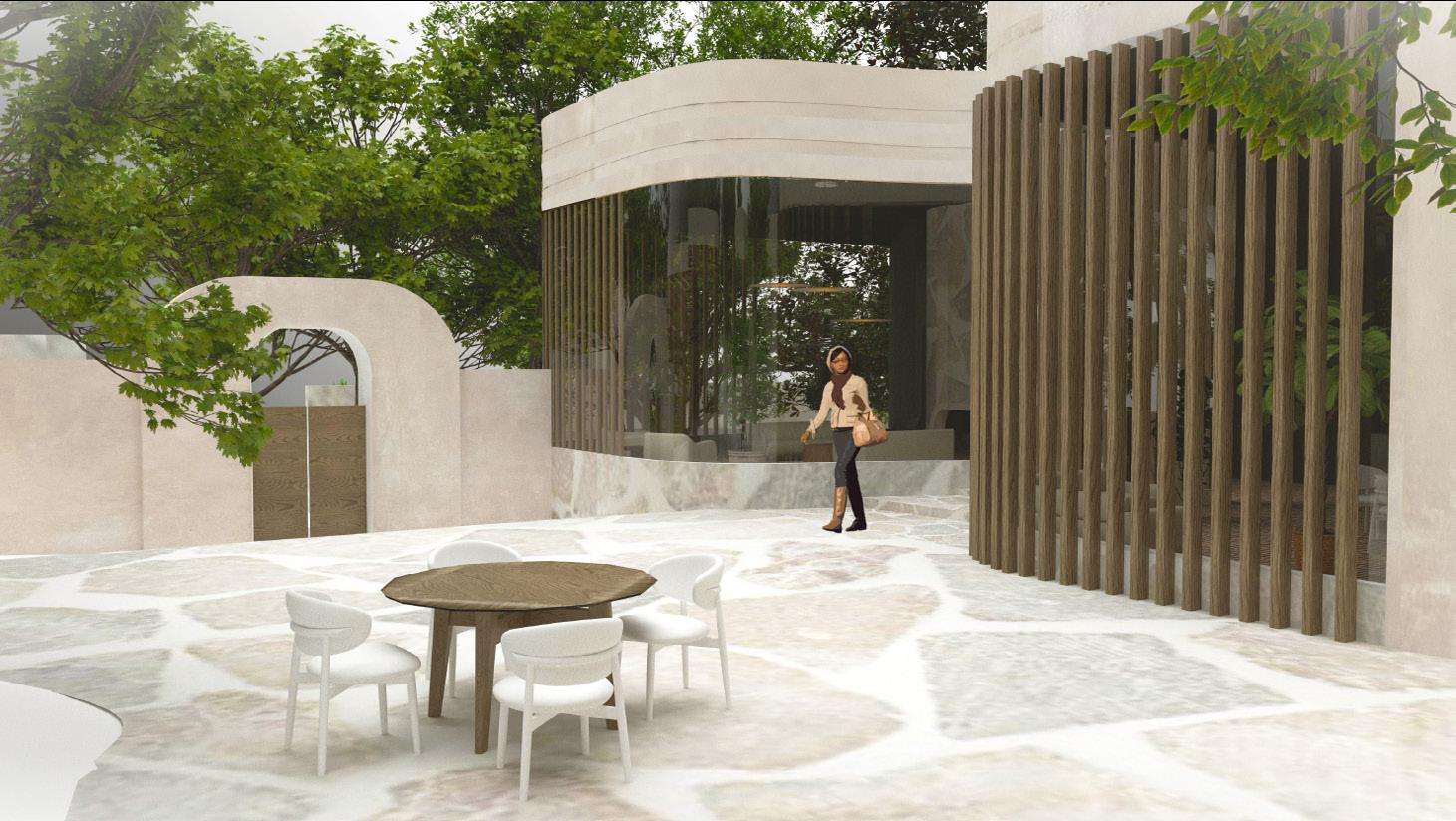
ENTRY PATIO
secondary school | summer 2024
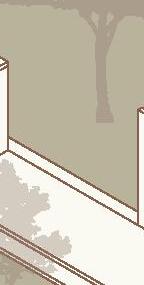
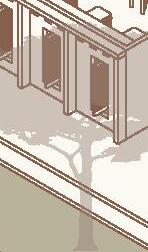
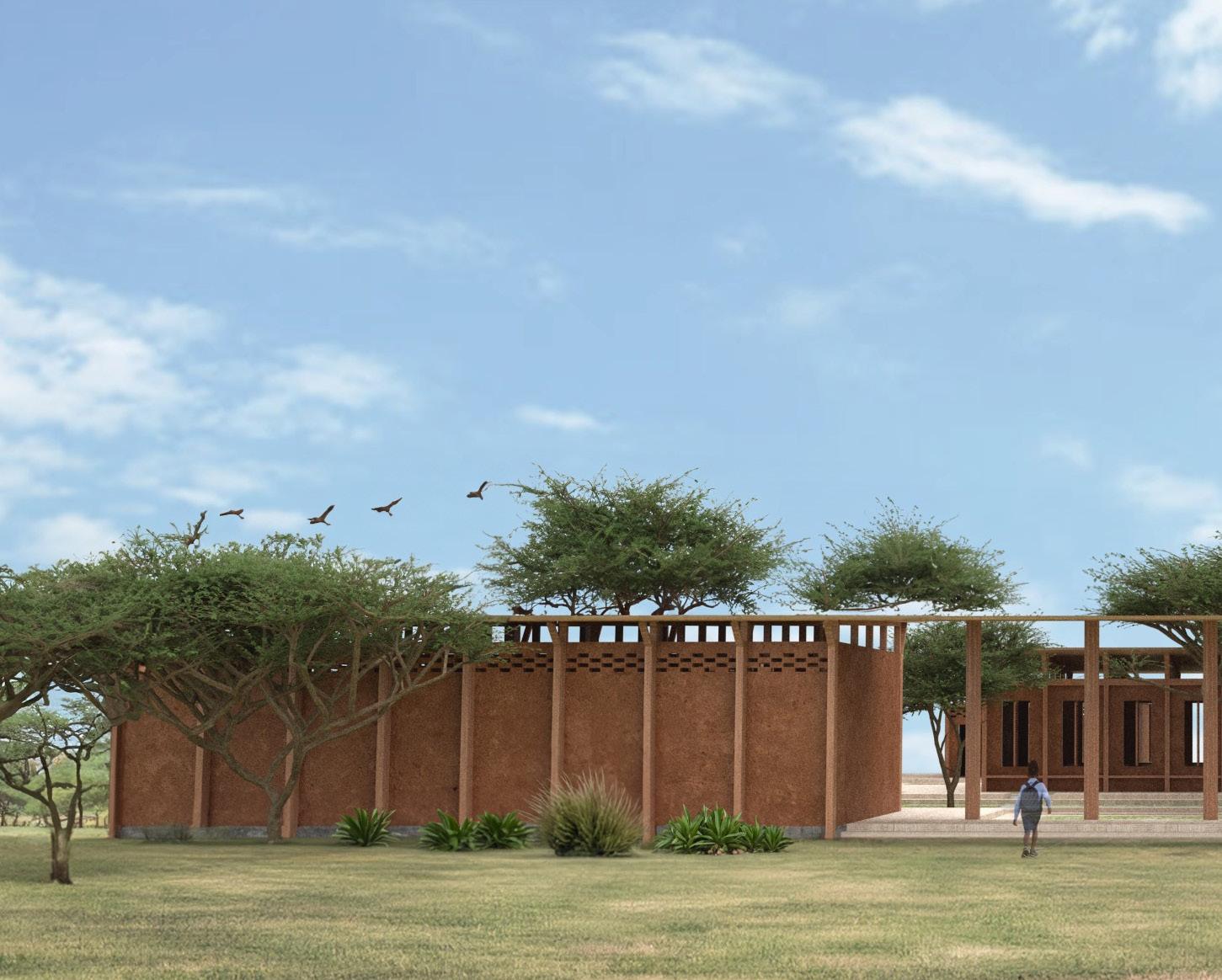
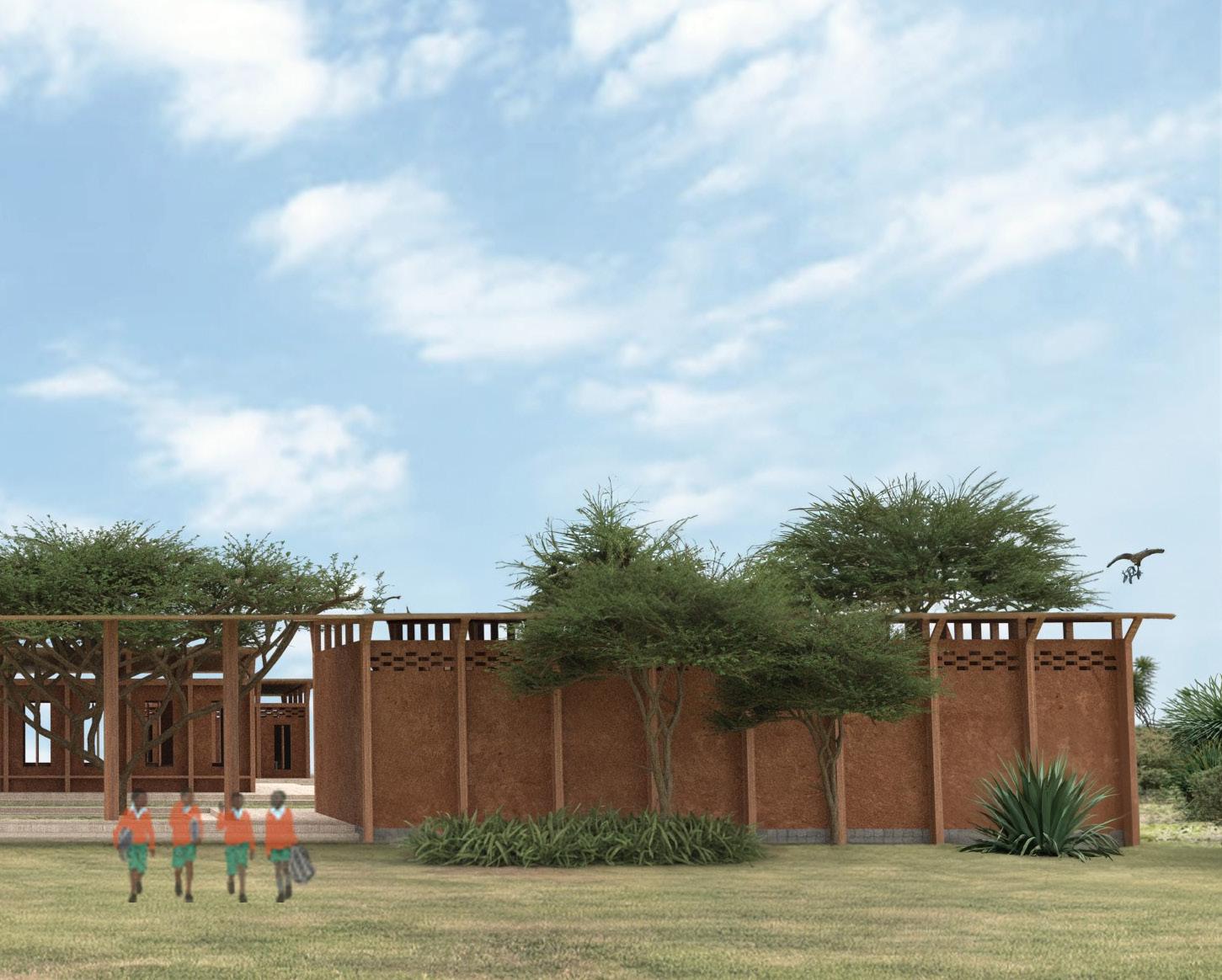
The School of Hope is a project that focuses on community involvement, giving back, and sustainable development. This secondary school will not only provide quality education to young men and women but will also uplift the surrounding community through construction involvement, skill development, and shared resources. This project aims to create a learning environment that reflects the cultural identity of the region while promoting sustainable development and utilizing locally available materials such as mud, brick, and stone from the project site. A simple building structure allows the school to provide multi-functional spaces adaptable to both academic and community uses. This project challenges the relationship between interiors and architecture as well as the influence a community can have on the space they inhabit.
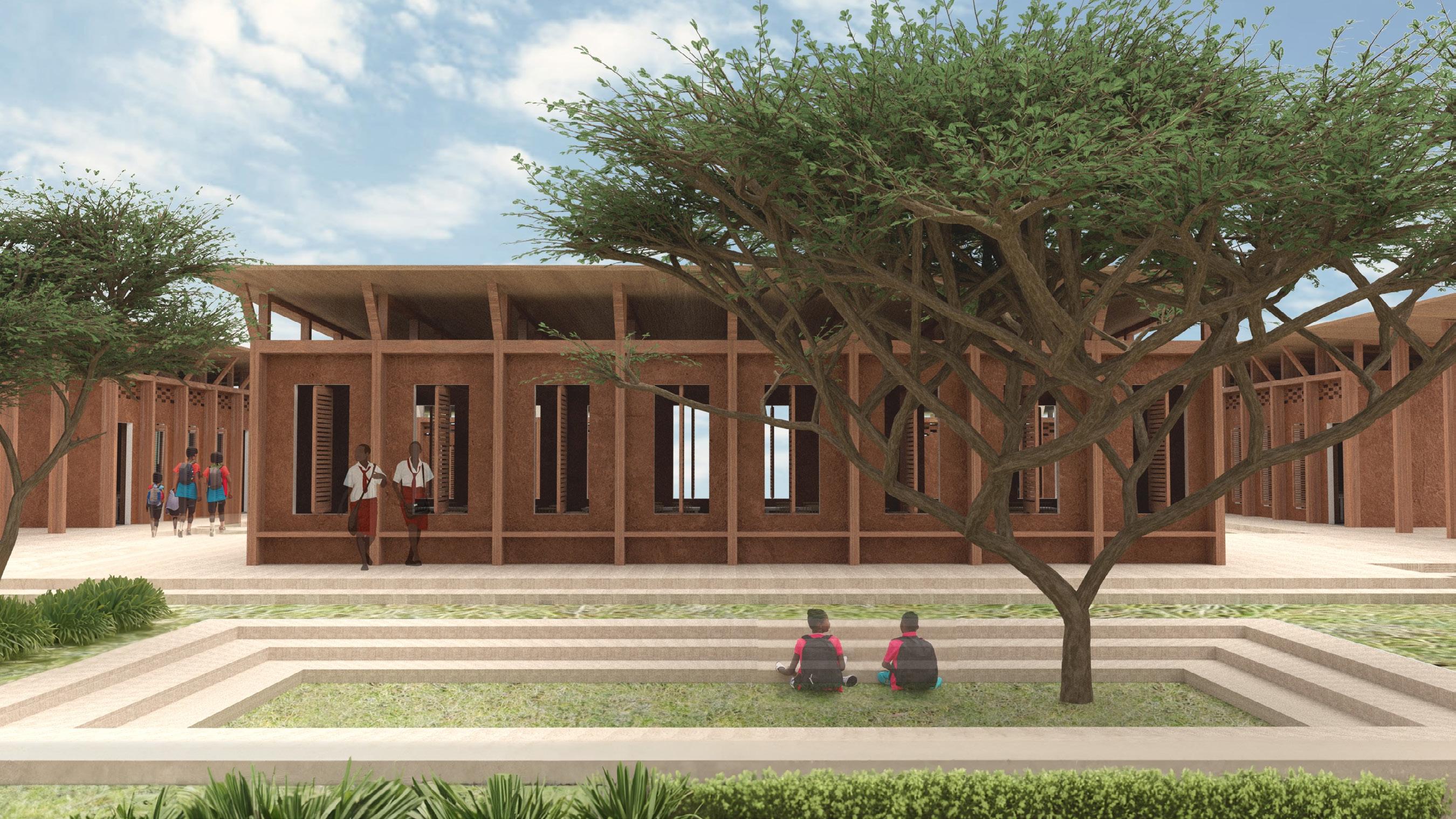





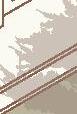

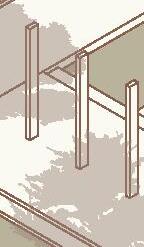
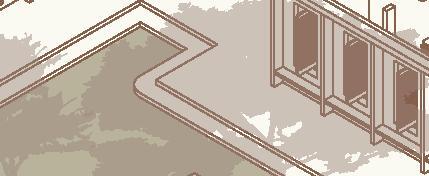
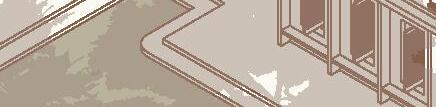


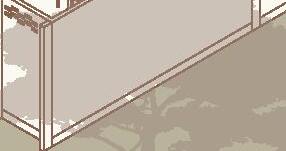

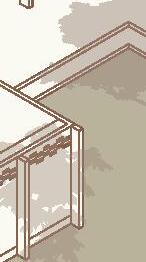
The modular design of the arhcitecture provides the opportunity for the school to grow overtime.
Classrooms, assembly halls, and outdoor areas will be designed to serve not only as educational spaces but also as venues for community events and activities.
This project aims to create a sense of place by the buidling materials and sustainable development. A few of those considerations include:
• On-site water pump and rainwater collection
• systems
• Natural ventilation and lighting to regulate air
• circulation and create cooler interior environments
• Green spaces for recreation and agricultural
• education.
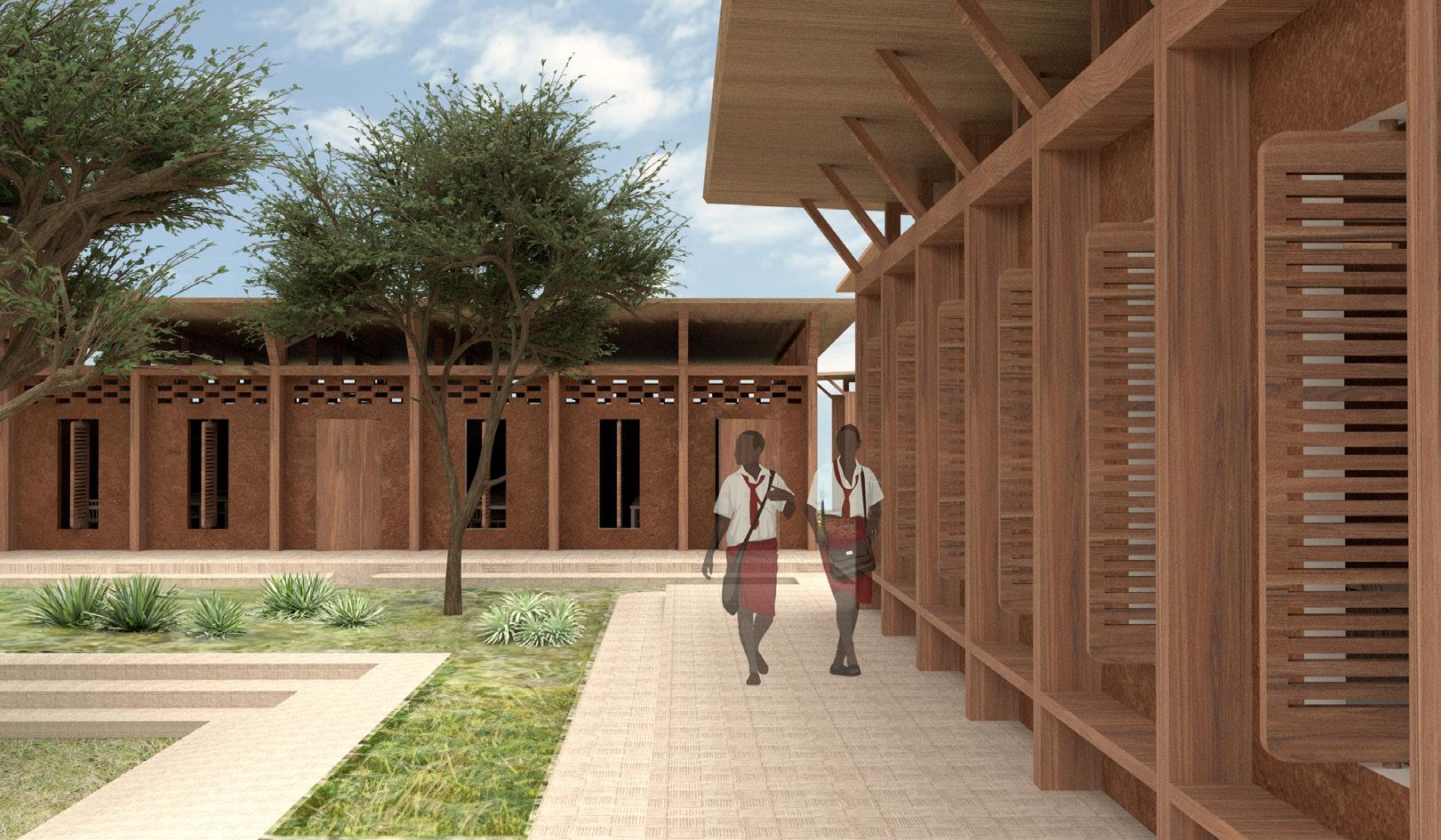
WITH DOOR, PIVOT SHUTTERS, PERFORATION FOR AIR CIRCULATION AND VENTILATION










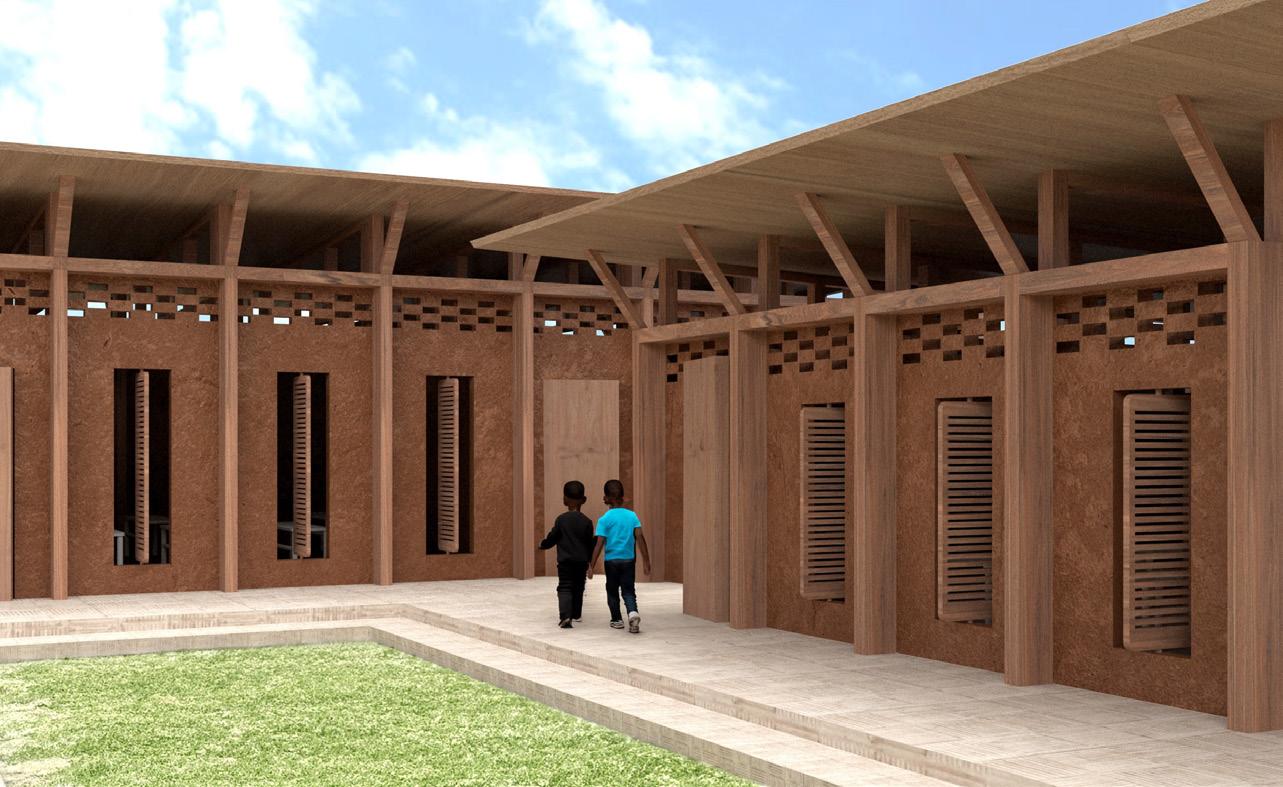
The school will be designed in collaboration with the local community, incorporating their cultural values, traditions, and practical needs. Community members will play an integral role in the decision-making process, fostering a sense of ownership and pride in the institution.
The materials of the school will be what exists at the project site and surrounding region. This would consist of mud/clay, wood and stone. A mixture of materials would create thick, clay walls to help regulate temperatures within the interior of walls.
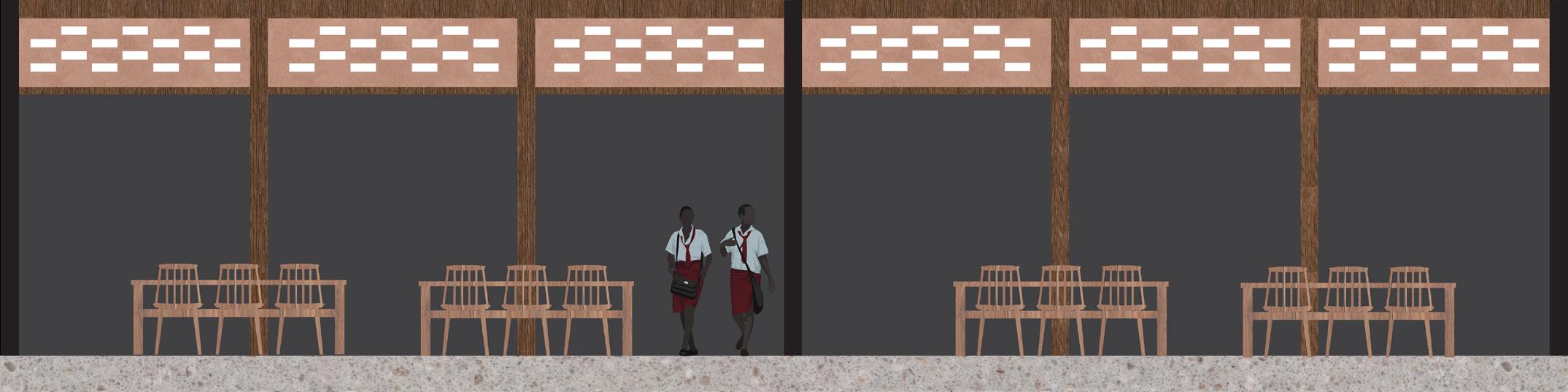
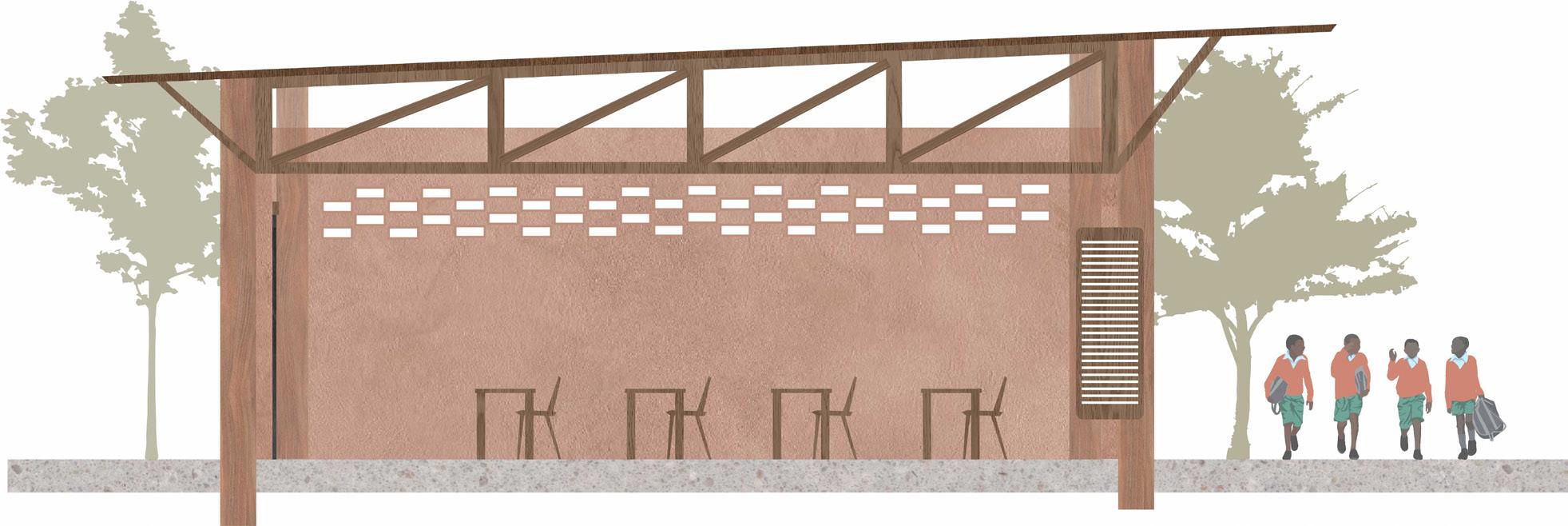
SECTION OF CLASSROOM TYPE A
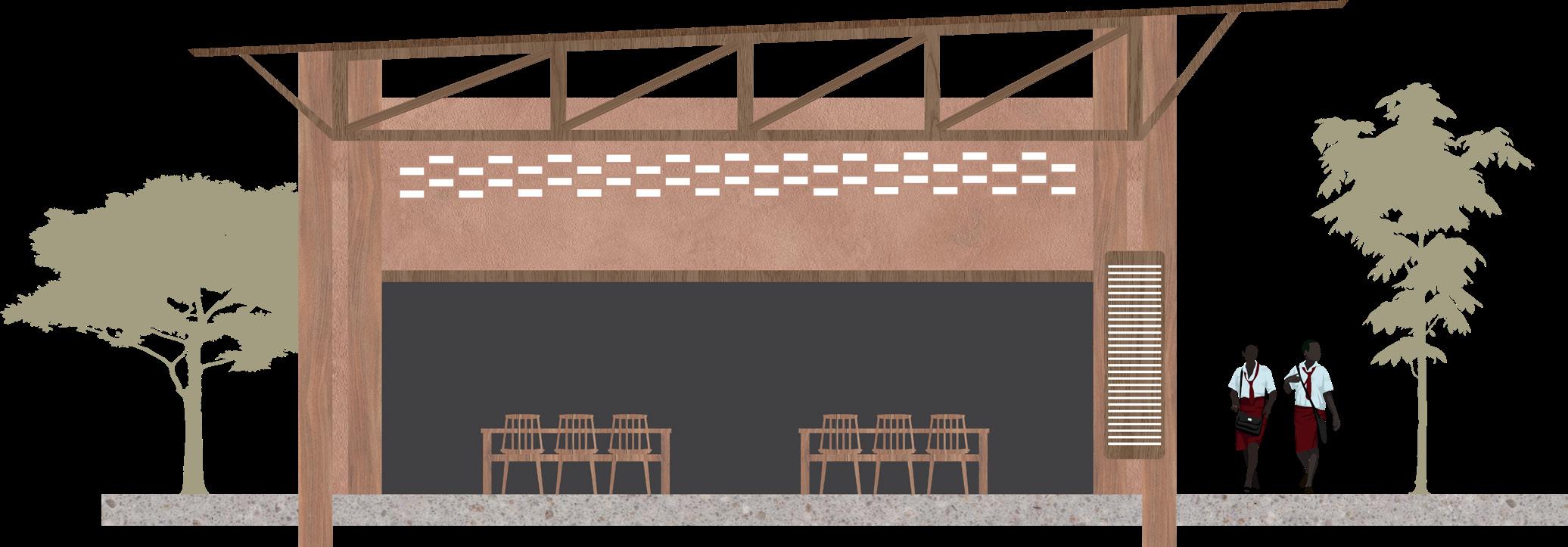
SECTION OF CLASSROOM TYPE B
hands-on projects + photography + art
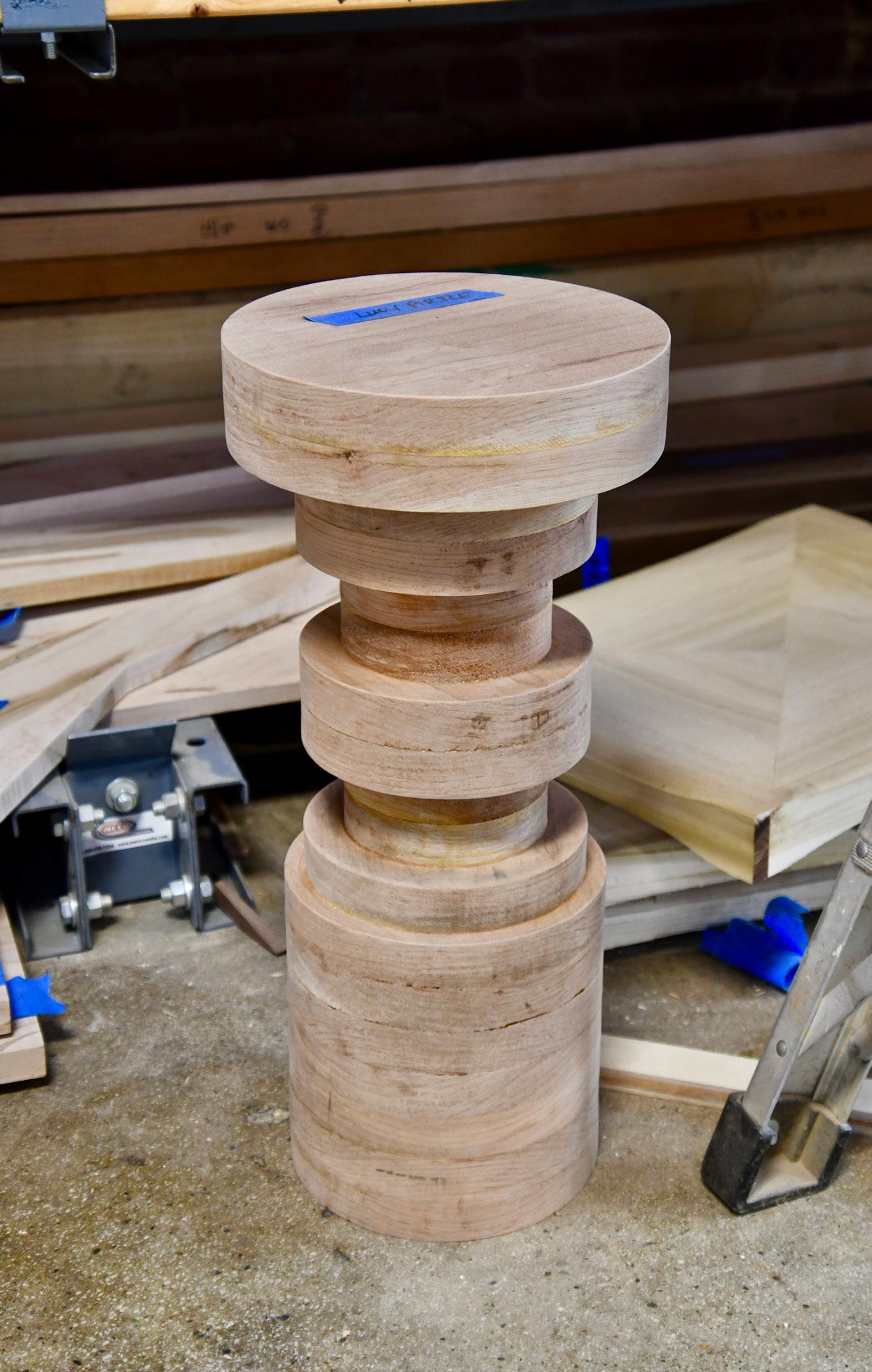
The stool is made up of 18 layers of various circle sizes all with a 1 1/2” diameter hole cut through the middle. A dowel was inserted into the center of all pieces except for the very top and very bottom piece. Each layer was cut using the CNC router and then glued together to create one cohesive stool or end table. Once glued together, it could then be sanded, sealed and ready to be used.
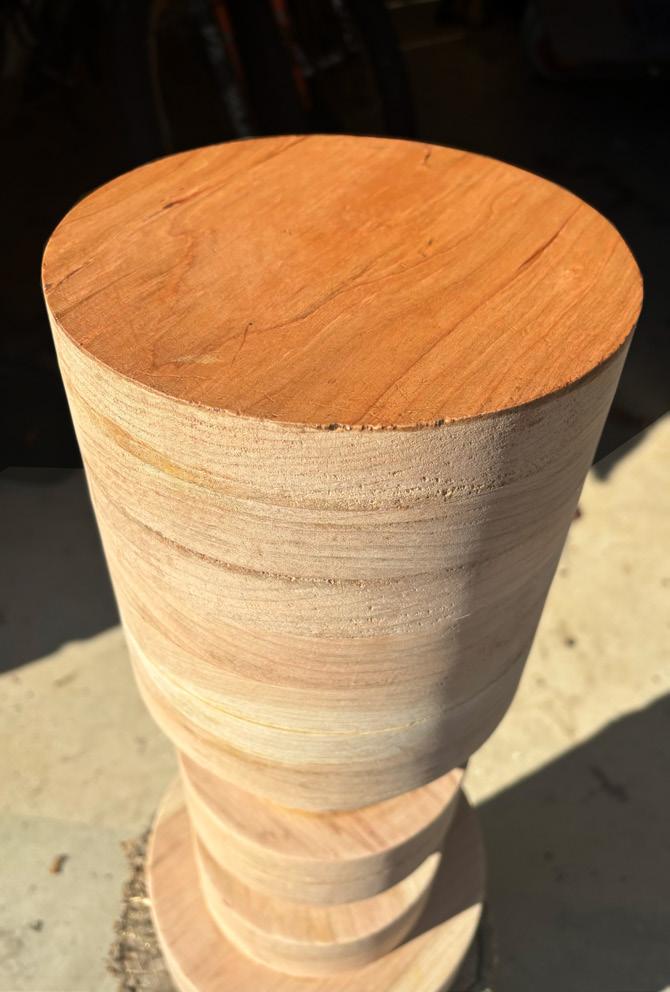
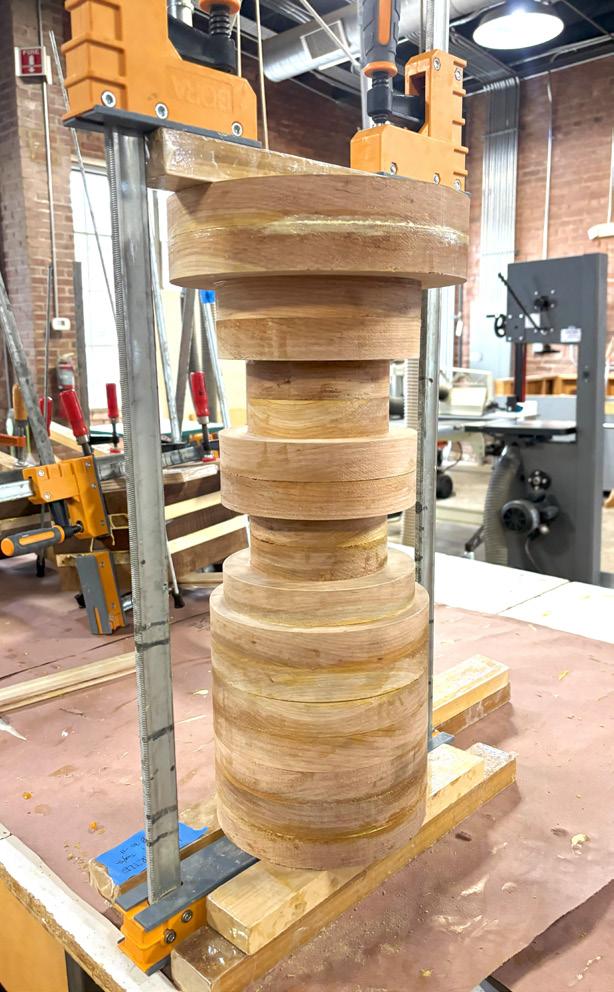
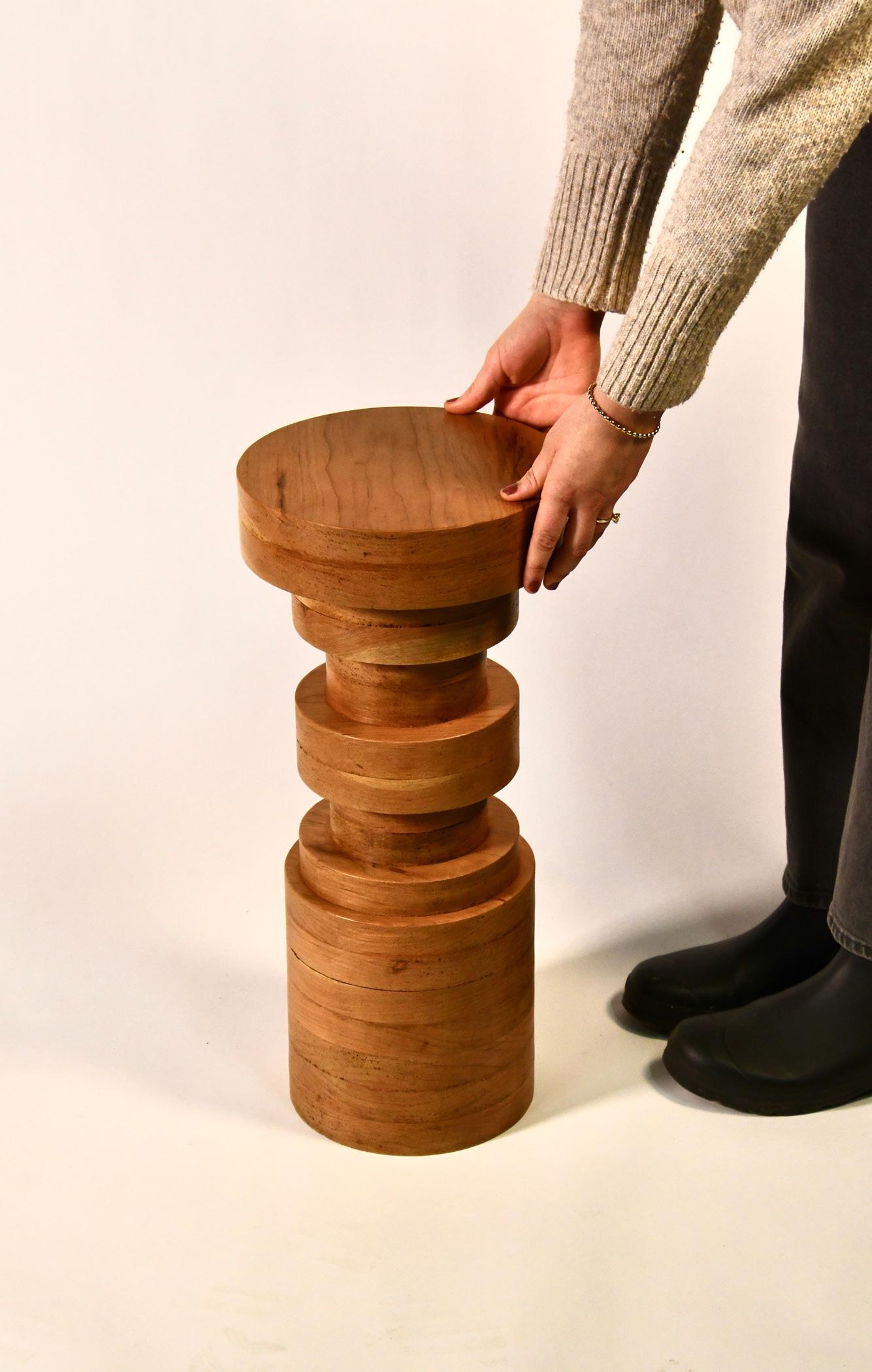
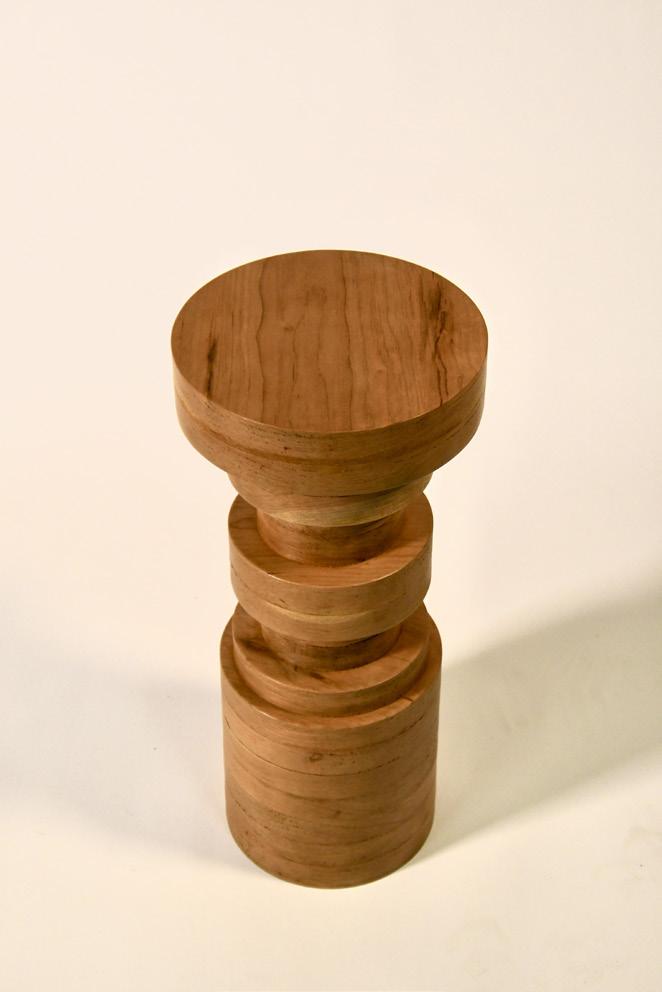
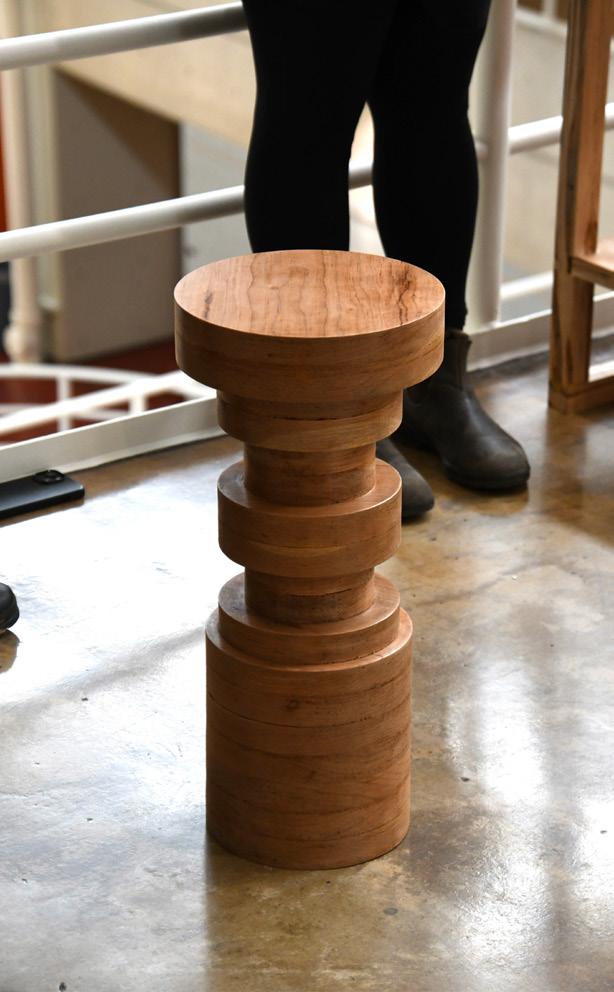
The name of this project was titled “The June.” The initial inspiration for this furniture piece was Anna Karlin’s Chess Piece Stools. By taking the same idea of layering pieces to create a simple yet dynamic silhouette, The June was created. This could be used as a stool or a small end table.