Master’s Capstone
University of Arizona HED 627: Master’s Capstone
Department of Higher Education College of Education
By: Anthony Q. Singleton Jr., Class
of 2026

University of Arizona HED 627: Master’s Capstone
Department of Higher Education College of Education
By: Anthony Q. Singleton Jr., Class
“Trust in the LORD with all your heart and lean not on your own understanding; in all your ways submit to him , and he will make your paths straight. ”
– Proverbs 3:5-6
I want to take a moment to thank the people who have supported me throughout this journey, my family, friends, mentors, professors, classmates, colleagues, and peers. Each of you have played a role in getting me to this point. Whether it was checking in on me during stressful times, offering advice when I needed guidance, or reminding me to keep going, your support never went unnoticed.
There were moments where things felt overwhelming, and it was your encouragement, patience, and belief in me that kept me grounded. You all helped me push through challenges and celebrated the small wins along the way. The accomplishment may have my name on it, but it reflects the community that stood behind me every step of the way.
I’m incredibly grateful to have had each of you in my life. Thank you for believing in me, supporting me, and being part of this journey.
- Anthony Q. Singleton Jr., M.A. Higher Education
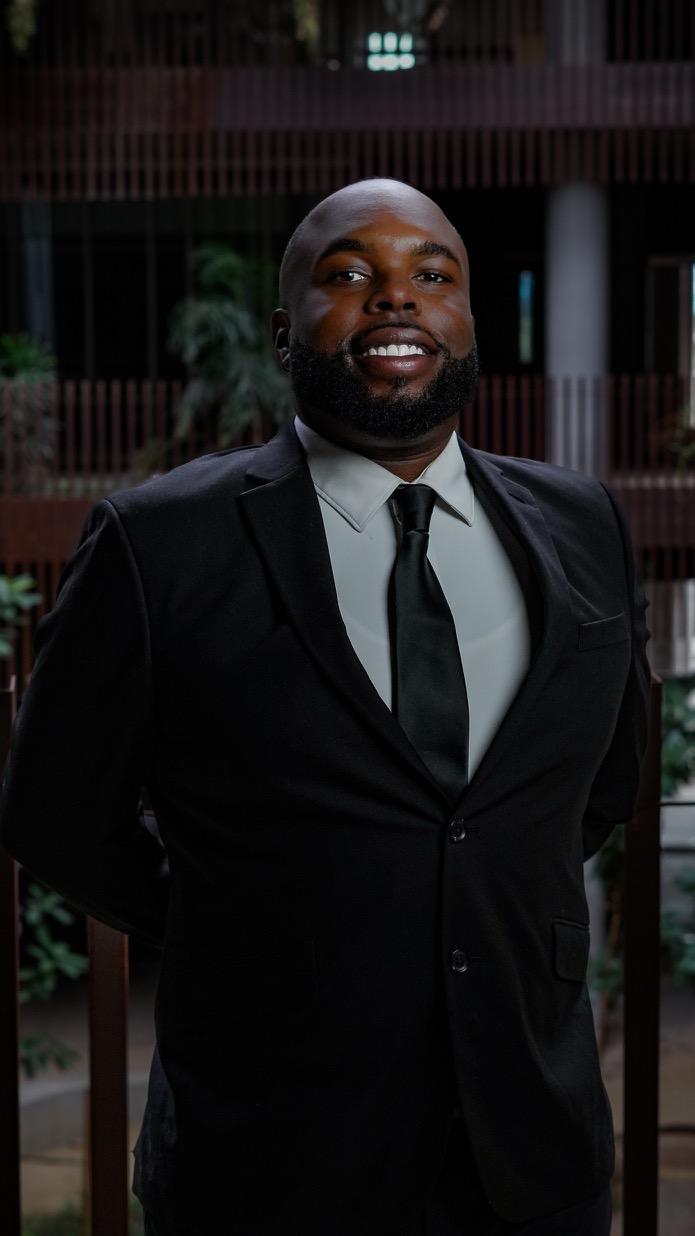
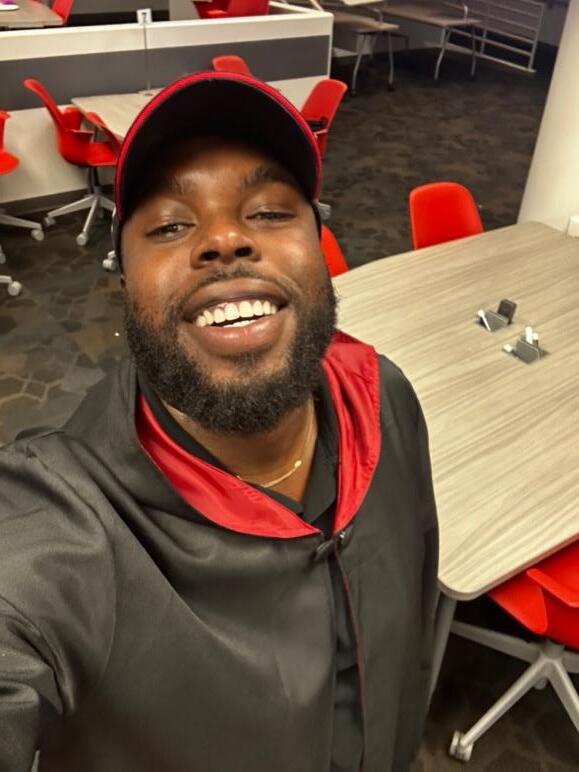
Hi, I'm Anthony, born and raised in Orangeburg, South Carolina, a small town that shaped both my perspective and my purpose My passion for education began early, grounded in a sense of joy, belonging, and possibility experienced in learning environments. My journey in higher education has not been linear As a first-generation college student, I experienced moments of uncertainty and self-doubt that challenged my confidence and direction.
Throughout this two-year program, I have grown academically, professionally, and personally Earning my Master of Arts in Higher Education at the University of Arizona has shaped my identity as a student affairs practitioner. This program has provided mentorship, community, and rigorous preparation that challenged me to think critically about equity, access, and institutional responsibility. These experiences strengthened my ability to engage thoughtfully with complex student needs and affirmed my commitment to inclusive practice.
Across my experiences in student involvement, campus engagement, and identity-based support work, I view higher education as a transformative space where learning, identity development, and opportunity intersect. Through challenges and transitions, I have learned to lead with intention, adapt with resilience, and remain grounded in a commitment to student success Higher education is not simply a career path for me, it is a commitment rooted in service, advocacy, and leadership.
I am committed to building bridges that connect students to resources, community, and pathways for growth Through intentional leadership and continued professional development, I aim to contribute to higher education in ways that empower students to realize their potential and shape futures defined by purpose, resilience, and possibility.
The purpose of education extends beyond the acquisition of knowledge and skills, it serves as a space for young adults to explore and define their identities. Education provides an environment where students can discover themselves, learn to navigate challenges, and continuously redefine who they are in both personal and professional contexts.
The value of education is boundless. It is not only a place for academic learning, but also a space for experiential learning, where students engage with real-world challenges, gain professional experience, and expand their personal perspectives. Education encourages the exploration of ideas, fosters critical thinking, and provides students with opportunities to encounter diverse viewpoints that is different from their home environments. This exposure to new perspectives is crucial in shaping well-rounded individuals who can navigate the complexities of an interconnected world.
As a student affairs practitioner, I believe that fostering a sense of belonging within educational settings is essential for student success. When students feel that they are part of a community that accepts and values them for who they are, they are more likely to engage, participate, and excel. A supportive and inclusive environment where students can be transparent and honest without fear of judgment is key to unlocking their full potential.
Through my studies in the MA Higher Education program at the University of Arizona, I have gained a deeper understanding of how education has evolved, and how it was not designed with all students in mind. I am committed to advocating for equitable access to education, ensuring that every student, regardless of their background can thrive. I am dedicated to being part of a system that fosters an inclusive, supportive, and empowering environment for all students.
Fall 2024
HED 610: History & Philosophy of Higer Education
HED 617: Student Personnel Services
EDL 622: Research & Data-Based Decision Making
Spring 2025
HED 608: The College Student
HED 609: Organization & Administration in HE
HED 636: College Access & Succes
Fall 2025
HED 637: College Student Transitions
HED 644: Advising and Supervision
HED 650: Higher Education Finance & Enrollment Management Policy
HED 693: Internship (UofA TRiO Upward Bound)
Spring 2026
HED 613: Survey Research Methods
HED 627: Capstone, Contemporary Issues in Higher Education
This capstone reflects my journey, what I’ve experienced, what I’ve learned, and how I’ve grown in the ACPA/NASPA competencies in the MA Higher Education program at University of Arizona. Over the past two years in the Higher Education program, I’ve been pushed in the best ways through both challenging coursework and meaningful, hands-on experience as the Graduate Assistant for the MLK Dream Student Space and TRiO Upward Bound internship. These roles gave me the chance to lead with intention and create spaces where students feel like they belong and where they can show up fully and thrive in their academic journeys.
As you move through this capstone, you’ll get a window into what these past two years have looked like for me. Each section walks through a different competency, starting with a reflection on my experiences, followed by academic and professional artifacts that bring that learning to life. I’ve also included a future learning and development section for each one, growth doesn’t stop here.
I put a lot of myself into this project. It holds the moments, lessons, and people that shaped my experience. I hope as you read it, you’re able to connect with that journey in the same way I did while creating it.
Advising & Supporting
Assessment, Evaluation & Research
Addresses the knowledge, skills, and dispositions related to providing advising and support to individuals and groups through direction, feedback, critique, referral, and guidance.
13 -16
Law, Policy & Governance
The ability to design, conduct, critique, and use various AER methodologies and the results obtained from them, to utilize AER processes and their results to inform practice, and to shape the political and ethical climate surrounding AER processes and uses in higher education. 17 -19
The knowledge, skills, and dispositions relating to policy development processes used in various contexts, the application of legal constructs, compliance/policy issues, and the understanding of governance structures and their impact on one’s professional practice.
Leadership Leadership involves both the individual role of a leader and the leadership process of individuals working together to envision, plan, and affect change in organizations and respond to broad-based constituencies and issues.
20 -22
23 -27
Organizational & Human Resources
Personal & Ethical Foundations
Includes knowledge, skills, and dispositions used in the management of institutional human capital, financial, and physical resources.
Involves the knowledge, skills, and dispositions to develop and maintain integrity in one’s life and work; this includes thoughtful development, critique, and adherence to a holistic and comprehensive standard of ethics and commitment to one’s own wellness and growth .
Social Justice & Inclusion
Student Learning & Development
A process and a goal which includes the knowledge, skills, and dispositions needed to create learning environments that foster equitable participation of all groups while seeking to address and acknowledge issues of oppression, privilege, and power.
Addresses the concepts and principles of student development and learning theory, includes the ability to apply theory to improve and inform student affairs and teaching practice.
Technology Focuses on the use of digital tools, resources, and technologies for the advancement of student learning, development, and success as well as the improved performance of student affairs professionals. 42 -45
Values, Philosophy & History Involves knowledge, skills, and dispositions that connect the history, philosophy, and values of the student affairs profession to one’s current professional practice. 46 -49
Throughout my role as a Graduate Assistant for the MLK Dream Student Space, I’ve had a lot of hands-on moments that pushed me to grow in the Advising and Supporting competency. What I’ve learned through readings and assignments started to click more when I could apply it in real time with students and colleagues. It stopped feeling theoretical and started feeling like something I was actively shaping every day. One of the biggest ways I’ve grown is through facilitating reflection. After programs and events, I’ve taken time to intentionally debrief with students, helping them process what they experienced and what it meant for them. Those conversations aren’t always straightforward, but they’ve been powerful in helping students connect their involvement to their personal and academic growth. I’ve also found myself stepping into problem-solving spaces, whether it’s navigating individual concerns or group dynamics, working to find solutions that feel fair and supportive for everyone involved.
A big part of my approach has been creating access and openness. I’ve kept an open-door policy and offered consistent office hours so students know they have a space where they can show up as themselves, whether they’re dealing with something personal or trying to work through a professional challenge. I’ve realized that advising isn’t just about giving answers, it’s about listening, asking the right questions, and sometimes challenging students in a way that helps them grow. I try to bring that same energy to my colleagues too, pushing us to stay student-centered and intentional about creating environments where students can continuously learn and develop.
Another thing I’ve learned quickly is the importance of flexibility. Students’ schedules are busy, and if we want to truly support them, we have to meet them where they are. Incorporating virtual options like Zoom has been essential. It’s made advising more accessible and has allowed me to stay connected with students who might not be able to come in person. Overall, this role has helped me see advising and supporting as an ongoing, relational process. It’s about being present, being adaptable, and being willing to both challenge and uplift the people around you.
For my professional artifacts, I’ve included a range of roles and responsibilities that have really shaped my growth in the Advising and Supporting competency. Each experience gave me a different perspective on how to show up for students and meet them where they are.
• Advising the Black Student Union (BSU): I served as an advisor to a student-run organization, the Black Student Union, where I provided guidance on events and programming. This included helping students think through their ideas, navigate logistics, and ensure their programs aligned with their goals and mission. I also supported their marketing and outreach efforts, working with them to create strategies that would increase visibility and engagement across campus. A big part of this role was helping them recruit and retain members, while also empowering student leaders to take ownership of their organization and decision-making processes.
• Supervising undergraduate student employees in the MLK Dream Student Space: In my role supervising student staff, I provided consistent, day-to-day support while also creating opportunities for their growth and development. This meant checking in regularly, giving feedback, and helping them navigate both professional and personal challenges when they came up. I also made it a point to challenge them, encouraging them to step outside of their comfort zones, build new skills, and strengthen areas where they may not have felt as confident.
Through these roles and responsibilities, I’ve been able to build strong, meaningful relationships with students, student organizations, and colleagues. I’ve learned how important it is to lead with empathy and recognize the different lived experiences people bring into a space. That awareness has helped me approach advising and support in a more intentional and inclusive way, making sure students feel seen, heard, and valued.
For my academic artifact, I chose to include my supervising philosophy from HED 644: Advising and Supervision in Higher Education because it captures how my thinking around this competency has developed. This course gave me the space to reflect on what it truly means to advise and supervise within higher education. Before this class, I mostly thought about advising in a traditional academic sense. But throughout the course, I began to see how broad advising really is, whether it’s working with student organizations, supporting individual students, or even advising professional staff. It pushed me to think more holistically about how I show up in each of those spaces and the different approaches they require. In higher education, supervision can be working with undergraduate student employees, graduate assistants, or even full-time staff. This course helped me better understand the responsibility that comes with that role and how supervision goes beyond task management, it’s about mentorship, development, and creating an environment where people feel supported and challenged. Overall, this program has pushed me to reflect on the type of leader I want to be. It helped me define my values, think intentionally about how I support others, and consider what I believe strong leadership should look and feel like in practice.
HED 644 Supervisor Philosophy Statement
Moving forward, I want to continue building on my growth in advising and supporting by being more intentional about how I show up for students and colleagues. My goal is to keep developing my skills in ways that are practical, reflective, and student-centered.
• Continue strengthening advising skills through practice and reflection: I plan to be more intentional about reflecting after advising interactions and using those moments to improve how I support and challenge students.
• Seek out professional development opportunities: Attending workshops, training, and conferences will help me stay informed on best practices and new approaches to advising and supervision.
• Enhance my supervision and feedback approach: I want to continue developing how I give feedback to student employees by making it more structured, constructive, and growth-oriented.
• Expand use of inclusive and culturally responsive practices: I will continue learning how to better support students from diverse backgrounds by being more aware of their lived experiences and adapting my approach when needed.
• Leverage technology and virtual advising tools: I plan to further incorporate virtual platforms to make advising more accessible and flexible for students with busy schedules.
Overall, I want to stay committed to growing as a practitioner who is adaptable, reflective, and intentional in how I advise, support, and develop others.
Throughout my program and graduate assistantship, I’ve come to really understand the “why” behind Assessment, Evaluation, and Research (AER). Early on, I knew data was important, but it wasn’t until I was in my role that I saw how it actually tells the story of our work in higher education. It’s not just about numbers, it’s about showing impact, making informed decisions, and advocating for the students and spaces we serve.
In my day-to-day work, I had the opportunity to take an active role in collecting and organizing data for department-wide assessment efforts. Whether it was creating surveys, building tracking documents, or thinking through better ways to capture student engagement. Over time, I became more confident not just in gathering data but using it with intention to highlight why our work matters and how it contributes to student success. A big part of my role also involved compiling that data and making sure it was communicated accurately. I learned that data means very little if it’s not presented in a way that others can understand. Being part of that process helped me develop a stronger sense of accountability and attention to detail, especially knowing that these reports could influence decisions at higher levels.
One moment that really brought this competency to life for me was working with our undergraduate staff. We needed their help tracking usage of our space, at first, it felt like just another task to them. But taking the time to explain how that data connects to learning outcomes, funding, and even the future of the space shifted their perspective. It became less about “just collecting numbers” and more about contributing to something meaningful. That experience reminded me that AER isn’t just a behind-the-scenes process, it’s something that can and should be shared in a way that others can see themselves in it. Overall, my experience with AER has helped me grow not only in my technical skills but also in how I think about impact, storytelling, and accountability in higher education.
For my academic artifacts, I’ve included key assignments that highlight my growth in the AER competency and how my understanding has evolved throughout the program.
• HED 613: Survey Research
This course introduced me to the foundations of effective survey design, including how to ask intentional questions that lead to meaningful data. For my final project, I created a survey for student employees, applying these techniques in a practical way and focusing on how the data could be used to improve their experience.
•
This course focused on what students need to access and succeed in higher education. For the final I created a grant proposal and developed program goals and an assessment plan, which helped me think about how to measure impact and build evaluation into programs from the start.
Overall, these artifacts show how I’ve grown in understanding AER not just as a process, but as a way to be more intentional and impactful in my work. They reflect my ability to connect theory to practice and use assessment as a tool to support student success.
HED 613 Survey Research Methods Final Survey
HED 637 College Access and Success Grant Proposal
For my professional artifact, I’ve included post-event surveys and a post–Summer LIT program survey to show how I’ve put the AER competency into practice in my day-to -day work. These tools allowed me to intentionally gather feedback from students and better understand their experiences, rather than relying on assumptions . In addition to creating surveys, I also developed a social media post that highlighted key data points we collected throughout the semester. This was an opportunity to share our impact in a more accessible and engaging way, not just internally, but with a broader audience. These artifacts reflect how I’ve moved from collecting data to using it with intention, both to improve our programs and to advocate for the importance of the space and the students we serve .
Instagram Semester Recap Post Post Event Survey Summer LIT Post Survey
Moving forward, I want to continue growing and developing in AER by being more intentional about how I collect, analyze, and share data. My goal is to not only strengthen my technical abilities but also continue using data as a tool to advocate for students and tell meaningful stories about the work we do . My future practices will include:
• Improve my survey design skills to ensure I am collecting clear, meaningful, and actionable data
• Learn more advanced data analysis techniques to better interpret results and identify trends .
• Explore different ways to share data ( reports, presentations, social media) to make it more accessible and impactful
• Stay up to date on best practices in assessment and evaluation within higher education
Overall, I want to keep growing in this competency by not just collecting data but using it strategically to enhance student experiences and demonstrate impact.
I’ve had a lot of real, hands-on opportunities to engage with law, policy, and governance.. Working as a graduate assistant in the MLK Dream Student Space, I didn’t just learn about policy in theory, I saw it play out in real time. I witnessed how decisions made at higher levels of administration could ripple through an entire campus. Students, faculty, staff, and even community members can all be impacted. With some of the policy shifts from our current administration, I saw people lose their jobs, and I saw how that loss affected not just them, but the students who relied on those spaces and relationships for support. It made policy feel less like something written in a handbook and more like something that shapes people’s everyday experiences.
At the same time, I also had the chance to be part of the process on a smaller scale. In MLK, I implement policies and adjust based on student feedback and the data. Whether it was refining how the space was used or thinking about how to make it more welcoming, I was constantly asking myself if what we were doing was serving students in an equitable and inclusive way. Making sure our programs, practices, and services aligned with social justice and equity, became a big part of how I approach my work. HED 650: Higher Education Finance and Enrollment Management Policy added another layer to my understanding. The course helped me connect the dots between institutional policies and students’ lived realities, especially when it comes to access and affordability. I learned how financial aid policies, tuition structures, and enrollment strategies directly impact who gets to attend college and who doesn’t. It pushed me to think more critically about how institutions make decisions and who those decisions ultimately benefit.
Looking back, this competency has been one of the most eye-opening parts of my graduate experience. It’s helped me understand that policy isn’t just about rules, it’s about people, power, and access. And moving forward, I know I want to continue being someone who not only understands policy but also advocates for changes that create more equitable and supportive environments for students.
In my role as a Graduate Assistant for the MLK Dream Student Space, I was responsible for reviewing and either approving or denying room reservation requests from students, faculty/staff, and community members. At first, the process felt straightforward, and during my first year there wasn’t a formal Room Reservation Policy in place, it didn’t seem like something we necessarily needed.
That changed after a situation came up where a student organization requested to reserve the space for two separate days. It didn’t sit right with me because I knew it would limit access for other groups who also wanted to use the space. When I didn’t approve the request, the organization’s president asked a simple but important question: was there anything in writing that supported that decision? That’s when it clicked for me, there wasn’t.
That experience pushed me to act. I created a Room Reservation Policy form to provide clear expectations and guidelines moving forward. Since then, I’ve continued to update and refine the policy as new situations come up, making sure it reflects fairness and access for everyone. What started as a response to one situation turned into an opportunity to create a lasting structure that helps ensure the space is used in ways that are socially just, equitable, and inclusive for years to come.
Reservation Policy Form
For my academic artifact, I chose to include my final paper from HED 650 because it really captures how my understanding of policy has grown throughout the program . The assignment asked us to explore how policy informs institutional decision-making, identify emerging law and policy trends, and connect those trends to current case precedent.
In my paper, I focused on financial aid and broader higher education policy changes that will impact future students. I spent time unpacking how policies don’t just exist in isolation, they directly shape who gets access to college and who doesn’t For example, I discussed how selective admissions practices can sometimes prioritize students who boost institutional rankings or are more likely to pay full tuition. While that may benefit the institution, it can also limit opportunities for students coming from under-resourced schools and communities .
I also explored the role of financial aid policies, and how they are often positioned as support systems but, in practice, can create additional barriers for low -income students. Looking at the research, it became clear that affordability isn’t just about getting admitted, it’s about whether students can actually enroll and persist once they’re there .
This paper helped me connect what I was seeing in my professional role with the bigger picture of higher education policy It pushed me to think more critically about how decisions are made, who they benefit, and how policy can either open doors or close them
HED 650 Final Assignment
Moving forward, I want to stay informed on policy changes at both the local and national level, especially those that directly impact students and shape access, equity, and compliance in higher education. As I transition into my next professional role, I’m committed to learning the policies and legal frameworks that guide that institution’s /departments decisions and practices. More importantly, I want to keep building my ability to critically assess policies to ensure they are effective, equitable, and truly serving the students I work with .
I’ve always lived by the idea that to be a good leader, you must know how to follow, and that mindset has really shaped how I show up. Leadership is about trust, support, and making people feel like they belong and can do their best work, not just directing them. That really came to play for me in my role as a Graduate Assistant in the MLK Dream Student Space, where I supervised undergraduate desk assistants. At first, I felt like I needed to step in all the time, but I learned that stepping back was just as important. Giving students the space to lead their own programs, make mistakes, and figure things out helped them build confidence and take real ownership. I saw the same thing when working across departments, sometimes the best leadership wasn’t leading at all, but supporting someone else’s vision and trusting their expertise. Learning when to lead and when to follow has became one of the most important lessons for me. Advocating for change also became a key part of my leadership. I worked to improve the extra hours process to remove barriers and make it easier for staff. At the same time, I was intentional about creating an environment where undergraduate staff saw themselves as contributors, not just employees. I encouraged them to bring ideas, take initiative, and recognize their impact on the space. Through these experiences, I’ve come to understand leadership as creating space for others to grow, while continuing to grow yourself.
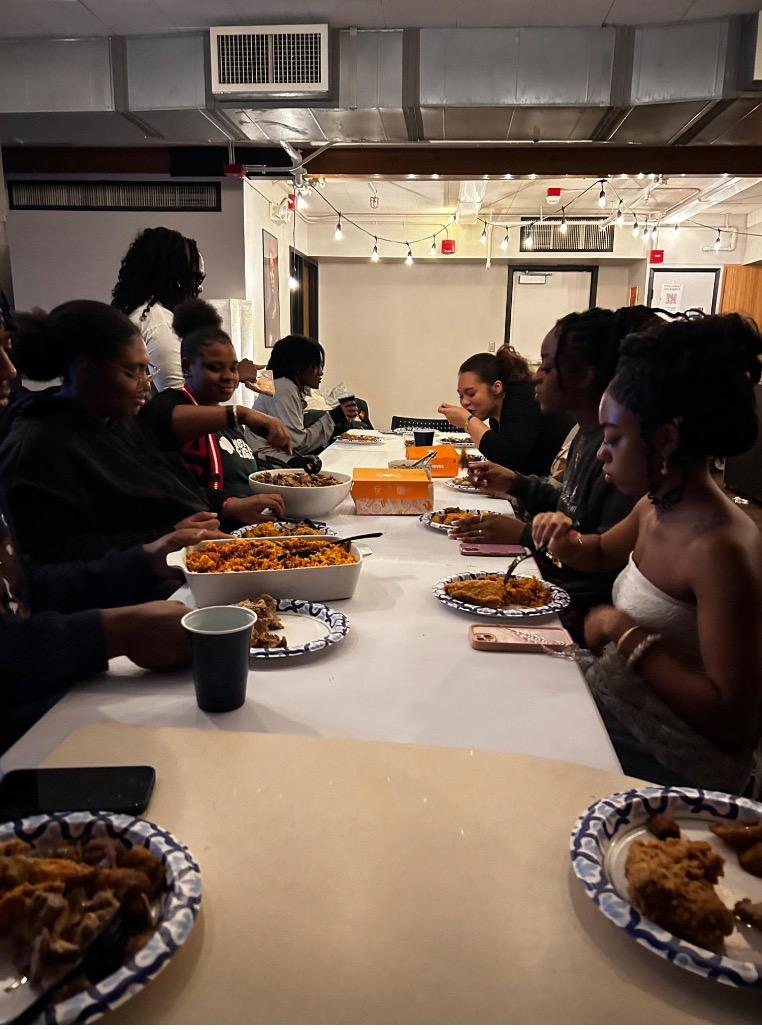
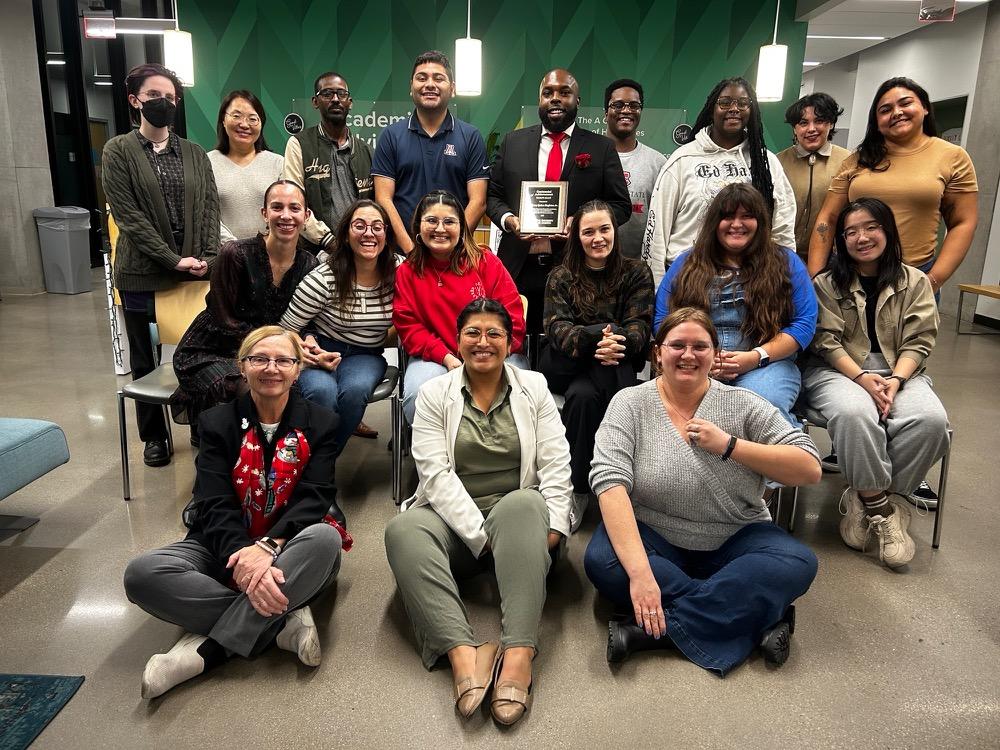
For my professional artifact, I kept coming back to a picture from our staff winter potluck. It might seem simple, but that moment meant a lot. We had everyone in the room, people who had been grinding all semester, finally getting a chance to slow down together. There was good food, a lot of laughs, and the kind of energy you only get when people feel comfortable being themselves. We passed around Secret Santa gifts, joked about who got what, and work wasn’t the center of everything.
That night reminded me what leadership can really look like. It’s not always about meetings, deadlines, or making big decisions, it’s also about creating space for people to feel appreciated and seen. Taking the time to thank our staff and celebrate them, even in a small way, shifted the atmosphere. People left that night a little more connected, a little more motivated, and ready to keep showing up in their roles. And for me, that’s what leadership is about, making sure people know they matter beyond just the work they do.
Throughout my time in the Higher Education program, I found myself consistently returning to questions about leadership, what it means, how it shows up in my work, and how I continue to grow within it. Each course gave me a different lens, but together they helped affirm my philosophy while also challenging me to take a deeper, more honest look at my own leadership style and abilities.
Listed below are academic artifacts that supported my development in the Leadership competency:
● In this course, we were tasked with assessing ourselves using the ACPA/NASPA Professional Competencies and writing a reflection on our strengths and areas for growth. At the time, this assignment felt like a simple self-evaluation, but it ended up being much more than that. It pushed me to be honest about where I was and where I needed to grow.
● One of the biggest takeaways for me was realizing that leadership requires continuous self-reflection. You can’t assume that because you hold a leadership role, you’ve mastered it. There is always room to improve, and strong leaders are the ones who actively seek out that growth.
● At the beginning of the program, I didn’t view leadership as one of the most important competencies. But as I moved through the program, my perspective shifted. I began to see that leadership is embedded in every competency area. It takes leadership to advocate for students, to create inclusive environments, and to ensure that student needs are being met in meaningful ways.
Professional Competencies Self-Assessment & Reflection Assignment
Artifact Continued
● In this course, we were asked to create a Supervisor Philosophy, which gave me another opportunity to reflect on how I show up as a leader, particularly in a supervisory role. By this point, I was in my third semester and my second year serving as a Graduate Assistant, so I was able to draw from both coursework and real-life experiences.
● Through this process, I identified key principles that guide my leadership: creating a sense of belonging, prioritizing safety, and empowering others to grow and find their voice. These aren’t just ideas to me, they are commitments I strive to uphold in the spaces I lead.
Looking back, these experiences didn’t just teach me about leadership, they helped me understand myself within it. They challenged my assumptions, gave me the language to define my approach, and reminded me that leadership is a continuous journey. As I move forward, I carry these lessons with me, knowing that effective leadership is rooted in reflection, growth, and a genuine commitment to the people I serve.
Going forward, I want to keep pushing myself as a leader, not just in the ways I show up, but in how I think about leadership as something that belongs to everyone, not just a title or position. I’ve learned that growth really happens when you’re willing to be challenged, so I plan to keep surrounding myself with people who will do just that. Seeking out mentors who have been in the field longer than me has already made a difference, and I want to keep learning from their experiences, their mistakes, and the ways they’ve figured out what works. At the same time, I know leadership isn’t just about looking up, it’s also about listening to the people around you. I want to stay intentional about asking for feedback, whether it’s from mentors or from the people I’m leading, because those honest moments are what help me grow the most.
Organizational and Human Resources was a competency I didn’t fully understand in a higher education context. I originally thought of it as traditional HR work, but through my coursework and Graduate Assistant experience, I’ve come to see how much it centers on people, systems, and creating supportive environments. One of my biggest takeaways has been the importance of onboarding. I’ve learned that setting student employees up early with clear expectations and a welcoming environment helps them feel confident and comfortable. I’ve also had to be part of terminating a student staff member, which wasn’t easy, but it reinforced the importance of handling those moments with care and framing them as learning opportunities.
In my Graduate Assistant role, I’ve gained hands-on experience through policy and process development. I helped streamline an extra hours process for desk assistants that was previously disorganized, making it more efficient for everyone. I also worked with the Senior Coordinator to create an active shooter procedure that had not been in place before. Additionally, I’ve built skills in communication and leadership by leading meetings, managing agendas, and facilitating professional development for staff. These experiences have helped me better understand how to support staff growth while also improving overall team effectiveness. Overall, I now see this competency as creating clear systems and supportive environments that help people succeed.
For my academic artifact, I want to highlight my experience in HED 609 : Organization and Administration of Higher Education. This course helped me better understand how higher education institutions function as complex organizations, and how decisions, policies, and structures impact both staff and students. Through this course, I developed my ability to critically analyze organizational systems and think about how to act effectively within them, both individually and as part of a team . One of the biggest takeaways for me was learning how to identify and challenge systems or processes that are not serving the people within the organization . Rather than accepting things as they are, I learned the importance of asking questions, advocating for change, and thinking about how policies and practices can be improved to better support student and staff success. Overall, this course strengthened my understanding of organizational dynamics and gave me tools to approach my work more thoughtfully and strategically HED 609 Final Paper
At the start of each semester our team hosts an employee retreat and I noticed that while they were helpful, they weren’t always as engaging or impactful as they could be. I took the initiative to bring this up to my supervisor and asked if I could design and facilitate a workshop for our staff. I created a session centered on the NACE career competencies, with a focus on teamwork and communication, two areas that are essential to both student employment and professional growth The goal was to make the content practical and reflective, giving staff the opportunity to think about how these skills show up in their roles and how they can continue to develop them . The workshop was well received, and staff shared that they thought it was engaging and useful. This experience reinforced my interest in creating intentional learning opportunities for both student and professional staff. Moving forward, wherever I go professionally, I want to continue building spaces where staff can grow, reflect, and develop skills that support them beyond their current roles
Personal & Professional Development Training PPT
My goals for continued professional development in Organizational and Human Resources include:
• Continue developing intentional onboarding and training experiences that help student employees feel confident, supported, and prepared to succeed in their roles.
• Seek out professional development opportunities focused on supervision, human resources, and organizational leadership in higher education.
• Strengthen my ability to navigate difficult conversations, including performance management and terminations, with a developmental and student-centered approach.
• Continue creating and facilitating professional development opportunities for student and professional staff that emphasize transferable skills like communication, teamwork, and leadership.
• Enhance my ability to lead effective meetings and teams by continuing to refine agenda management, communication strategies, and group facilitation techniques.
• Stay informed on best practices in student employment, supervision, and organizational management to ensure I am creating equitable and supportive work environments.
By pursuing these goals, I plan to continue growing in this competency and becoming a more effective student affairs professional.
Throughout the program, I’ve really had to learn what it looks like to take care of myself to show up fully for students I realized that if I wasn’t prioritizing my own health and well-being, it would be hard for me to genuinely support others . That pushed me to be more intentional about building healthy habits into my routine and being honest with myself about when I needed support. At the same time, I started thinking more holistically about student wellness, not feeling like I had to have all the answers, but instead connecting students to the right people and resources. For example, bringing in a licensed yoga instructor for yoga nights created space for students to slow down and reset, while collaborating with CAPS counselors allowed students to process emotions in a more structured and supportive way. Through these experiences, I’ve become more aware of both the positive and negative factors that impact wellness, and I’ve learned to actively seek out support systems for myself and encourage students to do the same.
In my role as a Graduate Assistant for the MLK Dream Student Space, I’ve tried to intentionally build reflection into the everyday experience Whether it’s through conversations after events, informal check-ins, or structured opportunities to reflect on programs, I want students to pause and think about what they’re learning and how they’re growing. For me, reflection isn’t just about looking back, it’s about using those moments to move forward with more clarity and purpose. I also make it a point to consistently share resources with students, whether that’s through social media, newsletters, or bulletin boards in the center, so they know support is always within reach . All of this has helped me see personal and ethical foundations as something that’s ongoing.
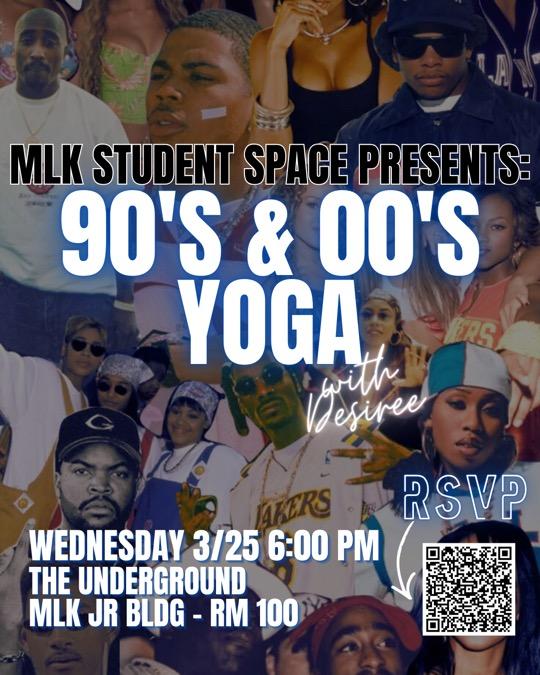
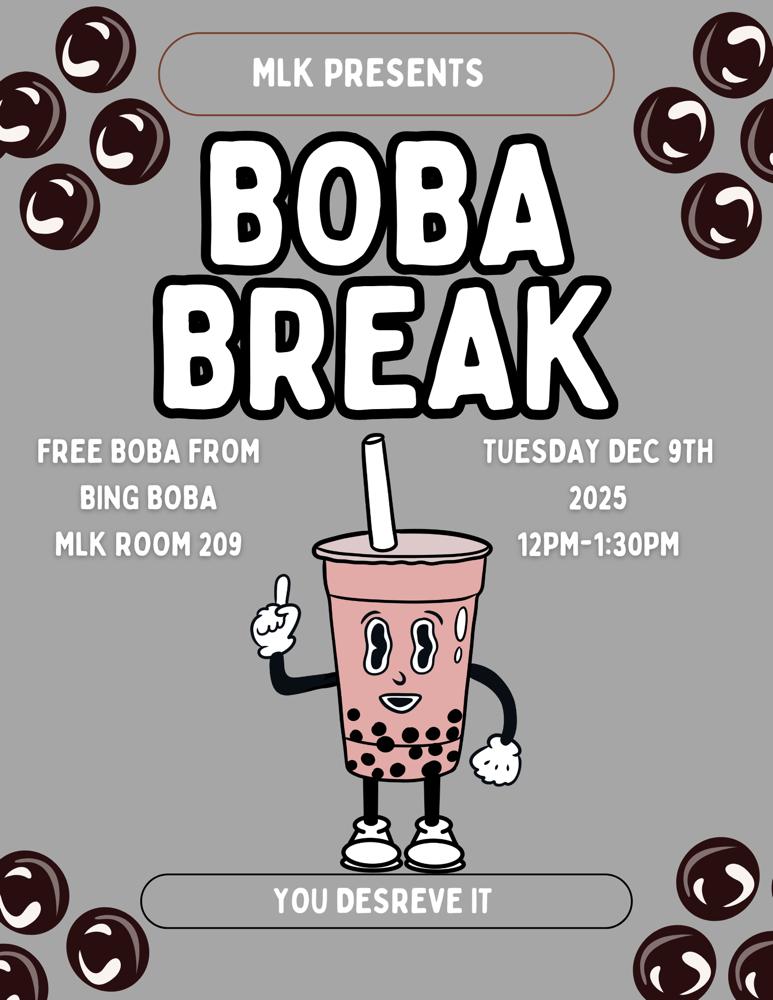
For my professional artifacts, I have included graphics from two wellness -focused events that I planned and coordinated during my time as the Graduate Assistant for the MLK Dream Student Space . These events reflect how I intentionally center student well-being in my work and create spaces where students can pause, reset, and feel supported, especially during high -stress times in the semester
•“Boba Break” – Winter Wrap Up Week : I created Winter Wrap Up Week as a way to give students a space to unwind and reconnect with the community before finals Knowing how overwhelming this time can be, I wanted to offer simple, low -pressure opportunities for students to take a break “Boba Break” was one of those moments, students could come in, grab a drink, and just breathe for a bit without thinking about assignments or exams . It created a relaxed environment where students could reset mentally and socially.
•90’s & 00’s Yoga Event: This flyer highlights one of our monthly yoga nights that we host in the space. These sessions are designed to help students prioritize their mental health in a way that feels accessible and engaging. By incorporating a fun theme like 90’s & 00’s music, it helps lower barriers to participation and creates a welcoming atmosphere while still centering mindfulness and wellness .
These events show how I’ve put wellness into practice in a tangible way. They reflect my commitment to supporting students holistically, while also reminding me of the importance of modeling these same wellness practices in my own life.
For my academic artifact, I’ve included a personal Philosophy Statement that I wrote in HED 610 : History and Philosophy of Higher Education This course pushed me to think deeper about why higher education exists and where I see myself within it Writing this statement gave me the space to reflect on my values, my purpose, and the kind of practitioner I want to be as I continue growing in this field . It wasn’t just about putting ideas on paper, it was about making sense of my experiences, the spaces I’ve been part of, and how those have shaped the way I show up for students. This artifact connects to my personal and ethical foundations because it captures how I ground my work in intention, care, and a commitment to student well-being, while also holding myself accountable to continue learning and evolving.
HED 610 : History and Philosophy of HE Personal Philosophy Statement
As I continue to grow in my personal and ethical foundations, I know this is ongoing work that requires intentional reflection, accountability, and care for both myself and the students I serve . Moving forward, I want to build on what I’ve learned and continue strengthening how I show up as a student affairs practitioner. Below are ways I plan to continue growing in this competency.
• Be more intentional about my own wellness practices: Continue building consistent habits that support my mental, physical, and emotional well-being so I can show up fully for students without feeling burned out .
• Expand my knowledge of campus and community resources: Take time to learn more about available support systems and build stronger relationships with campus partners so I can better connect students to the resources they need .
• Create deeper opportunities for student reflection : Move beyond surface-level reflection and design more intentional spaces where students can process their experiences and turn those reflections into meaningful action.
Overall, I want to keep growing in ways that allow me to lead with authenticity, care, and self -awareness, while continuing to model the importance of wellness and ethical practice in everything I do
Social justice and inclusion wasn’t something I spent much time thinking about before stepping into higher education, and I didn’t really have the language or understanding of how it showed up in that space. It all felt distant at first, like something happening somewhere else. That started to change when I got to the University of Arizona and saw students organizing encampments, protests, rallies, and town halls right in front of me. Watching my peers stand firm in what they believed in and push for change was eye-opening, and I found myself genuinely inspired by their courage. As I moved through the program, those experiences started to connect with what we were discussing in class, especially during conversations about issues that directly impacted the students we serve. Hearing different perspectives and lived experiences pushed me to think deeper and expand my understanding of what inclusion really means. I began to see that these conversations aren’t just important, they’re necessary for making sure people feel seen and heard. This was especially true when thinking about marginalized communities whose voices are often overlooked or silenced. Over time, I’ve realized that social justice and inclusion isn’t just something to understand, but something you must actively practice and commit to every day.
As a graduate assistant in a cultural resource center supporting African American and Black students, I saw firsthand why these spaces matter. Early in my first semester, during the very first week of classes, a student came into the center visibly distraught and shaken up . I asked her what was wrong and she said someone had called her and her friends a racial slur while they were walking on campus . She wasn’t just upset, she really wanted to know what she could even do in those situations After learning more about the reporting process and ways students could document incidents, I shared that information with her and encouraged her to record or take photos if she could identify the person responsible . That conversation stuck with me. It reminded me that cultural centers are not just program spaces, they are places where students come to process difficult experiences, find community, and learn how to advocate for themselves .
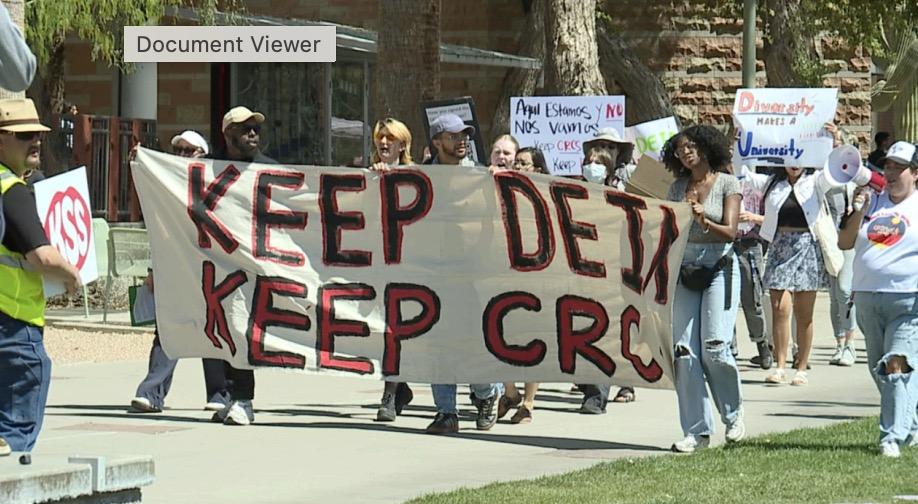
Later there were concern across campus that the cultural resource centers might be closed or merged into a single center For many students who relied on these spaces, the idea felt like losing a place where their identities and experiences were centered and understood Staff, students, and community members came together to speak out and advocate for the centers . I stood alongside them, protesting and advocating for the importance of maintaining these spaces. I felt empowered by helping to make a difference for students. While there were still difficult outcomes, the spaces themselves remained open, although we were required to change the name of your centers Even with those changes, I was proud to have been part of the effort to protect something that mattered deeply to minoritized student populations .
News Article and Interview
One of the smaller but meaningful ways I saw this show up was in communities of practice. At the start of many courses in the Higher Education program, we would take time to come together and set shared expectations for how we wanted to engage with each other. Sometimes it was simple things, like making sure we used people’s correct names and pronouns, or being mindful to leave space for classmates who might not feel comfortable speaking right away. But those moments stuck with me because they weren’t just routine, they were intentional. Creating those guidelines as a group meant everyone had a say in shaping the kind of environment we were learning in. It made the space feel more thoughtful and grounded in respect from the very beginning I started to realize that inclusion doesn’t always have to be big or visible to matter. A lot of the time, it’s built through small, consistent actions that show people they’re seen and cared for. This can be done by having early conversations with staff and empower them to use their voice . Those early conversations set the tone and reminded me how important it is to be intentional about the kind of spaces we help create .
These experiences, along with so many others over the past two years, have really shaped the way I think about social justice and inclusion in higher education I’ve come to understand that it’s not just about recognizing systems of power and privilege, but about what you do with that awareness in real time . It shows up in the moments when students need support, when something doesn’t feel right, and when you can advocate for spaces and resources that help them feel safe, valued, and heard . I’ve learned that this work requires intention and consistency, not just knowledge. Moving forward, I want to keep growing by being more intentional about uplifting diverse perspectives and making sure students’ voices stay at the center of everything I do . I also know that my learning doesn’t stop here, and I want to keep pushing myself to be better. Part of that means continuing to engage in conversations that challenge me and expand my understanding. I also plan to attend professional conferences to keep building my knowledge and stay connected to the ongoing work around social justice and inclusion.
Student Learning and Development has been one of the most meaningful areas of growth for me throughout my experience. Learning doesn’t just happen in the classroom, it happens in everyday interactions, programs, and conversations. Because of that, I believe student affairs professionals should always be intentional about creating opportunities for students to learn and grow, whether those moments are academic or not.
In my role as a Graduate Assistant at MLK, I’ve tried to be thoughtful about how I show up for students. I’ve worked to create spaces and experiences that are inclusive, socially just, and welcoming, places where students feel comfortable being themselves while also being challenged to think deeper and grow. Whether it’s through programming, conversations, or day-to-day support, my goal has always been to contribute to an environment that promotes both personal development and student success. A big part of this role has been working directly with students and supporting their professional and academic growth. I’ve had the chance to mentor students, help them build skills, and also push them outside of their comfort zones. At times, that meant encouraging them to take on new responsibilities or helping them recognize areas where they could improve. Those moments weren’t always easy, but they were important in helping students build confidence and develop a stronger sense of self.
I’ve also had the opportunity to think more intentionally about student learning through my coursework. In HED 609: The College Student, I developed a syllabus for a University 101 course. Even though it wasn’t implemented, the experience allowed me to take theory and put it into practice. It challenged me to think about how students learn, what they need during their transition into college, and how to design a course that supports their development both inside and outside the classroom.
Overall, this competency has shaped how I approach my work. It’s reminded me that every interaction is a chance to support student learning, and that even small moments can have a lasting impact on a student’s growth and experience.
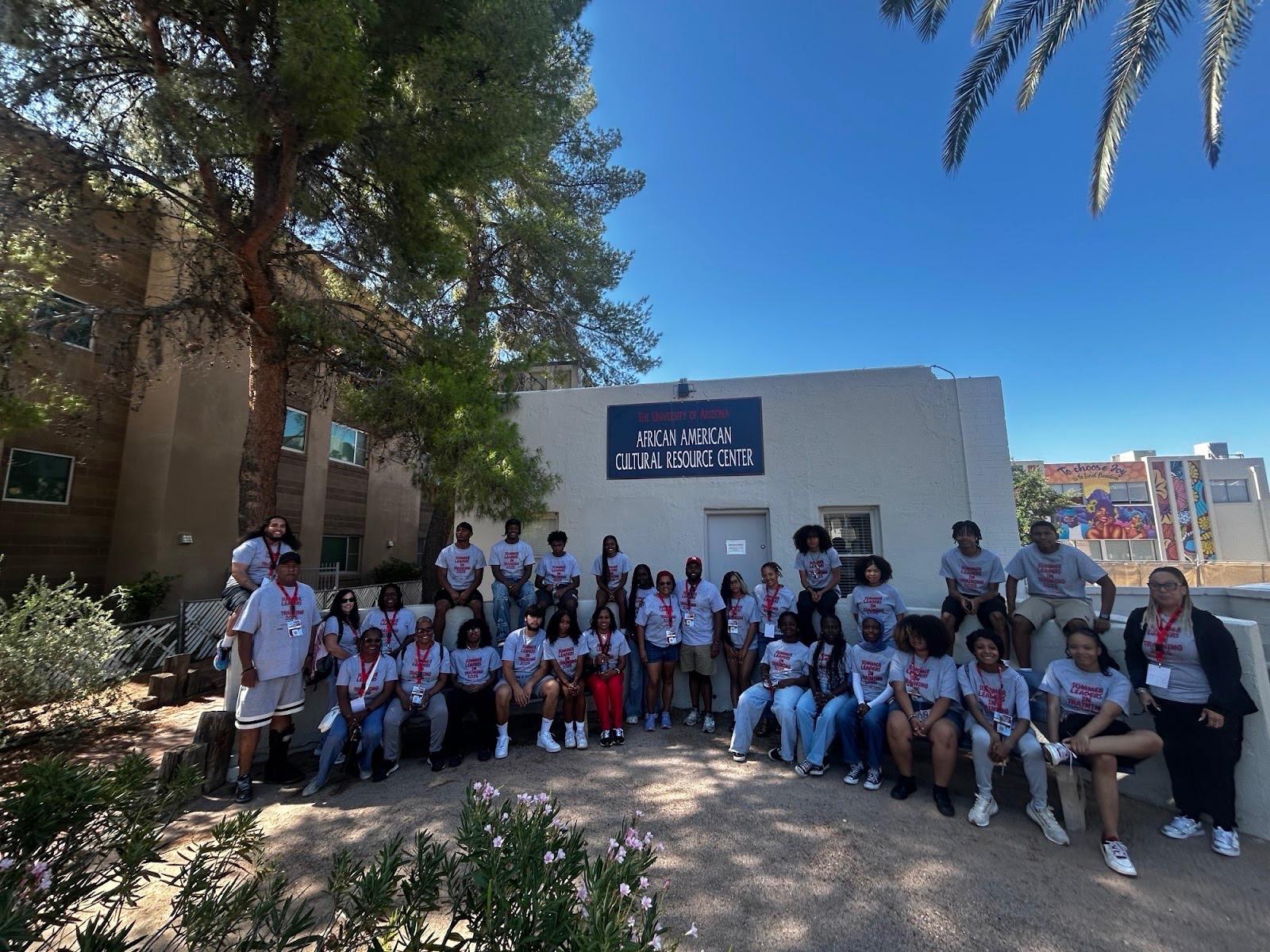
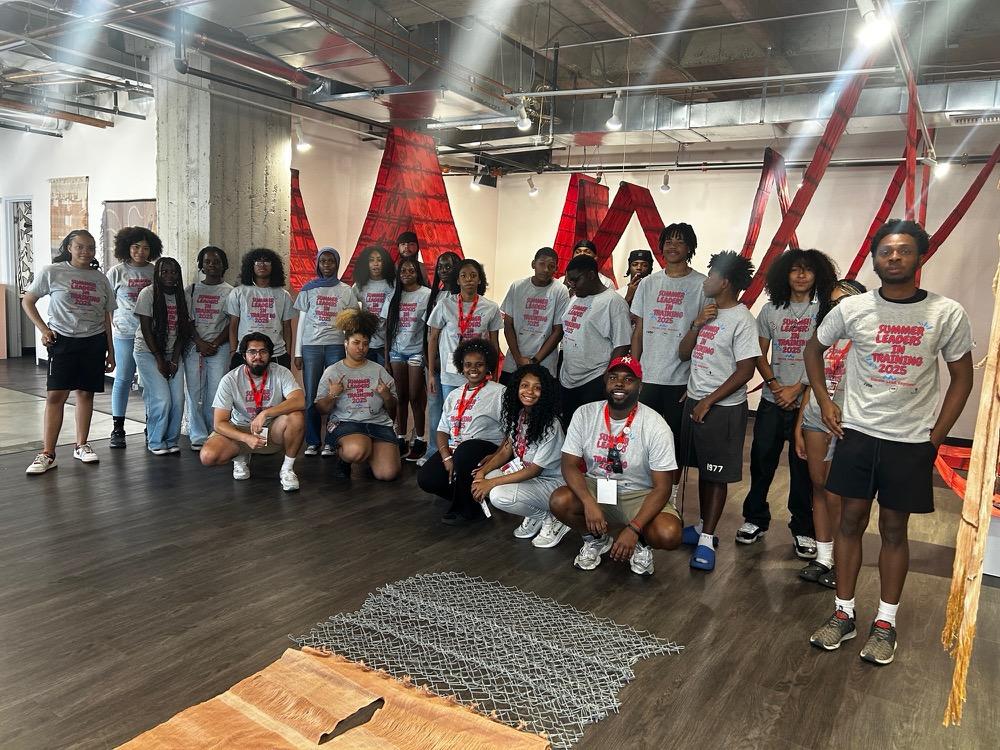
For my professional artifact, I’ve included my experience planning, coordinating, and facilitating the Summer Leaders in Training (LIT) program during my first summer in the program. This was my first time leading something from start to finish, which made it both challenging and incredibly rewarding. Summer LIT brought together 25 high school students from across TUSD with the goal of exposing them to higher education and encouraging them to see college as a real and attainable next step. From the beginning, I was intentional about designing a program that went beyond just providing information. I wanted students to actually experience what it means to be part of a campus community.
Drawing from what I had been learning in my coursework, I grounded the program in student development theory, especially Alexander Astin’s Involvement Theory. I focused on creating opportunities for students to be actively engaged, connect with different parts of campus, and hear from a variety of voices, including staff, current college students, and campus partners. I also built in moments for reflection so students could make meaning of their experience and see how it connected to their own goals. Even though it was my first time coordinating a program at this level, the knowledge and skills I gained through the program really showed up in my work. It pushed me to be intentional, adaptable, and student-centered in my approach, and ultimately helped me create a program that was engaging, impactful, and successful for the students involved.
For my academic artifact, I included a group project where we designed a new syllabus for a proposed University 101 (U101) course. This project came from real conversations, me and my group members heard consistent feedback from students who had taken U101, and a lot of them felt like the course didn’t add value or connect to their experience. That pushed us to rethink what the course could and should be. As a group, we worked to create a syllabus that felt more intentional and meaningful. We grounded it in student development theory and focused on helping students make sense of their college experience. We wanted the course to go beyond just checking a requirement and instead help students understand how to navigate college, take advantage of opportunities, and see the bigger picture of their journey. Our syllabus incorporated lessons around key campus resources that are often underutilized, like study abroad programs, career centers, and other support services. We also built in space for reflection, goal-setting, and real conversations that would help students connect what they’re learning to their personal and academic goals. Even though the course wasn’t implemented, the process was valuable. It challenged me to think critically about program design and what effective learning experiences actually look like. It also reinforced the idea that when we listen to students and take their feedback seriously, we can create more engaging and impactful learning environments.
HED 609 Application Project
I plan to continue growing professionally in the competency of Student Learning and Development by staying intentional about how I learn, apply theory, and show up for students. Based on my experiences so far, I know that growth in this area requires ongoing reflection, learning, and action. My goals for continued professional development include:
• Attend conferences and professional development opportunities to strengthen my understanding of student learning and development, while also learning new strategies and best practices I can bring back to my department.
• Continue to challenge myself and the students I work with by creating opportunities that push growth, encourage reflection, and support students in stepping outside of their comfort zones.
• Build and support inclusive, socially-just, and welcoming campus communities that promote deep learning, meaningful engagement, and overall student success.
• Enhance my skills in using theory to inform divisional and institutional policy and practice, so that my impact can extend beyond individual programs and contribute to broader student success efforts.
By pursuing these goals, I plan to continue growing in this competency and becoming a more effective student affairs professional. I aspire to create learning experiences that are meaningful, engaging, and impactful, ones that help students not only succeed, but also better understand themselves and their place within the campus community.
Technology has become more than just a tool, it’s a necessity for success in today’s world. In higher education, it touches nearly every aspect of campus life, from emails and online assignments to laptops in classrooms and virtual learning platforms. As a student affairs professional, I have learned to harness technology not just for efficiency, but to connect with students and elevate their voices.
During my time as the graduate assistant for the MLK Dream Student Space, I had the opportunity to put this into practice. I managed our social media accounts, newsletter, and website, using these platforms to promote events, share student stories, and amplify the experiences of marginalized communities. I also recruited students through event recaps, capturing moments that encouraged them to attend future programs. Through these efforts, I witnessed firsthand how technology can bring students together, foster engagement, and create a sense of belonging.
This experience has reinforced a lesson I carry forward, technology is constantly evolving, and to support students effectively, we must evolve with it. In student affairs, technology is not just a support tool, it is central to recruiting, retaining, and engaging students, as well as growing programs and events that enrich the campus experience. Embracing this digital landscape has been a critical part of my growth as a practitioner, and it will continue to shape the ways I foster community, inclusivity, and connection in higher education.
During my time as a Graduate Assistant for the MLK Dream Student Space, I didn’t just complete tasks, I stepped into a role that challenged me to think more intentionally about how communication, technology, and storytelling shape student engagement and belonging. My work focused on managing our digital presence, and through these responsibilities, I was able to grow my skills while also seeing the real impact this work had on students across campus
Through my role, below are key responsibilities that contributed to my development in Technology:
Managing the MLK Dream Student Space newsletter
• I was responsible for creating and distributing our weekly newsletter, which reached over 10,000 subscribers . Over time, I began to see the newsletter as more than just an email, it became a platform to connect students with opportunities and resources they might not have otherwise known about.
• I intentionally expanded the structure of the newsletter by adding new sections, including student job postings, scholarship opportunities, and campus resources. These additions helped improve the flow and made the content more accessible and useful for readers.
Managing the MLK Dream Student Space Instagram
• I helped grow the Instagram account by over 500 + followers through consistent and intentional content creation
• I created videos that centered student faces and voices, making sure our content reflected the diversity and lived experiences of the students we serve .
• One of the reels I created reached over 14,000 views, reinforcing the power of social media to expand our reach and engagement .
• I used the platform to promote MLK Dream Student Space events and programs, while also uplifting campus -wide initiatives to increase overall student involvement.
Through these experiences, I learned that technology in student affairs is not just about sharing information, it is about creating access, building community, and making sure students feel seen and supported . Each platform I managed played a role in that process, and together, they helped me grow into a more thoughtful and intentional practitioner.
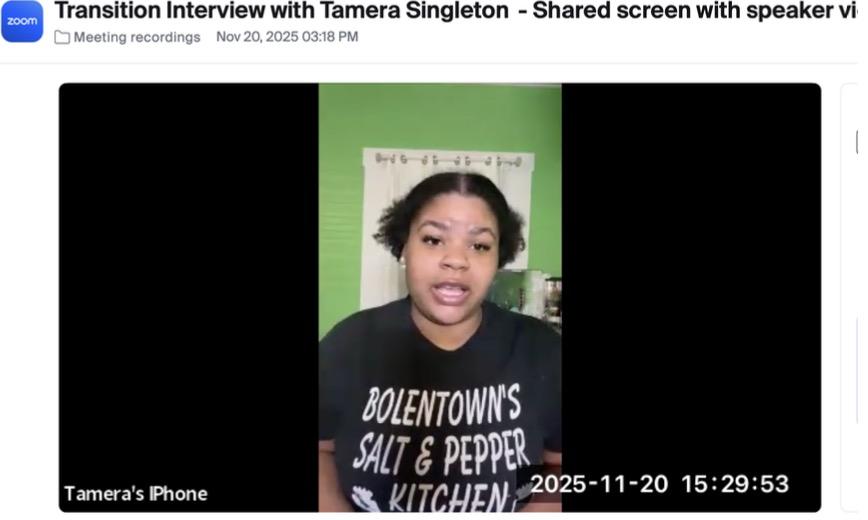
Throughout my time in the Higher Education program, I was constantly encouraged to think about how technology could enhance the way we learn, connect, and tell stories. One assignment that really stayed with me came from HED 637: Student Transitions Into and Out of College. We were asked to interview someone about their transition experiences and turn that conversation into a meaningful assignment.
I thought about who I wanted to interview and my mind immediately went to my sister back home in South Carolina. Distance could have easily been a barrier, but instead, it became an opportunity to intentionally use technology in a way that felt practical and personal. Through virtual platforms, I was able to sit down with her, hear her story, and engage in a conversation that might not have been possible given the distance between us. What made this experience meaningful was realizing how technology allowed me to stay connected to my roots while engaging in my academic work. I was able to capture her transition story in an authentic way and translate that into a final product that reflected both course concepts and real-life experiences. This moment reinforced for me that technology, when used intentionally, can bridge gaps that once felt limiting. It allowed me to bring family, lived experience, and academic learning together in one space.
Link to Zoom video
Technology is constantly evolving, and to be effective in student affairs, I must be willing to evolve with it. I’ve seen firsthand how quickly trends shift and how students engage differently across platforms, which is why I am committed to staying informed and adaptable in my approach. Moving forward, I want to be more intentional about how I incorporate technology, especially social media, into my work. While I’ve gained experience using it to promote events and support recruitment efforts, I see the potential for it to go much deeper than that. I want to continue exploring how digital spaces can be used for storytelling, community building, and amplifying student voices in ways that feel authentic and impactful. For me, it’s not just about posting content, but about creating narratives that students can see themselves in and connect to.
I also plan to continue refining my skills by paying attention to what works and what doesn’t. Whether that’s analyzing engagement, experimenting with new formats, or learning from other professionals in the field, I want to stay curious and open to growth. Attending workshops, conferences, and training focused on technology and communication will allow me to keep building my skill set and stay aligned with best practices. Ultimately, my goal is to use technology in ways that are thoughtful, inclusive, and student-centered. I want to continue growing as a practitioner who not only understands digital tools, but knows how to use them to create meaningful connections and enhance the student experience.
Stepping into my role as a Graduate Assistant for the MLK Dream Student Space, I didn’t just see it as a job, I saw it as an opportunity to build something meaningful. From the beginning, I found myself thinking about what it really means to create a space where students feel like they belong Not just physically, but emotionally and culturally too . That mindset pushed me to think more creatively and intentionally about programming I wanted to introduce events and experiences that felt fresh, relevant, and reflective of the diverse students we serve . In doing that, I began to understand that the work of student affairs is really rooted in creating belonging, amplifying student voices, and helping students step into their full potential. It’s not just about hosting events, it’s about shaping environments where students can grow, challenge themselves, and feel seen.
Throughout the Higher Education program, I’ve been introduced to different theories and scholars who have shaped the field of higher education One that really stuck with me is Baxter Magolda’s Meaning Making Model. What stood out to me is how it focuses on the ways students interpret and understand their experiences . It made me realize that not every student immediately sees the value of higher education or recognizes the opportunities in front of them . A big part of our role is helping students connect the dots, helping them make meaning of their experiences so they can better understand their purpose, their goals, and their potential
This also helped me better understand how different parts of the institution work together. Faculty, academic affairs, and student affairs all play a role in student development, but they approach it in different ways . Over time, these roles have evolved . Faculty have traditionally focused on academic learning, while student affairs has centered the student experience outside the classroom Now, there’s more collaboration and overlap, recognizing that learning happens everywhere . As student affairs practitioners, we have a responsibility to bridge those gaps and support students holistically.
At the core of all of this is the idea that we are here to develop and empower students Helping students make meaning of the world around them is not always easy, but it is necessary. It requires us to be intentional, adaptable, and studentcentered in everything we do As I think about my future in this student affairs, I want to continue being a visionary. I don’t want to fall into the habit of doing things “just because that’s how they’ve always been done” . Students are constantly evolving, and our work has to evolve with them . I want to keep pushing myself to think differently, to create innovative programs, and to build spaces that reflect the needs of today’s students. For me, this competency is about understanding where the field has been, recognizing where it is now, and having the courage to help shape where it’s going next.
For my professional artifact, I included pictures of the list of demands posted in the MLK Dream Student Space, because that history means everything to the work we do today The MLK Jr Building didn’t just appear, it came from student protests decades ago, led by Black students who were fighting for a space where they could feel seen, supported, and heard on campus . Those students pushed back against the institution, and they won. Out of that movement came a list of demands for administration, meant to hold the institution accountable and ensure the space would be sustained over time . Years later, that same space still exists and continues to serve as a home for Black students and other students who are looking for community and affirmation. Being in this role, and seeing those demands posted on the wall, is a constant reminder that this space was built through resistance, courage, and student voice .
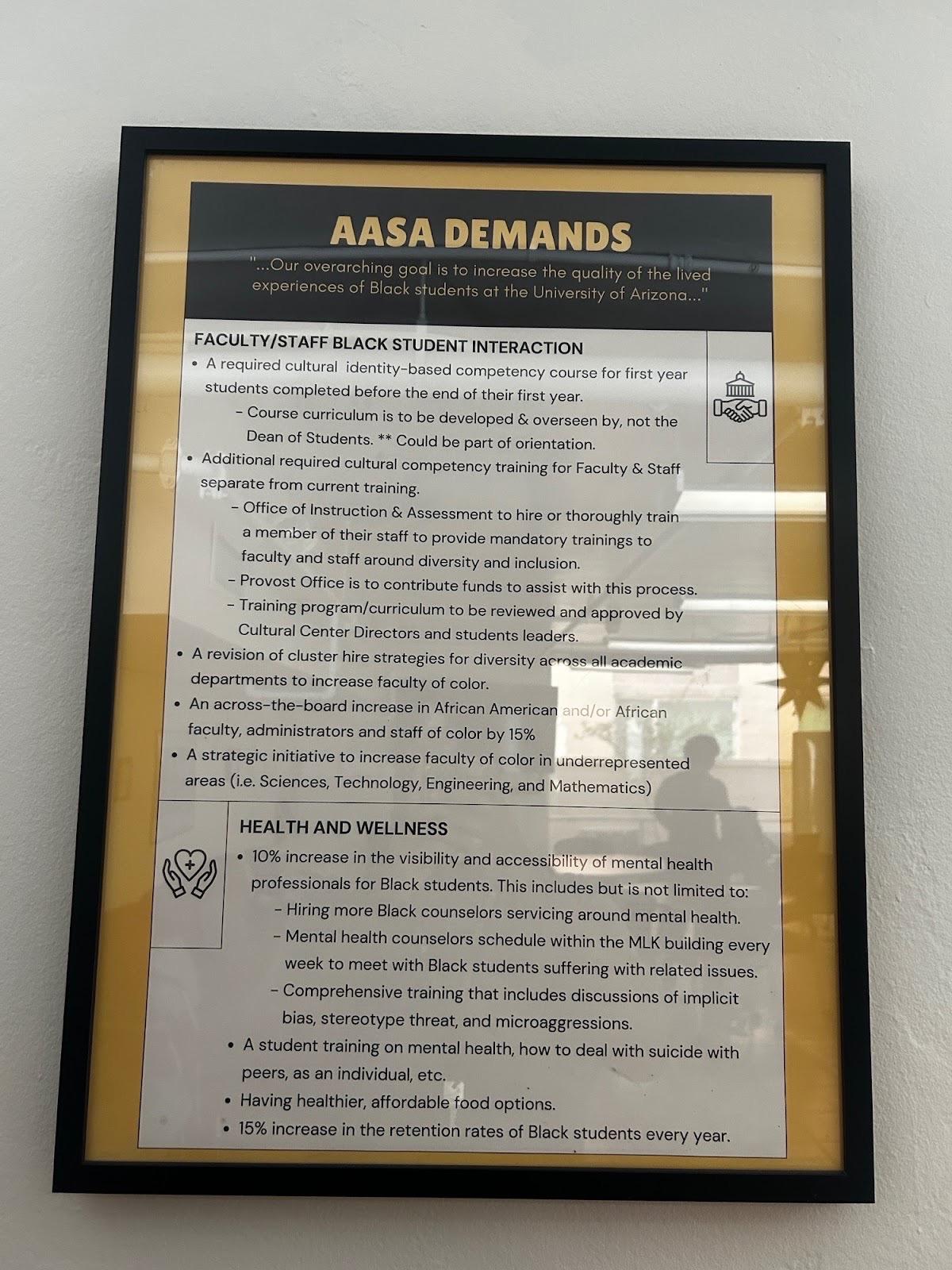
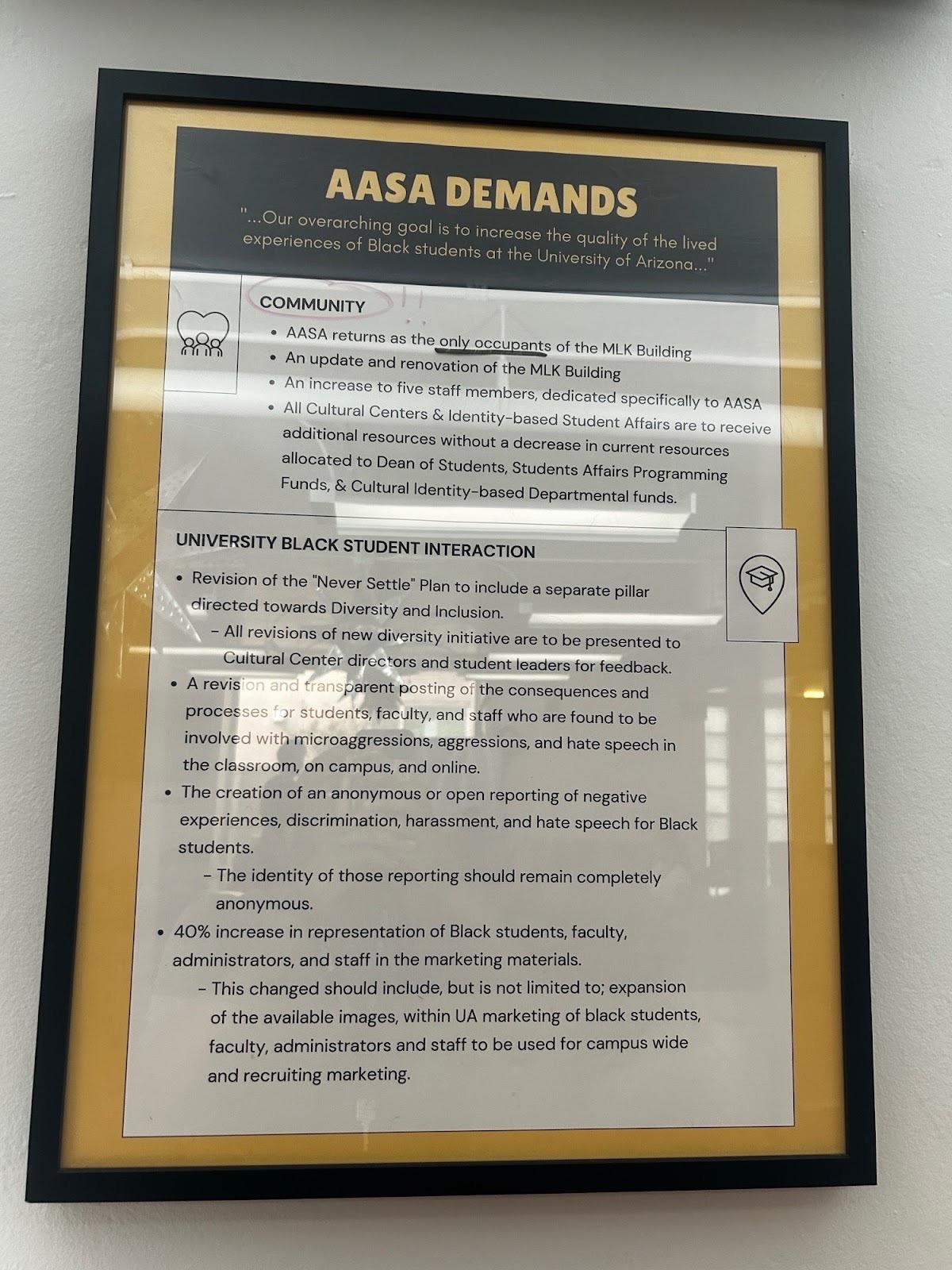
For my academic artifact, I included two assignments from HED 610: History and Philosophy of Higher Education. This course really pushed me to think differently about higher education, not just as the system we see today, but how it was originally created. We talked a lot about how higher education in the U.S. was built in a time where racism, exclusion, and inequality were the norm. Access to education wasn’t for everyone, it was mainly reserved for wealthy white elites.
What stood out to me is that while things have changed, some of those same patterns still show up today, just in more subtle ways. Whether it’s who gets recruited, what schools get resources, or how students are supported once they arrive, there are still systems in place that create barriers for marginalized communities. These assignments gave me space to reflect not only on what higher education has been, but also what it could become if we are more intentional about equity and access.
• Navigational Toolkit
For this assignment, I created a Navigational Toolkit designed for low -income and marginalized students. The goal was to break down what a robust college experience can look like, things like getting involved on campus, building relationships with faculty, using campus resources, and taking advantage of opportunities outside the classroom. I was really thinking about first-generation college students while creating this. Many of them don’t have family members who have gone through higher education, so they may not even know what questions to ask or what opportunities exist. This toolkit was my way of trying to close that gap and make the hidden parts of college more visible and accessible.
• Counter Story Assignment
My second artifact is a counter story where I reimagined what higher education could and should look like in the future. This was inspired by readings like Ebony and Ivy by Craig Steven Wilder and A Third University is Possible by la paperson. Both works challenged me to think critically about the history of higher education and pushed me to imagine something better. In my counter story, I focused on what it would look like if institutions truly centered equity, justice, and student voice. Instead of maintaining systems that were never built for everyone, I explored how we can rebuild and reimagine higher education in a way that serves all students, especially those who have been historically excluded. Overall, these assignments helped me connect the past, present, and future of higher education. They reminded me that while the system has deep roots in inequity, it also has the potential to change. As a future student affairs professional, I see my role as being part of that change advocating for students, challenging outdated systems, and helping create spaces where all students can succeed and feel like they belong.
As I continue to grow within the Values, Philosophy, and History competency, I recognize that learning doesn’t stop with understanding the past, it’s about how I apply those lessons to my work moving forward . These goals reflect my commitment to being intentional, reflective, and student-centered :
•Deepen my understanding of how past student activism has shaped the spaces and resources we have today, so I can better honor that legacy and apply those lessons to current work.
•Moving forward, I want to create more opportunities for students to share their experiences, needs, and ideas, and ensure those voices are reflected in programming and decision-making.
•I plan to keep pushing myself to not just understand inequities, but to actively address them by advocating for policies, programs, and spaces that better support marginalized students.
Overall, my continued growth in this competency will be rooted in staying informed, listening to students, and being willing to challenge systems when needed . I want to make sure that the work I do contributes to a more equitable and inclusive future for all students.
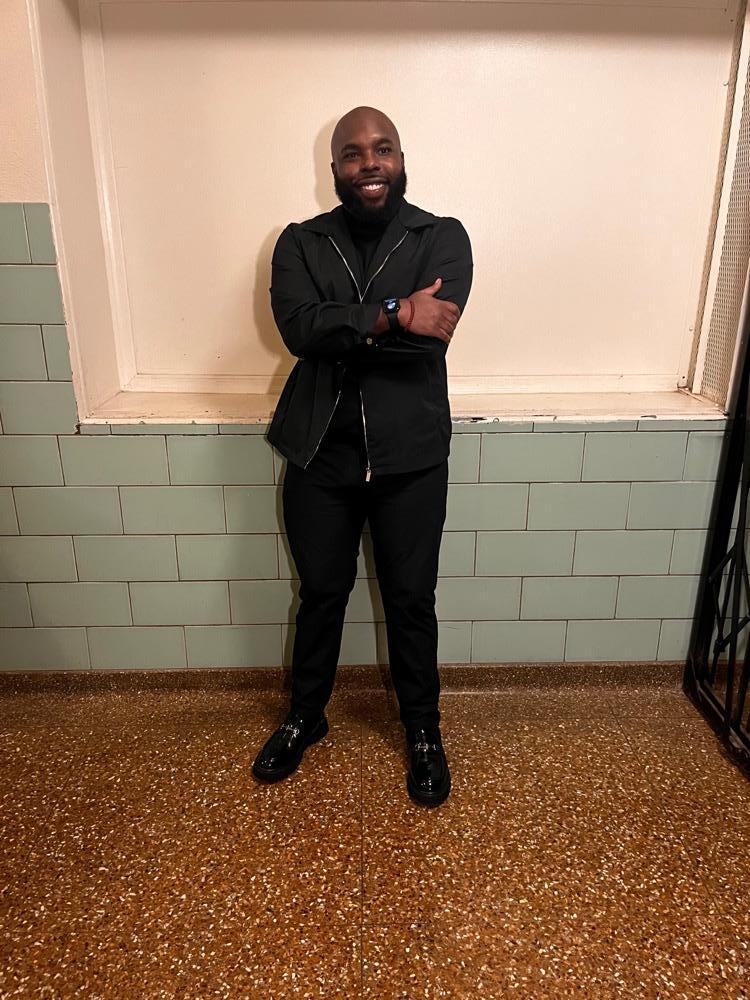
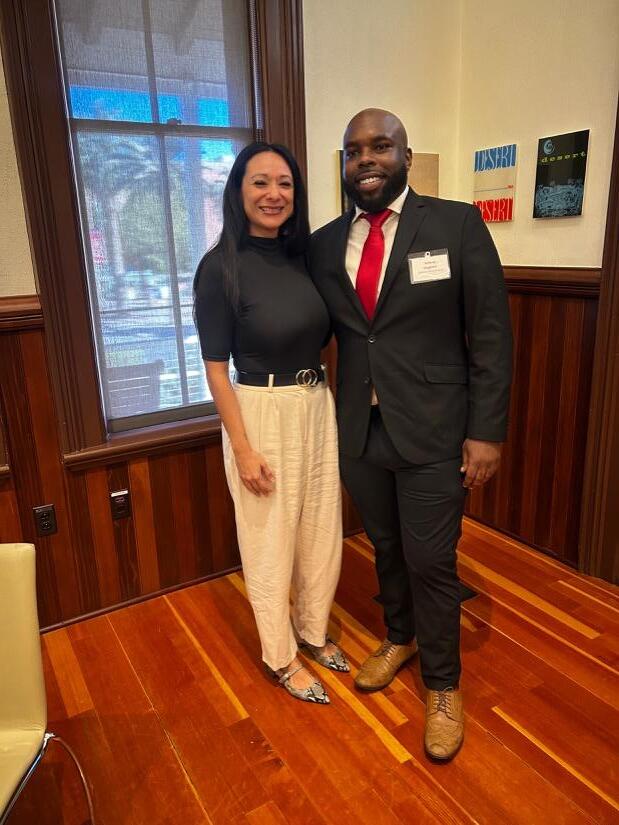
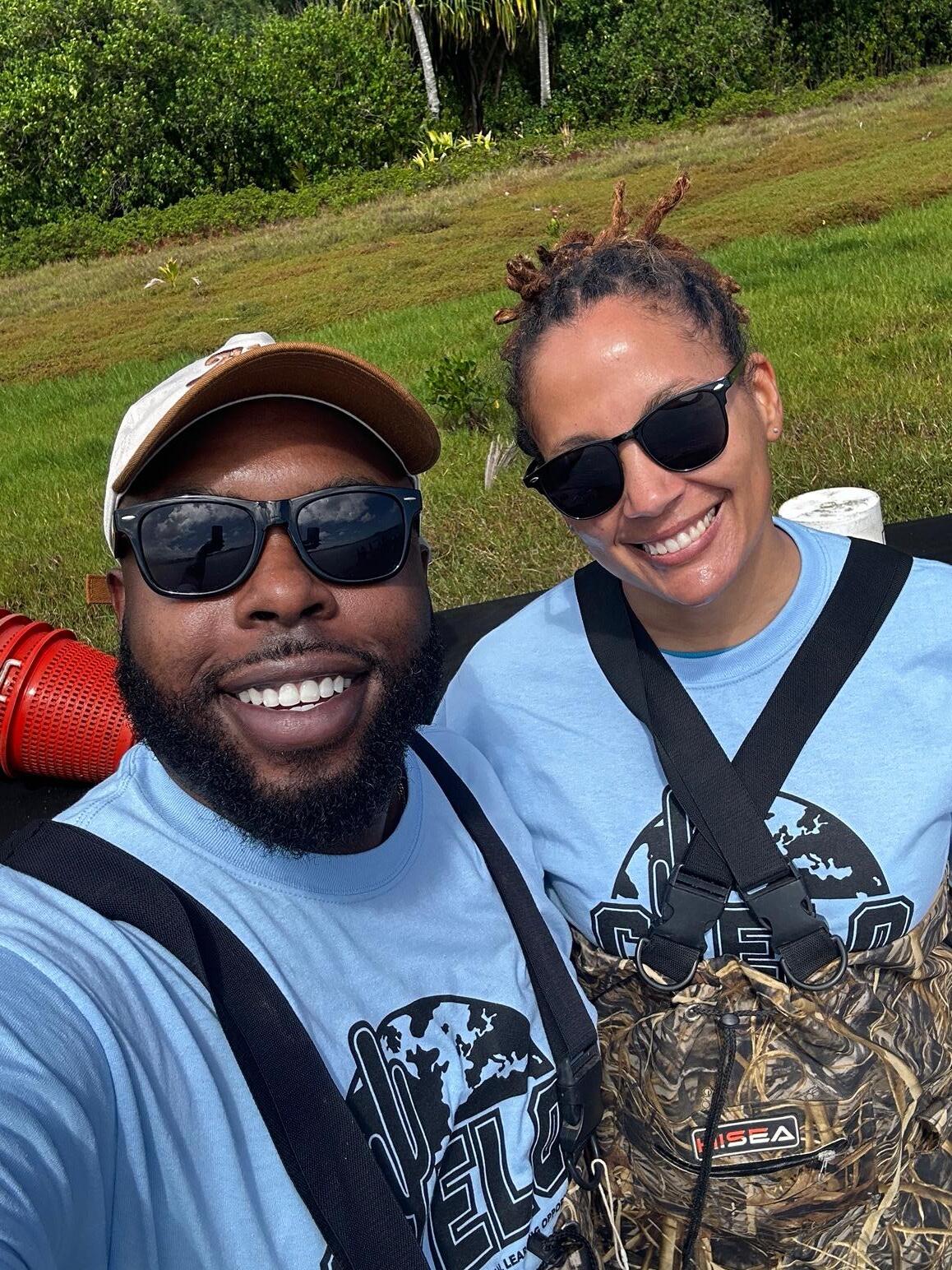
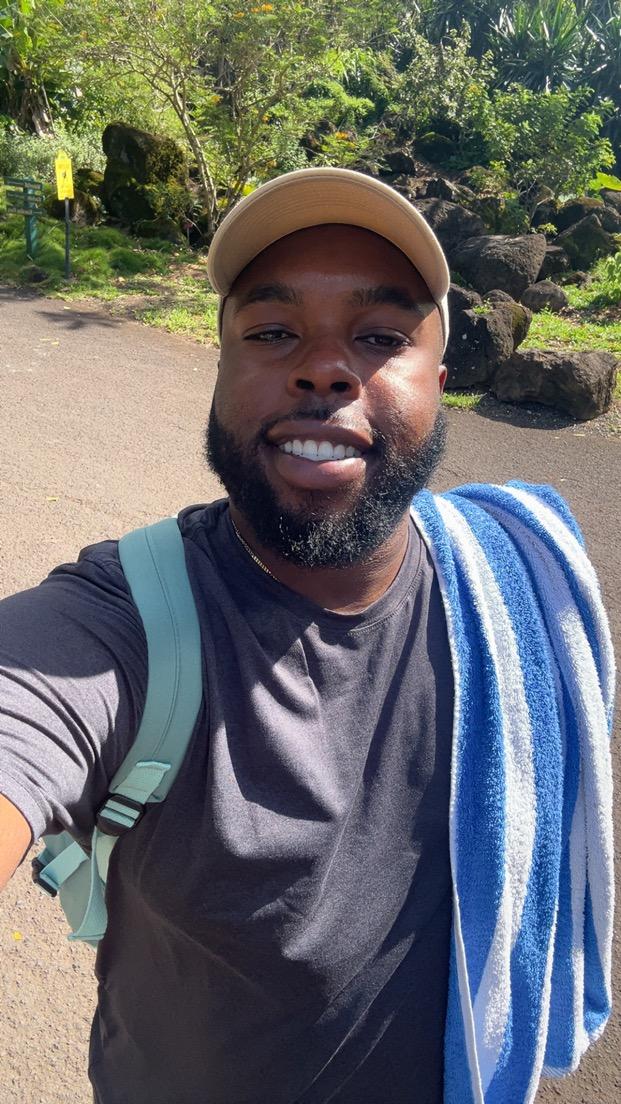

“Never stop believing in yourself, we have the power to do anything we put our minds to. Never look at what anyone else is doing, we all have our own journeys and paths through this life. Support one another and let everyone have their time to shine. “
- Anthony Q. Singleton Jr.
Thank you for reading!