TRANSPORTATION INSURANCE
Navigating Loss Severity, Capacity & Regulatory Change




Key Takeaways
Commercial Auto remains challenging, with combined ratios above 100% and 55 consecutive quarters of rate increases keeping underwriting tight.
Capacity is available but selective. Complete submissions, strong safety culture, and telematics can meaningfully improve pricing and options.
Loss severity continues to rise due to inflation, nuclear verdicts, repair costs, supply-chain delays, and growing EV exposures.

Enforcement of English-language proficiency rules intensified in 2025, worsening driver shortages and increasing scrutiny of B1 and Mexicolicensed drivers. Garage opportunities are expanding, particularly for mobile mechanics, heavy truck repair, and non-franchised dealers.
Market Conditions
Commercial Auto continues to face profitability challenges, with combined ratios above 100% and more than 55 consecutive quarters of rate increases, according to Conning’s 2025
Commercial Auto Study. Social inflation and nuclear verdicts have driven Liability claim costs sharply higher, and the report found claim severity is up 64% since 2015.
Physical Damage losses are also climbing, driven by higher repair costs, inflation, ongoing supply-chain delays, and the increased presence of electric vehicles (EVs). EVs introduce exposures such as battery-related fire severity, longer repair cycles, and cyber vulnerabilities.
Even so, capacity is still available, though carriers are more selective. Underwriters are scrutinizing driver qualifications, commodities hauled, telematics data, and rapid fleet growth. More detailed submissions and realistic timelines are essential to securing competitive terms.
This Market Overview provides expert insight into these evolving market conditions and strategies to help brokers and agents succeed.

Regulatory Spotlight: English Proficiency Requirement
Federal enforcement of driver English-language proficiency requirements in the U.S. intensified in 2025. Drivers who cannot communicate effectively in English or understand roadway signage are now routinely placed out of service until a qualified replacement arrives. Although this rule has existed for years, enforcement was historically limited. According to a December 10 Bloomberg article, more than 9,500 drivers have been placed out of service since enforcement ramped up in late June, with Texas and Wyoming leading in citations. This sudden removal of drivers has further strained an already tight labor pool, worsening the ongoing driver shortage and creating operational challenges for many fleets.
This heightened enforcement has also increased underwriting scrutiny of drivers with Mexico licenses and B1 visas—particularly for cross-border operations. Brokers and agents should address these trends with clients early and confirm carrier appetite for these driver profiles to prevent delays or placement issues.

Emerging EV Risks
As EV adoption accelerates, brokers and agents should be aware of several emerging exposures:
Higher Repair Costs: EVs require specialized materials and technicians, extending repair times and increasing claim costs.
Battery Hazards: Lithium-ion batteries present elevated fire risk and often result in total losses.
Cyber Risks: Increased connectivity creates new vulnerabilities not present in traditional fleets.
Limited Repair Networks: Few facilities are equipped to service EVs, which may increase downtime.
Evolving Regulations: Rules around charging infrastructure, battery disposal, and safety standards continue to change.
Proactively discussing these factors with clients can help ensure adequate coverage and expectations.
Garage Insurance Opportunities
Garage Insurance opportunities are expanding, especially for mobile mechanics, heavy truck repair shops, and non-franchised dealers. To help secure coverage and competitive terms, brokers and agents should include operational details such as:
Test-drive protocols
Dealer plate usage controls
Mobile service exposures
On-site service processes
Providing clear, detailed information about these factors helps carriers accurately assess risk and tailor coverage.

Loss Mitigation Strategies
Carriers are placing greater emphasis on proactive loss mitigation strategies to control premiums and improve insurability. Demonstrating a strong safety culture can help improve pricing, expand carrier appetite, and reduce claim frequency and severity. Key strategies include:
Telematics & Cameras: Inward/outward-facing cameras can help exonerate non-fault drivers, improve coaching, and reduce severity.
Hiring & Training Standards: Documented hiring criteria and ongoing driver training signal strong operational controls.
Maintenance Protocols: Clean service records and proactive inspections lower the likelihood of mechanical failures.
Garage Controls: Clear test-drive procedures, key controls, and dealer plate governance are essential for garage risks.
Monthly Loss-Run Reviews: Identifying trends early helps avoid renewal challenges and demonstrates engagement.
Tips for Brokers Agents

To help brokers and agents succeed in today’s challenging Transportation & Garage insurance market, consider these strategies:
#1 Submit complete, detailed applications.
Thorough submissions with driver info, telematics, and maintenance records speed up underwriting and improve placement.
#2 Set realistic expectations.
FMCSA English proficiency enforcement affects driver eligibility; discuss carrier appetites for B1 and Mexico-licensed drivers early.
Details like test-drive protocols and dealer plate controls help carriers assess risk and tailor coverage.
Selective capacity and deeper underwriting mean longer turnaround times—prepare clients accordingly.
#3 Educate clients on regulatory changes.
#4 Highlight unique operational details for Garage risks.
#5 Review coverage regularly with clients. Share target pricing, competing quotes, and market feedback to align expectations and streamline the process.
Check-ins help ensure policies match current operations and prevent gaps from overlooked changes.
#6 Promote proactive loss mitigation. The Burns & Wilcox Transportation Practice Group offers specialized expertise and broad market access, delivering creative solutions for complex or cross-border risks.
#7 Communicate clearly with partners. Encourage telematics, safety culture, and regular maintenance to reduce claims and improve insurability.
#8 Leverage wholesale partners.

Underwriting discipline is expected to continue in 2026, with carriers maintaining firm pricing and a selective approach to risk. Staying proactive, informed, and connected with expert partners can help you and your clients adapt and succeed in an evolving market.


Contributors
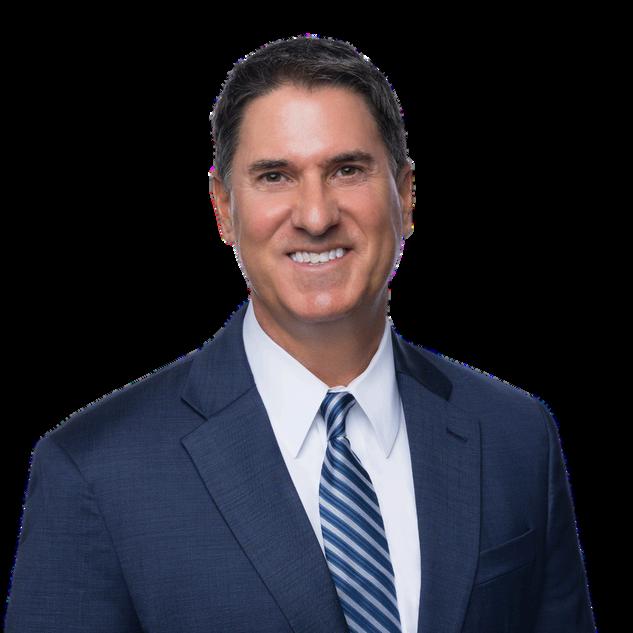
Bob Quillman
Regional Vice President, Texas
Burns & Wilcox
Dallas/Ft Worth, TX
Click here for contact details >

Renee Jones
Senior Underwriter, Transportation
Burns & Wilcox
Dallas/Ft. Worth, TX
Click here for contact details >

Gené Cain
Broker, Transportation
Burns & Wilcox, Brokerage Division
Atlanta, GA
Click here for contact details >
Liza Zarate
Underwriter, Transportation
Burns & Wilcox
San Antonio, TX
Click here for contact details >
This commentary is intended to provide a general overview of the issues contained herein and is not intended, nor should it be construed, to provide legal or regulatory advice or guidance. If you have questions or issues of a specific nature, you should consult with your own risk, legal, and compliance teams.