WE come to the end of another year still in search of the definitive undeniable turning point in the industry where things are back on an even keel, the overstocks are flushed out and normal service is resumed. As was pointed out to me recently, there won’t be a single month or moment when things suddenly snap back into place. Improvements are coming sector by sector, territory by territory, inch by inch.
Possibly the broader challenge for now is less industry-specific, namely operating in a difficult economy where it is harder to extract money from consumers who are understandably cautious.
The retail market continues to be in flux, footfall is declining overall, so in-person customers are all the more precious (and present on purpose). There’s more on how to make the most of them on page 24, as well as some words on different retail approaches on page 16.
The November UK Budget didn’t set a new cap on cycle to work as The Financial Times had suggested it might, but there are several questions remaining about the initiative and the word on the bike shop street seems hugely in favour of reform and fine tuning, not least in helping low income workers get a bike (source: Cycling Industry Chat on Facebook).
The ACT was among those that welcomed parts of the Budget that included permanent business rates relief for retail, but pointed out the UK import duty loophole is taking far too long to close – something the USA and Europe have been faster to move on – leaving UK retail subject to greater challenges from overseas sellers. All these factors and more are impacting on the market and – while the economy remains challenging – will likely remain in sharp focus as businesses are forced to operate within tighter margins.
Publisher Jerr y Ramsdale jerr y@cyclingindustr y.news
Editor Jonathon Harker jon@cyclingindustr y.news Sales Manager Lloyd Ramsdale Lloyd@cyclingindustr y.news Reporter Simon Yuen Simon@cyclingindustry.news Head of Produc tion
y.news
WHAT WOULD YOU LIKE TO SEE FROM MANUFACTURERS?
What would the retail and workshop front line of the cycling industry like to see from manufacturers? It makes sense that brands would be keen to know about this kind of thing as shops can clearly influence buying decisions on the shop floor. So, without further ado…
Less model year churn
Currently there is still overstock in the supply chain, with accompanying sales to remove that extra stock. That impacts negatively across the industry but has been written off as solely a problem that came thanks to optimistic over-ordering during the lockdown period. Perhaps it is. Not unrelated, model year churn has a similar effect, resulting in the need to slash prices to clear the way for next year product. It’s one of the biggest frustrations for retailers: almost three quarters (72%) of CIN Market Survey respondents want manufacturers to reduce model year churn. That’s a resounding response from the frontline of a sector that is clearly hugely fed up with margin-reducing sales as a matter of course (not just due to lockdown over-ordering).
Ease of service as a priority in design
As usual, there are a few different ways to look at responses like ‘Ease of service as a priority in design’ – a popular response to the question ‘what would you like to see more of from manufacturers?’ Componentry and bikes that are not overly complex to access or service is clearly a positive for the workshop. Anything that saves time and reduces complexity is hard to argue against.
On the flip side of that coin, with bicycles (certainly eBikes) and components becoming more complex, your average cyclist is probably less inclined to ‘have a go’ and will be more likely to choose a trusted workshop to do the work. But there’s a fine line which could potentially tip over into a costly time sink for shops. Is there a case to be made for workshop mechanics to have a hand in product design? Or a workshop mechanic sounding board/forum for fresh product designs?
While comparing the cycle world with the automotive market irritates some in the industry, there’s a case to be made that bikes are following cars in this area, specifically where ‘have a go’ maintenance is being designed out of cars that require specialised diagnostic tools and software. That’s good news for bike workshops, probably.
Enhanced quality control
Tellingly, quality control was a hugely popular response (46%) indicating that there is probably a bit of a quality problem in the market. Whatever way you cut it, you don’t want nearly half of retailers recognising product quality as a significant challenge. In the rush to get product out in the FMCG industry like cycling, are
“WHILE THERE'S INCREASED EMPHASIS ON USING RECYCLED MATERIALS FOR NEW PRODUCTS, MORE RUDIMENTARY SUSTAINABLE ACTIVITIES, LIKE USING RECYCLED AND RECYCLABLE MATERIALS IN PACKAGING, ARE STILL BEING OVERLOOKED”
QC corners being cut by some? That is beginning to sound like a serious charge (maybe that bike shop/workshop sounding board mentioned earlier *is* a good idea). But it does tap into a broader theme CIN has picked up on in the industry this year – namely whether standards for bicycles and products are up to scratch for the modern world. The topic was picked apart in a CIN Podcast that highlighted common standard ISO 4210 pre-dates the use of some materials now commonly used in the industry and racing – having primarily been designed for steel bicycles. The Pod also highlighted that consensus to modernise standards is difficult to arrive at. In related news, academic studies have been scathing about safety in cycle sport – Bayes Business School and Dublin City University said there was “profound safety problem” at the highest level of the sport. That report highlighted notorious examples – including when one Olympian’s handlebars snapped clean off during competition. Put together, quality appears to be a significant challenge facing the trade.
More recyclable packaging
By the mid-2020s you might have expected the vast majority of packaging in the trade to be recyclable, but old habits are seemingly dying hard and a very sizeable proportion (42%) of bike shops want manufacturers to opt for greener packaging. Perhaps ironically, increasing numbers of manufacturers are
looking at using recycled and recyclable materials for the products themselves, with some well publicised moves in the tyres and tubes arena toward more sustainable product. But if over a third of retailers and workshops have identified this as an issue then the cycling supply chain looks to have plenty of room for improvement. Is including more recyclable packaging an easier win for brands than producing recyclable product (or product made with recycled materials)? On paper, probably. Another one to mark ‘room for improvement’ on the report card. Brands would, at this point, likely draw our attention to another retailer response ‘greater packaging protection for product’ (15%) and state the difficulty of offering adequate packaging using recyclable materials. While there may be some truth in that, there’s clearly room for innovation and improvement here.
More localised production and service investment
A quarter (25%) of respondents want brands to opt for more localised production and service investment. That is likely something to do with workable lead times and keeping customers happy. Indeed many of the press statements coming across the CIN news desk are keen to emphasise local service support, when it’s available. Likewise, the other request from retailers –‘greater investment into the supply of high turnover parts’ – also feeds into the same point that shops need brands to be on the ball when it comes to fast lead times and responsiveness.
42% of bike retailers want manufacturers to use more recycled packaging
UNCERTAIN TIMES
Three years into the industry downturn, the global bike sector is still searching for its next gear. That is all the more true as excess inventory, shifting tariffs and growing uncertainty around major trade shows are forcing brands and suppliers towards an even more cautious, efficiency-driven form of growth. Werner Müller-Schell analyses the situation with some international industry pundits…
A“THREE YEARS INTO ITS ECONOMIC DOWNTURN, THE GLOBAL BIKE INDUSTRY LOOKS INCREASINGLY LIKE A STRETCHED-OUT PELOTON IN THE WIND... A STEADY TRICKLE OF RIDERS SLIDING OFF THE BACK AS THE CROSSWIND SAPS THEIR STRENGTH”
nyone who has ever watched the Tour de France will know that the decisive moments do not always come on the big climbs or at the finish line. Sometimes the race blows apart on a flat, featureless road when a strong side wind hits the riders. On TV, it looks almost uneventful: the main group – the peloton – stretches into a long, thin line, shoulders hunched as everyone leans into the gusts. There are no big attacks, no obvious drama, just a steady trickle of riders sliding off the back as the crosswind saps their strength. Three years into its economic downturn, the global bike industry looks increasingly like that stretched-out peloton in the wind. The explosive accelerations of the pandemic years are a fading memory; the sense now is of survival riding, of holding position while invisible pressures drag on the bunch. Looking back over 2025 and into 2026 makes one thing painfully clear: this is still a fight to stay, not yet a moment to lift the pace and chase the next breakaway.
Indeed, the long-promised “light at the end of the tunnel” has only appeared in
fragments. Inventory remains elevated, forcing ongoing discounting and keeping margins under pressure just as financing costs have risen. Uncertainties around new and proposed tariffs, debates over how electrically power assisted cycles (EPACs) should be classified and regulated, labour conditions in key hubs such as Taiwan and the weakening pull of traditional trade shows have all made longterm planning harder and cooled industry sentiment. At the same time, consumer confidence in many markets remains fragile, shaped by cost-of-living concerns and wider anxiety over geopolitical tensions and conflicts. Yet there are pockets of opportunity: eBikes continue to gain popularity in many regions, service revenues have become a more reliable pillar for dealers, and leasing, refurbishment and other circular models are starting to scale. Export revivals in manufacturing hubs like Bangladesh and Cambodia, plus steady growth in niche categories such as kids’ bikes and safety technology, point to a painful but potentially healthy rebalancing rather than collapse.
“THE MOMENT IS DEFINED BY THREE PRESSURE POINTS: INVENTORY LEVELS THAT ARE “STILL TOO HIGH” WITH DISCOUNTING EATING INTO MARGINS, DEPLETED RESERVES AFTER THREE AND A HALF YEARS OF WEAK BUSINESS AND HIGHER INTEREST RATES, AND CONSUMER SENTIMENT THAT “IS STILL NOT BACK UP” AMID COST-OF-LIVING PRESSURES”
To industry observers such as cycling journalist Laurens van Rooijen, the moment is defined by three pressure points: inventory levels that are “still too high” with discounting eating into margins, depleted reserves after three and a half years of weak business and higher interest rates, and consumer sentiment that “is still not back up” amid cost-of-living pressures, conflicts and tariff uncertainty. Spanish industry expert Cristóbal Pérez sees the sector caught in “a hard impasse between an artificial blooming and an unprecedentedly difficult situation”, where discount-led sell-through pushes businesses towards financial strain even though ridership remains on an upward trend. From Taipei, Anchor Asia CEO Elisa Chiu describes 2025 as “another challenging year” of “further adjustment under multiple pressures”, from the CBP case and fast-rising labour-compliance expectations to the prospect of 50% US tariffs and the Eurobike rift, all of which force companies to rethink sourcing and exhibition
strategies. Yet Taiwan-based consultant and Conductor co-founder Jonathan Davies notes “a real sense of optimism for 2026” among leaner brands that have cut costs, simplified ranges and are once again planning sensible revenue growth and focused product and marketing pushes rather than chasing another sugar-rush boom.
The stats
While industry insiders describe the mood, the hard numbers from the latest full-year data show how drawnout the adjustment has become. There are, as yet, no consolidated market figures for 2025, but the 2024 statistics and early 2025 export data nonetheless offer a clear snapshot of the most recent developments. Across Europe, 2024 brought another year of decline –but a slower one – with most major markets seeing unit sales fall as overstock and discounting pulled down average selling prices and turnover. Germany, the continent’s bellwether, sets the tone. After a 13% drop in 2023,
total deliveries fell a further 3.8% in 2024, with eBikes down 2.4%, yet growing to 53.3% market share. Austria (-6.1% in units), Switzerland (13.6%), France (-12.3%), Spain (nearly -10%), the Netherlands (-6.6%), Belgium (-4.7%) and the UK (-2%) also contracted, with eBike shares generally rising across the board. On the supply side, Taiwan’s export data underline that the correction is still underway: between January and July 2025, global eBike exports fell 11.6% in volume, while traditional bicycle shipments dropped 22.1%.
Recent earnings reports from listed industry heavyweights do little to suggest an imminent upswing. Giant Group recently reported that net revenue for the first three quarters of 2025 was down 16.9% year-on-year, with third-quarter revenue almost 25% lower than a year earlier, even though gross margins improved as inventory provisions were unwound and own-brand promotions took effect. Component giant Shimano tells a similar story in
“FOR THE MAJORITY STILL BATTLING, IT HAS MEANT A SHIFT FROM CHASING GROWTH TO RISING AS LEAN AND EFFICIENTLY AS POSSIBLE”
reverse: bicycle sales for the first nine months of 2025 were up 4.9%, but operating income fell 27% as elevated distributor inventories in Europe and China, soft demand in North America and cautious consumers in China and Japan squeezed profitability. Canyon, one of Europe’s best-known direct-toconsumer brands, saw its first-half 2025 sales slip by 5% and EBITDA fall by around 30%. And at the component level, Fox Factory’s bicycle-focused Specialty Sports Group recorded an 11.2% revenue drop in the third quarter.
Amid the gloom, a handful of results and deals show where momentum is still real rather than rhetorical. Dresden-based online retailer Bike24 lifted sales by 32% year-on-year between July and September, with revenues for the first nine months of 2025 up 26%, driven by broad-based growth across Europe and particularly strong trading in its core DACH region. Kids’ bikes specialist Woom reported the best half-year in its history, with first-half revenues up more than 40% year-onyear and fuelled by double-digit
growth in all core markets. In the circular space, Upway’s recent $60 million funding round and plans for new refurbishment centres in the US signal investor conf idence in refurbishment as a scalable model. Protection and tech brands are also quietly advancing, with Leatt, Garmin’s fitness division and MIPS all posting doubledigit growth. At the same time, export revivals in Cambodia and Bangladesh hint at a broader geographic rebalancing of production. Taken together, these bright spots show that parts of the bunch are still moving up through the gears – but they also underline how stretched and divided the “bicycle industry peloton” has become, with many companies still fighting simply not to be dropped.
For the majority still battling not to be dropped, that has meant a shift from chasing growth to riding as lean and efficiently as possible, cutting back and recalibrating just to hold position. Industry expert Laurens van Rooijen sees a clear pattern of “restructuring and cost cutting: back to a lean
business after the gold rush of the pandemic, trim off some lard,” noting that he still sees “a lot more people losing their jobs in the bicycle industry than taking on new ones”. At the product level, he observes brands “reduce the number of SKUs and models, for easier and more flexible planning and better conditions when purchasing”, with less top-spec for MY26 as companies try to bring retail prices down. On the capital side, Elisa Chiu describes an “investment landscape that has become highly polarised,” with most M&A driven by “industry reshuffling following bankruptcies or restructurings”. And from a branding perspective, Jonathan Davies sees consumer-facing Asian brands “keen to reach further into Europe”, reinvigorating image, messaging and marketing to better fit the market – even if many “still need to do a lot to overcome the perceptions of Asian brands or simply gain brand awareness.”
For those still cutting back and recalibrating just to hold position, the bigger worry is that the wind could yet
The road may still be long and exposed but the peloton is learning how to ride it together
WHAT TO EXPECT AT
MANCHESTER VELODROME SUN 8TH & MON 9TH FEB
LEE VALLEY VELOPARK THU 12TH & FRI 13TH FEB
NEW PRODUCTS AND BRANDS!
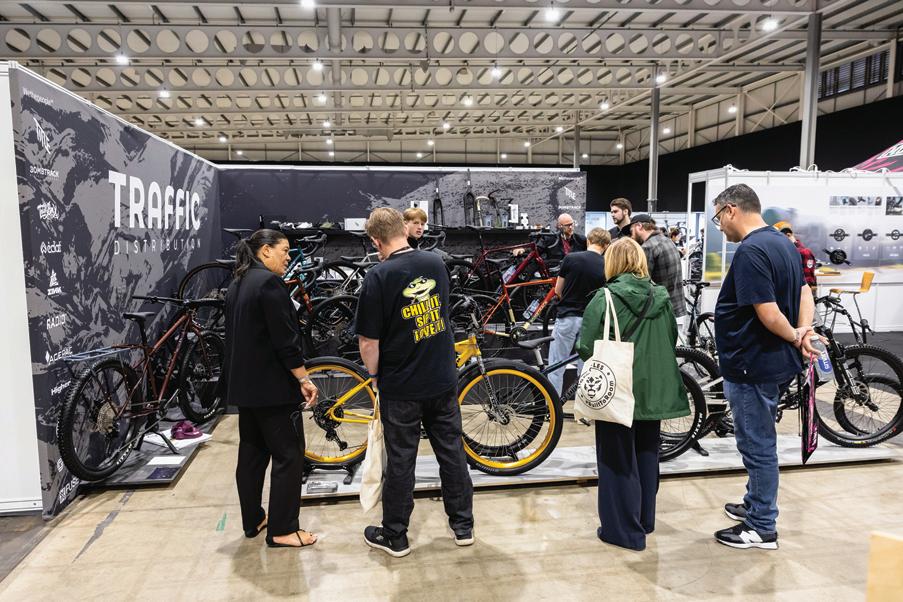
Be prepared for more new products than ever before including our new brand Coros and a lot of never-before-seen bicycles…
SHOW ONLY OFFERS
Get the year off to a great start with incredible show-only offers. Staff and shop deals are only available to retailers that attend the show in person. Don’t miss out.
HAVE A DRINK ON US!
FACE TIME
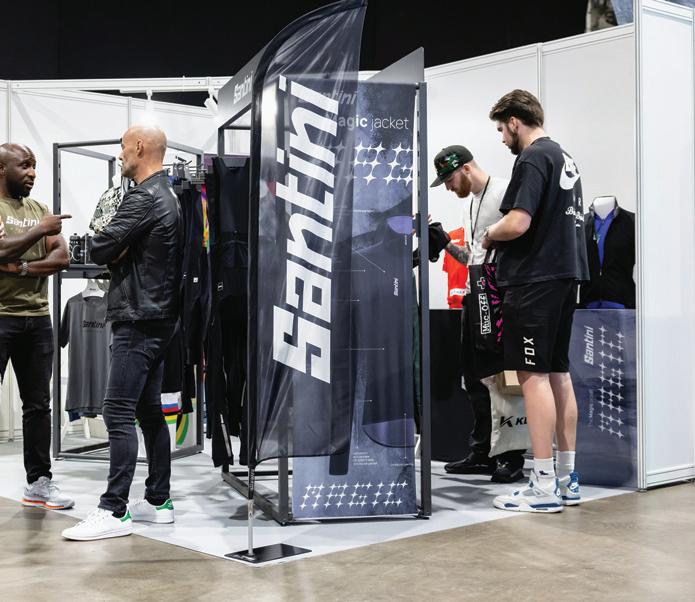
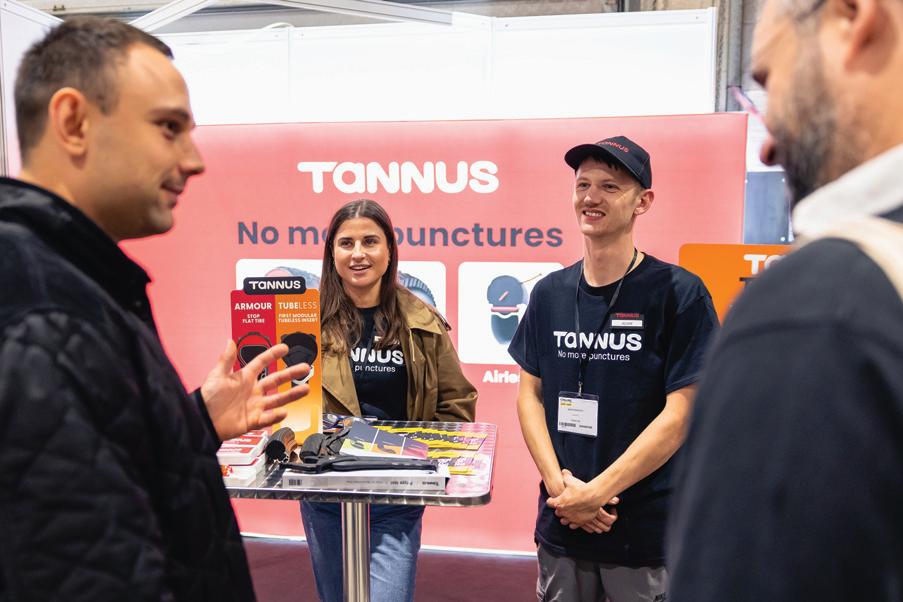
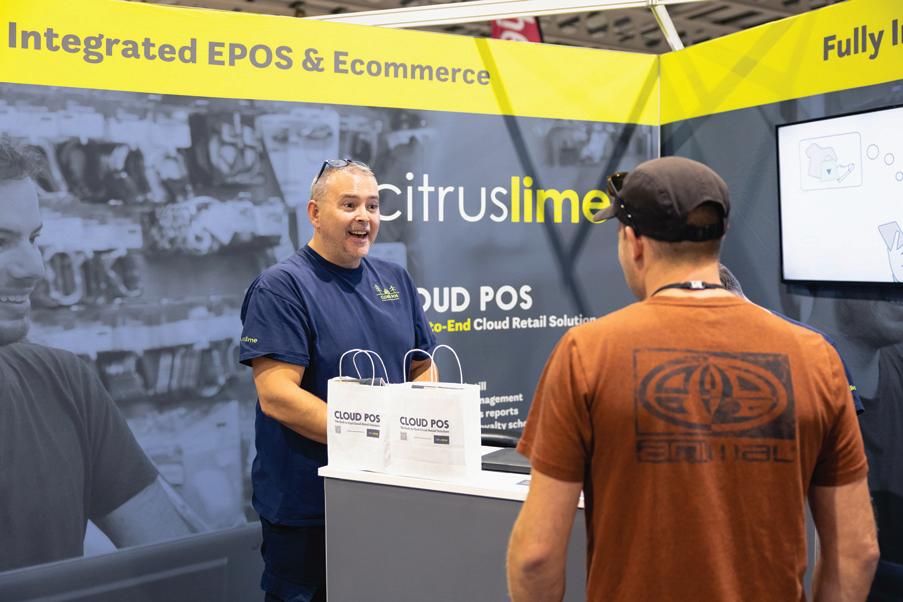
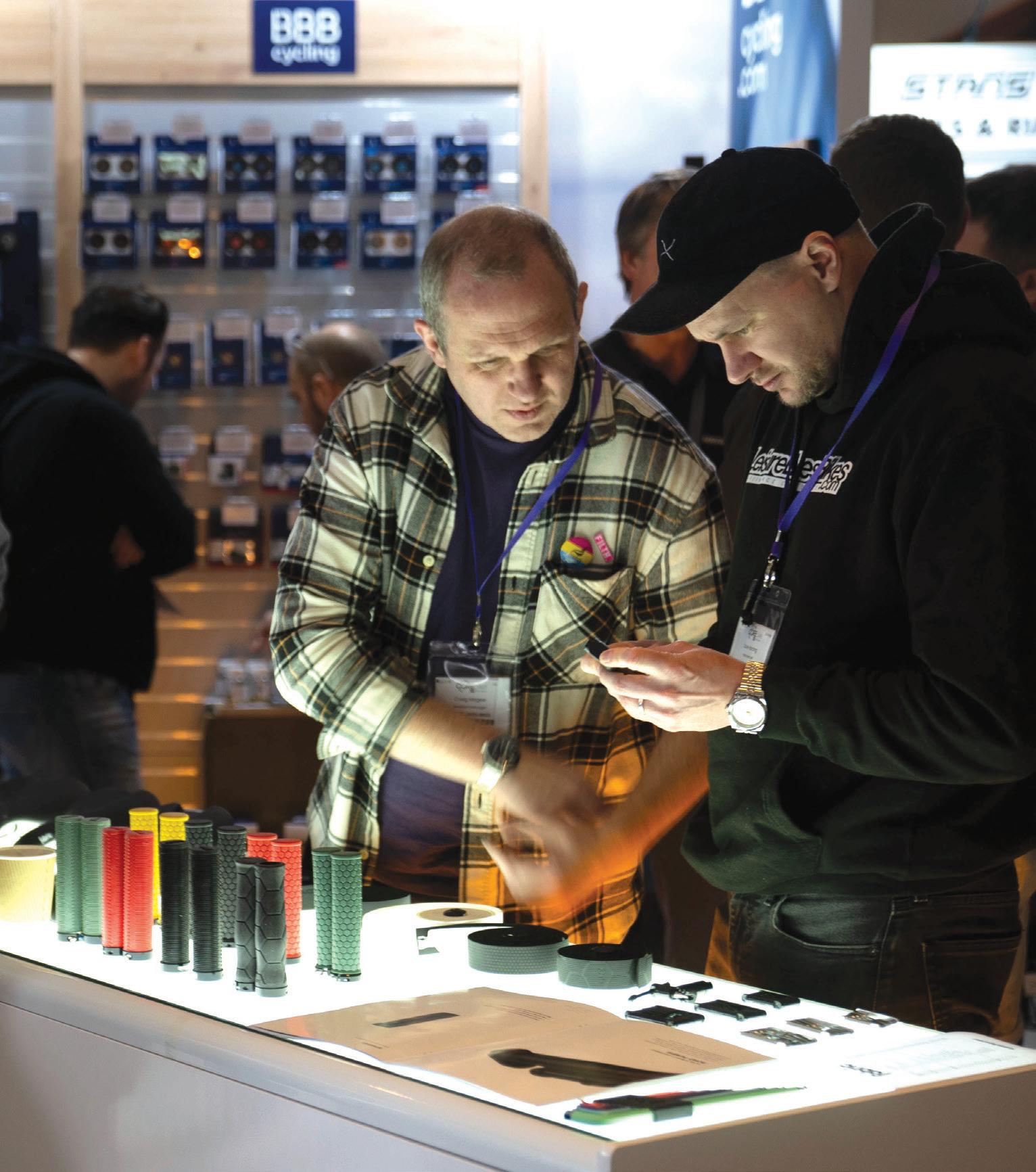
iceBike* gives visitors a unique opportunity to enjoy face to face conversations from brand representatives around the world. Meet the people behind the brands.
EDUCATION AND INNOVATION
Between our seminar schedule, Business Services Area and all the stand demos, there is so much to learn at iceBike*. Gear up for a successful year.
After a fun day ‘talking shop’ at the show, nothing beats a few drinks and some excellent food with your peers. Continue your conversations in a more relaxed setting as we transform track centre into a bar with music, food and drinks. Keep your eye out for the iceBike* themed cocktail menu!
“ONE OBVIOUS RISK IS POLICY - AND NOWHERE IS THAT FRAGILITY MORE VISIBLE THAN IN TARIFF POLICY”
pick up again. One obvious risk is policy – and nowhere is that fragility more visible than in tariff policy, where the possibility of new or sharply higher duties on bikes and eBikes, combined with an unpredictable approach to trade, leaves brands and suppliers guessing which cost assumptions will still hold by the time a model actually reaches the shop floor. In Europe, the growing debate over how EPACs should be classified and regulated hangs over long-term product planning. Add in due-diligence rules and CBP-style enforcement on labour standards in Asian supply hubs, and many finance and sourcing teams are spending as much time modelling regulatory scenarios as they are forecasting demand. In a stretched peloton, that means burning mental and managerial energy simply to avoid being caught out by the next policy gust.
Another effect of all this uncertainty is that even the industry’s traditional landmarks have started to wobble. Eurobike 2025 faced a drop of around 10% in visitor numbers compared with 2024, underlining difficulties that culminated in the recent withdrawal of German trade associations ZIV and Zukunft Fahrrad, as well as key players such as Bosch eBike Systems from the 2026 edition – a development that hints at a further loss of significance for next
year. In Asia, Taichung Bike Week in September was also noticeably quieter, suggesting that companies are more selective and cautious than ever about where they commit time and budgets. As Elisa Chiu puts it, “almost every trade show — not only in Asia but globally — is facing challenges,” and it is not just the industry downturn but a changing world that is forcing a rethink of platforms, cost structures and cross-industry formats. “We now need different kinds of platforms, information flows, cost structures, formats, cross-industry collaborations, and startup engagement,” she summarises.
Expert prescriptions
Looking beyond 2025, the same voices that describe today’s stretched-out peloton also sketch what it might take to ride into a more stable 2026. For Laurens van Rooijen, it starts with basics: “identify real-world needs and build products that cover those needs,” match production to “what the market can absorb – when in doubt better produce not enough than way too much,” and “know what you do well and focus on that. Furthermore, build lasting partnerships with suppliers, dealers and consumers.” Cristóbal Pérez is blunt that, in the short term, “being pragmatic: surviving means succeeding,” but insists the industry
must “bring in new trends as future options” and remember that “invoicing should not always be understood as a sign of health or success” when the real task is to “provide value, service, and the right product and go all out to establish a long-term relationship.” For Anchor Asia CEO Elisa Chiu, a simple litmus test will do: “If in 2026 all key stakeholders are still raising their glasses together at Eurobike, and later riding side by side in Taiwan for the next Ascent by Anchor event, I’d say the industry will be doing just fine.”
Taken together, these expert prescriptions and scattered bright spots point to an industry that is battered but not broken. For now, the bunch is still strung out in the crosswind, shoulders low, everyone watching the wheel in front rather than the finish line. But this is not a race that has blown apart beyond repair. Inventories are slowly normalising, new business models are taking shape, and the riders who have learned to conserve energy – by focusing on real-world needs, tighter ranges and stronger relationships – are still very much in the game. If 2023 to 2025 were the years of simply hanging on, 2026 offers the chance to move back into the shelter and think again about where to attack. The road may still be long and exposed, but the peloton is learning how to ride it together.
Taiwan exports were down in H1 2025
PROFILE
JORVIK TRICYCLES
“WE’LL COME TO YOU”
Jorvik Tricycles has discarded the traditional model of cycle retailing with its on-the-road Home Demonstration service. Going from strength-to-strength, the service has become a lynchpin for the business. Founder James Walker speaks to CIN
Customers go to bike shops. That’s largely been the way things have been done in the bike market for decades (with the exception of online retail). It was also the model that Jorvik Tricycles was solely operating until 2024, when the firm first piloted a scheme that brought the showroom experience to customers’ homes.
The Home Demonstration service has become a cornerstone for the retailer and is now attributed to more than a quarter of customer enquiries. It recently clocked up its first 5,000 miles travelled across the country. Jorvik has
“JORVIK LAUNCHED THE HOME DEMONSTRATION SERVICE TO MAKE TEST-RIDING ITS TRICYCLES MORE INCLUSIVE AND ACCESSIBLE FOR CUSTOMERS ACROSS THE UK”
doubled down and invested, including in the recruitment of Karl Walker as Home Demonstration Manager in spring 2025 to oversee operations and meet rising demand. Jorvik also recently purchased a specialised van for £3,000 to bring a range of tricycles directly to customer doors.
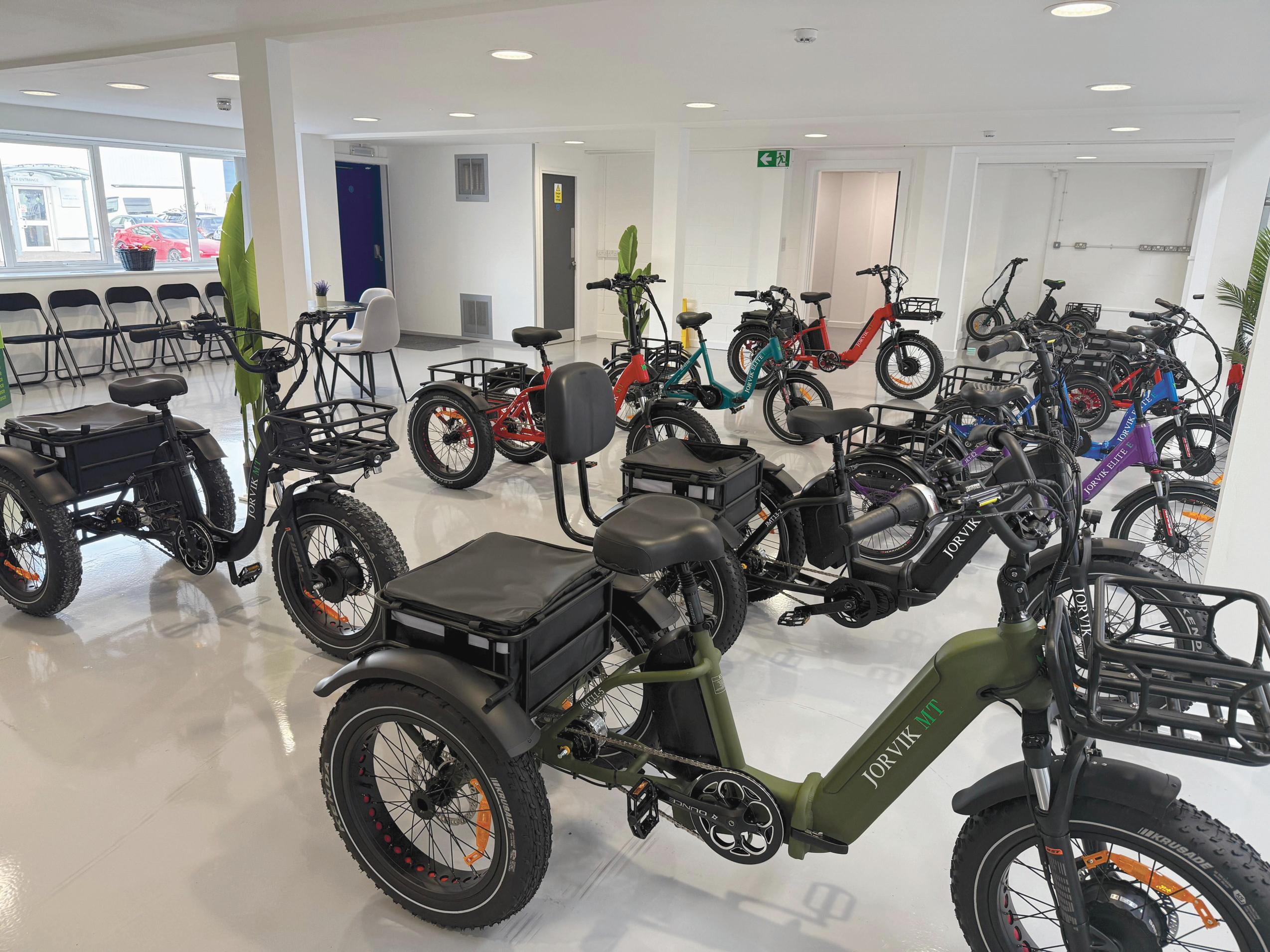
“With the success of the opening of the new showroom in York, the company has introduced its home demonstration service to ensure everyone across the UK has the chance to test ride all the tricycles in Jorvik’s 16-strong range,” Founder and CEO James Walker tells Cycling Industry News.
“Jorvik launched the home demonstration service to make test-riding its tricycles more inclusive and accessible for customers across the UK. Many potential riders face barriers such as distance from the York showroom, mobility challenges or a preference to test products in an environment where they feel confident. Through this bespoke service, customers have been able to test the trikes in an environment that feels most comfortable and familiar to them, this has been key for those who are not yet confident cyclists.”
Available to book online, the home demonstrations allow customers to arrange an appointment with a Jorvik specialist, who will bring between two and four tricycle models tailored to their individual needs. Customers can test ride each model in their home surroundings, receive expert guidance and ask questions in a one-to-one setting.
Home demonstrations are subject to a £100 fee to secure the booking
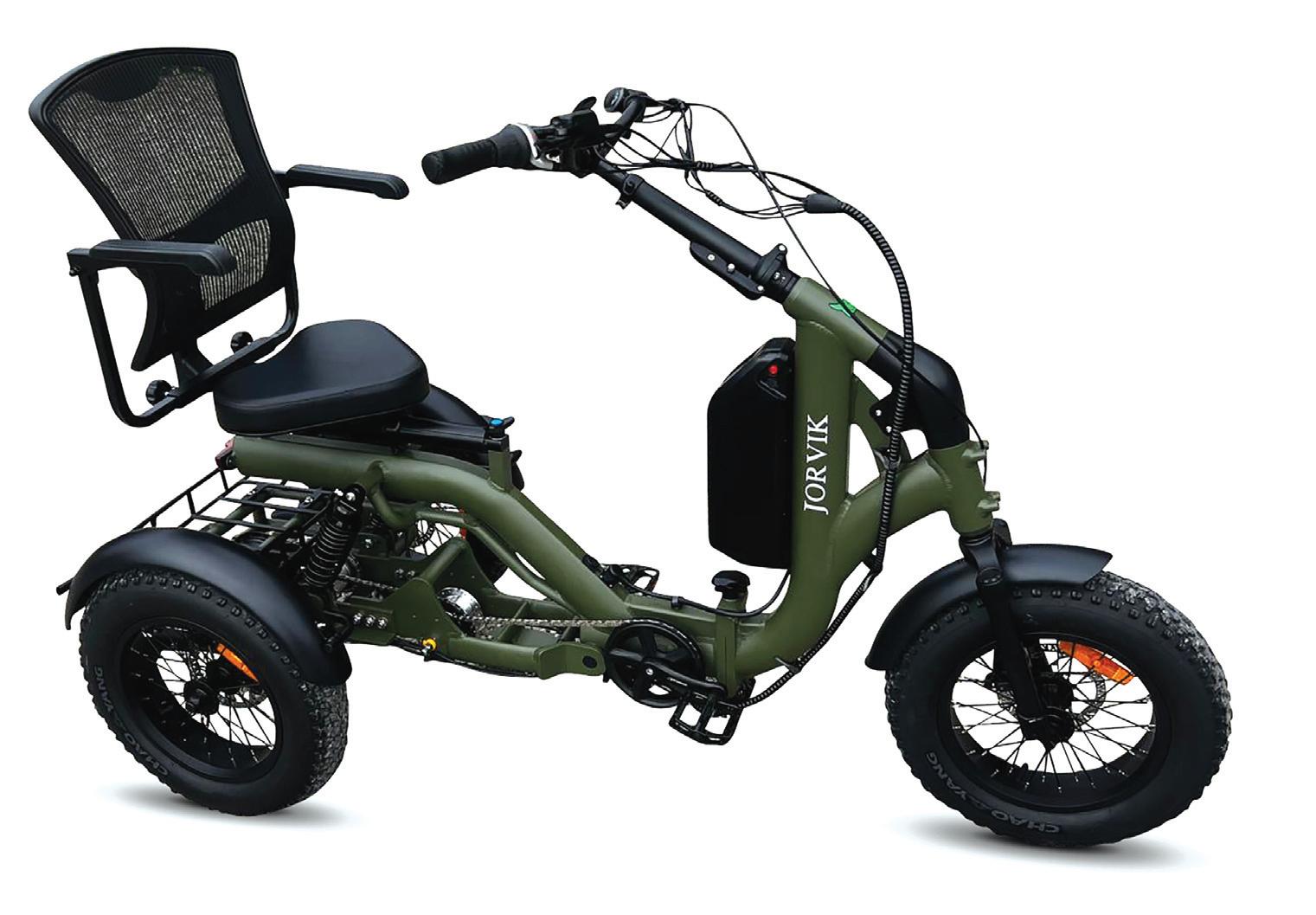
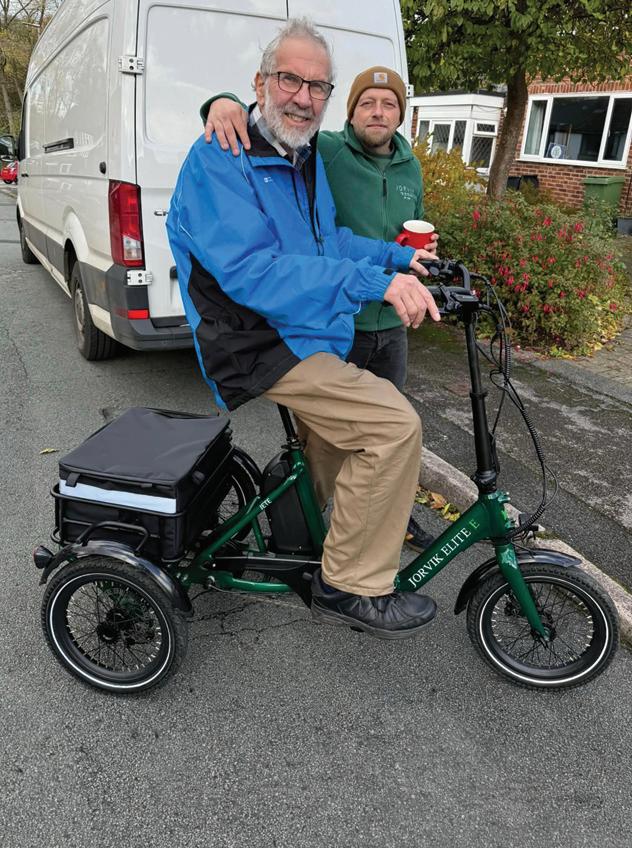
The Jorvik Freedom is among the models regularly being brought to customer front doors for trial rides
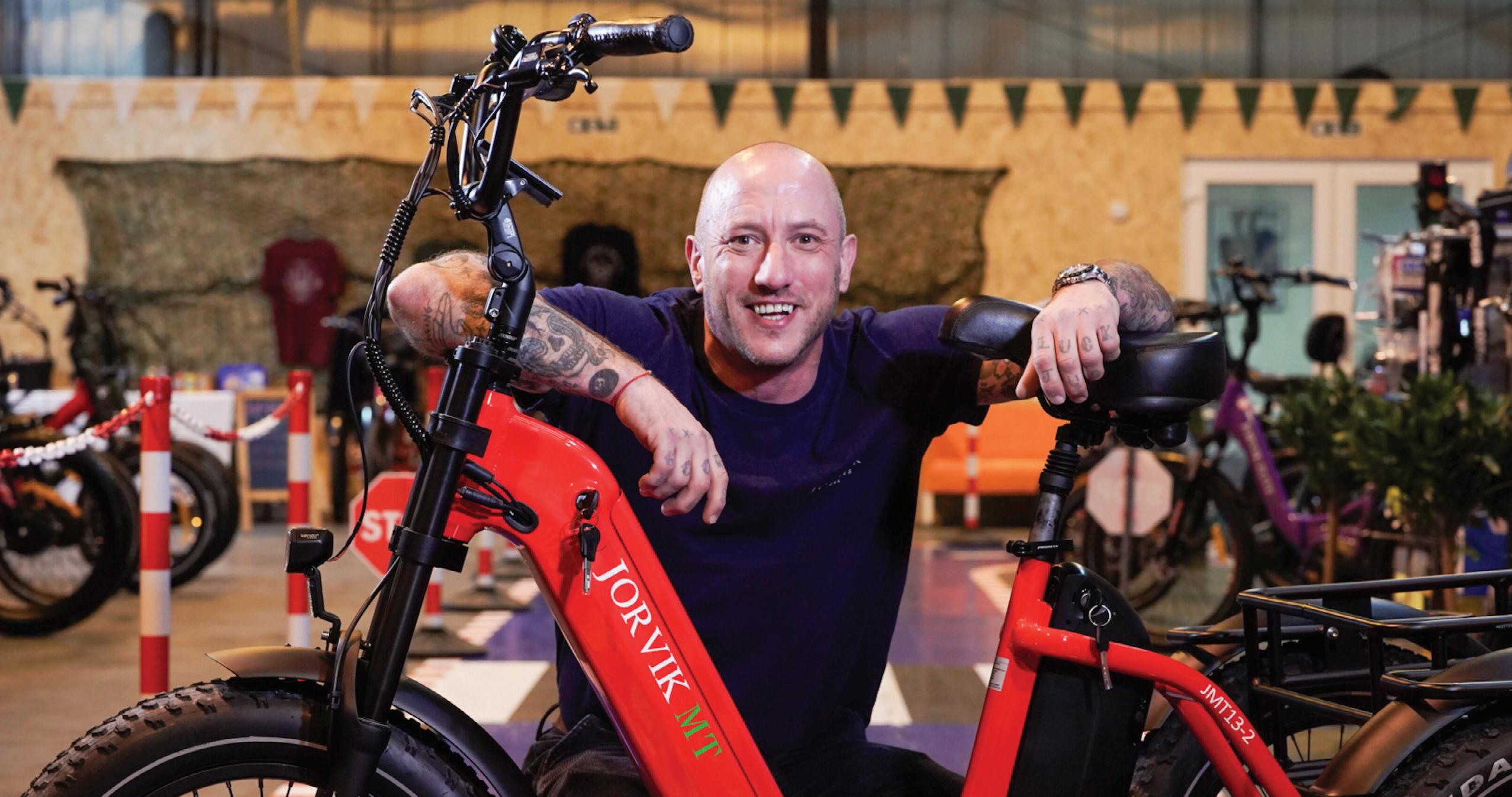
James Walker, Founder and CEO of Jorvik Tricycles
PROFILE
JORVIK TRICYCLES
“BY REMOVING BARRIERS TO ACCESSIBILITY, REDUCING PRESSURE TO PURCHASE AND GIVING CUSTOMERS THE INCREASED CONFIDENCE OF TESTING PRODUCTS IN A PRIVATE ENVIRONMENT – WE’VE SEEN A HUGE UPLIFT IN ENGAGEMENT AND OVERWHELMING POSITIVE FEEDBACK”
which can be redeemed against any tricycle purchase.
In a press statement, Walker said: “Launching our home demos was a real test bed for us to gauge the demand for our tricycles across the UK and the response we’ve witnessed has been accessibility can be a challenge for many people, so we’re making it possible for everyone to try a tricycle in a way that’s convenient and comfortable for them.”
“By removing barriers to accessibility, reducing pressure to purchase and giving customers the increased confidence of testing products in a private environment – we’ve seen a huge uplift in engagement and overwhelming positive feedback. We’re delighted to see first hand how a personalised experience like this can help so many people.”
Accessibility
The Home Demonstration service goes to the heart of what Jorvik Tricycles is all about. Founder James Walker created the business after looking for a tricycle for his father after a Parkinson’s diagnosis challenged his love of traditional bicycling. Faced
with limited choice, outdated designs and no budget-friendly options, Walker decided to build his own. Since then, James has been designing, building and selling quality adult tricycles who want to enjoy their freedom and make the most of the outdoors.
Today, Yorvik has two showrooms, in Southampton and York, but reach-
ing those is not always straightforward, least of all in terms of those requiring higher levels of inclusivity and accessibility.
Yorvik Tricycles said the service has enabled hundreds of customers across the UK to test ride Jorvik’s full tricycle range in the environments they’re confident in and use most. To date, Jorvik experts have travelled the length and breadth of the country, travelling as far North as Inverness and as far South as Penzance.
And Yorvik’s arms are now stretching further than across the UK too, with some headway being made onto the continent. Walker explains: “While the UK remains the company’s primary focus, especially with the growth of its home demonstration service and the opening of a second showroom in Southampton – demand across Europe for accessible cycling solutions continues to rise. Jorvik currently ships across Europe and plans to build on this momentum, exploring opportunities to broaden its reach in key international markets in the future.”
www.jorviktricycles.com
Yorvick Tricycle's Southampton showroom
Karl Walker, Home Demonstration Manager at Jorvik Tricycles with a customer
PROFILE INTEGRATION, MINIATURISATION AND SILENCE
Ananda fills us in on some of the current key asks from eBike brands and speaks out on the open-ecosystem philosophy and service network for Europe that is helping it earn fans in the trade…
In a market where innovations follow each other at a rapid pace, Ananda is aiming to emerge as a stand-out player that forges its own identity. Founded in 2011, the company built a reputation as a developer of electric drive systems for eBikes, motorcycles and scooters. From its European headquarters in Arnhem, an R&D centre in Shanghai, and five production facilities across Asia, Ananda develops all essential components entirely inhouse. From motor to controller, from sensor to display – every part is designed and manufactured internally, giving the company full control over quality and performance.
The result is a portfolio that ranges from lightweight city bikes to powerful eMTBs and cargo bikes.
What sets Ananda apart is its openecosystem philosophy. While some manufacturers operate with closed
systems, Ananda deliberately chooses flexibility. Brands can tailor firmware, connectivity, integration and even thirdparty solutions to match their own identity. This results in eBike concepts that are technically strong while remaining unique and recognisable – without the limitations of a rigid platform.
In addition, Ananda invests heavily in service and accessibility. With a European logistics hub in Hungary and service points in the Netherlands, France, Italy and Poland, parts can be delivered quickly and support is efficiently organised. Dealers can handle maintenance, updates and error diagnostics themselves using the Ananda Link diagnostic tool. This ensures not only mobility for the rider, but also peace of mind for each journey.
That is the foundation Ananda aims to build on: quiet, natural-feeling and compact systems supported by intelli-
The M7000 platform sensor system features 42 measurement points per revolution on the rotor
gent software and a service network that grows alongside the European market.
Pursuing refinement
Silence has become a benchmark for quality in recent years. Not only riders, but also brands increasingly emphasise the sound experience, aiming for motors that are powerful and quiet to engender trust and comfort. For Ananda, this has evolved into one of its major engineering challenges.
Because the company develops all components in-house, it can make adjustments at a deep technical level. Materials, internal tolerances, gear geometry and structural design are continuously refined to reduce noise, friction and vibrations at the source. This results in sound levels below 55 dB in the latest generations, such as the R900 rear-hub motor and the M7000 mid-drive platform.
However, Ananda is not dogmatic about silence – when it comes to e-city bikes, for example, reliability is often the top priority. A motor that is slightly louder but stable, durable and easy to maintain can ultimately be the better choice for many riders. It’s about finding the right balance between technical refinement and practical robustness, the firm says.
Natural assistance: immediate response, smooth power delivery
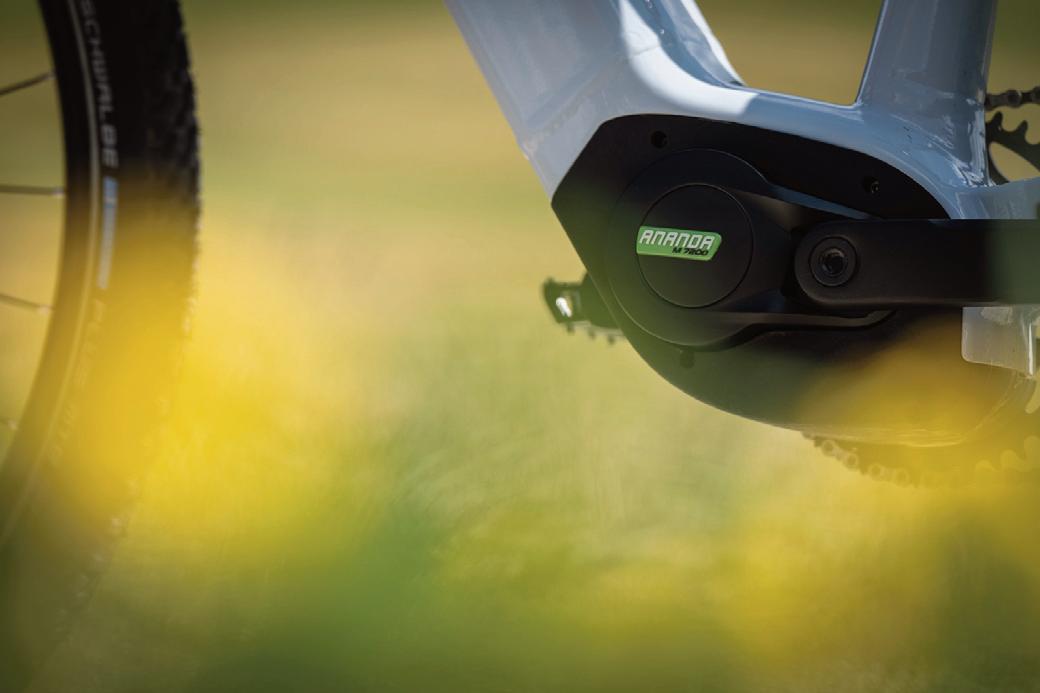
The M7000 platform provides a good example of how Ananda looks at ‘natural assistance’. The product family consists of the M7200 for the city segment, offering 95 Nm of torque, and the M7600 for eMTBs, delivering up to 120 Nm. Both motors are optimised for their specific use case but
share the same core technology.
A redesigned clutch enables instant pedal assistance. As soon as the rider starts pedalling, the motor responds immediately, eliminating the familiar “kick” at the start. When the rider stops pedalling, resistance is barely noticeable. The assistance becomes predictable, smooth and intuitive.
A key strength is the sensor system, featuring 42 measurement points per revolution on the rotor. This allows the motor to detect small changes in force and cadence. The assistance scales exactly with what the rider asks for. This combination of precision and natural response is what, for many users, elevates the experience from simply riding an eBike to enjoying a truly refined ride.
Integration and design
The aesthetics and integration of drive units is of course hugely important, with brands seeking compact motors that blend visually into the frame while also offering sufficient design freedom.
This is where Ananda’s modular architecture aims to make a difference.
Because both hardware and software are fully modular, bike brands can integrate their own smart systems, connectivity solutions, key-lock modules or external components. The result is an eBike that is technically advanced yet retains a strong and recognisable brand identity.
At the same time, the trend toward miniaturisation is becoming more pronounced. Rear-hub motors such as the R/F400 series, weighing only 2.2 to 2.3 kilograms, visually approach traditional hubs. The M7200 and M7600 mid-drive motors weigh just 2.7 and 2.8 kilograms respectively, demonstrating that lightweight construction and strong performance do not have to be opposites. The new green accent on the motors symbolises the sustainable direction in which Ananda is developing its product line.
Smart systems and connectivity
Accessibility is central to Ananda’s
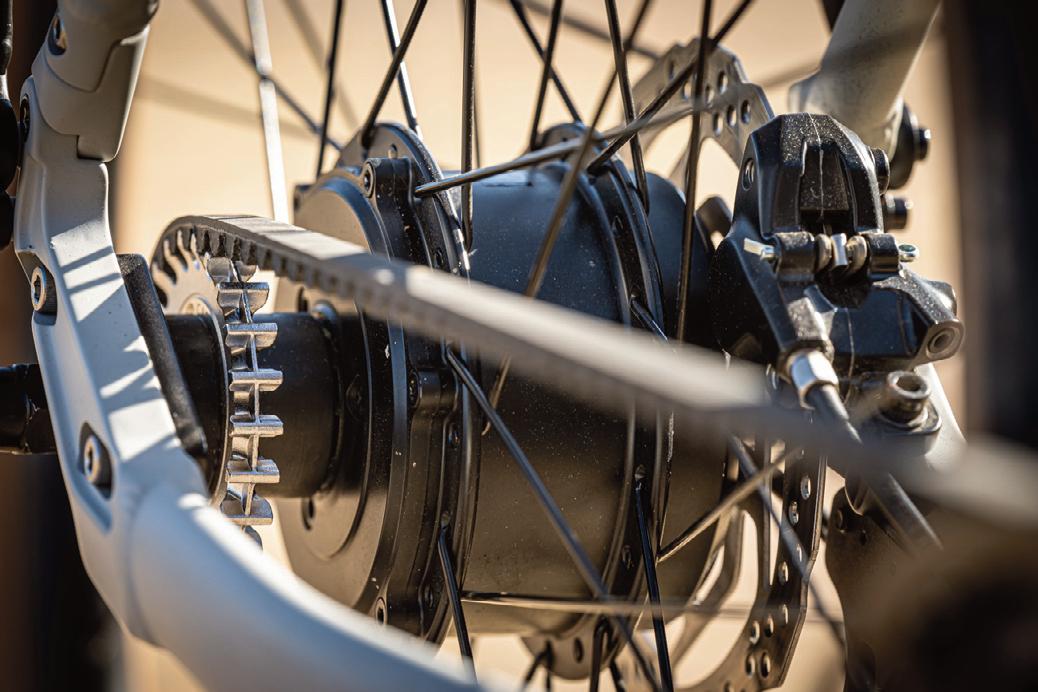
vision. Technology should enhance the riding experience, not complicate it. The R900 Integrated 3-Speed Gear Hub Motor System is a good example. This compact unit combines a motor and an automatic electronic threespeed hub in one. The bike shifts independently and smoothly, without an external derailleur or hub system. With 50 Nm of torque, low weight and minimal maintenance, the system is pitched at city riders and new eBike users seeking an intuitive experience.
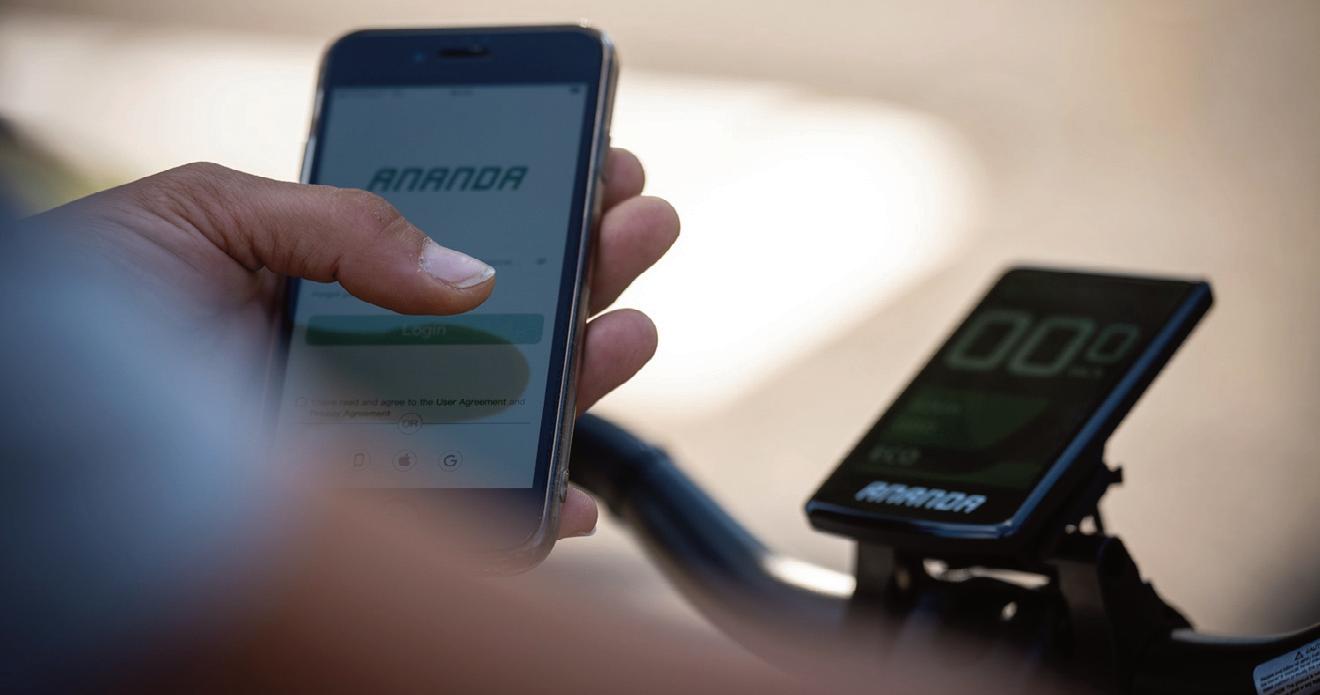
In parallel, Ananda is working on the next generation of the Ananda Ride App. Fully developed in-house, the app gives riders access to customisable assistance levels, localisation, system diagnostics and ride data. The goal is an ecosystem in which hardware and software reinforce each other, giving riders increasingly more control over their eBike experience.
Looking ahead: compact, quiet, connected
With new motor platforms, refined sensor systems, and intelligent software, Ananda is shaping a future in which eBikes become even quieter, more natural and more intuitive. Ananda says it aims to be a reliable partner for bike manufacturers and dealers alike, buoyed by its in-house production, European service support and open system architecture. And for the rider, it means above all this: an electric drive that is powerful without being aggressive, quiet without feeling clinical and smart without becoming complicated.
www.ananda-drive.com
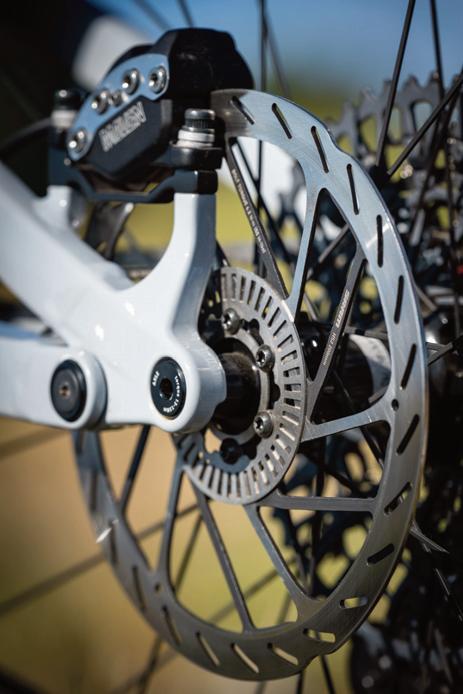
Brands are increasingly emphasising the sound experience, aiming for motors that are quiet as well as powerful ANANDA
Ananda’s open eco-system philosophy is touted as being far more flexible than rivals
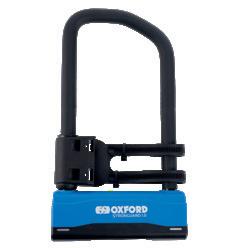
• Sold Secure Pedal Cycle Silver
• 13mm Diameter shackle bar
• Supplied with 3 keys
• Replacement key service
PEDAL CYCLE SILVER
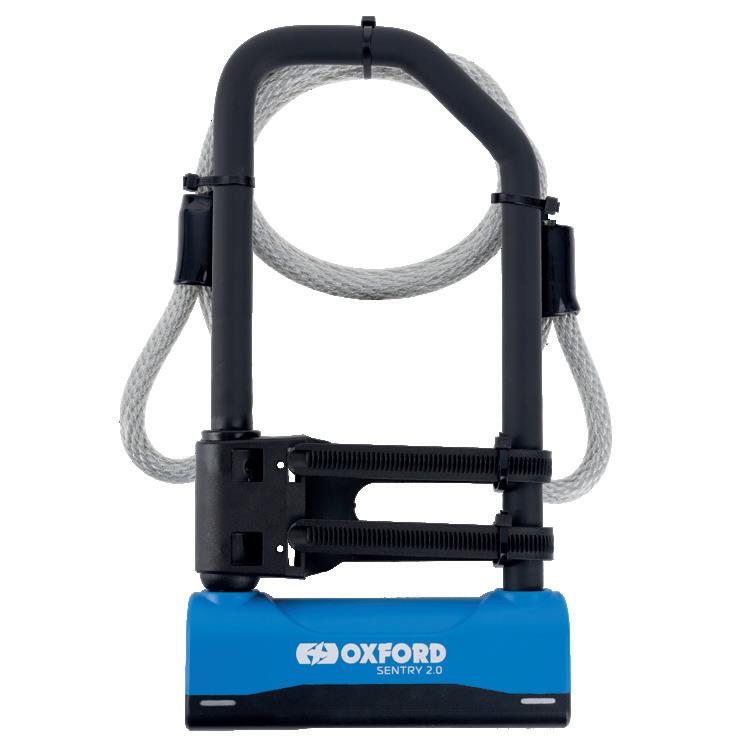
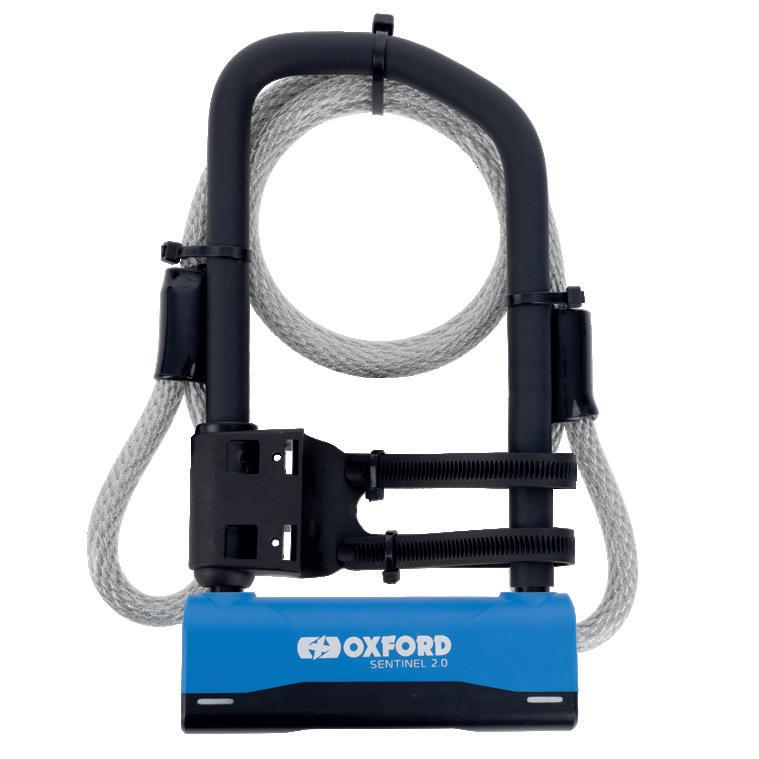
NEW SENTINEL 2.0
• Sold Secure Pedal Cycle Gold
• 14mm Diameter shackle bar
• Supplied with 3 keys
• Replacement key service
• Available in 260mm and 320mm (external) length. 320mm length also available with additional 12mm x 1.2m cable* RRP FROM £36.99
*Always
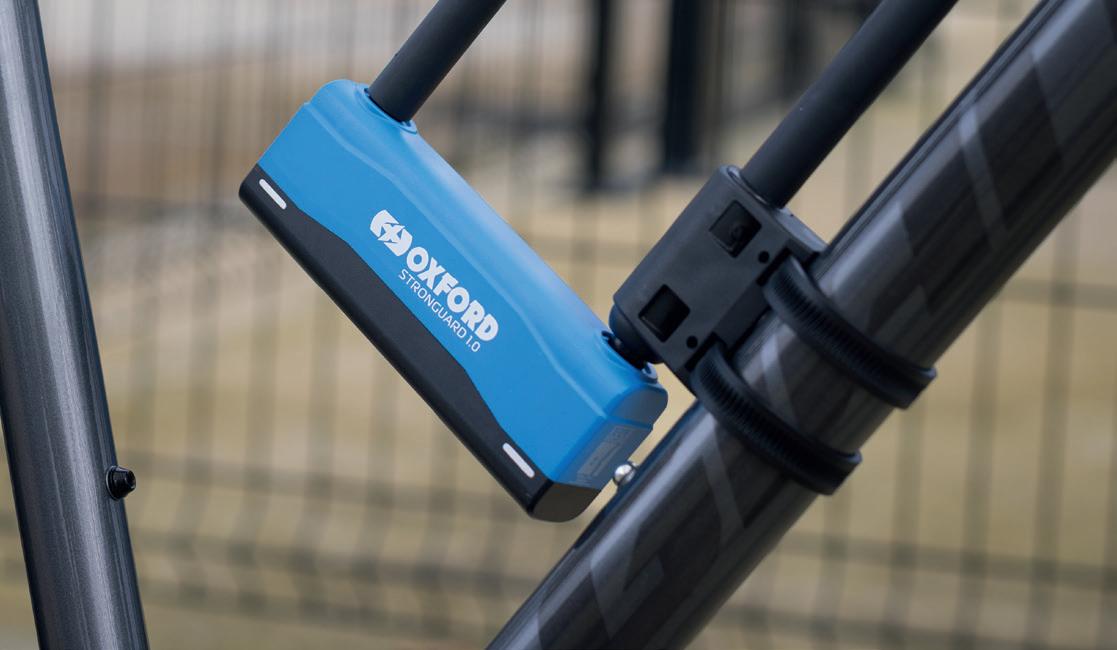
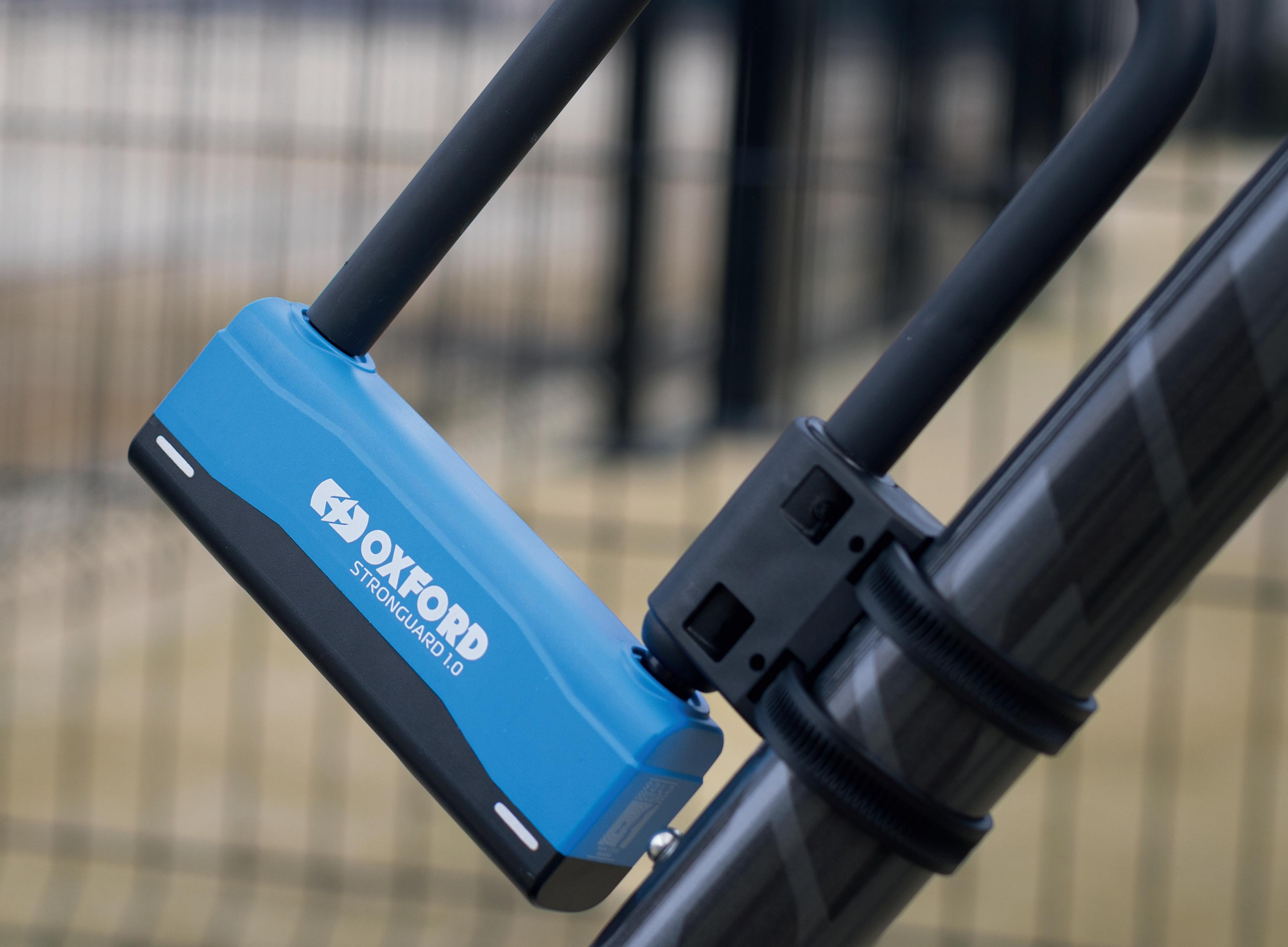
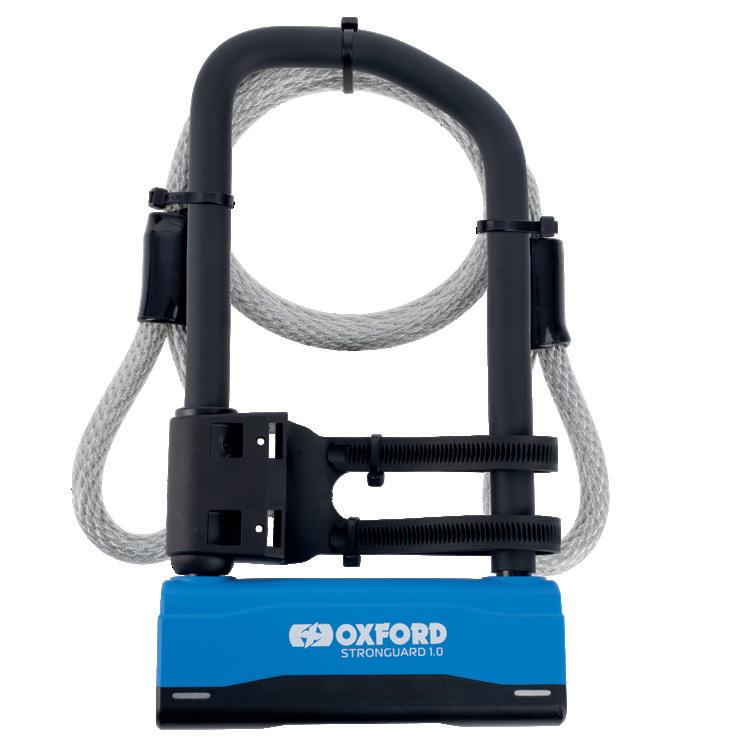
NEW STRONGUARD 1.0
• Sold Secure Powered Cycle Gold, Pedal Cycle Diamond
• 14mm Diameter shackle bar
• Supplied with 3 keys
• Replacement key service
• Available in 260mm and 320mm (external) length. 320mm length also available with additional 12mm x 1.2m cable* RRP FROM £46.99
PEDAL CYCLE DIAMOND
PEDAL CYCLE GOL
SIMPLE SALES TIPS 5 ARRIVALS – HOW TO MAKE YOUR CONSUMERS JOURNEY EASY
To help your sales take flight, it’s worth considering the ‘Runway Strip’ in your retail environment. John Styles, continuing his series on optimising sales opportunities in bike shops, presents a checklist for shop owners and managers to consider when tweaking shop layouts to help sales soar…
So, last time around, I mentioned several books which can help you develop your selling skills. One of those especially, Paco Underhill’s Why We Buy, is about so much more than that. Paco Underhill was the founder of Envirosell, Inc., a global research and consulting firm. His clients include more than a third of the Fortune 100 list, and he has worked on supermarket, convenience store, food, beverage and restaurant issues in 50 countries.
One of the ideas he puts forward is the ‘Runway Strip’. It suggests you think about your consumer arriving at your store like a plane coming into land. As a plane comes into land, the pilot has a lot on their mind, and as they touchdown they have a certain momentum and keep on rolling, coming to a halt at the end of the Runway Strip.
The same sort of thing can be true for consumers – here I’ve applied the concept to a typical bike shop layout. They make a journey, touch down and then taxi in and come to a halt (X marks the spot in the image overleaf). Then they usually decide how to navigate to the ‘Landing Gate’ they want –whether that’s bikes, servicing or P&A. In the store, you’ll observe this as the consumer coming in, through the front door and reaching a point where they pause, look around and then either set off to a specific part of your store, or talk to you. That “X” spot where everybody “lands” is the end of the Runway
Strip. You probably know right away where that spot is in your store, in fact the wear and tear pattern on your floor will show it too! Why is it important to know this? For several reasons:
1. Till Location (should be at the front) Yes, your till (or one of them, if you have several) needs to be located at the front of the store. Not necessarily right at the front of the store. Because people like to come to a halt a fair distance inside the store – before they are ready to be greeted.
Consumers journey to your shop, touch down and then taxi in and come to a halt (X marks the spot). Then they usually decide how to navigate to the ‘Landing Gate’ they want –whether that’s bikes, servicing or P&A.
TOUCH DOWN
BLIND SPOTS
BLIND SPOTS
LANDING GATES
SIGHT LINES
RUNWAY STRIP
BLINDSPOTS
If you’ve inherited a store which only has one till and it’s right at the back then yes, it is worth changing that if you can. Because with a till at the back of the store, not only is it hard to offer a spontaneous/immediate greeting, it creates a few other problems as well.
Consumers don’t like to walk a long distance down the store while being observed. It’s psychologically uncomfortable. Also, as they march down the store, they pass right by the merchandising. Often this results in a singlepurchase transaction at the back of the store and then heading straight on out.
Back-of-store till locations are a throwback to older era of retailing, where the storekeeper could keep an eye on the whole shop, primarily to reduce theft. If you’re new to retailing, but you’ve inherited an old store layout, it’s probably a good idea to bring that up to date.
LANDING GATES
LANDING GATES
2. Navigation and Signage (impacts consumers more than you may think) Every time a consumer makes a decision about where to go next, and how to get there, it reduces their mental and physical battery. And every time that happens, they have less energy to think about purchasing decisions. So, the easier their journey, the more they buy.
We all think our stores are clearly and logically laid out and that everything is easy to find. But of course, if you spend all day in your environment, it soon becomes familiar. And that means you can start to miss what isn’t obvious to your consumers.
From the end of the Runway Strip, you can often see blocks of similar type bikes, more than one till point, and of course plenty of P&A. But from that vantage point you’re not seeing the P&A ‘square on’ to the wall, you’re seeing it as an angle - so it’s not clear ‘what’s what’ at a distance. With bikes, although they’re in logical organised blocks – you can’t see the differences from afar. And when there’s more than one till, sometimes one of those tills might be the dedicated booking in area for workshop, and again that’s not always signposted.
For most consumers, it becomes obvious after a few visits. But signposting and clear navigation reduces cognitive load for everyone; new consumers, existing consumers and sometimes –most importantly – for people who are dropping off bikes or buying things on behalf of family members.
Take a picture to give yourself a fresh look at your store
So, if you’ve been in your environment for a long time and perhaps wonder how this looks to an unfamiliar customer, there’s an easy way to test that out. Stand at the end of your Runway Strip and take a picture (or several in different directions). Take those away and show them to somebody who doesn’t regularly visit your store. Ask them what they can see? What’s clear and obvious and what isn’t? Where you book in a bike, where the track-pumps are hiding, or where the mountain bikes finish and the hybrids begin? If it’s not clear, you can use that digital image to map out where some signage could help the consumer in their journey. How would they navigate? What signposts would help them? What wouldn’t they see? After all, everything is clearly sign-posted in your website, so why wouldn’t things be equally well sign-posted in your store?
bob-elliot.co.uk
bob-elliot.co.uk/twitter
bob-elliot.co.uk/facebook
bobelliot-online
“IT CAN BE CHALLENGING TO DECIDE WHAT TO DISPLAY IN THE LEAST OBSERVED/ PRODUCTIVE PART OF THE STORE, AND EVERY STORE’S ANSWER WILL BE DIFFERENT”
3. Merchandising Layout
(affects your incremental purchases)
As the consumer taxis in from their journey, they tend not to notice anything behind them or their right or left. So, products you may have placed in these ‘Blind Spot’ areas are often over-looked. How many times have you thought to yourself something like “the track-pumps are right there… why do people keep asking where they are?”
How to spot the Blind Spots
So, here’s a bit of fun…. stand at the end of Runway Strip and put on a full-face helmet (no goggles though, that really would be taking things too far….) Now look around. With your peripheral vision limited, and everything below shoulder level hidden, you clearly see the “eye level window” that consumers focus upon. Literally, seeing your store through the consumers eyes. There are your store’s blind spots.
A practical example of a missed sales opportunity in a blind spot might be bulky home-workshop cleaning tubs – merchandised on the floor, just inside the front door. Consumers taxi
right past them on the way in. And on the way out, they’ve already concluded their transaction.
Impulse items which generate incremental sales are best placed near the front of the store but may suffer when located behind the Runway Strip (especially when also lower down). It can be challenging to decide what to display in the least observed/productive part of the store, and every store’s answer will be different. The key is maintaining an awareness and probably trying a few different things and see what works best. For example, stacking those workshops tubs high enough to be noticed, or adding a big sign on top of the pile.
4. Arrivals (is the point of peak consumer stress)
When people come to halt at the end of the Runway Strip, their cognitive load is really high. They’re letting go of the thoughts and emotions from their journey. They’re working really hard to remember the reason(s) why they came. And they’re trying to navigate within your store – to find their “Land-
ing Gate”. Which is why when staff say, “Can I help you?” the answer is more often than not – No. Of course, they often do need help, but many don’t have the mental bandwidth to engage at that point in time. There’s another reason why they answer no, and we’ll come onto that in the next edition.
Next time around….
At the beginning I mentioned there’s a lot more to discover in Paco’s bestknown book. So, next time we’ll be talking about approaching and greeting consumers. And I’ll give you a clue, you probably won’t choose “Can I help you?” or any kind of “Help” phrase ever again…
John Styles is a veteran of the cycling industry, having worked with leading distributors and brands across the sector. With a well-rounded perspective on the opportunities and challenges facing the sector, backed by a Bachelors Degree in Economics, John Styles is an expert consultant for the bike trade. Get in contact via johnstyles2002@yahoo.co.uk
Fresh perspective: put on a full face helmet and look around your store with your peripheral vision limited...
WITH JOHN STYLES
“A MAJOR INVESTMENT IN THE FUTURE OF MADISON AND ITS CUSTOMERS”
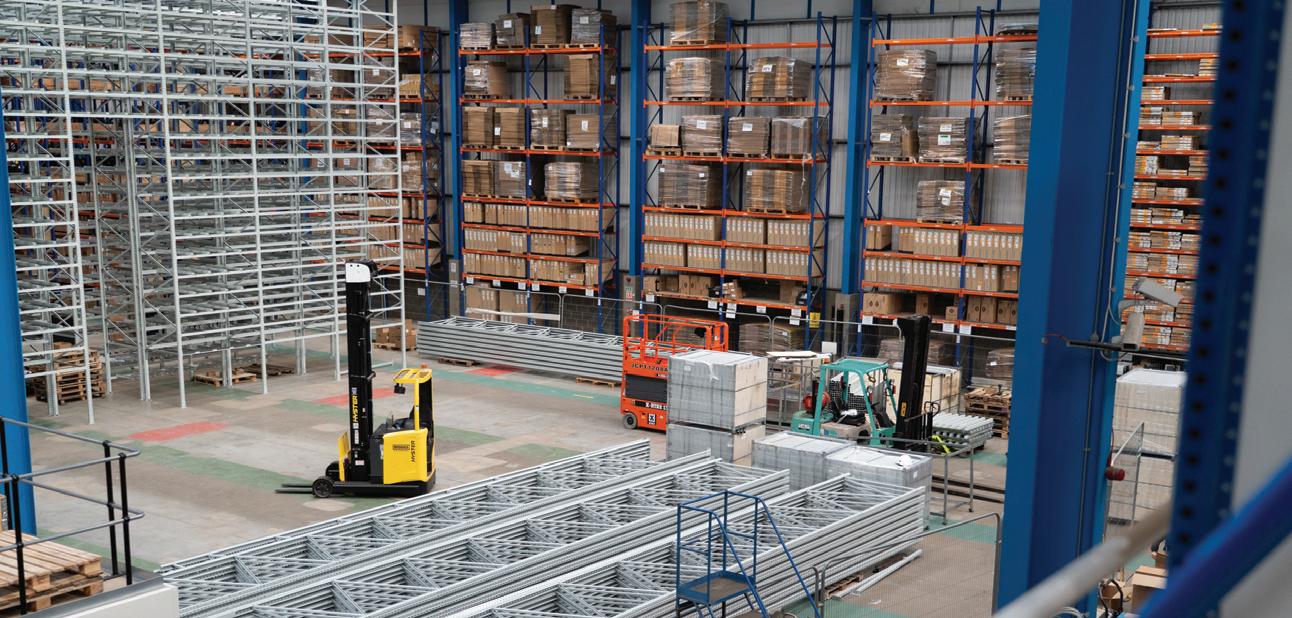
Madison is nearing the completion of its Autonomous Mobile Robot (AMR) Project at its Milton Keynes headquarters. Years in the making and quite possibly the first of its kind in the UK cycling industry, Dominic Langan, Madison CEO, tells CIN what it means for the business, its customers and the future…
I“WAREHOUSE AUTOMATION HAS BEEN ON OUR AGENDA FOR MANY YEARS, EVER SINCE WE INSTALLED OUR FIRST WAREHOUSE MANAGEMENT SYSTEM (WMS) BACK IN 2004”
While it was years in the making, the AMR project began in earnest in 2024
t’s usually the latest product innovations that grab the headlines and views on social media, while the innovation and graft that gets products through the retail supply chain and onto shelves largely goes on, uncelebrated, in the background.
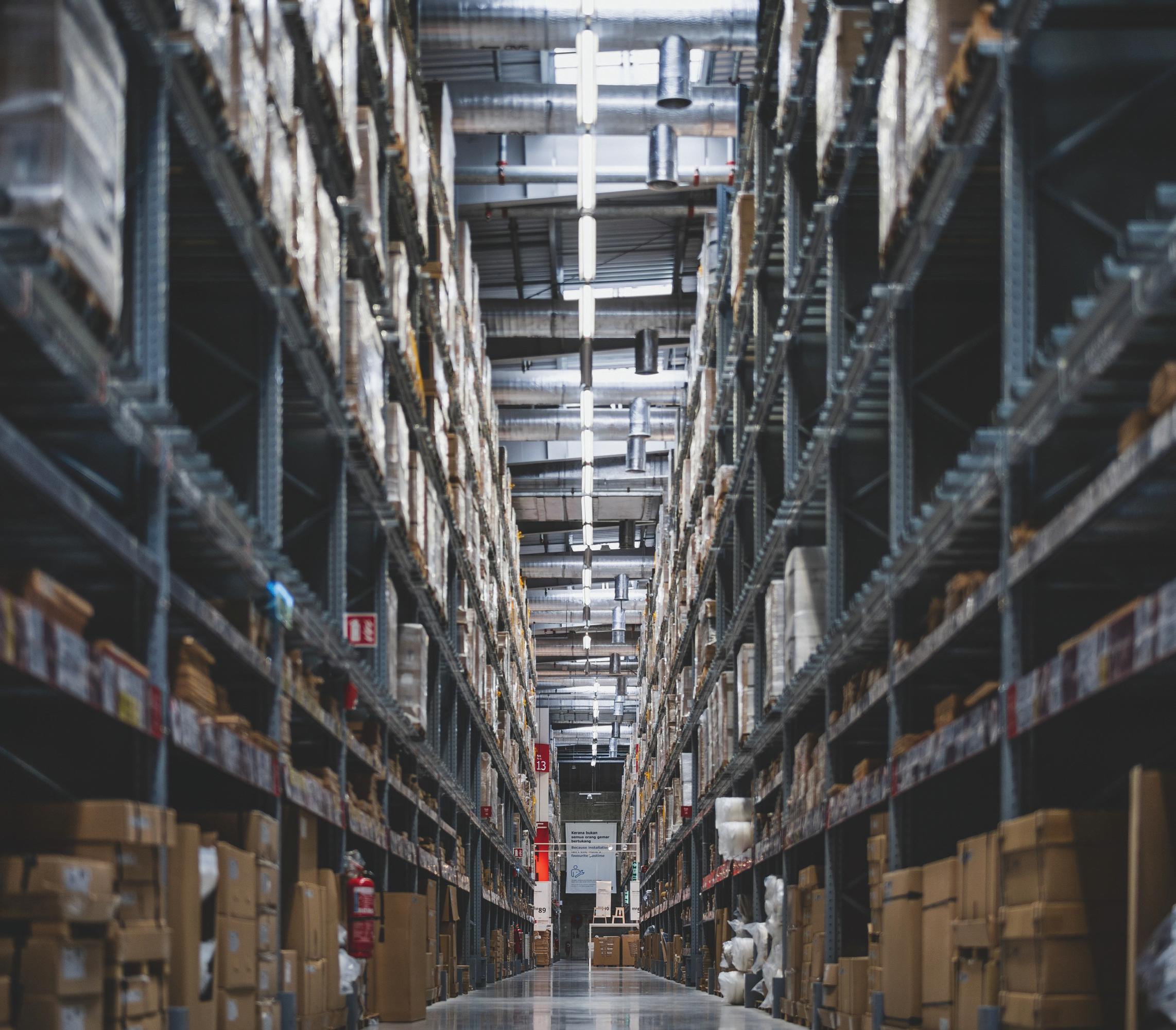
One notable exception has been Madison’s warehouse automation project, which the firm has been sharing details of on its social channels and gaining a fair level of interest. It’s a project that has been in the pipeline for some time and, thanks to the advent of new tech like AI coupled with the trends of the mid-2020s – including the difficulties of recruitment and the increasingly complex needs of retail, the project began in earnest last year.
“Warehouse automation has been on our agenda for many years, ever since we installed our first Warehouse Management System (WMS) back in 2004, which I managed at the time as Operations
Director,” says Dominic Langan (now CEO) at Madison. “Technology has advanced enormously since then and so have both the cost of operations and the complexity of customer requirements.”
In mid-2024, Madison began the project and as preparation visited various facilities as well as running feasibility studies to determine where it would add real value. The results were conclusive: “It was clear that automation was viable for us and would deliver a strong return on investment.”
Artificial Intelligence (AI) is one of the aforementioned technological updates that have enabled the system: “The use of AI technology makes this project particularly exciting. It gives us greater agility in maintaining optimal stock levels within the AMR system and in the right locations. Without AI, that would be an enormous manual task and far less efficient.”
Speed & consistency
The big question is, what kind of benefits will the AMR project bring to Madison and its customers? Dom is clear: “The main benefit for our customers will be improved speed and consistency of service. During peak periods, we haven’t always achieved the levels we aim for and this system will help eliminate those fluctuations.
“Customers should see improvements fairly quickly, but above all, we want them to feel confident in receiving a fast, consistent and accurate service from Madison.
“From our side, the AMR system gives
us the bandwidth to absorb peaks in demand and the scalability to support future growth. It allows us to deliver a consistently high level of service.”
“THIS TECHNOLOGY FUTURE-PROOFS OUR LOGISTICS AND ENSURES WE CAN CONTINUE DELIVERING THE HIGH STANDARDS OUR CUSTOMERS EXPECT, EVERY DAY, ALL YEAR ROUND”
For many business owners, the recruitment game has become more fragmented and difficult in particular areas, and Madison has not been immune: “Recruiting warehouse staff, particularly in Milton Keynes, has become increasingly difficult and peak-season volumes often create congestion in the aisles. Introducing robotics helps alleviate these issues and reduces operational costs. Our robots will also operate overnight, relocating hundreds of totes into optimal positions for the following day. The AI-driven software constantly analyses product demand and adjusts locations based on seasonality, popularity, and product lifecycle – ensuring we’re always as efficient as possible.”
The system is also going to help overcome that other industry challenge – excess packaging. Long a bugbear for retailers seeking more sustainable practices and lacking the space to store mounting piles of recyclables, efficient packaging of orders has been a long term and seemingly difficult to solve industry-wide issue, but the AMR system is going to help remove the issue for Madison, as Dom explains: “Currently, our two distribution centres are split into ten picking zones. Without this setup, pickers would walk miles and orders would take far too long to collate. However, it means a single customer order might be picked from all ten zones, each requiring its own box, void filler, tape, and label.
“The AMR turns that process on its head. One picker will now pick ten customer orders simultaneously. This drastically reduces the number of boxes required per order, which significantly cuts down packaging waste. We know our customers will welcome this change, both for efficiency and sustainability reasons.”
Fully operational in Q3 ‘26
Madison will be shipping its first orders from the AMR at the end of Q1 2026, and is scheduled to be fully operational by early Q3.
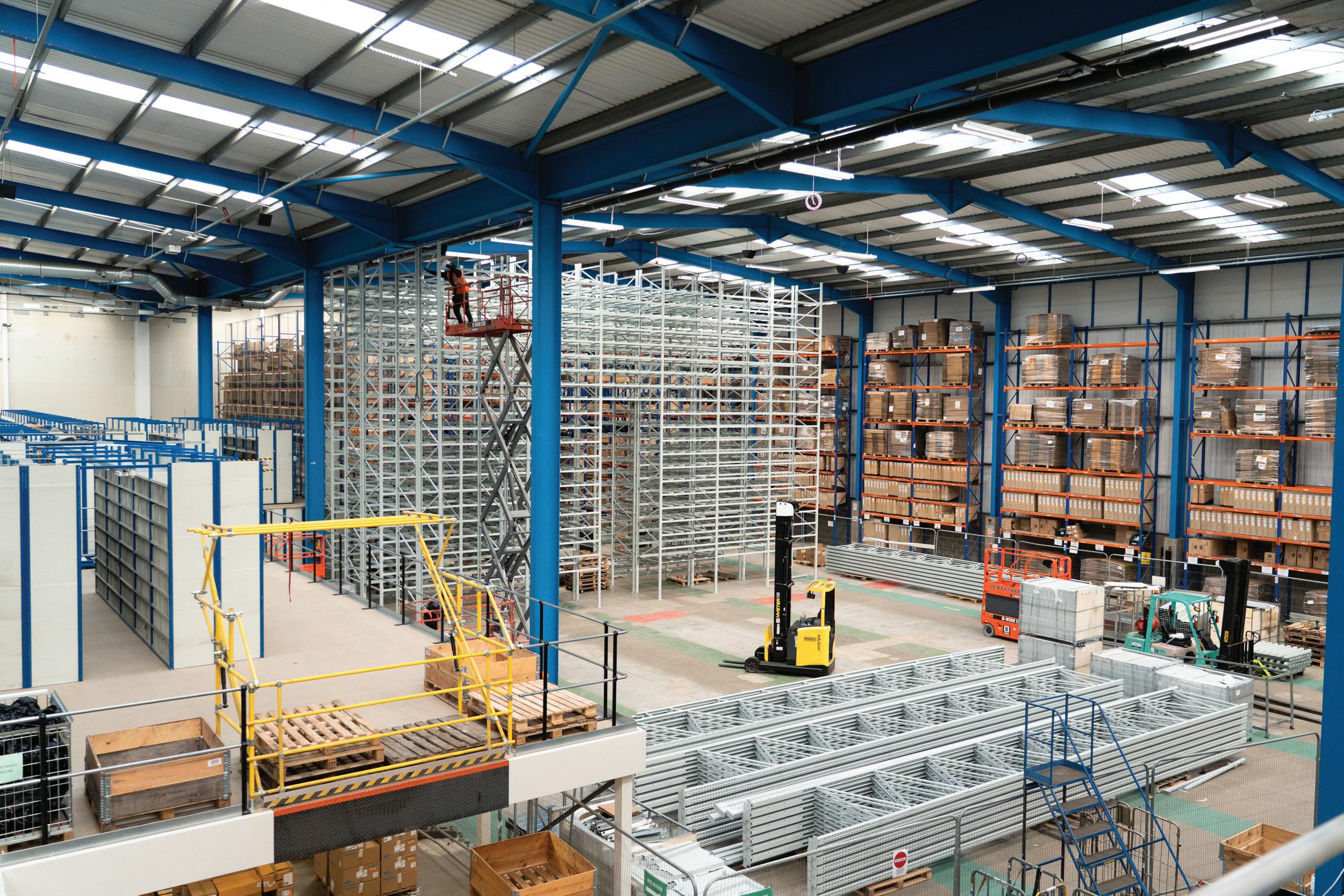
“It would have been far quicker and simpler to install the AMR in a new building,” reveals Dom, “but instead we’re reconfiguring our existing primary distribution centre while still operating. That has been challenging, but we’re now
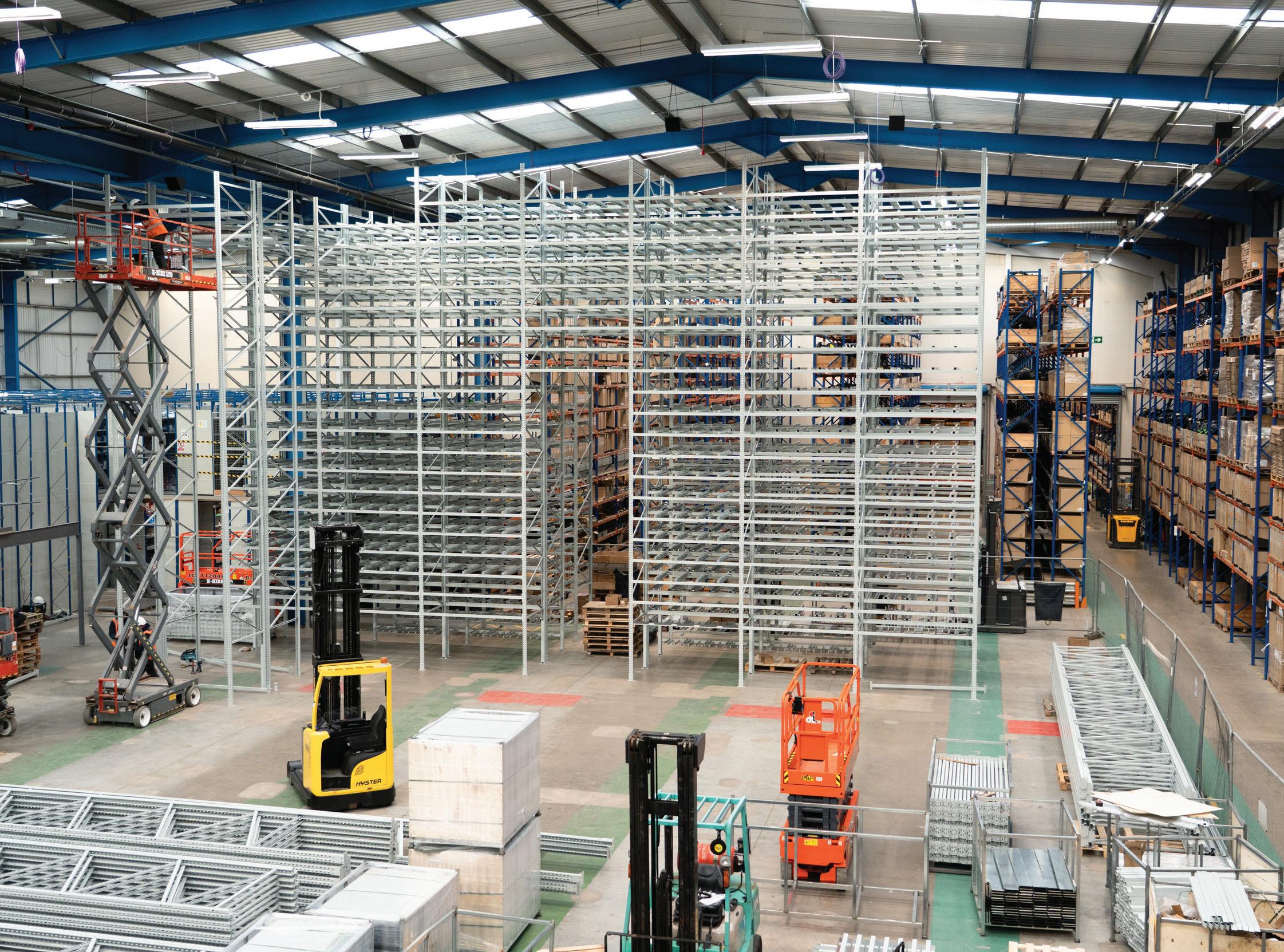
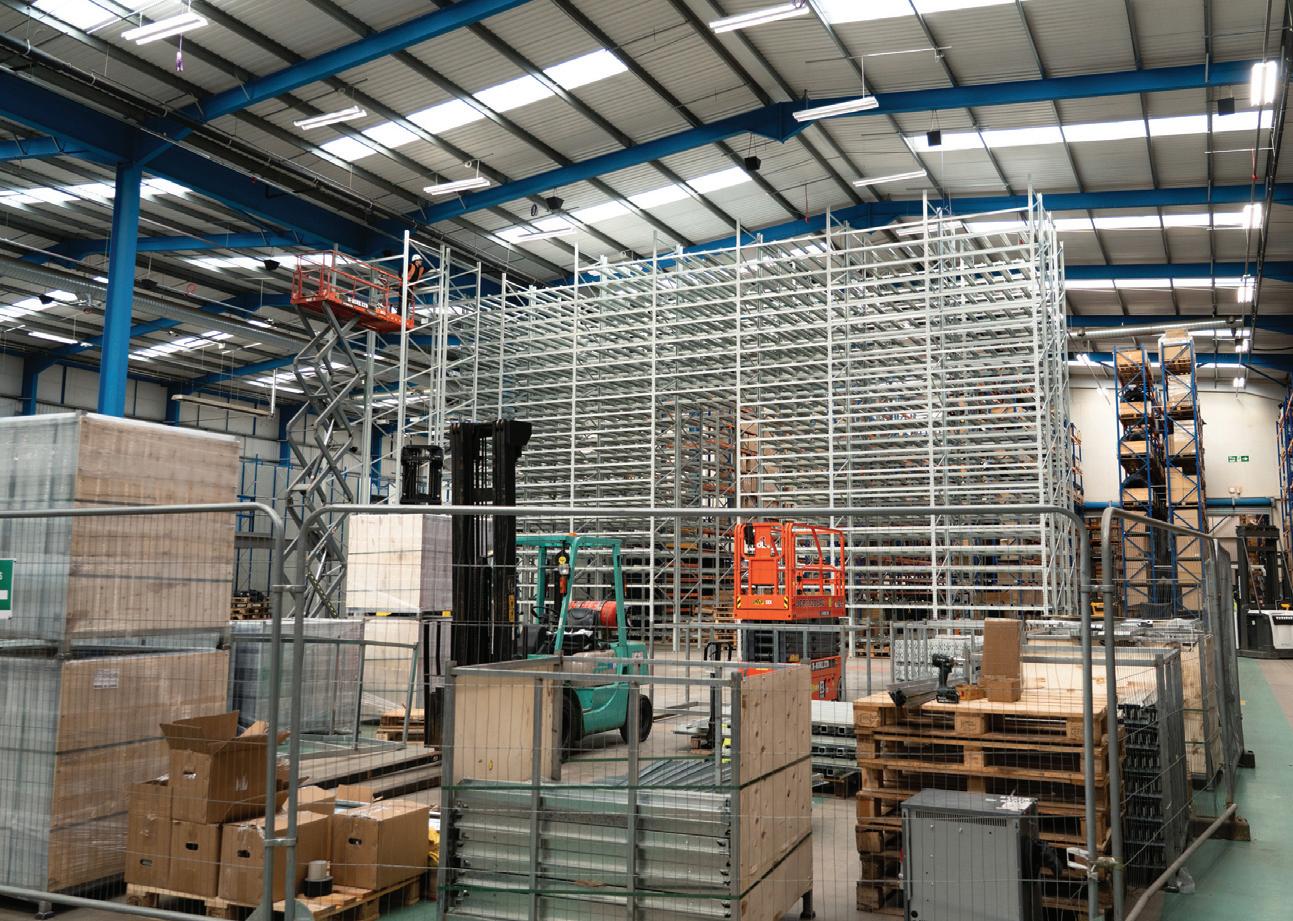
Madison has reconfigured its existing primary distribution centre (while still operating) to install the AMR
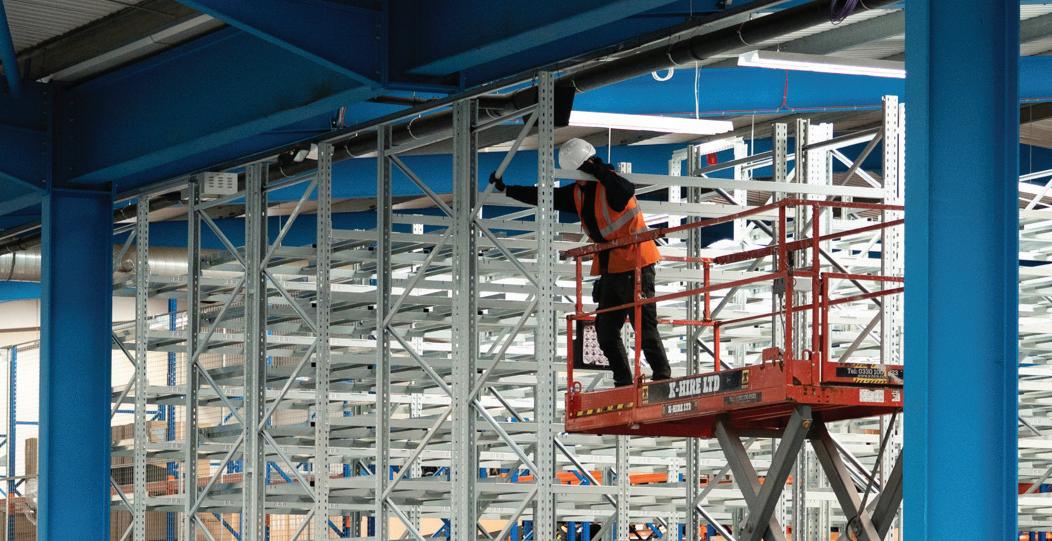
through the most disruptive phase and the racking is now being installed and taking shape.”
CIN has toured many of the warehouses of the UK’s cycling industry over the years, but Madison’s AMR-focused revamp feels like it might be the first of its kind on British shores and the Madison boss thinks so too: “Within the UK cycling
distribution sector, I think it’s a first. Shimano implemented a similar system in their Dutch warehouse some years ago and I’ve seen impressive operations in Europe, notably at Dainese in Italy, but this level of automation is certainly new territory for our industry in the UK.”
While it seems likely the new system will broaden the scope of the services Madison can offer to bike shops, for now the aim is to get everything bedded in. Dom says: “The system will make us more operationally efficient, creating the headroom to support growth and explore additional value-added services such as drop-ship fulfilment for example. Our immediate focus is to get the AMR running smoothly; the next phase will be integrating those additional services.
“The AMR project is a major investment in the future of Madison and our customers. It’s about creating a more agile, efficient and sustainable operation allowing us to serve the trade better and support the growth of cycling in the UK. This technology future-proofs our logistics and ensures we can continue delivering the high standards our customers expect, every day, all year round.”
www.madison.co.uk
Taking shape: racking now installed, the project is now through its most disruptive period and is targeting being operational in ‘26
YOU LIVE AND (HOPEFULLY)
IBeing able to call the top would have been an incredibly valuable thing for many in the bike industry just a few years ago. Mark Sutton explores the psychology of euphoria and capitulation, plus digs up some new data to see if a bottom is nearly in…
want to start this column with an admission, because it’s one thing to look around and give opinions, but another to talk about a time when you learned a hard lesson. The year was 2020. Remember that one? I was one of the masses of furloughed staff, suddenly parked up in the woods every day with a book in one hand and a dirty spade resting against my knee. Between renovating an old set of trails as an unofficial part of our daily permitted bike rides and filling unexpected free time with learning again, I picked up all sorts of new hobbies. It’s incredible what happens when the routine disintegrates. Psychologists will tell you that an abrupt lifestyle change, like a break-up or a job loss, represents the greatest opportunity to learn and change habits, hence why there was so much optimism about active travel trends for a short while during Covid. Ultimately, the true test of endurance is if the habit sticks when normality resumes.
As we learned very quickly and recognised only in hindsight, this black swan event wasn’t the gift it first seemed. At the time when distributors were loading up an extra 10,000 units and then another 10,000, I was, like lots of millennial men, mucking about too much with my furlough income, which didn’t really feel real on account of never having earned it. Some of that
went into a stocks and shares ISA, which was temporarily enjoying the benefits of millions of other retail newbies piling in all at once on the back of building euphoria. Then, all of a sudden and side-by-side, the easy money evaporated along with the enthusiasm that had gripped us all on the back of what was a turbulent time in 2018 to 2019. The smart money was clearly still at the office. When the vaccine news broke, the air was sucked out of the room for those stocks and rare segments that had bucked the downtrend. “Does anybody want a cheap ventilator? We’ve slightly overdone the orders,” you might imagine medical professionals saying. In parallel, it’s no wonder when bike sales ‘mooned’ that almost everybody (with a few notable exceptions whose words I will never forget) went all in on orders.
If you were in the bike trade, then you’ll have read headlines related to record high levels of bike shop closures generated, oddly enough, from a BikeTradeBuzz Forum thread I started in 2017, dubbed ‘Tracking closures’. That thread, annoyingly, is still on page one of this trade forum today with a recordbreaking number of views.
Anyway, to cut a long story short, quite a lot of us personally or in business got left holding the figurative bag, didn’t we? My admission, as promised, is that when the company went for IPO in the
spring of 2021, I bought some shares in the Hgears business, which, if you don’t know, makes the cogs and small metal precision parts for around 50% of eBike motors made in Europe. Or at least they did when they went to market; nowadays, I know of a few clients that most certainly do not exist anymore.
Not long after that, having seen an Xshaped graph of eBike sales rising steadily against plummeting pedal cycle sales, I made a career move to focus solely on eBikes. That data wasn’t wrong as such, and the UK eBike market is up 121% since 2019 in value terms (Source: BA), but that didn’t change the fact that it didn’t tell the full story of what had just happened and what was lying ahead. Hgears is down 94% since it listed on the Frankfurt stock exchange at the time of writing and, as I’m sure you’ll all agree, the high promise of eBikes hasn’t yet fully materialised for more reasons than I can list here.
The moral of the story? When everyone around you is euphoric, pay closer attention to those people who are hanging back and ask them why. Do they see a bigger picture in play while everyone else is gripped by their emotions? Spotting risk and opportunity that others miss is either a gift, or something that is learned from an experience. A prior failure teaches patience, gives perspective and primes you to be more alert when patterns repeat.
And so it was interesting to me when a price alert that I had set years ago triggered again recently. Shimano has landed slap bang back at the very same share price value that it began the Covid bike boom from around April of 2020, and while past performance doesn’t guarantee much about the future, it is interesting to be back at this support level, even if it is only a very anecdotal nod to the Covid flush out being complete. Unlike Hgears, which I had built a narrative in my head about as being a leading indicator for the future demand of the eBike market, Shimano has more or less always been the bike market in market share terms.
Now, people who are far better at investing for their future than I will
“THERE IS NO CONFIRMATION HERE, BUT PERHAPS IT IS A SIGN THAT FAITH IS RETURNING [IN EBIKES], AT LEAST AT THE ENTRY LEVEL”
probably be able to quickly dismiss why Shimano finding itself back at a historic support level doesn’t mean much, but for me, it was enough to start looking for other signals that an approximate bottom is in. That the bullwhip effect’s ripples are starting to fade.
Sharing a snippet of the full findings of its Market Data service in late summer, The Bicycle Association confirmed that the UK bike market has seen six consecutive months of growth for the first time in many years in 2025. It also pointed to data in midNovember that electric bike imports for the first eight months of 2025 are up a full 20% on last year, albeit primarily driven by Chinese imports, many of which may go direct to market
rather than through traditional bike shops. The BA stated that one in five eBikes landed in the UK are now Chinese imports, up from just 5% a year prior. Perhaps this is the effect of a removal of anti-dumping duties already playing out, rather than outright demand.
Again, there is no confirmation here, but perhaps it is a sign that faith is returning, at least at entry price points, if far eastern exports are again rising.
Coming full circle on the now infamous ‘shop closures’ thread on BikeTradeBuzz.com, I started the year data gathering out of curiosity as to whether the closure rate of the past 24 months has been better or worse than the bloodbath of 2017 through 2019.
ONEWAY BIKE
YOUR PARTNER TO HELP YOU BUILD YOUR BUSINESS
√ 24 years of experience √ Customer & sales support
√ Customized marketing activities √ Delivery from stock
√ Place orders 24 hours a day 7 days per week
For more info about our brands, send a message to sales@onewaybike.nl or give us a call: +44 1527 958331
Website: shop.oneway.bike
“THERE'S A RISE TO A PEAK OF SHOP CLOSURES IN 2018, A SUDDEN DROP IN 2020 THAT LASTS FOR AROUND THREE YEARS, AND THEN THE TAIL END EFFECT OF THE CROSSROADS BETWEEN OVER SUPPLY FLOODING THE MARKET AND CONSUMER DEMAND FLATLINING AS HOUSE-HOLD BUDGETS BECOME EVER MORE STRAINED”
Unfortunately, this was a project that I hit many brick walls on, but not before drawing some tentative conclusions, which at this point are no longer worth leaving to rot in an Excel spreadsheet on my desktop.
To give an approximate state of affairs back to 2017, I was able to count the following confirmed closure numbers:
2017: 70 2018: 111 2019: 60
2020: 76 2021: 6 2022: 46
2023: 54 2024: 55 2025: 25 (by March when I stopped the count)
Total: 503 Average 62.8
Draw a line through those numbers laid out on a chart and the moving average is, mercifully, downwards, albeit you might argue, the pie has gotten smaller overall each year. Of
course, store openings should act as an offset to give us a better idea of the net tally, but that’s where my momentum stalled. People don’t tend to tell you when they go out of business because it’s not great news, but counterintuitively, a lot of people often don’t shout about or gain press headlines against their openings either.
Thankfully, my door-knocking for help corroborating the numbers did turn up one promising result from one of the UK’s largest distributors, so if you’re sceptical of the count so far, here’s another, albeit calculated by the means of suddenly inactive accounts. As I say, this is a distributor that pretty much every shop and workshop uses. Their estimates on account closures (not necessarily shop closures) go back a full decade and read as:
Somewhat unscientific as this data is, there are patterns to be interpreted. A rise to a peak in 2018, a sudden drop in 2020 that lasts for around three years at a stable level and then the tail end effect of the crossroads between oversupply flooding the market and consumer demand flatlining as household budgets become ever more strained. Because both sets have incomplete 2025 data, it’s difficult to say with certainty how the trend plays out to the present moment, other than to say the bike industry has now endured several years of ultra-low profitability.
ANALYSING THE INDUSTRY:
“IN HINDSIGHT, IT SEEMS SO DAMNED OBVIOUS THAT [THE COVID BOOM] WOULD BE LESS OF A BOOM AND MORE OF A SPIKE. SO, WHY COULDN’T WE SEE THIS AT THE TIME?”
This has taken a harsh toll on many brands that scaled aggressively into the euphoric rise. Rad Power Bikes, once North America’s largest electric bike brand and recipient of the largest bike world cash raise at one stage, is now set for closure in January having struggled to right-size over a period of years. The story echoes in VanMoof, for Wiggle’s primary investor, whose unexpected rug pull was actually caveated in plain sight within company earnings reports and many others just like it that threw the kitchen sink at the momentum, only for the music to stop.
So, what of store openings? First of all, I was pleasantly surprised last month to walk into my local bike shop and learn that they are again looking to expand. One data point, but unthinkable last year.
As you might expect, there is an inverse trend to closures, peaking in our mystery distributor’s account openings right when that furlough cash and free time started to hit in 2020.
Here, 708 accounts registered, marking a point where I distinctly remember seeing posters pinned to posts in my local woodland advertising brand new mobile mechanics. The entrepreneurs with free time wasting none of it, but quite often charging nowhere near market rate for their work, so I have my doubts as to how many outfits that started then remain.
Before 2020, account openings with this mainstay tallied a tight range of between 253 to 323 and since 2020 have fallen consecutively year-on-year from 573 in 2021 to 401 by 2024. On the plus side, the number of customers created has significantly outweighed the number of lapsed accounts in every year of this dataset.
Does any of this tell the full story? Not within the word count I have for these pages, but I hope that it goes some way to enlightening you as to the marked impact a black swan event can have for years afterwards. There will probably never be another moment in our lifetimes where
bike shops are one of the only retailers allowed to trade and consumers are pumped with stimulus and free time. In hindsight, as a type that sentence, it seems so damned obvious that this would be less of a boom and more of a spike. So, why couldn’t we see this at the time? And how can we prevent ever making the same mistakes again? Once the bullwhip effect has begun, it is so hard to stop and more so on account of the bike industry’s relative paranoia when it comes to transparency of supply chain data.
History teaches us that next time, if there is a next time, watching from the eye of the storm, not getting swept up in the updraft, well, it may be the safest place to be.
Cycling Industry News would love to hear your views on those who have influenced your journey through the bike trade. Talk to us on our Facebook group – Cycling Industry Chat.
PROFILE
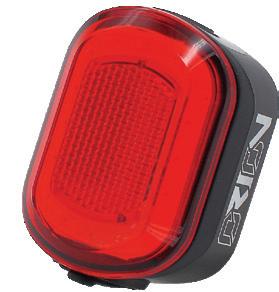
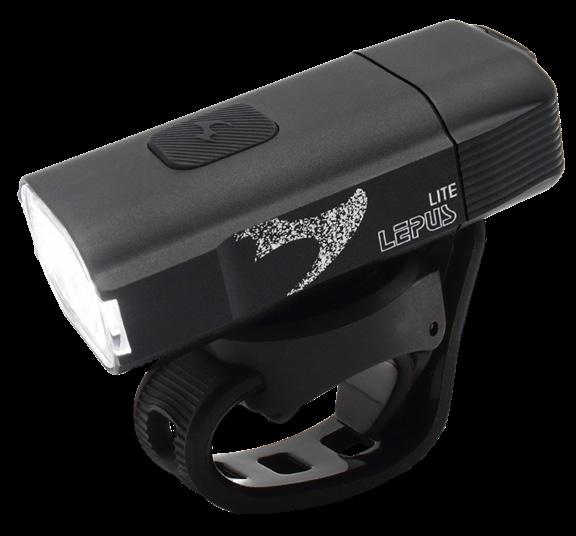
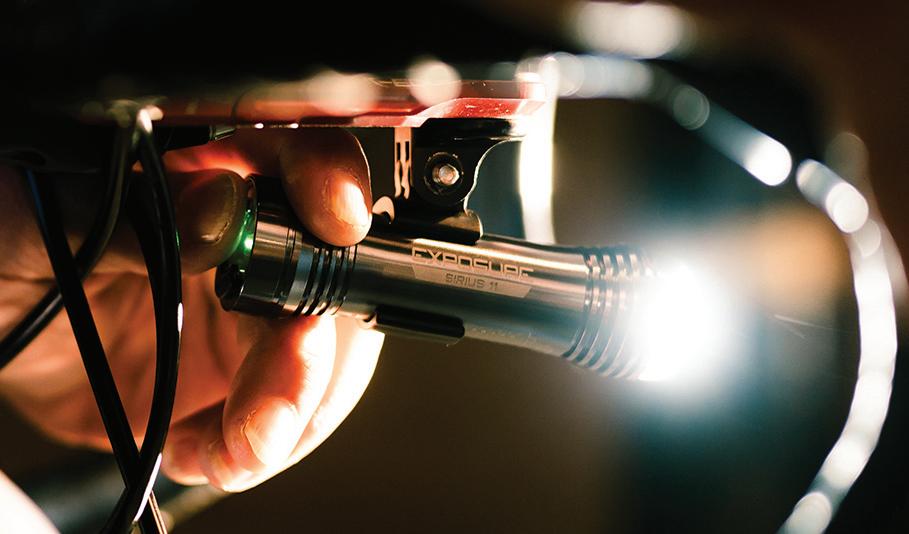
EXPOSURE LIGHTS UPDATES COMMUTER AND ROAD LINE-UP WITH SIRIUS 11 LIGHT
Exposure Lights has launched the latest significant update to its road and commuter range, in the form of the Sirius 11 light.
Benefitting from fast and convenient USB-C charging, the Sirius 11 can provide up to 1,300 lumens of white light, but can also flash for up to 130 hours, ideal for those who wish to see and be seen.
Made from 6063 machined aluminium, the Sirius 11 weighs only 90g. This “pocket powerhouse” is compatible
with Exposure’s extensive range of brackets and mounts – there are numerous options for mounting the Sirius 11 on the handlebars, on a helmet or neatly underslung beneath an out-front mount, for an elegant solution.
Programmes and modes have been simplified and provide different run times between one hour and 24 hours in constant modes, or from 12 to 130 hours in pulsing modes.
Exposure’s DayBright pulse pattern, which is available in the 12 and 24-hour
settings, provides visibility from over 1km away, while the lens configuration generates 240-degree illumination. With an IP67 waterproof rating, the Sirius 11 has been designed for riders who get out in all weathers.
The light is compatible with most USB-C power banks, for charging on the move. Re-charge time is approximately two hours.
The retail price for the Sirius 11 is £120 (inc. VAT) www.exposurelights.com
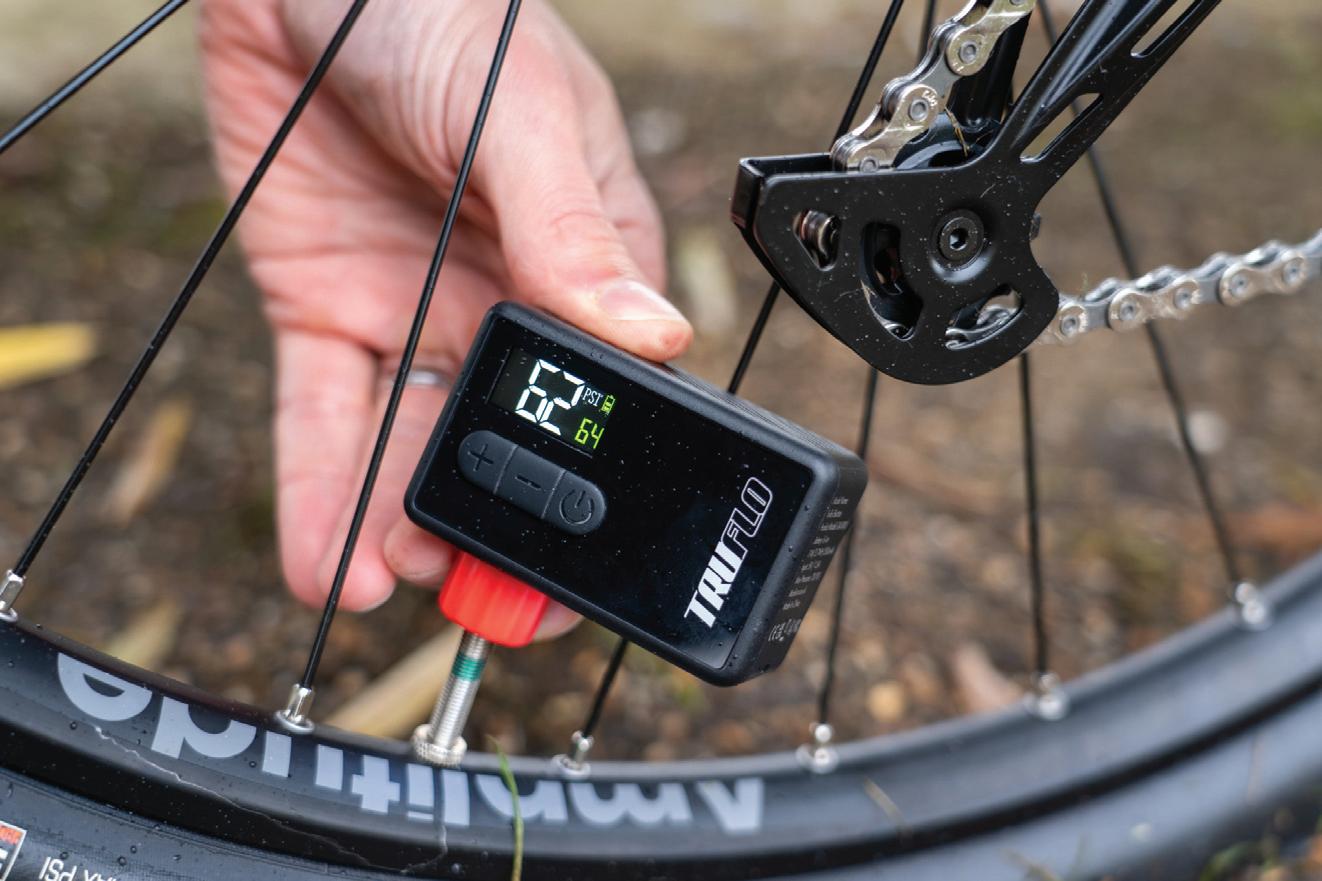
TRUFLO ADDS ELECTRON ELECTRIC BIKE PUMP TO LINE-UP
Truflo has introduced the Electron, a compact, high-performance electric bike pump aiming to offer a convenient alternative to traditional portable pumps.
Weighing 118g and retailing for £49.99, the Electron is compact enough to slip into a jersey pocket or saddle bag – and powerful enough to inflate tyres up to 120 PSI with no manual effort. Its large digital display provides real-time pressure feedback, allowing riders to fine-tune tyre pressures with precision to within ±1 PSI. Designed for versatility, the Electron is equally at home on the road, enhancing comfort on gravel rides, or perfecting mountain bike setups for ever-changing trail conditions, we’re told. A single charge allows riders to inflate their tyres from flat to the desired pressure up to three times.
The sub £50 Electron is positioned as a competitively priced, high-performance alternative in a rapidly growing segment of the market. Its USB-C rechargeable battery ensures fast, universal charging, while each unit
comes fully equipped with Presta and Schrader valve adapters, a ball needle, 12cm Schrader valve hose, USB-C cable, storage bag, and Ziplock carry case. Thanks to its range of adapters, the Electron also doubles as a versatile
inflator for sports equipment and household items.
Dealers can contact their Madison Account Manager for more information on this product
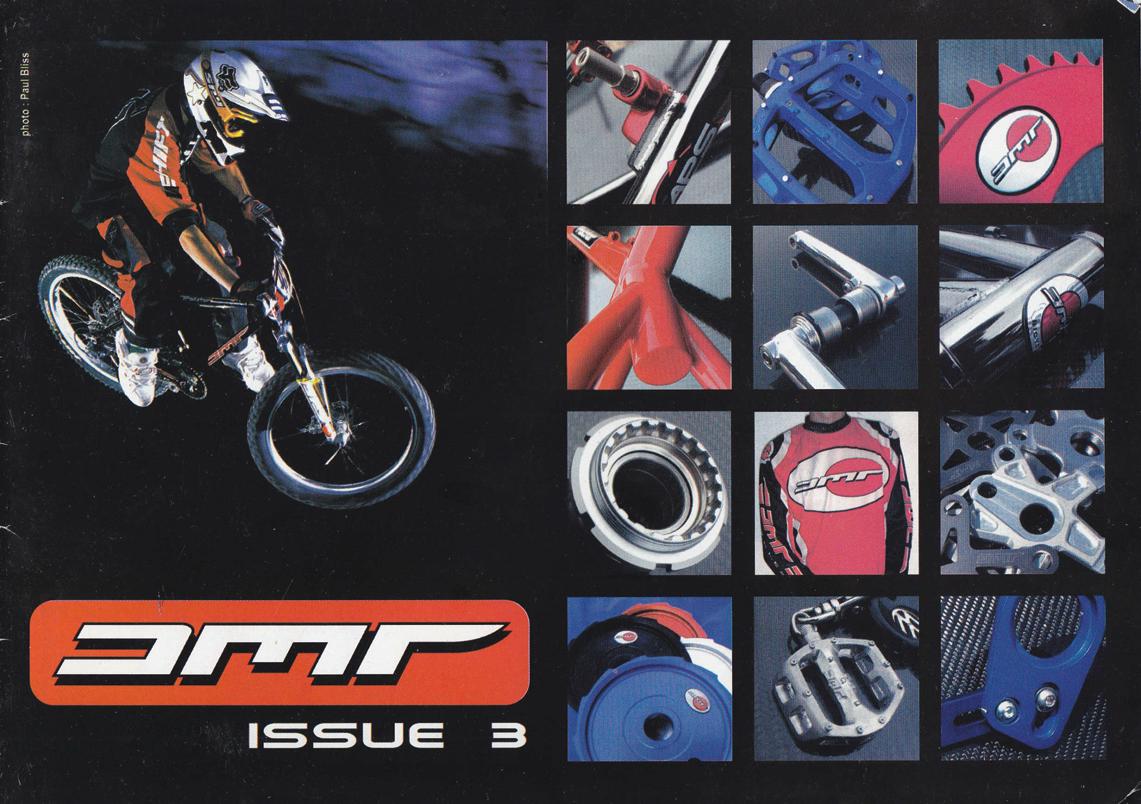
YEARS OF DMR
Three decades ago, DMR produced its first product – a chain tug – but its game-changing V8 pedal, launched soon afterwards, really put the brand on the map. Speaking with Upgrade Bikes Head of Marketing Mark Noble, CIN charts the highs and lows of those 30 years with DMR, including the runaway successes, the importance of designing in and for Britain, the current expansion in community pump tracks and BMX tracks, and the benefits of supporting the local scene…
DMR has seen ups and downs of the dirt jump scene – no pun intended – where are things at now, in 2025, 30 years since the brand launched? As strong as it’s ever been? Thanks – we’ve definitely been on the scene through thick and thin for thirty years now, and we’ve pretty much seen it all. In pure sales terms the peak was obviously the Covid Boom era, much like it was with any other bike brand, it just went crazy. That was a wild time in the industry, a complete anomaly. However, I think we as a company were pretty savvy in that we didn’t go hell-for-leather and place gigantic, unsustainable-growth orders for more and more product and more and more bikes. I think we somewhat had the foresight to understand that this blip wasn’t going to last. So as of right now, we’re in a good place for sure – the dirt jumping scene itself, for the UK at least, is solid. And there’s a new generation coming through as well, we’ve noticed younger riders at the jump spots, out in the woods digging, building the scene, riding with more experience, and getting more into it. An element of that has to be due to the expansion in how many community pump tracks and BMX tracks there are around now – they’re like the gateway to the trails, to the dirt jump scene and to mountain biking in general right across the board. It’s here to stay for sure, and we’re here for it.
Have you got a perspective on how things are for the retailers who are serving the dirt jump and MTB scene at the moment? The broader economy is tough, but how about these specific sectors?
We’ve seen a steady sales increase recently as it happens – we’re up yearon-year, which is only a good thing, and that’s come from the good bike
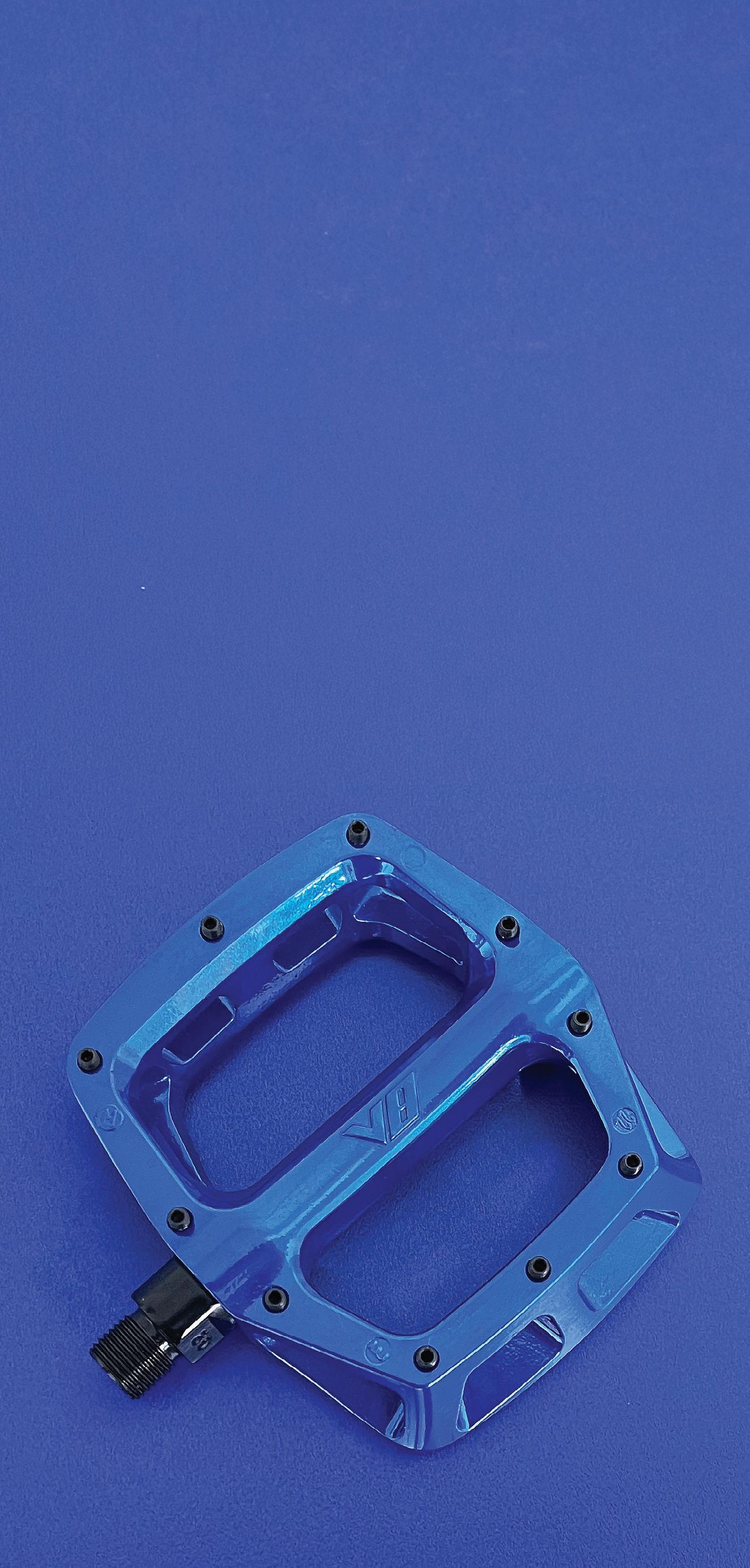
The original DMR V8 pedal literally changed how people could ride a bike when it launched almost three decades ago. The latest iteration shown here is a modern-day classic, with more affordable grip than ever
shops. The bike shops that are proactive and helping build the scene, shops who do more for riding as a whole, those shops are making it happen. We always like working with bike shops who organise ride-outs, who support local talent, help support events, make good content for social media, who spread the word and really make a name for themselves – those retailers are doing well for us, and for MTB in general. Also – don’t forget that DMR, with our wide range these days, works across all mountain bike as well, not just the dirt jump scene. Most recently, those bike shops that work at it, that put the effort in to help build the whole mountain bike scene, like DMR is, are doing well.
What have been some of the milestone/key products in the three decades of DMR – the V-series of pedals? And why have they been so key/popular?
DMR’s first ever product was a chain tug, but the brand really took off big time when the first quality, BMXinspired, sealed-bearing flat pedal was launched. Back then, the DMR V8 pedal changed how people rode mountain bikes – it was really that fundamental. Because of the V8’s durability, its clean design, and sheer grip underfoot – when biking was becoming more about thrashing the local woods and dirt jumping, bringing a new style to riding, and it wasn’t so much race-oriented, DMR was right at that revolution in our sport. Our pedal range has massively expanded and improved since then – from £26 kids’ MTB pedals right up to UK-made CNC machined precision engineered flat pedals, in God-only-knows how many colour options, DMR has the best flat pedals on the market.
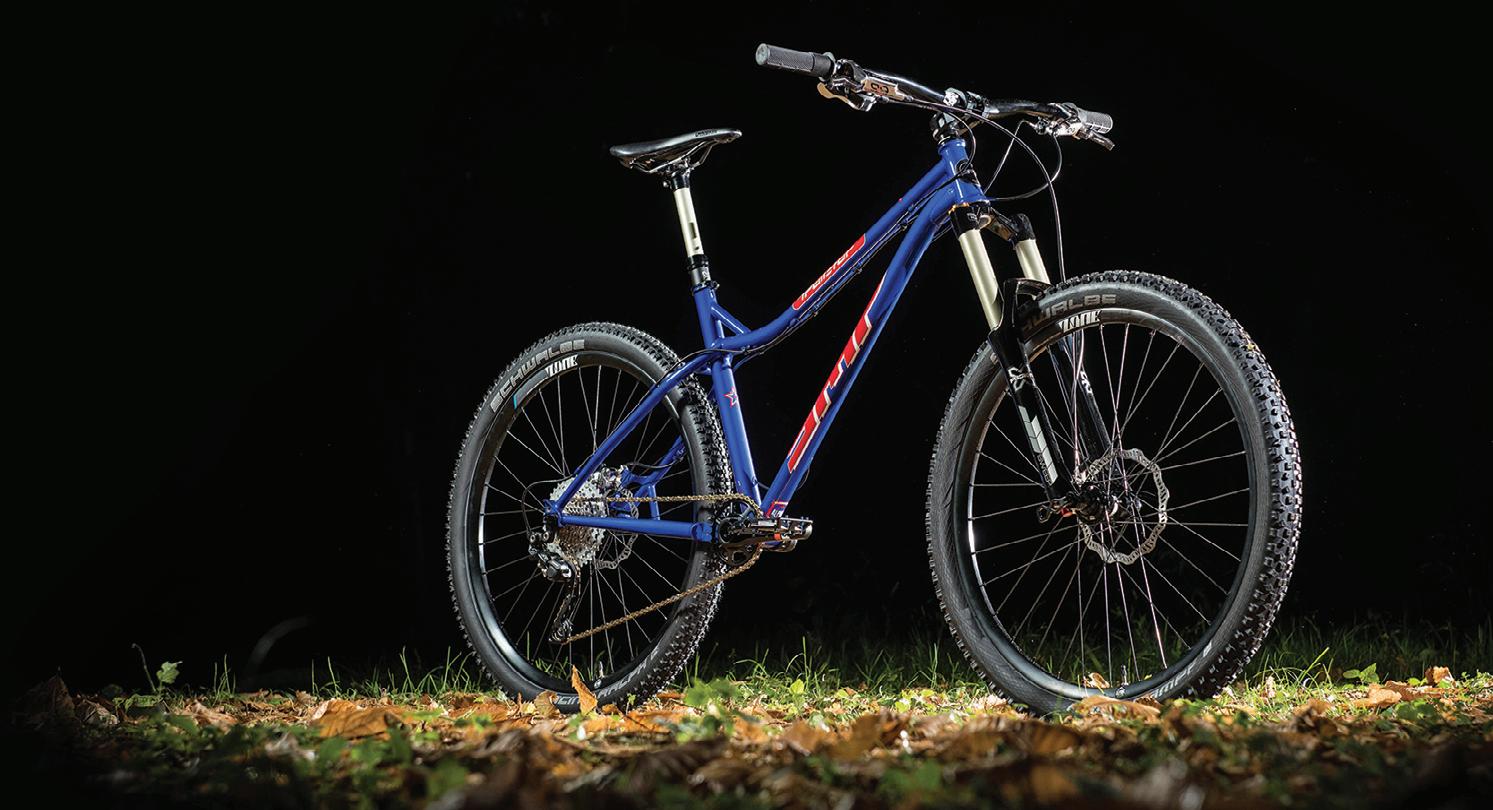
Next up – the DMR Trailstar frameset – that brought about a hardcore hardtail revolution as well. The Trailstar was built to be simple, fast, tough yet light, with geo and sizing designed to thrash the local woods, the singletracks, the trails. The current iteration of the DMR Trailstar is now titanium, but the ethos is still there – this thing is fast!
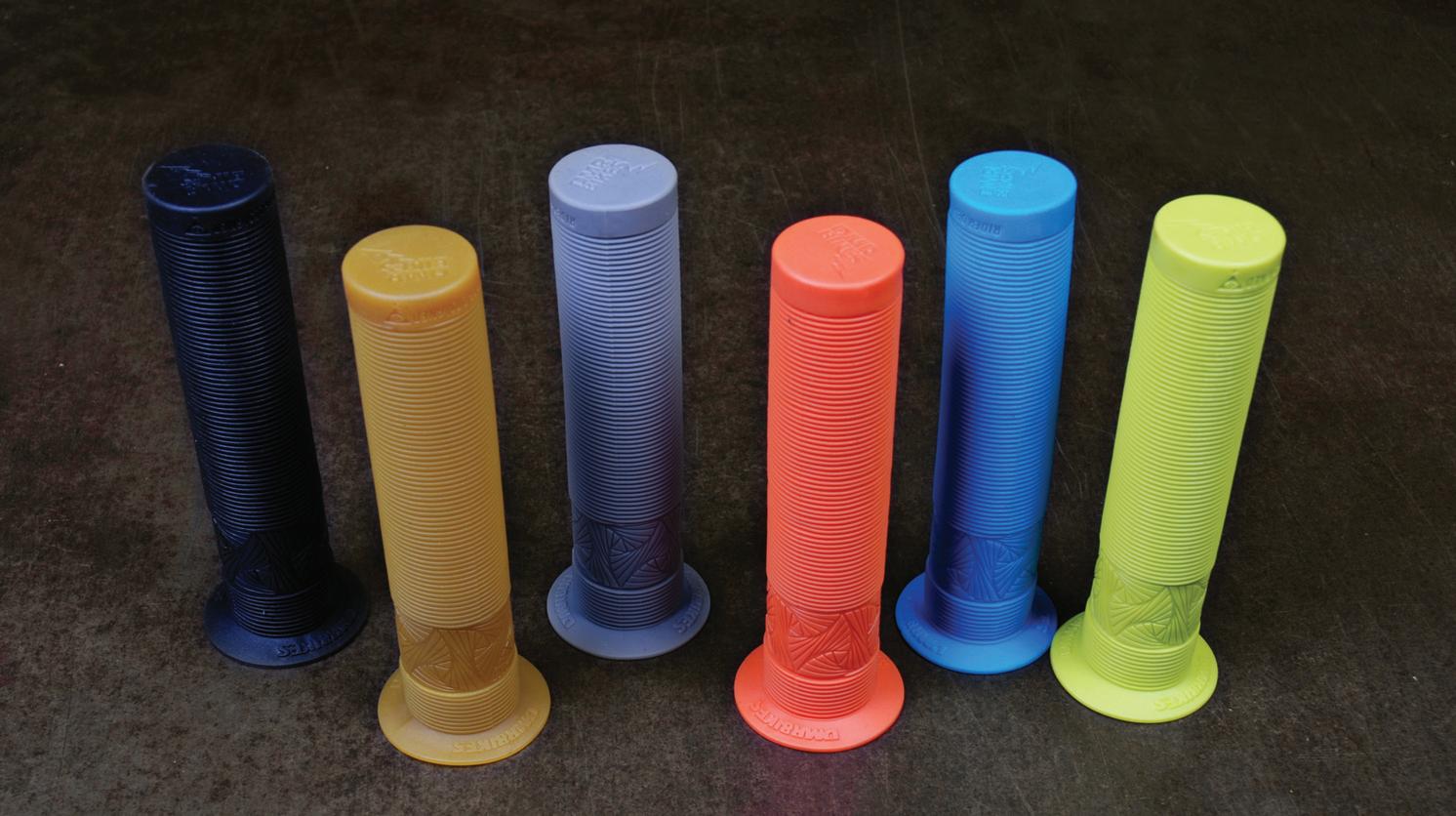
Of course, we all know the DMR Deathgrip – the grip by which all others are measured. When Olly Wilkins and Brendan Fairclough designed the original Deathgrip, a decade ago they had no idea how popular it would become – how trusted and
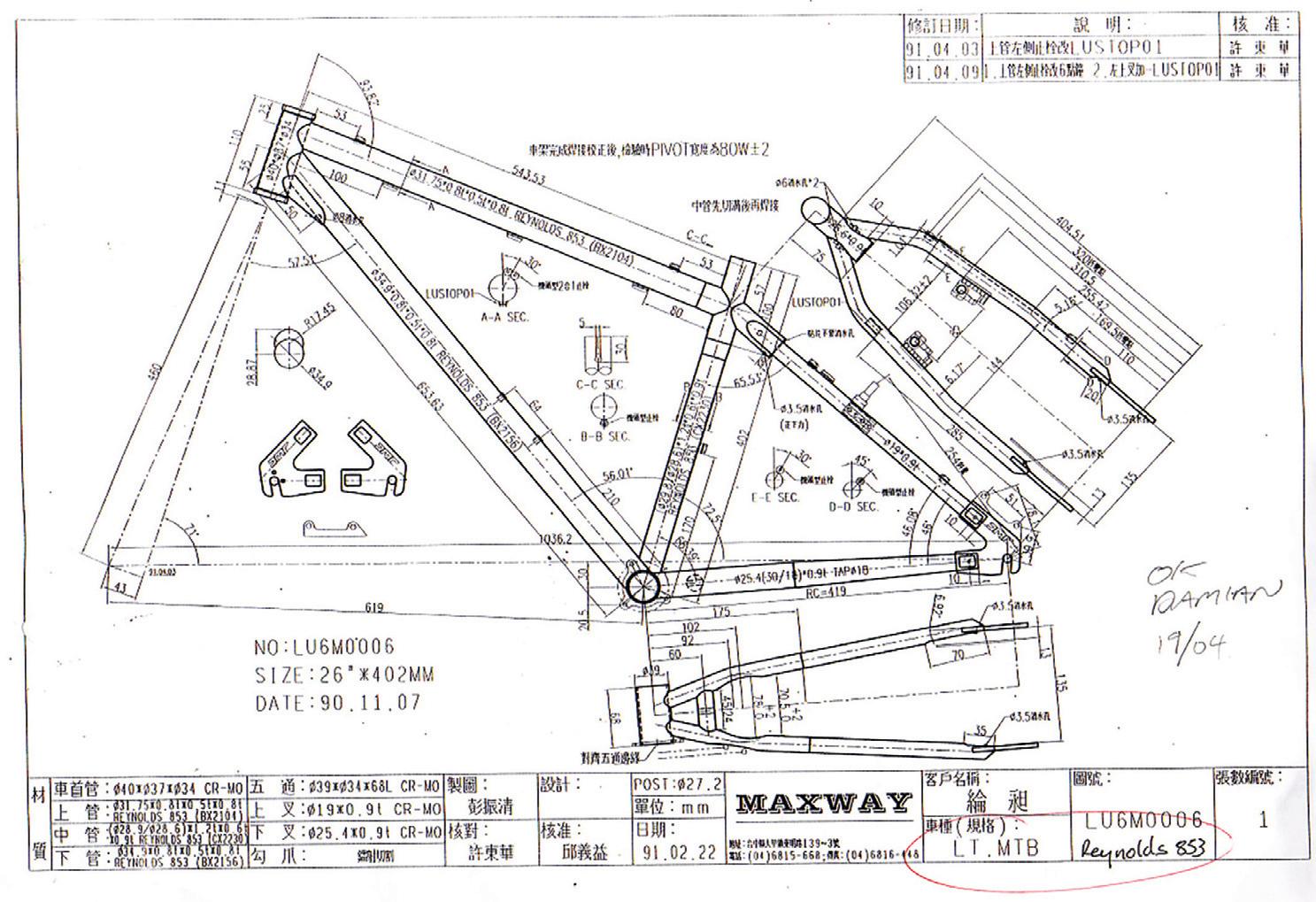
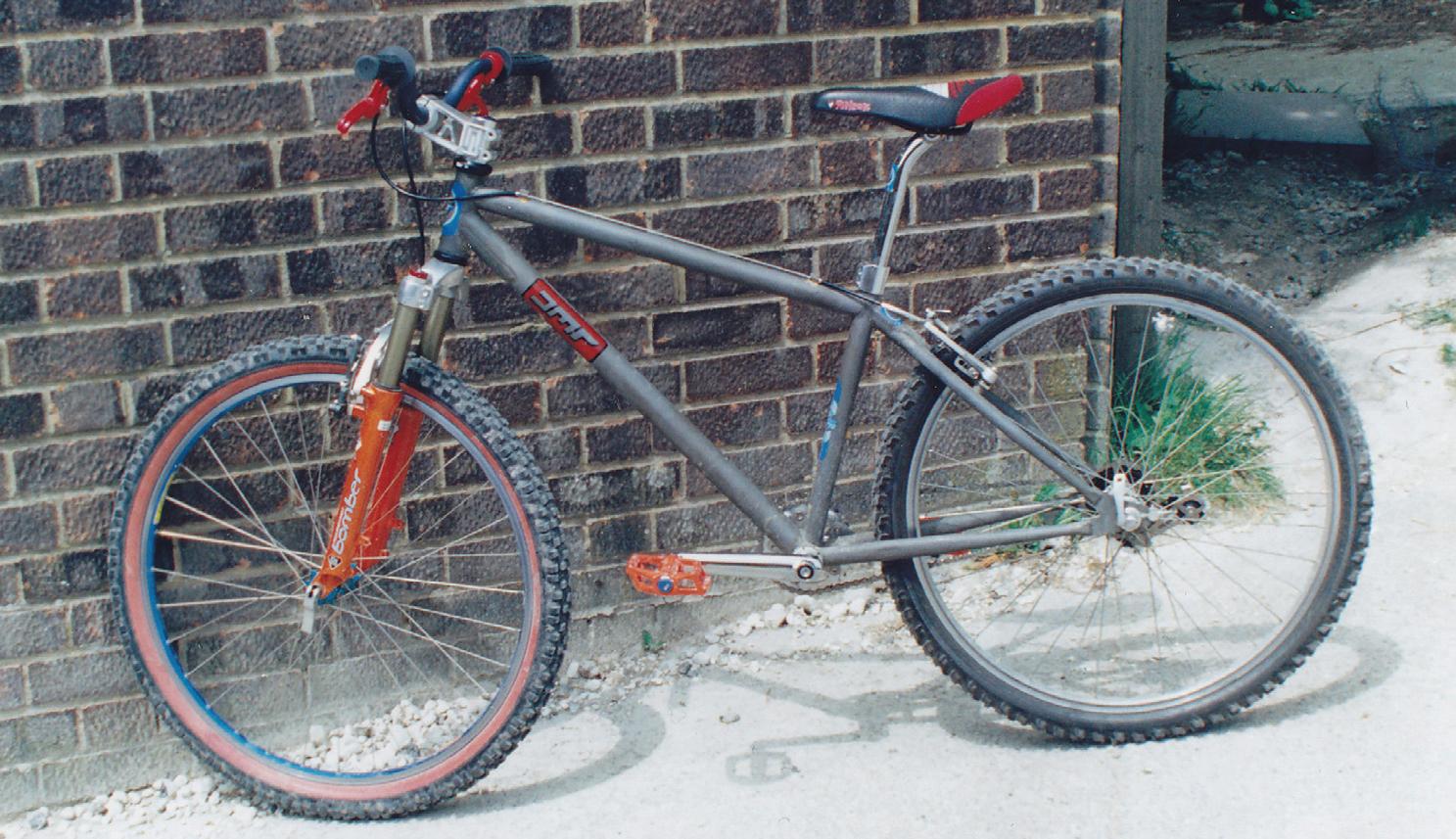
The DMR Trailstar was one of the first hardcore hardtail bikes - and defined the category. The original drawing (top) birthed the first prototype (above), and in 2015 the steel Trailstar (here) was much loved. The latest version of the Trailstar is a high-end titanium frame, built with the original ethos
“WE ALL KNOW THE DMR DEATHGRIP –THE GRIP BY WHICH ALL OTHERS ARE MEASURED”
favoured it is by riders around the world, it’s still winning editor’s choice awards today. The revised Deathgrip2 has further improved the original design, and now we have just launched another option with the Gridlock. This new grip is outstanding, suffice to say we do contact points very well!
The fact that DMR products are UK focused seems to have been a key point to DMR’s popularity – is that fair to say, and what kind of edge does that give DMR in the local market compared to broader, more internationallyfocused brands/products?
I guess you could say that MTB products built for the UK work anywhere else – in terms of dealing with the varying conditions and different seasons, for one thing. A pedal built to last years of Welsh mud and grit will work anywhere in the world. We have over 30 distributors in other countries who rate our products, so we must be doing something right. Being where we are, also means we can look after customers and riders’ needs closer to home – we’re out on the trails riding with locals, so we know what they ride, what they buy and what they don’t, and what works, and all that experience and rider-knowledge directly influences the products we design, develop and bring to market, and then have for sale in bike shops around the world. All from our base in Sussex.
Aside from specific products or ranges, have there been any milestone moments for DMR in the 30 years?
We’ve had tons of milestones, key anniversaries such as the ten-year anniversary, then the 25th and now this year, the 30 Years of Bicycles & Dirt campaign. I think though, building our team of riders and how that has evolved over the years has been a key ingredient to DMR Bikes, more so here than any other brand. We have worked with the best riders in the world through our time, and we’re also known for discovering and nurturing new talent. I’m really picky when it comes to riders and what fits with DMR as a whole, and the team we have now is the best it’s ever been. Our team is a collection of proper characters, each one brings something new to the table. It’s not about winning podiums or prizes – it’s about being a good human, a creative person, and having
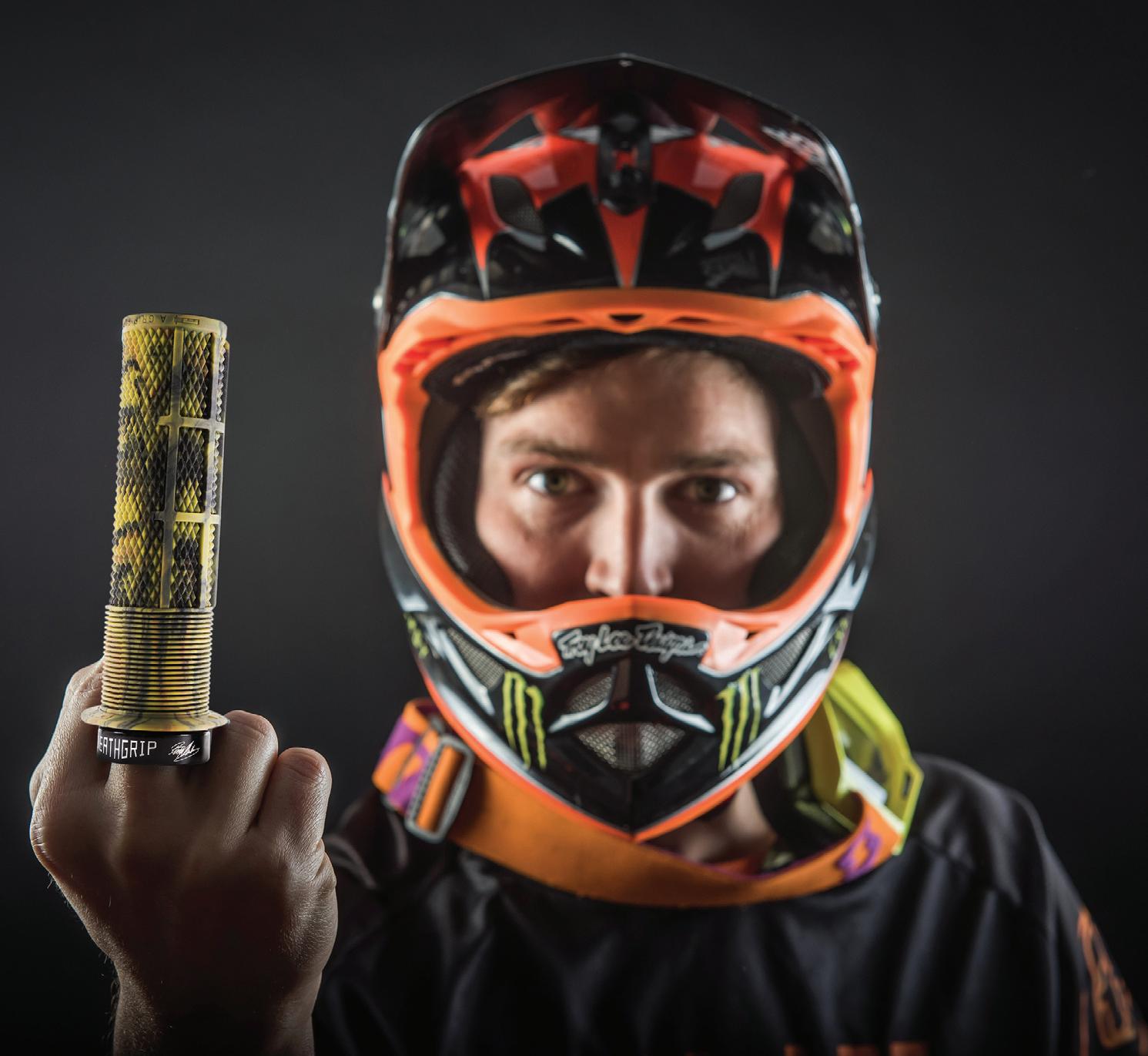
Brendan Fairclough models the DMR Deathgrip he helped design
The DMR Sect grip is one of the best-selling dirt jump, do-it-all, simple push-on grips on the market
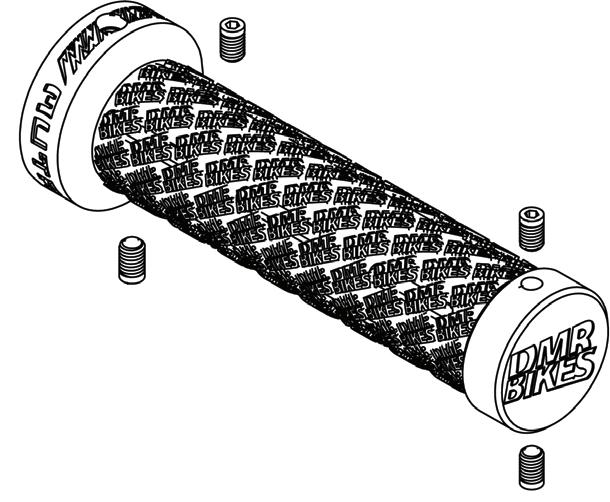
DMR began toying with clamp-on grips around 2010 - the Muta was a double-collar design. Deathgrip followed some time later, and transformed the mountain bike grip market
that special talent that looks so good on a bike. Riders definitely help create those moments and spread the word of the brand, of course they help promote the products and DMR as a whole, but deep down it’s more than that… if you know, you know.
Have there been any surprises along the way for the brand?
I’m sure there have been – mainly, how some products took off the way they did. That probably took some people here by surprise. I doubt many expected just how successful the Deathgrip has become over the years, or the amount sold. That’s been a runaway success, globally.
Talking more broadly, there has been a bit of anxiety about trail infrastructure in the UK lately, and we’ve seen the likes of the UK MTB Trail Alliance formed. Have you got a perspective on that – and how important is it for the industry to be active in supporting the trails and grass roots of the scene?
Good point. In my opinion, if you’re in the bike business, if you operate in this industry, you almost have a responsibility or duty to support as many things like this as possible – for example, such as grass-roots events, races, pump track openings, festivals, because without industry support for these things, there will be no events and no scene – and that sucks. We try and support as many events and programs as possible. For one thing, even on a macro-level, if a kid wins a set of DMR grips for getting third place at a local DH race in the Junior class, then that rider is stoked and into the brand for life, and in turn, that event is a success. Likewise, supporting public spaces, pump tracks, advocacy and trails is also key. We’ll be continuing to do what we can for sure, and we’re having more conversations about working to make biking better. All brands and bike shops should be doing the same, in their own way.
“MTB PRODUCTS BUILT FOR THE UK WORK ANYWHERE ELSE – IN TERMS OF DEALING WITH THE VARYING CONDITIONS AND DIFFERENT SEASONS. A PEDAL BUILT TO LAST YEARS OF WELSH MUD AND GRIT WILL WORK ANYWHERE IN THE WORLD”
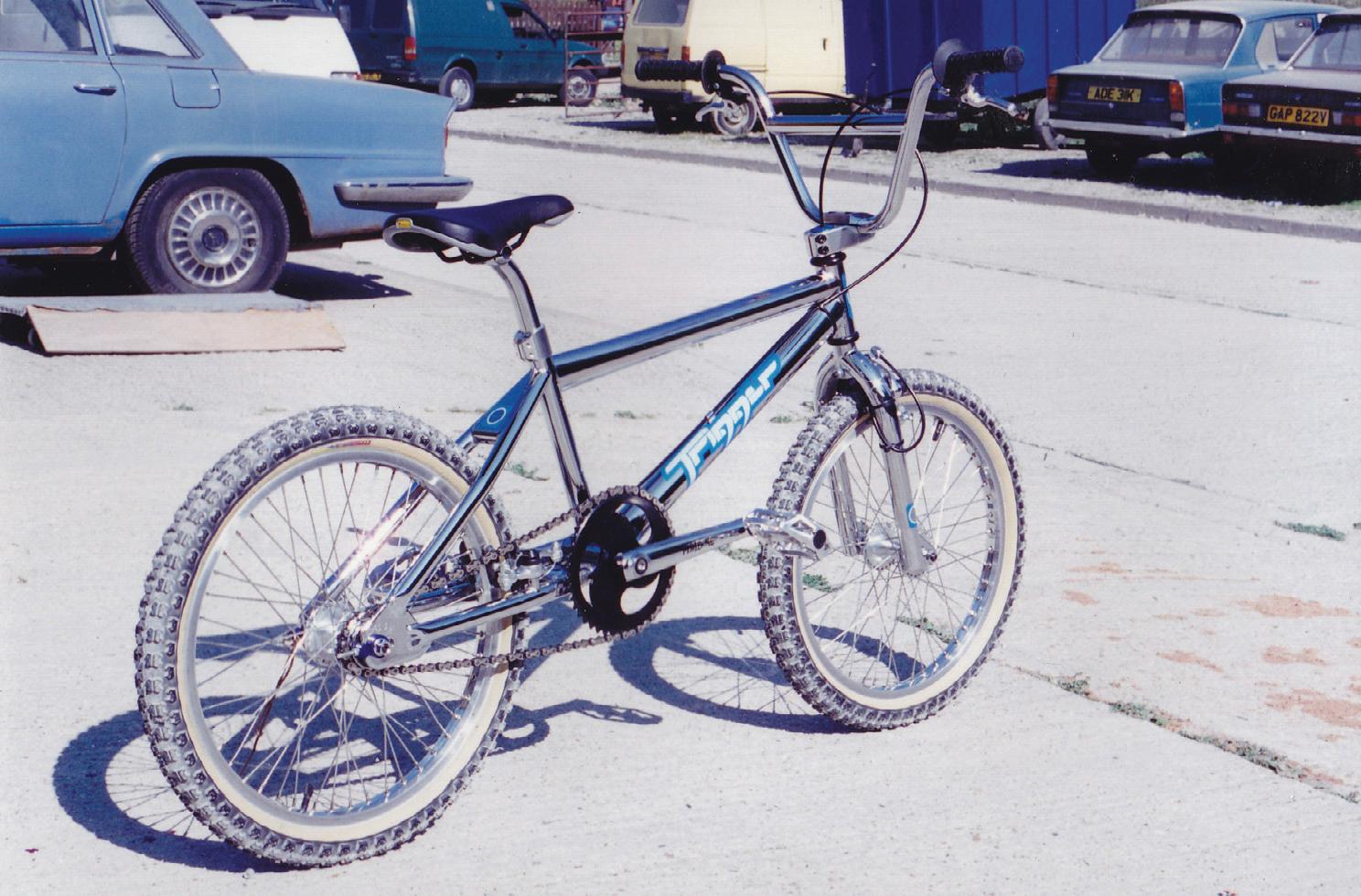
The first frameset made by DMR Bikes was actually a BMX frame – the Trigger – designed for all types of riding, ramp, street, dirt and freestyle
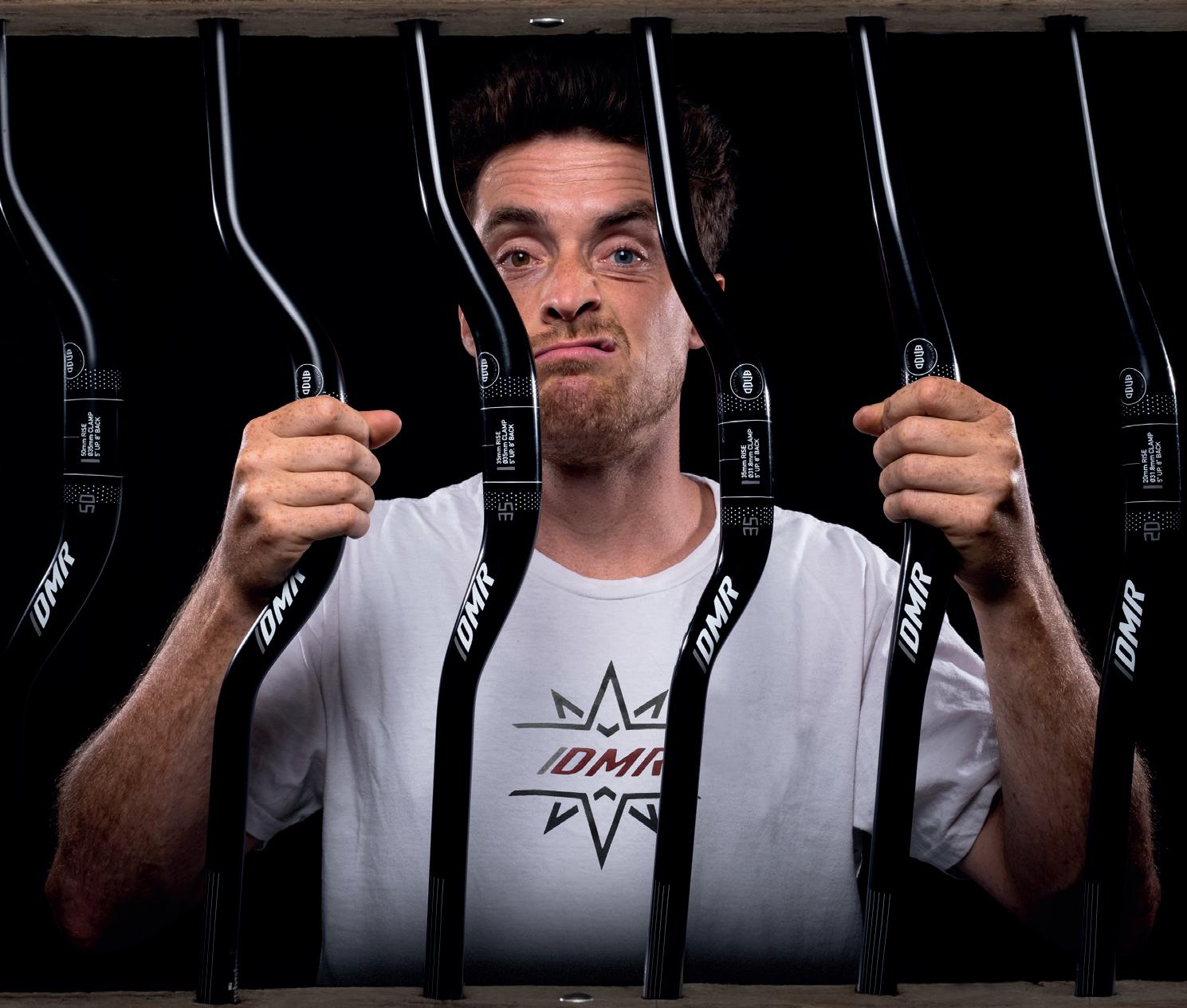
DMR always works closely with their team riders – Olly Wilkins’ own signature bars, the O’Dub bars, are consistent sellers and come with a lifetime warranty. Look out for new sizes and new colours in the new year, further expanding the range of his pro handlebars
MANUFACTURING
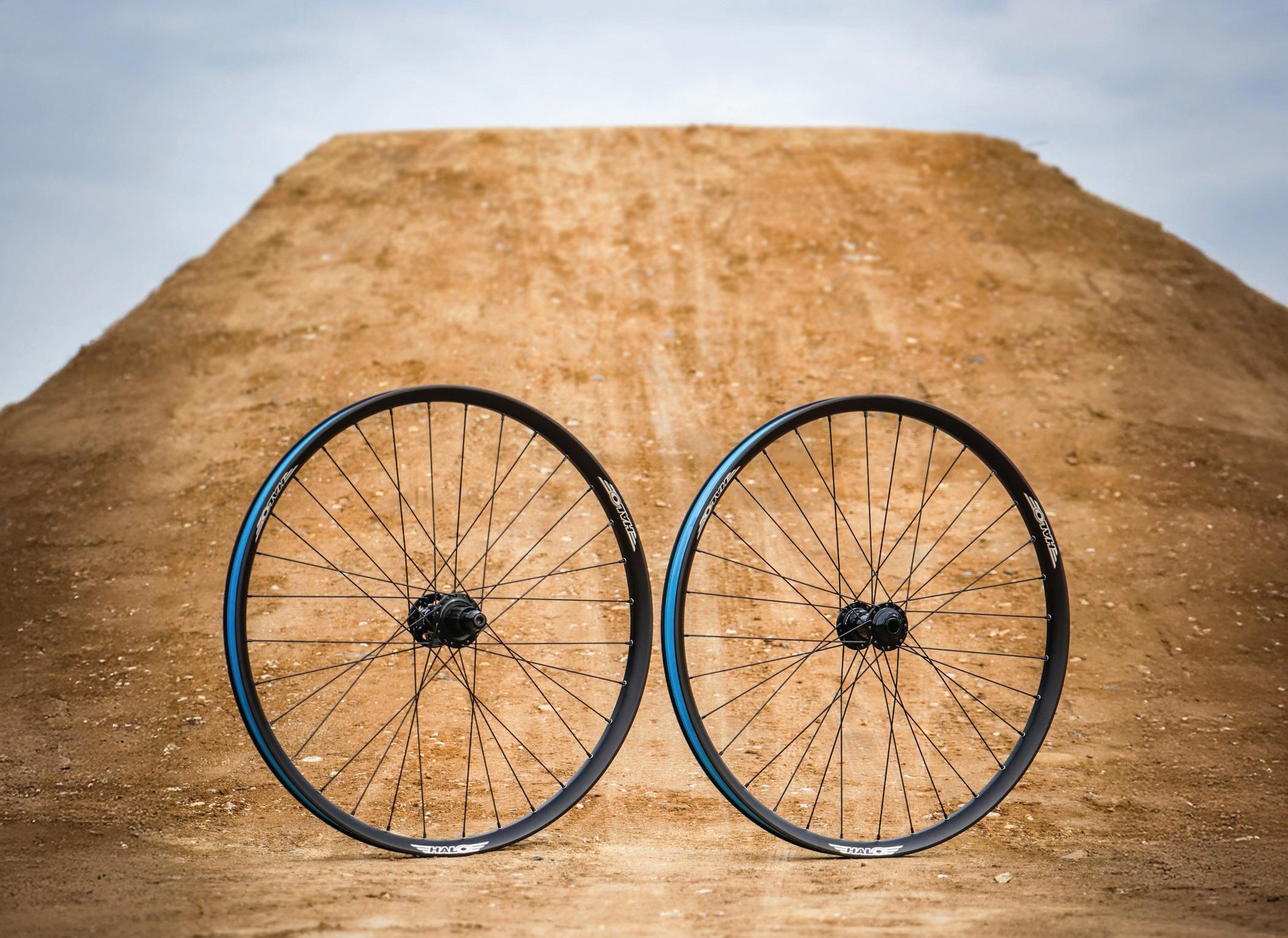
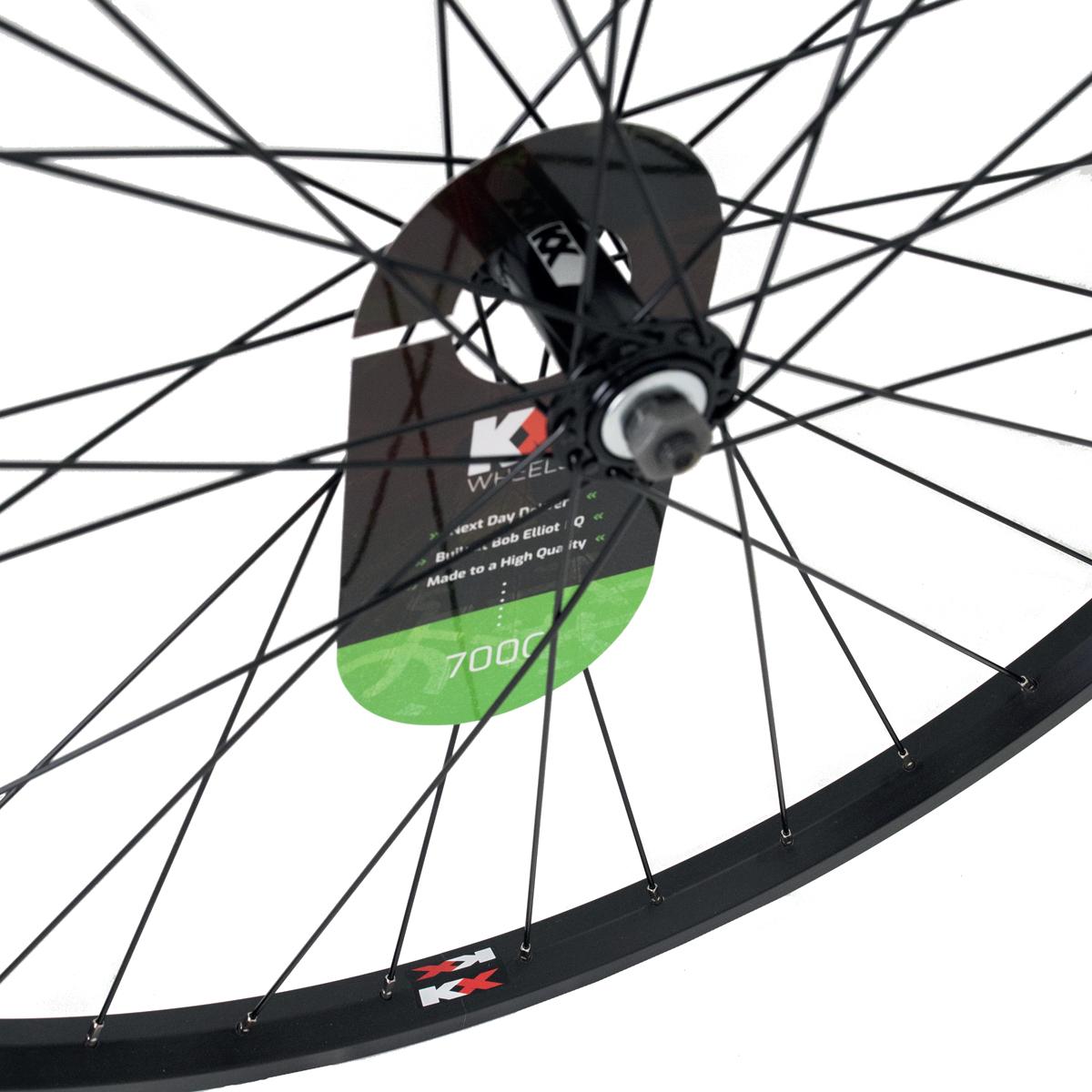
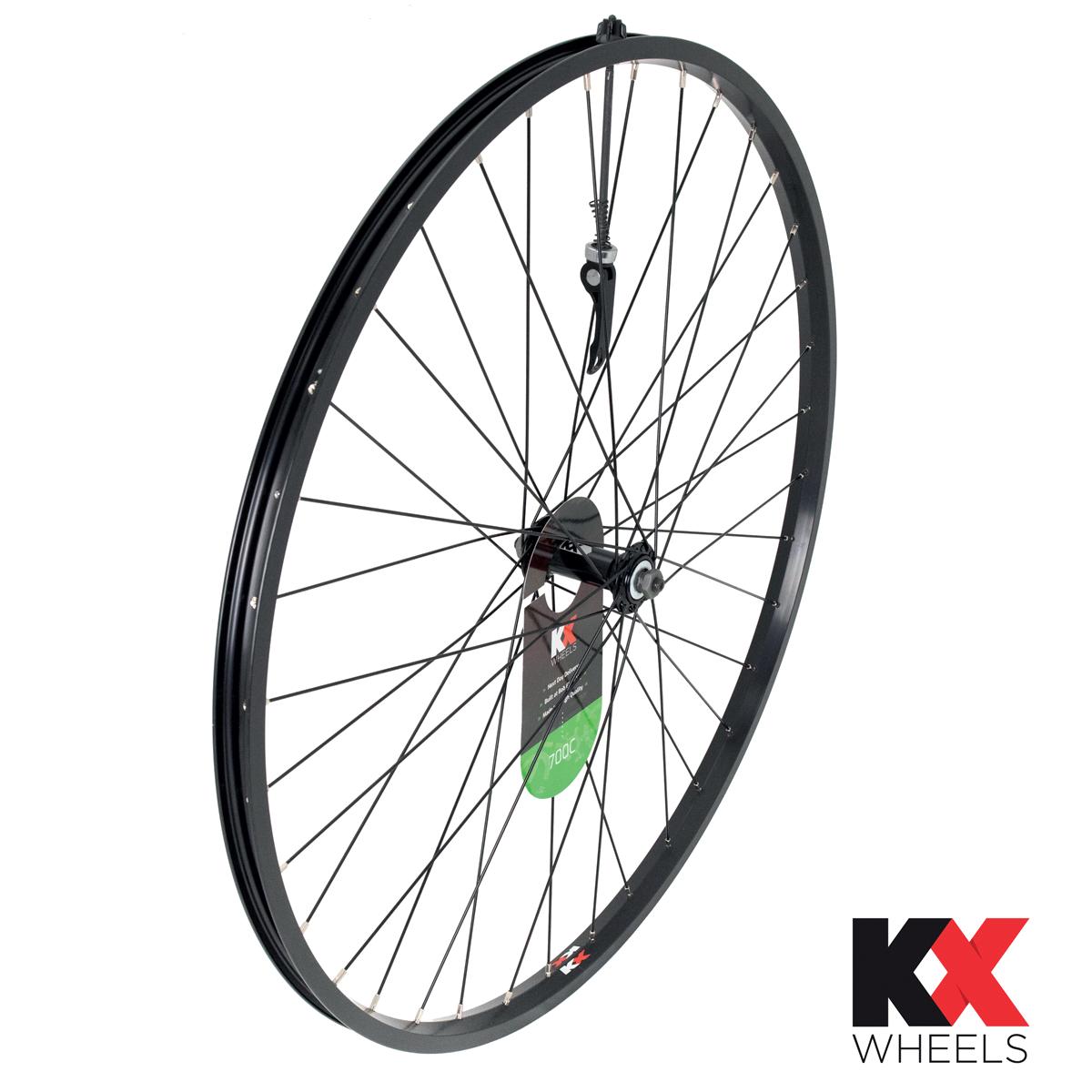
Our exciting new range of KX Wheels are produced right here at Bob Elliot HQ Utilising our specialist machinery, we prepare the hubs using reliable, economical, high quality componentry and lace the wheels before finishing them to precise tolerances with the use of a robot which are then quality checked to deliver the perfect wheel every time. Competitively priced replacement wheels offering a wide selection for 700C and all MTB disciplines.
Built here at Bob Elliot HQ IN THE UK
All wheels FInished to exacting tolerances Comprehensive range, PRICED competitively
Quality componentry from all around the World
Over 50 years combined wheel building experience
Next day delivery available
Inevitably, we have to ask – what will the next 30 years have in store for DMR?
That’s likely impossible to answer, but how about the next 1-2 years?
That’s a leading question! As long as people keep riding bikes they way they do, then we’ll keep developing and making new products for people to ride. We keep things simple and sustainable – we’re not about to come out with some wild new carbon-fibre ebike platform and wireless droppers or Bluetooth tyre pressure sensors. DMR just isn’t like that. Over the next couple of years we’ll be looking at evolving our products and refining what we do – we already have a pretty high bar to be honest, as we’ve won multiple awards for our products from various media titles, so pushing it all further is always going to be a challenge. Like I said earlier, our original pedals influenced how an entire generation rode their bikes and revolutionised mountain biking, and we’re not done yet. We just keep moving forward. Our new Vault Max pedal which is made in the UK, close to our office, is a good indicator of where we’re headed, plus we have the new VMAX SPD-compatible pedals, and speaking of high bars, we’ll have some new handlebars coming in the new year, some new DMR cranks, more grip options… and more projects with our DMR Bikes team, plus some great events and activations to keep pushing the brand and biking in the right direction.
Is there anything else you’d like to add? We’ve also been working hard with Alex Rankin on our new film Down For Life, the DMR documentary that covers 30 years of how mountain biking influenced a brand, and how a brand influenced mountain biking. We’ve spoken to tons of proper legends and riders on the scene, and we’ve really dived into the history of biking – how it changed, how it evolved, the key moments not just for DMR but for riding as a whole. It’s been amazing to work on, Alex has worked his magic as usual, and it’ll be out at the end of November. It also speaks to the future of DMR as a brand, and where we’re going next, what’s coming out next, and who’s in the crew – as we’re in this for the long haul. It’ll be one to watch for sure!
www.dmrbikes.com
“IF YOU OPERATE IN THIS INDUSTRY, YOU ALMOST HAVE A RESPONSIBILITY OR DUTY TO SUPPORT AS MANY THINGS LIKE THIS AS POSSIBLE – GRASS-ROOTS EVENTS, RACES, PUMP TRACK OPENINGS, FESTIVALS...”
The ever-popular Ben Deakin climbs through a pile of signature OiOi saddles for a recent advertising campaign. DMR prides itself on creative and designs, always working with riders on ideas and concepts
From the archives: the 3rd issue of the DMR catalogue