NIMBLE, CONNECTED Success as an independent operator
THE TOP 100 Retailers who lead the way

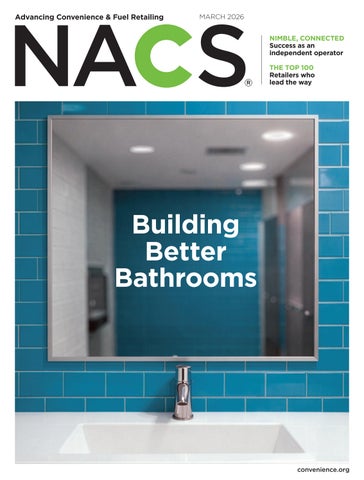
NIMBLE, CONNECTED Success as an independent operator
THE TOP 100 Retailers who lead the way

/ MARCH 2026
30 The Top 100 Retailers Combined, these companies account for over 45,000 stores.
38 Bringing AI to Foodservice From reducing food waste to predicting sales, AI can improve operations in the kitchen.
60 Creating Best in Class Restrooms
Putting thought into restrooms leads to positive impressions of the whole store.
70 Where Local Advocacy Starts
Across the country, state associations fight legislative battles with a shared goal of protecting the industry.
79 Changing the Habits of the Fuel-Only Customer
‘The key to converting these customers could be bringing the in-store offer to them on the forecourt.’
Independents are playing a different game than the biggest retailers—but smart maneuvers aren’t about size.


Subscribe to NACS Daily—an indispensable “quick read” of industry headlines and legislative and regulatory news, along with knowledge and resources from NACS, delivered to your inbox every weekday. Subscribe at www.convenience.org/NACSdaily












Jeff Lenard
VP of NACS Media & Strategic Communications (703) 518-4272 jlenard@convenience.org
Ben Nussbaum
Publisher & Editor-in-Chief (703) 518-4248 bnussbaum@convenience.org
Leah Ash Editor/Writer lash@convenience.org
Lauren Shanesy Editor/Writer lshanesy@convenience.org
Noelle Riddle Editor/Writer nriddle@convenience.org
Chrissy Blasinsky Digital & Content Strategist cblasinsky@convenience.org
CONTRIBUTING WRITERS
Amanda Baltazar, Al Hebert, Steve Holtz, Pat Pape, Emma Tainter
DESIGN
Ji Ho
Creative Director jho@convenience.org
Erika Freber Art Director efreber@convenience.org
David Marvin Graphic Designer dmarvin@convenience.org
ADVERTISING
Stacey Dodge Advertising Director/ Southeast (703) 518-4211 sdodge@convenience.org
Jennifer Nichols Leidich National Advertising Manager/Northeast (703) 518-4276 jleidich@convenience.org
Ted Asprooth
National Sales Manager/ Midwest, West (703) 518-4277 tasprooth@convenience.org
PUBLISHING
Logan Dion
Digital Media and Ad Trafficker (703) 864-3600 ldion@convenience.org
NACS BOARD OF DIRECTORS
CHAIR: Annie Gauthier, CFO/Co-CEO, St. Romain Oil Co. LLC (dba Y-Not Stop)
TREASURER: Lonnie McQuirter, Director of Operations, 36 Lyn Refuel Station
OFFICERS: Chris Bambury, Bambury Inc.; Tom Brennan, Casey’s; Varish Goyal, Loop Neighborhood Markets; Charles McIlvaine, Coen Markets Inc.; Natalie Morhaus, RaceTrac Inc.; Travis Sheetz, Sheetz Inc.
GENERAL COUNSEL: Doug Kantor, NACS
MEMBERS: Lisa Blalock, BP North America Inc.; Brian Donaldson, Maxol Limited; Tony El-Nemr, Nouria Energy Corp.; Terry Gallagher, Gasamat Oil Corp./Smoker Friendly; Erin Graziosi, Robinson Oil Corp.; Raymond Huff, HJB Convenience Corp.
NACS SUPPLIER BOARD
SUPPLIER BOARD CHAIR: Bryan Morrow, Chobani & La Colombe
CHAIR-ELECT: Kevin LeMoyne, The Coca-Cola Co.
VICE CHAIRS: Mike Gilroy, Mars Wrigley; Jim Hughes, Supplying Demand Inc. dba Liquid Death; Danielle Holloway, Altria Group Distribution Co.
MEMBERS: Tony Battaglia, PMI U.S.; Ryan Calong; Jerry Cutler, InComm Payments; Jack Dickinson, Dover Fueling Solutions; Matt Domingo, Reynolds; Mark Falconi, Greenridge Naturals; Ramona Giderof, Diageo Beer; Adam Gryzbek, BIC Corp.; Kevin Kraft, Tropicana Brands; Jay Nelson, Excel Tire Gauge
(dba Russell’s); Mark Jordan, Refuel Operating Co.; Thomas Love, Love’s Travel Stops & Country Stores; Crystal Maggelet, Maverik Inc.; Rich Makin, Wawa Inc.; Brian McCarthy, Blarney Castle Oil Co.; Andrew Mitchell, Toot’n Totum Food Stores LLC; Jigar Patel, Fastime; Stanley Reynolds, 7-Eleven Inc.; Kristin Seabrook, Global Partners LP; Doug Yawberry, Weigel’s Stores Inc.; Scott Zietlow, Kwik Trip Inc.
PAST CHAIRS: Brian Hannasch, Alimentation Couche-Tard Inc.; Victor Paterno, Philippine Seven Corp.
SUPPLIER BOARD
REPRESENTATIVES: Bryan Morrow, Chobani & La Colombe; Kevin LeMoyne, The Coca-Cola Co.
LLC; Jordan Nicgorski, JUUL Labs; Nick Paich, TriggerPoint Media; Bria Troy, PepsiCo Inc.; Melissa Vonder Haar, iSEE Store Innovations LLC; Jason Zagaria, Primo Brands; Derek Zahajko, CAF Inc.; GENERAL COUNSEL: Doug Kantor, NACS
STAFF LIAISON: Bob Hughes, NACS
RETAIL BOARD REPRESENTATIVES: Tom Brennan, Casey’s; Scott Hartman, Rutter’s; Kevin Smartt, TXB
PAST CHAIRS: Vito Maurici, McLane Co. Inc.; David Charles, Cash Depot; Kevin Farley, Farley Retail Advisors
NACS Magazine (ISSN 1939-4780) is published monthly by the National Association of Convenience Stores (NACS), Alexandria, Virginia, USA.
Subscriptions are included in the dues paid by NACS member companies. Subscriptions are also available to qualified recipients. The publisher reserves the right to limit the number of free subscriptions and to set related qualifications criteria.
Subscription requests: nacsmagazine@convenience.org
POSTMASTER: Send address changes to NACS Magazine, 1600 Duke Street, Alexandria, VA, 22314-2792 USA.
Contents © 2025 by the National Association of Convenience Stores. Periodicals postage paid at Alexandria VA and additional mailing offices.
1600 Duke Street, Alexandria, VA 22314-2792
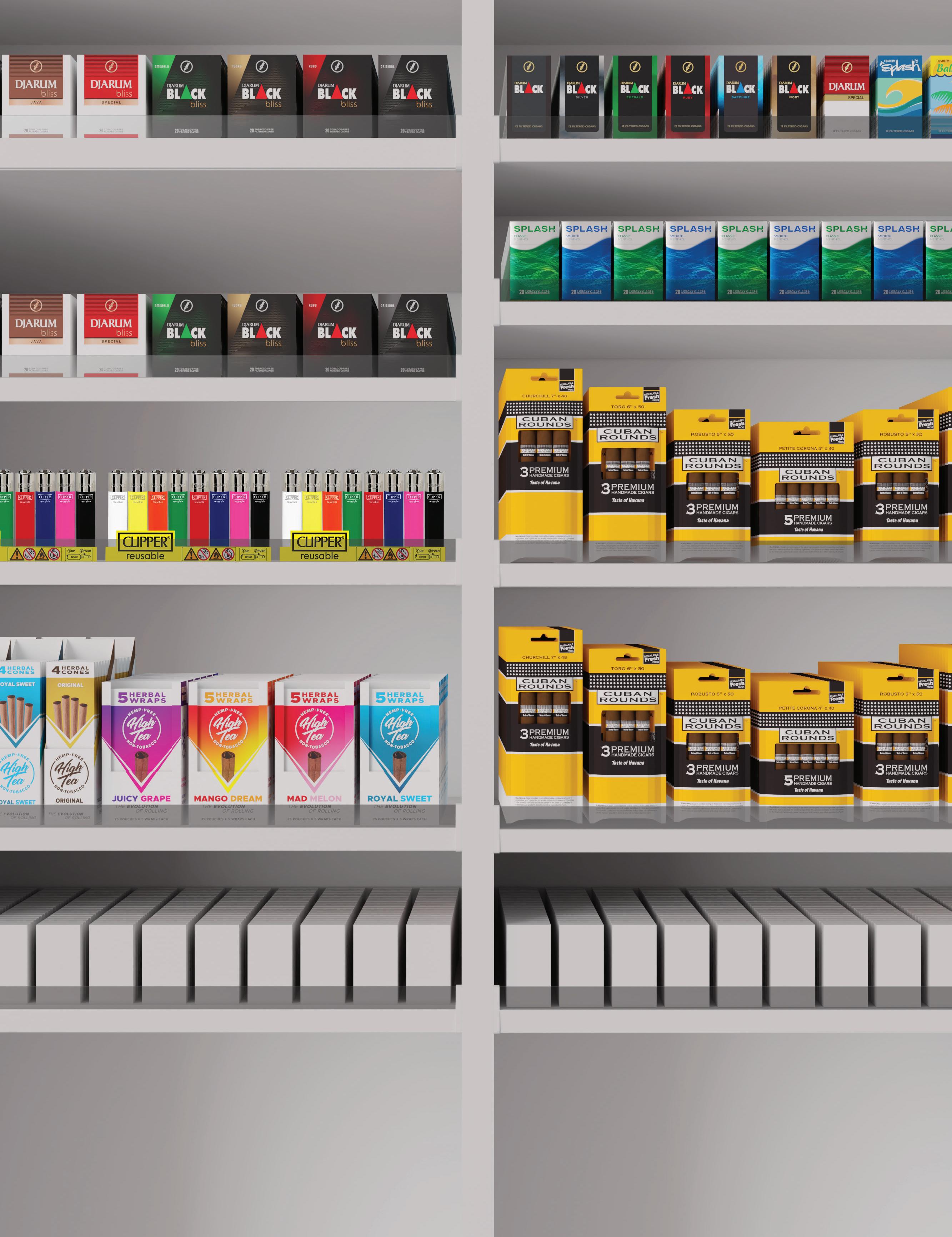
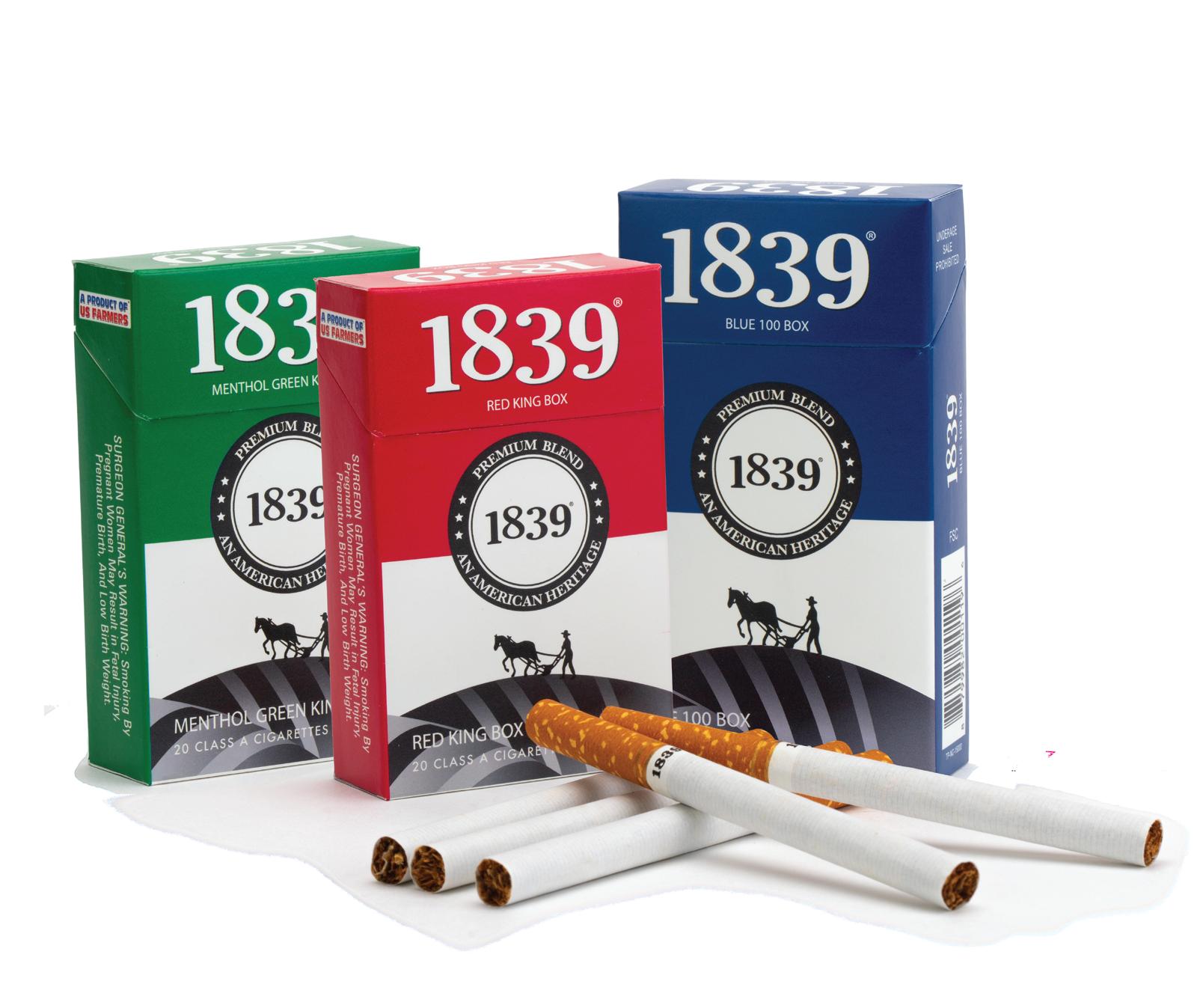
1839 cigarettes are made from the finest flue-cured tobacco to deliver the flavor and value your budgetminded consumers crave. Available in a variety of styles to satisfy every taste.


You know how some people go to every MLB stadium or every national park? I’m happy to say I’ve been to 14 of the top 15 c-store retailers. Depending on how summer travel plans shake out, that number might be 20 of the top 21 this time next year, with military c-stores the only exception. (Can anyone get me onto a base?)
At NACS we often talk about the pull this industry has on people. Once you’re in it, you don’t want to leave. And if you do leave, you often come back. Why? The standard answer is “the people,” and that’s true. But a slightly different answer is “the retailers,” the folks who operate stores and who display endless creativity and determination while doing so.
This issue includes the annual NACS/ NIQ TDLinx convenience store count list of the top 100 retailers. Every operator in this channel deserves a turn in the spotlight, but I’m happy we can give these top 100 a little glow.
In that same vein of celebrating the retailer, we have an article in this issue on success as an independent, “Strategic Moves for Small Operators.” There isn’t a specific playbook. It’s everything. It’s leaning into AI to optimize social media … and at the exact same time having a
piece of paper at the front of the store for customers to write down what they wish you carried.
Another celebration of retailers takes place in Schaumburg, Illinois, April 14-16, at the NACS State of the Industry Summit. I look forward to seeing everyone as we collectively support the best industry with the best insights and data available. Learn more at convenience.org/events/SOI.

Ben Nussbaum Editor-in-Chief, NACS Media
Join hundreds of your industry peers at the NACS State of the Industry Summit in April.
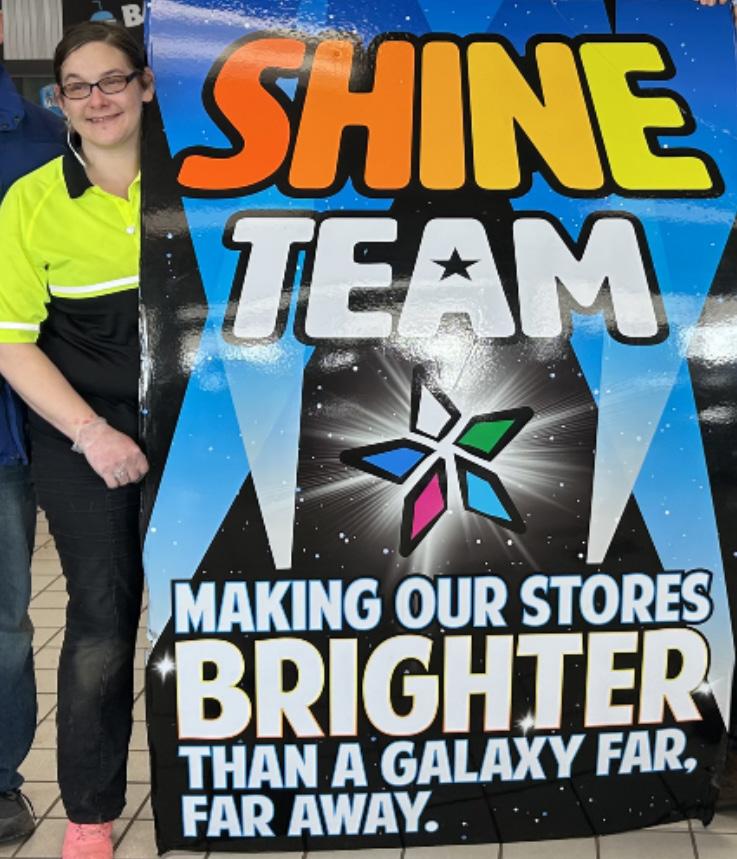
In c-stores, cleanliness is everything. Sarah Diaz, a Shine Associate at Family Express, dedicates her entire day to it.
After a year of working as a sales associate for the Indiana-based retailer, Sarah joined the company’s Shine Team, a group that travels between Family Express locations and deep cleans hard-to-reach or sometimes overlooked areas inside and outside the store.
“My day typically begins with a full walk-around of the exterior of the store. I check for any overflowing or loose trash, ensure the fuel pumps are clean and in good condition, and look for anything that appears damaged or out of place,” she said. “I then do a full walk-through of the store, making sure to check for details that others may miss, like under counters and in back rooms. I travel between multiple locations and my work can vary widely depending on the needs of the store, which could include deep cleaning car washes and restrooms, steam cleaning walls or floors, or tackling other detailed cleaning projects that help keep our guests ‘wowed.’”
I love the daily customer interaction and the opportunity to provide excellent products and experiences. This industry offers constant opportunities for growth, and it is a place where you can truly start in an entry-level role and build a meaningful career over time. This job is fun, fast-paced and full of opportunity. You meet a wide variety of people every day. No two shifts are ever quite the same.
What I enjoy most is connecting with people. For many guests, we are their first stop on their way to work, and I love being able to help start their day on a positive note. Whether that is sharing a laugh over coffee, offering a friendly greeting or simply listening when someone needs to talk, those moments matter. I believe those small interactions create a ripple effect. When someone leaves our store feeling seen, valued or a little happier, that positivity carries forward into their day and into the community around them.
The annual Family Festival stands out as one of my favorite experiences. I have never worked for a company that hosted an all-expenses-paid family night like this before. Families got to enjoy go-karts, laser tag, arcade games, raffle prizes and a great dinner together. Each year has a fun theme and people really get into dressing up. The fireworks and light show at the end make it an unforgettable celebration. It truly feels like a night designed to bring everyone together.













24/7 DAY GROWTH HIGHLIGHTS
1.6 billion media impressions +200% YoY
35,000+ stores participated 100+ retailer & supplier partners Interactive store map drove 7,500+ users across 48 states
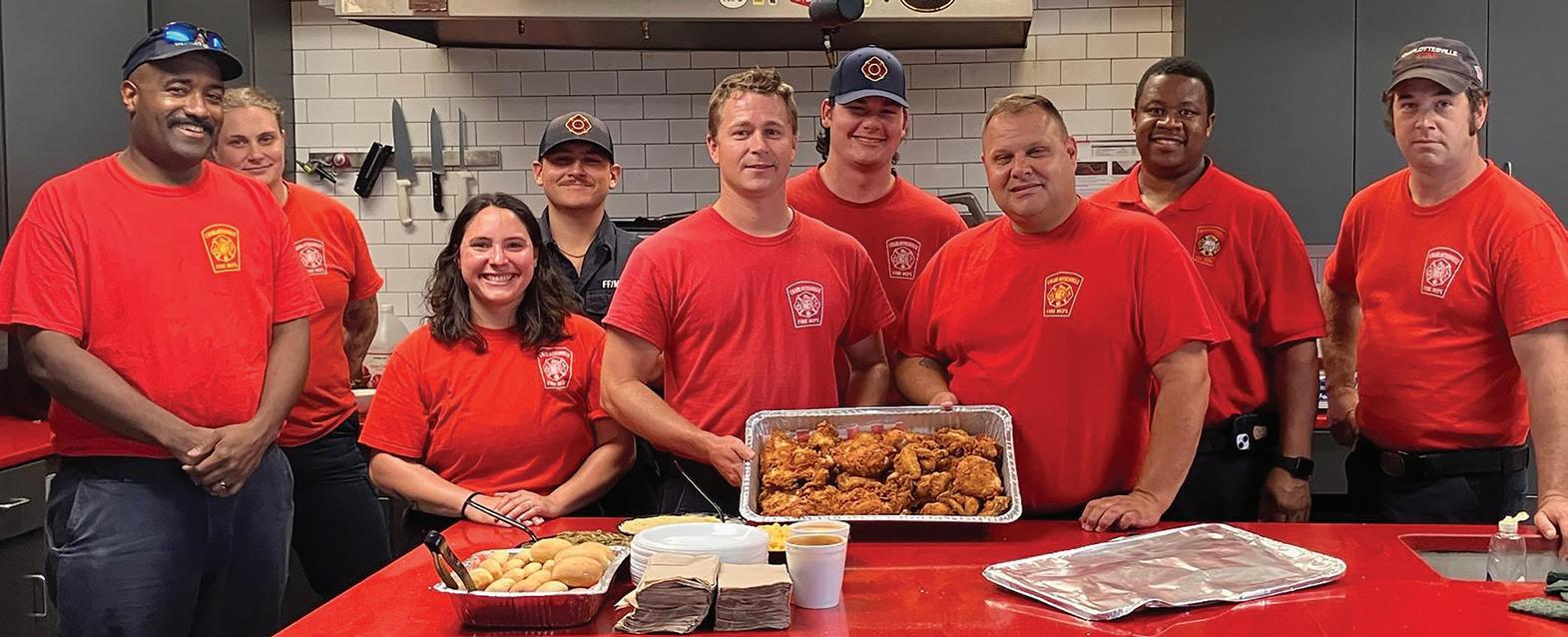
• First Responder of the Year Awards (three national honorees)
• Recognition from federal and state government officials and celebrated at 2025 NACS Show
• Launch of the Response Relief 24/7 Day Committee
• Five retailers awarded $1,000 media grants to amplify local impact
NACS FOUNDATION SCHOLARSHIPS
Awarded 12 Future Fund scholarships at $3,500 (up from 11 at $3,000), powered in part by the generosity of Keurig Dr Pepper
Launched the Lisa Dell’Alba Scholarship and raised $60,000 in her honor to support emerging leaders through the NACS Cornell Executive Leadership Program—funding scholarships over the next 10 years.
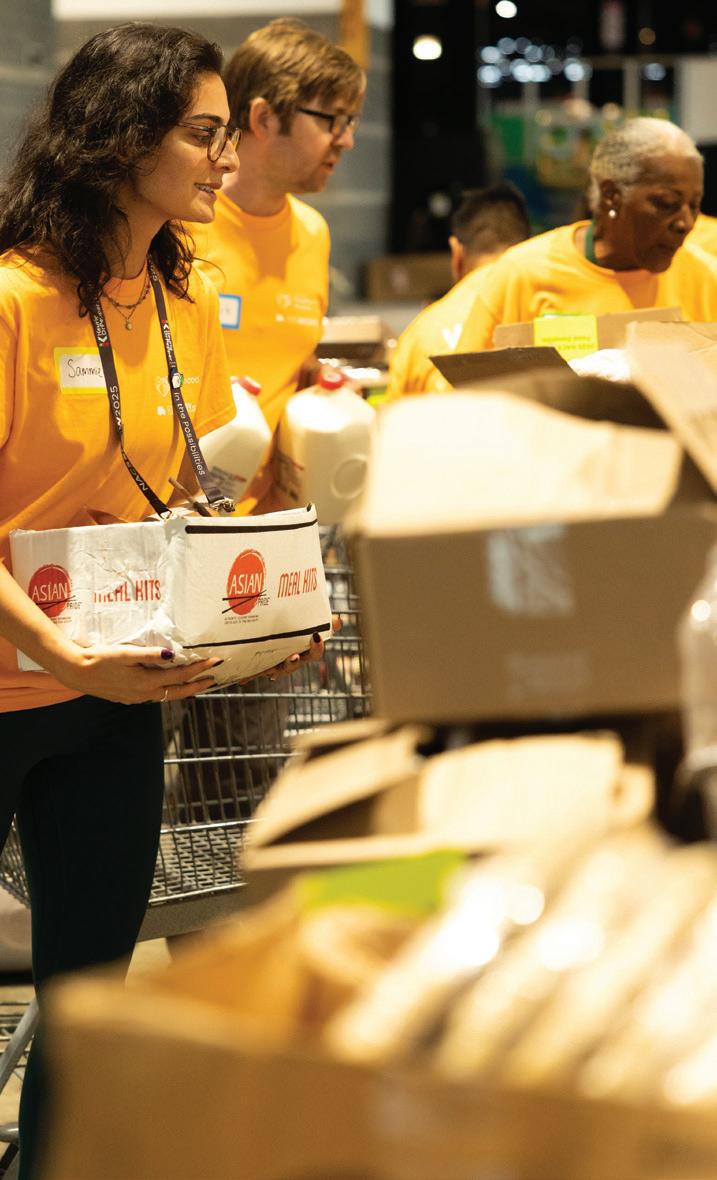
KEY WINS AND ENVIRONMENTAL IMPACT FROM THE 2025 NACS SHOW
120,380 lbs of food rescued
100,292 meals recovered
59.29 metric tons of CO2e saved
7.93M gallons of water conserved
Go to globalconvenience. com/smart/enter to enter the global search for retailers who are at the forefront of analytics, AI and emerging technology.
NACS and Insight Research, together with Knowledge Partner Accenture and sponsors Invenco by Vontier, Plexor AI and VenHub, are co-hosting the “Smartest Store in the World” contest, a global search for retailers who are harnessing advanced analytics, artificial intelligence and emerging technologies to reimagine the store experience.
The contest is a global mission to uncover the most forward-thinking, tech-enabled retailers around the world, finding those that are pushing the envelope on what’s possible by leveraging AI and innovation.
“By searching for and then showcasing the ‘best of the best,’ we help move the needle on industry development and drive progress, while recognizing and connecting those shaping the future of retail,” Dan Munford, CEO of Insight Research and Henry Armour, chairman emeritus and CEO of interna-
tional, NACS, said in a joint statement. “This isn’t just about the technology itself; it’s about how it’s applied to solve real-world challenges.”
The 2026 Smartest Store in the World competition is now open to retailers worldwide (with supplier partners encouraged to support entries). Applications are due March 26, 2026. “We look forward to seeing which companies join this global competition and help our industry celebrate innovation with measurable results across the retail value chain,” said Armour.
Winners will be announced online and at NACS Convenience Summit Europe, which takes place this year in Warsaw, Poland, June 16-18.
Visit globalconvenience.com/ smart/enter to enter the competition or contact dan@insightresearch.co.uk for more information.
APRIL
NACS Food Safety Forum
April 13-14 | Renaissance Schaumburg Convention Center Hotel Schaumburg, Illinois
NACS State of the Industry Summit
April 14-16 | Renaissance Schaumburg Convention Center Hotel Schaumburg, Illinois
NACS Leadership for Success
April 27-May 1 | Hershey Lodge Hershey, Pennsylvania
JUNE
NACS Convenience Summit Europe
June 16-18 | Hilton Warsaw City Warsaw, Poland
OCTOBER
NACS Show
October 6-9 | Las Vegas Convention Center Las Vegas, Nevada
For a full listing of events and information, visit www.convenience.org/events.
Industry Update Luncheons have gotten an update: Introducing the Industry Update Tour, a series of complimentary events across the country where NACS leadership will share insights, performance trends and metrics, and discuss issues and opportunities that are relevant to the convenience and fuel industry. The events are open to all retailers and jobbers (and Hunter Club supplier members subject to limitations).
This year, each Industry Update will feature an exclusive presentation from NACS President and CEO Frank Gleeson, who joined NACS at the beginning of 2026. This is a unique opportunity to hear directly from NACS’ new CEO as he shares his perspective on where the industry is headed—and what it means for your business.
By attending, you’ll gain insight and knowledge on:
• The NACS State of the Industry Report® and CSX data relevant to your region and state
• Important legislative and regulatory issues currently facing the industry and how NACS is advocating on your behalf
• Top trends and timely issues shaping the industry’s future and how they’ll impact your business
Look out for an Industry Update coming to your region. Events are currently scheduled in:
• Costa Mesa, California: March 10, 2026
• Pleasanton, California: March 11, 2026
• Dallas: March 31, 2026
• Minneapolis: April 27, 2026
• Cincinnati: April 28, 2026
• Denver: May 19, 2026
• Providence, Rhode Island: May 27, 2026
• Alexandria, Virginia: June 11, 2026
• Omaha, Nebraska: June 16, 2026
• Vancouver, Washington: June 18, 2026
To register or more information, visit convenience.org/events/industryupdate-tour



































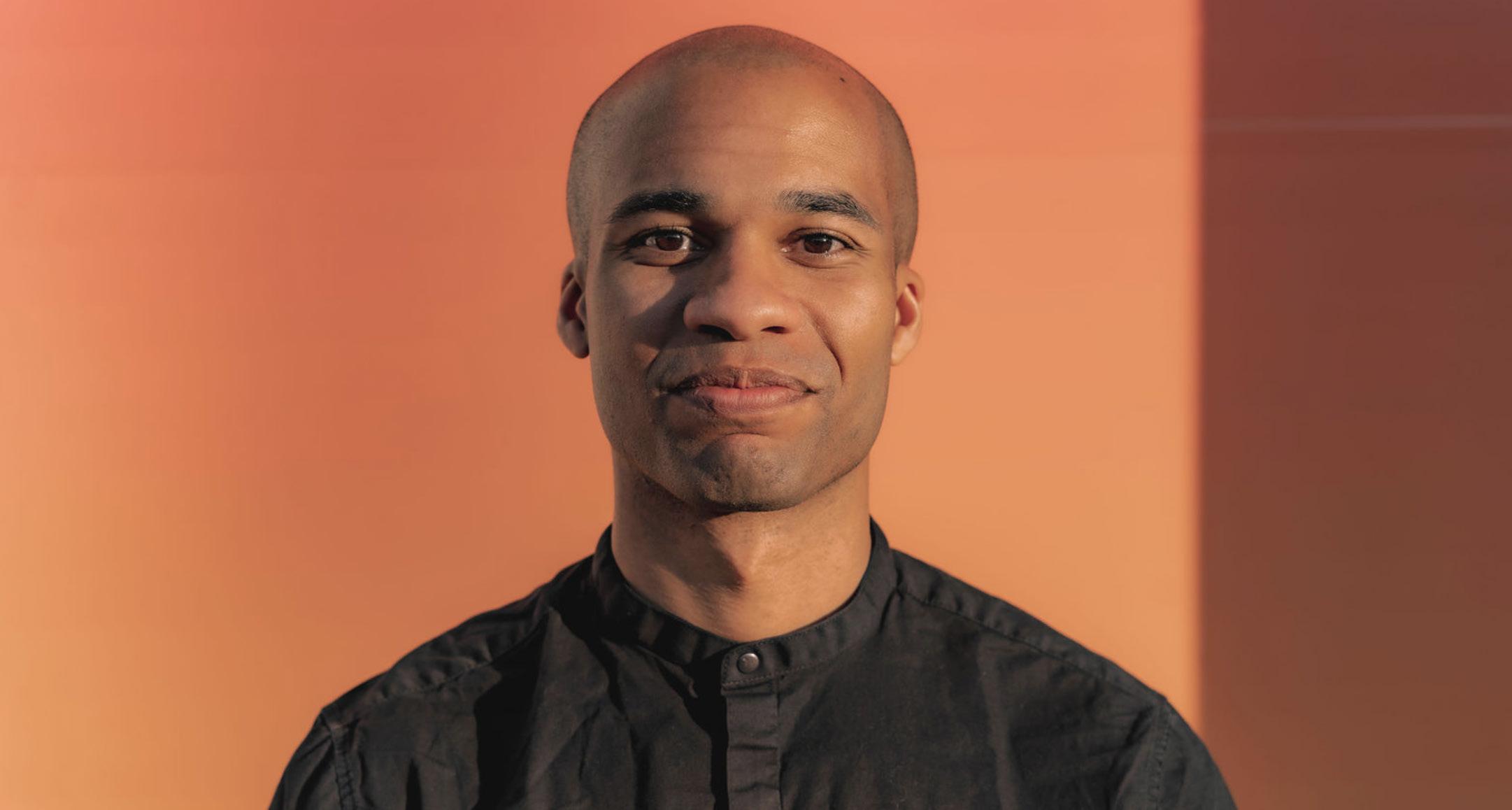
The 2026 NACS State of the Industry Summit, April 14-16, in Schaumburg, Illinois, will kick off with a speaker who will “Do Different Things Differently” this year—the tagline of poet and innovation keynote speaker Tucker Bryant.
A former Google employee who spent a decade working in Silicon Valley, Bryant uses his talent and skills as a poet to bring a different perspective to approaching business and innovating at work. Bryant will reveal how poets and artists break from comfort, transform uncertainty into possibility and use creative constraint to fuel breakthrough ideas. He fuses artistic experimentation with professional rigor to show audiences how to “Do Different Things Differently.” The result is a practical shift that helps teams uncover breakthrough ideas hidden in their blind spots and discover opportunities conventional thinking would never reveal.
Bryant’s keynote address will be followed by two days of dynamic speakers from the industry who will deliver the latest in convenience-retail-specific data from the NACS State of the Industry Report® of 2025 Data, along with insights into the numbers and trends shaping the industry.
Register for the NACS State of the Industry Summit here: www.convenience.org/events/SOI.
The NACS State of the Industry Talent Insights Dashboard® of 2025 Data is now available. The annual study aggregates compensation, benefits and retention data specific to the convenience industry to help retailers build a competitive compensation strategy. The dashboard provides the most recent human resource benchmarking data, highlighting the key categories of compensation, turnover, benefits and recruitment.
Register for the NACS State of the Industry Summit here: www.convenience.org/events/SOI.

The BP board appointed Meg O’Neill as BP’s next chief executive officer, effective April 1, 2026, replacing Murray Auchincloss. Carol Howle, current executive vice president, supply, trading and shipping of BP, will serve as interim CEO until O’Neill joins as CEO.
O’Neill currently serves as CEO of Woodside Energy. Since her appointment as CEO in 2021, she has grown Woodside Energy into the largest energy company listed on the Australian Securities Exchange. At Woodside Energy, she oversaw the acquisition of BHP Petroleum International, creating a geographically diverse business with a portfolio of high-quality oil and gas assets.
Arko Corp. named Galagher Jeff as its executive vice president and chief financial officer. Most recently, he served as executive vice president and chief financial officer for Murphy USA Inc. Prior to that, Jeff spent nearly 15 years in senior and executive finance roles with leading retailers, including Dollar Tree Stores Inc., Advance Auto Parts Inc. and Walmart Stores Inc., in addition to a decade-long career in finance and strategy consulting at organizations including KPMG and Ernst & Young.

Chuck Sanders joined Yesway as vice president of merchandising. Reporting directly to Chief Marketing and Merchandising
Officer Ray Harrison, Sanders will lead the company’s merchandising organization and help further develop Yesway’s long-term merchandising strategy.
Sanders will oversee all aspects of Yesway’s merchandising function, including P&L ownership, category management, assortment optimization, vendor partnerships, strategic pricing and planogram development. He will work cross-functionally with marketing, loyalty, operations, fuel, financial planning and supply chain teams to ensure alignment and operational excellence.
The Murphy USA Inc. board of directors appointed Michael G. Kulp as an independent director of the company. Kulp is the founder and CEO of KBP Brands, one of the largest operators of quick service restaurants in the U.S. and globally. Since its founding in 2011, KBP Brands has grown to operate more than 1,200 QSRs across 32 states, employing over 23,000 people. Kulp has led KBP through over 95 multi-unit acquisitions across the United States.
Kulp is the immediate past chairman of Restaurant Supply Chain Solutions LLC, the world’s largest quick-service restaurant purchasing and distribution cooperative.
Unox added two customer engagement specialists, Christina Rabas and Jessenia Rios, to its inside sales team. They will provide consultative support and technical guidance to foodservice professionals throughout the United States. The new positions are part of Unox’s ongoing investment
in strengthening its inside sales infrastructure.
Rabas brings extensive experience in project management and customer relationship development.
Rios has a strong background in business development and client relationship management from the staffing industry.

The Kraft Heinz Company named Steve Cahillane chief executive officer of the company. He will also join the company’s board of directors and serve as CEO of Global Taste Elevation Co. Cahillane most recently served as chairman, president and CEO of Kellanova until its acquisition by Mars Incorporated.
The CocaCola Company’s board of directors elected Executive Vice President and Chief Operating Officer Henrique Braun CEO, effective March 31, 2026. Braun will succeed James Quincey, who will transition to executive chairman after serving as CEO for nine years.
The board also plans to nominate Braun to stand for election as a director at the company’s 2026 Annual Meeting of Shareowners.
Trion® WonderBar ® Tray System
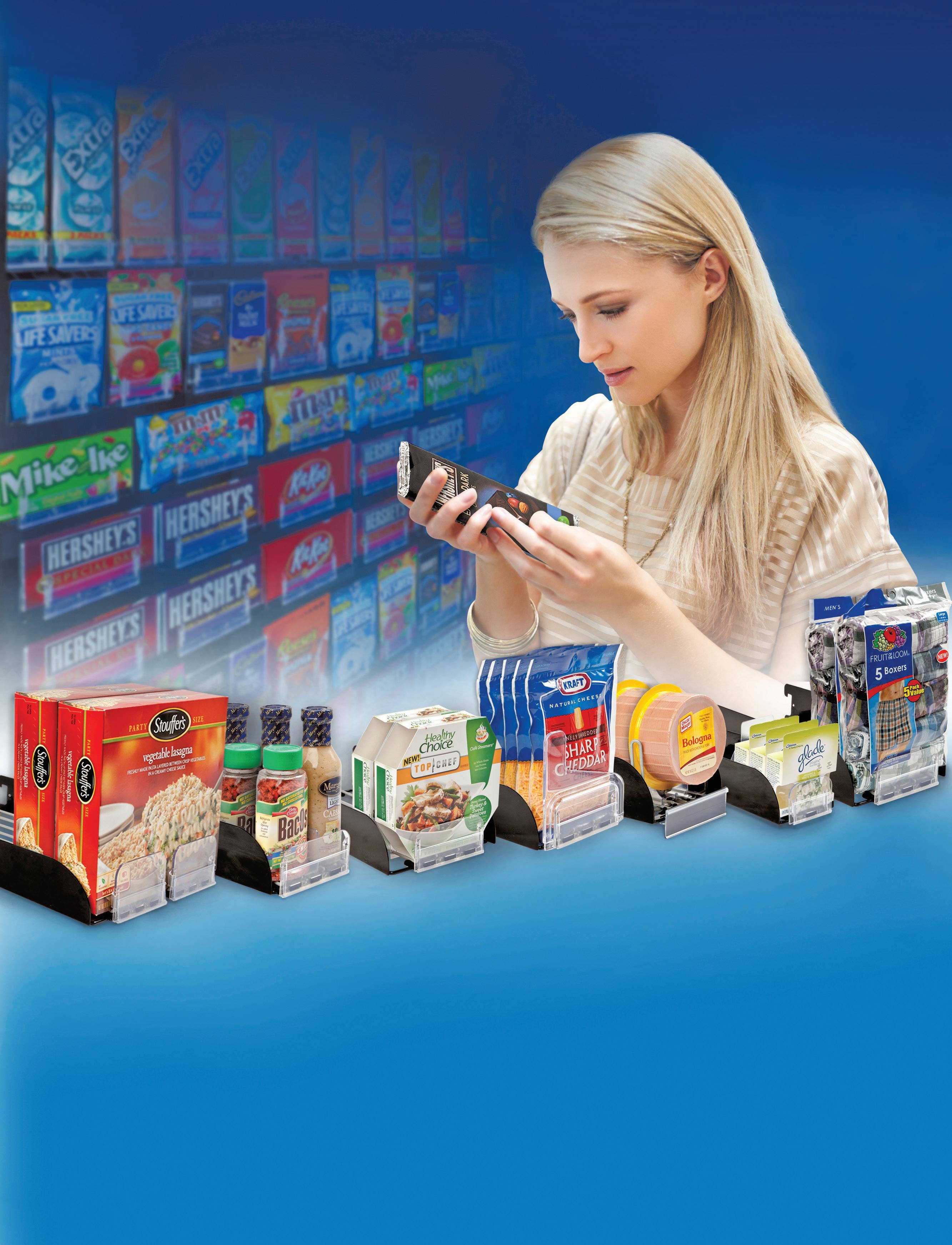



Our revolutionary WonderBar® Tray Merchandising System is designed and manufactured with the most innovative accessories to increase facings, maximize visibility, enhance package billboarding, ensure product rotation, and reduce shrinkage for a full range of frozen, refrigerated and general merchandise products. Easy to install and adjust, this complete merchandising system also ensures quick restocking.
Trion will help you optimize your display space, attract customers, increase sales and cut labor costs—and our products are built to last. No wonder we’re the industry’s leading manufacturer and supplier, with more than 16 million trays earning high praise from retailers and shoppers every day!
NACS welcomes the following companies that joined the Association in December 2025. NACS membership is companywide, so we encourage employees of member companies to create a username by visiting convenience.org/create-login. All members receive access to the NACS Online Membership directory and the latest industry news, information and resources. For more information about NACS membership, visit convenience.org/membership.
NACS HUNTER CLUB
SILVER
SEB Professional North America Irvine, CA www.wmfnorthamerica.com
Toast Boston, MA
Wip New York, NY www.wip.com
BRONZE Dauphinais
Sherbrooke, Quebec, Canada www.dauphinais.co
Tootsie Roll Industries Inc. Chicago, IL www.tootsie.com
RETAILERS
Panthers Petroleum III LLC Houston, TX www.pantherspetroleum.com
Marks & Spencer PLC London, United Kingdom www.marksandspencer.com
SUPPLIERS 7 Daze Ontario, Canada www.7dazemfg.com
BetterMagnets.com Phoenix, AZ www.bettermagnets.com
Canel’s USA LLC
San Antonio, CA www.canelsusa.com
Corner Realty Austin, TX
Crow Holdings Dallas, TX www.crowholdings.com
Custom Beverage Concepts Tallapoosa, GA www.custombeverage concepts.com
DAS Inc. Palmyra, PA www.dasinc.com
Dietz & Watson Philadelphia, PA www.dietzandwatson.com
Distribution MFG Inc. Blainville, Quebec, Canada
Divinely Nectar Culver City, CA
Eco Display Shenzhen, China
Fat Brands Inc. Beverly Hills, CA www.fatbrands.com
Foley Family Wines & Spirits Santa Rosa, CA
Free Bird
St. Petersburg, FL www.drinkfreebird.com
Frontline International Inc. Cuyahoga Falls, OH www.frontlineii.com
Galant Food Co. San Leandro, CA www.claraskitchen.co
Gourmet Nut Inc. Perth Amboy, NJ www.gourmetnut.com
HelpApplyAI Elizabethtown, PA www.helpapplyai.com
Main Distribution Powell, OH
Monogram Foods Memphis, TN www.monogramfoods.com
Mountain Waffle Co. King of Prussia, PA www.mountainwaffle.com
Mr. Donair
Antigonish Landing, Nova Scotia, Canada www.mrdonair.ca
Noahs Global Denmark www.q8.dk/om-q8/
NTT Data Europe and LATAM, Branch in USA Inc. Arlington, VA www.nttdata.com
SRV Temperature Solutions Salt Lake City, UT
Sugardale/Fresh Mark Inc. Massillon, OH
Sunrich Products Crookston, MN www.sunrich.com
The Glass Baron Inc. Virginia Beach, VA
Tole Industrial Advertising LLC Weston, FL www.tole-industrial.com
Uncle Skunks
Ann Arbor, MI
VenHub Global Inc. Pasadena, CA
Vivazen
Wilmington, DE www.feelgreatbotanics.com Wealth85 Bangkok, Thailand
Welch’s Craft Cocktails Oklahoma City, OK www.welchscraftcocktails.com
Westrock Coffee Company Concord, NC www.westrockcoffee.com
Kwik Fill, operated by United Refining Company of Pennsylvania, raised $417,193 through its Operation Give Thanks fundraising campaign.
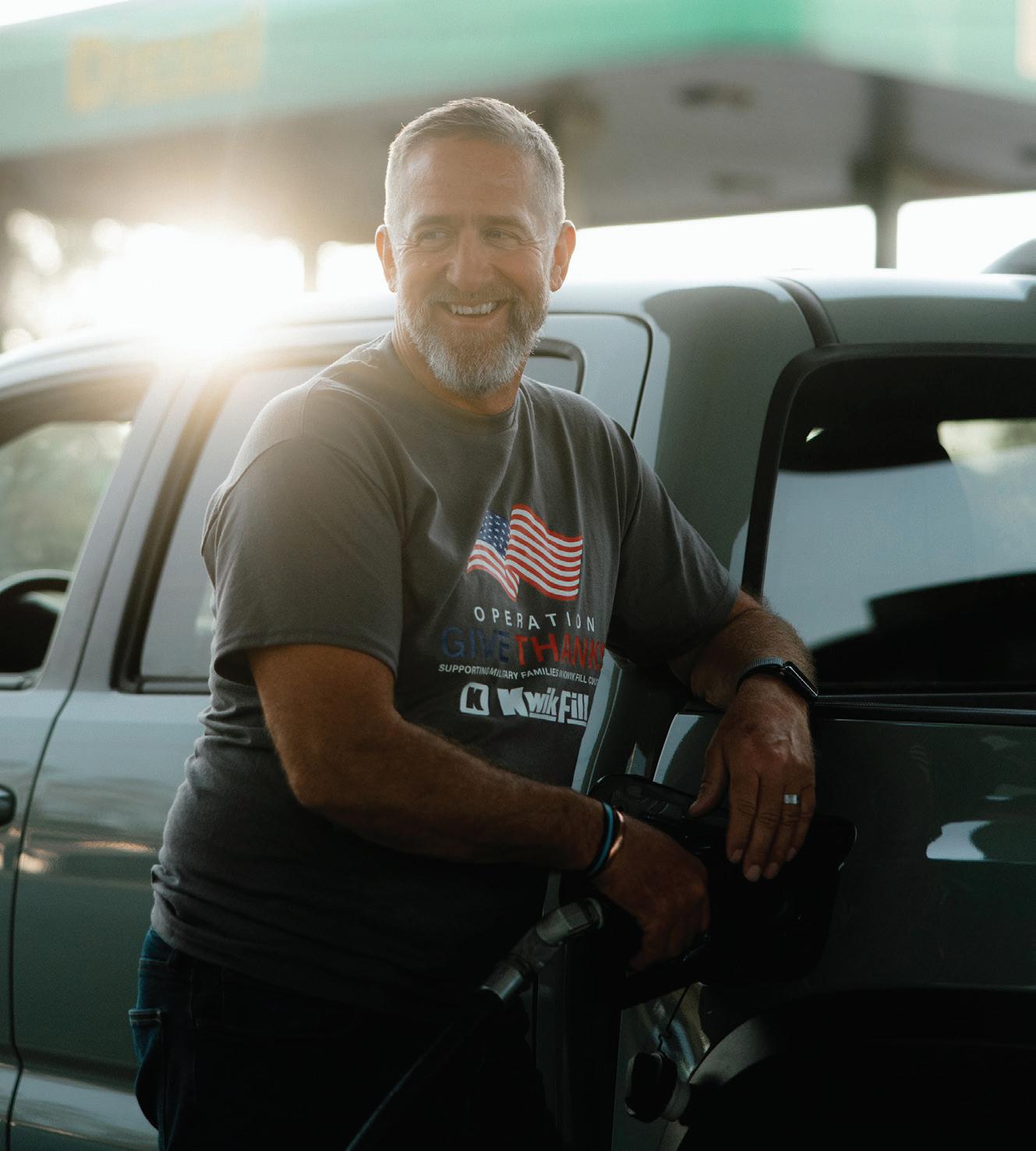
The company raised over $400,000 in the month of November, marking over $1,000,000 raised for military and veteran communities since 2022.
Kwik Fill/Red Apple Food Marts, a banner operated by United Refining Company of Pennsylvania, raised $417,193 through its Operation Give Thanks fundraising campaign conducted during November 2025. Raised through customers’ direct donations, merchandise sales, vendor partner donations and a portion of fuel sales, the funds will aid active-duty service members, veterans and their families.
The company said the funds will be distributed to three charities: Operation Homefront, a national organization that helps military families and that will distribute its portion to recipients in the Kwik Fill market area; Special Forces Trust, a charity that provides meaningful
and sustainable support to the Army Green Berets and their families; and Allegheny Valley Veterans Center, an organization that offers supportive housing for homeless veterans in northwestern Pennsylvania.
Since the program’s inception in 2022, Kwik Fill’s Operation Give Thanks has raised over $1,000,000 in total funds to support military and veteran communities.
“This milestone reflects the ongoing generosity of our customers, vendor partners and employees who continue to demonstrate unwavering support for those who have served. Kwik Fill thanks all supporters of the military and veteran community in Kwik Fill country who participated,” Kwik Fill said.













Every year, the convenience retail industry dedicates billions of dollars to advancing the futures of individuals and families in our communities. The NACS Foundation unifies and builds on NACS members’ charitable efforts to amplify their work in communities across America and to share these powerful stories. Learn more at www.conveniencecares.org
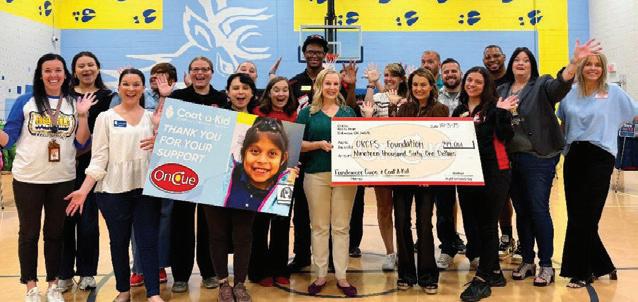
OnCue donated $20,000 to support local schools, students and staff through its annual charitable cup campaign, which ran from July through September 2025. With every charitable cup purchased, OnCue donated 50 cents to each store’s local school district.
The funds raised through the initiative will “help provide essential classroom supplies and support student programs across the 25 school districts OnCue serves,” the retailer said.
Tiger Fuel donated $25,000 to Camp Holiday Trails, a summer camp program for children and their families with medical needs. The money will go directly to allowing more kids to attend camp.
“Because of our loyal customers, we’re honored to support the joy, resilience and sense of belonging that Camp Holidays Trails creates for so many children and families across the region,” Tiger Fuel said.
The Wawa Foundation partnered with Feeding America “to help ensure equitable, dignified access to food across the U.S.,” said Philabundance, a Philadelphia-based food bank. Throughout the month of December, donations made during the Check Out Hunger campaign will support Philabundance and other Feeding America partner food banks.
Weigel’s celebrated its Weigel’s Family Christmas for the 28th year. During the event, 300 children, ages five to eight, received $250 for a personalized shopping experience at Target. Weigel’s Family Christmas was made possible through the ongoing partnership between the Weigel’s Foundation, the Salvation Army and the Boys & Girls Clubs of the Tennessee Valley.
The celebration begins with a holiday breakfast at the Knoxville Expo Center before children and volunteers head to Target to shop for gifts.
EG America made a $5,000 contribution to the Greater Holyoke YMCA in Massachusetts. The donation supported the Y-Kids Preschool Thanksgiving Family Engagement Feast, which helped to provide 50 Thanksgiving Turkey Meal Kits for local families. “We are grateful for our community partners who strengthen families, support youth development and create meaningful impact across the region,” the retailer said.
6 LOVE’S PROVIDES HOLIDAY MEALS
Love’s Travel Stops partnered with Operation Homefront for its Holiday Meals for Military program. The retailer provided 150 meal kits filled with everything needed for a traditional holiday meal, plus a few extra goodies, to military members and their families.






















BY THE NACS GOVERNMENT RELATIONS TEAM
Last year was a somewhat unique political year in Washington, D.C. President Donald Trump became only the second president to be sworn in for a nonconsecutive second term (the first being Grover Cleveland in 1893), Republican leaders in the House and Senate navigated razor-thin majorities in their respective chambers, and the country experienced the longest federal government shutdown in history. Despite what may be described as a chaotic political year, NACS and our industry scored some significant federal policy wins during that time.
The top priority for the Trump administration and Republicans in Congress during the first half of 2025
was passing a massive reconciliation bill, often referred to as the One Big Beautiful Bill. The largest single component of that legislation was the tax title, and it was in that section that the convenience industry had our most significant wins.
Convenience stores won on our top priorities of preserving the Section 199A qualified business income deduction for pass-through entities and returning bonus depreciation to 100%; both were made permanent. The corporate tax rate held steady at 21%. The industry will also benefit from other provisions NACS advocated for, including expanding the interest limitation calculation formula and increasing the thresholds for Section 179 expensing and the estate tax. The
NACS continues to engage with the courts to protect retailers’ interests.
bill also leveled the playing field for sustainable aviation fuel and other types of biofuels.
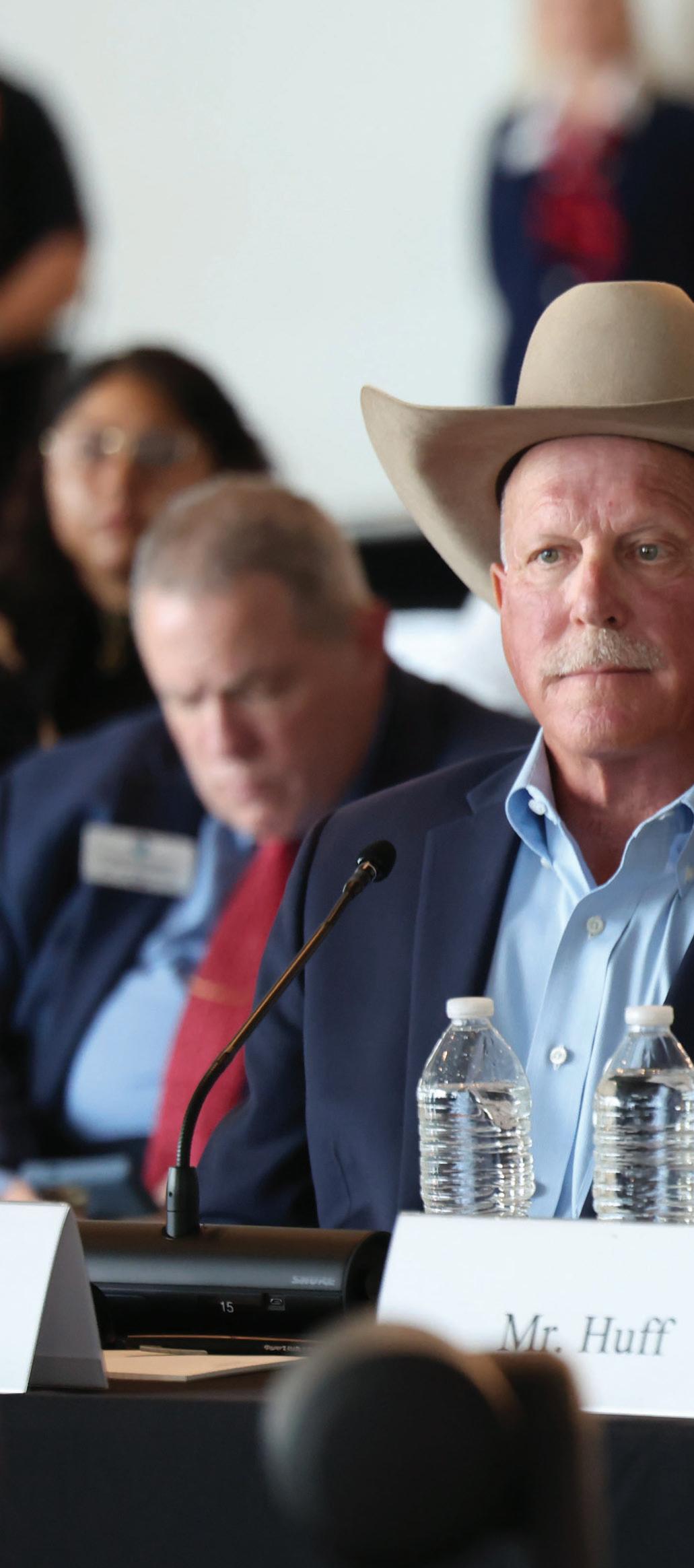
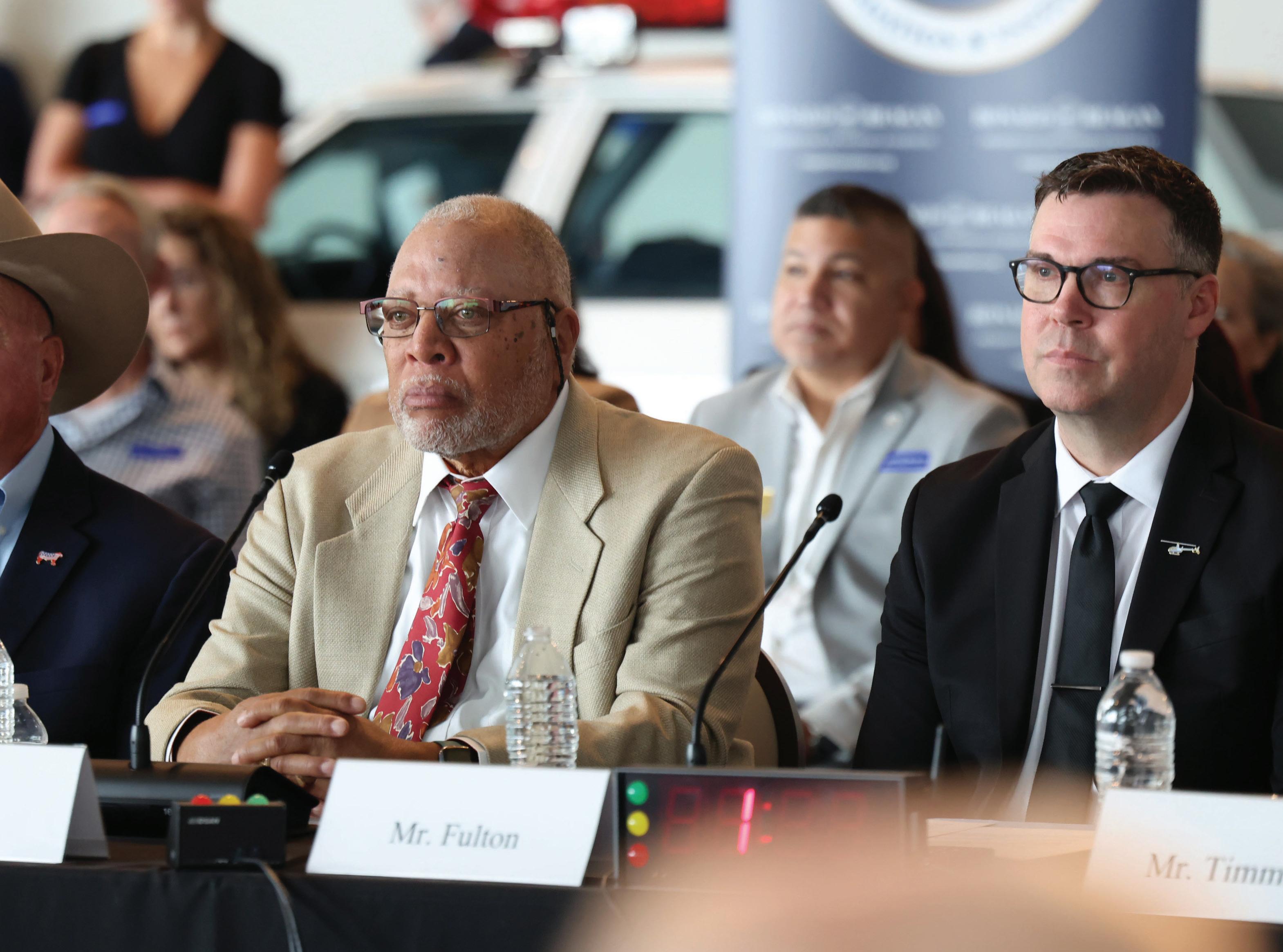
Following passage of the legislation, the House Ways and Means Committee invited NACS board member Raymond Huff to testify on how small businesses will benefit from many of the bill’s provisions. Huff previously testified on Section 199A before the House Committee on Small Business in 2024.
We also scored some significant wins in food-related policy, despite 2025 seeing multiple states apply for SNAP waivers, which could present challenges for our industry:
• Language that would have redefined the “restaurant threshold” in the SNAP program—reclassifying tens of thousands of convenience stores, thereby blocking them from the program—was blocked.
• Language was preserved in the House Agriculture Appropriations Appropriations bill that prevents an increase in SNAP retailer stocking requirements from going into effect until the Department of Agriculture (USDA) finalizes a definition for variety that would increase the number of items that qualify as acceptable varieties in each staple food category.
• We successfully advocated for language in the House Agriculture Appropriations bill that directs
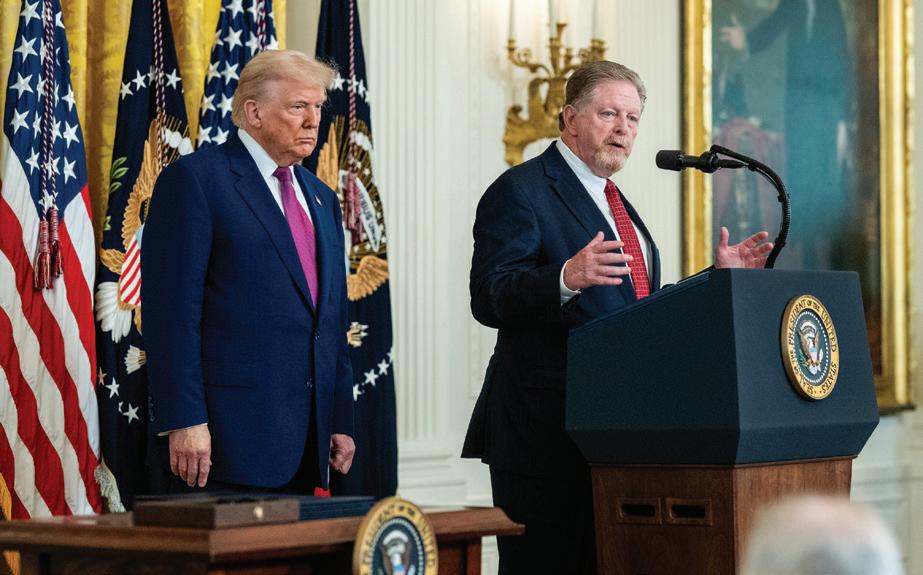
Congress passed important Congressional Review Act legislation that prevents states from imposing EV mandates, which would put the liquid fuels markets at a disadvantage. The White House invited NACS member Bill Kent, owner of the Kent Companies, to attend and speak at the signing ceremony for the legislation. Amid ongoing litigation related to this issue, NACS continues to engage with the courts to protect retailers’ interests in tech neutrality and consumer choice.
the USDA to submit a report to the Appropriations Committee describing how any waiver or pilot program that restricts SNAP purchases will improve participant experience. The report must include the cost of implementation, the cost for SNAP authorized retailer compliance and an explanation of how the USDA will communicate to states and retailers which foods are eligible for SNAP.
• NACS helped advocate for delays of four states’ SNAP waivers that were originally scheduled to go into effect on January 1, 2026.
• NACS successfully advocated for language in the Agriculture Appropriatoins Bill that directs the FDA not to enforce the Food Traceability Rule prior to July 20, 2028. The implementation date was pushed back 30 months from January 20, 2026. The legislation also requires the FDA to work with the retail industry to identify and implement additional flexibility for satisfying the rule’s lot-level tracking requirement.
Our industry continues to drive the introduction and development of legislation on Capitol Hill and organize
We hosted 14 NACS In Store events during the year, bringing federal legislators directly into your stores.
and expand coalitions. For example, we secured the reintroduction of bipartisan legislation to allow hot foods to be sold under the SNAP program, ban processing fees on SNAP transactions and address organized retail theft. The Merchants Payments Coalition, which NACS helped organize, is on the front lines of the credit card swipe fee fight. Some significant new participants include the Coalition of Large Tribes, new retailer groups and, importantly, consumer groups and labor unions.
Our political action committee, NACSPAC, raised $842,000 in 2025, an increase from $808,000 in 2024. These
funds are used to make contributions to candidates for federal office. The NACS government relations team, in consultation with the NACS Political Engagement Committee, determines which candidates merit consideration for NACSPAC contributions throughout the year.
The true driver of these successes and more is the willingness of the people in our industry to directly engage with their federal representatives and the administration. Your voices truly help move the needle in Washington, D.C. By far, the easiest way for you to get involved is to respond to calls to action from NACS and send email messages to your representatives and senators. Last year, our industry sent 36,500 such messages.
Topics included swipe fees and the penny shortage. We also brought 164 people to Capitol Hill for our annual Day on the Hill March 2025, holding 188 meetings on swipe fees, tax priorities, SNAP and E15. And we hosted 14 NACS In Store events during the year, bringing federal legislators directly into your stores. It is your direct advocacy that continues to help the industry put so many wins on the board year after year.

NACSPAC was created in 1979 by NACS as the entity through which the association can legally contribute funds to political candidates supportive of our industry’s issues. For more information about NACSPAC and how political action committees (PACs) work, go to www.convenience.org/nacspac. NACSPAC donors who made contributions in January 2026 are:
Riaz Ahmad NSR Petro Services LLC
Arch Aplin III Buc-ee’s Ltd.
Henry Armour NACS
Amy Ashley-Burke NACS
Ted Asprooth NACS
Brian Baker J.D. Streett & Company Inc.
Laura Beck NACS
Lyle Beckwith NACS
Blake Benefiel Altria Group Distribution Company
Chrissy Blasinsky NACS
Katie Bohny NACS
Jeff Burrell NACS
Jenna Collard NACS
Timothy Cuneo iSee Store Innovations
Chris Delaney Anheuser-Busch LLC
Stacey Dodge NACS
Matt Durand NACS
John Eichberger Transportation Energy Institute
Kevin Farley Impact 21
Peter Garrett Volta Oil Company Inc.
Jayme Gough NACS
Jessica Hayman NACS
Ji Ho NACS
Bob Hughes NACS
Doug Kantor NACS
Brian Kimmel NACS
KC Kingsbury NACS
Alicia Landrum NACS
Jennifer Leidich NACS
Margaret Mannion NACS
Brandi Mauro NACS
Amber Moore Altria Group Distribution Company
Brendan Moyer NACS
Jay Nelson Excel Tire Gauge LLC
Ben Nussbaum NACS
Kevin O’Connell NACS
Gus Olympidis Family Express Corporation
Nicolas Papadopoulos Verifone Inc.
Kaitlin Payne NACS
Chris Rapanick NACS
Steve Rosek Valley Petroleum LLC
Navjot Sandhu NACS
Stephanie Sikorski NACS
Jon Taets NACS
TJ Velasco NACS
Nicole Walbe NACS
Leigh Walls NACS
Don Wasek Buc-ee’s Ltd.
Chris Wise NACS




According to the NACS/ NIQ TDLinx convenience store count, there were 151,975 convenience stores in the United States at the end of 2025.
Overall, it was a year of small changes. Total industry store count decreased by 280 stores, or 0.18%. A-size operators— those with between 1 and 10 stores—accounted for 63.0% of the 151,975. That’s the exact same percentage as a year ago. E-size operators—those with 501+ stores—accounted for 22.2% of the total, a slight dip from the 22.4% in 2024.
Last year, the threshold for being in the top 100 was 67 stores. This year, the number falls by one, with 7-Eleven Hawaii holding the 100th spot on the list with 66 locations.
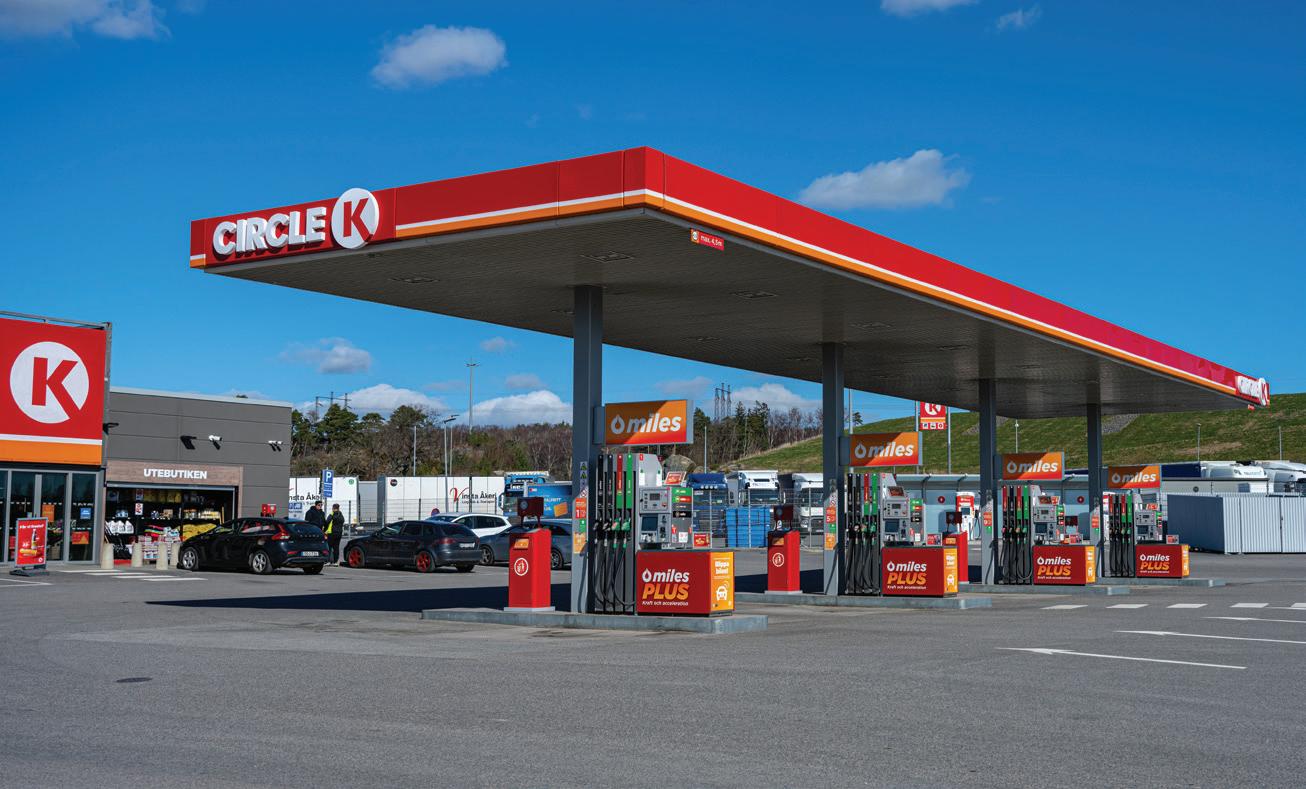
Alimentation Couche-Tard (Circle K) grew from 5,833 to 6,038 locations. A large part of the boost came from finalizing the acquisition of GetGo Café + Market, formerly owned by Giant Eagle.
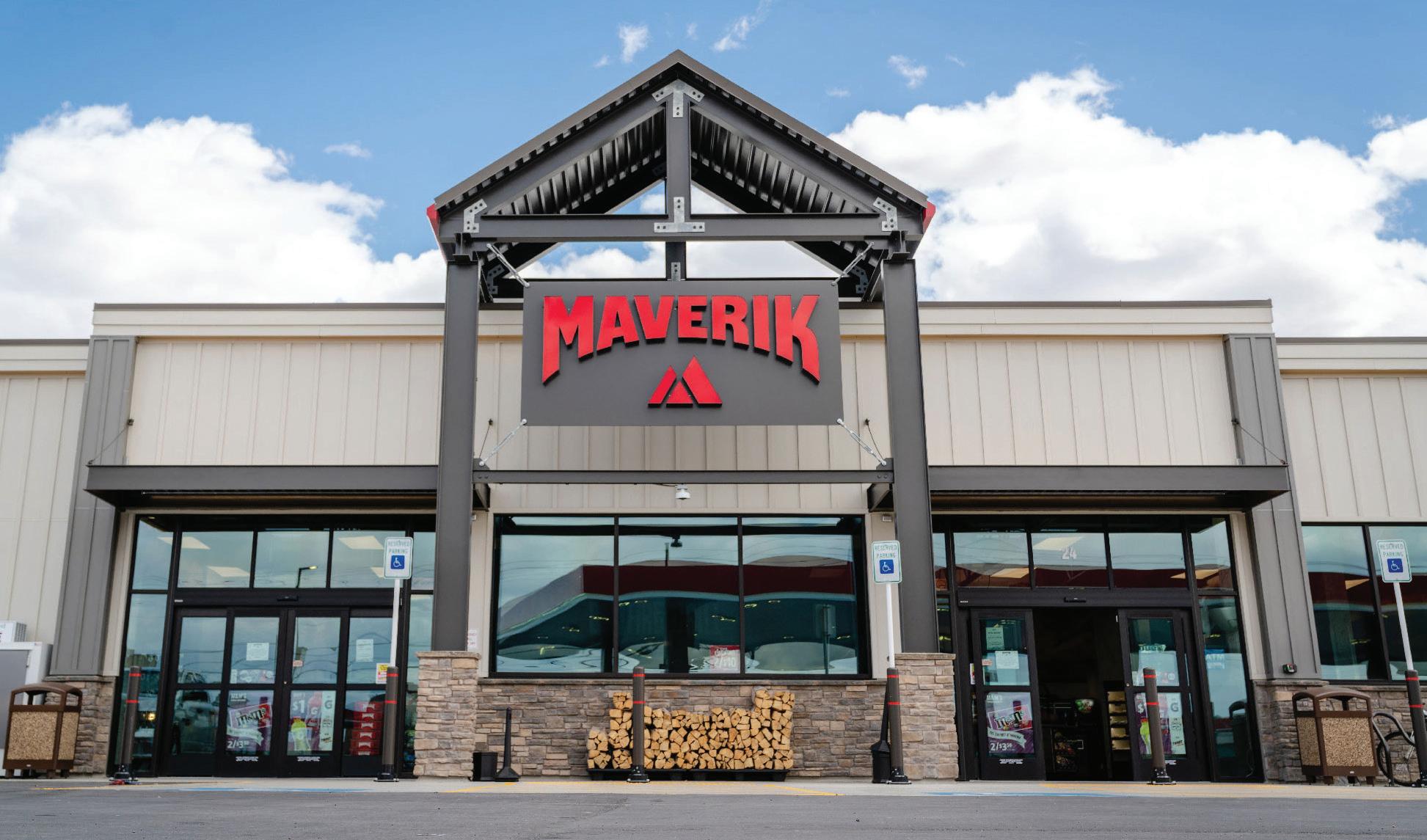
Maverik had a slight decline in store count, moving from 850 to 822, as it continued to process its 2023 acquisition of Kum & Go. In 2025, it exited the state of Michigan, selling seven former Kum & Go locations to Casey’s. It also sold 23 former Kum & Go locations in Iowa, Nebraska and South Dakota to Mega Saver.
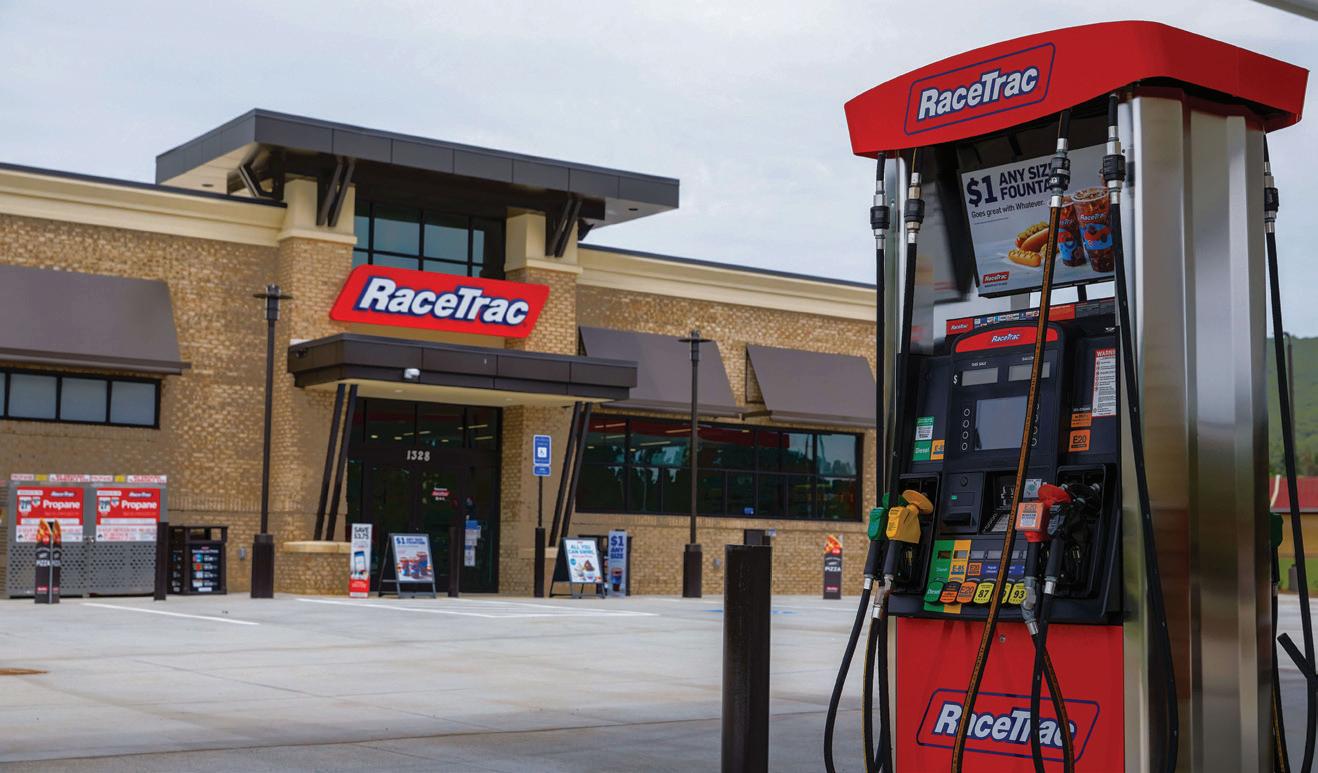
RaceTrac grew from 588 locations to 605 in the NACS/NIQ TDLinx convenience store count. Notably, it acquired Potbelly, a sandwich shop with 445 locations across the United States, for $556 million.
39
40
41
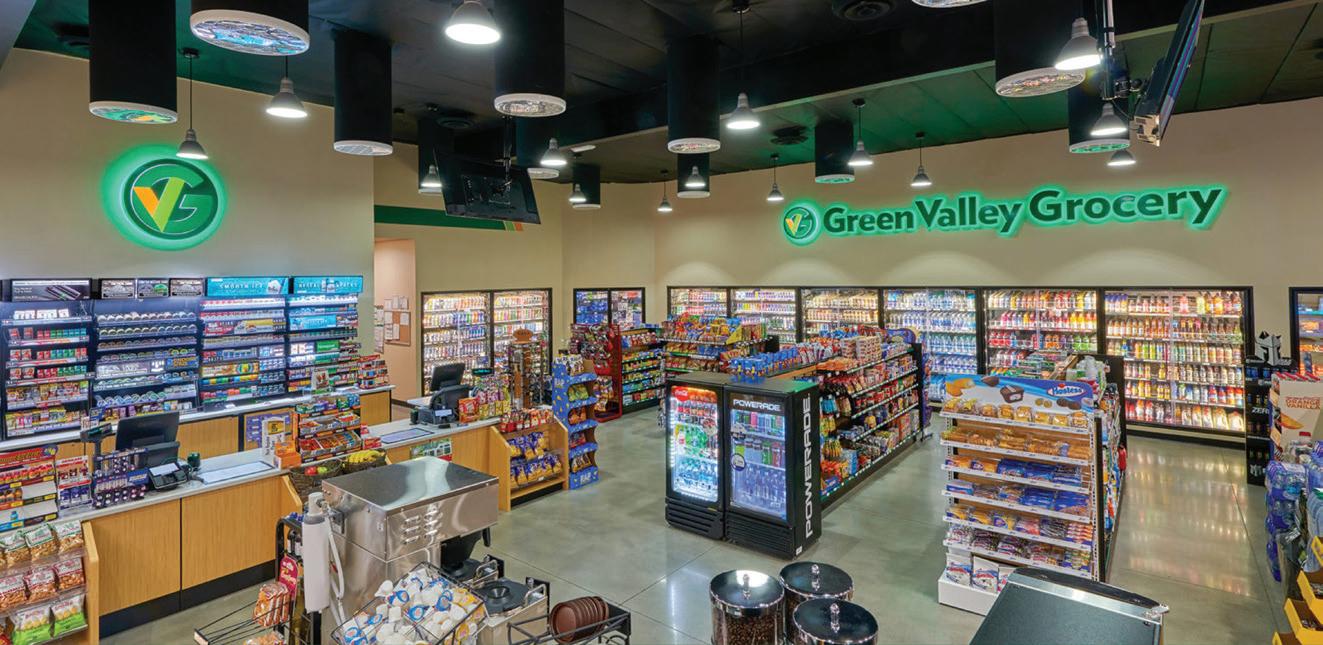
Anabi Oil, led by its Rebel-bannered stores, has 345 locations in the NACS/NIQ TDLinx convenience store count. In October, Anabi Oil announced an agreement to purchase Green Valley Grocery, a Las Vegas-area convenience retailer with 87 locations. Anabi has said it will maintain the Green Valley Grocery name.
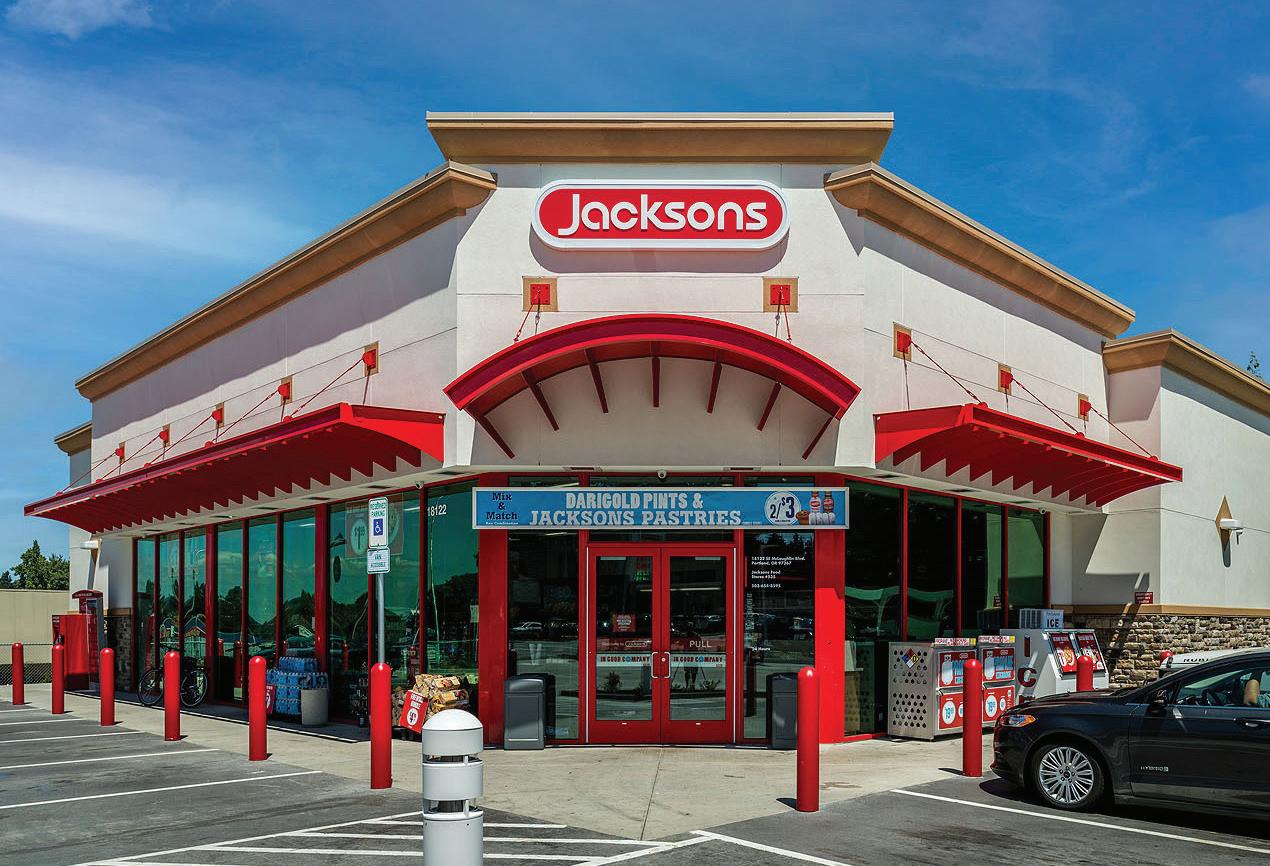
Jacksons Food Stores acquired the 24-location retailer Redwood Oil Company, operator of Redwood Markets and the foodservice concept Aztec Grill. The acquisition boosts Jacksons’ California presence while offering the retailer test-and-learn foodservice opportunities. Jacksons finished 2025 with 339 stores.
100

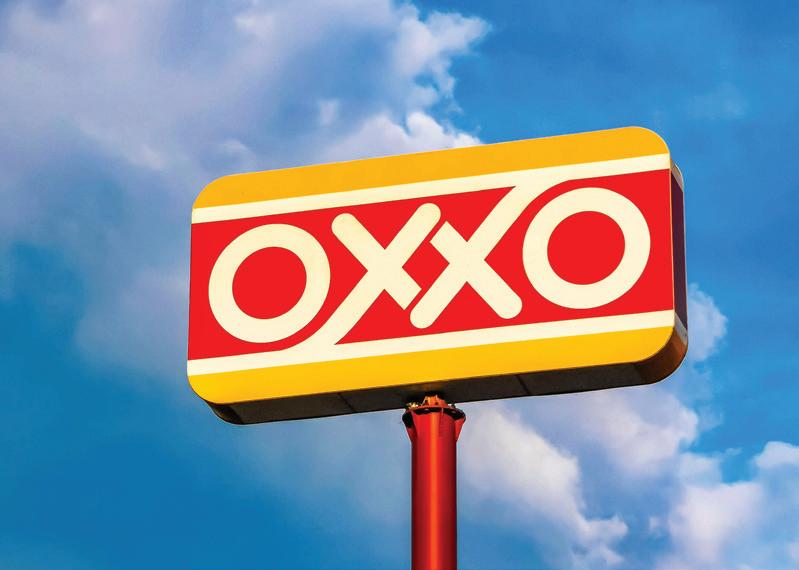
FEMSA, operator of Latin American giant OXXO, entered the U.S. market in a big way with the acquisition of Delek Holding’s DK-branded stores, which are mostly in Texas. FEMSA will convert the stores to OXXO locations. FEMSA recorded 255 U.S. locations in the NACS/NIQ TDLinx convenience store count. That’s a fraction of FEMSA’s 20,000+ global locations.
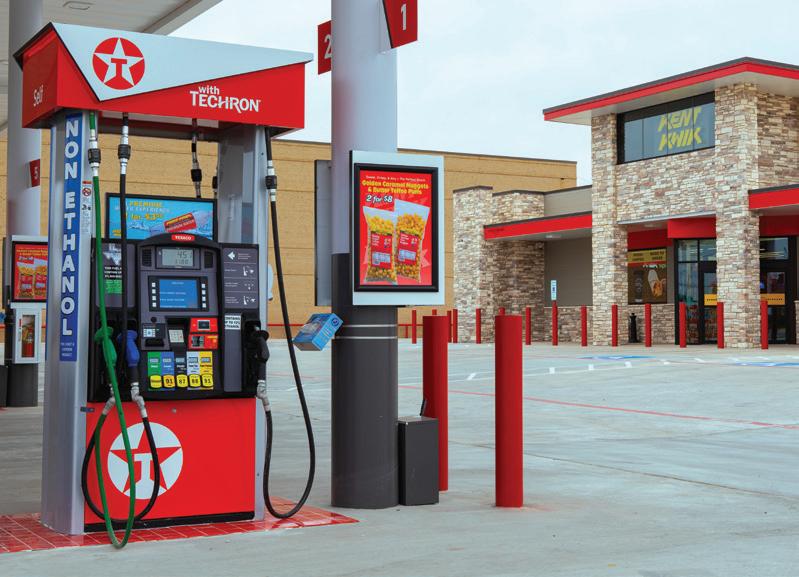
The Kent Companies moved into its ninth state, Louisiana, with the November purchase of B&B Petroleum. It plans to rebrand the locations to Kent Kwik. It ended the year with 132 locations.
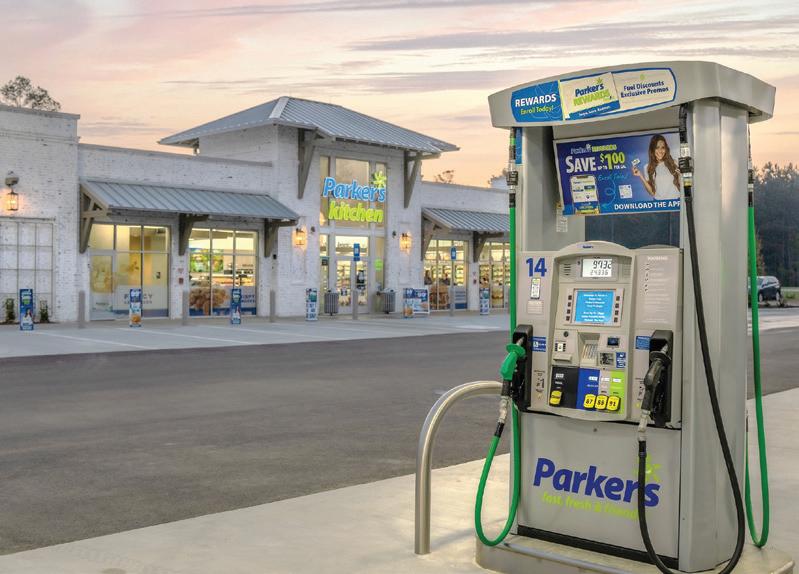
The Parker Companies, operator of Parker’s Kitchen, closed the year with 105 locations, up from 95 last year.
Eliminating tedious tasks and optimizing employee hours are two potential benefits.
BY STEVE HOLTZ
Achef visited the trade show booth of Beyond Honeycomb, a technology and foodservice-equipment company based in South Korea, during the National Restaurant Association Show last May. He was clearly suspicious of the company’s promise of “consistently chef-quality product” when cooking with its Grill X grilling robot.
Beyond Honeycomb spokesman Andy Shim tried to explain that the machine, driven by artificial intelligence (AI), “has a molecular sensor that senses. ...”
The chef interrupted impatiently: “Oh, so the AI measures the temperature of the meat.”
AI is less about futuristic experiences and more about running a better business, every day, at scale.
“No,” Shim countered, “it doesn’t detect the temperature level inside. It doesn’t have to!”
This time, the chef begrudgingly listened to Shim’s explanation of AI-measured Maillard reaction, doneness and collagen levels before walking back to his own booth befuddled and perhaps a little intimidated.
As AI slowly becomes reality in retailing, and indeed the rest of American life, the meshing of technology with food preparation remains a challenge for those schooled in the culinary arts. And while robotic inventions such as the $30,000 Grill X have made some inroads—having been deployed in about 150 locations around the world—most AI adoption in foodservice is coming at the backoffice and operations levels.
“In retail—and especially convenience and foodservice—AI is less about futuristic experiences and more about running a better business, every day, at scale,” said Mike Weber, chief growth officer at software-as-a-service company Upshop, based in Austin, Texas.
That’s certainly been the experience for Benjamin Lucky, a seasoned c-store foodservice expert who has helped build foodservice offers for a number of retailers, including Cal’s Convenience, Dash In and, most recently, 7-Eleven, Inc.
“The opportunity seems to be in the back office: IT people, the people doing the pricebook, anything that can help them move things along faster, because it is tedious work,” he said. “With some of the programs that are out there now, they can spit out a degree of analysis that maybe people may not have thought of.”
It’s this idea of letting the technology show users where it can be useful that is guiding retail tech developer Diebold Nixdorf in its journey through store-level AI.
“We are seeing a lot of AI being either tested or implemented [in quick-service restaurants] around two areas: optimization of operations within the restaurant to drive autonomy of process or to catch loss within that environment,” said Matt Redwood, vice president of retail technology. “We find that there is a lot of food waste. … You can











































































You can use computer vision to identify that maybe something has been left out of the fridge and it shouldn’t be.
use computer vision to identify that maybe something has been left out of the fridge and it shouldn’t be, and [you can] alert somebody to put it back. You can alert against things that are being thrown away unnecessarily.”
The opportunities to explore a variety of uses of the technology appear to be endless, from preventing waste and theft to data analysis and employee scheduling.
Parker’s Kitchen is one of the few retailers that has reported finding predictive analytics an opportunity to improve kitchen prep.
“We’ve been using artificial intelligence in our kitchens for a long time,” Founder and Executive Chairman Greg Parker said during a Vision Group Network convenience leaders virtual roundtable in 2023. “That gives us
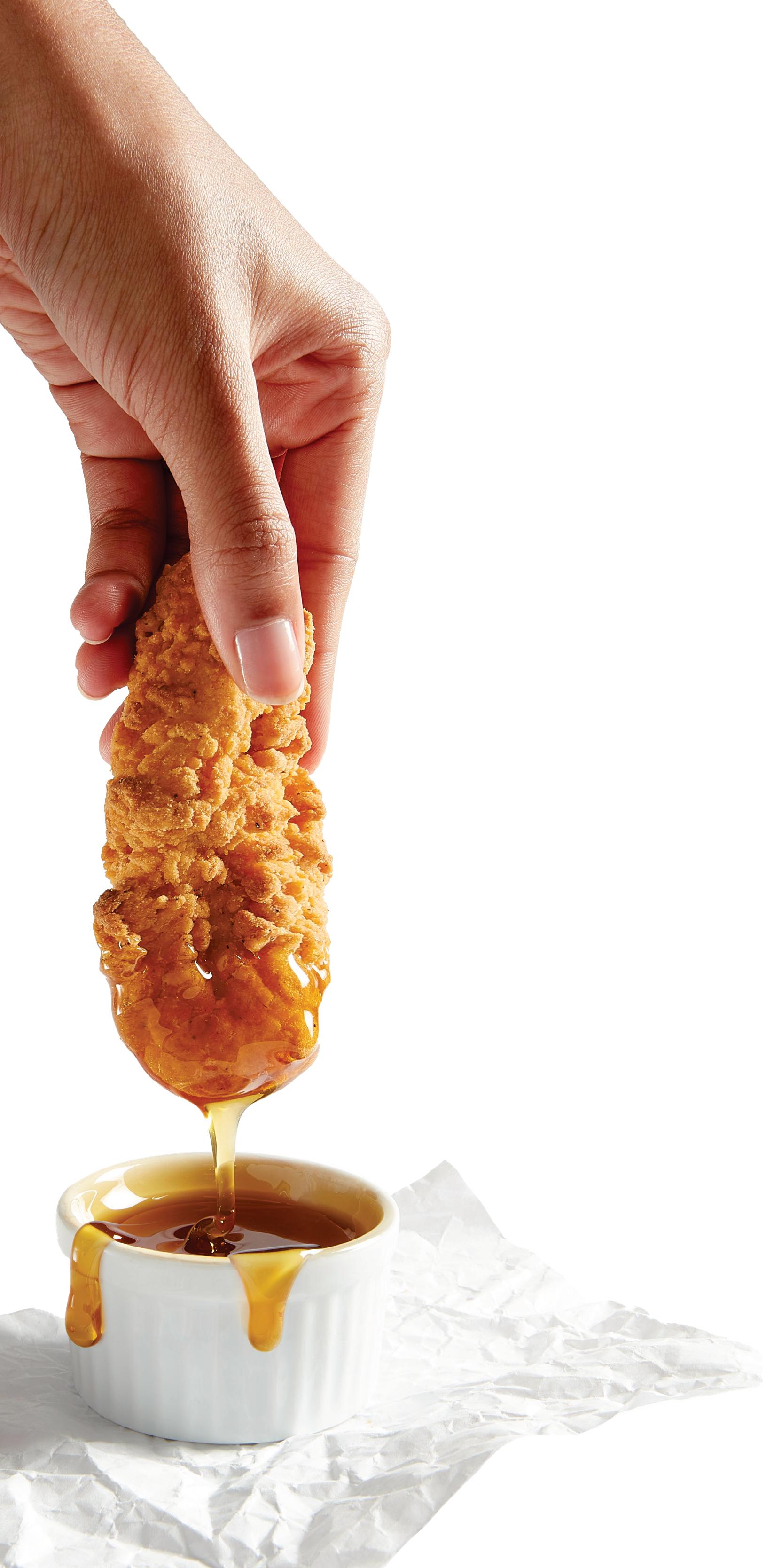
predictive analytics to know how many chicken tenders to drop or different things to do in our kitchens, which I think is highly effective.”
Interestingly, however, most high-profile uses of AI in foodservice are happening at the drive-thru.
McDonald’s has tested AI solutions to battle growing wait times at drive-thru windows during the lunch rush. These solutions included using AI-driven edge computing, generative voice ordering, dynamic promotions and predictive maintenance, according to a report by learning platform DigitalDefynd. The results: Wait times fell an average of 27 seconds, ordering accuracy improved, ticket values grew and downtime decreased.
“McDonald’s journey illustrates that successful AI adoption is less about dazzling novelty and more about disciplined scale, measurable payback and relentless iteration,” the report concluded. “McDonald’s provides a blueprint for leaders evaluating their AI road maps: Start with concrete pain points, codesign with frontline teams, pilot quickly and scale only when the numbers prove out.”
Meanwhile, Yum! Brands’ Taco Bell began testing Voice AI ordering at the drive-thru in 2023. Today, it is used at more than 500 of its 8,000 locations. In 2025, it was suggested the QSR might slow the rollout of the technology after consumer trolls toyed with the systems, sometimes ordering thousands of cups of water, for example, to force errors for the sake of social media content.
But Yum! Brands CEO Chris Turner said such events illustrate exactly the power of AI: learning from experiences and adjusting operations. He remains a proponent of the technology, which he said increased sales by 14% over the previous quarter in stores where it was implemented.
It makes the job of manning the drive-thru “so much easier,” he said on a September episode of Mad Money on CNBC. “And that’s why in restaurants where we have Voice AI deployed, we see lower turnover, because it’s making those jobs easier to do.” At the same time, it’s creating a more seamless experience for customers and employees, he said.
Fresh-prepared, Ready-to-Eat for Convenience
• Innovative grab-and-go products in dairy, deli, bakery
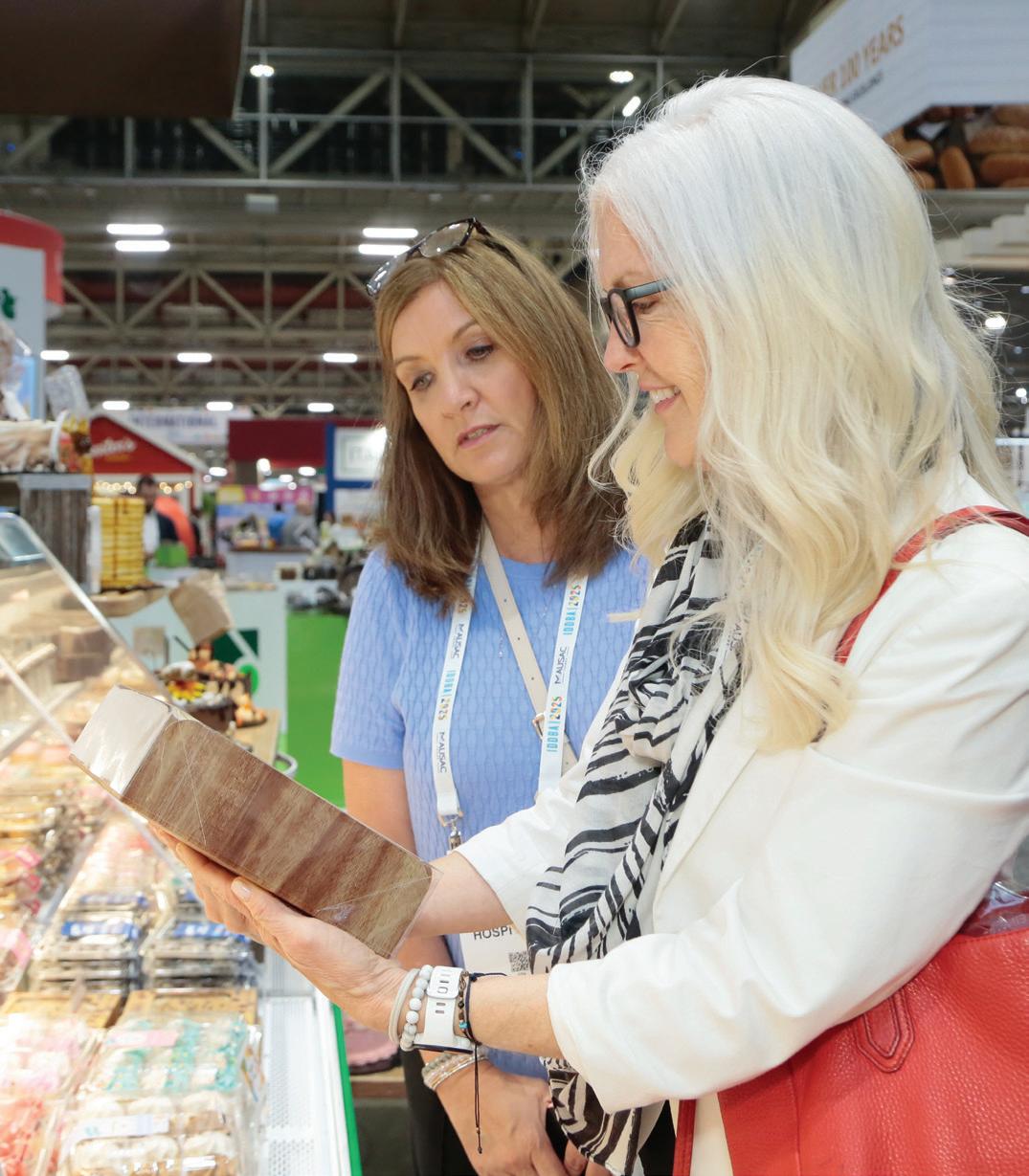
• New trends in fresh prepared, ready-to-eat, and packaged
• International flavors representing 40+ countries
• 10,000+ decision-makers doing business
Suppliers, brokers, and buyers for top c-store chains and major independents across North America... make your plans to attend!
DID YOU KNOW?


IDDBA members are our special guests at IDDBA 2026! Join now for huge discounts, special announcements, and communication before, during and after the show!
Most proponents of AI agree the adoption of new technology should not be about cutting staff to save money. Rather, they say efficiency and simplification allow employees to serve more customers or address tasks that typically get ignored or completed with a lack of precision.
“AI shouldn’t be seen as the replacement for humans,” said Redwood. “It’s a way of enhancing the human [by] making the processes more efficient, using that time more effectively, doing more with less, and removing waste from either the process or situation.”
“It’s a tool. It’s a bit like using Google instead of an encyclopedia to look something up. It’s faster. It’s more efficient. It means that you’ve got more time to do what you need to do.”
Weber of Upshop echoes that sentiment.
“AI should not replace human judgment or operational expertise. It should augment
it,” he said. “Over time, AI will become a foundational layer across most business functions—similar to how cloud computing or mobile technology did—quietly embedded rather than visibly separate.”
Upshop offers an AI-powered platform for retail that is focused on executing plans correctly, keeping shelves and foodservice programs in stock, and reducing waste and friction for store teams.
“The businesses that win will be the ones that use AI to improve everyday decisions, trust it where it consistently performs and keep humans focused on strategy, creativity and exceptions,” Weber said.
Lucky, however, fears that over time, executive teams will primarily grasp at AI innovation as a way to cut costs, meaning having fewer employees. When the concept “leaves the realm of the ideal,” he said, in reality it will become another tool used to simply improve profits.
Taco Bell has been one of the most vocal proponents of artificial intelligence (AI) voice technology, using it at the drive-thrus of more than 500 of its 8,000 U.S. restaurant locations. But its parent company, Yum! Brands, is putting AI to work in multiple other ways to improve operations and store upkeep. ByteByYum! is an AI-powered, comprehensive software-as-a-service platform intended to “connect orders, teams and systems—so you can run smarter, serve faster and scale effortlessly,” the company said.
The elements of ByteByYum! include:
• Byte Connect: A product that streamlines order and menu integration with third-party delivery partners. It’s currently in use at U.S. KFC locations, and it will be added to U.S. Taco Bell sites this year.
• Byte Coach: Delivers AI recommendations to store managers. It’s been deployed to more than 28,000 restaurants across the Yum! system.
• Byte Commerce: A scalable and global web and mobile app ordering platform. It enables viral promotions or daily drops to drive high transaction velocity, such as Pizza Hut’s $2 Personal Pan Pizza.
And more are on the way, said Ranjith Roy, chief financial officer.
“We are excited about using AI at the enterprise level to build Byte in a more efficient manner,” Roy said. “Currently, one-third of our developers are regularly using AI developer tools and realizing significant productivity gains. By early 2026, substantially all of our Byte software developers will be using AI tools to write better, safer and more efficient code for the Byte platform.”
your

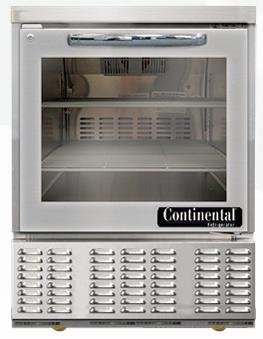
When looking for food service equipment, you may have been asked, “What do you want?”, and only offered what’s in a catalog, but Continental Refrigerator goes beyond that single question and answer. We get to the bottom of your wants and needs, and offer equipment designed specifically for you and your kitchen’s layout and workflow.
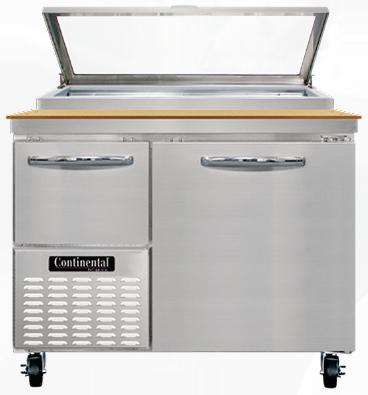
Where is your heat source?
Consider a unit with a condenser on the left instead of right (standard) to keep it away from your heat source and prolong your refrigerator’s life
Do you have limited space?
Consider our front-breathing, shallow depth undercounters or other space-saving products designed to fit into tighter kitchen spaces
Go beyond “What?”
[AI is] such a common part of life now and of every aspect of the industry that every [college] degree will probably have an AI module bolted on.
“[Retail executives] want to see margin. They want to see price. They don’t care about the use occasions or what the guest is thinking,” he said. “They’re just looking at it thinking, ‘I need to sell this. Therefore, I’m going to do everything I can to sell it,’ instead of, ‘I made this for you.’”
To that end, Shahan Ohanessian, founder and CEO of VenHub Global, has dedicated much of his career to removing humans from the retail environment. With his latest venture, he wants AI technology to do all the work, short of stocking the shelves. He is an engineer and tech developer who had a hand in creating the Amazon Go and Amazon Fresh cashierless retail concepts.
“We have smart cars. We have smartphones. We have smart homes. But we don’t have any smart retail,” he said in describing his mission with VenHub. “I want a store that is super customer-friendly. I want it to be fast
and smart, safe and secure, open 24 hours a day, easily installed, remotely managed with no employees, and have a very low cost of entry [with] high profit margins. And I want it to be in every vertical.”
VenHub’s initial concept is an 800-squarefoot, fully enclosed vending machine that is operated by two robotic arms named Barb and Peter. Shopping is done via an app and items are picked up from a collection box in the unit.
“All of your interactions with the smart store are via a mobile app,” Ohanessian said. “[Customers] can see the inventory. They can order whatever they wish. If they need support, they click on the support button and get instantaneous support, and that can be AI or human support, depending on what they request.”
At this point, foodservice is limited to packaged foods and snacks. However, the AI will “learn the neighborhood,” he said. “It understands what the neighborhood is looking for. If there’s product A vs. product B, after a while, [the store] will tell you, ‘Stop ordering product A; your customers just want product B.’”
Meanwhile, Darren Rebelez, chairman, president and CEO of Ankeny, Iowa-based Casey’s General Stores, says the company has found a balance between reducing store hours worked and sustaining employee satisfaction.
Casey’s began testing SYNQ3 AI solutions in 2022, with the goal of boosting its off-premises food business. The “autonomous, conversational AI ordering technology” SYNQ Voice greets guests, provides upsell suggestions and takes orders, with connections to both Casey’s pointof-sale system and its loyalty program, all without requiring any intervention from Casey’s employees.
When discussing such advancements, Casey’s typically acknowledges it under the more mundane title of providing “efficiencies in labor hours.” Rebelez said such efficiencies usually come from listening to store employees through its Frontline Advisory Board and its Continuous Improvement Team.










The team’s “sole purpose is to go into stores and try to make the job of a team member easier to execute,” he said during an episode of the “Future of Convenience” podcast in March 2025. “In some cases, that’s moving work upstream; in other cases, that’s just eliminating it altogether or finding a different way of doing it where it’s easier. And as a result of that, we’ve been able to reduce our same-store labor hours for eight consecutive quarters.”
Concurrently, he said, both Casey’s employee-engagement and guest-satisfaction scores have improved.
“At the same time we’re removing some labor, we’re leaving some extra labor in the store in the form of slack,” he said. “So that team member actually feels like they’re not working as hard. ... It’s made us a more efficient organization but at the same time more effective.”
While the high-profile AI tools that exist today are getting positive results, executives in the tech development space say the future of AI in retailing is bright as younger advocates enter the workforce.
“The reality is, [AI is] such a common part of life now and of every aspect of the industry that every [college] degree will probably have an AI module bolted on,” said Redwood of Diebold Nixdorf. “Because it doesn’t matter where you work, who you work for, what industry, what role—there will be AI playing a part in that. Whether it’s generative [AI] or computer vision, or machine learning, it will be somewhere.”
And industry veterans collaborating with these younger employees raised on AI is what it’ll take to make true innovation and adaptability happen, said Bill Wade, a longtime product manager for PDI Technologies.
“It’s going to be a combination of both. It’s going to be the people who haven’t been in the industry so long that they’ve become calcified in terms of how they approach solving problems,” said Wade, who was inducted into the Conexxus Technology Hall of Fame in January. “Combine that with [younger] people who have been using AI long enough that they’ve got a knowledge base operating at that intuitive level” and who automatically use it in everything they touch, he said.
In other words, if you want to stop hearing about AI, you’re probably out of luck. Because it’s quickly becoming part of every business decision being made.

Steve Holtz is a veteran c-store journalist with more than 20 years in the industry. He is currently president of Holtz Media Consulting and host of the Convenience Weekly podcast on Spotify. Reach him at Steve@HoltzMC.com.
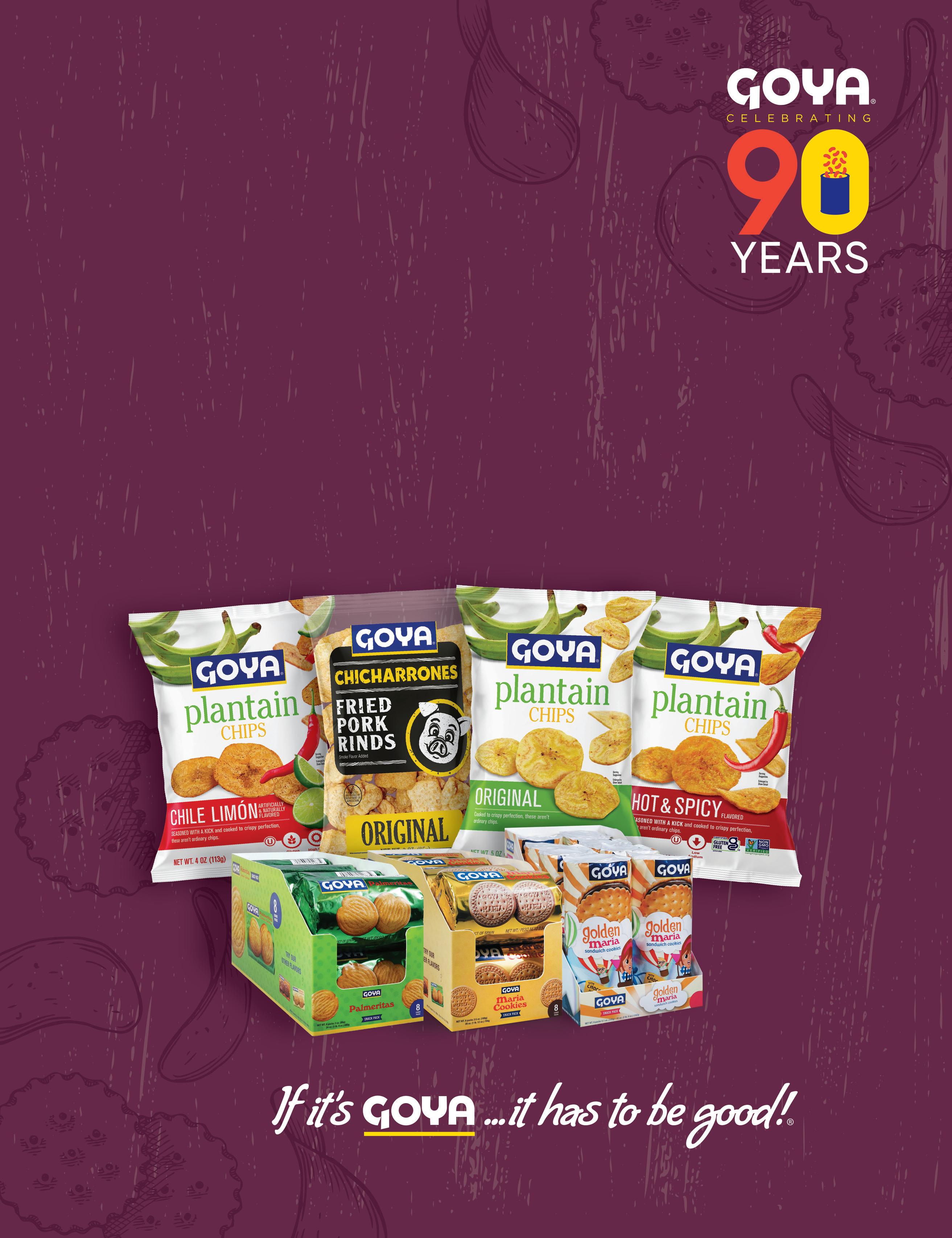
From crispy, crave-worthy chips to rich, flavor-packed cookies, GOYA® Snacks deliver the bold taste consumers love and the quality retailers trust. With decades of brand loyalty and growing demand across generations, GOYA® brings authentic Latin flavor to every aisle. Discover the snack lineup that keeps customers coming back.

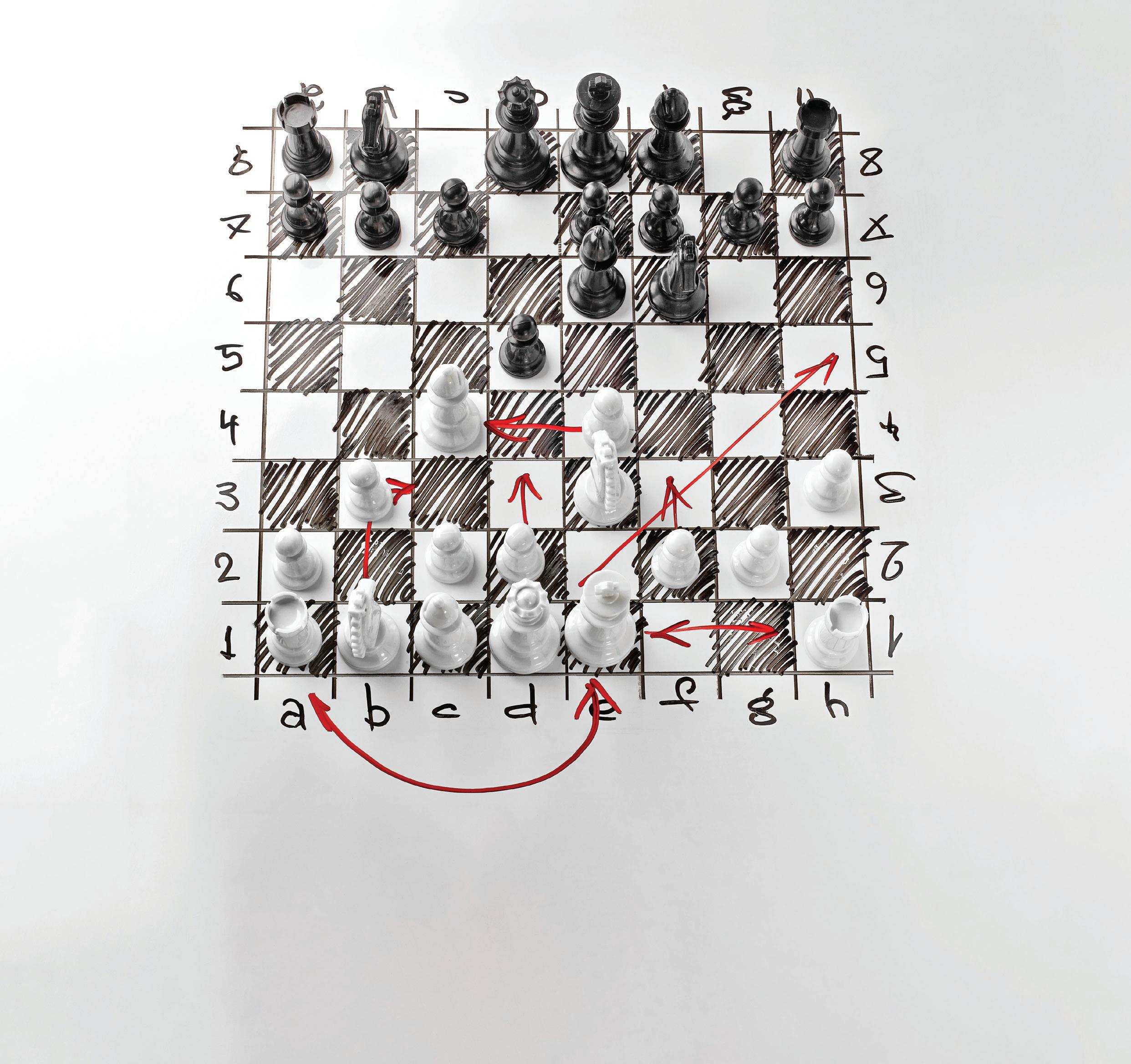
Independents are playing a different game than the biggest retailers—but smart maneuvers aren’t about size.
BY LAUREN SHANESY
Every morning at 4:22 a.m., the bell rings for the shift change at a Beverly, Ohio, factory. Employees at the nearby Corner Store & Drive Thru are ready. They’ve been on the clock since the convenience store opened at 4 a.m. Those on their way into work grab breakfast and a deli sandwich for their lunch break while hot meals are ready for hungry workers going home for the day.
“We are the earliest doors open. We open before the local McDonald’s,” said Rachel Eickert, owner at Corner Store Corp., the convenience store that her mother operated for almost 20 years before Eickert took over.
It’s a picture-perfect snapshot of what’s at the heart of being an independent retailer—knowing the unique needs of your customers and serving the community with pride.
We’re a smaller operator, so we do think very differently.
Family-owned Glassmere Fuel Service operates three convenience stores in Western Pennsylvania, where it competes with “big name competitors” in the region, said Kellen Cromie, marketing director at Glassmere. “We have a lot of respect for those companies, and they’re ones we want to emulate. But we’re a smaller operator so we do think very differently.”
Being small in store count doesn’t mean retailers have to stand in the shadow of multi-unit operators. Independents have their own advantages, while technology tools that were once inaccessible are now within reach.
A critical foundation of retail success is communicating with your customers, said Ernie Harker of Ignite Retail Technology. “You need to keep in front of [your customers]. Loyalty programs are awesome for promotions but also marketing and connection. Small operators now can easily get white label apps or single kiosks for inputting a phone number.”
Glassmere has its own loyalty app, which quickly became popular with its customers. The company started looking into the idea four years ago, and at the time went with a lower-cost option. “It was lower end but it still gained a lot of traction. It looked good, functioned well and we had a lot of
With limited footprints, Glassmere Fuel Service locations don’t have the ability to have made-to-order foodservice programs, said Kellen Cromie, marketing director at Glassmere. “So it’s really important that we’re talking to our customers every day. We ask them, ‘What do you want to see this week? What are you hungry for? What can we order?’ We’re always trying to mix things up with the food that we’re bringing in and personalizing it to our customers. This keeps my regulars happy, and it also means I’m reducing waste [in inventory].”
Cromie keeps sheets at the front of the store where customers can write down product suggestions. “We might also ask them if they would be interested if we brought a specific item in at a certain price. We have customers who are really engaged in this way simply because of the fact that we are a small store.”
initial investment in it. People were happy,” Cromie explained. Glassmere switched later to a new provider, but the lesson is clear—start somewhere. “Something like [a loyalty app] isn’t out of reach anymore. Five years ago, that would have been far too expensive and involved for a small operator like myself. It would have cost tens of thousands of dollars,” he said.


Between Glassmere’s three locations, Cromie said the investment more than pays for itself in cigarette rebates alone. “People who are using the app really take advantage of those kinds of things. I’ve seen at least a 5-6% increase in my cigarette rebates just because they’re using those two-pack deals that I didn’t have previously.”
And that’s with only 30% of his customers using the digital app. The other 70%, he said, still use a physical card.
At Corner Store, the company also taps into more analog, but successful, loyalty methods—a text club run by a cigarette manufacturer alerting customers to promotions or discounts, and stamp cards for its foodservice.
“We do a buy 10 breakfasts or lunches and get one free stamp card. We allow stamps for as many items as there are per transaction, so if they buy four sandwiches, then they get four stamps,” said Eickert. “People fill up the stamp cards really quickly, but it increases how much they buy, and it also really increases the overall ticket size.”
What would take me an hour … AI does it in seconds.
As a small retailer, Cromie is always looking for “that little extra edge.” What he means by that, he said, is finding incremental ways that he can enhance store operations while saving costs.
Glassmere uses LED TV screens in its stores to display promotions, digital pump screens through DX Promote to highlight specials while customers are fueling, and AI voice messaging over the speakers inside and outside to reinforce deals. “These are all simple, affordable tools that make us look and act like a much bigger chain,” Cromie noted.

“I’ve also had success with some food vendors I’ve worked with having them advertise on the screens,” he said. In addition to directly monetizing the airtime, he has traded digital ad time for free products, extra products at point of purchase and rebates. “Those are the kind of things that I’m always looking for.”
The screens also help with his marketing and product sales, too.
“We are big boots-on-the-ground people. With my in-store screens, it’s important that I’m getting all my messages across for people when they’re actually at the store,” he said. With regulars making up more than half of his customer base, he said getting them to the store isn’t where he focuses his marketing efforts. Instead, he focuses on driving promotions during the shopping moment.
“I’ve got my indoor TVs running ads on scheduled rotations, and ads at the pump. Through our vendor I can run whatever I want, which allows me to do things like sell the airtime. We also added overhead messaging systems with music programs. I’ve seen a lot of success with that. It’s always nice to walk into your store and see someone whistling along to the music,” he said.
At the same time, he emphasized that manual methods still work. “I still print out physical signs. Out in the community, if I’m running a big gasoline special next month, I call someone down at the municipal building and say, ‘Hey, we’re going to be doing this, can you let everyone know? Here’s a flyer.’”
One thing independents don’t have: red tape. “My wholesaler and I have each other on speed dial. One of the biggest benefits we have is just the speed and
These are all simple, affordable tools that make us look and act like a much bigger chain.
flexibility of being able to get new products in and test them out,” said Cromie. He said that he likes to “get in front of fun TikTok trends” or experiment with new products.
Vendor relationships are critical, he said, and who you choose to partner with matters. “Even with a small footprint, I still want that attention from my wholesaler. I like small vendors. I like local vendors. People notice that around here in Western Pennsylvania. Local is good.”
Staying on trend is not easy 100% of the time, said Eickert. “Just this week, there was a new flavor from a big energy brand that came out. I won’t be able to get it in for about a week or two, but our local Family Dollar is selling it. Family Dollar can create contracts to get that product a month earlier than what we can do. That’s a challenge.”
Corner Store’s municipality also only has two liquor licenses, which Eickert said were given to two chain gas stations in the area, boxing Corner Store out of the category. So, the store has leaned heavily into its beer selection. “We are outselling Walmarts and Krogers,” she said.
In Beverly, Ohio, Corner Store is the only drive-thru convenience store within a 50-mile radius, said Rachel Eickert, owner at Corner Store Corp.
“This really sets us apart from our competitors. Customers can get whatever they want out of it—beer, cigarettes, candy, foodservice, lottery. It’s a full-service drive-thru window,” she said. “It’s a really helpful option for mothers with children who don’t want to get them out of the car, or the elderly, or if it’s a cold day and a customer just doesn’t want to come inside.”
Corner Store also pays attention to the details and has added thoughtful touches to its drive-thru experience. “We have suckers ready for the kids, and dog treats—the customers really love those,” she said. “Customers really just want the accessibility of the drive thru that also gives them all the options they’re looking for. They want in-and-out service but also the whole choice of offerings.”
While smaller operators may not have the latest and flashiest tech displayed in store or the most expensive software systems, there are plenty of programs that retailers can use to make their day more efficient, said Cromie.

“As the entire marketing department, I design materials in Canva, which is pretty easy. Or I use AI [like ChatGPT] to run statistics on sales in my area or to make online ads according to demographics and geography. For us to bring something in, it first and foremost has to be affordable, but there are low-cost options at your disposal.”
Social media is “free advertisement unless you want to boost the post, and even then it’s very affordable,” said Eickert. “It gets your name out there, and you can run your own deals and specials that are customized, such as for busy or slow days of the week.”
She also said she leans on AI to help craft social content, saving significant time and energy as a store owner with a lot on her plate. After writing the prompt, “AI can generate in seconds. What would take me an hour … AI does it in seconds. I use its wording and it’s so convenient and it saves so much time.”
“The absolute best thing you can do for your brand is to get involved with your community. This is where independents absolutely shine,” Cromie said. He said Glassmere tries to do “basically everything we can, whether it’s donations, sponsorship or even just showing up.” Glassmere also helps others in the community with their local efforts. “If someone is doing a fundraiser, we’ll hang up their flyer. If they’re selling tickets to something, we’ll buy some and sell them to our customers,” he said.
Corner Store is close to two schools. The business supports them as much as possible.
“Whenever the parents of the students see you inside of the yearbook or on the billboards at the games, they see you as a destination that cares about their children,” said Eickert.
“It’s important for small businesses to do the little things like that,” said Cromie. “It’s not just getting your name out there. It shows [local customers] ‘Here’s where your dollar is going when you spend it at Glassmere.’”

Lauren Shanesy is a writer and editor at NACS and has worked in business journalism for a decade. She can be reached at lshanesy@ convenience.org.















BY AMANDA BALTAZAR
Restrooms are not a glamorous subject to talk about, even less to write an entire article about, but they are essential elements of any convenience store.
“As a retailer, you are defined by your restroom,” said Austin Burns, president and CEO of design company Paragon Solutions, Fort Worth, Texas. The restroom, he said, is a profit center: It brings in customers who need to use it, and they then purchase items in the c-store.
Restrooms are a great place for c-stores to say “We’ve thought about you” to customers, he added.
As a retailer, you are defined by your restroom.
—Austin Burns, president and CEO of Paragon Solutions
A well-maintained restroom also lends a positive image to the entire operation, which is especially important for convenience stores with a prepared foods program.
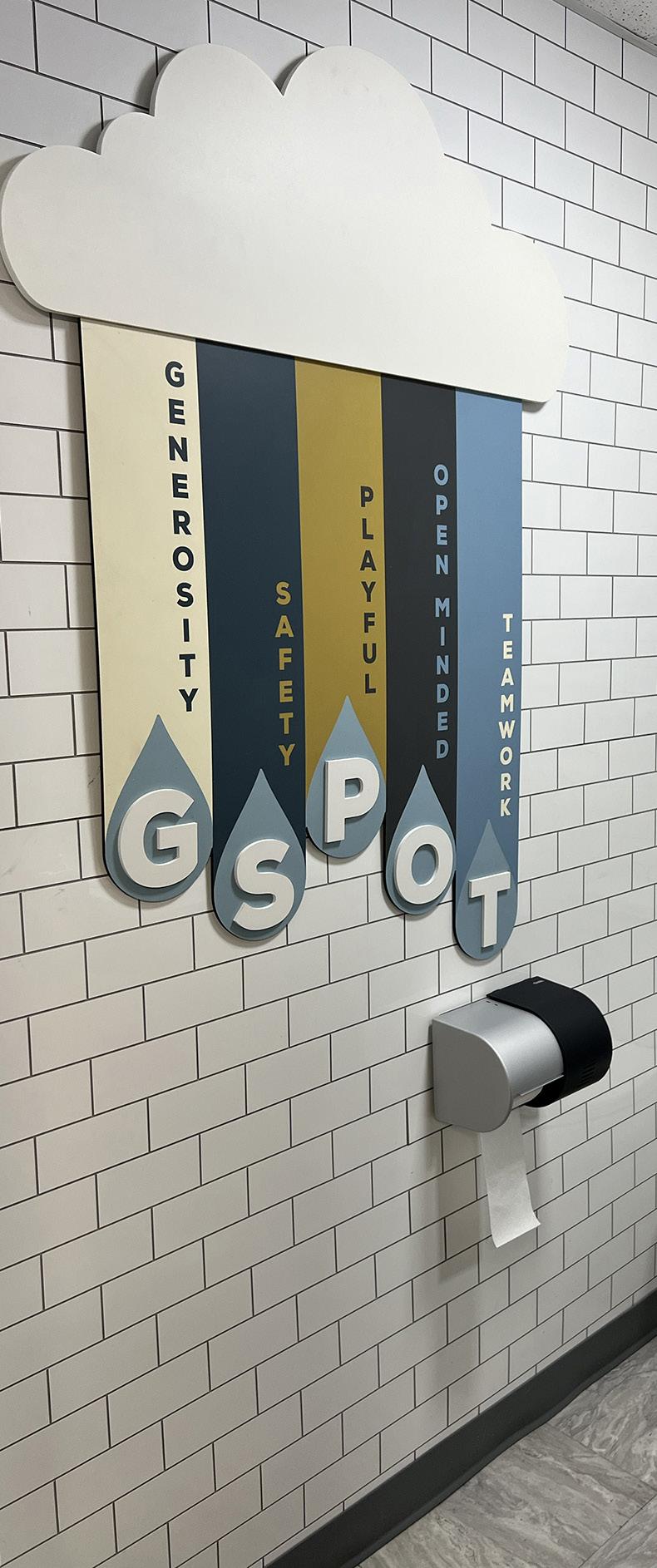
“A pleasant restroom has as much importance as how the pizza tastes,” said Alicia LaFollette, brand director of InConvenience Inc, which operates 20 Gas Spot stores in Missouri, Arkansas and Iowa.
“Study after study shows that restroom design (and maintenance) overwhelmingly impact not only loyalty but also recommendations and sales conversions,” said April Matthews, senior retail designer for King Retail Solutions, a design company based in Eugene, Oregon. “They can be a customer’s top factor in assessing the quality and safety of a store.”
A survey done annually by Menomonee Falls, Wisconsin-based Bradley Co., a manufacturer of commercial plumbing fixtures and
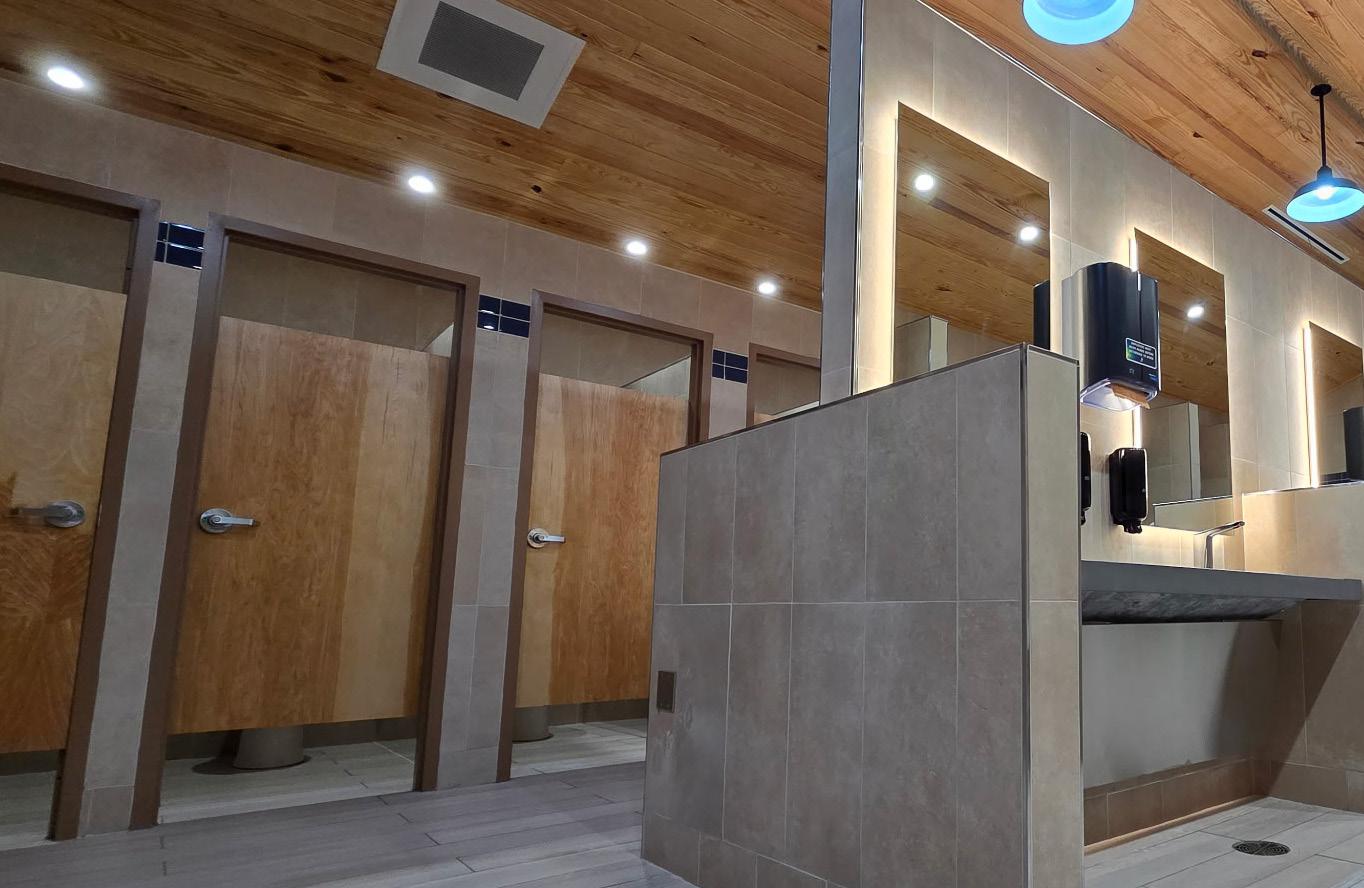
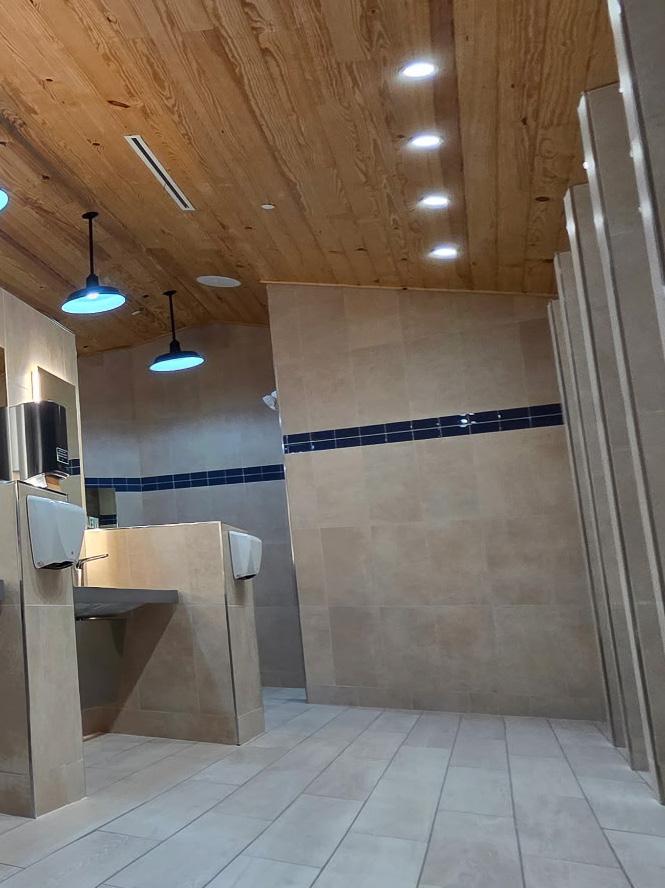
Sprint Mart recently renovated restrooms at stores in Vance, Alabama, and Fulton, Mississippi, and is including tonguein-groove pine ceilings to create an elevated feel. These are pitched, so they’re “cathedral-like,” making the space feel airy and open, said Herb Hargraves, chief operating officer.
restroom accessories, sheds light on how dirty or unpleasant restrooms can reflect poorly on a c-store.
Bradley found the top complaints are about toilets that don’t flush or are clogged. Fans or air fresheners are important, as is maintaining a cleaning schedule.
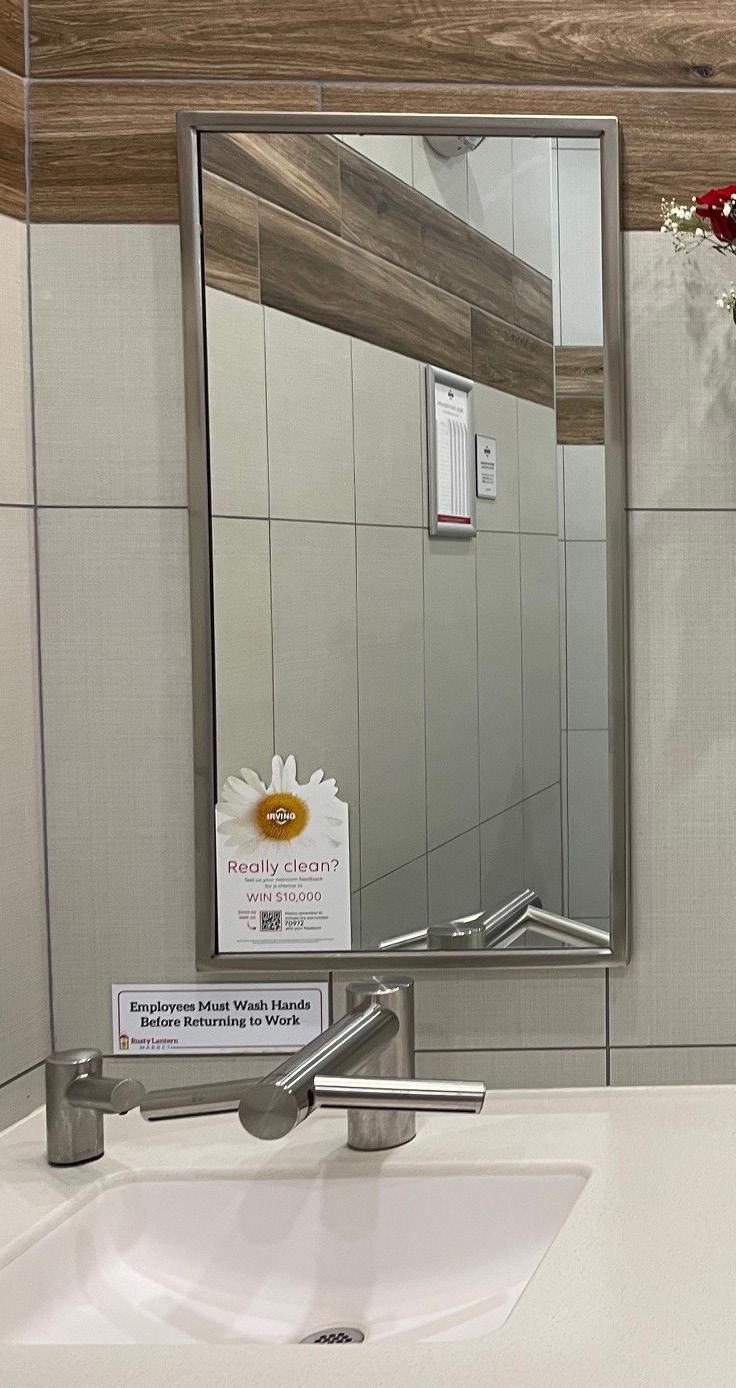
“Washing your hands is supposed to be a clean, hygienic experience,” said Cassie Keeler, product manager of handwashing products at Bradley. Simply having a sign-off sheet in the restroom showing when it was last checked by an employee can give users peace of mind, she said.
InConvenience sets clear expectations about restroom maintenance with its store employees. “We drive home that this is one of the simplest things they can do,” said CEO Tiffany Fraley.
Dirty restrooms automatically translate as dirty food, “whether it’s true or not,” said Joseph Bona, executive director of retail design firm BDL Partners. Think about
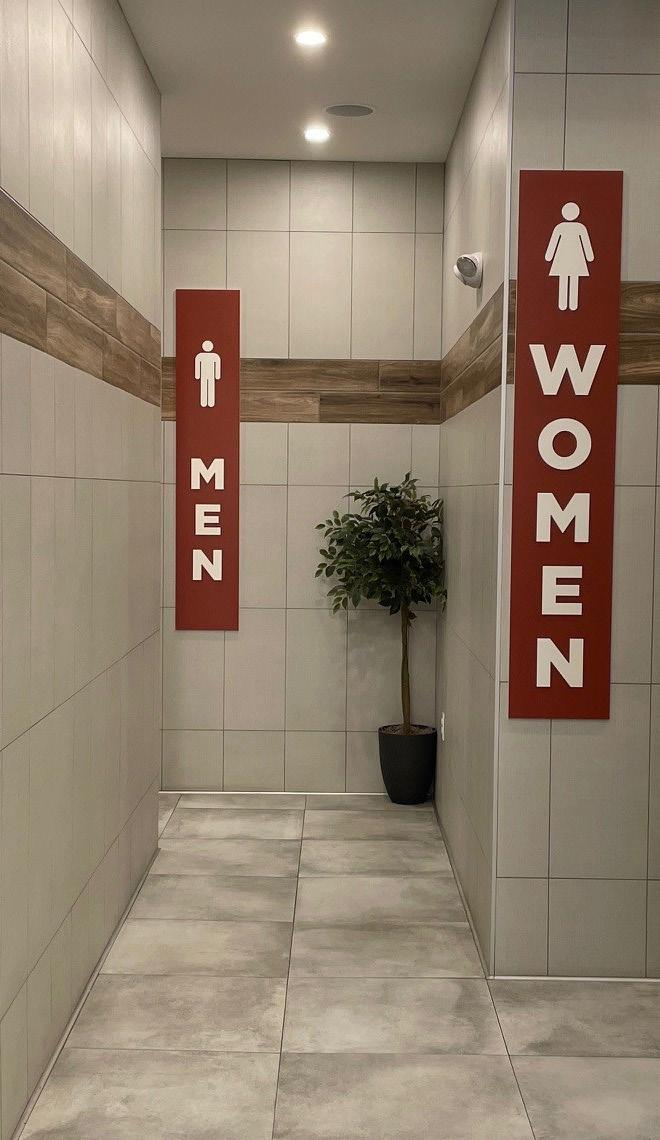
Because restrooms often are the first stop for customers, having clear signage visible from the front door is important.
By including clear pathways, c-stores can also save employees from fielding constant questions about the restroom, April Matthews of King Retail Solutions said.
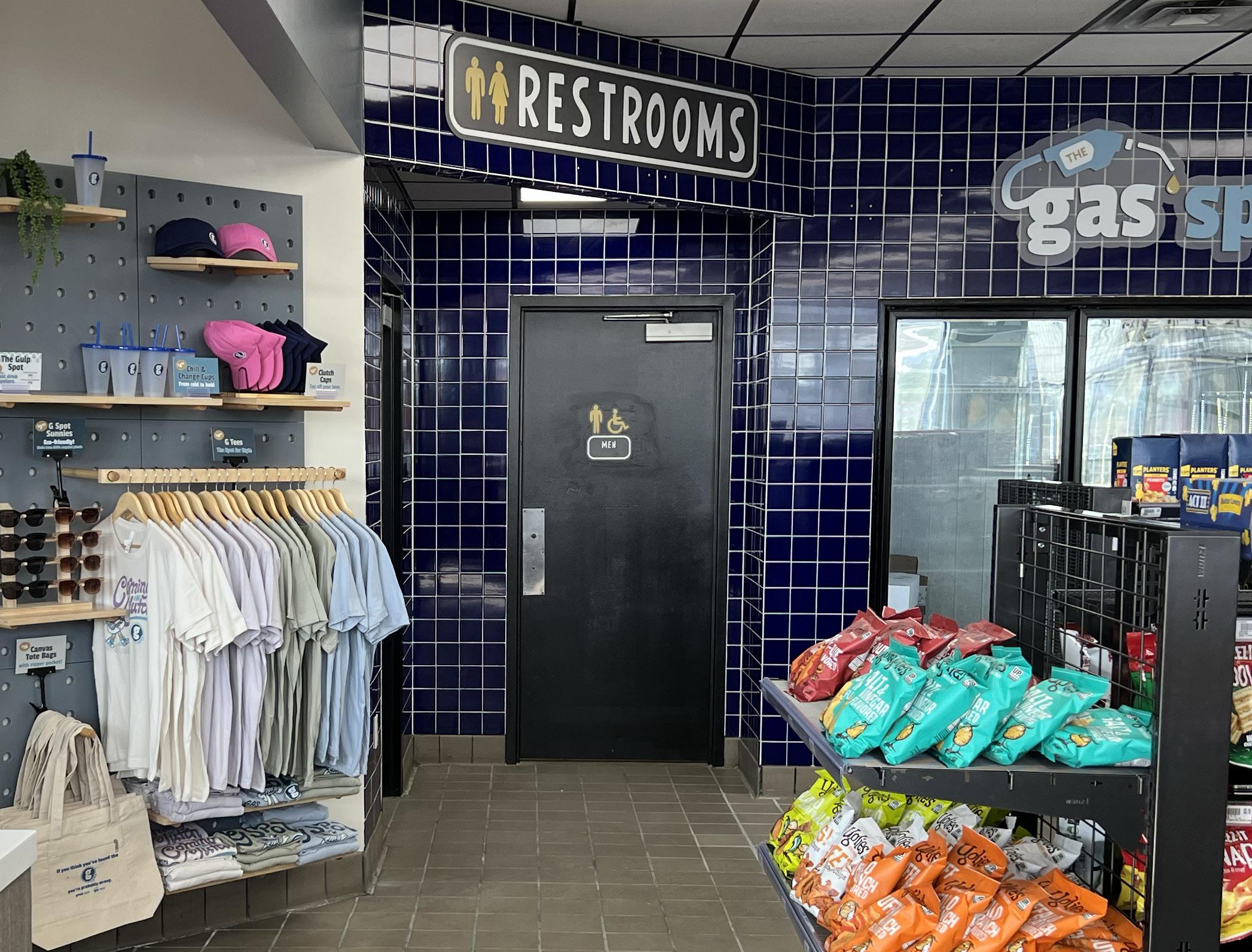
Gas Spot heavily brands its restrooms and likes to use hanging signs and provide icons for non-English-speaking guests. The signage also states whether the restroom is ADA-compliant and if it includes a baby-changing station. These same icons feature on the doors in words and Braille. The signage matches the rest of Gas Spot’s style, “so it’s another branding opportunity without it being in your face,” Tiffany Fraley, the CEO of parent company InConvenience, said.
If there are neutral versions of your brand colors (less saturated, and darker or lighter), that can be a fantastic choice.
the restroom as an extension of the whole store, he said. “Consider it part of the store experience and provide the feeling that some thought went into it.”
Koch pointed out that there’s a rollover effect of this: Clean restrooms can lead to customers perceiving the store’s fuel as higher quality and also spending more in the store because they identify it as carrying better products.
Making sure restroom cleaning doesn’t slip under the radar, Sprint Mart, based in Ridgeland, Mississippi, has full-time restroom attendants at its new Fulton, Mississippi, store. Employees of each gender clean the restrooms so they don’t have to close them down for servicing, said Herb Hargraves, chief operating officer.
A big question facing convenience stores is to what extent restroom fixtures should be automated. Soap dispensers, faucets and dryers can all be activated with a simple hand gesture, but is this technology a good idea for convenience stores?
Keeler said customers are about evenly split on whether they prefer a hand dryer
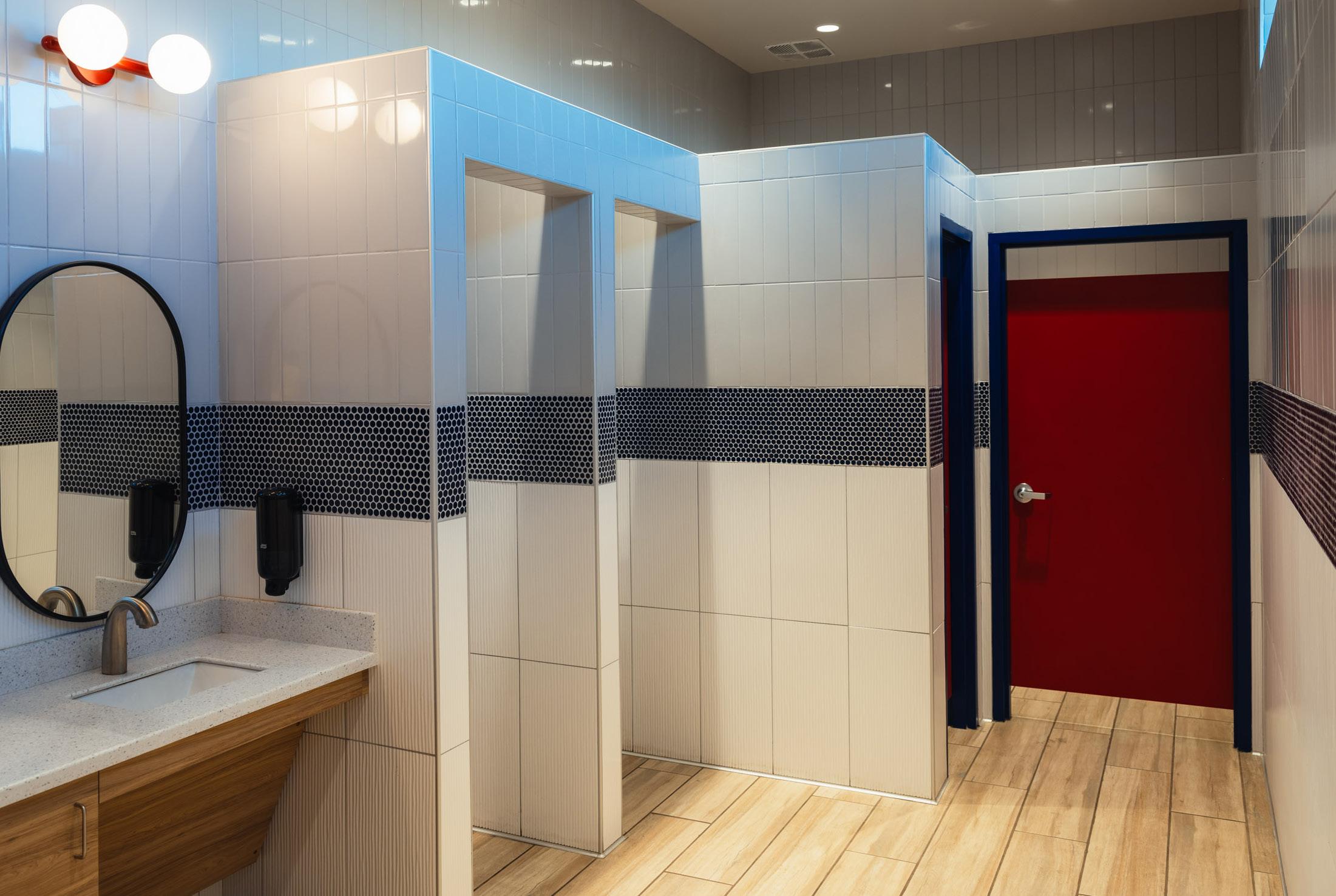
EZ Stop uses a durable porcelain floor tile that looks like wood. The effect is to make the restroom “a bit warmer.” It also brings in natural light through windows or skylights.
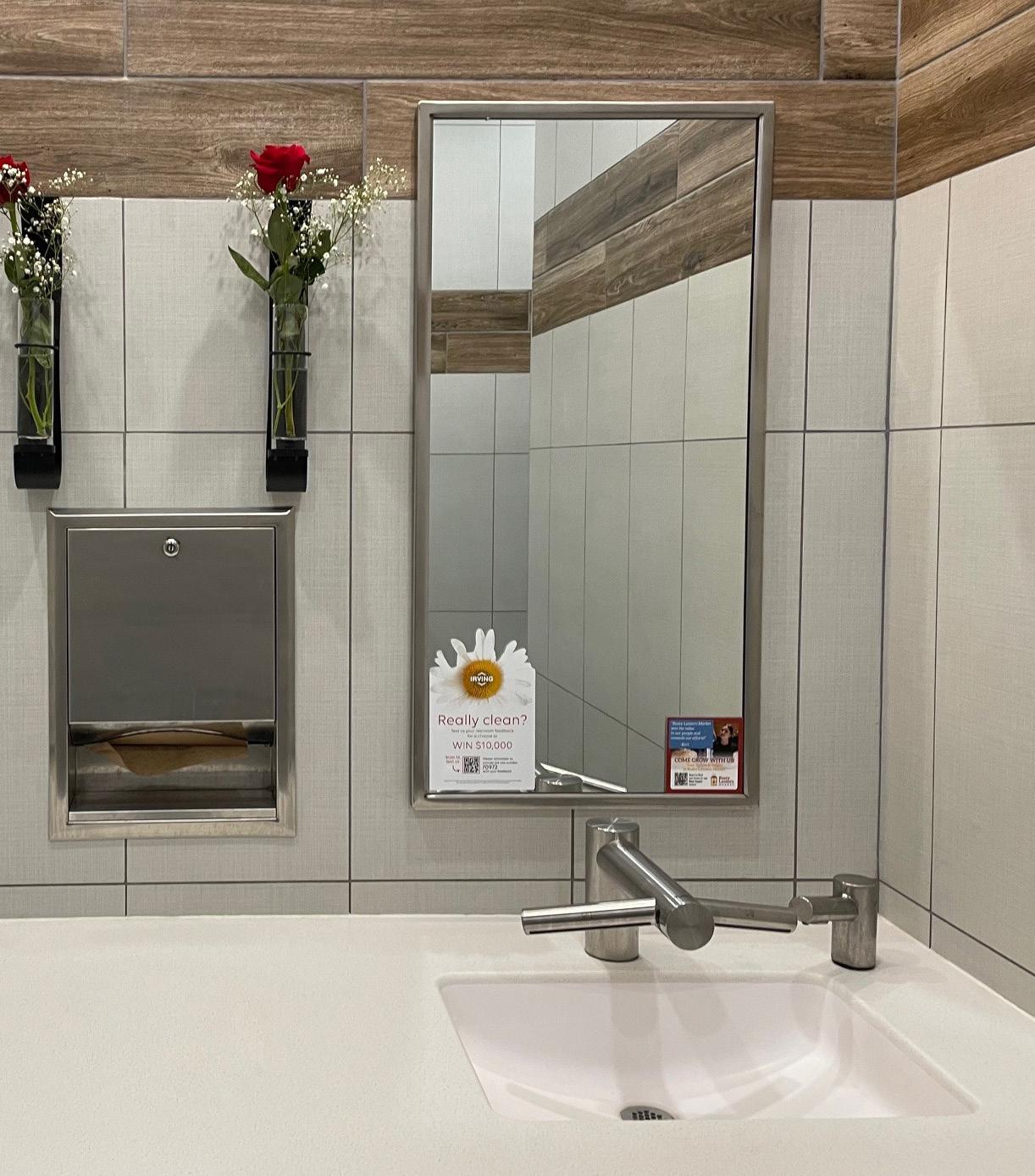
Rusty Lantern Markets is “fanatical” about cleanliness, said John Koch, CEO of the Brunswick, Maine, retailer. “Cleanliness is a brand pillar,” he said.
or paper towels. “So it’s best to have both,” she said. Hand dryers, she pointed out, may have a higher up-front cost, “but they’re pretty economical once they’re operating.” However, some customers don’t want to spend time drying their hands, or they like to use a paper towel to open the door.
The difficulty with paper towels, as operators know, is they often don’t make it into the garbage, or the restroom hasn’t been maintained and the waste receptacle is overflowing. Conversely, hand dryers can leave water dripping down the walls where consumers have shaken their hands. And the machines can break down.
Any c-store with paper towels in its restroom should place the trash can near the door—a simple move to help with neatness and to make life easier for consumers, Bona said.
To minimize water on the floor, place the paper towels as close to the sink as you can, Burns said.
“Our bathrooms are exceptionally clean, spacious, well-stocked, functional and accommodating,” he continued. “Music is piped in, and it’s not uncommon to see people dancing when they exit the bathrooms.”
Another automatic feature that can be very helpful, Bona said, is lighting. Having motion-triggered lighting saves energy and also shows customers that the brand is thinking about environmental issues. Sprint Mart has mostly returned to manual fixtures in its restrooms because automatic products can be hard to maintain, and faucet and soap dispensers quickly run through batteries, which puts the onus on staff to replace them. Hand dryers do not have this issue, Hargraves said, because they use longlasting lithium-ion batteries.
The materials designers use in convenience store restrooms should be attractive yet
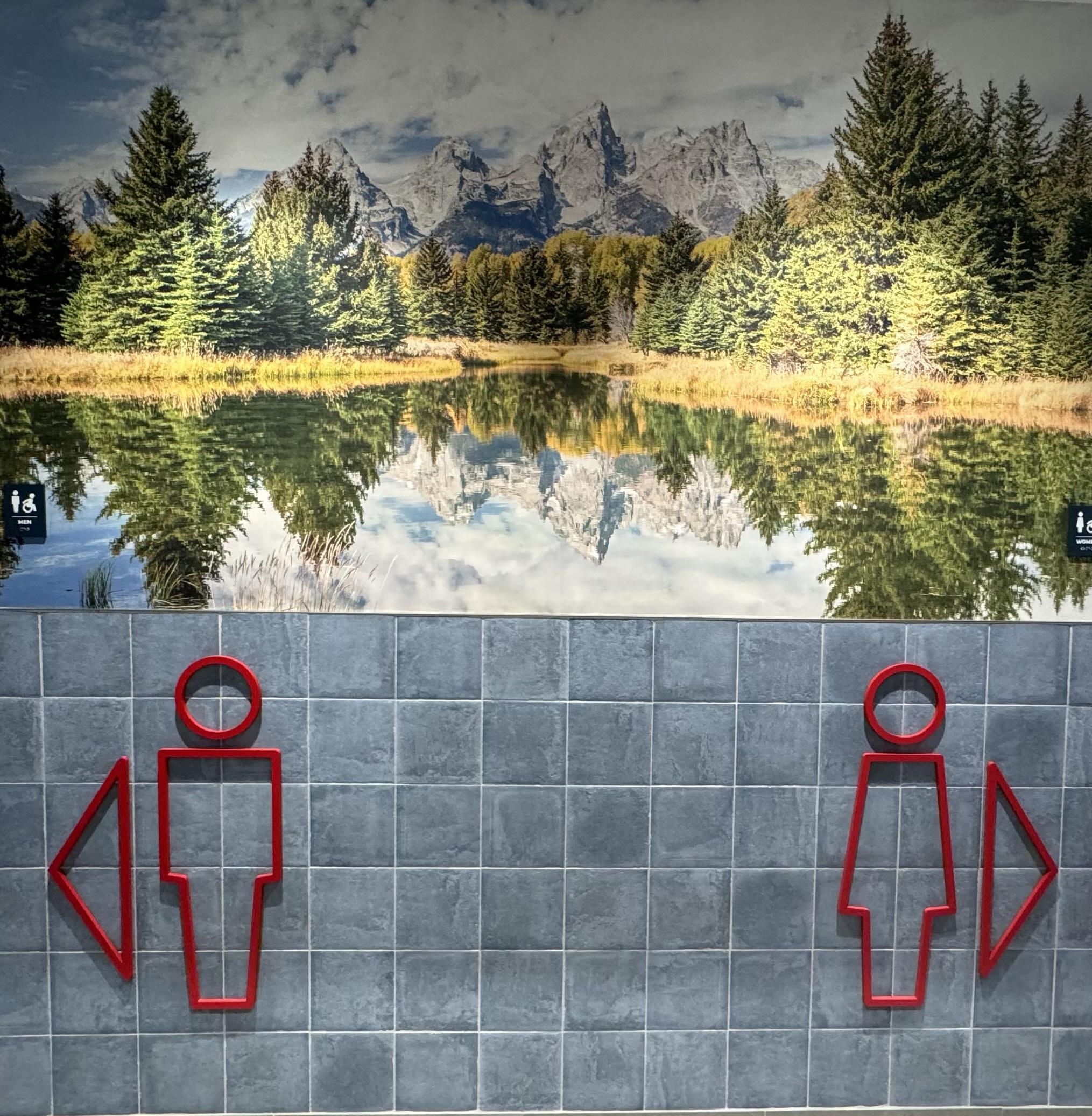
Having unnecessary but helpful items in a restroom “speaks to the brand and that they’re there to service customers,” said Joseph Bona, executive director of retail design firm BDL Partners.
Austin Burns, president and CEO of Paragon Solutions, adds, “These are the things that are going to make you stand out.”
Such items include but are not limited to:
• Baby changing stations
• Clothing hooks
• Step stools for children, or even a lower sink
• A chair or artwork, which can infuse a feeling of home and offers some comfort
• A janitorial closet nearby to make it super accessible for employees
• Free menstrual products
Clean restrooms can lead to customers perceiving the store’s fuel as higher quality.
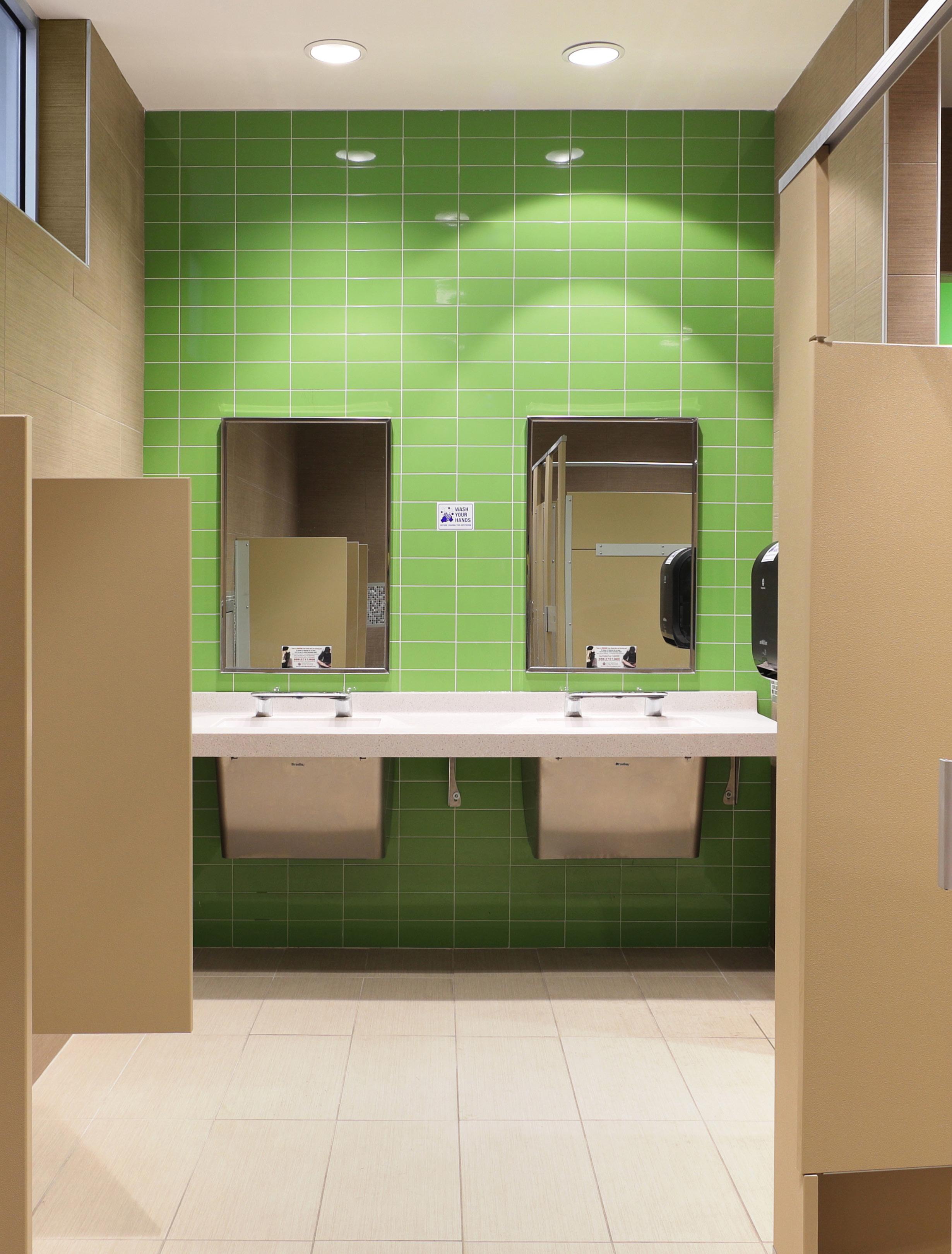
practical. Coordinated finishes let customers know the restroom was intended to look nice, Keeler said. This can be accentuated with framed mirrors—especially if the finish on the frame matches the soap dispensers—and mirrors with LED lighting, she said.
Tile is a popular product to use because it’s durable and easy to clean. Some restrooms use fire-resistant panels (FRPs), which are less expensive but also less durable.
InConvenience reports it found a great FRP product that looks like subway tile and has a dimensional quality to it. The company has lined Gas Spot restrooms with it, floor to ceiling, “and it gives the look of a very clean space,” LaFollette said. Also, it’s easy to clean and graffiti-proof, she said, adding that employees are more inclined to take care of a space if it looks nice.
The larger the tiles are, the better, Burns said, because there’s less grout, which can collect dirt. He prefers cabinet-style areas under sinks because they have fewer nooks and crannies that can hold dirt and dust. If you are considering European-style stalls, Burns advises that the stall doors should have a gap underneath for cleaning purposes.
The materials selected for a restroom can also influence the perception of cleanliness, including bright, even lighting, allowing for no dark corners or stalls. And restrooms with nicer materials can influence customers to clean up after themselves and make people less likely to vandalize, Matthews said.
Natural light through windows or skylights has been a big focus for EZ Stop. It “brings in a clean feel,” said Trenton Langston, vice president of Calloway Oil, Maryville, Tennessee, which operates the stores. Langston also pays attention to lighting. “Light and fixtures are expressions of our























































































































































































Tampa Bay, FL - 2/24





Charleston, SC - 2/26


Costa Mesa, CA - 3/10
Pleasanton, CA - 3/11
Dallas, TX - 3/31
Minneapolis, MN - 4/27


















Cincinatti, OH - 4/28
Denver, CO - 5/19
Providence, RI - 5/27
Alexandria, VA - 6/11
Omaha, NE - 6/16
Vancouver, WA - 6/18
identity and style,” he said. Renovated and new restrooms feature retro-style globe lights, which he said “is an overall Americana style.”
EZ Stop’s newer restrooms feature durable porcelain tiles on the floors that look like wood “to make it feel a bit warmer,” Langston said. The company has experimented with a couple of different colors, but the lighter wood “allows us to project more light throughout,” he said. The stores also use a lot of local reclaimed wood accents. This way, he said, “the warmth and the tones are carried throughout.”
EZ Stop pays a lot of attention to drain placement, which helps employees with mopping and helps reduce spilled water from customers, making the floors safer and more attractive.
Bona advises staying away from concrete floors, “which might look cool and hip but tend to be more porous and absorb stains and odors,” he said.
Restrooms shouldn’t be built as merely functional stops; they’re an opportunity for c-stores to continue their brand.
“Restrooms can be a branding statement,” Burns said. “You want to bring in the look and
feel and color palette.” He likes to continue some of the tile from the front of the store through the restroom.
And don’t be afraid to have some fun. “Restrooms are a really great way to bring in the character of the brand,” he said. “If you have a whimsical, sassy type of brand, restrooms are a really good place to play with it. If you can differentiate, embrace the opportunity.”
However, Matthews said, customers typically don’t want a visually over-the-top restroom, so branding should be subtle. She suggested tying in louder brand colors as accents. “If there are neutral versions of your brand colors (less saturated, and darker or lighter), that can be a fantastic choice,” she said.
Sprint Mart features its signature blue brand color in its restrooms. In its new Fulton, Mississippi, store, it’s doing something new. It has a backlit sign that sticks out from the wall, indicating “Bestrooms,” which ties in with its taglines of “Run With the Best” and “Have the Best Day,” Hargraves said.
EZ Stop features penny tiles in its accent color of navy on the wall, about four feet off the floor. “[It’s] a nice way to bring in some branding and colors,” Langston said. Stall doors are red, incorporating another brand color. Restrooms may not be anyone’s favorite subject to talk about, but putting thought and consideration into them can translate to happy customers who will keep coming back.

Amanda Baltazar writes about retail, food and restaurants from an island in the soggy Pacific Northwest. She covers operations, design, marketing and trends for B2B publications.
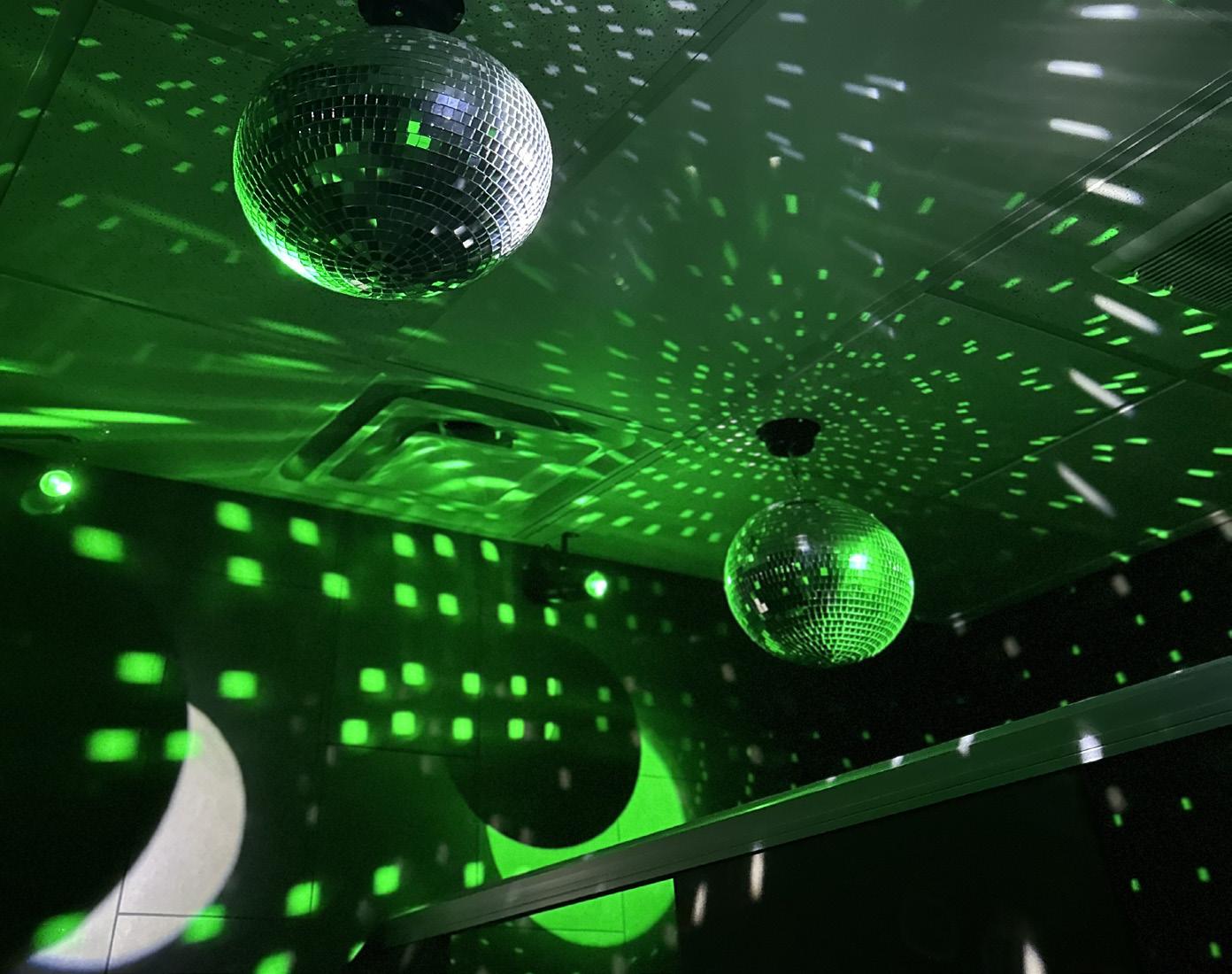
Hop Shops has made a splash with its disco bathrooms—when a customer pushes the button, the restroom briefly features dance music, a disco ball and mood lighting. Food for thought: Is there anything you can do to make this most functional part of the store part of your brand narrative?







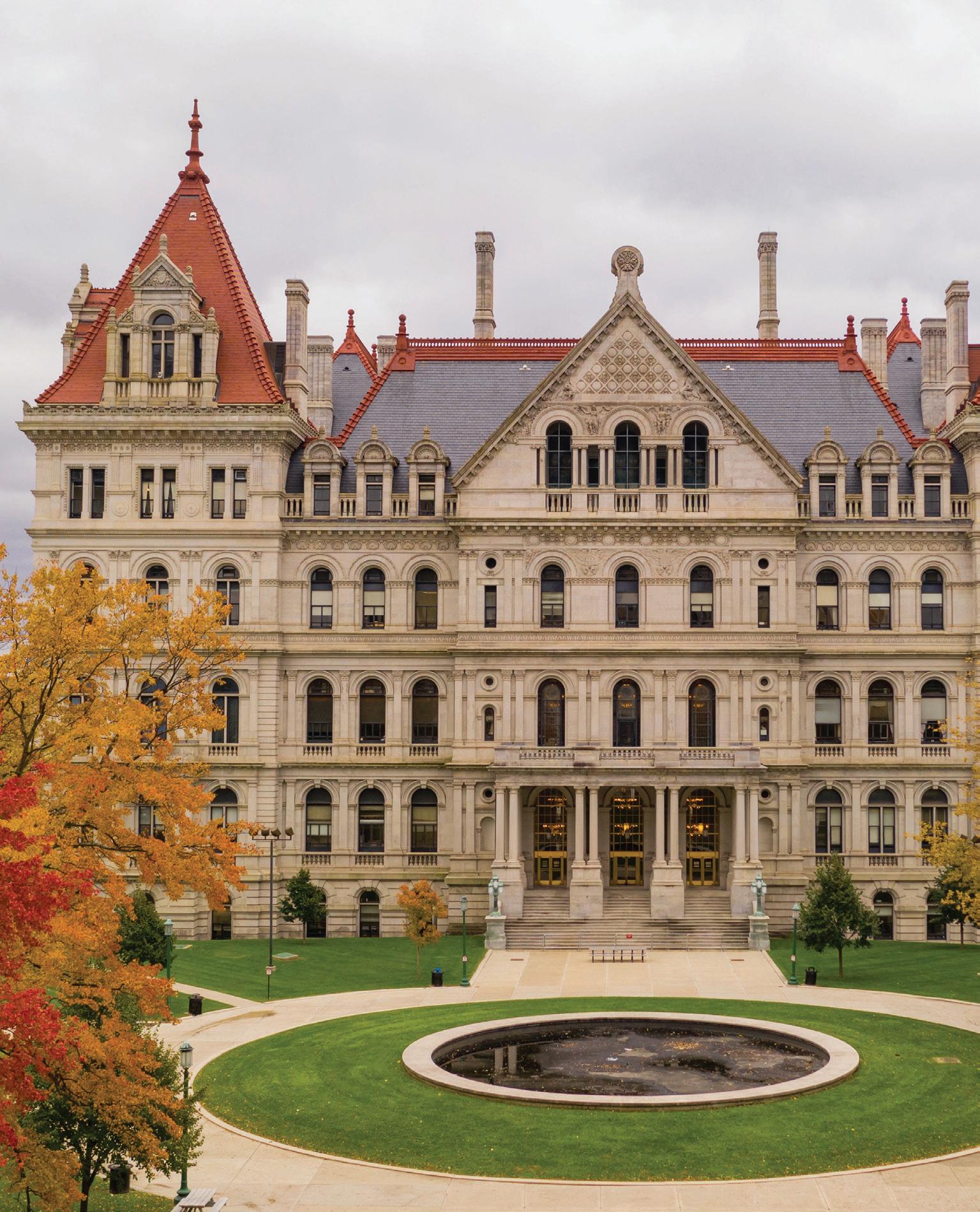
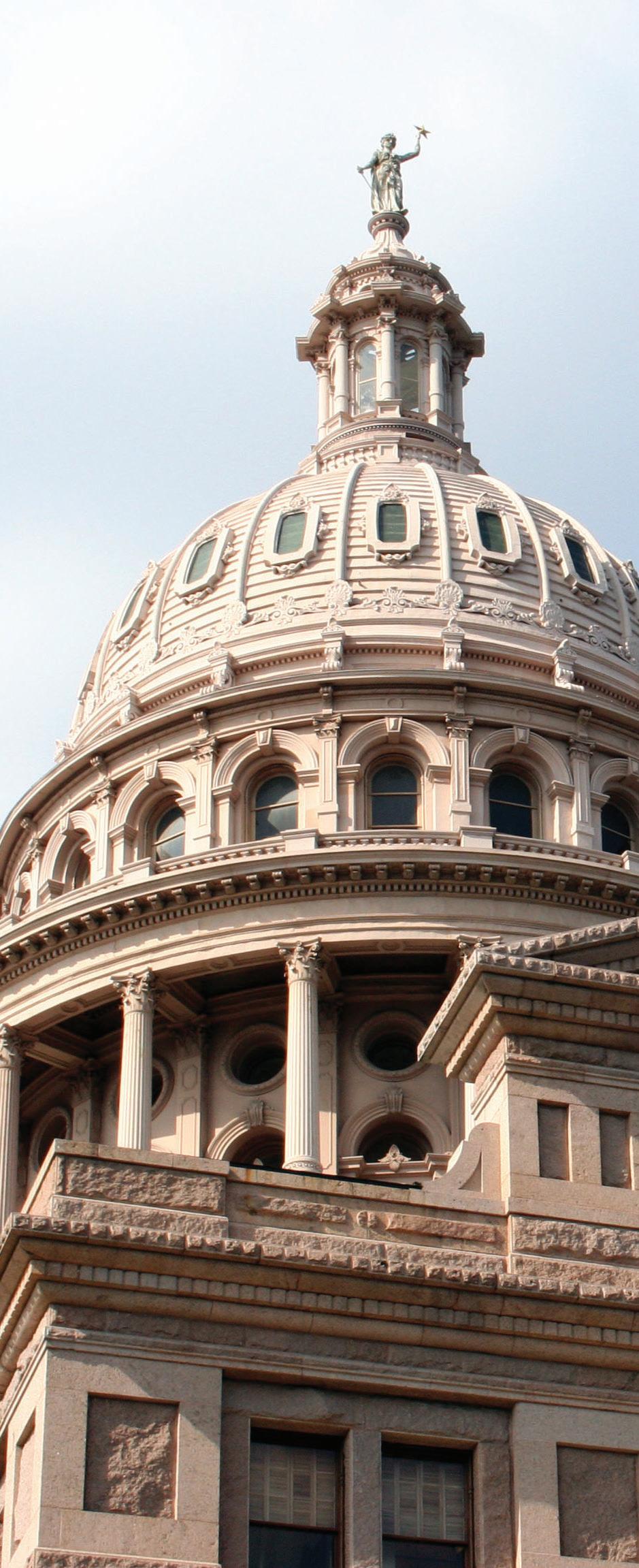

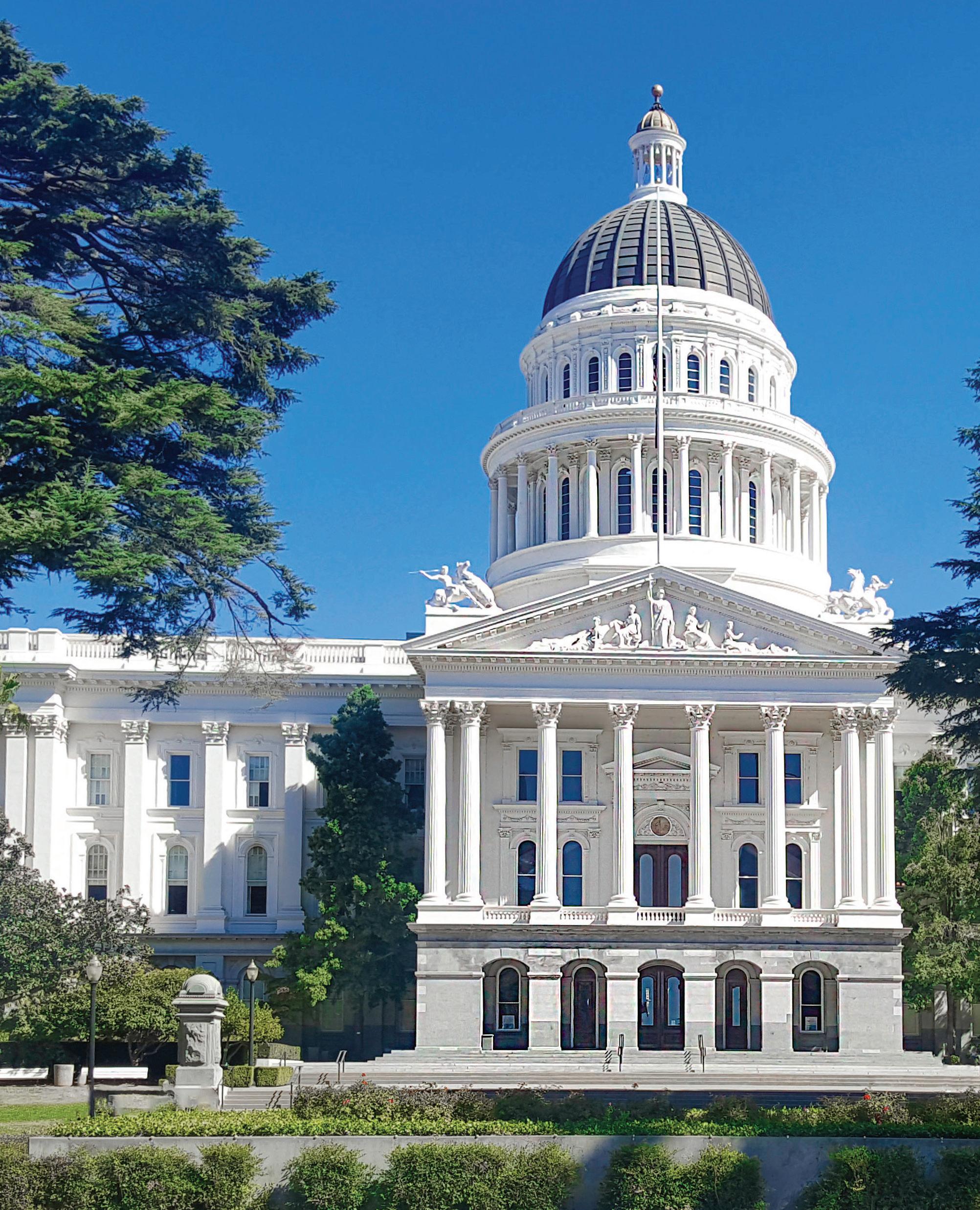
Across the country, state associations fight legislative battles with a shared goal of protecting the industry.
BY LEAH ASH
State associations play a vital role in the convenience industry, acting as the first line of defense for retailers and fuel marketers. “With so much policy making happening on a state and even local level, the state associations are ideally placed to help our industry at those government levels where NACS isn’t active,” said Jon Taets, director of government relations at NACS.
Together, NACS and state associations work together to share information and resources to protect and advance the industry. “Every month, the NACS government relations department holds virtual meetings with state executives from across the country where we share what is happening in Washington D.C. and they are able to share what they are seeing and working on in their states,” Taets said.
To celebrate the work they do across the country, here’s a closer look at three leading associations.
Convenience Store Impact
Total Stores
7,561
Employees
168,026
Transactions per day
10,347,370
“New Yorkers are known for their resiliency, so we’re pretty quick to pivot if need be,” said Alison Ritchie, president, New York Association of Convenience Stores (NYACS). That’s vital in a state with a heavy regulatory burden. “I hate to say it, but we expect this kind of regulatory environment, and we’re prepared to work within it,” Ritchie said.
New York elected officials often propose new taxes and policies on nicotine and tobacco products. In 2026, oral nicotine pouches will be in the crosshairs, as State Governor Kathy Hochul has included a 75% excise tax on the products in her budget proposal. As of January 2026, oral nicotine pouches are not taxed.
“New York already struggles with a large illicit tobacco and vape market, and this tax will expand it further,” Ritchie said.
The tax proposal comes after NYACS and other industry partners like NATSO successfully fought a ban on flavored oral nicotine pouches.
New York Assembly Health Committee Chair Amy Paulin chose to pull the bill from a vote due to successful advocacy efforts. “Our message to the health committee not only touched upon how bans expand illicit markets but also how nicotine
We expect this kind of regulatory environment, and we’re prepared to work within it.

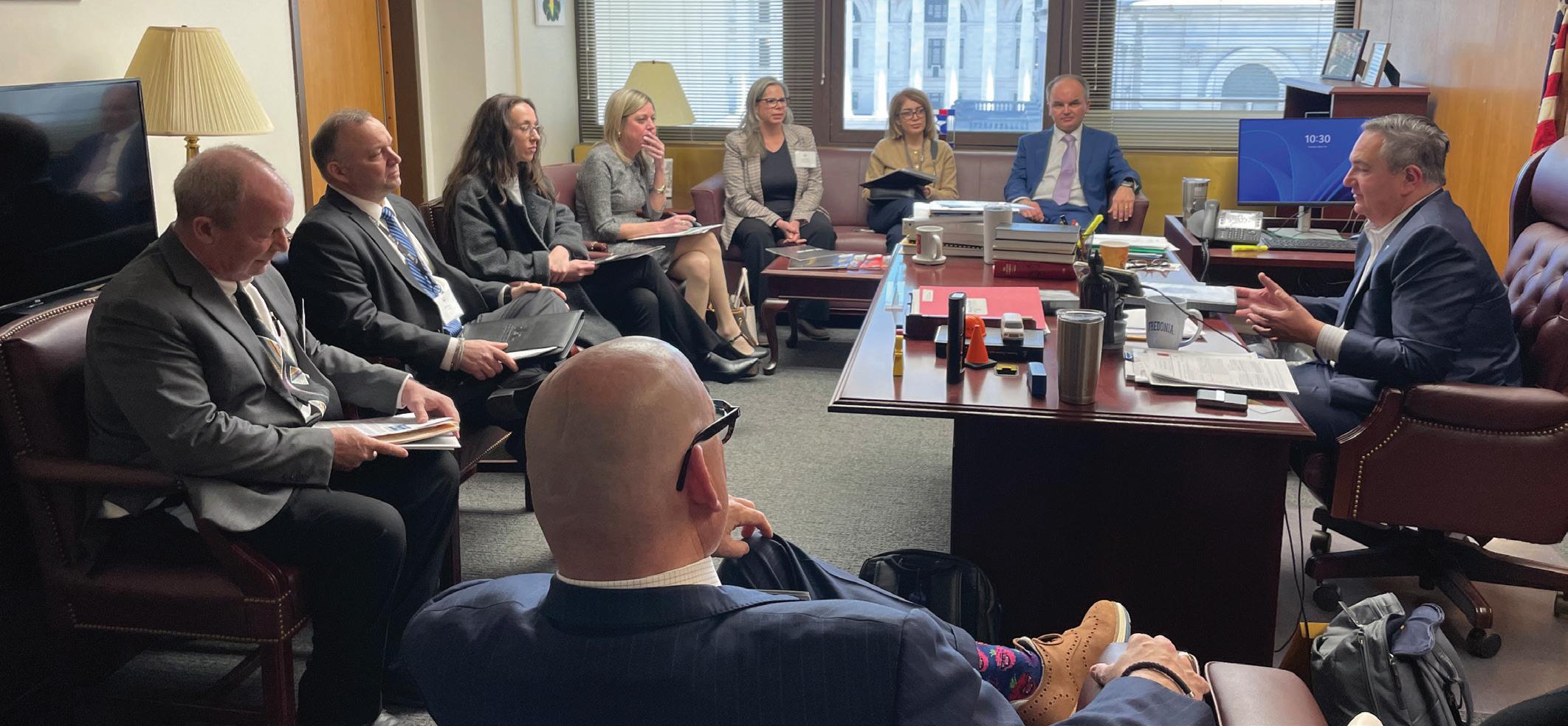
pouches support harm reduction for adults. Rather than an outright ban, the better solution to protect children is stronger enforcement, education and responsible retail access,” said Ritchie.
However, the ban on flavored oral nicotine pouches isn’t gone for good. “We fully expect it to come up again,” Ritchie said.
Outside of backbar products, a top priority for the association is fighting any expansion to New York’s recycling program that requires stores to accept bottles for recycling and return a fivecent deposit on each one. The current proposed expansions would raise the deposit to 10 cents and expand accepted packaged beverages to include energy drinks and more.
To ensure an expanded bottle bill doesn’t harm convenience stores, NYACS is working to ensure that bottle redemption centers stay viable. Nearly 200 of these centers have closed over the last couple of years due to insufficient funds.
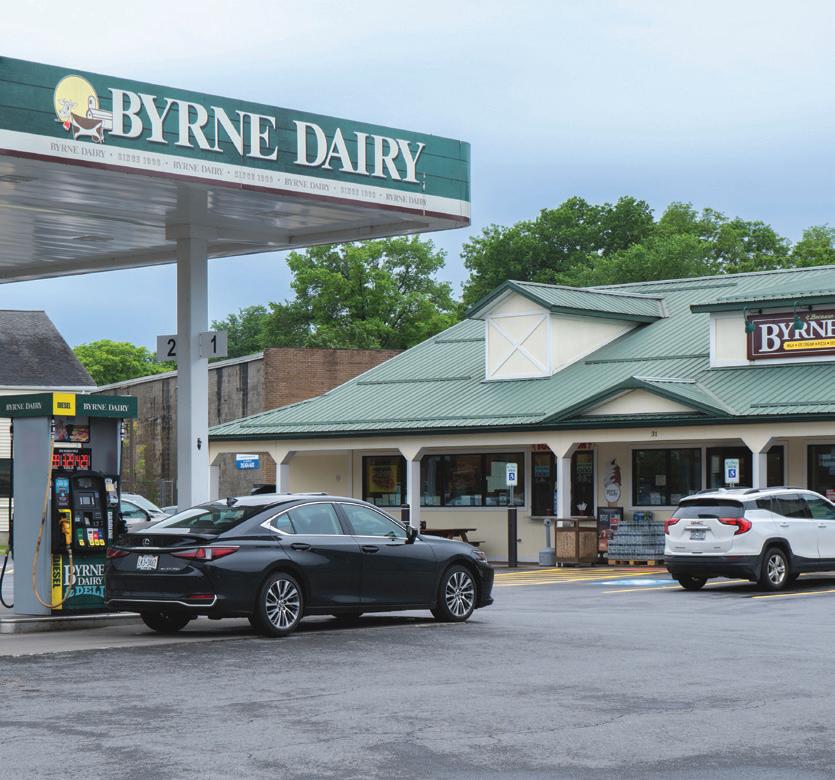
The association is working on language that would support these redemption centers without increasing the handling fees for convenience store owners. “We recognize the value of a program like this. It just needs to be implemented in a way that doesn’t burden community retail,” Ritchie said.
NYACS is also working with Senator Joseph Addabbo, the chair of the racing, gaming and wagering committee, to increase the state lottery retail commission from 6% to 7%. The association is advocating for a four-year implementation plan with a .25% increase each year.
“The retailer commission rate has stayed at 6% since 1967, even as lottery sales grew to nearly $8 billion. With the rise in the cost of doing business over the last 40 years, it makes absolutely no sense that that commission hasn’t gone up at all,” Ritchie said.
A major win for all New York businesses came in 2025. NYACS worked alongside many other business groups to urge the state of New York to pay down nearly $7 billion in its unemployment insurance trust fund debt. Out of 22 states that borrowed from the federal government to pay unemployed workers during the Covid pandemic, New York was one of the last few states facing federal unemployment insurance debt. Employers were paying an extra $100 for every employee as an Interest Assessment Surcharge. “The state of New York did it—they paid it off in the fiscal year 2026 budget, and it delivered a lot of relief for businesses and workers in the state,” Ritchie said.

Convenience
Total
21,128,560
“Texas is booming. It’s a great place to do business,” said Paul Hardin, CAE, president/ CEO, Texas Food & Fuel Association (TFFA).
“Identifying growth opportunities in the state is pretty easy to do if you start tracking the growth numbers and national stats on fastest growing cities.”
According to the U.S. Census Bureau, the fastest growing city in the country was Princeton, Texas, a town about an hour away from Dallas—it had a 30.6% growth rate between the summers of 2023 and 2024. According to the NACS/NIQ TDLinx Convenience Industry Store Count, in
The TFFA ‘succeeded in picking up the entire fuel weights and measures program from the TDA and moved it to a different state agency.’
2025 Texas gained 88 convenience stores, the most of any state. It continues to have the most convenience stores of any state, with more than one in 10 stores in the United States.
The Texas Legislature holds its regular sessions in odd-numbered years, with each session beginning on the second Tuesday in January and lasting 140 calendar days. With such a limited time frame to endorse and oppose bills, TFFA is actively planning its priorities for the 2027 legislative session.
Inside the store, TFFA will continue pushing a bill that allows c-stores to sell ready-to-drink (RTD) cocktails. “We can legally sell up to 17% ABV malt-based beverages, beer and wine in the state of Texas, but not if it contains spirits or liquor. That’s been really frustrating for our retailers, because the liquor stores have the market cornered,” Hardin said. In 2027, the Texas House of Representatives will have a new chairman of the Committee on Licensing & Administrative Procedures. Hardin noted that TFFA hopes to build a good working relationship with the chair and create progress on the RTD cocktails bill.
The association is also fighting alongside 1,200 organizations in a battle for tort reform in Texas. “It’s the new lottery system in Texas,” Hardin said. Currently, if an incident occurs with any company-branded vehicle or on a company’s property, the other party can sue the company regardless of who was at fault.
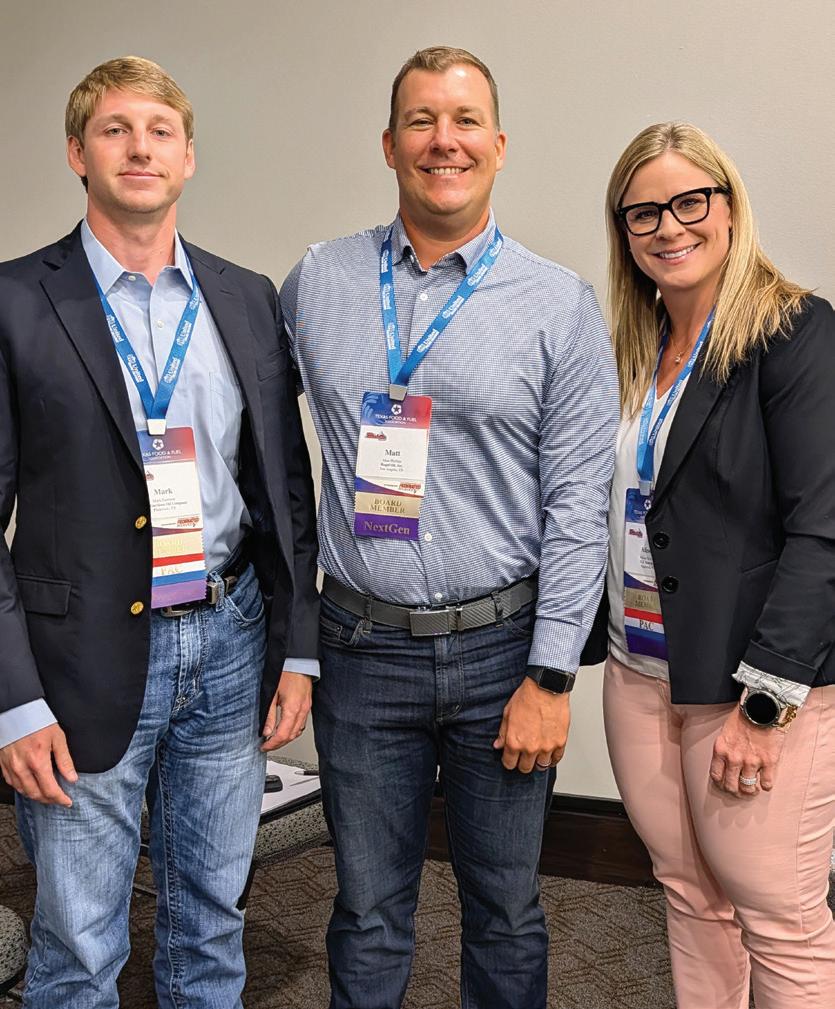
Several years ago, TFFA created its NextGen Council—an initiative designed to engage convenience and fueling professionals under the age of 45.
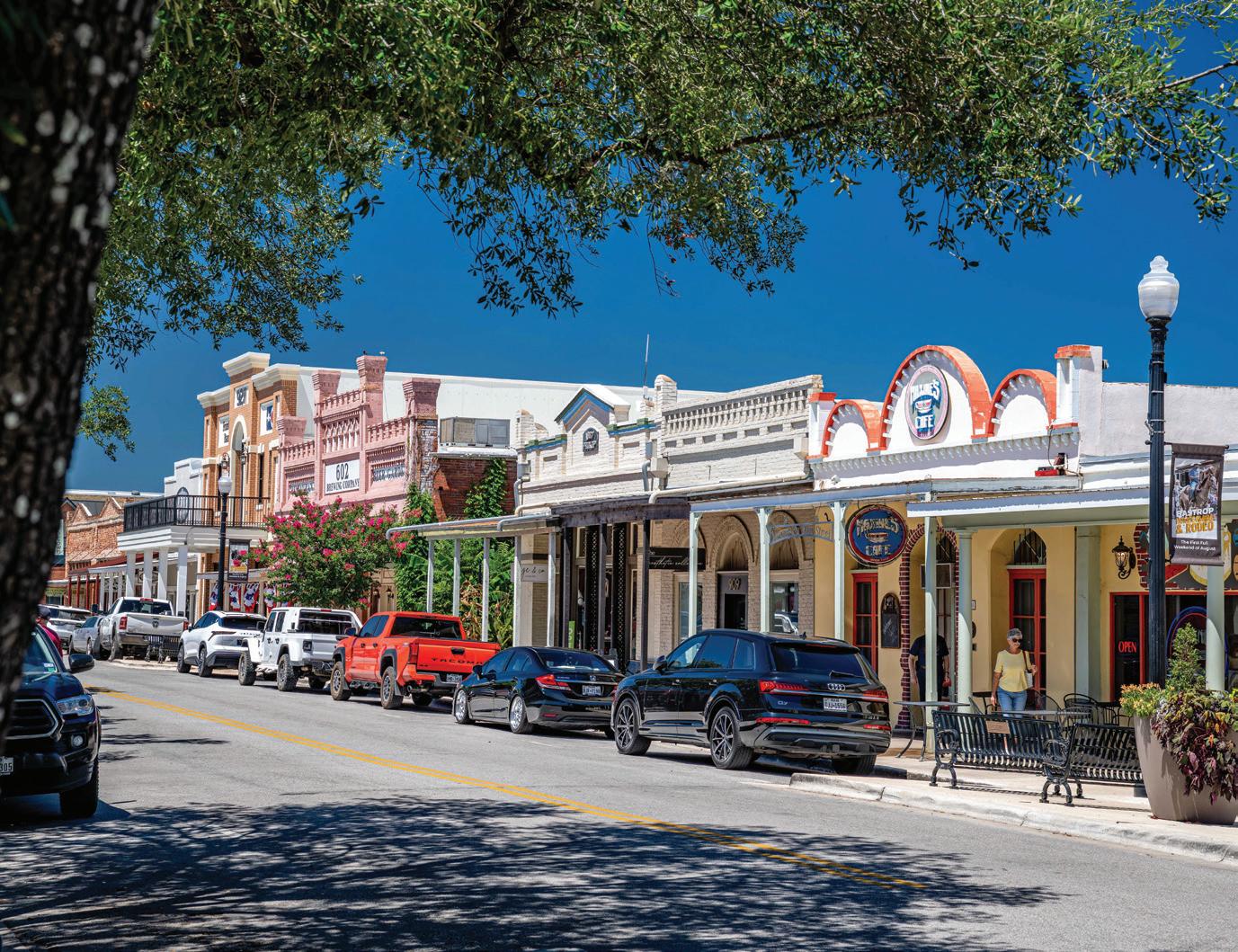
For example, a driver for one of TFFA’s member companies was pulled well off the highway to look at paperwork. Someone veered off the road, ran into the truck and sued the company—winning money after an incident they caused.
Amid these ongoing battles, TFFA has had some major wins for the industry in recent years.
For 90 years, the fuel weights and measures program was overseen by the Texas Department of Agriculture (TDA). Unfortunately, the department would consistently raise penalties on gas stations and collect more fees than necessary to run its enforcement programs.
In 2019, TFFA “succeeded in picking up the entire program from TDA and moved it to a different state agency, Texas Department of Licensing Regulation (TDLR),” Hardin said. “The fees went down, which was great, but more than that, we have an agency that is willing to listen to stakeholders.”
For example, with the state’s 30-day tank-testing regulation, previously it was easy to get a “gotcha fine” if a retailer missed the deadline because an emergency came up. TFFA, TDLR, and other state government agencies worked together to modify the schedule and reporting process, creating a grace period for retailers. “One of our members indicated that the move saved them a quarter of a million dollars a year,” Hardin said.

Paul Hardin, president/CEO, Texas Food & Fuel Association
Convenience Store Impact Total
“California tends to move first, particularly in the energy and environmental space,” said Elizabeth Graham, chief executive officer of the California Fuels & Convenience Alliance (CFCA).
“State leaders have set extraordinarily ambitious goals, and while those goals may be well intentioned, they frequently fail to account for the real world impacts on the small businesses expected to implement them.”
She noted policies affecting insurance, wages and labor, as well as extensive fueling regulations. “For our members, the single biggest challenge is navigating a growing web of requirements while still trying to run a viable small business. Compliance has become a full-time job in itself,” she said.
With a lean staff serving one of the largest and most complex state markets in the country, the association has focused on building scalable, grassroots systems to engage members and respond quickly to policy threats, particularly at the local
State leaders have set extraordinarily ambitious goals … [but] they frequently fail to account for the real world impacts on the small businesses expected to implement them.

A major win in California came in 2024, when the state legislation passed Prop 36—a bill CFCA and other retail associations endorsed to protect members from retail theft. Prior to the passage of the bill, theft of money or property valued at $950 or less (petty theft or shoplifting) was typically a misdemeanor. After the bill, this type of theft can be charged as a felony if the individual has two prior theft-related convictions. “Retail theft isn’t just a loss prevention issue,” said Elizabeth Graham, chief executive officer of the California Fuels & Convenience Alliance (CFCA). “It affects employee safety, store viability and whether communities continue to have access to essential goods and services.”

Every year, CFCA hosts its Day at the Capitol. Members of the convenience and fuels industry gather in Sacramento to build relationships with California senators and assembly members.
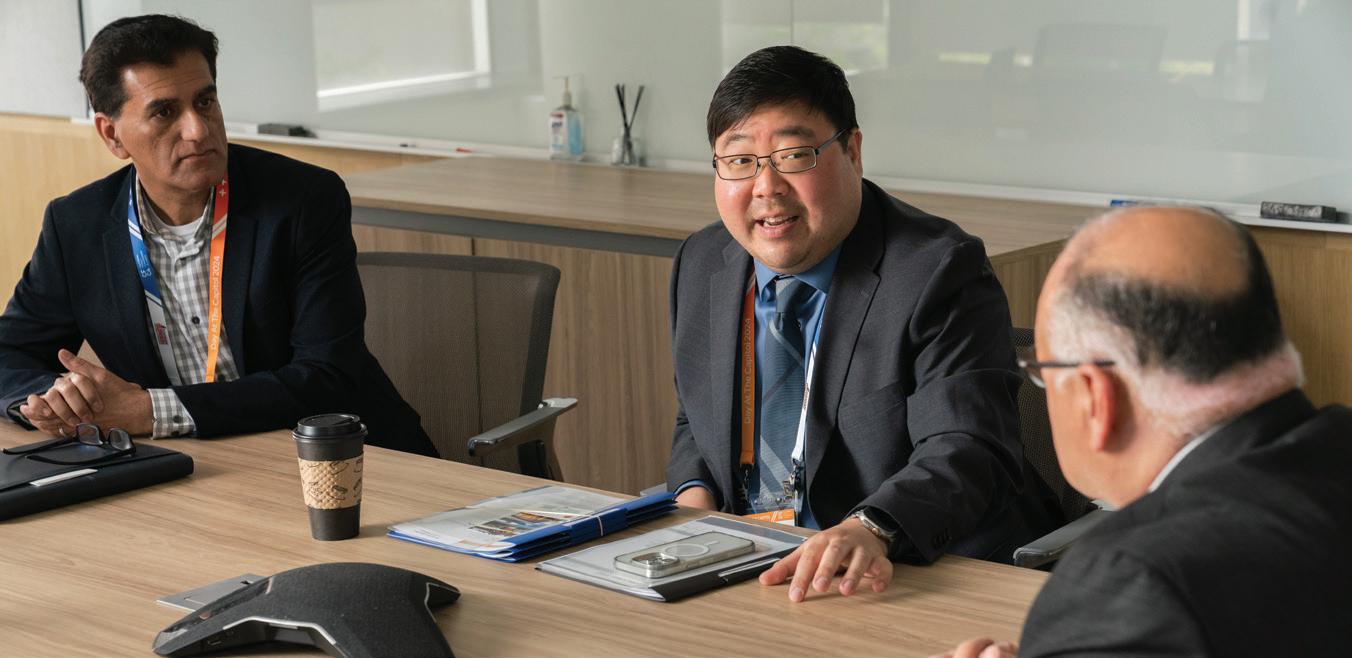
level. Several years ago the CFCA launched its Local Chapters program, which is a platform to help retailers unite with other retailers in their same jurisdiction to address local policy changes.
Local regulations are a priority for the CFCA because when one city enacts a policy, “the neighboring jurisdiction will then pick it up, and it just spreads like wildfire,” Graham said, noting that the statewide flavored tobacco ban began as a local policy. “Anything that affects the fuel and convenience industry at the local level, we will always be active in no matter what.”
Additionally, CFCA has continued to fight policies that ban new construction of gas stations or upgrades to existing ones. As of January 2026, a total of 16 jurisdictions have enacted these policies. “These policies don’t reduce fuel demand. They simply constrain supply and discourage infrastructure investment,” Graham said. “Whenever one of these proposals appears, we work with our members to ensure policymakers hear directly from the small businesses affected.”
CFCA is also fighting AB 762, which is a ban on single-use vapes. “This bill is very similar to what we fight at the local level with tobacco retail license ordinances,” Graham said. If passed, the measure would expand the illicit market. “When legal retail channels are eliminated, consumers don’t stop purchasing these products. They turn to unregulated sellers,” she said. “That undermines public health goals and will cost the state an estimated $59 million annually in lost tax revenue.”
Graham continually emphasizes the power of retailers sharing their stories. “Over 95% of fueling establishments in California are operated by small business owners. Sharing your story, humanizing the industry, that’s what causes change,” Graham said.
Leah Ash is a writer and editor at NACS. She can be reached at lash@convenience.org.






BY JAYME GOUGH
The annual NACS Convenience Voices survey collects real-time insights from c-store shoppers while they are on-site. One component of the survey focuses on the fuel-only occasion: when a customer comes to the forecourt to refuel and does not go inside the store.
The 2025 survey found that while 23.8% of shoppers say they typically only purchase fuel on their shopping occasion, more than three quarters (76.2%) say they will go into the store on some of their visits.
When we take a look at why these fuel-only customers did not go inside the store, the main culprits are that shoppers said they only needed fuel (63.6%) or were in a hurry (30.8%).
Although the main barriers are perceived needs and time constraints, promoting the in-store offer on the forecourt may be the key to getting them inside. The top offers
shoppers say would make them more likely to go inside the store may already be available—they just don’t know it. When it comes to what shoppers wished the store offered which could make them more likely to shop inside, most are things the channel offers already. Customers most often cited better discounts, sales and promotions (38.1%); a loyalty or rewards program (24.7%); or fresher/healthier options (24.4%).
What type of vehicles are c-store customers driving onto the forecourt? Among the fuel-only shoppers, most rely on liquid fuels:
Related to foodservice, customers say a bundled food and a beverage offer (21.5%) or a better coffee selection (16.1%) could attract them inside the store. What would make fuel-only customers go inside the store? Unfortunately, there’s still about 40% of fuel-only customers who say there was nothing a retailer could’ve done to entice them across the threshold. However, several responses show where opportunities exist. Shoppers said they might have gone inside the store if:
• The store had better signage or promotions outside (17.8%)
• If I had their loyalty/rewards program (17.1%)
• If product offerings were more visible (16.6%) These data show a disconnect between the customer’s awareness of what is offered in the store, and what they percieve the offer to be. Communicating the inside offer at the pumps could be a key lever in conversions into the store. To learn more about how NACS can help your brand using shopper insights, I’d be happy to chat.

Jayme Gough is the NACS director of research and development. She can be reached at jgough@convenience.org.
These customers also cite “convenient location” as their top reason for choosing that particular site to refuel (42.4%), followed by running low on gas (33.9%), site familiarity (33.8%), availability of loyalty rewards/discounts (23.7%), low price (23.4%) and preferred gas brand (15.2%).
NACS Convenience Voices surveys c-store customers in real time while they are inside stores and on the forecourt. To learn more about this program and how it can help your business, visit convenience.org/voices.
April 14-16, 2026 • Schaumburg, IL


The only industry event providing deeper insights into convenience and fuel retail financials, operations, category trends, and consumer behavior.


This advertorial-style guide of services and packaging appears monthly and is an information-packed tour of ideas and approaches that can change how consumers view your store or choose your brand. It spotlights the newest thinking in convenience and fuel retailing and gives you an advance look at ways of staying in front of industry trends. Products are categorized the same way we organize the Cool New Products Preview Room at the NACS Show each year in October— New Design, New to the Industry, New Flavors, Health & Wellness, Green (EcoFriendly), New Services and New Technology Products are considered “new” this year if they’ve been introduced since October 2025. The products featured here also can be seen in the Cool New Products Discovery Center at www.convenience.org/coolnewproducts

Krispy Krunchy Chicken®
Krispy Krunchy Chicken® Jumbo Tenders
What do you get when you mix high-quality products with easy preparation? Krispy Krunchy Chicken’s® hand-breaded, jumbo white-meat tenders! These larger-than-life tenders arrive to stores already marinaded in a mild blend of Cajun spices, then are hand-breaded in store twice before being fried to a perfect golden brown. Available as a meal with one of the brand’s signature honey biscuits and the guests’ choice of dipping sauces, they can also be served in a “Krunch Box” with an additional side. Feature in large-quantity family meals for a crowd-pleasing and easy solution!

delivers energy & full flavor benefits without sugar. Consumers can finally partake in this nostalgic flavor profile without the guilt.
Morrison Cup Solutions
Custom Disposable Cups
At Morrison Cup Solutions, we make launching and managing branded cup programs simple for convenience stores of every size. Whether you need low minimums or large‑scale runs, we’ve got you covered. Combine that with next‑generation manufacturing, creative design, and seamless distribution, and your brand grows without the hassle. Whether you’re refreshing your look or launching something new, our team delivers high‑quality cups and dependable service from start to finish. Make your cup a marketing tool customers carry every day. Visit morrisoncup.com or call 800‑888‑1912 to get started.
Johnsonville Sausage Co.
Johnsonville® Ultimate Fajita Sausage Link
Bring fajita-style sizzle to your roller grill with Johnsonville® Ultimate Fajita Sausage Link. Visible peppers and onions, plus authentic grill marks, drive craveable aroma and strong curb appeal at the point of purchase. With moderate heat designed for broad customer appeal, it’s an easy way to deliver bold flavor without limiting your audience. Fully cooked for quick prep and consistent, all-day operation, Ultimate Fajita Sausage helps you keep hot food fresh, fast, and profitable.
Tater Kegs are shredded potato mixed with delicious flavors. All the best parts of a baked potato in the perfect handheld package. From the freezer, to the fryer, to the customer. Serve them in a variety of different ways and in many different applications. Great for to-go. Tater Kegs have a hold time of up to 4 hours under heat lamps. With all the uncertainties in the world today we should be able to be certain that our food always has great flavor, and Tater Kegs provide that comfort in every bite!
Tater Keg flavors include Bacon Cheddar Chive, Cheese Bomb, Bacon Jalapeno, Buffalo Chicken, Crab Feast, Chorizo Burrito, Breakfast Skillet & The Reuben. Request samples today at www.taterkegs.com!
If customers can’t find your store online, they’ll find someone else. THRIVR makes it easy to show up and stand out everywhere they search. Manage your online listings, reviews, and social engagement across 130+ platforms like Google and Yelp from one simple tool. Keep your store’s information accurate, respond to reviews, and post content and updates to your different social pages all from one place. For retailers who want big‑brand digital power at a small‑store price, THRIVR is the essential tool to grow foot traffic and customer trust. Get a digital health check and see how your store’s online presence measures up. Learn more at convenience.org/THRIVR.
BY JEFF LENARD
EV charging sees big growth, but the number of ‘nozzles’ is still far behind fuel pumps.
Welcome to a new regular feature in NACS Magazine.
Each month, this department will cover issues of relevance to fuels retailers, plus feature graphics and insights that can be shared with opinion leaders and consumers. Do you have a question or topic that you want NACS to cover in Fuels & Energy? Send a note to Jeff Lenard at jlenard@convenience.org.
The growth of public electric vehicle charging stations has continued, despite the overall decline of EVs sold in 2025. According to Cox Automotive, there were 1.28 million EVs sold in 2025, a 2% decline from the record 1.30 million sold in 2024. Meanwhile, the number of public EV charging stations grew 12%, reaching a record 77,086 sites as of February 1, 2026, according to the U.S. Department of Energy’s Alternative Fuels Data Center.
The demand signals an opportunity for convenience stores, which can provide much needed fueling locations for EV drivers. Only slightly more than half of all drivers (53%) say that they have a garage, driveway, parking spot or other suitable location to charge an EV, according to a NACS May 2025 Consumer Fuels Survey. The same survey found that drivers consider convenience stores to be the best location for public EV chargers (see chart).
Of course, there are variations in the number of charging locations by state. California has 18,846 charging locations, or nearly a quarter of chargers in the country (24.4%). However, EV chargers are scarce in North Dakota (106), South Dakota (115), Wyoming (119) and Montana (155).
(as of Feb. 1, 2026)
EV charging accounts for roughly 90% of all alternative fuels locations. It’s a big change from 12 years ago, when automakers at the Washington Auto Show highlighted a slew of alternative-fueling options that included propane, hydrogen, liquified and compressed natural gas and even solar, with at least one model featuring solar panels that could help add to overall fuel efficiency. At the time, EV charging was treated as one of many options, as opposed to the dominant one.
Of course, many of these locations feature multiple options, making the total number of alternative fueling outlets smaller than the total of each fueling option.
In recent years, some advocates for EV charging have used dubious data points to claim that “the gas station is dead.” That’s simply not correct. In 2025, there were 298.7 million registered vehicles in the United States. Of that total, about 6 million vehicles, or about 2% of the overall total, were EVs. With total new vehicle sales of around 15 million per year (remember that only 1.28 million EVs were sold in 2025), it will take decades to fully replace the existing vehicles on the road, regardless of the power they use.
Source: U.S. Department of Energy, Alternative Fuels Data Center
The 77,086 U.S. charging locations are about 51% of the estimated 150,000 fueling locations in the country, of which 122,620 are convenience stores. That is an impressive number, but locations don’t equal fueling positions.
According to the Alternative Fuels Data Center, there are 236,407 public charging ports in the country, of which 67,948 are the preferred DC fast chargers.
Meanwhile, convenience stores selling fuel average 9.8 fueling positions per location, according to the NACS State of the Industry Report of 2024 Data. Spread across the estimated 150,000 fueling locations in the country, that means there are about 1.47 million fueling “nozzles” in the country— about six times the total amount of public EV charging positions.
While EV charging will need years of strong growth to reach the same level of fueling locations or positions, the continued growth of public charging locations provides interesting opportunities for convenience retailers to convert charging customers into in-store customers. We’ll look at some of these opportunities in future issues.

Jeff Lenard is vice president of NACS media and strategic communications. Over the past 26 years, he has conducted over 6,000 interviews with the media, most often around fuels-related issues.
The continued growth of public charging locations provides interesting opportunities.
Source: May 2025 NACS Consumer Survey of 1,203 drivers
Leaning into a Bigfoot theme has helped one store owner stand out.
BY AL HEBERT
Bigfoot probably doesn’t come to mind when you think about c-stores. There is perhaps one exception, the Blue Creek General Store in Blue Creek, Ohio.
The store owner, Patel, bought Blue Creek General Store three years ago. He inherited a Bigfoot statue that
stands right by the front door.
The Bigfoot connection traces back to a few years ago when a hunter supposedly saw Bigfoot in the area.
“People believe Bigfoot is around here. We haven’t found it yet. We have lots of people looking for it. Hunters put up cameras and recorders for the
deer during hunting season. Those will also pick up Bigfoot,” explained Patel. He says one recording didn’t sound like any animal he knows of.
“There’s a lot of noise in the forest at night, but you can tell the difference with this one.”
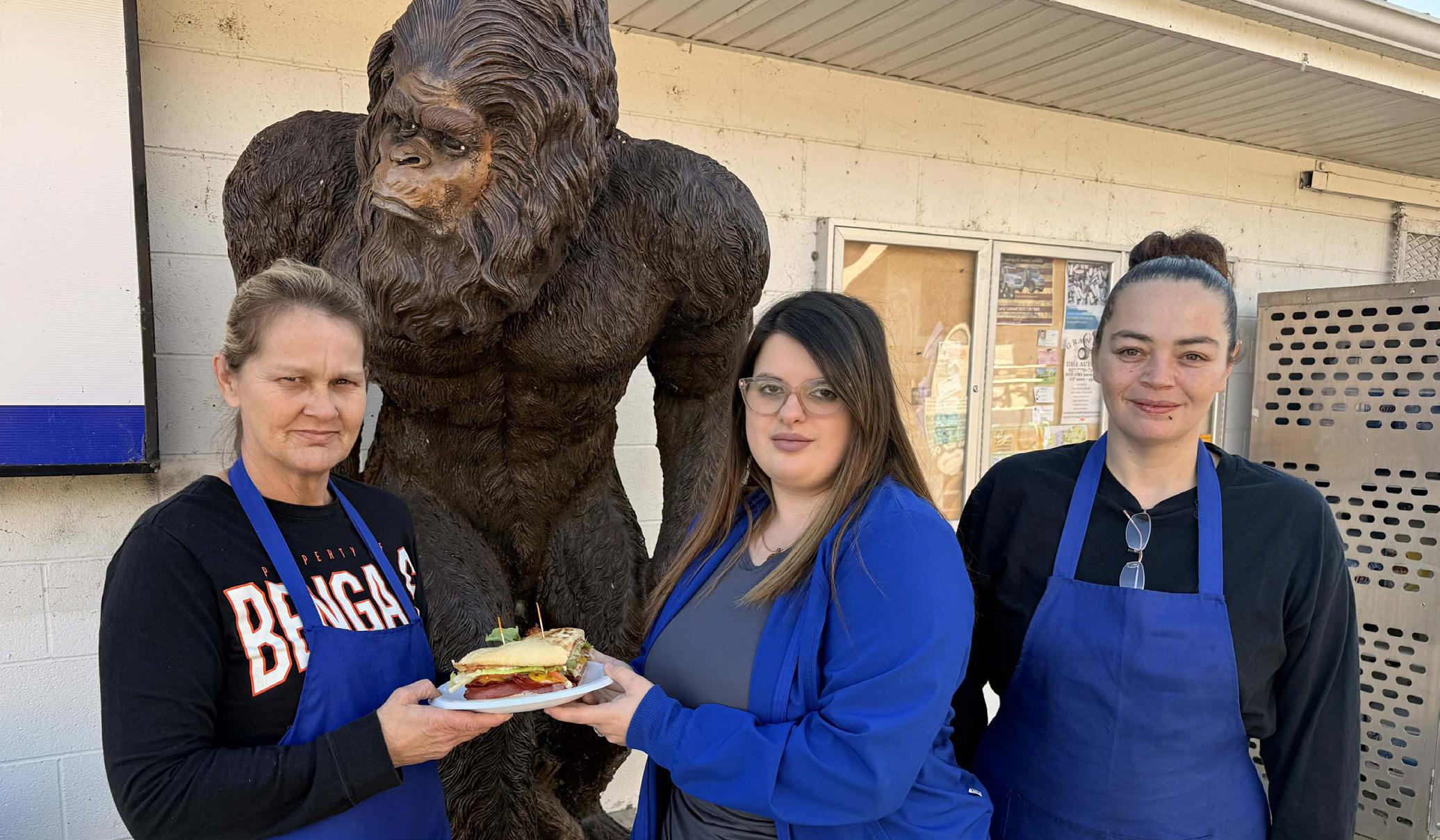
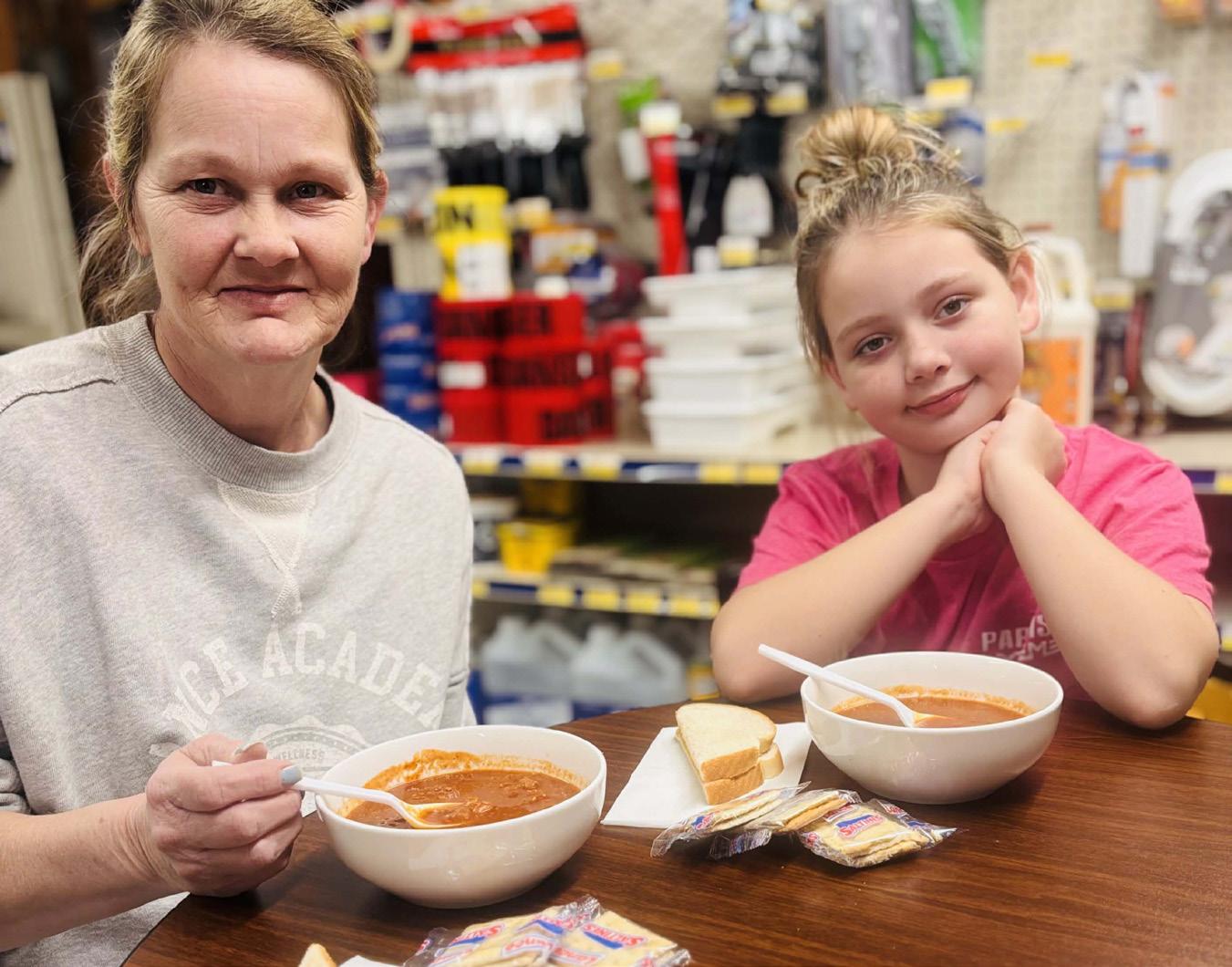
One place you can always find a Bigfoot: The menu at Blue Creek General Store.
The most popular item at the store is the Bigfoot sub. It’s made with seasoned ham, eight strips of bacon, pepperoni, salami and capicola. Then it’s baked in the oven and topped with lettuce, tomatoes, banana peppers, onions and Italian dressing.
“People like to try it. It’s a big sandwich for a good price. You have to be hungry to eat it,” said Patel.
The pizzas are also a bit bigger at the store. A large pizza is 18 inches instead of 16 inches. “Our pizzas are pretty famous,” Patel said.
A standout pizza is the Grippo’s barbecue pizza. Grippo’s is a Cincinnati-based snack food company. “We start with Grippo’s barbecue seasoning, then top it with mozzarella cheese, chicken and add barbecue sauce. When it comes out of the oven, we add crushed Grippo’s chips on the crust.”
Other popular pizzas include the chicken bacon ranch pizza, buffalo chicken pizza and meat lovers pizza.
Chili served with a peanut butter sandwich on the side might be the most unexpected thing on the menu. It’s a combination that is traditional in parts of the Midwest and Appalachia, and it’s a customer favorite at Blue Creek General Store.
“We offer fresh food and always have fresh ideas for the customers,” Patel said.
Shawnee State Park is nearby. “Tourists come to my store. There’s no other store around, just mine,” Patel said. Even though he doesn’t have competition nearby, Patel keeps prices reasonable. “I need to ensure that my year-round customers are taken care of. If they cannot afford the prices, I lose the business. The area has few jobs. So if I want them to keep coming, the prices can’t be too much for their pockets,” he said.
Every time you walk into the store you will find something new, eat something new, try something new.
The store also has a small area for children to play, with canopies and picnic tables. “A lot of people come for picnics. Customers order, go outside and we bring the food to them,” Patel said.
Blue Creek General Store is also a Case knife dealer. “We have them starting at $25, going up to $400. We have about $35,000 to $40,000 worth of knives in stock,” Patel said. The knives make the store a destination for gifts, especially around Christmas.
“We carry hardware, camping items, RV supplies, plumbing, automotive items … we’re like a mini-Walmart,” said Patel. “Every time you walk into the store you will find something new, eat something new, try something new.”
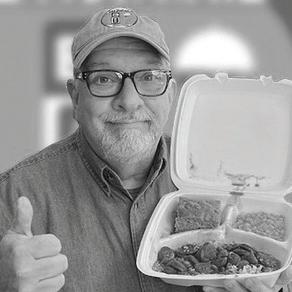
Al Hebert is the Gas Station Gourmet, showcasing America’s hidden culinary treasures. Find him at GasStation Gourmet.com.
CLOSE-UP COLD DISPENSED BEVERAGES
Cold dispensed beverages make up an indispensable category.
BY TERRI ALLAN
The latest data and insights will be shared at the NACS State of the Industry Summit, which takes place in Schaumburg, Illinois, April 14-16.
$3,337
The average gross profit dollar contribution from cold dispensed beverages per store, per month.
Source: NACS State of the Industry Report® of 2024 Data
Soft drinks have been quenching the thirst of U.S. consumers for more than a century. The nation’s oldest soft drink is Vernors Ginger Ale, created in Detroit in 1866 and it is still available from Keurig Dr Pepper. Dr Pepper was invented in Waco, Texas, in 1885; Coca-Cola was formulated in Georgia in 1886, and Pepsi-Cola was born in New Bern, North Carolina, 12 years later.
Fast forward to today. Cold dispensed beverages make up the second largest foodservice category in the industry, barely edging out hot dispensed. The category generated 8.6% of convenience store foodservice sales in 2024.
“In 2024, cold dispensed beverages was the only category to outpace the NACS generated convenience foodservice CPI of 7.8%. It grew sales by 8.9%, a year-over-year sales dollar increase from $5,964 to $6,494 per store, per month,” said Emma Tainter, research analyst and writer for NACS. “Gross profits per store, per month grew from $3,023 to $3,337. Gross margins decreased year over year, but the category still managed a high margin of 51.38%.”
Traditional sodas remain top sellers at the fountain, but Gen Z consumers are redirecting beverage culture with their penchant for personalization, flavor exploration and better-for-you ingredients.
“Not everything on the fountain is sparkling or a soda. We have plenty of brands and flavors represented on the fountain for c-stores,” said Rebecca Johnson, director, dispensed innovation for The Coca-Cola Company. “Top brands are Minute Maid, Vitamin Water, Vitamin Water Zero, Powerade and Hi-C.”
Alongside core fountain staples like Dr Pepper, 7UP, A&W, Canada Dry and Sunkist, “we’re expanding our presence with flavor-forward dispensed innovations that meet rising demand for bolder tastes and customizable beverage experiences,” said Kevin Martello, vice president, foodservice and industry relations at Keurig Dr Pepper. “Dr Pepper Cherry, Dr Pepper Creamy Coconut and Snapple Zero Sugar Peach Tea are performing exceptionally well for our convenience customers. These
$8,000
$7,000
$6,000
$5,000
$4,000
$3,000
$2,000
$1,000
$7,366
Source: NACS CSX Convenience Benchmarking Database
CSX, the engine behind category metrics and NACS State of the Industry data, provides current and customizable tools for financial and operational reporting and analysis in the convenience industry. Retailers can measure their company by any of the myriad metrics generated via our live database.
Contact Chris Rapanick at (703) 518–4253 or crapanick@convenience. org for a complimentary executive walkthrough.
products fuel the rise of mashups, dirty sodas and floats, giving retailers high value, on-trend options that drive variety, excitement and incremental fountain traffic.”
“Dirty sodas are exploding in popularity, as the trend focuses on personalization, indulgence and creating that picture-perfect Instagram-ready beverage,” Johnson said. “Consumers want to make it their own through customization and creating their own experience. This can be as simple adding a cold foam, or it can be more layers like a flavored syrup, a seasoned salt, an add-in like a burstie, candy pieces, dried fruit and a flavor rim or garnish to wrap it up. The options are endless.”
In response, retailers are turning traditional coffee condiment stations into multi-use hot and cold beverage bars.
“Keurig Dr Pepper’s expansive fountain lineup supports this shift, with offerings that serve as versatile bases for mashups and flavor-forward builds,” said Martello. “Looking ahead, demand for bold flavors, frozen hybrids and customizable add-ins will grow as the
fountain evolves into a ‘total premium beverage bar’ experience.”
Impressed by the generous margins of fountain drinks, some retailers are upgrading their beverage bars to enhance their appeal. One example is Oklahoma-based QuikTrip (QT), which began rolling out a proprietary dispensed beverage program last year that is expected to be in all QT stores by summer.
A QSR has on average 8-10 valves available, and c-stores can have 20-30 valves.
Same-Firm Sample, Per Store, Per Month
Source: NACS State of the Industry Report® of 2024 Data
“Our customers will notice exciting upgrades with brand-new equipment designed to deliver even better-tasting drinks,” said Aisha Jefferson, corporate communications manager for QuikTrip. “We’re also expanding our selection so customers can enjoy more flavors, more variety and more reasons to love their favorite stop. QT’s very large selection of self-serve drinks sets us apart, and we’ll continue finding ways to surprise and delight our customers.
The fountain drink machines let customers select from 40 options, including non-carbonated Powerade and the chain’s own proprietary energy drink, Rooster Booster. QT’s tea machine, which won the 2025 Kitchen Innovations award from the National Restaurant Association, brews different teas at the appropriate temperatures to produce the best flavor and avoid staleness. It also features adjustable
QuikTrip’s tea machine won the 2025 Kitchen Innovations award from the National Restaurant Association. It brews different teas at the appropriate temperatures to produce the best flavor.
sweetness levels, plus new options such as a zero-sugar sweetener and lemon and lime flavored add-ins.
And don’t overlook the attraction of colorful, branded cups at the fountain.
“We’ve found that running limitedtime cup designs throughout the year keeps customers excited about what’s coming next,” said Jefferson. “Cups are essentially free mobile advertising. They create buzz and keep QT top of mind. We’re committed to staying competitive in all aspects.”
In January, Parker’s Kitchen, based in Georgia, celebrated the chain’s 50th anniversary with a grand opening celebration at its newest location, a 6,000-plussquare-foot store in Port Wentworth, Georgia. The event also introduced the company’s new made-to-order beverage program from Botrista, a California technology company founded by a former Tesla engineer.
The one-touch system transforms customers into mixologists, allowing
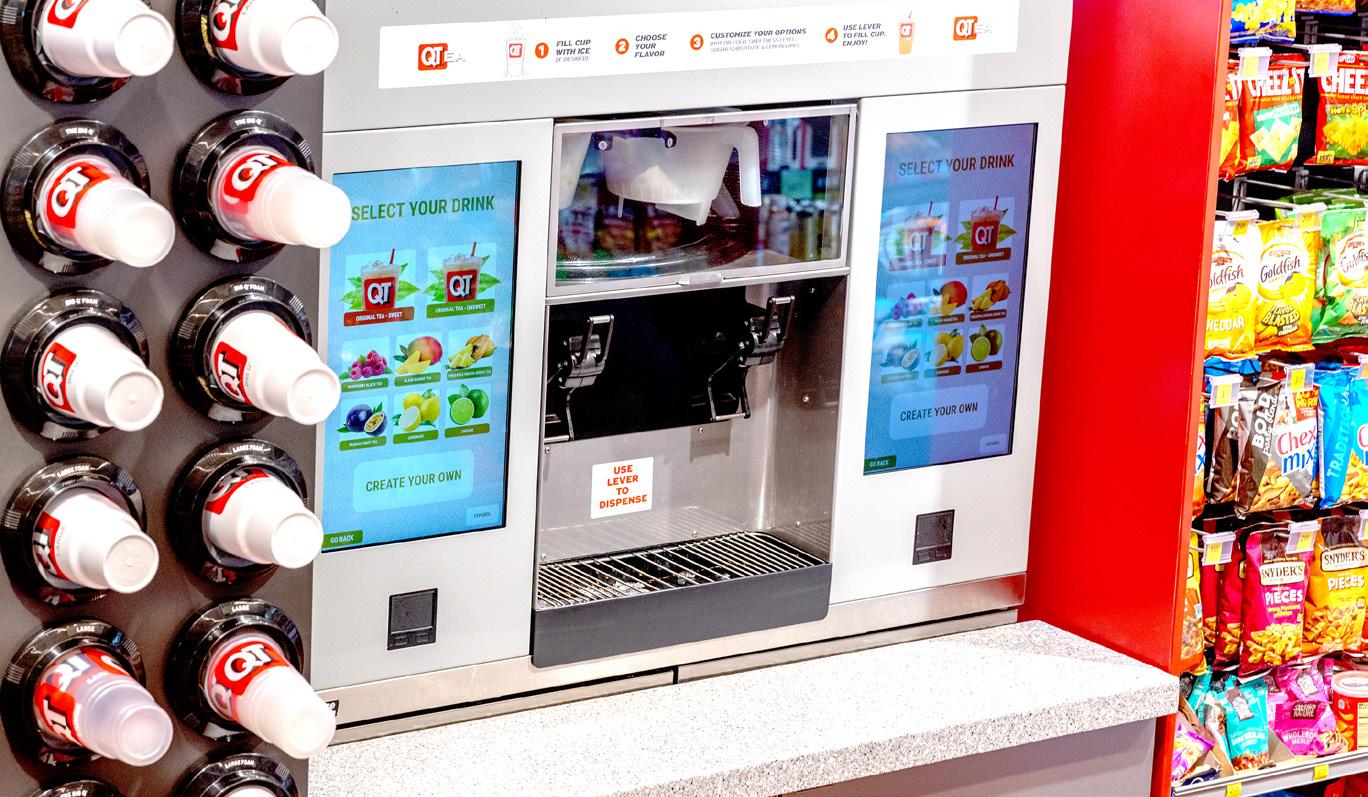
Customer response to QuikTrip’s Brew Bar has been “phenomenal,” said Aisha Jefferson, corporate communications manager for QuikTrip. “This project was a massive team effort spanning QT’s culinary, food science, maintenance, store development, marketing and sales teams, along with key vendor partners.”
68% of consumers say c-stores are just as capable of offering quality cold coffee as fast-food
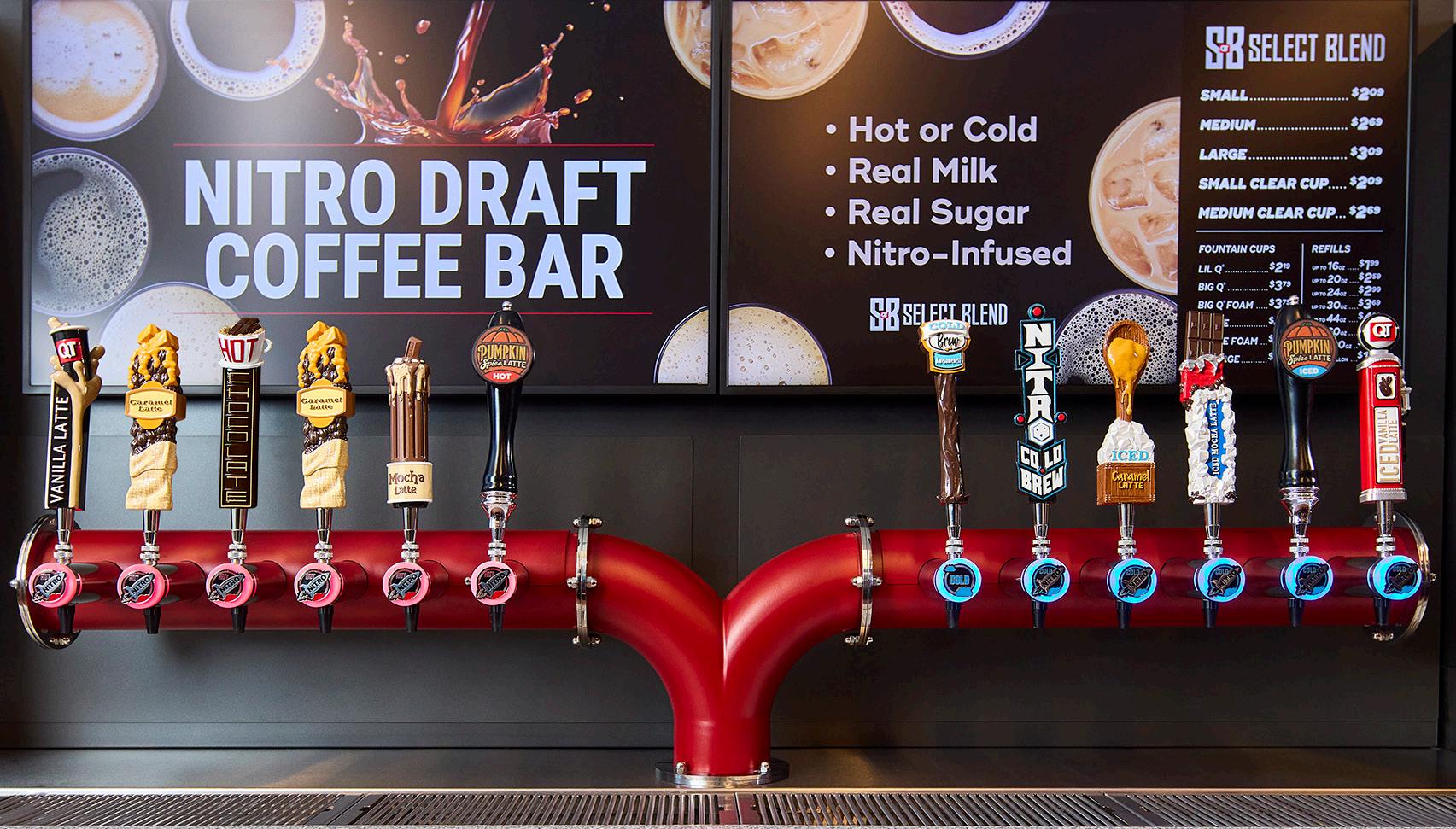
them to create customized iced and frozen coffees, lemonades, boba teas, energy drinks, shakes and smoothies. The dispensing equipment was designed to correctly measure and dispense ingredients, such as plant-based milk, teas, natural flavors and tropical juices, and then whip them into one of 2,000 different drinks that are ready to consume in less than 20 seconds.
“When we examine cold foodservice beverages that consumers say they’re drinking more often over the past two years, we see functional drinks high on the list for Gen Z, millennial and Gen X consumers: boba/bubble tea, cold/iced/blended coffee, kombucha/ shrub, yogurt drinks and smoothies,” said Donna Hood Crecca, senior principal at Technomic. “Additional research shows consumer interest in better-for-you beverages at c-stores, with 23% of consumers saying they expect c-stores to offer healthy dispensed or made-to-order cold and frozen beverages.”
“We do see generational skews for some flavors, such as orange, mango and pineapple being more appealing to Gen Z than to other generations, while black cherry and lemon skew for Boomers,” she said.
Technomic also reports that 61% of c-store patrons say they purchase cold coffee in the channel at least once a month and 36% say they do so at least once a week.
“Interestingly, more consumers rate c-store cold coffee as good or very good on quality, value, selection and uniqueness than say the same of cold coffee offerings in QSRs,” Crecca noted. “Also, 68% of consumers say c-stores are just as capable of offering quality cold coffee as fast-food restaurants and coffee shops, and 58% say it’s a better value at c-stores than at other foodservice locations.”
Having the right flavors and add-ins is important to maintaining a successful beverage bar, but there are other steps retailers can take to make their outlets the best place for consumers to find refreshment.
Variety remains important. According to Food Business News, 75% of Gen Z and millennial consumers will modify their drinks if given the option, and 44% of adults try a new beverage at least once a month. Datassential reports that more than a third of consumers—and half of Gen Zs—look forward to drinking LTOs, and seasonal beverages are particularly appealing to women. In fact, more than a quarter of women surveyed would be
more motivated to try a new beverage if it featured seasonal flavors.
“Make the fountain highly visible by placing it in high-traffic zones and prominently featuring a variety of flavors and LTOs,” said Martello. “Keep customization at the center by offering syrups, sweet creams, toppings and other add-ins. This approach, coupled with consistent availability and simple promotions and rewards, helps drive repeat visits and loyalty—making your store the go-to daily drink stop.”
Meal deals have long been a staple of c-store foodservice, and with today’s economic uncertainty, they are even more important now. Plus, bundles are a
proven way to encourage shoppers to try new products.
When it comes to fountain drinks, convenience retailers have some advantages over other foodservice operators.
“The c-store channel is unique in the sense of the amount of fountain valves they have in their stores versus a typical QSR,” said Johnson. “A QSR has on average 8-10 valves available, and c-stores can have 20-30 valves. So, there’s a lot more space to experiment with innovation and test out different options for their guests. Outlets should dedicate a valve or two for testing and bring in a rotational LTO.”
Altria Group Distribution Company Inside Front Cover AGDCTradeRelations@Altria.com www.altria.com www.tobaccoissues.com
BIC Corporation 82 www.us.bic.com/en_us
The Boston Beer Company 19 www.bostonbeer.com
CHS Inc. / Cenex 21 www.cenex.com
Chyl Brand LLC
(404) 642-4967 www.getchyl.com
Conexxus 69 www.conexxus.org
Continental Refrigerator 45 www.continentalrefrigerator.com Cool New Products Guide 82-85 www.convenience.org/Media/NACS-Magazine/Cool-New-Products
Diageo Beer Company USA 47 www.diageo.com
Gold Medal Products Company 13 www.gmpopcorn.com
Good Times USA LLC
55 www.goodtimestobacco.com
Goya Foods, Inc. 49 www.goya.com/en
www.iddba.org
Johnsonville Sausage Co.
“One example where we can assist is looking at base products, such as lemonade, and creating unique recipes based on what is already currently in a retailer’s pantry or back of house,” she said. “We’re focused on operational efficiencies in this channel and love exploring creative work arounds to partner together and bring a beverage or program to life collectively.”

Terri Allan is a New Jersey-based freelance writer, specializing in consumer products and retail channels. She can be reached at terri4beer@aol.com.
Thank you to these advertisers who have demonstrated their support of the convenience and fuel retailing industry by investing in NACS Magazine.
www.johnsonville.com JTI LIGGETT LLC 41 www.jti.com
Kretek International
www.kretek.com Krispy Krunchy Foods, LLC
www.krispykrunchy.com Mars Wrigley
www.mars.com
McLane Company, Inc.
Back Cover (254) 771-7500 www.mclaneco.com
Monster Energy Company
83 www.monsterenergy.com
Morrison Cup Solutions 84 www.morrisoncup.com
NACS Convenience Summit Europe 2026 59 www.convenience.org/events/GlobalEvents/Convenience-Summit-Europe
more motivated to try a new beverage if it featured seasonal flavors.
“Make the fountain highly visible by placing it in high-traffic zones and prominently featuring a variety of flavors and LTOs,” said Martello. “Keep customization at the center by offering syrups, sweet creams, toppings and other add-ins. This approach, coupled with consistent availability and simple promotions and rewards, helps drive repeat visits and loyalty—making your store the go-to daily drink stop.”
Meal deals have long been a staple of c-store foodservice, and with today’s economic uncertainty, they are even more important now. Plus, bundles are a
proven way to encourage shoppers to try new products.
When it comes to fountain drinks, convenience retailers have some advantages over other foodservice operators.
“The c-store channel is unique in the sense of the amount of fountain valves they have in their stores versus a typical QSR,” said Johnson. “A QSR has on average 8-10 valves available, and c-stores can have 20-30 valves. So, there’s a lot more space to experiment with innovation and test out different options for their guests. Outlets should dedicate a valve or two for testing and bring in a rotational LTO.”
Altria Group Distribution Company Inside Front Cover AGDCTradeRelations@Altria.com www.altria.com www.tobaccoissues.com
BIC Corporation 82 www.us.bic.com/en_us
The Boston Beer Company
www.bostonbeer.com
Chyl Brand LLC
(404) 642-4967 www.getchyl.com
Conexxus
www.conexxus.org
Continental Refrigerator
www.continentalrefrigerator.com
Cool New Products Guide
www.convenience.org/Media/NACS-Magazine/Cool-New-Products
Diageo Beer Company USA
www.diageo.com
Gold Medal Products Company
www.gmpopcorn.com
Good Times USA LLC
www.goodtimestobacco.com
Goya Foods, Inc.
www.goya.com/en
International Dairy Deli Bakery Association
www.iddba.org
“One example where we can assist is looking at base products, such as lemonade, and creating unique recipes based on what is already currently in a retailer’s pantry or back of house,” she said. “We’re focused on operational efficiencies in this channel and love exploring creative work arounds to partner together and bring a beverage or program to life collectively.”
Terri Allan is a New Jersey-based freelance writer, specializing in consumer products and retail channels. She can be reached at terri4beer@aol.com.
Thank you to these advertisers who have demonstrated their support of the convenience and fuel retailing industry by investing in NACS Magazine.
Johnsonville Sausage Co.
www.johnsonville.com JTI LIGGETT LLC
www.jti.com
Kretek International Inside Back Cover www.kretek.com
Krispy Krunchy Foods, LLC
www.krispykrunchy.com
Mars Wrigley 37 www.mars.com
McLane Company, Inc. 9, Back Cover (254) 771-7500 www.mclaneco.com
Monster Energy Company
www.monsterenergy.com Morrison Cup Solutions
www.morrisoncup.com
NACS Convenience Summit Europe 2026 59 www.convenience.org/events/GlobalEvents/Convenience-Summit-Europe
NACS Executive Education Programs
$8,000
$7,000
$6,000
$5,000
$4,000
$3,000
$2,000
$1,000 0
Sales of cigarettes still dwarf sales of OTP, with cigarettes bringing in $48,037 per store, per month while OTP brings in $19,663 according to the NACS State of the Industry Report® of 2024 Data. However, the two categories have widely different margins: 13.76% for cigarettes and 29.50% for OTP.
The chart shows how the gap between their gross profit per store, per month, is closing. If the trend lines hold, OTP will generate more gross profit than cigarettes next year.
Join your peers at the NACS State of the Industry Summit in Schaumburg, Illinois, April 14-16, for the latest industry data and insights.
8.7%
The year-over-year increase in the gross profit from OTP between 2023 and 2024.
Source: NACS State of the Industry Report® of 2024 Data
Source: NACS CSX Convenience Benchmarking Database
2.2% The year-over-year increase in the gross profit from cigarettes between 2023 and 2024.
Source: NACS State of the Industry Report® of 2024 Data