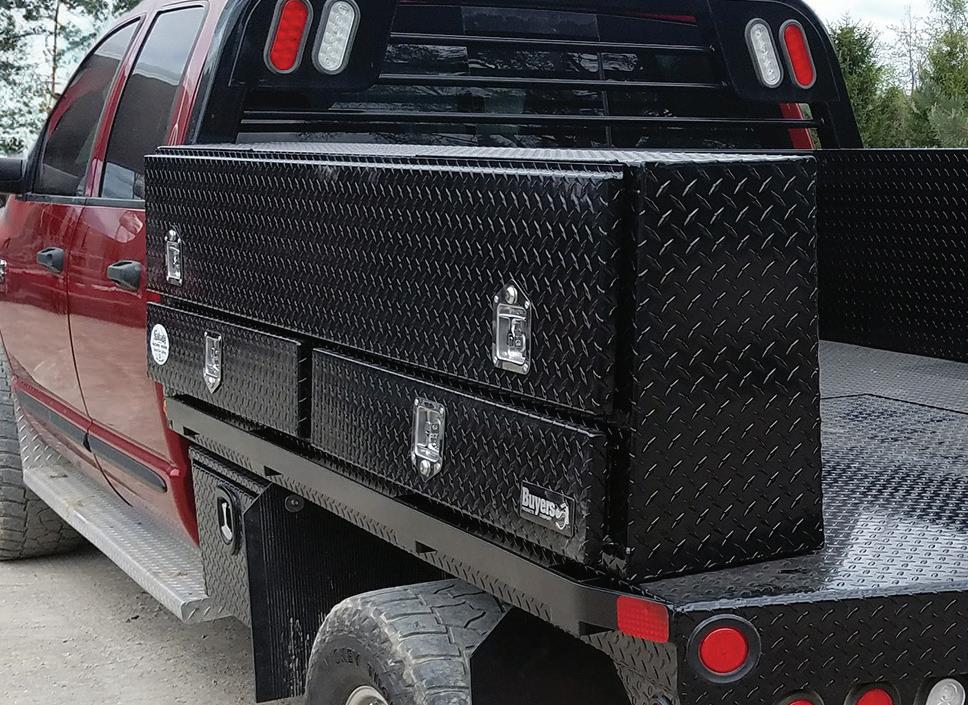
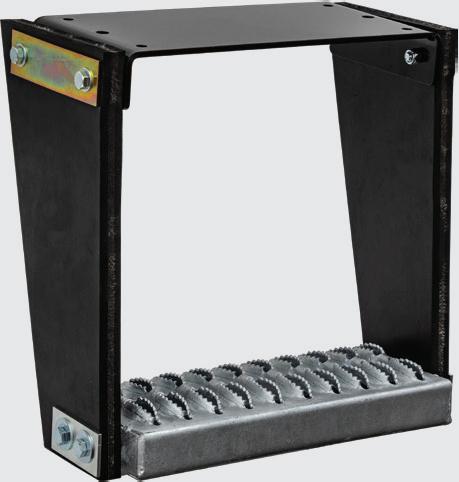
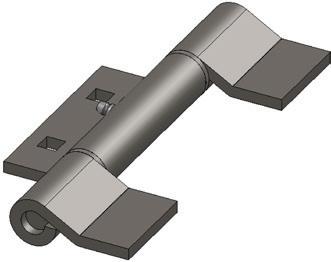
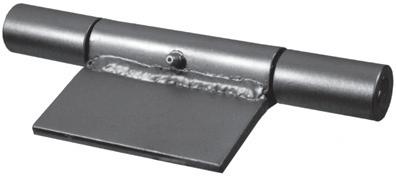
Shut out weather and theft with locking, stainless steel compression latches. Available in Gloss Black, Matte Black, or Unpainted finish.
Mounting bracket can be welded or bolted on for versatile installation. Designed for mechanic trucks and utility vehicles.
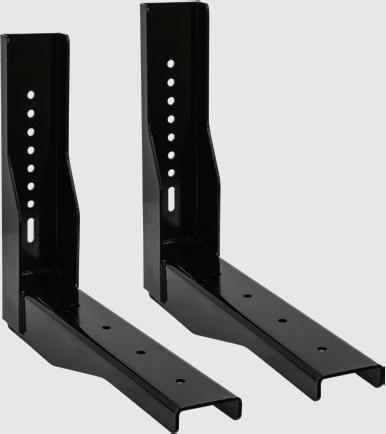
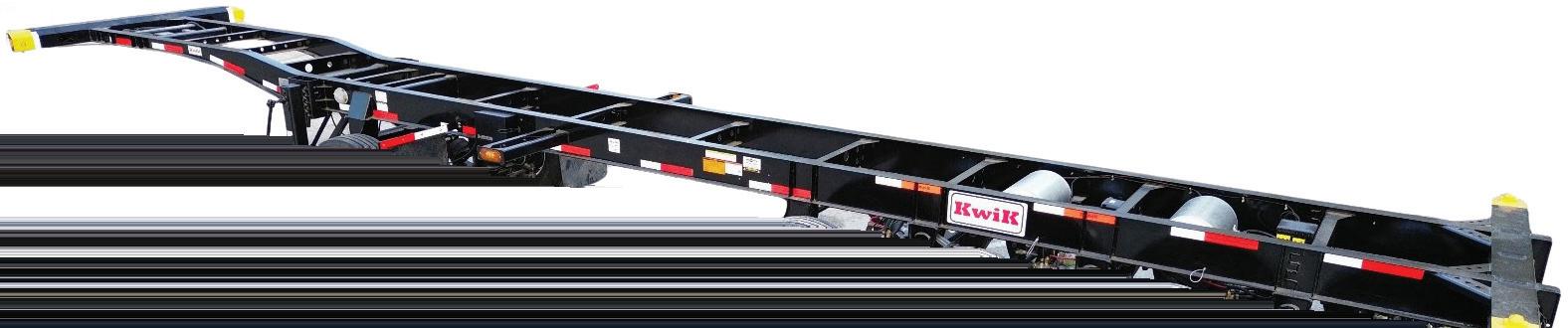
RUGGED STEEL BRACKETS DESIGNED FOR USE WITH ANY BRAND UNDERBODY OR UNDERBED TRUCK TOOL BOX
Universal hole and slot pattern for easier installation. Corrosion-resistant gloss black powder-coated finish.
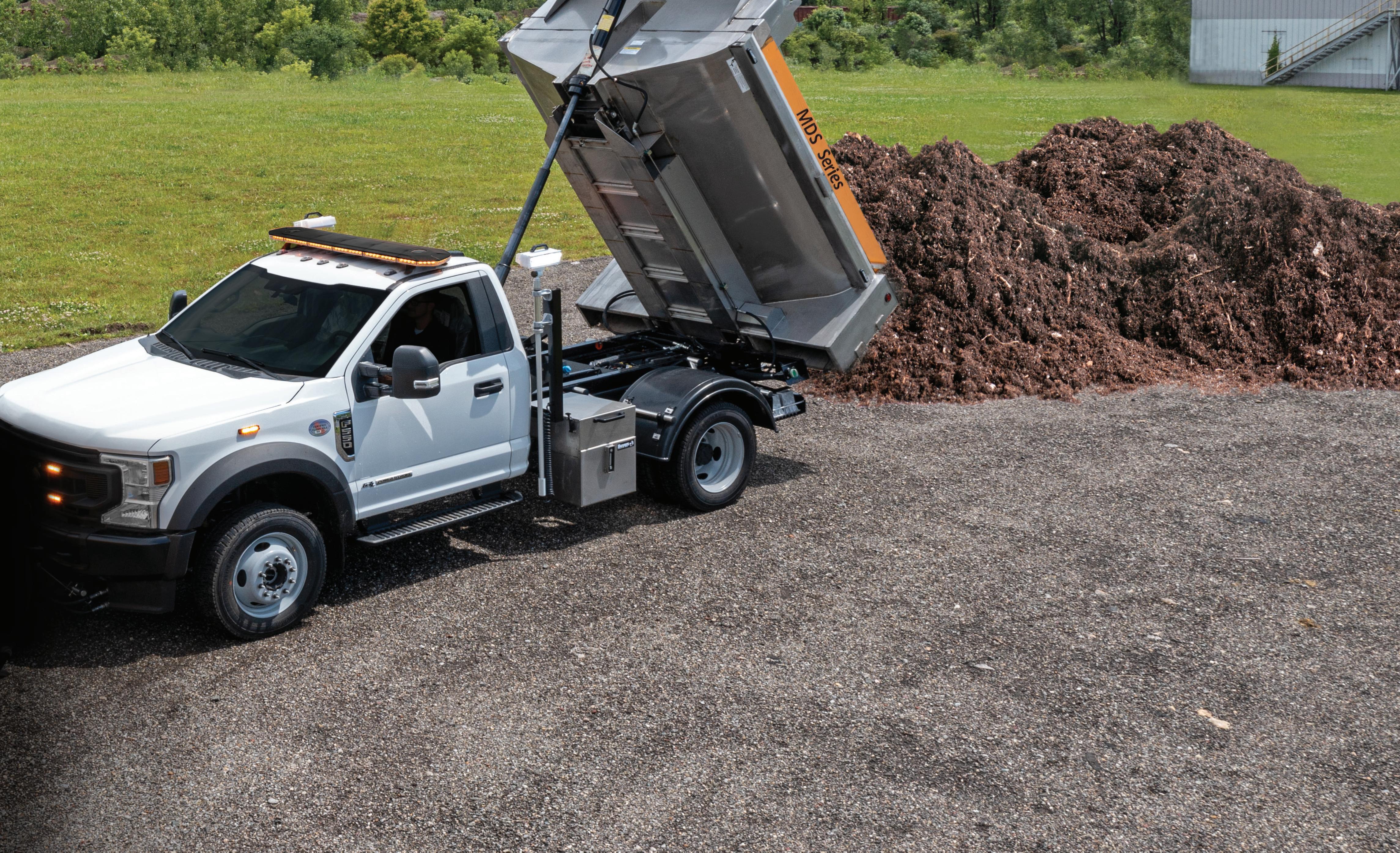
SaltDogg® Municipal Dump Spreader Series ready for All-Season Use
Wide Range of Polymer Fenders & Accessories
FENDERS
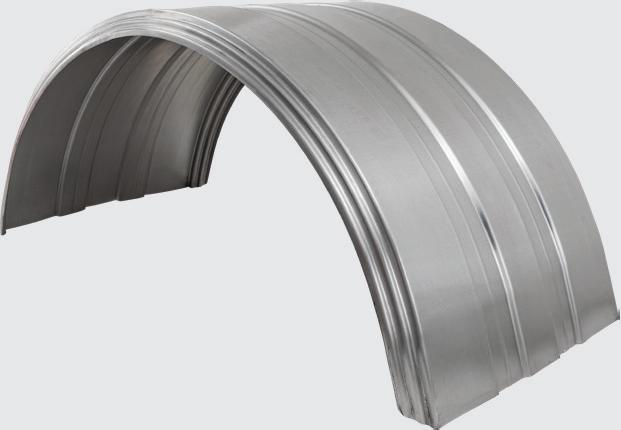
FULL RADIUS DESIGN WITH RIBBED STIFFENERS FOR ADDED STRENGTH
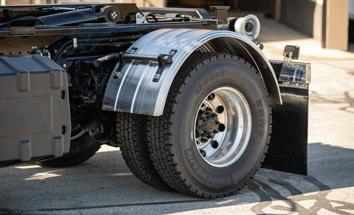
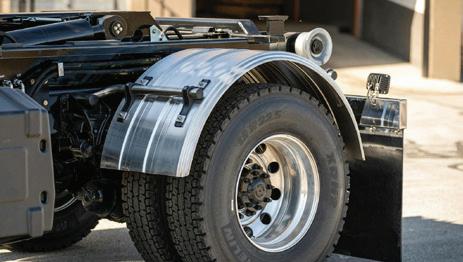
Three different sizes for wheels 19.5" - 24.5". Enhances the truck's appearance while offering a durable, corrosion-resistant finish.
LOW PROFILE COMBINATION REAR LIGHT WITH STROBE
FEATURING STOP, TURN, TAIL, BACKUP, AND STROBE FUNCTIONALITY
Includes 80 Red and 11 Clear LEDs. Surface mount with two studs. Ideal for flatbeds, dump bodies, service body trucks, and more.
LED MULTI-MOUNT MINI LIGHT BARS SAE J845 CLASS 1 AND IP66 RATED 16-Inch Light Bars feature 60 LEDs and 10 adjustable flash patterns. Available in Amber, Amber/Clear, and Amber/Green.
Industry Milestone
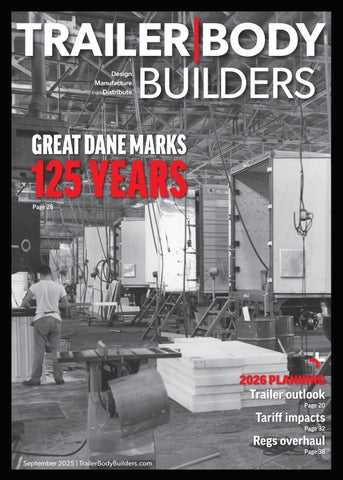
Great work, Great Dane
From blowpipes to smart trailers, the company’s historic 125-year journey is marked by innovation, resilience, and human connection
20 Wait ’til next year—again A recovery in the freight market, and equipment demand, remains just over the horizon
32 Steel, aluminum for trailers tagged with 50% tari ‘Policy by tweet and at’ continues to add uncertainty to market
32 Tari s timeline
For trucking, the ever-changing trade policy often means one step forward, two steps back
38 Reg rollbacks far reaching for CVs, trucking Regulations, apparently, are like the weather: If you don’t like them, stick around—they’ll change
Trailer|Body Builders
Market Leader
Commercial Vehicle Group – Dyanna Hurley dhurley@endeavorb2b.com
Editorial Director – Kevin Jones kjones@endeavorb2b.com
Senior Editor – Jason McDaniel jmcdaniel@endeavorb2b.com
Associate Editor – Alex Keenan akeenan@endeavorb2b.com
Marketing/Advertising – Dan Elm delm@endeavorb2b.com
Art Director – Jennifer Dakas jdakas@endeavorb2b.com
Directories/Listings – Maria Singletary msingletary@endeavorb2b.com
Audience Development Manager – Laura Moulton lmoulton@endeavorb2b.com
Endeavor Business Media, LLC
CEO Chris Ferrell
COO Patrick Rains
CRO Paul Andrews
CDO Jacquie Niemiec
CALO Tracy Kane
CMO Amanda Landsaw
EVP Transportation Group Chris Messer VP of Content Strategy, Transportation Group Josh Fisher
TRAILER|BODY BUILDERS (USPS Permit 636660, ISSN 0041-0772 print, ISSN 2771-7542 online) Volume 66 Issue 11, is published monthly by Endeavor Business Media, LLC. 201 N Main St 5th Floor, Fort Atkinson, WI 53538. Periodicals postage paid at Fort Atkinson, WI, and additional mailing offices. POSTMASTER: Send address changes to Trailer/ Body Builders, PO Box 3257, Northbrook, IL 60065-3257. SUBSCRIPTIONS: Publisher reserves the right to reject nonqualified subscriptions. Subscription prices: U.S. ($79 per year); Canada/Mexico ($79 per year); All other countries ($157 per year). All subscriptions are payable in U.S. funds. Send subscription inquiries to Trailer/Body Builders, PO Box 3257, Northbrook, IL 60065-3257. Customer service can be reached toll-free at 877-382-9187 or at trailerbodybuilders@ omeda.com for magazine subscription assistance or questions. Printed in the USA. Copyright 2025 Endeavor Business Media, LLC. All rights reserved. No part of this publication may be reproduced or transmitted in any form or by any means, electronic or mechanical, including photocopies, recordings, or any information storage or retrieval system without permission from the publisher. Endeavor Business Media, LLC does not assume and hereby disclaims any liability to any person or company for any loss or damage caused by errors or omissions in the material herein, regardless of whether such errors result from negligence, accident, or any other cause whatsoever. The views and opinions in the articles herein are not to be taken as official expressions of the publishers, unless so stated. The publishers do not warrant either expressly or by implication, the factual accuracy of the articles herein, nor do they so warrant any views or opinions by the authors of said articles.
A new industry podcast is here to keep you up to date with news, regulations, and more Trailer-BodyBuilders.com/55312640
Recent recalls: Altec, Heil, and Ram CVs flagged
Over 4,000 trucks recalled, including Altec utility vehicles, Heil garbage trucks, and Ram pickups Trailer-BodyBuilders.com/55312660
Online
Tariff pressures, market volatility impact U.S. trailer demand Trailer-BodyBuilders.com/ 55312018
Buyers Products introduces aluminum fenders for heavy duty applications
Trailer-BodyBuilders.com/ 55312671
Read the digital edition online at Trailer-BodyBuilders.com/magazine/78144
Endeavor CV Group
NHTSA NEWS
Planning (not ) made easy
Strategic thinking is even more critical in a turbulent trade and regulatory environment
Kevin Jones Editor
linkedin.com/company/ trailer-body-builders
The September magazine is traditionally TBB’s planning issue. This year, I must say, good luck with that.
I wrote here several months ago that I was tired of writing about uncertainty. It’s lousy for businesses because uncertainty makes planning hard; it’s embarrassing for a journalist because the job is to find answers.
So we’ve tried, by doing what we always do: Ask the experts. The equipment market outlook story, on Page 20, is based on presentations by analysts during the recent “Market Vitals” conference, organized by ACT Research.
Unfortunately, as ACT President & Senior Analyst Ken Vieth joked at one point, it’s a good thing they weren’t playing a drinking game based on how many times someone said the word “uncertainty.”
Also on hand for the event was Hyundai Translead CEO Sean Kenney, who participated in the OEM panel.
“At the beginning of the year there was a true level of optimism. There was evidence that things were starting to turn,” Kenney said. “And, for the first time, we were actually hearing a collection of these customers saying we’re building for a second half. We think it’s going to be really strong this year.”
That was January, but when the tariffs were first announced in February, “it stopped,” Kenney added.
“It’s not that customers are overly pessimistic, they just don’t know because it’s been so uncertain, with things starting and stopping,” he said. “So to plan their business is really, really difficult.”
The ACT Research conference comes just days after the Trump administration announced an expansion of Section 232 tariffs, with trailers being included in the list for a 50% tariff on steel and aluminum. (See the latest tariff news and timeline on Page 32.)
For manufacturers, the impact of tariffs is direct and can be factored into pricing decisions. For fleets, the impacts are much more broad, and even indirect, as Kenney explained.
“About everything they touch is being impacted by tariffs,” Kenney said. “So as complicated a world as it is for us, as an OEM, you start to take a different perspective when you think about somebody who has to run a large fleet, or a large leasing operation. I would be looking for consistency of story,
consistency of pricing, consistency of understanding across all of the different products I buy. It’s a very, very challenging environment.”
Kenney and Hyundai Translead are being hit with a trade-policy double whammy.
On July 29, the U.S. Department of Commerce released its preliminary finding that the governments of Mexico and Thailand subsidize their chassis industries. Affirmative preliminary countervailing duty rates were set at 133% on imports from Mexico; and 2%, 8%, or 9% on imports from Thailand, depending on the producer. The U.S. Chassis Manufacturers Coalition, which includes Stoughton Trailers and Cheetah Chassis Corp., sought the investigation.
HT’s manufacturing facility is in Mexico, and Kenney called the preliminary rate “just outrageous.”
“I don’t think anybody overnight is going to pay 133% duty for the same product they had the day before,” he said. “So it presents a real operational challenge on what to do.”
And what did they do?
“We had a pretty healthy order book,” Kenney said. “We built the rest of what we had, and we closed down the line. We canceled the remaining backlog. You can’t build something like that, with that kind of tariff, and absorb it.”
The good news: Kenney reported that customers have been “absolutely fantastic, empathetic, and sympathetic to the plight, and worked with us very well.”
Along with the equipment forecast and tariff updates, the third leg of our 2026 planning stool focuses on the Trump Administration’s far-reaching deregulation initiatives. (See the story on Page 38.)
But as I write this on press deadline, the stories are already out of date. At the end of August the State Department moved to block work visas for foreign truck drivers; the EPA is proposing to disapprove California’s truck inspection and maintenance requirements for out-of-state vehicles; and the DOT wants to withhold federal highway funding from states that don’t enforce English Language Proficiency standards for truckers. And a federal court ruled many of the new tariffs are illegal.
Planning might be hard, but not planning is hardly an option. So stay tuned. TBB
@trailerbb
BUILT TOUGHER. DUMP TRUCK BODIES THAT WORK HARDER.
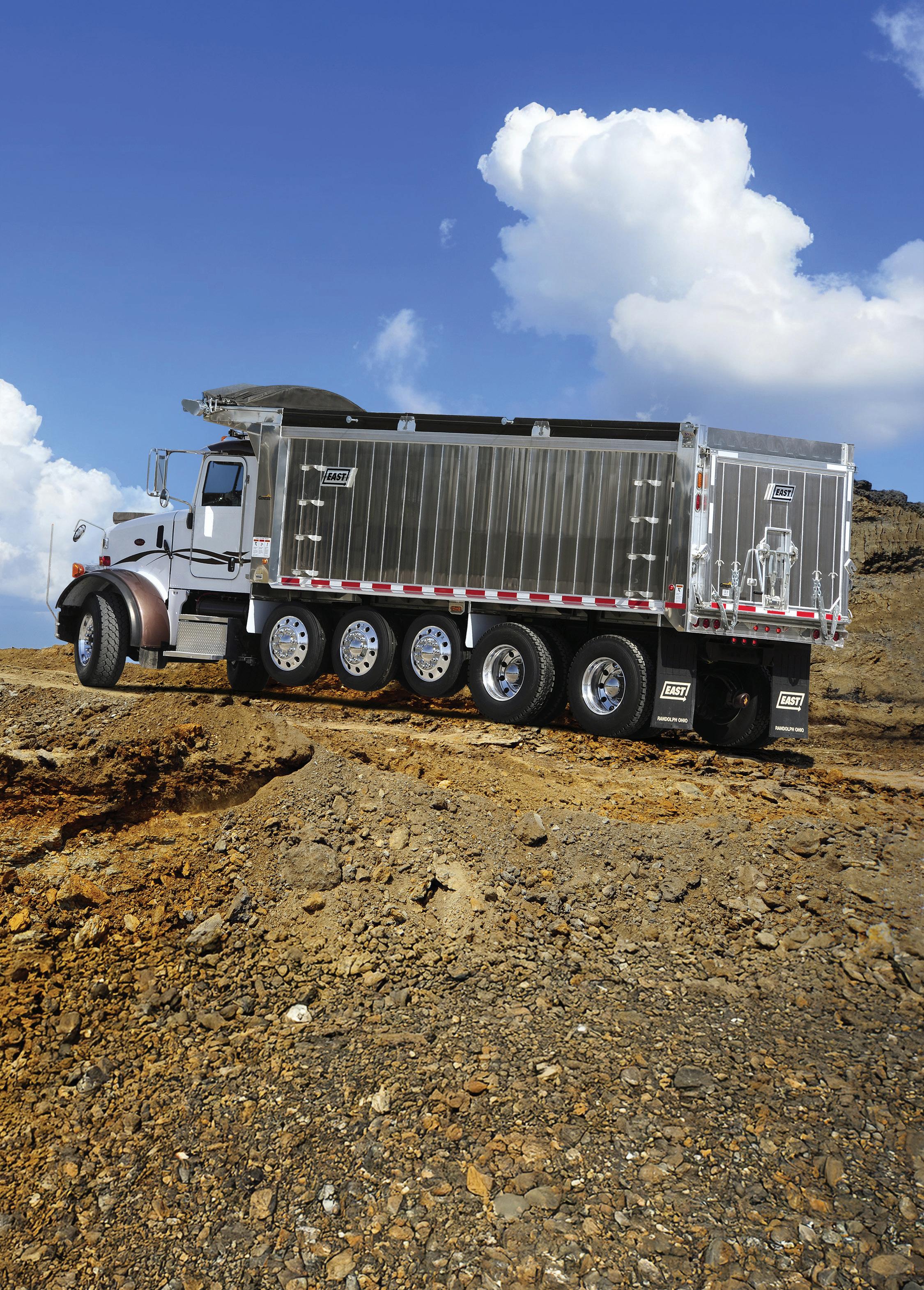
Designed for durability and uptime, East Aluminum Truck Dump Bodies are built for one purpose—to keep you working longer, hauling more and maximizing profit.
The Genesis® design features interlocking box-wall construction for unmatched strength, reducing deflection and cracking. Robotic vertical welds boost structural integrity and resist bowing and corrosion, while a double shoe hinge design adds dumping stability.
Whether you need a specific axle configuration or a custom body length, East builds to your exact specs. From light hauling to the most demanding truck applications, East aluminum dump bodies are built to outperform—and outlast—the competition.
Commercial Vehicle Market Analysis, highlighting continued strength in the new commercial vehicle market and its ripple effects across the used-equipment sector. With inventory level stabilization, the commercial vehicle ecosystem is showing signs of healthy alignment—as robust new vehicle sales are beginning to replenish used inventory and drive movement across both segments, according to the survey.
Truck, van markets
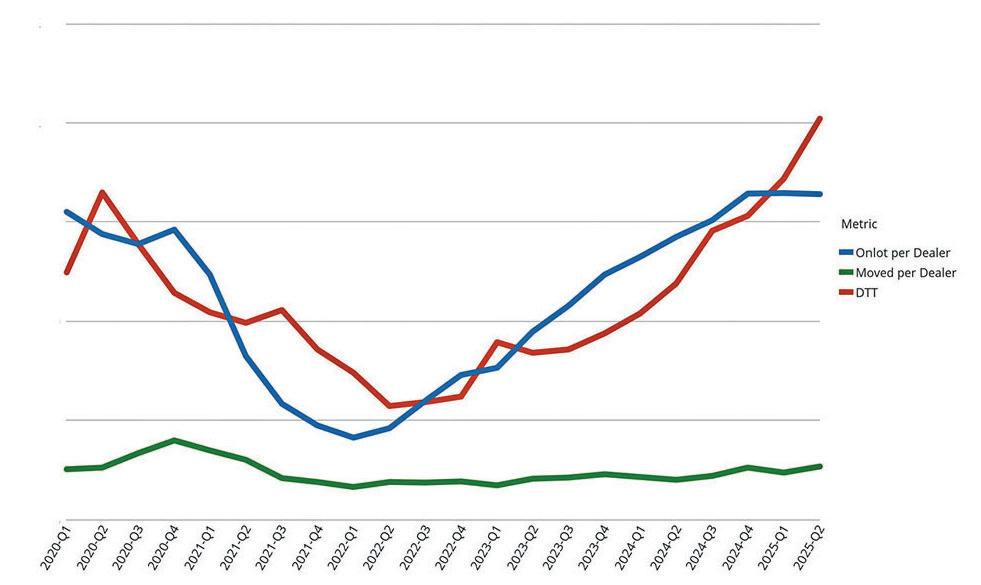
New vehicle pricing continued its gradual rise, with the average final price increasing by 0.4% quarter-overquarter and 0.3% year-over-year to $59,842. On-lot inventory per dealer dipped slightly from Q1 (down 0.6%) but remains significantly higher year-over-year (up 14.7%).
Sales activity picked up, with units moved per dealer rising 12.5% from Q1 and 35.0% year-over-year, reflecting operational demand, as well as a likely number of pull-
New Work Trucks and Vans Inventory Metrics
ahead sales due to tariff concerns, WTS reported. Still, Days-to-Turn rose again—up 17.4% from the previous quarter and 69.7% compared to Q2 2024—revealing slower commercial vehicle inventory turns despite higher sales as pockets of inventory remain mismatched to their market demand.
Used market
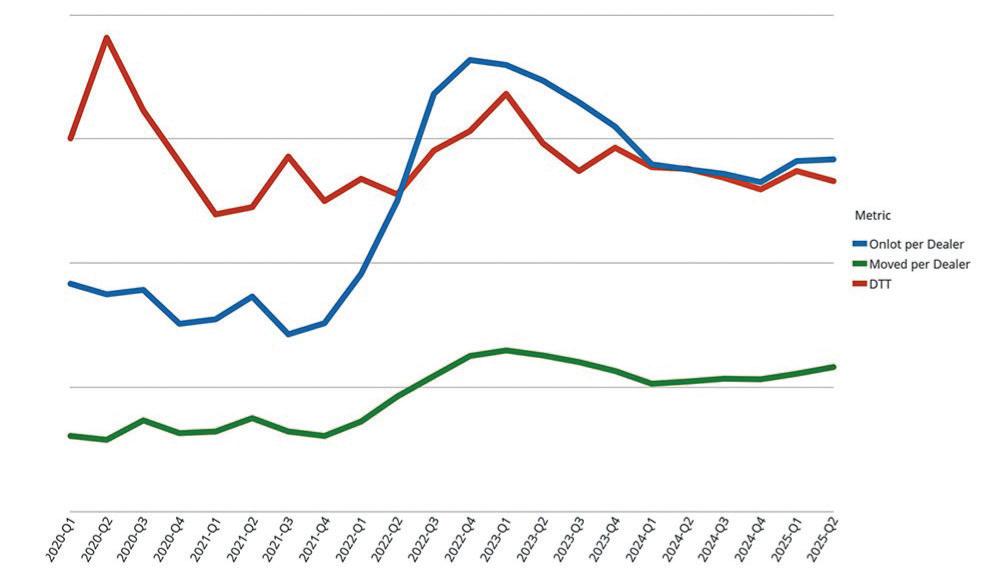
Used vehicle pricing continued to soften, falling 1.7% from Q1 and 2.9% year-over-year to an average final price of $34,456. Used inventory per dealer remained nearly flat compared to the first quarter of the year, after dipping in the final two quarters of 2024, while sales ticked upward by 4.5% QoQ and 10.5% YoY. Despite an anomalous uptick in Q1 2025, DTT, as expected, continued to decline overall, dropping 5.6% YoY.
Median mileage of used commercial trucks and vans dropped 10.8% for the quarter, but is still up 5.1% YoY. The quarterly drop in mileage is likely a result of more businesses trading in fleet vehicles in general, and doing so earlier than during the “pandemic era” when onlot inventories were dramatically impacted by supply challenges, the survey noted.
Commercial EV markets
Used Work Trucks and Vans Inventory Metrics
New commercial battery electric and hybrid vehicle pricing saw a substantial uptick, with new prices rising 1.8% QoQ and 19.1% YoY to an average of $57,513. Conversely, used commercial vehicle prices in this segment fell 0.64% QoQ and 3.7% YoY.
As more alternative fuel vehicles come into the market, Work Truck Solutions will offer further insights into the commercial BEV/HEV sector, the report noted.
Industry perspective
“Although sales across most body types remain strong, the continued rise in new vehicle Days-to-Turn tells an important story,” said Aaron Johnson, CEO of Work Truck Solutions. “While not a slowdown, there are more vehicles on the lot, more choices for buyers, and more competition among commercial vehicle dealers.”
Johnson continued, saying, “For dealerships, this means the landscape is shifting. Success will hinge on how well they differentiate and adapt—whether through pricing strategies, inventory mix, digital merchandising, or more likely, a combination of all of these. The same tools that helped dealers thrive during leaner inventory times are at least as essential, if not more so, in an environment of increased competition. Visibility, agility, and customer engagement aren’t just advantages—they’re requirements.”
Work Truck Week announces 2026 dates
Work Truck Week 2026 returns to the Indiana Convention Center in Indianapolis March 10–13, 2026.
More than a trade show, Work Truck Week encompasses The Work Truck Show, Green Truck Summit, NTEA Annual Meeting, Work Truck Week Ride & Drive, educational programs, and more. Green Truck Summit runs on March 10, educational sessions on March 10–12, and Work Truck Show exhibits on March 11–13.
Produced annually by NTEA – The Work Truck Association, Work Truck Week provides fleet operators, distributors and upfitters, transportation managers, and other work truck professionals with opportunities to explore the latest chassis, truck bodies, and industry innovations; learn about vehicle regulations and fleet sustainability options; and connect with other industry professionals and companies.
Heavy Duty Aftermarket Dialogue 2026: insights, trends, and strategies
MEMA Aftermarket Suppliers, in partnership with MacKay & Company, have set the program for the return of Heavy Duty Aftermarket Dialogue—billed as the premier full-day conference for the commercial vehicle aftermarket. The 2026 edition of the event will be held on Monday, Jan. 19, 2026, at the Gaylord Texan Resort & Convention Center in Grapevine, Texas, just ahead of the opening of Heavy Duty Aftermarket Week.
HDAD 2026 will bring together top executives, analysts, and thought leaders for in-depth discussions on the evolving state of the heavy duty aftermarket. The event will deliver timely, actionable insights into the economic, technological, and regulatory forces shaping the industry— all in a single day of high-value programming.
What to expect at HDAD 2026:
• Updated parts forecasts and long-range economic outlooks for 2026 and beyond
• Real-world analyses of various aftermarket challenges and opportunities
• Fleet, OEM, dealer, distributor, and supplier voices from across the channel
NTEA – The Work Truck Association
VAN SLIDER
• A new edition of “Talk from the Top”—unfiltered, voice-ofthe-customer insights from senior leaders
• New industry survey findings from MEMA and MacKay & Company
• Timely discussions on digital transformation, data quality, and global disruptions
• The return of the popular Fleet Panel with fresh perspectives and insights.
“This event has become a critical touchpoint for commercial vehicle suppliers to gain perspective and prepare for what’s coming,” said Shannon O’Brien, senior director, commercial vehicle aftermarket at MEMA Aftermarket Suppliers. “HDAD continues to grow as a forum for real conversations about market dynamics, customer needs, and the strategies that will define our industry’s future.”
MacKay & Company’s signature Aftermarket Industry Economy & Outlook session will once again anchor the agenda, providing the latest macroeconomic indicators and heavy-duty aftermarket trends. Additional sessions and speaker announcements will be shared in the coming weeks.
“Dialogue is where forward-thinking leaders go to connect the dots and make sense of the fast-changing aftermarket landscape,” said John Blodgett, vice president of sales and marketing at MacKay & Company. “We’re proud
to continue our partnership with MEMA and deliver content that’s both data-driven and decision-focused.”
Early bird registration is now open, with volume discounts available. Don’t miss this opportunity to gain the insights and connections that will drive your business forward in 2026 and beyond.
To learn more and register, visit hdadconference.org
by
HOLD TIGHT, ADVENTURE AWAITS
When it comes to securing lighter loads, choosing the right equipment still matters. Kinedyne’s light and medium duty products are built with the same attention to quality reliability, and performance that define our brand.
Whether for day-to-day operations or specialized applications, these solutions offer consistent strength and lasting value—backed by a name trusted across the cargo control industry.
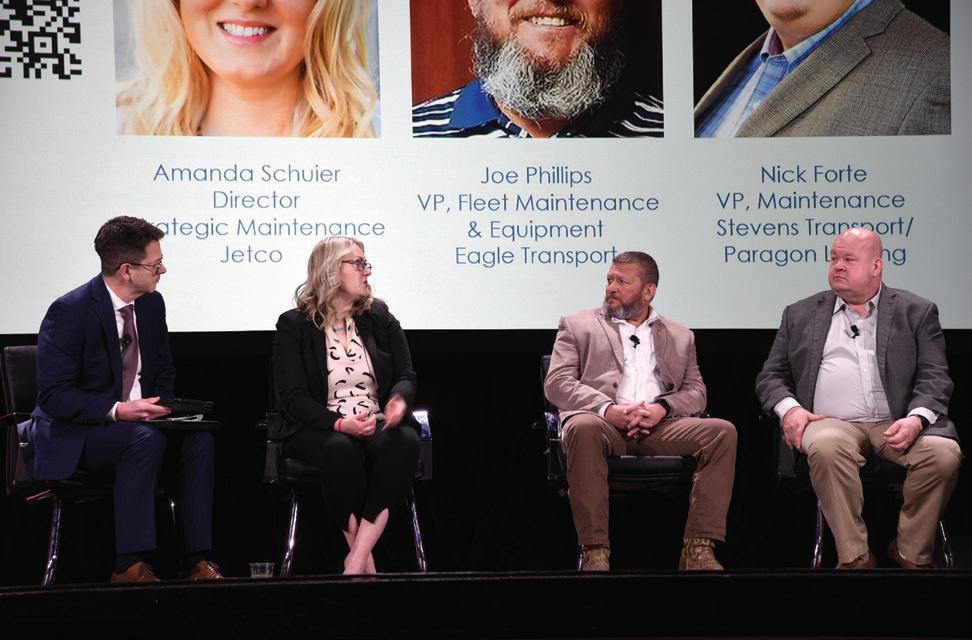
Left to right: Amanda Schuier, strategic maintenance director for Jetco Delivery and TMC General Chair; Joe Phillips, VP of fleet maintenance and equipment for Eagle Transport; Nick Forte, VP of maintenance for Stevens Transport.
Alex Keenan | Trailer|Body Builders
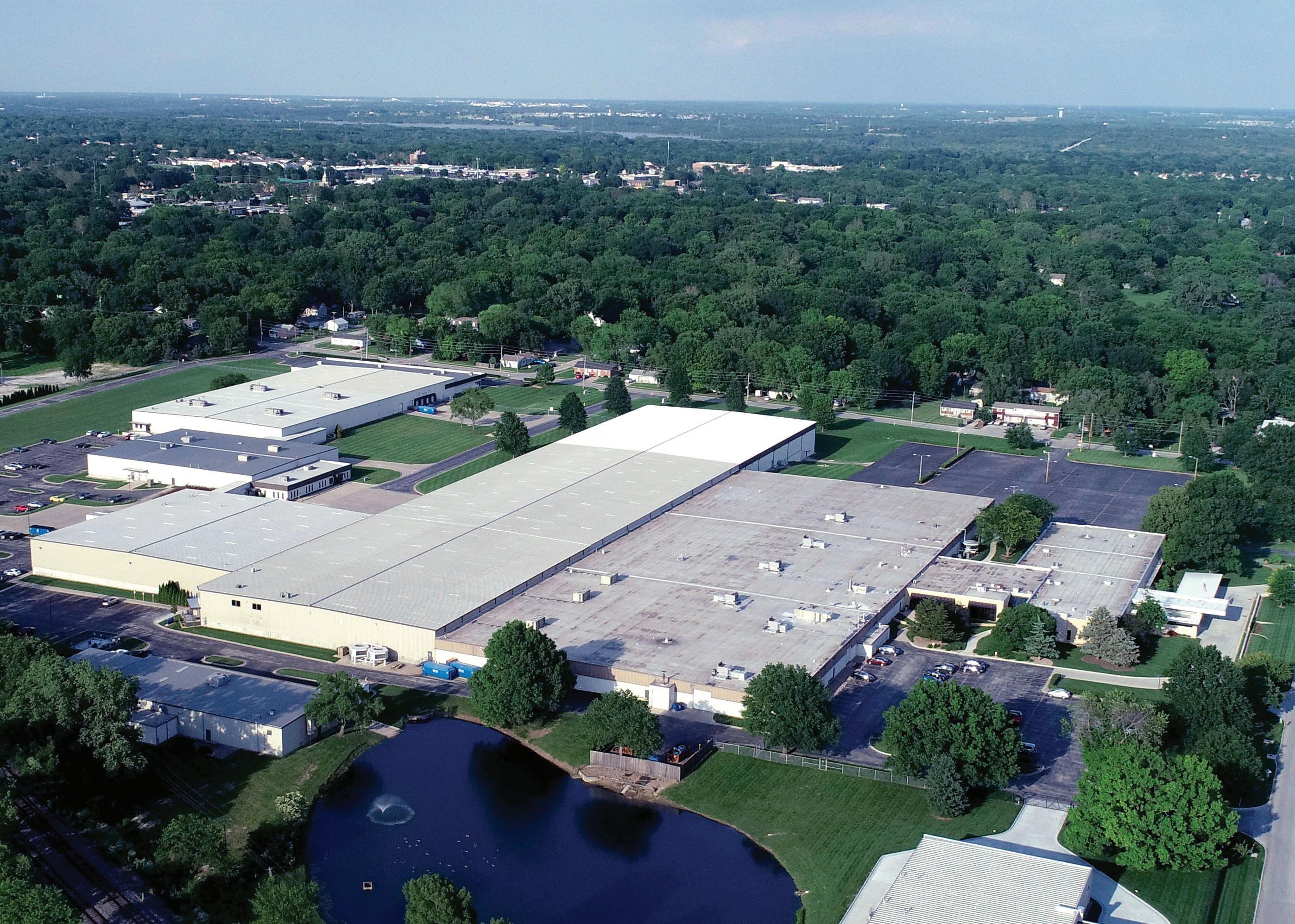
With 670,000 square feet of vertically integrated campus, we deliver custom solutions engineered to meet your fleet’s exact specifications. The highest-quality lighting and harness systems for long-term value with a lower total cost of ownership.
MISSION PLASTICS NORTH
A worldwide leader in vehicle lighting solutions and the flagship of the Peterson Corporate Group.
Providing the highest quality custom injection molding of advanced engineering resins. TECHNOLOGY
Custom-designed vehicle systems engineered and manufactured to the highest standards.
Complete engineering and fabrication of injection molds and tooling for the plastics industry.
Wabash, Excel Truck Group expand partnership into Carolinas
Wabash has expanded its partnership with Excel Trailer Group’s Trailer Division. Building on a 30-year partnership, Excel is expanding its Wabash service and support footprint from Virginia into North and South Carolina. This move is strengthening Wabash’s overall dealer network in the southeast region of the country.
“Excel Trailer has been a trusted partner to Wabash for decades, and we’re excited to strengthen that relationship as we expand our network together into North and South Carolina,” said Drew Schwartzhoff, chief commercial officer at Wabash. “Our expert Wabash dealers are the backbone of our sales and aftermarket services, delivering the reliable support customers depend on to
reduce downtime and keep operations running smoothly.”
Excel Truck Group is a full-service dealership network, offering end-to-end solutions including new and used truck and trailer sales, a large inventory of genuine parts (including Wabash trailer
parts), on-site and mobile trailer/truck service, preventive maintenance, collision repair, electrical work, and specialty engineering support. The company operates 12 locations across Virginia, North Carolina, and South Carolina. This includes established trailer service hubs in Roanoke, Chester, and Weyers Cave, Virginia, as well as a truck and trailer dealership in Rock Hill, South Carolina, which opened in late 2024.
As a Wabash dealer, Excel Trailer will provide sales and service support for Wabash’s complete truck body and trailer portfolio. Customers across North and South Carolina will gain access to Wabash trailers, genuine parts, service support, and eventually mobile trailer service offerings.
LINE-X recently announced that it has joined the Preferred Upfit Network for Merchants Fleet, the nation’s fastestgrowing fleet management company. The signed agreement builds on a five-year collaboration between the two companies with steady growth.
LINE-X Fleet Solutions will support Merchants Fleet with their growing need for high-quality, reliable upfitting services, helping to prepare vehicles for the field faster and more consistently. LINE-X has hundreds of locations that service up-fitting requests while maintaining national service standards across diverse applications and industries.
“This agreement deepens the longstanding relationship between LINE-X and Merchants Fleet and enhances the support
we can provide to Merchants and their clients, but it also creates meaningful new opportunities for our franchisees,” said Matt Labuda, vice president at LINE-X. “Partnering with Merchants Fleet is a strategic win for both companies, and we’re proud to bring consistency, speed, and innovation to a growing commercial segment that’s critical to the future of mobility.”
With LINE-X’s dedicated support team, which centralizes components of the fleet up-fit process, partners can trust that the job will get done right. LINE-X’s growing influence in the fleet space signals its continued commitment to serving franchisees by securing partnerships that offer long-term opportunity, stability, and innovation, the company suggested. From the outset, LINE-X has prioritized creating pathways for its franchisees to tap into commercial revenue and building meaningful connections within their local markets.
“Over the past five years, LINE-X has consistently impressed us with their reliability, responsiveness, and ability to adapt to our evolving needs,” said Charles Mathew, assistant director orders and upfits for Merchants Fleet. “As we invest in technology and begin incorporating EVs into our fleet, it’s clear that LINE-X is a partner we can grow with. Their forward-thinking approach and attention to detail give us confidence in where we’re headed.”
LINE-X, originally known for its spray bed liners and protective coatings, offers more than 80 up-fitting services for medium and light-duty work trucks and vans. Services range from expert electrical work like strobe lights, light bars, and backup alarms, to truck toppers and truck caps, van shelving, rack systems and accessories, and life-saving safety equipment.
Wabash
Northeast Great Dane grand opening marks area expansion
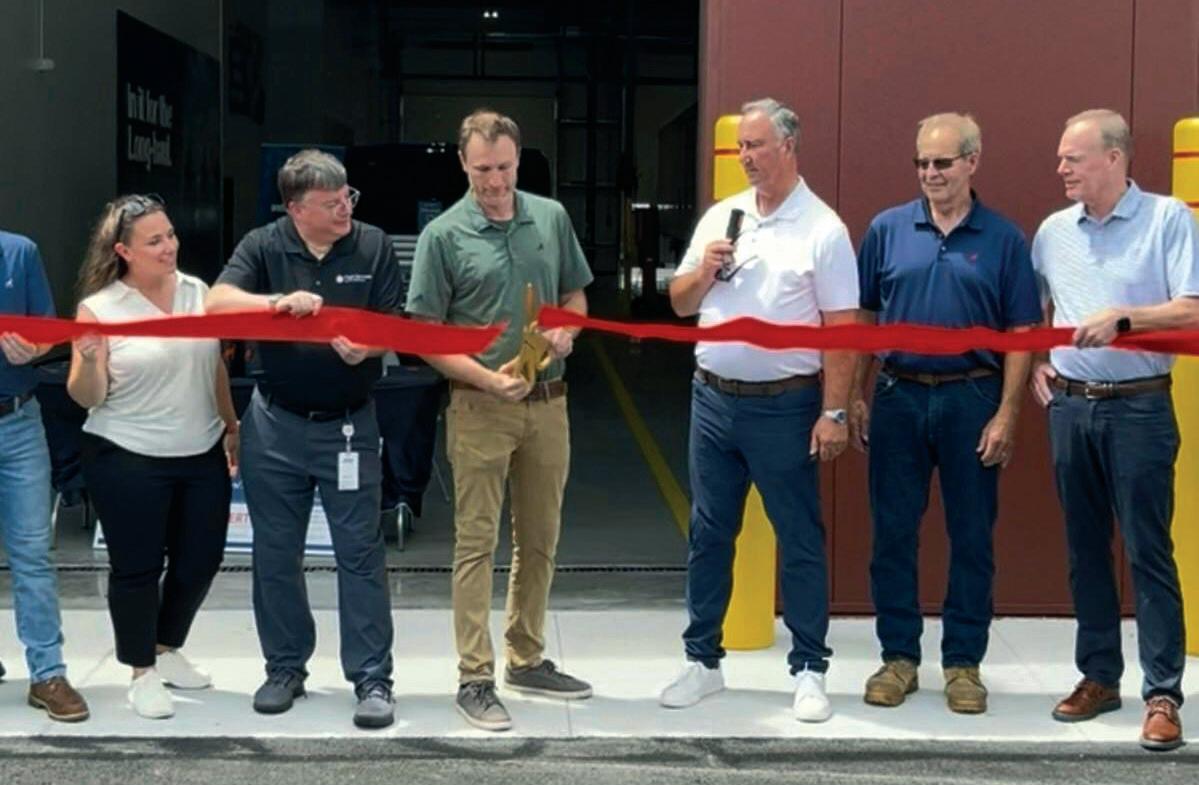
Northeast Great Dane, a Fleet Services by Cox Automotive company, recently celebrated the grand opening of its newest trailer sales and service facility in Sutton, Massachusetts. The state-of-the-art shop expands the company’s footprint in the Northeast, underscoring its commitment to providing best-inclass support to fleets across New England.
The grand opening event, held July 17, welcomed customers, vendor partners, technicians, and Fleet Services leaders to tour the brand-new facility, the company reported. Built in close partnership with teams across Cox Automotive, the shop broke ground two years ago and is designed to reflect the organization’s ongoing focus on innovation, customer satisfaction, and technician experience. The shop currently employs 10 technicians with expertise in heavy-duty trailer repair and maintenance, custom fabrication, and trailer upfitting, including liftgate installations, with plans to expand to 15 technicians by 2026.
“We’re making a major statement by opening this new shop,” Gerry Newcomb, Fleet Services by Cox Automotive associate vice president of Operations, said in a news release. “It shows our commitment to having a strong presence in the New England market, and we pride ourselves on the deep partnerships we’ve built with our customers. The trucking industry is a relationship business, and even as the industry evolves, that will remain constant.
“I’m incredibly proud of the teamwork that brought this facility to life.”
The Sutton location builds on Fleet Services’ technician-first infrastructure and customer-focused operations, following the recent launch of its new parts distribution center in Doraville, Georgia. Featuring an efficiently designed floor plan, retail store, full-line parts warehouse, and 180-ft. drive-through bays, the facility speeds up turnaround times and delivers a one-stop shop for trailer sales, rentals, parts, and service.
“You could see the pride on the technicians’ faces when they first walked in,” said Kurt Gustafson, Fleet Services by Cox Automotive general manager. “This is their new home, and they were excited. We set out to build a place that technicians are proud to work in—and that customers can count on for dependable, high-quality service.”
first Texas shop
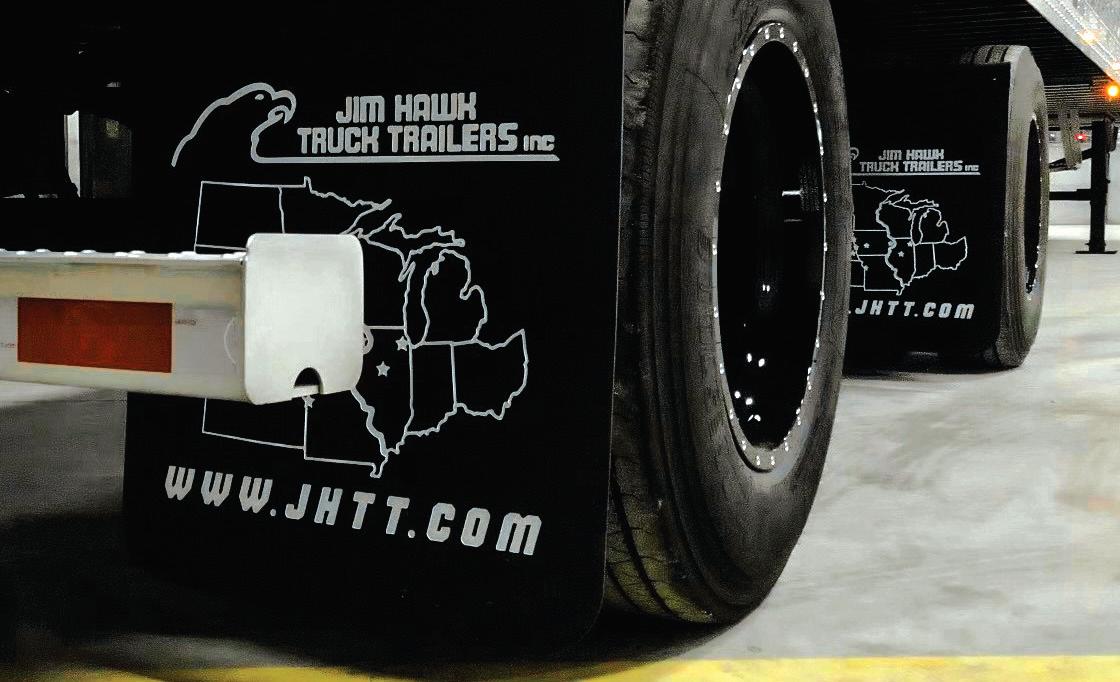
Jim Hawk Truck Trailers , a 53-year-old semi-truck trailer dealership, is opening its first Texas location in Fort Worth on Sept. 1. Founded in 1972 by James V. Hawk, the company also operates Hawk Equipment, which specializes in construction and agriculture trailers.
“Expanding into Texas is more than growth—it’s a continuation of the values our grandfather instilled in us,” said Jim Hawk III, president of Jim Hawk Truck Trailers. “We’re proud to bring the Jim Hawk name, service, and commitment to Fort Worth and beyond.”
In addition to sales and parts, Jim Hawk Truck Trailers provides truck and trailer service and repair, preventative maintenance, custom welding and fabrication, equipment installation, fleet refurbishment programs, reefer, van, and flatbed repair, and more. Across its eight locations, the company features 85 service bays, over 100 service experts, and over 1,400 years of experience.
With the addition of the Fort Worth location, the company will have nine locations in total. It also plans to open four more shops across Texas over the next five years.
“This is a natural next step in our growth,” said David Hawk, CEO of Hawk Investments, the parent company of Jim Hawk Truck Trailers. “Texas is an essential transportation hub, and we’re excited to serve customers there with the same servicefirst culture that’s defined us for more than five decades.”
Jim Hawk Truck Trailers to open
The company will need a new mudflap design with the expansion into Texas.
Jim Hawk Truck Trailers
Mack Defense re-ups dump contract with US Army
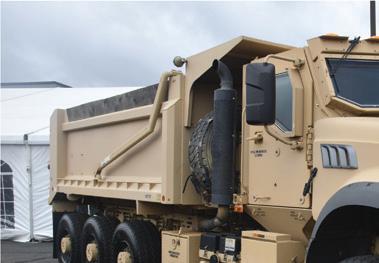
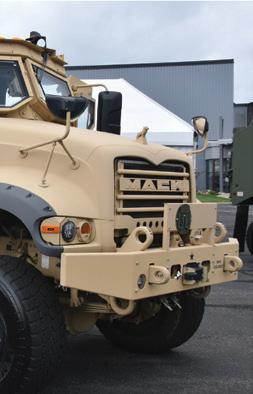
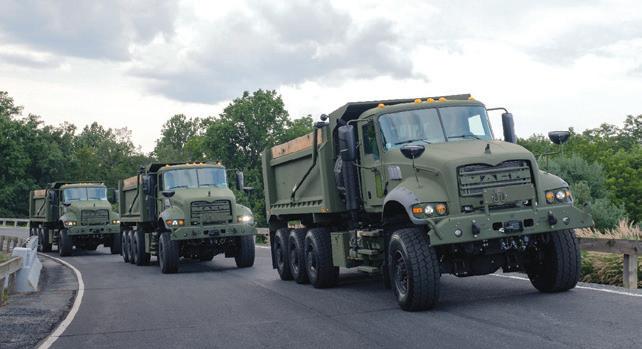
Mack Defense has been awarded a new five-year contract to continue production of the U.S. Army’s M917A3 Heavy Dump Truck for up to 450 trucks with a total contract value up to $221.8 million. This new agreement follows the successful fulfillment of the initial contract awarded in 2018 and comes after the company recently celebrated the production of its 500th M917A3 HDT in March 2025.
“This contract represents continued confidence in our ability to deliver mission-critical vehicles to the U.S. Army,” said David Hartzell, president of Mack Defense. “The M917A3 Heavy Dump Truck is a commercial-based truck modified to meet mission-critical functionality that directly supports the Army, Army Reserve, and Army National Guard operations within the United States and around the world.
“This new contract award is a testament to the commitment of our team, which includes our supplier partners, as well
Production of the HDTs at the MEC began in Q1 2021, following an investment of $6.5 million to create a dedicated HDT production line at the facility. The new production line helps fulfill the HDT contract with the U.S. Army and allows the production of other vehicle variants.
as to the robust capabilities of this heavy tactical vehicle platform. We look forward to building and delivering more reliable, high-performance trucks that meet the demanding needs of our soldiers.”
The new contract, awarded June 24, will ensure continued production of the
critically important M917A3 HDTs that support the U.S. military’s construction and infrastructure maintenance capabilities. These vehicles play a vital role in supporting construction and upkeep of airfields, roadways, landing
strips, supply facilities, motor pools, and in disaster relief for areas affected by severe weather, the company added.
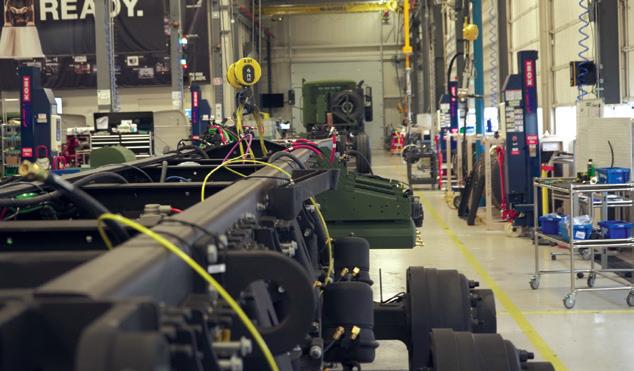
Based on the commercially available Mack Granite model, the M917A3 HDTs are manufactured at Mack Defense’s dedicated production line at the Mack Experience Center (MEC) in Allentown, Pennsylvania. The specialized production facility has been in operation since 2021 following a $6.5 million investment to create a dedicated HDT production line, which leverages the capabilities and production workforce of Mack’s main Lehigh Valley production operations located in Macungie, Pennsylvania.
“From day one, we’ve worked hard to foster a transparent, collaborative relationship—one that has helped ensure this program remains on track, on time, and aligned with the Army’s evolving needs,” said Derik Beck, senior director of sales, marketing, and business
The M917A3 HDTs are spec’d with heavier-duty rear axles, all-wheel drive, increased suspension ride height, and other ruggedized features to meet the unique requirements of the U.S. military.
development at Mack Defense. “We are also proud to continue working closely with U.S. Army, the U.S. Army Reserve and the various U.S. National Guard Adjutant Generals, whose ongoing support has been essential to the program’s success.
As we move into the next phase, we’re committed to maintaining that level of engagement while also looking to our Congressional stakeholders for sustained support. This program is not only vital to
VIPAR Heavy Duty launches HD online training platform
The VIPAR Heavy Duty Family of Companies has launched the Nucleus Knowledge Center, an all-new online training platform designed specifically for heavy-duty truck parts professionals. The new resource provides training courses, reporting, feedback, and certificates of completion in a user-friendly format for both learners and administrators.
“The launch of the Nucleus Knowledge Center represents a pivotal step in advancing workforce development across the heavy-duty aftermarket,” said Jeff Paul, VIPAR Heavy Duty vice president of Marketing.
Army readiness but also to preserving critical manufacturing jobs and capabilities within our U.S. industrial base.”
The M917A3 HDTs are spec’d with heavier-duty rear axles, all-wheel drive, increased suspension ride height and other ruggedized features to meet the unique requirements of the U.S. military. The vehicles also feature advanced technology including ABS, modern control interfaces, and active safety systems.
The M917A3 Heavy Dump Truck is an essential asset to the Army’s Engineer Regiment, providing the mobility and durability needed to complete critical construction and infrastructure missions in diverse operational environments. Since the initial contract award in 2018, which allowed for up to 683 trucks at a value up to $296 million, the U.S. military has ordered 549 HDTs from Mack Defense, with additional orders coming from both the U.S. Army and U.S. National Guard.
Basic, intermediate, and advanced courses are available to learners through on-demand, online classes and videos and instructor-led, recorded webinars. Content supports all areas and roles in the heavy-duty parts business, including counter staff, outside sales, and technicians. For administrators, a dashboard makes it easy to assign training and then track course enrollment and completion. Quizzes and assessments are automatically initiated, and certificates of completion are awarded.
The platform is exclusively available to distributors within the VIPAR Heavy Duty and Power Heavy Duty networks.
“As the industry undergoes a generational transition, training is more mission-critical than ever,” Paul stated. “For distributors, the platform delivers accessible, consistent, and customizable training that strengthens product knowledge, enhances customer service, and drives long-term business performance. In turn, it helps suppliers maximize the return on their training investments and ensures that those selling and servicing their products are prepared to do so with knowledge and confidence.”
Al Vaisvila, training/end user program manager for VIPAR Heavy Duty led the development of the Nucleus Knowledge Center.
“This is just the beginning of a long-term initiative for continuous learning and innovation, and one that underscores our commitment to supporting both our distributors and suppliers,” added Chris Baer, VIPAR Heavy Duty president and CEO. “This is not a one-size-fits-all solution – it’s a platform built to evolve.”
VIPAR Heavy Duty Family of Companies
Mack Defense
Dealer Spike, Rollick team to expand digital retail platform
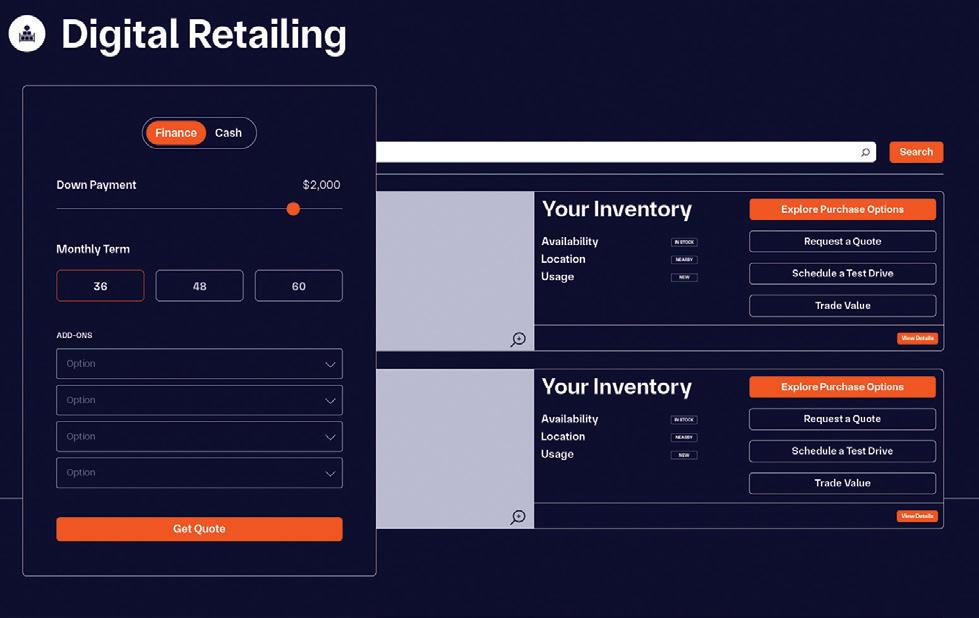
Dealer Spike, a digital solutions provider for the recreational and equipment industries, has partnered with Rollick, a technology company specializing in dealership software, to enhance the customer shopping experience.
Through this partnership, Dealer Spike has certified RollickEngage as a Certified Partner, enabling dealers to streamline and consolidate their lead generation activities into a single solution.
Dealer Spike’s Certified Partner Program provides dealers with access to third-party product scripts that can be integrated into websites and mobile experiences, the company noted. This empowers dealers to confidently integrate certified partner scripts into their business operations.
Each partner solution is thoroughly validated to meet strict security and performance requirements. For dealerships, this means:
• Stronger website performance: Scripts are optimized, ensuring fast load times and a seamless customer experience, which can boost satisfaction and retention.
• Data protection peace of mind: All integrations uphold robust data protection protocols, so that dealers and their customers can trust that information is handled responsibly and securely.
• Effortless compliance: By only using certified partner scripts, dealers automatically align with the latest data privacy and security standards, reducing risk and administrative burdens.
Dealer Spike’s partnership with Rollick is just one example of how the Certified Partner Program makes it easier for dealers to adopt high-performing tools that improve the path to purchase for their customers, the company noted. TBB
Dealer Spike
Wait ’til next year— again
A recovery in the freight market, and equipment demand, remains just over the horizon
By Kevin Jones
COLUMBUS, Indiana—The word is “tariffying.”
That’s the portmanteau coined by the market analysts at ACT Research to summarize their market forecasts, as presented in the equipment outlook portion of the firm’s August “Market Vitals” conference here.
The basics, essentially, are unchanged: The freight market is currently in a prolonged recession, but the challenging demand outlook, heading into its third year, now faces significant headwinds from trade policies—just when the industry had expected a rebound to kick in.
“There’s a lot of freight demand that was pulled forward into the first half of this year—that is pulled from the future—so we’ve got some paybacks to come, in addition to demand destruction,” ACT Research Vice President and Senior Analyst Tim Denoyer said. “The freight outlook is not wonderful on the supply side.”
Freight and rates, adding up to carrier profits, drive new equipment purchases, of course.
And considerable uncertainty, particularly regarding trade policy challenges and regulatory shifts, continues to baffle
fleets and their equipment manufacturers, especially in the trailer and Class 8 truck markets, as the session’s market-specific experts explained.
Indeed, tariffs have emerged as a dominant force for the industry, directly reducing demand by making goods more expensive for consumers and businesses. Studies indicate that U.S. consumers and businesses bear approximately 80% of these tariff costs. The resulting inflation on goods directly translates to a reduction in the
Trailers: Low demand, lingering inventory
The trailer market is currently marked by subpar demand, weak carrier profits, and an absence of freight rate traction, explained Jennifer McNealy, director of research analysis and publications. Recent ACT surveys of fleets and OEMs reveal negative sentiment across general business conditions, demand, and labor availability. While there’s quoting activity, it isn’t translating into actual orders.
“It’s challenging, and looks like it’s going to be challenging for a while. We need more clarity. We need less chaos. We need lots of capex. We need people to just start buying some trailers.”
Jennifer McNealy, ACT Research
volume of goods shipped, diminishing the need for trucks and trailers.
“Once the trade-war headwinds are essentially baked in, which we expect over the next few quarters, we should be able to start the recovery,” Denoyer said.
“It’s challenging, and looks like it’s going to be challenging for a while,” McNealy said. “We need more clarity. We need less chaos. We need lots of capex. We need people to just start buying some trailers.”
OEMs are reporting an average price increase of 7% for January 2026 compared to January 2025, with approximately 68% of this increase attributed to tariffs. OEMs are attempting to absorb some of these costs, but this is unsustainable in the long run. This price hike, combined with already strained finances of fleets, makes new trailer purchases a difficult proposition.
Fleet behavior confirms this challenging environment:
• 80% of surveyed fleets are not planning to purchase new trailers at all this year, with many only considering buys for specific lanes or customer requests, or for reducing overall capacity.
• Some fleets are opting to replace TRUs on existing trailers rather than investing in new trailers entirely, highlighting efforts to control costs.
• There’s a concern that increased fleet efficiencies—as companies optimize operations to “ride the wave” of low demand—may lead to a permanent change in demand levels and equipment life cycles.
McNealy shared a few of the fleet comments from the survey, and the outlook
Trailer Market Overview: Riding the Wave Current Efforts = Trying to Stay Afloat
• Carrier profits remain weak
• Freight rate traction is nonexistent
• Private fleets are pulling back
• Class 8 indicators continue to deteriorate
• Trailer demand is subpar
• Silver lining = Building pent-up demand
isn’t optimistic. Replied one fleet: We are not ordering trailers this year, and at this time, have not started discussing trailers for next year, most likely we’ll only buy trailers for a specific lane or need.
Additionally, trailer backlogs are under pressure, with the July 2025 backlog-to-build ratio at 4.2 months, significantly below the long-term average of 5.74 months. New orders have been consistently low, falling below 10,000 units in recent months. While cancellation rates improved from 3% in July 2024 to 1.8% in July 2025, they still remain elevated.
The reefer van market is particularly challenged, experiencing
“unprecedented levels of fleet age.”
The average age of the reefer fleet in 2025 is 6.5 years, exceeding its previous high of 6.4 years in 2011. This is due in part to overcapacity in the dry van market bleeding into reefer, pushing rates down, and the fact that reefers are roughly three times the price of dry vans, making them a more difficult investment.
“The rules seem to have changed— nobody understands what the rules of the game are anymore,” McNealy said, referring to a potential reset in the industry baselines, particularly in the trailer segment. “What is normal? What’s a new normal going to look like?”
WHITING IS THE MARKET LEADER.
In 1953 we invented the truck/trailer roll-up door and started an industry!
2026 PLANNING | TRAILER FORECAST
Class 8 forecasts
The outlook for Class 8 trucks has also been lowered, with a 12% reduction in the 2025 build forecast and a 29% reduction for 2026 since the March forecast. Tariffs and policy changes have particularly impacted the vocational market, which saw a strong outlook disrupted and pre-buying efforts “stopped cold” in March 2025 due to regulatory uncertainty.
A key development for the truck market is the reversal of private fleet capacity expansion, explained Carter Vieth, a research analyst at the firm. Day cabs, often used by private fleets, now constitute only 37% of Class 8 tractor orders, down from 47% during the 20222024 expansion. Additionally, used day cab prices are underperforming used sleepers, and there’s evidence of a “liquidation” of day cabs in the used market, primarily from private fleets. This shift is seen as a positive sign for the for-hire market, as freight will eventually flow back, driving rates higher, likely in the second half of 2026.
However, for-hire carriers continue to face “generationally weak profits,” with large publicly traded truckload carriers experiencing their 12th consecutive quarter of year-over-year margin decline. Net profit margins in Q2 2025 were at 2.8%, comparable to 2010 levels,
What’s
your greatest concern now through 2026?
• Matching production with orders
• Material costs and order board fulfillment
• Tariffs
• Inflation
• Global demand outpacing global supply
• Increased base costs
• Further deterioration in the industry
• Continuing to hold onto capacity
• Creating unrealistic expectations for pricing and availability
• Depressed pricing/Cost pressures
• Customers continuing to be hesitant to order
• Getting customers’ budgets/capex approved
• No predicted increase in freight volume/Carrier profitability
• Increased fleet efficiencies lengthening life cycles permanently
making new equipment purchases unfeasible for many.
Clarity, recovery?
The overarching sentiment is that the industry is in a “cure for low prices era,” where current low prices and demand destruction are expected to eventually build pent-up demand, leading to
What's the cure for analysis paralysis?
• Freight demand/freight rate improvements
• Interest rates/cost of capital
• Getting the industry back on track
• Rising maintenance costs driving replacement
• Clarity on tariffs, business environment
Trailer Market Summary: Challenging
Needed: More clarity, less chaos, and lots of capex
• Business continues, but it wasn’t stellar in 2024
• 2025 is on target to be worse and 2026 downgraded, too
• A rebound is coming, but 300,000 isn’t in the plan until 2028
a recovery. However, this recovery is not expected in the immediate future. Freight rates are unlikely to rise before the full impact of the trade war is better understood and accounted for. A stable rate outlook is projected for the next 12 months, with a recovery expected in late 2026 and 2027. For trailers, a significant rebound to 300,000 units isn’t projected until 2028.
Key factors that could accelerate recovery include improvements in freight demand and rates, more favorable interest rates, and clarity on tariffs and the business environment. Political risks remain substantial, including decisions on 232 tariffs and the EPA’s Clean Truck regulation, which could significantly influence future market dynamics. While the short-term outlook remains challenging, a recovery is ultimately anticipated in the longer term, driven by capacity tightening and pent-up demand.
“We do think, from a medium-term perspective, freight’s not going to turn around tomorrow, but we think by the time we get to next year, it’s going to drive that recovery that we’re expecting in the back half of ’26,” Denoyer said. TBB
• Questions? Call (810) 229-5960 or Email Registration@ntda.org Tuesday, October 7–Thursday, October 9,
From blowpipes to smart trailers, the company’s historic, 125-year journey is marked by innovation, resilience, and human connection
With only 1 in 4 companies lasting more than 15 years, and just a fraction of a percent making it more than a century, to survive and thrive for 125 years is rare feat. To achieve this corporate milestone, Great Dane has continually adapted and innovated to remain a leader in the goods mobility industry.
TBB visited the company’s Savannah headquarters and sat down with Great Dane President and COO Rick Mullininx (who started at the company as an engineering intern) and Executive VP of Sales Chris Hammond (the third generation of Hammond family leadership) to dive into Great Dane’s past, present, and future—the pivotal milestones, legendary figures, and strategic vision.
What are some of the most crucial events, developments, or innovations in Great Dane’s 125-year history?
Mullininx: Our history is defined by changing and adapting to the times. From starting as a blowpipe company to making steel products and then trailers, it’s a history of evolution. From an innovation perspective, we’re proud of the first reefer trailer with the bunker
blower, which revolutionized how fresh produce was transported. More recently, our ThermoGuard lining, a patented innovation, is indicative of our modern approach, enhancing insulation, supporting sustainability, and increasing customer profitability by preventing moisture from getting into the foam.
Hammond: In the modern era, the Crown family’s acquisition of Great Dane in 1997 stands out. This changed us from a smaller, private fleet company to playing in the big leagues due to the knowledge the Crown family had from owning Pines Trailer, impacting our average order size significantly.
Going further back, the first flatbed trailer, built in 1911, was a huge milestone. The company also served as the contractor for the largest building still standing in Savannah. Few people know we also built a 43-ft. boat for a customer sometime in the 1950s.
Other significant developments include buying the Johnson Truck Bodies company, and then creating our Great Dane-branded truck body. Innovations like FleetPulse, which started here and is now its own company, and ThermoGuard, are also key. The founding of TTMA (Truck Trailer Manufacturers Association) in 1941, where Great Dane was a charter founder and had its second chairman, was also an important industry milestone.
What have been some of Great Dane’s biggest challenges in the past, and how have they informed current strategies?
Mullininx: Some of the most challenging times were in the 1980s when Great Dane, after being taken public as part of Transway, was left with significant debt from a Transway LBO. Almost 100% of our profits went to pay interest on that debt. The Crown family’s acquisition was truly transformational, allowing us to merge with Pines Trailer and acquire assets during down cycles, which was foundational.
Today, we face the longest freight recession in recent memory and a downturn, comparable to the 2008-2010 banking crisis. However, this is also an opportunity to strengthen the company
Chris Hammond holds a photo from World War II. A picture of his grandfather, former company Chairman Chris Hammond II, is among the mementos around his desk.
Great Dane
Kevin Jones | TBB
125 years: A timeline
1900: The Savannah Blow Pipe Co. is founded, supplying industrial ducting systems.
1916: Reflecting a more diverse product line, the business becomes the Steel Products Co.
1920: The company moves into a 10,000 sq. . building where it remains for a century.
1930s: During the Depression-era road building push, the company launches its first over-theroad trailers. The original flatbed is followed shortly by tank and van trailers, eventually built of high-tensile steel to meet state weight limits. The trailers are dubbed Great Danes.
1940s: Building heavy-duty trailers during World War II, the company earns the prestigious Army Navy E For Excellence on five occasions. By 1947, the company is building refrigerated trailers. The cooled produce vans are quickly followed by the o cial line of Sno-Zone Reefers.
1950s: With the launch of the national Interstate Highway System and federal regulation of truck size, the company responds with the aluminum van trailer and tandem axle. By the mid-50s, the company has sales outlets located in 31 cities in 18 states. In 1958, the company o cially changes its title from the Steel Products Co. to Great Dane Trailers Inc. By decade’s end Great Dane is 100% in the trailer business.
1960s: In 1961 Great Dane builds its first piggyback trailer for rail intermodal transportation. The first order of maritime containers are built in 1963. In 1966 Great Dane enters into European manufacturing agreements and announces a $2 million expansion program that doubles trailer production. In 1967 Great Dane becomes a subsidiary of U. S. Freight Company (soon to become the Transway International Corp.), the world’s largest freight forwarder.
1970s: In 1972 Great Dane purchases an all-platform trailer manufacturing location in Memphis from Arrow Trailer. In 1974, Great Dane expands again by building a manufacturing plant in Brazil, Indiana, that originally focused solely on vans for the western/mid-western markets. Four years later the plant would double its output with the addition of refrigerated trailer production. In I974 Great Dane also breaks new ground with its Research & Development Lab.
1980s: Great Dane expands into international markets, including Canada, England, Turkey, Mexico, and South America. Robotic welding is introduced to the Memphis plant; plasma arch cutting would follow shortly a er. Great Dane’s parent company would be acquired by International Controls Corp in 1986, which would merge with Checker Holding Corp. three years later. In 1988 Great Dane acquires the SuperSeal reefer production plant in Wayne, Nebraska. Computer-driven road simulation equipment is installed at the company’s R & D Lab.
1990s: In 1996 the company opens a dry van plant and parts distribution center in Terre Haute, Indiana. Great Dane merges with Pines Trailer in 1997, creating Great Dane Limited Partnership—one of the world’s largest trailer companies. The Little Rock location goes from a sales o ce to a full-service branch, complete with parts and service bays. Branches in Charlotte, Lancaster, Pennsylvania, and Dallas would soon follow.
2000s: In 2001 Great Dane acquires Strick’s Eastern Van Manufacturing facilities in Danville, Pennsylvania and Abbeville, South Carolina and two of Trailmobile’s manufacturing facilities in Jonesboro, Arkansas and Charleston, Illinois. In 2004 Great Dane announces the acquisition of a Huntsville, Tennessee plant previously owned by Wabash National. Within the year, the Freedom line and other platform trailers kick off production. A er nearly a century Great Dane moves from the Savannah plant and build a new, modern plant in nearby Statesboro, Georgia.
2010s: Great Dane acquires Johnson Refrigerated Truck Bodies in 2010 and opens a reefer plant in Statesboro, Georgia in 2012, along with the sixth dry van plant, located in Elysburg, Pennsylvania. The company returns to its original home city in 2016 by opening a new corporate o ce in Savannah.
2020s: In February 2022, the company unveils a new brand evolution, including an update to the iconic Great Dane logo. Five years a er launching its smart trailer solution, FleetPulse branches out from the Great Dane umbrella to a standalone business in 2023.
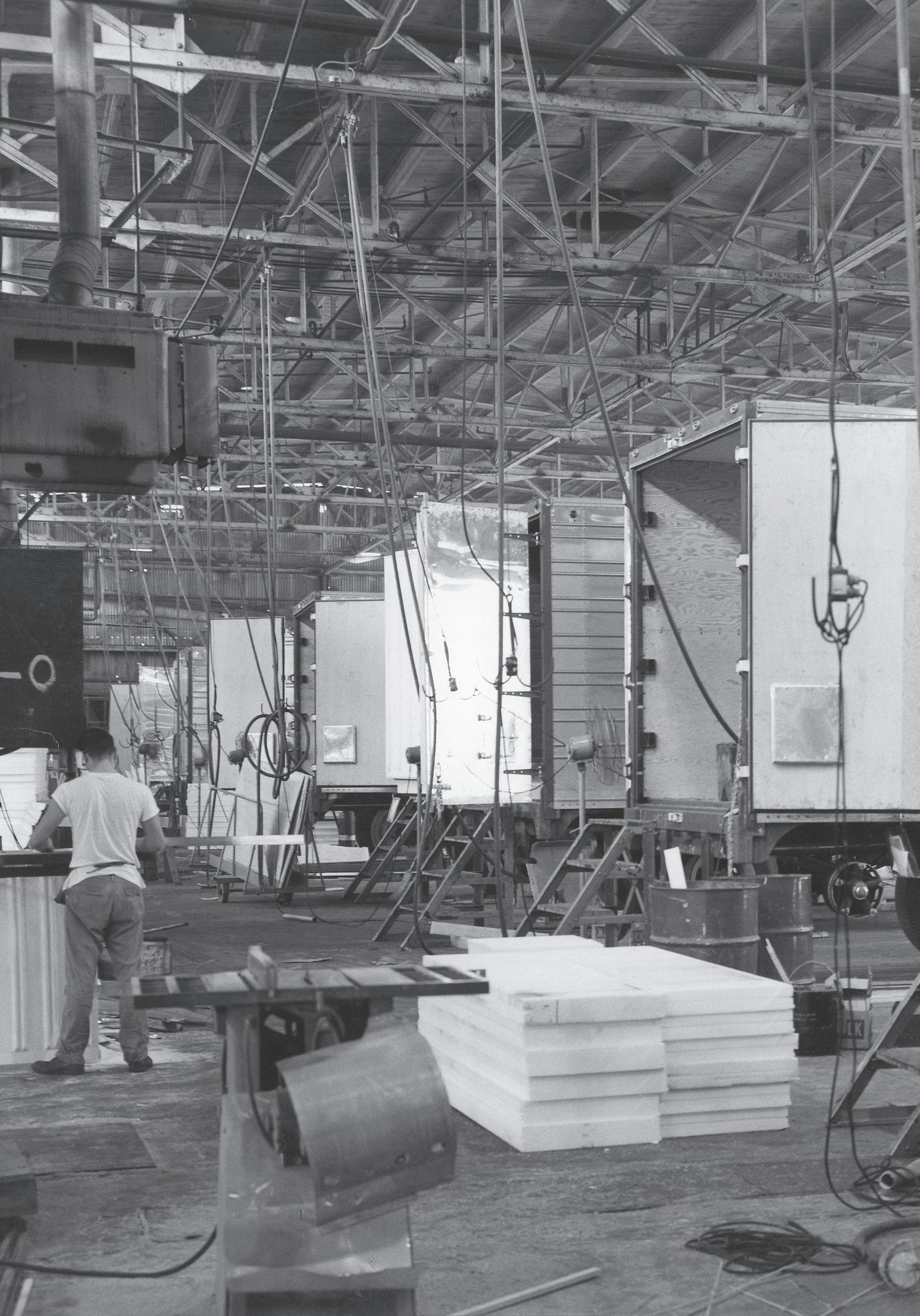
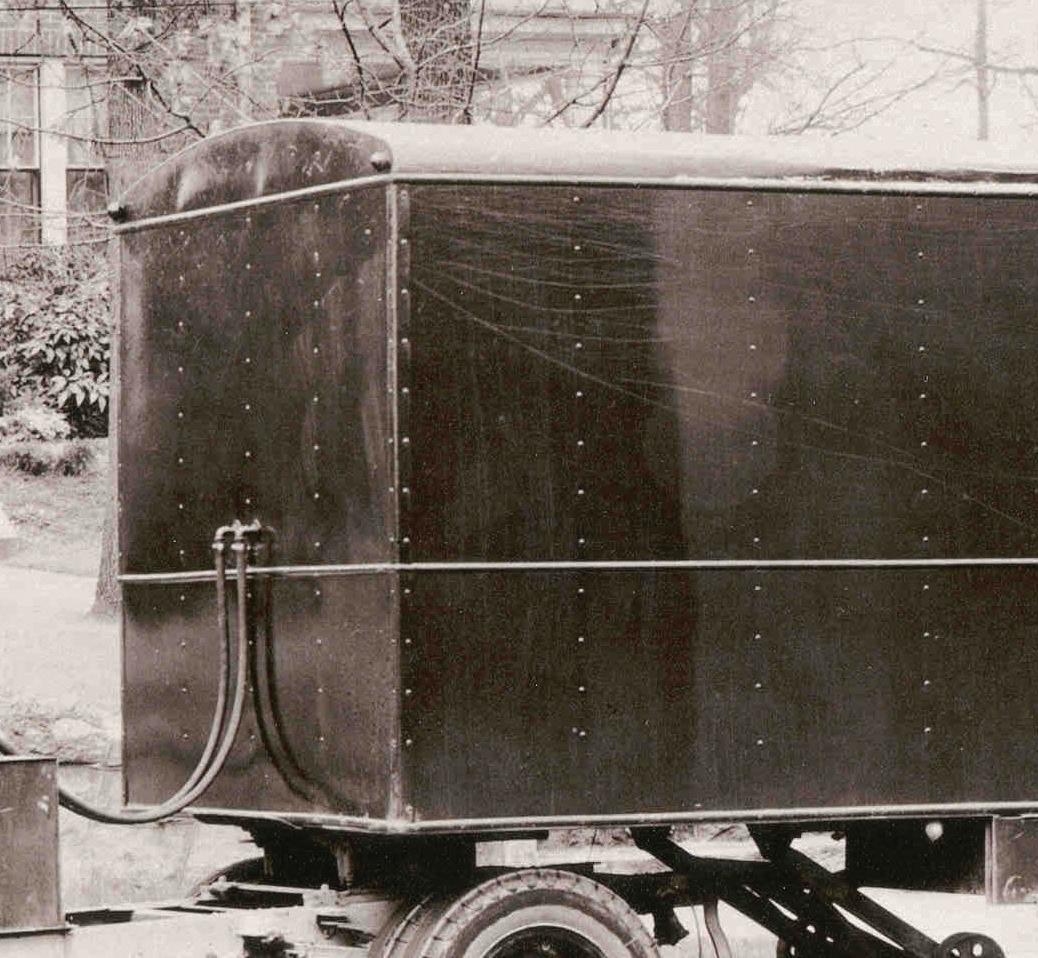
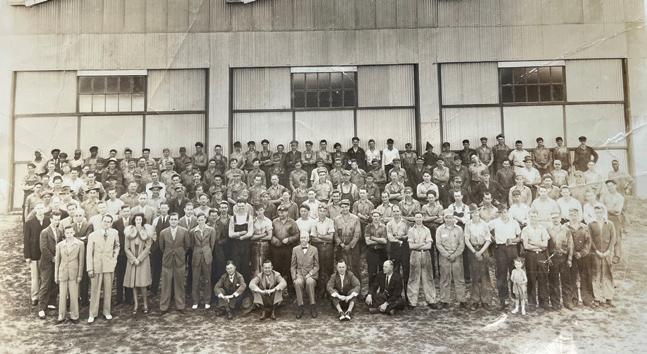
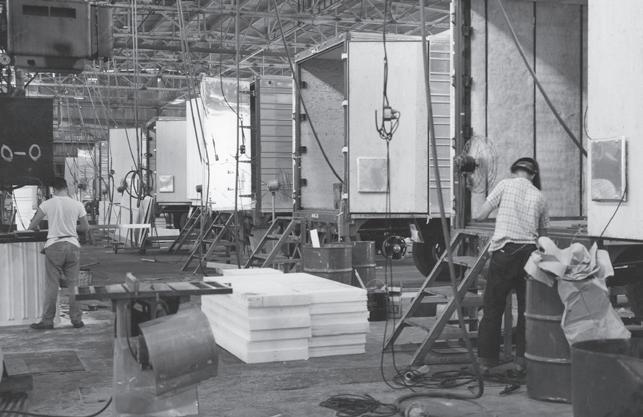
Factory during WWII. Great Dane
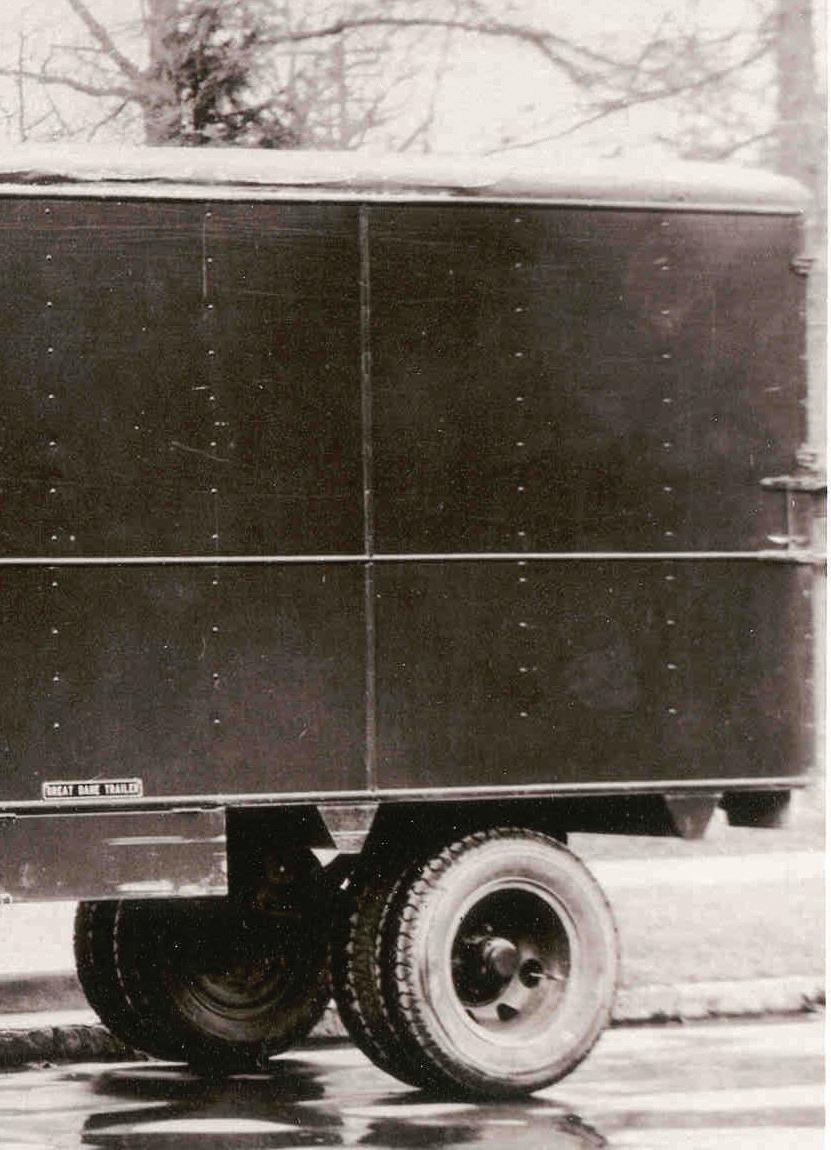
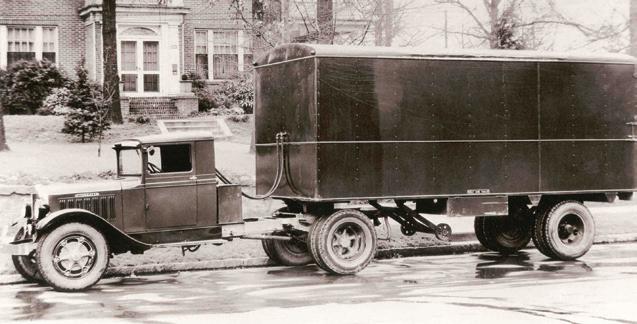
An early van trailer. Great Dane
Inside the factory in 1962. Great Dane
Vintage corporate branding. Great Dane
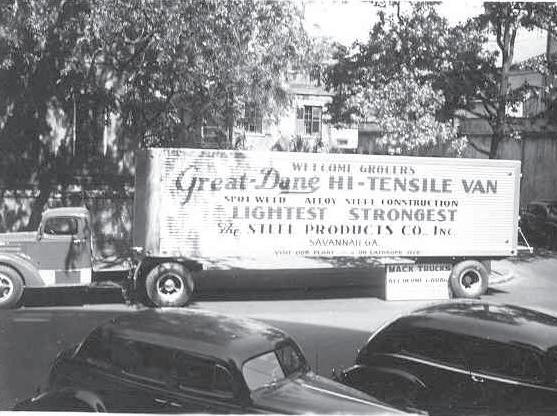
A rolling billboard from the 1940s. Great Dane
INDUSTRY MILESTONE | GREAT DANE
and make investments so we can emerge stronger. We are also emphasizing investments in our infrastructure, facilities, automation, and IT to transform Great Dane and help ensure our success. As a privately held Crown company, we have the advantage of a long-term perspective, focusing on big-picture investments rather than short-term shareholder communications.
Hammond: The financial struggles before the Crown family bought us were significant. Their ability to manage us through very tough times was crucial. The 2008-2010 financial crisis was tragic for our industry, where we built only 79,000 trailers in our segments that year, compared to 280,000 a decade later. Drawing on how we managed through that and got stronger was important for our leadership, especially new leaders who hadn’t experienced it.
During COVID, I extensively studied our company’s history in World War II. Seeing how Great Dane dedicated itself to serving the world during those tough days reminded me that if we could get through that, we could get through anything. I even pulled out old pictures and kept them on my desk as a reminder.
People and relationships
Who are some of the legendary characters who have made a significant impact on Great Dane?
Mullininx: It absolutely has to be Kit Hammond, Chris’s father. He was the quintessential sales guy, always making you feel like a million bucks and brightening any room he entered.
His sales book, “Only the Best,” which emphasizes integrity and honesty, was so impactful that we updated parts of it for our sales team.
On a personal level, an early mentor for me was Jim Cox, who worked in the R&D lab when I was an intern. He encouraged me to join Great Dane because of the broad exposure to different types of engineering you get here, unlike more specialized roles in other industries. This broad experience, from R&D to manufacturing and design engineering, truly connected my career.
Hammond: It’s hard to keep it out of my family, but I will. Ron Gordy, whose niece is our VP of commercial excellence, and whose daughter runs our trade shows, was legendary. He ran our customer service, quality, and warranty departments and was the best at resolving customer problems, making sure the customer knew that we cared—and if we made a mistake, by God, it would be solved fast and it wouldn’t happen again.
Another legendary figure is Dewey Cribbs. He was a Great Dane employee for an incredible 50 years, and he was the plant manager of our Savannah factory (our only factory until the 1970s). He was a man of steel who ensured things got done. He even had the Great Dane dog etched on his headstone, which shows his dedication to the company.
How has Great Dane maintained its customer-first approach as it has grown and evolved over more than century?
Chris Hammond: My father was very customer-centered, almost to a fault. He could take a mistake we made and
turn it into a lifelong friendship with a customer by immediately and even over-solving the problem, ensuring they knew we would take care of it.
Even with our current size, we absolutely maintain that hands-on connection. I tell people we’re not performing brain surgery, so don’t overthink it. It’s still about human beings trying to get things done for their companies and families.
People care about their families, careers, and lives, and we are here to serve them. If you think that way, it’s not hard; just pick up the phone. Our customers consistently tell us they appreciate working directly with our engineering team and leadership.
Can you describe Great Dane’s approach to supplier and dealer relationships?
Mullininx: We still rely on partnerships to succeed and always look for win-win relationships with our suppliers and dealers so we can grow together.
During challenges like the COVID-19 supply chain disruptions, which was like whack-a-mole, requiring everyone to be on their toes, scramble, and work together to continue producing and delivering high-quality products.
Hammond: It’s really simple: “ How do we go together and win?”—that’s all a dealer or supplier wants. They know they can’t win if others lose, so it’s about managing and winning together.
Sometimes it’s a grind to find that common ground, but recognizing when alignment isn’t possible allows everyone to move on to better opportunities.
Rick Mullininx foresees a data-driven future, with sophisticated telematics and predictive maintenance becoming “table stakes” on the path to autonomous tractor-trailers.
Plaques recognizing just some of the patents Great Dane has been awarded over the decades adorn a hallway wall at the Savannah headquarters.
Kevin Jones
TBB
We Can Make Your Material World Better
Steel is just the start of the story. Steel Warehouse has your material needs covered for truck and trailer fabrication. Our high-strength steels (up to Grade 160) reduce weight while increasing payload and strength, and we offer abrasion-resistant steels (up to AR500) to improve wear and finish characteristics. Combined with our reliable service and support, our steel can have a material impact on your business.
Together, we can build a better story.
INDUSTRIES SERVED
Trailers, tipper bodies, dump trucks, asphalt pavers, cement trucks, chutes, garbage trucks, containers, excavator buckets, frame and chassis parts and more.
REDUCED COST
Less steel needed for the desired strength and longer part life.
IMPROVED EFFICIENCY
Reduced waste and increased payloads.
INCREASED PERFORMANCE
Durable steel to offer longer wear and tear resistance.
need
How does Great Dane approach safety as a core value, and make it work?
Mullininx: Safety is deeply rooted in our family-focused culture and our care for people; it is one of our core values. We want our colleagues go home the same way they came, maybe tired, a little dirty maybe, but safe and whole. To make it work on the factory floor, we are purposeful about every incident, utilize behavior-based safety, and encourage everyone to watch out for each other.
We have a dedicated director of safety, Dave Ritchie, whose focus is on improving safety. He was the first chairman of the TTMA Safety Committee, showing our commitment to sharing ideas across the industry, not just within Great Dane. This creates a culture where everyone on the shop floor is involved, thinking about working safely and going home uninjured.
Hammond: The focus on safety is relentless. We talk about our safety numbers every week, and my teams have a
Tuesday stand-down in the shops for safety discussions. We’ve had to change the mindset from the “tough guys” mentality of the past to ensuring everyone reports incidents and addresses them. Our ultimate goal is to win the TTMA safety award because we are obsessed with making our employees the safest in the industry. I credit our former CEO, Dean Engelage, who was dogmatic about safety, creating a muscle-memory around being obsessed with it.
How does Great Dane attract and retain talent, especially younger generations?
Mullininx: We recognize that each generation is different, and we have adapted our onboarding and training processes to help new employees, including younger generations, assimilate and succeed. We make investments to ensure they feel like they are part of something important and meaningful, that their work is valued, and they can succeed in their work.
We connect our products to their impact, reminding people that we transport pharmaceuticals, food, and even vaccines, which sparks a realization that it’s more than just “a box on wheels”. This connection to essential services is vital for attracting and engaging talent.
Looking ahead
How does Great Dane view the current pace of change, particularly with new technologies like AI?
Hammond: I believe the pace of change is relative to the time and the speed it feels like. It feels fast today, but it felt fast in earlier generations too, relative to their technology. For example, Great Dane went from a blowpipe company to a steel company to making flatbeds and vans in about 20 years, which felt incredibly fast in an era without widespread telephones or computers. Today, with AI, it definitely feels super fast. While I acknowledge that
THE DRIVING FORCE IN RUST PREVENTION
I’m coming from a higher technological plane than previous generations, AI is rapidly deploying, upsetting labor markets, and structurally changing how we do business, just as computers and telephones did.
I don’t doubt that companies will eventually use AI to make purchasing decisions, feeding formal proposals to their AI. We already provide information in formats customers can feed into their systems. However, for a differentiated product and company like Great Dane, there’s still room for human interpretation and people to manage complex requirements.
Mullininx: While every generation may experience it, we are definitely experiencing an unprecedented pace of change today. With machine learning, AI, and digitalization, the effects of living in the Fourth Industrial Revolution are real.
What future innovations can we expect from Great Dane, particularly looking ahead to its 150th anniversary?
Hammond: By the 150th anniversary, you’ll likely see more efficient equipment, perhaps even trailers that look different, potentially with rounded fronts for aerodynamics, as the core customer need remains dry or cold space efficiently transported from A to B. Efficiency of fleets—whether it’s energy, miles per gallon, or weight/ aero for electric trucks—will drive these innovations. We are actively working on electrified axles, which will carry forward significantly.
Despite political shifts, I believe electrification is here to stay. If the world started over, it would likely choose the simpler electric option over complicated diesel engines. While US initiatives might slow down temporarily, the global agenda, particularly in Europe and China, continues to drive electrification. In Europe, I saw firsthand how prevalent electric vehicles are. The sheer quietness of electric buses, for example, points to a clear path forward for electrification.
Mullininx: Looking to the 150th anniversary, I predict Great Dane
will be more digital, with more generative and agentic AI coming into play to boost productivity and performance in our data-driven environment.
In terms of products, smart trailers are going to be key. Autonomous tractors will require smart trailers to monitor critical factors like tire pressure or wheel temperatures, as simply having a camera to detect a fire is too late. Telematics will
make fleets more productive through better utilization and predictive maintenance, becoming “table stakes” in 25 years, with all trailers being smart. Different telematics platforms will integrate into a system-agnostic data hub, allowing all data to be used and analyzed regardless of its origin. Innovations in aerodynamics and sustainability could also be significant. TBB
Steel, aluminum for trailers tagged with 50% tariff
‘Policy by tweet and fiat’ continues to add uncertainty to market
By Kevin Jones
Tariffs timeline |
Aug. 18: Surprise expansion of metals tariff targets trailers
The White House makes a surprise expansion to its tariffs on steel and aluminum derivative products, nearly doubling the value of goods affected by these tariffs. Most noteworthy for the trucking industry: truck trailers are now affected by the tariffs, which will likely raise equipment prices for commercial carriers.
The U.S. Department of Commerce has added 407 product categories to the list of “derivative” steel and aluminum products covered by Section 232 sectoral tariffs, including commercial trailers. As a result, the steel and aluminum content of these products will be subject to a duty rate of 50%, according to the August 19 announcement.
The action also covers products such as wind turbines and their parts, mobile cranes, bulldozers and other heavy equipment, railcars, furniture, compressors and pumps, and hundreds of others.
For trucking, the ever-changing trade policy often means one step forward, two steps back.
July 8: Tariffs create turbulence in medium truck tire market
According to manufacturers of truck, bus, and radial (TBR) tires, medium truck tire demand is soft and could continue to get worse as operational costs rise.
June 4: Steel, aluminum tariffs double to 50%
The tax on importing steel and aluminum doubles on Wednesday from 25% to 50%.
Tight capital and tariff uncertainty have so far stalled the Trump administration’s hopes to enhance domestic manufacturing. The duties will significantly affect the cost of business for downstream metals users, threatening overall economic activity and freight demand.
Aug. 1: Trump orders tariffs on dozens of countries in push to reshape global trade
President Donald Trump reimposes tariffs on dozens of trading partners.
July 8: Trump renews tariff threats for 14 countries
The Trump administration sends letters to 14 countries, outlining tariff rates ranging from 25% to 40% that they will face by August 1.
National economic adviser Kevin Hassett speaks to reporters July 30 outside the West Wing of the White House. Joshua Sukoff | Shutterstock
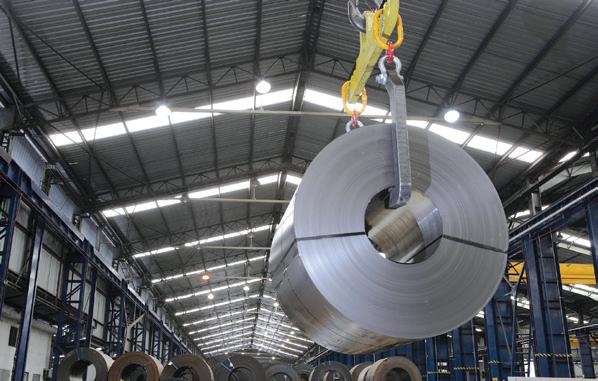
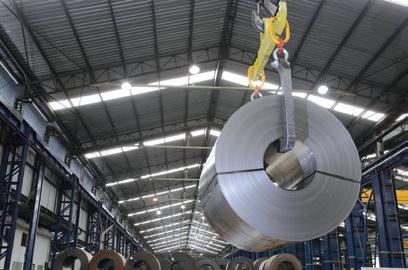
Cold-rolled steel coil at a storage area in a steel industry plant. casa.da.photo | Shutterstock
The American Trailer Manufacturers Coalition in May asked Commerce to include refrigerated and dry van trailers, and their subassemblies in the Section 232 list. The ad hoc coalition of U.S. trailer manufacturers includes Great Dane, Stoughton Trailers, Strick Trailers, and Wabash, according to advisory firm Wiley Rein, which submitted the requests.
“Commerce’s decision to impose Section 232 derivative tariffs on these imports is an important step toward restoring fair competition and protecting domestic manufacturing,” said Robert E. DeFrancesco, partner in
Wiley’s International Trade Practice and counsel to the coalition.
The American Primary Aluminum Association likewise applauded the action as a way “to combat ongoing predatory trade behaviors.”
More to come
But wait, that’s not all.
Speaking after the ACT Research August 20-21 “Market Vitals” outlook conference, ACT President and Sr. Analyst Ken Vieth suggested that another round of Section 232 tariffs likely would be coming soon.
“The manufacturers that are producing in the United States—that are bringing in parts with tariffs on them—are being disadvantaged by those tariffs whereas competitors who are manufacturing autos and trucks in Mexico are not, as an example,” Vieth said. “So the scuttlebutt in the industry is that that announcement is likely to drop sometime before the end of the month.”
The ever-changing trade environment makes the job of market analysts such as ACT Research exceedingly challenging.
“We joked earlier in the year that it probably would have been advisable
May 30: Trump tariff pause put on hold
A federal appeals court says President Donald Trump can continue to impose sweeping tariffs under emergency powers. The Trump Administration tells the U.S. Court of Appeals that it would likely seek “emergency relief” from the Supreme Court, leading the lower court to grant the White House’s request to pause the U.S. Court of International Trade’s ruling that paused Trump’s tariffs.
May 13: FTR analysts describe tariff distortions
FTR Transportation Intelligence shares its latest forecast during a webinar centered around how the transportation economy has shifted since President Donald Trump was elected last November.
While businesses are facing uncertainty as the middle of the year approaches, FTR analysts are certain that tariffs are going to curtail economic growth into 2026.
May 9: Severe tariff consequences approaching Ripple effects of Trump’s tariffs are approaching the trucking industry. Tractor sales are falling and port traffic will soon slow down due to weak import/export demand.
Class 8 tractor orders have dropped significantly. Both ACT Research and FTR Transportation Intelligence find that truck sales in April are the lowest since May 2020.
May 29: Judges block Trump’s sweeping tariffs
In a major blow to Trump’s trade policy, a panel of three federal judges orders an immediate end to the president’s 10% baseline tariffs, retaliatory tariffs, and tariffs blamed on fentanyl trafficking.
May 12: U.S. and China reduce reciprocal tariffs
The U.S. and China reach a temporary trade war resolution during a weekend meeting in Switzerland. Trump’s baseline tax on importing goods from China is lowered to 30%, while China’s baseline tariff on U.S. imports is lowered to 10%.
The resolution is a temporary, 90-day agreement that may change by August.
Class 8 tractor orders have dropped significantly, according to ACT Research and FTR Transportation Intelligence Vitpho | Shutterstock
The U.S. and China reached a temporary trade war resolution during a weekend meeting in Switzerland. miss.cabul | Shutterstock
2026 PLANNING | TARIFFS
to time-stamp our forecast,” Vieth said, recalling that the tariff plan with China changed while he was onstage making a presentation last May. “The on-again, off-again cadence of the tariff announcements has certainly made it very difficult to forecast.
“I can’t imagine being a manufacturer: It’s another thing when you’re planning
materials, planning labor, and trying to run a production facility.”
The real problem is less the tariffs themselves than the way they are being implemented, Vieth concluded.
He noted that the tariff plan from the first Trump administration, while harmful—though much of the impact was “lost” in the statistical confusion of the
COVID pandemic—were “very targeted and specific” and “kind of rational.”
This time around, not so much.
“It’s policy by tweet and fiat. There appears to be little regard for the impact of the tariffs, and the optics are almost more important than what is trying to be accomplished,” he said. “This just seems to be a global tariff-fest with a sledgehammer.”
May 3: Auto parts tariffs take effect Trump’s tariffs on foreign-made auto parts— specifically passenger vehicles and light trucks—officially begin at 25% ad valorem.
The tariff order includes a ‘non-stacking’ clause to prevent multiple tariff duties for a single automotive part.
April 22: Tire manufacturers are hiking prices
Goodyear Tire & Rubber Co. and Sumitomo Rubber North America Inc. announce plans to increase tire prices in the United States and Canada on May 1.
Goodyear says the price hikes are due to “rising costs,” and will raise some tire prices in the U.S. by as much as 4% and in Canada by up to 6%.
Sumitomo plans to raise commercial truck tire prices by up to 10%.
April 17: Manufacturing business confidence plummets in April
Several new surveys point to massive declines in capital spending plans and a growing sense of unease in the manufacturing community.
Manufacturing pessimism spiked dramatically in April amid changing tariff plans global trade policy. Several recent surveys show a dramatic plummet in business confidence between January and April.
April 16: J.B. Hunt whacks $200M off 2025 capex, blames uncertainty
The leaders of J.B. Hunt Transport Services Inc. have cut their 2025 capital spending plans by $200 million as part of an ongoing push to rein in costs and improve margins.
The J.B. Hunt team attributes the cuts to continued low rates and significant tariff uncertainty. An uncertain economic picture where the situation is “changing by the day or the tweet or the moment,” the president and CEO says, meaning the company needs to remain flexible.
Tire manufacturers, such as Goodyear Tire & Rubber and Sumitomo Rubber North America, are hiking prices.
April 25: Tariffs torpedoed Knight-Swift hopes for rebound Executives of Knight-Swift Transportation Holdings tell analysts and investors that tariffs halted the freight market’s momentum.
CEO Adam Miller says the company’s contract talks with shippers started 2025 as expected, with rates rising in the low- to mid-single digits from 2024. But as President Donald Trump’s tariff plans came into focus, Miller notes that some customers grew more focused on getting the lowest cost possible while others hit pause on their plans.
April 18: Volvo blames tariffs for manufacturing layoffs Volvo is laying off at least several hundred workers at its plants over the coming months. The company is blaming the layoffs on market uncertainty and tariffs.
“Heavy-duty truck orders continue to be negatively affected by market uncertainty about freight rates and demand, possible regulatory changes, and the impact of tariffs,” Kimberly Pupillo, a Mack spokesperson, says. “Yesterday, we informed our employees that this unfortunately means we’ll have to lay off 250 to 350 people at LVO over the next 90 days.”
April 16: ACT says Trump trade policies create 45% chance of recession
At the start of 2025, ACT Research analysts said the U.S. faced a 20% chance of recession. But those fears rise as ‘presidential flip-flopping’ creates more business risk and uncertainty.
The firm reduces its Class 8 build forecast by nearly 35,000 units and increased its recession probability forecast to 45%. ACT Research President Ken Vieth blames the degrading climate on major disruptions to emissions regulations and global trade dynamics.
Maksim Safaniuk | Shutterstock
April 11: The cost of tariffs for carriers
Tariffs continue to shake the broader economy—and commercial carriers can feel tremors in their own operations. Executives and analysts in the trucking industry reported the duties could challenge fleets’ ease of maintenance, cross-border logistics, and freight demand.
“The bigger risk for trucking is the increased cost of pretty much all goods for the consumer and for businesses … And what that’s going to do to demand, both by consumers for goods as they face higher prices and for businesses looking to decide what they’re going to do in the near term,” said Avery Vise, VP of trucking at FTR Transportation Intelligence.
April 8: ‘This is nuts’: Supply chain expert on tariffs, trucking
Tariffs announced by President Trump prompt warnings from experts about declining new orders and rising costs in the freight and automotive sectors.
Jason Miller, Eli Broad professor of supply chain management at Michigan State, outlines the current freight environment and forecast possible outcomes in his Stifel freight outlook presentation.
“If these higher rates stay in place, you know, longer than three months, I don’t see how we don’t end up in a recession within six months,” Miller says.
April 2: Trump imposes sweeping Liberation Day tariffs
President Donald Trump signs an executive order implementing sweeping tariffs on nearly all imports on Wednesday a ernoon.
The U.S. will impose a baseline duty tax of 10% on all imports, with some exemptions, beginning April 5. On April 9, Trump will impose varying duties on imports from 57 specific countries as much as 49%. In his speech from the White House Rose Garden, Trump said he is imposing a 25% tariff on all foreignmade automobiles (excluding heavy-duty trucks), which was announced on March 26 and took effect April 3.
President Donald Trump holds up an executive order implementing sweeping tariffs on nearly all imports.
The White House | X.com
April 9: Trump declares 90-day reciprocal tariff pause
Trump announced a pause on his latest tariffs Wednesday. Trump said the U.S. will instead maintain the 10% import duty for imports from all countries except China, which will see extreme tariff rates.
April 3: Trump tariffs will hit top tire exporters
Trump’s reciprocal tariffs target many countries that export tires to the United States.
Seven out of the 10 biggest exporters of passenger tires to the U.S. in 2024—Thailand, Indonesia, Vietnam, South Korea, Japan, Cambodia and Malaysia—will be subject to reciprocal tariffs, according to information published in the Federal Register.
Tractor-trailers line up to receive containers as a cargo ship is unloaded at a Port of Seattle terminal in Washington State. Matt Brashears | Shutterstock
March 20: Well-positioned carriers should be optimistic about freight in 2025
Tariffs are creating uncertainty for carriers that have weathered a prolonged freight recession. As capacity shrinks and demand rises, the surviving fleets will ’start to feel better,’ Bob Costello, American Trucking Associations chief economist, tells for-hire carrier executives at the Truckload Carriers Association’s annual conference
“If you take away what’s going on with tariffs, in particular … I would have come out here and told everybody: It’s not going to be great. It’s not going to be the pandemic boom. But we are absolutely moving in the right direction,” Costello says.
March 7: Trump delays tariffs for key Mexican, Canadian imports
President Donald Trump, once again, postpones tariffs on most goods imported from Canada and Mexico.
Under the latest supply chain shakeup, several goods under the United StatesMexico-Canada Agreement—including automotive products—are exempt from Trump’s wide-ranging 25% tariffs for at least one month.
The moves are additional disruptions to a chaotic tariff rollout, which has clouded business decision-making.
Feb. 6: Shippers expedite freight due to tariff caution
Despite a 30-day pause, the threat of tariffs against Mexican and Canadian imports persists. Some shippers are bracing for the risk of skyrocketing expenses by moving inventories early.
“Our customers are bracing,” Jose Guerrero, director of U.S. customs operations for Uber Freight, says. “This month, there’s going to be a surge in volumes.”
Feb. 3: Trump’s tariffs spell bad news for trucking’s recovery
President Trump is enacting major tariffs against Canada, Mexico, and China, taxing imports from those nations by 10% to 25%.
Canada and Mexico have vowed to enact retaliatory tariffs. ATA warns a trade war will harm cross-border trade, equipment prices, and overall freight movement.
March 12: Trump tariffs: ‘Nobody likes this level of volatility’
President Donald Trump issues 25% tariffs on all steel and aluminum imports to the U.S.— and threatens, but then quickly revokes a 50% tariff on Canadian steel and aluminum.
On-again, off-again tariffs are dashing hopes for a 2025 freight market upturn. Trump’s tariff roller coaster is concerning analysts and threatening trucking’s longawaited rebound.
Liquor stores in British Columbia, Canada, removed all American liquor from their shelves by government decree in response to U.S. tariffs imposed by President Donald Trump earlier this year.
Feb. 28: Trump tariffs vs. ‘self-inflicted uncertainty’ Trade war uncertainty has engulfed U.S. business decisions since President Donald Trump returned to office and threatened tariffs on neighboring and global trading partners. The trucking industry could be an economic casualty if this cold trade war heats up next week.
“Trump risk is truly self-inflicted uncertainty,” Ken Vieth, ACT Research president and senior analyst, says during his firm’s Market Vitals seminar in Columbus, Indiana.
Feb. 4: North American trade war gets 30-day tariff ceasefire
President Donald Trump’s announcement of economy-shaking tariffs changes significantly over 24 hours. Canada and Mexico reach deals to postpone the threat of tariffs, and China issues retaliatory fees against U.S. products.
Canada and Mexico reach separate deals with Trump to postpone their 25% tariffs for 30 days. The deals spare the U.S. freight industry from what could have been significant damage to freight rates and equipment prices.
President Donald Trump signs executive orders and proclamations Feb. 3 in the Oval Office of the White House in Washington and speaks to reporters about U.S.-Mexico tariff negotiations.
Brian Jason | Shutterstock
Regulations, apparently, are like the weather: If you don’t like them, stick around—they’ll change
By Commercial Vehicle Staff
While tari s and trade policy are adding to market uncertainty amid the longest freight recession in most folks’ memory, there’s one thing to be sure of: e Trump administration will roll back regulations. Your mileage may vary as to whether this regulatory shi for commercial vehicles and the trucking industry is good news or not.
These policy reversals and new initiatives, driven by a broad deregulatory agenda, promise to reshape the market for fleets and manufacturers alike, impacting everything from emissions standards to operational freedoms and the future of autonomous vehicles.
Key among these shifts are the proposed rescission of the 2009 Endangerment Finding, the official withdrawal of the contentious speed limiter mandate, the introduction of a comprehensive “Pro-Trucker Package,” and a complex legal battle over California’s clean air waivers.
EPA moves to undo GHG limits
At the forefront of the administration’s deregulatory efforts is the U.S. Environmental Protection Agency’s proposal to rescind the 2009 endangerment finding, a landmark document that recognized public health dangers from global greenhouse gas pollution and laid the groundwork for GHG standards for trucks.
EPA Administrator Lee Zeldin announced this proposal, stating that its finalization would “end 16 years of uncertainty for automakers and American consumers” and eliminate “a trillion dollars or more in hidden taxes on American businesses and families.”
The finding, which deemed six specific gases (carbon dioxide, methane, nitrous oxide, hydrofluorocarbons, perfluorocarbons, and sulfur hexafluoride) a threat to public health, is considered essential for all carbon dioxide regulations, including those affecting truck manufacturers and California Air Resources Board waivers.
If successfully revoked, the endangerment finding would rescind all GHG standards for vehicles and engines, profoundly
Reg rollbacks far reaching for CVs, trucking
altering the market for fleet vehicles and components. The American Trucking Associations and the Clean Freight Coalition have voiced strong support, welcoming a “path of common sense” and opposing what they call “unattainable targets” that harm the industry and jeopardize the supply chain.
However, CARB—whose heavy-duty emissions regulations heavily rely on the finding—has denounced the move. Craig Segall, a former CARB official, argued that it “doesn’t help the trucking industry,” instead penalizing fleets that have committed to electric trucks and creating significant market instability.
The path to revocation is far from simple, however, involving the rulemaking process and numerous court challenges. Should the revocation succeed, its repercussions would be significant across all U.S. commercial vehicle fleets.
Beyond the endangerment finding, the EPA is also working to lessen the consequences of diesel exhaust fluid (DEF) issues. New guidance for MY2027 diesel engines will require them to avoid sudden and severe power loss, or de-rates, when running out of DEF, implementing a tiered power loss system. This allows for no performance changes for up to 650 miles or 10 hours, a mild de-rate after 4,200 miles or 80 hours, and a 25 mph limit only after 8,400 miles or 160 hours.
Speed limiter mandate dropped
The Department of Transportation has officially withdrawn its proposed speed limiter mandate for heavy vehicles. This move concludes a contentious, decades-long debate.
FMCSA and NHTSA justified the withdrawal by citing “significant data gaps” in previous rulemakings regarding potential safety benefits and economic impacts, concluding that the mandate could have constituted federal overreach. They also pointed to advancements in other crash avoidance technologies and the negative impact of speed differentials.
The federal government’s interest in CMV speed limiters dates back to the 1980s, with a 1991 study supporting the idea but questioning the magnitude of benefits. Federal interest was renewed in 2006 by petitions from groups including the ATA. However, the current withdrawal was met with widespread applause from industry groups like the ATA, the OwnerOperator Independent Drivers Association, and the National Private Truck Council.
Pro-Trucker Package launched
The withdrawal of the speed limiter mandate is a key component of the DOT’s new “Pro-Trucker Package,” announced by U.S. Transportation Secretary Sean Duffy.
This package is part of President Trump’s executive order on “Enforcing Commonsense Rules of the Road for America’s Truck Drivers” and aims to improve the lives of truckers.
Key actions in the Pro-Trucker Package include:
However, environmental advocates and former CARB officials were sharply critical of the OEMs. Guillermo Ortiz of the Natural Resources Defense Council called the lawsuit a “cynical reversal of course” and “bad faith,” injecting instability into the market. Craig Segall of CARB expressed incredulity, questioning whether companies understood how to “sell their own products” by “burning your regulators and destroying shareholder value.”
• Expanding truck parking : Advancing over $275 million in funding and opening new grant programs.
• Removing certain mandates: Officially withdrawing the speed limiter proposed rulemaking.
• Modernizing driver resources: FMCSA launching userfriendly digital assets, updating the Consumer Complaint database, and making the DataQ system more transparent.
• Removing red tape and addressing bad actors: FMCSA proposing to eliminate 1,800 words from federal regulations and renewing focus on unlawful double brokering.
Industry leaders Chris Spear (ATA) and Todd Spencer (OOIDA) lauded the package, emphasizing its role in reducing regulatory burdens, enhancing safety, and addressing long-standing issues like truck parking shortages and hours of service flexibility.
CARB sues EPA, OEMs sue CARB
A highly complex and contentious legal battle is unfolding regarding California’s authority to set its own stringent emissions standards.
President Trump used the Congressional Review Act to overturn three of the U.S. EPA’s decisions to grant California waivers, including its Advanced Clean Cars II, Advanced Clean Trucks (ACT), and Heavy-Duty Engine and Vehicle Omnibus regulations. This action immediately led to a lawsuit by California against the EPA, known as California v. EPA , which is expected to reach the U.S. Supreme Court.
In the wake of Trump’s actions, four major North American truck makers—Daimler Truck North America, International, Paccar, and Volvo Group North America—filed their own lawsuit against CARB, titled Daimler Truck North America LLC et al v. CA Air Resources Board et al .
These OEMs claim they are “caught in the crossfire” between conflicting federal directives to ignore California’s standards and California’s insistence that they honor commitments made under the Clean Truck Partnership (CTP). The U.S. Department of Justice has ordered the OEMs to cease compliance with CARB, while California, challenging the legality of the CRA resolutions, insists the CTP must be honored.
The OEMs argue that California demands they follow “preempted laws” and has threatened sanctions for non-compliance, while they face practical challenges like sluggish battery-electric vehicle adoption, inadequate charging infrastructure, and rising electricity costs. They seek a court declaration that CARB’s recent waiver submissions are invalid and to be released from their CTP commitments.
The two central CARB rules in dispute are the Heavy-Duty Low NOx Omnibus (tightening NOx standards for diesel engines) and the Advanced Clean Trucks regulation (requiring rising sales of zero-emission trucks, targeting 40% of new Class 7/8 sales as ZEVs by 2032).
CARB had also sought a waiver for Advanced Clean Fleets, which would mandate 100% ZEV for certain fleets by 2035 or later, but this request was withdrawn after Lee Zeldin became EPA administrator.
FTC closes OEM investigation
Complicating matters further, the Federal Trade Commission recently closed its antitrust investigation into the four plaintiff OEMs for joining the CTP. The FTC had raised concerns about the OEMs (which control 99% of U.S. heavyduty truck sales) potentially being forced to produce ZEV engines despite invalidated regulations, lacking competitive abuse provisions, and having terms with limited political oversight.
In response, the OEMs stated the CTP is “unenforceable” and pledged not to enforce its terms against competitors or enter similar agreements. The FTC’s Deputy Director of the Bureau of Competition declared that CARB’s “regulatory overreach posed a major threat” and that the CTP is now “squarely in the rearview mirror.”
The CTP was initially a deal where OEMs received concessions (like aligned 2027 NOx standards and charging infrastructure support) in exchange for agreeing to follow CARB’s emissions and EV sales goals and, critically, not challenging its regulations or authority. This “diesel détente” was met with initial criticism from groups like the ATA.
Autonomous vehicles and the road ahead
In another area of future-forward regulation, NHTSA has released new steps to develop a unified regulatory framework for autonomous vehicles (AVs), emphasizing principles of prioritizing safety, unleashing innovation, and enabling commercial deployment.
These steps include easing crash reporting requirements under the Standing General Order for Crash Reporting and expanding eligible vehicles under the Automated Vehicle Exemption Program.
While the outcome of many of these changes, particularly those facing legal challenges from California and environmental groups, remains uncertain, they represent a significant departure from previous policies and will continue to shape the commercial vehicle market for years to come. TBB
EVENTS Calendar
September 22-23, 2025
NTEA Executive Leadership Summit Ann Arbor Marriott Ypsilanti, MI www.ntea.com
October 5-7, 2025
MEMA Aftermarket Tech Conference University Plaza Hotel & Convention Center Springfield, MO www.mema.org
October 7-9, 2025
NTDA 35th Annual Conference
Marriott Starr Pass Resort & Spa Tucson, AZ www.ntda.org
October 21-22, 2025
NATM Regulatory Roundup & Hill Visits
K&L Gates, Washington, DC www.natm.com
pmlights.com/tbb225
www.ridewellcorp.com
steelwarehouse.com
Trail King Industries IBC trailking.com
Utility Trailer Sales of Southeast Texas 37 www.utilitytrailers.com/ Waytek Inc. 31 www.waytekwire.com Whiting Door Manufacturing Corp. 22 www.whitingdoor.com
NPTC Annual Conference and Exhibition Orange County Convention Center Orlando, FL www.nptc.org
Truck, trailer, and body OEMs
Todd Biggs has accepted a promotion to general manager, parts sales, with Daimler Truck North America (DTNA). In his new role, he will report to Drew Backeberg, senior vice president, aftermarket. Biggs first joined DTNA in 2002 and entered leadership in 2012. After holding several directorial positions, he most recently served as director, Aftermarket Distribution Operations, overseeing Parts Distribution Centers and Transportation Logistics.
Suppliers and distributors
Stellar has promoted Tim Worman to director of product management and inside sales. In his new role, Worman will lead development strategy across product lines and oversee the company’s inside sales team. He’ll also focus on aligning sales support resources to serve the company’s distributor network. Originally, Worman joined Stellar in 2019 as product manager. Since then, he rose to director of product management in 2021.
Crystal Washington has joined Pitts Trailers as its new supply chain manager. Washington has worked in manufacturing for 17 years, particularly focusing on closing process gaps, improving purchasing and inventory operations, and supporting team growth. Now, she’ll use a strategic approach to enhance Pitts Trailers’ efficiency and overall operational excellence.
Alicia Boler has joined Ford Pro as the company’s president, effective Oct. 1. She succeeds Andrew Frick, who served as interim leader of Ford Pro since 2024 and will continue to lead Ford Blue and Ford Model e. Davis most recently worked as CEO of Alto Pharmacy, prior to which she worked in senior roles at Amazon, joining as vice president of global customer fulfillment before rising to senior vice president in 2022. Before Amazon, Davis also held senior roles at GM.
Cummins has promoted four leaders to vice president, including Elma Avdic, Yongquan Chai, Karen Weber, and Brian Wilson. Avdic will now serve as VP of components engineering, Chai as VP of components China, Weber as VP of ethics and compliance, and Wilson as VP of eMobility. Avdic first joined Cummins in 2005. Prior to her promotion, she led engineering for turbochargers, fuel systems, and valvetrain and software and electronics across Cummins’ Components. Chai has served as GM of components China since 2022, where he oversaw a portfolio that includes all components businesses in the region. Weber has held many senior legal roles since she joined Cummins in 2013, most recently as deputy general counsel and head of global litigation. Finally, Wilson joined Cummins in 2008 and most recently served as GM of electrified components. He later became GM for Accelera’s eMobility business.
John Walsh has joined Air Lift Company as its new senior vice president of Sales. Walsh has worked in the automotive and industrial products sectors for more than 25 years, and now, he will lead Air Lift’s domestic sales, international sales, and customer service. He’ll particularly focus on defining commercial strategy, expanding market share, and strengthening the company’s position in domestic and global markets.
Associations
MEMA Aftermarket Suppliers Brake Manufacturers Council has appointed Greg Ladley to its executive committee. Currently, he is serving as manager, friction/disc engineering and technical sales, at ADVICS North America. Ladley has also held positions in system integration, application engineering (caliper/EPB/rotor/pad), component validation, prototyping manufacturing and purchasing, friction engineering, and engineering sales.