


























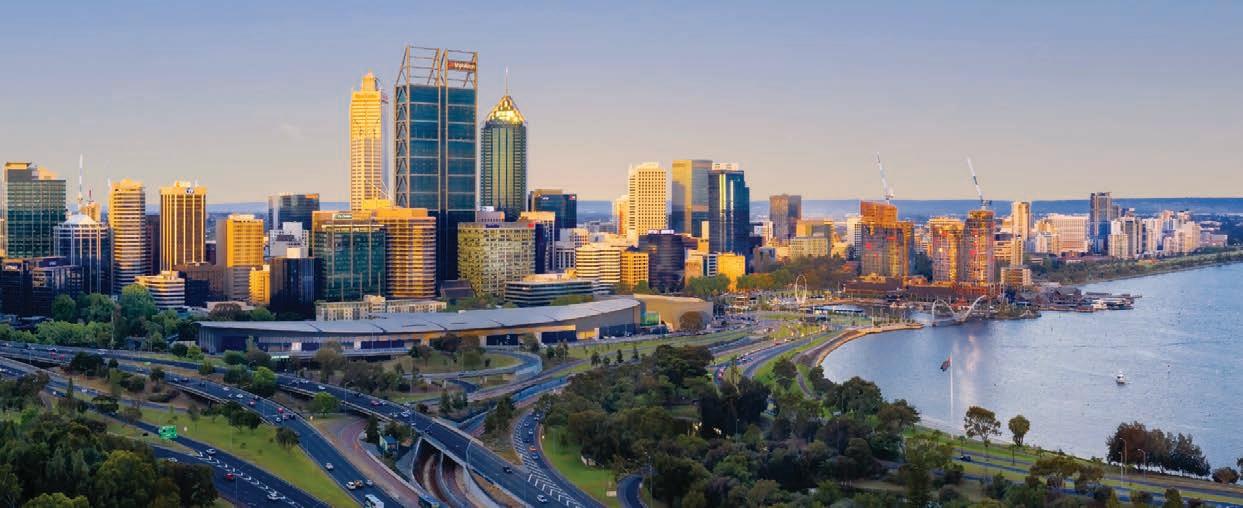
Perth turned on the charm for the first ever tunnelling conference in the city. The weather was perfect and the convention centre (foreground), overlooking the Swan River, provided the perfect setting for the five-day ATC2025 gathering
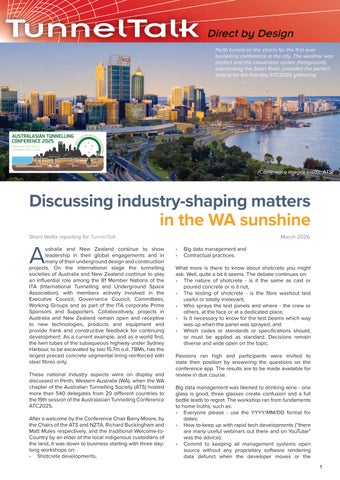
Perth turned on the charm for the first ever tunnelling conference in the city. The weather was perfect and the convention centre (foreground), overlooking the Swan River, provided the perfect setting for the five-day ATC2025 gathering
Shani Wallis reporting for TunnelTalk
Australia and New Zealand continue to show leadership in their global engagements and in many of their underground design and construction projects. On the international stage the tunnelling societies of Australia and New Zealand continue to play an influential role among the 81 Member Nations of the ITA (International Tunnelling and Underground Space Association), with members actively involved in the Executive Council, Governance Council, Committees, Working Groups and as part of the ITA corporate Prime Sponsors and Supporters. Collaboratively, projects in Australia and New Zealand remain open and receptive to new technologies, products and equipment and provide frank and constructive feedback for continuing development. As a current example, and as a world first, the twin tubes of the subaqueous highway under Sydney Harbour, to be excavated by two 15.7m o.d. TBMs, has the largest precast concrete segmental lining reinforced with steel fibres only.
These national industry aspects were on display and discussed in Perth, Western Australia (WA), when the WA chapter of the Australian Tunnelling Society (ATS) hosted more than 540 delegates from 20 different countries to the 19th session of the Australasian Tunnelling Conference ATC2025.
After a welcome by the Conference Chair Barry Moore, by the Chairs of the ATS and NZTA, Richard Buckingham and Matt Mules respectively, and the traditional Welcome-toCountry by an elder of the local indigenous custodians of the land, it was down to business starting with three daylong workshops on:
• Shotcrete developments,
• Big data management and
• Contractual practices.
What more is there to know about shotcrete you might ask. Well, quite a bit it seems. The debate continues on:
• The nature of shotcrete - is it the same as cast or poured concrete or is it not,
• The testing of shotcrete - is the fibre washout test useful or totally irrelevant,
• Who sprays the test panels and where - the crew or others, at the face or at a dedicated place,
• Is it necessary to know for the test beams which way was up when the panel was sprayed, and
• Which codes or standards or specifications should, or must be applied as standard. Decisions remain diverse and wide open on the topic.
Passions ran high and participants were invited to state their position by answering the questions on the conference app. The results are to be made available for review in due course.
Big data management was likened to drinking wine - one glass is good, three glasses create confusion and a full bottle leads to regret. The workshop ran from fundaments to home truths, such as:
• Everyone please - use the YYYY/MM/DD format for dates;
• How to keep up with rapid tech developments (“there are many useful webinars out there and on YouTube” was the advice);
• Commit to keeping all management systems open source without any proprietary software rendering data defunct when the developer moves or the
proprietary knowledge is lost;
• Recognise that a data flat-line is often because the data recording instrumentation has been switched off!
• Be mindful that more time is often spent on collecting the data than analysing and interpreting the tremendous amounts collected, much of which is collected for collection’s sake and just because it can be – i.e. the hangover part of the wine analogy.
The third workshop, as could be expected on contractual practice, was wide ranging in its considerations; from and to;
• Asking, is AI generated data (text and/or visual presentations) reliable in court;
• The urgent need for educating politicians and public servants, including those in treasury departments,
about the real and honest industry opinions on cost/ benefit analysis of large infrastructure projects;
• Cutting out the layers of design, design checking and design verifications (“the fat”) before ever the construction phase comes into sight;
• Involving the expertise of contractors early in the development of any large project realisation;
• Controlling scope creep induced by multiple design and/or construction changes and the cost and time consequences that even suggesting a change can incur (Fig 3);
• Using Geotechnical Baselines to manage contracts and to keep the lawyers out of procurement, or at least limit their involvement from where it is currently;
• The writing of expert witness reports and the
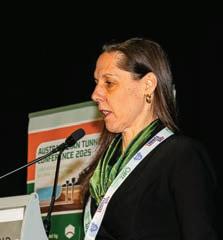
The Keynote by Jenny Yan, Immediate Past President of the ITA, gave an account of the rapid development of transport infrastructure across China. Yan, a director or the China Railway Academy Group based in Chengdu, explained that there is today:
• More than 66,000km of road, rail and metro tunnels across the country
• 96% of these have been built during the last three decades
• at a total of more than 1,800km/year and
• there is another 20,000km currently in construction.
• There are metro systems in 51 cities,
• with 78% of the networks aligned underground.
• 5,000 TBMs have been used in China and there are 3,000 currently in use.
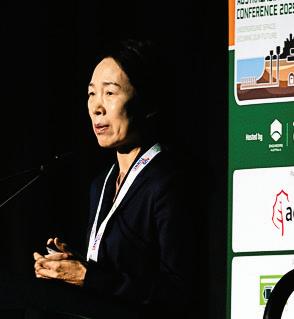
Jenny Yan, China
With this wealth of experience and knowledge Yan suggests there is much to share with the rest of the world. “Projects have driven great innovation and industry development.” Three were explained in detail.
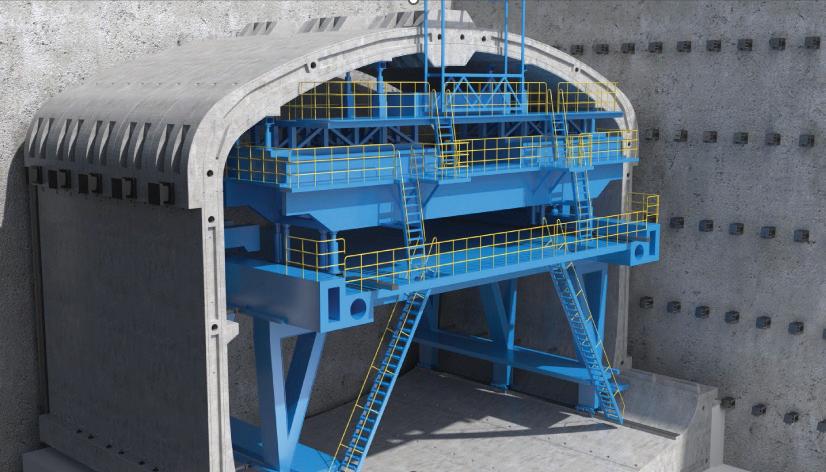
First a geophysical prediction system, that uses the vibration of the TBM cutterhead operation itself as the signal, to turn “unexpected ground behaviour into the expected and reduce the geological risks on long distance TBM applications”. Secondly, a prefabrication method of metro station construction, the prefabricated elements of each length being assembled in the open station box and backfilled (Fig 1). The method is faster, cheaper, permits construction through harsh winters, provides a highquality finish with water-stops between precast elements, and saves significantly on internal architectural finishes. An original seven elements in each 2m wide length, is now reduced to four elements of 2.5m in length. The system has been used on 60 metro stations with more to come.
A third innovation has been the processing of EPB and slurry TBM muck into a resource rather than a waste. “Initially the muck processing plants were large installations of filters, hydro cyclones and filter presses. Today these are much smaller and more powerful.”
Keynote 2 by Prof Wout Broere of Delft University of Technology, looked back at the earliest applications of TBM excavation in The Netherlands. Much of the experience related to monitoring ground movement and surface settlement monitoring before proposed TBM application for metro running tunnels in the historic heart of Amsterdam. A great deal of instrumentation was installed to establish a basis for a zero-state design, and then to monitor movement during excavation and for long term asset management. For all applications Broere advocated the use of fibre optics for long term data recording rather than more fallible alternatives. As a vital tool for future underground infrastructure management, instrumentation and data collection will automatically monitor structures not only for timely and economic maintenance, but also to ensure public safety and address owner liability issues.
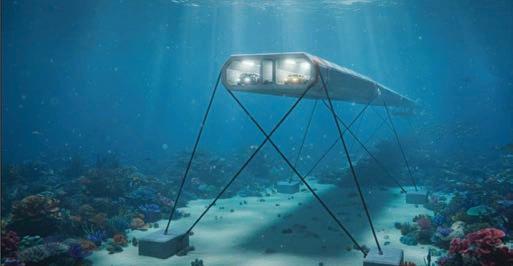
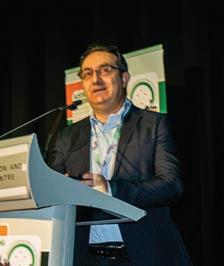
The opening Keynote on the morning of day two by Ozturk Osgur, an executive director of Aecom, presented an indepth review of TBM and immersed tube crossings of the world, detailing how and why one method has been chosen over the other for under sea, estuary, river and strait crossings. This was an expert exposé on the pros and cons of the different methods and how they have been compared and applied on the many and growing number of subaqueous connections. With such crossings becoming deeper and longer beneath bodies of water, exposing mined and immersed tube options to greater pressures and technical challenges, Osgur predicted with confidence that the world will soon witness, “within the coming decade”, the first serious application of the fabled floating tunnel across deep fjords and straits.
The management of subsurface risks was the crux of Keynote four by Randy Essex of the USA. As an exponent of Geotechnical Baseline Reports (GBRs) as a vital contract management tool, Essex reviewed important lessons learned about the preparation, writing, and application of the reports. Trends over the last 15 years said Essex, show that:
• More clients are using GBRs but engaging individuals who lack the skills and experience to prepare the reports effectively;
• More clients are using design-build models to transfer construction risk to contractors and thereby subverting the risk-sharing purpose of GBRs;
• Claims for differing site conditions are being made based on GBR indications rather than on the contract as a whole
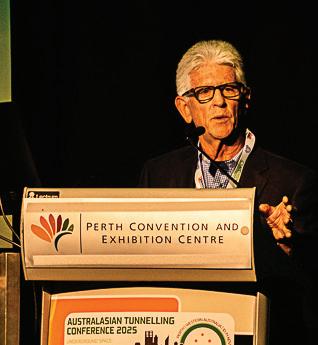
To address these concerns, the new Platinum Edition of GBR Suggested Guidelines, spearheaded by Essex as the principal editor, has been released. It includes examples of conditions and obstructions that have led to claims on past projects; legal and contractual trends in claims and lawsuits by owners and contractors; and case histories on how GBR baselines have resolved disputes. Copies are available from the ASCE bookshop.
uncovering of what actually went on and when, as part of the forensic investigations of collapses;
• Suggesting there are no bad judges or counsels in a court case, just those either badly educated (they are not experts) or badly informed through poor communication from our side.
All these topics were revisited in the proceedings of the three-day technical programme of presentations and in the six plenary keynotes. These keynotes opened each morning and afternoon session as a much-appreciated programme feature, before delegates broke into three simultaneous streams, each run efficiently and on time by the session chairs.
In the technical programme, presentations discussed major projects of Australia and New Zealand including:
• TBM drives for Sydney Metro West and Sydney Western Harbour highway crossings;
• Brisbane’s Cross River Rail project
• The Te Ara o Te Ata - Mt Messenger highway bypass and Auckland Central Interceptor projects in New Zealand;
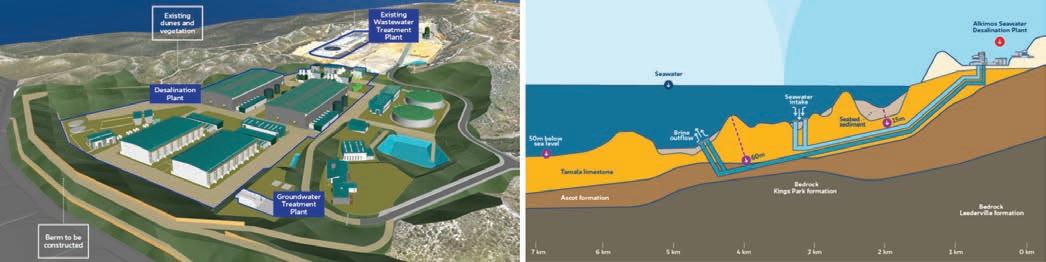
• The Alkimos desalination plant intake and outlet tunnels in Perth (Fig 4);
• Melbourne’s AUD $26 billion North East Link twin TBM highway project and the new Melbourne Metro
Tunnel that runs 9km under the city centre with five spectacular new underground stations;
• and Snowy 2.0, with all presentation rooms filled to capacity to hear the papers, particular the presentation by Massimo Franceschi of the WeBuild/Clough/Lane JV and Mark Fox of Snowy Hydro on the design and supply of the fourth TBM needed to navigate the 800m of the Long Plain Fault Zone on the headrace tunnel. How the severity of the geological challenge of excavating through this section of the headrace was missed in the early site investigation processes is something to know more about, particularly given the time and cost implications. The new 12m diameter multi-mode Herrenknecht TBM is expected to excavate about 5km of the 17km headrace. TBM 3 was reported as more than 1.6km into its headrace drive from the intake end; TBM 2 was into the 1.6km steep power tunnel from the underground powerhouse to the surge shaft; and TBM 1, the CREG machine, was about 4km into the 6km tailrace after completing the 2.8km main access tunnel. All this progresses as drill+blast excavation continues on the powerhouse caverns, the surge shaft, and the intake structures.
See the Reference list below for links to the conference programme and for access to the conference proceedings on the ATS website.
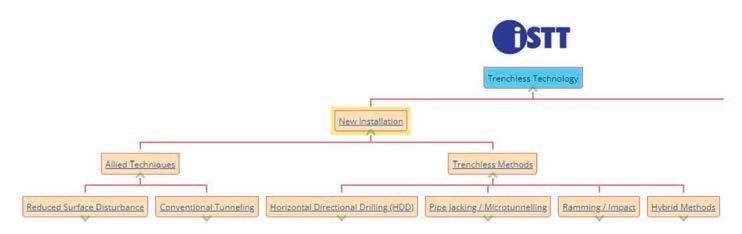
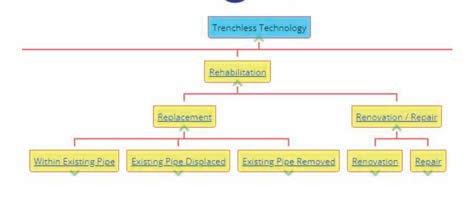
Details of trenchless pipeline installation and rehabilitation methods (Credit: Shou)
Trenchless pipeline installation and renovation was a welcomed focus of the fifth Keynote by Prof Albert Shou of the Taiwan National Chung-Hsing University and Immediate Past Chair of the International Society of Trenchless Technology (ISTT). The presentation described in particular the advances in the cure-inplace-pipe (CIPP) method of pipeline rehabilitation.
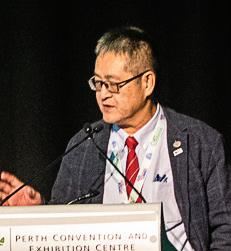
Rounding off the Keynotes on Thursday afternoon was a presentation by Ulrike Pelz, Senior Technical Director - Tunnels & Major Projects for GHD. In a wide ranging and frank review of the challenges facing future opportunities for the underground construction industry, Pelz asked some hard-hitting questions of the audience and offered some recommendations.
On the increasing size and value of projects, the cons included:
• Higher complexity, higher risk exposure, more complex interfaces;
• Same delivery models may not be applicable;
• Less tolerance for error with time and program overruns extremely costly.
Knowledge sharing, suggested Pelz, is often obstructed when:
• Issues are not made public or are kept confidential, preventing real learning of hard lessons;
• Research and real-world applications are kept separated; and
• In some cases, industry best practice just isn’t best.
In presenting more collaborative contract models, Plez recommended incentivised target cost contracts which encourage joint decision-making and early identification of issues in efforts to reduce costs and increase the sharing of project-wide and holistic savings.
Along with lectures, there was a well-represented exhibition of companies from around the world showcasing advances in TBM design, materials and products, construction expertise and expert services, all lead by the Platinum Sponsor Acciona, the contractor building the Alkimos desalination plant for the northern suburbs of Perth using two TBMs from Gold Sponsor Herrenknecht for the undersea intake and outlet tunnels (Fig 4). A visit to Alkimos was one of two technical tours, the other to historic tunnels in Fremantle.
To ensure engagement with the exhibitors, delegates were provided with ‘passports’ at registration and had
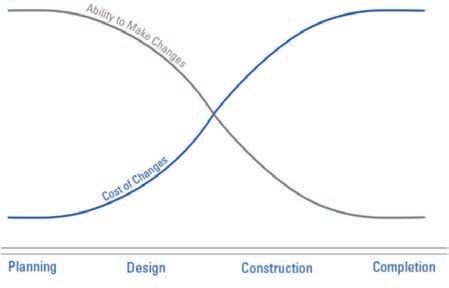
3. The impacts of project scope changes over design and construction (Credit: ResearchGate)
to collect stamps from the 12 exhibitors on their passport to entre a draw for three prizes at the closing ceremony. This served the purpose well with most visitors staying on to know more about the passport companies and discussing operations with the company representatives. Exhibitors on my passport included CREG, supplier of the two large 15.7m diameter TBMs for the 6.5km Western Sydney Harbour subaqueous highway crossing ; Grydale, the supplier of dust control systems ; Mine Geotech with strong links in Australia’s world-class mining industry ; SO*HATSU of Japan, the designer of ventilation systems for operating highway tunnels ; and Bauer Equipment Australia where news was of a diaphragm wall installation method from within parallel tunnels for excavating a station box without using open cut and limiting surface
disruption to small working access sites, a technique to be applied for the first time for a metro station in the middle of Brussels in Belgium.
With the coffee breaks and lunches served among them, and with the corridors to and from the venue entrance and lecture rooms lined with exhibitors, most exhibitors will have been visited by a good number of delegates, including those dropping by to collect a passport stamp. At the closing ceremony three lucky winners, there in person, collected one of the three prizes, one of which was a gold coin from the Perth Mint that had doubled in value since being purchased, such is the rise in the gold price.
At the conference dinner, hosted by CPB Contractors at a venue in Perth’s famous King’s Park overlooking the city and its river, Arnold Dix, Immediate Past President of the ITA, gave the after-dinner speech. In his inimitable style, Dix recounted his involvement in the rescue of 41 workers following collapse of a portal section of the Silkyara highway tunnel in the Himalayas in India. Mirth and pathos were used in equal measure to describe a critical situation that, thankfully, had a positive outcome after 17 days and nights, and that will, hopefully, bring about much improved construction and occupational health and safety practices for risk-laden tunnelling projects in India.
In other closing ceremony business, it was announced that the next ATC conference will be held in Brisbane,
• ATC2025 website
• ATC2025 Technical Programme
• ATC2025 Sponsors and Exhibitors
• ATC2025 Technical Tours
• ATS website
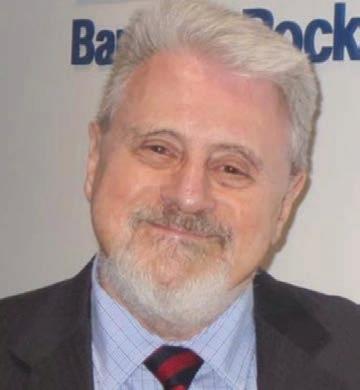
• ATS Allen Neyland Achievement Award to Bill Bamford
• NZTA website
• ITA website
• ITA Member Nations
• ITA Working Groups and Committees
• ITA World Tunnel Congress May 2026 Montréal
Queensland, in 2028. All were cordially invited to another packed programme being prepared to share and enjoy.
With proceedings closed everyone peeled off to enjoy their final hours in Perth with a glorious west coast sunset over the city, over the Swan River and over the Indian Ocean, before heading home and back to work.
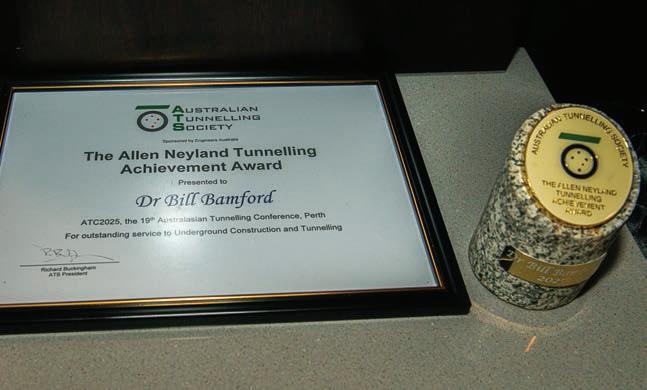
On a more sombre note, in the closing remarks it was announced with sadness that William, Bill Bamford, recipient of the prestigious 2025 Allen Neyland Tunnelling Achievement Award for services to the industry, had passed away that morning after a period of failing health. All took a moment to remember Bill and how he had influenced the industry over his full and rewarding career.
Connecting Communities through Underground Infrastructure 15-21 May 2026
Palais des congrés de Montréal, Canada
WTC2026.ca