Mekanism: Ultimate Guide Step by Step
Introduction to Logistical Transporter Mekanism
Before diving into the practical steps of using the transporter, it is essential to understand what it is and why it matters A logistical transporter mekanism is essentially a system designed to automate the movement of goods from one point to another within a controlled environment Depending on the complexity of your operation, it can range from simple conveyor-based systems to highly automated, AI-driven transport networks
The benefits of implementing a logistical transporter include:
● Enhanced efficiency: Goods move faster and with fewer bottlenecks
● Reduced human error: Automation minimizes mistakes in picking, sorting, and delivery
● Cost savings: Reduces labor costs and operational inefficiencies.
● Scalability: Systems can be expanded as your business grows
● Integration potential: Can be linked with inventory management software for seamless operations.
At its core, the logistical transporter mekanism is about optimizing flow Imagine a well-oiled machine in which packages, raw materials, and finished products move seamlessly across different stages of your logistics chain Whether you are a warehouse manager, a supply chain specialist, or an operations executive, mastering this mechanism can significantly elevate your operational efficiency.
Understanding the Components of a Logistical Transporter Mekanism
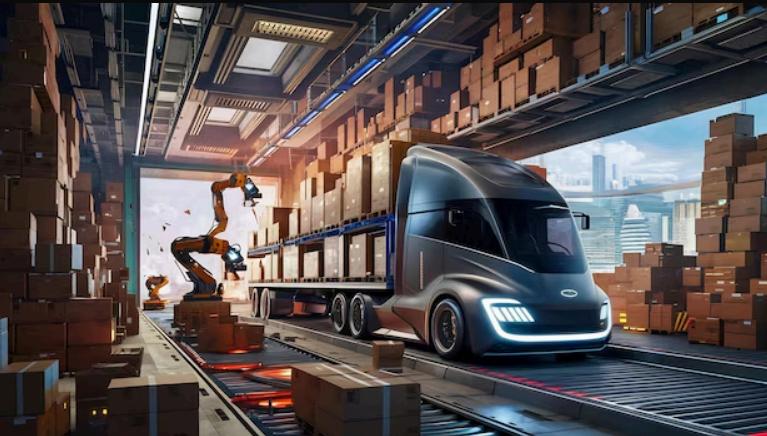
To effectively use a logistical transporter, you need a clear understanding of its components While configurations may vary, the primary components typically include:
1. Transport Rails or Conveyor Networks
These are the physical paths along which goods travel Depending on your setup, these can be:
● Fixed rails: Ideal for consistent, predictable routes.
● Modular conveyor belts: Flexible and adjustable to handle changing layouts
● Pneumatic or magnetic systems: High-speed transport for delicate or valuable items
The design of the rail network determines the efficiency of your system Well-planned paths reduce congestion points and prevent bottlenecks, ensuring smooth operations
2. Item Inserters or Pick-Up Mechanisms
Transporters are only as effective as their ability to load and unload items Inserters are robotic arms or mechanical devices that pick up goods from storage, production lines, or incoming shipments and place them onto transport rails
Types of inserters include:
● Basic inserters: Simple, single-purpose arms for light items
● Advanced inserters: Capable of handling multiple items simultaneously and adjusting speed based on load
● Precision inserters: Designed for delicate or irregularly shaped goods
Understanding the capacity and limitations of your inserters is critical to maintaining throughput
3. Storage and Buffer Units
Buffers serve as temporary holding areas between transporter stages. They prevent the system from stalling if one segment is overloaded or temporarily blocked Common storage components include:
● Chests or bins: Manual or automated storage points
● Stackable pallets: For large or bulk items.
● Smart containers: Connected to sensors and software for real-time inventory tracking.
Correct placement of buffers can drastically reduce downtime and increase the efficiency of your logistical network.
4. Control Systems
Modern transporter mekanisms often rely on software-driven control systems that manage routing, timing, and inventory tracking Features may include:
● Routing algorithms: Determine the fastest or most efficient path for each item.
● Priority queues: Ensure urgent shipments are handled first
● Monitoring dashboards: Provide real-time data on throughput, delays, and errors
A clear understanding of your control system allows you to troubleshoot issues quickly and optimize overall performance.
Step-by-Step Guide: How to Use
Logistical Transporter
Mekanism
Mastering the transporter involves a systematic approach Below, we break down the steps in detail.
Step 1: Planning Your Transport Network
Before any installation, plan your layout carefully. Consider:
● Flow of goods: Identify the starting point, intermediate storage, and final destination
● Volume of items: Estimate peak loads to prevent congestion.
● Item types: Separate fragile or high-priority goods from standard shipments
● Expansion potential: Leave room for future growth and system upgrades
A well-thought-out plan minimizes rework and ensures smoother operation once the system is live
Step 2: Installing the Transport Rails
Lay out the transport rails or conveyor network according to your plan:
● Measure distances carefully to avoid misalignment.
● Test curves and intersections for smooth passage of goods.
● Ensure power or mechanical connection for automated movement
Take your time during installation, as a misaligned rail can create major disruptions once the system is operational.
Step 3: Setting Up Inserters and Pick-Up Points
Install inserters at key points where goods are loaded onto or removed from the transporter. Consider:
● Speed synchronization: Ensure inserters operate in harmony with transport rails to prevent backups.
● Load capacity: Avoid overloading inserters, as this can reduce efficiency
● Placement flexibility: Adjustable arms or modular units allow for future system adjustments.
Well-placed inserters are essential to maintaining consistent throughput and avoiding bottlenecks.
Step 4: Implementing Storage Buffers
Buffers act as shock absorbers for your logistical network:
● Determine appropriate size based on anticipated volume
● Place strategically at intersections or before high-traffic areas
● Integrate with control systems to track inventory and flow.
Buffers prevent the system from halting when one segment becomes temporarily overloaded.
Step 5: Configuring Control Systems
The control system is the brain of your transporter:
● Program routing rules for different types of goods
● Set priorities for high-value or urgent items
● Enable monitoring dashboards for real-time tracking.
● Integrate with inventory management to maintain accurate stock levels
A well-configured control system ensures your transporter operates efficiently with minimal human intervention.
Step 6: Testing and Optimization
Before full-scale deployment, perform extensive testing:
● Run dry tests without valuable items to observe flow and identify issues
● Monitor throughput rates and adjust inserters or buffer sizes if needed.
● Check for jams or misalignments and make necessary corrections.
● Gradually increase load to simulate real operational conditions
Optimization is ongoing; regular monitoring and tweaking will help maintain peak performance
Best Practices for Using Logistical Transporter Mekanism
Efficiency and longevity of your transporter mechanism depend on following best practices
1. Regular Maintenance
Routine maintenance prevents unexpected breakdowns:
● Inspect rails for wear and tear
● Lubricate moving parts regularly.
● Check electrical connections and sensors
● Replace worn-out inserters or buffer components promptly
A well-maintained transporter reduces downtime and keeps your supply chain smooth
2. Monitoring Performance Metrics
Track key performance indicators such as:
● Items transported per hour
● Average transit time for each item
● Frequency of jams or system stoppages
● Accuracy of inventory tracking.
Analyzing these metrics allows for data-driven optimization and ensures your system is performing at its best
3. Staff Training
Even automated systems require knowledgeable operators:
● Train staff to troubleshoot minor issues
● Ensure proper handling of emergency shutdowns
● Familiarize employees with control software dashboards.
Empowered staff can quickly resolve issues, minimizing operational disruptions.
4. Integration With Supply Chain Management
Linking your transporter to broader supply chain systems enhances efficiency:
● Connect with inventory management software for real-time stock updates
● Integrate with order management platforms to prioritize shipments
● Use predictive analytics to anticipate bottlenecks and adjust routing.
Integration ensures your transporter is not operating in isolation but as part of a cohesive logistics ecosystem
5. Gradual Scaling
Start with a manageable network and expand gradually:
● Avoid overloading your system in the initial stages.
● Add new transport rails or inserters incrementally
● Test each expansion thoroughly before full deployment
Scaling gradually allows for better control and reduces the risk of system failure
Advanced Tips for Optimizing Your Logistical Transporter
Once you have a functional system, there are advanced techniques to enhance efficiency further
1. Implement Smart Sorting
Use software to sort items dynamically based on:
● Destination priority.
● Fragility or handling requirements
● Shipping deadlines
Smart sorting ensures that the most critical items move first, improving overall efficiency
2. Automate Monitoring Alerts
Set up automatic alerts for issues such as:
● Rail jams or blockages
● Inserter malfunctions
● Buffer overflows.
Automated alerts allow your team to respond quickly, reducing downtime.
3. Optimize Transport Paths
Analyze transport routes to minimize travel distance:
● Identify bottlenecks and redesign paths
● Use shortcuts or bypasses for high-volume goods
● Adjust timing sequences for inserters and transporters.
Even small path optimizations can lead to significant time savings.
4. Reduce Energy Consumption
Efficiency is not only about speed but also sustainability:
● Use energy-efficient motors and control systems
● Implement motion sensors to power down idle sections.
● Schedule high-volume operations during off-peak energy hours
Energy optimization reduces operational costs while supporting sustainable practices
5. Predictive Maintenance
Leverage data from sensors to anticipate failures:
● Monitor vibration, temperature, or motor strain.
● Schedule preventive maintenance based on usage patterns
● Replace components before they fail to prevent system halts
Predictive maintenance minimizes unexpected downtime and extends the life of your transporter.
Real-World
Applications of Logistical Transporters
Logistical transporters are used across a variety of industries. Some key applications include:
● Warehousing and Distribution: Automate movement between storage and shipping docks.
● E-Commerce Fulfillment: Handle high volumes of small parcels efficiently
● Manufacturing: Transport raw materials and finished goods between production lines
● Pharmaceuticals: Move sensitive items with precision and care
● Food and Beverage: Ensure fast, sanitary transport of perishable goods.
Industries leveraging logistical transporters report increased throughput, reduced errors, and faster turnaround times
Common Challenges and How to Overcome Them
Even with the best planning, challenges can arise Here’s how to tackle common issues:
1. Congestion and Bottlenecks
● Solution: Add additional rails, buffer zones, or optimize routing to disperse traffic.
2. Inserter Malfunctions
● Solution: Perform regular inspections, maintain proper lubrication, and have spare parts on hand.
3. Software Glitches
● Solution: Keep software updated, back up configurations, and have an IT support plan.
4. Load Imbalance
● Solution: Adjust inserters and buffers to handle heavier loads, and distribute items evenly across the network.
5. Human Error During Setup
● Solution: Conduct detailed training sessions and implement checklists for setup procedures
By anticipating these challenges, you can prevent small issues from escalating into major disruptions.
Future Trends in Logistical Transporter Mechanisms
As technology evolves, so do the capabilities of logistical transporters. Key trends to watch include:
● AI-Driven Routing: Advanced algorithms optimize movement in real-time, responding dynamically to changing conditions
● IoT Integration: Sensors provide detailed data on every package, enabling predictive analytics
● Autonomous Vehicles: Self-driving transporters move goods without human intervention, particularly in large warehouses or industrial complexes
● Sustainable Design: Energy-efficient systems reduce carbon footprint while maintaining performance
● Robotics Collaboration: Advanced robotic arms and drones integrate seamlessly with transport networks, handling complex tasks with precision
Keeping abreast of these trends ensures that your logistical operations remain cutting-edge and competitive.
Terra Logistics and the Role of Professional Freight Services
While setting up a logistical transporter mekanism in-house is valuable, partnering with professional logistics providers can enhance efficiency further Terra Logistics offers ocean freight, road freight, air freight, warehousing, customs clearance project logistics,
providing end-to-end solutions that complement your internal transporter system Leveraging professional services allows businesses to:
● Access global shipping networks
● Ensure compliance with customs and trade regulations
● Benefit from specialized warehousing and inventory management.
● Reduce risks associated with transport delays or mismanagement.
Combining a well-optimized transporter mekanism with professional logistics services ensures maximum efficiency, reliability, and scalability for your operations.
Conclusion
Mastering how to use logistical transporter mekanism is a game-changer for any modern logistics operation By understanding the components, planning meticulously, implementing step-by-step setup procedures, and following best practices, businesses can achieve unprecedented efficiency and reliability
From installation and optimization to monitoring and advanced automation, every step contributes to smoother operations, reduced errors, and faster delivery times. Moreover, integrating your system with professional logistics services such as Terra Logistics can elevate your supply chain to a global standard, offering comprehensive solutions that drive growth.