+1) 315 403 4999
+82)10 7138 7031
mpark28@syr.edu msp021994@gmail.com
Experience
Teaching Assistant:
ARC242 Architecture Theory II, Britt Eversole, Syracuse University, January - May, 2026
ARC181 Representation, Omar Ali, Syracuse University, September - December, 2025
ARC182 Representation II, Molly Hunker, Syracuse University, January - May, 2025
Internship:
MAUM Architecture: Architecture Firm based in Seoul, February - June, 2023
Sejin Technology: Structure Firm based in Seoul June - September, 2019
Workshop:
Graduate Pavilion, Julie Larsen, 2024-2025
Design Thinking + Technique, January 2024
Building in Mountain Environment, July 2023
Master of Architecture Syracuse University, May 2027.
Bachelor of Architecture : University of Liverpool School of Art
May 2022.
Harvesting the Anthropocene Instructor. Julie Larsen
Enthalpy of Complexity to Architecture Instructor. Molly Hunker
Nordic Envelope Instructor. Hannibal Newsom
Surfaces of Encounter Instructor. Britt Eversole
Spatializing Affective Rupture Instructor. Eduardo Teran + Stephen Zimmerer
Translating Energetic Exchange Instructor. Britt Eversole
Climate Change is Inevitable
This project begins with the premise that climate change is no longer a distant possibility but an ongoing condition that architecture must confront.
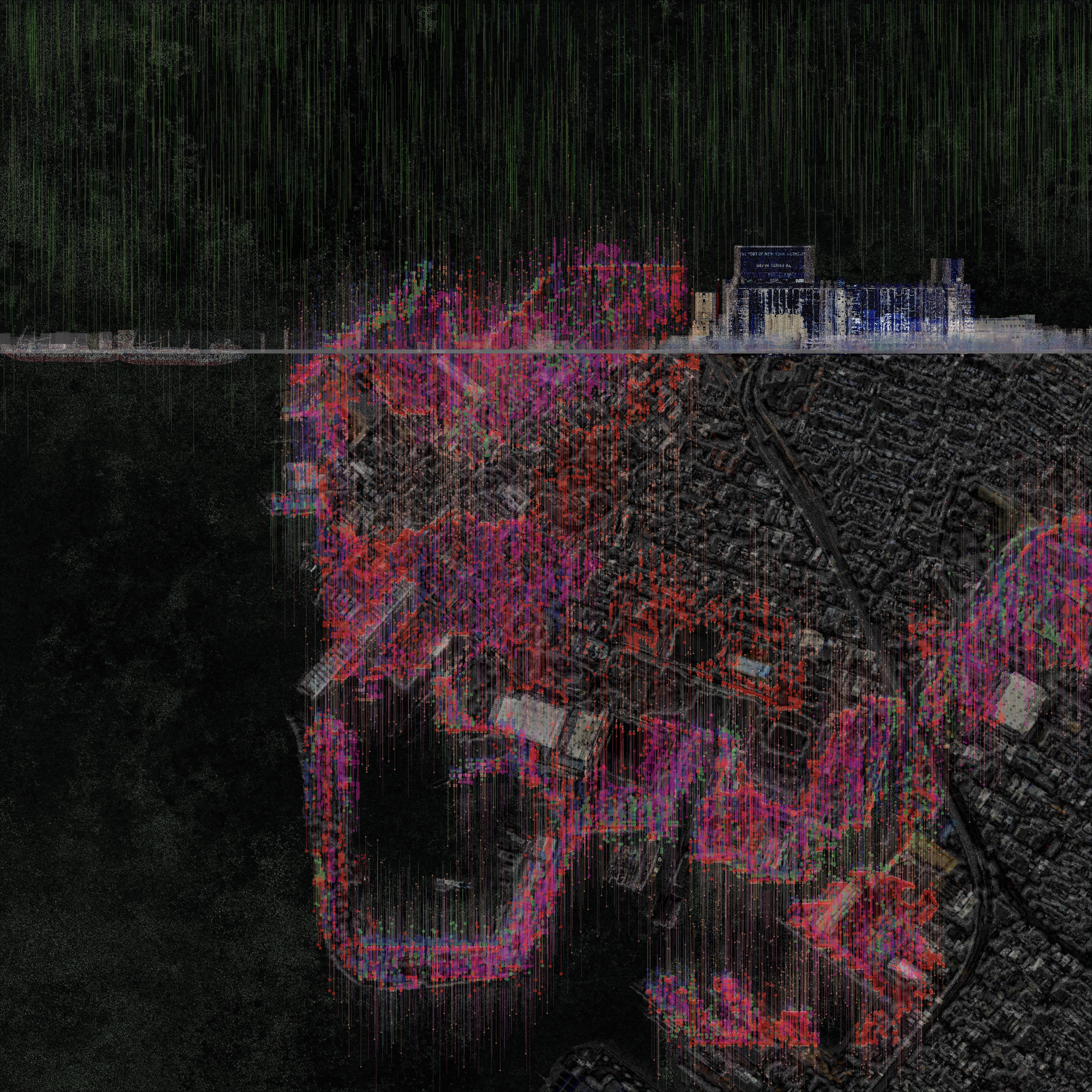
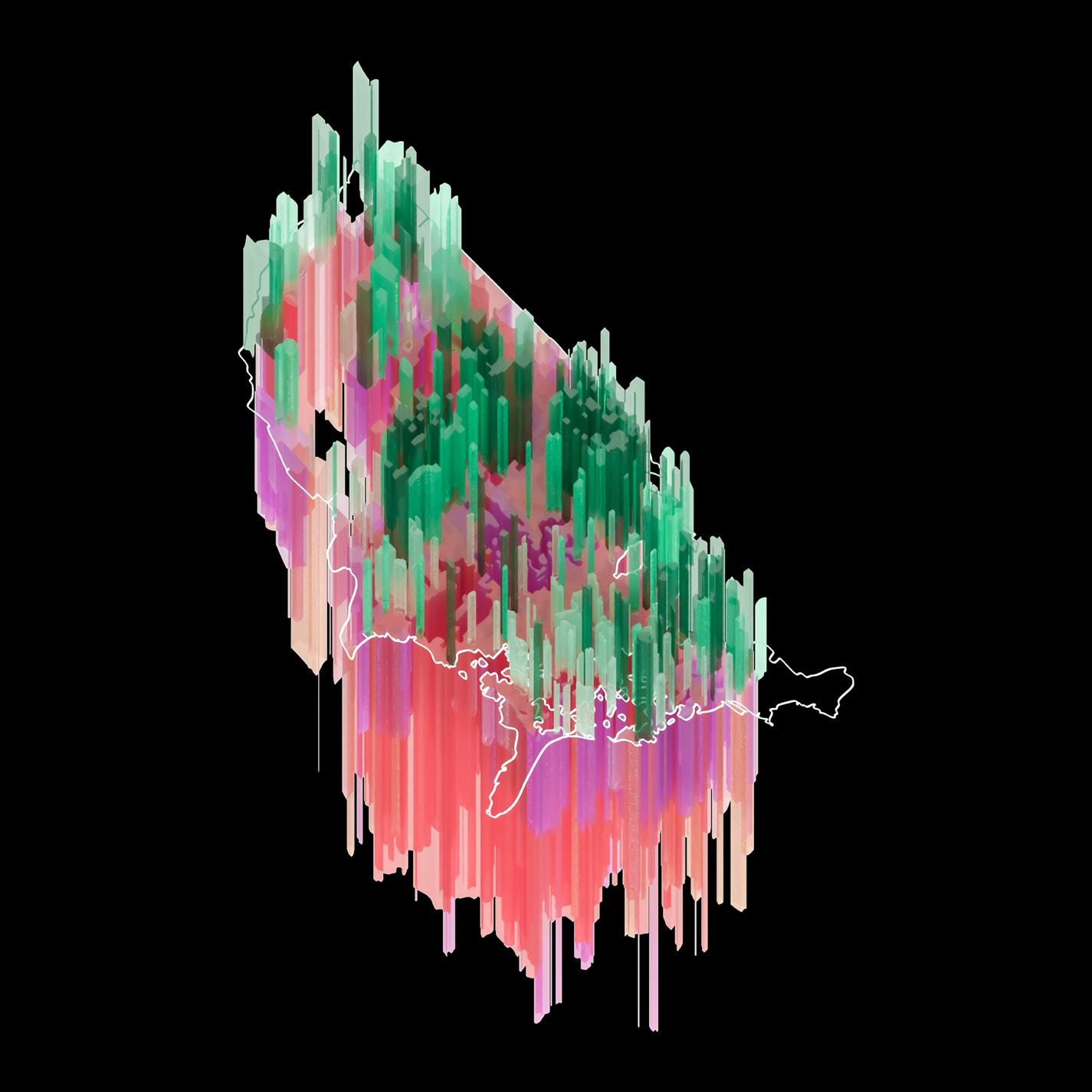
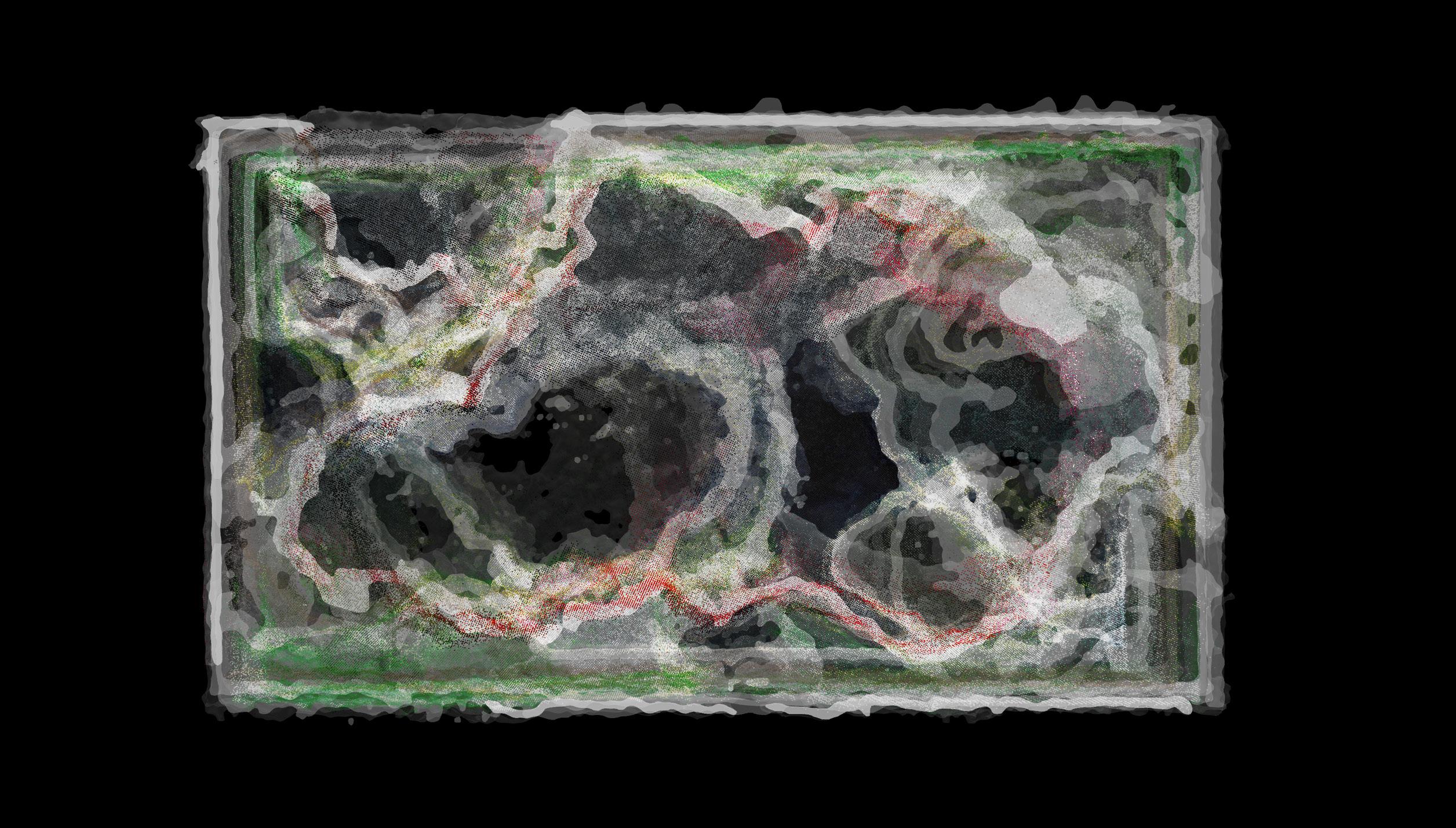
As temperatures rise, oceans warm, and extreme weather intensifies, the proposal explores how design can respond through adaptation rather than denial. The image on the left shows the projected infiltration of pollutants through water from 2030 to 2100, with green indicating earlier spread and red indicating future expansion.
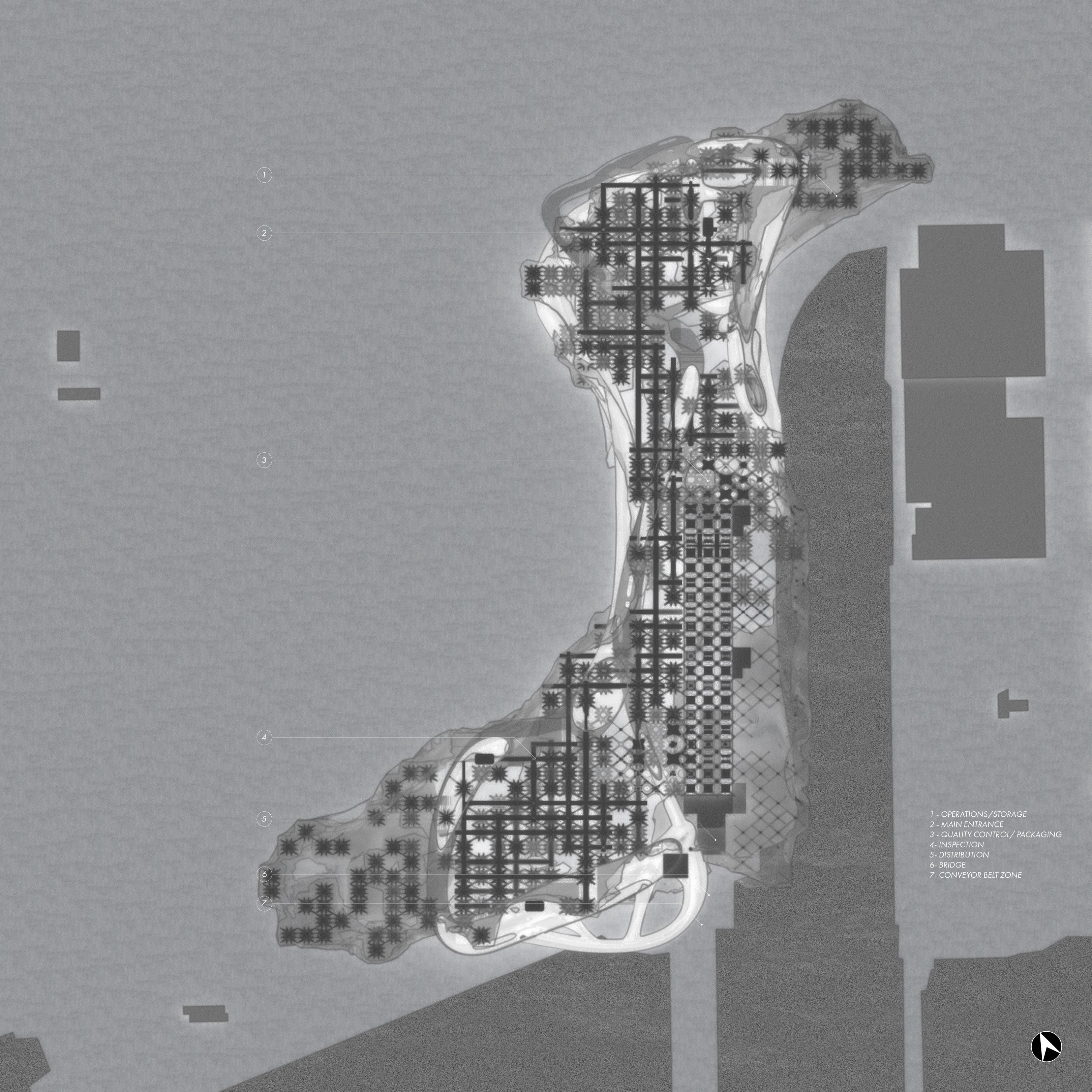
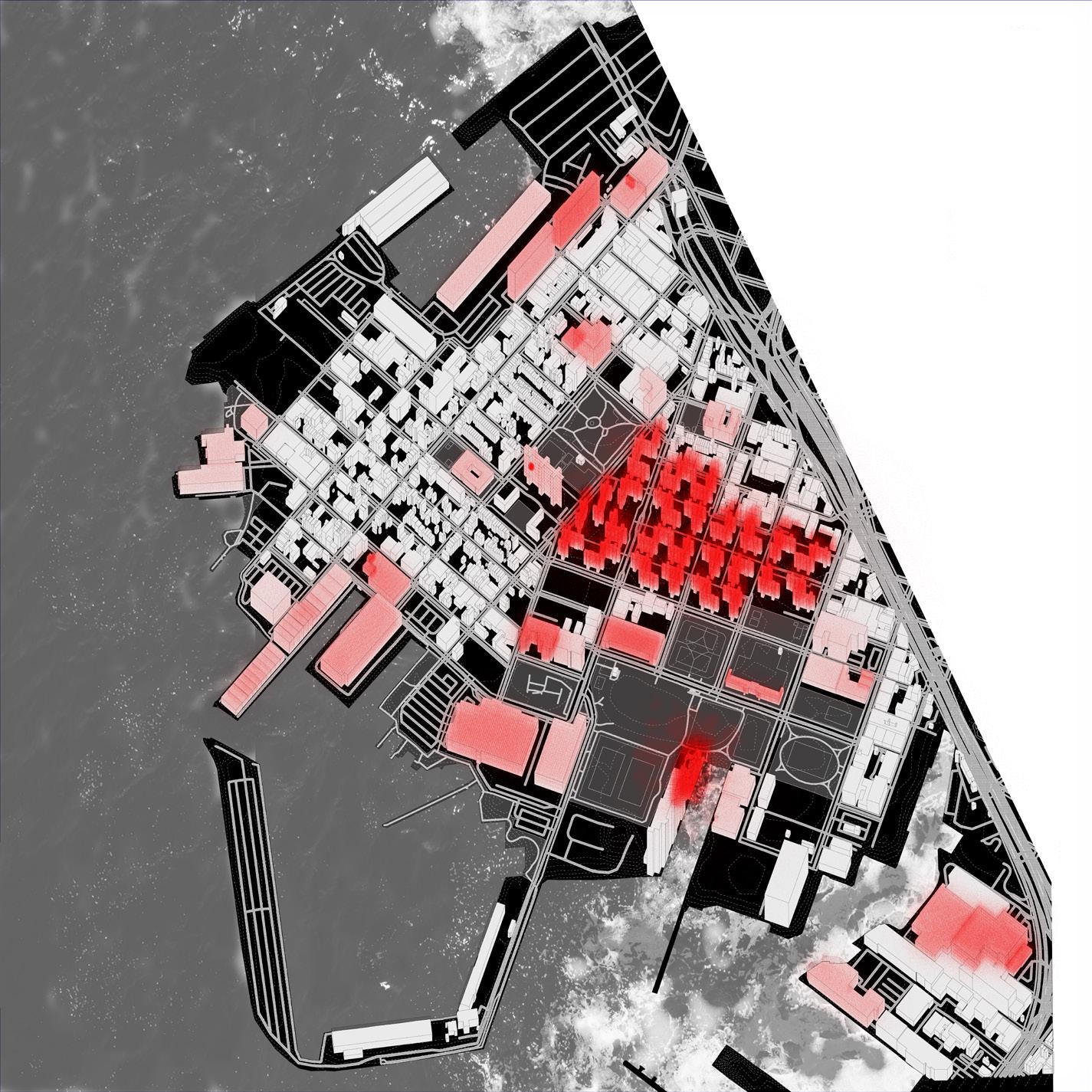
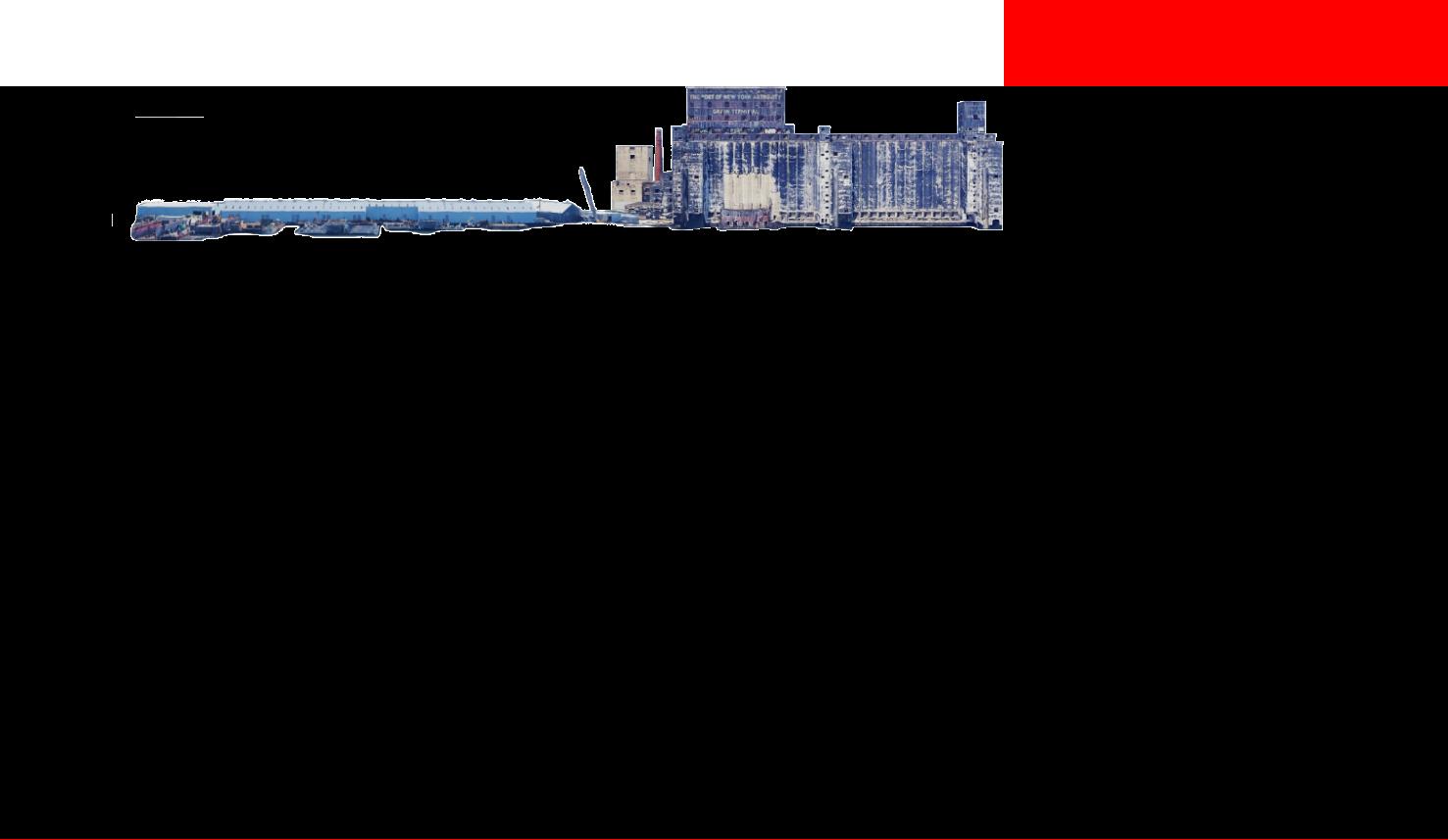
The energy consumption diagram maps current demand in Red Hook, where residential use is already significant and is expected to increase with the growth of data centers. At the same time, climate change is projected to reduce food productivity across large parts of the United States, creating additional pressure on urban food systems. In response, the project proposes reusing waste heat from a data center to support farming infrastructure and create a productive architectural system.
Concept Developements
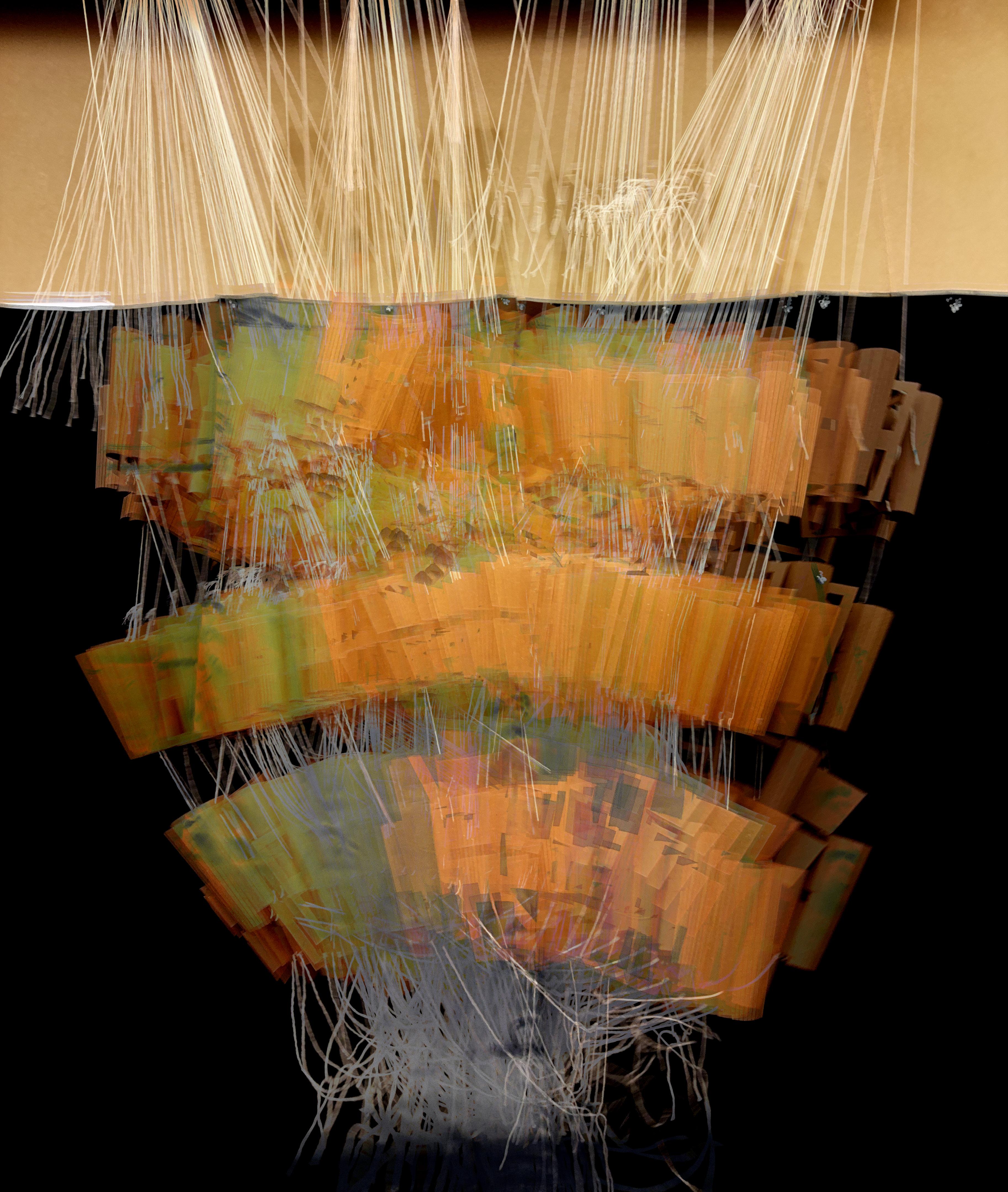
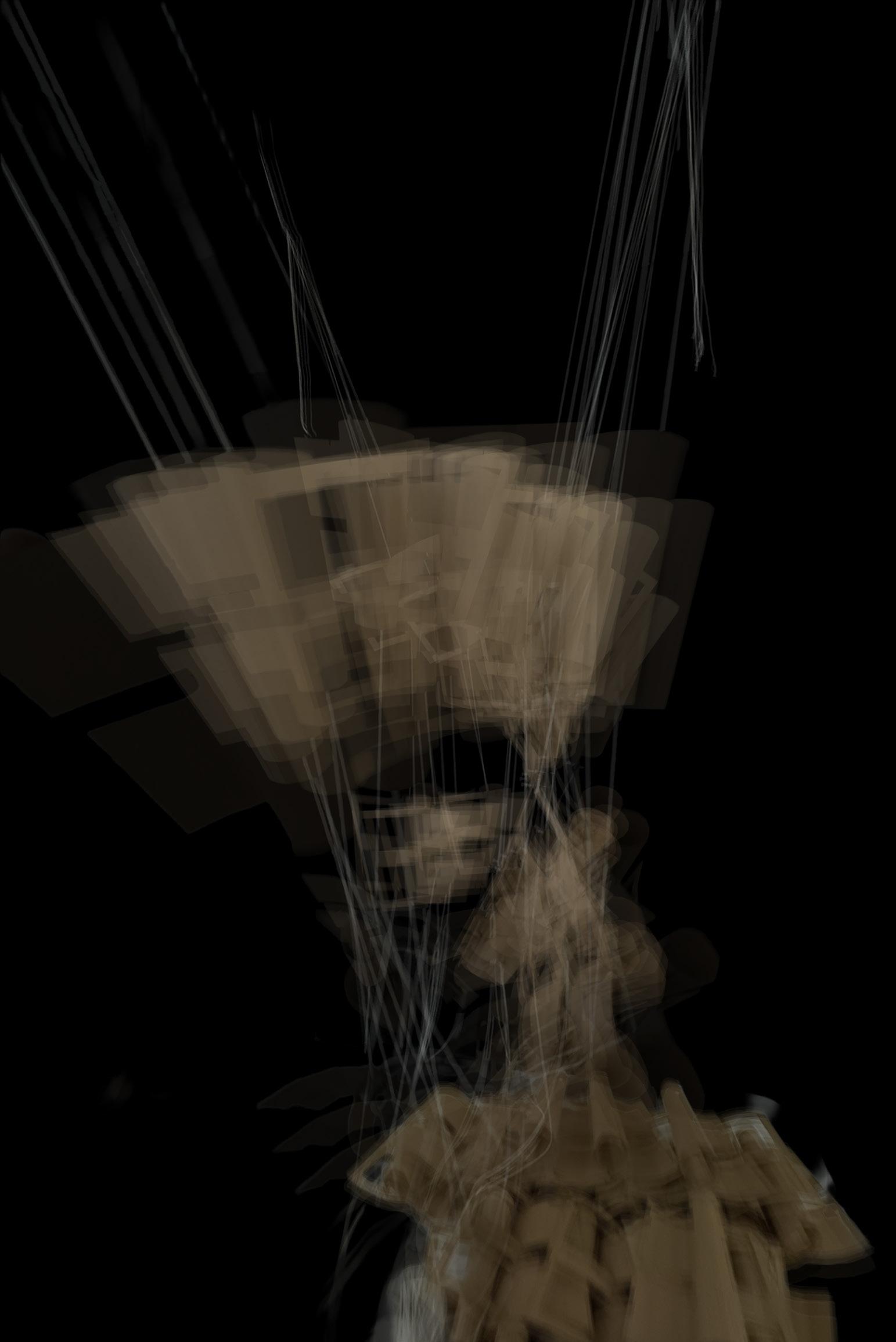
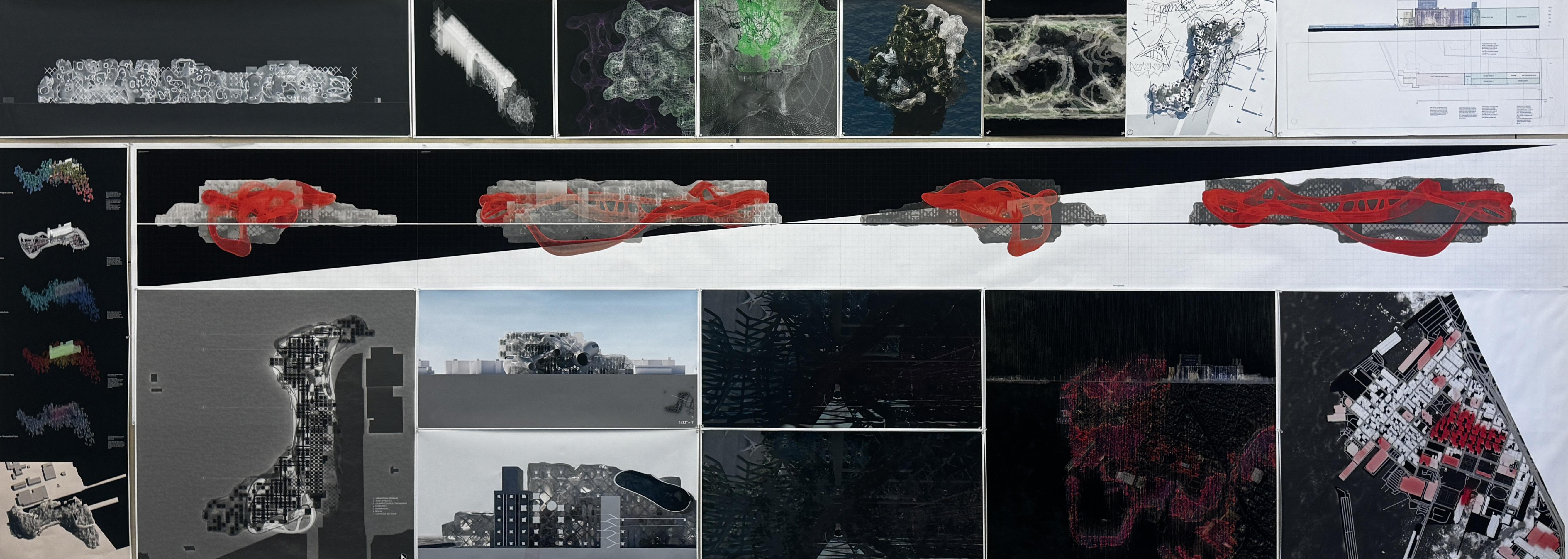
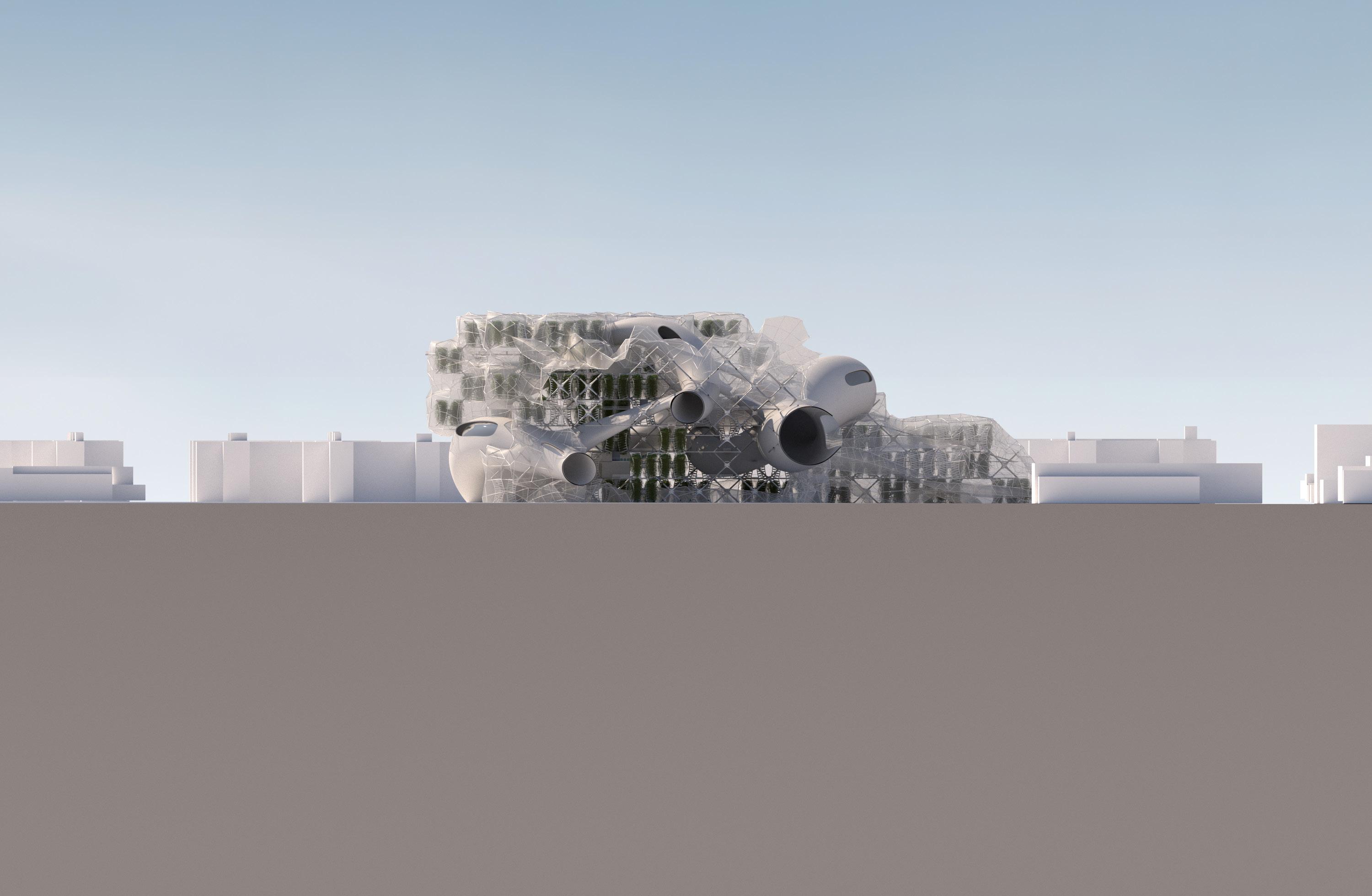
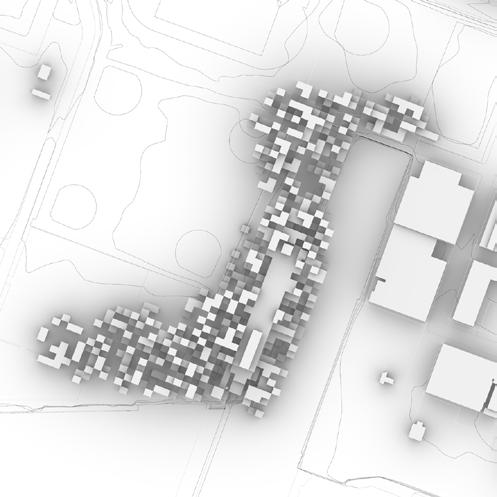
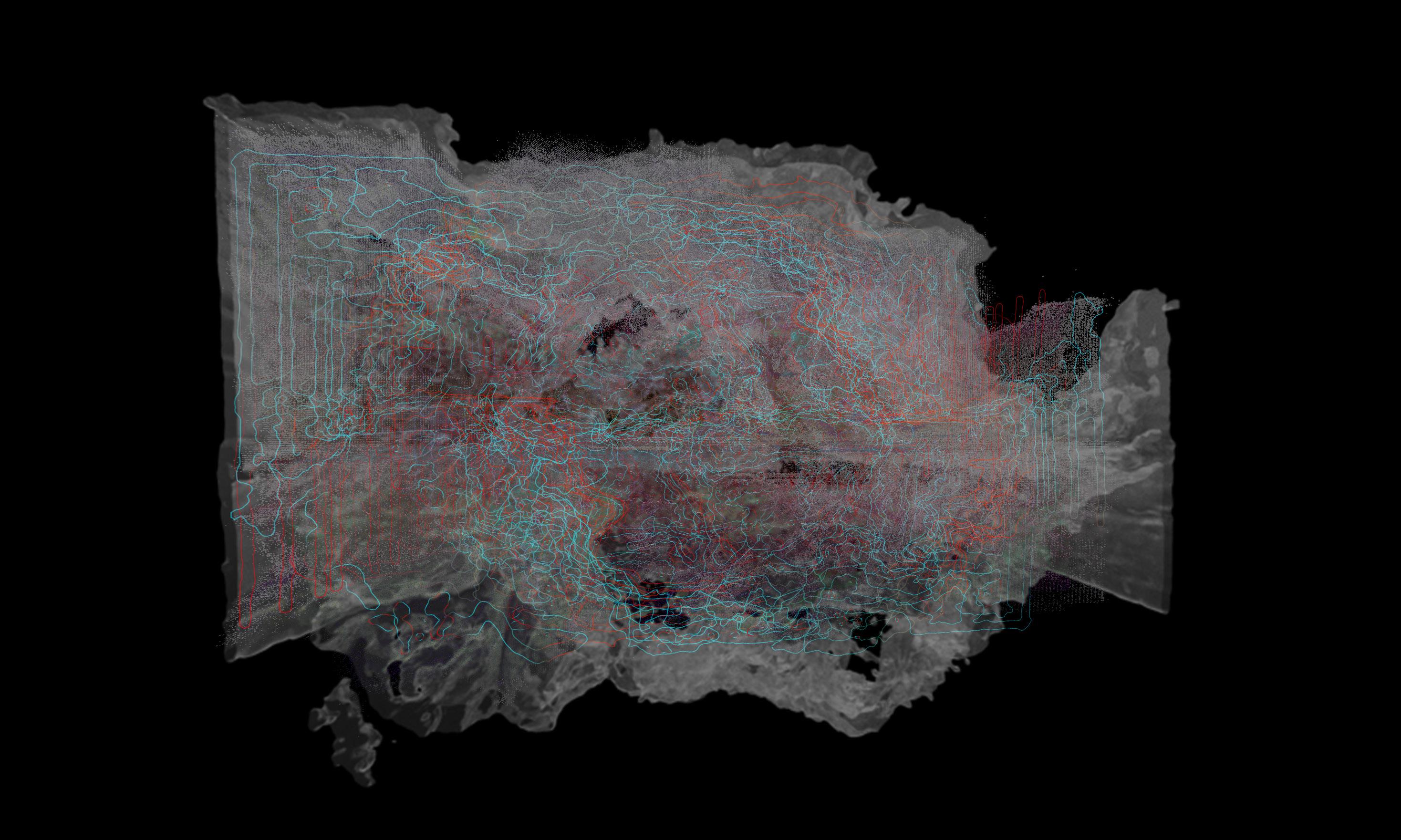
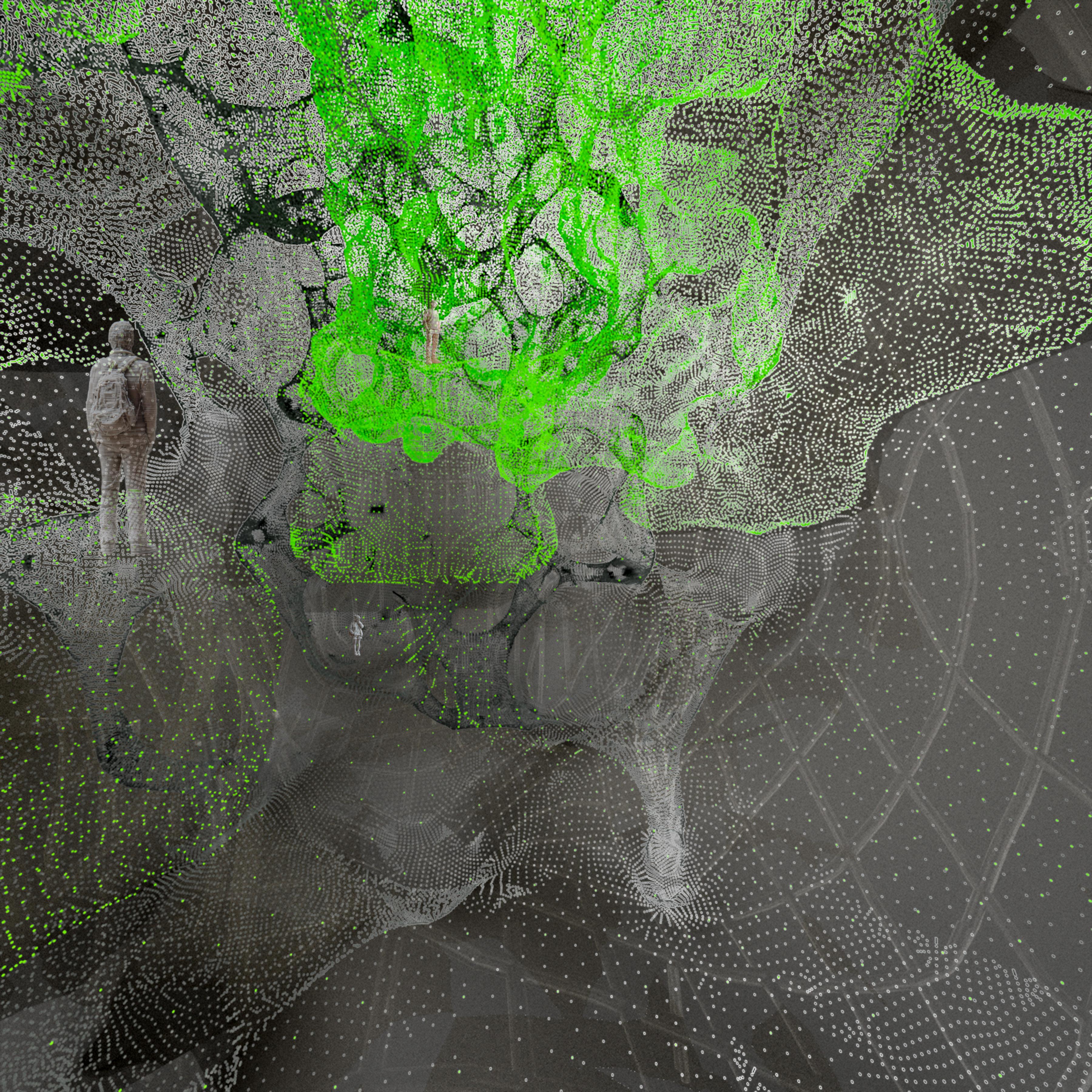
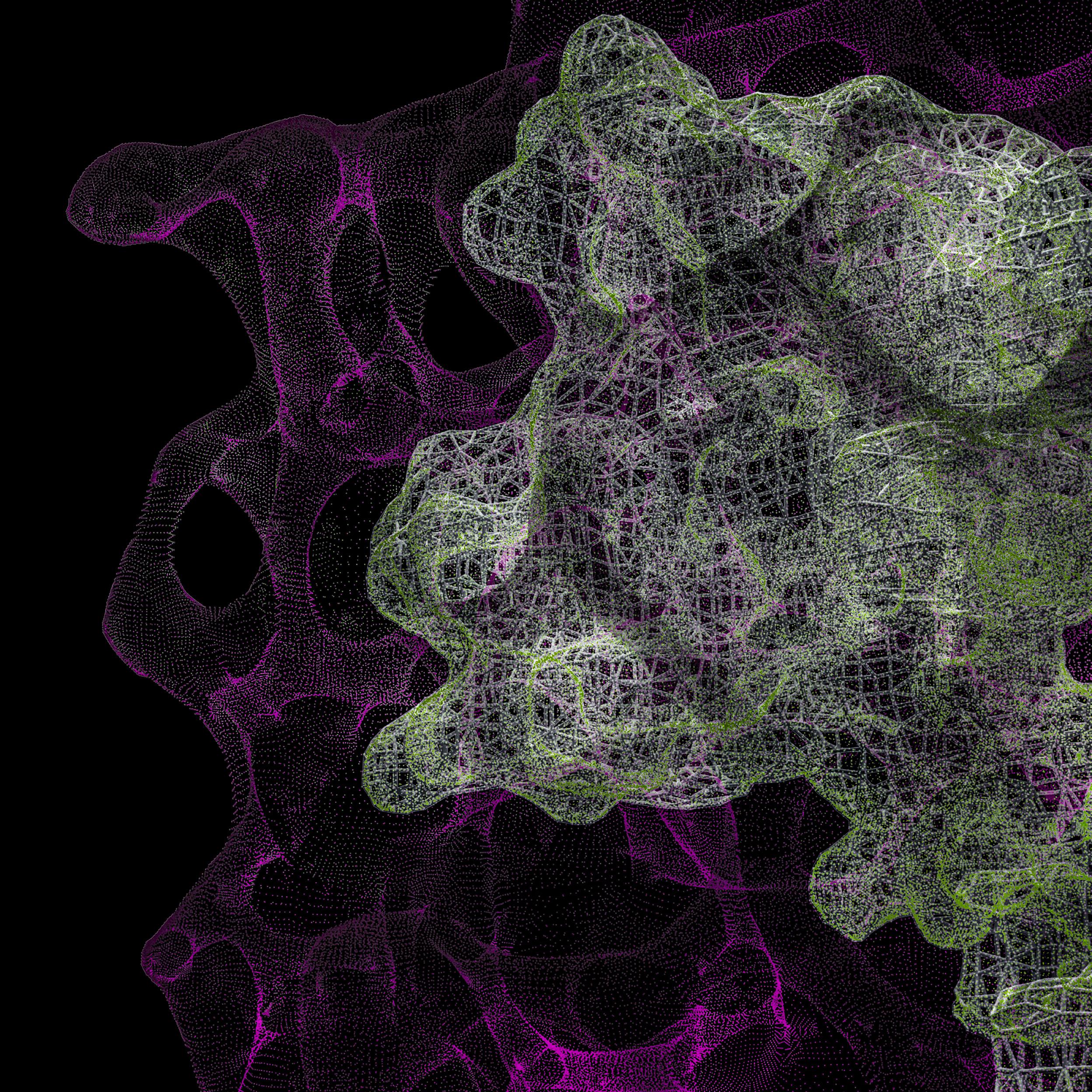
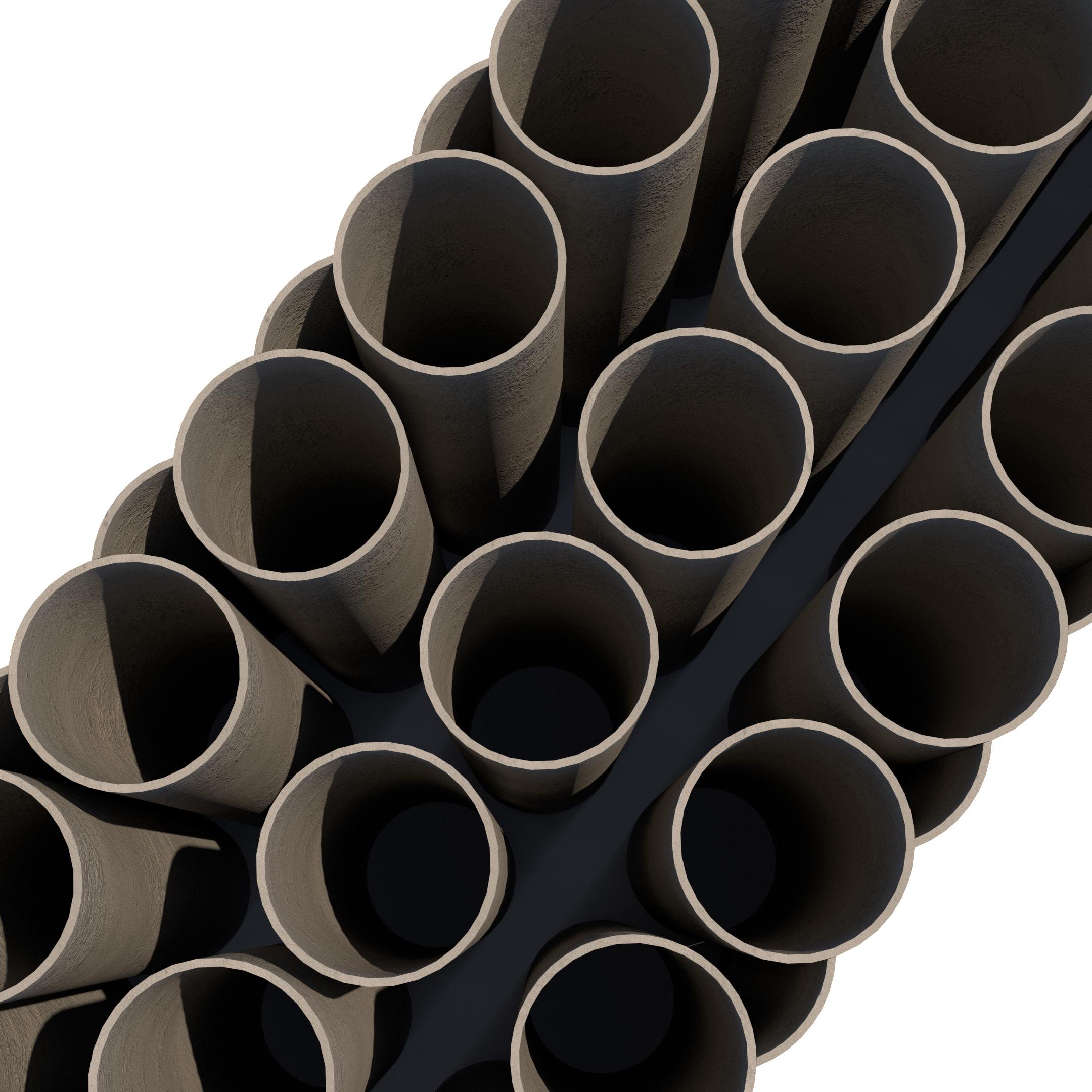
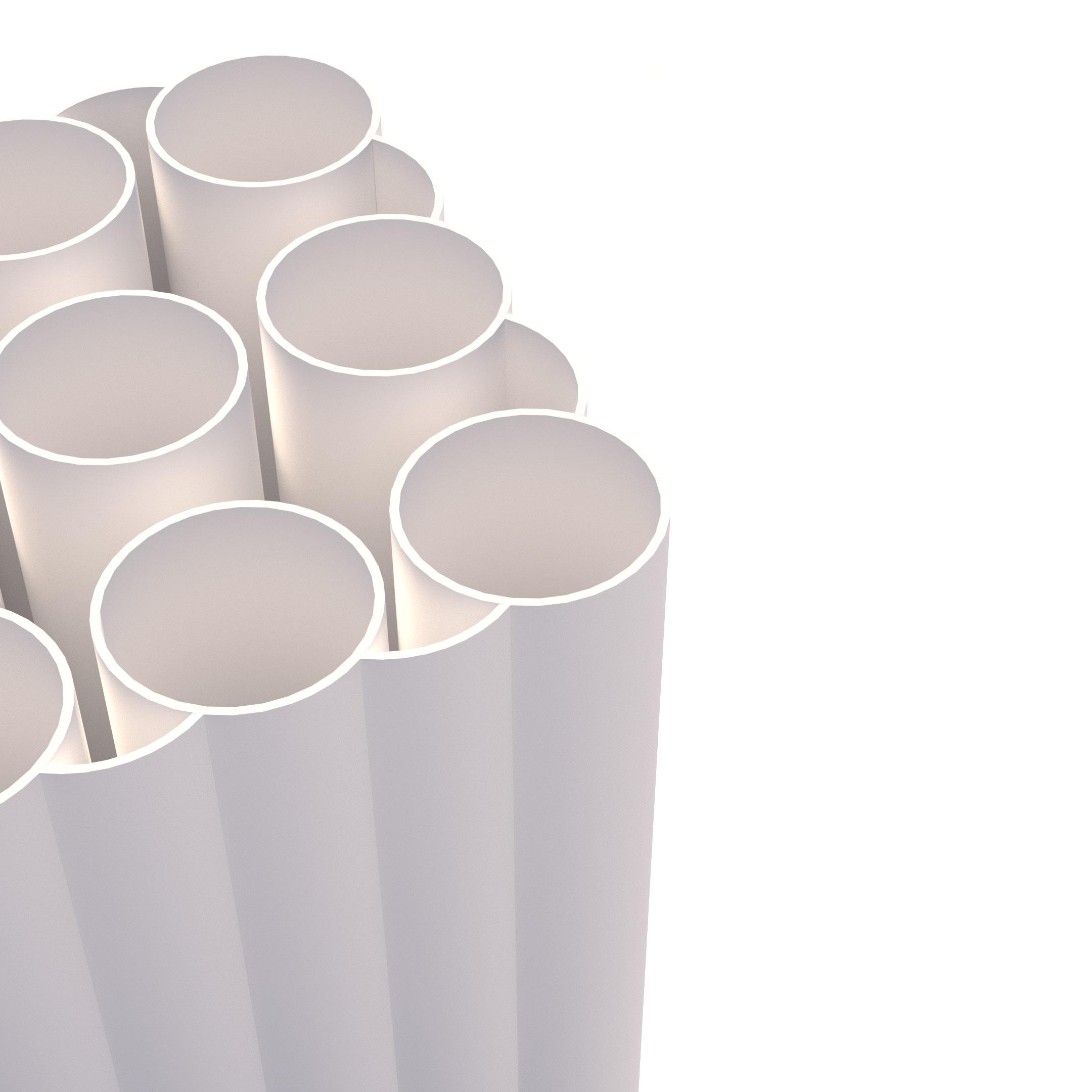
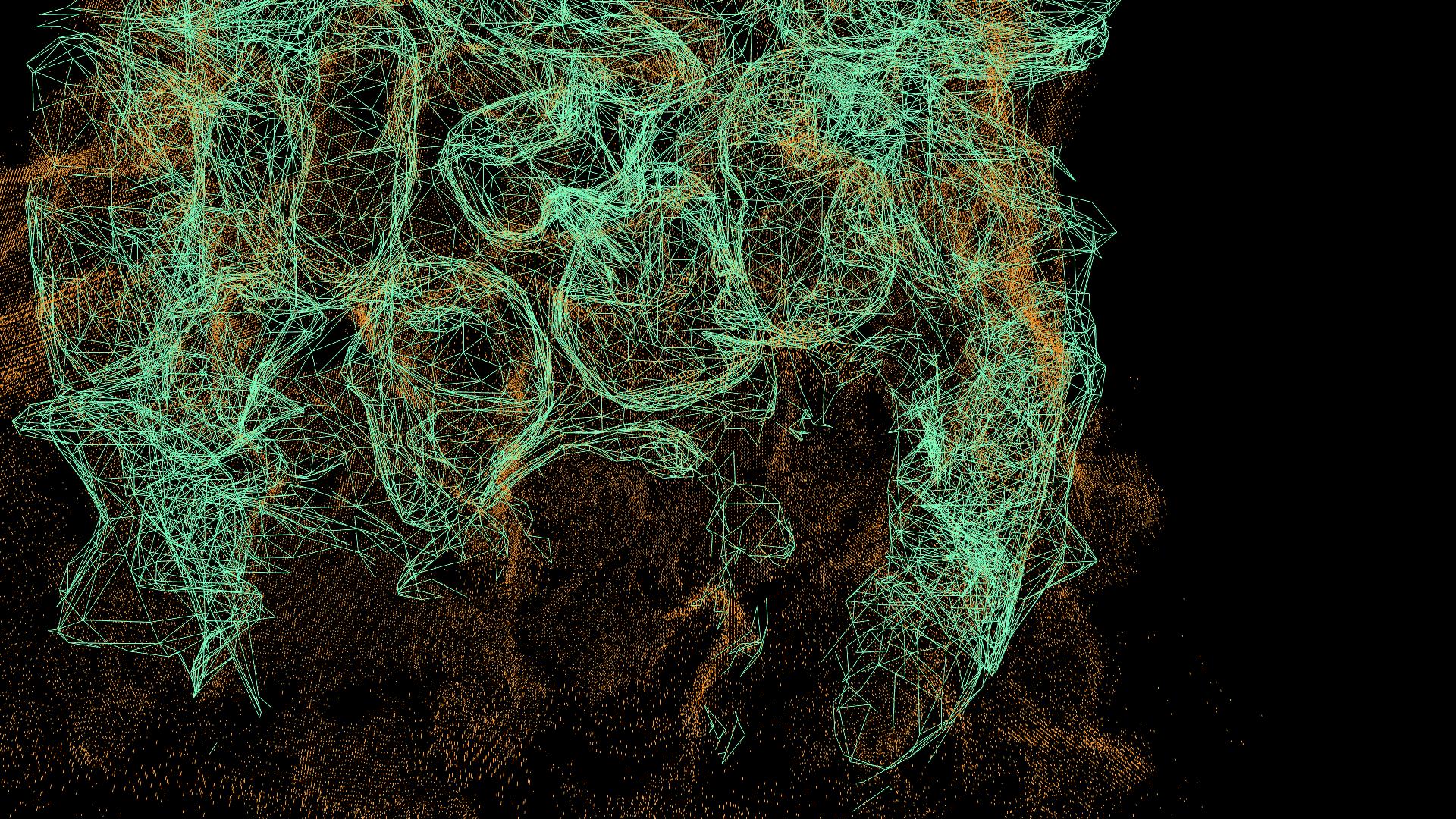
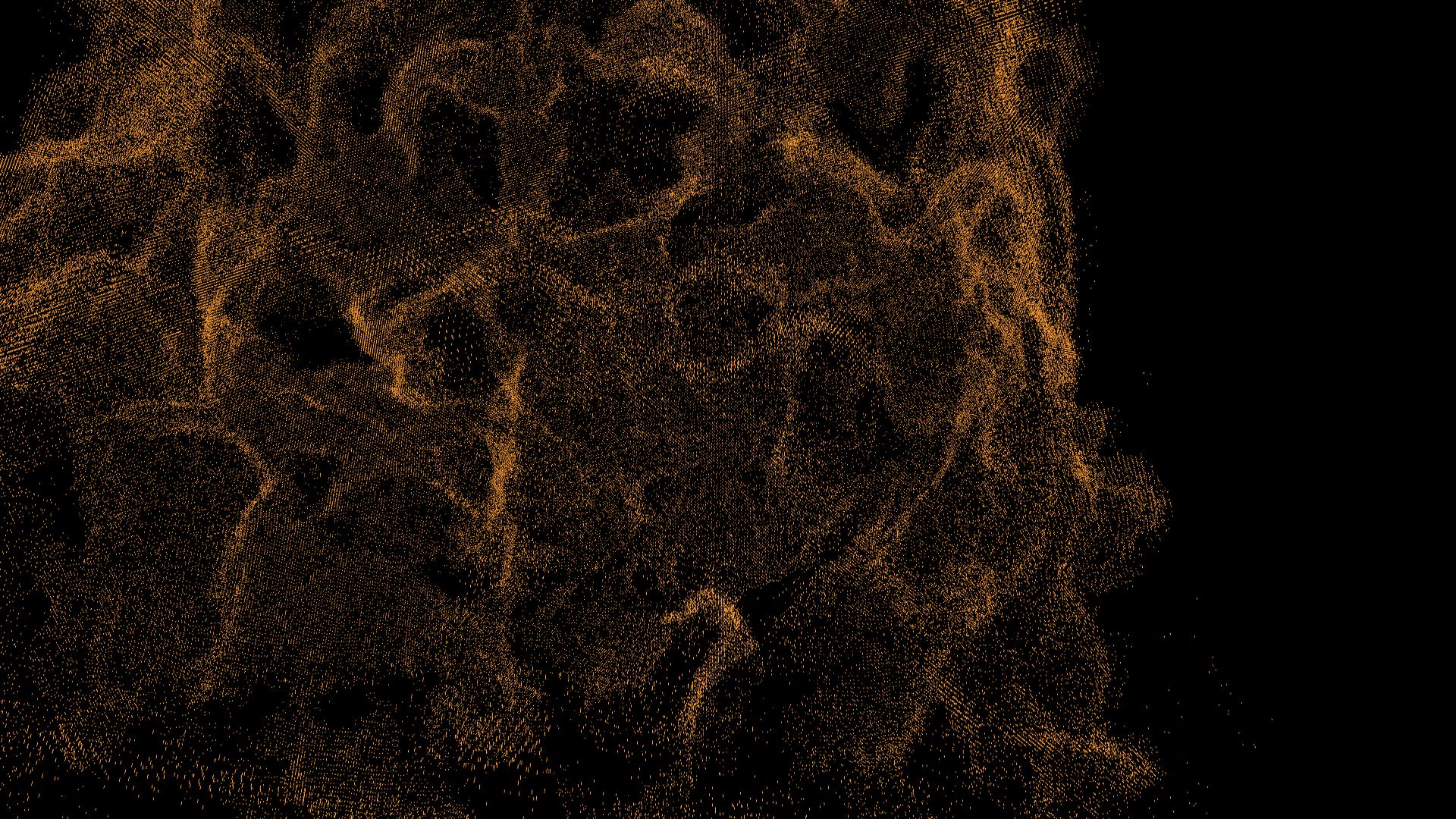
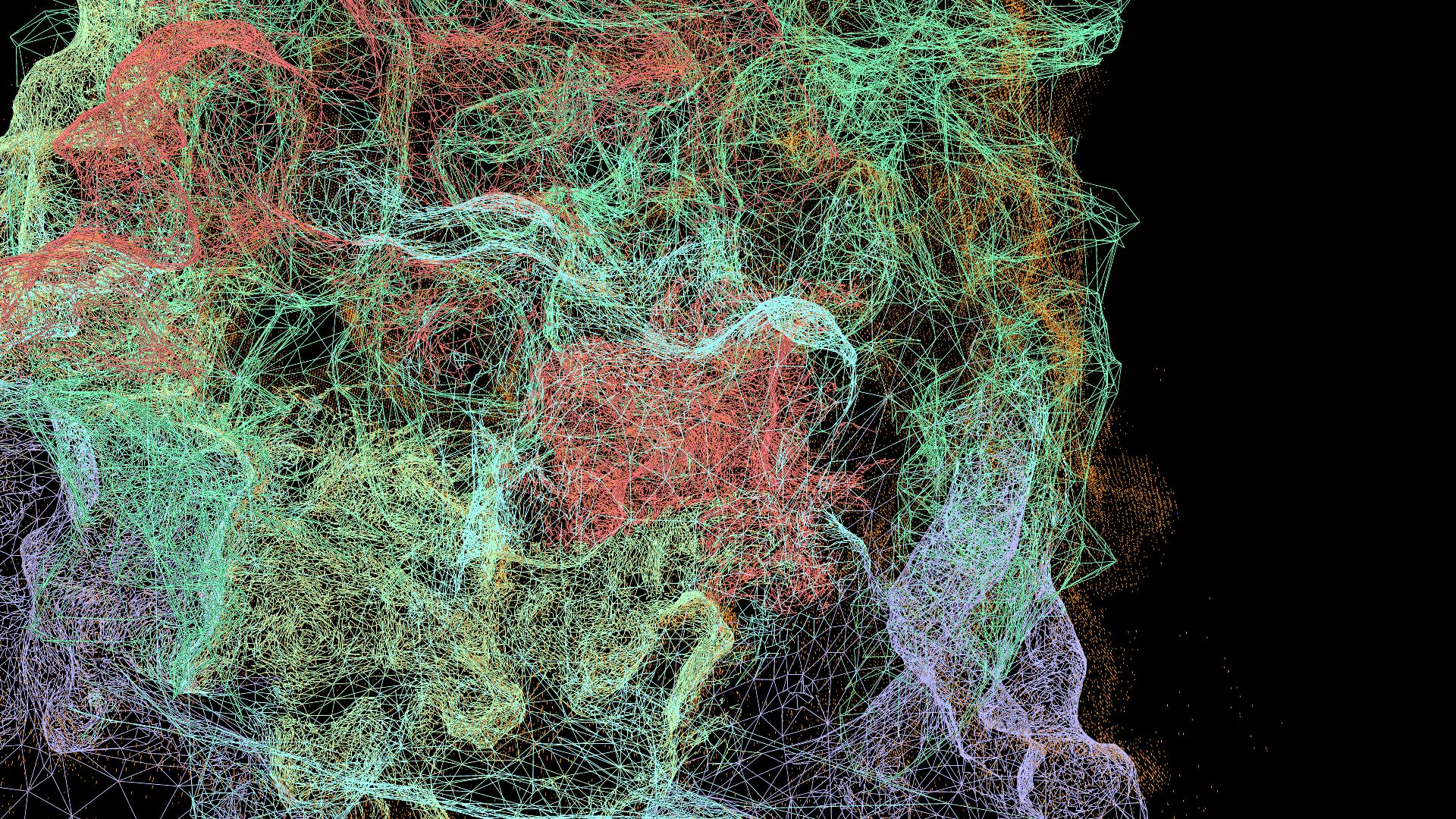
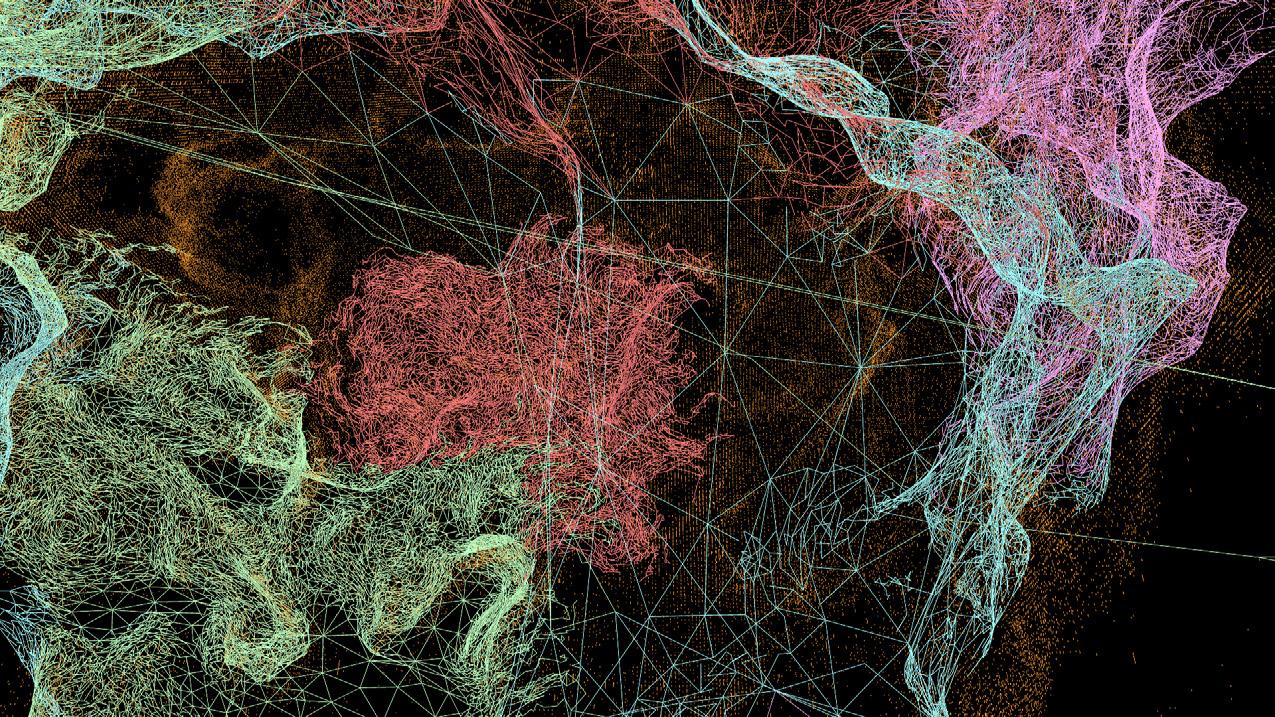
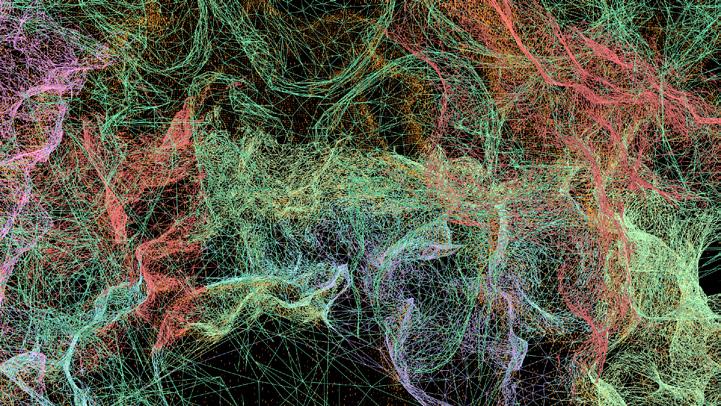
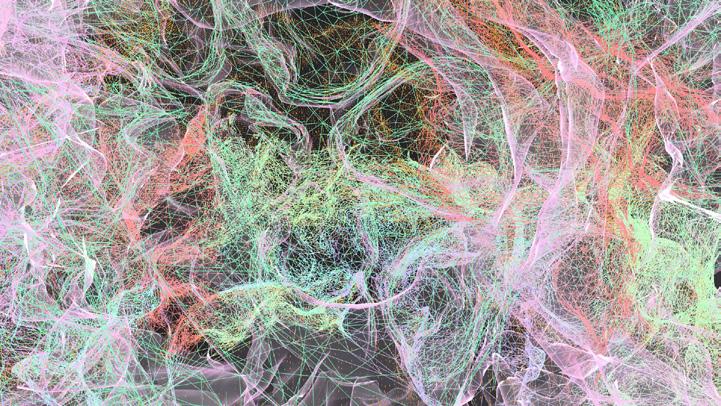
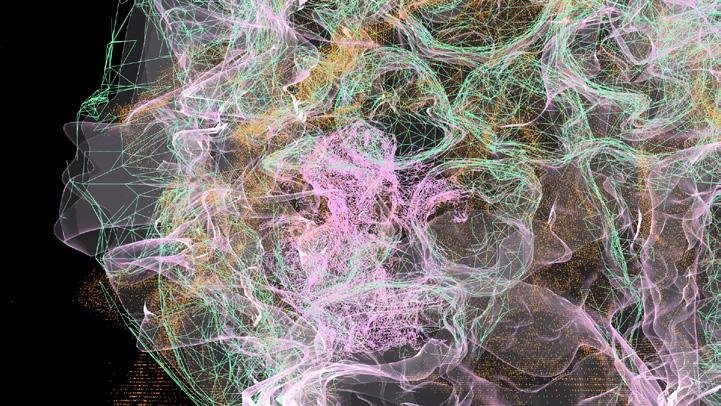
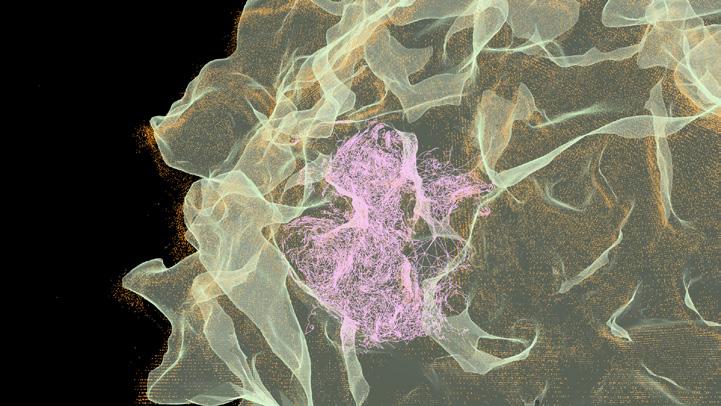
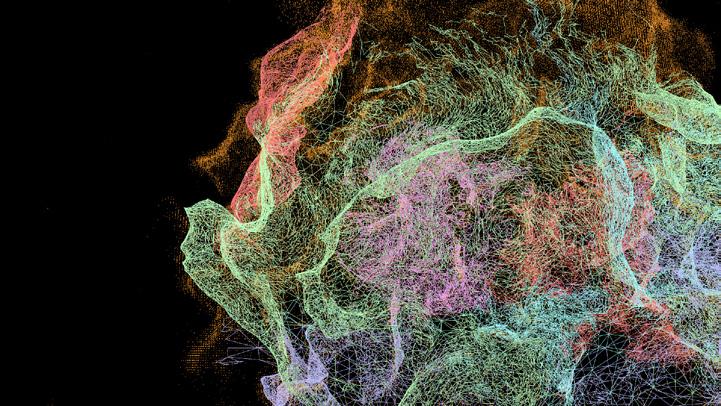
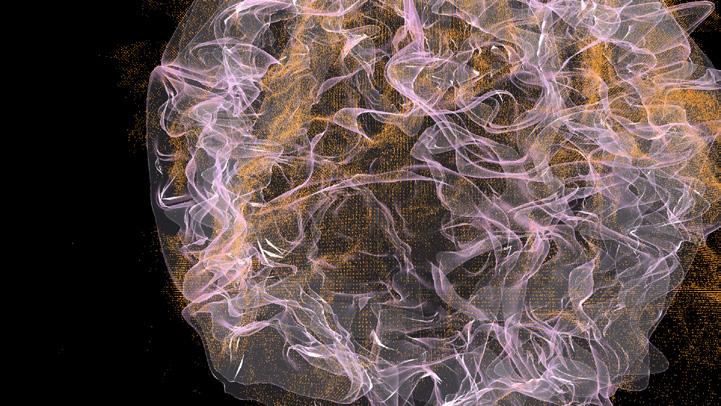
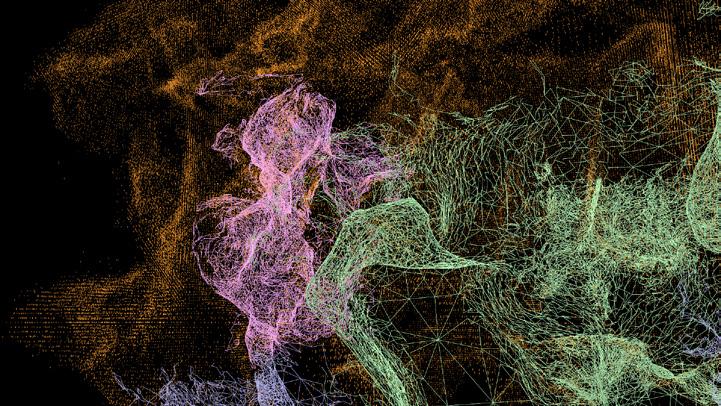
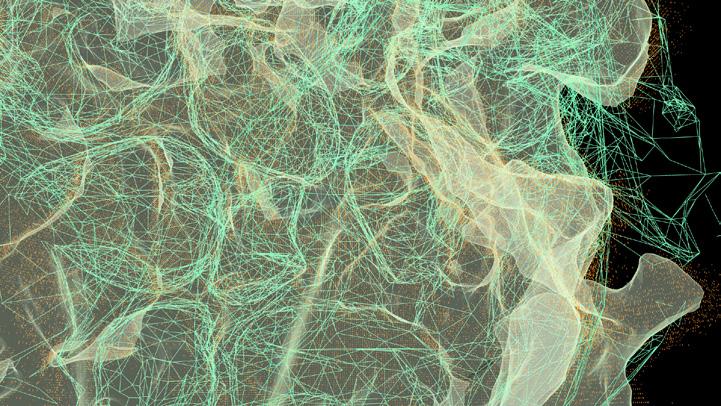
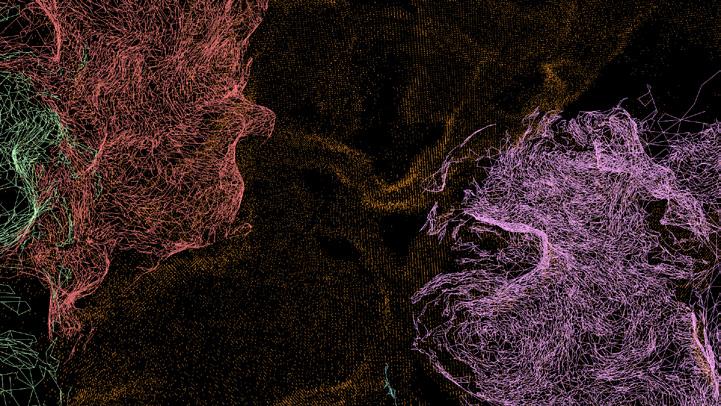
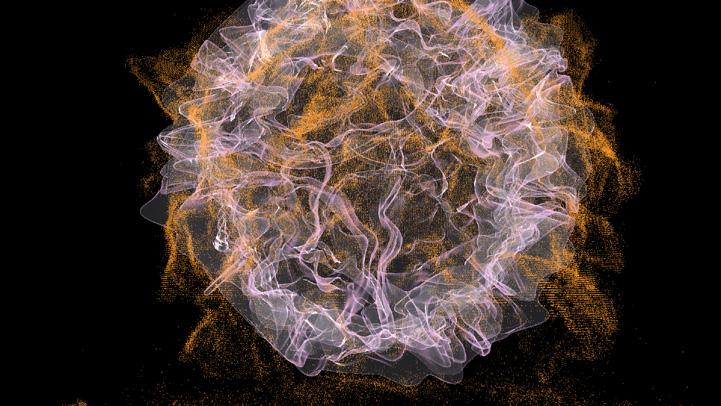
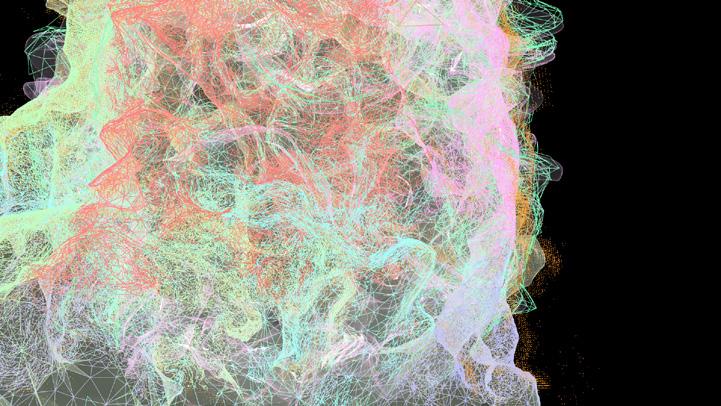
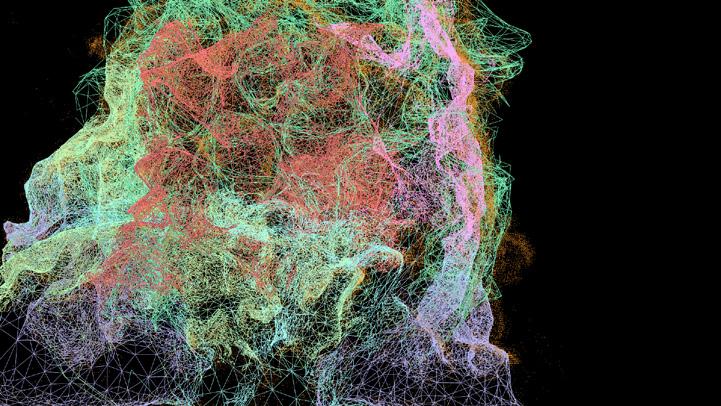
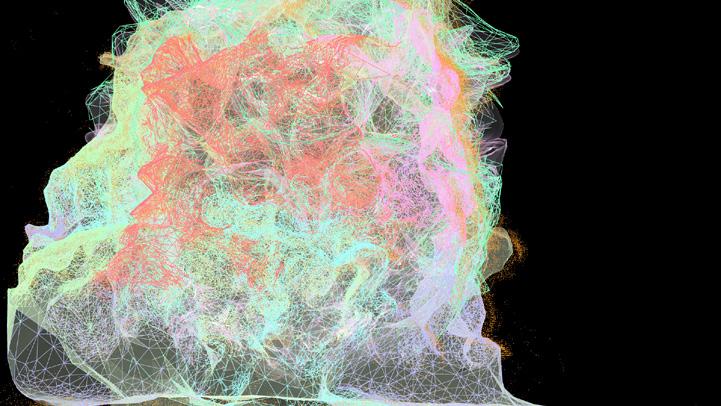
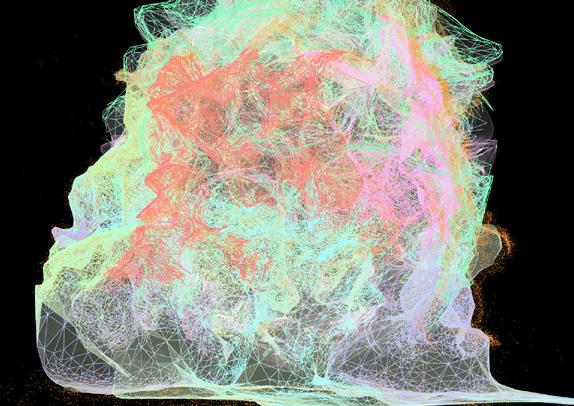
The project proposes using waste heat from a data center inserted into abandoned silos to support vertical farming. Early concepts were developed through 3D scans of physical models, shown on the left, which explored how heat pipes could run beneath layers of concrete skin and work with mechanical ventilation to produce multiple environmental zones. Subsequent studies in Rhino and Grasshopper tested formal and material possibilities, eventually developing into a vertical farming system based primarily on hydroponics and climate analysis.
Circulation
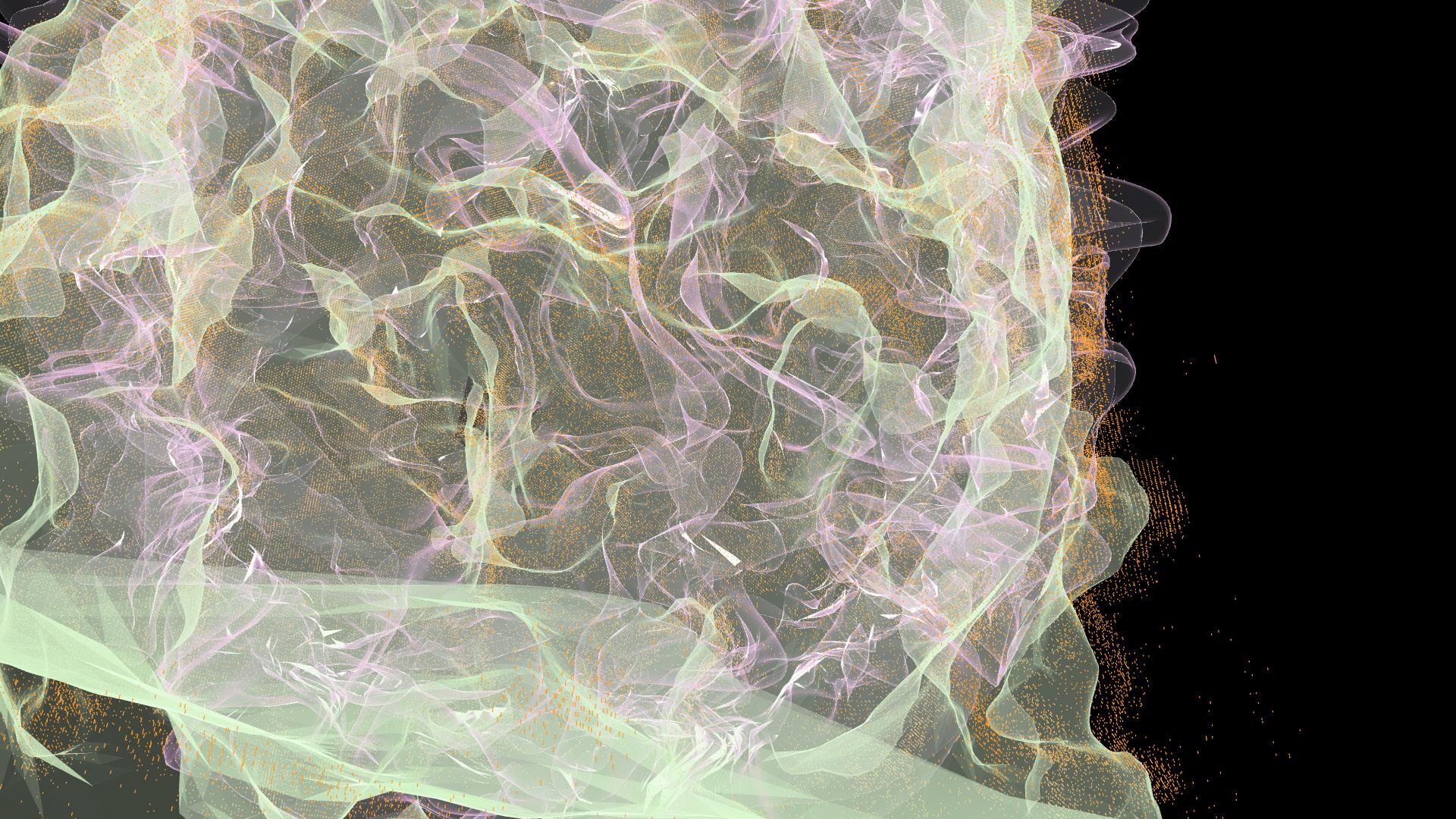
Pink slabs are for horizontal circulation through each vertical farming module, while puple extrusions are fire stair cases for vertical farming. Jesus’s design is for where conveyor belt and other spaces.
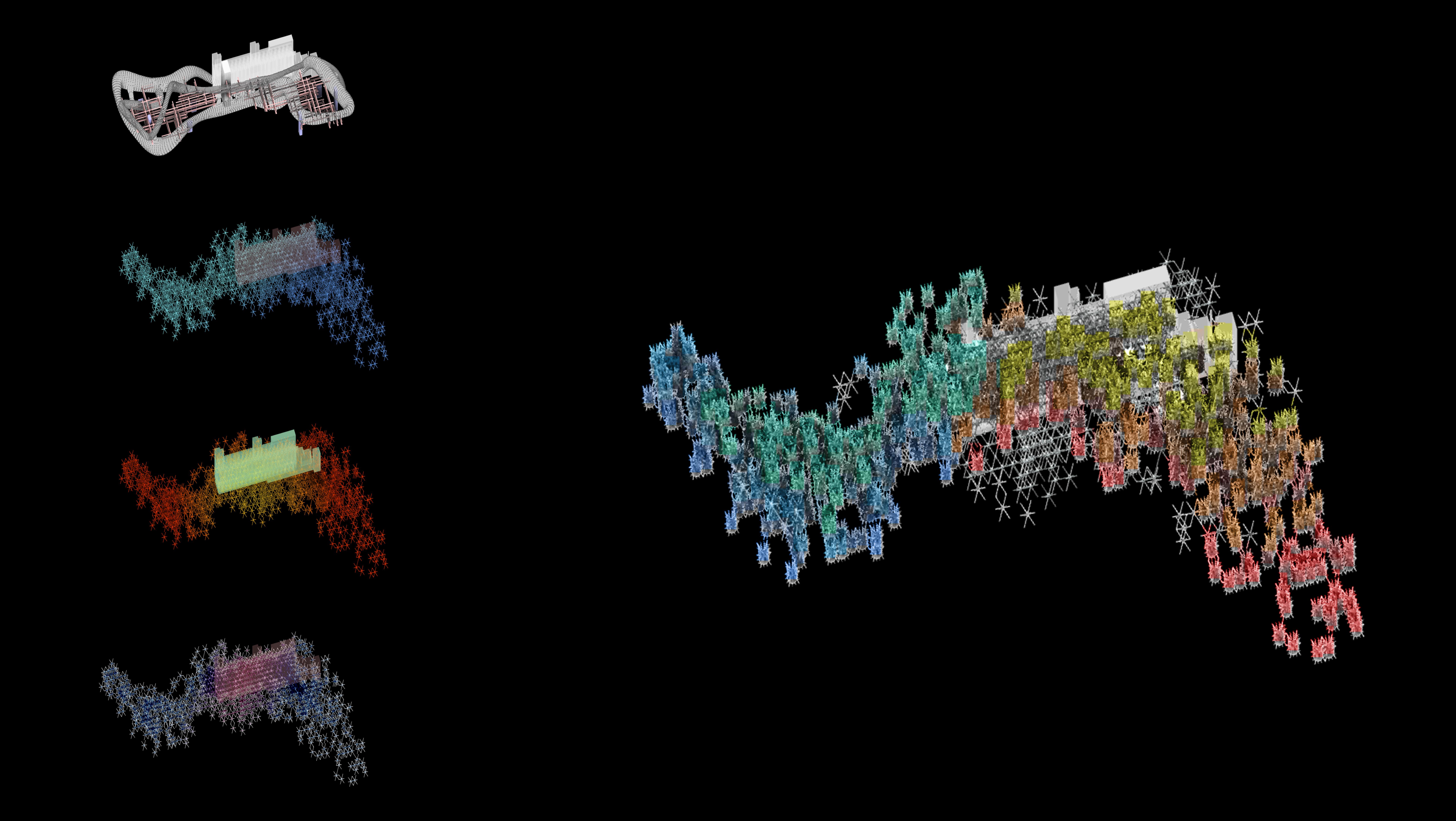
Humidity Field
Dense clusters mark naturally more humid conditions for enclosed greenhouses; sparse areas remain drier and are reserved for support spaces, labs, and service
Solar Exposure Field
Solar-radiation analysis mapped as a second layer.
High-radiation areas (yellow–orange) indicate potential zones for high-light crops and photovoltaic surfaces; low-radiation areas (blue–green) identify shaded pockets suitable for low-light planting and circulation.
Heat Transfer from Data Center
Point field generated from how heat generated from the data center to farming area. Thicker pipes are used to pump
for
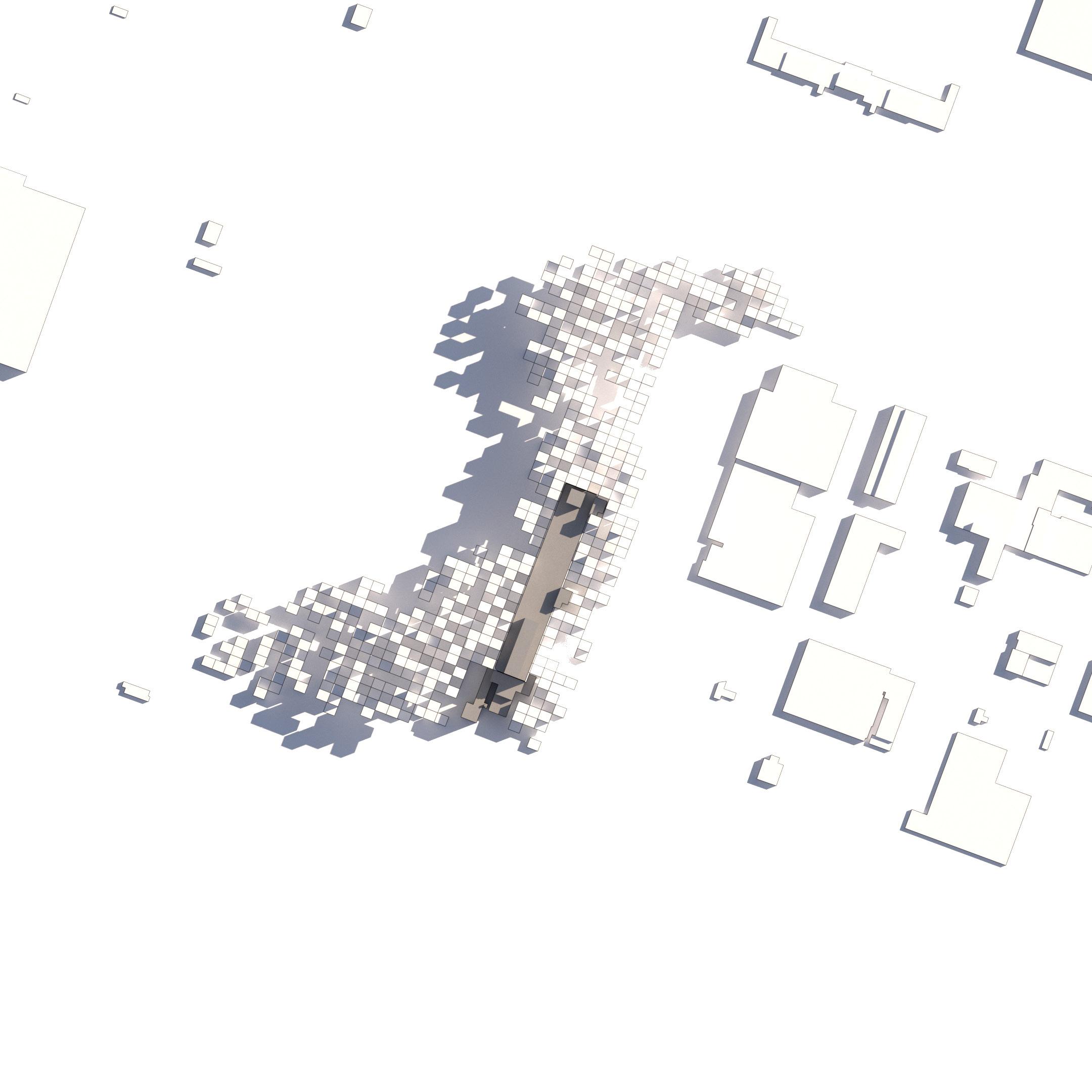
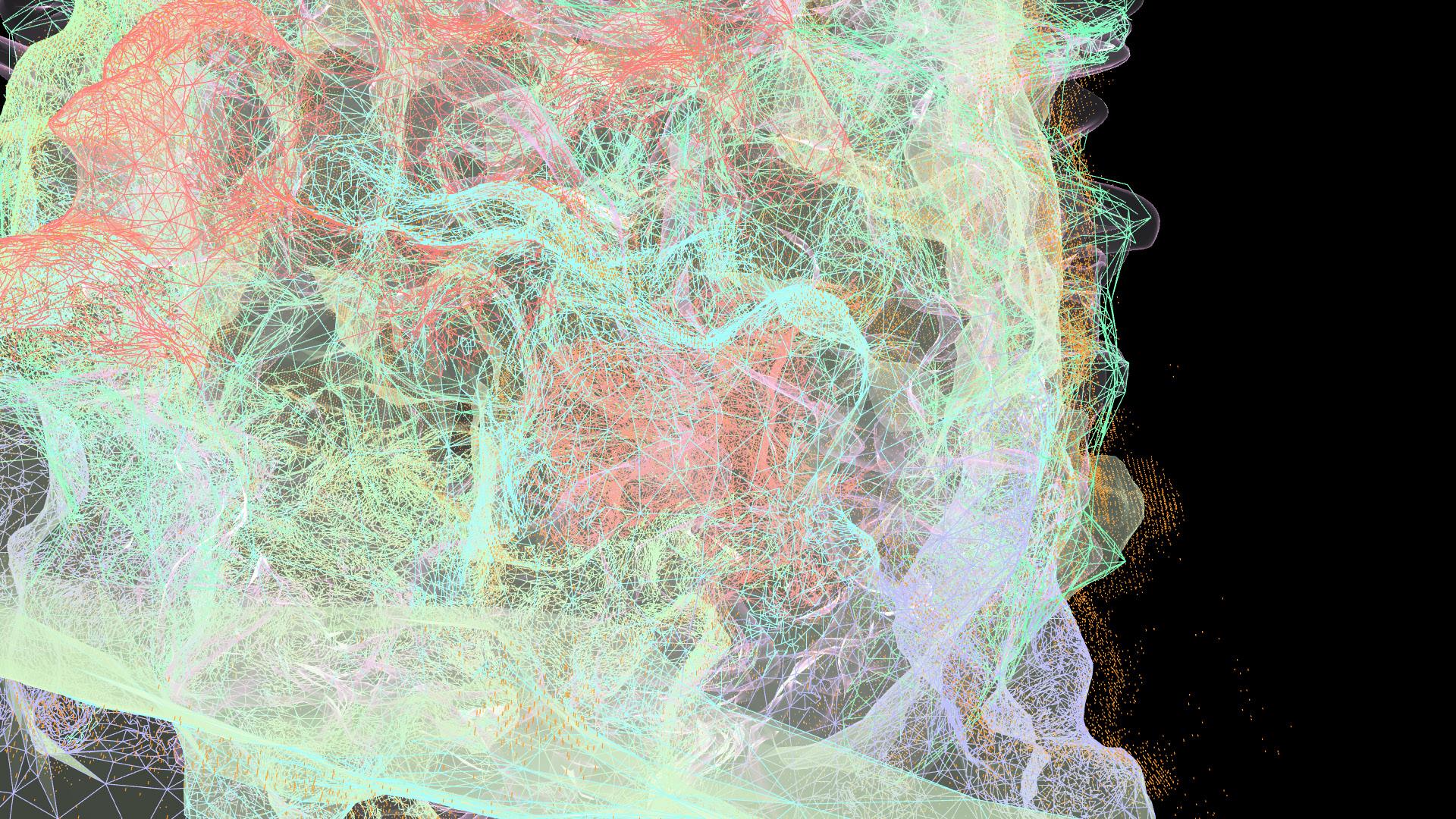
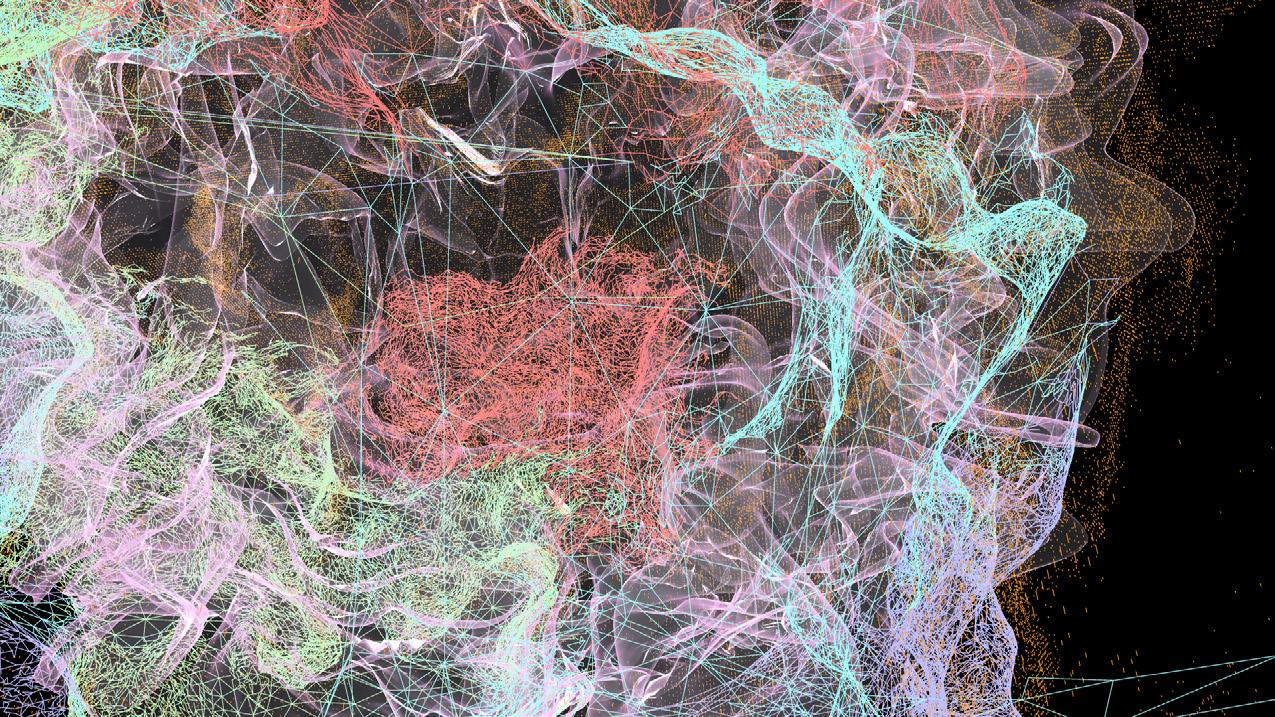
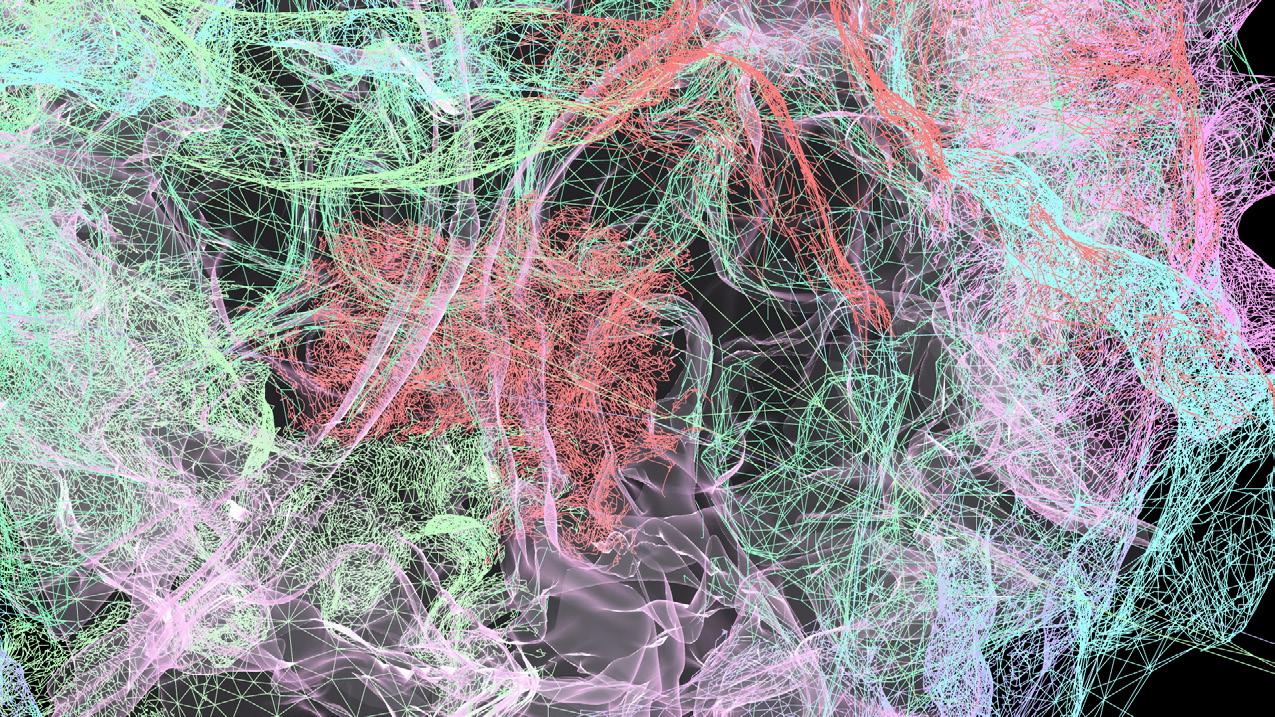
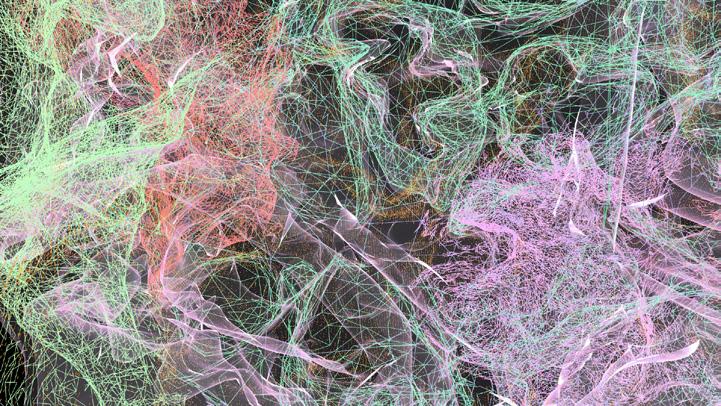
The 6 environmental fields are overlaid and ‘filtered’ through the architectural volume to define program.
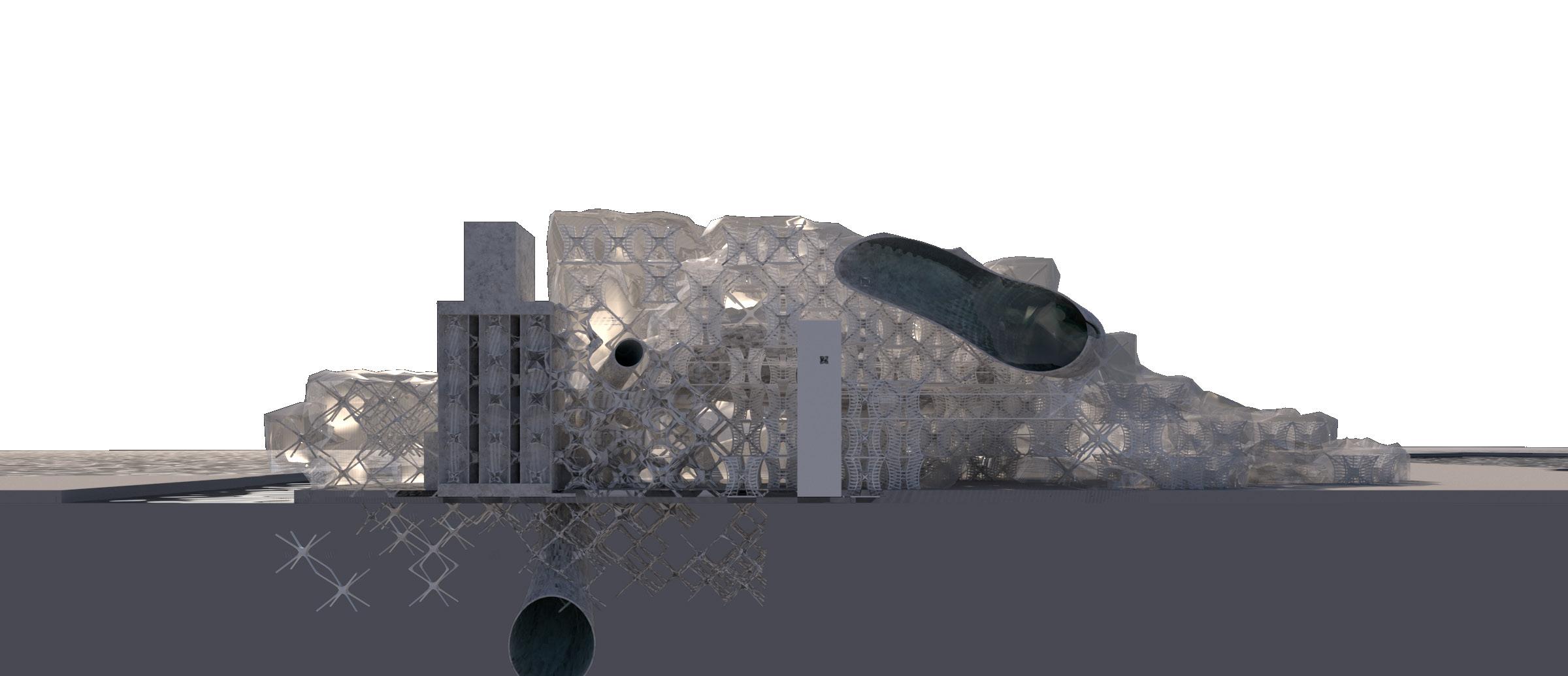
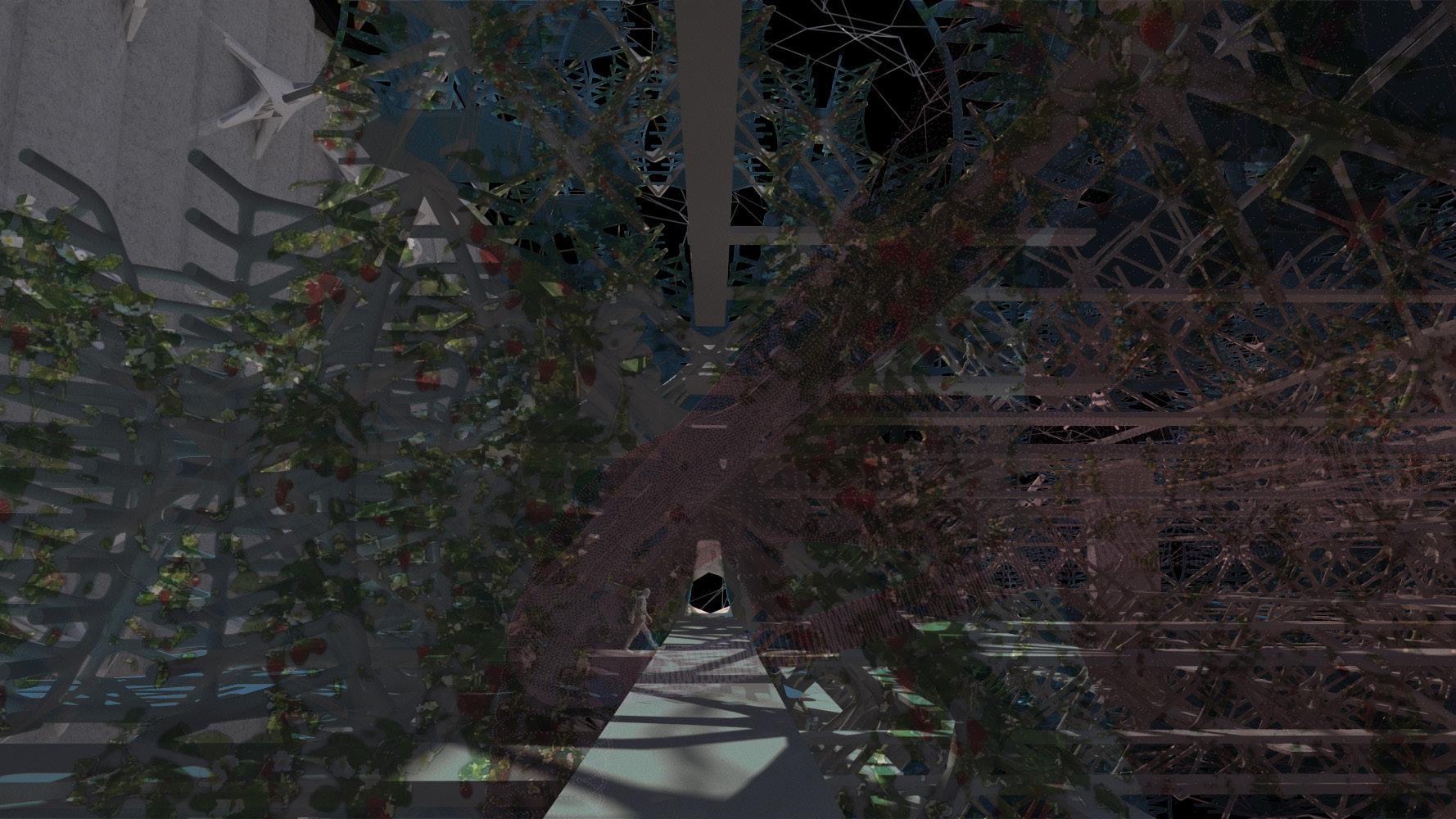
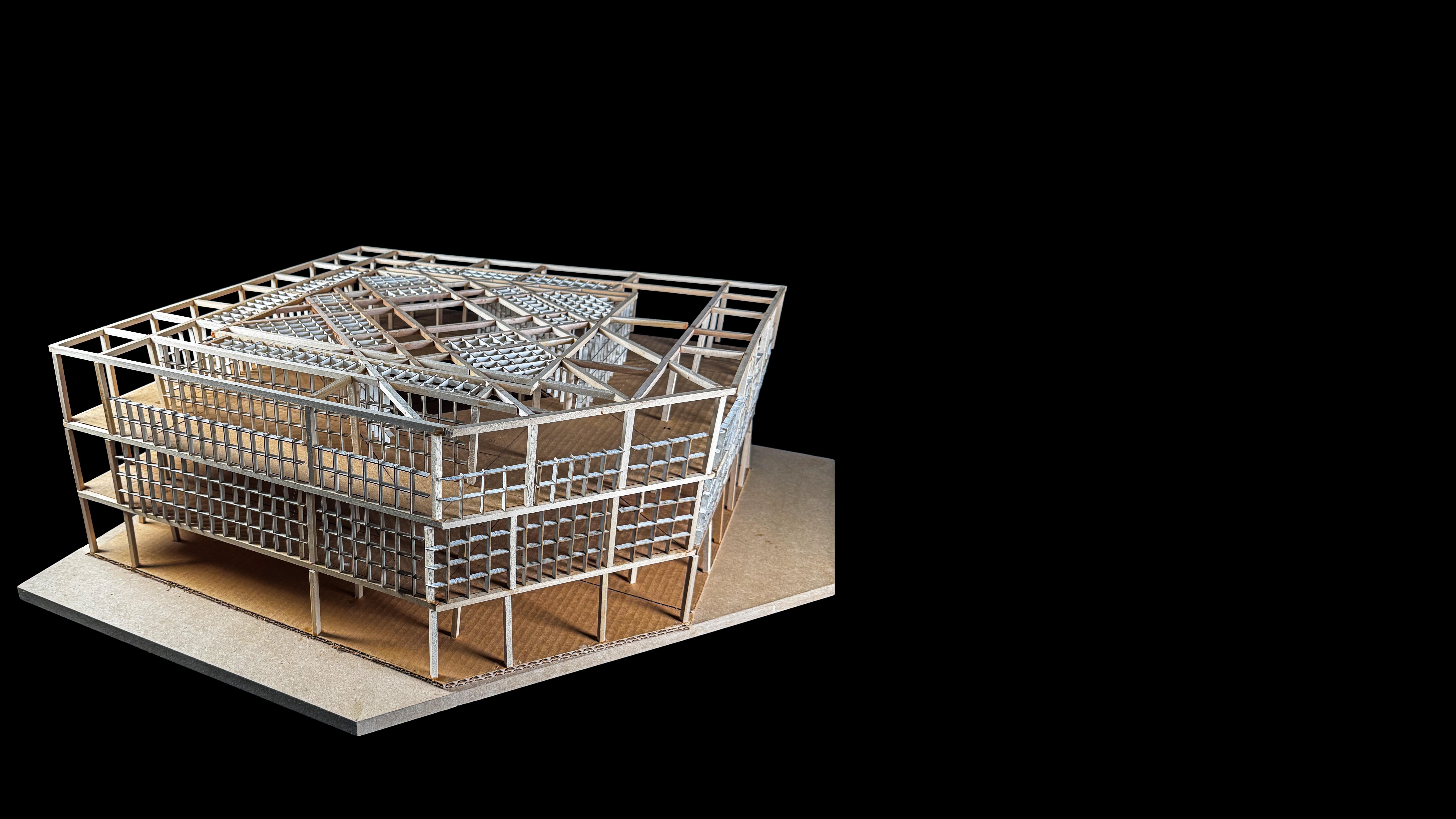
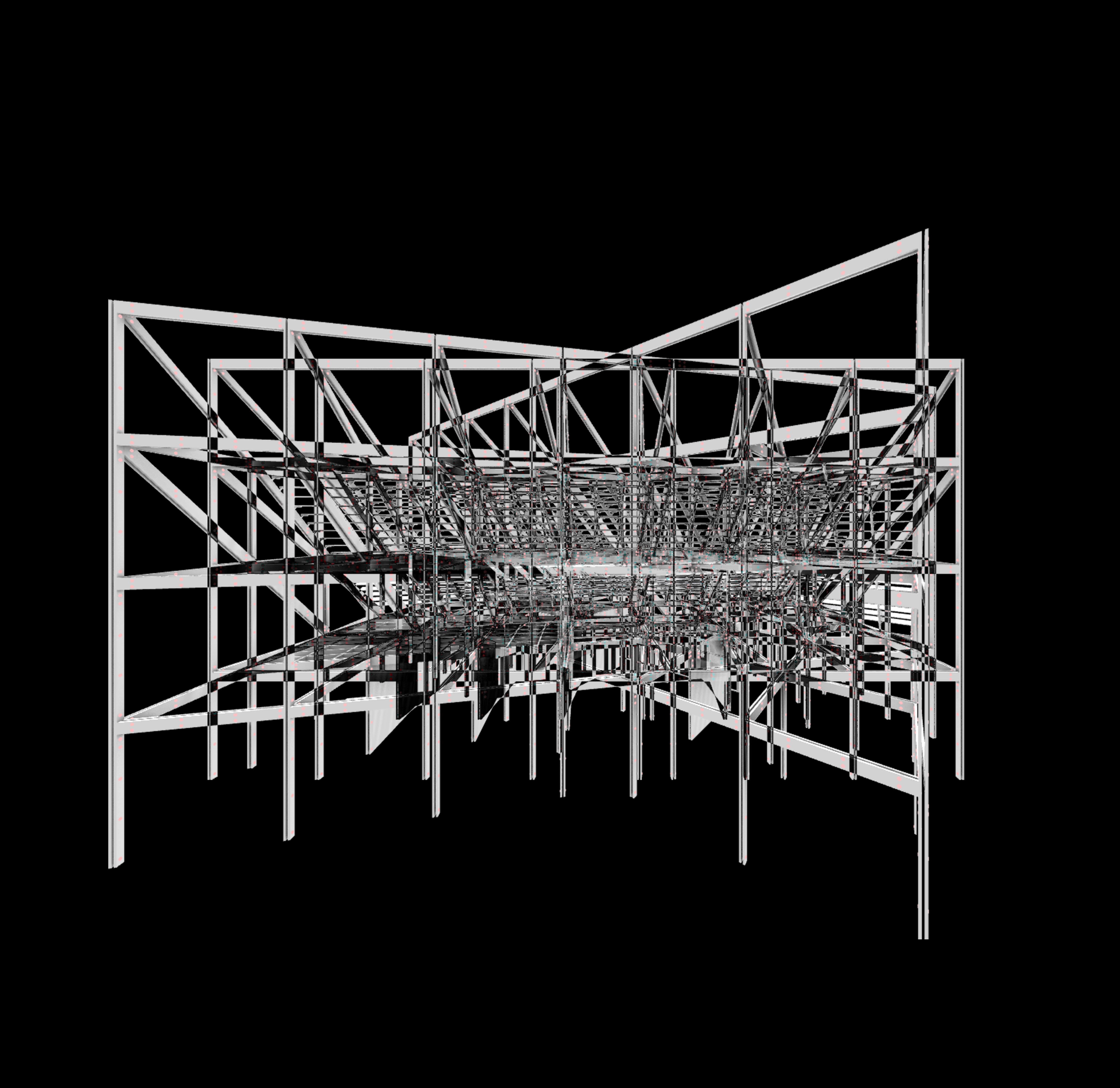
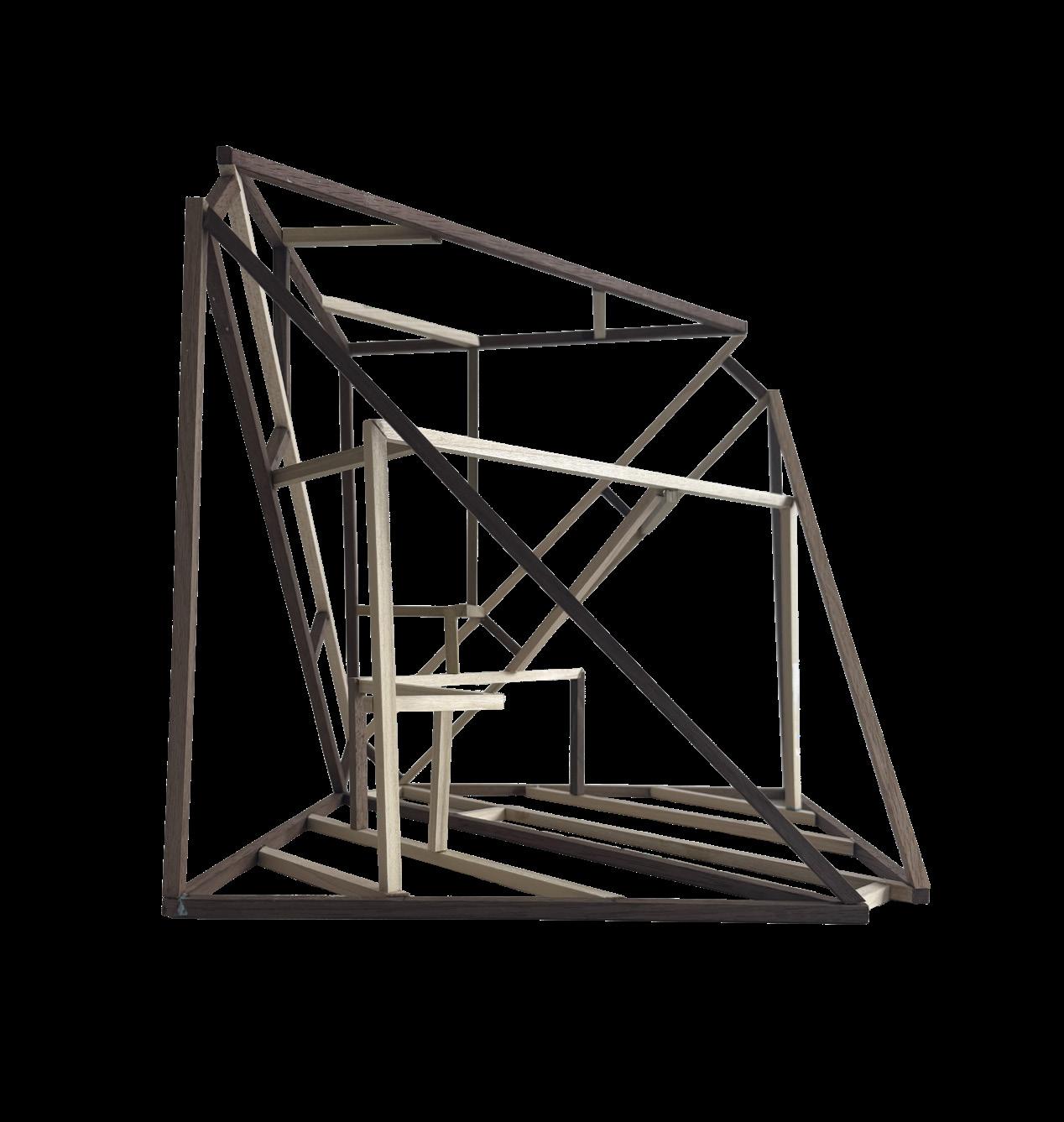
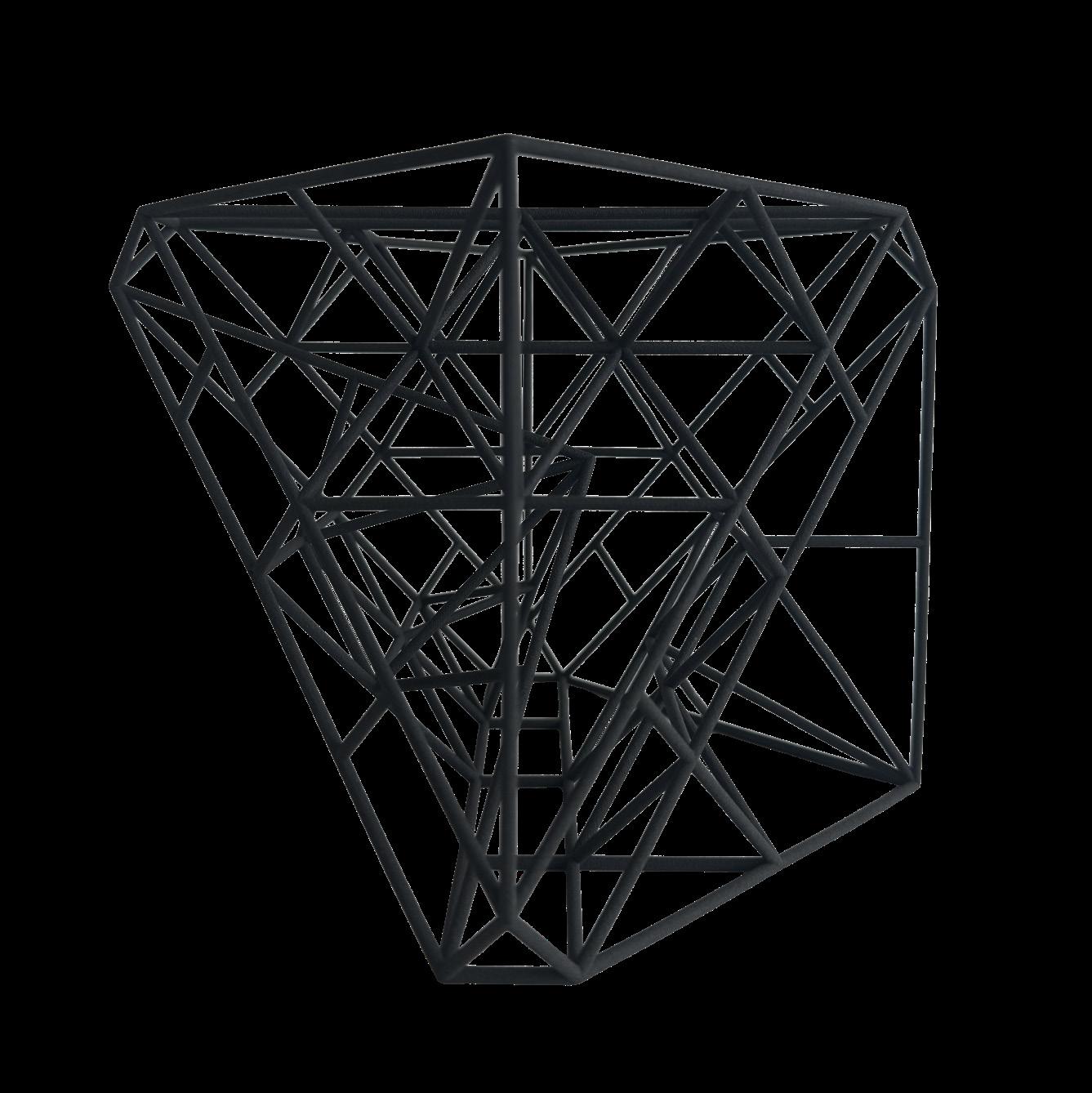
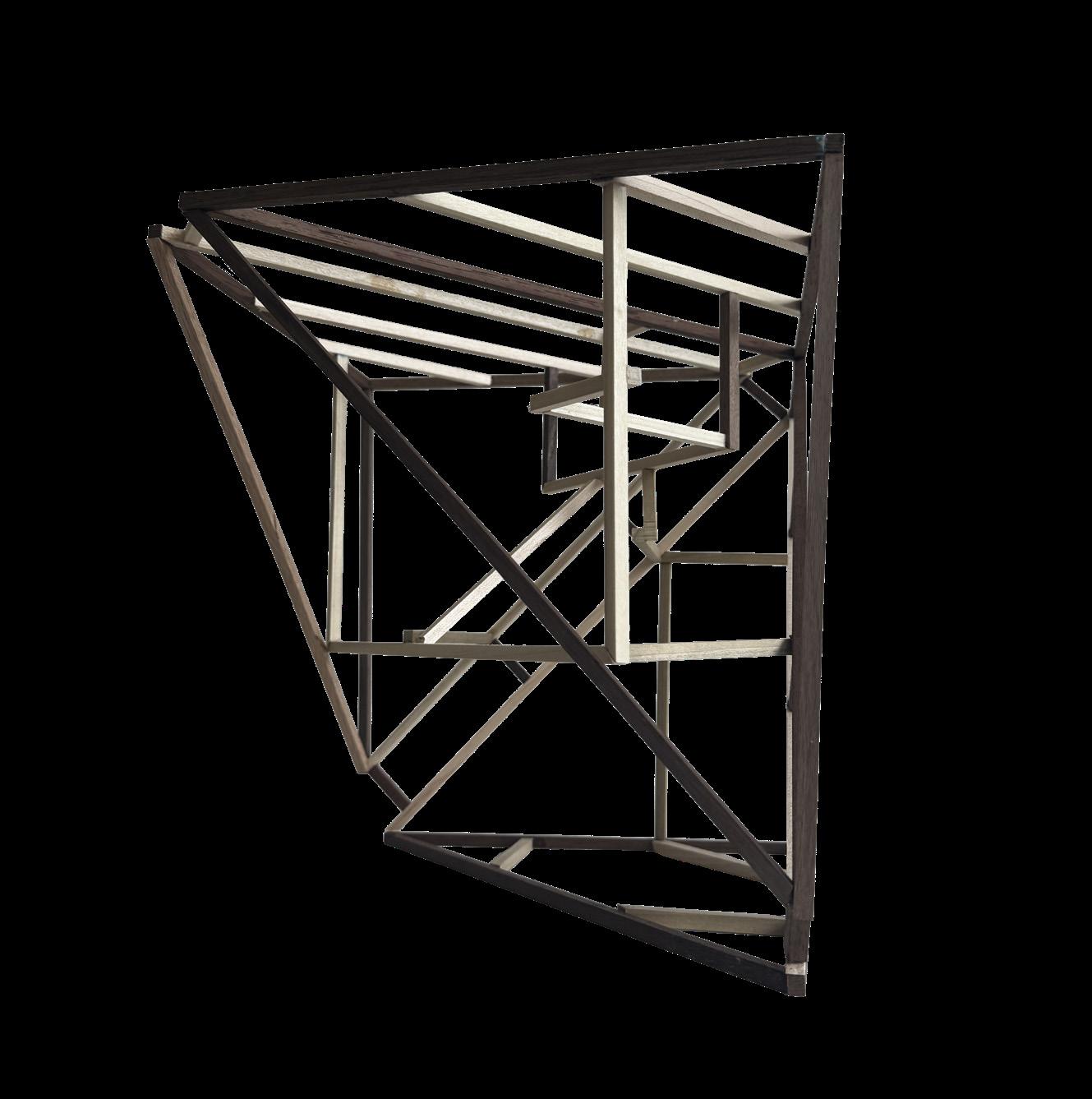
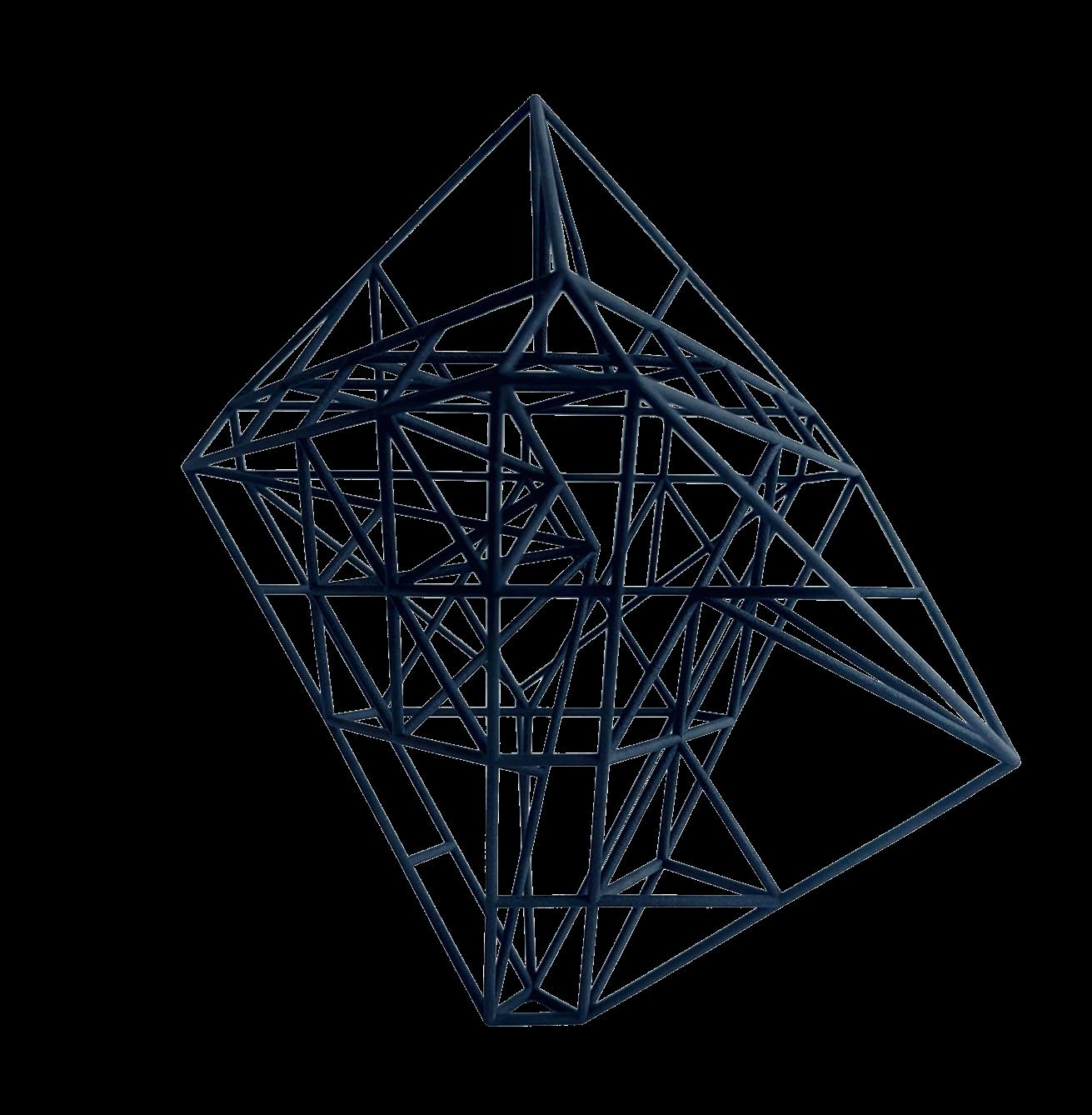
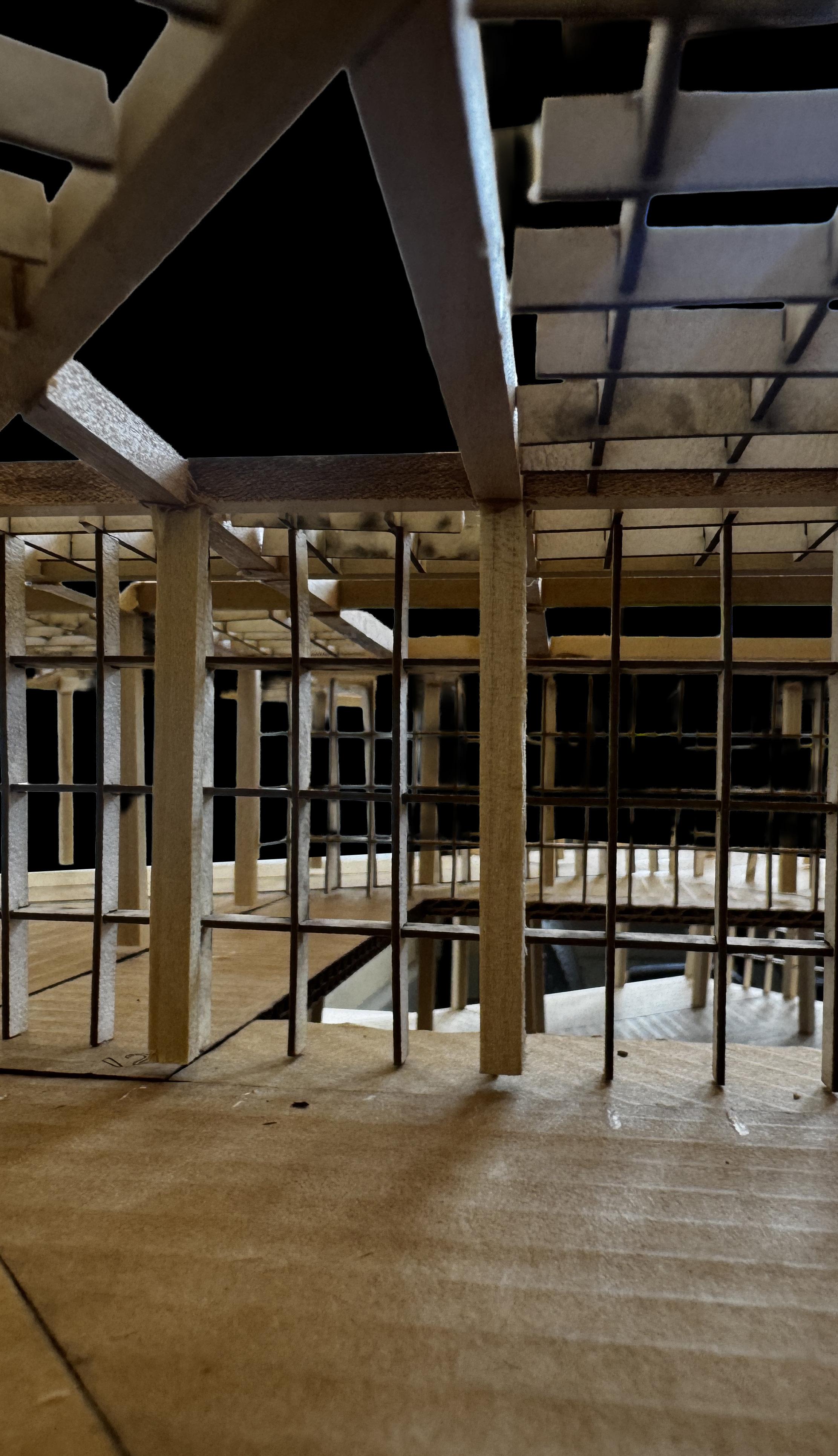
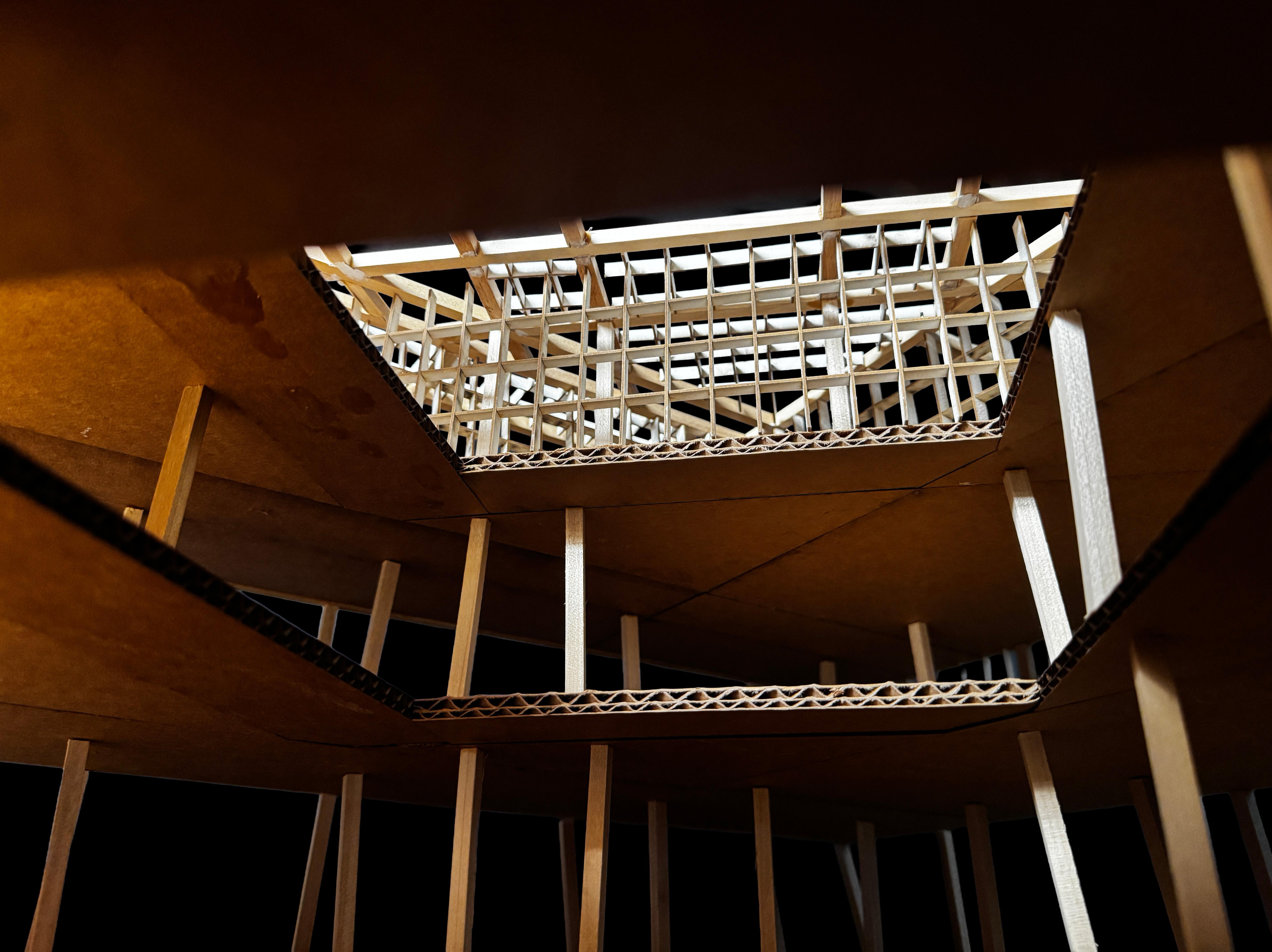
Inspired by Martin Rajniš’s use of repetition to generate complexity from timber structures, this project explores how formal richness can emerge from a simple system. Rather than following the modernist claim that clarity requires simplicity, the project investigates repetition as a generative method for spatial complexity. The physical models test how walls, floors, and circulation can participate in the prism, while the digital studies further develop structure, subdivision, and repetition into an architectural space capable of accommodating program and human interaction.
The site is shaped by three types of movement: driving, cycling, and walking. In response to these different speeds, the building establishes three distinct entrances that connect to the central stair void. The first floor functions primarily as storage for vintage clothing and as a workspace for Suay Sew staff, where the sound of sewing machines introduces visitors to the production process. On the second floor, visitors participate in dyeing activities that generate stains and patterns as part of the architectural experience. The third floor contains sewing classrooms, a theater, and additional learning spaces that support Suay Sew’s educational mission. 3
Not Mapping
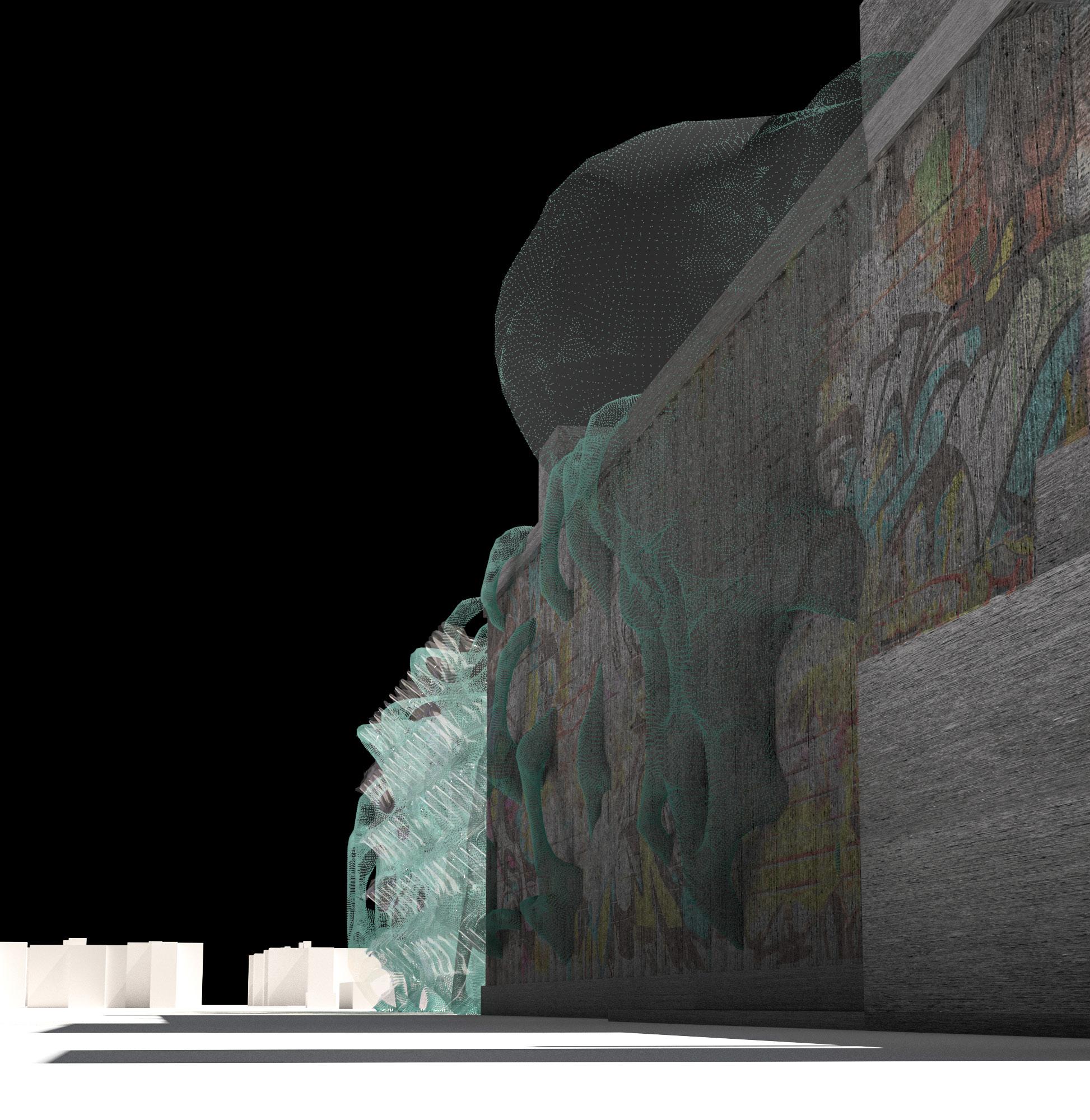
One of the most compelling conditions of the Frog Town site is its proximity to the LA River, where the concrete embankment is continuously marked by graffiti and then repeatedly erased, producing an unintended patchwork on the infrastructure. This logic informed the project’s approach to pattern, staining, and layering.
The site is shaped by three overlapping grids: the urban fabric, the LA River, and the geometry of the original park. Rather than privileging one over the others, the project embeds all three into a single system. This creates a complex spatial order through repetition, without imposing a fixed hierarchy.
NewellStreet
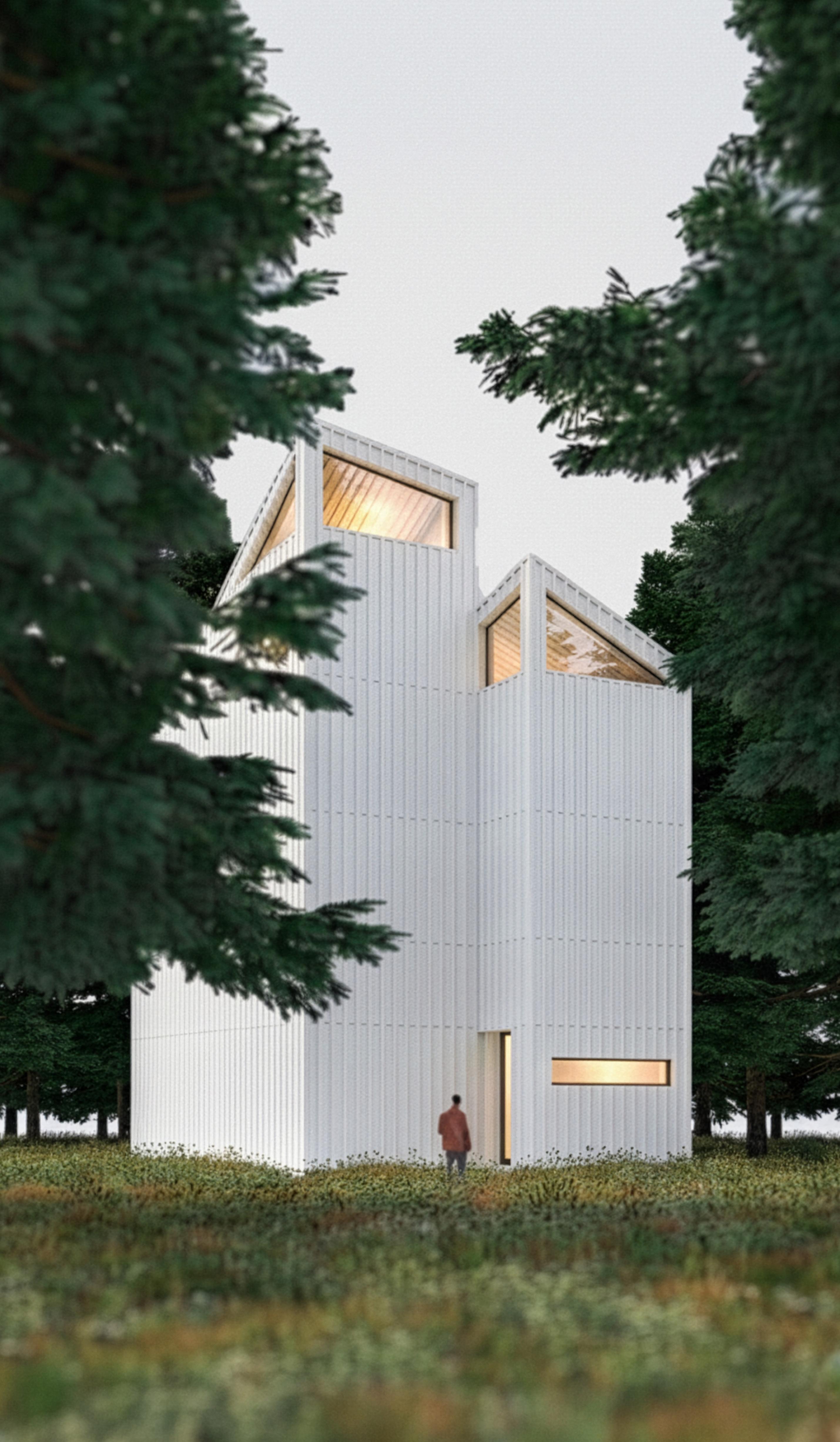
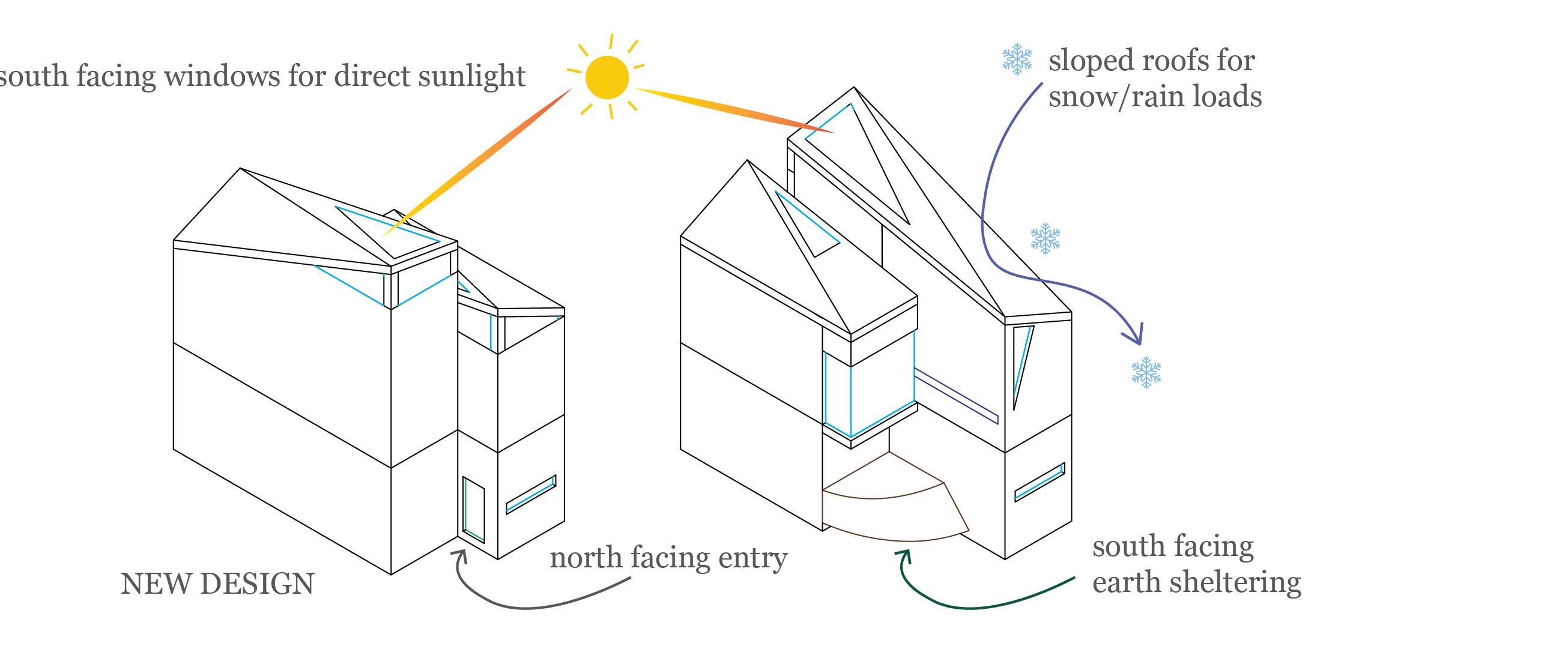
Environmental Strategy
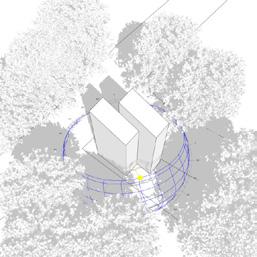
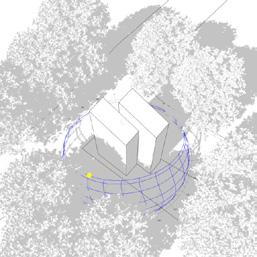
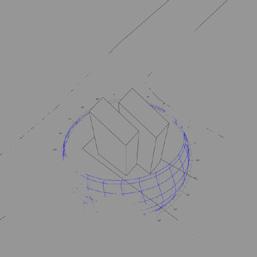
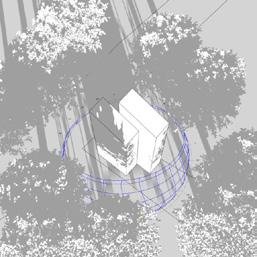
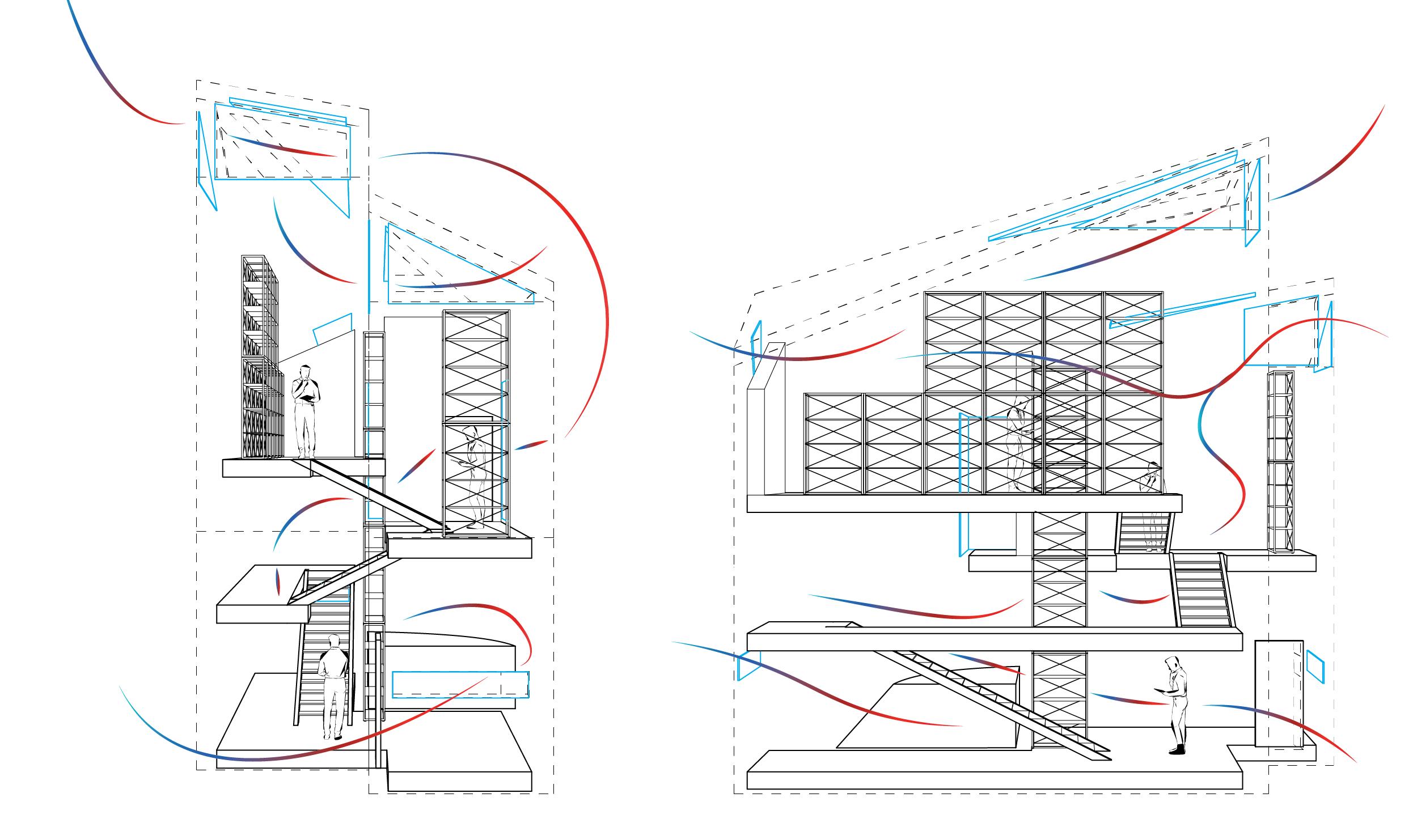
Natural Ventilation Diagram
A1: Raw material supply Mining, harvesting timber, making aluminum, producing mineral wool.
A2: Transport to manufacturing Shipping raw materials.
A3: Manufacturing Production of pine boards, aluminum sheets, concrete, glazing, etc.
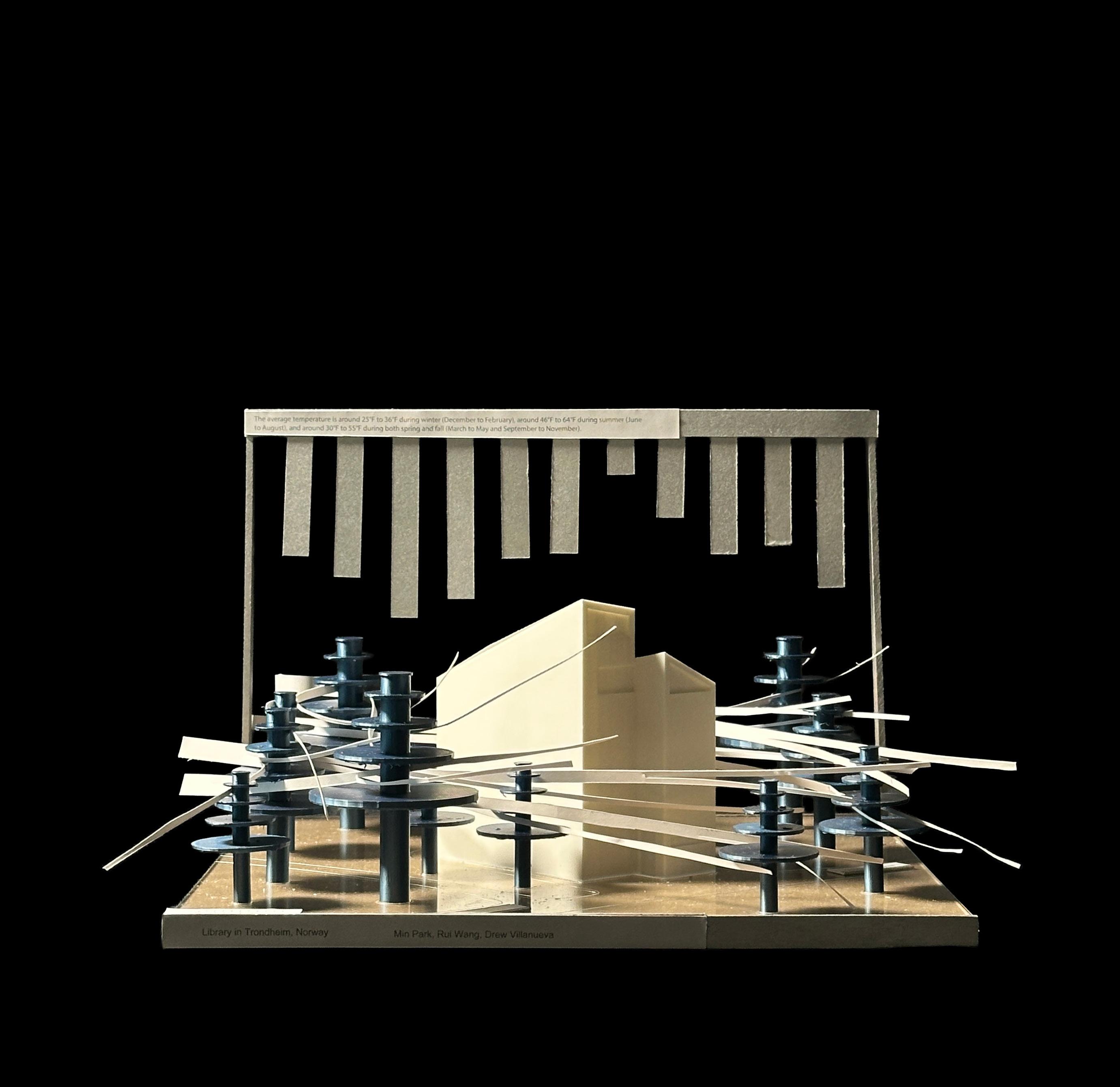
A4: Transport to site Material delivery to Trondheim.
A5: Construction/installation Site energy use, equipment, waste from cutting timber, installing insulation, etc.
B1:
C1: Deconstruction/demolition Sawing timber, demolishing slab.
C2: Transport of waste Hauling materials for recycling or landfill.
C3: Waste processing Timber chipped, concrete crushed, aluminum processed.
C4: Disposal Landfill or incineration impacts. -Recycled aluminum returning as secondary metal -Timber used for energy recovery -Downcycled concrete as
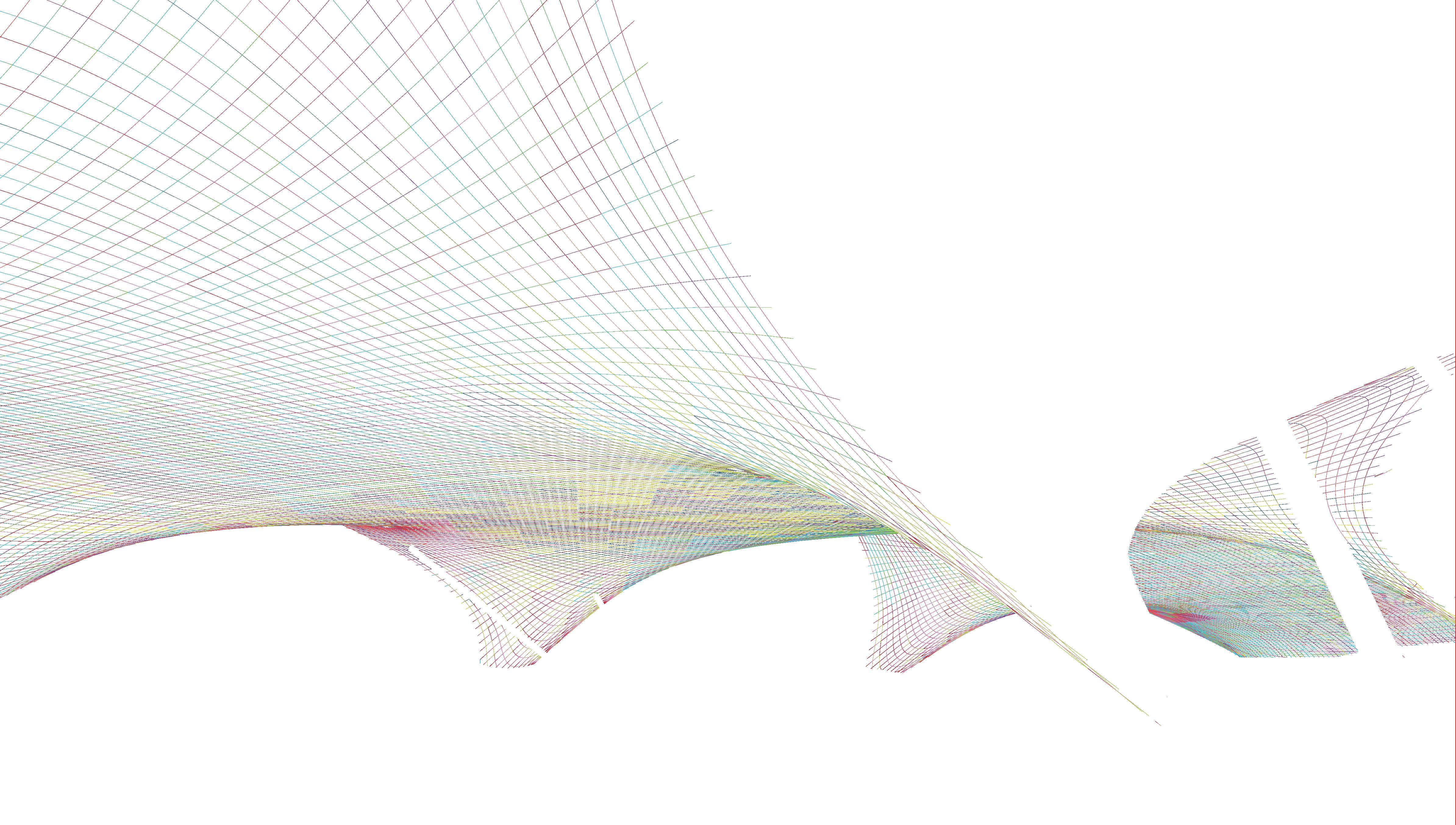
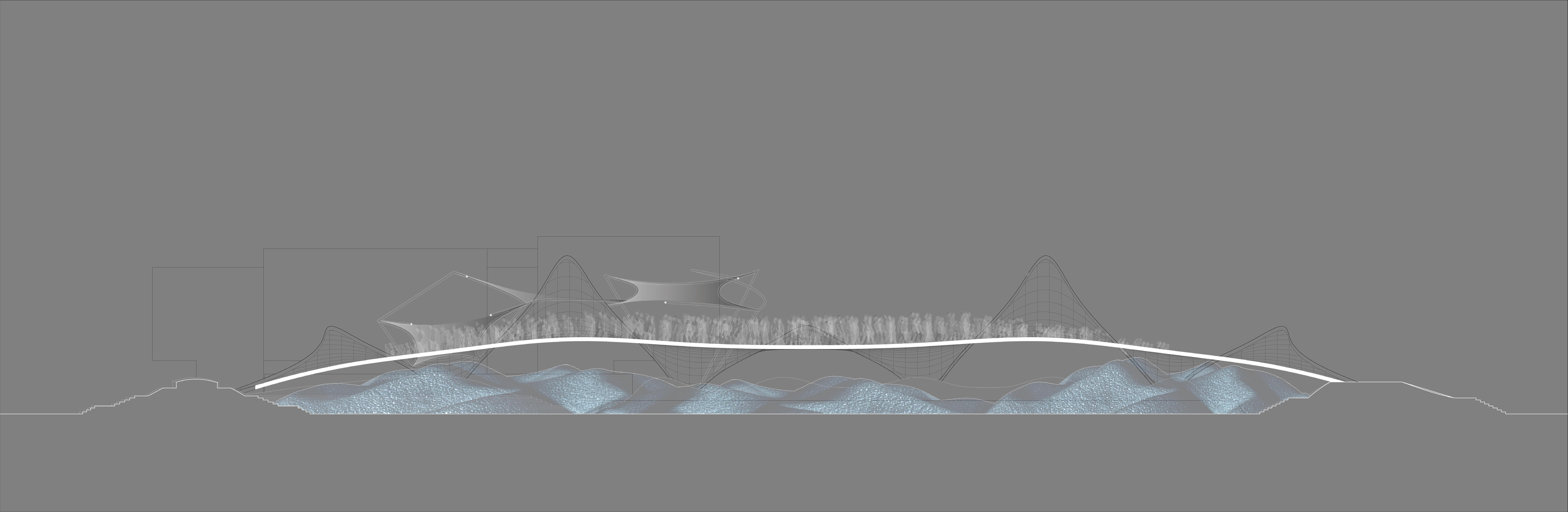
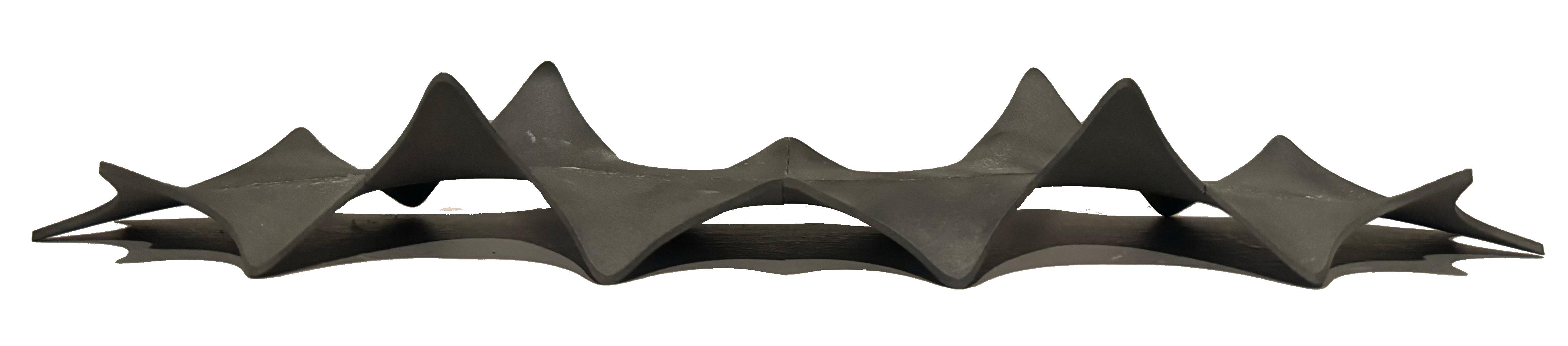
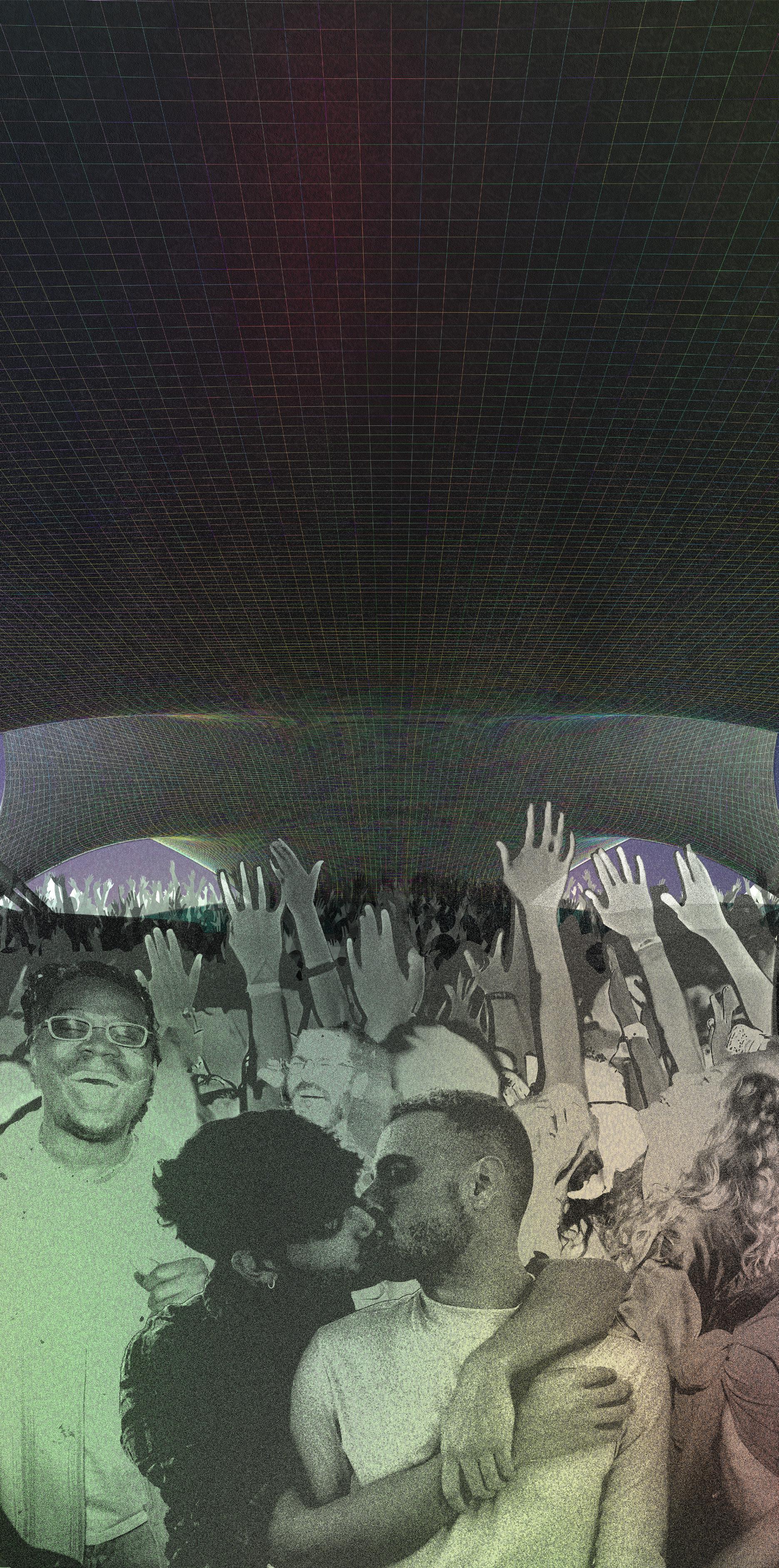
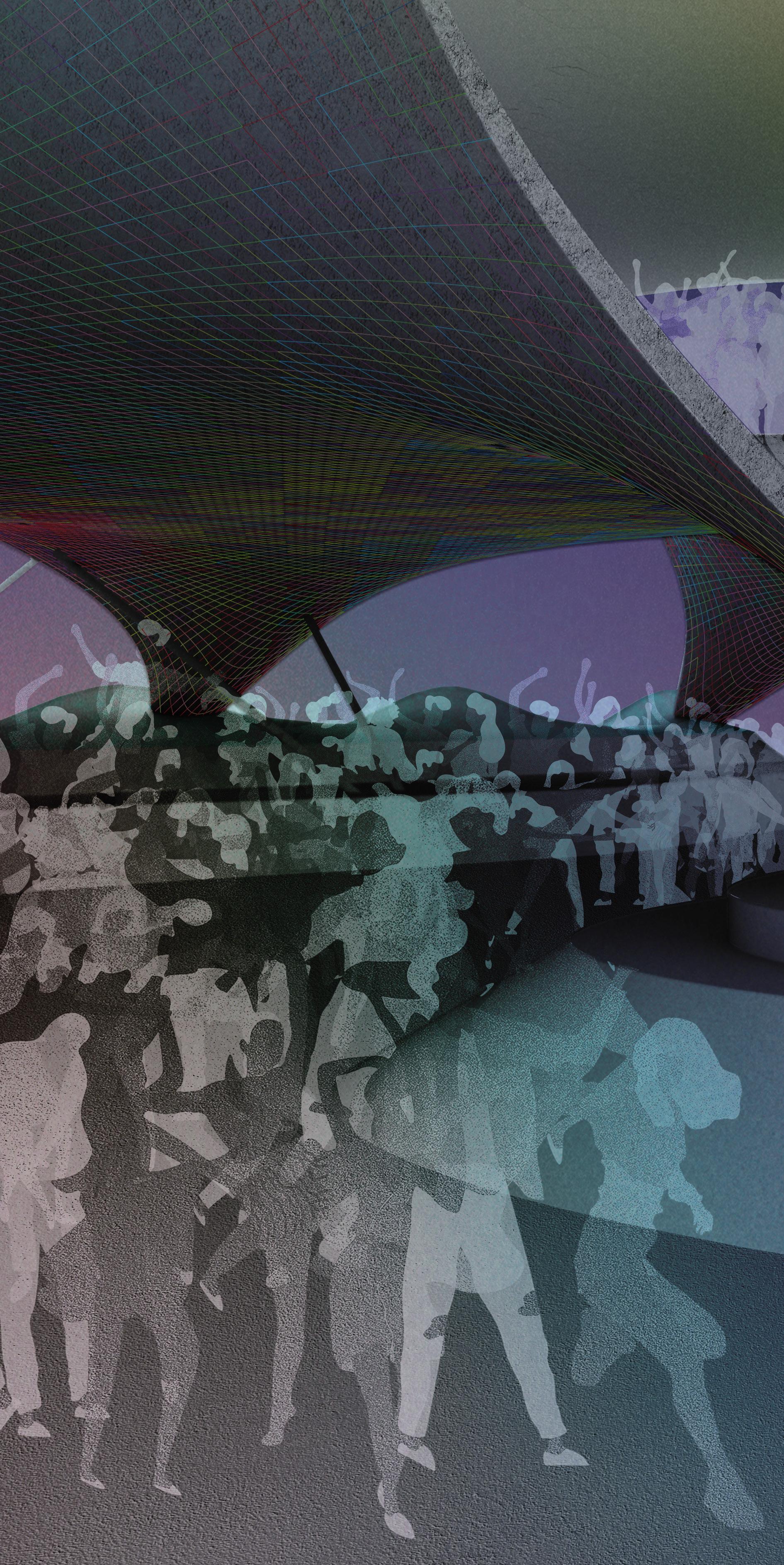
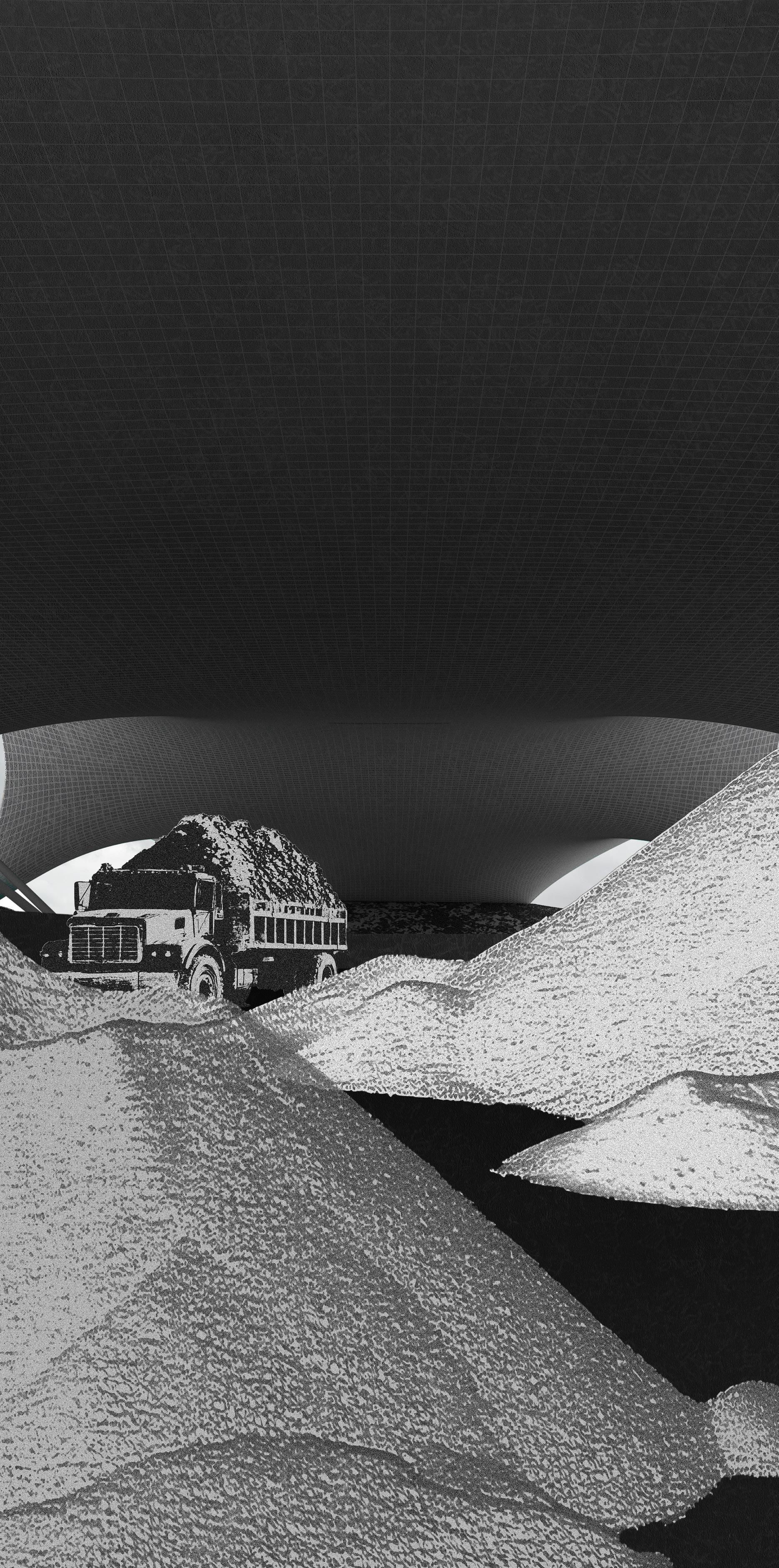
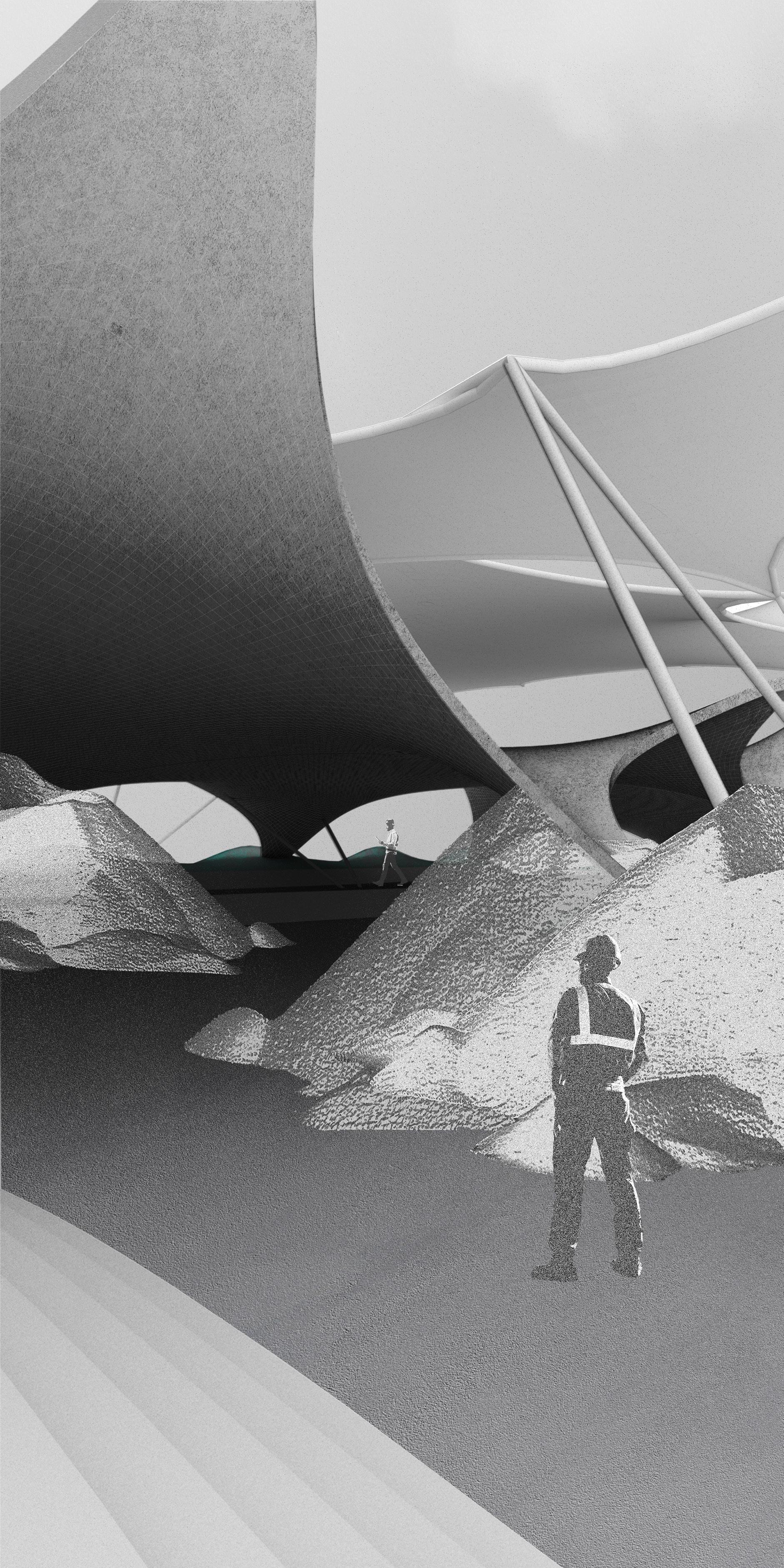
The project explores how architectural form can shape and intensify human behavior. Its geometry is inspired by Musmeci’s bridge in Potenza, Italy, and by the tensile structures of Frei Otto. In winter, the concrete structure shelters road salt in Syracuse while functioning as a bridge. In summer, the same space transforms into an outdoor music and gathering venue.
The double-curved surface is intended to encourage movement, proximity, and unexpected interaction among visitors.
ARC682 Sptializing Affective Rupture
2025
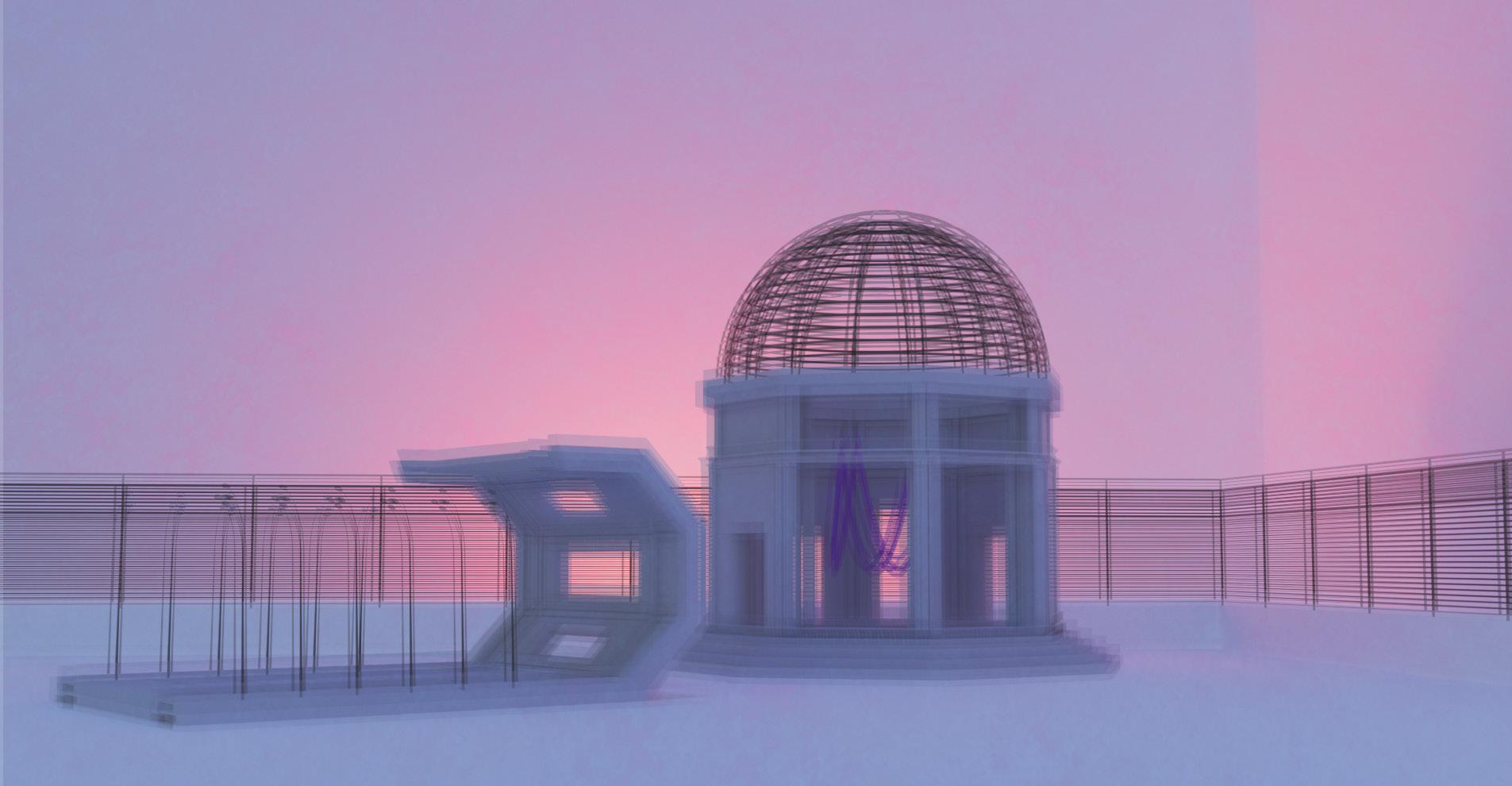
The project explores how emotions can be translated into architectural form. The first four images use film as a medium through which emotionally charged objects and spaces are extracted, manipulated, and distorted. Elements associated with the main characters in La La Land are reinterpreted through cinematic transformation, drawing in part on the spatial distortions of Inception. The bottom image combines these conditions into a scene inspired by Tokyo Drifter by Seijun Suzuki, using light and atmosphere to represent emotional emptiness, ambiguity, and instability. These ideas are later extended through physical models under related lighting conditions.
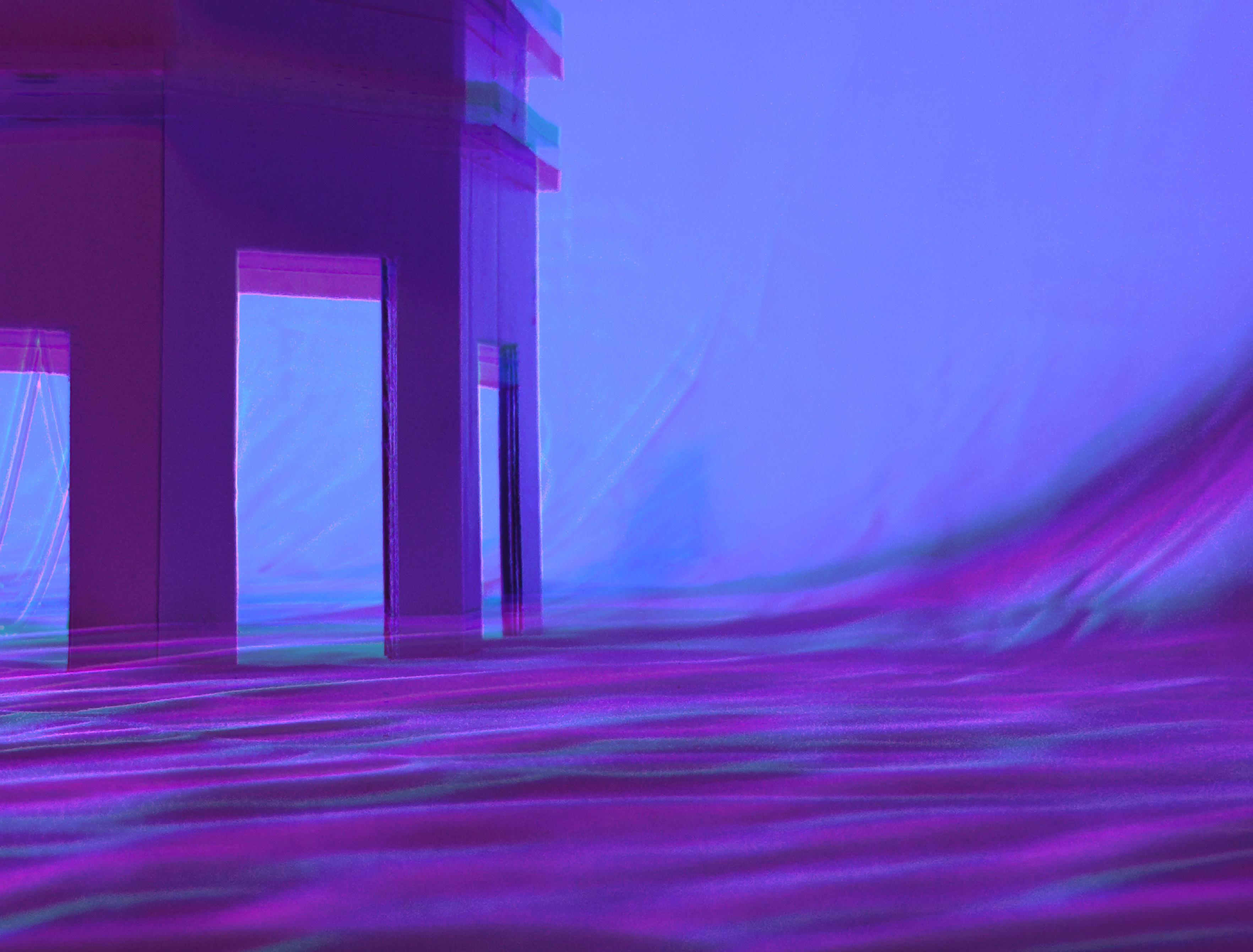
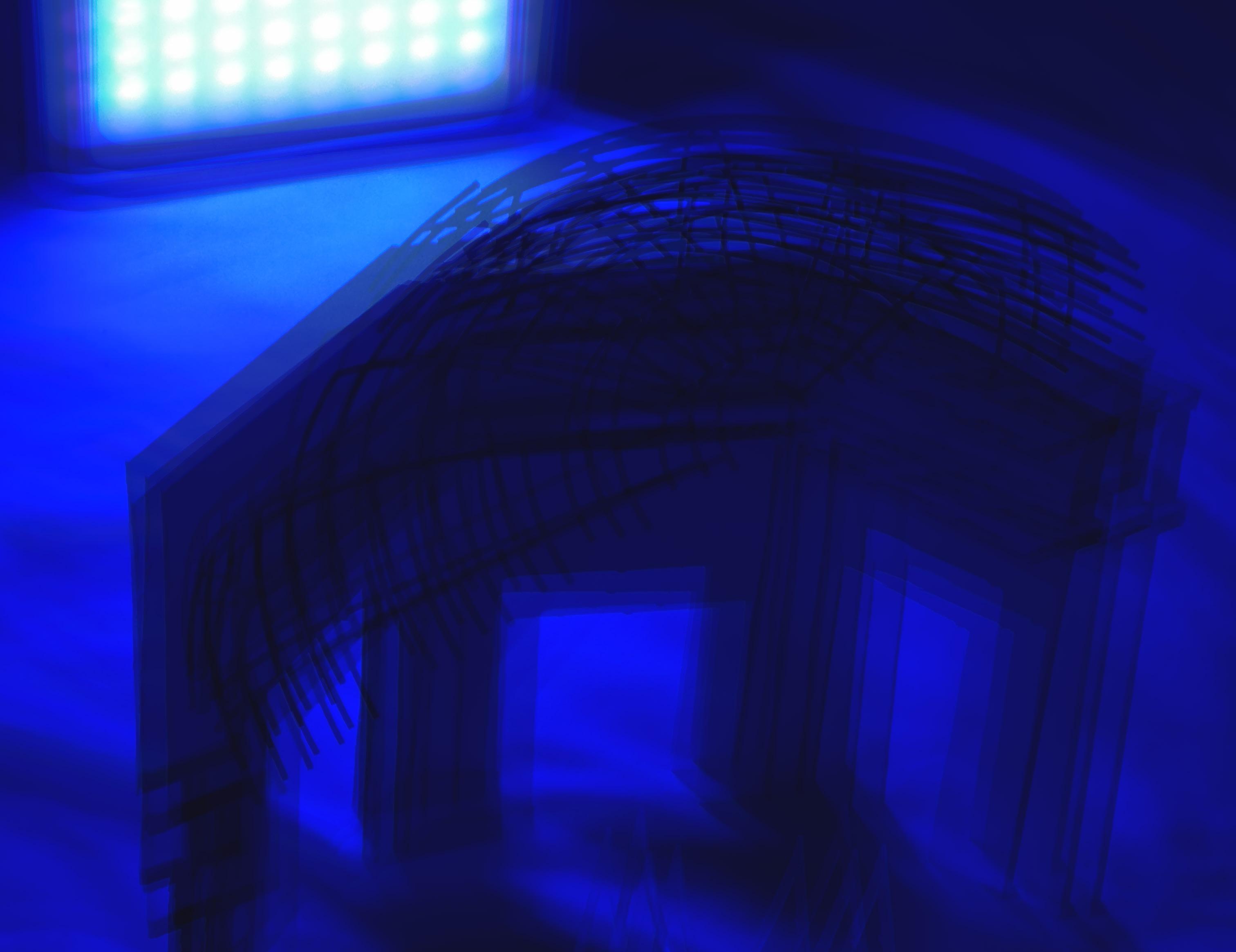
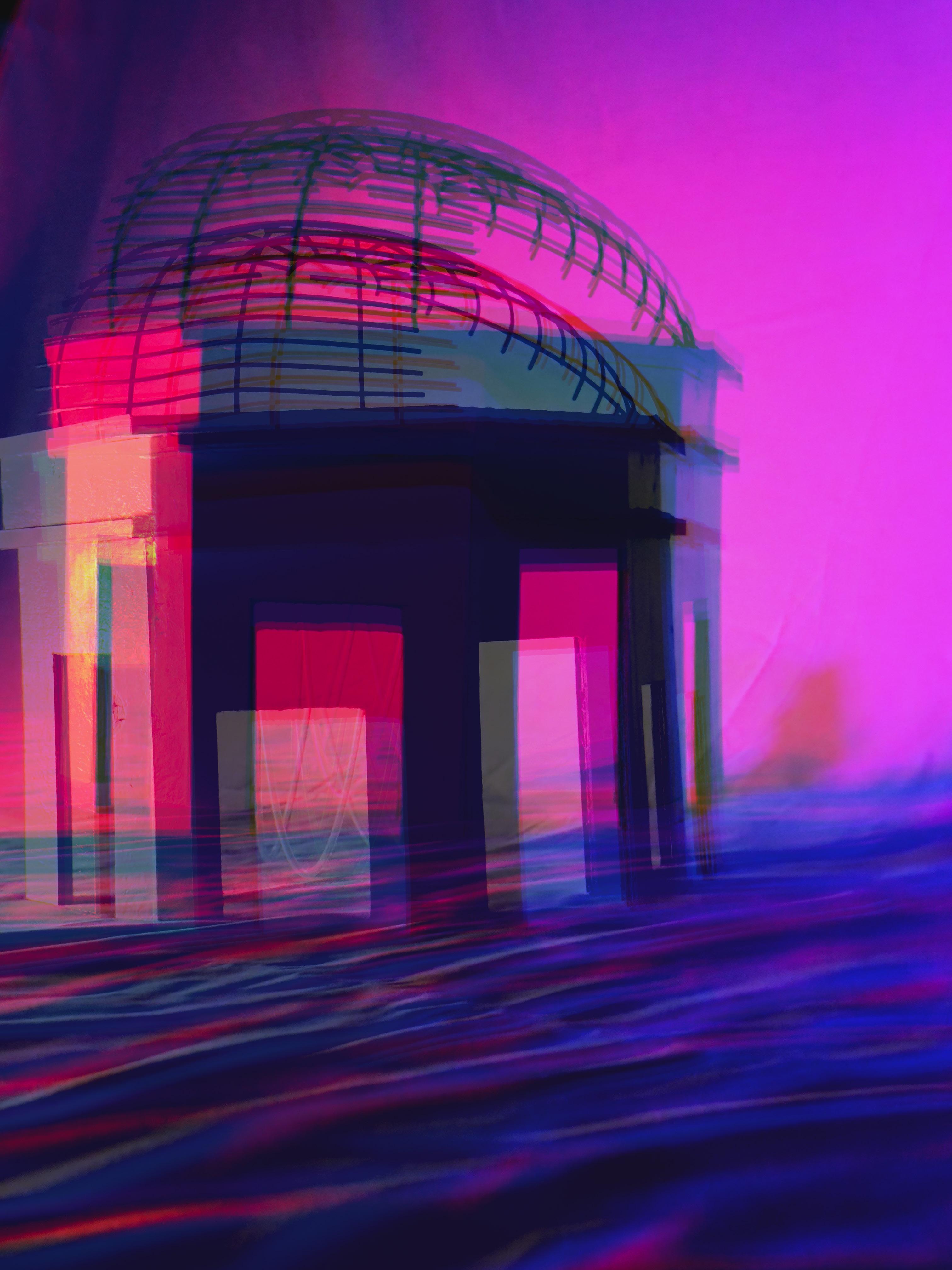
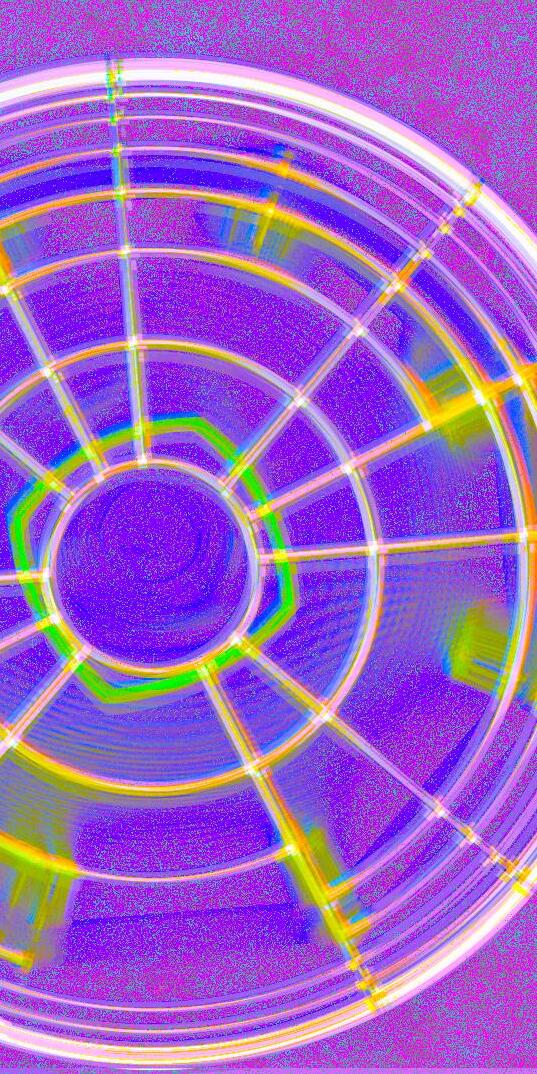
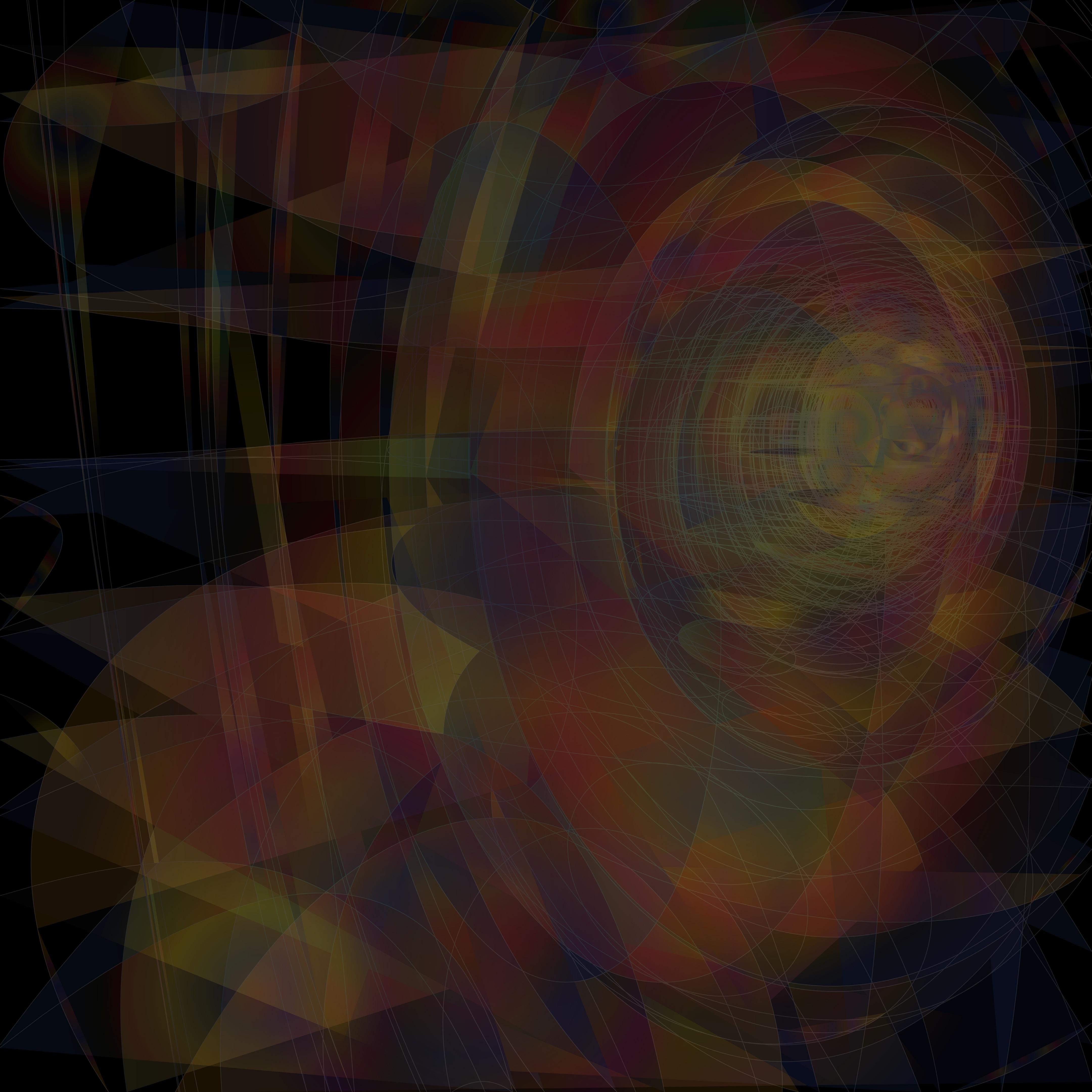
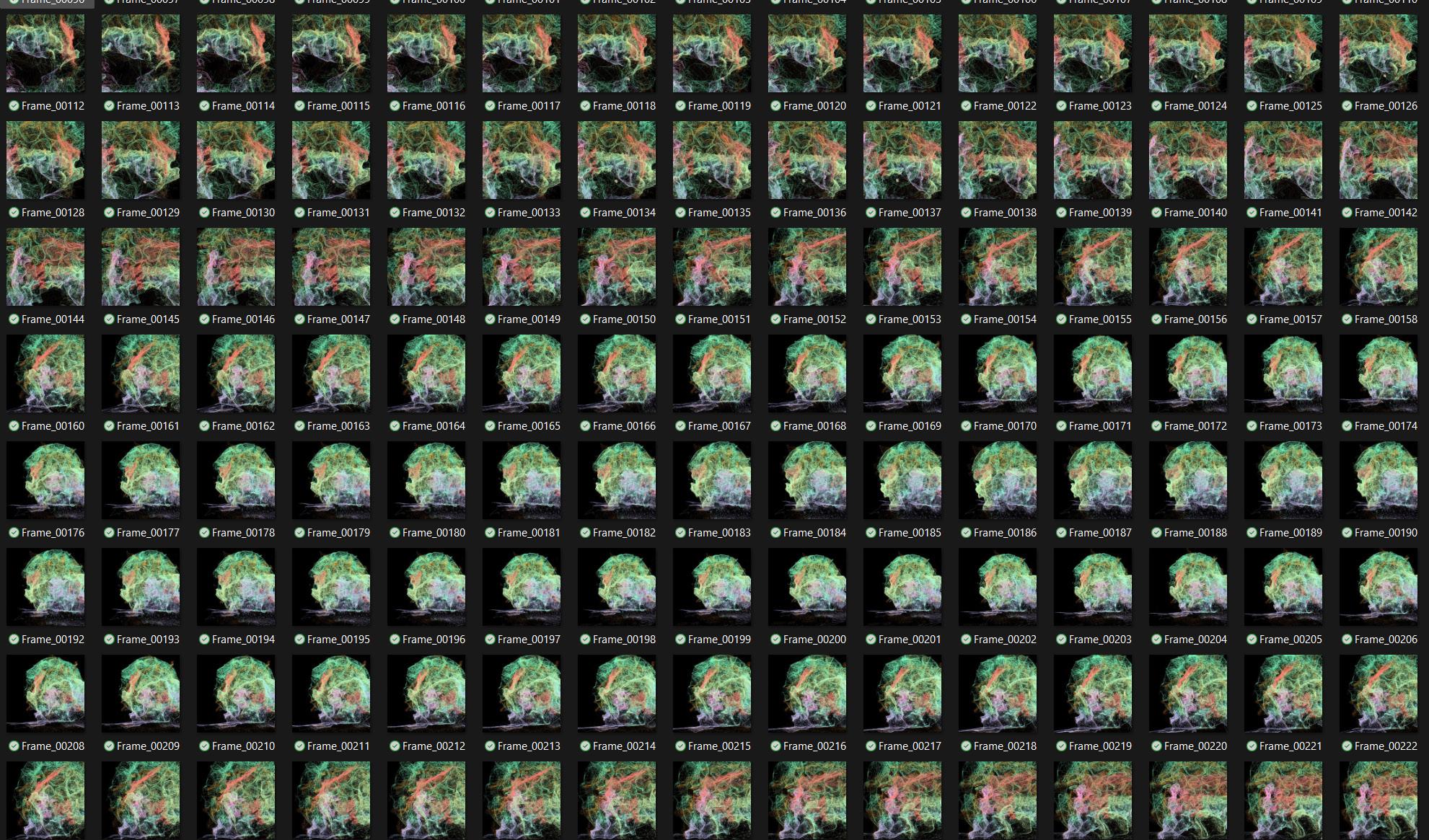
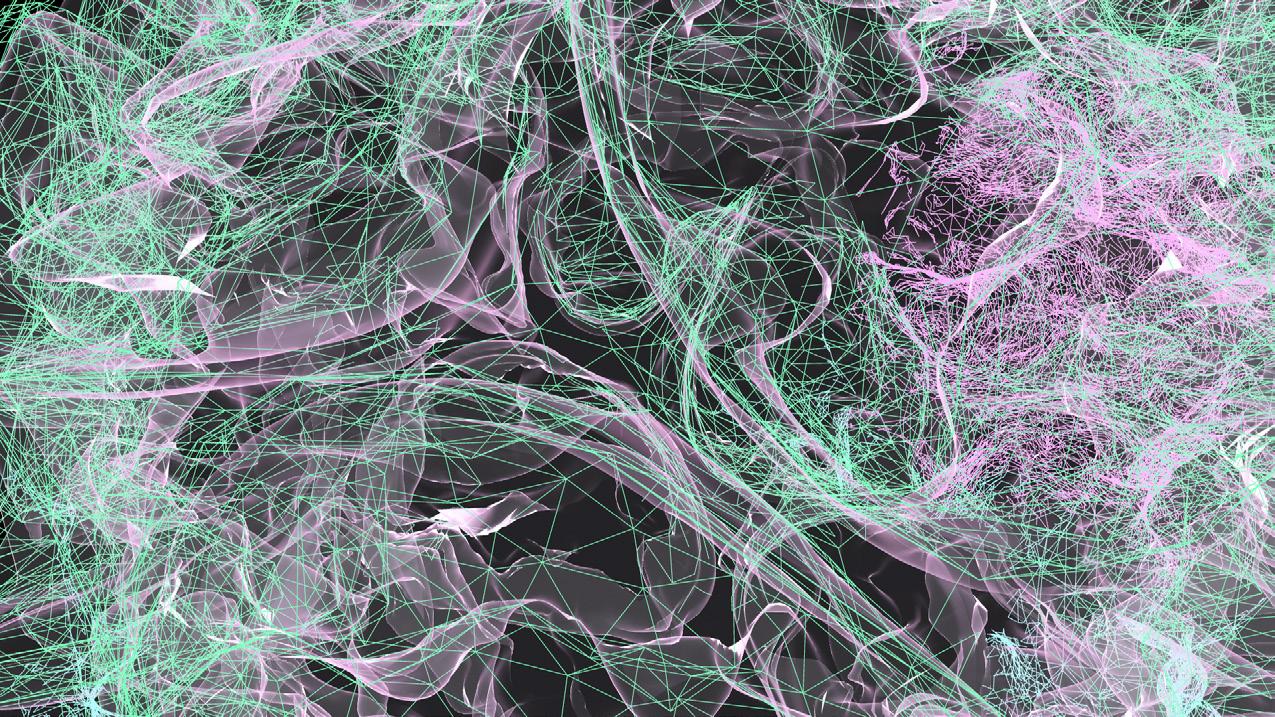
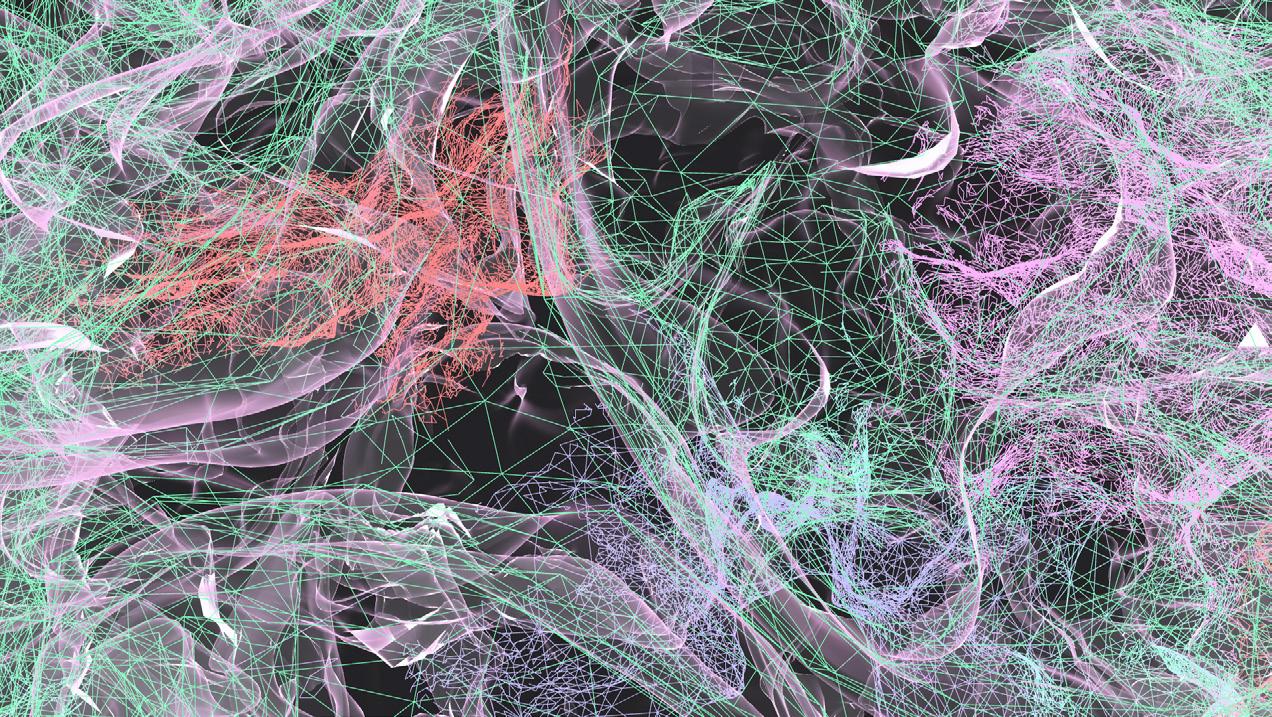
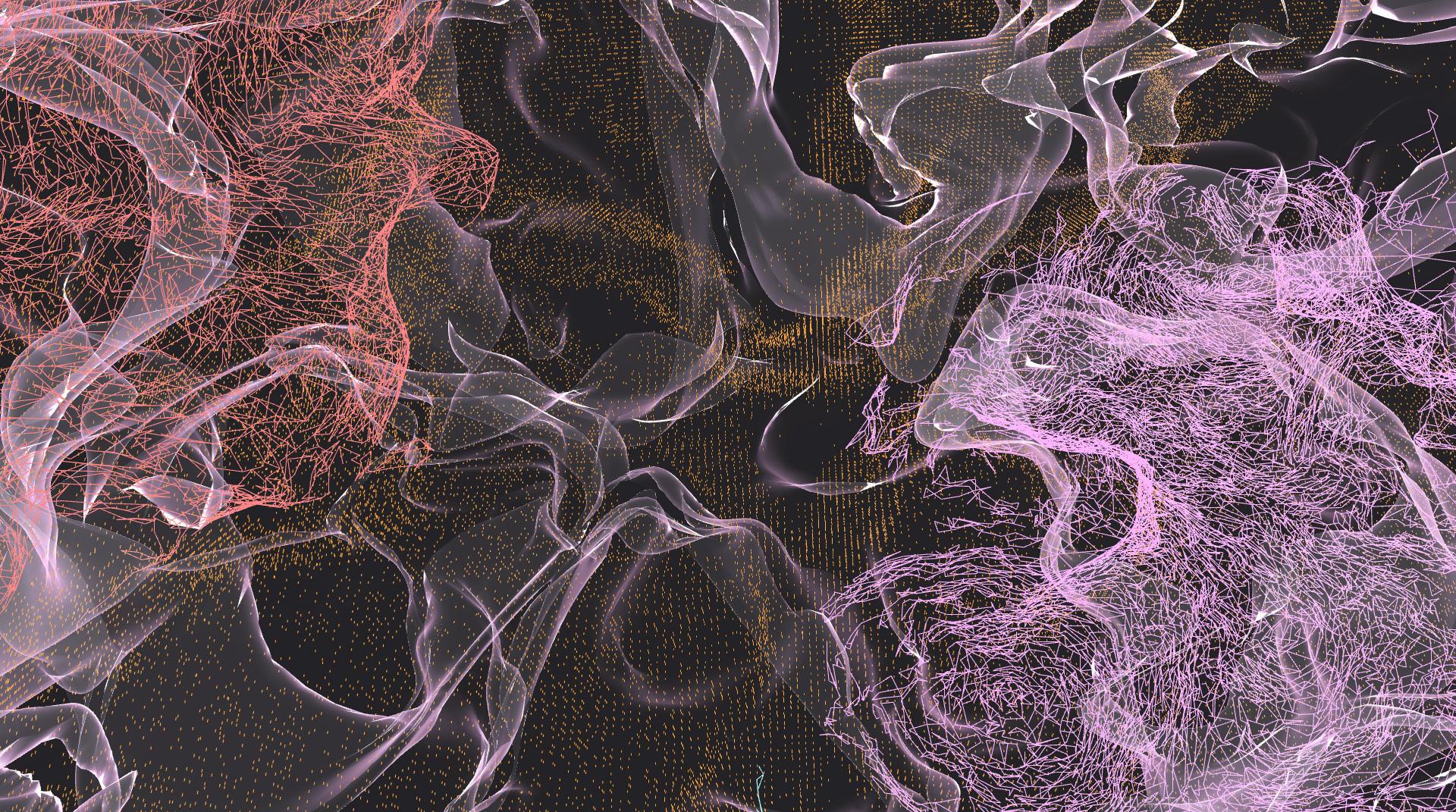
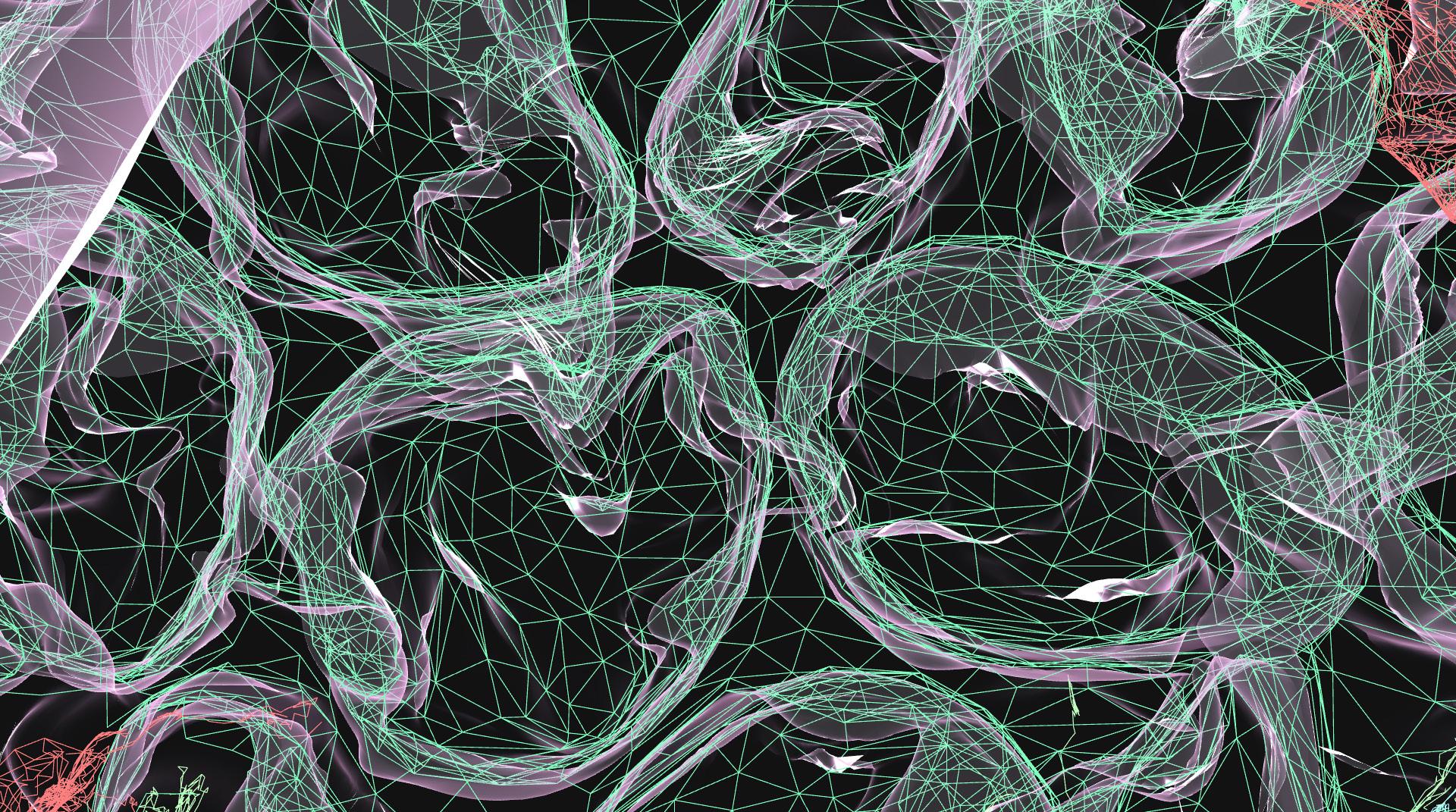
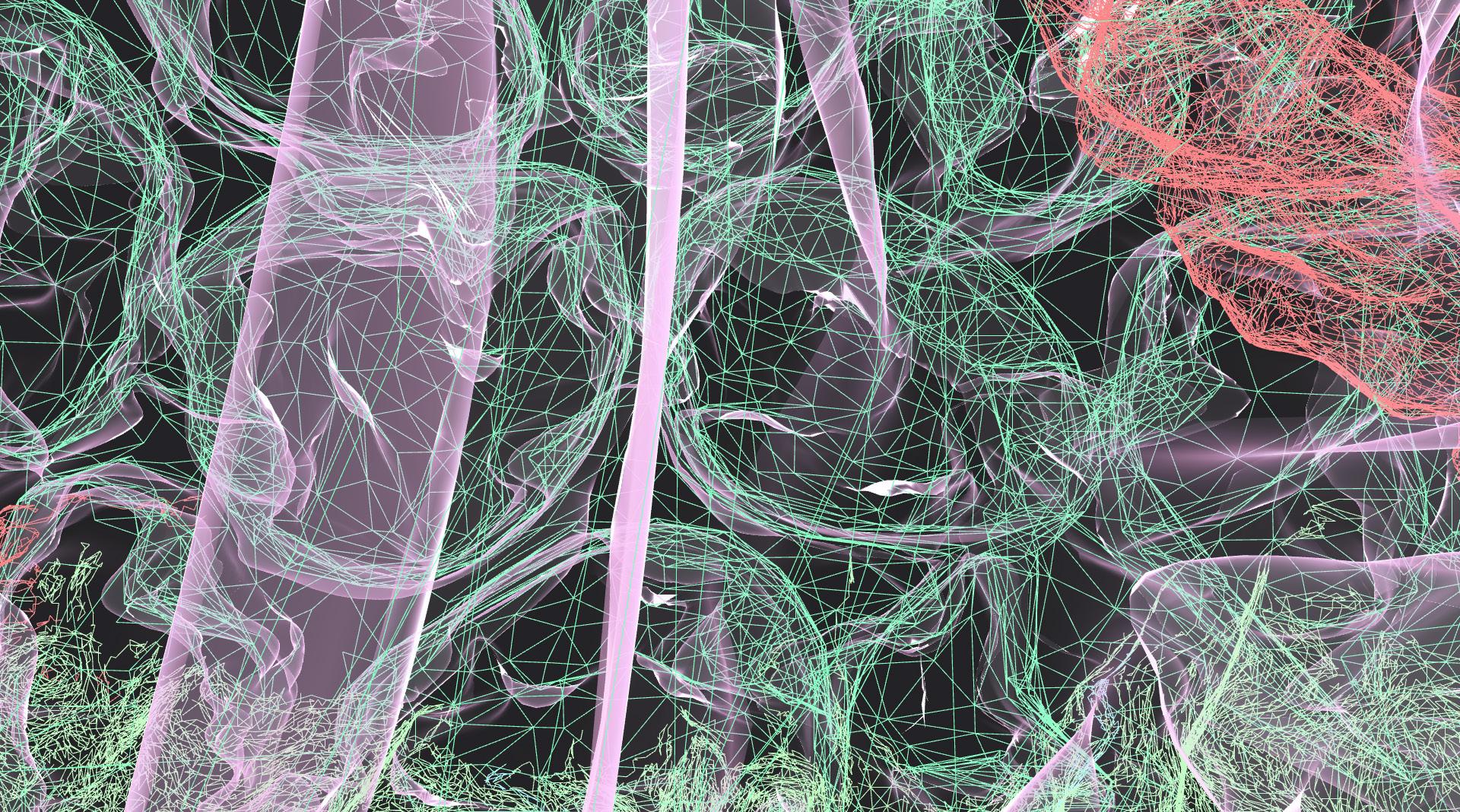
The project develops a personal emotional response to architecture and objects. The image on the left is a diagrammatic representation of how sound is perceived in a jazz café after my noise-induced hearing loss during military service in South Korea. What once may have been heard as clear and continuous became diffused, yet still beautiful.
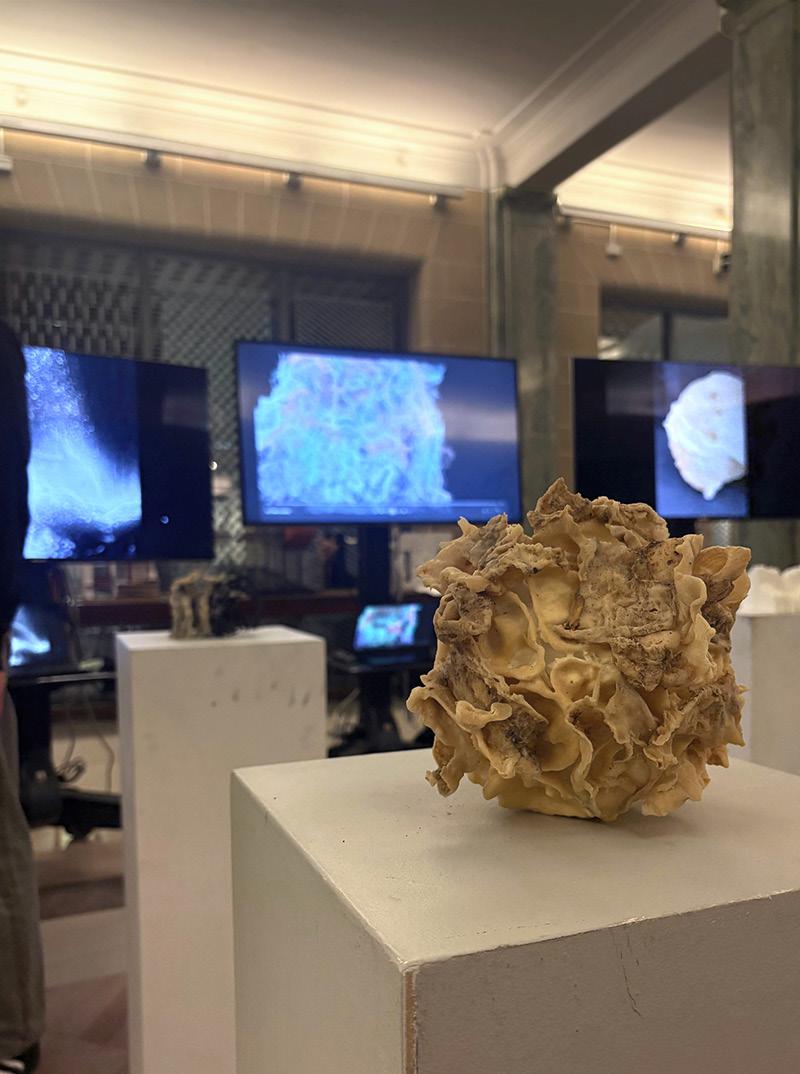
The physical model expresses anger, grief, and bodily damage through repeated ear forms and ruptured eardrum-like surfaces made with 3D-printed elements, latex, and tree bark. The accompanying digital video, produced with Grasshopper and After Effects, reflects the ambiguity of this condition: the injustice of an irreversible loss alongside a new and strange appreciation for hearing the world differently.
ARC604 Trnslating Energetic Exchange
Year: 2024