HABITATIONAL INSURANCE OUTLOOK
Property & Casualty Trends, Risks, and E&S Solutions





Key Takeaways
The Property market is softening: rates are down, terms are broader, deductibles are lower, and capacity is expanding. The Casualty market remains firm, with rising rates and tighter terms driven by social inflation and nuclear verdicts.

Catastrophic perils—especially wildfire and wind—continue to drive demand for specialized solutions such as Wrap programs, wind pools, and deductible buy-downs.
Ordinance & Law, Equipment Breakdown, and Habitability Insurance are often overlooked; addressing these coverage gaps can help property owners avoid costly out-of-pocket losses.
Early, complete submissions and strong broker-underwriter relationships are critical for securing optimal terms, especially for complex or distressed risks.
Market Conditions & Underwriting Trends

The Habitational Market reflects opposing trends: Property rates and terms are softening with more capacity and new entrants, while Casualty remains firm, driven by disciplined underwriting and tighter terms. Catastrophic perils and overlooked coverages add further complexity. This market overview explores these trends and provides actionable insights to help brokers and agents navigate evolving conditions and better support their clients.

The Property market is softening. Rates are down double digits and in some cases 10-20% reductions, deductibles are lower, and carriers are offering broader terms and higher limits. New programs are creating competitive options and expanding capacity. Additionally, London markets—once among the hardest—are now actively participating in U.S. placements, adding flexibility. Conversely, the Casualty market remains firm. Rates are holding steady or increasing, and terms are tighter than ever. Underwriting discipline is driven by social inflation and nuclear verdicts (awards of $10 million or more), making coverage for exposures such as Habitability, Assault & Battery, and Weapons challenging. Many policies feature exclusions or strict sublimits, requiring brokers to navigate these limitations carefully.
Wildfire & Wind: Closing Coverage Gaps
Catastrophic (CAT) perils continue to drive underwriting complexity and often require creative solutions. In wildfire-prone states such as California and Colorado, FAIR Plan policies offer only basic fire coverage. To address these gaps, Wrap programs have become an essential tool for brokers and property owners. Wraps might be able to offer:
Broader Coverage Options: Fill gaps for exposures excluded from Fair Plans, such as Water Damage, Ordinance & Law, Theft, Business Income, Sewer and Drain Backup, Crime, and Contractor’s Equipment.
Customizable Solutions: Negotiate sublimits, endorsements, or supplemental policies to meet unique property or lender requirements.
Favorable Terms Through Risk Management:
Proactive measures—like leak detection systems, plumbing inspections, or wildfire mitigation—can help secure better Wrap terms, even for properties with challenging loss histories.
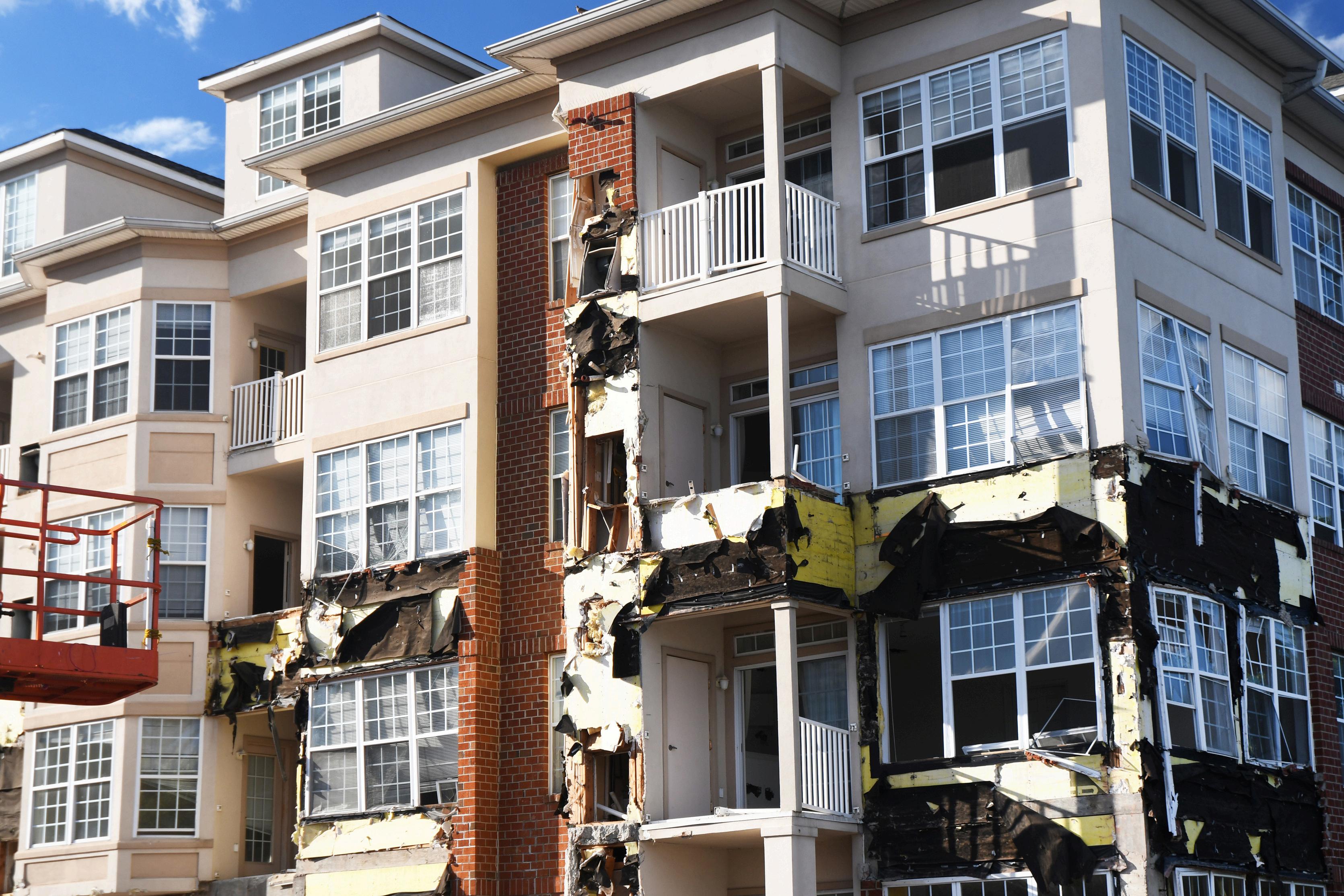
While wildfire risk dominates the West, coastal and Gulf states face persistent wind exposure. Wind pools and Excess & Surplus (E&S) markets offer layered solutions that can improve affordability and compliance:
Primary Layer: Wind pools in states such as Texas, North Carolina, and Mississippi provide wind/hail coverage with lower deductibles and premiums than many standard options.
Excess Layers: E&S markets offer coverage above wind pool limits, enabling insureds to achieve higher total coverage and meet lender requirements.
Deductible Buy-Downs: Available for Wind, Flood, Builder’s Risk, and All Other Perils (AOP), these buy-downs reduce out-of-pocket costs and deliver more comprehensive, affordable solutions for clients in coastal and windprone regions.
Navigating Lender Requirements
Lender requirements add significant complexity to Habitational placements. While brokers strive to secure the broadest coverage possible, contractual obligations often exceed what carriers can provide.
When full compliance is not achievable, creative solutions—such as sublimits, manuscript endorsements, or supplemental policies—are sometimes necessary to bridge gaps. Lenders may accept these alternatives when full compliance is not possible. Clear documentation and proactive communication are critical in these situations, especially for complex or distressed risks.

Overlooked Coverages & Common Gaps
Many standard Habitational Insurance policies exclude critical protections, leaving property owners exposed. Brokers and agents should review policy forms carefully and recommend endorsements or separate policies to address potential gaps such as:
Animal Liability: Exclusions or restrictions can impact coverage for tenant or visitor injuries—an increasing concern with rising pet ownership.
Equipment Breakdown: Protects against losses from electrical surges, mechanical failures, or power interruptions.
Flood: Floods can happen anywhere, even outside designated zones, and 90% of natural disasters involve flooding.
Habitability: Addresses allegations a property is unfit for occupancy, such as mold or pests—a growing exposure especially in California due to stricter housing laws and tenant awareness.
Ordinance & Law: Covers added costs to rebuild to current city/county building codes, especially important for older properties facing compliance upgrades.
Pollution: Exclusions can leave property owners exposed to costly bodily injury and property damage claims from mold, asbestos, old and improperly maintained HVAC equipment, or contaminated water.
Water Backup: Losses from blockages, heavy rainfall, or aging infrastructure are increasingly common.
Explain how they protect financial stability and reputation.
Tips for Brokers Agents

In a market where underwriting discipline and proactive risk management are critical, brokers and agents play a critical role in guiding insureds. The following actions can help strengthen resilience, improve insurability, and deliver measurable value.
#1 Stay Ahead of Emerging Risks.
Monitor trends like Habitability claims, Pollution exclusions, and Water Backup exposures. These issues are evolving quickly and being proactive can position you as a trusted advisor.
#2 Identify and Explain Coverage Gaps.
Analyze loss history, regional risk patterns, and property age to tailor recommendations. Databacked insights help clients understand why certain coverages are essential.
#3 Use Data to Drive Decisions. Many insureds assume they are fully protected. Highlight exclusions—such as Flood or Ordinance & Law that could lead to uncovered losses and show how endorsements can close those gaps.
#4 Promote Endorsements as Risk Management Tools. Partner with a wholesaler who understands complex property risks, offers access to specialized markets, and provides responsive, knowledgeable support. Burns & Wilcox delivers these advantages with deep expertise and strong carrier relationships to help you secure competitive, comprehensive coverage. #5 Choose the Right Wholesaler.

Habitational Property is expected to soften with more capacity and competitive pricing, while Casualty lines remain firm amid social inflation and nuclear verdicts.
Brokers who address coverage gaps, adapt to regional trends, and partner with the right wholesaler will be best positioned to navigate change and seize opportunities.


Contributors
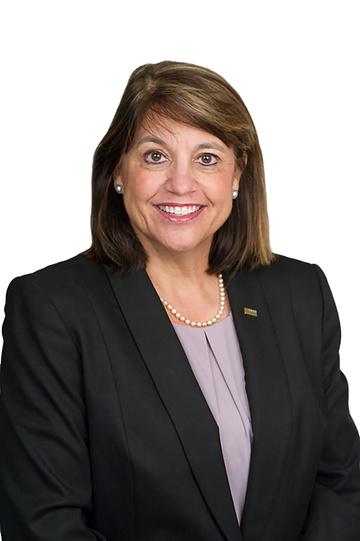
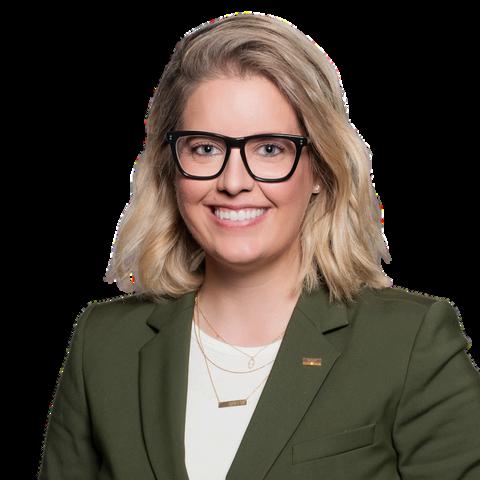
Bonnie Steen
Regional Vice President
Managing Director
Burns & Wilcox
New Orleans, Louisiana
Click here for contact details >

Chelsie Tysdal
Associate Managing Director
Underwriter
Commercial Insurance
Burns & Wilcox
Los Angeles, California
Click here for contact details >
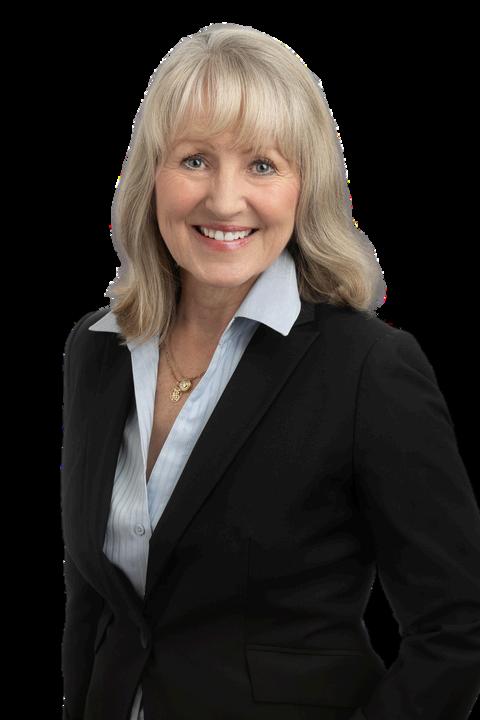
Nicholas Freeman
Associate Managing Director
Broker, Casualty
Burns & Wilcox, Brokerage Division
North Dallas, Texas
Click here for contact details >
Teresa Cowper
Broker, Property
Burns & Wilcox, Brokerage Division
Atlanta, Georgia
Click here for contact details >
This commentary is intended to provide a general overview of the issues contained herein and is not intended, nor should it be construed, to provide legal or regulatory advice or guidance. If you have questions or issues of a specific nature, you should consult with your own risk, legal, and compliance teams.