MAGAZINE, PROVIDING INSIGHTS ACROSS ALL MAJOR SECTORS.
Sector spotlights on Retail, Living and Alternatives
Major retail opportunities continue to dominate transaction activity
Big holidays, bigger stores: Inside Luxury Escapes’ bold retail move
Australian apartments: Tightening vacancy reshapes income, pricing and timing
Childcare centres: Pricing resilience in a policy-backed sector
Quality assets set to dominate alongside seniors housing boom
Top Stories
It is said resilience is built by adapting to your new reality. There is no doubt this year has again reminded us that operating in the CRE markets requires resilience. Market conditions have again changed quickly but what is apparent is the resilience that that has been built by several years of volatility.
In years gone by current events would have caused many to adopt a wait and see approach. Whilst most are applying more rigorous underwriting and a level of caution, many are seeing this window as an opportunity to look through the cycles and get set with high quality real estate. And as cycles appear to become more pronounced buying windows tend to close as quickly as they open.
The stable level of buyer conviction can be seen in the elevated Q1 transaction volumes. We saw volumes across the market up 2% on Q1 2025 driven mostly by the office sector.
Many of these trades were concluded early in the year and were negotiated in the latter part of last year, prior to the full impact of the Middle East conflict. However, it’s important to note that we have been operating in an elevated and increasing bond rate environment since November. The 3-year fixed lending rate has moved since pre-conflict from 4.30% to the current rate of 4.75%, reflecting some concern in the debt markets around longerterm impacts. Most recent Q1 deals have factored in higher debt costs and the Middle East conflict, which has lead to increasing pressure on pricing and buyer depth. The vast majority of transactions are proceeding reflecting buyers determination to look through the cycle.
In the last month we have called for bids on over $3 billion AUD worth of real estate. We are seeing pricing resilience for high quality assets holding value at the bottom end of pricing guidance and still generating a deep pool of bidders. Foreign Capital mainly from Singapore and Japan continues to participate in the market. We are starting to see some more significant pricing pressure and reduced demand for secondary assets across most sectors.
In contrast we are generally seeing very robust performance on the income side with the exception of hotels where income is more aligned to international travel movements. Rent growth continues to build across office, retail and Industrial sectors, offsetting any significant value decline.
We will continue to monitor the market closely and watch to see just how strong the reliance is we have built in the last few years.
In this eleventh issue of Capital Edge, we focus on three sectors shaping early-2026 investment strategies. Our Retail feature explores how income security and constrained supply are supporting performance for well-located assets. Our Living sector insights examine the continued strength of demand fundamentals and defensive cashflows. Finally, our Alternatives spotlight considers how specialist sectors are benefiting from structural tailwinds and growing investor interest.
I hope you find this issue clear, relevant and useful. While the market continues to navigate a higher- cost and more complex environment, meaningful opportunities remain for those who act with focus and conviction.
Welcome to the eleventh edition of Capital Edge
Flint Davidson
Geopolitical disruption: Pricing risk in a more volatile market
Geopolitical conflict has returned as a material force shaping global capital markets. For real estate, the impact will be partially sentiment driven, however the real impact is the repricing of cost, capital and risk in real time. Higher energy prices, rising bond yields and more expensive debt are lifting hurdle rates and compressing pricing tolerance. The result is not uniform, but an uneven market where value is being recalibrated by asset and sector.
Historically, major geopolitical shocks have not reliably derailed the economic cycle, but they do impact inflation and financing conditions, which is what matters most for real estate underwriting.
Heightened global tension is placing upward pressure on fuel, energy and materials, reinforcing an already elevated cost environment. These pressures flow directly into construction inputs, logistics and labour, lifting replacement costs and compressing development feasibility across sectors.
At the same time, higher bond yields and borrowing costs are already feeding through to pricing. As capital becomes more expensive, return expectations are resetting, driving price adjustment even where underlying asset performance remains sound.
Sameer Chopra, Head of Pacific Research for CBRE explains, “pre-2020s, construction was inflating at 1.5% per annum. It grew at 6% per annum over the past five years due to post-COVID demand/supply mismatch and Russia-Ukraine conflict. We expect 6.5% per annum average cost growth over 2026-2030, including an 18% spike over the next two years. Our early assessment is that economic rents will move 6% to 8% higher and new supply will become even more scarce.”
Andrew McCasker, Head of Debt & Structured Finance for CBRE, adds, “Lenders into the Australian market are still comfortable with the underlying fundamentals however there will be a stronger focus on consistency of cashflows and robustness to development feasibility as interest costs rise over the coming months.
SECTOR IMPACTS: DIFFERENTIATED EXPOSURE, UNEVEN
OUTCOMES
OFFICE
Office markets are experiencing some of the most uneven outcomes of any sector. Pricing dispersion is being driven by asset quality and buyer conviction, with prime assets showing greater resilience than secondary stock. Higher bond yields have lifted required returns, which is likely to impact most assets in some form.
At the same time, office supply pipelines are slowing materially across major CBDs, increasing the premium placed on assets that can capture future demand without significant execution risk. This dynamic is widening the gap between buyer and seller expectations, particularly for secondary assets where timing and capital demand are most acute.
James Parry, Head of Office for CBRE Capital Markets, says “The geopolitical instability has had an immediate impact on the debt markets which reduces the probability of short-term yield compression; however occupier flight-to-quality, flight-to-value and flight-to-centralisation continues to push rent growth well in excess of current forecasts, across Australia and New Zealand. Whilst some buyers will opt to ‘wait and see’ how inflation and in turn debt markets plays out, others will seize the opportunity to invest while the investor sentiment is flat.”
INDUSTRIAL & LOGISTICS
Industrial and logistics fundamentals remain supported by occupier demand, but feasibility is under pressure. Rising energy, transport and construction costs are flowing directly into steel, concrete and infrastructure inputs, lifting development costs and compressing margins.
Lending appetite for the sector remains solid, reflecting confidence in long term demand. However, pricing discipline has tightened, particularly for development-led strategies. The result is a market where demand remains supportive, but capital is more selective and returns are being recalibrated against a higher cost base.
Chris O’Brien, Head of Industrial & Logistics for CBRE Capital Markets, says: “Demand for industrial and logistics is still strong, but rising build, transport and energy costs are making projects harder to stack up. Investors and lenders are running more conservative numbers. We expect money to stay in the market, but it will be more selective, backing assets with secure income and strong WALEs that don’t rely on big cost assumptions.”
RETAIL
Retail performance is becoming increasingly asset specific, with income sustainability and future growth playing a central role in pricing outcomes.
“The relative returns and recalibration in values for high-quality assets remain compelling, reinforced by market-adjusted income streams and robust tenancy performance, providing attractive inbuilt robust growth.
“The real impact is the repricing of cost, capital and risk in real time...”
RESEARCH
The lack of recent and forecasted competing supply has been a key contributing factor to asset performance and investor demand,” explains Simon Rooney, Head of Retail for CBRE Capital Markets. Lender appetite for retail assets is remaining relatively stable compared to other sectors, reflecting confidence in income backed assets despite higher base rates. However, higher bond yields are still influencing required returns, meaning price adjustment is occurring at an asset level rather than across the sector as a whole.
Core metropolitan located assets anchored by non-discretionary spending and strong covenants continue to attract significant interest, while secondary assets face greater scrutiny on pricing, capex requirements, and execution risk.
LIVING
Australia’s Living Sectors (build-to-rent, purpose-built student accommodation and co-living) are well positioned to benefit from heightened market uncertainty, given the defensive income characteristics and strong demand fundamentals underpinning completed assets.
Completed living sector assets continue to demonstrate resilient occupancy and rental growth, supported by structural undersupply, population growth and the essential nature of rental accommodation. In the current environment, these assets offer highly visible cashflows and inflation-linked income growth, reinforcing their role as a core allocation for both domestic and offshore capital. Valuations are expected to remain comparatively stable as investors increasingly prioritise income security and operational performance.
While development markets are experiencing cost and financing pressures, these conditions are expected to constrain new supply rather than weaken fundamentals. Rising construction and financing costs are likely to delay some projects, tightening the delivery pipeline and reinforcing long-term rental growth prospects.
HOTELS
Hotels face indirect exposure to geopolitical disruption through air travel and diminished air capacity. Airspace restrictions across parts of the Middle East are having an effect on the number of international inbound travellers coming to Australia not only from the Middle East region, but also from the UK and Europe from travellers who typically use the Middle East as a transit point when coming to Australia. In addition, higher jet fuel prices are flowing through to airfares. This raises friction for international travel, particularly for price sensitive leisure demand.
“This conflict is another reminder of how connected the world
is in so many respects. There is an obvious direct link between air capacity to a destination, both domestic and international, and the performance of hotels in that destination. Increased airfare costs as a result of fewer international routes and higher jet fuel costs are likely to have a near term negative impact on demand.” Michael Simpson, Head of Hotels for CBRE Capital Markets says, “Positively, given approximately 75% of overnight visitor expenditure in Australia is from domestic tourists, we are somewhat cushioned from a reduction in international inbound.”
However, the impact on hotels is uneven. Assets with strong domestic demand, corporate travel and events exposure are more insulated, while destinations reliant on long haul international arrivals face greater sensitivity. At the same time, higher construction and financing costs are constraining new hotel supply, providing a degree of support for existing assets despite near term uncertainty.
LOOKING AHEAD
Looking ahead, geopolitical conflict is set to shape Australian real estate less through near-term leasing conditions, consumer demand and operating performance, and more through indirect means of energy-related inflation and increasing interest rates - lifting the returns investors require and tightening pricing tolerance, particularly for more leveraged strategies.
Assets with durable income and a clear, fundable capex pathway will hold up better, while properties that require major upgrades, carry leasing risk or rely on more complex repositioning plans are more exposed to higher return hurdles.
“For buyers, the opportunity to look through the cycle and acquire high quality real estate that is typically unavailable has re emerged. This window looked to have closed earlier this year. For sellers, buyers will remain discerning therefore bidder depth will vary widely. Secondary assets are likely to continue to face challenges. Successful sales will require clear messaging and a structured, well executed sales process”
CBRE will continue to monitor and share updates as conditions evolve.
READ FULL ARTICLE
Scan to read how geopolitical disruption is reshaping real estate pricing, risk and capital markets.
5Questions for: Fiona Ellender
WHY RETAIL AND CAPITAL MARKETS?
My journey within the property industry has been multifaceted having begun my career at Urbis in the Urban Planning team, which was followed by CFSGAM (now Vicinity Centres), where I gained diverse experience across research, strategy, and capital transactions. The fast-paced, team environment of capital transactions continues to captivate my interest, while the dynamic and intricate nature of retail leverages my unique skill set developed across planning, research, strategy, consumer insights, and divestments, thereby shaping my career trajectory.
WHAT PROFESSIONAL ACHIEVEMENT ARE YOU MOST PROUD OF IN YOUR CAREER SO FAR, AND WHY DOES IT STAND OUT FOR YOU?
My role as a member of the Retail Capital Markets team, exclusively focused on retail acquisitions and disposals across the Pacific region, has afforded me the opportunity to contribute to numerous significant transactions. Over the past few years, these have included landmark deals as well as several portfolio transactions which have represented significant milestones within the market. The Vicinity Retail Portfolio in 2018 which comprised 14 sub-regional and neighbourhood shopping centres was a standout transaction personally given I had just transferred into agency from Vicinity Centres at the time. Moreover, contributing to the divestment of iconic Sydney landmarks like Luna Park and Manly Wharf stand out as other significant career highlights.
WHAT HAS THE LAST SIX MONTHS LOOKED LIKE IN THE AUSTRALIAN RETAIL INVESTMENT MARKET AND WHAT IS THE OUTLOOK FOR THE REMAINDER OF 2026?
The Australian retail investment market experienced a notable rebound in 2H 2025, driven by significant institutional activity for dominant, strong-performing regional shopping centres. This culminated in a record year for retail transactions, totalling an impressive $12.7 billion. Of this, 2H 2025 transactions alone accounted for $7.1 billion, highlighted by landmark deals such as Erina Fair Shopping Centre (NSW), the largest ever 100% trade of an Australian shopping centre and the Hyperdome Shopping Centre (QLD), which stands as Queensland’s largest recorded sale for a 100% interest in a regional centre. We are currently observing
Director, Capital Markets, Retail
several large retail transactions in progress for 2026, a clear indicator of continued positive sentiment for high-quality, dominant assets, a trend we anticipate will continue throughout the year.
WHAT VALUES MATTER MOST TO YOU WHEN BUILDING AND CONTRIBUTING TO A HIGH-PERFORMING TEAM?
Consistency and transparency are attributes I value highly. Upholding commitments, both internally within the business and externally to clients, is also paramount. Fundamentally, a strong sense of teamwork is essential for achieving collective goals, especially when navigating demanding transaction timeframes.
LOOKING BACK ON YOUR OWN CAREER, WHAT IS THE MOST VALUABLE PIECE OF ADVICE YOU WOULD GIVE SOMEONE STARTING IN THE INDUSTRY TODAY?
My most valuable piece of advice would be to cultivate a reputation for reliability and trustworthiness, consistently embracing new challenges and opportunities. Additionally, I strongly advocate for gaining broad experience across all sectors of the property industry, as this diverse exposure provides a comprehensive understanding and solid foundation for long-term career progression.
Capital Spotlight
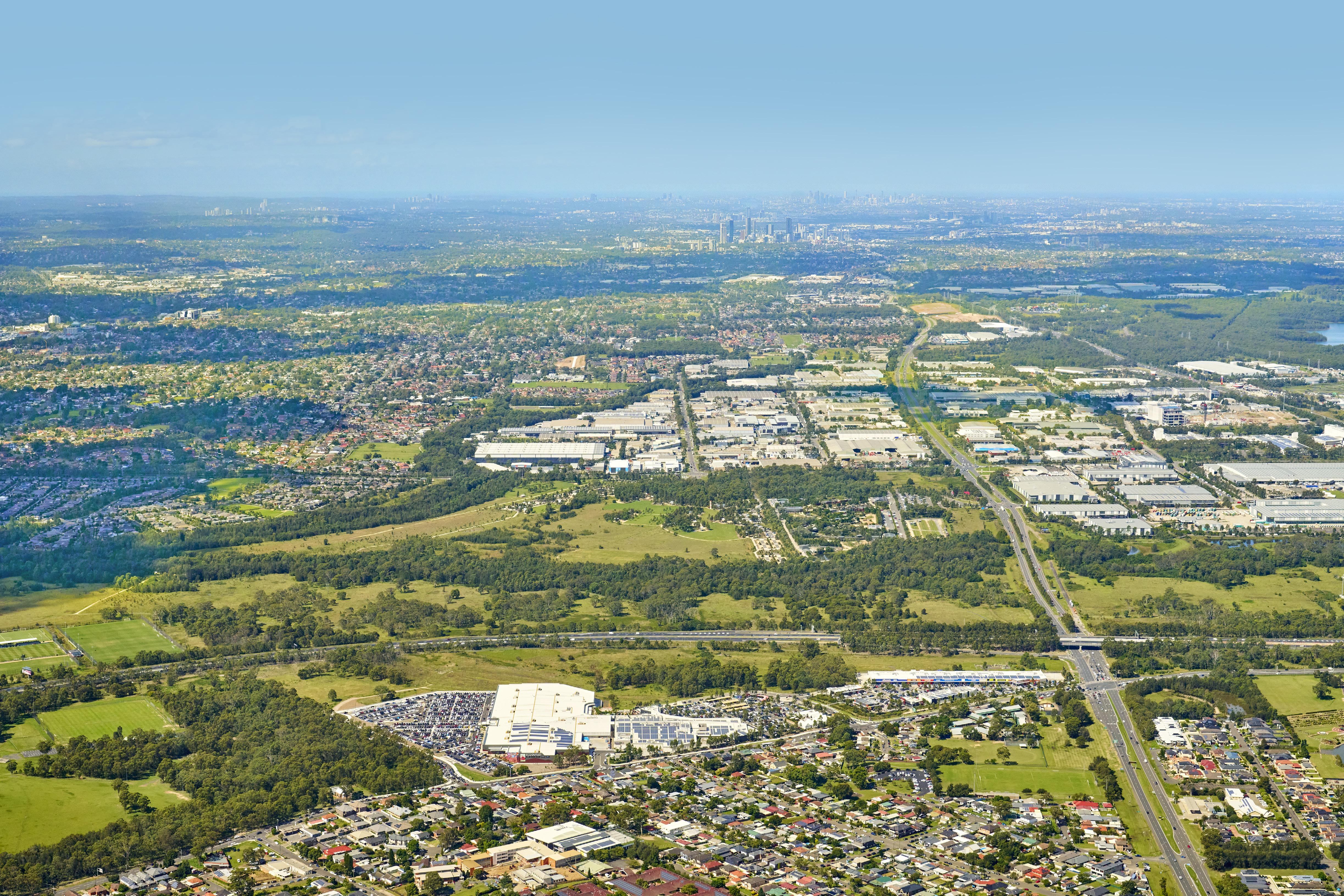
Parramatta CBD
M7 Motorway
Great
*Boundary indicative only
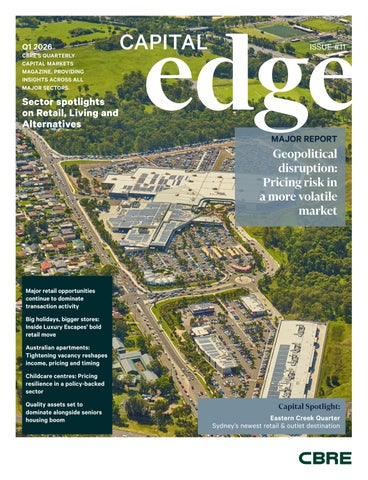
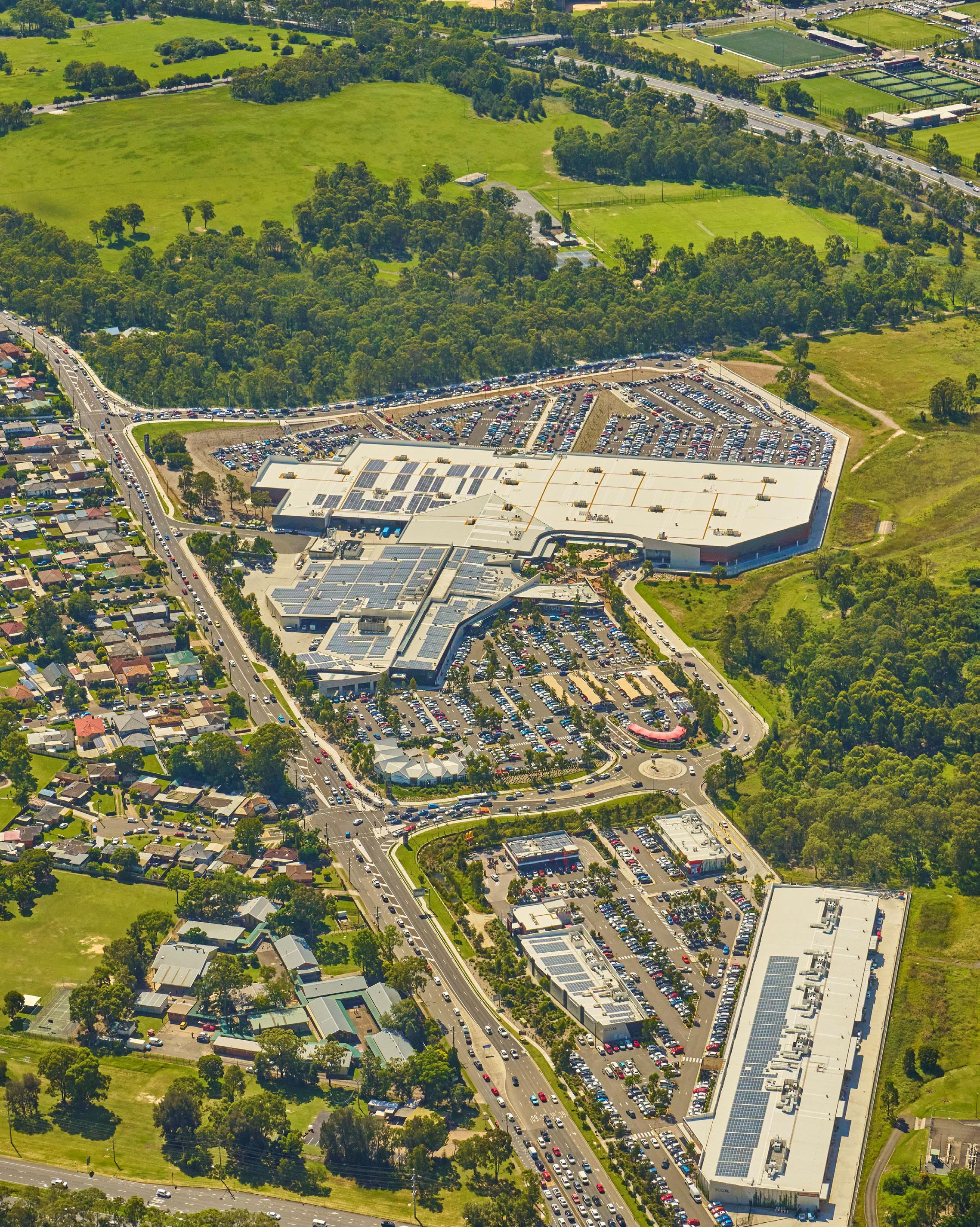
Eastern Creek Quarter
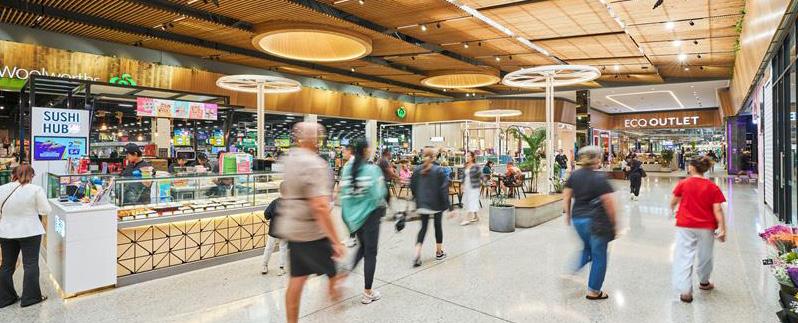
FOR SALE: SYDNEY’S NEWEST RETAIL & OUTLET DESTINATION
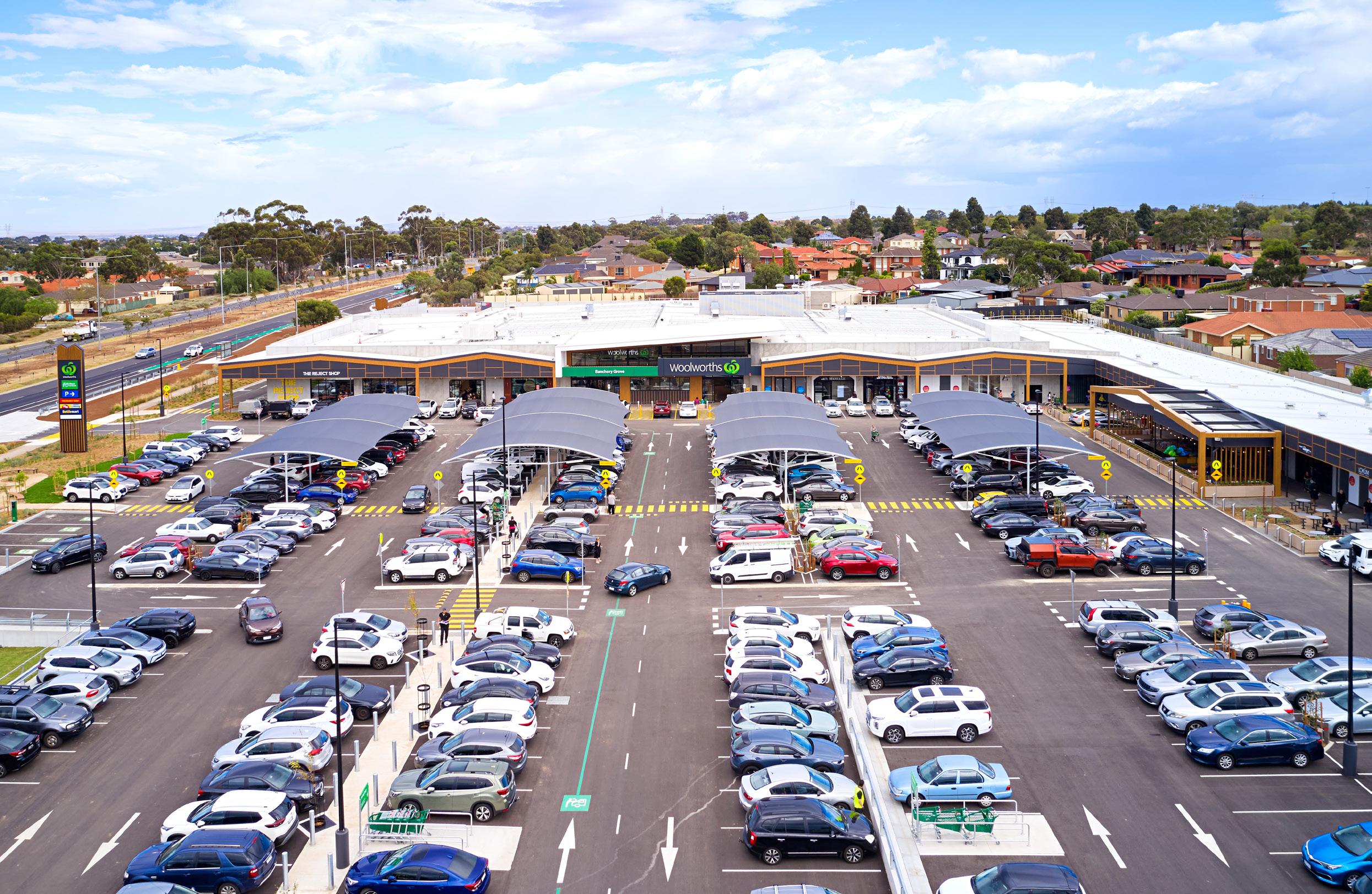
Developed across three stages, and with a major outlet centre having just opened, the retail precinct incorporates a Woolworths supermarket-based convenience orientated centre and a large format retail complex.
Opportunities to acquire a 100% interest in a Sydney-based retail precinct of this scale, quality and configuration are exceptionally rare. ECQ combines strong income security, modern design and significant future upside in a growth corridor that continues to outperform national averages.
ECQ occupies a strategic metropolitan location, positioned on a gateway 15.4ha leasehold site, benefitting from exceptional connectivity to the adjacent M7, M4 and Great Western Highway, and exposure to approximately 26 million passing vehicles per annum.
The asset also offers a concept approved 8,500 sqm (GLA) outlet expansion opportunity, providing a clear value-add pathway for an incoming investor.
International Expressions of Interest campaign commences May 2026.
Co-Agent: JLL
Simon Rooney
+61 418 284 680
simon.rooney@cbre.com
James Douglas
+61 419 973 245
james.douglas@cbre.com
RETAIL OUTLOOK
Regional opportunities continue to dominate transaction activity
— Record year of transactions in 2025 with significant activity in Q1 2026.
— Several large regional transactions recently completed or currently in play.
— Income sustainability and future growth playing a central role in pricing outcomes.
Retail was the standout performer in 2025 with retail transactions increasing nearly 34% year on year, totalling $12.7 billion, the highest volume of transactions since 2021 when transaction volumes reached $13.2 billion.
This resurgence in investor confidence in the Australian regional retail market was evident with $6.9 billion worth of super regional, major regional and regional centres transacting in 2025, the highest volume of transactions on record and an increase of 148% YoY.
Major deals completed in 2H 2025 include Bankstown Central (50%) – sold to JY Group, Top Ryde City (100%) – sold to MA Financial and Keppel REIT, two tranches for Westfield Chermside (25%) sold to two separate Dexus managed funds, Hyperdome Shopping Centre (100%) sold to MA Financial, Westfield Sydney (19.9%) sold to ART, and Erina Fair (100%) sold to Fawkner Property, totaling $4.6 billion.
Q1 2026 has seen a continued drive in investment activity, with several large transactions in play including a 50% interest in Westfield Marion in Adelaide and 100% interest Greensborough Plaza in Melbourne, reinforcing positive investor sentiment for high quality, dominant regional assets.
For the period January 2025 to date, institutional owners and REITs such as QIC, Scentre Group, Dexus, Vicinity Centres, Stockland, ISPT and GPT have dominated
the seller profile, representing $9.8 billion or 83% in total transactions above $50 million. Scentre Group, for example, made a strategic divestment of two 25% stakes in Westfield Chermside (QLD) to the Dexus managed DWSF and DSIT1 funds, which totalled $1.366 billion.
As witnessed across 2024, private capital (MA Financial, previously IP Generation), Fawkner Property, JY Group, Iris Capital, Assembly FM, Revelop) dominated acquisitions, representing 46% or $5.5 billion in 2025 – and is expected to continue to actively pursue retail opportunities throughout 2026.
Major unlisted institutions have increased their acquisitions, representing 40% or $4.7 billion of acquisitions in 2025 including Charter Hall who have acquired over $1.8 billion of retail assets in 2025 for various funds to date including $540 million via CBRE.
Both domestic and global capital is actively reallocating back into the Australian retail sector, driven by renewed conviction in the outlook, compelling risk-adjusted returns, and an increasingly competitive market environment, with global capital requiring high quality managing partners.
While overarching investor sentiment remains positive, performance is becoming increasingly asset specific, with income sustainability and future growth playing a central role in pricing outcomes.
Core metropolitan located assets anchored by non-discretionary spending and strong covenants continue to attract significant interest, while secondary assets face greater scrutiny on pricing, capex requirements, and execution risk.
Confidence in income backed assets despite higher base rates is evident with lender appetite remaining stable when compared to other sectors however higher bond yields are still influencing required returns, meaning price adjustment is occurring at an asset level rather than across the sector as a whole which is a trend we expect to continue into H2 2026.
Sector Spotlight
SA Top 10 Australian super regional shopping centre
WESTFIELD MARION, ADELAIDE (50% INTEREST)
Simon Rooney
+61 418 284 680
simon.rooney@cbre.com
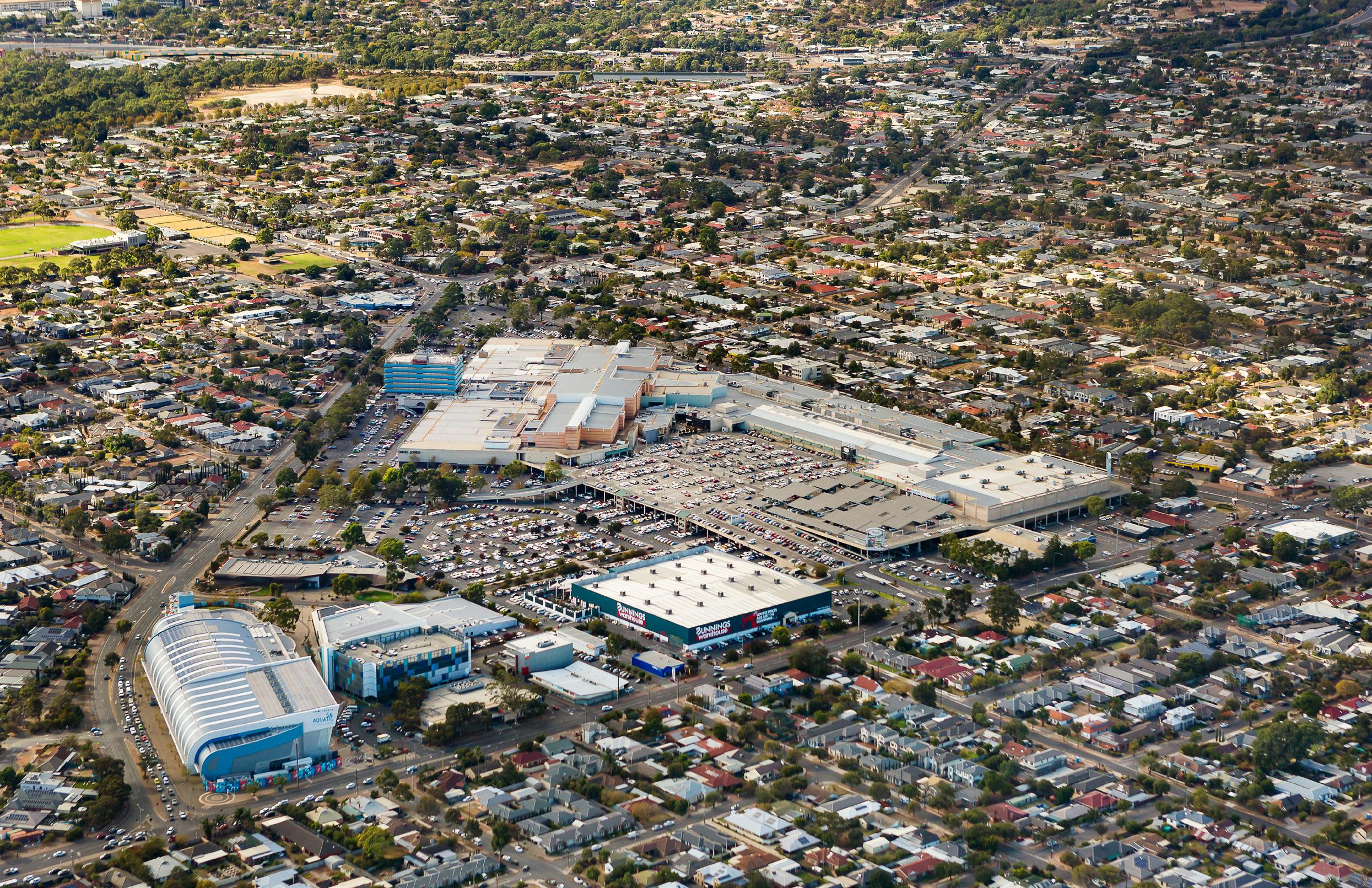
As South Australia’s only Super Regional Shopping Centre and 1 of 20 across Australia, Westfield Marion is a dominant shopping centre, ranking top 10 by GLA and top 15 by specialty productivity.
The Centre generates $1 billion in annual turnover. An exclusive dataset with only 13 centres achieving this in Australia (SCN Big Guns 2025).
Westfield Marion is just one of three Centres in Australia to be anchored by all three department stores, three discount department stores and three supermarkets, underpinned by a strong convenience element supported by entertainment and dining.
The Centre is situated 13km from Adelaide CBD on a strategic 22.9ha mixed use site offering long-term value add drivers and residential development opportunities (STCA and co-owners’ approvals).
CBRE recently ran the on-market sale process on behalf of Singapore-based private investment group Cuscaden Peak. The remaining interest in the centre is owned and managed by Scentre Group - offering incoming investors the opportunity to co-own alongside Australia’s leading retail owner and manager.
Co-Agent: JLL
NSW
Largest ever 100% trade of an Australian shopping centre
SOLD: ERINA FAIR SHOPPING CENTRE, NSW (100% INTEREST)
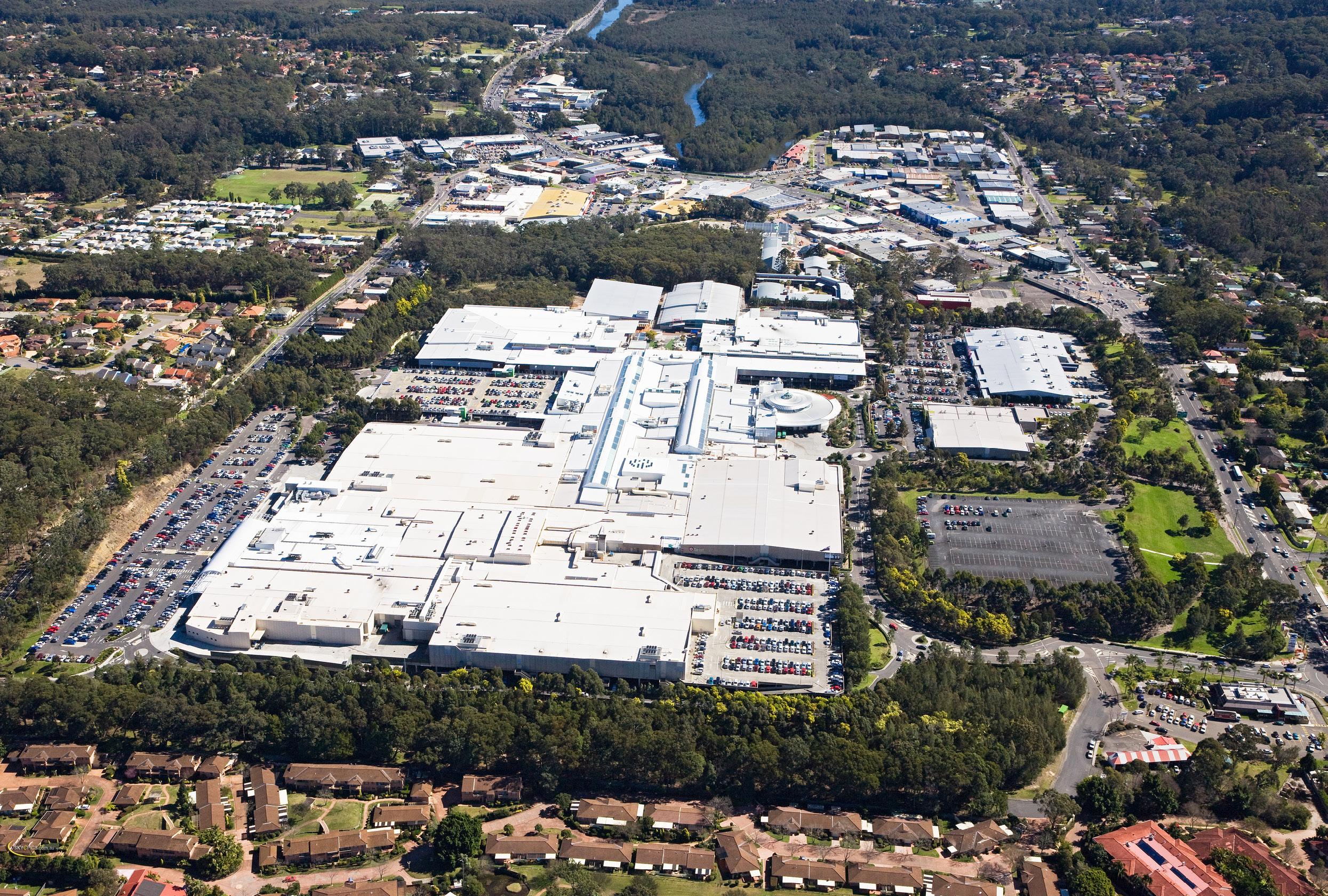
Fawkner Property finalised the landmark $895 million acquisition of Erina Fair in early 2026, elevating Fawkner Property’s total retail acquisitions to $3.5 billion since 2021, reinforcing the group’s strategic focus and conviction for high-quality retail shopping centre investments.
Located just north of Sydney, Erina Fair is the dominant and largest shopping centre within the Central Coast region, the centre spans approximately 114,598 sqm and is ranked within the top 25 centres nationally based on total centre MAT (SCN – Big Guns 2025).
Positioned on a landmark 40.8-hectare site, the centre provides significant optionality for future value-add developments and masterplan initiatives, supporting long-term income growth and capital upside.
We continue to see a resurgence in investor confidence in the Australian regional retail market, both domestic and offshore capital are actively reallocating back into the retail sector, driven by renewed conviction in the outlook, compelling risk-adjusted returns, and an increasingly competitive market environment.
Fawkner Property Group were introduced, and the transaction negotiated by CBRE.
Co-Agent JLL
NSW Thriving retail town centre within Sydney’s SouthWest population growth corridor
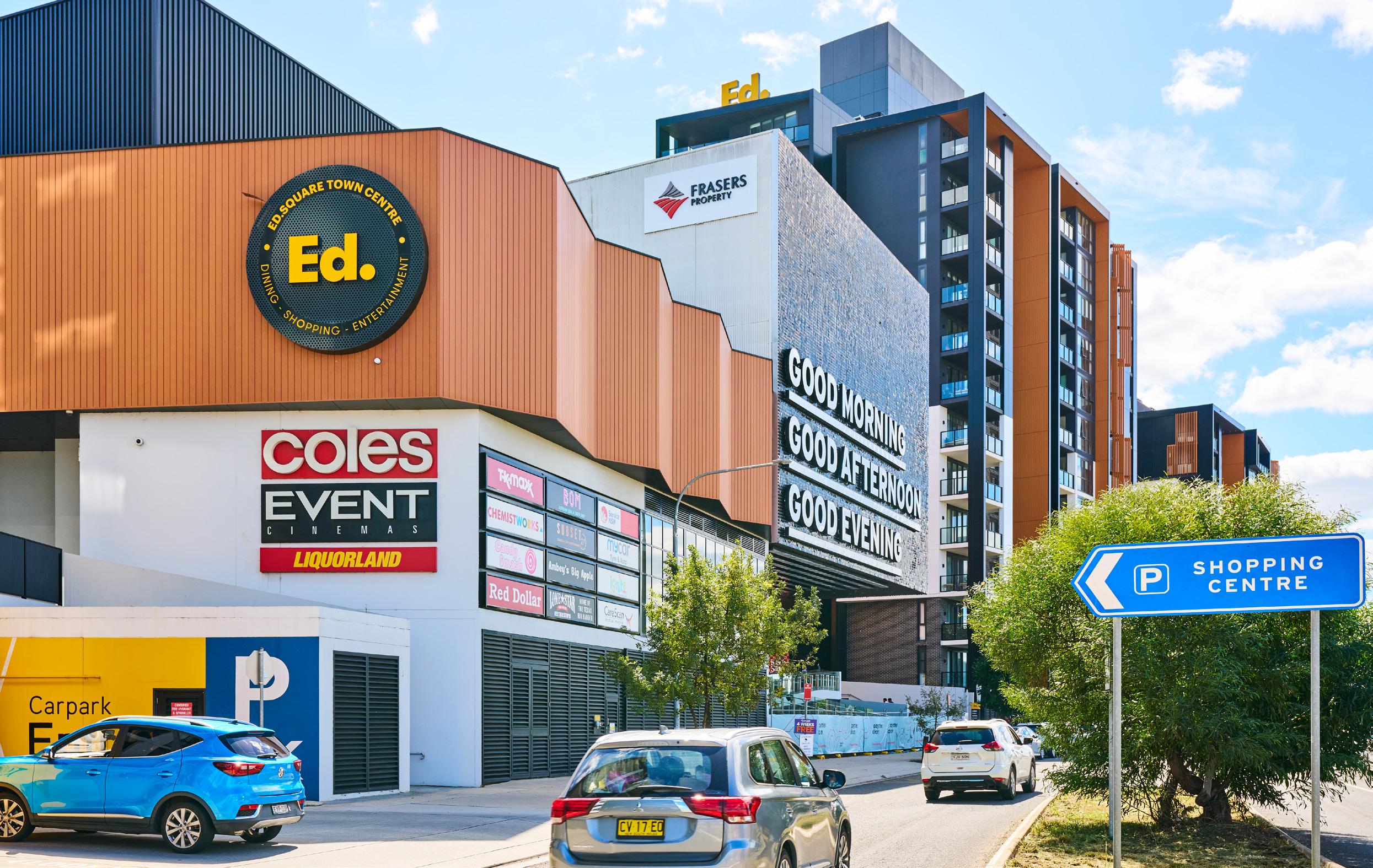
FOR SALE: ED.SQUARE TOWN CENTRE, SYDNEY (100% INTEREST)
Spanning a total GLA of 24,502 sqm, Ed.Square is securely anchored by Coles supermarket and Event Cinemas, providing a long-term major tenant WALE of 10.5 years (by GLA).
This exceptional major tenant offering, including the only entertainment precinct within the high-spending power catchment, is supported by 9 mini-majors, a highly resilient food, service, and non-discretionary tenancy mix, together with a successful Eat Street Precinct.
Developed by Frasers Property Australia in 2021, the award-winning Ed.Square serves as the central hub of Frasers Property Australia’s highly successful, $1.5 billion Ed.Square mixed-use master planned community, which will include up to 1,884 dwellings on completion.
The Centre offers significant embedded income growth, immediate rental reversion opportunity and significant tax depreciation benefits.
CBRE is exclusively appointed to steer the Expressions of Interest closing Thursday 7 May 2026.
Simon Rooney
+61 418 284 680 simon.rooney@cbre.com
James Douglas
+61 419 973 245 james.douglas@cbre.com
NSW, QLD
Charter Hall acquires subregional portfolio for $250.3 million
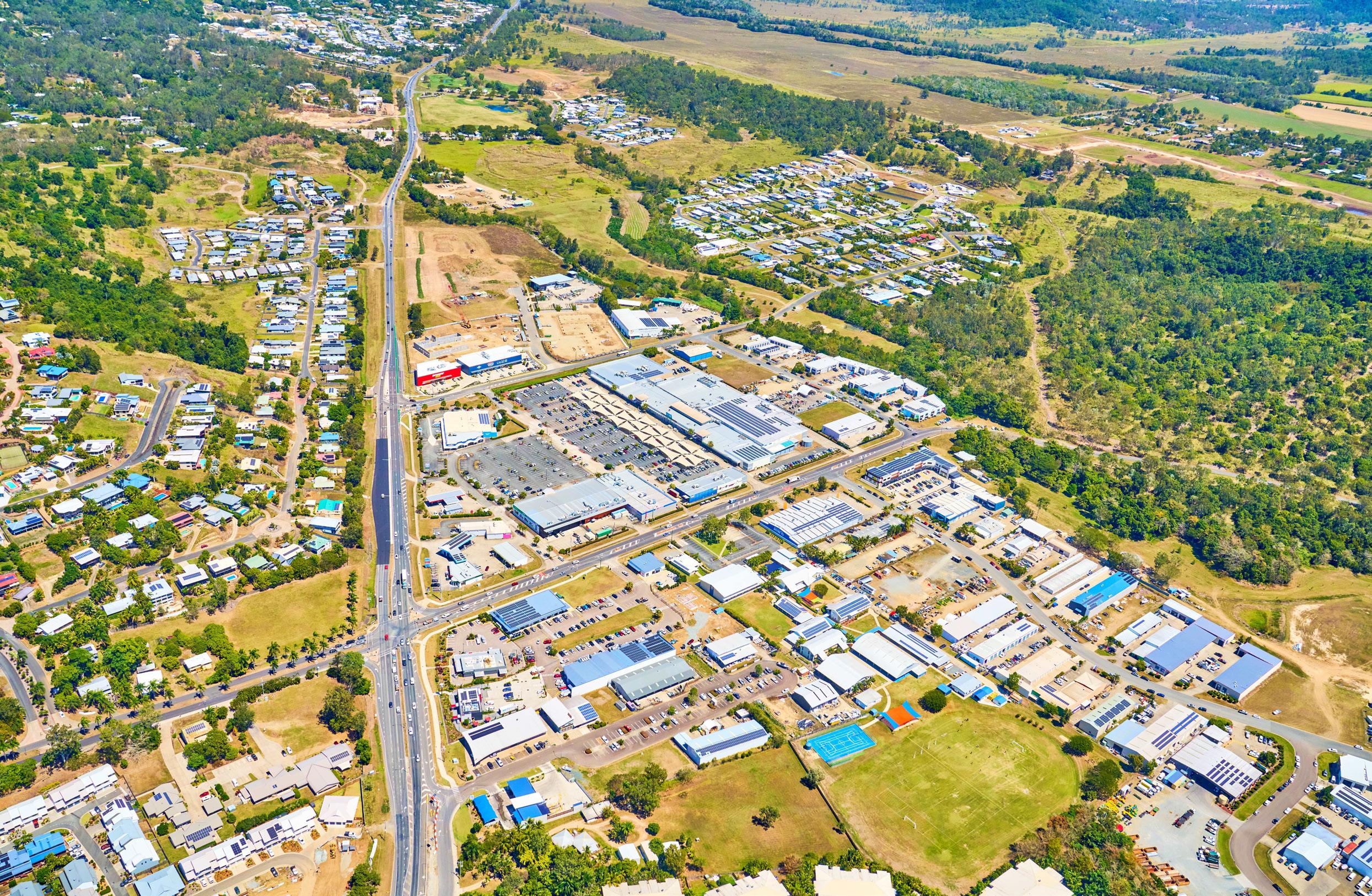
Charter Hall has expanded its Australian retail portfolio with the landmark $250.3 million acquisition from Vicinity Centres of Whitsunday Plaza in Airlie Beach, Gympie Central on the Sunshine Coast and Armidale Central in Northern NSW.
Benefitting from a diverse and resilient tenancy mix, the assets are underpinned by long-term leases to leading national retailers, with national and chain retailers representing 91% of the portfolio’s combined GLA of 50,978 sqm.
The Portfolio generates exceptional combined turnover of $450.6 million, underpinned by outstanding combined supermarket productivity of $18,245 per sqm, with all three centres securely leased to Woolworths supermarkets.
CBRE was exclusively appointed to steer the highly competitive off-market sale process which generated significant enquiry and competitive bidding on both a portfolio and individual asset basis, including both private and institutional investors.
Simon Rooney
+61 418 284 680
simon.rooney@cbre.com
Investor demand and appetite remaining strong for the sub-sector, given the strong non-discretionary focus, enhanced growth profile and potential for immediate and genuine value-add opportunities.
NSW, QLD, VIC, TAS
$500 million Woolworths Group portfolio
CBRE, on behalf of Woolworths Group, exclusively managed the divestment of a prime portfolio of 10 neighbourhood shopping centres in a transaction valued at more than $500 million.
Asian investment group Forest Endeavour secured the prominent eastern seaboard portfolio, establishing them as a key player in Australia’s highly sought after neighbourhood shopping centre sector, a favourite of institutional and private capital due to the highly resilient cashflows on offer, underpinned by leading listed groups, Woolworths in this instance.
The prime Woolworths anchored assets are predominantly located in metropolitan and key satellite city locations ranging from Queensland to Tasmania.
The portfolio features a mix of open and high performing assets such as Kiama Fair, in southern NSW, Doolandella in Queensland and soon to be completed assets in Marsden Park and Austral in
Sydney and assets under development in Chelsea Heights in Victoria and Belmont in Newcastle.
When fully developed the portfolio will have a total lettable area of greater than 50,000 sqm.
James Douglas
+61 419 973 245
james.douglas@cbre.com
Joe Tynan
+61 422 050 338
joe.tynan@cbre.com.au
Michael Hedger
+61 488 059 009
michael.hedger@cbre.com
INTELLIGENT INVESTMENT
Big holidays, bigger stores: Inside Luxury Escapes’ bold retail move
WHY A DIGITAL TRAVEL GIANT IS MAKING A GLOBAL BET ON BRICKS AND MORTAR.
Luxury Escapes is best known as a digital-first travel platform, built on scale, data and a highly engaged online audience. Its expansion into physical retail is therefore not a shift away from digital, but a response to how consumers make complex, high-value travel decisions.
Speaking on Talking Property with CBRE, Co -Founder and CEO
Adam Schwab described travel as “heavily trust dependent, and complex”, noting that digital channels alone are not always sufficient for high- consideration purchases. That insight has driven Luxury Escapes’ investment in bricks and mortar, delivering results beyond initial expectations.
FROM DIGITAL BRAND TO PHYSICAL PRESENCE
Luxury Escapes entered physical retail with a brand-led mindset, focused on visibility and trust rather than margin.
“We thought, hopefully, we can break even on the store,” Schwab said. “Even if the store itself doesn’t make money, it’s a really great way to get the brand in front of people and build trust.” That assumption proved conservative. The Chadstone store has since emerged as a standout performer, delivering strong revenue and profitability and ranking among the highest- grossing travel stores globally.
REDEFINING THE TRAVEL STORE FORMAT
Performance has been underpinned by a clear departure from the traditional travel agency model. Stores are materially larger, typically 300 to 400 square metres, and designed to feel more like premium retail or hospitality environments.
Schwab described the ambition as creating the “Apple store of travel”, using design and expertise to simplify a complex product. Hospitality elements such as champagne, barista-made coffee and informal seating encourage longer dwell times and deeper engagement.
“There’s no pressure. There’s no rushing,” Schwab said.
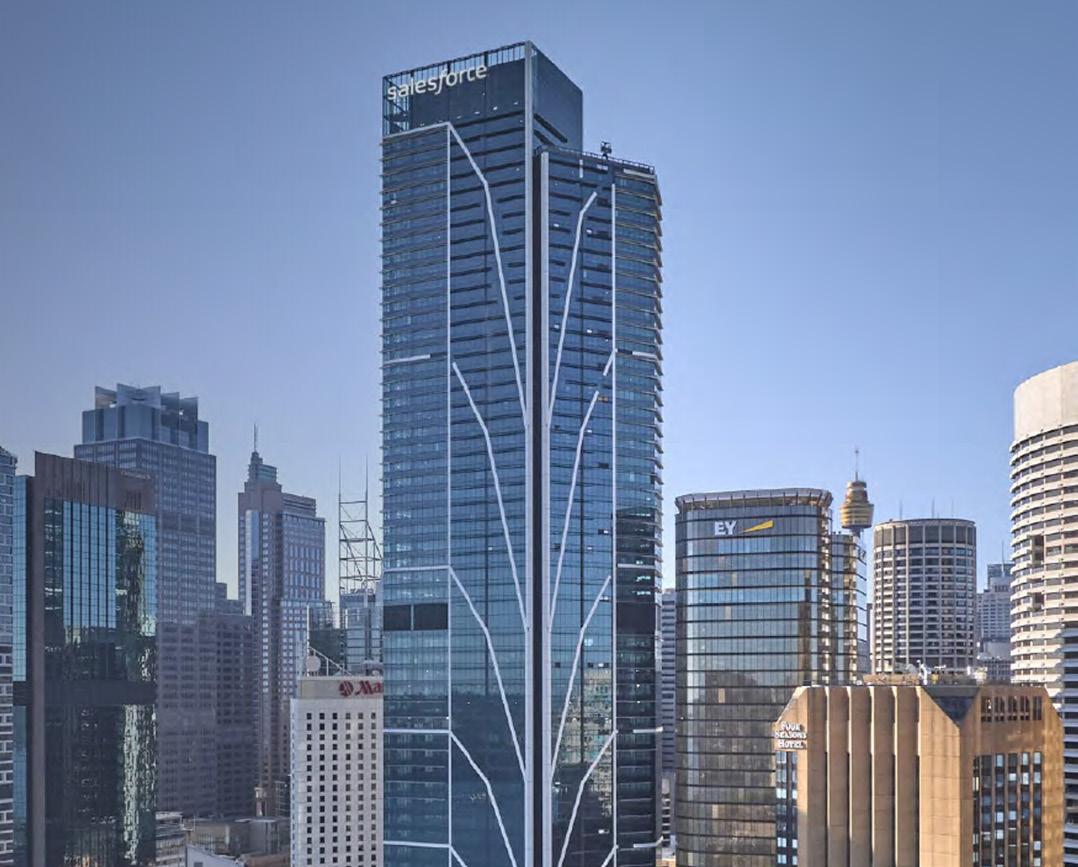
HIGHER CONSIDERATION, HIGHER VALUE
The impact on transaction quality has been significant. In-store purchases typically involve more complex itineraries and much higher spend.
“Our average online spend is about $2,000,” Schwab said. “In-store, it’s about $8,000.”
Expert guidance in a relaxed environment enables consultants to build complete travel solutions, something difficult to replicate online.
OPERATIONAL FLEXIBILITY AND INCOME RESILIENCE
The stores also operate as flexible operational hubs. Consultants move between face -to -face and phone -based sales, while wholesale, corporate travel, weddings and group events are managed from the same footprint. This diversification reduces reliance on foot traffic and supports income resilience.
LOCATION SELECTIVITY AND ASSET QUALITY
Location strategy has been deliberately conservative, with Luxury Escapes prioritising dominant centres such as Chadstone and Bondi Junction over rental arbitrage.
“We’d rather go our best possible option than don’t die wondering,” Schwab said.
In Sydney, premium positioning at Bondi Junction reinforces the brand’s luxury positioning.
WHAT SIGNALS THIS FOR INVESTORS
Luxury Escapes’ strategy does not signal a broad retail recovery. Instead, it highlights where physical retail still creates value: trust-based, advisory-led, high- consideration purchases.
For investors, relevance is increasingly conditional, favouring prime assets that support experiential formats and integrate seamlessly with digital platforms. In this context, physical retail functions less as a distribution channel and more as an enabler of value.
SCAN TO LISTEN TO THE FULL PODCAST
Living sector resilience in an uncertain market
Living sectors remain resilient, delivering defensive income amid volatile markets.
Strong demand and limited supply continue to support occupancy and rental growth long term.
Investors increasingly favour recapitalisations, and stabilised assets over new development.
Amid ongoing geopolitical volatility, shifting interest rate expectations and heightened caution across global capital markets, Australia’s Living sectors—Build to Rent (BTR), Purpose Built Student Accommodation (PBSA) and Co Living—continue to demonstrate notable resilience. These sectors have increasingly distinguished themselves as defensive, income focused real estate allocations, well positioned within the current phase of the property cycle and offering relative stability in an uncertain global environment.
For offshore investors, particularly those based in Asia, Australia’s Living sectors combine transparent regulation, institutional grade operating platforms and defensive income characteristics. These attributes are becoming increasingly valuable as capital allocators prioritise portfolio resilience, downside protection and dependable cashflows.
STRUCTURAL DEMAND SUPPORTS SECTOR FUNDAMENTALS
The strength of Australia’s Living sectors is underpinned by essential use characteristics, structural undersupply and sustained population growth. Demand for rental accommodation remains robust across major metropolitan markets, supported by strong migration, household formation and ongoing affordability constraints in owner occupier housing.
DEFENSIVE INCOME AND VISIBLE CASHFLOWS
Across Australia’s major cities, stabilised Living sector assets are recording resilient occupancy levels and above trend rental growth. In an environment characterised by heightened uncertainty and increasingly selective capital deployment, the visibility and reliability of income have become central considerations for investment committees. Living sector cashflows are typically supported by granular tenancy profiles, short lease durations that allow for regular rental resetting, and income streams that broadly move in line with inflation.
CONSTRAINED SUPPLY SUPPORTS LONG TERM FUNDAMENTALS
While investment fundamentals for completed assets remain robust, development activity is facing more pronounced challenges. Rising construction costs, higher financing rates and increased scrutiny of downside risks are placing pressure on new project commencements. These constraints are expected to continue to suppress new supply, further entrenching the imbalance between rental housing supply and demand. This dynamic is supportive of long term rental growth, particularly for well located, transit connected assets.
INCREASED SELECTIVITY IN DEVELOPMENT CAPITAL
Despite near term headwinds, capital remains available for Living sector development, albeit on a highly selective basis. Projects with compelling locational fundamentals, experienced sponsors and fixed price construction contracts continue to attract equity and debt, though risk pricing has adjusted materially.
Additional contingency allowances, evidence-based rental assumptions and stronger balance sheet requirements are now standard features of investment and credit approval processes. While this heightened discipline is slowing development pipelines, it is also reducing the risk of speculative oversupply and supporting the sustainability of long term returns.
RECAPITALISATION AND ASSET AGGREGATION BECOME A KEY THEME
As Australia’s Living sectors mature, recapitalisations of existing portfolios are expected to become a defining transaction theme through 2026. A growing number of early vintage BTR and PBSA platforms are transitioning from development led strategies toward stabilised, income producing portfolios, creating natural inflection points for capital restructuring.
Given increasing uncertainty in construction markets— exacerbated by ongoing conflict in the Middle East and its impact on energy prices, materials supply chains and contractor risk—many Living sector platforms are expected to pivot in 2026 from development led growth toward asset aggregation strategies. This shift reflects a preference for de-risked growth, with platforms seeking to expand assets under management through the acquisition of stabilised or near stabilised portfolios rather than taking on execution and delivery risk.
For asset allocators and investment committees, these recapitalisation opportunities offer an attractive entry point. They provide exposure to seasoned assets with established operating performance, visible cashflows and embedded rental growth, often at portfolio scale and strong replacement cost arguments underpinning valuations. Compared with development, recapitalisations offer a lower risk pathway into the Living sectors while still retaining upside through income growth, operating efficiencies and portfolio optimisation.
This evolution is supporting deeper liquidity, improved price discovery and greater alignment between investor return objectives and asset risk profiles.
A CORE ALLOCATION IN VOLATILE MARKETS
Residential rental investments continue to offer some of the most transparent and resilient cashflows in global real estate, making them increasingly attractive to investors seeking income security, inflation protection and capital stability.
As geopolitical and macroeconomic uncertainty continues to shape global capital allocation decisions, Australia’s Living sectors remain well placed to deliver consistent performance and long term value—reinforcing their role as a core allocation for institutional investors navigating volatile markets.
QLD
BRUNSWICK & CO, FORTITUDE VALLEY, BRISBANE (FRASERS PROPERTY)
SOLD PRICE $285,000,000
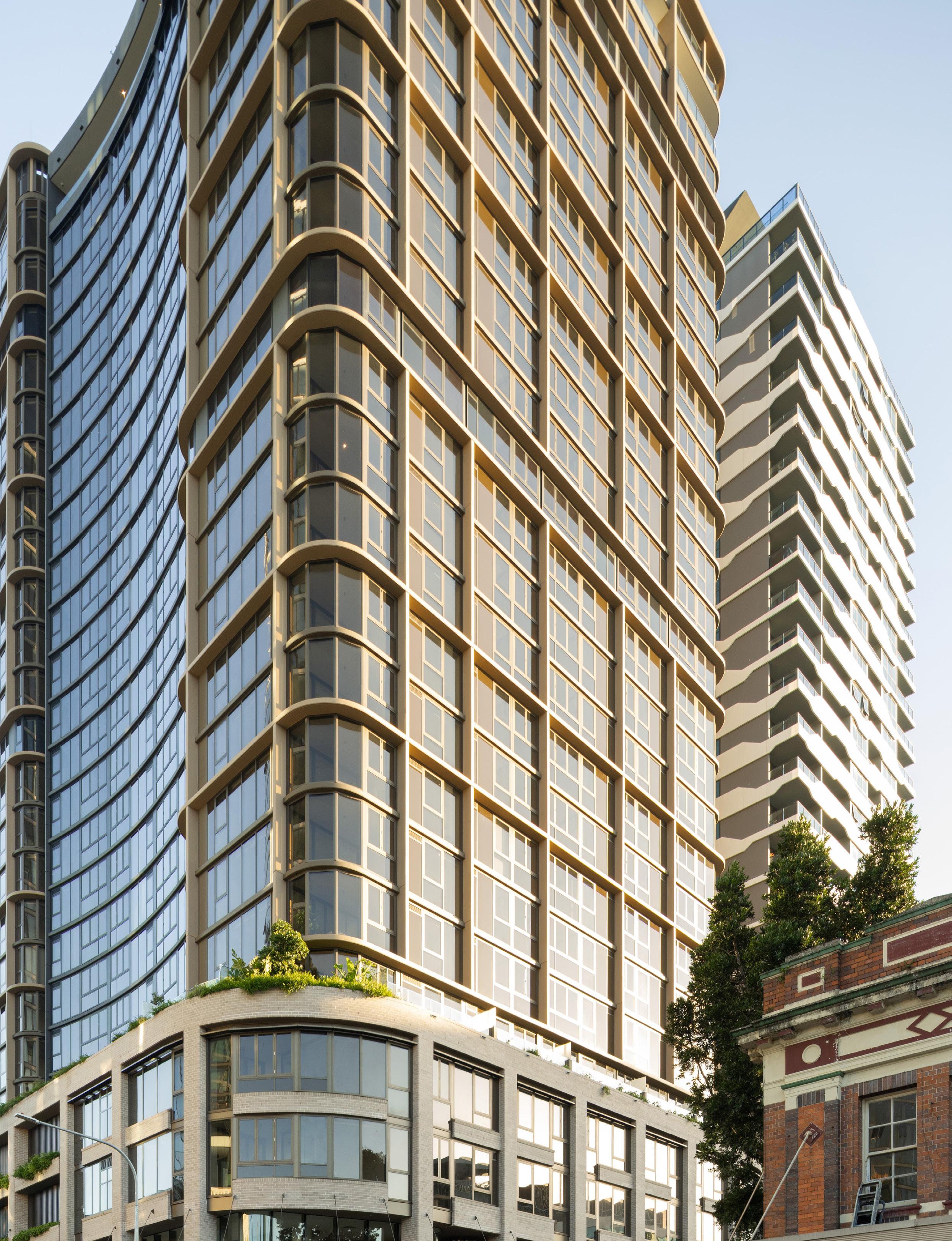
CBRE successfully advised on the forward sale of Brunswick & Co, a landmark Build-to -Rent (BTR) development in Fortitude Valley, Brisbane, achieving a sale price of $285 million on behalf of Frasers Property. The transaction represents the largest single -asset BTR sale completed in Australia to date and demonstrates growing institutional confidence in the Living sector.
The asset comprises 366 apartments, including a significant 40% allocation to affordable housing, reinforcing its strong social and investment credentials. Appointed as sole advisors, CBRE led a comprehensive pre -marketing strategy during the construction phase, coordinating closely with Frasers Property, external consultants and internal transaction teams to deliver a rigorous diligence process.
CBRE prepared a bespoke underwriting pack and detailed financial model tailored to the inner-Brisbane micro -market. This included rental benchmarking against competing BTR and build-to -sell assets, analysis of future supply pipelines and population growth, demographic and affordability assessments, and two independent operator budgets to support income assumptions. Key diligence materials also covered tax analysis, replacement cost, specifications and inclusions, and debt structuring illustrations.
The campaign achieved broad global reach, with the opportunity distributed to approximately 150 investors across Australia, APAC, EMEA and North America, resulting in around 30 executed NDAs. CBRE also provided strategic advice throughout legal negotiations, leading term sheet discussions and advising on commercial matters including developer obligations, defect mitigation, and security and guarantee structures.
The successful outcome highlights the depth of global capital seeking high- quality, income -focused Living assets and reinforces Brunswick & Co as a benchmark transaction for the Australian BTR market.
Andrew Purdon Head of
Alex Shaw Director
Australia’s apartment markets are entering a phase of sustained tightness. Vacancy is forecast to compress further, rental growth is accelerating, and capital values are expected to respond as replacement costs reassert pricing discipline. For investors, the next two to three years are increasingly defined by income durability, vintage differentiation and supply risk rather than cyclical volatility.
VACANCY IS MOVING BELOW EQUILIBRIUM
Australian apartments: Tightening vacancy reshapes income, pricing and timing
Apartment vacancy across capital cities is forecast to fall from 1.8% in 2025 to 1.1% by 2030. This sits well below the long-run average of 2.5% and materially beneath what is typically considered a balanced rental market.
When vacancy falls below 1.5%, rent growth accelerates at a faster, non-linear rate. By 2027, close to 90% of capital city precincts are forecast to sit below this threshold. For investors, this signals a shift from cyclical rent growth to structurally supported income expansion, with vacancy risk increasingly driven by precinct-level dynamics rather than broader market conditions.
RENTAL GROWTH IS BROADENING AND DEEPENING
Median apartment rents are forecast to grow 27% between 2025 and 2030 across 53 capital city precincts.
Growth momentum has strengthened from 2026 as vacancy tightens and operating costs rise.
By the end of the decade, more than four in five two-bedroom apartments are expected to rent above $700 per week, with over one-third exceeding $1,000 per week. Renting remains materially cheaper than ownership across most precincts, with monthly rents estimated to be 30 to 40% lower than mortgage repayments on equivalent stock, even before ownership on-costs are considered.
This dynamic supports income resilience and reduces downside risk to rental cash flows during periods of capital market adjustment.
CAPITAL VALUES ARE EXPECTED TO REPRICE AGAINST REPLACEMENT COST
Median apartment prices are forecast to rise 28% nationally between 2025 and 2030, with the strongest growth expected in 2026 and 2027. This reflects a growing divergence between construction costs and capital values that has constrained new supply in recent years.
Over the past five years, apartment values have lagged construction cost growth by approximately 20%. Historically, values have grown at a multiple of construction costs, enabling land turnover and development feasibility. As incomes rise and interest rates stabilise, this relationship is expected to reassert, particularly for existing stock in supplyconstrained locations.
This favours assets that benefit from replacement cost support without development execution risk.
SUPPLY REMAINS STRUCTURALLY INSUFFICIENT
National apartment completions are forecast to average around 60,000 dwellings per annum between 2026 and 2030. This remains well below the level required to stabilise vacancy, reinforcing the medium-term nature of the supply shortfall.
At a city level, the imbalance is pronounced. Sydney and Melbourne are expected to deliver materially fewer apartments than required to meet housing demand, while Brisbane’s already tight market is forecast to tighten further. In each case, vacancy is projected to decline despite subdued construction pipelines.
Market selection therefore remains critical for capital deployment.
“Vacancy is forecast to compress further, rental growth is accelerating, and capital values are expected to respond as replacement costs reset pricing discipline.”
VINTAGE DIFFERENTIATION IS WIDENING
The gap between newer and older apartment stock continues to widen. Newer apartments command meaningful rent and price premiums, reflecting higher build standards, amenity provision and energy efficiency.
In Sydney, newer apartments achieve rent premiums of approximately 20 to 35% relative to older vintages.
Price premiums are also material, with newly built two-bedroom apartments trading around 30% above older stock. While these premiums support feasibility for new development, they also highlight the relative value appeal of established assets benefiting indirectly from rising replacement costs.
For investors, vintage selection is increasingly a total return decision rather than a yield-led one.
TOTAL RETURNS ARE BECOMING MORE INCOME-LED
Apartment investment returns over the next three years are expected to exceed long-run averages in Sydney and Melbourne, with the strongest total return outlook in the Gold Coast and Perth. Return composition is shifting, with income growth playing a more prominent role than yield compression.
This environment favours strategies focused on leasing depth, tenant retention and operational efficiency, particularly in markets where vacancy is forecast to remain structurally low.
WHAT THIS MEANS FOR CAPITAL ALLOCATION
Australia’s apartment sector is moving into a structurally constrained phase. Vacancy is compressing below equilibrium, rents are accelerating, and capital values are expected to respond as replacement costs reset pricing benchmarks.
For investors, the opportunity lies less in chasing momentum and more in disciplined asset selection, timing and income durability. Precision at the precinct and asset level is likely to be increasingly rewarded over the next phase of the cycle.
SCAN
Why Alternatives are gaining momentum today ALTERNATIVES OUTLOOK
From Mark Granter
+61 439 035 433
Mark.Granter@cbre.com.au
Sector Spotlight
Market uncertainty is pushing investors toward resilient alternatives backed by essential services.
Alternatives are now core assets, supported by demographics and policy.
Childcare stands out for defensive income, long leases and government funding.
As we move through 2026, global markets remain defined by uncertainty, driven by persistent inflation, elevated interest rates, geopolitical volatility and uneven growth. In response, investors are increasingly prioritising assets that offer resilience, essential- demand fundamentals and long-term structural support, positioning alternatives as a clear area of focus.
Alternatives have evolved from a niche allocation into a core component of diversified portfolios. Their appeal lies in their alignment with services society relies upon regardless of economic cycles, including childcare, healthcare, aged care, data infrastructure and life sciences. Demand across these sectors is underpinned by demographics, policy support and structural trends rather than discretionary spending.
CHILDCARE: A DEFENSIVE STANDOUT
Within the alternatives space, childcare continues to stand out as one of the most attractive asset classes. Demand for early education is supported by workforce participation, population growth in key catchments and ongoing government funding, delivering income stability in an uncertain environment.
From a property perspective, well-located childcare centres benefit from long lease terms and experienced operators, often supported by government revenue mechanisms. Constrained supply in many metropolitan and growth locations further underpins performance. As a result, investors are increasingly treating childcare as social infrastructure rather than discretionary real estate, with a distinct and more defensive risk profile.
ENDURING DEMAND ACROSS ALTERNATIVES
More broadly, the appeal of alternatives reflects a recalibration of risk and return expectations. In
volatile markets, capital gravitates toward assets offering predictable income, lower correlation to traditional sectors and long-term demand visibility. Data centres are driven by the continued expansion of digitalisation, cloud computing and AI, while life sciences and medical assets benefit from ageing populations and rising healthcare investment. These are structural shifts expected to shape property markets for decades.
While valuations have adjusted alongside broader market conditions, the long-term outlook for alternatives remains robust, with capital increasingly allocated based on conviction in enduring demand rather than speculative growth.
LOOKING AHEAD
With uncertainty now a defining feature of the investment landscape, resilience and necessity are paramount. Alternatives, particularly childcare, healthcare, life sciences and data infrastructure, are well positioned to deliver durable income and defensiveness across cycles.
For investors seeking stability, long-term relevance and predictable returns, alternatives represent not just a defensive allocation, but an opportunity to align capital with essential services that support both economic resilience and positive social outcomes.
A landmark sale
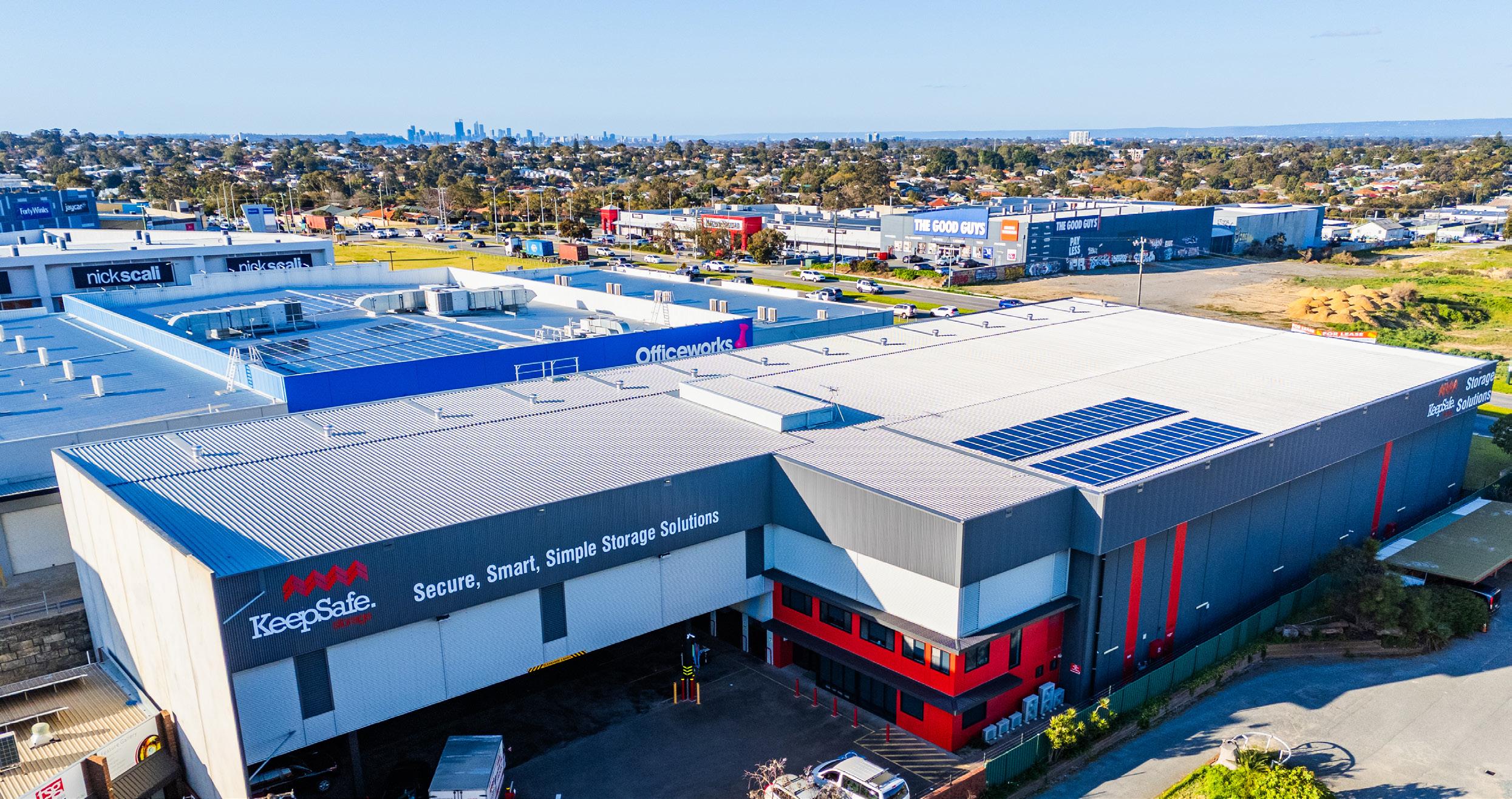
THE METRO PERTH, SELF STORAGE PORTFOLIO, PERTH SOLD CIRCA $165,000,000
An exceptional outcome has been achieved with the successful sale of the KeepSafe self storage portfolio, a high- quality collection of five institutional- grade assets, completed in December 2025 for circa $165.5 million.
The portfolio was sold by Blackstone and acquired by StoreLocal, backed by BlackRock, underscoring continued global capital appetite for defensive, income -secure real estate in Australia.
Strategically located across key metropolitan markets, the portfolio benefits from strong underlying population fundamentals, high barriers to entry, and the resilient demand characteristics inherent to the self storage sector. The assets are positioned within well- established urban catchments, offering long-term performance durability and future upside.
This transaction reflects the growing attractiveness of scalable self storage platforms to global institutional investors seeking secure cash flow, strong covenant strength and inflation-linked growth from operational real estate.
The sale stands as a defining deal for the sector, highlighting the depth of demand for high- quality portfolios underpinned by strong operators and long-term fundamentals.
QLD Purpose-built life sciences investment with long WALE
24 MARKWELL STREET, BOWEN HILLS
Bruce Baker
+61 413 013 668 Bruce.Baker@cbre.com.au
Peter Chapple
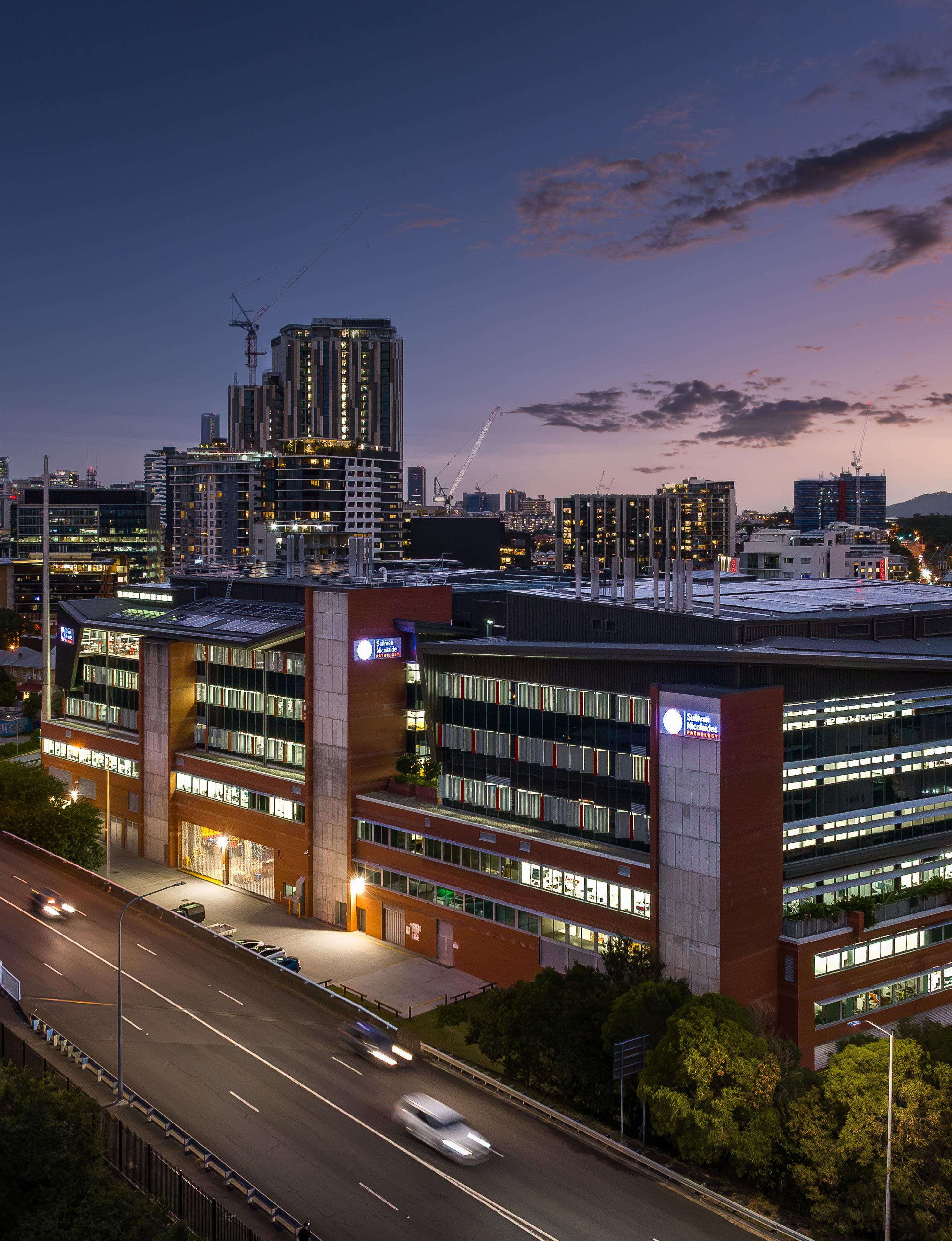
Leading global healthcare provider Sonic Healthcare Limited is offering the Sullivan Nicolaides Pathology laboratory headquarters in Brisbane for sale by way of a long- dated sale and leaseback, representing one of the largest purpose -built life sciences investment opportunities ever brought to the Australian market.
ASX-listed Sonic Healthcare is the world’s third-largest pathology group, with market-leading operations across Australasia, Europe and North America and a long- established reputation in laboratory medicine, radiology and associated clinical services.
CBRE has been exclusively appointed to manage an international Expressions of Interest campaign for the Bowen Hills facility, which is widely regarded as one of the most advanced pathology laboratories in the Southern Hemisphere.
Located at 24 Markwell Street, the asset is offered with a 20 -year triple net lease to Sullivan Nicolaides Pathology, with an initial rental of approximately $25 million per annum, providing long-term income security and zero landlord capital expenditure exposure.
The circa 43,000 sqm multi-level facility has been developed in stages
+61 411 646 144 Peter.Chapple@cbre.com
Mark Granter
+61 439 035 433 Mark.Granter@cbre.com.au
between 2016 and 2024 and operates as the central pathology testing hub for Queensland and parts of Northern New South Wales and the Northern Territory. The purpose -built laboratory supports an extensive diagnostic network, receiving daily samples from more than 450 collection centres and numerous regional laboratories.
Strategically positioned just 1.7 kilometres from the Brisbane CBD, the property benefits from proximity to major hospitals, research institutions and public transport, underpinning its ongoing operational relevance.
CBRE Executive Managing Director Bruce Baker said the offering aligns with strong global demand for healthcare and life sciences real estate, particularly assets secured by long WALEs and high- quality covenants.
“As one of the most significant life sciences assets ever offered in Australia, we expect strong interest from global capital seeking defensive, long- duration income supported by an essential healthcare facility and a globally recognised tenant,” Mr Baker said.
Chris O’Brien
+61 407 664 233 Chris.O’brien@cbre.com.au
INTELLIGENT INVESTMENT
Childcare centres: Pricing resilience in a policy-backed sector
The Australian childcare centre market has reached a level of maturity where capital decisions are driven less by headline yield and more by policy settings, demographic trends and micro-location risk. The sector is valued at around A$60 billion, comprising approximately 9,750 long day care centres and 840,000 approved places nationally. While centre numbers have grown at roughly 3 percent per annum, this masks significant variation in supply adequacy across sub-markets.
For institutional and offshore investors, particularly from Southeast Asia and Japan, childcare forms part of the broader social infrastructure universe. Long income duration, a high proportion of government-supported revenue and defensive demand drivers underpin its appeal. As pricing tightens, however, disciplined underwriting has become increasingly important.
DEMAND ANCHORED IN WORKFORCE PARTICIPATION
Demand for centre-based care is primarily driven by workforce participation rather than population growth alone. Female participation, particularly among women aged 30 to 34, remains a key structural support. Around 840,000 children aged zero to five attend long day care, averaging 34 hours per week.
Falling fertility rates present a counterbalance. Australia’s fertility rate has declined from 1.81 in 2015 to around 1.45 in 2025, increasing the importance of micro-location analysis, especially in established
metropolitan catchments supported by dual-income households.
Government policy has become a more direct demand lever. From January 2026, the Childcare Subsidy 3-Day Guarantee removes the activity test for three days of care per week, supporting higher participation and occupancy. CBRE estimates base demand growth of around 11,000 places per annum, with upside to 24,000 places if take-up rates increase.
SUPPLY IMBALANCE CREATES SELECTIVE OPPORTUNITY
Nationally, there are around 0.47 approved places per child, suggesting near equilibrium, but supply is uneven. Inner metropolitan markets are often well supplied, while commuter and growth corridors remain undersupplied.
New supply has averaged 30,000 places per annum across 2024–25, partially offset by closures of older or non-compliant centres. For investors, distinguishing between replacement supply in saturated markets and genuinely undersupplied catchments is critical.
Development feasibility remains constrained by land values and construction costs, particularly in Sydney and Melbourne. As a result, development-to-own strategies increasingly rely on partnerships with established operators to manage delivery risk and support long-term operational outcomes.
SCAN TO READ THE FULL REPORT
LEASE STRUCTURE AND INCOME DURABILITY
Childcare centres offer long-duration income profiles, typically under net leases with CPI-linked or fixed escalations of 3–4 percent and WALEs of 15 to 20 years, often with multiple options.
Approximately two-thirds of operator revenue is government sourced, providing strong income visibility. Operator margins generally range from 12 to 22 percent, with rent representing 7 to 17 percent of revenue, supporting rental sustainability. However, due diligence on operator quality remains essential given the sector’s low concentration.
PRICING YIELDS AND LIQUIDITY CONSIDERATIONS
Transaction volumes have averaged around A$450 million per annum, with 2025 stronger at approximately A$850 million. Activity remains dominated by single-asset transactions.
Passing yields typically range from 4.0 to 6.0 percent, tightening for well-located metropolitan assets leased to strong operators. Some NSW and Queensland metro transactions in 2025 recorded yields as low as 3.31 percent, while commuter and regional assets generally trade above 6 percent.
Yield compression has been modest, but pricing dispersion has widened. Investors are increasingly focused on micro-market fundamentals rather than sector-wide averages.
SECTOR IMPLICATIONS FOR CAPITAL STRATEGY
Childcare centres continue to offer well-understood income security, but capital growth is now more closely tied to entry pricing discipline and location selection. While policy settings are supportive, demographic uncertainty requires conservative occupancy and rental growth assumptions.
For portfolio builders, fragmented ownership limits immediate scale, often necessitating longer acquisition horizons or platform partnerships. For yield-focused capital, particularly Japanese institutions, long WALEs and CPI-linked income remain attractive, albeit with limited repricing upside.
The sector continues to justify its place within social infrastructure allocations, but success increasingly depends on where, not whether, to invest.
Quality assets set to dominate alongside seniors housing boom
AUSTRALIA’S PROMINENT PROPERTY LEADERS DISCUSS WHERE THEY SEE THE BEST MARKET OPPORTUNITIES TO TAP INTO IN 2026.
Traditional property market trends are becoming less predictable, sharpening the focus on where future opportunities lie.
CBRE’s Talking Property podcast brought together Mirvac Group CEO and Managing Director Campbell Hanan and Aware Super Senior Portfolio Manager, Property Investments Anjana Moran to share where they see value emerging.
LOCATION AND QUALITY
With interest rate and bond tailwinds fading, asset fundamentals are becoming decisive.
“We’re moving into quite a different real estate environment compared to what we’ve seen in the last 15 years,” says Campbell.
“It will be one of those markets where the quality of what you own and the location it sits in is going to dominate the return profile. When we look at real estate opportunities from a Mirvac perspective, we’re trying to find those opportunities where we see the best opportunities for inflation in rent which are now becoming very specific around location and quality.”
MODULAR CONSTRUCTION
Mirvac is also focused on lifting construction productivity through modular building.
“How do we think about innovation in modular construction to drive more consistency in designs and standardisation? It’s about leaning into productivity,” says Campbell.
“All of those have been an important opportunity and potentially a transformational event for the industry if we can crack the code on building more productively than we have in the last four years.”
At Mirvac’s Western Sydney project, homes are fully built offsite and assembled within days.
“It’s in five different pods and those pods arrived by truck to site. And in the first two days we’ve put the structure together,” Campbell explains.
“It’s where the kitchens, bathrooms, and everything is finished. The only thing we need to do is add furniture. We believe this whole prefab sector is just ripe for innovation and change, because this is going to be a great way for us to tackle the cost of inflation in construction.”
Factory-based construction also supports precision and design quality.
“You have an extraordinary quality setting, putting them together and then how it looks as a finished product. There’s a whole design element for that. And Mirvac, as a business with a deep and rich history in design, has certainly spent a huge amount of time trying to get these designs right.”
BEDS, SHEDS AND RETIREMENT LIVING
For Aware Super, demographic tailwinds continue to underpin conviction in beds and sheds, particularly retirement living.
“Specifically, we see really great opportunities in seniors housing or retirement living,” says Anjana.
“That’s a sector where we currently have quite a bit of exposure, and we continue to have conviction in those demographic tailwinds.
“When we think about developed countries around the world with an aging population in 2026, it’s the year that the oldest baby boomers turn 80. For us, that’s a resilient sector that we continue to see opportunity in, and it doesn’t boom and bust; it’s just a steady performer since we first invested in 2017.”
Aware Super invests through Keyton Retirement Villages and Oak Tree Retirement Villages, with offshore opportunities also under review.
“We’re looking for potential opportunities offshore in that space as well,” Anjana adds.
CBRE’s Private Wealth delivered a strong result in Q1, recording total auction volume of $190.31 million and an impressive 83.87% success rate.
Over the quarter, 52 properties were successfully transacted, highlighting continued depth of demand within the private investor market amid measured levels of supply. An average yield of 5.58% points to sustained pricing discipline and ongoing appetite for quality, income -producing assets.
Competitive buyer engagement remained a defining feature of the quarter, with an average of 30 bids per auction and 178 registered bidders overall, underscoring robust participation from both new and repeat investors. These results signal a confident start to the year, reinforcing the sector’s solid foundations and setting a positive tone for auction activity as momentum builds through the remainder of 2026.
Auction Results
Strengthening our Capital Advisory business across the Pacific
CBRE has further strengthened its Pacific Capital Advisory platform with the appointments of Hugh Thomson and John Cooley, further enhancing the firm’s capital raising and transaction execution capabilities across the region.
Mr Thomson has rejoined CBRE as a Director in the Capital Advisory team after five years at leading Australian real estate investment manager MaxCap, while Mr Cooley has been appointed after five years with specialist global industrial property and digital infrastructure group Goodman.
“These appointments reflect our continued investment in top -tier talent and our commitment to delivering sophisticated capital solutions for our clients,” said Stuart McCann, Head of Capital Advisory, Pacific. “Hugh’s return to CBRE, combined with John’s funds management and capital raising expertise, significantly enhances our platform at a time of increasing complexity across global capital markets.”
Mr Thomson has extensive experience in institutional and private wealth capital raising, having led international fundraising across open- ended commingled funds and played a key role in launching new separately managed account (SMA) and club investment products.
During his MaxCap tenure, Mr Thomson successfully raised more than $750 million in equity capital across institutional and private wealth channels. This followed several years with CBRE in Singapore and Hong Kong, where he was involved in cross-border capital raising and transaction execution across major Asia Pacific markets.
Mr Cooley brings deep experience in capital raising initiatives and business development across multiple Goodman investment vehicles, adding further strength to CBRE’s execution capability and client offering.
Stuart McCann Head of Capital Advisory, Pacific
Paul Ryan Managing Director Capital Advisory, Pacific
CBRE’s Pacific Capital Advisory team focuses on GP-led recapitalisations, complex portfolio transactions, and M&A. Over the past five years, the team has completed more than 22 transactions and raised more than $12 billion in equity capital, reinforcing its position as a leading advisor across the region.
Needle Movers
A selection of recent needle-moving transactions from CBRE.
Novotel & Ibis
Darling Harbour
Purchase Price:
$390,000,000
Vendor:
ADIA
Purchaser: JV Sun Hung Kai & Co.
CBRE successfully brokered the sale of the Novotel and ibis Darling Harbour for $390 million, marking Sydney’s largest hotel transaction in four years and reflecting strong investor demand for scaled, well-located hotel assets.
15–37 Bank Street, South Melbourne
GAV:
c.$370m
Vendor:
Ontario Teachers
Pension Plan & Hines
Purchaser: Local
Local has acquired a 355-apartment build-to -rent development in South Melbourne in a CBRE-brokered transaction, reflecting continued institutional confidence in Melbourne’s inner- city BTR market. Valued at $370 million on stabilisation.
Sofitel Queenstown & Rydges Wellington
Purchase Price:
$200,000,000 NZD Vendor: NZ Hotel Holdings
Purchaser: Brookfield
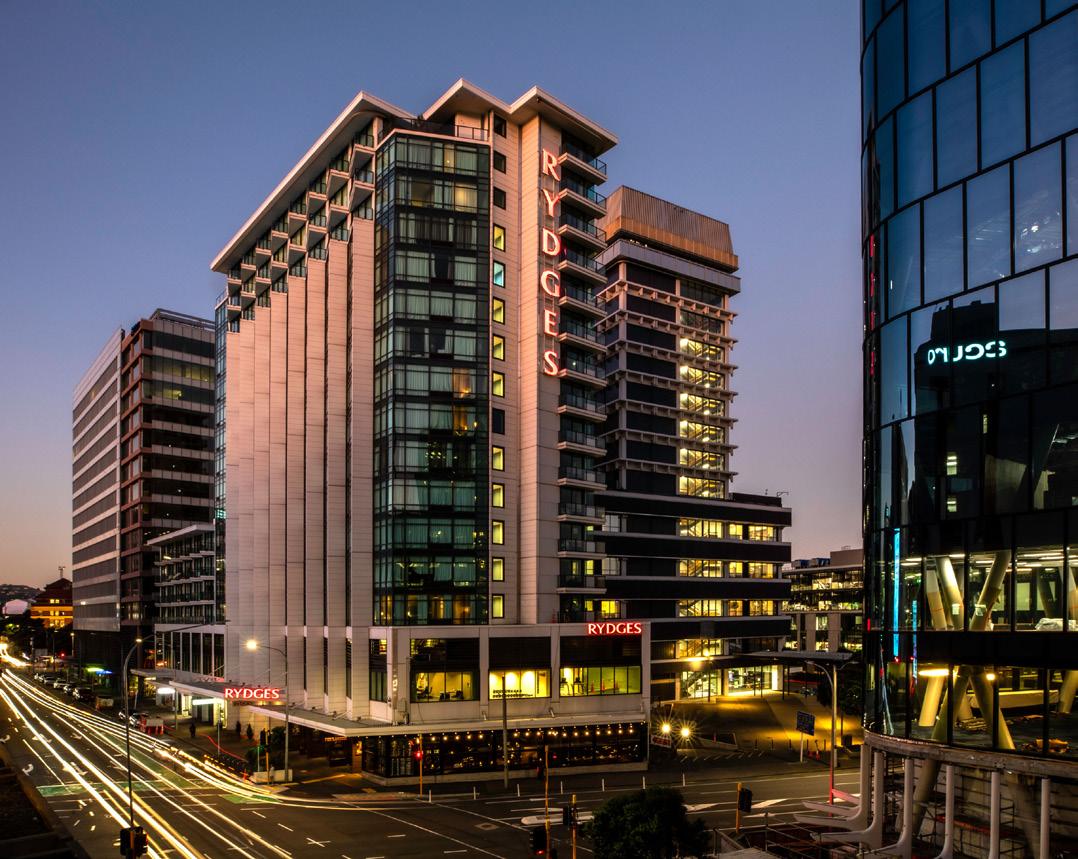
Brookfield Asset Management acquired Rydges Wellington and Sofitel Queenstown from NZ Hotel Holdings, reinforcing its Australasian hospitality growth strategy and expanding its portfolio of high-quality hotel assets in key gateway cities across New Zealand through a landmark transaction.
180 George Street, Sydney
Purchase Price:
$357,205,000
Vendor:
Mitsubishi Estate
Purchaser: OUE REIT
A 19.9% freehold interest in a recently completed, premium office asset exchanged in February 2026, signalling renewed confidence in prime office assets.
Connect with Capital Markets
INVESTMENT PROPERTIES
Flint Davidson
Head of Capital Markets & Office, Pacific flint.davidson@cbre.com.au
Ingrid Filmer Head of Private Wealth ingrid.filmer@cbre.com
Mark Granter Head of Alternatives mark.granter@cbre.com.au
John Harrison Head of Agribusiness john.harrison@cbre.com
Trent Hobart Head of Development trent.hobart@cbre.com
Chris O’Brien
Head of Industrial & Logistics chris.o’brien@cbre.com.au
James Parry Head of Office james.parry@cbre.com
Andrew Purdon Head of Living Sectors andrew.purdon@cbre.com
Simon Rooney Head of Retail Investments simon.rooney@cbre.com
Michael Simpson
Head of Hotels michaelj.simpson@cbre.com
Stuart McCann Head of Capital Advisors, APAC stuart.mccann@cbre.com CAPITAL ADVISORS
Paul Ryan Head of Capital Advisors, Pacific paul.ryan@cbre.com
DEBT & STRUCTURED FINANCE
Andrew McCasker Head of Debt & Structured Finance andrew.mccasker@cbre.com
Brent McGregor Head of New Zealand Capital Markets brent.mcgregor@cbre.co.nz NEW ZEALAND