Path To The Light
Adaptive reuse of the ancient Abbey of Santa Maria del Piano
The path – a metaphor for life Movement Change
The search for harmony Inspired by ancient pilgrimage paths
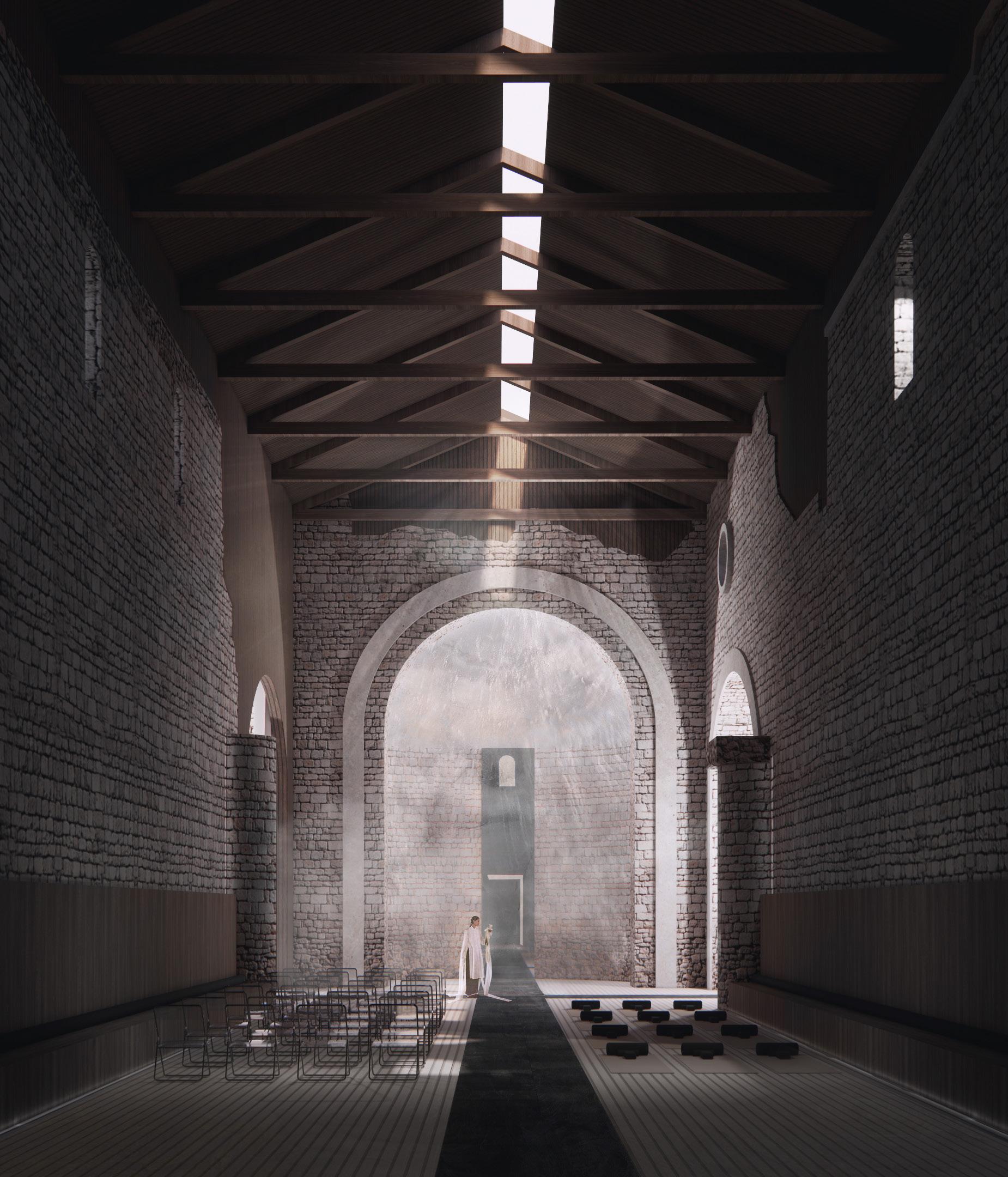
Through the nave toward light – from profane to sacred Paths cross in the transept – a moment of unity and transcendence
From stone into forest
At the journey’s end – water
A symbol of life Of clarity Of balance
Where architecture and spirit become one
Location: Pozzaglia Sabina (Rieti), Italy
Usable Floor Area: 754.4 m2
Project Type: Collaborative Project for Competition Team: Anna Petryszyn, Dmytro Peleshchuk
Software Used: AutoCAD, SketchUp, Enscape, Adobe CC Year: 2025
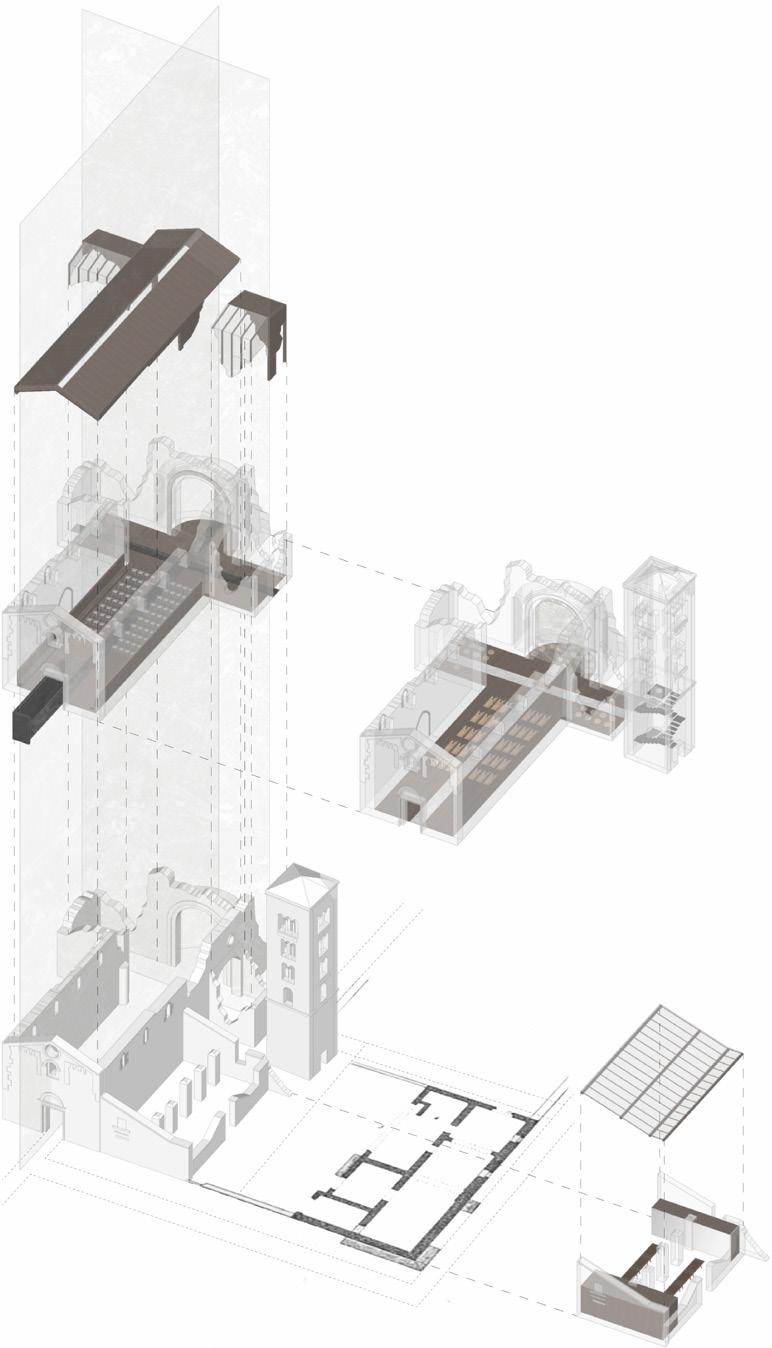
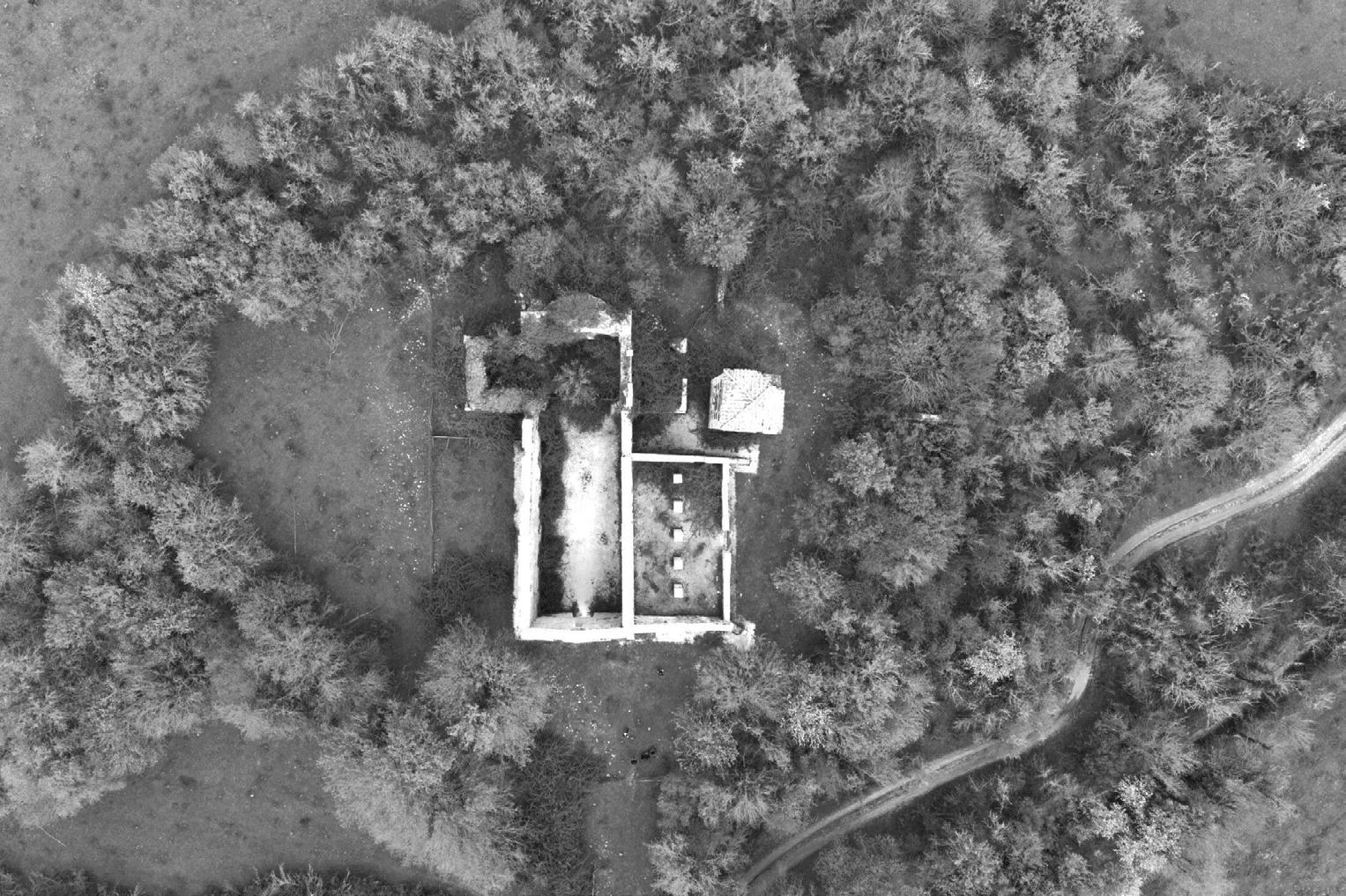
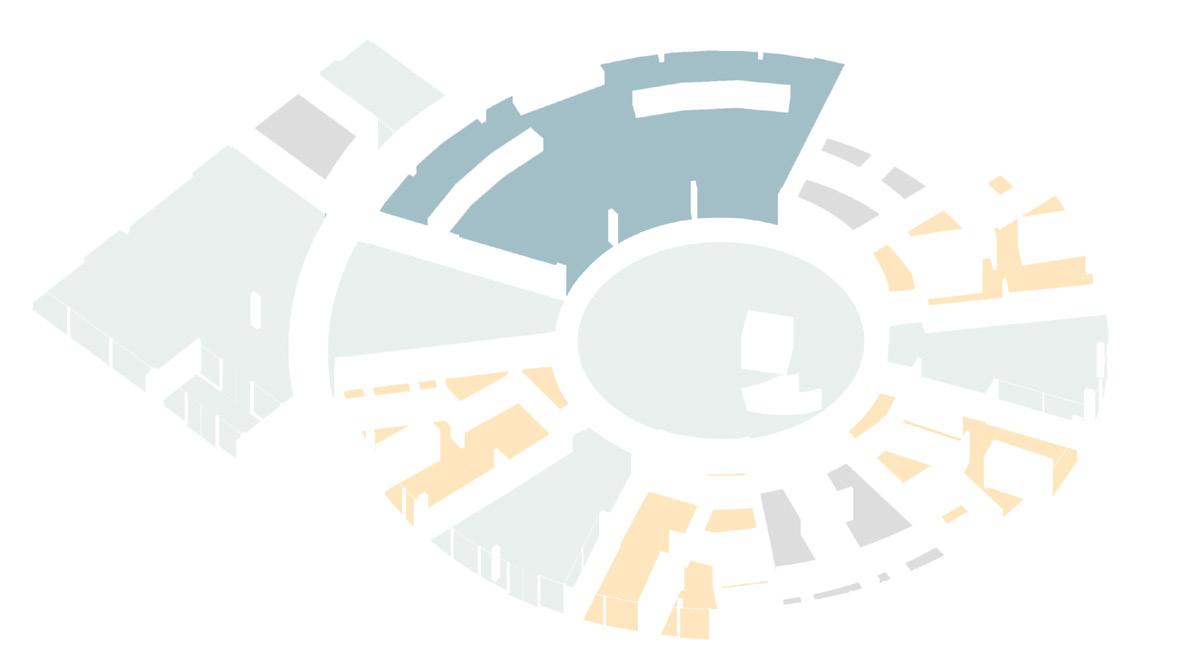
The drawing illustrates the traces of the former abbey walls, derived from the original floor plan Image source: reuseitaly.com
Nowe Żerniki
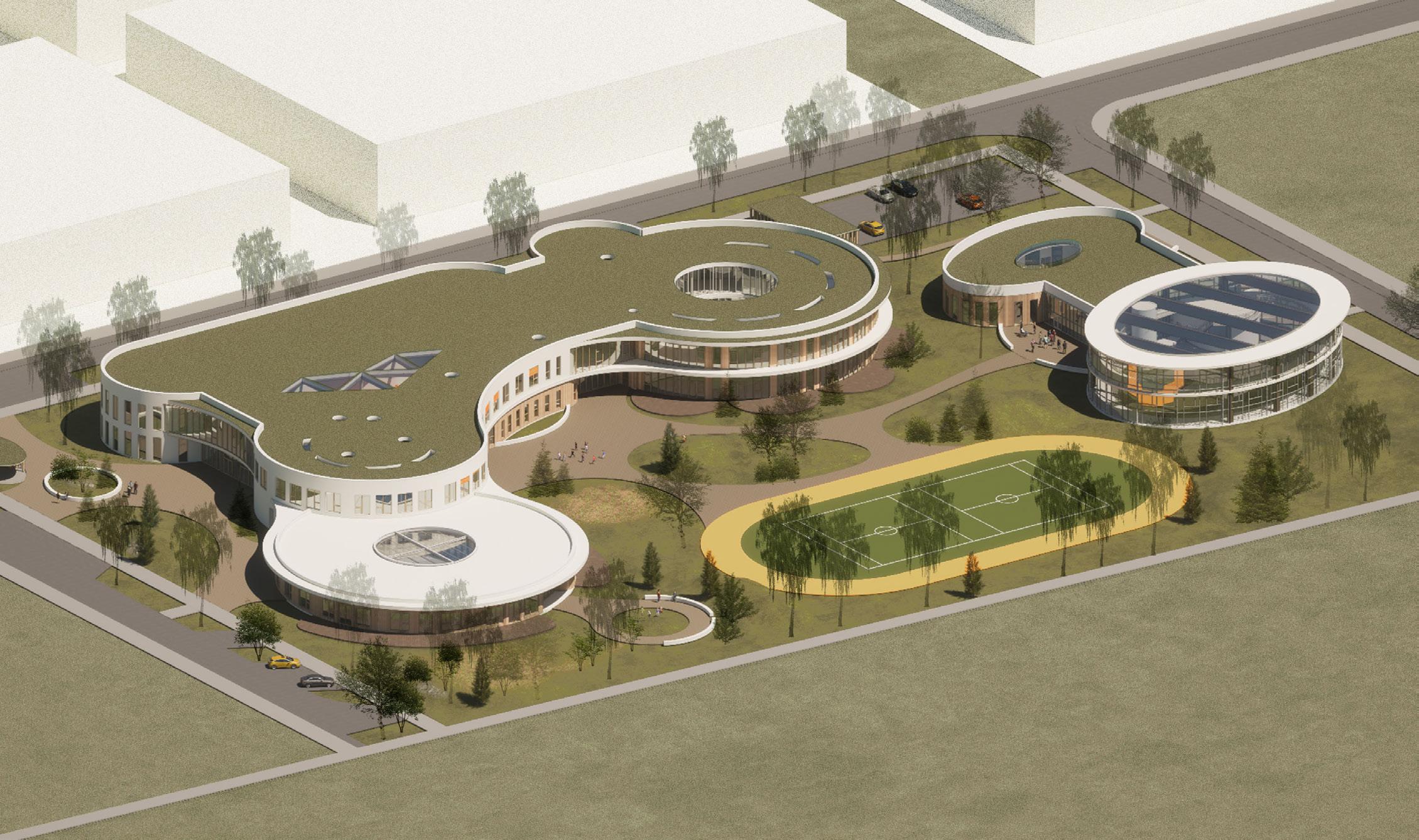
Design Proposal for a Primary and Middle School
Art education remains limited in public school in Poland
Architecture that sparks curiosity
Characters in space
Joy in form
A place to play
A place to grow
Nature as a learning tool
Hortitherapy
Art therapy
For the community
Flexible. Scalable
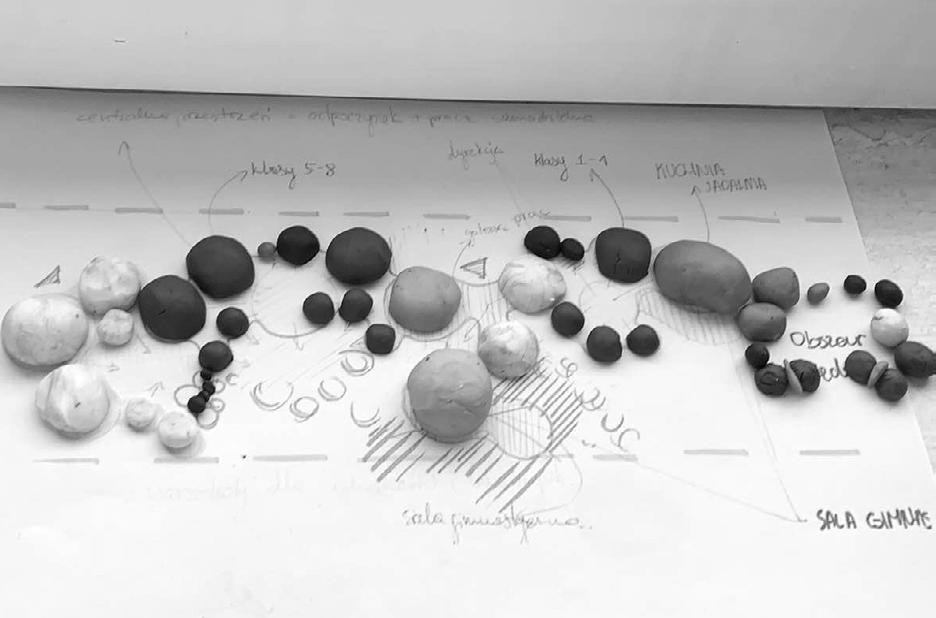
Concept exploration maquette from the preliminary design phase
Location: Nowe ZŻerniki, Wroclaw, Poland
Usable Floor Area: 3532.75 m2
Project Type: Collaborative Academic Project
Team: Konstancja Staniecka, Dmytro Peleshchuk
Software Used: Revit, ArchiCad, AutoCad, Twinmotion, Adobe CC
Year: 2022
In Contact
Reimagining the Video-Call Rooms at Lorusso and Cutugno Prison
A place meant for connection, A new approach to prison video-call rooms
Communication that feels human Inspired by Japanese design and modular “office box”
Posture that supports presence
Flexible
Durable
Built for empathy
Locatio: Turin, Italy
Usable Floor Area: 5,2 m2
Project Type: Academic Collaborative, vi semester
Team: Boris Olenski, Claudia Gowgiel, Dmytro Peleshchuk
Software Used: SketchUp, Autocad, Adobe CC
Year: 2023
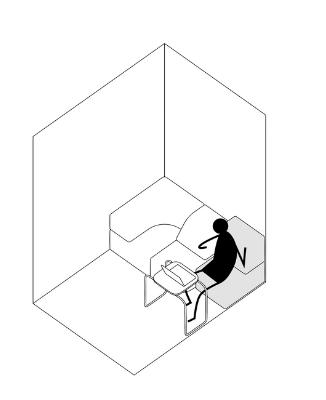
Basic position
Shorter seat allowing for comfortable, straight up pose
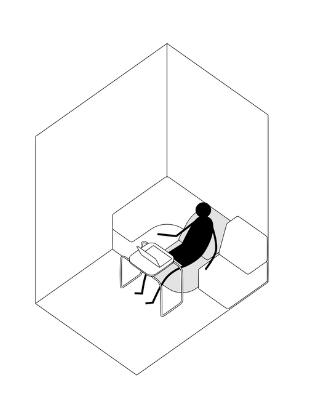
Semi-reclined position
Similar to the basic position, a bit more relaxed, allowing a more leaning pose
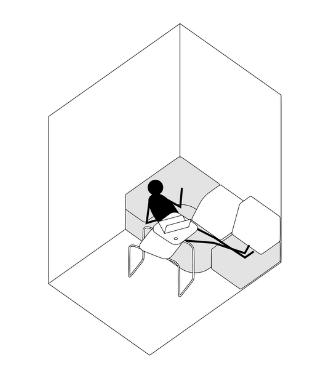
Lying position
Taking advantage of the full furniture base, with a matching extended position of the rotating table
Design Outcome Diagrams with Furniture Positioning Analysis
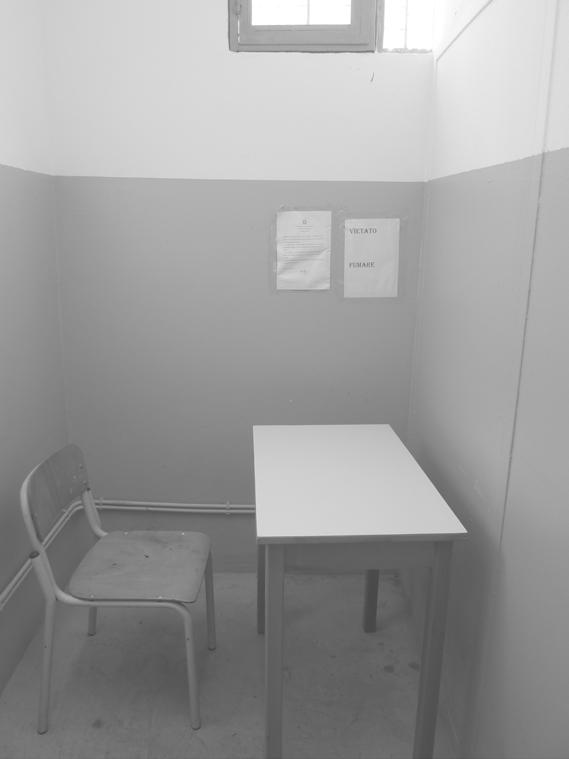
Current conditions in the video-call room
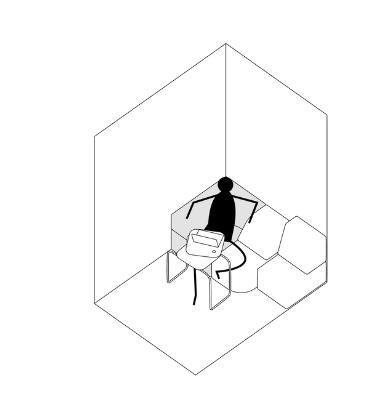
Reclined position
Taking advantage of the arched corner piece back support, with a corresponding, extended position of the rotating table
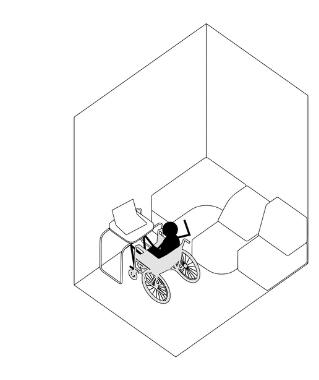
Open floor area
Leaving enough space for a person on a wheelchair to use the room
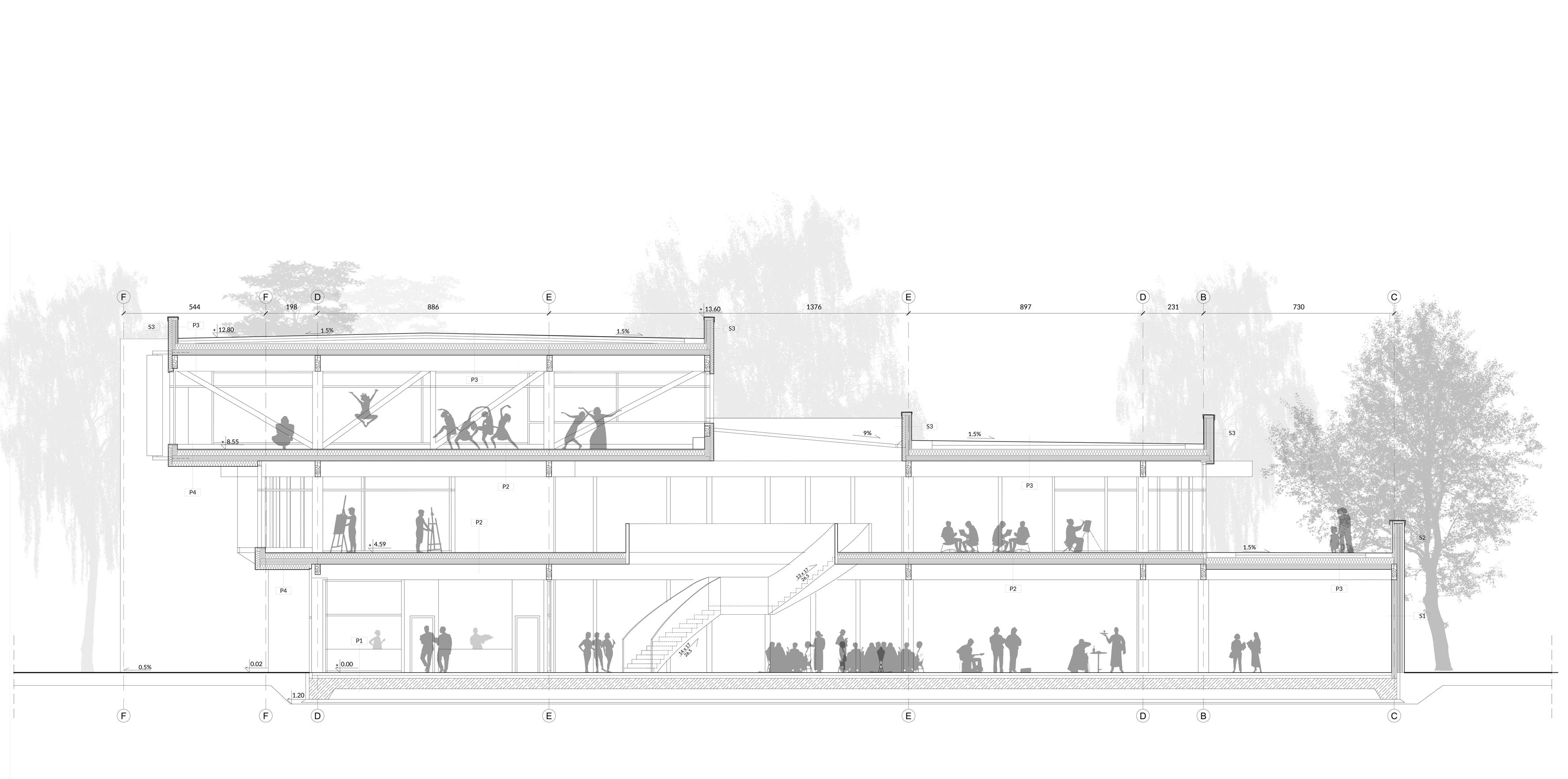
Styk Design Proposal for Center of Cultural Dialogue
A response to the rapid rise of immigration in Krakow
A lack of spaces for intercultural dialogue
Lost Railway Route
Isolation. Exclusion. Disconnection
Zabłocie
A postindustrial district
New energy
New needs
A new place Center for Cultural Dialogue “Guests” and “hosts”
Equal. Present. In dialogue
Dialogue through food, play and education
Styk
From the Polish for ‘contact’ or ‘meeting point’
Location: Zabłocie District, Kraków, Poland
Usable Floor Area: 1973 m2
Project Type: Undergraduate Thesis Project
Software Used: Revit, AutoCad, SketchUp, Twinmotion, Adobe CC
Year: 2024
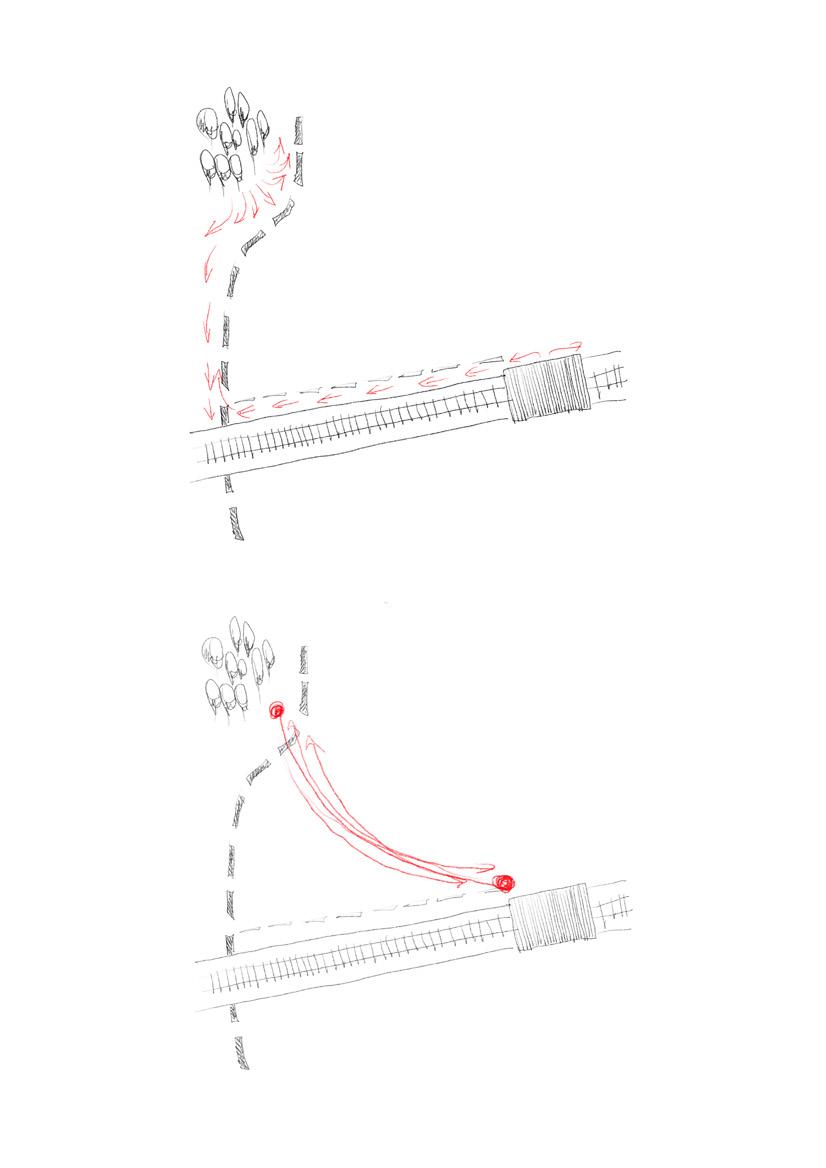
Diagram illustrating the natural movement flow and enhanced attractiveness of the path after rebuilding
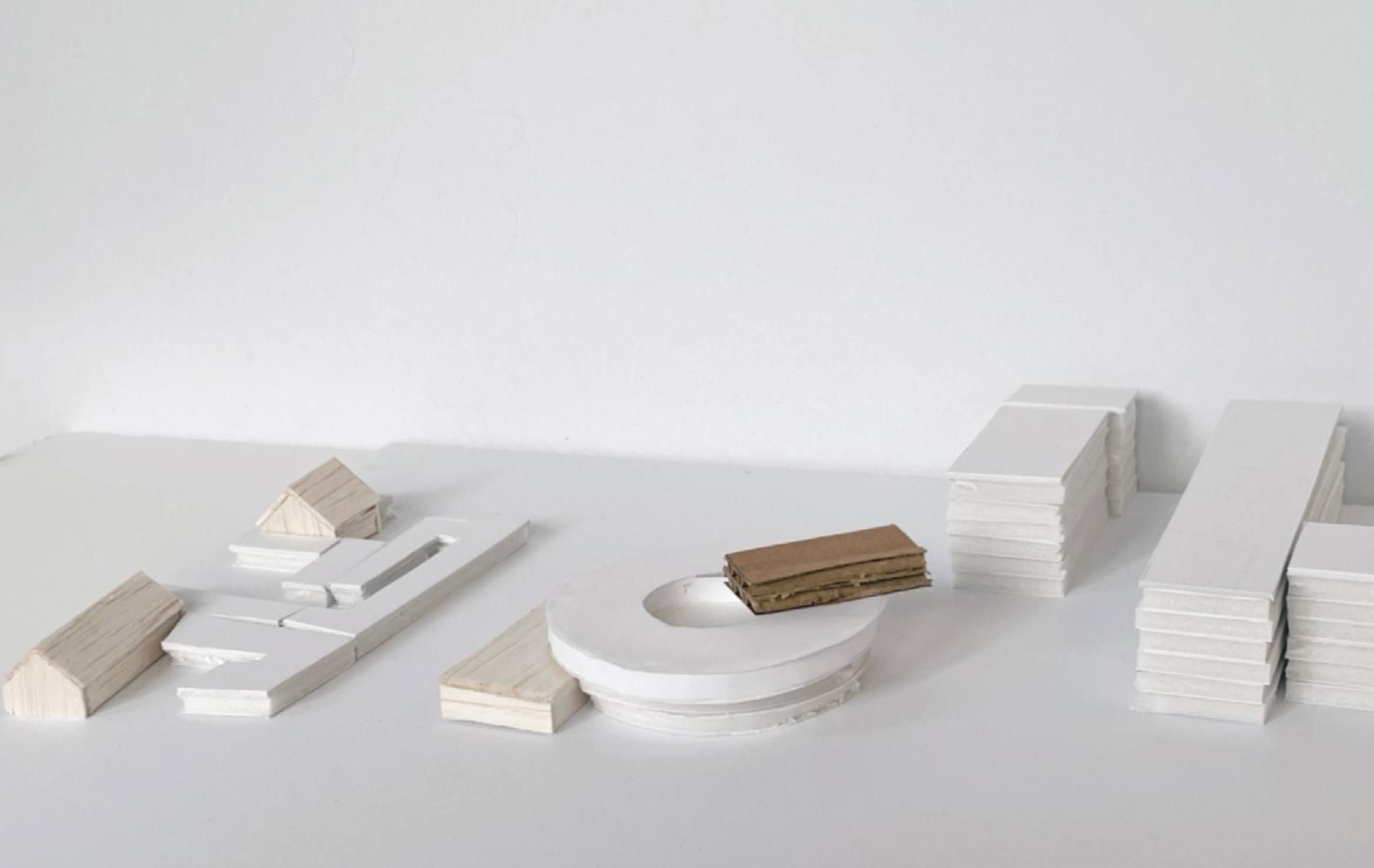
Styk 01. Shaping a welcoming form in tangential contact with the new path
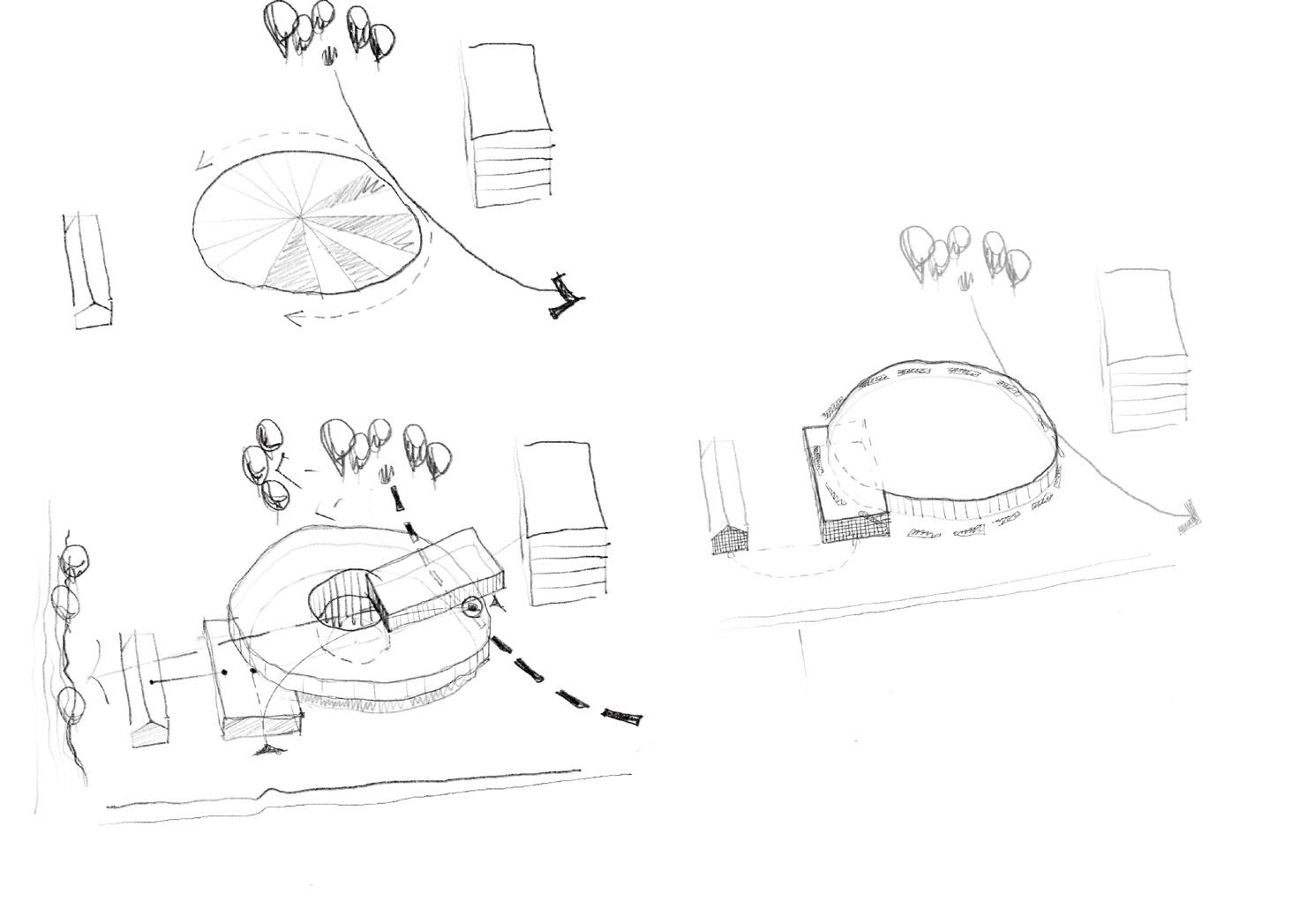
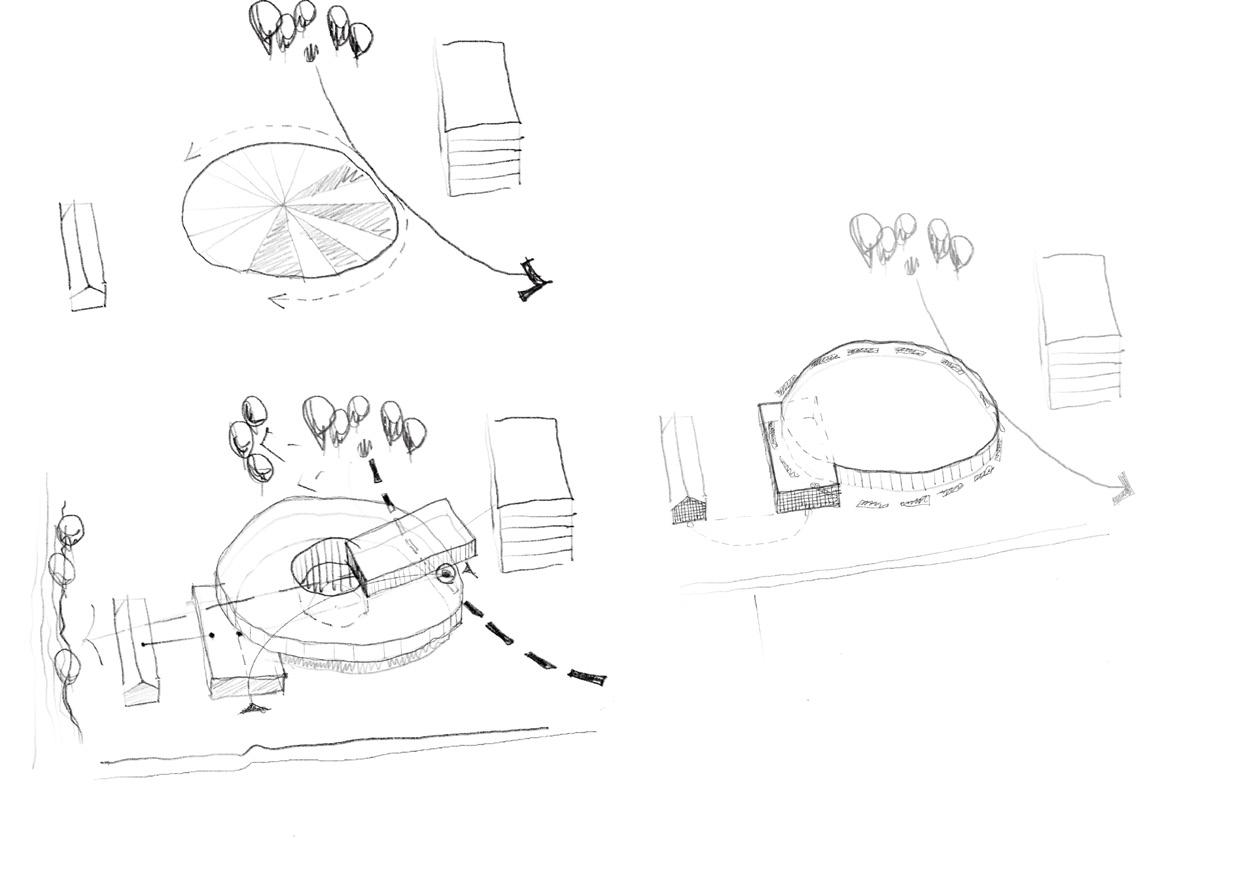
Styk 03. Creating a form oriented toward the path and organizing the main entrances
RAILWAY STN.
Vistula River
Zabłocie st.
Stacja Wisla Park
Zablocie Train Stn.
Zablocie District
Old Podgozre District
Roof Level
Extensive Green Roof
Third Floor
Programmatic Spaces
Green Roof 02
Second Floor
Programmatic Spaces
Green Roof 01
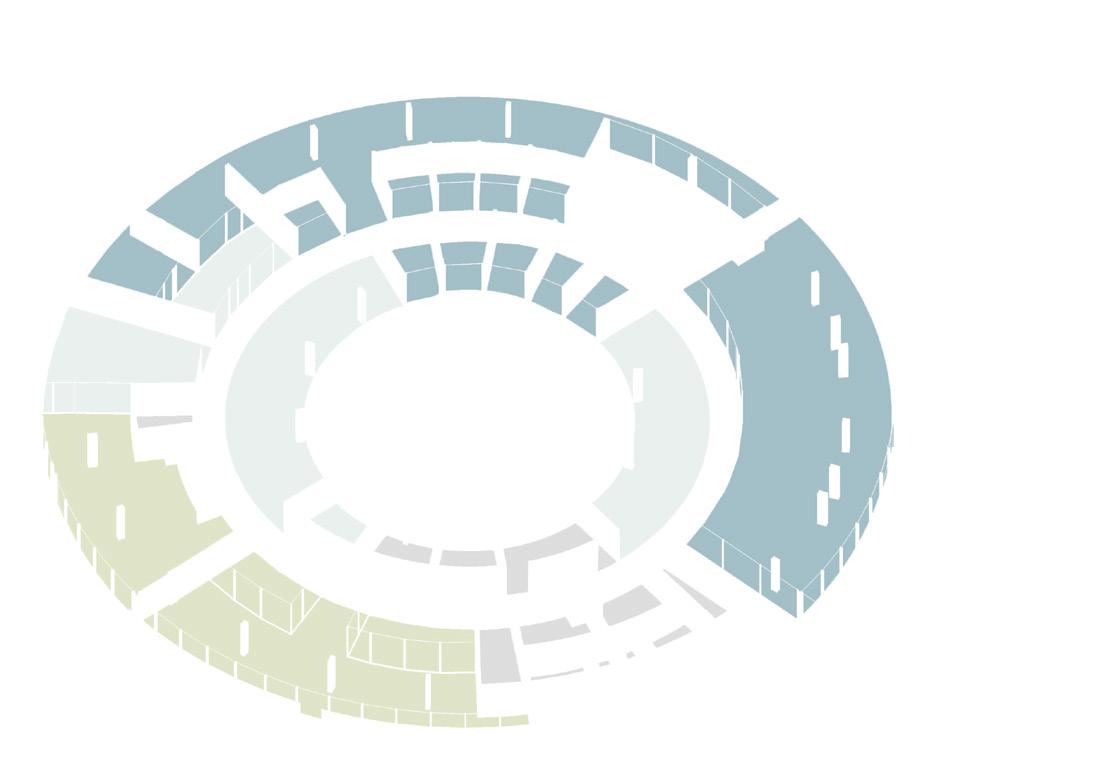
Ground Floor Public Functions
Recreational Common Area
Workshop & Educational Zone
KItchens and Catering Zone
Administrative Zone
Hygiene & Maintenance Zone
mineral wool insulation
2-layer