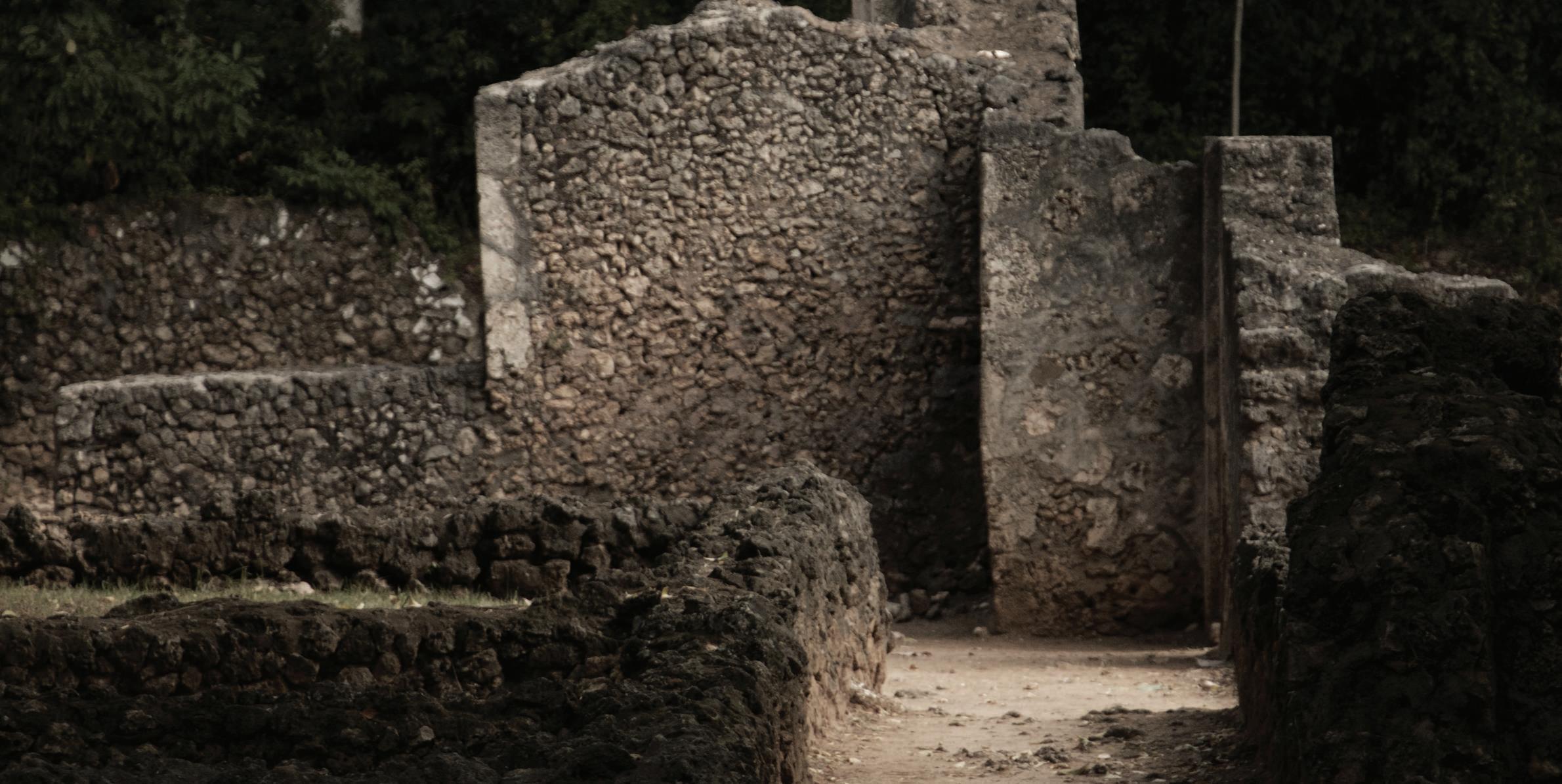
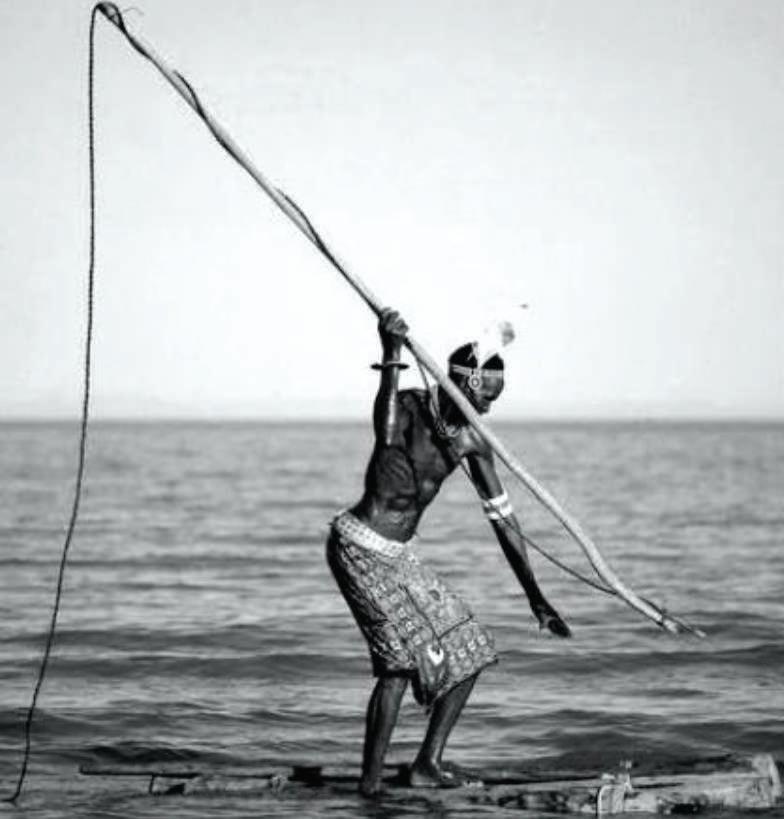
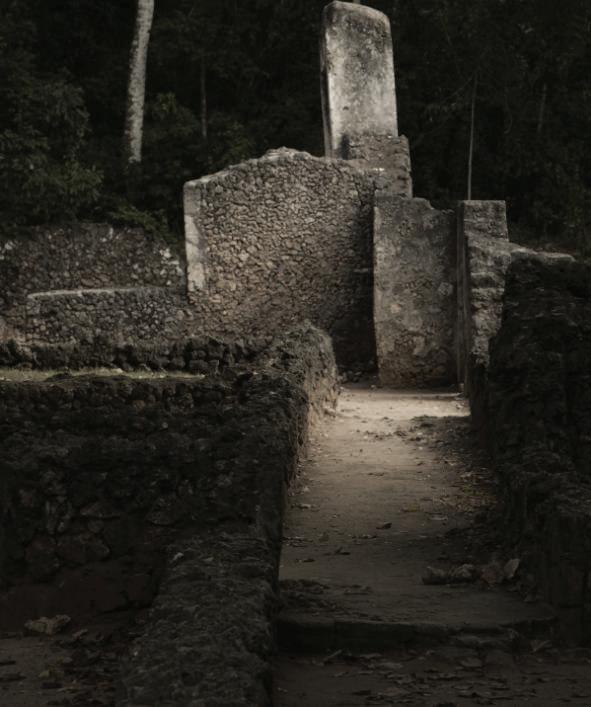
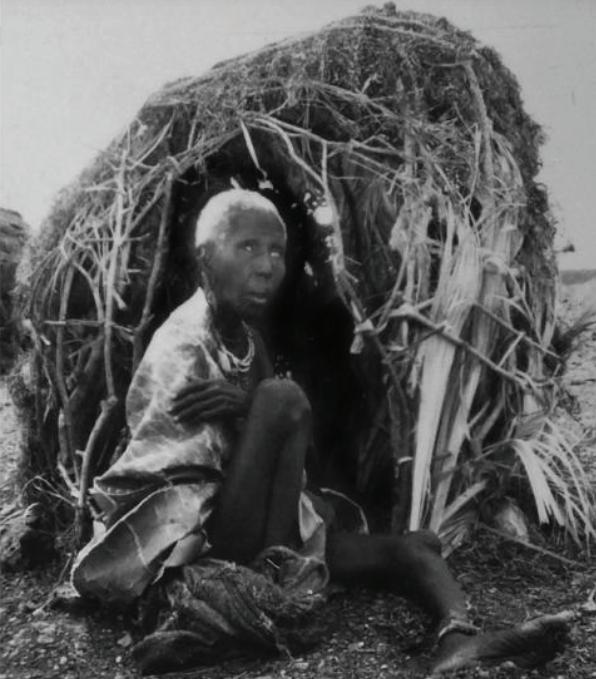
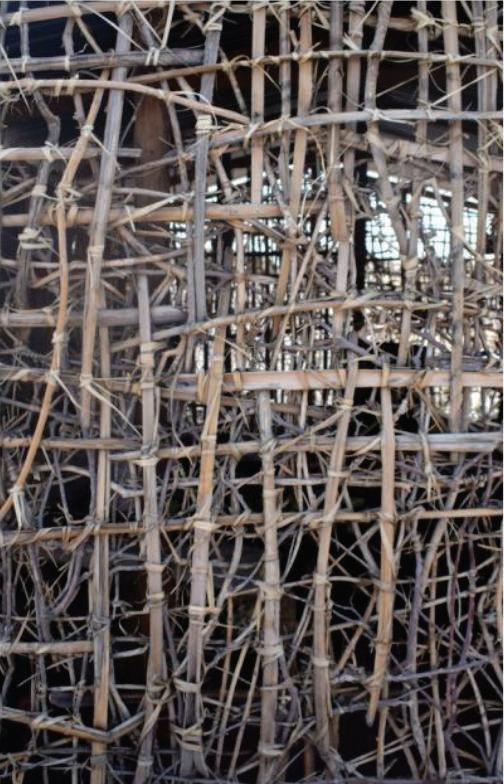
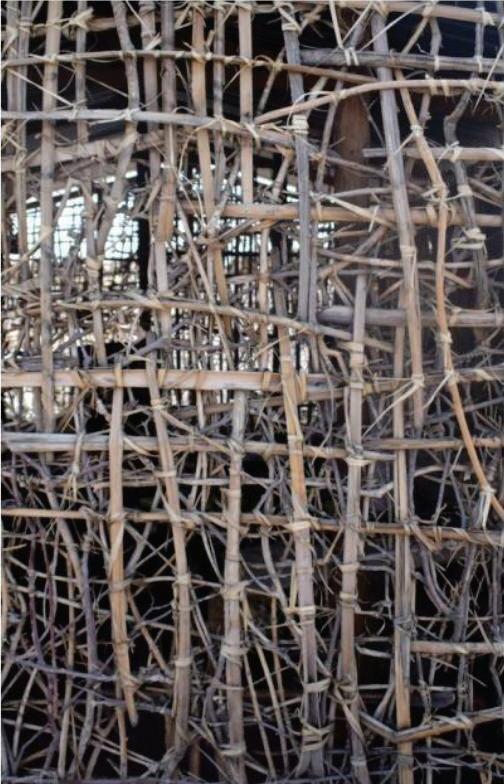
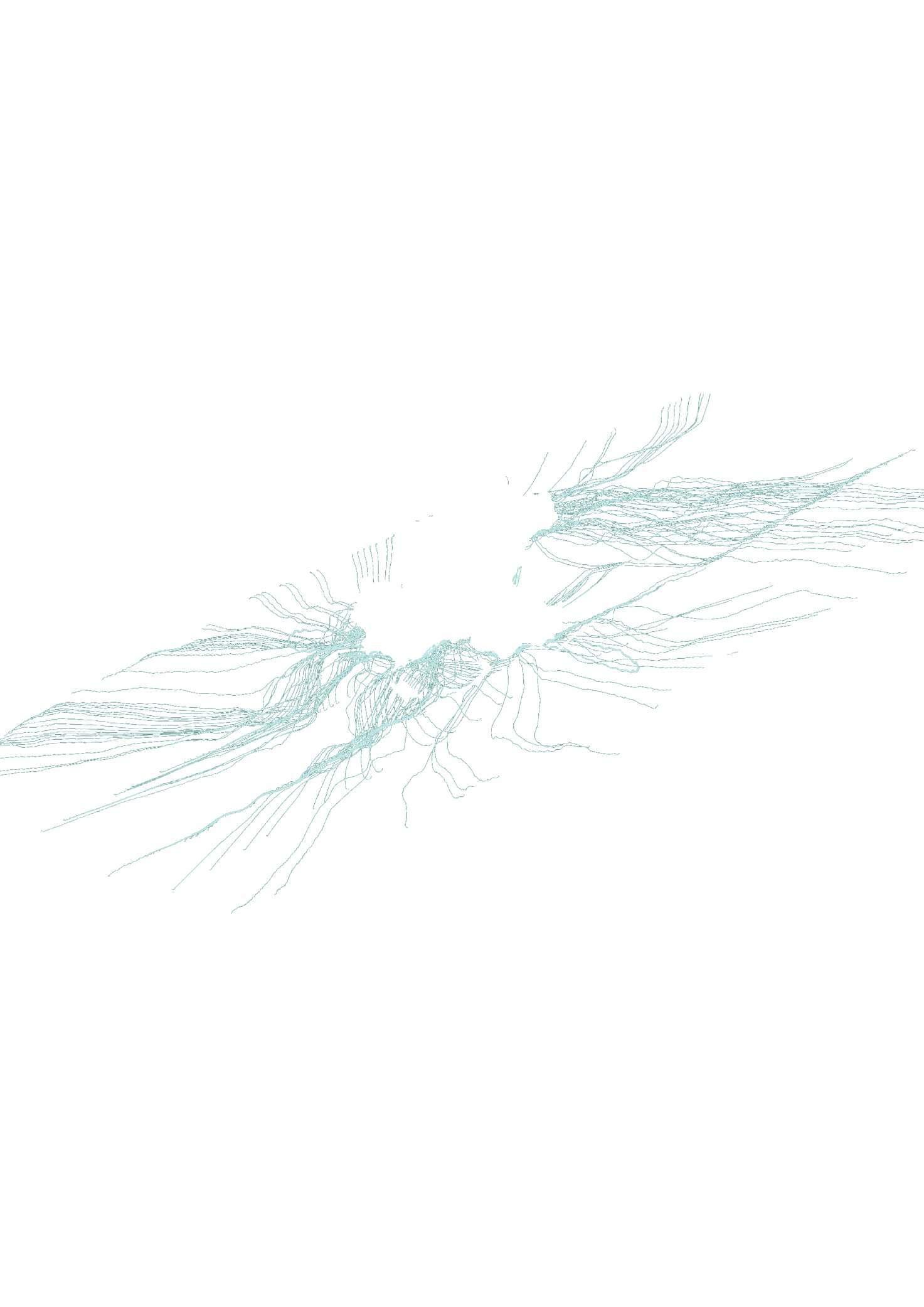
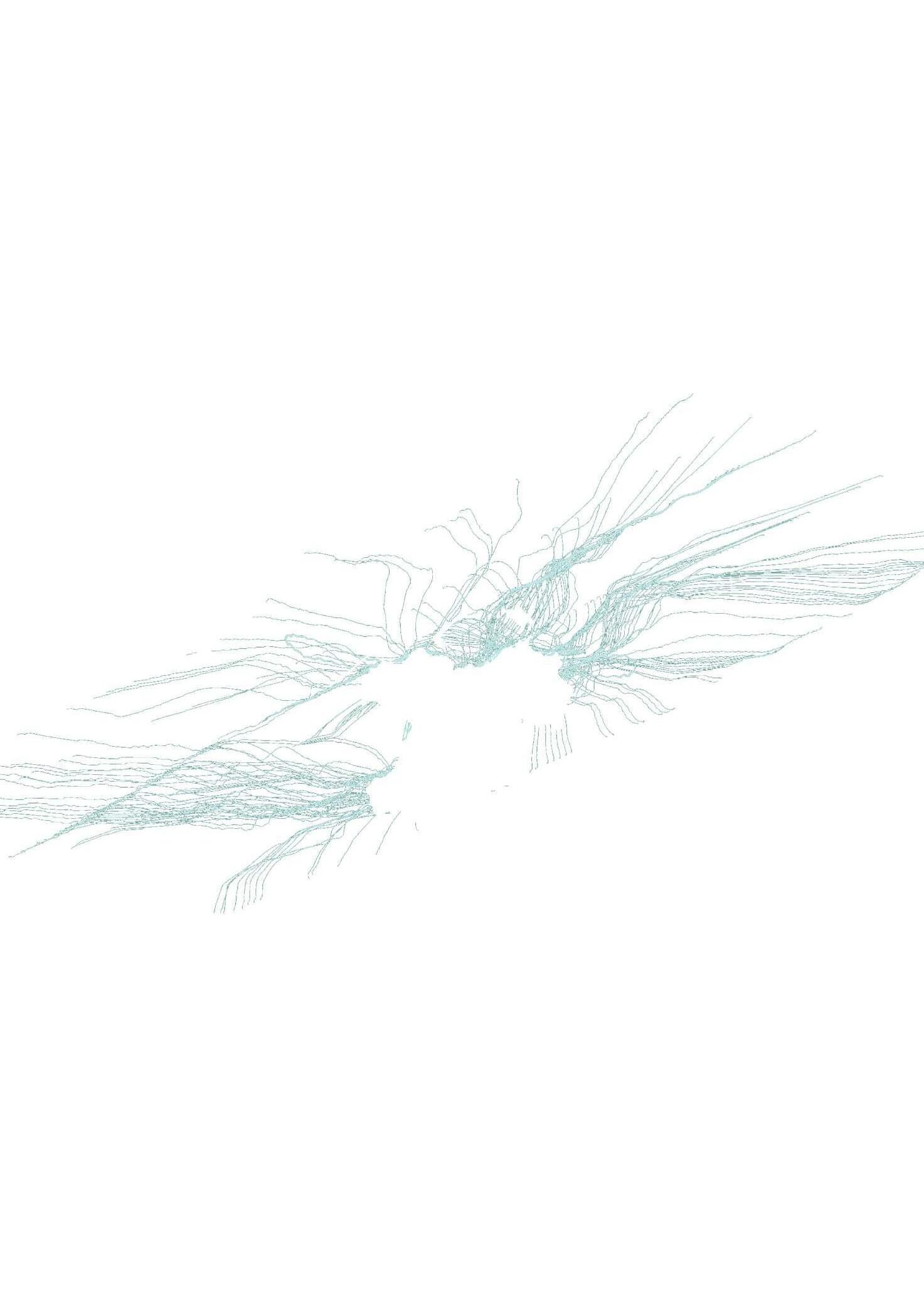
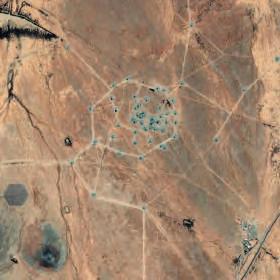
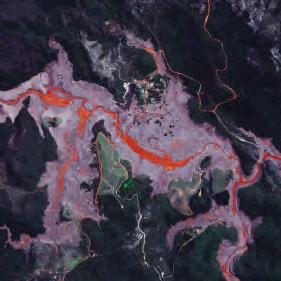
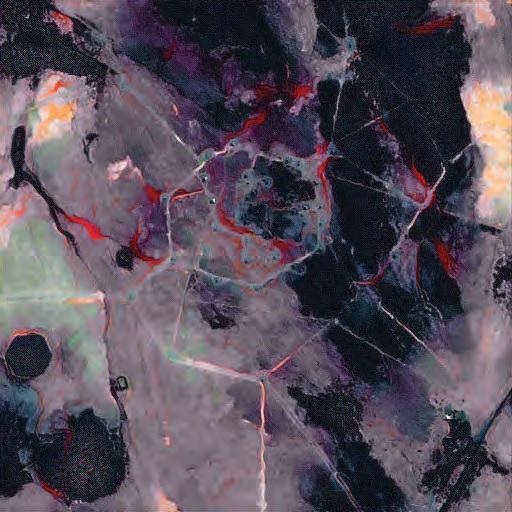
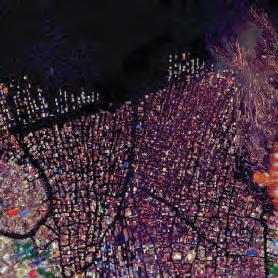
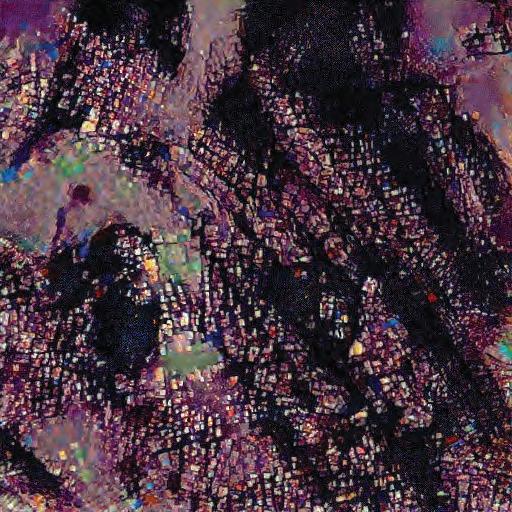
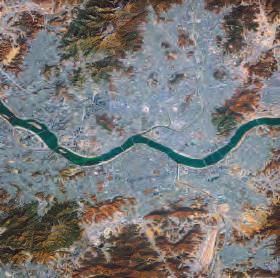
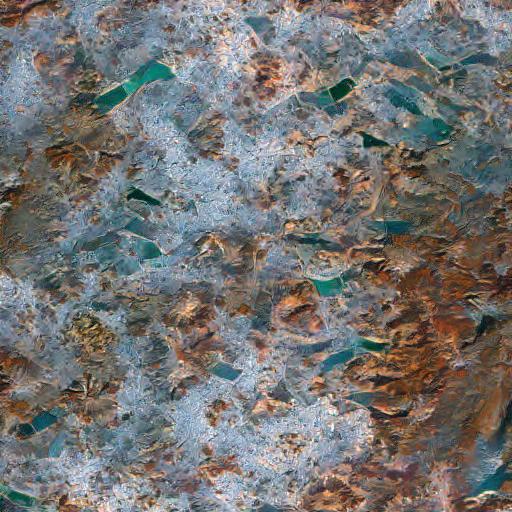
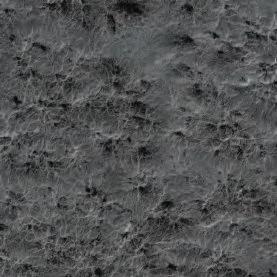
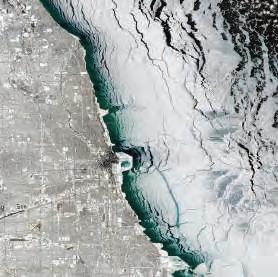
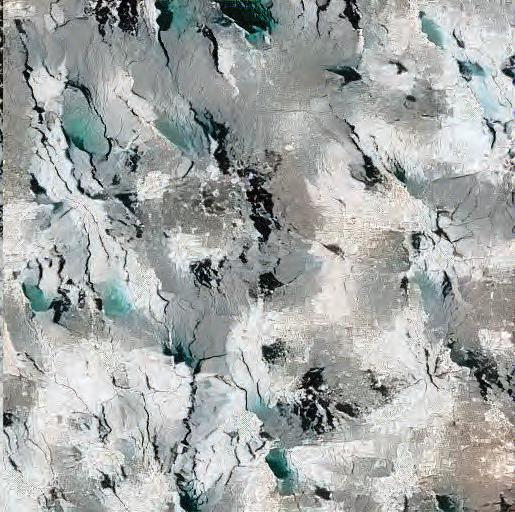
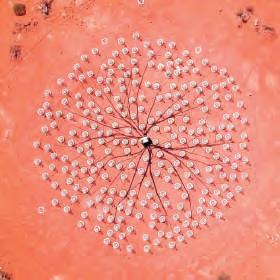
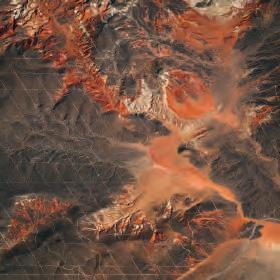
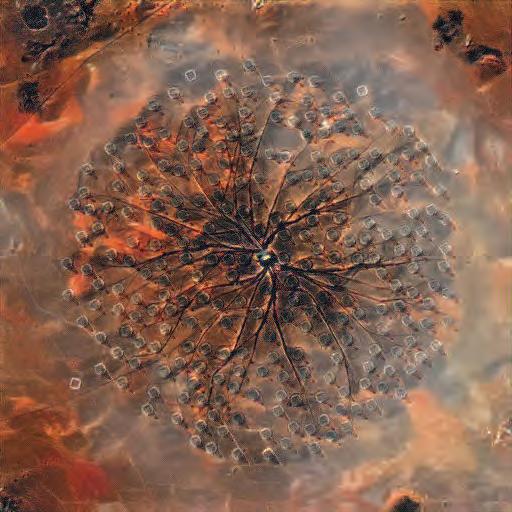
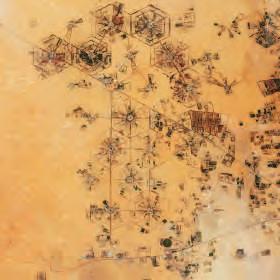
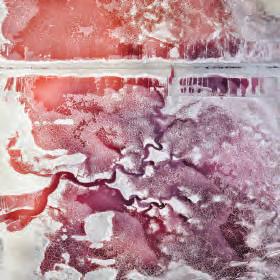
Wanjiru, Evolving Identity, Digital Collage, (59.4 x 84.1 cm)
02 ND_ARCHITECTURE
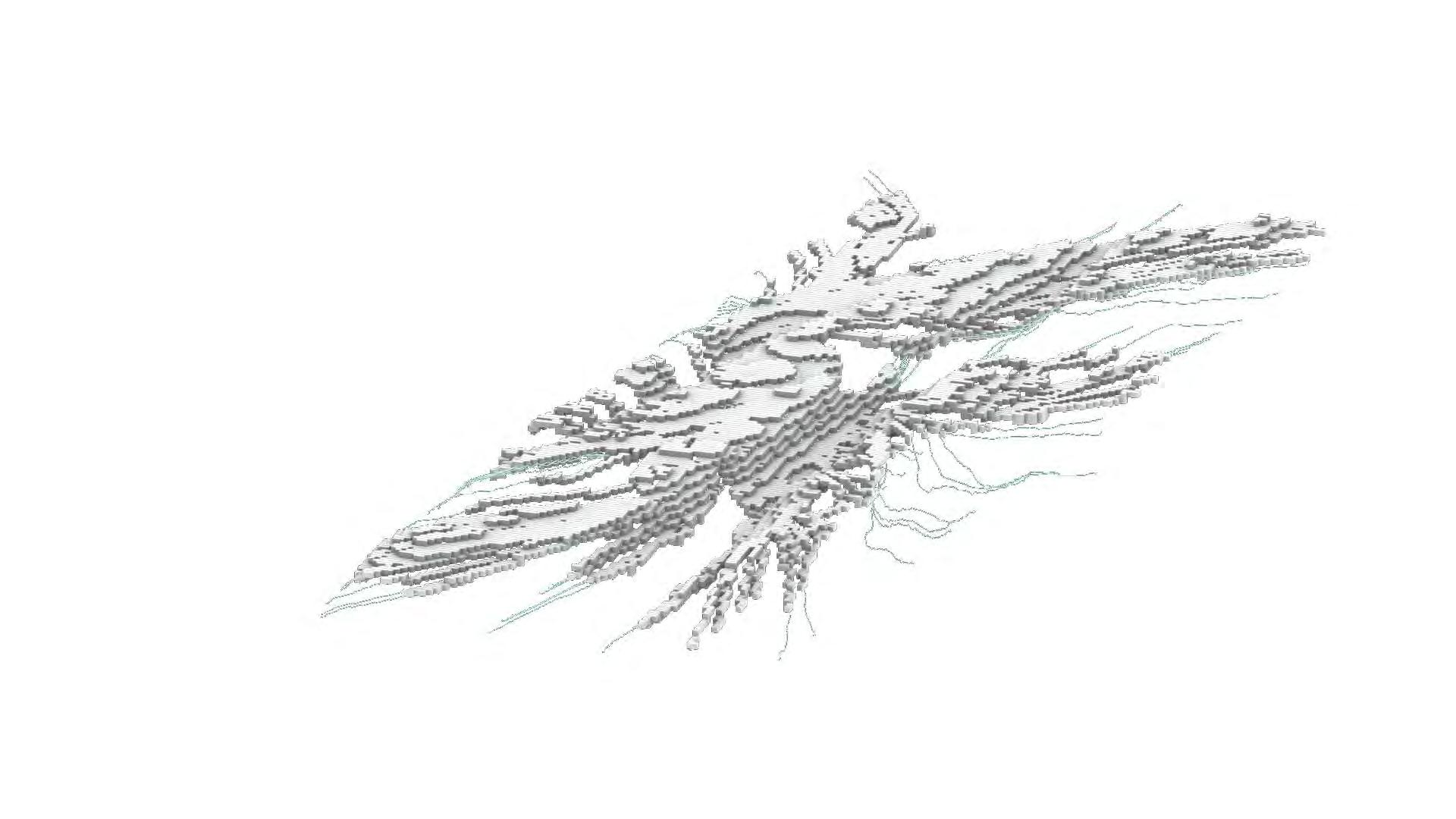
Wanjiru, ND_Architecture, Digital Print, (59.4 x 84.1 cm)
03 LIFE ON M ARS
Wanjiru, Life On Mars, Digital artwork, (16.26 x 9.14 cm) Link:
https://youtu.be/lIaZ5sfBBRU
04 TAP IT IN RICHMOND
Wanjiru, Tap It in Richmond, [Digital Artwork; Animatic], (16.26 x 9.14 cm)
Diana
Diana
Diana
Diana
SHARED GROUND
EVOLVING IDENTITY
"What remains when the war ends? Ruins preserve histories that are often forgotten. In the face of conflict and destruction, ruins are proof that there was something before the wreckage, before the war, and before the painful emotions, they now evoke. Not all ruins are the same; some buildings remain standing despite attempts to turn them into rubble. They are manifestations of people’s indestructible hope, resilience, and survival."
AN ILLUSTRATION OF HOW IDENITY EVOLVED FROM A PLACE OF CONFLICT AND DESTRUCTION
SHARED GROUND
‘...Intangible experiences are perhaps more crucial than the tangible ones....’
FREEDOM shared ground
The Evolution of culture, resurrecting the old and making it anew. A culture of empathy and reconstruction.
The questions begins, whether culture shapes architecture or architecture shapes culture?
A dynamic and symbiotic relationship exists that stems from our sense of self, others, and community alongside our sense of belonging to a place or country.
Shared experiences
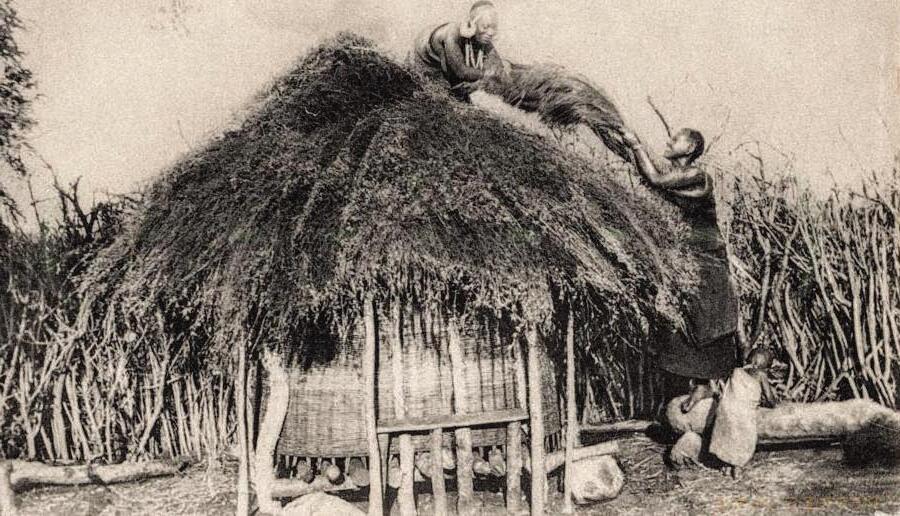
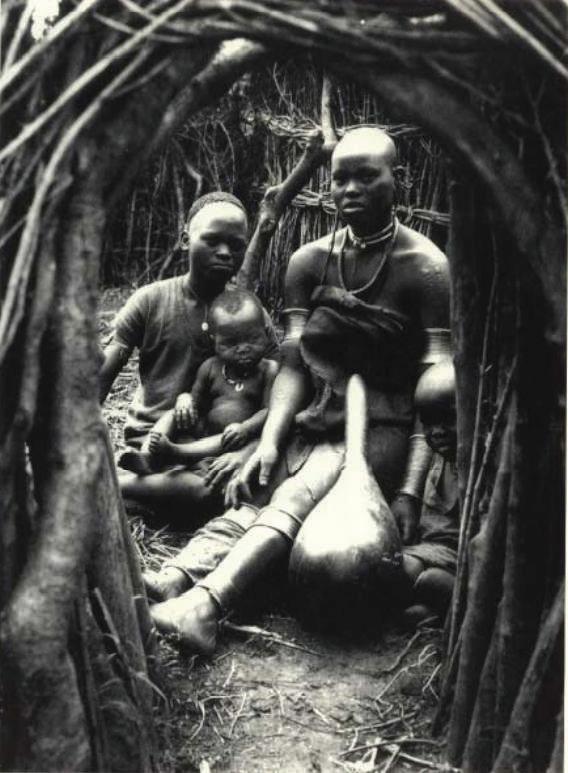
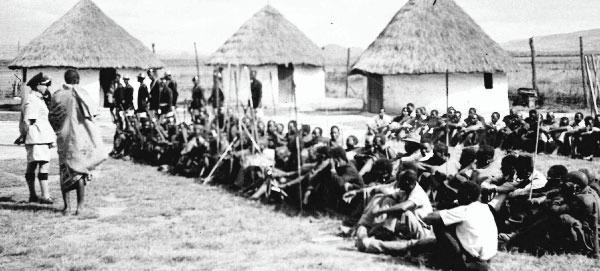
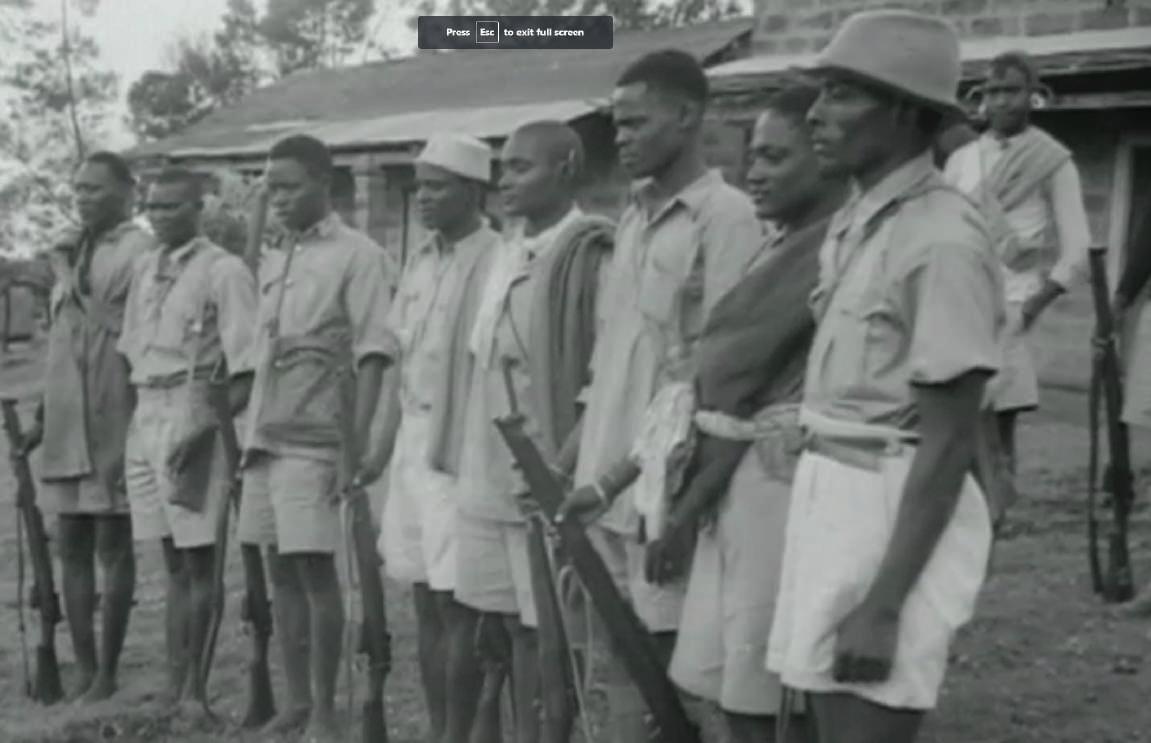
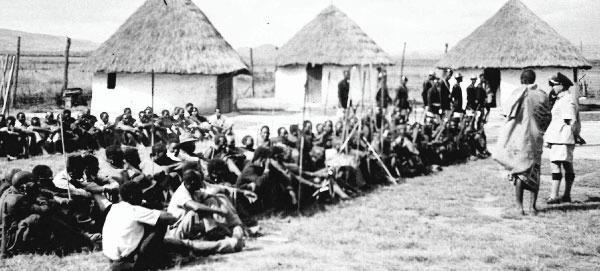
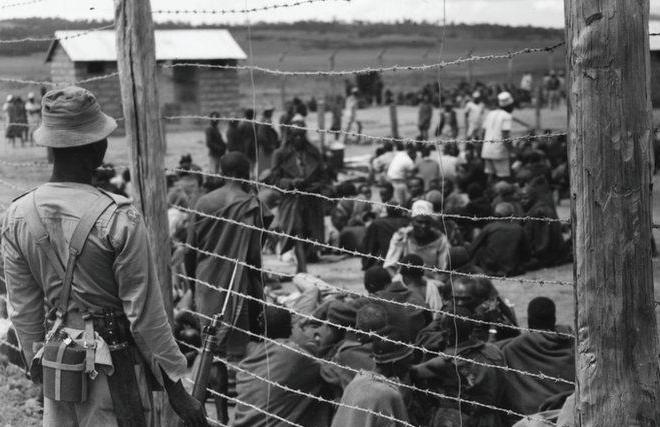
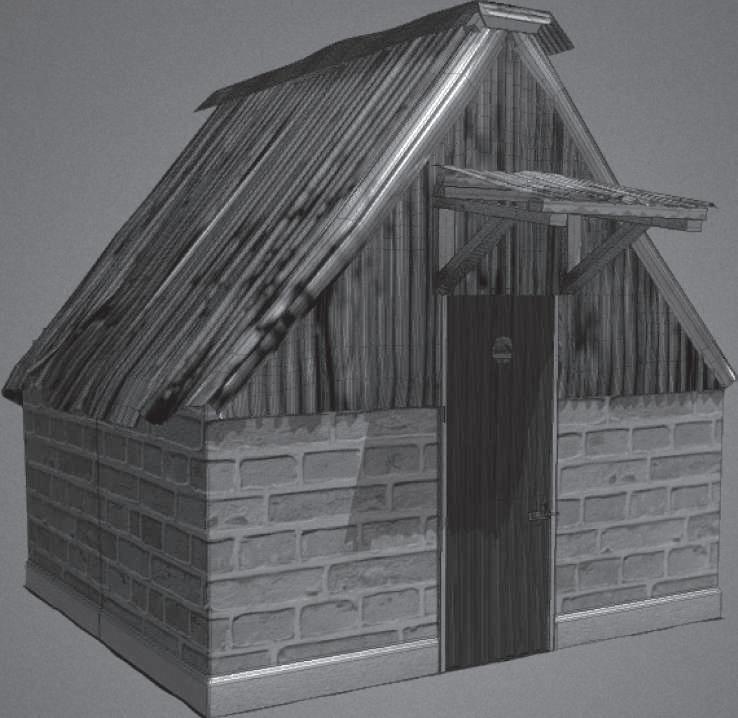
The 'small cell' is a corrugated iron structure with a cement floor about six feet by four feet. There were thirty-two in all at Manyani, built in blocks of four. They gave me no food or water but fortunately someone had thrown a bucket of water on to the floor to make it uncomfortable for me to sleep on. So for the first three days until it dried up I was able to lick wetness off the cement and during that time I could think straight and speak out loud to myself. On the fourth and fifth days cold water started coming out of my skin in a sort of sweat. Still no food or water, no one came to look at me, silence and sweat. On the sixth and seventh days my eyes became heavy stones and the nightmares began.
DETENTION
shared ground
"What remains when the war ends? Ruins preserve histories that are often forgotten. In the face of conflict and destruction, ruins are proof that there was something before the wreckage, before the war, and before the painful emotions, they now evoke. Not all ruins are the same; some buildings remain standing despite attempts to turn them into rubble. They are manifestations of people’s indestructible hope, resilience, and survival."
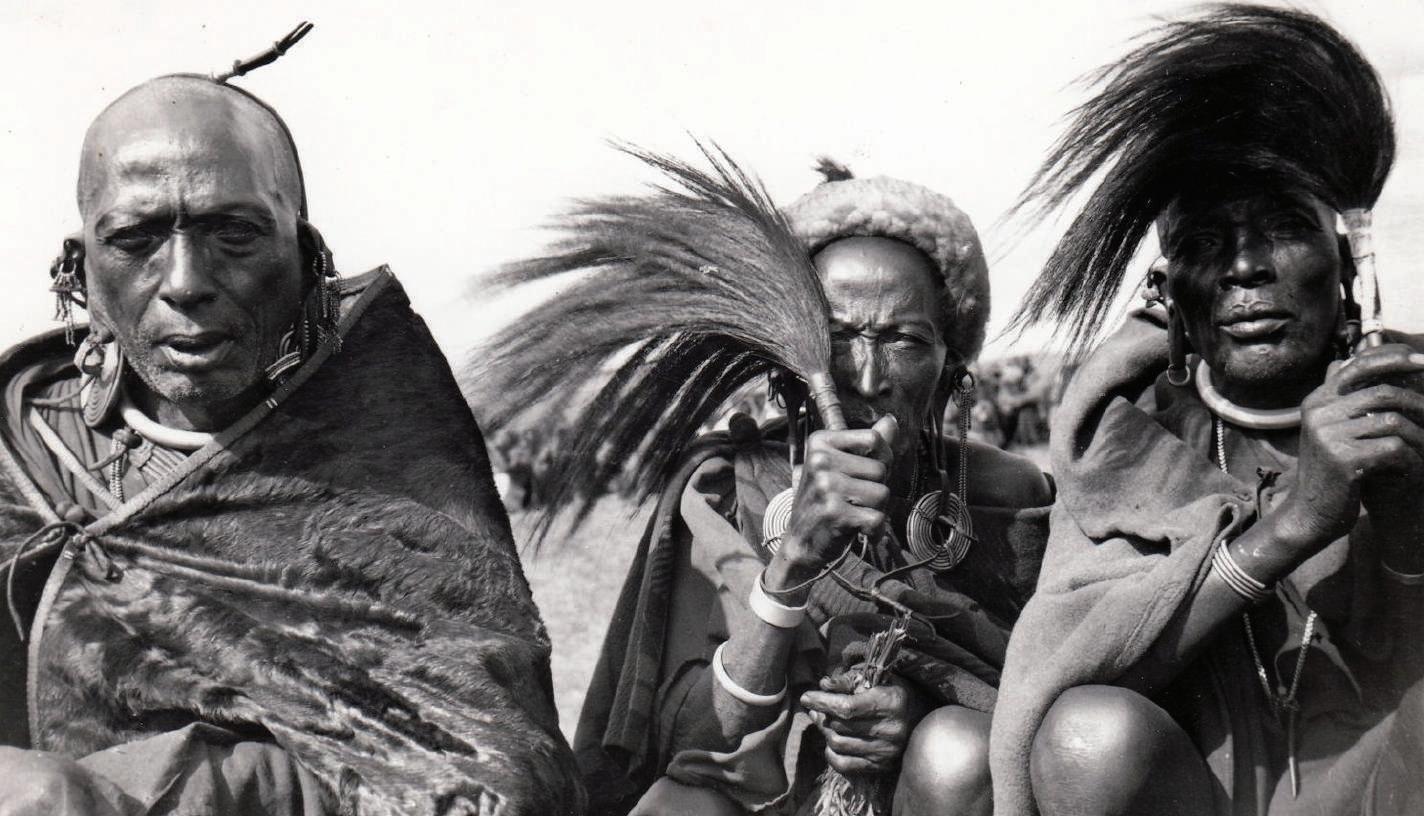
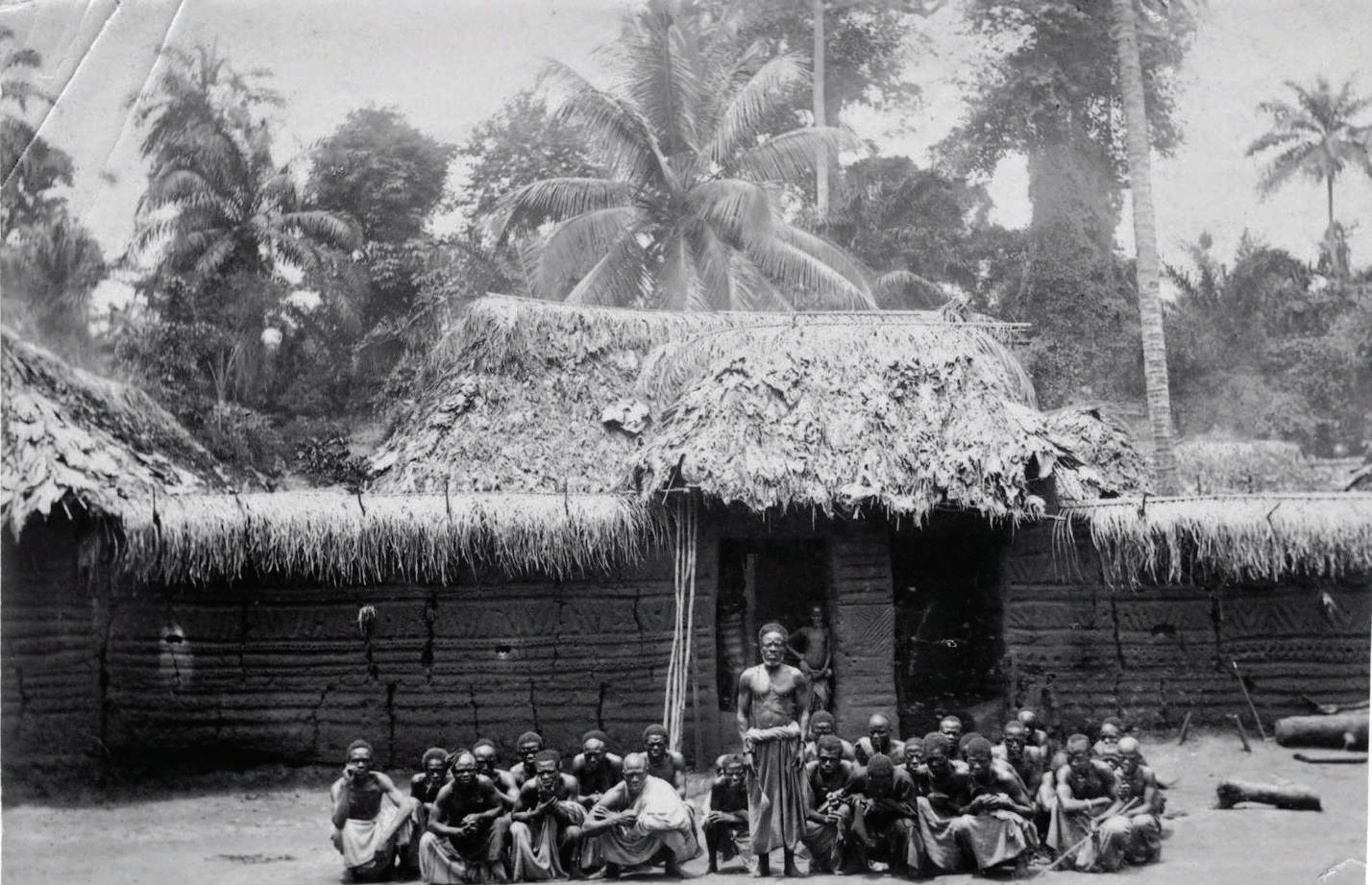
....SUPPRESSED, DESTROYED AND UNDERREPRESENTED HISTORIES...
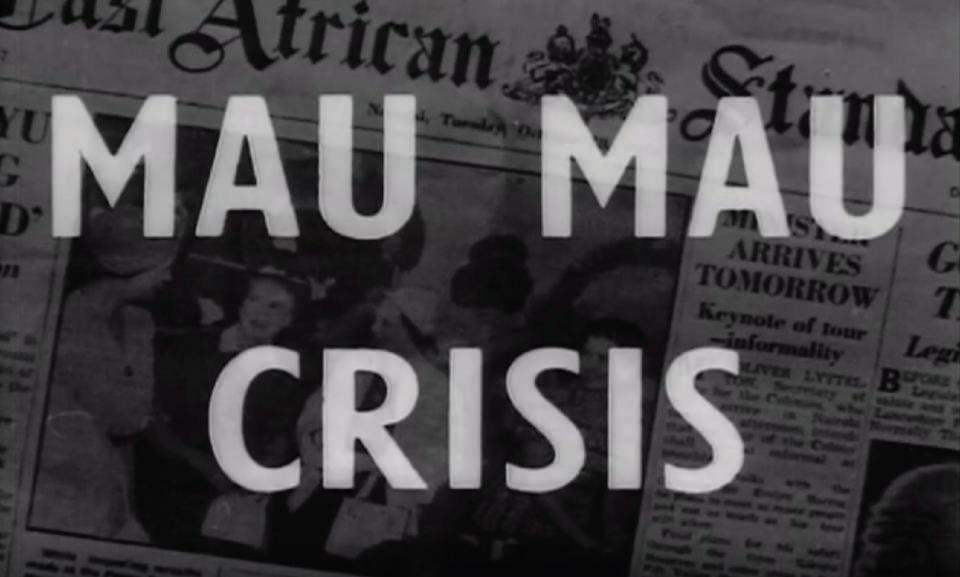
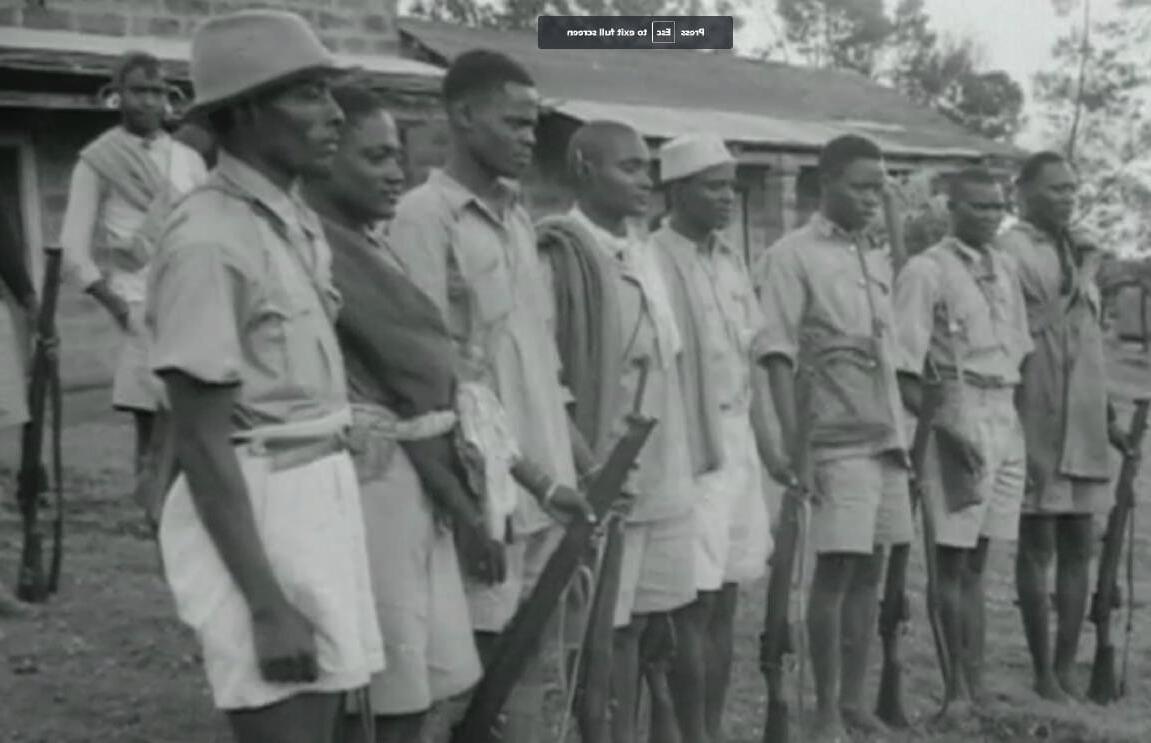
-J M Kariuki, ‘Mau Mau Detainee’: The Account by a Kenyan of His Experience in Detention CAMPS, 1953-1960
MAU MAU
‘..Tracing the links between past and present terrors...’
‘...How Architecture can be used as an instrument to strip identity...’
..’Only stories you can tell....’
SHARED GROUND
‘...What’s visible but not yet seen...’
DETENTION
shared ground
At a place of Conflict and Freedom, Identity is realised.
A place that births a common and shared ground. A place only WE can tell our stories. A place of recnstruction and healing.
ND ARCHITECTURE
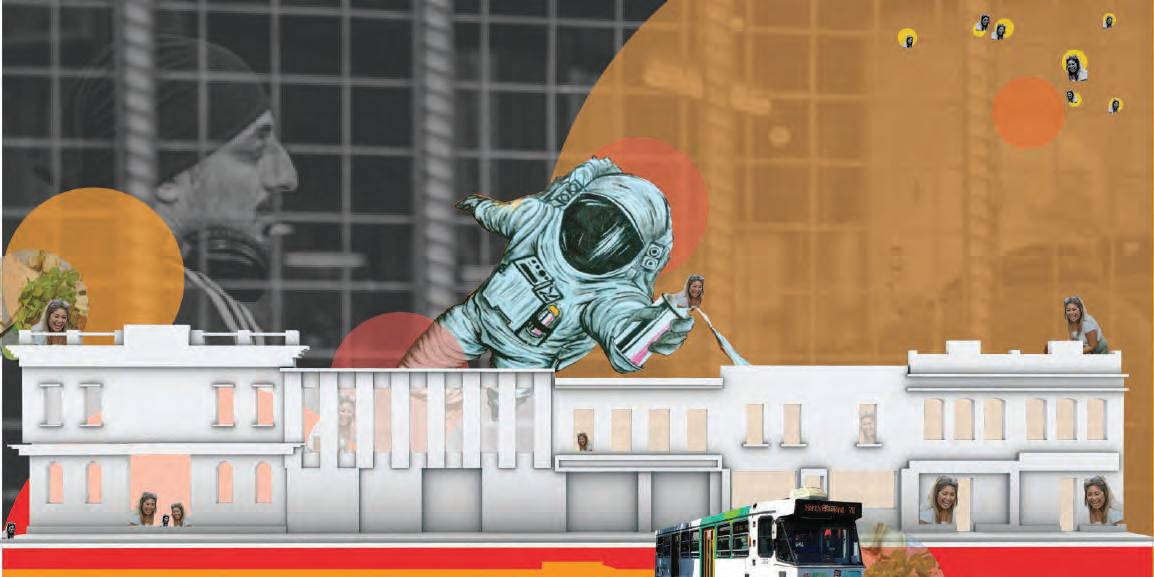
ND Architecture moves away from segregation of spaces and challenges this approach, proposing the erosion of traditional notions of ‘public and private’ where space is then recognized as a profitable commodity.
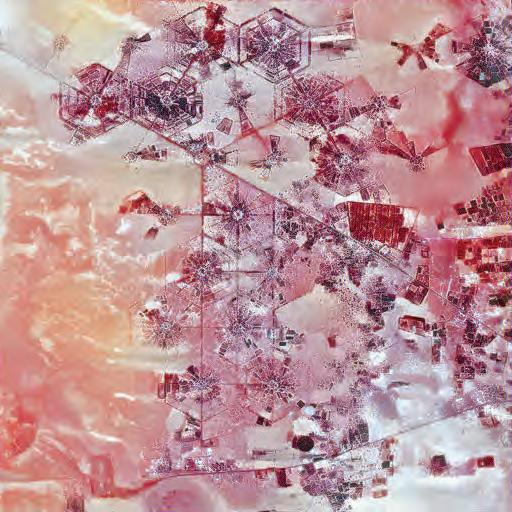
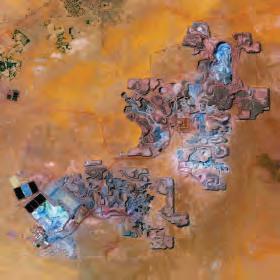
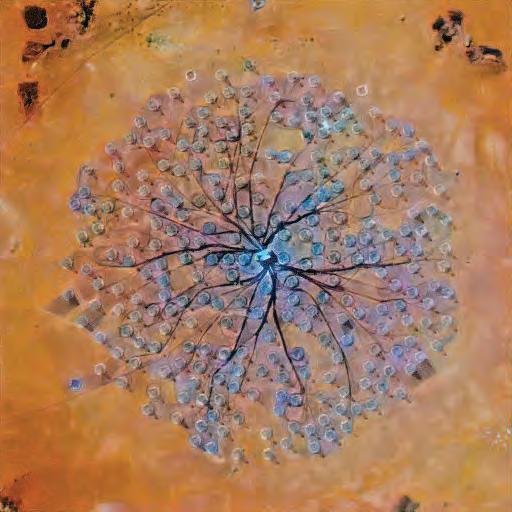
LESSONS FROM MARS
THE SPECULATION
As we grow, our populations soar, and our cities are pushed to their limits, their webs of transportation networks encase continents and we farther our opposition to nature. Intensifying environmental threats and social uproar call into question the motives and limits of our cities, requiring a radical redefining of the city condition.
Our perception of place is shaped by our experiences or interaction with people and things.
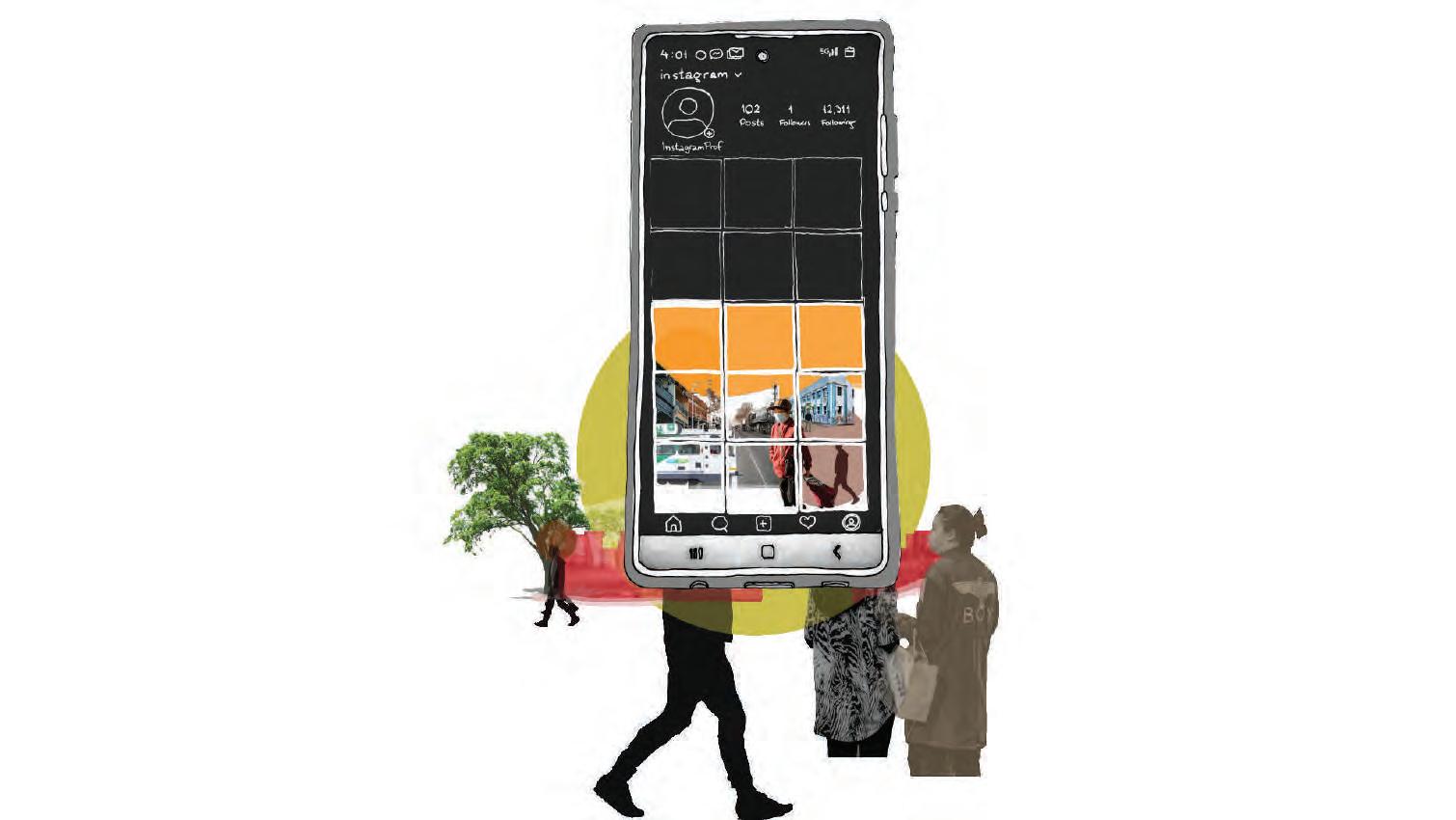
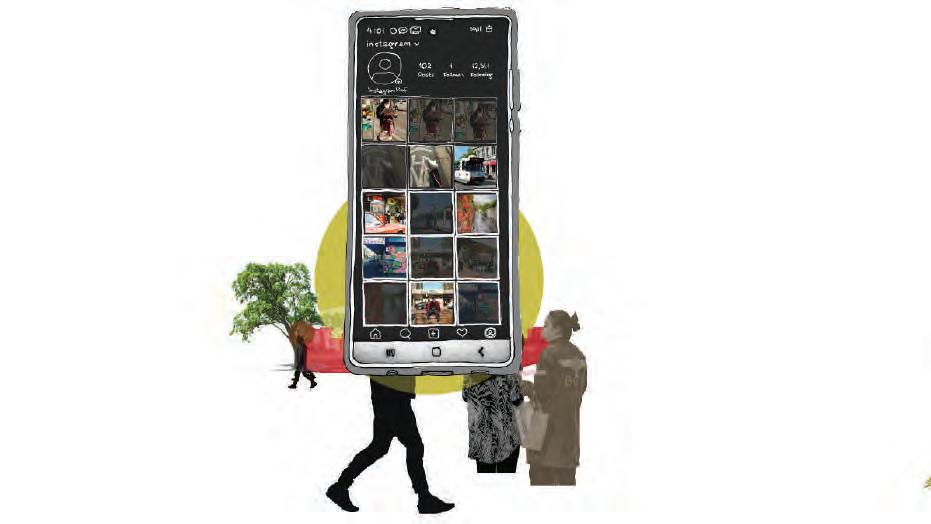
Social media is a lens that helps us to examine our bias of how we, to some extent, inevitably illustrate our our participation or awareness of the real world.
attempt to reclaim the experience of reality.
This analysis is specific to the 21st century working class citizen and is defined through the metric of likes, establishing the collective value of Richmond.
The determination of the perception of Richmond is a diminished experience of reality with the decline in imagination or inadequate reclamation through social action.
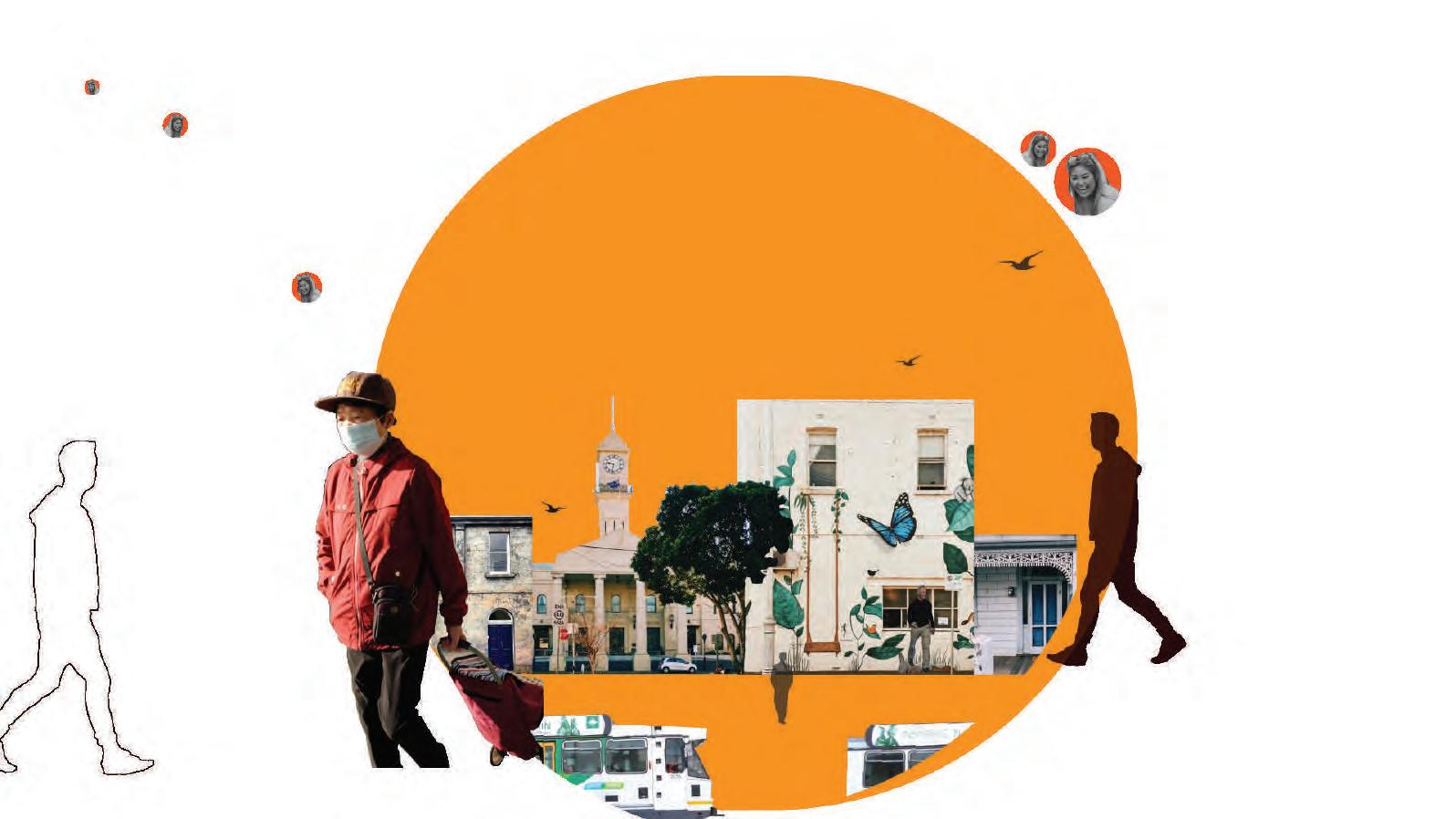
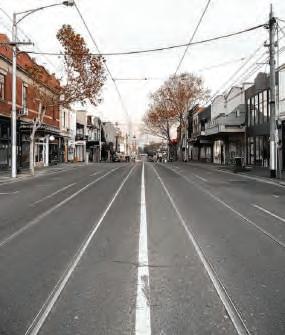
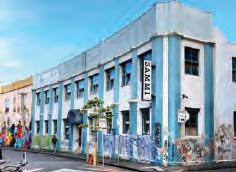
We can question how bias has and is shaping the socio-cultural identity of Richmond.
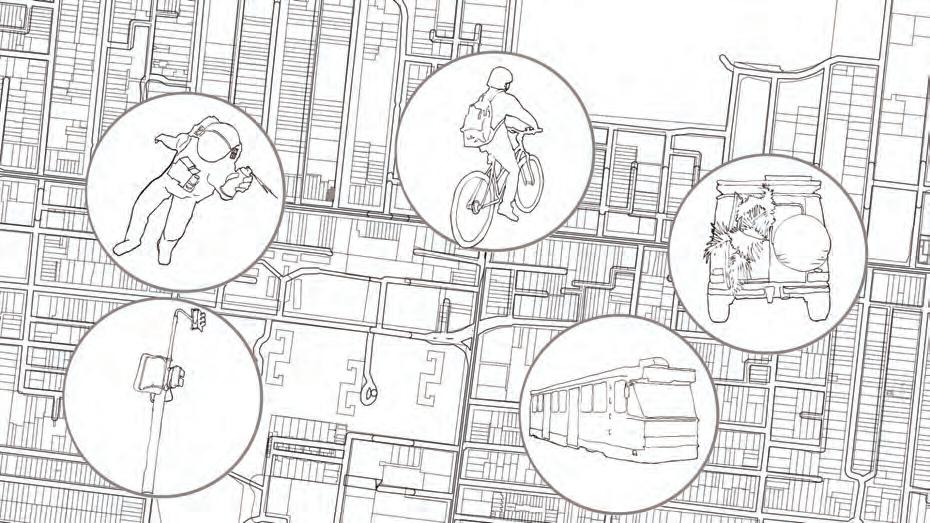
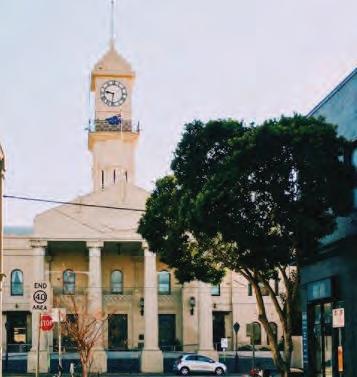
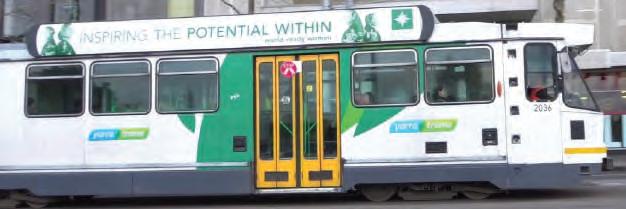
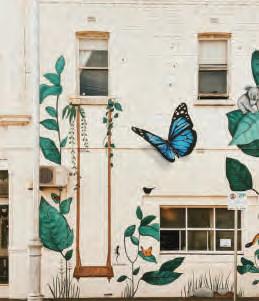
‘TAP IT IN RICHMOND’: A communicated experience in Richmond
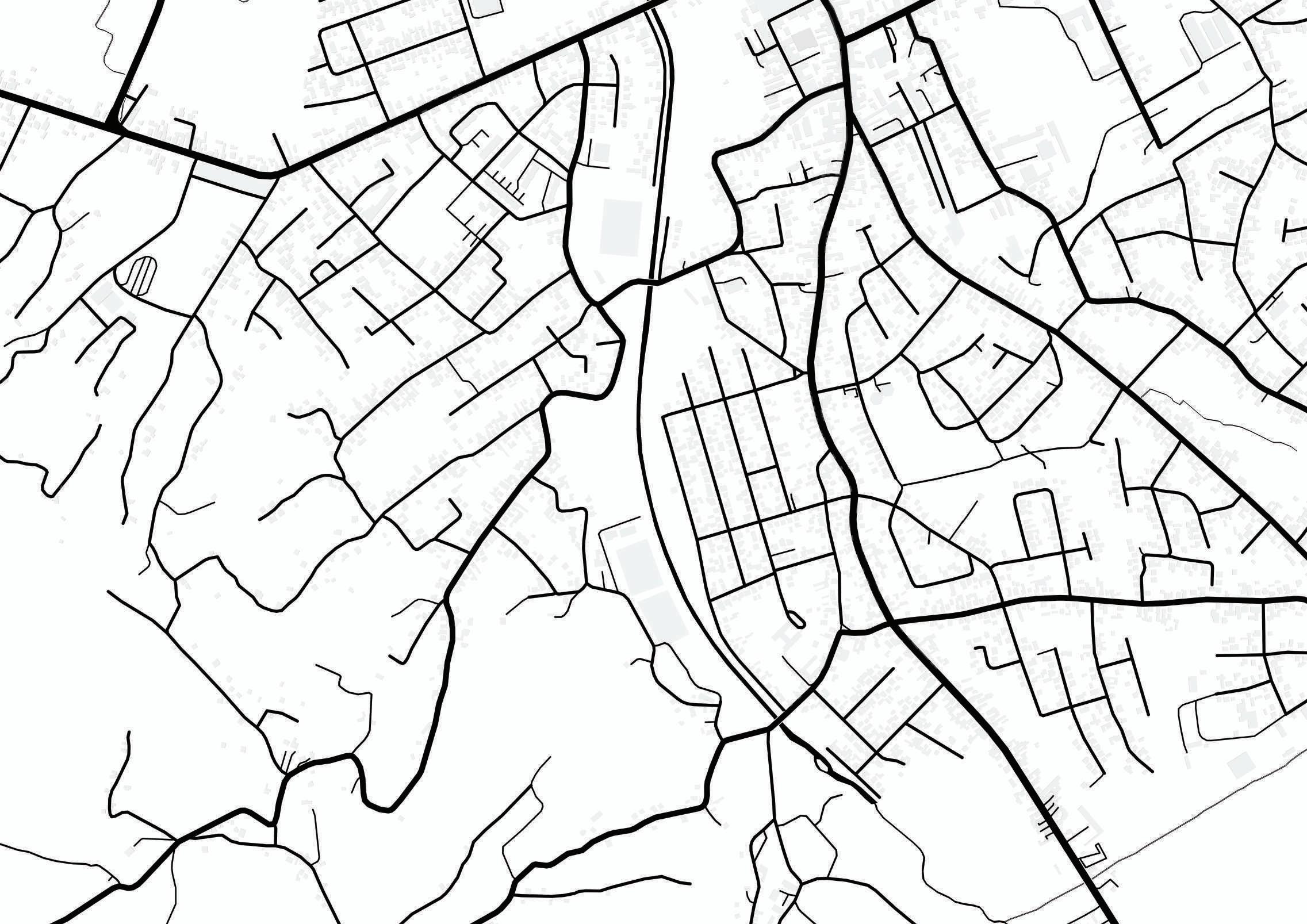
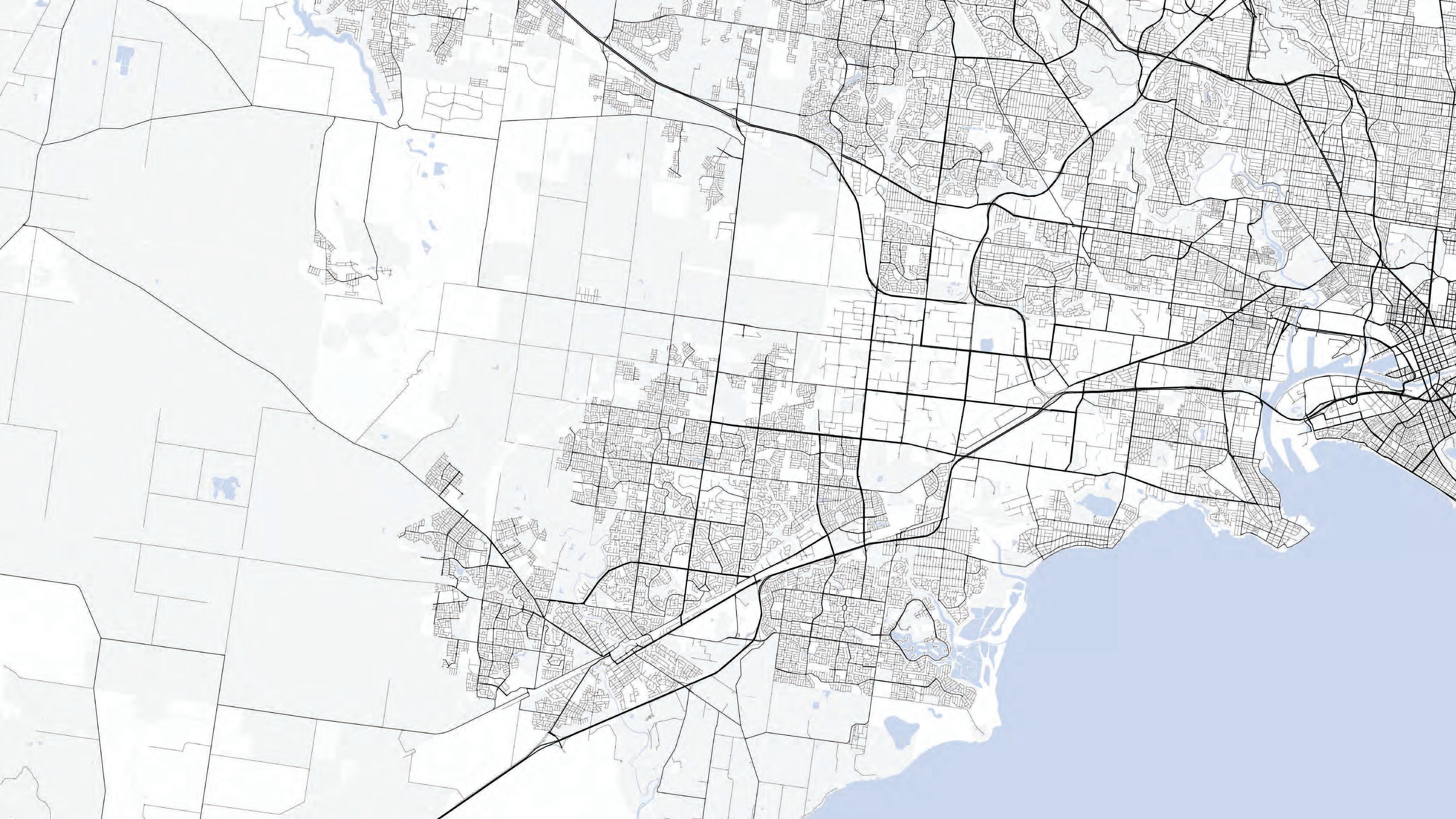
An observational experience developed with the mapping of Richmond, not only as a pyhsical place, but as a way to understand the encounters in the public realm or the interactions in solitude.
‘TAP IT IN RICHMOND’: A communicated experience in Richmond
An observational experience developed with the mapping of Richmond, not only as a pyhsical place, but as a way to understand the encounters in the public realm or the interactions in solitude.
The urban fabric is lined wtih meeting places, porous walls and dead edges. An interaction is negotiated from the use of a phone. The online presence demands attention, and the encounters of those receiving opinions and preferences which contributes to the perception of the whole. Identity is created through social media, an agent that shapes the idea of Richmond.
The urban fabric is lined wtih meeting places, porous walls and dead edges. An interaction is negotiated from the use of a phone. The online presence demands attention, and the encounters of those receiving opinions and preferences which contributes to the perception of the whole. Identity is created through social media, an agent that shapes the idea of Richmond.