april/may 2026
kcsjcatholic.org


april/may 2026
kcsjcatholic.org
Two decades of accountability are transforming
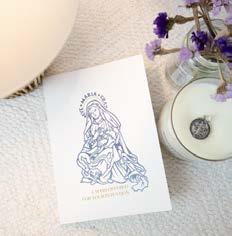
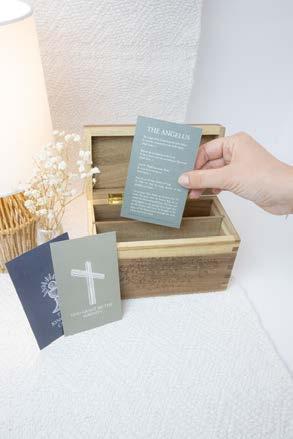

Did you know that you can find everything you need for your Catholic liturgical living at Conception Abbey—right here in your Diocese of Kansas City-St. Joseph? Start shopping at Altar + Home!
Greeting cards
Mass Intention cards
Prayer cards
Home + Lifestyle
Candles
Rosaries
Crucifixes
Icons
Sacrament gifts
Prayer journals
Bibles + Books
Granola + Biscotti
Follow us on Facebook and Instagram!
NEW




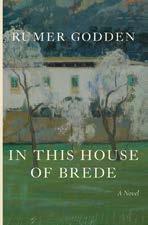
Br. Francis Todd, OSB, appreciates the way authors can move the human heart, and it is in these movements of the heart that he turns to prayer and encounters Christ. He prays this collection brings you a sense of comfort and peace and allows you to encounter the Lord by and through what you read. Purchase SB6 online!
The magazine of the Catholic Diocese of Kansas City-St. Joseph
April/May 2026 VOL. 6 | ISSUE 3
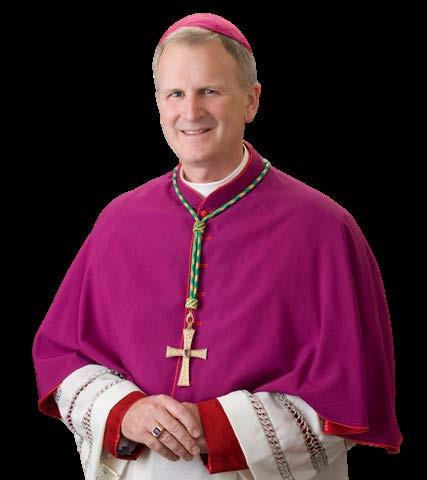
Bishop James V. Johnston, Jr. PUBLISHER
Ashlie Hand EDITOR
12
4
On the Way: Threats to human dignity in Missouri | Bishop James Johnston
The issues of immigration and protection of women and their unborn children highlight the current plight of vulnerable people in Missouri.
8 The knock at the door | Molly Moran
The day that I gave my life to the Lord was when I felt like I truly was where I was meant to be.
10 A Church for everyone | Quinn McCullough
28
Formed by Catholic education, driven to seek excellence: Q&A with Nathan Crankfield | Allison Vrooman
Growing up amid chaos and uncertainty of life at home, Nathan Crankfield took refuge in faith through his Catholic school. He is the guest speaker for this year’s 17th annual School Bell Breakfast, supporting the Bright Futures Fund.
32 A community renewed: St. Margaret of Scotland Parish | Allison Vrooman
Janna Stellwag GRAPHIC DESIGNER
To submit story ideas and news, send emails to hand@diocesekcsj.org
Catholic Key (ISSN 2769-2353, USPS 024-190) is a membership publication of the Diocese of Kansas City-St. Joseph, published bimonthly (Feb/Mar, Apr/May, Jun/Jul, Aug/Sep, Oct/Nov, Dec/Jan) by the Diocese of Kansas City-St. Joseph, The Catholic Center, 20 W. Ninth St., Kansas City, MO 64105. Periodicals Postage Paid at Kansas City, MO and at additional mailing offices. POSTMASTER: Send address changes to Catholic Key, The Catholic Center, 20 W. Ninth St., Kansas City, MO 64105. ©2026 Catholic Key, Diocese of Kansas City-St. Joseph.
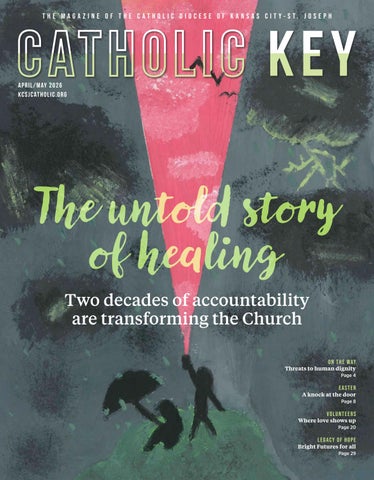
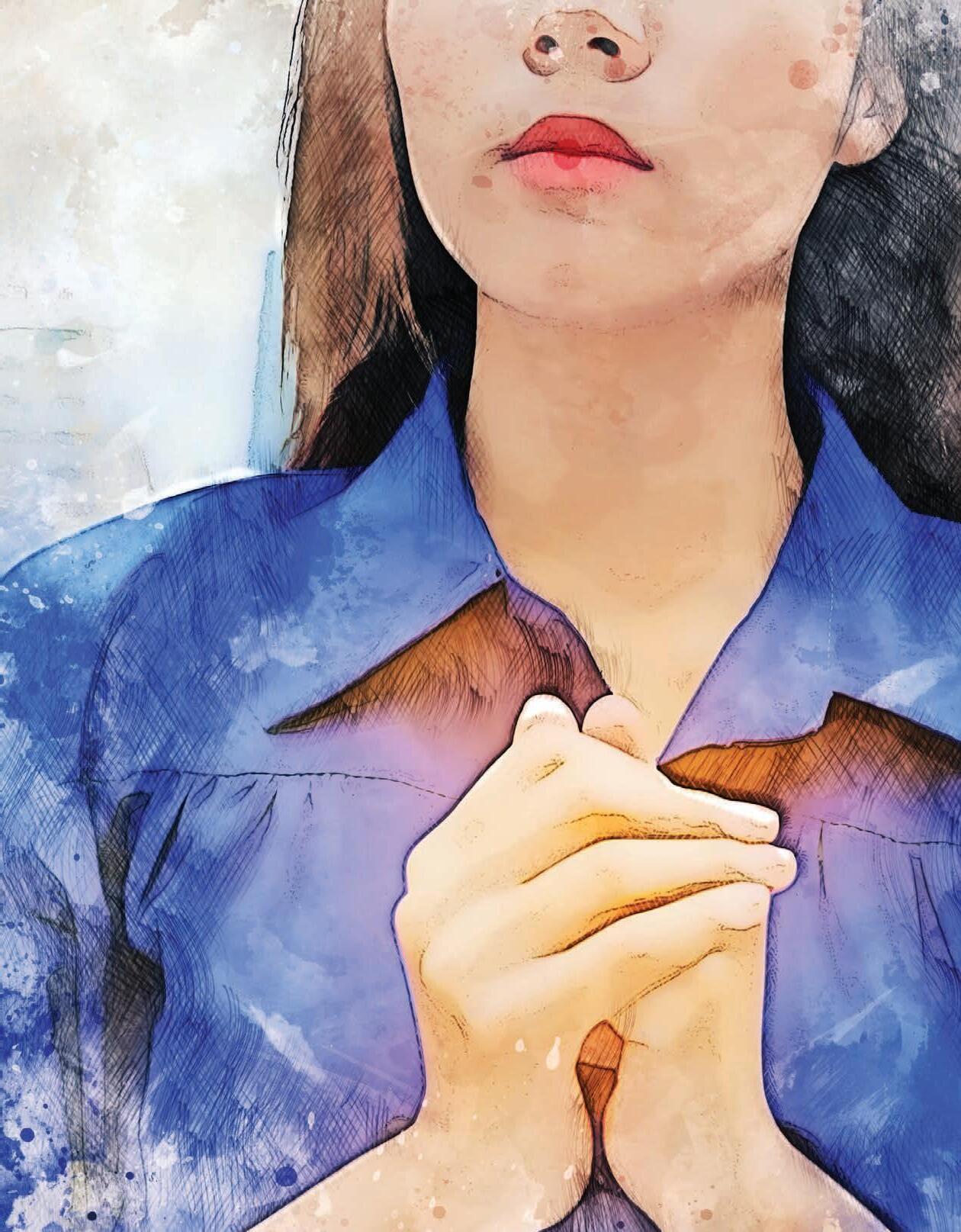
On the cover: Painting by Victoria, age 11, St. Regis Academy. The image symbolizes the vision of light/hope — that everyone can find their light. Courtesy of the Office of Child and Youth Protection.

Ashlie Hand leads the Office of Communications for the Diocese of Kansas City–St. Joseph.
STORY
The untold story of healing: Two decades of accountability are transforming the Church | Karen Ridder
It has been more than 20 years since the U.S. Conference of Catholic Bishops (USCCB) first presented the Charter for the Protection of Children and Young People. The document created standards for how sexual abuse allegations involving minors and priests or deacons should be handled across the country. Research shows the efforts initiated by the USCCB Charter and essential norms are having a measurable impact within the Catholic community in this country. The Diocese of Kansas City–St. Joseph has been intentional about establishing a deeply rooted culture of prevention and healing, built on renewed trust and accountability.
Missouri was the genesis for creating the National Catholic Partnership on Disability to advance the full and meaningful participation of persons with disabilities.
11
A nation under his heart | Marty Denzer
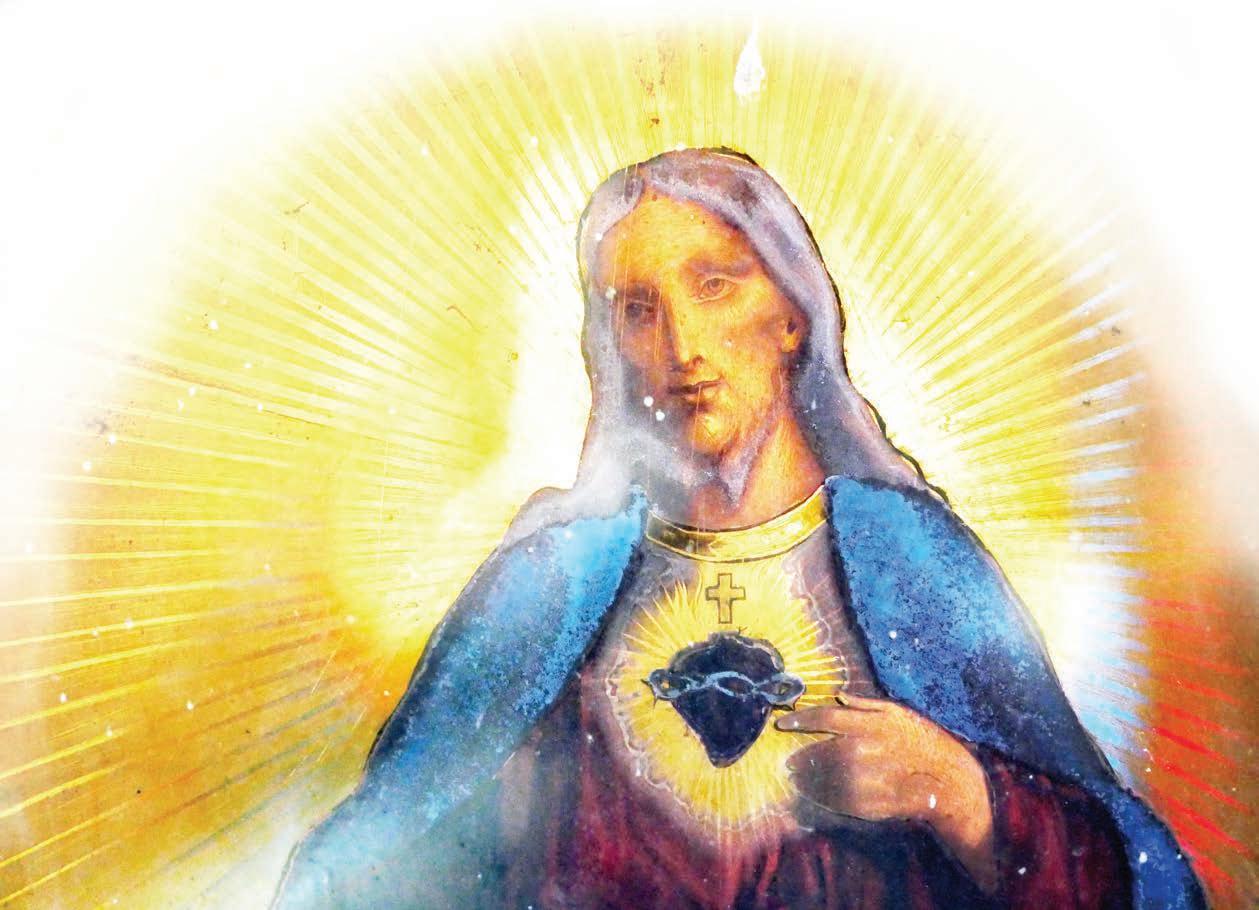
The U.S. Conference of Catholic Bishops will consecrate the United States to the Sacred Heart of Jesus in June, as we prepare to celebrate the 250th anniversary of the signing of the Declaration of Independence commencing on July 4, 2026.
20 To Serve and Lift | Where love shows up | Ashley Everett April is Volunteer Awareness Month, and as a Catholic mom working inside the mission of Catholic Charities of Kansas City–St. Joseph, I see every day how volunteers are the heartbeat of this ministry.

Karen Ridder is a Catholic journalist, wife and mother of four in Liberty. Allison Vrooman is the communications specialist for the Diocese of Kansas City–St. Joseph.
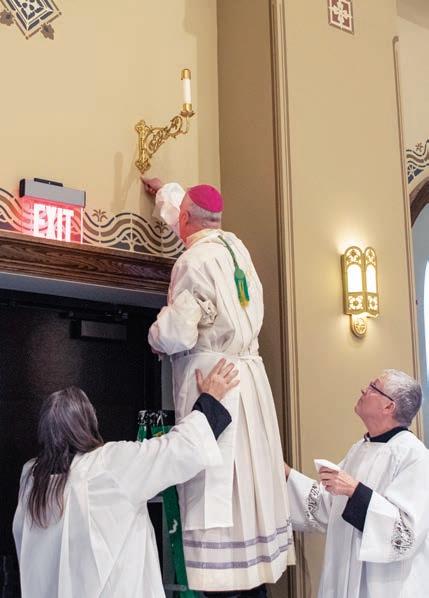
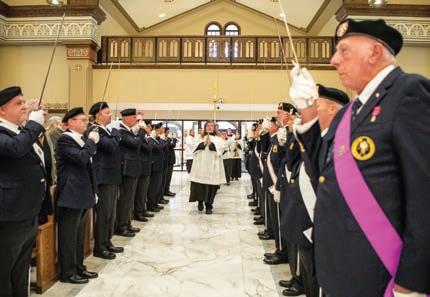
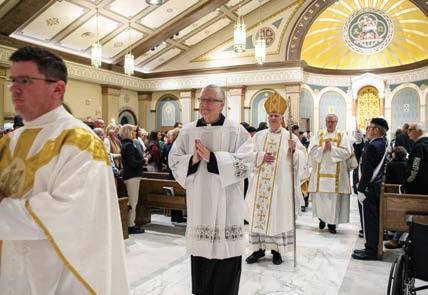
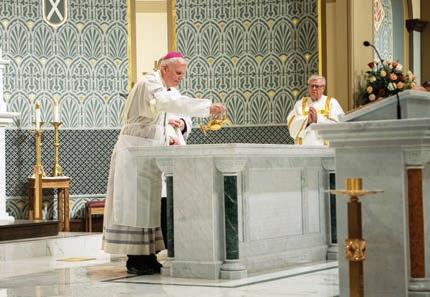
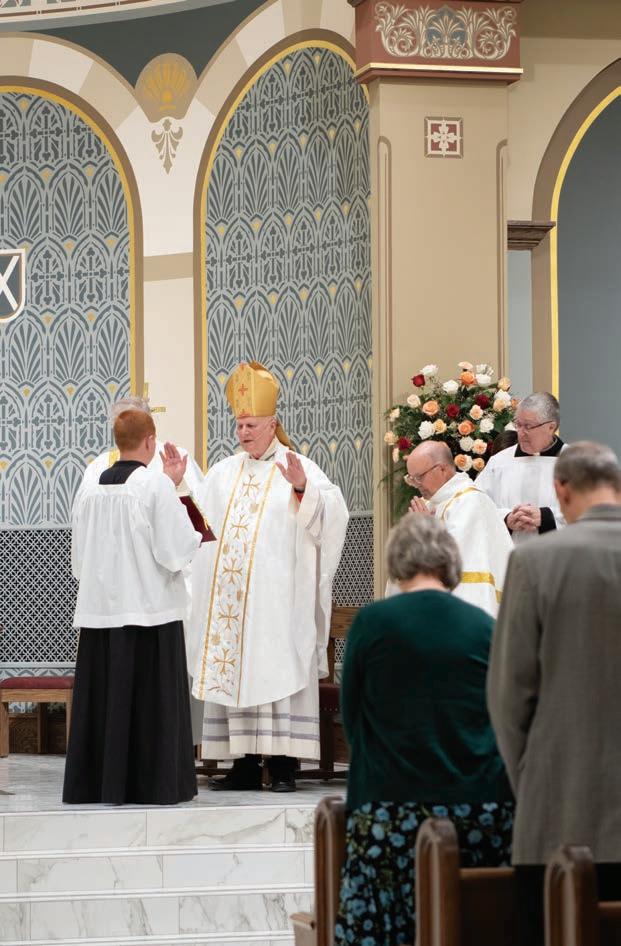
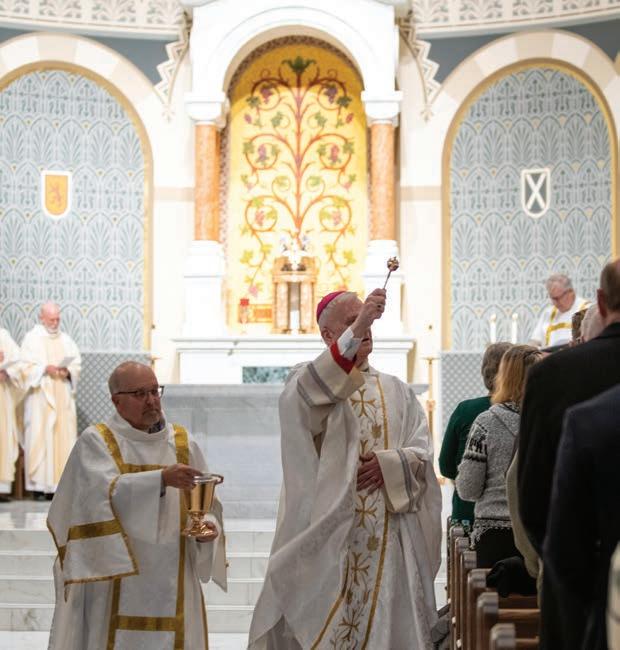
The newly renovated St. Margaret of Scotland Catholic Church in Lee’s Summit was blessed and dedicated by Bishop James Johnston on Jan. 24, 2026.
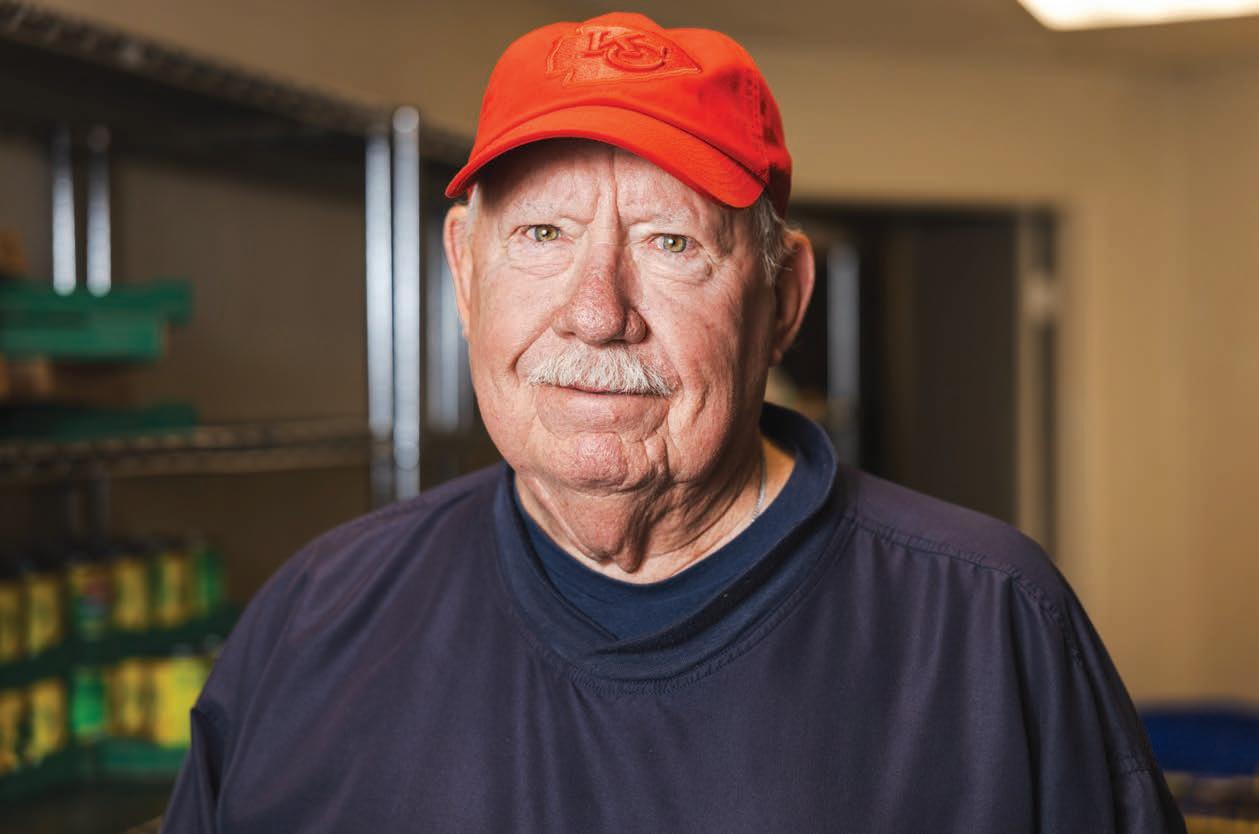
34 Volunteer Spotlight | Leading with prayer and a pickup truck | Sara Kraft Bill Carr, volunteer at Cathedral of St. Joseph Food Pantry, is known as “Captain Reliable,” serving three times a week fulfilling the mission to feed the hungry.
En Español
25
La Temporada de Confirmaciones y el Futuro de la Iglesia | Por Leyden Rovelo-Krull
26 En el Camino | Amenazas a la dignidad humana en Missouri | Por Obispo Johnston
Marty Denzer is a long-time writer in residence for the Catholic Key.

Sara Kraft is a freelance writer in St. Joseph.
on the way
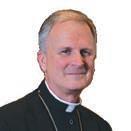
TTwo issues highlight the current plight of vulnerable people in Missouri. The first is illustrated by a recent conversation I had with a man originally from Mexico who has lived in Kansas City for several decades. He raised a family, has worked and paid taxes for all those years and has been active in his parish. I was surprised to learn that while he initially came to the United States on a legal visa, he was not granted permission to stay beyond the set time and has been living here ever since without legal status. Understandably, he and his family are concerned about his future.
I thought of his situation as a good illustration of the complexity of the plight of many people. Because of the political intransigence in both parties around the topic of immigration, otherwise law-abiding people who work hard, love our country and contribute to their churches and the greater community are in a kind of limbo. Prudence would dictate that such persons not be treated in the same fashion as those here illegally smuggling fentanyl or committing violent crimes. The state has as one of its primary duties the protection of its citizens, which include secure borders and the apprehension of criminals. But along with that, justice points to a proportionate response in those cases of people here peacefully seeking a better life and security to raise a family.
At a time when there is strife around this issue, it is important that the Christian faithful understand the moral dimensions articulated in our rich tradition of Catholic moral and social teaching, so that we can contribute constructively to the common good and not get swept up in the polarized positions that we often see. It is possible to justly address both a secure and safe country and address the hardship of people and families who are seeking greater stability.
It is interesting to hear from time to time that a president has pardoned a person convicted of a crime or commuted the sentence. These often involve famous people like political figures or star athletes and some of their crimes were quite serious. I wonder if such clemency might be offered to those like the man who shared his struggles with me. Not necessarily that he would be granted full citizenship, but that he be granted a pathway forward while continuing to contribute to strengthening the fabric of our nation through his faith, his charity, his hard work and his patriotism.
The other segment of vulnerable people are women who experience crisis with a pregnancy and the babies they carry. Two years ago, Missouri narrowly passed an amendment to the state constitution that removed virtually all regulations around abortion, including medical safety requirements and a woman’s legal recourse when an abortion harms or kills the woman due to incompetence or negligence.
Later this year, Missourians will have a chance to remedy these flaws by approving a new Amendment 3. And while passing Amendment 3 will not eliminate abortion in Missouri, it will at least restore some common-sense regulation which will afford safety and protection to women and more children.
Let us be both prayerful and engaged on all the issues that relate to human dignity in Missouri, especially these that are so immediate.



By Marc Cardaronella
world which will groan and travail.” (671) Before that time, when every tear is wiped away and death is no more, evil is something we must deal with.
This is why we must resist two temptations. The first is despair. We see evil and conclude that goodness is fragile, that faith is naïve, that prayer is useless. But despair forgets the Resurrection. It forgets that we know how the story ends. Evil is loud, but it is not ultimate. The second temptation is escape. To hide. To withdraw into private piety and ignore the suffering in front of us. But the same Lord who guarantees a future kingdom commands us to seek justice now. To protect the vulnerable. To tell the truth. To act.
OOpen the Catechism and you’ll find a striking line. “Though already present in his Church, Christ’s reign is nevertheless yet to be fulfilled ‘with power and great glory’ … This reign is still under attack by the evil powers, even though they have been defeated definitively by Christ’s Passover.” (671) Christ reigns. He has already won. And yet his reign is not yet finished in glory.
Already. Not yet. That tension can feel unbearable. We look at the news. We read about corruption, violence, exploitation and the abuse of innocents. Recent revelations about powerful figures harming minors and vulnerable adults leave us sick at heart. We ask the question almost against our will: If Jesus has conquered sin and death, why does evil still seem so strong? Where is his victory? It can feel, at times, as though Christ has no power at all.
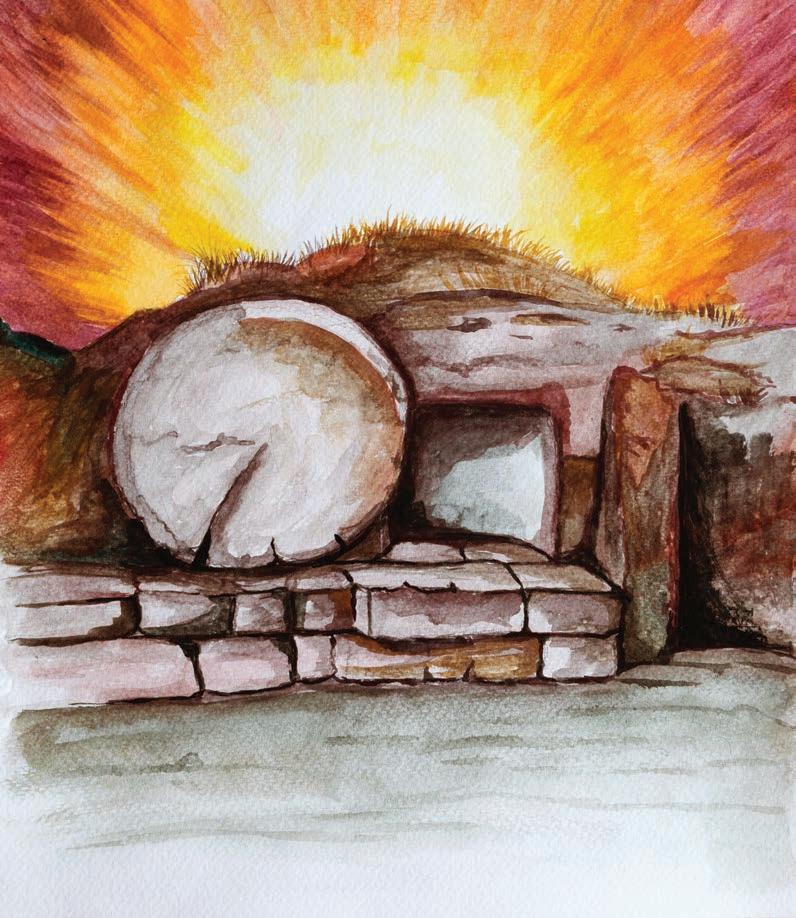
But that is not the truth. It is the pain of the “not yet.” On Calvary, Jesus defeated sin. In the Resurrection, he broke the power of death and opened the path to new life. The decisive battle has been won. The empty tomb is not a metaphor. It is a fact. The victory is his. And yet evil still lashes out.
Think of the closing months of World War II. The outcome was no longer in doubt. The Allied victory was certain. But fighting continued. People still suffered.
The defeated regime still inflicted harm, even in its final throes. The Allies won the war, but there was still work to do. So it is with Christ’s kingdom. Sin still abounds because freedom is still real. Therefore, the devil can still rage even though his time is short. Christ reigns. But he does not yet reign in the way he will at the end of time. The Catechism further states, “Until everything is subject to him … the pilgrim Church … carries the mark of this
Already. Not yet. We live between victory and fulfillment. So what do we do? We keep our eyes on Christ. Not on headlines alone. Not on the tyranny of the present moment. On Christ. We pray. We receive the sacraments. We form our consciences. We do the next right thing. We stand with victims. We refuse to cooperate with lies. We build families, parishes and communities that reflect the kingdom already planted among us. Every confession, every Eucharist, every quiet choice for integrity pushes back the dark. The kingdom is here. But it is not yet complete. One day, Christ’s reign will be unmistakable. Evil will be no more. Until then, we do not lose heart. The battle still rages, so we still fight. But the victory is certain – and that makes all the difference.

Marc Cardaronella is the director of the Office of Catechesis and Faith Formation.

By Molly Moran | Photos by Michael Hogan
The day that I gave my life to the Lord was when I felt like I truly was where I was meant to be. I came from public school. Religion was never an aspect of school that was taught and neither of my parents were really religious, so I found the Faith by myself, or so it felt. Little did I know that God has been with me every step of the way: the highs, the lows, in happiness, in sadness and everything in between. While you might not hear God’s voice in your life, he does great wonders beyond our incapable human minds.
A favorite parable of mine that we went over in class was John 4. God seeks the Samaritan woman, who was “unclean” and maybe in some eyes not worthy of the Messiah. But God didn’t care about her appearance or her history and asked her for water. This highlights God’s limitless love and need for us in his life. He continues to knock at our hearts in hope and desperation that we open ourselves to him. I felt specifically touched by God in my life when I felt his call to transfer to St. Pius. My first day of school was the day that the bishop came and celebrated Mass. As someone who had never attended Mass before, it was intimidating, yet beautiful. Questions began filling my head “Why is smoke being shaken all over the altar?” or “What is that
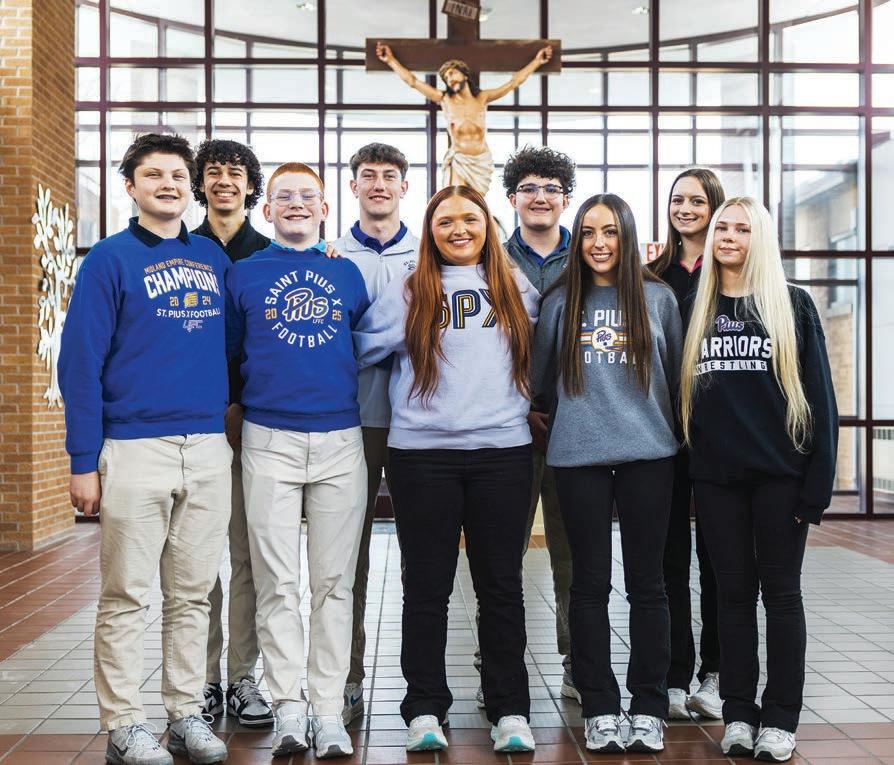
Nine students attending St. Pius X High School will enter into full communion with the Catholic Church this Easter. From left to right: James May, Holden Johnson, Jackson Cypert, Jake Nichols, Pressli Henson, Beckett Chenoweth, Madelyn Collignon, Molly Moran and Lila Taylor-Becker.
BEING GRANTED THE OPPORTUNITY TO RECEIVE THE EUCHARIST IN THE PROPER WAY UNITES ME AND GOD, HELPING ME TO REMEMBER HIS SACRIFICE AND LOVE THAT HE HOLDS FOR ME.”
boy from my math class doing in that silly outfit?” The questions only began here; they continued to come. I began researching the Catholic Faith and it lined up well with my beliefs. I watched last year’s OCIA class follow through with their Baptism and Confirmation and felt very inspired to do the same. This past summer, I had great older friends who helped guide me through finding what God wanted me to do. We had meaningful conversations, not a single one forcing me into Catholicism. I love the original tradition of the Church and the fact that Jesus Christ is the founder and no one else.
While there are many aspects that I look forward to, the Eucharist — the Body and Blood of Christ — is what I most look forward to. That might be a common answer for someone converting, but it resembles something very personal to me. Being granted the opportunity to receive the Eucharist in the proper way unites me and God, helping me to remember his sacrifice and love that he holds for me. The perfect host not only connects me to the Lord but to my Church community sharing the feeling of worshiping. I am so excited to enter the Church, and I am counting down the days to when I feel fully one with God!
By Ashlie Hand
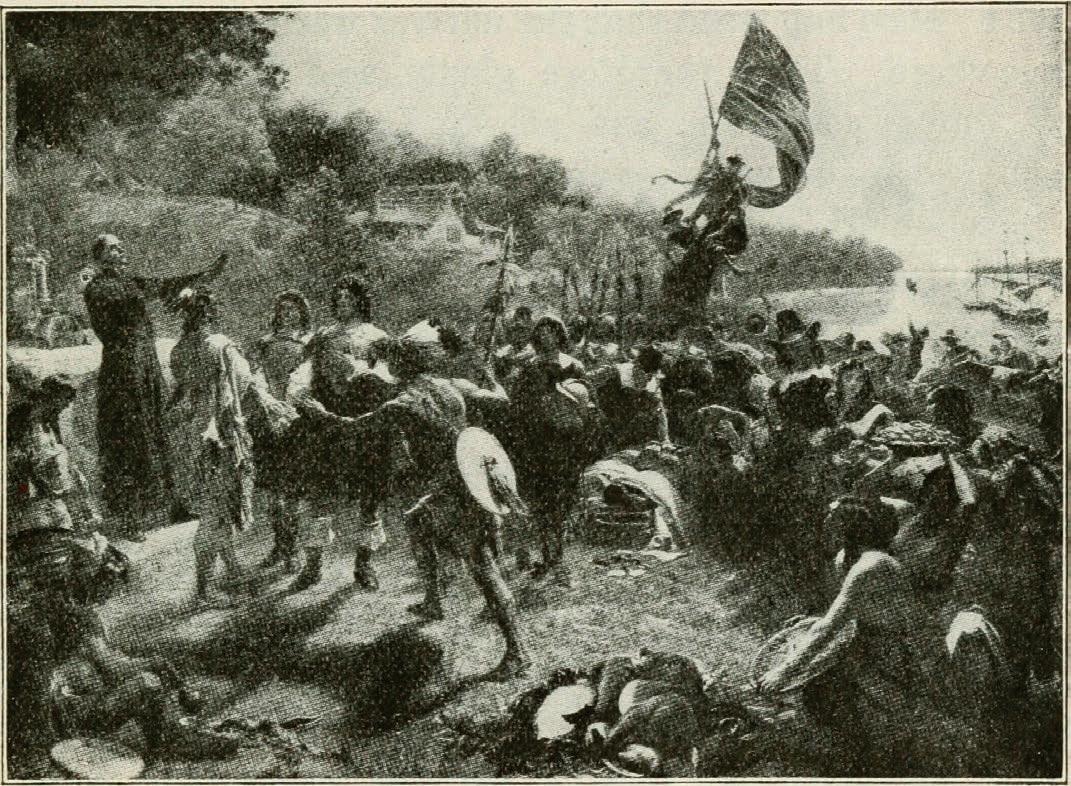
On a warm, muggy morning in 1565, a Franciscan priest stirred awake in his barbacoa bed, blinking in the narrow shafts of sunlight piercing the palm-thatch roof of his hut. It was his first morning in the newly established military outpost that would one day be known as St. Augustine, Florida. He was among the first missionaries to come to the North American mainland and would establish what is now the oldest continuous Catholic presence in the U.S.
This year marks the 100th anniversary of World Mission Day, which falls on Oct. 18, and carries the theme of “One in Christ, united in mission.” In Pope Leo XIV’s Jan. 25, 2026, message, he said, “Following the Jubilee Year, I wish to encourage the whole Church to continue its missionary journey with joy and zeal in the Holy Spirit. This requires hearts united in Christ, reconciled communities and, in everyone, a willingness to cooperate with generosity and trust.”
The Diocese of Kansas City–St. Joseph would not exist today if not for the Jesuit missionary priests who served the Catholic settlers in our area. It would be more than 300 years after the settlement of St. Augustine
before the Faith came to western Missouri. Led primarily by French-Canadian fur traders, pockets of Catholic families began to settle in what is now Westport, Liberty, Independence and St. Joseph. Jesuit missionaries
This requires hearts united in Christ, reconciled communities and, in everyone, a willingness to cooperate with generosity and trust.”
— Pope Leo XIV, in his message for World Mission Day
LEARN MORE at pontificalmissions.org.
arrived in the early 19th century, bringing the Gospel to the indigenous Kansa, Missouri, Shawnee and Osage tribes. As they travelled back and forth from their Indian mission, they would stop at settlements along the way to give the sacraments to the white settlers in what is now Kansas City and St. Joseph.
Today, there are approximately 96,000 priests and 192,000 religious sisters serving in the 1,132 officially designated "Mission Territories" (mostly in Africa and Asia) served by the Pontifical Mission Societies. In addition, these areas are served by 444,606 lay missionaries, and 2.8 million catechists passing on and teaching the Faith around the world.
By Quinn McCullough
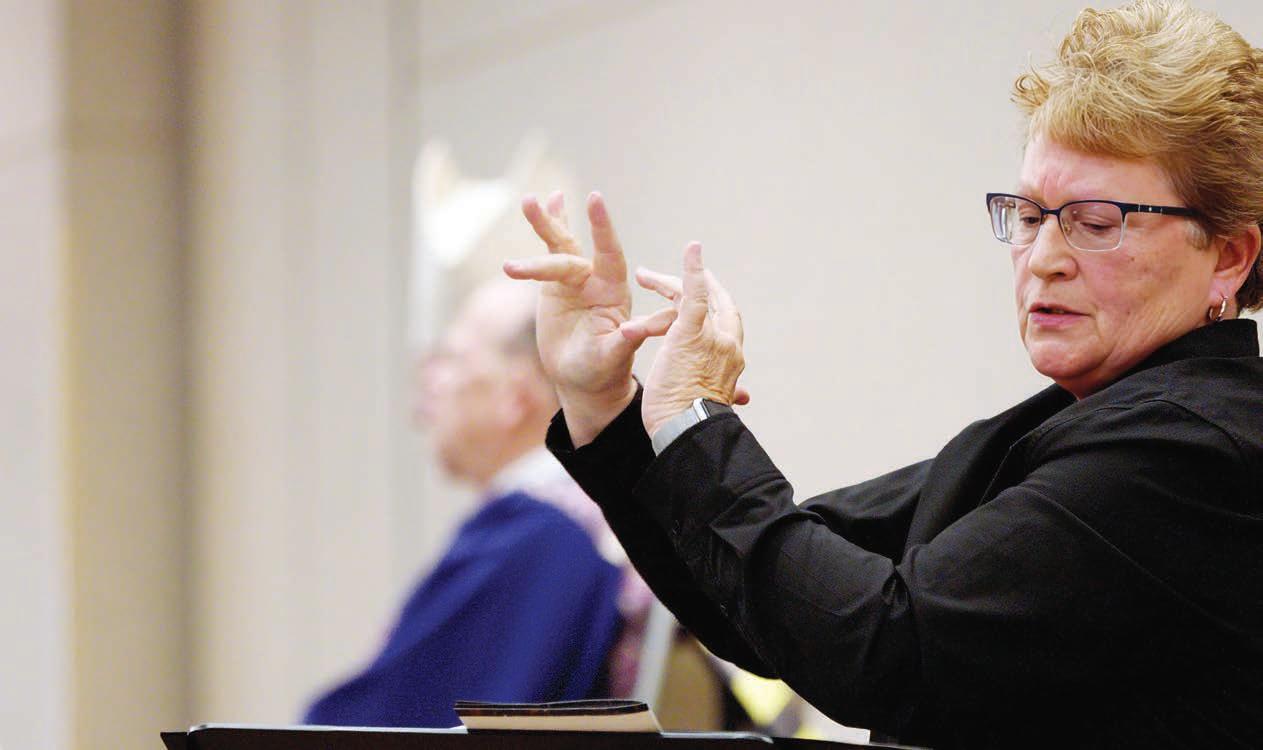
With more than one billion members worldwide, the Catholic Church is the largest denomination in the Christian Faith. The Church has always tried to be a universal faith community, even though for a long time it struggled with engaging people with disabilities.
Missouri was the genesis for creating the National Catholic Partnership on Disability (NCPD). There was a lack of resources necessary to help people with disabilities be more engaged with the Church's teachings. NCPD’s mission is to work with dioceses, parishes, ministers and the laity to advance the full and meaningful participation of persons with disabilities.
Small grass-roots movements were happening in some dioceses to reach out to disabled members, but unified changes to making the Church more accessible for people with disabilities wouldn’t come until the late 1970s, when the U.S. Conference of Catholic Bishops (USCCB) wrote a letter on the topic.
“The U.S. Bishops wrote a letter in 1978 making a statement on how churches needed to change to be more welcoming to people with disabilities since churches were not doing a great job of that,” said Elizabeth Potts, NCPD’s director of diocesan relations.
Locally, the NCPD’s efforts have benefited our diocese in many ways. Lisa Carollo, deaf and disabilities ministries coordinator for Catholic Charities of Kansas City–St. Joseph has been instrumental in furthering the Church’s accessibility. Part of Carollo’s work is deploying ASL (American Sign Language) interpreters who serve during Masses at St. Mark, St. Elizabeth, St. Peter and St. Thomas More Parishes.
There are also outreach events for the deaf community in our diocese. The Thompson’s Table, which occurs biannually, is a brunch or dinner bringing community together in celebration of the deaf in our diocese. Rhonda Scott, deaf services coordinator, and Becky Turner have provided outreach for the deaf by offering Mass interpretation, ASL classes and ASL interpretation at sacraments such as Baptisms and weddings.
Most recently, outreach has expanded into the area of mental health, with support offered by NCPD here locally. In 2021, the Association of Catholic Mental Health Ministers awarded our diocese a grant to start mental health ministries. In 2022, the diocese created the parish mental health ministry coordinator position.
It’s really hard to articulate how much NCPD has helped me in my ministry, and the NCPD is really the leader in the U.S. in empowering Catholic churches in the field of disability ministry,”
Carollo and others are gaining valuable insights from NCPD conferences and trainings to benefit our diocese. As part of serving on a committee for intellectual and developmental disabilities, Carollo was instrumental in developing the Sensory Friendly Adoration Guidebook, which is available on the NCPD website. This guidebook outlines ideas to help during Adoration, which is typically a time of quiet, to be accessible for individuals with sensory challenges.
“It’s really hard to articulate how much NCPD has helped me in my ministry, and the NCPD is really the leader in the U.S. in empowering Catholic churches in the field of disability ministry,” Carollo said.
By Marty Denzer
THE U.S. CONFERENCE OF CATHOLIC BISHOPS WILL CONSECRATE THE UNITED STATES TO THE SACRED HEART OF JESUS IN JUNE, AS WE PREPARE TO CELEBRATE THE 250TH ANNIVERSARY OF THE SIGNING OF THE DECLARATION OF INDEPENDENCE COMMENCING ON JULY 4, 2026.
The bishops will place our nation under the spiritual care of the Sacred Heart of Jesus, commemorating the semiquincentennial of the declaration’s signing and recognizing Christ’s kingship, on June 12, 2026, the Solemnity of the Sacred Heart. Rather than a multi-day celebration, the bishops will promote 250 hours of adoration and 250 works of mercy in parishes.
The event will align closely with the centennial of Pope Pius XI’s institution of the feast of Christ the King and his encouragement of the consecration of nations.
From the first visions of Saint Margaret Mary Alacoque to popes throughout the 19th and 20th centuries, acts of consecration to the Sacred Heart have touched the entire human race and the family.
This year’s national initiative is part of a wider-ranging celebration highlighting the Catholic Church’s contributions to the United States of America. Some helped shape the nation we know today: the colonization of what is now Florida and the founding of St. Augustine (1565) by the
Spanish explorer Admiral Pedro Mendez de Aviles, whose fleet sighted the Florida coastline on Aug. 28, the feast of St. Augustine of Hippo. Cecil Calvert, Lord Baltimore, received a British royal charter to found a colony as a haven for Catholics and, in 1634, St. Mary’s, Maryland’s first settlement, was established.
Those settlements opened the gate to religious tolerance. Charles Carroll was the sole Catholic signer of the Declaration of Independence, while two Catholics, Daniel Carroll and
Thomas Fitzsimmons, signed the U.S. Constitution.
Catholics established an extensive system of parochial education at all levels.
By 1900, more than 800 Catholic institutions were operating in the United States, providing services to young and old, the disabled and the sick. The Church backed the building of a widespread system of hospitals and charitable organizations, especially Catholic Charities, founded in 1910. Today’s Catholic Charities USA connects diverse Catholic charities and organizes a professional social services network.
For more than 250 years, Catholics have impacted the social structures of this nation. The Bishops’ national consecration to Jesus’ Sacred Heart will help foster its citizens’ closer relationship to Christ.
LEARN MORE at usccb.org/weholdthesetruths.

By Karen Ridder
Consistency. Compassion. These three words represent an untold story of the Catholic Church’s response to child abuse in the last two decades. It’s getting results and healing hearts.
It’s a story revealed, not only in data but in programs using compassion and education as a way to carry out two of Christ’s most important missions: protecting children and meeting the deepest needs of people.
It has been more than 20 years since the U.S. Conference of Catholic Bishops (USCCB) first presented the Charter for the Protection of Children and Young People. The document created standards for how sexual abuse allegations involving minors and priests or deacons should be handled across the country.
Adopted in 2002, the document has served as a guide since then for change and accountability. With three previous updates and a fourth review underway this year, efforts have changed and evolved over time, but the results are real. A culture of prevention and an attitude of accountability dominate the current Catholic Church in the United States from the ground up.
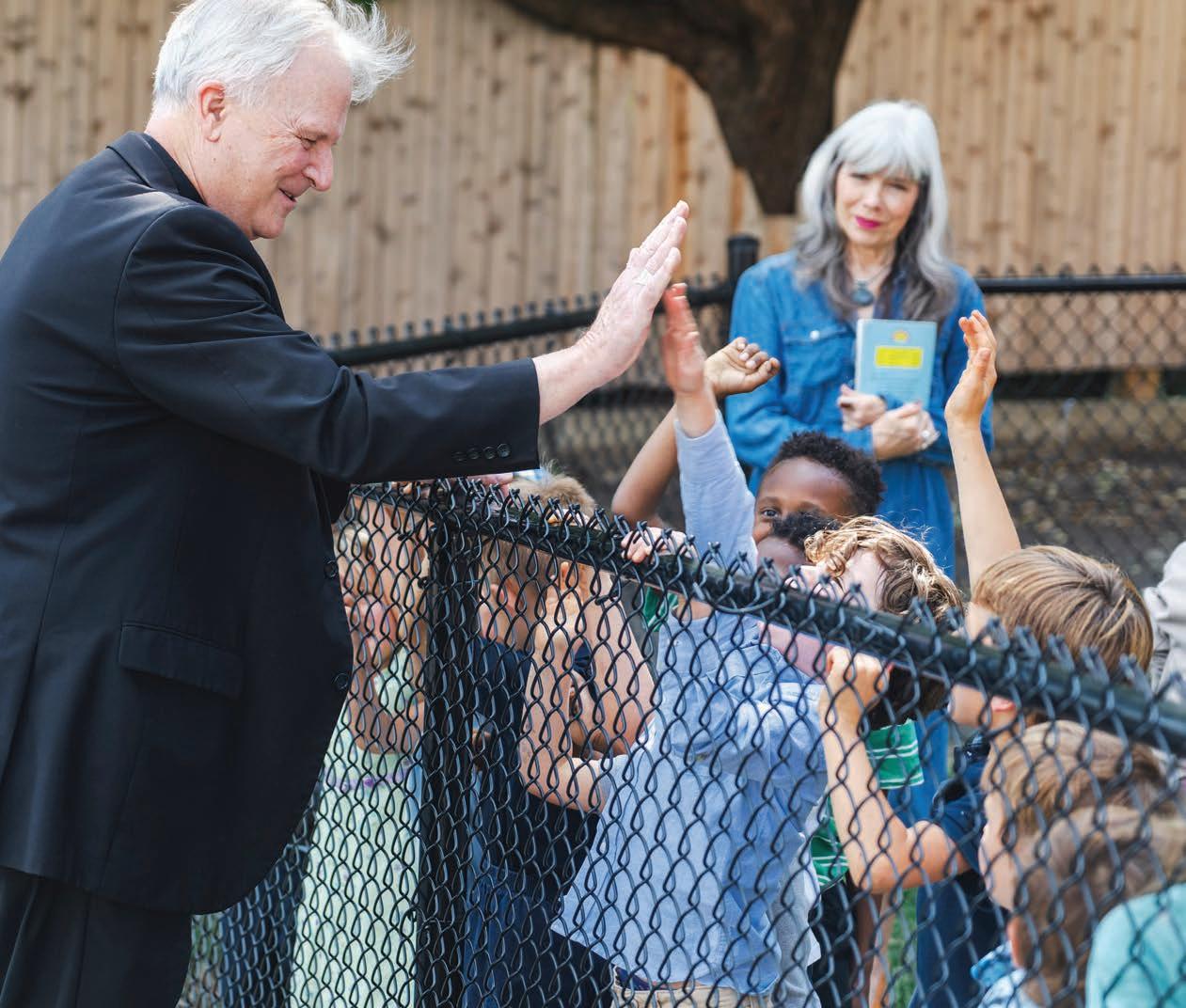
Bishop James Johnston says he has seen dramatic changes with regard to consistency and safe environments in the 17 years he has served as a bishop.
“There is a night and day difference between where we were, and where we are now. The Church places great resources and attention on forming everyone in the community to make this a priority and everyone has a role,” said Bishop Johnston.
Training has been a key element in changing the culture — not only with volunteers at the parish level and educators in schools, but also for all clergy.
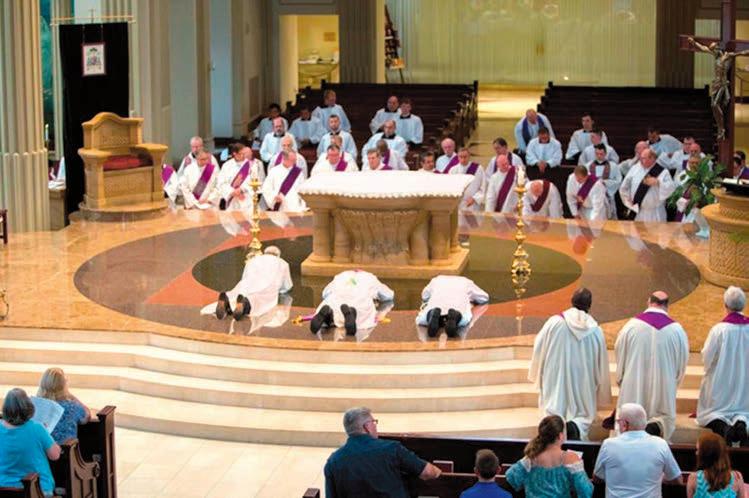
The USCCB Charter recognizes “the entire Catholic community in this country has suffered because of (the child sexual abuse) scandal and its consequences.” (p. 4) That includes the vast majority of Catholic priests who in honorably seeking to live out their mission have had to face an added “air of suspicion” over their ministry from the general public. One goal of the document was to renew confidence in the integrity of the vocation of the priesthood so people would be able to view priests again as people who give “life of service to others after the example of Christ.”
As such, the document has changed the formation of seminarians and younger priests. They now expect these standards as normal and expected — something Bishop Johnston believes will continue to have a tremendous positive influence going forward.
“This document has truly impacted the culture in the Church in some of the most profound ways I’ve seen in the history of our Church,” said Bishop Johnston.
Changes include clear policies to respond promptly to any allegations of sexual abuse against a minor. This includes review boards and procedures for how to handle clerics accused. Every diocese is also called upon to adhere to any civil laws involved.
The Catholic Church in the United States has become a high reliability organization with clear goals to protect children. The “high reliability” ideal came from places like hospitals, the military and the travel industry, which regularly succeed in maintaining safe environments despite high-risk situations. Bishop Johnston points out the plan also sets goals central to the message of the Gospel.
“This is rooted in basic Christianity. Jesus used some of his harshest language around those who would harm children or little ones and the innocent. Those entrusted with authority must use their authority to serve and I think the charter is connected to the gospel in this way,” said Bishop Johnston.
The Diocese of Kansas City–St. Joseph uses a multi-pronged approach involving standards and expectations for those involved in ministry and well-designed responses to allegations of incidents.
Destiny Jackson is the current director of the Office of Child and Youth Protection for the diocese. She says having clear expectations was a relief when she came on the job 18 months ago.
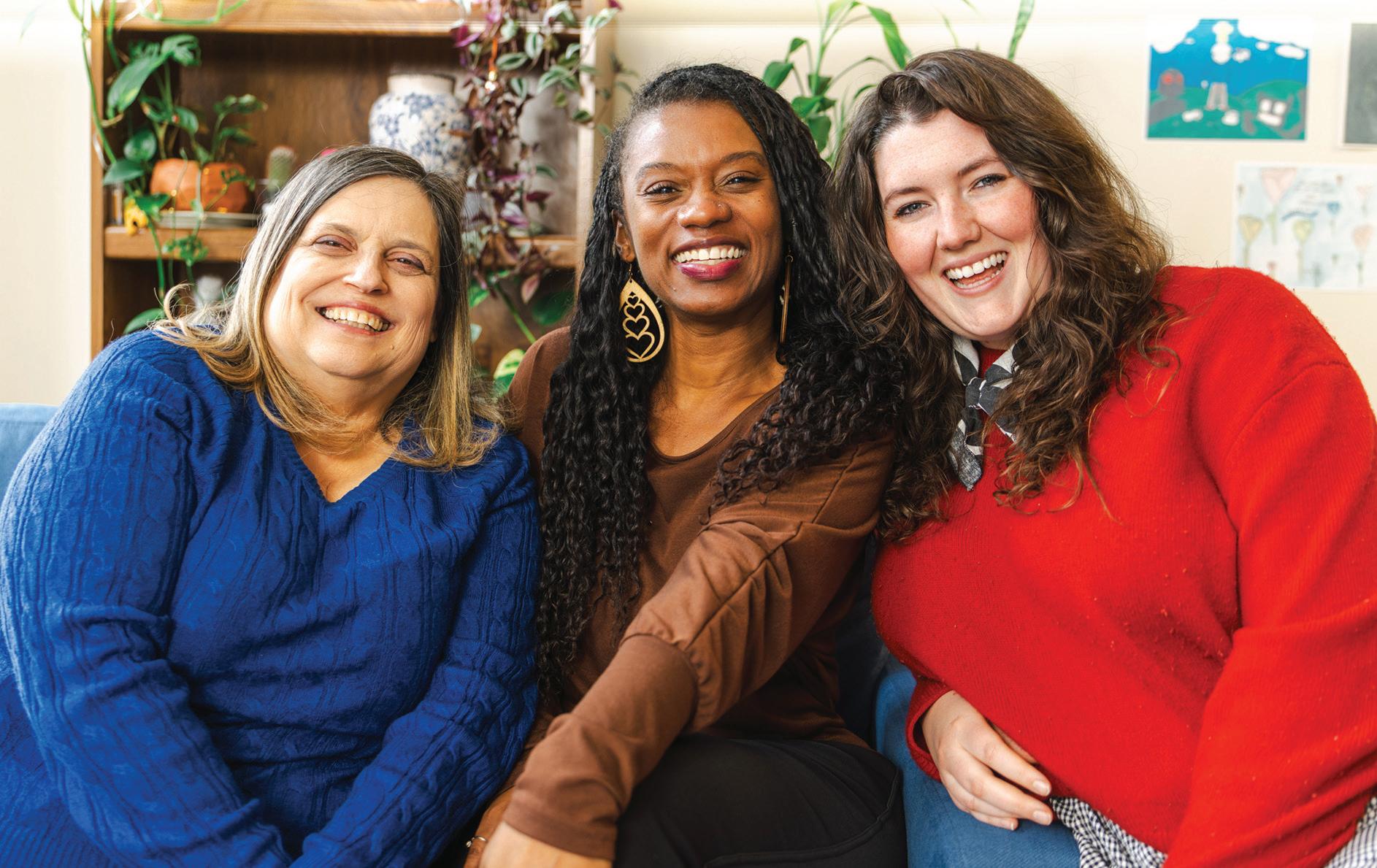
“It really is the guide of everything that we do. It leads our policies and our procedures. It’s our manual — referenced in every part of our work especially when we are speaking to people who might be challenged by a procedure. We reference the charter and the commitments we made,” said Jackson.
Jackson has been instrumental in broadening the answer to the call to help victims/ survivors heal. This holistic approach recognizes many victims/survivors are disconnected from the Catholic Church. In many situations, Catholic resources are not the first choice for healing.
“Trauma impacts each of us in a very different way. Sometimes, we forget a lot of people won’t feel like they can receive support in the environment where they have been hurt. That doesn’t mean there isn’t help available. We try to connect them to that help,” said Jackson.
Those connections include partnering with non-Catholic and even non-sectarian community social services to link victims to counseling or other services that might help.
Jackson says a lot of people are surprised her office offers this kind of a bridge to services. She has seen it open doors for healing in a new way — not only for survivors, but for their families as well.
Bishop Johnston says recognizing the pain the greater community experiences when a child is hurt by a clergy member is a very important part of the story, too.
“When someone is wounded, then other people who love them and are part of their life are also impacted, and the local church is also impacted,” said Bishop Johnston.
Jackson’s office has answered this concern by doing more outreach in schools, sharing information about resources, and the important cultural changes happening in the Church at the school and parish level. Jackson’s office also conducts audits to make sure people are comfortable and understand the expected standards.
“We have to make sure safe-guarding and Safe Environment are at the forefront of everyone’s brains and it doesn’t feel like a checklist,” said Jackson.

Research shows all of these efforts initiated by the USCCB Charter are having a measurable impact within the Catholic community in this country.
Reported allegations of the sexual abuse of a minor by a priest or deacon have dropped dramatically in the last five years*. From 2020 to 2024, the U.S. experienced a nearly 80 percent reduction in reported instances. In 2020, the total number of allegations received throughout the country was 4,250. In 2024, (the last year for reported data) that number dropped to 902. Only 26 of those allegations involved current-year minors. (The Offices of Child and Youth Protection often take
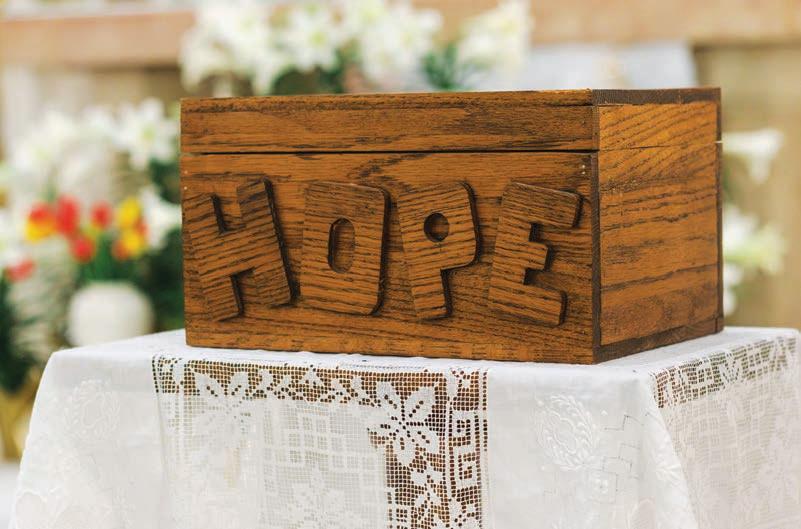
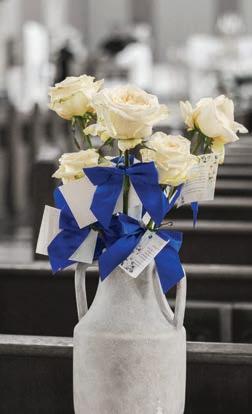
On April 27, the diocese is marking its annual day of Prayer in Atonement for those Harmed by Sexual Abuse. Participate by wearing blue in support of survivors and attending daily Mass at a local parish or at 12:15 p.m. at the Cathedral of the Immaculate Conception, 416 W. 12th St., Kansas City, MO 64105.
information from adults reporting offenses that happened decades ago. The greatest majority of substantiated offenses occurred in the 1960s to 1990s.)
That massive reduction is in stark contrast to national research following all child sexual abuse in the country. For instance, a 2024 study put out by the National Children’s Advocacy Center estimated 10 percent to 17 percent of all school-age children in the United States will face an incident of sexual abuse at some point at the hands of a teacher/staff member or coach at school. It’s a number believed to be growing.
For those who still feel alienated and uncertain about the diocese’s response and the safety of children in our parishes, Bishop Johnston quotes Saint Teresa of Calcutta: “Come and see.”
“It’s not to say we’ll ever be totally perfect, because we are made up of human beings and there will always be sin in the world, but everyone is now on the same page in regard to the culture in our church and our schools. This is a way of life,” said Bishop Johnston.
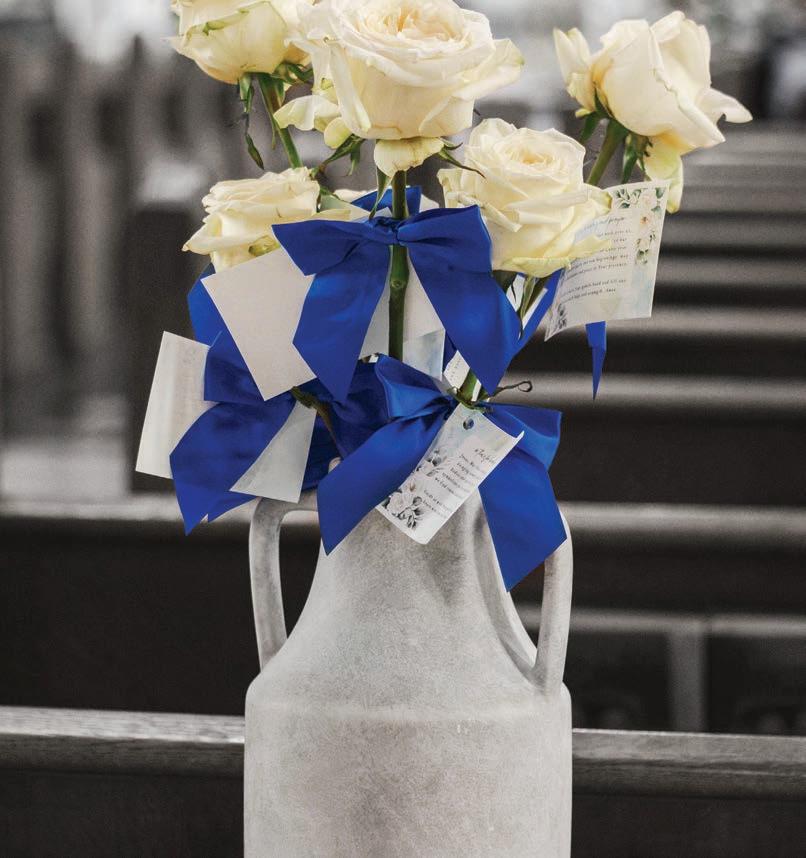
God of endless love, ever caring, ever strong, always present, always just: You gave your only Son to save us by the blood of his cross. Gentle Jesus, shepherd of peace, join to your own suffering the pain of all who have been hurt in body, mind, and spirit by those who betrayed the trust placed in them. Hear our cries as we agonize over the harm done to our brothers and sisters. Breathe wisdom into our prayers, soothe restless hearts with hope, steady shaken spirits with faith: Show us the way to justice and wholeness, enlightened by truth and enfolded in your mercy. Holy Spirit, comforter of hearts, heal your people’s wounds and transform our brokenness. Grant us courage and wisdom, humility and grace, so that we may act with justice and find peace in you.
We ask this through Christ, our Lord. Amen.


“Blessed are the poor in spirit, for theirs is the kingdom of heaven.”
– Matthew 5:3
By Dino Durando
The phrase “poor in spirit” does not have an obvious meaning. For most, the word poor seems to be a negative statement. However, in the positive view, being poor in spirit signifies detachment from worldly things and voluntary humility. This beatitude is a command to put our trust in God, not in wealth or power. Those who follow Jesus and want to see God should seek to have this attitude or beatitude. Prayer and fasting are the antidote for this tendency in our hearts towards greed, power and even inordinate comfort that are some of the effects of original sin. “Desire for true happiness frees man from his immoderate attachment to goods of this world so that he can find his fulfillment in the vision and beatitude of God.” (CCC 2548)
The value of prayer in your marriage is found in developing the discipline of making time for prayer which in turn deepens your trust in God and provides the grace to know his will for your marriage and family and choose it wholeheartedly. It is a commitment to offer time each
day to listen and speak to God, as individuals and together.
Rooted in love, commitment and shared faith, Catholic marriage creates a union that can elevate the mundane and bring about the kingdom of God. Conjugal spirituality — the shared spiritual life of spouses — illuminates the path towards a deeper communion with God within the context of the Sacrament of Marriage.
Conjugal spirituality (or married spirituality) is founded upon the practice of couple prayer and provides couples with a way to develop communion with God, together. “Couple prayer is the prayer of a husband and wife who, standing side by side in the presence of God, want to praise him together, worship him and ask him for the grace of living their sacrament more deeply and for the grace of living according to his will.” (Domestic Church movement formation materials) In practical terms, this involves the spouses addressing their prayer to God directly and out loud in one another’s presence. “Through their prayer, a couple tells the Lord about their
desire to be with him, and admits that without his love, they are not able to love each other as he wants them to.” (Domestic Church movement formation materials)
Research has found that prayer also leads to more positive mental health outcomes. In recent years, scientists have done research correlating prayer habits and mental health. “The neuroscientist Andrew Newberg found that praying the Rosary lowers levels of stress and anxiety.” (“The Gospel of Happiness,” 73) Research has also shown reduced aggression towards one’s enemies in those who prayed for them. This counterintuitive and countercultural command from Jesus to his disciples. “Love your enemies and pray for those who persecute you” (Mt 5:44) actually changes the outlook of the disciple who practices it. Without considering one’s spouse an enemy it is certainly possible to see the correlation of prayer impacting the capacity of spouses to forgive one another which is an essential need in Christian marriage.
Developing a shared prayer life may not come naturally to
spouses. Ordinarily, it requires effort and sacrifice. Many even seek out guidance and help from more experienced couples. The Church also offers many means to support this through retreats, small groups, and other learning experiences. Couples who develop a living prayer life together experience greater unity in their relationship. Among many other benefits, research shows this contributed greatly to lasting happiness in marriage.

Dino Durando is director of the Office of the Domestic Church and Discipleship. He has been married to his best friend, Cathy, for 28 years and they have 10 children and two grandchildren.
By Leyden Rovelo-Krull
The bishop’s thumb leaves an oily cross of chrism on an 11-year-old’s forehead. Cameras click. Families sit together, abuelitas look on proudly. The candidate is equal parts solemn and unsure. In that moment, something ancient and electric happens. The same Spirit who rushed through the Upper Room touches this young life.
In our diocese, we have lowered the age of Confirmation. That decision was not about convenience, but clarity. Confirmation is not graduation from religious education. It is the strengthening of baptismal grace. Initiatives like The Way have sought to respond to this moment by encouraging discipleship at a younger age and involving parents more intentionally. The goal is not simply to prepare a child for a sacrament. It is to form an entire family for mission.
And yet, if we are honest, Confirmation season can feel more cultural than sacramental. When a young person approaches Confirmation, that moment
must rest on years of preparation. A preparation the whole community undertakes. Yet, we cannot assume that the anointing alone will sustain a lifetime of discipleship.
If we are to believe statistics about Mass attendance, the future of the Church would appear in question. But the question is not whether the Church has a future. The Spirit has already settled that. The question is whether we are forming that future well.
The future face of the Church in the United States is increasingly bilingual, multicultural and young. In many dioceses, a significant percentage of those
Leyden Rovelo-Krull is director of the Office of Hispanic Ministry.
being confirmed each year are Hispanic. That is not a trend to analyze. It is a reality kneeling in front of the bishop.
But another reality is this: many Hispanic youth do not have access to Catholic schools or layered formation opportunities. The parish carries enormous responsibility. Parents often carry even more. Work schedules are demanding. Language barriers are real. Cultural transitions are ongoing.
Hispanic youth bring tremendous gifts to the Church. They often carry strong family bonds and a lived sense of faith that is communal rather than individual. Many are fluent in more than one language, comfortable navigating different cultural spaces. They already understand something about holding tension between two cultures without losing identity. In a divided Church and society, that is no small feat.
But gifts need cultivation.

If we merely celebrate the demographic vitality of the Church without investing in it, we risk mistaking presence for perseverance. Confirmation seals young Catholics with the gift of the Holy Spirit. The Church must then make space for that gift to grow. That means mentorship. That means leadership opportunities. That means parishes where young people see adults who are joyful, rooted and serious about the Faith.
It also means honesty. Some young people drift after Confirmation. Some struggle to see how the Faith connects to everyday life. Some feel unseen. This is not a failure of the Spirit. It is a reminder that formation requires relationship. Discipleship requires accompaniment.
The future of the Church will look not unlike its past. It will speak in more than one language. It will sing different hymns. It will carry stories of migration and resilience. It will be shaped by young Catholics who have learned to live between cultures and still claim Christ at the center.
That future is not fragile. It is anointed every spring.
Confirmation season is not about finishing something. It is about beginning again. The oil on a young forehead is not a sentimental gesture. It is a sign that the Spirit still trusts the Church with new life.
The responsibility belongs to each of us.
The Spirit is moving; will we walk with the generation he is raising?
By Marty Denzer |
Photo by Michael Hogan
Seven Sisters Apostolate, founded in 2010 by a Catholic woman in St. Paul, Minnesota, is dedicated to intercessory prayer for parish pastors.
Janette Howe was inspired by the generous service of her pastor, Father Joseph Johnson, in attending to parish duties while caring for his parishioners’ needs and mentoring her seminarian son. Janette felt called to pray specifically for him, so one day during prayer, her heart heard, “Seven Sisters.” Several minutes passed, then she clearly heard those words again. She sat, eyes closed, waiting in stillness before the Blessed Sacrament. After a while, she sensed that the Lord wanted her to invite six other women of the parish to commit to offering one Holy Hour weekly for Father Johnson.
According to the apostolate’s history, Janette approached Father Johnson with her experience. He suggested reaching out to seven women in seven churches — a total of 49 women. In June 2011, the first groups of Seven Sisters made one-year commitments to the Holy Hours under Janette’s guidance. She became the first “anchoress,” as the parish coordinators are titled.
The mission of the apostolate is the strengthening of the Church by supporting her priests through prayer.
Conversations with other women and social media led to the apostolate’s growth. Now, 15 years later, Seven Sisters has nearly 6,000 groups in 36 countries across six continents.There are currently nine groups praying for Pope Leo XIV. Elijah’s Helpers groups pray for priests in crisis.
Judy Koster, a member of St. Andrew the Apostle Parish in Gladstone, serves as the coordinator for the Diocese of Kansas City–St. Joseph, as well as assisting in the Archdiocese of Kansas City, Kansas, as they don’t currently have a coordinator. She said the apostolate is approaching 30 groups in this diocese.
The coordinator registers the groups, schedules the members and their chosen Holy Hour day, advises them about any special priestly intentions and prays for them.
groups praying for several diocesan Catholic high school chaplains.
The Seven Sisters groups have inspired men in their parishes to join in the effort to strengthen the church through strengthening their pastor, priests and bishop. Each member of a Fasting Brothers group chooses a day of the week, with the exception of Sundays, to fast in various ways, for instance, not watching television, taking over household chores or watching the kids while mom is praying her Holy Hour.
Without fanfare, the Seven Sisters strive to support priests in prayer, thereby strengthening the Church and their own personal faith, as the weekly Holy Hour brings joy.
THOSE INTERESTED in starting a Seven Sisters Apostolate group may contact sevensistersapostolate.org.
In each parish with a Seven Sisters group, seven women pray a Holy Hour in front of the tabernacle — one woman for each day of the week — for the pastor or parochial vicar. Each day of the week, three women in this diocese pray a Holy Hour for the bishop. There are also
By Sara Kraft | Photo by Michael Hogan
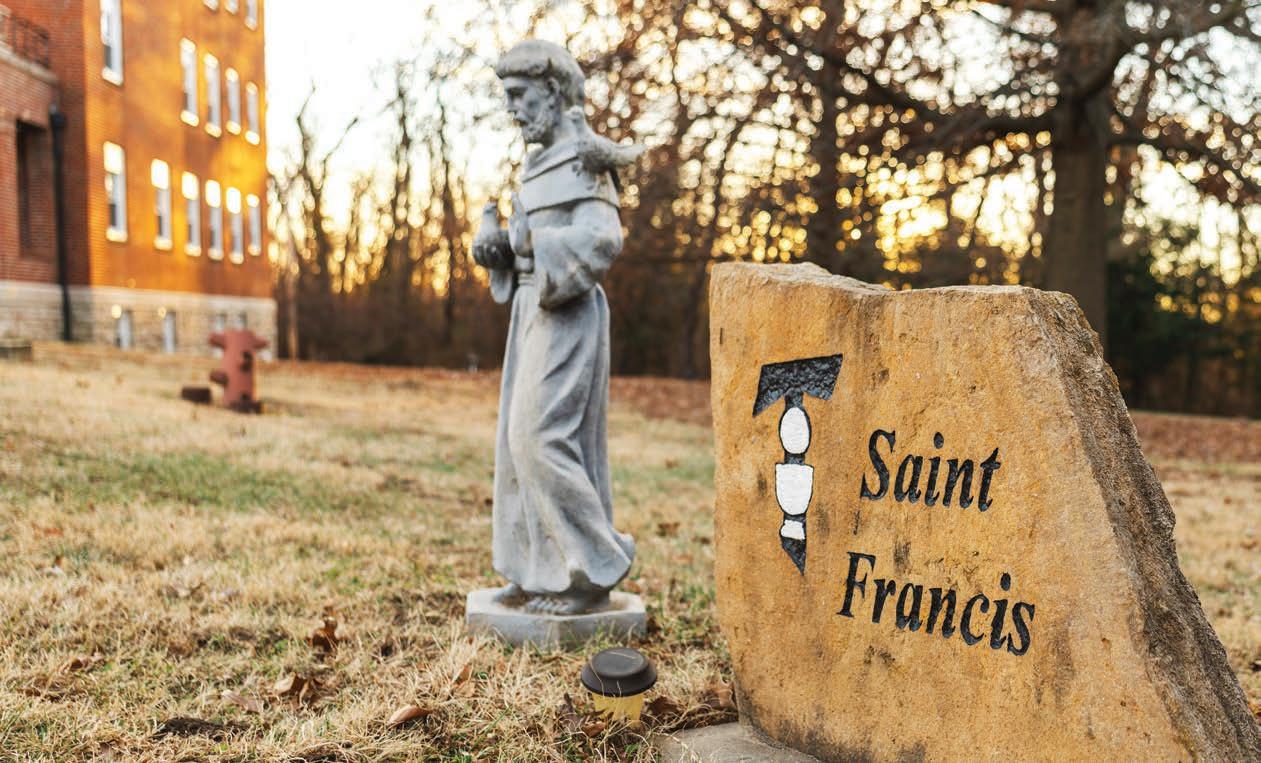
“SAINT FRANCIS OF ASSISI TEACHES US THAT NO MATTER HOW MUCH MONEY, EDUCATION OR STABILITY YOU HAVE, YOU STILL NEED GOD,” EXPLAINED SISTER COLETTE JAROS, OSF, MEMBER OF THE SISTERS OF SAINT FRANCIS OF THE HOLY EUCHARIST IN INDEPENDENCE.
Saint Francis of Assisi died 800 years ago. In honor of this significant anniversary, Pope Leo XIV has declared a special Jubilee Year. The jubilee runs from Jan. 10, 2026 to Jan. 10, 2027.
“The purpose of a Jubilee Year is to develop spirituality in the Christian faithful,” explained Father Paul Turner, director of the Office of Divine Worship. A jubilee is a special time of mercy in which God pours out grace from the storehouse of his Church as a gift to those who perform particular acts of devotion. The Jubilee Year dedicated to Saint Francis is an indication that the Holy Father believes
we can learn and grow in our faith from the life and practice of Saint Francis.
As part of the jubilee celebrations, Pope Leo has granted a plenary indulgence for the faithful who visit a Franciscan church or place of worship dedicated or connected to Saint Francis as a pilgrimage. This includes the Chapel of Holy Eucharist in Independence, Mo. The usual conditions for obtaining an indulgence are required.
As a son of a wealthy merchant, Saint Francis abandoned his fortune to found the Franciscan order. He is well known for his love of seeing God in cre -
ation, poverty and of animals. Sister Colette recommends using this Jubilee Year to show gratitude for all we have received through Saint Francis. There are multiple ways to celebrate in your homes.
“Recognizing and praying with Franciscan prayers is an excellent way to celebrate the jubilee,” encouraged Sister Colette. “Pray the Angelus. Learn about the Franciscan Crown Rosary and try praying it. Make a big deal of your Nativity scene in Advent. Sing the Canticle of the Creatures in one of its modern formats, like ‘All Creatures of our God and King’or ‘The Canticle of the Sun.’”
Additionally, the Cathedral of St. Joseph has a devotional area for the year near a statue of Saint Francis on loan from the Sisters of St. Francis of the Holy Eucharist. Franciscan prayers will be available.
Celebrating the anniversaries of Saint Francis’ death on Oct. 3 and his feast day on Oct. 4 are also great ways to honor his life. Many parishes will hold blessings of animals.
The Cathedral of the Immaculate Conception and Grace and Holy Trinity Episcopal Cathedral will have a joint blessing of animals the weekend of Oct. 3-4. All are invited to bring animals.
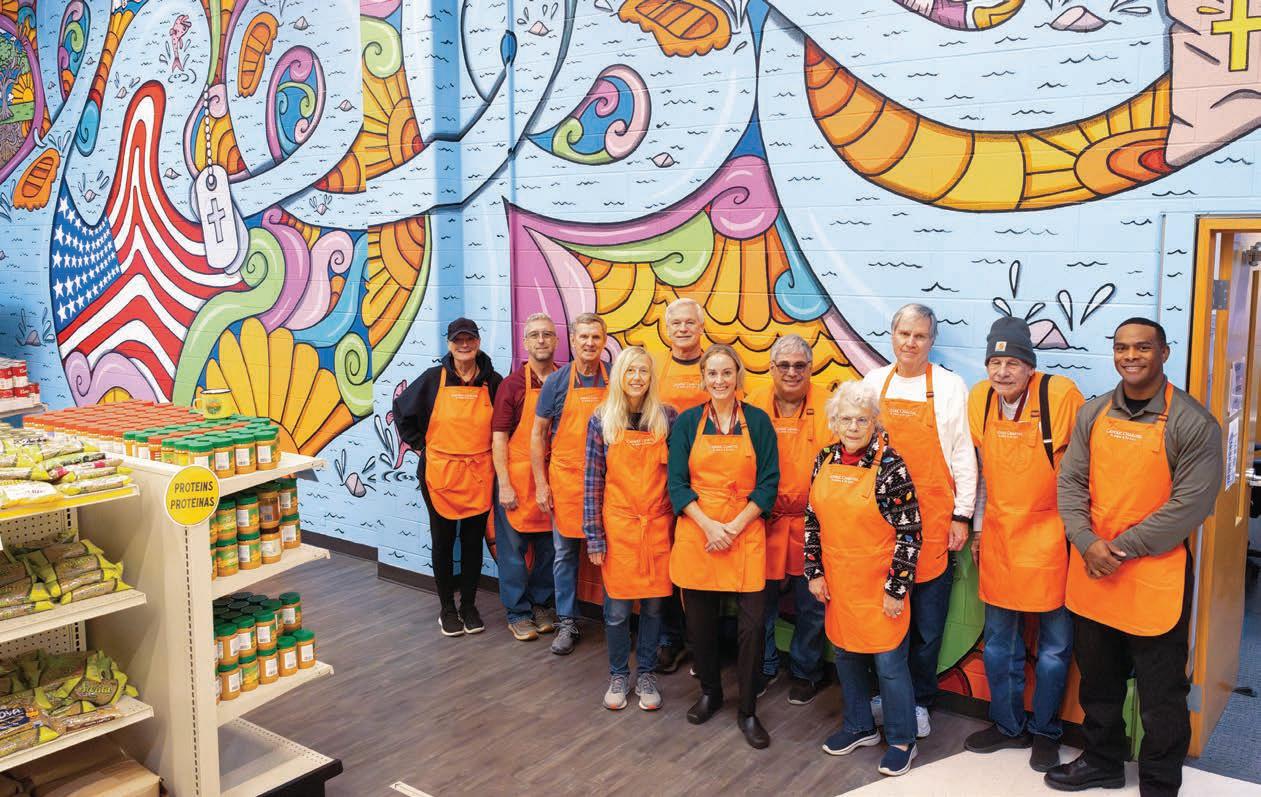
If you stand in our market long enough, just a moment or two, you can feel it.
A mother’s quiet relief as she picks up ingredients she knows her children will eat. A teenager helping an elderly neighbor reach a top shelf item. A volunteer straightening produce with the same tenderness I use when I pack my own kids’ lunch boxes.
It’s subtle. It’s holy. It’s where love shows up.
One of the clearest places this love takes shape is our self-choice market. Families shop for what they need, choosing foods that fit their cultures, health needs and family preferences.
By Ashley Everett, Director of Marketing & Communications, Catholic Charities of Kansas City–St. Joseph
Photos by Steve Hagelman
April is Volunteer Awareness Month, and as a Catholic mom working inside the mission of Catholic Charities of Kansas City–St. Joseph, I see every day how volunteers are the heartbeat of this ministry. They don’t just hand out food; they restore dignity, calm anxious spirits and remind our neighbors that they matter.
Volunteers make this possible. They greet families with a smile. They guide neighbors through the aisles. They organize shelves and fresh produce, ensuring the environment is clean, safe and welcoming.
While tasks vary, the message in every interaction is beautifully consistent: you are worthy of dignity. You are welcome here. You are not alone.
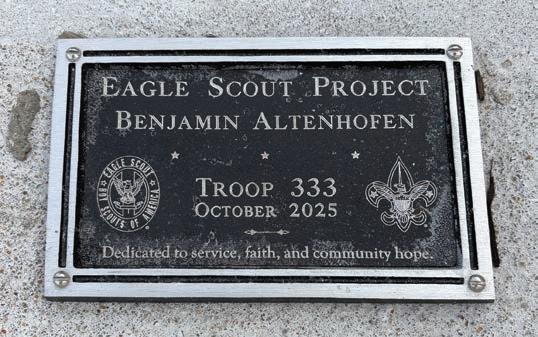
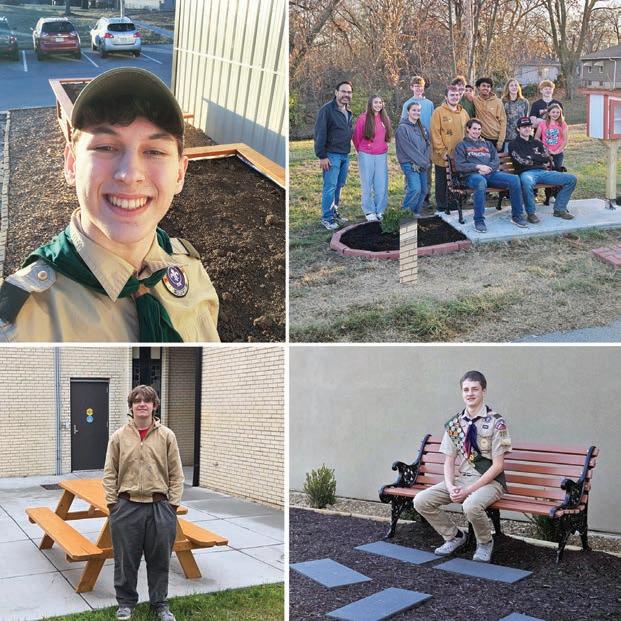
The young people are showing up with hearts ready to serve! Eagle Scouts have completed thoughtful projects this year: raised garden beds, benches in a park setting, landscaping and even a little library book box. As an Eagle Scout mom myself, I’m moved by their willingness to choose service over convenience.
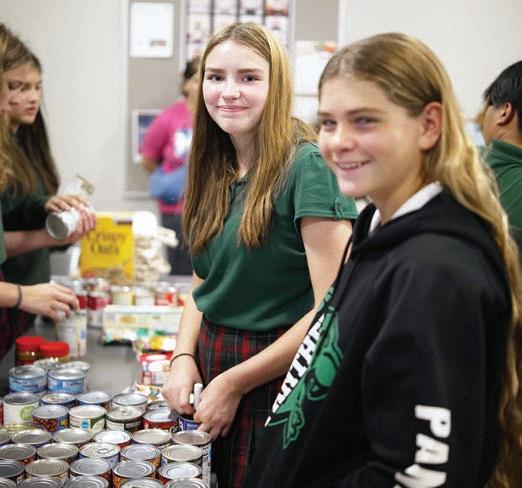
Catholic school students across the diocese are also contributing in beautiful, practical ways: cleaning eyeglasses for our free clinics, sorting Christmas gifts, preparing for veteran events and assisting wherever extra hands are needed. These aren’t just service hours; they’re sacred glimpses of the Holy Spirit alive in us, together doing the good works God has called us to do.
Again, this year, we were especially blessed to recognize the remarkable Our Lady of Hope Service Society Debutantes and Gentlemen. These high school juniors and seniors were presented to Bishop Johnston, honored not for their poise and presence, but for their commitment to faith-centered service and leadership in their communities.
To be considered for this distinction, each student must demonstrate:
• Catholic identity
• Lived commitment to the Faith, character and moral leadership
• Adherence to Catholic social teaching
• Actively practicing principles such as the dignity of the human person, solidarity and preferential love for the poor
• Acts of charity
• 20 service hours with Catholic Charities of Kansas City –St. Joseph
These young men and women participate at the Serve & Lift Center, at community events and in behind-the-scenes roles that support our mission. They’ve sorted gifts, prepared meal kits for our St. Joseph office and helped create welcoming spaces for our neighbors.
Their presence at the Hope Ball was not only ceremonial, it was a celebration of our Catholic identity being carried to the next generation of leaders who are choosing compassion, dignity and mercy as their way of life.
Our volunteers come from every walk of life: parishioners, retirees, young, old, Scouts, students, professional groups, families. They are ordinary people offering extraordinary love.
If you’ve felt a quiet pull to “do something,” consider this your invitation.
You don’t have to fix the whole world. Just show up. Offer your hands. Bring your heart.
God will do the rest.
You don’t have to fix the whole world. Just show up. Offer your hands. Bring your heart.
OF KANSAS CITY– S T.
JOSEPH:
• Volunteer Mass and Brunch – April 23
• Driving for Hope Golf Tournament
– June 8 at Paradise Pointe Outlaw & Posse Golf Courses. catholiccharities-kcsj.org/ drivingforhope
• Upcoming Vision Screenings and Eyeglass Events: catholiccharities-kcsj.org/ eyeclinic
EMAIL US at volunteers@ccharities.com to get started.
Are you a professional looking for a meaningful Corporate Social Responsibility or volunteer opportunity? Email: LRobertson@ccharities.com.
Get involved on our website: catholiccharities-kcsj.org/volunteer/
Michael
is
As part of the diocesan mutually shared vision, One Family: Restored in Christ –Equipped for Mission, Journey to Bethany was formed. With the goal of “Healing our Family,” Journey to Bethany has been a center for resources and support for survivors of clergy sexual abuse.
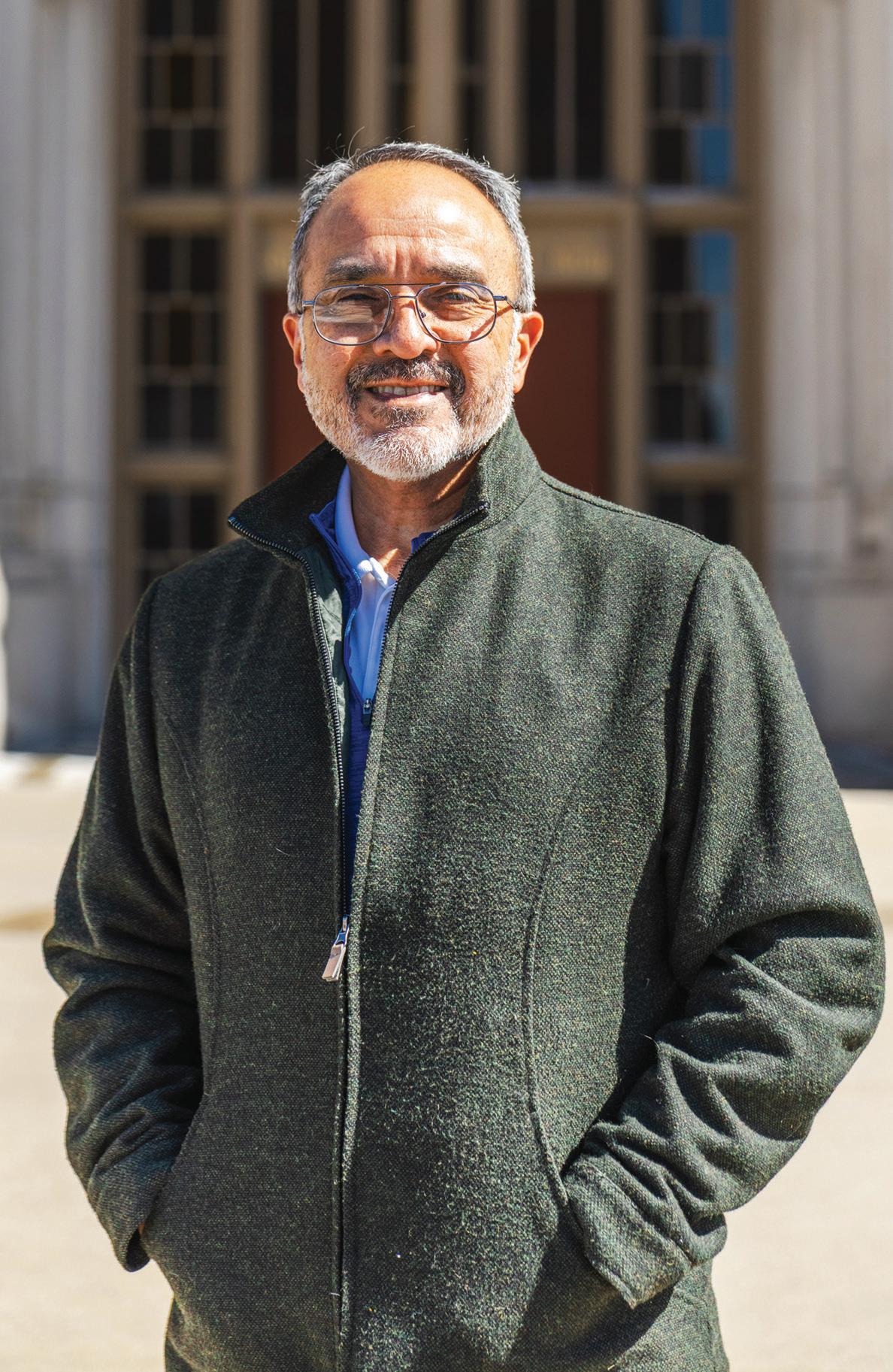
Michael Gomez began his role as executive director of Journey to Bethany in September of 2025. With a background in parish ministry, he feels drawn to serve individuals and families on a personal level and was seeking another opportunity to do so.
Gomez shared that, as he is only a handful of months into the new position, at times he feels like “a babe in the woods.”
However, he said, “To me, this is a double positive as each day can often feel like your first day. First, your eyes and heart are often filled with amazement at the work you get to perform every day. Second, the fulfillment that comes in having the opportunity to work closely with not only those that support us with their time, talent or treasure, but the survivors themselves. To hear their stories of being a victim, or knowing a victim, the path their lives have taken, and hearing what Journey to Bethany means to them. These shared times are precious.”
healing,
to Bethany’s new executive director offers renewed vision
By Allison Vrooman |
by Michael Hogan
Gomez’s hope for the future of Journey to Bethany is to continue the good work that the organization has done and to become widely known across the diocese. He shared, “I want Journey to Bethany to be known as a caring organization for those who at times feel forgotten. I would like Journey to Bethany to be part of the reason that brings survivors back into God's house.”
“We are here to help in every way that we possibly can. We have helped survivors make ends meet in tough financial times. We help to listen with empathy and love in how survivors are coping each day. Being able to be present and listen is often seen as an invaluable gift.”
Journey to Bethany, along with the diocesan Office of Child and Youth protection, are hosting the annual Day of Prayer in Atonement for those harmed by sexual abuse on April 27. Bishop James Johnston will celebrate Mass at 12:15 p.m. at the Cathedral of the Immaculate Conception in downtown Kansas City. All are invited to attend.
TO LEARN MORE about Journey to Bethany, find resources and contact information, visit journeytobethany.org.

Lyndsay is a provisionally licensed professional counselor at the Center for Healing, LLC. Learn more at centerforhealingkc.com

By Lyndsay Hilton, MS, PLPC
THE SHORTEST VERSE IN THE BIBLE IS JOHN 11:35: “JESUS WEPT.”
In the wake of the death of Lazarus, knowing good and well that he would bring his friend back to life, Jesus showed his grief through tears. Being perfectly human and perfectly divine, Christ experienced the breadth of human emotions, and we are shown throughout scripture that he was not ashamed of expressing them. So why are we?
Me?! Sad? Angry? No, certainly not. Life is good. I have so much to be thankful for. I’ll just offer it up. I often hear some variation of this sentiment from my clients as they sit in my office and recount stories of rejection, abandonment and loss — stories that frequently bring tears to my eyes. Yet they smile and remind me that “other people have it
way worse than me,” as if that explains their lack of distress. Now, I’m not suggesting that we must break down every time we recount our painful memories, but frequently I find that the pain has never been expressed, or if it was, it was immediately met with shame and avoidance.
When we dismiss our emotions as superfluous, we deprive ourselves of living the full human experience. And those emotions don’t just go away. They get shoved down until they come out sideways, often at the most inopportune times. We must move through these painful emotions, not around them, in order to truly find healing and acceptance. When we learn to embrace our feelings, we open ourselves up to receiving the empathy and compassion of others. This leads to greater connection as we find that we do not have to suffer alone.
The joy of the Resurrection is inseparable from the pain of the cross. As we enter into the Easter season, we celebrate the hope of eternal life, and this hope is made that much sweeter in the wake of the bitter Crucifixion. Jesus invites us to embrace our crosses, but when we deny the existence of the pain, as if it weren’t a cross at all, we deny ourselves the opportunity to unite our suffering with his. For how can we “offer it up” if we do not first acknowledge and truly consider the weight of our pain? By allowing ourselves to experience the sadness, anger and confusion that often accompany suffering, we add greater meaning to the act of our offering.
By embracing our pain, we give Jesus the opportunity to meet us in our vulnerability, to empathize with us, to suffer with us. Will you let him weep with you?
“You have a joyful church.” That is a phrase I often hear from visitors who come to St. Monica, and it is likely echoed in many parishes across the country rooted in the African-American Catholic experience.
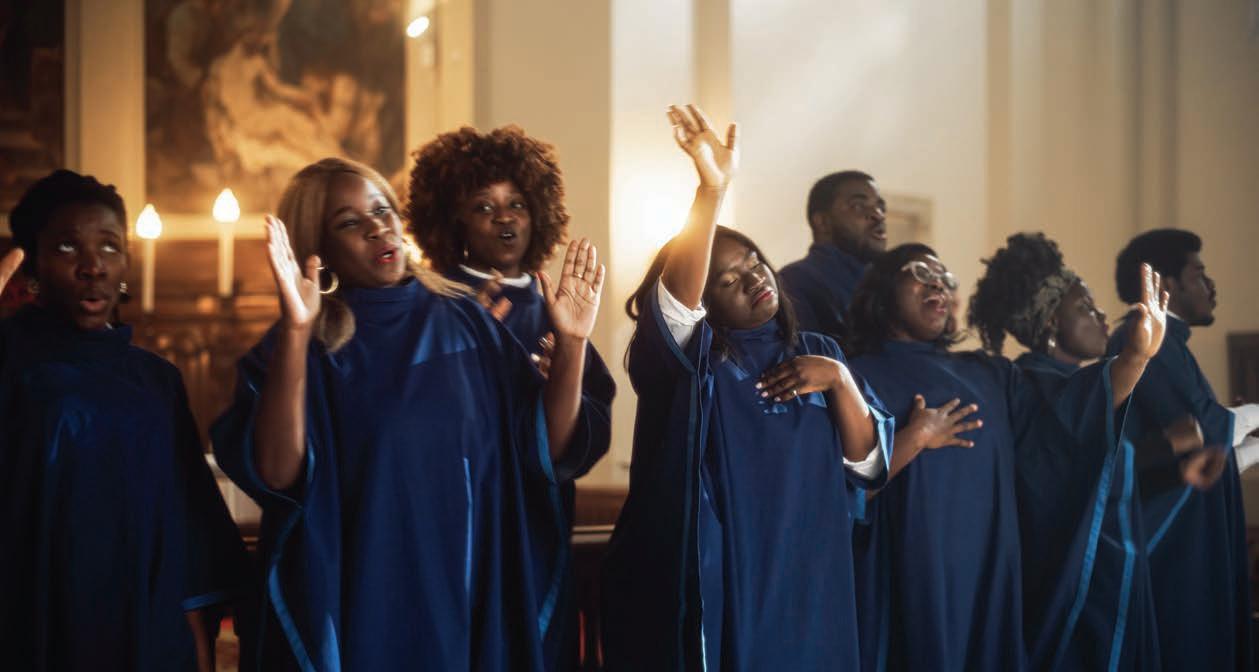
In Black Catholic spirituality, joy is not a mood we wait for — it is a decision we make. It is not dependent on circumstances, comfort or even relief from suffering. Joy is a spiritual posture, a way of standing before God and declaring, “I trust you, no matter what.” In a world that often mistakes joy for denial or naïveté, Black Catholic praise insists on something deeper: joy as an act of faith.
This joy is forged, not fabricated. It is born from the long memory of a people who have known sorrow, injustice and loss — and who still sing. Black Catholic joy does not ignore pain; it carries it to the altar. It understands that praise does not require perfect conditions, only a faithful heart. When we clap, sing, hum, sway or whisper, “Thank you, Jesus,” we are not pretending life is easy. We are proclaiming that God is faithful.
and be glad” is not a verse reserved for perfect days. It is a confession spoken even when the day feels heavy. In Black Catholic worship, this conviction often finds its voice in an unexpected place: in the middle of the homily, you will hear an “Amen.” That response is not interruption; it is participation. The “Amen” becomes lived theology — faith recognizing itself in the Word.
When we clap, sing, hum, sway, or whisper, ‘Thank You, Jesus,’ we are not pretending life is easy. We are proclaiming that God is faithful.”
Scripture reminds us that joy is rooted in God’s saving action, not human success. “This is the day the Lord has made; let us rejoice
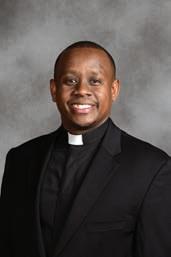
Leonard Gicheru, pastor of St. Monica Parish and Our Lady of Sorrows Parish and chaplain to the Black Catholic Implementation Team.
At Mass, this joy becomes sacramental. When the community sings — sometimes softly, sometimes with power — it mirrors the Gospel itself, as suffering does not have the final word. The Resurrection does. Black Catholic praise flows from the table of the Lord, where broken bread becomes life and poured-out wine becomes salvation. Joy here is not entertainment; it is testimony.
This is why joy in Black Catholic worship is communal. One voice invites another. A song becomes a shared prayer. Praise lifts not just the individual, but the whole body of Christ. In that moment, joy becomes resistance against despair and a declaration that God is still at work among his people.
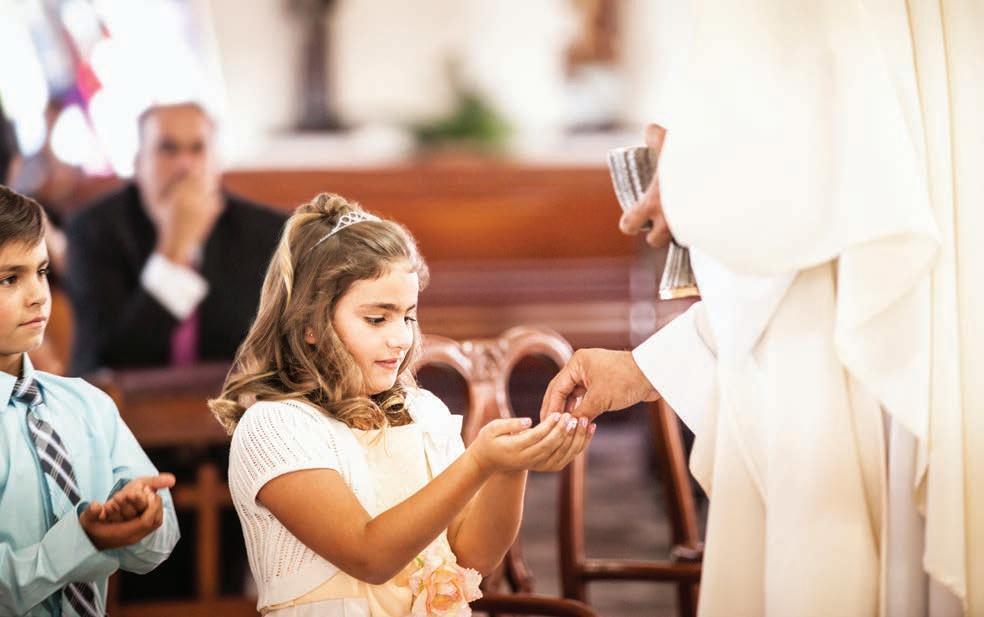
El pulgar del obispo deja una cruz aceitosa de crisma en la frente de un niño de once años. Las cámaras hacen clic. Las familias permanecen juntas en las bancas, las abuelitas miran con orgullo. El candidato está mitad solemne, mitad inseguro. En ese momento, algo antiguo y electrizante sucede. El mismo Espíritu que irrumpió en el Aposento Alto toca esta joven vida.
En nuestra diócesis hemos reducido la edad para recibir la Confirmación. Esa decisión no fue por conveniencia, sino por claridad. La Confirmación no es la graduación de la educación religiosa. Es el fortalecimiento de la gracia bautismal. Iniciativas como The Way han buscado responder a este momento fomentando el discipulado a una edad más temprana e involucrando a los padres de manera más intencional. La meta no es simplemente preparar a un niño para un sacramento. Es formar a toda una familia para la misión.
Y, sin embargo, si somos sinceros, la temporada de Confirmaciones puede sentirse más cultural que sacramental. Cuando un joven se acerca a la Confirmación, ese momento debe descansar sobre años de preparación. Una preparación que asume toda la comunidad. No podemos suponer que la unción, por sí sola, sostendrá una vida entera de discipulado.
Si creemos las estadísticas sobre asistencia a Misa, el futuro de la Iglesia parecería incierto. Pero la pregunta no es si la Iglesia tiene futuro. Eso ya lo ha resuelto el Espíritu. La pregunta es si estamos formando bien ese futuro.
El rostro futuro de la Iglesia en Estados Unidos es cada vez más bilingüe, multicultural y joven. En muchas diócesis, un porcentaje significativo de quienes se confirman cada año son hispanos. No es una tendencia para analizar. Es una realidad que está arrodillada frente al obispo.
Pero también hay otra realidad: muchos jóvenes hispanos no tienen acceso a escuelas católicas ni a oportunidades formativas más amplias. La parroquia carga con una enorme responsabilidad. Los padres, a menudo, con aún más. Los horarios de trabajo son exigentes. Las barreras del idioma son reales. Las transiciones culturales están en marcha.
Por Leyden Rovelo-Krull, Oficina del Ministerio Hispano
Los jóvenes hispanos aportan grandes dones a la Iglesia. Suelen tener fuertes lazos familiares y una fe vivida de manera comunitaria, no meramente individual. Muchos dominan más de un idioma y se mueven con naturalidad entre distintos espacios culturales. Ya entienden algo sobre vivir en la tensión entre dos culturas sin perder la identidad. En una Iglesia y una sociedad divididas, eso no es poca cosa.
Pero los dones necesitan cultivo.
Si simplemente celebramos la vitalidad demográfica de la Iglesia sin invertir en ella, corremos el riesgo de confundir presencia con perseverancia. La Confirmación sella a los jóvenes católicos con el Don del Espíritu Santo. Después, la Iglesia debe crear el espacio para que ese don crezca. Eso significa mentoría. Significa oportunidades reales de liderazgo. Significa parroquias donde los jóvenes vean adultos alegres, arraigados y comprometidos con la fe.
También significa honestidad.
Algunos jóvenes se alejan después de la Confirmación. Algunos luchan por ver cómo la fe se conecta con la vida cotidiana. Algunos se sienten invisibles. Esto no es un fracaso del Espíritu. Es un recordatorio de que la formación requiere relación. El discipulado requiere acompañamiento.
El futuro de la Iglesia no será tan distinto de su pasado. Hablará en más de un idioma. Cantará distintos himnos. Llevará historias de migración y resiliencia. Estará moldeado por jóvenes católicos que han aprendido a vivir entre culturas y, aun así, mantener a Cristo en el centro.
Ese futuro no es frágil. Es ungido cada primavera.
La temporada de Confirmaciones no trata de terminar algo. Trata de comenzar de nuevo. El aceite sobre la frente de un joven no es un gesto sentimental. Es la señal de que el Espíritu sigue confiando en la Iglesia para custodiar una nueva vida.
La responsabilidad nos pertenece a cada uno de nosotros.
El Espíritu está en movimiento; ¿caminaremos con la generación que Él está levantando?
DDos temas ponen de relieve la situación actual de las personas vulnerables en Missouri. El primero se ilustra con una conversación reciente que tuve con un hombre originario de México que ha vivido en Kansas City durante varias décadas. Él formó una familia, ha trabajado y pagado impuestos durante todos estos años, y ha sido activo en su parroquia. Me sorprendió saber que, aunque inicialmente llegó a los Estados Unidos con una visa legal, no se le concedió permiso para quedarse más allá del tiempo establecido y, por lo tanto, ha vivido aquí desde entonces sin estatus legal. Es comprensible que él y su familia estén preocupados por su futuro.
Pensé en su situación como una buena ilustración de la complejidad que enfrentan muchas personas. Debido a la intransigencia política de ambos partidos en torno al tema de la inmigración, personas que de otro modo cumplirían la ley, que trabajan duro, aman a nuestro país y contribuyen a sus iglesias y a la comunidad en general, se encuentran en una especie de limbo. La prudencia dictaría que tales personas no sean tratadas de la misma manera que aquellos que están aquí ilegalmente contrabandeando fentanilo o cometiendo delitos violentos. El Estado tiene como uno de sus deberes primordiales la protección de sus ciudadanos, lo cual incluye fronteras seguras y la detención de criminales. Pero, junto con eso, la justicia señala una respuesta proporcionada en los casos de personas que están aquí pacíficamente buscando una vida mejor y seguridad para criar a una familia.
En un momento en que hay conflictos en torno a este tema, es importante que los fieles cristianos comprendan las dimensiones morales articuladas en nuestra rica tradición de la enseñanza moral y social católica, para que podamos contribuir constructivamente
al bien común y no dejarnos arrastrar por las posiciones polarizadas que vemos a menudo. Es posible abordar con justicia tanto la seguridad y protección del país como la situación de las personas y familias que buscan una mayor estabilidad.
Es interesante escuchar de vez en cuando que un Presidente ha indultado a una persona condenada por un delito o le ha conmutado la sentencia. A menudo se trata de personas famosas, como figuras políticas o atletas estrella, y algunos de sus delitos fueron bastante graves. Me pregunto si tal clemencia podría ofrecerse a personas como el hombre que compartió su situación conmigo. No necesariamente que se le conceda la ciudadanía plena, sino que se le otorgue un camino a seguir mientras continúa contribuyendo al fortalecimiento del tejido de nuestra nación a través de su fe, su caridad, su arduo trabajo y su patriotismo.
El otro segmento de personas vulnerables son las mujeres que atraviesan una crisis con un embarazo y los bebés que gestan. Hace dos años, Missouri aprobó por estrecho margen una enmienda a la constitución estatal que eliminó prácticamente todas las regulaciones
en torno al aborto, incluyendo los requisitos de seguridad médica y el recurso legal de una mujer cuando un aborto daña o mata a la mujer debido a incompetencia o negligencia. A finales de este año, los habitantes de Missouri tendrán la oportunidad de remediar estas fallas aprobando una nueva Enmienda 3. Y aunque la aprobación de la Enmienda 3 no eliminará el aborto en Missouri, al menos restaurará algunas regulaciones de sentido común que brindarán seguridad y protección a las mujeres y a más niños.
Oremos y participemos en todos los temas relacionados con la dignidad humana en Missouri, especialmente aquellos que son tan inmediatos.
El obispo James V. Johnston, Jr. es el séptimo obispo de la Diócesis de Kansas City–St. Joseph
By Allison Vrooman | Photo by Michael Hogan
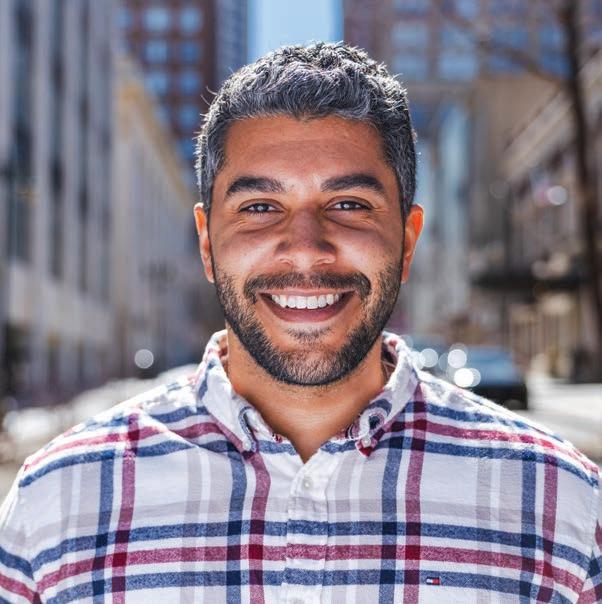
Where did you first learn about the Catholic Faith and what sparked your conversion?
I was baptized Lutheran as a baby and sent to a Methodist preschool by my mom. My dad’s side was agnostic or Southern Baptist, for the most part. My mom decided to send me to Catholic school for kindergarten; I attended Catholic schools through college.
My middle school years were the hardest by far. My parents were on the brink of divorce, my oldest brother was sentenced to 15 years in federal prison and I was exposed to many things that a child is not ready to experience. With the chaos and uncertainty of my life at home, I took refuge in the Faith through my school. I loved going to Mass, enjoyed our prayer time and looked forward to religion class.
I knew I needed God in my life, so I pursued the opportunity to become Catholic. I was received into the Church at an all-school Mass during eighth grade.
What role did Catholic education play in your life?
Catholic education was the catalyst for my conversion and all the amazing fruit that has followed, so I can’t overstate its importance in my life. I was on a path of repeating the same mistakes most of the men in my family had made. I could have easily ended up in prison, creating broken homes and living a life that created misery for myself and others. Thanks to my experience at Catholic schools, I am a proud husband, father and servant of Jesus Christ. I am able to impact thousands of people per year through my testimony and lessons learned via podcasting, speaking and the work I do at Hallow.
Why did you agree to be a guest speaker at this year’s Bright Futures Fund School Bell Breakfast?
The simple answer is: Bishop Johnston asked me to do it. As a former Army infantry officer, I believe heavily in the chain of command. While I know the structure of the Army and the Church differ significantly, I do feel a healthy sense of obligation to do whatever I can to help our bishop fulfill his mission to shepherd our diocese to the best of his ability. I think most young men yearn to be challenged and personally invited to step up, so I was eager to answer the call.
What excites me, though, is the ability to have an impact on the Catholic schools in my local community. My mother, who at times was a single mother, worked multiple jobs to put me through Catholic school. Many other kids don’t have that opportunity. How many lives could be changed through the generosity of others who support Catholic schools? How many kids like me slip through the cracks because of a lack of financial resources? It’s an honor and a privilege to hopefully help reduce that number.
READ MORE from our conversation with Nathan at catholickey.org and visit seekingexcellence.com.
HEAR MORE from Nathan in an insightful conversation with Bishop James Johnston at the 17th annual Bright Futures Fund School Bell Breakfast on Thursday, April 23. Visit brightfuturesfund.org for details and registration.
ENTER FOR A CHANCE TO WIN TWO TICKETS IN THE FOUNDER’S SUITE AT KANSAS CITY STADIUM DURING THIS SUMMER’S MOST IN-DEMAND SPORTING EVENT. VISIT BRIGHTFUTURESFUND.ORG FOR DETAILS.
By Marty Denzer and Ashlie Hand
LEARN MORE and become a Bright Futures Fund ambassador at brightfuturesfund.org.
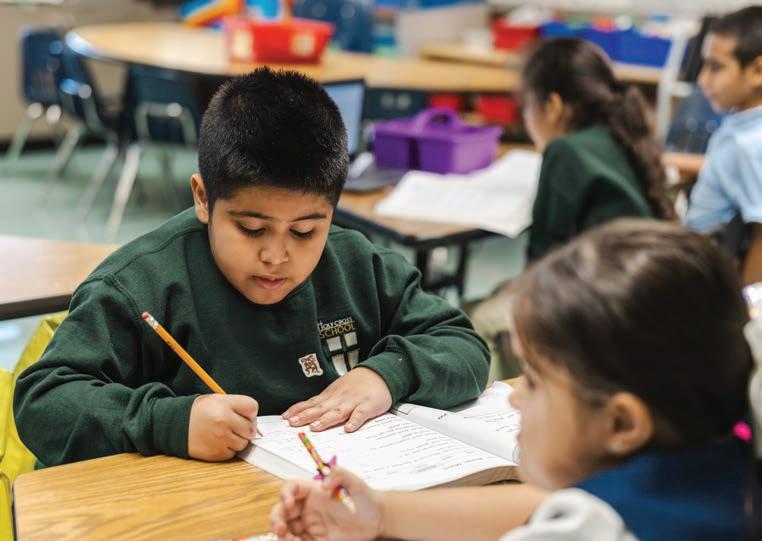
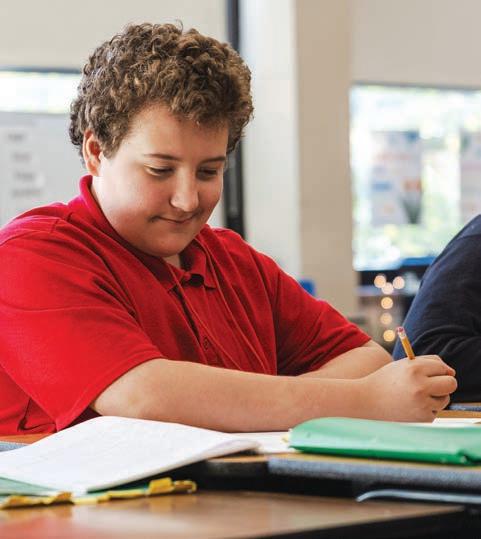
EEstablished in 1983 as the Central City School Fund, the diocesan program providing scholarships for Catholic education today is known as the Bright Futures Fund. As of 2025, the Bright Futures Fund has assisted more than 30,000 kids in attending Catholic grade schools through needs-based tuition assistance and general operating funds.
Bright Futures Fund directly supports three diocesan Catholic schools — Holy Cross School, founded in 1910; Our Lady of Hope School, originally Guardian Angels School, also founded in 1910 and called Our Lady of the Angels before becoming Our Lady of Hope in 2016; and Our Lady’s Montessori School, founded in 1973 and now located near St. Therese Little Flower Church — that are all located in the urban core.
Holy Cross and Our Lady of Hope, while located next to a parish church, do not receive
financial support from the parish and are 100 percent dependent on the Bright Futures Fund. Our Lady’s Montessori School receives a portion of their operating budget from the Bright Futures Fund, and other funding models are being explored to support Catholic schools in our diocese with varying funding needs.
Support for the Bright Futures Fund comes primarily from two annual fundraisers: the Bishop’s Golf Classic and the School Bell Breakfast. Together, these events make it possible for the legacy schools to continue to educate
every student who walks through their doors.
A 2010 study out of Notre Dame University found strong evidence that Catholic elementary schools are important generators of social capital and are a stabilizing force in urban neighborhoods.
In his remarks at the 2025 School Bell Breakfast, Bishop James Johnston said, “When every child has access to a Catholic education, the surrounding neighborhoods and the broader city are stronger, more stable and safer … Our Bright Futures schools are so important today; as important as they’ve ever been.”
In 2022, Bright Futures Fund became the facilitator, or Educational Assistance Organization (EAO), for the MOScholars Program. MOScholars offers Missouri taxpayers the chance to direct a portion of the state income taxes they owe to a fund that provides
scholarships to families sending their children to Catholic schools in the Diocese of Kansas City–St. Joseph and the Diocese of Springfield — Cape Girardeau. Other EAOs facilitate scholarships in other areas of the state.
Patti Long, executive director of the diocesan Office of Stewardship and Development, which currently manages the Bright Futures Fund, said, “In addition to the three legacy schools, every Catholic school in our diocese has benefitted from Bright Futures Fund’s stewardship of the MOScholars program. Our role as the state’s largest EAO has made it possible for nearly 2,000 more children to attend Catholic school.”
She added, “The cost to educate a single student in our Bright Futures schools is approximately $7,500 per year, yet the value of shaping young minds and hearts in the Faith is immeasurable.”
By Karen Ridder
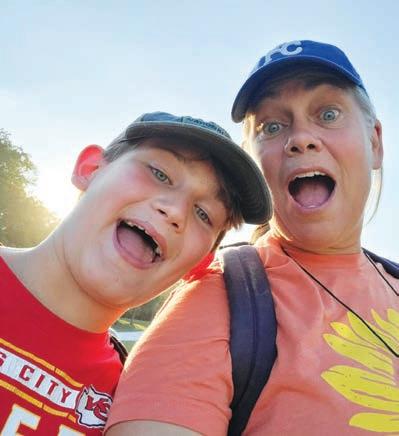
He was joking — kind of, but I knew immediately what this third child of mine was asking. He was wondering if the place he’s finding in the world is anything special, distinctive, different or cool. How will he know it? How will he find it?
I understand. We all ask this kind of question from time to time. Why am I here? What is my strength? What makes me unique? God, why did you even bother to make me?
In that moment, my son was asking me to be his mirror.
THAT’s a big responsibility.
I find, if I’m going to answer these questions well for my kids, I need to get solid on the answers for myself first. What’s MY special? Good question — and a lifelong journey of discovery ... BUT kids grow up quickly and generally need more practical approaches from their parents in these matters. So, here are some thoughts I’ve found helpful in considering not only for myself, but also for my kids, this great mystery:
First, “special” isn’t generally as individual as we believe it to be. We are special because we are part of a whole. God says we are “... a chosen race, a royal priesthood, a holy nation.” (1 Pt 2:9) That’s pretty special.
Second, our “special” is surprisingly more about who we are and who we become, rather than what we do or what we are interested in. This is the virtue over vice challenge. God wants to know, “Are you growing as a person?” That’s his standard for special.
Third, be aware your “special” usually doesn’t feel that special to you. The strengths you have to offer the world often don’t seem like that big of a deal — not because they aren’t special, but because they fit you. Being fully yourself is the goal, and it feels great. It’s like God saying, “Wow, look at that one. THAT one is special!”
As a parent, it IS important to have at least SOME answers when our child comes to us with a question like this. Truly, we don’t know God’s full plan for their lives, but we ARE the ones who, for right now, are more likely to understand them and know them better than anyone else. One day, they will grow to know themselves better, but until they find that maturity — YOU get to be the mirror.
That can be hard — especially when struggling with a difficult child or one who makes decisions that anger us and acts in ways we don’t understand. At these times, I’ve found it useful to ask God for help to see my children more clearly. He can and will give you a vision of your child’s “special” — if you ask. He’ll show you ways in which even difficult parts of their personality are part of the design. Then, next time your child asks you to be the mirror, you can make sure what they see reflected in your eyes is truly something special.



St. Margaret of Scotland Parish dedicates its newly renovated space
By Allison Vrooman | Photos by Christy Gruenbaum
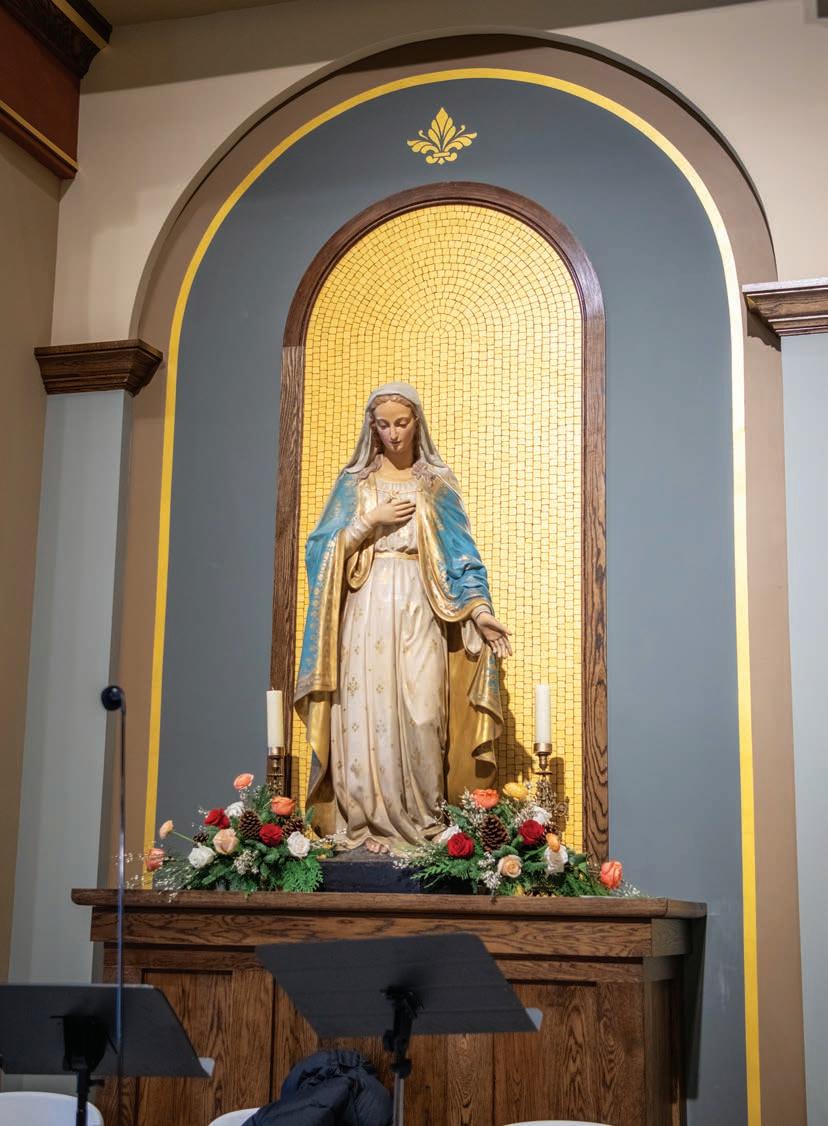
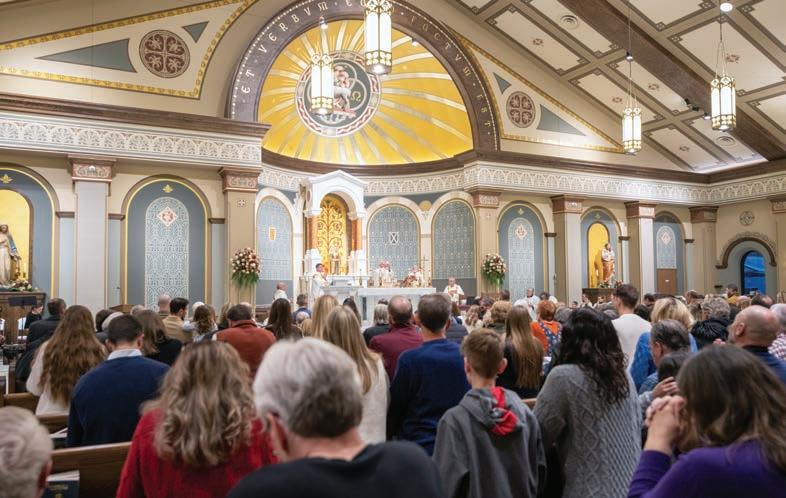
The newly renovated St. Margaret of Scotland Catholic Church in Lee’s Summit was blessed and dedicated by Bishop James Johnston on Jan. 24, 2026. Parishioners braved a winter storm to witness the blessing and to worship in the new space for the first time, filling the church to capacity.
For more than 20 years, the parish worshiped in a multipurpose building that had a tabernacle, a temporary altar and foldable chairs that doubled as seats for fish fries and other events. During those years, the surrounding neighborhoods filled with vibrant, young families, yet the parish was seeing decreasing parishioner numbers. Shortly after Father Adam Haake was assigned as pastor to the parish in the summer of 2023, he formed a partnership with St. Michael the Archangel High School and began using their chapel for parish Masses. The chapel has pews, kneelers and an altar, so it looks like a church. Suddenly, more families started attending Mass.
Seeing the longing families had for a traditional church experience, Father Haake proposed that the parish look at their multipurpose building with fresh eyes and build a church within it. Construction began in March 2025 and, while finishing touches are still occurring, the space was open for use 10 months later.
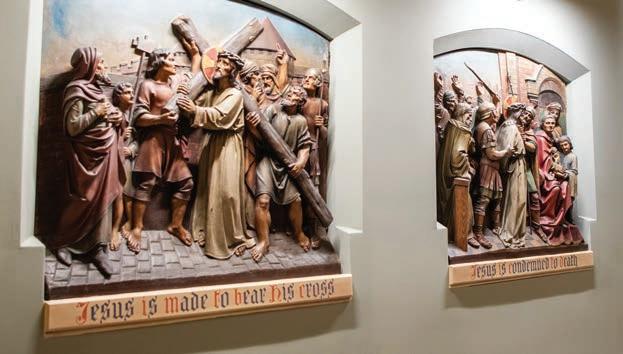
The theme of the new church reflects the theology and imagery of John’s Gospel and his New Testament Scriptures. These images include the vine and branches and the victorious Lamb, among others. There are also nods to the parish patroness, Saint Margaret of Scotland, such as Scottish symbols and hints of her title, “Pearl of Scotland.”
In the first few weekends since the church has reopened, there has been an influx of people attending Mass. Whether it be out of curiosity to see the new space or a desire to make the parish home, Father Haake shared, “We hope to be a place where people can encounter Jesus — not only in the sacraments but in a church that lends itself to beauty.”
“With our humble loaves and fishes we’ve given to God, look what he is starting to do, and he will continue to do in this area,” said Patrick Padley, parishioner and member of the stewardship committee. “[The diocese] reinvesting in the community means a lot to me as a parishioner. What a gift it is to our community!”
“This beautiful new church is a blessing,” Bishop Johnston said in his dedication Mass homily. “I believe it’s the foundation that this parish needs to flourish into the future.”
Read an in-depth story at catholickey.org.
‘Captain Reliable’s’ mission
By Sara Kraft
“I
SEE ALL KINDS OF PEOPLE. THEY ARE HOMELESS, BROKEN OR HUNGRY,” STATED BILL CARR, VOLUNTEER AT THE CATHEDRAL OF ST. JOSEPH FOOD PANTRY. “THERE IS NO WAY I COULDN’T BE HERE TO HELP.”
Bill, 78, volunteers at least three times a week at the Cathedral pantry. The pantry was founded in the 1980s as a parish outreach program. Bill has been volunteering there for around 10 years. He saw an ad in the Cathedral bulletin and answered the call. At first, he started helping one day a week. Then it moved to two, and now he is working Mondays, Wednesdays and Fridays when the pantry is open. “I really love what I am doing, so look what happened,” Bill stated.
Dubbed “Captain Reliable,” Bill arrives an hour before the pantry opens at 9:30 a.m. Bill and other volunteers make sure the lights are on and the furnace or air conditioning is at a comfortable temperature. The volunteers get coordinated and ready to serve. Each day before opening, they pray and thank God for giving them the mission of feeding the hungry.
“It’s a tough chore,” Bill stated. “We are working really hard to take care of these people.” In 2025, the pantry averaged 54 families a day, with a total of 25,425 neighbors served. Some days, when the pantry closes at 11 a.m., there are still 20 people waiting outside for food. However, they don’t leave empty-handed. Bill quips, “We are working an hour of overtime for the same pay.”
While the pantry does receive assistance from government sources and Second Harvest, there are many individual businesses and parishioners at the Cathedral and Our Lady of Guadalupe Parish that donate. Bill also picks up donations from Second Harvest and other local businesses in his truck.
Over the years, Bill has seen so many touching stories. One grandmother was very frail and still raising her grandchildren well into her 80s. Because their mother wasn’t able, she was raising 13-, 7-, and 5-year-olds. “Another woman is probably just as needy as any person who comes to our pantry, but she works at the pantry three days a week,” Bill stated.
“We take care of them the best we can and put it in God’s hands,” Bill stated. “We do the best we can to make everyone feel welcome.”
When asked how long he intends to keep volunteering, Bill stated, “God has blessed me with good health, and I am going to help as long as I can.”
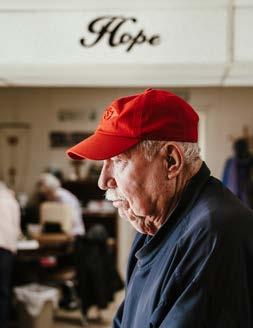
FOR MORE INFORMATION about the Cathedral Pantry, call 816.232.7763. To find a food pantry near you, visit Harvesters at harvesters.org or Second Harvest at shcfb.org.