Portfolio.

Divya Bhambhra
Mumbai, India | 12 May, 1999 divyabhambhra1205@gmail.com +91 9137570372
EDUCATION
Rizvi Education Society’s College of Architecture, University of Mumbai Bachelor of Architecture (B. Arch.)’ 22
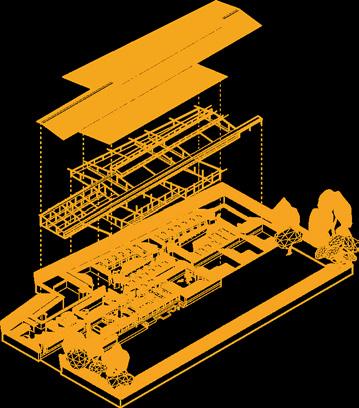
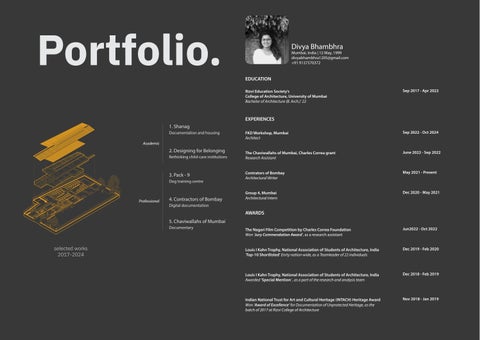
selected works 2017-2024
Academic Professional
1. Shanag Documentation and housing
2. Designing for Belonging Rethinking child-care institutions
3. Pack - 9 Dog training centre
4. Contractors of Bombay Digital documentation
5. Chaviwallahs of Mumbai Documentary
EXPERIENCES
FKD Workshop, Mumbai Architect
The Chaviwallahs of Mumbai, Charles Correa grant Research Assistant
Contrators of Bombay Architectural Writer
Group 4, Mumbai Architectural Intern
AWARDS
The Nagari Film Competition by Charles Correa Foundation Won Jury Commendation Award’ as a research assistant
Louis I Kahn Trophy, National Association of Students of Architecture, India ‘Top-10 Shortlisted’ Enrty nation-wide, as a Teamleader of 22 individuals
Louis I Kahn Trophy, National Association of Students of Architecture, India
Awarded Special Mention , as a part of the research and analysis team
Indian National Trust for Art and Cultural Heritage (INTACH) Heritage Award Won Award of Excellence’ for Documentation of Unprotected Heritage, as the batch of 2017 at Rizvi College of Architecture
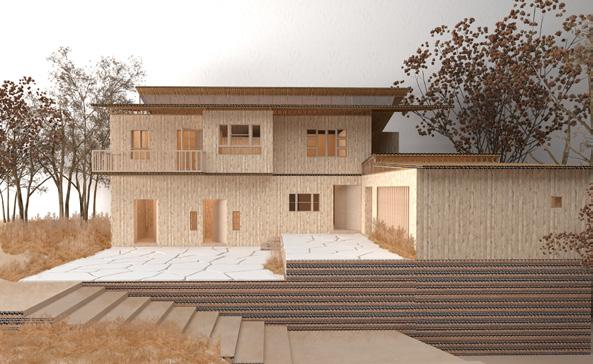
Shanag
Rural Settlement Documentation and Housing
Competition - INTACH Heritage Awards 2018
Won - ‘Award of Excellence’
Academic Project - Rural Housing
Year - November 2018 - April 2019
Mentors-
Documentation - Design faculty
Design guide - Ar. Shahveer Irani and Ar. Faizan Khatri
Documentation Team - Batch of 2017 (House- Arbaz shaikh, Manu Mohnish and Ruchi Barot)
Location - Shanag Village, Himachal Pradesh, India
The documentation aimed to analyze the vernacular architecture of Shanag Village and examine how it is shaped by various factors, including climate, social dynamics, and evolving construction practices. A glimpse into the village’s rich and diverse historical and present-day context, focusing on its intricate social fabric, unique architectural practices, and community dynamics.
The extensive documentation provides an in-depth look into the centuries-old ‘Kathkuni’ construction technique, a sophisticated earthquake-resistant system developed through generations of indigenous knowledge.
In order to envision a sustainable future that honors Shanag’s cultural heritage while enhancing its adaptability and resilience, the design intervention required us to re-imagine a housing cluster for diverse user groups. This initiative sought to integrate traditional building wisdom with contemporary needs, ensuring that future developments respect the region’s architectural legacy while responding to evolving socio-economic and environmental conditions.
Shanag Village, situated in the Kullu District of Himachal Pradesh, runs neck to neck with the Beas River on the east. Surrounded by the Hanuman Tibba in north- west and the Indrasan in the east, Shanag is nestled in the valley, secluded like an old relic. The landscape, with an altitude of 2000 m, is typical of the Middle Himalayas. Temperatures drop to sub-zero levels during winter, accompanied by heavy snowfall.
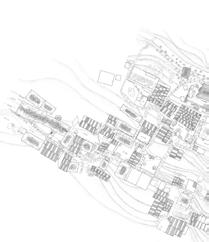
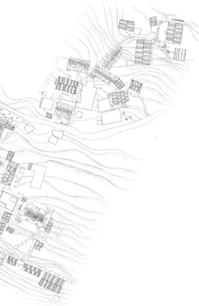
Plan of the Village
With a growing population and limited resources, contemporary construction techniques have begun to replace traditional building methods, leading to the loss of not only architectural identity but also associated cultural practices, local artistry, and craftsmanship.
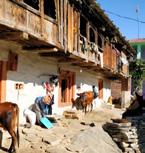
Once deeply rooted in climatic responsiveness, topographical adaptation, and locally sourced materials, traditional homes in Shanag were carefully designed to withstand seismic activity, extreme weather conditions, and the daily rhythms of village life. However, today, only a handful of such houses remain, as modern materials and methods overshadow these time-tested practices.
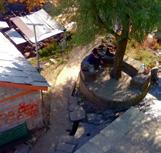
The Social spaces
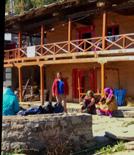
The panchayat, though modest in scale, played a crucial role in shaping the political and social dynamics of the village. Strategically positioned under the shade of a Weeping Willow tree, it provided an ideal vantage point overlooking both the village and the surrounding valley.
Adjacent to a natural waterspout, which villagers traditionally used for washing utensils, the panchayat organically became a center of daily interaction and communal activities.

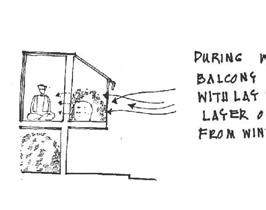
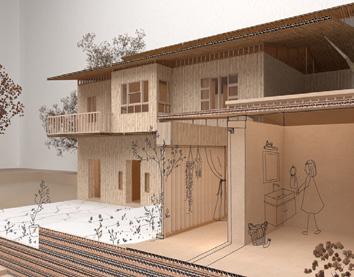
During winters, the balcony is filled with hay (cow’s fodder) to add a layer of insulation from extreme cold

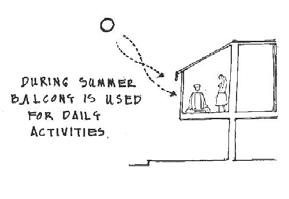
During summers, the balcony turns into a multi-functional space that adapts to different activities
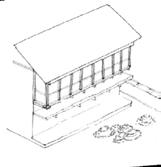
The Front-yard, brings in the maximum sunlight during the day, turning into a space to rest for cattle and hay is spread out to dry
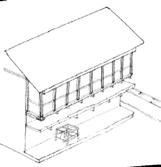
As a place to work, the handloom is placed outside so shreds of clothes can be swept away by the wind
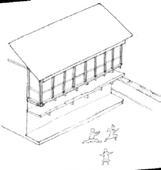
Front-yard adapts to various activities throughout the day, during evening it turns into a space to play
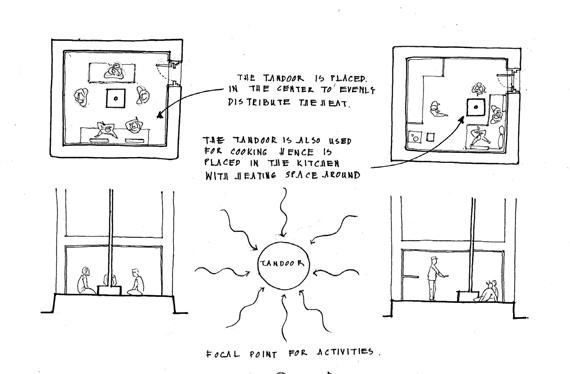
The ‘sigdi’ is placed in the center to evenly distribute the heat
The sigdi is also used for cooking, hence is placed inside the kitchen with heating space around
Portable Heater - ‘Sigdi’ A focal point for activities
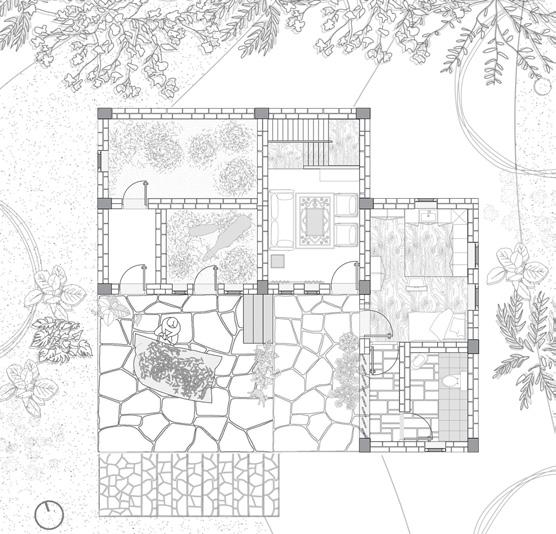
In many rural communities across India, menstruating women are often subjected to social restrictions, including being barred from accessing the kitchen (altar) and common spaces shared with men. This cultural taboo confines them to isolated areas within the home.
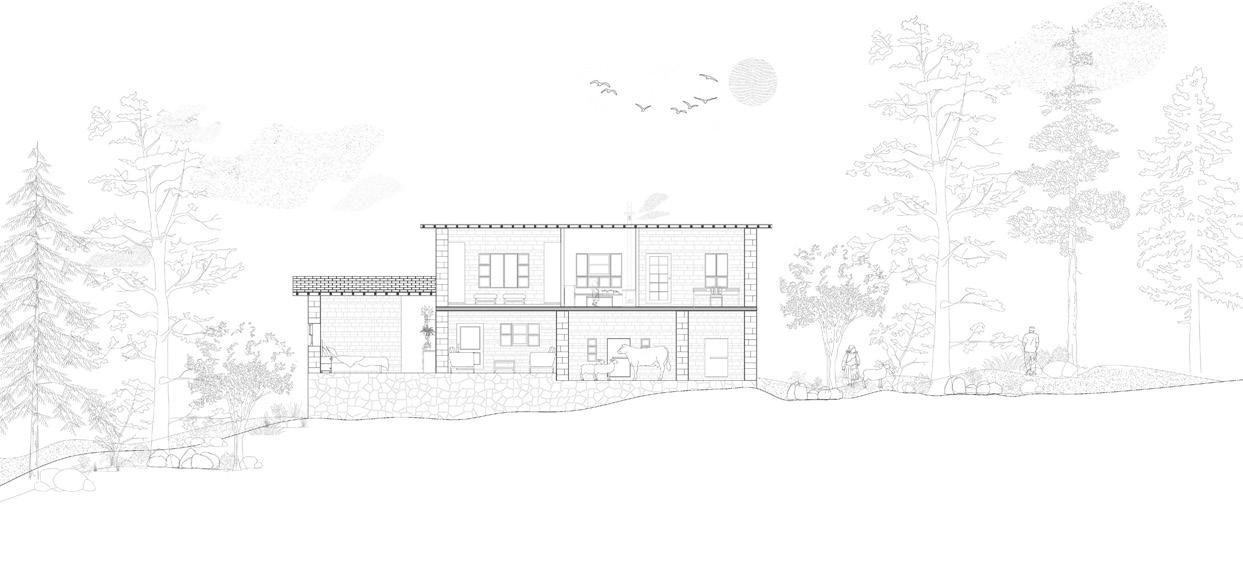
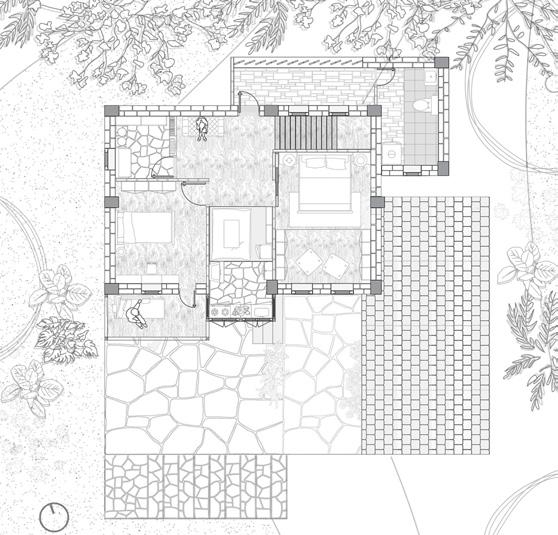
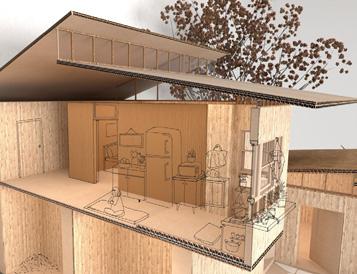
The Sigdi, a traditional wood-burning room heater, is designed to keep interiors warm by distributing heat from a central space.
Traditionally placed in a common area, it allows warmth to spread throughout the home. The Sigdi’s heating mechanism functions similarly to a chimney, not only warming the air but also transferring heat to walls. Additionally, mattresses placed around it enhance comfort by retaining and radiating warmth to users.
In traditional homes, toilets are located outside, making accessibility challenging during monsoons and winters while adhering to hygiene and cultural practices.
To improve connectivity, a passageway has been integrated, indirectly linking the toilet to internal spaces. This passage also serves as a multifunctional area for washing and drying clothes while acting as a thermal buffer, protecting interiors from extreme weather conditions.


Designing for Belonging: Rethinking Child Care Center
Academic Project - Design Dissertation
Year - June 2021 - April 2022
Area - 8000 Sq. Ft.
Location - Mumbai, India
Role - Research and Design
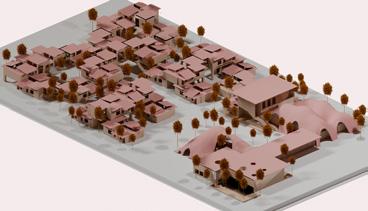
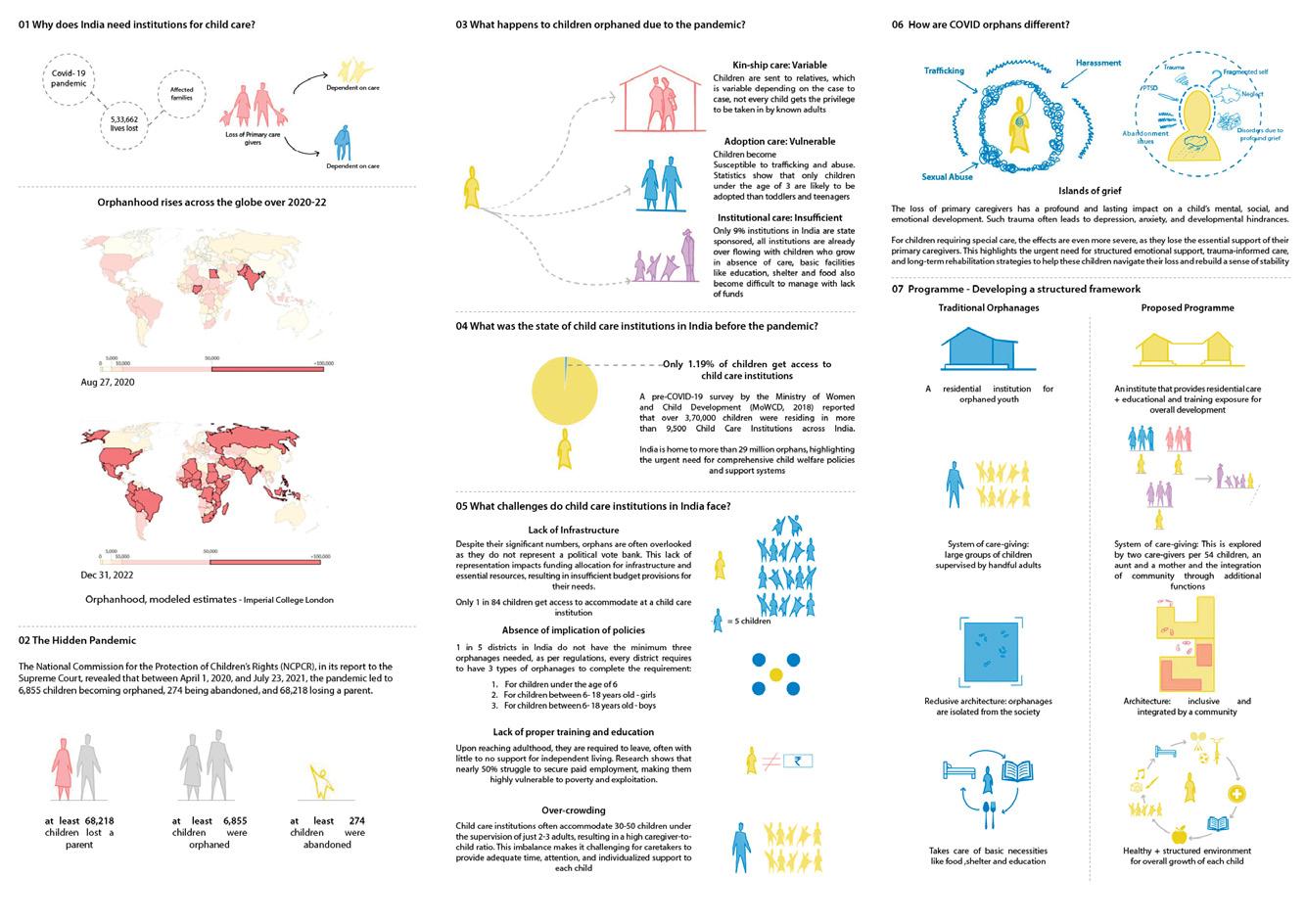
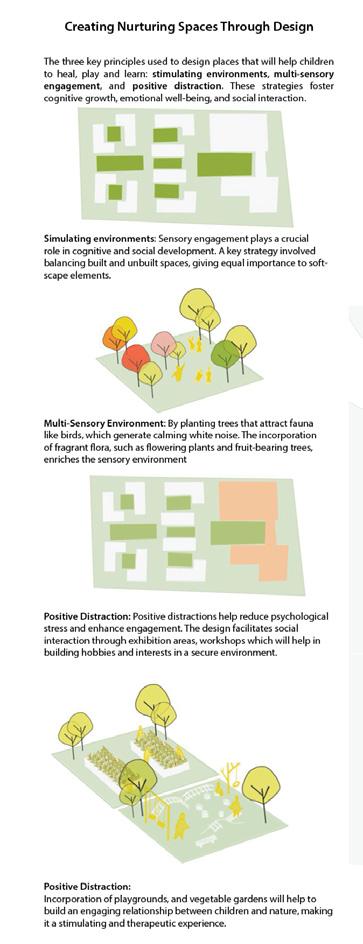
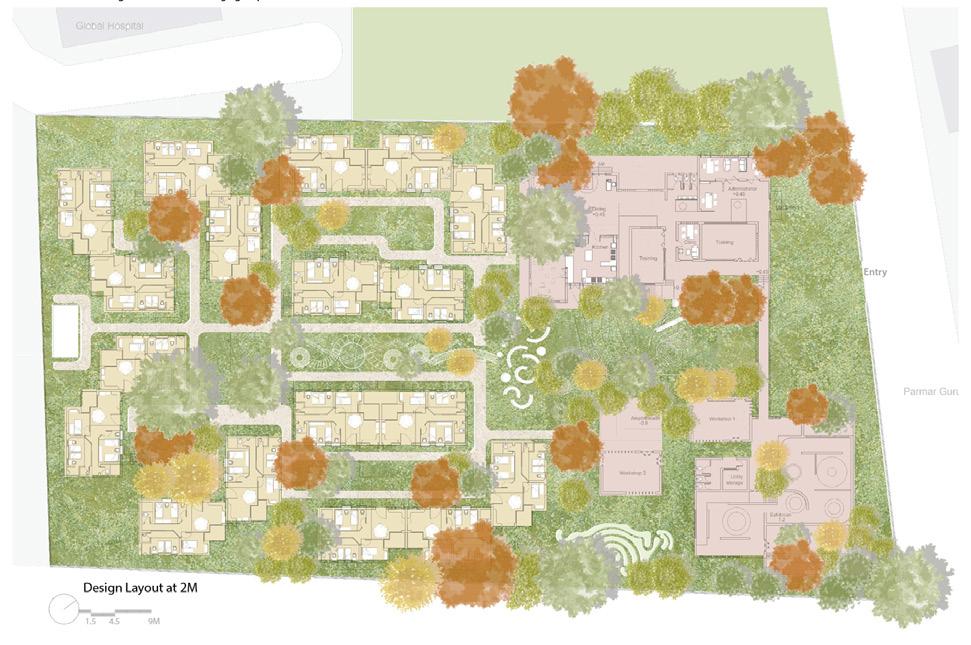
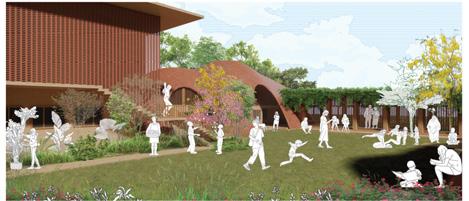
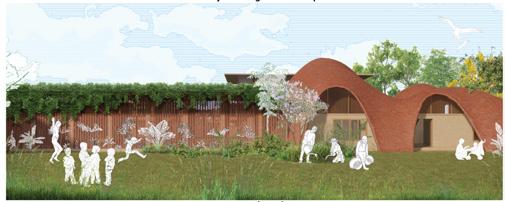
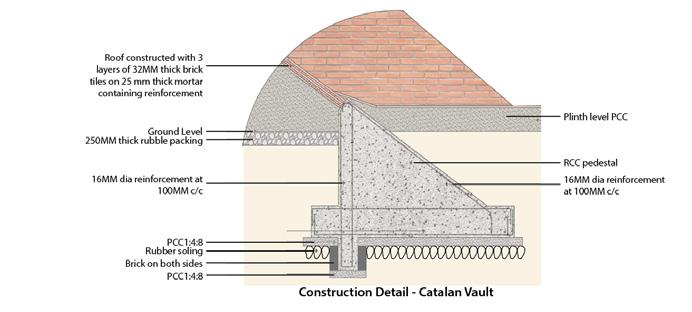
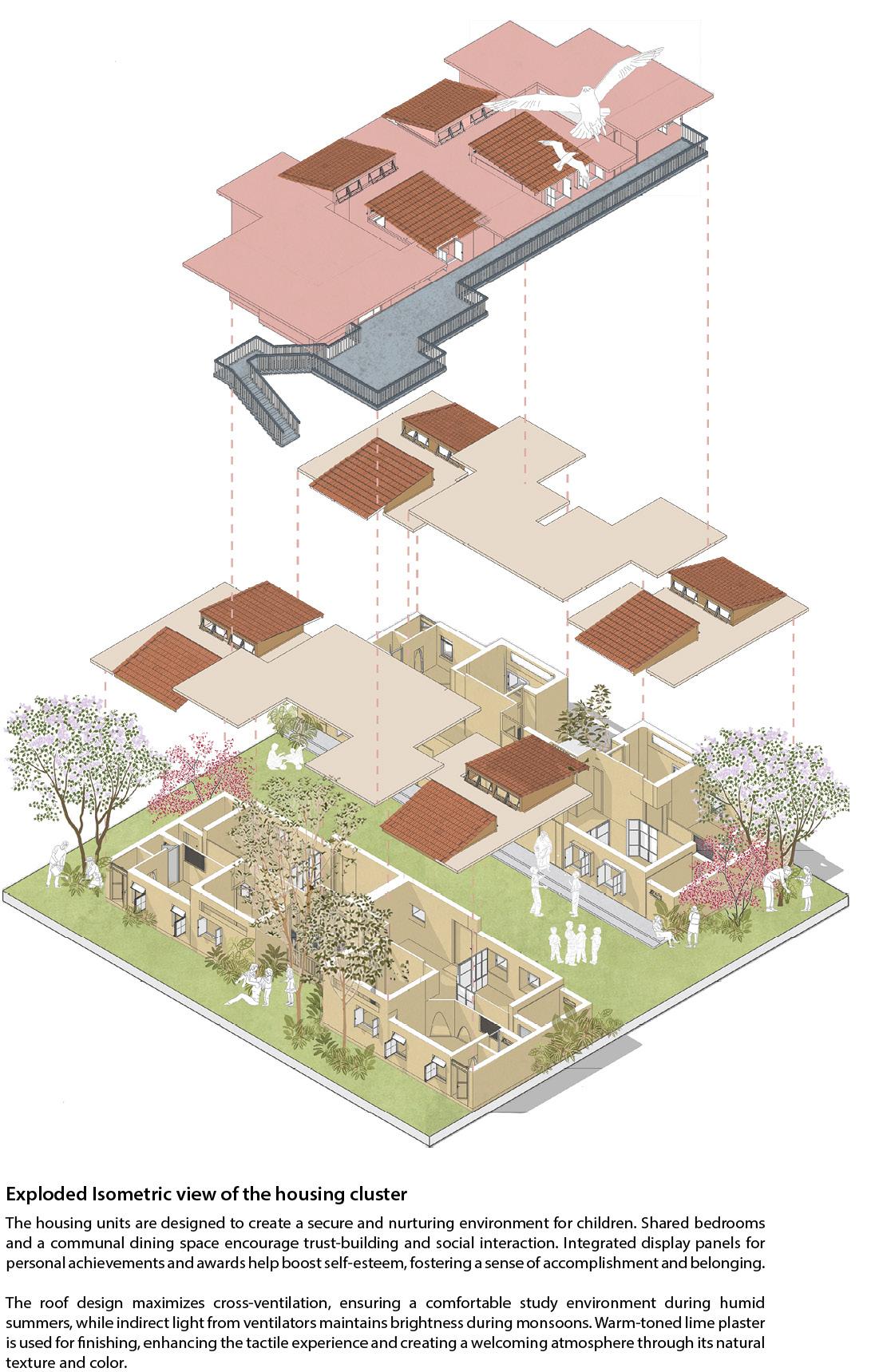
This thesis re-imagines the orphanage as an inclusive, community-integrated space, shifting from an introverted, institutional model to one that fosters engagement at multiple layers. By combining domestic and cultural components, the design creates opportunities for social interaction, identitybuilding, and empowerment of the children. This design envisions transforming an orphanage into a vibrant and participatory environment rather than a place of seclusion. 02
Design guide - Samir Bagdadi (samir@rizviarchitecture.edu.in)
This project rethinks the traditional orphanage typology, which has long been designed as an isolated, reclusive facility focused primarily on shelter, safety, and sustenance. Historically, orphanages have provided for children’s basic needs but have overlooked their integration into the larger community, often reinforcing a sense of detachment and anonymity
Pack - 9
Dog boarding, training and enrichment Centre
Professional Project - FK’D Workshop
Team - Principal Architect and Mentor- Ar. Faizan Khatri (faizan@fkdworkshop.com)
Project Architect - Ar. Devarsh Sheth (devarshsheth@gmail. com), Ar. Arunav Sinha (arunavsinha21@gmail.com)
Year - April 2023 - March 2024
Area - 15000 Sq. Ft.
Location - Delhi, India
Role - Architect
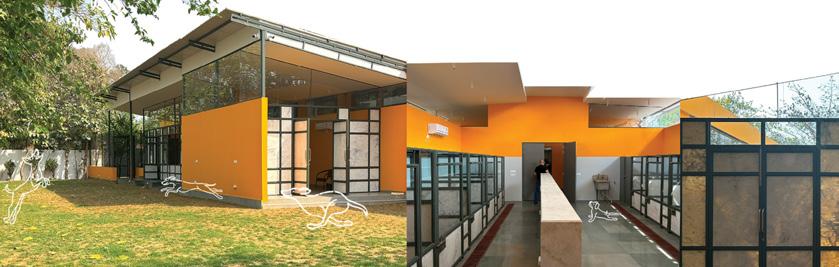
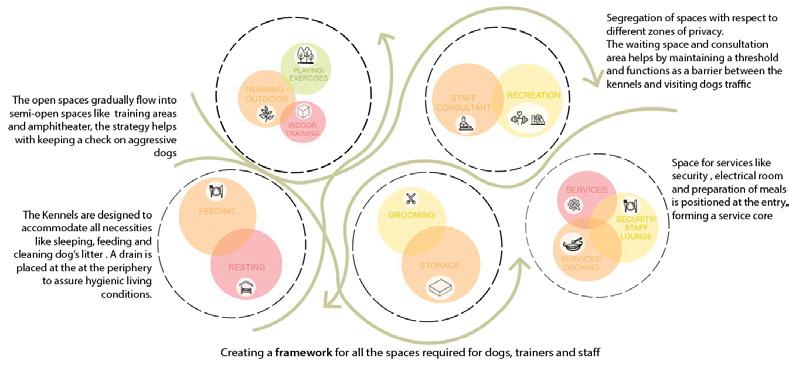
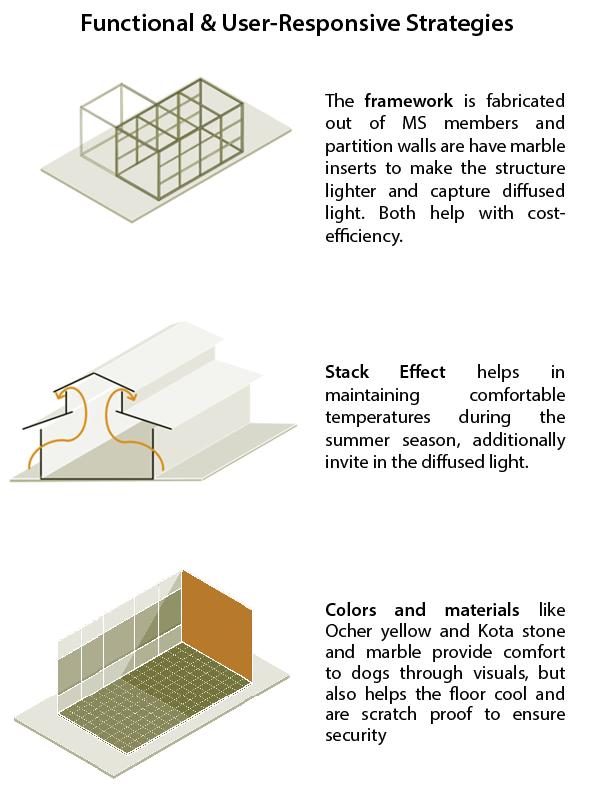
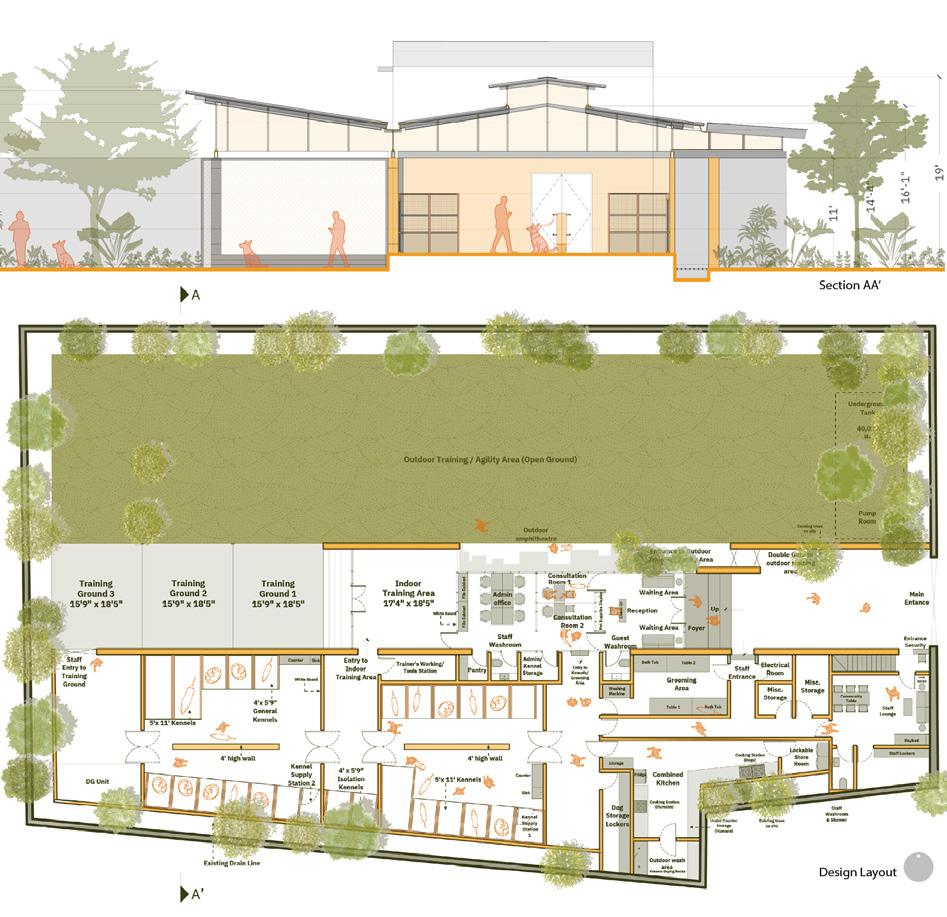
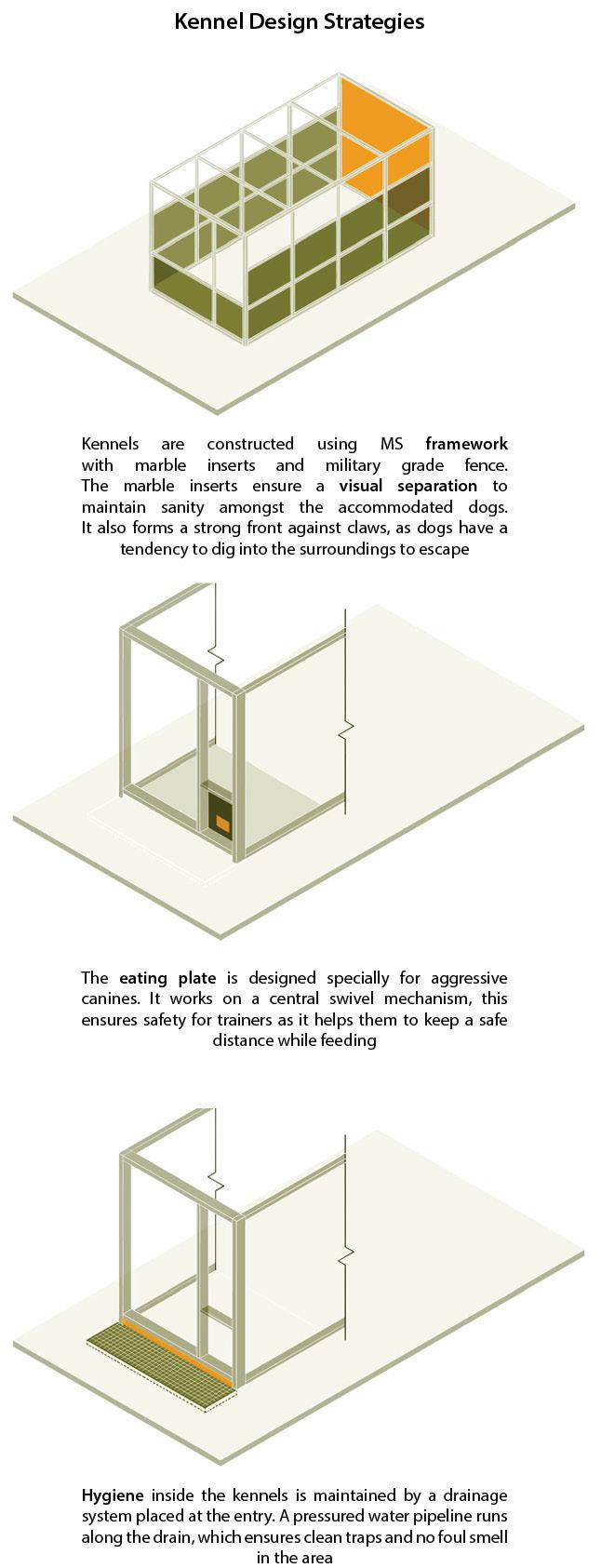
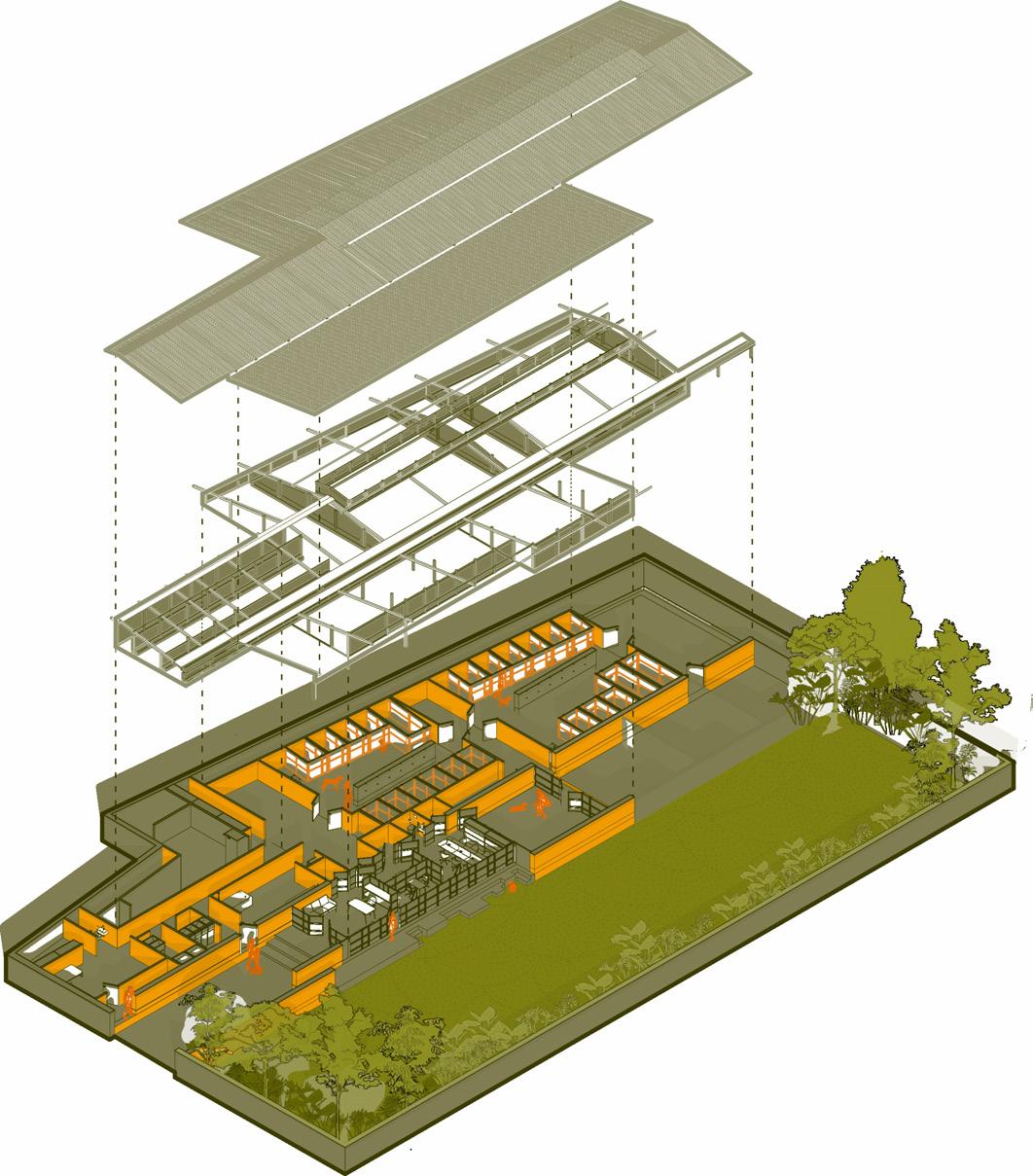
The Pack-9 Centre has been thoughtfully designed to cater to the needs of dogs while considering the emotions of their owners, ensuring a safe and comfortable environment for pets away from home.
Adequate natural lighting, spacious and secure kennels, and carefully selected colors, textures, and materials contribute to a welcoming space for its four-legged residents. Notably, yellow—a color dogs perceive easily and find comforting— plays a dominant role in the Centre’s design, enhancing their sense of ease and familiarity.
04
Contractors of Bombay
Bombay’s Overlooked Colonial Craftsmen
Digital Documentation, Featured - Mid-Day Newspaper- 13 June 2021
‘Lesser-known engineers, contractors who sculpted Bombay’s architecture in colonial era’
Team - Ar. Esa Shaikh and Ar. Diya Mary Joseph
Year - 2021 - Present
Link - Contractors of Bombay
Role - Architectural Writer
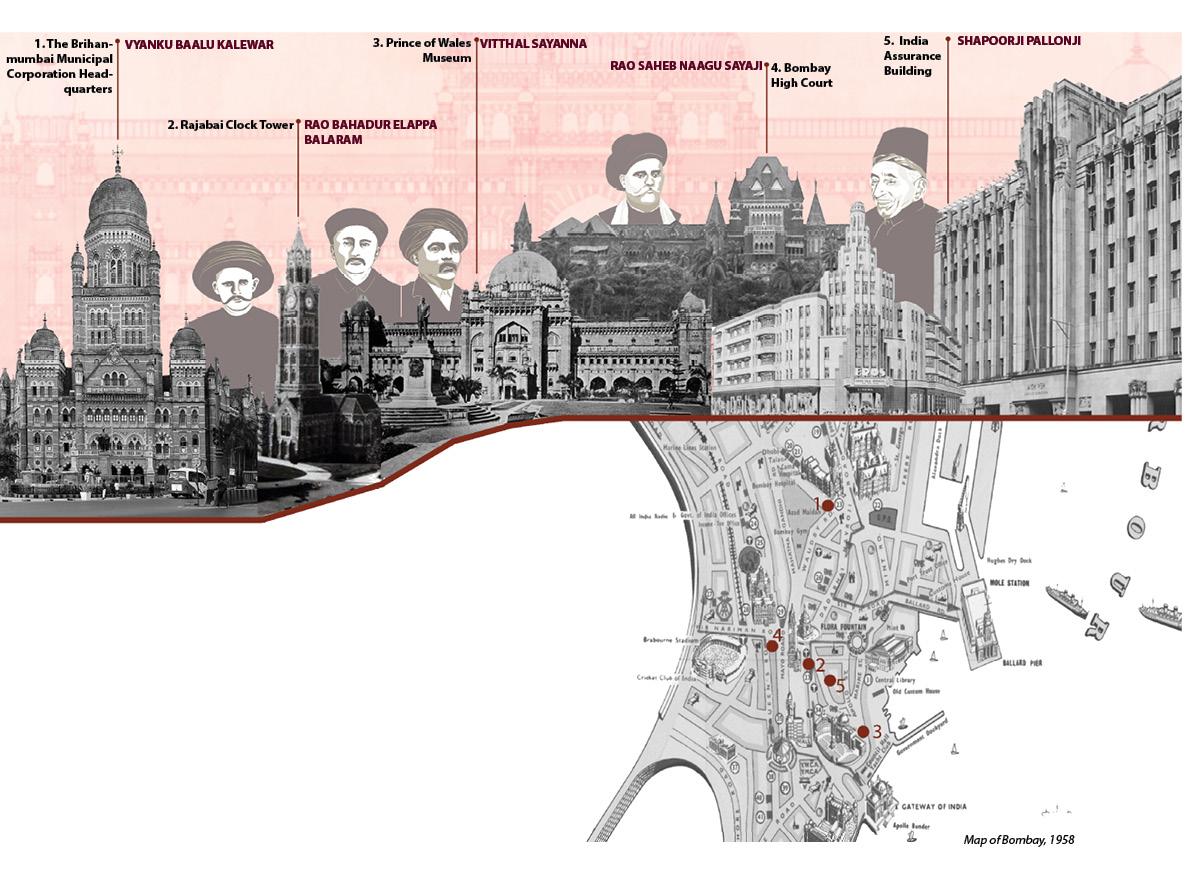
Aim - To showcase the lesser-known Indian engineers, contractors and laborers, who sculpted the city of Bombay and its architecture in the colonial era.
A humble attempt at celebrating the unsung Builders of Colonial Bombay. The research seeks to recognize these overlooked figures, educate the youth, and encourage reading through built history.
During the colonial era, contractors played a crucial role in executing British architects’ visions, ensuring both precision and worker safety.
05
The Chaviwallahs of Mumbai Water in Urban India
Documentary - The Nagari Film Competition x Charles Correa Foundation
Won - ‘Jury Commendation Award’
Team - Akanksha Gupta and Gopal MS
Year - 2022
Link - The Chaviwallahs of Mumbai
Role - Research Assistant
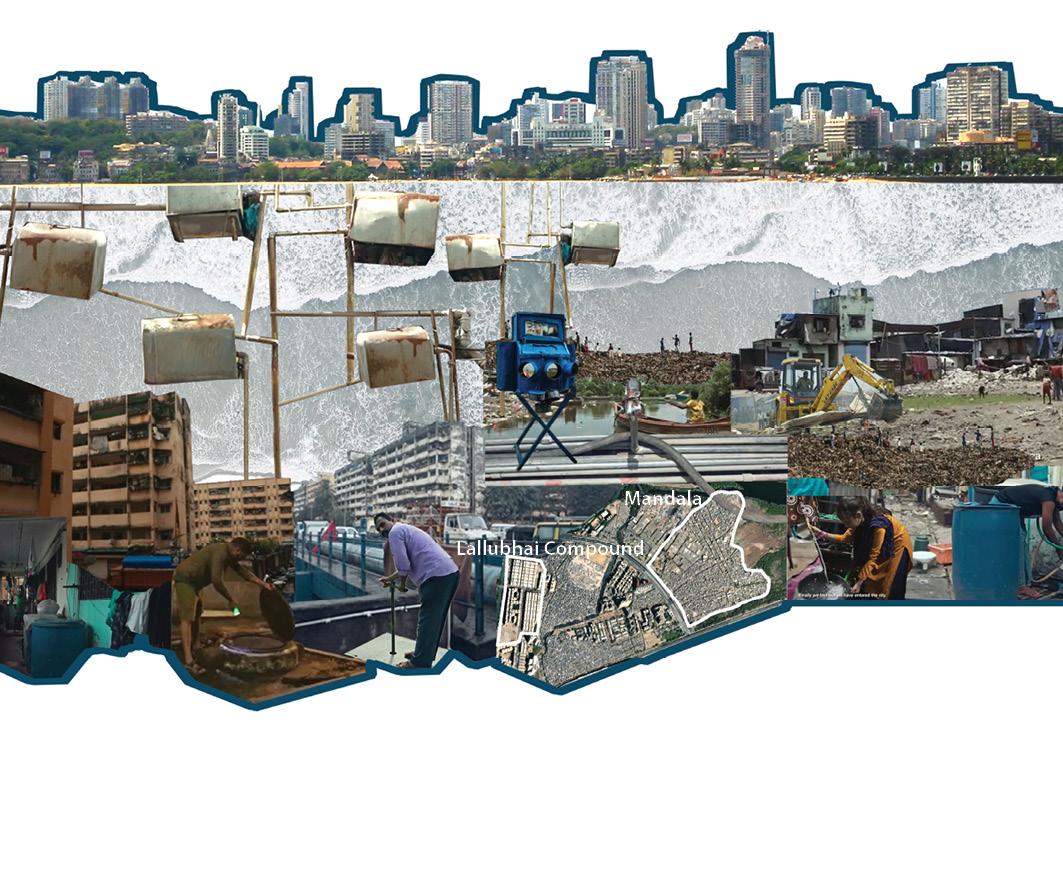
Brief - Nagari explores how water shapes urban India, highlighting its role in governance, access, and resilience amidst rapid urbanization, inequality, and infrastructure challenges in growing cities.
This documentary delves into Mumbai’s water distribution system, highlighting the lived experiences of residents in Mandala, an informal settlement, and Lallubhai Compound, a Slum Rehabilitation Authority (SRA) settlement
It illustrates how water access in the city is shaped not just by infrastructure but also by the relationships between residents, engineers, and politicians.
Using The Chaviwallah as a metaphor, the film explores systemic disparities, distress migration, and political influences that determine who gets access to piped water. It critically examines governance structures that perpetuate inequality, making a powerful statement on survival and social belonging in an urban landscape.