



















































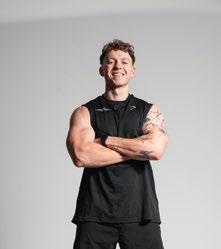


Athlete
and running technique
Coach’s
Scan



Athlete
and running technique
Coach’s
Scan
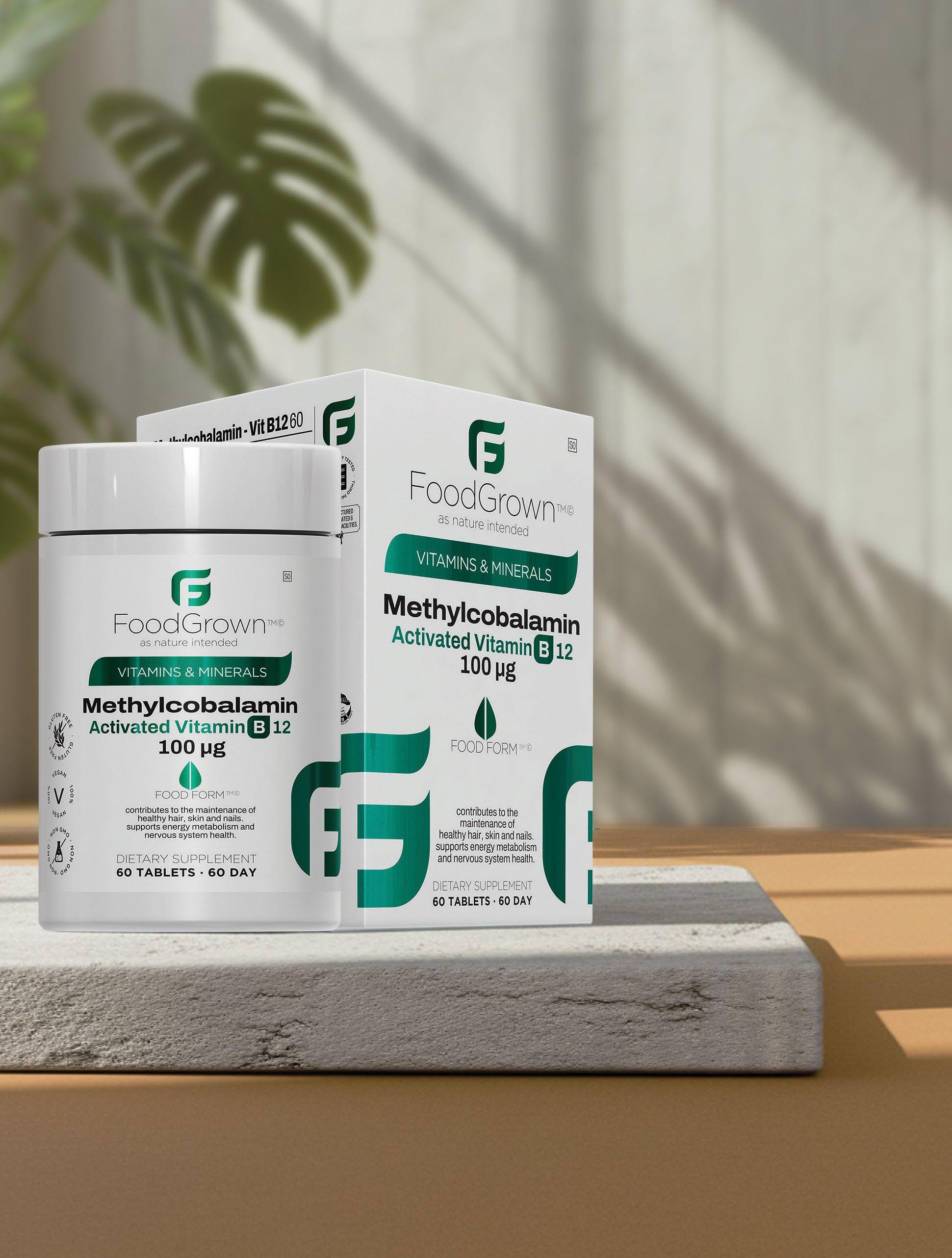
Supports energy metabolism
Promotes healthy hair, skin, and nails
Aids nervous system function
Contributes to overall wellbeing
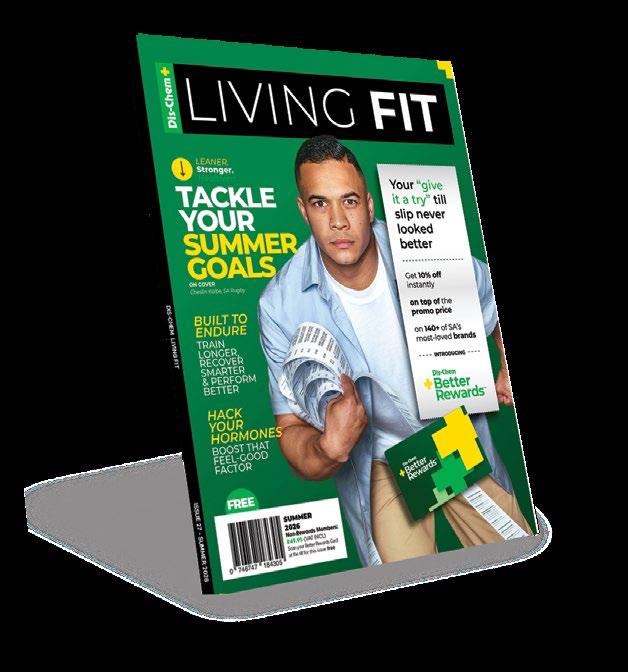
we all want to live better. It’s in every workout we push through, every nutritious meal we choose, every page of Living Fit we turn.
Better nutrition, better health and better fitness aren’t just goals; they’re the foundation for harmony in our mind, body and lifestyle.
Living better means making mindful, deliberate choices that move the needle toward the life you want. It’s about pursuing activities and entrenching habits that serve your best interest, day after day.

At Dis-Chem, we share these values because we believe “Better Health Starts Here!” We’re committed to the “better” ethos – the drive to consistently improve, develop and evolve alongside you.
That commitment is why we’re thrilled to introduce Better Rewards – a rebooted rewards programme that promises instant discounts on more than 10,000 products and potentially a billion rand back into our loyal customers’ pockets in its first year.
Yes, after almost two decades, we’ve upgraded the Dis-Chem Benefit programme with something that offers even greater value and is exponentially more rewarding. Better Rewards is designed to support you at every stage of your journey. From supplements that boost your energy and performance
to nourishing creams and rejuvenating aids for post-exercise recovery, Better Rewards members get exclusive access to discounts, savings, boosts and promotions. We’re already partnering with more than140 of South Africa’s most-loved brands, offering promotions to Better Rewards members who can save even more by taking better actions such as filling your prescription at Dis-Chem, paying with a Capitec card or getting better life or medical insurance from Dis-Chem.
In this new era, better choices add up to better savings. So join Better Rewards today!
Read more about the new Better Rewards programme on page12.
Yours in Better living.





















5% Pharmacy Boost 5% Capitec Boost


Get an extra 5% off on our Better Rewards brands every time you pay with Capitec UP TO % OFF 100 with cover from Dis-Chem
Buy anything from our pharmacy counter or hand in a script to get an extra 5% off on our Better Rewards brands – valid for 30 days

















Download our app for info on how to boost your discount!

Get Better. Perform Better. Get Better Rewards. That’s the theme for our Summer issue as we say goodbye to 2025 and hello to another 12 months of opportunities to become a better version of you!
Better health starts here with articles to cover every aspect of your wellbeing. Men’s health is in focus this issue as we look to give prostate cancer the finger. Check page 56 for all the risk factors and the proactive steps you can take for better prostate health.
Testosterone, that powerful male hormone, affects many aspects of a man’s wellbeing, with healthy natural production needed to build muscle and strength, but also boost energy and lift your mood. Find out how supplements can help (pg 60) and the role testosterone plays in male vitality on page 52.
If feeling good is a state of mind, then we’ve got good year-end vibes covered in this issue. Read all about brain-boosting foods (pg 68) to make 2026 your year to shine.
performance
As the racing season gathers speed, dive into this issue for tips that will make you a better runner or cyclist, no matter the distance.
Master your technique to put more power down with every pedal stroke or stride, and lower
injury risk, with our guide on page 116.
Explore beautiful landscapes and discover new adventures by taking your running to the trails with our training and racing guide (we’ve got all the must-do races across Africa on page 126).
Wherever you tread, be it on the road or out in nature, learn to beat the heat with our look at why heat hits different for female athletes (page 86), with a heavy dose of strength training advice from an S&C coach (pg 122) to make you a more durable athlete.
We’ve also got the lowdown on recovery (pg 102) for endurance athletes and take an inside look at the supplement strategies that top pro and amateur HYROX athletes use (pg 92) to help you perform better, no matter your sport.
Wishing you a happy and prosperous New Year!
Enjoy this issue! The Dis-Chem Living Fit team

Living Fit Magazine is published on behalf of by (Pty) Ltd

Publisher: Tanja Schmitz tanja@livingfit.co.za
Managing Editor: Pedro van Gaalen pedro@livingfit.co.za
Creative Director:
Sean MacTavish
Video:
Kayleigh Mocke, Gareth D’Enis-Rowson
Design & Photo:
Shelby Imrie, Ernst Robbertse
Advertising: sales@livingfit.co.za
Copy Editing: Lauren de Beer
Online Media & Editorial:
Gary Fairweather, Logan MacTavish, Laura Smith, Shannon Davies and Siovahn Bezuidenhout
CUSTOMER CARE:
Care-line: 0860 347 243
Telephone: 010 589 2200
Mondays to Fridays: 08:00 to 16:30 careline@dischem.co.za
Price and product disclaimer
All products, prices and special offers displayed or advertised in this magazine were correct at the time of print. Pricing and product availability in-store or online are subject to change without prior notice. While every effort is made to ensure accuracy and relevance in this regard, Dis-Chem and Io Media accept no responsibility for pricing changes, discrepancies and typographical errors, and cannot be held liable for any potential loss, damage or expense incurred as a consequence. In instances of errors, Dis-Chem reserves the right to cancel offers advertised at the incorrect price. Additional restrictions may apply.
Content disclaimer
Dis-Chem Pharmacies (Pty) Ltd and Io Media (Pty) Ltd cannot guarantee the accuracy of the content in this publication, which is provided for general information purposes only – no part of it constitutes medical advice. No liability is assumed by Dis-Chem, Io Media, Living Fit or its contributors for the information provided in the magazine and actual product performance and efficacy may vary based on many factors. Readers are advised to discuss any exercise, dietary, supplement or nutraceutical interventions with a suitably qualified medical, exercise or nutrition expert for individualised advice. Dis-Chem and Io Media accept no responsibility for any direct or indirect loss, damage or injury readers may suffer as a result of using or relying on any information contained in this magazine. All rights reserved.













29-30 November 2025
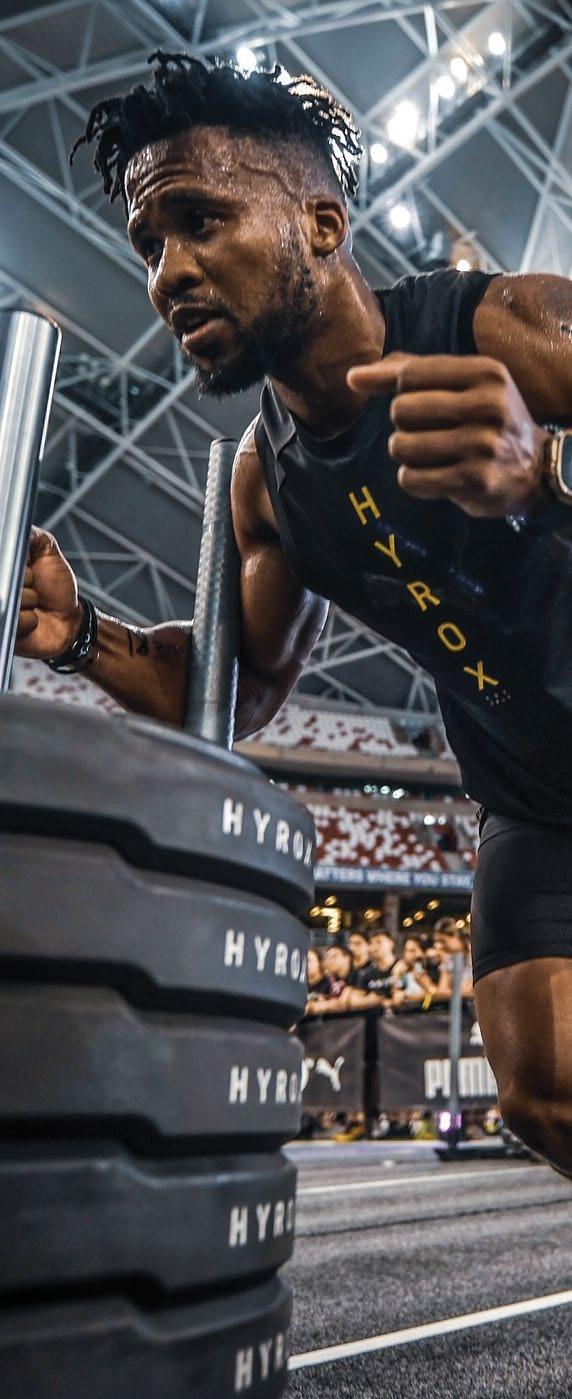
After an unforgettable debut, HYROX returns to Johannesburg for the second time in 2025! Join thousands of athletes at the Johannesburg Expo Centre as they take on the global fitness race.
Experience the unique stadium-like atmosphere where solo competitors, doubles and relay teams challenge themselves within the HYROX South Africa community. Whether you’re racing or cheering, this is the fitness event you don’t want to miss. hyrox.com/event/hyrox-johannesburg/
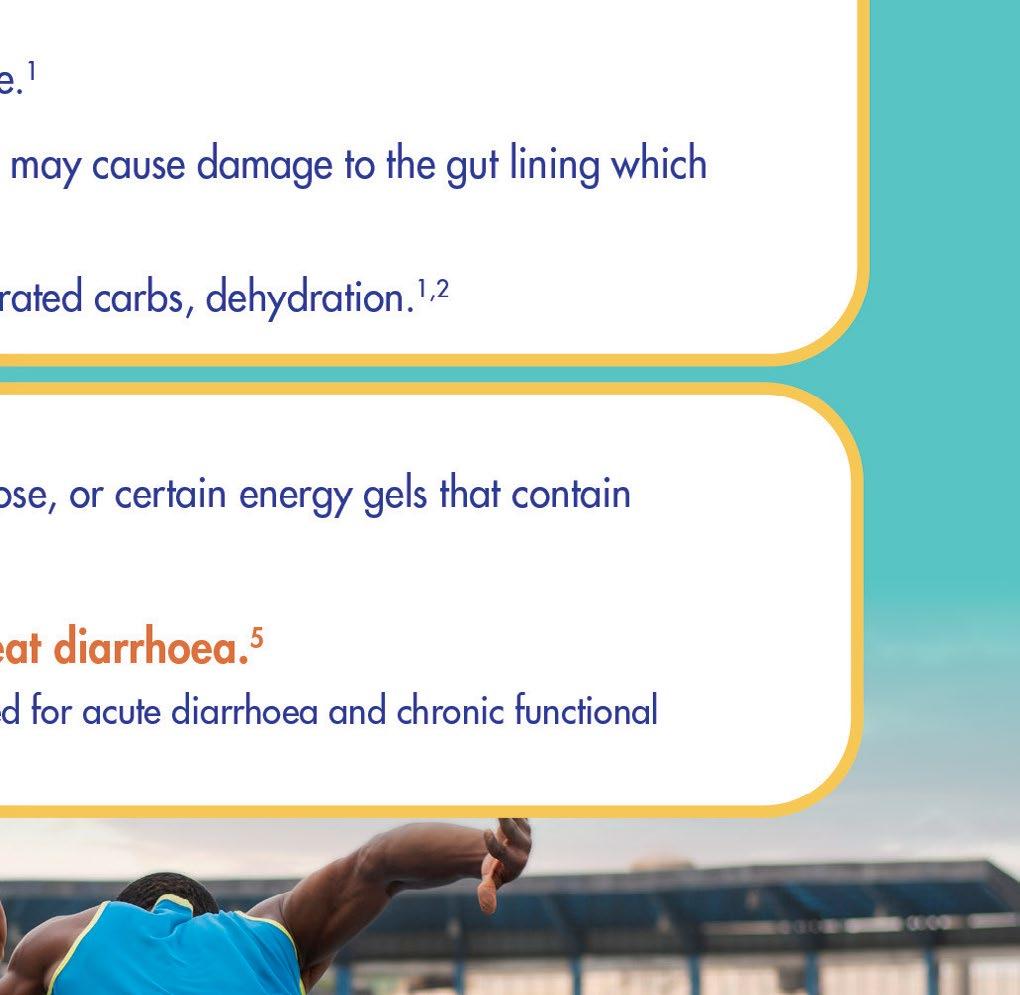
BIOGEN HALF MARATHON AND SMECTAGO 5KM FUN RUN PRESENTED BY MOMENTUM MULTIPLY 11 January 2026
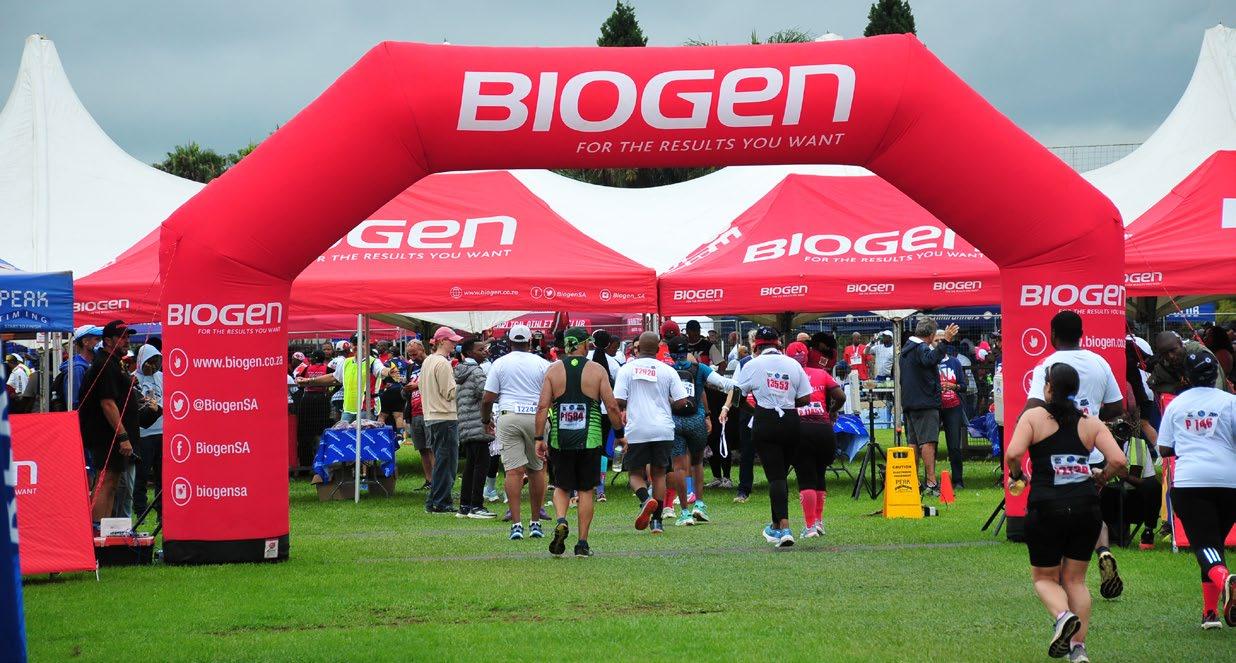
Entries are open for the 24th edition of the Biogen Half Marathon and SmectaGO 5km Fun Run presented by Momentum Multiply and will take place on Sunday, 11 January 2026, proudly hosted by Bedfordview Athletics at the Bedfordview Country Club. This iconic race continues to set the pace as Gauteng’s premier half marathon, attracting thousands of runners eager to kickstart their year with a challenging yet rewarding experience. With its scenic and hilly route weaving through Bedfordview and Primrose, participants can look forward to another unforgettable morning of fitness, fun, and community spirit. biogen21.co.za
MOMENTUM MEDICAL SCHEME ATTAKWAS EXTREME PRESENTED BY BIOGEN
17 January 2026
South Africa’s toughest extreme one-day MTB race is an adventure through the desert and mountains of the Klein Karoo, with a finish at Pine Creek Resort on the Great Brak River. The race is a real test of mind, body and machine! For a more serious challenge, tackle the 121km Attakwas Extreme MTB Challenge, which includes 2900m of vertical ascent. For the less serious, the Attakwas Half offers a 52km race with 1100m of vertical ascent. No e-bikes allowed! atta.co.za
MOMENTUM MEDICAL SCHEME TANKWA TREK PRESENTED BY BIOGEN
5-8 February 2026
The Marino Monster awaits at this iconic four-stage race. With breathtaking trails through the Bokkeveld and winding routes in the Witzenburg area, this race features some of the most unique scenery SA has to offer. As one of the first UCI events of the season, the event traditionally attracts big-name riders from around the world. Riders tackle routes through rocky outcrops and steep climbs on a mixture of handbuilt, smoothly sculpted, and rough and loose trails. Riders also get to enjoy true ‘Karoo hospitality’ with a world-class race village at Kaleo Guest Farm.
tankwatrek.co.za

7-8 February 2026
Don’t miss the 53rd edition of the world’s biggest open water swim, the aQuellé Midmar Mile. Set your goals high and join this iconic event, where more than 14 000 swimmers of all abilities add this iconic event to their list of accomplishments. The aQuellé Midmar Mile Weekend consists of eight events over a two-day period. midmarmile.co.za
15 February 2026
Fully stocked water points, a finisher’s medal and an exciting prize giving await riders in the 116km Super Classic presented by Ensure and 62km DS 24 Challenge.
The race serves as a seeding event for the Cape Town Cycle Tour 2027 and the 2026 Ride Joburg. All proceeds go directly to Retina South Africa, an organisation that supports South African patients losing their vision due to retinal blinding conditions.
retinasa.org.za
5-8 March 2026
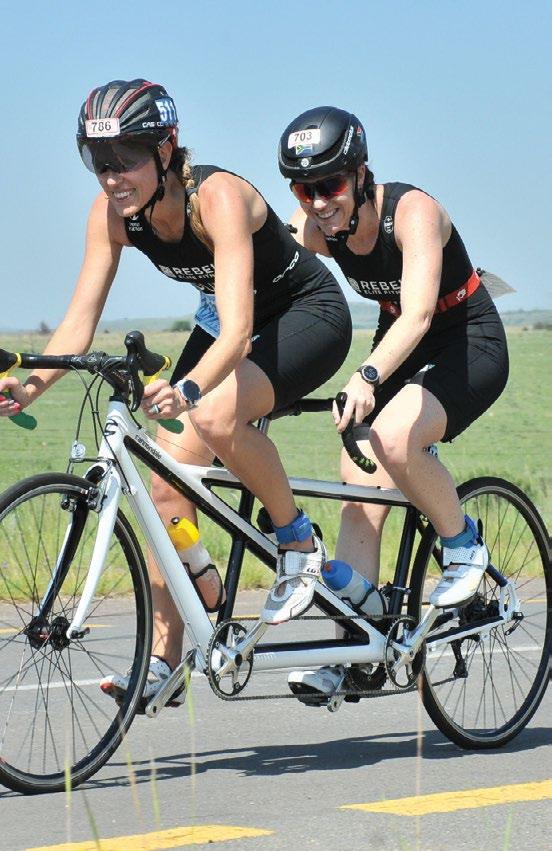
The 48th Cape Town Cycle Tour, the biggest timed bike race in the world, provides a glorious day out for tens of thousands of cyclists, no matter the weather. Taking riders on a 109km route around the Cape Peninsula, the Cape Town Cycle Tour is South Africa’s must-do cycling event.
Route highlights include full road closure, boisterous roadside support and the glistening ocean views from Chapman’s Peak. In the months following the Cycle Tour, millions of rand are ploughed back into the communities the 109km route crosses through the ongoing work of the event principals, the Pedal Power Association and the Rotary Club of Claremont. capetowncycletour.com
6-8 March 2026

Run. Have Fun. Eat. Sleep. Repeat! Participating in the Tankwa Trail is a weekend of pure joy, encompassing all kinds of exhilarating emotions. Runners can immerse themselves in the trails, passing by rugged rock formations, luscious fruit plantations, and the tranquil KoueBokkeveld scenery as their backdrop. tankwatrail.co.za

March 2026
This exciting premium functional fitness event will comprise teams of 2 (male/ male or female/female or male/ female). Teams can compete in four divisions, including Scaled, Intermediate, Masters, and Rx'd. There will be 5 workouts over the weekend. The leaderboard is determined purely by the standings of the teams after the 5 workouts. The workouts will test the athletes' ability to strategise for the best team performance while having a ton of fun. scoreit.co.za/scoreitevents
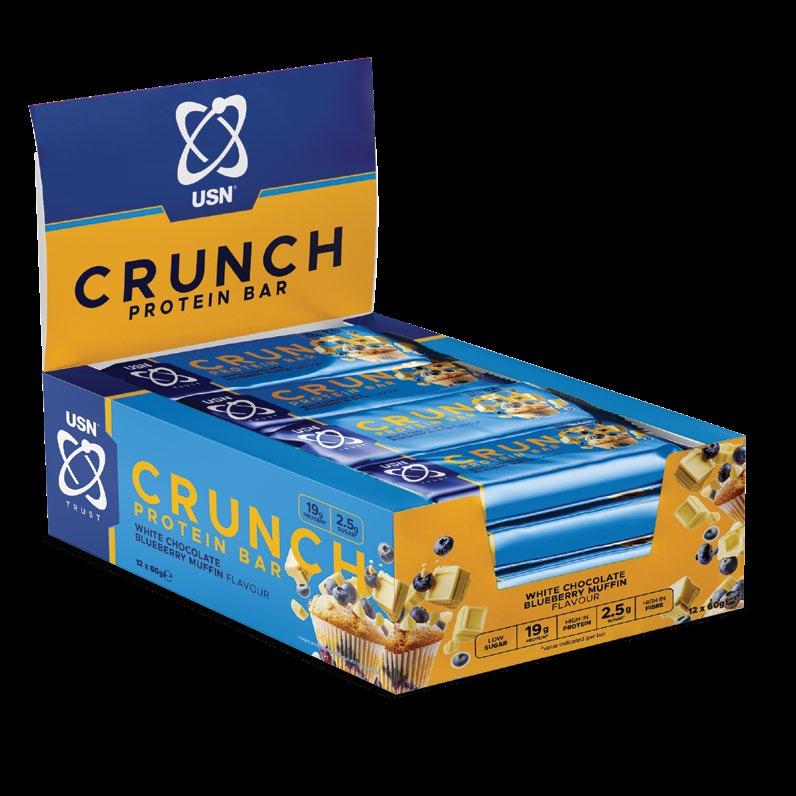
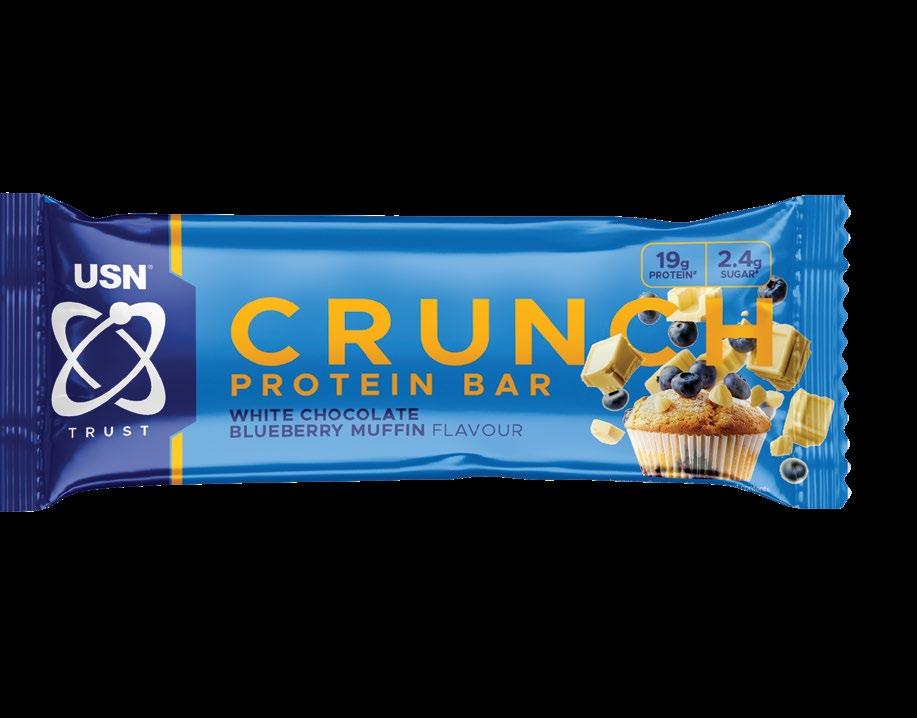

USN’s Crunch Protein Bar has a new, delicious flavour: White Chocolate Blueberry Muffin. Get an energy boost with a high-protein snack. This bar is low in sugar and high in fibre, which helps keep you feeling fuller for longer. Suitable for any time of the day.
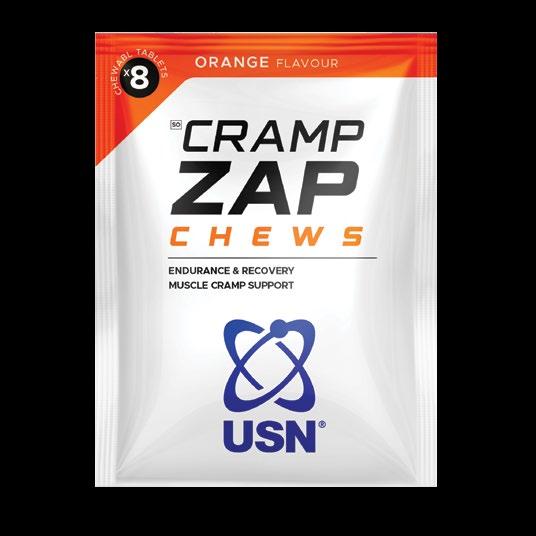
Cramp Zap Chews deliver fastabsorbing minerals and vitamins. Chewing allows quicker uptake than standard capsules. Ideal for endurance or high-intensity training, they support electrolyte balance, boost stamina and recovery, and maintain muscle function. With added vitamin C for antioxidant support, just chew and go — no water needed.
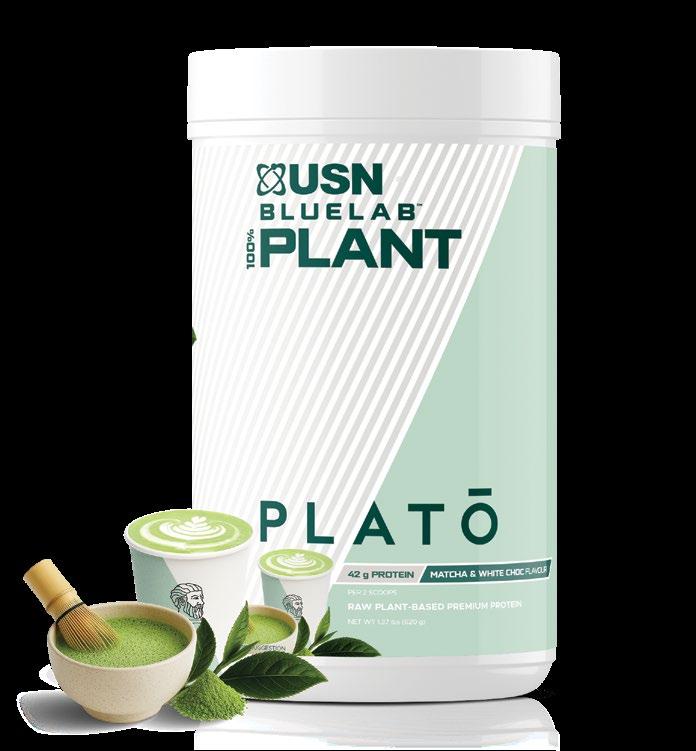
USN BlueLab 100% Plato Plant Protein gets a Matcha & White Chocolate boost.
USN’s BlueLab 100% Plato Plant Protein is a smooth blend formulated for energy and recovery. Each serving delivers 21g plant protein and contains 48mg natural caffeine, while providing antioxidant support.




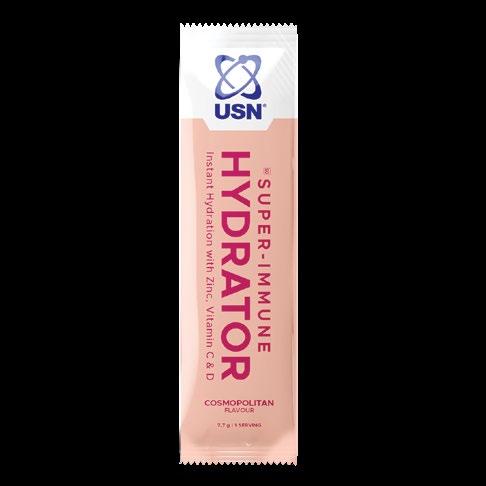
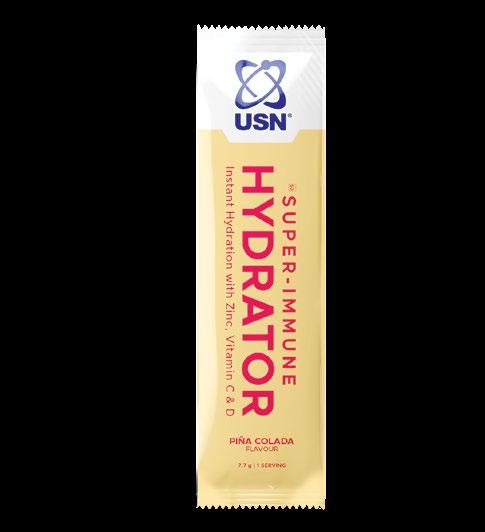
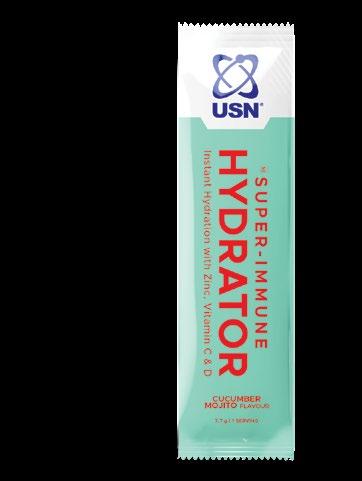
Get ready for summer with Super-Immune Hydrator’s refreshing new flavours: Cucumber Mojito, Pina Colada and Cosmopolitan. This hydration drink is a powerful, all-in-one electrolyte and immune support solution scientifically formulated to meet the needs of active individuals. Whether you’re training hard, recovering after exercise or simply looking to boost your daily hydration and immunity, this refreshing drink mix delivers what your body needs to perform and recover at its best.

… And so will your ‘living fit’ journey!
Introducing Better Rewards: Dis-Chem’s brand-new loyalty programme
It’s time to make your fitness, wellness and health journey even more rewarding with Dis-Chem’s new loyalty programme: Better Rewards. Discounts, savings, boosts and promos, designed to help you at every stage, from the energy you need for your daily workout to nourishing creams and bath-goodies for that post-exercise soothe session.
How does it work?
Better Rewards members get to access all promos at Dis-Chem, and get 10% off instantly ON TOP OF THE PROMO PRICE on 140+ of SA’s most-loved brands… including Biogen, Bioplus, Centrum, Shield, Dove, Voltaren, Shower to Shower and more.
And, all rewards are applied every single time you shop!




Want to save even more*?
Start by shopping Better Rewards brands across all categories to maximise your savings – and make sure you boost your discounts:
+ 5% Pharmacy Boost: get an extra 5% off our 140+ Better Rewards brands when you hand in a script or buy anything from our Pharmacy counter (valid for 30 days),
+5% Capitec Boost: get an extra 5% off on Better Rewards brands every time you pay with Capitec.
Save even more with Better Rewards and cover from Dis-Chem:
• Get from 20% up to 100% off on all of our 140+ Better Rewards brands with cover from Dis-Chem… Save up to R3 000 pm, with a personalised discount based on your health rating and premium.
The discounts all add up to Better savings… only with Better Rewards.
* Ts and Cs apply

Not a member yet?
Join Better Rewards for free now!



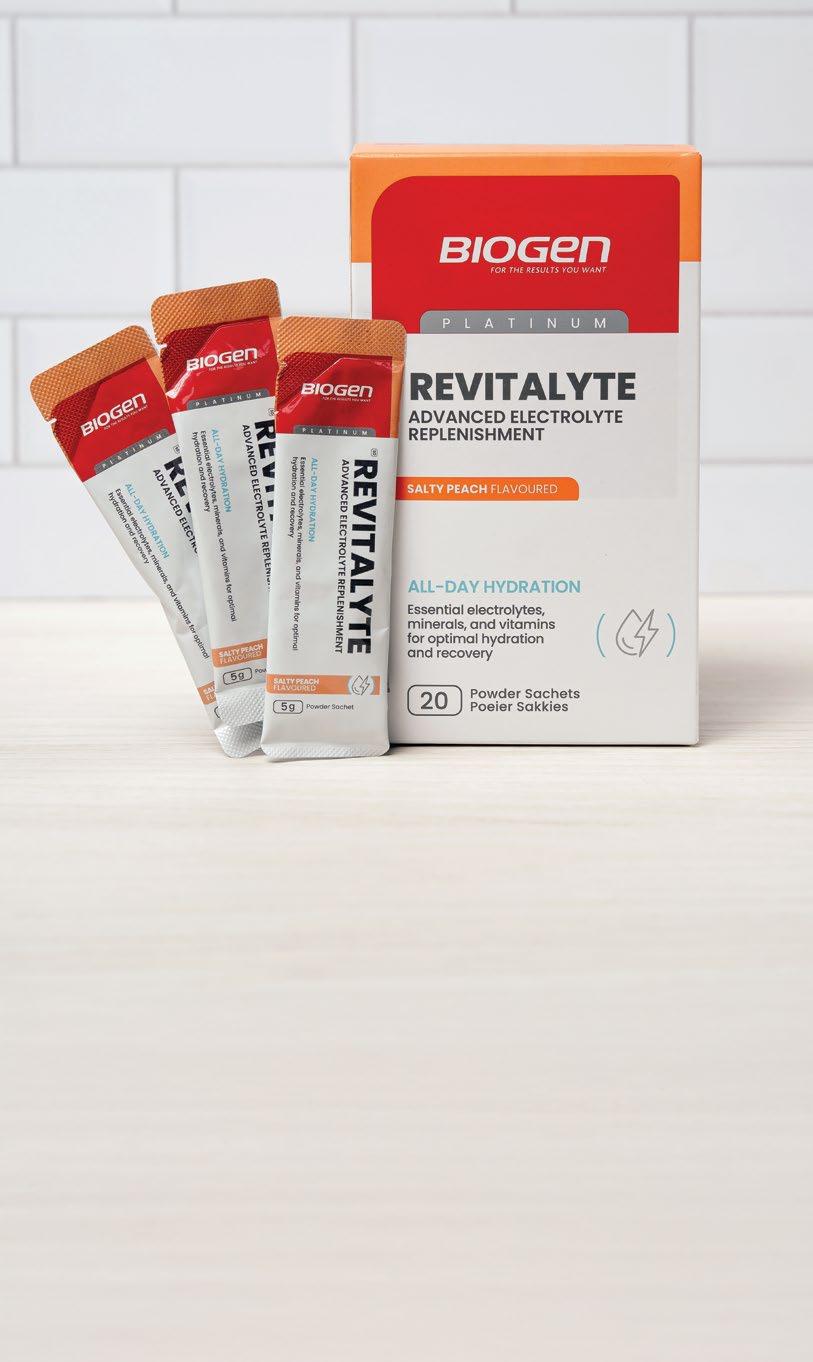



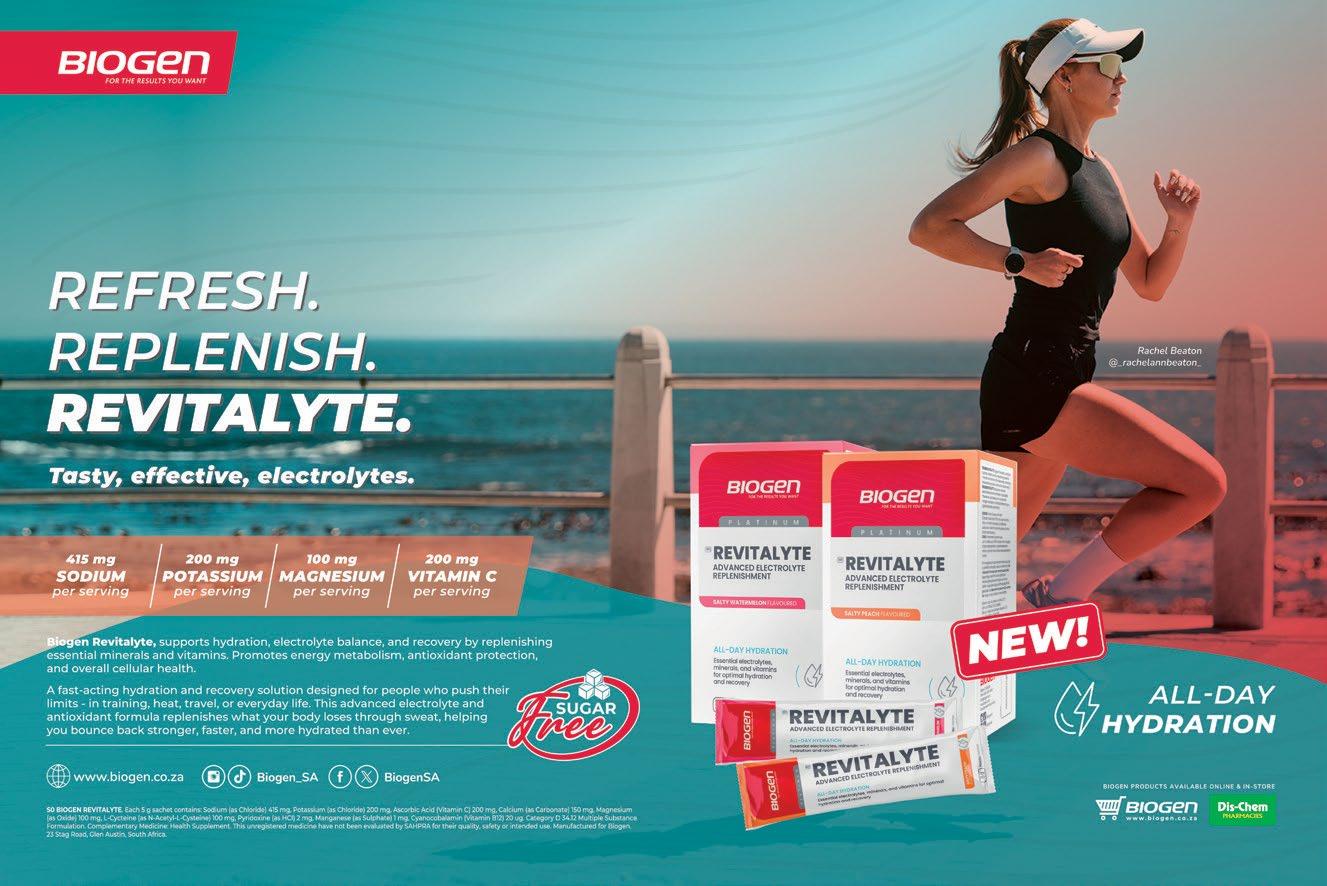
Biogen Revitalyte is an advanced electrolyte replenishment solution available in powdered sachets that contains essential electrolytes, minerals and vitamins. It is an effective way to support optimal hydration and promote energy metabolism, antioxidant protection and overall cellular health for better focus, increased energy and improved muscle function.
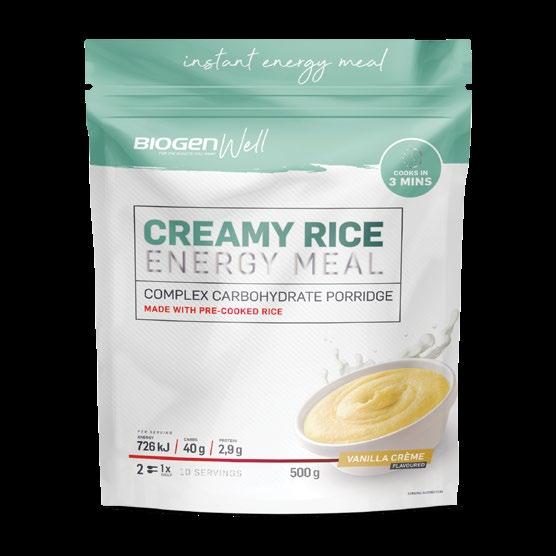
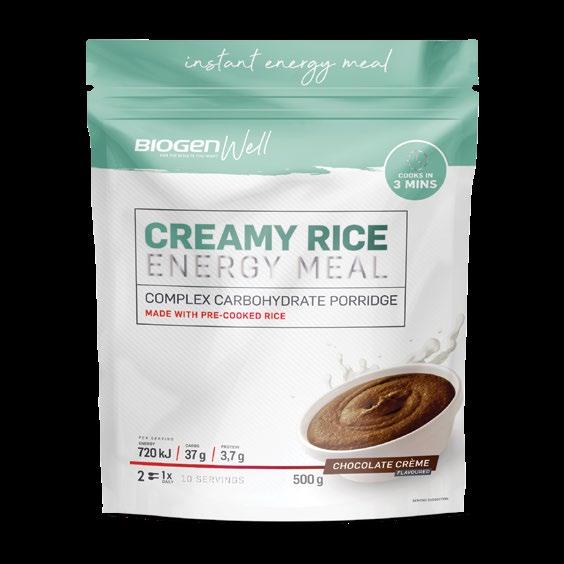
Biogen Gluten-Free Creamy Rice Energy Meal is a naturally gluten-free, complex carbohydrate cereal. Delicious, simple and easy to prepare, Biogen Creamy Rice Energy Meal is the ideal solution for a pre-workout meal. Available in Chocolate and Vanilla flavours.


The Biogen story
What do you get when you blend two decades of hustle culture, an unrelenting entrepreneurial spirit and an unwavering collective belief in a brand? You get Biogen, a trusted leader in the sports supplements industry for the last 20 years.
Scan the QR to learn about the brand’s journey.
See page 25 for the story
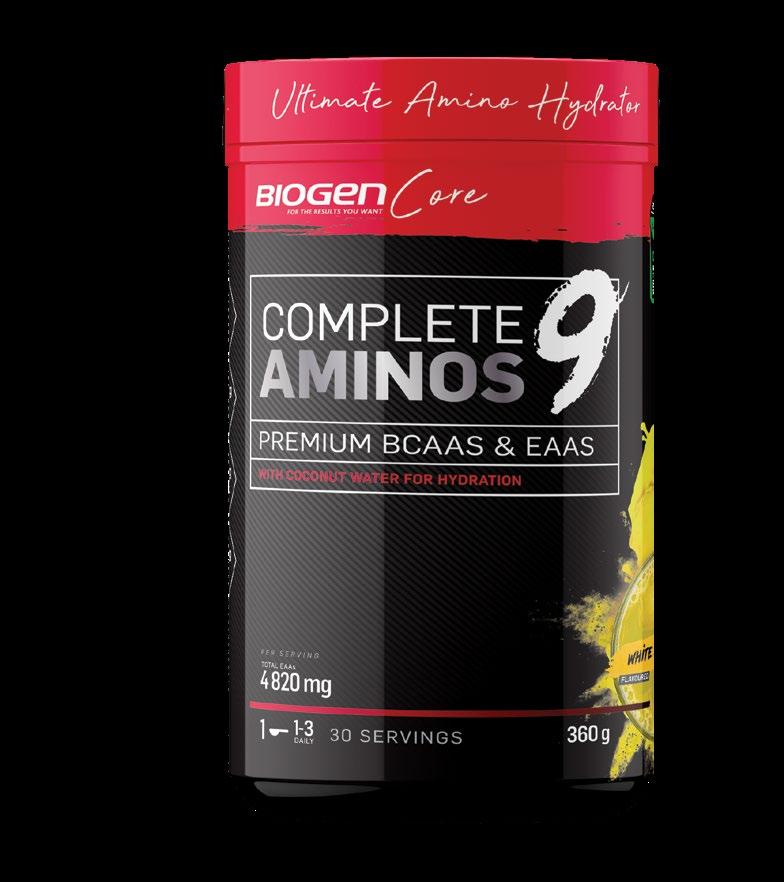



Biogen has added White Pineapple to the already extensive range of great-tasting Complete 9 Aminos flavour options, which include Cherry, Orange, Sour Apple and Peach Mangifera. Biogen Complete 9 Aminos is formulated with BCAAs at a 2:1:1 ratio and 6 EAAs, at levels which may assist with muscle protein synthesis, tissue repair and recovery after exercise. Added Coconut Water Powder maintains electrolytes, offering an ideal product for anyone looking to optimise their training.

Keep your game clean with ALINE’s new Hygiene Bottles, designed specifically for rugby. These bottles combine smart functionality with a sleek design tailored to shared team use, helping players stay refreshed and hygienic during intense matches. While not available for retail purchase, these bottles are distributed exclusively to Biogen’s sponsored teams and select rugby schools — available on request only.


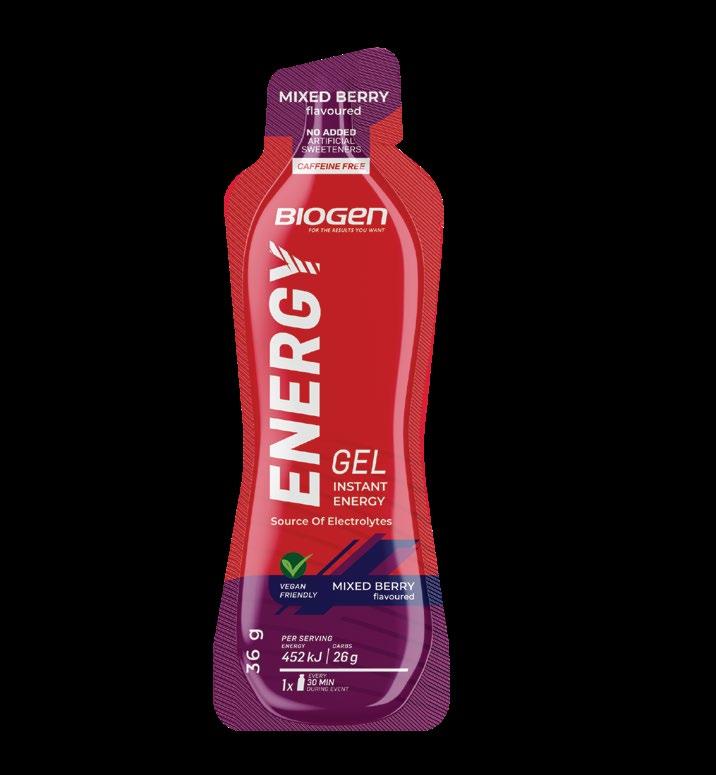
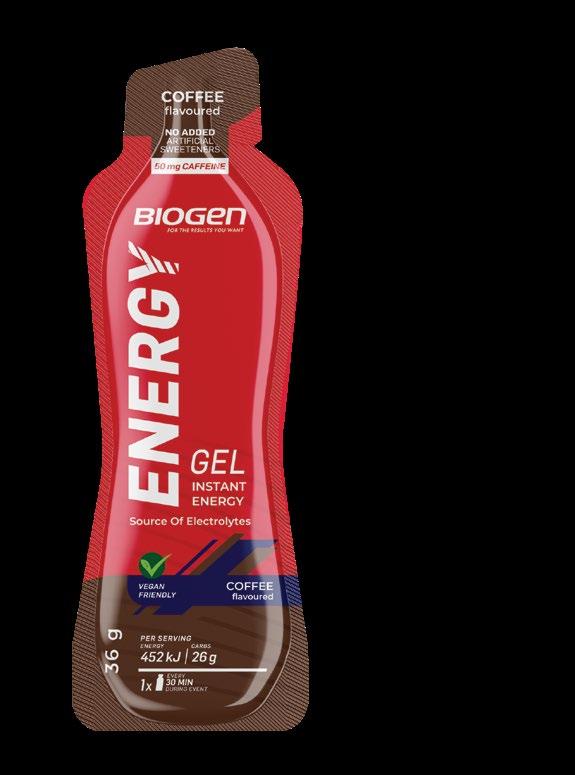
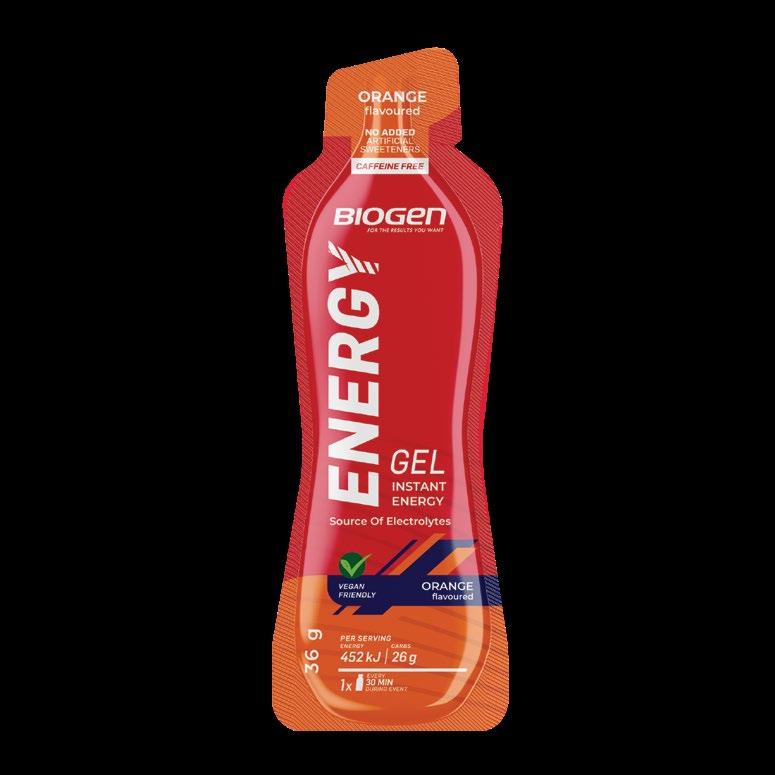

Look for redesigned Biogen Perform-X Energy Gels in store at Dis-Chem or online at www. biogen.co.za in striking new packaging. These high-energy gels deliver instant energy, with 26g of carbs and 452kJ per serving. Each easy-to-carry sachet is also a source of electrolytes. This is the ideal compact solution to boost energy levels before a hard training session or race and provide a sustained source of glucose during prolonged efforts, with 1 gel recommended every 30-40 minutes during endurance events. Available in Mixed Berry, Orange, Vanilla and Coffee flavours to suit different taste preferences, with no added artificial sweeteners and no caffeine.

Sip like the pros with the new Biogen Elite Fly water bottle. It is the WorldTour’s most used water bottle because it’s incredibly lightweight, at only 51g for the 550ml version. This makes it possible to use less plastic material in production. The unique design was developed for great stability in the bottle cage and easy extraction while cycling. The ergonomic structure also makes it easy to squeeze to optimise liquid flow with the lightest pressure. The bottle features a distinct sport-like design with a new texture to improve your grip on the bottle, which is ideal when riding.

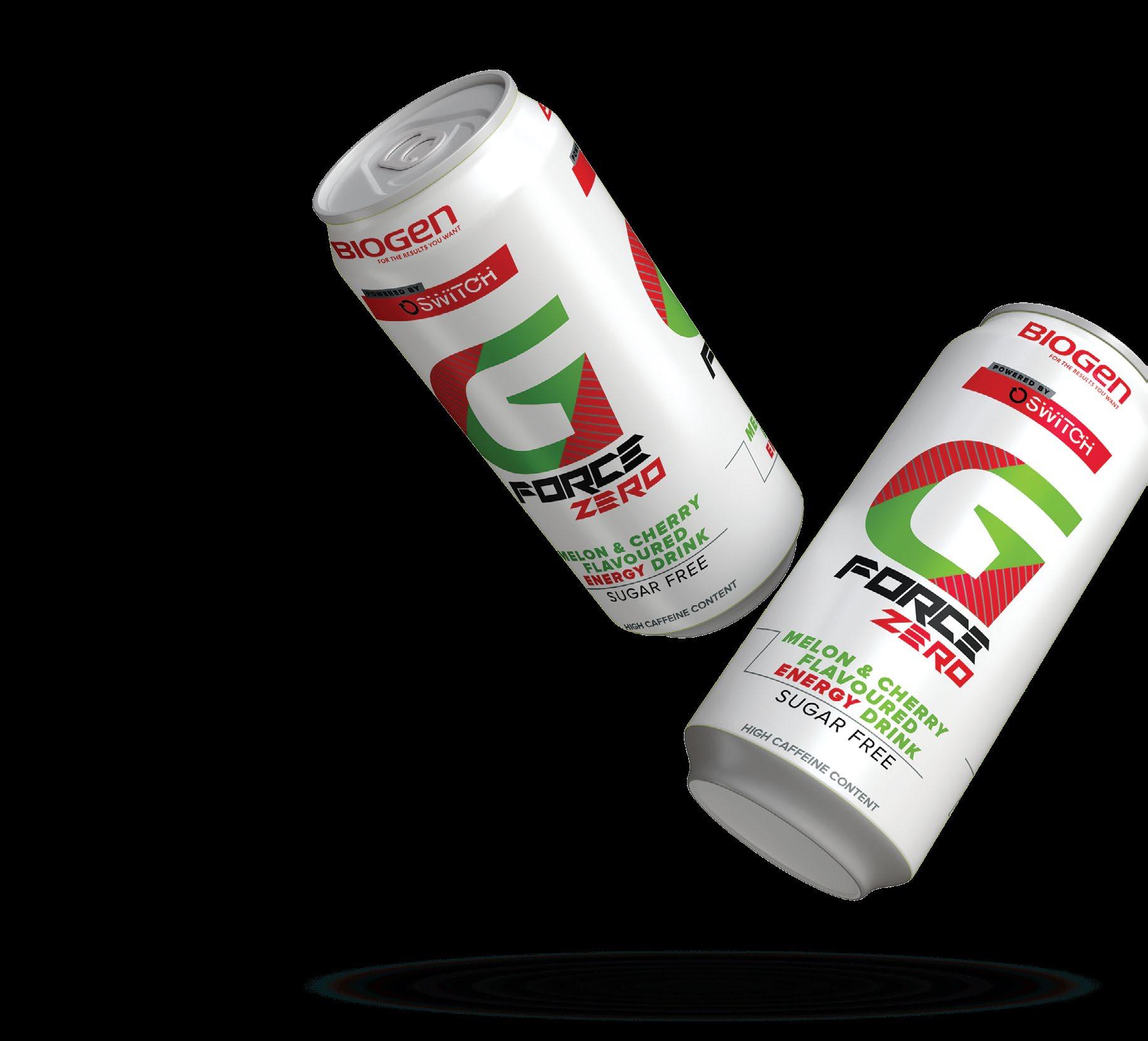
Biogen’s popular G Force Energy Drink, powered by Switch, is now available in a sugar-free option. Biogen G Force Zero still contains its high caffeine content with 160mg per 500ml can, with added B-vitamins to support energy production. Locally brewed specifically for Biogen’s discerning customers, G Force energy drinks are distinctive products that are uncompromising in their ingredients, flavour and style. New Biogen G Force Zero is available at Dis-Chem stores and www.biogen.co.za in Melon & Cherry flavour.

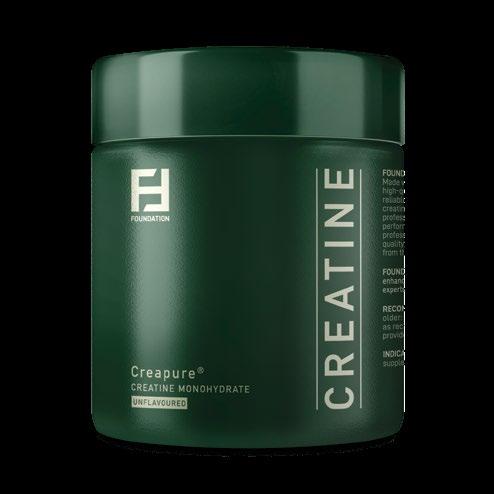
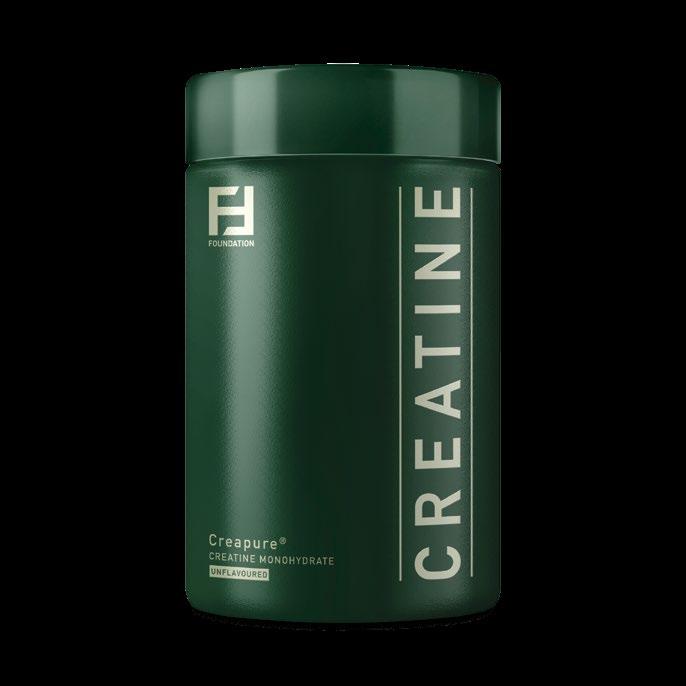


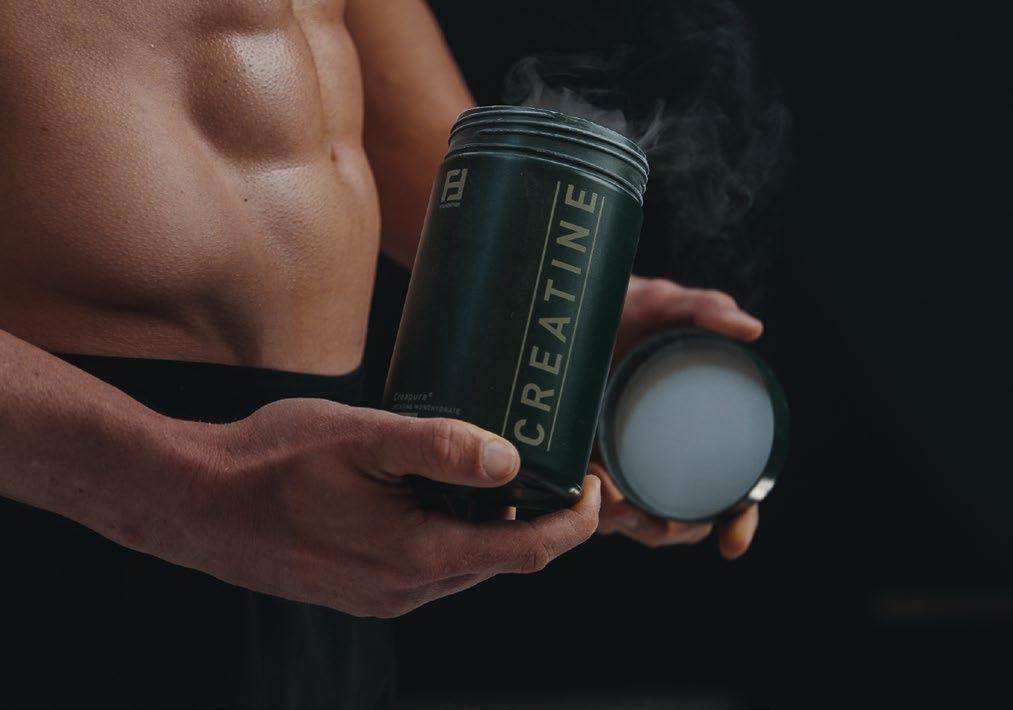
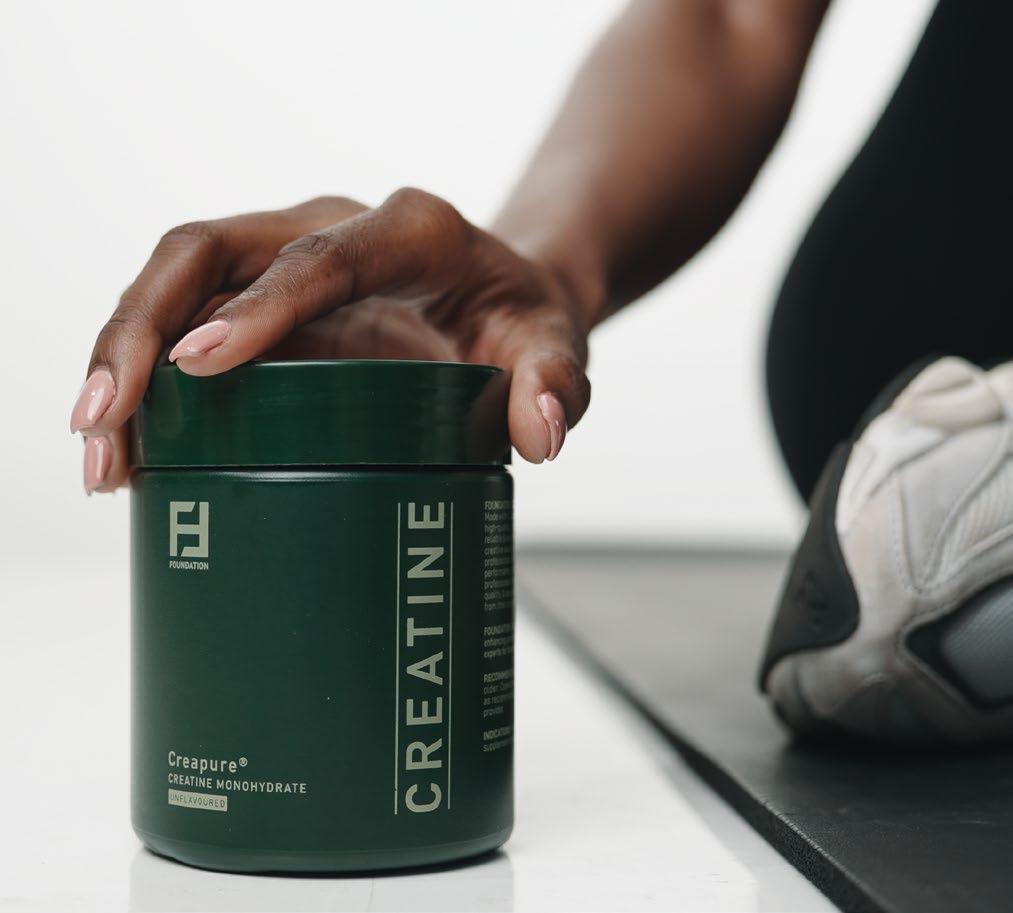
New FOUNDATION Creatine Monohydrate contains high-quality Creapure®, a global leader in creatine. Creapure® produces pure, safe creatine, backed by extensive research, with more than 69,000 studies, and is made in Germany. Creapure® is used by international sports supplement brands and is trusted by athletes who need peak performance. Creapure® is Cologne List-certified, vegan-friendly and is naturally soy- and gluten-free, Kosher and Halaal.
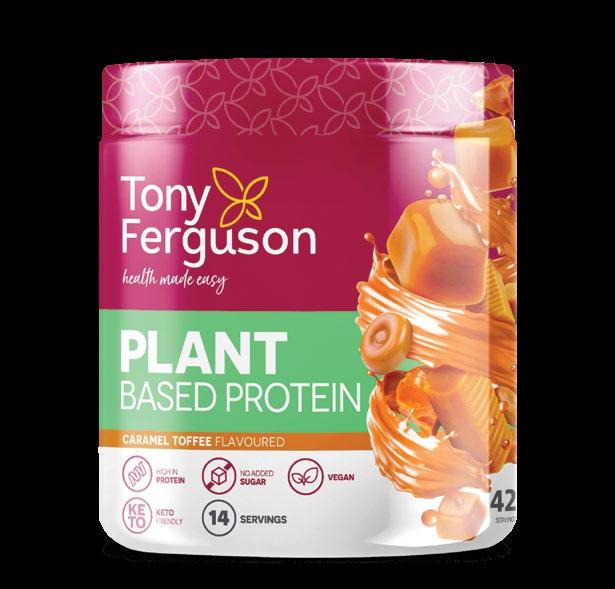
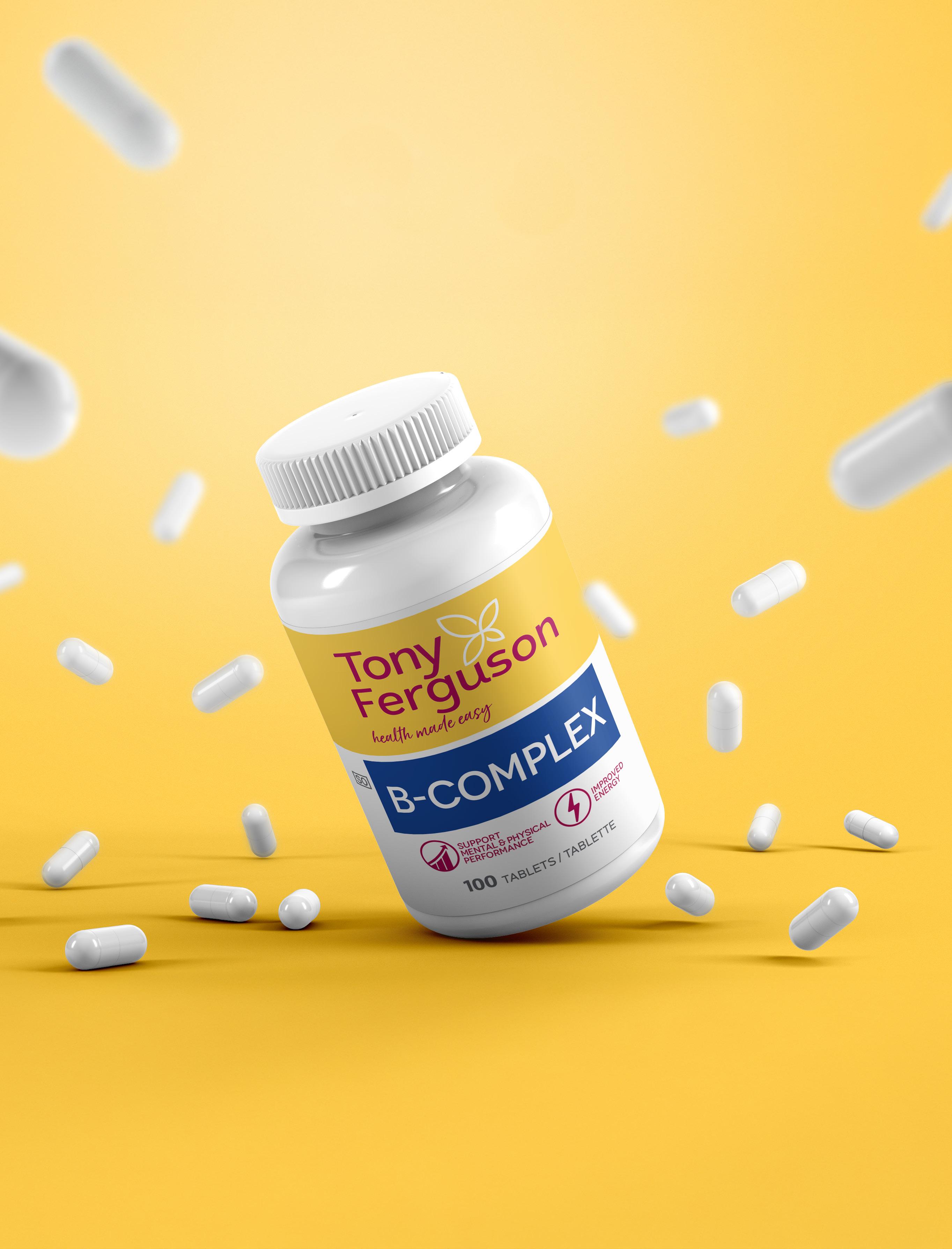
Your favourite Tony Ferguson Plant Based Protein Shake just got even better with a new Caramel Toffee flavour! Enjoy the same plant-powered benefits with 20g of protein per serving, now with a rich, indulgent twist. Perfect as a meal replacement, protein supplement, or part of your Tony Ferguson eating plan. It’s a tasty way to keep your healthy routine on track.
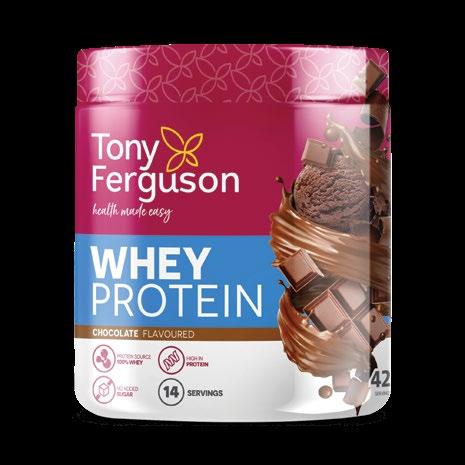
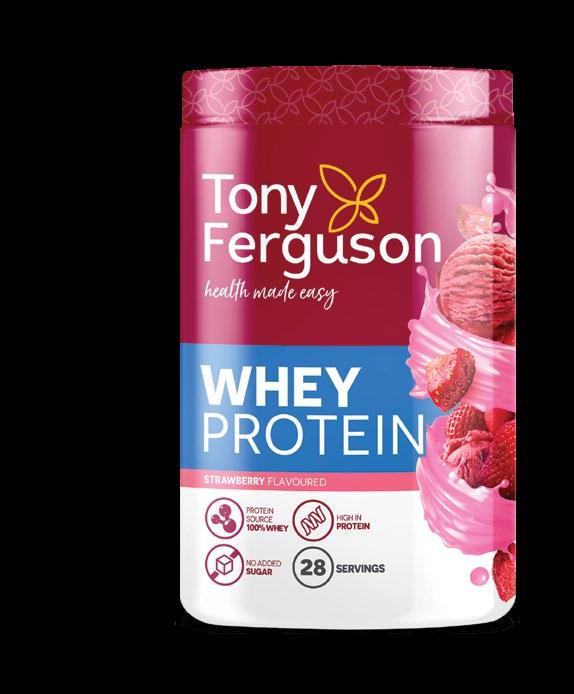
Fuel your day with the new Tony Ferguson Whey Protein, available in Strawberry, Chocolate and Vanilla, in 420g and 840g tubs. This high-protein, great-tasting shake is designed to support your active lifestyle, whether you use it as a post-workout recovery shake, meal supplement, or part of your Tony Ferguson eating plan. It’s your go-to source of quality protein for lean muscle support and daily nourishment.


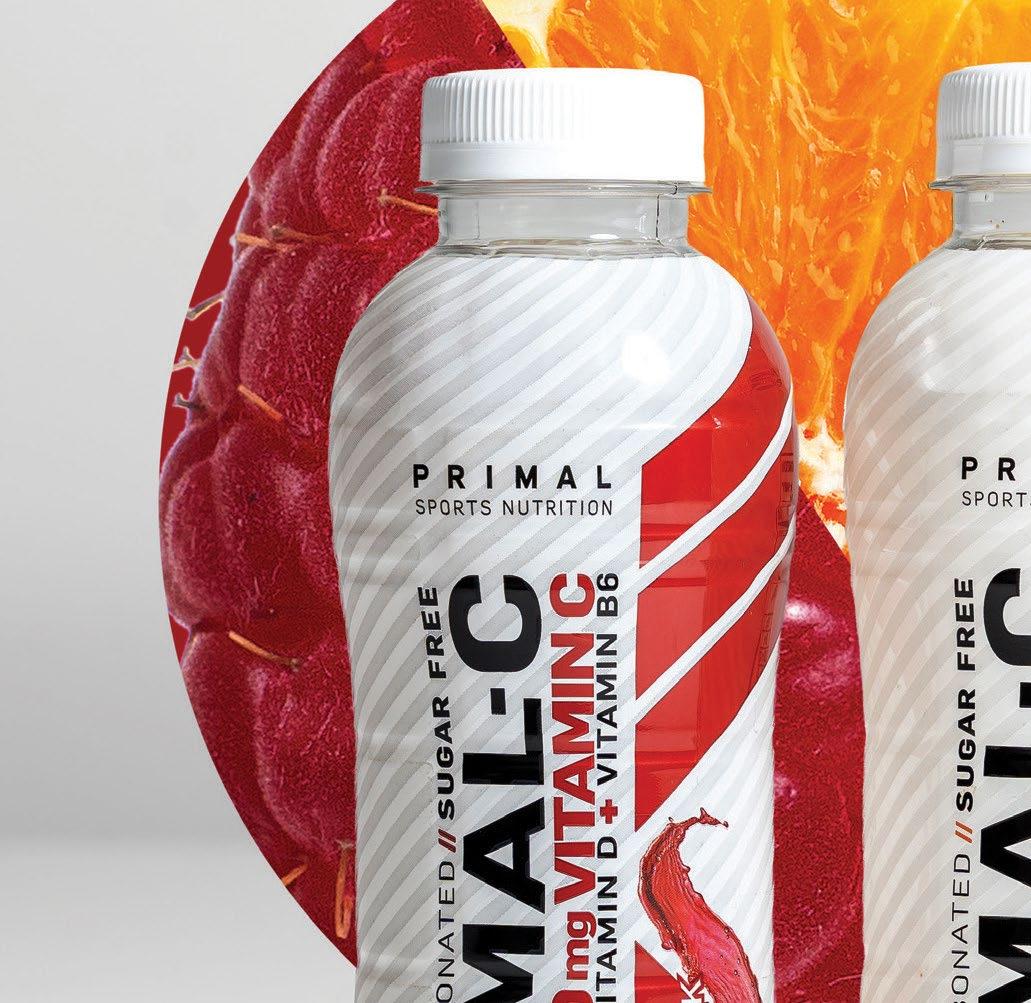
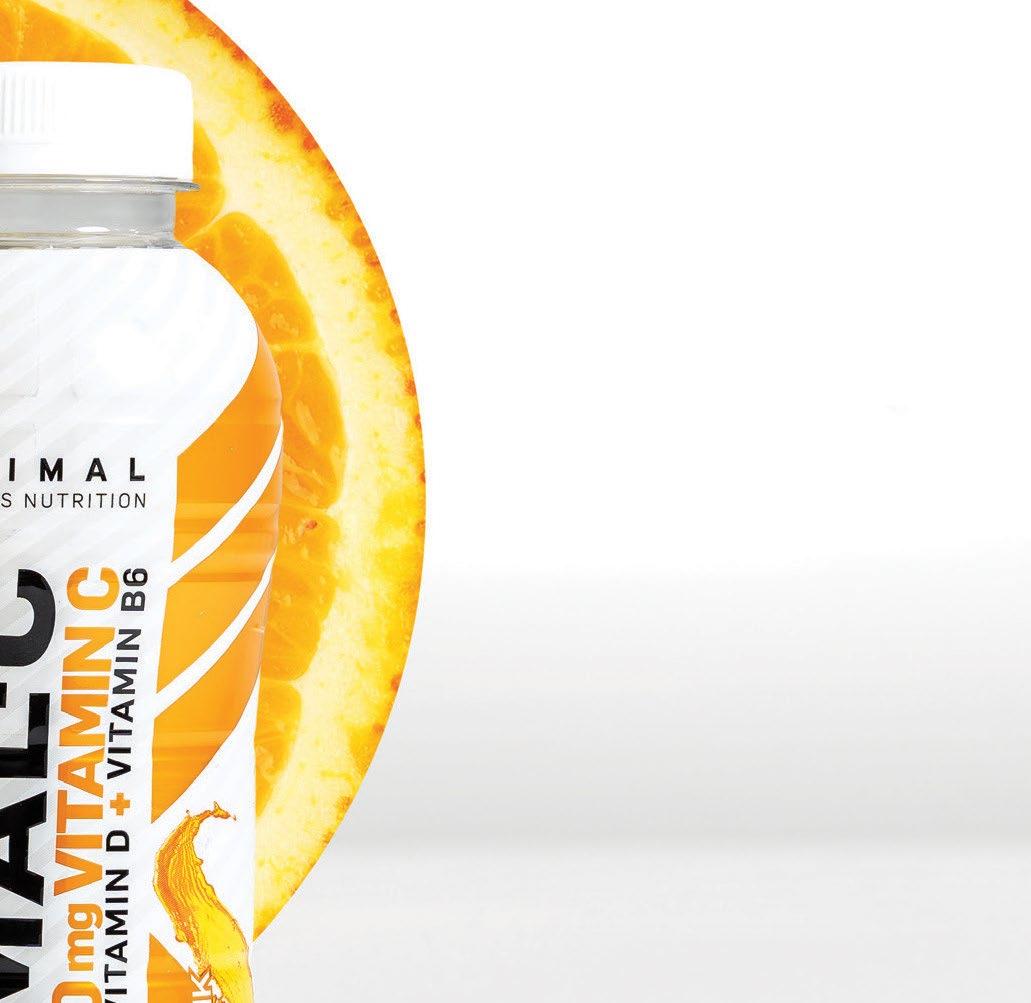
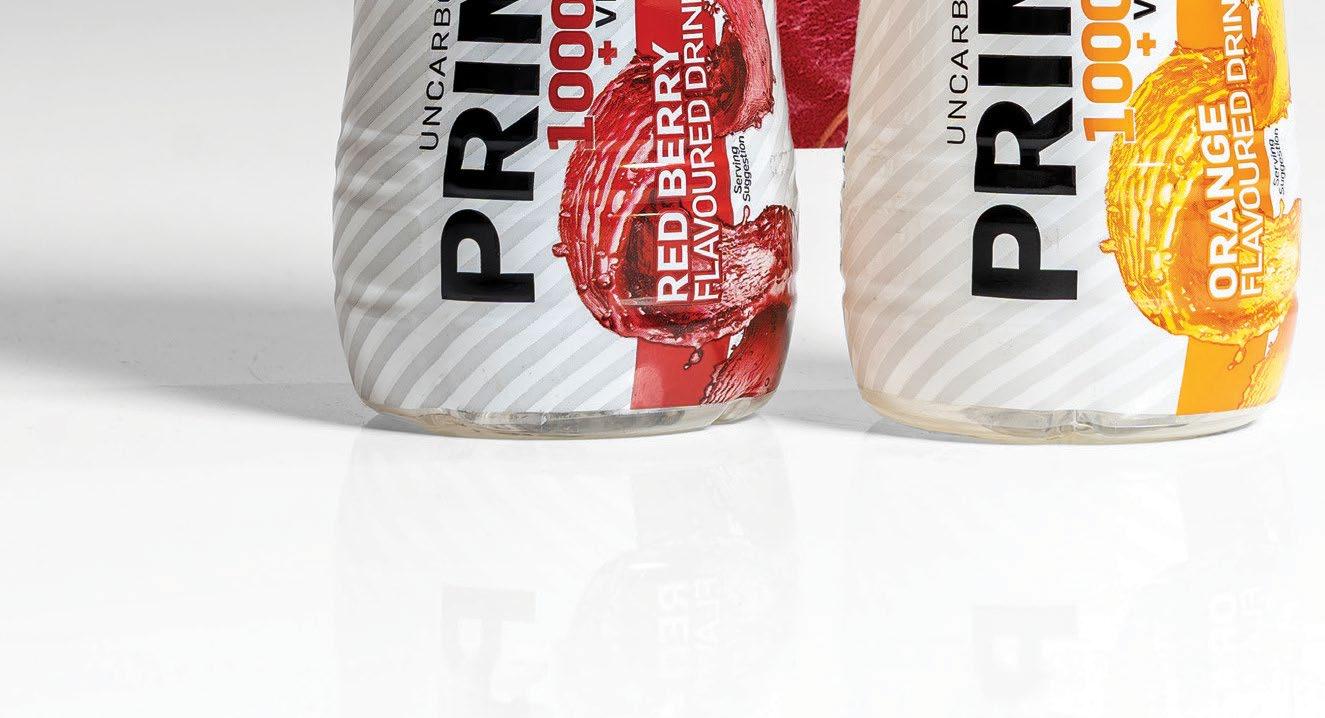


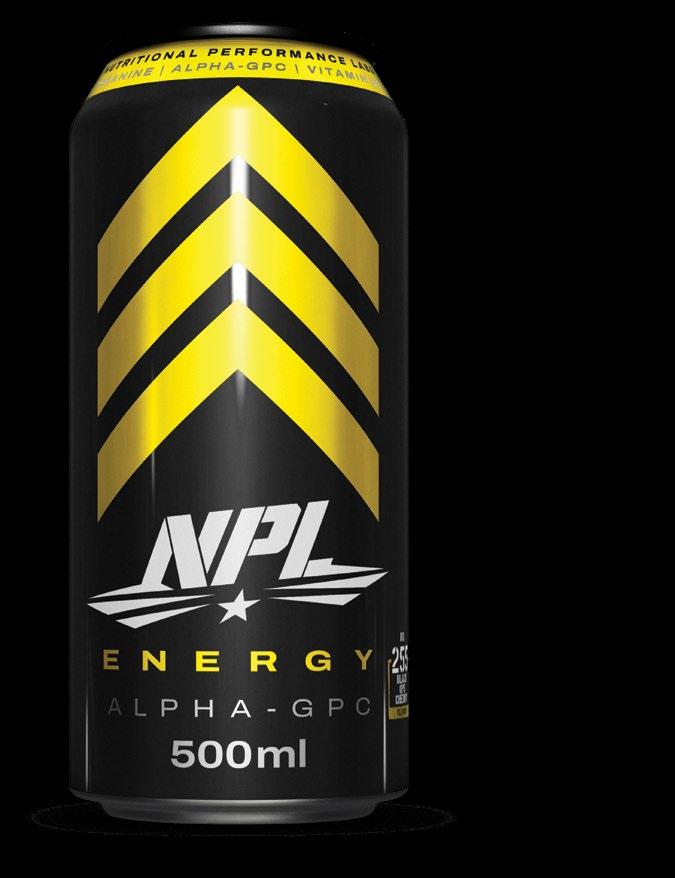

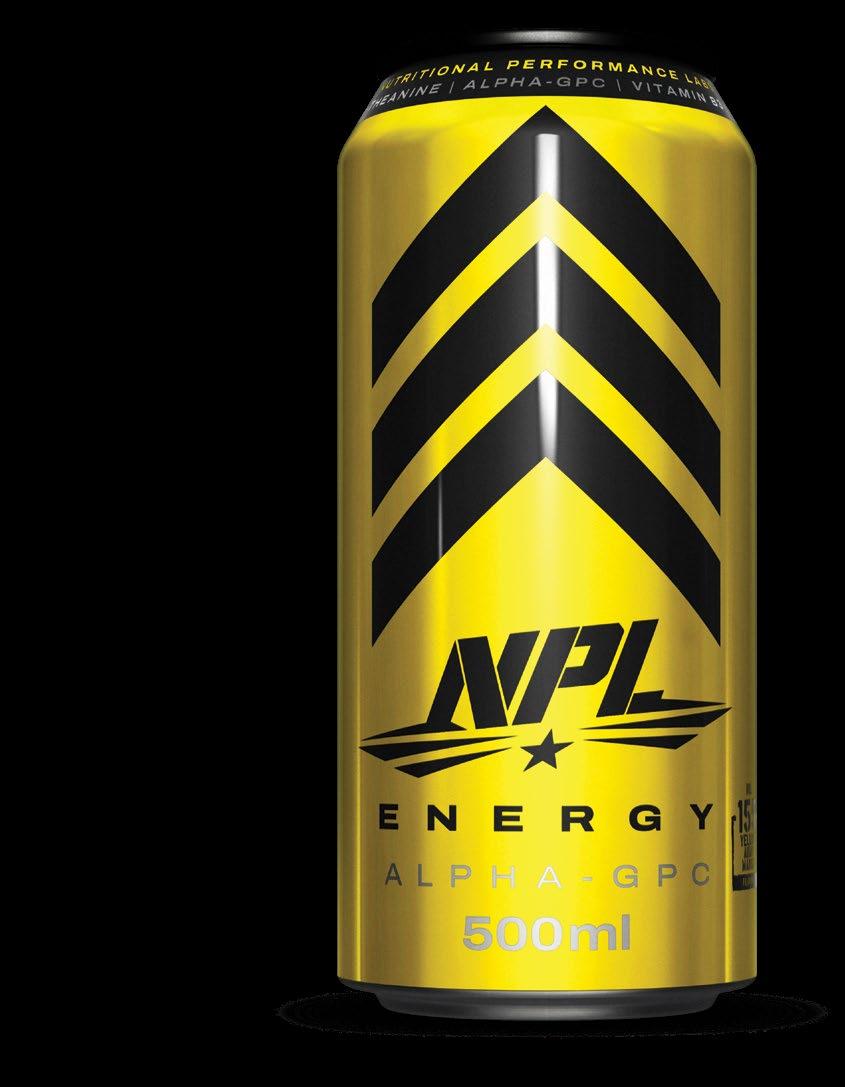
NPL Energy is a performance-focused energy drink designed for athletes and high-performers. Packed with 150mg caffeine, 300mg alpha GPC, B vitamins and key amino acids, it delivers smooth, sustained energy, razor-sharp focus and bold flavour without the jitters or crash. Available in two delicious flavours: Yellow Army Mango for a tropical, juicy burst and Black Ops Cherry for a tangy, sweet rush with a
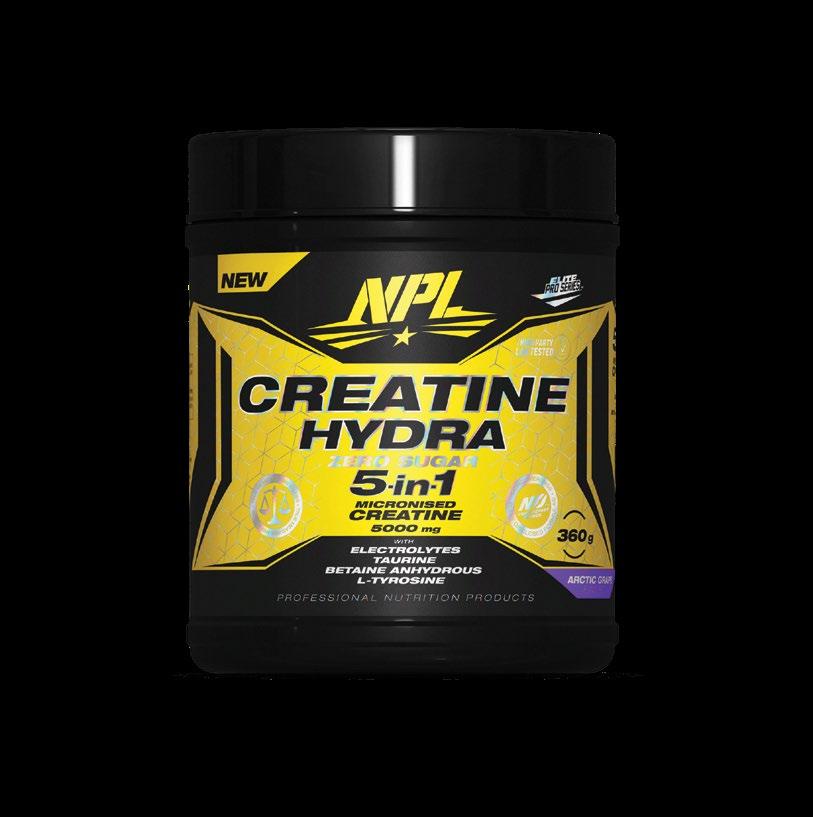
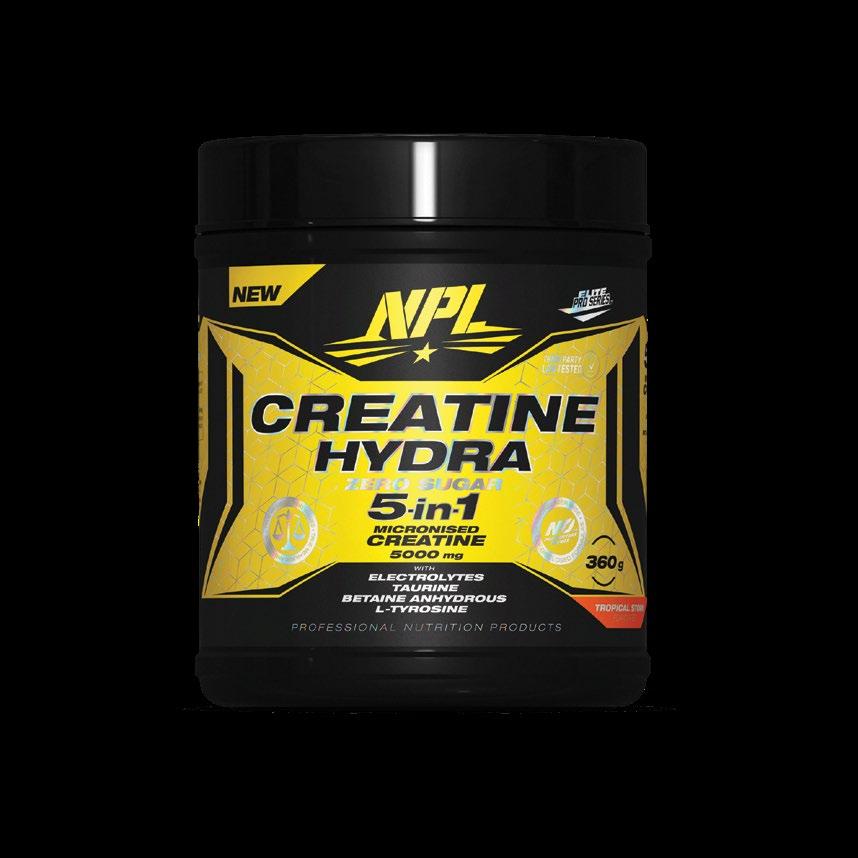
NPL Creatine Hydra is a 5-in-1, sugar-free creatine delivery system with optimal levels of essential electrolytes and natural coconut water powder to enhance performance and promote recovery. This 5-in-1 formulation contains taurine, betaine anhydrous and L-tyrosine to further accelerate performance.
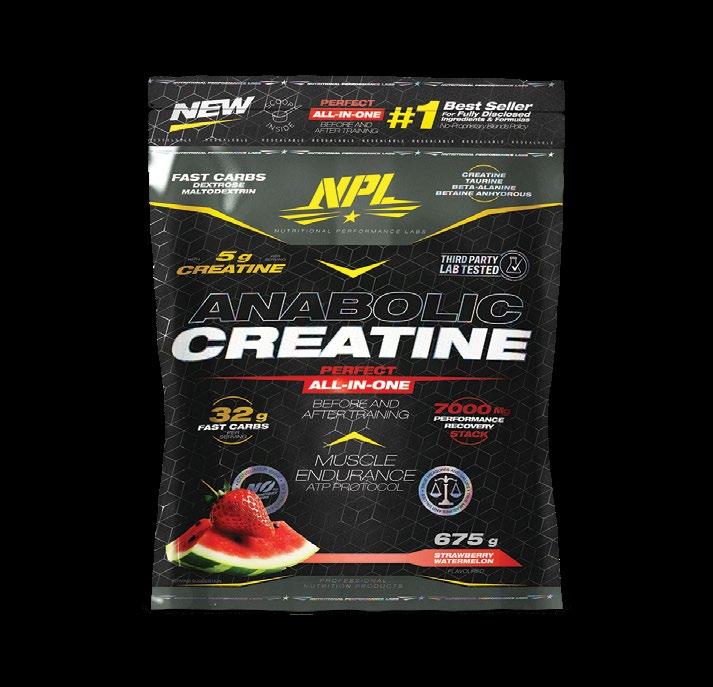
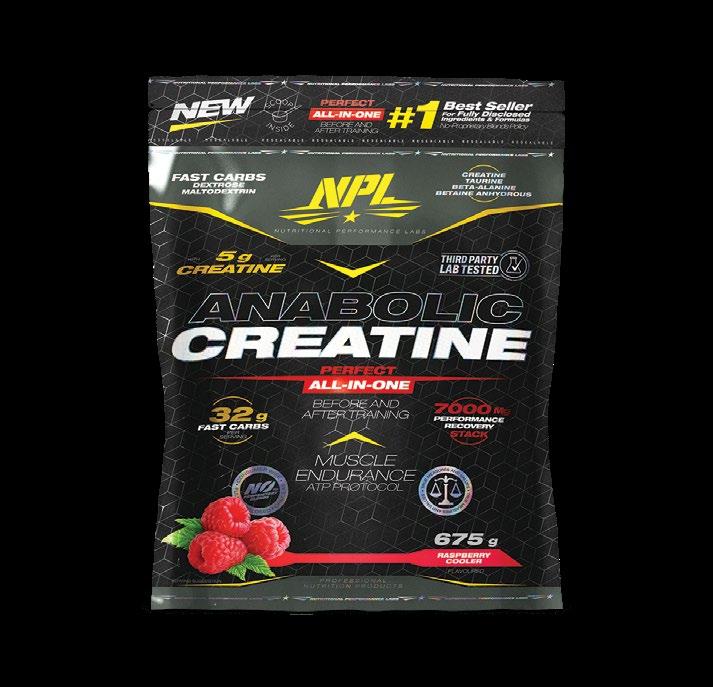
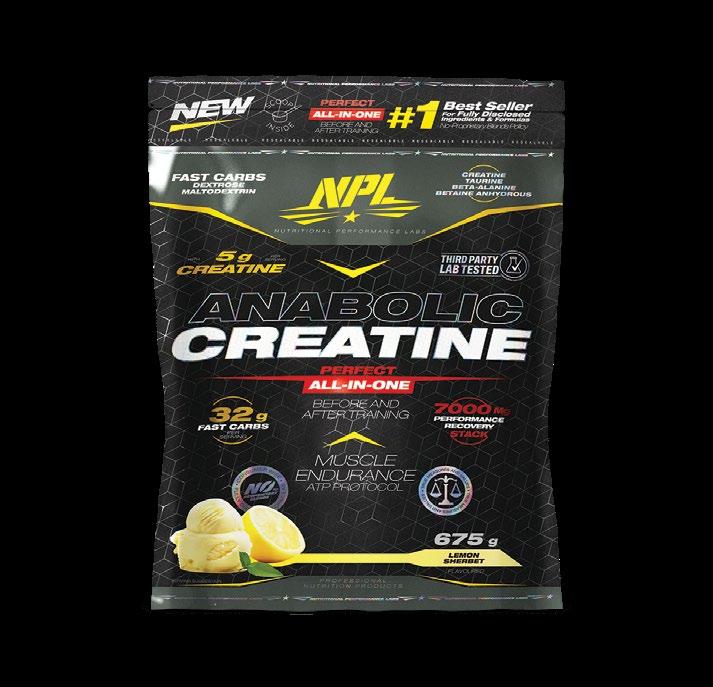
NPL Anabolic Creatine is an all-in-one, fastdelivering creatine formulation to boost power, endurance, recovery and muscle growth. With 5g creatine monohydrate, rapid transport carbohydrates and betaine, taurine and beta-alanine, this powerhouse formulation is designed to accelerate your progress in the gym and enhance your results.
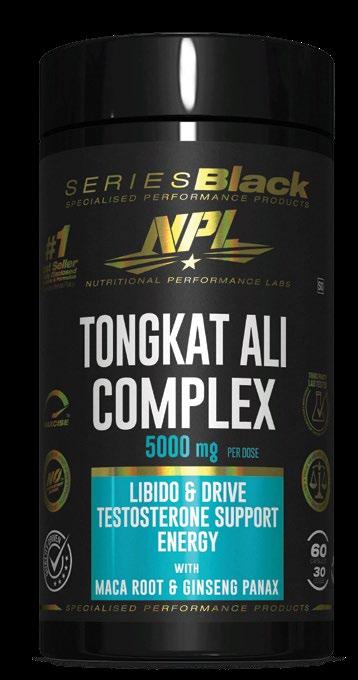
NPL Tongkat Ali Complex is a powerful natural formulation designed to support testosterone, circulation and overall mood. Formulated using ingredients like Tongkat Ali, maca root and Panax ginseng, this complex is designed to help boost natural testosterone production, supporting strength, virility and lean muscle growth. Whether you’re looking to improve performance, increase strength or simply feel more energised, Tongkat Ali Complex offers daily support for optimal male wellness.
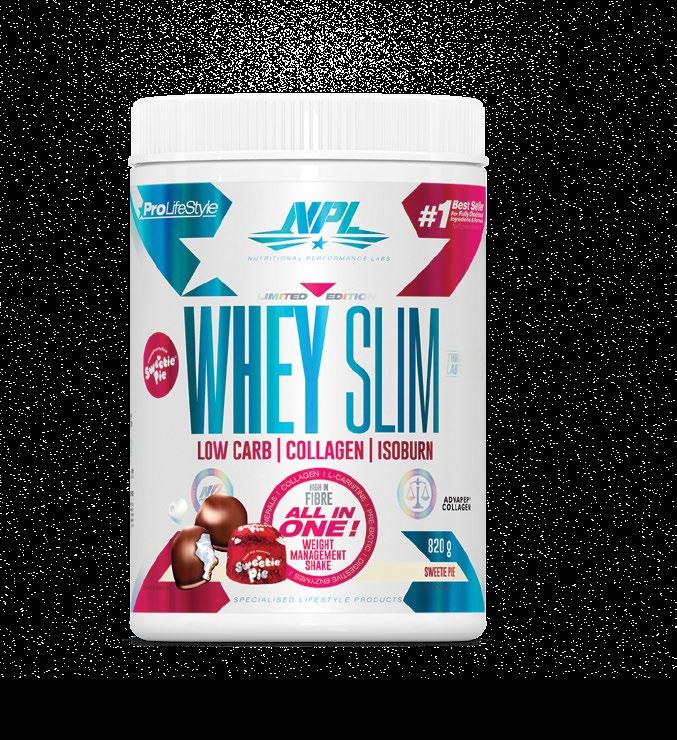
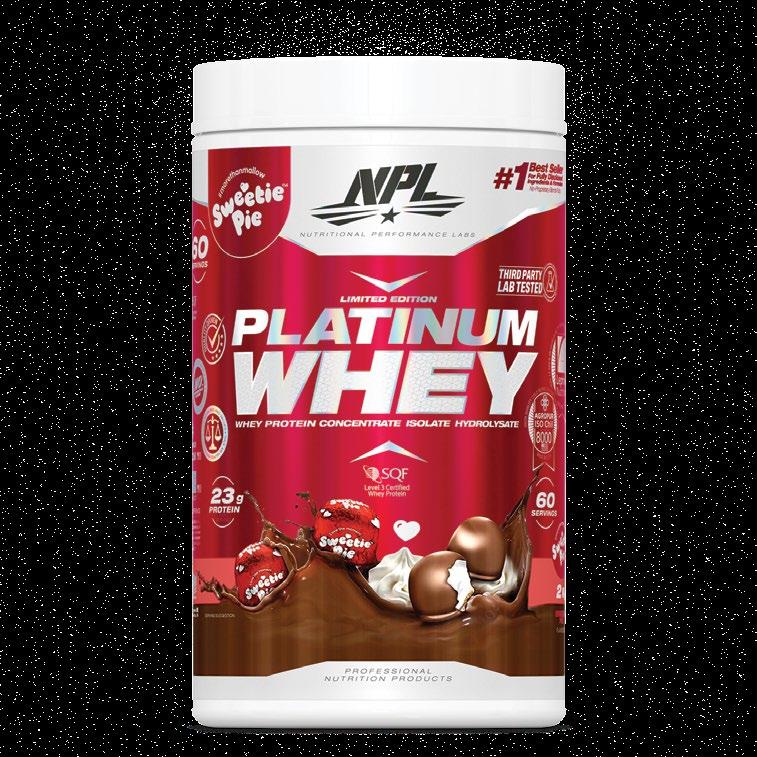
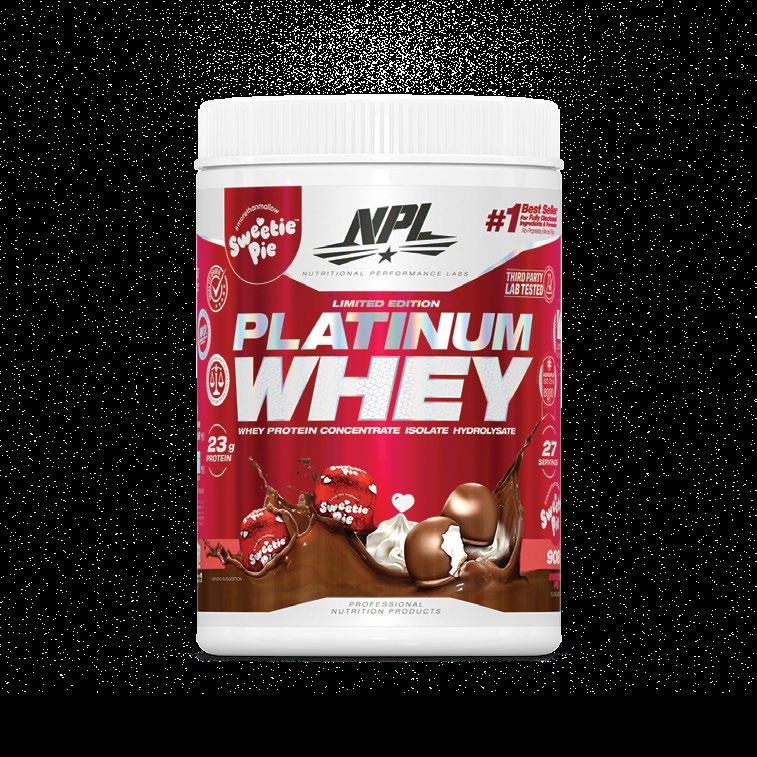
Make sweet gains with NPL and Beyers Sweetie Pie. This Limited Edition flavour collab brings the unmistakeable multilayered, sweet and comforting combination of marshmallow crème, chocolate and wafer to two popular NPL protein products - Platinum Whey (908g and 2kg) and Whey Slim.
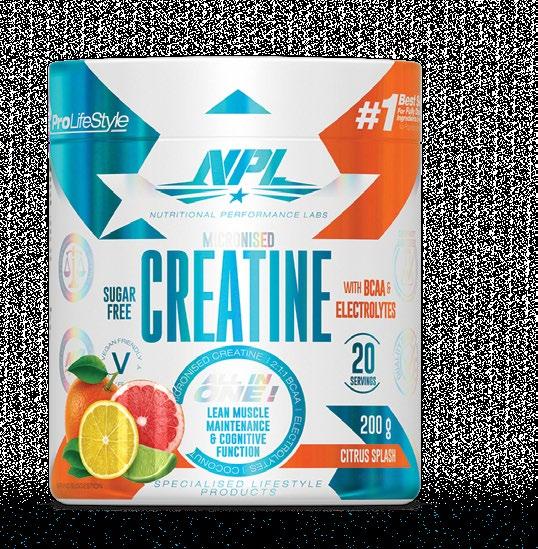
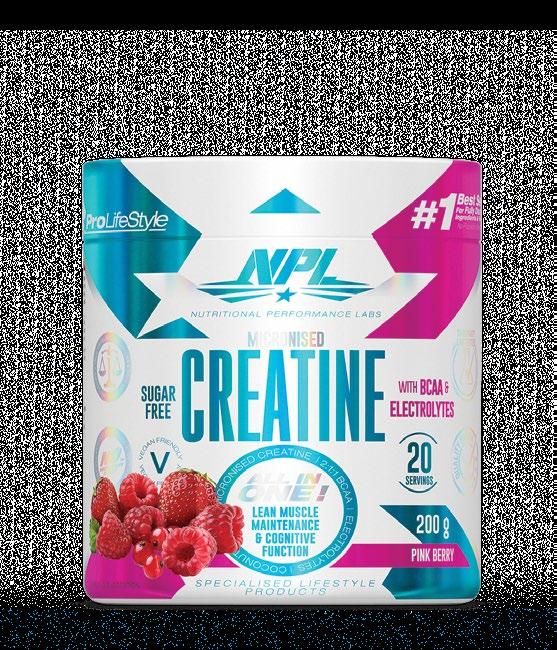
NPL ProLifestyle Creatine is sugar-free and contains a unique blend of electrolytes, Himalayan pink salt and coconut water powder to improve hydration and recovery. It also includes BCAAs in a 2:1:1 ratio to help maintain lean muscle.
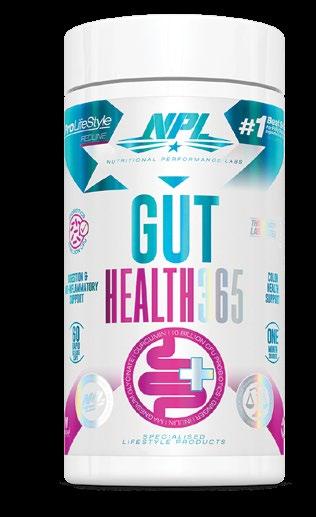
NPL Gut Health 365 is your daily solution for a healthier, happier gut. This advanced formula combines prebiotics and probiotics with natural herbal extracts to support digestion, reduce bloating and improve overall gut function. Infused with natural anti-inflammatories like ginger and curcumin, along with magnesium glycinate, Gut Health 365 helps soothe the digestive tract, promote regularity and support your body’s natural weight management efforts.

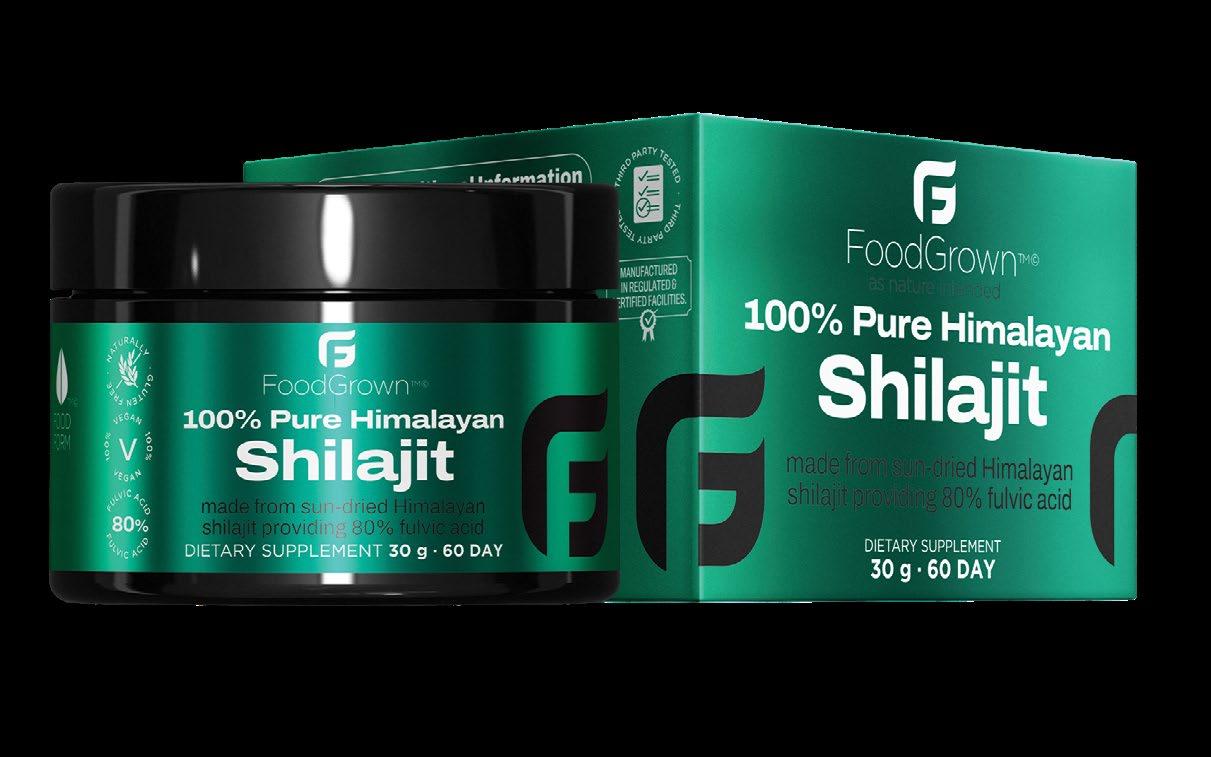
resin harvested from the Himalayan mountains and sun-dried to preserve its natural potency. Used for centuries in Ayurvedic medicine, Shilajit is rich in fulvic and humic acids, bioactive compounds that contribute to its broad health benefits. It may help support immune health and improve energy levels. With 80% fulvic acid per serving, this resin offers a highly concentrated source of cellular nourishment and natural vitality.
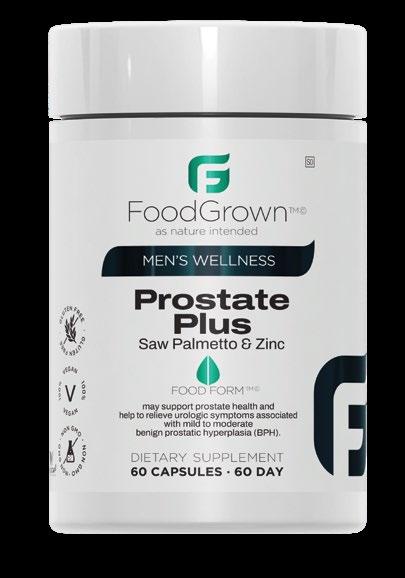
FoodGrown Prostate Plus combines a concentrated extract of saw palmetto with naturally sourced zinc from yeast to support male urinary and reproductive health.
Saw palmetto may help reduce urinary symptoms related to benign prostatic hyperplasia (BPH), including difficulty urinating, incomplete bladder emptying and associated sexual dysfunction. Zinc supports the natural production of testosterone and plays a key role in sperm health and prostate function, making this a comprehensive formula for everyday male wellness.
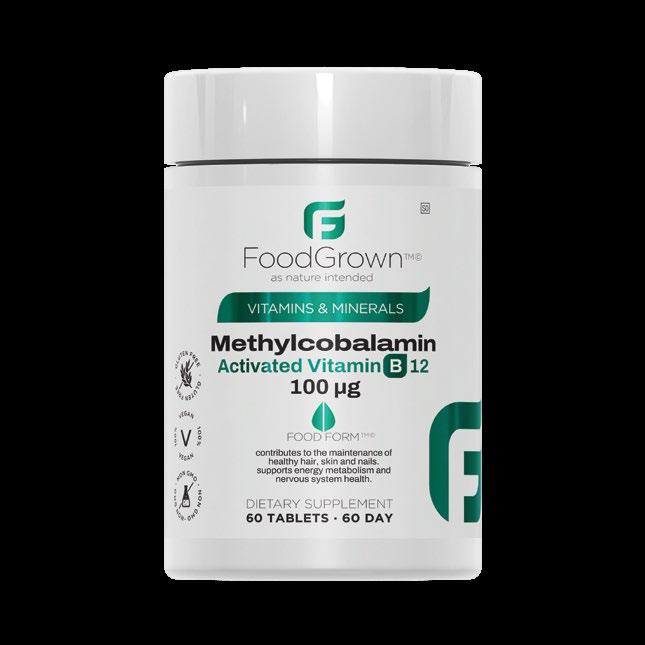
FoodGrown Methylcobalamin provides the natural, active form of vitamin B12, known for its superior absorption and rapid utilisation in the body compared to synthetic forms. Vitamin B12 plays a vital role in blood cell formation, supports bone and nerve health, and contributes to sustained energy levels. It’s also essential for maintaining healthy hair, skin and nails, making it a foundational nutrient for both daily wellness and vitality.
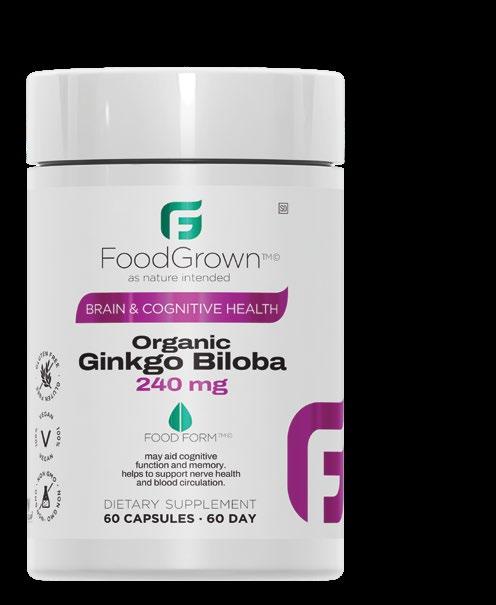
FoodGrown
Organic Ginkgo Biloba delivers a concentrated, standardised extract of Ginkgo biloba leaf, used for centuries in traditional Asian medicine to support brain health and circulation. Rich in flavonoid glycosides and terpene lactones, Ginkgo may help improve memory, mental focus and blood flow, especially to the brain and extremities. Its natural antioxidant and anti-inflammatory properties also support long-term cognitive resilience and nerve function.
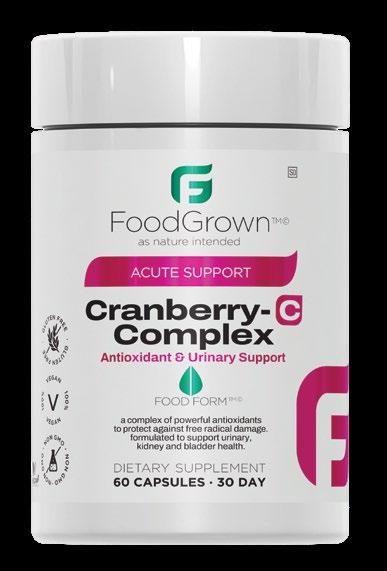
FoodGrown
Cranberry-C Complex is formulated to support urinary wellness, immunity and organ health. This blend delivers a concentrated dose of cranberry extract, which may help prevent bacterial adhesion in the urinary tract due to compounds called proanthocyanidins (PACs). Naturally sourced vitamin C from acerola cherry provides added immune support. The softgel capsules are oil-based to enhance absorption, helping the body make the most of each nutrient.




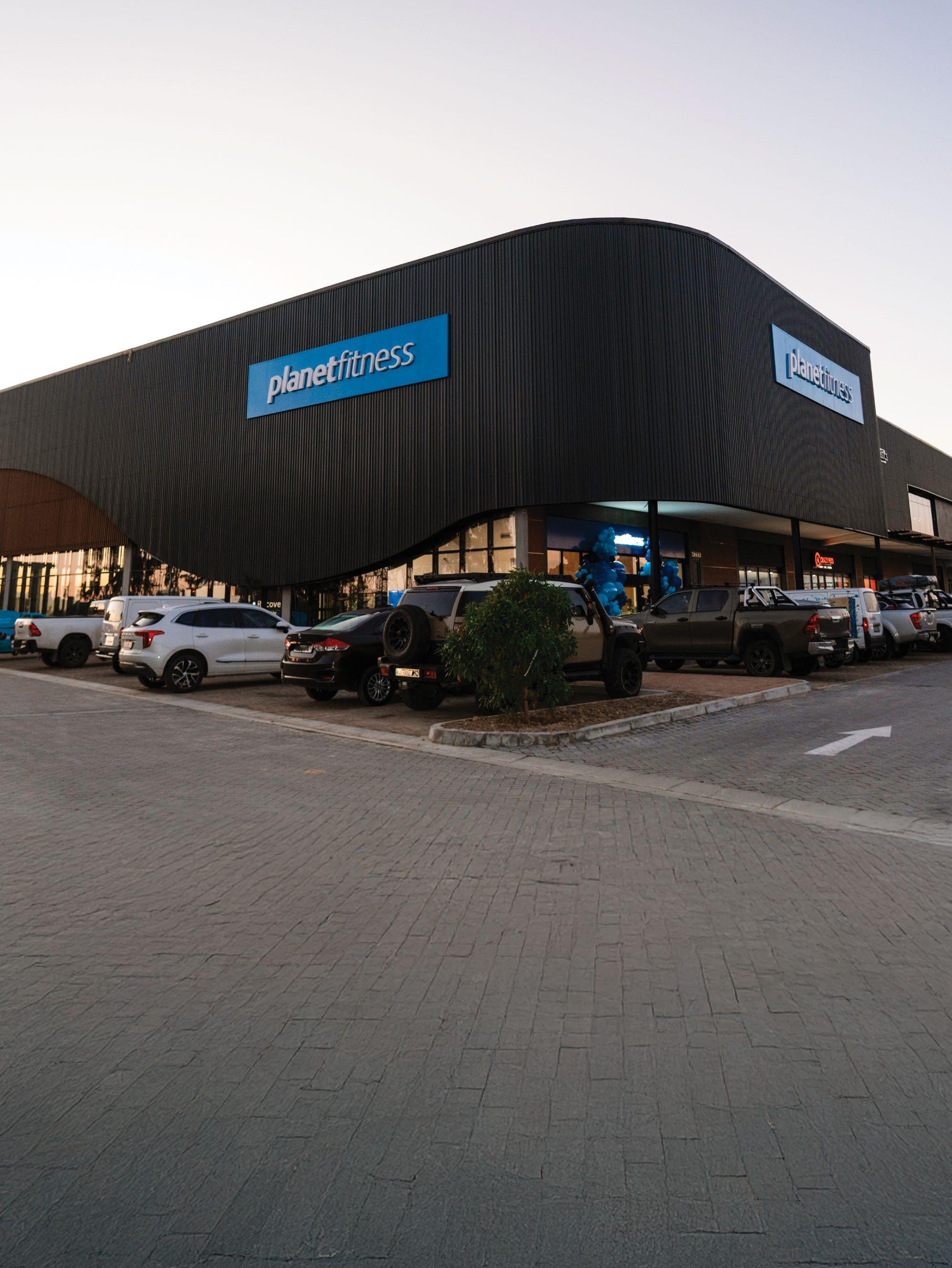
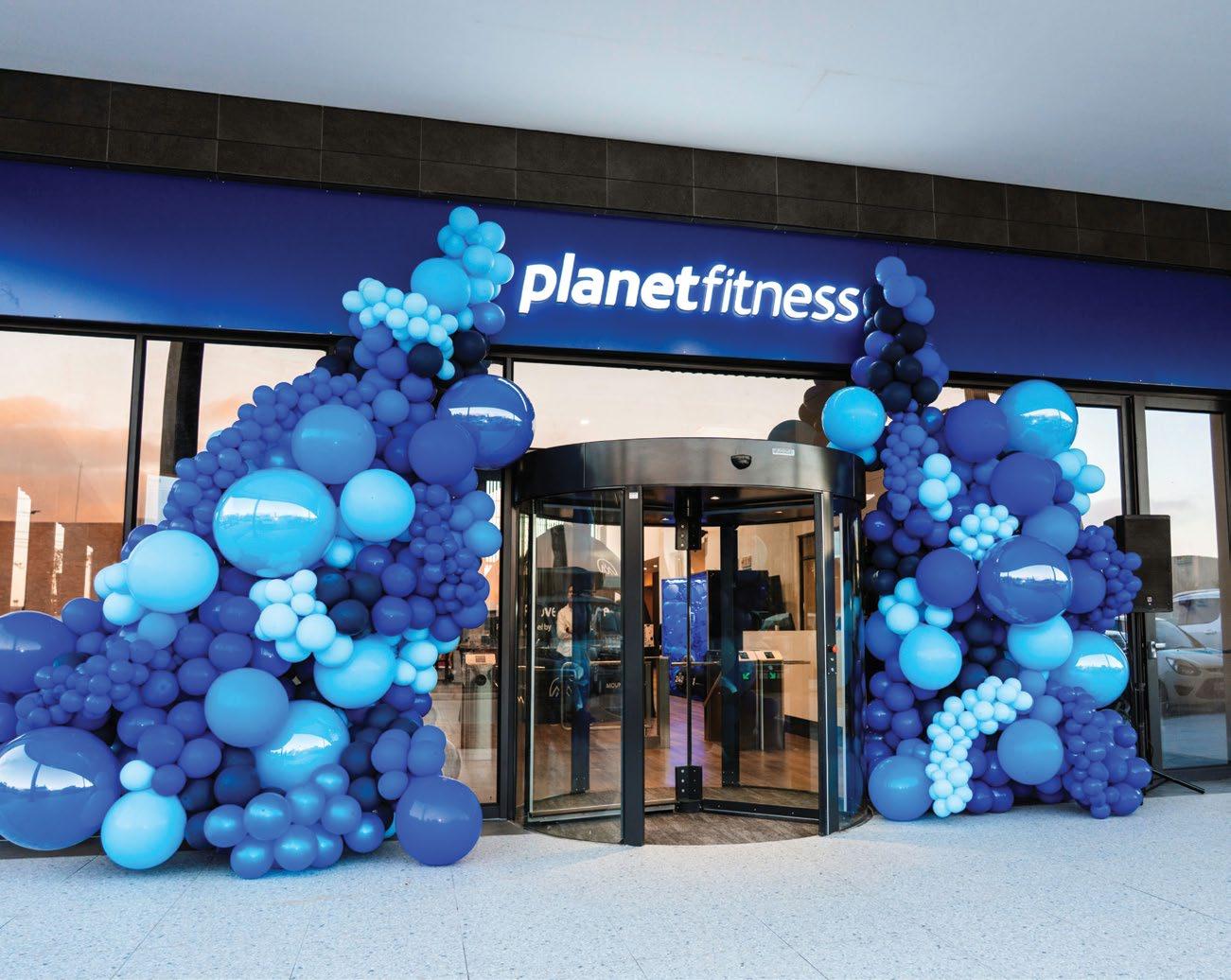
30 years, 51 clubs and a businessbillion-rand-a-year
Planet Fitness, SA’s longest-standing health club brand, celebrated its 30th anniversary in September, marking three decades of steady, sustainable growth.
The brand’s story began in Benoni on the East Rand of Johannesburg in 1995 when Mannee De Wet and Manny Rivera launched the business as two young entrepreneurs. The company has grown organically over the last three decades into a billion-rand business with a national footprint of 51 gyms.
“Our strategy has always been to create a presence in carefully targeted areas. We treat every new club as an independent business, and we believe in growing our membership base rather than saturating the market with clubs that are too close together.” says De Wet
This year saw new clubs launching in Randburg and Boksburg, while Durbanville in the Western Cape opened in July and Fourways Mall in Gauteng opened in August.
Of their 51 existing clubs, 37 are in Gauteng, with the Western Cape the next major focus for growth. Overall membership currently sits around 220,000, with Planet Fitness welcoming more than 12,000 new members every month.
However, De Wet places more emphasis on the number of members who actively train every month.
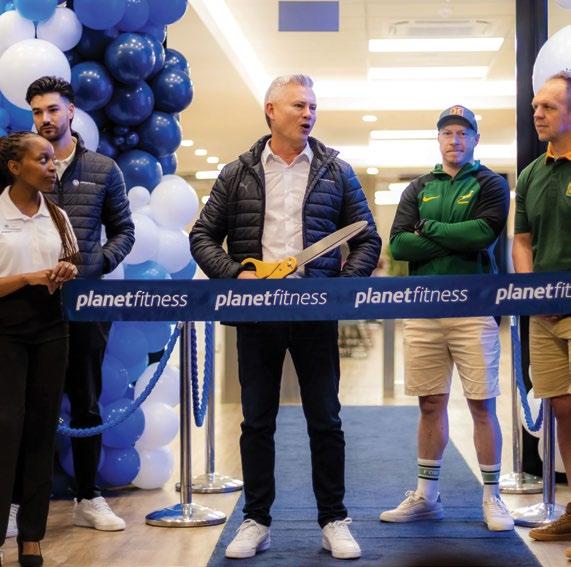
“Our clubs see 850,000 members through their doors every month. For us, this high percentage of engagement is a true metric of success.”
Planet Fitness plans to grow its footprint to 80-90 stores by opening five new clubs a year until 2030, making a high-quality training experience accessible to more communities throughout South Africa, without diluting their brand or member experience.
This proudly South African owned and managed business continues to evolve its training offerings to meet members’ everchanging needs, with partnerships with health and retail brands helping keep the business relevant in a rapidly changing industry.
“Within South Africa’s diverse health and fitness sector, we aim to position Planet Fitness as a training hub that caters to everyone. We’ve got something for everyone, which makes us a one-stop shop,” explains De Wet.
Newer clubs, like the Fourways mega club, accommodate the HYROX hybrid training movement and incorporate fit-for-purpose stretch and recovery facilities, both of which are firsts in the local training industry.
“Our multistorey Olympus facility in Pretoria includes a
rooftop running track and a heated studio, while our De Waterkant club offers reformer Pilates classes,” elaborates De Wet.
The clubs also offer additional services including a range of bios, dietitians and other tenants, such as Plato coffee shops, and serve as Discovery assessment centres.
De Wet says Planet Fitness’ point of differentiation is presence.“We want to be the clubs that people choose because of the experience they have from the moment they walk in. Equipment and facilities matter, but it’s the people, the atmosphere, the service, that create belonging. And that’s what keeps our members coming back.”
With a clear plan for sustainable expansion and a strong culture rooted in community, Planet Fitness shows no sign of slowing down. De Wet and Rivera continue to prove that a challenger mindset, backed by consistent delivery, can build a billion-rand brand that lasts. LF
A landmark report laid out how the Planetary Health Diet (PHD) can save lives and the planet. According to the research, changing how the world eats could reduce premature deaths, save trillions of dollars and slow the impacts of climate change. The PHD is a plant-based menu that includes three to five daily servings of whole grains, at least five daily servings of fruits and vegetables and daily servings of nuts and legumes.
*The 2025 EAT-Lancet Commission, a coalition of experts in nutrition, climate, economics, health and agriculture from more than 35 countries
Findings from a large-scale observational study have shown that replacing some of your daily water intake with coffee and tea may improve life expectancy. The trick? Aim to drink 7-8 drinks a day in total.
*Study published in the British Journal of Nutrition
“WHAT YOU EAT TODAY SHAPES YOUR TOMORROW.”

in this section
New research suggests that eating at least three servings of berries or other flavonoid-rich foods each day may support healthier ageing. Flavonoids are plant compounds with antioxidant and anti-inflammatory effects that help protect cells from oxidative stress.
*Study published in The American Journal of Clinical Nutrition.
New research suggests the temperature of what we eat and drink may influence our mental and digestive health. The findings show stronger associations between cold consumption and adverse health effects, echoing long-held practices in traditional Chinese and Ayurvedic medicine, which warn against excessive cold consumption.
*Study published in the British Journal of Nutrition

RECIPES Sip into summer...34 FEATURE Travel support...44
SUPPLEMENTS
Testosterone boosters...60
WELLNESS
Feel good hormones...64

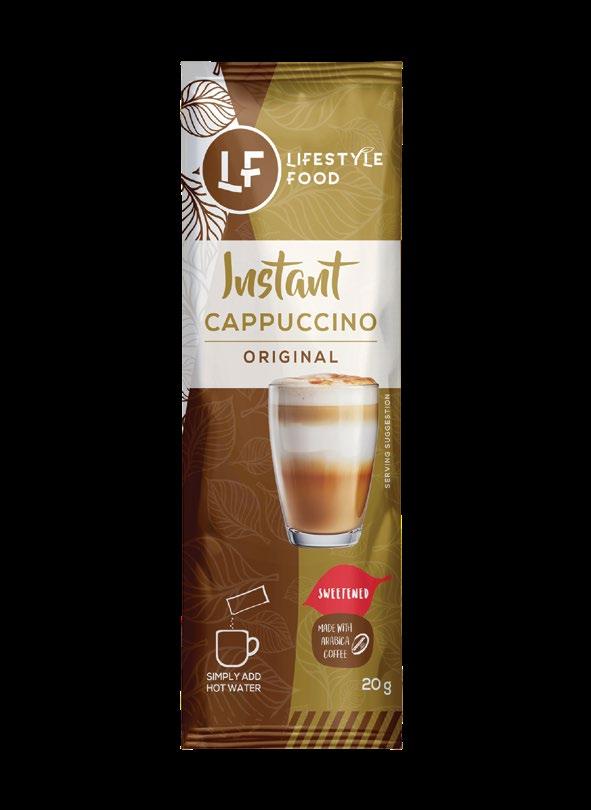

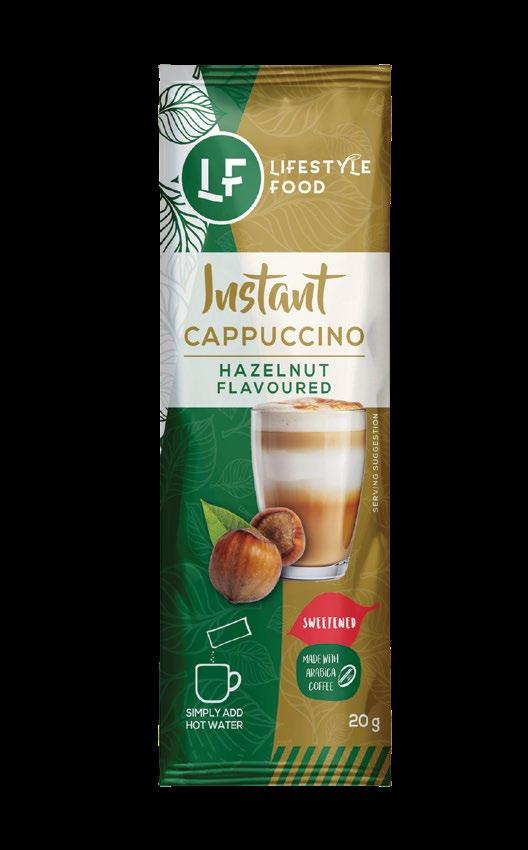
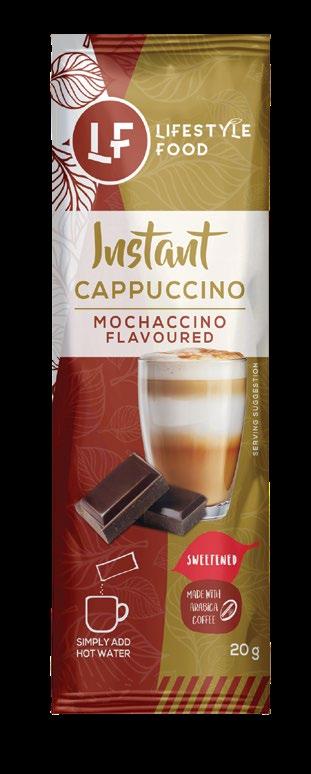

Lifestyle Food Cappuccino sachets
Lifestyle Food Instant Cappuccino sachets make it easy to enjoy a café-style moment anywhere, anytime. Available in three delicious flavours — Original, Hazelnut and Mochaccino — each sachet creates a frothy, creamy coffee in seconds. Perfect for busy mornings, work breaks or when you simply want a comforting cup without the café queue. Just add hot water, stir and savour the flavour.

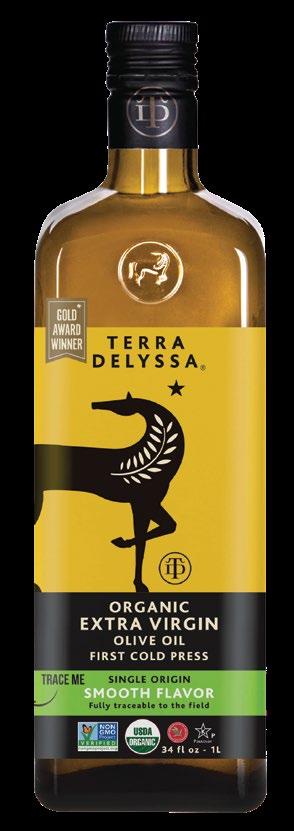
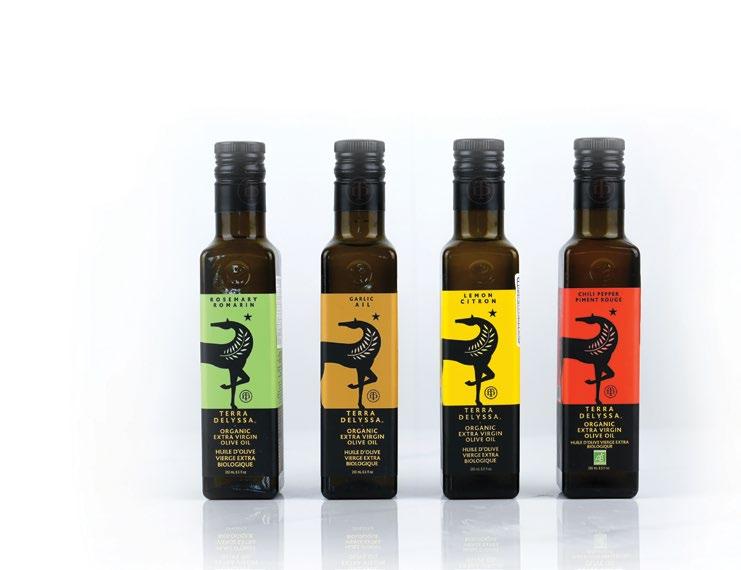
Terra Delyssa Olive Oil blends ancestral expertise with modern technology to deliver exceptional quality. Produced sustainably from organically grown olives, Terra Delyssa also upholds social responsibility and environmental care, making it a pantry staple you can feel good about.



Grown in the ancient orchards of Mother Farm in Herefordshire, the apples are never picked - they fall naturally when ripe, then rest on the ground to develop their full flavour before being pressed and fermented using traditional methods. The result is a raw, organic and unfiltered apple cider vinegar containing the live ‘Mother’ (SCOBY) — a living culture of beneficial bacteria and enzymes. Bottled at 5% acidity to preserve its vitality, every drop of Willy’s ACV is alive with nature’s goodness and crafted just as nature intended.

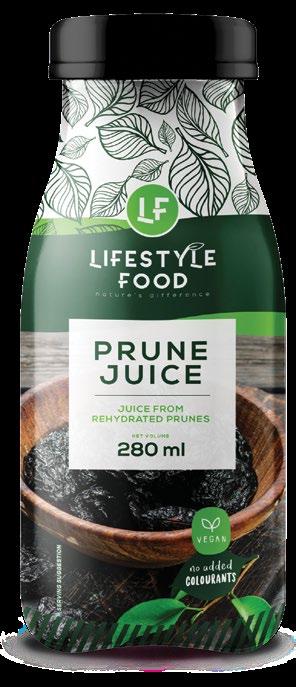

A naturally sweet, ready-todrink option that’s perfect for breakfast or a mid-afternoon pick-me-up. Its rich flavour works well on its own or as a mixer in smoothies and sauces.

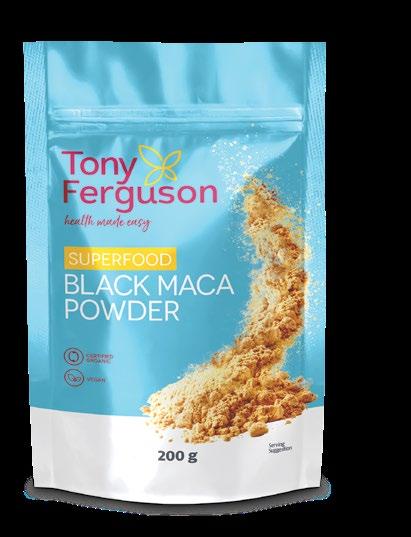
A nutty, maltlike powder that mixes easily into smoothies, porridge and baking for an earthy flavour and a natural pantry lift.
Lifestyle Food Sandwich Cookies offer a delightful snacking experience in two indulgent flavours: oat cookies with a rich almond butter filling, and oat cookies with a creamy peanut butter centre. These vegan cookies come in convenient packs of five individual 35g portions, perfect for enjoying on the go or as a scrumptious treat.




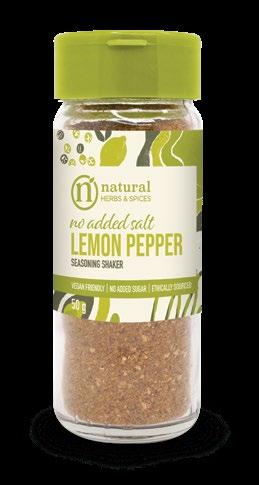


The Natural Herbs & Spices range is responsibly produced and offers great variety and value for money. The range has no added sugar, no artificial colours or flavours, no MSG and no preservatives. The new Salt Free Shaker range can support efforts to lower your sodium intake, with everyday favourites like Lemon Pepper, Season It All and Mediterranean seasoning.
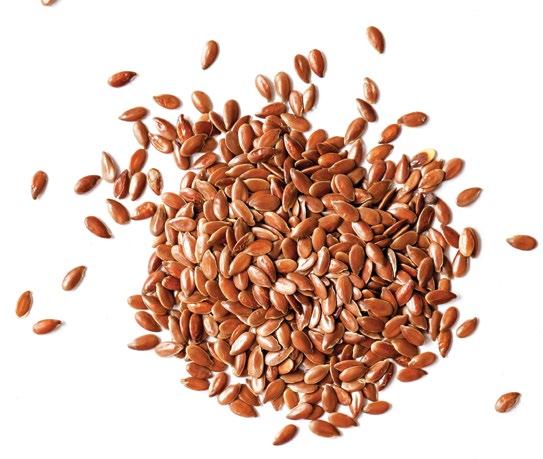
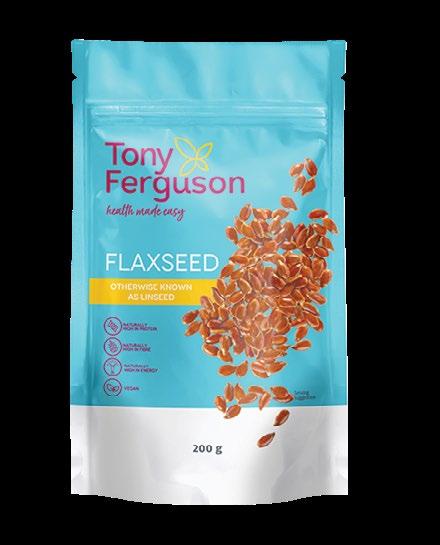


A crunchy seed that’s great ground into porridge, stirred into yoghurt or baked into breads and muffins. They’re a useful source of fibre and add pleasant texture to recipes.
Full of tropical coconut aroma, this virgin oil is ideal for adding flavour to curries, baked goods and roast vegetables. Perfect for frying, baking or when you need a neutral oil with a high smoke point.
LIFESTYLE
RECIPES
Stay cool, refreshed and energised with these wholesome summer sips. Each drink is a simple, delicious way to enjoy healthy living this season.
Don’t pay coffee shop prices when you can easily recreate the rich, nutty flavour of a café-quality Iced Hazelnut Latte in your own kitchen with this simple recipe.
Serves: 1
Ingredients

1 sachet Lifestyle Food Cappuccino,Hazelnut flavour
1 espresso shot
Date syrup
Cream to serve
Ice cream to serve Cinnamon to serve
How to make it
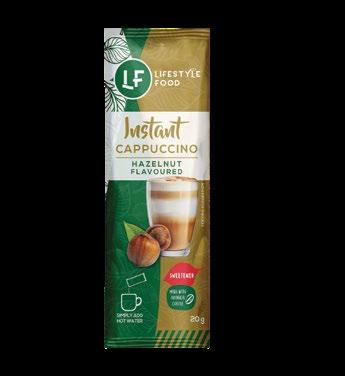

Brew the espresso according to your preference. Pour the shot over hot water. Whisk in the Lifestyle Food Cappuccino sachet. Add ice cream and cream, syrup and a dash of cinnamon on top, and enjoy!
Lifestyle Food Cappuccino sachets make it easy to enjoy a café-style moment anywhere, anytime. Available in three delicious flavours — Original, Hazelnut and Mochaccino — each sachet creates a frothy, creamy coffee in seconds. Perfect for busy mornings, work breaks or when you simply want a comforting cup without the café queue. Just add hot water, stir and savour the flavour.
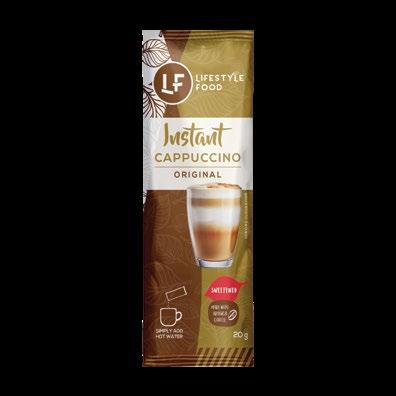

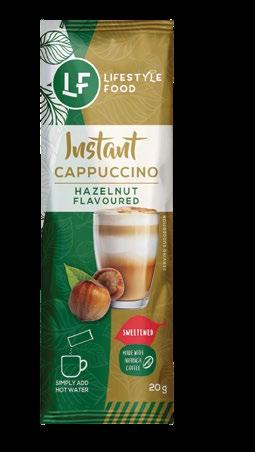
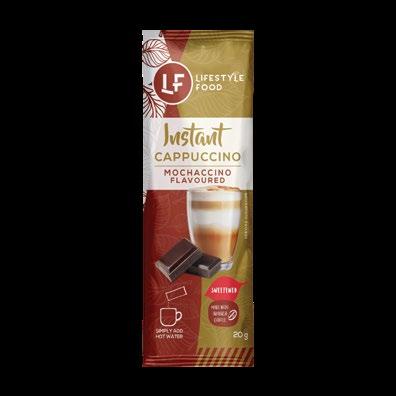


Tony Ferguson Cranberry Concentrate provides a source of antioxidants, supports urinary tract health and helps to prevent recurrent urinary tract infections.

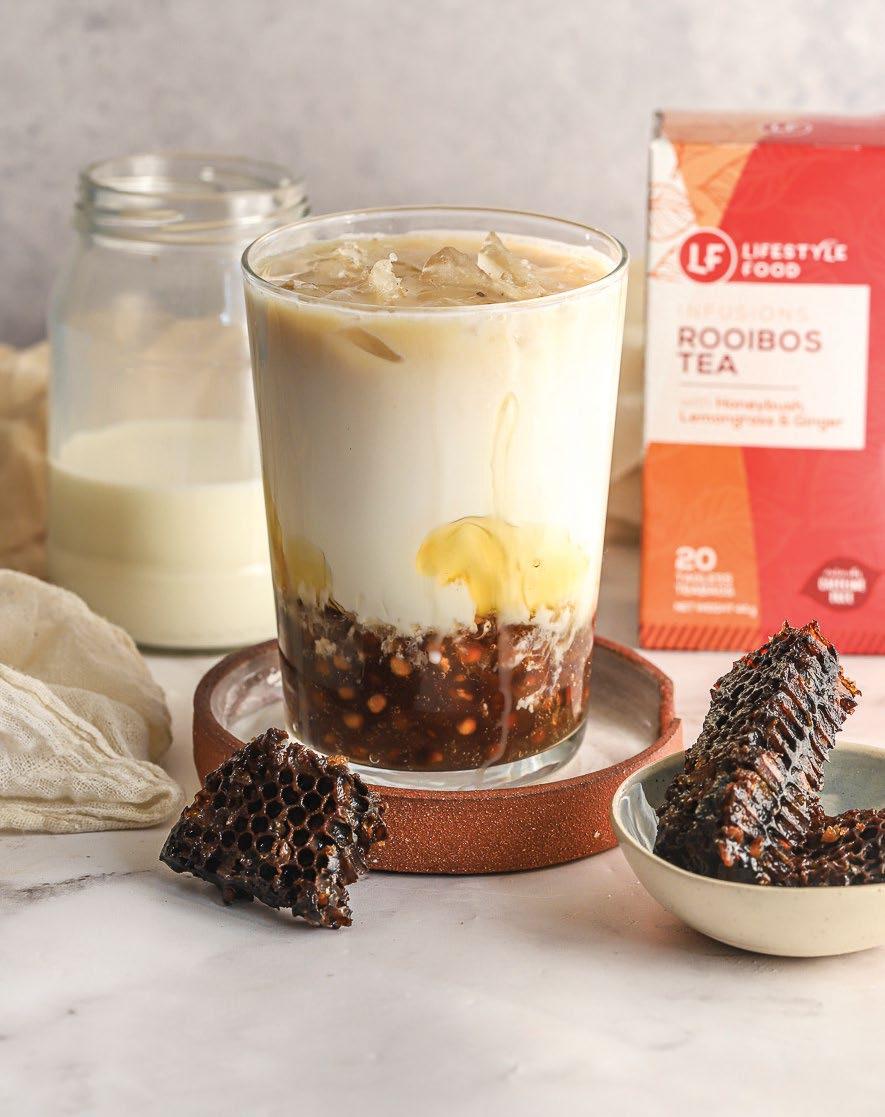
Put a healthful twist on bubble tea with this delightful, easy-to-make Rooibos-infused boba tea recipe paired with chewy tapioca pearls and creamy milk and finished with a touch of honey.
Serves: 1
Ingredients
2 Lifestyle Food Rooibos tea bags
1 cup water
⅓ cup cooked boba pearls (tapioca pearls)
Milk to top
Honey to serve
How to make it
Brew the tea by placing the tea bags in boiling water. Let it chill. Add honey if you like. Cook the tapioca pearls until soft and translucent. Add the pearls to a serving glass, add crushed ice, top with milk, some chilled tea and more honey and enjoy!
Serves: 1
Ingredients
2 cups medium bananas
3-4 coconut milk ice cubes
Coconut water to top

1-2 shots Tony Ferguson Cranberry
Concentrate
1 scoop Tony Ferguson Plant Based Protein
Shake, Vanilla flavour
1 tsp maca powder
Pinch of Tony Ferguson Cinnamon Spice
Hemp seeds to serve
Tahini or cashew nut butter to serve
How to make it
Pour coconut milk into an ice cube tray and freeze overnight. Place all the smoothie ingredients into a blender and blend until smooth. Serve with smooth tahini or cashew nut butter and hemp seeds, and enjoy!
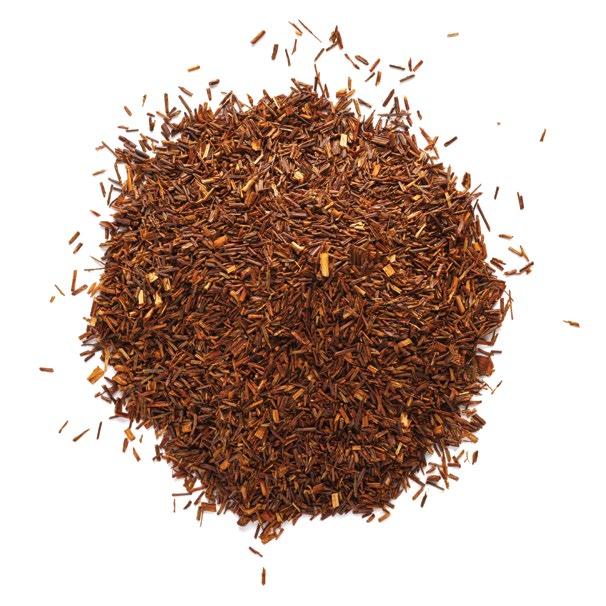
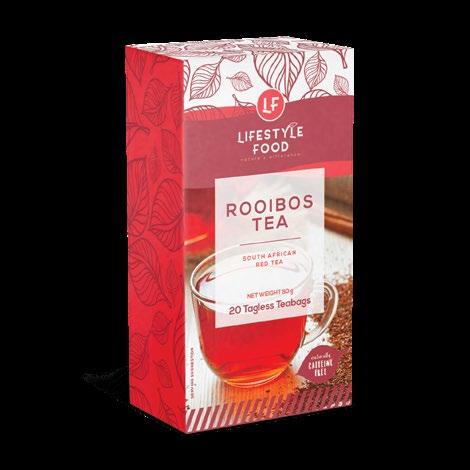
Lifestyle Food Rooibos Tea is made from the finest rooibos leaves, ensuring a superior flavour and aroma. This tea is naturally caffeine-free, making it a perfect choice for those seeking a soothing and relaxing beverage option.
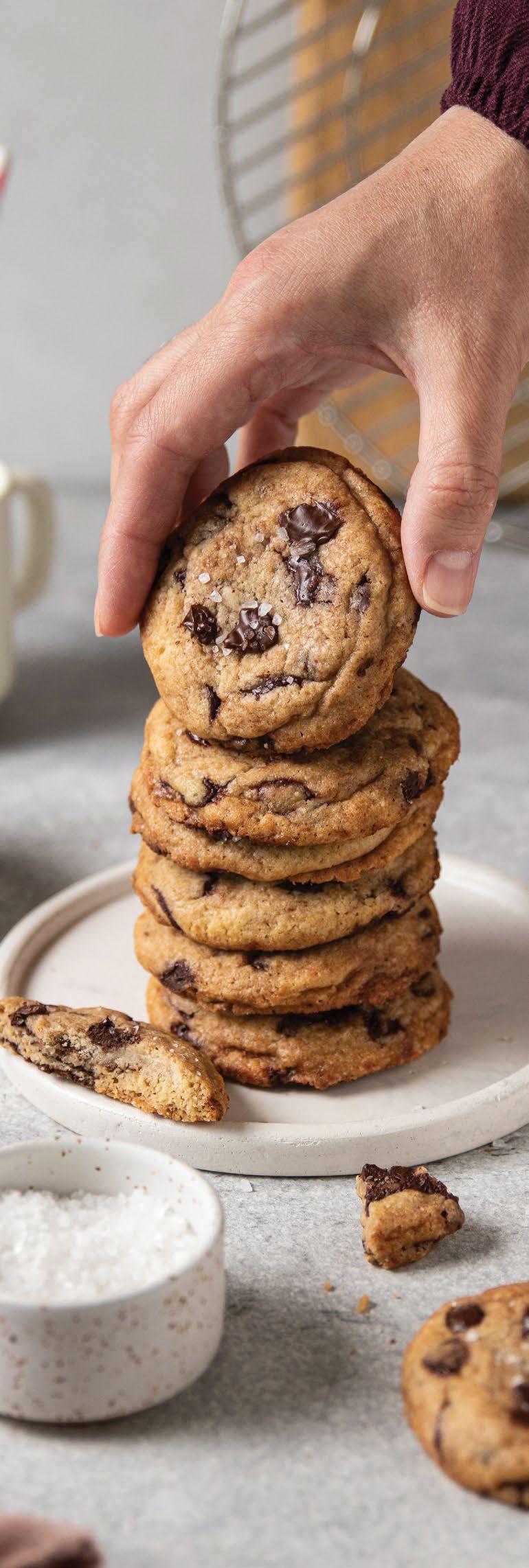

Take the classic comfort of choc chip cookies to a deliciously new level with this Coco-Choco Chip Cookies recipe. By swapping traditional butter and white sugar for coconut oil and natural sweetness like brown sugar or honey, and adding a warm kiss of cinnamon, you can create a chewy, soft and utterly irresistible treat.
Serves: 4
Ingredients
1 ¾ cups all-purpose flour
¾ cup brown sugar, coconut sugar or honey
½ cup coconut oil, solid
1 tbsp ground cinnamon
½ tsp baking soda
¼ tsp salt
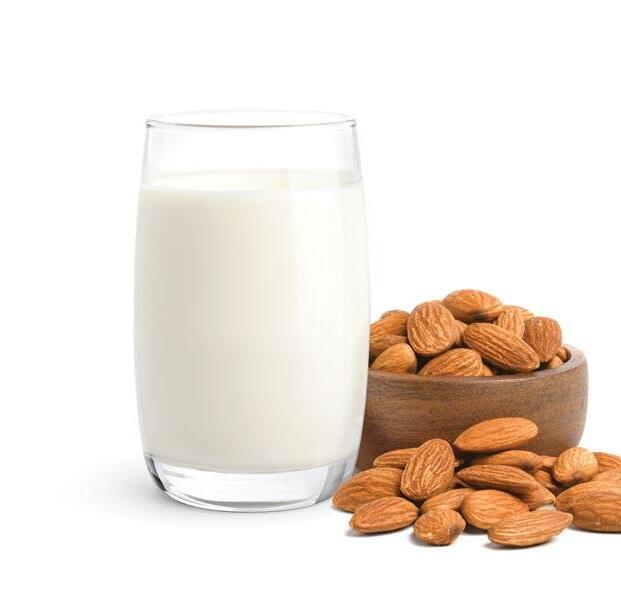
1 tbsp plant-based milk
1 tsp vanilla extract
½ cup chopped dark chocolate chips
Coconut oil is rich in naturally occurring saturated fats, giving it a distinctive texture and flavour that enhances both sweet and savoury dishes. It contains mediumchain triglycerides (MCTs), which are efficiently absorbed and lend coconut oil its smooth, clean-burning quality in cooking. With its subtle tropical aroma, it’s a versatile pantry staple, bringing a hint of richness to everyday meals.
Preheat the oven to 180°C. Line a baking sheet with parchment paper. In a large bowl, mix the brown sugar and solid coconut oil until light and fluffy. Stir in the vanilla extract and plant-based milk until well combined. In a separate bowl, whisk together flour, baking soda, cinnamon and salt. Slowly incorporate this dry mix into the wet mixture until a dough forms. Fold in the chocolate. Scoop out dough balls and roll them in a cinnamon-sugar mixture, just like a classic snickerdoodle cookie recipe. Bake for 9–10 minutes. The cookies will look slightly underdone in the centre but will firm up as they cool. Let cookies rest on the sheet for 2 minutes before transferring to a wire rack. Store in an airtight container for up to one week, or longer in the fridge.


Creamy, nutty and irresistibly indulgent, these maca mars ice cream bars are a wholesome take on the classic treat. With layers of cookie dough, caramel and smooth cashew ice cream, they’re made even better with the adaptogenic boost of Lifestyle Food Black Maca Powder.

Serves: 1
Ingredients for the base layer
1 cup Lifestyle Food Coconut Flour
1 cup oat flour or almond flour
⅓ cup Lifestyle Food Coconut Oil
¼ cup Lifestyle Food Honey
Some milk, if needed to smooth out
1 tsp vanilla extract
Pinch of salt
How to make it
Line a tray with parchment paper.

Maca powder is a Peruvian superfood known for its natural energy-boosting and balancing properties. It’s rich in vitamins, minerals and plant compounds that help support endurance.
Ingredients for the cookie caramel dough layer
1½ cups Lifestyle Food
Crunchy Peanut Butter
¼ cup Lifestyle Food Honey
½ cup Lifestyle Food Dark
Chocolate Chips
Pinch of salt
In a bowl, combine all base layer ingredients. Add milk if needed until the mixture is smooth and lump-free. Press into the tray and freeze. For the cookie caramel dough, mix all ingredients and spread over the frozen base. Return to the freezer. Soak the cashews in warm water until plump. Drain, then blend with the remaining ice cream layer ingredients until smooth. Pour over the cookie dough layer and freeze until fully set. Once set, slice into bars, dip into melted chocolate and enjoy immediately or store in the freezer for later.
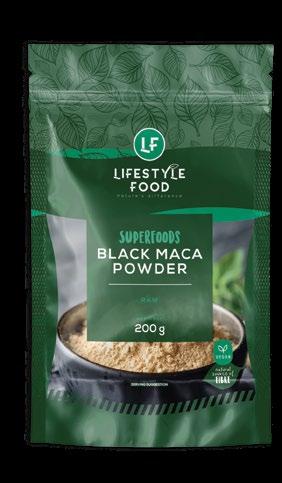
Ingredients for the ice cream layer
1 cup Lifestyle Food
Raw Cashews
300ml Lifestyle Food
Coconut Cream
1–2 tsp Lifestyle Food
Coconut Oil
1 tsp vanilla extract
¼ cup Lifestyle Food
Honey
1 tsp Lifestyle Food
Black Maca Powder
Pinch of salt
Melted chocolate for dipping

Crispy, cheesy and packed with wholesome goodness, these Chia Seed Cheese
Crackers are a delicious and satisfying snack.

Made with chickpea flour and Lifestyle
Food Chia Seeds, they’re perfect for nibbling on their own or with your favourite dips.
Serves: 4
Ingredients
1 cup chickpea flour (or substitute with flour of choice)
2 tbsp Lifestyle Food Extra-Virgin Olive Oil
3–4 tbsp lukewarm water
1 tsp Lifestyle Food Chia Seeds
1 tbsp Lifestyle Food Nutritional Yeast (or substitute with parmesan cheese)
Seasoning, to taste
Optional spices
¼ tsp cumin
¼ tsp paprika
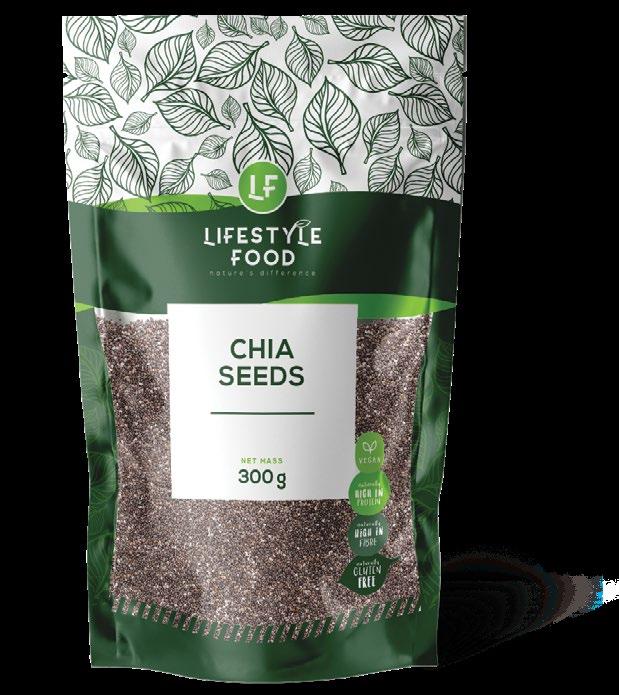
Chia seeds are loaded with omega-3 fatty acids, fibre and plant-based protein, making them a superfood staple. They help support sustained energy and healthy digestion, and add a satisfying crunch to recipes alongside this nutritional boost.
to make it

Preheat oven to 180°C. whisk together the chickpea flour to break up any lumps. Stir in nutritional yeast, chia seeds, seasoning and optional spices. and 3 tablespoons of water. Mix with a rubber spatula, adding the extra tablespoon if needed. When the dough is hard to stir, lightly oil your hands and knead it into a soft dough. the dough between two lightly oiled pieces of parchment paper. Roll into a 0.5cm thickness, forming a rectangle. Peel off the top parchment and cut into squares with a pizza wheel. the parchment with the crackers onto a baking sheet, spacing them slightly apart. Bake in the centre of the oven for 12–14 minutes until lightly golden and crispy. They will firm up further as they cool. airtight container for up to one week.

ANTIOXIDANT

SUPPORTS
URINARY TRACT
HEALTH


Wake up to flavour, colour and energy with these feel-good breakfast recipes that make healthy eating a joy.
Serves: 2
Ingredients
2-4 scoops Biogen Creamy Rice Energy Meal, Vanilla Creme flavour
Milk or water
2 medium bananas
Honey to serve
Milk to serve
Nut butter or cookie butter, like Biscoff, to serve
Caramelised nuts to serve
How to make it
Add 2 scoops of Biogen Creamy Rice to a bowl. Add some water or milk and mix well until there are no lumps. Caramelise the banana in a pan with some coconut oil. Once the porridge is cooked, serve it with the desired toppings.
It cooks up in a flash, providing a fast-digesting source of carbohydrates for sustained energy, while toppings like nut butter, sweet bananas and a drizzle of honey create a powerhouse meal that’s satisfying, easy to customise and genuinely tastes like a treat. Biogen Gluten-Free Creamy Rice Energy Meal is a naturally gluten-free, complex carbohydrate cereal. Delicious, simple and easy to prepare, Biogen Creamy Rice Energy Meal is the ideal solution for a pre-workout meal or a quick and convenient breakfast.
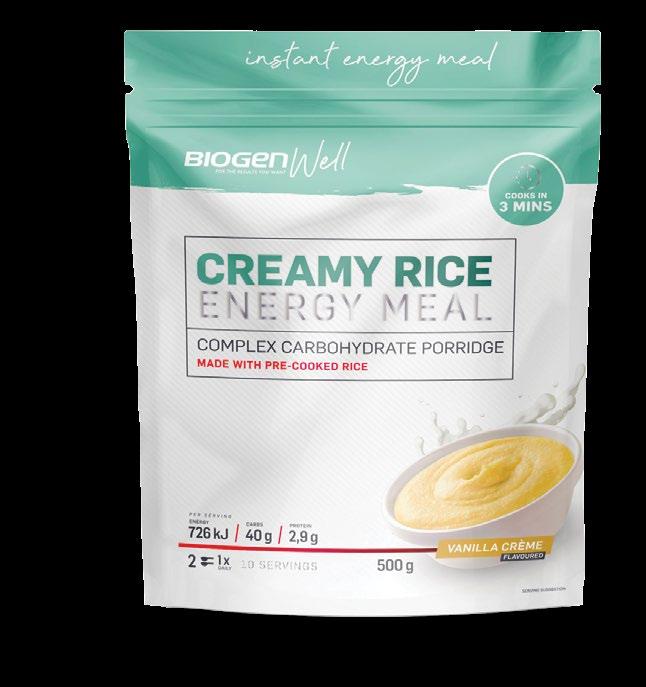


Forget traditional baked crusts; we’re using organic rolled oats, shredded coconut and creamy peanut butter to create a simple, quick-bake base that’s packed with goodness. This easy-to-assemble recipe is a fun, nutritious and absolutely delightful way to enjoy your favourite meal of the day.
Serves: 2
Ingredients
1½ cups Lifestyle Food Organic
Rolled Oats, ground into flour
1 cup shredded coconut
¾ cup Lifestyle Food Peanut Butter
¼ cup Lifestyle Food Honey or syrup of choice
Pinch of salt
1 scoop Biogen Iso-Whey Premium Protein Powder, Strawberry flavour
Lifestyle Food Milk (your choice of dairy or plant-based) to mix
Strawberry jam
Fresh strawberries
Greek yoghurt to serve
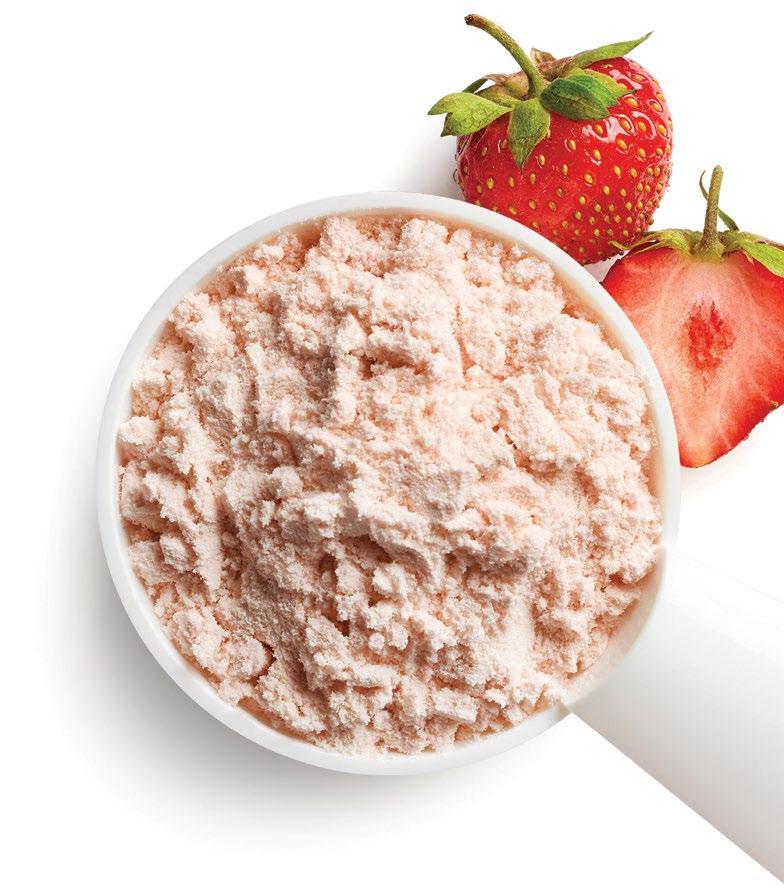
Add the flours, salt and protein powder to a bowl. Melt the peanut butter and honey together and pour into the flour. Gradually add some milk until you have a dough. Press flat onto a parchment paper-lined tray. Bake for 10-15 minutes at 180 ˚ C. Let it cool, then add a scoop of peanut butter on top, then some jam and fresh strawberries. Enjoy as a breakfast with some Greek yoghurt. LF
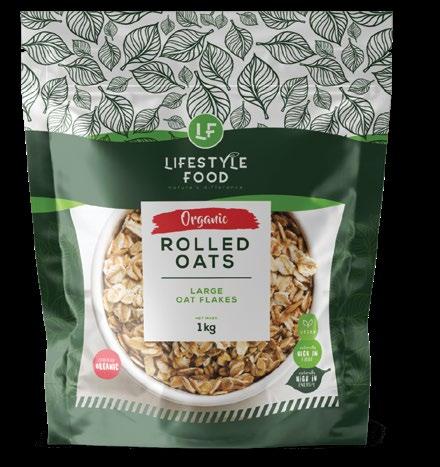
Lifestyle Food Organic Rolled Oats are sourced from certified organic farms, ensuring purity and quality you can trust. Packed with fibre, protein, vitamins and minerals, organic rolled oats offer a range of potential benefits, including improved digestion and sustained energy.

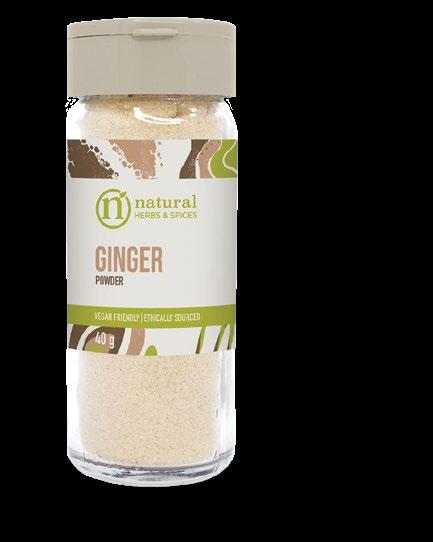
Ginger is one of the most important spices in Ayurvedic medicine as it offers a range of potential benefits. Its taste is hot, but its effect after digesting is sweet. Ginger goes well with vegetable dishes, chutneys, sweet foods and baking.
This vibrant, refreshing Tropical Smoothie Bowl is packed with tropical flavours in a thick and creamy blend that leaves you feeling full, energised and satisfied.
Serves: 1 Ingredients
1 cup frozen mango pieces
1 cup frozen pineapple pieces
2 frozen bananas, cut into chunks
250ml milk of choice or coconut water
½ tsp Natural Herbs & Spices Ginger Powder, to taste
Muesli
Fresh seasonal fruit
How to make it
Place all ingredients in a highpowered blender. Blend until smooth, trying to keep the smoothie as thick as possible. Use the blender tamper (if available) to help combine all the ingredients and achieve a thick and smooth consistency. Add a touch more liquid if required. Scoop the smoothie into two shallow bowls. Top with an array of fresh fruit and some muesli for texture and crunch.



FOLLOW THESE TIPS TO MAKE YOUR TRAVEL ABROAD A PLEASURABLE, HEALTHY EXPERIENCE FROM START TO FINISH.

Exploring new parts of the world is a thrilling experience for every traveller, with the promise of new landscapes, exotic flavours and unforgettable cultural discoveries unparalleled when it comes to holiday trips.
You’ve booked the flights, planned the excursions and meticulously packed your bags. But when crossing time zones and navigating new environments, the unexpected toll on your body, from digestive distress to the crippling fatigue of jet lag, can quickly overshadow the excitement.

The altered sleep patterns that accompany jet lag and changes in mealtimes can also disrupt our natural circadian rhythm, impacting optimal gut function.
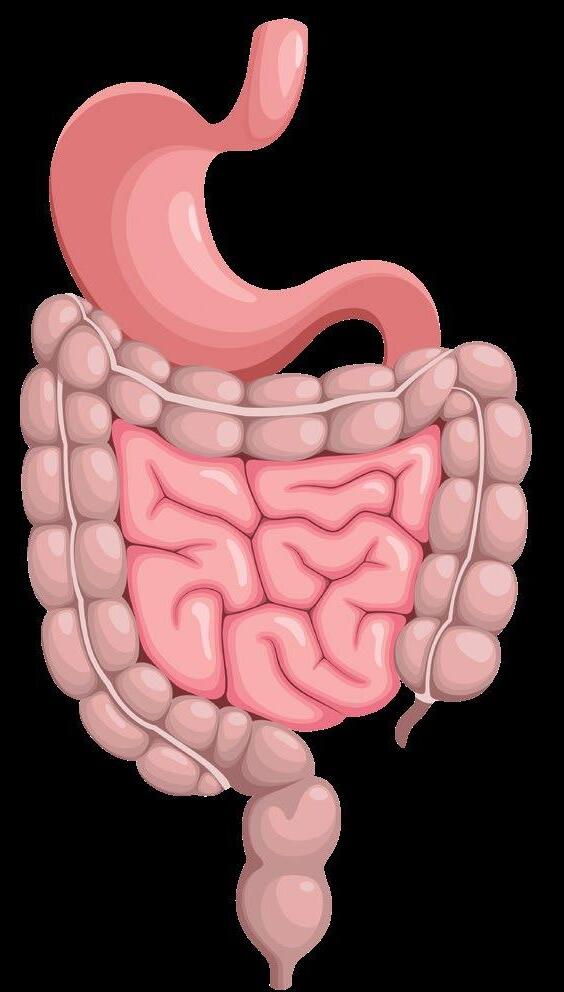
Don’t let tummy trouble ruin your travel! Travel tummy is a common informal term often used to refer to traveller’s diarrhoea, an illness that frequently affects international travellers. Travel can upset your stomach by disrupting your gut microbiome, a diverse community of trillions of microbes that play a crucial role in our overall health, influencing digestion, immunity and even mood.
An imbalance in this delicate ecosystem can cause issues like loose stools and stomach cramps that characterise traveller’s diarrhoea.
This digestive tract disorder is usually caused by consuming contaminated food or water, or an infection picked up from surfaces in high-traffic areas, such as airports, aeroplanes and public transportation used during your trip.
While visiting a new destination or exotic location is exciting, the change in environment exposes our bodies to new foods, water sources and air pollution, which can introduce novel bacteria and viruses into our gut, further upsetting the balance.
Different hygiene standards and a change in diet to foods with vastly different fat and sugar contents and unfamiliar ingredients can shift the microbial balance in our guts and may introduce potentially harmful strains.
The altered sleep patterns that accompany jet lag and changes in mealtimes can also disrupt our natural circadian rhythm, impacting optimal gut function.
In addition, the stress and anxiety that is part and parcel of international travel can add additional strain to our immune system and weaken our defences, further impacting gut health. These factors can lead to gut dysbiosis, a condition that disrupts the balance between beneficial and harmful bacteria and can manifest as various symptoms, including bloating, diarrhoea, constipation and even weakened immunity, making you more susceptible to traveller’s diarrhoea and other illnesses.

Stress and anxiety can negatively affect your gut. Make time to relax and decompress to prevent stress-related digestive issues (like constipation or irritable bowel flare-ups).
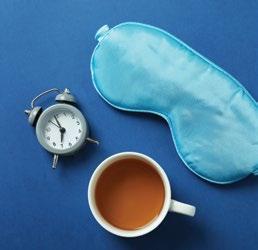
Try to keep your eating and sleeping schedule as regular as possible to minimise disruption to your body’s natural rhythms.


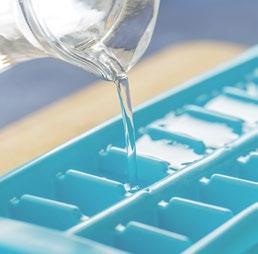
Gentle movement, like short walks during long flights or car rides, can help prevent travel-induced constipation.
Always carry an alcoholbased hand sanitiser and use it frequently, especially before eating and after handling money or touching public surfaces.
Be cautious of things that may have been washed in local tap water, such as kitchen utensils, cut fruit and salads. Also, be careful not to swallow water when showering or swimming.
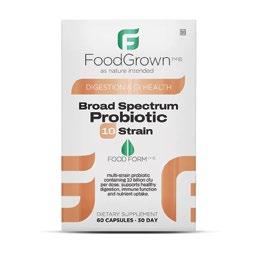
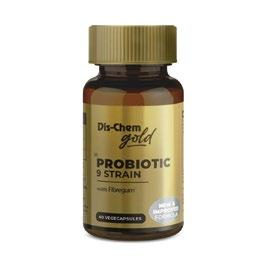
A probiotic supplement that contains a combination of multiple strains and a high colony-forming unit (CFU) count may help to improve or normalise the microbial imbalance that can occur when travelling and reduce the occurrence of traveller’s diarrhoea.

Additional benefits associated with the strains found in these products include immune modulation to potentially protect against infections, digestive regularity and comfort, and support for conditions like diarrhoea and bloating for fewer days with gut issues when travelling.

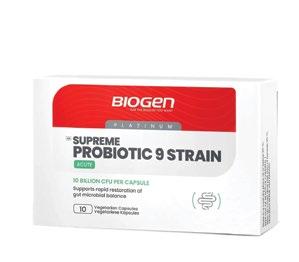
Probiotics can also aid digestion, especially when faced with unfamiliar foods, potentially reducing bloating and discomfort.
For better protection, start taking a probiotic supplement before your trip and continue throughout your journey. You can also support your efforts to stay healthy and happy on your trip with good hygiene practices, like regular hand washing and using hand sanitisers.
Play it safe by opting for bottled water over tap water or using water purifying tablets. You should also prioritise sleep and eat healthy foods you are accustomed to as often as possible.




Jet lag is another unwelcome travel companion on your journey across time zones. That groggy disorientation, the untimely awakenings and the midday slump can put a serious damper on an otherwise perfect holiday.
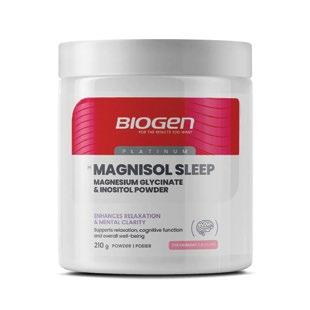
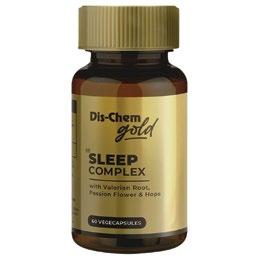
Bouncing back quickly from jet lag is key to maximising your travel experience. A seamless transition will leave you feeling energised, alert and ready to fully immerse yourself in a new environment from day one. To bounce back quicker from jet lag, many travellers turn to sleep support supplements. These products are formulated to help sync your body’s internal clock, or circadian rhythm, with the new time zone. These supplements may contain ingredients like magnesium, known for its muscle relaxing and calming properties, or various herbal extracts (such as valerian root or chamomile) designed to promote general relaxation and aid in falling asleep.
Before you leave, shift your bedtime closer to your destination time. If travelling east, go to bed an hour earlier each night for a few days. If travelling west, go to bed later.
When you arrive, seek out natural sunlight during the day. Conversely, avoid bright light (especially blue light from screens) in the hours leading up to your new local bedtime.
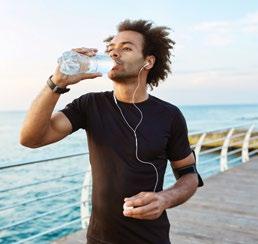
Dehydration exacerbates jet lag symptoms. Drink plenty of water before, during and after your flight. Alcohol and caffeine may temporarily perk you up or help you fall asleep, but they disrupt sleep quality and should be used sparingly.

Try to eat your meals according to the destination time as soon as you land. This helps reinforce the local time with another strong internal signal.

Gentle activity, such as a walk outdoors, can help wake your body up and accelerate the adjustment process. Avoid intense workouts right before bedtime.
BY COMBINING THE STRATEGIC USE OF SLEEP SUPPORT SUPPLEMENTS WITH THESE PRACTICAL, HOLISTIC LIFESTYLE TIPS, YOU CAN MINIMISE THE IMPACT OF JET LAG, RECLAIM YOUR ENERGY AND ENSURE YOU SPEND YOUR HOLIDAY MAKING MEMORIES, NOT BATTLING EXHAUSTION.
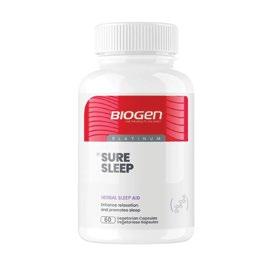
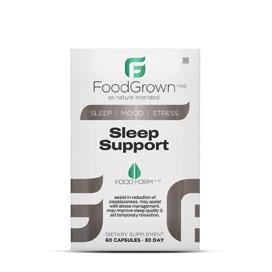
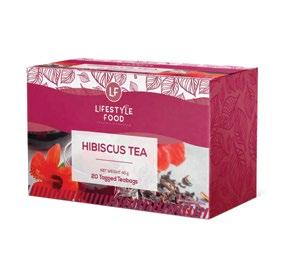
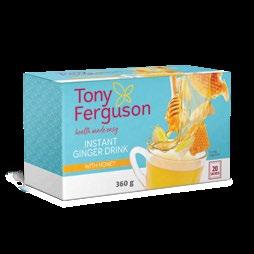
Most herbal teas are naturally caffeine-free, making them a good choice for drinking at any time of day without disrupting sleep.

BREW UP SOME DETOXIFICATION SUPPORT
Unlike trendy “detox” cleanses that promise dramatic results, herbal teas such as rooibos, chamomile, hibiscus and ginger offer gentle support to your body’s existing systems. Your body’s natural detoxification system – your liver, kidneys and digestive system – works continuously to filter, process and eliminate metabolic waste and environmental toxins. While your body manages these processes naturally, certain herbal teas contain bioactive compounds that may support these detoxification pathways.
* To view references for this article, please visit www.livingfit.co.za/issue27/references or scan the QR code on page 9.

Detoxification is a process that involves breaking down and eliminating toxins and other potentially harmful substances generated through natural processes such as normal cellular metabolism, energy production and immune responses.
These processes produce unstable molecules called free radicals, such as reactive oxygen species (ROS), which can cause oxidative stress (an imbalance in the body between free radicals and antioxidants). While this is a normal and healthy process, a chronic imbalance can cause cellular damage and inflammation.
Research1 suggests that it is the polyphenolic compounds called catechins found in herbal teas that are associated with their numerous beneficial health effects, including their ability to support natural detoxification.
The antioxidant effects of these compounds help to reduce inflammation and lower the risk of or potentially help treat various conditions2. For instance, rooibos, hibiscus and ginger teas are rich in antioxidants, which may help reduce inflammation.
Oolong tea is rich in polyphenols, particularly theaflavins and thearubigins, which may help reduce cell damage and inflammation.
Beyond directly neutralising free radicals, these polyphenols also work indirectly by influencing the body’s own antioxidant and detoxification systems. Catechins and theaflavins can help upregulate or “turn on” the genes that produce important enzymes (phase II liver enzymes) that support the detoxification process in the liver, increasing the body’s capacity to detoxify and excrete harmful compounds3.
Some teas also contain mild natural laxatives, which can help relieve occasional bloating or sluggish digestion to support the important elimination role your digestive system plays in detoxification.


Staying properly hydrated is one of the simplest yet most overlooked ways to support your natural detoxification processes and immune system function.
Dehydration can impair these functions by hampering the lymphatic system, which plays a key role in your immune system5, responsible for transporting white blood cells and removing toxins, waste and pathogens.
As such, it is important to ensure lymph fluid can move freely throughout the body by drinking sufficient fluids, which can include water and herbal teas.
In addition, your gut needs adequate water to support your microbiome, which also plays an important role in immune function6 and supports healthy bowel movements to rid the body of undigested remnants that may contain toxins.
When enjoyed as part of a healthy lifestyle that prioritises sufficient sleep, recovery and regular exercise, detox teas can be a soothing daily ritual, hydrating you, supporting gut health and helping you feel lighter and refreshed.










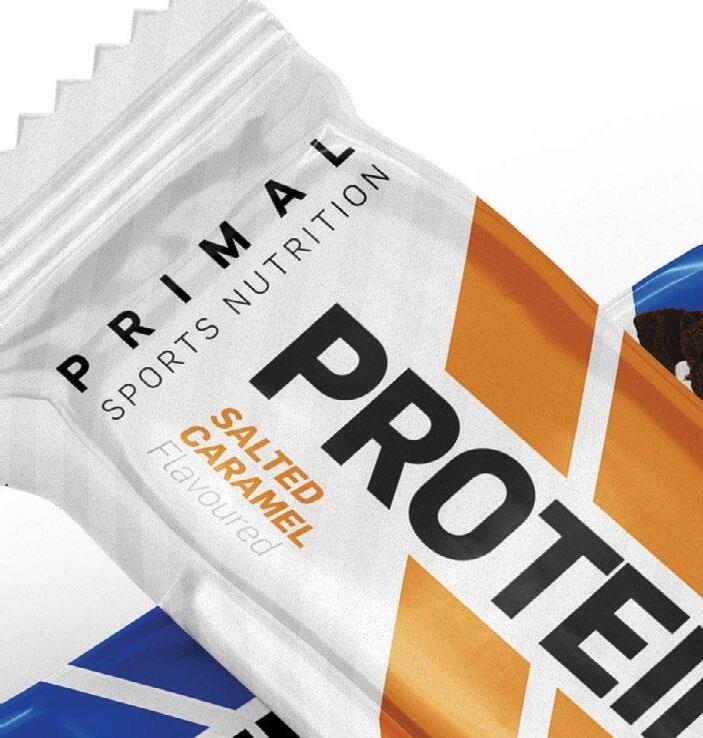











RECHARGE YOUR LIFE: SIMPLE STRATEGIES FOR BOOSTING MALE VITALITY

Between the relentless demands of work, the weight of financial obligations and a smartphone that never stops buzzing, modern life has become a slow-motion assault on male vitality. The pressure is constant, the stakes feel high and your energy reserves are running on empty.
Most men don’t realise that stress isn’t just making you irritable or stealing your sleep. It’s quietly depleting your body’s nutritional reserves, throwing your hormones into chaos and sabotaging the very systems that generate energy.
While you’re busy powering through your workouts and your work day, stress is systematically dissolving your capacity to feel strong, sharp and fully alive.

When we’re under pressure, our body activates the “fight or flight” response. Our adrenal glands release cortisol and adrenaline, which increase heart rate and alertness but in today’s world, where stress is more constant than acute, this system often runs in overdrive. Over time, this has a measurable biochemical cost. Chronic stress can deplete key micronutrients1 that support energy metabolism, immunity and hormonal health, including vitamins and minerals such as magnesium, zinc, vitamin C and the B vitamins.
Chronic stress can also downregulate testosterone production2, which can also impact a man’s mood, motivation, strength and libido.
Men who experience chronic stress often report symptoms that include:
•Persistent tiredness despite adequate sleep
•Low motivation
•Difficulty concentrating
•Poor recovery from exercise
•Decreased muscle tone
•Slower strength gains
•Reduced sexual drive or performance
These signs often indicate nutrient depletion and suboptimal hormonal balance, especially when cortisol remains elevated and testosterone dips in response.
Replenishing the nutrients lost due to the impact of stress can be a game-changer for a man’s energy, performance and overall vitality.
Chronic low energy is often a cry for better nutrition. Prioritise whole, nutrient-dense foods. Focus on high-quality protein (lean meats, fish, legumes) and healthy fats (avocados, nuts) to stabilise blood sugar and sustain energy throughout the day. Minimise processed sugars and refined carbs — they offer a quick spike followed by an inevitable crash.
While a balanced diet rich in whole foods is the foundation of resilience against stress and the primary source of energy, using supplements strategically can help restore what chronic stress depletes.
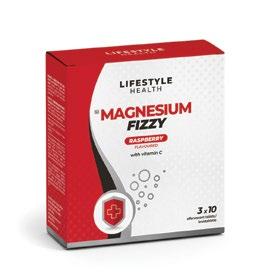
Essential for more than 300 biochemical reactions, including energy production, muscle function and nervous system regulation. Stress increases magnesium excretion through urine, leaving many men in a deficit. A magnesium supplement can help restore calm, improve muscle recovery and enhance energy metabolism.
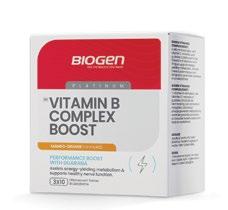
The B-complex vitamins, especially B5 (pantothenic acid) and B6 (pyridoxine), are directly involved in adrenal function and energy metabolism. They help convert food into usable energy and moderate the body’s stress response.
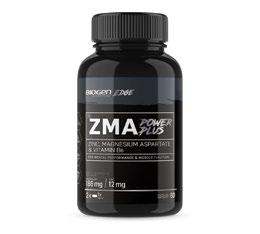
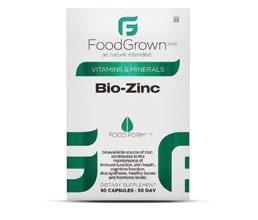
Plays a vital role in testosterone production, immune defence and tissue repair. Under stress, zinc is rapidly depleted as it’s used in enzyme activity and hormone synthesis. Maintaining optimal zinc levels supports both resilience and reproductive health

Concentrated in the adrenal glands and is crucial for cortisol regulation and immune function. Together, these nutrients help stabilise mood, sustain focus and support consistent energy throughout the day.
“Meditation can also help you manage and reduce stress by making you more mentally resilient.”
There are numerous other ways to reduce stress and restore your vitality, with quality sleep one of the most important. This is when your body recovers and recharges, resetting hormones and replenishing nutrients.
Aim for 7-9 hours of consistent, uninterrupted sleep. Establish a strict “digital curfew” 60 minutes before bed, allowing your brain to switch off the stimulation and prepare for deep rest.
Regular activity and exercise also reduce cortisol and boost endorphins. Some light exercise, particularly cardiovascular activity, is a great way to manage stress without exacerbating the situation with intense physical exertion. A walk or some yoga are other great options.
Adding resistance training with weightlifting, particularly the compound exercises like squats, deadlifts and bench presses, help to stimulate testosterone production, which is important for your mood and vitality.

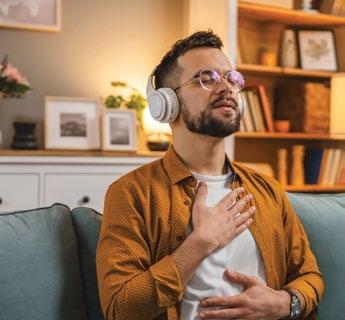
Creating headspace and calming the mind are other effective ways to deal with and reduce stress. For instance, participants in one study3 effectively reduced stress levels with yoga, mindfulness and a mindfulness app. Meditation can also help you manage and reduce stress4 by making you more mentally resilient. Regular meditators gain better control of their thoughts, emotions and feelings and experience various benefits, including improved stress tolerance, less anxiety and depression, better mental clarity, concentration,
focus, calmness and emotional positivity. Deep breathing exercises or breathwork (deliberate control of your breathing pattern) can also help calm your nervous system and reduce stress levels5
While stress is an unavoidable part of daily life, you can control its effects on your body and mind. By understanding how stress depletes essential nutrients and proactively supporting your system through targeted supplementation, men can reclaim their energy, restore hormonal balance and revive their vitality. LF
* To view references for this article, please visit www.dischemlivingfit.co.za/issue27/references or scan the QR code on page 7.
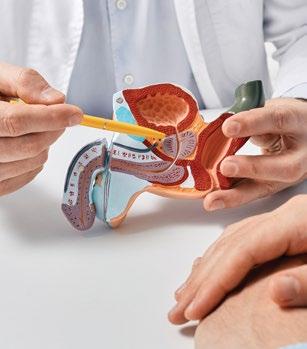
There is one moment every year that most men over 40 dread most – their annual prostate check.

One in 15 South African men will face prostate cancer in their lifetime — a statistic that turns fear into a fight for survival.
Keeping a finger on the pulse of our prostate health is vital due to the rising prevalence of prostate cancer. It’s no longer considered a disease that afflicts older men anymore. It’s a global health crisis fuelled by our modern, sedentary lives and dietary habits.
We’re cutting through the discomfort to explain why taking a proactive approach to prostate health and regular screenings have become a matter of survival for all men.
According to data shared by the American Cancer Society, prostate cancer is the second most frequently diagnosed form, and is the fifth leading cause of cancer-related deaths (after lung, liver, colorectal and stomach cancer)
Prostate cancer is the most commonly diagnosed cancer in males in 118 of 185 countries, but it’s the leading cause of cancerrelated death in sub-Saharan Africa. The Cancer Association of South Africa (CANSA) affirms that the prevalence of this disease in South Africa is high, with 1 in 15 South African men facing a lifetime risk of developing prostate cancer (2022; National Cancer Registry).
Beyond the high mortality rate, the struggle to live and fight the disease, and the impact that has on your life and family, also comes at a significant cost.
So what can men do to reduce their risks? The first step is always a proactive approach to early detection.
Many men dread going for a routine check-up, daunted by the graphic stories told by others who have undergone a Digital Rectal Exam (DRE). While the test itself may be uncomfortable, it’s got nothing on the harsh reality of the prostate cancer it detects, which is an alarming reality for men over the age of 40.

PSA test results are measured in nanograms per millilitre (ng/mL) and are interpreted in conjunction with a man’s age, as levels generally increase with age. Ideal readings include1:
A prostate-specific antigen (PSA) blood test is generally recommended in addition to a DRE as part of a comprehensive screening strategy for prostate cancer in men who have discussed the benefits and risks with their doctor.
The PSA test measures levels of this specific protein that can become elevated due to prostate cancer. Importantly, it can detect cancer in areas the DRE cannot reach.
IN YOUR 40s: Below 2.5ng/mL
IN YOUR 50s: Below 3.5ng/mL
60 AND OLDER: Up to 4.0ng/mL
In general, a PSA level above 4.0ng/mL is considered abnormal
“Prostate cancer is now the most commonly diagnosed cancer in men across 118 countries.”
Between their annual check-ups, it is critical that men keep an eye out for early-warning signs that may require additional testing or more frequent checkups, especially men at higher risk, like those with a family history of the disease.
* To view references for this article, please visit www.livingfit.co.za/issue27/references or scan the QR code on page 7.
These are the main signs and symptoms that men shouldn’t ignore2:
1. Trouble urinating, or incontinence (loss of bladder control).
2. Blood in your stool or urine.
3. Changes in your bowel function.
4. Persistent backache.
5. Excessive weight and hair loss.
6. Chronic fatigue.
Every cigarette, drink and sedentary day quietly rewires your body for cancer – but every healthy choice rewires it back.

Men must be vigilant about any changes in their bodies, particularly the urinary and lower back symptoms. While most symptoms, like a weak urine flow or frequent nighttime urination, are more commonly caused by benign conditions, like an enlarged prostate (BPH), you should never ignore them.
Seek medical advice when experiencing these signs, especially if you have blood in your urine or persistent bone pain. Detecting prostate cancer early, often before it causes advanced symptoms, significantly increases the chance of successful treatment and a better long-term prognosis.
While early detection is vital, taking proactive steps to lower your risk is also crucial. According to the National Cancer Registry, 90% of cancers are caused by lifestyle and environmental factors3, such as a lack of exercise, poor diet, drinking alcohol and smoking.
Tobacco remains the leading cause of preventable death as it is responsible for numerous cancers4 Alcohol presents another significant cancer risk, because it creates a compound (acetaldehyde) that damages cellular DNA when your body metabolises it, which increases cancer risk5. Beyond this direct damage, alcohol interferes with your body’s ability to absorb vital cancer-fighting nutrients, including vitamins A, C and B6.
The evidence is compelling: 150 minutes of moderate exercise or 75 minutes of vigorous activity weekly can meaningfully reduce your cancer risk7, while low fitness levels increase your risk of both cancer and heart disease, even if you’re not overweight.
A University of Vermont study8 tracking more than 17,000 men found that those with the highest fitness levels had a 68% lower risk of lung cancer and a 38% lower risk of colorectal cancer compared to the least fit men. Even more encouraging, while fitness didn’t necessarily prevent prostate cancer, it significantly reduced the risk of death from the disease.
When it comes to cancer prevention, maintaining a healthy weight through regular physical activity and balanced
nutrition stands as one of your most powerful tools. Your weight influences cancer risk through complex hormonal pathways9. Obesity disrupts hormone regulation, particularly affecting insulin sensitivity and oestrogen production. This hormonal disruption creates an environment where cancer can thrive. The insulin connection deserves particular attention. When cells become resistant to insulin, your pancreas compensates by producing more of this powerful growth factor. Elevated insulin levels over extended periods can accelerate the often uncontrollable division of cancer cells. Research confirms that individuals with higher circulating insulin-like growth factors face increased risk for aggressive prostate and colon cancers. Maintaining a healthy BMI between 18.5 and 24.9 isn’t just about appearance — it’s about creating a metabolic environment that’s hostile to cancer development.
Your kitchen represents the front line in cancer prevention. A diet rich in colourful fruits and vegetables provides the antioxidants your body needs to neutralise free radicals, those unstable molecules that can damage DNA and create conditions for cancer to develop when levels remain chronically elevated in the body10. You can find important antiinflammatory nutrients11 such as beta-carotene from carrots, spinach,
sweet potatoes, apricots and leafy greens, which provide powerful cellular protection, while tomatoes (particularly cooked) have been specifically linked to prostate health due to their lycopene content. Vitamin C and E, found in citrus fruits, berries, broccoli, cauliflower, peppers and leafy greens, also work synergistically with vitamin E to combat oxidative stress12. When it comes to cancer prevention, subtracting certain foods from your diet also adds up to significant potential benefits.

Recent research highlights specific foods with exceptional antiinflammatory and anti-cancer properties.
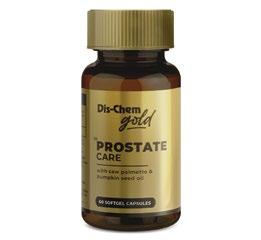
While whole foods should form your foundation, certain supplements have shown promise in supporting prostate health.

GREEN TEA contains catechins, potent antioxidants that have demonstrated protective effects against prostate cancer13.
A high saturated fat intake, particularly from red and processed meats, consistently shows up as a cancer risk factor in research16. In addition, when meat is cooked at high temperatures until well done, it forms heterocyclic amines and polycyclic aromatic hydrocarbons — compounds with carcinogenic properties.

By reducing animal protein, you also limit exposure to hormones and antibiotics used in modern farming — factors that may influence cancer risk. It is also a smart move to minimise processed foods, added sugars, excessive salt and products laden with artificial ingredients.

BERRIES (blueberries, strawberries and raspberries) deliver anthocyanins that regulate free radicals and reduce systemic inflammation14.
(broccoli, cauliflower and Brussels sprouts) contain sulforaphane, a compound that supports the body’s natural detoxification processes15.
FATTY FISH rich in omega-3 fatty acids (salmon, mackerel, sardines) provide powerful antiinflammatory benefits.
TURMERIC, with its active compound curcumin, has shown promise in studies10 for its ability to inhibit cancer cell growth and reduce inflammation.

Omega-3 fish oil supplements provide antiinflammatory effects when dietary intake is insufficient, and green tea extract, found in a range of products, offers concentrated catechins, a group of polyphenolic compounds that are believed to help prevent cancer through a variety of complex mechanisms that target multiple stages of cancer development13 Research10 also supports the use of curcumin as an effective way to manage the oxidative stress from free radicals that can damage DNA and lead to increased cancer risk. Various products available at Dis-Chem offer concentrated sources of this chemical compound found in turmeric
Cancer prevention isn’t about one solution – it’s about daily choices that tip the odds in your favour. Research shows that lifestyle habits and modern medicine work best together. Every workout, colourful meal and good night’s sleep strengthens your body and lowers cancer risk – evidence-based habits that could save your life.


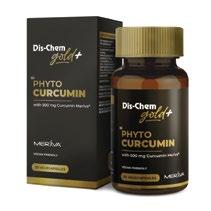
METABOLISM AND BODY COMPOSITION:
PHYSICAL HEALTH:
HEALTH
Testosterone is a potent hormone most commonly discussed in relation to muscle gain, strength development and exercise performance, but its effects on men’s health extend far beyond the physical.
DID YOU KNOW
MENTAL MUSCLE:
IMMUNE RESPONSE:
Testosterone is literally the foundation of your masculine vitality, influencing everything from your energy levels and mood to your sex drive, bone strength and even how confident you feel walking into a room.
Think of testosterone as your body’s master switch for masculinity.
Your testes produce the bulk of it – roughly 4-10mg daily – and your adrenal glands contribute another 0.5mg.
The whole operation is orchestrated by the HPG (hypothalamic-pituitarygonadal) axis, which basically works like this: your brain sends signals that tell your body to make testosterone, and that testosterone then goes to work throughout your entire system.
During our teenage years, testosterone is responsible for all those changes that took us from boys to men: our deeper voice, facial hair, sex drive and muscle development.
While a critical element in this transformative phase called puberty, testosterone never loses its relevance and importance in a man’s life.
Beyond the obvious physical benefits, healthy natural testosterone production throughout your life works to keep you functioning at your best.
Testosterone maintains your bone density, helping you avoid osteoporosis as you age. It keeps your muscles strong and functional by supporting protein development (synthesis)1, which isn’t just about looking good; it’s about being able to lift your kids, carry groceries and stay independent well into your later years. It is also critical for protein because it is a primary growth factor and helps boost levels of other growth factors like growth hormone, further enhancing protein synthesis. It also stokes your metabolism, making it easier to maintain a healthy weight and burn fat.
Testosterone doesn’t just build muscle; it helps your body burn fat more efficiently and maintain a healthier body composition5 It also improves insulin sensitivity6, which is crucial for preventing metabolic syndrome and type 2 diabetes.
Ever notice how some days you feel sharp and confident, while others you’re sluggish and irritable? Testosterone plays an important role in your mood, energy levels and overall sense of wellbeing. Low testosterone has been linked to depression2 and brain fog3 and may negatively impact motivation levels.
Testosterone helps keep your immune function strong. Its role is best described as immunomodulatory4, which means it helps to regulate and balance the immune response rather than simply strengthening or weakening it overall. A key way testosterone supports immune function is by acting as a curb on excessive inflammation and immune activity, which is crucial for preventing the immune system from attacking the body’s own tissues.
The drop in testosterone isn’t inevitable; it’s a warning sign your health needs attention.
The challenge most men face is that testosterone production peaks around age 20, then starts a slow but steady decline. Some estimates suggest it drops by half every decade after 30. Other research points to a 1% annual decrease starting at 40.
The good news is that we have many ways to support natural testosterone production as we age.
A groundbreaking Australian study7 turned conventional thinking on its head. Researchers from the University of Sydney tracked 325 men over 40 (average age 60) and discovered that age itself doesn’t lower testosterone in healthy men. Instead, it’s the accumulation of health problems, such as obesity, heart disease and other conditions, that work to tank your levels.
In other words, the decline isn’t inevitable. It’s often a warning sign that your overall health needs attention.
Addressing any age-related decline in natural testosterone production requires a comprehensive approach that includes regular exercise, a healthy diet and supplement support.
Exercise is crucial, but not all workouts are created equal when it comes to stimulating testosterone production. Heavy resistance training using compound movements, like squats, deadlifts and bench presses, triggers the greatest testosterone response8. You want short, intense sessions that recruit maximum muscle fibres.
The same principle applies to cardio. Short, explosive sprint intervals beat long, steady-state sessions. In fact, studies show that cardio sessions longer than 75 minutes and high mileage training programs can actually suppress testosterone.
One study9 found that male runners covering more than 64km weekly had noticeably lower testosterone than those training shorter distances due to chronically elevated cortisol from excessive endurance training.
YOUR TESTOSTERONE LEVELS ARE ALSO DIRECTLY INFLUENCED BY WHAT YOU EAT:
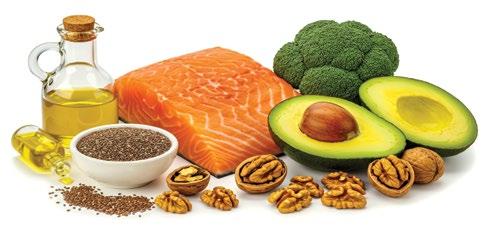
Healthy fats:
Men eating diets rich in monounsaturated fats (olive oil, avocados, nuts) have higher testosterone. Don’t fear saturated fat, though. Cholesterol is a building block for testosterone production. In fact, low-fat diets are associated with lower testosterone levels in men10
Check your protein:
While protein is vital for muscle repair, growth and recovery, too much of a good thing can be bad for you. Research11 suggests that diets heavy in protein (3.4g/kg/day or more) actually reduced levels. The recommended range is 1.6-2.2g/kg/day.
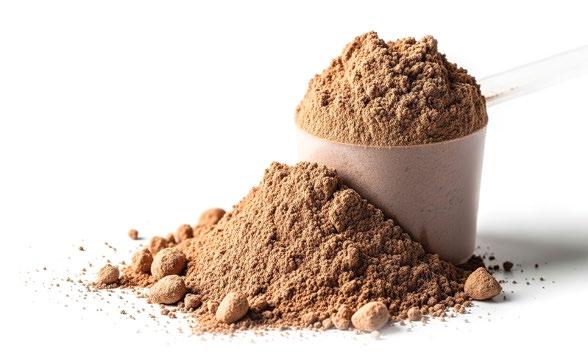

Every time you consume sugar, your testosterone temporarily drops due to elevated insulin. Chronic high-sugar diets are associated with persistently lower testosterone levels.

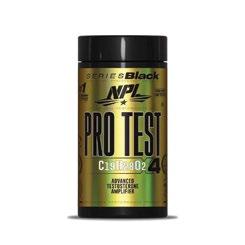
Testosterone booster supplements may help to stimulate natural testosterone production, particularly in individuals with low levels. These product formulations up-regulate natural hormone production with a combination of herbals, vitamins and minerals, many of which have solid research behind them:
ZINC AND MAGNESIUM: These minerals are crucial for testosterone production
VITAMIN D: Functions almost like a hormone and directly boosts testosterone
ANTIOXIDANTS: Vitamins A, C and E and selenium protect the cells that produce testosterone
AMINO ACIDS: Arginine, lysine, carnosine and glutamine (best taken at bedtime on an empty stomach)
CREATINE AND B-COMPLEX VITAMINS: Support overall hormonal health
EFFECTIVE HERBAL INGREDIENTS:
These include tongkat ali, Panax ginseng, tribulus terrestris and ashwagandha
There are also a few lifestyle factors that can make or break your testosterone levels. Managing stress is one of the most important factors, as cortisol, your primary stress hormone, actively blocks testosterone’s effects. Every time you’re stressed, you’re essentially shutting down your testosterone system, which means it is important to find ways to decompress, such as meditation, reading, hobbies or time in nature.
A study12 found that 90% of the older men with low testosterone who took 200mg of tongkat ali extract per day over the one-month trial period significantly increased levels to normal values.
A study13 published in the journal Spermatogenesis found that the major active constituent in Panax ginseng is responsible for the increase of serum testosterone levels, with its benefits linked to its stress-reducing and antiinflammatory properties.
Regarding tribulus terrestris, this natural substance reportedly increases the release of luteinising hormone LH), which stimulates testosterone release14, while an ashwagandha supplement helps increase testosterone by 15% on average, alongside an 18% increase in DHEA, a hormone that helps produce other hormones, including testosterone15
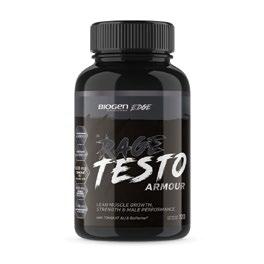
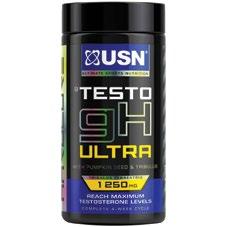
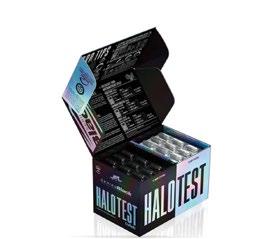
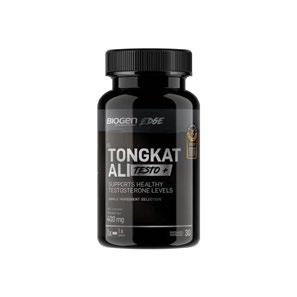
By training smart, eating right, managing stress and taking care of your overall health, you can maintain robust testosterone levels well into your later years.
If you have any concerns about your testosterone levels, discuss them with your doctor, pharmacist or healthcare provider, who can assist with supplementation guidance or recommend appropriate treatment options, if necessary. LF
Skimp on sleep and your testosterone production plummets. Most testosterone is produced while you sleep, so those 7-9 hours aren’t negotiable if you want optimal levels.


* To view references for this article, please visit www.livingfit.co.za/issue27/references or scan the QR code on page 7.
Despite what the social media memes suggest, there’s a reason positive thinking alone rarely lifts a persistent low mood, and it has nothing to do with willpower or character.
The uncomfortable truth that wellness influencers rarely mention is that you cannot simply decide yourself into happiness. No amount of motivational quotes or cat videos, however delightful, can override the fundamental biochemistry governing your emotions.
When you wake up inexplicably feeling blue and grey clouds follow you through the day despite your best efforts to shake it off, you’re not experiencing a failure of attitude.
You’re experiencing the effects of neurochemistry.
Specifically, you’re feeling the ebb and flow of neurotransmitters like dopamine and serotonin, which dictate whether the world appears bright or feels heavy.
These chemical messengers –often referred to as “feel-good hormones” – are produced by the body and directly influence different organs, including our brain.
In their role as neurotransmitters, they carry messages across the spaces between nerve cells to enable them to “talk” to each other.
Our brain is basically a giant network of these nerve cells, called neurons. They don’t touch each other, and there’s a tiny gap between them called a synapse. A neurotransmitter’s job is to get a signal across the gap to tell the next neuron what to do.
How well these neurotransmitters work can make a big difference in how we feel from day to day, which is influenced by our hormone levels and balance.
Serotonin, made in the brain (10%) and gut (90%), works as our brain’s inner mood regulator. When levels are steady, we feel calm, content and emotionally balanced. When they’re low, we can often feel anxious, irritable or down.
Dopamine, made in the brain and adrenal glands, triggers the reward centres in our brains, giving us drive by fuelling motivation and focus.
These two hormones also interact and
“Low
serotonin makes dopamine cravings louder — driving us to scroll, binge and snack for quick highs that, over time, dull the brain’s reward system and leave us craving more.”
influence each other. For instance, healthy serotonin levels help regulate dopamine’s highs and lows, preventing extreme swings. But if serotonin levels dip, dopamine-driven urges can feel more intense, which explains why we chase dopamine hits through compulsive social media scrolling, binge-watching series or binge-eating sugary snacks when we’re feeling down. However, when we spike dopamine after a rewarding activity, the brain adjusts receptors to prevent overload. This is why overstimulation, like constantly checking your phone, can blunt dopamine sensitivity over time. Chronic stress can also reduce dopamine production and receptor sensitivity.
Serotonin and dopamine are both made from amino acids, which we get from food and supplements. Serotonin is made from the amino acid tryptophan and is converted to 5-HTP and then into serotonin, while dopamine is made from tyrosine
As such, healthy hormone levels start with a balanced diet. You find
tryptophan in foods like eggs, salmon, nuts, seeds and tofu. We get tyrosine from chicken, beef, dairy, beans, lentils and soy.
You can also provide your body with additional support by ensuring you get vitamins and minerals that work as cofactors to boost serotonin or dopamine production naturally. Without these, the process can stall.
THESE IMPORTANT VITAMINS AND MINERALS INCLUDE:
Vitamin B6: Essential for converting 5-HTP into serotonin, and L-DOPA into dopamine.
Vitamin C: Needed for the step that converts dopamine into noradrenaline.
Magnesium: Supports enzymes in these conversion processes, and also calms the nervous system.
Folate (B9) & vitamin B12: Support the methylation cycle, which influences serotonin metabolism.
Iron: Needed for tryptophan and tyrosine hydroxylase, the enzyme that starts the serotonin pathway, and turns tyrosine into L-DOPA.
Vitamin D: Regulates tryptophan hydroxylase activity — one reason sunlight helps mood.
Copper: Plays a role in the conversion of dopamine into noradrenaline.
Zinc: Supports enzyme activity and receptor function.
Omega-3s: The anti-inflammatory effects of omega-3s create a more favourable environment for the production and signalling of both serotonin and dopamine. These fats can also improve neurotransmitter receptor sensitivity in brain cells.
Omega-3 Rich Foods
Salmon, sardines and mackerel
Chia seeds and flaxseeds Walnuts
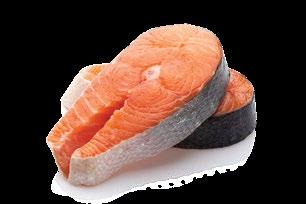
Protein & Amino Acid Sources

Eggs (rich in choline and tryptophan)
Chicken, turkey and lean beef
Tofu, lentils, beans and tempeh
MemoryBoosting Fruits
Blueberries, blackberries and strawberries

Oranges and kiwi (for vitamin C)

Avocado (healthy fats and folate)
“Healthy serotonin and dopamine levels start with a balanced diet — your brain needs amino acids, vitamins and minerals to make these mood-boosting chemicals naturally.”
While we cannot directly control our feelings through sheer willpower, we can influence the neurochemical environment that produces them.
The brain, for all its complexity, responds predictably to certain inputs, like sleep patterns, nutritional choices, physical movement, social connection and sunlight exposure. These lifestyle factors act as levers that directly affect neurotransmitter production and regulation.
Getting more sunlight, especially first thing in the morning, boosts serotonin by regulating our circadian rhythm (through the pineal gland, which converts serotonin into melatonin).
Stress management is also important because your body regulates levels of these hormones through the HypothalamicPituitary-Adrenal (HPA) axis and the Hypothalamic-Pituitary-Thyroid (HPT) axis.
DID YOU KNOW: Chronic stress can throw these axes out of balance, reducing serotonin signalling and resulting in mood dysregulation. This is where activities like meditation, mindfulness, yoga and journaling can help to regulate these happy hormones.
Regular movement, particularly aerobic exercise like running or cycling, releases these ‘feel-good’ hormones – it’s why it’s often called the “runner’s high”. This effect is associated with a drop in stress hormone
levels, which helps to improve mood and combat depression and stress.
The other important piece in the feel-good puzzle is getting enough quality sleep
During restorative deep sleep, serotonin receptors reset and become more sensitive, helping us feel calm and emotionally steady the next day.
Poor sleep or sleep deprivation can also desensitise the dopamine receptors in the brain’s reward and attention centres, which can lead to difficulty concentrating, lower motivation and a reduced sense of pleasure from everyday activities.
Not getting enough REM sleep can also leave us restless and craving artificial dopamine hits like sugar, caffeine or social media.
And poor sleep patterns and bad bedtime habits mess with our circadian rhythm, which is regulated by dopamine – normally, dopamine levels rise in the morning to help us feel alert and motivated, then gradually decline at night so we can wind down.
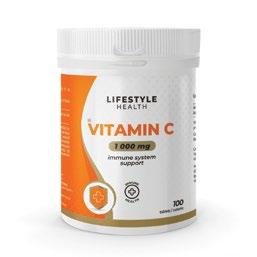
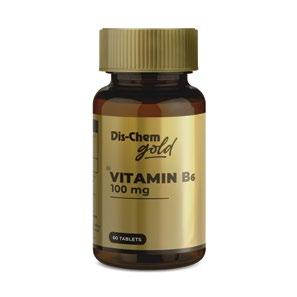
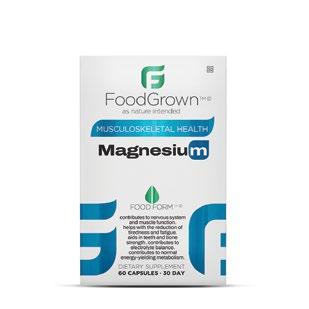
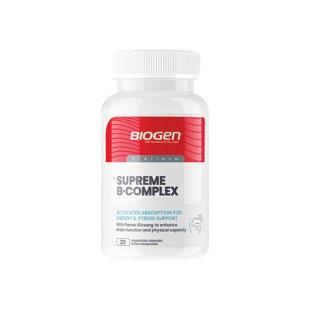
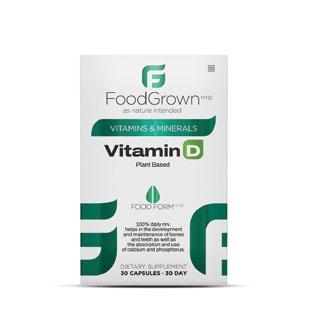
Due to their interplay, it is impossible to focus on one hormone without considering the other.
Finding the sweet spot is about the right balance, and your daily habits. Regular movement, food, sunlight, sleep and taking care of your mental health, are powerful levers to keep that balance in check.
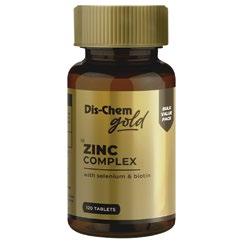

WHY OPTIMAL COGNITIVE FUNCTION AND BRAIN HEALTH NEEDS PREMIUM FUEL
The most powerful organ in your body also has the most voracious appetite, requiring a steady supply of highquality fuel and nutrients for optimal function. Weighing a relatively insignificant 1.4kg on average – a mere 2% of your total body mass – your brain commands a staggering 20% of all the energy you produce1. Every thought, memory and emotion requires fuel, and better quality fuel means better mental performance.
The antioxidants and antiinflammatory polyphenols found in walnuts may improve brain function and slow mental decline that occurs with ageing.
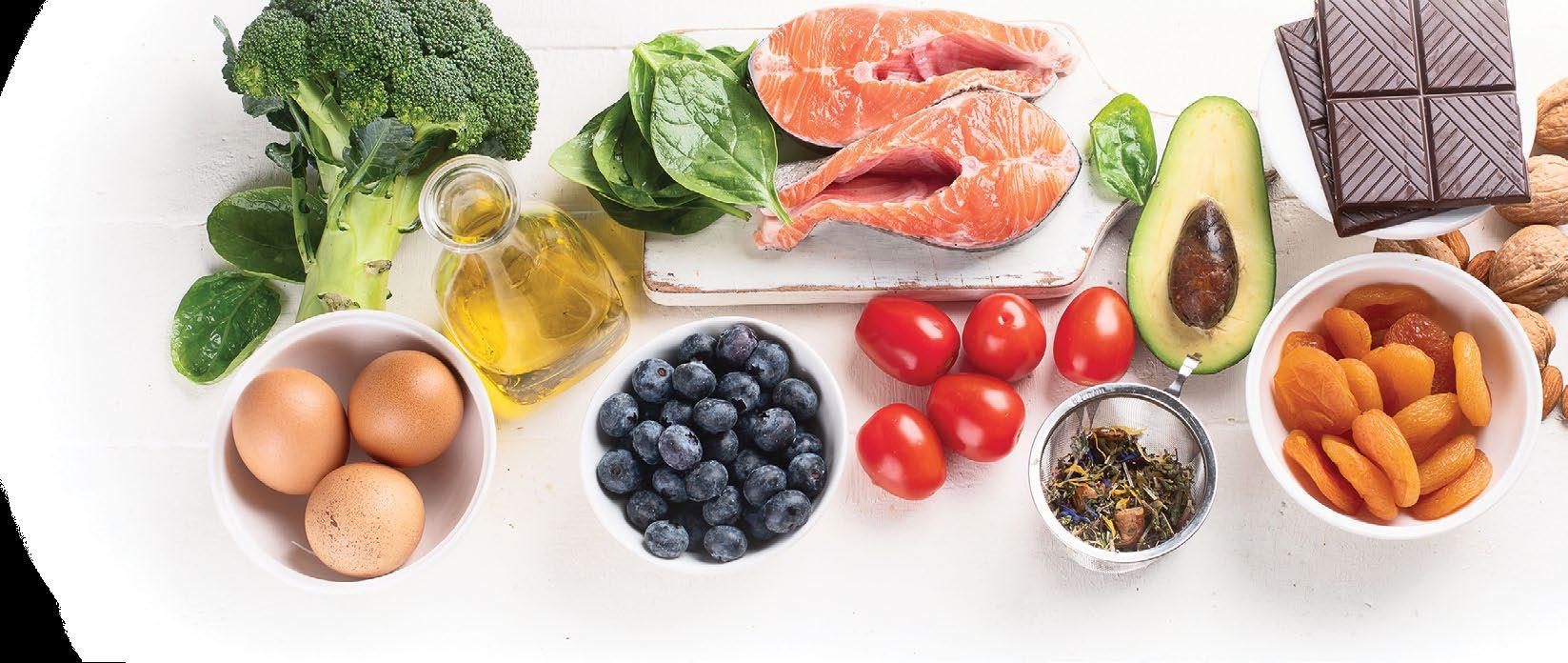
A diet rich in essential fatty acids (EFAs), particularly omega-3s, found in fish and nuts, and low in saturated fats and sugar, is associated with a reduced risk of cognitive decline.
You are what you eat
The emerging field of nutritional psychiatry continues to reveal links between what we eat and how we feel and behave. What we know is that our brain thrives on an ample supply of complex carbohydrates, essential fatty acids, amino acids, vitamins, minerals and water.
A nutritious and balanced diet that provides these elements supports healthy brain structure, activity and function by:
•Converting complex carbohydrates into glucose, the brain’s main energy source.
•Transforming fatty acids into the structural components of brain cells.
Your body uses the food on your plate to produce the neurotransmitters – the chemical messengers – that determine whether you feel focused or scattered, calm or anxious, energised or depleted.
The omega-3 fatty acids in your diet literally become part of your brain’s cellular architecture. The antioxidants you consume protect delicate neural tissue from the oxidative stress that accelerates cognitive decline. That means what you feed it matters more than you might think – not just for sharp thinking and memory, but for your overall mental wellness too.
•Using amino acids to produce neurotransmitters, the brain’s chemical messengers.
•Harnessing antioxidants to protect against oxidative stress and free-radical damage, which can impair mood and mental clarity.
A diet rich in essential fatty acids (EFAs), particularly omega-3s, found in fish and nuts, and low in saturated fats and sugar, is associated with a reduced risk of cognitive decline2.
This way of eating, exemplified by the Mediterranean diet, also supports memory and reduces neuroinflammation. Diets dominated by refined sugars, processed meats and trans fats are consistently linked with higher rates of depression, anxiety and impaired cognition. Foods to limit for better mental wellbeing include:
•Refined carbohydrates and added sugars
•Processed meats and trans fats
•Foods loaded with additives and preservative
Fortunately, nourishing your brain doesn’t have to be complicated. Diets rich in vegetables, fruit, unprocessed grains, natural oils, fish and modest amounts of meat and dairy consistently outperform the typical Western diet in supporting mental wellness.
These little berries are a brain superfood as they’re loaded with anthocyanins, antioxidants that give them their deep blue colour, and may help improve communication between brain cells. Research suggests that regular blueberry consumption might support memory and may even help delay age-related cognitive decline4.
Dark chocolate contains flavonoids, caffeine and antioxidants that may improve focus, memory and mood. The flavonoids, in particular, seem to increase blood flow to the brain and may support the growth of new brain cells and connections. Keep portions reasonable – a small square or two of dark chocolate can provide benefits without overdoing the calories – and stick to sugar-free options (70% cacao or more).
This mighty mushroom contains compounds called hericenones and erinacines that may support the production of nerve growth factor (NGF), a protein crucial for brain cell health. While research is still emerging, early studies suggest lion’s mane might support memory, focus and overall cognitive function.
Chia seeds and flaxseeds are other plant-based omega-3 powerhouses. Both seeds are also good sources of fibre to support gut health which, as we’re learning, is closely connected to brain health.



These essential fats are like premium fuel for your brain, particularly DHA (docosahexaenoic acid), which makes up a significant portion of your brain tissue. Your body can’t produce omega-3s on its own, so you need to get them from food or supplements. Studies suggest omega-3s may support memory, improve mood and help protect against cognitive decline.
These nuts are packed with alpha-linolenic acid (ALA), a plant-based omega-3 that your body can partially convert to the brain-friendly DHA. Beyond the healthy fats, walnuts provide vitamin E, which acts as an antioxidant to protect brain cells from damage. Studies have linked regular walnut consumption to improved cognitive performance and better memory3
Your gut and brain are in constant communication through the gut-brain axis. A healthy gut microbiome appears to support better mood and cognitive function. Prebiotic fibre, found in foods like rolled oats, feeds the beneficial bacteria in your gut, helping them thrive. Oats are an excellent source of beta-glucan, a type of prebiotic fibre that supports gut health.




A balanced diet rich in whole foods, healthy fats, antioxidants and gutsupportive fibre helps protect your mind against the stressors of modern life while promoting clarity, memory and emotional stability. “
Even with a nutrient-dense diet, modern lifestyles can make it difficult to consistently meet your brain’s nutritional needs. This is where quality supplements can provide targeted support.
A brain-boosting supplement plan could include the following products:
OMEGA-3 EFAS: (EPA and DHA) for mood, memory and neuronal function.

B-COMPLEX VITAMINS: Aid neurotransmitter production.
VITAMIN D: Linked to lower depression risk.
MAGNESIUM: Critical for stress regulation and sleep quality.
ZINC, IRON AND FOLATE: Support neurotransmitter balance and cognitive function.
LION’S MANE: May support neurogenesis and memory.
Eating for your brain is about more than focus and productivity – it’s about supporting longterm mental wellness.
Always remember that a balanced meal is an opportunity to nourish your body and your brain.
A balanced diet rich in whole foods, healthy fats, antioxidants and gut-supportive fibre helps protect your mind against the stressors of modern life while promoting clarity, memory and emotional stability.
Of course, nutrition is only one part of the bigger mental health puzzle. Conditions such as depression and anxiety are complex and often require professional care. Anyone experiencing persistent symptoms should seek help from a qualified healthcare provider to create a personalised plan
Brain Food Smoothie for clarity & cognitive focus
Ingredients:
1 cup unsweetened almond milk
½ banana
½ cup blueberries (fresh or frozen)
1 tbsp chia seeds
1 tbsp almond butter
½ tsp cinnamon
Ice (optional)
Make it:
Add all ingredients to a blender. Blend until smooth and creamy.
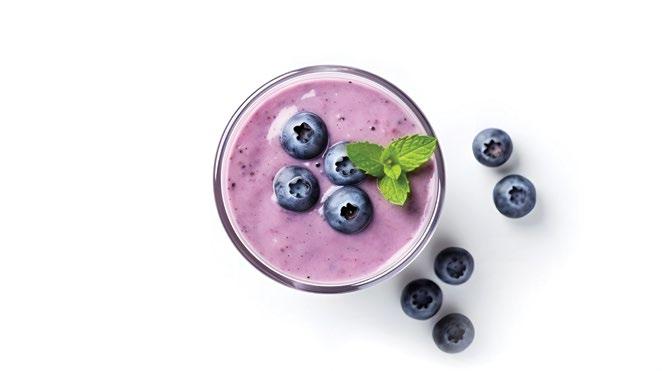
Sip smart!
Blueberries and chia provide antioxidants and omega-3s to sharpen focus
NDABE DOES THE TRANSFORMATION DAB
Double training days, super supplements and strict eating earn Ndabe the NPL Body Rev Challenge 8.0 title
NTULI HAD TO JUGGLE WORK STRESS AND HIS LIFESTYLE, WITH HIS HEALTH AND FITNESS TYPICALLY TAKING A BACK SEAT TO DEMANDING SCHEDULES AND DEADLINES.
Coupled with poor eating habits, his clothes started to feel tighter, and low energy levels plagued him throughout the day.
“My inability to keep my eating in check caught up with me. I felt uncomfortable in my body, and I didn’t feel like myself anymore. As someone who trains regularly, it was frustrating not to look or feel the part.”
The creeping realisation hit hard. This wasn’t just about a few extra pounds or a tighter belt – this was about losing sight of who he really was. For Ndabe, the disconnect between his self-image and reality had become impossible to ignore, chipping away at the confidence that had always been his foundation.
But it was a simple photo that delivered the knockout punch. Scrolling through old images, Ndabe came face-to-face with a version of himself he barely recognised. The contrast was stark and undeniable.

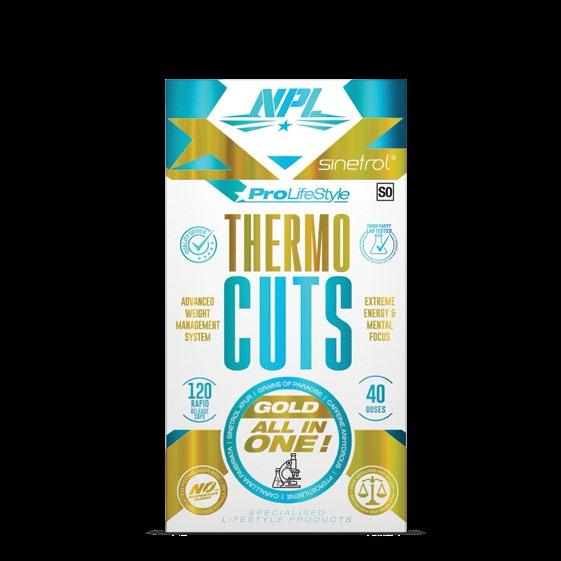
“I knew I was capable of more and needed to make a real change. Seeing old photos of myself and not recognising who I had become was the real wake-up call for me, especially as I want to be a healthy, active father to my son – someone he can be proud of.”
This wasn’t just about reclaiming his physique anymore. It was about becoming the role model his son deserved and proving that setbacks don’t define you, comebacks do.
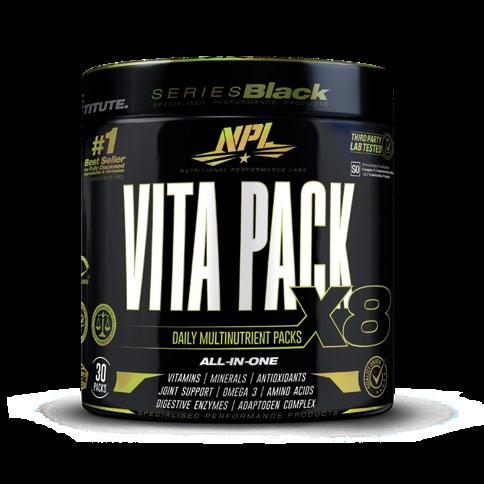
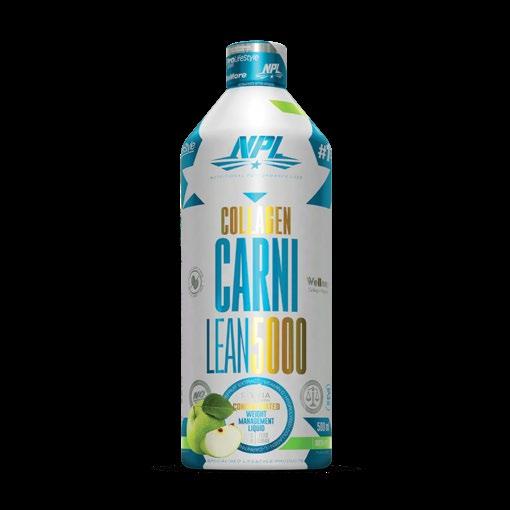
AGE 39
LIVES DURBAN
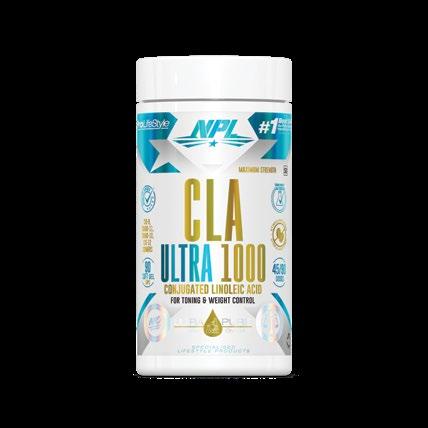
CAREER HUMAN RESOURCES
INSTAGRAM: @JIGGAMANIG
TWITTER: @JIGGA_NTULI
FACEBOOK: NDABEZINHLE ‘JIGGAMAN’ NTULI
With his 40th birthday looming on the horizon, Ndabe faced a choice that would shape not just his body, but his entire future.
“I also didn’t want to enter my forties with an ageing body.” That’s when Ndabe told himself that “enough is enough” and committed to changing … properly this time.
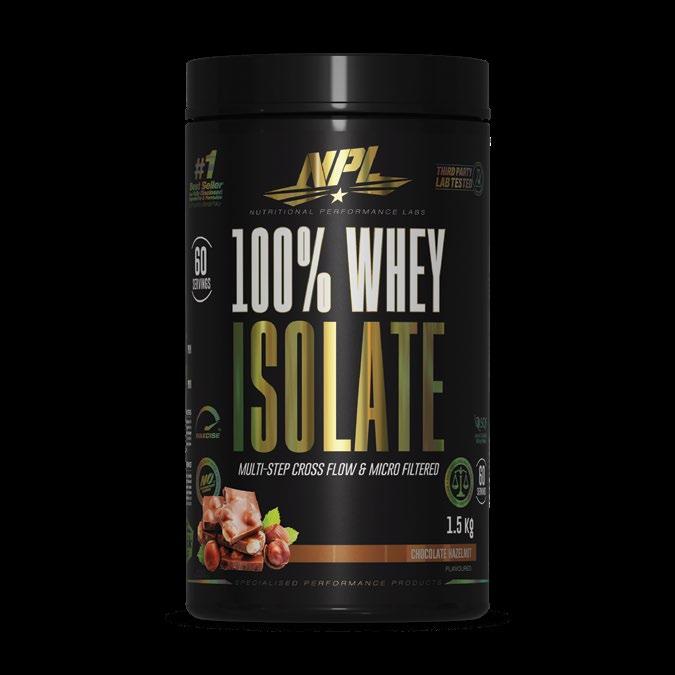
While he looked for a challenge, entries for the next round of the NPL Body Rev Challenge opened, which caught his interest.
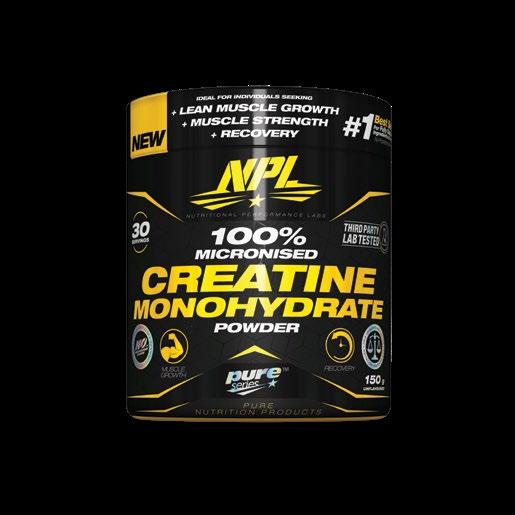
“I needed extra accountability and structure, which meant the timing was perfect. I was already making changes after the festive season, and the challenge gave me the push to take it seriously and finish what I started.”
CARBS: Jasmine rice, oats, sweet potatoes


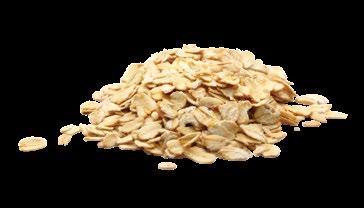
PROTEIN: Hake, chicken, lean beef, eggs


FATS: Avocado, VEGGIES: Spinach, broccoli, mixed greens



Ndabe jumped on the bandwagon and informed everyone close to him about the new challenge he’d started.
“I told them that I was going to lose weight over the coming months, so they shouldn’t be startled.” While most of the people he told ignored him, Ndabe wasn’t deterred.
Ndabe downloaded the NPL meal plan that aligned with his goals, started meal prepping and tracking his food using the MyFitnessPal app.
“I cleaned up and simplified my diet and stuck to it. I also created a daily calorie deficit by calculating my resting and active metabolic rates.”
Ndabe launched himself into his training with double days, starting off with fasted cardio in the morning and weights in the evening after work. “I made sure I was consistent, even on the days I didn’t feel like it. From there, things slowly started changing,” recalls Ndabe. He followed a bodybuilding split, training 5-6 days a week with weights and cardio 2-3 days a week.


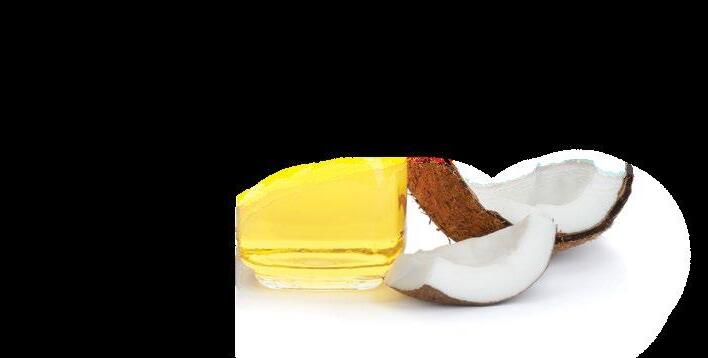
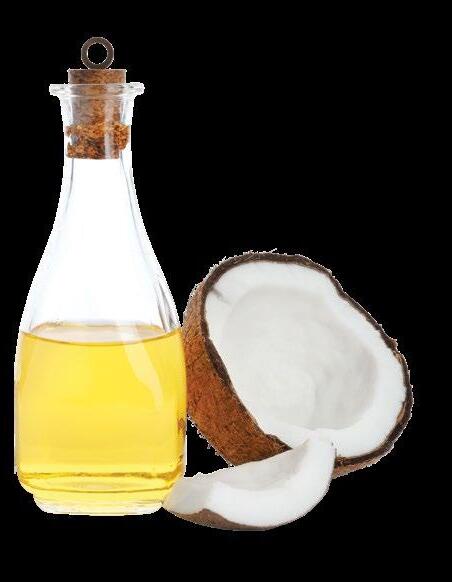



“I want to be a healthy, active father to my son -
HIS DAILY
Morning (before cardio): NPL L-Carni Lean 5000 + NPL Thermo Cuts
Post-workout: NPL Whey Isolate + NPL Creatine Monohydrate
Midday: NPL CLA Ultra 1000
Evening: Omega-3 + NPL Vita Pack
In addition to becoming more disciplined with his eating and training, Ndabe added NPL supplements to the mix to amplify his results.
Keeping a close eye on the scale was both a blessing and a curse for Ndabe, as it was frustrating when he didn’t see progress.
“There were plateaus where it felt like nothing was happening, but I had to trust the process and keep showing up.”
However, it also highlighted stumbling blocks in his approach that he could address as he went.
“At first, I was underestimating how much I was eating. Little snacks here and there added up.”
A lack of sufficient sleep to

support his recovery demands, finding time to study and a fall while out on a run one morning were also challenges he needed to overcome on his path to success.
However, he had a lot of help along the way, which kept him going. “My family, especially my son, Lwandle, were my support base. He’d constantly ask me if we were going to the gym, which kept me on my toes. My colleagues would also hold me accountable to sticking to my diet throughout the journey.” Ndabe also found support for his morning cardio sessions from a social running club based in Kloof (Run2Inspire, part of Excel AC).
- someone he can be proud of.”
“Mack at Dis-Chem Musgrave gave me invaluable advice on how to get the best from the NPL supplements I was taking,” recalls Ndabe.
“He also told me to track everything, because what gets measured gets managed. That stuck with me, and it worked. It was the best piece of advice anyone gave me during my transformation.”
Armed with the NPL Body Rev Challenge blueprint, which gave Ndabe a clear goal with a timeline, along with the resources, transformation tracker and access to top-tier supplements, he locked in the changes. He ultimately won the title of best male transformation in the NPL Body Rev Challenge 8.0. Beyond the accolades, Ndabe says the experience has changed his life in many ways, not just from a physical perspective.
“I feel like myself again. I’m more focused, energetic and confident in how I carry myself. It’s changed how I approach everything, from training to how I handle stress at work and in life. I’m more intentional in everything I do, including my studies.”
MON Active recovery or slow, steady cardio
TUE Quads and abs
WED Shoulders and abs
THU Arms
FRI Glutes and hamstrings
SAT Back and calves
SUN Chest and triceps
Since completing the challenge, Ndabe has slowly started increasing his calories to add lean muscle while staying relatively lean. “I’m still tracking and training hard, just with a bit more fuel in the tank. I’m also increasing my weight training focus.” Describing himself as a “meso-endo” (mesomorph and endomorph) body type, Ndabe says he would like to build more muscle and stay lean all year round.
“I also want to help others who are just starting their journey. I want to share my experience with others to help them realise that discipline beats motivation. You don’t need to feel like doing it; you just need to do it. That mindset changed everything for me.” Ndabe’s advice is to start where you are and don’t wait for the perfect time.
“Take small steps, be honest with yourself and stay consistent. It’s not easy, but it’s worth it. And ignore the naysayers and focus on your daily, weekly and monthly goals!”
Registrations for the next NPL Body Revolution Challenge open from 5 January 2026. The 12-week challenge starts on 9 February 2026. Visit www.npl.za.com/pages/body-revolution for more info.
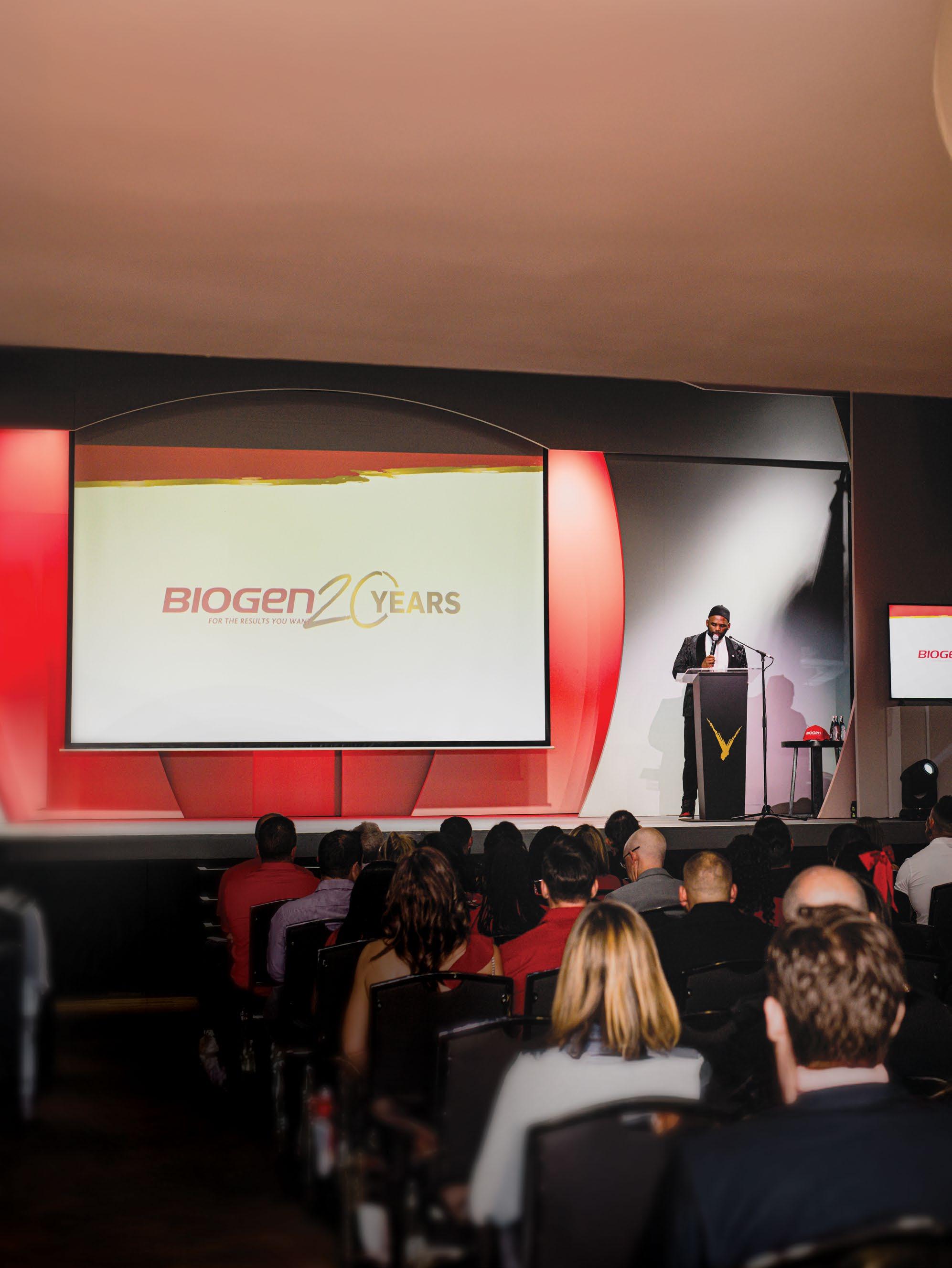
WHAT
DO YOU GET WHEN YOU BLEND TWO DECADES OF HUSTLE CULTURE, AN UNRELENTING ENTREPRENEURIAL SPIRIT AND AN UNWAVERING COLLECTIVE BELIEF IN A BRAND?
YOU GET BIOGEN, A TRUSTED LEADER in sports supplements for over 20 years, and South Africa’s most tested and trusted sports nutrition and vitamins brand.
Since 2004, Biogen hasn’t just manufactured trusted, high-quality nutritional supplements. The iconic brand has become ingrained in the lifestyles and health and fitness journeys of everyday South Africans, elite athletes and everyone in between who is passionate about their bodies and performance.
Originally conceptualised as an in-house brand for Dis-Chem – the first retailer in South Africa to carry sport supplements –the Biogen brand was built organically from the ground up by a small team of passionate and dedicated individuals led by Stan Goetsch, Craig Fairweather and Paul McHarg.




Since then, the Biogen team, led by Brandon Fairweather, a passionate athlete himself, and Travis Victor, has continued to build and transform what started as an in-house supplement range into a nationally recognisable brand trusted by the country’s best athletes and discerning consumers to help them Be Their Best.
The Biogen team’s collective pride continues to champion the brand’s ethos, energising sustained growth in a competitive market with





their humble but hungry mentality, invigorated with Biogen-red blood that courses through their veins, pumped from a Dis-Chem-green heart.
The brand’s impact reaches deep into the fabric of South African sports culture and our active lives.
Biogen is a community-first brand that, together with athletes, ambassadors, educators, healthcare professionals and iconic brands like Virgin Active, has built a movement that inspires better choices, fuels progress and collaborates with some of the most recognisable sporting icons and events in the country.
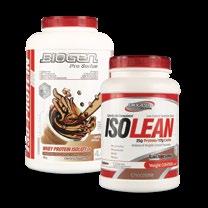
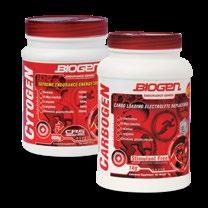
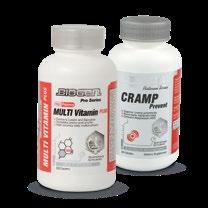





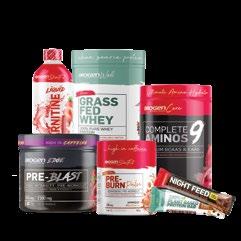
Biogen has been instrumental in supporting and helping to grow some of the biggest sporting properties in the country, like Ironman South Africa, Ride Joburg and the iconic stable of Dryland endurance events, while elevating niche sports like showjumping.
With an uncompromising commitment to safety and quality embodied in its
voluntary enrolment in the Informed Sport, Informed Choice and Informed Protein quality-assurance programmes, Biogen is also a proud supporter of South African athletes at every level, including top sporting teams and elite-level competitors.
Multiple provincial and franchise South African rugby teams, the Toyota Specialized Ladies Mountain
Bike Team, mountain bikers Candice Lill and Tylor Jacobs and the RMB National Rowing Squad can count Biogen as one of their biggest supporters over the years.


Having earned its place as a leading supplement brand in South Africa, Biogen and the passionate team backing its continued success are ready for the next phase of growth. Become a #TeamRED
and join the Biogen
Shop the range at Dis-Chem Pharmacies nationwide or online at www.biogen.co.za.

Follow and connect with BiogenSA @biogen_sa on Instagram and Biogen South Africa on YouTube.

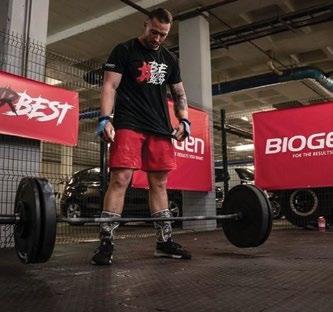







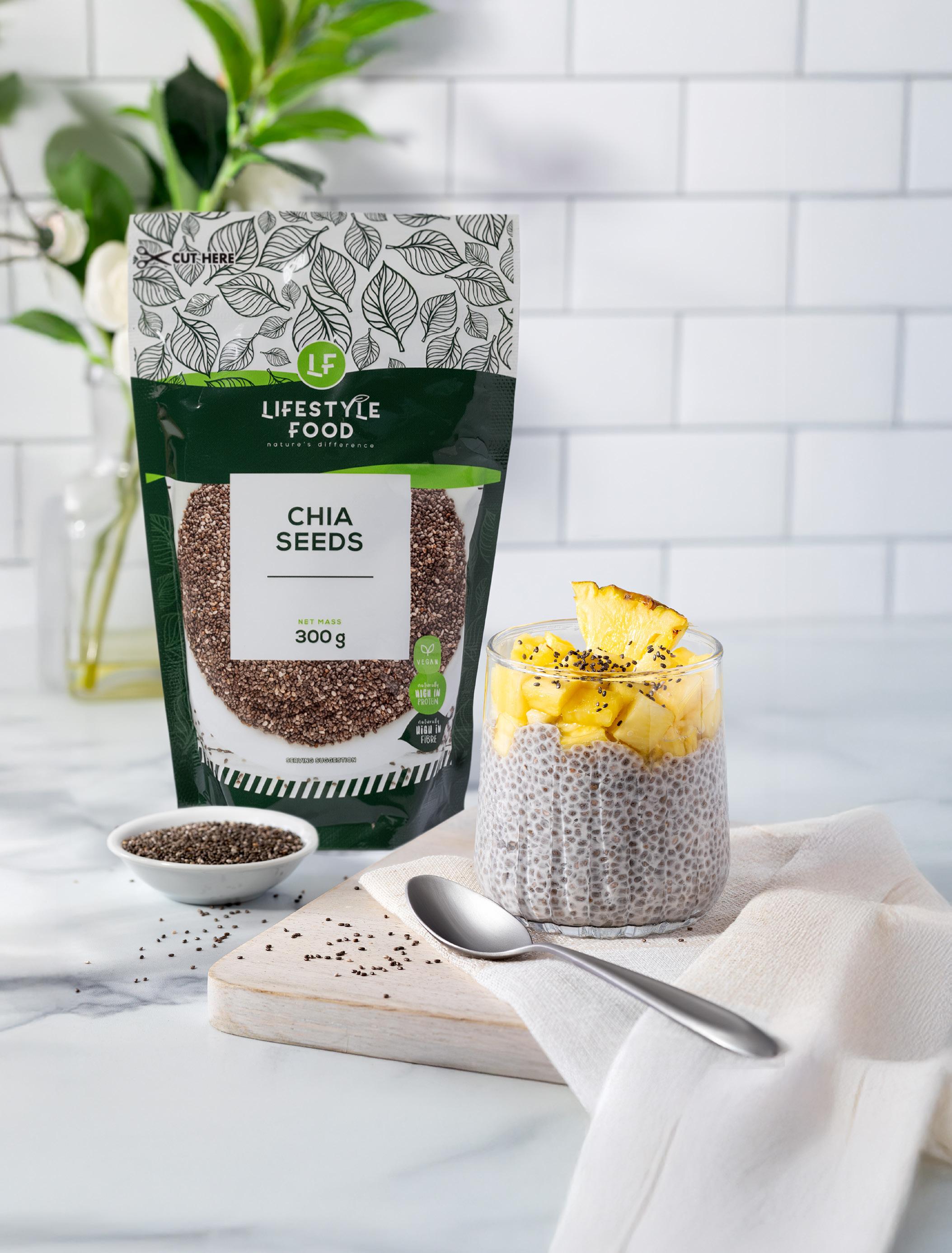


“EVERY REP COUNTS - EVEN THE UGLY ONES.”
A new meta-analysis that reviewed 14 separate studies to determine the effect of rep tempo on muscle growth (hypertrophy) found no discernible differences in time under tension (TUT) during the concentric and eccentric phases of an exercise. The researchers found that faster and slower reps resulted in almost identical muscle growth.
*Study published in the Journal of Strength and Conditioning Research
A study analysing the impact of weight training on ageing in nearly 5,000 men and women between the ages of 20 and 69 found that doing 90 minutes of strength training a week was linked with nearly four years less biological ageing. Double that to 180 minutes a week, and you could cut your biological age by up to eight years.
*Study published in the journal Biology

New research suggests that high-intensity cardio negatively impacts sleep quality, whereas weight training could actually help you drift off more easily. The study found that both high-intensity cardio exercises and high-intensity resistance training disturbed the autonomic nervous system. However, while the former resulted in shorter sleep duration, the latter improved sleep quality.
*Research conducted by the University of Tsukuba and Alinamin Pharmaceutical Co.
I’ve seen the rise of ‘cold plunging’ and saunas for recovery. What is the scientifically optimal protocol to get the most recovery benefit?

SAUNAS, STEAM ROOMS AND HOT BATHS HAVE BEEN A FEATURE IN GYMS SINCE THE FIRST MAJOR CHAINS OPENED IN SOUTH AFRICA, BUT THERE HAS DEFINITELY BEEN A RISE IN THEIR POPULARITY IN RECENT YEARS FOR THEIR POTENTIAL HEALTH AND RECOVERY BENEFITS.
Turning up the heat is often coupled with ice bath immersions in a practice known as hot-cold contrasting, or contrast therapy, which research1 shows can improve post-exercise recovery by reducing muscle damage, fatigue and soreness.
Contrast therapy works by promoting vasodilation from heat (thermotherapy) and
DID YOU KNOW
The skin is the body’s largest elimination organ, supporting the kidneys and liver
vasoconstriction from cold (cryotherapy) to create a “pumping action” that helps to improve circulation, manage swelling and aid lymph drainage and exercise metabolite removal1. The therapy also helps to improve joint range of motion1
This rapid constriction followed by vasodilation may also improve cardiovascular system function and efficiency, which has potential recovery and performance benefits. Available evidence2 shows that contrast therapy is superior to using passive recovery or rest after exercise, with greater effects among serious and elite athletes who are subjected to higher training loads.
Studies3 show that thermotherapy can support muscle recovery by increasing blood flow, promoting healing and
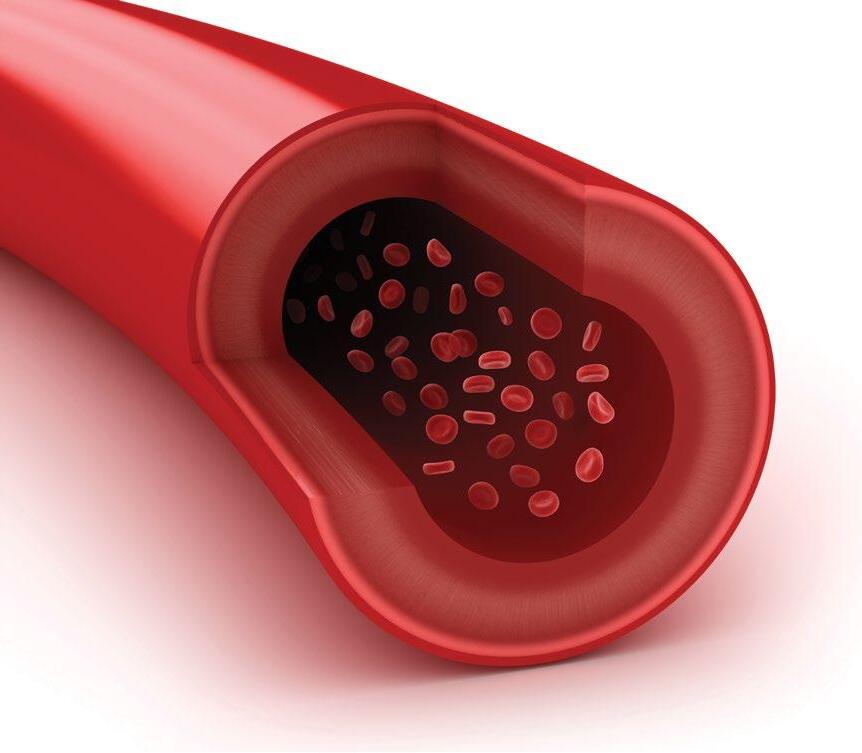

reducing muscle soreness through mechanisms like vasodilation and increased heat shock protein (HSP) expression.
Thermotherapy is effective when used before exercise to prepare muscles and after exercise to speed recovery, with some research indicating it may be more beneficial than cold therapy immediately after intense activity.
There are also potential benefits associated with regular sweating, such as better natural detoxification. The skin is technically the body’s largest elimination organ, supporting the kidneys and liver by bringing certain toxins to the skin’s surface for removal. However, the skin’s contribution to removing toxins is minor compared to the kidneys.
Cryotherapy (specifically wholebody cryotherapy, or WBC) acts directly on muscles, particularly the extremities, causing vasoconstriction. As the body reacts to the extreme cold, it diverts peripheral blood flow to internal organs.
This promotes the removal of exercise metabolites and other by-products from muscle tissue, where they travel in the bloodstream and are more effectively expelled through the kidneys and liver.
Cryotherapy also works indirectly on the autonomic nervous system (ANS)4 and endocrine (hormonal) system to more rapidly restore homeostasis and improve function.
Cryotherapy supports recovery
primarily by modulating the ANS, shifting it toward a state of rest and repair. The initial, brief exposure to extreme cold, such as in whole-body cryotherapy, is an acute stressor that triggers a “fight or flight” response, which is mediated by a branch of the ANS – the sympathetic nervous system (SNS).
This initial stress triggers the release of stress hormones and neurotransmitters, like norepinephrine and adrenaline, which can lead to a temporary increase in alertness and mood elevation.
The key to cryotherapy’s recovery benefit lies in the subsequent, compensatory response, which is a shift toward the other branch of the
ANS, the parasympathetic nervous system (PNS), which triggers the “rest and digest” state. This elevated parasympathetic response accelerates recovery following intense physical exertion.
The indirect impact also stems from the release of powerful hormones that aid the recovery and rebuilding process, such as noradrenaline (which helps reduce inflammation)4 and testosterone (which boosts strength and anabolism)5
Cryotherapy’s hormonal benefits include:
• Increased release of noradrenaline4
• Increased release of testosterone5
• Reduces cortisol levels with prolonged use6
Without access to a WBC chamber, cold water therapy requires immersing your body in water that is 15°C or colder. This can include ice baths, cold showers or outdoor swimming in cold or icy climates.
1. Add cold water to a bathtub or a large plastic drum, leaving room for ice.
2. Slowly add ice to the water while stirring to distribute the cold evenly.
3. Use a thermometer to ensure the water reaches your target temperature (7-10°C). This can take around 10-20 minutes.
4. Set a timer: Limit your time in the ice bath to 10 -15 minutes for safety. Use a timer to keep track.
5. Enter slowly: Step into the ice bath gradually, allowing your body to adjust to the cold. Avoid sudden plunges.

RESEARCHERS FOUND THAT JUST SIX WEEKS OF COLD WATER IMMERSION IMPROVED IMMUNE FUNCTION BY INCREASING DISEASE-FIGHTING WHITE BLOOD CELLS
*To
There is evidence to suggest that cryotherapy has a positive impact on your immune system, which can also support recovery.
Results from a study7 published in the Journal of Applied Physiology indicated “that acute cold exposure has immunostimulating effects” that increase the production of immune cells known as natural killer (NK) cells.
A team of researchers from the University of Portsmouth also found that taking daily cold showers
increased the number of diseasefighting white blood cells8.
Other studies have revealed that acute cold exposure stimulates the production of immune cells, such as NK cells. For instance, one study9 proved that six weeks of sixminute cold water immersions at 14°C, repeated three times a week, improved the immune system.
Researchers determined that the cold initiated a “fight or flight” response, which triggered an immune response – a “small, but significant, increase in the proportions of lymphocytes”, which are infectionfighting cells.



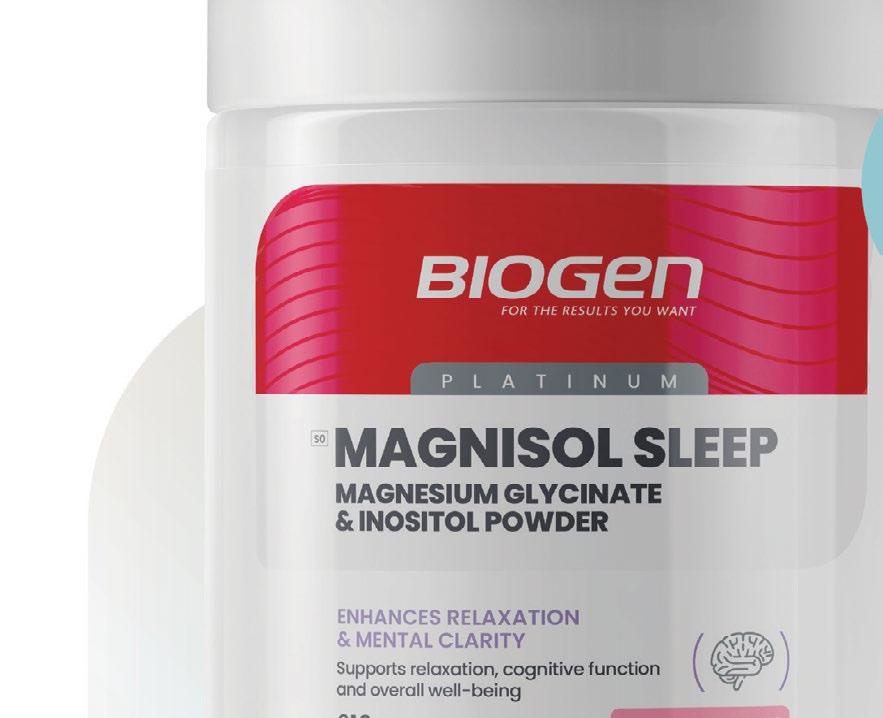



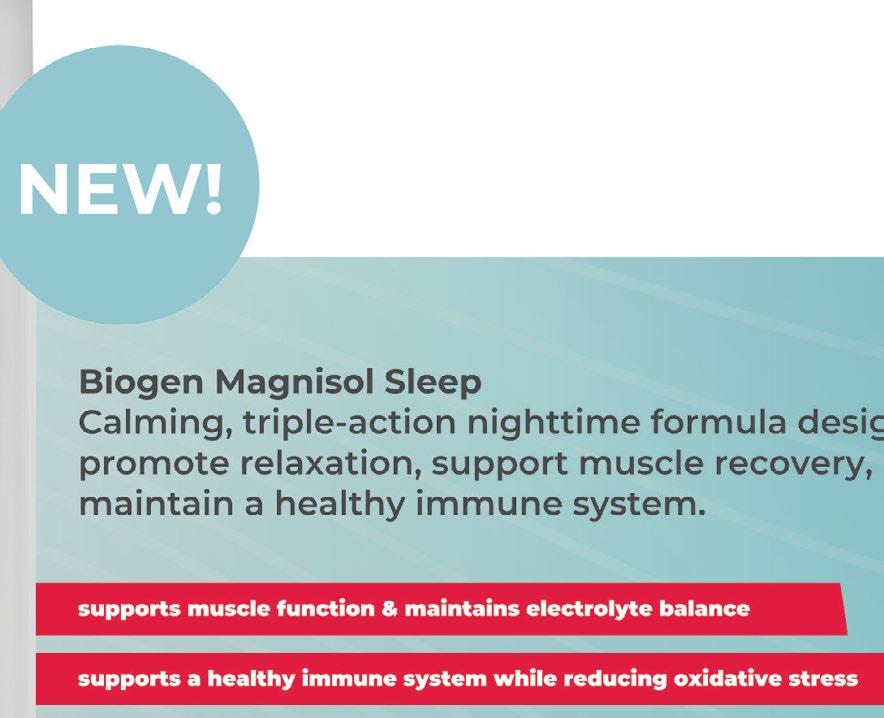
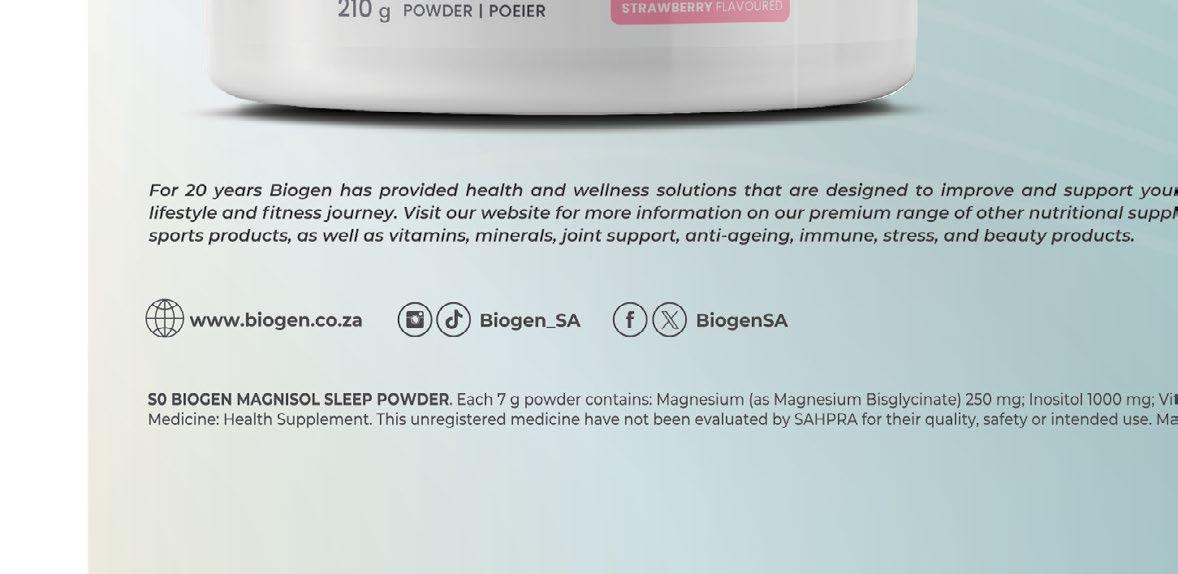


HER FITNESS
While both men and women face physiological challenges when exercising in hot and humid conditions, the way our bodies respond to heat stress is distinctly different. For women, understanding these sex-specific differences in thermoregulation isn’t just a matter of comfort; it can support better performance and make the experience more enjoyable, no matter the conditions.
With climate change driving record-setting heatwaves across the globe, training and racing in summer is becoming more complicated for all athletes.
The problem is that general guidelines related to hydration and heat acclimation are often based on studies performed predominantly on men. Audits and reviews conducted on sports and exercise science research have consistently shown a substantial underrepresentation of women as study participants.
Female-only studies have historically accounted for a very small percentage of all research in these fields, leading to guidelines primarily underpinned by research conducted on male athletes.
This is an important realisation because, as with many physiological processes, a woman’s body handles heat much differently to a man’s, which means they often need a different approach.
Thermoregulation is your body’s ability to maintain a stable core temperature despite changing external conditions. During exercise, your heart rate rises to supply oxygen to your working muscles, skin (for cooling) and vital organs. When exercising outdoors in hot and humid conditions, muscle contractions generate heat. To prevent overheating, the body increases blood flow to the skin and activates sweat glands to help cool through evaporation. In the heat, your body prioritises those demands by decreasing blood flow to your gut and liver, which can spell trouble for both men and women as there are fewer resources to support digestion and nutrient absorption, especially as temperatures creep past 24°C.
Due to sex-specific differences in thermoregulation, female athletes might find that they get more fatigued or experience more severe gut issues than their male counterparts in the same conditions, even though their hydration and fuelling strategies tick all the recommended boxes. For starters, women generally produce less sweat than men at the same relative intensity. That doesn’t mean they’re less efficient at cooling, though. It means they rely more on blood flow redistribution and heat dissipation through the skin, rather than purely on sweat evaporation.
A study1 conducted by Japanese
researchers affirmed this difference. Findings showed that while physical training increases sweat rates in both men and women, the degree of increase is greater in men.
This difference relates to a higher sweat output per gland in men compared to women, even when matched for aerobic capacity or training status. Furthermore, men sweated more as exercise intensity increased. Studies2 also indicate that women exhibit a greater overall exercise vasodilation response in active muscles compared to men, which is crucial for maintaining a stable core body temperature during physical activity, which generates considerable metabolic heat.
Hormones play a significant role in how women regulate temperature. Oestrogen and progesterone, which fluctuate across the menstrual cycle, influence both core temperature and sweat response3.
While oestrogen, which peaks just before ovulation in the follicular phase, tends to promote heat loss by improving blood flow to the skin, progesterone slightly raises resting core temperature and delays the onset of sweating. This phenomenon means that in the luteal phase – the second half of the cycle (about 5 to 7 days after ovulation), when progesterone is higher – women may feel warmer, sweat later
and find it harder to offload heat during hard efforts, especially in warm weather or high humidity. It’s subtle but noticeable in endurance scenarios, where small inefficiencies accumulate over hours. Previous studies4 have also shown that men have a higher sweat output than women, in part because testosterone is believed to enhance the sweat response. Sex hormones also control fluid balance, water and sodium in the body5, as progesterone competes with aldosterone, a hormone that retains sodium.
The outcome, especially in the high-hormone phase of the menstrual cycle or oral contraceptive use, is a greater amount of water retention, contributing to lower sodium levels, which can increase the risk of Exercise-Associated Hyponatraemia (EAH).
Differences in body composition are another key factor in these sex-specific differences in how men and women heat up and cool down.
Because women tend to sweat less, they typically lose smaller absolute volumes of fluid and sodium, but that doesn’t mean hydration is less important to female athletes.
As men and women differ in their hydration needs at rest and during prolonged exercise, an individualised strategy is vital.
A woman’s typically smaller body size and lower relative muscle mass, compared to men, significantly influence her ability to regulate body temperature.
The lower relative muscle mass in women directly impacts heat production by lowering a woman’s Basal Metabolic Rate (BMR), because muscle tissue is more metabolically active than fat, producing more heat even at rest. As such, a woman’s lower muscle mass means she produces less total metabolic heat during a fixed workload exercise than a man.
Women also typically have a higher body fat percentage relative to men. Fat acts as insulation, which is helpful in the cold, but counterproductive in the heat. The result is that women may heat up more slowly, but also tend to cool down less efficiently once overheated, particularly when environmental conditions reduce the effectiveness of sweating.
Additionally, a woman’s smaller body size and higher surface area-to-mass ratio can sometimes offer an advantage in milder heat, allowing for faster heat exchange. However, as temperatures rise and humidity spikes, this benefit diminishes.
An important consideration is hydration status at the start of a race, as women tend to have lower total body water levels. Coupled with lower sweat gland output, losing the same percentage of body mass through sweat may represent a larger proportion of total body water loss in women.
While drinking more may seem like an appropriate approach, overdrinking can be just as risky because hyponatraemia (low blood sodium) is more common among smaller, lighter athletes who consume large amounts of water without adequate electrolytes.
Some studies show that female athletes have a higher incidence of EAH, typically due to their lower body weight and smaller fluid compartments compared to men, as well as a potential tendency to overhydrate based on general hydration advice.
As such, women need a measured hydration plan that uses thirst cues and body weight changes between the start and end of sessions and races as guidelines, rather than relying on rigid fluid intake schedules.
However, drinking plain water won’t cut it. It absorbs slowly and can pull sodium and water into your gut, which hinders, rather than helps, hydration and energy levels. And relying solely on electrolyte-infused drinks isn’t the answer either.

“ “
The lower relative muscle mass in women directly impacts heat production by lowering a woman’s Basal Metabolic Rate (BMR), because muscle tissue is more metabolically active than fat, producing more heat even at rest.
Women should also include a mix of high-carb drinks for energy, and hypotonic energy drinks formulated with glucose and sucrose to enhance fluid absorption from the gut into the body and keep osmolality below that of blood.

WE RECOMMEND

Too many hypertonic drinks, like high-carb mixes, can slow down fluid absorption and often cause bloating, cramping or diarrhoea. The right approach is a strategy that includes the right balance of electrolytes and hypotonic and hypertonic energy drinks to ensure your gut absorbs fluid efficiently and maintains blood volume without compromising on your carb intake.
An additional research-backed recommendation6 is to supplement with L-glutamine for seven days before any race that will take place in hot conditions. This supplement strategy may help gut function and reduce the effects of heat.
Interestingly, while men generally sweat more, women’s thermoregulatory systems tend to adapt faster to heat training7
If you know you’ll be racing in hot and humid conditions, repeated exposure through a structured heatacclimation block – typically 10-14 days – or training during warm times of day can improve sweat response and cardiovascular efficiency.
This suggests that women who train smartly in the heat can close much of the performance gap, especially if they tailor recovery, hydration and intensity around their cycle.
Ultimately, women aren’t less capable in the heat; female bodies just respond differently. Understanding those physiological nuances allows female endurance athletes to plan smarter, race stronger and recover faster. LF
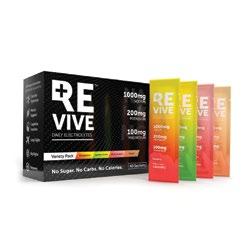
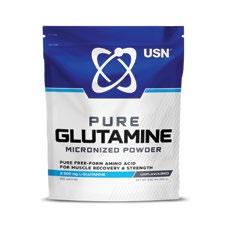

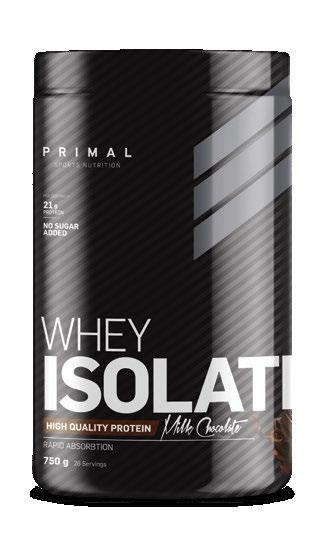
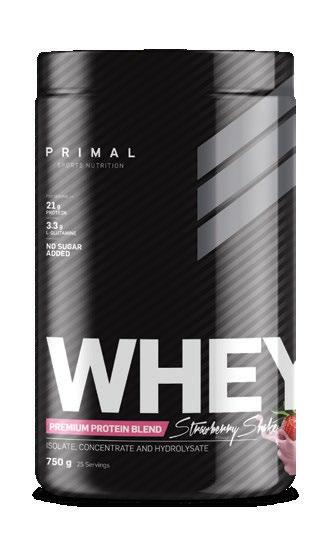
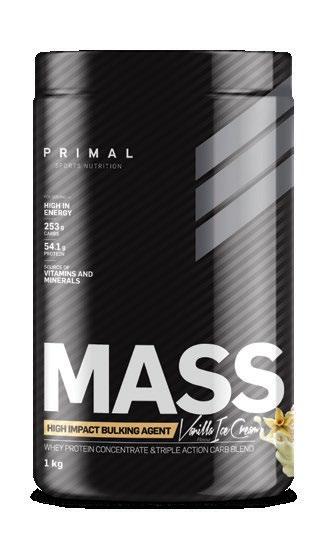
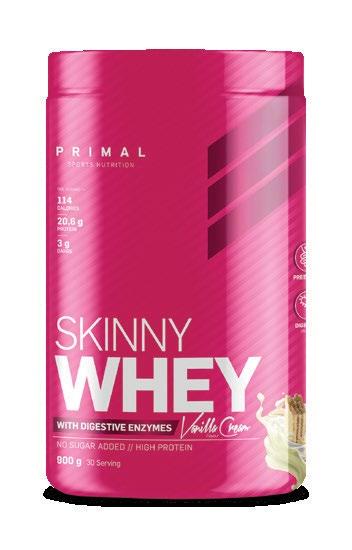
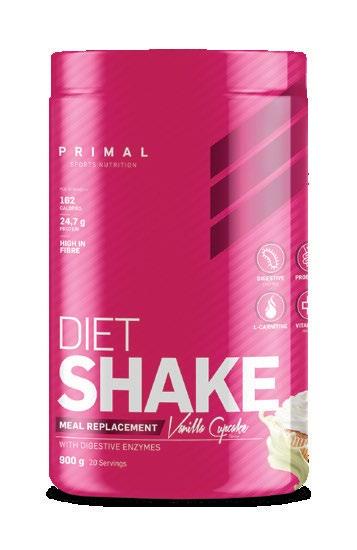
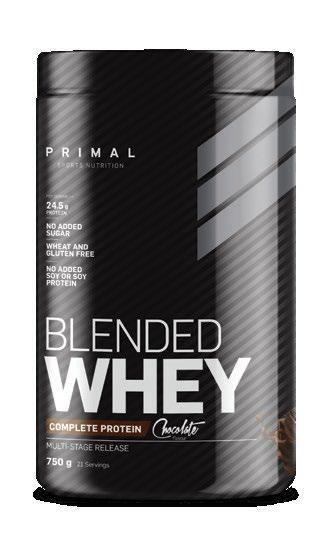























































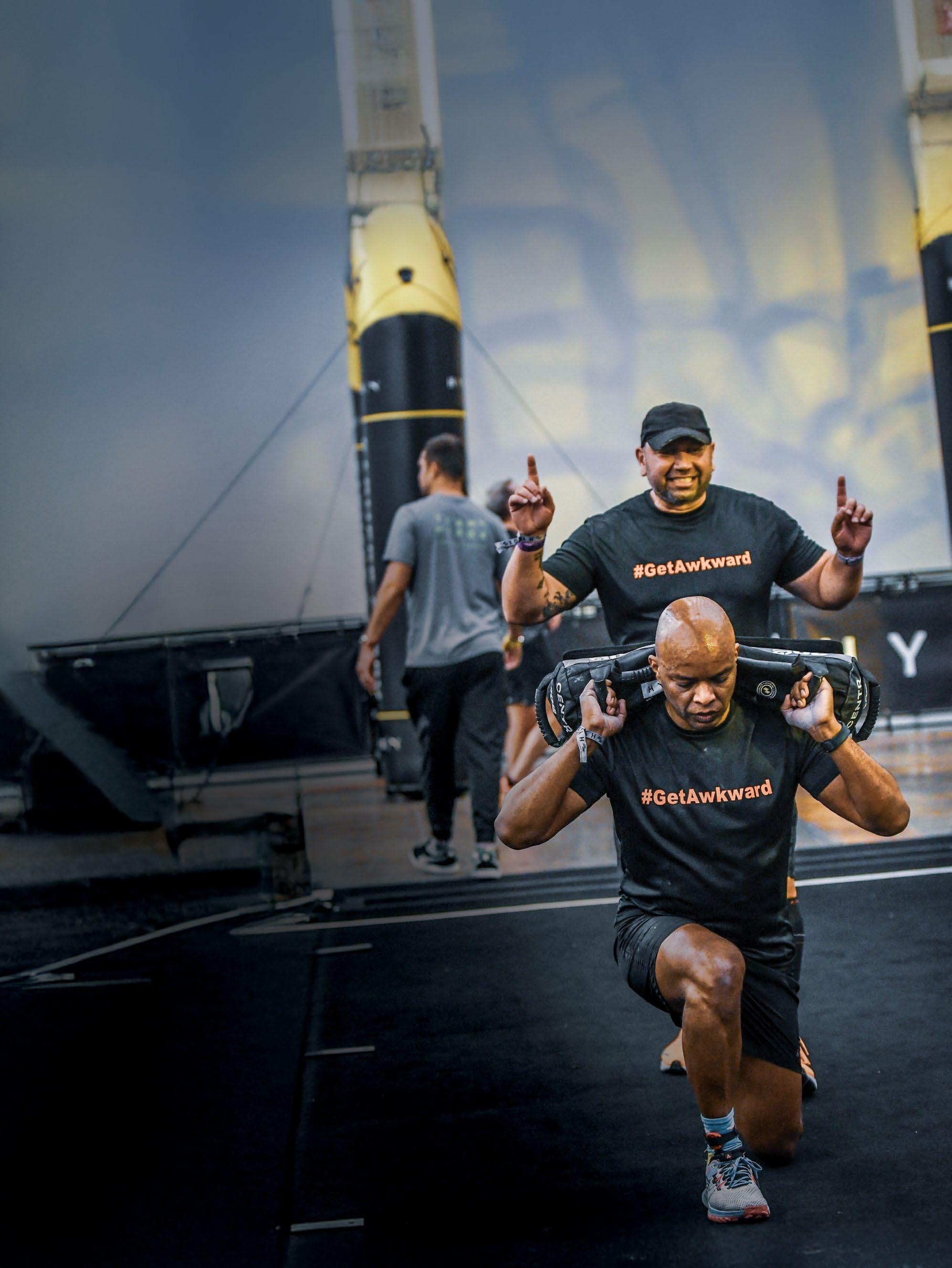
YOU’VE CONQUERED THE SKIERG, DONE MORE BURPEE BROAD JUMPS THAN YOU CAN COUNT, AND BECOME BFFS WITH THE SLED.
AFTER MONTHS OF HARD TRAINING, YOUR HYROX RACE IS ALMOST HERE! But crushing it on race day requires more than just hard work in training. It can all unravel pretty quickly if you don’t nail your nutrition strategy.
A smart, practical fuelling strategy will keep you firing on all cylinders from the first run to that final wall ball.
Whether this is your first HYROX race or you’re back for redemption, nailing your nutrition can mean the difference between finishing strong or crawling over the finish line, wondering where it all went wrong. We spoke to two elites and two recreational HYROX athletes to find out how they fuel for HYROX glory.

Multiple HYROX SA champ and Dis-Chem athlete Vicky MacIntosh knows what it takes to compete at the sharp end of a HYROX race, which is why she focuses intensely on her nutrition.
Vicky works with sports performance nutritionist Craig Uria, who periodises her nutrition based on her training block and race calendar. In general, her diet focuses on fuelling specific sessions with the right type and amount of carbs due to the high-intensity nature of HYROX.
Supplements are a core component in her performance nutrition plan, with Biogen Elite Carb Drink her go-to option around training
ATHLETE STATS: CAREER: Gym owner @theyardathletic SPONSORS: Dis-Chem, PUMA, HYROX SA
IG: @vixfit_____

and racing, and Biogen Recovergen for recovery support and muscle repair afterwards.
Vicky also consistently takes Biogen Ashwagandha Root in the leadup to a HYROX race, and follows a hydration protocol using Myprotein Electrofuel in the days leading up to the event and on race day. During races, she uses energy gels and sips on water at the refuelling station if needed.
VICKY’S SUPPLEMENT STACK
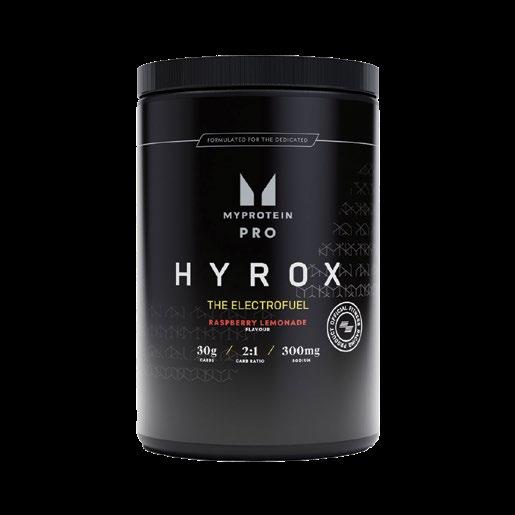
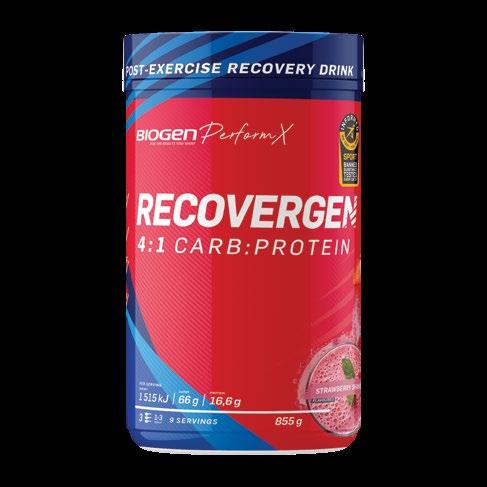
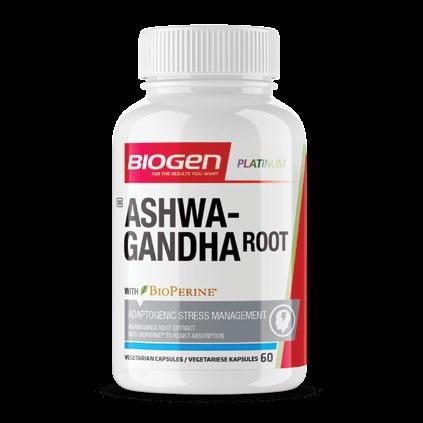

Her diet focuses on fuelling specific sessions with the right type and amount of carbs
HYROX SA ambassador and Dis-Chem Living Fit and PUMAsponsored athlete Matthew Stone has competed around the world and has picked up a few tips on how best to fuel his training and racing.
When he’s getting ready to compete, Matt eats balanced meals rich in carbohydrates, proteins and healthy fats to support his energy requirements while supporting recovery to arrive on race day ready to perform at his best. He supports his diet with supplements, incorporating various products in and around his training and racing.
He prioritises hydration before and on race day, especially given the length and intensity of the event.
During competitions, Matt relies on quick energy sources, like gels or chews, to help maintain performance and avoid energy crashes.
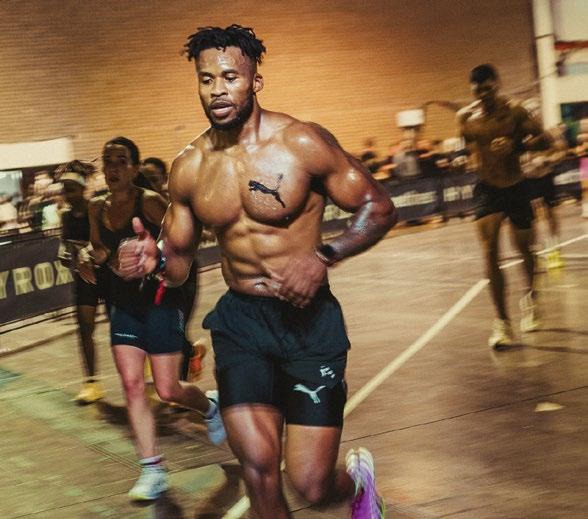
Electrolytes
Energy gels
Energy chews

Matt eats balanced meals rich in carbohydrates, proteins and healthy fats to support his energy requirements.
ATHLETE STATS:
CAREER: Hybrid Training Coach
SPONSORS:
HYROX SA, PUMA, Dis-Chem Living Fit
IG: @Matthewstone

ENOLICIA STARTS TOPPING UP ON ELECTROLYTES THE
Biogen Face of Fitness finalist and Mrs South Africa Runnerup Enolicia Strever is hooked on HYROX.
As a busy mom and professional, skipping meals isn’t an option when training hard and juggling life’s demands. However, her focus on consistency rather than perfection ensures Enolicia gives her body what it needs to show up strong, day in and day out.
Her diet includes balanced, nourishing meals that support both her performance and recovery.
The night before a race, Enolicia prioritises a highcarb dinner.
Alongside whole foods, her supplement routine is built around supporting performance, recovery and overall endurance.
Optimal hydration with water and added electrolytes is also an important focus, especially during intense sessions or ahead of competitions.
Enolicia starts topping up on electrolytes the day before a race, and continues with electrolyte drinks before, during and after the event to reduce the risk of cramps and keep her moving at full capacity.
ENOLICIA’S SUPPLEMENT STACK
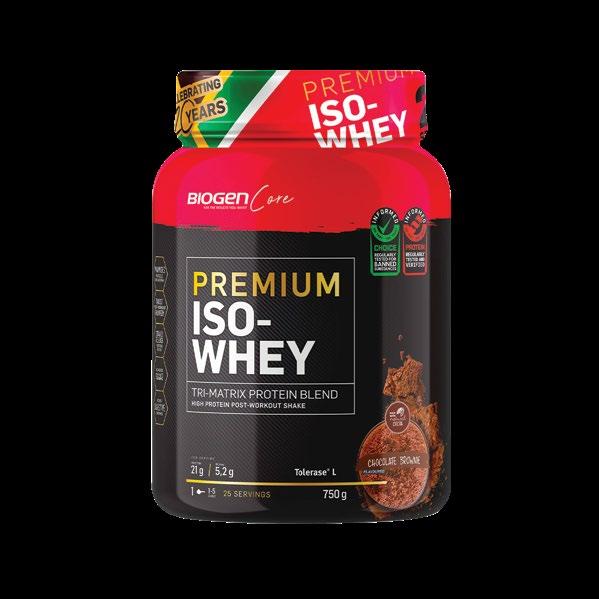
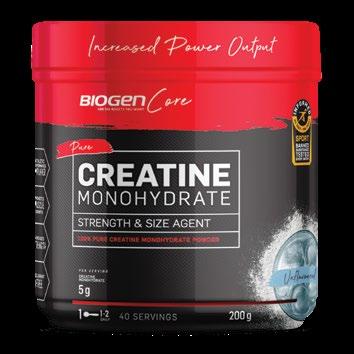
ATHLETE STATS:
CAREER: IT Project Manager
SPONSOR: Biogen
IG: @enoliciastrever
Joburg-based content creator and Dis-Chem Living Fit athlete Gareth Rowson made the transition from conventional physique development to HYROX training when he entered the inaugural HYROX Johannesburg event.
This shift not only required a change in his training but also necessitated a rethink of his eating plan. After following a lower-carb, calorie-controlled eating plan aimed at aesthetics for years, Gareth says he upped his calories and carbs for the fuel he needed to train and compete.
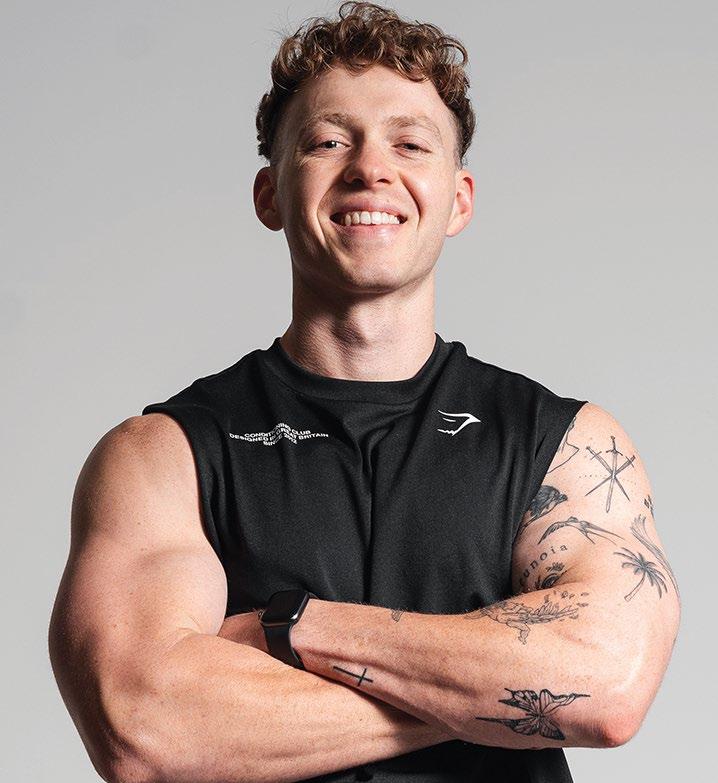
GARETH’S SUPPLEMENT STACK
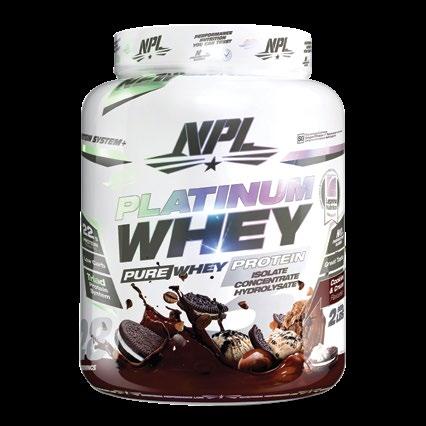
HIS MAIN CARB SOURCES INCLUDED THE SAME THINGS YOU EAT ON A BODYBUILDING-TYPE DIET -
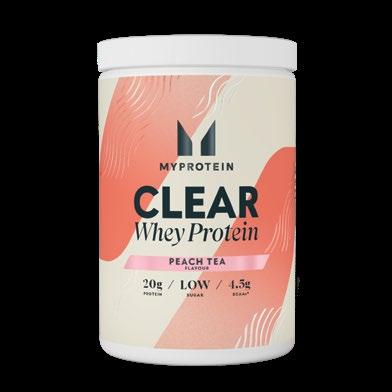
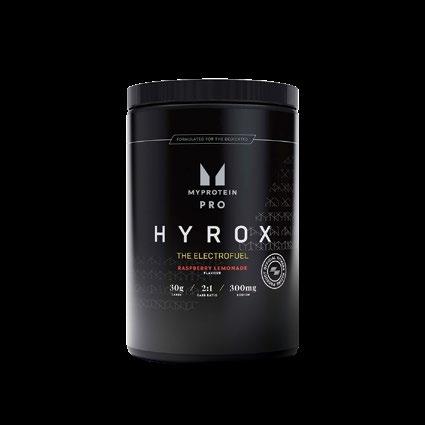
His main carb sources included sourdough bread, rolled oats, rice, sweet potatoes and bananas–the same things you eat on a bodybuilding-type diet, just larger portions at every meal.
He also increased his daily protein intake to hang onto muscle with all the added cardio in his HYROX training plan.
His go-to options include chicken, steak and NPL Platinum Whey+ mixed in with his morning oats.
Gareth fuels his training with additional carbs from supplements like Biogen Cytogen or Biogen Ultra Carbs, USN Vooma Plato Coffee gels, and a pre-workout boost from MuscleTech Burn IQ, a thermogenic formulation that boosts energy with paraxanthine, a metabolite of caffeine that delivers stimulant benefits without the crash.
After training, Gareth refuels with Myprotein HYROX Electrolytes, with Myprotein Clear Whey before bed.
A carb-loading protocol before the race ensured Gareth stocked up his glycogen stores, with Biogen Carbogen his go-to option to easily add carbs and calories. A Biogen Real
Food Energy Gel on the start line gave him the additional carbs needed to fuel his body to the finish. Gareth plans to up his pre-race carb intake at the next HYROX Johannesburg event with 70g of carbs from the new Biogen Elite Carb Drink and two Biogen Elite Gels during the race for an additional 80g of carbs (40g per gel) to sustain the highintensity effort.
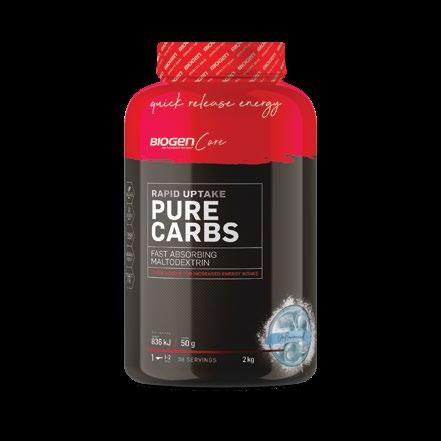
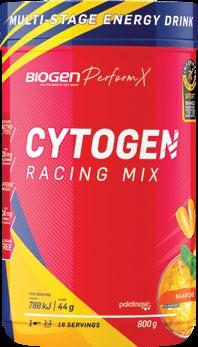
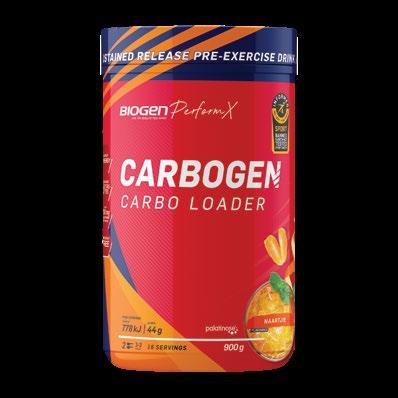
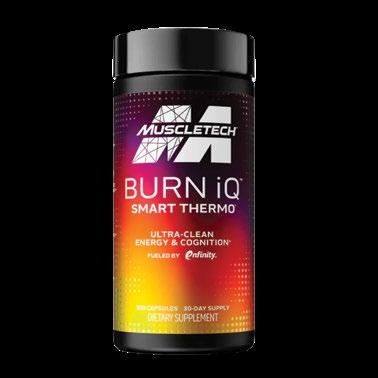
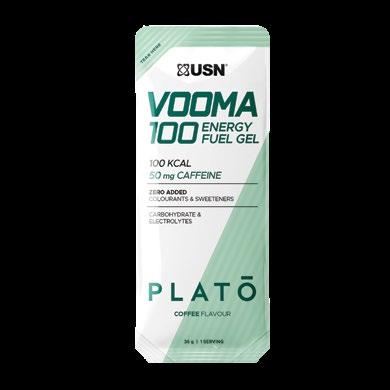
ATHLETE STATS:
CAREER:
Content Creator
SPONSORS:
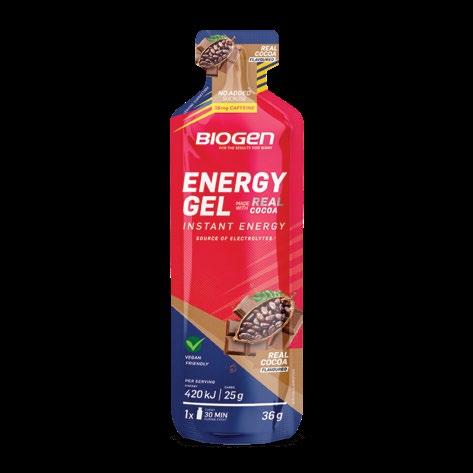
Dis-Chem Living Fit, DVNS Gear
IG: @gazrowson
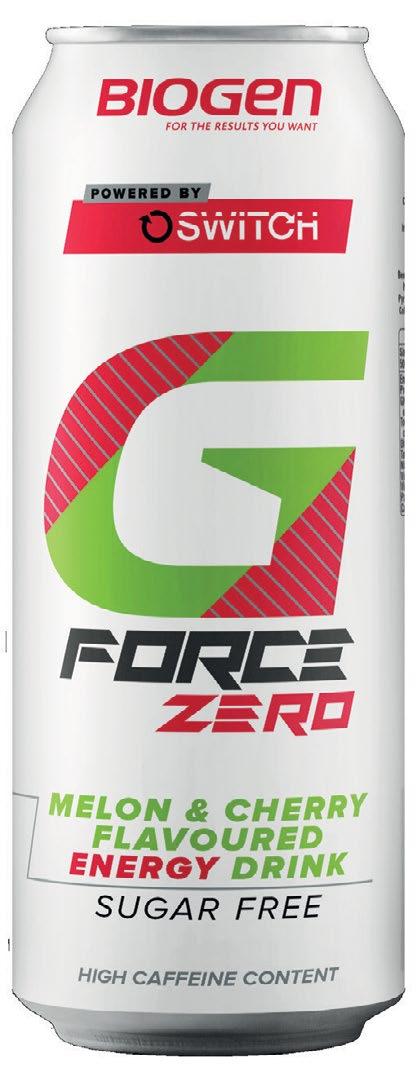










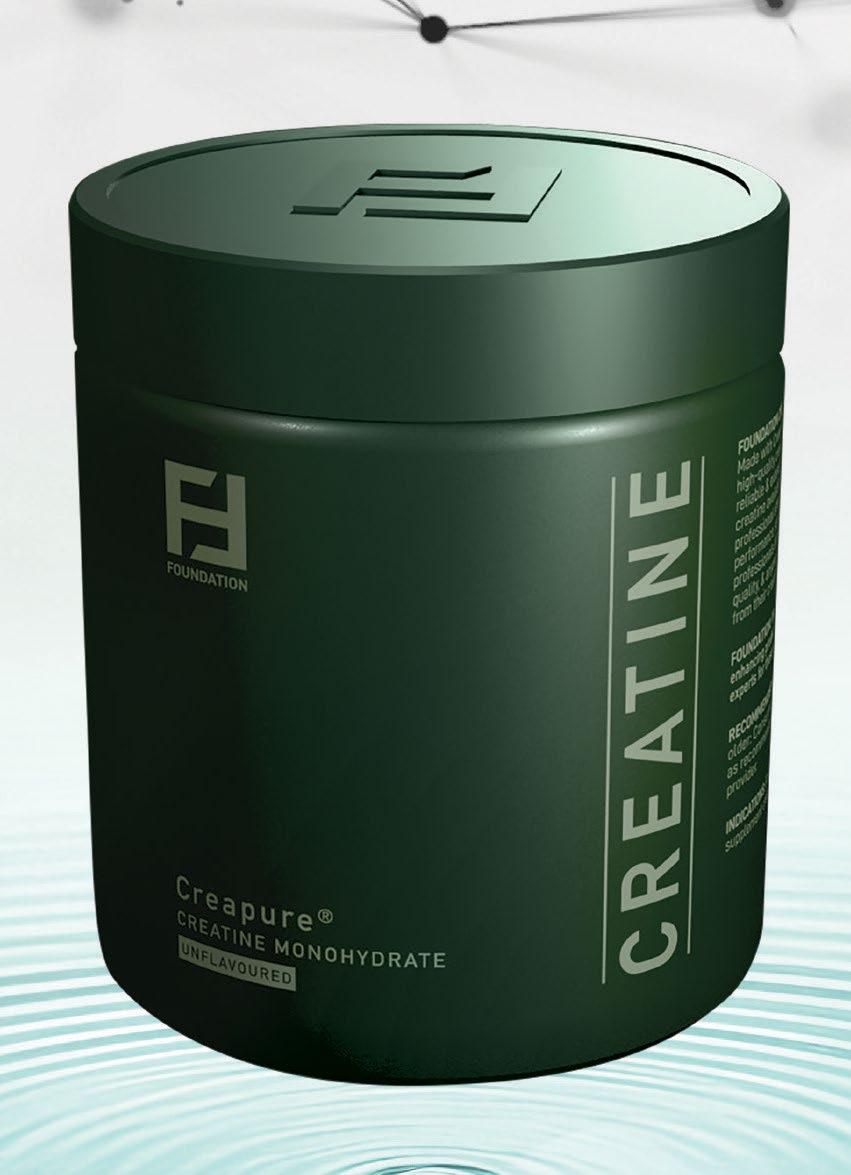

PERFORMANCE INCREASES PHYSICAL POWER
COGNITION SUPPORTS
BRAIN FUNCTION
RECOVERY REDUCES
MUSCLE DAMAGE


EXCLUSIVELY AVAILABLE AT

New research found that mice that ran on an exercise wheel for four weeks, stopped for four weeks and ran again for another four weeks saw better improvements in muscle development in the subsequent 4-week block, even though the retraining effort was less intense than the initial bout.
*Findings published in the American Journal of Physiology: Cell Physiology.

7,8%
A growing body of emerging research suggests brain endurance training (BET) –blending mentally fatiguing cognitive tasks with exercise – can boost cognitive and athletic performance. The study compared small groups of women who performed a 45-minute workout routine or BET – completing a 20-minute task before their workout – for eight weeks.
The BET group improved their cognitive function by 7.8% and physical capacity by 29.9%, whereas the exerciseonly group saw a 4.5% and 22.4% increase, respectively.
*Research conducted at the University of Birmingham.
“THE FINISH LINE IS JUST THE START OF YOUR NEXT GOAL.”
Want to finish a marathon? A concept invented by American Olympian and coach, Jeff Galloway in the 1970s that strategically combines walking and running, “reduces fatigue, prevents injuries and makes running more enjoyable”. “Jeffing” is an ideal approach for beginners, with Galloway suggesting a 30-second run/walk strategy, building up to a 45-second/30second split.

ASK THE PROS Recovery aids...102 in this section
FEATURE Built to endure...106
ATHLETE Marlie Viljoen ...112
COACH’S CORNER Building durable athletes...122
I am currently in the middle of a hard training block. How else can I support my recovery beyond rest and diet?
Matthew via social media

FULLY RECOVERING FROM THE PHYSICAL TOLL THAT WEEKS OF TRAINING PLACE ON YOUR BODY REQUIRES A MULTIFACETED APPROACH TO RECOVERY.
While resting - sleeping 7-9 hours a night and taking at least one active rest day a week - and a nutritious diet that provides sufficient carbs, protein and fat, form the foundation of every recovery strategy, there are additional measures you can put in place to support your efforts and potentially bounce back quicker between sessions.
Similar to ice baths, compression garments work by improving the movement of blood from the extremities back to the heart
When you increase training intensity or load, the mechanical stress can overload your soft tissue. The repeated contractions and high tension in the muscle fibres create microtrauma within the myofascia (the connective tissue surrounding muscle fibres). This disrupts local circulation and can cause muscle spasms. In addition, the repeated overactivation or poor motor control patterns can lead to sustained low-level contractions of certain fibres, which can cause muscle tension and prevent full relaxation.

Over time, these processes can cause hypersensitive knots to form within the muscle that are often associated with pain, restricted range of motion and impaired muscle activation, which can all hinder recovery.
Foam rolling and other myofascial release techniques, such as massage therapy, massage balls and percussive devices like massage guns, aim to restore normal muscle tone, mobility and blood flow by mechanically manipulating the fascia and muscle tissue.
Increasing local blood flow and oxygen delivery helps clear metabolic waste
products and promote nutrient exchange in the affected area.
The sustained pressure stimulates mechanoreceptors in the fascia and muscle, which can downregulate excessive motor unit firing and promote relaxation to reduce neuromuscular tension.
Breaking up myofascial adhesions and restoring gliding between muscle layers in this way ultimately enhances elasticity and movement efficiency, restores range of motion, reduces post-exercise soreness and prepares the tissue for subsequent training sessions.
DID YOU KNOW: High tension in the muscle fibres can disrupt local circulation


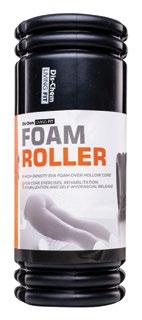
Compression has been a secret weapon in the recovery arsenal of elite athletes for a long time, with numerous studies confirming its effectiveness in enhancing circulation, reducing muscle soreness and accelerating recovery.
Similar to the physiological effects
of ice baths, compression garments work by improving venous return — the movement of blood from the extremities back to the heart.
When external pressure is applied to the limbs, blood vessels and muscle tissue constrict slightly, forcing blood, lactate and metabolic waste products out of the muscle and into the bloodstream. Once circulated through the heart and lungs, this blood is reoxygenated and nutrient-rich, which aids in muscle repair and reduces inflammation.
Compression garments use graduated compression, where pressure is greatest at the extremities and decreases toward the torso, to enhance circulation by promoting upward blood flow and preventing venous pooling - the stagnation of blood in the limbs that can cause heaviness, swelling and delayed recovery.
Through this process, compression garments help with rejuvenation, sending oxygen-rich blood back to recovering muscles and flushing waste and lactate.
Most recovery benefits come when you wear compression garments on the legs, where the musculature is largest and the distance from the heart is greatest. Tights, calf sleeves and shorts are popular options, but compression for the upper body can
Monitoring your heart rate is an effective way to gauge your rate of recovery and make informed decisions about when to take an extra recovery day.
also support recovery.
Compression technology has also evolved beyond garments in recent years. Dynamic air compression systems, such as recovery boots and sleeves, have gained popularity.
These devices use sequential pneumatic compression — chambers that inflate and deflate rhythmically — to mimic the muscle-pumping action that drives venous and lymphatic flow. By cycling through pressure zones, they flush out metabolic waste, reduce swelling and deliver a powerful restorative effect after intense training or competition.
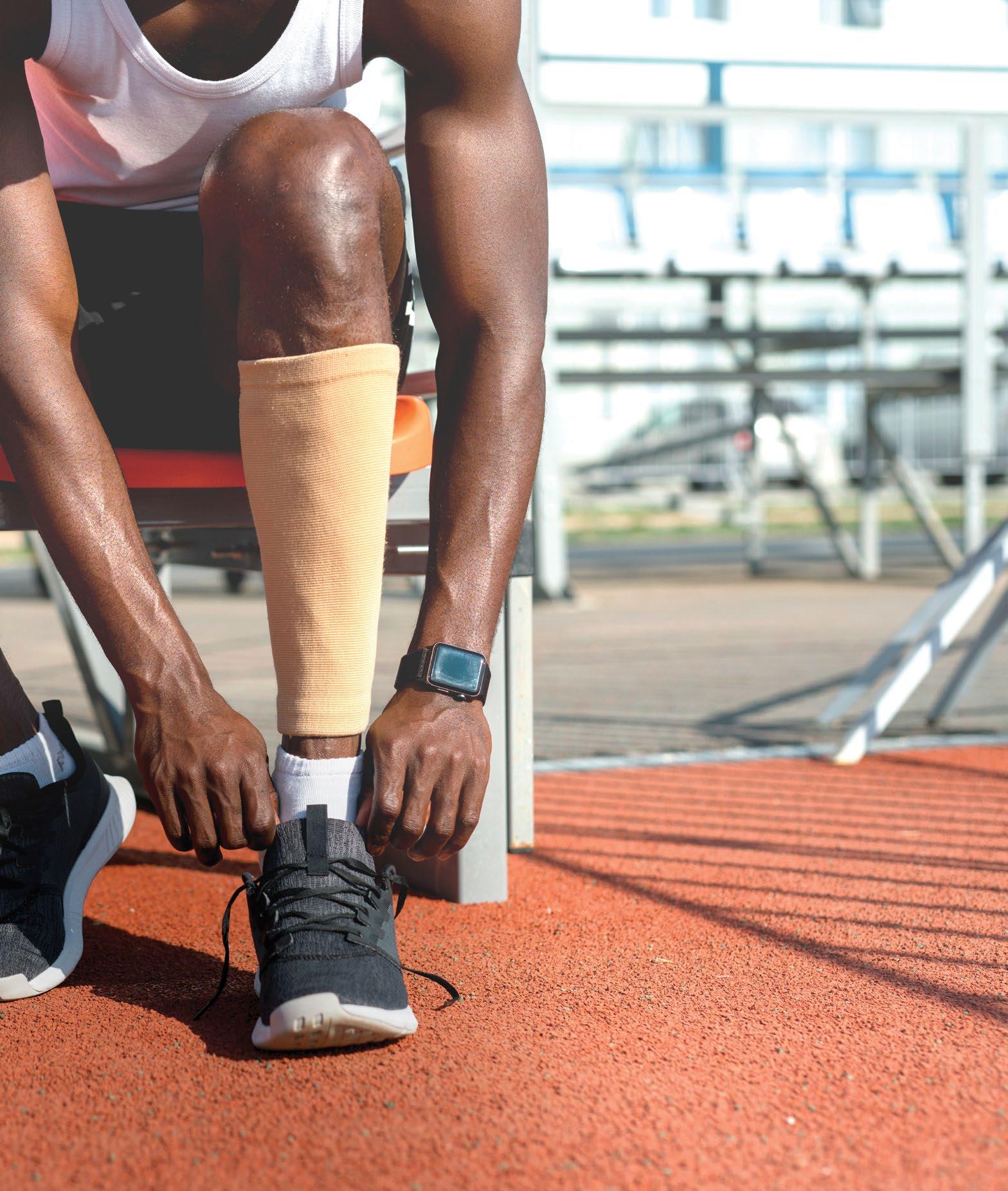
Wrist-based devices like watches or fitness trackers constantly measure important aspects of your heart rate, such as your resting heart rate (RHR), heart rate variability (HRV) and recovery heart rate.
For athletes managing multiple sessions per week, or those in heavy load blocks, this form of recovery can significantly reduce fatigue accumulation and improve readiness for the next workout.
Ultimately, the effectiveness of compression comes down to consistency and context. When used alongside other recovery modalities, such as mobility work, hydration, nutrition and adequate sleep, compression garments and dynamic systems can play a valuable role in improving circulation, reducing soreness and accelerating recovery between sessions.
A high or rising RHR could indicate higher recovery demands or illness. Low HRV (little difference in your minimum and maximum heart rate) is usually a sign of increased stress on the body. Improving HRV could indicate that your recovery is progressing on track.
A recovery heart rate may indicate issues such as overtraining, illness or a cardiovascular condition if it doesn’t drop at least 12 beats in the first minute after exercise, or if your heart rate exceeds 120 bpm after five minutes or 100 bpm after 10 minutes.
DID YOU KNOW:
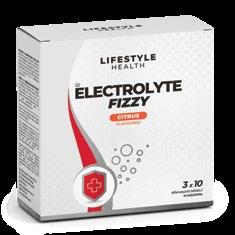
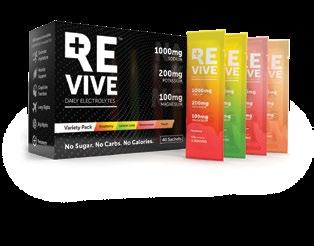
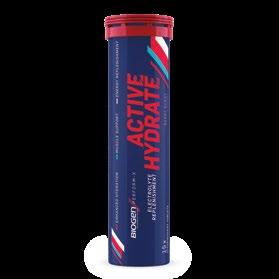
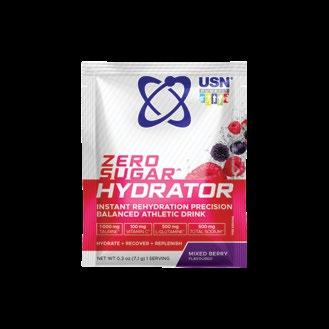
While all these methods and approaches hold relevance in a comprehensive recovery strategy, they all amount to very little without sufficient protein to provide your muscles with the building blocks they need to repair damaged tissue and generate new, stronger fibres following repeated training sessions.
Specially formulated supplements offer an immediate and convenient way to support recovery
Maintaining optimal hydration is important to support overall recovery as the body requires fluid for many of the reactions that occur during the repair and recovery process. Adequate hydration helps maintain blood volume, ensuring nutrients and oxygen are delivered to recovering muscles while metabolic waste products are removed more effectively. It also supports joint lubrication, electrolyte balance and temperature regulation - all critical for
reducing fatigue and muscle cramps. Even mild dehydration can slow glycogen replenishment, increase perceived effort and delay tissue repair. In short, consistent fluid and electrolyte intake between sessions keeps the recovery machinery running smoothly, helping you feel fresher and perform better in your next workout. Adding an electrolyte effervescent tab or sachet to your morning glass of water is a great way to rehydrate by replenishing lost salts, especially following long or intense training sessions.
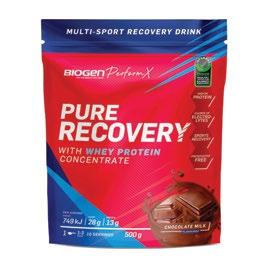
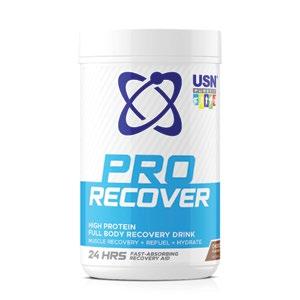
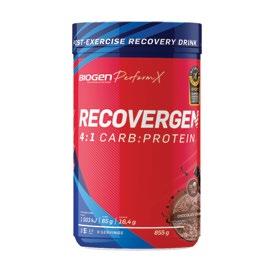
Protein is a critical element for recovery, repair and muscle growth, but we can’t always meet our needs through diet alone.
Specially formulated recovery supplements offer an immediate and convenient way to support recovery with a combination of high glycaemic index (GI) carbohydrates and proteins with a high biological value (BV) – a measure of how efficiently the body can break down the protein into amino acids and absorb
them into muscle cells –to restore glycogen and support protein synthesis. Recovery formulations typically provide carbs and proteins in a scientifically recommended 4:1 ratio, usually through fast-acting sources such as maltodextrin and whey protein. For those who prefer to limit their dairy intake or suffer from lactose intolerance, other protein supplements offer alternative options, like plant or egg protein.

BUILT TO ENDURE:
Whether you’re chasing a PB in your next marathon, grinding the pedals up a mountain at an ultra-distance MTB race, or digging deep to reach the red carpet at an Ironman triathlon, the secret to peak race performance isn’t just about logging the miles in training.
The most successful endurance athletes at every level understand that the ability to endure and achieve your goal comes from the perfect blend of smart training, strategic recovery and intelligent fuelling.
This scientifically-backed approach involves strategically varying your training load across different phases, ensuring you peak at just the right moment. The secret sauce lies in the systematic progression that periodisation promotes.
A properly periodised training plan starts with a solid base phase that focuses on volume and technique development. Newer athletes would benefit from longer base phases to lay a crucial foundation in base fitness.
A build phase follows, where you ramp up both intensity and volume to develop specific fitness components, like power, speed and endurance. Each phase should be followed by a recovery block or “down week”, which is essential to allow the training adaptations to sink in.
Your training should be structured in micro-cycles (daily to weekly units), which stack together to form 4-8 week mesocycles. Combine multiple mesocycles and you’ve got your macrocycle – the complete 16-20 week training block leading to your target event.
The magic happens because your body stops adapting to the same stimulus after about three weeks. By systematically changing variables like weekly mileage, intensity or training frequency, you’ll continue progressing while avoiding the dreaded plateau.
And don’t forget to keep up the strength training. This is vital to strengthen muscles and connective tissue, creating greater resilience to the training stress to lower your injury risk and boost your physical capacity for improved movement efficiency.
The truth that many endurance athletes struggle to accept is that you don’t get stronger during training – you get stronger during recovery.
Poor recovery doesn’t just leave you feeling tired; it actively sabotages your next session by preventing muscle repair, disrupting hormones and compromising your immune system.
Since everyone responds differently based on genetics, training history, stress levels and sleep quality, there’s no universal recovery formula. However, the most effective approach combines active recovery with complete rest rather than choosing one or the other.
ACTIVE REST: The “no days off” approach is the best way to support your recovery because motion is lotion for your soft tissues. This approach entails moving every day, even on rest days, avoiding complete inactivity on recovery days – movement prevents stiffness and supports adaptation. A gentle 3-5km walk while listening to your favourite podcast or music works wonders for both physical recovery and mental wellbeing. You can also incorporate light activities such as easy cycling, swimming or rowing.
MOBILITY AND FLEXIBILITY: This accessory work is the other non-negotiable in your recovery toolkit. Regular stretching and yoga sessions support recovery while maintaining that crucial suppleness that keeps you injury-free.
SUPPORT TISSUE HEALTH: Deep tissue massage, foam rolling and compression therapy should be regular features in your recovery routine, as they help maintain soft tissue health and work out those stubborn knots and adhesions.
TEMPERATURE THERAPY: Don’t underestimate the power of hot-cold contrasting, saunas, steam baths and even ice baths to help accelerate recovery by promoting better blood flow.
SLEEP: Aim for 7-9 hours of quality sleep every night. For early morning trainers, this might mean sacrificing some training time to sleep in when needed, but it’s worth it. You’ll wake up refreshed and ready to crush your next session.
Post-workout nutrition is your recovery cornerstone. The moment your session ends, your body needs amino acids to repair muscle tissue and carbohydrates to replenish depleted glycogen stores.
The winning combination is highly bioavailable protein paired with rapidly digested carbs, consumed as soon as possible after training.
Research consistently shows that consuming carbs and protein together accelerates both glycogen restoration and protein rebuilding compared to consuming them separately. While whole foods are ideal, they’re not always practical immediately post-workout. This is where a wellformulated recovery drink shines – it’s portable, easy to digest when your muscles are still hogging your blood supply, and delivers nutrients in their most absorbable form.
Race day nutrition isn’t something you figure out the morning of your event. Optimal fuelling requires weeks or months of planning, testing and refining. This approach also ensures you approach your training with the right fuel to match the required intensity and effort.
The goal is sustained energy throughout your effort while avoiding the energy rollercoaster that comes with blood sugar spikes and crashes.
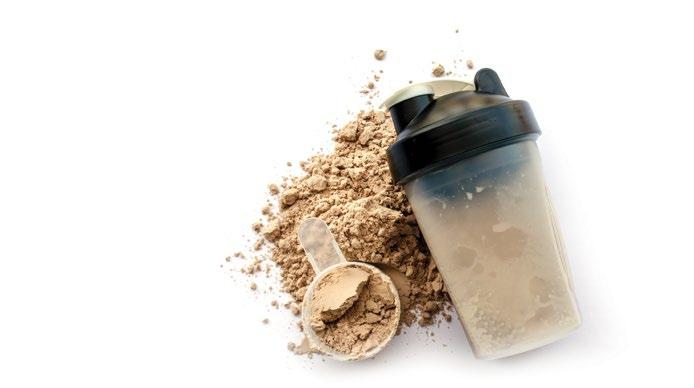
“CARBS
Keep it simple:
Complex strategies lead to mistakes under pressure. Stick with familiar, tested options.
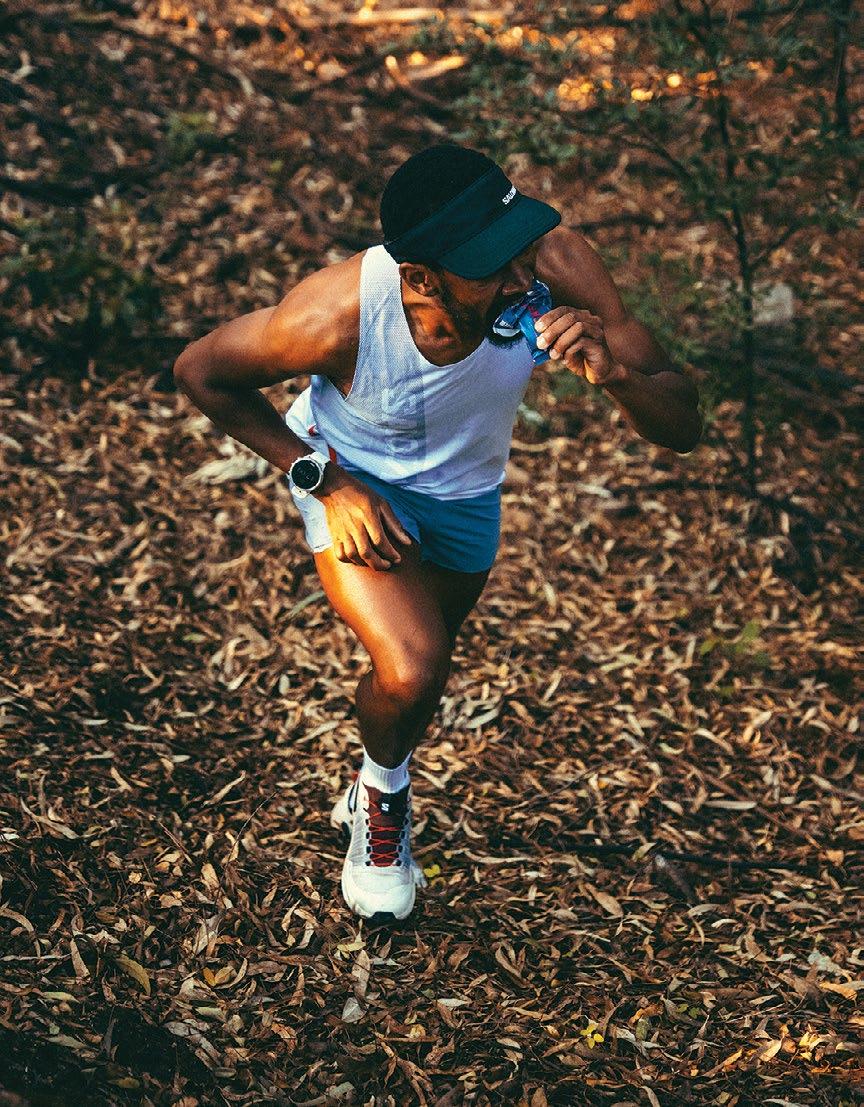
Controlled amounts:
More isn’t always better. Overdoing it often causes digestive distress and nausea.
Plan, test, use: Never try anything new on race day. Period.
Embrace the drip-feeding approach – small amounts consumed frequently over planned intervals. Aim for 60-90g of carbs per hour, but understand this varies based on your weight, event duration and intensity. Clock feeding works brilliantly for endurance efforts. Set your watch and stick to your schedule. This removes guesswork and
ensures consistent energy delivery when you need it most.
For fat-adapted athletes who can efficiently tap into fat stores at lower intensities, this approach becomes even more powerful. You’re essentially preserving your limited glycogen stores for those crucial high-intensity moments when they provide the greatest benefit.
Modern endurance supplements have evolved beyond simple sugar solutions. Look for products that combine multiple carb sources for sustained energy release. Carb-protein blends can offer recovery benefits during exercise, particularly for events lasting several hours or more.
High-intensity, short-duration events: Fast-releasing carbs are your friend. Gels, tablets and liquid energy drinks deliver quick energy without requiring chewing.
Lower-intensity, prolonged events: Stable, lowglycaemic carb sources work best. Bars and chews that regulate blood sugar levels are ideal, along with blended energy drinks.
Ultra-endurance events: A combination approach works well. As your event progresses and blood pools in working muscles, digestion becomes more challenging. Having liquid options available for the latter stages can be crucial.
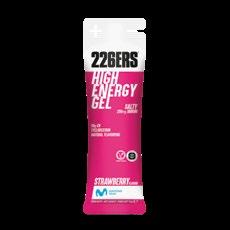
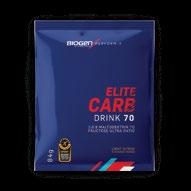
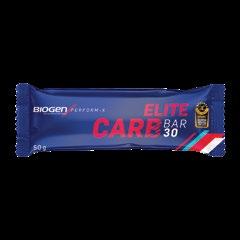
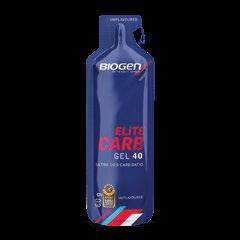
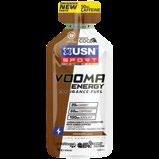
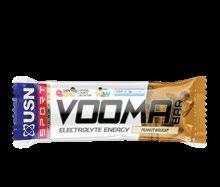
Replacing fluids and electrolytes lost through sweat is also crucial, especially in hot and humid conditions. Dehydration decreases blood volume, slowing nutrient delivery to recovering muscles and hampering waste removal. Your body needs those electrolytes to maintain fluid balance and promote efficient absorption.
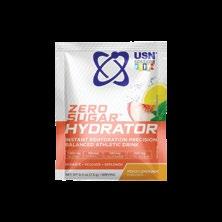
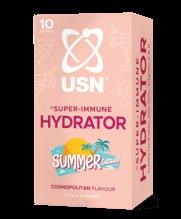

Post-workout protein powders should contain all essential amino acids, with added leucine serving as an important muscle-building trigger.
Whey protein offers excellent bioavailability and rapid absorption, making it ideal immediately postexercise.
For those with dairy sensitivities, plant-based options combining multiple protein sources can provide similar benefits. The key is choosing products that dissolve easily and taste good enough that you’ll actually use them consistently.
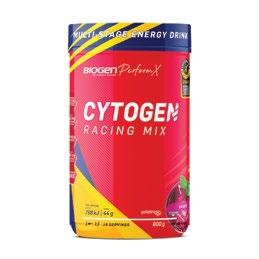
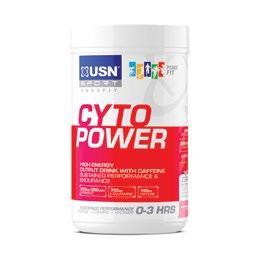
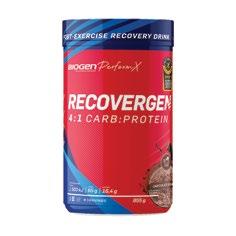
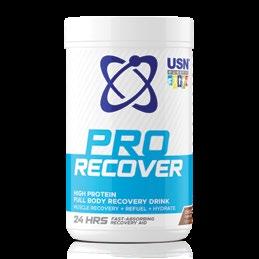
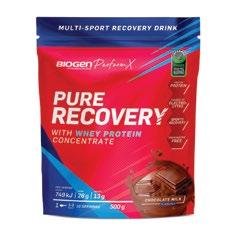
Pre-workout supplements for endurance athletes should focus on sustained energy rather than explosive power.
Look for formulas containing moderate caffeine levels, B-vitamins for energy metabolism, and beta-alanine for muscular endurance.
Timing matters – consume pre-workout supplements 15-30 minutes before training to allow for absorption. Avoid trying new pre-workout products close to important training sessions or races.
Building endurance isn’t just about training volume – it’s about training intelligently, recovering strategically and fuelling optimally.
Periodisation keeps your training progressive and purposeful. Smart recovery ensures each session builds on the last. Proper nutrition supports both performance and adaptation.
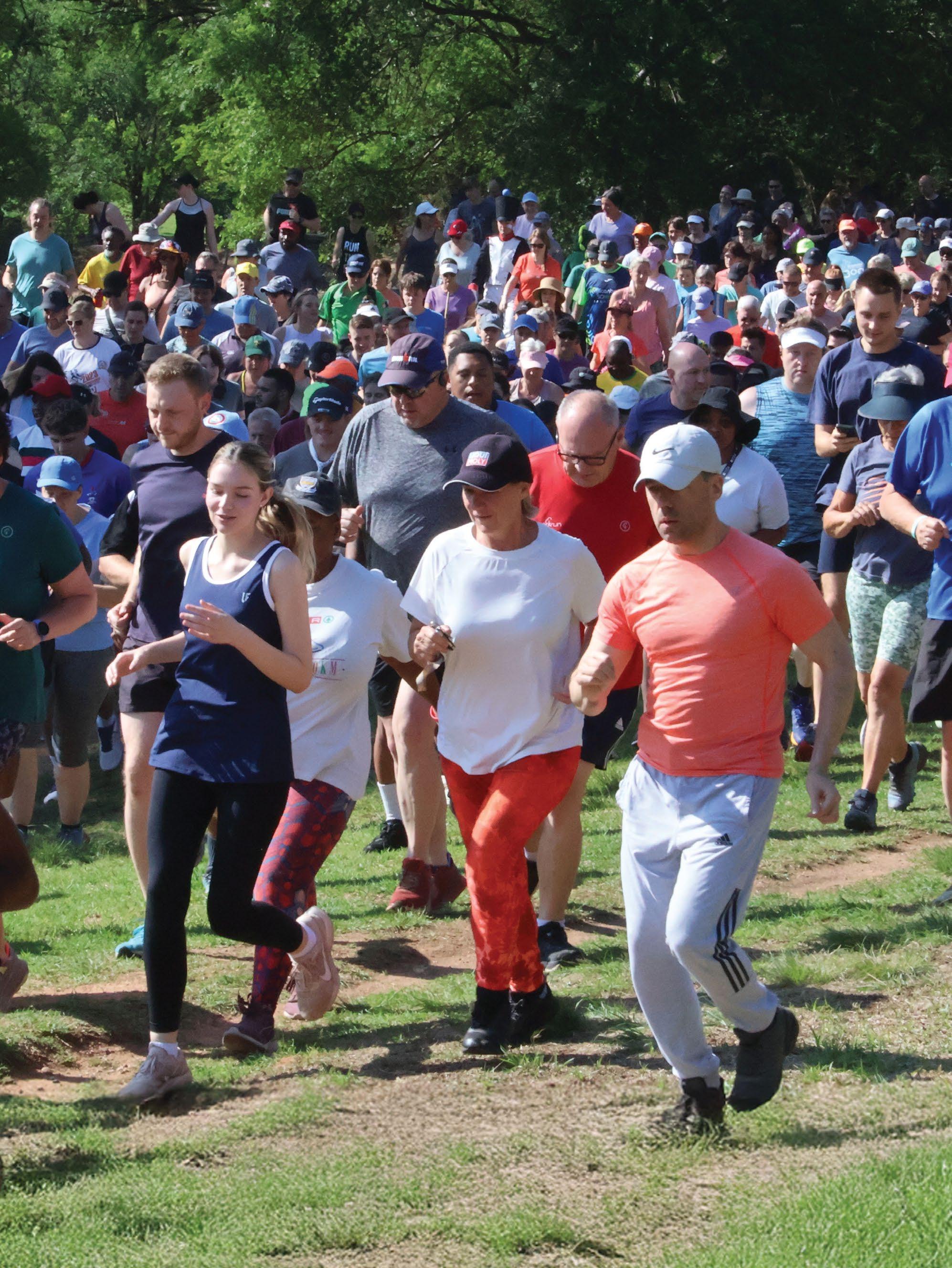

As part of its ongoing commitment to helping South Africans stay fit and healthy, Dis-Chem has proudly partnered with parkrun South Africa as the official Pharmacy Retail Partner. This partnership reflects Dis-Chem’s mission to make a meaningful difference in people’s lives — extending its role beyond that of a traditional pharmacy and integrated healthcare provider. Through this collaboration, Dis-Chem aims to inspire and support active living while encouraging healthier lifestyles across the country.
“Today, thousands of free, volunteer-led timed 5k events take place in open spaces every weekend around the world, creating safe environments for people to walk, jog, run or volunteer.”
“At Dis-Chem, our promise is that Better Health Starts Here. We have always been a business rooted in the communities we serve, and we believe in making health more accessible and affordable for all South Africans,” explains Dis-Chem CEO, Rui Morias.
“parkrun is a powerful example of how prevention can be simple, free and inclusive and we are proud to support a movement that inspires people to move together, stay well and build a healthier South Africa.”
In the world of health and fitness, few activities are as inclusive and effective as running – you can do it just about anywhere, with anyone. All you need is a pair of suitable shoes.
Importantly, few activities offer the same health and fitness benefits. Running makes you fitter, strengthens your cardiovascular system, builds stronger bones and connective tissue, and is a great way to lose weight and destress.
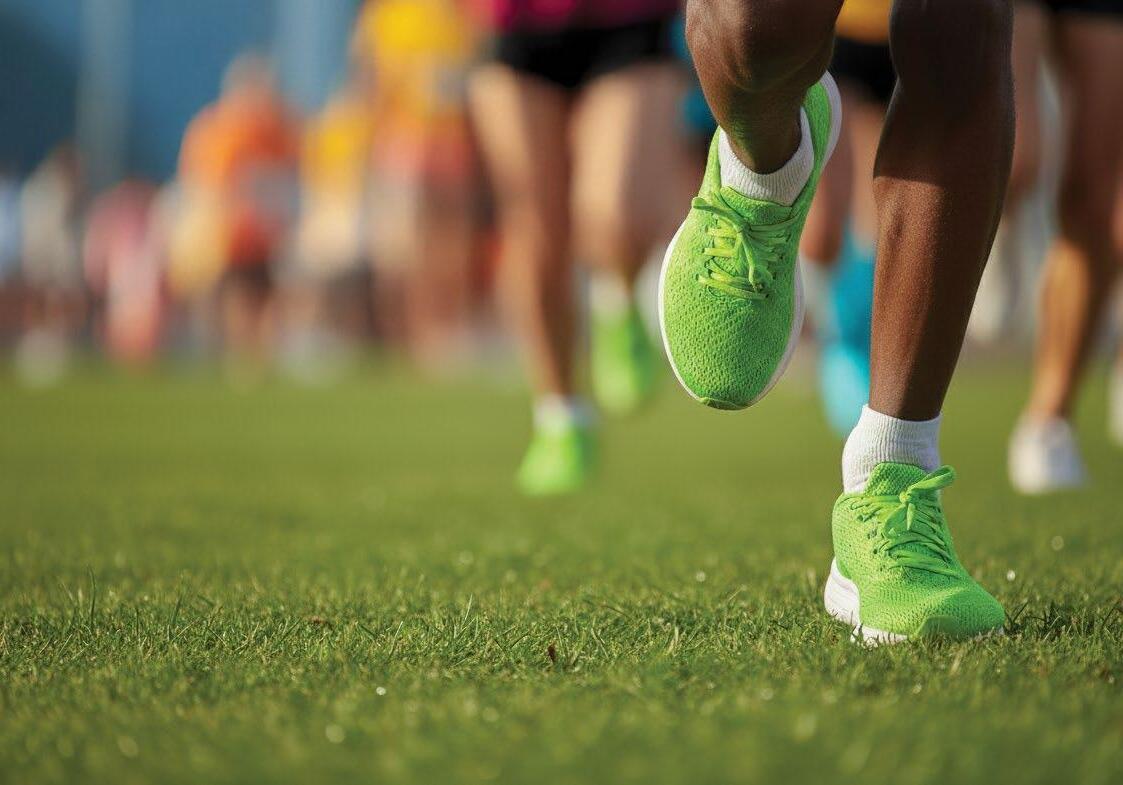
Since it started back in 2004 when 13 runners and five volunteers got together on a blustery day in Bushy Park, Teddington, in the UK, parkrun has grown into a global fitness phenomenon.
Operating in more than 20 countries, holding more than 2,700 events every weekend, each parkrun offers a welcoming environment regardless of fitness level or ability, fostering community
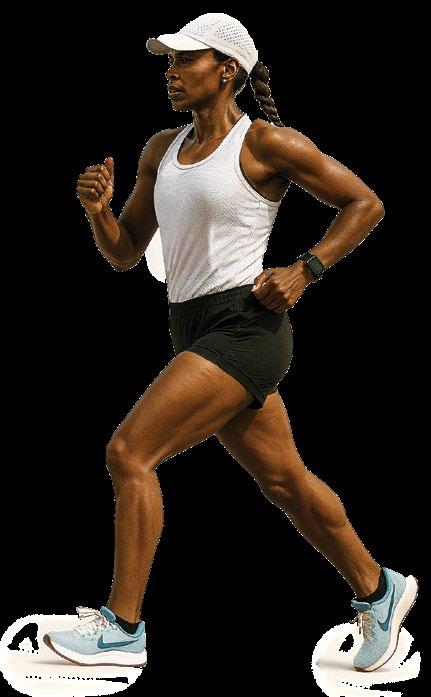
It’s not surprising, then, that running remains one of the most popular forms of exercise globally, with parkrun an important gateway to more active lifestyles and, potentially, a journey to loftier running goals like a halfmarathon or marathon.
The parkrun movement has grown into an international family of more than ten million registered parkrunners (and counting). On a typical weekend, the total number of participants (walking, jogging and running) plus volunteers exceeds 400,000 people globally. parkrun South Africa launched in November 2011 at Delta Park in Johannesburg with 26 participants. Today, 224 parkrun events (and growing) take place at locations across South Africa every Saturday morning, across all provinces, in pleasant parkland and outdoor surrounds, whether it’s at a park, along a beachfront or through a beautiful reserve.
“We’re thrilled to have signed a partnership with parkrun, for the next three years,” says Brandon Fairweather, Health Category Marketing Manager at Dis-Chem.
“Supporting initiatives that promote active, healthier lifestyles is a natural fit and a genuine reflection of our brand values and mission.”
As part of the partnership, DisChem will visit parkrun events around South Africa to engage with parkrunners and event teams, while promoting unique and exciting developments and offers.
Dis-Chem’s involvement will be supported by activations from some of its top vendors and private label brands, including Berocca, Jungle Oats, Slow Mag, Old Spice, Norflex Gel, DS-24, Ensure Gold, Biogen, Lifestyle Food and Virgin Active.
“We’re thrilled to announce our new three-year partnership with DisChem, South Africa’s leading retailer pharmacy and integrated healthcare provider,” said Bruce Fordyce, President of parkrun South Africa.
“We’re passionate about making physical activity accessible and enjoyable for everyone and we’re delighted that Dis-Chem wants to come on this journey with us.”

SA’s one-lap wonder
The 400m event is arguably the most brutal test on the track, requiring the perfect balance between sustained flatout sprinting and middle-distance endurance.
Athletes must run nearmaximal speed for an entire lap as massive levels of lactic acid build up, which makes the final 100m a battle of attrition requiring mental fortitude, grit and stamina to push through the crippling physiological stress.
Despite its notoriety, USN athlete Marlie Viljoen says she loves the race specifically for its legendary difficulty.
“Each athlete runs a 400m differently, and you must be super aware of your pacing, your lane, and ignore the others around you. I like the challenge that the 400m poses and, honestly, any distances shorter or farther bores me.”
After competing in the 400m, 800m and 3000m events throughout her time at Hoërskool Menlopark, Marlie had her first breakthrough while in Grade 9, when she competed at the Gauteng North Championships.
“I came 3rd in the 400m, but they only took the top two to nationals. Since I had qualified with my time, my coach decided to enter me individually,” she explains.
That was a decision that would change the trajectory of her sporting career. Competing in her school kit, not in provincial colours, Marlie ran a personal best in the heats. She then dropped another two seconds off her best in the final to win her first 400m national title.
“From there, there was no turning back, and I completely fell in love with the 400m.”
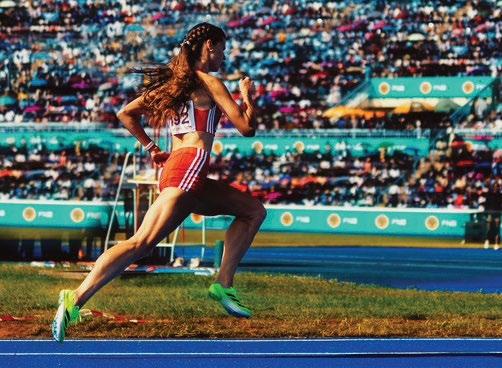
Photo by Geoff Lowe
ATHLETE STATS:
Lives: Pretoria
Sponsor: USN, Manzi Water
400m PB: 51.42 (Pretoria, 2025)
IG: @marlieviljoenn


Training under the legendary Ilze Wicksell – the first South African female to crack the two-minute barrier for 800m – Marlie continued to get faster and faster each year.
“My love for the sport grew with every new PB and milestone.”
The turning point in her career came in 2023, when she dropped 1.5 seconds off her PB and competed in her first Gold Tour event in Botswana.
“I then went to Europe for my first individual international campaign and won my first global medal – a Gold at the FISU World Student Games in Chengdu, China. This will remain one of my most cherished moments. It was a case of the perfect race at the perfect time with an amazing crowd. There’s also just something different about a student competition in terms of support and atmosphere.”

Marlie also qualified to compete at the World Athletics Championships in Budapest. Most recently, Marlie represented South Africa at the 2025 World Championships in Tokyo, Japan, where she competed in the 4x400m relays.
“The 4x400m relays are always the most fun as it is our only time as track athletes to form part of a team. We practise the changeovers over and over again, but nothing can quite prepare you for the unpredictability of the actual race.”
In the lead-up to the World Champs, Marlie was part of the South African women’s 4x400m relay team that broke the national record in March in Tshwane, by taking
0.19 seconds off the previous best mark of 3:28.49 with a time of 3:28.30
She also won a silver medal in the Mixed 4x400m relay at the 2025 Summer World University Games held in Germany in July 2025. However, Marlie says her most memorable 4x400m relay experience came at the World Championships in Tokyo, as the crowd was insane.
“I ran my personal best relay split in Tokyo (51.23) and had a great time with the girls on the team. I feel like the team really gelled and connected in Tokyo, and it was an honour to represent South Africa with them.”
Her ultimate goal in the sport is to run as fast as possible and reach her full potential.
“I feel like my body would tell me when I should retire. Until that moment comes, my focus is to run as fast as possible, see as many countries as possible, and represent South Africa on the biggest stages in the world.”
To achieve that goal, Marlie trains with the Wicksell Training Group 5-6 times per week in the afternoons. She also does 2-3 strength training sessions a week.
“My coach works out all the programs. Mondays are usually the hardest with a strength training session before work and a lactic acidbuilding distance session in the afternoon. Our Tuesdays are focused on power development with hills or circuit training. On Wednesdays, I do some physiotherapy exercises and mobility for injury prevention before work, and a running recovery session in the afternoon.”

Thursdays include speed training on the track, and Fridays consist of a strength session before work and another recovery session in the afternoon, depending on the week’s output.
“We do another hard track workout to end off the training week on a Saturday morning.”
Marlie focuses on building her confidence during training to carry that over onto the track when racing at the highest level.
“Coach Ilze always says the way you train is the way you’ll compete. I concentrate on pacing and being in tune with my body during training, especially when doing sessions that mimic actual races. It’s almost like focusing on everything you can control instead of stressing over a race that has not even happened yet.”
Directly after a tough training session or competition, Marlie does a proper cooldown with lots of jogging and stretching.
“I’ll also make sure I replenish my carbs and protein immediately with a USN Pro Recover shake and eat a nutritious meal. I see my physiotherapist for a sports massage and check-up, and make sure to foam roll regularly.”

Marlie focuses on eating a highprotein and high-carb diet, with USN supplements for nutritional support.
“USN has really helped me step up my game in terms of recovery and general education regarding nutrition.” Before a race, Marlie usually eats plain chicken, rice and sweet potato about 3 hours before.
“I’ll then start warming up an hour before my race and eat a banana and drink USN Pro Enduro mixed with some creatine and beta-alanine.”
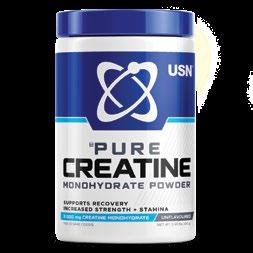
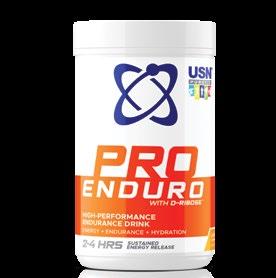
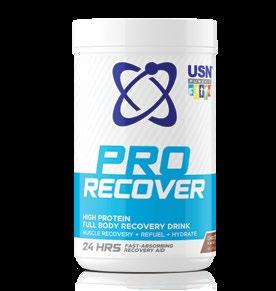
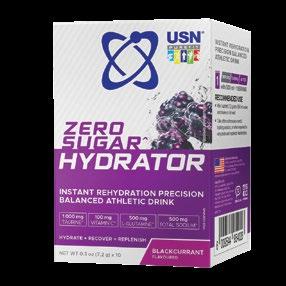
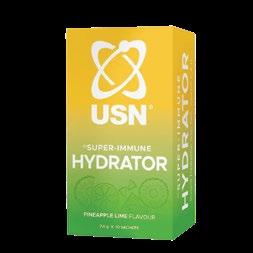
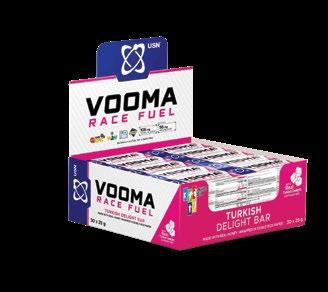
While still in the early stages of her career as an elite track and field athlete, Marlie has already experienced the highs and lows of professional sport.
“The most challenging aspect is the unpredictability of the sport. Injuries, sickness and bad races are sometimes completely out of your control, even if you do everything right. Ultimately, athletics is a brutal sport, and sometimes your output just doesn’t reflect your input.”
Having struggled in the past with these challenges, which consumed her, Marlie says she has matured and found a better balance in life after starting a full-time job.
“Athletes need balance in their lives, with a life away from athletics. Without it, setbacks and challenges can feel like the end of your world. I found that having other important things in your life besides athletics makes those challenging aspects less impactful.”
Outside of training, Marlie loves reading, cooking and being outdoors.
“I also like spending time with friends and visiting coffee shops. Having grown up with horses, horse riding will always be my first love. I currently only ride when we go to our farm but, in a perfect world, I would have my horses in Pretoria with me.”
Looking beyond her track career, Marlie says she will always remain a runner at heart and looks forward to one day transitioning to longer distances and finding other ways to stay active.
“While I’m not currently a fan of running terribly far, I think my body will get accustomed to it with age. I intend to do some 10km and half-marathon races and maybe a half-Ironman and more trail running, but I doubt that a full marathon will ever become part of the plan.”
STRENGTHEN
As endurance athletes, our main goal is logging the miles to build the endurance and stamina needed for faster times. However, one key element that non-elite athletes seldom focus on is technique mastery, which leaves gains on the table come race day.
For pro athletes, technique training is an integral part of every off-season and pre-season training phase.
Improving your technique is especially beneficial for longer-duration events like marathons, 100-mile gravel races and Ironman-distance triathlons.
Improving movement efficiency means you expend less energy, even at higher speeds. Conversely, inefficient movement patterns on the run or the incorrect bike setup will cause ‘energy leaks’, which is when you expend more energy than is necessary.
Expending unnecessary energy throughout a race will mean there is little left in the tank for the most critical part of any race – the closing few kilometres when you need to kick for home to bag that PB.

Spending time on fixing and perfecting your form with drills and professional coaching improves movement efficiency, a powerful physiological hack that reduces energy leaks, unlocks fatigue resistance, protects against injury and ultimately makes you faster at every level.
Movement efficiency is typically measured in the sports science community as running economy or cycling economy. This refers to the metabolic cost of maintaining a given pace or power output. Simply put, an efficient athlete uses less oxygen and fewer calories to move the same distance or generate the same speed as an inefficient one.


RUN TALL: Keep the spine neutral and head aligned over your shoulders - not jutting forward. A slight forward lean from the ankles (not the waist) improves propulsion.
STABLE MIDSECTION: A strong midsection minimises side-toside motion, ensuring your energy drives you forward, not laterally. Keep your elbows bent at roughly 90°, moving your hands from hip to mid-chest in a compact arc from front to back – avoid crossing the midline.
As a runner, focusing on technique elements such as foot strike in relation to your hips, cadence and posture can help limit the energy leaks that reduce efficiency. Improving your running economy means less energy wasted on extraneous vertical bounce, excessive ground braking or an inefficient arm swing, which reduces impact forces and eliminates unnecessary energy expenditure.
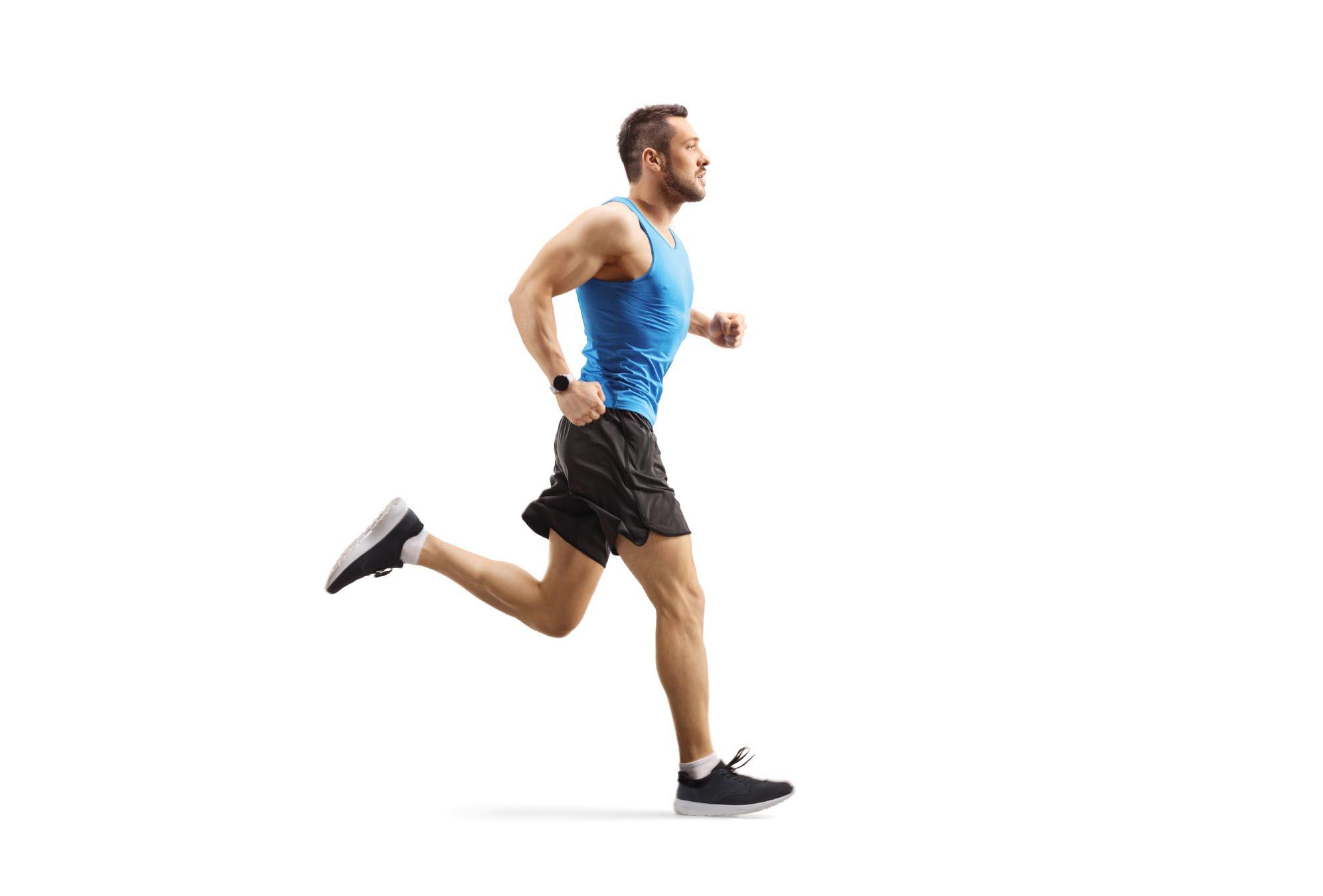
RUNNING FORM DRILLS
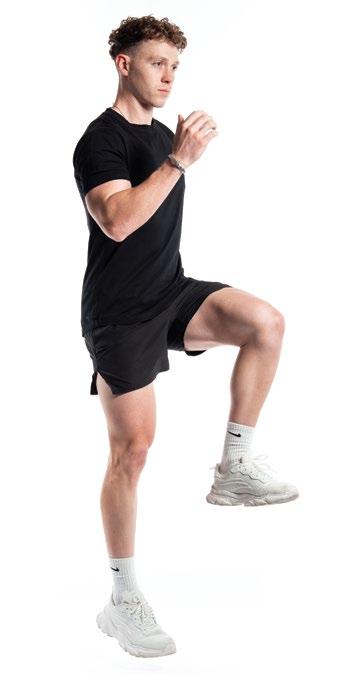

OPEN THE CHEST: Relax your shoulders and keep them down to improve oxygen flow and arm swing rhythm.
QUICK CADENCE: Aim for 170–180 steps per minute. A higher cadence effectively quickens your turnover, reducing ground contact time and limiting overstriding. Focus on pulling your feet up beneath your hips rather than reaching forward.
FOOT STRIKE: Land under your centre of mass on your midfoot or forefoot. This foot-strike pattern improves momentum transfer and reduces braking forces.
HOW TO DO IT: Begin
marching forward with an upright posture and engaged core. As one knee reaches hip height, drive the opposite arm forward (running arm motion). Add a small hop on the standing leg as the lifted foot comes down
under the hip. Keep it snappy and rhythmic, with a “lift, hop, switch” pattern.
FORM TIPS:
1. Drive your knee up, with your toes pointed up. 2. Land under your centre of mass. 3. Stay tall and relaxed.


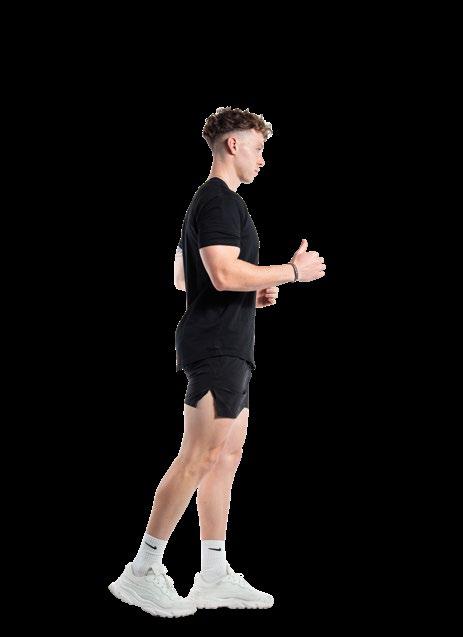
Why: Teaches the down and back leg motion for powerful ground contact and propulsion.
HOW TO DO IT:
Begin marching forward with an upright posture and engaged core. As one knee reaches hip height, extend the leg forward, before sweeping it down and back in a pawing motion, like scraping gum off your shoe. Stay light and rhythmic as you alternate legs.
FORM TIPS:
1. Lift, extend and pull your leg through.
2. Keep your foot dorsiflexed (toes up).
3. Avoid overreaching or leaning back.


Why: Enhance hip flexor mobility and reinforce the circular leg drive movement for smoother turnover.
HOW TO DO IT:
Begin as usual. As the knee rises, make a small circular motion outward, opening the hip slightly. Reset the foot directly beneath your body as you hop to the other side.
FORM TIPS:

Why: Improves stride frequency, co-ordination, ground contact time. and turnover.
HOW TO DO IT:
Lift your knees rapidly to hip height while maintaining quick, springy foot contact with the ground. Keep your torso upright and elbows bent at 90°, pumping your legs up rhythmically.

Why: Reinforces proper form and transitions drills into real running mechanics.
HOW TO DO IT:
Focus on a smooth acceleration for the first third, maintain relaxed speed in the middle, then gently decelerate.
FORM TIPS:
1. Keep it controlled with small, fluid circles.
2. Maintain a tall posture throughout
FORM TIPS:
1. Focus on quick feet, with light landings.
2. Drive your knees up to your hips, not your chest. 3. Keep your shoulders relaxed and core engaged.
1. Stay tall, drive your arms naturally, and land softly. 2. Feel light, fast and elastic. Fluidity over force.
Fixing your form is the simplest way to conserve energy, move faster and finish stronger.
NEUTRAL SPINE: Keep a flat back and relaxed neck as excess rounding or craning wastes energy and constrains breathing.
A smooth and fluid pedal stroke starts with the correct bike setup. Sitting in the most efficient anatomical position on the saddle will ensure you transfer maximal power output to drive the wheels forward and generate momentum.
FIND YOUR CADENCE:
Most efficient riders hover between 85–95 rpm for endurance efforts.
PELVIC STABILITY:
Engage your core to minimise hip rocking, which saps power on long rides.
BALANCE EFFORT:
Use power meters or cadence sensors to identify and correct any dominance or imbalance.
ELBOW BEND: Keep a soft bend to absorb road vibration and reduce upper-body fatigue.
LIGHT HANDS: Don’t lean on the handlebars. Your hands should rest lightly while your torso remains stable.
DON’T STOMP: Apply power throughout the 360° pedal stroke – push down, sweep back, lift up and drive forward in a circular motion rather than stomping down on the pedals. Avoid “dead spots” at the top and bottom of the pedal stroke by engaging your hip flexors and hamstrings.
An efficient athlete uses less oxygen and fewer calories to go the same distance – that’s the true edge of great technique.
Efficiency is about the effective application of force throughout the entire pedal stroke, not just the downstroke. It involves optimal muscle coordination, maintaining a steady cadence and having a precise bike fit to ensure minimal energy is lost to poor joint angles or unnecessary body movement. Incorporate these drills to nail your cycling form and technique:
Enhances neuromuscular coordination and teaches relaxation at high leg speeds.
HOW TO DO IT: On a flat road or trainer, start at a moderate gear and gradually increase cadence until your legs are spinning at 110–120 rpm. Hold for 20–30 seconds while keeping your upper body completely still and relaxed. Spin easily for 1 minute, then repeat.
FORM TIPS:
1. Stay smooth and do not bounce in the saddle. 2. Keep a light grip on the handlebars, with relaxed shoulders.

Builds torque and improves stability and power transmission through the core and hips.
HOW TO DO IT:
On a steady climb or trainer, select a hard gear, remain seated and pedal at 60–70 rpm for 4–6 minutes at moderate effort.
FORM TIPS:
1. Focus on smooth, even pressure through each pedal stroke. Avoid jerky movements. 2. Engage your core and glutes. 3. Pull up as you push down for a balanced drive.
Trains cadence control across a wide range, improving adaptability and efficiency under different race conditions.
HOW TO DO IT:
On a flat road or trainer, ride 1 minute each at 70, 80, 90, 100 and 110 rpm, then descend back down. Keep your power output consistent, with the same wattage or RPE throughout.
FORM TIPS:
1. Transition smoothly between cadences. 2. Avoid upper-body movement at the higher rpms. 3. Control your breathing and keep your shoulders relaxed.

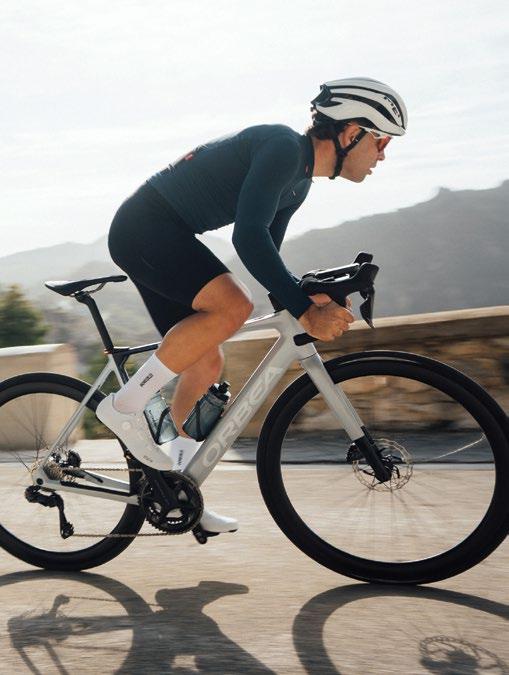

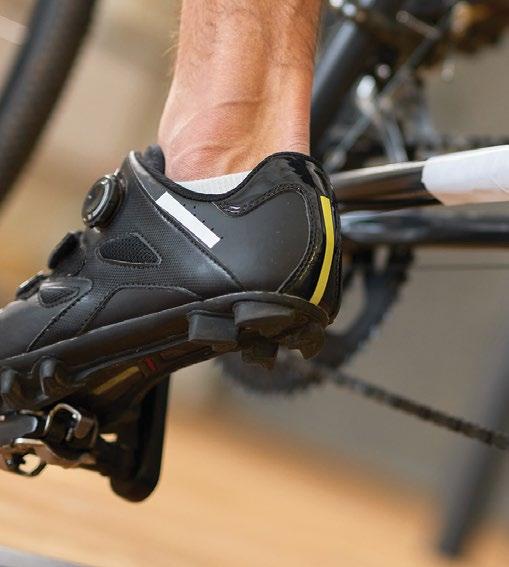

COACH’S CORNER
LTRA FEVER” HAS GRIPPED SOUTH AFRICA! THE TWO OCEANS ULTRA MARATHON RECEIVED 17,094 BALLOT APPLICATIONS FOR THE 11,000 AVAILABLE ENTRIES AFTER YEARS OF FAILING TO REACH THE CAP.
The frenzy continued when entries for the 87km Comrades Marathon sold out in just 10 hours – a feat that last happened in 2010.


South Africa also hosted its first 7-day gravel race, the Nedbank Gravel Burn, in October, while the local multi-day mountain bike stage race calendar remains packed with events, like the iconic Momentum Medical Scheme Tankwa Trek presented by Biogen, Absa Cape Epic, and FNB Wines to Whales, to name a few.
While this bodes well for these sports and event participation in the country, the concern is that there are many people who are getting swept up in the buzz and entering but are not yet ready to tackle the training volumes required to simply get to these start lines, never mind complete these races.
“Novice athletes need to ask themselves a serious question. Is your training writing cheques your body can’t cash?” says strength and conditioning coach Joshua Capazorio.
Based out of his Biogen-backed Performance Purist gym in Riverclub, Johannesburg, where he regularly turns average Joes into pros, Josh uses a financial analogy to explain the conundrum many ultra-endurance enthusiasts face.
“Think of the situation like an impulse purchase on credit. Many people are paying to enter these races without first working out a budget – the training plan – to ensure they can make the instalments – get all the training done.”
According to Josh, committing to any of these challenges requires a solid bank balance to start.
“There is nothing more epic than pursuing a challenge that really
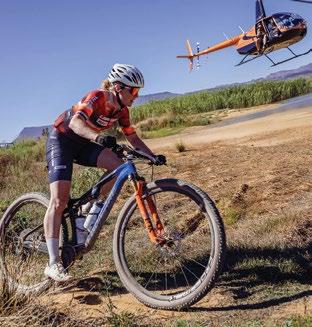

scares you. But people must take a rational look at the volume of training this requires and determine if the timeline is realistic.”
For your first ultra-endurance challenge, Josh strongly advises spending time adding strength and conditioning into your programming.
“If you can’t, I would advise possibly pushing out the timeline by another year. The issue is that most people don’t budget correctly, which means they end up getting injured, having a horrible experience or they don’t achieve their goals,” he explains.
“Is your training writing cheques your body can’t cash?”
— Joshua Capazorio
“It’s the people who are most diligent in managing their proverbial finances that typically taste success.”
As such, before committing to an ultra-endurance challenge, work out your budget first to determine if you have the time for all the necessary training.
“Devising a comprehensive training plan requires some reverse engineering – working backwards from the race date to determine how long you need,” elaborates Josh.
“And that’s not just the time spent running or riding each week, you also need to factor in sufficient strength training sessions and all the active recovery you need to become a durable athlete.”
Josh adds that weaker positions on the bike or in your stride lead to weak movement patterns, which causes dysfunction.
“In short, weakbreak.things
The weaker you are in your running gait or riding posture, the more prone you are to injuries from highvolume training.”
Fortunately, becoming a stronger, more durable ultraendurance machine is simpler than you think - with the right approach, that is.
This means ignoring the approaches used by the world’s best runners and cyclists, because most people don’t have the time, resources or skill to train at this level, says Josh.
“The best approach is not to replicate, it’s to stimulate, which requires a focus on time on the road, out on the trail, or in the saddle, with sufficient time in the gym.”
According to Josh, this includes the minimum effective dose (MED) of weight training required to build the base strength and physical resilience your body needs to withstand the repetitive
strain that comes with highmileage training.
“Many endurance athletes think weight training will harm performance by making them heavier, but the reality is it will help you. Strength addresses the side-effects of the sport –the repetitive strain that creates imbalances and the chronic stress that builds up to weaken systems.”
Ultimately, Josh says strength training is an antidote to the endurance athlete condition – it’s how you protect your joints and soft tissue to ensure you get to the start line injury-free, having hit every training session to condition your body to perform at its best.
What stops many people from training in the gym is the perception that you need hour-long sessions multiple times a week to get the benefit, which eats into your running or riding time. It’s also the first session that athletes drop when life gets busy.
However, Josh says the aim is to get the necessary adaptation from the minimum effective dose (MED).
“You simply need enough to force the neuromuscular system to adapt, which delivers higher wattage on the bike or a better running economy, without sacrificing mileage.”
This MED is highly individualised based on your training history and your genetic predisposition.
However, a novel research paper2 published in the journal Sports Medicine offered an instructive insight into MED when it comes to weight training for strength in endurance athletes.
In terms of the number of sets and sessions needed a week, the researchers determined that weekly training volume is more important than training frequency. They recommended “performing a minimum of 4 weekly sets per muscle group using a 6–15 RM loading range”.
The researchers also determined that you could make strength training more timeefficient by “prioritising bilateral, multi-joint movements through a full range of motion”.
“You
simply need enough to force the neuromuscular system to adapt, which delivers higher wattage on the bike or a better running economy, without sacrificing mileage.”

“Many endurance athletes think weight training will harm performance by making them heavier, but the reality is it will help you.”


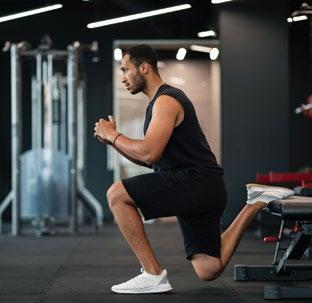

Josh says an effective structure he uses with great success – for himself as a passionate mountain biker, and his many clients – is a three-exercise plan, performed twice a week.
This structure includes the following exercises:
Primary: A foundational compound exercise that delivers broad-based functional strength benefits and activates the central nervous system. Think squats, lunges or Romanian deadlifts.
Secondary: An auxiliary exercise to support sport-specific performance, like unilateral movements such as a step up or split squat.
1 2 3
Tertiary: A prehab movement to counter the side effects from the repetitive stress of the high-volume training and avoid imbalances. These can include exercises like kettlebell snatches, anti-rotation core work or pullups, kettlebell swings or deadlifts that address the posterior chain.
“The further out you reverse engineer your plan, the more you can experiment with MED to find the ideal dose for you. And the sooner you start the training phase, the better,” continues Josh.
He also cautions against using another sport to augment your sport-specific training, like joining CrossFit classes and jumping into some HYROX training. “These exercise modalities are not a replacement for specific work because you aren’t giving yourself a variable you can control. You’re just adding volume on top of volume.”
Trail running is more than just getting outdoors for a run; it’s an adventurous activity that can offer serious benefits for your physical and mental health.
As the name implies, trail running entails running and walking on natural, often mountainous, terrain, such as hiking trails and jeep tracks.
In a country with such diverse and spectacular natural surroundings, trail running is extremely popular, with an abundance of training and race options, from single day events to multi-day stage races and extreme tests of ultra-endurance. There is something to challenge you at every level.

As an effective cardio option, trail running builds aerobic capacity, improves circulation, and enhances your overall work capacity.
Seychelles Nature Trail 22km tourism.gov.sc
Another exciting benefit of trail running is the chance to experience wild and exotic destinations through organised events that take you deep into natural landscapes that you might otherwise never explore. These events showcase the natural beauty of the region and connect runners with nature.
South Africans are fortunate to live in a country and continent that boasts some world-class trail running events.
Research shows that time spent in natural environments reduces stress, lowers blood pressure and elevates mood. It is calmer and quieter out in nature.
You don’t have to worry about traffic and can commune with nature, which research shows can benefit your mental health.
A study1 published in the journal Environmental Science & Technology states that just five minutes of ‘green exercise’ – what the researchers termed exercising in nature –resulted in improvements in self-esteem and mood.
The unpredictable and varied nature of trails means it’s also very mentally engaging. Navigating roots, rocks and climbs forces you to stay present, sharp and adaptable.
On a trail run, you also use numerous muscles, as you’re constantly stepping on and over things, which offers a physical benefit with every step, building muscle strength and better coordination.
This means you’re engaging different stabiliser muscles around your ankles, hips and core, and loading tendons and ligaments differently than you would when running on the road or treadmill.
You also don’t have the constant pounding on the same joints, over and over again, like you do on the road. The constant elevation changes also mean you’re normally going up or downhill, which shifts the load, and is a great way to strengthen quads, glutes, calves and core.
ICONIC AFRICAN TRAIL RACES:
Seychelles Nature Trail (Seychelles) – 22km
Kilimanjaro Trail Run (Tanzania) - 75km
Desert Ultra (Namibia) – 250km (5 stages)
ICONIC SOUTH AFRICAN TRAIL RACES:
Otter African Trail Run – 42km
Namaqua Quest – 38km (3 days)
UTCT (160km, 100km, 65km, 35km, 21km)
Skyrun (100km, 65km, 38km)
If you’ve decided to trade the tar for trail, or simply want to mix up your running repertoire, preparing for a trail race can be a fun and exhilarating experience with the right guidelines.
Your journey to the start line is a chance to immerse yourself in the trail running community, connect with nature and challenge yourself in new ways.
Building Your Foundation
The beauty of trail running is that it’s accessible to everyone. If you can run on the road, you can run on a trail! However, trails demand a little extra finesse and specific preparation.


Ultra Trail Drakensberg (160km, 100km, 61km, 33km, 25km)
Karkloof 100 (160km) & 50 (80km) Milers
These races offer a unique way to merge your love for running with travel, adventure and unforgettable experiences.
The best way to prepare for a trail race is to run on trails as often as possible! Seek out local parks, nature reserves or mountain sanctuaries. Start with shorter, less technical trails to get a feel for the varied terrain. Don’t be afraid to walk the steeper ascents and descents – it’s all part of the trail experience!
2.
Trail running uses different muscles than road running. You’ll need to navigate roots, rocks and uneven surfaces, which means your ankles, core and glutes will work overtime. Incorporate strength training into your routine 2-3 times a week with a combination of lunges, squats, planks and calf raises. Yoga and Pilates are also fantastic for improving balance and stability.
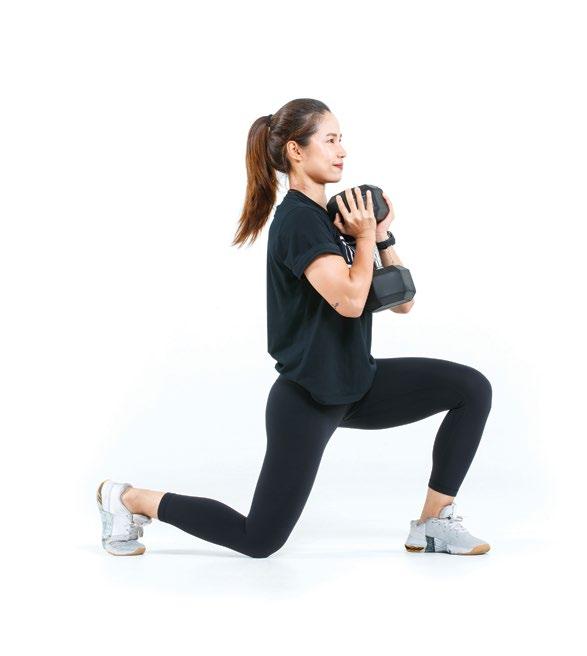

While you might start out with your trusty road shoes, it is important to invest in a pair of trail running shoes when you start training on more technical terrain. They offer better grip, protection from rocks and often more stability. It is also important to get comfortable running with a trail pack to carry your nutrition and hydration. Use it even on shorter runs to get comfortable with it on your back and accessing the different pockets, bottles and bladders.
PACING: Forget about your road PBs. Trail running is less about speed and more about effort. Your pace will naturally fluctuate due to elevation changes and technical terrain. Learn to run by feel and listen to your body. Focus on consistent effort rather than hitting specific splits.
5. FUEL YOUR EFFORT: What you can carry across from your road running is your tried and trusted fuelling strategy. Stick with the same combination of energy gels, chews, bars and drinks. For longer distances, like trail ultras, you’ll need a more robust and varied fuelling strategy. Experiment with different energy drinks, gels, bars and real food during your long training runs to see what works best for your stomach. Experiment with different types of food – sweet, salty, liquid, solid – to find what you can tolerate for
If your goal is running for hours through breathtaking landscapes, then you’ll want to work your way up to ultra-distance trail running.
START SMALL: Don’t sign up for a 50-mile, 100k or 100-mile trail race as your first event. Start small with 10k or 20k races to gain more experience on the trails and find your feet.
Gradually increase your long run distance each week, capping it at a certain percentage of your goal race distance. Don’t increase your mileage by more than 10-15% per week to avoid injury.

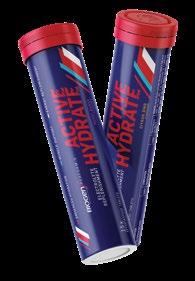
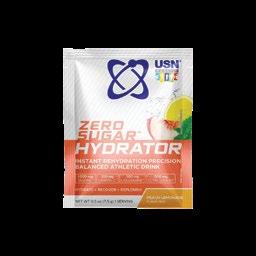
ALSO KEY: Carrying a mix of water (in your bladder) and energy drinks (in your soft bottles) offers a good balance of fuelling and hydration. A few electrolyte tabs can also become lifesavers in the later stages of a race when dehydration becomes more common.
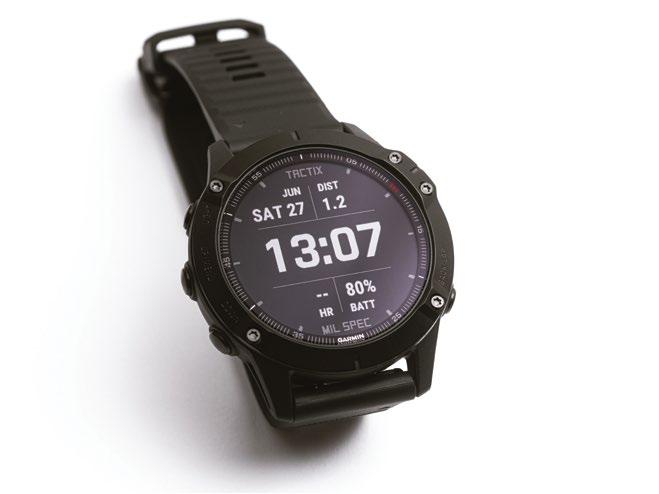
Many ultra-runners incorporate back-toback long runs on the weekend – a long run on Saturday followed by a slightly shorter, but still significant, run on Sunday. This helps simulate the fatigue you’ll experience in longer races. Make sure at least one of these long runs is out on trails.
FLEX YOUR MIND MUSCLE:
Ultras are as much a mental challenge as a physical one. Practice positive self-talk, visualisation and learn to break the race down into smaller, manageable segments. Embrace the highs and prepare for the lows –they will come, and they will pass.
PREPARE FOR THE CONDITIONS: Many ultra races go through the night, which makes it essential that you do some of your training in the dark to simulate the race conditions and test equipment like headlamps and running with extra layers and all the mandatory gear (always check race requirements!). Poles can also be a huge asset on steep climbs and descents, saving your quads, but you need to learn how to use them in training.
Most importantly, have fun! Trail running offers a unique blend of challenge and serenity.
Welcome to the trail family!