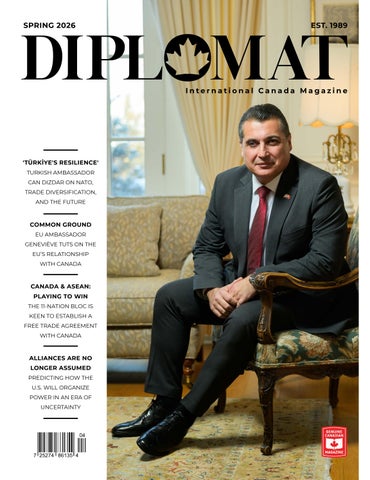
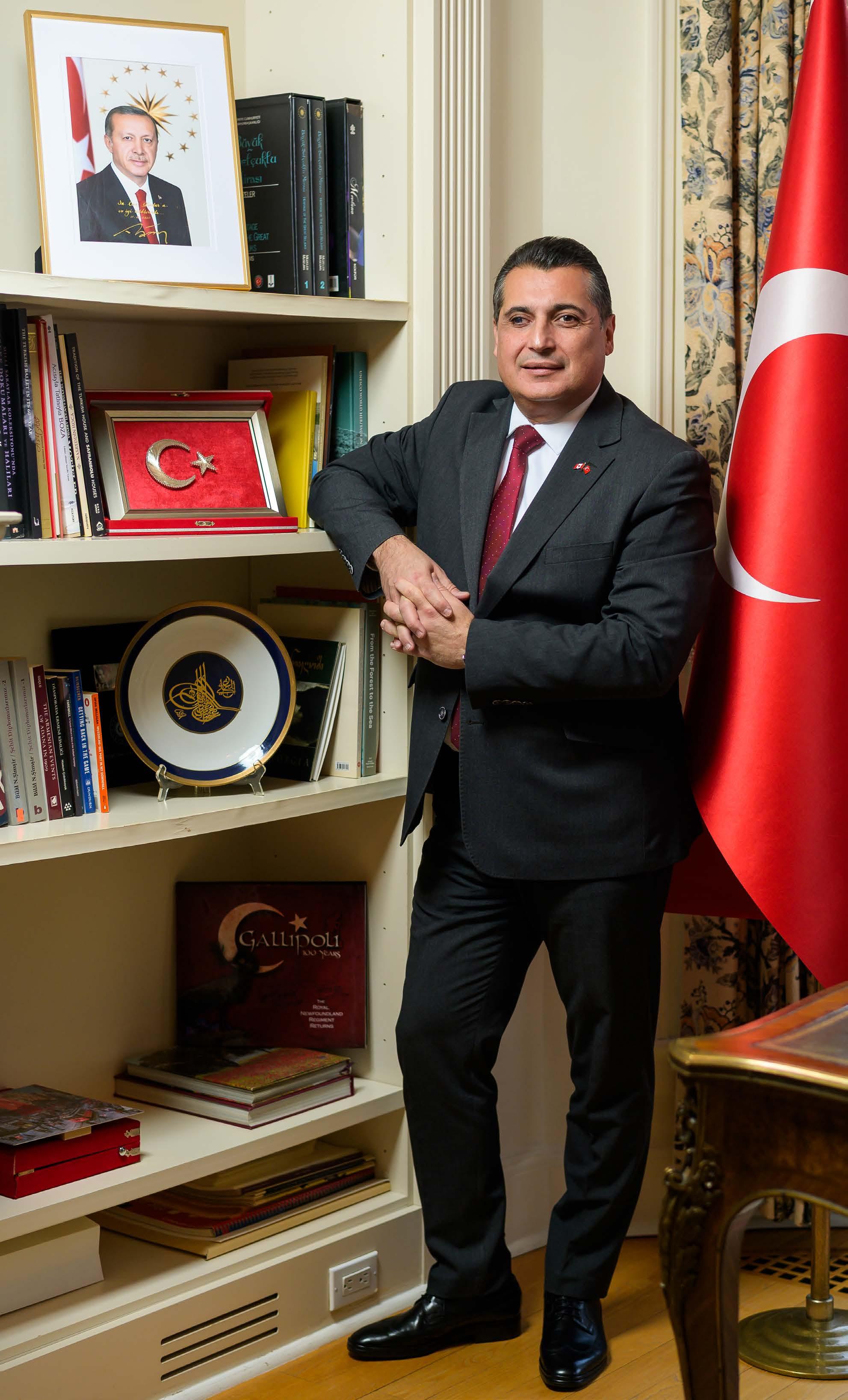
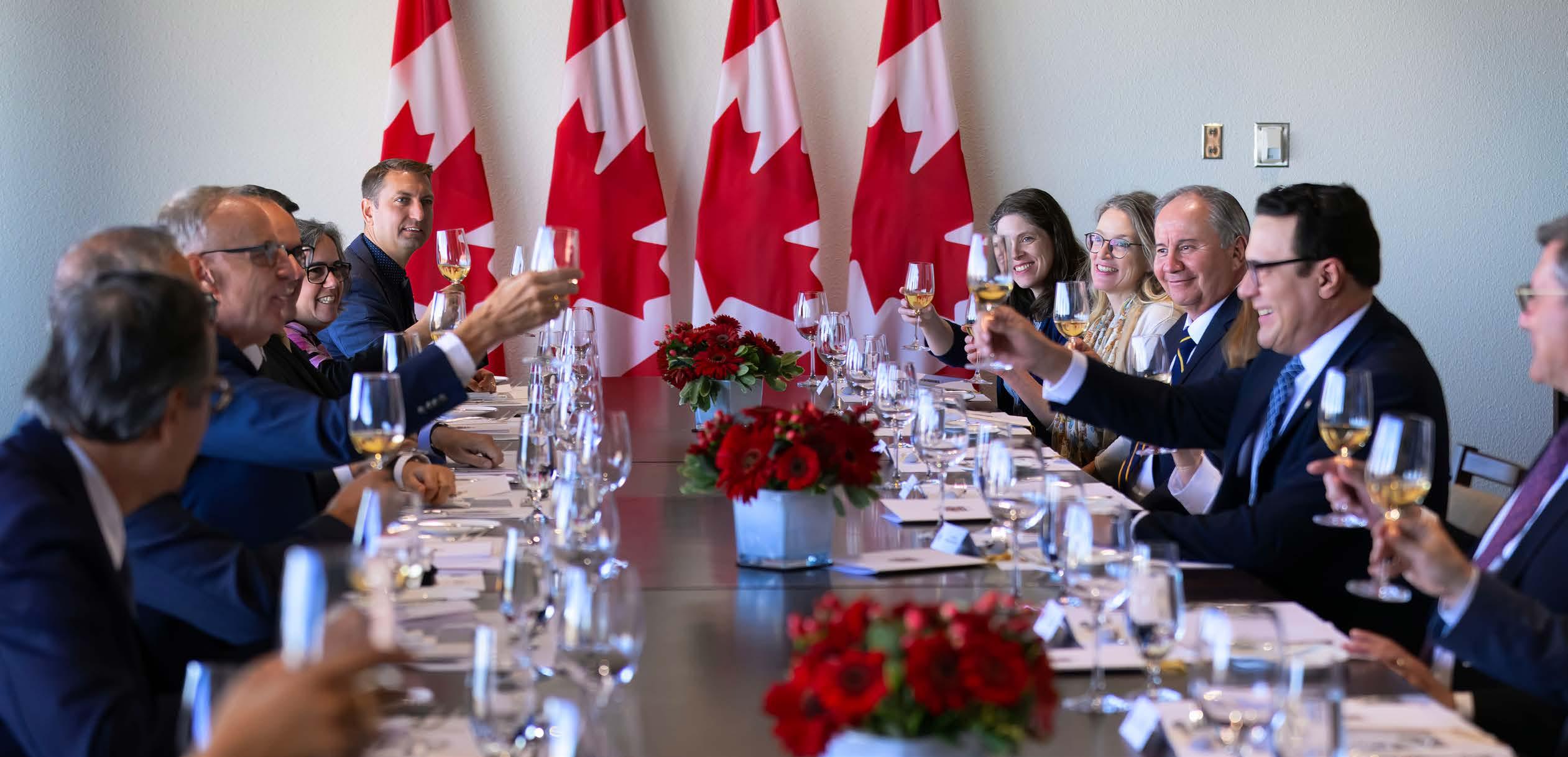
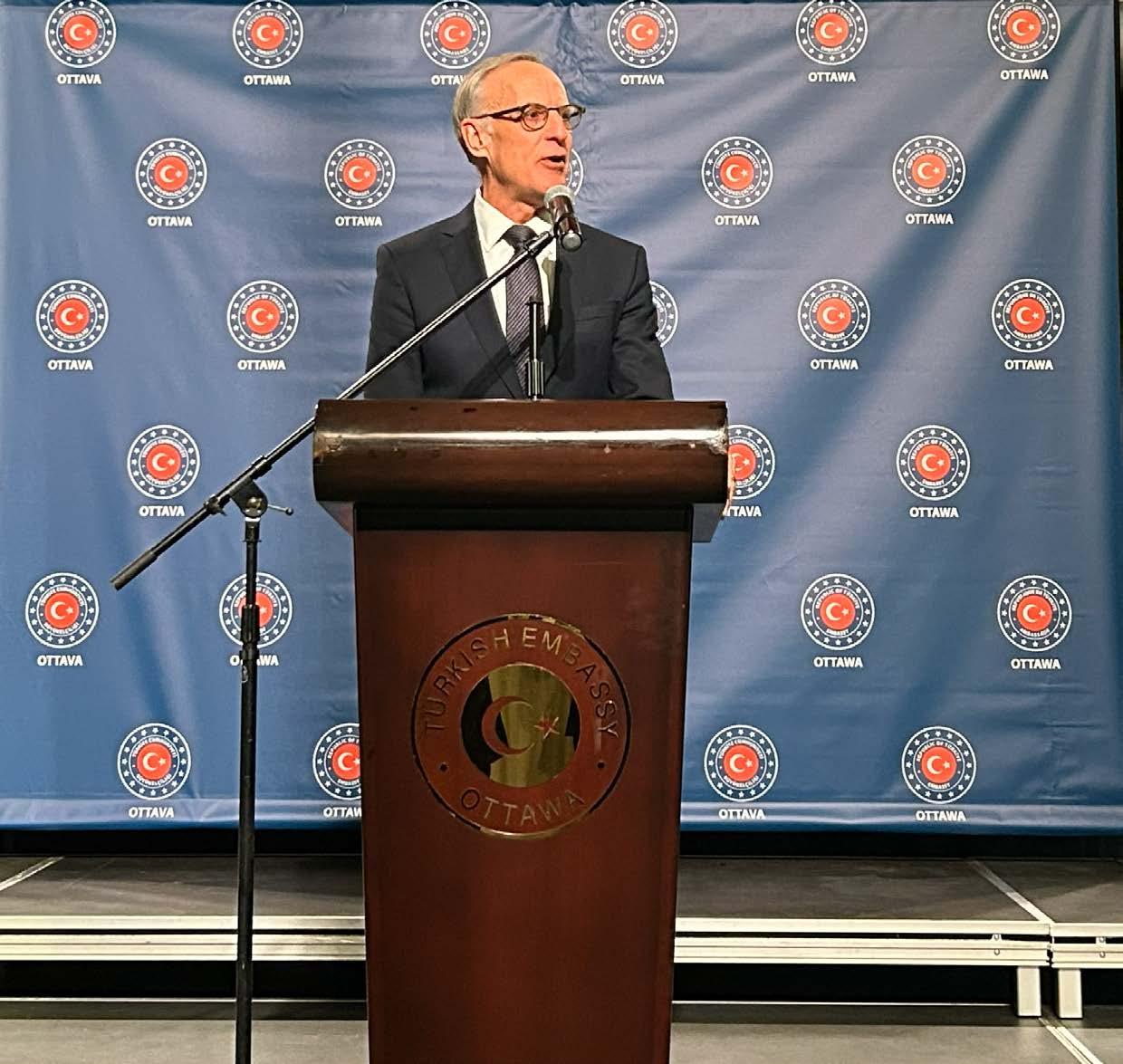
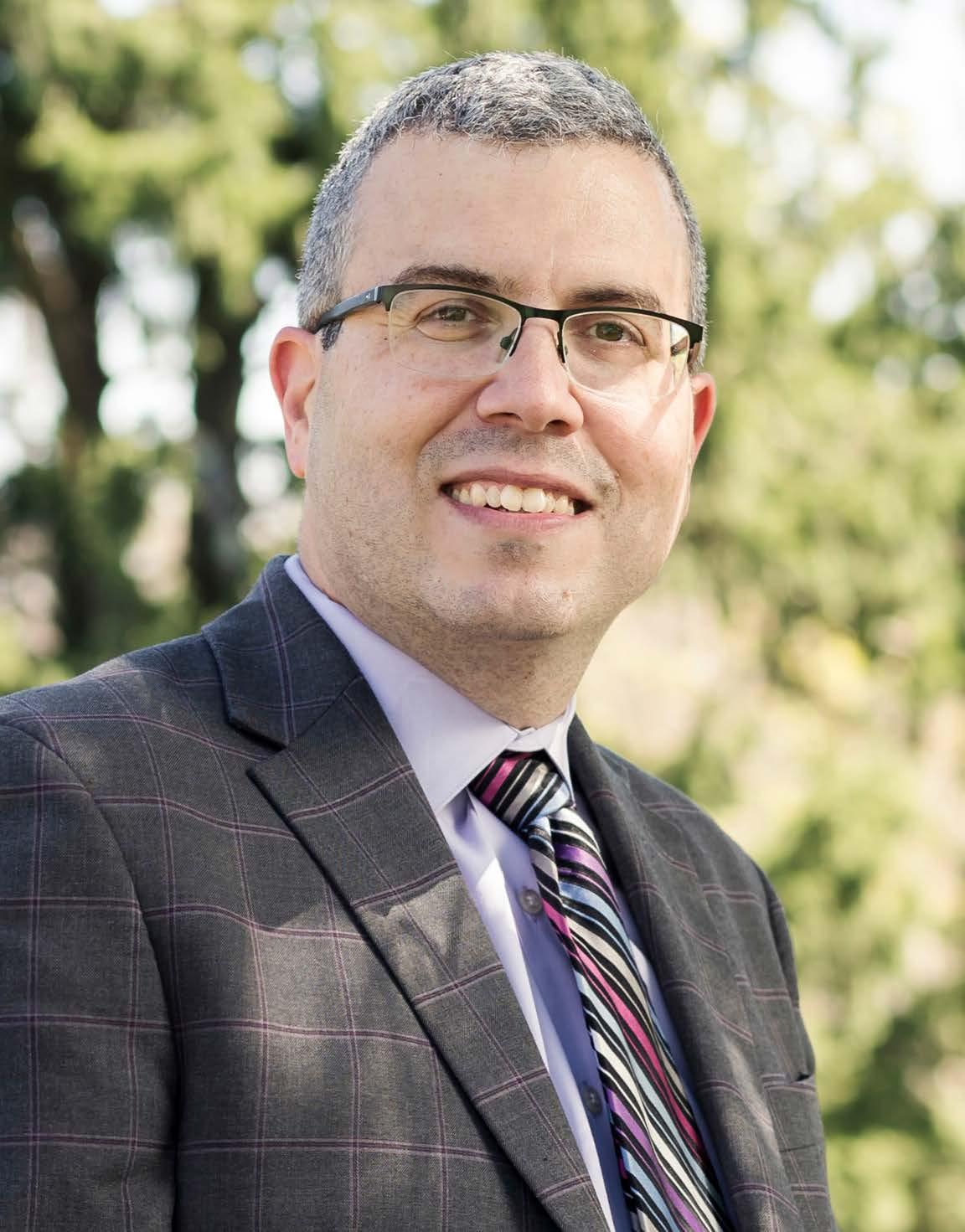
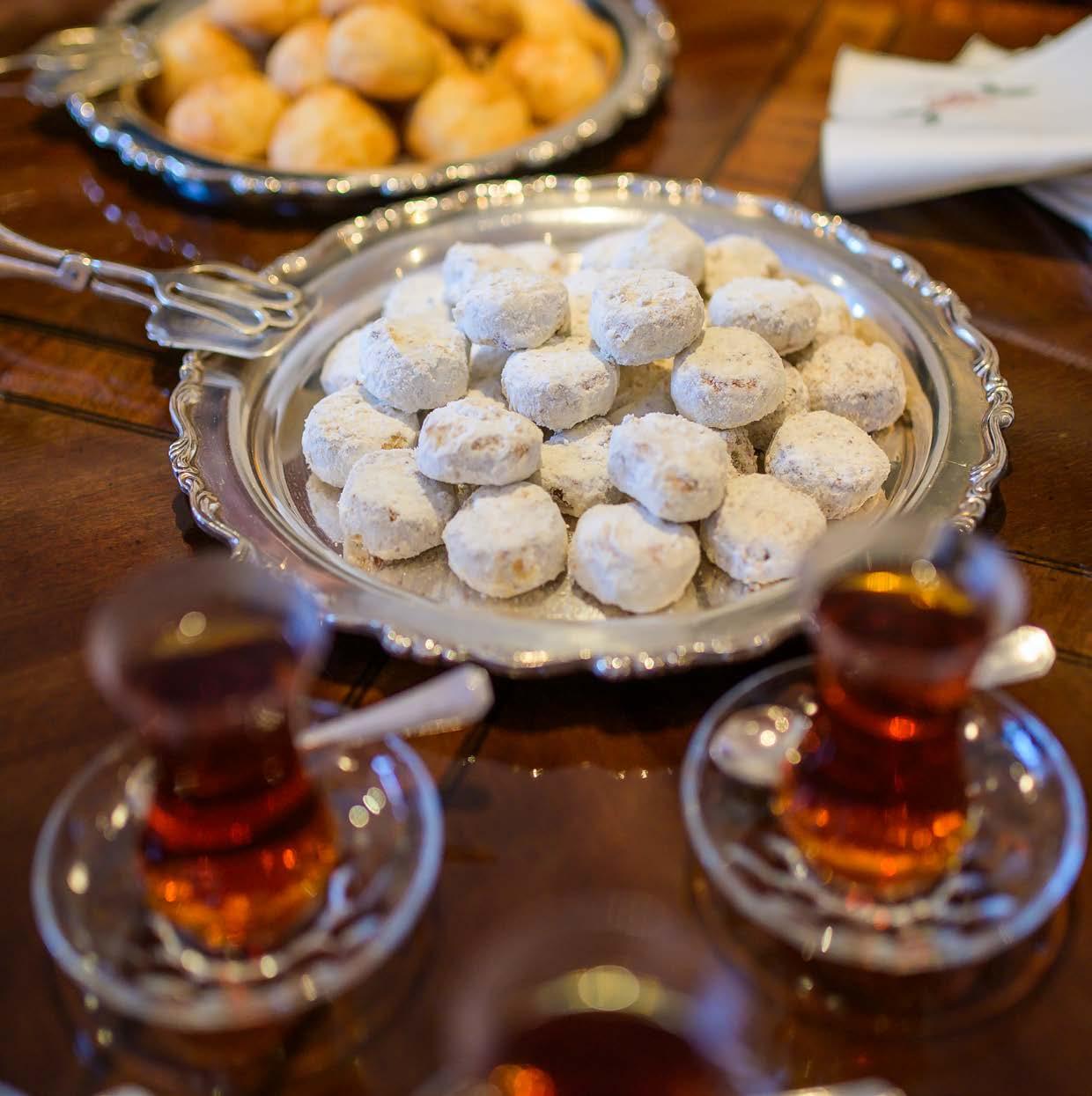
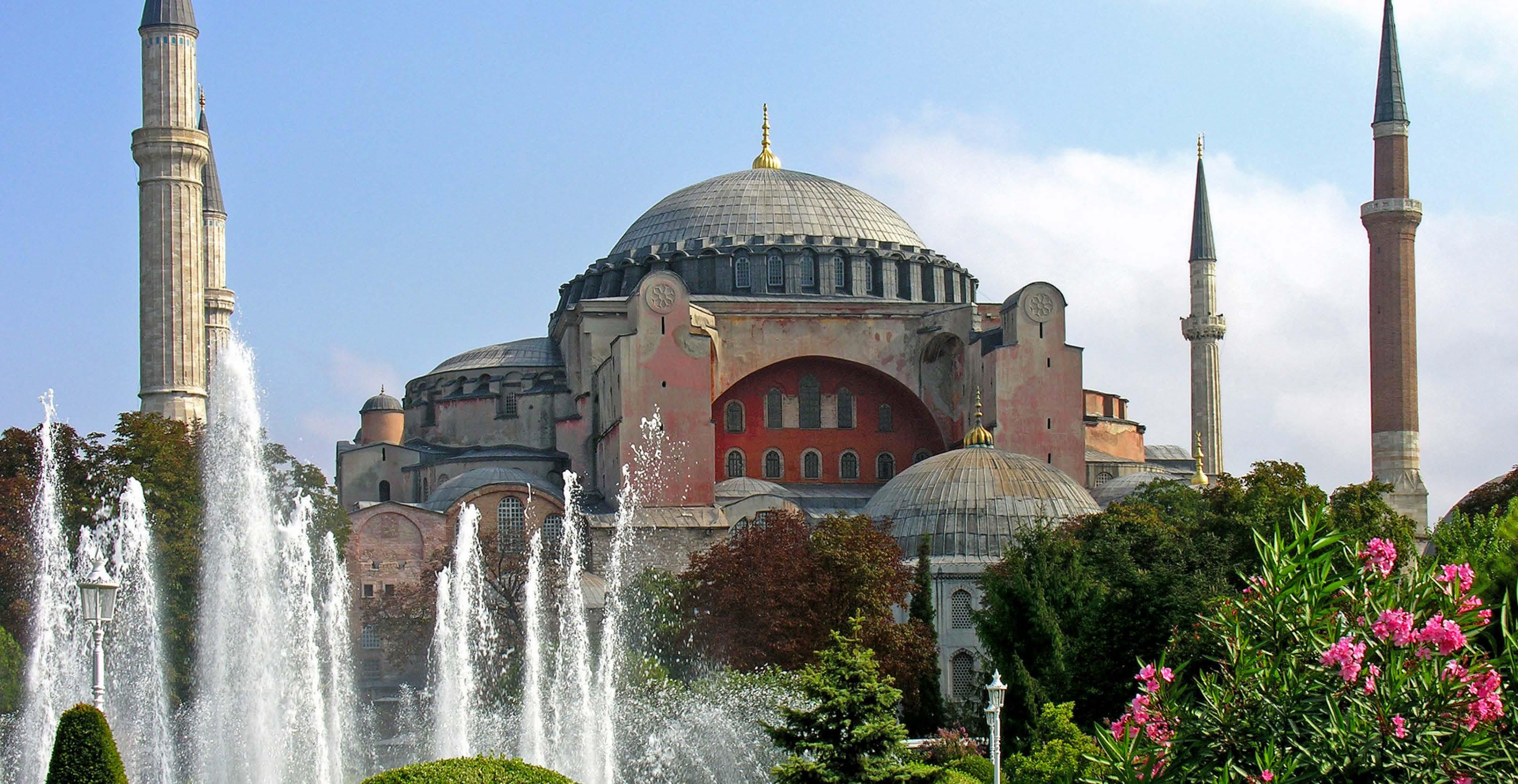
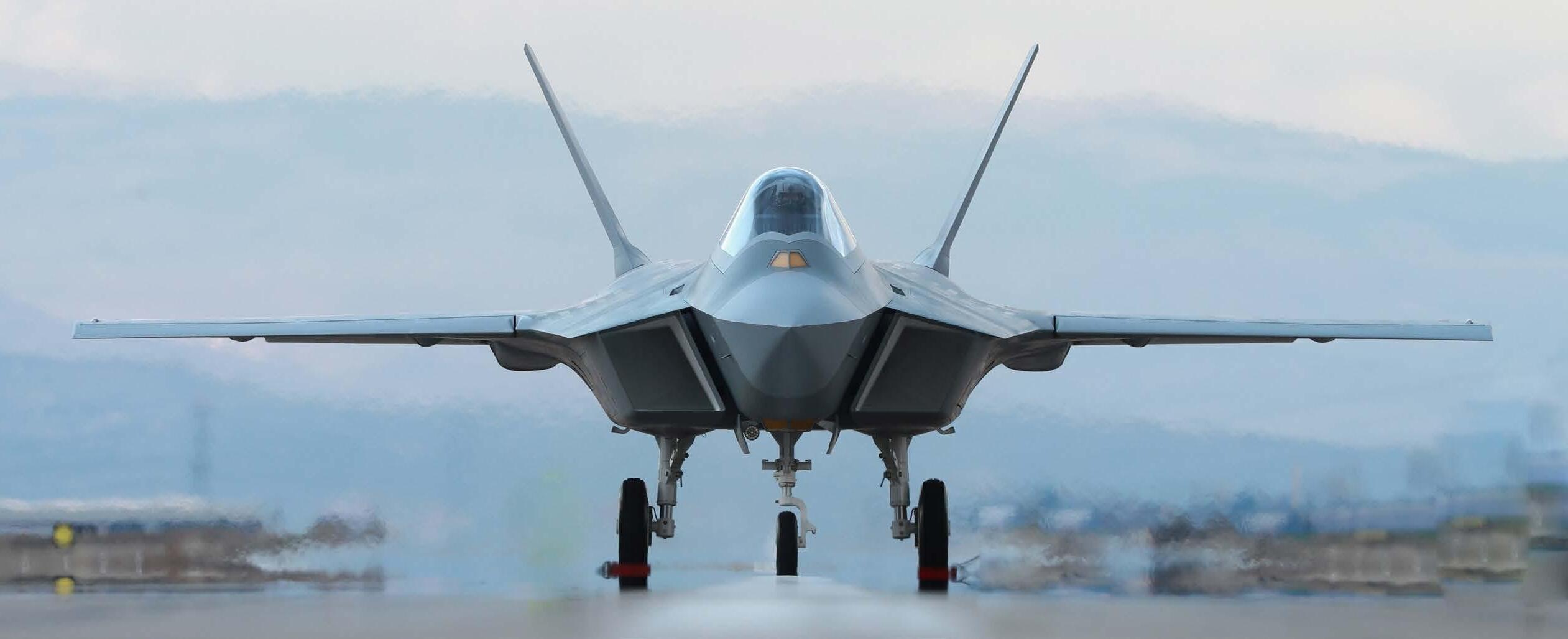
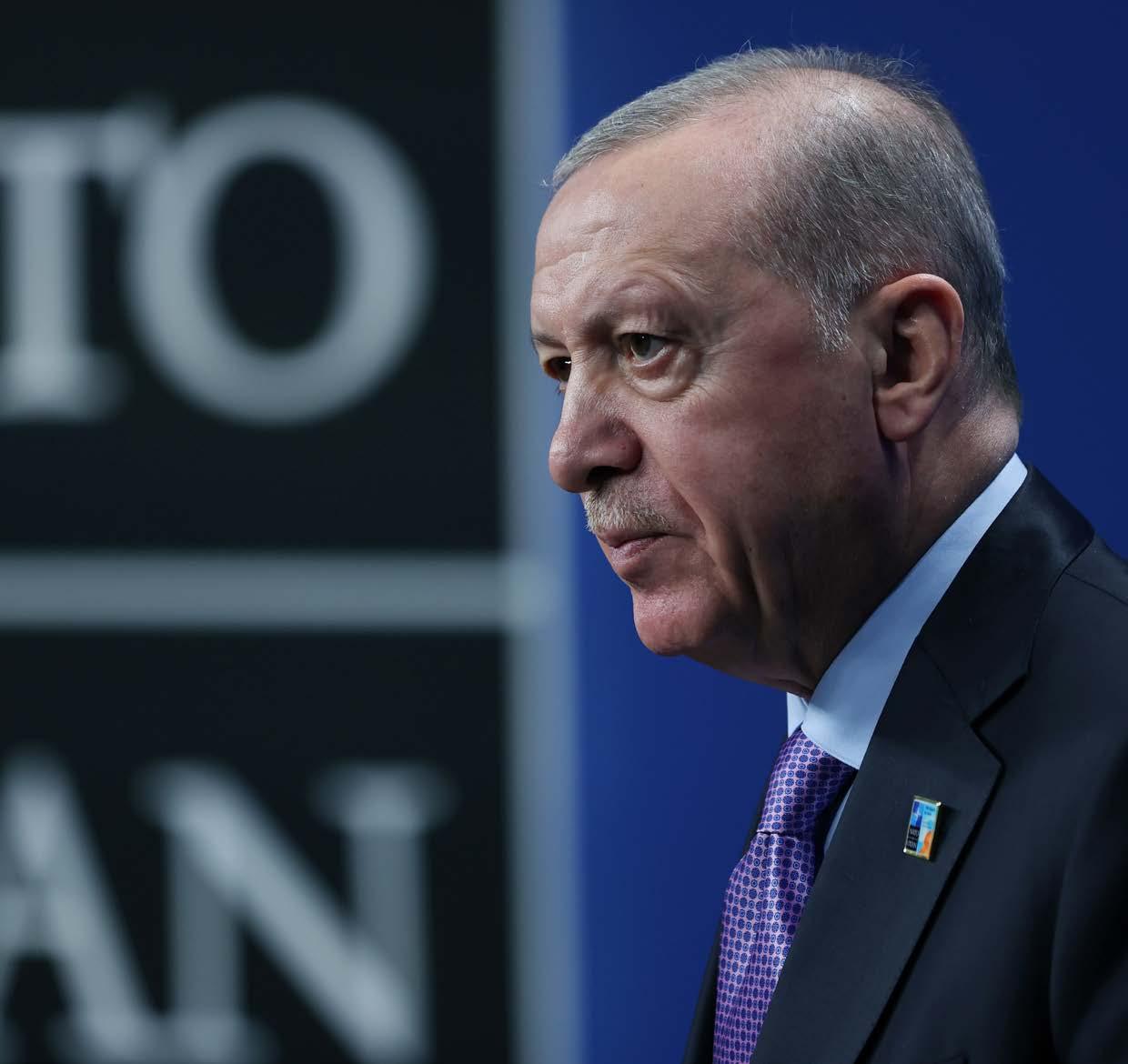
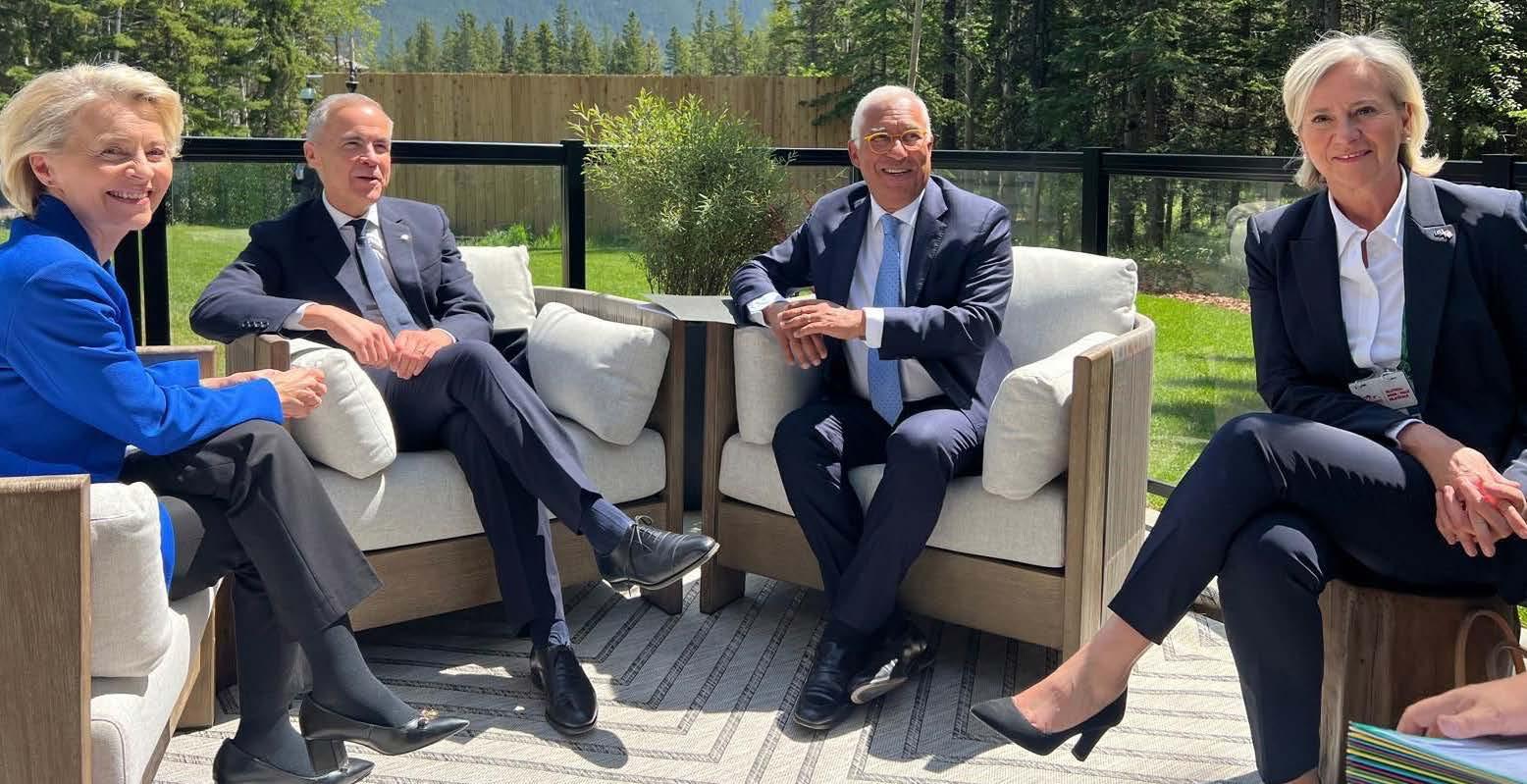
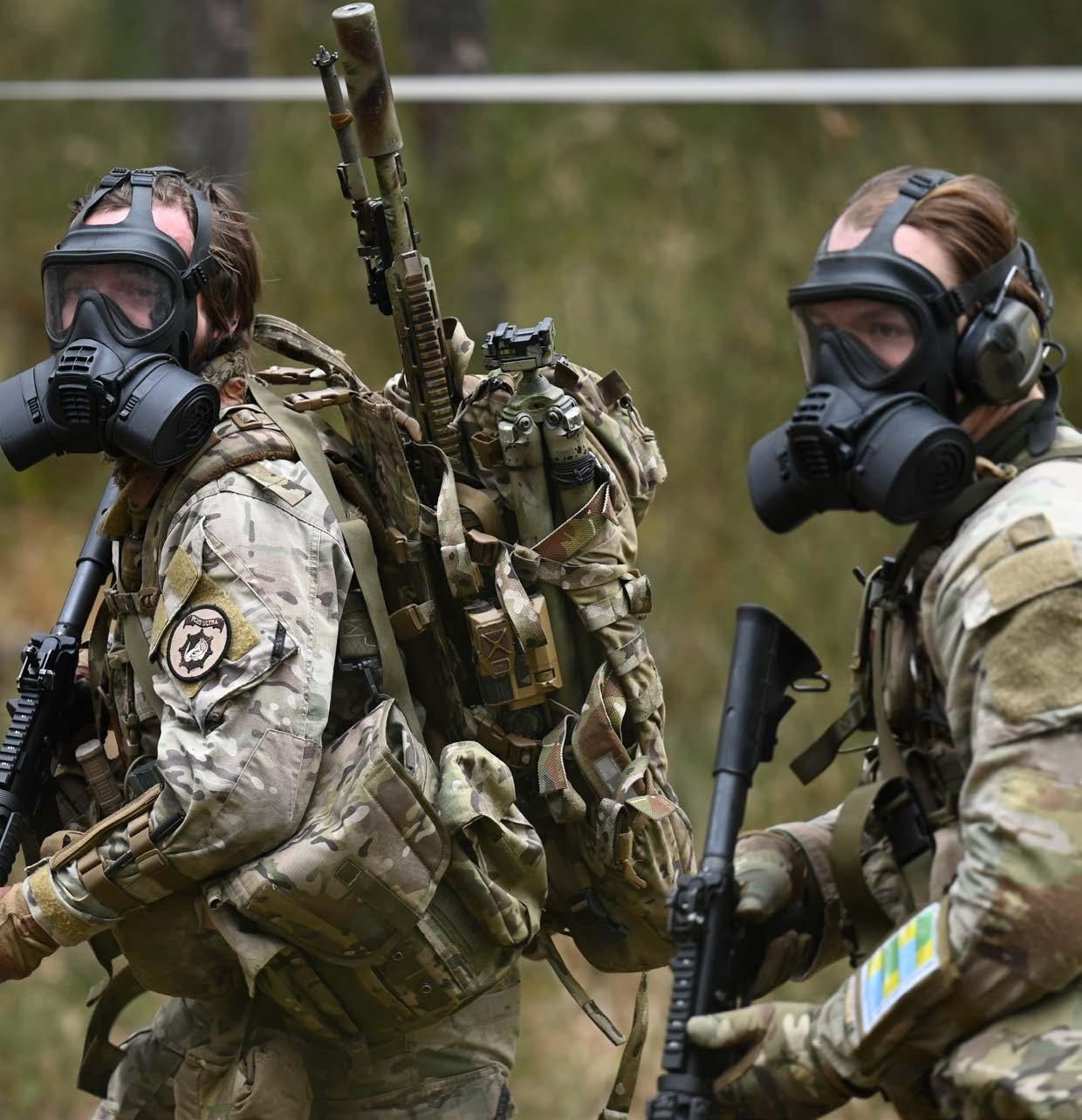
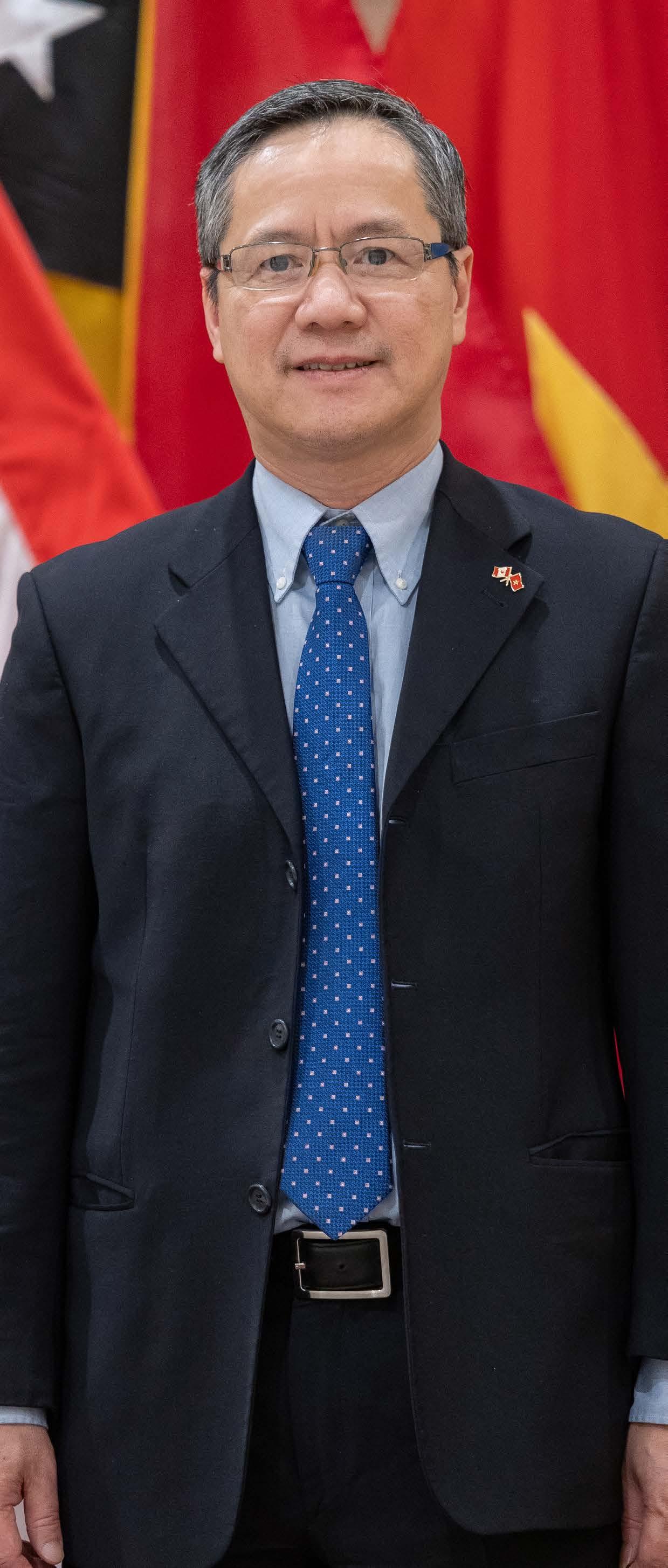
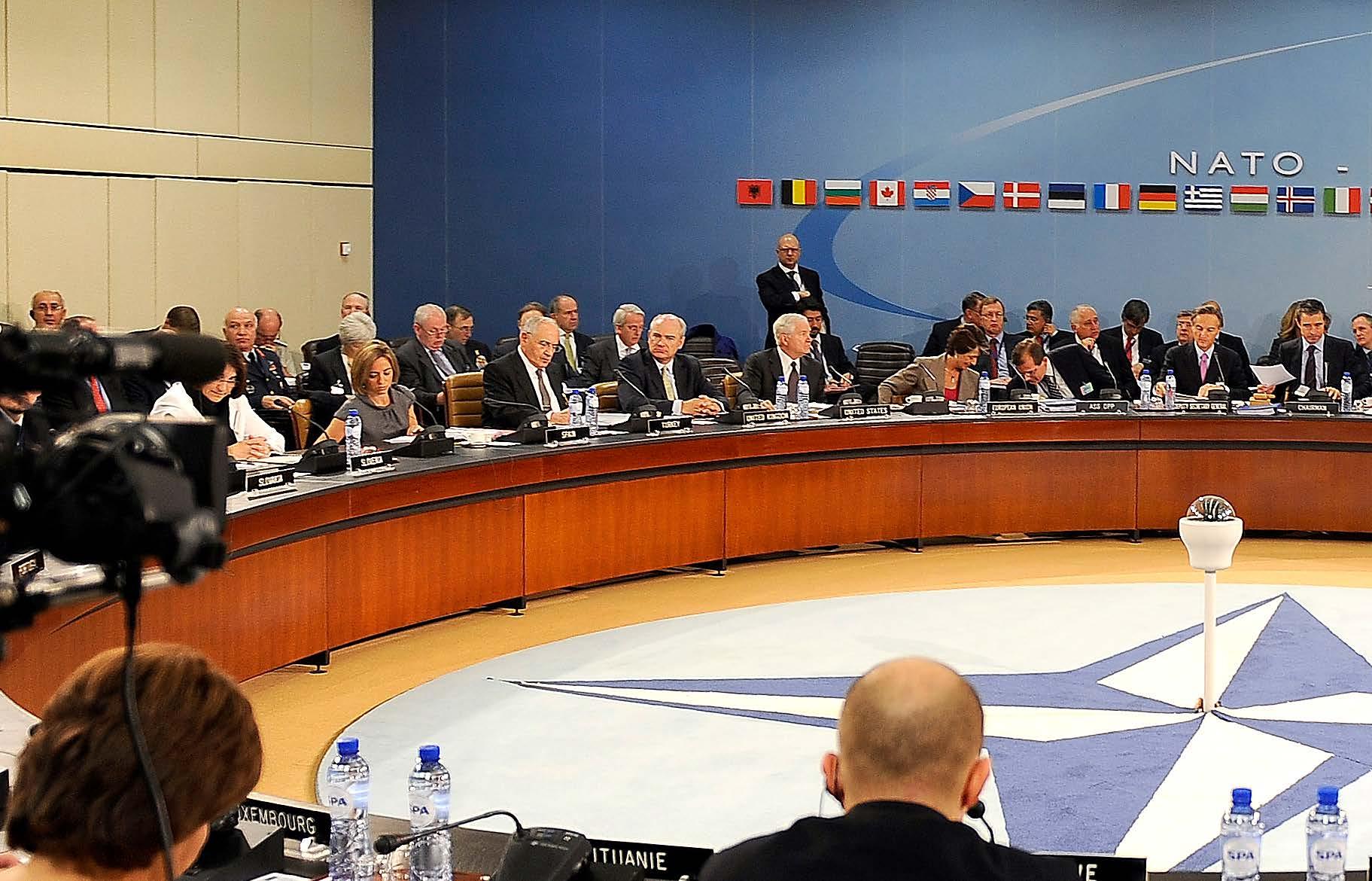
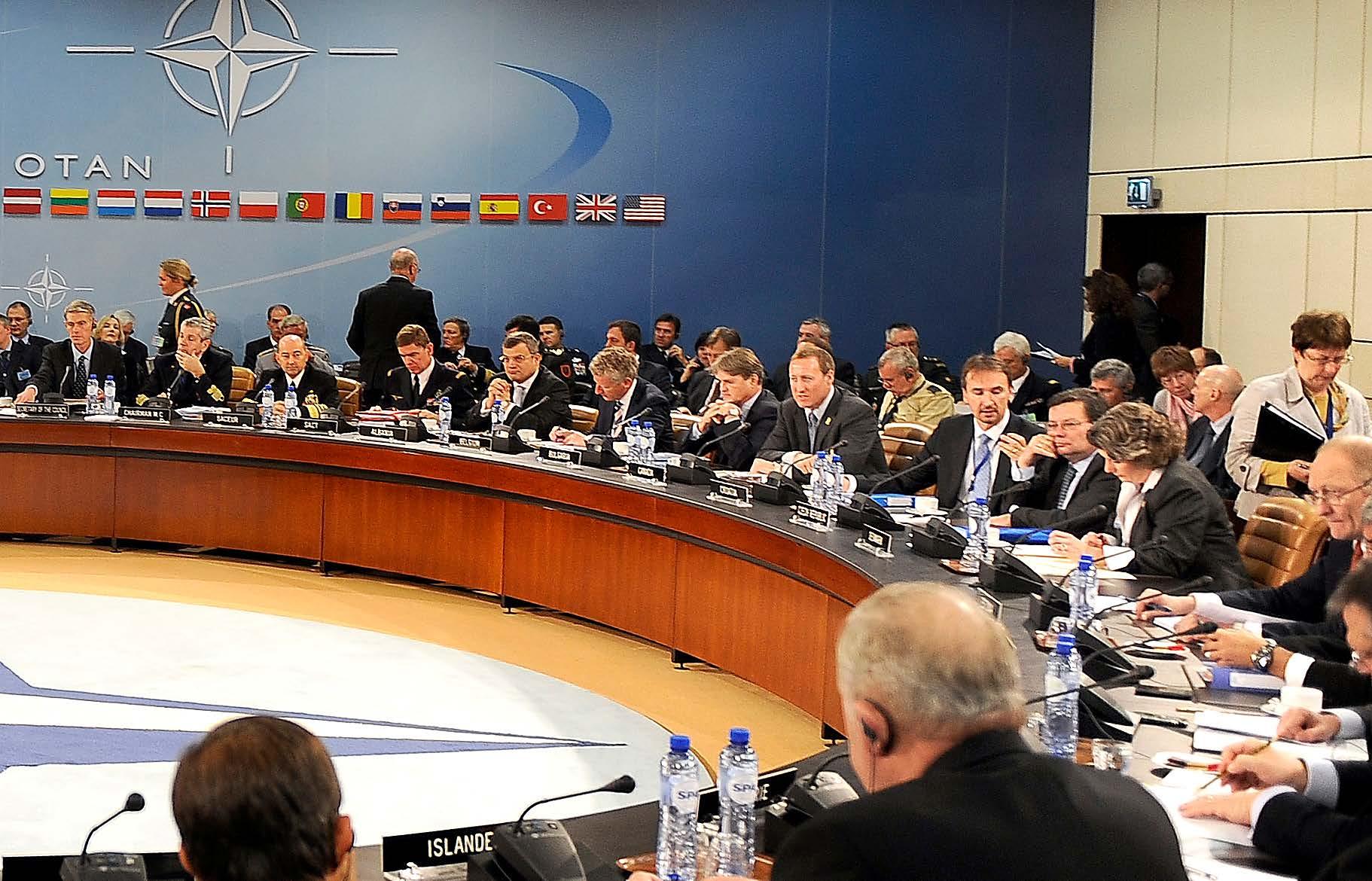
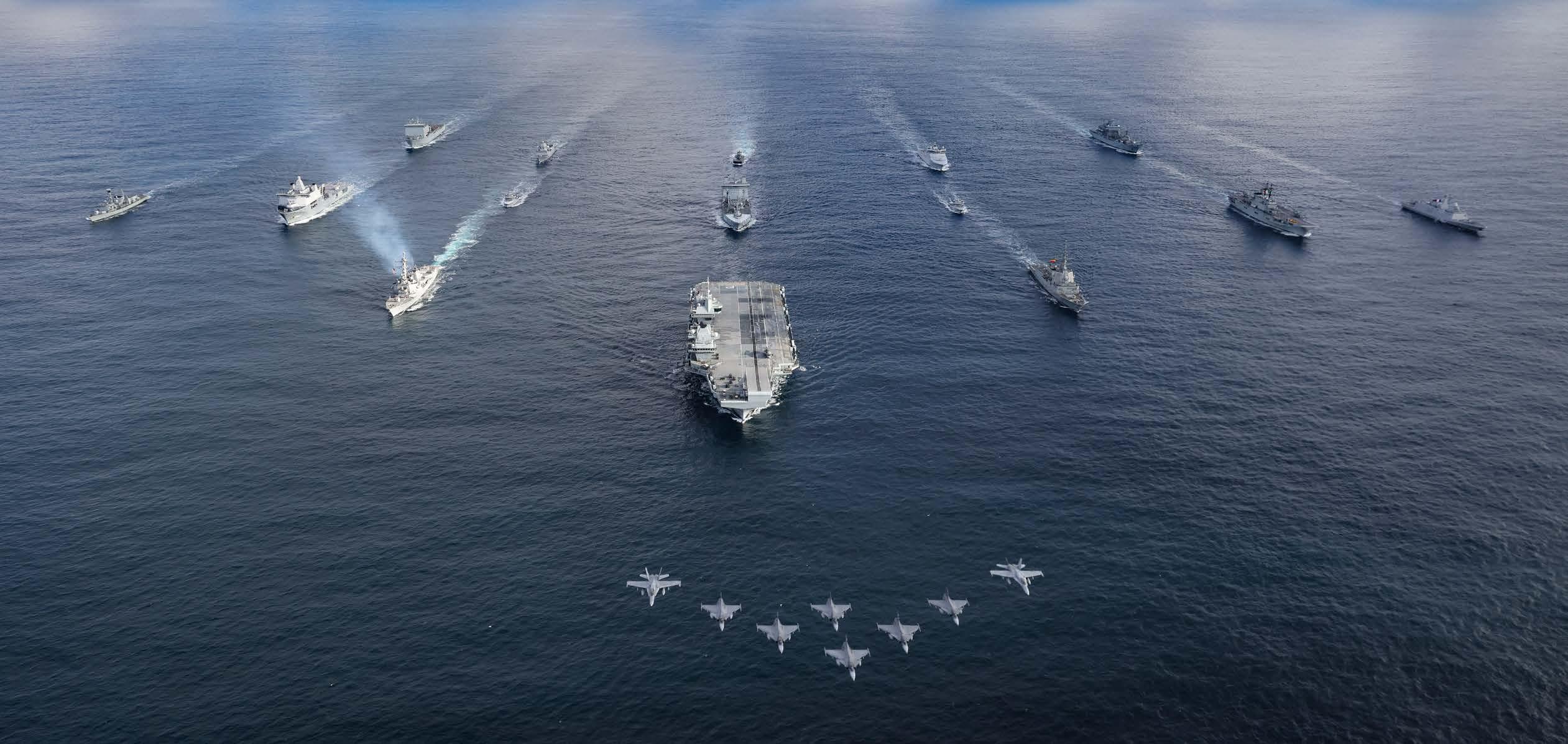
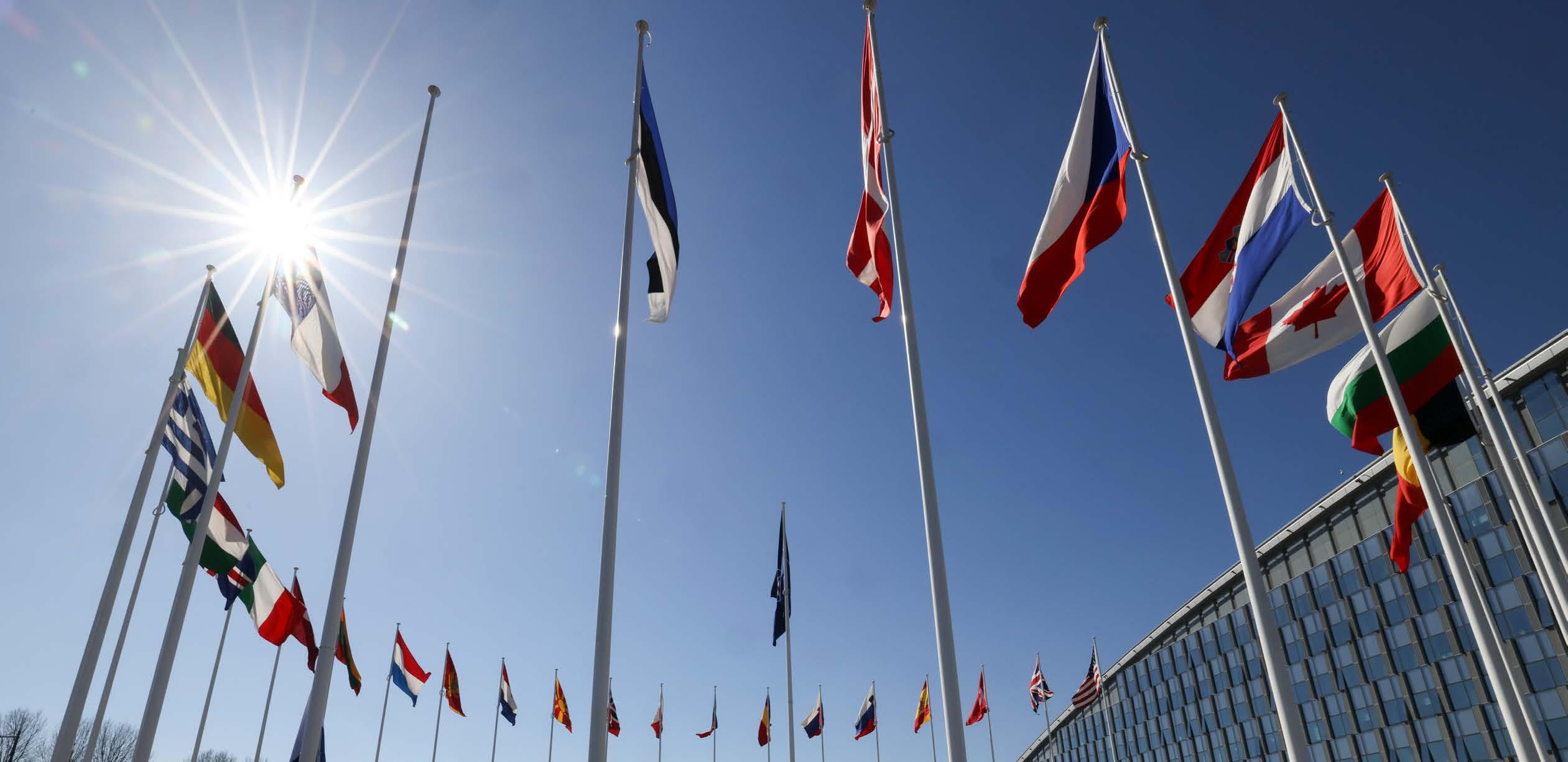
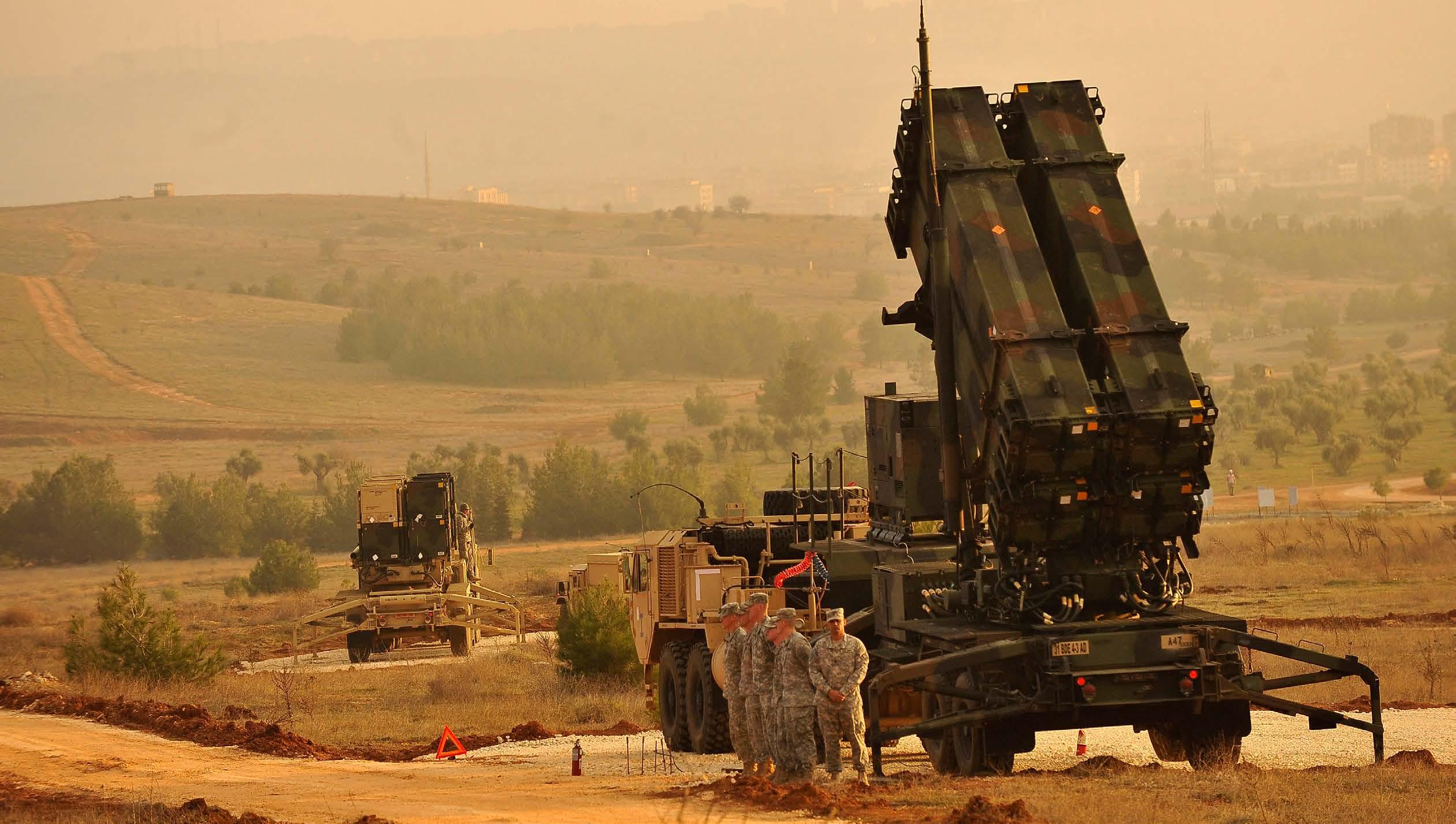
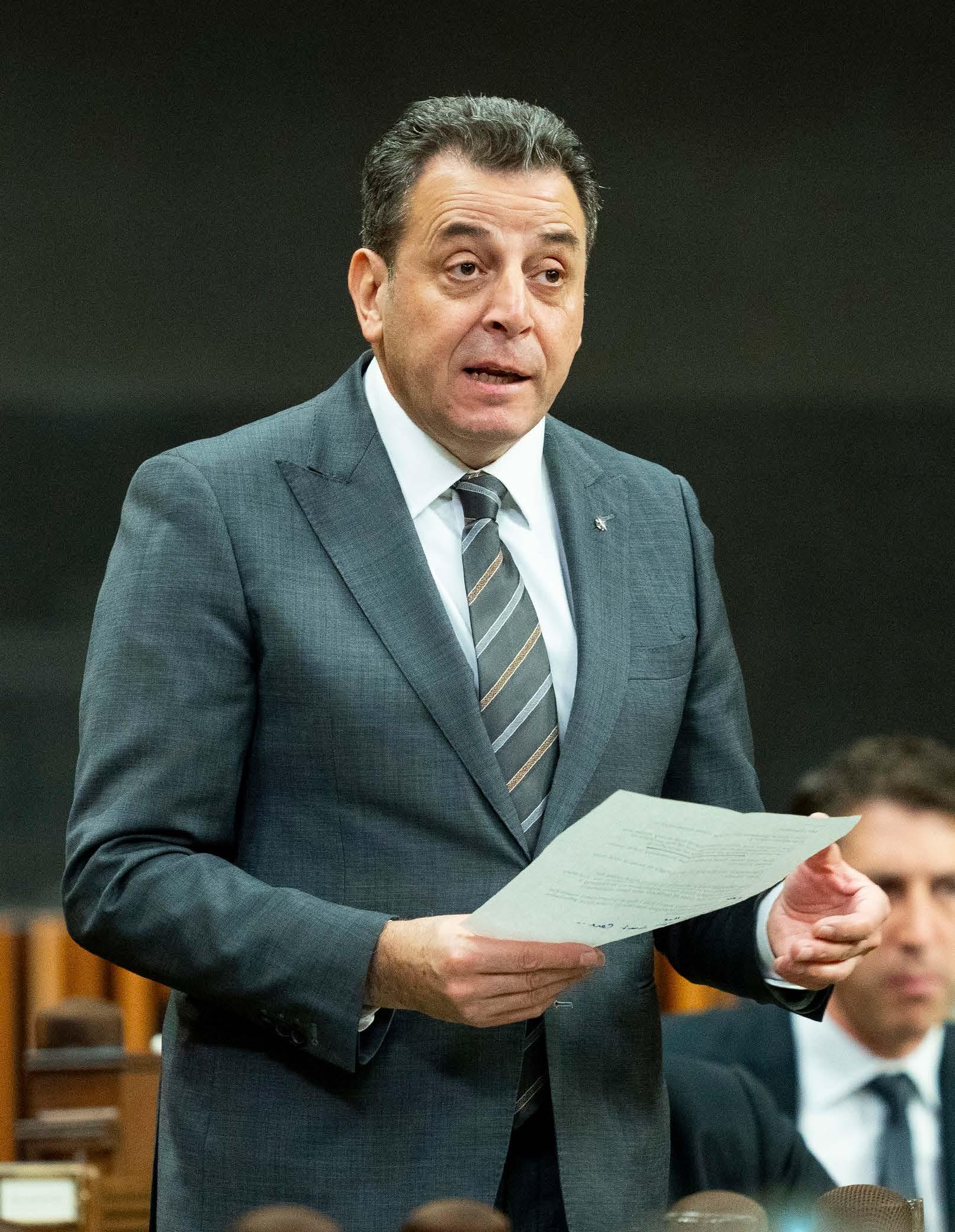
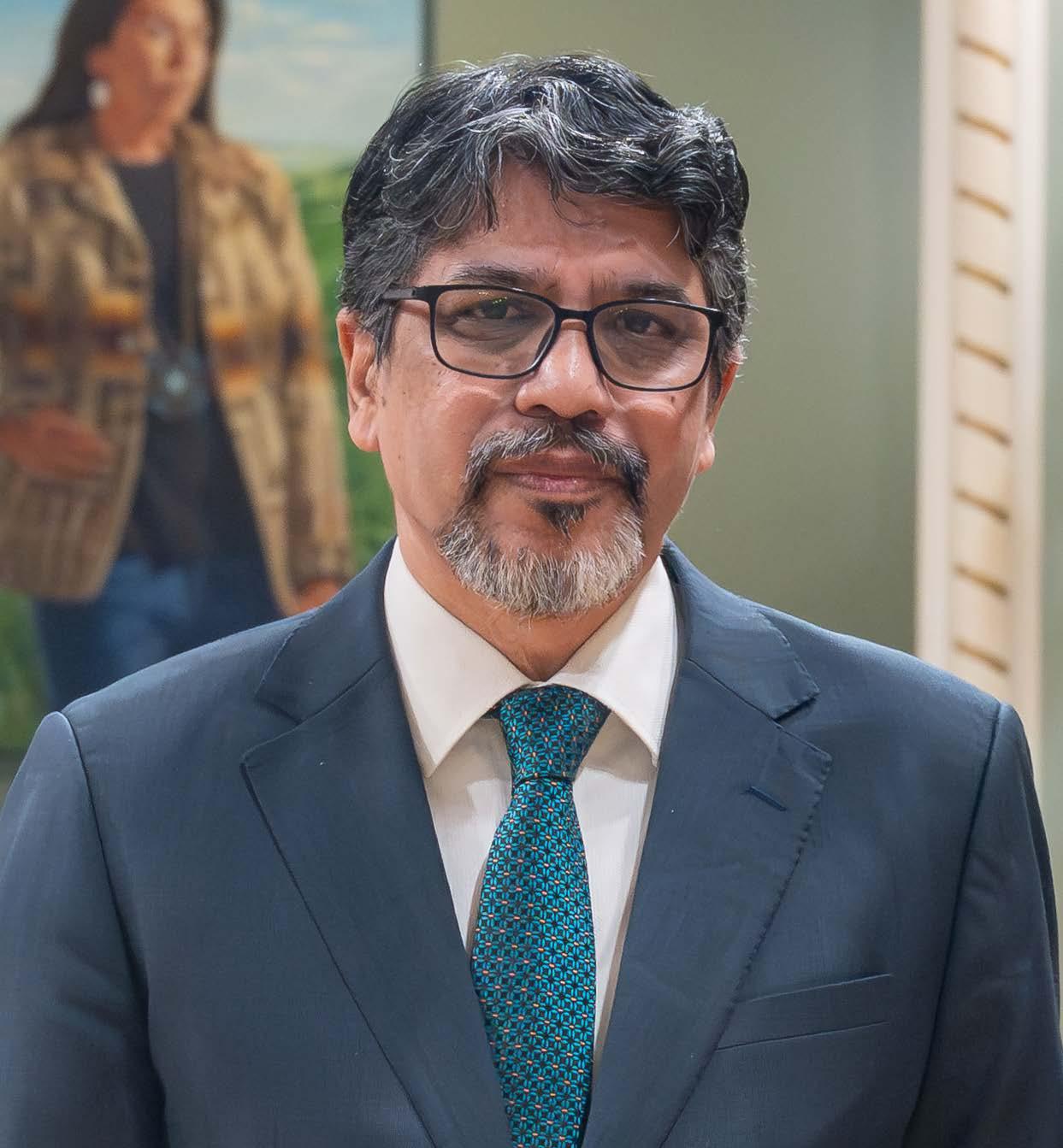
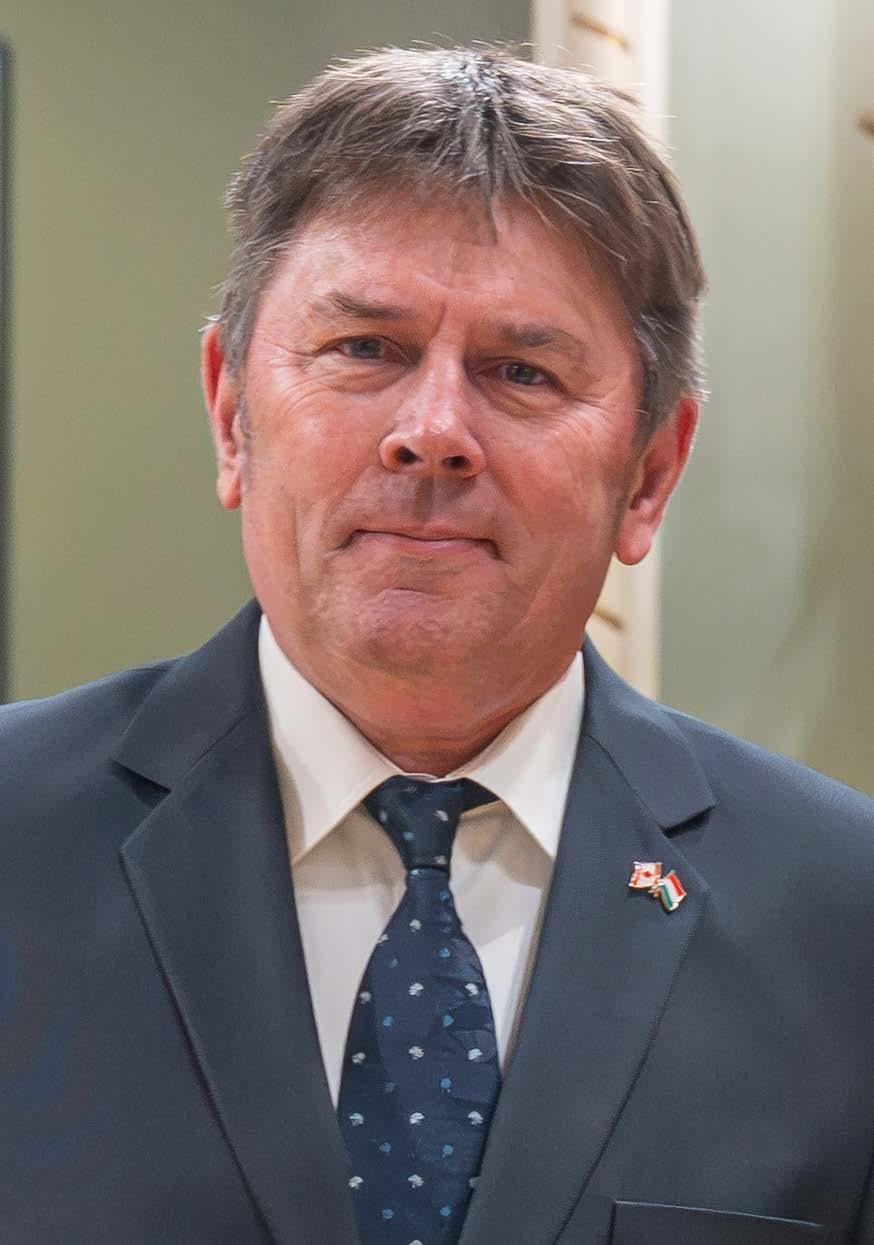
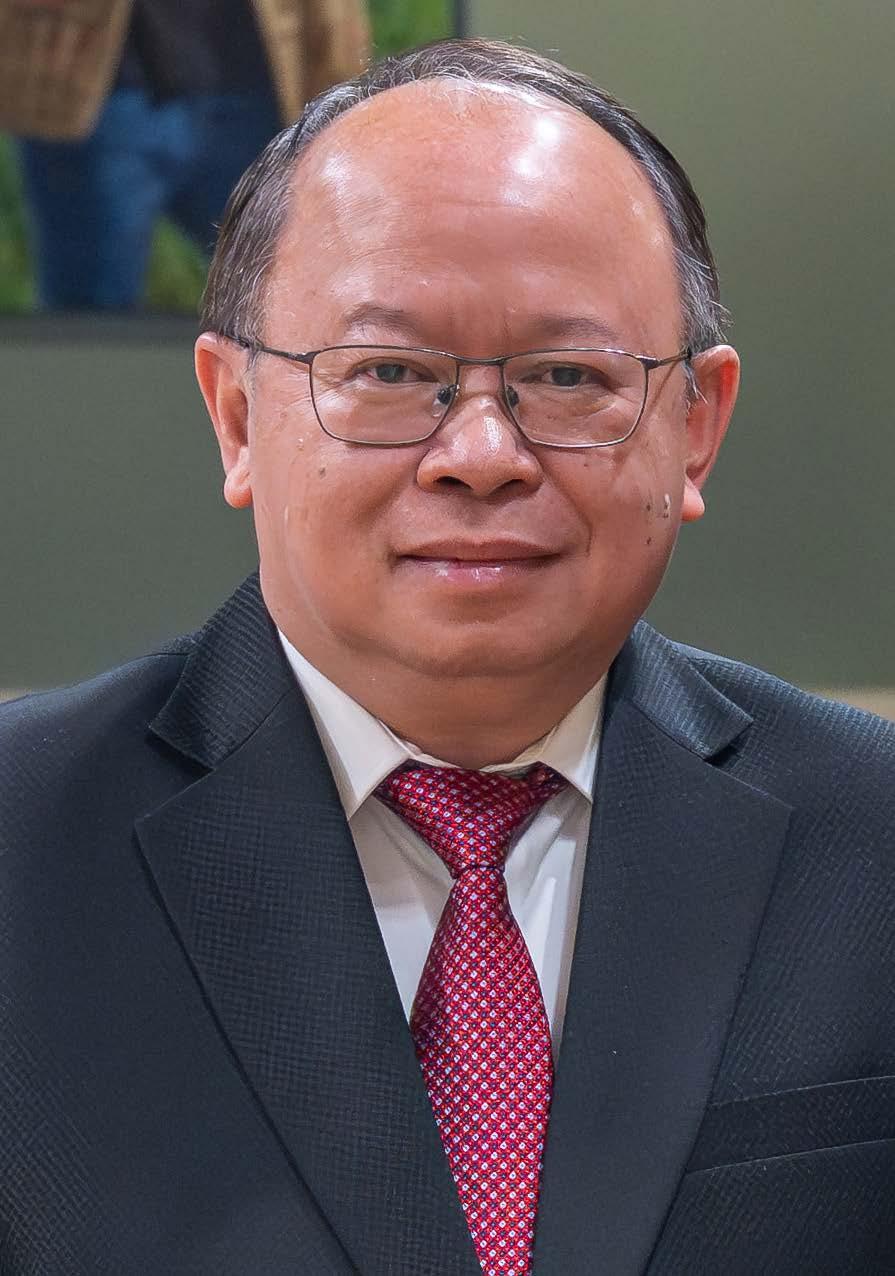
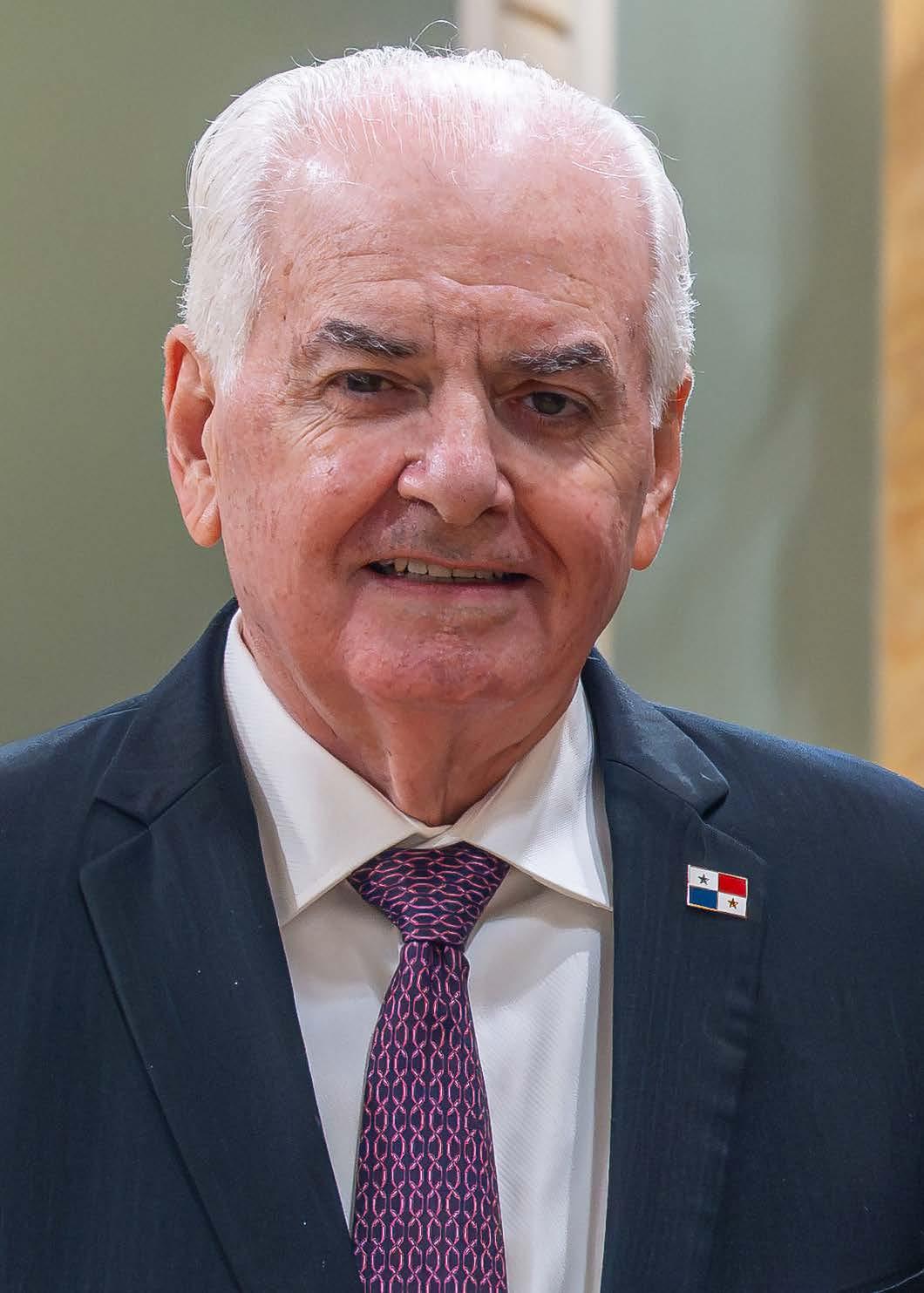
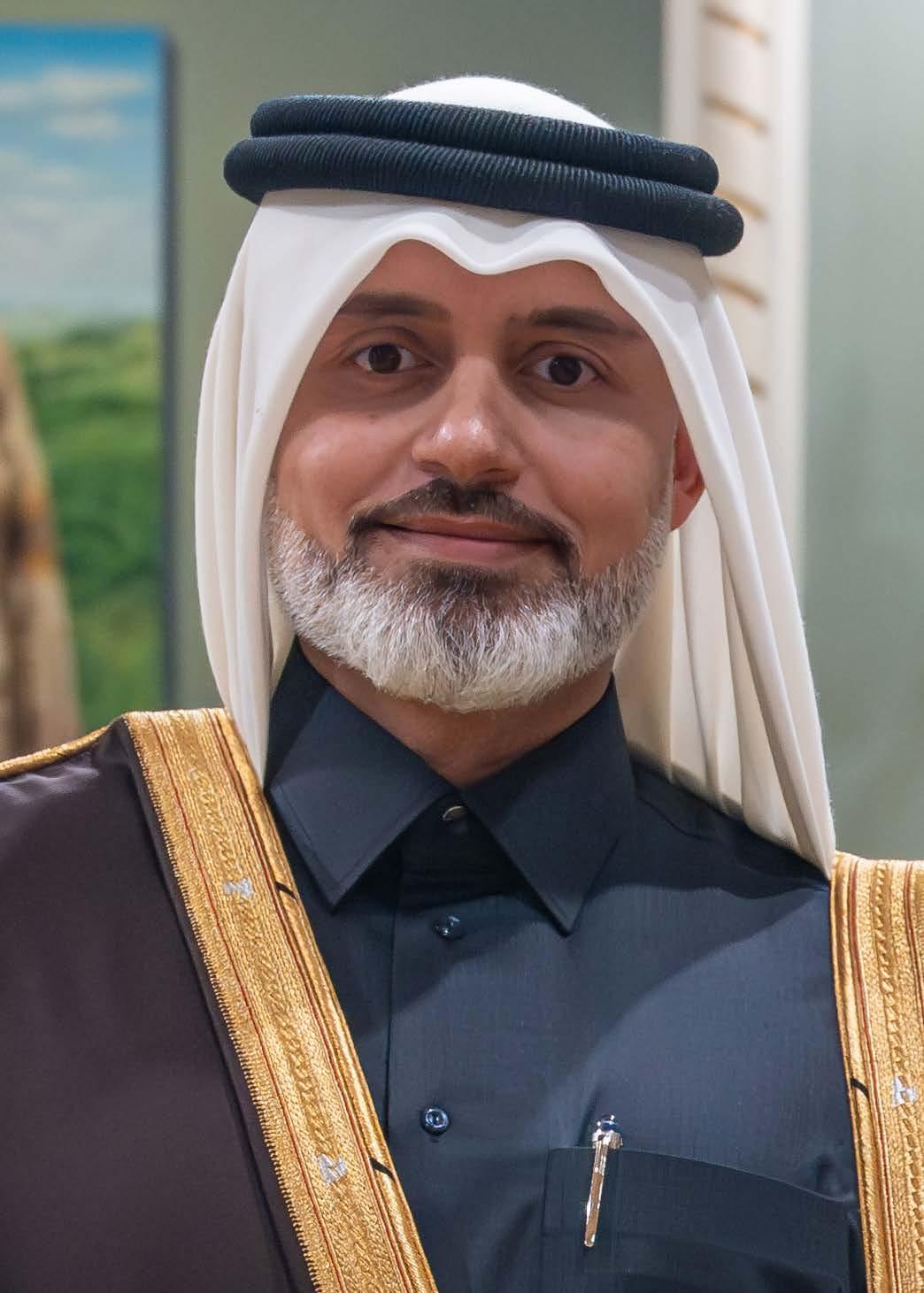
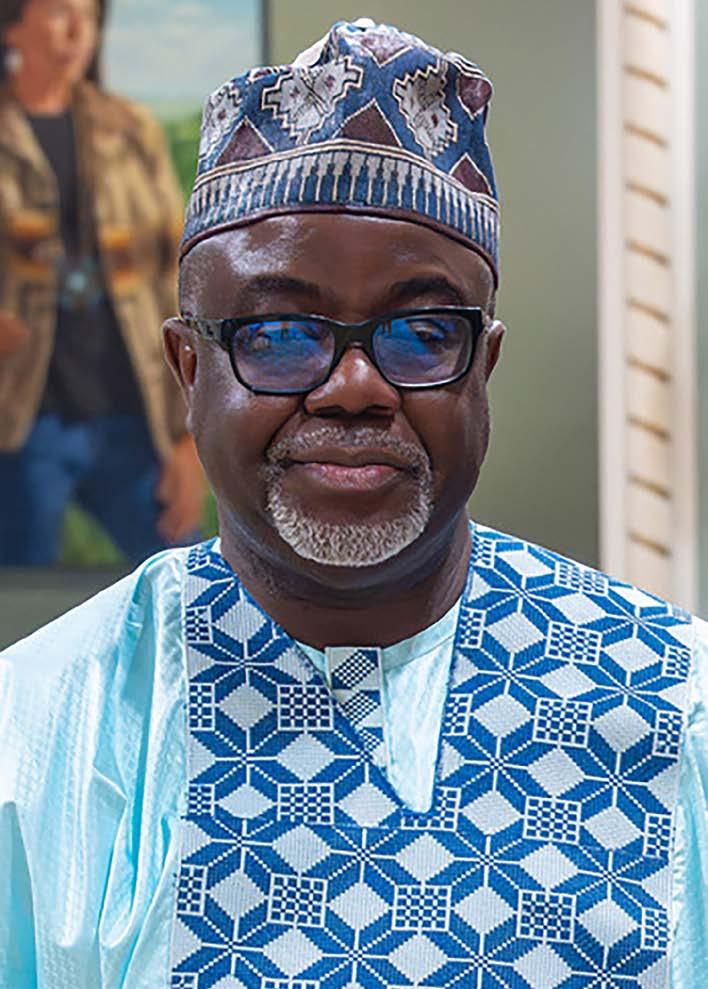
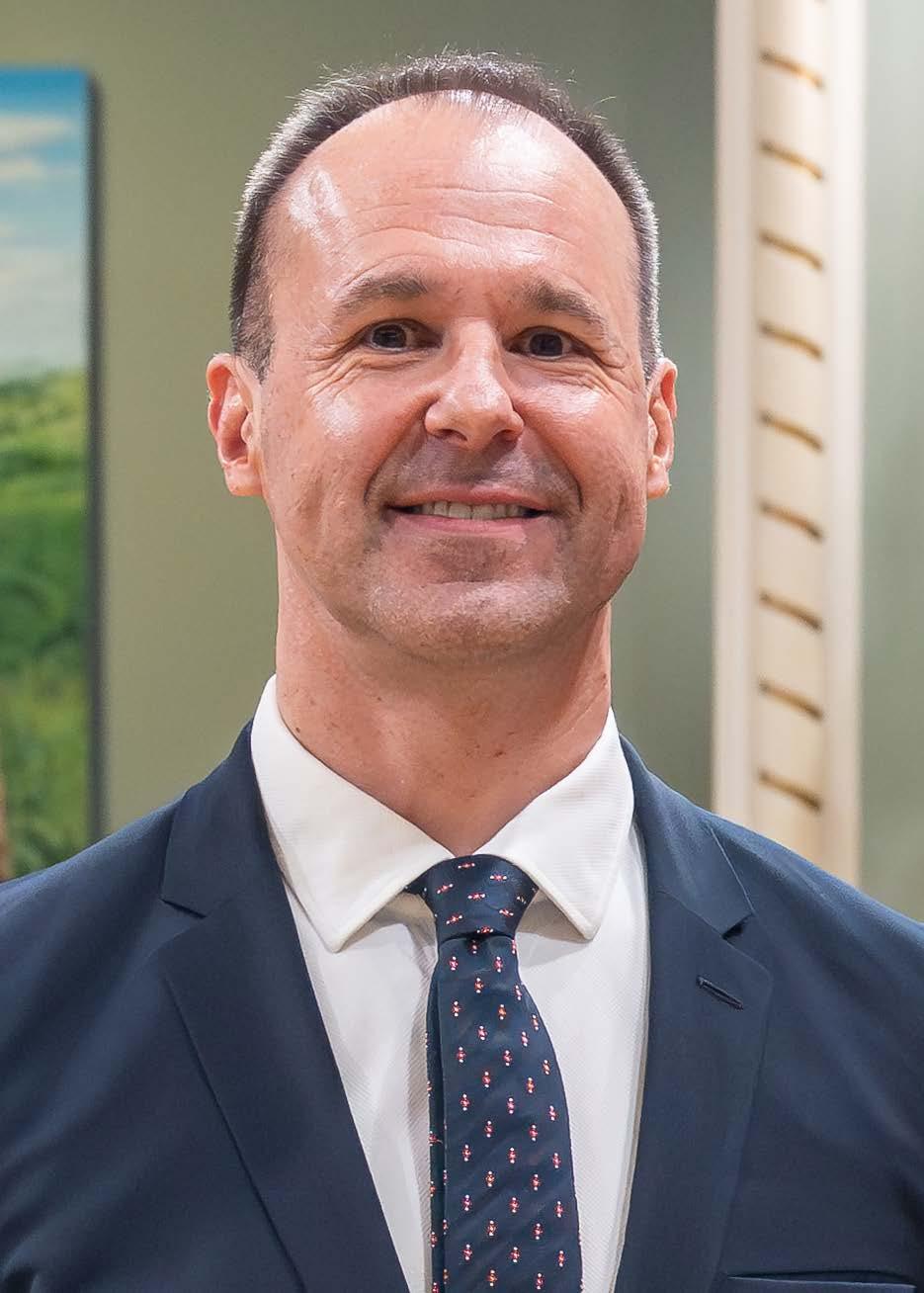
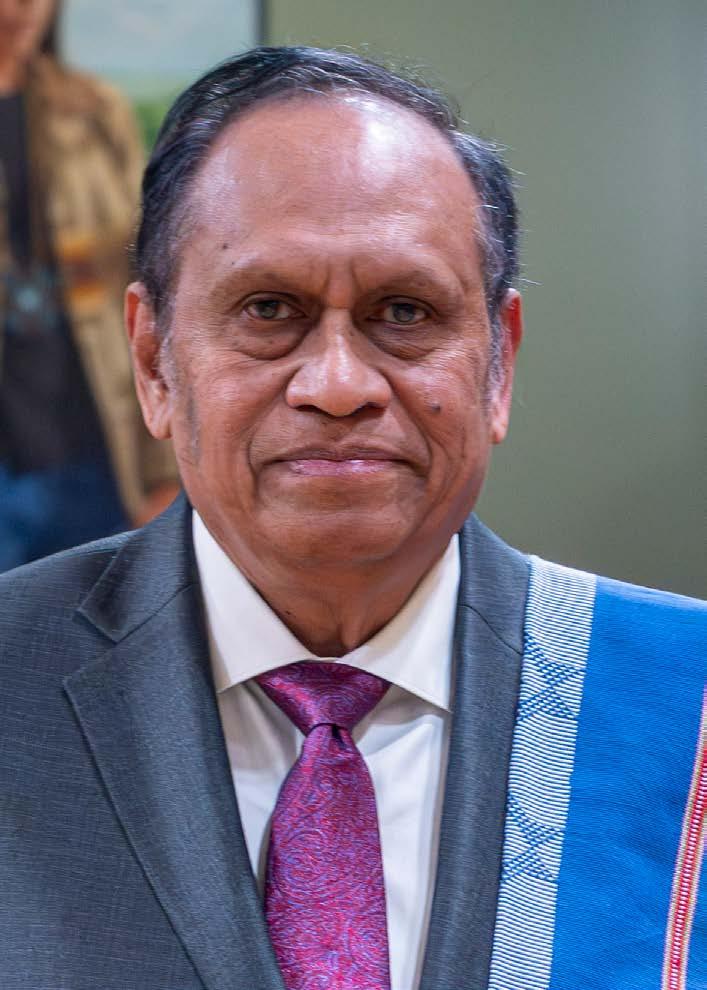
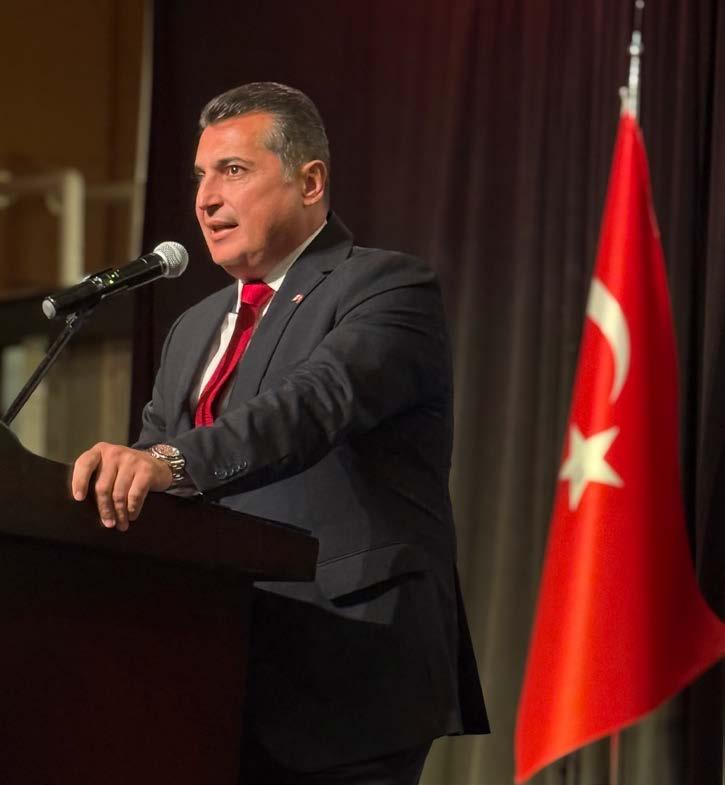
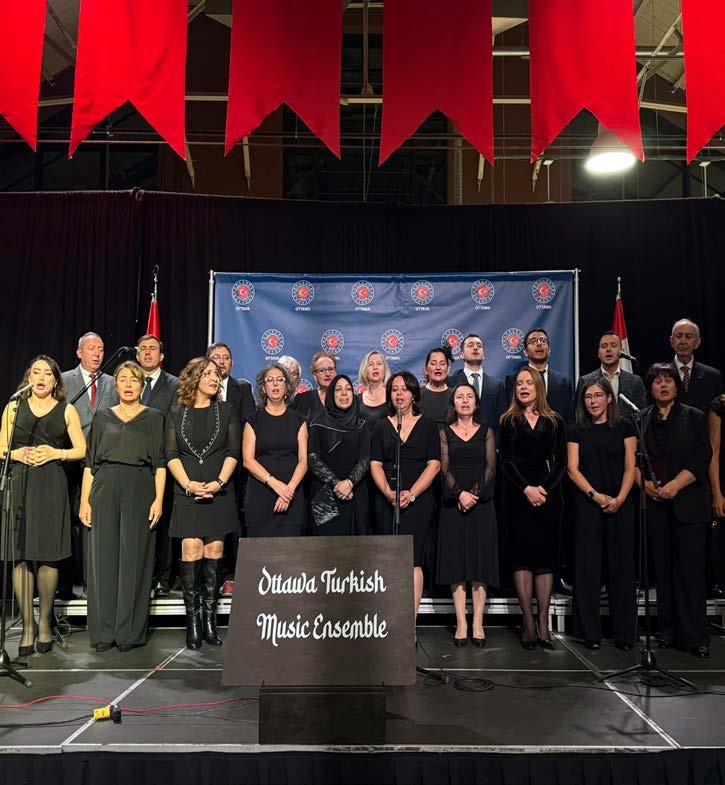
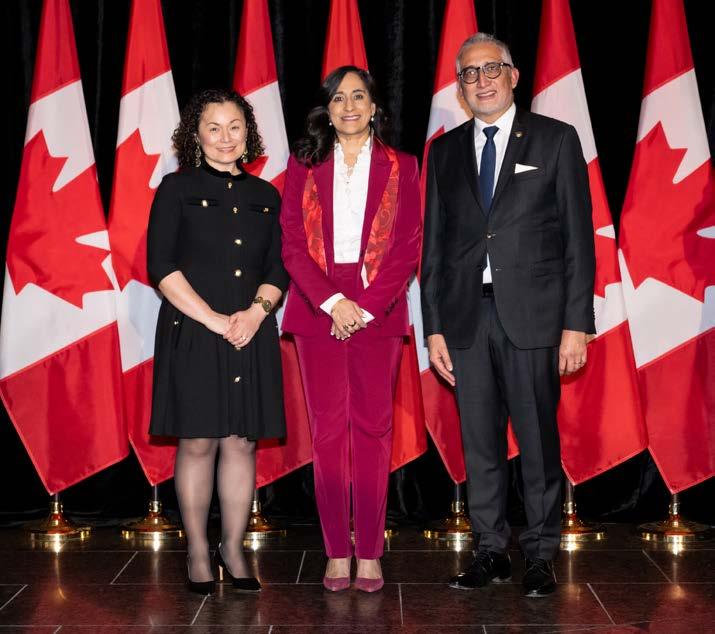
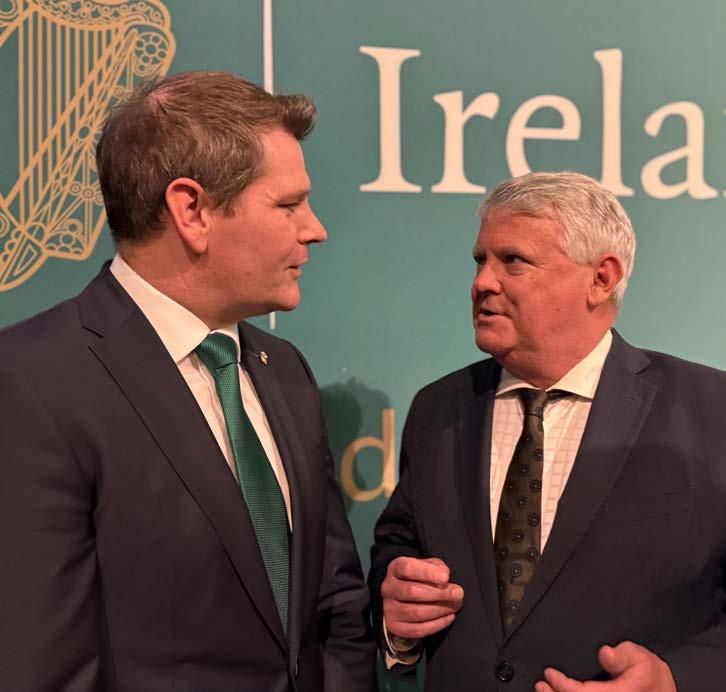
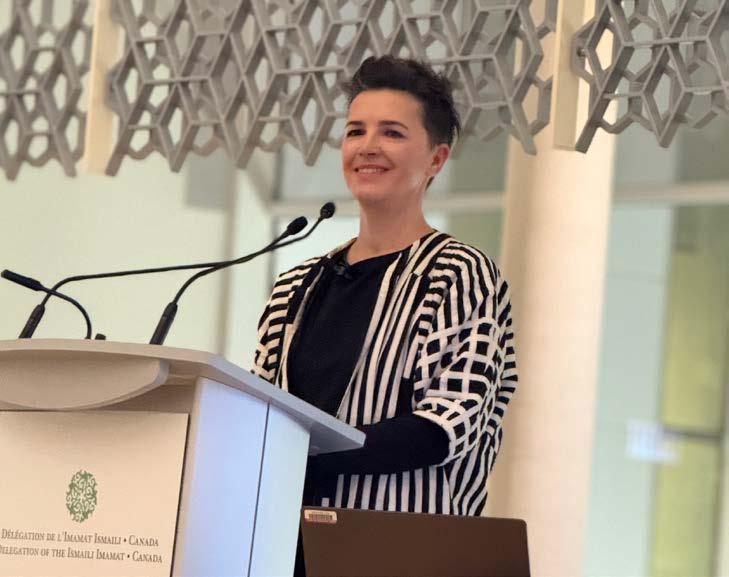
TURKISH AMBASSADOR CAN DIZDAR ON NATO, TRADE DIVERSIFICATION, AND THE FUTURE
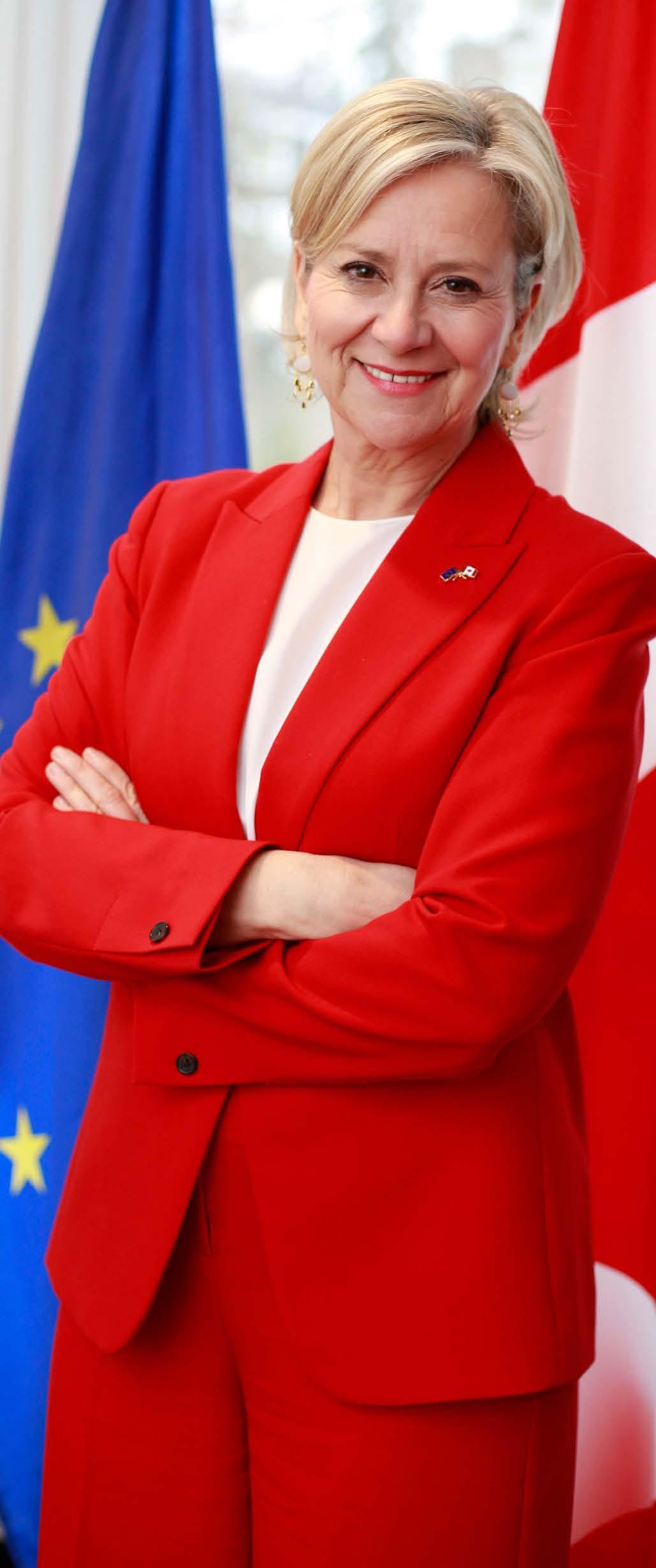
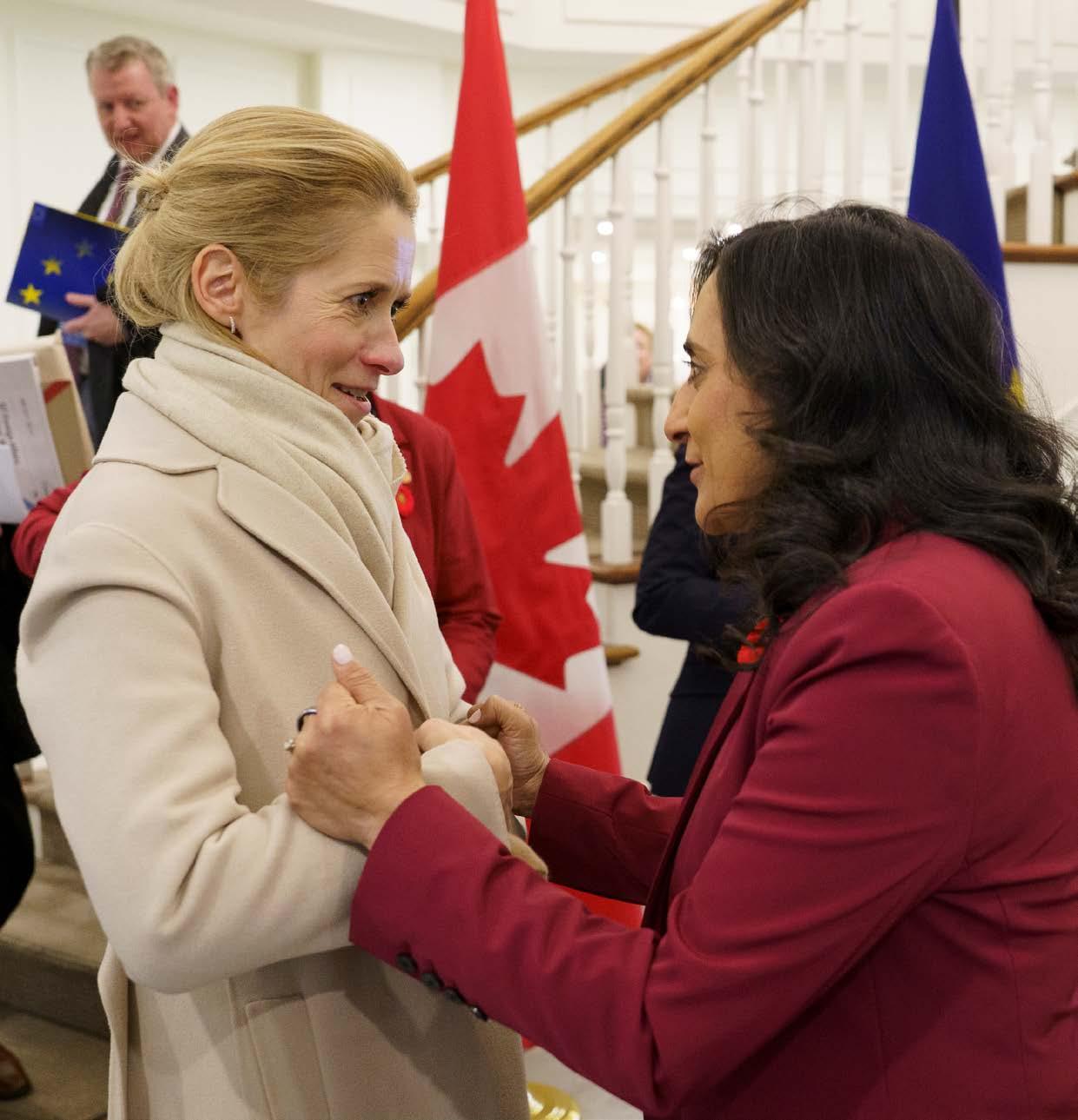
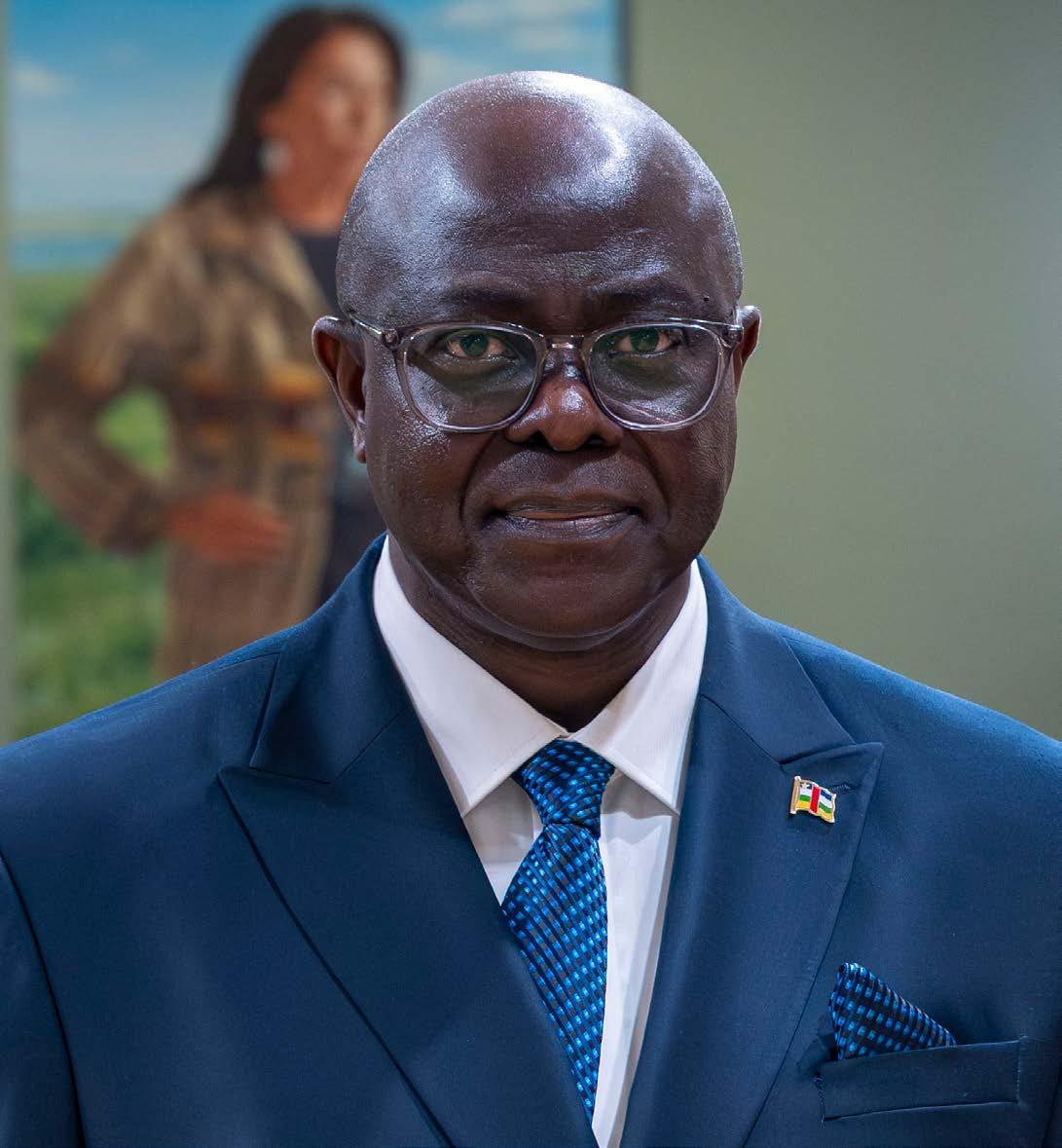
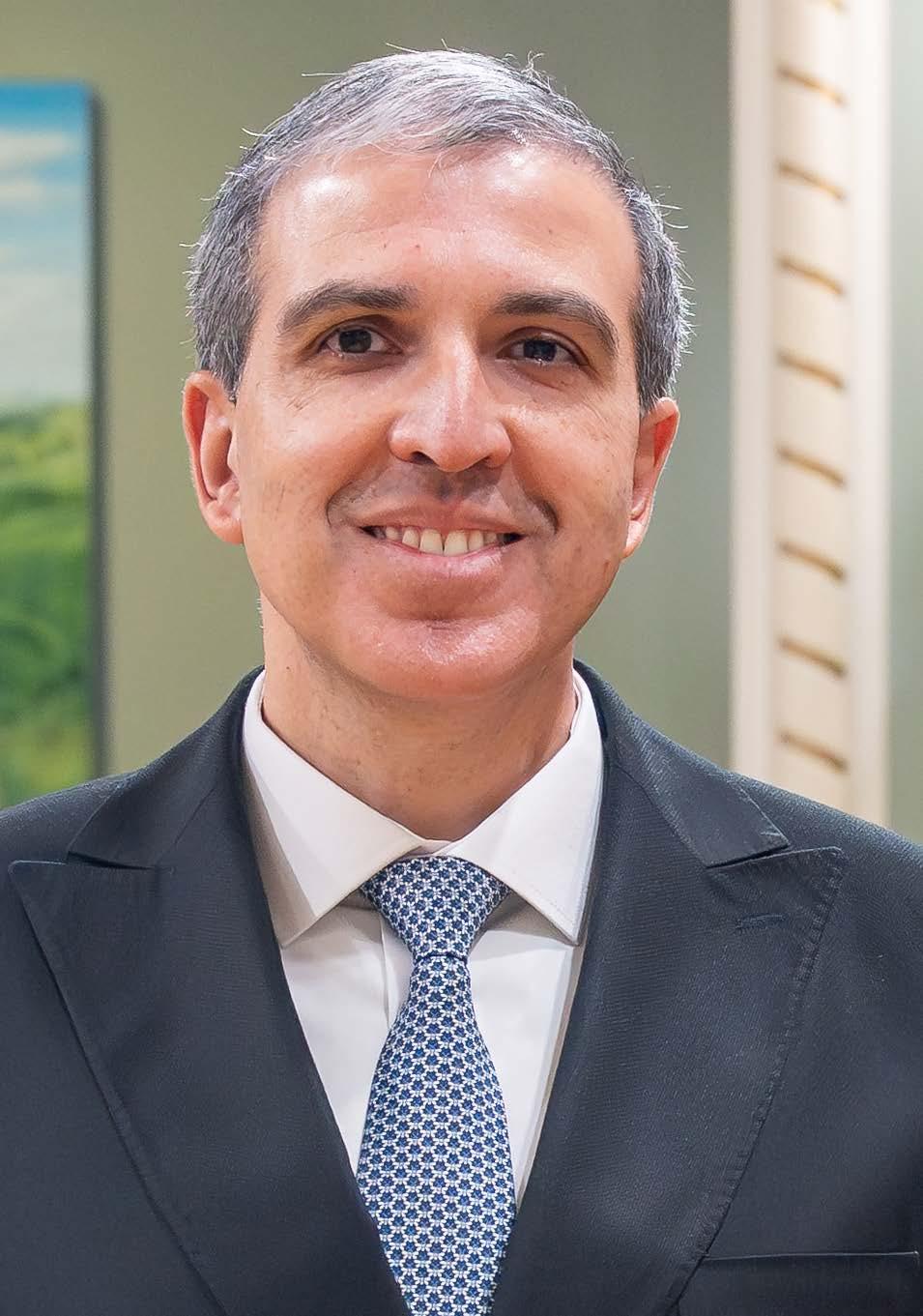
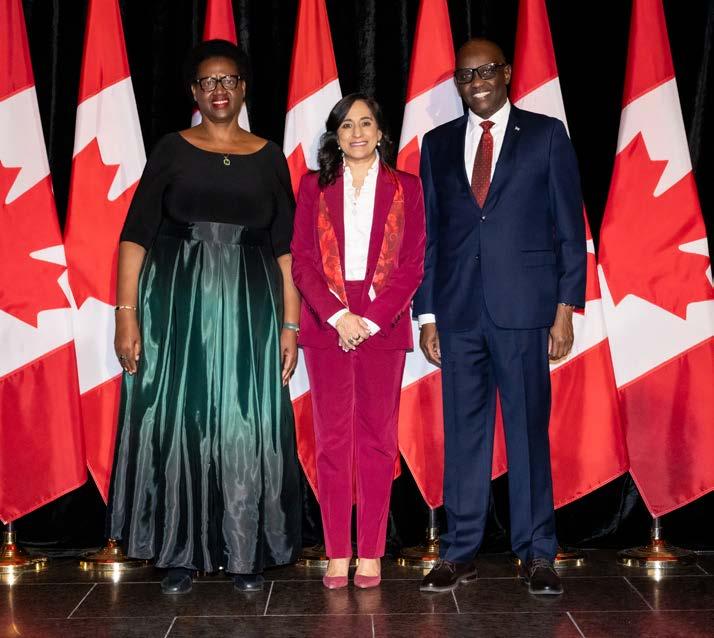
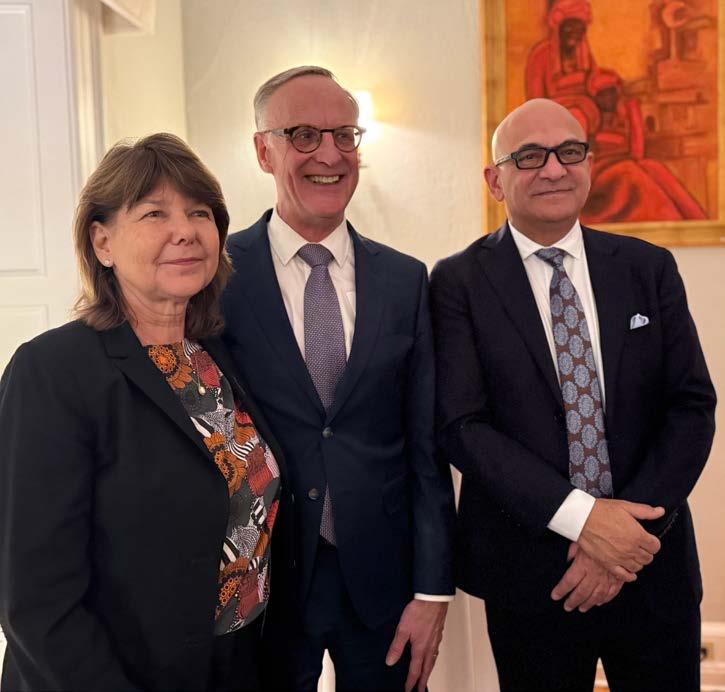
COMMON GROUND EU AMBASSADOR GENEVIÈVE TUTS ON THE EU’S RELATIONSHIP WITH CANADA
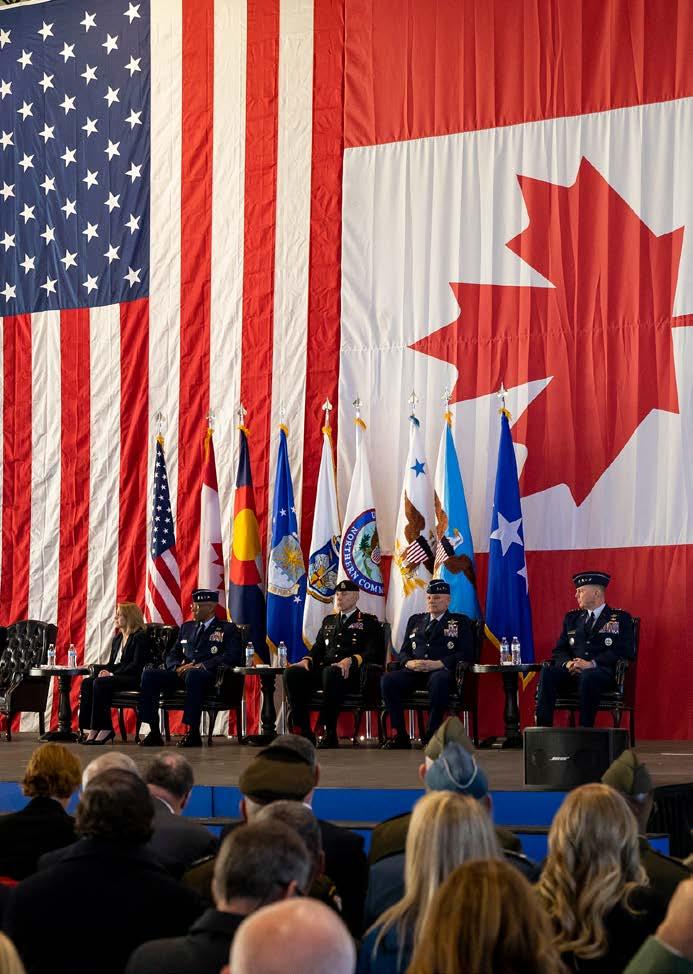
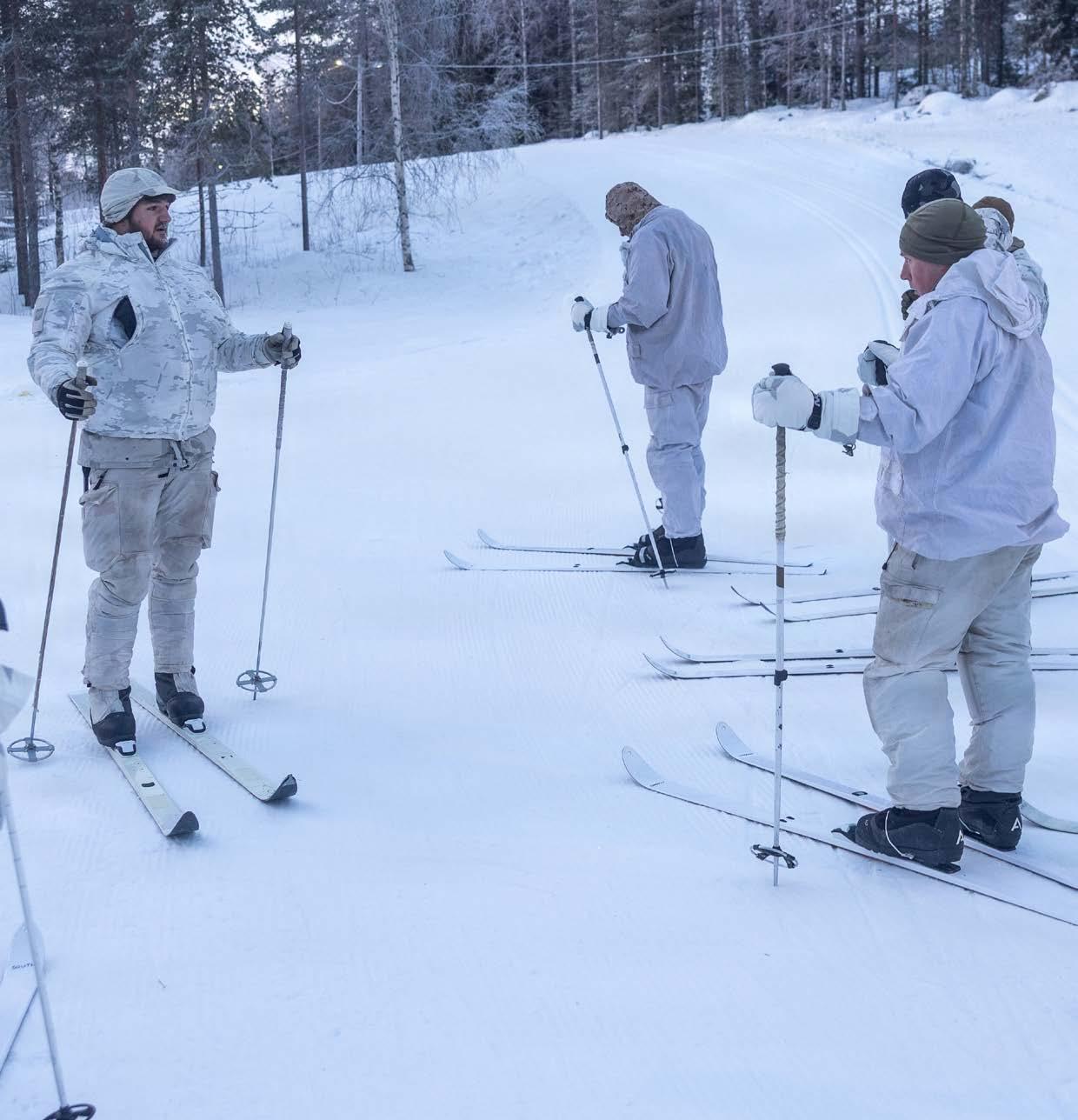
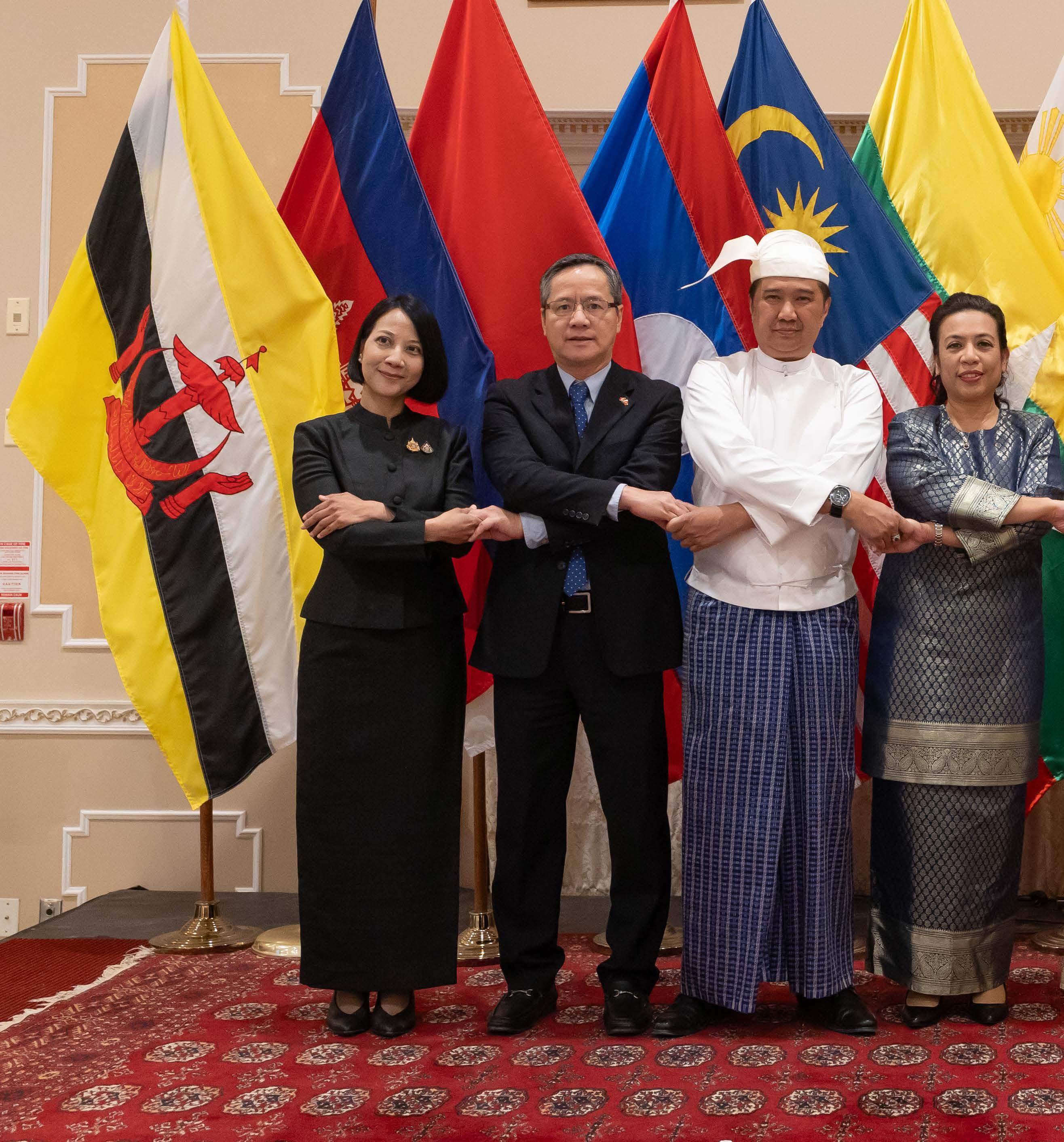
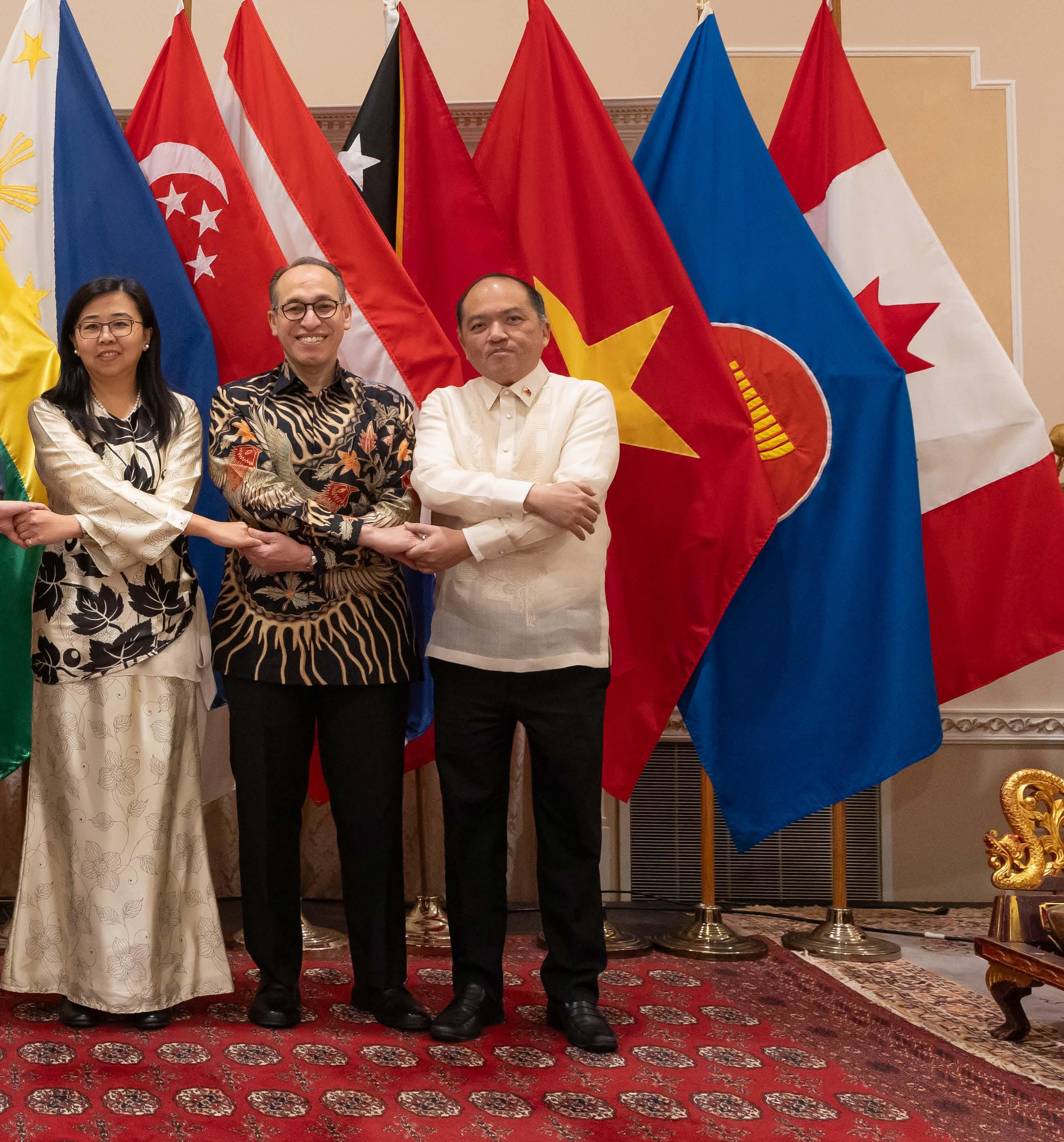
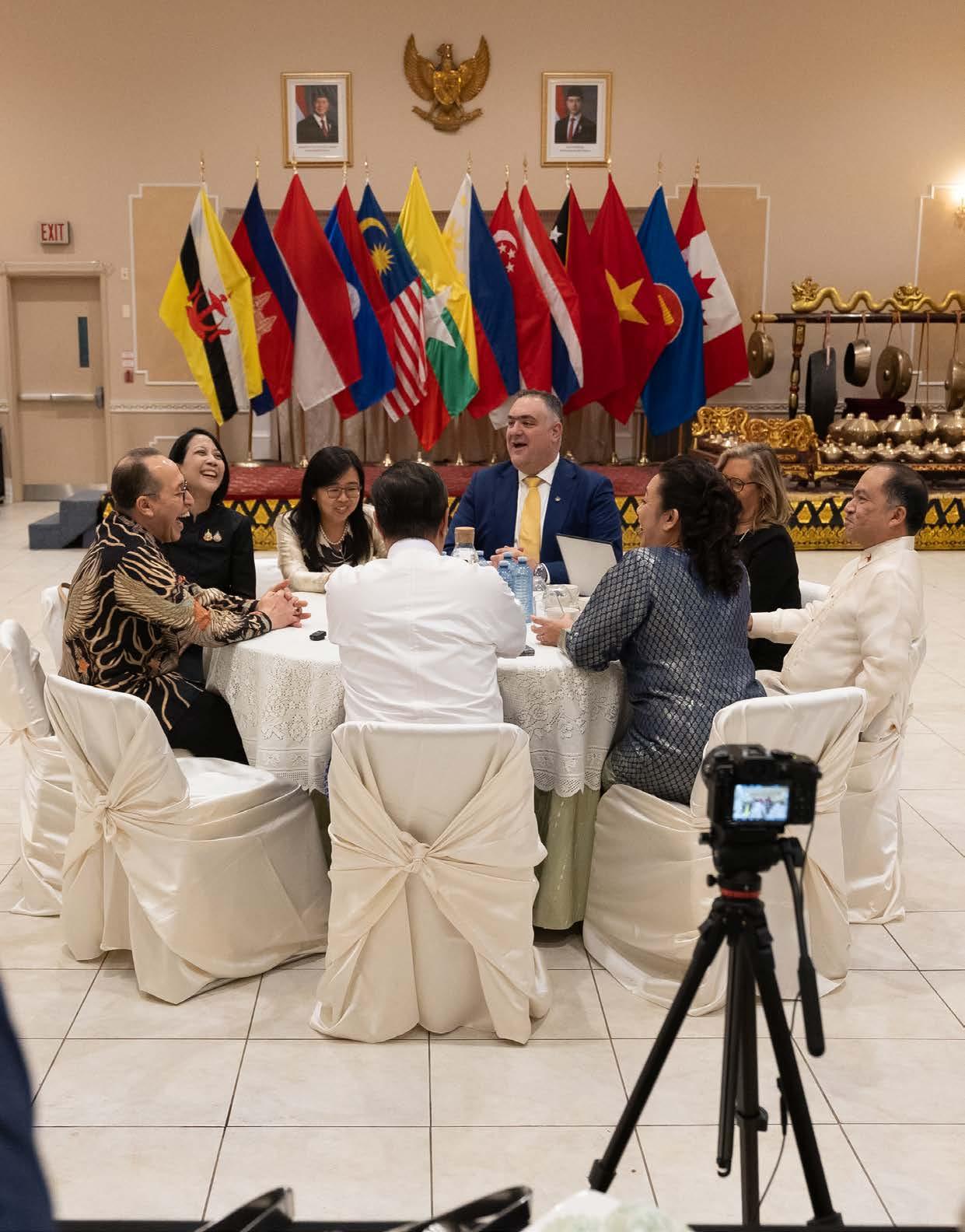
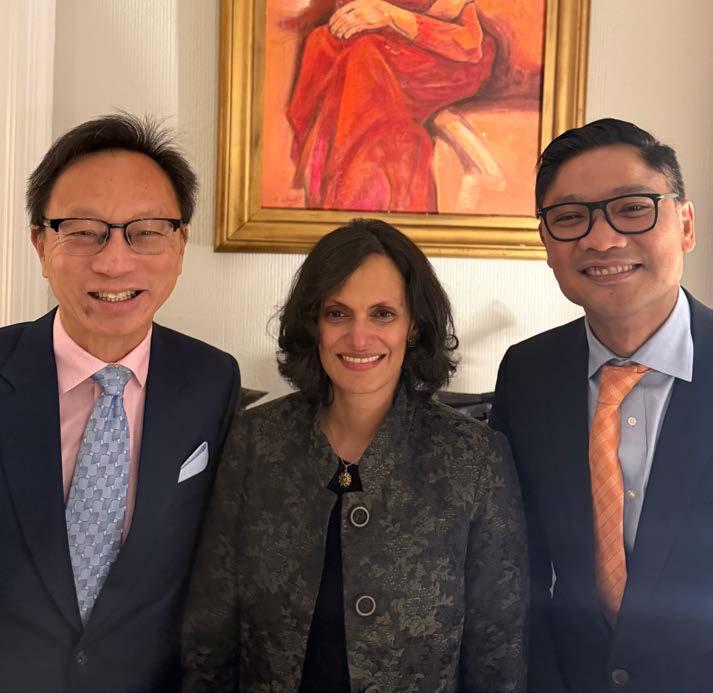
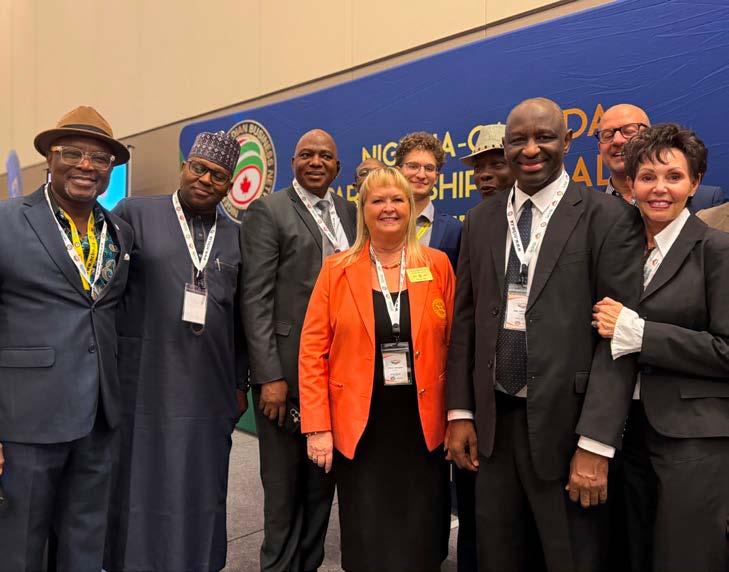
CANADA & ASEAN: PLAYING TO WIN THE 11-NATION BLOC IS KEEN TO ESTABLISH A FREE TRADE AGREEMENT WITH CANADA ALLIANCES ARE NO LONGER ASSUMED PREDICTING HOW THE U.S. WILL ORGANIZE POWER IN AN ERA OF UNCERTAINTY
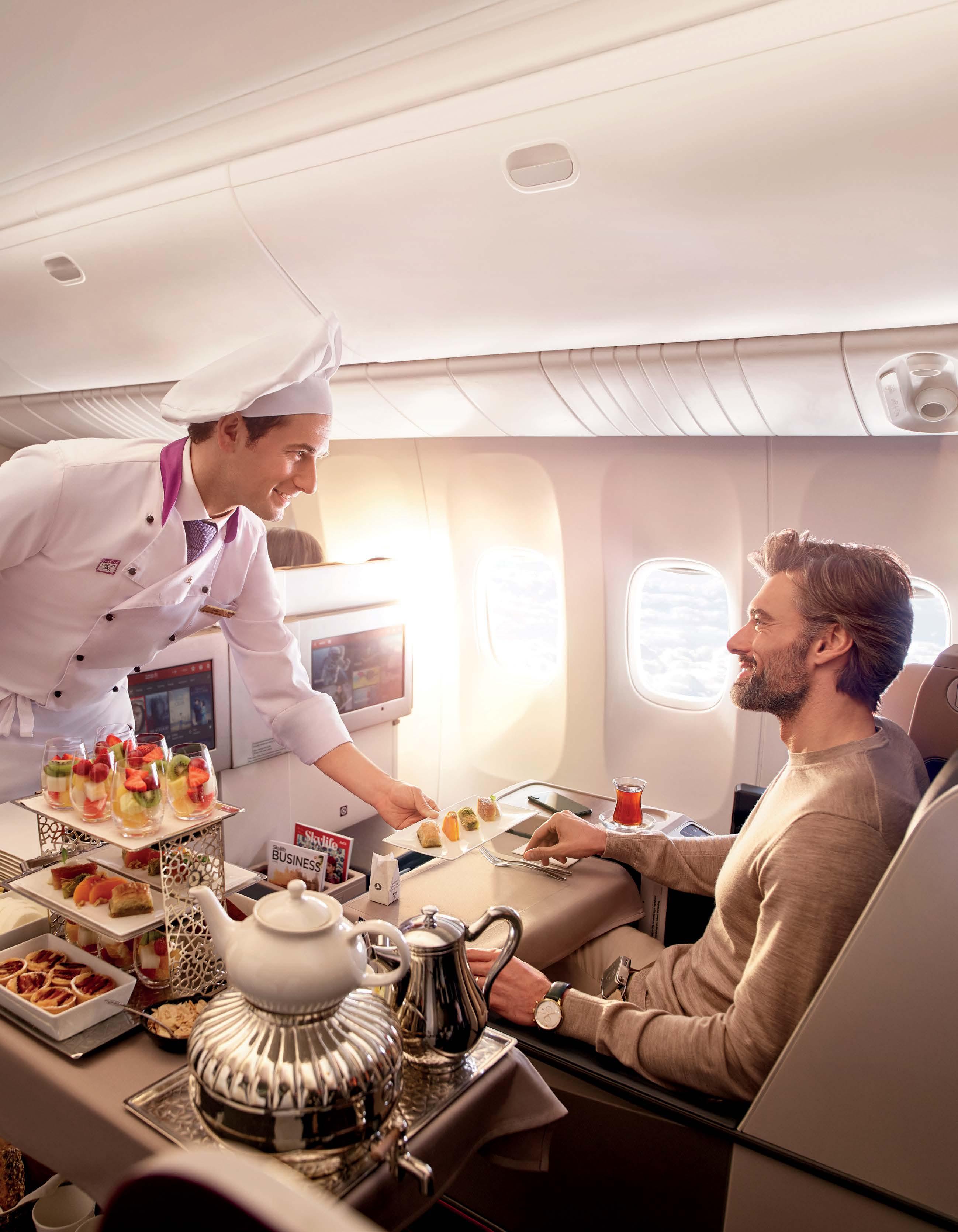
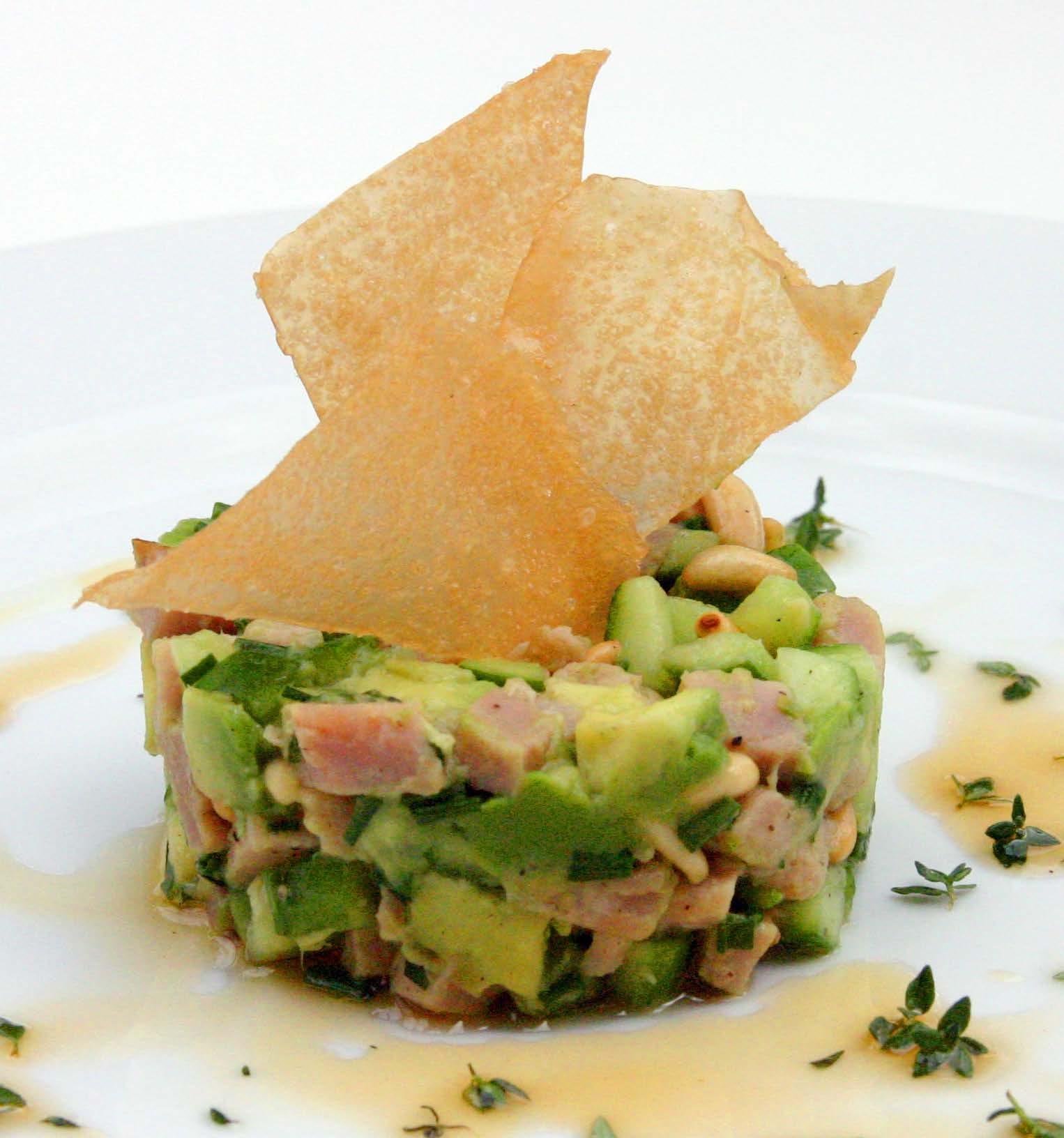
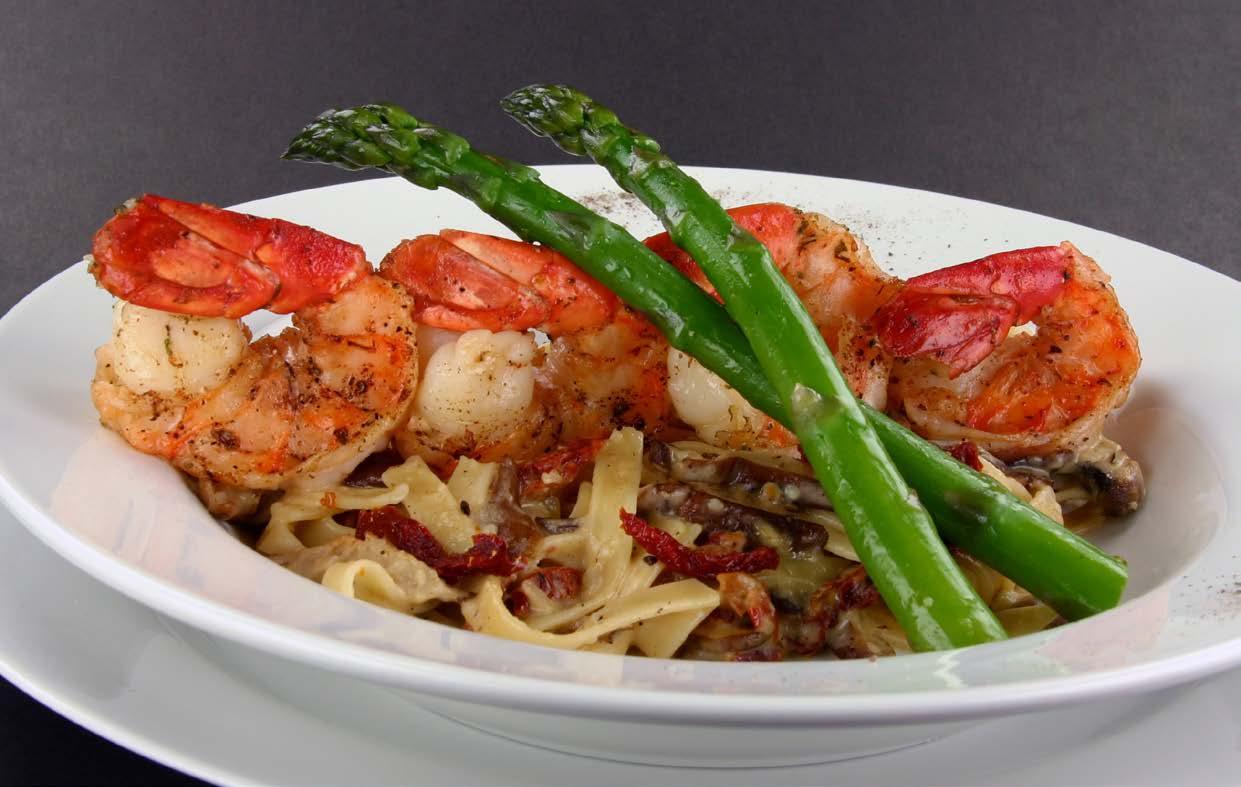
CONNECT TO AMAZING FLAVOR
with delicious choices prepared by our flying chefs
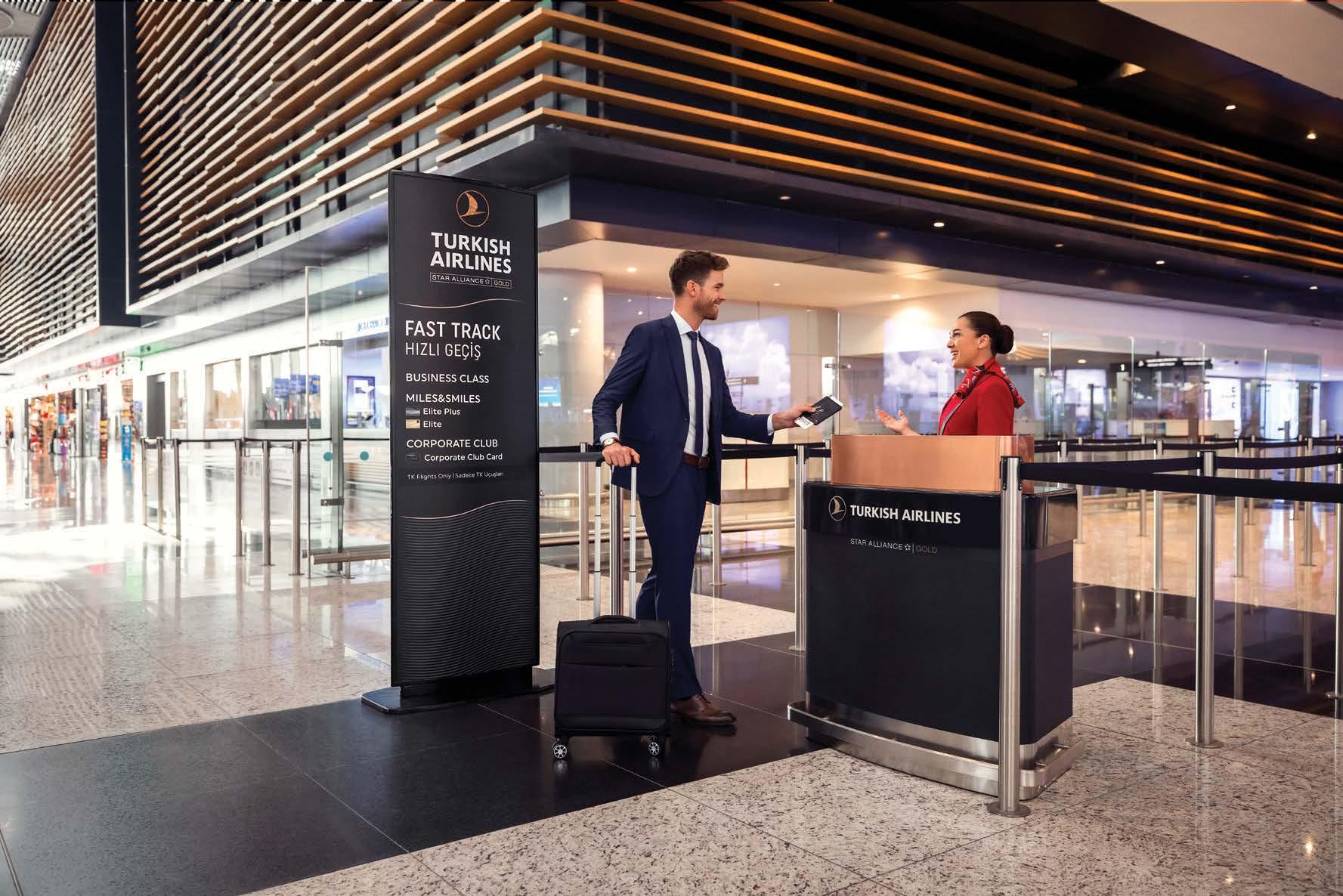
WHERE BUSINESS MEETS BENEFITS
Business travel meets benefits. Those who sign up for the special program with Turkish Airlines Corporate Club membership enjoy exclusive advantages and privileges. Join now without any fee or commitment and don't miss out on the oppo unities.
ADVANTAGES
Special Discounts
Create a cost advantage with the special discounts we offer as the airline that flies to the most countries in the world!
Flexibility
Enjoy flight routes, changing dates and other flexibilities depending on your booking class!
Free Standard Seat Selection
Make your trip more comfo able with free standard seat selection!
Extra Baggage Allowance
Fly more freely with the advantage of additional baggage on your business trips!
Corporate Help Desk
Exclusive solution for a pe ect business trip!
Enjoy Business Class Check-In and Lounge facilities regardless of your flight class with your Miles&Smiles Elite Corporate Card! Miles&Smiles Elite Corporate Card
Lounge Access
Prepare for your flights with pleasure, enjoying unique flavors from world cuisines, along with rest and meeting areas!
Save your valuable time with fast track! Fast – Track
Enjoy the priority of your check-in process! Priority Check-In
Priority Boarding
Secure your seat on the aircra ahead of everyone else!
Personal Touchpoint
Always here for suppo with our tireless and solution-oriented teams!
CAN CANADA COMPETE IN THE AI RACE?
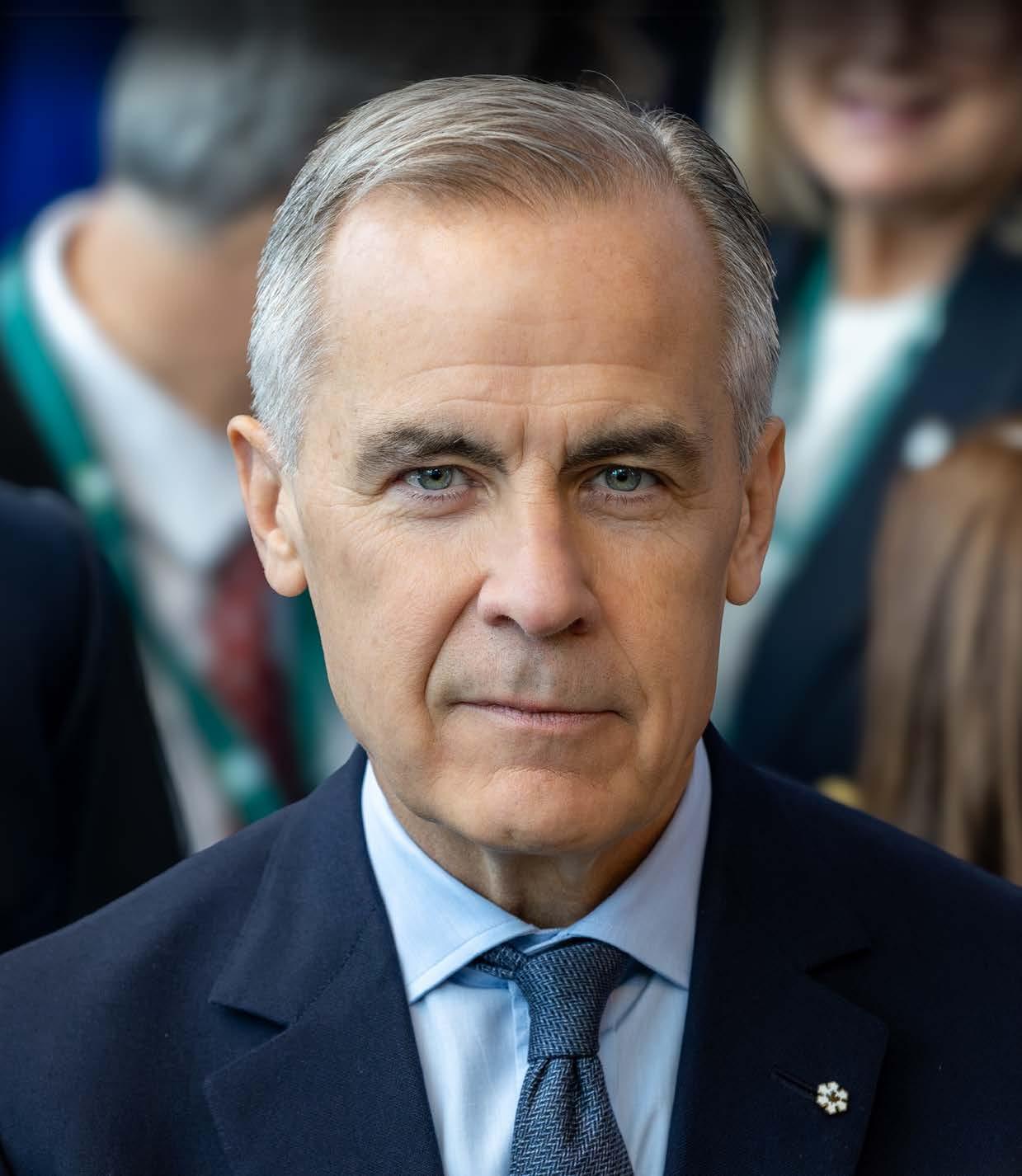
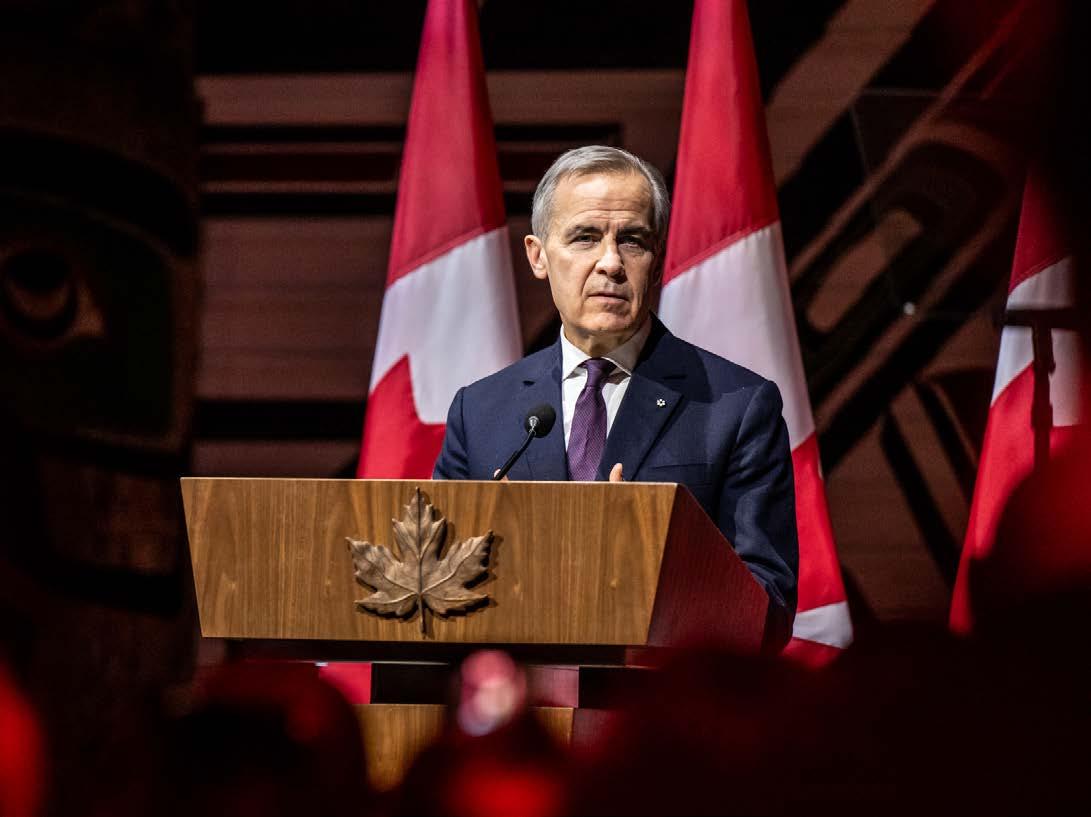
Prime Minister Mark Carney wants Canada to be an independent player in the global AI economy.
20 SPORTS DIPLOMACY
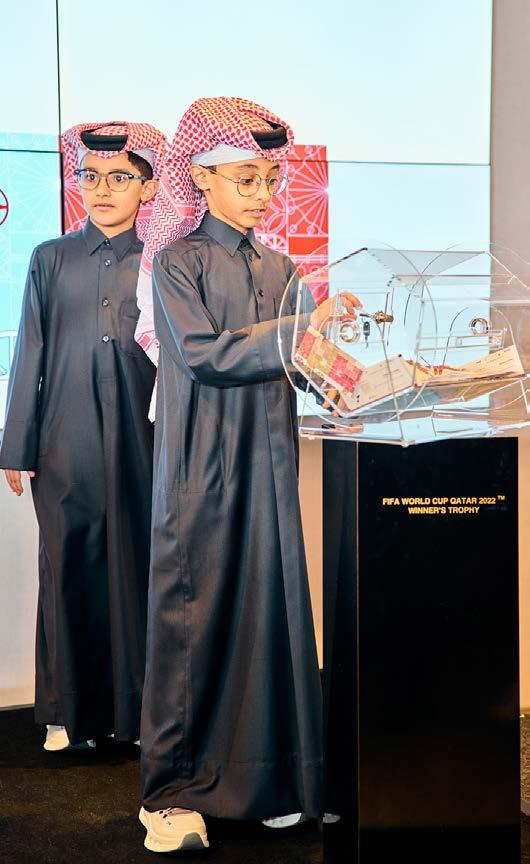
How Canada can capitalize on FIFA.
22 THE DIPLOMATS' PARLIAMENTARY SECRETARY
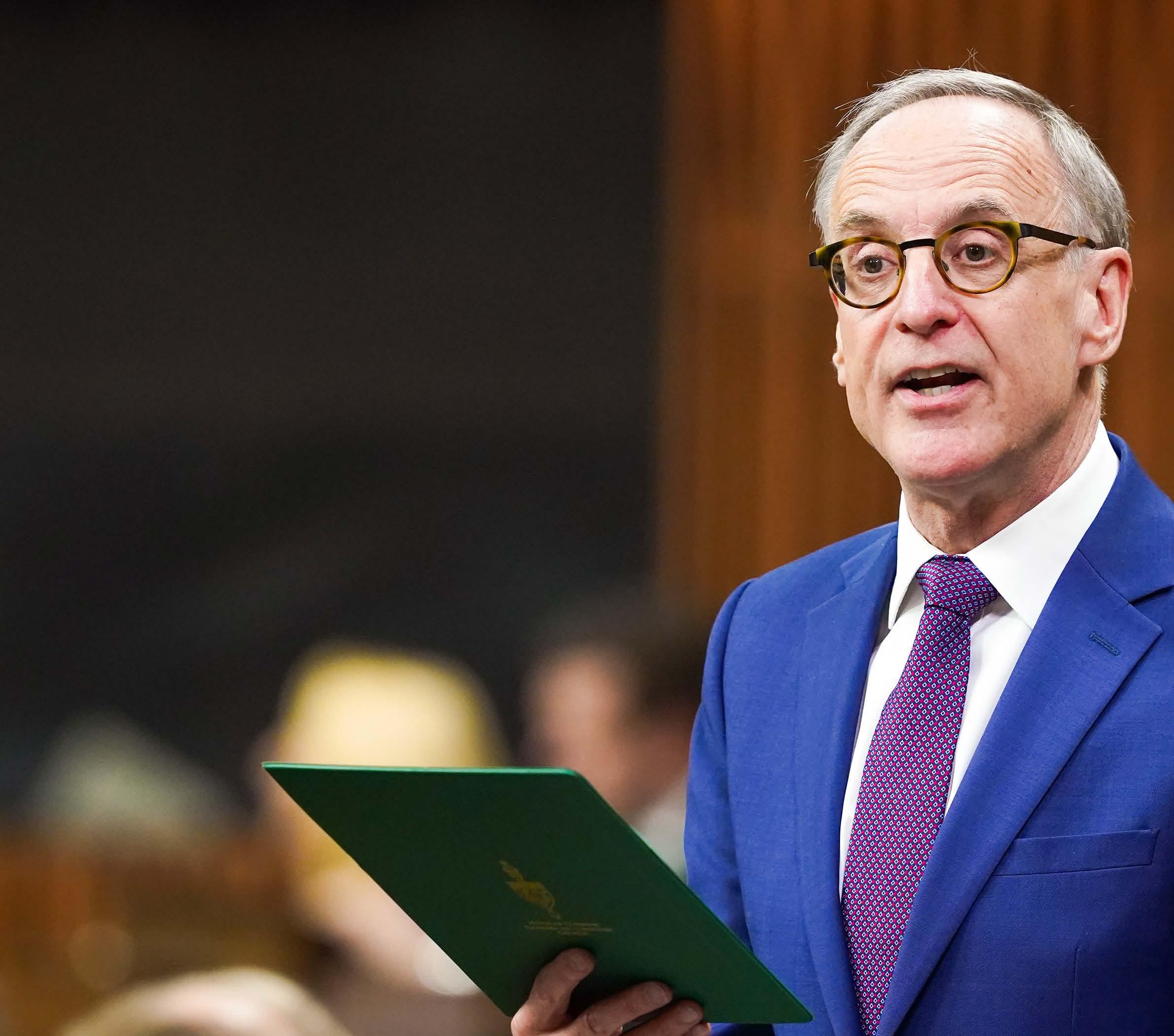
Rob Oliphant has served five foreign ministers as their proxy in Ottawa.
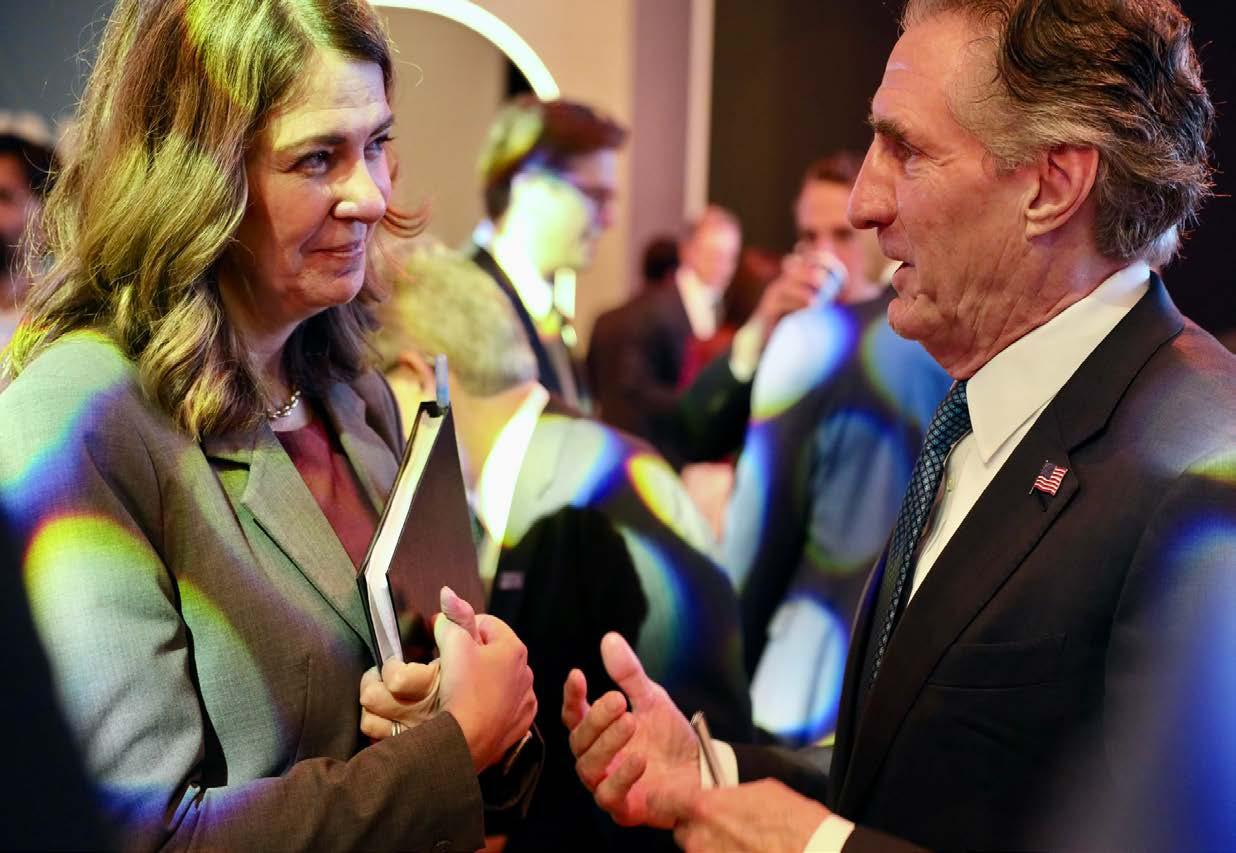
34 ALBERTA'S ENVOY FOR TRADE
Danielle Smith has been busy seeking new trading relationships across the globe.
'WE HAD TO DEVELOP A STRONG RESILIENCE'
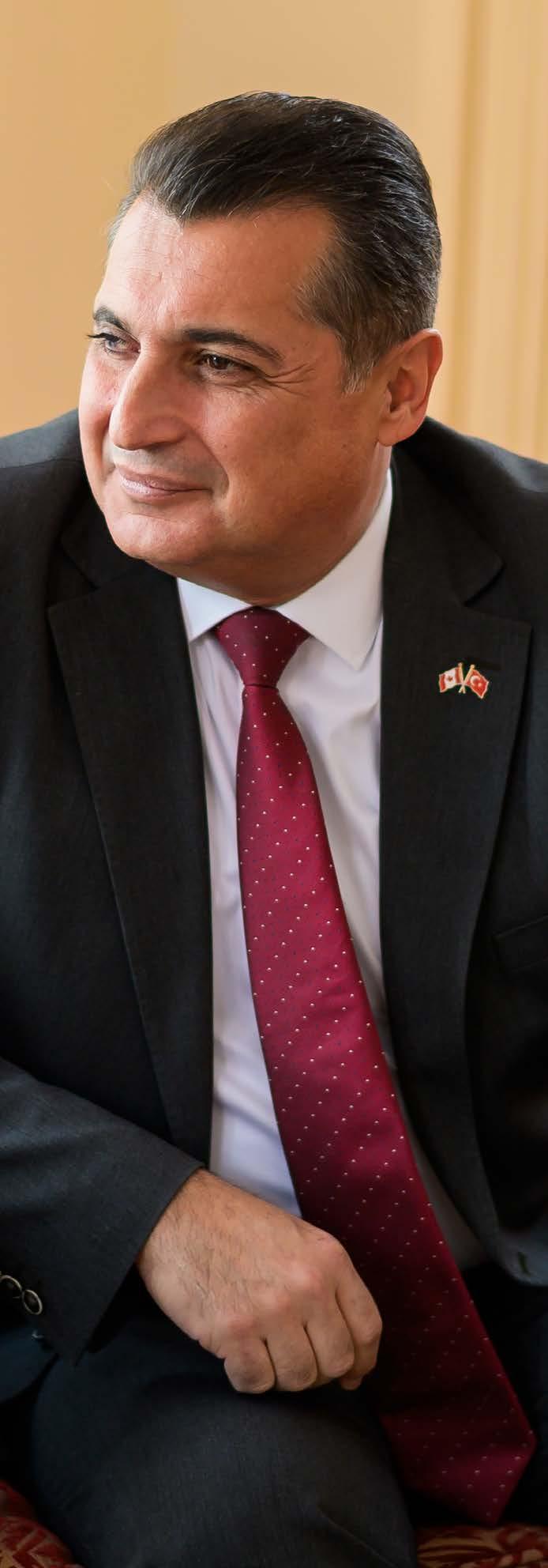
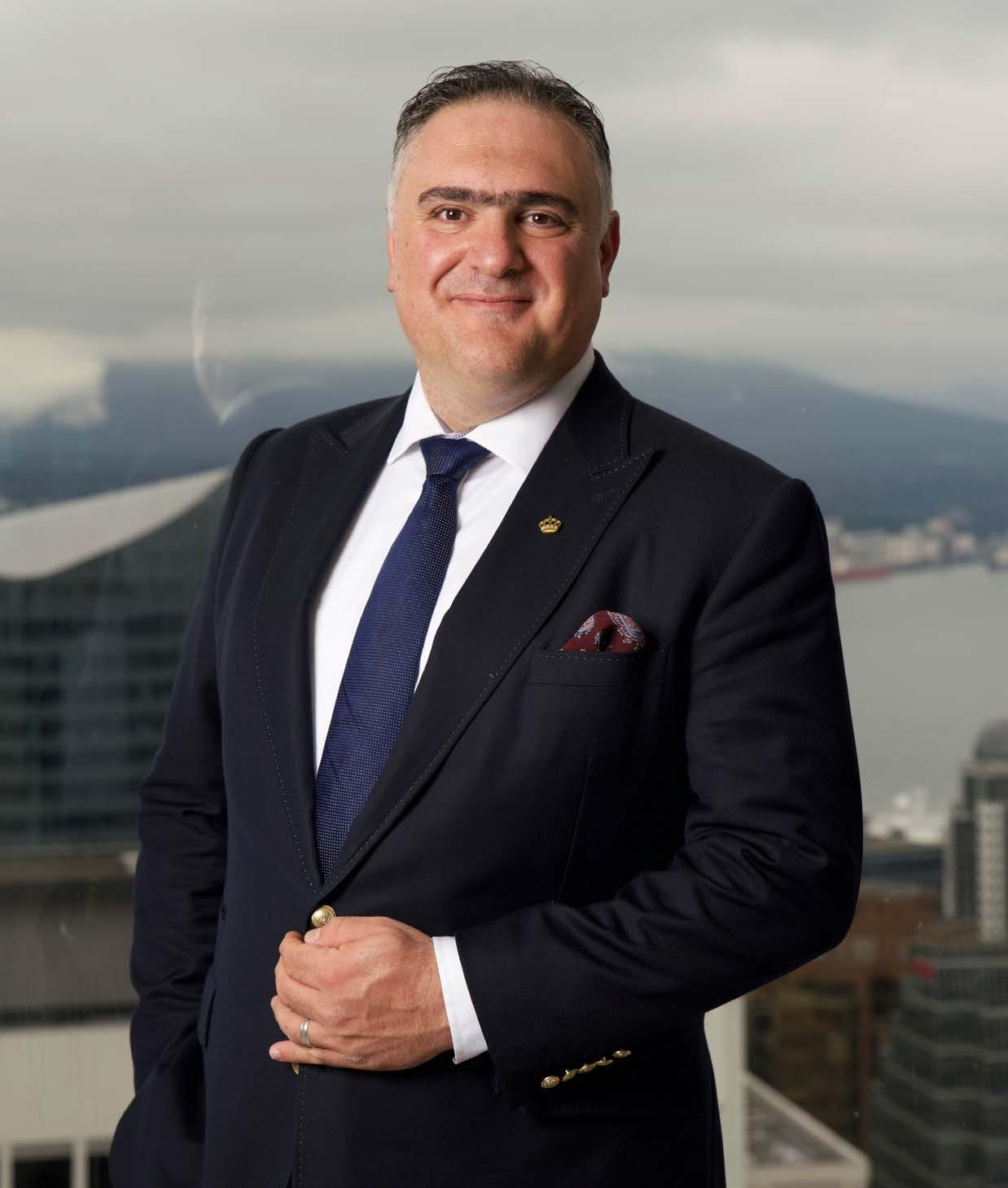
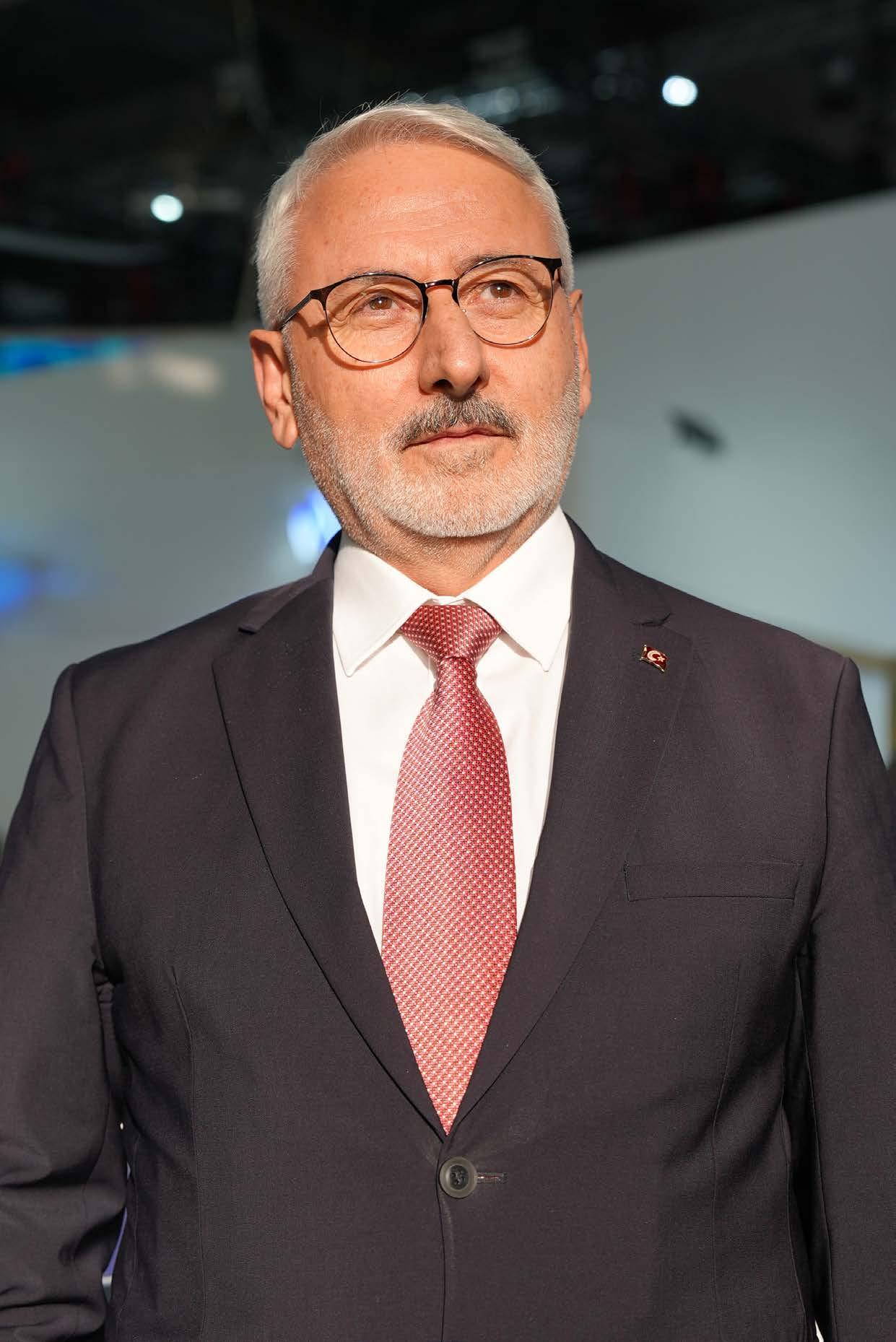
Turkish Ambassador Can Dizdar spoke to Diplomat about his country’s trade diversification efforts, NATO contributions and economic aspirations.
COMMON GROUND
EU Ambassador Geneviève Tuts on the EU’s relationship with Canada, its desire to broaden its trade markets and its resolve to support EU member states’ sovereignty.
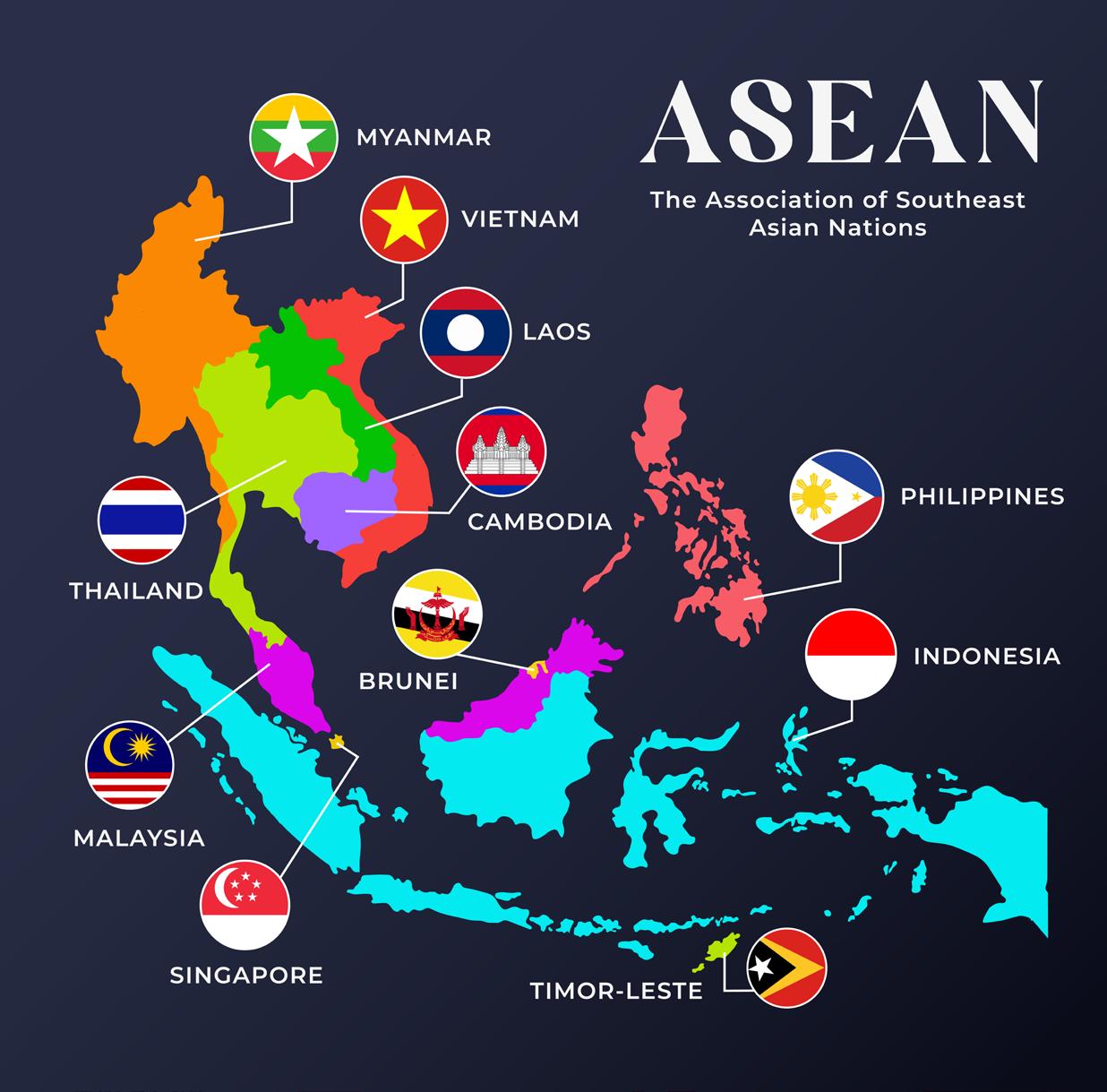
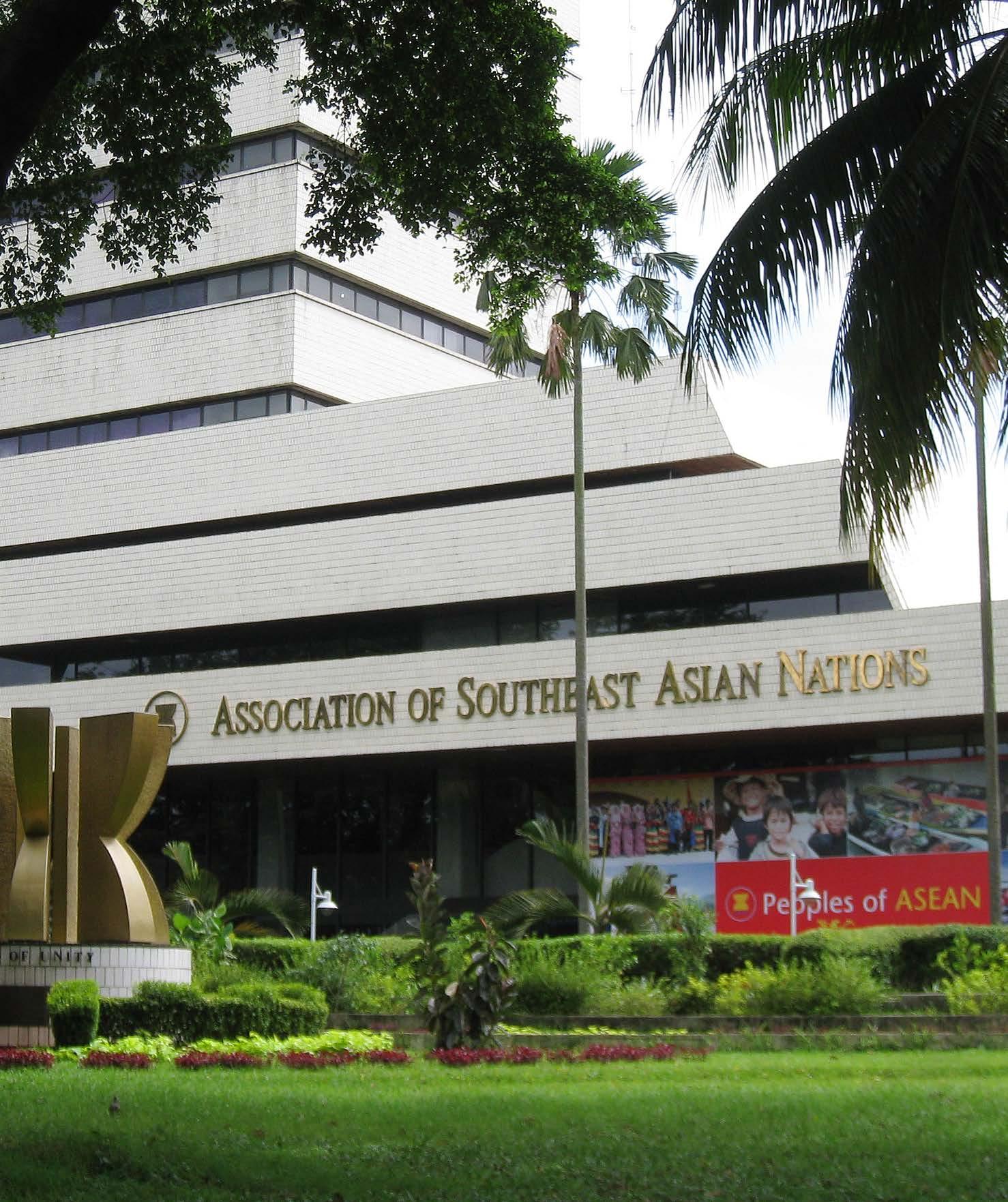
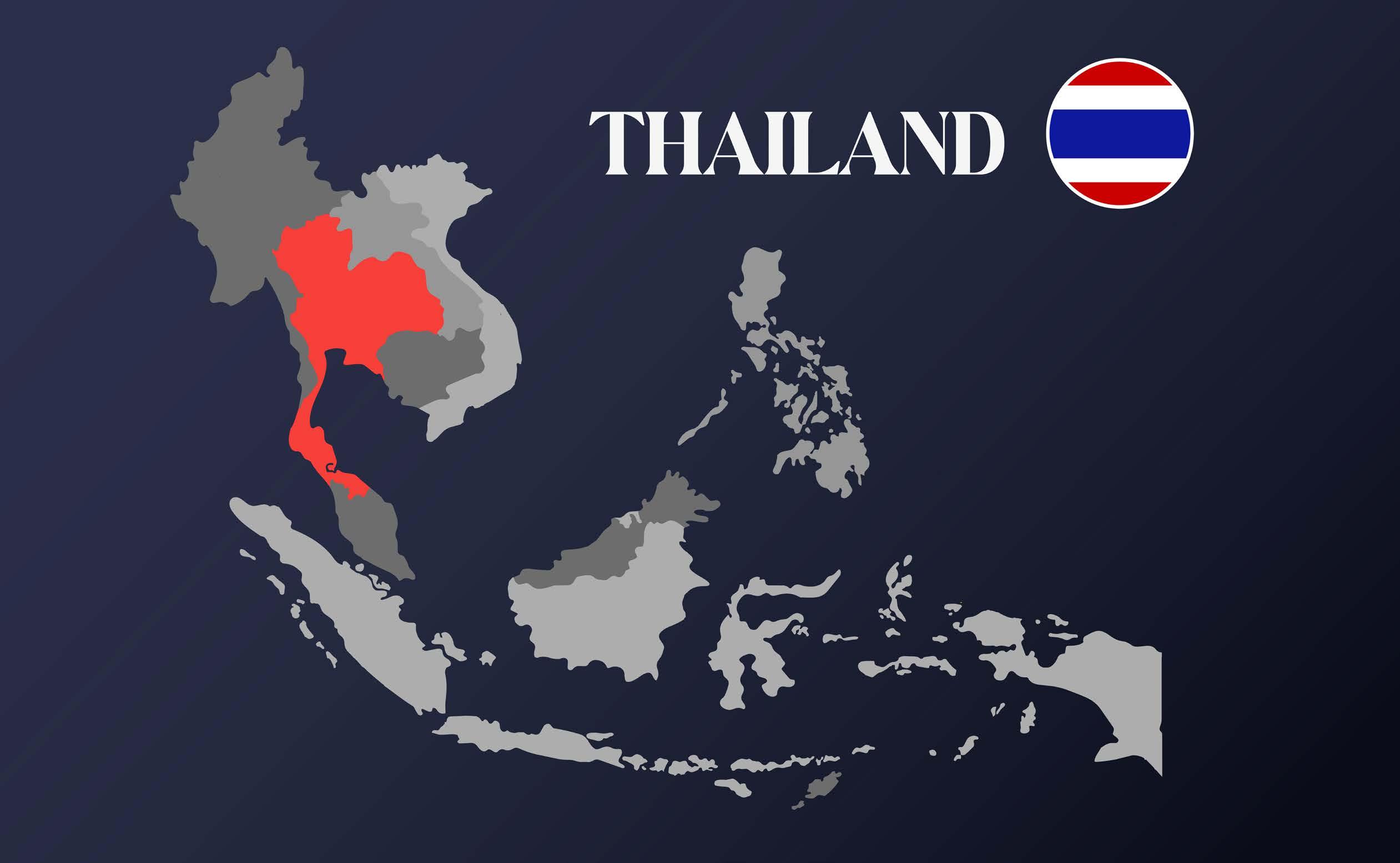
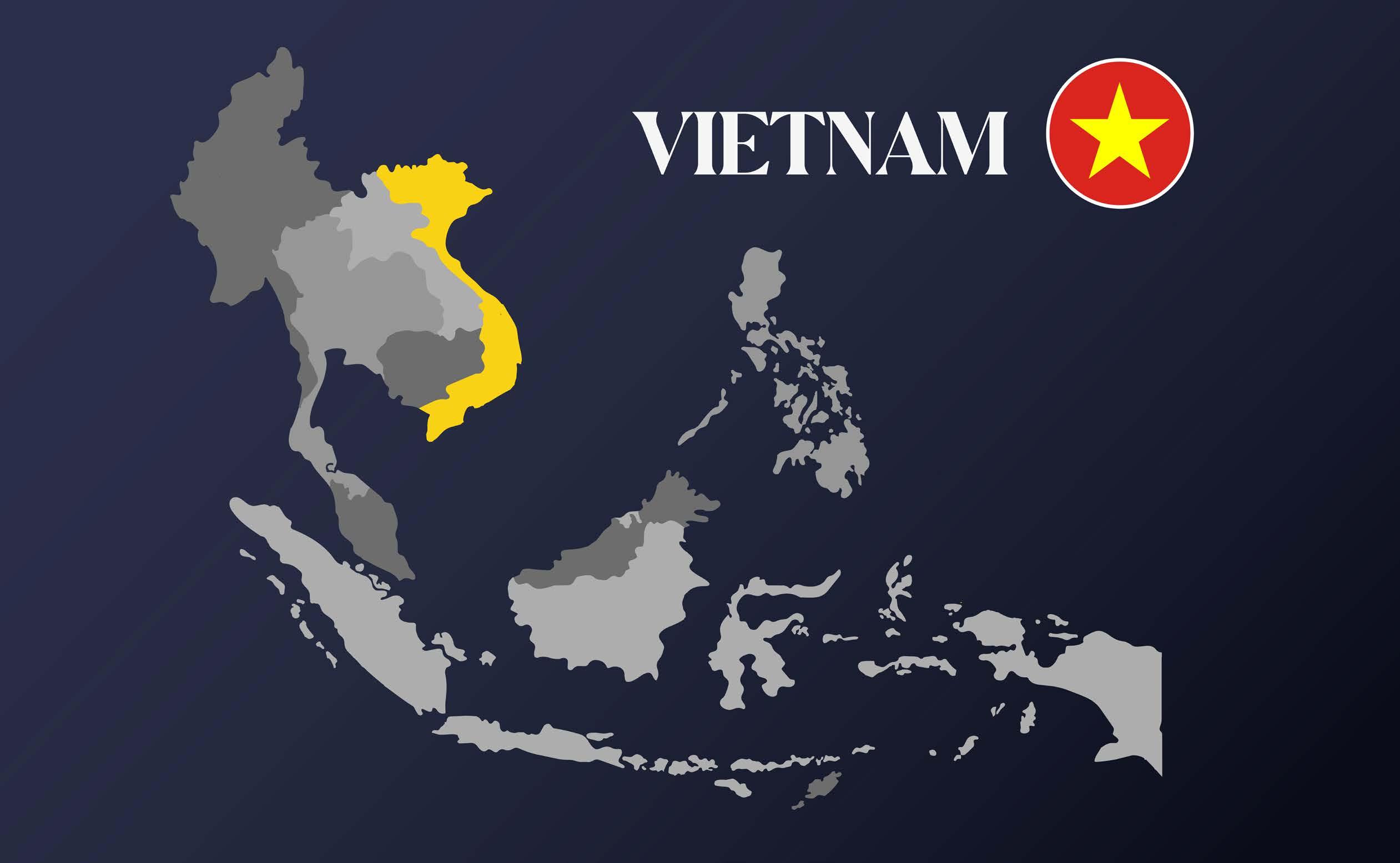
72 CANADA AND ASEAN: PLAYING TO WIN
The 11-nation bloc is keen to establish a free trade agreement with Canada and Canada sees it as a strong option, too.
ALLIANCES
ARE NO LONGER ASSUMED
U.S. President Donald Trump has not dismantled the global alliance system but he has shaken it up.
101 PARLIAMENTARY FRIENDSHIP
Foreign affairs committee says informal ties are helpful in forwarding Canada’s international agenda.
104 CANADA'S NUCLEAR POWER FLEX
Thanks to its expertise and natural resources, this country can and should be a leader in nuclear power worldwide.
108 ONTARIO'S ROYAL PROXY
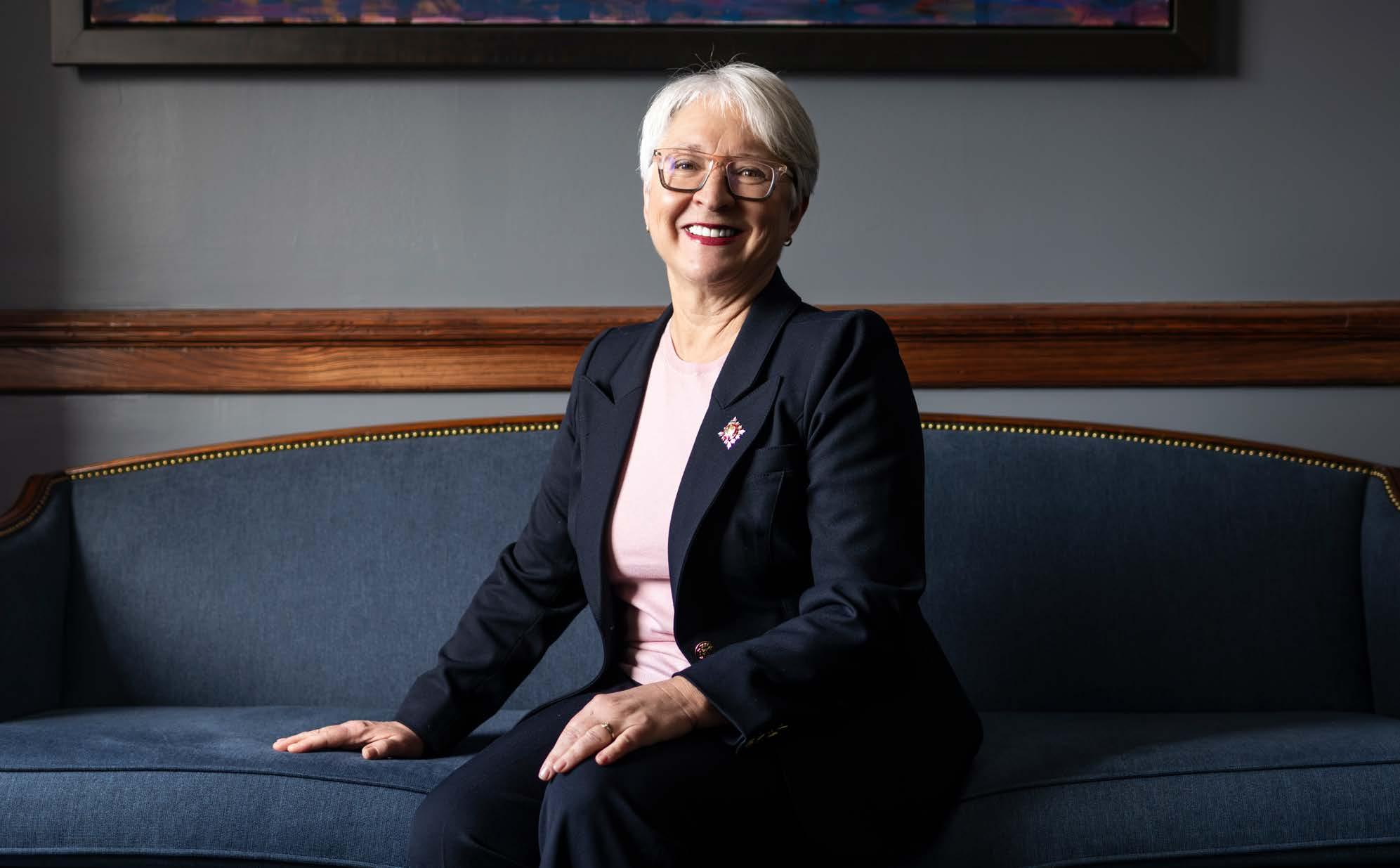
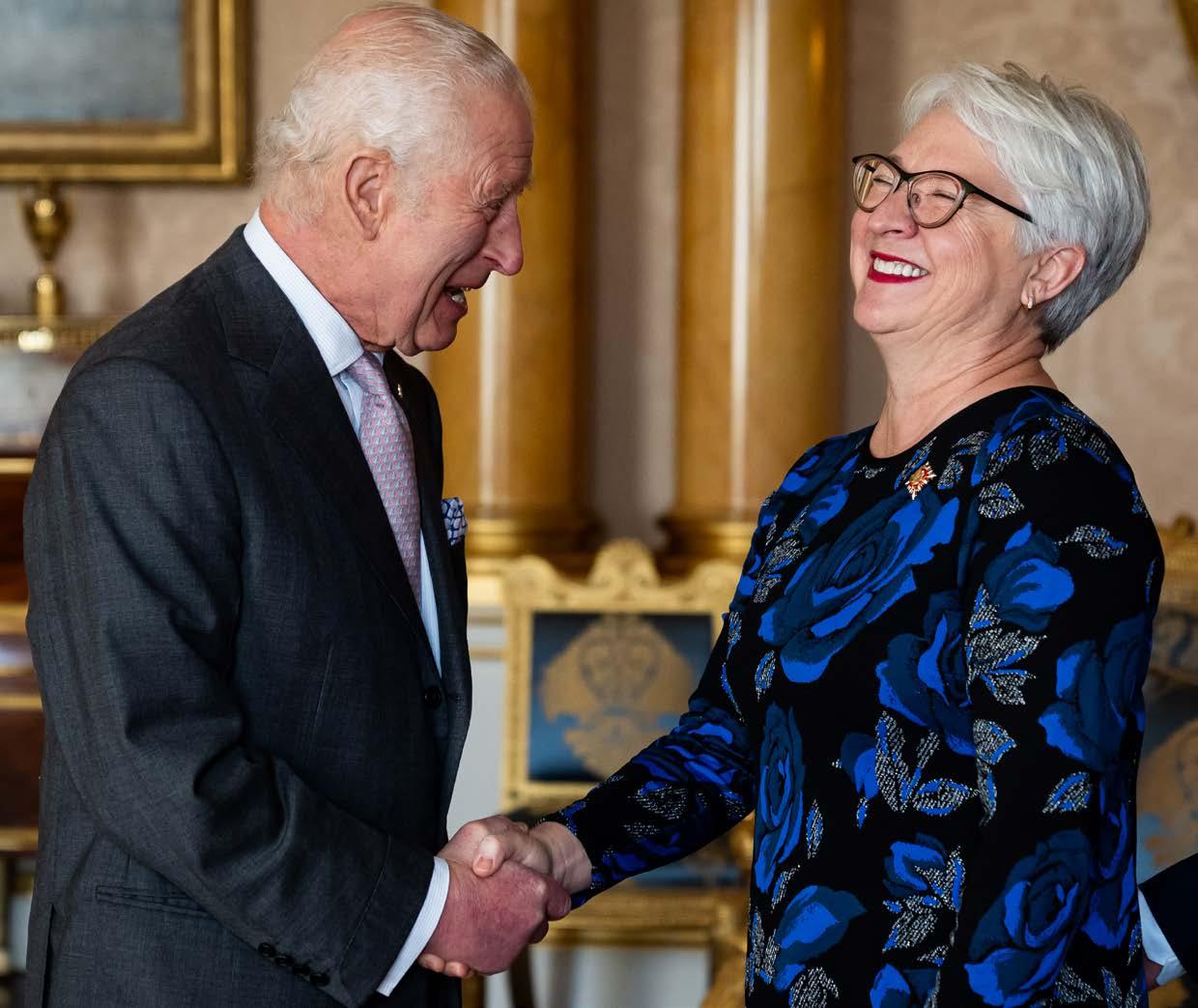
Edith Dumont wants her office to be a welcoming place for all Ontarians and the province’s many international visitors.
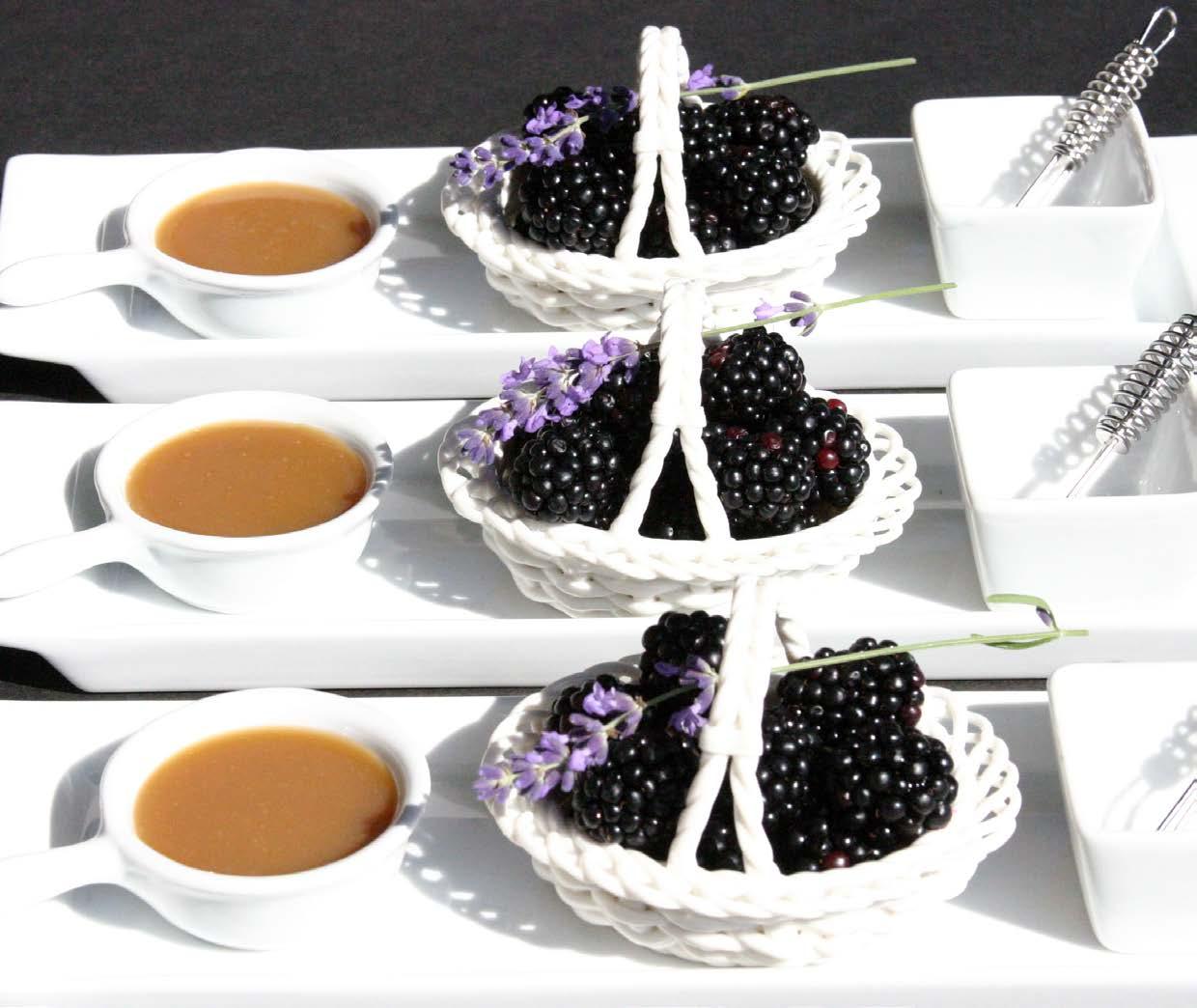
ENTERTAIN LIKE A DIPLOMAT
Diplomacy extends far beyond official meetings. Much of it unfolds through soft diplomacy, over the course of dinners and receptions.
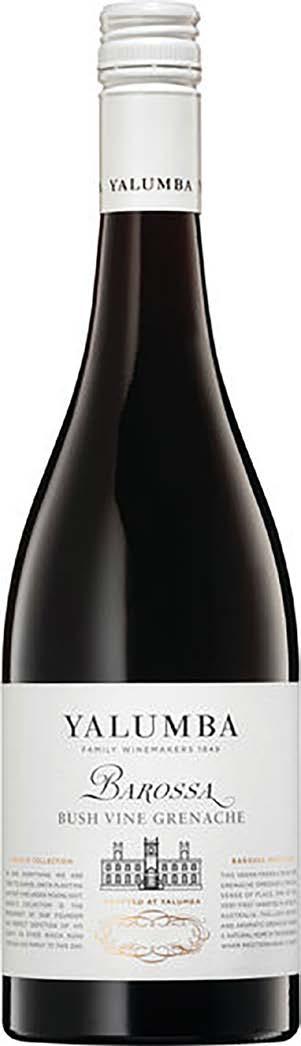
116 (RE)DISCOVERING AUSTRALIAN WINE
Novelty took over briefly, but credible wine was always there.
118
A NATION OF SEASONS
Enjoy distinctly Canadian arts and cultural events — some celebrating the snow, and others embracing spring’s warmth.
122 DIPLOMATIC CONTACTS
An A to Z list of all the embassies and high commissions representing their countries in Canada
126 NEW ARRIVALS
Meet the new 2026 ambassadors and high comissioners to Canada.
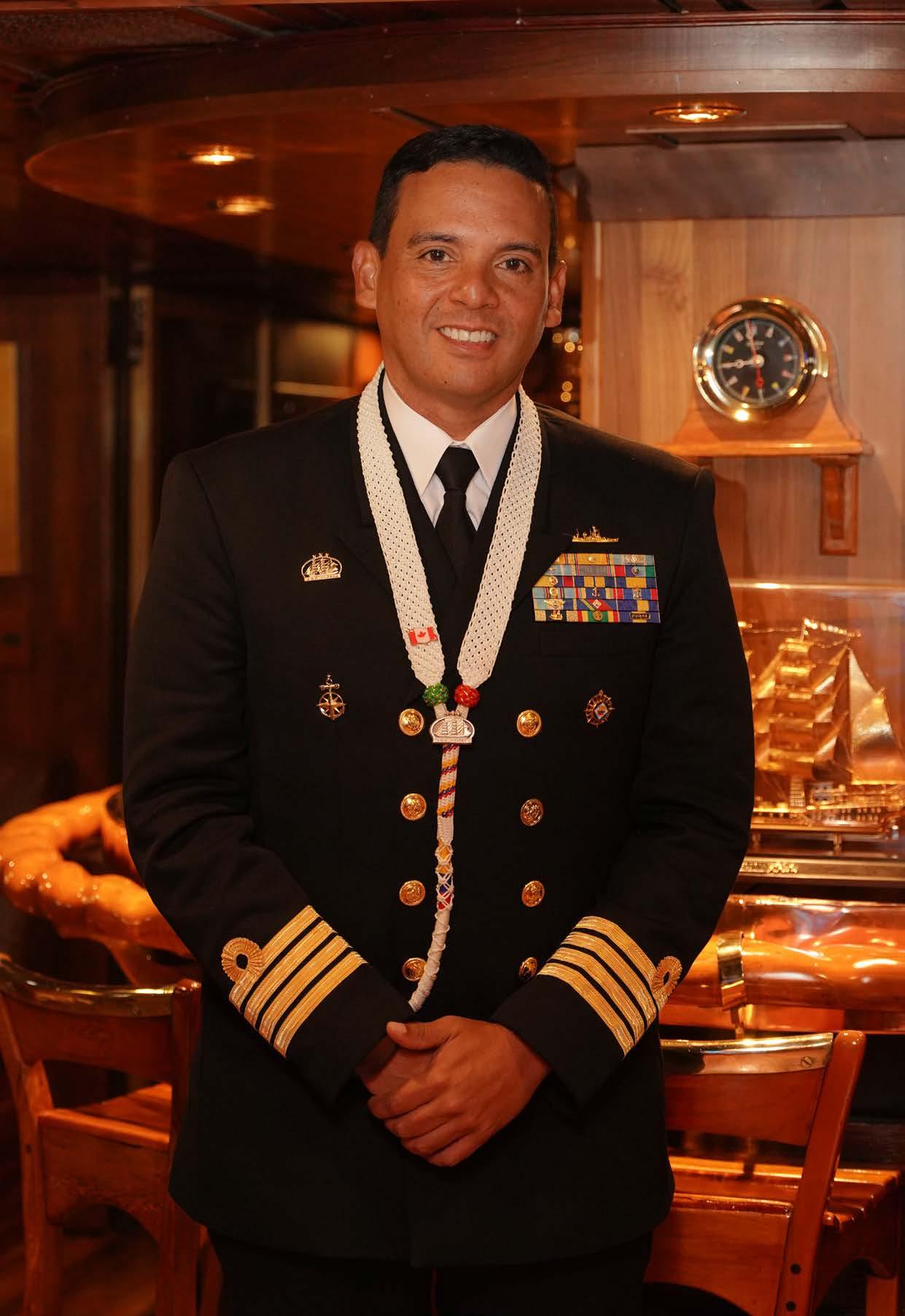
THE ARC GLORIA
The vessel that serves as Colombia's ambassador of the sea
Editorial Jennifer Campbell, Editor Jcampbell@diplomatonline.com 613-291-2901
Website www.diplomatonline.com
A MESSAGE FROM OUR PUBLISHER
One year can redefine a nation’s trajectory. As we present our March 2026 edition, Canada stands in a markedly different place than it did just twelve months ago — it’s more outward-looking, more diplomatically active and more deliberate in how it engages the world. The pace and ambition of Canada’s international engagement have accelerated in ways that are visible and consequential.
Over the past year, the prime minister and federal cabinet have undertaken an unprecedented series of international missions. These have not been symbolic visits, but purposeful efforts to open markets, strengthen alliances and secure Canada’s place in a rapidly shifting global order. They reflect a clear understanding that modern diplomacy is inseparable from trade, security, innovation, energy, defence, and global influence.
At the same time, foreign embassies and high commissions across Canada have intensified their engagement. From Ottawa to provincial capitals, diplomats posted to Canada are working closely with governments, Indigenous leaders, municipalities, academics and the private sector to advance investment, defence co-operation, technology partnerships and cultural exchanges. This renewed diplomatic energy reinforces a truth we have long championed: Canada is a serious and valued global partner.
In this evolving environment, Diplomat magazine has grown in responsibility and reach. Our platform has become a trusted forum for diplomats, policymakers, senior officials and international leaders
seeking meaningful engagement within Canada’s most influential circles. Our pages serve as a bridge, bringing the perspectives of foreign missions and global institutions directly to decision-makers across the country.
In 2026, we will publish four editions designed to strengthen relationships, elevate diplomatic dialogue, and highlight opportunities in diplomacy, defence, trade, security and innovation. Our mission remains clear: to connect voices, foster understanding and help amplify Canada’s evolving role in the world.
Thank you to our readers and partners for your continued trust. The world is watching Canada, and we are proud to help tell that story.
Sincerely,
Abdel Karim Awwad Publisher, president & CEO
Diplomat
International
Canada magazine Canadian Academy of Protocol & Event Management awwad@diplomatonline.com
| Photo by: Mohammed J. Alsaber
EDITOR’S NOTE
This issue of Diplomat establishes our printing schedule as a quarterly magazine that releases new editions in March, June, September and December.
This issue crosses the continents beginning with an interview with Turkish Ambassador Can Dizdar, who discusses Türkiye's role in NATO, its trade diversification program and its economic aspirations.
We also talk to EU Ambassador Geneviève Tuts about the threats from the United States — both military and economic — as well as the EU’s efforts to diversify its trading partners and its common ground with Canada.
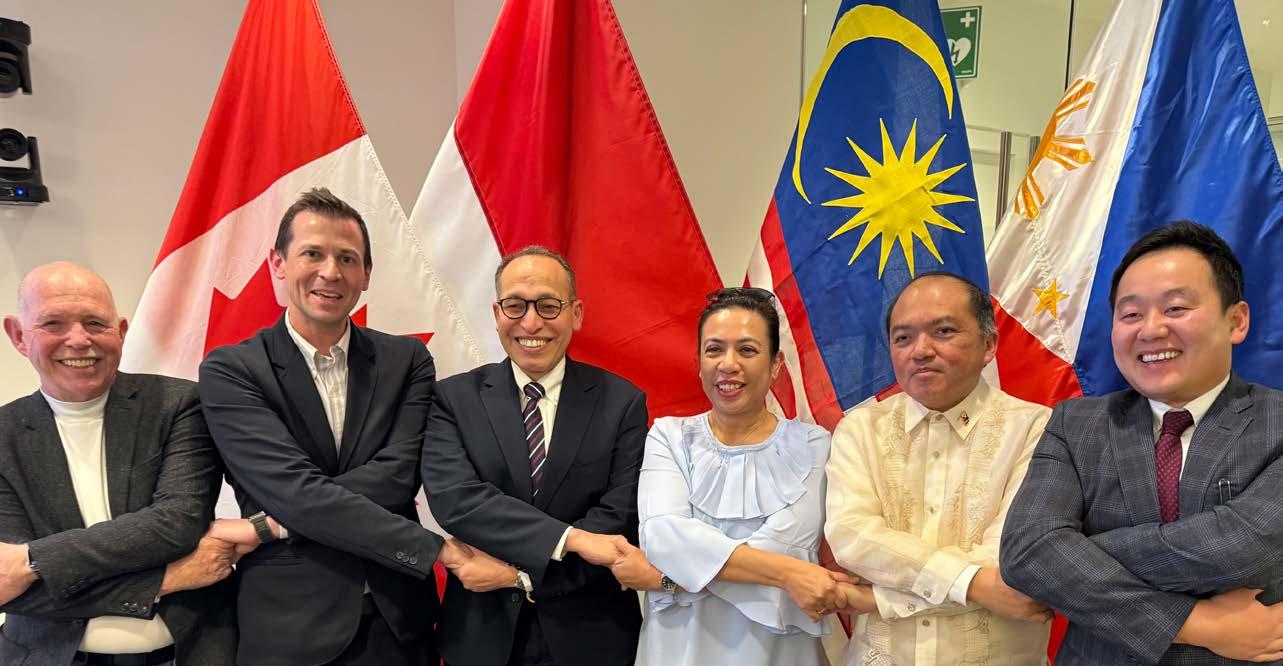
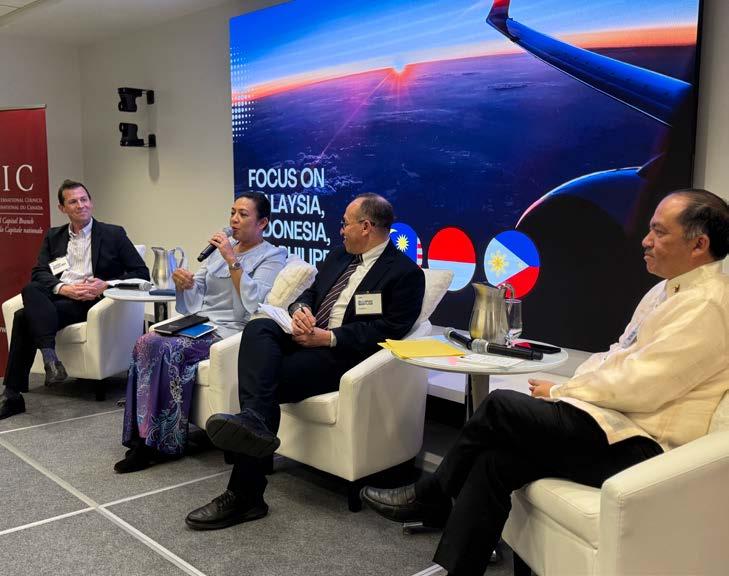
Heading further east, we sit down with all seven ASEAN heads of mission based in Ottawa for a fulsome discussion of trade and their priorities. You’ll find a special section devoted to this subject.
And, as always, there’s much more, including a column by Fen Hampson and collaborator Joshua Moffat on AI and Canada’s potential role in its future. Our defence writer Joe Varner looks at the world’s traditional alliances and discusses why they can no longer be assumed.
We also interview Rob Oliphant, a popular fixture in diplomatic circles due to his role as parliamentary secretary to Foreign Affairs Minister Anita Anand, and we talk to Alberta Premier Danielle Smith, who has been travelling outside of Canada to drum up business for Albertan oil, but also other things, such as AI centres.
In our cultural diplomacy section, we have an interview with Ontario Lieutenant-General Edith Dumont, who graciously received us in the Queen’s Park offices she hopes to make “the House of Ontario.” Further, we offer you recipes, a primer on Australian wine, a series of events in the arts, short profiles on the 16 new heads of mission since our last issue and, as always, our colourful events pages. I hope you enjoy this issue.
Jennifer Campbell Editor, Diplomat International Canada magazine
Jcampbell@diplomatonline.com
| Photo: Brigitte Bouvier
FOR CANADA’S FUTURE
A trusted construction partner for embassies, consulates, and international institutions in Canada.
ZGEMI is a Canadian general contractor and construction management firm delivering complex, high-impact projects across the country. Founded in 2005 and headquartered in Brampton, Ontario, the company operates nationwide, with active work across major urban centres including Ottawa, Montréal, Edmonton, and Vancouver.
With thousands of projects delivered, ZGEMI offers end-to-end construction solutions — from development and renovations to full build-outs — guided by a client-first approach rooted in quality, integrity, and long-term value. Its integrated delivery model ensures seamless coordination across design, engineering, and construction, consistently delivering projects on time and to the highest standards.
DIPLOMATIC & GOVERMENT EXPERTISE
ZGEMI brings proven experience delivering highly regulated public-sector and institutional projects, where discretion, security, and precision are essential. The firm has successfully executed work within government and institutional environments requiring strict regulatory compliance, advanced coordination, and operational confidentiality.
This expertise extends to diplomatic and internationally affiliated settings, where cultural sensitivity, functional requirements, and representational standards must be carefully respected. ZGEMI understands the unique demands of embassy, consulate, and mission environments — delivering secure, compliant spaces that support both daily operations and diplomatic representation.
HEADQUARTERS
100 Wilkinson Rd, Unit 16-17, Brampton, ON, L6T 4Y9
EDMONTON BRANCH
14808 Stony Plaid Rd, Edmonton, AB, T5N 3S5
OTTAWA BRANCH
1001 Thomas Spratt, Ottawa, ON, K1G 5L5
MONTREAL BRANCH
9005 Boul Henri-Bourassa E. Montreal, QC, H1E 1P4
CAN CANADA COMPETE IN THE AI RACE?
It will be tricky, but not impossible, for Canada to meet Prime Minister Mark Carney’s vision for the country to be an independent player in the high-stakes global AI economy.
By Fen Osler Hampson and Joshua Moffat
Prime Minister Mark Carney and Evan Solomon, Canada’s first-ever minister of artificial intelligence and digital innovation, have a tall ambition. They want to position Canada as a global leader in the development and adoption of artificial intelligence (AI). They have also touted “digital sovereignty” as central to achieving this goal. The stakes could not be higher. As Solomon explained at a Startupfest tech event in Montreal in July 2025, “Countries that master AI will dominate the future — you’re either part of the bulldozer, or you’re part of the road. We cannot be left behind.”
The prime minister clearly recognizes the scope of the challenge. In a November interview with Toronto Life, he said, “AI can contribute to our economy in many ways. For example, [it can contribute] when it comes
to the infrastructure necessary to train models and build those models out, which we can do with Canada’s cheap and clean power, engineering expertise and determination.” He also foresees a significant role for AI in delivering more efficient government services. During his campaign in the run-up to the federal election on April 28, 2025, he declared, “Government must harness AI with a clear focus on serving the public good. We will deploy AI across federal government services to increase productivity, reduce waste and improve delivery.”
Despite having some of the best minds in the AI business — Geoffrey Hinton (a British-Canadian), who was jointly awarded the 2024 Nobel Prize in Physics with John Hopfield for their “foundational discoveries” in AI, and Yoshua Bengio, who, together with Hinton and Yann
| Photo: Adobe Stock
The stakes could not be higher. As Solomon explained at a Startupfest tech event in Montreal in July 2025, “Countries that master AI will dominate the future — you’re either part of the bulldozer, or you’re part of the road. We cannot be left behind.”
LeCun, received the 2018 ACM Alan M. Turing Award for their work on deep learning — Canada is a laggard in AI adoption. Although Canada was the first country to actually launch an AI strategy in 2017, we have fallen from third place then to 10th place in 2024 on Stanford University’s highly respected Global AI Index.
The inconvenient truth is that there are some AI races Canada has already lost and has absolutely no hope of winning. Nevertheless, there are other areas where, with the right policies and strong government leadership, Canada can and should excel and be a world leader. However, Canadians and their government should have no illusions that Canada can ever achieve complete “digital sovereignty” in the AI age.
To see where Canada can still compete and win, it is necessary to look squarely at the economics of AI
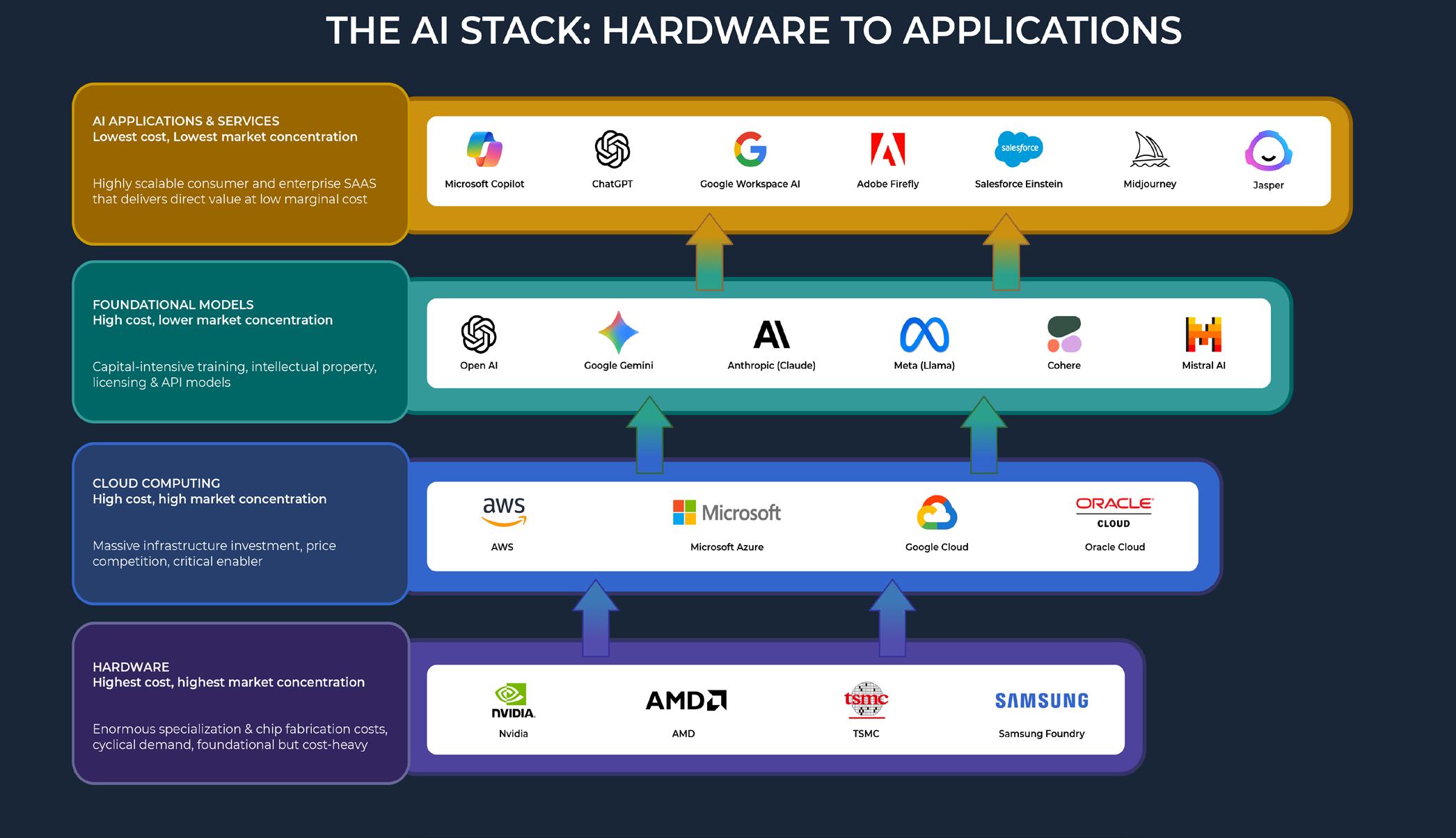
development. The artificial intelligence industry can be viewed as a vertically integrated stack in which each layer demands very different levels of capital investment and offers distinct economic opportunities (see diagram below).
Think of the AI industry as a modern energy grid. Foundation models (OpenAI, Anthropic, Google) are like massive power plants. They require enormous investments to build and generate the raw power that drives the entire system.
Cloud platforms (Microsoft Azure, Google Cloud, AWS) function like electricity grid operators — they store and route that power where it is needed. These systems deploy the latest AI models and make them available 24/7. Like grid operators, they control where data and models are stored, set the terms of access and can
The artificial intelligence industry can be viewed as a vertically integrated stack in which each layer demands very different levels of capital investment.
throttle or cut off service. They capture enormous value by controlling this distribution.
Applications (ChatGPT, Claude, Copilot) are heavyduty appliances such as stoves, electric furnaces, air conditioners, refrigerators and electric cars. This is what customers actually pay for and use. But there are also literally thousands of other “appliances,” which are the specialized AI tools powered by this system that are designed to solve particular kinds of problems.
The economic problem is that the “power generators,” or foundational models, cost hundreds of millions to develop, but do not recoup their full costs. The “grid operators” — those who operate the data centres — generally tend to be cloud providers who own and control the computational facilities. By charging for access to compute, they can cover their investment and make a profit. However, vertically integrated players who control both the hardware (the data centres and everything that goes with them) and the software (the large language models or LLMs) are at an enormous advantage because they enjoy cost savings at scale — in other words, they have no cloud markup — and they can make optimal usage of the entire AI stack. It takes literally billions of dollars in investment to build these facilities and tens of millions more to run them because of the substantial energy costs that are involved, which is why we see only a handful of familiar big tech names such as Meta, Google and Amazon in this space.
For the makers of the “appliances” — the actual AI applications consumers use — there is also real money to be made. This is the sector where we see the highest level of competition, particularly in the development of derivative AI tools that are designed to enhance efficiency and productivity through the entire business chain, from production, to managing supply chains, to automating customer support, to streamlining marketing campaigns.
There are literally thousands of companies now competing to develop AI products and services for the
market because the barriers to entry are correspondingly somewhat lower.
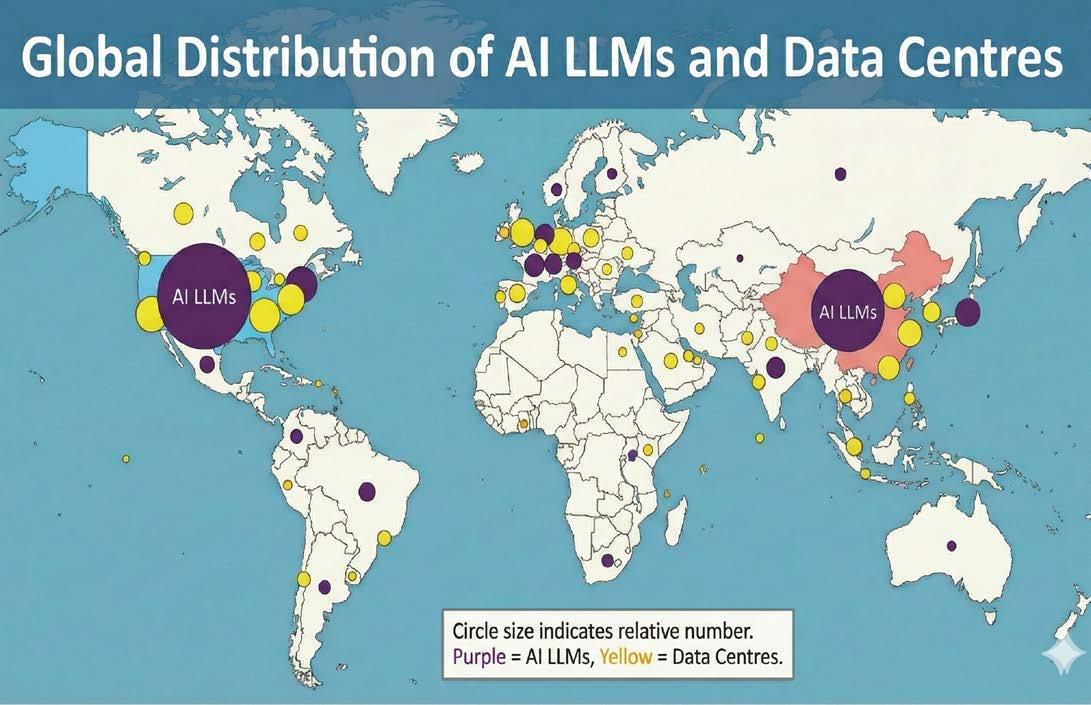
The figure (above) clearly illustrates the concentration of global AI power, with the U.S. and China showing an overwhelming dominance in both AI LLMs and data centres. It is neither realistic nor economically rational for a mid-sized economy like Canada to attempt to lead in every layer of the AI stack.
The strategic question is: Which parts should we aim to control, and which parts should we approach as buyers? The countries that will create the most value from AI are not the ones that train the biggest models. They are the ones that deploy those models into real services, with real users, inside actual institutions. Governments, in particular, stand to benefit from focused AI systems that modernize archaic processes at relatively low cost while improving consistency and reducing exposure to operational errors that create security risks. High-value opportunities include document management and triage, risk screening, translation, regulatory analysis and other tightly scoped functions where value can be proven with relatively little risk. Targeted government procurement can also play a catalytic role, because even modest contracts for well-defined AI systems give domestic firms the credibility and operational experience they need to achieve scale and become globally competitive SMEs.
The concentration of global AI power clearly rests with the US. and China.
Think of the AI industry as a modern energy grid. Foundation models (OpenAI, Anthropic, Google) are like massive power plants. [...] Cloud platforms (Microsoft Azure, Google Cloud, AWS) function like electricity grid operators — they store and route that power where it is needed. [...] Applications (ChatGPT, Claude, Copilot) are heavy-duty appliances such as stoves, electric furnaces, air conditioners, refrigerators and electric cars.
In this context, questions of cost and economic structure are paramount. They are the real test of how much “digital sovereignty” Canada can realistically achieve. The massive up-front capital required for foundational models and cloud infrastructure, the ongoing operating expenses of high-performance computing and energy and the intense competition in downstream applications will constrain which parts of the AI stack Canada can genuinely own and which parts it will inevitably have to purchase from foreign providers. Put differently, finding the right balance between public investment, private
capital and reliance on external platforms will do more than any slogan to determine whether Prime Minister Carney’s AI vision leaves Canada as an independent player in the global AI economy or locks it into a subordinate, price-taker role.
A good example of the dilemma Canada confronts is the government’s flagship sovereign AI compute strategy. It involves a deal of up to $240 million with the Canadian company Cohere, which is at the forefront of large language model and end-to-end secure generative AI platforms for use by the private and public sectors. The support is part of a larger $2-billion package to expand Canada’s domestic AI capacity. However, Cohere is partnering with a U.S. company, CoreWeave, for its cloud services and to help build and operate its Canadianbased data centre. As a result, key infrastructure will be run by a provider subject to U.S. jurisdiction, creating at least some exposure of data and operations to lawful U.S. access mechanisms such as those enabled by the CLOUD Act, even though the data centre itself is in Canada. Without applied systems ready to run on sovereign infrastructure, Canada risks building stranded capacity, like building highways without any cars to drive on them. Sovereign AI capabilities will only matter if they are paired with real, operational systems that deliver measurable value across institutions.
Unless Canada can demonstrate that its investment in infrastructure directly supports functioning systems that generate cost savings and improve services for Canadians, the promise of AI adoption will remain theoretical rather than transformative.
A Fellow of the Royal Society of Canada and Chancellor’s Professor at Carleton University, Fen Osler Hampson was the director of the Global Commission on Internet Governance. Joshua Moffat is an Ottawa-based AI-solutions architect, specializing in the development of large-scale applied AI systems for enterprise and public sector organizations.
Prime Minister Mark Carney wants to position Canada as a global leader in the development and adoption of artificial intelligence. | Photo: United Nations
CANADA'S INTERNATIONAL SCHOOL IN THE NATION'S CAPITAL
For diplomats posted to Canada, finding the right school for your children is a big decision. You want a place where they’ll feel at home, excel academically, and grow into confident global citizens. That’s precisely what Ashbury College offers.
Established in 1891, Ashbury is proud to be Canada’s international school in the nation’s capital, a community where students thrive, connect, and adapt in a changing world. Ashbury College became Canada’s first IB World School in 1976.
Ashbury’s picturesque campus is located in the community of Rockcliffe Park, home to the official residences of several foreign governments, and just minutes from the heart of Ottawa. Like Ashbury, Ottawa welcomes the world. It isn’t just Canada’s political heart—it’s a city alive with culture, education, and opportunity. Families enjoy a safe community, access to the Canadian Parliament, world-class museums such as the National Gallery of Canada, bilingual resources, and proximity to embassies and international organizations. It is also surrounded by a wealth of outdoor spaces for exploration and learning,
including nearby Gatineau Park. For students, Ottawa offers unparalleled cultural experiences and learning opportunities.
• What is Ashbury? •
Ashbury is truly a global community. As you walk through Ashbury’s halls, you’ll hear voices from more than 55 countries. Diversity and pluralism aren’t just ideals here—they’re part of everyday life. Our programs encourage students to see the world through many lenses, whether through Model United Nations, international exchanges, or service learning. It’s an education that builds empathy and global awareness. Our International Day is often referred to as Ashbury’s “best day ever!”; students and staff share their cultures with the school community.
Academic excellence is the heart of Ashbury’s mission. A rigorous curriculum prepares students for success at top universities worldwide. Our teachers combine expertise with a passion for inspiring young minds. Small classes mean personalized attention, and advanced programs challenge students to think critically and creatively. Year after year, our graduates secure admission to leading institutions across North America, Europe, and beyond. Our Senior School offers a variety of programs, including the Ontario Secondary School Diploma, the Ashbury Diploma, the IB Diploma, and our Bilingual (English-French) Certificate. Our Junior School program encompasses and, in many cases, exceeds Ontario curriculum guidelines.
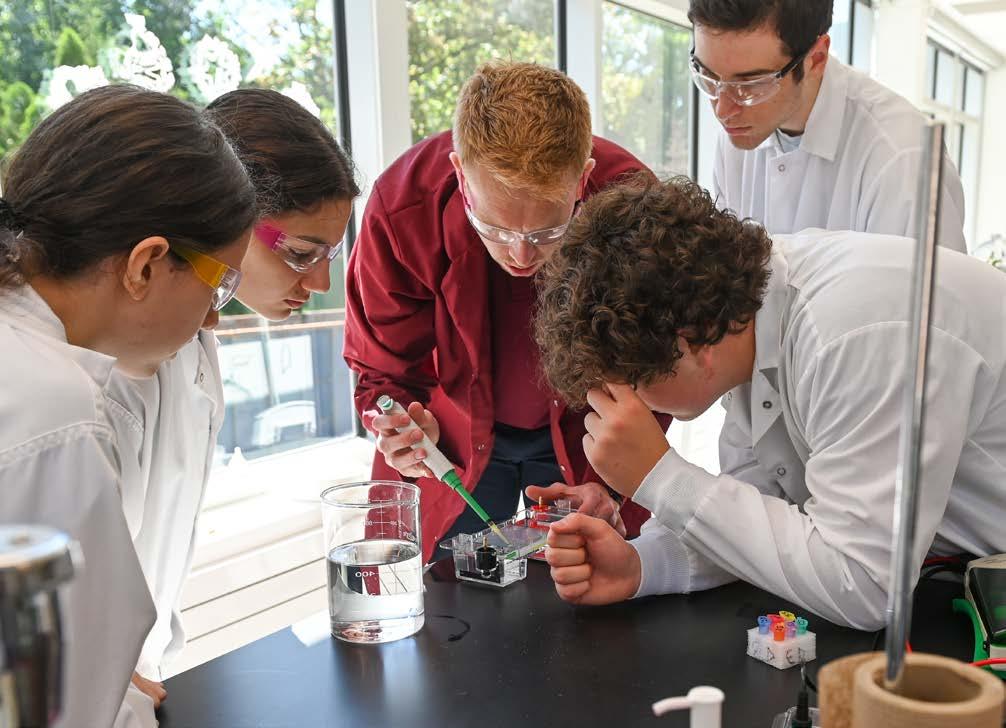
Our campus boasts state-of-the-art learning facilities, including university-level science labs, music and theatre spaces, a recently renovated library and learning commons, and outdoor
learning spaces, including our learning garden and green roof.
Our fitness and sports facilities include multiple gyms, outdoor fields, and a fitness centre staffed by a personal trainer and athletic therapists. Ashbury’s three modern boarding houses offer a mix of single and shared rooms with en-suite bathrooms. Each boarding house is equipped with common areas, laundry facilities, spacious kitchens, games and study rooms, secure high-speed internet, and weight-training and fitness areas. For our families’ convenience, Ashbury offers early drop-off and late pick-up, as well as a busing program.
Our 2025-2030 strategic plan, Strategic Directions: Thriving Together in a Changing World, is more than a roadmap—it’s a promise. Guided by three priorities—Thrive, Connect, Adapt— we’re committed to supporting student success and well-being, building meaningful relationships across cultures, and preparing future-ready students to lead in a rapidly evolving global landscape. As part of this strategic plan and to meet growing community demand, Ashbury will welcome Grade 3 students
in Fall 2026, creating a seamless educational journey from the early years through high school graduation. For families seeking stability and continuity, this is an exciting new chapter. Life beyond the classroom at Ashbury is both rich and intentional. Our co-curricular program offers opportunities in the arts, science, athletics, leadership, and community service that help students discover their passions. Whether performing on stage, programming a robot, competing on the field, or volunteering in the community, they develop confidence, resilience, and a sense of purpose. Co-curricular activity participation is required and built into the academic schedule to help students find balance between their academics and interests.
For diplomats and internationally mobile families, Ashbury’s boarding program for Grades 9–12 provides a secure, welcoming environment. Boarding students enjoy modern facilities, structured routines, and a vibrant community that celebrates cultural diversity—a perfect solution for families balancing global responsibilities with educational stability.
Choosing Ashbury means choosing a school that values excellence, diversity and global citizenship.
It means joining a community where your child will thrive academically, socially, and personally, supported by a team dedicated to their success and well-being.
Discover
Ashbury College today!
Visit ashbury.ca to explore our programs and strategic vision. To experience more of what Ashbury offers your child, we invite you to visit us. To schedule an in-person or virtual tour with our Admissions team, please email admissions@ashbury.ca
CANADA'S TRICKY CO - HOSTING GIG
Canada, the U.S. and Mexico play host to the FIFA World Cup in June. Diplomat looks at how this country can seize the moment.
By Robyn Waite
Canada will co-host the 2026 FIFA World Cup alongside Mexico and the United States, putting it on a global stage for 39 days, but the geopolitical context surrounding this tournament looks nothing like it did when the bid was launched in 2017.
“Twenty-twenty six is an opportunity. If it’s leveraged in the right way it could be a significant diplomatic and economic asset,” says Earl Cochrane, former professional player and CEO of Canada Soccer.
The key word is “leveraged.” Without a good strategy, major sporting events can just as easily erode influence as engender it. Aaron Ettinger, associate professor of political science who studies the politics of sport, warns FIFA 2026 could become a moment of “soft disempowerment [for Canada], which is essentially what happens if you screw up … and come out of the event looking bad and losing soft power.”
To drive economic change and social development, which Cochrane believes is the power of sport, he hopes Canada takes the opportunity seriously. He doesn’t think sport has been valued by Canadian politicians traditionally, noting the significantly lower contribution of sport to the country’s GDP compared to other G7 and G20 nations. He suggests Canada should figure out how to "embed sport into trade missions” and get Global Affairs, Export Development Canada and the Trade Commissioner Service to think of sports as exports.
Ettinger shares Cochrane’s view, and wants to see politicians, bureaucrats and business leaders alike “mobilize the Team Canada approach” and meet with counterparts from around the world.
“Canada is at an all-time high in soft power after Prime Minister [Mark] Carney’s speech at Davos,” Ettinger says. “European countries and middle powers are looking at us as an example and leader.”
It’ll be a tricky balance for Canada though, as U.S. President Donald Trump’s engagement in sport is typically divisive. “[It is a] continuation of [his] politics by other means ... and part of the broader culture wars.” As such, there is a risk that something unexpected and controversial unfolds during FIFA 2026. If it does, Ettinger recommends Carney live by his own words, by articulating Canada’s values and not staying silent in the face of wrongdoing.
FIFA is an opportunity for Canada if the government leverages it the right way.
‘I'M THE POLITICAL GO-TO PERSON’
Rob Oliphant has served five foreign ministers as their proxy in Ottawa when they’re travelling abroad and these days, he shares the role with MP Mona Fortier. He also attends dozens of national days and travels often in his parliamentary secretary role.
By Jennifer Campbell
MP Rob Oliphant is the parliamentary secretary to the foreign minister and in that role, he has served a total of five foreign ministers, including Chrystia Freeland, FrançoisPhilippe Champagne, the late Marc Garneau, Mélanie Joly and now, Anita Anand.
Oliphant says part of his role is explaining to Canadians what role the diplomatic corps plays in the country and why it’s beneficial to have a good diplomatic corps for Canada’s sake and for the sake of the country in question.
Diplomat magazine: What is your relationship with the members of the diplomatic corps? Why is their work important and why is it important to have someone like you liaising with them?
Rob Oliphant: A big part of my job as parliamentary secretary to the minister of foreign affairs is that
relationship with the diplomatic corps, with individuals, with the regional groupings, with the deans and with the dean of the corps as well. It is to be an ear sometimes and sometimes to be a voice — I do both roles. They all have important relationships with their geographical desks at Global Affairs. That's their principal relationship — to deal with the the assistant deputy ministers, the directorsgeneral and the foreign service officers.
They're also in constant communication often with our ambassadors in their home countries. What I do often is listen to what falls between the cracks. So, if they have
made a request for an incoming visit or an outgoing visit, if they are working on trying to understand a relationship within our Confederation, or to understand provincial and federal jurisdiction or to understand something that's going on in Parliament that may not be similar to the system that they have, or they're trying to understand where real power lies and where decisions are made, I’m often the person that has that very casual conversation.
We do a lot of courtesy calls. So these are half-hour to 45-minute meetings, usually in my office, where we start lightly, but often delve into some very deep topics. And I always try to do the follow up that they may be missing in the other places they're working.
I'm the political go-to person. Our minister is very busy. All our ministers are busy. I'm busy, too, but I'm busy doing this. And so when they're not able to get their voice heard at a political level, I'm usually the one they go to, and I try to open that door for them.
DM: You will have done this job for seven years in April, serving five different ministers.
RO: Yes, I think of myself like the Sphinx in Egypt — I am there, and other people revolve around me. That happens in a couple ways. Almost all ambassadors have changed over in those seven years, so I'm on my second round of the diplomatic corps. I'm also on my third round of where our foreign service officers are. I travel a lot. I sometimes meet them in the field, then I meet them in Ottawa on a different job, and then I meet them again in another country where they are posted. And that gives me a sort of a continuity I think is helpful. Generally, when other people rise to a worry level, I say, we've been there before. Let's walk through this calmly, and we'll get there. I also kind of know where the doors are to open for people.
DM: Does the job remain fairly consistent, or does it change significantly when you get a new minister?
RO: I would say half the job is exactly the same and it's partly that I replace the minister when she's not in
MP Rob Oliphant is a parliamentary secretary to the foreign minister. He says part of his job is explaining to Canadians what role the diplomatic corps plays in the country.
| Photo: House of Commons
the House of Commons, I work on committee, I do the national day events. I do maybe 50 or 70 [national days] a year. I’d say the other 40 per cent is dependent on the minister. All the ministers I've had — the five of them — are all brilliant, they're all interesting, they're all creative and they all have different priorities so my priorities shift. Sometimes they shift in concert with the minister, because the minister wants something done that I can help with. Sometimes they work in counterpoint to the minister in that the minister has certain interests and other things get let go, so I pick them up.
DM: You are a United Church minister. Do you have any ambition to become a political minister — a full minister?
RO: Everybody does. Sometimes I think I am the government's best-kept secret because I think I have experience and talents and interests and abilities that don't always get seen. I always find it interesting that the diplomatic corps maybe knows me better than the Prime Minister's Office does. The diplomats see me in action all the time. I've travelled with a number of them; they see me on the ground in my bilateral meetings. They see me working the rooms at receptions, which sounds unimportant, but receptions are the place I learn details about our bilateral relationships and our multilateral experience. So, of course, I'd love to be a minister, but I don't pine for it.
DM: Are parliamentary friendship groups important?
RO: The top priority where power exists is at the executive branch. It's at the ministerial level and in the Prime Minister's Office. The Prime Minister's Office does a huge amount of decision-making. The officials, however, are also very important, because they channel or funnel the information that the executive branch often gets. Senators and members of parliament have perspectives on the country. They have relationships, and they often understand diaspora communities quite well, but they don’t have decision-making power. So a friendship group is sometimes a subset of that and we have three levels
of those groups. The inter-parliamentary associations — there's 12 of them that are funded — have some influence, because they're able to travel and learn more. The parliamentary associations are accredited, they have staff and there's five of them, but they don't have as much influence because they don't get to have the weight of the travel and the weight of the engagement. The friendship groups — I believe there are 70 or 80 of them, maybe 90 — tend to be small. They're meant to be inter-parliamentary friendship groups. They're meant to bring legislators from one country to the other country to talk with each other. In countries where the legislative branch has more power, they're quite important. For instance, I was in Bulgaria on a bilateral trip when a vote was being taken in Parliament with respect to procurement of armoured vehicles that were being bought from Canada, and the Parliament made the decision on that. So that's where the parliamentary relationship becomes quite important, and our friendship group can be helpful. Normally, however, I try to tell the ambassadors to spend time where there's the most power, and that would be more with MPs than with senators; more with officials than MPs; and more with the PMO and the executive branch than others. They're important, but let's not exaggerate it.
DM: Can you share a moment when a relationship you built through a friendship group, an inter-parliamentary association or quiet conversation directly helped Canada move the needle internationally? I guess your Bulgaria example would be one.
RO: I used to chair the Canada-Africa Parliamentary Association. I chaired that for five years with a senator, and I travelled extensively in Africa. I learned about African issues and opportunities as a parliamentarian, which then I put into work as a parliamentary secretary by really being the shepherd for Canada’s Africa strategy.
I have a friend who is an MP in Kosovo, and we met here. She is a former minister. She's quite a good conduit for me to understand what's going on in the Western
"A big part of my job as parliamentary secretary to the minister of foreign affairs is [...] to be an ear sometimes and sometimes to be a voice — I do both roles."
Balkans, for instance. So yes, those friendships are important.
DM: What role do you have in charting Canada's foreign policy course?
RO: Our foreign policy right now is being directed largely from our Canada-U.S. relationship. And then everything else kind of flows from that. Foreign policy comes largely from the prime minister. It comes from civil society. He is engaging a lot with companies, with industry associations, with the machinery of our society. My role in that would be responsive, as opposed to a very proactive role. One of the areas that might be a little different would be Europe. We’re a member of NATO, we’re a member of OECD, OSCE. We’re very engaged in Europe. The next area would be the IndoPacific, because of its huge opportunities. And then obviously our continental relationships with Mexico
and Central and South America. But I remind them constantly about Africa and the Middle East. I recognize it as a longer game to open up those doors in Africa. And the Gulf is incredibly important right now.
DM: You have said that you keep the home fires burning while the foreign minister travels, but it sounds like you also travel quite a bit. Where did you go in 2025?
RO: I started out in Paris. I had been at the Francophonie the year before in Cameroon, so I did some followup on that. But I also, on that trip, went to the Middle East. I went to South Lebanon and Syria. They had no government when I was there — no prime minister. I go every year to the Commonwealth Week in London. There’s a ministerial meeting and receptions, and I had an audience with the King, which was pretty exciting. I was able to bring up the issue of Indigenous reconciliation and the responsibility of the Crown. In the summer, I was in Moldova before their Parliamentary elections and in Bosnia-Herzegovina, I was there waving the Canadian flag. I was at the 30th anniversary of the genocide in Srebrenica, and I had worked on a private member's bill many years ago on that. I was in New York City during high-level week [at the UN] for about a
MP Rob Oliphant takes part in a farewell luncheon for Paraguayan Ambassador Raoul Montiel Gasto at Global Affairs Canada. Departing diplomats are traditionally thanked and fêted over lunch or dinner in this room. | Photo: Compliments of Rob Oliphant
day and a half. And most recently, I was in Vienna a few weeks ago for the ministerial meeting of the OSCE — the 50-some countries that form the OECD. And I think I had about 20 bilateral meetings with ministers and vice ministers in Vienna, largely about Russia and Ukraine.
DM: Are you always representing the minister on these trips?
RO: Yes, I am very much her proxy on these trips. She'll go to the foreign ministers’ meeting of NATO, the G7 the G20; I will tend to do the Commonwealth. I did the Francophonie. And now Mona Fortier, my colleague, will probably do that one. I tend to do OAS, the Organization of American States.
DM: Our columnist Fen Hampson referred to Prime Minister Mark Carney as a merchant in a prime minister’s suit yesterday in The Globe and Mail. What are your thoughts on Carney’s emphasis on expanding trade?
RO: I think he's being responsive to the world we're in right now. Our sovereignty is also dependent on our economic prosperity and our ability to maintain our social programs and our Canadianness are dependent on us having a robust economy. We're a trading nation. If you're doing over $2.5 billion dollars of trade a day with the United States and it is at risk, then you're you're going to spend your time on that. I would say that Fen’s description of him is limited, because he doesn't get to see all the [other] work he's doing. At caucus, issues of public safety and national security are often raised. Immigration issues are often raised. Social security and the quality of life for youth and seniors are often raised. There are many domestic issues, but right now, obviously the media attention is very much on that trading job that he's having to do.
I think he's a multifaceted person, and I would say my respect and admiration but also my fondness for the prime minister has grown hugely. It's watching him work a room with discipline, but also with a sense of humour and humility — that’s been very good for me to see.
DM: Can you talk about fruitful relationships you've had with foreign diplomats who are posted to Ottawa?
RO: I've developed friendships that I think will last. So for instance, the ambassador from Portugal is leaving at the end of January, and Antonio and Louisa, his wife, who has been a member of the diplomatic corps as much as anybody, have become friends. And that means that the Canada-Portugal relationship at a bilateral level is quite important. The ambassador set up meetings for me because the Lusophone countries in Africa have an important relationship with Portugal. The former ambassador from Denmark and I became friends. And the former ambassador from Germany, Sabine Sparwasser, and I have become friends. These are relationships that nurture my soul.
I recognize that we're not London or Paris or New York or Washington, but we're a G7 country and the diplomats who are sent to Canada are top-tier. Countries do not send the B team to Canada.
DM: Representing Anita Anand in the House of Commons — how big a part of your job is that?
RO: It has been much less in this Parliament than in previous parliaments. So when I began with Chrystia
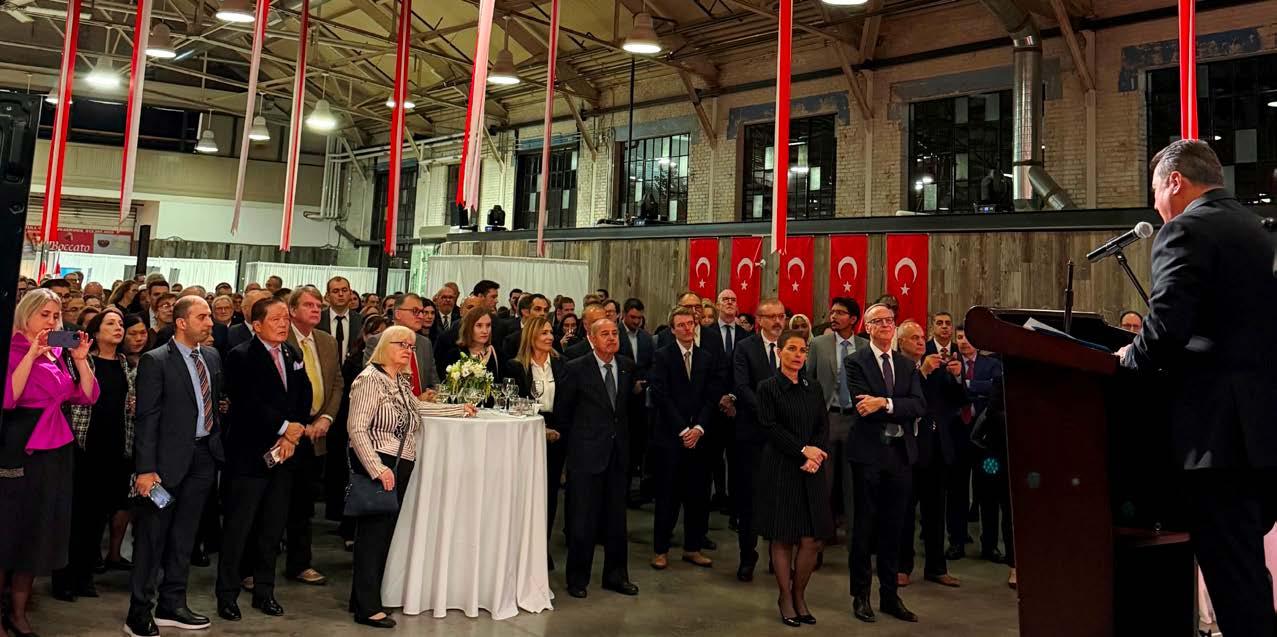
MP Rob Oliphant attends dozens of national days every year, including this one for Turkey. | Photo: Compliments of Rob Oliphant
"Our sovereignty is also dependent on our economic prosperity and our ability to maintain our social programs and our Canadianness are dependent on us having a robust economy."
Freeland, and she was away a lot working on Canada-U.S., and the first renegotiation of the old NAFTA, I was on my feet three or four times every question period.
During COVID with François-Philippe Champagne, and then with Marc Garneau, there were constant questions. We had two Michaels in China. We had the illegal invasion of Ukraine by Russia. With all of those, I was on my feet a lot. I find it interesting that under Pierre Poilievre's Conservatives, we rarely get questions about the international world. They’re talking about affordability, housing, crime and safety. Now if we get a couple questions a week, it's a lot. So that is different. I still do Order Paper questions. I still do petition responses. Every week, I'm responding to maybe half a dozen petitions or order paper questions. I sit at committee. I try to advance the government's agenda at committee. But it's been interesting how little attention this opposition pays to the international context. I like to take it as we're doing a good job.
DM: How does your former career as a United Church minister inform your current political career?
RO: A lot of it has to do with listening, but also a lot of it has to do with speaking. I think as clergy, you have to listen with all your senses and be aware and read body language, listening to the words, what is not said, you have to look for what may be affecting a person at a human level. All of those things you learn as a pastor, and you recognize that for all of us, our jobs are only part of our lives. People have kids and parents and spouses and marriages. They have disappointments and they have victories, and that's the kind of thing I keep in my head from my pastoral career for 25 years. At the same time, I also recognize, and it will
sound arrogant, but I'm a good public speaker. I have that capacity, and that's part of my training.
Some people say, 'What's the difference between being minister in the church and a MP?' And I say, 'I pray more now.' The world is messy. I'm not what I would call a religious person, even though I was clergy. I'm a very liberal Christian. I'm very ecumenical. I think there's truth in every religion, and I learn every day.
DM: You served as chair of the Standing Committee on Citizenship and Immigration. Tell me about some of your wins there.
RO: Before I was a parliamentary secretary, I chaired the public safety and national security committee for two years. And on that committee, I think our biggest win was improving the oversight of the agencies of public safety and security. So, whether it's RCMP or CSIS or the various agencies the government uses, we had Bill C-7 which I shepherded through the committee. After two years, I was chairing the citizenship and immigration [committee] for two years. I think the biggest thing we did there, for me was look at the need for immigration, particularly in rural areas in Atlantic Canada and in places where immigrants tend to not go first, and how Canada, as a government, can incentivize an equal distribution of immigrants across the country.
DM: When a major international crisis erupts, Canadians see statements and announcements, but not the decision-making behind them. What does the internal process look like from your vantage point? Who's consulted? What evidence matters and what trade-offs are most difficult?
RO: There are several channels that operate at the same time. The first one that gets going is the bureaucratic channel the officials who are career public servants, career foreign service officers and analysts, who are rarely surprised by anything because they've been tracking and following the issues. At the same time, there is a reaching
out to our G7 colleagues and like-minded [countries which] might switch depending on where the crisis is. Our G7 partners are critical, our Five-Eyes partners are critical, and our like-mindeds come in, and that's a kind of an iterative process between the minister's office and the PMO. There's also important conversations with the local diplomats and sometimes community leaders from the diaspora would also be engaged.
DM: What trade-offs are most important or most difficult?
RO: There are always frustrations among some Canadians because we seem slow to respond, or we seem limited in our response, Canadian interests have to come first. So while we are very engaged in the world, very engaged in hot issues and hot topics, it’s the prime minister’s [responsibility] to make sure that Canada's best interests are being taken care of. That may mean, at times, being quieter than someone might want, but it is always about making sure that Canada [plays] a long game and that Canadian interests are being upheld.
DM: When you look back years from now, not as a parliamentary secretary, but as a Canadian, what quiet decision, conversation or relationship will you be most proud of?
RO: I mean, there's some domestic things. Medical assistance in dying was a committee I co-chaired, and that is something I still work on. I also did a bill on genetic discrimination, which was to protect people's RNA, DNA, chromosomal history, so that insurance companies, landlords, employers could never discriminate against someone. We caught up to our G7 partners on that.
The conversation, though that I had that maybe made me the most modest [is this.] I was in a country in Western Africa, and I had a conversation with the thenpresident, and I was talking about human rights, and I had a very Canadian-centric view of human rights, and I was talking about democracy, and a very Canadian-
centric view of democracy, and he said to me, ‘I find it interesting, because your head of state lives in another country, and she [at the time] appoints a governor general as a person to sign all your laws, and you have two houses, and your upper house is not elected, but they have the power to veto the decisions of your House of Commons, which is elected. And you are talking to me about democracy.’ And I said, ‘Well, you have to understand how it works in Canada,’ and he said, ‘And you have to understand how it works in our country.’
It was humbling, and I've never forgotten it. And now when I travel, I go with a modesty and a humility. It’s the way I approach a new relationship with China. It's the way I approach a relationship with how we deal with coups and changes of government — to try to understand what's going on. I rarely talk about democracy. I talk about the rights of individuals and the freedoms of people. I talk about the aspirations of young people and the voices being heard. I talk about inclusivity and I talk about democratic institutions. But I'm much more modest in the way I talk about about those.
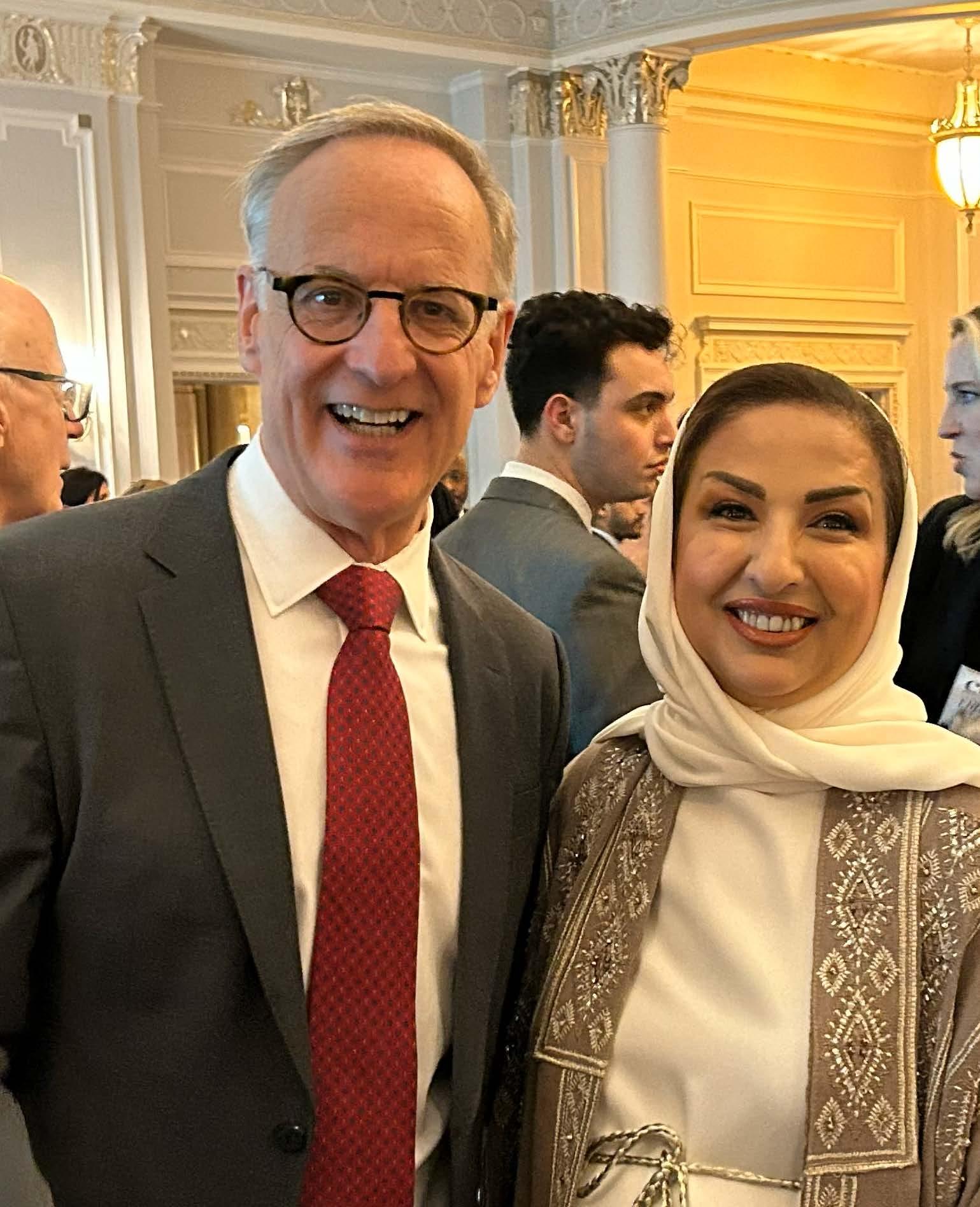
Parliamentary Secretary Rob Oliphant attended Diplomat magazine’s relaunch in May 2025. He’s shown here with Saudi Arabian Ambassador and guest of honour, Amal Yahya Almoalimi. | Photo: Compliments of Rob Oliphant
FAIRLEIGH DICKINSON UNIVERSITY
A Commitment to a Public Mission Through Education
In a world defined by economic upheaval and rapid technological change, visionary leadership and a strong commitment to public purpose have never been more essential. At Fairleigh Dickinson University (FDU), a not-for-profit, comprehensive university with campuses in the United States and Canada, that mission is at the heart of everything the institution does. Guided by President Michael Avaltroni, FDU is redefining what it means to be a global university, one that transforms lives, strengthens communities, and supports industry growth across borders.
President Avaltroni’s own story reflects the transformative power of FDU’s approach. “My journey from student to president and
even a parent at FDU reflects our long-held belief that education lifts individuals, families, and whole communities,” he says. “We are committed to not only delivering outstanding academic programs but also forging pathways that connect learning to real-world impact and opportunity.”
A NOT-FOR-PROFIT UNIVERSITY WITH PUBLIC PURPOSE
As a not-for-profit institution, FDU reinvests all resources into academic excellence, student support, and strategic initiatives designed to advance the public good. This philosophy is evident in every initiative grounded in the mission, from affordable access to lifelong learning to career prep oriented toward educating graduates to take leadership roles in industry. “Students are at the center of everything we do,” President Avaltroni affirms. “Our mission drives decisions that enhance access, elevate quality, and expand opportunities.”
Whether in New Jersey or internationally, FDU’s focus remains on personalized education with global reach, small classes, experiential learning, and deep engagement with industry partners who shape future careers.
FDU HEALTHPATH FORWARD: LEADING HEALTHCARE EDUCATION INTO THE FUTURE
One of FDU’s most ambitious initiatives under President Avaltroni’s leadership is FDU HealthPath Forward, a comprehensive strategy to transform health and health-adjacent education, leveraging strengths in nursing, public health, pharmacy, and allied health sciences. Designed to address workforce shortages and evolving industry needs, HealthPath Forward integrates interdisciplinary programming with partnerships that align academic preparation with real-world demands.
“Healthcare is rapidly changing, and education must evolve with it,” President Avaltroni explains. “Through HealthPath Forward, we are equipping students not only with essential skills but with the capacity to innovate, lead, and respond to our communities’ most pressing needs.”
FDU VANCOUVER: A HUB FOR GLOBAL LEARNING IN A VIBRANT COMMUNITY
Nowhere is FDU’s mission more evident than at FDU’s Vancouver campus, where the university blends its American academic roots with a Canadian opportunity to create a uniquely global learning
Featuring President Michael Avaltroni
environment. Established in 2007, the Vancouver campus has offered industry-aligned undergraduate and graduate programs in business, health, hospitality and tourism, humanities and information technology, preparing students to thrive in a global economy.
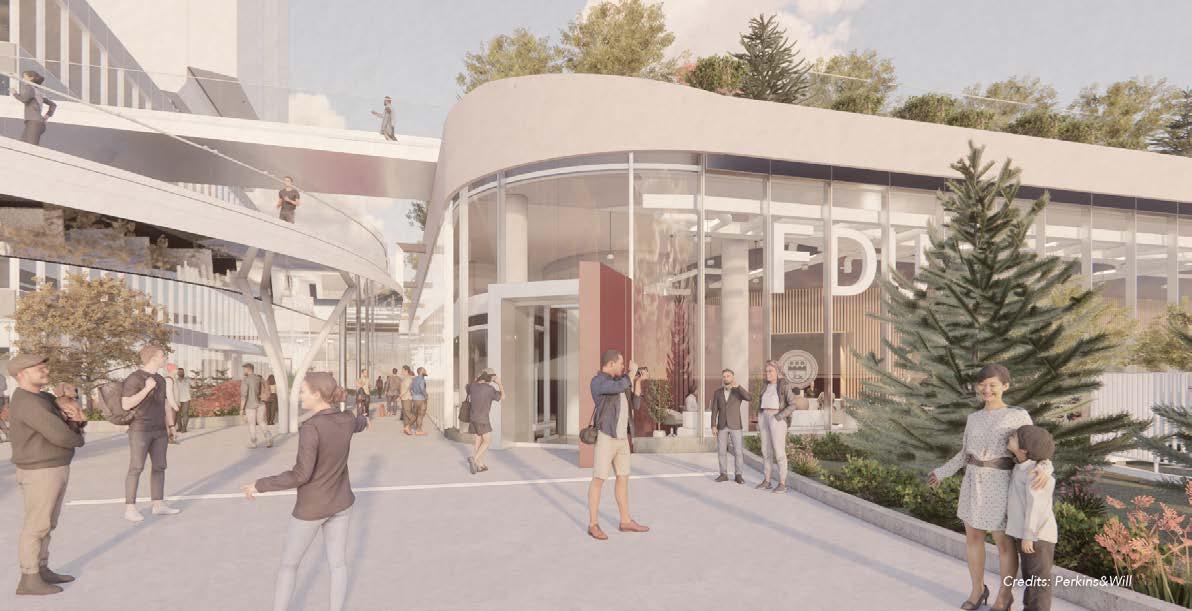
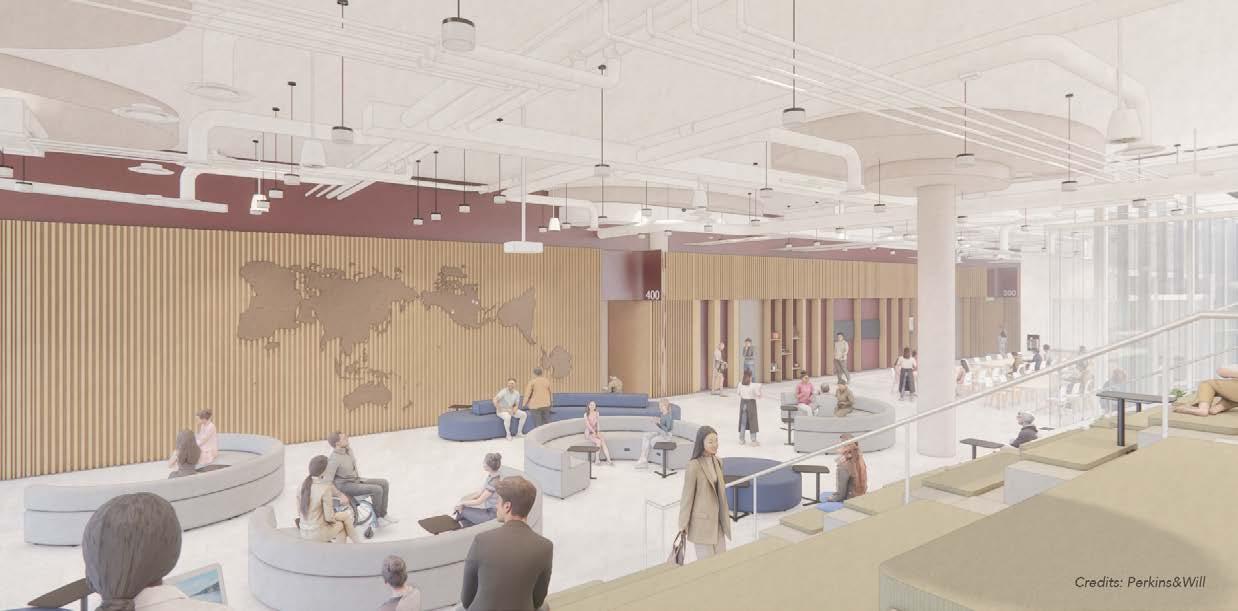
In fall 2026, FDU Vancouver will open its brand-new campus at Oakridge Park, a vibrant, mixed-use community in one of Vancouver’s most dynamic neighbourhoods. This move represents more than a change of address; it is a strategic investment in students, industry collaboration, and economic opportunity in British Columbia.
Situated within the larger Oakridge Park redevelopment, part of a multi-million-square-foot transformation that will include retail, residential, cultural, and public spaces, the new campus is designed as a modern learning environment with state-of-the-art classrooms, labs, and student support facilities. It offers unparalleled access to transit, connectivity to industry partners, and immersive opportunities for collaboration and career development.
“Expanding to Oakridge Park is a defining moment for FDU Vancouver,” President Avaltroni states. “This campus will deepen our engagement with local BC industries, expand
experiential learning opportunities, and create a space where innovation, culture, and academic excellence converge for the benefit of students and the broader community.”
The new location is planned to support an expanding student population and deepen FDU’s contribution to workforce development in British Columbia — particularly in sectors marked by high demand for skilled talent. The integration of academic spaces within a thriving mixed-use community reinforces the university’s belief that education should be both global in vision and local in impact.
A VISION FOR THE FUTURE
Under President Avaltroni’s leadership, FDU continues to exemplify how a not-for-profit university can proactively serve society — through visionary strategy, global perspective, and deep commitment to student success. From New Jersey to Vancouver and beyond, FDU is preparing graduates to lead with integrity, serve with purpose, and innovate for the future.
“We see a future where our students don’t just enter industries, they transform them,” President Avaltroni concludes. “At FDU, we don’t just educate; we empower.”
ALBERTA’S "AMBASSADOR" FOR TRADE
Danielle Smith holds the trade portfolio for her province and has been as busy as Prime Minister Mark Carney in seeking new trading relationships across the globe.
By Jennifer Campbell
When asked about investment opportunities in Alberta, Premier Danielle Smith’s immediate answer is “so many.”
Smith says the province is trying hard to diversify its economy so while oil and gas are obvious investment targets, she names plenty of others. On oil and gas, she says the plan is to double production over the next 10 years, meaning that all of the service and production companies that round out that sector have opportunities in the next decade.
At the same time, Smith says the province is “continuing down the path of decarbonization,” so investment in carbon capture, utilization and storage are possibilities as are hydrogen, geothermal and wind and solar.
When it comes to assuring investors Alberta can give them energy security and measurable emissions performance, she sees no conflict.
“We think that we can be the lowest emissions heavy barrel in the world,” she says. “When you look at heavy barrels, we've got some competition from Russia and Venezuela and Iran, and I think our value proposition from a security point of view is pretty well established. But we also know that a decarbonized product is important to our customers in Europe as well as in Asia. Not as much in the United States at the moment, but they've changed policies in the past. They might change again in the future.”
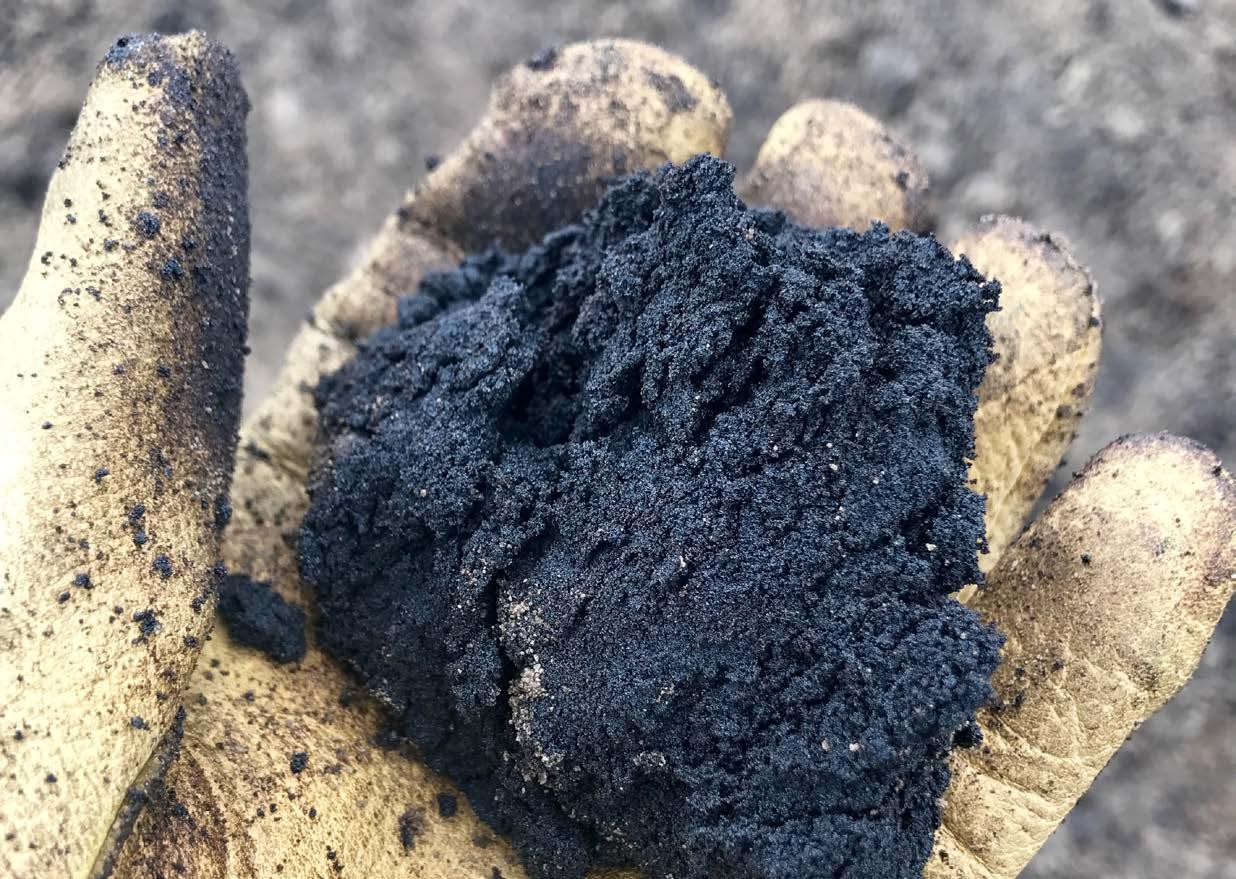
She says it’s important for her province to respond to what the global community is asking for from it. To that end, it is collaborating with the federal government on a bitumen pipeline to the northwest coast of British Columbia. The federal government declared an Indigenous co-owned pipeline to Asian markets a priority.
“[That is] coupled with the Pathways Project, which is a major carbon emissions reduction project that includes
not only carbon capture, utilization and storage, but bringing on new non-emitting fuel sources like nuclear as well as doing direct air capture,” she says. “And we are one of the destinations for some of that new research into direct air capture as well. We've also agreed with the federal government in our [memorandum of understanding] to work on methane reductions. We want to reduce our methane emissions 75 per cent below 2014 levels by 2035. So we think that we can have a dualtrack developing all the great new technologies that will ensure that this industry is continuing to have a lowemissions profile, but still also making sure the world has the fuel that it needs from a reliable source.”
On top of oil and gas, she mentions the forestry sector.
"I’ve been told by our forestry companies that, notwithstanding the troubles that we're having with United States, we've got incredible fibre here, so doing the value-added in our forestry products [is an opportunity],” she says.
She also noted Alberta’s robust agri-food industry with “virtually every crop you can imagine, including some wonderful greenhouses down south for produce.”
As Alberta continues down the path to decarbonization, hydrogen will play a role.
| Photo: Government of Alberta
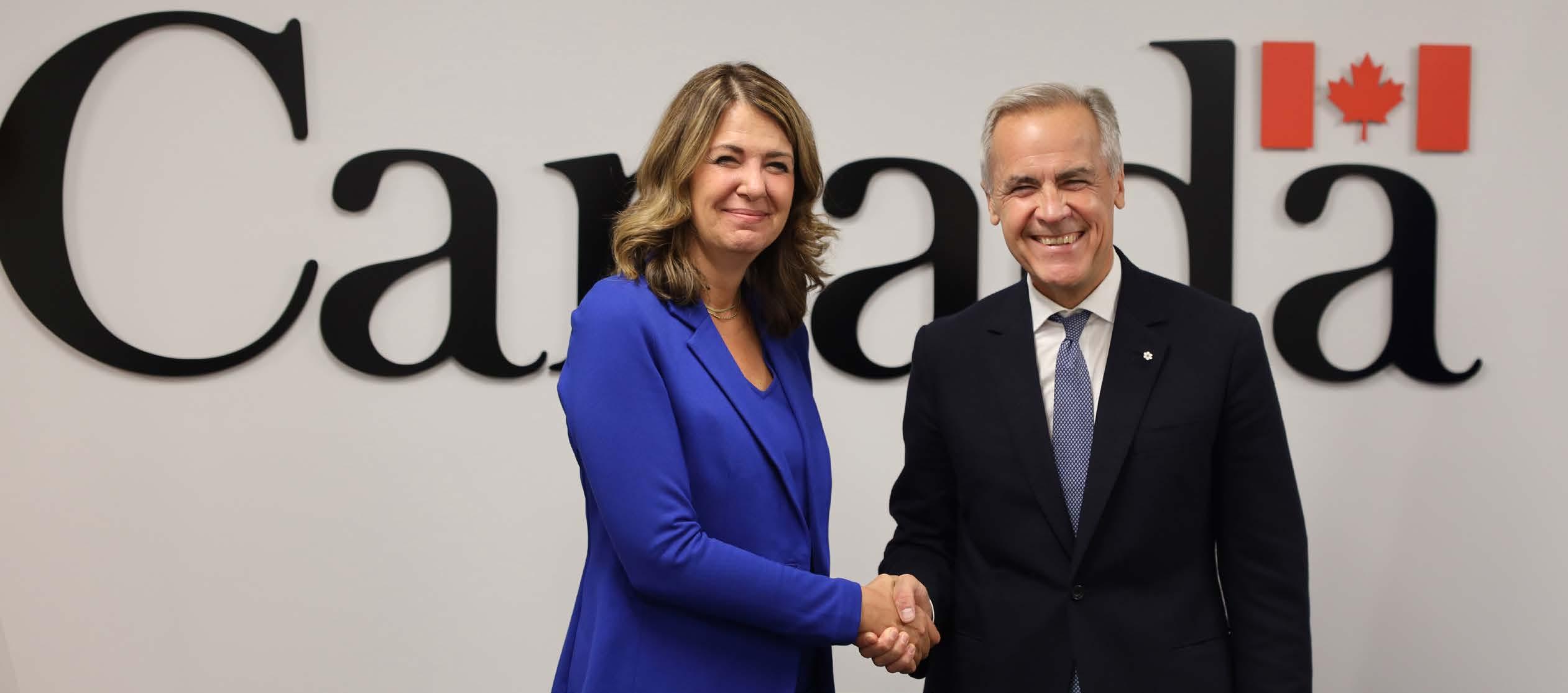
Alberta Premier Danielle Smith may be a polarizing figure in Canada, but outside of the country, she’s working hard to attract investment and help her province
She says the industry is ripe not only for primary production but also for agri-food processing.
“We've had $5 billion worth of investment in agri-food production,” she says.
HYDROGEN TAKES CENTRE STAGE
Alberta is Canada’s largest producer of hydrogen, putting out 2.5 million tons a year.
“And we’ve already developed a major international conference that is centred around that success,” Smith says, adding that the province’s current hydrogen stocks are called “grey hydrogen” because they’re not carbon-abated at the moment. “But they have already found industrial uses for hydrogen, which is part of the reason why they're now looking at ways to create a lower emissions product with carbon capture, so we can continue to expand that.”
The province has funded a number of projects through its Emissions Reduction Alberta program office, which has funded hydrogen hubs and projects.
“There are hydrogen locomotives that are being built in central Alberta,” she says. “We have a dual-fuel project with University of Alberta to look at injecting hydrogen into the diesel stream so that we can reduce the emissions
She says it’s important for her province to respond to what the global community is asking for from it. To that end, it is collaborating with the federal government on a bitumen pipeline to the northwest coast of British Columbia.
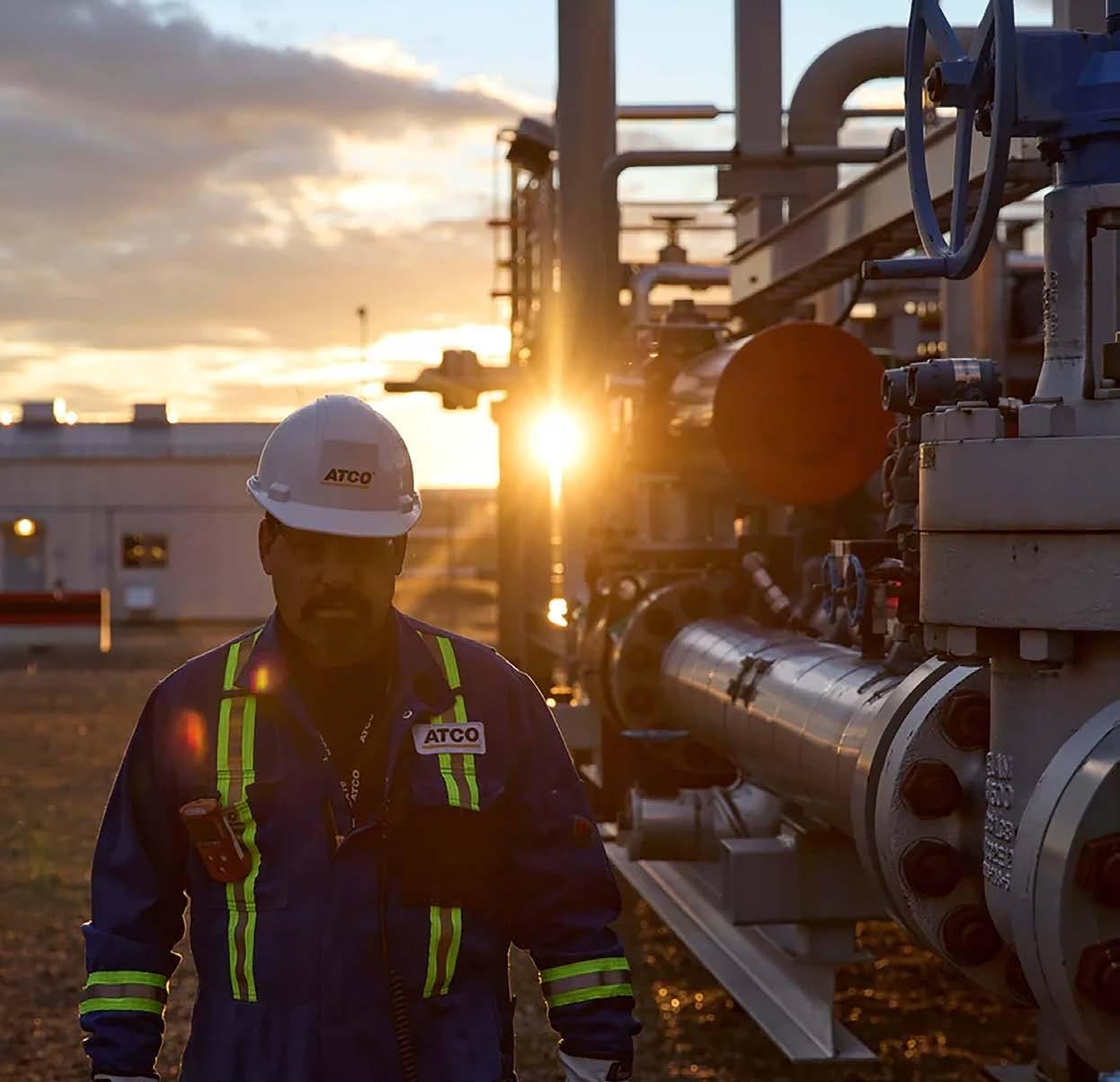
profile of our transportation vehicles. We have ATCO energy, which is injecting hydrogen into their heating system so that we can reduce the emissions profile there.”
She calls the dual-fuel initiative a multi-trillion industry in the making. In the meantime, she says, natural gas still is the easiest carrier of hydrogen, which is why her government is supportive of LNG export as well as ammonia development for potential export. She admits a need for more development on hydrogen infrastructure, although there’s a demonstration home in Strathcona County near Edmonton that is running on hydrogen.
“If we can get a few of these demonstration projects up and running, I think that will show the use case, and then [we’ll] end up with more investment on that front. We think we can be a leader in that.”
AI DATA CENTRES ARE COMING
The province has been working hard to attract and develop AI data centres, and it’s an attractive location
Alberta and the federal government of Prime Minister Mark Carney are collaborating on a bitumen pipeline to the northwest coast of British Columbia.
| Photo: Compliments of Danielle Smith
because of its cheap natural gas for power, cold climate for cooling and government incentives to attract investment through its AI data centre concierge program. The proposed $70-billion Wonder Valley AI Data Centre Park has ambitions to become the world’s largest AI data centre industrial park, for example.
Phase 1 involves developing a 1.4 gigawatt off-power system to meet the demand of hyper-scale data centre operations that are essential for large-scale data processing.
The Beacon Foothills Artificial Intelligence Hub is a proposed new data centre that will contain 400-megawatt onsite power-generation capacity, along with two fivestorey buildings. It will create 300 jobs once operational and represents a $4 billion investment.
“So whatever will develop out of the AI world once we get the hardware in, I'm sure that the use cases for AI are going to continue to just ripple through the entire economy,” Smith says.
She added that Alberta has also become a source for venture capital investment.
“We have about $700 million a year, including many unicorns that are now invested here, and they're creating their own ecosystem,” she says.
When it comes to convincing data centre investors that Alberta is a serious, well-prepared destination for their dollars, she says the province has been fortunate to have received a number of investments in electricity in the last year.
“We were constrained on our power grid until those projects came on,” she says. “And we were constrained by federal regulations that wanted to impose emissions caps and the clean electricity rates, which would have also imposed an unachievable emissions target to 2035. The MOU that we have with the federal government creates a more realistic timeframe for emissions reduction to 2050. We’ve already seen that there are a number of projects that are being proposed now. The proposal that we rolled out for our AI data centre strategy was ‘bring your own power.’”
She says the bring-your-own-power idea is modelled after the way the province built its oilsands. If investors end up with more power than they need, the province will work with them to figure out a way to buy some of it. Alberta has also come up with highly favourable tax breaks for those who do bring their own power.
EXPORT OPPORTUNITIES
When it comes to what Alberta can export, Smith says she’s excited about some of the pipeline optimization proposals that have surfaced. She mentioned Enbridge, TransMountain and South Bow, which is proposing using some of its existing Keystone assets to see if it can build to the U.S.
“There are oil by rail proposals that have come forward,” she says. “The other main area is anything you can put on a train. We have a lot of food and fibre, and not only base goods, but also value-added goods, and an incredible rail infrastructure through CP going down to Mexico
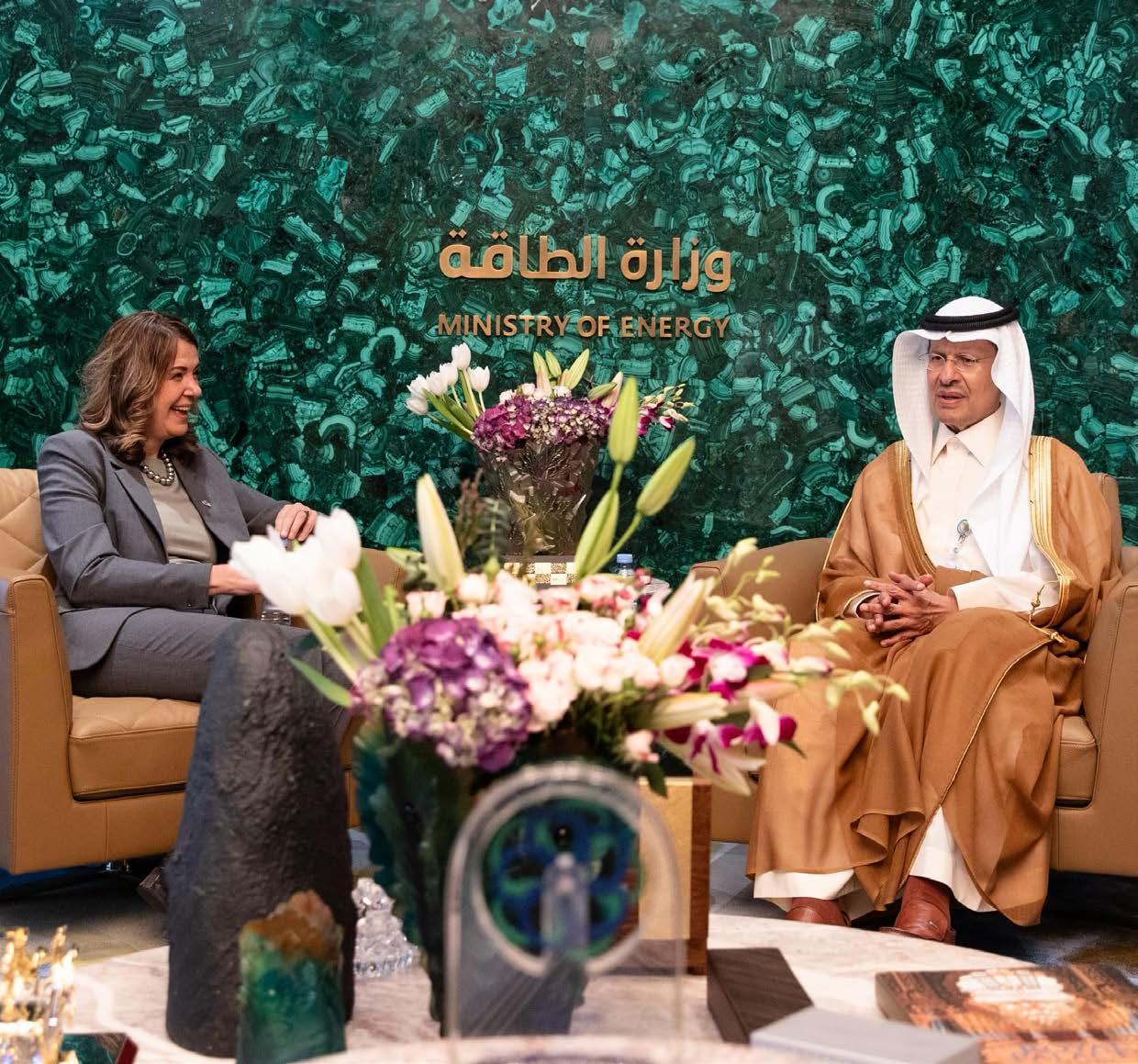
Alberta Premier Danielle Smith went to the United Arab Emirates and Saudi Arabia in early November to announce the establishment of a trade office in Abu Dhabi. Here she meets with Saudi Arabian Energy Minister Abdulaziz bin Salman Al Saud.
| Photo: Compliments of Danielle Smith
and CN going to the Port of Prince Rupert. So when you can get to the Gulf of Mexico, you can pretty well export anywhere you want to, either through the Panama Canal or on to Europe, or, if you go to the port of Prince Rupert, it's a direct line of sight to those Asian markets.”
She says propane is another growing market, with Japan getting 15 per cent of its propane from Canada — and that’s expanding. She’s also working with B.C. Premier on ammonia, because Asia and India want to do some co-combustion with their coal to bring their emissions profile down.
Smith also has plans to double Alberta’s tourism economy in the next 10 years.
“We’ve got some beautiful skiing, but we don’t have all the amenities associated with it at some of our provincial resorts so we’re developing that,” she says. “We have a film and television industry that has been very successful in attracting productions from the United States and other places and we want to continue to see that growth thrive as well.” She says the Calgary Stampede is another cultural export she wants to promote.
“[The Stampede] allows people to see why we have such a different culture here than other parts of the country,” she says. “We’ve really maintained that gritty cowboy spirit that is just ‘Get up, go, can-do, take some risks and you get great rewards.’”
The province currently has 16 trade offices around the world, with the next one to open being Mumbai, where a trade mission was planning to head early in January 2026.
“The prime minister has asked for us to re-engage with China, so I have some ministers who will likely be going to China this year as well. There are some pretty big markets that we think [will appreciate] our particular attributes of having both energy and food security to offer.”
RECENT VISITS TO UAE AND SAUDI ARABIA
Smith travelled to United Arab Emirates (UAE) and Saudi Arabia in the fall of 2025. UAE has made some significant investments in Alberta’s petrochemical sector.
She attended the ADIPEC conference, which she said included 150 Alberta companies in the service industry that want to do business in large oil-producing countries such as UAE. Saudi Arabia is another promising customer for the same reasons. She says that while both are oil producers and therefore Canada’s competition, they are also co-operative with Canada.
“What I've seen with UAE and with Saudi Arabia that I'm very interested in is they're going down the same path we are. They're trying to find ways to decarbonize — carbon capture, utilization and storage, alternative energy sources, direct air capture, nature-based solutions.”
Smith says there’s a lot to learn from UAE, which is also miles ahead of Canada in the AI data race, with an approximate adoption rate of 59 per cent for using AI broadly in their economy. And, she says the country’s sovereign wealth fund now sits at $2.75 trillion, and its managers may be looking to diversify.
To that end, Alberta has opened a trade office in Abu Dhabi. “Not only can we learn a lot and share a lot on oil and gas and AI, but also our service companies will have an opportunity to do business in the Middle East,” she says, adding that UAE’s technology minister chose to have an
Alberta is planning to double production of oil and gas in the next 10 years, while also working to diversify its economy away from that natural resource as the world works to decarbonize. | Photo: Suncor
Investopia conference in Alberta this year. “I think that’s a demonstration that when you invest in the relationship, you just don’t know all the ways it can grow.”
WHERE ELSE IN THE WORLD
Regarding other new markets, Smith says she expects Mexico to be a country of focus.
“I went on a trade mission to visit the office and Pembex [Mexico’s state-owned petroleum corporation] came here,” she says. "The Mexico relationship is an important one.”
She says Mexico feels insecure about its LNG and natural gas systems because it all comes through the U.S.
“I think that's another opportunity for us,” she says.
Europe is also attractive. She had planned to visit Alberta's London trade office early this year and she also planned to do some research into the the European health-care system.
“We've had our system really stretched to a new breaking point, and we've got to do things differently, so I want to look at the systems that work,” she says. “The Nordic countries have been very good on outreach, the ambassadors all come here and have met with me. There’s lots to learn from Denmark and Sweden.”
Smith has also set up an office in Ottawa and she says her office manager is building relationships with ambassadors on the ground in the capital.
Alberta’s relationship with the U.S. will continue to be strong on energy because of existing pipelines. But she sees diversifying as a win as well.
“We also see that China never looked at Alberta for oil until the Trans Mountain Pipeline opened and now they take more than half of [its] product and they want more of it,” Smith says. “Same with Korea — three of their refineries are now taking our heavy propane. They’ve
already known us in Japan [for] propane, but we’ll have an opportunity in LNG. I embrace the opportunity.”
She also see opportunities in India and she notes that Alberta has a big ex-pat community.
“It's just been easier for us to trade with United States, but it could be easier for us to trade with those nations as well when we look at our opportunity off the West Coast,” she says. “We just have to do what we can to open up the ties, open up the offices, create the work on the ground, bring trade delegations with us.”
Smith added that the province has a program through which it supports trade missions that want to come to Alberta with up to $20,000.
In addition to being premier, Smith is her province’s minister of international and intergovernmental relations. She says she used to think trade was the purview of the federal government but then realized every province has its own value proposition so why leave the trade work entirely to Ottawa?
“Every leader should see themselves as an ambassador, not only for their province, but also for the entire country,” she says.
Jennifer Campbell is the editor of Diplomat.
Danielle Smith meets with United States Secretary of the Interior Doug Burgum at an Abu Dhabi forum of global leaders. The topic of discussion was the future of energy and AI. | Photo: Compliments of Danielle Smith
ANATOLIA: BUILDING BRIDGES THROUGH TRADE, MANUFACTURING, AND SHARED VALUES
Anatolia was founded with a simple but ambitious idea: that design, craftsmanship, and industrial excellence could compete at the highest global level. What began as a focused manufacturing and distribution initiative has grown into a global enterprise, today supplying architectural surfaces and materials to more than 40 countries across six continents. From its earliest days, Anatolia’s strategy was international by design. By investing simultaneously in advanced manufacturing in Türkiye and strong distribution platforms in Canada and the United States, the company positioned itself not merely as an exporter, but as a long-term partner in global supply chains.
Today, Anatolia’s operations span North America, Europe, and Asia, serving architects, developers, and institutions that value reliability, quality, and scale. Canada’s economy has long benefited from openness, stability, and rules-based trade. As global supply chains evolve, diversification is no longer optional — it is strategic. In this context, Türkiye represents a compelling partner. Türkiye is a G20 economy, with a young, dynamic, and skilled population, deep industrial capabilities, and a proven track record as a manufacturing hub connecting Europe, Asia, and the Middle East. Its proximity to key markets, entrepreneurial culture, and resilient private sector make it a natural complement to Canada’s innovation-driven, resource-rich economy. Stronger cooperation between Canada and Türkiye — in trade, manufacturing, logistics, energy, and technology — would deliver tangible benefits to both countries. Canadian companies gain access to competitive, high-quality production and regional reach; Turkish companies gain stable market access, long-term investment opportunities, and collaboration within a trusted regulatory environment.
At Anatolia, we see this cooperation firsthand. Our business exists because Canadian and Turkish teams work together daily — sharing expertise, investing across borders, and building durable commercial relationships grounded in mutual respect. Looking ahead, we are optimistic. A deeper bilateral relationship, and one day the prospect of a Canada – Türkiye Free Trade Agreement, would further unlock this potential — encouraging investment, strengthening supply chains, and reinforcing economic resilience on both sides. Trade is more than the movement of goods. It is the movement of ideas, trust, and shared ambition. Anatolia is proud to be part of that bridge — and committed to building many more.
‘WE HAD
TO DEVELOP A STRONG RESILIENCE’
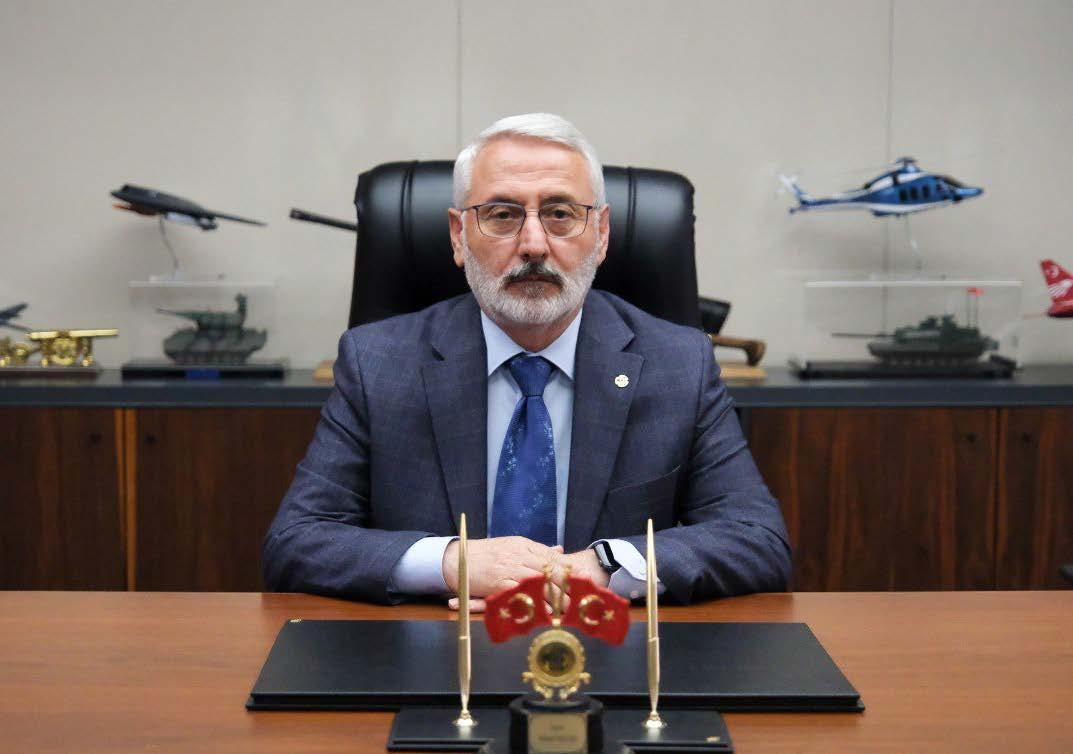
Turkish Ambassador Can Dizdar spoke to Diplomat about his country’s trade diversification efforts — only nine per cent comes and goes from any one trading partner — NATO contributions and economic aspirations.
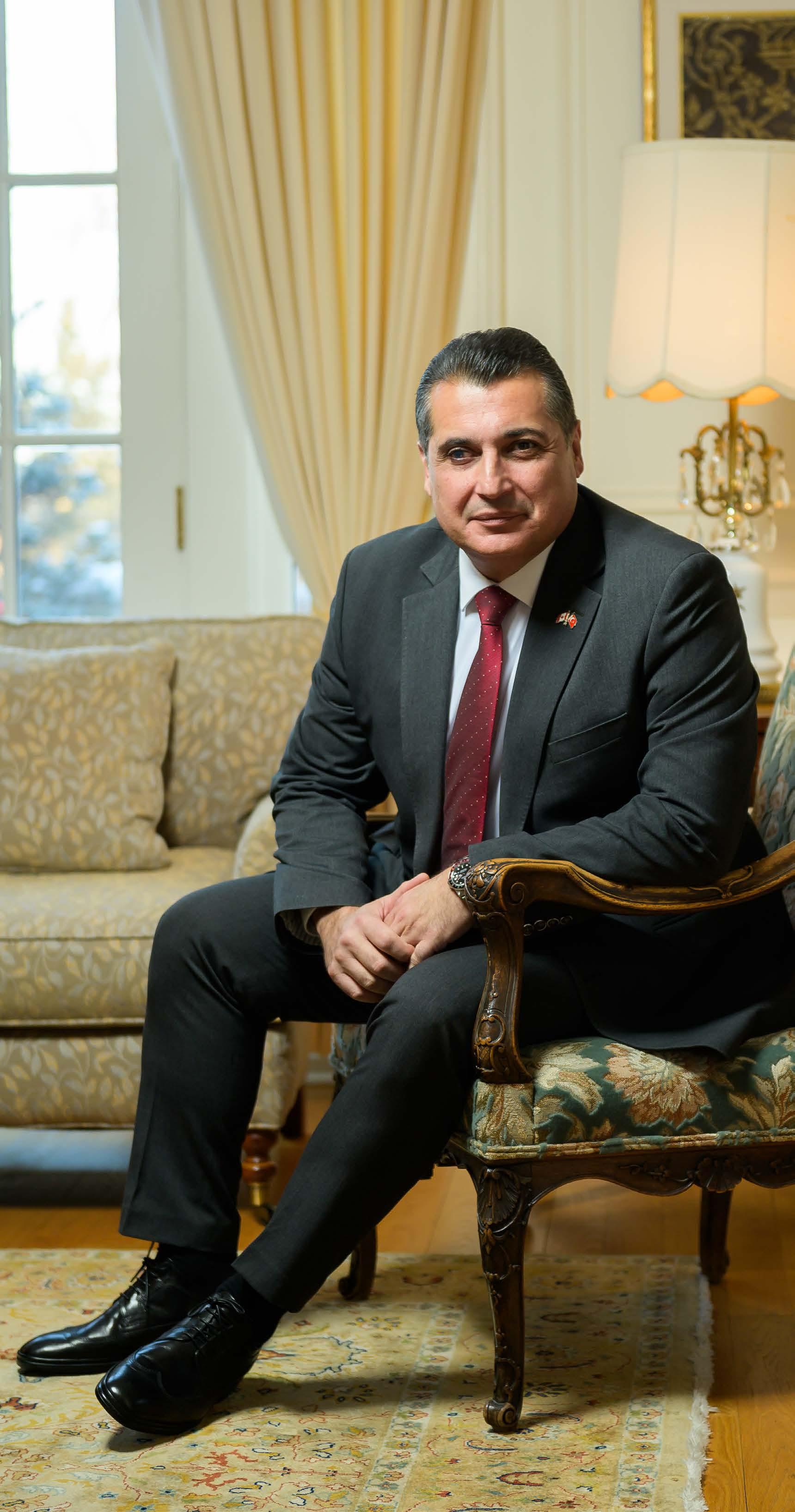
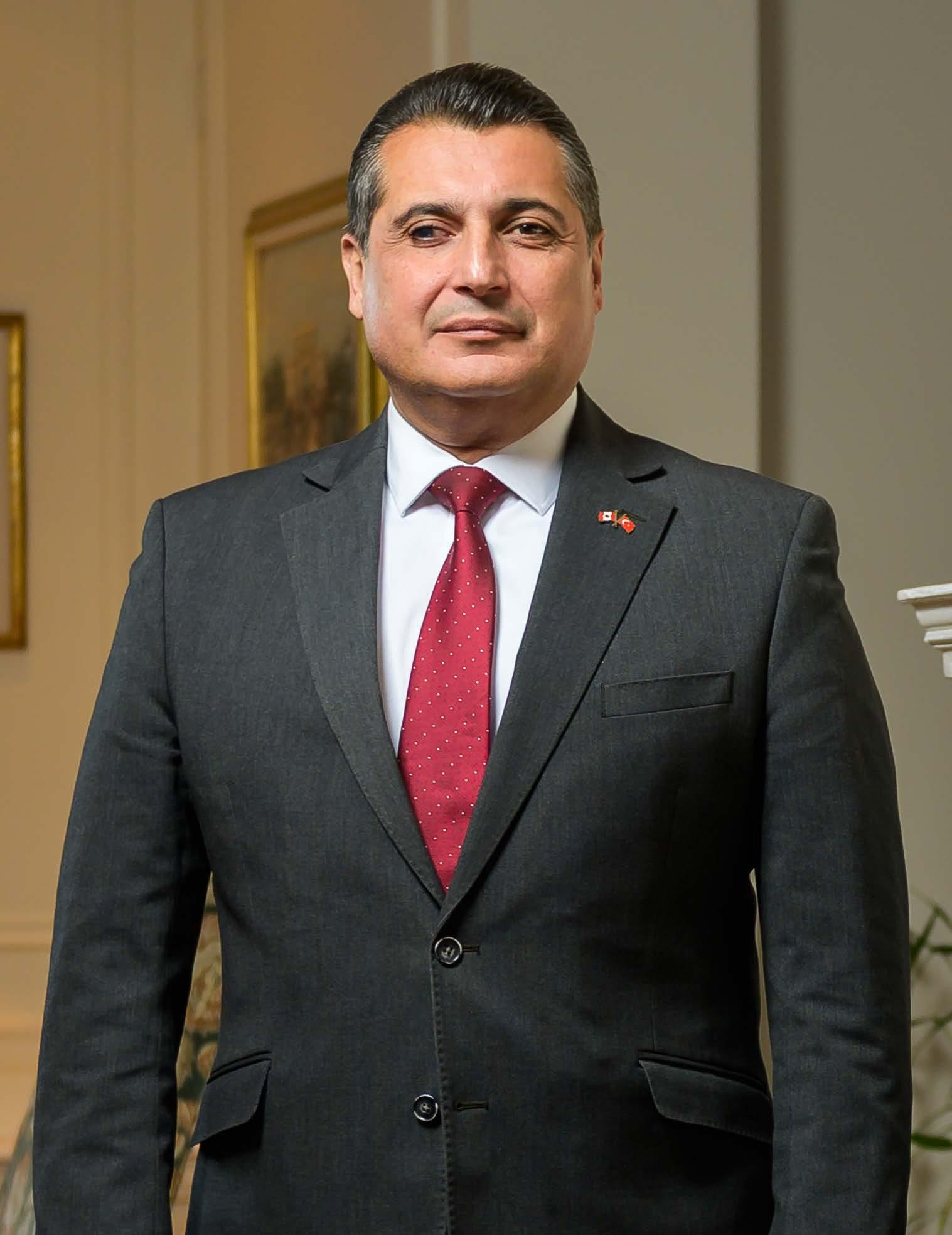
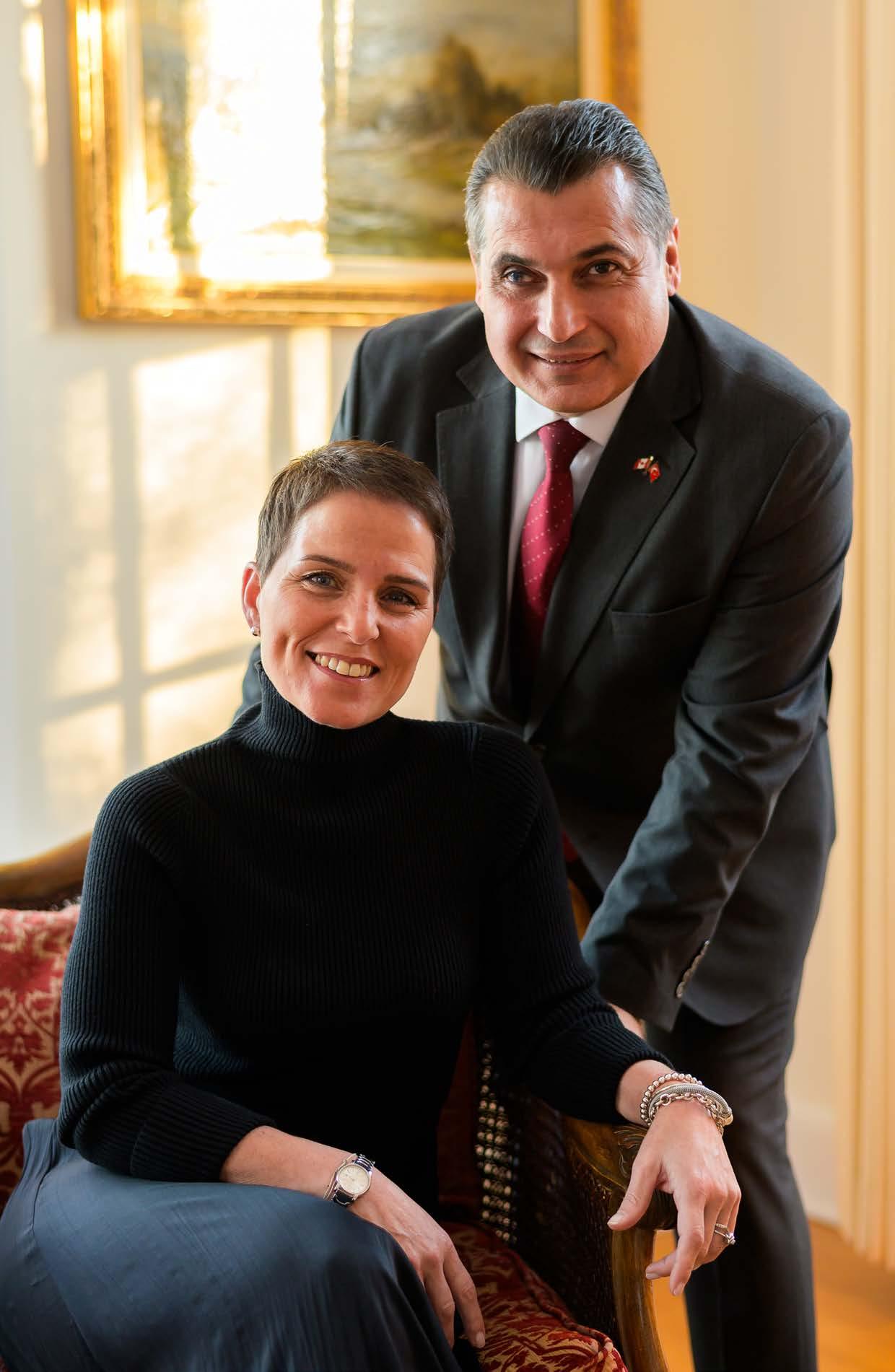
Turkish Ambassador Can Dizdar has been in
the diplomatic service for 35 years. His wife, Demet, and he have served in capitals such as Helsinki and London, and at the Turkish Mission to the United Nations in New York.
They have been posted to Abu Dhabi twice — first, 30 years ago, and the second time between 2016 and 2021, that time as ambassador.
At headquarters, he has been in charge of the Middle East and North Africa file off and on for several years. He started his posting in Ottawa in July 2024 and since then, he and Demet — who have a son named Arman who is completing his medical studies in Milan, Italy — have been enjoying their time in Canada’s capital. He shared his thoughts with Diplomat on a wide range of topics and agreed to a photo shoot at the Turkish Residence on Dec. 30, 2025.
Diplomat magazine: You started your posting in Ottawa at a time when some fundamental shifts were taking place in this region and beyond. How do these changes affect Canadian-Turkish relations?
Can Dizdar: I think the current circumstances bring us closer. We are rediscovering the huge potential for co-operation and the importance of having strong and capable allies. This can be seen in the rapid increase in mutual contacts, particularly at the leadership level.
Our bilateral agenda is expanding and going deeper. We are willing and ready to work harder to advance TurkishCanadian relations in any way we can in the period ahead.
DM: In view of the new circumstances, Canada is trying to diversify. How is Türkiye doing on that front?
CD: We learned long ago the importance of diversifying our trade partners. The driving force has been our location.
We are both advantaged and disadvantaged by our geographical location. Advantaged, because Türkiye has a central location. We offer very easy access to 1.4 billion
people in 67 countries and a combined market of $35 trillion USD in Europe, MENA and Central Asia, within a four-hour flight radius or 3,500 kilometres.
Disadvantaged [because], well, you know our neighbourhood. In order to make ourselves immune to the instabilities and turbulences in the region surrounding us, we had to develop strong resilience.
This has several dimensions: First, we don’t rely on a single market. No country has more than nine per cent share among our export or import partners. We are increasingly enhancing the share of new markets such as Africa and Latin America in our trade mix.
For example, we increased our bilateral trade volume with Africa by 15 times, during the last two decades, reaching $60 billion USD. We are following the same pattern with Latin America.
Second, we developed an extensive and competitive industrial production base. Today, Turkish yearly exports are $400 billion USD, reaching all countries in the world. Our exports are manufactured goods, as we are not endowed by rich natural resources.
Third, we always work for creating a belt of security, stability and prosperity around us, so that the conditions for mutual trade and investment could be preserved.
We do this, either by our actual presence to maintain stability and tranquility or through active mediation between parties to the conflicts.
All, for one single objective: To defend global security, stability and prosperity as much as international law and morality.
Turkish Ambassador Can Dizdar has been a diplomat for 35 years. | Photo: James Park
DM: Türkiye has been active in the political scene and conflict resolution. Could you mention some of your contributions and latest initiatives?
CD: Türkiye has long been a key actor promoting peace, stability and dialogue in one of the world’s most volatile regions. Our foreign policy combines active diplomacy, humanitarian outreach and strong contributions to international security mechanisms. In this setting, NATO remains central to Türkiye’s defence and security policy.
We couple diplomatic initiatives with strong operational presence in the field, if needed.
Türkiye is among the largest troop contributors to peacekeeping operations and missions under NATO, the United Nations, the European Union and the Organization for Security and Co-operation in Europe, with deployments from the Balkans and Lebanon to Afghanistan and Africa.
In addition to being a major troop contributor, Türkiye also has NATO’s second-largest standing army, hosts critical NATO assets and installations and contributes new technological capabilities to NATO’s defence posture through its rapidly advancing and innovative defence industry.
Türkiye has consistently made a strong commitment to preventative diplomacy and mediation, actively working to resolve conflicts peacefully and leading numerous initiatives.
We have supported reconciliation efforts in Iraq, Lebanon, Palestine, Afghanistan, Kyrgyzstan and the Balkans. These efforts promote regional integration through dialogue and reconciliation and aim to overcome deeprooted ethnic and political tensions.
We support confidence-building between Sudan and South Sudan through agricultural co-operation and assistance from Turkish NGOs. We’ve contributed to the peace processes in the Philippines, through the International Contact Group and by chairing the Independent Decommissioning Body since 2014. We’ve facilitated talks between Somalia and Somaliland and hosted major conferences. Türkiye also actively contributed to dialogue between Russia and Ukraine, enabling the Black Sea Grain Initiative in 2022 and facilitating prisoner exchanges.
We brokered the Ankara Declaration between Somalia and Ethiopia in December 2024, resolving a major diplomatic crisis and launching technical negotiations under the mediation of Türkiye.
No country has more than nine per cent of Turkiye’s exports, says Turkish Ambassador Can Dizdar, shown here with his wife Demet. | Photo: James Park
"Türkiye has long been a key actor promoting peace, stability and dialogue in one of the world’s most volatile regions. Our foreign policy combines active diplomacy, humanitarian outreach and strong contributions to international security mechanisms."
We continue contributing to the peace process between Armenia and Azerbaijan. And most recently, Türkiye played its part in the ceasefire agreement in Gaza.
DM: What is the driving force for these efforts?
CD: Actually, we must continue these efforts in view of the current global trends. For example, the World Uncertainty Index was 100 in 2014; it is now 483.
We see declining growth prospects everywhere. Protectionism is on the rise. Global indebtedness is increasing. Populations are aging. Also, climate change and global warming are starting to take their toll.
Therefore, if we don’t take proper action, the coming years will be more and more challenging.
DM: In view of this global picture, what does Türkiye offer, particularly in terms of economy and trade?
CD: First of all, Türkiye offers a high growth rate. Türkiye has grown on average 5.4 per cent per year over the last two decades.
Türkiye grew by 3.7 per cent this year and is projected to grow four per cent next year, which is three times more than the OECD average and four times more than the EU average.
Second, we offer free trade with a substantial number of countries, as we are in the Customs Union with the EU and have free trade agreements with many countries.
Our indebtedness is low with a budget deficit of 3.5 per cent this year and expected to decrease to 2.5 per cent in 2028. It is actually a miracle, as we are also healing the wounds of massive earthquake we had in 2023.
Turkish President Recep Tayyip Erdoğan is flanked by Ethiopian Prime Minister Abiy Ahmed (left) and Somali President Hassan Sheikh Mohamud after signing the Ankara Declaration in 2024. | Photo: Turkish Embassy
Yes, our population is also aging, but we are still in a very comfortable zone with a young and qualified workforce.
DM: What else does Türkiye offer?
CD: We offer connectivity, which is crucial if you want to trade. Today, there is no other airport in the world that offers as much access as that of İstanbul. Turkish Airlines connects 356 destinations in 132 countries.
We have high quality infrastructure, a strong production base, strong domestic demand, which makes us also a big market for imports, exceeding $400 billion USD yearly.
In view of these factors, the number of international companies operating in Türkiye is around 100,000.
Also, our economy is doing much better. Foreign reserves are at a comfortable level. Inflation is on a downward trend. Financial discipline is being implemented rigorously. With the current trajectory, it is expected to go down to nine per cent in 2027.
DM: How do you see the opportunities between Türkiye and Canada?
CD: Our economy is large and steadily getting larger. Currently, our GDP based on purchasing power parity is close to $4 trillion USD, which puts us in the top dozen economies in the world and our ranking is projected to be even higher in the coming years.
Also, Canada’s GDP on PPP is approaching $3 trillion USD, which means that we have combined economic volume of around $6.5 trillion USD. This is a lot, in terms of the opportunities of bilateral trade and also for the opportunities for doing business together in third countries.
However, the real situation is, for me, far from being satisfactory. Despite the fact that we have 83 years of diplomatic relationship and 74 years of NATO alliance, being members of OECD and G20 for decades, our trade volume has been mostly horizontal in the range of $4 billion USD.
Turkish Ambassador Can Dizdar, shown at his residence with his wife Demet, says Türkiye’s gross domestic product based on purchasing power parity is close to $4 trillion.
| Photo: James Park
Of course, there are reasons for that. The most important one is the lack of connectivity between Türkiye and Canada. The current number of flights are far from being adequate. This impairs our ability to realize opportunities in trade and tourism and political and economic exchanges.
The demand for more flights is huge, and we don’t have a supply problem, since Turkish Airlines is willing to fly much more. This situation is not sustainable and it constitutes the biggest impediment on the advancement of our relations. More flights would mean better logistics and transportation, facilitating trade and investment. Sooner or later, we will have to fix this problem. Of course, the sooner, the better.
And, let’s not forget that there can be no diversification without proper connectivity.
The second issue is regarding the legal infrastructure, as we don’t have a bilateral free trade agreement. Our objective is to make a free trade agreement a worthwhile effort for both sides, particularly in the new era we are in.
Indeed, the global circumstances dictate us to close ranks, join hands and do more.
The recent bilateral meetings between Turkish President Recep Tayyip Erdoğan and Canadian Prime Minister Mark Carney literally opened a new chapter in our relations. When I say a new chapter, I mean, all lights are green and the sky is the limit for deeper cooperation in every field.
DM: Which areas look more promising for co-operation?
CD: Although, we can co-operate, in principle, in every field as our economies and products are mostly complementary, there are certain sectors that are salient. Among them, for me, No. 1 is the defence industry. Some 25 years ago, we were the fourth-largest importer of defence products in the world. Today, we are among the Top 10 exporters.
The majority of our defence exports are to NATO allies. We have reached 87 per cent self-sufficiency in defence. Currently, more than 4,000 companies with more than 100,000 workers with an average age of 33 are the engine of this sector in Türkiye.
We have developed very high capacity and mass production capability. We view defence as the major
Turkish delight, a unique delicacy, was on offer when Diplomat visited the home of Ambassador Can Dizdar. | Photo: James Park
sector generating innovation and high technology, benefiting many other sectors and fields.
In terms of our comparative superiorities, suffice it to say that we have 68 per cent market share globally in drones. We are an important producer and competitor in building a variety of military vessels, aircraft, be it jet trainers, or fifth-generation fighter jets. We also produce every kind of munition.
As we all know, we have to increase our defence spending. In Türkiye, we are already above 3.5 per cent and we can do more together with Canada. We already have some cooperation, particularly on the engine side. But, in view of the capacity, potential and opportunities, we can produce plenty of win-win success stories.
Energy is another prominent area. Talks are already underway with regard to Canadian nuclear reactors.
We are interested in buying Canadian LNG, co-operating on critical minerals, developing advanced technologies in mining and joining our forces in renewable energy. On mining, Canada has considerable investments in Türkiye.
On renewable energy, we have experience and expertise, which puts us in the top 10 in the world, in terms of the share of renewable energy in our overall capacity.
DM: There must be some other areas for co-operation as well?
CD: Tourism is also a promising area, as Türkiye is the fourth most visited country in the world, hosting more than 60 million tourists per year.
If Canada could be better connected to Turkish Airlines’ unmatched network grid in the world, the number of tourists flowing to Canada would increase substantially.
Construction should also be mentioned, as Canada needs to build many things in a cost-effective way, in a very speedy manner and with high quality. This is what Turkish
construction companies are known for. Türkiye is No. 2 in the world, after the Chinese, in construction.
During the last four decades, our contracting companies undertook 12,642 construction projects in 137 countries.
We are not only the builders, but also very good in building materials. Türkiye is the fifth-largest cement and ceramic tile producer in the world and holds one third of world’s marble reserves, making it the second-largest marble producer globally.
We are also the biggest steel producer in Europe and the biggest scrap metal importer in the world, as we produce our steel from scrap metal.
There is always room for co-operation in agro-food, as we have complementary strengths. Türkiye accounts for 70 per cent of global hazelnut production, 25 per cent of fig and 20 per cent of apricot production; ranks third in the world in olive oil production and is the world’s largest exporter of wheat flour [which differs from wheat]. It also ranks second in the world for pasta production and exports.
Canada, on the other hand, is a major producer of grains and pulses. Türkiye could be a very good market for lentils and soy beans, in particular, as we import those in very big numbers.
Of course, we can expand the list further. However, we try to keep our focus on strategic areas, such as defence and energy because the more strategic dimensions we add to the fabric of our relations, the more resilient our relations will be.
If we can fix the outstanding issues such as the connectivity and the legal infrastructure, bilateral trade will take off, without needing much intervention.
DM: In Türkiye’s highly robust defence industry, which products are most competitive in the global market?
"We are interested in buying Canadian LNG, co-operating on critical minerals, developing advanced technologies in mining and joining our forces in renewable energy."
CD: In the land domain, Türkiye produces advanced armoured vehicles, among them are main battle tanks, mine-resistant vehicles and various infantry vehicles. In the naval sector, the MILGEM (National Ship) project has yielded state-of-the-art Ada-class corvettes and İstanbul-class frigates, with ambitious plans for more advanced vessels and submarines, such as the amphibious drone-carrying ship TCG Anadolu.
Meanwhile, Turkish shipyards simultaneously produce 39 naval vessels a year with domestic technological systems, including air defence destroyers. In addition, Türkiye has also started the construction of a domestically built aircraft carrier.
In aviation, Türkiye is now developing its own fifthgeneration fighter jet: KAAN. It made its maiden flight
last year. Turkish Aerospace Industries (TAI) also produced the HÜRJET jet trainer. GÖKBEY and ATAK helicopters are other important products.
In the unmanned aerial vehicle (UAV) sector, Türkiye has made great strides with platforms like the Bayraktar TB2, Akıncı as well as TAI-made ANKA and Aksungur UAV systems.
All gained significant international recognition for their effectiveness in various environments. Both Baykar and TAI are now developing unmanned fighter jets — Kızılelma and ANKA-III — with stealth capabilities.
Kızılelma has proven its air-to-air fighter capability, which is a first in aviation history.
Türkiye's combat-proven defence equipment with NATO-standards offer advanced technology and costeffectiveness simultaneously.
DM: Among these products, what are the most promising areas for collaboration with Canadian companies?
Tourism is an important sector for Türkiye, whose world-famous Hagia Sofia/Ayasofya is shown here. | Photo: Dennis Jarvis
CD: Our defence industries possess complementary strengths that could produce mutually beneficial ventures. We could deepen co-operation in areas such as drone technology, military aviation, aerospace components, naval systems, shipbuilding components and land vehicles as well as maintenance, repair and overhaul programs.
Turkish and Canadian companies could supply each other with air platforms, specialized components, sub-assemblies or maintenance, repair and overhaul services. HÜRJET and GÖKBEY could provide alternative platforms for Canada to efficiently meet its pilot training and airlift needs.
Turkish companies have considerable capacity in the production of different types of munitions, including smart munitions, tank and howitzer shells, small arms and rifle bullets.
Our companies have capabilities to set up countryspecific production lines in interested countries.
I firmly believe that there are opportunities to forge co-operation with Canada in the field of munitions production.
Joint development of certain aerospace technologies, particularly in areas like advanced materials, engines or specialized sensors could also be explored.
The potential for mutually beneficial co-operation in the shipbuilding industry is also attractive. Turkish shipyards are interested in projects for building polar icebreakers within ICE Pact or bilaterally. Combining Turkish and Canadian expertise in shipbuilding could create significant synergy and efficiency.
We could also explore opportunities to conduct joint work in unmanned aerial, maritime and land platforms. Last, but not least, software development, cyber security, simulation, command, control and communications systems also come to mind as potential areas for collaboration.
DM: Let’s turn to another strategic dimension you mentioned: Energy. Canada has some certain comparative advantages in the energy sector. Türkiye is also an important player on the global energy stage, positioned strategically near the world's major hydrocarbon reserves while simultaneously experiencing some of the fastestgrowing energy demand. What prospects of co-operation with Canada exist in this specific field?
CD: Energy is another prominent area of potential co-operation. On nuclear energy, we are in talks with Canadian companies as well.
We can add Canadian LNG into our supply chain, once the infrastructure for export is in place. We are
Türkiye is now developing its fifth generation fighter jet. | Photo: Dimir/Wiki
Construction should also be mentioned, as Canada needs to build many things in a cost-effective way, in a very speedy manner and with high quality. This is what Turkish construction companies are known for. Türkiye is No. 2 in the world, after the Chinese, in construction.
also interested in co-operating on critical minerals, developing advanced technologies in mining and joining our forces in renewable energy.
On mining, Canada has considerable investments in Türkiye.
On renewable energy, we have experience and expertise, which puts us in the top league in the world, in terms of the share of renewable energy in the overall capacity. All these open new avenues for co-operation between our countries.
DM: What are the core elements of Türkiye’s energy policy?
CD: Türkiye has recorded the fastest-growing energy demand in the OECD over the past two decades and ranks second globally, after China, in electricity and natural gas demand growth.
Situated close to 60 per cent of the world’s proven hydrocarbon reserves, it has emerged as one of the region’s largest natural gas and electricity markets.
A central priority of Türkiye’s energy policy is the diversification of energy sources and supply routes to ensure uninterrupted, affordable and sustainable energy for economic resilience and social well-being. This requires access to diverse resources while advancing the transition to cleaner energy and meeting climate goals.
DM: You noted the challenge of securing an uninterrupted, affordable, and sustainable supply while also meeting climate targets. How does Türkiye plan
to balance these priorities? How does the concept of energy security, diversification and efficiency factor into achieving these objectives?
CD: We view these goals as complementary. The global energy transition will increasingly rely on renewables, nuclear energy and critical minerals. At the same time, natural gas will remain a key transition fuel and hydrocarbons will continue to play a role for the foreseeable future. Moving to the transition, renewable energy is clearly a major objective for us. We plan to quadruple our solar and wind capacity by 2035 with $108 billion USD of planned investments into the field of renewables.
Nuclear energy is also essential to meet our climate goals and ensure energy security. Türkiye’s first nuclear power plant will be commissioned soon and we have plans to construct two more conventional nuclear power plants and to include small modular reactors (SMR) in our energy mix.
Meeting clean-energy demand will also require expanded co-operation on critical minerals. Türkiye is ready to work with partners to ensure stable and sustainable supply chains.
Turkish President Recep Tayyip Erdoğan is shown in 2025 at The Haque NATO Summit. Türkiye has been a member country since 1952
| Photo: Compliments of Türkiye embassy
Türkiye also ranks among the top five countries in the world in geothermal energy. We look forward to cooperating on these matters with Canada at a bilateral level and in multilateral fora.
Türkiye has developed the most advanced energy infrastructure in the region. We imported natural gas and LNG from 21 countries in 2024. This ensures a highly diversified supply portfolio. Over the past 15 years, we have expanded regasification capacity, which now includes five terminals, and we have significantly increased underground storage as well.
DM: You noted that NATO is at the core of Türkiye’s defence policy. As Canada is also a long-standing NATO ally, could you elaborate on Türkiye’s approach to NATO and its contributions to Euro-Atlantic security?
CD: Türkiye and Canada have been NATO allies for 74 years, one of the strongest pillars of the bilateral relationship. Both countries contribute significantly to NATO’s core tasks: collective defence, crisis management and co-operative security.
Throughout its 77 years of history, NATO has adapted to evolving challenges. Its success depends on unity and genuine solidarity among allies, as set out in the Washington Treaty.
This requires that the security concerns of every ally be addressed consistently and resolutely. NATO must remain the central forum for Transatlantic/Euro-Atlantic consultations among allies on all matters related to their security and no ally should face threats and risks, including terrorism, alone.
Since joining NATO in 1952, Türkiye, as a net security provider, has made substantial contributions to the security of the Alliance and Europe.
Unlike many allies who benefited from the post-Cold War peace dividend, Türkiye faced continuous regional crises in the Balkans, the Caucasus and the Middle East, necessitating maintaining strong defence capabilities.
With its capable and battle-hardened armed forces, dynamic population, economic prowess, critical logistical
Türkiye has contributed immensely to the security and defence of the whole Euro-Atlantic area and beyond.
| Photo: Compliments of Türkiye embassy
connections, central geopolitical location, Türkiye has contributed immensely to the security and defence of the whole Euro-Atlantic area and beyond.
We contribute actively to NATO’s various operations and missions throughout the Euro-Atlantic region while also participating in out-of-area missions.
Türkiye remains firmly committed to full solidarity with its allies, including Canada. As the country with the second largest Armed Forces in NATO, Türkiye will continue supporting European and Euro-Atlantic security of which Türkiye is an integral part.
As a reflection of our commitment to the Alliance, we will host the next NATO Summit in Ankara on July 7 and 8, 2026.
DM: The global humanitarian landscape is facing an unprecedented crisis. With protracted conflicts, mass displacement, political instability, and climate change intensifying, needs are rising while the international community’s response capacity is shrinking. Under these circumstances, how does Türkiye respond?
CD: There is indeed a widening gap between rapidly growing humanitarian needs and the limited resources available. Protracted conflicts, displacement, instability and climate change continue to worsen an already fragile humanitarian situation.
Despite all the disruptions and barriers to the global humanitarian system, today, for its GDP, Türkiye is the No. 1 country in the world in providing humanitarian assistance. Türkiye also hosts the largest number of refugees, asylum-seekers and those seeking temporary protection. It’s clear that humanitarian diplomacy is a core pillar of Turkish foreign policy.
As part of our response to the rising challenges, we are making a great effort to reach out every corner of the
globe to show our flag, together with our helping hand, with our vast diplomatic representation network, which is in the top three in the world.
In 2024 alone, we delivered humanitarian assistance to more than 70 countries across five continents. At the same time, we continue strengthening our key national institutions, the Disaster and Emergency Management Presidency (AFAD), the Turkish Co-operation and Coordination Agency (TİKA) and the Turkish Red Crescent, so that they can expand their ability to reach vulnerable populations worldwide.
DM: Türkiye's is one of the leading official development assistance (ODA) providers in recent years. What are the main principles of Türkiye's development aid policy? What regions receive the most aid from Türkiye?
CD: This is another central aspect of our global engagement. Türkiye’s development assistance is guided by its “enterprising and humanitarian foreign policy,” aimed at promoting peace, stability and sustainable development.
According to OECD-DAC (Development Assistance Committee) data, Türkiye has been among the top ODA contributors during the last decade.
Our development model is demand-driven, grantbased and free of political or economic conditionality. Assistance is shaped by the priorities identified by partner countries themselves.
Türkiye provides support across a broad number of countries and continents — Africa, Asia, the Balkans, Latin America and Oceania. According to OECD-DAC figures, Türkiye’s ODA reached $7.2 billion USD in 2022, $6.8 billion USD in 2023 and $7.4 billion USD in 2024. Turkish NGOs also play a vital complementary role. In 2023, they delivered more than $360 million USD in aid globally.
Their work is driven by a strong culture of solidarity, wide public engagement and growing technical expertise, enabling them to implement even large-scale projects effectively.
Africa holds a special place in Türkiye’s development outreach, with a significant share of assistance directed to Sub-Saharan African countries. Our co-operation focuses on long-term development in education, health, water access and vocational training, with the goal of empowering communities and supporting global poverty-reduction efforts.
Additionally, TİKA, which is responsible for the bulk of Türkiye’s ODA, and Canada’s international development ministry have recently expressed interest in collaborating on joint development initiatives in third countries. We look forward to translating this initiative into concrete, impactful co-operation.
DM: Let's shift now to the Zero Waste Project, a cornerstone of Türkiye's environmental policy. Could you explain what the Zero Waste approach means for Türkiye and why it is so important for environmental sustainability?
CD: Zero Waste is a comprehensive waste management system based on preventing waste, using resources efficiently, reducing waste generation and ensuring that waste is separated at its source for recovery.
This approach constitutes the foundation of environmental, economic and social sustainability, contributing to the conservation of natural resources, the reduction of environmental pollution and the strengthening of the economic cycle.
Moreover, Zero Waste is an important tool in combatting climate change. Globally, more than two billion tonnes of municipal solid waste are generated each year, and poor
waste management results in significant greenhouse gas emissions.
DM: When and for what purpose was the Zero Waste Project launched in Türkiye?
CD: The project was launched in 2017 under the auspices of the First Lady of Türkiye, Her Excellency Emine Erdoğan.
The goal is to prevent waste generation, increase recycling rates, promote efficient use of resources and leave a cleaner environment for future generations. Türkiye’s initiative has attracted global attention, marking a significant milestone in environmental policy.
The Zero Waste approach represents a paradigm shift that encourages sustainable production and consumption models within the framework of a circular economy vision.
DM: Could you detail the concrete results and the economic and environmental gains achieved by the Zero Waste Project so far?
CD: Since 2017, the Zero Waste Management System has been implemented in approximately 205,000 buildings and facilities across Türkiye.
As a result, 74.5 million tonnes of recyclable waste have been recovered, generating an economic gain of 256 billion Turkish Lira ($8.18 billion Cdn). In addition, energy savings equivalent to the annual consumption of 40 million households, water savings equal to Istanbul’s 1.5 year consumption and the prevention of cutting down 553 million trees have been achieved.
These achievements also directly contribute to the fight against climate change. For example, reducing methane gas emissions from landfills is one of the most effective measures to slow down global warming.
The recycling rate, which was 13 per cent in 2017, has increased to 36.08 per cent as of 2024. We aim to reach 60 per cent by 2035 and 70 per cent by 2053.
These targets are an integral part of Türkiye’s 2053 net-zero emission vision. Recycling helps reduce raw material use in production, conserve energy and lower carbon emissions.
DM: How has the Zero Waste Project resonated on international platforms? What recognition has it received?
CD: Indeed, the project has received significant international recognition. At Türkiye’s suggestion, the United Nations General Assembly declared March 30 “International Day of Zero Waste.” This special day aims to highlight the importance of zero waste in combatting climate change and strengthening global solidarity.
Our project has received six different awards from international organizations, including FAO, UNDP, UN-Habitat, the World Bank and the Parliamentary Assembly of the Mediterranean. This clearly demonstrates Türkiye’s leadership in environmental policy.
The UN Advisory Board of Zero Waste was established in 2023 under the chairmanship of First Lady Emine Erdoğan. The board aims to promote the zero waste approach globally and facilitate the sharing of good practices.
Also, the theme for 2025 was “Towards Zero Waste in Fashion and Textiles.” The main event, held at the UN Headquarters in New York, was attended by First Lady Emine Erdoğan and UN Secretary-General António Guterres. The discussions emphasized circular economy and re-use models in the textile sector.
In addition to increasing the recycling rate, establishing Zero Waste Cities and embedding sustainable production and consumption habits across society are among our top priorities.
On a broader scale, building a waste-management system integrated with circular economy principles will make our country more resilient both environmentally and economically.
DM: Thank you for this. Is there anything you want to add?
CD: Türkiye and Canada have been allies for 74 years, sharing and defending the same values and objectives in maintaining international law and order, the absence of which will put all of us into uncharted waters. That would constitute the biggest threat of all.
We have common interests in preventing the erosion of international law and permanent moral order.
Today’s kaleidoscope of circumstances brings Türkiye and Canada even closer. We have to adapt to new set of affairs rapidly. And we have green lights for every area of co-operation, as the sky is our only limit. We can’t afford to waste any of those opportunities, nor time.
Therefore, on our side, we will continue our efforts relentlessly, for the advancement of Turkish-Canadian relations.
Emine Erdoğan, Türkiye’s first lady, is chair of the United Nations Advisory Board of Eminent Persons on Zero Waste. | Photo: United Nations
Abdel Karim Awwad: How do you evaluate the upward trend of the Turkish defence industry in recent years?
İlhami Keleş: The growth achieved by the Turkish defence industry over the past 20 years is clearly acknowledged by the world these days. The most decisive factor behind this breakthrough has been the consistent support and strong political stance demonstrated by President Recep Tayyip Erdoğan. A country that was once a subject to embargoes in the defence industry has reached today a position where it develops its own technologies and even export them.
I would like to illustrate this situation with a recent development. Until six years ago, Türkiye was subjected to “covert” embargoes regarding the supply of 76 mm naval guns. For this unique weapon system which is produced by only a limited number of countries worldwide, MKE took decisive action and succeeded in developing its own naval gun within such a short period of just 12 months. To date, we have delivered
five units of the “MKE Denizhan-76” to the Turkish Naval Forces Command for deployment on the naval platforms. We did not merely meet our own operational requirements; in 2025, we exported the naval gun to Indonesia, followed by Romania, a country that is both a NATO and EU member. Today, we continue the production of 76 mm naval gun while also advancing the development of 127 mm naval gun. MKE has already completed the barrel production of the 127 mm system. In the near future, we will finalise the full weapon system and make it available for the use of Turkish Armed Forces.
Another key point of this rising is human capital. Thanks to our qualified workforce and strengthening production infrastructure, the localisation rate in the defence industry has exceeded 80 percent. Within the framework of the ‘Fully Independent Defence Industry’ vision set by President Recep Tayyip Erdogan, we continue to work continuously.
AA: Could you briefly explain the position of Makine ve Kimya Endüstrisi within the defence industry?
İK: Makine ve Kimya Endüstrisi is Türkiye’s most established defence industry organisation with a history dating back to the conquest of Istanbul. We have been operating under our current name; MKE for 75 years. As a company under the Ministry of National Defence, our primary mission is to meet the needs of the Turkish Armed Forces. With a very broad product portfolio, MKE develops a wide range of weapon systems for land, naval and air platforms, and also produces the ammunition used in these systems entirely within its own facilities.
We rank among the leading companies globally with our centuries old production experience and a strong industrial infrastructure. In the Defence News Top 100 list for 2025, we rose four places compared to 2024 and became the world’s 80th largest defence company with a turnover of USD 1.2 billion. In addition, in the 2024 report published by the Stockholm International Peace Research Institute, MKE entered the list of the world’s top 100 defence companies for the first time in its history, ranking 93rd. To date, MKE has exported to 105 countries across five continents. In the coming period, we will continue on our path by further strengthening our cooperation with friendly and allied nations.
AA: In the first months of 2026, you signed large-scale export and cooperation agreements with Qatar, Egypt and Saudi Arabia. We see
that the MKE TOLGA Short Range Air Defence System stands out in these agreements. What would you like to say about the reasons behind the success of MKE TOLGA?
İK: The MKE TOLGA Short Range Air Defence System is recently become a system that has attracted significant attention globally. In November 2025, with the attendance of both Turkish security forces and foreign mission chiefs from 14 different countries, we introduced the system through live-fire test activity. In the demonstration, MKE TOLGA successfully neutralised threat drones and fixed-wing UAVs across eight different scenarios.
Today, we are witnessing drone warfare in many parts of the world. Low-cost drones are capable of causing serious damage on tanks, aircraft and even naval vessels worth millions of dollars.
In the current defence landscape, expensive systems are being deployed worldwide against low-cost drones. From an economic perspective, this approach is not sustainable. If the attacking drone is cheap, the system used to neutralise it must also be cost-effective. At this point, the MKE TOLGA Short-Range Air Defence System distinguishes itself from its competitors.
We developed MKE TOLGA by accurately analysing every parameter of the battlefield and adopting the ‘Effective–Simple–Affordable’ approach. This philosophy is the key element that sets MKE TOLGA apart from its counterparts. All development activities for the system have been completed, and it is now ready for serial production.
We recently signed agreements for the export of MKE TOLGA to friendly and allied nations such as Qatar, Egypt and Saudi Arabia. Today, there is strong international demand for our short-range air defence system, extending from Europe to the Americas and from Asia to the African continent. Our teams are conducting intensive negotiations with the relevant countries in response to this growing interest.
Behind this surge in demand lies MKE’s century-long experience in the production of weapons, ammunition and advanced technologies. When all the pieces of the puzzle come together, the result is products that are both high-quality and highly reliable. All components of the MKE TOLGA Short-Range Air Defence System, which offers a
comprehensive solution against drone and fixed-wing UAV threats, have been developed with this confidence and institutional strength.
AA: How does your experience in ammunition and weapon systems contribute to your new projects? Could you also provide information on the R&D activities carried out within your company?
İK: With our new R&D approach as MKE, we continue to produce what has not been produced before. We always aim to develop our own systems and technologies through original designs. Within this framework, we are simultaneously conducting nearly 200 R&D projects covering air, land and naval platforms. Each product we develop is designed by taking into account the requirements of today’s battlefield. One of these projects is the PİRANA Kamikaze Unmanned Surface Vessel. Standing out as a new-generation naval system that contributes to asymmetric warfare capabilities, PİRANA KUSV has been developed based on the same cost efficient but high-impact approach as MKE TOLGA. MKE PIRANA equipped with a high-technology warhead and fuze, the system features high manoeuvrability. Likewise, the weapons and ammunition of various calibres integrated within the MKE TOLGA represent a solution that reflects our production experience, reinterpreted through a visionary perspective aligned with modern combat concepts.
AA: How is the distribution of your domestic and international sales? Do you expect an increase in your overseas sales in the coming years?
İK: Our domestic and international sales revenues are currently progressing in a balanced manner. In addition to our 10 factories, the establishment of new factories and production facilities are ongoing. Once these new facilities become operational, our production capacity will increase significantly, and in parallel, I expect our export ratios to rise accordingly.
At Dala Decor, interior decorating is approached as a complete, thoughtful experience. Our qualified, in-house interior decorators provide full-service design, guiding each project from initial concept and space planning through final installation and styling. As a true one-stop destination, we offer luxury furniture, custom solid wood craftsmanship, and European-made soft furnishings of exceptional quality — all tailored to your personal style, lifestyle, and space. Every detail is curated with intention, ensuring your home is not only beautifully designed, but ready for everyday living. From initial inspiration to fully realized interiors, Dala Decor brings clarity, expertise, and timeless design together under one roof.
Complete interiors, expertly curated.
Turning Customer Experience into Continuous Growth
Turning Customer Experience into Continuous Growth
Etiya
Etiya
COMMON GROUND
EU Ambassador Geneviève Tuts on the EU’s relationship with Canada, its desire to broaden its trade markets and its resolve to support EU member states’ sovereignty.
By Mick Gzowski
This
year marks the 50th anniversary of the opening of
the Delegation of the European Union to Canada, but it’s
also one of historic challenges for many nations as the superpower United States throws its weight around politically, militarily and economically.
EU Ambassador to Canada Geneviève Tuts began her mission in Ottawa in September 2024, four months before Donald Trump was inaugurated American president again. Born in Liège — as she calls it, “the francophone part of Belgium,” — Tuts is delighted to be in Canada, even though she’s far from her children, two by birth and two by marriage, and all living in continental Europe and the U.K.
“It was the right moment for me to do that,” she says. “I could have not done it before when they were teenagers. This was not my objective. I wanted to stay with them. But now, they have jobs. They have been nice and they were happy for me as well.”
Tuts began her career as a lawyer specializing in EU law before becoming a magistrate — in Canada that is equivalent to being a prosecutor — with the Belgian ministry of justice. Later, she joined the cabinet of the Belgian foreign minister, where she worked on a wide range of EU policies, including energy, environment, climate and digital. She is an accomplished guitarist and pianist, with Chopin sheet music on the baby grand piano that overlooks the stunning river view at her official residence. “I dreamt [of being] an actor,” she says of her youth, but instead of formally pursuing acting, she completed her legal studies. Once a lawyer, acting became a hobby, though she still has a passion for theatre, cinema and music.
EU Ambassador Geneviève Tuts says the EU’s relationship with Canada has always been strong. | Photo: Mike Carroccetto
“When you're a bit stressed, it's so good to start playing,” she says about her musicianship.
Like Canada, the European Union is looking to broaden relationships with nations that are not the U.S., since President Trump began tariffing and bullying his former allies. Tuts is happy to bring her experience as an EU official to Canada to explain and to talk about Europe to Canadians.
“I wanted to use what I learned [about] the EU,” she says, “My knowledge on the decision-making process, on how it works in Brussels.”
Tuts describes the relationship between Canada and the EU as one of friends and allies facing similar problems. She says the main topics for the EU for this mandate are restoring competitiveness and security and defence, “and maybe security and defence first because of the war in Ukraine,” she clarifies.
She says the relationship between Canada and the EU has always been strong, but shared support for Ukraine makes it even stronger.
“There is a new dynamic, a new momentum for the relationship between the EU and Canada,” she adds.
COMMON GROUND ON UKRAINE AND GREENLAND
According to the Canadian government, since the beginning of 2022, Canada has committed $6.5 billion in military assistance to Ukraine. During the same period, the EU has provided 170 billion euros (approximately $274 billion CAD) to Ukraine. On Jan. 13, 2026, the EU announced a new proposal establishing a new support loan for Ukraine for an amount of 90 billion euros, hoping to help fund the country and its military for the next two years. While the loan is interest-free for Ukraine, it is forecast to cost EU taxpayers between 3 billion and 4 billion euros a year in borrowing costs beginning in 2028.
Tuts describes the relationship between Canada and the EU as one of friends and allies facing similar problems. She says the main topics for the EU for this mandate are restoring competitiveness and security and defence, “and maybe security and defence first because of the war in Ukraine,” she clarifies.
“From the very beginning of the war, the EU has decided to support Ukraine in its resistance to this aggression from Russia,” Tuts explains, adding that the EU has supported Ukraine financially, militarily and in humanitarian ways by supporting its refugees. She says they supported them from Day 1, “because we know that the threat is not just on Europe, this is a threat for the whole world. So, [we did it] for security reasons, but also because Ukraine is a candidate for accession to the EU.”
Ukrainian President Volodymyr Zelenskyy called the latest deal an "unprecedented decision, and it will also have an impact on the peace negotiations."
From the beginning, the European Union has supported Ukraine in the war with Russia. Shown here are Ukrainian President Volodomyr Zelenskyy and European Commission President Ursula von der Leyen. | Photo: European Union
Tuts says there was thought of using frozen Russian assets to support Ukraine, but at the European Council meeting in December, a loan was chosen because some member states objected to using Russian assets.
Besides taking sides against Russia in the hot war in Ukraine, there is also a cold war happening on the issue of Arctic sovereignty. Several EU nations sit on the Arctic Council, and the EU is an observer. Russia and the U.S. have been trying to increase their dominance of the region. On the EU Arctic strategy, Tuts says they see it as a top priority and they are currently revising it for September.
“I think that there are some possibilities for the EU and Canada to work more on this topic — especially on Arctic security,” she says, adding that Indigenous people have to be part of the conversation that would broadly include resources, climate change and their protection.
CANADA-EU TRADE
The European Union is Canada’s second-largest global trading partner for goods and services, which in 2024 equalled $161.9 billion. Both would like to increase bilateral trade after economic relations with the United States changed dramatically since Trump’s “Liberation Day,” which saw tariffs placed on pretty much every country except Russia. In November 2025, Prime Minister Mark Carney described this new reality as “a rupture, not a transition, which means our economic strategy needs to change dramatically and rapidly.”
Asked whether nations should try to ride out the Trump administration in hopes of a return to normalcy, Tuts was succinct.
Several EU nations sit on the Arctic Council, and the EU is an observer. Russia and the U.S. have been trying to increase their dominance of the region.
And we have had to reflect on how to adapt a little bit our trade policy, meaning that we had to think about diversification, our energy policy, to be sure that we have energy security for the EU and our partnerships.”
She says the EU is doing what Canada is, reaching out to willing nations across the globe to make new trade deals. On the day of this interview, PM Carney arrived to sign new trade deals in Beijing, the first time a Canadian prime minister visited China since 2017.
“Who am I to tell you that it will come back?” she says of past warm economic relations. “The rupture is quite deep. That's the reason why we take it very seriously.
“So we are developing, accelerating our partnerships with the rest of the world,” Tuts says of the EU trade efforts. “We are negotiating an agreement currently with India. We have relaunched our negotiations with Thailand. We have just, as you’ve seen, confirmed the agreement with Mercosur.”
Kaja Kallas, vice-president of the European Commission, met with Foreign Minister Anita Anand at the G7 foreign ministers' meeting in November 2025.
| Photo: European Union
Mercosur is the common market whose members are Argentina, Bolivia, Brazil, Paraguay and Uruguay. Venezuela is a full member, but has been suspended since December 2016.
Asked to share the EU position on Trump’s incursion into Venezuela to arrest President Nicolás Maduro and his wife, Tuts referred to the statements of Kaja Kallas, the EU’s high representative for foreign affairs and security policy and vice-president of the European Commission.
“She called for calm and restraint,” Tuts said. “But she also passed a message that a solution towards the democratic transition is for the Venezuelan people to decide. [That means] respect for democracy and respect for the people of Venezuela. They have to be able to choose [for] themselves.”
To many observers, it appears that Trump’s real interest in Venezuela is for the U.S. to control that country’s vast oil reserves, the largest on Earth. In Canada, an attempt to build the Energy East pipeline to sell Alberta energy to Europe was scuttled by political opposition. While the
EU needs energy as it tries to wean itself off Russian gas, it also has a 2050 climate-neutral net-zero goal. Asked whether the EU needs Canadian energy through that pipeline, she said the markets must make that decision. But on using Canadian energy she was unequivocal.
“The EU will try to diversify its energy market,” she says. “You see that we will of course have the target to reduce our dependencies from all the non-reliable partners like Russia. The goal is very clear on this.
“But maybe I have to tell you that Canada is already contributing to our energy security via the gas [it sells] the U.S., and from the U.S. to the EU, LNG exported to the EU,” Tuts says. “So, in a way, there is already a support, but we will stay the course for sure.”
Asked to highlight some success stories of CanadaEU trade, she said it’s not easy to focus on individual companies, but better to talk about economic sectors. “Just to give you some examples,” she says, “the EU is importing from Canada lots of minerals, ores, metals,
Canada hosted the G7 in Kananaskis in June 2025. From left, European Commission President Ursula von der Leyen, Prime Minister Mark Carney, European Council President António Costa and EU Ambassador Geneviève Tuts. | Photo: European Union
energy products, agricultural products such as oilseeds or grain. And, at the same time, the EU is exporting lots of machinery or transportation equipment, pharmaceuticals as well. And of course, I have to mention the high value agricultural products like wine and cheeses.”
Tuts added that since 2017, the year the Comprehensive Economic and Trade Agreement (CETA) was signed, trade between Canada and the EU in goods and services has increased by 71 per cent. She says that’s not enough, though both countries are benefiting. She thinks we need to work on explaining to SMEs the benefits of the agreement.
“We need also to maybe intensify work on some of the sectors on which we see many possibilities like digital services, critical minerals,” she adds.
The European Union once again appeared at the PDAC Conference in Toronto, the world’s largest mining conference, in March 2026, to showcase its work and look for business opportunities.
Tuts added that since 2017, the year the Comprehensive Economic and Trade Agreement (CETA) was signed, trade between Canada and the EU in goods and services has increased by 71 per cent.
As Donald Trump is proving, trade can often be political as well as economic. China and the EU are currently each other's second largest trading partner. China, with a chequered human rights record, is often the target of activists who want to link trade with human rights issues, something that few leaders want to discuss in front of television cameras. With trade increasing dramatically between China and the EU, Tuts was asked whether human rights are brought up in economic discussions between the two country’s leaders.
“There is always a moment which is not, of course, public and not mentioned in the press release, where they need to discuss this,” she says. “And they also have to discuss China’s support for Russia and its war of aggression against Ukraine. I can tell you, I know from experience,
NATO countries, including Denmark, were on high alert in January when U.S. President Donald Trump was threatening Greenland's sovereignty.
| Photo: Hunter J. Kuester, U.S. Marine Corps.
A Danish sniper team on a training exercise in Germany to promote NATO interoperability with Allied and Partner nations.
| Photo: Markus Rauchenbergerby, U.S. Army
"We need to balance between solidarity and responsibility. That means that we need to develop legal pathways because Europe needs migration and probably Canada needs migration as well. We need a labour force, but we need also to keep this controlled."
that there is always a moment where, on the margins, this sort of discussion happens.”
Confronting contentious issues with big trading partners also happens in EU relations with the United States. Tuts is an expert in digital laws and was asked about the EU’s firm legislative stance against the social media giants, something that Canada sidestepped when dropping its Digital Service Tax in September 2025.
“If a company wants to do business in our market, a market of 450 million people, they have to respect our rules,” Tuts says, pointing to the EU’s Digital Services Act and its Digital Market Act. “That's why we have decided to regulate and implement our regulations. And if we decide, and EU companies decide, to do business abroad, then we respect the regulations there. So, this is a choice and we will not, I think, compromise on this.”
Another contentious issue because of geography that the EU faces more than any other developed group of nations is immigration. With declining birth rates
and aging populations across the developed world, immigration is both needed and also reviled by some factions of the political spectrum. The same is true in Canada. Tuts says the EU is attempting to strike the right balance on the issue.
“There are some challenges as the ones you have here,” she says. “So, migration is a fact. This is a reality and we need to manage this, keeping the right balance. We need to balance between solidarity and responsibility. That means that we need to develop legal pathways because Europe needs migration and probably Canada needs migration as well. We need a labour force, but we need also to keep this controlled. It has to be, as the president [Ursula von der Leyen] said, orderly and controlled.”
Tuts pointed to the EU’s recent Pact on Migration and Asylum, which she says tries to strike the balance between border management and keeping open legal pathways for researchers, students or those with humanitarian reasons.
“So this is not an easy question, but we have successfully adopted this legislation that will be implemented in the coming months,” she added.
Finally, on a more frivolous note, Tuts was asked if Israel is allowed to compete in the Eurovision song contest, why wasn’t Canada invited? (Canadian singer Céline Dion won Eurovision in 1988 representing Switzerland).
“This is a good question, and I know that the prime minister is quite keen to see Canada at the Eurovision song contest,” the ambassador replied. “Why not? This is a good point. We would be very happy to support this. You have so many good singers.”
Mick Gzowksi is a filmmaker and writer based in Aylmer, Que.
Refugees make their way across the Mediterranean Sea to Europe. As EU Ambassador Geneviève Tuts says, “Migration is a fact.” | Photo: Salvamar
UNDER ONE ROOF
Integrated Professional Services Tailored to You and Your Business
In today’s fast-paced world, leaders—whether entrepreneurs, diplomats, or executives—face parallel demands: managing complex organizations and mandates while pursuing personal and legacy goals. Time, trust, and strategic alignment become invaluable.
Recognizing this, Ottawa entrepreneur Andrew Abraham transformed his boutique accounting firm into TAAG—a multidisciplinary professional services group designed to serve a full spectrum of business and personal needs. TAAG offers a rare, integrated model that combines accounting, legal, marketing, and wealth advisory services under one roof. This holistic approach empowers small to mediumsized enterprises and high-net-worth individuals to streamline operations, protect assets, and accelerate growth—all with a single trusted partner.
TAAG professionals work alongside you to establish strategic objectives, optimize core functions, and amplify your brand. Whether you’re building a business, a legacy, or both, TAAG is your advisor in prosperity.
Accounting + Tax is the cornerstone of the TAAG ecosystem, forming the foundation upon which our integrated advisory services were built. We provide customized solutions in bookkeeping, payroll, financial statements, tax filings, and special advisory services. Our team goes beyond compliance to deliver strategic insights that support
your financial clarity and operational efficiency. For clients seeking deeper financial oversight, we offer a Virtual Chief Financial Officer (VCFO) service— reducing time and cost burdens while enhancing decision-making. We also specialize in estate planning, succession strategies, family trusts, and related tax matters, ensuring your personal and business interests are protected and aligned across generations.
TAAG Law is North America’s pioneer of Entrepreneur Law,™ offering tailored legal services to business owners, investors, and high-net-worth individuals from coast-to-coast. We support entrepreneurs with day-to-day operations and long-term goals—capital raising, tax mitigation, and exit strategies. Our approach blends Bay Street sophistication with Main Street practicality, delivering responsive, proactive counsel. From selfincorporated professionals to real estate developers and manufacturers, we serve clients nationwide across industries. As your trusted advisor, we’re available seven days a week to ensure your corporate, commercial, and succession planning needs are aligned with your broader personal and business objectives.
Wealth + Family Office provides sophisticated financial planning and wealth advisory services to high-net-worth Canadian families. Using state-of-theart analytics software, we create custom financial
plans that also uncover inefficiencies—such as poor design, missed opportunities, and unnecessary taxes or expenses. Our boutique model focuses on a smaller client base, allowing us to deliver deeper, more personalized service and strategic guidance not typically offered by traditional investment firms. We align every plan with your family’s long-term financial goals, ensuring clarity, confidence, and continuity across generations.
Marketing + Design delivers tailored digital marketing, branding, web, strategy, content creation, graphic design, and niche publishing services. Our experienced creative and technical teams craft strategic marketing solutions backed by decades of agency and project expertise across diverse industries. We help clients reach and engage their audiences with precision—advancing brand visibility, accelerating growth, and achieving corporate marketing objectives. Services are available à la carte or through our flexible Virtual Chief Marketing Officer (VCMO) model, giving you access to seniorlevel marketing leadership without the overhead.
To start a conversation, contact TAAG at reception@taag.ca, and visit us at TAAG.ca
CANADA & ASEAN: PLAYING TO WIN
By Jennifer Campbell
The 11-nation bloc is keen to establish a free trade agreement with Canada and Canada sees it as a strong option, too.
The ASEAN heads of mission in Ottawa include from left, Thai Chargé d’Affaires Paranee Klaisuban, Vietnamese Ambassador Vinh Quang Pham, Myanmar Chargé d’Affaires Zaw Tun Oo, Malaysian High Commissioner Shazelina Binti Zainul Abidin, Brunei High Commissioner Lay Ling Ang, Indonesian Ambassador Muhsin Syihab and Philippine Ambassador Jose Victor Chan-Gonzaga. | Photo: David Kawai
ASEAN collectively represents the world’s third-largest population and fifth-largest economy so it’s no surprise that this 11-nation bloc is at the centre of Canada’s efforts to diversify its trade relations and reduce its dependence on the United States.
In September, Canada signed its first-ever bilateral trade agreement with an ASEAN country, namely Indonesia, in what’s called the Canada-Indonesia Comprehensive Economic Partnership Agreement (CEPA). A full Canada-ASEAN trade agreement would add Brunei, Cambodia, Laos, Malaysia, Myanmar, the Philippines, Singapore, Thailand, Timor-Leste and Vietnam to the mix.
In October, Prime Minister Mark Carney went to Malaysia, the country that then held the ASEAN presidency, to attend the ASEAN Summit. There, he attempted to accelerate negotiations on a CanadaASEAN free trade agreement, which have been in
effect since 2021 with exploratory phases happening before that. At that time, he announced $25 million worth of technical assistance to help conclude the agreement and manage its effective implementation. At the same meeting, Canada and the Philippines announced that they are pursuing a bilateral agreement they hope to conclude in 2026.
“The world is changing rapidly and Canada must dramatically change its economic strategy,” Carney said at the time. “We must make generational investments to build our economy at home and work relentlessly to diversify our trade partnerships abroad. Now is not the time to be cautious, because fortune favours the bold. Now is the time to bet big on Canadians and play to win.”
As a whole, the Indo-Pacific region is Canada’s secondlargest trading partner, with more than $260 billion in two-way merchandise trade; but it only represents 10 per cent of Canada’s exports. Meanwhile, ASEAN has 700 million people and an economy worth $5 trillion. In 2024, ASEAN was Canada’s fourth-largest merchandise trade partner, with annual two-way trade valued at $42.3 billion, a nine per cent increase from the year before. Canada’s direct investment also grew to $37.8 billion, which suggests the importance of ASEAN to Canadian investors as well.
There’s no question ASEAN is a dynamic market and its resilience in the face of global economic uncertainty has been notable, with all countries except Myanmar reporting GDP growth, some at significant levels. Vietnam’s growth in 2025, for example was eight per cent. The Philippines, Malaysia and Indonesia are only reporting 2024 numbers, but they were all five per cent
Diplomat met with seven heads of mission from ASEAN. | Photo: David Kawai
and over, with the Philippines topping out at 5.7 per cent. Even Myanmar’s shrinkage was just one per cent.
A BUSINESS CASE
In the 2025 Canada-ASEAN Business Outlook survey, conducted for the Canada-ASEAN Business Council (CABC), respondents named Singapore, Malaysia and Vietnam as the most conducive markets for business while naming Myanmar as the country with the most challenging business environment. The same survey identified three sectors where Canada and ASEAN are particularly well aligned: digital economy, sustainable energy transition and food security.
It’s worth noting that in a wide-ranging interview Diplomat conducted with heads of mission from Brunei Darussalam, Indonesia, Malaysia, Myanmar, the Philippines, Thailand and Vietnam, those three sectors were identified as promising again and again.
TIME IS OF THE ESSENCE
In the survey, 69.2 per cent of respondents remain optimistic about the profitability of the ASEAN market. In the digital economy sector, those surveyed noted the need to reduce regulatory fragmentation and strengthen secure cross-border data flows. When it comes to the energy transition sector, respondents thought it presented opportunities in natural gas diversification, carbon capture and storage and civilian nuclear expertise. The agri-food sector, it reports, continues to grow, but better market access and a reduction of regulatory barriers would help it flourish.
“These insights reinforce the importance of advancing regulatory transparency, strengthening regional integration and supporting the timely conclusion of the ASEAN-Canada Free Trade Agreement,” writes CABC. The voice of the Canadian private sector in ASEAN, it advocates for policies that enable Canada’s best possible trading relationship with the region.
“Deeper collaboration among governments, industry
and regional institutions will be key to building a strategic and resilient economic partnership that delivers shared and sustainable prosperity.”
The reasons for Canadian interest in the ASEAN market are many, including that estimates find that an ASEANCanada free trade agreement could add as much as $1.5 billion to the Canadian economy. There’s also the rising middle class, competitive production and labour costs, strong economic growth and recovery in ASEAN, political stability and trade openness, the latter as evidenced by free trade agreements between the region and diverse partners. There are also anticipated infrastructure opportunities that have made such improvements a priority.
The factors raised in the survey “that continue to hinder the full realization of trade and investment potential between Canada and ASEAN” are “regulatory uncertainty, corruption and nepotism, lack of harmonized standards, ownership restrictions and the continued prevalence of non-tariff barriers.”
The CABC concludes that the “timely conclusion of the ASEAN-Canada free trade agreement [ACAFTA] is more critical than ever… As Canadian businesses
increasingly look to ASEAN to diversify and future-proof their operations, a comprehensive trade agreement would provide the necessary framework to facilitate deeper economic integration, reduce trade barriers and enhance investor confidence. Without such an agreement, Canadian and ASEAN companies risk being placed at a competitive disadvantage compared to counterparts from economies that already benefit from preferential access to each market. Concluding ACAFTA promptly will not only capitalize on strong private-sector interest, but also signal a shared commitment to open, rules-based trade at a time when global economic uncertainty continues to mount.”
The CABC also notes that the record-high merchandise trade between ASEAN and Canada reflects momentum in the economic partnership between the regions. Asked about the length of time the agreement is taking, the heads of mission were comfortable with it.
“[Canada] started saying that you wanted the negotiations to start in 2021, so 2021 was the point where it was decided that there will be the free trade agreement,” explained Malaysian High Commissioner Shazelina Binti Zainul Abidin. “Except for Korea, most of our agreements [have taken] between five to eight years, so Canada is not really that slow. It's getting there. But because you're negotiating with about 10 countries, that's why it takes a bit longer. Canada came in quite early. The momentum — we just need to pick it up.”
Indonesian Ambassador Muhsin Syihab says it’s a good moment for Canada and Indonesia, given that the two countries have just concluded their Comprehensive Economic Partnership Agreement (CEPA).
“I hope that this kind of partnership agreement can also become a strategic breach towards towards the ASEAN-Canada free trade agreement in terms of our bilateral relations, [but] we still have lots of homework,” Syihab said. “Room for improvements are still there.
Trade volume is very, very small, and we hope that after the signing of the memorandum of understanding on a comprehensive economic partnership, we can double or even triple the trade volume. That is our aim in the short term, [along with] how to implement the CEPA.”
The other heads of mission shared Syihab’s enthusiasm for the completion of negotiations and an agreement. The CABC, in its report, concurred.
The latter states: “At a time when global trade faces mounting pressures from rising protectionism and geopolitical uncertainty, the substantial and timely conclusion of the ASEAN-Canada Free Trade Agreement (ACAFTA) would send a clear and strategic signal of both regions’ shared commitment to open, transparent and rules-based trade. In addition, the urgency of strengthening ASEAN’s economic integration, fostering mutual recognition of standards and ensuring policy certainty remains paramount for sustaining investor confidence.”
ASEAN, whose headquarters are shown here, is negotiating a free trade agreement with Canada. | Photo: Gunawan Kartapranata
Main exports to Canada: Iron and steel products, machinery and equipment and headgear
Main imports from Canada: Machinery and equipment, scientific and precision instruments, oilseeds and electronics
Languages: Malay, English, Mandarin and Chinese dialects
B runei is a tiny country located on the island of Borneo, which it shares with Malaysia and Indonesia. It has identified five key priority areas for co-operation with Canada, including downstream oil and gas, food, services, ICT and tourism. It encourages Canadians to look beyond its small size and to see it as a regional hub for logistics, maritime services and tourism to Southeast Asia and even as far as the Middle East and Europe. It is developing a chemical feeds ecosystem and invites Canadians to join it; and it
welcomes Canada’s interest in importing urea, which it synthesizes industrially.
For foreign direct investors, Brunei is a low-risk entry point into ASEAN. It has a one-stop shop with its Brunei Economic Development Board as well as tax incentives and other pro-business policies.
“We are ready to connect interested Canadian businesses to the relevant authority in Brunei to ensure a speedy and hassle-free process,” says High Commissioner Ang Lay Ling.
Brunei hopes to collaborate with Canada’s higher education institutions and technical and vocational schools in the fields of agriculture, marine studies and aviation in the form of faculty exchanges, research collaboration and internships.
As an island nation, sustainability is an existential necessity for Brunei, which boasts untouched rainforests
For foreign direct investors, Brunei is a low-risk entry point into ASEAN. It has a one-stop shop with its Brunei Economic Development Board as well as tax incentives and other probusiness policies.
in 70 per cent of its landmass. When Brunei chaired ASEAN in 2021, it proposed the establishment of the ASEAN Climate Change Centre in its capital city, Bandar Seri Begawan, and today it welcomes partnerships with Canada in data-sharing, technical expertise and research collaborations. Brunei is interested in Canada’s expertise in measuring, reporting and verification systems, and in data management of greenhouse gases.
Brunei has trade agreements in ASEAN and it belongs to the CPTPP and APEC, among others.
While it was once an oil-dependent nation, it has diversified to the point where non-oil and gas sectors generate more than half its GDP, with priority sectors being food (high-tech aquaculture, modern poultry production, downstream food processing and coldchain logistics), ICT, downstream energy and services.
Further opportunities for Canadian companies exist in Brunei’s energy transition, namely in clean-tech, industrial efficiency, engineering services and downstream solutions.
In ICT, the opportunities are in B2B digital solutions, enterprise technology and platform-based services. In terms of infrastructure, Canadians can offer expertise in logistics systems, aviation services, port-related services and digital supply chain technologies.
Tourism is a growing sector for Brunei, with Ulu Temburong National Park being the jewel that offers canopy walks, jungle treks and river safaris. Now, Canadians can stay visa-free for 90 days.
Ang Lay Ling, high commissioner of Brunei | Photo: David Kawai
Population: 283,587,097 (2025 est.)
GDP (ppp): 5.01 trillion (2025 est.)
GDP growth rate: 5.11 per cent (2025)
Main exports to Canada: Electrical machinery and equipment, rubber, knitted apparel, precious stones and metals and footwear
Main imports from Canada: Cereals, fertilizers, wood pulp, soya beans and machinery
Languages: Bahasa Indonesia (official); local/native languages include English, Arabic and Mandarin/Hokkian
Indonesia and Canada have recently completed a bilateral trade agreement so Indonesia’s goal now is implementation and pushing for the completion of the Canada-ASEAN free trade agreement, following the September 2025 visit to Ottawa of Indonesian President Prabowo Subianto. That visit yielded memorandums of understanding in business and defence and military cooperation and the renewal of the Indonesia-Canada Plan of Action.
Indonesian Ambassador Muhsin Syihab also wants to deepen co-operation in food security, energy security, downstream industrialization and the digital economy. He says there are clear commercial wins in agri-food and food security; energy transition, including nuclear and small modular reactors as Canadian strengths; and critical minerals and the EV value chain.
Indonesia offers simplified market entry through an online single submission. It also offers fiscal incentives such as reduced tax rates and tax holidays for priority sectors, legal certainty and investor protection through CEPA and Danantara, Indonesia’s second sovereign wealth fund. The latter becomes a new strategic partner for Canadian investors.
The ASEAN digital economy framework agreement opens opportunities for digital integration in the region and Indonesia is the largest digital economy in ASEAN. Canada can sell its strengths in AI adoption,
cybersecurity, fintech governance and smart infrastructure.
On sustainability, Indonesia sees Canada as relevant for its strengths in clean-tech, nuclear resource management and climate finance. ASEAN has financing needs of $200 billion U.S. for energy transition through 2030.
Tourism is an industry Indonesia would like to encourage by “massive and collaborative promotion involving the diaspora and building 'friends of Indonesia' networks in Canada.”
When asked for advice for Canadian small and medium enterprises, Syihab says to start with niche markets and use CEPA rules of origin for preferential treatment. He also says to seek out local partners and use ASEAN platforms such as trade portals and regional business networks.
Indonesia’s growth outlook for 2026 looks promising at between 5.2 and 5.8 per cent. Syihab says that by the end of the year, he’d like to see CEPA fully operational, Indonesia’s trade volumes doubled and awareness of Indonesia and ASEAN among Canadians increased exponentially.
“The fundamentals are in place,” he says. “Political commitment, strong institutions and complementary strengths — what we need now is pragmatism and sustained engagement.”
Indonesia offers simplified market entry through an online single submission. It also offers fiscal incentives such as reduced tax rates and tax holidays for priority sectors, legal certainty and investor protection through CEPA and Danantara, Indonesia’s second sovereign wealth fund. The latter becomes a new strategic partner for Canadian investors.
Muhsin Syihab, ambassador of Indonesia | Photo: David Kawai
Population: 34,905,275 (2025 est.)
GDP (ppp): $1.2 trillion (2024 est.)
GDP growth rate: 5.1 per cent (2024)
Main exports to Canada: Electrical and electronic equipment, machinery, nuclear reactors, boilers, furniture, lighting signs and prefabricated buildings
Main imports from Canada: Fertilizers, aluminum, cereals, oilseeds and electronic and electrical machinery and equipment
Languages: Bahasa Malaysia (official), English, Chinese
This year is "Visit Malaysia Year 2026" so the focus is on attracting more Canadian tourists to the country. In 2024, 38 million tourists graced its shores, placing Malaysia at the top of the tourist list for Southeast Asia.
Canada and Malaysia expanded their trade by 33 per cent in 2024 and continued the upward trend in 2025 and Malaysian High Commissioner Shazelina Binti Zainul Abidin wants to continue to grow trade on both
sides, and also diversify the variety of goods traded. She says the announcement of phase two of LNG Canada, in which Malaysia’s PETRONAS has a stake, will also strengthen relations.
Malaysia has a strong palm oil industry and it’s a product that Shazelina says is misunderstood. Rich in antioxidants, sustainable, efficient and used in personal care items and cleaning products, it’s versatile indeed. In addition, Malaysia is a global halal hub with an internationally recognized halal-certification framework.
The country is ranked 12th in the world for Ease of Doing Business by the World Bank. As such, it offers a stable, transparent, rules-based environment while the Invest Malaysia Facilitation Centre is a one-stop hub to expedite approvals and reduce red tape.
Sustainability is something Malaysia has taken seriously for a long time, having led the charge at the Earth
Summit in 1992. In June 2025, the International Financial Reporting Standard recognized Malaysia for its work in sustainability after the Malaysian Stock Exchange incorporated ESG (environmental, social and governance) disclosure requirements, thereby formalizing corporate accountability on sustainability issues.
On food security, the high commissioner sees opportunities for collaboration in smart logistics, coldchain management and food processing technolgies, “where Canadian strengths in agri-innovation align with Malaysia’s commitment to sustainable growth and consumer demand.”
When it comes to clean-tech, Malaysia’s National Energy Transition Roadmap aims for net-zero emissions by 2050. It sees Canada’s track record with nuclear energy as a potential area of collaboration.
On connectivity, Shazelina sees potential for Canadian expertise in smart city technology and integrated logistics as well as international integrated logistics services such as end-to-end freight and supply chain solutions, value-added logistics, warehousing and distribution operations and digitally enabled logistics platforms that complement physical infrastructure investments.
Canada and Malaysia expanded their trade by 33 per cent in 2024 and continued the upward trend in 2025 and Malaysian High Commissioner
Shazelina Binti Zainul Abidin wants to continue to grow trade on both sides, and also diversify the variety of goods traded. She says the announcement of phase two of LNG Canada, in which Malaysia’s PETRONAS has a stake, will also strengthen relations.
Shazelina Binti Zainul Abidin, high commissioner of Malaysia | Photo: David Kawai
Population: 57,931,718 (2025 est.)
GDP (ppp): $287.6 billion (2024)
GDP growth rate: -1 per cent in 2024 (World Bank)
Main exports to Canada: Apparel, footwear, leather and fish, crustaceans and molluscs
Main imports from Canada: Machinery, nuclear reactors, boilers, cereals, fertilizers and plastics Languages: Myanmar language
Myanmar Ambassador Zaw Tun Oo is keen to establish better relations between Canada and Myanmar, which began in 1958, but have been strained following the Myanmar military’s attacks on its Rohingya (officially referred to as Bengali by the government) population and its subsequent assumption of the state responsibilities by the Myanmar military in 2021. The government of Canada continues to warn Canadians about the risks and restrictions on trade with Myanmar.
“Myanmar is currently at a critical political, economic and regional transition period,” Zaw says. “With the objective
of rebuilding democratic governance, the country is undertaking preparations for a free and fair general election, which is being implemented in three phases. Parallel to this, Myanmar is placing strong emphasis on economic reforms based on stability, sustainability and transparency.”
Should that come to fruition, Myanmar is a country rich in natural resources such as timber, rubber and critical rare minerals, which could serve as promising areas for bilateral economic engagement.
In addition, an oil and natural gas resource has been discovered off the Western Coast of Kyun-Ka-Tan Island in the southern Tanintharyi Region. Zaw welcomed Canadian companies to co-operate with the Myanmar Oil and Gas Enterprise in the exploration and extraction of oil and natural gas resources.
Canadians might also want to collaborate in key sectors, including agriculture, forestry products, energy and infrastructure development. In education, Burmese
Myanmar is a country rich in natural resources such as timber, rubber and critical rare minerals, which could serve as promising areas for bilateral economic engagement.
students regard Canada as a preferred destination for overseas study. As such, there’s opportunity for expansion of student exchange programs and broader co-operation in the education sector.
Offshoring in garment manufacturing and some industrial sectors is also possible for Canadians due to Myanmar’s abundant skilled labour force.
Zaw added that Myanmar is actively co-operating with ASEAN and international partners to address emerging challenges such as online scams and transnational crimes, particularly those occurring across borders.
He further pointed out that Myanmar has many beautiful destinations that could support the growth of tourism, thereby enhancing people-to-people exchanges between the two countries. Strengthening tourism co-operation would contribute to deeper mutual understanding and long-term engagement, he says.
Zaw notes that partnership with Canada, “grounded in dialogue, responsibility and sustainable co-operation within the ASEAN framework would contribute positively to regional stability and shared prosperity.”
Zaw plans to do his own work in expanding the business relationship between Canada and Myanmar. He hopes to meet with the president of the Canadian Chamber of Commerce and to facilitate meetings between Canadian business representatives and relevant stakeholders in Myanmar, including officials from various economic and tourism sectors, private-sector leaders, the Myanmar business communities and organizations such as the Union of Myanmar Federation of Chambers of Commerce and Industry.
Zaw Tun Oo, ambassador of Myanmar | Photo: David Kawai
Population: 112,729,484 (2024)
GDP (ppp): $1.48 trillion (2025 est.)
GDP growth rate: 5.7 per cent (2024)
Main exports to Canada: Other manufactures, electronic products, ignition wiring sets, iron and steel
Main imports from Canada: Wheat, wood, copper ores and concentrates, other meat of swine [frozen]
Languages: Filipino, English and several other regional dialects/languages
Canada and the Philippines have had some good momentum in their relationship after signing a memorandum of understanding on defence co-operation and a status of visiting forces agreement. Ambassador Jose Victor Chan-Gonzaga plans to leverage those, and also work toward signing the ASEAN-Canada free trade agreement and a bilateral one between his country and Canada.
Critical minerals processing is a possible area of mutual benefit thanks to the Philippines’ natural resources and
Canada’s technical know-how. ICT is another key area as the Philippines is a global leader in business process outsourcing thanks to its young English-speaking workforce and IT-enabled services.
Clean-tech is an area of interest for the Philippines and Canadian expertise could be useful here. Tourism — the Philippines is a year-round sunny destination — also has potential and already attracts thousands of Canadians, including 223,944 in 2024.
The Philippine government has been working to improve the country’s business climate through regulatory reforms, pro-investment initiatives, including legislative reforms in public utilities, retail trade, land lease, foreign-equity ownership and its strategic investments priority plan. Further, 2024’s CREATE MORE streamlines and expands fiscal incentives while reducing corporate income tax rates. The government has also reduced corporate income tax for registered
The Philippine government has been working to improve the country’s business climate through regulatory reforms, pro-investment initiatives, including legislative reforms in public utilities, retail trade, land lease, foreign-equity ownership and its strategic investments priority plan.
businesses from 25 to 20 per cent and extended the maximum incentive period from seven to 27 years.
The ambassador says Canada’s strengths in agri-food, critical minerals, clean-tech and advanced manufacturing align well with the Philippines’ priorities. In addition, the government continues to work with Canada on recognition of Philippine professional credentials in Canada, given how large the diaspora is here. Indeed, in 2022, Filipinos’ labour force participation rate in Canada was 78.6 per cent, making Filipino-Canadians their native country’s best brand ambassadors.
On energy, the Philippines considers Canadian LNG a stable and secure option as a transition fuel and the country is also exploring the idea of collaborating with Canada in adding nuclear to its energy mix.
The Philippines has 189 projects in its infrastructure pipeline, valued at $51 billion. They include projects in transportation, property development, ICT, health, water and sanitation, tourism, agriculture and food security, waste management, energy and education.
The ambassador named three immediate opportunities for Canadian companies: Mining and mineral processing, agriculture and agri-food and tourism. He says success in the Philippines relies on strong relationships — you need to build trust, demonstrate credibility and work closely with local partners.
Jose Victor Chan-Gonzaga, ambassador of the Philippines | Photo: David Kawai
Population: 70,025,248 (2025 est.)
GDP (ppp): $1.7 trillion (2024)
GDP growth rate: 2.5 per cent (2024)
Main exports to Canada: Machinery, electrical, electronic equipment, meat, fish and seafood preparations
Main imports from Canada: Wood pulp, fibrous cellulosic material, cereals, machinery, fertilizers and chemicals
Languages: Thai (official), English as a secondary language
Thai Chargé d’Affaires Paranee Klaisuban says Canada and Thailand have an opportunity to further collaborate through defence and security co-operation as well as economic diversification, thanks to the Indo-Pacific strategy with ASEAN.
She says the two countries have a shared interest in maritime security and have conducted joint training exercises to enhance capacity and interoperability. On food security and agri-tech, Thailand wants to be a
leading hub for high-value and alternative food industries such as "functional foods” (those that benefit one or more target functions in the body, beyond adequate nutrition), plant-based products, biotechnology and halal food, with the goal of becoming ASEAN’s halal food hub by 2028.
As such, there are opportunities for Canada in advancing value-added agricultural processing, innovation-driven production and strengthened food safety standards.
In clean-energy initiatives, Thailand’s Utility Green Tariff scheme allows businesses to buy renewable energy directly, ensuring a stable, sufficient and reliable supply of clean energy for industrial use. Thailand invites Canada to co-operate in renewable energy, carbon credit trading, carbon capture, utilization and storage, small modular reactors and green hydrogen development.
When it comes to the digital economy, Thailand is looking for investment in data centres, chip design, wafer fabrication and semiconductor manufacturing
and investors are eligible for up to 13 years of income tax exemptions. Canada also has opportunities in AI and digital skills development in Thailand, as well as getting in on the country’s plan to become a regional hub for semi-conductor manufacturing, digital economy and AI.
For Canadian investors, the Board of Investment’s offices in New York and Los Angeles offer a range of tax and non-tax incentives and additional investment support while the Eastern Economic Corridor Office — a flagship development zone in Thailand's Eastern region — offers incentive packages tailored to investors in targeted industries.
Tourism is a big sector for Thailand and the country offers a visa-free scheme for stays of up to 60 days to citizens from 93 countries, including Canada.
This year, the Thai economy is expected to weather the economic storms with projected growth of 1.2 to 2.2 per cent. The Thailand FastPass initiative will be part of that growth as it aims to support and attract foreign investment in high-tech sectors by streamlining procedures and reducing approval times by 20 to 50 per cent. The initiative was implemented in December 2025.
Klaisuban says the expected completion this year of the Canada-ASEAN and Canada-Thailand free trade agreements should prove to be powerful economic catalysts. And that’s fitting since this year marks the 65th anniversary of Canada-Thailand relations.
This year, the Thai economy is expected to weather the economic storms with projected growth of 1.2 to 2.2 per cent. The Thailand FastPass initiative will be part of that growth as it aims to support and attract foreign investment in high-tech sectors by streamlining procedures and reducing approval times by 20 to 50 per cent.
Paranee Klaisuban, chargé d’affaires of Thailand | Photo: David Kawai
Population: 106,688,169 (2025 est.)
GDP (ppp): $1.8 trillion (2025)
GDP growth rate: 8.02 per cent (2025 est.)
Main exports to Canada: Electrical and electronic equipment, apparel and footwear
Main imports from Canada: agri-foods, fertilizer, fuels and pulp and paper
Languages: Vietnamese (official); English (often as a second language); some French
V ietnam’s first priority with Canada is to upgrade its relationship to a strategic partnership in 2026, to expand bilateral trade to $20 billion and to secure its long-term energy future by partnering with Canada on energy transformation, clean energy, critical minerals and broader science and technology co-operation. When it comes to the free trade agreement between ASEAN and Canada, Vietnam would like to see it prioritize digital trade and SMEs, which make up more than 98 per cent of Vietnam’s businesses. It would also
like to see strong intellectual property frameworks. For Canada, Ambassador Vinh Quang Pham says the clearest wins are in leveraging its CANDU nuclear technology and LNG. Canada can also partner with Vietnam, which is now considered a global top-five investment destination, to take advantage of its 17 free trade agreements (two more than Canada has) with access to four billion consumers as a result. In addition he says Vietnam’s estimated 22 million tons of rare earth reserves would pair well with Canadian processing expertise.
Vietnam’s digital economy is currently growing at 2.5 times its physical economy, creating an massive need for cybersecurity and AI governance. The country has a $100 billion electronics export industry that powers some of the world’s biggest brands.
Sustainable growth for Vietnam means reaching net-zero by 2050 and it expects to tap Canada’s
For Canada,
Ambassador Vinh Quang Pham says the clearest wins are in leveraging its CANDU nuclear technology and LNG. Canada can also partner with Vietnam, which is now considered a global top-five investment destination, to take advantage of its 17 free trade agreements (two more than Canada has) with access to four billion consumers as a result.
expertise in carbon capture and energy-efficient water management to do so.
On food security, Vietnam is shifting from highvolume production to high-value processing and invites Canada to set up a dedicated agri-food office in there to facilitate trade in agriculture, including halal-certified products, and co-operate on food safety standards, quality assurance and traceability across the supply chain.
With respect to infrastructure, Vietnam has major deep-sea ports that are expanding and looking for international partners for their next phases.
Vietnam is undertaking major administrative reforms to make government services faster and more efficient.
The ambassador suggests Canadians think of Vietnam as a “Pacific Bridge". While Canada provides the high-tech engineering and capital (or the blueprints), Vietnam provides the dynamic manufacturing and regional access (the foundation) and together the two countries can create a secure pathway for trade between North America and Asia.
Figures and statistics for this multi-part article from the CIA World Facebook and the Government of Canada.
Vinh Quang Pham, ambassador of Vietnam | Photo: David Kawai
ALLIANCES ARE NO LONGER ASSUMED
U.S. President Donald Trump has not dismantled the global alliance system, but he has shaken it up. Diplomat looks at how the U.S. intends to organize power globally in an era of uncertainty.
By Joe Varner
For most of the Cold War (1947-1991), Western alliances were designed around a single overriding purpose: preventing nuclear war between clearly defined adversaries. Deterrence rested on punishment and predictability. NATO and NORAD were organized to maintain nuclear stability, territorial defence and strategic warning under the assumption that no rational actor would initiate a conflict with catastrophic and unavoidable consequences. Escalation pathways were well understood, red lines-imposed discipline and military forces were structured for worst-case scenarios,
but rarely employed. Intelligence co-operation, including within Five Eyes, focused on monitoring adversary intent rather than managing continuous confrontation. The system was rigid but stable, grounded in shared assumptions about risk, proportionality and the cost of failure.
Today’s alliance environment is shaped by persistent competition rather than episodic crisis, and by multidomain pressure rather than a singular existential threat. Nuclear weapons remain a backdrop, but deterrence now
NATO was organized to maintain nuclear stability, territorial defence and strategic warning under the assumption that no rational actor would initiate a conflict with catastrophic and unavoidable consequences. | Photo: U.S. Department of Defence
operates simultaneously across conventional military, cyber, space, economic and information domains.
Adversaries seek advantage through cumulative actions that erode confidence, exploit ambiguity and compress decision time. Modern deterrence therefore depends on denial as much as punishment. Preventing cyber intrusion, influence operations, grey-zone activity and long-range precision strikes requires constant visibility, rapid co-ordination and contested attribution. The boundary between domestic security and external threat has blurred. Alliances can no longer mobilize only in crisis; they must operate continuously.
This shift is reshaping every major alliance framework. NATO has moved from reassurance to forward deterrence and readiness. NORAD is evolving into a multi-domain homeland defence system. Five Eyes now extends beyond intelligence-sharing toward co-ordinated resilience against interference and coercion. In the Indo-Pacific, arrangements such as AUKUS and the Quad reflect flexible, capability-driven
co-operation designed for sustained pressure rather than formal treaty escalation. Deterrence must be demonstrated continuously, and strategic relevance is measured by performance rather than affiliation.
NATO IN THE TRUMP-ERA
The most consequential change within NATO in recent years has not been military in origin, but political in effect. During the era of U.S. President Donald Trump, long-standing assumptions about alliance solidarity, particularly the automaticity of collective defence, were openly questioned. While Article 5 was only ever invoked
Today’s alliance environment is shaped by persistent competition rather than episodic crisis, and by multidomain pressure rather than a singular existential threat. Nuclear weapons remain a backdrop, but deterrence now operates simultaneously across conventional military, cyber, space, economic and information domains.
by the U.S. in the aftermath of the Sept. 11, 2001, terrorist attacks on the U.S., there are questions surrounding U.S. willingness to honour its ultimate commitment under all circumstances and it has altered alliance behaviour. Deterrence, which had long rested on the presumption of unquestioned American commitment, became conditional in tone and transactional in framing even under the Biden administration in the run-up to the Russian invasion of Ukraine in 2022. This alone marked a fundamental departure from decades of alliance practice.
The credibility of Article 5, historically NATO’s psychological and strategic anchor, was weakened not by legal change but by rhetorical signalling. Public linkage between U.S. defence commitments and allied defence spending reframed collective security as a contractual obligation rather than a shared strategic imperative. For frontline states facing direct Russian pressure, this shift introduced uncertainty at precisely the moment when clarity mattered most. For others, it reinforced the perception that political alignment alone was no longer sufficient to guarantee protection. As a result, NATO’s nuclear dimension has quietly but significantly re-entered alliance calculations. While the U.S. nuclear umbrella remains central, there
has been a renewed, if understated, reliance on the independent nuclear capabilities of France and the United Kingdom. French strategic autonomy and British nuclear continuity have taken on greater symbolic and practical weight as hedges against perceived U.S. unpredictability. This does not represent a formal European nuclear deterrent, but it does reflect a subtle rebalancing of deterrence credibility within the alliance, particularly among European states increasingly conscious of strategic self-reliance.
Defence spending has become the clearest expression of this shift. What began as pressure to meet the two per cent of GDP benchmark has evolved into discussion of three, four and finally five per cent targets. This escalation reflects not only U.S. demands, but also recognition among frontline allies that deterrence credibility now depends on visible, sustained investment. The gap between those states rapidly expanding defence budgets and those treating targets as aspirational has widened internal alliance tensions. NATO is increasingly divided between contributors focused on immediate threat and members whose strategic cultures remain shaped by post-Cold War assumptions of insulation and warning time.
Ships of the U.K. carrier strike group join the NATO amphibious task group and additional Norwegian naval units as part of Exercise Nordic Response.
| Photo: U.K. Department of Defence
Deterrence, which had long rested on the presumption of unquestioned American commitment, became conditional in tone and transactional in framing even under the Biden administration in the run-up to the Russian invasion of Ukraine in 2022.
At the same time, the prospect of a partial U.S. drawdown from Europe has moved from theoretical to plausible. While not amounting to abandonment, reductions in the U.S. forward presence, rotational forces or enabling capabilities such as intelligence would force European allies to absorb greater responsibility for deterrence and crisis response. The strategic logic is clear from Washington’s perspective: resources are finite, and priority is shifting toward homeland defence and the Indo-Pacific. For NATO, however, this recalibration places stress on command structures, logistics and reinforcement assumptions built around sustained U.S. leadership. This strain is most visible in the growing divergence between frontline states and others within the alliance. Countries bordering Russia increasingly view deterrence as an urgent, existential requirement demanding permanent presence and rapid escalation control. Others continue to emphasize consensus management, domestic political constraints and risk aversion. The result is an alliance that remains unified in principle, but increasingly uneven in threat perception and operational urgency.
The situation surrounding Denmark and Greenland further illustrates this transformation. U.S. interest in Greenland during the first Trump presidency was not symbolic or whimsical; it reflected hard strategic calculations about Arctic access, missile warning and great-power competition. For NATO, the episode underscored a growing reality: U.S. strategic priorities will increasingly drive alliance geography and posture, even when this generates political discomfort among European partners. Sovereignty concerns, alliance etiquette and diplomatic norms are being subordinated
to threat-driven urgency. Taken together, these developments point to a NATO that is more operationally focused, more internally stratified and more exposed to political friction than at any point since the end of the Cold War. The alliance is not weakening, but it is changing. Collective defence is no longer assumed — it is demonstrated. Nuclear deterrence is no longer implicit — it is being quietly recalibrated. Alliance cohesion is increasingly shaped by those who bear risk in real time, not by shared history or institutional habit. In this environment, NATO’s future credibility will rest less on declarations and more on readiness, contribution and strategic alignment under pressure. The Trump administration is not dismantling the alliance, it is stripping away some of the comfort illusions. What remains is a harder, more demanding NATO, operating in a security environment where uncertainty itself has become a central feature of deterrence.
NORAD: HOMELAND DEFENCE WITHOUT ILLUSION
The new U.S. National Security Strategy (NSS) formalizes a shift that began during the first Trump presidency and now reshapes the future of NORAD in clear terms. Homeland defence is no longer treated as a by-product of global power projection, but as a primary strategic objective. The NSS is explicit that no adversary, state or non-state, will be permitted to hold the U.S. homeland at risk through nuclear, conventional, cyber or spaceenabled means. This reframing carries direct and consequential implications for continental defence and for Canada’s role within it.
During the Cold War, NORAD’s function was to warn rather than to protect and that was grounded in the logic that deterrence rested on retaliation, not interception. That assumption persisted after the Cold War as attention shifted toward expeditionary operations and counter-terrorism. The NSS closes that chapter. It treats warning without credible denial as inadequate and frames gaps in detection, attribution and response as exploitable vulnerabilities. Hypersonic weapons, long-
range cruise missiles, fractional orbital systems, cyber sabotage and space-enabled targeting are identified as present dangers, not future risks. Warning timelines have collapsed, and decision advantage now lies with actors capable of persistent surveillance and rapid response. In this context, NORAD is no longer merely a monitoring institution but a key operational node within a layered homeland defence architecture.
This logic aligns with the “Golden Dome” concept proposed by Trump. While not named explicitly, the NSS reflects its core premise: an integrated system of sensors, interceptors and command-and-control spanning air, maritime, space and cyber domains. The objective is denial rather than punishment and resilience rather than response. From Washington’s perspective, reliance on geography, alliance habit or political process that leaves the homeland exposed is unacceptable. As a result, NORAD’s evolution is increasingly driven by U.S. urgency rather than binational equilibrium. The NSS implicitly conditions influence on contribution. Arctic radar gaps, delayed modernization and infrastructure shortfalls are framed as risks to be mitigated with or without Canadian readiness.
The strategy also collapses the distinction between external and internal security. Cyber intrusion, information warfare and economic coercion are treated as integrated elements of adversarial strategy, expanding continental defence beyond aerospace warning alone. While NORAD has begun to adapt toward multi-domain awareness, an asymmetry is emerging. The U.S. is moving rapidly to integrate defence, intelligence and resilience, while Canada remains institutionally fragmented and politically cautious. The NSS’s emphasis on self-reliance, redundancy and freedom of action reinforces a reduced tolerance for allied delay. When homeland defence is at stake, the expectation is alignment, not deliberation. The NSS does not weaken NORAD, but it redefines it. NORAD is no longer a symbol of shared continental identity; it is a mechanism for executing U.S. homeland defence priorities quickly. Partnership is no longer assumed — it is earned through performance. For
Alliance cohesion is increasingly shaped by those who bear risk in real time, not by shared history or institutional habit. In this environment, NATO’s future credibility will rest less on declarations and more on readiness, contribution and strategic alignment under pressure.
Canada, the choice is stark. Either Ottawa modernizes alongside Washington and retains a meaningful role in continental defence, or it risks being defended by systems designed around it rather than with it. In a time of multi-domain deterrence, empty space, slow decisions and outdated assumptions are treated not as diplomatic challenges, but as operational threats to be resolved.
FIVE EYES CHANGES IN STRATEGIC UNCERTAINTY
The Five Eyes intelligence relationship has always depended less on formal agreements than on trust, professional discipline and confidence in how shared intelligence will be managed once it reaches senior political decision-makers. In periods of stable governance, those assumptions tend to fade into the background. In periods of political volatility, they move to the foreground. The Trump-era has brought this reality into sharper focus, not by dismantling Five Eyes, but by altering how its members manage risk within it.
At the operational level, intelligence sharing among Five Eyes partners — the U.S., United Kingdom, Canada, Australia and New Zealand — remains extensive and deeply embedded. Collection, processing and analysis are still tightly integrated, particularly in signals intelligence, cyber monitoring and counter-interference activity. What has changed is the environment into which intelligence flows once it enters the U.S. policy system. Allies have grown more attentive to the possibility that intelligence could be selectively interpreted, publicly referenced or drawn into domestic political narratives in ways that complicate alliance confidence. The concern is not about
U.S. intelligence capability, which remains unmatched, but about predictability in stewardship and use at the political level. This has produced a gradual shift toward more managed sharing practices. Sensitive intelligence is increasingly compartmentalized, with tighter releasability rules and narrower distribution. This is not a break with Five Eyes norms so much as a recalibration under conditions of heightened political risk. Intelligence relationships tend to adapt quietly rather than fracture openly, and the current phase reflects that instinct. The goal is continuity with mitigation rather than rupture.
Within this context, renewed discussion of a “Three Eyes” framework of the U.S., United Kingdom and Australia has taken on greater significance. Historically, such terminology has referred to narrower releasability groupings or specific operational subsets rather than a formal alliance. In the current environment, however, it has re-emerged as a shorthand for the idea that the most sensitive intelligence and advanced technology co-operation may increasingly flow through smaller, more tightly aligned groupings. The logic is pragmatic rather than ideological. Smaller circles move faster, carry fewer political variables and reduce the risk of downstream exposure. For the U.S., this reflects a broader strategic
preference for speed, control and alignment under pressure. In such a system, inclusion is not automatic. It is continuously evaluated against perceived reliability, alignment on threat priorities and willingness to carry risk. This dynamic has specific implications for Canada and New Zealand. For Canada, the risk is not institutional weakness, but structural positioning. Canadian intelligence agencies are highly professional and deeply integrated with U.S. systems, but Canada’s relative leverage within Five Eyes has long rested on geography, access and seamless collaboration rather than unique global collection capacity. In a more transactional alliance environment, that profile becomes more exposed, particularly in a time of foreign interference in Canadian domestic politics where allied trust is impacted. If intelligence access were ever to be used implicitly as leverage in broader disputes, Canada would have limited insulation. Even modest compartmentalization at the margins could have real consequences for defence planning, Arctic awareness and strategic warning.
New Zealand’s exposure is shaped by a distinct set of pressures. Wellington operates in a complex geopolitical environment where deep security ties coexist with significant economic exposure to China. While this
NATO soldiers prepare to raise the Finnish flag at a meeting of NATO foreign affairs ministers in Brussels. NATO’s credibility rests less on declarations and more on readiness, contribution and strategic alignment under pressure. | Photo: Rory Arnold, No. 10 Downing St.
| Photo By Glenn Fawcett,
balancing act has been managed carefully for decades, it increasingly attracts scrutiny in Washington as great power competition sharpens. In such conditions, perceptions matter as much as policy. A partner need not be unreliable to be treated cautiously. Exclusion for Canada and New Zealand in this environment is unlikely to be explicit. Five Eyes is too deeply embedded, and the political cost of formal rupture would be high. Instead, the more plausible risk is gradual marginalization. The most sensitive intelligence streams, advanced analytic tools or early-stage technology co-operation could increasingly occur within smaller groupings, while Five Eyes continues to function formally. This pattern is already visible in adjacent areas of security synergy. Minilateral arrangements focused on advanced technology, defence innovation and future capability design are becoming more influential than traditional intelligence forums in shaping long-term advantage. Intelligence remains foundational, but it is no longer the sole or even primary gatekeeper of strategic relevance.
For Canada, the implications are straightforward but demanding. Continued relevance within Five Eyes
will depend on sustained contribution rather than assumed status. That means investment in areas where Canada offers irreplaceable value, particularly Arctic surveillance, high-latitude sensing, cyber capability and resilience against foreign interference. It also means demonstrating strategic alignment in rhetoric and in operational behaviour, procurement decisions and threat prioritization. It also suggests the value of reinforcing bilateral and issue-specific intelligence channels, particularly with the United Kingdom and Australia, as a form of strategic redundancy rather than a substitute for Five Eyes. In a volatile U.S. political environment, diversified lanes of co-operation provide stability without undermining alliance cohesion. The broader conclusion is that Five Eyes is not weakening, but it is becoming more conditional in practice. Trust is no longer assumed as a permanent state — it is managed continuously in response to political risk, strategic competition and speed of decision-making.
U.S. ALLIANCE EVOLUTION IN THE INDO-PACIFIC
U.S. strategy in the Indo-Pacific represents the most adaptive expression of American power in the current
NATO soldiers defend Türkiye's security in 2013, during a period of regional instability. While Article 5 was only ever invoked in the aftermath of Sept 11, 2001, questions have arisen regarding U.S. willingness to honour its commitment in the future.
U.S. Department of Defence
security environment. Unlike NATO or NORAD, which are shaped by Cold War legacies and institutional inertia, Indo-Pacific alliances were built around the realities of sustained great power competition. The result is an architecture that is flexible, capability-driven, and designed to shape adversary behaviour through persistent, distributed deterrence. The U.S. has concluded that the region cannot be stabilized through a single collective defence treaty or rigid hierarchy. Geography is vast, threats are multidimensional and escalation dynamics are complex. Instead of an Article 5-style model, Washington has pursued a layered network of bilateral, trilateral and mini-lateral arrangements that complicate adversary planning and spread deterrence across multiple vectors.
The Quad, comprising the U.S., Japan, India and Australia, illustrates this approach. It is often mischaracterized as an emerging military alliance, when its strength lies precisely in what it avoids. The Quad is not a treaty, does not mandate collective defence and allows for differing threat perceptions. It functions as a co-ordination mechanism among states that share concern over coercion, freedom of navigation and regional stability, while retaining distinct political cultures and escalation thresholds. Its value lies in alignment rather than integration through joint exercises, maritime domain awareness, supply chain resilience, technology co-operation and diplomatic signalling. Operating below the threshold of formal alliance commitment, it enhances deterrence through visibility and co-ordination without triggering domestic or regional backlash. For the U.S., this flexibility is intentional.
More consequential militarily is AUKUS, which marks a decisive break from traditional alliance caution and also includes the U.S., the U.K. and Australia. While nuclearpowered submarines are its most visible element, AUKUS is fundamentally about deep integration of defence technology, industrial capacity and long-term strategic planning among a small group of highly trusted partners. Where the Quad emphasizes
co-ordination, AUKUS emphasizes integration. It reflects a U.S. judgment that future deterrence in the Indo-Pacific will depend on technological edge and operational persistence rather than force mass alone. By sharing nuclear propulsion technology and accelerating co-operation in undersea warfare, cyber, artificial intelligence and quantum capabilities, Washington has created an inner circle for high-end deterrence. This departure from decades of restraint signals a willingness to prioritize speed and effectiveness over alliance inclusivity.
Together, the Quad and AUKUS illustrate the broader U.S. approach. Alliances are tailored for function, not symbolism. Partners such as Japan, South Korea, Taiwan, the Philippines and Australia are integrated at different layers based on trust, capability and strategic alignment. This modular design allows deterrence to accumulate without forcing partners into rigid commitments that could prove destabilizing. It also reflects lessons drawn from alliance strain in Europe. In the Indo-Pacific, the U.S. has deliberately avoided overpromising collective defence guarantees that may not be uniformly credible. Taiwan is a key example.
Jump day in Japan with Japanese and U.S. soldiers who work alongside allies in the Asia-Pacific. | Photo: Amn Teresa Figueroa, U.S. Air Force
The Trump administration reinforced this trajectory. Despite confrontational rhetoric, its emphasis on burden-sharing, capability contribution and alignment over sentiment resonated strongly in the region. Allies and partners accelerated defence spending and modernization not because of reassurance, but because regional balance demanded it. Indo-Pacific alliances reward contribution and seriousness of purpose. States that invest, align and accept risk move deeper into the architecture. Those that hedge or delay face gradual sidelining, even if diplomatic language remains courteous. This competitive alliance environment contrasts sharply with the consensus-driven culture that still dominates parts of NATO.
From a Canadian perspective, the Indo-Pacific model is instructive. It signals how the U.S. is likely to manage alliances under conditions of constraint and competition. Formal membership matters less than operational relevance. Trust is demonstrated through action, not statements. The most consequential co-operation
increasingly occurs within small, purpose-built groupings rather than broad institutional forums. The Indo-Pacific alliance system is therefore not simply a regional response to China. It is a template for how the U.S. intends to organize power globally in an era of uncertainty.
ALLIANCES WITHOUT ILLUSION
The Trump-era has not dismantled the U.S. alliance system, but it stripped away assumptions that no longer withstand strategic reality, exposing rather than collapsing existing arrangements. Alliances once sustained by habit, sentiment and implicit guarantees are now judged in an environment defined by great power competition, compressed decision timelines and continuous multi-domain pressure. Across NATO, NORAD, Five Eyes, and the Indo-Pacific, alliances are no longer just insurance policies activated only in crisis, but operational systems expected to function continuously and deliver measurable security outcomes. This shift did not begin with Donald Trump, but his presidency accelerated it by replacing automaticity with conditionality, moving burden-sharing from rhetoric to enforcement, and narrowing tolerance for under-investment. The change has endured because deterrence itself has evolved. Where Cold War stability relied on punishment and predictability, today’s deterrence depends on denial, resilience and speed across cyber, space, information and precision strike domains. The result is a stratified alliance environment in which influence flows from relevance rather than affiliation, inner circles form around trust, capability and risk tolerance and middle powers such as Canada face marginalization rather than abandonment if they fail to modernize or align.
Joe Varner is the author of Canada’s Asia-Pacific Security Dilemma, deputy director of the Conference of Defence Associations and a senior fellow at the MacdonaldLaurier Institute and the Center for North American Prosperity and Security in Washington.
U.S. Air Force Eagle flies in formation with a Stratotanker upon completion of a North American Aerospace Defense Command’s (NORAD) Operation. | Photo: Staff Sgt. Lawrence Sena, U.S. Air Force
THE POWER OF PARLIAMENTARY FRIENDSHIP
Foreign affairs committee member says these informal ties are helpful in forwarding Canada’s international agenda.
By Abdel Karim Awwad
With potential for cuts to Global Affairs Canada, Conservative MP Ziad Aboultaif says he can’t discount the possibility of downsizing or closure of Canadian missions abroad, and that makes Parliamentary friendship groups even more important than they usually are.
Having spent seven of his 10 years as an MP on the House of Commons Standing Committee on Foreign Affairs and International Development, Aboultaif has observed the utility of friendship groups over the years.
“The friendship groups come in very handy to keep the links with these countries,” Aboultaif says. “Whether it's a small island in the Pacific or a large nation in Central Asia.”
Because he’s on the foreign affairs committee, he says he gets asked to form friendship groups and when asked, he does. He’s formed them for Egypt, Jordan and Qatar and he belongs to the group for Uzbekistan, having recently been invited to the country as the only Canadian observer of its referendum on its constitution.
“They value the relationship a lot and they want to extend it further,” Aboultaif says. “We did Uzbekistan Day on the Hill and it was a big day to introduce the country to politicians.”
He notes that as a member of the opposition, he can’t speak for the government on foreign affairs, but adds that no one is stopping his party from building relationships.
“I think that’s very important,” he says, adding that Global Affairs Canada sent some bureaucrats to Uzbekistan Day on the Hill, for example.
The Egyptian friendship group, to which he belongs, has about 40 MPs and senators and just held its annual general meeting.
“There’s a lot going on on the trade side, and also with students,” he says of the Egyptian group. “The friendship group is always there to facilitate when necessary, for example, relations betweeen Egypt and Alberta. And sometimes with industry. And we participate in their events, for example the Canada-Arab Business Council.
Parliamentary friendship groups offer good ways to maintain and build links between Canada and other countries, says Conservative MP Ziad Aboultaif, who represents an Alberta riding.
It’s nice to have Canadian politicians at these events. Our participation in those events is quite valuable.”
First elected in 2015, Aboultaif has run successfully in his Edmonton riding in a total of four elections. He has also served as official opposition critic for National Revenue (2015 to 2017), shadow minister for International Development (2017 to 2019) and shadow minister for digital government (2019 to 2020).
CANADA’S REPUTATION
Aboultaif says soft-power diplomacy is one of Canada’s strengths.
“Canada has a beautiful name out there. The maple leaf is as popular as the Lebanese cedar,” says the MP who is originally from Lebanon and emigrated to Canada in 1990, becoming an entrepreneur who ran his own furniture store for 12 years.
“We have branding that can be very powerful, but we need to use it and continue to capitalize on it in a smart way,” he adds. “Our agenda is to help other nations, to bring peace to the world and to help settle some difficult
situations, to reduce the impact of wars on people — that’s Canada. I know we’re going through a difficult time, but we have such a history to be the player that the world needs.”
COMMITTEE WORK
Asked about his work with the foreign affairs and international development committee, Aboultaif says some of the work is on crisis situations such as the situations in Ukraine, Haiti, Israel and Palestine, Ethiopia, Sudan and Syria.
But the committee is also forward-looking. For example, it conducted a study of the Arctic, which then became a hot topic when U.S. President Donald Trump publicly speculated about Greenland’s sovereignty as Danish territory.
“Where the committee really shines is when it has the chance to do these studies, to reach [out for] different opinions to stakeholders, academia, officials, in trying to understand what's going on and trying to shape the position of the government [by making recommendations through its committee reports and through Parliament.]”
Ziad Aboultaif participated in the Canada-Egypt Parliamentary Friendship Group's annual general meeting. From left, Windsor West MP Harb Gill, Chatham-Kent — Leamington MP Dave Epp, Aboultaif, Egyptian Ambassador Ahmed Hafez, Taiaiko'n — Parkdale — High Park MP Karim Bardeesy and Laval — Les Îles MP Faycal El-Khoury.
He says there’s good harmony on the committee and its members work hard to make sure its studies reflect the reality of what’s going on in the world.
CANADA’S INTERPROVINCIAL TRADE QUIRK
Asked about how to overcome the challenge of interprovincial trade barriers, Aboultaif notes that he was in business before politics and half of his business was international.
“That means that when you try to buy product from Canada and then sell it to Canada or to the world, it’s quite complicated,” he admits. “Something has to be done to make sure we are one economy rather than 13 of them.”
He says it’ll take time to work it out, but it needs to be done.
PIPELINE POLITICS
Aboultaif says the pipeline deal struck by Prime Minister Mark Carney and Alberta Premier Daniel Smith is crucial for his province and the country.
“If there's a will, there's a way,” he says. “I think everybody agrees that the pipeline is crucial to the Canadian economy, especially with the demand on oil and gas. And Alberta produces the most ethical oil and gas in the world — from the way we treat our labourers to the way we deal with the environment.”
INTERESTING EXPORT MARKETS
When it comes to promising new export markets, Aboultaif says Africa is a big one, but the dynamic of the relationship with Africa has to change from countries such as Canada giving handouts to instead becoming partners with African countries.
“They want working relationships so both sides can benefit,” Aboultaif says. “We have a big African diaspora in Canada and it’s growing, so the relationships are there. I’m not going to say we’re late in discovering some of those markets because it’s never too late and we always have something to offer. There are certain industries [in
which] we have very limited competition and we can focus on areas where we can do well.”
He also names Asia, the Middle East, South and Central America — ultimately covering most of the globe.
He says diasporas are helpful, particularly in business. For example, the Uzbekistan friendship group held a business event that attracted 50 or 60 members of the diaspora from different cities across Canada and people from different sectors, including business and academia and community leaders.
He says Senator Mohammad Al Zaibak just founded a Canada-Saudi Arabia friendship group that promises to advance relations with that increasingly interesting country and economy as well.
Abdel Karim Awwad is Diplomat's publisher and CEO.
Ziad Aboultaif offered greetings at the Turkish Canadian Cultural Association's gathering on Parliament Hill. | Photo: Compliments of Ziad Aboultaif
CANADA’S NUCLEAR POWER FLEX
Thanks to its expertise and natural resources, this country can be a leader in nuclear power worldwide.
By George Christidis
Against a backdrop of escalating climate demands and volatile geopolitical markets, nations are desperately seeking secure, reliable and clean power. In this defining moment, Canada is seizing its opportunity to build on its legacy as a specialized global leader in civil nuclear power.
While countries around the world champion various strategies to adapt to this ever-changing landscape, Canada’s path is fundamentally unique. Our strategy is built on developing resilient "energy partnerships," leveraging our specialized, proven nuclear excellence, including large-scale project delivery and first-mover small modular reactor (SMR) deployment, to secure long-term economic prosperity and political stability with allied nations.
This strategy should be a cornerstone of our nation’s climate and economic identity.
Federal and provincial governments have already begun to signal their support of this strategy through policy action, financial backing and ambitious international declarations. The joint investment of $3 billion to the Darlington New Nuclear Project sends a clear message. When coupled with our signature on the COP28
Powered by our own uranium, Canada stands as a stabilizing, reliable partner. Shown here is Cameco’s Cigar Lake mine, a high-grade uranium mine in the Athabasca Basin of northern Saskatchewan. | Photo: Cameco
Declaration to Triple Nuclear Energy, these actions signal to the world that the Canadian nuclear industry is ramping back up and ready for business.
These actions are also a beacon in a volatile geopolitical landscape. As traditional trading relationships are strained, Canada is actively strengthening its economic resilience through diversification, particularly in critical energy sectors.
Nuclear power can be fundamental in re-establishing Canada’s role on the world stage. By offering secure, longterm and sustainable "energy partnerships," powered by our own uranium and world-class technical expertise, Canada stands proudly as a stabilizing, reliable partner. This focused approach reduces our economic dependence on a few large markets and positions Canada as a crucial provider of energy sovereignty for allies.
The core of Canada’s international success is rooted in a strategic distinction: a focus on "energy partnerships" defined by excellence, where expertise, reliability and innovation are the primary drivers.
This means leveraging high-value, specialized Canadian assets, including unmatched expertise in large-scale refurbishment, Canadian-owned nuclear technologies and the crucial first-mover advantage in SMR deployment. Our goal is not just to export reactors, but to embed Canadian technology, supply-chain components and our highly skilled workforce deep into the global nuclear ecosystem, securing long-term economic and strategic advantage for the country.
This partnership strategy rests upon three distinct, globally acknowledged strengths that collectively form the bedrock of Canada’s reliable international offering.
First, Canada hosts some of the world’s most extensive and rich uranium deposits, primarily in Saskatchewan. In an era when fuel security is paramount, this provides us with a critical strategic and geopolitical advantage. Canada offers a secure, ethical and reliable source of
high-quality nuclear fuel. Countries that choose to take advantage of our CANDU technology that operates on natural, un-enriched uranium have the significant advantage of an alternative, de-risked fuel path that bypasses the complex geopolitical dependencies tied to enriched fuel supplies. This vertical integration, from the mine to the reactor core, makes Canada a powerful, stable and self-sufficient partner.
Second, for more than six decades, Canada has shown the world how to deliver large-scale nuclear projects, and its recent success in reactor refurbishment is unparalleled. The on-time and on-budget refurbishments of major CANDU units at Darlington and Bruce Power in Ontario have established a global standard of technical and project management credibility. This expertise is already being leveraged: Canadian consortiums are actively providing complex nuclear project management and specialized services abroad, including CANDU refurbishment projects (such as in Romania) and supporting allied nations in building new nuclear, like the Westinghouse AP1000 reactors in Bulgaria.
Finally, beyond energy generation, Canada is recognized globally as a leader in the production and supply of lifesaving medical isotopes. The continued operation and utilization of facilities such as the Chalk River Laboratories and Canadian power reactors for isotope production illustrate a comprehensive, high-tech nuclear ecosystem. This is a vital part of the Canadian narrative, proving that our nuclear commitment extends beyond energy policy to encompass public health, scientific research and highvalue, non-power applications, further integrating Canadian capabilities into the global community’s well-being.
However, to maintain this reputation we must continue to deliver on promises at home. Our exceptional track record in large-scale reactor refurbishments provides the blueprint for the next wave of domestic new construction. Seizing this momentum and committing to new, large-scale builds, such as the proposed expansions at the Bruce C and Wesleyville sites in Ontario, signals
that we are going all in on nuclear in Canada. A successfully executed domestic new build provides real-world validation, optimizes project-management expertise and establishes the necessary manufacturing scale, which immediately opens doors to international large-reactor opportunities.
Similarly, Canada can take advantage of being a first mover in SMR with the construction underway of the GE Vernova Hitachi Nuclear Energy BWRX-300 at Darlington, set to be the first grid-scale SMR in the G7. This first-mover status is more than a national achievement; it is a valuable export asset. By taking the lead, Canada effectively de-risks the technology for eager allied nations, including Poland, Estonia and the Czech Republic, which are looking for a reliable and robust supply chain to support their SMR ambitions.
A successful first build establishes Canada as an indispensable hub for engineering services, operator training, regulatory compliance consulting and highprecision manufacturing, ensuring that Canadian technology and expertise anchor a growing global supply chain.
To fully realize this vision of "energy partnerships" Canada must aggressively address internal barriers and strategically invest in its long-term capabilities, focusing on efficiency and competitive advantage.
First, large-scale nuclear infrastructure demands stable, clear policy and regulatory certainty. This necessitates co-operation and political alignment across federal, provincial, and municipal jurisdictions. Crucially, this effort must be inclusive, requiring early, meaningful consultation and integration of Indigenous communities, moving toward long-term genuine partnerships. We must adopt a comprehensive nuclear energy strategy that clearly co-ordinates provincial needs, articulates build-out timelines and solidifies financial support mechanisms.
Second, to remain competitive, Canada must ensure that its regulatory framework supports rapid, safe deployment. This requires a review of current regulations to eliminate duplicative or unnecessary requirements and ensure the Canadian Nuclear Safety Commission (CNSC) operates with maximum effectiveness. Expediting the timeline for first licences for new projects to two years, accelerating approvals for proven technologies on existing sites and adopting a fleet-scale approach for micro-reactors, in line with international best practices, are critical steps to maintaining Canada’s global firstmover reputation.
Third, a robust domestic nuclear supply chain is the selfsustaining engine of the “energy partnerships" strategy. We must use strategic investment, leveraging federal investment tax credits (ITCs), to dramatically boost the
Bruce Nuclear Generating Station is a nuclear power station in Ontario.
| Photo: Bruce Power
manufacturing capacity for critical, specialized nuclear components. We have called on the government to extend ITCs to cover nuclear supply chain components, as well as to continue support for the expansion of high-grade uranium mining, maximizing domestic economic benefit and solidifying international supply chain resilience. Additionally, we need a nuclear financing framework that encourages private investment in nuclear projects while clearly defining the roles of the federal and provincial governments in enabling their development.
Finally, the ambitious expansion of large-scale nuclear and SMR deployment requires a corresponding, aggressive expansion of our specialized workforce. Canada must invest heavily in skills training, apprenticeship programs (including those in Indigenous communities) and specialized engineering programs to ensure a continuous pipeline of world-class expertise. Simultaneously, we must ensure our international trade framework supports this excellence by expediting the negotiation of Nuclear Cooperation Agreements (NCAs) and export approvals, establishing bilateral and multilateral frameworks to facilitate Canadian participation in global projects, and actively supporting capacity-building programs in new international markets.
Canada’s path to global nuclear leadership is not defined by being the largest, but by being the best. We accept the strategic reality that Canada may never build the most reactors on the global stage. Our enduring success will be defined by our commitment to building the most reliable, the most technologically sound and the most responsibly managed projects in the world.
By leveraging our unique strengths in uranium, refurbishment success and SMR first-mover advantage, Canada is successfully executing its strategy of "energy partnerships." This focused approach, rooted in domestic achievement and strategic, patient investment in efficiency and supply chains, ensures that Canadian firms and Canadian workers are not just participants, but rather architects of the global nuclear ecosystem.
Delivering quality projects on time and on budget will solidify Canada's reputation as an indispensable partner of choice for energy security, guaranteeing long-term economic and political gain with allied nations for generations to come.
George Christidis is the president and CEO of the Canadian Nuclear Association.
Underground tunnels at Cameco’s Cigar Lake uranium mine are reinforced with concrete to ensure a safe working environment. | Photo: Cameco
THE HOUSE OF ONTARIO
Edith Dumont wants her office to be a welcoming place for all Ontarians and the province’s many international visitors.
By Jennifer Campbell
When she met King Charles at Buckingham Palace in London, Ontario Lieutenant-Governor Edith Dumont confessed to him that she was “very nervous.” The King immediately tried to put her at ease by telling her not to be nervous and that they’d “take a shot.”
Dumont naturally thought he was referring to a shot of liquor and reluctantly agreed, but also told him she thought it might be a bit early in the day. He laughed because he
meant they’d take a photograph together. And now, that special — and hilarious — moment is captured in her well appointed office overlooking Queen’s Park. The King is in profile and she is laughing as they shake hands.
Laughing comes easily to the affable lieutenant-governor — the province’s 30th, but also its first francophone vice-regal. And she’s quick to share a followup from the second time she met the King — in May 2025, when he
Ontario Lt.-Gov. Edith Dumont spent her career in education, which prepared her well for her vice-regal role. | Photo: Eduardo Lima
made a 21-hour trip to Canada to read the Speech from the Throne. Because he was landing in Ottawa, Dumont was on the tarmac representing the province of Ontario. At some point during an official photograph, she was standing directly behind the King and Queen, as per the protocol order. King Charles turned around to her and said "it's not too early now."
“He remembered that,” Dumont says, laughing again during an interview with Diplomat at her Toronto office.
FROM EDUCATOR TO VICE-ROYAL
Dumont spent her career in Ottawa after having completed two bachelor's degrees, one in psychology from the University of Ottawa and another in orthopedagogy from the Université du Québec en Outaouais, as well as a master's of education from the University of Ottawa. She worked for the Frenchlanguage public school board of Eastern Ontario for 30 years, as a teacher, a principal and as director of education — the first woman to lead the board. For the three years before her vice-regal appointment in 2023, she served as vice-president of partnerships for the Université de l’Ontario français in Toronto.
Her husband, Tony Viscardi, is an aerospace engineer and a former member of the Canadian Armed Forces. He moved to Toronto with her for this role, but continues to work remotely as a computer engineer. The couple has three adult children: Éloïse, Antoine and Gabrielle.
Asked about her current job, Dumont says it’s not something you really envision or expect to get to do.
She remembers she had to give a speech at her swearing-in ceremony.
Chief among those priorities was to work on the relationship between the Crown and the province’s First Nations. She invited a choir to sing as part of her ceremony and asked them to sing a song in the Cree language.
“Cree is a community that lives in Quebec and Ontario — both provinces — so for me, it was like a statement of having our First Nations be part of my mandate,” she says, adding that at one point after the swearing-in, she took an hour away from the celebrations to go to Massey College and take part in a sacred fire. She says it was important to her to take some quiet time with her immediate family, some Indigenous elders, a drummer, a singer and an elder who took care of the fire and explained its meaning.
“I needed to connect very deeply with my own spirituality and recognize that this was a journey that was starting,” she says. “For me, it was very meaningful. It gave the message that I would do everything I could in this mandate to foster these relationships with First Nations.”
“I took three months before the official ceremony to reflect and read about other lieutenant governors, about Governors general as well, and I knew that I needed to make a few [priorities].”
She’s since been invited to many pow wows as well as some First Nations communities. In addition, any time she does an official visit, her team will make sure she meets the First Nations leaders of the place in question. Other important causes in her mandate include advancing women in society and education, as a
When Edith Dumont met King Charles, they had a laugh when she misunderstood what he meant by “having a shot.” | Photo: Compliments of the LG’s office
connection to her previous career. Those two issues also figure into her official visits when possible.
“I talk about education and how important it is,” she says. “I also want to open the doors at the Office of the Lieutenant Governor and create learning spaces.”
To that end, she personally selected all of the art in her Queen’s Park office, which includes several wellappointed reception rooms. The art is all by artists from Ontario and she hosted a cocktail for the launch, where the artists came together to celebrate their art.
“Some of them were quite moved because while they knew their art had been purchased by the province, they aren’t always displayed,” she says, adding that two artists who couldn’t come asked for private tours later. “When we have visitors from around the world or across Canada, looking at the art is one thing we always do.”
She is also working with partners, including the University of Ottawa, to create a digital learning space that explains the roles of the governor general and the lieutenant governors.
“This is important because in Ontario, we don’t study the role of the Crown that deeply,” she says. “It’s about 90 minutes in Grade 10.”
In addition, she’s working on a project to commemorate the 50th anniversary of the Franco-Ontarian flag. She has invited artists to propose works of art with the flag as inspiration — whether visual art or performance art — and so far they’ve received 140 proposals. Ultimately, the works will become part of a permanent display that will either be physical or virtual, depending on the kinds of work they receive.
“I would call these efforts cultural diplomacy,” she says. “We hope to present the artistic vision of Ontario at the international conference of all the French-speaking countries [La Francophonie] in Cambodia.”
ON THE JOB
A big part of her job is fostering relationships and conversations and also saying “thank you” on behalf of the province. It’s a day-and-night kind of gig that often involves duties seven days a week. “Sometimes I get a Wednesday off, but never a Saturday,” she says with a smile.
After two years on the job, she and her team finally had time to sit down, take a breath and decide which events to agree to attend, and which ones they should forego. For example, there’s a yearly gathering of the heads of mission of the Commonwealth countries that she will always attend because it allows her to see so many diplomats in one place.
On the subject of diplomacy, Dumont also hosts regular conversations on cultural diplomacy.
She says meeting with diplomats is a big part of her job. Most heads of mission will request a courtesy visit with her.
“It’s always a very warm gathering with warm conversation,” she says. “They are supposed to be 30
Ontario Lt.-Gov. Edith Dumont takes part in the 32 Canadian Brigade Group Battle School Graduation Ceremony in Toronto. | Photo: Compliments of the LG’s office
minutes, but we always go longer.”
She says her interactions with diplomats are important because diplomats visit Queen’s Park to foster relationships.
“When I’m welcoming them, I’m sharing the spirit of our province,” she says. “And I’m very proud to do this. It’s setting the tone with Ontario, which is a diverse province and Toronto is very multicultural.”
She has built fruitful relationships with members of the diplomatic corps, and she regularly attends functions hosted by the consular community, including the U.K. consul general.
“We have a special relationship and she regularly invites me and if I can go, I will,” she says. “We partner on the Duke of Edinburgh Award Canada. We have a natural connection.”
She finds herself at many national day and diplomatic community events. For instance, she attended one event with the Caribbean diaspora that attracted 1,000 attendees.
“This event was all about supporting youth in different Caribbean countries to attend university and create partnerships with other universities, including some in Canada.”
TEACHING WAS A FOUNDATION
Dumont says education is all about relationships. “You do not learn if the relationship isn’t strong.” In that sense, she says she was preparing for the lieutenant governor’s position for her entire 30 years in education. As a director of education, she served as a community leader, so again, there are connections.
And, as the first francophone lieutenant governor, she feels it’s a privilege to have that distinction.
As
“I decided that every time I deliver remarks, I always start them with two or three sentences in French,” she says.
It was Indigenous people who inspired her to do this, as they themselves begin in their own language.
“This is diplomacy as well,” she says. “Speaking in French is a way of recognizing that you should be proud of your mother tongue, and it’s fostering the importance of bilingualism in Canada.”
Asked how she will judge whether her five-year term was a success, Dumont says she hopes that her office is considered “the house of Ontario — that it belongs to the people of Ontario.”
Jennifer Campbell is the editor of Diplomat.
part of her efforts in cultural outreach, Edith Dumont regularly hosts cultural diplomacy events at her offices at Queen’s Park. | Photo: Compliments of the LG’s office
ENTERTAIN LIKE A DIPLOMAT
By Margaret Dickenson
As the wife of a Canadian foreign service officer who spent eight years as an ambassador and 27 years abroad, I have seen first-hand that diplomacy extends far beyond official meetings. Much of it unfolds through soft diplomacy: over the course of dinners and receptions.
Entertaining thousands of guests around the world has revealed to me not only the quiet power of hospitality, but the joy of crafting a culinary style that is distinctly my own. Some call it “entertaining like a diplomat” and perhaps they are right.
Diplomatic entertaining demands more than a well-set table. It calls for warmth that transcends language, menus that hint at cultural curiosity and presentations that spark conversation.
I have always believed cuisine to be one of diplomacy’s most persuasive tools. A thoughtfully designed menu served with a dash of pizzazz, a whisper of surprise or an unexpected pairing of flavours can transform a gathering into a memorable experience. These are indeed the moments when the efforts of a host and hostess are recognized and appreciated.
My approach to entertaining, refined by years of global experiences and the privilege of representing Canada abroad, is deeply personal yet universally resonant. It is an experience guests remember long after the evening ends. As Maya Angelou so perfectly reminds us, “People will forget what you said, but they will never forget how you made them feel.” Bon Appetit!
SMOKED TURKEY AND AVOCADO TIMBALES
First impressions count. This appetizer is certain to impress, offering a unique and strategic balance of flavours, textures and subtle fragrances.
INGREDIENTS
• 1 cup diced (1/4 inch) smoked turkey* or smoked ham*
• 1 cup diced (1/4 inch) English cucumber, skin on
1. To make the dressing, in a small bowl, whisk together all dressing ingredients; set aside.
2. Just before serving, place smoked turkey/ham, cucumber and green onion on a large platter and sprinkle with salt and crushed black peppercorns. With a fork, gently toss together. Drizzle with dressing and toss lightly.
3. Add the avocado and toss gently. Sprinkle with pine nuts and toss carefully. (Makes just over 2 1/2 cups.)
4. For individual servings, place a cylinder (diameter: 3 inches) on each of 4 individual dinner plates. Spoon ¼ of the mixture into each of the cylinders, packing down lightly.
5. Drizzle platter or plates artistically with garlic-infused olive oil and sesame oil. Add a scattering of fresh thyme leaves, and, if desired, artistically crown timbales with deep fried wonton pieces.
* Use a whole piece of smoked ham or smoked turkey (not deli slices). ** If possible, try not to use substitutes.
SHRIMP
WITH SUN-DRIED TOMATO MUSHROOM PASTA
WHITE WINE SHALLOT CREAM SAUCE
Deliciously plump shrimp combined with pasta and its chorus of flavourful ingredients always proves to be an undeniable treat for guests and family.
INGREDIENTS
• 6 ounces of both fresh cremini and shiitake mushrooms caps, sliced
• 5 tablespoons butter, divided
• To taste, salt and crushed black peppercorns
• 10 ounces fettuccine or linguine
• 16 super colossal shrimp, unpeeled (at least 1 ounce each)
• 2 tablespoons garlic butter
• 1/3 cup julienned* sun-dried tomatoes in seasoned oil, drained
• 1/3 cup grated Parmesan cheese
• 8 spears cooked asparagus glazed with sesame oil
• 1/3 cup each of evaporated milk and dry white wine
• 3 teaspoons heavy cream (35 per cent fat)
• 1/8 teaspoon or to taste Sriracha
PREPARATION
1. In a very large skillet with 4 tablespoons of melted butter, sautée mushrooms over medium-high heat; season to taste with salt and crushed black peppercorns. (Note: It may be necessary to do this in two batches.) Transfer sautéed mushrooms to a plate.
2. To make the White Wine Shallot Cream Sauce, dissolve chicken bouillon powder in hot water; set aside.
3. In a small saucepan over medium heat, sautée shallots and garlic in 1 1/3 tablespoons of melted butter (reducing heat if necessary) until shallots become translucent but not brown. Blend in flour and cook for about 1 minute.
4. Add bouillon mixture, milk, evaporated milk, wine, cream and Sriracha to saucepan, whisking constantly to form a smooth sauce. Reduce heat to low and allow the sauce to simmer gently for a minute or two, stirring occasionally. Season with salt and crushed black peppercorns, remove from heat and cover. (Makes 1 1/2 cups of sauce.)
5. In a very large pot, cook fettuccine/linguine in an abundant amount of boiling salted water until al dente. Drain well, reserving about 2 1/2 cups of drained pasta water. Rinse pasta
WHITE WINE SHALLOT CREAM SAUCE
with cold water and drain well again. Return pasta to pot, toss with remaining 1 tablespoon butter and set aside. (Makes about 6 cups.)
6. Peel shrimp (leaving tails attached), devein and butterfly**. Seasoning with salt and crushed black peppercorns, sautée shrimp in garlic butter until barely done.
7. Immediately before serving, reheat pasta in a very large pot with a little reserved pasta water. Add sautéed mushrooms, sun-dried tomato and shallot sauce. Heat through, adding more reserved pasta water to keep mixture creamy and light (not pasty). Sprinkle with Parmesan cheese according to taste and promptly transfer pasta mixture to 4 individual large bowls (e.g., bistro type) or plates.
8. Top each serving of pasta artistically with 4 sautéed shrimp and garnish with 2 spears of cooked asparagus arranged in a criss-cross formation over the shrimp.
* Cut into thin, matchstick strips.
** To butterfly, cut the entire length of the shrimp deeply along the deveining line but not all the way through. The opened shrimp resemble a butterfly shape.
INDIVIDUAL BLACKBERRY BUTTERSCOTCH FONDUE
As an innovative alternative to chocolate fondue, this recipe enchants palates with an unexpected balance of tart and sweet flavours, paired with seedy and creamy textures.
INGREDIENTS
• 2 cups fresh blackberries, whole
CREAMY BUTTERSCOTCH DESSERT SAUCE
• 1/3 cup unsalted butter
• 1 1/2 cups heavy cream (35 per cent fat), divided
• 1 1/2 cups (packed) light brown sugar
PREPARATION
1. To make the Creamy Butterscotch Sauce, melt butter in a medium-sized saucepan over medium heat. Stir in 3/4 cup of heavy cream and bring to a boil.
2. Add remaining cream and brown sugar. Stir constantly until sugar dissolves and mixture comes to a boil.
3. Immediately reduce heat and allow sauce (uncovered) to boil vigorously over low heat for about 8 minutes without stirring. (Note: The sauce should form a soft non-fluid drop when a touch of sauce is dropped onto a saucer.) Remove the saucepan from heat promptly and whisk well.
4. With a clean damp cloth, thoroughly wipe exposed interior surfaces of the saucepan to remove any lingering sugar crystals. Note: This assists in preventing crystallization during storage. Set the saucepan aside until the sauce cools.
5. Stir sauce extremely well. Transfer to airtight plastic containers. Refrigerate, allowing the sauce to thicken until ready to serve. (Makes: 2 ¼ cups)
6. For each of the 4 individual servings, creatively arrange ¼ of the blackberries and ¼ cup of the butterscotch sauce in 2 separate small bowls or dishes. Place them on a plate with a cocktail fork or corn pick.* If desired, garnish plates with a sprig of fresh lavender or mint.
* Securely pierced by the cocktail fork, the blackberries are then dipped one at a time, into butterscotch sauce.
The Art of Bespoke
William Edwards presents fine bone china, featuring signature collections, and custom-tailored commissions. Designed for private dining, afternoon tea, and banqueting worldwide.
Steelite International Canada Ltd 26 Riviera Drive, Unit 2 Markham, Ontario L3R 5M1
800-465-4284
Burnished Gold
Diamond
Sultan’s Garden Green Hive Blue Classic White
William Edwards ° Makira
Collections & Whiteware
(RE)DISCOVERING AUSTRALIAN WINE
Our columnist is transported back to her early days in wine education.
By Janet Dorozynski
Who would have imagined that a masterclass and tasting at the Australian High Commissioner’s residence in Ottawa could transport me back to my early days in wine?
In the mid 1990s, while living in Brussels, I discovered a wine shop owned by a Belgian-Australian who leaned heavily toward non-European wines. It was there I first experienced the magic of Australia: bone-dry Rieslings from Grosset and Jim Barry in Clare Valley, aromatic old vine Marsanne from Tahbilk, bold yet balanced Shiraz and blends from Penfolds and the site-specific wines by Brian Croser at Petaluma. These wines were my first Australian touchstones, long before mass-market “critter labels” came to dominate shelves worldwide.
Though often thought of as New World, Australia’s viticultural roots go back to the 1700s, when Scotsman James Busby imported vine cuttings from France that became the foundation of the modern-day wine industry. Today, Australia is home to the world’s oldest continuously producing Shiraz and Marsanne vines, dating to the mid-19th century.
Until the 1960s, fortified wines dominated Australian production. The dry wine industry is barely more than a half century old, but its transformation has been astonishing. Despite droughts, wildfires and exports devastated by Chinese tariffs, the quality end of Australian wine is comparable to the world’s best, and the country is a leader in research on water management and viticulture.
What many Canadian consumers see — the mass-produced wines with colorful labels — does not even scratch the surface. The industry is a vibrant landscape of 65 wine regions and more than 150 grape varieties, ranging from classics such as Shiraz and Chardonnay to heat-tolerant and drought-resistant varieties such as Tempranillo, Vermentino and Fiano to adapt to climate change.
REGIONS AND GRAPES IN HARMONY
The Barossa Valley is the beating heart of Australian Shiraz, with ungrafted, pre-phylloxera vines producing small crops of grapes with intensely concentrated flavours. Grenache, once overlooked, has been reborn in fresher, lighter styles, with spicy red fruit and vibrant acidity. Try the Yalumba 2023 Barossa Bush Vine Grenache.
Australia is known as a New World wine country, but it has some of the oldest Shiraz and Marsanne vines in the world. | Photo: Wines of Australia
The cool-climate Eden and Clare Valleys make benchmark Rieslings. Precise and bone dry, they burst with zesty lime and mouth-watering acidity and dispel the lingering myth that all Riesling is sweet. For a perfect example, seek out the Pewsey Vale Estate Riesling 2024 from Eden Valley.
Chardonnay is Australia’s most widely planted white variety and shines in the Yarra Valley and Margaret River. The Yarra Valley offers flinty restraint and citrus precision, while Margaret River delivers riper fruit with a saline freshness reminiscent of Meursault. Try the Giant Steps 2024 Yarra Valley Chardonnay and Leeuwin Estate 2021 “Art Series” Chardonnay from Margaret River.
Tasmania’s cool climate makes it ground zero for sparkling wine. The House of Arras 2015 Grand Vintage delivers brioche, green apple and fine bubbles that rival Champagne.
With its Mediterranean climate, McLaren Vale has become a hub for experimentation for warm- climate varieties such as Touriga Nacional and Sangiovese.
While Shiraz continues to deliver its signature power, Grenache has undergone a revival that favours lightness
The Giant Steps 2024 Yarra Valley Chardonnay
Has notes reminiscent of Meursault
and vibrancy over heft. Try the Hither + Yon 2023 McLaren Vale Grenache Mataro.
And who can forget Semillon from the Hunter Valley. Whether straight up or blended with Sauvignon Blanc to echo Bordeaux whites, Semillon is a true Australian original. When young, it is taut and lemony, and with age evolves into a honeyed, toasty wonder. Try Tyrell’s Hunter Valley 2022 Semillon.
A WINE REGION WORTH REDISCOVERING
This recent encounter with Australian wine not only brought back vivid memories of my formative years in wine education, but reshaped my view of Australia as a land of excitement, diversity and innovation. To truly rediscover Australia is to look past the mass-produced labels and stale stereotypes and instead embrace a wine region whose finest wines today marry heritage with experimentation. These wines reward curiosity, challenge assumptions and tell a compelling story of resilience, creativity and world-class artistry. Thanks for the memories and I look forward to the future.
Janet Dorozynski is a writer, wine and spirits judge and a contributor to the Oxford Companion to Wine. She holds a Wine and Spirits Education Trust (WSET) diploma and is a WSET-certified educator.
Yalumba 2023
Barossa Bush Vine Grenache
Grenache that favours vibrancy over heft, along with spicy fruit
A NATION OF SEASONS
Some of these cultural events still embrace winter while others celebrate spring's arrival.
By Peter Simpson
Late winter and early spring bring brilliant opportunities to enjoy distinctly Canadian arts and cultural events — some revelling in the snow, and others eagerly embracing spring’s warmth. Here are few events that celebrate, in their own ways, Canadian life, nature, art and, given it is maple syrup season, a bit of that, too.
Butchart Gardens
Open year-round
Victoria butchartgardens.com
In 1912, Jennie Butchart stood over the depleted limestone quarry that her family company had mined and envisioned beautiful gardens. More than a century later, Butchart Gardens is a national historic site in Canada, and is much more grand than it was in Jennie’s day. In addition to that original “Sunken Garden” in the quarry, the family-fun attraction includes the Rose Garden and also Japanese, Italian and Mediterranean gardens.
It also blooms very early in the year, compared to almost all Canadian points east, and it’s a mid-winter tradition for Victoria residents to send photos of Butchart’s fresh, colourful gardens to friends and family in the east who are still buried in snow and thereby annoyed by the photos, and envious.
River of Dreams: Impressionism on the St. Lawrence
Until Aug. 30 Gatineau, Que. historymuseum.ca/exhibitions/river-of-dreams
This revealing exhibition at the Canadian Museum of History begins on “the bustling streets” of Montreal and continues upstream almost to the mouth of the mighty St. Lawrence River.
With artists such as Maurice Cullen, Clarence Gagnon, Ozias Leduc, Henrietta Mabel May and many others, the exhibition “explores how Quebec embraced the spirit of impressionism, as artists trained in France returned home and reimagined the movement within a uniquely Canadian setting.”
It is, the notes continue, “a poignant window into the hopes, memories and identity of a people navigating profound change.”
Cabanes à sucre February to May
Various locations around Quebec and Ontario levignobledechelsea.com
No winter-to-spring transition is complete in central Canada without a belt-bursting meal in a “sugar shack.” This beloved tradition sees everything on the table — pancakes, sausages, potatoes, eggs, beans, ham — drenched in fresh maple syrup that has been tapped from trees on site.
One that’s about a 25-minute drive from Ottawa is at Le Vignoble de Chelsea, which has a new and homey dining room and demonstrations of how maple syrup is made. This year, it will be hosting elaborate sugar-shack dinners. Search online for “sugar shacks Quebec” or in Ontario to find many more, perhaps even the acclaimed Au Pied De Cochon Sugar Shack in Mirabel, Que.
| Photo: Le Vignoble de Chelsea sugar shack when it was under construction.
Hockey Mom, Hockey Dad
Until March 17, various locations in Manitoba royalmtc.ca/Festivals-Events/Regional-Tour.aspx
It’s a rom-com with hockey. Two single, lonely parents fall in love while watching their kids play hockey at the local rink. How Canadian is that?
This theatre production has toured elsewhere in the country and will be moving across Manitoba, from the opening night in Portage la Prairie to the final curtain in Gimli on March 17.
Snowking XXXI
March 1 to 28
Yellowknife, N.W.T. snowking.ca
It’s a far-away festival that is both eclectic and unique. Events are held in and around the “Snow Castle” — a structure build entirely of snow, like a giant igloo — and they include a snow-carving competition, film festival, comedy, concerts and parties.
Spring Tide Shantyfest
March 26 to 28 Saint John, N.B. fundyseashantyfest.com/springtide
It doesn’t get more eastern Canadian than gathering to sing sea shanties, those “work songs” that grew from the crews of merchant sailing ships in olden days.
This three-day celebration of the homegrown art form includes robust performances by sea shanty acts, along with workshops and food events in local restaurants.
The public can also get involved in classic “pub sings,” which are a cherished Maritime tradition that visitors should experience at least once. You may even find yourself shoulder to shoulder at last call, a final drink in hand, singing along to that most emblematic of modern sea shanties, Barrett’s Privateers. “Oh the year was 1778, I wish I was in Sherbrooke now . . .”
| Photo: Neptune Theatre production
David Blackwood: Myth & Legend
Until July 26
Art Gallery of Ontario, Toronto ago.ca/exhibitions/david-blackwood-myth-legend
The Art Gallery of Ontario gives due respect to the Newfoundland-born printmaker. “His hauntingly beautiful images — suffused with struggle and myth — are drawn from childhood memories, dreams, superstitions, legends and oral traditions,” say the exhibition notes.
Even those Canadians who don’t recognize Blackwood’s name would likely recognize his images. More than 80 of his prints and drawings are assembled here, along with texts of Newfoundland’s rugged history and vivid imagination, to help bring Blackwood’s work to life in illuminating fashion.
Two prints are even hung with 10 or 12 earlier proofs and the original copper plates from which they were made, a juxtaposition that brings Blackwood’s meticulous artmaking process to life as visitors stroll along the long wall of frames and see the many minute changes from print to print.
Tenille Townes and the Calgary Philharmonic Orchestra
April 23 and 25
Calgary, Alta. calgaryphil.com/events
Country music comes to the city in two concerts in two venues.
Townes, who was born in Grand Prairie, Alta., and has won 17 Canadian Country Music Awards, performs her Canadian country songs while backed by the Calgary Philharmonic. The first “Intimate Evening with” Townes is at Mount Royal University’s 650-seat Bella Concert Hall. The second is in the orchestra’s home venue, the 1,750seat Jack Singer Concert Hall, which is widely hailed as one of the best concert halls in North America.
Arts writer Peter Simpson has lived in Prince Edward Island, Nova Scotia, New Brunswick, Alberta and Ontario.
DIPLOMATIC CONTACTS
AFGHANISTAN
His Ex. M. Hassan Soroosh Y. 240 Argyle Ave., Ottawa, K2P 1B9
Tel: (613) 563-4223 contact@afghanembassy.ca
ALBANIA
Her Ex. Artemis Malo
302-130 Albert St., Ottawa, K1P 5G4 Tel: (613) 236-3053 embassy.ottawa@mfa.gov.al
Her Ex. Shazelina Binti Zainul Abidin 60 Boteler St., Ottawa, ON K1N 8Y7
Tel: (613) 241-5182 mwottawa@kln.gov.my
MALDIVES
His Ex. Abdul Ghafoor Mohamed c/o Embassy of the Maldives to the UN 250-1100H St., NW, Washington, D.C., DC 20005 Tel: (202) 516-5458 WashingtonInfo@foreign.gov.mv
MALI
Mr. Amadou Diallo 50 Goulburn Ave., Ottawa, ON K1N 8C8 Tel: (613) 232-1501 ambassade@ambamali.ca
MALTA
His Ex. Mark Anthony Pace 401-275 Slater St., Ottawa, ON K1P 5H9 maltahighcommission.ottawa@gov.mt
His Ex. Djibril Niang 1200-81 Metcalfe St., Ottawa, ON K1P 6K7 ambarimOttawa@diplomatie.gov.mr
MAURITIUS
1709 N St., NW, Washington, D.C., DC 20036
Tel: (202) 244-1491 mauritius.embassy@verizon.net
MEXICO
His Ex. Carlos Manuel Joaquin Gonzalez 1000-45 O’Connor St., Ottawa, ON K1P 1A4 Tel: (613) 233-8988 infocan@sre.gob.mx
MICRONESIA
His Ex. Jackson T. Soram 1725 N St., N.W., Washington, D.C., DC 20036 dcmission@fsmembassy.fm
MOLDOVA
His Ex. Sergiu Odainic 801-275 Slater St., Ottawa, ON K1P 5H9 Tel: (613) 695-6167 ottawa@mfa.md
MONACO
Her Ex. Maguy Maccario Doyle c/o Embassy of the Principality of Monaco 888 17th St. NW, Suite 500 Washington, D.C., DC 20006 Tel: (202) 234-1530 embassy@monacodc.org
MONGOLIA
Her Ex. Sarantogos Erdenetsogt 1620-130 Albert St., Ottawa, ON K1P 5G4 Tel: (613) 569-3830 ottawa@mfa.gov.mn
MONTENEGRO
His Ex. Jovan Mirkovic 1610 New Hampshire Ave. NW Washington, D.C., DC 20009 Tel: (202) 234-6108 Fax: (202) 234-6109 usa@mfa.gov.me
MOROCCO
Her Ex. Souriya Otmani 38 Range Rd., Ottawa, ON K1N 8J4 Tel: (613) 236-7391 sifamaot@maec.gov.ma
MOZAMBIQUE
His Ex. Alfredo Fabiao Nuvunga 1525 New Hampshire Ave. NW Washington, D.C., DC 20036 Tel: (202) 293-7146 washington.dc@embamoc.gov.mz
MYANMAR
Mr. Zaw Tun Oo
336 Island Park Dr., Ottawa, ON K1Y 0A7 Tel: (613) 232-9990 meottawa@rogers.com
NAMIBIA
c/o Embassy of the Republic of Namibia 1605 New Hampshire Ave. NW Washington, D.C., DC 20009
Tel: (202) 986-0540 info@namibiaembassyusa.org
NAURU
Permanent Mission of Nauru to the UN
1601-300 E 42nd St., New York, NY, NY
10017
Tel: (212) 937-0074 nauru@onecommonwealth.org
NEPAL
His Ex. Bharat Raj Paudyal
408 Queen St., Ottawa, ON K1R 5A7
Tel: (613) 680-5513 nepalembassy@rogers.com
NETHERLANDS
Her Ex. Grietje Landman
2020-350 Albert St., Ottawa, ON K1R 1A4
Tel: (613) 237-5031 ott-bb@minbuza.nl
NEW ZEALAND
Her Ex. Wendy Matthews
150 Elgin St., Suite 1401 Ottawa, ON K2P 1L4
Tel: (613) 238-5991 info@nzhcottawa.org
NICARAGUA
1627 New Hampshire Ave. N.W. Washington, D.C., DC 20009
His Ex. Muhammad Saleem 10 Range Rd., Ottawa, ON K1N 8J3 Tel: (613) 238-7881 pahicottawa@mofa.gov.pk
PALAU
His Ex. Hersey Kyota 200-1701 Pennsylvania Ave. NW Washington, D.C., DC 20006 Tel: (202) 349-8598 info@palauembassy.org
PALESTINE
Palestinian General Delegation 18 The Driveway, Ottawa, ON, K2P 1C6
Tel: (613) 736-0053 caemb@mfae.gov.ps
PANAMA
His Ex. Ricardo Jose Aleman Alfaro
803-130 Albert St., Ottawa, ON K1P 5G4
Tel: (613) 236-7177 embpanamacanada@mire.gob.pa
PAPUA NEW GUINEA
1825 K St. NW, Suite 1010 Washington, D.C., WA 20006 Tel: (202) 745-3680 info@pngembassy.org
PARAGUAY
418-130 Albert St., Ottawa, ON K1P 1B1 Tel: (613) 567-1283 / 1005 embaparcanada@mre.gov.py
PERU
His Ex. Manuel Talavera Espinar 1901-130 Albert St., Ottawa, ON K1P 5G4 Tel: (613) 238-1777 embassy@embassyofperu.ca
PHILIPPINES
His Ex. Jose Victor Chan-Gonzaga 30 Murray St., Ottawa, ON K1N 5M4 Tel: 613-233-1121 embassyofphilippines@rogers.com
POLAND
His Ex. Witold Miroslaw Dzielski 443 Daly Ave., Ottawa, ON K1N 6H3 Tel: (613) 789-6542 ottawa.info@msz.gov.pl
PORTUGAL
Mrs. Raquel Milano M. Chantre C. Teixeira
Deputy head of mission and chargé d'affaires, a.i.
645 Island Park Dr., Ottawa, ON K1Y 0B8
Tel: (613) 729-0883 ottawa@mne.pt
QATAR
His Ex. Tariq Ali F. H. Al-Ansari 150 Metcalfe St., 8th Floor and 12th floor Ottawa, ON K2P 1P1 Tel: (613) 241-4917 Ottawa@mofa.gov.qa
ROMANIA
His Ex. Bogdan Manoiu 655 Rideau St., Ottawa, ON K1N 6A3 Tel: (613) 789-3709 ottawa@mae.ro
RUSSIA
His Ex. Oleg Stepanov 285 Charlotte St., Ottawa, ON K1N 8L5 Tel: (613) 235-4341 info@rusembassy.ca
RWANDA
His Ex. Prosper Higiro 404-294 Albert St., Ottawa, ON K1P 6E6 Tel: (613) 569-5420 ambaottawa@minaffet.gov.rw
SAINT KITTS AND NEVIS
His Ex. Samuel Alharjai Berridge 421 Besserer St., Ottawa, ON K1N 6H4 Tel: (613) 518-2447 mission@hcstkittsnevis.ca
SAINT LUCIA 1250-1629 K St. NW Washington, D.C., DC 20006 Tel: (202) 364-6792 embassydc@gosl.gov.lc
SAINT VINCENT AND THE GRENADINES
Her Ex. Louanne Gaylene Gilchrist 704-1629 K St. NW, Washington, D.C., DC 20006
Tel: 202-364-6730 mail@embsvg.com
SAMOA
His Ex. Paolelei Luteru Permanent Mission of Samoa to the UN
685 Third Ave. , 44th St., 11th Floor, Suite 1102
New York, NY 10017
Tel: (212) 599-6196 samoa@samoanymission.ws
SAN MARINO
His Ex. Damiano Beleffi Permanent Mission of San Marino to the UN
327 East 50th St., New York, NY 10022 Tel: (212) 751-1234 sanmarinoun@gmail.com
SAO TOME AND PRINCIPE
c/o Permanent Mission of Sao Tome and Principe to the UN
1807-675 Third Ave., New York, NY 10017
Tel: (212) 651-8116 rdstppmun@gmail.com
SAUDI ARABIA
Her Ex. Amal Yahya Almoalimi
201 Sussex Dr., Ottawa, ON K1N 1K6
Tel: (613) 237-4100 caemb@mofa.gov.sa
SENEGAL
His Ex. Gorgui Ciss
381 Kent St., 4th Floor, Ottawa, ON K2P 2A8
Tel: (613) 238-6392 info@ambsencanada.org
SERBIA
His Ex. Stefan Tomašević 21 Blackburn Ave., Ottawa, ON K1N 8A2 Tel: (613) 233-6280 communication.ottawa@mfa.rs
SEYCHELLES
Permanent Mission of Seychelles to the UN
400C-685 Third Ave., New York, NY NY 10017 seychelles@un.int
SIERRA LEONE
His Ex. Amara Sheikh M. Sowa c/o Embassy of the Republic of Sierra Leone 1701 - 19th St. NW, Washington, D.C., DC 20009 Tel: (202) 939-9261 hoc@embassyofsierraleone.net
SINGAPORE
His Ex. Chin Siong Tan c/o Ministry of Foreign Affairs, Tanglin Singapore 248163 Singapore Tel: +65 6379-8000
SLOVAK REPUBLIC
Her Ex. Viera Grigova
50 Rideau Terrace, Ottawa, ON K1M 2A1
Tel: (613) 749-4442 emb.ottawa@mzv.sk
SLOVENIA
His Ex. Andrej Medica
2200-150 Metcalfe St., Ottawa, ON K2P 1P1
Tel: (613) 565-5781 sloembassy.ottawa@gov.si
SOLOMON ISLANDS
Her Ex. Jane Mugafalu Waetara Permanent Mission of Solomon Islands to the UN 1105-685, 3rd Ave., New York, NY
10017
Tel: (212) 599 6192 simun@solomons.com
SOUTH AFRICA
His Ex. Rieaz Shaik 15 Sussex Dr., Ottawa, ON K1M 1M8 Tel: (613) 744-0330 hc.ottawa@dirco.gov.za
SOUTH SUDAN
300-1015 31st St. NW Washington, D.C., DC 20007 Tel: (202) 600-2238 southsudan.official@gmail.com
SPAIN
His Ex. Alfredo Martinez Serrano 74 Stanley Ave., Ottawa, ON K1M 1P4 Tel: (613) 747-2252 emb.ottawa@maec.es
Embassy of the Republic of Yemen 54 Chamberlain Ave. Ottawa, ON K1S 1V9 Tel: (613) 729-6627 yeminfo@yemenembassy.ca
ZAMBIA
His Ex. Kennedy Mpolobe Shepande
900-130 Albert St., Ottawa, ON K1P 5G4 zhc@zambiahighcommission.ca
ZIMBABWE
His Ex. Cecil Toendepi Chinenere
332 Somerset St. W., Ottawa, ON K2P 0J9
Tel: (613) 421-1242 zimfaottawa@gmail.com
NEW ARRIVALS SPRING 2026
Md. Jashim Uddin
High Commissioner for Bangladesh
High Commissioner Md. Jashim Uddin joined the Bangladeshi foreign service more than three decades ago. Before his posting to Canada, he served as foreign secretary from September 2024 to May 2025, overseeing the country’s bilateral and multilateral engagements.
Uddin’s previous ambassadorial assignments include serving as ambassador to Greece (with concurrent accreditation to Malta and Armenia), Qatar and China (with concurrent accreditation to Mongolia). He has also served in various capacities in Dhaka and at missions in New Delhi, Tokyo, Washington D.C., and Islamabad.
He holds bachelor’s and master’s degrees in international relations and a master’s in modern international studies. He also studied at the Bangladesh Public Administration Training Centre, the Foreign Service Academy and the National Defence College in Dhaka. He is married and has a son and a daughter.
Ang Lay Ling
High Commissioner for Brunei Darussalam
High Commissioner Ang Lay Ling has served in Vietnam and China as second secretary (2005 to 2010) and again in China for three years as deputy chief of mission (2020 to 2023).
Prior to coming to Canada, Ang was the senior special duties officer at the foreign ministry. From 2012 to 2020, she served at headquarters as assistant director, deputy director and acting head of the East Asia department. During that period, she was also the head of delegation for the 64th UN General Assembly.
The high commissioner has a master’s in international relations from Peking University and a bachelor’s in economics and management studies from the University of Leeds.
She has received two state decorations, the Pingat Indah Kerja Baik (PIKB), awarded for meritorious service, and the Pingat Kerja Lama (PKL), awarded for her long service.
Martial Ndoubou
Ambassador of the Central African Republic
Ambassador Ndoubou is a career diplomat.
He graduated in public law with specialization in international relations from the University of Bangui in Central African Republic, then joined the foreign ministry in 1999. He served as chargé d’affaires in Egypt from 2003 to 2006, and as the deputy head of mission from 2006 to 2012.
He served as the deputy chief of mission and vice-general consul in France from 2012 to 2018. And, in September 2018, he presented his credentials as ambassador to the United States.
Seven years later, he remains resident ambassador in the United States and is now also dually accredited to Canada as a non-resident ambassador.
Cindy Mariella Portal De Acosta Ambassador for El Salvador
Cindy Mariella Portal de Acosta is a Salvadoran diplomat with extensive experience in the areas of international relations, human mobility and relations with the diaspora. She has been ambassador to Brazil, vice-minister of foreign affairs and vice-minister for Salvadorans abroad, from which she contributed significantly to institutional strengthening, the modernization of the foreign service and the expansion of the country's diplomatic and consular presence. She was subsequently vice-minister for diaspora and human mobility.
She also served as president of the Regional Conference on Migration, where she promoted regional co-operation. The ambassador has an academic background in law, international relations, strategic communication, security and national development, complemented by master's degrees, postgraduate studies and specialized training in migration, governance and public administration in Spain, Mexico, Brazil, the Dominican Republic and the United States.
Dora Francisca Edu-Buandoh is an academic with a PhD in language, literacy and culture from the University of Iowa (USA) and a master’s in philosophy.
Edu-Buandoh was the first female pro-vice-chancellor of the University of Cape Coast in 2019, having earlier served as Provost of the College of Humanities and Legal Studies, Dean of the faculty of arts and head of the department of English. She also chaired Ghana’s Article 71 Presidential Committee on Emoluments (2016) and has earned recognition as a Fulbright Scholar.
A passionate advocate for women’s education, she is the founder and executive director of the Dora Edu-Buandoh Foundation, a notfor-profit organization supporting underprivileged female students in higher education, particularly from Ghana’s Central Region.
Miklós Lengyel Ambassador of Hungary
Ambassador Lengyel began his career with the foreign service in 1986 as an attaché. He quickly rose through the ranks to first secretary when he received his first posting, to Korea, in 1993. He was counsellor in Slovenia in 2000 and returned to Korea as ambassador in 2007.
At headquarters, he’s held several positions, including head of cabinet of the political state secretary, deputy director general for Asia and the Pacific, Hungary’s permanent representative at the Danube Commission, director of the Central Asia and Southern Caucasus unit, chief of cabinet for the state secretariat for international affairs and deputy state secretary for international training programs, scholarship programs and science diplomacy.
The ambassador has a master’s in international relations from Moscow State University. He studied diplomacy at the University of Leeds and trade in Taiwan. He is married with three children.
Auđbjörg Halldórsdóttir
Ambassador of Iceland
Ambassador Halldórsdóttir has extensive experience in international diplomacy, foreign policy and multilateral engagement. From 2022 to 2025, she served as Iceland’s permanent delegate to UNESCO, representing Iceland’s interests across education, culture and science. Prior to that, she was foreign policy adviser to the prime minister from 2018 to 2022.
Before that, she held several senior positions at headquarters, including as director of international security affairs, director of humanitarian policy and assistance and director of the Icelandic crisis response unit. While in Brussels from 2008 to 2014, she was deputy permanent representative to NATO.
Halldórsdóttir holds a bachelor's in broadcast journalism and a master’s in international relations, as well as diplomas in public administration and in business and marketing. She speaks Icelandic, English, French and Danish.
Jackson T. Soram Ambassador of Micronesia
Phuong Khong
Sisoulath
Ambassador of Laos
Ambassador Sisoulath joined the foreign ministry in 1996, serving as executive officer, legal officer, deputy director of legal affairs, director of multilateral treaties and director of human rights before becoming deputy director-general and then director-general of the treaty and law department in 2010.
In 2019, he was posted as ambassador to Belgium, head of mission to the European Union, non-resident ambassador to The Netherlands and Luxembourg and permanent representative to the Organization for the Prohibition of Chemical Weapons. He returned to headquarters in 2023 as director-general of the treaty and law department before being sent to Washington as ambassador and later non-resident ambassador to Canada.
The ambassador has a master’s in international law. He is married with two sons.
Bachir Tawk Ambassador of Lebanon
Ambassador Tawk comes to his posting in Ottawa after having served as counsellor and external affairs liaison at the Embassy of Lebanon in Washington, D.C., since 2017.
Prior to that, Tawk headed the foreigners service at the foreign ministry in Beirut, where he co-ordinated relations with all foreign embassies and supervised the official passport department. In 2015, he was appointed chargé d’affaires to Nigeria. Between 2012 and 2014, he served as deputy chief of mission in Tunisia. From 2006 to 2012, he was acting consul general in Detroit. He began his diplomatic career in 2003 as an attaché.
Tawk has a Lebanese law licence and dual master’s-level degrees in private and public law. He completed graduate studies in political science at Wayne State University. He is married and the proud father of two children.
Ambassador Soram has been serving as ambassador of the Federated States of Micronesia (FSM) to the United States since 2024. While based in Washington, he’s also cross-accredited as ambassador to Israel and Canada.
A career diplomat, Soram has held various roles, including assistant secretary for Asia, Pacific, Africa and multilateral affairs; deputy assistant secretary for multilateral affairs and deputy assistant secretary for European affairs.
He served as the deputy chief of mission in China (PRC) from 2013 to 2016 and deputy chief of mission in the U.S. from 2017 to 2023, prior to assuming his post as ambassador to the U.S.
He studied at Australia National University and the United Nations Institute for Training and Research, the Asia-Pacific Centre for Security Studies and the Pacific Island Forum Diplomatic Training in Fiji. He is married to Karnim Desire Judah Soram and has four surviving children.
Jovan Mirković Ambassador of Montenegro
Ambassador Mirković comes to diplomacy from academia. He began his career in 1983 as a researcher at universities in Poland, Russia and Japan and was also a member of Parliament between 1985 and 1989. In 2002, he became an associate professor of natural sciences and mathematics at the University of Montenegro, being named full professor by 2008. His areas of expertise are experimental condensed-matter physics, superconductivity and nanotechnology.
His career took a turn to diplomacy in 2015 when he was named Montenegro’s first ambassador to Japan. Between 2022 and 2023, he became special envoy to Japan for science, culture and economics. In 2024, he was named ambassador of Montenegro to the U.S., and he’s dually accredited to Canada as ambassador.
He has a bachelor’s degree and PhD in physics.
Ricardo J. Alemán Alfaro
Ambassador of Panama
Ricardo Aleman Alfaro is a lawyer with more than 45 years experience in law, public service and diplomacy. He served as a partner in leading law firms, as president of two chambers of commerce, a board member of major institutions and as ambassador to Mexico between 2004 and 2009.
Aleman Alfaro has a law degree from the University of Panama and worked as a partner with Morgan & Morgan between 2017 and 2024 and as a partner with MMA Law Firm between 2014 and 2017. He was with Mendoza, Arias, Valle & Castillo from 2001 to 2004 and Alfaro, Ferrer, Ramirez & Aleman from 1974 to 2000.
Between 1998 and 1999, he was general manager of the Colon Free Zone, a free trade zone, and he had two stints (1999 and 1986) as a substitute magistrate. In 1993, he was private secretary to the acting president of Panama.
Tariq Ali Faraj AlAnsari Ambassador of Qatar
Ambassador Al-Ansari is a career diplomat who joined the foreign ministry in 1996 after completing a bachelor of science in administrative and economic studies in Doha.
His first posting was as counsellor at the permanent mission to the United Nations in New York in 2005. While there, he was promoted to deputy head of mission and served as ambassador from 2012 to 2015.
In 2014, he completed a master’s of science in administrative services, specializing in diplomacy and international relations in the U.S., and in 2015, he returned to Qatar, before being sent as ambassador to South Africa, with concurrent accreditation to Botswana, Namibia, Zimbabwe, Lesotho and Angola. In 2023, he was sent to Egypt as ambassador before being sent to represent Qatar in Canada.
Amara Sheikh M. Sowa
Ambassador of Sierra Leone
Amara Sheikh Mohammed Sowa is ambassador to the U.S. with concurrent accreditation to Canada, among other countries.
Prior to this, he served as deputy permanent representative for political affairs at Sierra Leone’s permanent mission to the United Nations. Before that he served as national program co-ordinator of the Free Quality School Education Program (20182022), where he helped transform Sierra Leone’s education system.
Ambassador Sowa also worked in the decentralization secretariat, serving as regional co-ordinator and resident technical facilitator, where he contributed to the implementation of the World Bank-funded institutional reform and capacity-building project. He also has also worked with PLAN International and Leonard Cheshire Disability.
He holds a master’s in development and is married with three children.
Andrej Medica Ambassador of Slovenia
Prior to coming to Canada, Andrej Medica served as chief of staff to the Slovenian foreign minister.
Medica began his diplomatic career in 1998. From 2002 to 2006, he served at the permanent mission to the United Nations in New York. Following this posting, he worked in the office of the foreign minister.
Between 2008 and 2012, he was posted to Washington, D.C., and from 2012 to 2016, he served as deputy permanent representative at the Permanent Mission of Slovenia to NATO in Brussels.
Between 2016-2022, he headed the department for North and Latin America and the Caribbean and then served for eight months as chargé d’affaires in Washington, D.C. In 2023, he was appointed deputy secretarygeneral of the foreign ministry.
Mr. Medica holds a degree in international relations. He is fluent in English, Italian and German.
Jose Luis Guterres
Ambassador of Timor-Leste
Ambassador Guterres was part of the national liberation movement for independence in Timor-Leste in the late 1970s through the ’90s.
In 2002, he became deputy minister of foreign affairs and co-operation and then was appointed ambassador and permanent representative to the United Nations until 2006, as well as ambassador to the United States. In 2006, he became minister of foreign affairs and co-operation for a year before becoming deputy prime minister for social affairs.
In 2014, he was elected chairman of the council of ministers of the Community of the PortugueseSpeaking Countries and between 2012 and 2015, he served as minister for foreign affairs and co-operation. Between 2017 and 2018, he served for seven months as president of the special administrative region of Oecusse-Ambeno and the special zone for social market economy (ZEESM).
THE ARC GLORIA
By Laura Cáceres
With its statuesque structure and elegant silhouette, the ARC Gloria practices diplomacy through naval discipline and knowledge, but also, and above all, through the human warmth that distinguishes its crew. Conceived in 1967, the ship is a symbol of maritime vocation and hospitality. It is a work of design and engineering that carries an identity that transcends oceans, languages and borders.
On its visit to Vancouver in October 2025, Commander Luis Fernando Lara Cogollo recalled that this was the Gloria's third visit to the city, after calling at the port in 1999 and again in 2018. Sailing from its home base in Cartagena de Indias, this particular voyage has included stops in Mexico and the United States before continuing to San Diego and beginning its return to Colombia. Each port of call, Lara Cogollo explained, represents an opportunity to strengthen ties with local communities and with Colombians residing abroad.
“Our message is to show what Colombia truly is,” the commander stated. “We want Colombians living abroad to feel at home again, even if just for a few hours, and for our visitors to experience our culture, our cuisine and our traditions. Colombia is peace, prosperity and joy, and we want to invite the world to discover this country.”
As with every international visit, the visitors were received with genuine enthusiasm, that open and frank emotion
so many associate with the Colombian character. Along with the captain, the men and women of the sea who make up the crew welcomed guests and authorities with pride. More than showcasing the ship, their mission is to share it, along with the culture that travels on board, on the one hand through its history, and on the other, in national products such as cacao, coffee, and traditional handicrafts and sweets that are showcased and available for sale to its guests.
DIPLOMACY IN ACTION
The fulfil its diplomatic mission, the ARC Gloria relies on its crew. Cadets in their third year of training at the Admiral Padilla Military Naval Cadet School sail on board. For them, the ship becomes a practical laboratory where they can use their knowledge and reinforce their training that is focused on service, intercultural respect and the dignified representation of the country.
The ARC Gloria training ship is Colombia's floating ambassador.
The stylized braided detail is worn on the collars of the uniforms at the Admiral Padilla Military Naval Cadet School in Colombia. It represents the mystique, honour and rigour of naval training.
| Photo: LYA STUDIO
For the cadets, this responsibility is experienced with emotion and a sense of purpose. “We are public servants,” midmanship J. Nossa explained. “Our duty is to train, but also to take a piece of Colombia to each port.”
“They are preparing not only as sailors, but as ambassadors,” Commander Lara Cogollo said. “They learn about the culture of the countries we will visit and go out in uniform, proudly carrying the flag, so that the world knows that Colombia has arrived in that port.”
In most senses, the Gloria is a school. It is a three-masted barque: foremast, mainmast and mizzenmast, with 23 square and lateen sails attached to its yards. Inside, Admiral Padilla Hall serves as a library and midshipmen's quarters. The General Ranch transforms depending on the time of day, from a classroom into a dining hall, and at night, into a dormitory, where the hammocks sway to the rhythm of the waves.
Life on board is demanding. The challenges of the sea, the changing winds, and the long days living in close quarters forge character. Theory is tested, time and again, against the reality of the ocean. Training includes sailing manoeuvers, celestial navigation and constant watches, all in an environment that demands discipline, teamwork and co-ordination, values that define the lives of its 154 crew members. "Here, you learn to lead, but also to follow," the commanding officer explained. "It's a process that prepares you to assume real responsibilities as future officers."
The cadets agree that the difficulties of the sea build character. "Life on board is complex," cadet J. Paz noted. "But that's precisely what shapes us as sailors."
HERITAGE AND A VOCATION FOR THE SEA
With nearly six decades of history, the Gloria holds a central place in Colombia’s naval memory. Its origins, however, are rooted in a story the commander describes as symbolic and deeply human.
According to Commander Lara Cogollo, the idea of the Gloria was born during a conversation between Vice-Admiral Orlando Lemaitre, the then commander of the navy, and Defence Minister Gabriel Rebéiz Pizarro. During that meeting, the vice-admiral emphasized the importance of having a dedicated training ship for the formation of future officers and non-commissioned officers. The minister responded by formalizing his commitment in an unexpected way, writing on a simple napkin the words: “vale por un velero,” which was a pledge for a sailing ship.
Construction began the following year, in 1967. During the building process, Rebéiz Pizarro died. In recognition of his vision and commitment, the ship was named Gloria, after his wife, Gloria Sadwasky de Rebeiz, who became the vessel’s sponsor. The training ship was officially commissioned in 1968, carrying with it both an institutional mission and a personal legacy.
"It is our greatest treasure, not only as a navy but as a country," the commanding officer said. "Today we have
When it was in Vancouver in October 2025, the ARC Gloria docked at the Burrard Dry Dock Pier. | Photo: Laura Cáceres
an even greater commitment to show what Colombia is in every port we visit."
The cadets agreed that embarking on the Gloria represents the most anticipated moment of their training. "From the first year, we dreamed of being here," cadet J. Lopez said. "It's when you truly begin to experience the sea, to sail, to understand why we chose this career."
Maintaining a ship with more than 50 years of service requires a constant effort. Every 10 years, the Gloria enters dry dock for a comprehensive overhaul, combining the preservation of its traditional structure with the incorporation of modern technology to ensure safe navigation. At the same time, the crew maintains a rigorous commitment to environmental stewardship.
“We recycle daily, compact the waste and deliver it to each port,” Commander Lara explained. “The ocean is our environment, and we must protect it for future generations.”
A STORY THAT LIVES ON
For Commander Lara Cogollo, Vancouver is not just another port of call for the Gloria, but a meeting point between past and present. He recalled that the first time he arrived in this city was in 1999, when he was part of the crew as a cadet. Twenty-six years later, he returned to the same dock with the responsibility of commanding the Colombian Navy's training ship.
“Returning to Vancouver after so many years, this time as commander, is an honor that fills me with emotion,” he expressed. “Having been part of the crew on that first arrival and now returning with the responsibility of commanding the Gloria makes this port a profoundly meaningful place for me.”
If the Gloria could speak, he added, it would tell thousands of stories like that one. Nearly a million miles sailed, more than 160 ports visited, and almost 60 countries explored. “It has experienced storms and calm seas, but above all, it has experienced the passion of its crew and the affection of those who visit it.”
For the young sailors, the message is clear. “The sea is an immense and beautiful place,” one cadet said. “There is no more beautiful way to sail it than to do so for your country and your flag. That is the greatest pride and one of the most important decisions we've made in our lives.”
In Vancouver, once again, the ARC Gloria fulfilled its silent and profound mission: to represent Colombia with dignity, tradition and humanity. A nation that sails, open to the world from the deck of a sailing ship that, port after port, continues to build bridges.
Laura Cáceres is Diplomat's creative director.
Commander Luis Fernando Lara Cogollo spoke to Diplomat magazine about his experience with the ARC Gloria and what it meant to return to Vancouver.
| Photo: LYA STUDIO
THROAT -SINGING ACROSS CONTINENTS
Mongolian Ambassador Sarantogos Erdenetsogt organized a cross-cultural throat-singing event after she realized her country shared the tradition with Canada.
By Ülle Baum
Mongolian Ambassador Sarantogos Erdenetsogt was looking to explore connections between the Mongolian nomadic and Canadian Indigenous cultures when she met Gov. Gen. Mary Simon at an International Women's Day event last year. Simon told Erdenetsogt about Nunavut Sivuniksavut College in Ottawa, which teaches Inuit culture, including throat-singing. The Mongolian embassy collaborated with the school to deliver a throatsinging performance for the college’s 40th anniversary.
Mongolian throat-singer Ashit Nergui, together with Inuit singers Charlotte Qamaniq and Bernice Niakrok, opened the Nunavut Sivuniksavut's 40th anniversary gala at the Infinity Convention Centre, performing in front of 300 guests. They also gave a workshop the day before for a group of 30 Nunavut Sivuniksavut's students.
In Mongolian throat-singing, a single performer produces layers of harmony, including a continued bass element
produced in the throat. It was recognized as Intangible Cultural Heritage by UNESCO in 2009.
In Inuit throat-singing, two women sing in close face-toface formation with no instrumental accompaniment. Characterized by its use of breath control and vocal resonance, singers produce multiple pitches simultaneously. The province of Quebec designated it as a part of its intangible heritage in its 2014 Cultural Heritage Act. Throat-singing remains a powerful expression of identity and cultural pride for Mongolian and Inuit people.
“Bound by a reverence for nature and guided by common values, Mongolia and Canada recognize the importance of nurturing people-to-people ties in deepening mutual understanding,” Erdenetsogt said during a recent interview.
Ülle Baum is Diplomat’s staff photographer and a contributing writer.
From left, Mongolian harpist Galmandakh; Catherine Ivkoff, former Canadian ambassador to Mongolia; Hamima Fattah, of Global Affairs Canada; Ambassador Sarantogos Erdenetsogt, Ashit Nergui; Sing-En Tam, of Global Affairs Canada; and Gregory Goldhawk, former Canadian ambassador to Mongolia and his wife, Sharon, at the concert in Ottawa.
| Photo: Ülle Baum
Since it relaunched in May 2025, Diplomat magazine’s team has been busy meeting with heads of mission, parliamentarians and business leaders, and introducing the goals of the magazine.
here are: 1.
Abdel
Christmas party for diplomats. 3. Awwad speaks with Foreign Minister Anita Anand at the GAC Christmas party for diplomats. 4. Awwad with Rob Oliphant, parliamentary secretary to the foreign minister. 5. Awwad meets with Conservative MP Ziad Aboultaif. 6. Awwad and Sueling Ching, president and CEO of the Ottawa Board of Trade. 7. Awwad with Julian Adem Diaz de Leon, consul general for Mexico in Vancouver. 8. Awwad with Jean-Claude Kugener, ambassador of the Grand Duchy of Luxembourg.
Shown
Diplomat publisher
Karim Awwad, left, with Sébastien Carrière, chief of protocol. 2. From left, Diane and Pete Hoekstra with Awwad at the Global Affairs Canada
EVENTS SPRING 2026
UAE NATIONAL DAY
To mark the 54th National Day of the United Arab Emirates, UAE Ambassador Abdulrahman Ali Almur Ali Alneyadi hosted a reception at the National Gallery of Canada. International Trade Minister Maninder Sidhu was the guest of honour.
Photos: Ülle Baum
TÜRKİYE'S NATIONAL DAY
To mark the 102nd anniversary of the Proclamation of the Republic of Türkiye, Ambassador Can Dizdar and his wife, Demet, hosted a reception at the Horticulture Building at Lansdowne Park. | Photos: Ülle Baum
EU CHRISTMAS CONCERT
GLOBAL
AFFAIRS CANADA'S CHRISTMAS PARTY
Global Affairs Canada hosted a holiday party for members of the diplomatic corps at the Canadian Museum of History in December.
Photos: Global Affairs Canada
The EU's Christmas concert, presented by the Delegation of European Union to Canada and diplomatic missions of EU member states, took place in December at Notre Dame Cathedral Basilica in Ottawa. Ottawa Catholic School Board Choir, Choir of the Church of Saint Bartholomew, Ottawa Gay Men's Chorus, Chorale Lyrica and Four Seasons Brass Ensemble performed Christmas carols in the original languages of 27 EU member states. A Ukrainian Christmas song "Нова радість стала“ (A New Joy has Come) was also performed. | Photos: Ülle Baum
QATAR'S NATIONAL DAY
The Embassy of Qatar hosted a national day reception at the Westin Hotel in December. In January, newly arrived Ambassador Tariq Ali Faraj Al-Ansari hosted the launch of the Year of Culture: Qatar-Canada.
Photos: Compliments of the Embassy of Qatar
GERMANY'S OKTOBERFEST AND UNITY DAY
To mark the Day of German Unity, Ambassadors Matthias Lüttenberg and Tjorven Bellmann hosted a traditional Oktoberfest celebration at their residence in September. | Photos: Ülle Baum
SWEDEN'S ROYAL VISIT
The visit of King Carl XVI Gustaf and Queen Silvia of Sweden took place in November.
Photos: Ülle Baum
MARGARET DICKENSON PLAYS HOST TO HOMES FOR THE HOLIDAYS
Diplomat food writer Margaret Dickenson participated in the Homes for the Holidays' annual fundraiser in Ottawa in November. Over three days, 1,047 people visited her home. | Photos: Ülle Baum
NPSIA'S AMBASSADORS SPEAKER SERIES
The Norman Paterson School of International Affairs’ Ambassadors Speaker Series featured Portuguese Ambassador António Leāo Rocha in October; Pakistani High Commissioner Muhammad Saleem in November and Chinese ambassador Wang Di in February. Lawrence Lederman, senior fellow at NPSIA, organizes the events. | Photos: Ülle Baum
KUWAIT'S NATIONAL DAY
To mark the 65th anniversary of Kuwait’s national day and the 35th anniversary of its Liberation Day, Kuwaiti chargé d'affaires Ali H.A.A.M.
Alastad hosted a reception at the Westin.
Photos: Compliments of the Embassy of Kuwait
CUBA'S NATIONAL DAY
To mark Cuba’s National Day in January, Cuban Ambassador Rodrigo Malmierca Diaz hosted a reception at the embassy.
Photos: Ülle Baum
IRISH NIGHT ON THE HILL
The Embassy of Ireland and the CanadaIreland Inter-parliamentary group hosted Irish Night on the Hill in November at the Sir John A. Macdonald Building.
Photos: Ülle Baum
KOREA'S NATIONAL DAY
A Korean National Day and Armed Forces Day reception took place at the Sir John A. Macdonald Building.
Photos: Ülle Baum
ACCESSION TO THE THRONE EVENT
Jean-Claude Kugener, ambassador of the Grand Duchy of Luxembourg, and his wife, Pascale Nathalie Barbier Saint Hilaire, hosted a reception on the occasion of the Accession to the Throne of His Royal Highness Grand Duke Guillaume at the ambassador's residence.
Photos: Ülle Baum
KAZAKHSTAN'S NATIONAL DAY
CHINA'S NATIONAL DAY, NEW YEAR'S AWARD CEREMONY & DANCE DRAMA
To mark the 76th Anniversary of the founding of the People’s Republic of China and the 55th anniversary of diplomatic relations with Canada, Chinese Ambassador Wang Di and his wife Liu Yuyu hosted a reception in September. The embassy also hosted a reception in December to celebrate the Canadian premiere of Oriental Legend, a dance drama by a Beijing troupe at the Canadian Museum of History, and, to mark New Year 2026, Di hosted a reception at the Fairmont Château Laurier. | Photos: Ülle Baum
Kazakh Ambassador Dauletbek Kussainov and his spouse, Aigerim Bekenova, hosted a Republic Day reception at the Westin Hotel in Ottawa. A roundtable discussion on artificial intelligence in Kazakhstan and Canada took place earlier in the day.
Photos: Ülle Baum
AGA KHAN AWARDS FOR ARCHITECTURE AND MUSIC
Mahmoud Eboo, representative of the Delegation of the Ismaili Imamat and Aga Khan Development Network, and his wife, Karima Eboo, hosted a presentation, exhibition and reception in honour of 2025 Aga Khan Awards for Architecture and Music. They also hosted Imamat Day to commemorate the first anniversary of the accession of Prince Rahim Aga Khan V as the 50th hereditary Imam of the Shia Ismaili Muslims.
Photos: Ülle Baum
SOUTH AFRICA'S COCKTAIL RECEPTION
South African High Commissioner Rieaz Shaik hosted a cocktail reception at his residence, celebrating the fact that South Africa was hosting the G20 Leaders Summit.
Photos: Ülle Baum
NIGERIAN TRADE EVENT
The Nigeria High Commission hosted a NigeriaCanada Partnerships, Trade and Investment Conference in October at the Ottawa Conference & Events Centre.
Photos: Ülle Baum
EGYPT MUSEUM AND KOSHAR
Egyptian Ambassador Ahmed Hafez hosted a reception in November at his residence to mark the opening of the Grand Egyptian Museum. And, to celebrate the addition of the Egyptian dish “koshary” to the UNESCO Intangible Cultural Heritage of Humanity List, Hafez and Ahmed Gaber, head of the Egyptian Cultural Bureau in Montreal, hosted a reception and koshary dinner at the embassy in January.
Photos: Ülle Baum
CHILE'S INDEPENDENCE DAY
LATVIA'S NATIONAL DAY
To mark the 107th anniversary of the independence of the Republic of Latvia, Ambassador Kaspars Ozolinš hosted a reception in November at the Canadian War Museum. | Photos: Ülle Baum
To celebrate the 215th anniversary of the independence of Chile, Ambassador Juan Carlos Garcia and his wife, Xochitl Poblete, hosted a reception in September.
Photos: Ülle Baum
JAPAN'S DEFENCE FORCES DAY
TAIWAN'S NATIONAL DAY
Ho-jen Tseng, representative of the Taipei Economic and Cultural Office in Canada, and his wife, Yu-ling Lu, hosted a reception for the 114th National Day of Taiwan at the Fairmont Château Laurier.
Photos: Ülle Baum
To mark Japan’s Self-Defence Forces Day, Ambassador Kanji Yamanouchi hosted a reception in September at his residence. Former governor general Michaëlle Jean attended and the ambassador treated guests to a song on his guitar.
Photos: Ülle Baum
ASEAN EVENT at KPMG
Malaysian High Commissioner Shazelina
Z. Abidin, Indonesian Ambassador Muhsin Syihab and Philippines Ambassador Jose Victor Chan-Gonzaga participated in a talk at KPMG on ASEAN-Canada relations.
Photos: Ülle Baum
ESTONIAN DELEGATION
Estonian Ambassador Margus Rava hosted a reception in October at the embassy to celebrate the visit of the rectors of Estonian universities of applied sciences. Anna Karolina Piotrowska, senior policy adviser for Global Affairs, attended.
Photos: Ülle Baum
SLOVAKIAN ART EXHIBIT
ALGERIA'S NATIONAL DAY
To mark Algeria’s national day in November, Ambassador Noureddine Sidi Abed hosted a reception at the Fairmont Château Laurier.
Photos: Ülle Baum
The Slovakian Embassy and the Ottawa chapter of the International Women's Forum organized a private tour of the exhibition “Multidimensional World of Existence” at the Slovak Embassy. The exhibition featured paintings and sculptures by Slovak artist Adriana Korkos. Slovak Ambassador Viera Grigová and Jill Bobula, then-chair of the IWF's Ottawa chapter, delivered opening remarks.