thesis project

dipal mistry syracuse university school of architecture
Global inequities are most emphasized through the narratives of the most neglected people in society. Thus, to properly “develop” the global south we need to study the harsh realities of woman-identifying people of color in unstable states. This thesis will aim to demand that the inequities of women identifying people, specifically in South Africa, are combated through the reformation of the built environment.
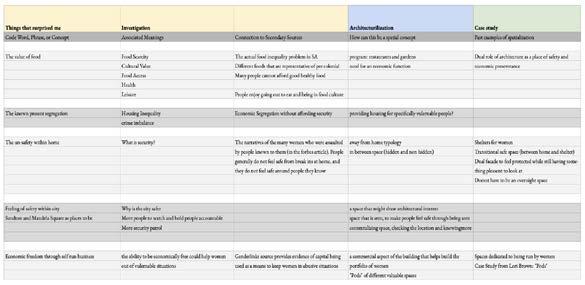
To learn more about what people think about living in Johannesburg, a range of ethnographic research was conducted, including interviews with people who have lived or are living in south africa, reading stories shared online, watching documentaries, and talking to professors and shelter leaders in Johannesburg. Some common themes I saw that surprised me were fear within home, fear of being alone, and fear of people that are known and trusted.
statement preparation production
For the design phase it was important that the needs of individuals are met, without the architecture being prescriptive or making problematic assumptions. In order to create a system that is less static, I wanted to experiment with creating an architectural network within a city that provides people with the agency to create their own space. Instead of designing a single building, I wanted to design the basis for people to build their own network and safe spaces.
The historic context of South Africa reveals many instances of instability that have resulted in massive gender, race and economic inequities. The fragility of the South African government paired with the traumatic past of Apartheid is visible in the current economic system. Where a minority of the population participates in a capitalist heavy, global economy, the majority contributes through low wage labor. There is a heavy divide between the socioeconomic groups within South Africa.
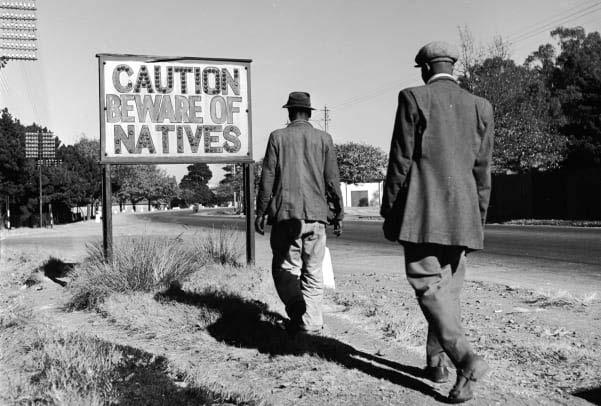
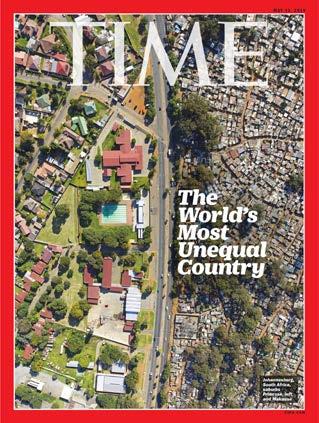
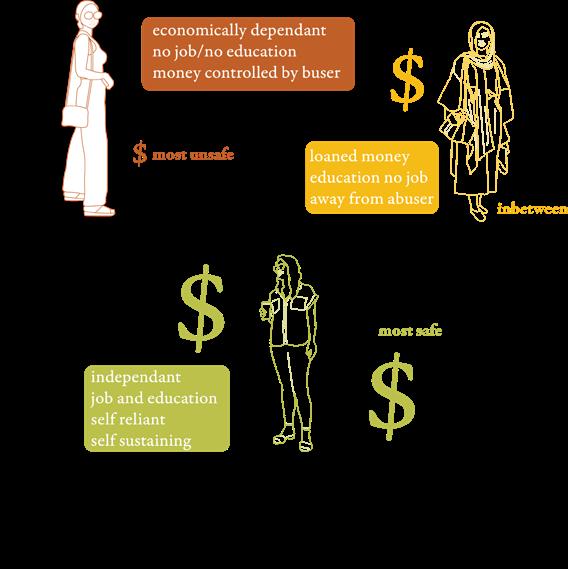
This dualist system, along with other factors such as unhealthy public sentiment towards women, lack of women empowerment, and economic repression has led to another crisis of increased hate crimes directed towards women. A study from gender links showed that about half of the woman identifying population, of the Gauteng region of South Africa, are predicted to have experienced some form of violence. There is a high level of recorded violence, yet a severe lack of resources, such as shelters and spaces of refuge.
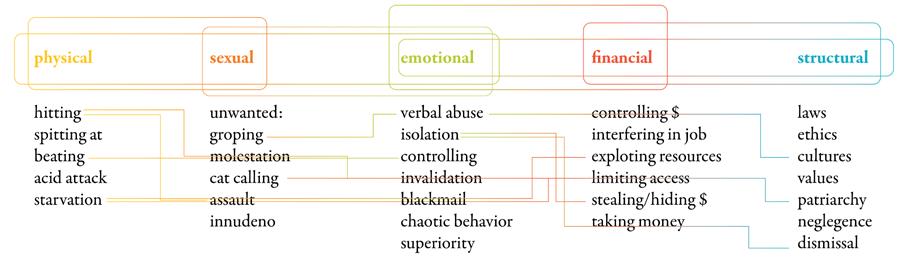
Violence can be physical, sexual, emotional, financial, or structural. And it can manifest itself through different manipulative methods. Different forms of violence results in varied trauma on the people being violated.
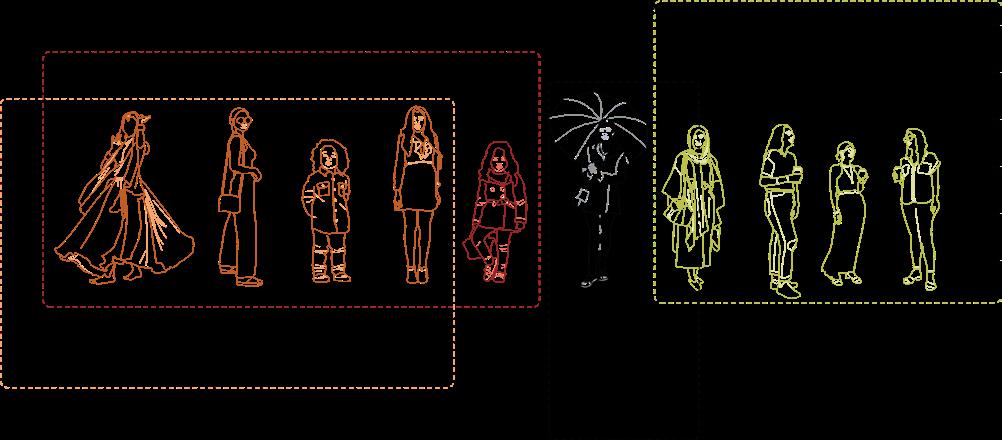
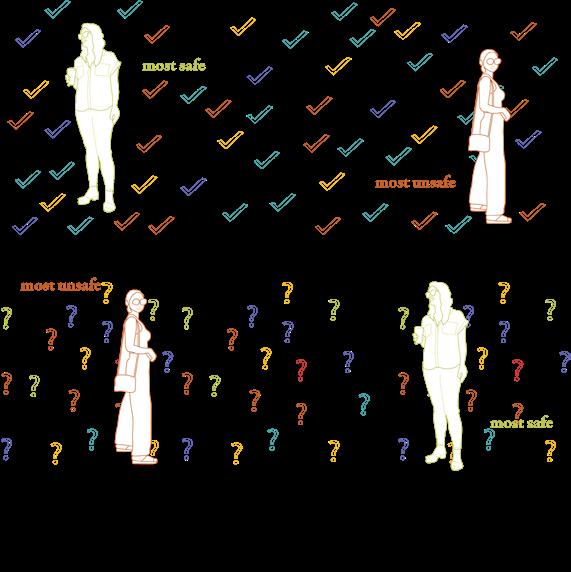
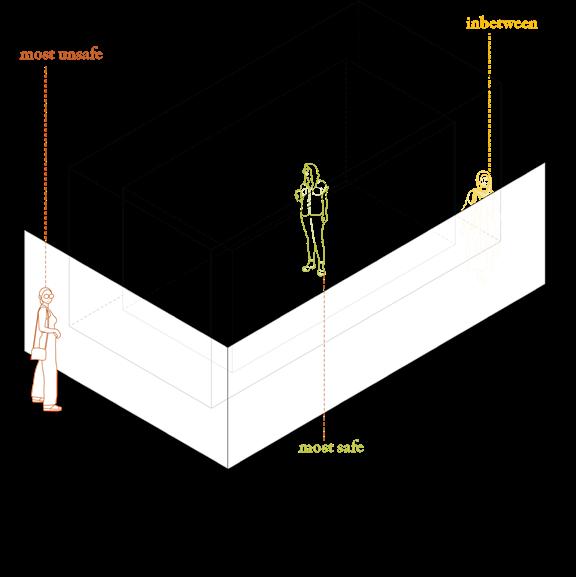
People who experience violence are going to have different needs, because resulting trauma from acts of violence will vary person to person. This definition of violence will later help determine the meaning of safety.
Defined by the World Health Organization as: the intentional use of physical force or power, threatened or actual, against oneself, another person, or against a group or community, which either results in or has a high likelihood of resulting in injury, death, psychological harm, maldevelopment, or deprivation
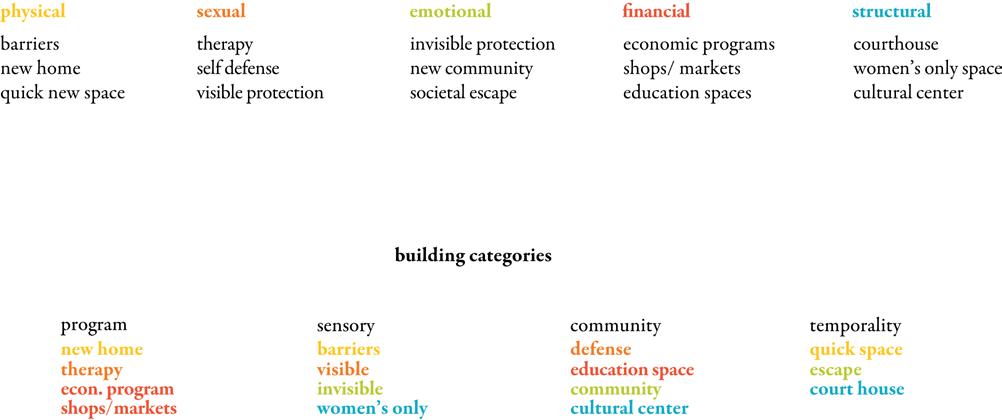
To learn more about what people think about living in Johannesburg, a range of ethnographic research was conducted, including interviews with people who have lived or are living in south africa, reading stories shared online, watching documentaries, and talking to professors and shelter leaders in Johannesburg. These are some of the words and themes that stood out to me, and this shows that there is a general public perception of feeling unsafe. Some common themes I saw that surprised me were fear within home, fear of being alone, and fear of people that are known and trusted.
To code the interviews I documented topics frequently mentioned or emphasized in the different interviews and stories, examined their associated meanings, connected these meanings to secondary sources, typically data based and peer reviewed studies, and then found architecture that aims to address those specific problems around the world.
“Even public spaces like the post office are no longer safe”
“I trusted him...later woke up in the hospital”
“The home is not even safe sometimes”
“It’s crowded in the city so people can see you”
“I feel safe in my estate, and my friends estates”
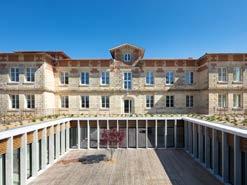
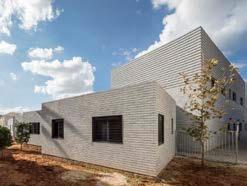
“I would make it safer”
“I won’t walk alone at night”
“I was raped...by a boy who I thought was my friend”
“It’s a nice area but you still have to be aware”
“Lock my room door to feel a tiny bit safer”
“I refrain from playing music too loud... where I will not be able to hear an intrusive noise
“Did not want the stigma attached to being a victim”
“I was lucky to not have experienced anything before I was 18 years old”
“A man at home came to me...and raped me”
“Great laws, but no enforcement”
“Sometimes they’ll throw rocks on your car to break it down”
“Many [women] remain marginalised from the economic and social mainstream”
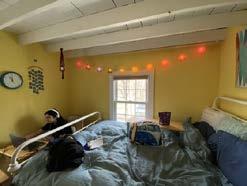
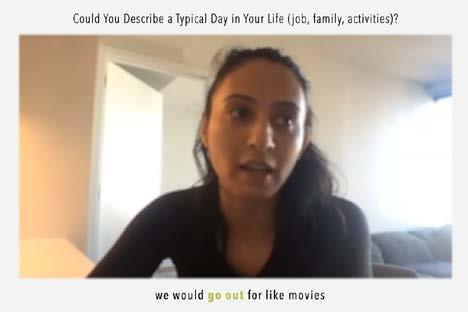
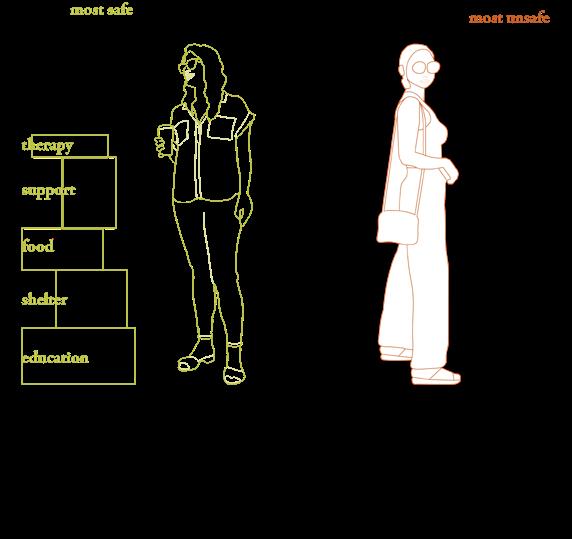
In discussions with professors and shelter leaders, I learned about the existing shelter system, and the flaws in the system. Some parts of the conversation that stood out to me were: that there is a lot of centralized trauma in shelters because of the lack of alone space. People in shelters often do not have access to resources: such as education, jobs, daycare, and fresh food. Additionally, male identifying children over the age of 15, are not allowed to live in the shelter with their moms resulting in child neglect.
leaving a support circle, family friends etc, is a last resort
there are shelters in cities but there’s not enough
what she learned from interviews how she thinks spaces could operate better
in shelters multiple people live in the same dwelling
shelters are expensive and rule heavy to build
there is a lack of sustained investment
no support for children, especially male children there is a lot of centralized trauma in one space which leads to more instances of emotional violence
people could share existing abandoned homes
there is very little space per person in these shelters as is there needs to be an economic enrichment space
people can live with multiple families but need space
people get stuck in the homes because they have nowhere else to go
having lots of spaces instead of one central space
how to still provide a home for people looking for them
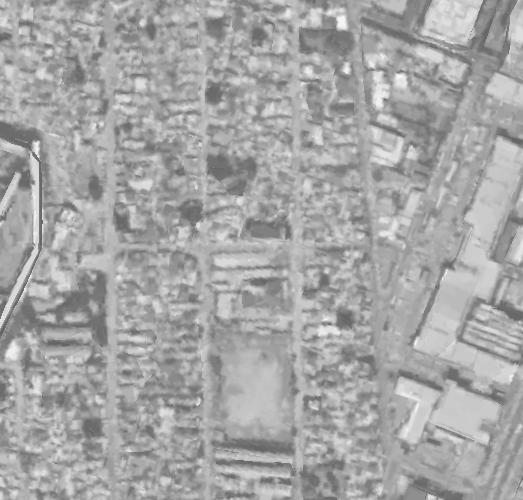
The site that will be used to propose intervention in is Johannesburg. This map shows the concentration of recorded sexual crimes around the city. and has a complicated history due to forced resettlement and segregation during Apartheid.
Extreme
Medium-Low
Natural/Non-Human Area
Roads
District Boundaries
Site
From this map and other research I determined that the site I wanted to work in was Alexandra because it has a high level of recorded sexual crimes,
understanding what people want/need from their context
answering a series of related questions using this background research
what form of safety is the space meant to address? how permanent are the users of the space?
narrative. architecture. studies
understanding other design interventions and strategies context
coding framework journals
documentary readings/data-based understanding the problems present, and the current intervention
are users under immediate attack?
how old are the users?
what are additional circusmstances that need to be addressed?
what is important to the users and context?
For the design phase it was important that the needs of individuals are met, without the architecture being prescriptive or making problematic assumptions. In order to create a system that is less static, I wanted to experiment with creating an architectural network within a city that provides people with the agency to create their own space. Instead of designing a single building, I wanted to design the basis for people to build their own network and safe spaces.
Using the definitions of safety, and the needs that were expressed by people through interviews and shared stories, a series of design guides were created to help people design and build safe spaces according to their needs. The current collection of guides is limited to the narratives I was able to collect in my short research period.
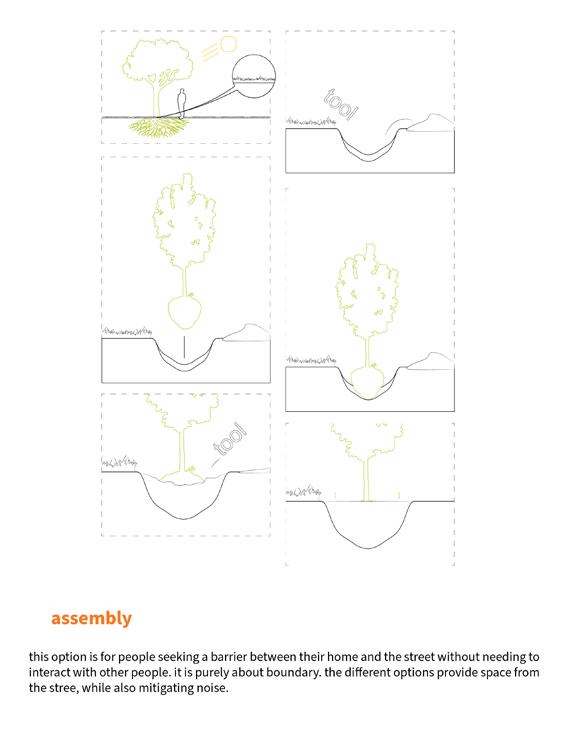
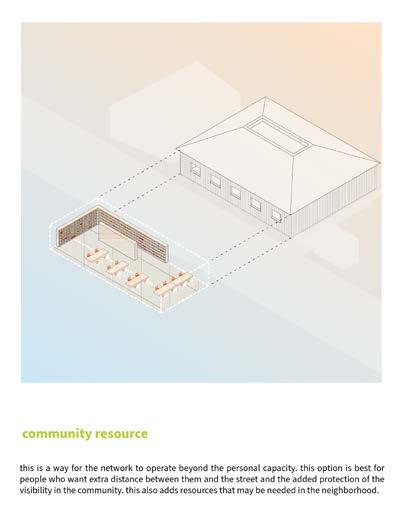
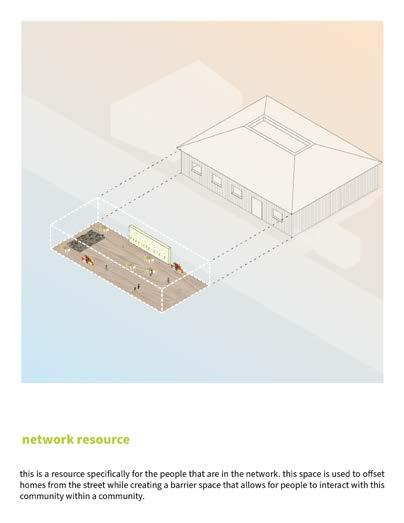
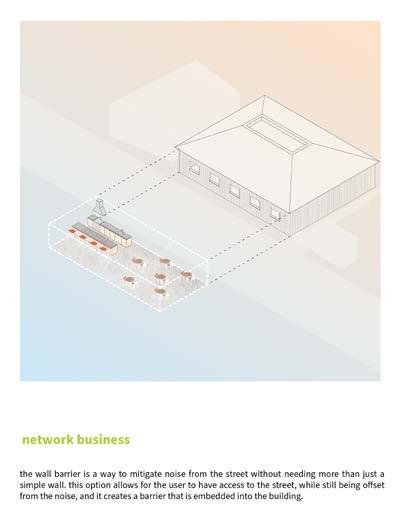
Each of the booklets has a series design options, and construction methods for people to choose from to build their own space. Additionally, in the guides there are places to source the materials from, places like recycling facilities. This series provides users with options for how to think about circulation, program placement, and privacy through different built means.
Additionally, a website was created for users seeking safety to input their narratives and output a series of suggested guides to build their own safe space, while still being able to access the other guides, so people have agency to create their own space design phase
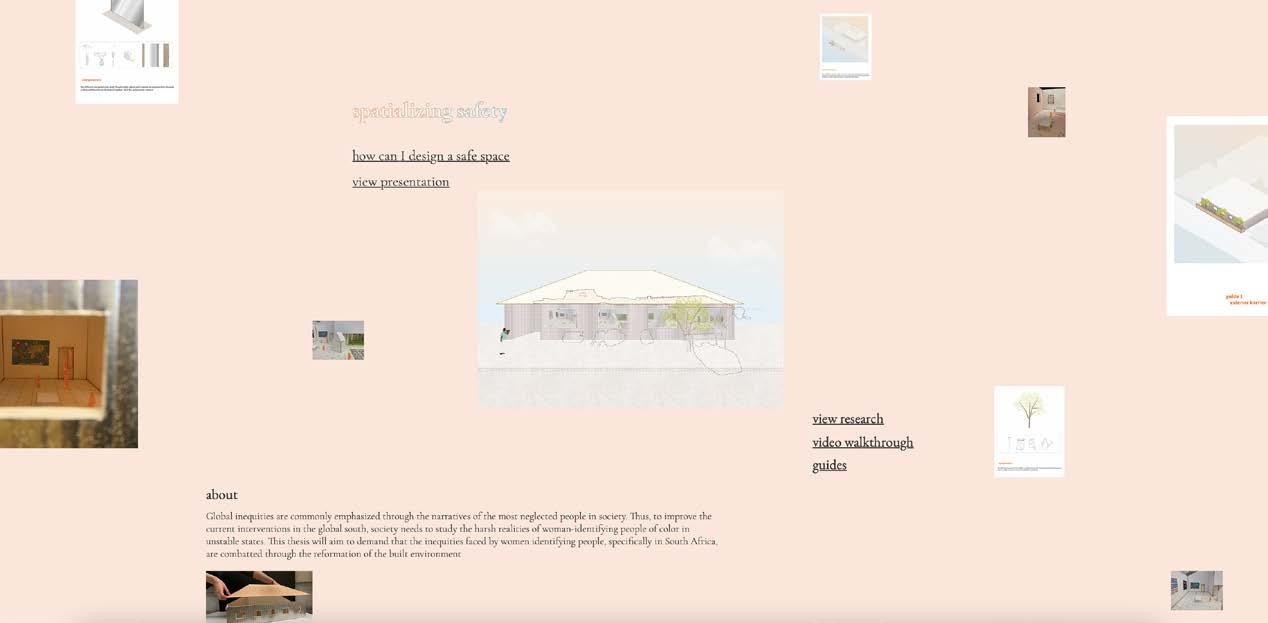
On the website there is a section, called “How can i design a safespace,” that allows users to answer a series of narrative questions to provide people with guide suggestions that they can use to construct or seek out their own safe space. Additionally the website is set up to be a growing database of design and construction resources. The website is still being polished and refined, but under the view presentation link you can view this whole presentation.
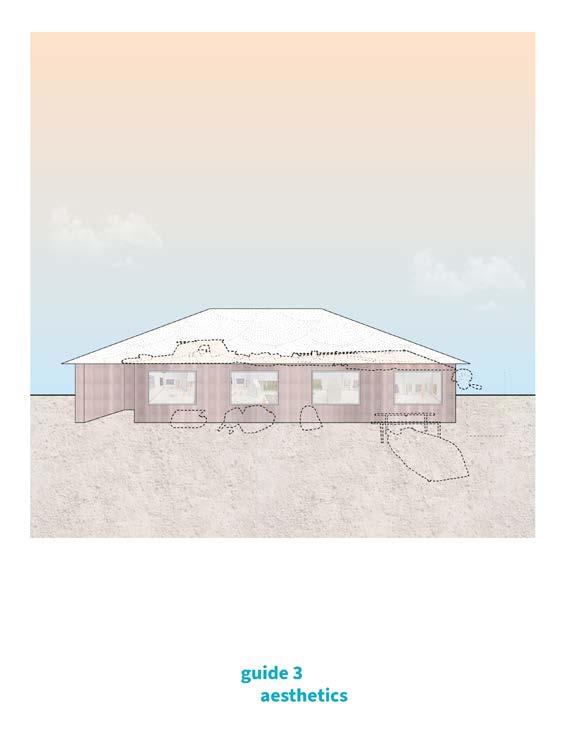
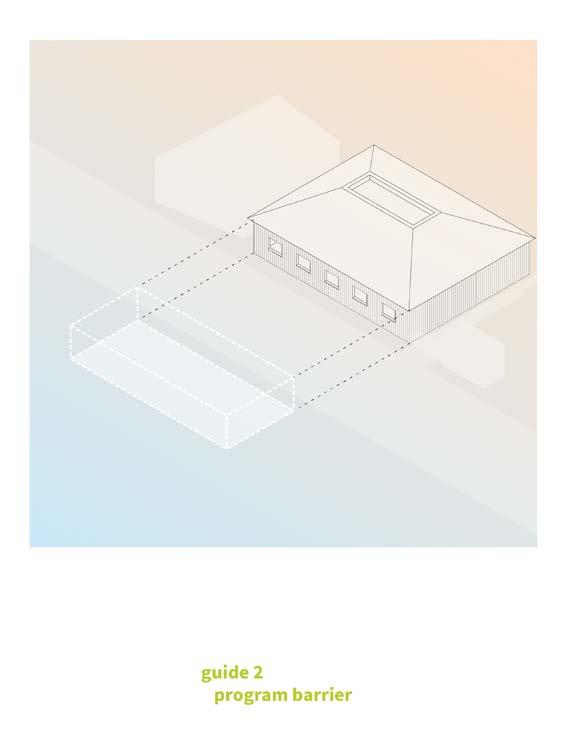
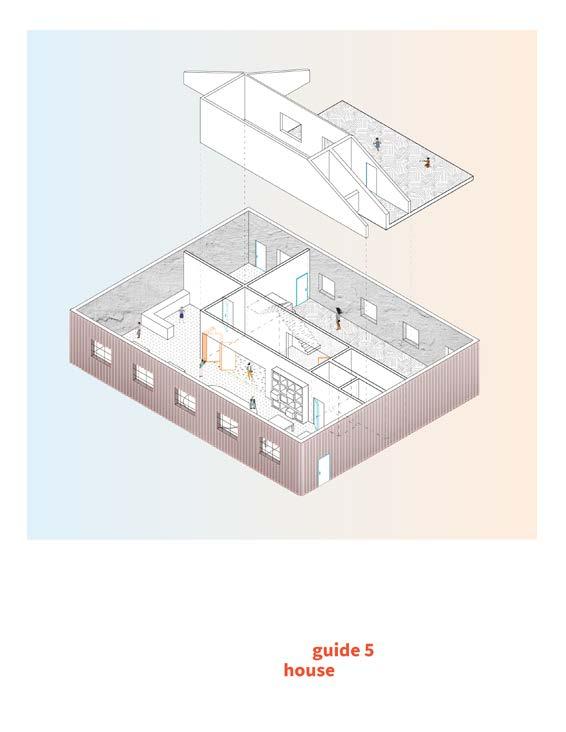
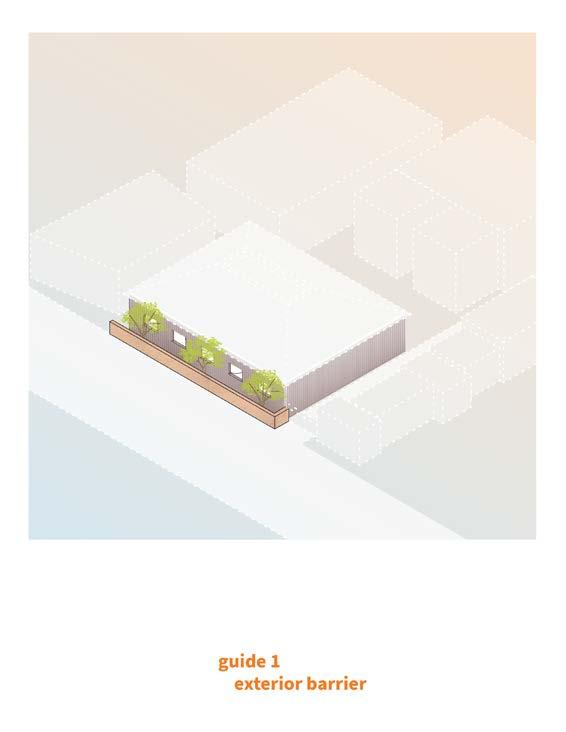
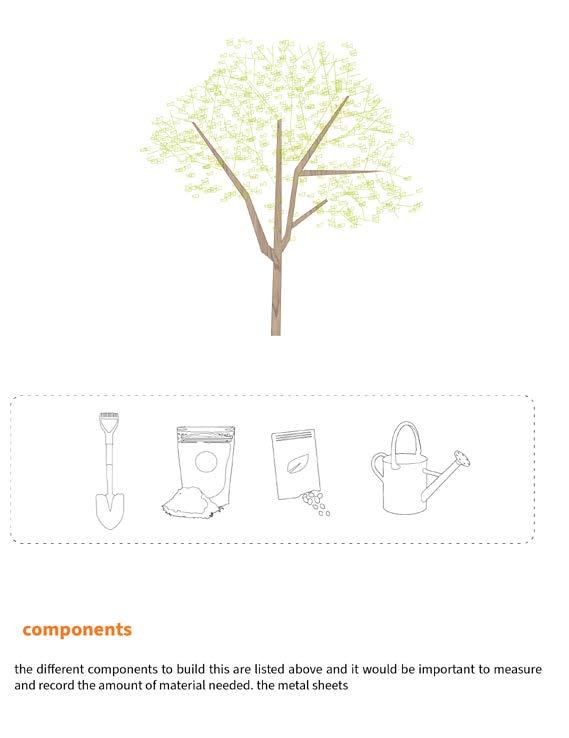
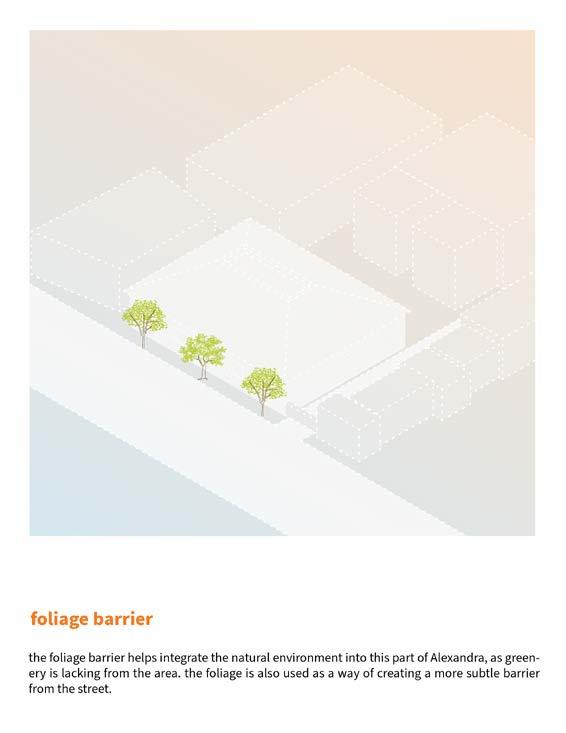
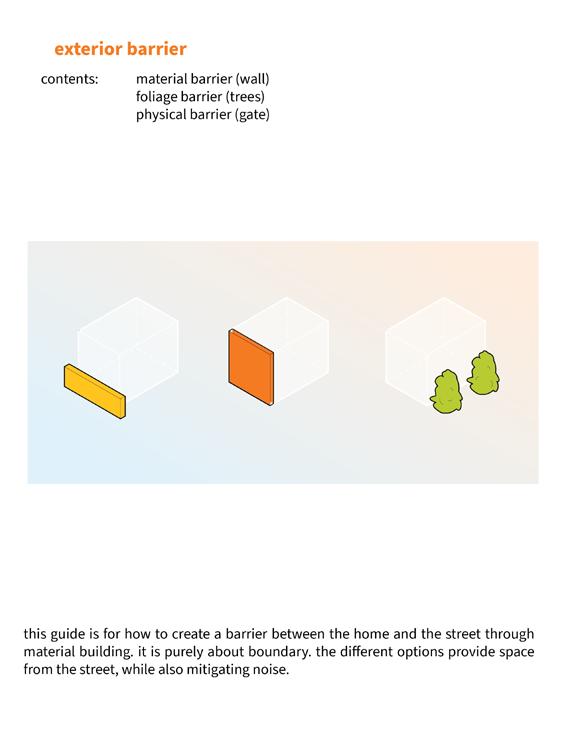
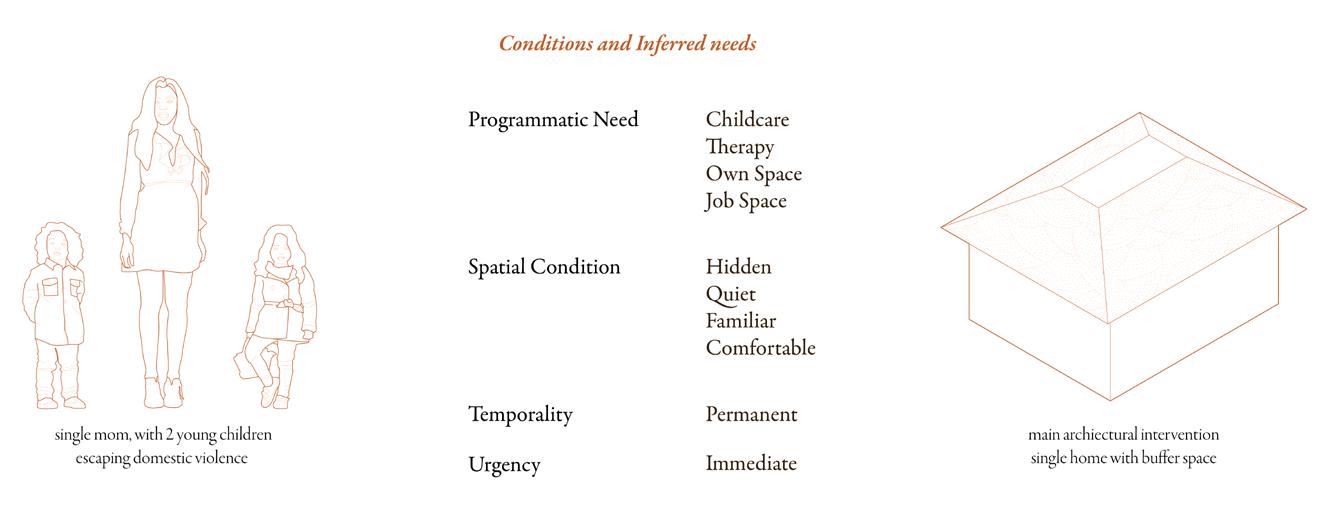
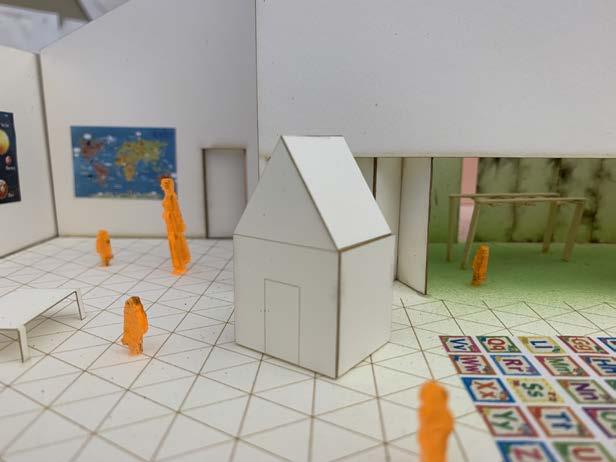
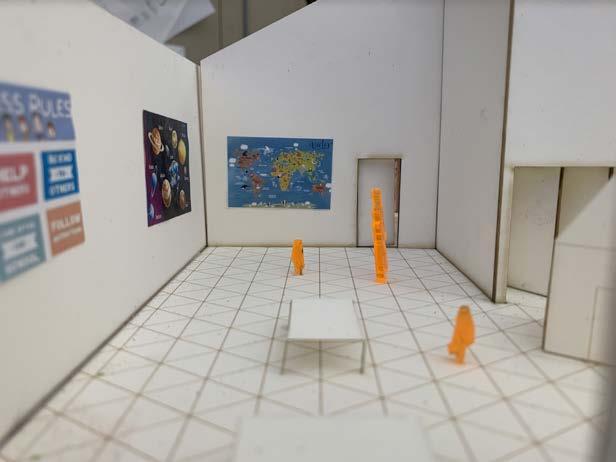
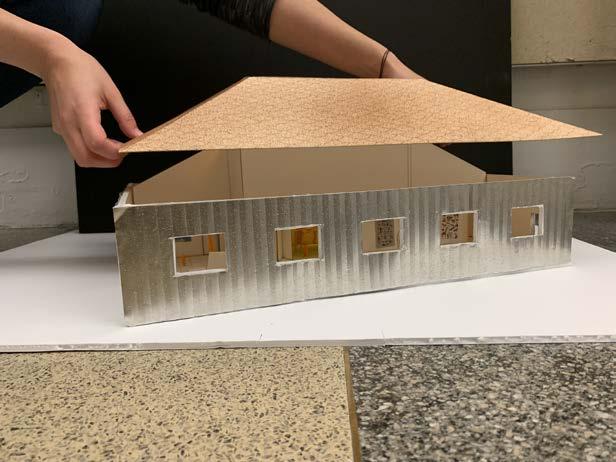
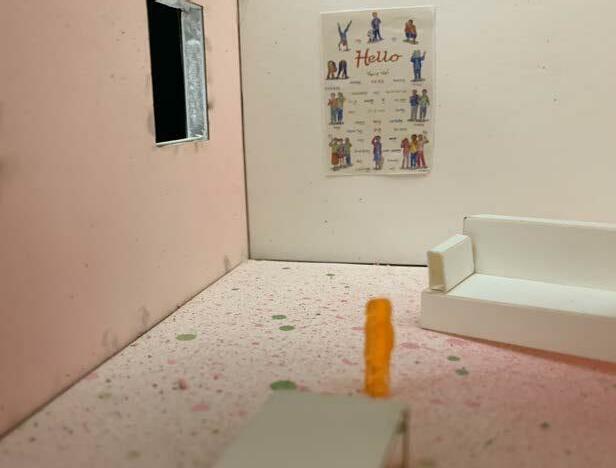
I proposed an example home using a combination of these guides and some of my collected narratives as tools to mold the components of the building. This spatial example is a home for a small family, and a daycare facility for the community. The daycare creates a buffer zone between the house and the street to form another layer of safety.
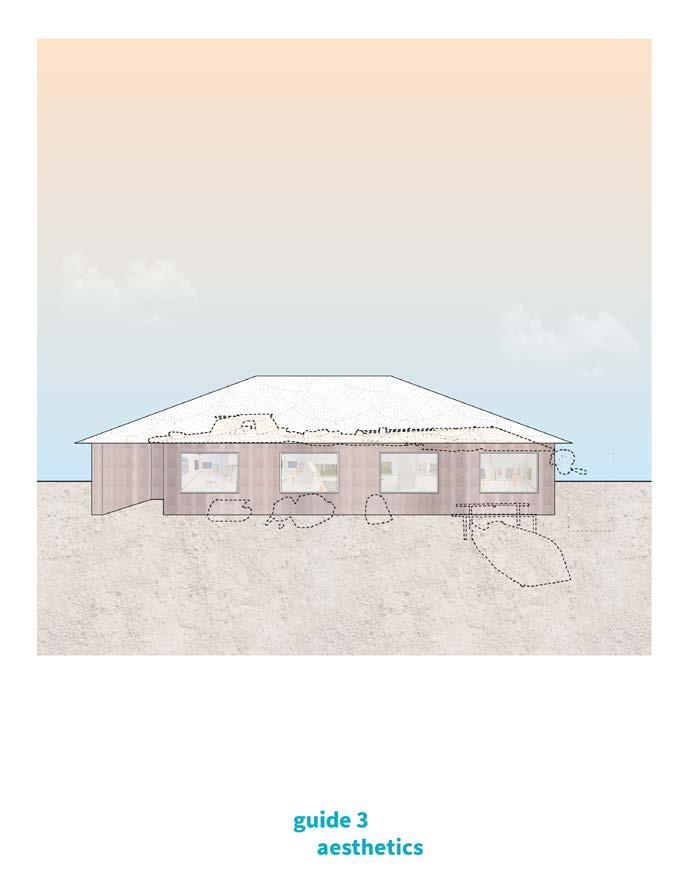
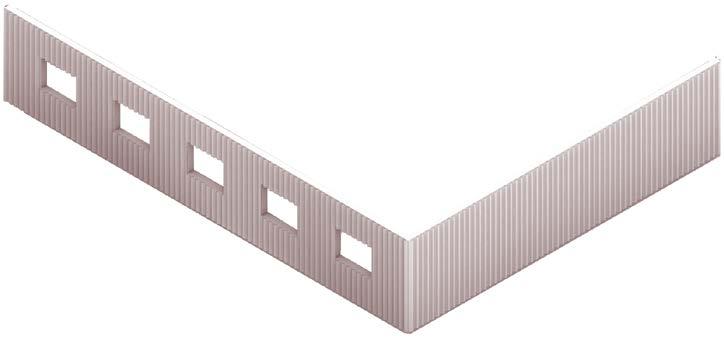
The lofted home provides a space for a small family to live, work, and educate. The daycare space allows for the people living in the home to drop off the kids and go to work, or even work and run the daycare space. Additionally the different methods of circulation allow for the spaces to merge while still keeping the home offset and private. Different entryway schemes to the different spaces also allow for a buffer between the public and the private. Barrier and aesthetic methods, such as metal siding and a pitched roof allow for the home to become more durable and also create an aesthetic basis for the network to follow to subtly connect the houses throughout the existing neighborhood. Subtle changes such as these allow for the architecture to exist cohesively with the context and still allow people to be embedded within the context These changes also allow for abandoned houses to be repurposed.
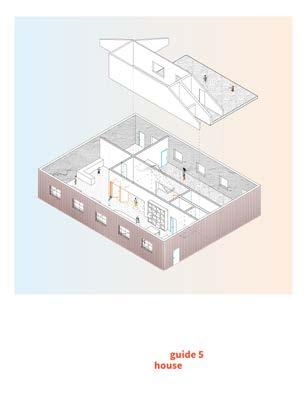
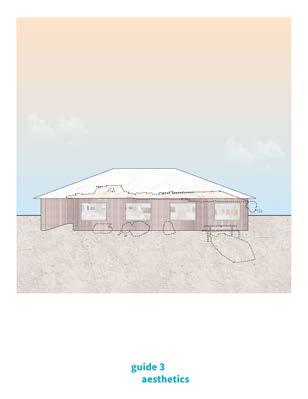
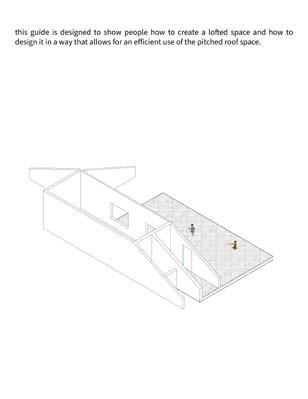



see: guide 1: exterior barrier creating a barrier from the street that is physically made

see: guide : house lo ed space to add an additional layer of street separation.


see: guide 2: temporary stay barrier daycare space for members of the community and network
see: guide : aesthetic a roof that can match other buildings for a cohesive network
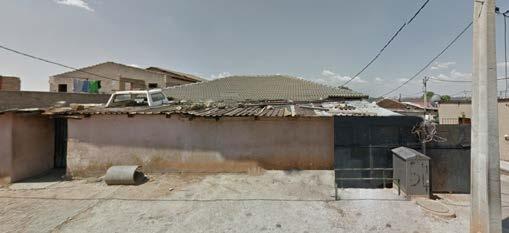
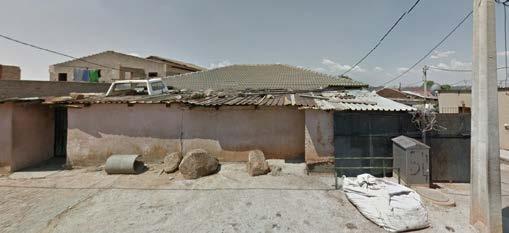
see: guide : circulation extra circulation space that connects the barrier to the home
see: guide : aesthetic mediating space that allows the futher di usion of spaces
see: guide : circulation shared space that further o sets the entrance to the home
see: aesthetic guide chosing how the building can match the network and context


This network additionally operates at 2 scales, the building scale and the urban scale. In a more urban context, the network can borrow from existing resources as a way of interlinking a community of survivors with the rest of the community. Certain programs can play a dual role of connecting with the community, through restaurants, medical spaces, or daycares, that can be used by people beyond the network, while employing people who are part of the network.
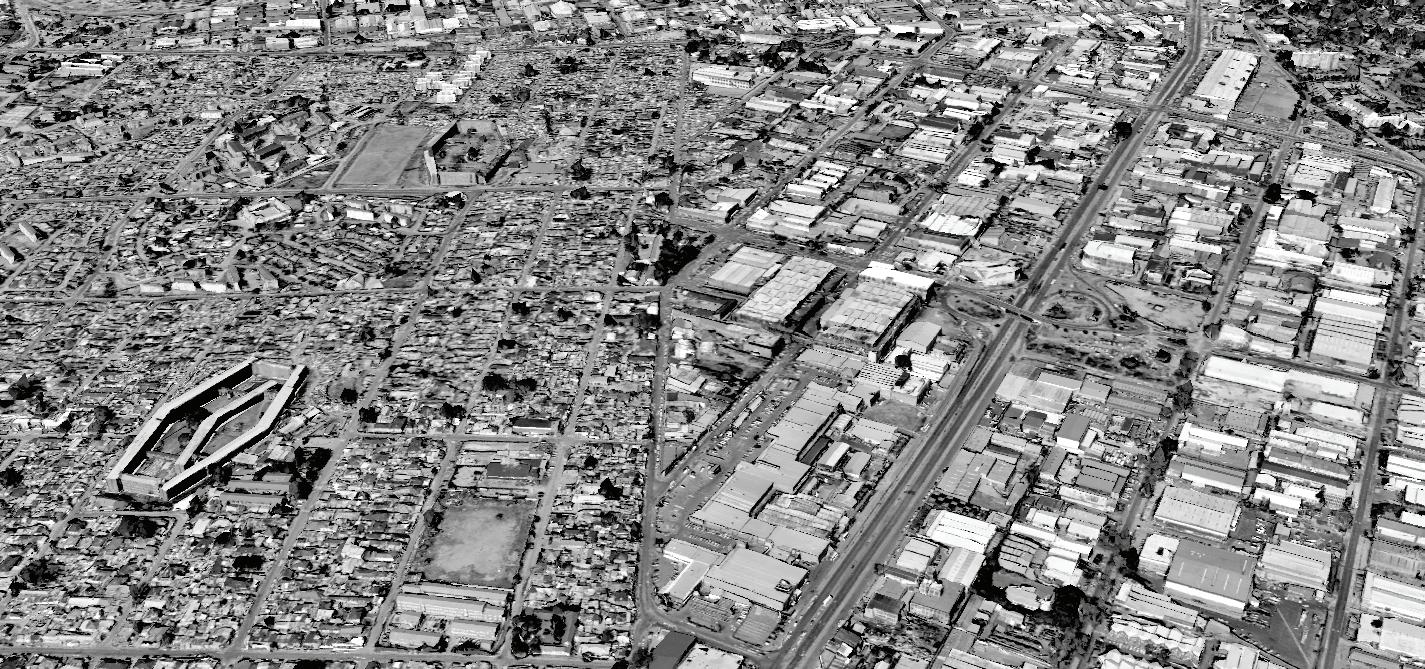
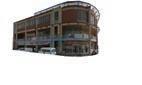
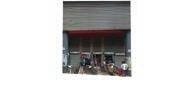
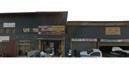
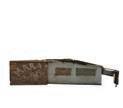
For urban exploration, I mapped the resources that existed within the community and I also mapped houses that could be occupied within proximity of those resources. To chose which houses or built spaces to document, I looked for buildings that had signs of abandonment on google earth. I noted boarded up windows and doors, and buildings with mild exterior damage. By choosing all of these spaces around existing resources, this network can borrow from the community with ease.


In conclusion, solidifying architectural techniques that can be used to invoke the feeling of safety points us towards a problem that is present and active in society. By finding the need to hide people and keep them safe, we are informed of a greater issue that would require more than the means of architecture to address. This thesis can be a catalyst for providing design options that could be used to transform existing spaces with materials that can be found locally and easily assembled. This database can provide users with the agency to create their own safe spaces and find a new community. From this past year I have learned about the ways in which architecture can be an agent in change and the ways it remains passive.
leaving a support circle, family friends etc, is a last resort
there are shelters in cities but there’s not enough
every single narrative cannot be collected/analysed
without testing we wouldn’t know if this system works
without living there my role is limited to word of mouth
architecture has the ability to be an active agent, but not all design is active, some is passive
it is difficult to make an understood cohesive network people define safety in different ways
people have different needs and narratives
architecture and design cannot change everything
there are many forces that make architecture effective
architecture and design is passive for safety currently to design effectively we need to listen to the people we design for
there still needs to be analysis done to understand more about urban connectivity and the larger scale