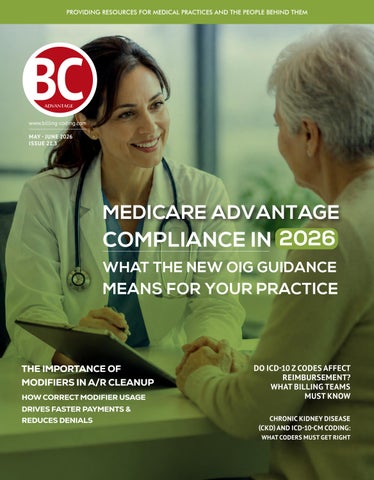
HOW CORRECT MODIFIER USAGE DRIVES FASTER PAYMENTS & REDUCES DENIALS
THE IMPORTANCE OF MODIFIERS IN A/R CLEANUP DO ICD-10 Z CODES AFFECT REIMBURSEMENT? WHAT BILLING TEAMS MUST KNOW CHRONIC KIDNEY DISEASE (CKD) AND ICD-10-CM CODING: WHAT CODERS MUST GET RIGHT
AIHC is a licensing/certification partner with CMS offering in-person training and online certification courses
The American Institute of Healthcare Compliance is a national organization for Healthcare Professionals with over 30,000 members & subscribers. We are recognized as a healthcare education organization with the Internal Revenue Service (IRS) operating as a Section 501(c)(3) nonprofit corporation. Revenue generated by AIHC is reinvested in the organization to pursue its educational purpose and benefit its members.
We maintain an A+ Rating with the Better Business Bureau by providing quality online courses and live events to train and credential healthcare administrators. Contact us today!
documentation integrity, healthcare administrative professionals’ roles monitoring healthcare data, the threat of underpayments, and documentation fails—including what it the writer. We often learn through failures, don’t we? When we’re trying others, we learn and grow right with them. It’s all part of the
homeschooled my children since started second grade, and he graduates this year. At the time of print, already received his cap and taken graduation photos, and preparing his entire life in photos graduation party. It seems the last have absolutely flown by. From kindergarten to high school graduation— I have watched him grow from 6-year-old at a new school who the other kids back from killing an 18-year-old soon-to-be who still shows compassion others and stands up for what’s right—even when it’s hard. I admire he shows up for his friends family, and I am excited to watch through a new door and into adulthood. This is just the beginning.
plans to pursue a degree in Communications or English—as he too reading and writing. Perhaps his name in BC Advantage one exciting to think about where his journey will take him!
Renewals: Keep your rate locked in for life! www.billing-coding.com/renewals
Change of address: Email subscriptions@billing-coding.com or call 864 228 7310
EXPERT CONTRIBUTORS THIS ISSUE
Allzone, established in 2005, is a leading offshore medical billing company that provides medical billing, coding, and RCM services to clients nationwide. Allzone is headquartered in Glendale, California, and has two state-of-the-art delivery centers in India with over 500+ employees. Allzonems.com
HariShankar Veeraji Baskaran, is Associate Director for the Patient Access and Patient Financial Service business units at AGS Health. Hari plays a key role in driving market awareness for Sales and Customer Success, expanding service and product offerings. AGShealth.com
Amanda Dean, RN, BSN, is Director of Clinical Education at AGS Health. A registered nurse with more than 13 years of experience, she specializes in case management and utilization management leadership. www.agshealth.com
DoctorsManagement, simplifies the business of medicine so that healthcare professionals can focus on caring for patients and controlling the future of their business. www. doctorsmanagement.com
Betty A. Hovey, BSHAM, CPC, COC, CPMA, CPCD, CPB, CPC-I, CCS-P, CDIP, CPA-EDU, CEMA, CPA-SA, is a seasoned healthcare professional with over 35 years of experience. She is a nationally recognized healthcare consultant, auditor, speaker, and author. As the Senior Consultant and Owner of Compliant Health Care Solutions, Betty partners with practices of all sizes—from solo providers to large health systems—to ensure regulatory compliance, optimize revenue integrity, and achieve proper payment for the services they provide. chcs.consulting
Janine Mothershed, CPC, CPC-I, is the founder of Coding Clarified. With more than 15 years of professional coding experience, Janine’s biggest passion is helping others succeed; she has helped over 1,000 students realize their professional dreams. Learn more about Janine and how she can help you at www.codingclarified.com
Laureen Murphy, CPC, RH-CBS, CAH-CBS, CH-CCBS, CH-CS, PMI-ACP, is the Chief Operating Officer with Medcycle Solutions. Her role as COO showcases her ability to build high-performing teams, foster professional development, and drive operational excellence across the organization.
With more than 30 years of experience in healthcare operations, administration, billing, coding, credentialing, and consulting, Laureen brings deep experience and proven leadership to every initiative. www.medcyclesolutions.com
Surbhi Prapanna, is a newly CPC-certified medical coder and former homeopathic physician. She is also a health, lifestyle, and medical education writer and blogger, passionate about creating engaging content that helps coders and healthcare learners navigate complex medical coding concepts with clarity and confidence.
Tamela Rodgers-Phillips, RHIT, CPC, is an administrative healthcare professional with over 20 years experience in the revenue cycle to include medical billing, medical coding, clinical documentation improvement, process improvement, medical coding instructing, public speaking engagements, and mentoring for stewardship within the health information management community.
Rachel V. Rose, JD, MBA, advises clients on compliance, transactions, government administrative actions, and litigation involving healthcare, cybersecurity, corporate, and securities law, as well as False Claims Act and DoddFrank whistleblower cases. She also teaches bioethics at Baylor College of Medicine in Houston. Rachel can be reached through her website: www.rvrose.com
Sonal Patel, BA, CPMA, CPC, CMC, ICDCM, is CEO and Principal Strategist of SP Collaborative, LLC. Sonal has over 13 years of experience understanding the art of business medicine as a nationally recognized thoughtleader, speaker, author, creator, and consultant to elevate coding compliance education for the business of medicine. www.spcollaborative.net
Pam Vanderbilt, CPC, CPMA, CPPM, CPC-I, CEMC, CDEO, CPB, CFPC, CRC, CPEDC, CPCO, CMRS, CMCS, CEMA, is a passionate educator, consultant, and advocate for excellence in healthcare and life. As President of Knowledge Tree Billing, Inc., she leads a revenue cycle management team while serving as an education and consulting resource for providers, coders, auditors, billers, and practice managers, with a strong focus on compliance in the business side of healthcare. www.ktree.net
THE 15-MINUTE ELEVATOR TEACHING E/M CODING PITCH TO PHYSICIANS
Hey Doc, you’ve got a packed schedule, patients waiting, and probably zero patience for another hour-long educational session that feels like death by PowerPoint. So, let’s cut to the chase: I can give you the real-deal on E/M coding in 15 minutes.” If you want to give education that they’ll remember and appreciate, try a quick, no-fluff talk you can deliver in a hallway huddle, lunch break, or right before rounds. Think of it as your personal “elevator pitch” upgraded to a coffee break version. A quick, memorable pitch matters. It’s fast, it sticks, and it focuses on what actually matters in 2026: getting paid for the brainpower you pour into patient care without inviting an auditor to crash your weekend.
The most reported CPT codes are E/M services. Unless the physicians are radiologists or pathologists, they are doing E/M. E/M remains a constant target for payor audits, so helping physicians get it right protects revenue and compliance. The goal? Equip physicians to select the right code based on complexity (MDM) or time, while fostering better documentation habits. In 15 minutes, cover the fundamentals, leaving room for questions and quick practice. Think of it as a “just-in-time” toolkit that doesn’t disrupt workflows.
Key Terms to Define Succinctly
Start by defining the essentials clearly:
• MDM: Assesses the number and complexity of problems addressed, data reviewed/analyzed, and risk of complications.
• Time: Includes all face-to-face and non-face-to-face activities (e.g., reviewing records, counseling) on the encounter day. This seems to be an area where I still see physicians not crediting themselves correctly.
I find it helpful to remind them that the six-page novel note is history. The system rewards cognitive effort over bloated documentation. No more 14 review-of-systems bullets for a sprain just to justify a level. Most doctors already know this from the 2021/2023 shifts, but reiterating it sets a positive tone.
Visual Aid Recommendation
Use a simple one-page handout: an MDM table summarizing levels (straightforward/low/moderate/high) with brief examples, plus time thresholds for office/outpatient visits. Leave it with them—they’ll refer back when charting. In my experience, physicians love little tools that are helpful for documentation.
Dive into MDM: The Star Player for Most Visits
MDM is how most visits level out. Explain the two paths (MDM or time), but focus on MDM with specialty-relevant examples to make the light bulb go off.
Problems Addressed (Number & Complexity)
Three buckets—no bullet-counting bingo anymore:
• Straightforward: One self-limited or minor problem (e.g., acute cough, simple rash, minor stomach ache). You advise: “Rest, ice, elevate, chicken soup—call if worse.”
• Moderate: 1+ chronic illnesses with exacerbation (e.g., hypertension with recent spikes); 2+ stable chronics (e.g., CAD + hyperlipidemia); 1 undiagnosed new problem with uncertain prognosis (e.g., new fatigue possibly anemia/thyroid); 1 acute illness with systemic symptoms (e.g., gastritis with fever, abdominal pain, diarrhea, dehydration); 1 acute complicated injury (e.g., ankle sprain with ligament damage needing brace/PT referral).
• High: 1+ chronic illnesses with severe exacerbation (e.g., uncontrolled diabetes risking ketoacidosis); 1 acute/ chronic illness/injury posing threat to life/bodily function (e.g., head trauma with altered mental status needing urgent decisions).
Paint pictures with their specialty examples—pull from real notes to show real problems.
Data Reviewed and Analyzed
Don’t bog down here—focus on what physicians do most. Data proves your detective work: Count unique sources/ tests, hit category thresholds, and document why it mattered (“Reviewed X because Y led to Z decision”). No double-counting the same test. Tie it to problems/risk (e.g., “Data review supported moderate MDM in this asthma exacerbation”).
Tell them to keep it simple: “Skip fluff—document relevance.”
Risk of Complications/Morbidity/Mortality
This element is a little easier as it is not point-based like Data. It’s qualitative, based on the highest level of risk from any management decision in the encounter. Go back to the method used with Problem Addressed and step through each one with examples.
• Low: OTC meds, PT referral, minor procedures with no risk factors.
• Moderate: Prescription drug management (starting/ stopping/adjusting any medication and explaining why); minor surgery with patient/procedure risks; major surgery without risks; social determinants limiting treatment.
• High: Drug therapy needing intensive toxicity monitoring (e.g., warfarin with INR checks); major surgery with risks; emergency surgery; hospitalization decision.
Use example after example—show their own notes: “Here’s where you undercoded because risk wasn’t documented clearly.” Walk them through the notes pointing out the good, the bad, and the deficient in their documentation. You should be able to walk them through each level of service with examples that are geared to their specialty.
Final Key Takeaways and Support
Wrap with memorable points:
• The note must support the level. Tell the full story. My favorite line to doctors: “If you think it, ink it.” No credit for unspoken thoughts.
• MDM or time—pick one per visit, document it explicitly. Let the physician know that you are there to support them, protect them, and ensure that their documentation is compliant. Be open to their questions; if you don’t have an answer for something, let them know you will research it and get back to them—and do it. This isn’t about shortcuts; it’s empowering busy physicians to grasp essentials quickly, reduce errors, boost accurate reimbursement, and enhance compliance. Deliver it with empathy and real examples. They’ll remember and appreciate it.
Betty A. Hovey, BSHAM, CPC, COC, CPMA, CPCD, CPB, CPC-I, CCS-P, CDIP, CPA-EDU, CEMA, CPA-SA, is a seasoned healthcare professional with over 35 years of experience. She is a nationally recognized healthcare consultant, auditor, speaker, and author. As the Senior Consultant and Owner of Compliant Health Care Solutions, Betty partners with practices of all sizes— from solo providers to large health systems—to ensure regulatory compliance, optimize revenue integrity, and achieve proper payment for the services they provide.
Betty is a highly sought-after expert witness in medical coding and billing litigation, delivering evidencebased testimony on coding accuracy, billing disputes, compliance violations, and reimbursement matters. Her frontline experience includes practice operations, managing claims and denials, directing healthcare departments, conducting targeted audits, and providing specialized education.
chcs.consulting
CONSULTING SOLUTIONS
CHCS offers a variety of customized consulting solutions, depending on your specific needs.
• Compliance Program Evaluation, Denials Review, Payor Audit Rebuttal, General Office Practice Assessment, Shadowing Service
EDUCATION SOLUTIONS
Educational Services elevate your organization through targeted learning experiences that drive compliance, enhance coding accuracy, and improve overall operational efficiency.
Our comprehensive audit services are tailored to the unique demands of the health care sector.
• Audit Subrscription, One-Time Audit Service
CODING TOOLS
CHCS offers its suite of E/M coding tools designed to support your practice in achieving flawless coding outcomes. From robust physical tools to versatile digital solutions, we provide the resources your team needs to ensure accurate E/M service levels are consistently applied.
• Physical Coding Tools, Digital eTools
Betty A. Hovey is a seasoned healthcare professional with over three decades of experience in the field. She has extensive experience conducting audits for medical practices and payors. She specializes in educating various groups including coding professionals, auditors, doctors, APPs, payors, and others on coding, billing and related topics. Betty is a highly sought-after speaker and has co-authored manuals on ICD-10-CM, ICD-10-PCS, E/M, and various CPT specialty areas.
Chronic Kidney Coding Guide
What Coders MUST Get Right
Chronic Kidney Disease (CKD) may seem simple to code at first glance. However, accurate ICD-10-CM coding requires consideration of various factors, including precise documentation and a clear understanding of related conditions.
Chronic kidney disease often coexists with diabetes, hypertension, or transplant status, and if not coded correctly, this can lead to claim denials, compliance risks, and missed reimbursement opportunities.
In this article, we will break down CKD staging, ICD-10-CM coding rules, common coding scenarios (including diabetes and hypertension), rules for kidney transplants, and the essential official ICD -10-CM guidelines that every coder must know.
Read on to know more.
What Is Chronic Kidney Disease?
According to Kidney.org, chronic kidney disease (CKD) is a condition in which the kidneys become damaged over a period of at least three months, impairing their normal function. CKD can contribute to additional health problems, including cardiovascular disease and stroke. The condition usually progresses gradually and may remain symptom-free in the beginning.
The kidneys play a vital role in filtering waste products from the blood. They also help maintain fluid and electrolyte balance and regulate blood pressure.
When kidney function declines gradually over time, waste products start accumulating in the body and cause serious health concerns.
The most common underlying causes of CKD include diabetes mellitus, hypertension, chronic glomerulonephritis, prolonged use of NSAIDs (non-steroidal anti-inflammatory drugs), and other pain relievers.
Chronic Kidney Disease: Key Statistics
According to the Centers for Disease Control and Prevention (CDC), approximately 35.5 million adults in the United States are estimated to have CKD, with nearly 90% unaware of their condition. Another stat confirms, CKD affects more than 800 million people worldwide and ranks among the 9th leading causes of death worldwide.
Key Symptoms & Clinical Presentation
Early CKD often presents with no noticeable symptoms, which is why it is frequently identified through laboratory testing rather than patient complaints. When kidney function declines, patients may experience:
• Fatigue
• Generalized weakness
• Nausea and vomiting
• Loss of appetite
• Uncontrolled high blood pressure
• Peripheral edema (swelling of legs, ankles, or feet)
• Disturbed sleep
• Changes in urine output or appearance
• Shortness of breath due to fluid overload
Stages of Chronic Kidney Disease
CKD is classified into stages based on eGFR values, which reflect the level of kidney function:
• Electrolyte abnormalities Stage 1 Stage 2
Kidney damage with normal or increased GFR (≥90 mL/min/1.73 m²)
Mild reduction in GFR (60–89)
Moderate reduction in GFR (45–59)
Moderate reduction in GFR (30–44)
Severe reduction in GFR (15–29)
Kidney failure or close to failure (GFR <15, not on dialysis)
End-Stage Renal Disease (ESRD): The patient requires chronic dialysis or has undergone a kidney transplant.
ICD-10-CM Coding for CKD
ICD-10-CM codes for CKD are assigned based on the documented severity of the disease. The codes are organized as follows:
• Stage 1 CKD: N18.1
• Stage 2 CKD (mild): N18.2
• Stage 3 CKD (moderate): N18.30–N18.32
• Stage 4 CKD: N18.4
• End-Stage Renal Disease (ESRD): N18.6
Important: ESRD (N18.6) always takes precedence over stage-specific codes if both are documented. Coders should assign N18.6 alone in such cases.
CKD + Kidney Transplant: What Coding Rule Applies?
Patients who have undergone a kidney transplant may still have CKD because a transplant does not always fully restore kidney function. The presence of CKD alone does not automatically mean a transplant complication.
Coding rules
• Assign the appropriate N18 code based on the documented CKD stage.
• Add Z94.0—Kidney transplant status if the record confirms the patient has a functioning kidney transplant.
• Only code transplant complications (e.g., rejection or failure) if explicitly documented. If unclear, query the provider. (Follow I.C.19 coding guidelines for more guidance.)
CKD With Other Conditions: Diabetes & Hypertension
CKD rarely exists in isolation. The most common coexisting conditions that impact coding are diabetes mellitus and hypertension.
Diabetes with CKD
When documentation shows diabetes causes or is linked to CKD, begin with the combination diabetes code (choosing the correct type and complication code), followed by the appropriate CKD stage code.
Example:
• E11.22 – Type 2 diabetes mellitus with diabetic chronic kidney disease
• N18.4 – CKD, stage 4 (if documented)
This approach ensures both the etiology (diabetes) and the manifestation (CKD) are captured.
Hypertension with CKD
ICD-10-CM Official Guidelines state that when hypertension and CKD are documented and related, a hypertensive chronic kidney disease combination code (I12.– or I13. –, as applicable) should be assigned, followed by the appropriate CKD stage code.
I12. – Hypertensive chronic kidney disease
Assign a secondary CKD stage code from N18.
If there is heart involvement as well, use I13 (hypertensive heart and chronic kidney disease), followed by assignment of the CKD stage code.
Important: If the provider documents that CKD is not related to hypertension, do not use I12.– or I13.–. Instead, code the two conditions separately.
Why Combination Codes & Sequencing Matter
Combination codes exist to improve accuracy. They reduce the number of codes needed and support correct reimbursement. Instead of reporting multiple codes for a condition and its manifestation, a single code can represent the full clinical picture when appropriate.
In CKD, combination coding is used most commonly with diabetes and hypertension, as outlined above.
Sequencing impacts reimbursement and medical necessity logic. Always sequence according to Official ICD-10-CM guidelines, not clinical assumptions. Failure to do so can lead to undercoding or audit exposure.
Provider Documentation: Your Most Important Source
The single most important factor in accurate CKD coding is clear provider documentation. Coders should look for documentation that includes:
• Explicit CKD stage (1–5 or ESRD).
• Relationship to other conditions (e.g., diabetes, hypertension).
• Whether a transplant exists and whether there are complications.
• Any acute kidney issues documented simultaneously.
Do not assign CKD stages based solely on lab values (e.g., eGFR). Coding must be based on provider documentation, not inference.
Common Coding Errors to Avoid
Even experienced coders can make errors. Common mistakes include:
• Using N18.9 (unspecified) when a stage is clearly documented.
• Coding CKD and ESRD as separate conditions when only ESRD should be assigned.
• Assuming CKD is caused by hypertension or diabetes without provider documentation.
• Forgetting to add Z94.0 for transplant status when applicable.
• Failing to code both CKD and acute kidney injury when both are present.
Case Example: Type 2 Diabetes With CKD Stage 3b
Case: A 58-year-old patient is seen for follow-up. The clinical documentation states that the patient has type 2 diabetes mellitus with chronic kidney disease (CKD) stage 3b. The physician’s note specifically links the CKD to the patient’s long-standing diabetes and describes moderate renal impairment consistent with stage 3b CKD.
The correct assignment for this case is:
• E11.22 — Type 2 diabetes mellitus with diabetic chronic kidney disease
• N18.32 — chronic kidney disease, stage 3b
This combination accurately captures both the underlying cause (diabetes) and the severity of the kidney disease (stage 3b). When the provider clearly documents the relationship between diabetes and CKD along with the CKD stage, coders should use E11.22 followed by N18.32 to reflect the full clinical picture and support medical necessity.
Conclusion
In conclusion, accurate coding of chronic kidney disease depends on clear documentation and correct stage assignment. Coders must follow ICD-10-CM guidelines and identify related conditions such as diabetes, hypertension, or transplant status. Applying these principles reduces errors and contributes to coding compliance.
Surbhi Prapanna is a newly CPC-certified medical coder and former homeopathic physician. She is also a health, lifestyle, and medical education writer and blogger, passionate about creating engaging content that helps coders and healthcare learners navigate complex medical coding concepts with clarity and confidence.
THE IMPORTANCE OF MODIFIERS IN A/R CLEANUP HOW CORRECT MODIFIER USAGE DRIVES FASTER PAYMENTS AND REDUCES DENIALS
Aged accounts receivable (A/R) is one of the biggest financial burdens that healthcare organizations face. When claims stall in the 60-, 90-, or 120-day buckets, the likelihood of payment drops dramatically—especially when payors deny or reduce reimbursement due to coding or modifier errors. One of the most common root causes of preventable denials? Incorrect, missing, or inappropriate modifiers.
At MedCycle Solutions, A/R cleanup is one of the core services, and modifiers are a consistent theme in almost every recovery engagement. Understanding how modifiers impact claim adjudication, coding accuracy, and payor rules is essential to getting old claims paid—and preventing denials going forward.
Learn why modifiers matter in A/R cleanup, the most common modifier-related denial patterns, and how practices can strengthen their revenue cycle to avoid these costly issues.
Why Modifiers Are Critical in A/R Cleanup
Modifiers serve as communication tools between providers and payors.
When used correctly, modifiers clarify:
• Whether procedures are distinct.
• Whether professional or technical components were performed.
• Whether services were separate from other same-day procedures.
• Whether a bilateral or multiple-procedure reduction applies.
• Whether telehealth or audio-only guidelines were met.
• Whether a service was unrelated to the global surgical package.
In the A/R cleanup process, modifiers determine whether a claim can be successfully corrected and rebilled, whether an appeal is necessary, or whether the service is ultimately nonbillable.
When modifiers are wrong, missing, or misapplied, claims move through the system incorrectly—and get stuck in A/R for months.
Common Modifier-Related Denials Found in A/R Cleanup
Through A/R cleanup audits at MedCycle Solutions, several patterns appear consistently.
1
Missing Modifier 25 on Same-Day E/M + Procedure
Payors frequently deny these claims as “inclusive” or “bundled” when the modifier is not present.
Typical denial phrasing:
• “E/M not separately payable.”
• “Procedure includes related E/M service.”
In cleanup cases, adding modifier 25—supported by documentation—often results in successful reprocessing and reimbursement.
2
Incorrect or Missing Modifier 59 (or X Modifiers)
These denials occur when distinct services trigger NCCI edits.
Common examples:
• 59 used when an X modifier is required.
• XS or XE needed but not applied.
• 59 used incorrectly to bypass edits (causing retractions later).
Correcting the modifier can resolve a high volume of older claims quickly.
3
Bilateral or Laterality Errors (RT/LT or Modifier 50)
These errors often lead to:
• Incorrect payment rates.
• Bundled services.
• Downcoded reimbursement.
• Payor-requested refunds.
Some payors require RT/LT only, while others require modifier 50—cleanup depends entirely on payor-specific rules.
4
Incorrect Professional and Technical Component Modifiers (26 and TC)
A huge portion of A/R issues stem from incorrect component billing, especially for imaging or diagnostic services.
Common errors include:
• Billing global instead of 26.
• Billing TC on services where the practice does not own equipment.
• Missing 26 on telemedicine diagnostic interpretations.
Rebilling with corrected modifiers often resolves longstanding unpaid claims.
5
Telehealth Modifier Confusion (95, GT, FQ, FR)
Telehealth continues to generate significant A/R due to:
• Payor-specific requirements.
• Audio-only versus audio/video restrictions.
• Incorrect POS codes paired with modifiers.
Fixing these claims requires both the correct modifier and the correct POS combination.
Missing Modifiers in Global Surgical Period (24, 25, 57, 79) 6
Evaluation and management claims during global periods are denied when modifiers are missing or misused.
Examples:
• Modifier 24 not applied to unrelated E/M services.
• Modifier 57 missing for visits that initiated a major surgery.
• Modifier 79 missing for unrelated postoperative procedures.
These are some of the fastest A/R recoveries once corrected.
How Modifier Errors Drive A/R Aging
Incorrect modifier usage impacts the revenue cycle far beyond one claim.
It causes
• Repeated denials
• Unnecessary appeals
• Higher-than-normal rework volume
• Improper automated adjustments by payors
• Delayed posting of accurate payments
• Downcoding or underpayments
• Provider and payor friction
In many organizations, as much as 20–35% of aged A/R ties back to preventable modifier errors.
The Role of Modifiers in the A/R Cleanup Process
During A/R cleanup, MedCycle Solutions follows a structured modifier review process to recover revenue quickly and accurately.
• EMR/PMS mapping errors.
• Denials clustered around a specific provider or location.
MedCycle identifies patterns such as:
• Coders consistently missing certain modifiers.
• Payor-specific modifier requirements not being followed.
The MedCycle team corrects claims based on:
• CPT and NCCI coding rules.
• Payor-specific modifier policies.
• Clinical documentation support.
• Appropriate use of 25, 24, 57, 59, XS, XP, XE, 26, TC, etc.
For payors who do not accept corrected claims, MedCycle’s appeal strategy includes:
• Letter of medical necessity.
• Documentation support.
• NCCI and CPT citation.
• Payor policy references.
Strong modifier-based appeals often overturn denials.
A/R cleanup is not just reactive—it’s designed to prevent repeats.
MedCycle provides:
• Modifier-focused training for coders and providers.
• Documentation improvement recommendations.
• Modifier reference tools plus payor-specific reference sheets.
• Workflow updates and EMR/PMS logic adjustments.
Future Modifier-Related A/R Backlogs
To keep A/R from ballooning again, practices should implement:
• Real-time edits in the EMR/PMS for modifier logic Ensure the system prompts staff when modifiers are missing.
• Ongoing modifier training for providers and coders Especially for high-risk modifiers like 25 and 59.
• Regular internal audits
Focus on documentation, modifier accuracy, and payor trends.
• Payor-specific modifier policy guides Each payor handles modifiers differently—coders need clear direction.
• Strong front-end claim scrubbing Catch modifier issues before submission.
These proactive measures dramatically improve first-pass claim acceptance and reduce A/R rework.
• Root-cause analysis of billing and coding errors.
• Modifier education for providers, coders, and billers.
• Payor-specific modifier mapping for telehealth, imaging, and global periods.
• Workflow optimization to prevent recurring errors.
• EMR/PMS logic improvements.
• Full A/R follow-up and appeals management.
MedCycle’s goal is to not only recover revenue now but also strengthen processes long-term.
Final Thoughts
Modifiers might seem like small details, but they are one of the biggest drivers of denials and A/R aging.
When used correctly, modifiers ensure:
• Accurate reimbursement.
• Clean claims.
• Faster adjudication.
• Fewer appeals.
• Stronger compliance.
When used incorrectly, they clog your A/R, inflate rework, and hide chronic process issues.
A strong A/R cleanup strategy must include a deep dive into modifier usage—and proactive process improvements to stop the cycle from repeating.
Laureen Murphy, CPC, RH-CBS, CAH-CBS, CH-CCBS, CH-CS, PMI-ACP, is the Chief Operating Officer with Medcycle Solutions. Her role as COO showcases her ability to build high-performing teams, foster professional development, and drive operational excellence across the organization. With more than 30 years of experience in healthcare operations, administration, billing, coding, credentialing, and consulting, Laureen brings deep experience and proven leadership to every initiative.
www.medcyclesolutions.com
Do ICD-10 Z CoDes AffeC t ReImbuRsement?
WhAt bIllIng te Ams must KnoW
In the evolving landscape of healthcare billing and coding, the shift toward value-based care has placed a new emphasis on the broader factors influencing patient health. One of the most significant developments is the growing recognition of ICD-10 Z codes—diagnostic codes that capture social determinants of health (SDOH). While these codes have historically been overlooked in the reimbursement process, their impact is becoming
increasingly pivotal. For billing teams, understanding the nuances of ICD-10 Z codes, their effect on reimbursement strategies, and best practices for documentation is now essential.
This article will explore the role of ICD-10 Z codes in reimbursement, address common misconceptions, and provide actionable insights for billing teams to maximize both compliance and financial outcomes.
What Are ICD-10 Z Codes?
ICD-10 Z codes (also known as Z codes, Z diagnosis codes, or SDOH codes) are alphanumeric codes in the International Classification of Diseases, 10th Revision, Clinical Modification (ICD-10-CM) system. Unlike traditional diagnosis codes that indicate specific diseases or medical conditions, Z codes capture factors that influence health status but are not diseases themselves.
These include:
• Social circumstances (e.g., housing instability, food insecurity).
• Environmental factors (e.g., exposure to pollution).
• Lifestyle and psychosocial factors (e.g., employment status, education, family circumstance).
• Personal and family history (e.g., family history of chronic disease).
For ICD-10 Z code details, see Table 1.
Table 1
ICD-10 Z Codes Overview Table
Table 2 Category
Definition
ICD-10 Z codes are diagnosis codes used to capture social determinants of health (SDOH) and nonmedical factors affecting patient health
Code Type Alphanumeric (Z00–Z99)
Purpose Document social, environmental, and lifestyle influences on health
Reimbursement No direct payment, but indirect impact
Used By Providers, coders, billing teams, payors
Do ICD-10 Z Codes Affect Reimbursement?
ICD-10 Z codes do not directly generate payment, but they do significantly impact reimbursement through risk adjustment, quality reporting, and medical necessity documentation. Common Z codes impacting reimbursement are shown in Table 2.
Common ICD-10 Z Code Examples
Z59.0
Z59.4
Z56.0
Z60.2 Problems related to living alone Social environment
Z63.4 Death/disappearance of family member Family/social issue
These codes are part of the broader effort by health systems, insurers, and policymakers to address the root causes of poor health and improve patient outcomes.
Why Are ICD-10 Z Codes Important?
For years, medical billing focused almost exclusively on clinical diagnoses and procedures. However, studies consistently show that up to 80% of health outcomes are driven by factors outside of clinical care. Recognizing this, the Centers for Medicare and Medicaid Services (CMS) and commercial payors are increasingly interested in data on social determinants of health.
ICD-10 Z codes help to:
• Enhance Risk Adjustment: Accurate documentation of SDOH can increase patient risk scores, which may impact capitated or value-based payments.
• Support Quality Reporting: Z codes demonstrate comprehensive care and support performance measurement for programs like HEDIS or MIPS.
• Document Medical Necessity: Justifying certain services or referrals may be easier with supporting SDOH codes.
• Guide Resource Allocation: Hospitals and payors can better understand patient needs and allocate resources accordingly.
Z codes can influence revenue, as shown in Table 3.
Table 3
How Z Codes Influence Revenue
Area Impact on Revenue Cycle
Value-Based Care Higher reimbursement through better risk scoring
HEDIS / MIPS Improved quality scores and incentives
Care Coordination Billing Better approval rates
Population Health Supports contract negotiations
Analytics Identifies high-risk patients
Do ICD-10 Z Codes Directly Affect Reimbursement?
The short answer: Not directly—but indirect effects are substantial.
Currently, ICD-10 Z codes do not trigger direct reimbursement from Medicare or most commercial payors. Submitting a claim with only a Z code (without a medical diagnosis) will not result in payment. However, Z codes can indirectly influence reimbursement in several important ways.
Indirect influences on reimbursement include:
• Value-Based Payment Models: Many payors, including CMS, use risk adjustment models to set reimbursement rates for Medicare Advantage, Medicaid managed care, and Accountable Care Organizations (ACOs). If a patient’s social complexity is captured using Z codes, their risk score may increase, resulting in higher payments to providers or organizations managing that patient’s care.
• Quality Incentive Programs: Quality reporting programs increasingly require or reward documentation of SDOH. Capturing Z codes can close care gaps, improve performance on quality metrics, and unlock bonus payments or avoid penalties.
• Medical Necessity Documentation: Some services, such as social work referrals, care coordination, or behavioral health interventions, may be denied unless documentation supports their necessity. Z codes can help justify these services, reducing denials and appeals.
• Data Analytics and Population Health: Payors and health systems analyze Z code data to identify highrisk populations, tailor interventions, and negotiate payor contracts. This can support broader financial and strategic goals.
Common Myths and Misconceptions
• Myth #1: “Z codes don’t matter for billing.”
• Fact: While Z codes do not directly pay, they influence risk scores, medical necessity, and compliance—affecting the bottom line.
• Myth #2: “Only physicians can document Z codes.”
• Fact: CMS allows non-physician clinicians (e.g., nurses, social workers) to document SDOH, provided the information is included in the medical record.
• Myth #3: “All payors treat Z codes the same way.”
• Fact: Payor policies vary widely. Some Medicaid and commercial plans are ahead of Medicare in integrating Z codes into payment models.
• Myth #4: “Z codes are only for Medicaid patients.”
• Fact: Z codes can and should be used for all patient populations when SDOH issues are identified and impact care.
Best Practices for Billing Teams: Maximizing the Value of ICD-10 Z Codes
1 Educate providers and staff.
Many clinicians are unfamiliar with Z codes or the importance of SDOH documentation.
Billing teams should provide regular training and updates about:
• Which Z codes are most relevant
• How and where to document SDOH in the medical record
• The workflow for coding and billing relevant Z codes
2 Implement screening tools.
Adopt standardized screening tools (such as PRAPARE or the CMS HRSN Screening Tool) to systematically identify social determinants in every patient encounter.
3 Leverage EHR prompts and technology.
Configure electronic health records (EHRs) to prompt for SDOH screening and suggest appropriate Z codes. Many modern EHRs have built-in SDOH modules.
4 Audit and monitor Z code usage.
Regularly review claims data to ensure Z codes are being captured when warranted. Analyze trends, denial rates, and payor feedback.
5 Stay current with payor policies. Payor acceptance of Z codes is evolving. Billing teams should maintain an up-to-date reference of payor-specific rules, incentives, and quality programs related to Z codes.
6 Emphasize accurate documentation. Z codes must be supported by clear, contemporaneous documentation in the patient’s medical record. Inadequate documentation can lead to denied claims or audit risk.
7 Collaborate across departments. Work with case managers, social workers, and population health teams to ensure SDOH data flows seamlessly into billing and coding processes.
Example: How Z Codes Affect Reimbursement in Practice
The following case study is an example of improving reimbursement through accurate SDOH coding.
A large family medicine practice screened patients for social needs using an EHR-integrated tool. Over six months, the team documented Z codes for housing instability (Z59.0) and food insecurity (Z59.4) in 18% of their Medicaid population.
Outcomes:
• The practice’s risk-adjusted payments increased as Medicaid managed care plans factored higher social risk into capitation rates.
• Denials for care coordination services dropped as Z codes provided justification for support services.
• The group received positive feedback from their payor partners and improved scores on quality incentive programs.
Challenges and Barriers to Z Code Implementation
Despite their promise, several barriers hinder widespread Z code adoption:
• Awareness Gap: Clinicians and billing teams may overlook or misunderstand Z codes.
• Workflow Issues: Integrating SDOH screening and coding into busy clinics can be disruptive.
• Documentation Burden: Detailed social history is time consuming to collect and record.
• Payor Variability: Lack of industry-wide standardization leads to confusion and hesitancy.
• Patient Privacy Concerns: Patients may be reluctant to disclose sensitive social information.
Billing teams must proactively address these challenges by streamlining workflows, offering training, and advocating for clearer payor guidance.
Future Trends: The Growing Importance of ICD-10 Z Codes
Industry momentum is shifting. CMS and commercial payors are piloting models that directly tie reimbursement to SDOH data, including bonus payments for practices that systematically screen and address social needs. The 2023 CMS Inpatient Prospective Payment System (IPPS) Final Rule expanded the use of Z codes for hospital quality reporting, and many Medicaid programs are following suit.
Key predictions
• Wider Acceptance: More payors will incorporate Z codes into risk adjustment and quality programs.
• Greater Automation: EHRs will increasingly automate SDOH data collection and coding.
• Strategic Value: Organizations with robust SDOH documentation will be better positioned for value-based contract negotiations.
Conclusion
While ICD-10 Z codes do not currently generate direct payment, their indirect effects on reimbursement, compliance, and patient care are profound. For Allzone medical billing teams, mastering the documentation and use of Z codes is not just a regulatory requirement; it’s a strategic advantage in a healthcare system moving toward holistic, value-driven care.
By educating staff, leveraging technology, and staying on top of payor policies, Allzone medical billing teams can ensure their organizations capture the full value of Z code documentation—improving both patient outcomes and financial performance.
Allzone, established in 2005, is a leading offshore medical billing company that provides medical billing, coding, and RCM services to clients nationwide. Allzone is headquartered in Glendale, California, and has two state-of-the-art delivery centers in India with over 500+ employees. Allzonems.com
Medicare Advantage (MA) has become the dominant delivery model for Medicare beneficiaries in the United States. As of 2025, more than 50% of all Medicare beneficiaries were enrolled in MA plans, representing over 30 million individuals and hundreds of billions of dollars in annual federal spending. This rapid enrollment growth, combined with the program’s risk-adjusted payment methodology, has made Medicare Advantage one of the highest-priority enforcement targets for the Office of Inspector General (OIG), the Department of Justice (DOJ), and the Centers for Medicare and Medicaid Services (CMS).
On February 2, 2026, the OIG issued its Industry Segment-Specific Compliance Program Guidance (ICPG) for Medicare Advantage, the first MA-specific compliance guidance since 1999. This landmark document represents the new HHS Inspector General Thomas March Bell’s first major guidance publication and reflects over a quarter century of evolution in the MA program, enforcement experience, and compliance expectations. While the ICPG is directed primarily at Medicare Advantage Organizations (MAOs) and their First Tier, Downstream, and Related Entities (FDRs), its implications extend directly to the physician practices that provide care to MA enrollees and submit the documentation that drives risk adjustment payments. For medical practices, Medicare Advantage compliance is no longer a niche concern. As MA enrollment exceeds half of all Medicare beneficiaries, virtually every physician practice that accepts Medicare patients interacts with the MA program. The documentation practices provide, the diagnosis codes they report, and the care they deliver all feed into the risk adjustment system that determines CMS payments to MA plans. Inaccurate or improperly supported coding, even when unintentional, can contribute to inflated risk scores that generate excess federal payments, creating exposure for both the MA plan and the physician practice.
This guide explains what the new OIG Medicare Advantage guidance means at the practice level, how risk adjustment and HCC coding create compliance obligations for physicians, what the V28 model transition changes mean, and how practices can build a compliance framework that protects them in this high-scrutiny environment.
Understanding Medicare Advantage: How the Program Works
Medicare Advantage is the private-plan alternative to Original Medicare (Parts A and B). Under the MA program, CMS contracts with private insurance companies (Medicare Advantage Organizations, or MAOs) to provide Medicare benefits to enrolled beneficiaries. Rather than paying providers directly for each service rendered (as in Original Medicare’s fee-for-service model), CMS pays MAOs a capitated monthly payment for each enrolled beneficiary, adjusted based on the beneficiary’s health status.
Risk-Adjusted Payments
The capitated payments CMS makes to MA plans are risk-adjusted, meaning they vary based on the expected healthcare costs of each enrollee. Beneficiaries with more complex or chronic health conditions generate higher capitated payments because they are expected to require more costly care. The risk adjustment system relies on Hierarchical Condition Categories (HCCs), which are groupings of ICD-10 diagnosis codes that map to specific clinical conditions known to predict higher healthcare costs.
The risk adjustment process works as follows:
• Physician practices document patient encounters and assign ICD-10 diagnosis codes based on the clinical conditions assessed during the visit.
• MA plans collect diagnosis data from all sources of care for each enrollee and submit this data to CMS.
• CMS maps the submitted diagnosis codes to HCC categories using its risk adjustment model.
• CMS calculates a risk score for each beneficiary based on the HCC categories, demographic factors, and other variables.
• CMS adjusts the capitated payment to the MA plan based on the risk score.
This payment methodology creates inherent financial incentives for diagnosis codes that map to HCCs, because more HCC-mapped codes result in higher risk scores and larger payments from CMS. This is precisely what makes risk adjustment a high-priority enforcement area.
The Role of Physician Practices in Risk Adjustment
While MA plans are responsible for submitting risk adjustment data to CMS, the underlying diagnosis coding originates with the physician practices that treat MA beneficiaries. Every diagnosis code a physician documents and reports for an MA patient potentially feeds into the risk adjustment system. This means the accuracy and integrity of a practice’s documentation and coding directly affects the MA plan’s risk adjustment submissions.
Many MA plans actively engage practices through annual wellness visits, health risk assessments, chart reviews, coding education programs, and financial incentives for accurate and complete coding. While these programs can serve legitimate purposes (ensuring that all active, clinically relevant conditions are documented during each encounter), they also create compliance risks when they pressure physicians to code conditions not supported by the clinical encounter or to recapture diagnoses that are no longer clinically active.
What the February 2026 OIG ICPG Means for Physician Practices
Although the OIG’s MA ICPG is directed primarily at MAOs and their FDRs, physician practices that serve MA patients should pay close attention to several key themes.
Key topics include
• Accurate Claims Submission: The ICPG emphasizes that the False Claims Act applies broadly to MA-related conduct. The OIG expects all entities participating in the MA program, including physician practices that generate the underlying clinical documentation and coding, to ensure that claims and risk adjustment data are accurate and supported by the medical record.
• Oversight of Third Parties: The ICPG advises MAOs to implement robust oversight of FDRs and other third parties, considering the types of tasks delegated, compliance risks associated with those tasks, the third party’s compliance infrastructure, and current enforcement trends. For physician practices, this means MA plans may increase their compliance demands on downstream providers, requiring enhanced documentation standards, coding accuracy targets, and participation in compliance training and auditing programs.
• Quality of Care: The ICPG addresses the integrity of Star Ratings data and the importance of quality metrics. Practices should ensure that the quality data they report to MA plans is accurate and reflects actual clinical performance rather than artificial metric optimization.
• Training and Communication: The OIG recommends robust training and communication programs to help leadership and staff understand and mitigate MA-specific compliance risks. Practices should anticipate that MA plans will increasingly require provider participation in compliance training as a condition of network participation.
Risk Adjustment and HCC Coding: The Compliance Imperative
For physician practices, the single most important Medicare Advantage compliance issue is the accuracy and integrity of diagnosis coding that feeds into the risk adjustment system. The OIG, DOJ, and CMS have all identified inaccurate risk adjustment data as a top enforcement priority, and several recent enforcement actions have targeted physician practices directly.
What Constitutes Proper HCC Coding
Proper HCC coding requires that every diagnosis code submitted for risk adjustment purposes be:
• Clinically documented: The condition must be reflected in the medical record based on a faceto-face encounter between the patient and an acceptable provider type.
• Assessed or treated during the encounter: The diagnosis must have been evaluated, assessed, monitored, or treated during the specific encounter that generates the code. Carrying forward diagnoses from prior encounters without current clinical assessment is improper.
• Supported by the clinical evidence: The documentation must contain sufficient clinical detail to support the reported diagnosis, including relevant history, physical examination findings, diagnostic results, and treatment plans.
• Coded to the highest level of specificity: ICD-10 codes must be assigned to the most specific level supported by the clinical documentation.
Common HCC Coding Errors
Common HCC mistakes include:
• Diagnosis recapture without clinical reassessment: Rereporting a chronic condition diagnosis from a prior year without documenting that the condition was evaluated or managed during the current encounter.
• Unsupported diagnoses: Reporting diagnosis codes that are not supported by clinical findings documented in the encounter note.
• Upcoding severity: Assigning a more severe or specific diagnosis code than the documentation supports (for example, coding diabetes with complications when only uncomplicated diabetes is documented).
• Retrospective chart amendments: Adding diagnoses to encounter notes after the visit, particularly when prompted by MA plan chart review programs, without a legitimate clinical basis.
• Overreliance on MA plan coding prompts: Accepting coding suggestions from MA plan representatives or software systems without independently verifying that the diagnoses are clinically supported by the current encounter.
The V28 Risk Adjustment Model Transition
In 2024, CMS began transitioning from the V24 (2020 model) risk adjustment model to the V28 model. This transition, which is being phased in over several years, has significant implications for physician practices serving MA patients.
Key changes in V28:
• Fewer diagnosis codes map to HCCs: The V28 model significantly reduced the number of ICD-10 diagnosis codes that map to HCC categories. Many conditions that previously generated risk adjustment payments no longer do so under V28.
• More HCC categories: V28 increased the number of HCC categories CMS uses to adjust payments, creating a more granular risk adjustment model.
• Reduced payments: CMS estimated that the V28 transition would save over $7.6 billion in payments in 2024 alone, reflecting the model’s narrower coding capture.
The transition to V28 creates both opportunities and risks for physician practices.
Compliance implications of V28 include:
• Practices must update their coding practices to align with the V28 model’s revised code-to-HCC mappings.
• Training for coders and physicians should address the specific changes in which diagnoses now map (or no longer map) to HCCs.
• Practices should be cautious about pressure from MA plans to increase coding capture in response to reduced risk adjustment revenue. While accurate and complete coding is always appropriate, any coding intensification must be driven by clinical documentation, not by financial targets.
• The OIG’s January 2026 Work Plan addition specifically targeting trends and patterns in V24 versus V28 risk adjustment data signals heightened scrutiny of coding changes during the transition period.
Documentation Requirements for Medicare Advantage Patients
Documentation standards for MA patients follow the same fundamental principles as for Original Medicare, but with additional considerations driven by the risk adjustment system.
This means
• Every reported diagnosis must be encounter-based. Risk adjustment diagnosis codes must originate from a faceto-face encounter between the patient and an eligible provider. Diagnoses cannot be reported based solely on problem lists, historical records, or patient self-reports without a current clinical assessment.
• Document the clinical basis for each diagnosis. For each diagnosis reported, the encounter note should include the clinical evidence supporting the diagnosis: relevant history, examination findings, diagnostic test results, and the provider’s assessment. This documentation must be sufficient for an independent reviewer to verify that the reported diagnosis is clinically supported.
• Address chronic conditions actively. Chronic conditions must be assessed, evaluated, or managed during each encounter in which they are reported. Simply listing a chronic condition on the problem list without addressing it in the encounter note does not support risk adjustment reporting.
• Use specific ICD-10 codes. Assign the most specific ICD10 code supported by the clinical documentation. Avoid using unspecified codes when more specific codes are clinically appropriate and documented.
• Avoid retrospective documentation changes Adding or modifying diagnoses after the encounter, particularly in response to MA plan chart review programs or coding audits, creates significant compliance risk. Any legitimate amendments to medical records should follow established amendment procedures and clearly indicate the reason for the change, the date of the amendment, and the identity of the amending provider.
Common Compliance Pitfalls for Practices Serving MA Patients
Be aware of
• Participating in Health Risk Assessments Without Proper Oversight: Many MA plans conduct or sponsor health risk assessments (HRAs) for their enrollees, often administered by third-party vendors in provider offices. Practices should exercise caution regarding HRAs that generate diagnosis codes attributed to the practice’s providers without the provider’s direct clinical assessment and concurrence. Any diagnosis reported under a provider’s name must reflect the provider’s independent clinical judgment.
• Accepting MA Plan Coding Suggestions Uncritically: MA plans may provide coding prompts, suspecting lists, or pre-populated diagnosis forms based on historical claims data. While reviewing prior diagnoses during a patient encounter is acceptable clinical practice, physicians must independently verify that each suggested diagnosis is currently active, clinically relevant, and documented during the encounter. Blindly accepting pre-populated diagnoses without clinical validation is a significant compliance risk.
• Financial Incentives Tied to Coding Volume: Some MA plans offer financial incentives to physicians for coding accuracy or completeness. While incentives for accurate coding can be appropriate, arrangements that reward physicians for increasing the number of HCC-mapped diagnoses reported create Anti-Kickback Statute and False Claims Act exposure. Compensation arrangements with MA plans should be evaluated for compliance
with AKS safe harbors and should never tie physician compensation to the volume of risk-adjusting diagnosis codes.
• Inadequate Training on MA-Specific Requirements: Many practices train their physicians and coders on Medicare fee-for-service coding requirements but do not specifically address the additional compliance considerations unique to Medicare Advantage risk adjustment. Dedicated training on HCC coding requirements, documentation standards, and the compliance risks associated with inaccurate risk adjustment data is essential.
The False Claims Act and Medicare Advantage
Medicare Advantage fraud enforcement increasingly relies on the False Claims Act. DOJ has pursued FCA cases against MAOs and, in some instances, the physician practices and provider organizations that generated inaccurate risk adjustment data.
Key FCA theories in the MA context include:
• Submission of Unsupported Diagnosis Codes: When practices report diagnosis codes for risk adjustment that are not supported by the clinical documentation, the resulting risk adjustment payments may constitute false claims.
• Failure to Delete Inaccurate Diagnoses: When practices become aware that previously submitted diagnosis codes are inaccurate or unsupported, failure to correct the submissions may create reverse false claims liability under the 60-day rule.
• AKS Violations in MA Arrangements: Financial incentives or compensation arrangements between MA plans and physician practices that violate the Anti-Kickback Statute can render all associated claims false under the FCA.
The DOJ’s FCA Working Group has explicitly identified MA fraud as a priority enforcement area. Record FCA recoveries of $6.8 billion in fiscal year 2025 were driven substantially by MA-related cases. Physician practices that serve MA patients should treat risk adjustment compliance with the same level of seriousness they apply to Original Medicare billing compliance.
OIG Work Plan Items Targeting Medicare Advantage
The OIG Work Plan for 2026 includes several items with direct relevance to physician practices serving MA patients.
These items include:
• V24/V28 Risk Adjustment Trends: A new January 2026 Work Plan item specifically examining trends, patterns, and key comparisons between the V24 and V28 risk adjustment models. This item signals OIG attention to how coding patterns are changing during the model transition.
• MA Risk Adjustment Data Validation: Ongoing Work Plan items focused on validating the accuracy of risk adjustment data submitted by MA plans and their provider networks.
• MA Encounter Data: Reviews of the accuracy and completeness of encounter data submitted by MA plans, which is increasingly used for risk adjustment and quality measurement.
MA Marketing and Enrollment: While primarily an MAO compliance issue, practices that participate in MA plan marketing activities should ensure their activities comply with CMS marketing guidelines.
Third-Party Vendor and FDR Compliance Considerations
Many physician practices interact with third-party vendors in the Medicare Advantage context.
This includes
• Chart review companies that conduct retrospective coding audits on behalf of MA plans.
• Health risk assessment (HRA) vendors that administer patient assessments in practice settings.
• Coding education companies that provide training programs funded by MA plans.
• Technology vendors that provide coding prompts or suspecting lists.
The OIG’s ICPG emphasizes the importance of MAO oversight of these third parties and, by extension, the physician practices’ responsibility to understand and manage the compliance risks associated with their interactions with these vendors.
Practices should exercise particular caution when:
• A third-party vendor reports diagnosis codes under the practice’s provider NPI without the provider’s direct review and concurrence.
• Vendor-facilitated chart reviews result in retrospective additions of diagnosis codes without a corresponding clinical encounter.
• Vendor activities are funded by MA plans in ways that could create Anti-Kickback Statute concerns.
• Vendor staff operate in the practice but are not subject to the practice’s compliance policies and oversight.
Building a Medicare Advantage Compliance Framework for Your Practice
This can be achieved by implementing the following strategies:
• Conduct MA-specific coding audits. Supplement standard coding audits with MA-specific reviews that evaluate the accuracy and documentation support for risk-adjusting diagnosis codes. These audits should assess whether reported HCC-mapped diagnoses are clinically documented, encounter-based, and coded to the appropriate level of specificity.
• Train physicians and coders on HCC requirements. Provide targeted education on risk adjustment coding requirements, including the clinical documentation standards for HCC-mapped diagnoses, the prohibition on diagnosis recapture without current clinical assessment, and the compliance risks associated with inaccurate risk adjustment submissions.
• Establish documentation standards for MA encounters. Develop practice-specific documentation templates
or guidelines that ensure every MA patient encounter includes adequate clinical documentation for each reported diagnosis. These standards should address the assessment of chronic conditions, the clinical basis for each diagnosis, and the specificity of ICD-10 coding.
• Review MA plan participation agreements. Carefully review all contracts and participation agreements with MA plans for compliance implications, including financial incentive provisions, coding requirements, and FDR compliance obligations. Ensure that any compensation arrangements comply with AKS safe harbors.
• Monitor V28 transition impacts. Track how the V28 model transition affects your practice’s coding patterns and risk adjustment submissions. Significant changes in coding volume or HCC capture rates during the transition period may attract scrutiny and should be explainable based on legitimate clinical documentation changes.
• Implement overpayment identification processes. Develop procedures for identifying and returning overpayments related to inaccurate risk adjustment data within the 60-day window. This includes processes for responding to MA plan chart review findings that identify unsupported diagnoses.
DoctorsManagement, simplifies the business of medicine so that healthcare professionals can focus on caring for patients and controlling the future of their business.
As a full-service consulting firm that helps physicians and healthcare professionals increase profits and productivity, mitigate compliance risk, and reduce stress for providers and staff.
www.doctorsmanagement.com
This article is provided for informational and educational purposes only and does not constitute legal advice. Healthcare compliance requirements vary based on specific circumstances, and practices should consult with qualified legal and compliance professionals when evaluating Medicare Advantage compliance obligations.
RISK ADJUSTMENT MODEL V28 MEDICAL CODING
The transition to the CMS-HCC Risk Adjustment Model V28 is one of the most important changes impacting Medicare Advantage and risk adjustment coding in recent years.
If you work in HCC coding, auditing, CDI, or value-based care, this update directly affects how diagnoses translate into RAF (Risk Adjustment Factor) scores and reimbursement.
What Medical Coders Need to Know
What is Risk Adjustment?
Risk adjustment is used by CMS to ensure that healthcare plans are paid appropriately based on the complexity and health status of their patients.
CMS uses the Hierarchical Condition Category (HCC) model to calculate these scores.
What is V28?
V28 is the updated CMS-HCC model designed to improve accuracy and reflect more current patient data, coding practices, and healthcare costs.
Key goals:
• Improve payment accuracy.
• Reduce coding variation and overcoding.
• Better align with ICD-10-CM.
CMS introduced V28 with a 3-year phase-in (2024–2026) and it is now fully implemented (100%).
Major Changes in V28
V28 is fully built on ICD-10 coding logic.
V28 now:
• Is more clinically specific.
• Has more precise disease grouping.
• Requires stronger documentation support.
Expanded and Restructured HCC Categories
The categories:
• Increased from ~86 HCCs to ~115 HCCs.
• Conditions regrouped based on clinical similarity and cost patterns.
Reduced Number of Valid Diagnoses
Not all diagnoses mapped to HCCs in V24 still map in V28.
Now:
• Some conditions no longer risk-adjust.
• Others were consolidated or removed.
This means:
• Less opportunity for RAF capture.
• Greater emphasis on accurate condition specificity.
Lower RAF Scores Expected
CMS projected a decrease in overall risk scores:
• Estimated 3%+ decrease initially.
• Many organizations are seeing 3–8% RAF reductions.
Updated Data and Methodology
V28 uses:
• Newer fee-for-service data (2018–2019).
• Improved predictive modeling.
• Refined cost relationships.
Why This Matters for Coders
This is not just a “model update”—it changes how coders must think.
Under V28:
• Documentation must be more precise.
• Coding must be fully supported and clinically valid.
• “Coding everything possible” is no longer effective.
Risk Adjustment Coding Guidelines for V28
Code to the Highest Level of Specificity
This means:
• Avoid unspecified codes when possible.
• Capture complications and manifestations.
For example, diabetes without complications vs diabetes with CKD major RAF difference.
Ensure MEAT Criteria Are Met
Every HCC diagnosis must be supported by:
• Monitoring
• Evaluation
• Assessment
• Treatment If it’s not documented, it doesn’t count.
Capture Chronic Conditions Annually
HCC conditions must be coded every year.
Remember:
• Chronic conditions do not carry over.
• They must be documented and coded at least once per calendar year.
HEALTHCARE AWARENESS SPOTLIGHT MAY IS NATIONAL STROKE AWARENESS MONTH
Stroke Awareness Month is observed every May in the United States. Organizations like the American Stroke Association provide resources and inform individuals to act F.A.S.T when signs of stroke are visible.
Act F.A.S.T. if you see any of the following symptoms:
F Face drooping or twisting
Be sure to look closely at the individual’s face: Does one side of the face droop, or is it numb? Is the person’s smile uneven?
A Arm weakness
Be sure to ask the individual about arm weakness, because one arm might be weak or numb. One arm could drift downward if you ask the person to raise both arms.
S Speech difficulty
Be sure to listen closely to an individual’s speech for slurring or difficulty speaking.
T Time to call 911
Be sure to call 911 immediately if you observe even one of the stroke symptoms in anyone, including yourself.
There are other signs of stroke symptoms that you should know. These include watching for sudden numbness or weakness of the face, arm, or leg, especially on one side of the body. Be aware of any confusion, difficulty seeing out of one or both eyes, trouble walking, dizziness, or loss of balance or coordination, as well as severe headache with no known cause.
Recognizing these signs and taking action as soon as possible makes a difference in outcomes—higher survival rates versus increased disability rates and death. F.A.S.T can achieve strong recovery through the early treatment of stroke.
Stroke Facts
Fact 1
Stroke kills brain cells.
Stroke happens when a clot or rupture interrupts blood flow to the brain. Without oxygen-rich blood, brain cells die.
Fact 2
There are three types of strokes.
Types and causes:
• Ischemic strokes are caused by a clot.
• Hemorrhagic strokes are caused by a rupture and transient ischemic attack (TIA).
• “Warning strokes” are caused by a temporary blockage.
About one in four stroke survivors are at risk for another stroke.
Luckily, up to 80 percent of second clot-related strokes may be preventable.
Time lost leads to brain loss
Remember to act F.A.S.T.
Stroke Statistics for Women
In the United States, women face a higher risk of stroke.
Statistics show
• One in five women will have a stroke.
• About 55,000 more women than men have a stroke each year.
• Stroke is the third leading cause of death in women.
• Stroke kills over 90,000 women a year.
• Among all women, black women have the highest prevalence of stroke.
Continue Raising Awareness
Let’s take action this May and act F.A.S.T if we see an individual with the signs and symptoms of a stroke. Continue raising awareness during National Stroke Awareness Month and beyond to help improve the outcomes for both women and men who are affected by a stroke. Help make a difference.
Prevention is key.
Had a stroke? Work with your doctor to identify the cause and create a plan to prevent another. This may include managing high blood pressure, making healthy lifestyle choices, and taking medications as recommended by your doctor.
After an ischemic stroke or TIA, most patients will be prescribed an antiplatelet or anticoagulant therapy.
Sonal Patel, BA, CPMA, CPC, CMC, ICDCM, is CEO and Principal Strategist of SP Collaborative, LLC. Sonal has over 13 years of experience understanding the art of business medicine as a nationally recognized thoughtleader, speaker, author, creator, and consultant to elevate coding compliance education for the business of medicine. www.spcollaborative.net
Source: American Stroke Association (stroke.org)
We ARAble DevICes
ConsIDeRAtIons foR CompAnIes, pRovIDeRs, AnD pAtIents
Let’s begin with a fundamental question: What is a wearable device? The answer is, in typical legal fashion, “It depends.” The reason it depends is if it is a device that is U.S. Food and Drug Administration (FDA) approved, then the Food, Drug, and Cosmetic Act (FD&C Act) applies. The FD&C Act § 201(h) includes an “instrument, apparatus, implement, machine, contrivance, implant, in vitro reagent, or other similar or elated article, including any component, part, or accessory, which is … intended for use in the diagnosis of disease or other conditions, or in the cure, mitigation, treatment, or prevention of disease, in man … or intended to affect the structure of any function of the body of man… [and] does not include software functions excluded pursuant to FD&C Act § 520(o).”
Within FDA devices, there are various categories including general wellness products (GWPs). The FDA assigns levels of risk associated with GWPs. An illustrative example highlighted by the FDA in its recent publication, “General Wellness: Policy for Low Risk Devices” (Jan. 2026, fda.gov), is a wrist-worn wearable product.
As Illustrative Example 7 highlights:
A wrist-worn wearable product intended to assess activity and recovery that outputs multiple biomarkers, among with are hours slept, sleep quality, pulse rate, and blood pressure. Sleep is measured via accelerometer, while pulse rate and blood pressure are measured via photoplethysomogram [a non-invasive technique used to detect blood volume changes in peripheral circulation].
The claim relates to general wellness and does not refer to a specific disease or medical condition, and thus is a general wellness claim. In addition, the technology for monitoring these biomarkers does not pose a risk to the
safety of users and other persons if specific regulatory controls are not applied. Therefore, this product meets both factors for a low risk general wellness product, provided the product has validated values for blood pressure.
Note: However, if the claims made about any of the product’s functionality implied the product’s use in a medical or clinical context, the product would not be a low-risk general wellness product. (p. 9; emphasis added)
Needless to say, determining whether or not the device is implanted, external but not a GWP, or a low or high risk GWP is the first step to assessing marketing compliance and the type of approval sought and required by the FDA.
In today’s world, it goes without saying that if a device— including a continuous glucose monitor (CGM), a pacemaker, or a CPAP respiratory device—creates, receives, maintains, or transmits health data, it is considered individually identifiable health information (IIHI) that poses cybersecurity risks and breach notification requirements, whether under the Health Information Portability and Accountability Act of 1996 (HIPAA) or the Federal Trade Commission’s (FTC) Health Breach Notification Rule.
The remainder of this article focuses on practical considerations for patients and legal considerations for companies and providers.
Practical Considerations for Consumers, Some of Whom Are Patients
While all patients are consumers, not all consumers are patients. Additionally, GWPs or software apps that enable the user to directly input data (i.e., Flo Health, Inc.’s fertility-tracking app) illustrates that privacy and security
vulnerabilities exist even when there is no connectivity between the device/GWP and an app or a device/GWP and a company. The FTC honed in on this with its June 22, 2021, enforcement action and settlement with Flo Health, Inc. for the company’s failure to obtain consumer consent before sharing their personal health information with other companies for remuneration and failing to obtain an independent review of their privacy practices.
As the FTC noted in “FTC Warns Health Apps and Connected Device Companies to Comply with Health Breach notification Rule” (Sept.15, 2021), “Health apps and other connected devices that collect personal health data are not only mainstream—and have increased in use during the pandemic—but are targets ripe for scammers and other cyber hacks. Yet, there are still too few privacy protections for these apps.”
Even today, there are inadequate privacy and security protections on many apps.
Consumers and patients should be vigilant and can mitigate risk by doing the following:
1 If a provider prescribes and/or implants a device, even if it is a GWP, then a shared responsibility exists and the patient needs to understand that software updates will occur and may require that they are involved in the timing of the update (e.g., Apple iPhone software updates by way of analogy where the user needs to plug in their phone at night);
2 Check the respective app store for software updates; and
3 Read the user agreements closely.
Consumers in particular should be mindful of the app that they are downloading. Is it a known entity that they did due diligence on or did they just download any app because they thought it would meet their needs?
Legal Considerations
Companies and providers that create, receive, maintain, or transmit PHI or IIHI must comply with HIPAA when patients are involved. This means meeting HIPAA Privacy Rule and Security Rule requirements. Additionally, companies whose devices require approval by the FDA must ensure that they are disclosing and filing as required by the FD&C Act, the Medical Device Act of 1976, and other related laws and regulations. If artificial intelligence and other algorithms are involved, there may be additional submission requirements for medical devices. Providers and companies should work together to educate patients on how the device works.
Similarly, companies that sell fitness tracking devices and apps should be mindful of similar obligations under the FTC’s Breach Notification Rule and the need to obtain consumer consent before sharing data.
The
FTC states:
The Commission policy statement notes that apps and connected devices such as wearable fitness tracking devices that collect consumers’ health information are covered by the Health Breach Notification Rule if they can draw data from multiple sources, and are not covered by a similar rule issued by the Department of Health and Human Services. For example, a health app would be covered under the FTC’s rule if it collects health information from a consumer and has the technical capacity to draw information through an API that enables synching with a consumer’s fitness tracker. Companies that fail to comply with the rule could be subject to monetary penalties of up to $43,792 per violation per day. (ftc.gov)
The two main take-aways are complying with relevant laws and regulations depending on the type of device, app, or item and how it is classified, obtaining either patient or consumer consent per the respective regulations before either marketing or selling data for downstream remunerative purposes (in other words serving as a data broker) and ensuring adequate technical safeguards to mitigate the risk of an attack that either impedes the device from working and/or corrupts the confidentiality, integrity, or availability of the health information.
Additionally, the HHS-OIG and DOJ’s Working Group announced on July 2, 2025, that materially defective medical devices that impact patient safety and the manipulation of electronic health records to drive inappropriate utilization of Medicare covered products and services are enforcement priorities. Since GWPs and other FDA approved devices connect directly into an electronic health record system, this is an area to be mindful.
Conclusion
In sum, GWPs, devices, and apps—whether FDA regulated or consumer minded—is an area to watch in terms of government enforcement actions. Privacy and security concerns, as well as manipulation of the data to achieve certain outcomes, and false statements to the FDA and other government agencies are trends to keep a pulse on. The greatest concern is adverse patient or consumer outcomes, with a close second being the marketing and selling of the health data without the appropriate consent.
Rachel V. Rose, JD, MBA, advises clients on compliance, transactions, government administrative actions, and litigation involving healthcare, cybersecurity, corporate, and securities law, as well as False Claims Act and DoddFrank whistleblower cases. She also teaches bioethics at Baylor College of Medicine in Houston. She has a unique background, having worked in many different facets of healthcare throughout her career including: work in acute care hospitals including the operating room and dietary department; consultative work as a top performing representative for the pharmaceutical and medical device industry; work for the Chairman of the Reform and Oversight Committee on Capitol Hill; intern at the Department of Health and Human Services; and compiling policy papers at the Royal College of Nursing in London. She has worked on Wall Street and at one of the Big Four consulting firms. Ms. Rose is an Affiliated Member with the Baylor College of Medicine’s Center for Medical Ethics and Health Policy, where she teaches bioethics.
Rachel can be reached through her website: www.rvrose.com
From Burden to
Rethinking Clinical
&
Documentation Integrity Strategy Breakthrough
Denials
Healthcare organizations are facing a perfect storm. Rising clinical denials, driven by payor automation, retrospective audits, and increasingly aggressive denial practices, are colliding with labor shortages, clinician burnout, and administrative strain. The result? Lost or reduced reimbursement, wasted staff time, and an increasingly reactive approach to denial management that stretches teams already pushed to their limits.
But forward-thinking organizations are finding ways to turn this burden into a breakthrough. By aligning utilization review (UR), physician advisory (PA) services, clinical documentation integrity (CDI), and denial and appeal management within a unified, technology-enabled framework, supported by hybrid staffing models that combine local clinical expertise with global resources, healthcare systems are reducing denials, protecting revenue, and improving care delivery.
The Denial Dilemma: A Growing Crisis A Strategic Framework for Denial Prevention
Denials are escalating at an alarming rate. Stricter payor policies, automated claim reviews, and vague denial criteria are making it harder for hospitals to secure appropriate reimbursement for legitimate care. A recent industry benchmark report revealed a 140 percent increase in medical necessity denials for inpatient claims year-overyear, eroding the modest revenue gains many hospitals achieved in 2024.
Compounding the issue is the cost of pursuit. Hospitals spend an average of $57 per claim to appeal denials. Additionally, although up to 70 percent of denials are ultimately overturned, limited resources and timeconsuming manual workflows often prevent organizations from pursuing every dollar owed. The result: millions left unrecovered and rising administrative waste.
This growing crisis makes one thing clear: Fragmented workflows and reactive denial strategies are no longer sustainable.
What is needed is a proactive, integrated approach that combines data-driven insights, automation, and global clinical expertise to address denials before they occur.
Understanding the Systemic Drivers of Denials
The first step in transforming clinical denial management is identifying what is truly driving the problem. The causes often fall into two categories: provider documentation and payor behavior.
On the provider side, incomplete or ambiguous documentation often fails to meet payor criteria, especially when clinicians are focused primarily on patient care rather than payor requirements. Even minor gaps, such as missing severity qualifiers or incomplete linkage between diagnoses and treatments, can lead to costly denials.
On the payor side, automation and artificial intelligence (AI) are now central to denial generation. AI-driven systems can automatically flag codes or medical necessity indicators without reviewing the patient’s full record, resulting in templated denials that lack human clinical nuance. The burden then falls on hospitals to reconstruct the entire clinical story and defend the necessary care that has been provided.
To move from reactive firefighting to proactive prevention, organizations need a unified strategy that aligns clinical and financial teams around shared accountability for documentation and reimbursement integrity.
Key components include:
• Early and Integrated Utilization Review (UR) and Physician Advisory (PA) Services: Early engagement is critical. UR teams and PAs reviewing admissions within the first 24–48 hours can identify potential red flags before they trigger denials. PAs can also support peer-topeer reviews and educate frontline providers on payor expectations, ensuring that the full clinical picture is clearly captured from the start.
• A Unified Clinical Documentation Integrity (CDI) Program: CDI programs help translate the care provided into clear, accurate documentation that supports medical necessity, patient severity, and compliant coding. Integrated CDI programs reduce denials while strengthening appeal defensibility when they do occur. UR and CDI share common ground in validating that provider documentation accurately reflects the full extent of illness and interventions, resulting in a natural collaboration that can reduce denials.
• Data-Driven Denial Analytics: Analytics have the power to take denial management from guesswork to precision. By tracking patterns across payors, diagnoses, providers, and service lines, hospitals can identify systemic vulnerabilities and intervene early. Predictive analytics can even flag high-risk cases in real time, allowing UR, PA, and CDI specialists to prioritize proactive reviews and minimize revenue leakage.
Leveraging Technology and Human Expertise
Even the most advanced strategies can falter without the right resources. Hybrid staffing models that blend local teams with global clinical experts are helping organizations maintain coverage, control costs, and reduce burnout.
These globally distributed clinical teams, comprised of experienced nurses and physicians, extend operational capacity to enable 24/7 review cycles and timely appeal processing. When paired with automation and AI, they help streamline workflows and accelerate turnaround times while ensuring complex cases still receive the human clinical judgment they require.
The result is a scalable, sustainable model that combines efficiency with quality, addressing the twin challenges of labor shortages and rising administrative complexity.
Evidence-Based Appeals: Turning Data Into Dollars
Even when the focus is on prevention, appeals remain an essential part of denial management. Success lies in a structured, evidence-based approach that tells a clear clinical story aligned with payor criteria.
Effective appeals include:
• A concise introduction that cites the denial and requests reconsideration.
• A narrative summary of the patient’s clinical course, linking symptoms, interventions, and outcomes.
• A rebuttal section referencing objective evidence, established clinical guidelines, and payor-specific language, addressing the specific reason for the denial.
• A firm, concise conclusion reaffirming that payor criteria or policy requirements were met.
• Supporting documentation, including the denial letter and relevant records.
Strong documentation, especially detailing why lower-level care was inappropriate or how comorbidities impacted complexity, can make the difference between rejection and recovery.
Real-World Results: A Case Study in
Breakthrough
medical necessity and level-of-care denials integrated a near-shore denial management program. By aligning UR, CDI, and appeals under a unified analytics and automation framework—and by deploying a bilingual clinical team with specialized expertise—the organization achieved dramatic results in its first year.
Their results included:
• $12 million in recovered revenue
• 40x return on investment through staffing efficiency and case prioritization
• Strengthened documentation and payor alignment across service lines
This success story illustrates how aligning people, processes, and technology can transform denial management from a financial drain into a strategic advantage.
Turning the Tide
Denials are no longer isolated revenue cycle challenges; they are systemic risks that require equally systemic solutions. By integrating UR, PA, CDI, analytics, and global staffing into a single proactive framework, healthcare organizations can protect revenue, improve efficiency, and reduce administrative strain.
The path forward is clear: prevention over reaction, collaboration over silos, and data over guesswork. With the right strategy, technology, and partners, hospitals can shift their clinical denial reality from a burden into a breakthrough, for both revenue integrity and patient care.
Amanda Dean, RN, BSN, is Director of Clinical Education at AGS Health. A registered nurse with more than 13 years of experience, she specializes in case management and utilization management leadership. With a deep understanding of how clinical education supports the revenue cycle and improves both operational performance and patient care, she leads the development and implementation of clinical education strategies. Amanda is a living kidney donor to her husband, which fuels her passion for revenue cycle work that not only supports healthcare systems but also the patients and families at the center of care. She earned her BS degree in nursing from Western Governors University. www.agshealth.com
PROFESSIONALS’ ROLE WITH MONITORING HEALTHCARE DATA HEALTHCARE ADMINISTRATIVE
Healthcare administrative professionals play a major role in ensuring healthcare data is properly monitored while interfacing with the health information software systems and applications. My experience within several different roles as a healthcare administrative professional enables a back-end and front-end perspective regarding healthcare interfaces with health information software applications.
As a medical coding and clinical documentation improvement/integrity specialist, I was able to collaborate with healthcare IT professionals to merge the back-end clinical and coding data with the appropriate IT software application configurations in order to provide the most appropriate front-end diagnoses for the documentation within the health record encounter.
The collaborations also consisted of several meetings and training with the end-user/staff who usually will perform these back-end tasks with the documentation to support the diagnosis and/or procedures selected within the software applications. The front-end completed documentation data will then be reviewed by the front-end medical coding and clinical documentation improvement professional for accuracy and diagnosis appropriateness monitoring.
Therefore, understanding how each role impacts the revenue cycle and software system applications for the organization or facility is an important factor with monitoring data while it interfaces with health information software systems and applications.
Each healthcare professional has a different role here:
• Medical Billing Professionals: This role consists of navigating the medical record data output for confirming the proper claim-supporting details.
• Medical Coding Professionals: This role consists of entering the medical diagnosis into the system from the medical record encounter. Medical coding professionals are also responsible for communication with the physician when clarification is required regarding medical record diagnosis decision making. The clarification is often requested using a facility standard query form.
• Clinical Documentation Improvement/Integrity Specialists: This role is to determine the most appropriate diagnosis for medical record documentation and resources used to validate the clinical criteria for each encounter. A query is initiated for clarification while the physician is navigating the medical decision making determination and the diagnosis for continuing resources support. Clinical documentation improvement/ integrity specialists provide additional documentation strategies with physicians and team members using educational tools to further enhance the knowledge and criteria for improvement initiatives.
• Physician: The physician’s role is also a key component of the medical record documentation application and system processes. The system administrators are the major components for inputting the medical coding data for the physician to obtain diagnoses in the medical decision making process. Healthcare administrator professionals’ knowledge of the organization’s medical record data and system interfaces creates a consistent foundation and balance for continuing support to demonstrate the most appropriate outcome and to also maintain a successful healthcare administration department.
• Healthcare Administrator Professionals: This role ensures compliance with the healthcare data to properly monitor while interfacing with the health information software systems and applications while providing expert level knowledge for continuing collaborations with other organization or facility administrators, stakeholders, directors, or for individual departments regarding systems and/or application issues that may arise. Software applications and systems may have technical issues at times that may possibly be due to organization or facility operational function disruptions. Organization or facility challenges and barriers may be mitigated by healthcare administrative professionals to maintain proper interfacing of the data through the healthcare software applications and systems using a monitored standard office procedure protocol.
It is always a best practice for healthcare administrators to collaborate with interdepartmental professionals within the organization or facility for peer-to-peer and group discussions, which will allow the most appropriate real-time knowledge of the organization or facility documentation for clarifications and/or resource management.
Tamela Rodgers-Phillips, RHIT, CPC, is an administrative healthcare professional with over 20 years experience in the revenue cycle to include medical billing, medical coding, clinical documentation improvement, process improvement, medical coding instructing, public speaking engagements, and mentoring for stewardship within the health information management community.
Tamela is a graduate of DeVry University and holds two certifications: RHIT (Registered Health Information Technician) and CPC (Certified Professional Coder). She can be contacted at her email: Kendrica25@yahoo.com
the hIDDen thRe At of unDeRpAyments
Often overshadowed by denials and delays, underpayments represent a silent and persistent threat to a provider’s financial stability. Unlike outright claim denials or missed charges, these shortfalls are subtle, harder to detect, and typically go unnoticed until they accumulate into staggering losses. The long-term impact is both measurable and preventable when healthcare organizations have a clear recovery strategy.
In a constrained margin environment, underpayment recovery is no longer optional—it’s a financial discipline.
The Hidden Cost of Underpayments
Studies suggest that 7 percent to 11 percent of claims are underpaid, which can equate to one percent to three percent of net patient revenue, often hiding deep within aged A/R. For large health systems, this can amount to tens of millions in missed reimbursement annually. However, many healthcare organizations fail to implement proactive strategies to identify and recover this missed revenue. Additionally, the lack of visibility into underpayment trends means that preventing systemic issues, such as contract misinterpretations, bundling errors, or payor miscalculations, continue unchecked.
The challenge is twofold. First, many hospitals and health systems lack the necessary tools or resources to identify these shortfalls in real-time. Second, even when underpayments are detected, healthcare organizations often lack the bandwidth to follow through with appeals or payor escalations.
Why Current Methods Fall Short
While many hospitals and health systems have invested in contract management platforms or claim adjudication tools, these systems alone are not enough. Identifying and recovering underpayments requires more than just detection. Contract tools diagnose the issue; they don’t recover the revenue.
True underpayment recovery requires:
• Deep contract expertise to accurately calculate variances and identify root causes.
• Deeply specialized resources and A/R specialists with the expertise to pursue complex, multi-level appeals and payor escalations, treating underpayments as highpriority revenue recovery.
• Predictive and prescriptive analytics capable of uncovering systemic payor behaviors and root causes across millions of claims, informing both recovery and prevention strategies.
• Operational integration to seamlessly resolve claims across existing revenue cycle workflows.
Without a cohesive recovery model that effectively combines people, processes, and technology, underpayments can fall into the cracks between revenue cycle operations, payor relations, and contract management, becoming a silent, steady drain on financial performance.
Underpayments are not a denial problem—they are a margin discipline problem.
Underpayment Recovery and Prevention With Technology-Enabled Managed Services
To close the revenue gap, progressive healthcare organizations are adopting technology-enabled managed services that span recovery, analytics, and prevention. These programs go beyond simple claim auditing to offer full revenue cycle support that combines automation, analytics, and expert human oversight.
Key advantages of these solutions include:
• Targeted recovery efforts that focus review on high-dollar claims and high-volume patterns to maximize yield.
• Trend identification with real-time analysis to identify systemic payor behaviors or contractual issues across codes, plans, and facilities.
• Preventive insights based on actual data to enable hospitals and health systems to renegotiate contracts, improve billing practices, and stop future revenue leakage.
• Risk-shared partnership: Performance-based pricing that ensures vendors are only paid if they successfully recover funds.
For many healthcare organizations, the shift to this model results in measurable improvements in cash flow within 90 days.
Turning Revenue Leakage Into Revenue Opportunity
Underpayments are often viewed as an unfortunate but unavoidable cost of doing business. However, when approached strategically, they become a recoverable revenue stream and a pathway to long-term financial health.
The goal is not just to recover underpayments—but to make them stop happening.
Recovery services also enhance the value of existing resources by leveraging platforms and systems to supplement in-house teams. They can provide analytics that drive better payor accountability and contract performance. Ultimately, a successful underpayment program reduces the need for future intervention by identifying and resolving the root causes of variance. Achieving the long-term goal of prevention decreases future volume while also reducing recurring loss, giving finance leaders room to reallocate resources toward growth.
If your healthcare organization has not yet prioritized a defined underpayment recovery program or if your current approach is yielding limited results, you could be leaving substantial revenue on the table. Explore scalable, performance-based underpayment recovery solutions that integrate seamlessly with your existing systems and staff, turning lost claims into reclaimed value.
HariShankar Veeraji Baskaran is Associate Director for the Patient Access and Patient Financial Service business units at AGS Health. Hari plays a key role in driving market awareness for Sales and Customer Success, expanding service and product offerings. As a subject matter expert, Hari supports strategic deal solutioning while championing digitization, analytics, and automation to improve efficiency and financial outcomes in the healthcare revenue cycle. With more than 20 years of experience in accounts receivable (A/R) revenue cycle management (RCM), Hari has a proven track record of managing large client portfolios and leading highperforming, geographically dispersed teams. His expertise in service line adherence and financial performance has helped organizations achieve sustainable revenue growth and operational excellence.
AGShealth.com
MY FAVORITE DOCUMENTATION FAIL
(AND
WHAT IT TAUGHT ME)
Every medical auditor has experienced it. I don’t know about you, but I can honestly say that I have audited some notes in my day that left me feeling like a teacher with a red pen grading a test—and the note ended up with a big fat “F.” When it came time to do the post-audit education, I was ready to walk into the meeting with guns blazing and “fix” everything the provider was doing wrong. And every time that happened, I ended up having a “Whoa, Nellie” moment. I feel confident that most, if not all, of you can relate.
Then the chart starts telling a story—or more accurately, it stops telling the story. The assessment is robust, but the plan is non-existent. The documentation doesn’t support the level of service that was billed. We are left thinking, “What am I missing here?” We have all audited notes that looked like documentation disasters. At first glance, they seemed to represent every compliance concern we are trained to look for: no MDM, overutilization of smart tools, time statements that don’t explain anything, or— my favorite—36 diagnoses in the assessment with no documentation of why.
But the most valuable lessons I learned from those charts did not come from the documentation itself; they came from what happened after the audit. Because sometimes, the note tells one story, and the provider tells another. One memorable audit involved what appeared to be a medical necessity issue. The visit was billed at a high level of service. The patient had multiple chronic conditions, but the plan was simply a list of diagnoses followed by the familiar phrase “continue medications.” From an auditor’s perspective, the documentation simply did not support the code.
During the post-audit education discussion, however, the provider filled in a critical part of the story. While that patient was in the exam room, another patient in the office coded. The provider had to rush out to assist. In the chaos that followed, the documentation for the earlier visit was not completed. The care happened. The documentation did not. My takeaway from this was a reminder that
auditors see the note, not what was happening in the visit. Sometimes, our most important first step is simply asking what happened.
Another audit appeared to be a big copy-and-paste failure. One note was quite detailed and looked great, except the exam findings did not match the presenting problem. After further digging, it was clear the exam had been pulled forward from a previous visit. When I pointed this out to the provider, his explanation revealed a problem he had been struggling with for some time. The EMR automatically pulled the exam from the prior visit into each visit note, and he had missed updating the exam findings for that encounter. Because we were able to identify the root of this problem, the organization was able to turn off the function causing potential conflicts in the notes. This lesson was a reminder that not every documentation problem begins with the provider. Sometimes the technology designed to help is actually contributing to the problem.
I really dislike seeing providers billing split/shared visits, because they often don’t understand the rules. I had this in the back of my mind while auditing a hospital note. The visit was billed under a physician, but most of the documentation reflected the work of the advanced practice provider. The physician’s entry consisted of a short statement agreeing with the plan, so, at first glance, it appeared the visit had been billed incorrectly. During the follow-up discussion, however, the physician explained that she had seen the patient, but her notes were in a different section of the EMR that had not been included in the materials provided for the audit. While the documentation still needed to be aligned more clearly, it was a reminder that we review only the documentation provided, and the full story may be spread across different areas of the chart.
Time-based billing can also be a documentation struggle. Once, a provider documented spending forty minutes face-to-face with the patient and billed the level of service accordingly. At first glance, the note seemed appropriate, but it included activities that are often not performed during the visit itself. When we discussed the finding, the provider explained that a good portion of the time had been spent earlier that day reviewing outside records and coordinating care. The documentation simply did not clarify the timing. It was a simple wording issue, but it reminded me how easily the author of the note can interpret their documentation very differently than we do when we read the note with an auditor’s eye.
If you audit primary care, I know you have seen this: a slew of diagnoses in the assessment, but the plan only addresses one of them. The rest simply sit there while we wonder why the provider bothered to include them in the note. When I ask about this, the provider’s explanation is usually that the conditions were reviewed and stable—but that information never made it into the documentation.
All of these examples remind us that just because something isn’t documented doesn’t mean it wasn’t done. Our job is to identify areas of concern and help documentation better reflect the care that actually occurred. But the audit process itself also matters. We are more than auditors; we are also educators who help translate between clinical care and compliance expectations.
As partners with our providers, our goal doesn’t stop at identifying documentation failures. We help providers clearly tell the story of each patient visit. The reality is that most providers are not trying to fail at documentation; they are trying to care for patients while a million other tasks compete for their attention. While this does not change the
need for good documentation, understanding this may help us give our providers a little grace by starting with one simple question: “Can you help me understand what happened during this visit?”
Because although the note is the record we audit, it doesn’t always tell the whole story. The most important lesson I have learned from auditing a lot of documentation fails is that good auditing requires much more than reading a note. It requires listening to the people who created it.
In memory of Heather Bollman, my “You’ll never believe what I saw in this note today?!” friend.
Pam Vanderbilt, CPC, CPMA, CPPM, CPC-I, CEMC, CDEO, CPB, CFPC, CRC, CPEDC, CPCO, CMRS, CMCS, CEMA, is a passionate educator, consultant, and advocate for excellence in healthcare and life. As President of Knowledge Tree Billing, Inc., she leads a revenue cycle management team while serving as an education and consulting resource for providers, coders, auditors, billers, and practice managers, with a strong focus on compliance in the business side of healthcare.
With expertise in revenue cycle management and a commitment to patient-centered care, Pam helps healthcare professionals understand how accurate documentation supports compliance, operational efficiency, and financial health. Through webinars, conference presentations, articles, and consulting, she has educated thousands of professionals on navigating complex healthcare regulations and translating them into practical, real-world improvements.