Automation has become more than an efficiency measure; it is now essential infrastructure for modern financial resilience.
08
11
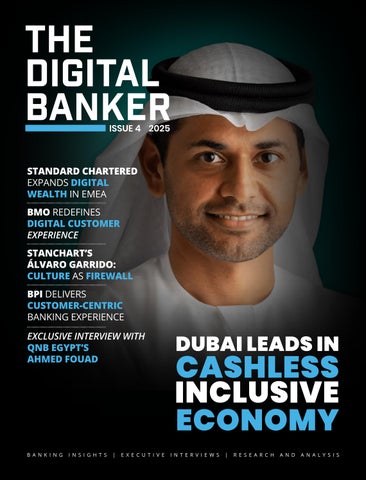
Dubai leads the way in building a cashless, inclusive economy
Dubai’s Cashless Strategy drives financial inclusion, innovation and growth through digital governance, advanced payments and universal access by 2026.
14
Standard Chartered deepens digital wealth push across EMEA
Standard Chartered advances digital and hybrid wealth services, expanding access, personalisation, and cross-border solutions across EMEA’s fast-growing markets.
18 Krungthai Bank deepens national impact with comprehensive transaction banking solutions
Krungthai Bank advances Thailand’s digital economy via API innovation, ecosystem integration, and inclusive financial infrastructure supporting national priorities.
20 anb pushes digital frontiers with customer-first banking experience
Arab National Bank redefines banking with AI-driven personalisation, automation, and integrated digital ecosystems for retail and corporate clients.
40 Finastra strengthens Summit platform with AI-powered post-trade automation
Finastra’s Summit adds realtime accounting and AI matching, strengthening resilience under T+1 settlement pressures.
42 Alliance Bank Malaysia Berhad pushes open banking frontier with embedded credit and financing solutions
Alliance Bank pioneers in-app virtual cards and dynamic numbers. Learn how it embeds credit and financing into ecosystems for secure, mobile-first banking.
44
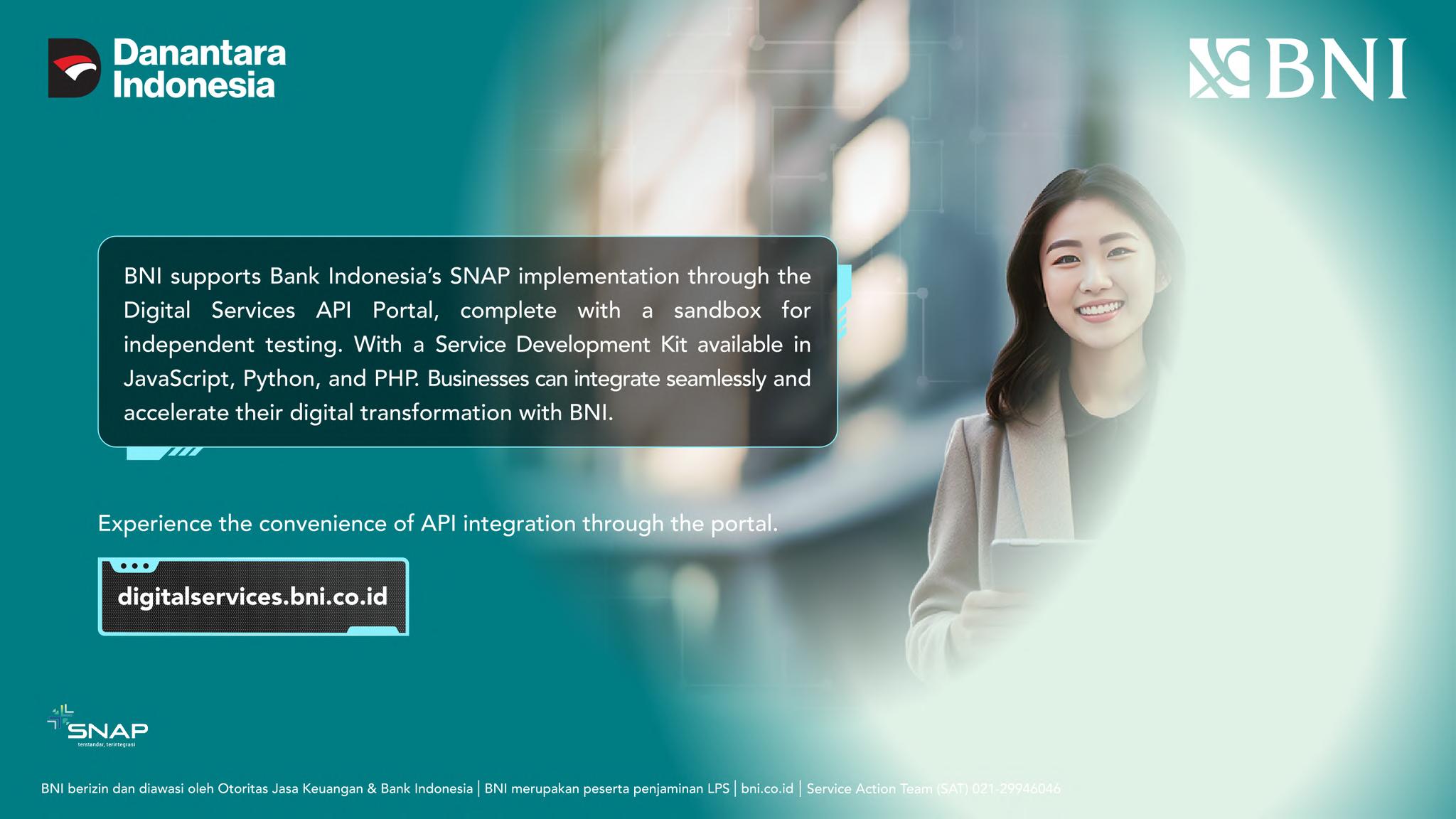
Banking simplified: How BNI is delivering seamless banking experiences through APIs
BNI’s expanded API portal and sandbox enables embedded banking, payments and collections for businesses nationwide.
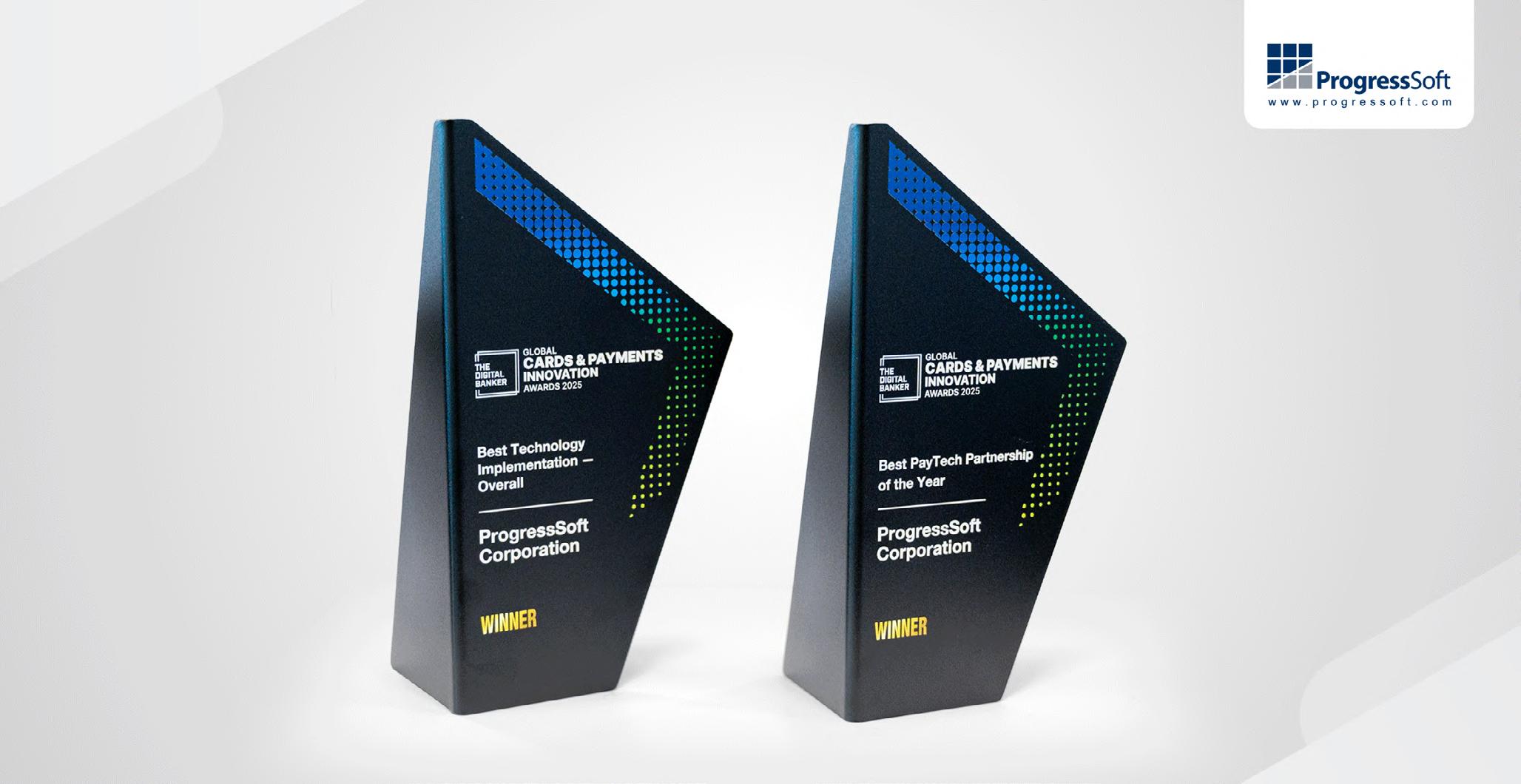
50 Driving impact: ProgressSoft’s award-winning role in powering global banking innovation
ProgressSoft advances BNPL and nationwide instant payments through secure, scalable partnerships and realtime transaction processing.
46 Making stablecoins mainstream: How Reap is enabling borderless finance for modern businesses
Reap powers stablecoin-funded corporate cards and payouts to bridge Web2 and Web3 with APIs.
48 CryptoProcessing by CoinsPaid redefines in-game commerce with its flagship crypto payments platform
CoinsPaid’s CryptoProcessing enables instant, low-cost crypto payments with fiat conversion, which helped eliminate chargebacks and streamline global ingame transactions.
52 FWD expands AI capabilities to transform insurance operations
FWD embeds AI across underwriting, claims, and fraud detection. The result is an elevation of customer satisfaction across markets.
54 QuickFi: Why banks and manufacturers are turning to this embedded lending solution
QuickFi delivers instant, compliant embedded equipment financing and servicing for banks and OEMs.
56
59
QNB Egypt’s Ahmed Fouad: Building an SME ecosystem beyond banking
QNB Egypt builds an SME ecosystem with advisory and digital tools to de-risk credit and drive growth.
Culture is our strongest firewall: Standard Chartered’s Álvaro Garrido
Standard Chartered embeds securityby-design and adaptive governance.
He believes culture and leadership are central to resilient cyber defence.
62 RBC Insurance accelerates digital transformation to simplify insurance for everyone
RBC Insurance streamlines knowledge and underwriting systems and deploys AI to cut approvals to seconds and enhance client experiences.
65 DZI: Redefining digital insurance in Bulgaria
DZI delivers fully digital policies and rapid AI-supported claims to integrate banking channels and wellness engagement.
Dubai leads the way in building a cashless, inclusive economy
As the world accelerates toward a digital-first future, seamless payments have become the backbone of modern life. From daily purchases to large-scale commerce, digital transactions are redefining how people interact with money — delivering greater speed, convenience, and security.
Dubai stands at the forefront of this transformation.
Through its bold and ambitious Dubai Cashless Strategy, the emirate is creating one of the world’s most advanced payment ecosystems — driving efficiency, spurring economic growth, and most importantly, placing financial inclusion at its core. By ensuring every resident, visitor, and business can participate in the digital economy, Dubai is laying the foundation for a more connected, competitive, and resilient future.
An award-winning initiative
The Department of Finance (DOF) for the Government of Dubai, serves as the emirate’s strategic financial arm, shaping policies and strategies that enable sustainable growth and innovation. Guided by the vision of His Highness Sheikh Mohammed bin Rashid Al Maktoum, Ruler of Dubai, DOF plays a central role in cementing Dubai’s position as a global digital economy hub.
On 9 October 2024, under the directives of His Highness Sheikh Hamdan bin Mohammed bin Rashid Al Maktoum, Crown Prince of Dubai, the Dubai Cashless Strategy was officially launched under the Dubai Economic Agenda (D33), which aims to double the size of Dubai’s economy by 2033 and establish the city among the world’s top five destinations for living, investing, and working. A flagship initiative, the strategy targets 90% of all transactions to be cashless by 2026, potentially boosting GDP by over AED 8 billion annually through fintech-led innovation.
To deliver on this mandate, a dedicated Digital Payment Systems Regulatory Division was established within DOF in December 2024. Under the leadership of Amna Mohamed Bin Lootah, Division Director, its mission is clear: achieve 90% cashless transactions across government and private sectors by 2026, while ensuring 100% digital enablement of businesses.
This bold vision has already earned Dubai global recognition, with DOF winning the Best Financial Inclusion Initiative at The Digital Banker’s Global Cards & Payments Innovation Awards 2025.
Strategy anchored in three pillars
The Dubai Cashless Strategy is structured around three strategic pillars:
1. Digital Governance – Establishing a progressive regulatory and legislative framework in collaboration with regulators, banks, fintechs, and business bodies to enable innovation while ensuring security and compliance.
2. Digital Innovation – Empowering advanced payment solutions such as QR codes, soft-POS, and instant payments, while preparing for the adoption of future-ready national systems.
3. Digital Society – Promoting financial inclusion and raising awareness among individuals and businesses, with a focus on education, trust, and universal accessibility.
These pillars ensure Dubai’s transition to a cashless economy is not only technological but also social and inclusive – benefiting the entire community.
Reaching every segment of society
At the heart of the strategy lies a simple but powerful principle: no one should be left behind. Dubai’s shift to a cashless economy is designed to be equitable, inclusive, and accessible for all — residents, tourists, businesses, and communities alike.
From simplifying digital onboarding to lowering acceptance costs for merchants, expanding access to digital wallets, and ensuring global interoperability for international visitors, the strategy addresses the barriers of affordability, awareness, and trust. The goal is to make digital payments both universal and effortless.
Early success and tangible impact
The results are already visible. By 2024, 97% of Dubai government transactions were conducted digitally, saving time, cutting costs, and eliminating inefficiencies linked to cash handling.
Collaborations between DOF and private sector players are expanding, fintech adoption is accelerating, and consumer trust in digital solutions continues to grow. Economically, the shift is projected to inject AED 8 billion annually into Dubai’s economy, powered by innovation and reduced transaction costs.
Building the future of payments
Looking ahead, Dubai is also reinforcing its domestic financial infrastructure with advanced national payment systems designed to enhance resilience and independence while driving global competitiveness:
Aani – the UAE’s instant payments platform, enabling secure and real-time money transfers.
Jaywan – a national card scheme providing costefficient, locally governed card payment solutions.
Digital Dirham – a government-backed system enabling seamless digital transactions for services and fees.
HE Mr. Ahmad Ali Meftah Executive Director – Central Accounts Sector, Department of Finance, Government of Dubai
Together, these innovations ensure Dubai remains at the forefront of global payment technology. By embedding such solutions into daily life, the emirate is on course to be ranked among the world’s top five most cashless cities by 2033.
A collective journey
What makes the Dubai Cashless Strategy truly visionary is its collaborative nature. Its success depends on regulators, banks, fintechs, merchants, government entities, and communities working hand in hand to create an inclusive, future-ready economy.
Through its bold and ambitious Dubai Cashless Strategy, the emirate is creating one of the world’s most advanced payment ecosystems.
By uniting technological innovation with social empowerment, Dubai is not just building a cashless city — it is setting a global benchmark for digital economies, where financial inclusion, economic growth, and innovation converge.
As this journey continues, the message is clear: whether you are a resident, a visitor, a small business, or a multinational, Dubai’s cashless future is designed for you.
Standard Chartered deepens digital wealth push across EMEA
Standard Chartered is strengthening its efforts in digital wealth management across its Europe, Middle East, and Africa (EMEA) region, which is a key part of the bank’s global network. Spanning numerous countries and home to some of the bank’s fastest-growing retail and affluent client segments, the region has become a proving ground for new investment platforms, hybrid advisory models, and digitally-enabled services.
In response to increasing demand for mobile and online financial solutions, the bank continuously enhanced its wealth digital capabilities in key EMEA markets. From self-directed mutual fund investing to real-time foreign exchange trading, these tools are designed to attract diverse clients while boosting financial inclusion and operational efficiency. Backed by a global workforce of 83,000 and a strong governance framework, Standard Chartered is transforming investment accessibility in the region.
Expanding access to wealth services for the mass affluent
To reach a broader segment of clients, Standard Chartered’s digital wealth proposition in EMEA allows for lower transaction thresholds, making it accessible to the mass affluent segment. The initiative was designed to meet rising expectations for personalised financial services across varying levels of wealth, while opening new revenue streams through scalable, digital-first delivery.
Central to this proposition is a refined segmentation strategy that aligns clients with appropriate advisory services and investment tools. Clients can access the SC Mobile app for self-directed mutual fund investments, execute real-time FX trades via Trade FX, trade in stock or ETFs via Online Equity Trading platform and use a profiling tool that tailors recommendations based on their individual risk appetite. These features are complemented by
curated content and market insights that support informed financial decision-making.
The digital platforms have also delivered operational benefits. Manual processes have been replaced with automation, reducing turnaround times and transaction costs. As a result, clients experience faster service and more responsive engagement, while the bank sees higher platform usage and transaction volumes. By combining data-driven insights with streamlined access to investment services, Standard Chartered Bank has strengthened its position in the region as a leading international wealth manager.
In recognition of this, the bank was named Best Wealth Manager for the Mass Affluent at The Digital Banker’s Middle East and Africa Retail Banking and Innovation Awards 2025, highlighting its success in delivering digitally integrated, personalised wealth solutions.
Blending digital scale with human insight
To serve clients’ ever-evolving and sophisticated needs, Standard Chartered is continuously strengthening its hybrid wealth management model that pairs digital access with human expertise. This approach bridges the convenience of mobile banking with the expertise of relationship managers (RMs) and wealth specialists, enabling clients to receive both real-time data and personalised guidance.
The SC Mobile platform gives users 24/7 access to investment tools, portfolio tracking, and market updates. But beyond digital functionality, the bank reinforces client relationships through regular portfolio reviews and proactive check-ins by wealth teams. This balance allows clients to maintain control over their finances while benefiting from professional input at critical decision points.
Internally, the hybrid model has freed up capacity. With administrative tasks largely automated, RMs can focus more on high-value engagement and strategic portfolio planning. The bank reports improved productivity, lower operating costs, and rising client satisfaction. It has also seen growth in assets under management, with a notable uptick
The SC Mobile app remains a cornerstone of the bank’s digital wealth strategy.
among digitally savvy investors who prefer flexible service options.
For these innovations, Standard Chartered EMEA was awarded Best Hybrid Wealth Management Offering at The Digital Banker’s Middle East and Africa Retail Banking and Innovation Awards 2025.
Mobile-first platform drives wider engagement
The SC Mobile app remains a cornerstone of the bank’s digital wealth strategy. Originally designed as a day-to-day banking tool, the platform has evolved into a comprehensive wealth management interface, bringing together account services, investment execution, and real-time market access.
Clients can invest in mutual funds, equities, and fixed income instruments, all from a single app. Biometric login and multi-factor authentication ensure secure access, while performance summaries help clients monitor their portfolios and respond to market movements. The design focuses on simplicity to minimise the complexities of wealth management.
For Standard Chartered EMEA, the app has lowered reliance on physical branches, streamlined customer onboarding, and expanded service reach. It has also supported topline growth by bringing investment services to a wider base of users who might not previously have engaged with wealth products.
In recognition of its achievements, the bank received Best Digital Wealth Platform at The Digital Banker’s Middle East and Africa Retail Banking and Innovation Awards 2025, underscoring the operational and client value of its mobile wealth proposition.
Digital tools with personalised crossborder wealth services
Standard Chartered Bank has expanded its wealth management offering through its wealth hub in the UAE, designed to serve affluent clients, with tailored financial solutions. Positioned in a strategic market, the hub attracts global clientele and provides clients with sophisticated cross-border services, combining
digital capabilities with personalised advisory support by a senior relationship team trained at the SC-INSEAD wealth academy.
A hybrid digital-relationship approach allows clients to benefit from both real-time digital tools and guidance from experienced relationship managers. The dedicated Priority Private Centre further enhances engagement, fosters deeper engagement and has led to increased client engagement, solidifying Standard Chartered Bank’s leadership in financial services and wealth management.
For the bank, the hub has improved efficiencies and widened its international reach, strengthening its role as an international wealth manager. This achievement was recognised when Standard Chartered UAE was named Best Wealth Hub of the Year at The Digital Banker’s Middle East and Africa Retail Banking and Innovation Awards 2025, underscoring the effectiveness of its cross-border wealth strategy.
To serve clients’ ever-evolving and sophisticated needs, Standard Chartered is continuously strengthening its hybrid wealth management model that pairs digital access with human expertise.
Nedbank Corporate and Investment Banking (CIB) has restructured its trade and supply chain finance operations through a digital transformation anchored on automation, ecosystem integration and scalable platforms. The bank’s new supply chain finance solution, built on China Systems’ Eximbills microservices — the first deployment of its kind in Africa — enhances operational efficiency by automating workflows, reducing manual intervention, and improving turnaround times.
Nedbank CIB has introduced digitally led supply chain finance programs that provide early payment access to suppliers. Through their collaboration with Dubai Ports (DB) World Trade Finance, these programmes can be further supported by risk-sharing mechanisms that boost liquidity while managing credit exposure, offering timely solutions to clients facing working capital constraints.
Nedbank CIB has digitised approximately 70% of its supply chain finance (SCF) programmes to date, with
64% of SCF clients now fully onboarded through digital channels. The broader ecosystem includes the Nedbank Business Hub, which saw digitally active users increase by 11.4% to 2.3 million — 1.6 million of whom regularly use the Money app. With 85% of transactions processed through straight-through processing and paper reliance now under 10%, the bank’s digital maturity is delivering measurable results. For these achievements, Nedbank CIB was recognised as ‘Best Bank for Supply Chain Finance – South Africa’ at The Digital Banker’s Global Transaction Banking Innovation Awards 2025.
A strategic response to evolving corporate finance needs
Nedbank CIB’s SCF solution was developed as a direct response to the increasing demand for seamless, digital financing among large corporate clients. At its core, the initiative leverages advanced digital platforms to deliver an efficient, scalable, and client-centric offering — demonstrated most clearly through its application for Barloworld. By tailoring trade finance mechanisms to complex supply chain environments, the bank not only addressed a market gap but reinforced its commitment to innovation and client satisfaction.
The solution has since played a central role in strengthening Nedbank CIB’s transaction banking franchise. Beyond generating significant interest income and fee-based revenue, the SCF platform has improved client retention, attracted new mandates, and deepened the bank’s positioning in the digital trade ecosystem. Nedbank CIB plans to expand the reach of this solution across sectors and regions, using the Barloworld programme as a springboard to demonstrate impact, scale, and future growth potential.
For its role in delivering a digitally integrated financing solution to Barloworld and supporting liquidity across complex value chains, Nedbank CIB was recognised as ‘Outstanding Supply Chain Finance Solution’ at The Digital Banker’s Global Transaction Banking Innovation Awards 2025. The award underscores the bank’s commitment to advancing financial innovation and operational efficiency through tailored digital partnerships.
Digitising trade finance to unlock liquidity and scale across Africa
Nedbank CIB has taken decisive steps to transform Trade and Supply Chain Finance in sub-Saharan Africa, launching a digital-first initiative that blends strategic partnerships with advanced technologies. Developed in collaboration with global logistics provider DP World and technology vendor China Systems, the project is designed to address liquidity challenges, streamline operations, and future-proof trade flows across complex supply networks.
The initiative builds on Nedbank CIB’s core objective: to digitise trade finance and deliver scalable, highimpact financing tools to corporate clients and their ecosystems. Through its partnership with DP World Trade Finance, Nedbank CIB has introduced a SCF programme that gives suppliers early access to payments on approved receivables, providing working capital constraint relief, while enabling clients to better manage supply chain risk. The solution includes innovative risk-sharing agreements that increase liquidity without compromising credit exposure, making the offering especially relevant in uncertain macroeconomic conditions.
Complementing this is Nedbank CIB’s adoption of China Systems’ Eximbills microservices — marking the first deployment of this advanced SCF platform in Africa. This integration brings cloud-based scalability, automation of trade processes, and rapid adaptability to changing business needs.
These milestones spanning automation, strategic partnerships, and digital integration are precisely why Nedbank CIB awarded as the ‘Best Bank for Supply Chain Finance – South Africa’ at The Digital Banker’s Global Transaction Banking Innovation Awards 2025.
Niron Rampersad Divisional Executive: Trade Nedbank Corporate and Investment Banking
Built on digital: AmBank’s blueprint for a modern transaction banking
AmBank Group, among Malaysia’s top six banks, has leveraged five decades of expertise to drive digital progress in transaction banking. In 2024, it enhanced services with 24/7 APIs, QR payments and automated reconciliation, developed through in-house innovation and select partnerships. Covering wholesale, SME and public sector platforms, the bank’s digital-first strategy addresses rising demands for speed, transparency and interoperability in Malaysia’s financial sector.
Ecosystem strategy and full automation
In addition to traditional banking services serving large corporates and SMEs, AmBank’s Transaction Banking division has developed digital ecosystems supporting smart cities, eWallets, third party acquirers, SMEs and corporates via APIs. These platforms enable frictionless fund flows, automated reconciliation and broad access via QR and API integrations. Digital channel usage remains high via APIs, Internet banking and mobile channels. In recognition of its seamless integration, ecosystemled strategy and client-first delivery, AmBank was awarded ‘Best Bank for Transaction Banking Services – Malaysia’ at The Digital Banker’s Global Transaction Banking Innovation Awards 2025.
Driving impact through API innovation
At the heart of AmBank’s digital strategy is its APIfirst, ecosystem-led model, designed to deliver inclusive and efficient financial services across Malaysia. The initiative enables seamless integration between AmBank and its corporate clients and large SMEs, offering clients real-time access, automation, and high configurability. Organisations using these APIs report significant operational benefits: faster settlements, reduced manual processing and increased reach through interoperable tools.
The initiative also strengthened AmBank’s position in Malaysia’s digital economy by partnering with fintechs, eWallet operators and municipal councils. It increased CASA balances, higher fee income and deeper client engagement. For its secure and localised API architecture that delivers real impact, AmBank was recognised as ‘Best API Initiative’ at The Digital Banker’s Global Transaction Banking Innovation Awards 2025.
Digital integration and revenue growth
Between FY2022 and FY2024, AmBank’s Transaction Banking division saw gross revenue rise 76%, led by more than a twofold increase in Cash Management earnings. The bank attributes this performance to its expanding digital ecosystem and high client digitisation.
AmBank achieved full straight-through processing (STP) via API channels, including usage among ERP-connected clients. Major rollouts included real-time settlement services, API-based reconciliation and Dynamic DuitNow QR for nationwide digital municipal collections. For its leadership in building real-time, inclusive payment infrastructure, AmBank was named ‘Best Bank for Payments and Collections – Malaysia’ at The Digital Banker’s Global Transaction Banking Innovation Awards 2025.
Scalable digital platform drives adoption and CASA growth
AmBank launched AmAccess Biz in January 2020 to provide small and medium-sized enterprises (SMEs) with a secure, simplified digital banking platform focused on operational efficiency and cash management. Designed to support SME liquidity planning and automation, the platform has evolved to include seamless integration with AmBank’s broader digital infrastructure. Users of bundled services record six times higher current and savings account (CASA) balances. The platform has onboarded over 50,000 SMEs by 2024.
AmBank’s API ecosystem has expanded significantly, enabling real-time onboarding, payments, and reconciliation across a wide range of business segments. These APIs power the bank’s QR-based merchant services.
For its scalable architecture, embedded finance capabilities, and customer-focused innovation, AmBank was named ‘Best Technology Solution by a Transaction Bank’ at The Digital Banker’s Global Transaction Banking Innovation Awards 2025.
At the heart of AmBank’s digital strategy is its API-first, ecosystem-led model, designed to deliver inclusive and efficient financial services across Malaysia.
Datuk Jamzidi Khalid Managing Director, Wholesale Banking, AmBank Group
Jagjit Kaur Ranjit Singh EVP, Head of Transaction Banking, AmBank Group
Krungthai Bank deepens national impact with comprehensive transaction banking solutions
Krungthai Bank reinforces its role in Thailand’s digital economy through a sustained focus on transaction banking innovation, ecosystem development, and inclusive financial infrastructure. Recognised for a second consecutive year at The Digital Banker’s Global Transaction Banking Innovation Awards, the bank has demonstrated consistent momentum in delivering integrated solutions for businesses of all sizes.
Over the past year, Krungthai Bank has broadened the scope of its digital services, rolling out application programming interface (API) connections for electronic tax processes, enterprise resource planning (ERP) integration, and foreign currency deposit (FCD) transfers. These capabilities, delivered through the Krungthai BUSINESS platform, are designed to support seamless operations and data connectivity across client segments—from large corporates to microenterprises.
The bank’s Digital Supply Chain Financing Programme has also contributed to this transformation, helping unlock working capital and improve liquidity management for business clients. These initiatives reflect Krungthai’s strategic commitment to delivering end-to-end solutions tailored to evolving market needs.
Advancing ecosystem integration across key sectors
Krungthai’s transaction banking model goes beyond traditional service delivery. The bank continues to align with national priorities by embedding its infrastructure into high-impact sectors such as taxation, trade and customs. As the main collection bank for electronic tax payments, it has supported full-cycle digital workflows, including reconciliation and compliance, across both domestic and crossborder transactions.
This work has been bolstered by targeted solutions such as an e-Tax portal for SMEs, API tools for larger enterprises, and integration pathways through Krungthai as an advanced tax service provider. By helping businesses formalise their financial activity, Krungthai Bank is facilitating broader access to credit and institutional finance—especially for micro and informal operators.
Krungthai’s support for the Revenue Department’s Easy e-Receipt campaign further reflects its role in national digital initiatives. By enabling VATregistered merchants to issue a digital tax invoice through connected platforms, the bank helped expand the reach of the programme and encouraged wider adoption of traceable, digital transactions— particularly among SMEs and retail businesses.
In trade and customs, the bank’s expansion of its digital payment and guarantee services reflects a similar mission. By partnering with the Customs Department and other public agencies, Krungthai has enabled secure settlement of duties and fees, and simplified processes for importers and exporters. These efforts exemplify the bank’s ability to deliver high-integrity digital services at national scale.
A dynamic model for collaborative innovation
Krungthai Bank’s approach to innovation is grounded in collaboration — with both global technology providers and domestic partners. Its long-term engagements with world-class business partners have helped accelerate platform modernisation and digital
onboarding, while local ERP and accounting firms support deeper adoption across supply chains.
But the bank’s development strategy extends beyond any single partnership. Krungthai continues to codevelop platforms with a diverse range of ecosystem players, building flexible, scalable infrastructure that adapts to changing business needs. Programmes such as PromptBIZ, Smart Trade, and Digital Supply Chain Financing are among the many examples of this model in action — combining digital connectivity with data-backed lending to support real economic outcomes.
Krungthai Bank’s transaction banking agenda is both commercially and nationally driven. By positioning itself as an infrastructure partner to Thai businesses and public institutions alike, the bank is laying the groundwork for inclusive growth, improved credit access, and long-term digital resilience.
For its leadership in delivering ecosystem-integrated transaction banking services, Krungthai Bank was named ‘Best Bank for Transaction Banking Services –Thailand’ at The Digital Banker’s Global Transaction Banking Innovation Awards 2025.
anb pushes digital frontiers with customer-first banking experience
Arab National Bank (anb) has reaffirmed its commitment to digital transformation with the launch of a comprehensive mobile and online banking initiative in 2024. Aimed at both retail and wholesale clients, the project consolidates a wide range of services under a single digital ecosystem — delivering personalised, secure and on-demand access to financial tools at a significantly lower cost than traditional channels.
The initiative is built around a mobile-first philosophy that streamlines everyday banking through automation, real-time engagement, and data-driven personalisation. From retail account management and card services to lending, wealth management and insurance, the bank has expanded its digital capabilities to accommodate a broader spectrum of user needs.
Retail transformation: personal finance, redefined
Key features include instant account opening, emergency cash access, a suite of physical and virtual cards, and loan products such as personal finance, top-ups, microfinance and propertybacked credit. Investment tools have also evolved, with offerings such as Murabaha time deposits and the Waed saving plan, both of which provide flexible contribution schedules and instant digital redemption. Meanwhile, anb’s robo-advisory platform supports goal-based investing and realtime portfolio tracking.
One of the standout developments is anb’s “Segment of ONE” hyperapp strategy, which integrates hyperpersonalised notifications, personal financial management (PFM) tools, and marketplace services such as a 500-item digital voucher store. This strategy is underpinned by an AI-powered “super relationship manager” and enhanced performance
analytics — allowing for smarter, faster, and more responsive user experiences.
The digital platform leverages automation to reduce manual processes and operational expenses, passing the savings on to customers through competitive pricing and low-fee products. At the same time, it offers a seamless interface supported by strong customer experience design, end-to-end encryption, and enhanced authentication protocols. Clients benefit directly through features such as transaction categorisation, interactive money stories, and realtime engagement — all accessible without visiting a branch.
From a business perspective, anb’s digital shift has improved operational efficiency and customer retention, while positioning the bank competitively within Saudi Arabia’s rapidly evolving financial sector.
Corporate banking reimagined for a digital-first future
In the wholesale segment, Arab National Bank has rolled out a multi-platform enterprise strategy built around anb Business, its one-stop corporate banking portal. The solution supports payroll processing, bulk payments, account aggregation, regulatory compliance, and financial dashboards — designed to minimise manual intervention while enhancing operational oversight.
SMEs are also supported through a dedicated app that allows multi-owner account access and secure transaction handling. Trade finance services, such as letters of credit, guarantees and collections, are now available through the E-Trade portal. In parallel, anb Connect offers open APIs for direct ERP and POS integration, including sandbox environments for enterprise testing.
These innovations are backed by strategic partnerships with Out systems, Finacle and Infobip,
which have enabled anb to accelerate timeto-market for new products while maintaining platform stability and security at scale.
From a business perspective, anb’s digital shift has improved operational efficiency and customer retention, while positioning the bank competitively within Saudi Arabia’s rapidly evolving financial sector. Its approach blends long-term technology investments with agile development and a clear focus on customer empowerment.
anb’s mobile banking initiative was recognised for its seamless integration of personalised financial services, real-time automation, and end-to-end digital solutions that benefit both retail and enterprise clients. In recognition of its efforts, Arab National Bank received the ‘Excellence in Digital Innovation – Saudi Arabia’ at The Digital Banker’s Global Transaction Banking Innovation Awards 2025.
Corpay Cross-Border sharpens global payment offerings with enterprise-grade innovation
Corpay, Inc. (NYSE: CPAY) is a global leader in business payments, supporting over 800,000 clients across a broad range of industries through an integrated suite of digital solutions. As a publicly traded company and one of North America’s top issuers of B2B Mastercard® products, it processes more than USD 1.5 trillion in payments annually. Its platform brings together accounts payable automation, cross-border capabilities, corporate card issuance, workforce travel, and fleet management — helping businesses gain tighter control over working capital, reduce risk, and streamline financial workflows.
Expanding control in cross-border payments
Corpay Cross-Border’s Multi-Currency Accounts (MCA) offering has become a cornerstone of its cross-border proposition. Introduced in 2024 and now supporting 25 currencies, the MCA allows clients to hold accounts in their own business names, offering greater transparency and control over international transactions.
This named-account functionality has strengthened trust—particularly in remote-first or digital business models—by enabling payments to be sent and received under the client’s own identity rather than a Corpay intermediary. Clients benefit from reduced lifting fees, improved cash flow, and faster local settlement via schemes such as SEPA and Faster Payments.
Available through Corpay’s online platform and API suite, the MCA streamlines reconciliation and reporting across currencies. Internally, it has also improved processing efficiency while bolstering Corpay’s value proposition for funds, institutions, and financial services providers seeking white-labelled FX solutions. Security protocols including multi-factor authentication, encryption, and tight compliance oversight underpin the system’s design.
In recognition of its scale, security and business
impact, Corpay Cross-Border’s MCA was named ‘Best Cross-Border Service Initiative’ at The Digital Banker’s Global Cards and Payments Innovation Awards 2025.
Bridging fintech agility with institutional reach Corpay Cross-Border has distinguished itself in global payments by combining enterprise-grade infrastructure with a technology-led, adaptable approach. Since its launch in 2021, it has aimed to make international transactions as simple and intuitive as local ones—a goal reflected in its geographic and product expansion.
In 2024, Corpay opened new offices in Luxembourg, Malta, and New Zealand while scaling its data and client servicing hub in Chennai. The firm also
expanded its institutional and enterprise sales capabilities to meet increasing demand across sectors.
Product development has continued in step with customer needs. A redesigned FX Risk Visualizer — piloted in Australia — was relaunched globally as a guided tool for SMEs. At the same time, the MCA offering was extended across markets, enhancing client ability to manage receivables and disbursements in multiple currencies.
Underpinning Corpay’s offering is an integrated infrastructure with built-in compliance tools, Swift connectivity, and strong authentication standards. This allows for fast deployment, secure processing, and resilience at scale.
For its contribution to simplifying and securing crossborder transactions, Corpay Cross-Border received the ‘Best Payments Provider’ award at The Digital Banker’s Global Cards and Payments Innovations Awards 2025.
Underpinning Corpay’s offering is
an
integrated infrastructure with builtin compliance tools, Swift connectivity, and strong authentication standards.
Reshaping standards: How Kani Payments is setting a new benchmark in payments data
Poor quality data is not just inefficient—it is unsafe. Its subsequent problems snowball into a wide-ranging issue with reconciliation failures, regulatory reporting errors and the evergrowing risk of undetected fraud plaguing the industry.
Based in the UK, Kani Payments is a Software-asa-Service (SaaS) platform offering tools for data reconciliation, reporting and analytics, particularly for card payments. Its key features include an automated reconciliation engine, a comprehensive data reporting suite that transforms transaction data into nuanced reports, real-time insights across the payment lifecycle, and the Kani Data Scorecard: a structured, standards-based assessment framework to evaluate whether the payments data is fit for operational and regulatory use.
Setting a new benchmark in payment data quality, the Kani Data Scorecard was recognised by The Digital Banker as the ‘Best Data & Analytics Initiative’ at the Global Cards & Payments Innovation Awards 2025.
Solving pain points
The Kani Data Scorecard was launched to solve a pervasive, industry-wide problem: poor-quality payments data leading to reconciliation failures, regulatory reporting errors and undetected fraud risk. With growing pressure from regulators and scheme operators, it is imperative for financial institutions to have the assurance that the data flowing through their systems is reliable, complete and fit for purpose. However, the lack of a standard for objectively assessing data quality means this problem continues to persist.
Kani Payments launched its Scorecard to become that standard. Its goal is to enable every participant in
the card payments value chain to validate, trust and operationalise their data without relying on manual workarounds or assumptions.
As the industry’s first structured, scheme-aware and regulatory-aligned data quality framework for card payments, the Scorecard differentiates itself by rooting itself in ISO, Mastercard and Visa standards, being operationally contextualised, processoragnostic and allowing granular scoring, helping to provide precise and actionable feedback that in turn helps improve the data quality at source.
Aaron Holmes CEO, Kani Payments
Setting the standard
By providing clean, complete, standardised payments data from day one, the Scorecard creates tangible benefits for clients – helping them identify and remediate structural gaps, accelerate compliance, provide visibility on fraud trends in real-time, as well as processor oversight to hold them accountable for data quality, improving SLAs and contract compliance.
Since its launch, the Scorecard has generated a significant impact in payments data quality. With broad industry uptake, it is now deployed with more than 30 processors across the globe, including Tier 1 and emerging providers. Leading processors have also implemented feedback from the Scorecard to remediate gaps and improve quality of their payments data, resulting in fewer transaction delays and errors, faster dispute resolution and a secure payment experience.
Looking ahead, Kani Payments aims to take its Scorecard to the next level, aiming for it to become the
de-facto requirement for regulated firms entering into card issuance, e-money and payments. The firm plans on further enhancing the role of the Scorecard by implementing machine learning to detect predictive data risks, surface systemic issues across providers and recommend automated remediation paths.
The Kani Data Scorecard was launched to solve a pervasive, industrywide problem: poorquality payments data leading to reconciliation failures, regulatory reporting errors and undetected fraud risk.
Weaving compassion into every action: How BPI is delivering a customer-centric banking experience
Since its establishment in 1851 as the first bank in the Philippines and the longest operating bank in Southeast Asia, the Bank of the Philippine Islands (BPI) has built itself upon a history of client trust, financial strength, and innovation. The bank’s commitment to becoming a trusted financial partner for every Filipino extends to all reaches of banking services that it offers.
By forging strategic partnerships with technology vendors, BPI is not only enhancing transaction banking efficiency, but also supporting businesses in adopting more sustainable financial practices. Through seamless, automated, and highly secure cashflow management solutions, the bank is empowering companies to optimise resources, reduce manual dependencies and improve financial resilience, contributing to a more inclusive, transparent and economically sustainable ecosystem. Aligned with the bank’s Environmental, Social, and Governance principles, these initiatives ensure that businesses benefit from both operational efficiency and tangible economic impact, as BPI works towards a more responsible and future-ready financial landscape.
This approach has led BPI to success, with the bank having recently won two prestigious honours at the Digital CX Awards 2025, hosted by The Digital Banker, at the Mandarin Oriental in Singapore.
Empowering suppliers
In 2024, the bank introduced several innovative digital solutions to enhance cash management, payroll processing and financial accessibility, reinforcing its commitment to seamless, automated and customercentric banking solutions.
BPI’s Digital Supply Chain Financing (SCF) Program helps suppliers gain faster access to funds by enabling early payment for approved invoices without the need for traditional credit assessments. Seamlessly integrated with buyers’ systems, it enhances cash flow, liquidity, and financial flexibility, helping businesses optimise working capital and strengthen operations.
Despite being in its early stages, BPI says the initial adoption trends for this platform indicate “strong engagement” and “growing interest” from corporate clients seeking seamless, digital-first financing solutions.
One of the bank’s standout initiatives towards this is the groundbreaking N.I.C.E Score that revolutionises internal collaboration and amplifies service excellence.
The Digital SCF Platform has transformed supplier financing through seamless digital integration, real-time data access and high supplier usage rate, optimising cash flow and accelerating funding accessibility. By leveraging core banking platforms and middleware solutions, BPI has successfully streamlined transaction processing, ensuring a seamless and responsive experience for businesses, especially SMEs.
For this reason, BPI was the recipient for the award: ‘Outstanding Digital CX - Supply Chain Finance’. Guided by its vision to be the preferred operating bank for corporate and commercial clients, BPI continues to support the movers and shakers shaping the country’s future. By empowering businesses with innovative transaction banking solutions, BPI plays a pivotal role in nation-building — fuelling economic growth, driving financial accessibility, and enabling enterprises to thrive in an evolving landscape.
Staying customer-focused
BPI has achieved the top Net Promoter Score (NPS) in the Philippines for two consecutive years — a testament to its unwavering commitment to excellence and superior customer experience. Building on this success, the bank intensified its customer feedback initiatives to gather more accurate insights, better understand customer sentiment, and respond more quickly and effectively to their needs.
One of the bank’s standout initiatives towards this is the groundbreaking N.I.C.E Score that revolutionises internal collaboration and amplifies service excellence by instilling the core values of being ‘Nurturing’, upholding ‘Integrity’, fostering a ‘Customer-Obsessed’ mindset, and championing ‘Excellence’ in every aspect of the bank’s operations.
By gathering employee feedback on how effectively different units address concerns and work together,
the N.I.C.E. Score uncovers critical gaps, drives stronger teamwork and cultivates a culture of accountability and relentless improvement. This transformative approach has not only helped BPI enhance its internal synergy but has also ensured that every customer interaction is supported by a seamless, unified team.
The Problem Resolution (PRS) survey is a vital tool that drives service excellence by evaluating how effectively client issues and complaints are resolved across all touchpoints — branch, phone, email, social media and website. It provides actionable insights that not only enhance the customer experience but also strengthens BPI’s commitment to delivering swift, seamless, and impactful resolutions at every interaction.
Another initiative that BPI deployed is Customer Feedback survey via QR – a game-changing approach that has changed how the bank receives and acts on customer insights. Commendations, feedback and complaints are now instantly captured through QR codes strategically placed across
branches, enabling real-time responses. Previously conducted in paper form, this digital shift has dramatically streamlined the process, ensuring that all feedback is quickly escalated to the relevant units for immediate action.
In 2024, the survey expanded its reach to encompass Retail Loans (auto, housing and motorcycle), Global Markets and Agency Banking — a vast network of partners including supermarkets, convenience stores, gas stations, and online platforms. This comprehensive expansion, coupled with the integration of the NPS survey, empowers BPI to stay even more connected with customers, driving faster resolutions and continuous service improvements at scale.
For putting customers at the heart of everything it does and transforming feedback into personalised, empathetic solutions that address their needs and aspirations, BPI was duly recognised by The Digital Banker, receiving the accolade for ‘Best Use of Customer Feedback – Philippines’ at the Digital CX Awards 2025.
BPI’s Digital Supply Chain Financing (SCF) Program helps suppliers gain faster access to funds by enabling early payment for approved invoices without the need for traditional credit assessments.
Banking in the AI age: How BMO is shaping the future of digital customer experience
From intelligent chatbots and virtual assistants to predictive insights and content generation, Generative AI has unlocked new levels of efficiency and innovation — pushing the boundaries of what’s possible in modern banking.
Not one to be left behind, BMO Financial Group, one of the biggest banks operating in North America, was recently recognised for its groundbreaking use of Gen AI to elevate its customer experience, receiving an award for the ‘Best Use of Gen AI for Customer Experience’ at the Digital CX Awards 2025, hosted by The Digital Banker, at the Mandarin Oriental in Singapore.
Empowering
employees
BMO operates in a highly regulated Canadian banking environment with numerous polices and processes that continuously evolve due to regulatory updates, system changes, and operational enhancements.
Employees – whether they are new hires, advancing into new roles, or experienced staff – must navigate a broad and complex knowledge base to perform their jobs effectively.
To smoothen processes, BMO launched an initiative to create a centralised Gen AI-powered bot, that would serve as a one-stop-shop for employees seeking quick, accurate answers to policy and process-related inquiries. Developed in-house, this bot streamlines access to information, ensuring that employees can confidently and effectively retrieve the latest guidance, reference documents, and procedural steps. By eliminating the friction of searching through disparate resources, the solution enables employees to focus on high value customer interactions, enhance operational efficiency, and ensure compliance and accuracy.
Employees can now seamlessly navigate over 8,000 policies, procedures, learning process guides and operational manuals. With bilingual support (English and French) and an intuitive interface, it ensures quick access to accurate information, boosts compliance, productivity, and employee satisfaction – ultimately elevating service quality for customers.
Standing out from the crowd
BMO’s Gen AI-powered bot stands out from traditional chatbot solutions by delivering a highly personalised, intelligent and secure user experience. Unlike generic AI models, BMO’s solution is designed with banking-specific enhancements in mind that prioritise accuracy, comprehension and compliance.
Rolling out this chatbot has helped BMO optimise internal processes, reducing inefficiencies, and empowered its employees with instant and accurate information.
One of its standout features includes the ability to have personalised, context-aware conversations. This is because the solution integrates a human into the loop mechanism to refine responses. For example, when the bot encounters ambiguous or complex queries, it proactively engages the user to clarify intent before delivering an answer. The solution is boosted by a question analytics engine that dynamically generates a question plan, breaking down queries into structure components, significantly improving recall and accuracy.
Other chatbot solutions generally tend to struggle with interpreting tables, charts and multi-format data. BMO’s solution has been designed to overcome this hurdle, converting content into HTML, thus preserving the relationship between topics and ensuring only the most accurate information is retrieved. This ultimately helps employees receive structured, contextual answers from a variety of document types, significantly enhancing usability and efficiency.
Additionally, the bot has also been designed to evolve with every interaction, learning from user feedback to refine its responses and thus improving over time.
Finally, as security is paramount in banking, the bank’s chatbot incorporates enterprise grade authentication and Personally Identifiable Information (PII) detection. These measures ensure compliance to regulatory requirements and protect sensitive data.
Technology for good Rolling out this chatbot has helped BMO optimise internal processes, reducing inefficiencies, and empowered its employees with instant and accurate information. This in turn has resulted in streamlining of complex processes, as the chatbot eliminates the need for employees to navigate lengthy processes, reducing the time spent searching for procedural insights. Now, employees get answers to their questions quickly, making banking interactions smoother and more efficient. It has also increased banker capacity for high value activities. By automating knowledge retrieval, the chatbot frees
up employees to focus on client needs, helping clients make real financial progress. This in turn has helped increase the quality of customer interactions, while also enabling bankers to expedite banking processes.
Charting the path forward
The Gen AI bot currently supports over 8,000 Canadian frontline employees, with plans to be available to over 14,000 Canadian Personal and Business Banking employees by the end of 2025. BMO says the future of this project is centred around “continuous evolution, efficiency, and deeper integration into our infrastructure”, thus ensuring that the bot remains scalable, intelligent, and a highimpact tool for employees as the banking landscape shifts. Some focal points include:
• Ongoing learning and AI evolution: The chatbot will continue to learn and evolve, incorporating user feedback and leveraging the latest advancements in AI and machine learning. This
ensures that the tool remains relevant, adaptive and valuable for employees.
• Expanding capabilities into complex tasks and deeper insights: Moving beyond Q&A into handling more complex, multi-step, multi-system processes.
• Integration with core banking systems: Exploring integrations with internal banking systems to provide more nuanced and precise insights on real time data.
• Cost and efficiency optimisation: Enhancing system architecture to make the bot more efficient to run and scale.
Looking ahead, the bank says its chatbot is not just a digital tool but a strategic enabler that will continue to elevate its digital CX, optimise banking operations and serve as a foundation for future AI-led innovations within the bank.
The Gen AI bot currently supports over 8,000 Canadian frontline employees, with plans to be available to over 14,000 Canadian Personal and Business Banking employees by the end of 2025.
Mashreq’s integrated approach to corporate banking innovation
At Mashreq, digital transformation is not an initiative. It is a strategic discipline embedded in the bank’s DNA. This long-standing commitment to meaningful innovation has been recognised at the The Digital Banker’s Middle East and Africa Innovation Awards 2025, with four category wins, reflecting depth across AI, onboarding, data analytics, and client engagement. These outcomes are driven by Mashreq’s Wholesale Digital Studio, a purpose-built unit that delivers transformative banking solutions through data, technology, and agile execution.
Each initiative recognised is built on a clear premise: technology must strengthen decision-making, accelerate delivery, and deepen client relationships. With a focused approach to innovation, the bank has invested in targeted solutions that bring measurable improvements to how relationship managers (RMs) operate and how clients experience corporate banking. From frontline enablement to AI-driven insights, each solution is designed for practical application and long-term value. This approach also reflects the bank’s ongoing commitment to delivering 100% digital onboarding for large corporates.
Accelerating onboarding through
intelligent automation
Mashreq has transformed the traditionally manual and fragmented process of corporate onboarding into a fully digital, AI-enabled experience. By integrating Gen AI into the journey, the bank has significantly reduced the time and complexity involved in client interactions. The solution consolidates account setup, KYC renewals, transaction limit updates, and service requests into a single, seamless interface, eliminating the need for multiple handoffs or physical documentation.
When customers upload documents, the AI engine reads and pre-populates the required fields, reducing manual input substantially. For complex corporate client onboarding forms that might involve numerous fields, this technological leap has made the task
far more manageable. The ability to reuse client information across group companies has further enhanced efficiency and reduced operational strain. In addition, electronic facial recognition (EFR) for UAE-based clients has replaced the need for physical signatures, making the process more secure, convenient, and future-ready. This intelligent, endto-end transformation has delivered a faster, more transparent onboarding journey, earning Mashreq the ‘Outstanding Account Opening and Onboarding Award’.
Enabling
frontline excellence
Mashreq’s PULSE app redefines how relationship managers engage with clients. Designed to address long-standing operational gaps, it consolidates critical client and portfolio data, including credit alerts, compliance triggers, relevant news, and transaction insights, into a single, intuitive interface. It empowers relationship managers with real-time, actionable intelligence embedded within their workflow, enabling sharper decisions, faster responses, and more meaningful client engagement. The PULSE app earned the award for ‘Best Digital Asset Innovation’, affirming its role as a benchmark in transformative corporate banking technology.
AI that powers revenue intelligence
Mashreq’s Integrated AI Solution, built on a modular data mesh architecture, supports frontline teams
with real-time insights across portfolios. From newsbased early warnings to behaviour-led cross-sell recommendations, the platform integrates natural language processing with market data to surface risks and opportunities with precision. It connects over 25 APIs and processes vast volumes of structured and unstructured data across client portfolios, strengthening the ability of relationship managers to anticipate client needs and respond with relevance.
With key capabilities like a news engine that monitors client developments, sentiment analysis to detect market shifts, and predictive models that surface targeted engagement opportunities, these AIdriven insights are not standalone outputs; they are embedded directly into RM workflows, making them timely and actionable. This powerful integration of AI into frontline strategy and revenue generation earned Mashreq the award for ‘Best AI Initiative’.
Sharper prospecting through network intelligence
Mashreq’s graph analytics platform transforms the way relationship managers identify and engage with potential clients. Built to overcome the limitations of traditional lead generation, the system merges internal transaction data with external sources such as trade and shipping records to create a multidimensional view of corporate ecosystems.
The platform not only highlights individual prospects but also visually maps their broader networks, which include buyers, suppliers, and intermediaries, offering relationship managers deeper context and more
Amith Rajan Executive Vice President, Head, Wholesale Digital Banking Mashreq and CEO NeoVentures
strategic entry points. Each lead is scored for product relevance across solutions such as cash management and trade finance, allowing RMs to prioritise outreach with clarity and precision. This targeted, datarich approach to acquisition was recognised under ‘Excellence in Digital Innovation’, a reflection of Mashreq’s ability to embed intelligence into every layer of client engagement.
Mashreq has transformed the traditionally manual and fragmented process of corporate onboarding into a fully digital, AIenabled experience.
Shaping the future of corporate banking
Mashreq’s recent recognition reflects a clear and sustained strategy to modernise corporate banking through innovation, data intelligence, and deep client engagement. These awards mark an important milestone in the bank’s ongoing transformation journey. As new technologies and client expectations continue to evolve, Mashreq remains committed to anticipating change, delivering meaningful solutions, and shaping the future of digital banking in the region.
AAIB’s E-Golden savings sccount sets new benchmark in digital savings
Arab African International Bank (AAIB) has introduced Egypt’s first fully digital, highyield savings product, the E-Golden Saving Account, which offers tiered interest rates of up to 30%. Launched in April 2024 and within a matter of months, the account attracted significant deposit inflows, reflecting strong market engagement.
The product represents a milestone for Egypt’s banking industry, where digital adoption has accelerated but fully mobile-native offerings remain limited. By allowing clients to open and manage
savings accounts without visiting a branch, AAIB has tapped into a growing demand for speed, convenience, and higher yields, particularly among younger savers and first-time bank users.
AAIB's main office in New Cairo, Egypt
Customer reach and inclusion outcomes
The account was designed to appeal to a wide spectrum of customers, from tech-savvy retail clients to high-net-worth individuals seeking flexible savings solutions. Importantly, it also targets underserved communities by lowering entry barriers through simplified onboarding. The account can be opened in less than 30 seconds via the AAIB mobile app, with no paperwork required and full account management available from a smartphone.
Within months of launch, 17% of new-to-bank clients chose the product, contributing 31% of total local LCY deposits during the period. This traction indicates both the appetite for fully digital banking in Egypt and the product’s ability to attract segments previously excluded from formal financial services. Feedback gathered by the bank highlights speed, transparency, and yield as the main adoption drivers. Many younger clients cited the flexibility of choosing monthly, quarterly, or annual payout options as particularly attractive, while established customers welcomed the ability to consolidate savings digitally.
Operational impact on the bank
The E-Golden Saving Account has not only deepened customer engagement but also transformed operations within AAIB. In 2024, savings deposits rose by 79%, while active mobile banking users grew 77% yearon-year. The fully automated onboarding process reduced workloads at branches, freeing staff to focus on advisory and cross-selling opportunities. Efficiency gains have also enabled the bank to expand services without proportional increases in cost, strengthening its competitive position in retail banking.
The product further integrates into AAIB’s broader digital transformation agenda. By building a scalable platform for paperless account management, the bank has created a blueprint for future innovations in retail and SME banking. Executives say the experience gained from launching the E-Golden Saving Account is already informing the design of upcoming digital credit and investment solutions.
Industry positioning
AAIB’s move comes at a time when regional banks are
racing to capture digitally active customers. In Egypt digital savings accounts remain rare, with most banks still relying on hybrid branch-and-digital models. By offering Egypt’s first fully digital high-yield savings account, AAIB has set a benchmark that rivals may seek to replicate. Analysts note that tiered interest rates of up to 30% (at the time) are among the most competitive in the market, particularly given the challenging macroeconomic environment and high inflation.
The E-Golden Saving Account won the ‘Best Saving Account’ at The Digital Banker’s Middle East and Africa Innovation Awards 2025, cited for combining attractive returns with a mobile-first design and measurable impact on financial inclusion.
Looking ahead, AAIB plans to extend digital innovations across its retail franchise while leveraging the momentum from the account’s success. Executives see potential for deeper personalisation, such as predictive savings tools and integration with investment platforms, to capture new client segments.
About AAIB
Established in 1964 as Egypt’s first multinational bank under a joint venture between the Central Bank of Egypt and the Kuwait Investment Authority, AAIB has a history of more than 60 years. The bank operates across Egypt, the UAE and Lebanon, with subsidiaries in leasing, investment management, international securities, mortgage finance and microfinance.
By the end of 2024, AAIB reported total assets of USD 18.2 billion that increased by 4.6% compared to December 2023, with customer deposits increased by 3.9% compared to Dec-23 recording USD 13.2 billion. Nearly 70% of net profits were generated by local operations. The bank’s corporate, treasury, retail, SME and global transaction banking divisions continued to expand in 2024, supporting trade finance, structured products, derivatives platforms and new retail offerings, including the E-Golden Saving Account.
Through this launch and its wider digital agenda, AAIB has strengthened its position in Egypt’s retail banking sector, advancing both financial inclusion and operational efficiency.
Basys launches iQ Pro+ platform to help banks simplify merchant services and strengthen client relationships
Basys, a US-based payment technology provider, has launched iQ Pro+, a proprietary platform aimed at streamlining merchant services for financial institutions. The system brings together multiple payment functions into a single portal, reflecting a wider industry shift towards integrated platforms that allow banks to strengthen their business client offerings.
Integrating services into one platform
Introduced in 2024, iQ Pro+ enables financial institutions to provide merchants with access to card-present, online, mobile and Automated Clearing House (ACH) payments, along with invoicing, recurring billing and consolidated reporting. The platform is designed to replace the need for multiple third-party solutions by embedding core payment services within a single environment.
Basys has positioned the platform as a response to the increasing competition banks face from fintechs that market directly to businesses. By offering merchants more seamless onboarding, real-time data and accounting integration, iQ Pro+ aims to keep financial institutions at the centre of the client relationship.
The company, founded in 2002, has built its reputation on partnerships with community and regional banks. Unlike larger payment processors that operate on a global scale, Basys has pursued a model of developing proprietary technology for institutions that require both digital capability and long-term service continuity. The firm reports that its client relationships average more than a decade, supported by a team of over 200 employees.
Recognition for technology implementation
Security and compliance are central to the design of iQ Pro+. The platform incorporates tokenisation and advanced data capture features, addressing the rising threat of fraud across digital channels. For merchants, the system provides real-time reporting and integration with accounting systems, intended to reduce administrative costs and improve financial visibility.
Adoption of iQ Pro+ has been supported by institutions seeking to simplify the management of merchant accounts and reduce the operational complexity associated with working across multiple
vendors. By developing its own infrastructure, Basys is aiming to deliver both greater efficiency and more consistent service standards than would be possible through external providers.
In recognition of this work, Basys received the award for ‘Outstanding Financial Technology Implementation by a Team’ at The Digital Banker’s Global BankTech Award 2025. The company was recognised for its ability to simplify merchant services and enable financial institutions to compete more effectively in a fast-paced payments market. With iQ Pro+, Basys continues to help banks compete and grow in a rapidly evolving payments landscape.
About Basys
Founded in 2002, Basys is a US-based payments technology provider working with banks, software providers and merchants. Its flagship platform, iQ Pro+, launched in 2024, supports omnichannel
iQ Pro+ enables financial institutions to provide merchants with access to card-present, online, mobile and ACH payments, along with invoicing, recurring billing and consolidated reporting.
transactions, consolidated reporting and embedded security. With over 200 employees and client relationships averaging more than ten years, Basys combines modern technology with long-term service continuity.
The Basys leadership team collaborating on strategies to simplify payments for banks, software partners and businesses. Its people-first approach and commitment to innovation drive the solutions it delivers every day.
PrimeRevenue redefines B2B payments and supply chain finance through new platform
Established in 2003, PrimeRevenue has grown to become one of the leading names in the world of B2B payments. Facilitating $300 billion in global platform commerce annually across over 100 countries and supporting nearly 60,000 suppliers, PrimeRevenue’s digital-first solutions enable businesses to optimise their cash flow, strengthen supplier relationships and increase operational efficiency.
With growing complexities and challenges in the global finance sector, and businesses being burdened by manual processes and legacy payment systems, PrimeRevenue rolled out its new Payments-as-aService (PaaS) solution in 2024 to address these pain points.
This solution has seen broad adoption among firms, driving tangible benefits including strong financial and operational performance. Recognising this valueaddition, The Digital Banker felicitated PrimeRevenue with the award for ‘Best B2B Payments Initiative – Cross Border’ at the Global Cards & Payments Innovation Awards 2025.
A flexible, scalable solution
Designed to address the challenges posed by traditional payment systems – risk, friction and inefficiencies – PrimeRevenue’s platform offers a secure, scalable and fully integrated suite of solutions. Businesses benefit from simplified payments across multiple Enterprise Resource Planning (ERP), currencies and banking relationships, without the need for any major system overhauls.
What’s unique about this platform is that unlike point solutions, it connects the entire payments ecosystem — working capital, payments execution, and actionable data insights — on a single, automated platform. Builtin AI and machine-learning capabilities accelerate
bank onboarding, centralise data infrastructure, enable suppliers to convert payments into local currency, and digitise and automate rebate payments. This helps finance teams streamline approvals, reduce operational burden and strengthen supplier trust through real-time visibility and flexible funding options.
However, the platform doesn’t just deliver efficiency for its customers – it is also rooted in security and trust – with robust protection measures put in place. The platform delivers a secure experience through centralised bank data verification, which enables clients to mitigate fraud risk and ensure accurate payments. It also has rigorous compliance controls in place, as well as real-time visibility into invoice and payment status for both buyers and suppliers, thereby reducing uncertainty.
With 66% finance leaders worrying about fraud in digital payments, according to PrimeRevenue’s own customer survey, these security features help enhance customer confidence in the platform, while also building a resilient, secure payment infrastructure for all.
Measurable benefits
PrimeRevenue’s clients have positive feedback for the platform, with companies experiencing accelerated cash flow with suppliers getting paid 80 days faster on average, automation of the payment process with
Businesses benefit from simplified payments across multiple ERPs, currencies and banking relationships, without the need for any major system overhauls.
reduced reliance on manual work, and improved supplier relationships.
The PaaS solution also allows organisations to consolidate and automate supplier payments from a single interface, freeing up resources and enhancing visibility across global payment workflows.
Moreover, the centralised collection, verification and maintenance of supplier bank data eliminates manual “human firewall” tasks and reduces the risk of payment fraud – ensuring data integrity across the network.
Next in the pipeline
To continue keeping up with the evolving payments landscape, PrimeRevenue proactively invests in cutting-edge capabilities to keep its solutions upto-date. As the company looks ahead to 2025–2026, several key innovations are in development or
early rollout, all aimed at advancing payment modernisation, increasing efficiency and delivering measurable value across finance and procurement functions. These include continuing to leverage AI to accelerate onboarding, centralise data infrastructure, allow suppliers to convert payments into local currency and digitise and automate rebate payments. PrimeRevenue is also rolling out DeferPay – a flexible payment solution where suppliers are paid on time without discounts, buyers defer payments without extending terms or taking on debt, and funders benefit from new yield-generating opportunities.
With these innovations, PrimeRevenue hopes to deepen its value across finance and procurement functions, while shaping the next generation of digital B2B payments.
Finastra strengthens Summit platform with AI-powered post-trade automation
As settlement cycles compress and regulatory scrutiny intensifies, post-trade systems face growing pressure to deliver speed and accuracy. Finastra’s latest upgrades to its Summit platform highlight how automation and AI are equipping banks to manage settlement risk and operational efficiency under tighter timelines.
Finastra’s Treasury and Capital Markets Summit platform is a comprehensive front-to-back-to-risk solution covering the full trade lifecycle. Its back office has long been distinguished by automation, spanning workflows from trade confirmation to settlement and accounting. Features such as exception management, collateral handling and regulatory reporting are complemented by real-time monitoring and seamless integration with external systems.
In 2024, Finastra introduced two major enhancements: real-time accounting and AI-powered pre-settlement matching. These updates reduce manual intervention and operational risk, reinforcing Summit’s position as a fully automated post-trade platform.
“Summit’s AI-powered enhancements help our clients tackle post-trade complexity with speed and confidence — turning settlement resilience into a strategic advantage,” said Elena Nicolescu, Director of Product Management, Treasury and Capital Markets at Finastra.
The London-based software company, created in 2017 from the merger of Misys and D+H, has consistently positioned Summit to handle complex post-trade operations with minimal human intervention. The latest features are designed to give institutions earlier visibility into positions and liquidity, allowing faster responses to intraday risks and compliance demands.
Post-trade under pressure
Back-office operations have traditionally relied on manual checks and fragmented systems. Errors or delays in confirmation, settlement or accounting can trigger liquidity stress, missed regulatory obligations and, in some cases, financial penalties.
These pressures have intensified with shorter settlement cycles. In May 2024, the US moved from T+2 to T+1 settlement for equities and corporate bonds, halving the time available for reconciliation. Europe and several Asian markets are exploring similar transitions, further compressing operational timelines and narrowing the margin for error.
Automation as a safeguard
Summit’s architecture is designed to absorb this pressure. By consolidating confirmation, settlement, accounting and regulatory reporting within a single system, it removes reliance on disjointed applications.
The AI-powered presettlement matching tool automatically reconciles trades in real time, reducing exceptions and manual effort. Combined with realtime accounting, it provides immediate insight into positions and liquidity, supporting risk management and compliance throughout the day.
Automation has become more than an efficiency measure. Supervisors now expect firms to demonstrate the resilience of their settlement systems under
accelerated timelines. Platforms offering transparency, auditability and reliability are increasingly considered essential infrastructure.
A competitive field Technology providers are racing to deliver solutions capable of handling higher volumes at lower cost while meeting evolving regulatory demands. Summit differentiates itself with a modular design and open APIs, enabling institutions to scale operations across asset classes and geographies without adding complexity.
Integration with external platforms, from market data providers to regulatory reporting systems, reduces duplication and supports compliance with European frameworks including EMIR, MiFIR and SFTR. For financial institutions, this creates a pathway to scale operations without the cost of fragmented technology.
Recognition and outlook
Summit’s enhancements were recognised at The Digital Banker’s Global BankTech Awards 2025, where it was named ‘Best Financial Markets Solution Provider by a Vendor – Overall’ and ‘Outstanding Financial Markets Technology Solution by a Vendor – Back Office’. Judges highlighted the platform’s use of automation and AI to enable institutions to adapt
to compressed settlement cycles.
Finastra continues to evolve Summit with improvements in workflow automation, parallel processing and analytics, transforming post-trade from a labour-intensive function into an intelligent operational backbone capable of supporting modern capital markets.
The AI-powered presettlement matching tool automatically reconciles trades in real time, reducing exceptions and manual effort.
Elena Nicolescu Director of Product Management, Treasury and Capital Markets, Finastra
Alliance Bank Malaysia Berhad pushes open banking frontier with embedded credit and financing solutions
Alliance Bank Malaysia Berhad is advancing its digital ambitions with Malaysia’s first in-app Virtual Credit Card and the rollout of Dynamic Card Numbers, placing embedded credit and financing solutions at the centre of its strategy to deliver secure, paperless and mobile-first banking.
Alliance Bank Malaysia Berhad has been steadily adapting to the shift in customer behaviour as more Malaysians conduct their financial activities through digital channels. Between 2020 and 2024, the bank recorded an average 112% growth in digital transactions, highlighting the transition from branchbased banking. The trend has pushed the bank to focus on embedding financial services within digital ecosystems, a strategy designed to deliver secure, paperless and mobile-first options for both consumers and merchants.
Expanding digital payments
In 2022, the bank launched Malaysia’s first in-app Virtual Credit Card (VCC), designed to give customers access to credit facilities without physical cards or paperwork. Distributed through a zero-trust software development kit and integrated via an application programming interface, the VCC allows digital business owners to embed credit services into their mobile applications. Customers can apply quickly, make QR, bill and in-app payments, and enjoy the assurance that all card data is tokenised and managed within the bank’s system rather than stored with merchants.
The following year, the bank advanced the service with Dynamic Card Numbers (DCNs), another first in the Malaysia market. This feature enables cardholders to generate unique numbers for single-use or recurring
online transactions, protecting them from fraud and giving them the ability to freeze or delete compromised numbers instantly. This flexibility removes the need for card reissuance and offers consumers greater control. In 2024, Near Field Communication payments were introduced via Google Pay and Samsung Pay, enabling secure tap-and-pay transactions at physical points of sale through mobile devices and wearables.
Integrating financing into ecosystems
Alliance Bank Malaysia Berhad extended its embedded model in 2025 by integrating personal financing services into a major Malaysian e-wallet. Customers can now submit applications digitally, with pre-filled fields reducing the time needed to complete forms, and approvals provided almost instantly. Successful applicants receive funds directly into their e-wallets, eliminating the requirement for additional bank accounts.
This approach helps e-wallet providers expand their offerings without investing in costly infrastructure, while customers benefit from convenience and speed. The integration forms part of the bank’s broader open banking framework, supported by its Digital Banking One System. This architecture enables secure access to VCC and DCN microservices through an API gateway and allows Alliance Bank to deliver solutions iteratively using agile methods. Continuous testing and
Alliance Bank Malaysia
Berhad extended its embedded model in 2025 by integrating personal financing services into a major Malaysian e-wallet.
feedback from customers and subject matter experts ensure improvements are closely aligned with realworld needs.
Strengthening the franchise
Alliance Bank Malaysia Berhad and its subsidiaries, Alliance Investment Bank Berhad and Alliance Islamic Bank Berhad, make up a comprehensive financial services group with a presence across consumer, SME, corporate, commercial, and Islamic banking. With around 3,900 employees, the bank serves its customers through retail branches, specialist centres and digital platforms.
The group’s embedded solutions also reflect environmental, social and governance (ESG) considerations. By eliminating plastic cards and paperbased applications, and moving entirely to electronic statements, the bank reduces its environmental footprint. Operationally, application fields have been reduced by almost half, approval times cut from five days to as little as one or two, and card freezing streamlined to under a minute.
For merchants, integration with Alliance Bank’s SDK means they can provide customers with secure payment services without developing their own credit systems. This has fostered a collaborative ecosystem where merchants and customers benefit from crossplatform promotions and increased digital spending.
The bank plans to roll out supplementary VCCs, expand functionality to cover foreign currency transactions, and extend open banking solutions to include savings and wealth products. Its long-term strategy centres on
providing customers with multiple options to access digital services, whether independently or with staff support.
For pioneering Malaysia’s first Virtual Credit Card, introducing Dynamic Card Numbers, and advancing secure, scalable and sustainable open banking services, Alliance Bank Malaysia Berhad was named ‘Best API/Open Banking Platform Provider for Retail Banking’ and ‘Best Card Technology Solutions Provider to Retail Banks’ at The Digital Banker’s Global BankTech Awards 2025.
Banking simplified: How BNI is delivering seamless experiences through APIs
Founded in 1946, Bank Negara Indonesia (BNI) continues to deliver innovative financial solutions for corporations, SMEs and retail customers. The Bank drives sustainable transformation with an agile, collaborative and prudent model, while expanding its global presence with branches in eight major financial centres and partnerships with more than 1,300 banks in over 90 countries.
BNI launched the API Digital Services Portal in 2019 to accelerate digital transformation and enable corporate clients to embed banking services directly into their ecosystems. In 2023, the platform was upgraded with software development kits, postman collections, automated data population, and an enhanced sandbox to simplify integration and shorten onboarding. In 2024, the sandbox was further expanded to cover APIs such as BNIdirect, FSCM, BIFast, SNAP Transfer Credit, and Account Notification, providing a more comprehensive and flexible testing environment to accelerate client readiness.
Throughout 2024, BNIdirect API offered a broad range of services to support seamless integration with multiple platforms and applications. Its core capabilities include banking, payments and investments, complemented by developer resources that simplify implementation.
BNI took a significant step forward in strengthening the BNI API Digital Services Portal through the enhancement of its sandbox API environment. This development was driven by the increasing need from corporate clients and prospective clients for a more comprehensive and reliable ecosystem to conduct integration trials before moving to live production.
Previously, the sandbox was only available for a few selected core services, limiting its scope when compared to the breadth of BNI’s offerings
of over 280 API services approved by the regulator. Recognising this limitation, BNI expanded the sandbox environment to cover a wider range of APIs, thereby unlocking more use cases and giving clients greater flexibility to validate their integration scenarios.
The expansion of sandbox capabilities also supports clients in accelerating their onboarding journey. By conducting thorough trials in a safe and controlled ecosystem, clients can shorten integration timelines and build stronger confidence in deploying BNI’s digital solutions. In addition, this improvement provides IT teams and developers with more opportunities to explore new functionalities, experiment with innovative use cases, and familiarise themselves with BNI’s API services without impacting production systems.
Benefits of BNI API
BNI’s API offerings help businesses digitalise their processes and boost operational efficiency effortlessly. With the E-Collection API (Virtual Account), companies can streamline fund collection and ensure every transaction is processed seamlessly in real time. With the One Gate Payment (OGP) API, businesses can simplify payments and thus accelerate processes.
Implementing these APIs help businesses deliver superior customer services through advanced system
digitalisation. For example, with the Remittance API, businesses can receive cross-border payments quickly, securely and seamlessly. It also helps add value to services – through the Sharing Biller API, bill payments and purchase transactions can be facilitated seamlessly, ensuring speed, convenience and security.
It also helps create new business opportunities. For payment service providers, BNI’s API services can be resold to capture broader market potential. For instance, the SNAP Direct Debit Autopayment API enables customers to perform real-time transactions seamlessly without the need to switch applications. Finally, BNI API provides competitive advantage to businesses. For example, the SNAP Transfer Credit API and SNAP Virtual Account API enable standardised transactions under Bank Indonesia’s SNAP framework, ensuring greater convenience and efficiency.
Through the continuous development of its sandbox API environment, BNI reaffirms its commitment
BNI’s API offerings help businesses digitalise their processes and boost operational efficiency effortlessly.
to driving digital transformation and innovation in Indonesia’s banking industry. This initiative not only strengthens BNI’s position as a trusted partner for corporate clients but also ensures that clients are better equipped to maximise the value of BNI’s expanding API portfolio. The Digital Banker also recognised these efforts at the Global BankTech Awards 2025, where BNI took home two API honours, winning the title of ‘Best API/Open Banking Platform Provider’ under both SME banking and transaction banking categories.
Making stablecoins mainstream: How Reap is enabling borderless finance for modern businesses
Headquartered in Hong Kong, fintech and payments firm Reap has successfully expanded its footprint across the globe in just seven years – with a presence in Singapore, Mexico and Brazil – providing stablecoin-enabled infrastructure for modern businesses to facilitate borderless finance. Reap provides stablecoin-enabled corporate card payout solutions and expense management tools for businesses of all sizes. With its APIs, the firm also enables businesses to embed finance into their own products and services – from issuing Visa cards to facilitating cross-border payments.
For its corporate card solution, Reap Card took home the award for ‘Best Corporate Card – Digital Fiat and Currencies’ at the Global Cards & Payments Innovation Awards 2025, hosted by The Digital Banker.
Bridging the gap between Web2 and Web3
B2B payments are one of the largest real-world applications globally. Monthly (B2B) stablecoin payments volumes have surged from under $100 million in early 2023 to over $3 billion by 2025, representing a 30-fold increase in just two years (June 2025, Artemis Research). The research also shows that Reap moves more than 10% of the global card-linked stablecoin market.
Reap’s solution stands out because it enables clients to fund their credit lines and payments directly with stablecoins. As a B2B web3 business account, their solution Reap Direct offers a single, unified platform for stablecoin enabled corporate cards (Reap Card), payments, and expense management Reap Direct enables businesses of any size to create corporate credit cards, send cross-border payments, and leverage a suite of expense management tools. As a white-label solution with flexible APIs, clients can launch branded card programmes with rapid go-to-market, providing them with a significant
competitive advantage and accelerated revenue generation. With both stablecoin and fiat funding, it offers an end-to-end suite for spending, payments, and expense control, all optimised for crypto-native operations. Reap Direct also provides companies with the infrastructure to manage capital across borders with the speed and transparency web3 companies need to grow.
Daren Guo Co-Founder, Reap
Looking ahead
Reap has major plans to grow as it looks towards 2026 and beyond.
With stablecoin adoption rapidly increasing – not just among crypto-native companies, but also with traditional players – Reap has positioned itself as a frontrunner as stablecoins become more mainstream. Reap has also created an open, API-driven ecosystem, Reap Connect, empowering global onboarding, embedded finance, instant payouts and full programmability across cards, fiat and crypto.
This is an API-first, stablecoin-native platform that powers global fiat payments for multi-entity ecosystems (e.g. platforms with their own end clients). Reap Connect serves as a unified platform,
with payment creation and management available via API & dashboard, with round-the-clock global customer support and robust payment operations. This plug-and-play API offering empowers clients to establish their own financial platforms, providing optimal payment rails tailored to diverse requirements.
It is also supporting third-party developers and partners to create their own innovative, programmable payment solutions — from real-time payroll to onchain FX and embedded merchant services. Reap also plans to continue to pursue global payments licensing and strong compliance standards, to unlock seamless, regulated access to both fiat and stablecoins, deepening trust and extending its reach into new markets.
Reap’s solution stands out because it enables clients to fund their credit lines and payments directly with stablecoins.
CryptoProcessing by CoinsPaid redefines in-game commerce with its flagship crypto payments platform
The crypto payments space has rapidly evolved from niche experimentation into a mainstream enabler for digital economies, gaming ecosystems and cross-border transactions. With its promise of instant settlement, reduced transaction fees and borderless usability, crypto is redefining payments in immersive environments like gaming. Players increasingly expect seamless, frictionless experiences where in-game purchases and rewards are concerned — without the bottlenecks of traditional payment systems. Platforms that can combine speed, transparency and security are setting the pace in this competitive landscape.
Against this backdrop, CoinsPaid has carved out a distinct position through its flagship solution–CryptoProcessing by CoinsPaid – bridging the gap
between traditional finance and Web3. Based in Estonia, CryptoProcessing by CoinsPaid is a crypto payments provider operating in several European
jurisdictions. Serving hundreds of businesses across travel, iGaming, e-commerce and digital entertainment globally, the platform has powered EUR 700 million in crypto transactions every month in 2024.
CryptoProcessing enables fast, secure global crypto payments for various industries. With instant fiat conversion, 20 supported coins and no fraudulent chargebacks, the platform delivers a frictionless checkout experience for users and reduced costs for operators. This innovative platform by CoinsPaid was recognised by The Digital Banker at the Global Cards & Payments Innovation Awards 2025, where it took home the award for ‘Best In-Game Payment’.
Hanna Drobychevska, CFO at CoinsPaid, commented:
“This recognition reflects our mission to give businesses a trusted, compliant and cost-efficient way to accept crypto globally. Our clients are already seeing significant reductions in processing costs and faster access to revenue, while users enjoy seamless and secure transactions. None of this would be possible without our team — their expertise and commitment are what make CryptoProcessing by CoinsPaid truly stand out.”
Carving a niche
CoinsPaid launched its solution to bridge the wide gap between traditional finance and digital assets, offering seamless and secure crypto payment processing. Its goal was to provide a faster, more cost-effective
way to accept payments internationally, without compromising on compliance or user experience.
The platform charges approximately 1% fees, with no chargebacks or rolling reserves. It offers instant crypto-to-fiat conversions in 40 currencies and payments in over 20 cryptocurrencies. Moreover, operators receive fiat directly in their bank account, ensuring there is no volatility risk. As a fully licensed and ISO-certified crypto payments service provider, that is unmatched peace of mind for clients.
CoinsPaid launched its solution to bridge the wide gap between traditional finance and digital assets, offering seamless and secure crypto payment processing.
CoinsPaid clients benefit from faster revenue access, fraud elimination and global reach, while users enjoy a smoother checkout, 24/7 transaction availability and more payment options. Clients have already reported up to 70% cost reductions on payment processing and increased margins. This is also thanks to the reduced friction that clients enjoy with the platform, leading to improved time to settlement and customer retention – notably so in high-volume and high-frequency industries such as luxury travel, e-sports, e-commerce and mobile gaming titles.
Trusted by gaming platforms, CryptoProcessing by CoinsPaid offers scalable and secure payments, free of chargeback fraud and setting the standard in the crypto payments space.
Driving impact: ProgressSoft’s award-winning role in powering global banking innovation
In recognition of its pioneering work in reshaping financial services, ProgressSoft has been honored with two prestigious accolades at The Digital Banker’s Global Cards & Payments Innovation Awards 2025: ‘Best PayTech Partnership of the Year’ and ‘Best Technology Implementation – Overall.’ These awards celebrate the corporation’s ability to deliver transformative solutions in collaboration with financial institutions and payment solution providers, underscoring its position as a trusted leader in the global payments landscape.
Since 1989, ProgressSoft Corporation has been providing innovative payment solutions tailored to the needs of the global financial sector. The company’s commitment to innovation, quality and customer satisfaction has earned it a loyal customer base of more than 380 banks, central banks and payment service providers in 26 countries.
Building on its legacy of innovation, ProgressSoft
is implementing solutions across financial institutions to address unique requirements and strategic goals. These implementations support a variety of objectives from enhancing operational efficiency and regulatory compliance to enabling modernisation and innovation in financial services, reflecting its continued commitment to delivering impactful and future-ready technologies.
Powering Qpay: A partnership for financial inclusion
One of the standout implementations was ProgressSoft’s collaboration with Fintech Solutions for the launch of Qpay, a platform powered by ProgressSoft’s Buy Now Pay Later (PS-BNPL) solution that offers consumers interest-free installment plans. Qpay allows shoppers to split purchases into flexible payments while merchants receive full payment upfront.
Licensed by the Central Bank of Oman and designed to be Sharia-compliant, Qpay is driving innovation and financial inclusion in the Sultanate of Oman. It also secured seed funding led by Cyfr Capital under the Future Fund Oman initiative to support the country’s financial sector.
Through this partnership, ProgressSoft and Fintech Solutions built a robust BNPL platform that enables seamless merchant integration, ensures regulatory compliance, and applies strong encryption with industry-standard data protection. The system is optimised to handle high transaction volumes with minimal latency, providing a reliable user experience that scales with adoption.
This achievement earned ProgressSoft the ‘Best PayTech Partnership of the Year’ award at the Global Cards & Payments Innovation Awards 2025, hosted by The Digital Banker.
Revolutionising instant payments in Algeria
ProgressSoft launched a nationwide instant payments project in Algeria in collaboration with Société d’Automatisation des Transactions Interbancaires et de Monétique (SATIM), a subsidiary of seven banks specialising in automating interbank transactions and electronic payment systems.
The project aimed to transform Algeria’s financial infrastructure by enabling seamless, nationwide instant payments across various transaction types, including person-to-person, person-to-business, business-to-business and governmental transactions. It promotes financial inclusion, mitigates risks, stimulates innovation within the banking sector and reshapes the nation’s payment ecosystem.
To support inclusive growth, the system provides immediate fund access and optimised liquidity management through a 24/7 operational platform that supports multiple settlement cycles, ensuring uninterrupted transactions such as account-toaccount, account-to-wallet, and wallet-to-wallet transfers.
SATIM implemented ProgressSoft’s Interoperable Instant Payments System, which emphasises userfriendliness, multilingual interfaces and strict adherence to ISO 20022 payment standards. By leveraging advanced technologies and complying with international security standards, the system ensures end-to-end encryption, real-time monitoring and seamless integration with existing infrastructure. It also enhances SATIM’s ability to process transactions more efficiently, reducing operational risks and ensuring regulatory compliance.
This achievement earned ProgressSoft the ‘Best Technology Implementation – Overall’ award at the Global Cards & Payments Innovation Awards 2025.
Expanding global impact
Through strategic collaborations and advanced payment solutions, ProgressSoft continues to empower financial institutions worldwide. From enabling Qpay’s innovative BNPL platform in Oman to revolutionising instant payments in Algeria, the corporation demonstrates a consistent commitment to innovation, financial inclusion and operational excellence.
These achievements, recognised with awards for both partnership and technology implementation, highlight ProgressSoft’s role as a trusted leader in shaping the future of global payments.
FWD expands AI capabilities to transform insurance operations
FWD Group, a pan-Asian life and health insurer serving approximately 34 million customers across 10 markets, has placed AI at the core of its transformation strategy, as part of its effort in changing the way people feel about insurance. Established in 2013 and listed on the Hong Kong Stock Exchange (1828), the company offers life and health insurance, employee benefits, Shariah and family takaful products, as well as general insurance across Hong Kong SAR, Macau SAR, Thailand, Cambodia, Japan, the Philippines, Indonesia, Singapore, Vietnam and Malaysia.
In 2021, FWD introduced its Smart Insurance Framework, a roadmap to embed AI across operations and simplify customer journeys. Since then, it has built in-house AI models to support underwriting, claims management and fraud detection. By 2024, these systems were delivering tangible results, from sharper risk profiling to faster claims processing and improved fraud detection.
AI-assisted Smart Operations, piloted in Hong Kong SAR, was developed to address delays and rising fraud cases identified in 2022. More than half of claims then took over four days to process, while fraud was driving up costs and eroding trust. The initiative combines predictive analytics and machine learning to streamline claims and uncover suspicious activities.
The AI underwriting model generates real-time risk scores to improve straight-through processing of applications. The AI claims model analyses profiles and histories to identify low-risk claims for automatic approval while flagging high-risk cases for manual review. Fraud detection has been enhanced through anomaly detection and graph network analytics, which reveal suspicious links between customers, providers and agents.
Enhancements in 2024 included replacing rulebased claims checks with the XGBoost methodology, which improved accuracy by flagging two-thirds of
high-risk cases previously missed. Transparency was strengthened through SHapley Additive exPlanations (SHAP), which provides claims officers with interpretable insights into risk factors behind each decision.
Tangible results and expansion plans
Results have been significant. By mid-2025, the AI claims model achieved 97.2% accuracy in identifying low-risk personal accident and hospitalisation claims, lifting straight-through processing rates and cutting turnaround times. Fraud detection improved from under 1% to 52%, with seven new
By mid-2025, the AI claims model achieved 97.2% accuracy in identifying low-risk personal accident and hospitalisation claims, lifting straight-through processing rates and cutting turnaround times.
fraud, waste and abuse patterns identified. Customer experience metrics also rose: FWD’s net promoter score increased to 63 as of June 2025, while 92% of customers rated their purchase experience positively.
The initiative has freed staff to focus on complex, high-value tasks, supported by AI-generated insights. FWD said this balance of automation and human judgment has raised both productivity and job satisfaction.
Expansion is underway. AI-assisted Smart Operations will be introduced in in other
markets, supported by FWD Brain, the group’s centralised machine learning platform. The system standardises data pipelines and accelerates model deployment across markets, with a focus on realtime monitoring, feedback loops and governance to ensure compliance and trust.
FWD’s approach has drawn industry recognition. The company was named winner of ‘Best AI Powered Claims Initiative – Asia’ at The Digital Banker’s Global AI Innovation Awards 2025, for its innovative use of predictive analytics and fraud detection algorithms to boost efficiency, accuracy and customer service.
The AI underwriting model generates realtime risk scores to improve straightthrough processing of applications.
QuickFi: Why banks and manufacturers are turning to this embedded lending solution
Embedded finance and agentic AI are two of the most significant technological advancements for the financial sector in recent times. With embedded payments evolving over the past decade and giving way to embedded consumer lending, the new frontier in embedded finance is embedded secured financing at the point of sale. Within the business capital equipment financing and leasing market, QuickFi stands as the sole embedded lending platform.
Embedded lending is vastly different from traditional lending in many aspects. Banks and large original equipment manufacturer (OEM) captive finance companies need to transition from manual, assemblyline workflows to new, fully digital and nearly instant, simultaneous processing of lease and loan transactions in a borrower self-service – embedded lending – business model. This is where QuickFi steps in.
Global manufacturers and banks can adopt QuickFi to transition from the traditional business model to a touchless, nearly instant, 24/7 borrower self-service financing platform powered by agentic AI.
A smarter business model
QuickFi’s end-to-end platform removes the need for banks or manufacturers to invest in costly software or hire teams across credit, operations, legal, customer service, and compliance. It handles user authentication, borrower onboarding, credit underwriting, and loan or lease structuring and pricing. It also manages transaction documentation, lien recording and perfection, fraud prevention, and full compliance, including KYC, AML, and BSA requirements.
In addition, the platform supports funding, loan and lease payment servicing, and tax collection and
reporting for sales, use, and personal property. Robust financial reporting is built in. Customers also benefit from 24/7/365 support via live chat, phone or video. These capabilities are provided instantly at a fraction of the cost of the existing delivery model.
Clients benefit significantly from the solution, with a dramatic reduction in costs, highly efficient scaling without the need for additional resources, speed to market, enhanced customer experience and utilising a platform that is compliant across all 50 US states and Canada, thereby relieving businesses from keeping-up with ever changing compliance requirements.
QuickFi’s end-to-end platform removes the need for banks or manufacturers to invest in costly software or hire teams across credit, operations, legal, customer service, and compliance.
Ongoing support and evolution
The journey with QuickFi doesn’t just end there. The company facilitates scalable training, consisting of virtual meetings with each party involved in the embedded lending platform in the partner bank and OEM network for onboarding. This scalable, consistent rollout process ensures direct feedback from the partners and business borrowers, which QuickFi then uses to keep improving the platform and respond to product market feedback in real time.
In recognition of the innovations in this space and the significant impact of this platform for banks and businesses alike, QuickFi clinched two accolades at the Global BankTech Awards 2025, hosted by The Digital Banker, winning ‘Best PaaS Provider of the Year (Platform)’ and ‘Best SME Banking Solutions Provider by a Vendor – Overall’.
Looking ahead, QuickFi is beginning to incorporate automated AI capabilities, including a new AI avatar
onboarding process, agentic AI vendor fraud detection, automation of operations processes such as insurance verification and follow-ups and AI marketing agents serving OEMs and lenders.
Global manufacturers and banks can adopt QuickFi to transition from the traditional business model to a touchless, nearly instant, 24/7 borrower self-service financing platform powered by agentic AI.
QNB Egypt’s Ahmed Fouad: Building an SME ecosystem beyond banking
by Wynndee Alejo
In an interview with Ahmed Fouad, Head of SME Banking and Microfinance at QNB Egypt, he described how the bank is working to move beyond traditional lending to build a more resilient and inclusive SME ecosystem in Egypt.
When small businesses were struggling to stay afloat during the COVID-19 pandemic, Fouad saw how fragile the sector could be. Many entrepreneurs were fighting to pay staff, dealing with cancelled orders, rising costs, or facing the fear of closing their doors for good.
“The immediate need was liquidity,” recalls Fouad. “We prioritised cash flow support and introduced flexible repayment structures. It wasn’t just about extending loans — it was about listening to SMEs, understanding their pain points, and co-creating solutions with them.”
That experience, he says, set the tone for how QNB would define its role in Egypt’s SME economy: not just as a lender, but as a growth partner.
Building an ecosystem for entrepreneurs
QNB Egypt has sought to move beyond balance sheets and into creating an enabling environment for SMEs. Its “Beyond Banking” strategy weaves together finance with advisory services, training, and market access — recognising that entrepreneurs often need more than capital to grow.
The model rests heavily on partnerships. Internationally, QNB has joined forces with a multilateral development institution to provide risksharing mechanisms and access to green economy
financing facilities. This enables SMEs to invest in sustainable technologies without assuming prohibitive levels of risk.
The bank has also partnered with a major private university to launch an IoT-focused industrial accelerator, giving firms exposure to advanced technologies that can raise productivity. Another tie-up with a European business school is focused on credit and risk training for QNB’s relationship managers — a step Fouad says ensures clients are served by professionals with the technical depth to guide them through complex financing needs.
“The goal is to position QNB not merely as a financial service provider, but as a partner in growth,” he says.
Finance with inclusion
QNB Egypt is paying particular attention to inclusion. Egypt’s SME economy remains dominated by informal and underserved businesses, with women and young entrepreneurs often lacking access to formal credit. Fouad argues that financial institutions cannot ignore these gaps if they are serious about long-term impact.
“We believe commercial success and financial inclusion are not mutually exclusive,” he says. By collaborating with NGOs and microfinance
institutions, the bank has developed models that extend credit to businesses outside the formal banking net, while still maintaining commercial viability.
The approach has a developmental logic as well as a financial one. Many of these clients, once given access to microfinance, graduate into more formal lending tiers as their businesses stabilise and expand. For Fouad, this upward mobility is one of the clearest signs that inclusion can be profitable and socially valuable at the same time.
Technology as a leveller
Digital tools are increasingly central to QNB’s SME agenda. Fouad stresses that technology is not only about efficiency, but also about empowerment.
Through WhatsApp Business and chatbots, clients can interact with the bank at any time, while a dedicated SME hotline provides more specialised support. Early warning systems have also been introduced, monitoring client account activity to flag early signs of distress. Relationship managers can then step in with tailored interventions before challenges spiral into defaults.
“Technology allows us to de-risk lending and provide sustainable credit support in regions that have historically been underserved,” Fouad explains. In rural areas especially, digital onboarding and remote advisory services mean SMEs no longer need to rely on physical proximity to a branch to access support.
This digital-first orientation has helped QNB Egypt adapt to the rise of platform-based competitors and fintech entrants. The bank has bundled business packages with credit facilities to ensure SMEs receive a comprehensive set of tools designed to address both day-to-day operations and long-term growth.
The next steps for SME banking
Fouad believes the next phase of SME banking will be shaped by three structural shifts: embedded finance, AI-powered underwriting, and ecosystem-
Ahmed Fouad Head of SME Banking and Microfinance Division
QNB Egypt
led models. He sees a future in which SME “superapps” integrate banking, bookkeeping, and market access in a single platform — particularly valuable in emerging economies where administrative burdens can weigh heavily on entrepreneurs.
Sustainability is another area where he expects demand to rise. QNB has integrated ESG criteria into its lending, encouraging clients to adopt greener practices. “Our ambition is to help clients manage environmental and social risks while contributing towards sustainable development goals,” he says.
Agritech and supply chain finance are two sectors where Fouad sees particular promise. Both are vital to Egypt’s long-term development but remain underserved by traditional banking models. By partnering with technology providers and valuechain platforms, QNB Egypt aims to open up new avenues for financing that also strengthen the wider economy. For Fouad, supporting SMEs requires both resilience in the face of shocks and foresight to anticipate structural change. That, he argues, is the only way for banks to ensure entrepreneurs can continue to thrive.
“A vibrant SME ecosystem requires access to finance, knowledge, infrastructure and markets. Our role as a bank is to connect the dots.”
Culture is our strongest firewall — Standard Chartered’s Álvaro Garrido
by Wynndee Alejo
In an interview with The Digital Banker, Álvaro Garrido, COO for Technology and Operations and CIO for Information Security and Data at Standard Chartered, explains why cybersecurity depends as much on culture and leadership as on technology.
Cyber threats, AI-enabled attacks, and complex supply chains test every bank’s defences — and no system alone can withstand them; security cannot rest on systems alone.
For Álvaro Garrido, resilience is as much about people as technology — about how teams think, act, and work together. “At Standard Chartered, embedding a true security culture means making protection seamless,” he says. “Controls must be simple, intuitive, and woven into daily workflows, so employees encounter minimal friction.”
Culture as the first line of defence
For Garrido, technology alone cannot secure the bank. Human behaviour shapes the effectiveness of every control. Complicated procedures are bypassed; intuitive, embedded safeguards are followed instinctively. “If security becomes overly complex, it will be bypassed; if it is designed to be effortless, it becomes second nature,” he notes.
This human-centred approach is reinforced through training and governance, but more importantly through design. Processes are automated where possible, feedback is timely, and the secure path is made the default. Culture itself acts as a firewall — a principle Garrido insists is non-negotiable in cybersecurity strategy.
This focus extends to leadership. Having led technology and security teams across Europe, Latin America, and Asia, Garrido stresses the importance of respecting local context. “Risk appetite, regulatory expectations, and technology maturity differ across regions; imposing uniform approaches without adaptation leads to resistance and fragility,” he says.
True leadership, in his view, lies in balance. “Transformation requires both rigour and empathy: rigour to maintain resilience, and empathy to build alignment,” he explains. “This balance has shaped my approach — ensuring consistency of purpose, while enabling the flexibility and agility to transform an organisation and achieve sustainable growth.”
Embedding security into innovation
Standard Chartered’s global network — spanning Asia, Africa, the Middle East, Europe and the Americas — exposes it to diverse regulatory and operational environments. Balancing consistency and flexibility requires both central discipline and local autonomy.
“We adopt a hybrid model: strict standards and testing are set centrally to ensure a consistent baseline of resilience and data protection, while local markets retain the flexibility to adapt where additional regulations require it,” he says.
“By combining rigorous central oversight with local adaptability, we create a model that is both resilient and responsive.”
Security, he argues, must be embedded into every development pipeline rather than applied as a brake after the fact.
“Controls must be integrated into the innovation lifecycle from the outset,” he says. “Security-by-design allows teams to innovate at speed without subsequent remediation cycles.”
Controls aligned to business value become enablers, not obstacles, he adds.
AI’s dual edge and human oversight
Like many technology leaders, Garrido sees immense opportunity in artificial intelligence (AI) — but also an equal measure of caution. “AI’s near-term value lies in augmenting existing teams,” he says. “It allows us to process vast data volumes, automate responses to common attacks and elevate analyst productivity.”
Yet the same tools that strengthen defences can also empower attackers. “Attackers are also weaponising AI, using it to craft more sophisticated attacks and scale operations,” he warns. The greater risk, he adds, lies in “blind reliance on AI without human oversight,” which can create false confidence and hidden vulnerabilities.
Alvaro Garrido COO for Technology and Operations CIO for Information Security and Data Standard Chartered
For Garrido, responsible AI integration must strengthen judgement, not replace it. The lesson extends beyond technology to the wider organisational mindset — one where governance, clarity of purpose, and accountability remain intact. “Responsible monetisation of data starts with governance and purpose clarity,” he says. “Privacy, security, and regulatory alignment are not constraints but prerequisites for trust.”
Building resilience in a complex digital era
Resilience, for Garrido, is neither a checklist nor a technology outcome. It is a discipline — demanding foresight, cultural alignment, and a willingness to confront weakness before it surfaces in crisis.
Standard Chartered has redefined its testing, disaster recovery, and operational processes around this principle. Scenario testing is deliberately designed
to fail, exposing weaknesses and strengthening the bank’s ability to respond swiftly.
Cyber risk, he notes, cannot be viewed purely through a technical lens. “The most underestimated risks include the convergence of geopolitics, emerging technologies, and thirdparty exposure,” he says. These dynamics demand resilience in technology, strategy, and operating model alike.
For Standard Chartered, cybersecurity is as much about people and culture as it is about technology. By embedding intuitive controls, fostering responsible AI use, and respecting local contexts, Garrido argues the bank is building an organisation where security is instinctive and innovation sustainable. “Every challenge has strengthened our ability to respond and recover quickly,” he reflects. “Cybersecurity isn’t built in reaction to disruption; it’s engineered into how we work every day.”
“The hardest lesson is that resilience only emerges when we are willing to push systems to the point of failure.”
RBC Insurance accelerates digital transformation to simplify insurance for everyone
RBC Insurance, the insurance business segment of Royal Bank of Canada, has fast-tracked a sweeping digital and data transformation designed to improve client experience, streamline operations, and empower advisors to make insurance simpler for all.
Royal Bank of Canada Head Office, North Side, Canada
RBC Insurance is harnessing the scale and stability of RBC to embed generative and agentic AI solutions across the business. The result is seamless, client-first experiences for both clients and advisors.
Building the Foundation
RBC Insurance has strengthened its internal knowledge systems to boost advisor productivity and elevate the client experience. Previously, advisors accessed information across eight disparate systems, which extended training times and created delays and inconsistencies. RBC Insurance consolidated these systems into a single cloud-based knowledge management platform, transforming how information is accessed and applied.
That shift has simplified processes, reduced errors, and increased advisor confidence. Handle times for new hires have improved by 10 minutes, and by four minutes for experienced staff. Compliance errors have dropped by 82 percent, while client hold times declined from 4.5 minutes to 3.2 minutes. These improvements are expected to save millions of dollars, enabling reinvestment into AIpowered service delivery innovation.
This transformation was recognised as the ‘Best Digital Transformation Program’ at The Digital Banker’s Global Insurance Innovation Awards 2025. The award highlights RBC Insurance’s creation of a future-ready knowledge ecosystem that enhances advisor performance, strengthens client trust, and elevates the overall insurance experience.
Life insurance approvals cut from weeks to seconds
RBC Insurance introduced a series of upgrades as part of its multi-year strategic transformation, harnessing the power of technology and data to deliver tailored, client focused solutions. Among the most notable was point-of-sale decisioning for its YourTerm® life insurance product, supported by a dynamic online health questionnaire, a robust underwriting rules engine, and a simplified advisor interface.
With a user-centric design, the upgrades drove an 18 percent increase in traffic and a 25 percent rise in sessions, while securing top Google rankings for high-value search terms.
These digital enhancements reduced approval times from 20 days to mere seconds, giving clients immediate clarity on their coverage status while also positioning RBC Insurance to rapidly innovate in the underwriting space.
For these achievements, RBC Insurance was recognised with ‘Best Digital Insurance Initiative’ at The Digital Banker’s Global Insurance Innovation Awards 2025. The award underscores RBC Insurance’s ability to reimagine digital channels and deliver simpler, faster and more client-centric products and services.
Digital redesign boosts traffic
In 2024, RBC Insurance replaced its outdated web presence with a custom-built platform, redesigning 180 pages and adding 30 new interactive components. The overhaul introduced a modular design system and a consistent, approachable brand voice that distinguished the company from industry peers.
The new re-platform technology stack gave employees greater control over updates and reduced reliance on vendors, cutting costs significantly and moving from multiple weeks of update times to seconds. It also simplified the client journey, making information easier to find and enabling faster decision-making using data.
With a user-centric design, the upgrades drove an 18 percent increase in traffic and a 25 percent
rise in sessions, while securing top Google rankings for high-value search terms. These gains boosted client engagement and positioned RBC Insurance to scale personalisation and deliver integrated digital experiences into the future.
This initiative earned recognition for ‘Outstanding Customer Relations and Brand Engagement’ at The Digital Banker’s Global Insurance Innovation Awards 2025, highlighting RBC Insurance’s success in creating a clear, approachable, and client-focused digital experience.
RBC Insurance is now laying the groundwork to maximise the impact of its digital and data investments, with a strong focus on embedding AI-powered solutions across the business. This transformation, driven by a comprehensive overhaul of knowledge management systems and pointof-sale approval processes, is underpinned by advanced backend technology that will accelerate capabilities well into the future. The result is faster,
better service for advisors and seamless, high-quality, tailored experiences for clients from start to finish.
RBC Insurance has strengthened its internal knowledge systems to boost advisor productivity and elevate the client experience. Previously, advisors accessed information across eight disparate systems, which extended training times and created delays.
Royal Bank of Canada Head Office Complex, Toronto, Canada
DZI: Redefining digital insurance in Bulgaria
In an era where convenience, speed and personalisation define customer loyalty, DZI stands out as Bulgaria’s digital insurance pioneer. As part of the KBC Group, DZI blends insurance expertise with advanced banking partnerships to deliver seamless, integrated life and non-life insurance products – including health, accident, property, and motor insurance – tailored to meet the evolving needs of individuals and businesses alike.
With a strong market presence and an unwavering focus on customer needs, DZI has long been a trusted name in life and non-life insurance. In 2024, the company took a bold leap forward, accelerating its digital transformation to offer smarter, faster and more intuitive services.
DZI’s digital-first strategy is reshaping how customers experience insurance. Its enhanced B2C portal enables clients to manage their insurance journey entirely online—whether it’s purchasing a policy, registering a claim, or tracking its progress in real time.
Customers can now file MTPL, CASCO, and property claims directly through the UBB Mobile app, streamlining interactions with United Bulgarian Bank, a fellow KBC Group member. The portal even sends reminders for missing documents and supports AIpowered self-inspection — allowing users to capture and upload images of damages, which are analysed by DZI’s image recognition tool.
This innovation has dramatically reduced claim processing times—from an average of 48 hours to just 30 minutes — redefining what “fast” means in the insurance world.
Behind these advancements lies DZI’s commitment to customer experience and cybersecurity. The company has invested heavily in IT infrastructure, two-factor authentication, and AI-driven analytics to ensure every digital interaction is secure, seamless and efficient.
New functionalities such as automatic promo code activation, EUR and BGN dual pricing visualisation, and error reporting enhancements reflect a user-first philosophy — making insurance more transparent and accessible than ever before.
Kaksi: Encouraging a healthier, more engaged community
Beyond claims and coverage, DZI is also helping customers lead healthier lives through Kaksi, its innovative health app. The app encourages users to set daily activity goals, track progress, and stay motivated through gamification.
Users earn “DZI Pearls”, a digital currency that can be exchanged for goods and services from DZI’s partners — adding an element of reward and fun to wellness. Trivia games and educational content on health and well-being keep users informed, engaged and inspired.
Driving the future of insurance
With the digitalisation of all mass insurance products, DZI ensures that every customer can purchase or manage policies anytime, anywhere. Whether it’s a last-minute travel policy or a mandatory MTPL insurance renewal, DZI’s 24/7 online platform empowers clients with independence, flexibility, and peace of mind.
However, what truly sets DZI apart is not just its technology, but its philosophy: to make insurance simple, accessible and human. By combining AI, automation, and intuitive design, DZI is transforming what was once a traditionally complex industry into a digital-first ecosystem of trust and convenience.
Recognising the innovation brought to Bulgaria’s insurance market, The Digital Banker and its sister publication, The Global Insurer, presented DZI with the award for the ‘Best Digital Insurance Company –Bulgaria’ at the Global Insurance Innovation Awards 2025.
As Bulgaria’s insurance landscape evolves, DZI continues to lead the charge, proving that innovation, when guided by empathy and excellence, can redefine an entire industry.
Disclaimer: Please note that we do all we can to ensure accuracy and timeliness of the information presented herein but errors may still understandably occur in some cases. If you believe that a serious inaccuracy has been made, please email awards@digitalbankeronline.com. This report is provided for information purposes only. The Digital Banker accepts no responsibility whatsoever for any direct or indirect losses arising from the use of this report or its contents.