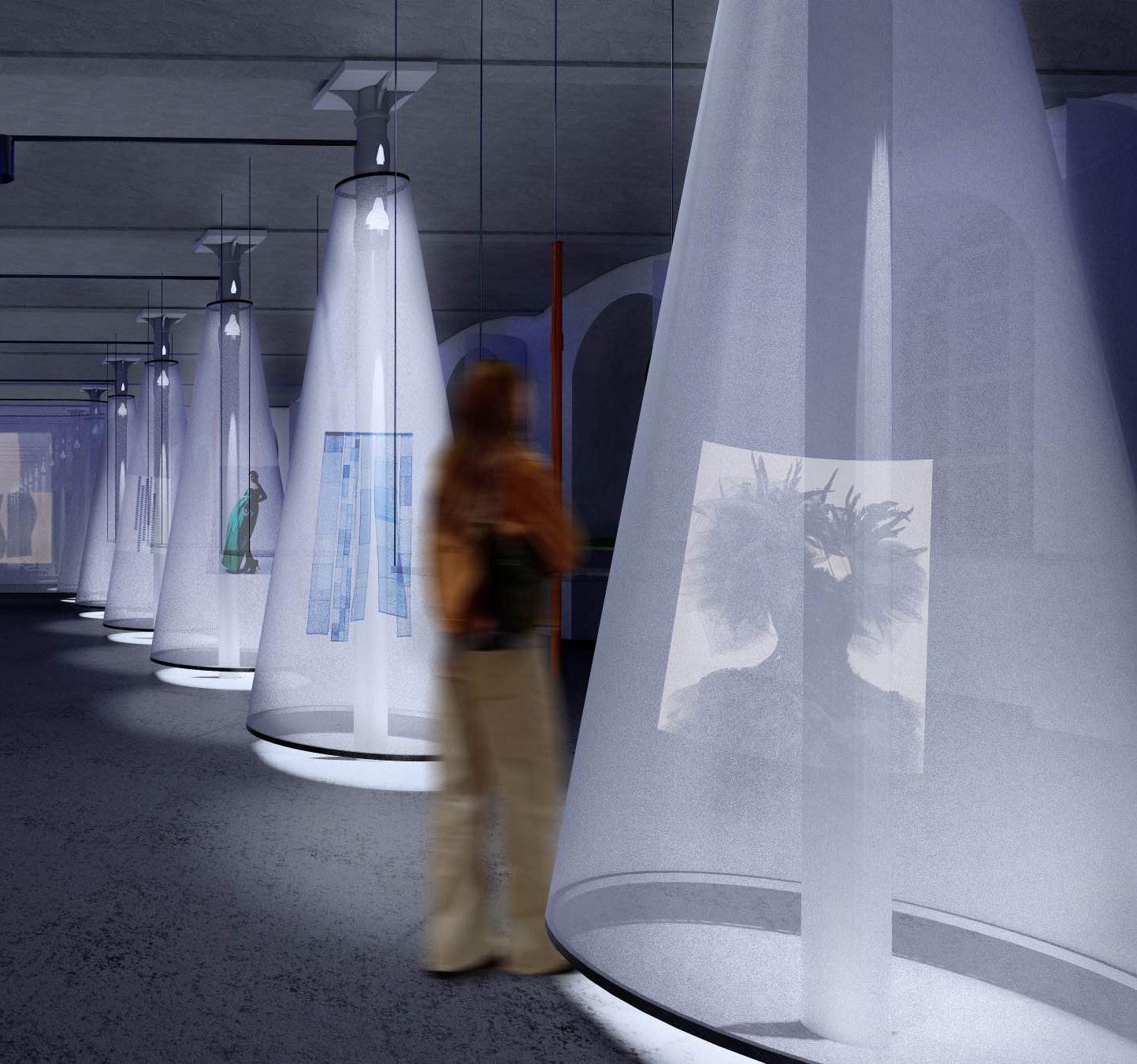
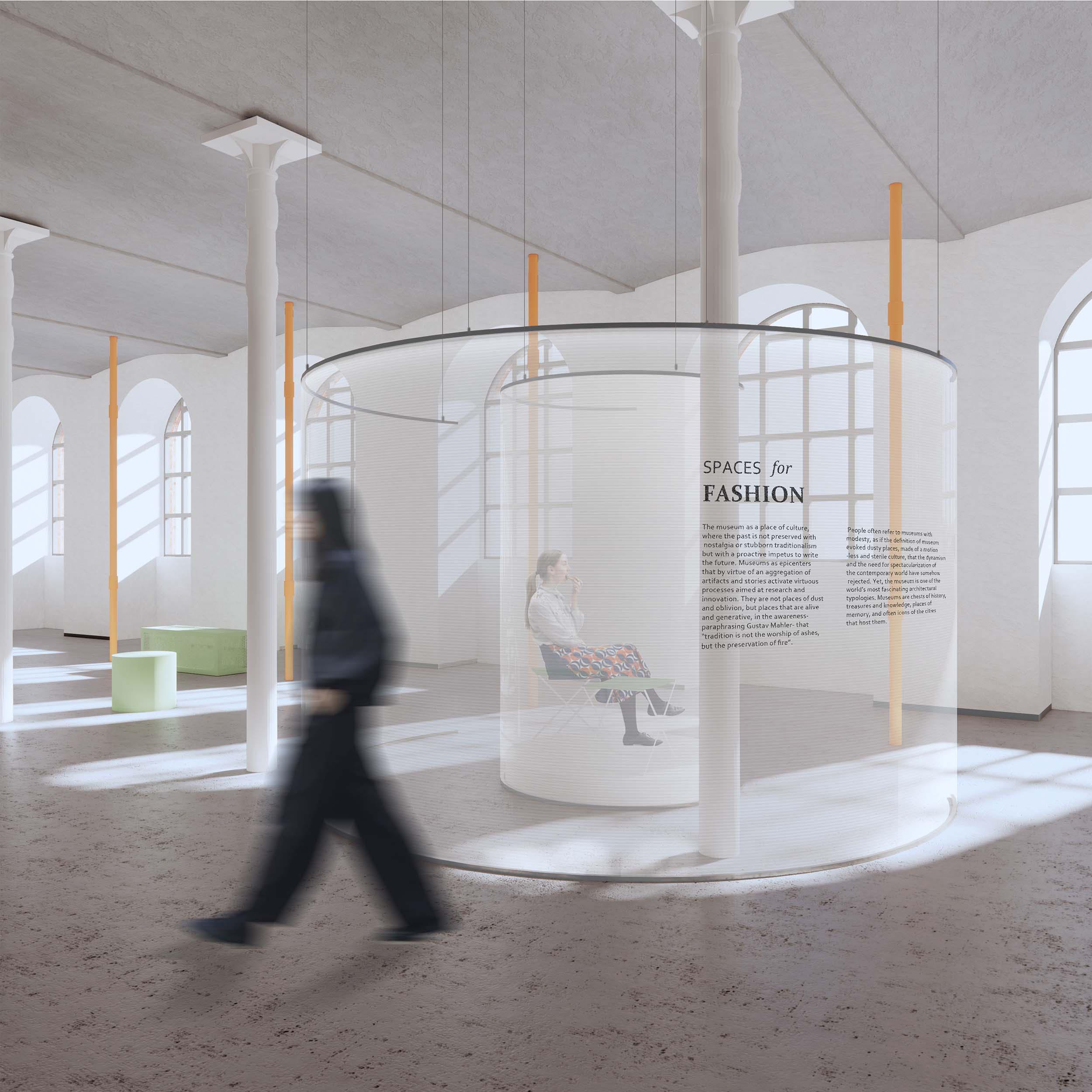
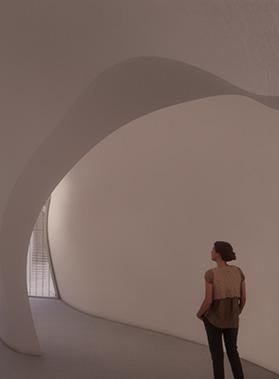
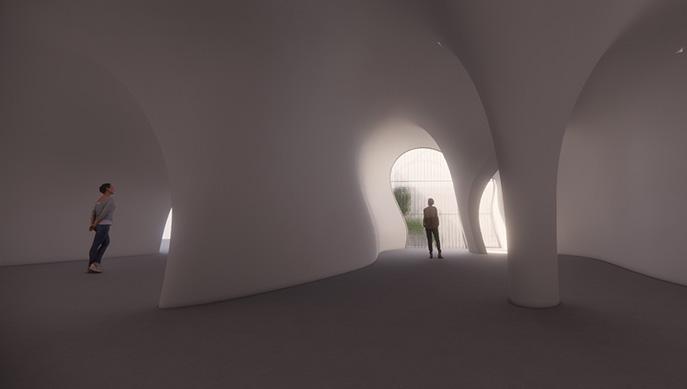
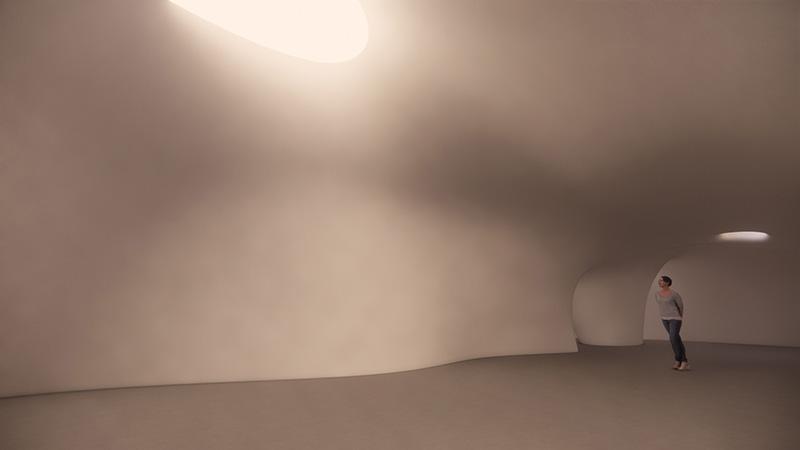
Biella is a city in northern Italy located at the foot of the Alps. It is the heart of the luxury wool textile supply chain. The goal of Spaces for Fashion, the competition by Cittadellarte, is to create a place about wool, fabric and even fashion right where fashion is born.
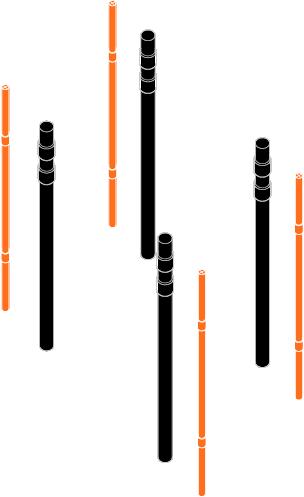
This project aims to commemorate, and envision; it is static, while also dynamic. The design draws inspiration from two essential elements of a woolen mill: fabric and machinery; and translates them into two elements: fabric installation and metal rods. By adapting these two vernacular elements, the historically significant factory is given a “resurrection.”
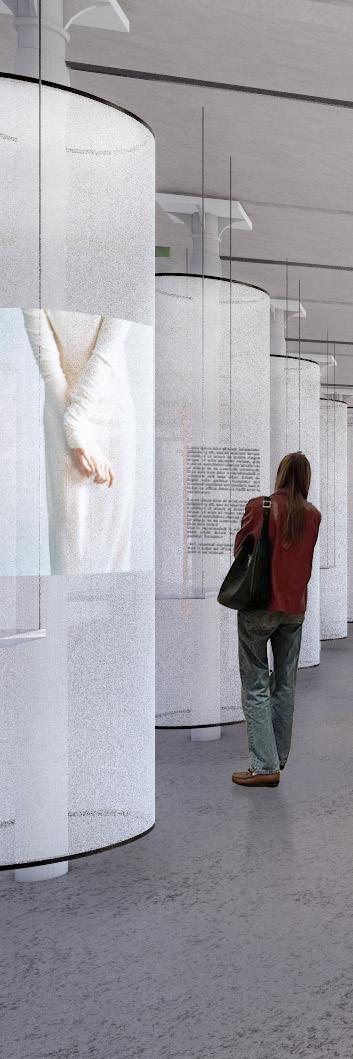
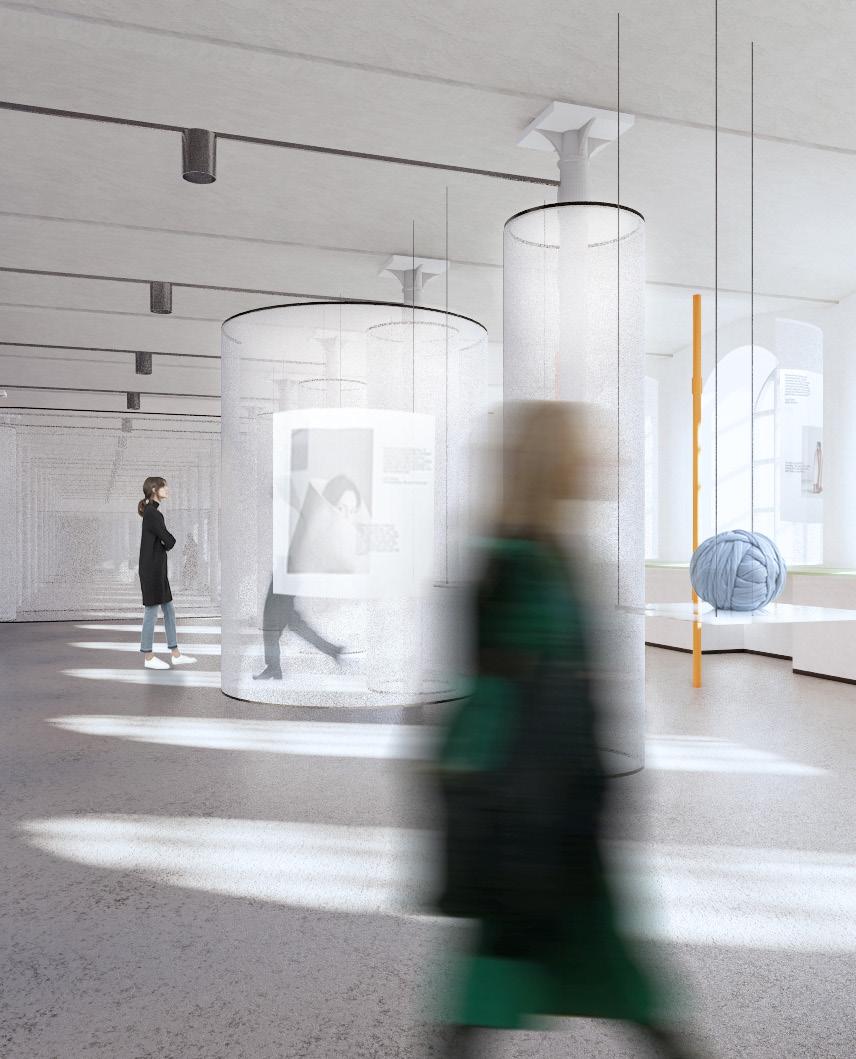
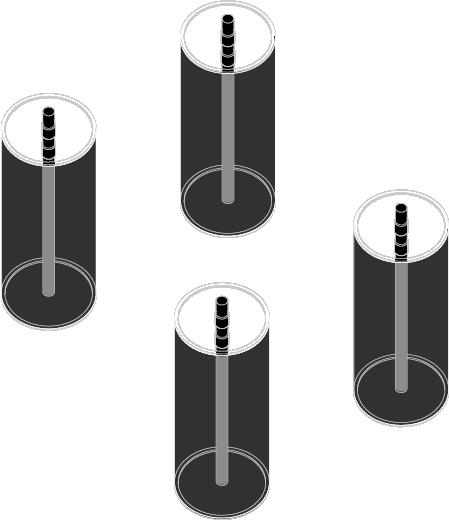
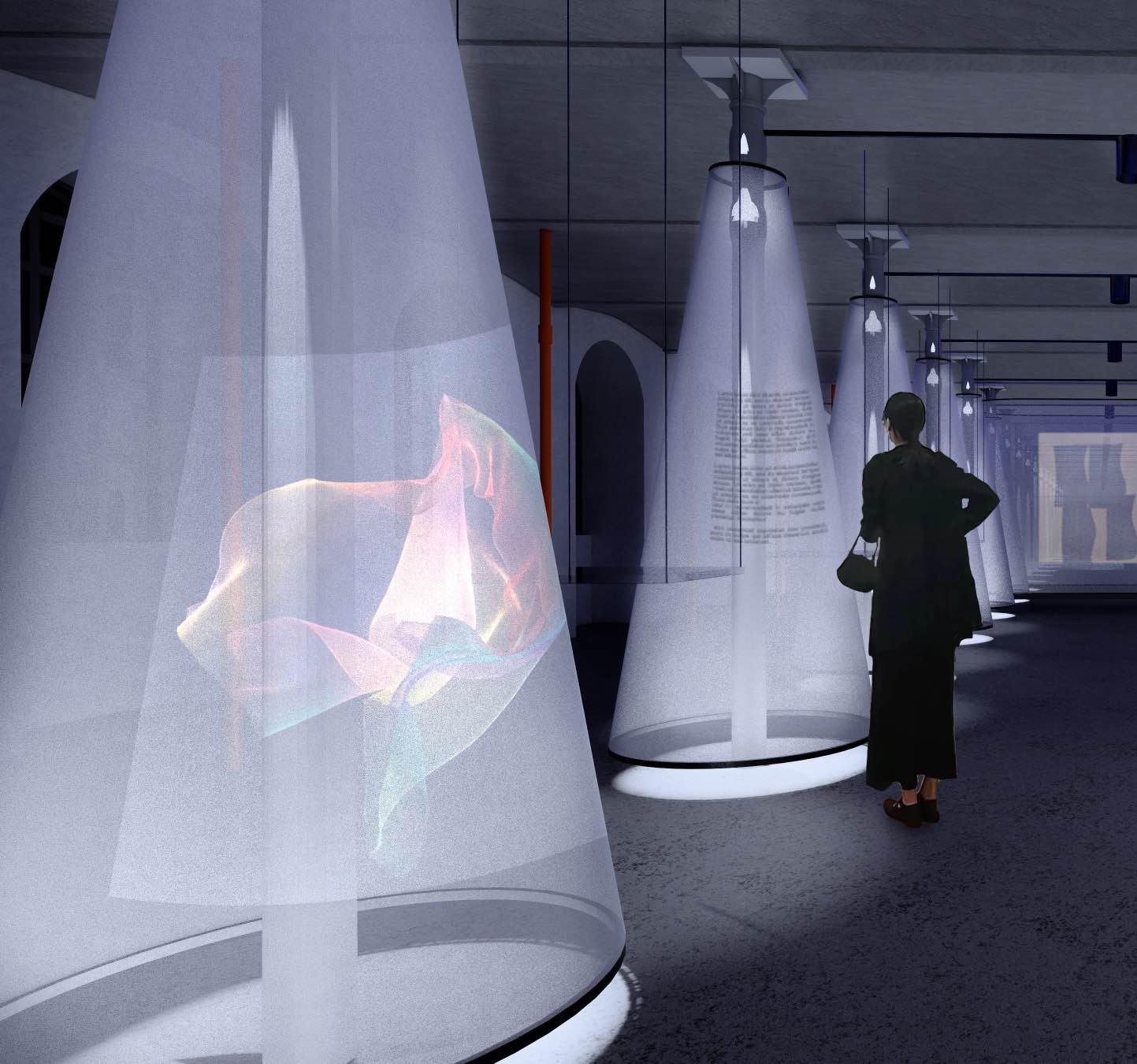
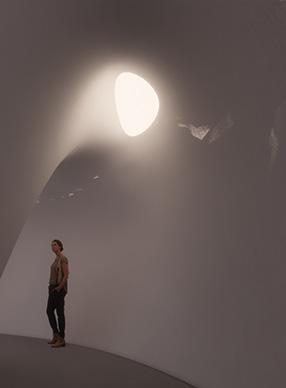
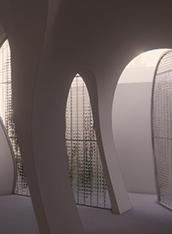
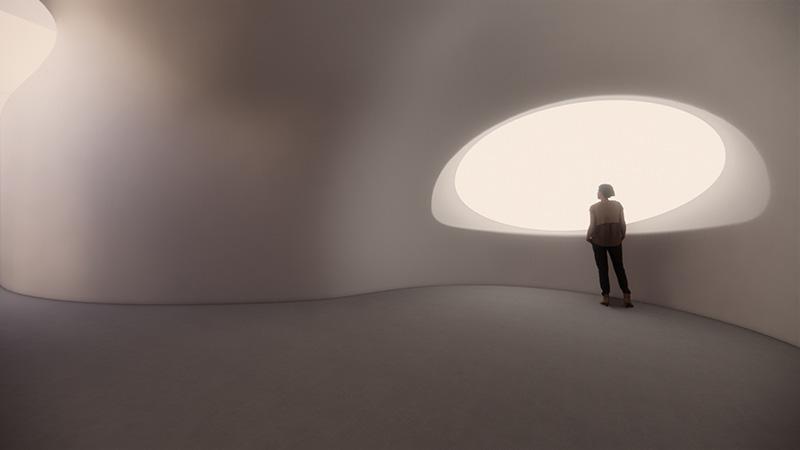
In this design, fabric serves as both an exhibit and a medium. The unique qualities of the fabric material allow it to project natural light like a diffraction effect, and it can also combine with digital media art serving as projection screens – this natural-to-artificial diversity resonates with the wool production process. The design introduces another set of colored rod systems based on the existing column array. , creating a contrast with the current architectural texture. By altering the positions of the slender column grid, a rhythmic spatial pattern is formed.
The fabric, exuding softness, and the modular nature of the metal poles collectively grant the design a unique flexibility. This inherent adaptability not only pays homage to the genius loci, respecting the historical essence of the space, but also opens avenues for stimulating novel activities.
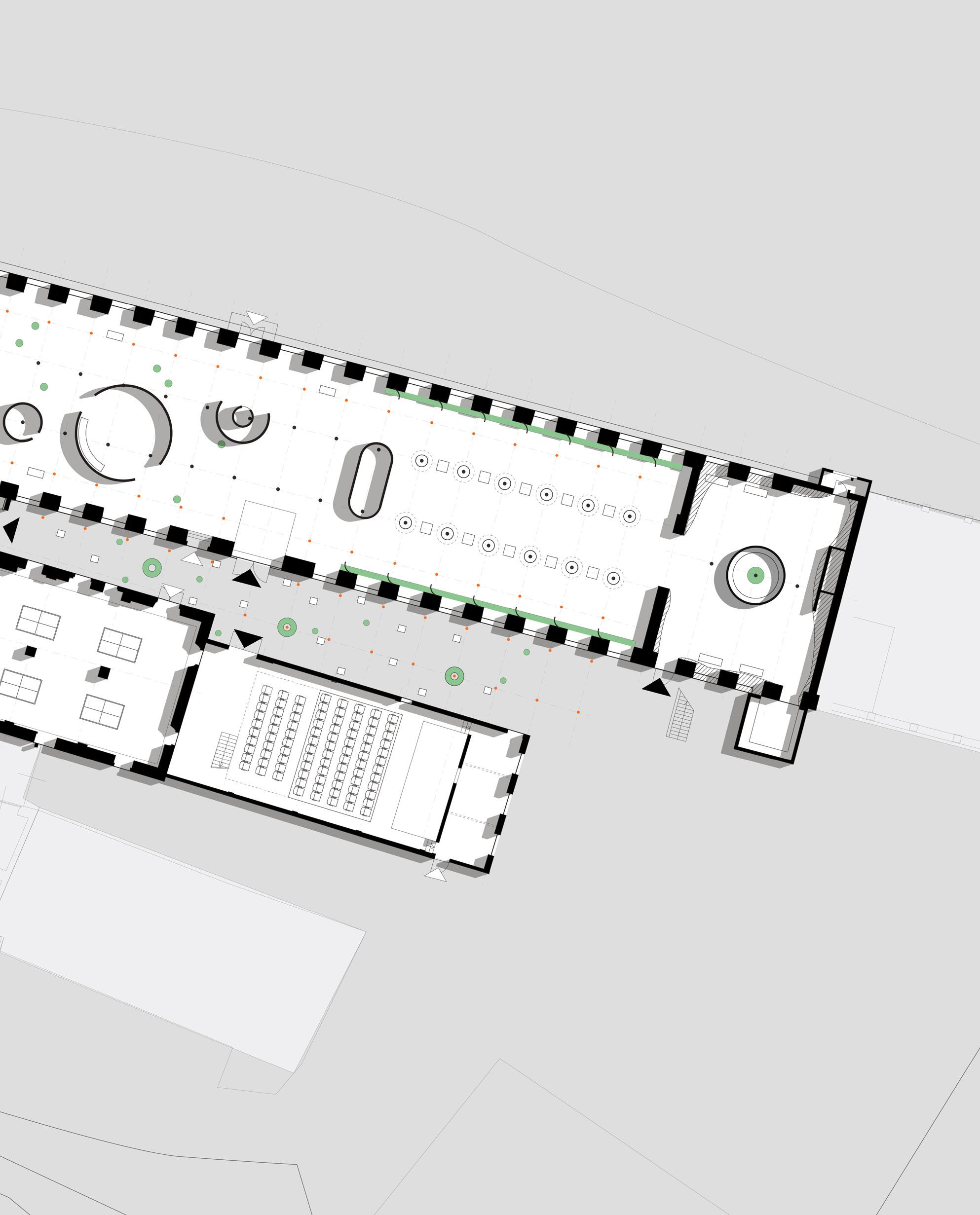
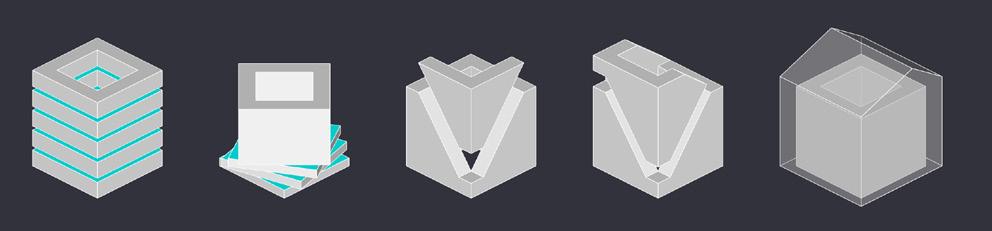
Introduce a Colorful Colonnade System the Original Pillar Grid
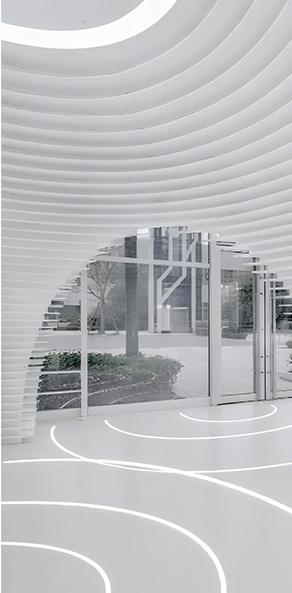
Fabric around the Pillar
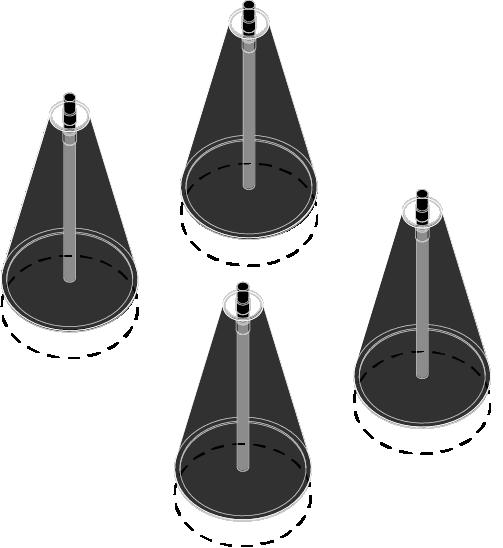
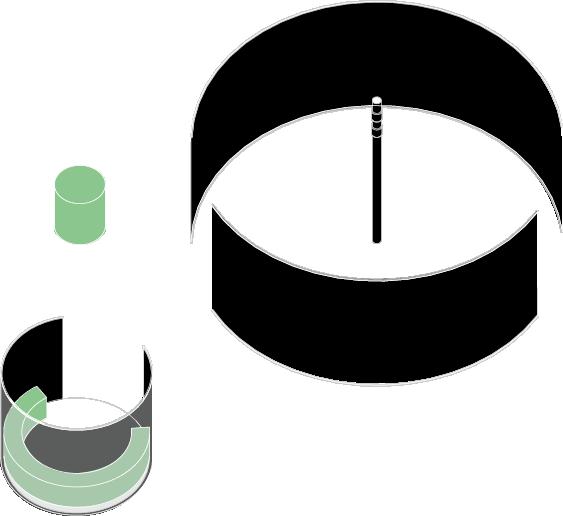
Retractable Crcular Rods Create a Stage Spotlight Effect N
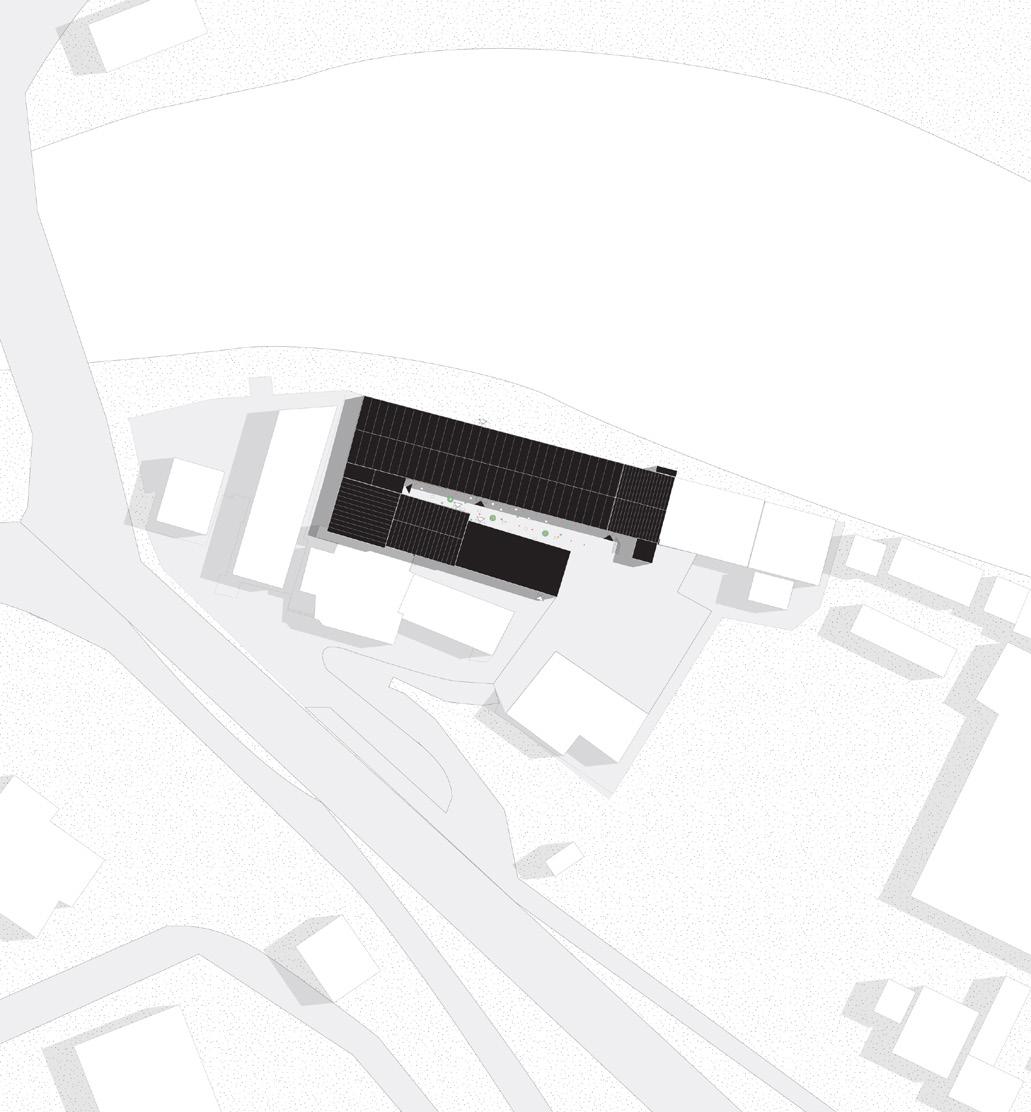
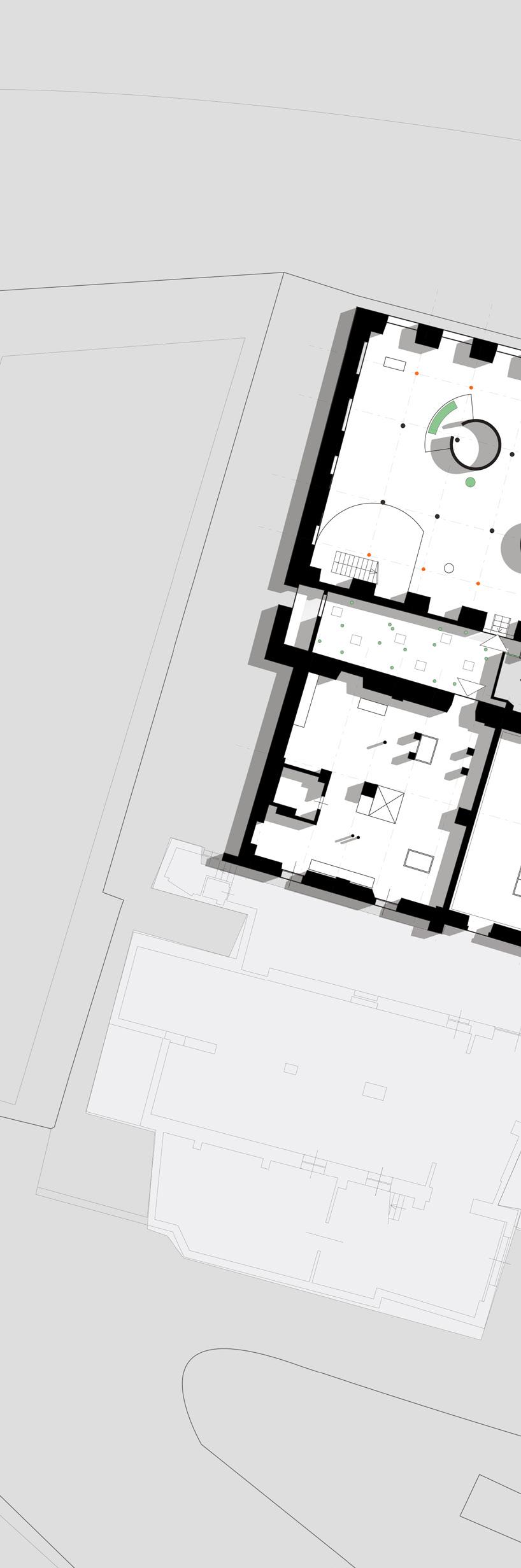
General Plan
Terzo Paradiso
Cervo
Spazio HYDRO
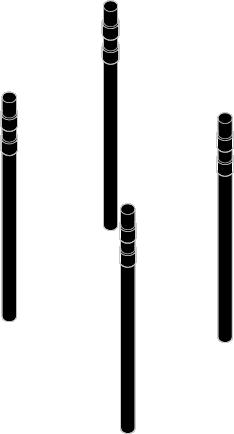
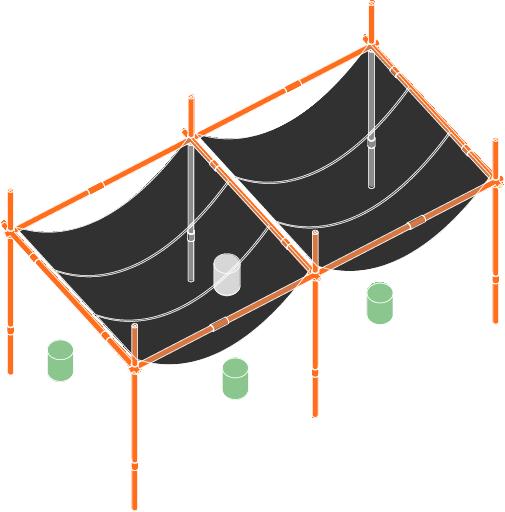
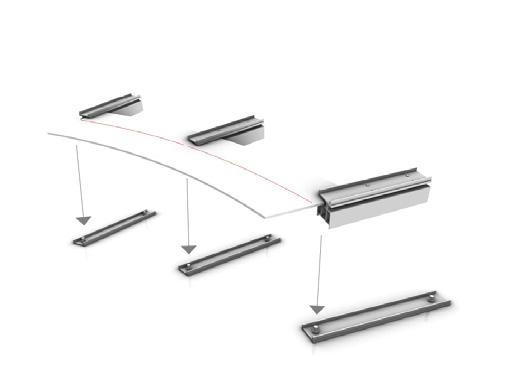
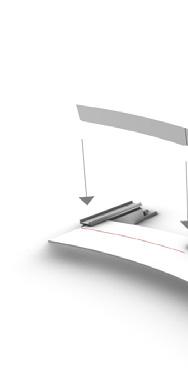
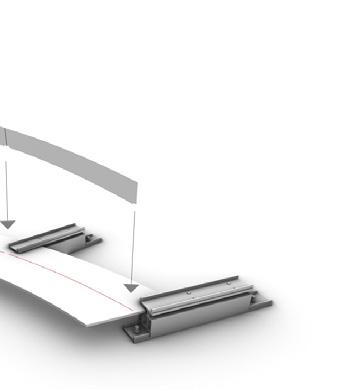
Metal rods and retractable circular rods combination based on the grid of pillar form a flexible modular track. Soft fabric can scale up or down and create diverse space.
Normal fabric colums.
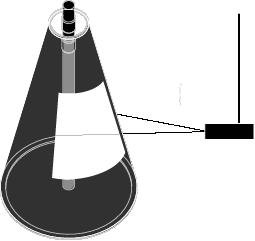
Retractable circular rods create a stage spotlight effect.
Fabric can also be folded or lifted.
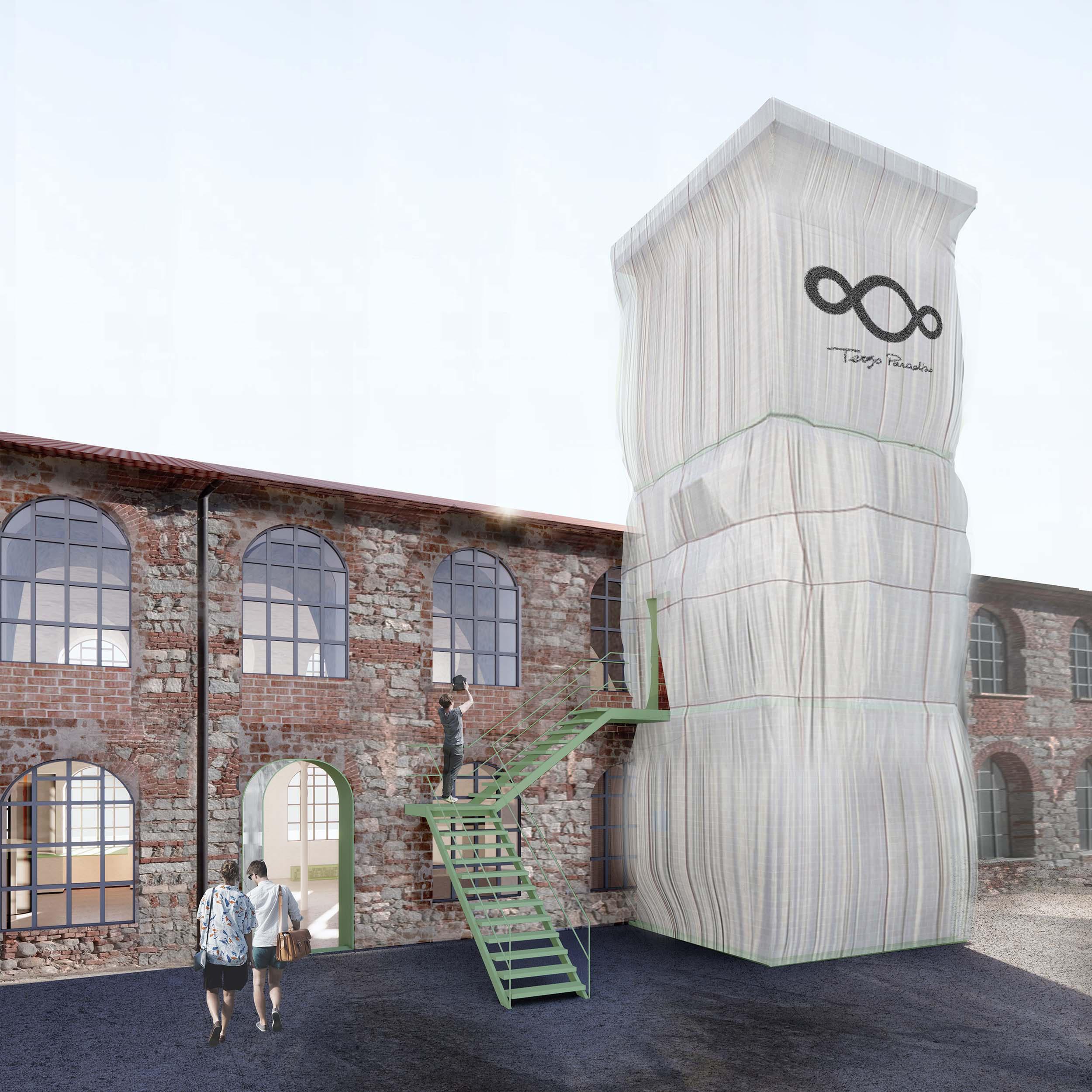
Iconic fabric installation are introduced at important nodes
Changes in scale bring changes in activity types
[Commercial] Photostudio Design
YY RENTAL
Time: Mar 2024 (Built)
Location: Shanghai, China
Project: YY Rental (Freelance)
Role: Schematic Design, Rendering, Construction Liaison
Biella is a city in northern Italy located at the foot of the Alps. It is the heart of the luxury wool textile supply chain. The goal of Spaces for Fashion, the competition by Cittadellarte, is to create a place about wool, fabric and even fashion right where fashion is born.
This project aims to commemorate, and envision; it is static, while also dynamic. The design draws inspiration from two essential elements of a woolen mill: fabric and machinery; and translates them into two elements: fabric installation and metal rods. By adapting these two vernacular elements, the historically significant factory is given a “resurrection.”
In this design, fabric serves as both an exhibit and a medium. The unique qualities of the fabric material allow it to project natural light like a diffraction effect, and it can also combine with digital media art serving as projection screens – this natural-to-artificial diversity resonates with the wool production process. The design introduces another set of colored rod systems based on the existing column array. , creating a contrast with the current architectural texture. By altering the positions of the slender column grid, a rhythmic spatial pattern is formed.
The fabric, exuding softness, and the modular nature of the metal poles collectively grant the design a unique flexibility. This inherent adaptability not only pays homage to the genius loci, respecting the historical essence of the space, but also opens avenues for stimulating novel activities.
* Pictures shot by Brands, downloaded from open sources.
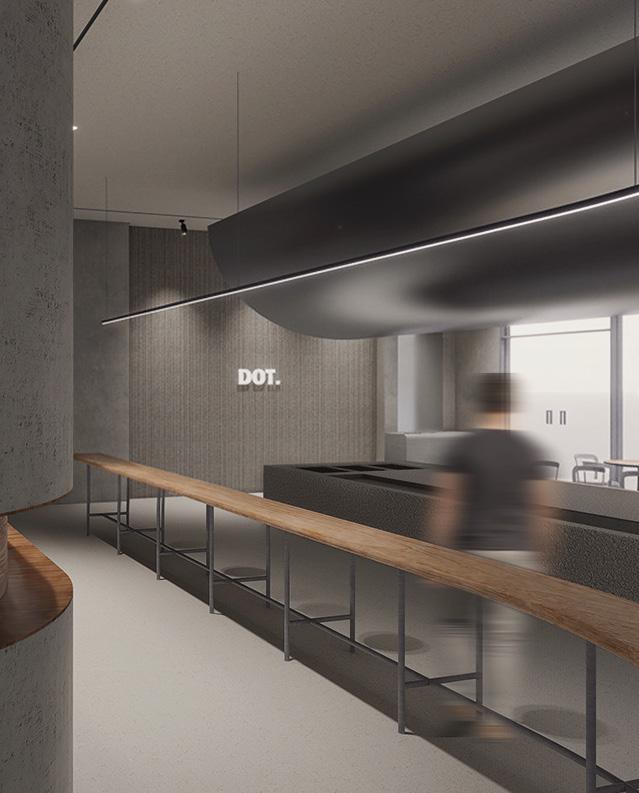
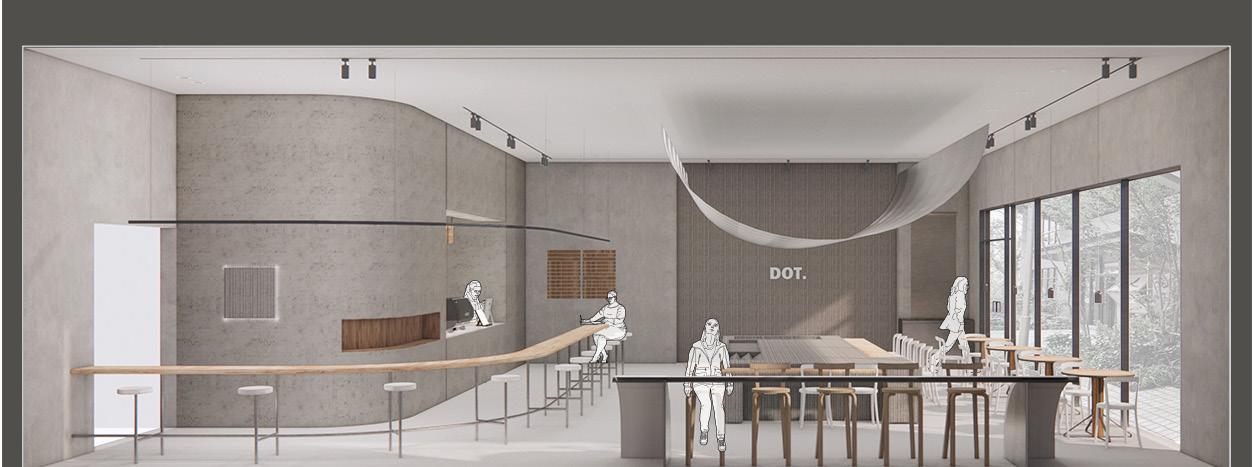
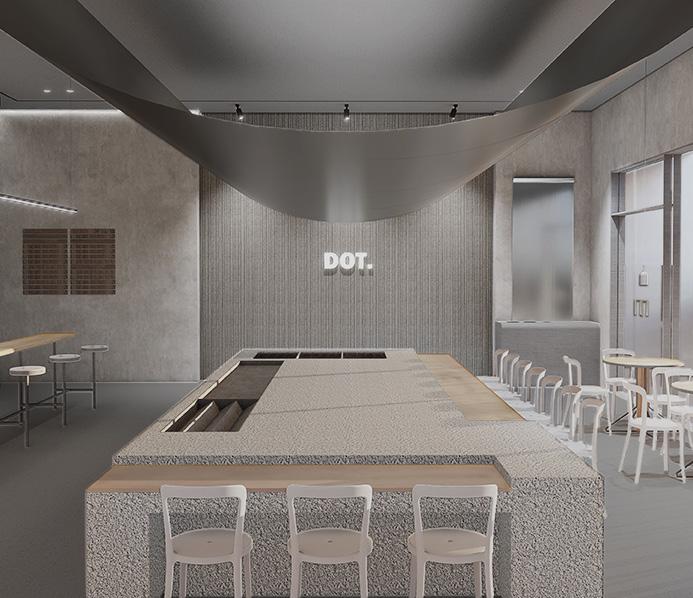
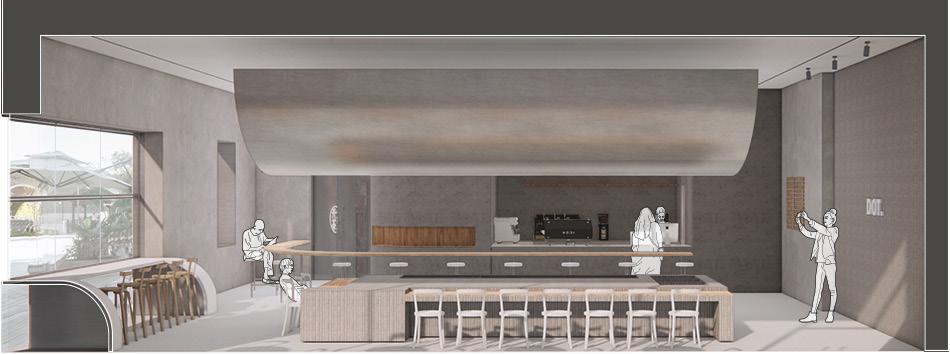
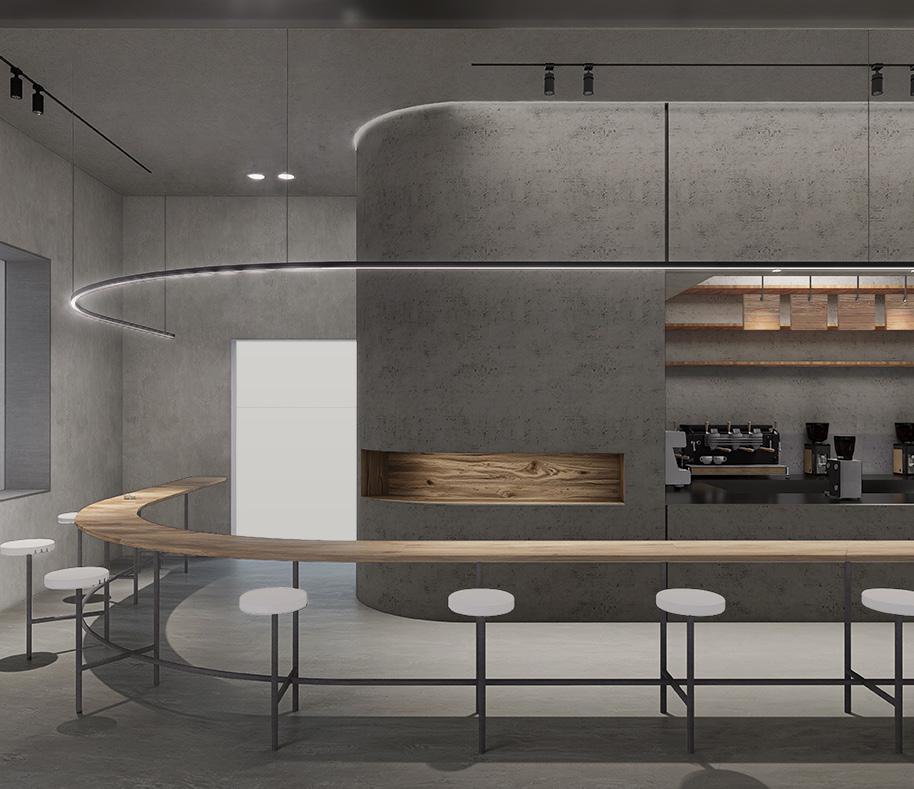
This is a 156m² cafe located on the first floor of a shopping mall, comprising interior space and outdoor seating. The design translates DOT’s signature symbol—a round "dot"—into a formal language embedded throughout the space, reinforcing the brand identity through spatial syntax, additional components, and furniture.
The scheme introduces three semicircular components that intersect the space along the X, Y, and Z axes, guiding circulation and functional layout.
The Z-axis semicircle forms the ordering counter with display functions, using its curve to direct customer queues and integrate brand storytelling during waiting.
The Y-axis semicircular ceiling at the center, combined with a merchandising island and photo backdrop, creates the shop’s iconic visual scene. The merchandising island positioned in the center of the cafer will be intensively utilized as a hot-spot of visitors. One side displays brand merchandise such as cups, magazines, and other visual creative products; one side for seasonal coffee beans piles; the other two sides will provide seatingfor individual customers.
The X-axis counter table extends from the floor to the exterior window, connecting to the urban interface and enabling dynamic dining experiences.
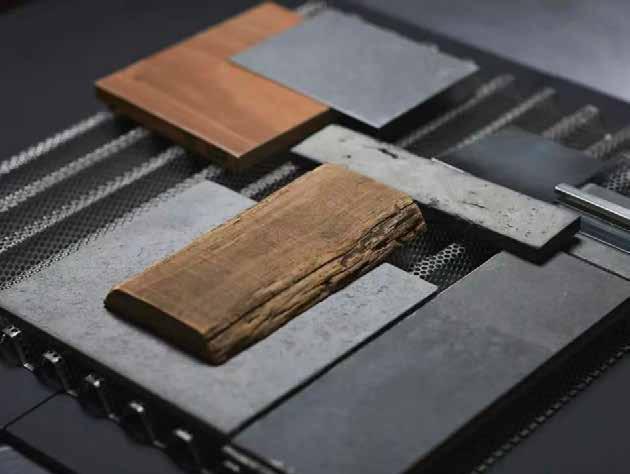
Material selection is restrained, primarily featuring warm-toned travertine, limestone, wood veneer, metal panels, and stone-textured coatings. By varying texture roughness and color depth, the design modulates spatial ambiance.
*This image is sourced from construction material selection processes of other project that the author engaged, shown for illustrative purposes only.
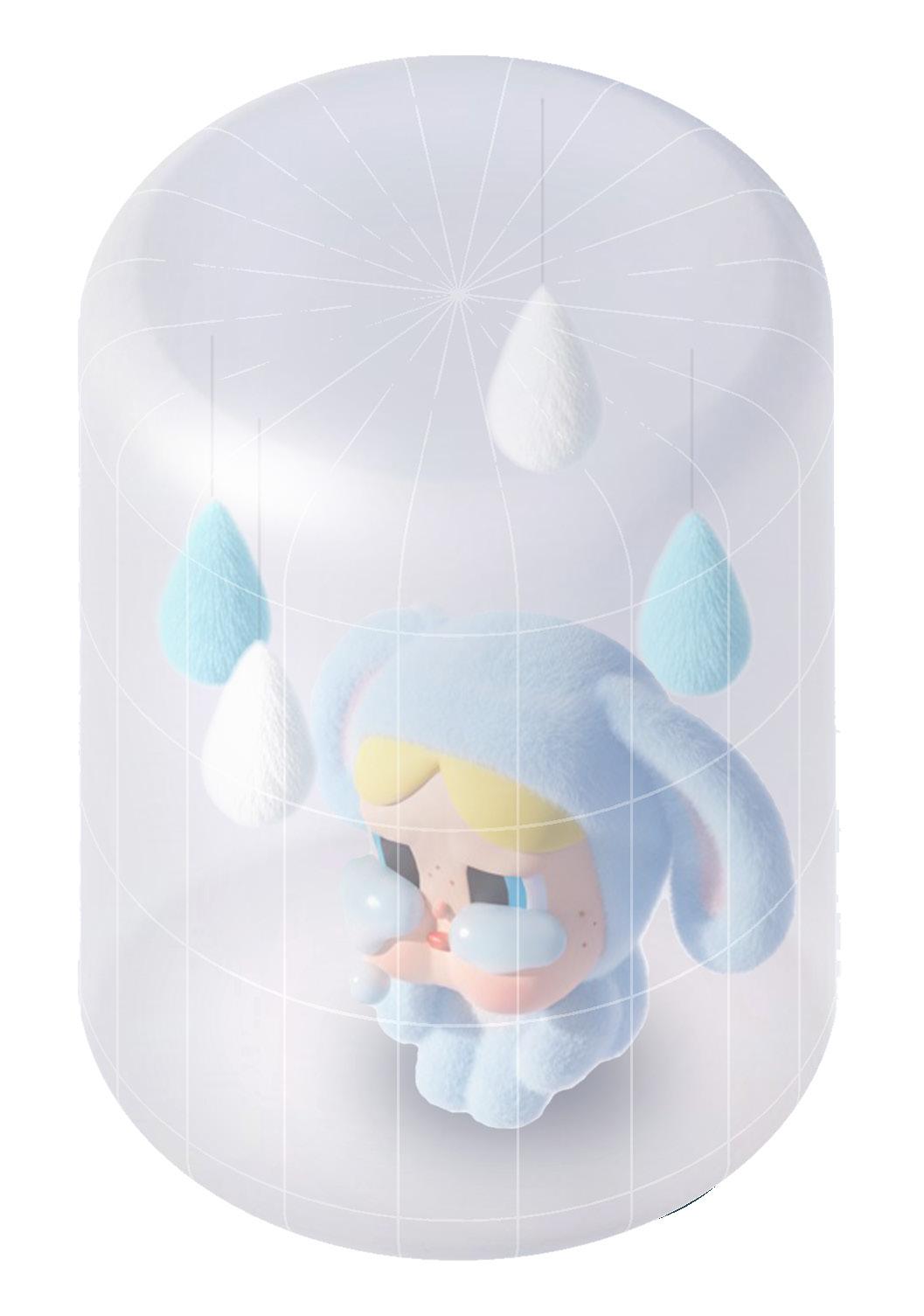
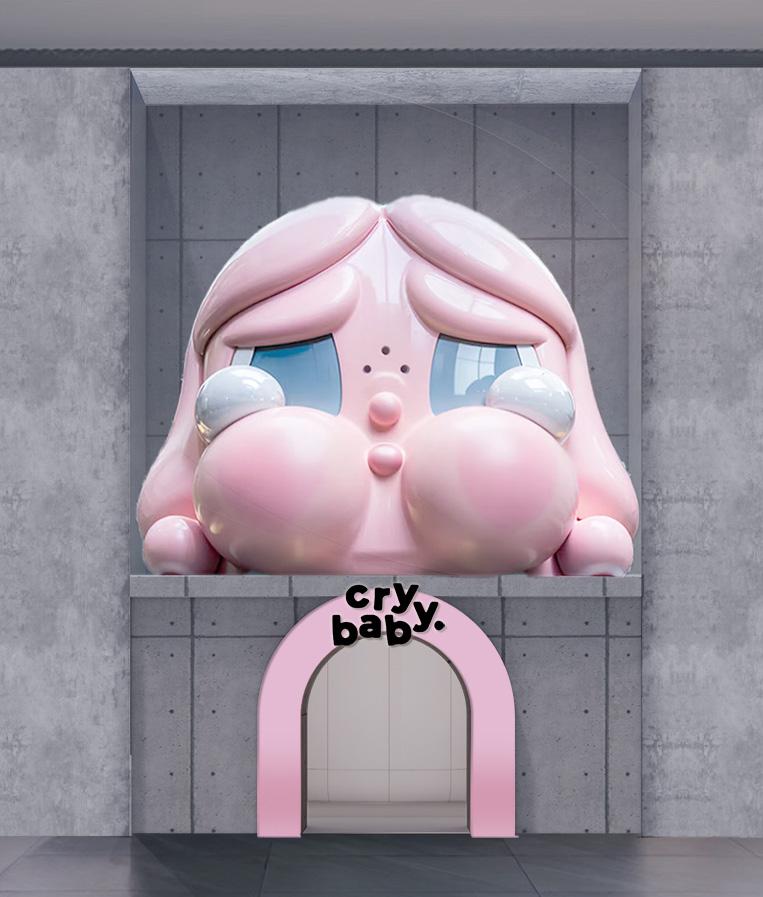
Crybaby, a trendy toy IP under Pop Mart, was created by Thai Influenced by the East Asian upbringing where children are often not shameful, and encouraging emotional release and comfort.
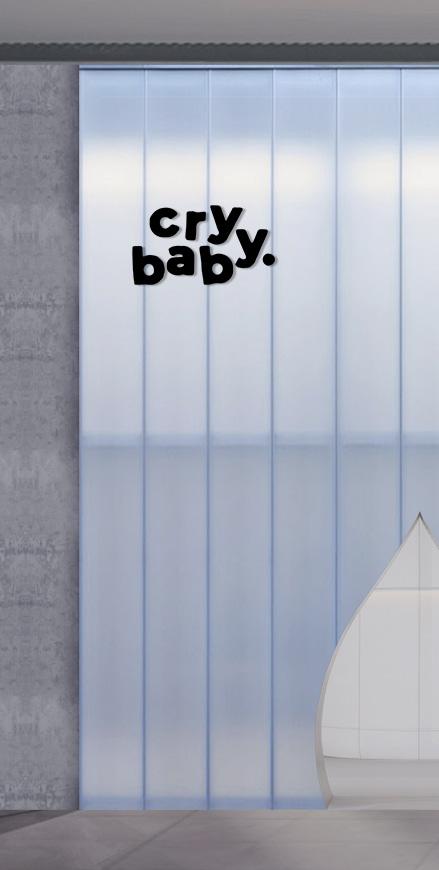
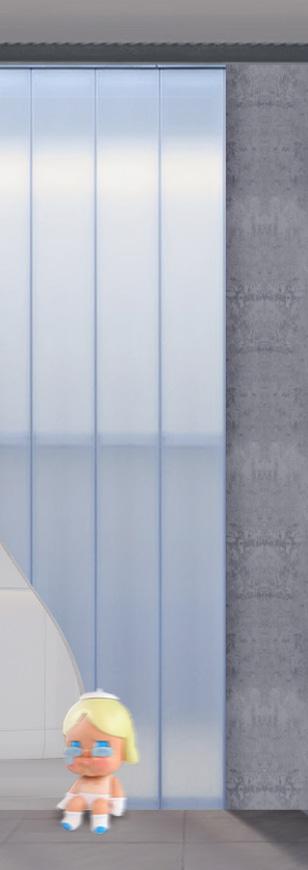
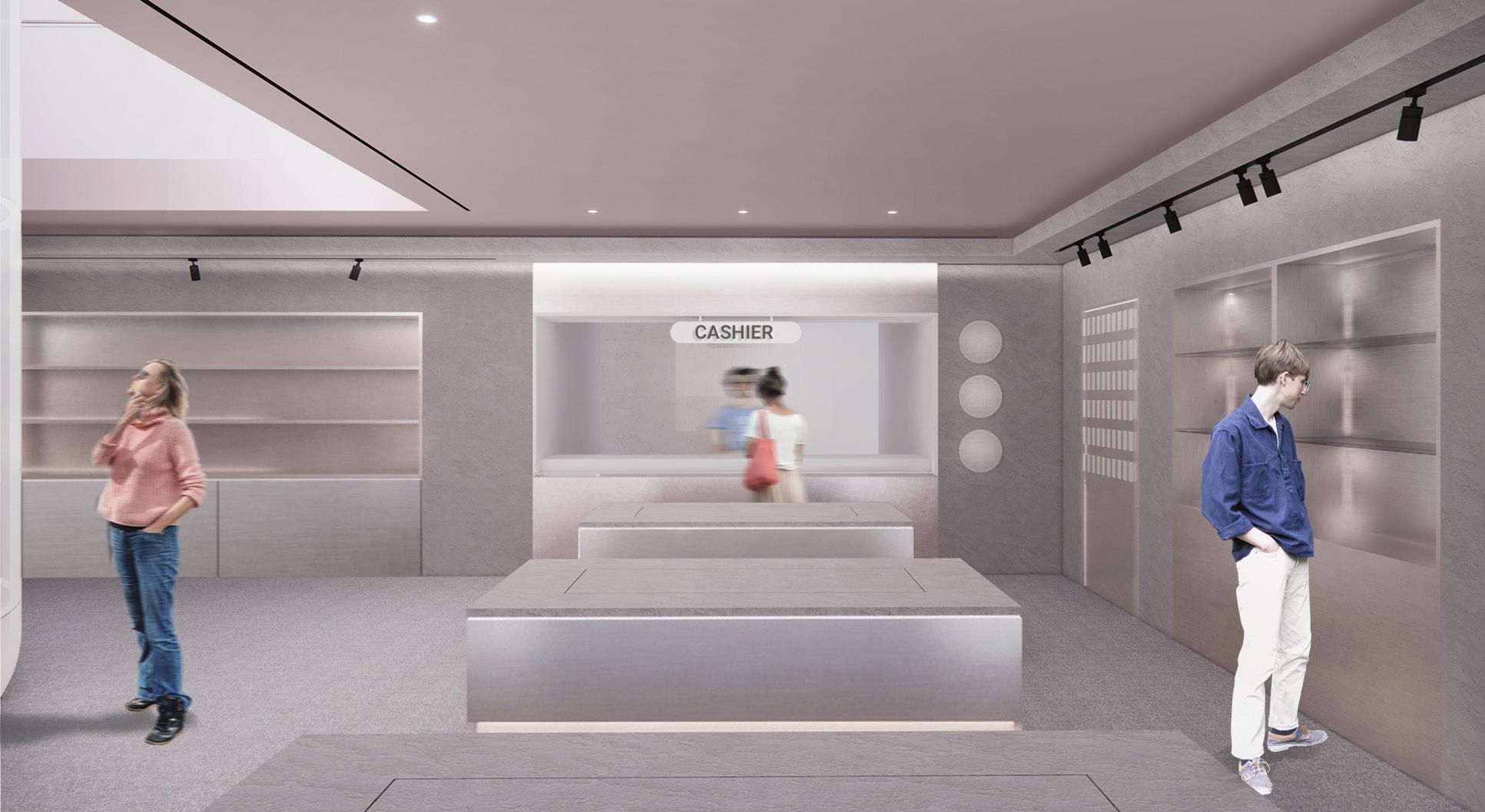
This project is a dedicated store for the toy IP, serving as Crybaby's polycarbonate materials, leveraging their translucent and light-diffusing such as concrete and heavy stone coatings are adopted, arranged veys a gentle yet resilient atmosphere.
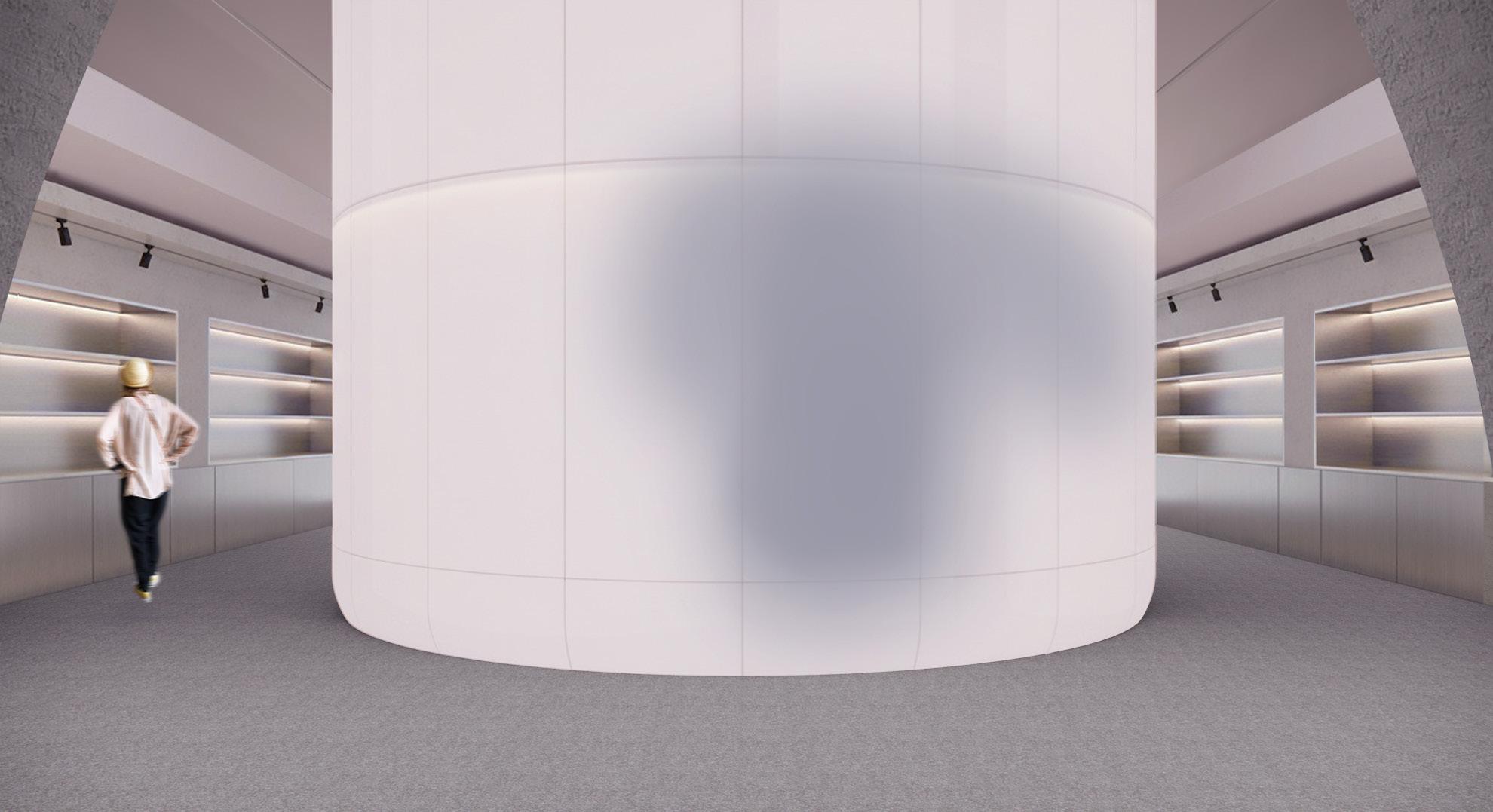
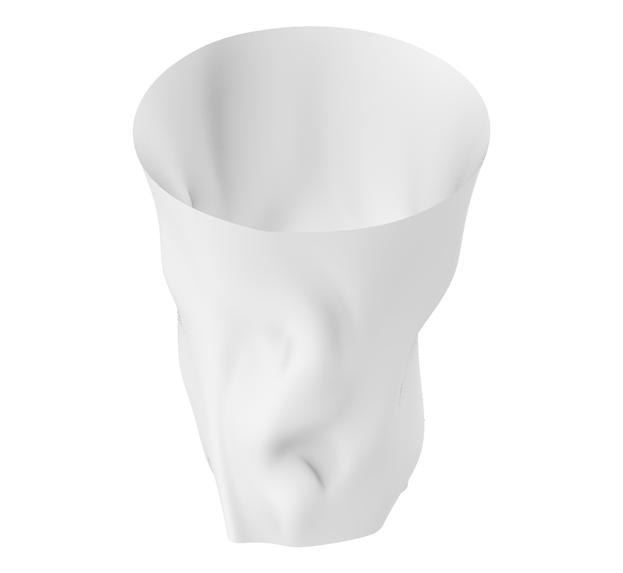
The iconic feature of the store is a double-height cylindrical cavity a dream. This temporary lounge/exhibition space, constructed be reconfigured with conventional display cabinets.
Like Crybaby's shifting emotional states, the program unfolds carefully curated products that embody Carybaby's spirit. Beyond of the space through touch, reading Crybaby's emotions through
Option 1
Storefront
Thai artist Molly Yllom in response to the grief of losing her beloved dog. The character's most distinctive feature is that every version is filled with tears. often taught to "stop crying," emotional suppression becomes habitual. Molly aims to challenge this notion through Crybaby, conveying that crying is comfort.
Crybaby's first home. Here, we aspire to create a space where tears are embraced and emotions find solace. The design incorporates extensive use of light-diffusing properties to mimic tears and water ripples, creating a dreamlike play of light and shadow. Simultaneously, sturdy and robust materials arranged in a continuous horizontal loop display layout to evoke a strong sense of shelter and placemaking. The combination of these elements con-
cavity located at the center of the pop-up zone. Inside this cavity, visitors encounter a giant Crybaby figure illuminated by blue light, as if stepping into constructed from modular polycarbonate panels, serves as a photo spot for visitors. After the event, it can be disassembled and removed, allowing the area to
unfolds under different material conditions. The entry area is a concrete shell, a protective envelope that is raw yet grounded. Metal built-in displays are Beyond this threshold lies the warm polycarbonate interior, where a lounge offer moments of retreat and restoration. Visitors encounter the raw imprint through material traces. In these surfaces shaped by time, they find a quiet, restorative power.
Storefront Option 1
Main Entrance
Puff
Crybaby (Pop-up)
[Commercial] Sales Center Design
CHUNFENG LI
Time: Sept 2020 - Mar 2021 (Built)
Location: Nantong, China
Project: TIANHUA Architecture & Planning
Role: Technical Drawings, Publication Drawing Set
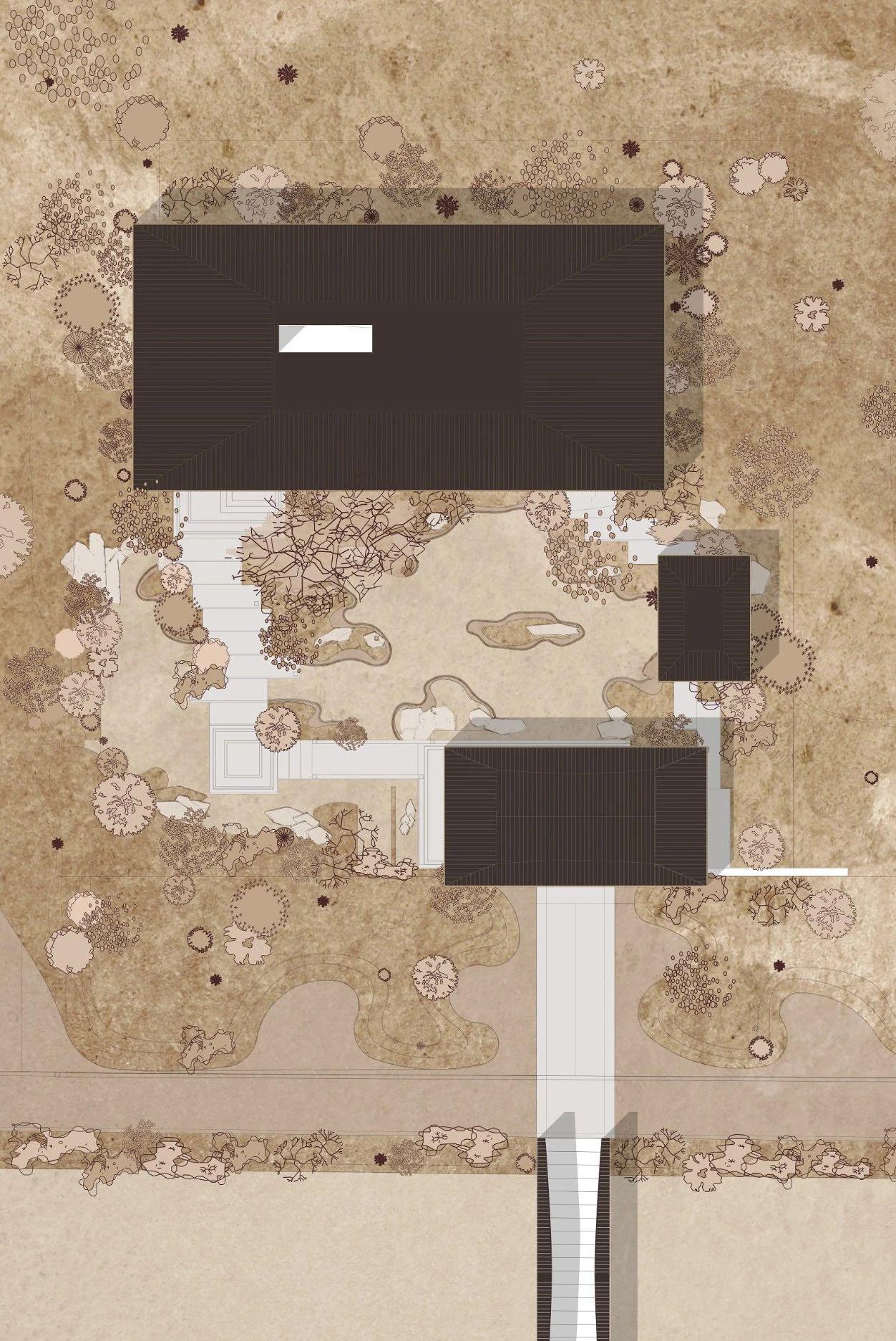
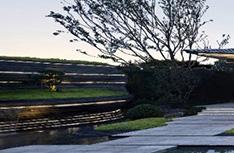
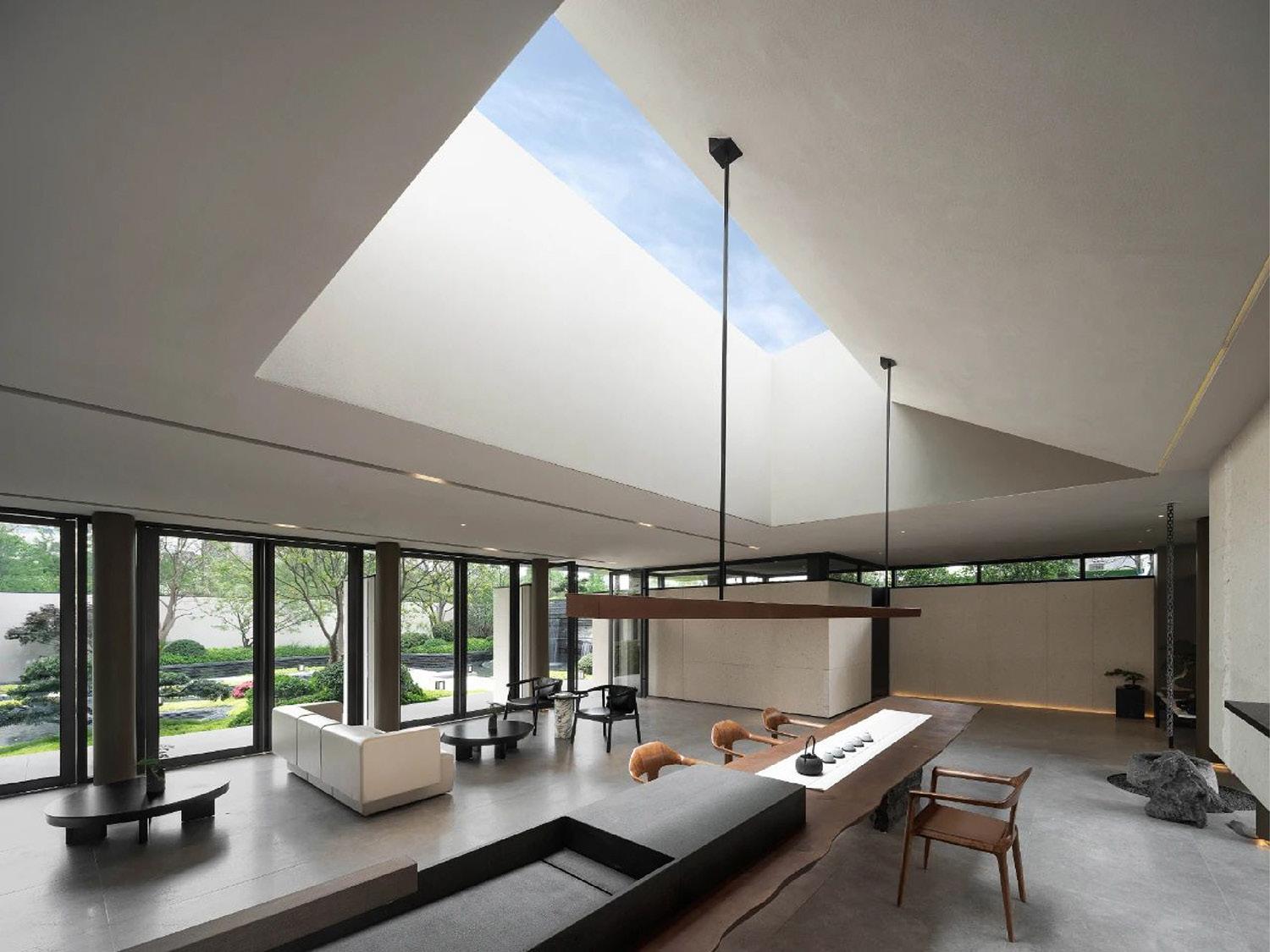
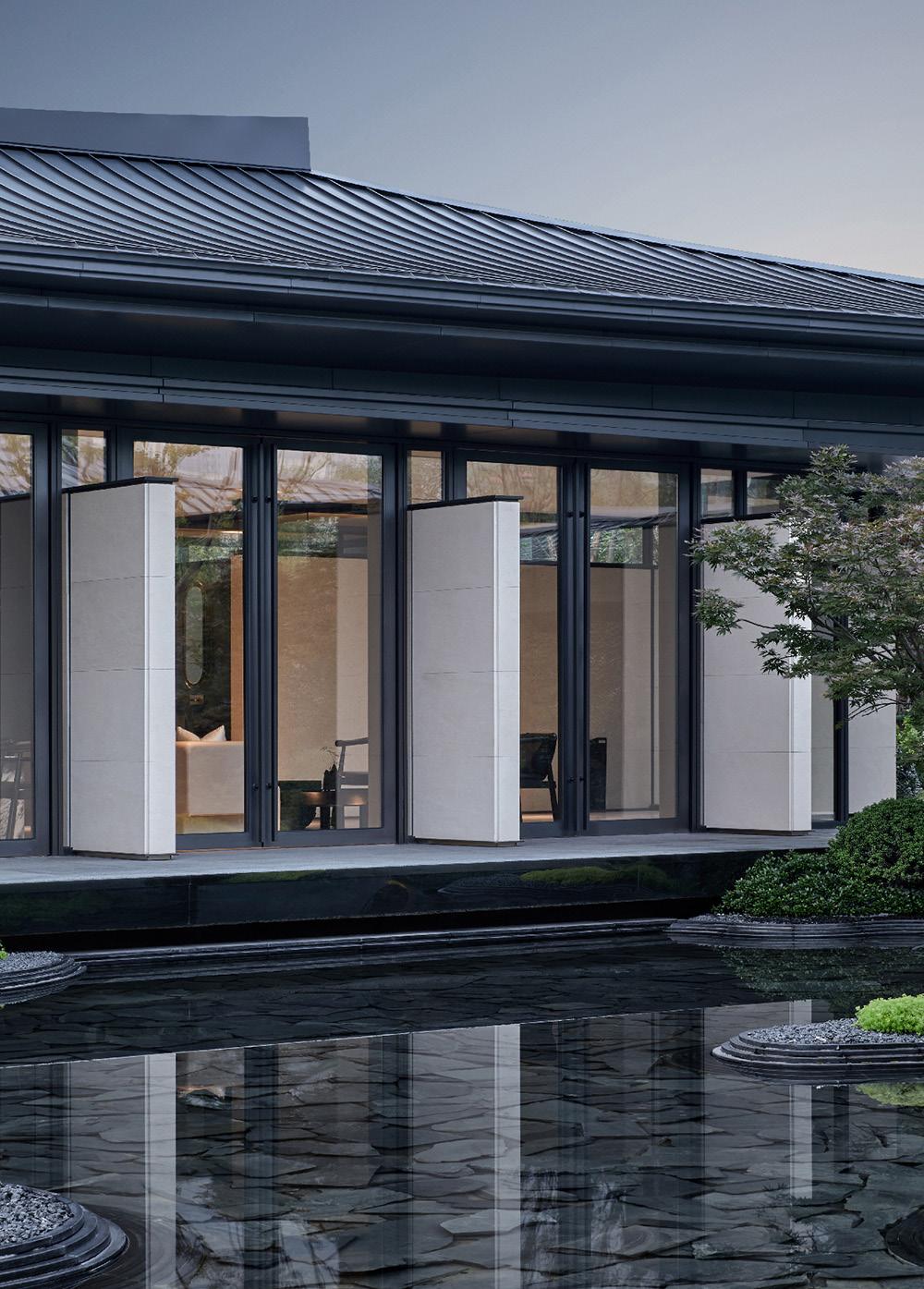
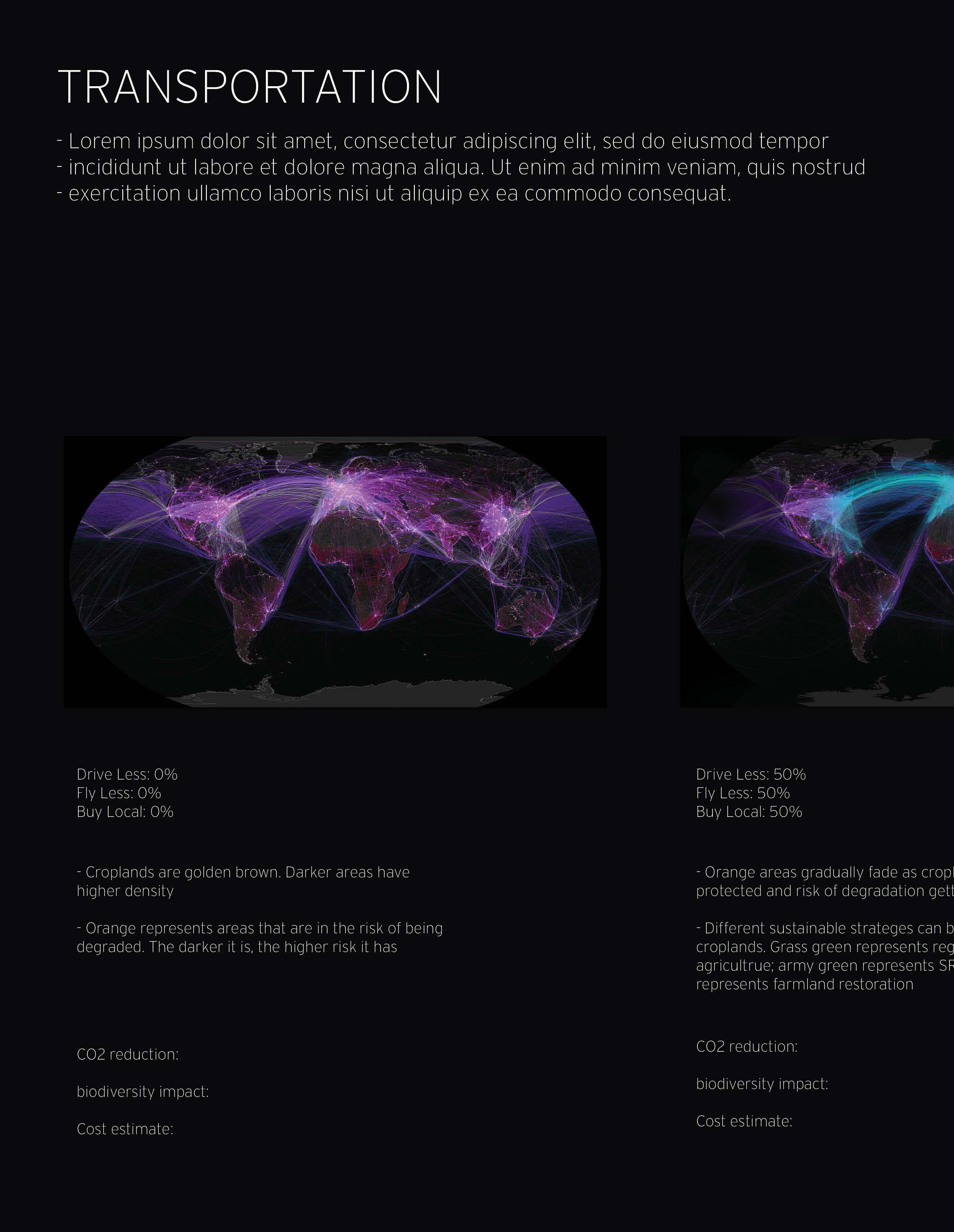
The project is located in the "Urban Green Island" area of Haimen from the urban context through curated nature to the community
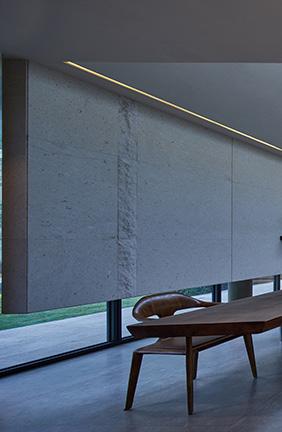
The design is rooted in Eastern aesthetics and returns to human boundary between interior and exterior is blurred and dissolved ture and environment. On the other hand, the continuation of
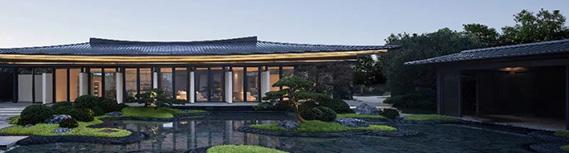
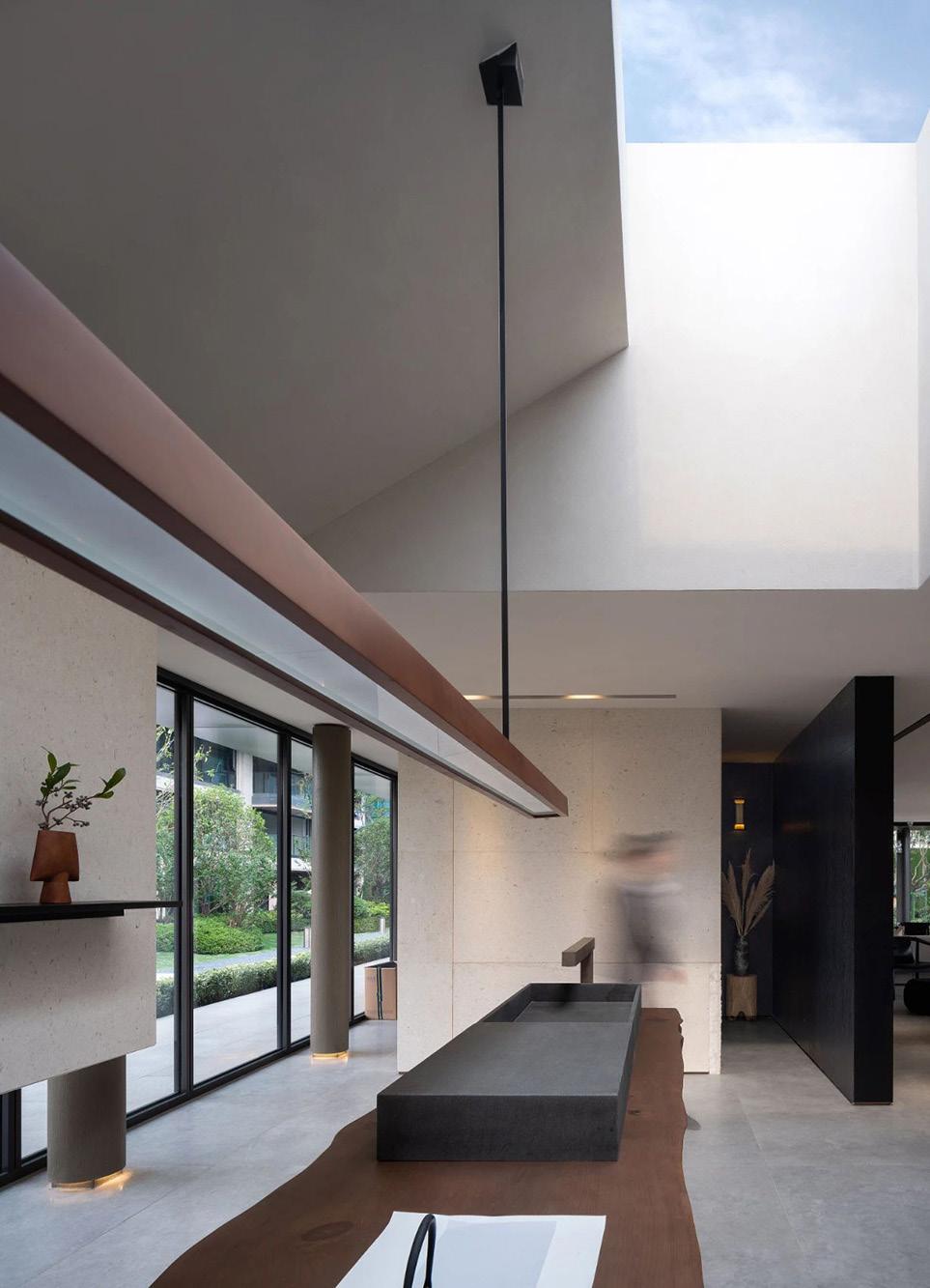
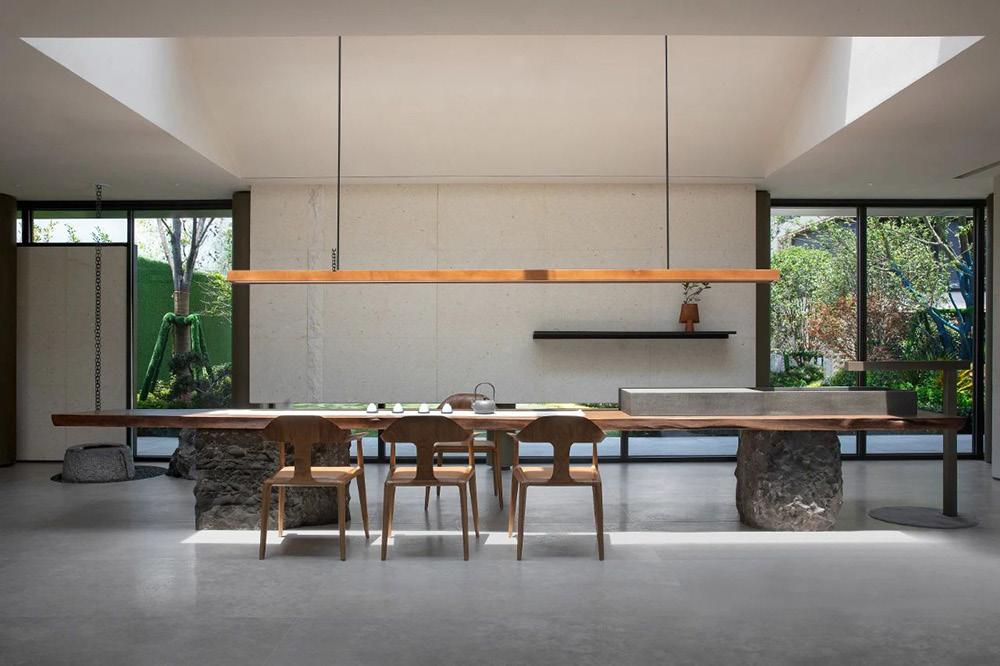
When experienced on-site, the extension of roofs, walls, floors and scenery become interwoven, like a scene from a painting.
Haimen Old Town, south of a residential community adjacent to a municipal park and a small canal. Serving as the first visual impression transitioning community boundary, it establishes the psychological starting point of homecoming.
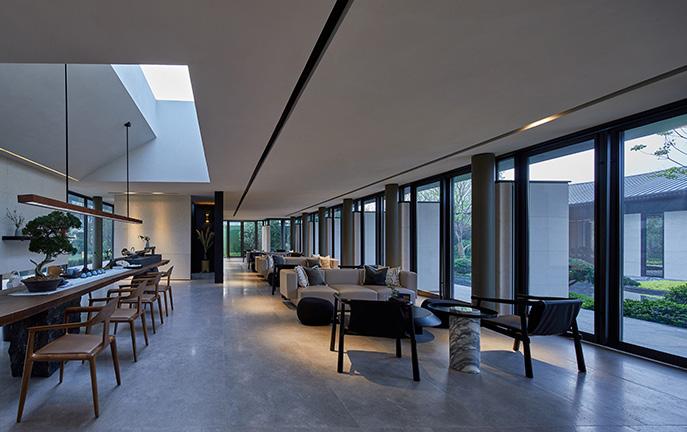
human sensory experience. The architecture follows traditional bay divisions and employs a tripartite façade composition as its vertical lwogic. The dissolved through the organization of walls. The building becomes a porous, horizontally expansive territory, redefining the relationship between architecthe indoor and outdoor space experience is achieved through the differentiated control of natural light.
floors and even furniture in all directions guides sightlines. Bodily perception and activity spill over, while courtyard landscapes permeate inward. Dwelling painting.
As-Built Photo
As-Built
Photo
[Industrial] Distillery Design
GUANYUN
Time: May 2021 - Ongoing
Location: Suqian, China
Project: TIANHUA Architecture & Planning
Role: Concept Design, Carbon Neutral Research
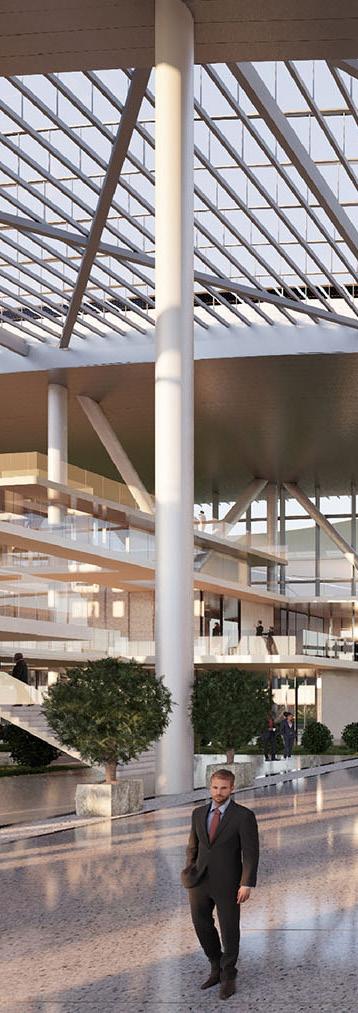
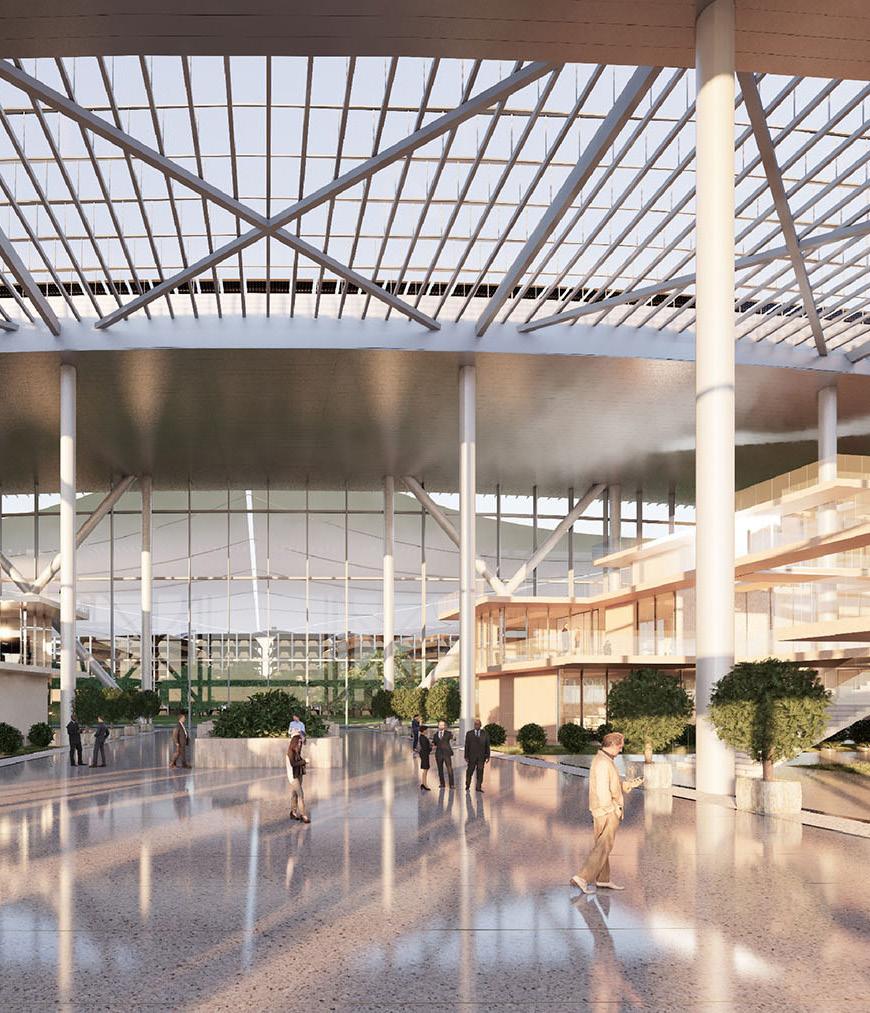
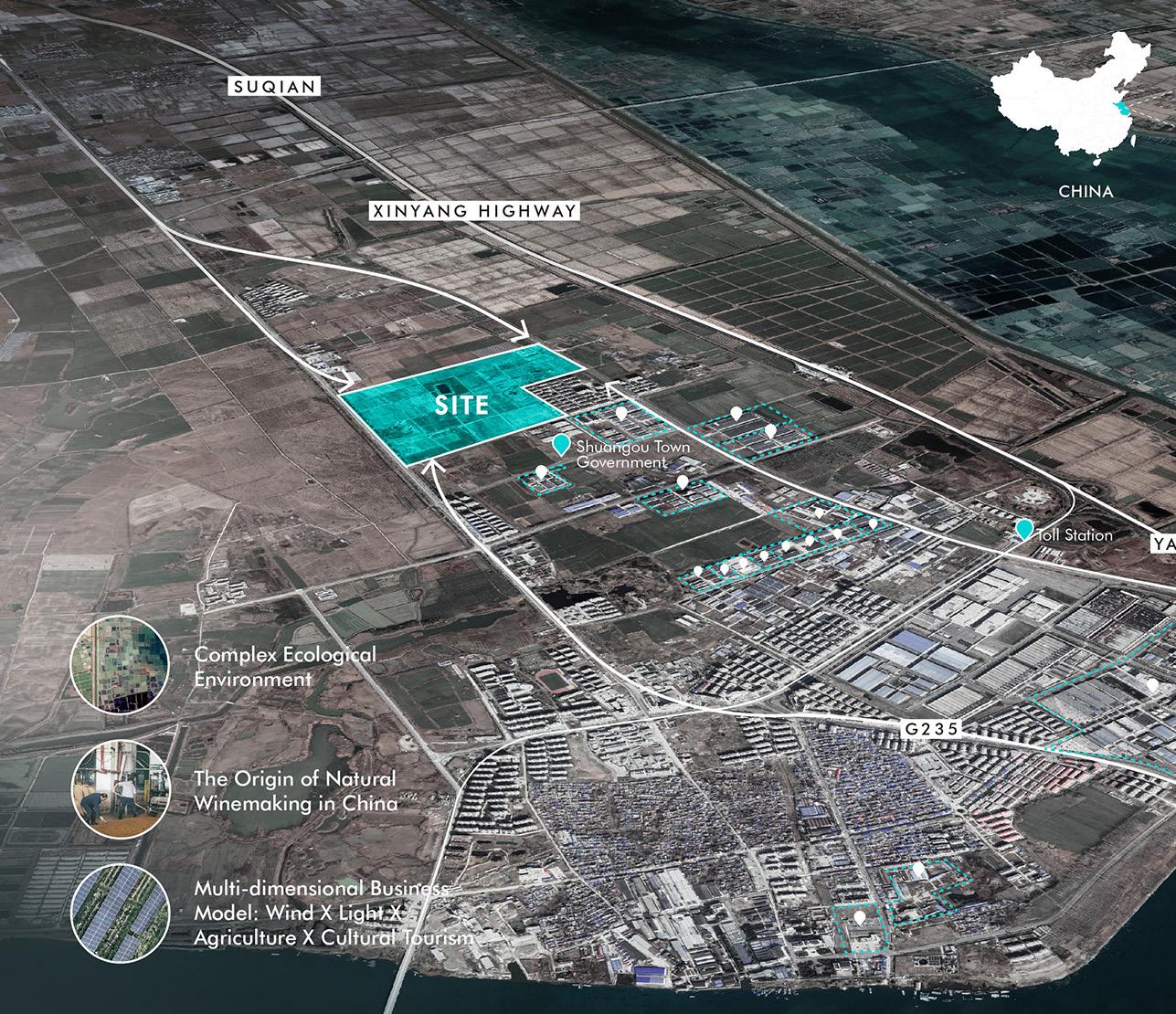
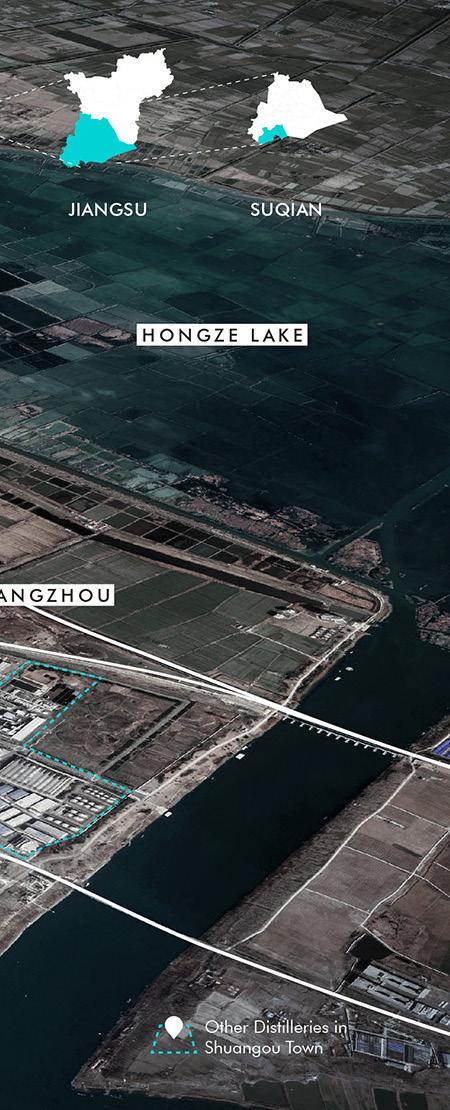
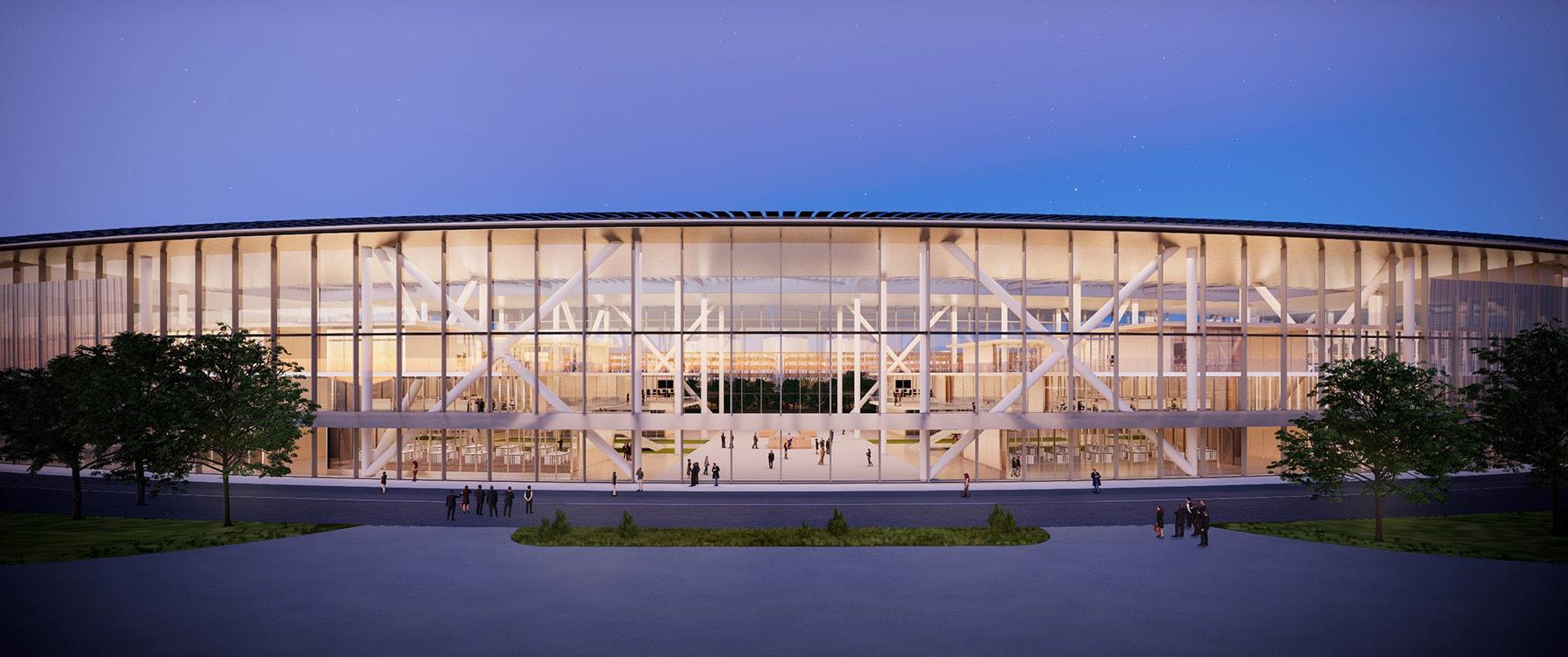
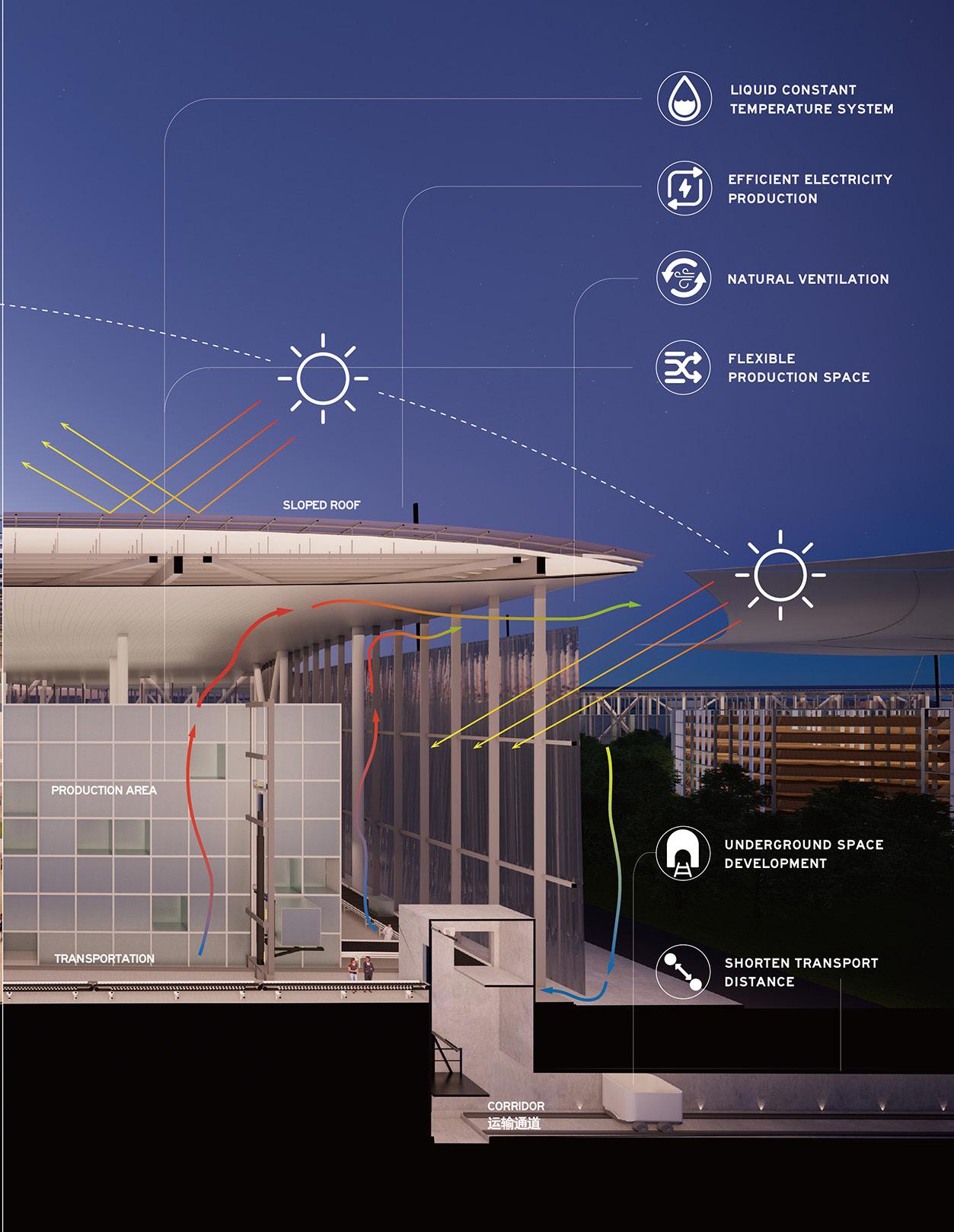
The project is located Shuanggou Town, Jiangsu Province, where boasts a unique natural envionment. It is renowned as a hub for white liquor production, as well as a national demonstration town for rural photovoltaic power generation.
As the flagship project for the white liquor brand 'Guanyun', the design aims to create a high-efficiency, zero-carbon, technology-intensive smart distillery.
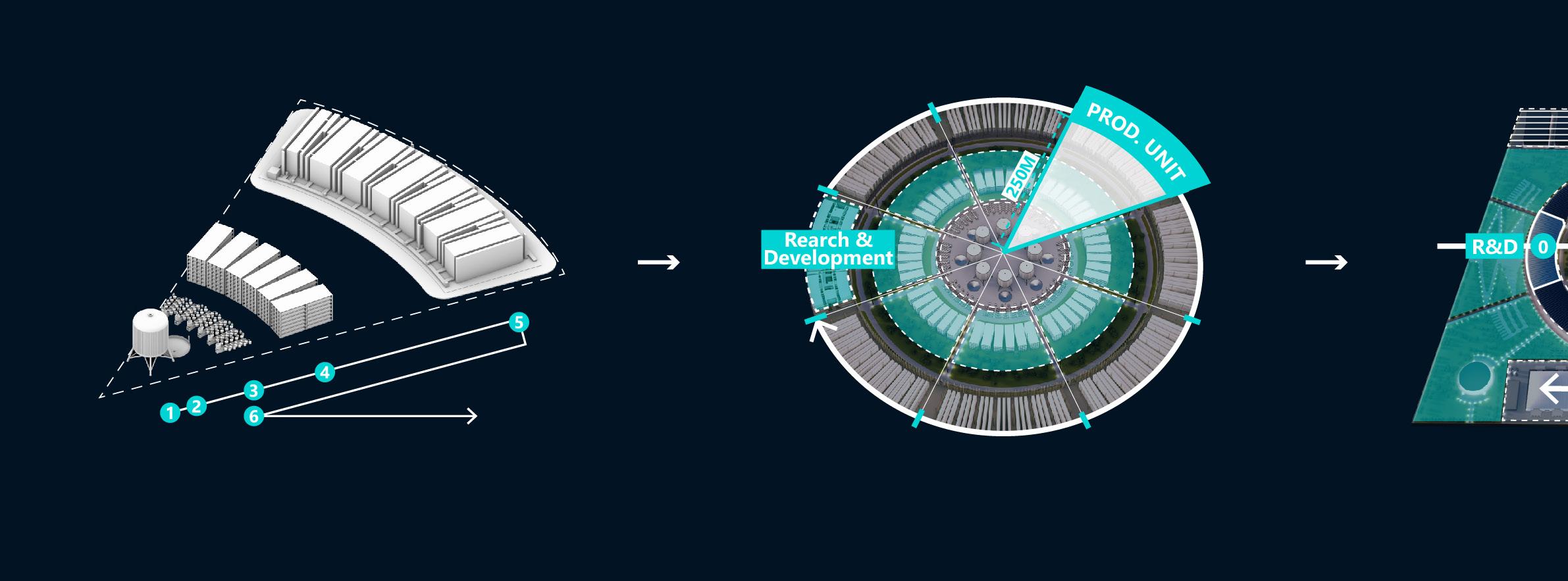
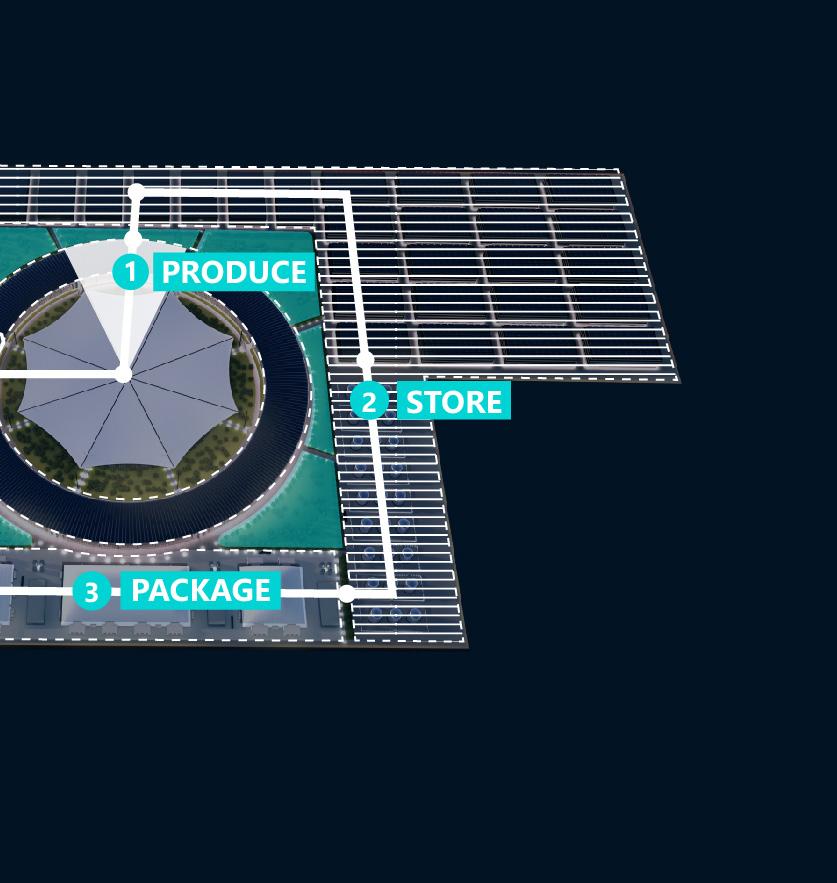
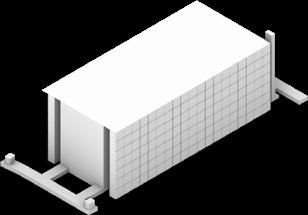
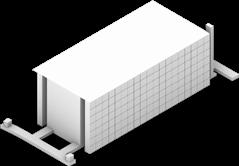
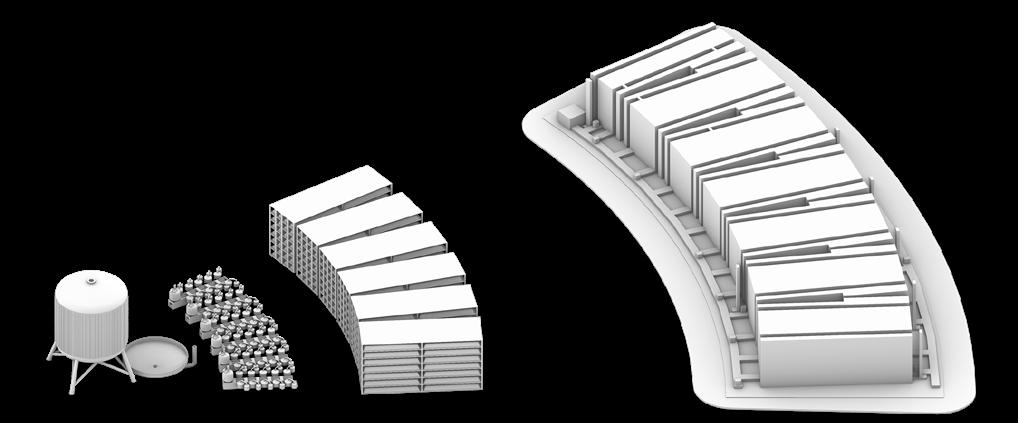
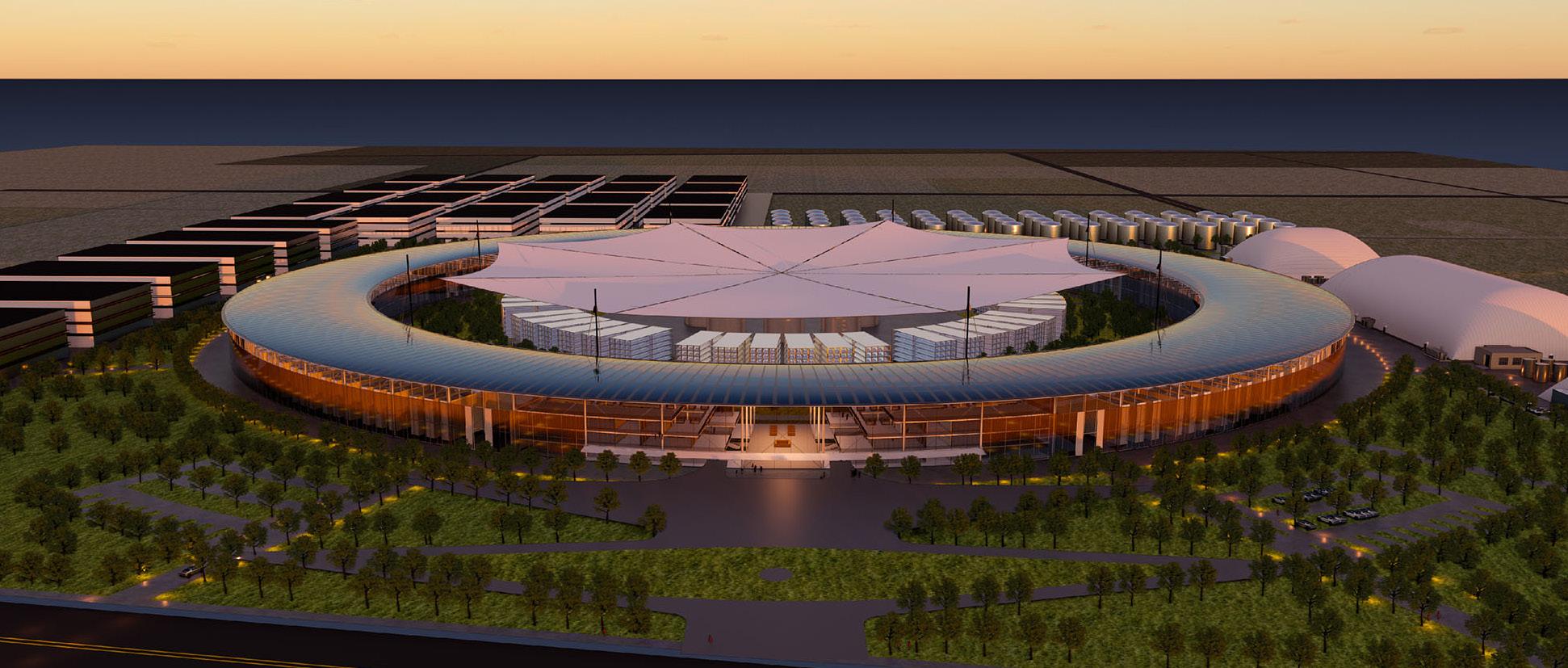
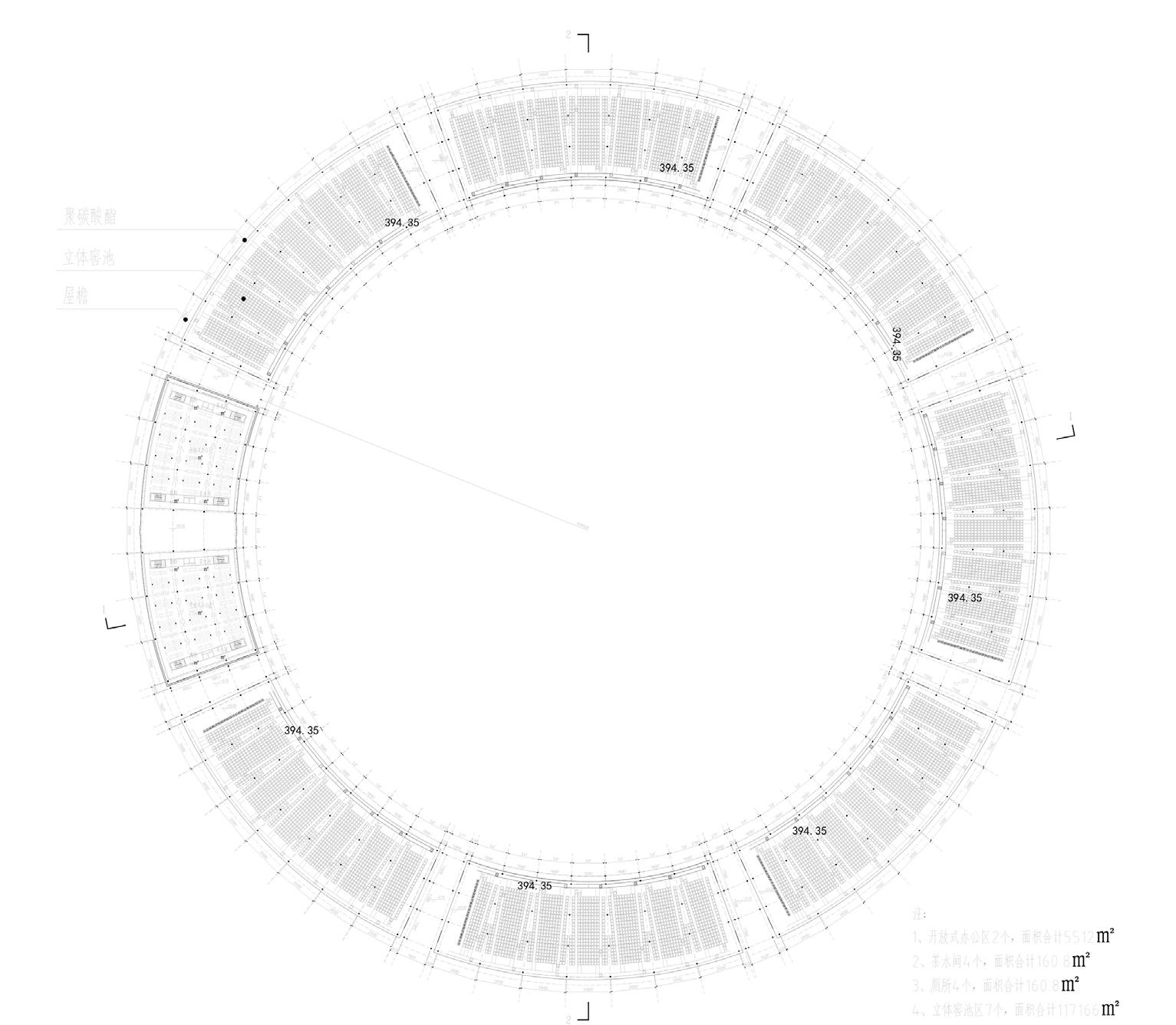
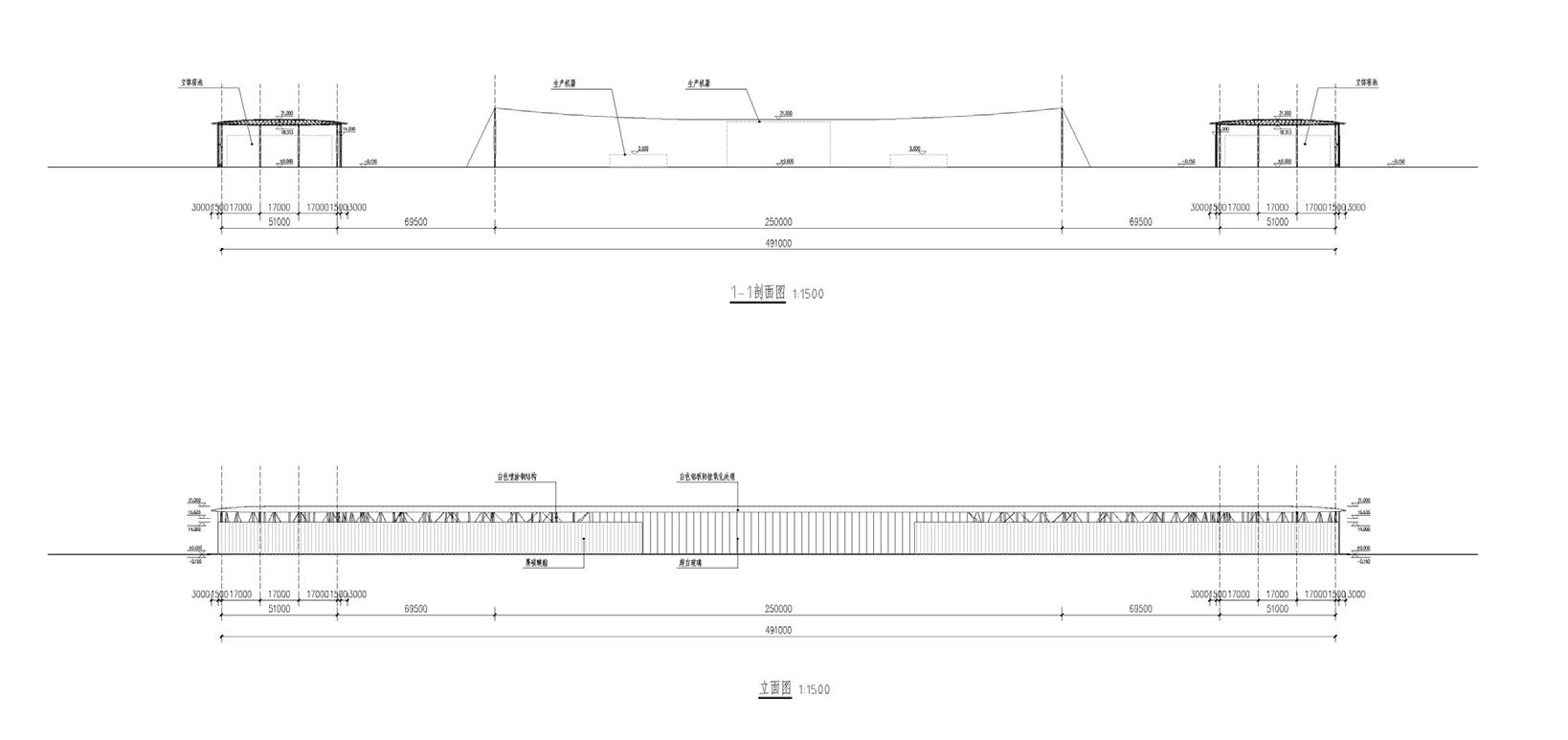
The project first re-engineered each stage of liquor production, designing equipment and spatial layouts based on time and space requirements, reducing land use by sixfold. Besides, the symmetrical annular structure divides the factory into 7 repetitive production units and 1 exhibition/R&D unit. The production chain progresses concentrically from the outer ring inward, creating an efficient workflow that spans indoor and outdoor spaces.
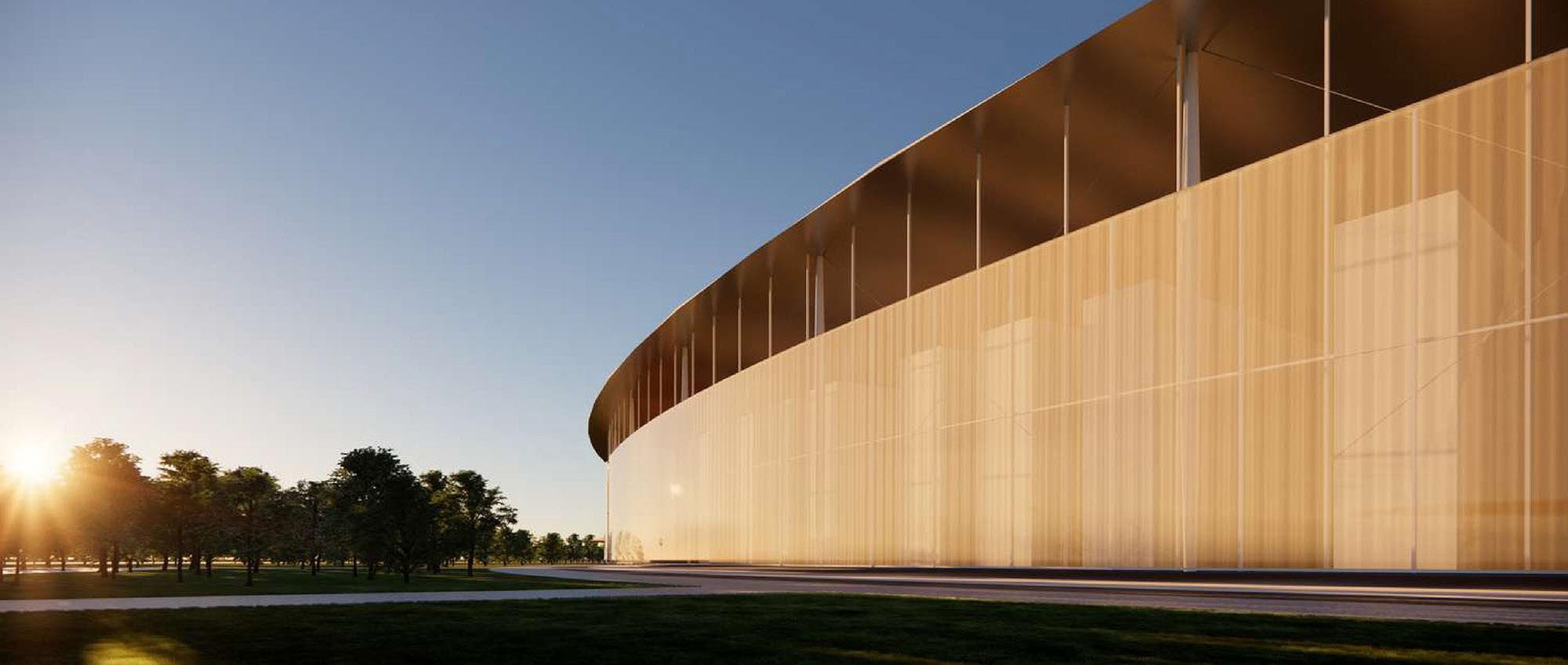
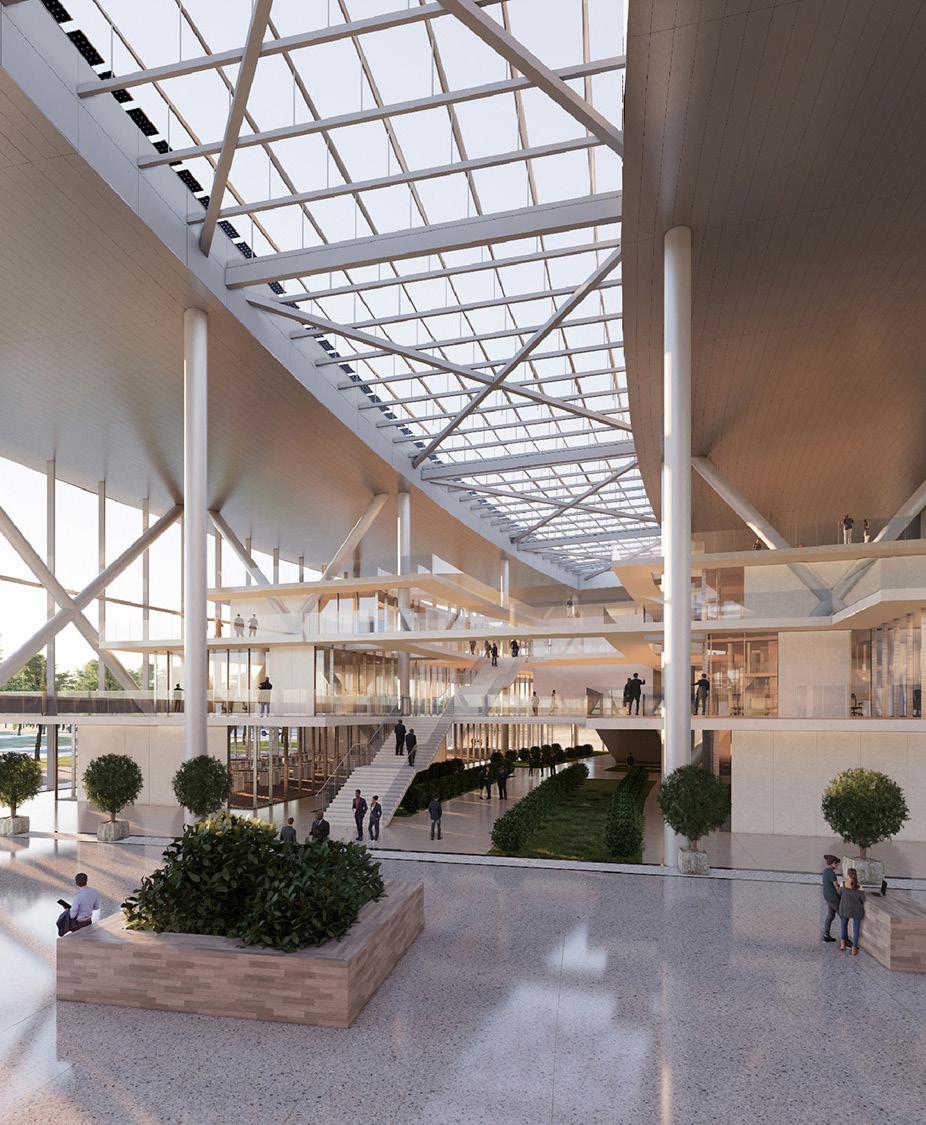
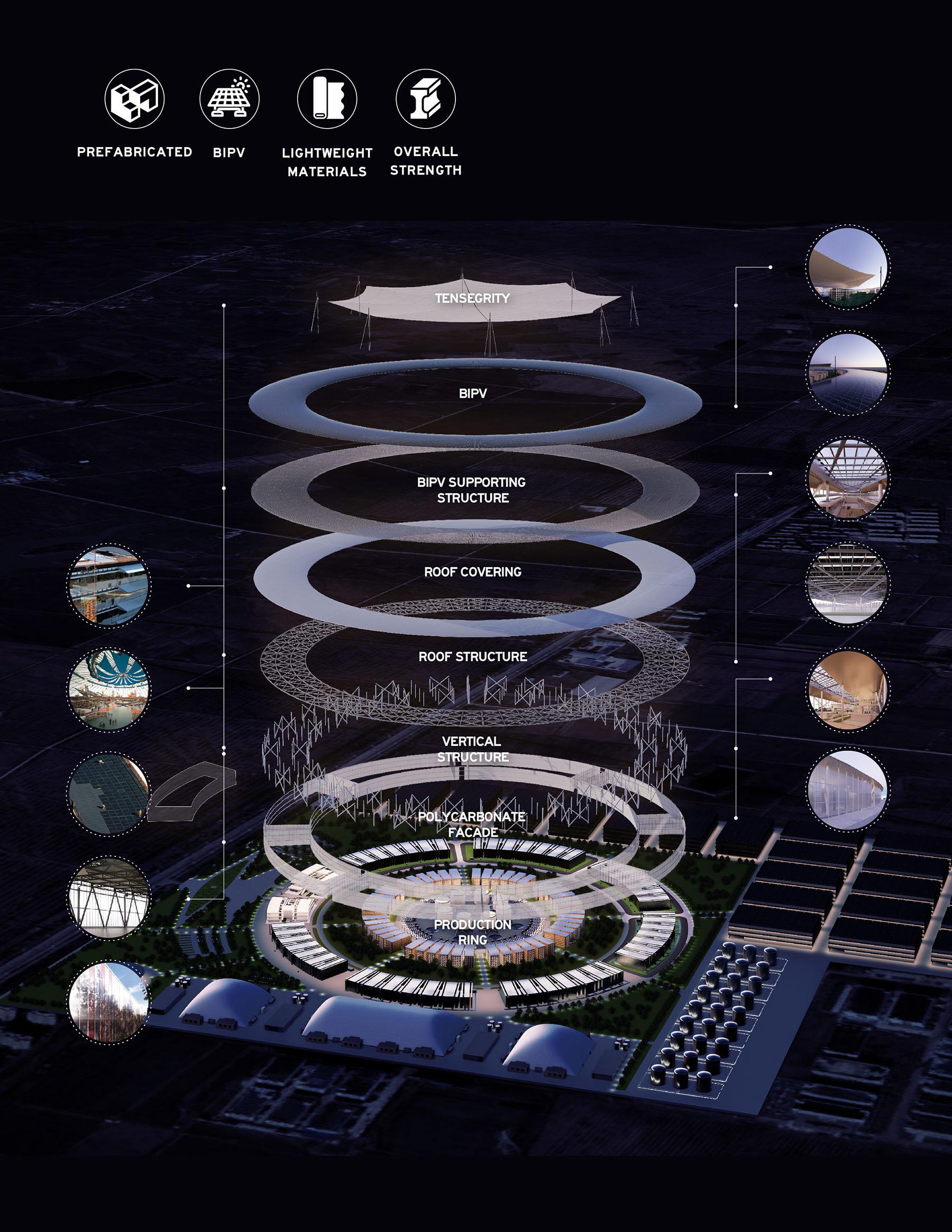
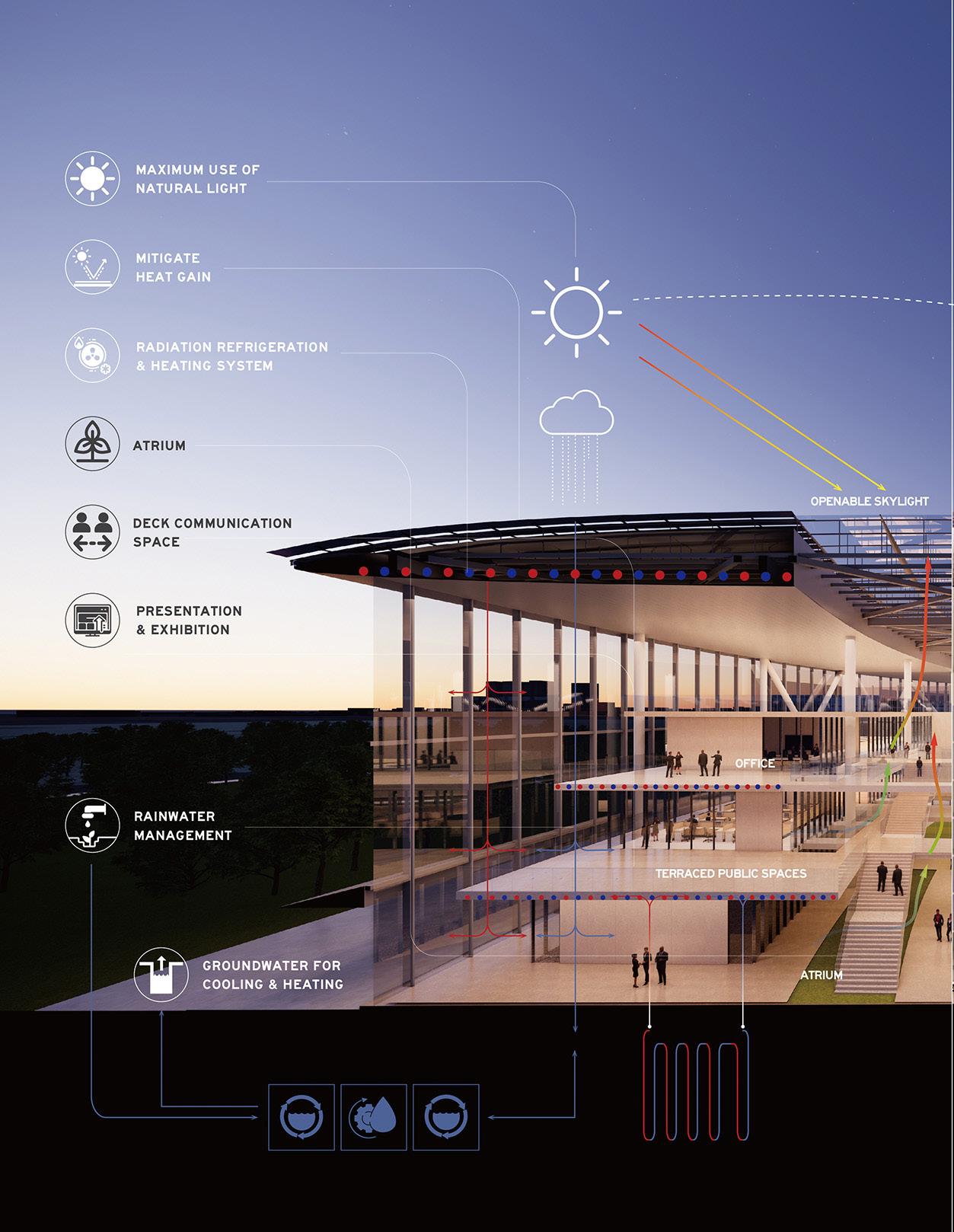
Through highly compact transportation route planning, passive energy-saving building design, smart and automated production systems, and extensive photovoltaic panels on the roof, a zero-carbon factory is created to achieve whole-life carbon emission reduction.
The architecture is derived from the liquor-making process, while dissolved (its environmental impact) via zero-carbon technology.
250m-Radius Production R&D Ring
Fanshaped Production Unit
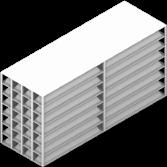
Storing
5,000 tons
Grinding 600 tons, 12 hours
Steaming 8 tons, 1 hour
Piling
1,200 tons, 4 days
7 times
Fermentation
8,200 tons, 48 days
Distillation 14 tons, 1.5 hours
Innovative Brewing Process
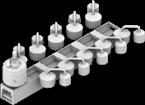
Deconstructing the production process, the design leverages vertical spatial organization and high-tech equipment to establish a highly compact intelligent production system.
6 sets, 57,600 tons, 48 days
6 sets, 57,600 tons, 48 days
7 sets, 57,600 tons, 48 days
Outside of Entrance
PC Facade
Birdview
Ground Floor Plan - Fermentation Zone
1-1 Section Elevation
Explosion - Material and Structure
07
[Commercial & Cultural] Renovation
CHONG'AN TEMPLE
Time: Jan 2021 - Feb 2023 (Built)
Location: Wuxi, China
Project: TIANHUA Architecture & Planning
Role: Project Manager - Overall Proposal, Team Cordination, Design Visualization + Presentation, Documentation, Collaborate with Clients and Construction Team.
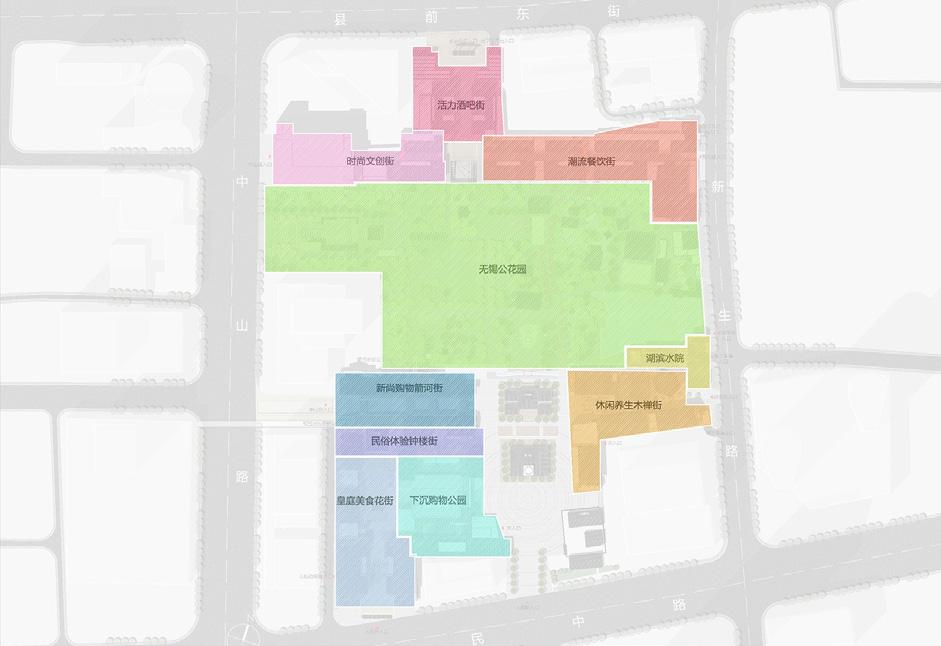
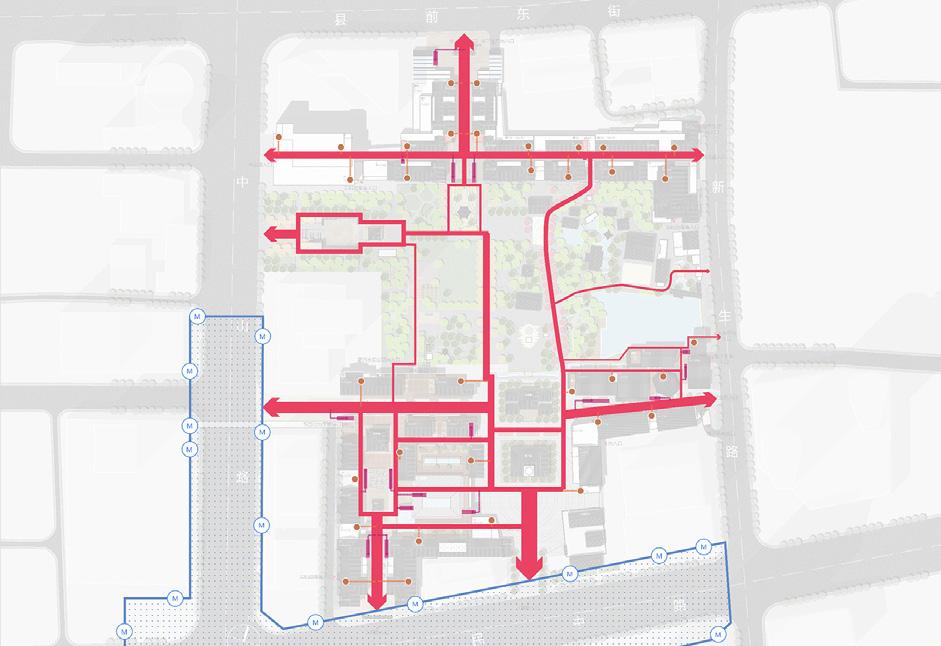
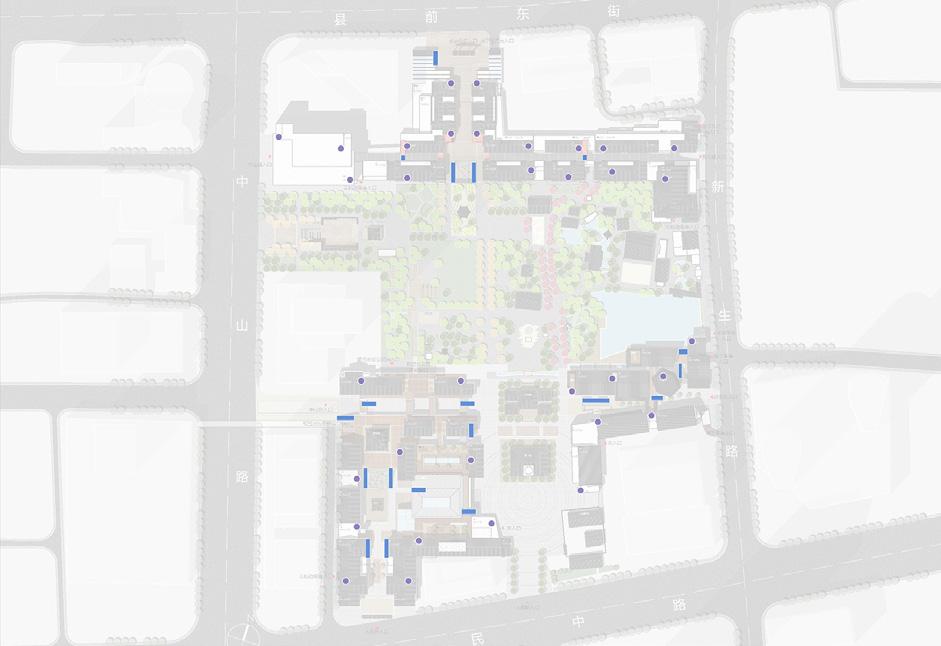
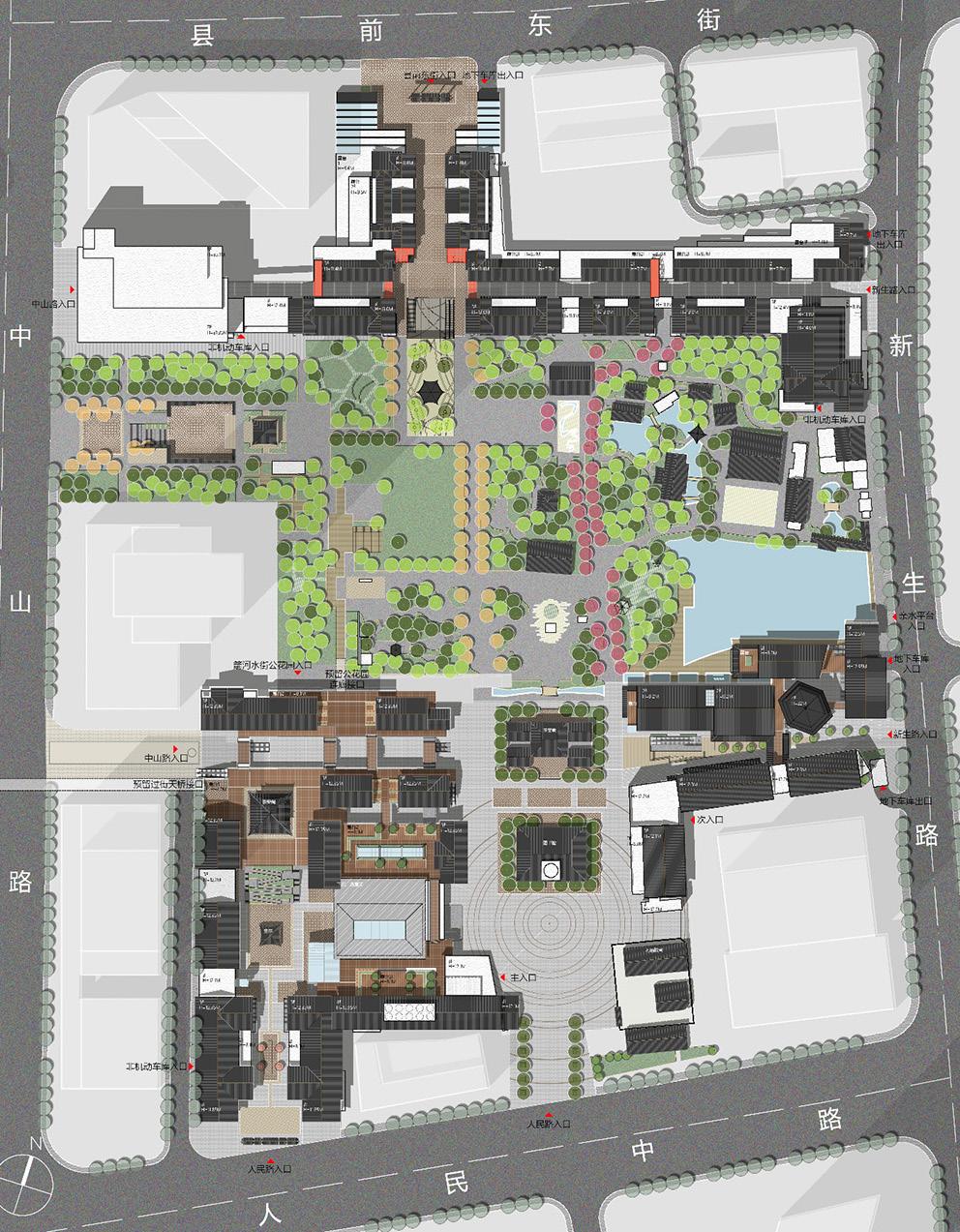
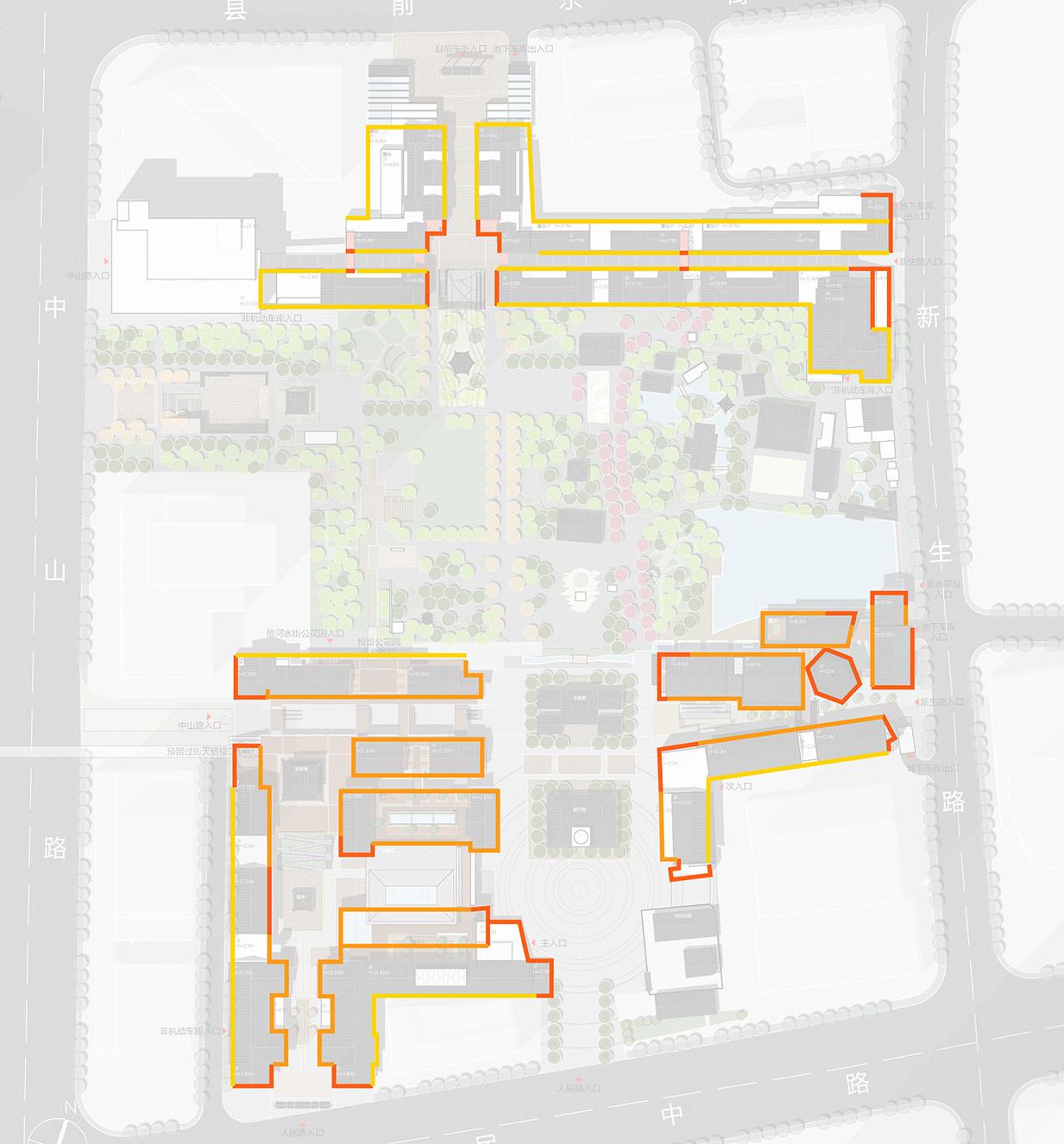
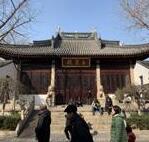
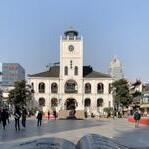
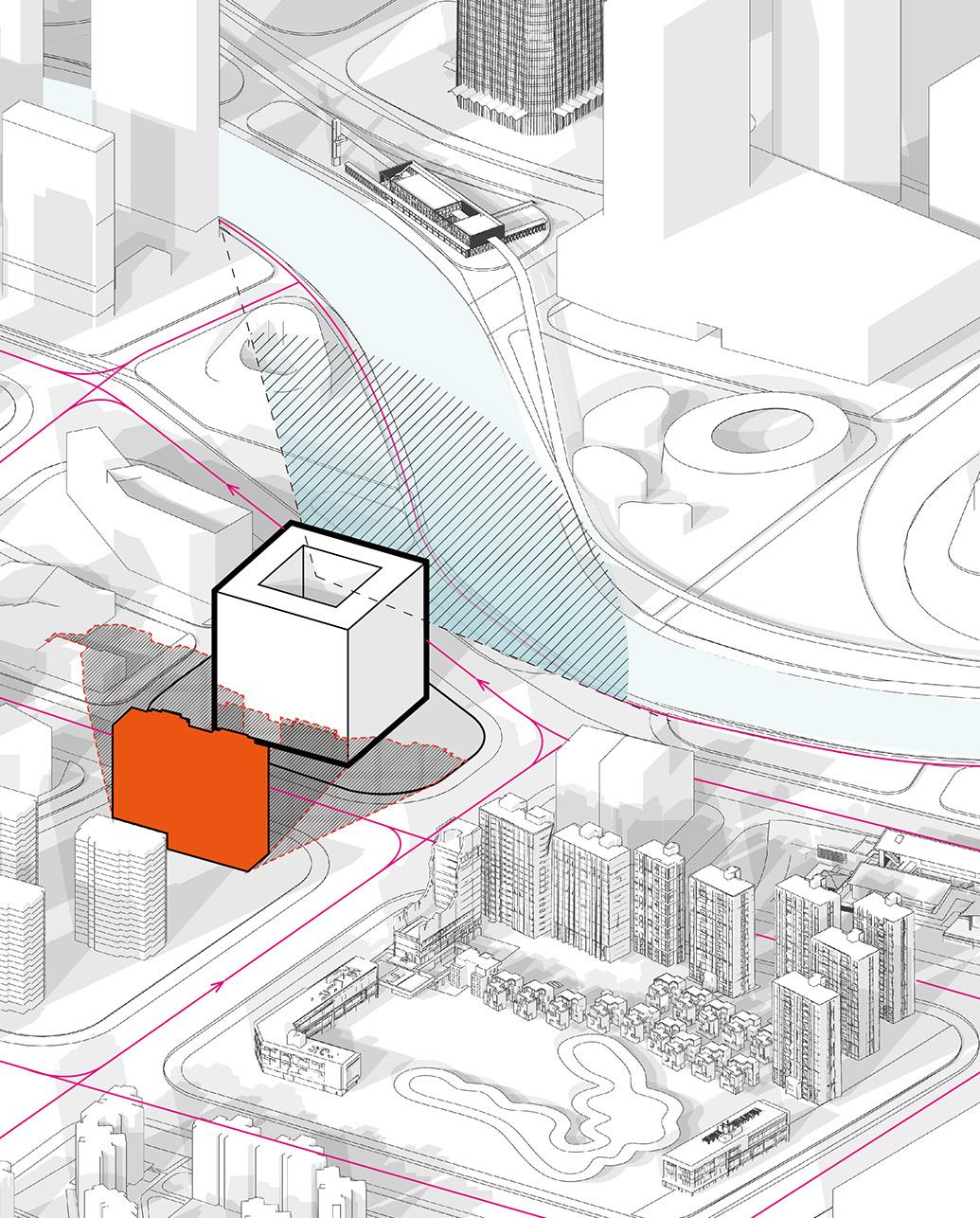
Chong'an Temple is a historic cultural district in downtown Wuxi. It is the city's birthplace and centre of commerce, culture, and daily life, meanwhile contains Wuxi's largest urban green space.The block is half 'market' (commercial streets) and half 'garden' (public park). However, due to inefficient resource utilization, outdated aesthetics, and low-quality homogeneous businesses, the district has almost no competitiveness against surrounding shopping malls.
This renovation project aims to create a garden city shopping district, developing cultural IPs, enhancing public services, and upgrading commercial offerings to restore Chong'an Temple's public vitality and economic appeal.
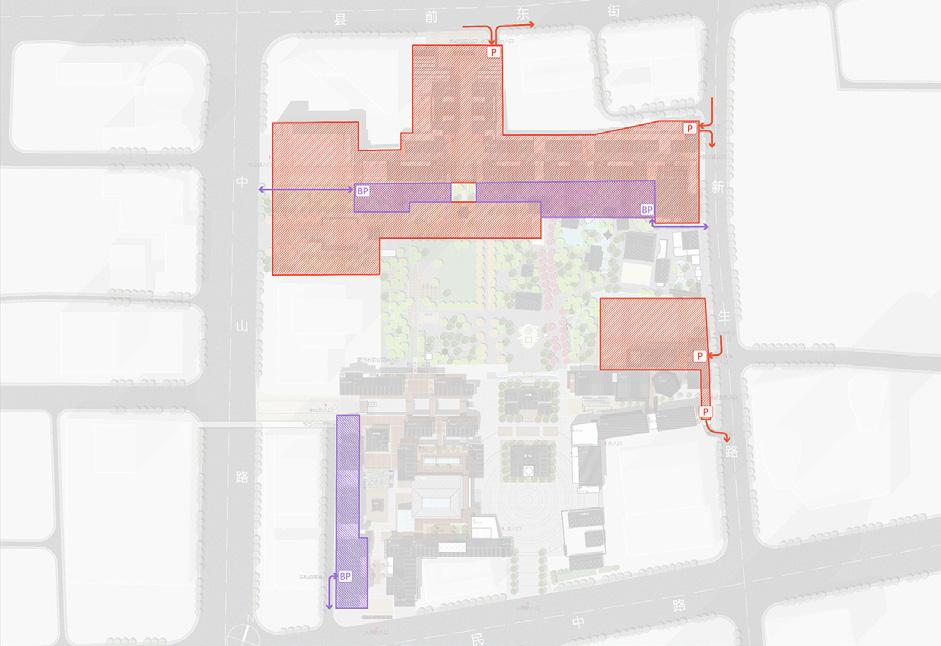
This is a government-led renovation project with a general construction contractor and design subcontractor, requiring thorough consideration of constructability and cost-effectiveness during the design phase. The redesign focuses on: above/underground commercial spaces, parking and facilities, streetscape façades, and overall commercial atmosphere. To ensure cohesive yet cost-effective revitalization, building renovations will adopt phased implementation (by zone and priority), tiered intervention intensity, and balanced commercial redistribution.
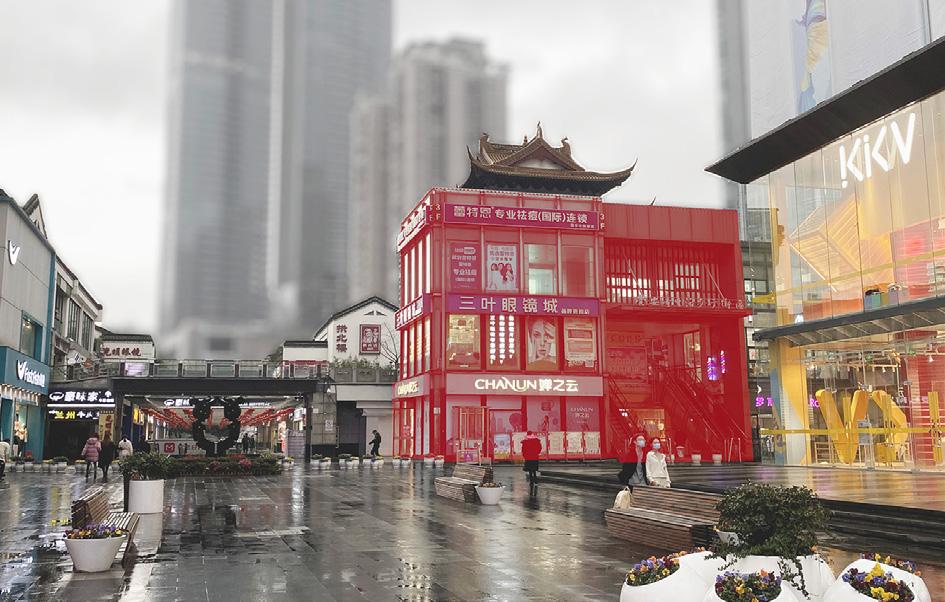
Existing Condition
The building blocks the Chong'an Temple, with low-end business types and messy signboards, which affects the tone of the block. Space of the building is mainly for circulation rather than commercial activities.
Strategy - Enhance Visibility & Enhance Commercial Value
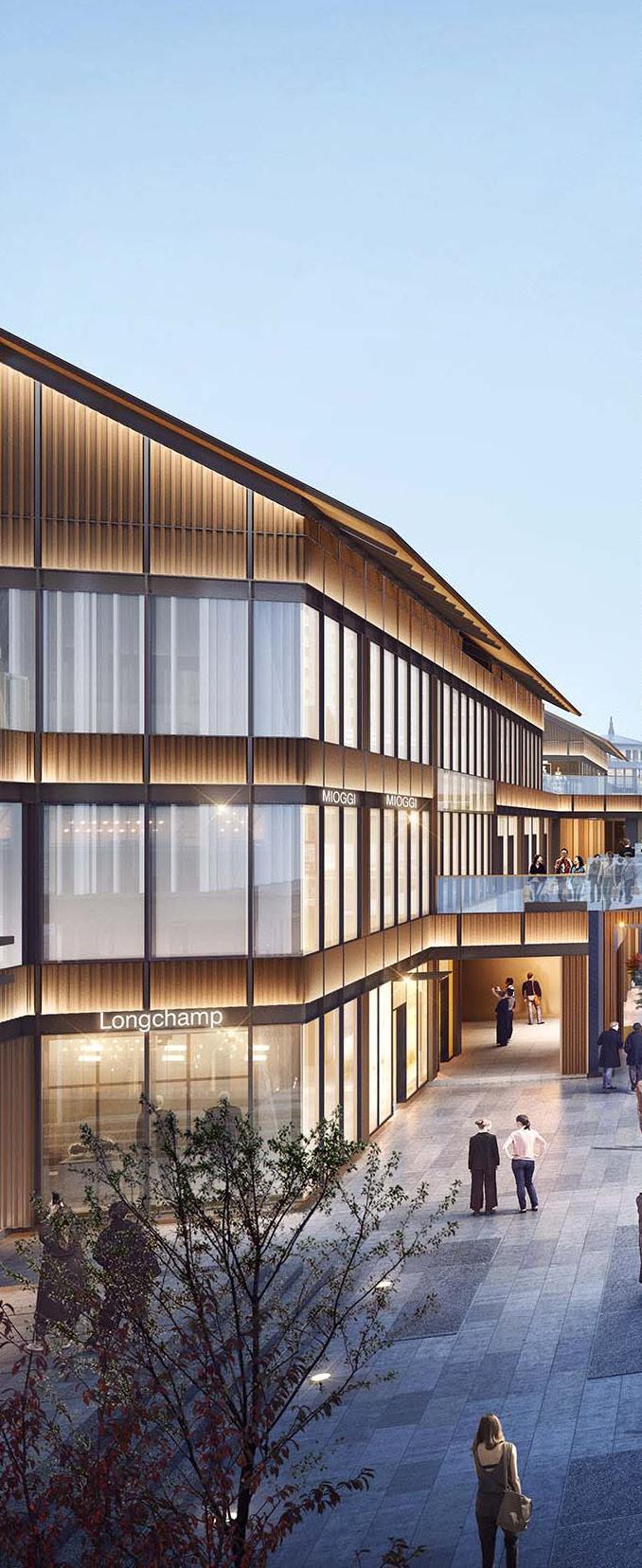
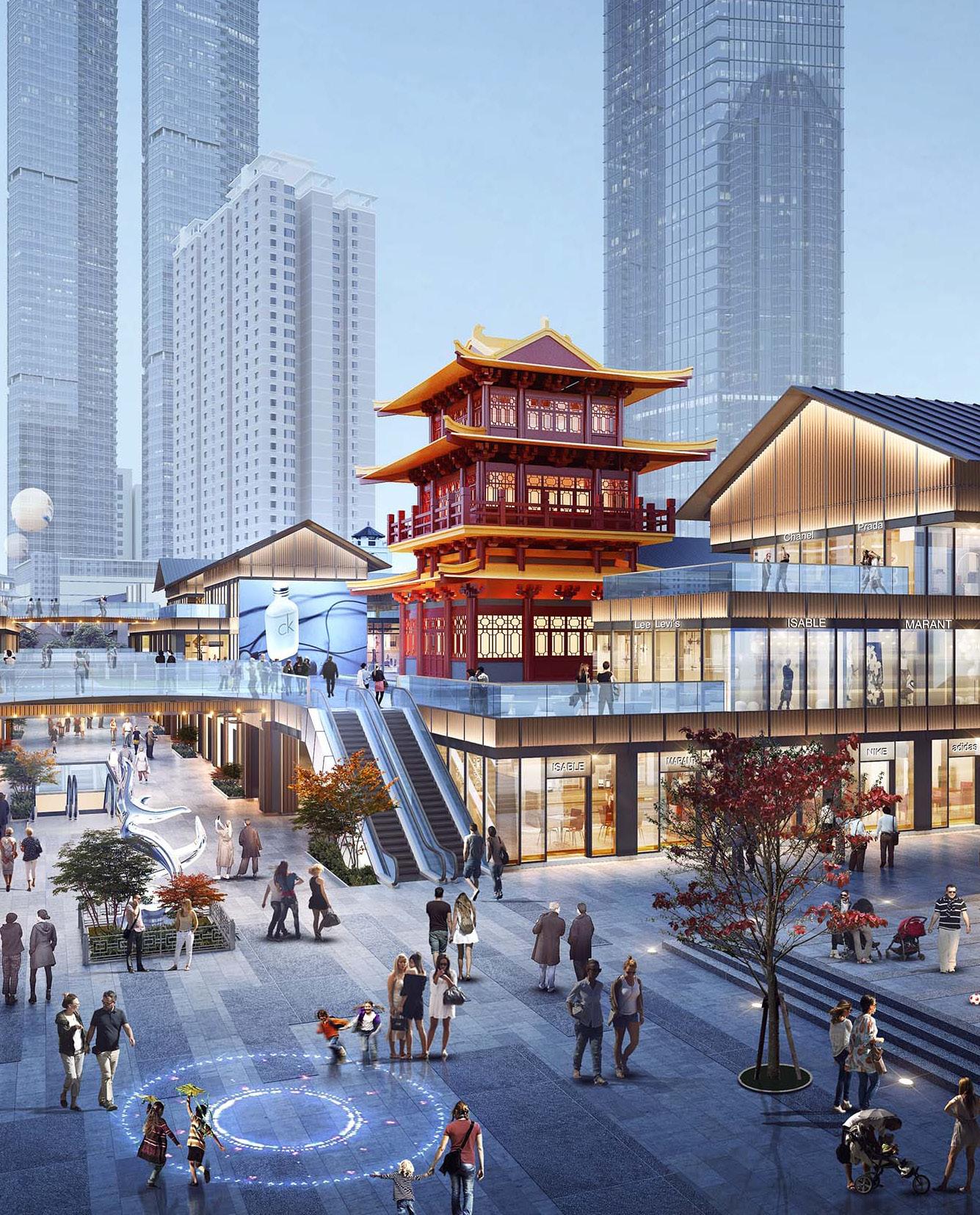
The effective operating area of the building was integrated and reorganized into three stores and one anchor store, with a 34% increase of commercial area in total; in terms of image, a series of retreats were formed to expose the Chong'an Temple, enhancing its visibility along the street. The value increases accordingly.
Circullation Space
2nd Floor Plan
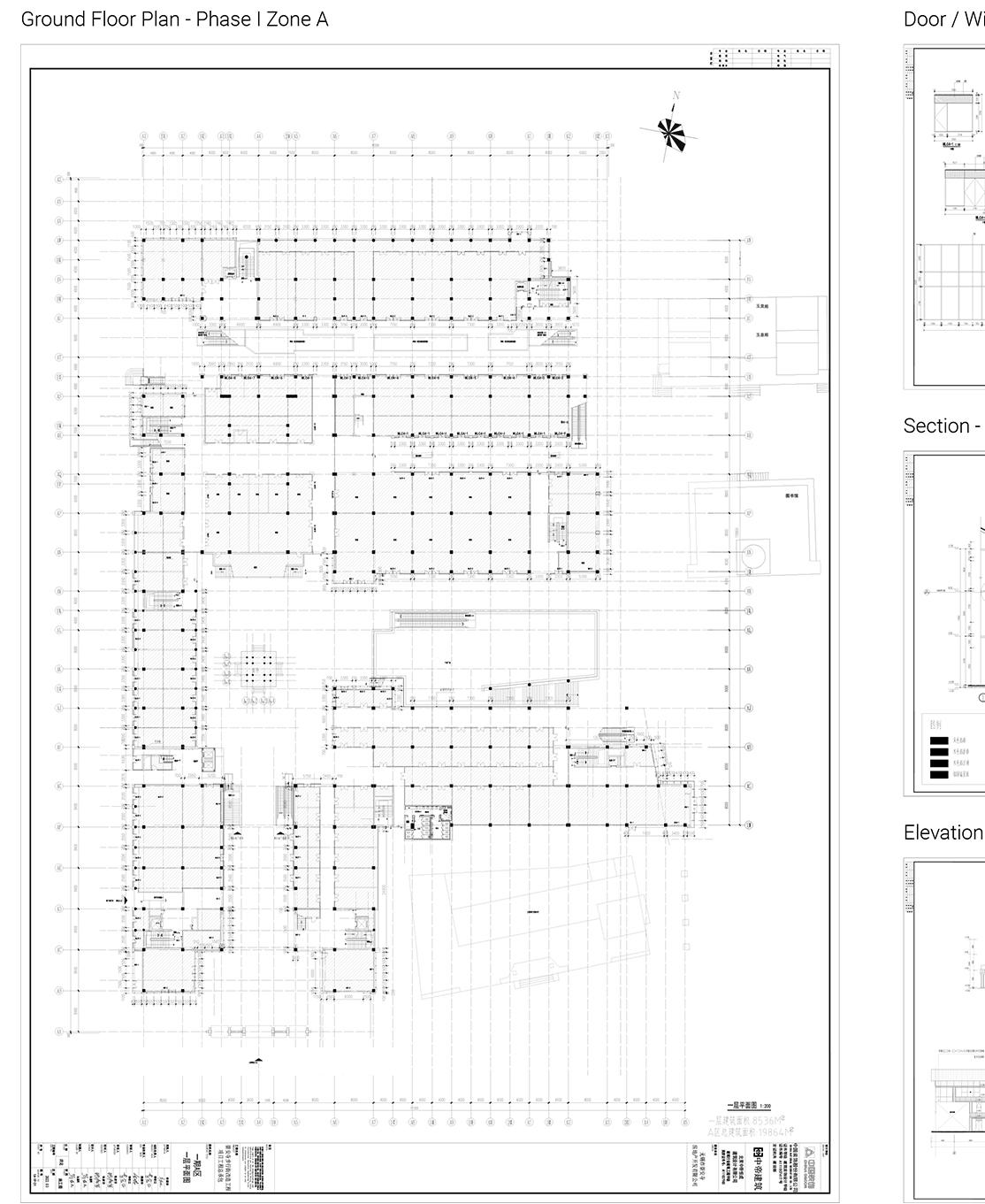
Ground Floor Plan
Commercial Space New Public Terrace
Rendering after Renovation Entrance Plaza I
Zoning, Tiered, and Systematic Renovation
To ensure cohesive yet cost-effective revitalization, the renovations will adopt Phased Implementation and Tiered Intervention Intensity Based on the significance of each area, three levels of intervention intensity are defined:
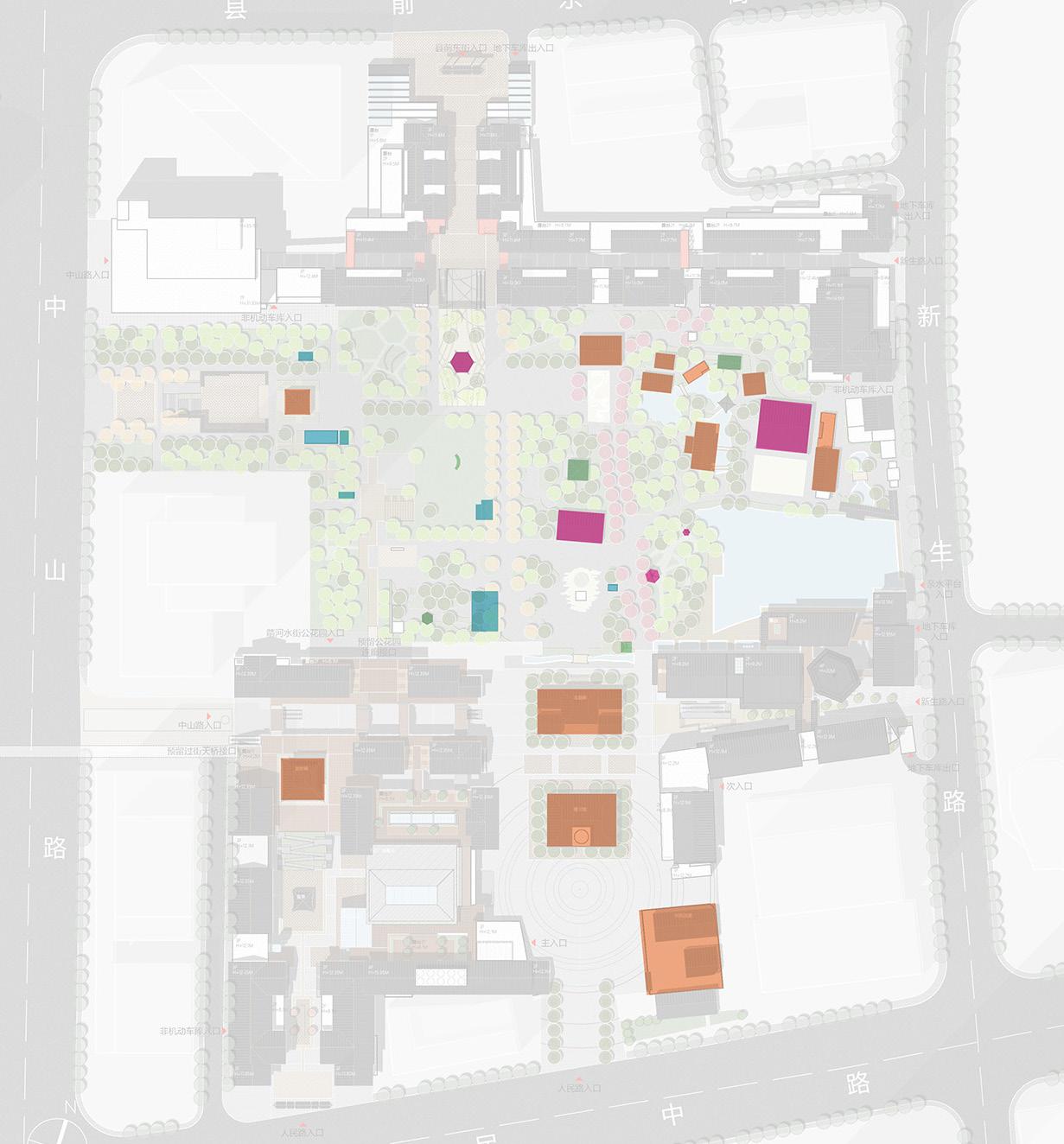
Reutilization of On-site Cultural Resources
The existing cultural buildings on-site are categorized into four types based on their current function and visual condition: Buildings for Conservation, Buildings for Functional Implantation, Buildings for Renovation, and Buildings Recommended for Demolition
for Conservation
for Functional Implantation
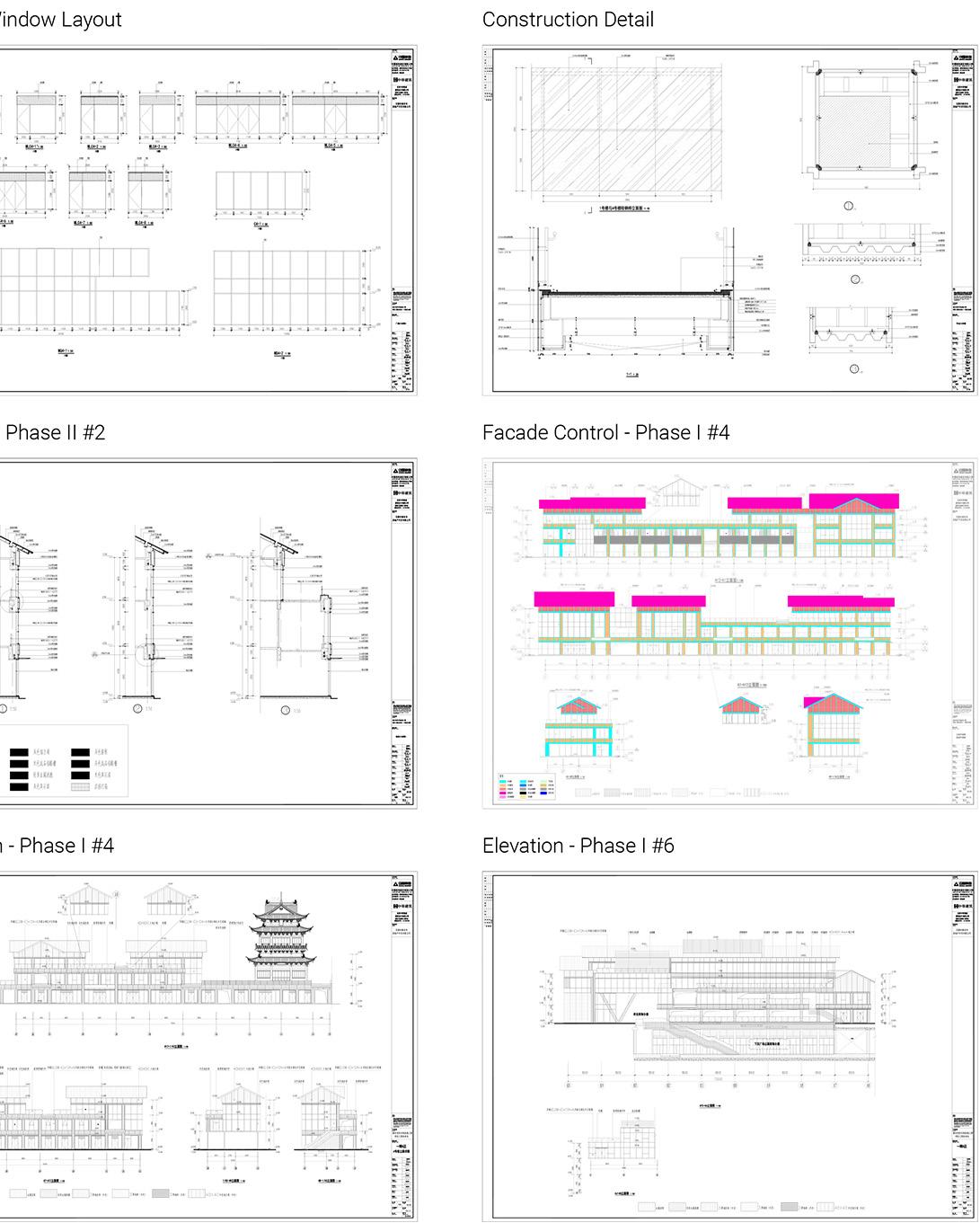
Elevation
Phase II #2
Phase I #4
Facade Control - Phase I #4
Elevation - Phase I #6
[Exhibition] Experience Space Design
TECH CAPSULE
Time: May 2022 (Built)
Location: Jinan, China
Project: Jinmao Green Building (Freelance)
Role: Structural Testing, Construction Liaison
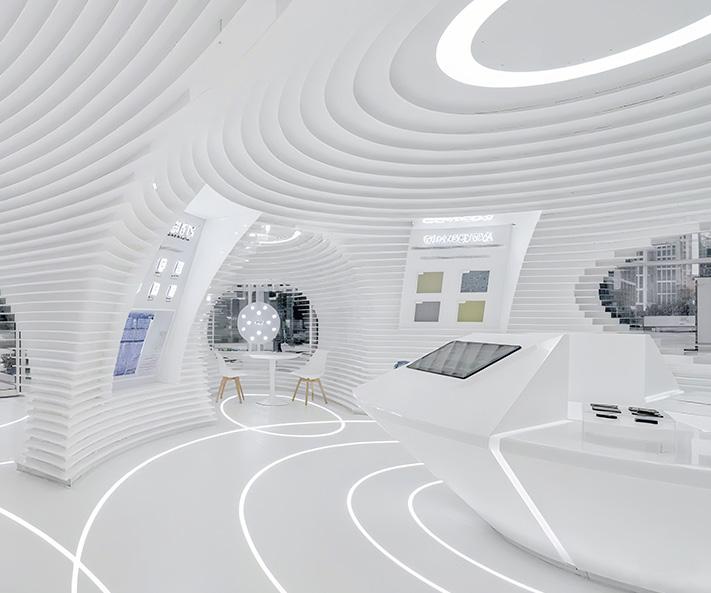
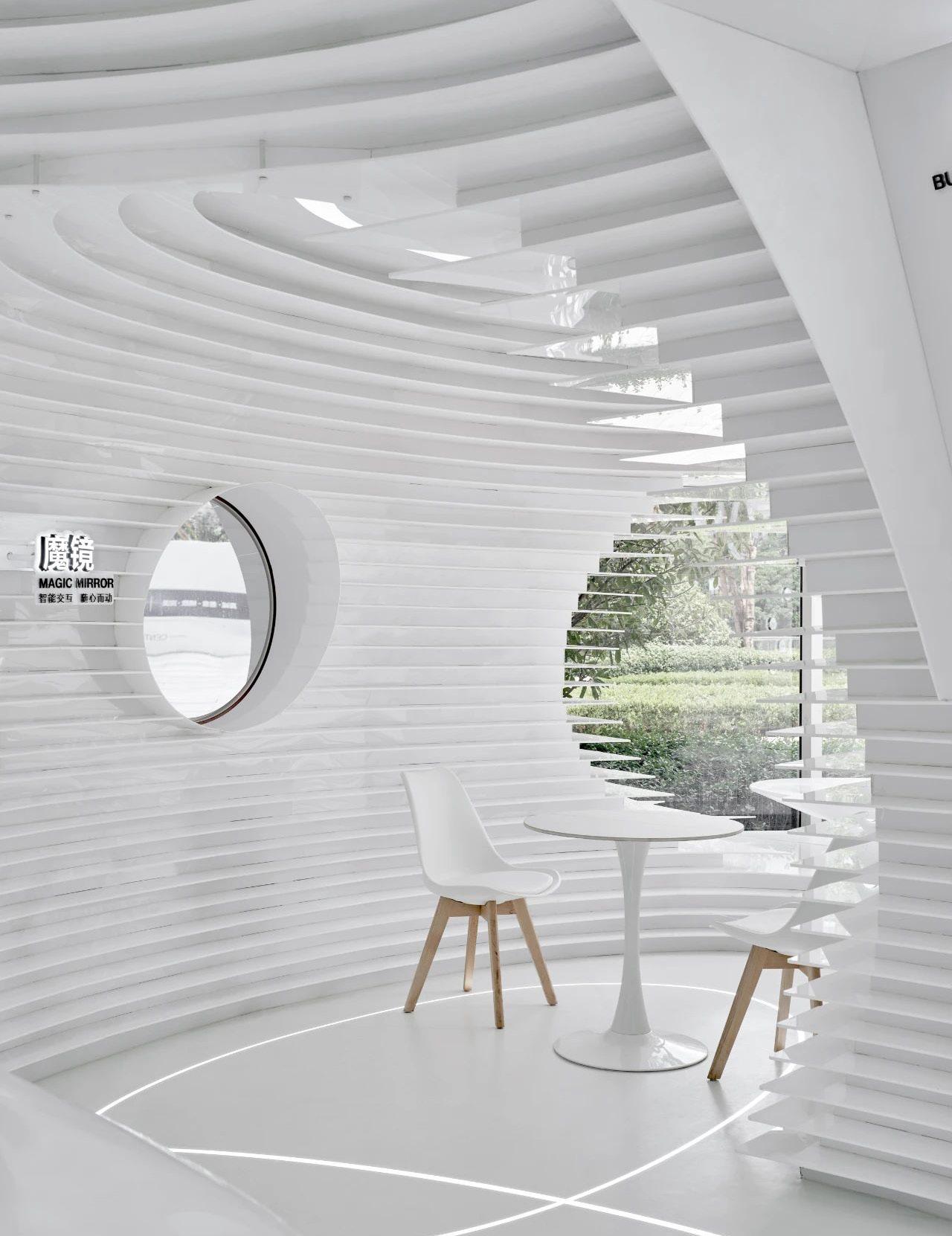
This is a technologically advanced and immersive interactive thematic exhibition space. The design draws inspiration from the depiction of "space capsules" in sci-fi films—composed of a central control console, integrated wall-floor-ceiling display screens, ambient lighting, AI interactive voice systems, and other elements, aiming to create a cutting-edge and highly efficient technological workspace for visitors.
The sphere is introduced as the geometric prototype of the exhibition space, enhancing the immersive experience visually and acoustically. The form of the exhibition hall is derived from the negative space "carved out" by the intersection and overlap of spheres of varying sizes.
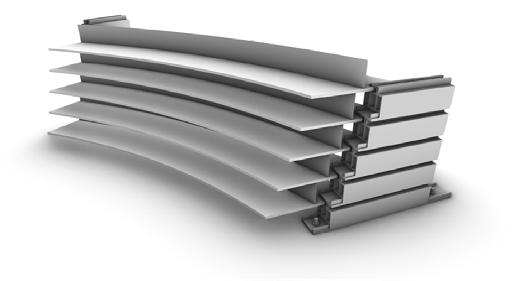
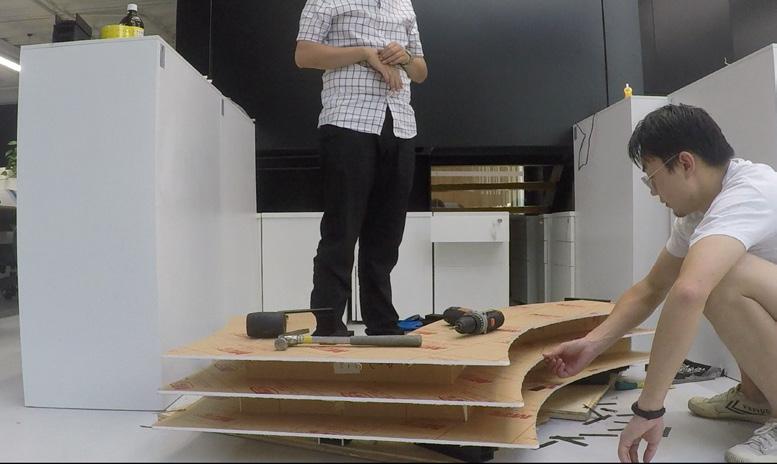
As the construction partner for this project, we collaborated with acrylic as the primary material and used a layered stacking tems: acrylic panel stacking, back-panel aluminum alloy custom
The final design followed the specification of 8mm thick cantilevered cutting and processing at the factory, the plates were delivered tilevered panels were installed within two months.
1. Aluminum Keel Assembly
2. Vertical Acrylic
with the design team to develop numerous innovative construction systems and techniques. We selected white method to shape the space. To achieve a column-free spatial effect, we employed three main structural syscustom keel, and suspended ceiling traction keel, which resulted in a highly secure and stable irregular spatial form.
cantilevered plates extending 15 cm, paired with a 1mm thick back panel and a uniform 7.2 cm layer height. After delivered to the site, allowing workers to easily locate and install them according to the numbering system. 2671 can-
Acrylic Panel Assembly
3. Multilayer Assembly
1. Aluminum Alloy Profile Upper Keel
2. ST4.2x25 Self-Drilling Screw
3. Aluminum Alloy Profile Lower Keel
4. 2mm Thick Rigid Rubber Strip
5. Self-Drilling Screws
6. 8mm Thick Acrylic Panel As-Built Photo
Automatically Generated CNC Cut Boundary &
Nesting
Optimization
In-House Assembly Test
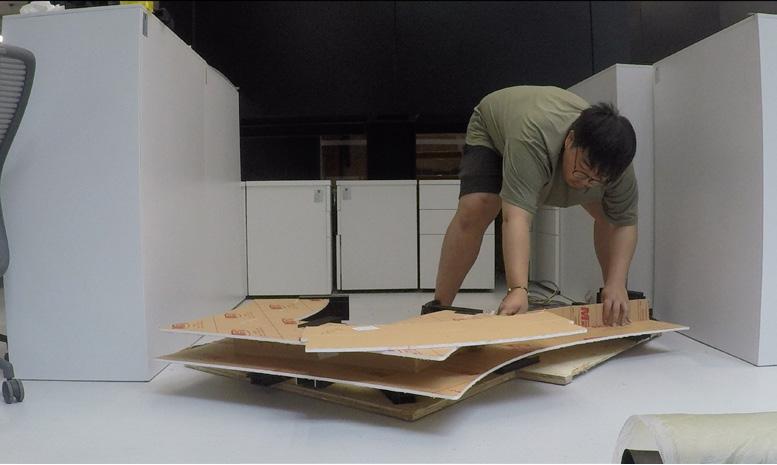
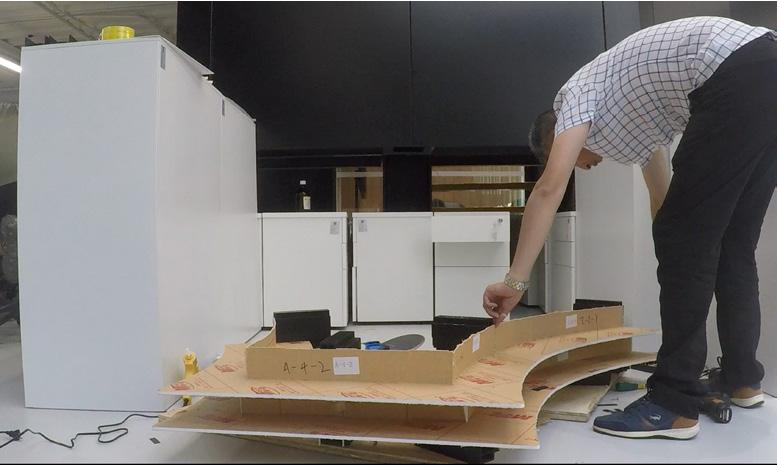
To ensure smooth installation of the construction process, we tested the aluminum profile and acrylic panel combination in the office. We chose a complex corner, completed the setup in 3 days. Without factories agreeing to small custom aluminum orders, we 3D printed with ABS, producing over 30 sets in 72 hours to validate the prototype.
Automatically Numbered Assembly Plan & Detail Longitudinal Section
Upper Edge Of The Panel, 2mm Slot Milled Factory, Secured On Site With Acrylic Adhesive
Lower Edge Of The Panel, 2mm Slot Milled Factory , Secured On Site With Acrylic Adhesive
Role: Team Leader - Research, Concept Design, Visualization
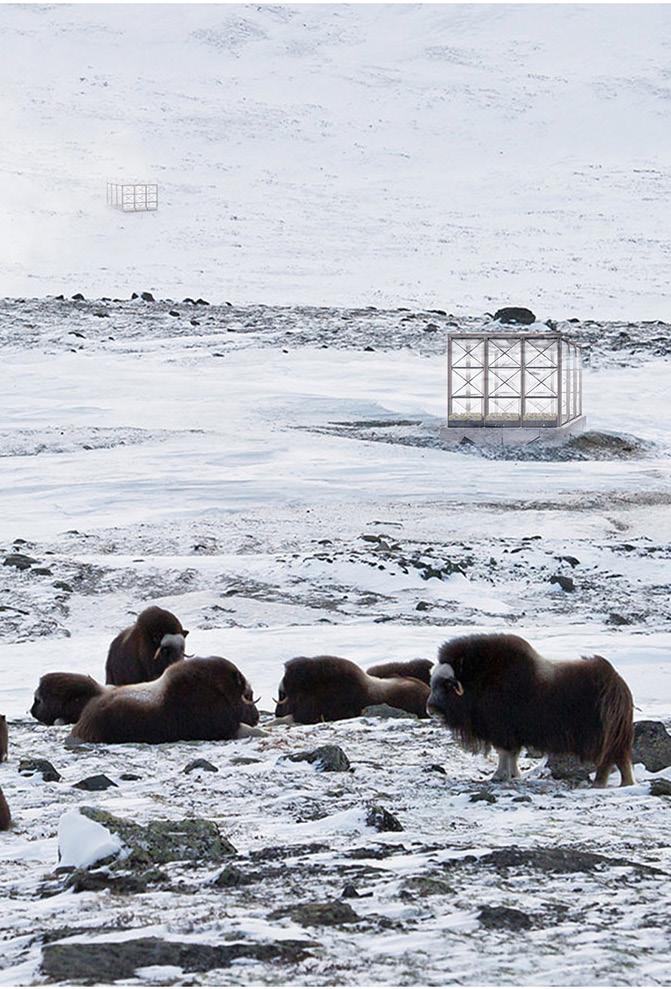
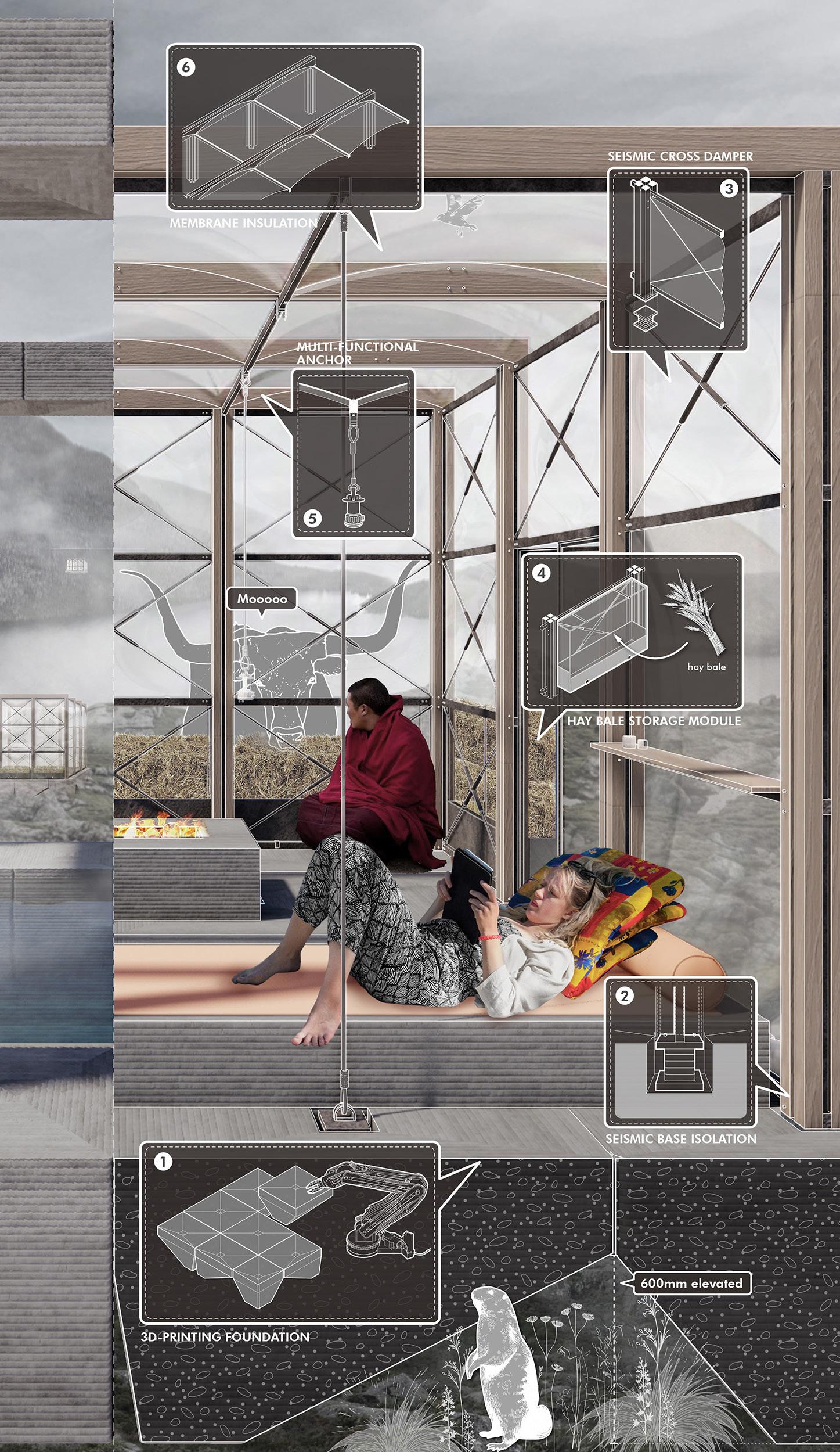
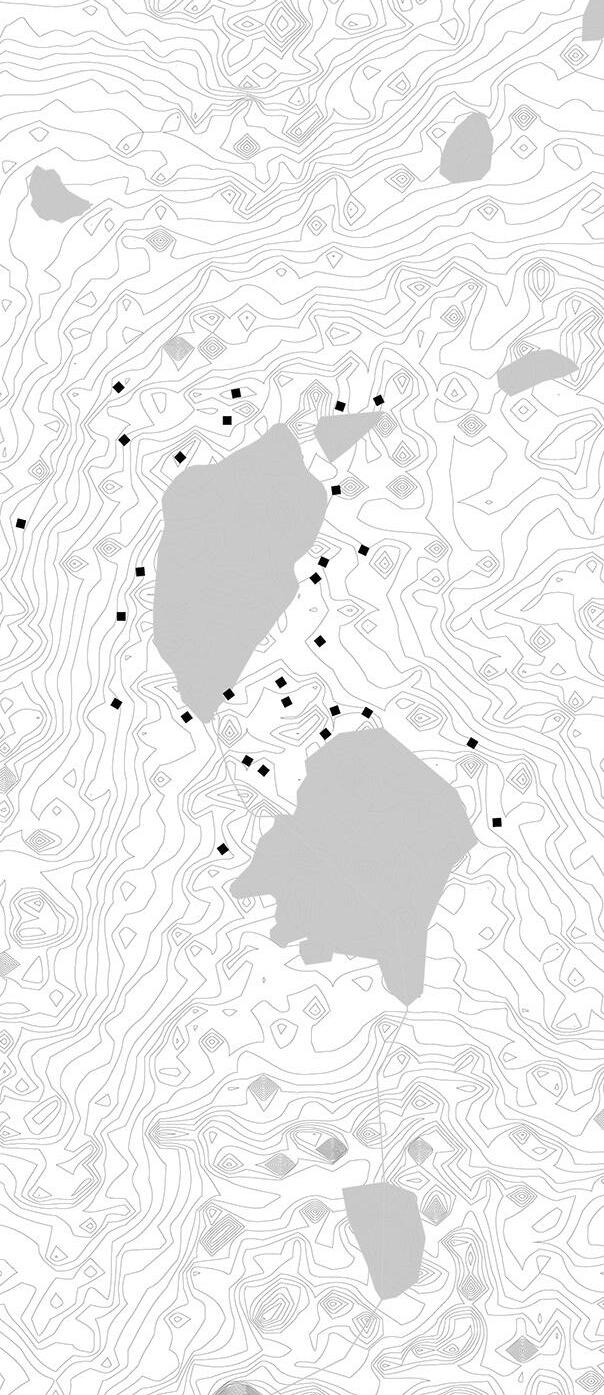
This project aims to address Langtang's vulnerabilities in terms being its pilot component, a protective 'band' modular system
Rooted in local seismic masonry and band structure, a super-stable corner. Wooden bands are attached vertically, equipped with local food stalls, observation points and more, fostering culture
Within the system, the modules will be strategically and humbly These versatile bubbles, tied up in bands, will eventually generate and socio-economically.
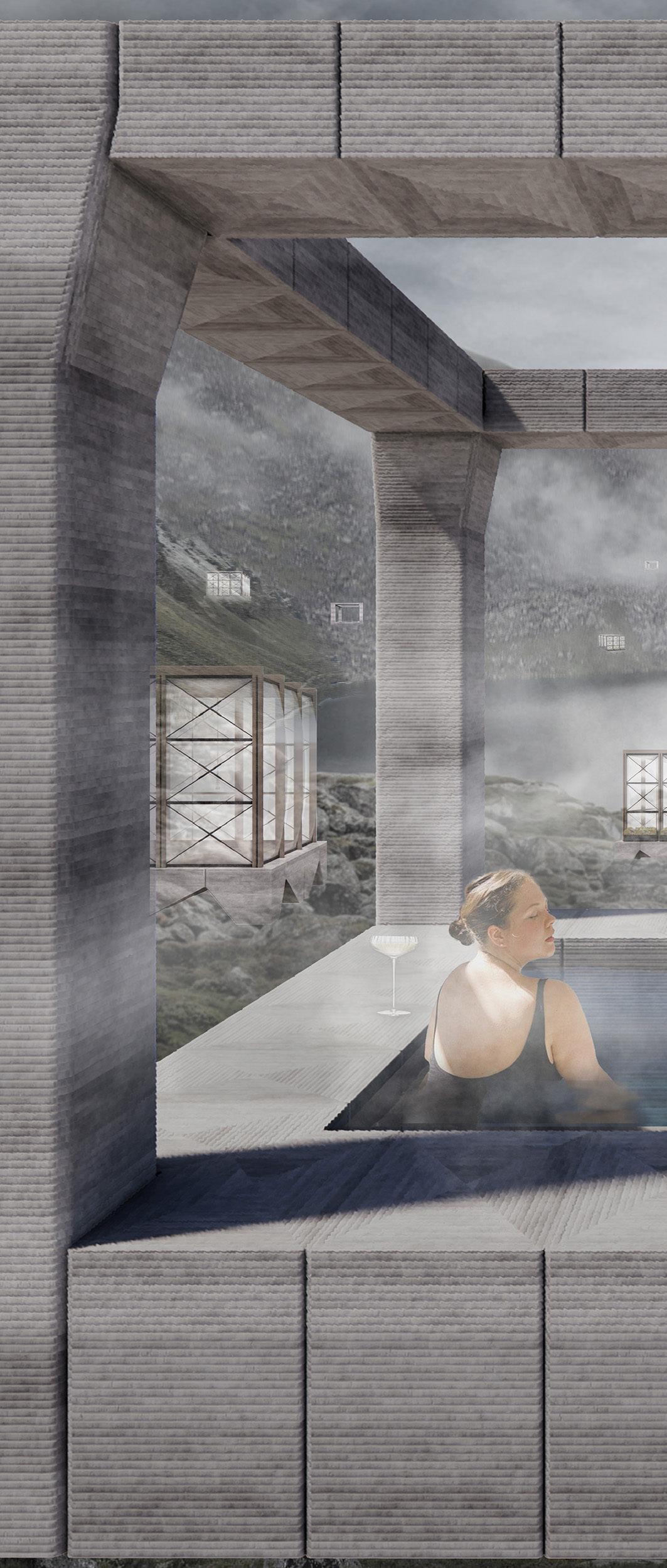
terms of its industrial model, seismic activity, and neglected cultural heritage while transforming Gosaikunda into a thriving destination. Thermal baths system that is multifunctional, transformable, resilient, and embraces vernacular design is proposed.
super-stable 'rock landscape' will be 3D-printed by indigenous stone and clay-mixed mortar, featuring stone bases and variable-height pillars at each cross dampers, and lastly installed with EFTE membranes for insulation. These enclosures will serve various purposes including accommodations, culture fusions among local people, trekkers, pilgrims, and birdwatchers, while become part of the scenery as well.
humbly positioned throughout the region and adaptable to changing seasons and needs, transitioning from pools and platforms to pavilions and houses. generate sustainable economic opportunities for local families. ‘Stabilization’ here encompasses various dimensions, spatially and temporally, naturally
[Digital
Fabrication] Concrete 3d Printing
AMORPHOUS CONCRETE
Time: Jun 2023 - Sept 2024 (Launched Twice)
Location: Shanghai, China
Project: Studio Alpha Math
Role: Design & Code, 2D Visualization, 3D Print Operation
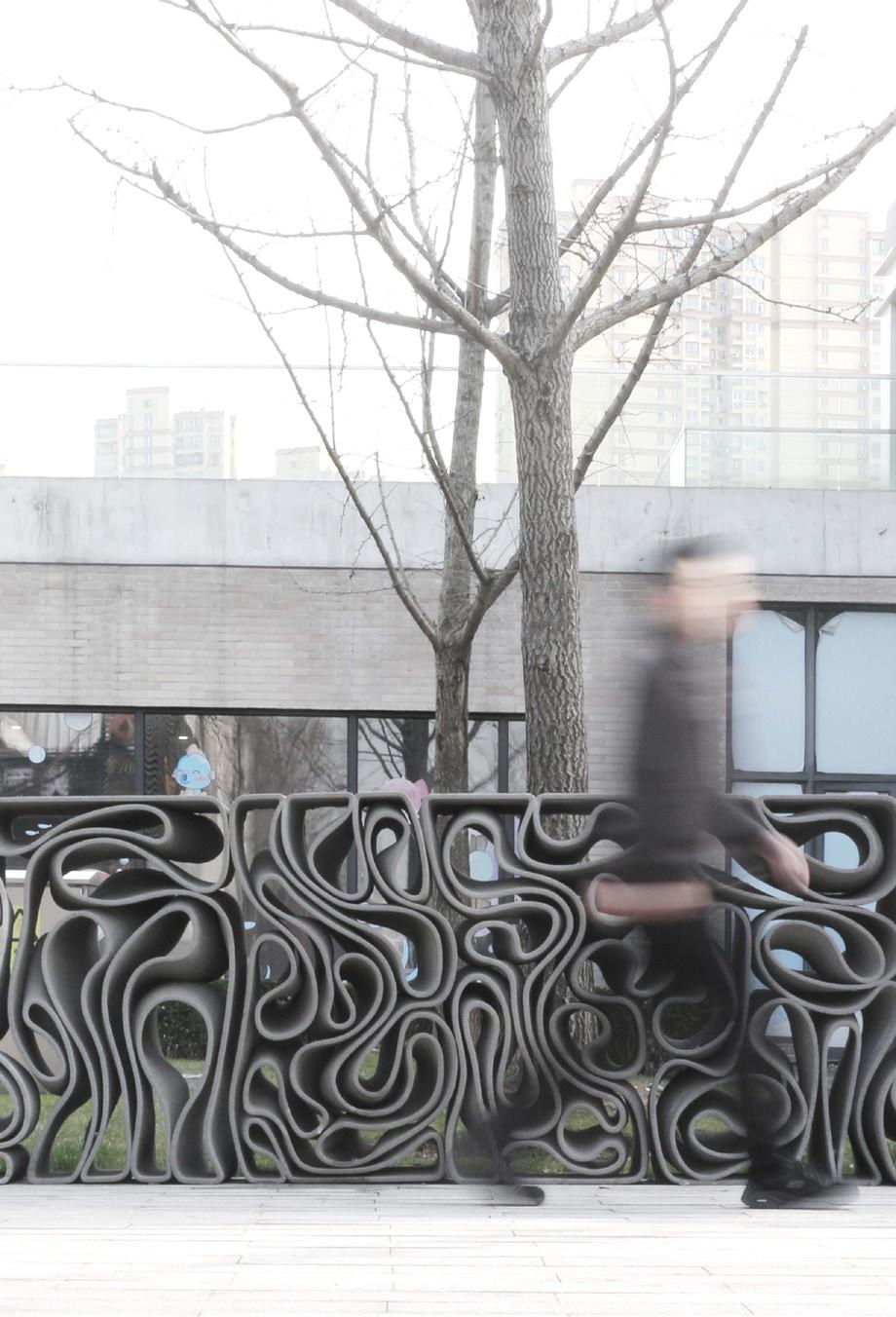
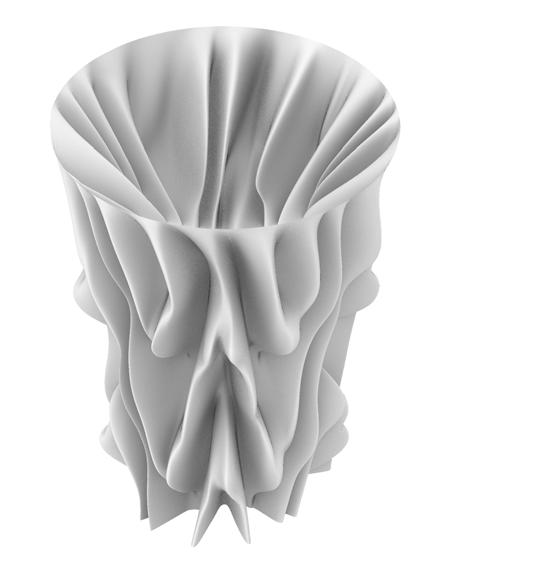
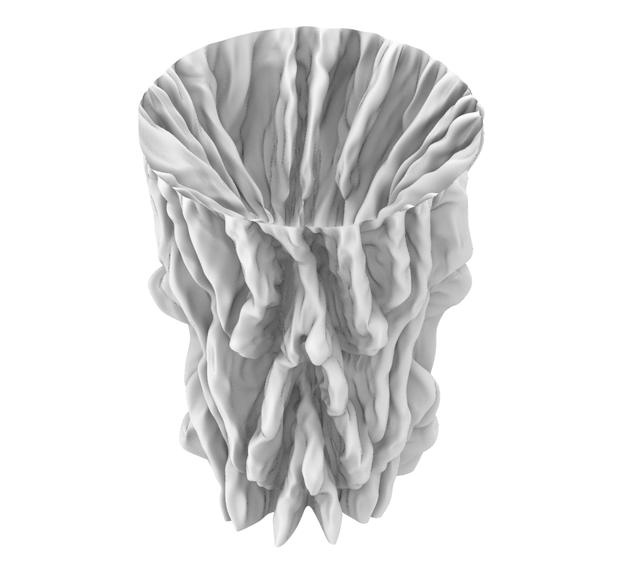
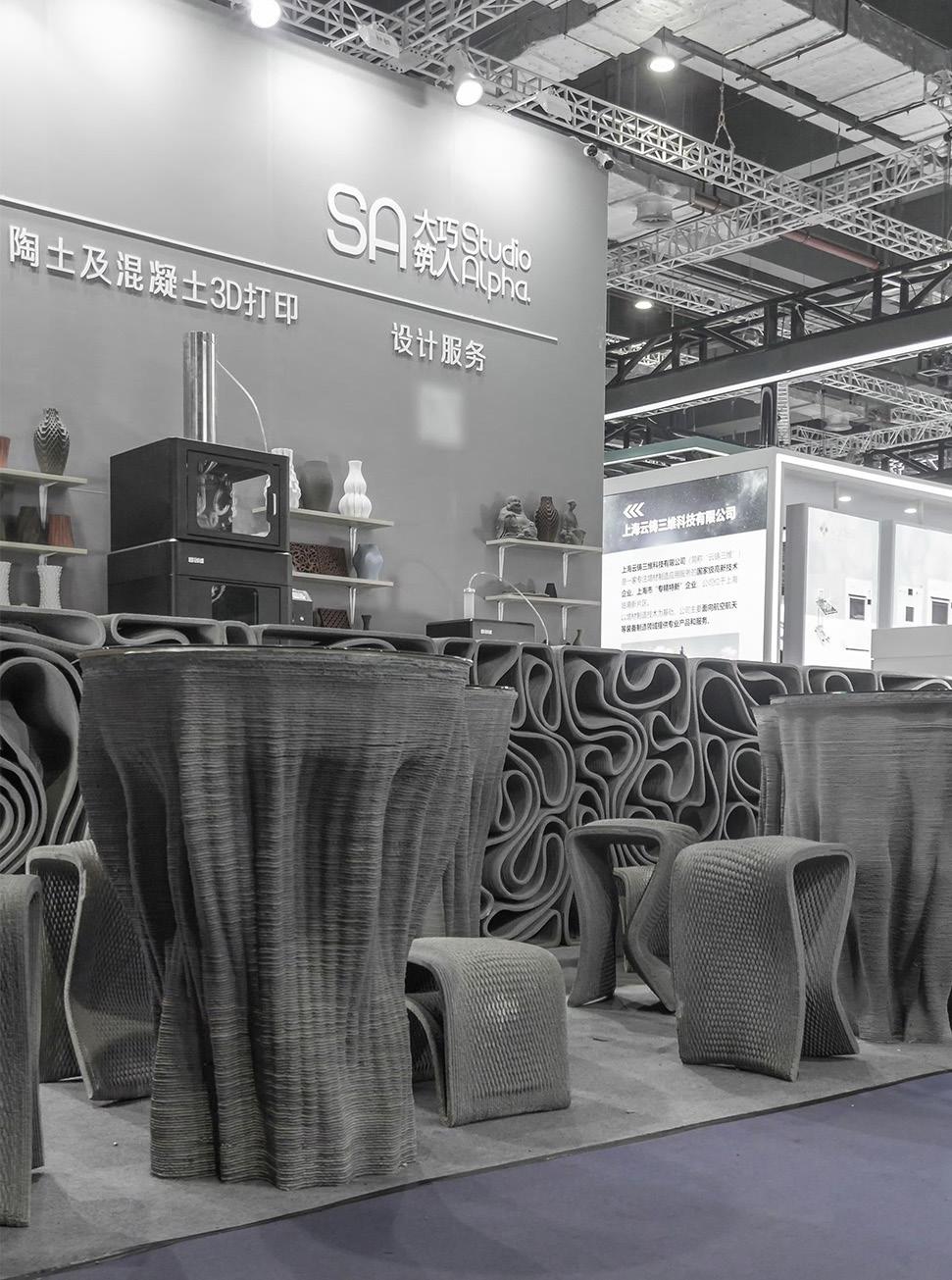
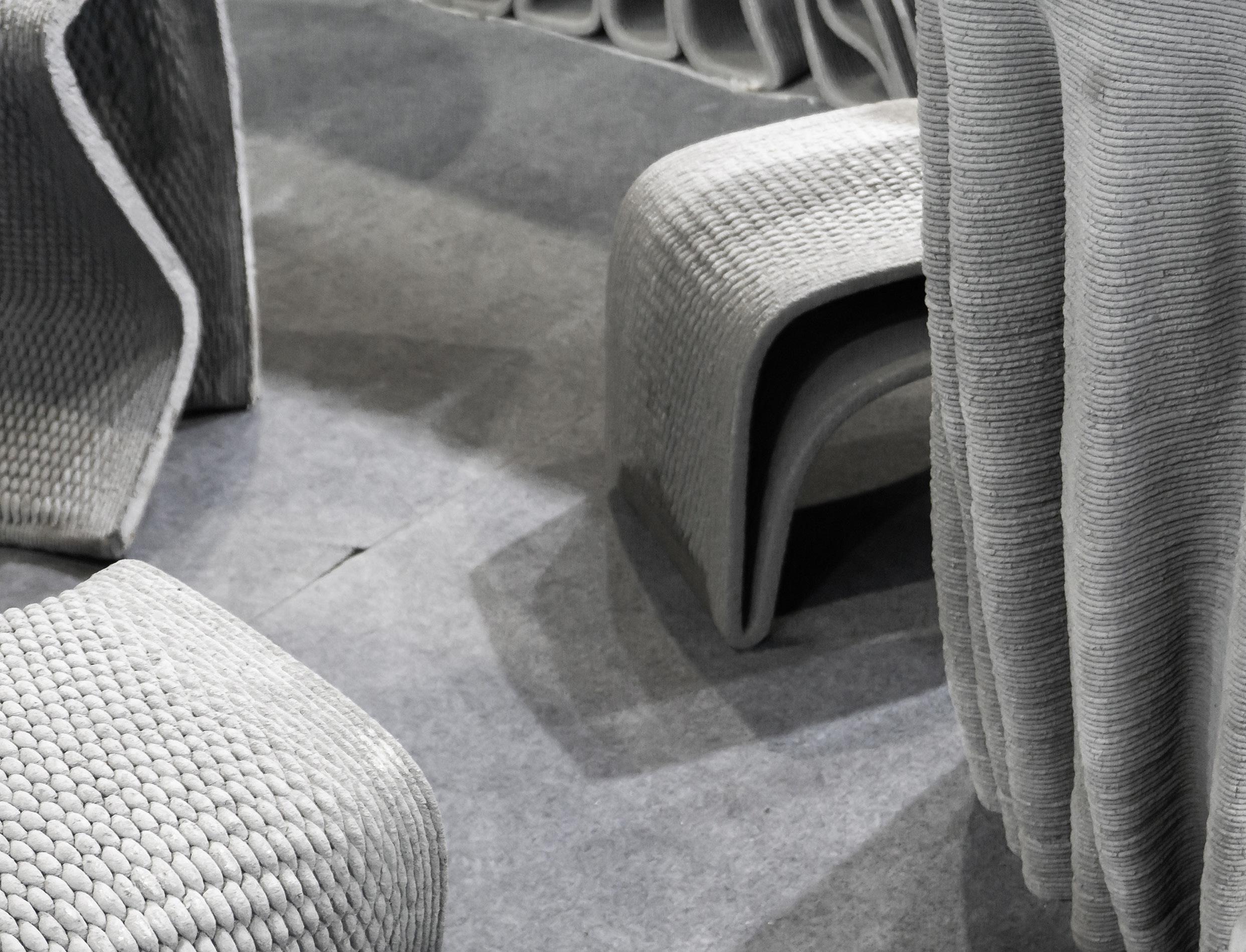
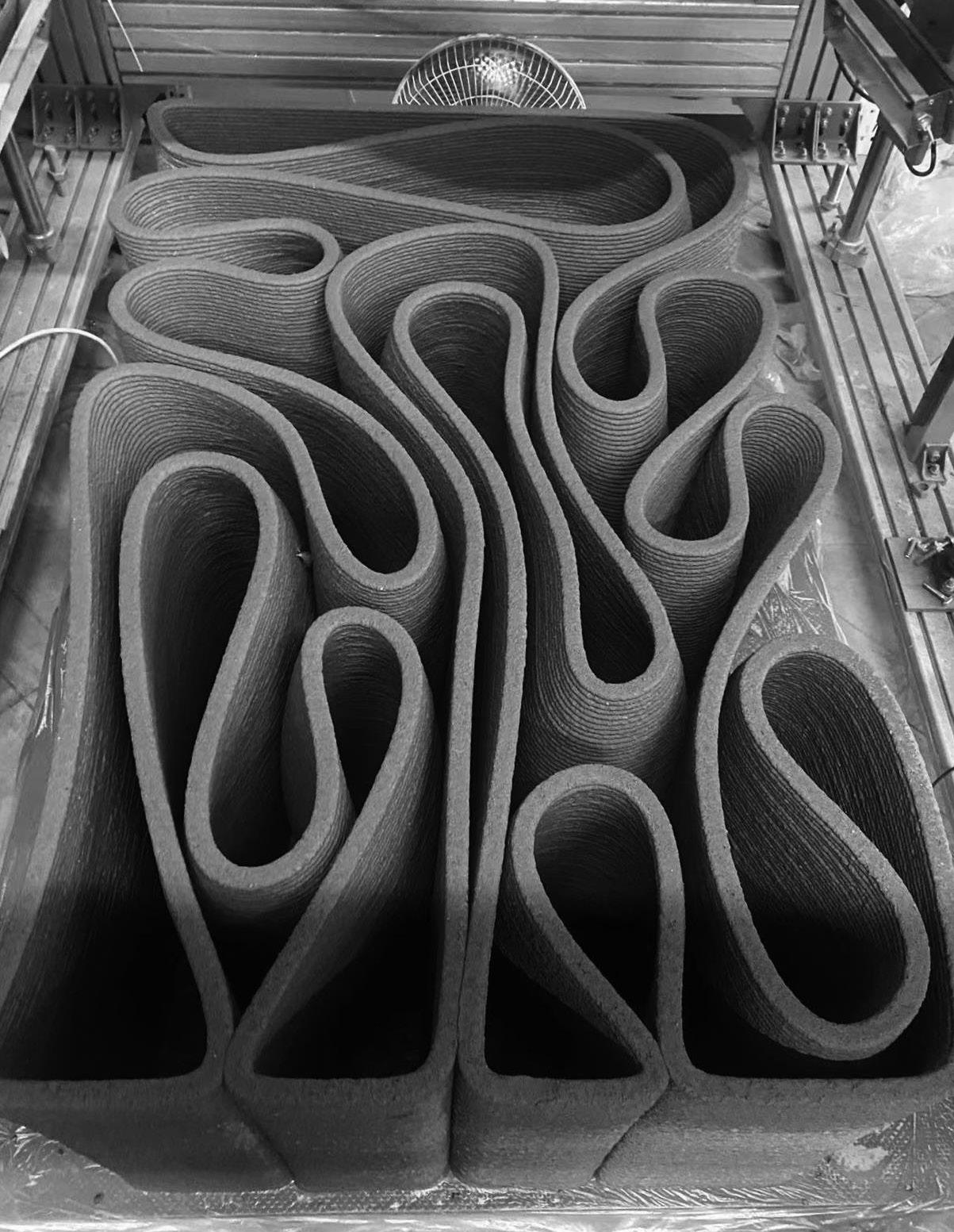
The Amorphous Concrete series is a collection of concrete outdoor 3D printing technology, exhibited in TCT Asia 2023, Shanghai, of algorithms intricately linked to the essence of “life.” These complex on experiments with 3D print porcelains, and applied to 3D-printed of this technology in outdoor furniture through the lens of functionality
In the digital age, machine language provides us with powerful of life and reveal the logic behind form generation. Through and connections emerge, akin to the natural things like branching tissues, reflecting the trajectory of natural growth.
The length, height, angles, and curvature of living organisms process, seemingly growing and changing, culminating in creations transformation not only mirrors the patterns of organic development breathing, living essence.
The algorithmically generated form language seamlessly merges furniture with a distinctive sense of life. It strikes a delicate balance transforming each piece into more than just an object—rather, its surroundings.
This symbiosis between technology and nature endows the offering an outdoor space infused with a design experience environment.
Mesh Editing & Form Development
1. Starting Mesh
Mesh Face Count: Face Edge Count:
Average Edge Length:
Iterations From Original:
outdoor furniture designed through advanced China, with the aim of exploring a multitude complex computational processes are based 3D-printed concrete, examining the innovative use functionality and form language.
powerful tools to deconstruct the intrinsic qualities specific conditional statements, new nodes branching of plant stems or the folding of biological
organisms evolve throughout the design’s iterative creations imbued with vitality. This dynamic development but also bestows the design with a
merges nature with design, imbuing the outdoor balance between functionality and aesthetics,
a living entity that engages in dialogue with
series with unparalleled vitality and artistry, that feels alive and deeply connected to its
Mesh Face Count:
Mesh Face Count: Face Edge Count:
Transparent Glass Surface
Lighting Ribbon
2. Initial Iteration
3. Further Iteration
4. SubD Editing
1. Original Simple Mesh Wire
Mesh with uniform edge length, either converted from NURBS surface, or by quad-remeshing inside Rhino environment.
2. Assign Agent Sphere For Simulation
Assign an agent sphere at each vertex of the mesh, with the radius slightly larger than the average edge length of the original mesh, to prepare later simulation in the Kangaroo.
Iteration With Higher Resolution
3. Collision Simulation & Extension
Utilizing the zombie solver of the Kangaroo, to achieved a controlled and precise simulation, where the exact number of iterations is visible.
4. Mesh Converted To Editable SubD
The result mesh is used straightly as the control mesh of a SubD surface, enabling further edit when necessary.
Print Generation
Base Geometry
Planar Slicing Curves
Knitted
Photos
Surface Orientation & Printing Feasibility
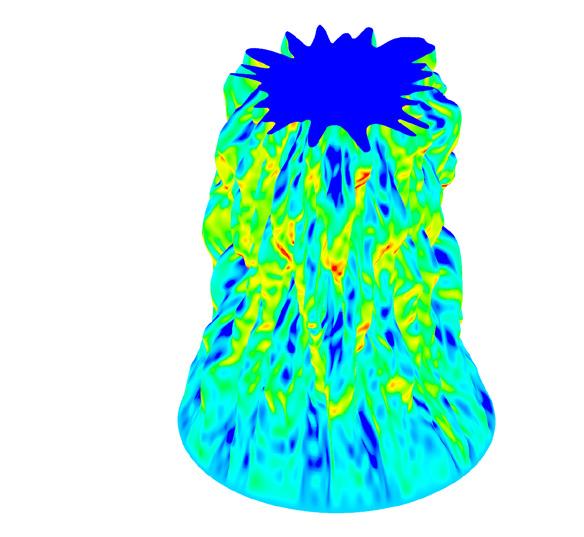
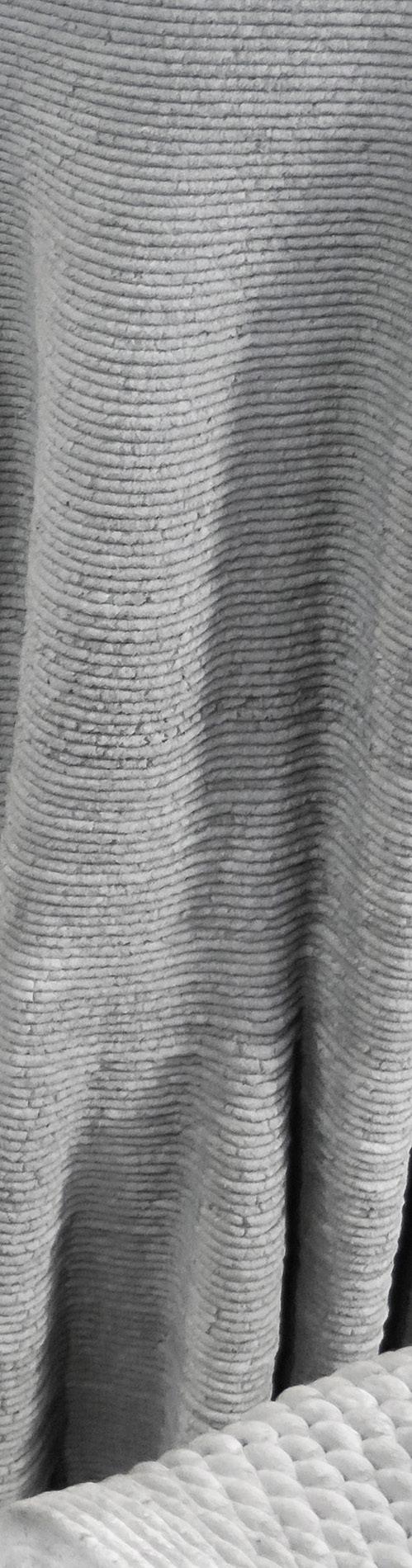
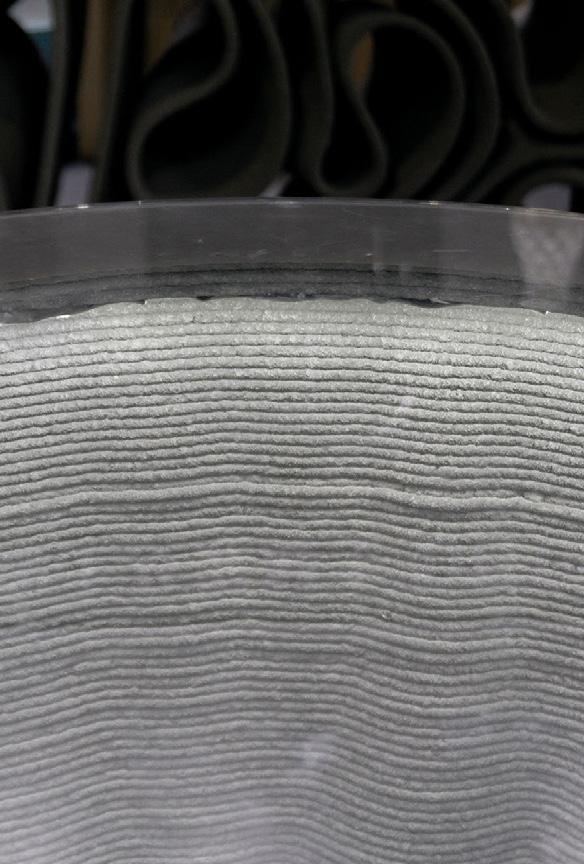
The surface’s angle relative to the Z axis has significant influences on the printing success rate, both for clay and concrete, because of the slow hardening process compared to the printing speed needed. After numerous tests, the feasible angle is set in between - 35 ° to + 35 °.
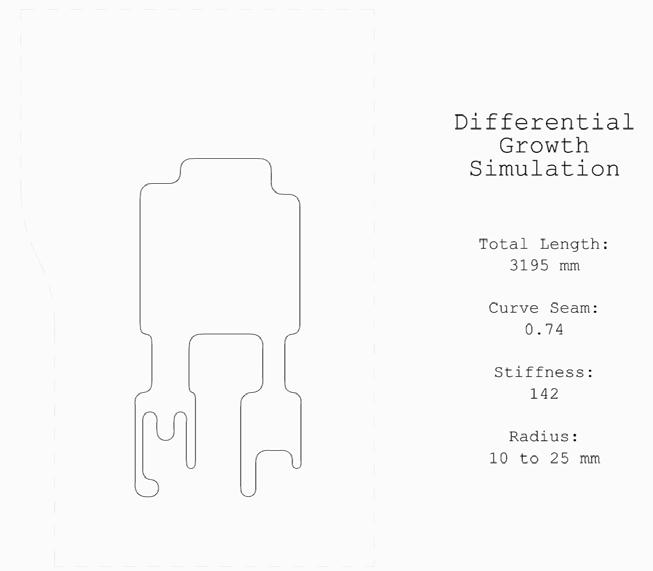
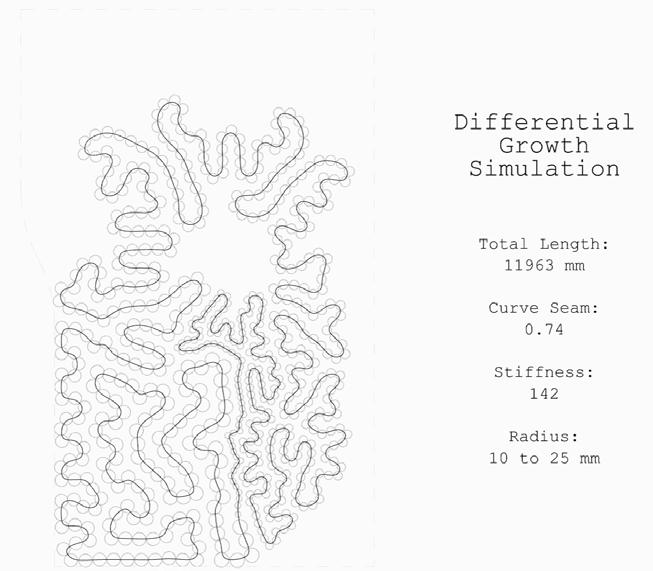
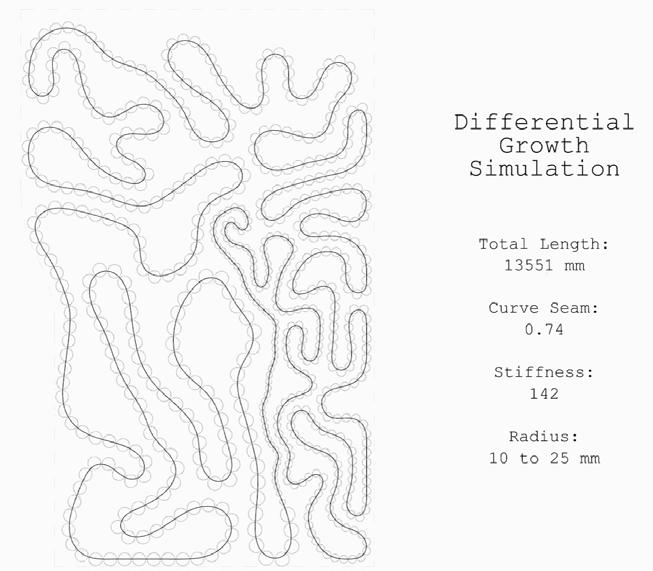
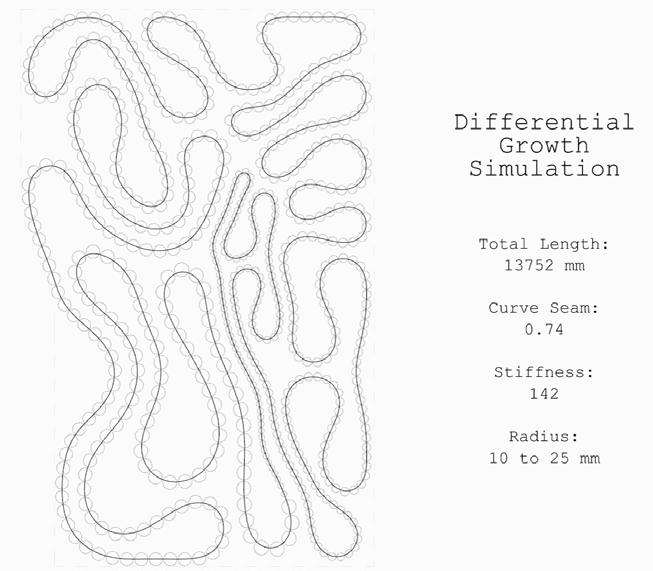
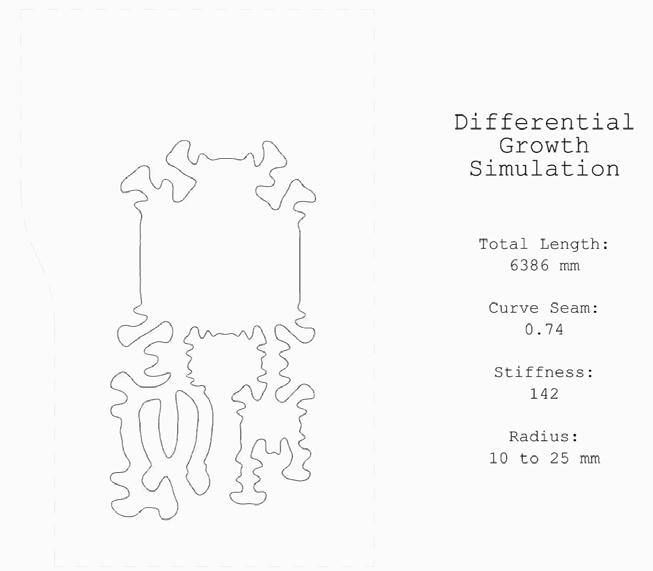
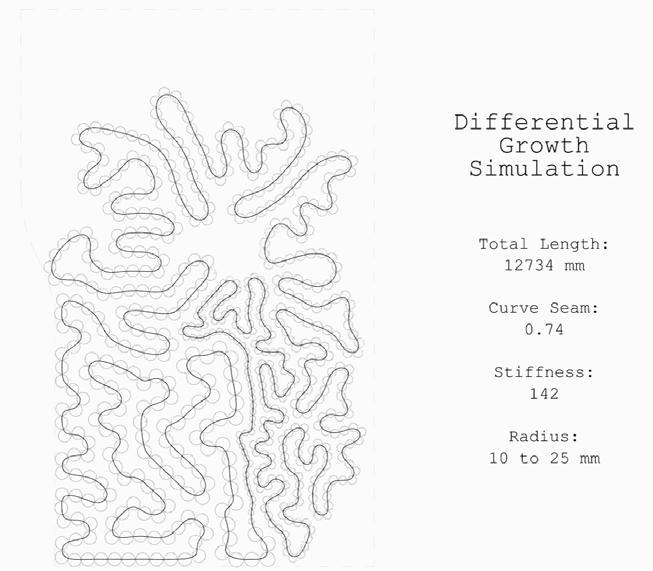
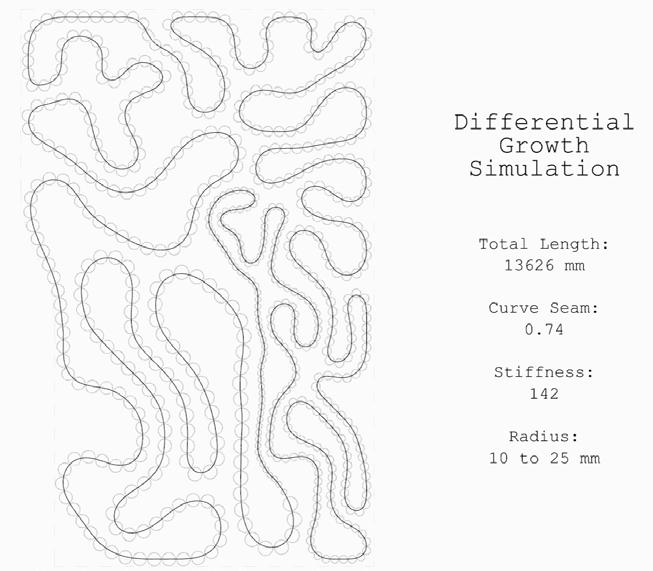
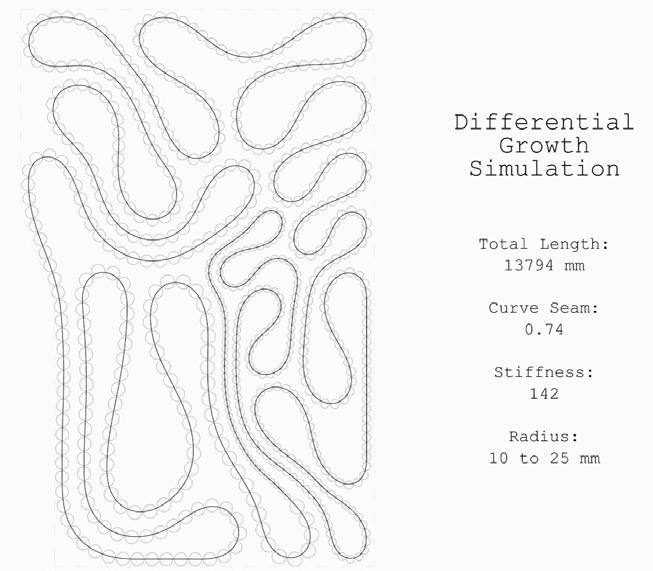
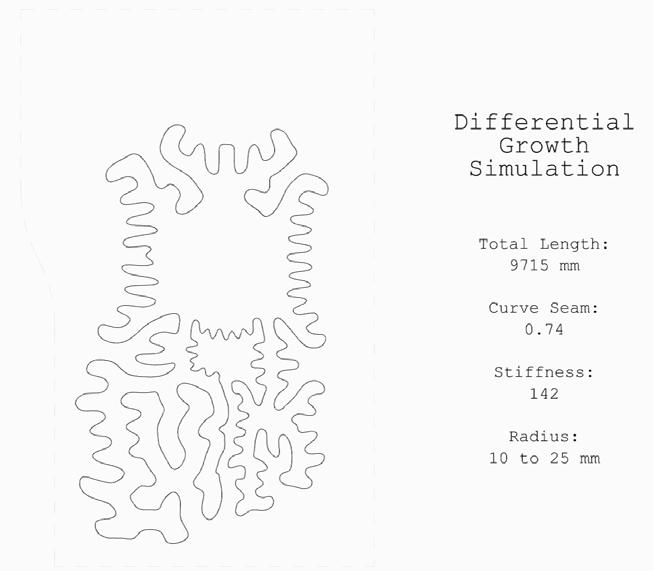
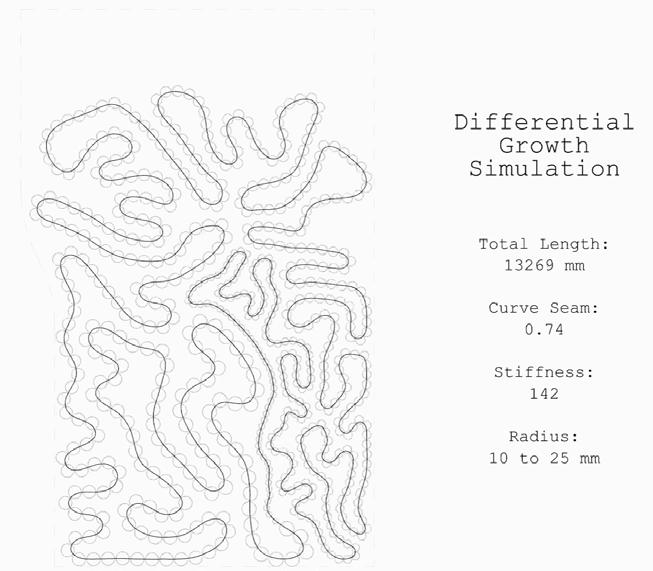
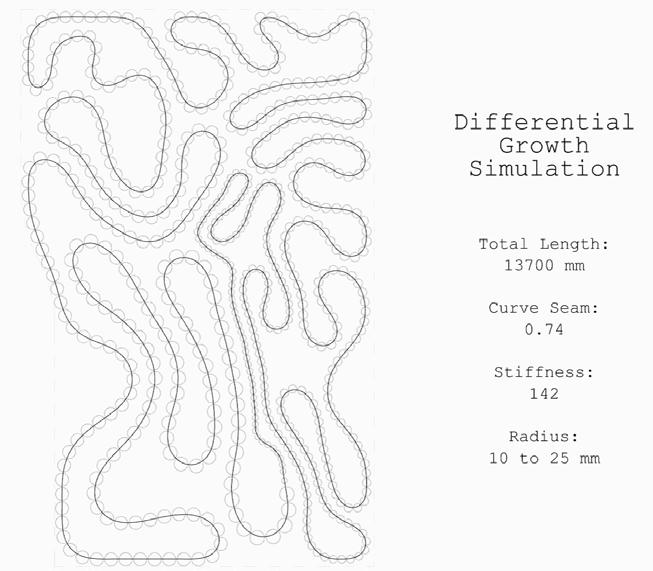
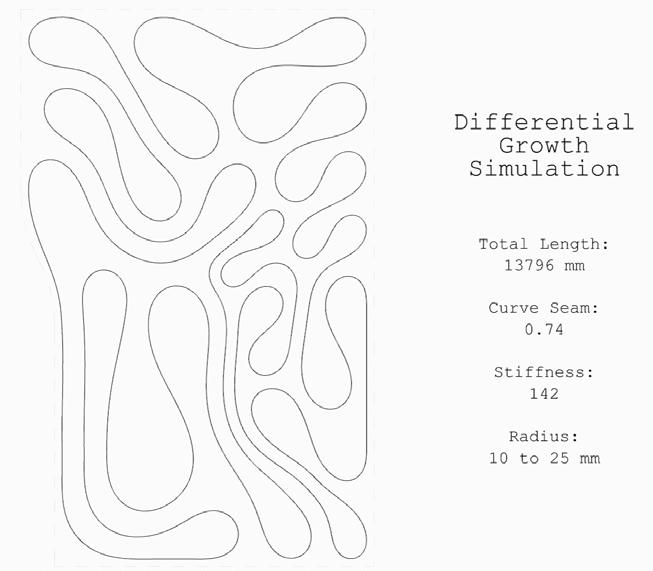
Differential Growth Simulation
391 XIANG YANG RD
Time: May 2022 - Mar 2023 (Built)
Location: Shanghai, China
Project: TIANHUA Architecture & Planning
Role: Research, Plan Revision, Exterior Facade Restoration
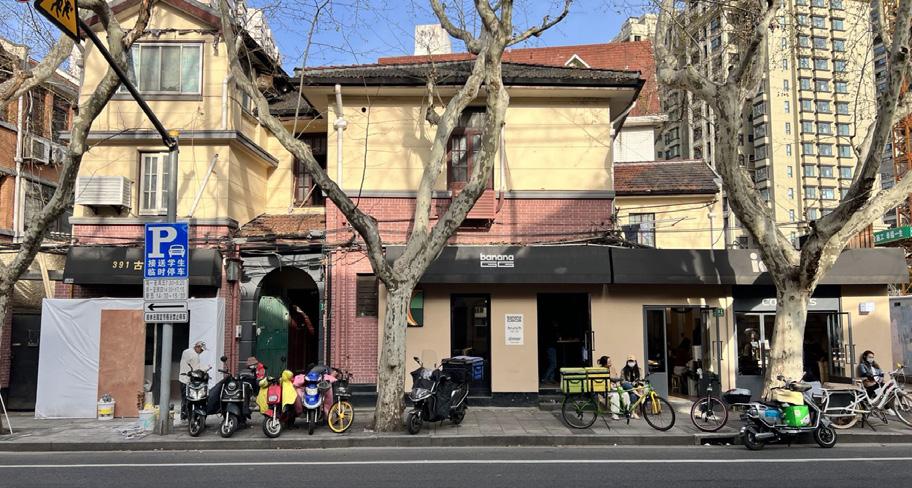
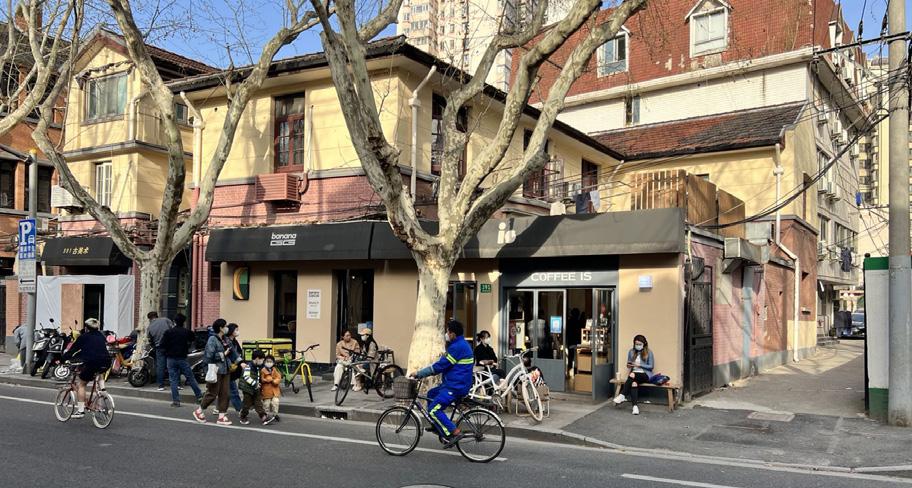
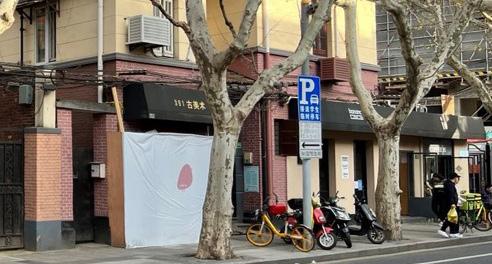
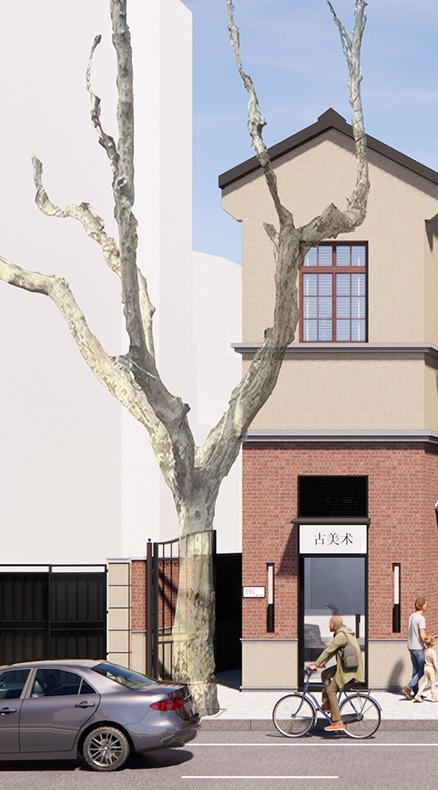
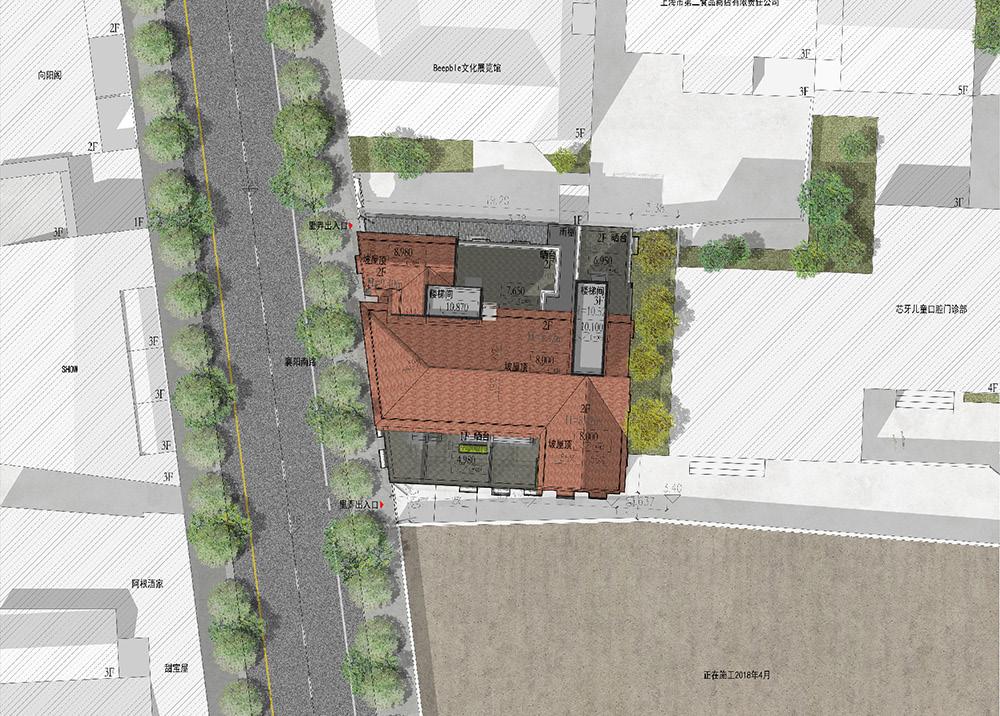
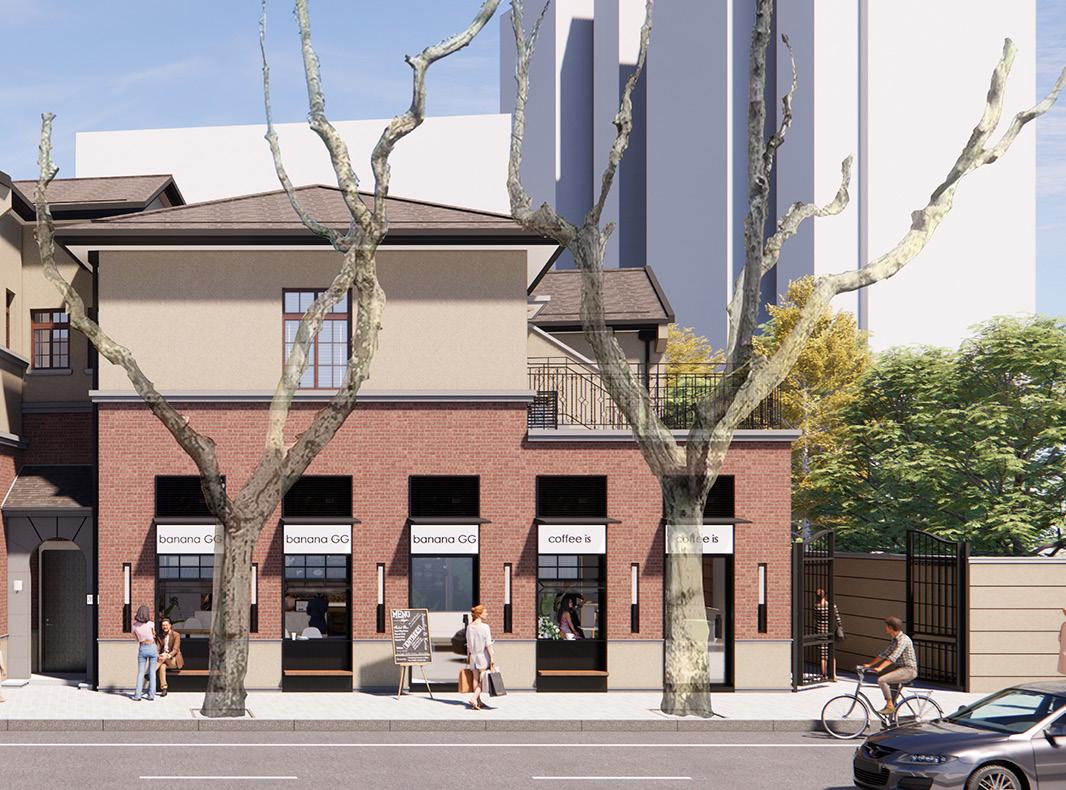
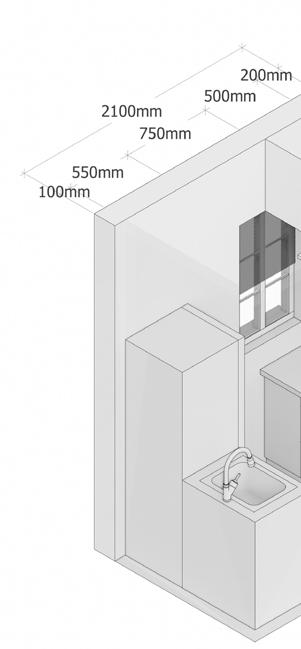
The building undergoing restoration is located at No. 391 South southern edge of Shanghai's "Hengfu" Historic and Cultural Shanghai's preservation districts, buildings require regular maintenance protect the area's cultural significance while revitalizing their offerings.
The design team first conducted local regulations nterpreting target structure. Built in 1938, the building features commercial and 12 residential units across the second and third floors. occupancy conditions, and its western façade—part of the along South Xiangyang Road—appears disorganized.
For the façade, simplified European decorative motifs and Shikumen-style were selected for cost-effective renewal. Aging pipelines and idated, and interactive interfaces were added to energize ground-floor
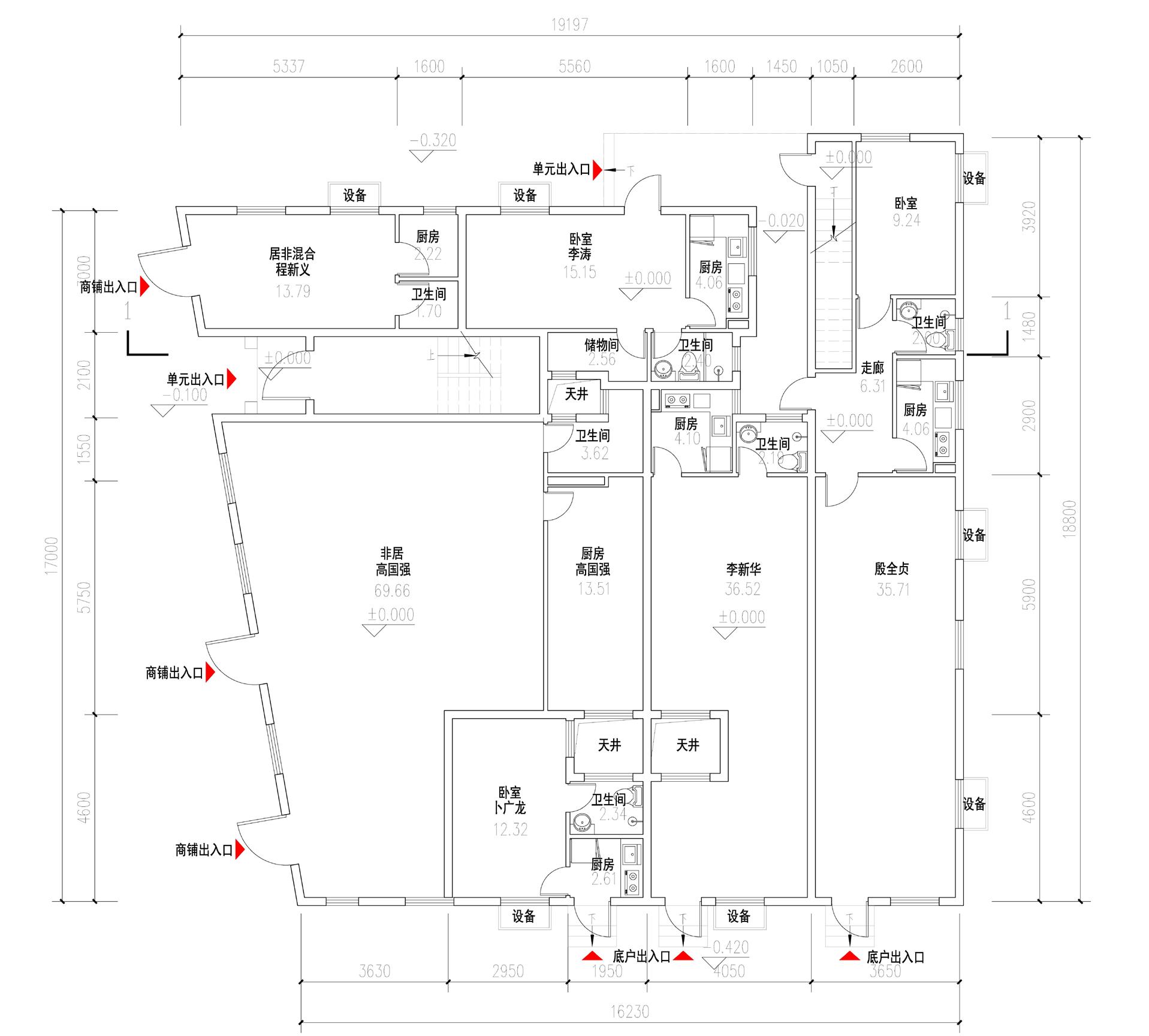
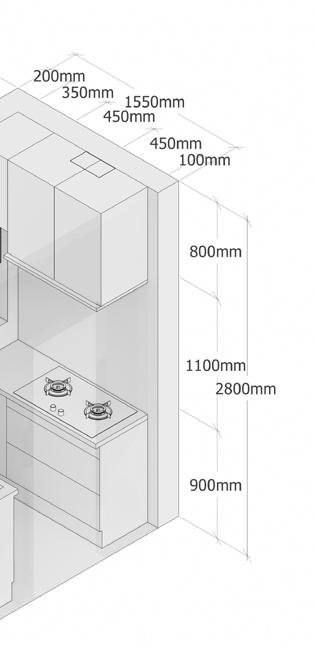
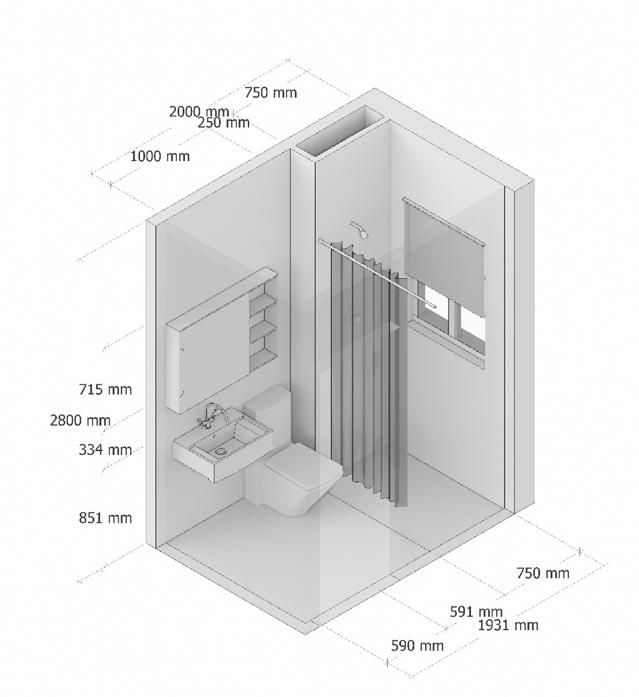
Interior upgrades focused on reorganizing kitchens/bathrooms, circulation. By reducing redundant passages and improving achieves better daylighting, ventilation, and ceiling height. After an average of 5.53m² of additional usable area.
South Xiangyang Road, on the Cultural Preservation District. Within maintenance and restoration to visual identity and commercial
nterpreting and an assessment of the commercial spaces on the ground floor floors. The interior exhibits mixed key protected street frontage
Shikumen-style arched elements external AC units were consolground-floor businesses.
kitchens/bathrooms, vent raise, and vertical improving spatial efficiency, the design After renovation, each unit gains
391# Ground Floor Plan
391# Second Floor Plan
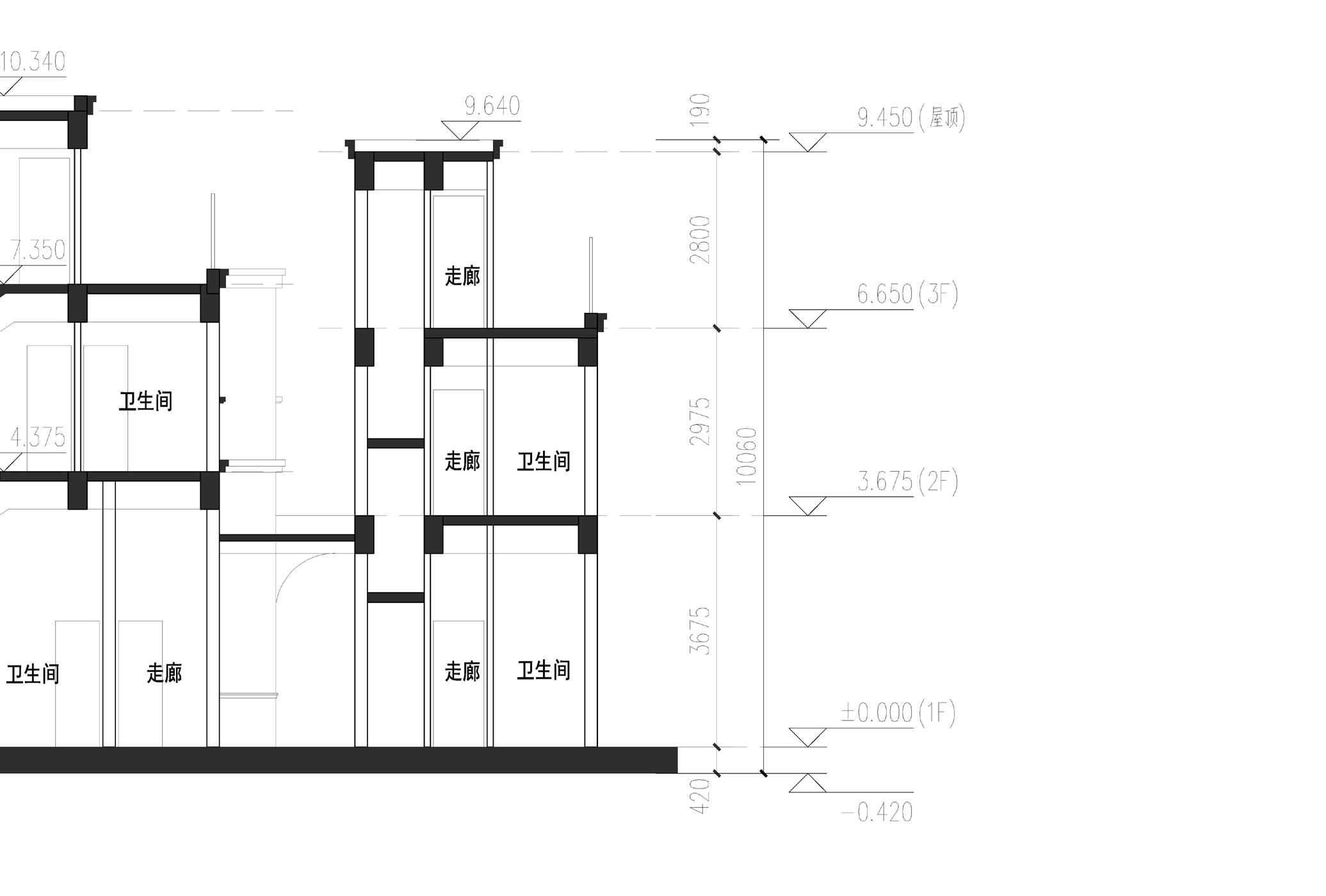
42-48# Section
Section
[Educational] Kindergarten Design
BAOZHEN CHILDCARE
Time: Oct 2020 - Mar 2021 (Built)
Location: Shanghai, China
Project: TIANHUA Architecture & Planning
Role: Design Modification, Construction Documentation
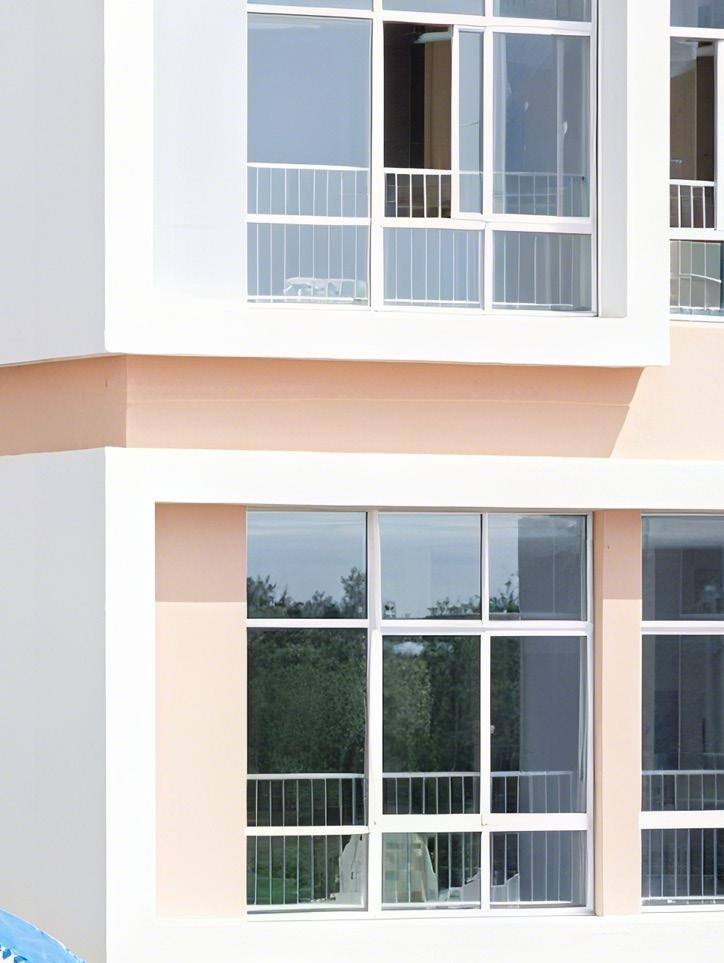
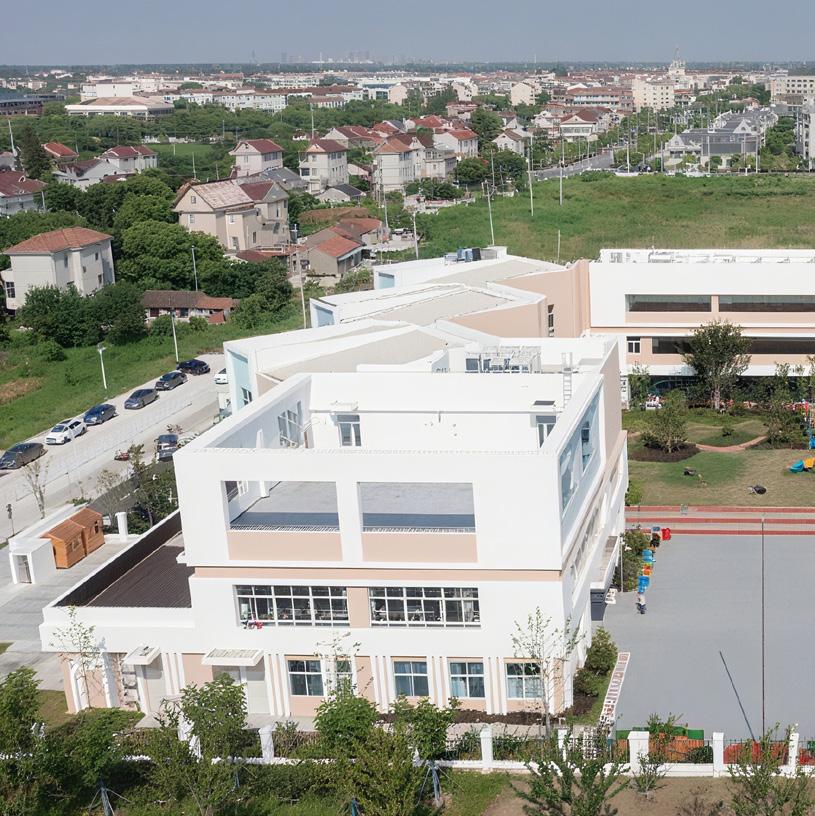
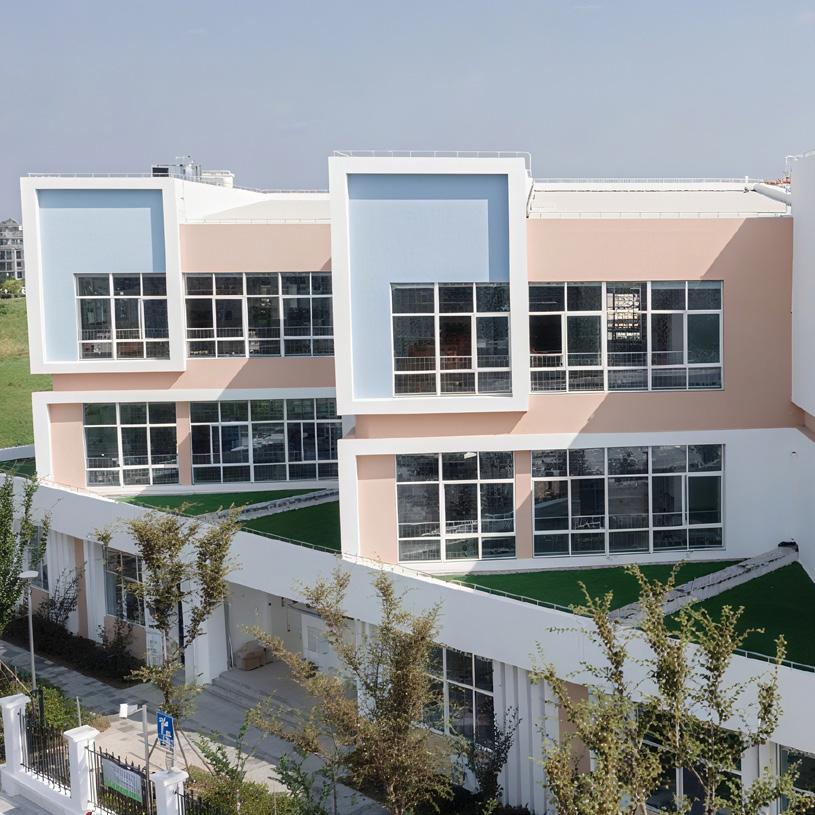
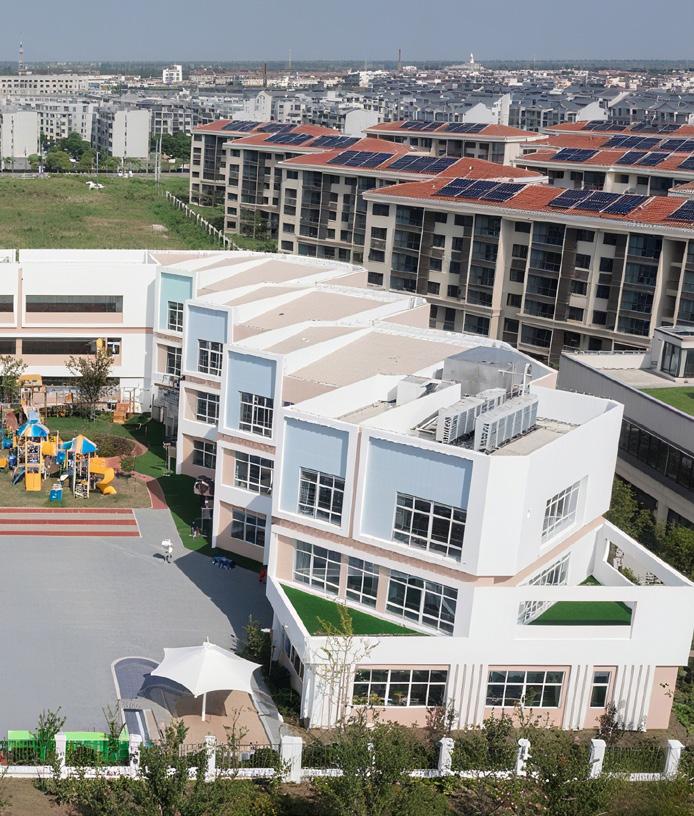
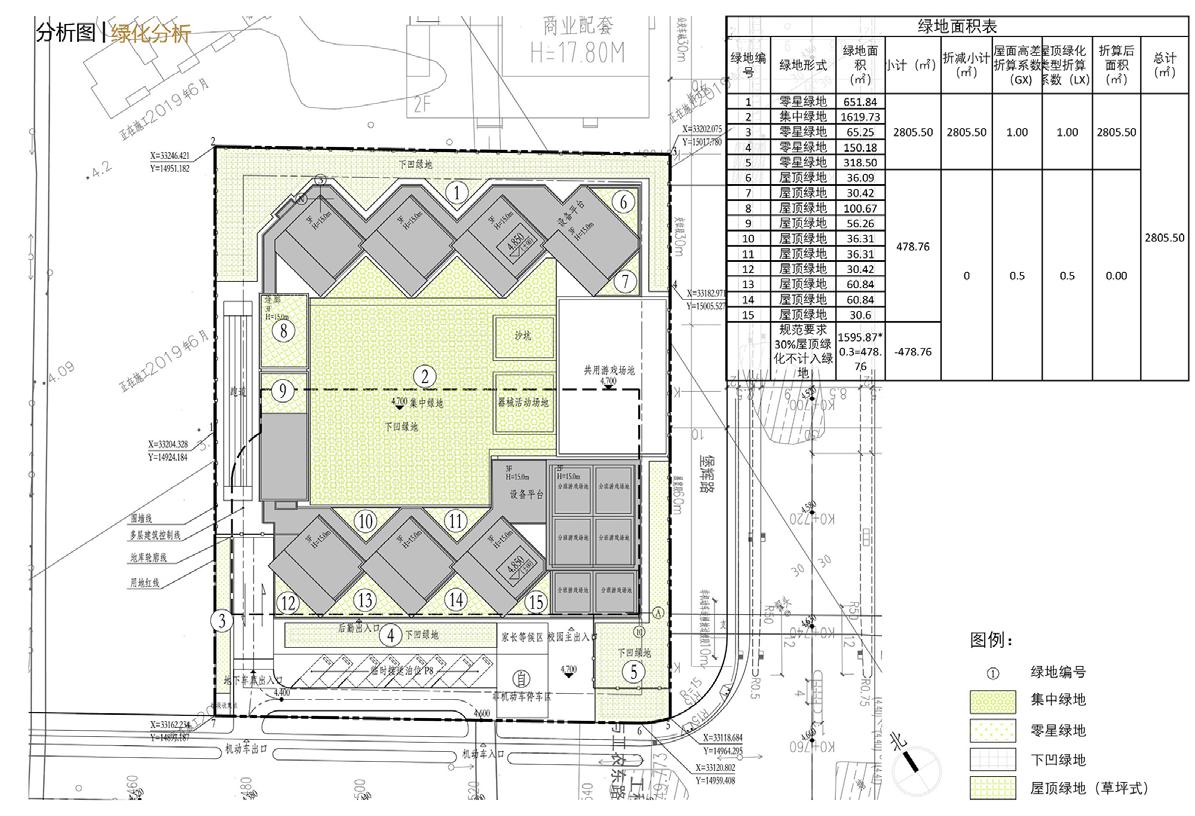
This kindergarten is located in Chongming, Shanghai, surrounded sports parks. It serves as the preschool education facility for 15 classes.
The design place emphasis on balancing optimal daylighting integrity of the urban interface; leveraging and incorporating buffer zones outside the kindergarten to alleviate local traffic
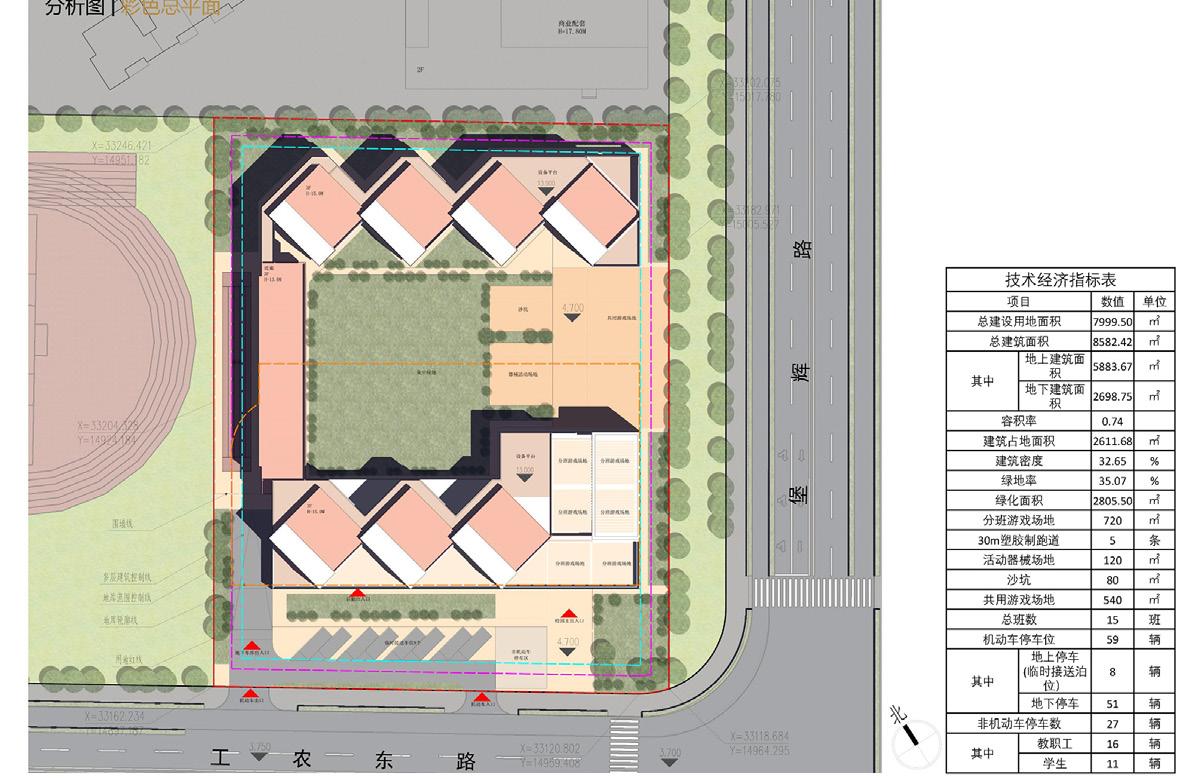
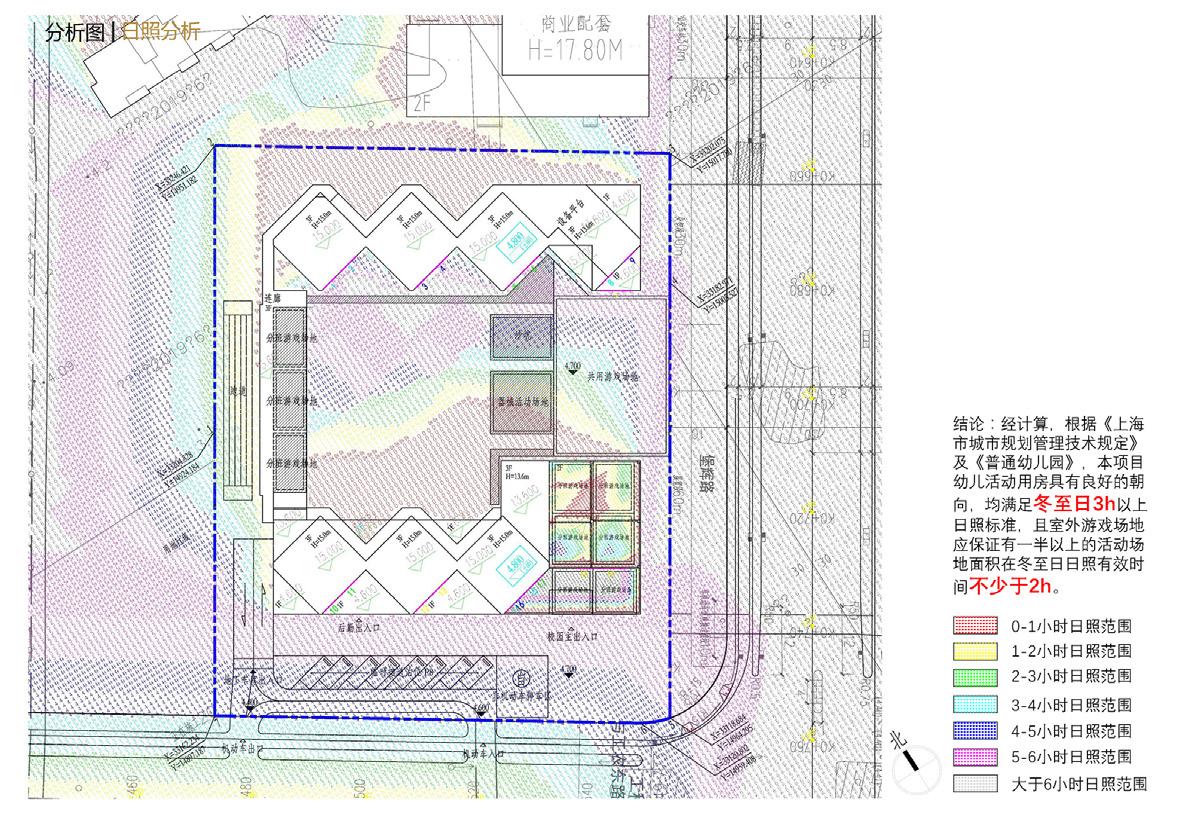
The building consists of two main volumes aligned parallel to enclosing an inward-facing courtyard. Within this framework, rotating the primary activity spaces 45° to achieve optimal solar for the children while providing expansive views and facilitating
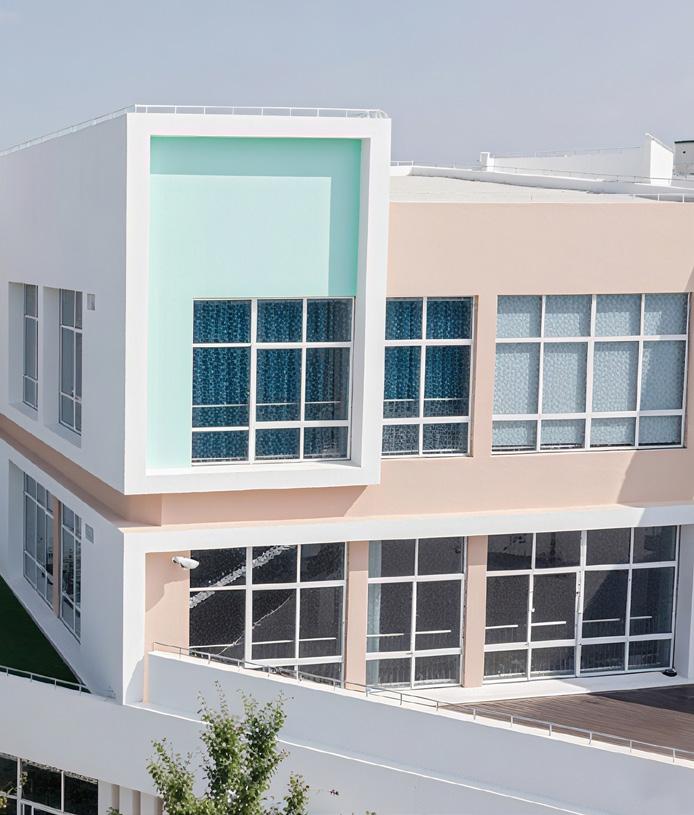
In consideration of children's aesthetic and cognitive development, "stacked blocks" concept, featuring soft Morandi color panels
The kindergarten has been completed and officially opened on
As-Built Photo
As-Built Photo
As-Built Photo
surrounded primarily by residential communities and the surrounding residential area, with a capacity of
daylighting conditions for children's activity spaces with the incorporating surrounding landscape resources; and Designing pressure.
to the roads, maintaining the urban streetscape while framework, a secondary north-south grid is introduced by solar orientation. This ensures maximum natural light facilitating landscape integration.
development, the building massing is broken down into a to create a lively yet soothing atmosphere.
on September 1, 2022.
Master Plan
Sunlight Analysis
Greenery Analysis
BEACON OF WUXI
Time: Sept 2019 - Nov 2019
Location: Wuxi, China
Project: Maya Lin Studio
Role: Technical Drawings, Publication Drawing Set
Rendering - Rotunda
Rendering - Atrium
Rendering - South East View
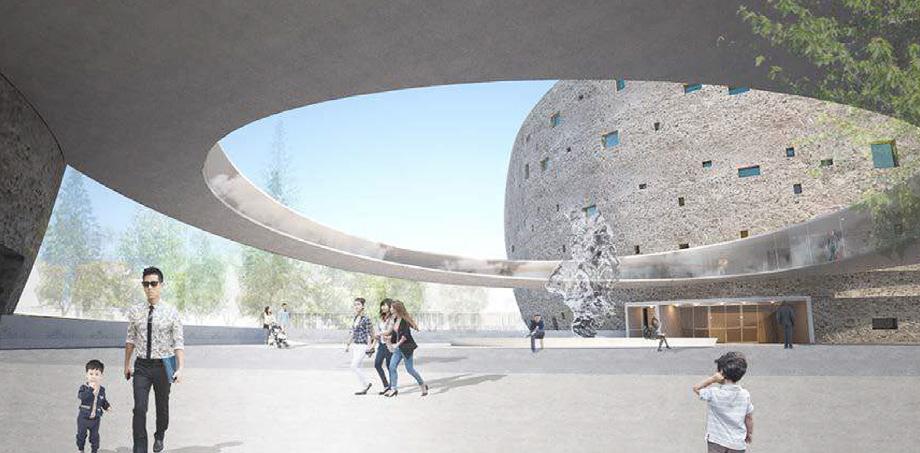
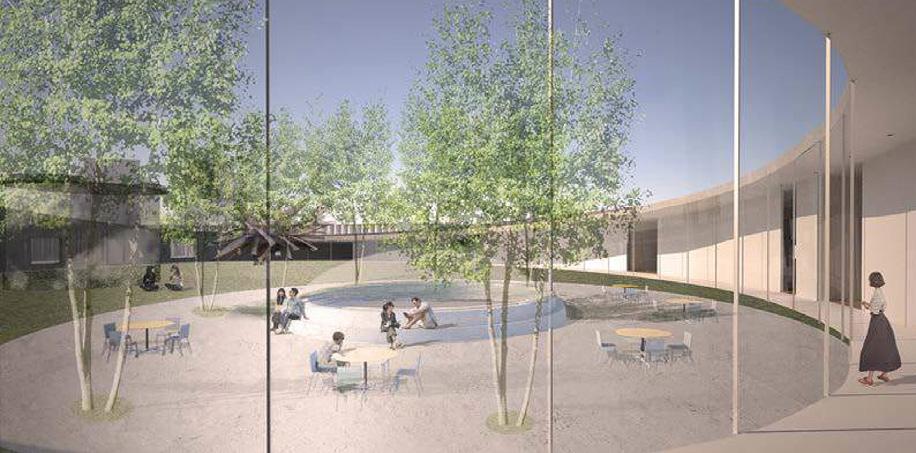
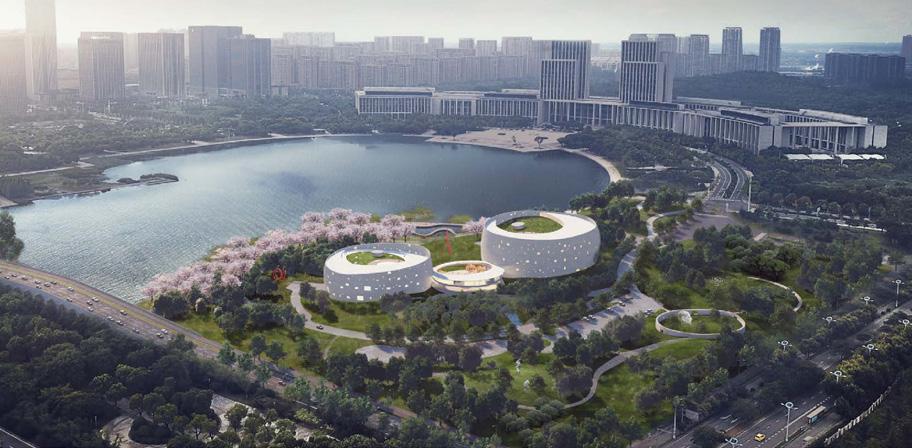
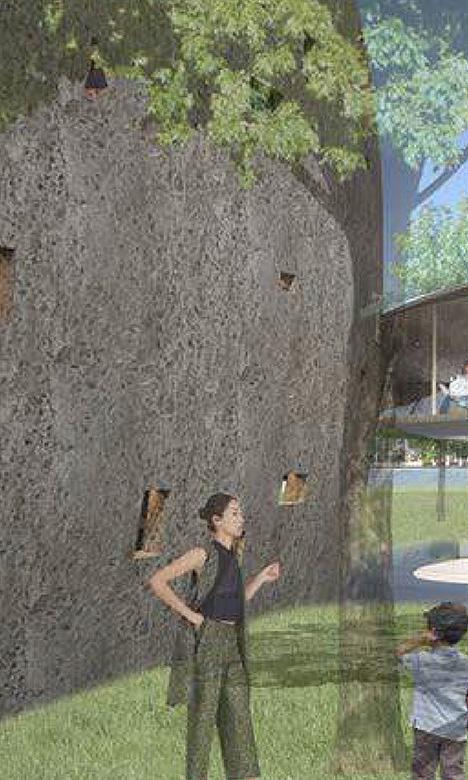
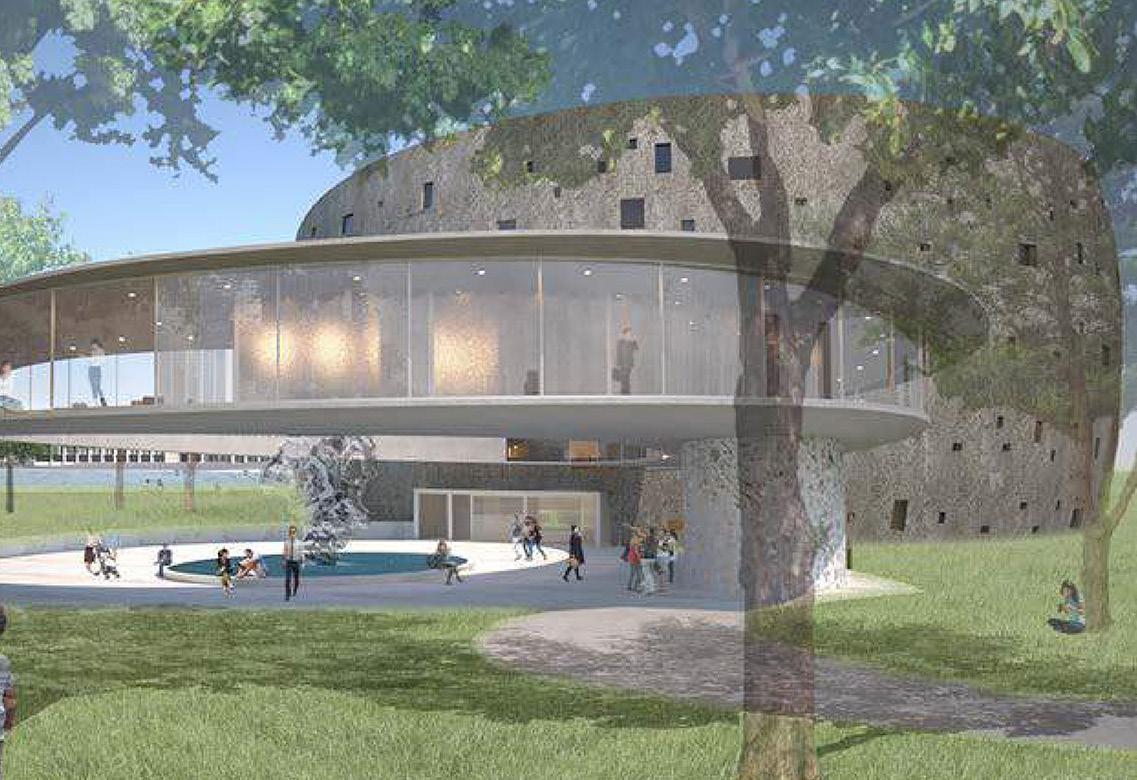
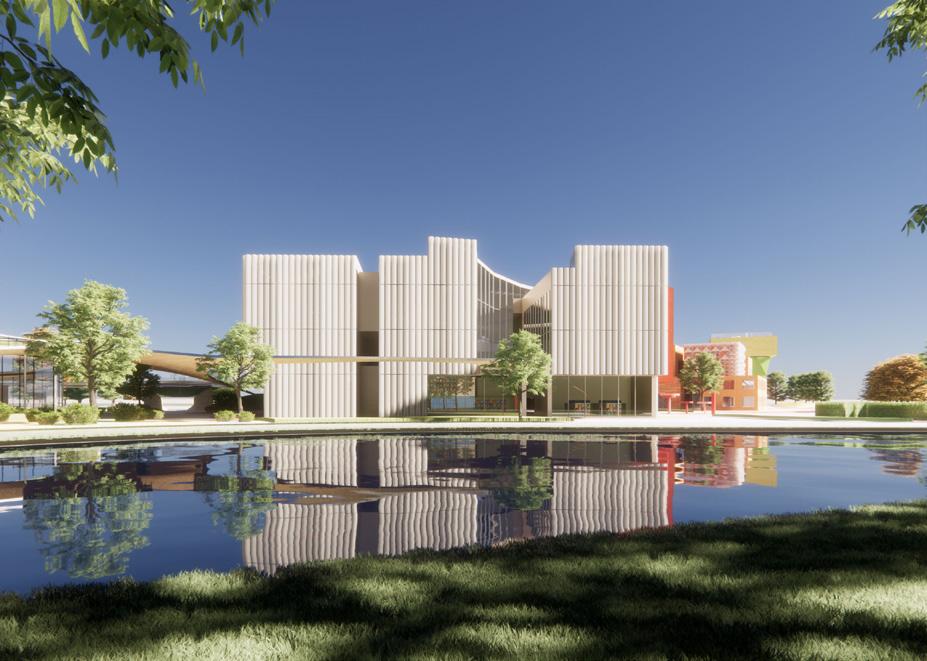
For the Wuxi Art museum I seek to create a world class art and sculpture garden that becomes a beacon for the city of committed in my Design Practice in creating spaces that are compelling and become strong and anchoring identities for the nity that they serve. They are respectful of and integrated seamlessly the landscape.
Some underlying themes to explore in the design will be:
I. Inspired by the cultural legacy: the pottery and craft tradition deep history of this place.
II. Inspired by water: utilize water throughout the design to highlight city’s deep connection to water.
III. A museum that seamlessly connects inside to outside: creating the most important sculpture parks in the world that surrounds special Museum complex.
IV. To create a museum that can share an innovative way in exhibit and to educate people about the Art to be housed here.
V. To create a building that showcases innovative design solutions conserve energy, water and resources.
art museum Wuxi. I am are visually the commuseamlessly into tradition and the highlight the creating one of surrounds this very in which to solutions that
Landscape guides and holds the water as a tray. Texture and water experiment is done for the art park.
dry paper + watercolor
wet paper + watercolor + salt
wet paper + watercolor
dry paper + watercolor + scrathed surface
wet paper + watercolor + detergent powder
wet paper + watercolor + scrathed surface
Birdview - Entry Plaza
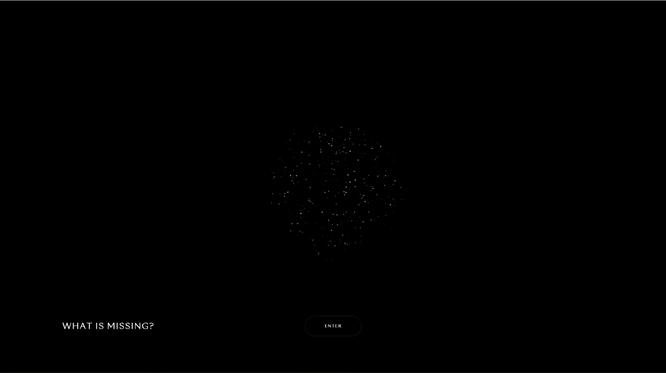
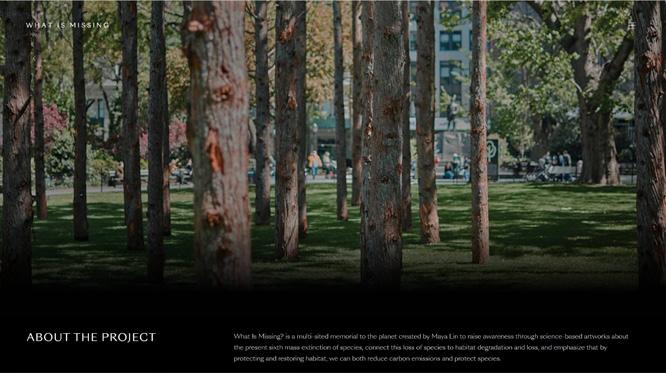
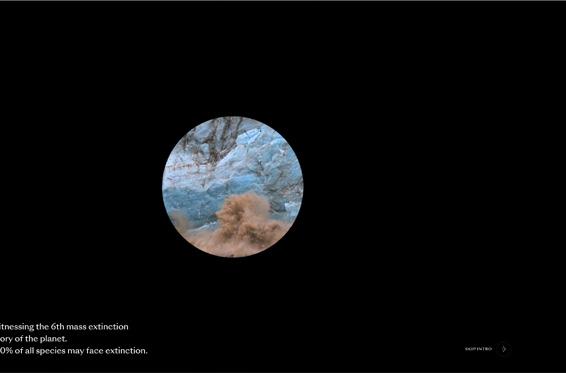
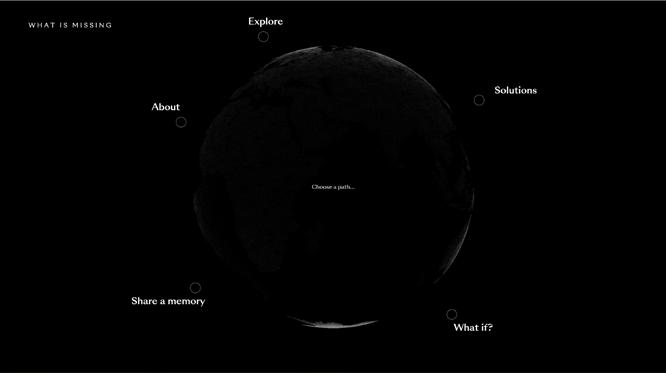
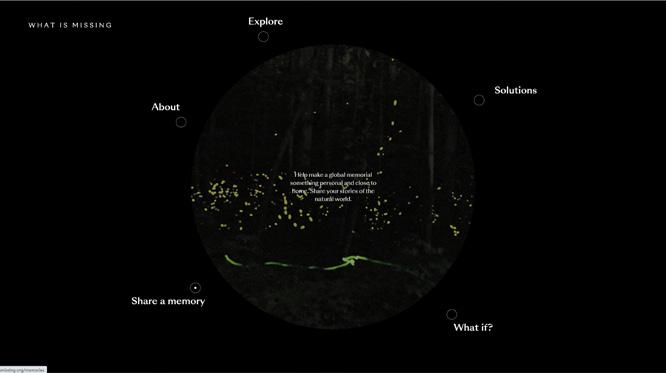
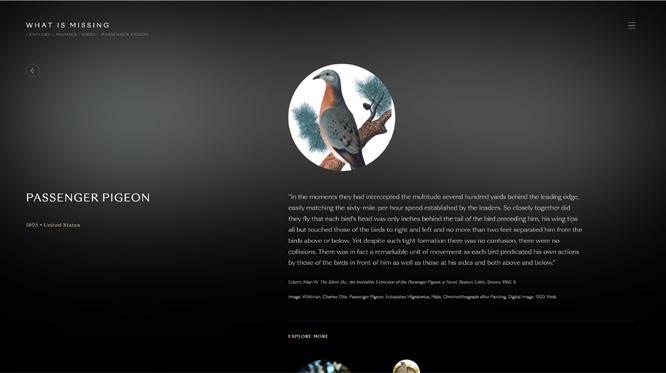
WHAT IS MISSING?
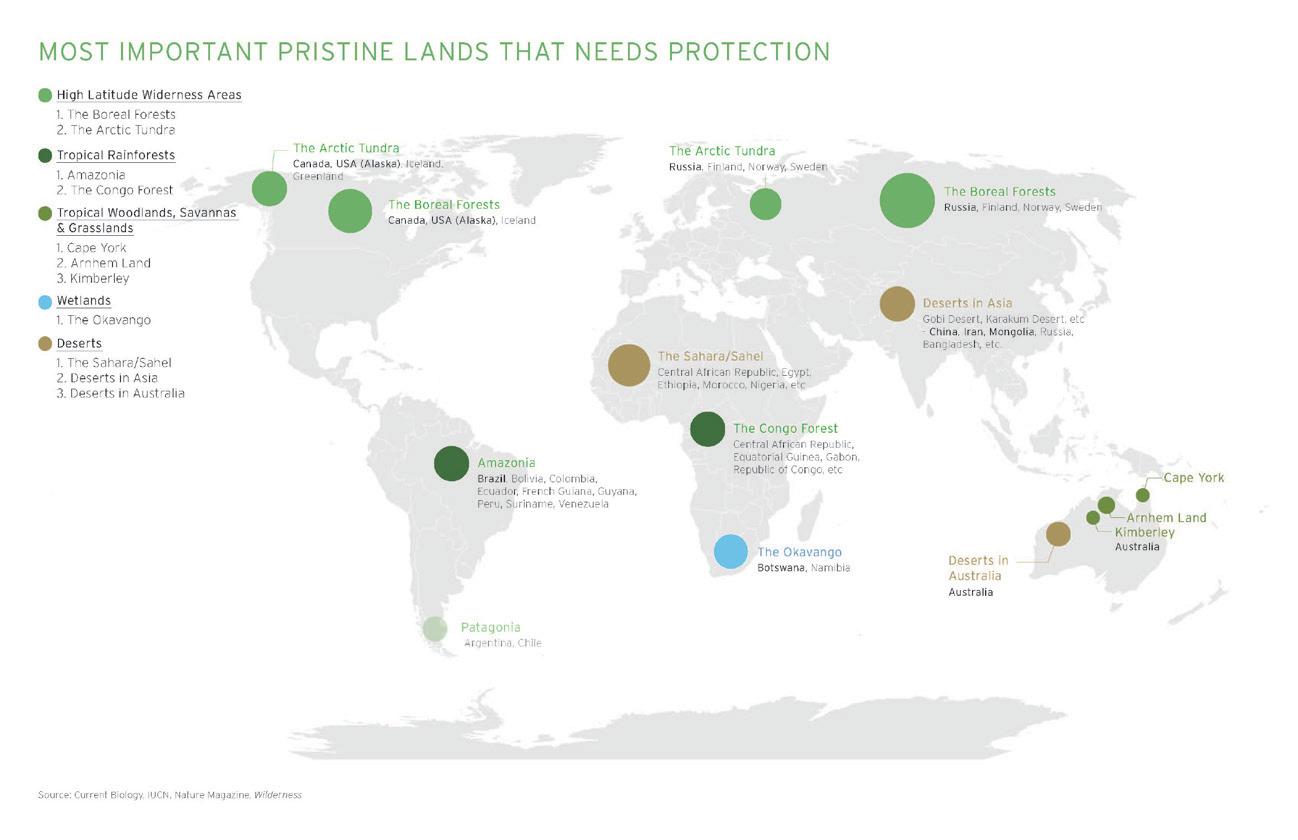
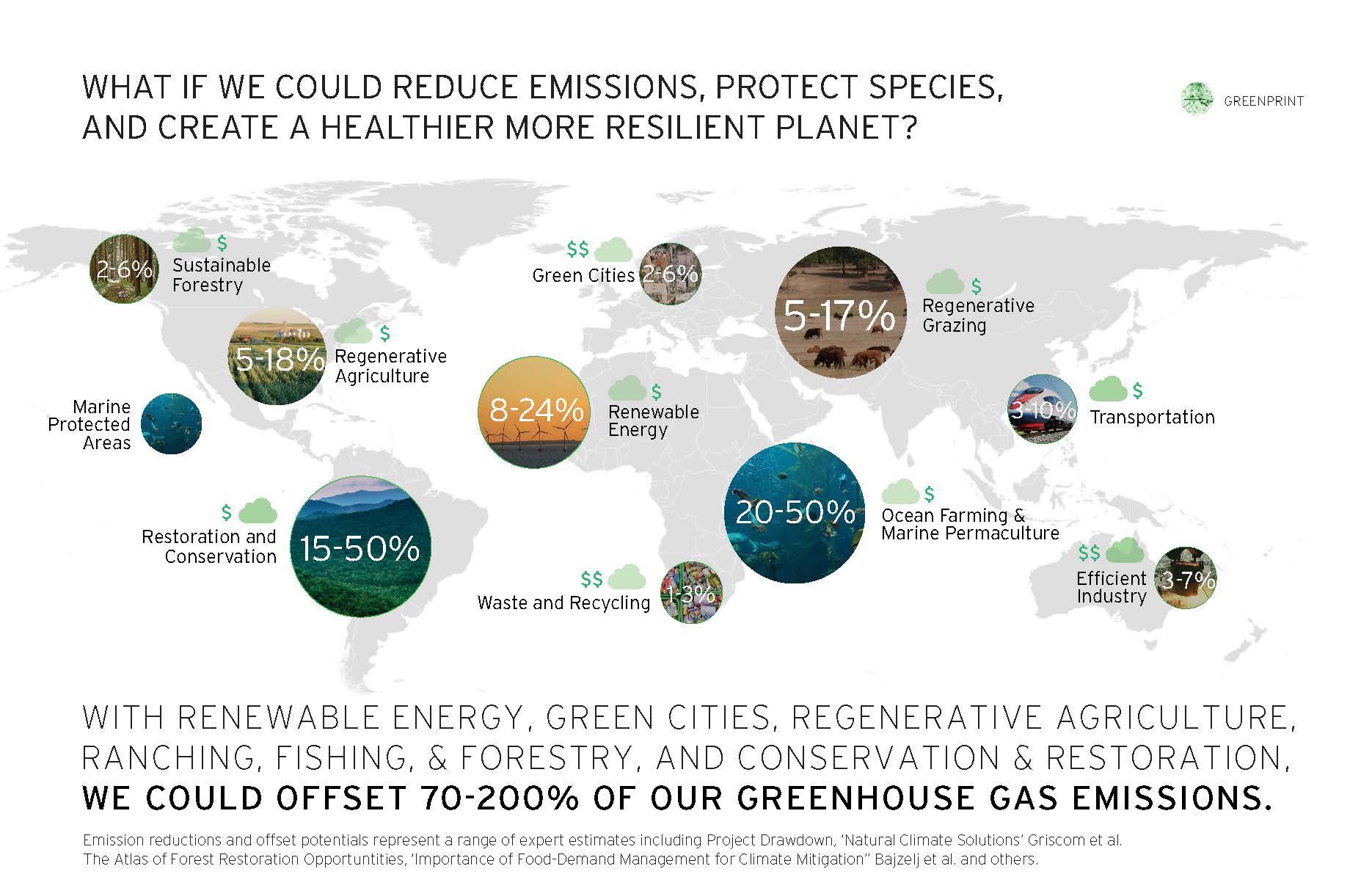
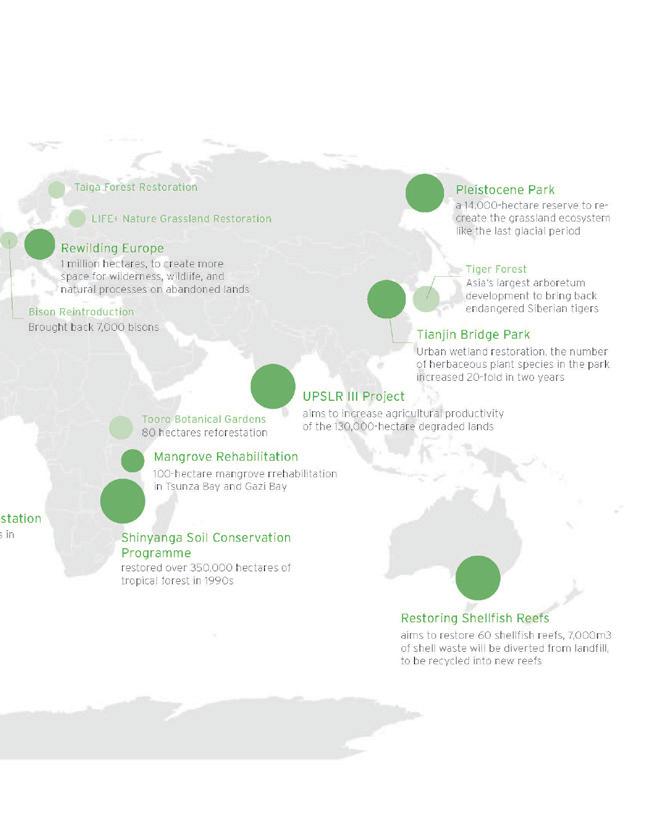
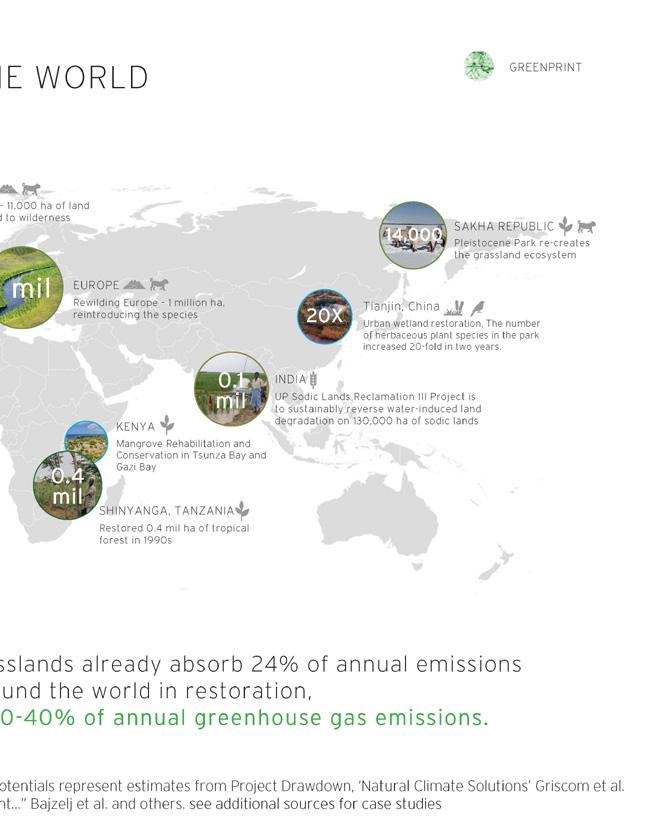
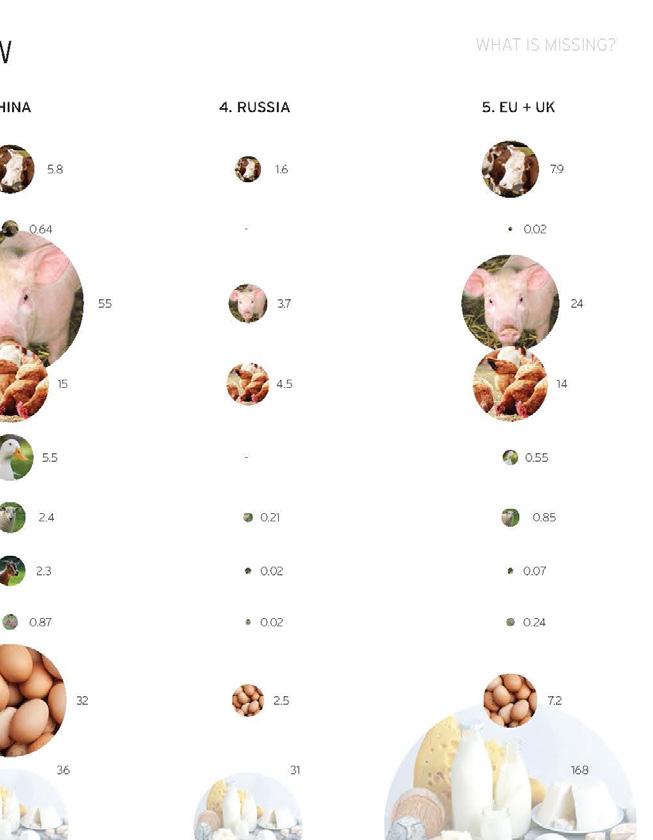
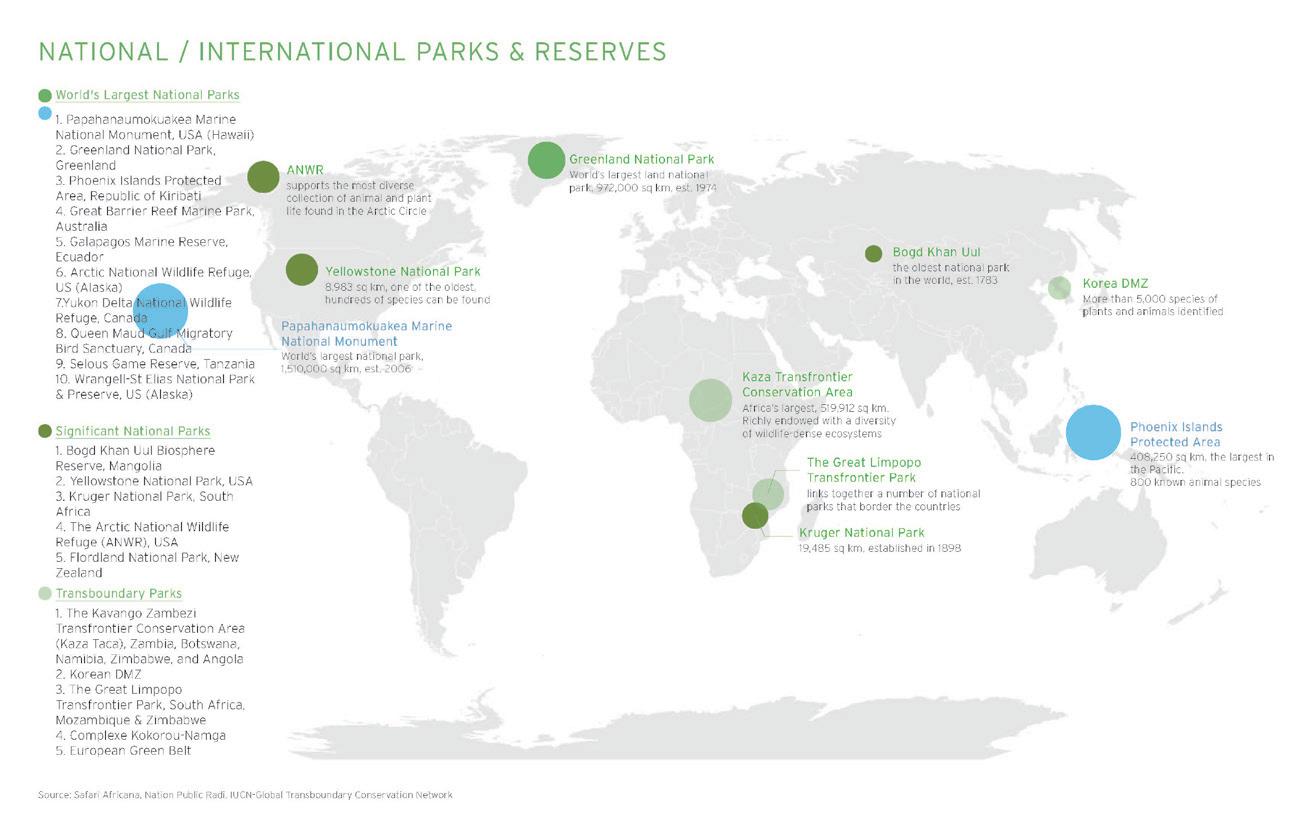
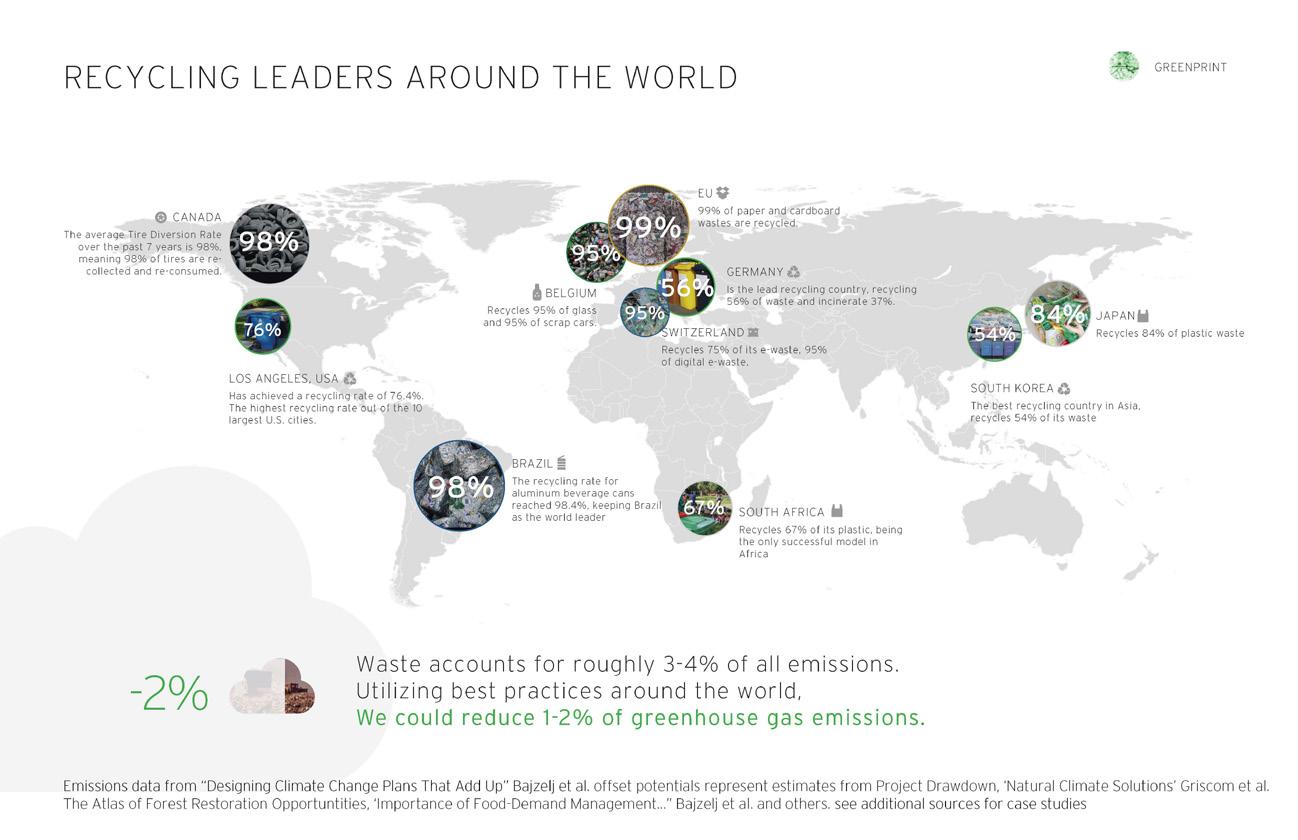
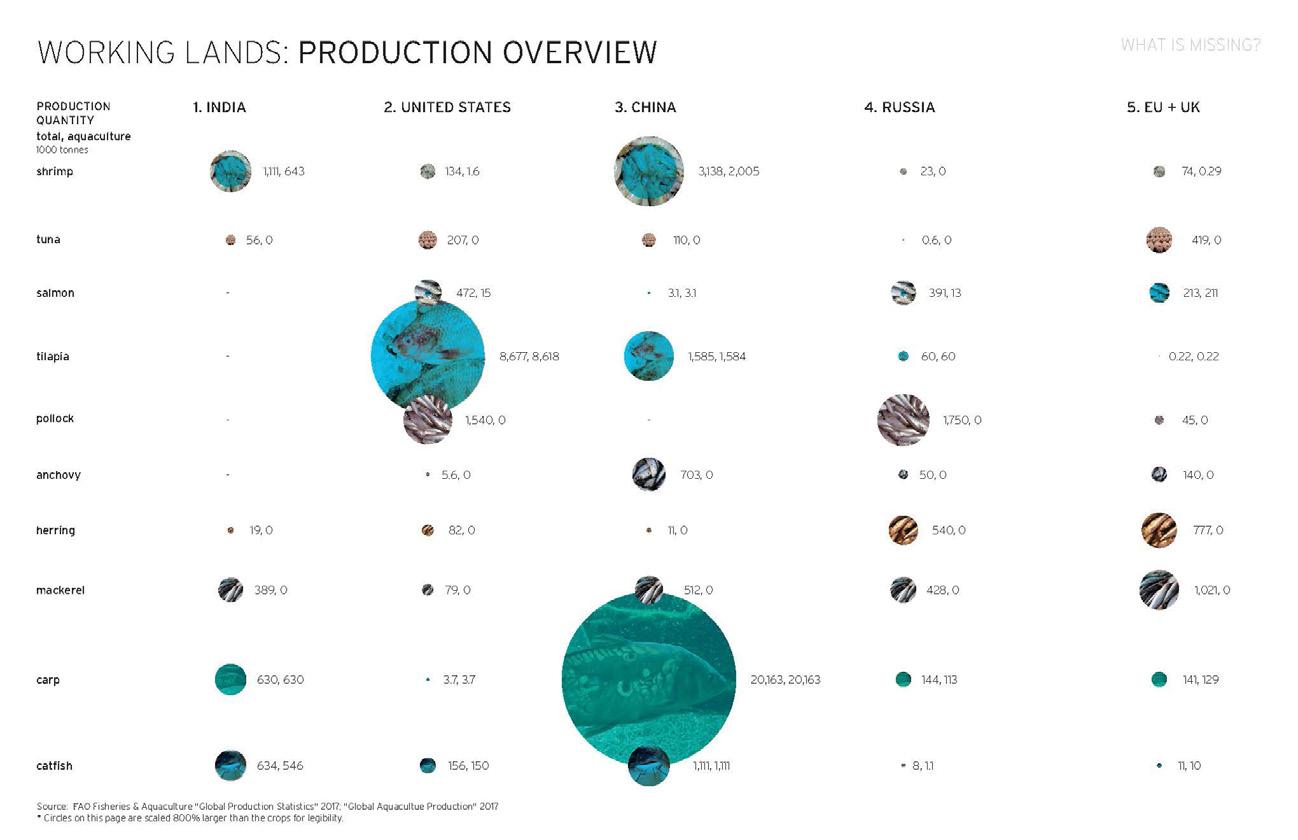
What Is Missing? is a multi-sited memorial to the planet created to habitat degradation and loss, and emphasize that by protecting
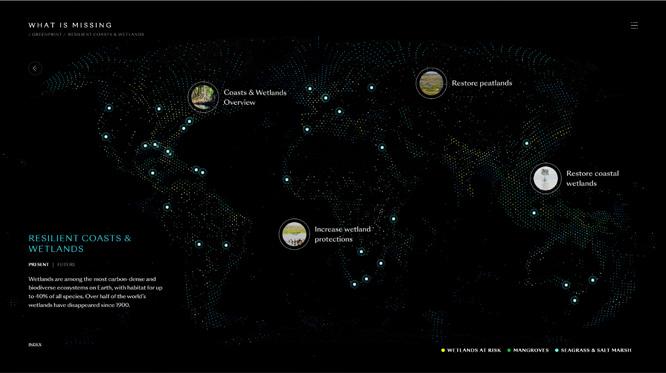
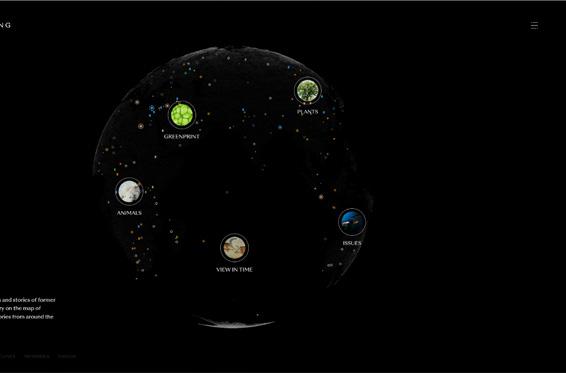
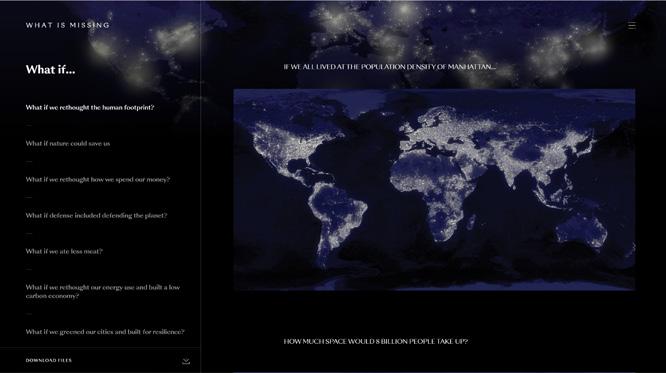
What Is Missing? presents a connective map highlighting MEMORY,
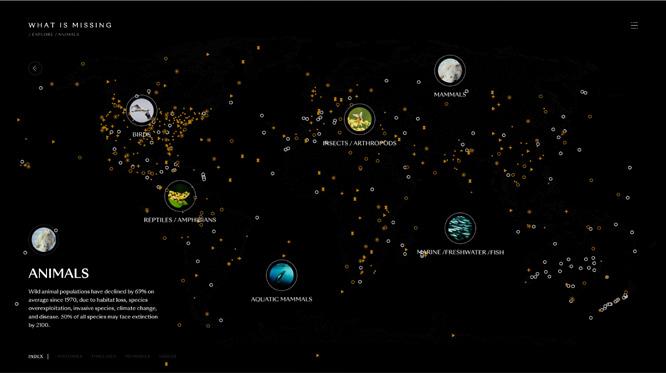
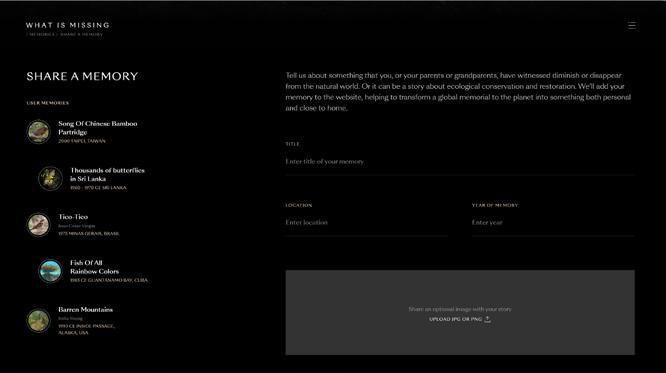
The Map of Memory highlights ecological histories of habitats, stories, and user-submitted personal memories. However, loss what is being done around the world to help, and utilizing art
What Is Missing? asks us to look at a memorial not as a singular,
The memorial includes permanent sound and media sculptures,
created by Maya Lin to raise awareness through science-based artworks about the present sixth mass extinction of species, connect this loss of species protecting and restoring habitat, we can both reduce carbon emissions and protect species.
MEMORY, ACTION, and HOPE.
habitats, species, waterways, cities, and pressing issues around the world - with timelines, videos, historic accounts, conservation success and disaster loss is merely the departure point. What Is Missing? is equally focused on solutions – imagining plausible visions for a sustainable future, showcasing to pose new ways of looking at the problems we face – giving us hope that each of us can make a difference.
singular, static object, but as a work that can exist in multiple forms and places around the world.
sculptures, traveling exhibits, temporary installations, and this website - serving as the nexus for the entire project.
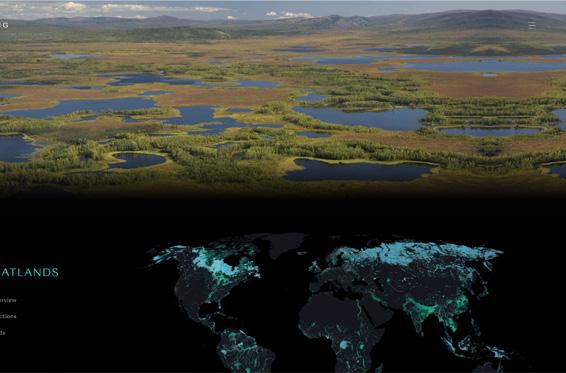
Solutions- Wetlands - Restore Peatlands
TIANHUA CITY
Time: Jan 2023
Location: Shanghai, China (Hypothetically)
Project: TIANHUA Architecture & Planning
Role: Research, Concept Design, Visualization
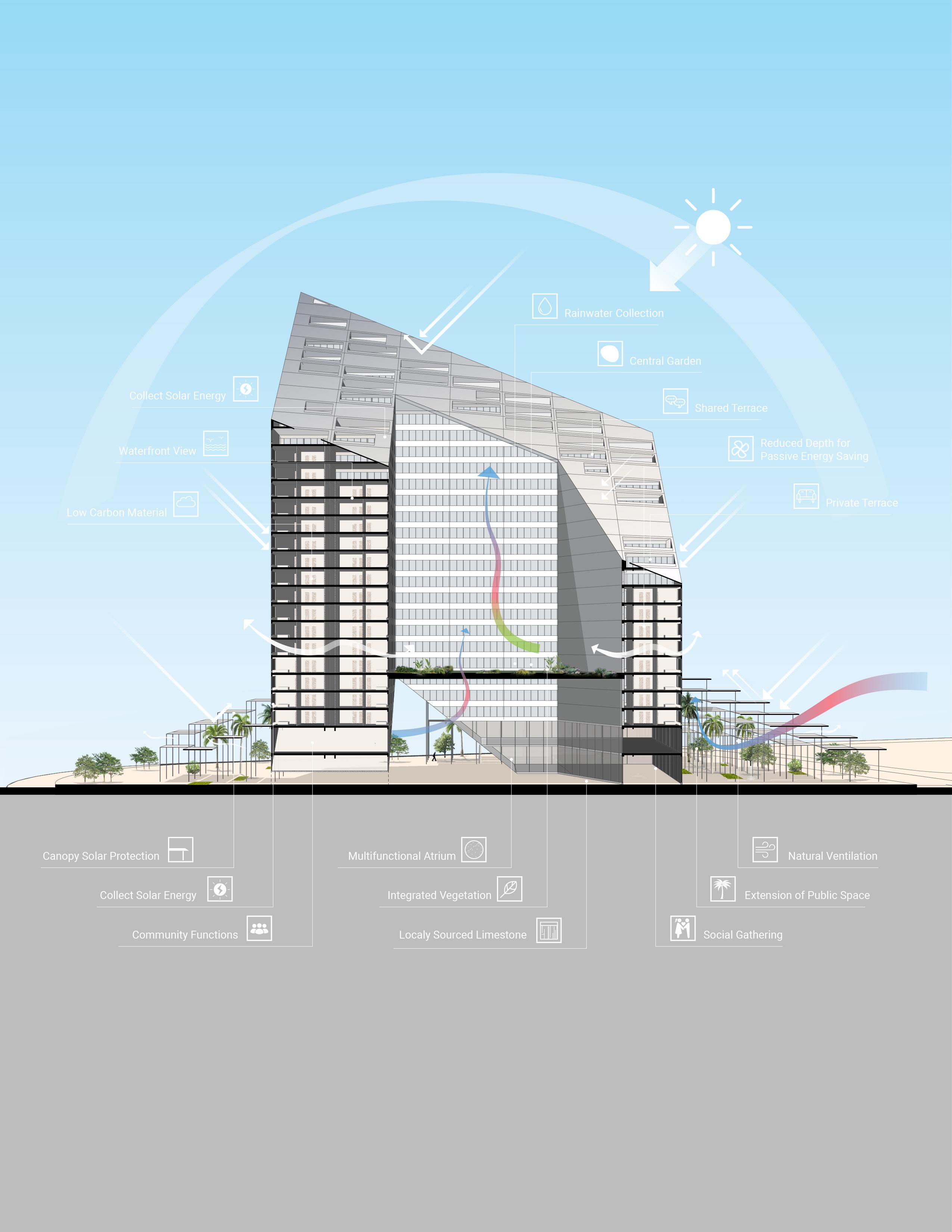
Low-carbon architecture is the global trend. TIANHUA is committed to carbon neutrality research — what do Net-Zero Buildings look like? Do they share common design features? What scientific principles underlie them? In this project, we focus on active energy-saving strategies, specifically Building-Integrated Photovoltaics (BIPV). By conducting extensive analysis of advanced eco-buildings worldwide and deconstructing zero-carbon design methods, a universal toolkit is compiled with the goal of efficiently apply low-carbon design formulas in future schemes.
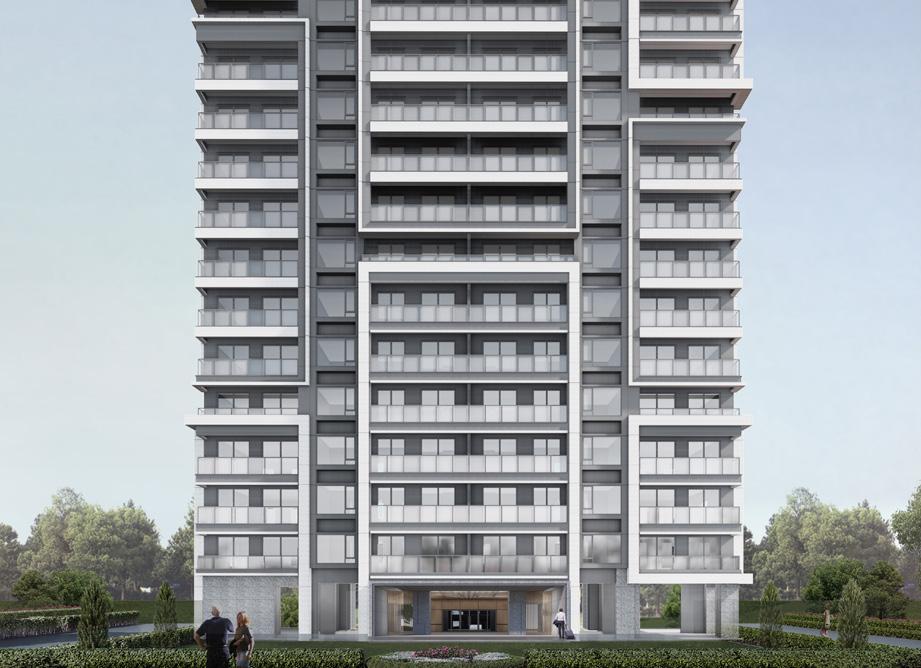
In TIANHUA City, a hypothetical urban prototype, we selected a residential plot and used a 70m × 70m × 70m circular cube as a research prototype to explore photovoltaic-integrated architectural form-finding, aiming to balance living quality and energy efficiency to shape a new aesthetic for future housing.
In terms of photovoltaics, the design maximizes effective PV area through optimal solar incidence angles, expanded physical surface area, shadow reduction, and automation. In terms of residential requirements, the building's orientation, lighting, ventilation, density, zoning, traffic flow, and landscape need to be considered. Meanwhile, site-specific factors such as sun path, boundaries, surrounding obstructions/resources also need to be analyzed.
By integrating these three dimensions, we aim to create a model "human habitat" that maximizes energy, economic, and socio-cultural benefits.
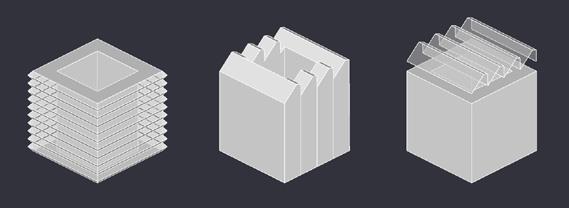
Regard architecture as a SHELL
DECONSTRUCT
Facade System
Roofing System
Cladding System
Orientation
Location
Scale/Size
Integration
CATEGORY
Considering lowcarbon design’s
PRINCIPLE
Catering to solar incident angle
Increasing physical daylight area
Intelligent Adjustment
Enhancing
Prefabricated Components Sun Shading Stack Effect
TOOLKIT
ted Photovoltaic Roof
Introducing Canopy
Double-Skin Facade
egration of Roof and Facade
oducing Antrium as Light Well
Introducing Antrium for Climate Regulation
Scattered Cour tyards for Microclimates
Modular Design
Simulating Traditional Roof
oltaic Cur tain Wall System
egrating PV Panel with tain Wall Ventilation System
Spandrel Panels
arametric Calculation of PV
Facade Components
Adaptive PV Components
Cladding Shading Devices
Cladding Louvers
Cladding Independent PV Panels
Double-Layer Roof
70M
This project will use a 70m*70m*70m cubic prototype to explore architectural form-finding approaches that integrate photovoltaic panels with residential functions.
Trim Solar Facade Trim Shadowed Facade
Facade Roof Decoration
Align with site boundary through 23° southwest rotation.
Add the base, creating a hierarchical nesting of base, building, and site.
Deploy the square with a PV grid at twice the size of the building. Applicable Area: 5100 m² Year-round Operation via PV Panels Massing Rotation
Optimize the ‘ 回 ‘ to maximize solar utilization while creating platforms.
North-oriented massing cut (Angel X=35°-82° per Shanghai solar altitude angles) maximizes eastern/southern residential areas, and creates riverfront vistas.
Applicable Area: 8775 m² Year-round Operation via Solar Louvers
Height-modulated PV units create wave-like public urban gray space. Applicable Area: 4340 m² Year-round Operation via Cladding Panels
Create the entrance based on pedestrian flow and surroundings obstruction.
Area: 6090 m² Year-round Operation via Smart PV Modules
Integrating site conditions, passive energy efficiency and active energy generation are maximized, while meeting residential needs and community functions, ultimately creating a 'human habitat' that maximizes energy resilience, economic viability, and socio-cultural value. Sectional
MORE SELECTED WORKS
Baoli Kindergarten & Sales Center
Time: Sept 2022
Type: Community Facility - Educational, Commercial