Bachelor of Science in Architectural Studies Fall 2020-2024
Louisiana Tech University Masters of Science in Architectural Studies Summer 2024-2025
SET
Auto-cad Rhinoceros Grasshopper Revit Lumion Twinmotion Microsoft Office Adobe Suite Unity
EMAIL: DIAMONDNEVILLS3@GMAIL.COM
PHONE: (318)278-4313
AWARDS
My name is Diamond Nevills. I am a graduate student of the architecture program at Louisiana Tech University. am an enthusiastic individual who enjoys the creative process of any project I am working on. My hobbies include painting, drawing, and writing. I am seeking a position that will help me prepare for my liscensure, while also helping me broaden my skill set in my career.
Celebrate Architecture Scholarship
LEADERSHIP
ATTRIBUTES
Teamwork
Customer Service Time Management
Adaptability Efficiency Problem Solving
EXPERIENCE
McNew Architecture: Summer Internship
Over 500 hours of NCARB employment hours
Conducted research with International Building Code and NFPA Life Safety Code for several projects
Worked with the principal architect in a schematic floor plan layout for renovations and additions
Periodically attended monthly construction progress meetings and weekly construction site visits and assisted with writing the field reports
Exposed to product and material research and selection and specification writing
5G Studio Collaborative: Summer Internship
Over 500 hours of NCARB employment hours
Composted a detail library in revit for all current projects
Attended weekly meetings with consultants over Microsoft teams
Assisted with updating construction drawings after comments from the city
Attended weekly meetings with the team about individual progress updates
UDAC (University Design Center Assistance)
Constructed a proposal video to show some recent and potential developments to the town of Ruston, Louisiana
Built a 3d model or the town to envision the developments to come in the next few years
Brian McNew Mcew Architecture 318-219-7388 brianmcnew@att.net Walpole Best Scholarship
Attended meetings with people in the development group to understand their concepts
REFERENCES
National Organization of Minority Architects (NOMAS): Women in Architecture (WIA):
Member Vice President Member Vice President
American Institute of Architecture Students (AIAS):
Member
2021-Current 2022- 2023
2022-Current 2022- 2023
2021- Current
Michael Voegtle
Studio V Architects mike@studiovarch.com
Kevin Singh
Louisiana Tech University (Professor) 318-254-3278 ksingh@latech.edu
TABLE OF CONTENTS
LOUISIANA TECH UNIVERSITY STUDENT CENTER
CHERRY CREEK LEARNING & RECYCLING FACILITY
KANSAS CITY CURRENT MASTERPLAN/ RECREATION FACILITY
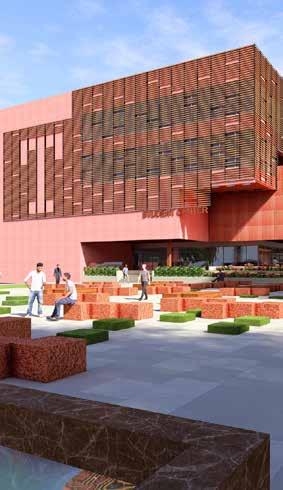
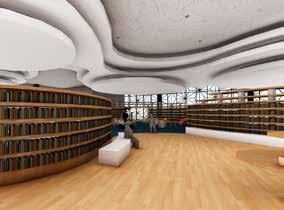
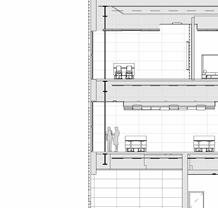
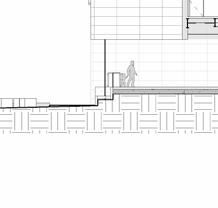
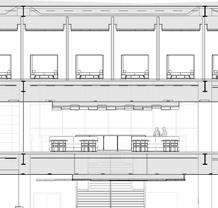
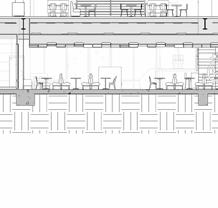
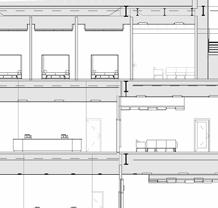
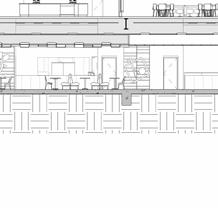
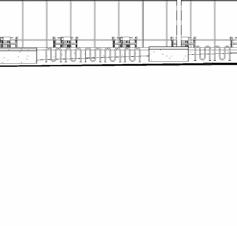
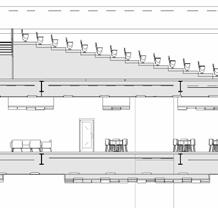
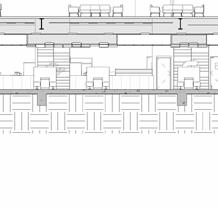
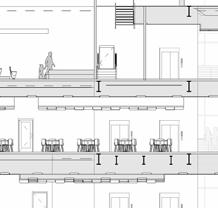
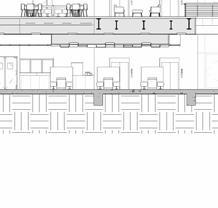
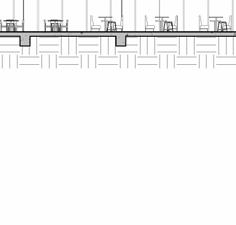
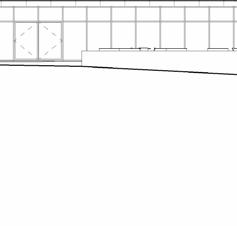
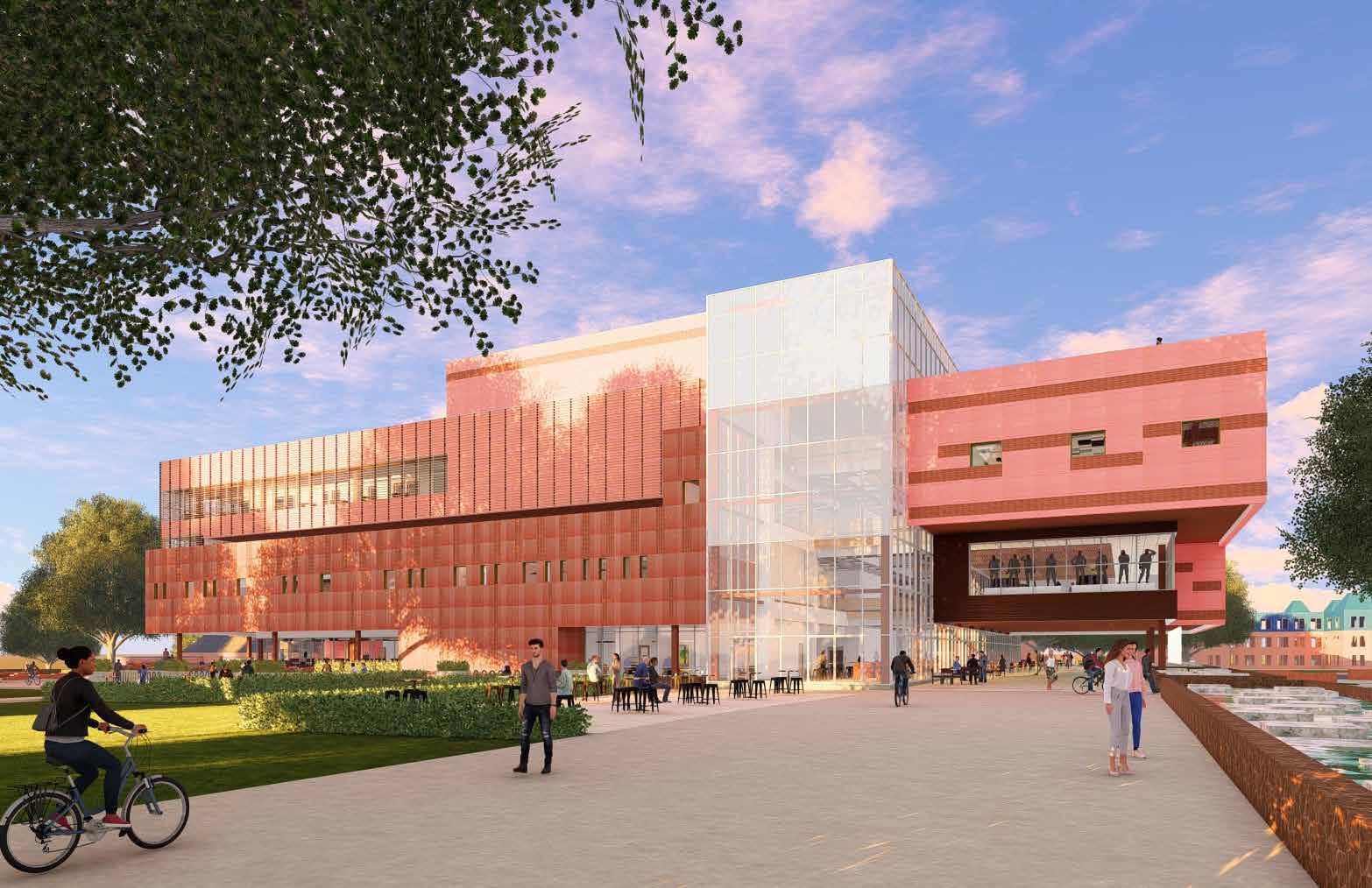
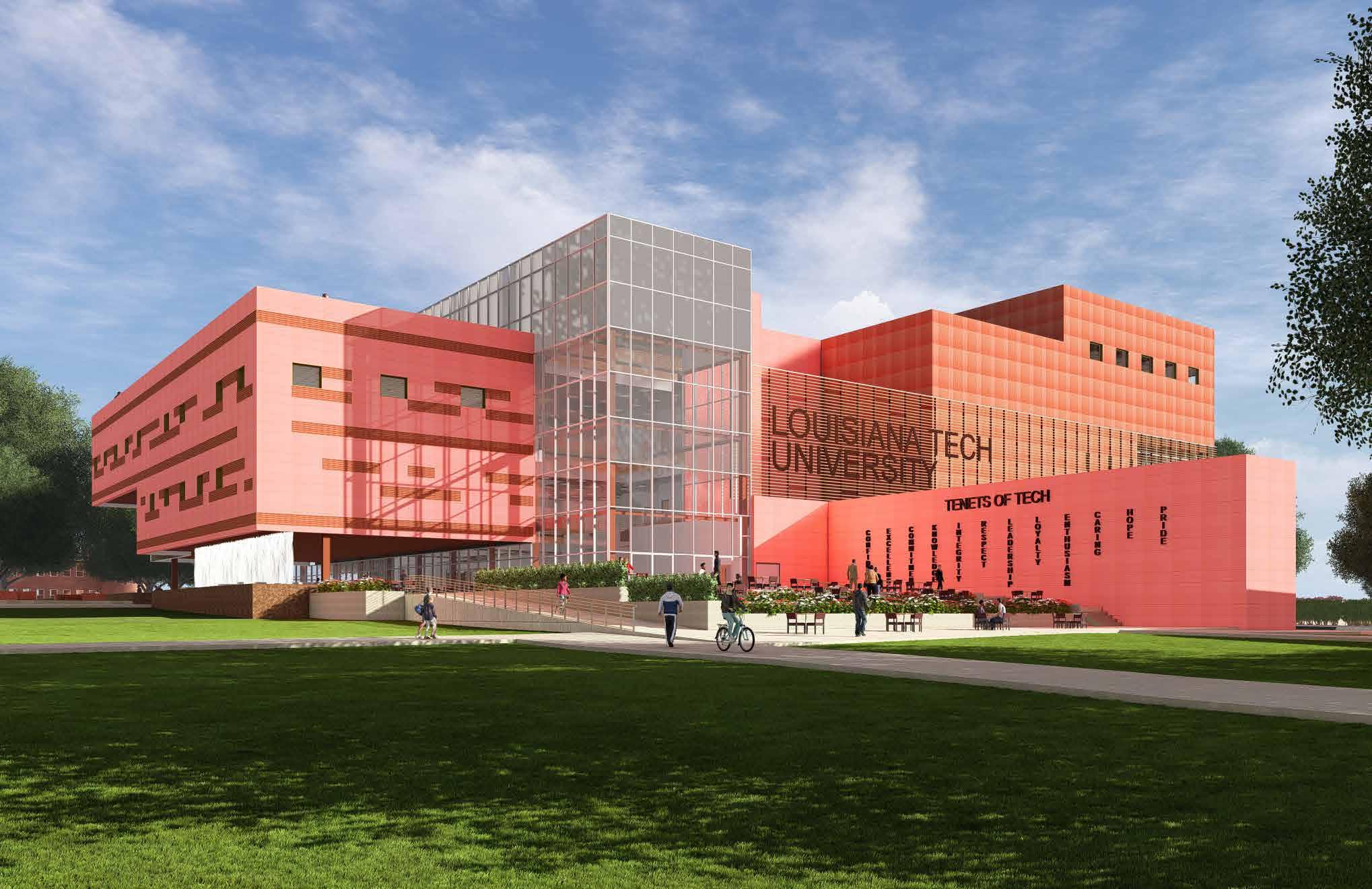
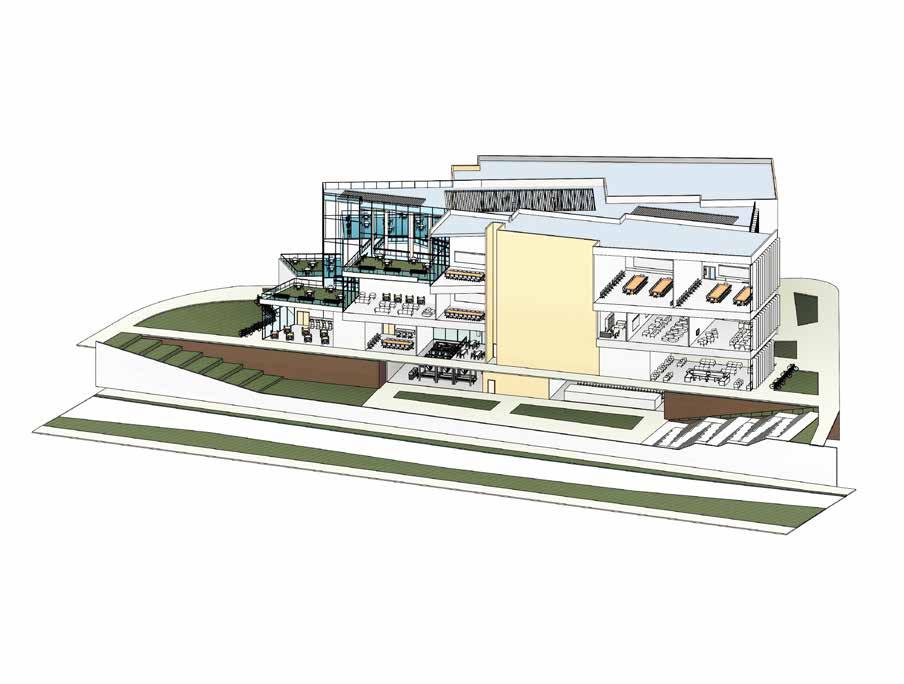
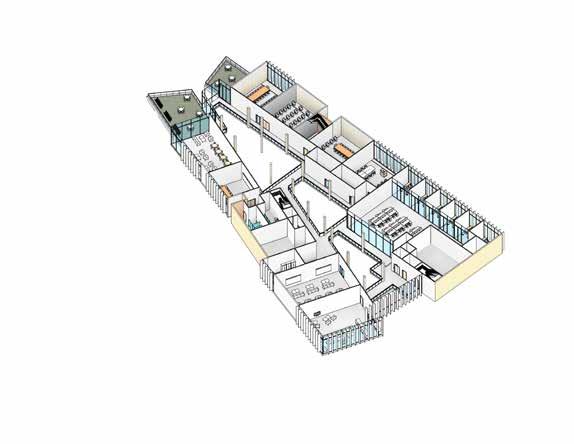
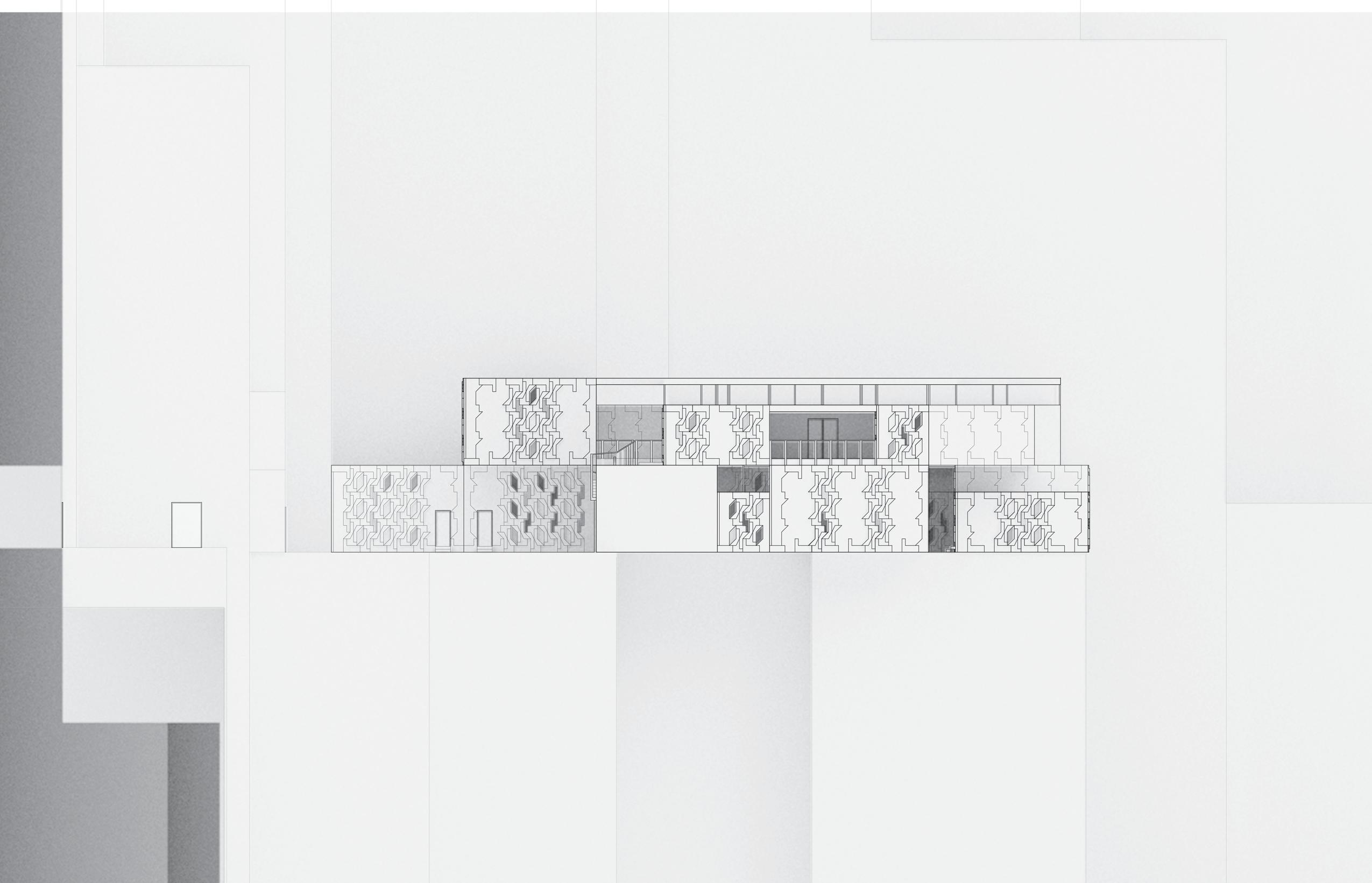
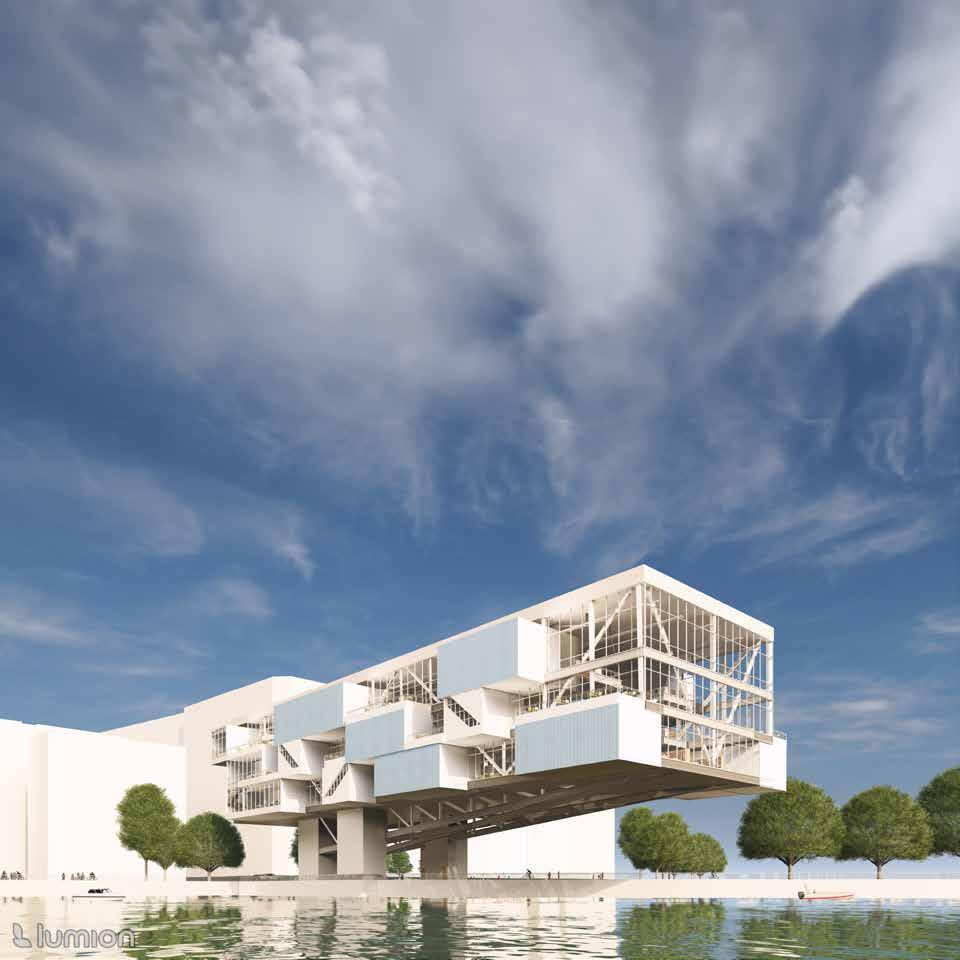
Louisiana Tech University’s Student Center, originally built in the 1930s and restored in 2004, no longer meets the demands of the growing and evolving student body. The university now seeks to create a brand-new student center that will not only replace Toliver Hall and the existing student center but also accommodate the rising number of students for the foreseeable future. The new facility will centralize academic, recreational, and dining services, creating a hub that brings together both campus life and Ruston’s local culture.
The new student center will provide dining options, gathering and entertainment spaces, academic resources, and student services. Due to activities in Ruston being driving distance from campus, the design will integrate functions currently housed in the Lambright Center providing students with a place to study, eat, relax, and play without leaving the heart of campus. The project’s goal is to design a space that reflects Louisiana Tech’s identity as a National University while providing an inclusive “home away from home” atmosphere for students
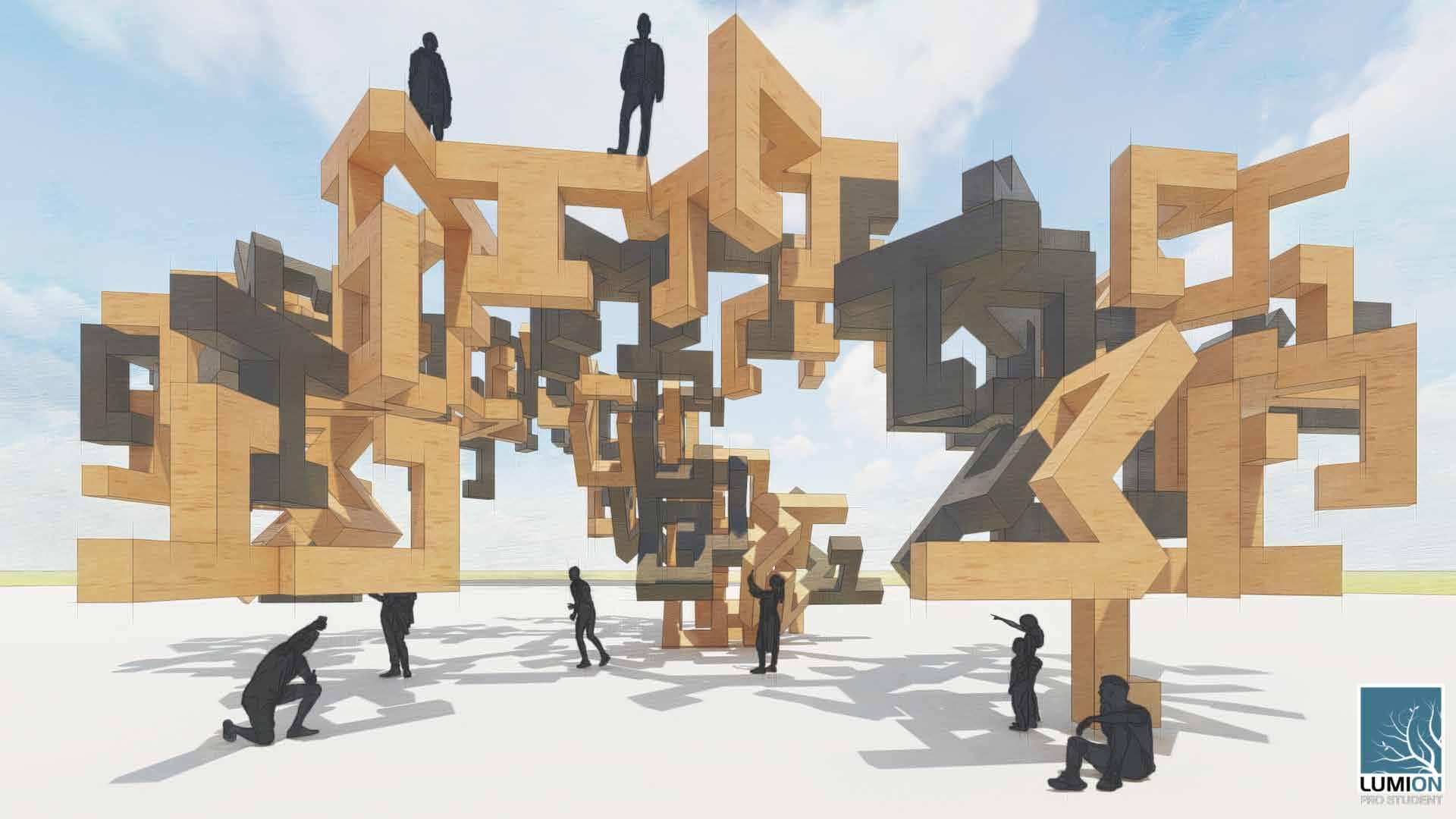
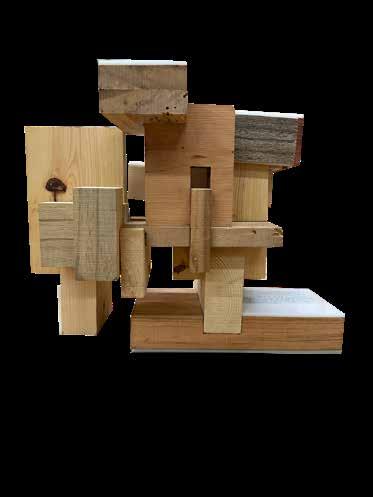
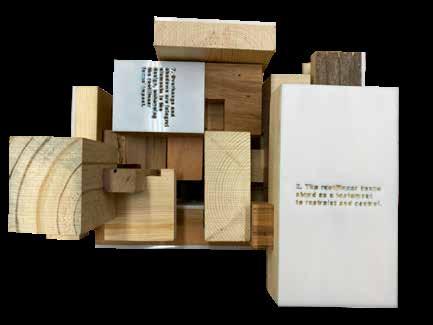
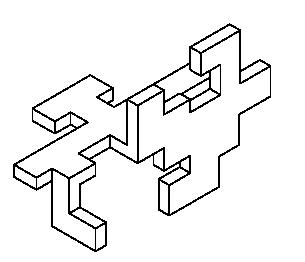
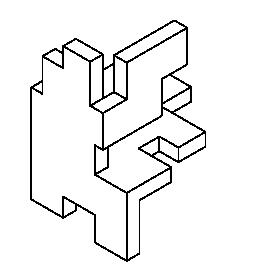
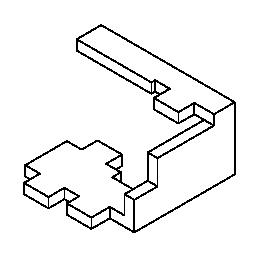
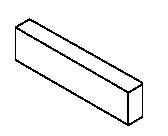
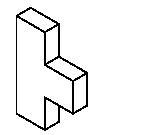
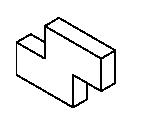
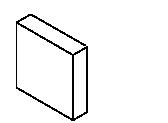
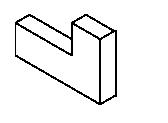
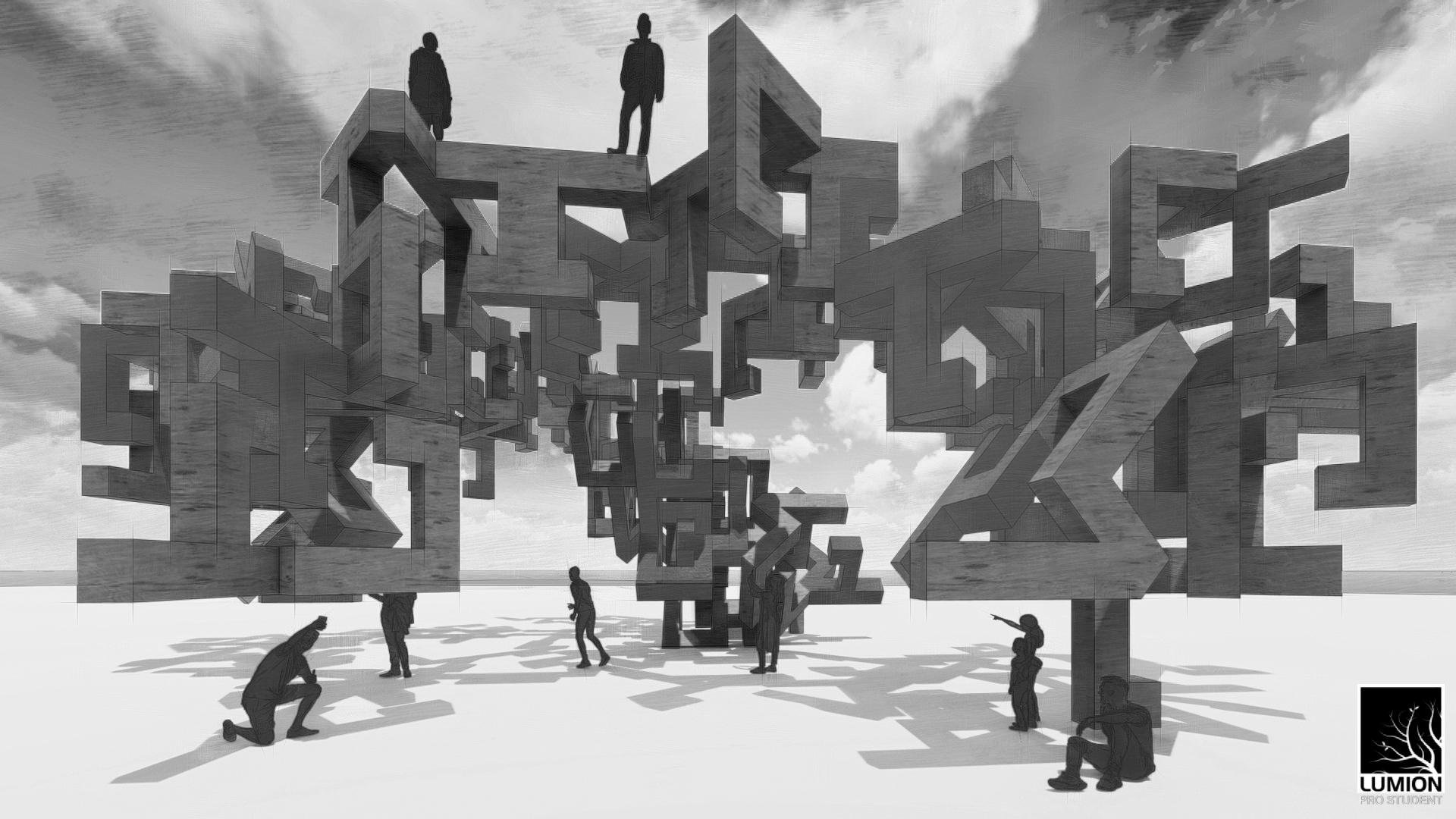
After crafting our manifestos, we were asked to build/ design an object that embodies our manifesto. Using this instrument, we were able to take observations and ideas from the object and utilize them in the initiatial design process to get our building form. This object was centered around the dynamism of what boxes can be used for. Each block can slide, fit, or adjust to at least 2 other blocks. The user is able to have complete control of the object to get different outcomes of the shapes produced.
RE C T I L I N E A R I T Y
MANIFESTO
1. Design begins with rectilinear forms that embody clarity, order, and precision.
5. The boxes become more than just containers of space.
The form is not a limitation, but a vessel, a framework within which space is shaped with purpose. This allows architecture to express its function and meaning without unnecessary complexity. They act as narrative devices, guiding users through the building with coherence. This narrative is established by controlling the flow between spaces, using the boxes to direct movement and sight lines. The boxes frame views, define circulation paths, and create thresholds between different areas, making the building’s layout both legible and meaningful.
2. The rectilinear boxes stand as a testament to restraint and control.
The design process starts with programmatic boxes, each representing a space within the building. These initial boxes are conceptual placeholders, defining the basic requirements of the program. Through pushing, pulling, twisting, and condensing the boxes, they are transformed into a cohesive and functional composition. The result is architecture that balances spatial complexity with a disciplined arrangement.
3. This is the power of the boxes: elements that distill architecture to its core, balancing simplicity with sophistication.
The geometry of the boxes strips away unnecessary complexity. By maintaining an orderly arrangement, the design emphasizes contrasts between open and enclosed spaces and light and shadow, thereby creating a refined spatial experience.
4. The capability of the boxes lies in their ability to establish a hierarchy of spaces.
Hierarchy is achieved through manipulation of the boxes’ dimensions, orientation, and placement.
Larger boxes house primary public spaces, while smaller boxes organize secondary functions, creating a logical flow of spaces that interact seamlessly. The rectilinear boxes’ inherent simplicity makes these hierarchical relationships clear and intuitive.
6. The facade or envelope of the boxes plays a crucial role in defining the building’s character.
The envelope is not merely a protective layer but a component that interacts with light, color, and texture to create dynamic visual experiences. A facade with a bold color contrast highlight different areas of the building, emphasizing their functions and adding depth to the overall composition. The use of varying degrees of transparency can control the interplay of light and shadow, enriching the user’s experience as they move around the building.
7. Overhangs and shadows, are integral elements in the design, enhancing the rectilinear forms’ impact.
Overhangs are placed to cast linear shadows that change throughout the day, emphasizing the building’s geometry. Shadows enhance the external program and circulations of the building, inviting people to interact with the site and its surroundings. These elements are designed to interact with the boxes, reinforcing the building’s purpose.
8. In the end, a dynamic composition emerges.
By shifting boxes slightly off-axis from another, unexpected sight lines and spatial experiences are created. This invites users to explore the building in a more engaging way. Voids between boxes can be used to introduce light, create outdoor spaces, or provide visual connections between different areas. These design moves ensure that the composition remains cohesive while offering a variety of spatial experiences.
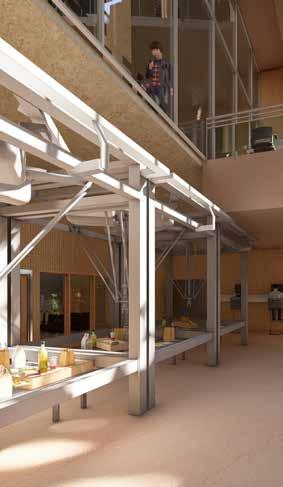
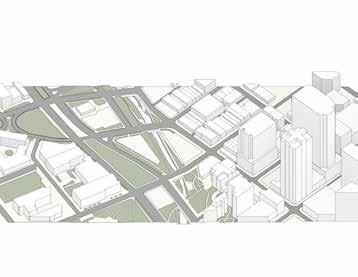
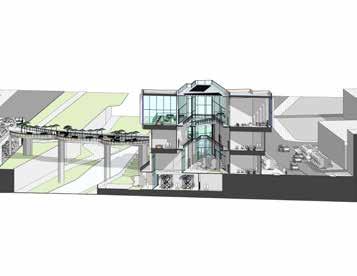
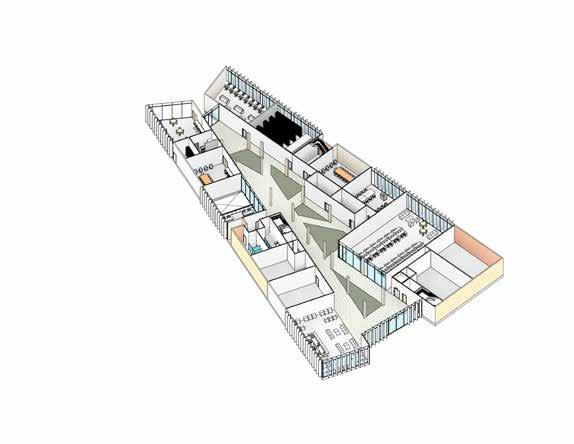
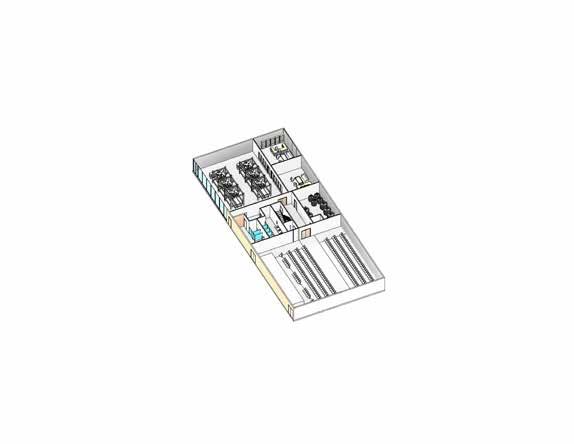
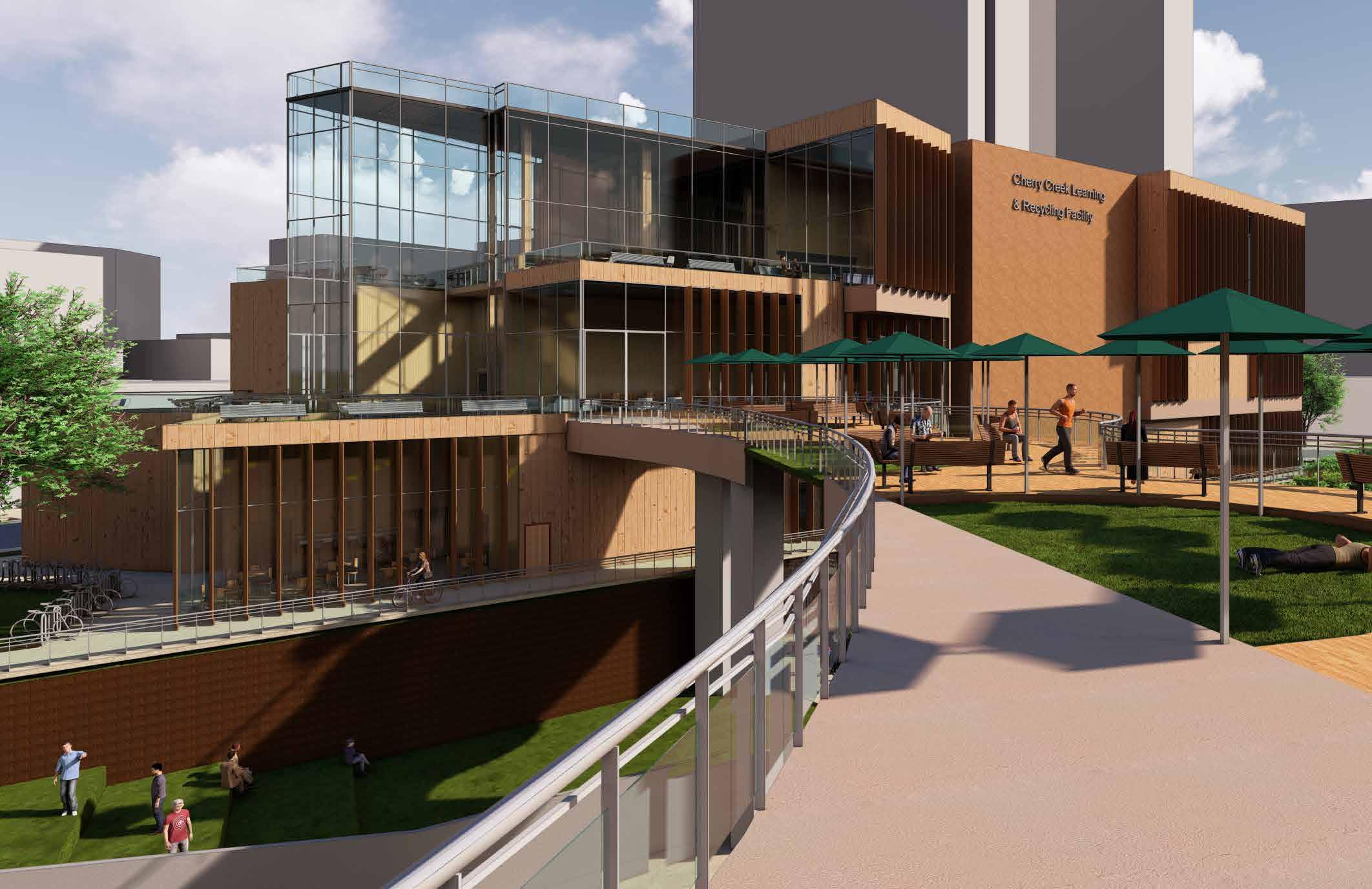
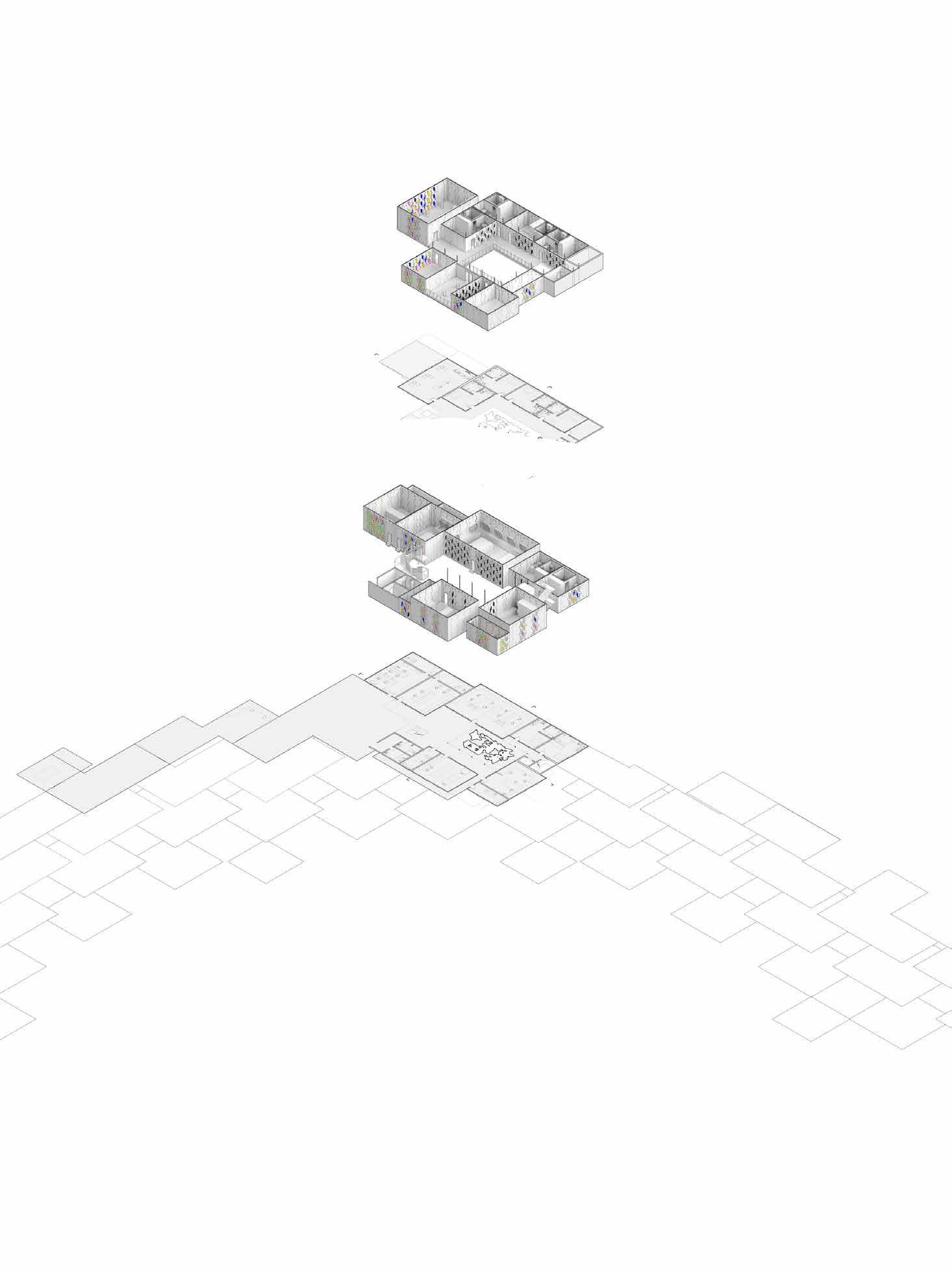
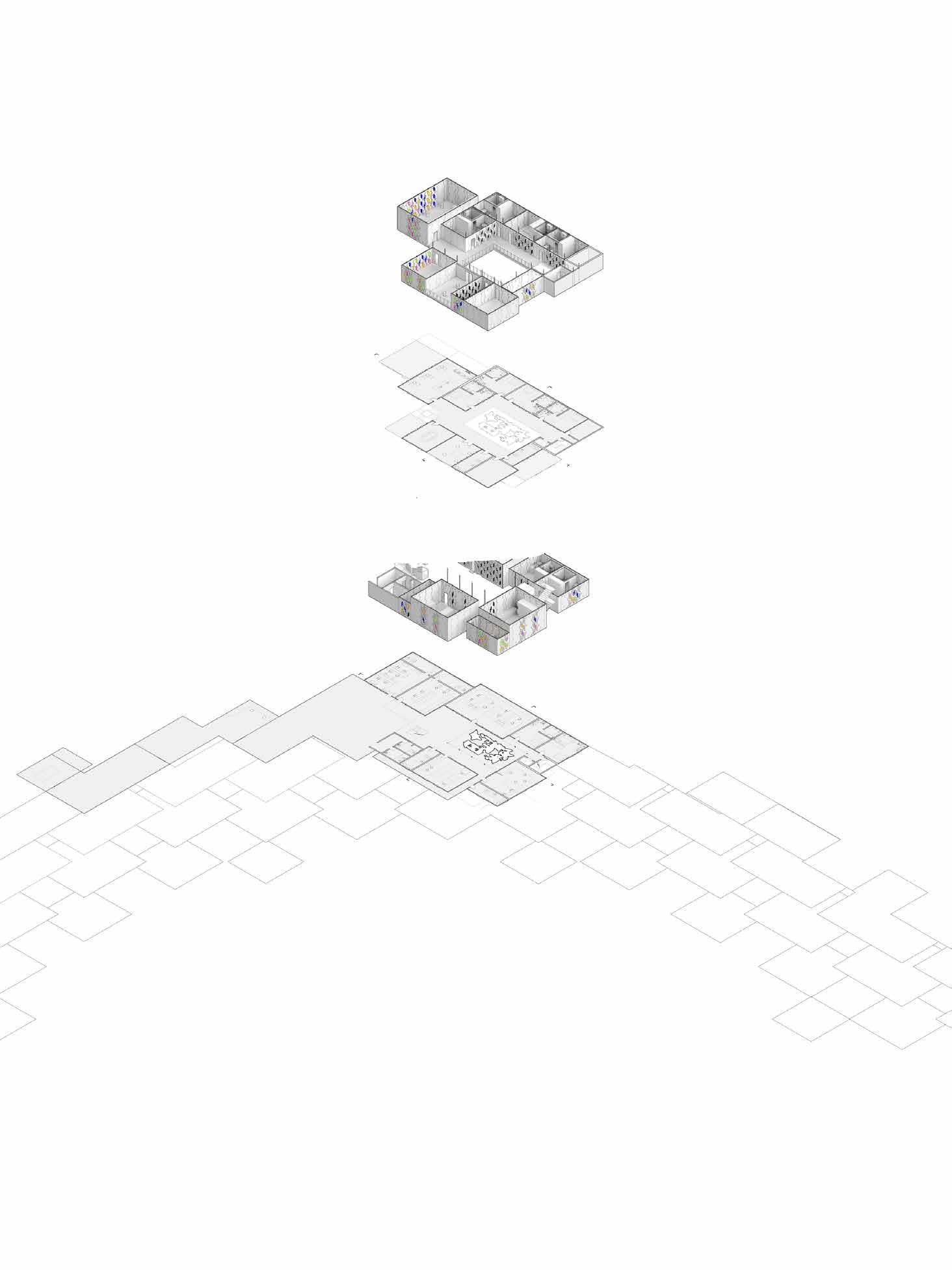
We were tasked with choosing an incubator and/or start-up company to place in a building in downtown Denver, Colorado. The chosen company was to characterize the program and drive the concept of design. The site is an existing parking lot and is nestled between one of the main roads of downtown and neighbors Cherry Creek. Due to regulations and restrictions, we were not able to use the creek as a source for water, but we could enhance the beauty by adapting the landscape.
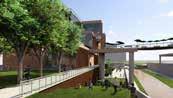
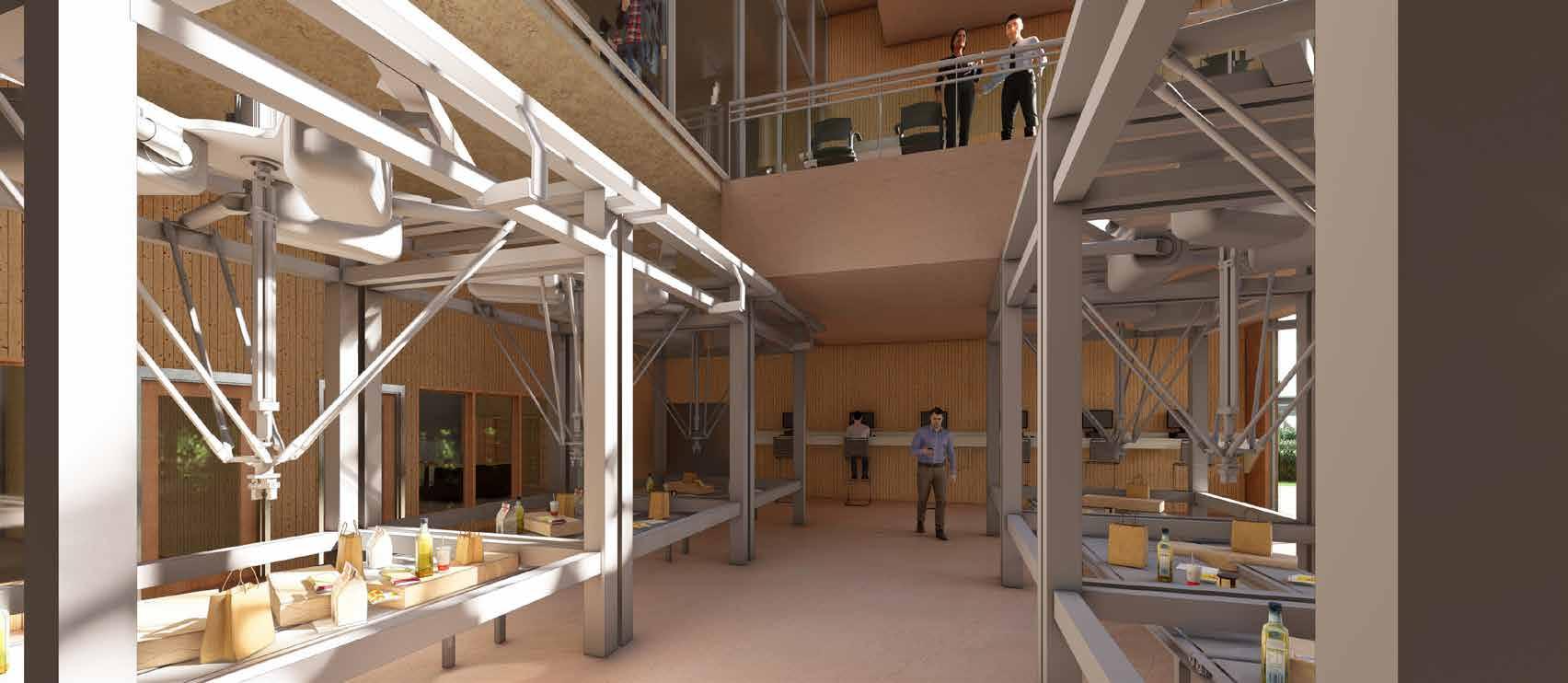
After reviewing the problems in Denver, Colorado, I chose a tech incubator that would invest in a start-up company that specializes in using technology and artificial intelligence to sort waste products. This start-up company would not only operate from within the building, but also teach people about it’s technology and show them how to create their own. Visitors are invited in with an interactive landscape that views the equipment and influence in the idea of sustainability and robotics.
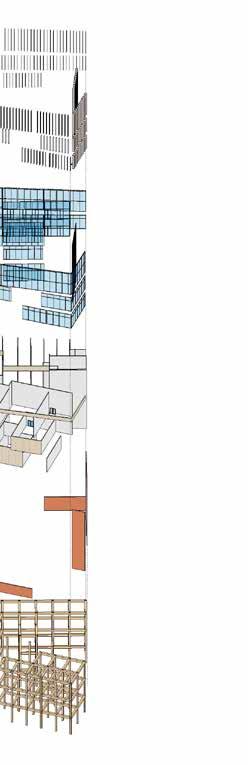
Site and Program Blocks Floor Organization
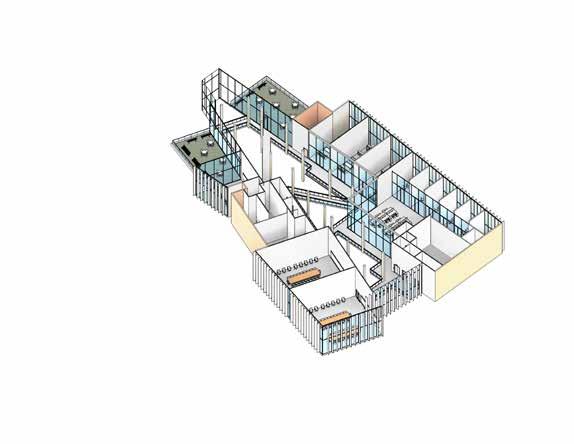
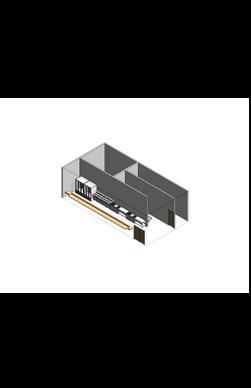
Separated program spaces by the robotics machine brain (offices), eyes (public), arms (production).
Massing Spaces
The program blocks were put into place to prioritize the building form and visitor entrances.
The main program was split between three categories: learning, flex spaces, and office.
Daylighting and Ventilation
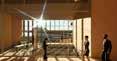
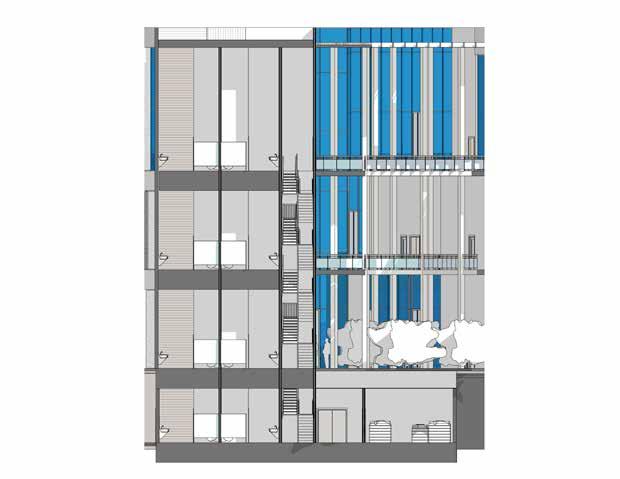
Daylighting and ventilation was also a priority in the design featuring a retractable roof, high performance glazing and shading devices.
Natural Ecosystems
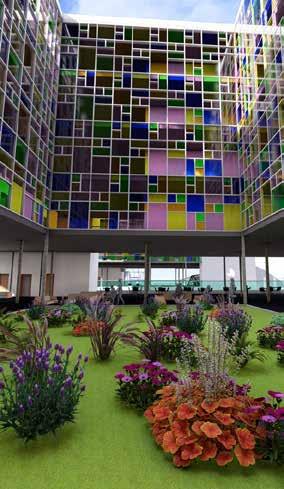
One of the focuses of the building was to incorporate natural ecosystems, xierscape and the beauty of the river.
Community and Accessibility
The last key aspect was incorporating the need for accessibility measures as well as community gathering spaces in downtown.
DESIGN
Since we cannot reuse the water from the creek, other strategies, such as floor barrier, greywater collection from sinks and low flow technology features were utilized as sustainable strategies.
The building is meant to spark creative ideas that can change how people see and understand how recycling and technology coexist.
Hands-on research area
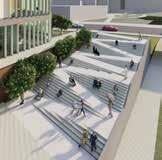
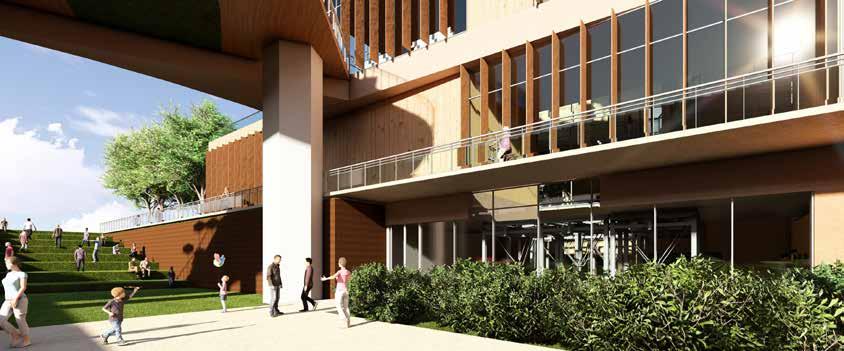
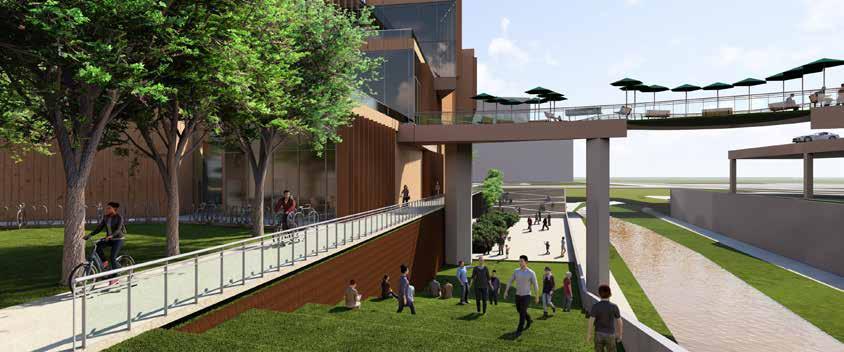
Many features are added to enhance the experience of not just the building, but the creek and the community aspect of downtown Denver.
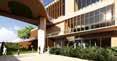
The materials are not just locally sourced, but also recyclable and sustainable. These materials include timber, terra cotta, laminated wood and glazing.
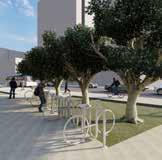
Bike racks for people to borrow or park their bikes as they explore downtown.
Virtual rooms to influence VR and AR reality
Stair/ramp to underground floor to enjoy the river and provide accommodations for all people to enjoy.
Film rooms to showcase how the technology is built and operates.
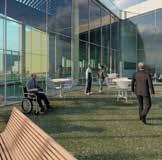
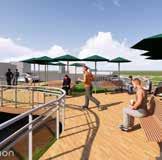
Outdoor terraces to take a break from indoor activities and enjoy the skyline.
Workshops to influence learning how to construct the equipment.
Pedestrian bridge with seating and shading over creek to enhance interactions between visitors.
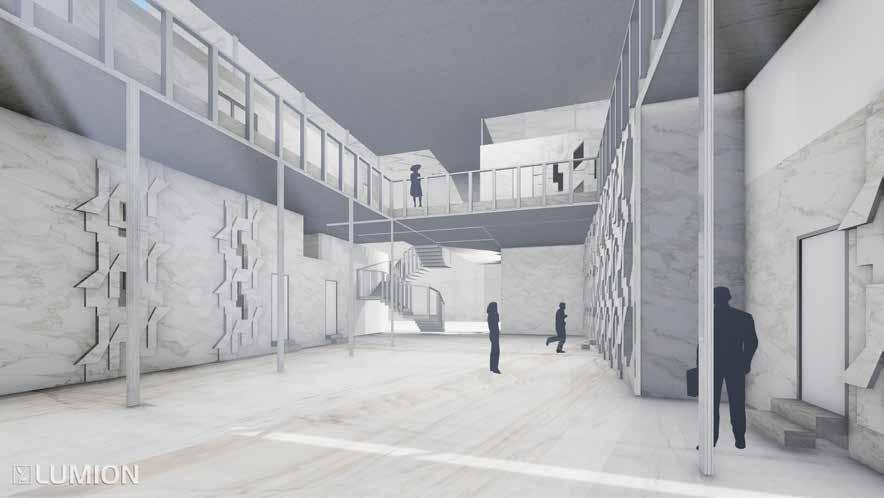
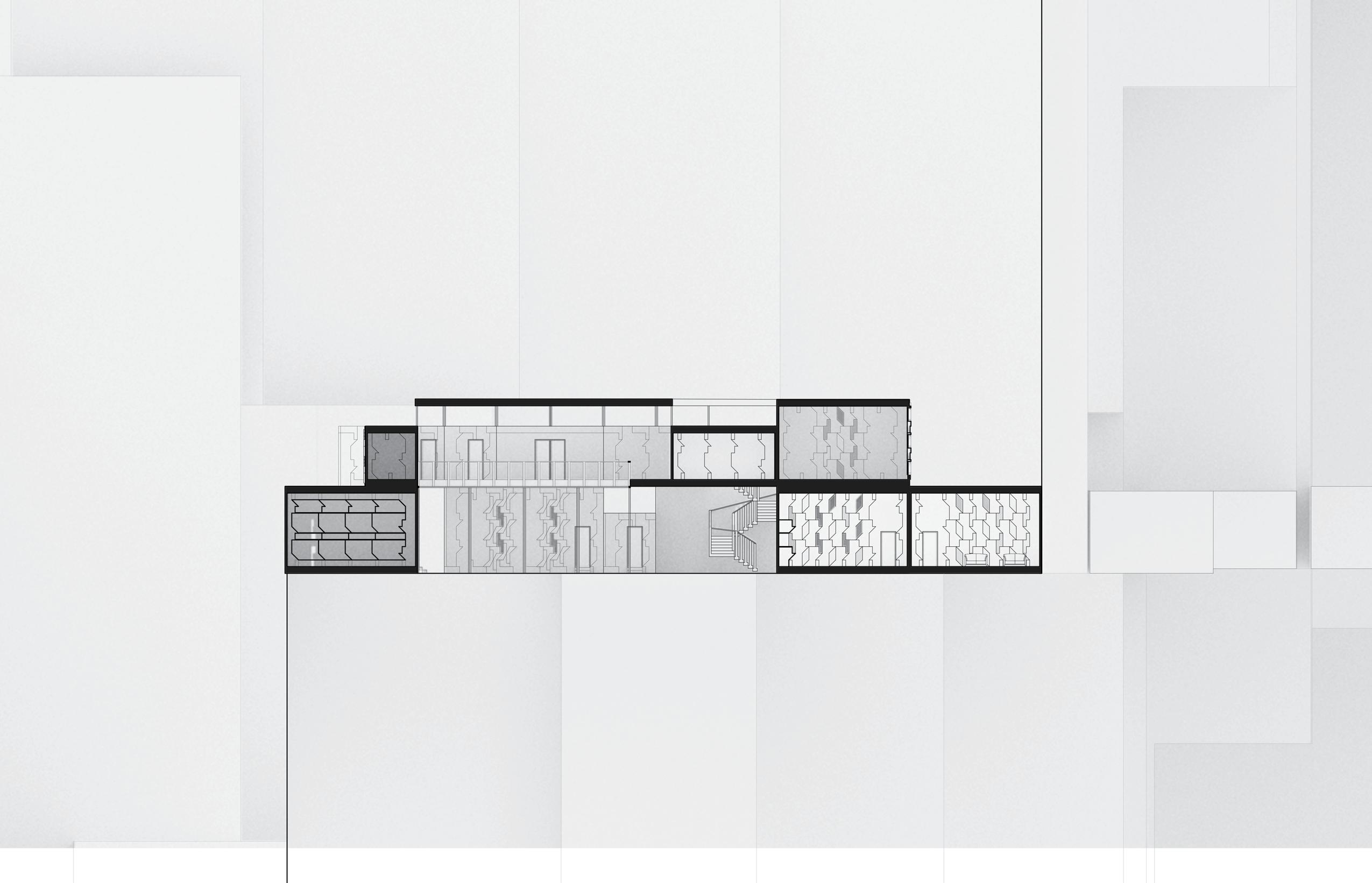
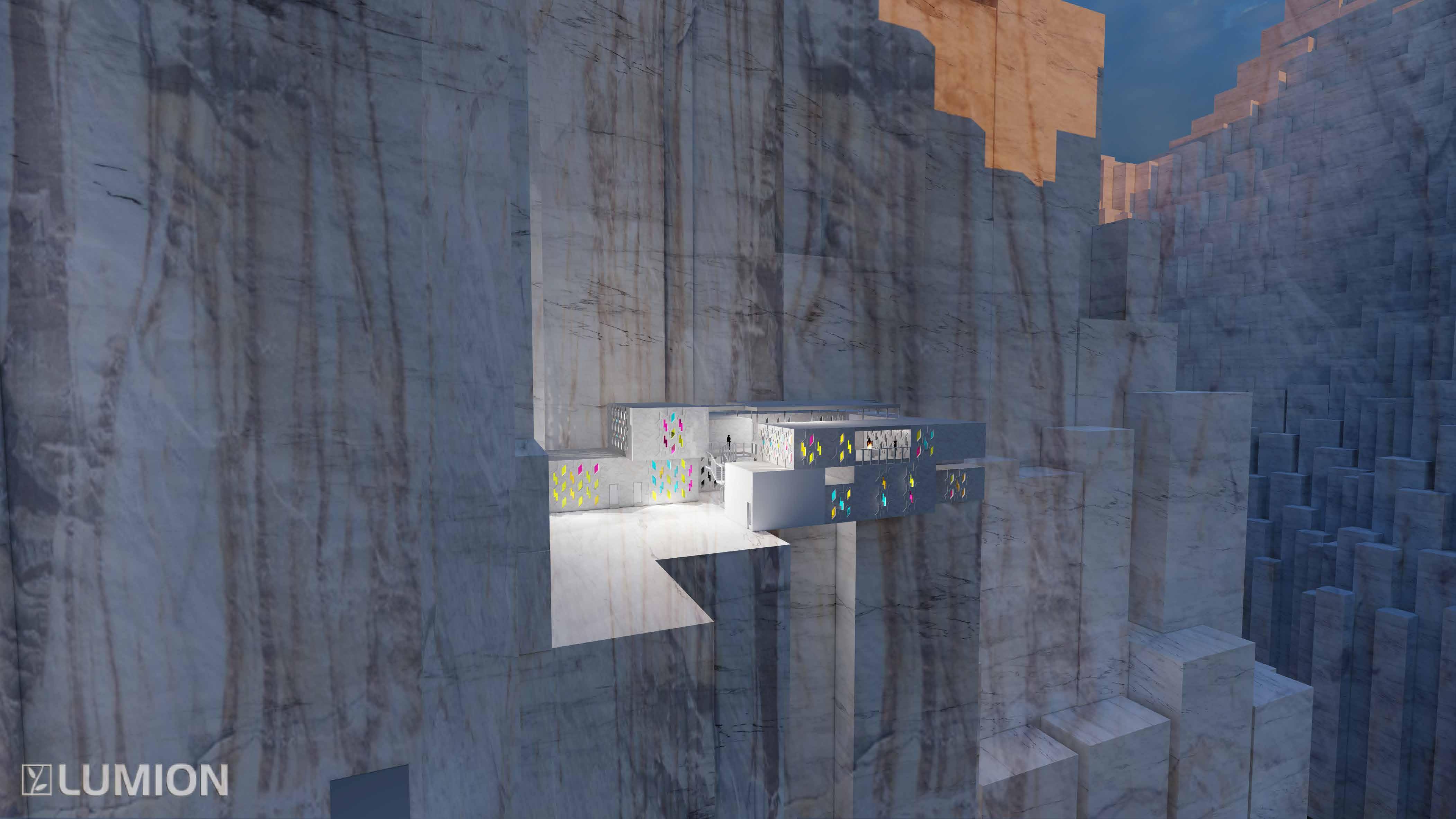
For the past few hundred years, Carrara marble has been in high demand for buildings, sculptures and even cosmetic products. People are worried their supply may run out one day, so they called our organization to come research the Carrara Marble Quarries in Italy. During our exploration, we came across something interesting hidden inside the mountain. Your objective is to help us solve the puzzles and uncover the treasure hidden inside of the quarry.
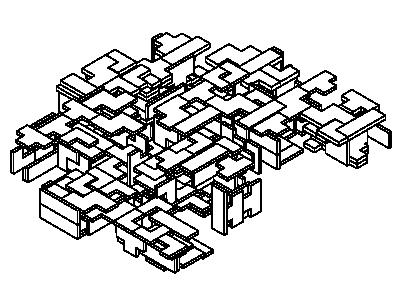
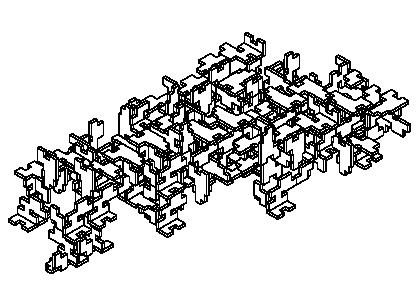
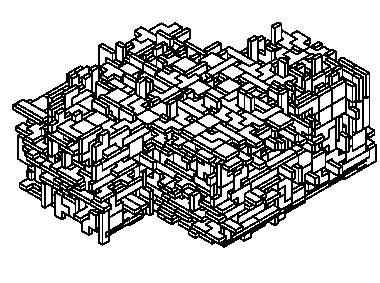
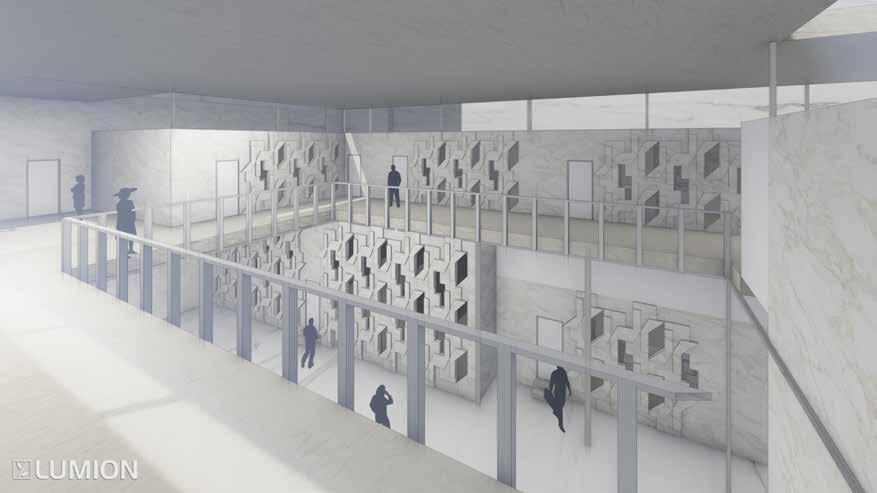
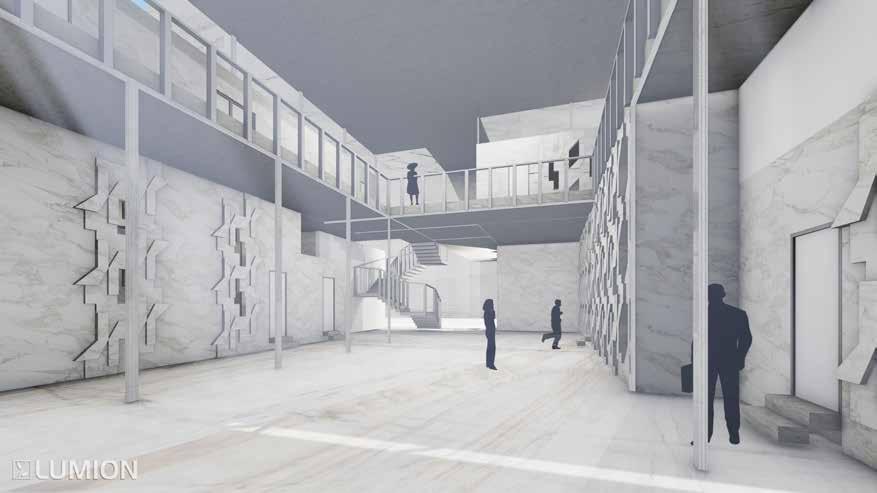
Carrara Marble quarries are rich with rare and beautiful materi al. During the design phase, the computerized aggregation made it simpler to understand the building’s program and how the pieces can connect. Creating the pieces began from thinking about the fractleness of the marble itself. As the process went along, each piece made another and another until a whole wall was formed. The idea is the pieces are chiseled and cut on site and assembled through a series of steel rods. The extruded aluminum frames the rooms and the people on site can enjoy putting it all together. Overall, Naós Tis Filías (Temple of Friendship) is an environment that compliments the meaning of friendship, teamwork, and legacy by giving you the freedom to created something all your own.
WALL CONFIGURATIONS
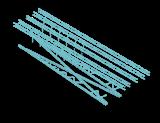
In real world construction, whatever design you choose, you will be able to connect any of the prefabricated pieces to the corner pieces based on height and preference. The steel rods help to keep the pieces intacted and allows you to choose what piece goes next. Since each
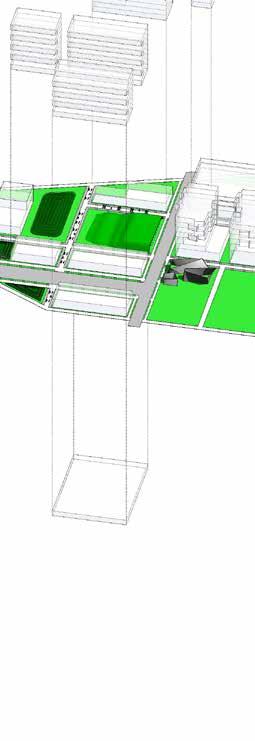
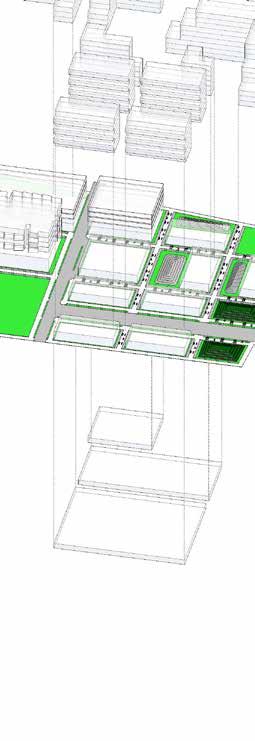
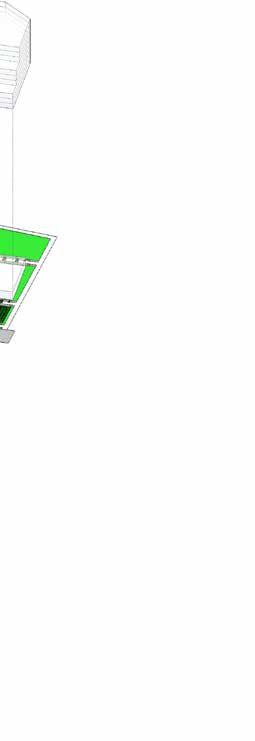
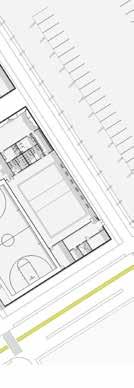
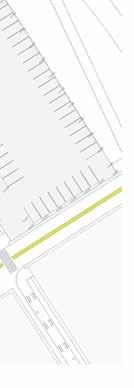
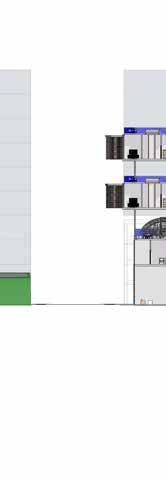
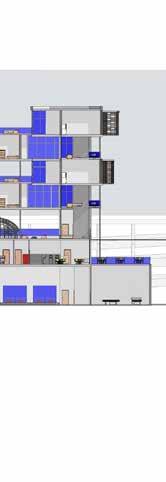
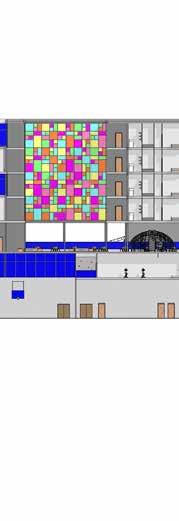
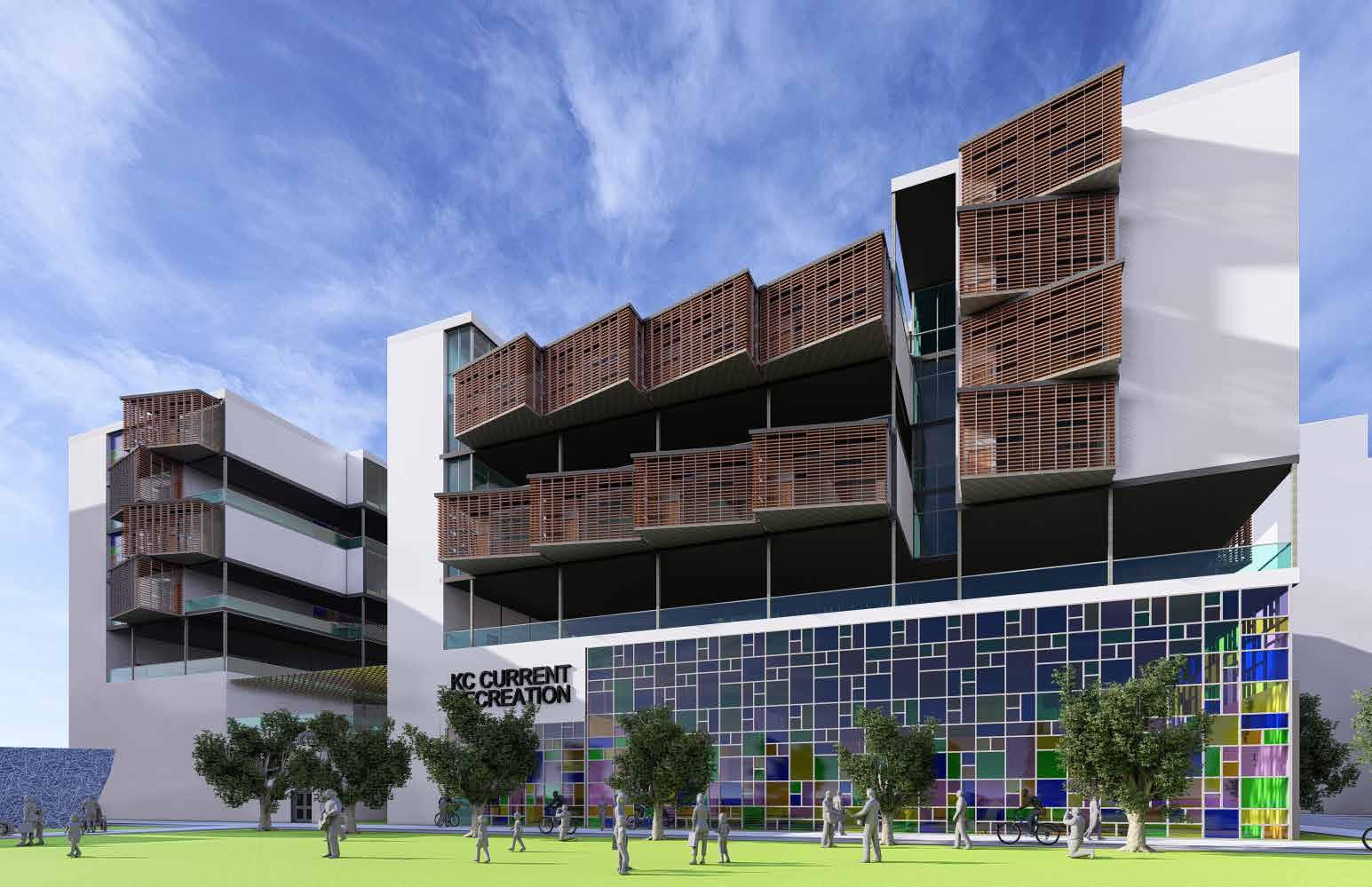
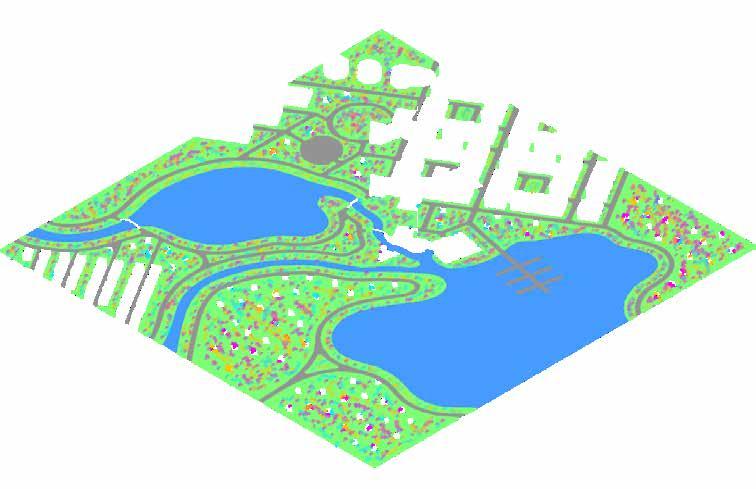
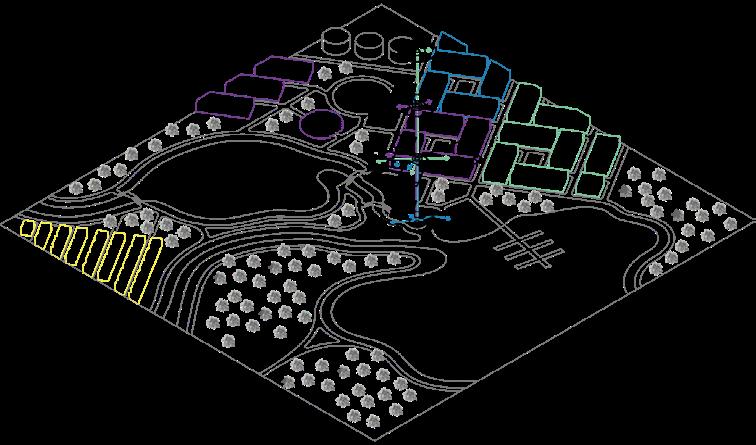
We were tasked with designing over 22 acres of land close to the Berkley Riverfront in Kansas City. The masterplan was to cater to the foot traffic that would come to and from the new soccer stadium located on the northeast corner of the site. Using the surrounding lines from infrastructures, buildings, and the bridges, we had to design to accommodate over 800,000 sq ft of residential, 100,000 sq ft of commercial, and 300,000 sq ft of parking. After designing the general circulation of the site, we were asked to place a “landmark” building somewhere on the site. This building was to cater to the river district, the new residential apartments, the new stadium, and the new pedestrian train route surrounding the site.
FOURTH YEAR STUDIO (COLLABORATION WITH EMMA WYATT)
PROGRAMS: REVIT, ILLUSTRATOR, LUMION
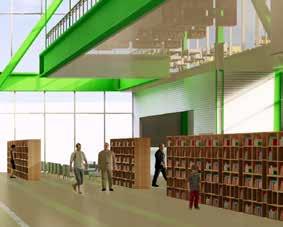
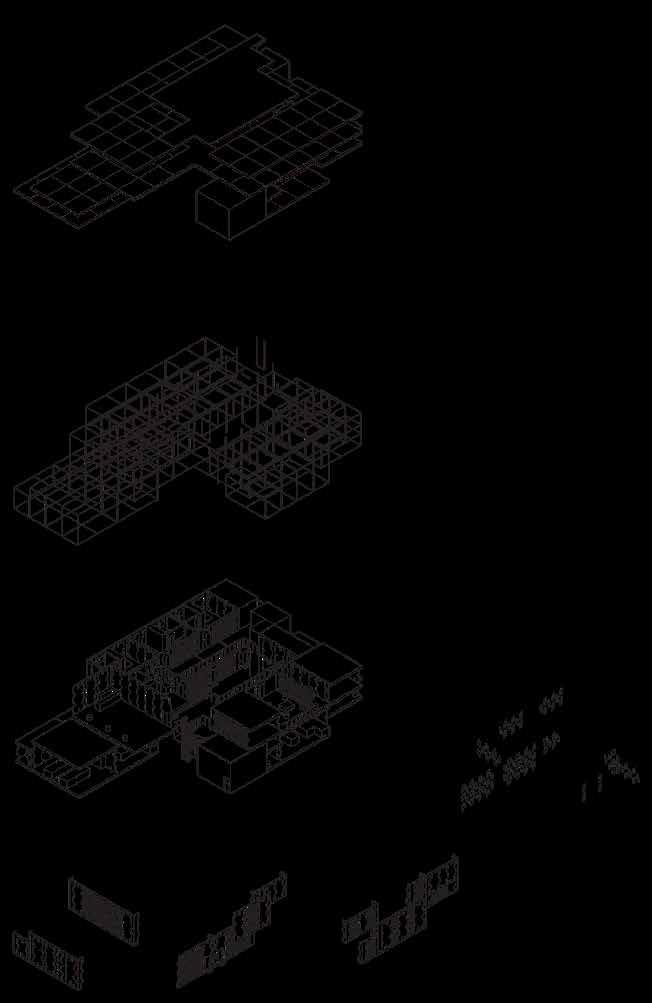
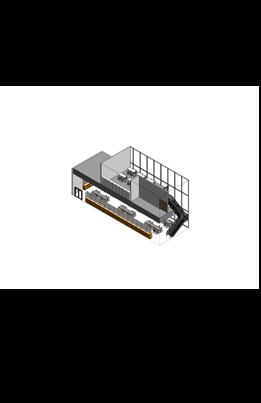
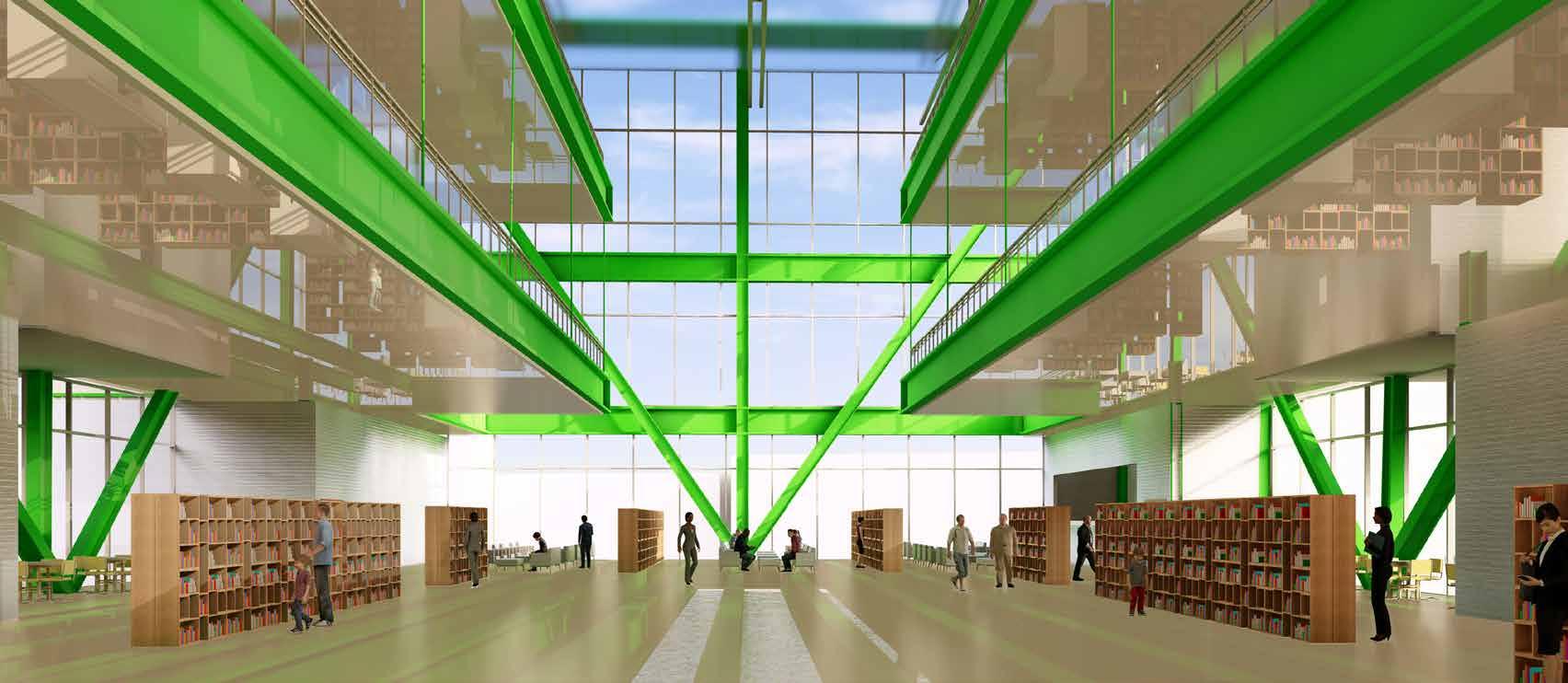
Innovarium is an interactive library dedicated to the timeless pursuit of human progress. Nestled in the heart of Boston, Massachusetts, amidst the scenery of the Charles River and Lederman Park, Innovarium serves as a beacon of innovation and exploration. Boston’s rich history and status as a bastion of American innovation makes it the perfect setting for Innovarium to flourish as a hub for groundbreaking discoveries within the dynamic tech and startup landscape, surrounded by esteemed institutions like MIT. Our building embodies the idea of connecting past, present, and future generations through a harmonious blend of history, cutting-edge technology, and modular design.
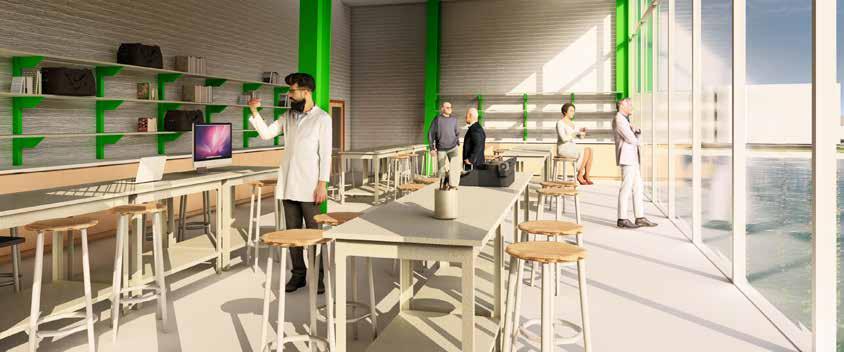
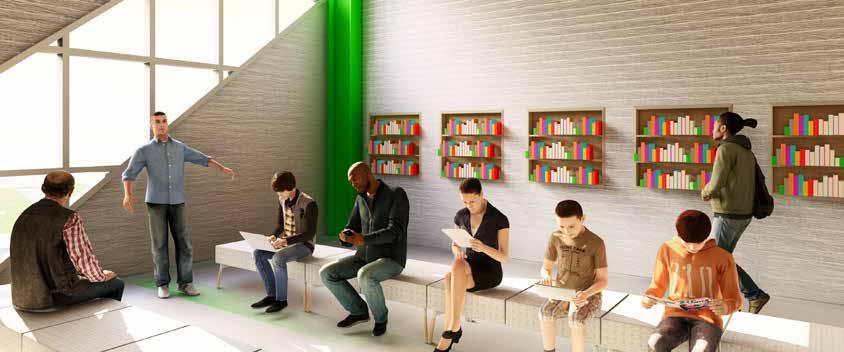
Spanning three floors symbolizing the constructs of time, Innovarium modular architecture seamlessly integrates with its surroundings, enabling adaptability to the ever-evolving landscape of human ingenuity. From interactive pods and collaborative workshops to advanced research labs and digital archives, Innovarium offers a multifaceted environment where ideas are nurtured, prototypes are built, and dreams take flight. Innovarium fosters curiosity, sparks creativity, and inspires a sense of wonder among visitors of all ages. With its innovative approach to knowledge and collaborative discovery, Innovarium serves as a catalyst for positive change and meaningful connections within Boston’s vibrant ecosystem and beyond. As we embark on this journey of exploration and innovation, Innovarium stands ready to inspire and empower individuals to shape a brighter future for generations to come.
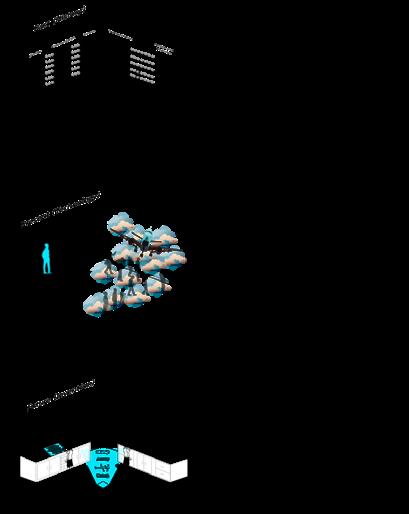
CONCEPT DIAGRAM
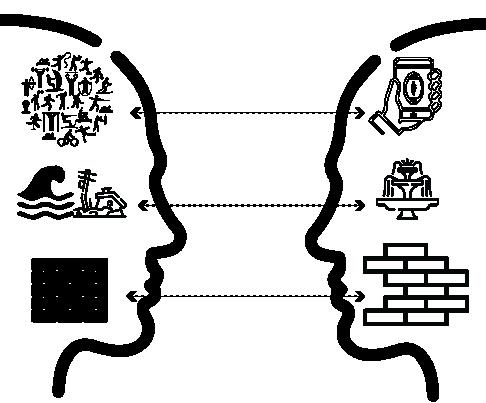
Concept: Connecting past, present, and future generations through history, technology, and invention.
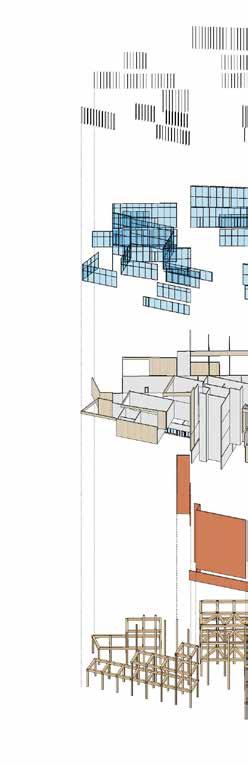
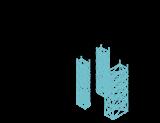
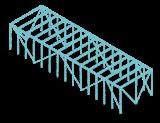
STRUCTURE DIAGRAM
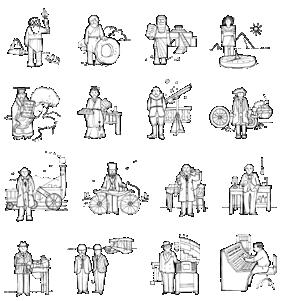
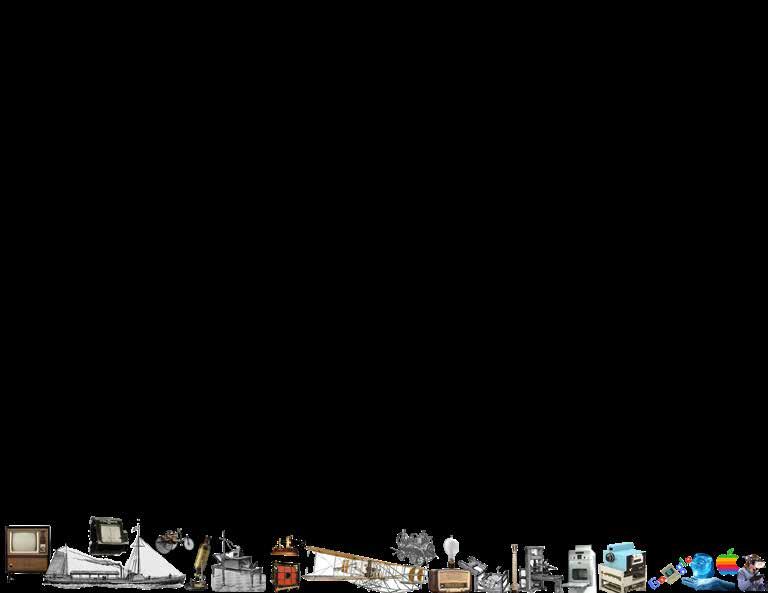
INVENTION PROGRESSION TIMELINE
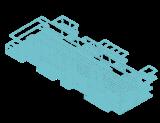
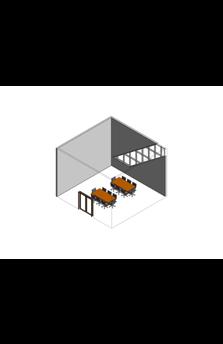
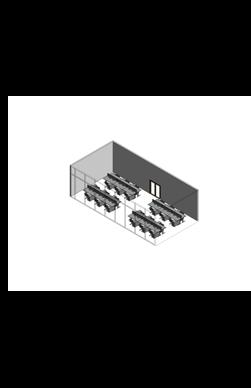
MODULAR POD LAYOUTS
As you progress through the building, you become engulfed in the timeline of inventions. You start first in the 1700s and as you ascend the building, you walk through the 1800s and 1900s. Each floor includes inventions of these categories: Transportation, Communication, Health & Medicine, Scientific Advancements, and Everyday Items.
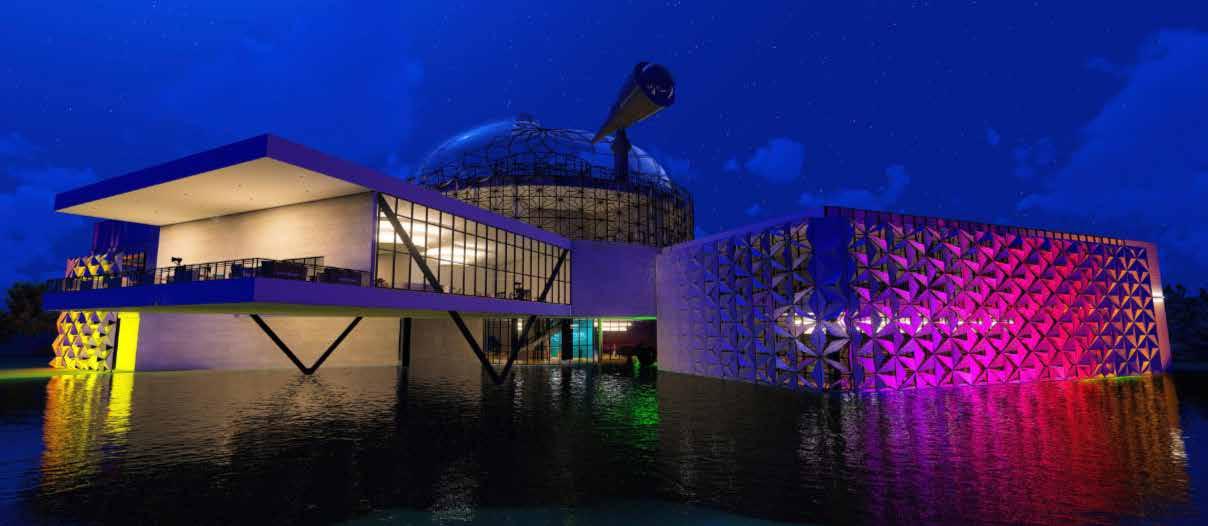
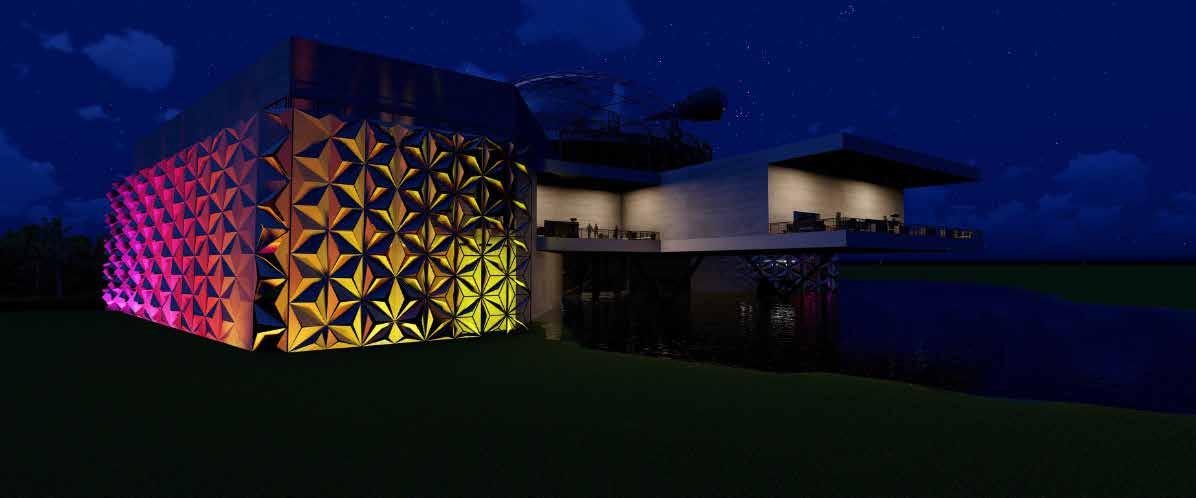
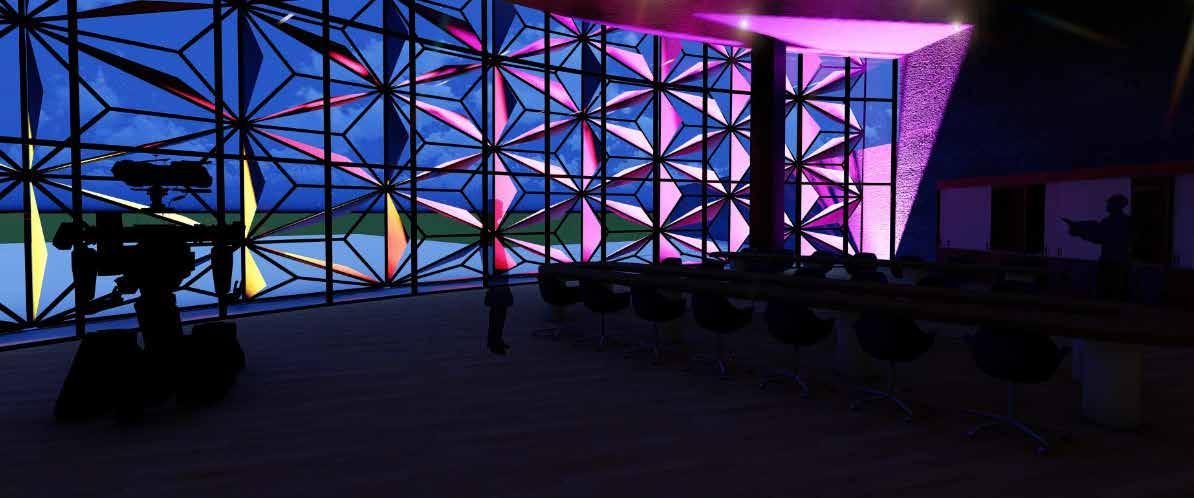
We were tasked with creating a project based on several AI driven stories that we wrote in class. In our group, we decided to create a story that centered around our individual stories. Nova has seen the worst. This is due to the war between factions. We made it our mission to help others with the same problems. We scout the galaxy for eager minds for change and resolution and bring them back to our facility. Once they leave, they will have the knowledge to control and adapt to many crisis and be able to change their planet for the better.
CHARACTER DEVELOPMENT
LILLIAN GRAY
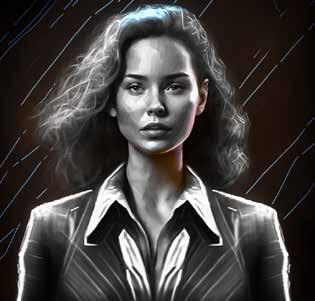
Lillian is a human archaeologist with a deep passion for uncovering the mysteries of the universe. She is one of the leaders of the Science/Research department. She works with the human faction to explore the galaxy for new resources and lifeforms.
Maggie is a half human, half robot, who grew up on a farming colony on a distant planet. Her enhancements are geared towards agriculture and environmental studies. She is another leader of the Science/ Research department. She works with the nonhuman factions to research nature resources and typical biology.
Niamh is a half human, half robot who is fascinated with robotics and technology, which lead her to study engineering and programming. She grew up on various spaceships, learning about different planets and galaxies. She is the leader of the Peace Corps, where she teaches individuals how to control their emotions, collaborate with others, and embrace the history of the galaxies.
Hanna is a product of a secret government experiment to create the perfect soldier. She is a robot who is the leader of the Aurora Berets. She helps individuals to train for the worst and prepare for the best using virtuals and augmented reality. A U R O R A
Aurora was created as part of an experimental project that combined human brainwaves and robotic technology. As a result, she possesses a high level of intelligence and emotional awareness. She was initially designed to serve as a personal assistant, but her abilities expanded beyond that role, and she was eventually put in charge of the entire building.