ARCHITECTURE AND MEMORY: CONFLICTING MEMORIES OF THE URBAN FABRIC
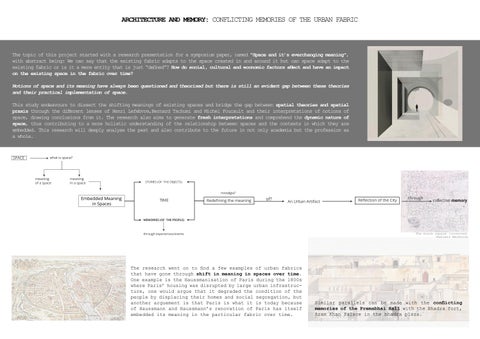
The topic of this project started with a research presentation for a symposium paper, named “Space and it’s everchanging meaning”, with abstract being: We can say that the existing fabric adapts to the space created in and around it but can space adapt to the existing fabric or is it a mere entity that is just “defined”? How do social, cultural and economic factors affect and have an impact on the existing space in the fabric over time?
Notions of space and its meaning have always been questioned and theorised but there is still an evident gap between these theories and their practical implementation of space.
This study endeavours to dissect the shifting meanings of existing spaces and bridge the gap between spatial theories and spatial praxis through the different lenses of Henri Lefebvre,Bernard Tschumi and Michel Foucault and their interpretations of notions of space, drawing conclusions from it. The research also aims to generate fresh interpretations and comprehend the dynamic nature of space, thus contributing to a more holistic understanding of the relationship between spaces and the contexts in which they are embedded. This research will deeply analyse the past and also contribute to the future in not only academia but the profession as a whole.
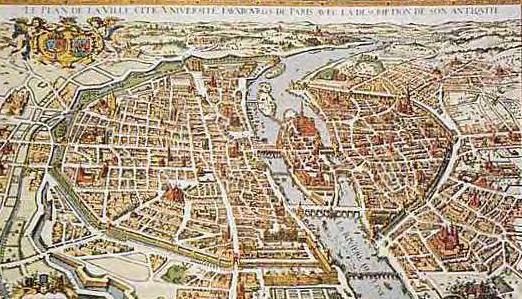
The research went on to find a few examples of urban fabrics that have gone through shift in meaning in spaces over time. One example is the Haussmanisation of Paris during the 1800s where Paris’ housing was disrupted by large urban infrastructure, one would argue that it degraded the condition of the people by displacing their homes and social segregation, but another arguement is that Paris is what it is today because of Haussmann and Haussmann’s renovation of Paris has itself embedded its meaning in the particular fabric over time.
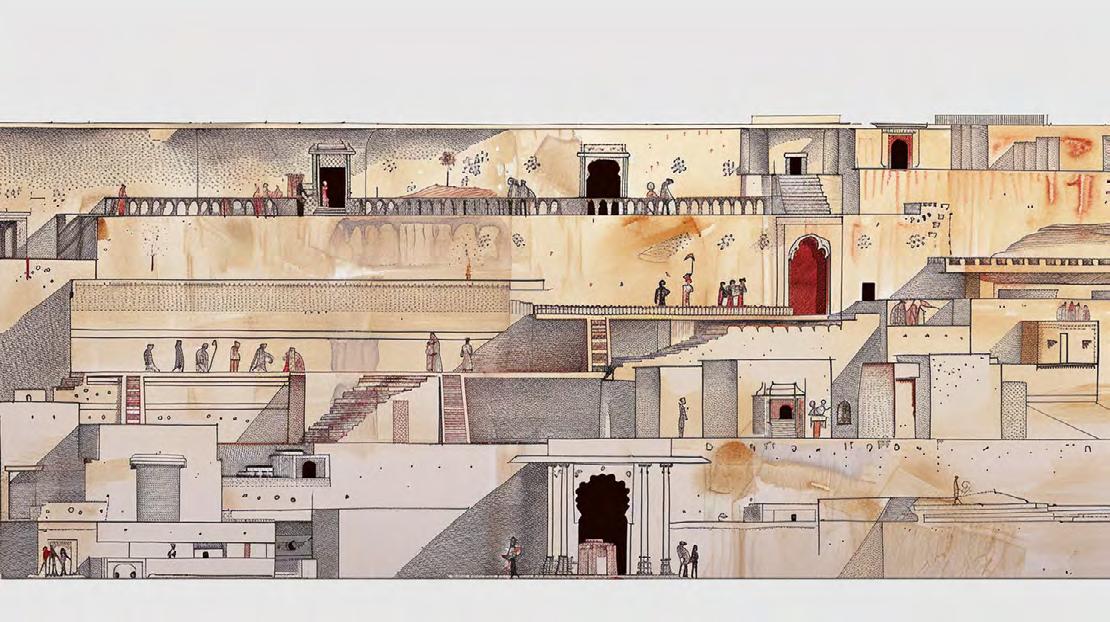
Similar parallels can be made with the conflicting memories of the Premabhai Hall with the Bhadra fort, Azam Khan Palace in the bhadra plaza.
“We cannot not know history” we are told. Can we not know memory?
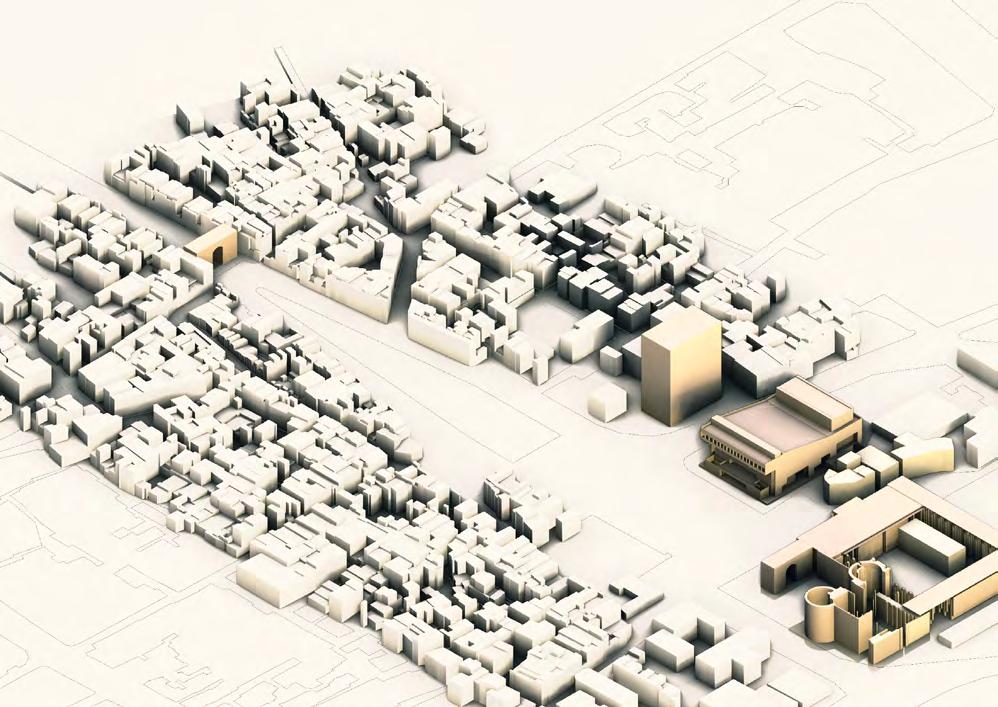
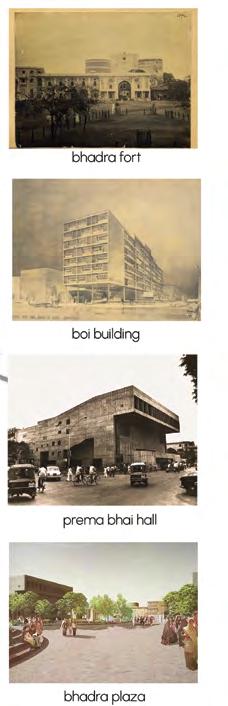
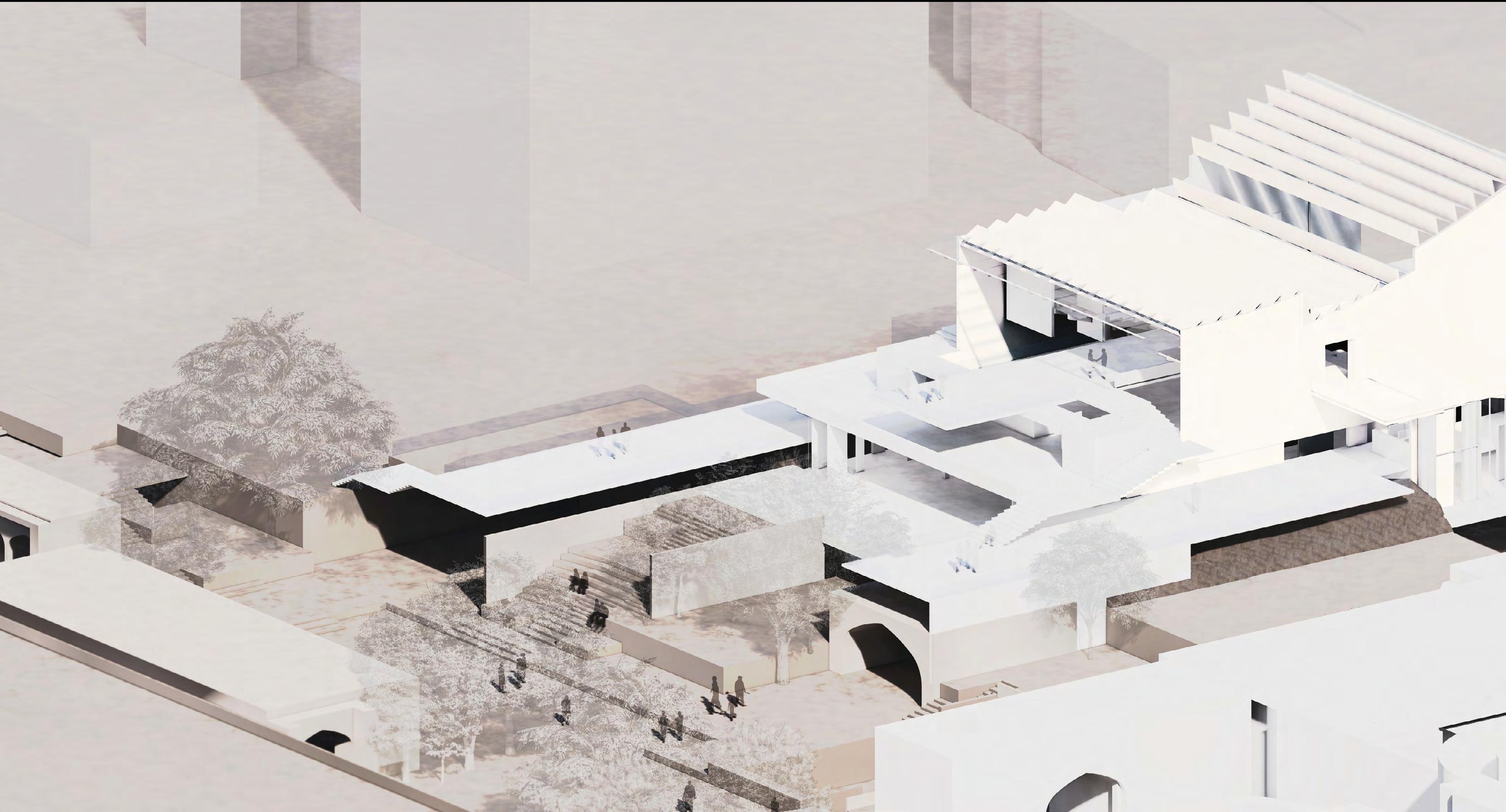
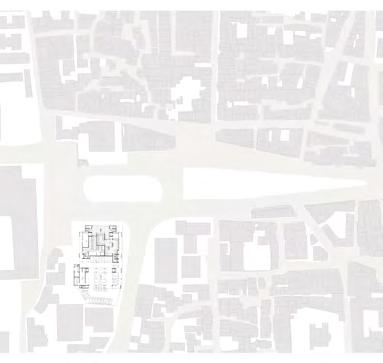
The site is a dense,culturally rich urban fabric which includes different typologies, with inherent history and meaning, A reflection of the city, Ahmedabad with the premabhai hall in the bhadra plaza, the Azam Khan palace and the bhadra fort.
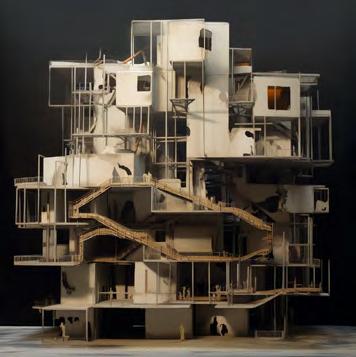
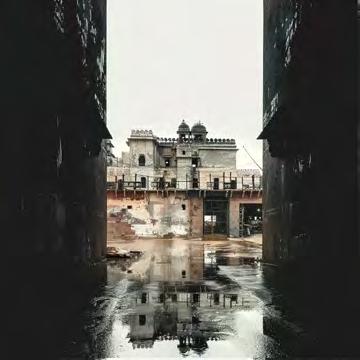
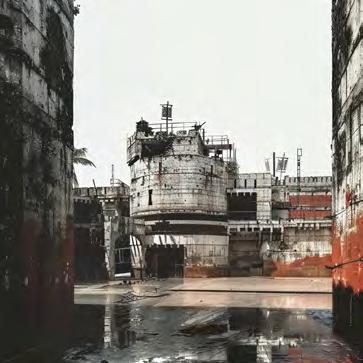
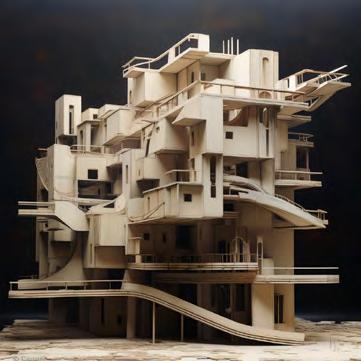
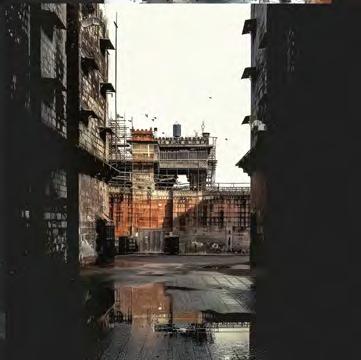
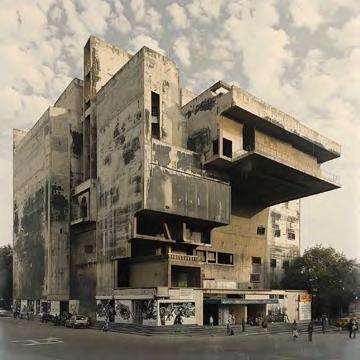
A study of memory resembles an onion with it’s countless layers to be peeled away in search of its core.
To facilitate and generate multiple outcomes and visions, there is a use of AI in different stages of design process, conceptualizing the thoughts and ideating the initial visions. The output received are vague and provocative because the scope of value deduction is limited, as there is no valuable input. The next step was to understand the site and generate multiple analysis diagrams of understanding of the site and what the site is asking for.
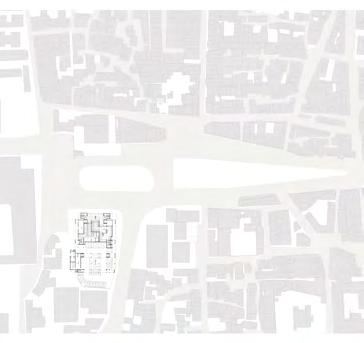
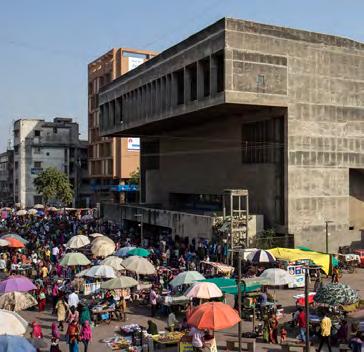
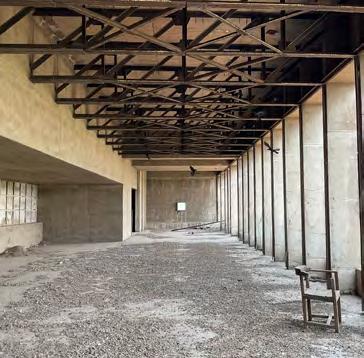
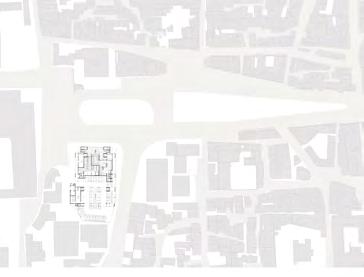
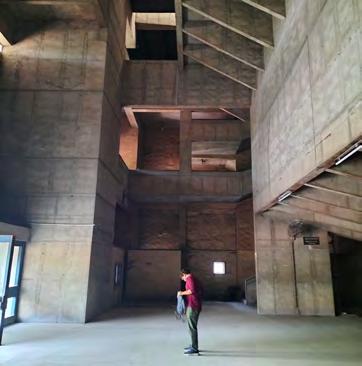
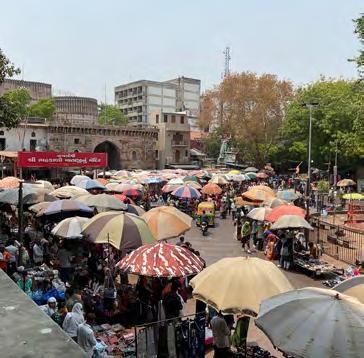
Over the centuries, the urban fabric has grown denser, shrinking the central maidan. Recent interventions have further condensed and restricted access to it.
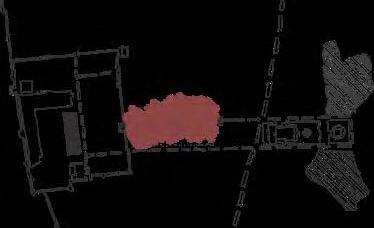
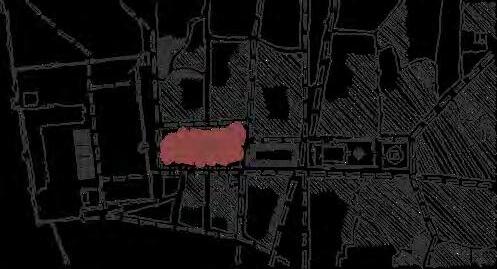
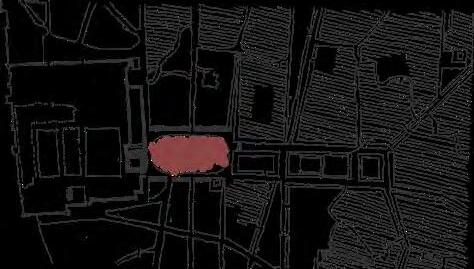
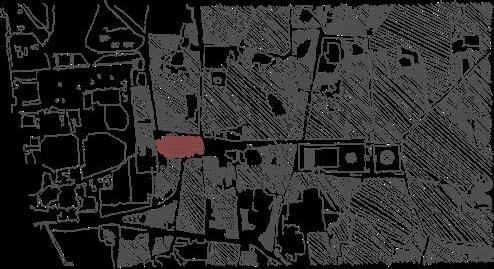
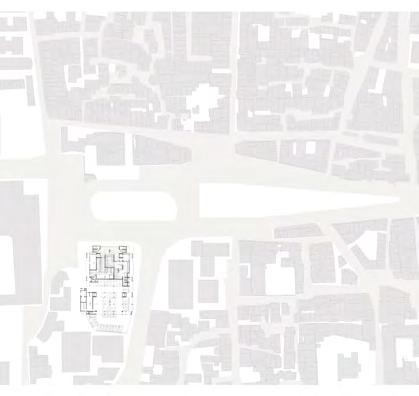
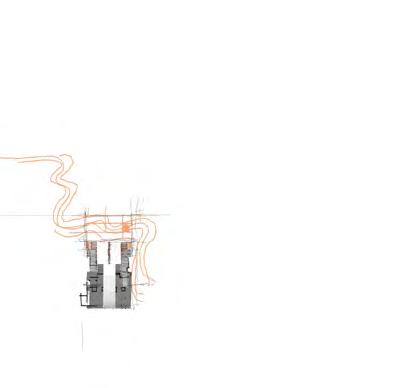

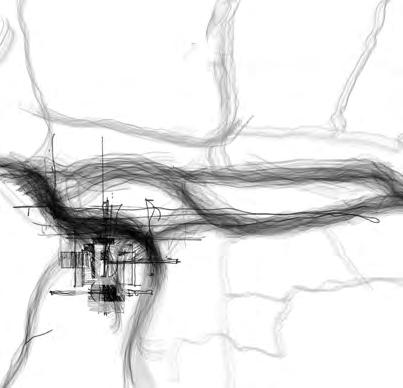
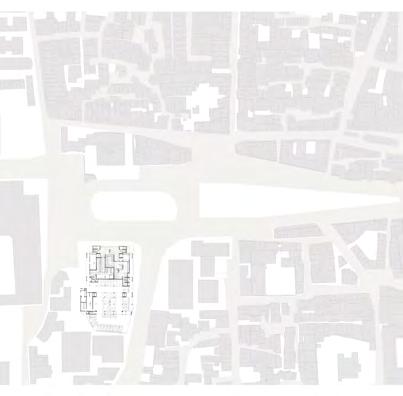
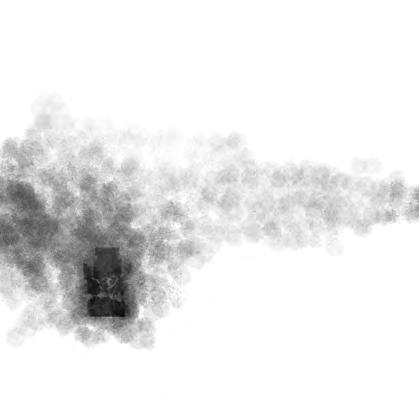
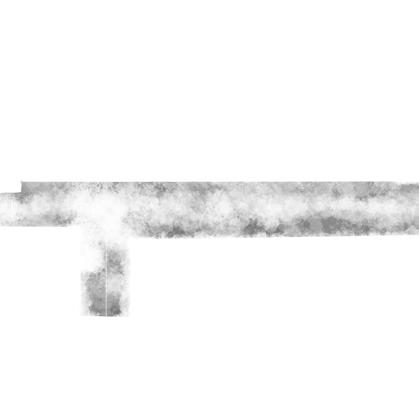
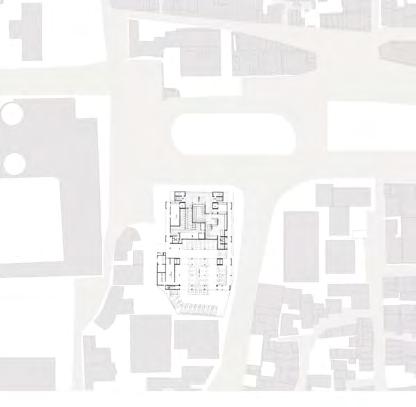
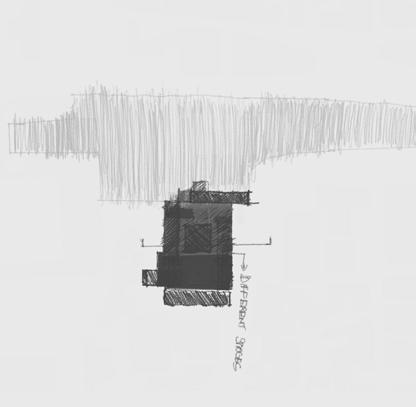
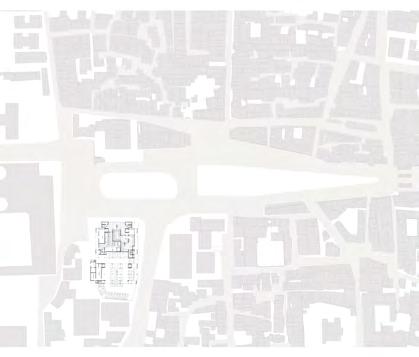
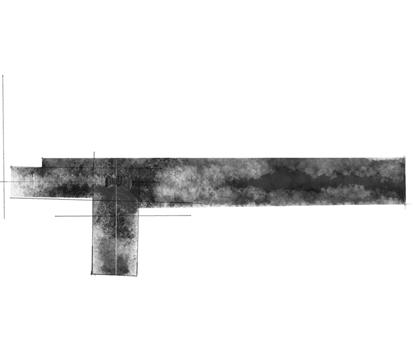
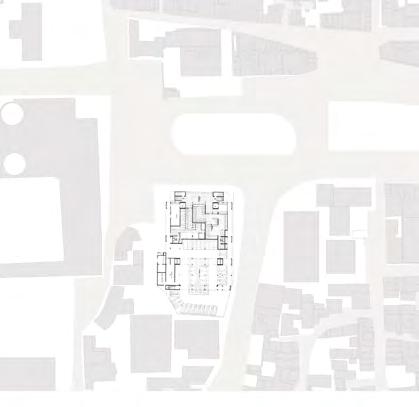
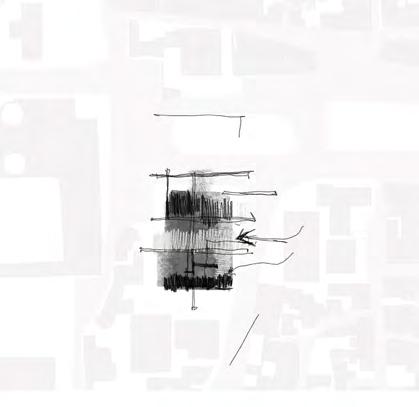
There have been controversial takes on the new premabhai of it being too monumental for the fabric, there have also been claims that it has disrupted the memory of the bhadra fort, azam khan palace and the bhadra maidan, but since then, it now has it’s own memory embedded in it and in the fabric,the easy way is to not respect it and demolish the building, but there has to be an attempt to work with what is and respect it’s own memory.
Aged buildings can aquire wisdom too, in their fabrics, it can tell us things should we try to listen and read.
Memory may metamorphise into meaning over time
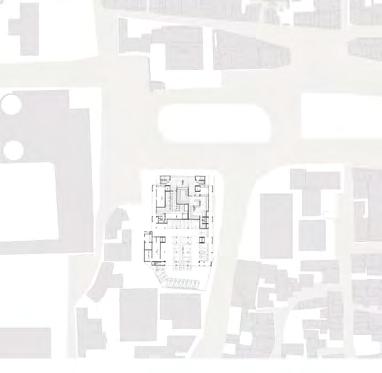

current potential potential
porosity diagram- in plan
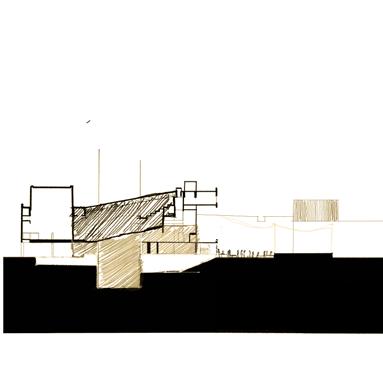
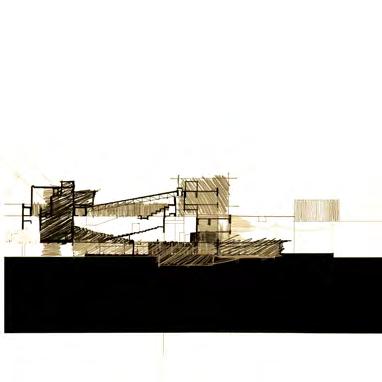
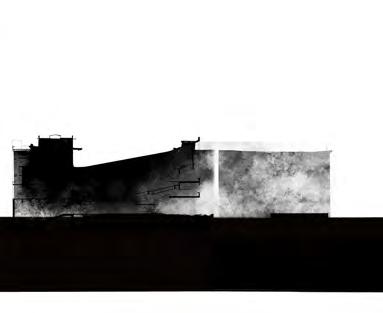
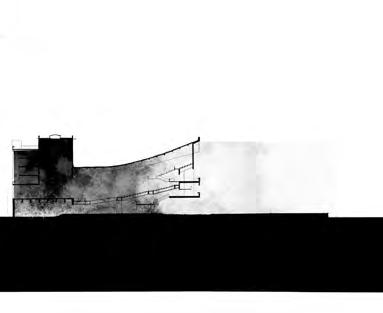
porosity diagram- in section
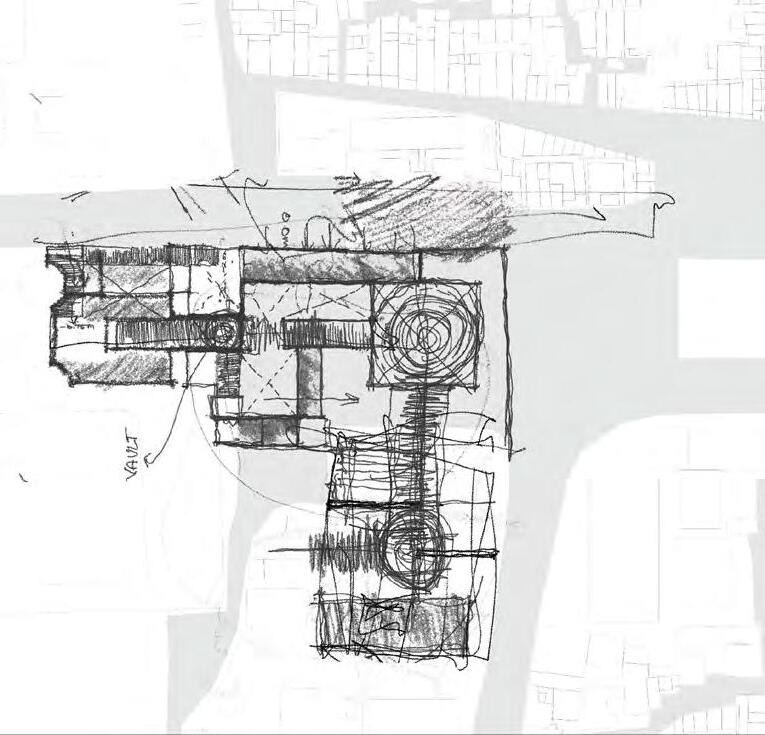
concept.
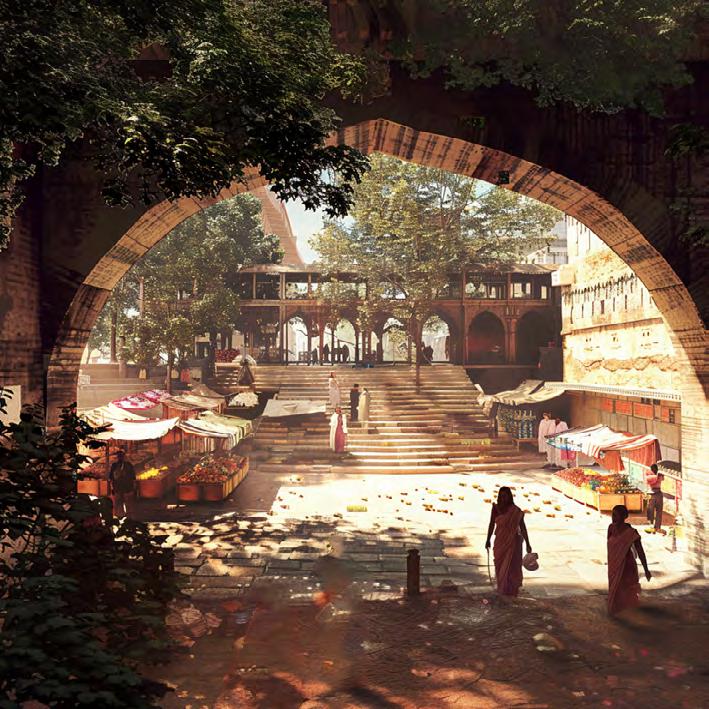
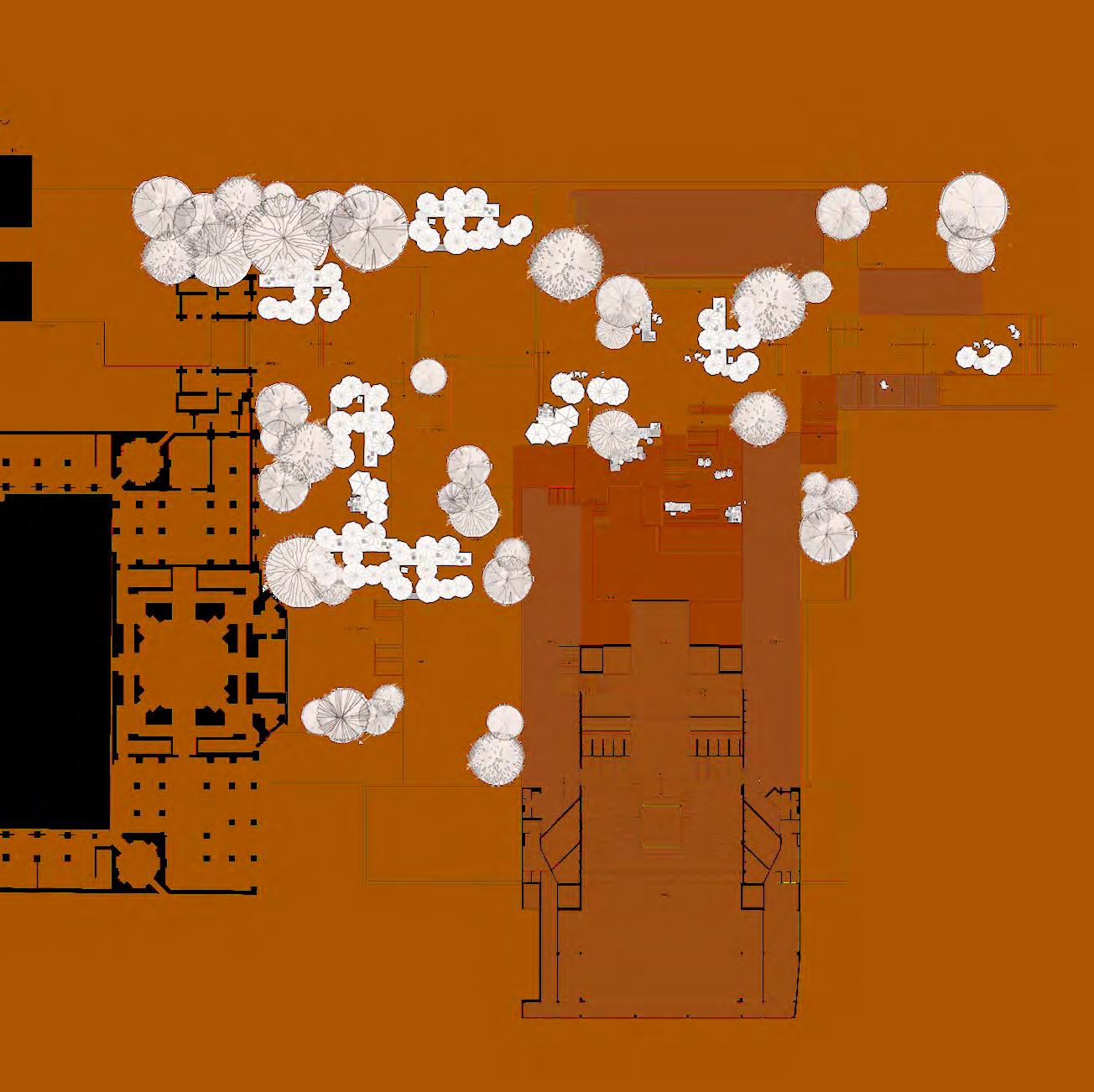
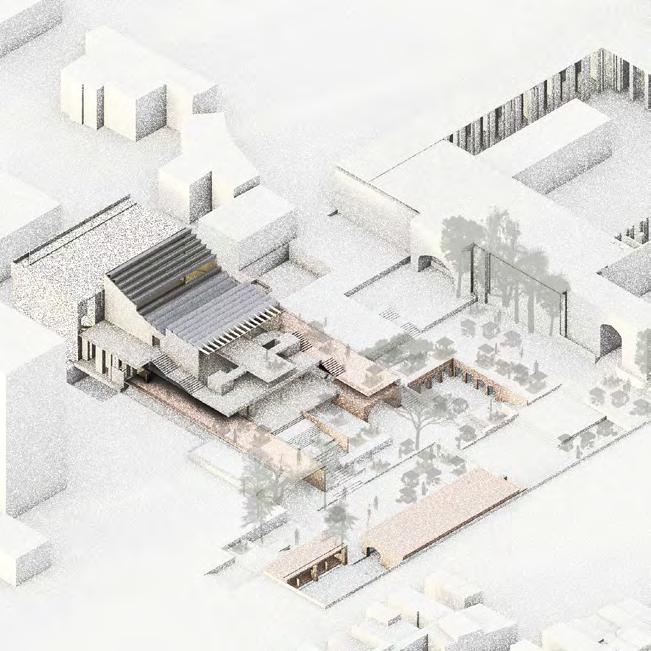
The idea is inspired from the stepwells, kunds having a central anchor, and having a stage in the center, instead of water, it is the plaza that remains at the lowest level of the ground.
porosity.
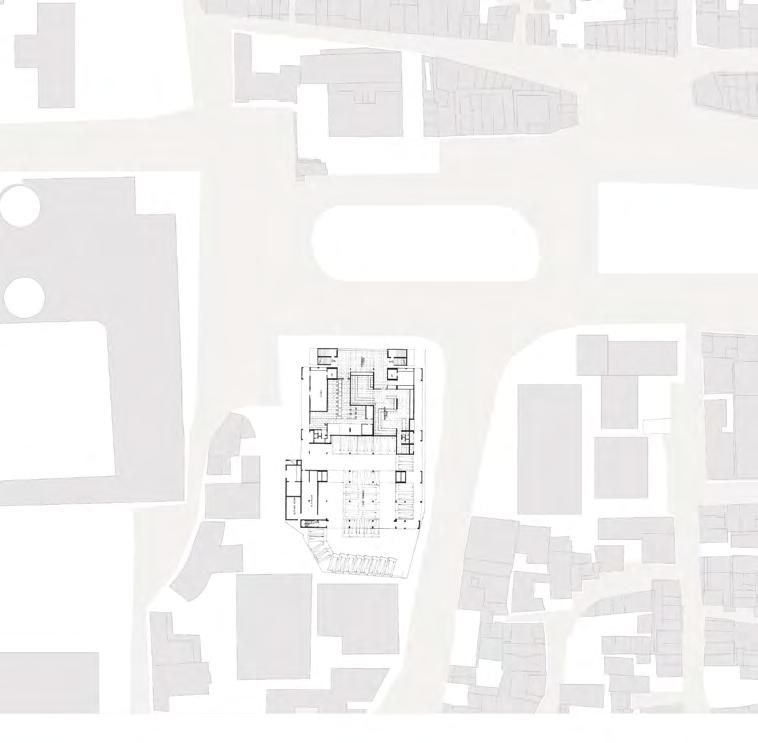
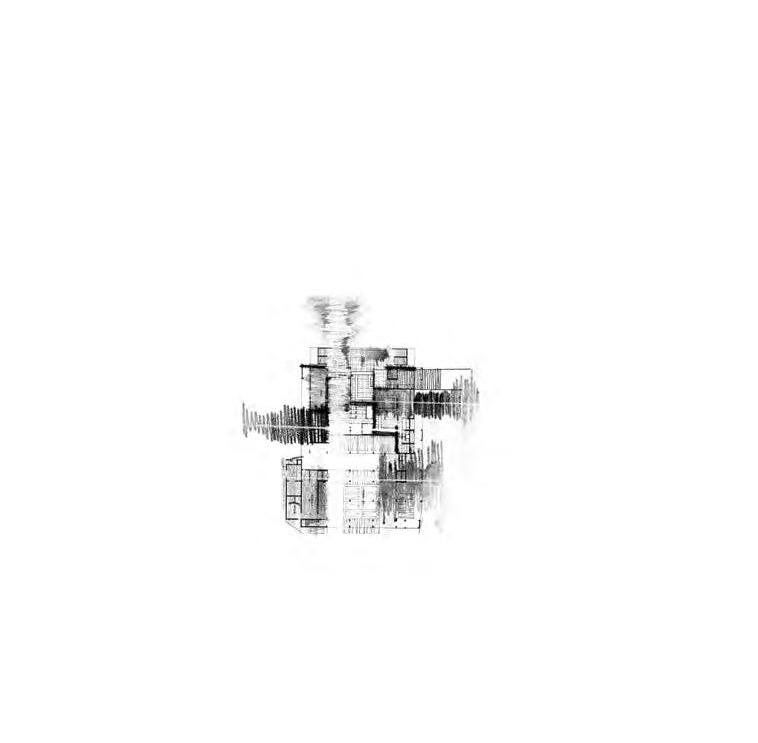
The idea and intend is to soften the monumentality of premabhai and open it to the public as it should be, but the current identity and monumentality of the plaza and premabhai has made it less porous and restrictive to the stakeholders.
The plaza is dominated by these monuments around and needs to break in it’s scale and to accomodate in adequate use and at the same time help perceive these monuments individually and in their totality.
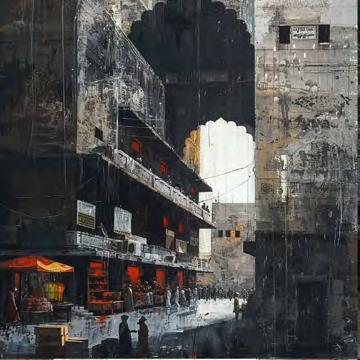
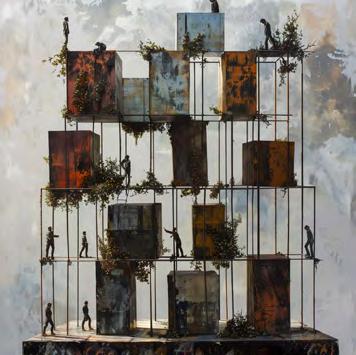
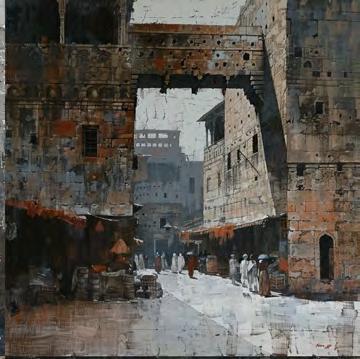
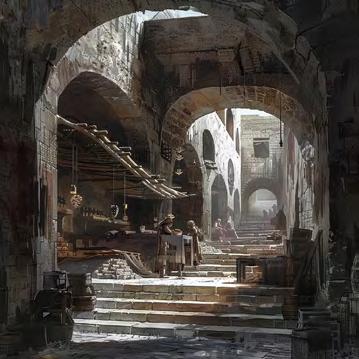
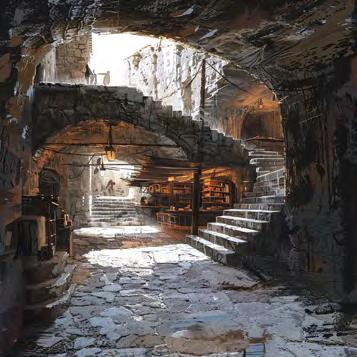
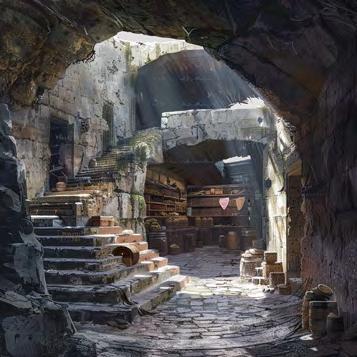
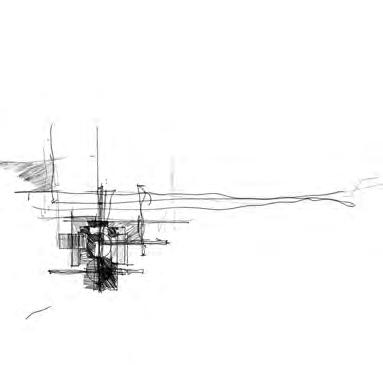
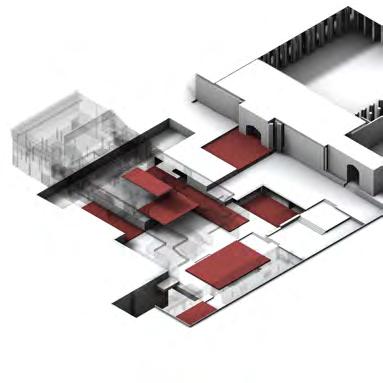
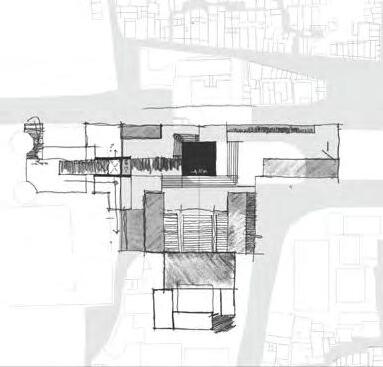
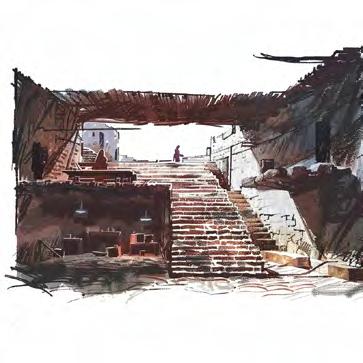
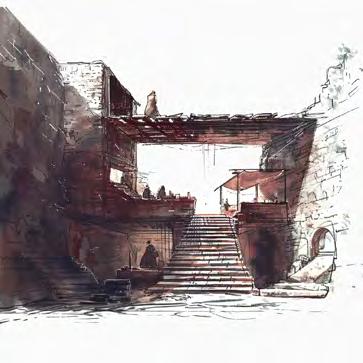
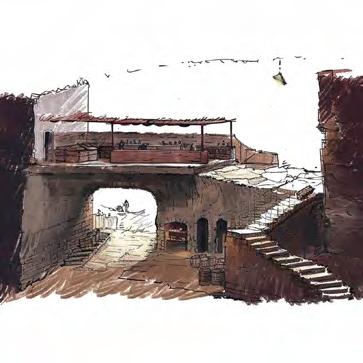
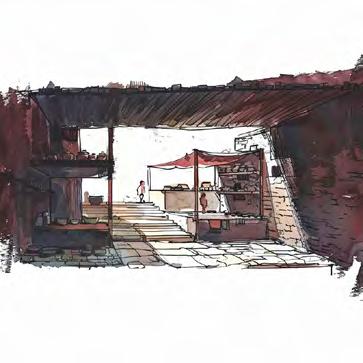
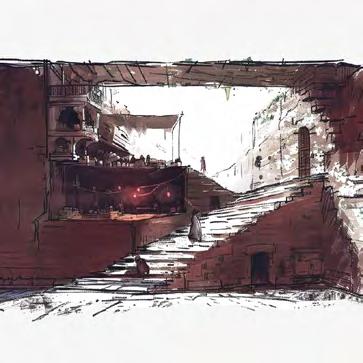
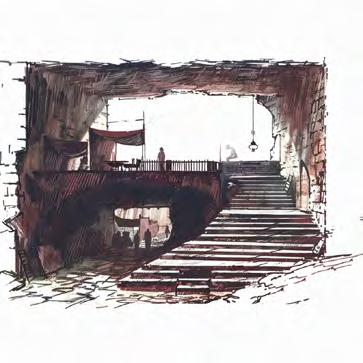
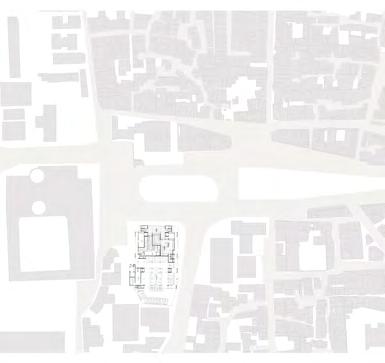
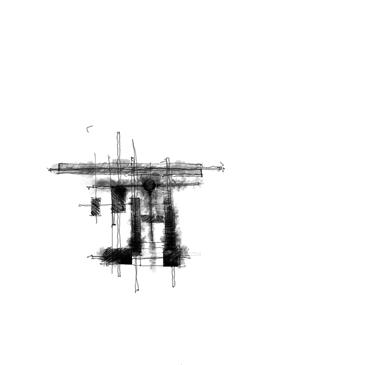
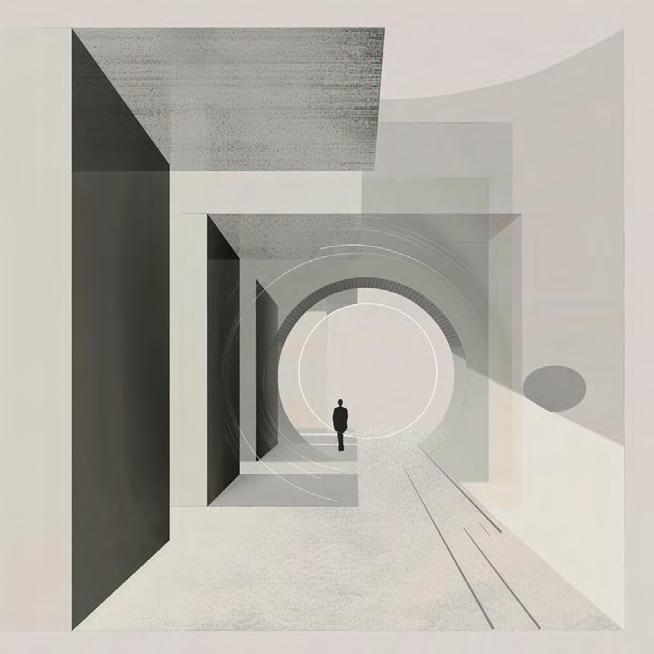
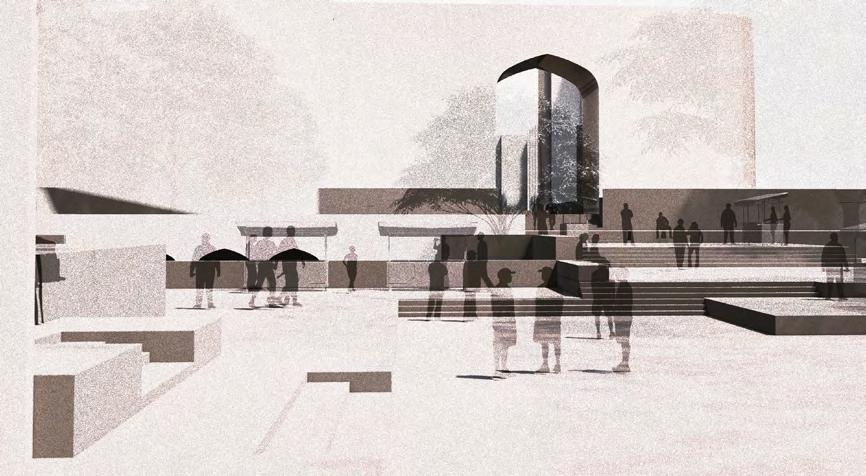
The images thus generated through various inputs of drawings and detailed descriptions, helps in visualization of the essence of space with keywords:
/imagine subterranean markets, narrow indian market, a narrow indian street, there are steps going down into the market, inspired from step well, light and shadow,Underground pathway,architectural post digital collage, architectural section, underground markets, indian small bhadra fort on background, public plaza on left, for people, people walking here and there, trees, indian market, clothes, spices, red, yellow, indian architecture, there’s an unused old public hall and there are markets connected to it, the stage of the public hall is open to the street, breaking the walls of the concrete brutalist hall, premabhai hall by bv doshi, indian ahmedabadi market, all purpose market, temporary markets, narrow street, A wide angle shot of an Indian market full of stalls, with people shopping and selling.

By understanding of space and interpreting through abstract diagrams through intuition, and converting it into linguistic phrases, the project attempts to create a dialogue between AI and the designer relied upon the drawings put back and forth in the process, which helped in obtaining a clearer idea and intent. This in turn generates 100s of variations of visions of the same idea, but in the end it is the designer’s decision through their perception and understanding to extract values from the outputs of AI and enliven the vision and spacemaking.

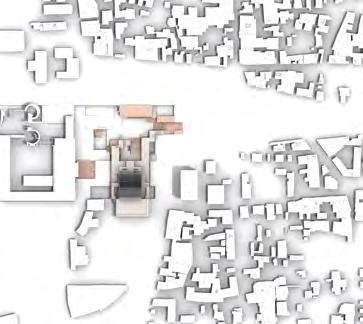
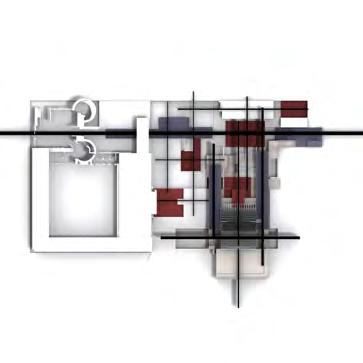
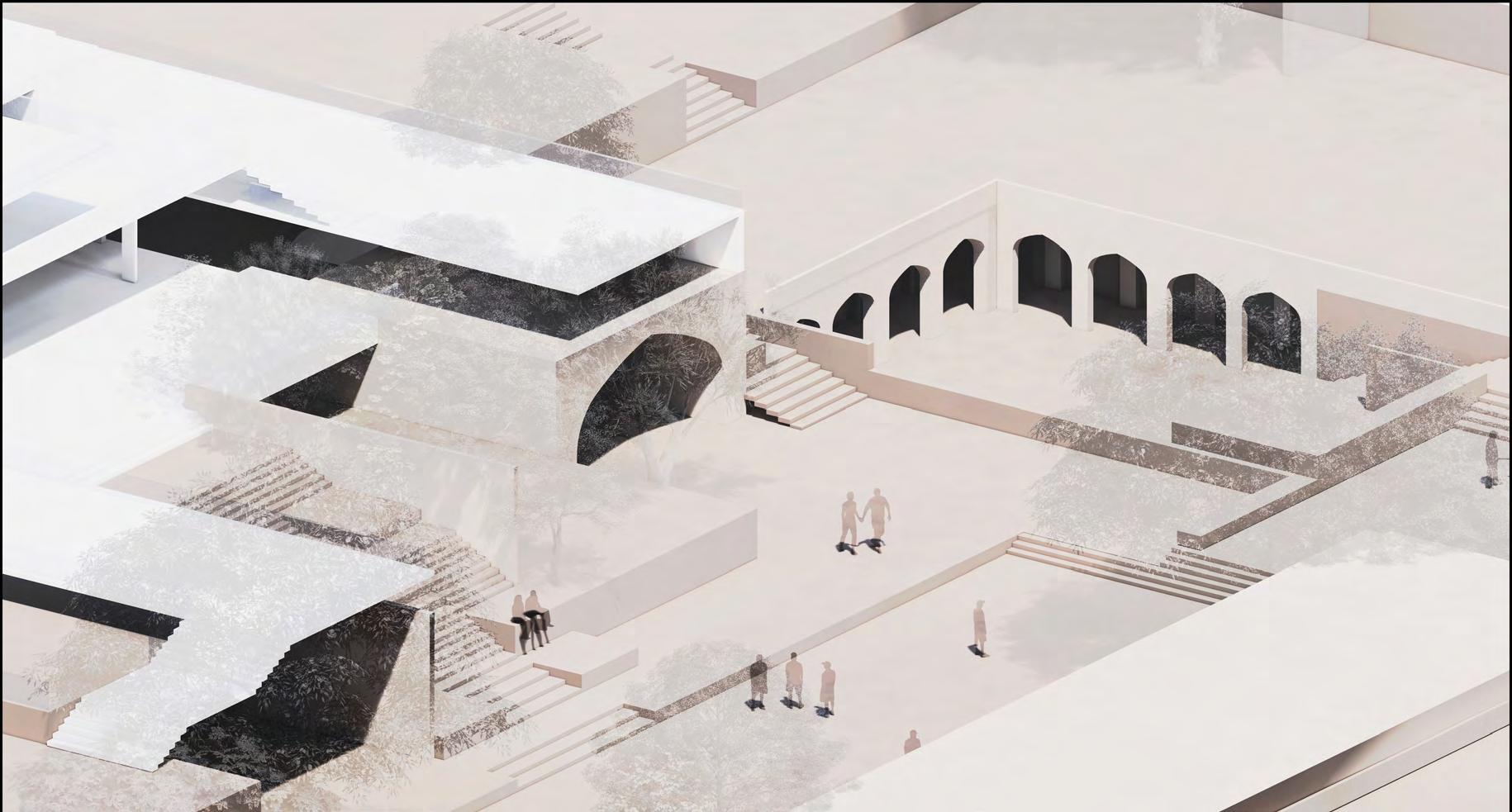
Breaking the scale of the fabric through planes , axes and movement
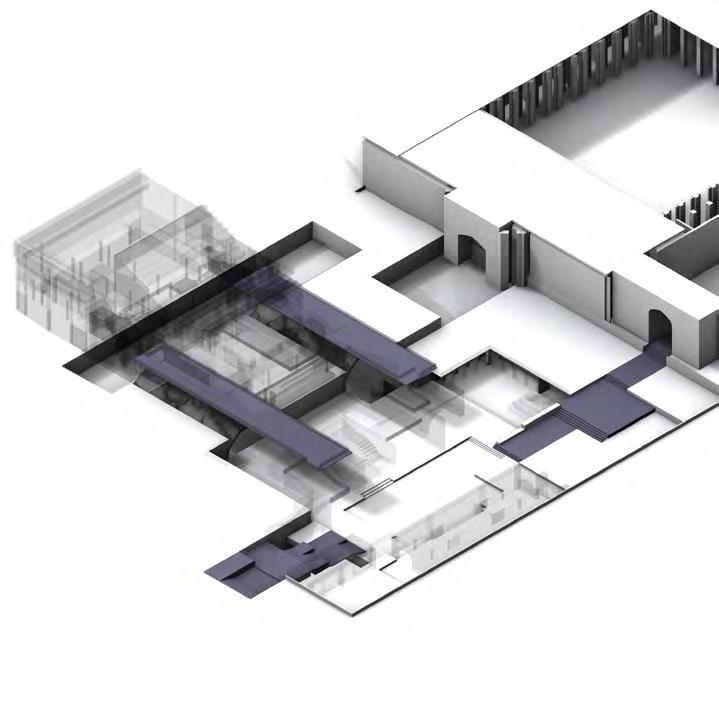
between the built.
Blurring the boundaries of inside and outside, opening up the fabric, which is distinct in the current context.
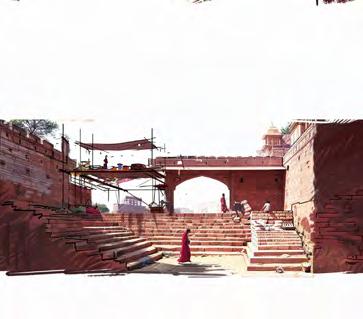
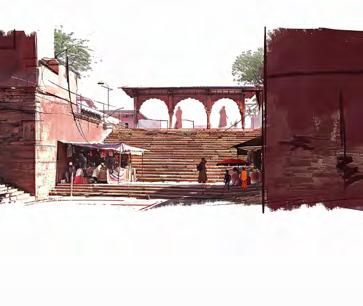
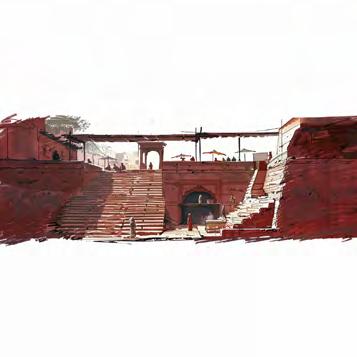
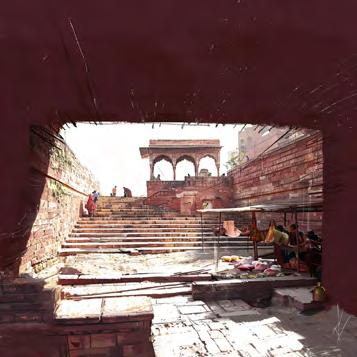
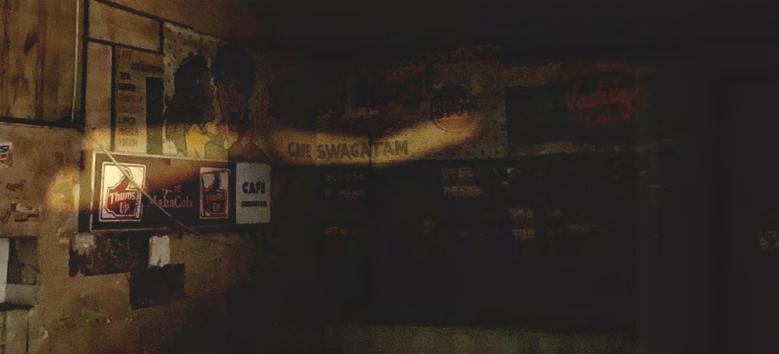
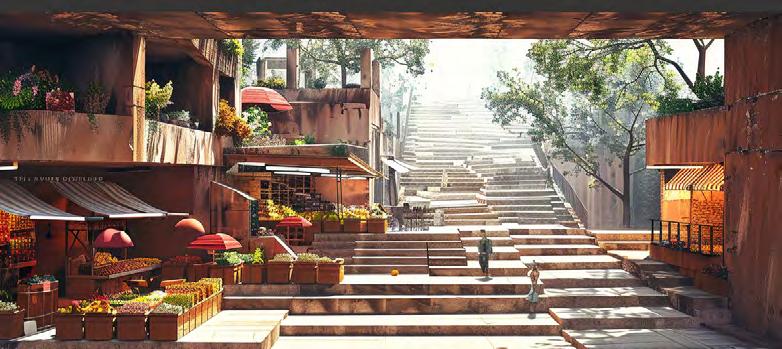
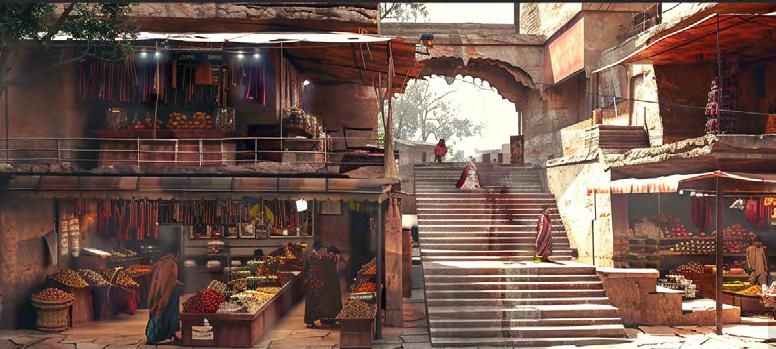
purpose of the project would remain the same, with the street broken down in scale, having markets in different levels, instead of having the stage inside the hall, the amphi-theatre is
up on the street with the stage in the center, the stage can become a performing area during festivities and can also be a market during a normal day and evenings.
how do we look at recollections embedded in existing built and natural environments as memories remain embedded in the form, remain to be unearthed, read and decoded.
foundations of creating vibrant and significant new spaces?
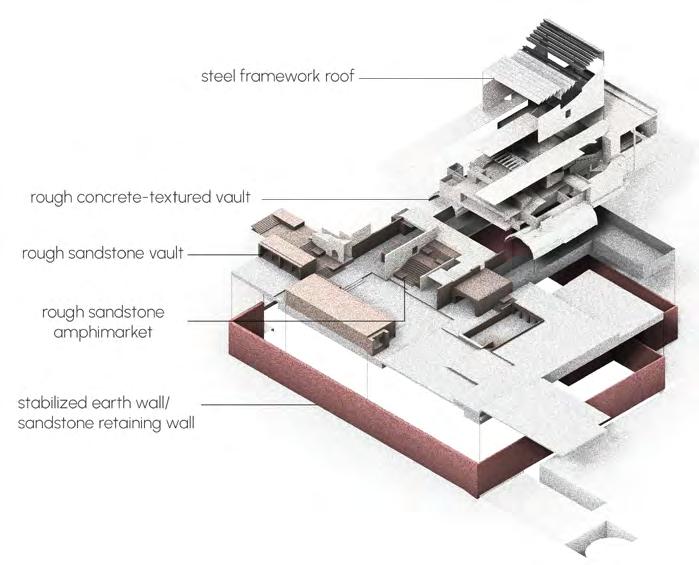


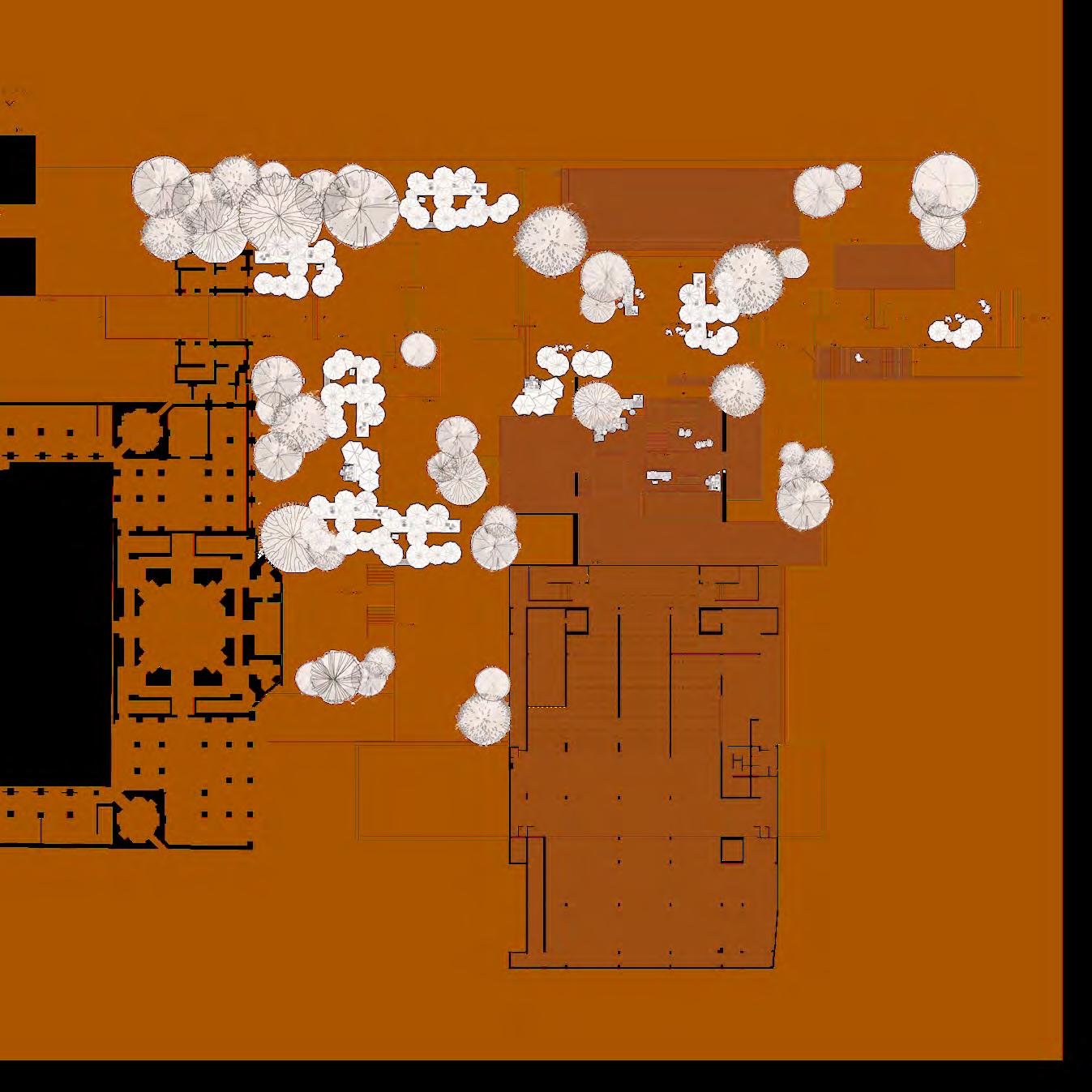
underground level plan -1500mm
Memory and History are not the same but they merge on a personal level. The biggest challenge of this project was to come up with my own memories through multiple interpretations and keep having a dialogue with AI in the process, with the theorical readings of Bernard Tshumi (paradox of space), Christian Norberg Schulz (perception of formal and technics of space), Manfredo Tafuri (criticism of modernism), Henri Lefebvre (theory of social space),in my conscience, as my literature background, a start of an attempt to bridge the gap between theory and practice through intuitive abstract analysis, and AI in the design process and push for new and unconventional design methods and processes. This is the first one of multiple steps of understanding space theories and implementations of the same. The next few steps would be to create frameworks for such urban fabrics, analysing, and trying to implement these concepts in practice to generate new theories.
Meaning can be manipulated not only through function and program but also with familiarity.