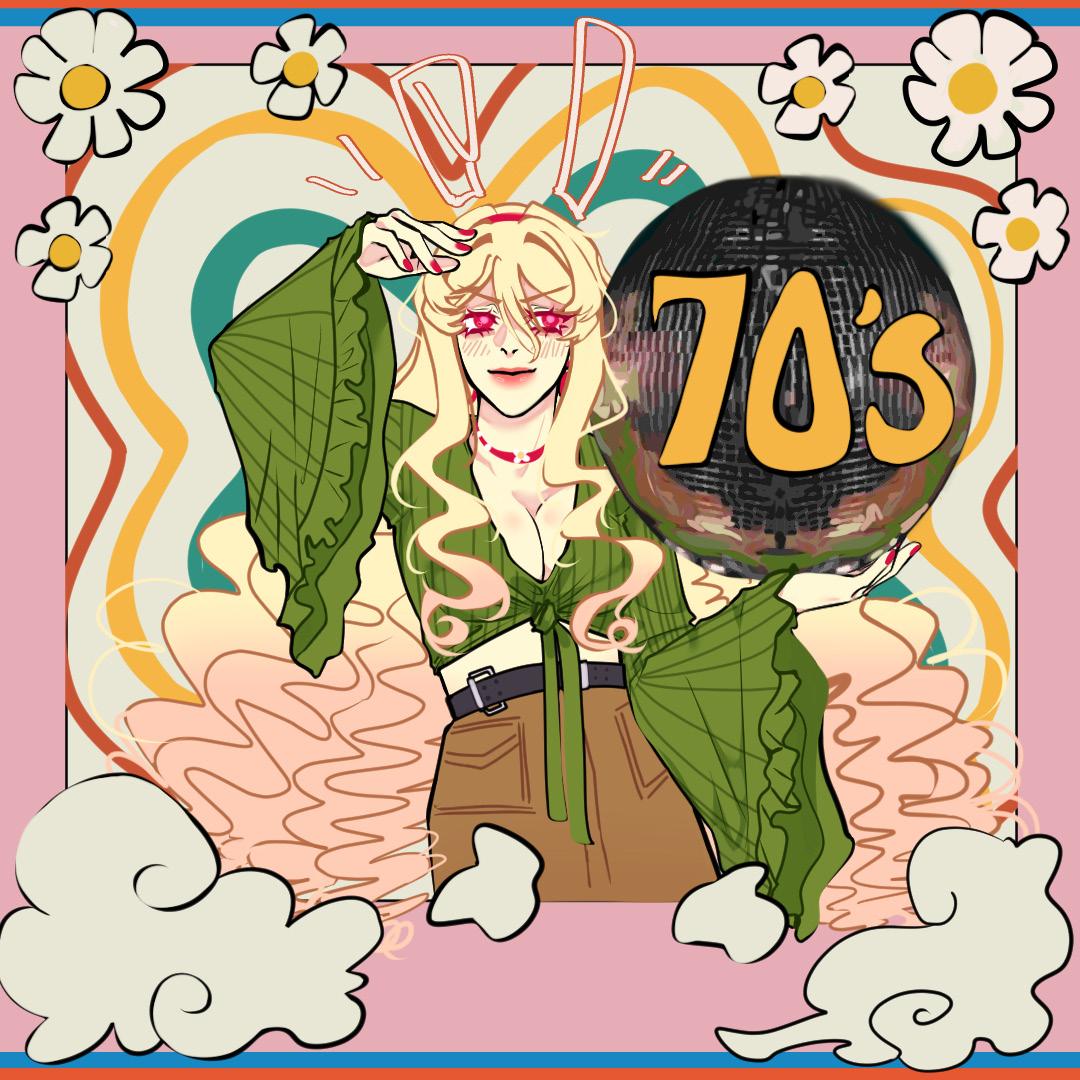
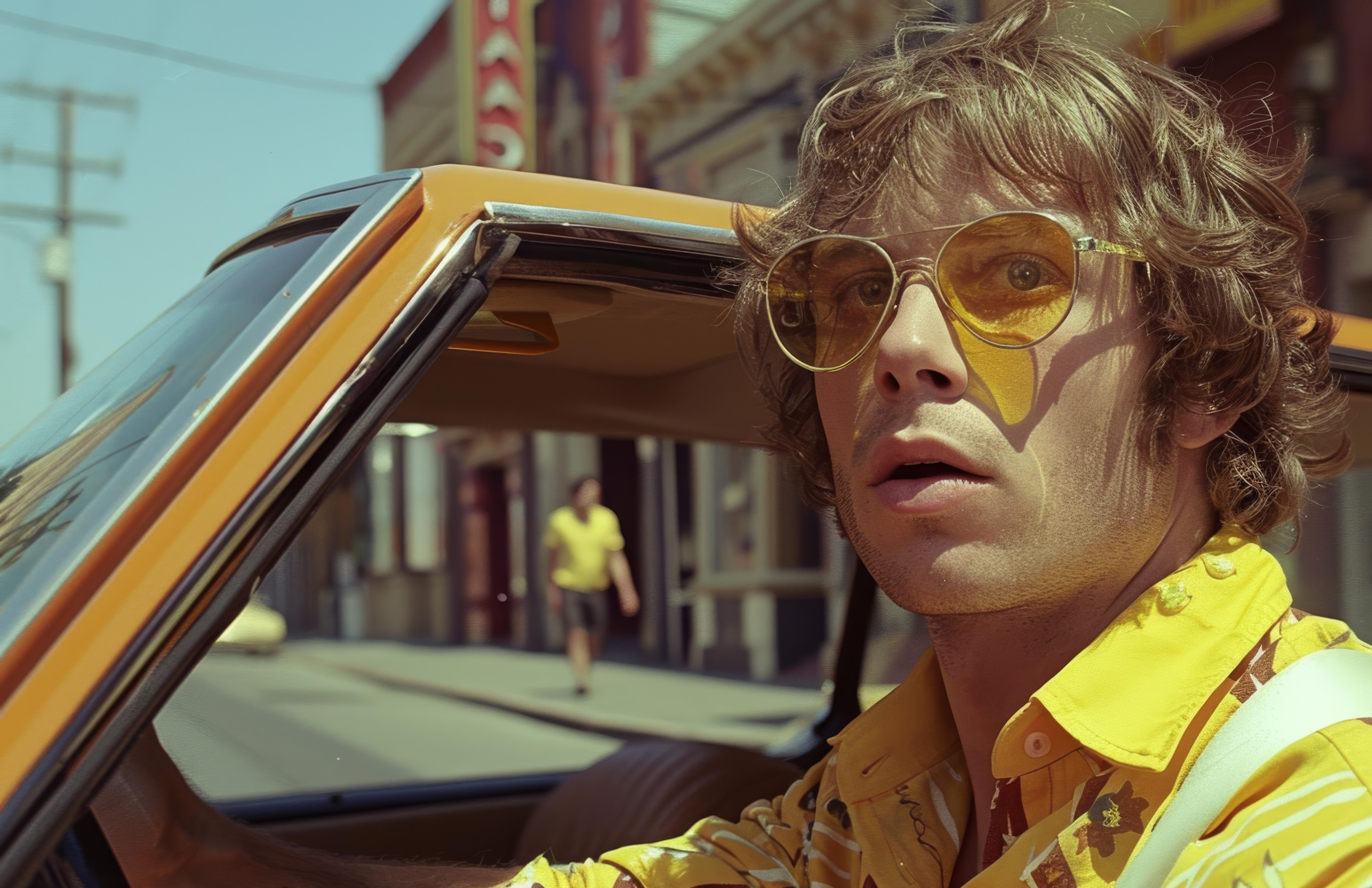











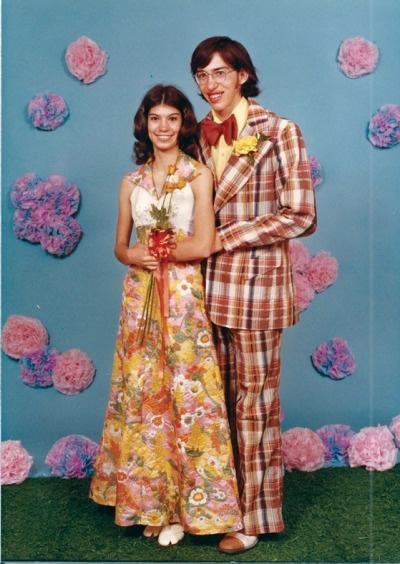
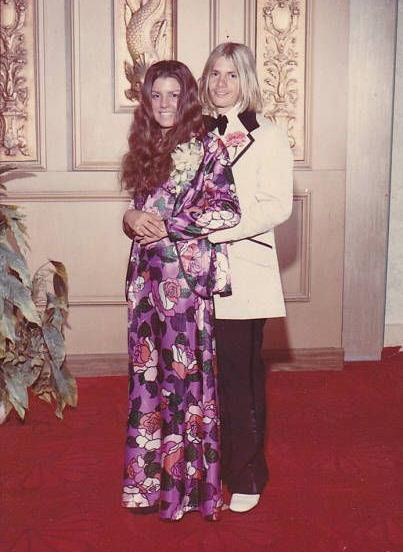
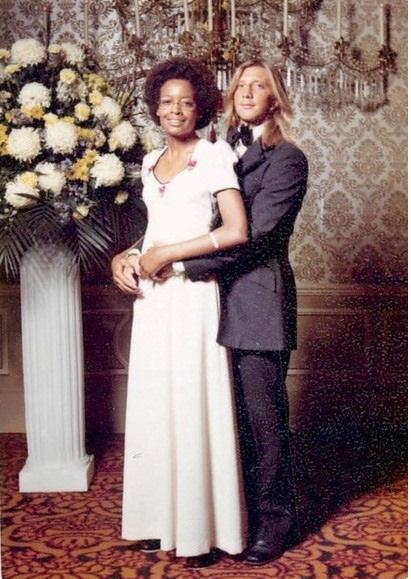
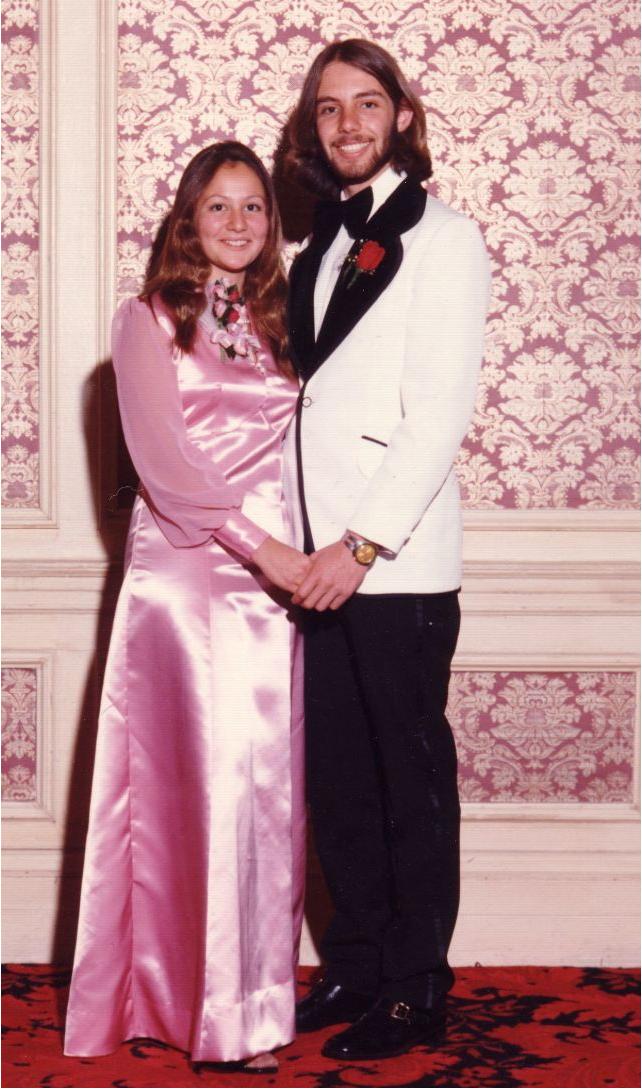





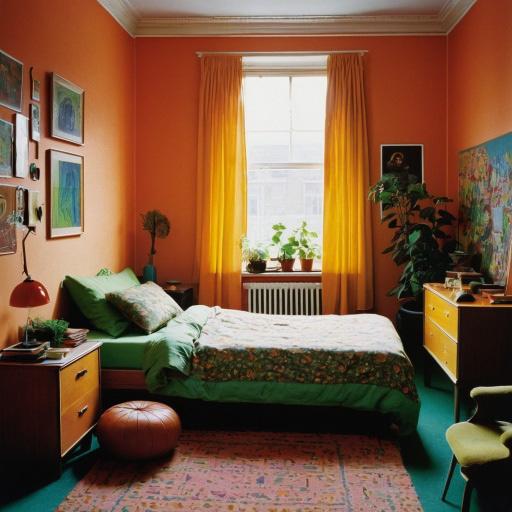
The 1970s were characterized by vivid patterns and vibrant earthy colors, such as orange, yellow, and brown, and marked the beginnings of the biophilia trend, with houseplants like potted ferns becoming essential home additions. Typical '70s bedrooms flaunted green and brown color schemes, bold floral motifs, and the classic avocado shade.
Glamorous '70s rooms often featured velvet, canopy beds, and the color orange, along with other earthy tones like mustard yellow, olive green, and brown, reflecting the era's Bohemian style that influenced both fashion and home decor.

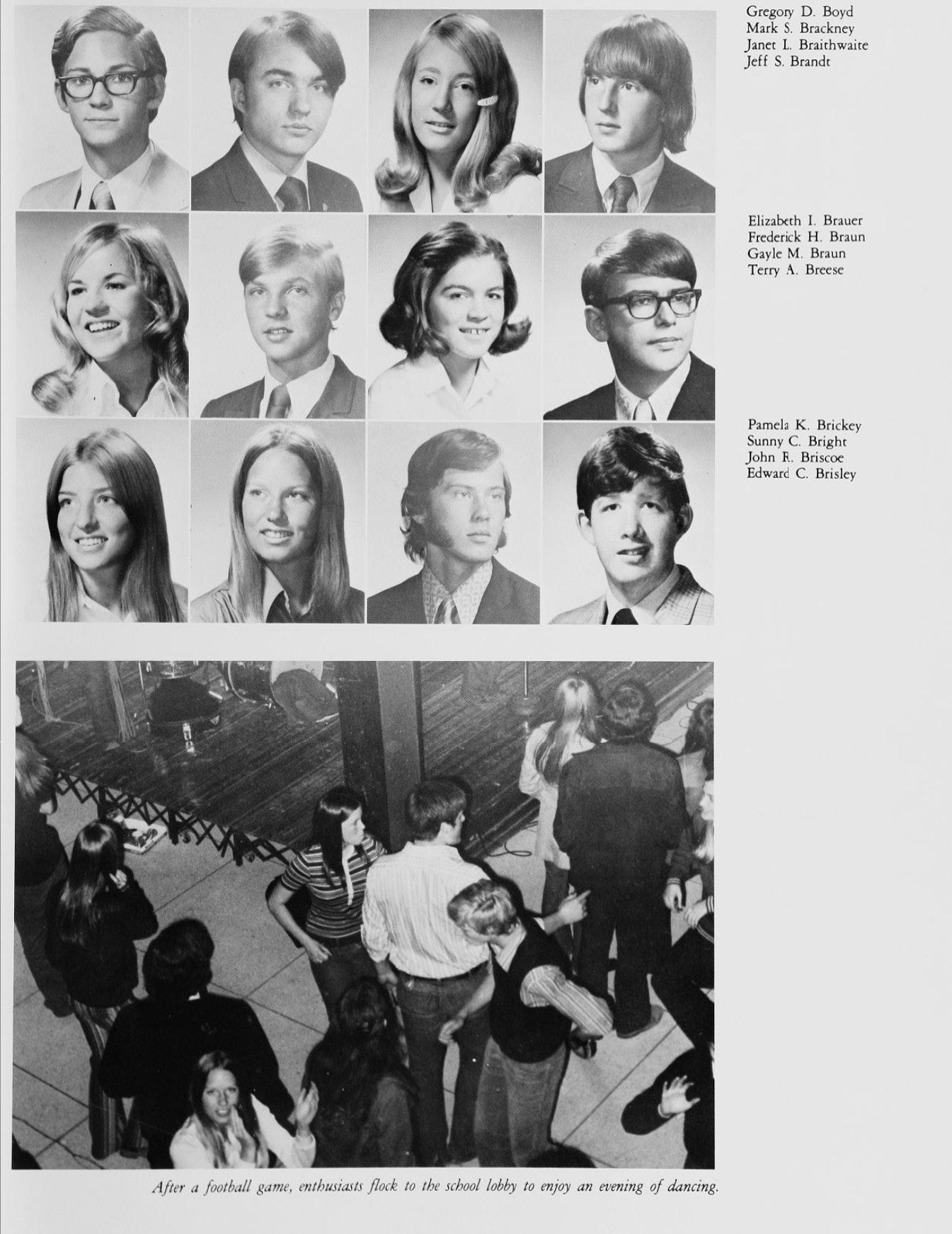
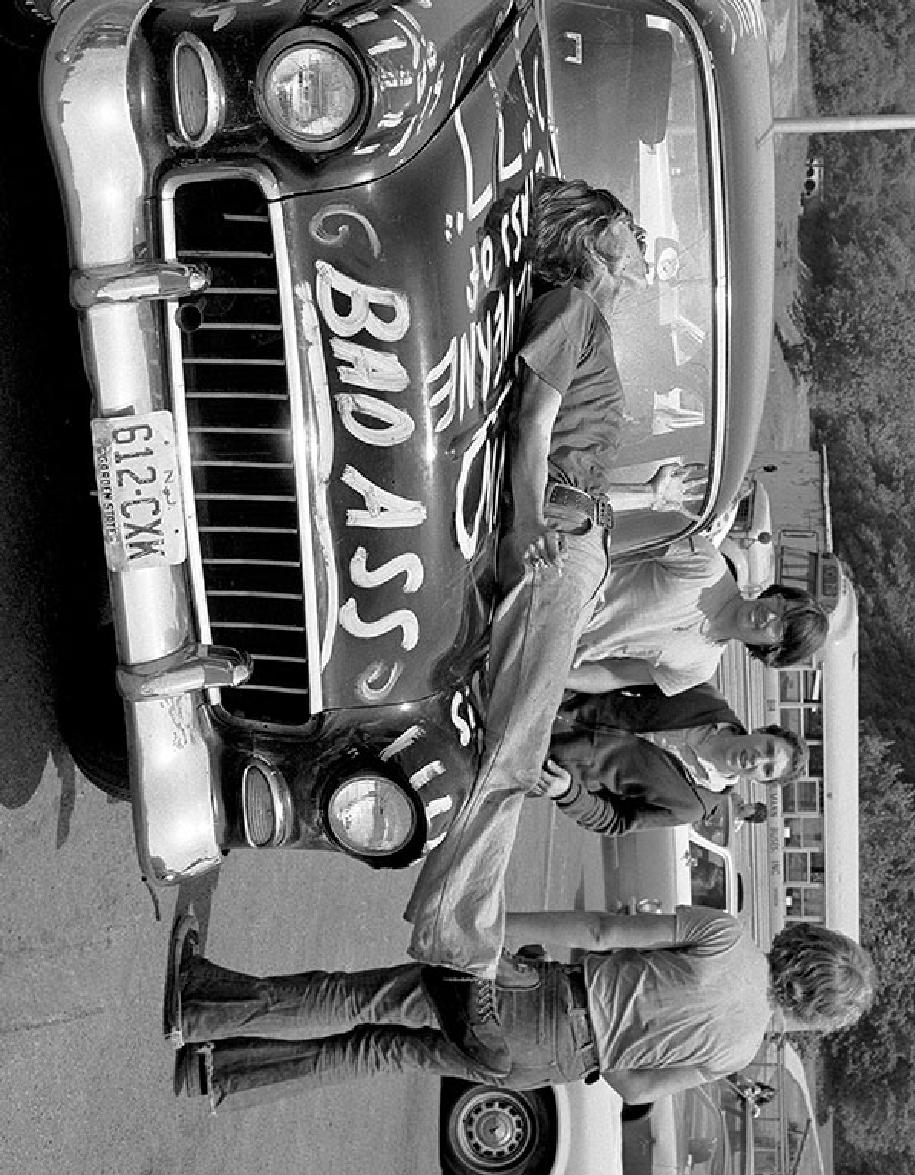
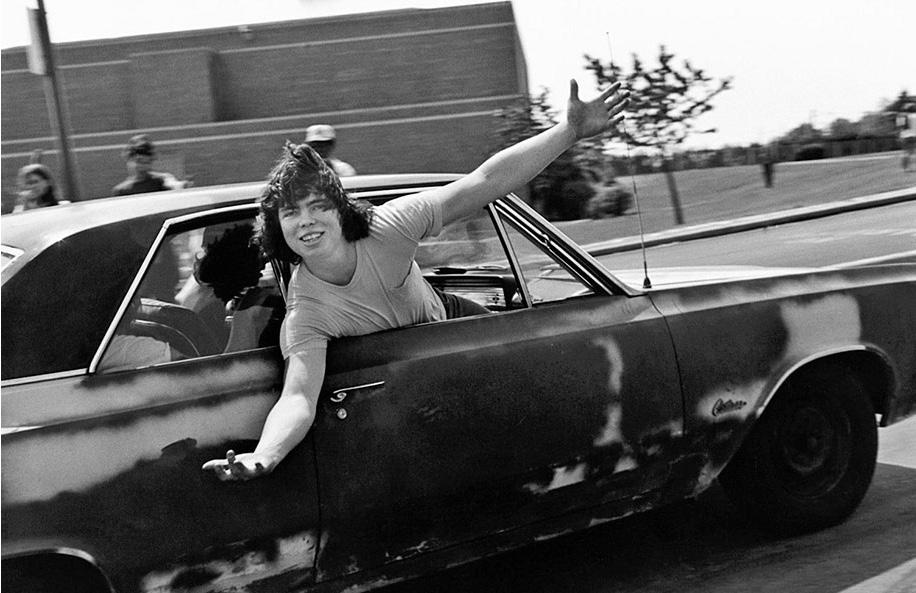
The teenagers of the 1970s, who are now in their 70s, experienced significant historical events and cultural shifts. They saw the end of the Vietnam War and the impact on their older siblings, many of whom served and returned with various challenges. These older siblings, born immediately after World War II, often married young and were heavy smokers.
Teenagers in the 1970s often wore hand-me-downs and lived in homes with a single phone located in a public area, sometimes timed to limit calls to three minutes due to inflation concerns. They recall the worry of their parents over inflation and economic instability.
In some areas, local challenges like the Blizzard of '77 shaped their experiences, emphasizing self-reliance and practical skills such as preparing for severe weather. Economic hardships were common in regions with declining industries, like the shuttering of steel mills, which left communities struggling.
Religious movements like the Moonies and born-again Christians were prominent, and joining these groups often visibly improved the lives of members. Social norms were restrictive, particularly for LGBTQ+ individuals, who had to
move to big cities to explore their identities freely. In cities like New York, the vibrant gay scene on Christopher Street offered liberation, though it came with risks and challenges, including estrangement from their previous lives.
In tech hubs like Silicon Valley, teenagers had early access to computers and new programming languages, while those in cities like Louisville faced intense desegregation conflicts, reflecting the stark regional differences in experiences.
Teenagers of the era felt a mix of loneliness, pride, and conscientiousness, often writing letters due to the high cost of long-distance phone calls. These letters now provide a window into the mindset of a generation navigating a world that has changed dramatically since then.