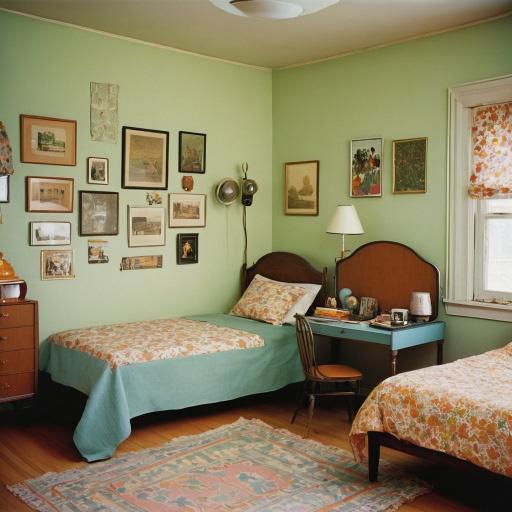
The 1960s were a golden age for furniture design, characterized by sleek, smooth styles with tapered legs in warm woods like teak and walnut. Bedroom sets often bought together for a cohesive look, were highly desirable. The decade saw a blend of practicality and style, with practical storage headboards and matching dressers being common. While the era is known for its funky shapes and colors, some bedrooms maintained a more refined appearance with floral wallpapers, gilded picture frames, and bright yellow bedspreads.
Patterns became increasingly vivid, featuring clashing prints, bold florals, and intricate paisleys. Many people mixed heirloom pieces, like Art Deco dressing tables, with fashionable patterns and colors. Round beds, symbols of luxury and modernity, gained popularity but have since fallen out of favor. Hippie culture influenced décor, with fringe and Oriental rugs and wall hangings reflecting a growing interest in other cultures.
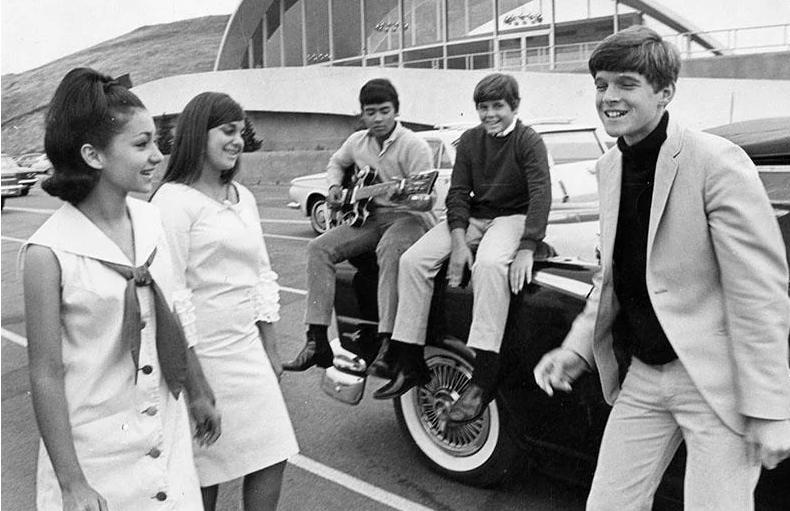
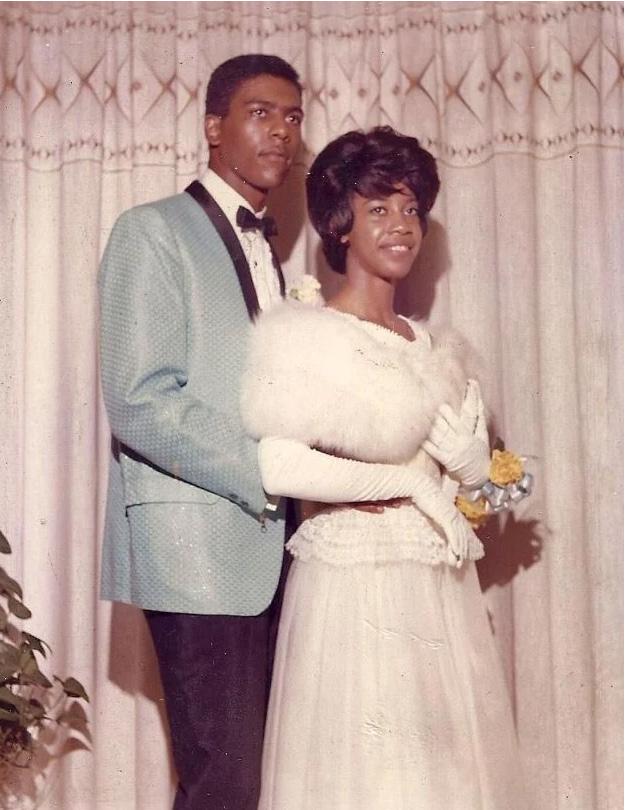
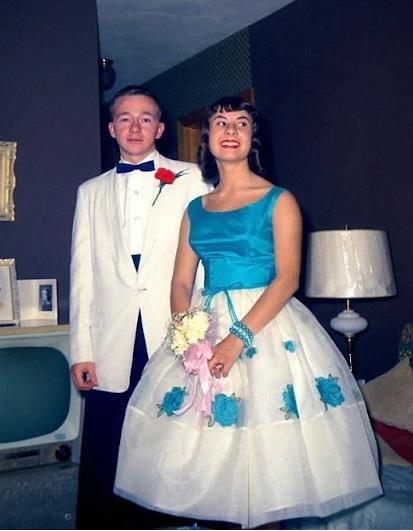
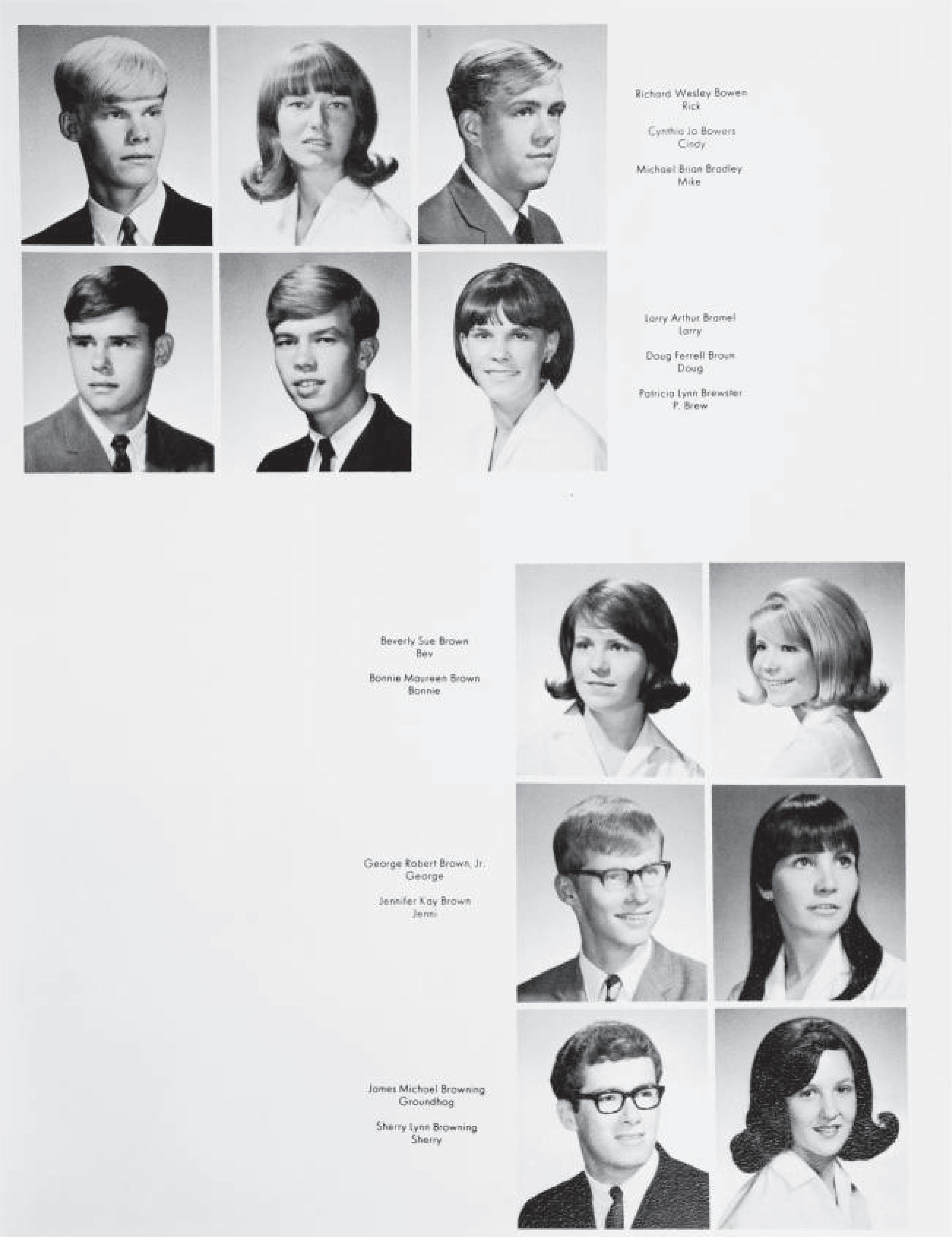
High school life in the 1960s saw shifts in school policies, like the eventual acceptance of girls wearing slacks instead of skirts.
Brief Summary Of The Decade
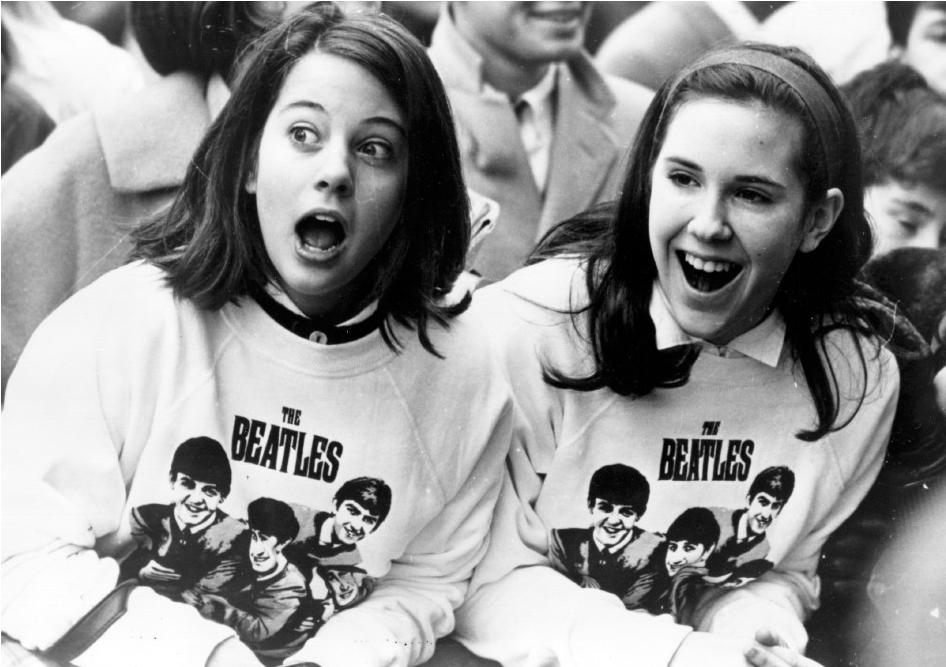
The 1960s were a transformative decade marked by significant global and national events, including the Vietnam War, the space race, the moon landing, and Civil Rights marches. This period also witnessed notable assassinations, such as those of John F. Kennedy, Robert F. Kennedy, Martin Luther King Jr., and Medgar Evers. The era was culturally rich, with iconic music from bands like The Beatles, The Rolling Stones, and The Beach Boys, as well as the rise of muscle cars, protests, and nuclear bomb scares.
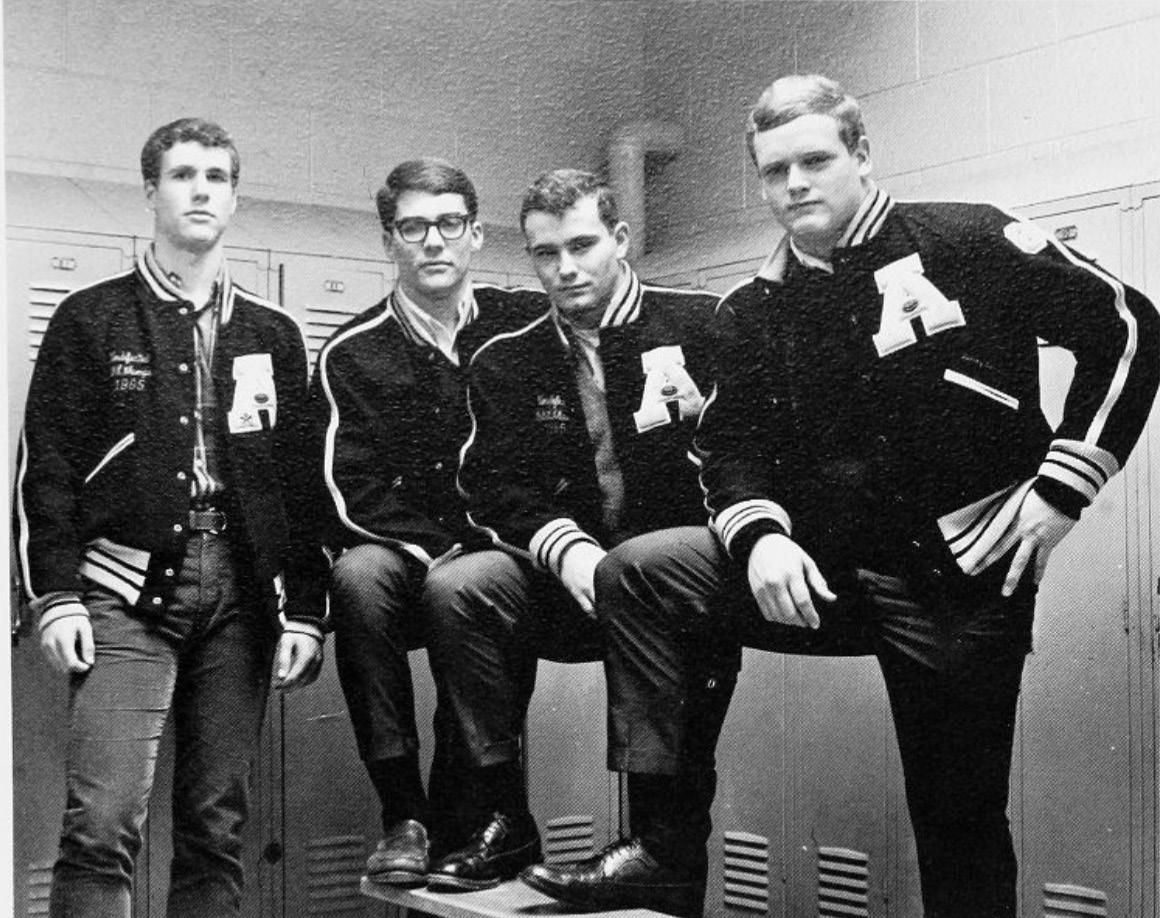
High school life in the 1960s saw shifts in school policies, like the eventual acceptance of girls wearing slacks instead of skirts. Activities and clubs were abundant, though gender roles were clearly defined, with Home Economics for girls and Shop for boys. Social clubs included Girlʼs Bowling Club, Math Club, and Future Homemakers of America, among many others.
Geneva in the 1960s had a vibrant community with various businesses and organizations, including veterinarians, lawyers, cafes, and churches. The local high school yearbook from 1965 depicted students with conservative dress codes that evolved dramatically by the decade's end.
The 1960s also saw the rise of shopping malls, exemplified by Midtown Plaza in Rochester, which left a lasting impression on those who visited. This decade was characterized by a mix of significant social changes, cultural milestones, and evolving fashion and school policies.