
Softwares: Autodesk Maya, Rhino, Grasshopper, Unreal Engine Stages: Strategic Definition, Preparation and Brief, Concept Design, Developed Design
The thesis responds to the idea of giving back to nature. In a world where we build houses using a combination of natural and manmade materials and in turn causing harm to the environment by polluting it in various ways, one of the design drivers of the project aims to look at tackling air pollution in coastal cities and capturing carbon emissions and cleaning the air using the facade of the unit as an element to capture carbon.
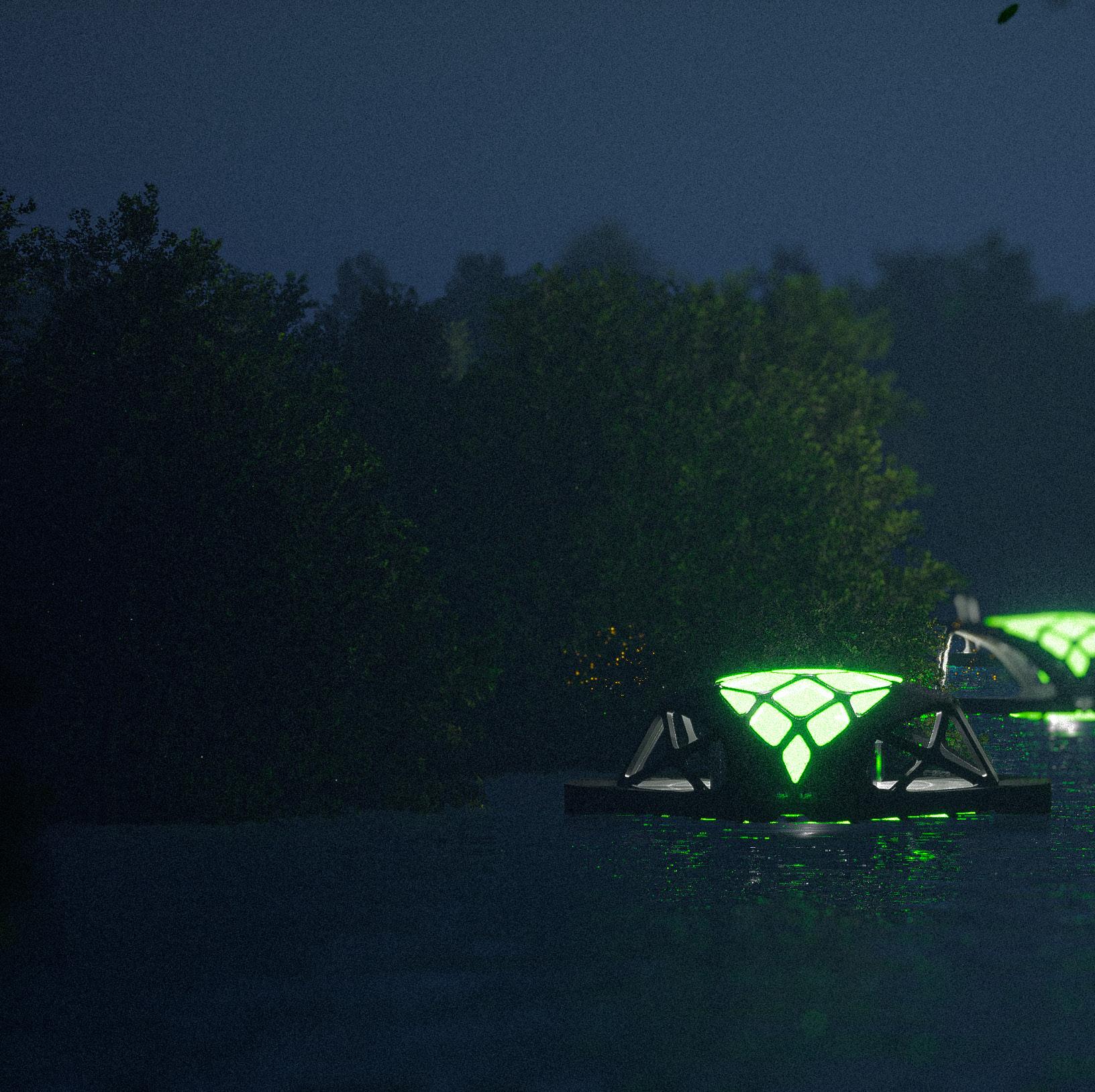
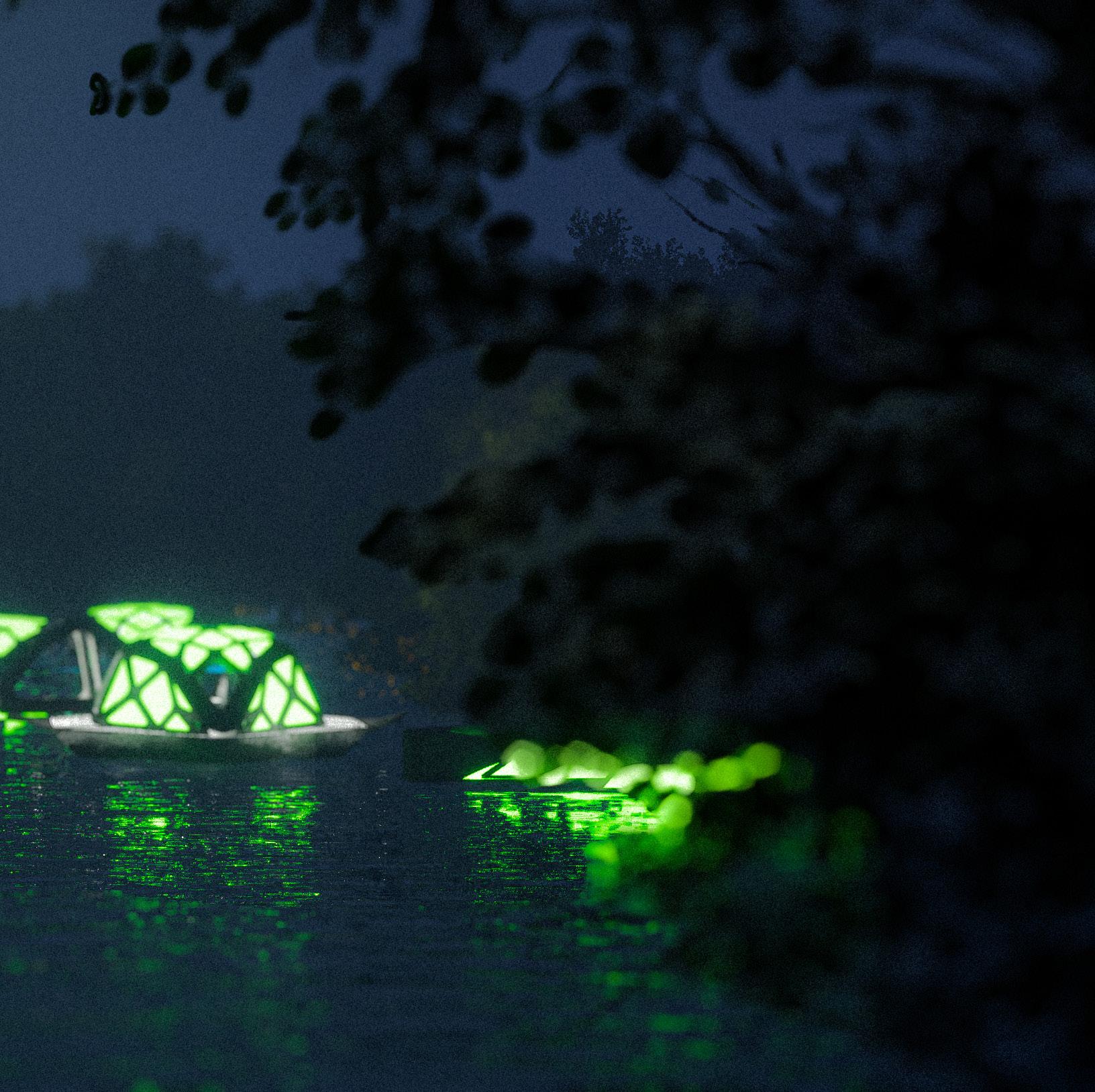
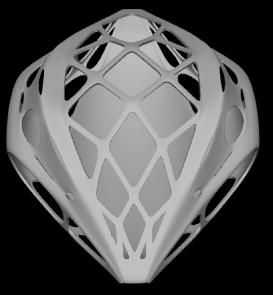
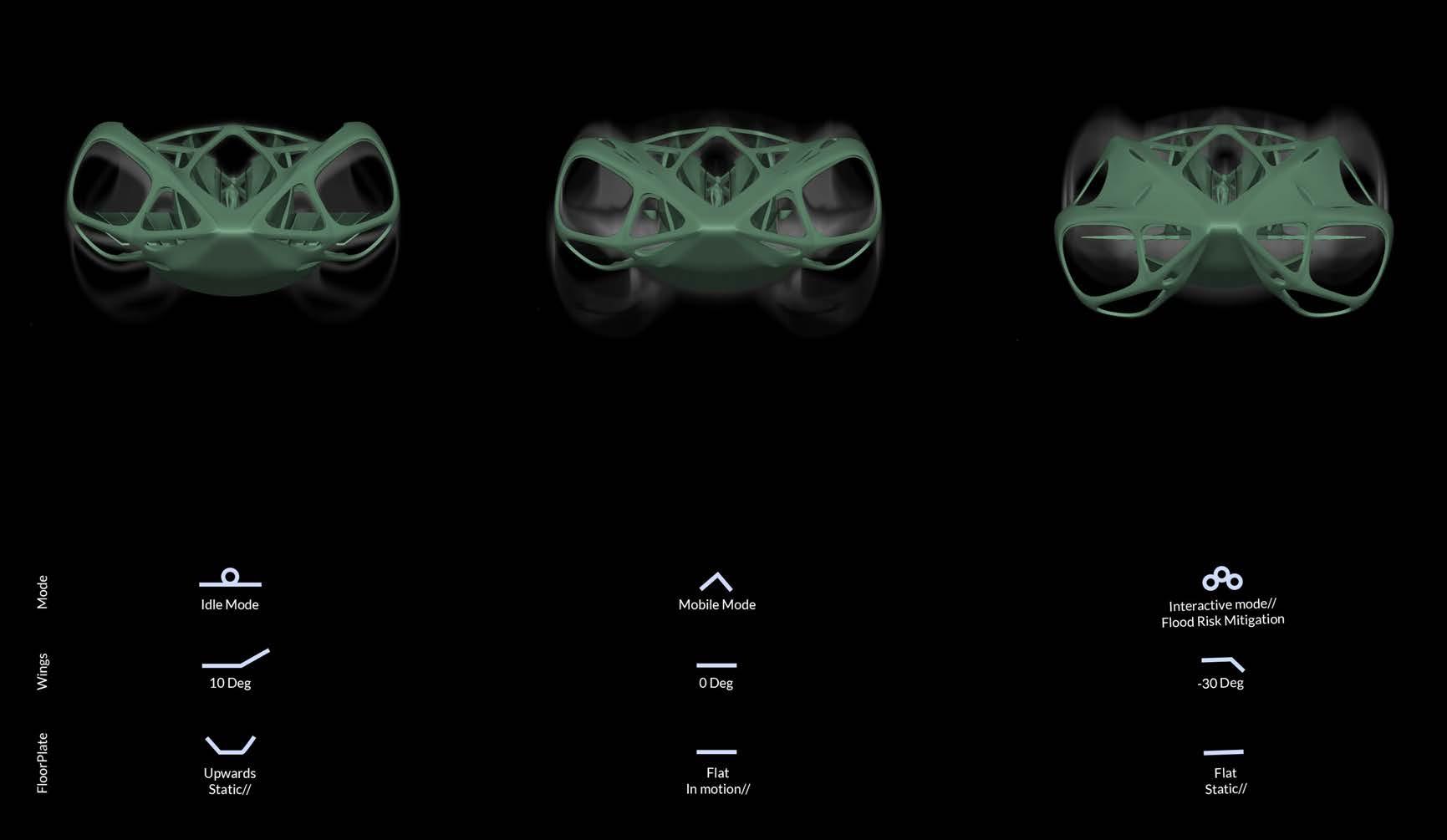
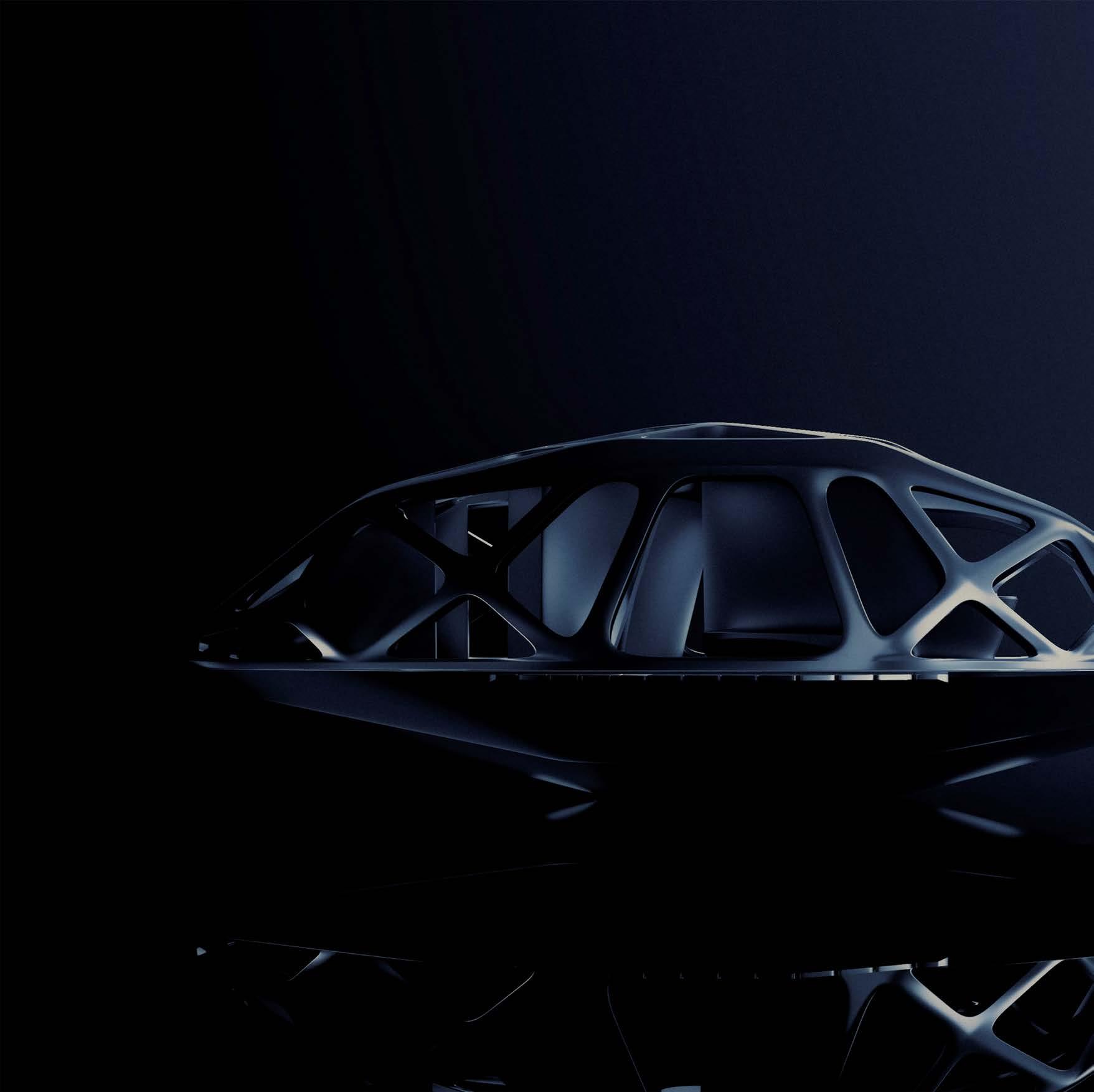
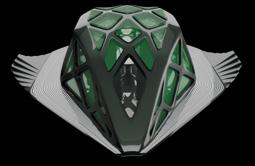
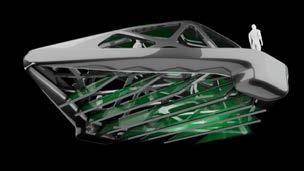
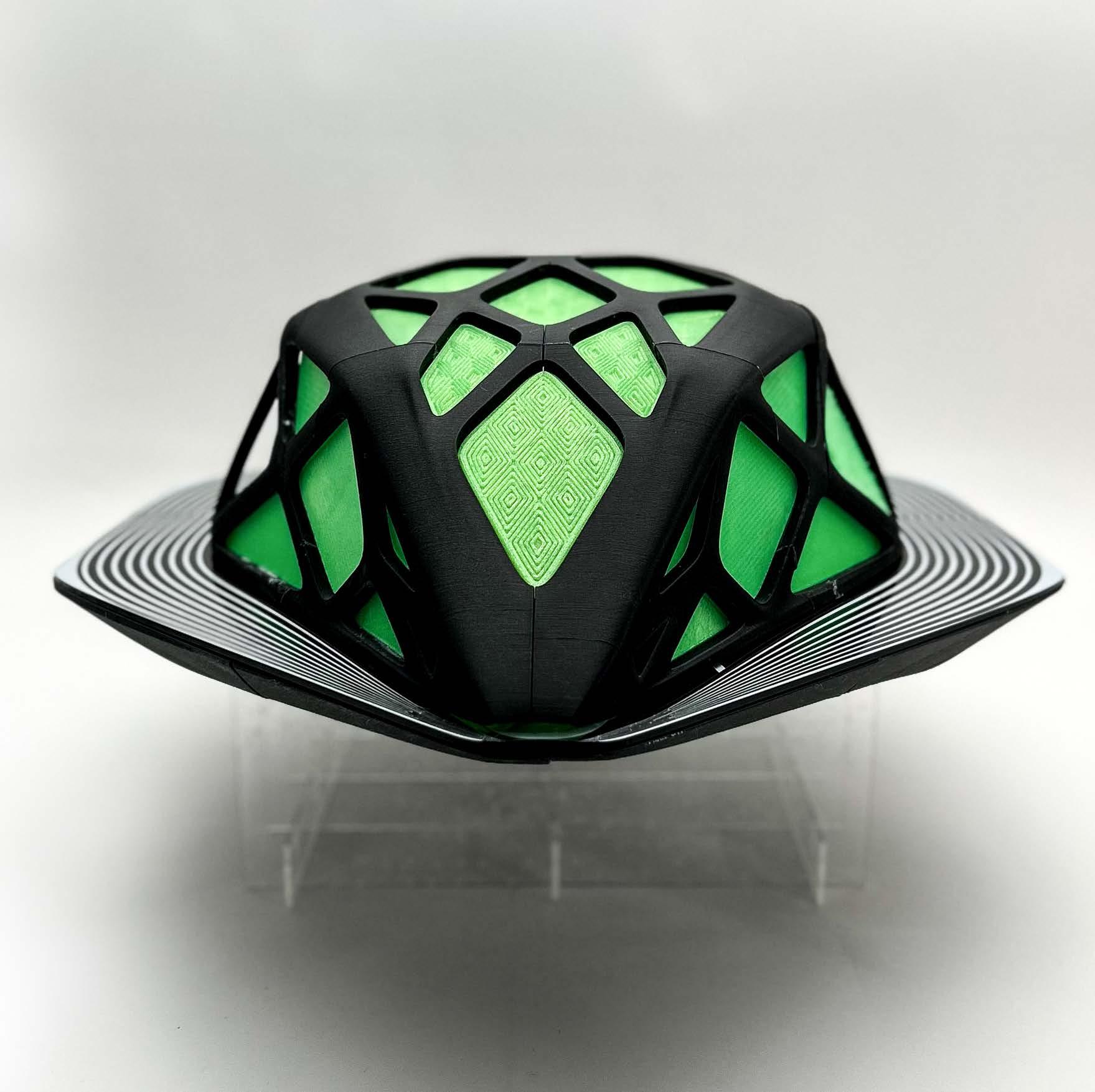
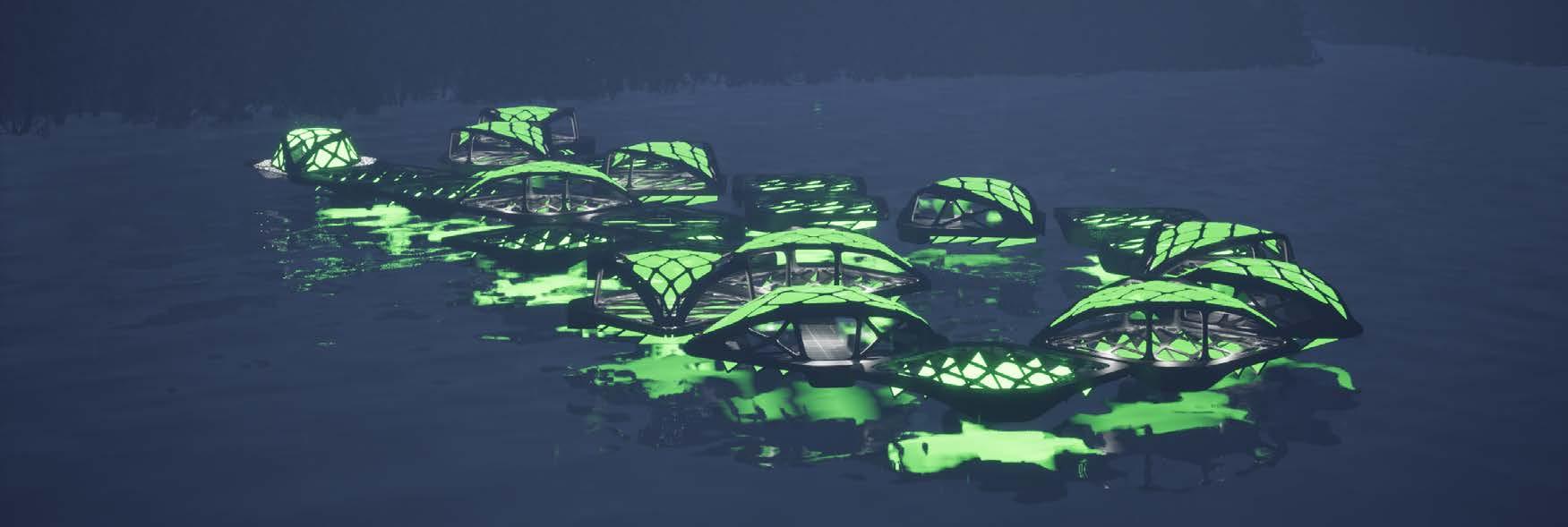
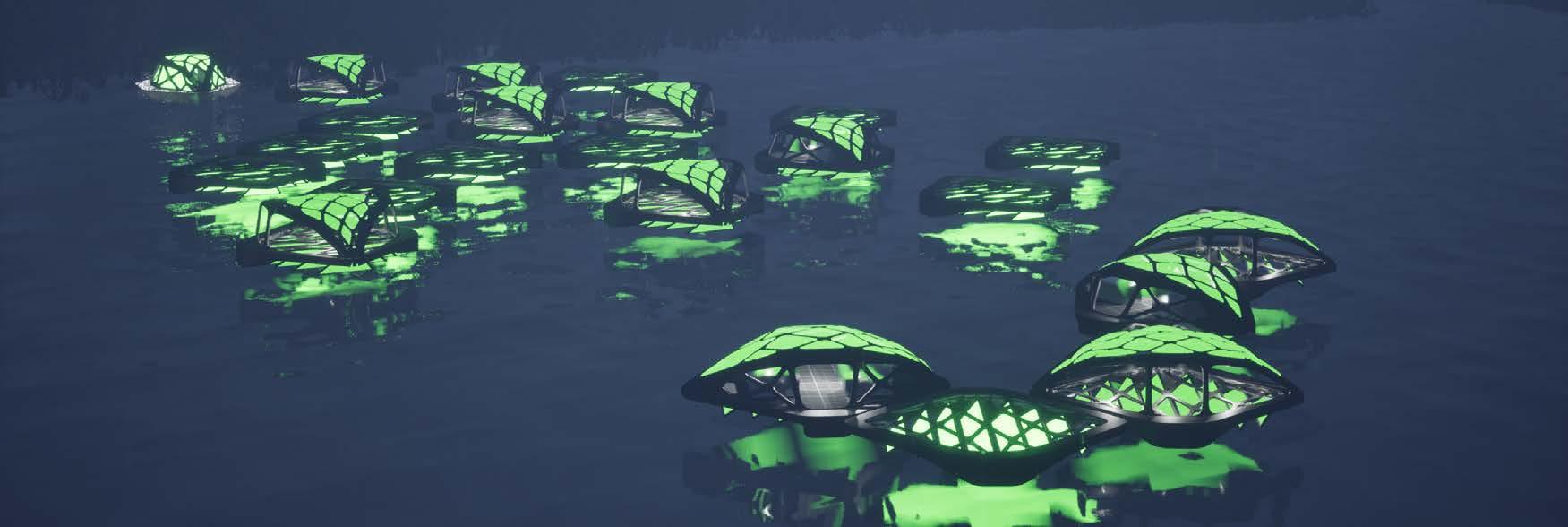
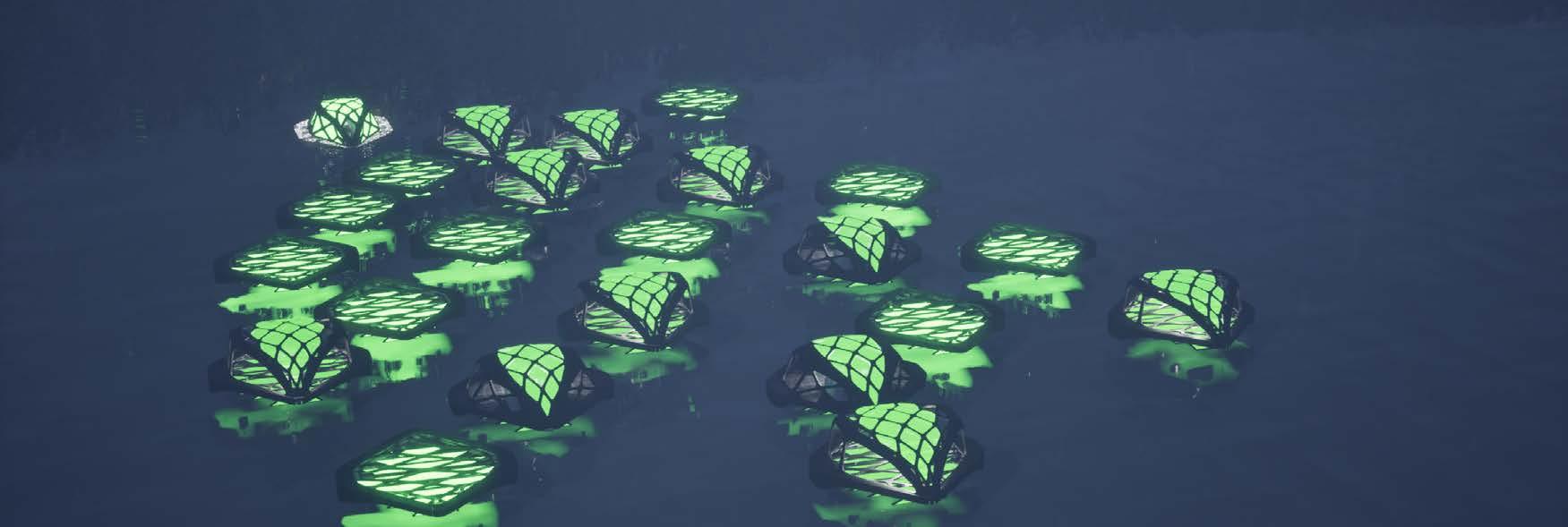
Algaenator provides a mobile community for a new way of living. The Project will explore the possibilities of creating pneumatic activated spaces that allow transformable units to adapt to the environment they are going to be placed in. The effective change of form will help introduce the idea of movement through a series of mechanical systems placed within it.
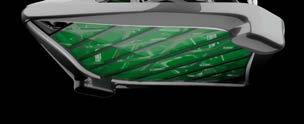
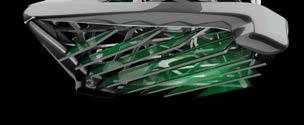
The main driver being deployed to tackle air pollution is Micro Algae. Using case studies as a way of understanding the perfor¬mance measures and effective designs the outer facade of the designed unit harvests micro algae which captures carbon and provides cleaner air towards the city. This helps to create a community of units that help protect the environment for the coming generations
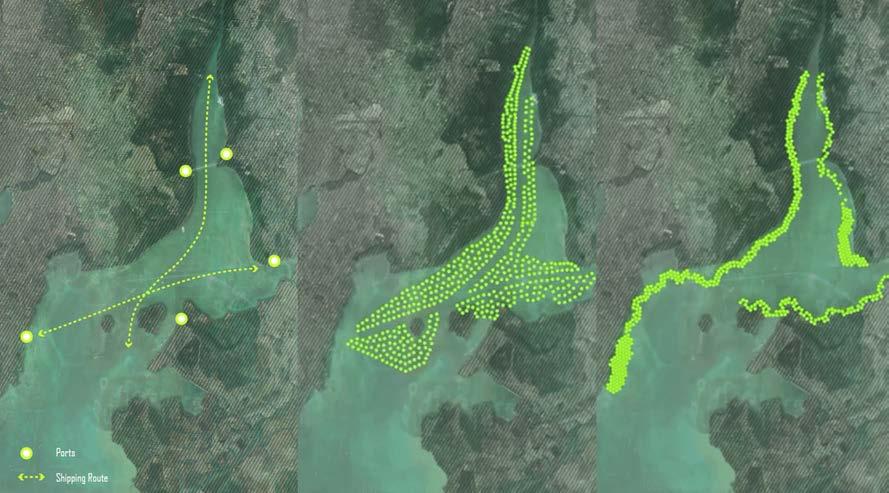
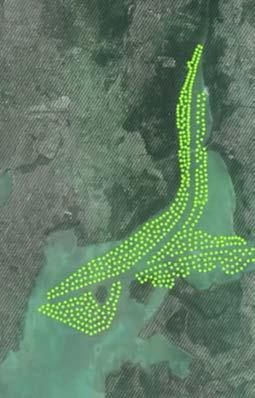
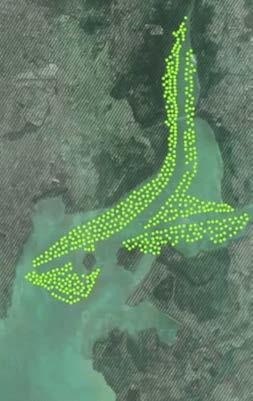
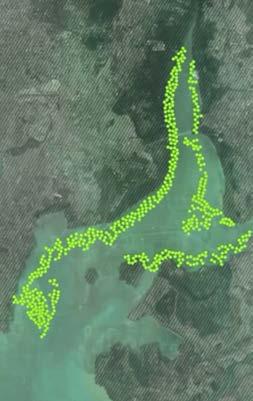
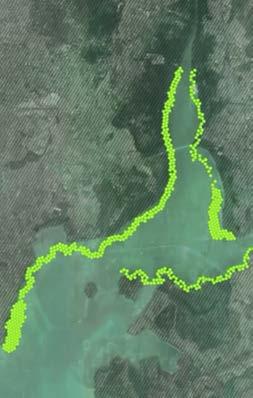
The thesis explores the possibilities of situating the project in the neglected urban fabric of the city of Mumbai. The are less developed comparatively allows us the opportunity to create newer upcoming com¬munities in the eastern waterfront hence allowing the area to rejuvenate and also allowing better access to the main city with the help of connectivity through ports available on the shore. The aim is to form a community in water that is self-sustainable in terms of producing energy for itself and which comprises of public units that can be used for a variety of functions. The organizational structure will consist of attracting forces around which these units will revolve and create smaller communities. The idea of communities is formed by a combination of four typologies of units, A living unit which allows users to live in, A flat walkable Algae farming unit which provides open spaces, a covered algae farming unit and a energy unit which converts Algae slug into biofuel providing the means for giving energy to the communities
Project Type :
Type : Site Area :
Location : Group Devansh Khera | Aruna | Yaodong Xu
Architecture and Urbanism x Mumbai, India


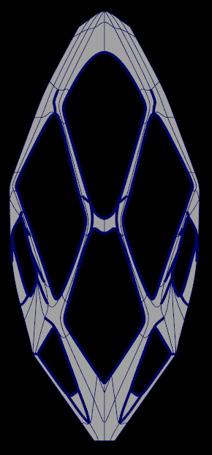
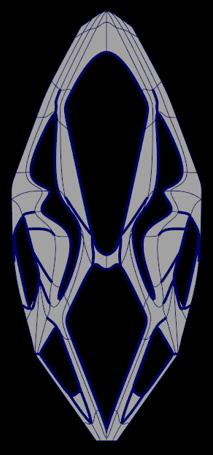
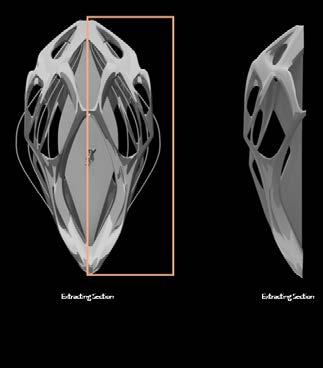
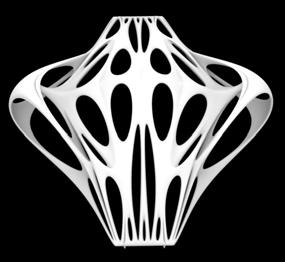
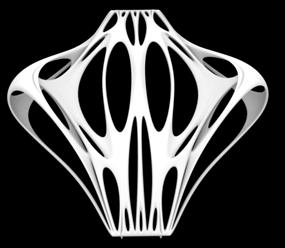


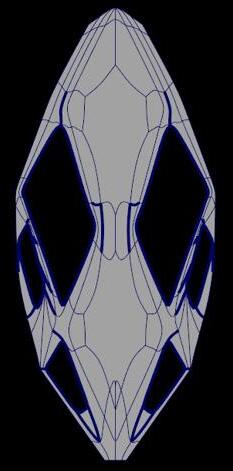
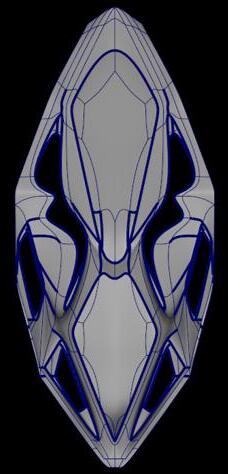
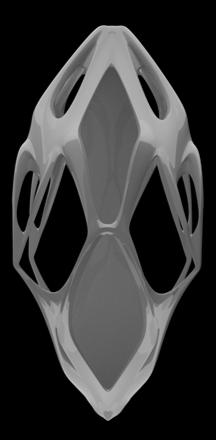
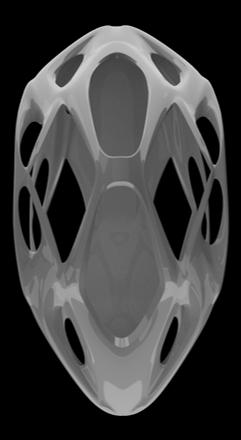
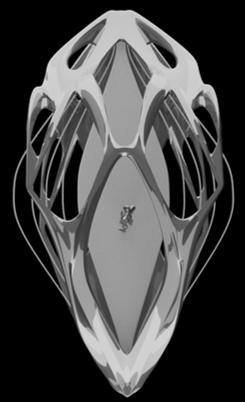
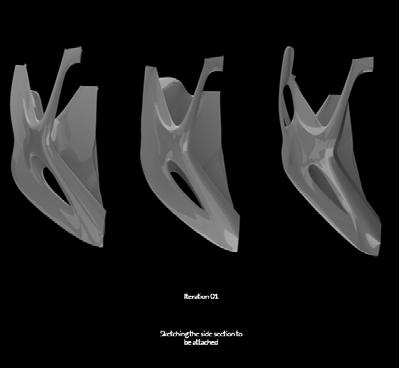
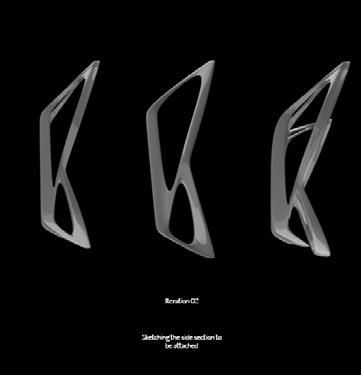
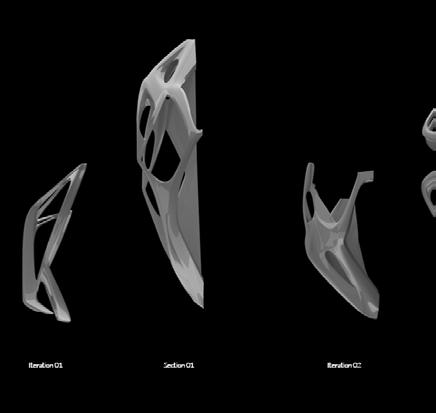

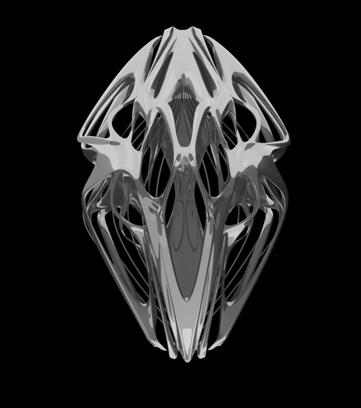
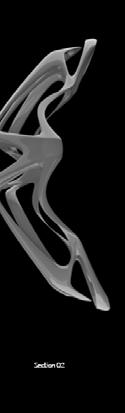
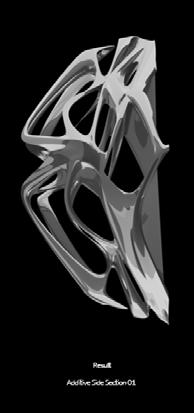
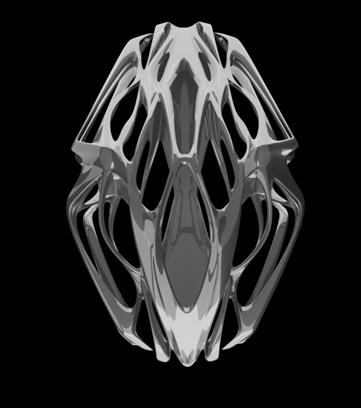
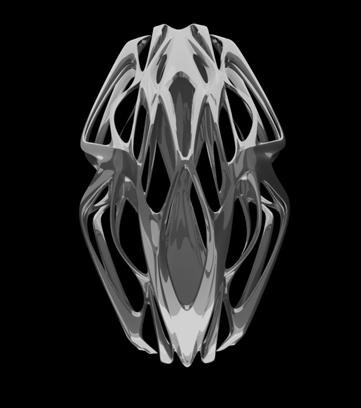
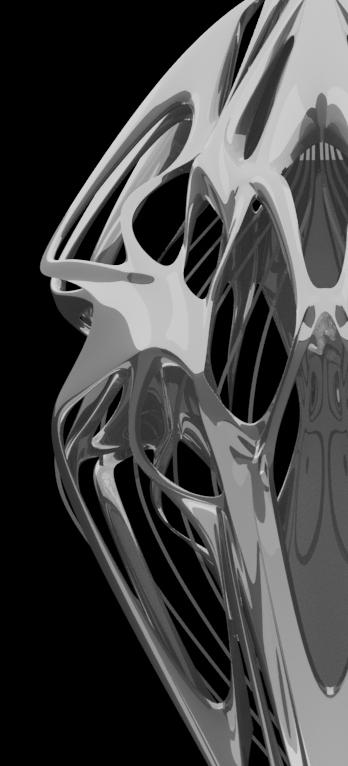
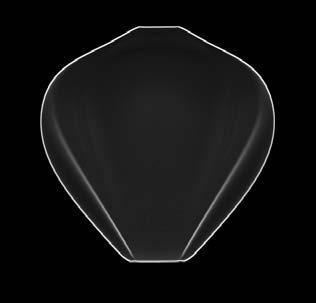
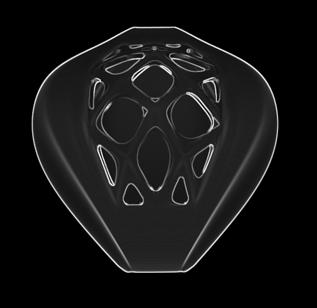
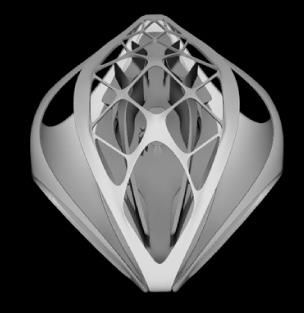
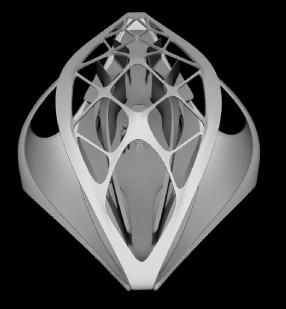
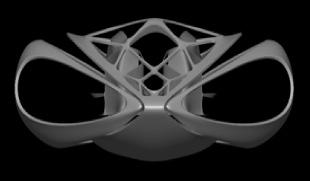
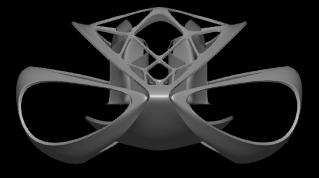
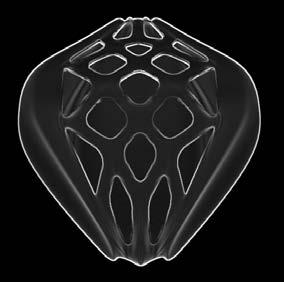
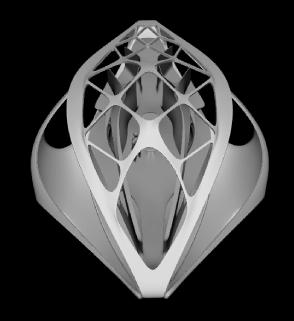
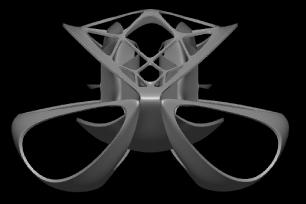
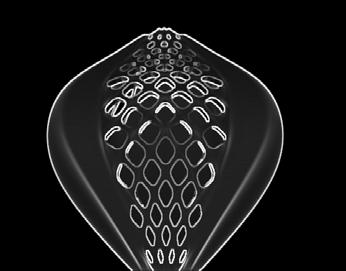
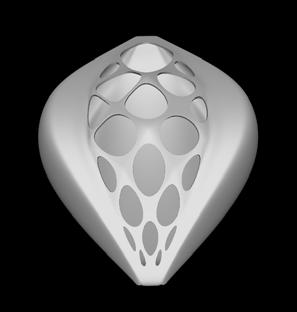
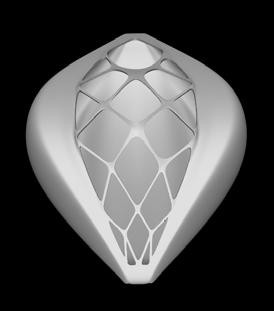
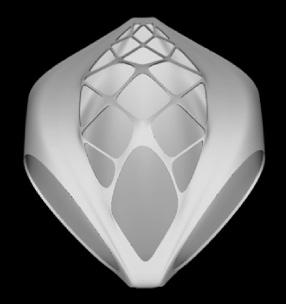
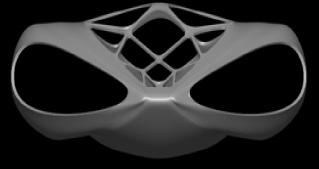
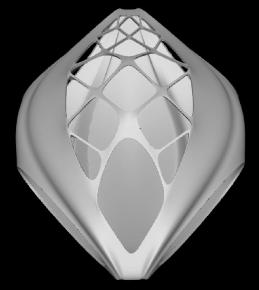
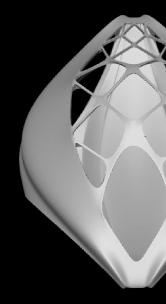
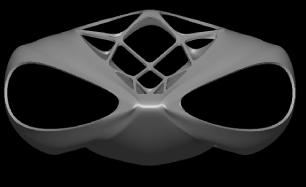
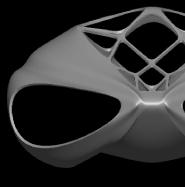
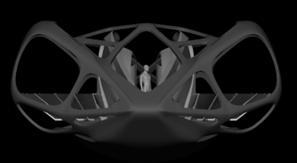
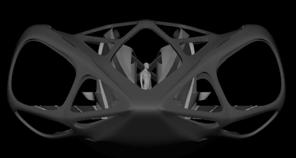
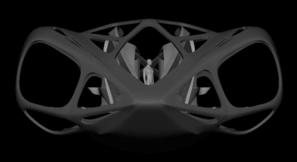
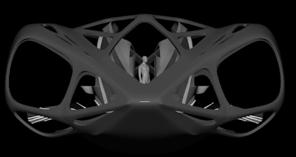
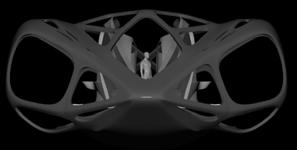
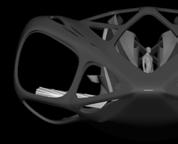
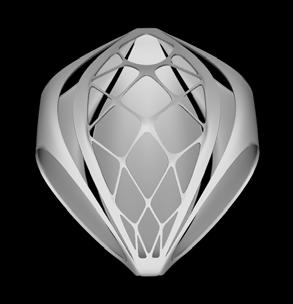

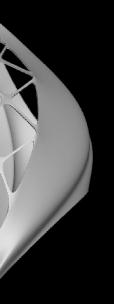
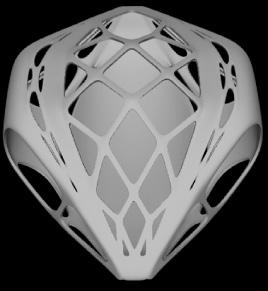

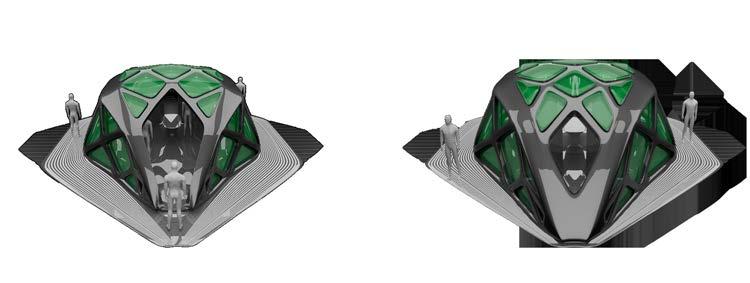
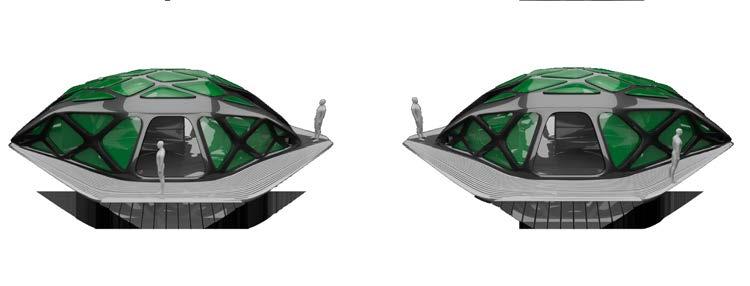
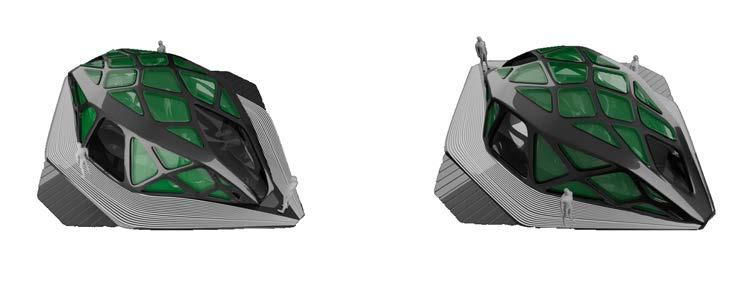

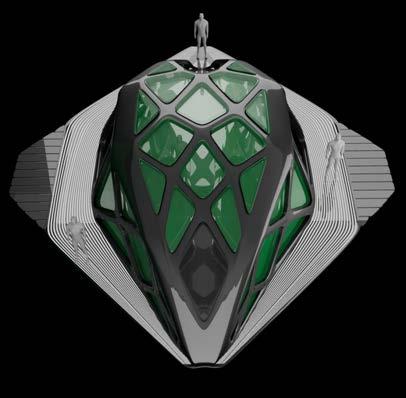
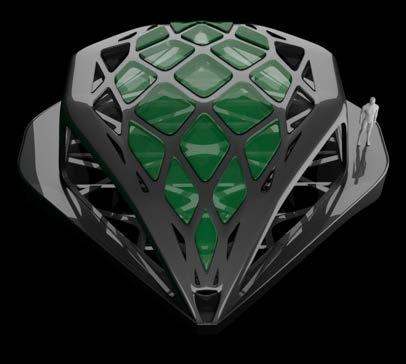
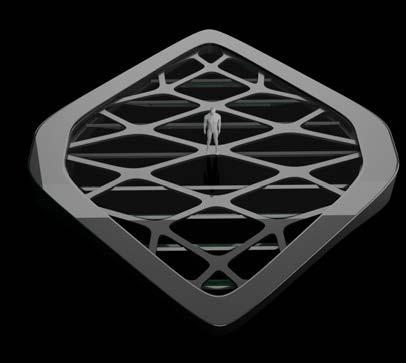
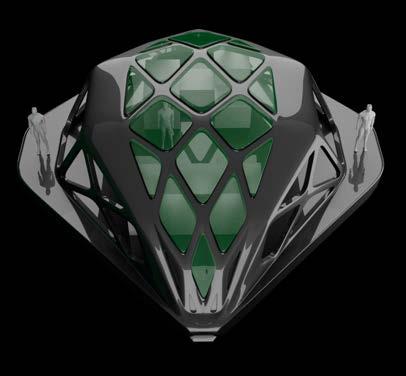
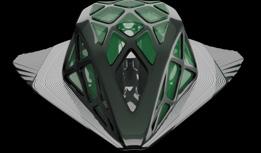
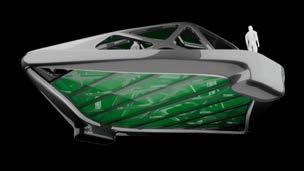
The main function of the unit is to provide farmers with algae to harvest and also act as a canopy based structure allowing for other communal activities to take place Allows for people to live on. Has functions such as kitchen, toilet etc
Softwares: Rhino, Illustrator
Stages: Strategic Definition, Preparation and Brief, Concept Design, Developed Design. Technical Design Fabrication
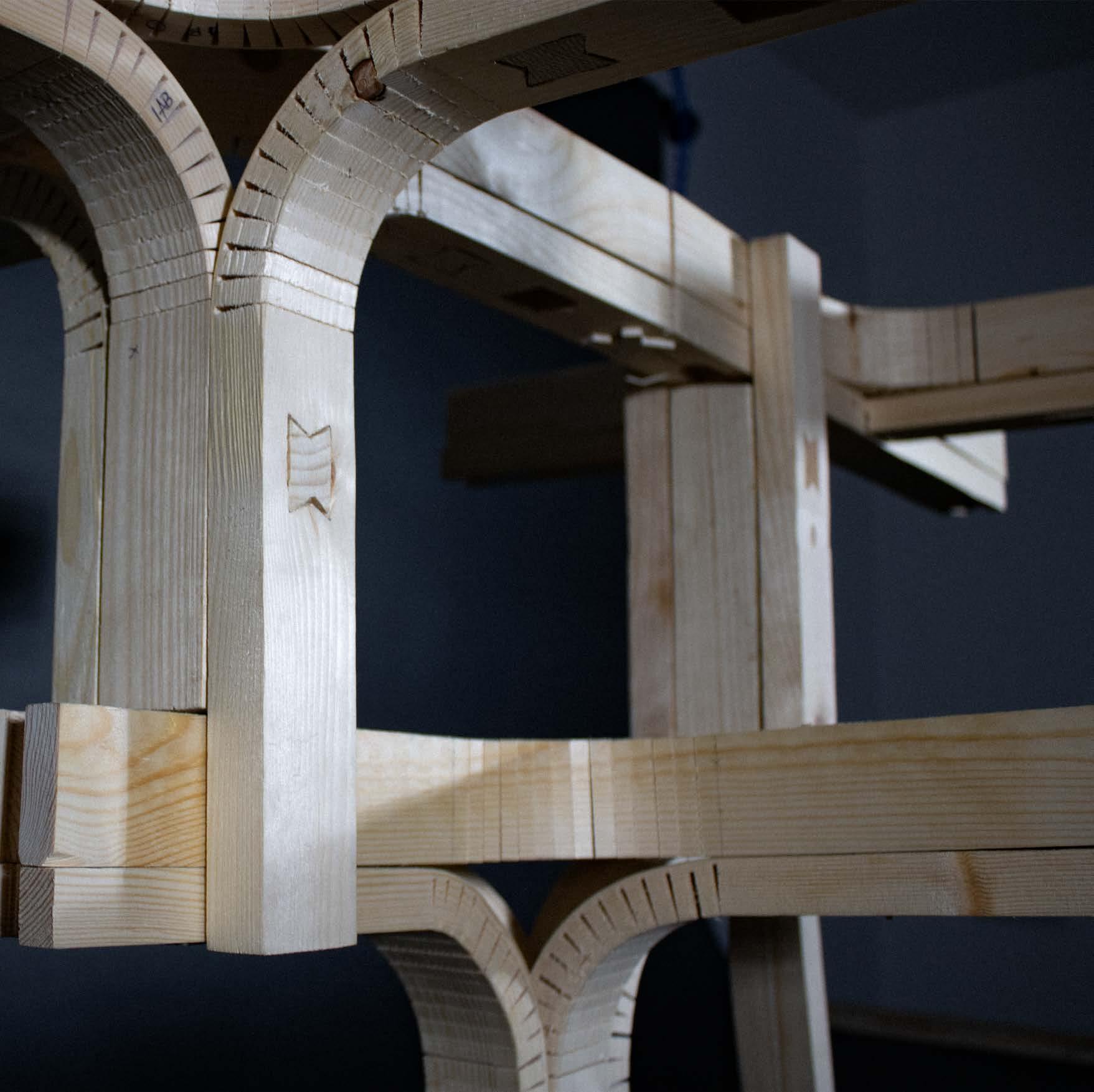
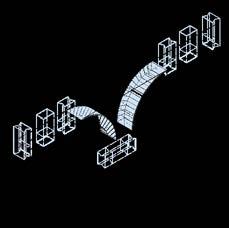
Connection explored spatial aggregation with the objective of constructing a pavilion using linear wooden stock elements. The research began with case studies from ETH and SoomeenHahm Design to analyze systemic approaches to pavilion design. Inspired by traditional Chinese joinery, we developed a component from the linear stock material that informed the pavilion’s aggregation. To introduce curvature and flexibility, we explored techniques such as kerfing, as well as heating and steaming wood to bend it, expanding the material’s potential for complex forms. We focused on fabricating a single joinery system and executed it to the best of our ability, ensuring precision and functionality. Simultaneously, joinery fabrication studies were conducted to address the complexities of connections, which played a critical role in shaping the aggregation rule sets and structural logic of the design.
Project Type :
Type : Site Area : Location : Group Devansh Khera | Min Zheng | Yaodong Xu Rui Wang
Architecture and Urbanism x Mumbai, India
B
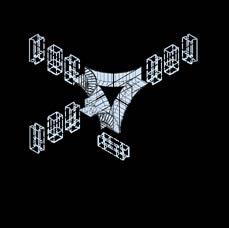
Combing the Components
Constructing the Component

Slicing the log as per the size
Slicing the log to obtain a Kerfing pattern
Bending the Wood
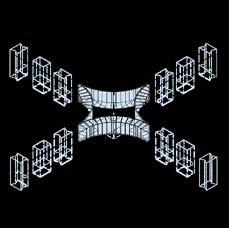
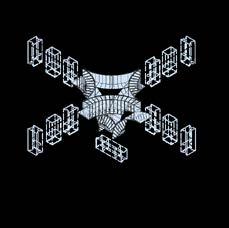
Final Components

Bending the wood
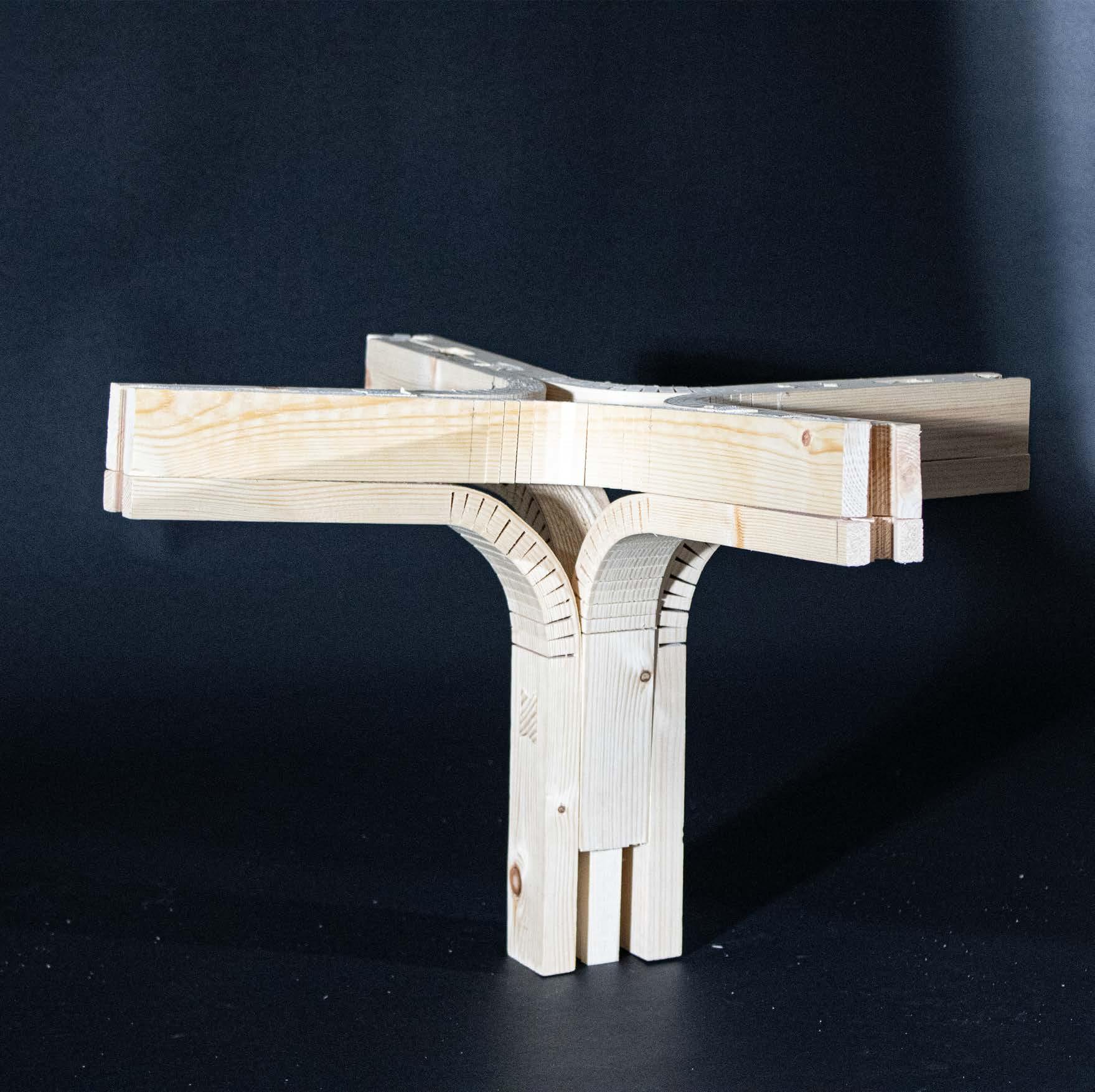
Softwares: Rhino, Autocad Stages: Strategic Definition, Preparation and Brief, Concept Design
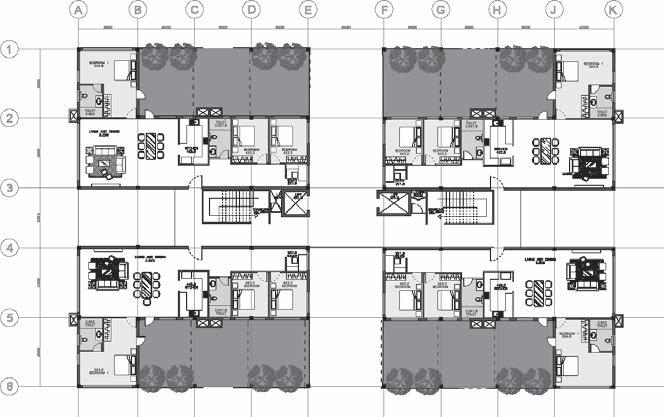
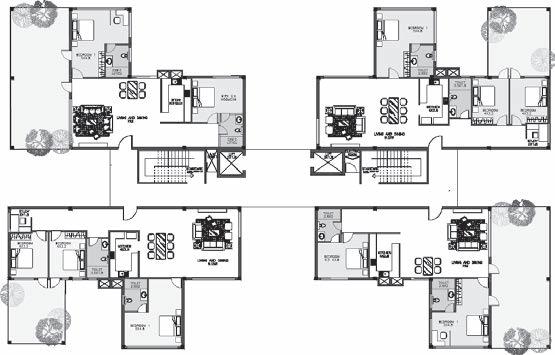
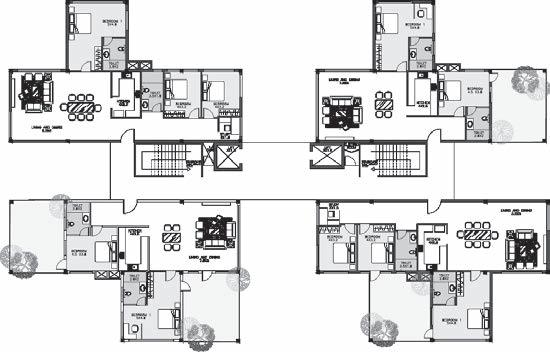
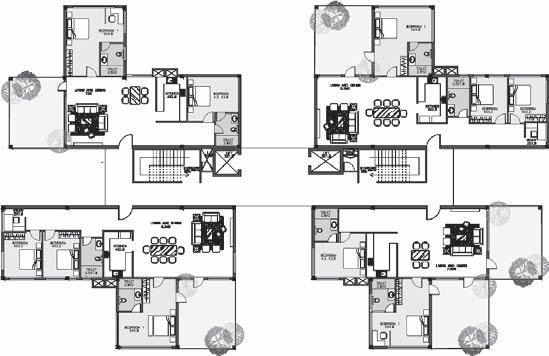
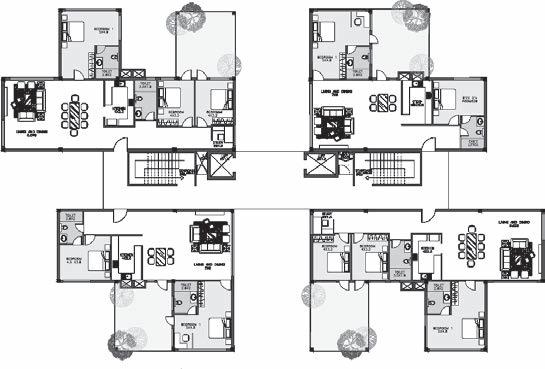
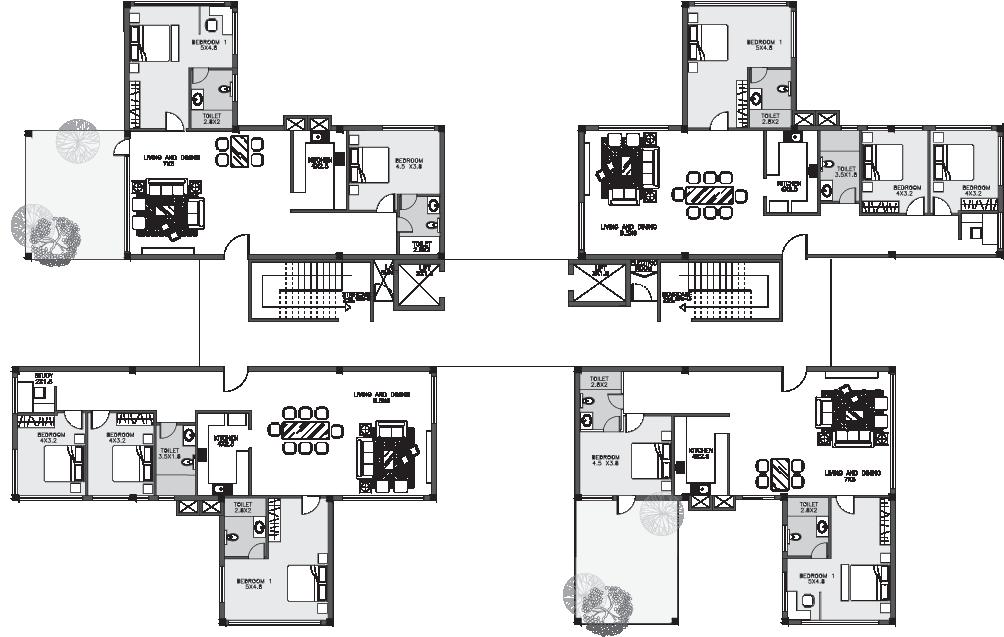
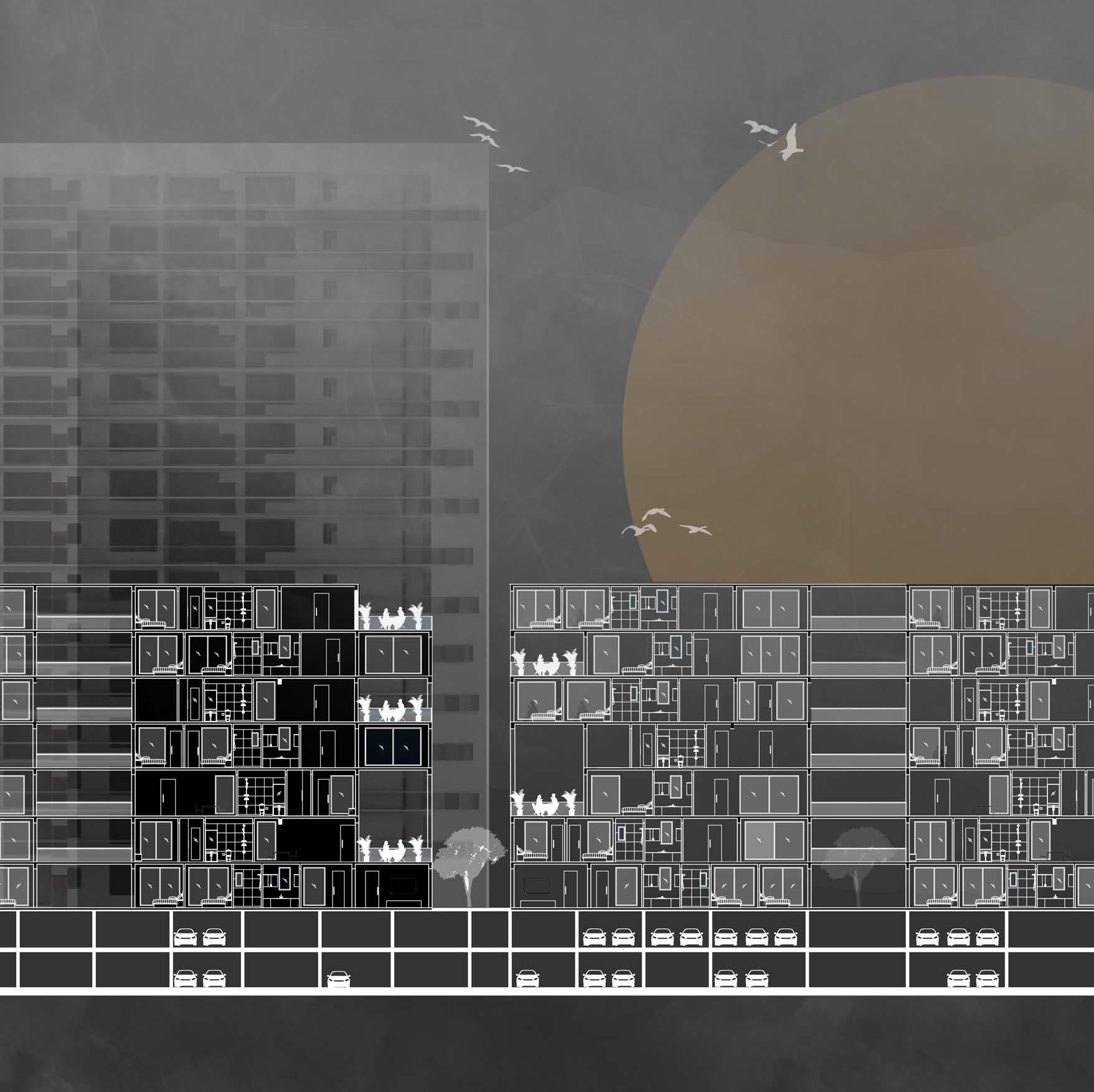
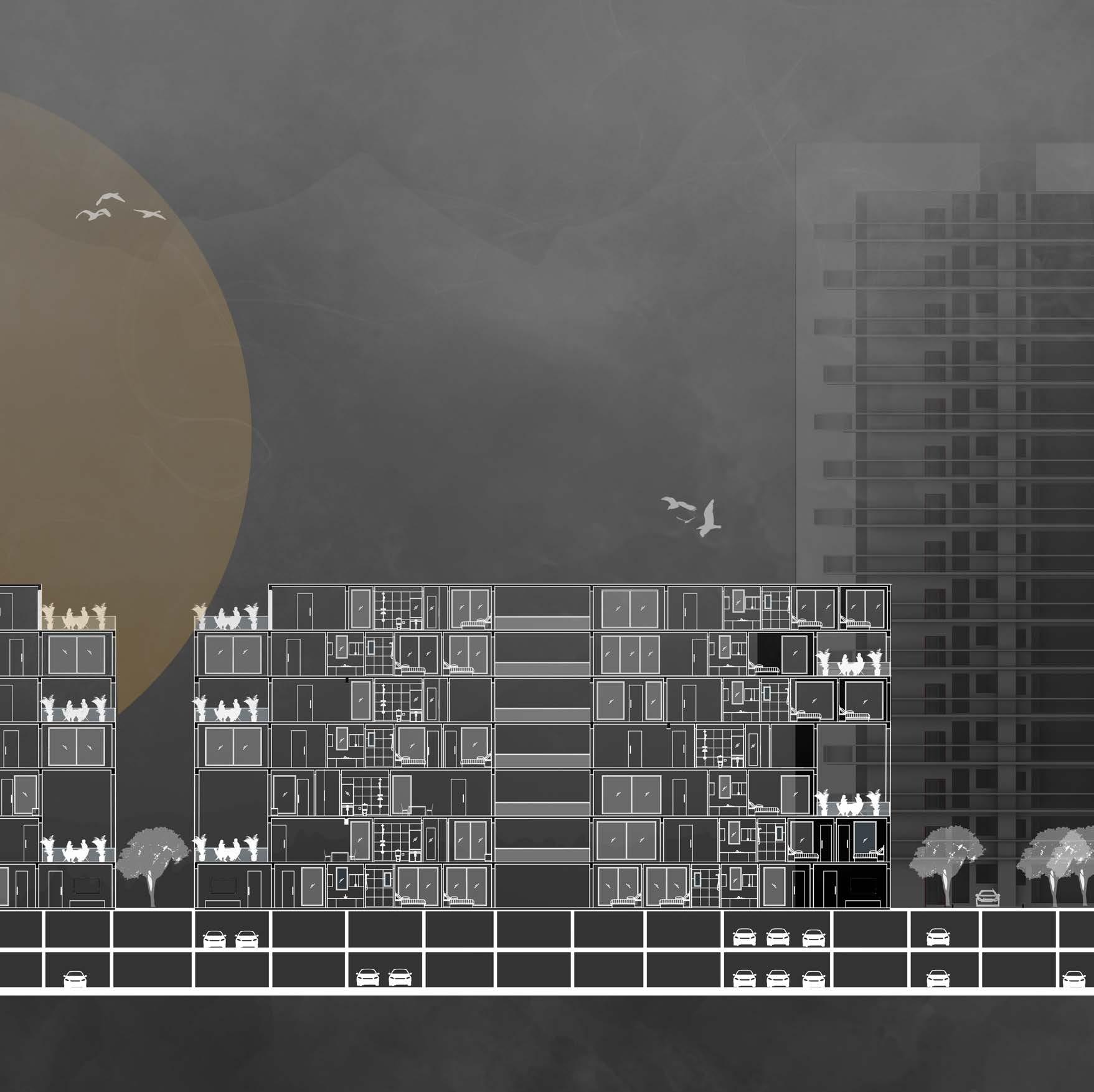
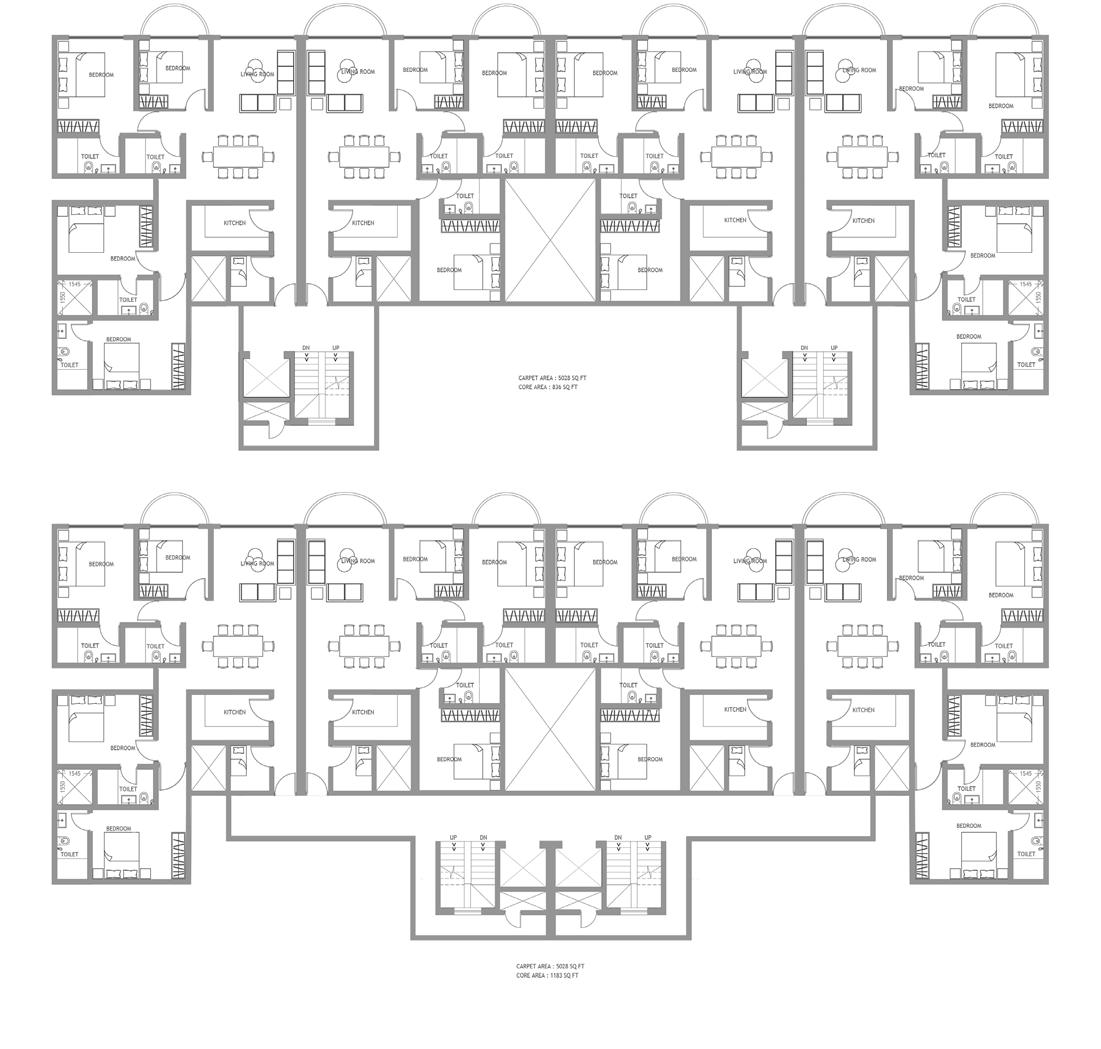
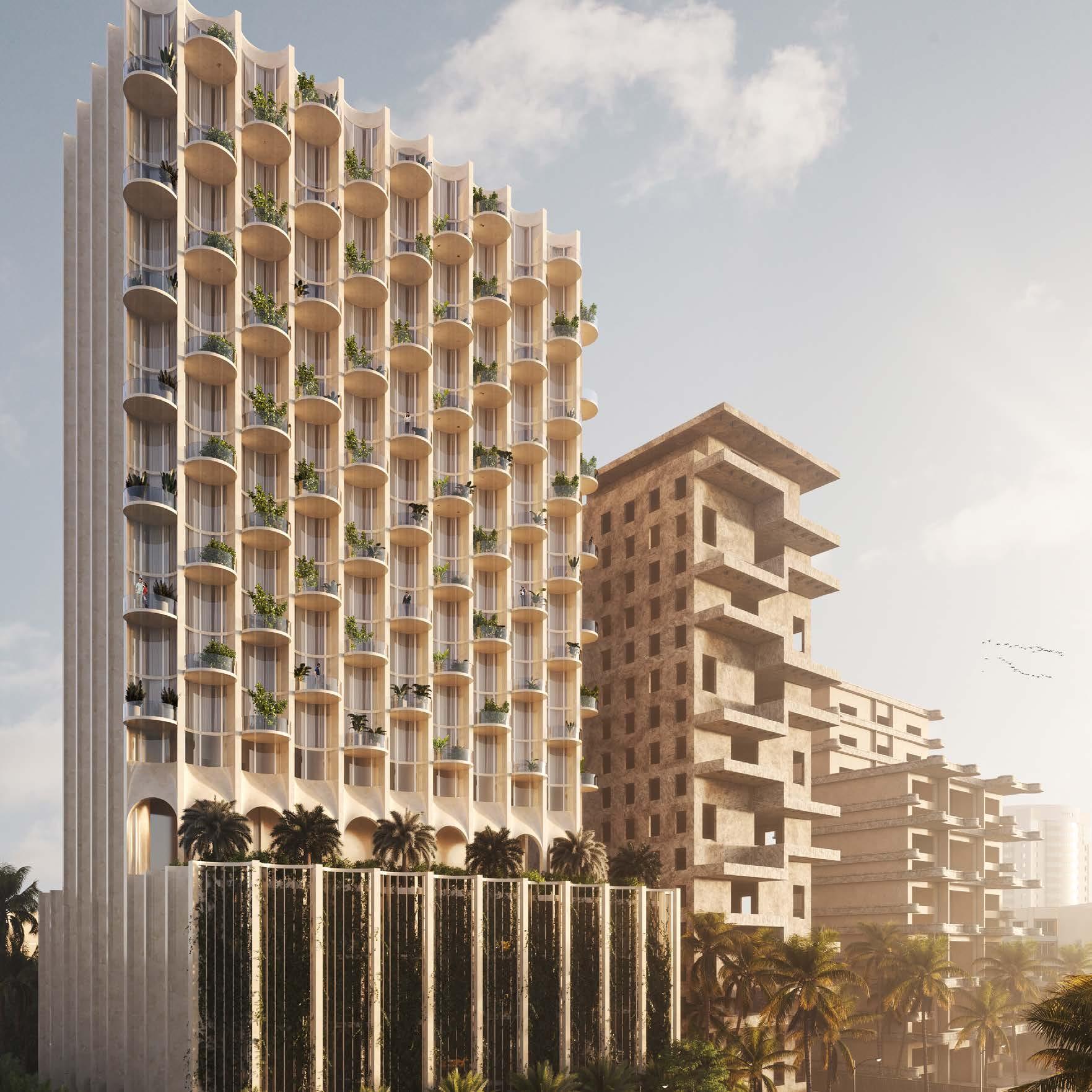
The project looked to redevelop an existing building on the pristine shore line of Mumbai, Carter Road. The project in collaboration with Oberoi Builders is aimed to provide better and larger communal spaces with amenities. The flats are arranged more spaciously on each floor.
Softwares: Rhino, Autocad, Illustrator, Photoshop
Stages: Strategic Definition, Preparation and Brief, Concept Design
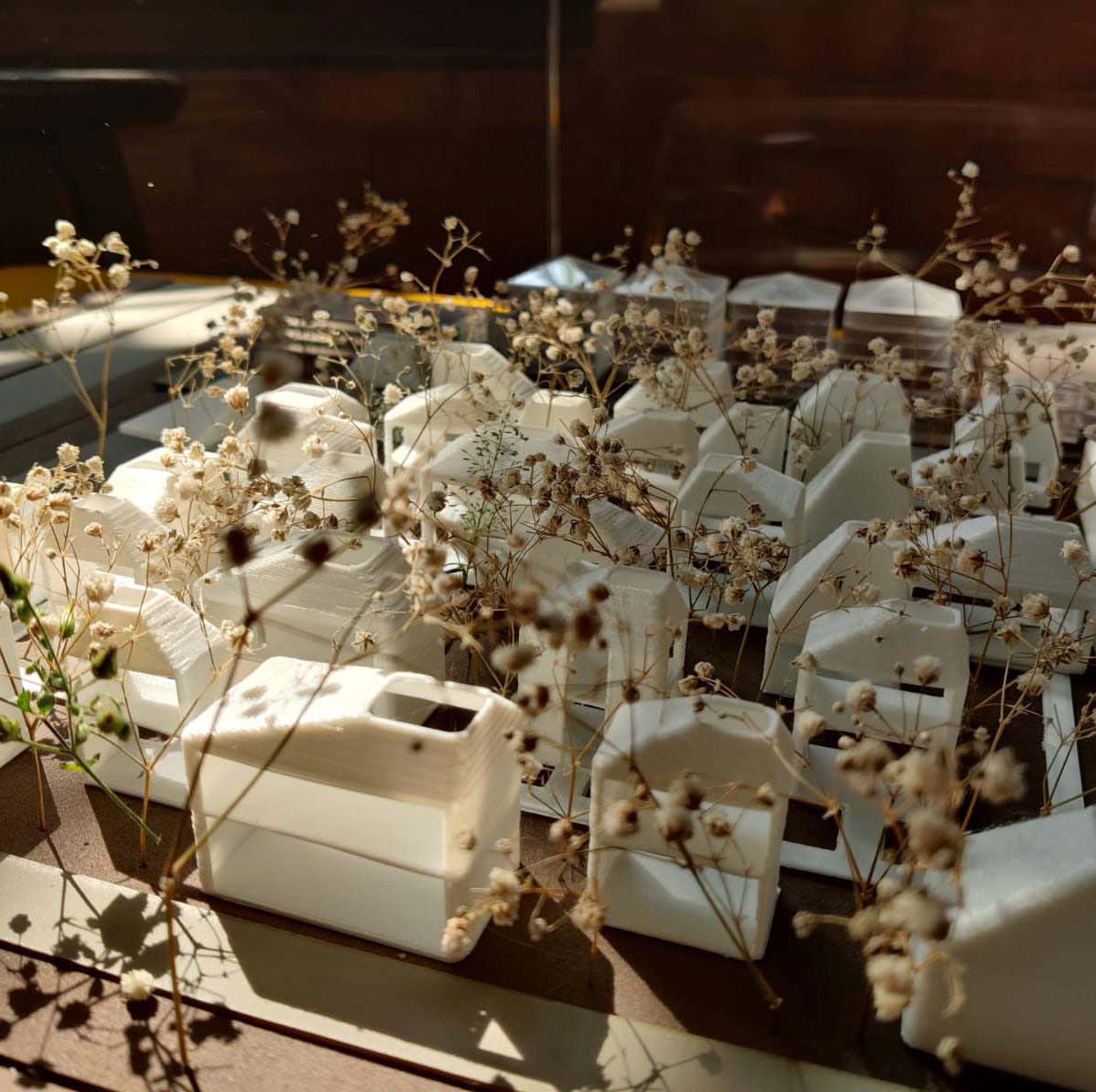
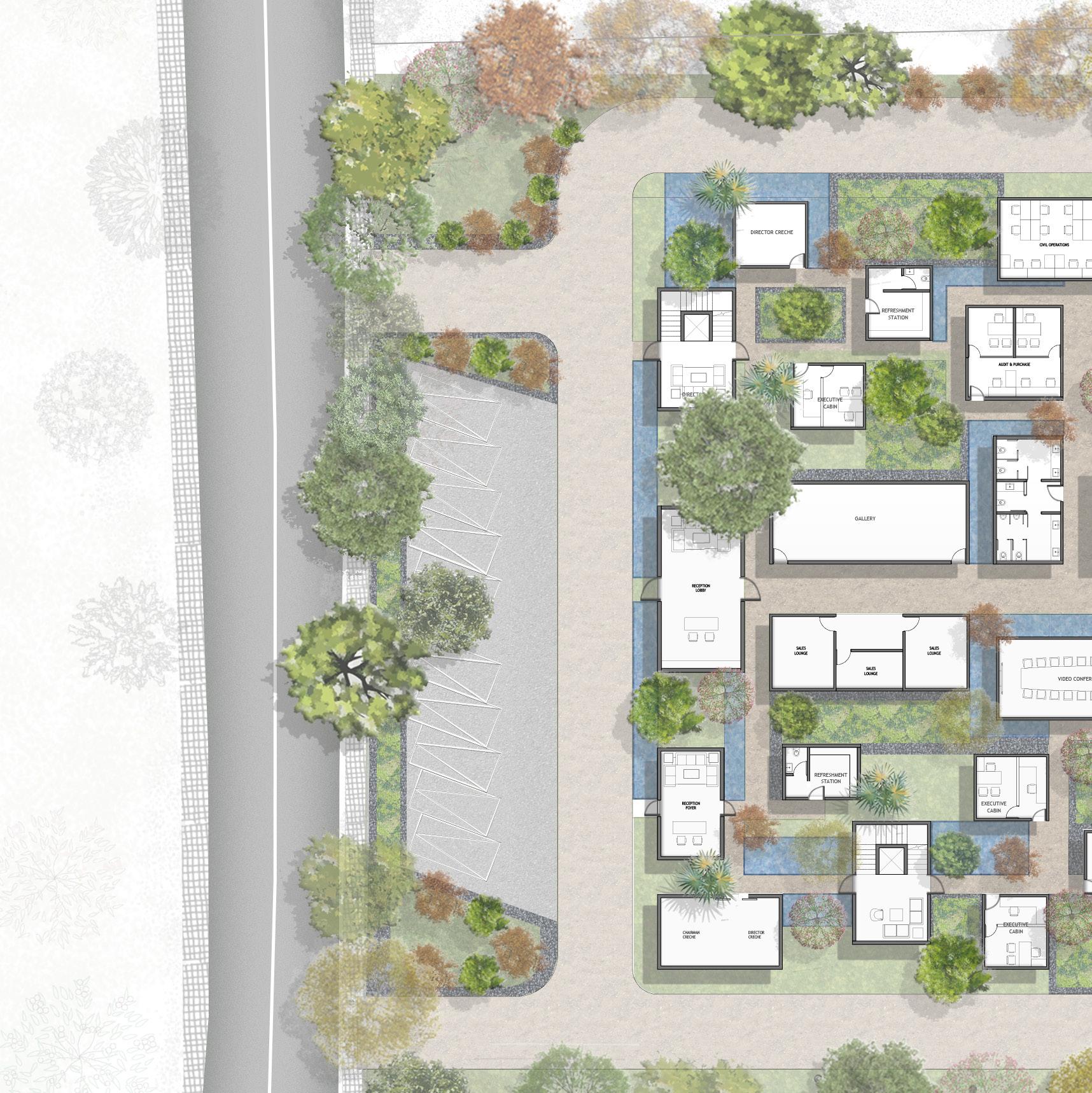
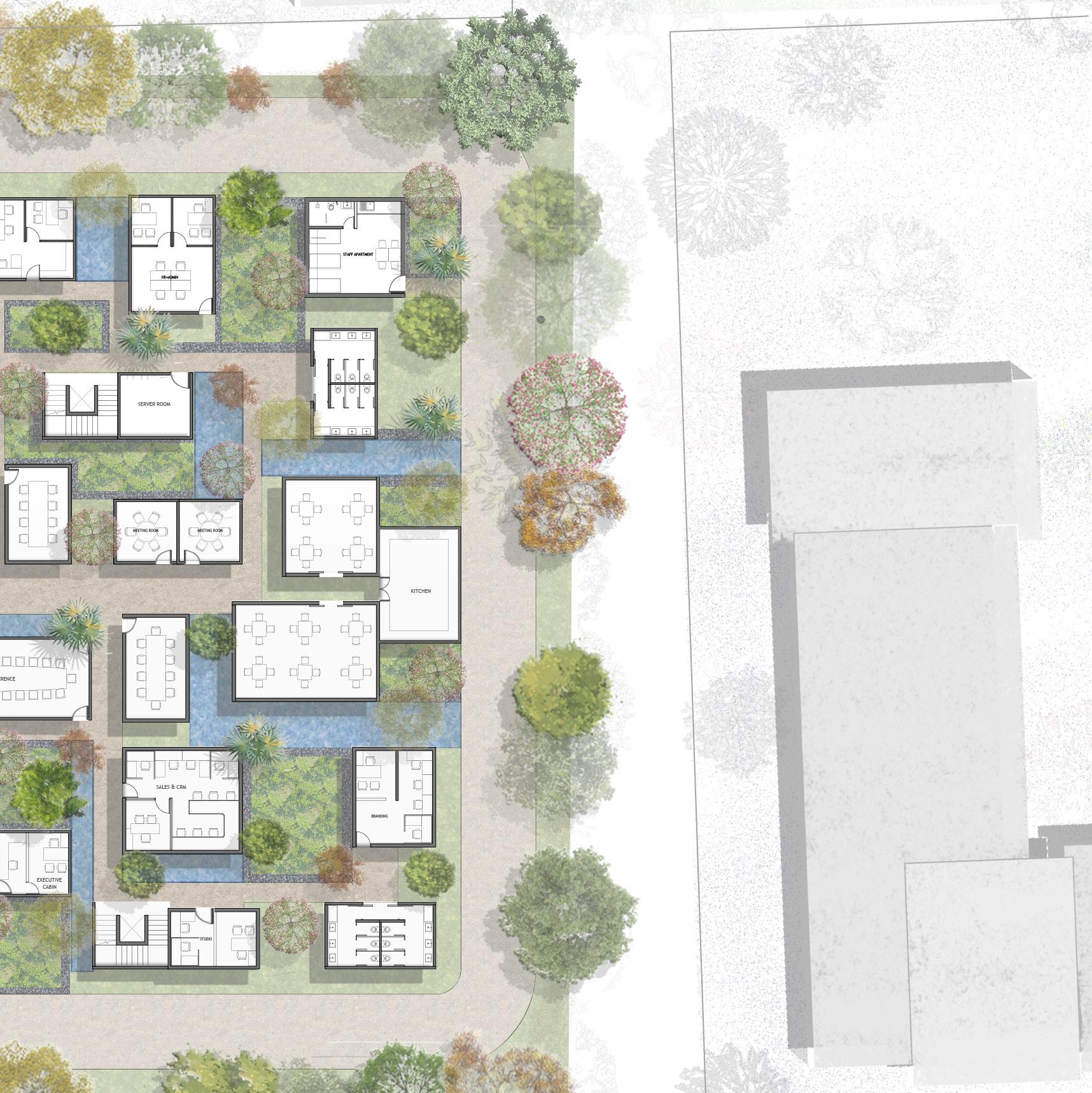
The office complex proposal was designed in a way that every department had a seperate building which allowed for privacy and the corridoors allowed for smoother cross connections.
The project was a part of a competition entry.
DIRECTOR’SCABIN ACCESSIBILTY
Residential Interior Design
Softwares: Rhino, Autocad, Enscape
Stages: Strategic Definition, Preparation and Brief, Concept Design, Developed Design, Technical Design, Construction, Handover
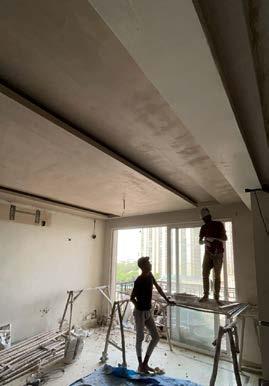
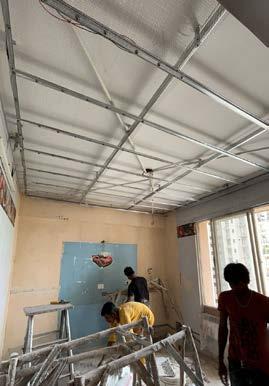
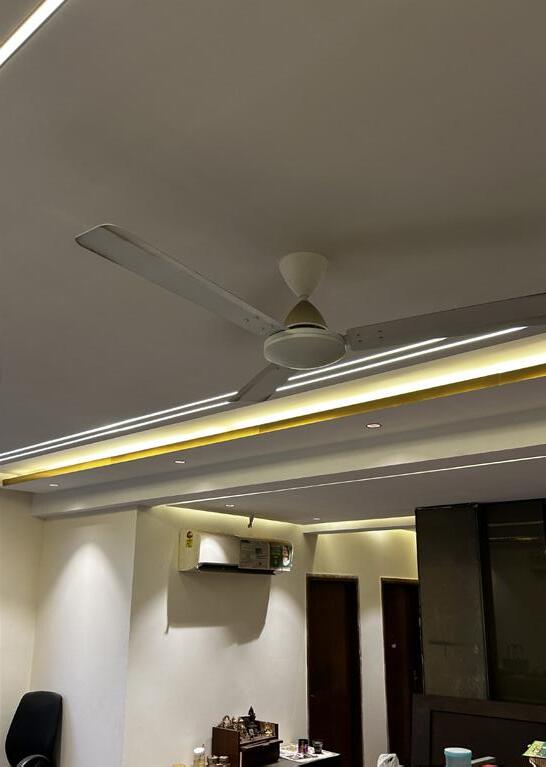
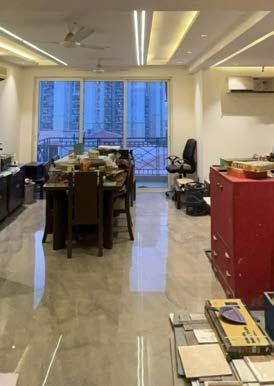
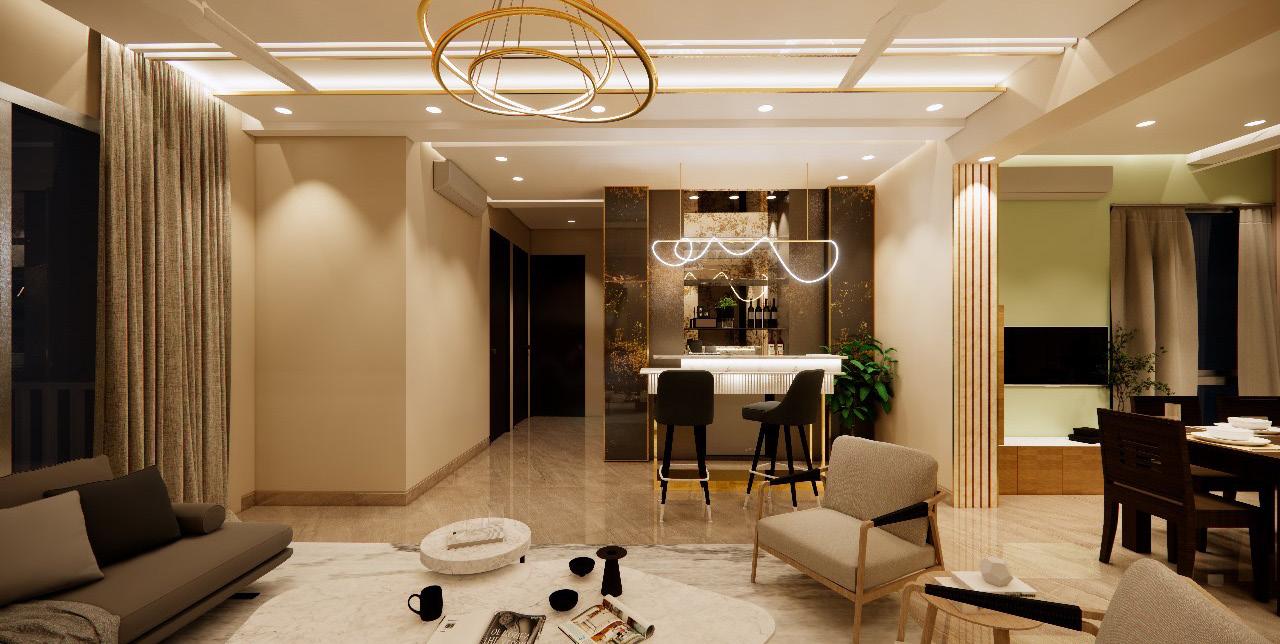
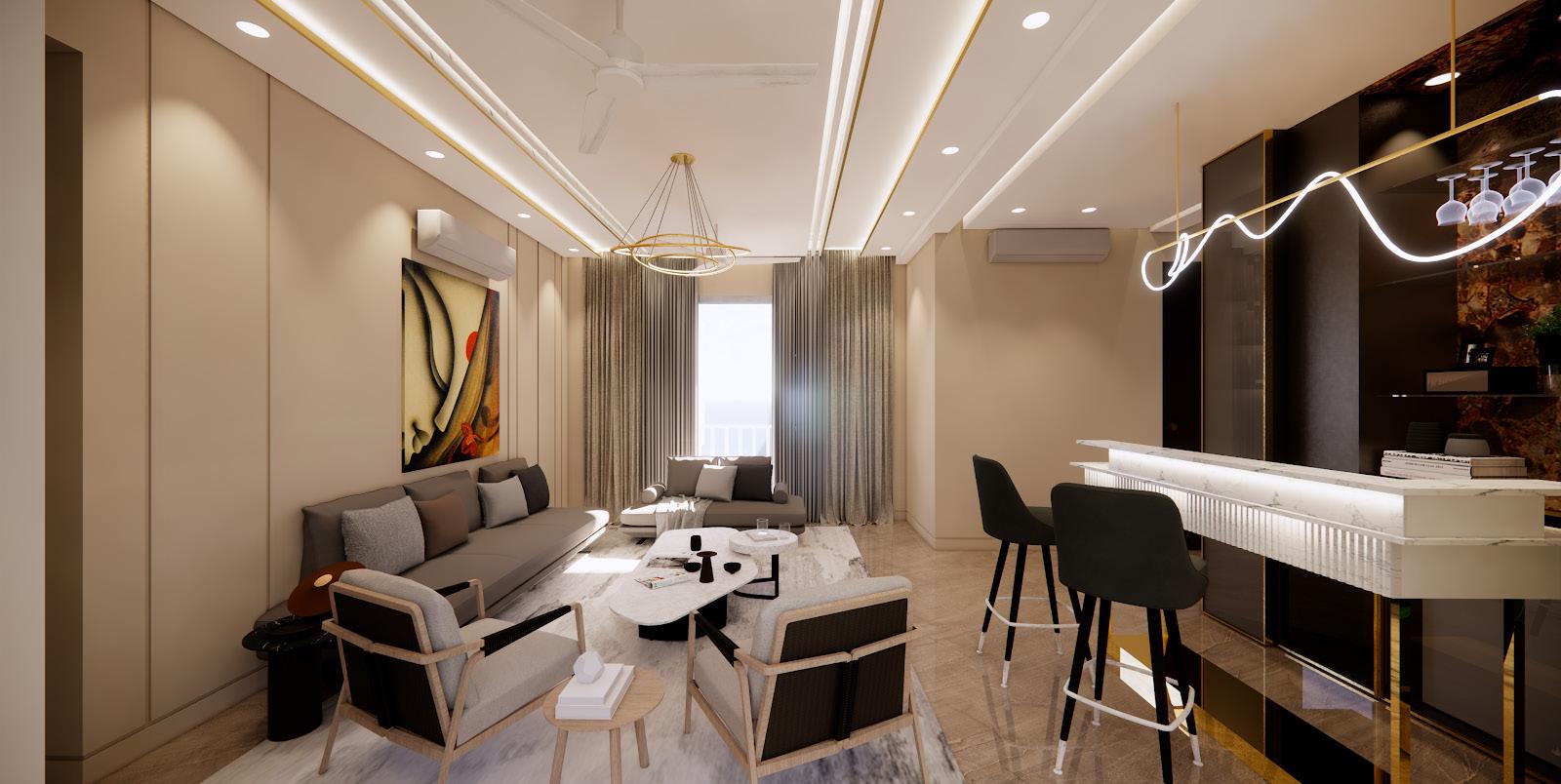
This residential project had a very interesting brief where the clients wanted to break down parts of the old structure to make new and larger spaces which included an open bar which was the highlight of the project.
Softwares: Autocad
Stages: Strategic Definition, Preparation and Brief, Concept Design, Developed Design, Technical Design
This residential project had a very interesting brief where the clients wanted to break down parts of the old structure to make new and larger spaces which included an open bar which was the highlight of the project.
Mixed Use
Softwares: Rhino, Grasshopper, Photoshop, Illustrator
Stages: Strategic Definition, Preparation and Brief, Concept Design, Developed Design
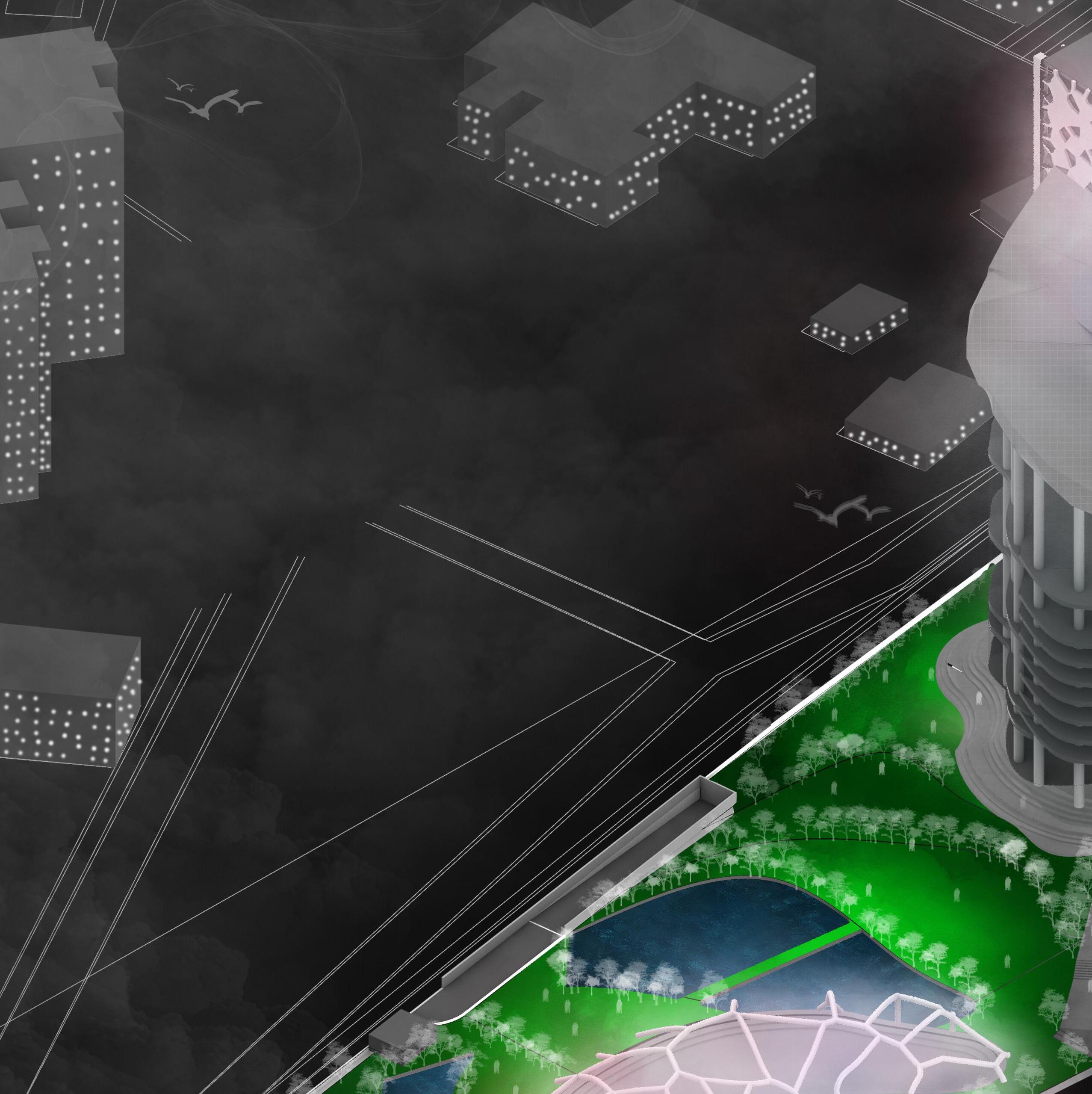
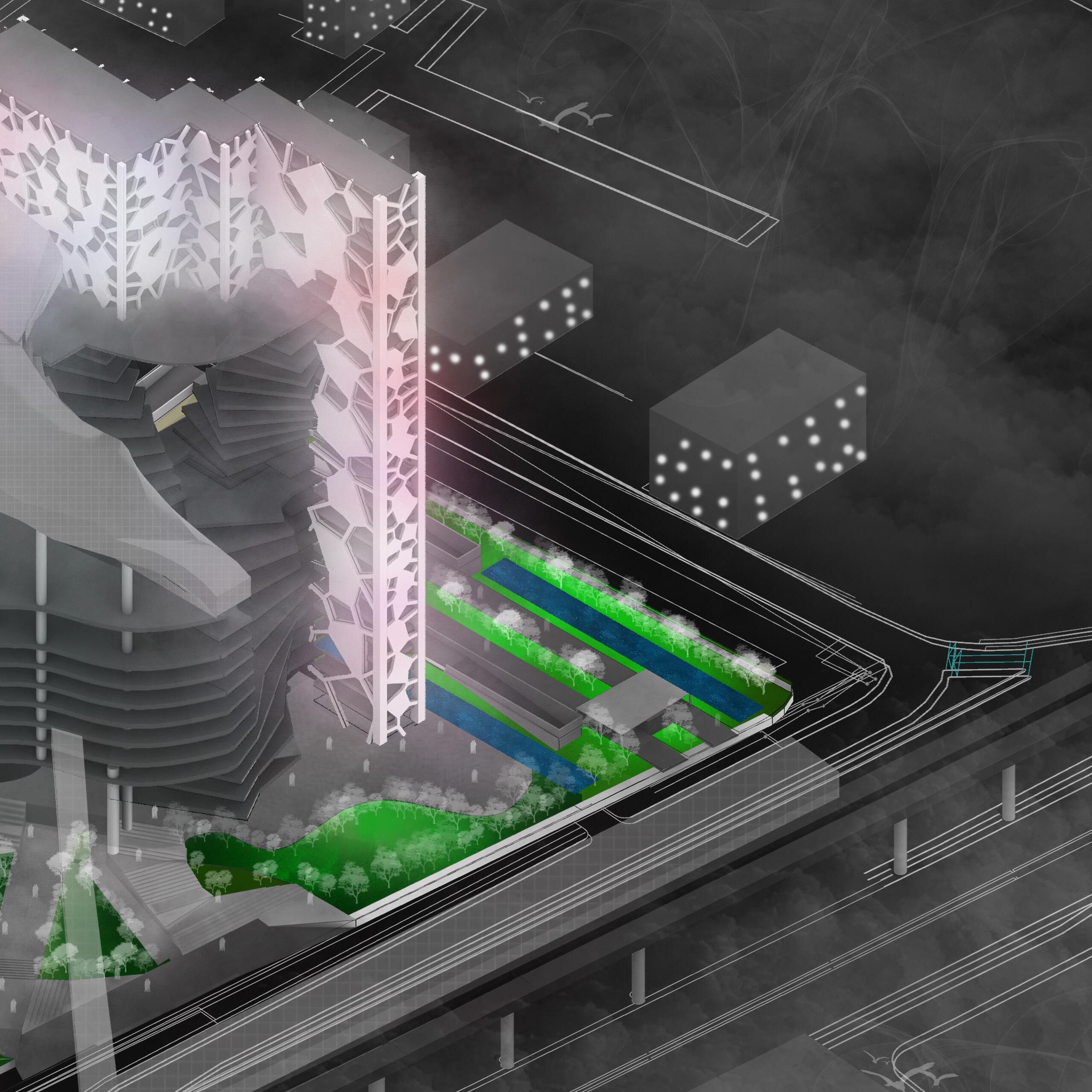
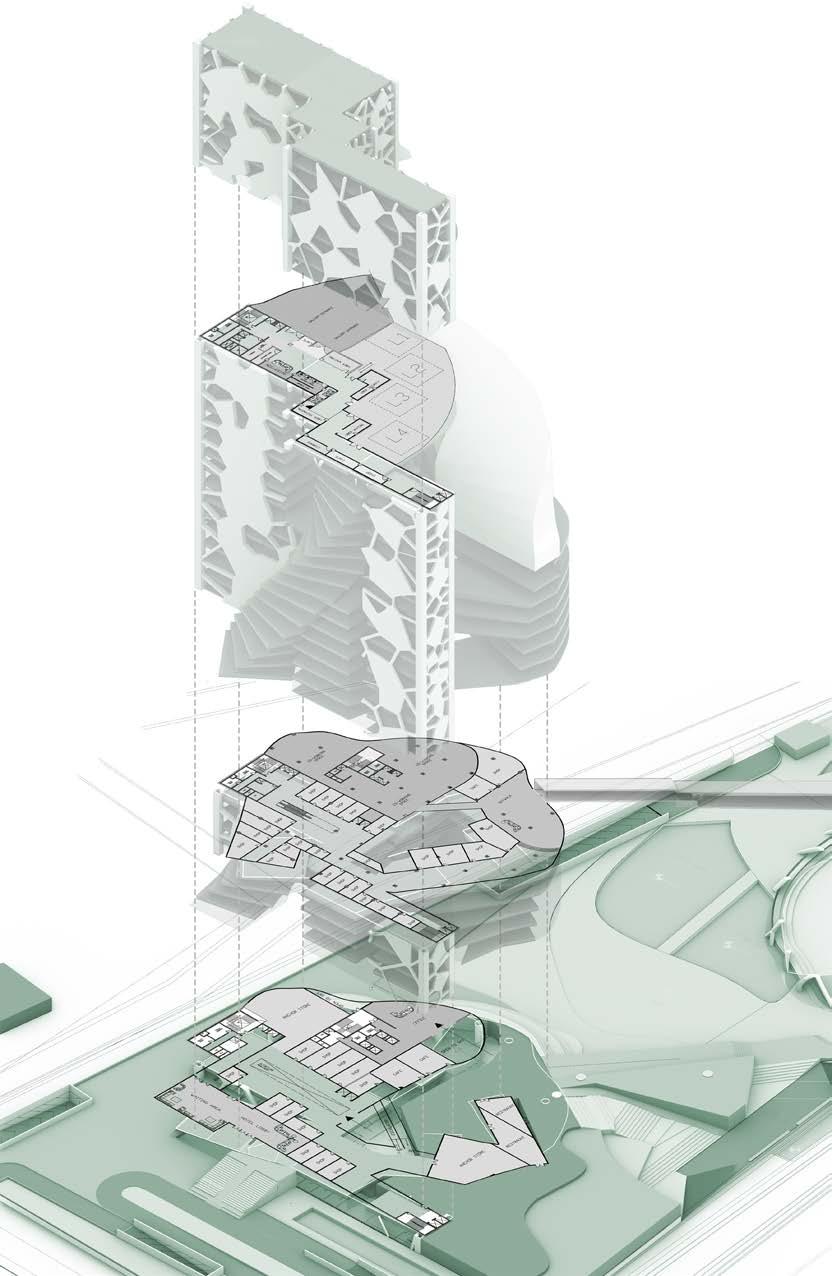
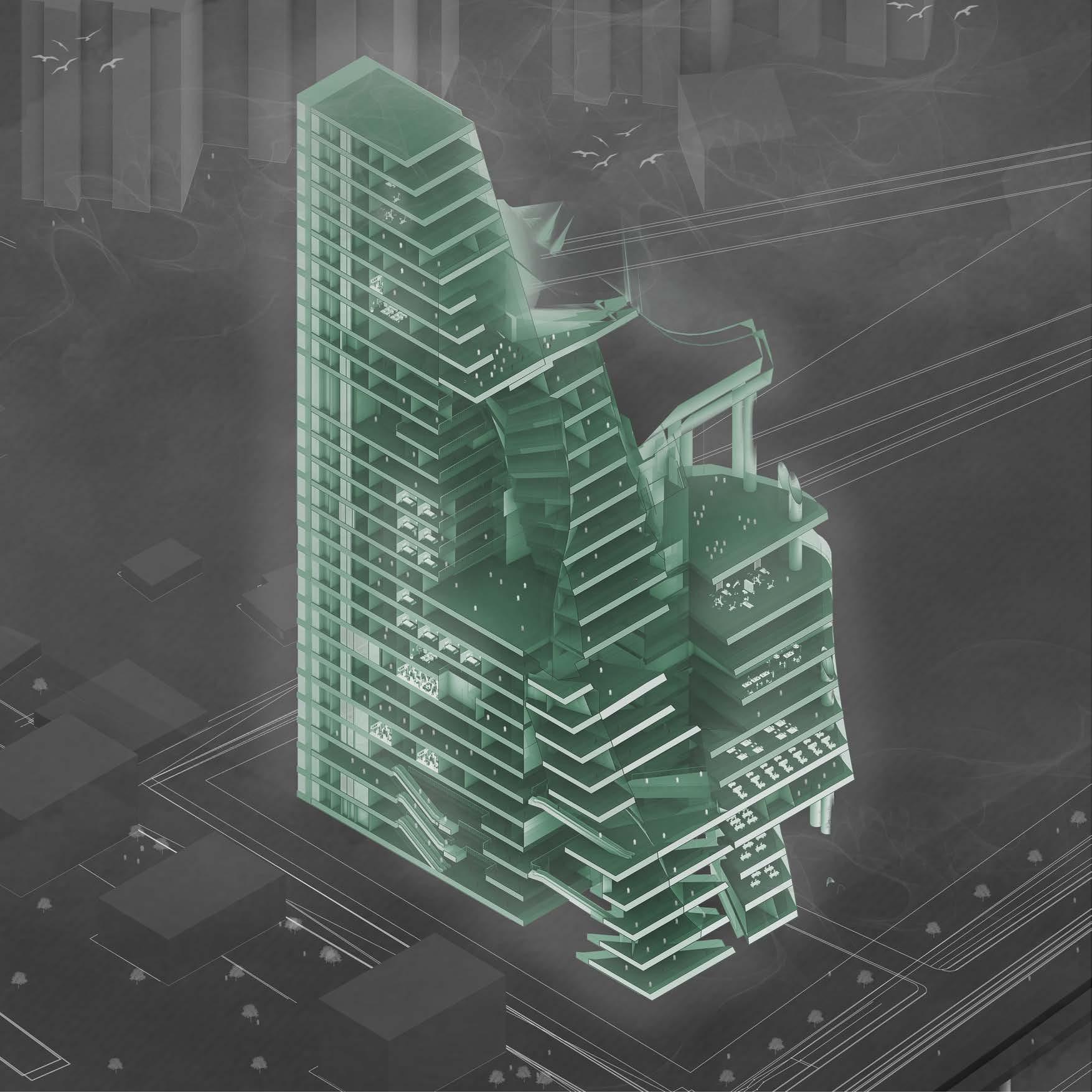
Autochine is a hybrid built comprising of a vast array of programs being integrated in the building. It is a proposed in the city of Gurugram on the Golf course road. The project defines the age of automation which is reflected upon the digital art gallery that comprises of a projection systems giving the user a chance to experience digital art in a whole new way. Autochine combines the likes of a retail mall alongside a co-working space and a Hotel.
The highlight of the project is the ramp which on the outside of the building which consists of a digital art gallery. The ecological part of the built is the unique façade system that purifies smog and acts as an air purifier which comprises of an advanced lighting system. The lighting system corresponds to the AQI index that monitors the current air pollution levels and illuminates the building façade according the level of pollution.
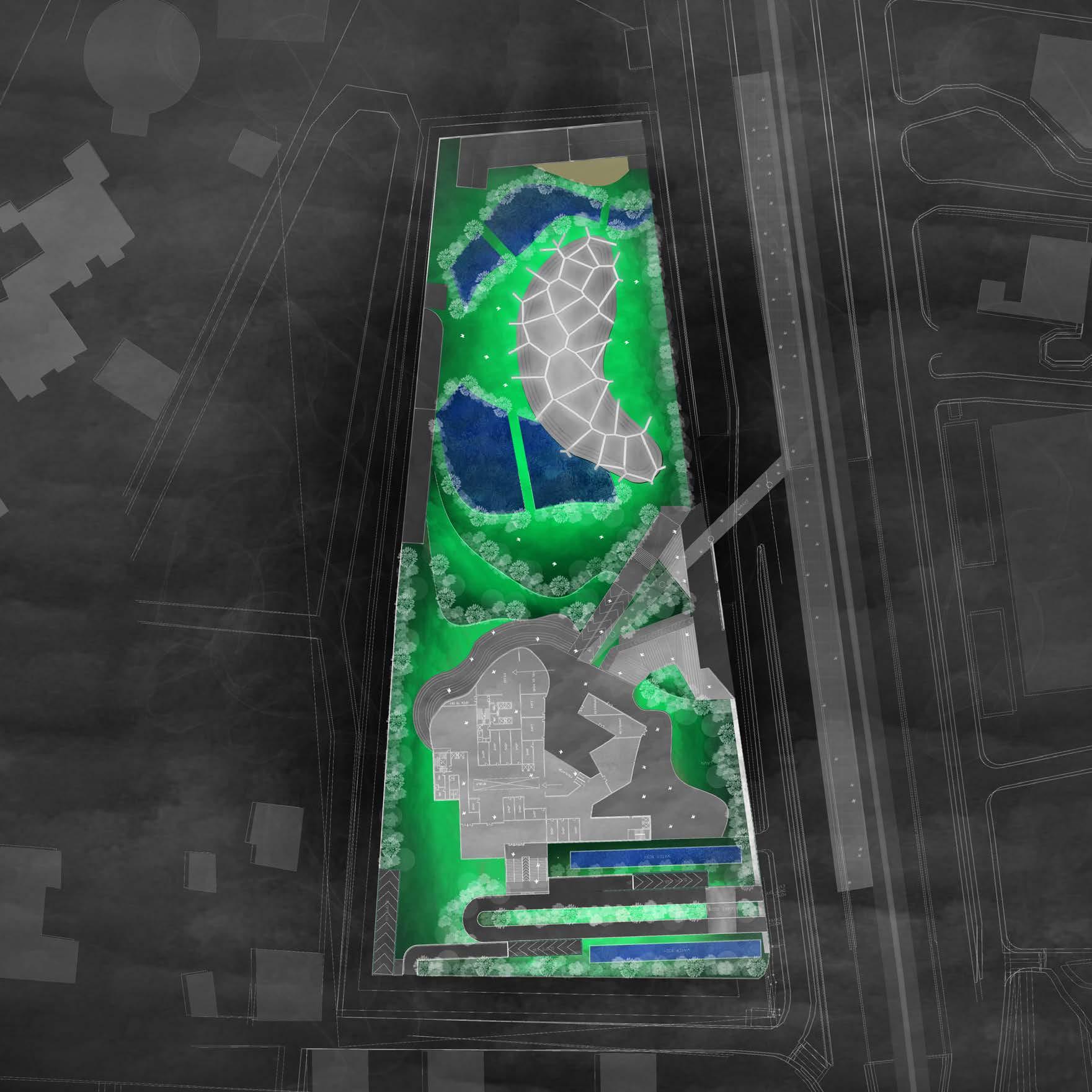
For the landscaping, Autochine features an urban forest alongside the built, the idea being to neutralise the carbon footprint that is emitted by the building. For accessibility 2 futuristic accesses have been added i.e. a skywalk access level has been integrated for commuters travelling by metro to directly access the building.
An uber air access level is also included to fulfil the need for air cabs in the near future.
Project
:
Location : Group Devansh Khera | Malaika Bagga Mixed Use
Parametric Iteration Hybrid HyS 0.1
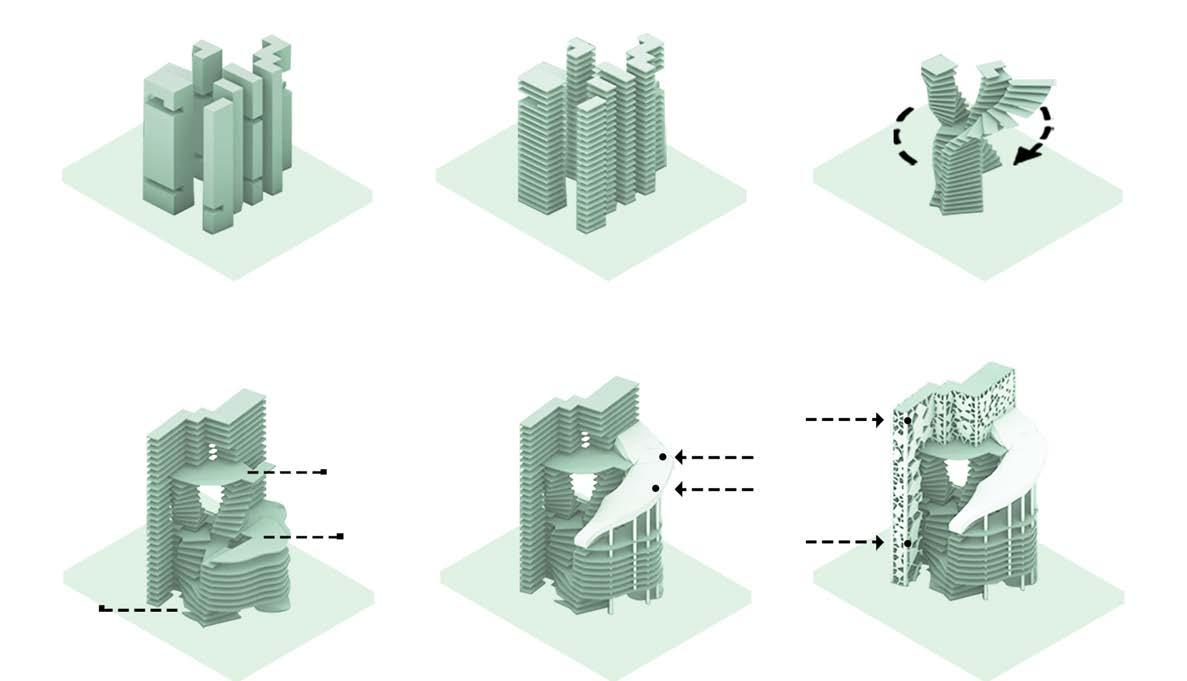
Intuitive x Parametric
Cutting of Floor Plates
Insertion of X Factor Ramp
Intuitive Form Evolution
Titanium Dioxide Facade Panel Hybrid HyS 0.2
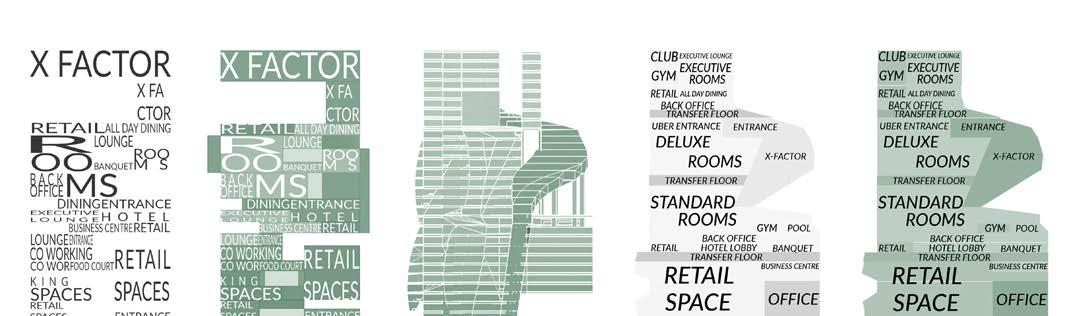
Stratification of Program
Inserting Program
Hybrid HyS 0.2
Program Evolution
Stratification of Program
Inserting Program to Hybrid HyS 0.2
Softwares: Rhino, Grasshopper, Photoshop, Illustrator
Stages: Strategic Definition, Preparation and Brief, Concept Design, Developed Design
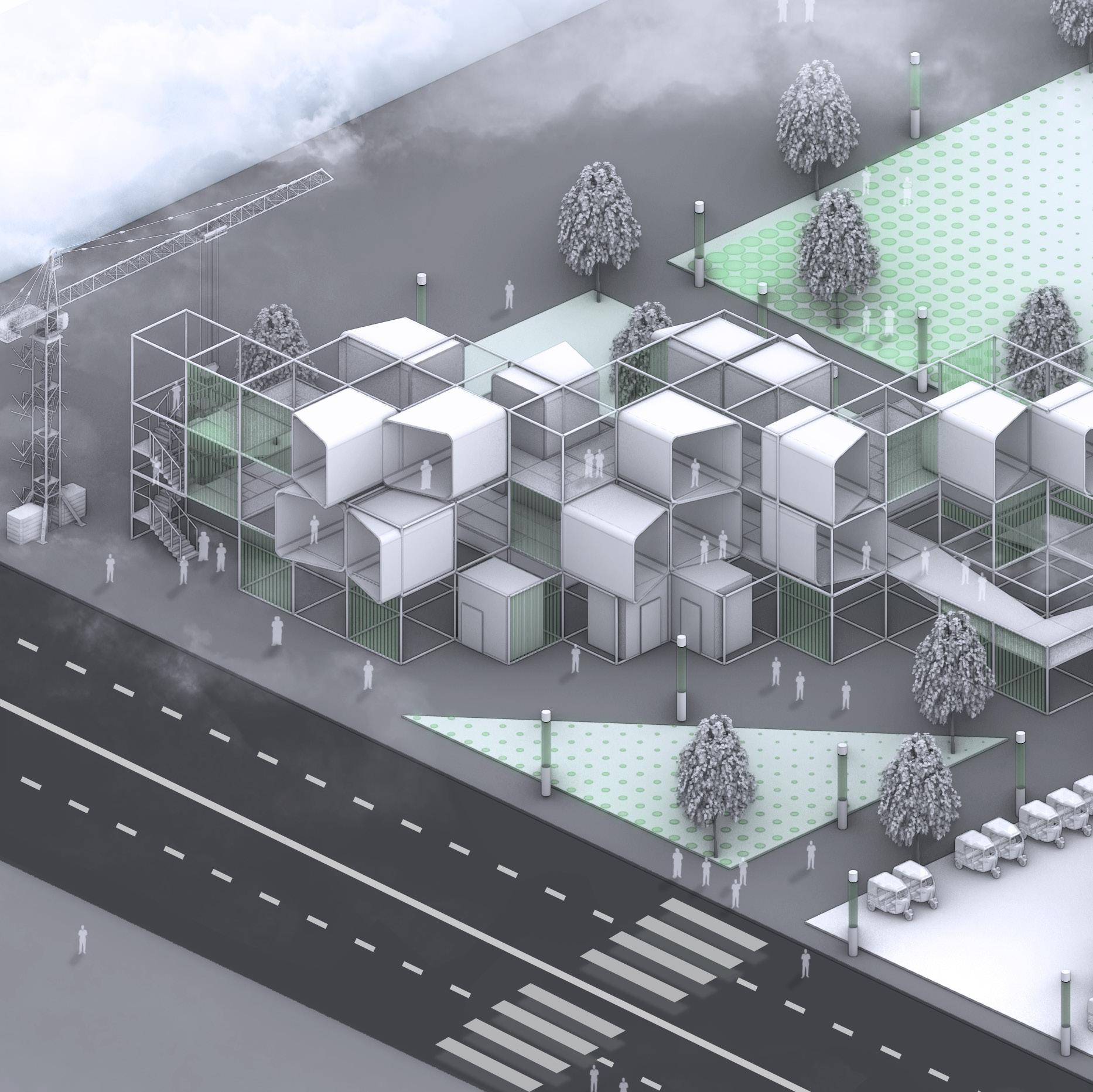
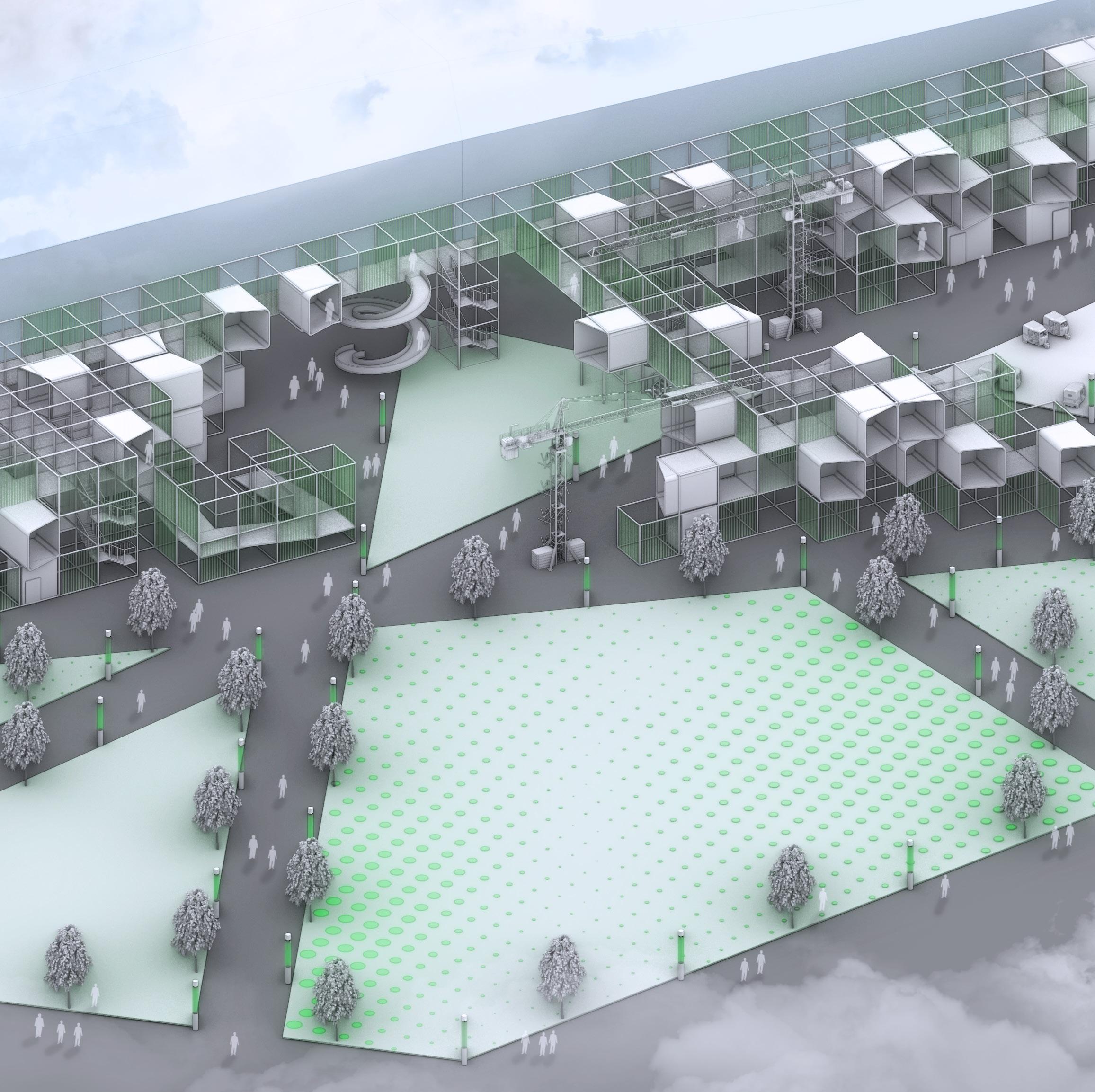
Gurugram, a city based in India has been dealing with urban issues on a city level which comprise of three main issues braodly. Ecological, which includes industrial pollution and rising levels of smog and carbon dioxide. Conveniences, where the city has a poor availability of amenities with respect to density and Distribution where leftover food could be used to feed the underprivileged.
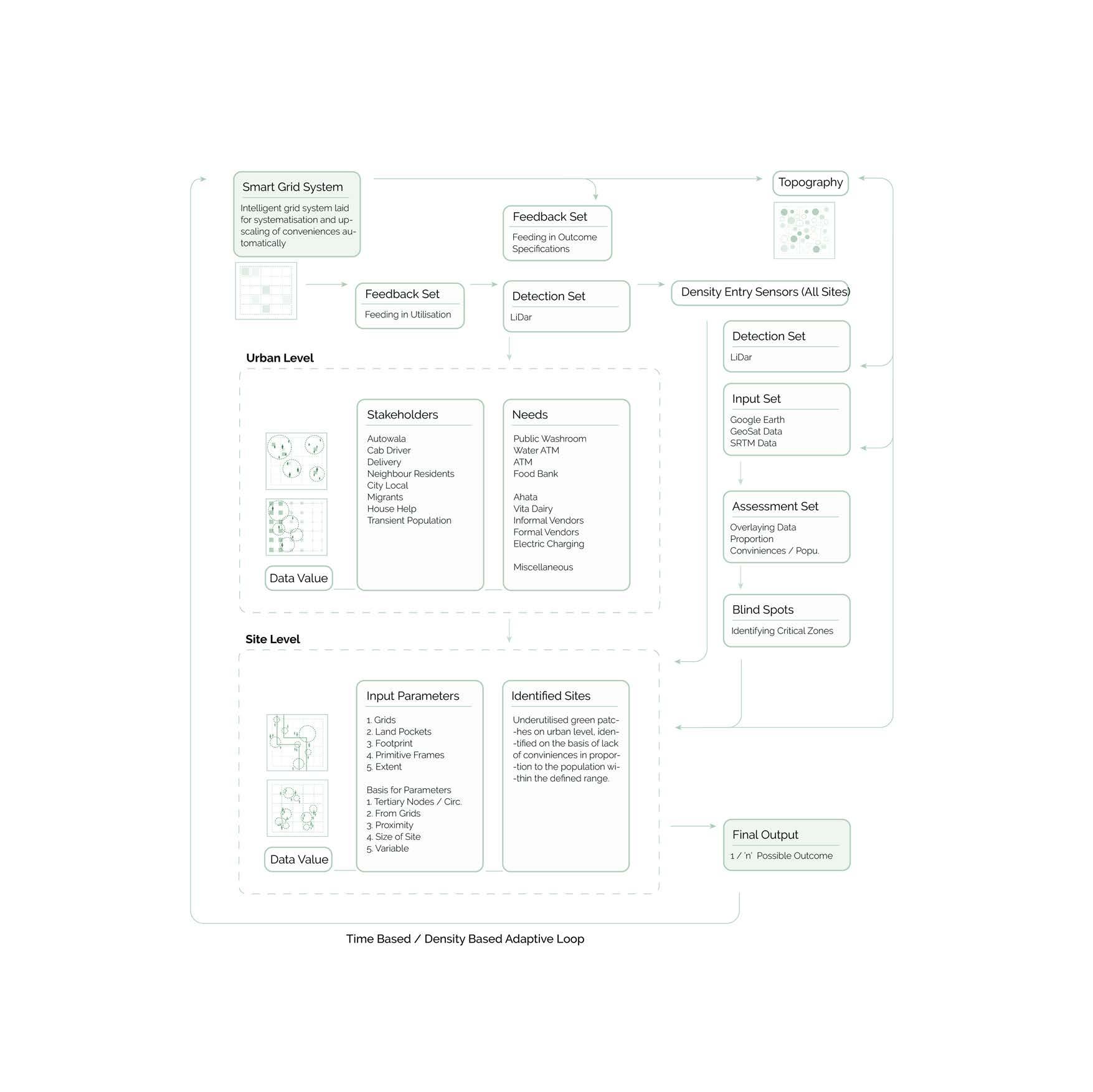
A smart algorithimic grid system has been designed which generates an ecosystem of convenience. It consolidates data on a city level and is used to upscale conveniences automatically.
Under utilized goverment owned patches are used to distribute and adjust amenities according to usage. It also uses these patches to address the city’s food distribution network and ecological challenges through carbon dioxide capturing bioreactors as a facade system.
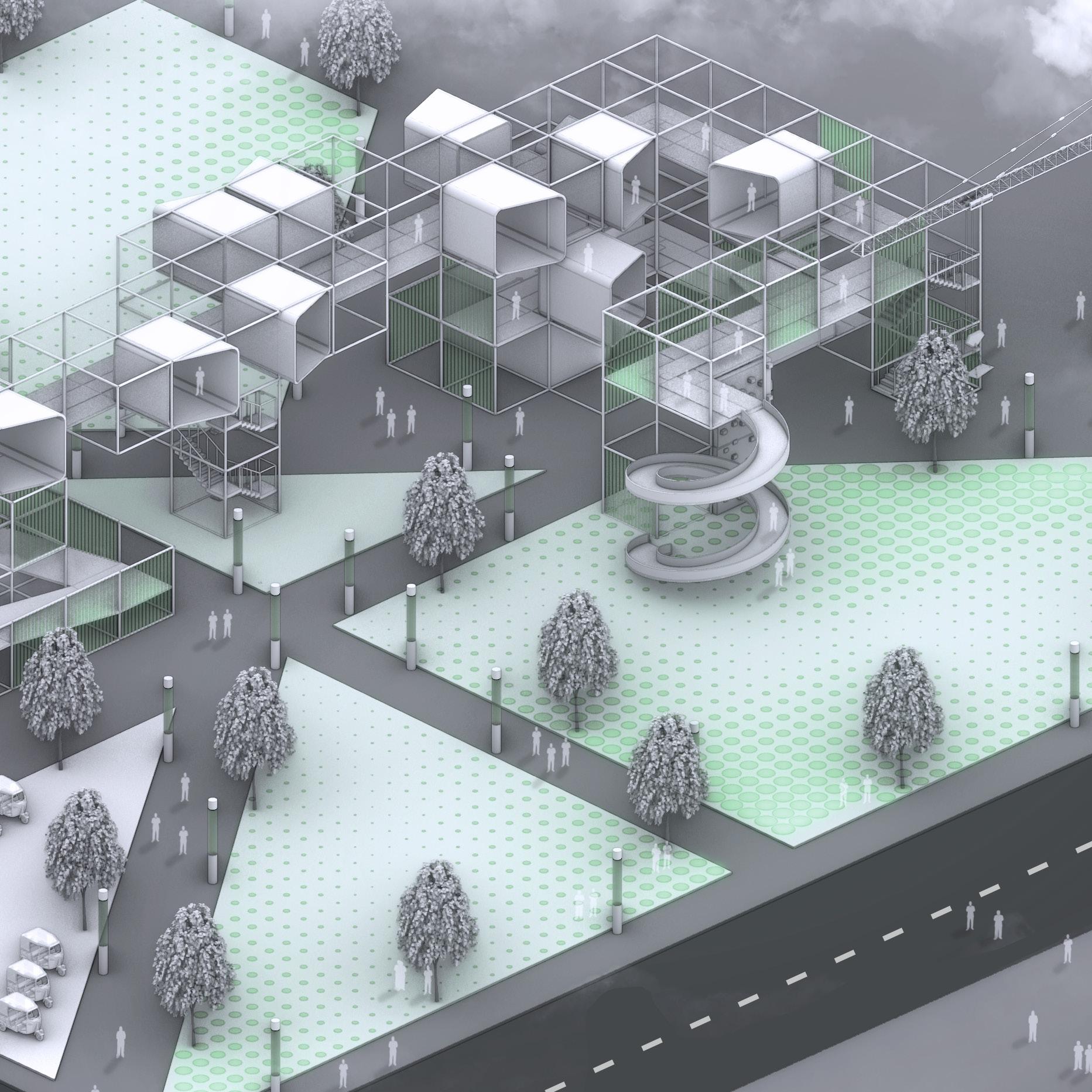
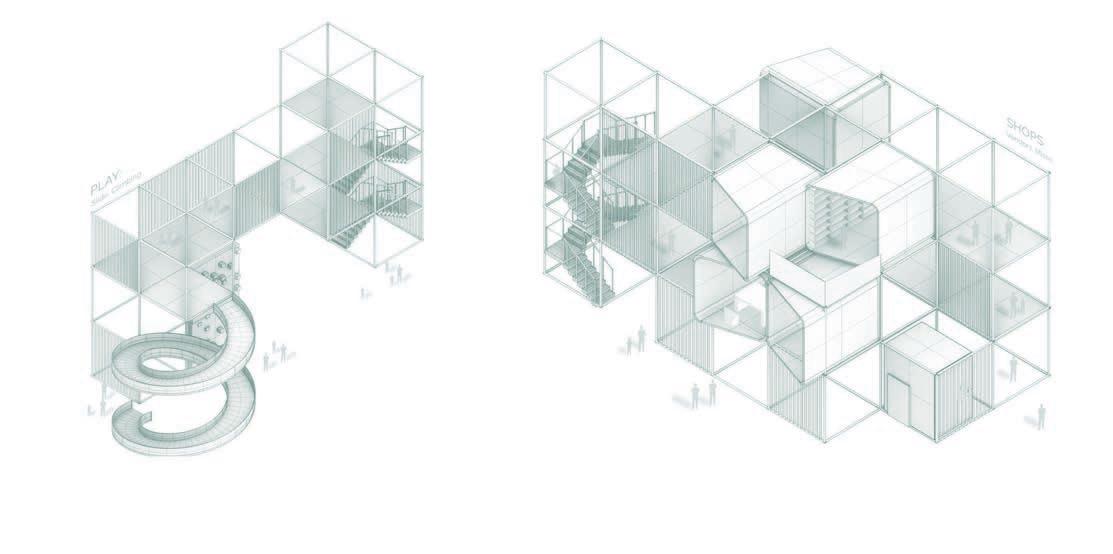
Play : The primitive frames can be configured and made into a play area for kids, in a scenario where it is needed and plugins like a slide and a climbing wall can be plugged to the frames as an addon
Shop : The primitive frames can be configured to make a path for circulation and missc. units as shops for vendors can be distributed around the path, specific to scenarios suited.
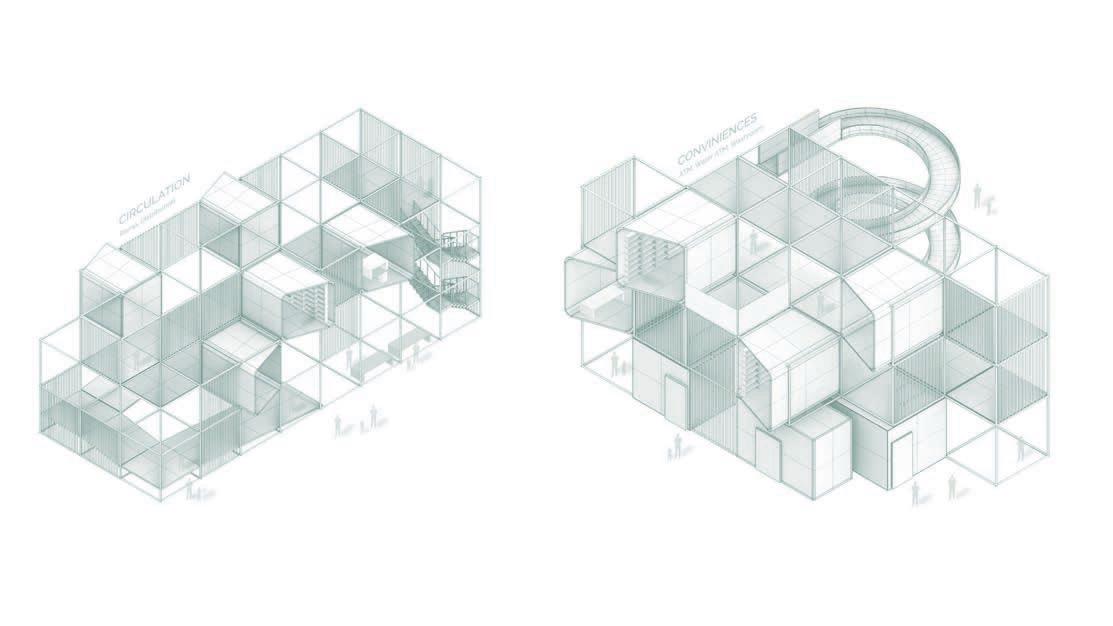
Circulation : The primitive frames can be configured to add units around cirulation channels, Ramps and staircase can also be plugged in into the frames or cases to make passage.
Conveniences : The primitive frames can be configured to make a spaces for plugging in conviniences on ground floor area and missc. units on floors above for different uses.
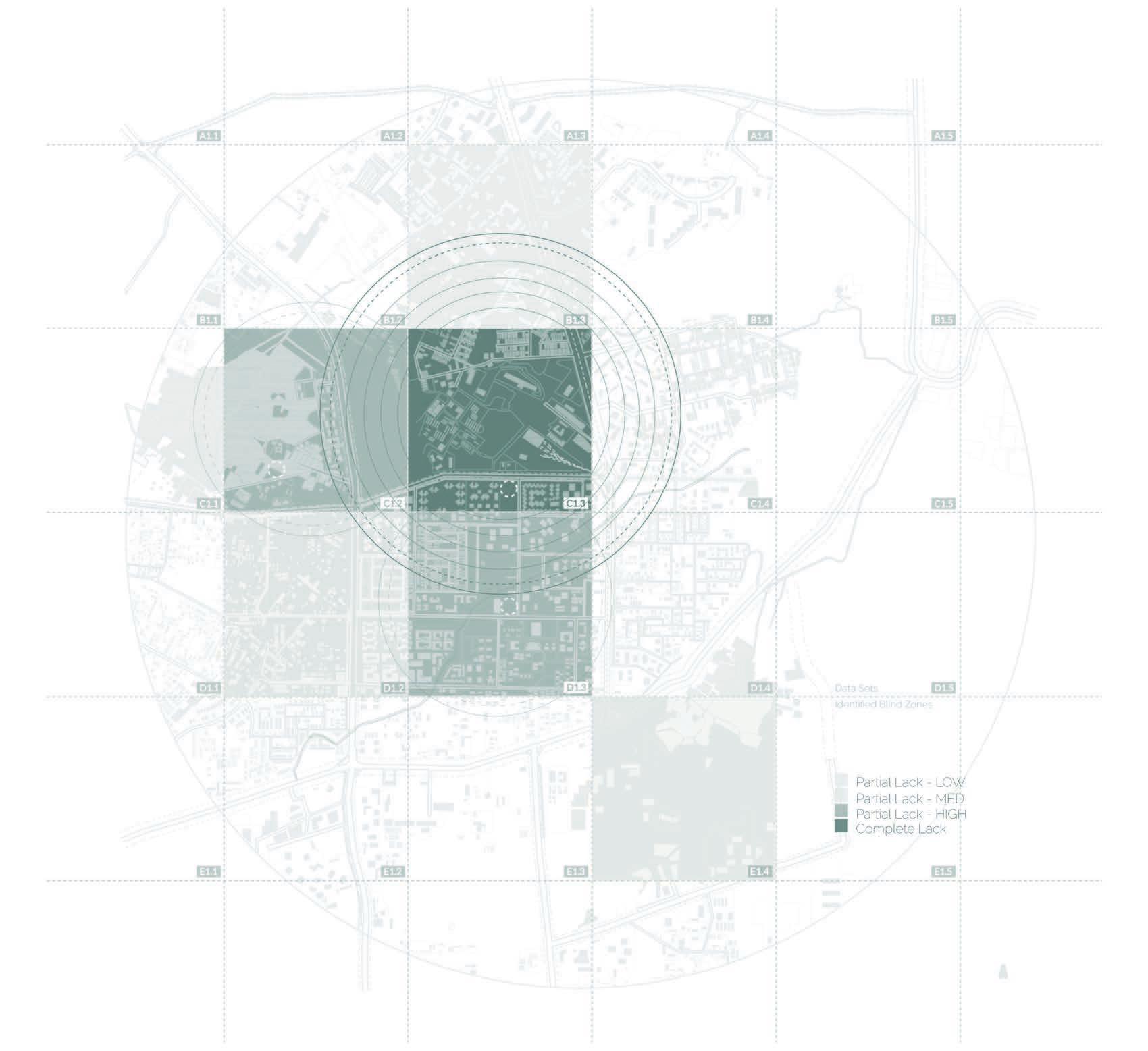
Identification of Areas w.r.t to current amenities
09| re .P l A y Residential Highrise
Softwares: Rhino, Grasshopper, Photoshop, Illustrator
Stages: Strategic Definition, Preparation and Brief, Concept Design, Developed Design
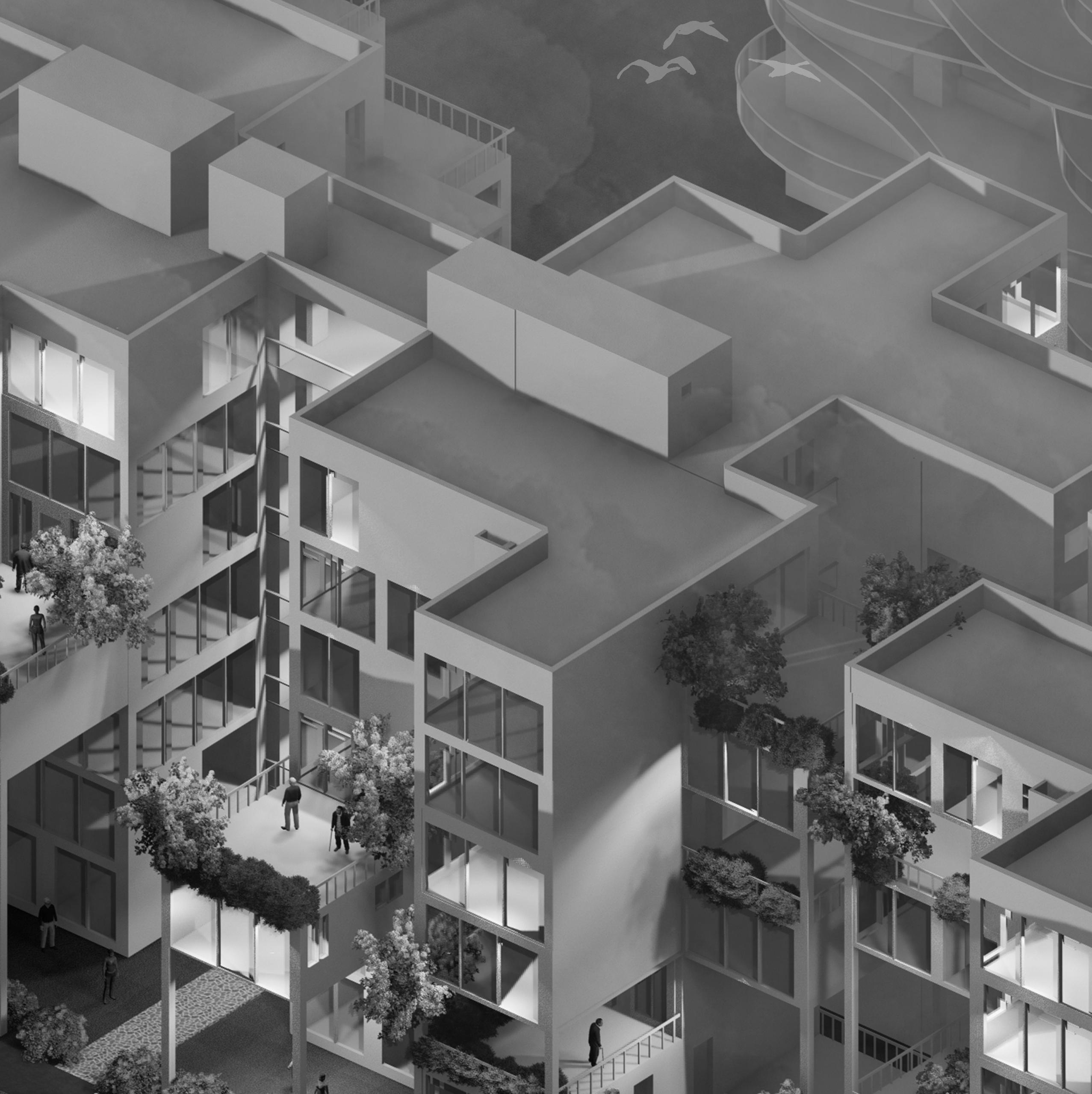
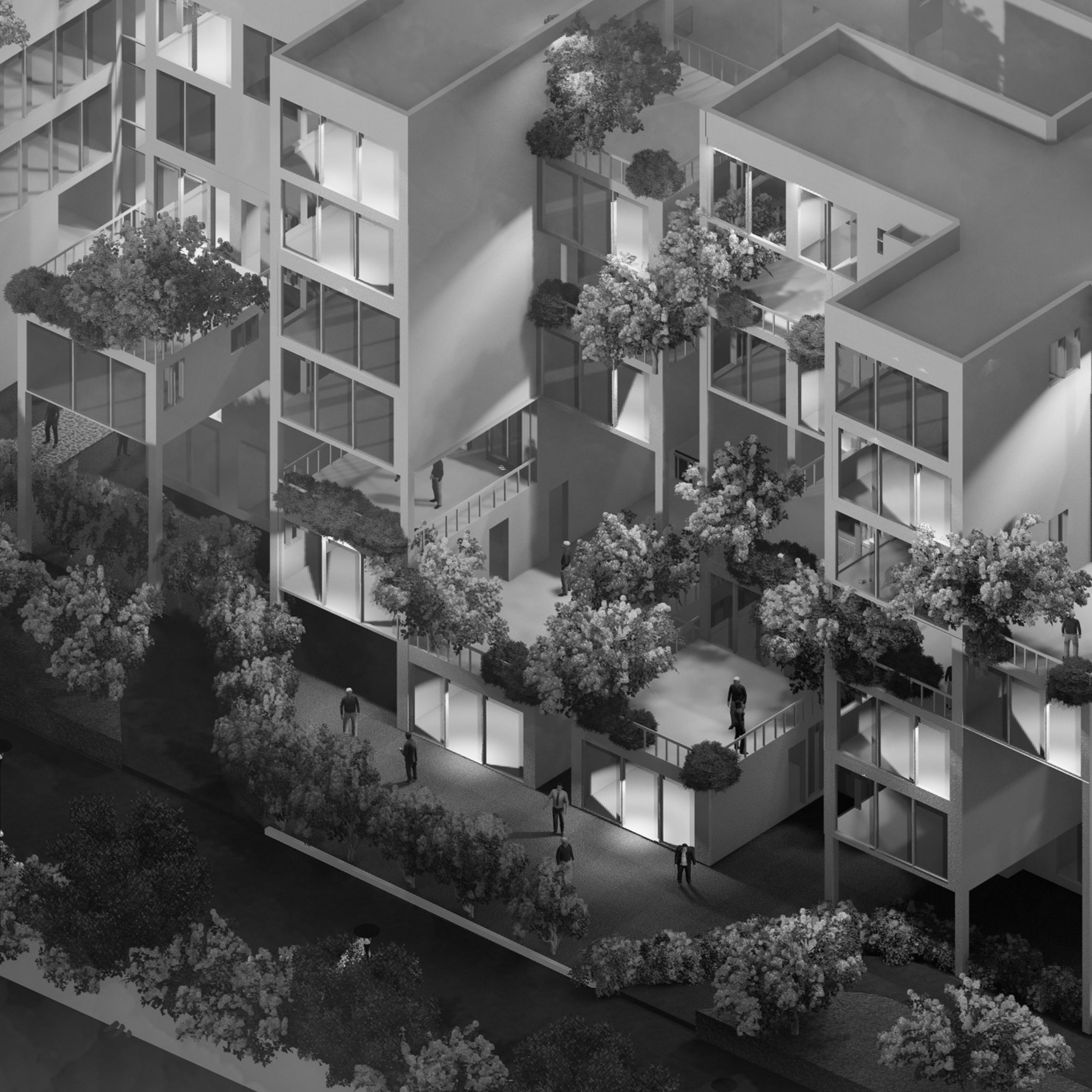
The Project explores the human ‘connect’ by uniting people of different age groups. The complex caters to senior housing which forms the lower towers. The towers have apartments ‘jutting out’ and forming interactive green terraces not only for the people living in them but also for the people living around. The low rise forms the perfect setting to overlook the serene view of the mountains making the ‘living’ the perfect habitat for a post retirement life.
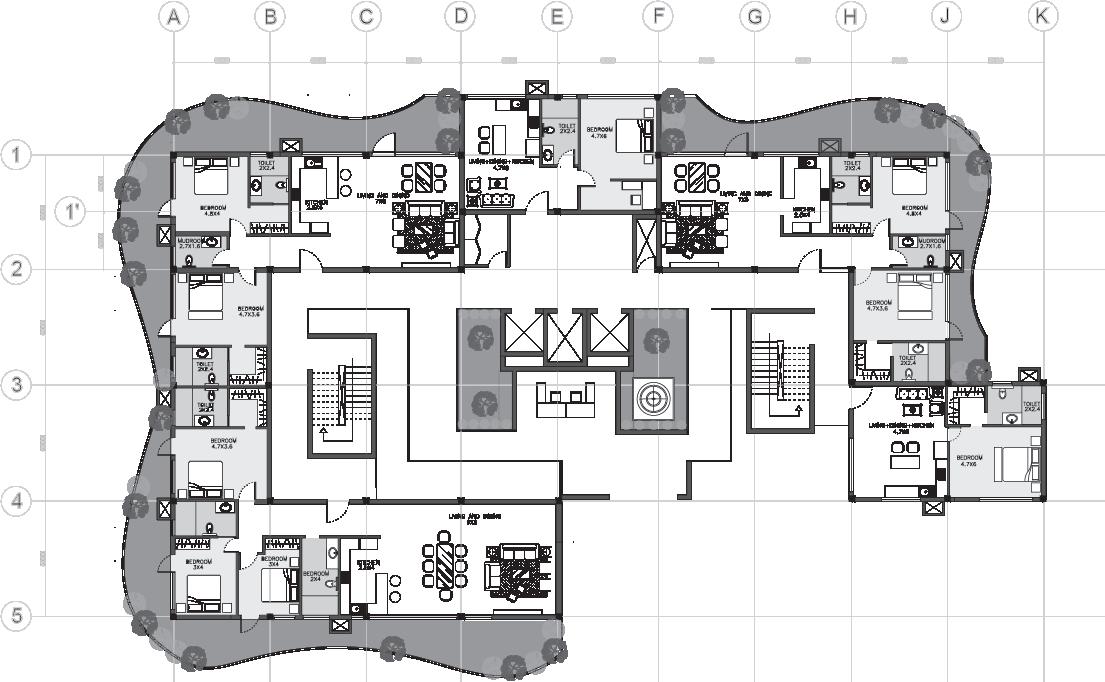
The high rise towers incorporate the modern living culture and provide the perfect setting for the white collar working class professionals to create their ideal home. The picturesque views to a golf course and a forest research institute instil a sense of calmness in this day and age of a super-fast lifestyle. The large green balconies interconnecting the floors create a vertical forest and incorporate the site greens.
The idea of co habitual living spaces comes alive in the complex by making these user groups meet through a unique landscape where ‘courts’ are built between the built mass and create a sense of togetherness for the community.
vThe community centre acts as a binding factor for the people and caters to a variety of needs right from medical assistance for senior people to restaurants and offers much more. The community centre along with a retail function keeps the pedestrian movement on the site alive and creates a lively environment.
Project Type :
Type :
Site Area : F.A.R: Ground Coverage: Location : Group Devansh Khera | Malaika Bagga